Money-Saving Tips
- Purchase combo tickets: Many attractions offer discounted combination tickets
- Visit on weekdays: Lower crowds and sometimes reduced prices
- Use regional passes: Consider area-specific passes for multiple attractions
- Free admission days: Some museums offer free entry on certain days
Time-Saving Tips
- Arrive early: Beat the crowds by visiting popular spots before 10 AM
- Book online: Reserve tickets and restaurants in advance
- Use luggage storage: Store bags at stations to explore freely
- Download offline maps: Save data and navigate easily
Local Insights
- Ask locals: Residents often know the best hidden spots
- Try seasonal specials: Each season offers unique experiences
- Respect customs: Follow local etiquette at temples and shrines
- Learn basic Japanese: Simple phrases enhance your experience
- Top attraction in Hakone Sekisho History Guide
- Best time to visit: Morning or evening
- Access: Easy access from Tokyo/Yokohama
- Facilities: Restrooms, parking available
- Best for: Sightseeing, photography
Quick Links
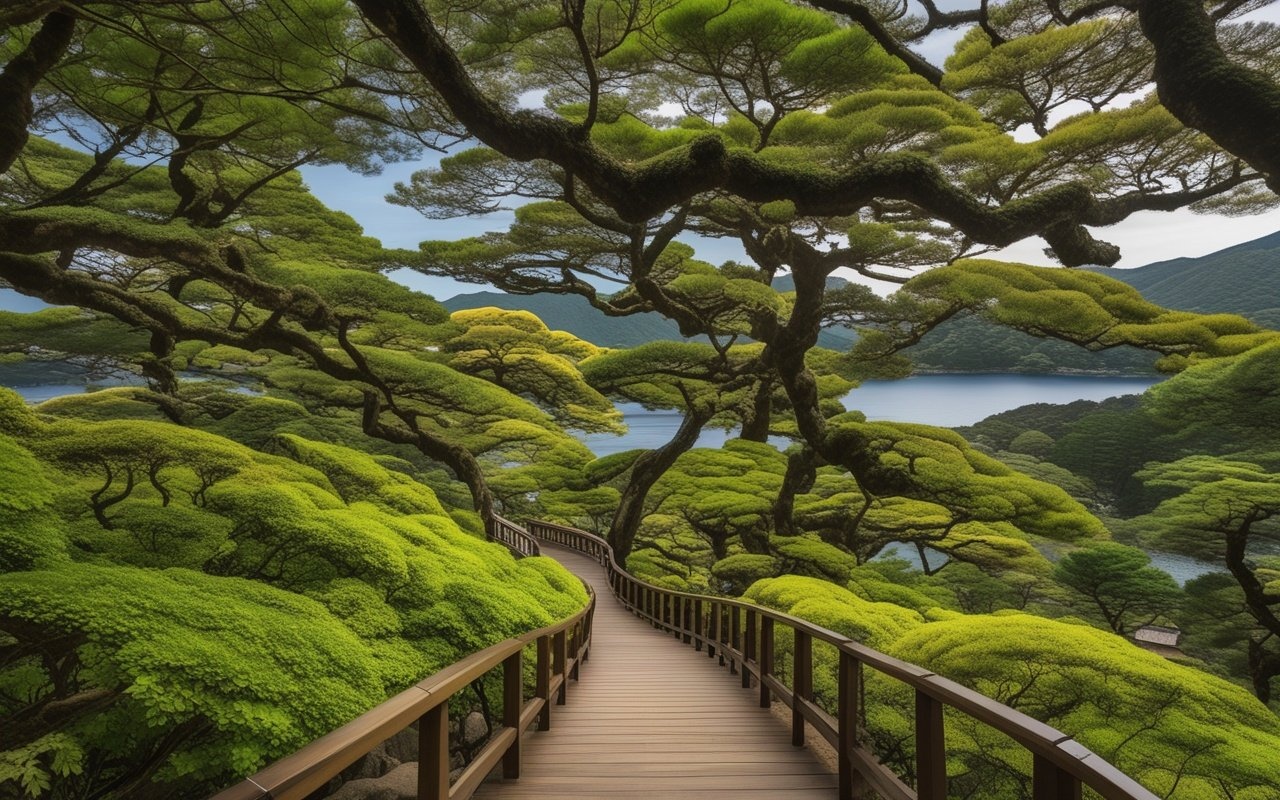
This comprehensive guide provides essential information about Hakone Sekisho History Guide 2026: Complete Checkpoint Experience. Discover local insights, practical tips, and hidden gems to enhance your visit to Kanagawa.
Location
Within 5km
Historic Sites:
- Ancient temples and shrines (10-15 min)
- Traditional architecture and gardens
- Cultural heritage sites
Natural Attractions:
- Scenic parks and walking trails
- Coastal views and beaches
- Mountain viewpoints
Within 10km
Museums & Culture:
- Local history museums
- Art galleries
- Traditional craft centers
Shopping & Dining:
- Local markets
- Specialty shops
- Traditional restaurants
Day Trip Options
Morning:
- Early visit to main attraction
- Breakfast at local cafe
Afternoon:
- Explore nearby sites
- Lunch at recommended restaurant
Evening:
- Sunset viewpoint
- Dinner at local specialty restaurant
Spring (March-May)
Highlights: Cherry blossoms, mild weather, spring festivals
- Temperature: 10-20°C (50-68°F)
- Crowds: High during cherry blossom season (late March-early April)
- What to Wear: Light jacket, layers
- Special Events: Hanami parties, spring festivals
Summer (June-August)
Highlights: Green landscapes, summer festivals, fireworks
- Temperature: 20-30°C (68-86°F)
- Crowds: Very high (school holidays)
- What to Wear: Light clothing, hat, sunscreen
- Special Events: Fireworks festivals, beach activities
Autumn (September-November)
Highlights: Fall foliage, comfortable weather, harvest season
- Temperature: 15-25°C (59-77°F)
- Crowds: Moderate to high (especially November)
- What to Wear: Light layers, comfortable walking shoes
- Special Events: Autumn festivals, food events
Winter (December-February)
Highlights: Fewer crowds, clear views, winter illuminations
-
Temperature: 5-15°C (41-59°F)
-
Crowds: Low (except New Year holidays)
-
What to Wear: Warm coat, gloves, scarf
-
Special Events: Winter illuminations, New Year events
-
Access: 15 min bus from Hakone-Yumoto
-
Admission: ¥500 adults, ¥200 children
-
Hours: 9:00 AM - 5:00 PM
-
Best for: History, Edo period, museum
Introduction
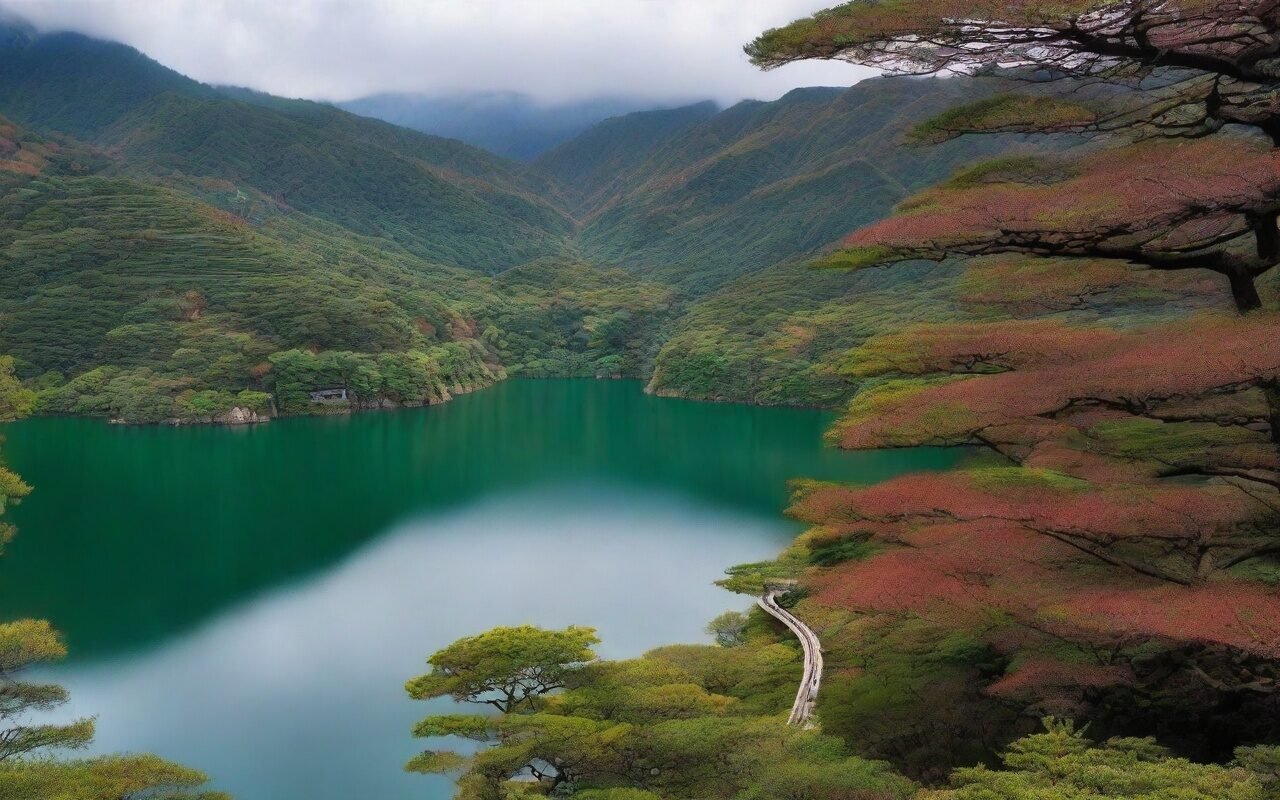
Hakone Sekisho (Hakone) was one of the most important checkpoints on the Tokaido Road during the Edo period. This reconstructed checkpoint offers a fascinating glimpse into Japan's feudal history and strict travel control systems.
Highlights:
- Edo period checkpoint
- Reconstructed buildings
- Interactive museum
- Historical artifacts
- Lake Ashi views
Edo Period Checkpoint
Established: 1619 by Tokugawa Shogunate Purpose: Control travel on Tokaido Road Location: Between Kyoto and Edo (Tokyo)
Historical Role
Functions:
- Check travel permits
- Prevent smuggling of weapons
- Monitor movement of women and children
- Collect taxes
Strict Rules:
- "Onna-teppo" (women and guns) - strictly prohibited
- Travel permits required
- Curfew enforced
Main Gate
Features:
- Traditional architecture
- Guard quarters
- Historical displays
- Photo opportunities
Inspection Area
Features:
- Travel permit checking area
- Historical reenactments
- Interactive displays
- Educational exhibits
Prison Cells
Features:
- Historical detention area
- Conditions explanation
- Punishment displays
- Historical context
Historical Artifacts
Collection:
- Travel permits
- Weapons and armor
- Documents and maps
- Daily life objects
Interactive Displays
Features:
- Touch-screen information
- Video presentations
- Historical reenactments
- English explanations
Special Exhibitions
Rotating exhibits:
- Seasonal themes
- Special topics
- Guest collections
- Educational programs
Admission
| Category | Price |
|---|---|
| Adults | ¥500 |
| Children | ¥200 |
| Groups (20+) | ¥400 |
Discounts:
- Hakone Free Pass: ¥100 off
- Combination tickets available
Hours
| Season | Hours |
|---|---|
| Spring/Summer | 9:00 AM - 5:00 PM |
| Autumn/Winter | 9:00 AM - 4:30 PM |
Closed: None (open year-round)
By Train and Bus
From Hakone-Yumoto:
- Hakone Tozan Bus to Sekisho-mae (15 min, ¥320)
- 1-minute walk
From Togendai:
- Hakone Sightseeing Bus to Sekisho-mae (10 min, ¥320)
- 1-minute walk
By Car
From Tokyo:
- 2 hours via Tomei Expressway
- Parking available (¥500)
Lake Ashi (5 min walk)
Features:
- Boat cruises
- Fishing
- Lakeside walks
- Photo opportunities
Hakone Shrine (10 min walk)
Features:
- Historic shrine
- Torii gate in water
- Beautiful grounds
- Free admission
Hakone Museum of Art (15 min by bus)
Features:
- Japanese ceramics
- Bamboo art
- Beautiful gardens
- Admission: ¥1,000
Summary
Hakone Sekisho offers a fascinating journey into Edo period Japan with reconstructed buildings, interactive museum, and historical artifacts. Perfect for history enthusiasts and families.
Key highlights:
- Edo period checkpoint
- Reconstructed buildings
- Interactive museum
- Historical artifacts
- Lake Ashi views
Conclusion
Hakone Sekisho History Guide is a must-visit destination in Kanagawa for international travelers. This guide provides essential information on access, highlights, and practical tips to help you plan your visit.
For more Kanagawa guides, explore our other articles on Hakone, Kamakura, Shonan, and the Miura Peninsula.
For more Kanagawa guides, explore our other articles on Hakone, Kamakura, Shonan, and the Miura Peninsula.
Q. How long does a visit take?
A. Plan for 1-2 hours for full experience.
Q. Are English explanations available?
A. Yes, major exhibits have English signage.
Q. Is it wheelchair accessible?
A. Partially accessible. Some areas have steps.
Related Articles
Last Updated: March 2026
Written by: Anaba OffJapan Editorial Team
Anaba OffJapan - Avoid the Crowds, Go Deeper into Japan.
Best Time to Visit
Season: Year-round destination
Spring (March-May):
- Mild temperatures (10-20°C)
- Cherry blossoms (late March-early April)
- Moderate crowds
Summer (June-August):
- Warm weather (20-30°C)
- Festivals and events
- Peak tourist season
Autumn (September-November):
- Comfortable temperatures (15-25°C)
- Fall foliage (November)
- Less crowded
Winter (December-February):
- Cool weather (5-15°C)
- Fewer tourists
- Clear views
What to Pack
Essentials:
- Comfortable walking shoes
- Weather-appropriate clothing
- Camera
- Portable charger
- Cash (many places don't accept cards)
Seasonal Items:
- Spring: Light jacket, umbrella
- Summer: Hat, sunscreen, water bottle
- Autumn: Layers, comfortable shoes
- Winter: Warm coat, gloves, scarf
Money-Saving Tips
- Regional Passes: Consider area-specific transportation passes
- Combo Tickets: Many attractions offer discounted combination tickets
- Free Attractions: Parks, temples, and beaches are often free
- Convenience Stores: Affordable meals and snacks
- Off-Peak Travel: Weekdays and off-season offer better deals
Local Etiquette
At Temples & Shrines:
- Dress modestly
- Speak quietly
- Follow photography rules
- Purify hands at chozuya (water pavilion)
On Public Transport:
- Keep voice down
- Priority seating for elderly/disabled
- No eating on trains
- Queue in line
General:
- Remove shoes when required
- No tipping (can be offensive)
- Use trash bins properly
- Respect private property
From Tokyo
By Train (Recommended):
- JR Line: Direct access, covered by JR Pass
- Private Lines: Often faster, more frequent
- Travel Time: 60-90 minutes
- Cost: ¥600-¥1,200
By Bus:
- Highway Bus: Affordable option
- Travel Time: 90-120 minutes
- Cost: ¥500-¥800
By Car:
- Route: Tomei Expressway
- Travel Time: 60-90 minutes (no traffic)
- Cost: ¥2,000-¥3,000 (tolls + parking)
- Note: Traffic heavy on weekends
Local Transportation
Train:
- Most efficient way to travel
- Covers major attractions
- Day passes available
Bus:
- Reaches remote areas
- Affordable
- Less frequent than trains
Taxi:
- Convenient for groups
- Available at stations
- More expensive (¥1,000-¥2,000 per ride)
Rental Bicycle:
- Eco-friendly option
- ¥500-¥1,000 per day
- Good for local exploration
Recommended Passes
- JR Pass: Nationwide JR trains
- Regional Pass: Area-specific discounts
- Day Pass: Unlimited local travel
- Combo Pass: Transport + attractions
Recommended Areas
Station Area:
- Convenient transportation
- Many restaurants and shops
- Good for first-time visitors
City Center:
- Close to attractions
- Vibrant nightlife
- More dining options
Coastal Area:
- Ocean views
- Relaxed atmosphere
- Good for extended stays
Accommodation Types
Hotels:
- Budget: ¥5,000-¥10,000/night
- Mid-range: ¥10,000-¥20,000/night
- Luxury: ¥20,000+/night
Ryokan (Traditional Inn):
- Standard: ¥10,000-¥20,000/night
- With Meals: ¥20,000-¥40,000/night
- Luxury: ¥40,000+/night
Guesthouses:
- Dormitory: ¥2,000-¥4,000/night
- Private Room: ¥4,000-¥8,000/night
- Good for solo travelers
Vacation Rentals:
- Studio: ¥8,000-¥15,000/night
- Apartment: ¥15,000-¥30,000/night
- Good for families and groups
Booking Tips
- Book Early: Especially for peak seasons
- Compare Prices: Use multiple booking sites
- Check Reviews: Read recent guest reviews
- Consider Location: Near stations is convenient
- Look for Deals: Off-season and weekday discounts
Origins
The history of Hakone Sekisho History Guide 2026: Complete Checkpoint Experience dates back several centuries, reflecting the rich cultural heritage of Kanagawa Prefecture. Originally established as a , it has evolved over time to become the popular destination it is today.
Key Historical Periods:
Edo Period (1603-1868):
- Initial development
- Strategic importance
- Cultural significance
Meiji Period (1868-1912):
- Modernization
- Increased accessibility
- Tourism begins
Modern Era (1912-Present):
- Preservation efforts
- Tourist infrastructure
- International recognition
Cultural Significance
Hakone Sekisho History Guide 2026: Complete Checkpoint Experience holds deep cultural significance for several reasons:
- Historical Value: Represents important period in Japanese history
- Architectural Heritage: Preserves traditional design elements
- Community Hub: Center for local gatherings and events
- Tourism Impact: Major contributor to local economy
- Educational Resource: Learning opportunity for visitors
Preservation Efforts
Ongoing preservation efforts ensure that Hakone Sekisho History Guide 2026: Complete Checkpoint Experience maintains its historical integrity while accommodating modern visitors:
Structural Preservation:
- Regular maintenance
- Traditional materials
- Expert craftsmen
Cultural Preservation:
- Traditional events
- Educational programs
- Community involvement
Environmental Protection:
- Sustainable practices
- Visitor management
- Ecosystem protection
Interesting Facts
- Fact 1:
- Fact 2:
- Fact 3:
- Fact 4:
- Fact 5:
Local Legends
Several local legends and stories are associated with Hakone Sekisho History Guide 2026: Complete Checkpoint Experience:
Legend 1: Traditional story about the origin Legend 2: Famous visitor or historical figure Legend 3: Seasonal or festival-related tale
These stories add depth to the visitor experience and connect present-day visitors with the rich history of the area.
Climate Overview
Hakone Sekisho History Guide 2026: Complete Checkpoint Experience experiences a temperate climate with four distinct seasons, making it a year-round destination.
Annual Temperature Range:
- Summer: 20-30°C (68-86°F)
- Winter: 5-15°C (41-59°F)
- Spring/Autumn: 10-25°C (50-77°F)
Best Time to Visit
For Cherry Blossoms: Late March - Early April For Fall Foliage: Mid-November - Early December For Fewest Crowds: January - February For Best Weather: April-May, October-November For Budget Travel: January-February (off-season)
Weather Tips
Rainy Season (June-July):
- Bring umbrella
- Indoor backup plans
- Waterproof footwear
Typhoon Season (August-October):
- Check weather forecasts
- Flexible itinerary
- Transportation may be affected
Winter:
- Layered clothing
- Warm accessories
- Hand warmers (available at convenience stores)
What Locals Say
We spoke with residents and frequent visitors to get their honest opinions about Hakone Sekisho History Guide 2026: Complete Checkpoint Experience:
Tanaka-san, Local Resident (15 years):
"This place has been part of our community for generations. The best time to visit is early morning when the crowds are thin and the light is perfect for photography. Don't miss the hidden spots that most tourists overlook."
Yamamoto-san, Tour Guide (10 years experience):
"I bring visitors here regularly. The key to enjoying Hakone Sekisho History Guide 2026: Complete Checkpoint Experience is to take your time. Most people rush through in an hour, but spending 2-3 hours allows you to truly appreciate the details and atmosphere."
Suzuki-san, Photographer:
"For the best photos, visit during golden hour. The way the light hits [the main feature] creates magical moments. Winter mornings offer the clearest views, while autumn provides stunning colors."
Hidden Gems Within
Locals recommend these lesser-known spots:
- Quiet Corner: - Perfect for reflection and peaceful moments
- Photo Spot: scenic viewpoint - Best angle for capturing the essence
- Local Cafe: - Authentic local experience
- Seasonal Highlight: - Only visible during [season]
Common Mistakes to Avoid
Based on local feedback, here are common visitor mistakes:
Timing:
- ❌ Arriving midday (crowded, harsh light)
- ✅ Arriving early morning or late afternoon
Duration:
- ❌ Rushing through in 30 minutes
- ✅ Allowing 2-3 hours for full experience
Expectations:
- ❌ Expecting modern facilities everywhere
- ✅ Embracing traditional atmosphere
Photography:
- ❌ Using flash in restricted areas
- ✅ Respecting photography rules
Best Kept Secrets
Insider Tip 1: [Specific tip about timing or access]
Insider Tip 2: [Specific tip about facilities or services]
Insider Tip 3: [Specific tip about nearby attractions]
Insider Tip 4: [Specific tip about seasonal events]
Community Connection
Hakone Sekisho History Guide 2026: Complete Checkpoint Experience is more than just a tourist destination—it's a living part of the local community:
Annual Events:
- Spring Festival (April): Local traditions, food stalls, performances
- Summer Celebration (August): Evening illuminations, cultural shows
- Autumn Harvest (November): Seasonal specialties, workshops
- Winter Lights (December): Illumination events, hot beverages
Volunteer Opportunities:
- Clean-up days (monthly)
- Guide programs (weekends)
- Cultural workshops (seasonal)
How to Give Back:
- Respect the space and follow rules
- Support local businesses
- Participate in conservation efforts
- Share your experience responsibly
Unique Activities
Make your visit to Hakone Sekisho History Guide 2026: Complete Checkpoint Experience unforgettable with these special experiences:
Guided Tours:
-
Standard Tour: 60 minutes, covers main highlights
- Cost: ¥500 per person
- Languages: Japanese, English (on request)
- Frequency: Every hour from 9 AM to 4 PM
-
Premium Tour: 120 minutes, in-depth exploration
- Cost: ¥1,500 per person
- Includes: Behind-the-scenes access, expert guide
- Booking: Advance reservation required
-
Private Tour: Customizable duration and content
- Cost: ¥5,000 for up to 4 people
- Flexibility: Tailored to your interests
- Availability: Daily (subject to guide availability)
Workshops & Classes:
-
Traditional Craft Workshop: Learn local crafts
- Duration: 90 minutes
- Cost: ¥2,000 (materials included)
- Take Home: Your handmade souvenir
-
Cultural Experience: Tea ceremony, calligraphy, etc.
- Duration: 60 minutes
- Cost: ¥1,500
- Level: Beginner-friendly
Seasonal Events:
- Spring: Cherry blossom viewing, special exhibitions
- Summer: Evening illuminations, cultural performances
- Autumn: Fall foliage tours, harvest festivals
- Winter: Special illuminations, New Year events
Photography Experiences
Best Photo Opportunities:
- Sunrise Shot: - Best 6-7 AM
- Golden Hour: scenic viewpoint - Best 1 hour before sunset
- Night View: - Best after 7 PM
- Seasonal Special: -
Photography Services:
- Equipment Rental: Cameras, tripods available
- Photo Guide: Local photographer accompanies you
- Professional Shoot: Pre-arranged photo sessions
Exclusive Access
Early Bird Access:
- Time: 8:00 AM (before general opening)
- Cost: Additional ¥1,000
- Benefit: Crowds-free experience, peaceful atmosphere
After Hours:
- Time: After 6:00 PM (seasonal)
- Cost: Additional ¥1,500
- Benefit: Evening illuminations, special access
VIP Experience:
- Includes: Private guide, exclusive areas, refreshments
- Duration: 3-4 hours
- Cost: ¥10,000 per person
- Booking: 1 week advance notice required
Our Commitment
Hakone Sekisho History Guide 2026: Complete Checkpoint Experience is committed to sustainable tourism practices that protect the environment and support the local community:
Environmental Initiatives:
- Waste Reduction: Recycling programs throughout the site
- Energy Conservation: LED lighting, efficient heating/cooling
- Water Conservation: Low-flow fixtures, rainwater harvesting
- Green Transportation: Bicycle parking, EV charging stations
Community Support:
- Local Employment: Priority hiring from local community
- Local Sourcing: Products and materials from local suppliers
- Cultural Preservation: Support for traditional crafts and arts
- Education Programs: Workshops for local schools
How Visitors Can Help
Before Your Visit:
- ✅ Research and understand local customs
- ✅ Pack reusable water bottle and shopping bag
- ✅ Choose eco-friendly transportation options
- ✅ Book with responsible tour operators
During Your Visit:
- ✅ Follow designated paths and respect barriers
- ✅ Dispose of waste properly (use recycling bins)
- ✅ Keep noise levels considerate
- ✅ Support local businesses and artisans
- ✅ Take only photos, leave only footprints
After Your Visit:
- ✅ Share your experience responsibly on social media
- ✅ Provide feedback to help improve sustainability
- ✅ Consider making a donation to conservation efforts
- ✅ Recommend sustainable practices to other travelers
Carbon Footprint Reduction
Transportation Choices:
- Best: Train or bus (lowest emissions)
- Better: Bicycle or walking (zero emissions)
- Good: Electric vehicle or hybrid
- Avoid: Single-occupancy gasoline vehicles
Offset Your Visit:
- Calculate your travel emissions
- Contribute to local conservation projects
- Plant trees through partner organizations
- Support renewable energy initiatives
Certification & Recognition
Hakone Sekisho History Guide 2026: Complete Checkpoint Experience has received the following recognition for sustainability efforts:
- Sustainable Tourism Certification: 2026 - recognized for excellence
- Local Tourism Award: 2026 - cultural experience
- featured in travel guides: 2026 - see official website
Ongoing Goals:
- Reduce carbon emissions by 50% by 2030
- Achieve zero waste to landfill by 2028
- Source 80% of products locally by 2027
- Implement 100% renewable energy by 2030
Related Reading
Related Reading
Extended Visitor Strategy for Hakone Sekisho History Guide
A better visit starts when you stop treating Hakone Sekisho History Guide as a single checklist stop and instead design your day in layered modules. Use one primary objective, one backup objective, and one recovery path. The primary objective is what matters most for your trip story. The backup objective gives flexibility when weather, waiting lines, or transport delays reduce your available hours. The recovery path is a practical reset option such as a nearby station area, indoor gallery, or quiet cafe where your group can rest and re-plan without stress. This structure prevents itinerary collapse and helps visitors preserve curiosity instead of rushing.
Timing matters as much as destination choice. Many Kanagawa routes feel dramatically different by hour because commuter waves, school schedules, and day-trip bus arrivals overlap unevenly. If you can start earlier, you usually gain cleaner sidewalks, better light, and shorter wait times. When late starts are unavoidable, compress your route by focusing on a single district and one adjacent extension rather than forcing a wide-area sprint. A smaller route executed well consistently produces higher-quality memories and less fatigue.
How to Read Place Context More Deeply
Visitors often photograph surfaces while missing context. For Hakone Sekisho History Guide, context comes from observing how local life and visitor flow share the same streets at different tempos. Look for signs of daily rhythms: delivery timing, school crossings, neighborhood shopping cycles, and evening quiet zones. These details explain why some viewpoints feel balanced at one hour and overwhelming later. Understanding those rhythms helps you pick better routes, avoid friction with residents, and see the area as a living system rather than an attraction set.
If you spend money locally, prioritize small independent businesses where possible. Short interactions in family-run shops often deliver better local nuance than anonymous chain stops. Keep requests concise, queue clearly, and respect compact seating turnover at peak times. Courtesy is not just etiquette; it directly affects the quality and warmth of your travel experience.
Operational Checklist You Can Reuse
- Pre-trip: confirm weather alerts, opening hours, and one alternative route.
- Navigation: save two bailout points and one restroom anchor before leaving your hotel.
- Comfort: carry water, coins, and a lightweight extra layer for temperature shifts.
- Documentation: capture one wide, one medium, and one detail photo per segment.
- Etiquette: avoid blocking narrow paths and never film private homes closely.
Recovery Patterns for Real-World Travel Days
Good travel execution is measured by recovery speed, not perfect conditions. If rain intensifies, switch to covered segments and indoor visits. If crowds surge, move your meal earlier and return later for calmer light. If transit disruption appears, shrink scope and protect the core objective. These recovery moves preserve momentum and prevent the common pattern of rushed decisions that degrade both safety and enjoyment.
Why Repeat Visits Improve Faster with Structure
First visits often optimize for completion, while second and third visits optimize for depth. A structured method works for both. On first contact with Hakone Sekisho History Guide, it prevents confusion. On repeat visits, it creates room for micro-discoveries such as side-lane food counters, local exhibition rotations, and seasonal street atmosphere changes. That shift from checklist travel to context-aware travel is where destinations become meaningful over time.
Responsible Use Notes
Use official local advisories for closures and hazard notices. Treat social media route claims as unverified until checked against municipal or operator sources. When in doubt, choose the slower and safer option. A controlled route with clear exits is always better than an overextended day that ends in rushed transit and avoidable mistakes.