Overview
Kamakura’s name anchors a pivotal chapter in Japanese political history when warrior elites experimented with institutions that balanced military pragmatism, land rights, and ritual legitimacy. This article is not a battlefield catalogue; it is a field guide for travelers who want to walk the city with thirteenth-century arguments echoing faintly under modern pavement. You will learn how the Minamoto-led order consolidated power away from Kyoto’s aristocratic theater, how judicial and administrative innovations attempted to stabilize rural estates, and how later crises eroded confidence until new centers rose elsewhere. Pair this historical frame with spatial literacy from the Kamakura shrine and temple companion and monumental context from Great Buddha Kamakura history so that stones and statues become more than picturesque props.
Samurai history in Kamakura is inseparable from geography. Hills and narrow approaches favored defensive psychology even when actual sieges were rare compared to political maneuvering. The ocean offered supply routes and symbolic connection to eastern networks. Shrines and temples provided arenas where patronage displayed legitimacy to diverse audiences: local cultivators, religious elites, and rival warrior houses watching for weakness. Understanding this layered stage helps you interpret why certain processions and rituals clustered near Tsurugaoka Hachimangu’s symbolic axis and why administrative nodes gravitated toward defensible basins.
From military ascendancy to governing institutions
The transition from victorious coalition to governing coalition is never automatic. Early Kamakura leadership had to translate battlefield prestige into predictable dispute resolution, especially over land and inheritance. Institutions such as the mandokoro and monchujo, however imperfectly reproduced in modern textbooks, represented attempts to standardize appeals beyond purely personal lord-vassal arbitration. Travelers need not memorize every office title to grasp the core tension: warriors wanted swift decisions that protected revenue streams, while religious and aristocratic stakeholders pressed claims rooted in older charters.
Land surveys and documentary culture expanded under this pressure. Written orders moved along roads with couriers; copies accumulated in temple archives partly because sacred institutions served as repositories and witnesses. When you visit temple museums displaying medieval documents, remember that what looks like calligraphy aesthetics was also evidence in lawsuits. For broader religious framing of the sites holding such archives, consult the Kamakura temple overview.
Ritual politics and the public stage
Ritual was media before print mass media. Processions, archery displays, and shrine festivals projected order, generosity, and divine favor. They also consumed resources, requiring careful choreography so that failures—weather, accidents, political snubs—did not read as omens. Tsurugaoka’s long approach and elevated shrine architecture made vertical hierarchy legible to crowds standing downslope. When you walk that approach today, note sightlines and pacing: the design still stages bodies in ways medieval planners understood intuitively.
Women’s roles in ritual and politics were complex and often under-documented in warrior chronicles, yet they mattered in marriage alliances, regencies, and patronage of religious institutions. Avoid simplistic “men fought, women waited” narratives; nuance emerges in estate records and literary sources. If your curiosity leans toward material devotion tied to monumental sculpture, connect ritual economy with the Great Buddha walking context, where scale itself argued for shogunate prestige and trans-regional Buddhism.
Law, violence, and the limits of warrior justice
Samurai governments marketed order while practicing coercion. Capital punishments and confiscations existed alongside appeals procedures that sometimes favored weaker parties if evidence favored them. Contradictions fueled cynicism then as now. Kamakura’s streets do not preserve gallows visibly, but legal culture shaped who could safely transport grain, who could rebuild a burned warehouse, and who could claim irrigation rights after storms. Walking the city with “law on the land” in mind helps you see ordinary lanes as former corridors of enforcement and negotiation, not only tourist arteries.
The Mongol invasions and coastal psychology
Even when invasions failed catastrophically for Mongol fleets, the threat forced costly coastal preparations and intensified warrior solidarity narratives—while also draining treasuries. Coastal Kamakura felt these ripples through mobilization, shipbuilding logistics, and post-crisis reward disputes among defenders. Ocean viewpoints that today feel serene once carried news of smoke on the horizon. Combine this mental map with practical coastal movement guidance embedded in the Kamakura access guide when you plan shoreline segments after visiting inland sites.
Succession crises and factionalism
Regencies and child shoguns produced fragile power arrangements where maternal relatives, senior retainers, and external aristocrats competed quietly then suddenly. Assassinations and night coups punctuated politics more dramatically than set-piece battles. Such volatility explains why religious patronage intensified: merit-making and monumental projects signaled stability even when insiders doubted it. When guides mention rebuilt structures, hear echoes of fire, coup, or earthquake cycles that repeatedly tested institutions.
The end of the Kamakura shogunate as process, not single date
Collapse narratives tempt simplicity, yet institutional decay unfolded through fiscal strain, alienated vassals, and rival centers willing to finance new coalitions. Ashikaga ascendancy belongs to a later chapter, but Kamakura’s decline involved local defections and strategic misreadings of who could credibly guarantee land titles. Historians debate weights of factors; travelers benefit from holding multiple causes simultaneously rather than monocausal stories tuned for dramatic podcasts.
Material culture: armor, blades, and everyday tools
Museums display armor as art—and it is—but also remember weight, heat, and maintenance costs. A samurai’s daily kit included administrative brushes, seals, and travel permits more often than cinematic swords. When exhibits show farming tools or merchant ledgers, they reveal warrior households as economic managers, not only fighters. If children join your trip, translate this into relatable chores: who repaired the roof, who counted rice, who copied documents by lamplight.
Religion as governance technology
Patronage bound temples economically and ideologically. Ritual calendars structured time; pilgrimage routes networked information. Buddhist institutions offered literacy training, medical care, and arbitration spaces that overlapped with state functions. Shinto shrines anchored local identity and seasonal labor rhythms. Readers should crosswalk these ideas with the Kamakura shrine and temple companion to see how present-day etiquette still encodes older reciprocities between communities and sacred sites.
Urban traces and non-traces
Many medieval structures burned or were rebuilt. Absence is evidence: empty lots, modern roads covering former moats, placards where gates once stood. Train yourself to read plaques critically: some simplify timelines for brevity. Ask what sources underpin claims. Good museums cite archaeologists; vague signs invite gentle skepticism.
Walking itineraries that respect history and residents
History walks should not trample present neighborhoods. Keep groups narrow on residential side streets, avoid loud reenactment chatter at night, and photograph public monuments rather than private walls. Combine morning historical reading with afternoon walking to consolidate memory. For refreshment breaks that keep local kitchens thriving, weave in stops suggested by the Shonan Kamakura street food walk. For reflective pauses with notebooks, the Kamakura café guide lists venues suited to quiet synthesis after dense museum hours.
Gender, class, and the archive’s silences
Chronicles skew toward elite men. Archaeology and estate documents partially recover women’s labor, children’s apprenticeships, and outcaste communities whose work made warrior luxury possible. Responsible travelers acknowledge silences rather than filling them with romance. If guides repeat outdated stereotypes, inquire about newer scholarship politely or seek alternative interpreters.
Maps, mental models, and scale
Medieval Kamakura’s urban footprint differed from today’s, yet core symbolic axes persist. Use maps to overlay old walls mentally onto modern curves. This embed centers toward the shrine approach and government hill associations without pretending millimeter precision.
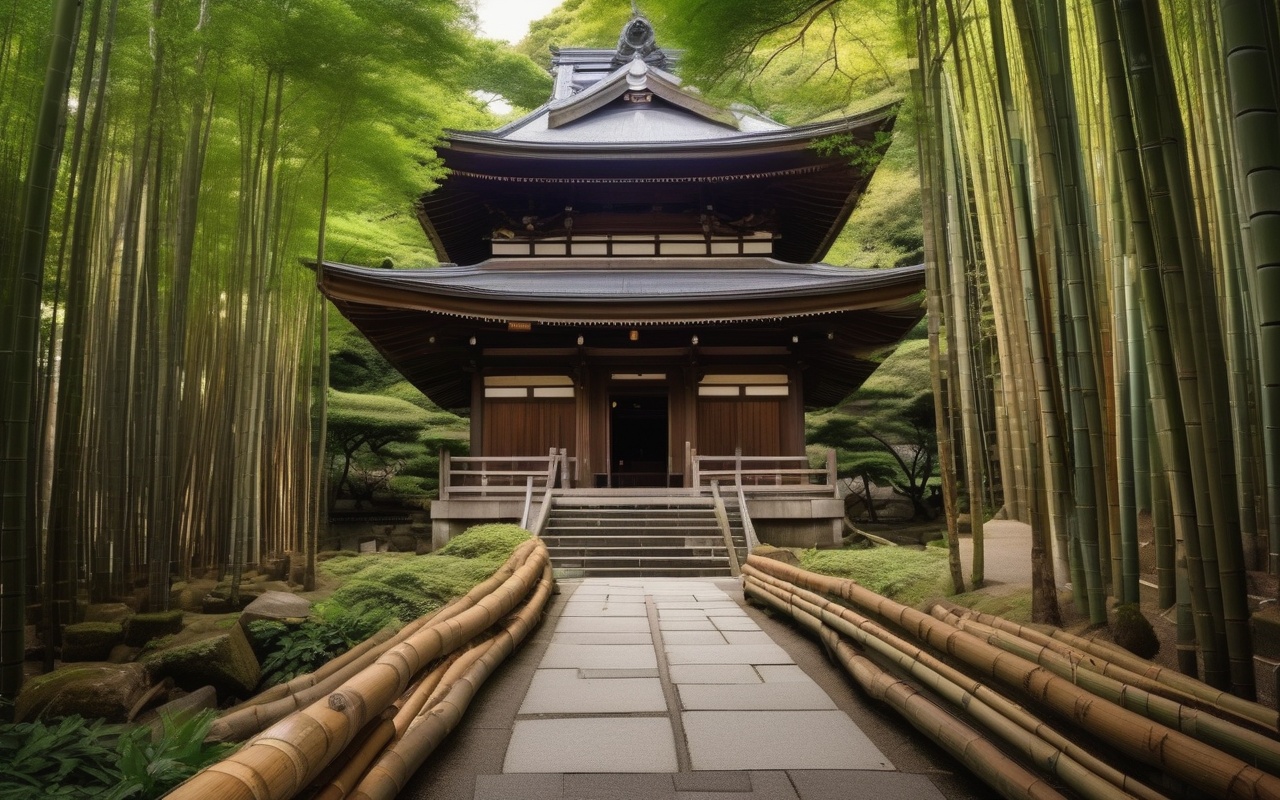
Visual cues in stone and bronze
Primary sources versus popular retellings
Primary sources in translation can be dense but reward patience. Popular retellings streamline motives. Triangulate. If a manga version electrifies your teenager’s interest, pair it with one museum wall text that complicates the plot. Intellectual honesty keeps samurai tourism from drifting into uncritical hero worship.
Economics of honor: debt, gifts, and tribute
Gift exchange lubricated politics; debt destabilized it. Warriors tracked obligations across seasons. Markets and port towns influenced prices Kamakura elites paid for luxury goods. When you buy souvenirs today, notice how commerce still threads through symbolic spaces—then reflect on medieval tolls and transport costs that shaped who could afford what.
Horses, roads, and messengers
Messengers moved faster than armies often did. Road quality mattered; rain turned routes to mud. Stables and relay points formed invisible networks under tourist maps. If you rent bicycles or walk long segments, weather awareness echoes older logistical constraints, modernized yet analogous.
Natural disasters as historical accelerants
Earthquakes and storms repeatedly damaged buildings and sparked redistribution of repair funds. Disaster responses reveal priorities: which shrines rebuilt first, which neighborhoods waited. Climate awareness today parallels medieval anxieties about harvest failure, even if mechanisms differ.
Armor in peace: policing and pageantry
Samurai policing local banditry differed from mass warfare. Pageantry displayed readiness while hoping to avoid actual draws of blood. Public order involved coordination with temple guards and local strongmen not always recorded in epic chronicles.
Children’s learning hooks
Use scavenger hunts: find a crest, a lion-dog pair, a well cover. Ask why repeated animal motifs mattered as symbols of protection. Connect crests to modern sports logos to explain heraldry without jargon walls.
Historiography and why guides change
Academic debates shift labels and dates slightly as new excavations emerge. If two plaques disagree, treat it as living inquiry rather than scandal. Museums sometimes update captions; older guidebooks may lag. Digital archives from national institutions help curious travelers dig deeper post-trip.
Ethics of samurai tourism
Avoid cosplay that mimics specific extremist iconography or war criminals from unrelated eras; context collapses easily online. Do not brandish replica swords in public spaces. Respect prayer areas as active, not as movie sets.
Night and day reading rhythms
Read dense history in morning light; walk interpretations in afternoon warmth; revise notes at night. If illumination events overlap your trip, connect lighting drama to older torchlit processions only with careful imagination—modern wiring differs—but emotional continuity can still spark insight.
International comparisons travelers might ponder
European feudal analogies misalign in important ways yet help some beginners grasp vassalage if used cautiously. Japanese specifics—estate shiki rights, overlapping religious jurisdictions—resist one-to-one mapping. Prefer asking “what is similar” over “what is identical.”
Archaeology underfoot
Construction sometimes unearths pottery shards or roadbeds; municipal archaeology units document finds. Public lectures occasionally showcase recent digs. Attending one can recalibrate how you see “empty” parking lots.
Sounding the past without noise pollution
Whispered readings of translated edicts on benches can deepen memory without disturbing neighbors. Avoid Bluetooth speakers broadcasting dramatized battle sound effects along residential lanes.
Names, titles, and the patience of indexes
Medieval names recycle honorifics and childhood names in ways that confuse newcomers. Carry a cheat sheet separating personal names from office titles, and remember that romanization systems differ across sources without changing underlying facts. Patience with indexes pays off when you realize the same figure appears as regent, monk, and posthumous name across three paragraphs. Treat confusion as a historian’s rite of passage rather than personal failure.
Coastal trade smells and everyday provisioning
Fish, salt, and timber moved through networks that made warrior households possible long before famous battles entered chronicles. Smellscapes mattered: smoke from charcoal, brine from drying yards, pine resin from shipyards. When you walk near the waterfront today, imagine inventory lists crossing desks in Kamakura offices as clerks argued over shortages blamed on weather rather than theft.
Closing the loop with monumental Buddhism
The Great Buddha embodies trans-regional faith intersecting warrior patronage. Tie sculptural ambition to political messaging through Great Buddha Kamakura history and site logistics through Great Buddha walking context. Then widen temple literacy with the Kamakura temple overview and shrine nuance with the Kamakura shrine and temple companion. Move efficiently with the Kamakura access guide, eat ethically with the Shonan Kamakura street food walk, and think in sentences over tea from the Kamakura café guide. Samurai history becomes a living inquiry rather than a costume parade when your feet, eyes, and sources align.