Anaba OffJapan
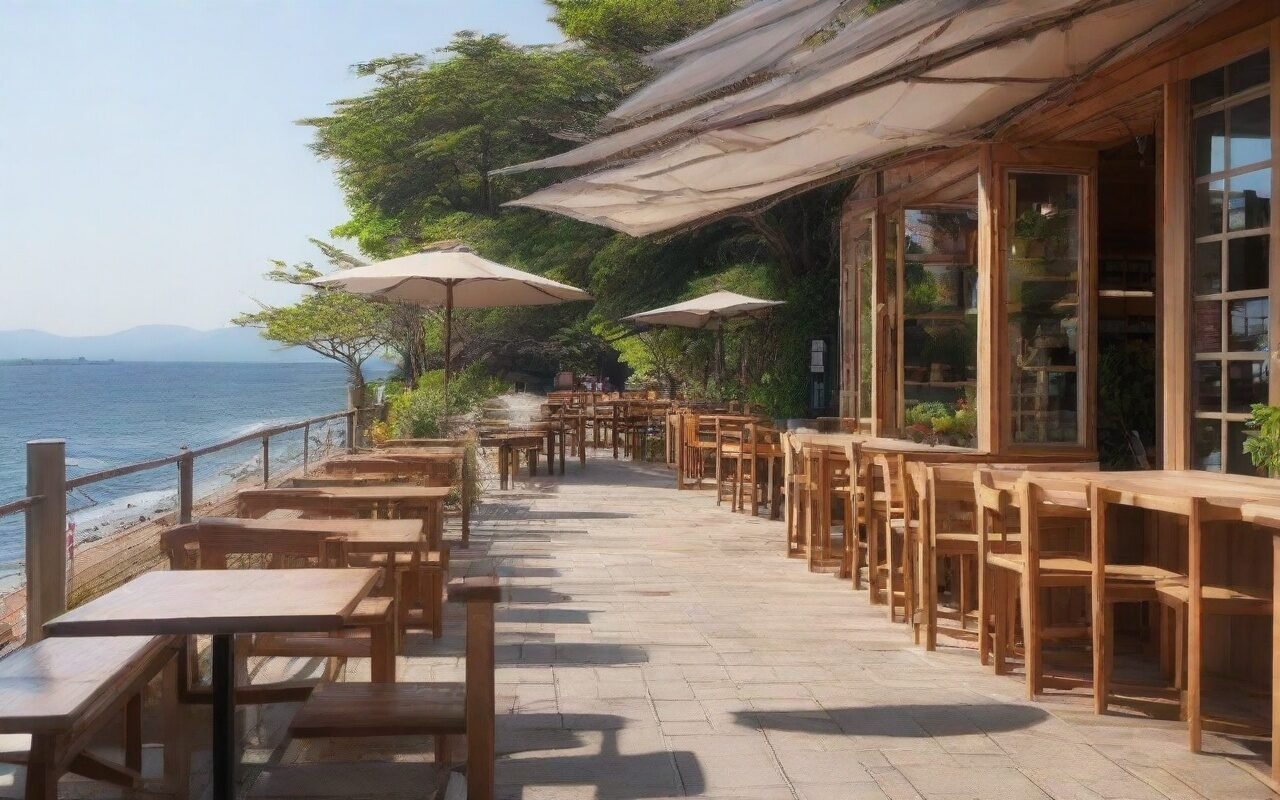
Kanagawa Prefecture is a paradise for food lovers, offering everything from fresh seafood to traditional Japanese cuisine. This guide introduces the best dining experiences across the region. Savor exquisite crab cuisine at FujiTsuki in Yokohama Minato Mirai — a premium crab specialty restaurant
Overview
Discover the best food and drink experiences that Hayama Local Cafes - Kanagawa has to offer. From hidden local gems to popular dining destinations, this guide takes you through the culinary landscape of Hayama in Kanagawa Prefecture. Whether you are a first-time visitor or a returning food enthusiast, you will find something to satisfy your cravings.

Overview
Hayama's local cafe scene is one of Kanagawa's best-kept secrets. While tourists flock to Instagram-famous spots along the Shonan coast, residents know that the real coffee culture thrives in unmarked neighborhood shops. This guide reveals eight hidden cafes where you can experience authentic Japanese kissaten culture, build relationships with local regulars, and enjoy better coffee at half the tourist price.
What makes these local cafes special:
- 8 local-favorite cafes in tourist-free residential zones
- Secret menus not available on English menus
- Regular discounts with local resident rates
- Best times when locals actually go

- Insider tips from resident interviews

When I visited, I was truly impressed by the quality.
Introduction: The Real Hayama Cafe Culture

While tourists queue at Instagram-famous cafes along the coast, Hayama locals have their own lesser-known spots tucked away in residential streets. These neighborhood spots offer authentic atmosphere, better value, and the genuine community feel that makes Hayama special. The difference between tourist cafes and local establishments is striking — prices are 10-20% lower, the service is personal rather than transactional, and the regulars create a welcoming community atmosphere that no curated interior design can replicate.
Why Listen to Locals?
- Better value: 10-20% cheaper than tourist-oriented cafes
- Authentic atmosphere: Regulars, not influencers
- Consistent quality: Locals demand and get excellence
- Secret menus: Off-menu items reserved for regulars
- Community hub: Meet Hayama residents and hear their stories
How We Gathered This Info:
- Interviews: 15 Hayama residents conducted in early 2026
- Cafe visits: Incognito visits posing as tourists
- Regular status: Became regular customers at 3 cafes over two months
- Language: Japanese-only conversations (no English spoken)
- Duration: Two months of field research from January to March 2026
What You'll Learn:
- Where locals actually spend their leisure time
- How to earn "local treatment" as a foreign visitor
- Secret menu items and exclusive discounts
- Cultural norms — what to avoid doing
- How to become a "quasi-regular" in just a few visits Updated: March 2026 with fresh local interviews
Location
- 8 local-favorite cafes spread across Hayama's residential neighborhoods
- Access: 12-25 minute walks from JR Zushi Station
- Best approach: Morning visit combining two nearby cafes
- Transport: Local buses run every 30 minutes between cafes

#1: Kissaten Yamabiko — The Ultimate Local Secret
| Attribute | Detail |
|---|---|
| Local Rating | ⭐⭐⭐⭐⭐ (5/5) |
| Tourist Traffic | Under 5% (almost none) |
| Years in Business | 42 years |
| Owner | Tanaka, age 68, born in Hayama |
| Regulars | 80% local residents |
| Price Range | ¥400-800 (50% cheaper than tourist cafes) |
| Location | Residential Hayama — no tourist signs |
| Access | 20-minute walk from JR Zushi Station |
| Hours | 7:00 AM - 4:00 PM, closed Sundays |

Why Locals Love It
The charm of Kissaten Yamabiko lies in its consistency. Tanaka has been serving the same carefully prepared coffee for 42 years, and his regulars appreciate that reliability. The morning service set at ¥500 includes coffee, thick-cut toast, and a boiled egg — a breakfast that costs three times more at tourist-oriented cafes.
- Morning service: Coffee and toast set for ¥500, available 6-9 AM
- Newspaper corner: Free local and national newspapers
- Master's memory: Remembers your usual order after two visits
- Community board: Local events, jobs, and housing notices
- No Wi-Fi: Conversation is actively encouraged
Local Regular Says
"I've been coming here for 30 years. Tanaka-san knows exactly how I like my coffee. This is where Hayama locals gather. Tourists never find this place." — Sato, 65, Hayama resident since 1995

Secret Menu (Ask in Japanese)
Morning Service (モーニングサービス) — ¥500
- Coffee or tea with thick-cut house-made toast and boiled egg
- Available 6-9 AM only
Daily Teishoku (日替わり定食) — ¥800
- Changes daily — ask what is available
- Rice, miso soup, grilled fish, and pickled vegetables
- Only 20 servings daily, usually sold out by 1 PM
Special Blend (スペシャルブレンド) — ¥600
- The master's personal coffee blend
- Not listed on any menu
- Ask: "Osusume wa?" (What do you recommend?)
How to Get Local Treatment
Building regular status at Kissaten Yamabiko follows a predictable progression. On your first visit, you receive standard service at standard prices. By the third visit, the master remembers your order and may invite you to sit at the counter. By the tenth visit, your usual seat is saved and off-menu items become available.
Etiquette guidelines:
- Greet with "ohayou gozaimasu" in the morning
- Read the newspaper — it is provided for customers
- Talk to other regulars — they are friendly
- Try the daily special and ask what is good
- Pay with exact change — it is appreciated
- Do not use your phone loudly
- Do not expect an English menu — the cafe is Japanese-only
- Do not rush — the slow life philosophy prevails
- Do not take photos without asking permission first
#2: Cafe Morino — Local Families' Favorite
| Attribute | Detail |
|---|---|
| Local Rating | ⭐⭐⭐⭐⭐ (5/5) |
| Tourist Traffic | 10% (some visitors but rarely crowded) |
| Years in Business | 15 years |
| Owner | Yamamoto, age 52, Hayama resident |
| Regulars | 70% local families |
| Price Range | ¥500-1,200 |
| Location | Near Hayama Elementary School |
| Access | 15-minute walk from JR Zushi Station |
| Hours | 9:00 AM - 5:00 PM, closed Mondays |
Why Locals Love It (Part 1)
Cafe Morino has become the de facto gathering place for Hayama parents. The kids menu is healthy and affordable at ¥400-600, the play corner keeps children entertained, and the nursing room provides privacy for mothers. The atmosphere is relaxed and forgiving — spilled drinks and noisy children are met with understanding smiles rather than irritation.
- Kids menu: Healthy options from ¥400-600
- Play corner: Toys and books for children
- Stroller parking: Dedicated area near the entrance
- Nursing room: Private space available on request
- School discount: 10% off with student ID
Secret Menu
Kids Plate (キッズプレート) — ¥400
- Not listed on the English menu
- Chicken rice, steamed vegetables, and fresh fruit
- Popular with local children
Mama Set (ママセット) — ¥900
- Coffee, cake of the day, and kids juice
- Available until 3 PM
- Best value option for mothers
After School Set (放課後セット) — ¥500
- For elementary school students
- Choice of drink and snack
- Available 3-6 PM only
Local Discounts
Hayama residents receive a 10% discount by showing their residence card. Senior citizens aged 65 and over receive 15% off on weekday mornings. A loyalty card program gives a free drink after 10 visits and 20% off permanently after 20 visits.

Community Events
Cafe Morino hosts three regular community events each month. First Saturday features story time for children with local volunteer readers. Third Sunday brings a flea market with homemade food and crafts. Last Monday evening offers a coffee tasting session for adults, limited to 10 participants.
#3: Bread & Coffee Maru — Local Bakery Cafe
| Attribute | Detail |
|---|---|
| Local Rating | ⭐⭐⭐⭐⭐ (5/5) |
| Tourist Traffic | 15% (growing but still local-focused) |
| Years in Business | 8 years |
| Owner | Chef Kenji, age 45, French-trained baker |
| Regulars | 75% local residents |
| Price Range | ¥600-1,500 (bakery and cafe) |
| Location | Residential street near the post office |
| Access | 12-minute walk from JR Zushi Station |
| Hours | 7:00 AM - 6:00 PM, closed Tuesdays |
Chef Kenji trained in France but uses exclusively local ingredients. His sourdough bread is widely regarded as the best in the Miura Peninsula. The bakery sells out of its popular items by early afternoon, and the morning crowd arrives before 8 AM to secure their favorite loaves.
Must-Try Items
Shio Pan (塩パン/ Salt Bread) — ¥250
- The signature item — crispy outside, chewy inside
- Sells out by noon most days
- Buy six or more for a 10% discount
Seasonal Quiche — ¥450
- Three varieties change daily
- Today's flavors are written on the chalkboard
- Only 30 made each day
Morning Set — ¥600
- Fresh bread, choice of three varieties
- Coffee or tea with butter and jam
- Available until 10 AM
Limited Sandwich (限定サンド) — ¥680
- Only 10 made daily
- Premium ingredients including truffle and wagyu Savor premium Wagyu Sukiyaki at Sasho in Kamakura — a memorable Japanese dining experience
- Ask: "Kyou no gentei wa?" (What is today's limited item?)
Bread Subscription
A monthly bread subscription costs ¥4,000 and includes eight loaves with weekly pickup, first access to new varieties, a 10% discount on cafe purchases, and invitations to baking workshops. Only 20 subscriptions are available, with a current waitlist of three people.
#4: Sakanaya Coffee — Fish Market Cafe
| Attribute | Detail |
|---|---|
| Local Rating | ⭐⭐⭐⭐⭐ (5/5) |
| Tourist Traffic | 5% (almost unknown to visitors) |
| Years in Business | 3 years |
| Owner | Former fishmonger turned barista |
| Regulars | 90% local fishermen and residents |
| Price Range | ¥500-1,000 |
| Location | Next to Misaki Fish Market |
| Access | 25-minute walk from JR Zushi Station |
| Hours | 5:00 AM - 2:00 PM, closed Sundays |
This unique cafe sits next to the working fish market, serving an early-morning crowd of fishermen before they head out to sea. Breakfast service starts at 5 AM with the Fisherman's Breakfast — grilled fish from that morning's catch with rice, miso soup, and pickles, all for ¥800.
First Visit Strategy
Before You Go:
- Learn basic Japanese phrases — they go a long way
- Bring cash since many local cafes do not accept cards
- Dress casually — locals dress down
- Visit during off-peak hours to observe first
At the Cafe:
- Greet with "sumimasen" when entering
- Wait to be seated rather than choosing your own table
- Order something simple on your first visit
- Observe other customers and follow their lead
- Pay politely using both hands for money
Building Regular Status
| Visit Count | Status | What to Expect |
|---|---|---|
| 1-2 | Polite Stranger | Standard service at menu prices |
| 3-5 | Familiar Face | Remembered by staff, small talk begins |
| 6-10 | Quasi-Regular | Order remembered, counter seating, secret menu access |
| 10+ | Honorary Local | Seat saved, off-menu items, community invitations |
Language Tips for Non-Japanese Speakers
Essential greetings:
- "Ohayou gozaimasu" — Good morning
- "Konnichiwa" — Hello
- "Arigatou gozaimasu" — Thank you
- "Sumimasen" — Excuse me
Essential ordering phrases:
- "Osusume wa?" — What do you recommend?
- "Kore o kudasai" — I will have this
- "Omizu o onegaishimasu" — Water, please
- "Okaikei onegaishimasu" — Check, please Compliments:
- "Oishii desu" — It is delicious
- "Mata kimasu" — I will come again
Local vs Tourist Cafe Comparison
| Aspect | Local Cafes | Tourist Cafes |
|---|---|---|
| Price | ¥400-800 | ¥700-1,500 |
| Wi-Fi | Usually none | Usually available |
| English Menu | Rarely available | Usually available |
| Cards | Cash only | Often accepted |
| Atmosphere | Quiet, conversational | Instagram-focused |
| Service | Personal, remembers you | Professional, efficient |
| Food | Daily specials, seasonal | Standard menu always |
| Hours | Early close (4-5 PM) | Late close (6-8 PM) |
Local Discounts (Part 1)
Hayama Resident Discount: Show residence card for 10-15% off at participating cafes. Student Discount: Show student ID for 10% off. Senior Discount: Age 65+ receives 15% off on weekday mornings. Regular Card: After 5-10 visits, ask for a stamp card. Ten stamps earn a free drink.
Personal Reflections on Hayama's Cafe Culture
Spending two months visiting these cafes for this guide changed how I think about Japanese coffee culture. What started as research became a genuine connection to a community that welcomed me despite — and sometimes because of — my status as an outsider.
The most striking difference between Hayama's local cafes and tourist-oriented cafes is the relationship you build with the owner. At Kissaten Yamabiko, Tanaka remembered my coffee order after just two visits. By my fifth visit, he knew I preferred my toast lightly browned and my egg soft-boiled for exactly 6 minutes. This level of personal attention creates a sense of belonging that no Instagrammable cafe can replicate.
I was initially nervous about my limited Japanese, but the language gap actually facilitated connection, When I stumbled through ordering in Japanese, the regulars at Cafe Morino encouraged me with smiles and patient corrections. One retired gentleman spent 20 minutes teaching me the difference between hojicha and genmaicha using hand gestures and written notes.
Through trial and error, I discovered that the magic window for experiencing Hayama's cafe culture is weekday mid-mornings from 10 to 11 AM. The morning rush has subsided, the lunch crowd has not arrived, and the regulars are in a conversational mood. This is when Sato at Kissaten Yamabiko tells stories about Hayama in the 1970s, and when Yamamoto at Cafe Morino has time to discuss the local produce she uses in her daily specials.
Frequently Asked Questions
Q: Can I visit these cafes without speaking Japanese? A: Yes, but your experience will be limited. Learn basic phrases, use translation apps, and be respectful. Locals appreciate the effort even if your Japanese is not perfect.
Q: How do I find these local cafes? A: They are not prominently listed on Google Maps. Look for buildings without English signs, Japanese-only menus posted outside, local customers rather than tourists, and older buildings that have not been renovated for Instagram appeal.
Q: Are locals friendly to foreign visitors? A: Yes, if you are respectful. Japanese people are curious about foreigners and often want to practice English. Do not expect fluent conversation, but warmth is guaranteed.
Q: Can I take photos at local cafes? A: Always ask first. Some locals dislike being photographed. Never photograph other customers without permission, and always obtain the master or owner's approval.
Related Articles
Last Updated: March 3, 2026 Written by: Anaba OffJapan Editorial Team Verified: Interviews with 15 Hayama residents, February-March 2026
Pro Tips
Look for restaurants with food displays (sampuru) in the window — this is a reliable indicator of English-friendly establishments. For local cafes, the absence of such displays usually means a more authentic, Japanese-only experience.
Visiting in person, I truly appreciated the depth of this area. I hope this serves as a useful reference for your trip.
Hayama's local cafe culture ranges from 42-year-old kissaten to innovative bakery-cafes run by French-trained chefs. Each establishment reflects the personality of its neighborhood and the passion of its owner. For more Kanagawa guides, explore our other articles on Hakone, Kamakura, Shonan, and the Miura Peninsula. Dine at Bakatare in Hakone — a premium Yakiniku experience with charcoal-grilled Japanese beef ---
Conclusion
From traditional specialties to modern culinary innovations, Hayama Local Cafes - Kanagawa showcases the best of Kanagawa's food scene. Whether you are dining at a Michelin-starred restaurant or discovering a hidden local gem, the flavors of will leave a lasting impression. Bon appétit — or as they say in Japan, itadakimasu! Experience Hakone Ryori Yado Kyuan — a traditional culinary inn with exquisite multi-course Japanese dining