
Overview
Explore the rich cultural heritage and historical significance of Retro Kissaten Culture Guide in Kanagawa Prefecture. This guide delves into the fascinating stories, traditions, and landmarks that define Retro. From ancient temples to modern museums, discover how this destination has shaped Japan’s cultural landscape over centuries.
The Kissaten Experience
A true Kissaten offers more than just a caffeine fix. You can expect:
- Hand-drip Coffee (Hando): Meticulously brewed by the “Master” (owner) using a flannel drip cloth or paper filter. The focus is on the deep, rich flavor of the beans.
- Homemade Sweets: Often a slice of thick, creamy caramel pudding or a Showa-style fruit sandwich with whipped cream.
- Jazz or Classical Music: Many shops play vinyl records on high-end audio systems, Talking loudly is often frowned upon; these are sanctuaries for contemplation.
Access
Yokohama’s Motomachi Shopping Street is about a 10-minute walk from Motomachi-Chukagai Station on the Minatomirai Line (or from Ishikawacho Station on the JR Negishi Line). In Kamakura, the kissaten are a short walk from JR Kamakura Station’s east exit — about an hour from Tokyo on the JR Yokosuka Line.
Recommended Locations
Motomachi Shopping Street
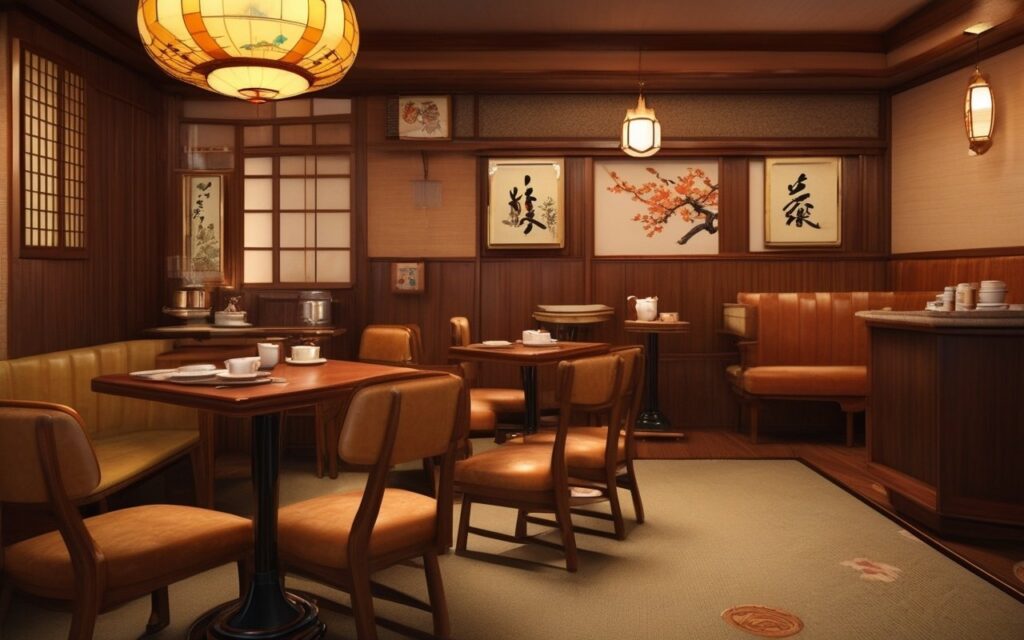
This historic street in Yokohama is lined with cafes that have been serving customers since the 1950s. The interior often features dark mahogany wood, plush leather chairs, and beautiful stained glass windows that filter the sunlight.
- Spotlight: Look for shops displaying “Since 19xx” signs.
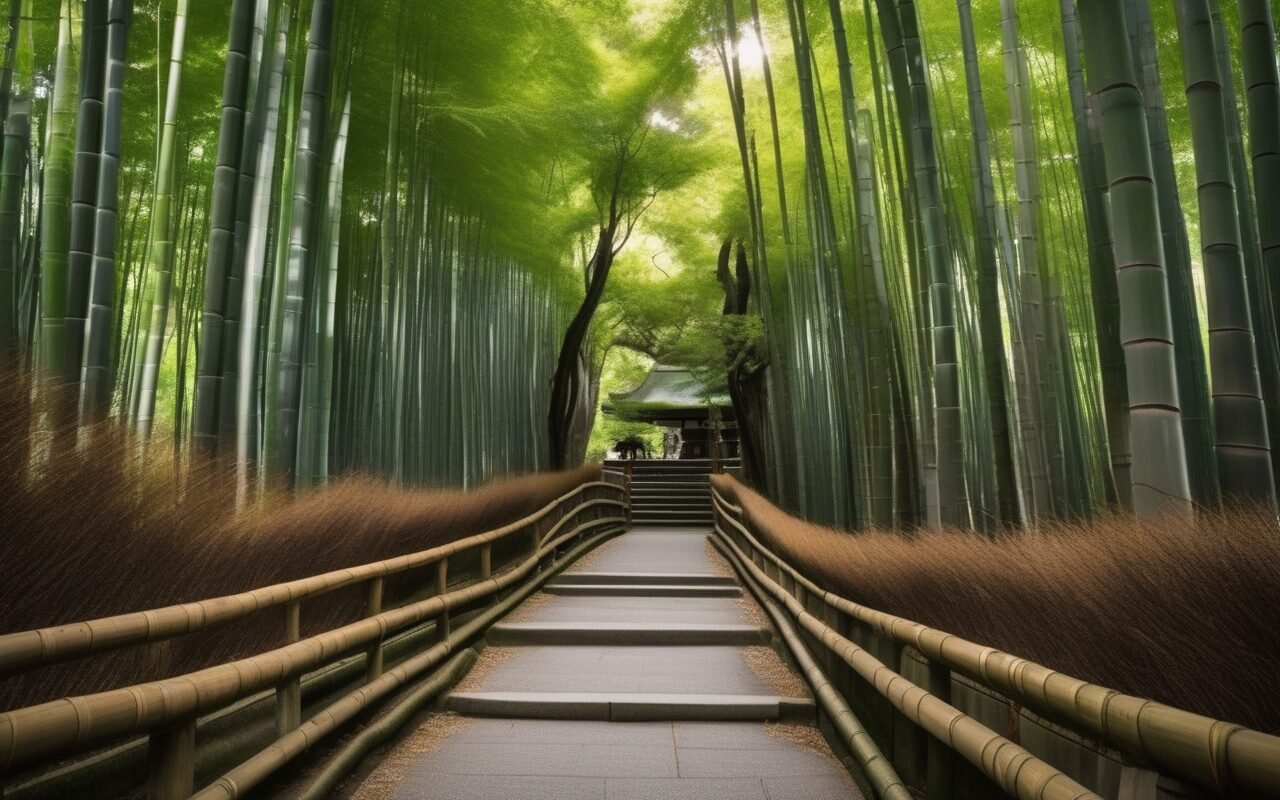
Before the rise of global chains like Starbucks and Doutor, Japan had “Kissaten”—traditional coffee shops that served as cultural hubs for artists, students, and intellectuals. Kanagawa, with its rich international history in Yokohama and its serene atmosphere in KamakuKamakuraerves these retro cafes beautifully. A visit to a Kissaten is like stepping into a time machine.
Kamakura’s Backstreets
Wander away from the main shrine paths to find small tea houses (Saryo) serving matcha and traditional wagashi sweets in a serene, Zen-inspired setting. The view of a meticulously raked gravel garden while sipping tea is the essence of Japanese aesthetics.
Etiquette for Visitors
- Quiet Enjoyment: These are places for relaxation. Keep your voice down and refrain from taking calls.
- Tipping: Tipping is not customary in Japan, even at high-end Kissaten. The price on the menu is exactly what you pay.
- Smoking: Be aware that many older Kissaten still allow smoking inside, though this is changing.
Finding the Right Kissaten Mood in Yokohama and Kamakura
Motomachi classics skew toward mahogany, stained glass, and afternoon cake sets that feel closer to European salons than to third-wave espresso bars, while Kamakura backstreet tea houses lean tatami-forward with lower tables and garden views that reward whispered conversation. Match the venue to your footwear: climbing steep lanes in leather boots before sliding into sock-only seating frustrates everyone, so pack foldable slip-ons or plan kissaten visits after hotel changes. Vinyl jazz kissaten may post “one order per person” rules even when seats look empty; that policy funds the expensive audio rigs humming behind the counter.
Hand-drip pacing is deliberate, Arriving ten minutes before closing often earns polite refusal because masters refuse to rush the last cloth drip. If you need caffeine fast, kissaten culture is the wrong tool—grab canned coffee from a vending machine first, then return for slow ritual. Photography policies vary: some owners welcome lens shots of latte art analogs, others ban any phone use because shutter sounds disturb the room. Always ask quietly before filming pour-over arcs.
Cash remains common, and some shops still handwrite tickets without English translations; pointing at showcase cakes works, but learning “blend” versus “single origin” Japanese terms saves confusion when seasonal beans rotate weekly. Summer kissaten may switch on retro air conditioners that hum loudly—choose seats away from compressors if you want to hear Coltrane pressings clearly. Winter kotatsu-style setups appear in smaller houses converted into cafés; tuck bags under blankets carefully so cords stay visible.
Pair kissaten hopping with broader Yokohama nightlife context through Yokohama date night course or architectural walks in Yokohama historical walk so daylight sightseeing flows into evening calm. Kamakura visitors can bridge temple silence to café hush using Kamakura one day trip routing tips that avoid backtracking across hills.
Smoking sections still exist; check entrance stickers or ask “kitsuen OK?” before settling children inside. If aroma sensitivity is an issue, newer smoke-free kissaten clusters near Sakuragicho offer Showa décor without tobacco cling. Ultimately, kissaten reward guests who treat space like a listening room: order once, stay awhile, and let the needle drop dictate tempo, Bring a paperback or journal because rushing the bill signals disrespect more clearly than any mistranslated phrase ever could.
How to Identify a True Kissaten
Not every old-looking cafe qualifies as a kissaten. Here are the telltale signs of an authentic establishment: The Coffee: True kissaten serves coffee brewed one cup at a time using a cloth drip (nel drip) or siphon method. The beans are roasted in-house or sourced from a trusted specialty roaster. Coffee menus are handwritten and often include detailed tasting notes.
The Music: Vinyl records, jazz or classical, playing at conversation-friendly volume. The turntable will be visible and often has a stack of records waiting to be played.
The Interior: Dark wood furniture, stained glass lamps (often Tiffany-style), leather or velvet seating. Ashtrays are built into the tables (even for non-smoking sections). The walls are decorated with vintage art, music posters, or travel photographs accumulated over decades.
The Master: The person behind the counter (usually older, often wearing an apron) has been there for 20+ years. They know the regulars by name and remember their orders. New customers are greeted with a polite nod but not effusive welcome.
The Menu: Coffee is the focus, but other drinks are available: royal milk tea, cocoa, lemonade. Food options are limited: toast, sandwiches, curry rice, spaghetti Napolitan. No frappuccinos, no matcha lattes, no seasonal pumpkin spice drinks.
Kissaten vs. Modern Cafe: A Comparison
| Feature | Kissaten | Modern Cafe |
|---|---|---|
| Coffee brewing | Nel drip or siphon | Automatic espresso machine |
| Music | Vinyl (jazz, classical) | Streaming playlist |
| Stay time | 30–90 minutes expected | 15–30 minutes average |
| Wi-Fi | Rare | Almost always |
| Laptop use | Discouraged | Encouraged |
| Food menu | Limited, classic | Expanded, trendy |
| Clientele | Regulars, older | Mixed, younger |
| Atmosphere | Timeless, quiet | Modern, energetic |
The Kissaten Morning Service Tradition
The “morning service” (モーニングサービス) is a uniquely Japanese kissaten tradition dating from the 1960s. For the price of a coffee (typically ¥400–¥700), customers receive complimentary toast, a boiled egg, and sometimes salad or yogurt. This tradition began as a marketing tactic during a coffee price war and has become a beloved institution. Each kissaten puts its own spin on the morning service:
- Kissaten Sakurai (桜井珈琲) in Noge serves their toast with homemade strawberry jam and a side of potato salad (¥550)
- Coffee Parliament (コーヒー議会) near Kannai Station offers a choice of white or wheat toast with butter and marmalade (¥480)
- Hakkaku (八角) in Yokohama pairs their morning coffee with a small bowl of fruit and yogurt (¥650)
Morning service is typically available from opening (usually 7–8 AM) until 11 AM.
Reading the Kissaten Atmosphere
Kissaten have an unspoken code of behavior that regulars follow:
- Enter quietly, nod to the master, take a seat
- Do not call out to get the master’s attention—wait to be noticed
- Choose your seat carefully: counter seats are for solo diners and regulars; table seats are for groups
- When leaving, bring your check to the counter—do not expect the bill to be brought to your table
- Say “gochisousama deshita” (thank you for the meal) when paying and leaving
What struck me most was the meticulous preservation of the original architectural features.
Frequently Asked Questions (FAQ)?**
A: Kissaten emphasize ritual and atmosphere over speed and efficiency. Coffee is brewed one cup at a time using cloth drip, music is played on vinyl, and customers are expected to stay for at least 30 minutes. Modern cafes focus on turnover and consistency.
Q: Can I work on my laptop at a kissaten?
A: Generally no. Kissaten are considered spaces for relaxation and conversation (quietly). Laptops, loud phone calls, and video meetings are usually discouraged. If you need to work, look for “Wi-Fi available” signs.
Q: What should I order on my first visit?
A: Start with a “blend coffee” (ブレンドコーヒー)—the master’s signature creation. Most kissaten offer a “morning service” (until 11 AM) that includes coffee, toast, and a boiled egg for ¥600–¥800.
Q: How do I find hidden kissaten?
A: Look for shops with “Coffee” (珈琲) in handwritten kanji on the noren (curtain) entrance, an aged wooden signboard, or a vintage coffee roaster visible through the window. Many are on second floors or in basement spaces.
Q: Can I buy coffee beans at kissaten?
A: Yes, most kissaten sell their house-blend beans packaged in simple paper bags. These make excellent souvenirs—each master’s blend is unique and reflects the shop’s character. Prices range from ¥800–¥1,500 per 100g.
Conclusion
exploring Kanagawa can be as relaxed or as packed as you want it to be, and I have found that the best visits leave room for both planning and spontaneity. During my visit I went with a rough plan and found that leaving room to wander made the trip far more memorable. Use this guide to sort out the logistics in advance, then let the day surprise you — Kanagawa rewards travelers who stay curious.