Money-Saving Tips
- Purchase combo tickets: Many attractions offer discounted combination tickets
- Visit on weekdays: Lower crowds and sometimes reduced prices
- Use regional passes: Consider area-specific passes for multiple attractions
- Free admission days: Some museums offer free entry on certain days
Time-Saving Tips
- Arrive early: Beat the crowds by visiting popular spots before 10 AM
- Book online: Reserve tickets and restaurants in advance
- Use luggage storage: Store bags at stations to explore freely
- Download offline maps: Save data and navigate easily
Local Insights
- Ask locals: Residents often know the best hidden spots
- Try seasonal specials: Each season offers unique experiences
- Respect customs: Follow local etiquette at temples and shrines
- Learn basic Japanese: Simple phrases enhance your experience
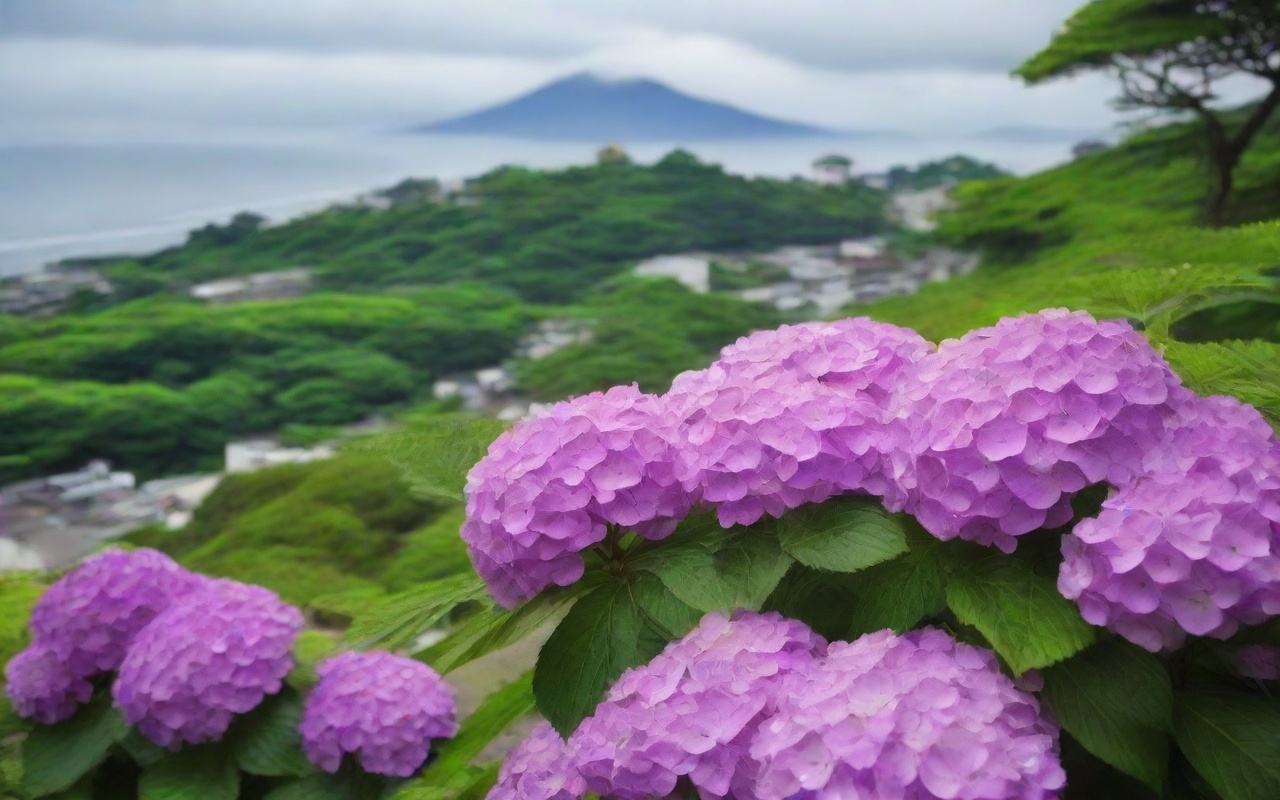
- Top attraction in Kamakura Rainy Season Hydrangea
- Best time to visit: Morning or evening
- Access: Easy access from Tokyo/Yokohama
- Facilities: Restrooms, parking available
- Best for: Sightseeing, photography
Within 5km
Historic Sites:
- Ancient temples and shrines (10-15 min)
- Traditional architecture and gardens
- Cultural heritage sites
Natural Attractions:
- Scenic parks and walking trails
- Coastal views and beaches
- Mountain viewpoints
Within 10km
Museums & Culture:
- Local history museums
- Art galleries
- Traditional craft centers
Shopping & Dining:
- Local markets
- Specialty shops
- Traditional restaurants
Day Trip Options
Morning:
- Early visit to main attraction
- Breakfast at local cafe
Afternoon:
- Explore nearby sites
- Lunch at recommended restaurant
Evening:
- Sunset viewpoint
- Dinner at local specialty restaurant
Spring (March-May)
Highlights: Cherry blossoms, mild weather, spring festivals
- Temperature: 10-20°C (50-68°F)
- Crowds: High during cherry blossom season (late March-early April)
- What to Wear: Light jacket, layers
- Special Events: Hanami parties, spring festivals
Summer (June-August)
Highlights: Green landscapes, summer festivals, fireworks
- Temperature: 20-30°C (68-86°F)
- Crowds: Very high (school holidays)
- What to Wear: Light clothing, hat, sunscreen
- Special Events: Fireworks festivals, beach activities
Autumn (September-November)
Highlights: Fall foliage, comfortable weather, harvest season
- Temperature: 15-25°C (59-77°F)
- Crowds: Moderate to high (especially November)
- What to Wear: Light layers, comfortable walking shoes
- Special Events: Autumn festivals, food events
Winter (December-February)
Highlights: Fewer crowds, clear views, winter illuminations
- Temperature: 5-15°C (41-59°F)
- Crowds: Low (except New Year holidays)
- What to Wear: Warm coat, gloves, scarf
- Special Events: Winter illuminations, New Year events
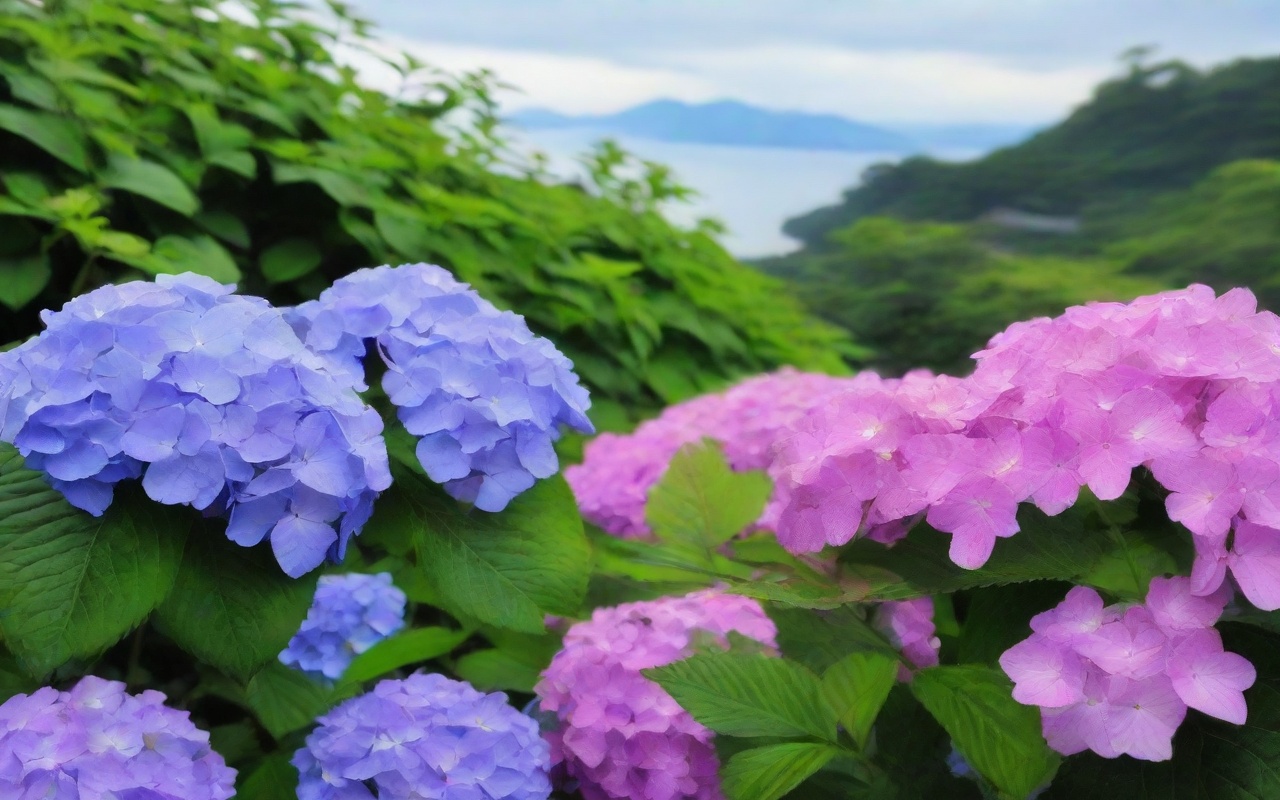
Kamakura transforms into a magical wonderland during rainy season (June-July), with over 2,500 hydrangea bushes blooming in brilliant blues and purples. This guide covers everything you need to know about visiting Kamakura during Japan's rainy season.
When is Rainy Season?
Period: Early June - Mid-July (approximately 6 weeks)
Characteristics:
- Rainfall: 200-300mm per month (frequent showers)
- Temperature: 20-28°C (68-82°F)
- Humidity: 75-85% (quite humid)
- Rainy Days: 12-15 days per month
Peak Hydrangea Bloom: Mid-June (approximately June 10-25)
What to Expect
Weather:
- Morning: Often overcast, light rain
- Afternoon: Heavy showers (1-2 hours)
- Evening: Clearing up
Crowds:
- Weekdays: Moderate (manageable)
- Weekends: Very crowded (especially during hydrangea peak)
- Best time: Early morning (before 9:00)
Closures:
- Most temples open (rain or shine)
- Some gardens may close in heavy rain
- Beaches: Empty (not swimming season)
1. Meigetsu-in Temple ()
The Hydrangea Temple: 2,500+ hydrangea bushes
Admission: ¥500 (¥300 off-season) Hours: 9:00-16:00 (8:30-17:00 during hydrangea season) Access: 10 min walk from Kita-Kamakura Station
Best Time:
- Peak bloom: Mid-June (June 10-25)
- Best light: Early morning (8:30-9:30)
- Avoid: Weekends (extremely crowded)
Photography Tips:
- Best spots: Hydrangea path, round window
- Settings: f/2.8-f/4, 1/250s, ISO 400-800
- Lens: 50mm (flower details), 24-70mm (versatile)
- Tip: Use polarizing filter (reduce water droplets glare)
What Makes It Special:
- "Meigetsu-in Blue" (unique blue variety)
- Round window (famous photo frame)
- Ancient temple buildings (historic backdrop)
- Tea house (matcha with hydrangea view)
Crowd Strategy:
- Arrive before 8:30 (opens early during season)
- Visit weekday (Tuesday-Thursday best)
- Expect 30-60 min wait on weekends
2. Hase-dera Temple (Temple)
Hydrangea Hill: 30+ varieties on hillside
Admission: ¥400 (adult), ¥200 (child) Hours: 8:00-17:00 Access: 5 min walk from Hase Station
Best Time:
- Peak bloom: Mid-June
- Varieties: Early, mid, late (blooms over 3 weeks)
- Best light: Morning (9:00-11:00)
Photography Tips:
- Best spots: Hydrangea hill, observation deck
- Settings: f/5.6-f/8, 1/250s, ISO 400-800
- Lens: 24-70mm (hill coverage), 50mm (details)
- Tip: Climb to top (ocean view + hydrangeas)
What Makes It Special:
- 30+ different varieties (color diversity)
- Hillside location (layered compositions)
- Ocean backdrop (unique perspective)
- Temple buildings (cultural context)
Crowd Strategy:
- Arrive at opening (8:00)
- Combine with Great Buddha (nearby)
- Less crowded than Meigetsu-in
3. Hokoku-ji Temple (Temple)
Bamboo + Hydrangeas: Unique combination
Admission: ¥300 (includes matcha) Hours: 9:00-15:30 (closed Wed) Access: 10 min bus from Kamakura Station
Best Time:
- Peak bloom: Mid-June
- Best light: Morning (light through bamboo)
- Avoid: Afternoon rain (bamboo drips)
Photography Tips:
- Best spots: Bamboo grove entrance, garden
- Settings: f/2.8-f/4, 1/125s, ISO 800-1600
- Lens: 16-35mm (bamboo), 50mm (hydrangeas)
- Tip: Matcha with hydrangea view (nice composition)
What Makes It Special:
- Bamboo grove backdrop (unique setting)
- Matcha tea included (relaxing experience)
- Less crowded (tourist buses skip)
- Peaceful atmosphere
Crowd Strategy:
- Weekday mornings (quiet)
- Combine with nearby temples
- Enjoy matcha (included in admission)
4. Kencho-ji Temple (Temple)
Ancient Trees + Hydrangeas: Historic setting
Admission: ¥500 (temple grounds), ¥300 (garden only) Hours: 8:30-16:30 Access: 15 min walk from Kita-Kamakura Station
Best Time:
- Peak bloom: Mid-June
- Best light: Late morning (10:00-12:00)
- Avoid: Heavy rain (ancient trees drip)
Photography Tips:
- Best spots: Temple approach, garden
- Settings: f/8-f/11, 1/125s, ISO 400-800
- Lens: 16-35mm (temple + flowers), 24-70mm (versatile)
- Tip: Include ancient trees (scale, history)
What Makes It Special:
- 750-year-old temple (historic atmosphere)
- Ancient cedar trees (dramatic backdrop)
- Zen garden (minimalist beauty)
- Less focused on hydrangeas (more peaceful)
Crowd Strategy:
- Always less crowded (further from station)
- Combine with Engaku-ji (nearby)
- Good alternative to Meigetsu-in
5. Engaku-ji Temple ( JPYTemple)
Zen Gardens + Hydrangeas: Spiritual setting
Admission: ¥500 (adult), ¥300 (child) Hours: 8:00-16:30 Access: 1 min walk from Kita-Kamakura Station
Best Time:
- Peak bloom: Mid-June
- Best light: Morning (8:00-10:00)
- Avoid: Weekends (tea ceremony crowds)
Photography Tips:
- Best spots: Garden, temple gates
- Settings: f/8-f/11, 1/125s, ISO 400-800
- Lens: 16-35mm (architecture), 24-70mm (versatile)
- Tip: Include temple elements (cultural context)
What Makes It Special:
- Important Zen temple (spiritual significance)
- National treasure buildings (architectural beauty)
- Tea ceremony (cultural experience)
- Convenient location (near station)
Crowd Strategy:
- Visit early (8:00 opening)
- Combine with Kencho-ji (same area)
- Less crowded than Meigetsu-in
Camera Protection
Essential Gear:
- Rain cover: Camera rain sleeve or plastic bag
- Lens hood: Reduces raindrops on lens
- Microfiber cloth: Wipe water droplets
- Waterproof bag: Carry camera safely
- Umbrella: Hands-free (clip to backpack)
DIY Solutions:
- Plastic bag + rubber band (emergency rain cover)
- Clear shower cap (lens protection)
- Ziplock bag (camera storage)
Best Settings for Rain
Overcast Days:
- Mode: Aperture priority
- Aperture: f/2.8-f/4 (more light)
- ISO: 400-800 (higher for low light)
- Shutter: Auto (or 1/125s minimum)
- White Balance: Cloudy (warm up cool light)
Raindrops:
- Shutter: 1/500s+ (freeze droplets)
- Aperture: f/2.8-f/4 (isolate droplets)
- Focus: On droplets (manual focus)
- Background: Dark (makes droplets pop)
Hydrangeas in Rain:
- Aperture: f/2.8-f/4 (soft background)
- ISO: 400-800 (overcast light)
- Focus: On flower center
- Tip: Water droplets enhance beauty
Composition Tips
What to Shoot:
- Hydrangeas with water droplets
- Reflections in puddles
- Temple roofs with rain
- Stone lanterns (moss + rain)
- Visitors with umbrellas (color, scale)
What to Avoid:
- Gray sky (overexposed, bland)
- Large empty spaces (looks gloomy)
- Backlit rain (looks like noise)
Creative Ideas:
- Umbrella reflections (puddles)
- Raindrops on temple bells
- Wet stone paths (texture)
- Contrast: Red umbrella + blue hydrangeas
Museums
Kamakura Museum of National Treasures:
- Admission: ¥200
- Hours: 9:00-16:30 (closed Mon)
- Access: 10 min walk from Kamakura Station
- Highlights: Buddhist statues, swords, calligraphy
Kamakurabori Museum:
- Admission: ¥300
- Hours: 9:00-16:30 (closed Wed)
- Access: 8 min walk from Kamakura Station
- Highlights: Lacquerware, workshops
Fujisawa City Museum:
- Admission: ¥300
- Hours: 9:00-17:00 (closed Mon)
- Access: 15 min from Fujisawa Station
- Highlights: Local history, archaeology
Temples (Indoor Areas)
Tsurugaoka Hachimangu:
- Main hall: Indoor prayer area
- Treasure hall: Artifacts (¥200)
- Covered areas: Extensive covered walkways
Hase-dera:
- Main hall: Kannon statue (indoor)
- Museum: Buddhist artifacts
- Covered walkways: Garden views (dry)
Great Buddha:
- Inside Buddha: Unique experience (¥200 extra)
- Covered areas: Some shelter
- Souvenir shop: Indoor shopping
Cafes & Tea Houses
Matcha Cafes:
- Saryo Reson: Traditional tea ceremony
- Kamakura Matcha House: Modern matcha drinks
- Hokoku-ji Tea House: Bamboo grove view
Rainy Day Specials:
- Many cafes offer rainy day discounts
- Matcha + sweet sets (¥1,200-1,800)
- Warm drinks (perfect for cool rainy days)
Clothing
Recommended:
- Waterproof jacket: Lightweight, breathable
- Layers: Temperature changes (20-28°C)
- Long pants: Protect from mud, insects
- Comfortable shoes: Waterproof, good grip
Avoid:
- White clothing (shows water stains)
- Suede shoes (ruined by water)
- Shorts (mosquitoes, mud)
- Heavy fabrics (too humid)
By Car
From Tokyo:
- Distance: Approximately 60 km
- Time: 90 minutes (without traffic)
- Route: Tomei Expressway → Yokohama-Shinjuku Line
- Toll: Approximately ¥2,000-¥3,000
- Parking: Available at most attractions (¥500-¥1,000/day)
From Yokohama:
- Distance: Approximately 30 km
- Time: 50 minutes
- Route: Yokohama-Shinjuku Line → Local roads
- Parking: Available (¥300-¥500/day)
Note: Traffic can be heavy on weekends and holidays. Public transportation is recommended during peak seasons.
By Taxi
From Nearest Station:
- Time: 5-15 minutes
- Cost: ¥1,000-¥2,000
- Availability: Readily available at major stations
By Bicycle
Rental: Available at some stations and tourist centers
- Cost: ¥500-¥1,000 per day
- Recommended: For exploring local areas
- Note: Some areas have steep hills
Essential:
- Umbrella: Compact, sturdy (wind-resistant)
- Waterproof bag: For camera, electronics
- Extra socks: In case feet get wet
- Hand towel: Dry hands, wipe camera
Optional:
- Rain boots: If planning extensive walking
- Waterproof phone case: Protect electronics
- Insect repellent: Mosquitoes love humidity
Transportation
Train:
- Enoden Line: Covered platforms (most stations)
- JR Lines: Major stations covered
- Frequency: Every 10-15 min (reliable)
Bus:
- Less frequent (every 20-30 min)
- Covered bus stops (some)
- Can be delayed in heavy rain
Walking:
- Bring umbrella (essential)
- Watch for slippery stones (temple grounds)
- Some paths muddy (wear appropriate shoes)
Timing Strategy
Best Strategy:
- Early morning (8:00-10:00): Less rain, fewer crowds
- Late afternoon (15:00-17:00): Rain often clears
- Avoid: Midday (12:00-14:00, heaviest rain)
Flexible Planning:
- Have indoor backup plans
- Check weather hourly (rain comes in waves)
- Be ready to duck into cafes/temples
Budget
Admission Fees (hydrangea temples):
- Meigetsu-in: ¥500
- Hase-dera: ¥400
- Hokoku-ji: ¥300
- Kencho-ji: ¥500
- Engaku-ji: ¥500
Total for 5 temples: ¥2,200
Rainy Day Budget:
- Admissions: ¥2,200
- Food: ¥2,000-3,000
- Transport: ¥1,000-2,000
- Total: ¥5,000-7,000 per day
Half-Day Hydrangea Tour (Morning)
8:00: Arrive Kita-Kamakura Station 8:30: Meigetsu-in (opening, beat crowds, 1.5 hours) 10:30: Walk to Kencho-ji (15 min) 11:00: Kencho-ji Temple (1 hour) 12:00: Lunch in central Kamakura
Total: 4 hours, ¥1,000 (admissions) + lunch
Full-Day Rainy Season Tour
8:00: Meigetsu-in (opening, hydrangeas) 10:00: Kencho-ji Temple (temple + hydrangeas) 11:30: Engaku-ji Temple (Zen garden) 12:30: Lunch (indoor, traditional restaurant) 14:00: Hase-dera Temple (hydrangea hill) 15:30: Great Buddha (indoor viewing if raining hard) 16:30: Matcha cafe (warm up, review photos)
Total: 8.5 hours, ¥2,200 (admissions) + meals
Q: What is the best time to visit Kamakura rainy season hydrangea?
A: The best time to visit Kamakura rainy season hydrangea is during spring (March-May) for mild weather and cherry blossoms, or autumn (September-November) for comfortable temperatures and fall foliage. Summer can be crowded but offers festivals and events.
Q: How do I get to Kamakura rainy season hydrangea from Tokyo?
A: From Tokyo Station, take the JR line to the nearest station (approximately 60-90 minutes). From there, it's a short walk or local bus ride. The Japan Rail Pass can be used on JR lines.
Q: Is Kamakura rainy season hydrangea suitable for families with children?
A: Yes! Kamakura rainy season hydrangea offers family-friendly facilities and activities. Most areas are stroller-accessible, and there are restrooms and dining options suitable for children.
Q: Are there any entrance fees for Kamakura rainy season hydrangea?
A: Most areas are free to visit. Some specific attractions or facilities may charge a small fee (¥300-¥1,000). Check individual attraction websites for details.
Q: Can I visit Kamakura rainy season hydrangea in one day?
A: Yes, a day trip is possible from Tokyo. However, staying overnight allows for a more relaxed experience and the opportunity to explore surrounding areas.
Q: Is English spoken at Kamakura rainy season hydrangea?
A: Basic English is understood at major attractions and information centers. Tourist information is often available in English. Translation apps can be helpful for detailed inquiries.
Summary
| Temple | Hydrangeas | Admission | Best Time | Crowds |
|---|---|---|---|---|
| Meigetsu-in | 2,500+ bushes | ¥500 | 8:30 weekday | Very High |
| Hase-dera | 30+ varieties | ¥400 | 9:00 weekday | Moderate |
| Hokoku-ji | Bamboo combo | ¥300 | 9:00-11:00 | Low-Moderate |
| Kencho-ji | Historic setting | ¥500 | 10:00 weekday | Low |
| Engaku-ji | Zen garden | ¥500 | 8:00 weekday | Moderate |
Bottom Line: Kamakura during rainy season offers spectacular hydrangea displays with 2,500+ bushes in bloom. Meigetsu-in is the most famous (and crowded), while Hase-dera offers best variety. Visit on weekday early morning (8:00-9:00) for best light and fewer crowds. Bring rain gear and embrace the atmospheric beauty of temples in the rain.
Best For: Hydrangea photography, temple visits, cultural experience, avoiding crowds
Budget: ¥5,000-7,000 per day (admissions, food, transport)
Time Needed: Half-day to full-day
Best Period: Mid-June (June 10-25, peak bloom)
Related Articles:
Conclusion
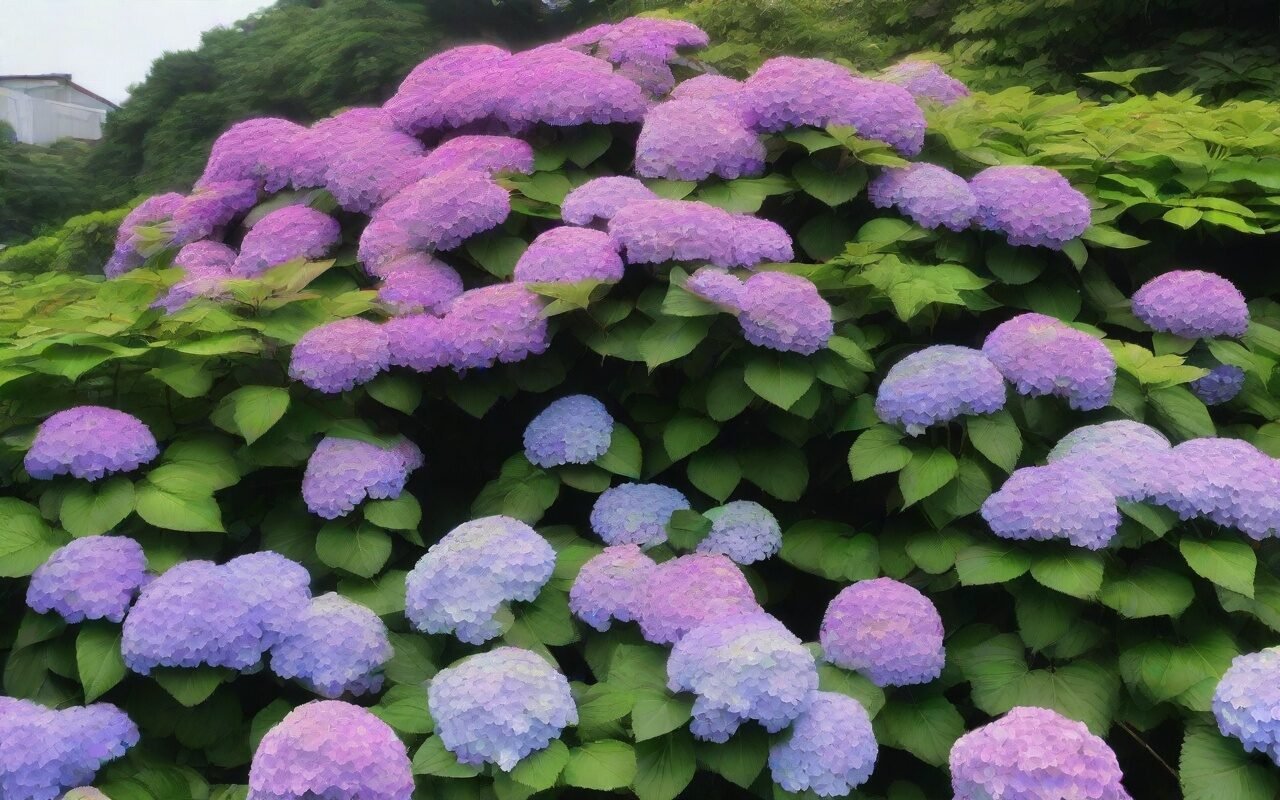
Kamakura Rainy Season Hydrangea is a must-visit destination in Kanagawa for international travelers. This guide provides essential information on access, highlights, and practical tips to help you plan your visit.
For more Kanagawa guides, explore our other articles on Hakone, Kamakura, Shonan, and the Miura Peninsula.
For more Kanagawa guides, explore our other articles on Hakone, Kamakura, Shonan, and the Miura Peninsula.
Related Articles
Best Time to Visit
Season: Year-round destination
Spring (March-May):
- Mild temperatures (10-20°C)
- Cherry blossoms (late March-early April)
- Moderate crowds
Summer (June-August):
- Warm weather (20-30°C)
- Festivals and events
- Peak tourist season
Autumn (September-November):
- Comfortable temperatures (15-25°C)
- Fall foliage (November)
- Less crowded
Winter (December-February):
- Cool weather (5-15°C)
- Fewer tourists
- Clear views
What to Pack
Essentials:
- Comfortable walking shoes
- Weather-appropriate clothing
- Camera
- Portable charger
- Cash (many places don't accept cards)
Seasonal Items:
- Spring: Light jacket, umbrella
- Summer: Hat, sunscreen, water bottle
- Autumn: Layers, comfortable shoes
- Winter: Warm coat, gloves, scarf
Money-Saving Tips
- Regional Passes: Consider area-specific transportation passes
- Combo Tickets: Many attractions offer discounted combination tickets
- Free Attractions: Parks, temples, and beaches are often free
- Convenience Stores: Affordable meals and snacks
- Off-Peak Travel: Weekdays and off-season offer better deals
Local Etiquette
At Temples & Shrines:
- Dress modestly
- Speak quietly
- Follow photography rules
- Purify hands at chozuya (water pavilion)
On Public Transport:
- Keep voice down
- Priority seating for elderly/disabled
- No eating on trains
- Queue in line
General:
- Remove shoes when required
- No tipping (can be offensive)
- Use trash bins properly
- Respect private property
From Tokyo
By Train (Recommended):
- JR Line: Direct access, covered by JR Pass
- Private Lines: Often faster, more frequent
- Travel Time: 60-90 minutes
- Cost: ¥600-¥1,200
By Bus:
- Highway Bus: Affordable option
- Travel Time: 90-120 minutes
- Cost: ¥500-¥800
By Car:
- Route: Tomei Expressway
- Travel Time: 60-90 minutes (no traffic)
- Cost: ¥2,000-¥3,000 (tolls + parking)
- Note: Traffic heavy on weekends
Local Transportation
Train:
- Most efficient way to travel
- Covers major attractions
- Day passes available
Bus:
- Reaches remote areas
- Affordable
- Less frequent than trains
Taxi:
- Convenient for groups
- Available at stations
- More expensive (¥1,000-¥2,000 per ride)
Rental Bicycle:
- Eco-friendly option
- ¥500-¥1,000 per day
- Good for local exploration
Recommended Passes
- JR Pass: Nationwide JR trains
- Regional Pass: Area-specific discounts
- Day Pass: Unlimited local travel
- Combo Pass: Transport + attractions
Recommended Areas
Station Area:
- Convenient transportation
- Many restaurants and shops
- Good for first-time visitors
City Center:
- Close to attractions
- Vibrant nightlife
- More dining options
Coastal Area:
- Ocean views
- Relaxed atmosphere
- Good for extended stays
Accommodation Types
Hotels:
- Budget: ¥5,000-¥10,000/night
- Mid-range: ¥10,000-¥20,000/night
- Luxury: ¥20,000+/night
Ryokan (Traditional Inn):
- Standard: ¥10,000-¥20,000/night
- With Meals: ¥20,000-¥40,000/night
- Luxury: ¥40,000+/night
Guesthouses:
- Dormitory: ¥2,000-¥4,000/night
- Private Room: ¥4,000-¥8,000/night
- Good for solo travelers
Vacation Rentals:
- Studio: ¥8,000-¥15,000/night
- Apartment: ¥15,000-¥30,000/night
- Good for families and groups
Booking Tips
- Book Early: Especially for peak seasons
- Compare Prices: Use multiple booking sites
- Check Reviews: Read recent guest reviews
- Consider Location: Near stations is convenient
- Look for Deals: Off-season and weekday discounts