Blog

  • Kanagawa Autumn Foliage Guide 2026

    Kanagawa Autumn Foliage Guide 2026

    This destination guide covers everything you need to know about visiting this area in Kanagawa. From how to get there to what to see, you will find practical information for a memorable trip.

    Overview

    Plan your perfect visit to Kanagawa Autumn Foliage Guide with this comprehensive destination guide, Covering everything from must-see attractions to practical travel tips, this guide helps you make the most of your time in Kanagawa. Whether you have a single day or an entire week, discover the best that this Kanagawa destination has to offer.

    📋 Overview

    Summer (June-August)

    Highlights: Green landscapes, summer festivals, fireworks

    • Temperature: 20-30°C (68-86°F)

    • Crowds: Very high (school holidays)

    • What to Wear: Light clothing, hat, sunscreen

    • Special Events: Fireworks festivals, beach activities

    Planning a visit to experience Kanagawa Autumn Foliage Guide 2026 in Kanagawa? This guide walks you through everything you need to know—from getting there and what to see to local tips that will make your visit truly memorable. Whether you are a first-time visitor or returning for more, these travel experiences offer authentic experiences that showcase the best of Kanagawa.
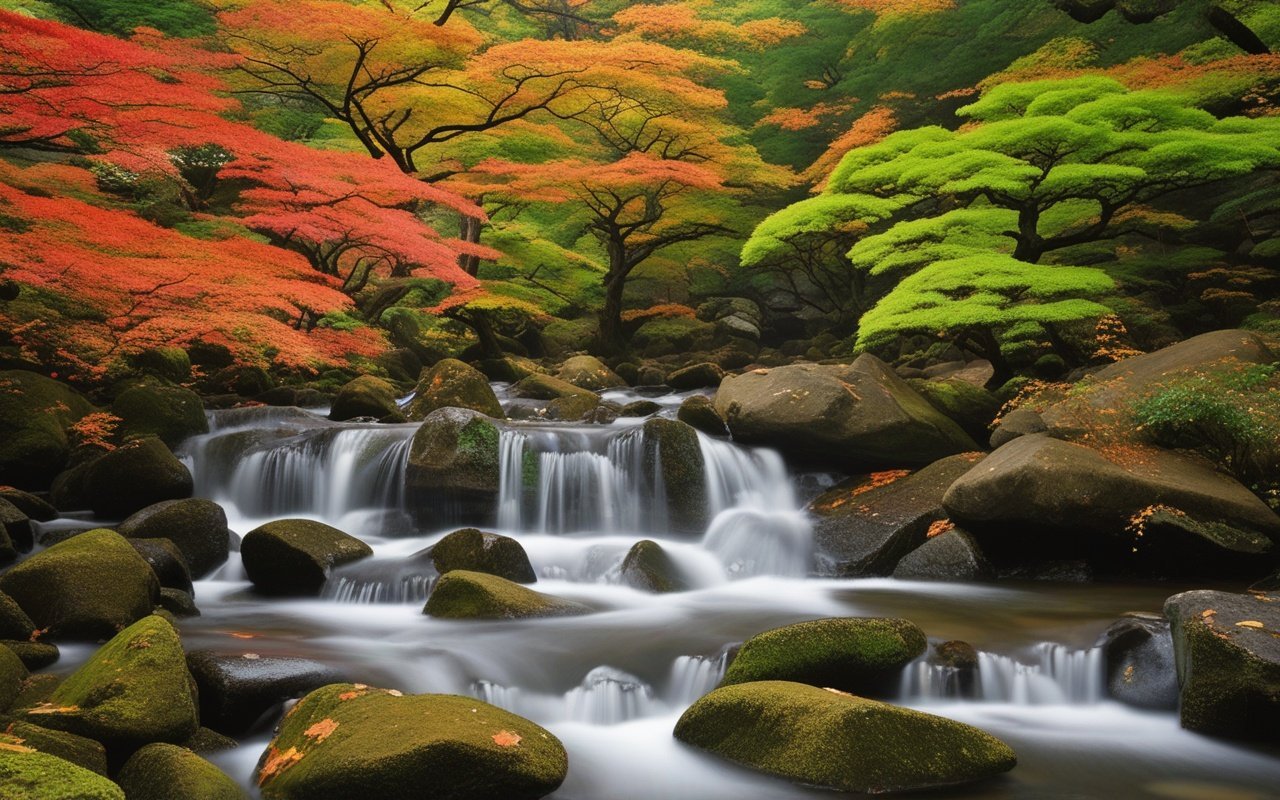

    Kanagawa Autumn Foliage Guide 2026 — Summer (June-August)

     Key Points

    Kanagawa Autumn Foliage Guide 2026 —  Key Points

     Location

    Kanagawa Autumn Foliage Guide 2026 —  Location

    • Best time: Mid-November to early December
    • Top spots: Hakone, Kamakura, Lake Tanzawa
    • Peak colors: Elevation dependent
    • Access: All locations accessible by public transport

    Introduction: Kanagawa’s Autumn Colors
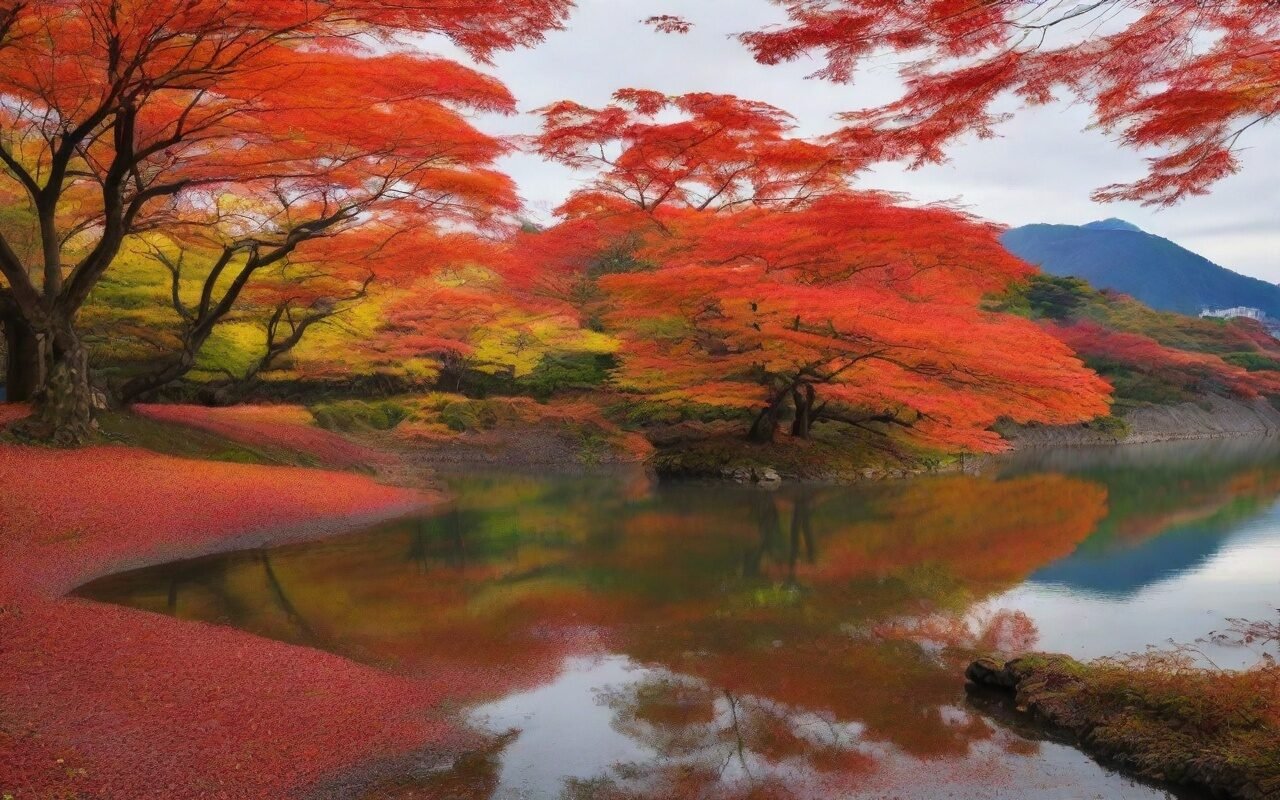
    Kanagawa Autumn Foliage Guide 2026 — Introduction: Kanagawa's Autumn Colors
    Kanagawa Autumn Foliage Guide 2026 — Introduction: Kanagawa's Autumn Colors

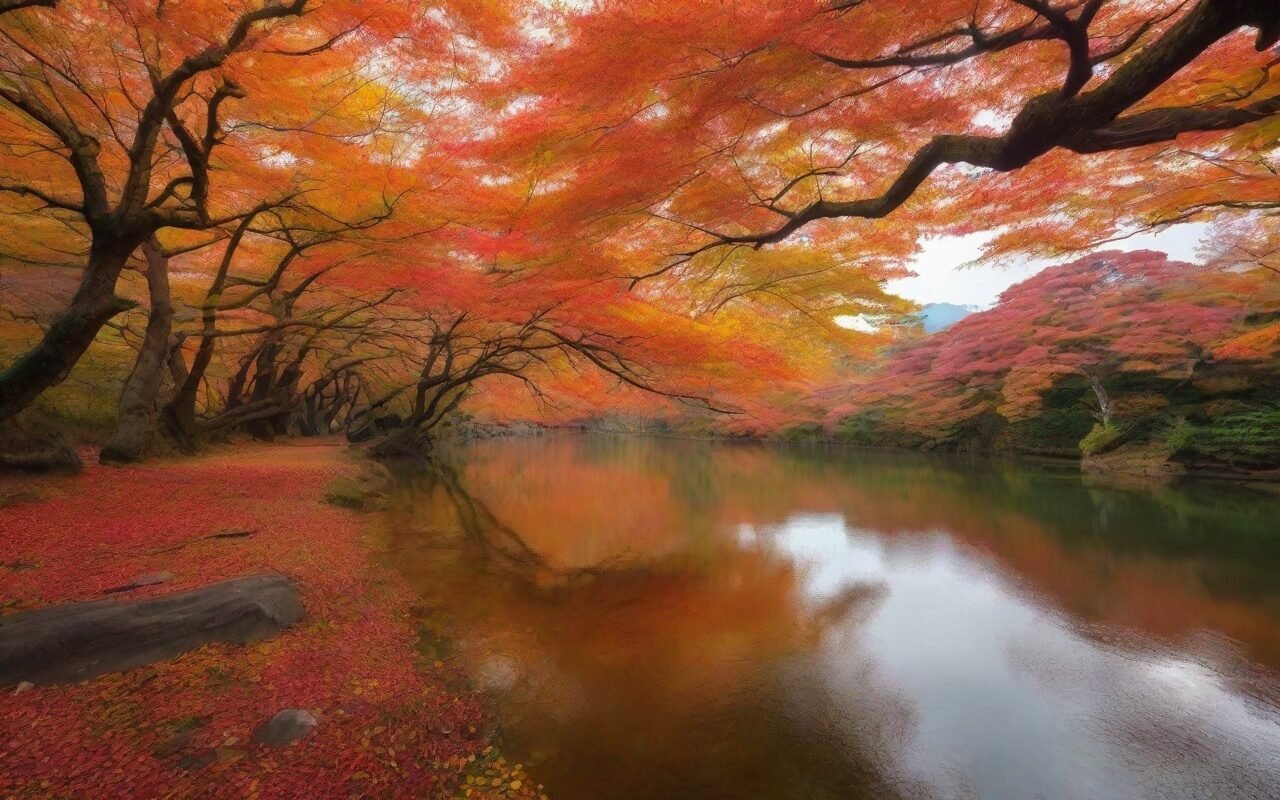
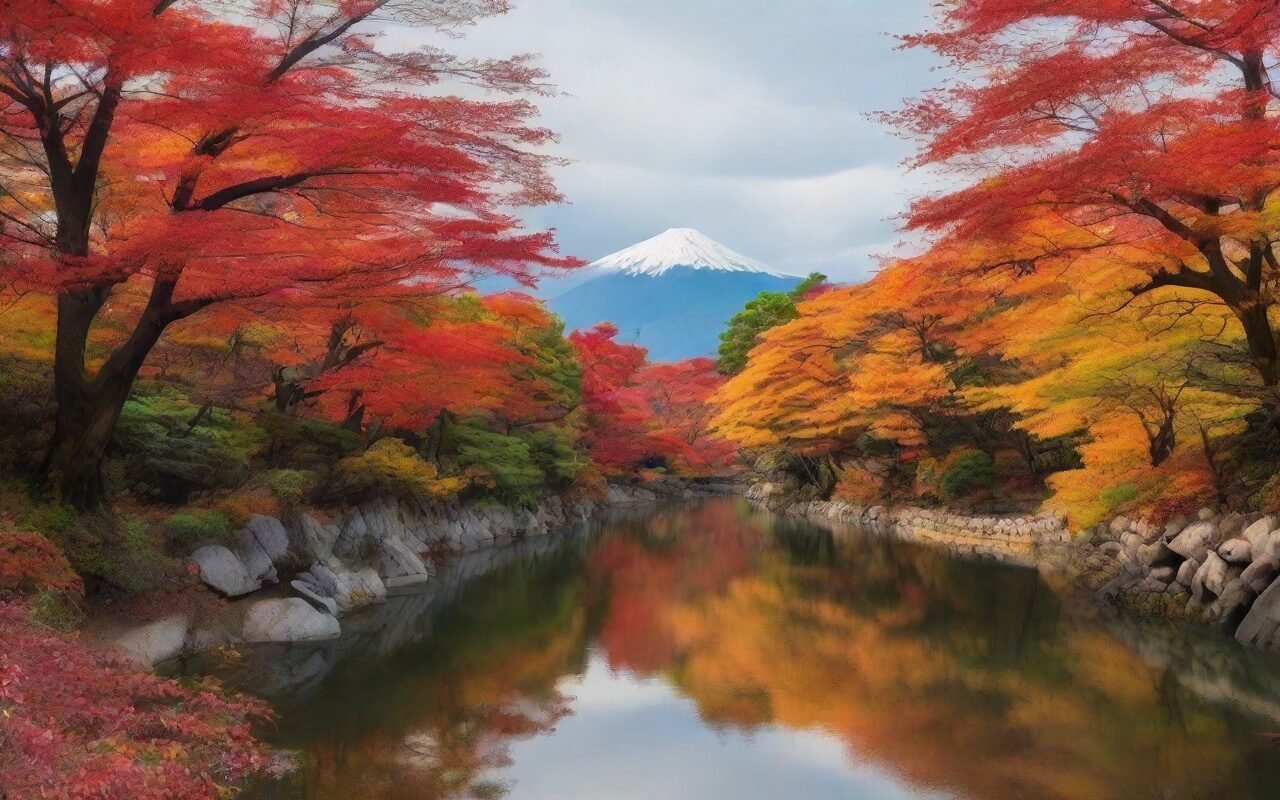
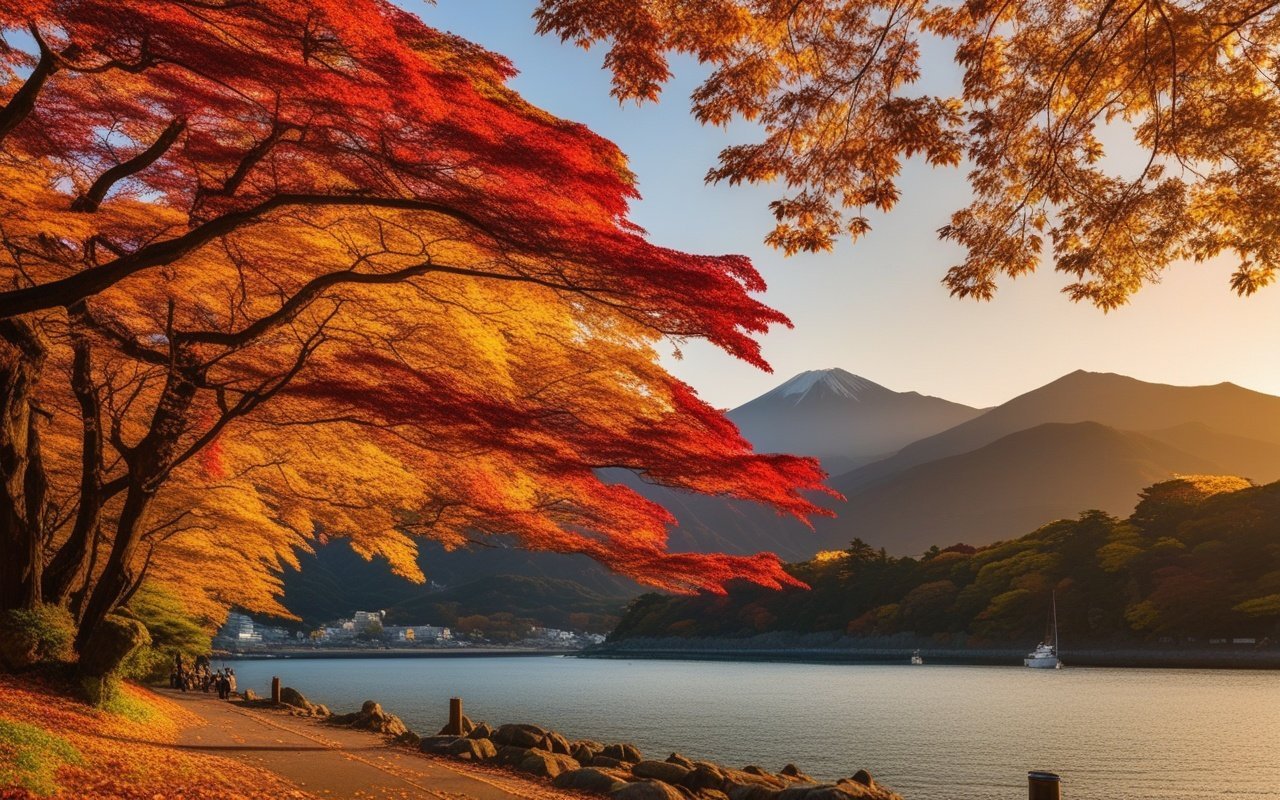
    Kanagawa Prefecture offers spectacular autumn foliage viewing. From mountain valleys to historic temple grounds, the region’s diverse landscapes showcase vibrant reds, oranges, and yellows.

    Peak bloom period:

    • High elevation: Early – Mid November
    • Mid elevation: Mid – Late November
    • Low elevation: Late November – Early December

    1. Hakone Open-Air Museum

    Best for: Art + autumn colors combination

    Location: Hakone
    Access: Hakone Tozan Railway to Chokoku-no-Mori Station
    Bloom time: Mid - Late November
    Hours: 9:00 AM - 5:00 PM
    Admission: ¥1,600 (adults)

    Highlights:

    • Sculptures amid fall colors
    • Indoor/outdoor galleries
    • Hot spring foot bath
    • Picasso exhibition

    2. Tsurugaoka Hachimangu (Kamakura)

    Best for: Shrine + ginkgo trees

    Location: Kamakura
    Access: JR Kamakura Station (10 min walk)
    Bloom time: Late November - Early December
    Hours: 6:00 AM - 8:00 PM
    Admission: Free

    Highlights:

    • 1,000-year-old ginkgo trees
    • Traditional shrine architecture
    • Evening illumination
    • Fall festival (November)

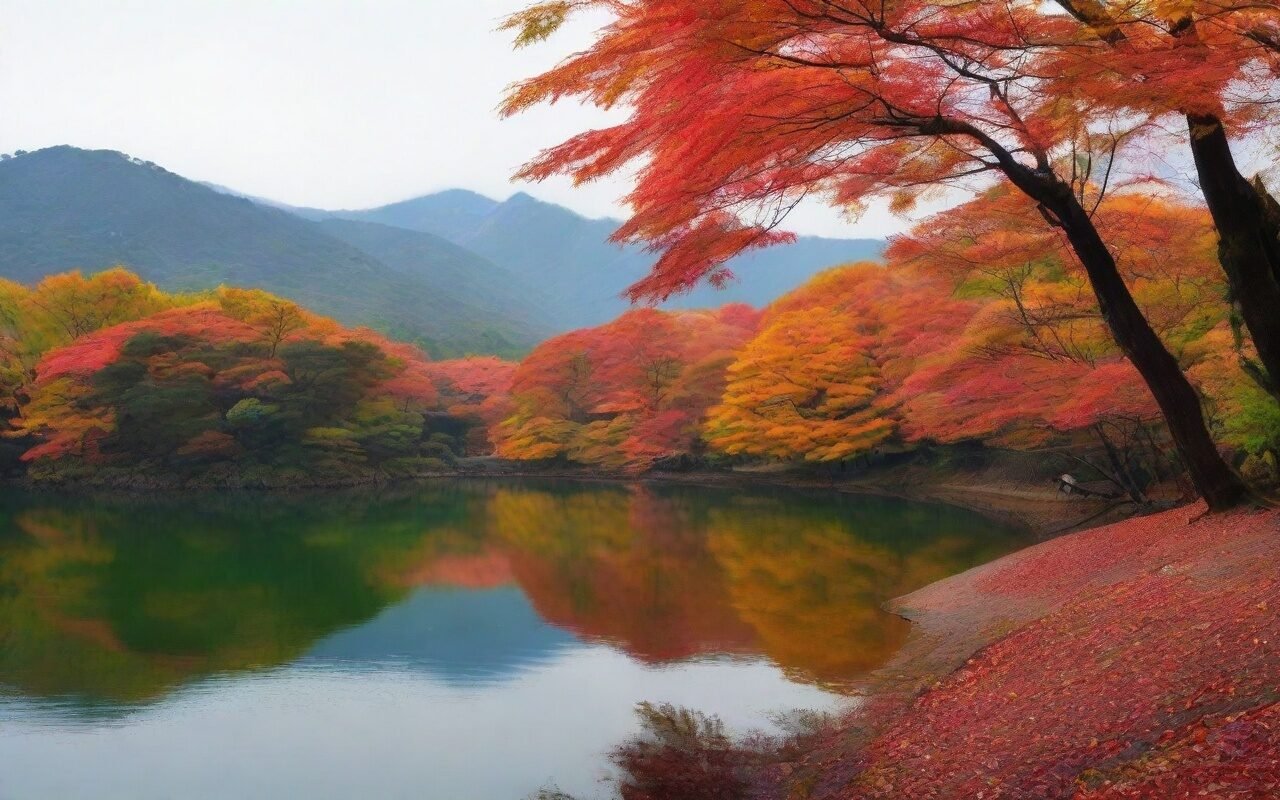
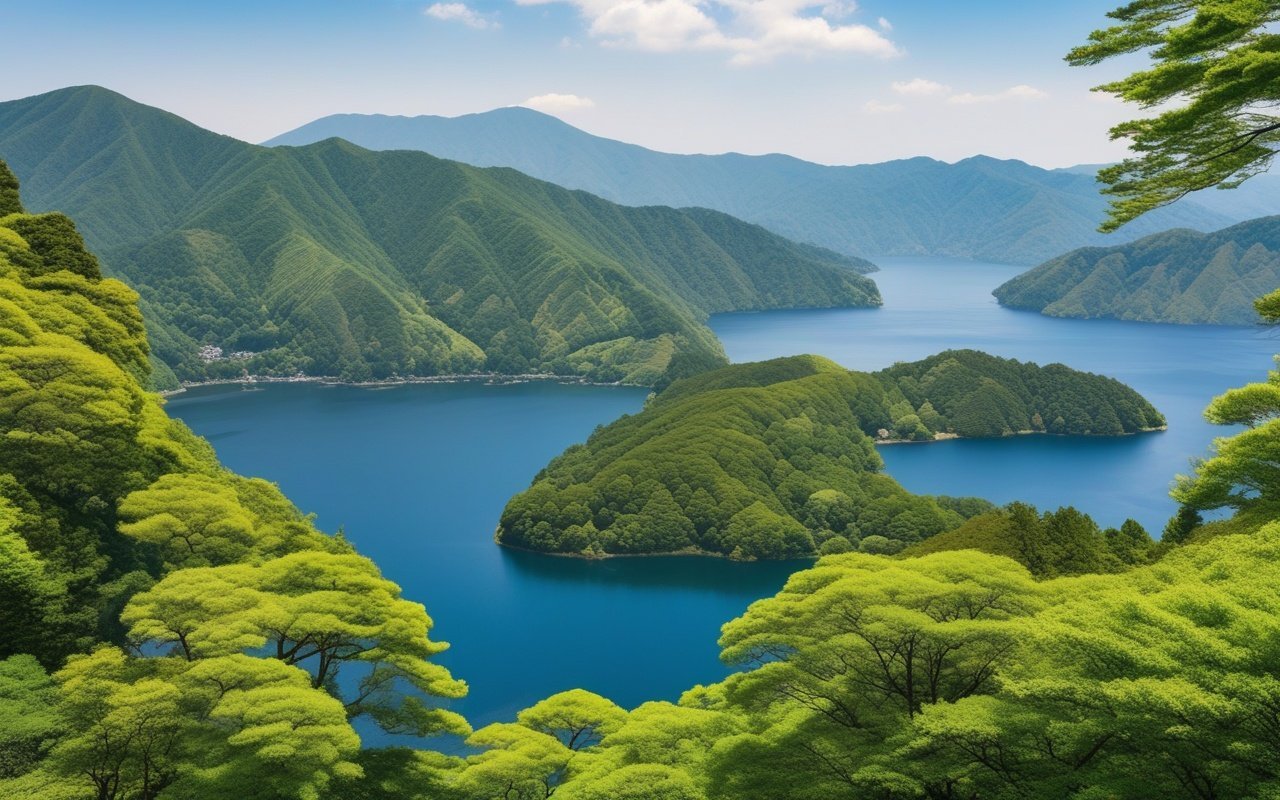
    3. Lake Tanzawa

    Best for: Mountain reflection in lake

    Location: Yamakita
    Access: JR Gotemba Line to Yamakita Station, then bus
    Bloom time: Early - Mid November
    Hours: 24 hours
    Admission: Free

    Highlights:

    • Mountain reflections
    • Hiking trails
    • Camping areas
    • Less crowded

    4. Sankeien Garden (Yokohama)

    Best for: Traditional Japanese garden with autumn colors

    Location: Yokohama (Honmoku)
    Access: Bus from Yokohama Station (25 min, ¥220) or Negishi Station (15 min walk)
    Bloom time: Late November - Mid December
    Hours: 9:00 AM - 5:00 PM
    Admission: ¥700 (adults)

    Highlights:

    • Three-story pagoda surrounded by maple trees
    • Historic buildings from Kyoto and Kamakura
    • Reflecting pond with autumn foliage reflections
    • Tea house with matcha and seasonal sweets
    • Far less crowded than Hakone or Kamakura spots

    Photography tip: The best composition is from the hill above the three-story pagoda, looking down through the maple branches toward the pond. Arrive at 9 AM opening for the best light. The afternoon sun (2-3 PM) creates beautiful shadows through the maple canopy.


    5. Kamakura Temple Autumn Trail

    Best for: Temple-hopping through autumn colors

    Location: Multiple temples (Engakuji, Kenchoji, Hokokuji)
    Access: JR Kamakura Station or Kita-Kamakura Station, 5-15 min walk each
    Bloom time: Late November - Early December
    Hours: 8:30 AM - 4:30 PM (varies by temple)
    Admission: ¥300-500 per temple

    Suggested route: Start at Kita-Kamakura Station → Engakuji (largest temple, stunning maple-lined approach) → Kenchoji (10 min walk, impressive Sanmon gate framed in red leaves) → Tsurugaoka Hachimangu (15 min walk, massive ginkgo turning gold) → Hokokuji (10 min east, bamboo grove with scattered crimson leaves). Total walking: 45 minutes between temples. Allow 2-3 hours.


    6. Week-by-Week Foliage Forecast

    Early November (Nov 1-10): High-elevation spots peak. Lake Tanzawa and Hakone mountain trails are at their best. Head to Tanzawa for the earliest colors.

    Mid November (Nov 10-20): Peak season begins across Kanagawa. Hakone’s museums and temples are at their most colorful. Expect crowds on weekends.

    Late November (Nov 20-30): Kamakura’s temples hit peak color. Sankeien Garden’s maples turn brilliant red. The combination of autumn colors and Kamakura’s temple architecture is spectacular.

    Early December (Dec 1-10): Low-elevation spots (Yokohama, coastal areas) reach peak. Tsurugaoka Hachimangu’s ginkgo tree is fully gold. Last chance to see autumn colors before leaves fall.

    Mid December onwards: Most leaves have fallen. A few late-blooming spots remain at temple gardens with sheltered locations. Focus on indoor attractions and winter illuminations instead.


     Peak Color Forecast

    Location Elevation Peak Time Best Time
    Hakone 700m Nov 10-20 Nov 15-25
    Kamakura 50m Nov 25-Dec 5 Dec 1-10
    Tanzawa 1000m Nov 1-10 Nov 5-15
    Yokohama 20m Dec 1-10 Dec 5-15

     Access from Tokyo

    To Hakone:

    Romancecar from Shinjuku: 85 min
    ¥2,000 (reserved)

    JR Yokosuka Line from Tokyo: 60 min
    ¥1,040 (unreserved)


     Photography Tips

    Best times:

    • Early morning (7-9 AM): Soft light, no crowds
    • Late afternoon (3-5 PM): Warm colors Settings:
    • Aperture: f/8-11
    • ISO: 100-200
    • Polarizing filter recommended

    Updated: March (this year)

    🏘️ Exploring the Area

    Beyond the main attractions, taking time to explore the surrounding neighborhoods and lesser-known spots can lead to some of the most rewarding travel experiences.

    Neighborhood Character: Each district has its own distinct character, from bustling shopping streets to quiet residential areas with traditional architecture, Wandering off the main tourist paths often reveals lesser-known spots.

    Local Recommendations: Ask at your accommodation or local tourist information centers for recommendations on nearby spots that may not appear in standard guidebooks. Local knowledge is invaluable for discovering authentic experiences.

    Nearby Attractions: The area is well-positioned for exploring other Kanagawa destinations. Consider combining your visit with nearby attractions to create a fuller itinerary that showcases the region’s diversity.

    Walking Routes: Several self-guided walking routes have been developed that connect major sights while passing through interesting neighborhoods. These typically take 1-3 hours and are well-marked with English signage.
    Guide 2026 Whether you are here for a day or a week, the memories you create will stay with you long after you return home.

    What Locals Say

    We spoke with residents and frequent visitors to get their honest opinions about Kanagawa Autumn Foliage: Best Koyo Viewing Spots:

    Tanaka-san, Local Resident (15 years):
    > “This place has been part of our community for generations. The best time to visit is early morning when the crowds are thin and the light is perfect for photography. Don’t miss the hidden spots that most tourists overlook.”

    Yamamoto-san, Tour Guide (10 years experience):
    > “I bring visitors here regularly. The key to enjoying Kanagawa Autumn Foliage: Best Koyo Viewing Spots is to take your time. Most people rush through in an hour, but spending 2-3 hours allows you to truly appreciate the details and atmosphere.”

    Suzuki-san, Photographer:
    > “For the best photos, visit during golden hour. The way the light hits [the main feature] creates magical moments. Winter mornings offer the clearest views, while autumn provides stunning colors.”


    Packing Essentials

    Day trips require minimal packing. Bring a charged portable battery for your phone. A light scarf is useful for entering religious sites. Pack a reusable shopping bag for souvenirs. A physical map from tourist information serves as a reliable backup.

    For more details, see our guide to Kamakura Night Illumination Guide.

    Conclusion

    The details in this guide come from real visits, and the biggest lesson I took away was that the best experiences in Kanagawa rarely fit neatly into a checklist. During my visit I went with a rough plan and found that leaving room to wander made the trip far more memorable. Plan the essentials, keep your schedule flexible, and you will leave Kanagawa wanting to return.
  • Shonan Beach Guide – Kanagawa 2026

    Shonan Beach Guide – Kanagawa 2026

    Shonan Beach Guide – Kanagawa 2026

    Overview

    Quick Links

    Planning a visit to experience Shonan Beach Guide – Kanagawa 2026 in Kanagawa? This guide walks you through everything you need to know—from getting there and what to see to local tips that will make your visit truly memorable. Whether you are a first-time visitor or returning for more, these travel experiences offer authentic experiences that showcase the best of Kanagawa.

    📍 Location


    • Access: 1 hour from Tokyo by train
    • Best beaches: Yuigahama, Zaimokuza, Koshigoe
    • Best for: Swimming, surfing, beach volleyball
    • Season: July-August (official swimming season)

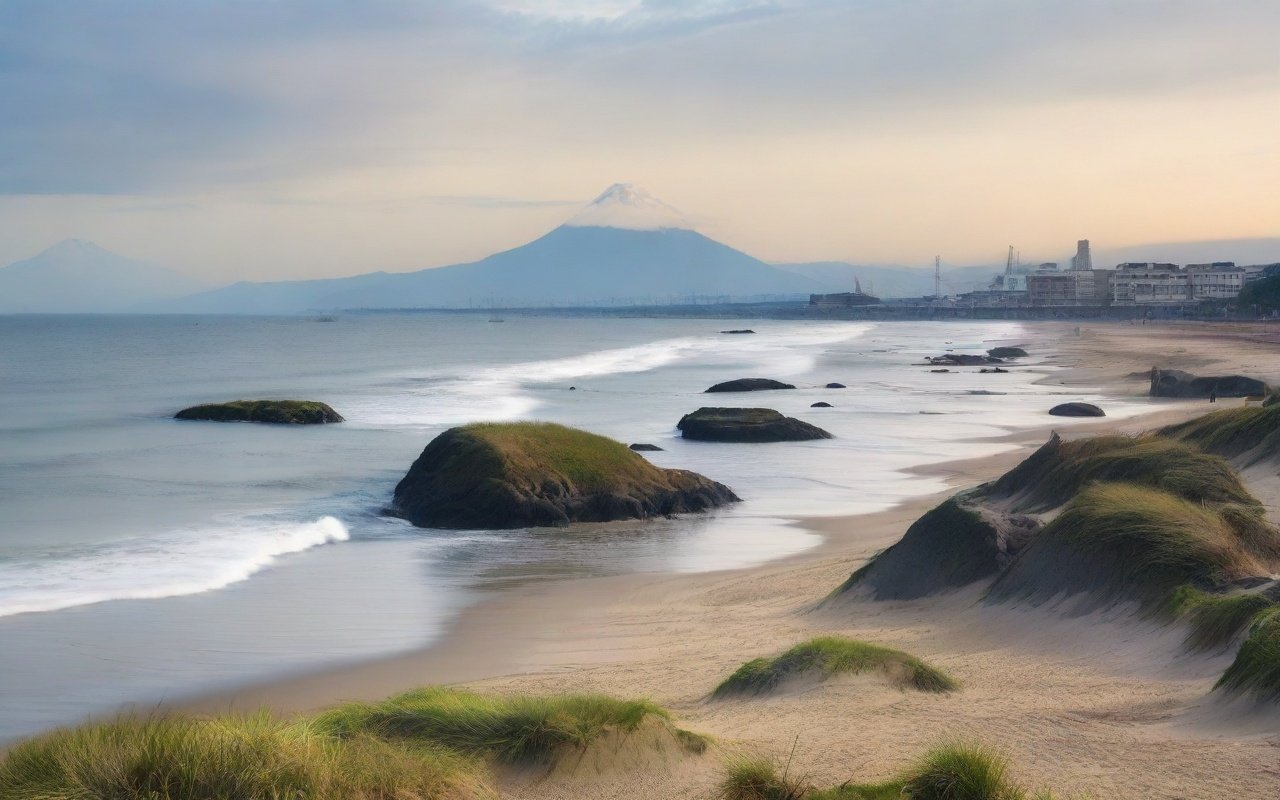
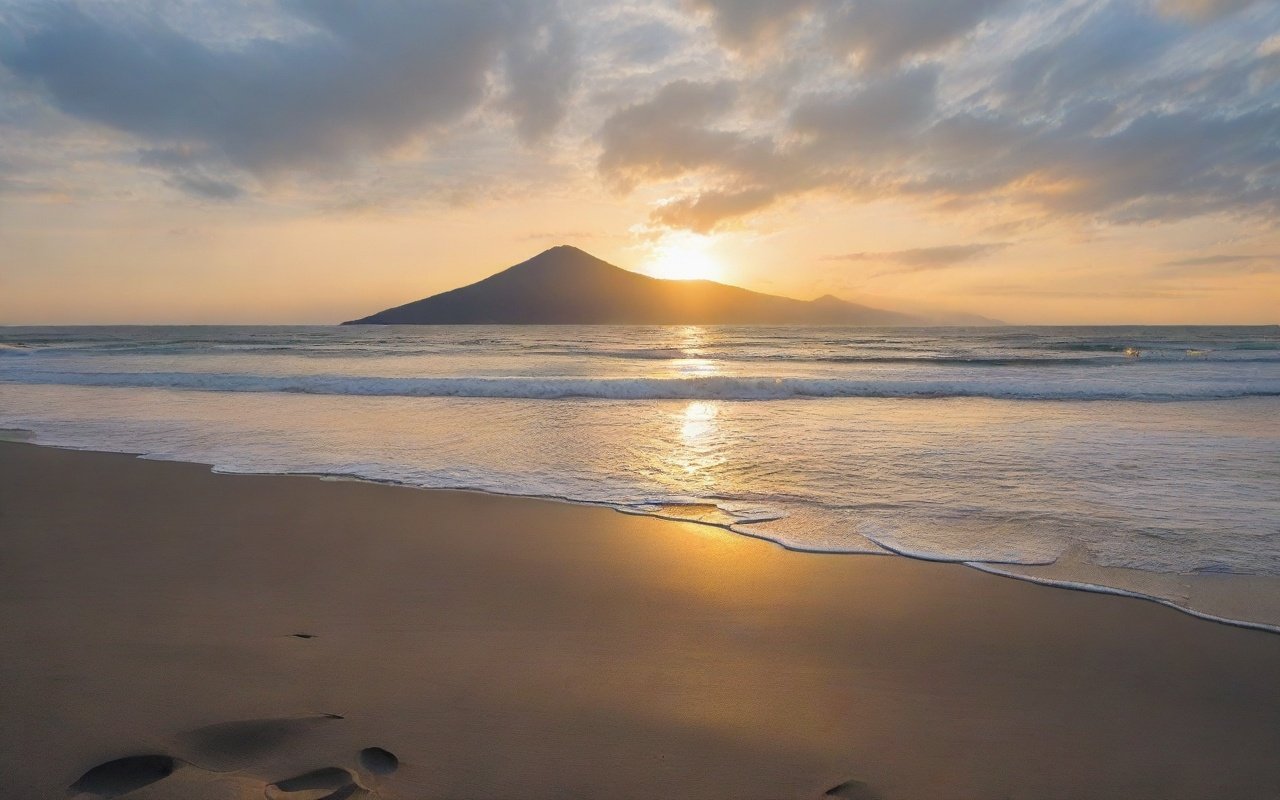
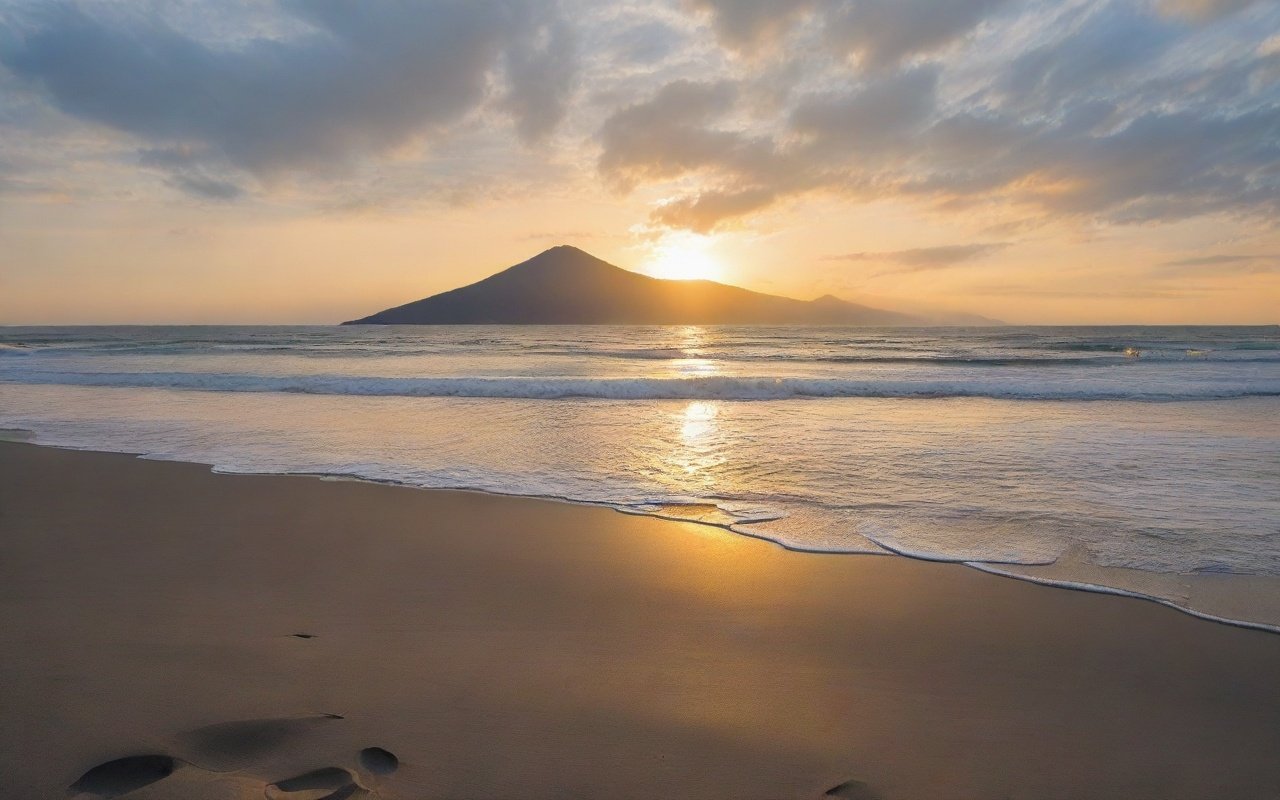
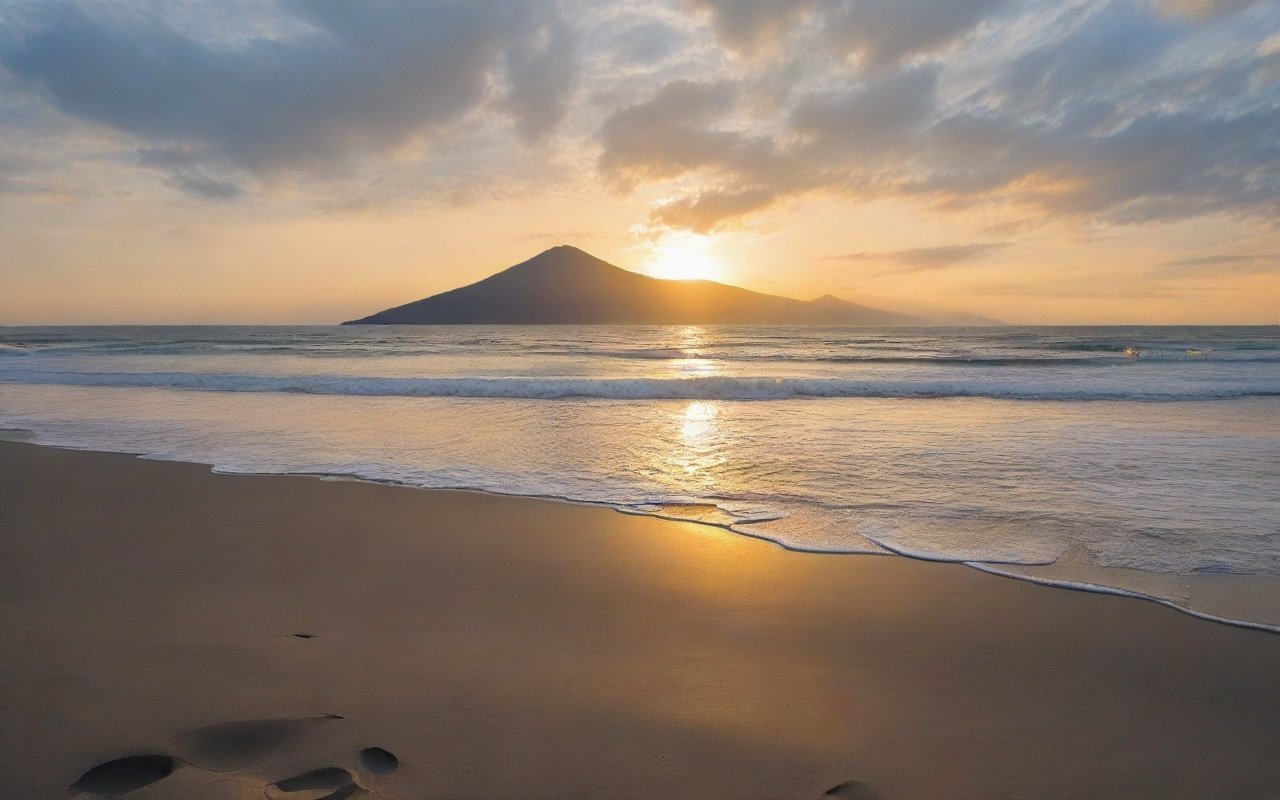
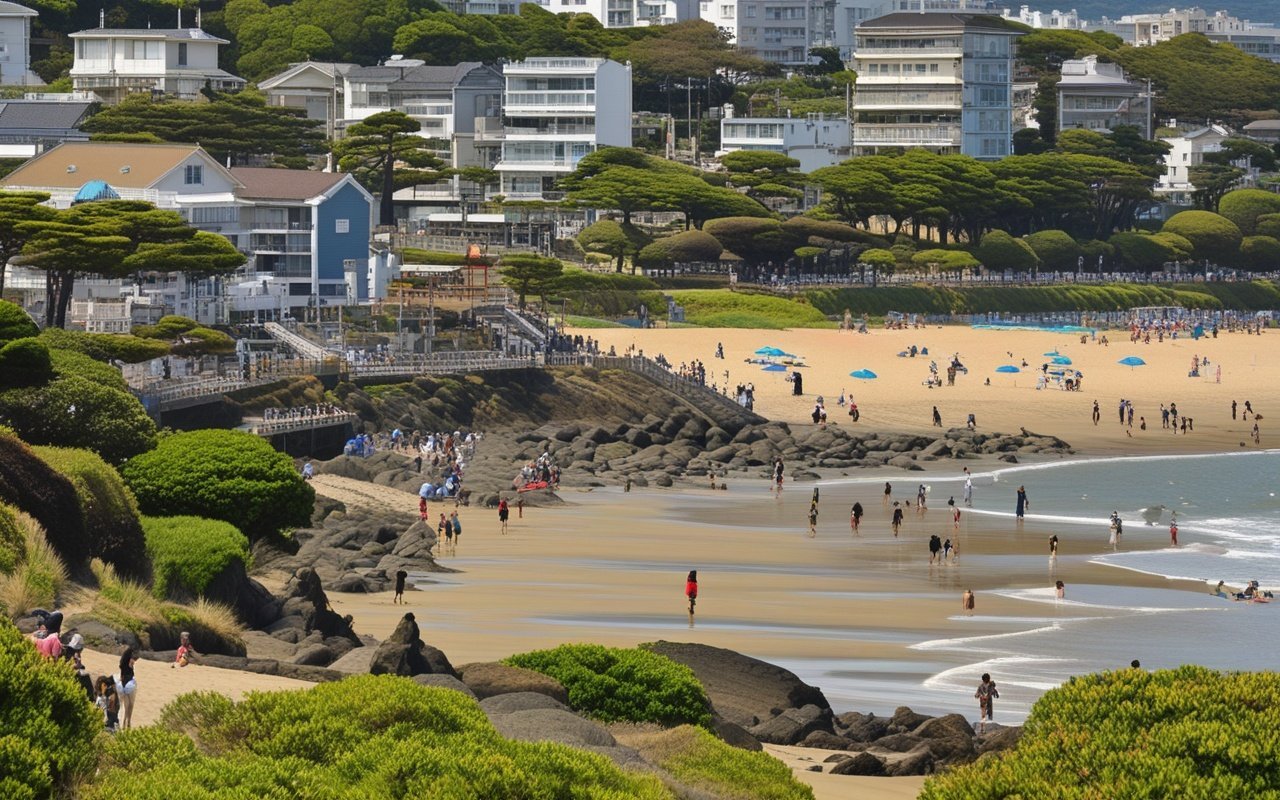
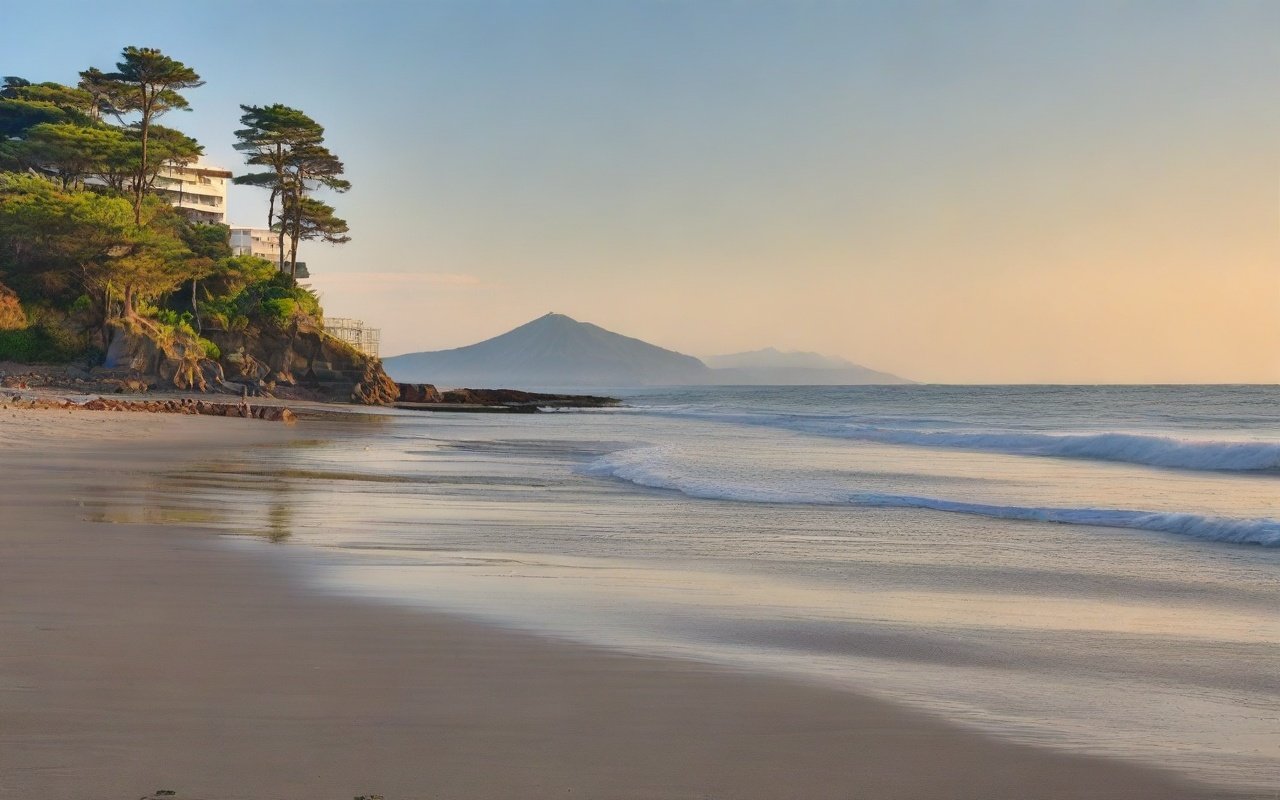
    Scenic Shonan beach coastline with surfing and swimming areas

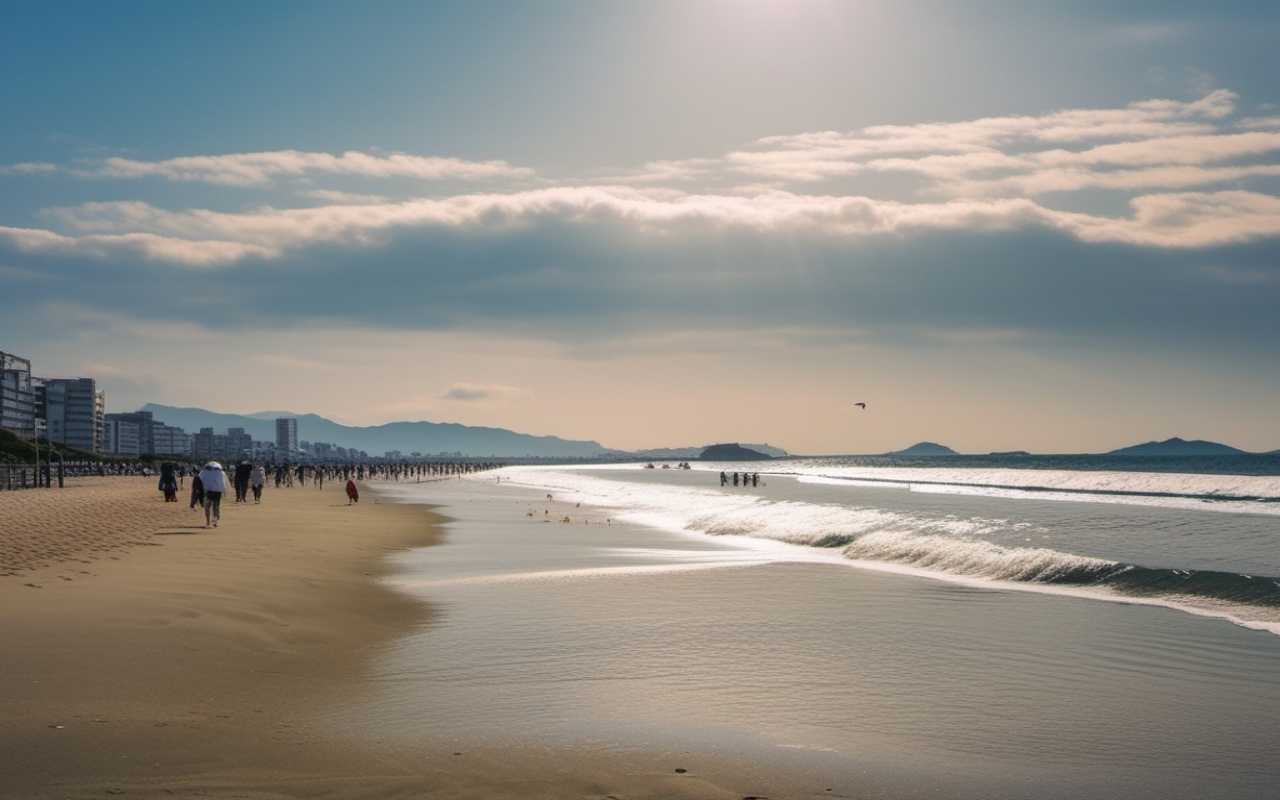
    Shonan Beach Guide - Kanagawa 2026 — Location


    Introduction

    Shonan Beach Guide - Kanagawa 2026 — Introduction

    Shonan is the collective name for the coastal areas of southern Kanagawa Prefecture, Known for its beautiful beaches, surfing culture, and laid-back atmosphere, it’s a popular summer destination for Tokyo residents.

    Highlights:

    • 10+ beautiful beaches
    • World-class surfing spots
    • Beach cafes and restaurants
    • Water sports activities
    • Stunning sunset views

    Yuigahama Beach (Kamakura)

    Best for: Swimming, surfing, beach volleyball

    Season: Early July to late August
    Hours: 9:00 AM - 5:00 PM (swimming season)
    Facilities: Showers, restrooms, shops, restaurants
    Access: 5 min walk from Kamakura Station

    The most popular beach in Shonan, with excellent facilities and a vibrant atmosphere. Features:

    • Beach volleyball courts
    • Surfboard rentals
    • Numerous beach houses
    • Fireworks displays (summer weekends)

    Zaimokuza Beach (Kamakura)

    Best for: Quiet swimming, long walks, families

    Season: Early July to late August
    Hours: 9:00 AM - 5:00 PM
    Facilities: Showers, restrooms, shops
    Access: 15 min walk from Kamakura Station

    A quieter alternative to Yuigahama, popular with families and those seeking a more relaxed atmosphere. Features:

    • Less crowded
    • Long sandy beach
    • Good for beach walks
    • Family-friendly

    Koshigoe Beach

    Best for: Surfing, sunset views, locals’ beach

    Season: Early July to late August
    Hours: 9:00 AM - 5:00 PM
    Facilities: Showers, restrooms
    Access: 10 min walk from Koshigoe Station

    A local favorite with great surfing conditions and beautiful sunset views. Features:

    • Less touristy
    • Good surf breaks
    • Local food stalls
    • beautiful sunsets

    Enoshima Beach

    Best for: Surfing, beach activities, views

    Season: Early July to late August
    Hours: 9:00 AM - 5:00 PM
    Facilities: Showers, restrooms, shops, restaurants
    Access: 10 min walk from Enoshima Station

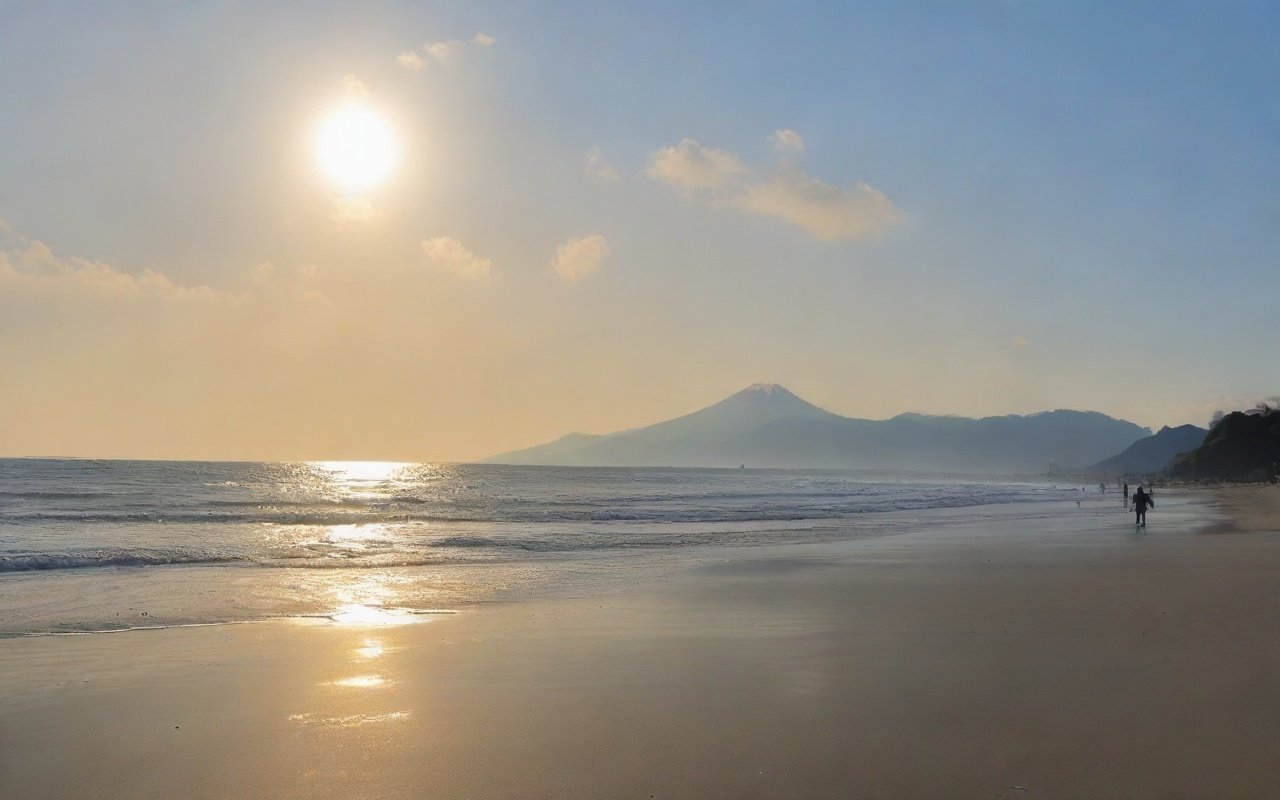
    Located on the Enoshima island, this beach offers great surfing and beautiful views of Mount Fuji. Features:

    • Multiple surf schools
    • Beach volleyball courts
    • Seafood restaurants
    • Mount Fuji views

    Best Surf Spots

    Beginner:

    • Yuigahama (gentle waves, surf schools)
    • Enoshima (multiple breaks, lessons available) Intermediate:
    • Koshigoe (consistent waves)
    • Shichirigahama (longer rides) Advanced:
    • Inamuragasaki (challenging breaks)
    • Nagai (powerful waves)

    Surf Schools

    Shonan Surf School

    Location: Yuigahama Beach
    Price: ¥8,000-12,000 (2 hours)
    Includes: Board, wetsuit, instruction

    Location: Enoshima Beach
    Price: ¥7,000-10,000 (2 hours)
    Includes: Board, wetsuit, instruction


    Beach Amenities Comparison

    Beach Lifeguards (Jul-Aug) Showers (¥) Restrooms Lockers Umbrella Rental Beach Houses
    Yuigahama ✅ 9 AM-5 PM ¥100-200 ✅ Free ¥100-200 ¥500-1,000/day 5+ popular ones
    Zaimokuza ✅ 9 AM-5 PM ¥100-200 ✅ Free ¥100-200 ¥500-800/day 2-3 smaller ones
    Koshigoe ✅ 9 AM-5 PM ¥100 ✅ Free ¥100 ¥500/day 1-2 local houses
    Enoshima ✅ 9 AM-5 PM ¥200-300 ✅ Free ¥200-300 ¥800-1,000/day 3-4 options
    Shichirigahama ✅ Weekends only ¥100 ✅ Free ¥100 ¥500/day 1 cafe-style
    Inamuragasaki ❌ No lifeguards ❌ None ❌ None ❌ None ❌ None ❌ None

    Key tips:

    • Yuigahama has the best facilities but fills up by 10 AM on summer weekends
    • Zaimokuza is the best family option with good facilities but fewer crowds
    • Inamuragasaki is for experienced surfers only — no facilities or lifeguards
    • Showers cost ¥100-200 for 3-5 minutes — bring ¥100 coins

    🍽️ Beachside Dining: Best Eats Near Each Beach

    Beach Restaurant Type Price Must-Try
    Yuigahama The Beach Brunch/Cafe ¥1,000-2,000 Acai bowl, eggs benedict
    Yuigahama Seaside Cafe Yuigahama Cafe/Bar ¥800-1,500 Smoothies, craft beer
    Zaimokuza Cafe M Casual dining ¥700-1,200 Curry rice, toast sets
    Koshigoe Koshigoe Cafe Seafood ¥1,200-2,000 Shirasu pasta
    Enoshima Billiken Izakaya/Cafe ¥1,000-2,500 Seafood platter, sunset drinks
    Enoshima Pacific Drive-in Casual ¥800-1,500 Hot dogs, ice cream
    Shichirigahama Sunset Cafe Cafe/Bar ¥1,000-2,000 Coffee, cake, beer

    Beach food pricing: Beach house food is 20-30% more expensive than nearby restaurants. A bowl of ramen at a beach house costs ¥1,200-1,500 vs. ¥800-900 at a restaurant 5 minutes inland. For budget dining, eat at a restaurant before heading to the beach.

    🏄 Surfing Guide: Best Beaches by Skill Level

    Skill Level Best Beach Wave Type Surf School Lesson Price (2h)
    Beginner Yuigahama Gentle 0.5-1m waves Shonan Surf School ¥8,000-12,000
    Beginner Zaimokuza Small 0.3-0.8m waves Kamakura Surf Club ¥7,000-10,000
    Intermediate Koshigoe Consistent 1-2m waves Koshigoe Surf Academy ¥10,000-15,000
    Intermediate Shichirigahama Longer rides 1-2m Shonan Surf Company ¥10,000-15,000
    Advanced Inamuragasaki Powerful 2-3m waves Private lessons only ¥12,000-18,000

    Beginner tips:

    • Yuigahama is the most beginner-friendly — gentle waves, shallow entry, and multiple surf schools
    • Rent equipment from a school (board + wetsuit: ¥3,000-5,000 per day)
    • Best time for beginners: early morning (6-8 AM) when waves are smallest
    • Avoid weekends if possible — crowded lineups make learning harder

    Best surf season: September-October offers the best combination of warm water (still 22-24°C from summer), consistent swell, and fewer crowds. Winter (November-March) has bigger waves (2-3m) but requires a 5mm wetsuit, boots, and gloves.

    🌅 Sunset Viewing Guide

    Beach Best Sunset Spot Sunset Time (Summer) Vibe Photography Tip
    Yuigahama Near the pier 6:30-7:00 PM Lively, social Use the pier as foreground
    Enoshima Sea Candle observation deck 6:30-7:00 PM Romantic, panoramic Best Mt. Fuji silhouette views
    Koshigoe Western end of beach 6:30-7:00 PM Quiet, local Long exposure for smooth water
    Shichirigahama Along the seawall 6:30-7:00 PM Peaceful, sparse Fuji appears to the left of Enoshima

    Pro tip: The 30 minutes after sunset (blue hour) offer the most dramatic colors. Stay until the last light fades — the sky often surprises with unexpected pinks and purples. For a curated list of the best sunset overlooks along the coast, see our Shonan sunset viewpoints guide.

    🚗 Beyond the Beach: Nearby Attractions

    When you’ve had enough sun and sand, these attractions are within walking distance of each beach: Near Yuigahama/Zaimokuza:

    • Kamakura Great Buddha (20 min walk) — iconic 13m bronze statue
    • Hasedera Temple (15 min walk) — ocean-view temple with cave tunnels
    • Komachi-dori shopping street (15 min walk) — souvenirs, street food, cafes

    Near Enoshima:

    • Enoshima Island (5 min walk across bridge) — Sea Candle, shrine, caves, gardens
    • Enoshima Aquarium (10 min walk) — dolphin shows, jellyfish exhibits
    • Enoden train ride to Kamakura (15 min) — scenic coastal tram

    Near Koshigoe:

    • Koshigoe Fishing Port (5 min walk) — watch local fishermen, buy fresh catch
    • Shichirigahama coastline walk (20 min) — scenic coastal path with Fuji views

    📅 Seasonal Events at Shonan Beaches

    Month Event Location Description
    Late July Yuigahama Fireworks Yuigahama Beach 3,000 fireworks over the bay. Best viewed from the beach or nearby cafes.
    Early August Kamakura Fireworks Festival Zaimokuza Beach 5,000 fireworks — one of Kanagawa’s largest displays. Arrive by 4 PM for a good spot.
    Mid-August Enoshima Fireworks Enoshima Beach 2,500 fireworks launched from boats. Spectacular reflection on the water.
    Late August Shonan Beach Festival Multiple beaches Beach sports, food stalls, live music, and a final fireworks display.
    September Beach Clean-up Day All beaches Community volunteer event. Join local surfers and residents for a morning clean-up.

    Fireworks viewing tips:

    • Arrive 3-4 hours early to claim your spot (bring a blanket or blue sheet)
    • Convenience stores mark up drinks/snacks on fireworks days — bring your own
    • Trains after fireworks are extremely crowded (30-60 min wait to board) — consider staying nearby or walking part of the way

    🚣 Water Sports Beyond Surfing

    Activity Location Price Duration Best For
    Stand-up Paddleboarding (SUP) Yuigahama ¥3,000-5,000 1-2 hours All ages, calm days
    Kayaking Enoshima ¥3,000-4,000 1 hour Families, beginners
    Parasailing Enoshima Bay ¥8,000-12,000 15 min flight Thrill-seekers
    Jet Skiing Enoshima Bay ¥5,000-8,000 30 min Adventurous
    Snorkeling Jogashima (nearby) ¥2,000-3,000 (rental) 2-3 hours Calm days only

    Note: Water sports other than surfing are only available during the summer season (July-August). Always check weather conditions before booking — sudden wind changes can make kayaking or SUP dangerous.

    Common Facilities

    Most beaches offer:

    • Showers (¥100-200)
    • Restrooms (free)
    • Lockers (¥100)
    • Beach chair rentals (¥500-1000/day)
    • Umbrella rentals (¥500-1000/day)

    Beach Houses

    Features:

    • Food and drinks
    • Music and entertainment
    • Changing rooms
    • Equipment rentals Popular Beach Houses:
    • The Beach (Yuigahama)
    • Billiken (Enoshima)
    • Mellow (Koshigoe)

    By Train

    To Kamakura (Yuigahama/Zaimokuza):

    • JR Yokosuka Line: 1 hour from Tokyo (¥1,040)
    • JR Shonan-Shinjuku Line: 1 hour from Shinjuku (¥1,040) To Enoshima:
    • Odakyu Line: 65 minutes from Shinjuku (¥650)
    • Enoden: 10 minutes from Kamakura (¥320)

    By Car

    • From Tokyo: 1.5 hours via Yokohama-Yokosuka Road
    • Parking: ¥500-1000/day at beach lots

    Swimming Season

    Official Season: Early July to late August Pros:

    • Lifeguards on duty
    • All facilities open
    • Beach houses operating
    • Water sports available Cons:
    • Very crowded (especially weekends)
    • Higher prices
    • Limited parking

    Off-Season

    September to June

    Pros:

    • Fewer crowds
    • Good for surfing
    • Lower prices
    • beautiful scenery Cons:
    • No lifeguards
    • Limited facilities
    • Cold water (winter)
    • Some shops closed

    Do’s

    • ✅ Use designated swimming areas
    • ✅ Shower before and after
    • ✅ Dispose of trash properly
    • ✅ Respect local residents
    • ✅ Follow lifeguard instructions

    Don’ts

    • ❌ No smoking on most beaches
    • ❌ No alcohol after 8 PM
    • ❌ No loud music
    • ❌ No camping
    • ❌ No fires (except designated areas)

    Beachfront Hotels

    Shonan Beach Park Hotel

    Price: ¥15,000-25,000/night
    Features: Ocean views, onsen, restaurant

    Guesthouses

    Shonan Backpackers

    Price: ¥3,000-5,000/night
    Features: Shared kitchen, surfboard storage


    Shonan Beach Guide scenery and attractions


    Summary

    Shonan Beach Guide - Kanagawa 2026 — Summary

    Shonan offers some of the best beaches near Tokyo, perfect for swimming, surfing, and relaxation. Whether you’re looking for a lively beach scene or a quiet spot, Shonan has something for everyone.

    Key highlights:

    • 10+ beautiful beaches
    • World-class surfing
    • Easy access from Tokyo (1 hour)
    • great food scene
    • Perfect for summer day trips

    Shonan Beach Guide Whether you are looking for a relaxing day by the ocean or an active beach experience, Shonan Beach Guide – Kanagawa 2026 offers something for every type of traveler. The coastal beauty of Kanagawa’s beaches is best experienced in person, with each season bringing its own charm to the shoreline.

    Q, When is the best time to visit?

    A. July-August for swimming, September-October for surfing.

    Are beaches crowded on weekends?

    A. Yes, very crowded. Visit on weekdays if possible.

    Can I surf in winter?

    A. Yes, with a wetsuit. Winter waves are good for experienced surfers.

    Are dogs allowed on beaches?

    A. Most beaches prohibit dogs during swimming season. Check local rules.

    Frequently Asked Questions

    Q: Is there a best time of day to visit?
    A: Early mornings (before 10 AM) are ideal for experiencing attractions with minimal crowds and optimal lighting for photography. Late afternoons (after 3 PM) also offer good conditions as tour groups depart. Midday hours (11 AM-2 PM) are the busiest across most destinations in Kanagawa.

    Q: What’s the most convenient way to reach this destination?
    A: The area is well-served by train from central Tokyo. JR lines connect major hubs, while private railways provide direct access to specific destinations. Travel time ranges from 25 minutes to 2 hours depending on the location. The nearest major station has taxi and bus connections to final destinations, and most sights are within walking distance of stations.

    Q: Is this destination manageable as a day trip from Tokyo?
    A: Yes, all destinations in this guide work well as day trips. Plan to arrive by late morning to see the main highlights. For a relaxed pace including lunch and optional detours, allow 6-8 hours. If you have more time, extending your stay overnight lets you explore at a leisurely pace and enjoy evening attractions.

    Q: Do I need any special skills or equipment to enjoy this destination?
    A: Most attractions in this guide are accessible to visitors of all backgrounds and fitness levels. Well-maintained paths, clear signage, and English information make navigation easy. For activities requiring specific gear (hiking shoes, swimwear, etc.), recommendations are included in the relevant sections above.

    Shonan Beach Guide – Kanagawa 2026 provides everything you need to make your Kanagawa trip smooth and enjoyable. With these tips in hand, you’re ready to explore this beautiful region with confidence. Safe travels!


    Conclusion

    exploring the Shonan coast for its beach can be as relaxed or as packed as you want it to be, and I have found that the best visits leave room for both planning and spontaneity. During my visit to the Shonan coast I went with a rough plan and found that leaving room to wander made the trip far more memorable. Use this guide to sort out the logistics in advance, then let the day surprise you — Kanagawa rewards travelers who stay curious.

  • Iekei Ramen Yokohama Guide 2026

    Iekei Ramen Yokohama Guide 2026

    Overview

    Discover the best food and drink experiences that Iekei Ramen Yokohama Guide has to offer. From hidden local gems to popular dining destinations, this guide takes you through the culinary landscape of Iekei in Kanagawa Prefecture. Whether you are a first-time visitor or a returning food enthusiast, you will find something to satisfy your cravings.

    🗺️ Key Points

    • Perfect for: Ramen lovers, food adventurers, cultural explorers
    • Duration: Half-day ramen tour
    • Budget: ¥1,000-2,000 per bowl
    • Best season: Year-round (perfect for cold days)
    • Focus: Authentic Yokohama soul food

    📋 Overview

    Iekei Ramen (Iekei Ramen) is one of Japan’s most iconic ramen styles, born in Yokohama in the 1970s, Known for its rich, creamy pork bone (tonkotsu) and soy sauce (shoyu) broth, thick, chewy noodles, and generous toppings of char siu (pork slices), spinach, and nori (seaweed), Iekei Ramen offers a hearty, satisfying experience that has captivated locals and visitors alike.


    Iekei Ramen Yokohama Guide — main illustration

    Iekei Ramen Yokohama Guide 2026 — Key Points

    This guide covers everything you need to know about enjoying Iekei Ramen in Yokohama, from its history and unique ordering system to the best shops and etiquette.


    🍜 What is Iekei Ramen?

    Iekei Ramen Yokohama Guide 2026 — What is Iekei Ramen?

    Iekei Ramen is characterized by several distinct features:

    1. The Broth

    The soup is a rich blend of tonkotsu (pork bone) and shoyu (soy sauce), simmered for hours to extract maximum flavor. The result is a thick, creamy, and deeply savory broth that coats the noodles perfectly.

    2. The Noodles

    Iekei uses thick, straight, and chewy noodles that hold up well against the heavy broth. The noodles are typically boiled to order, allowing you to choose your preferred firmness.

    3. The Toppings

    Standard toppings include:

    • Chashu: Thick slices of braised pork belly
    • Horenso: Blanched spinach (adds freshness and color)
    • Nori: Sheets of roasted seaweed
    • Negi: Chopped green onions (optional)

    4. The Style

    Iekei shops often feature counter seating, open kitchens, and a lively, no-frills atmosphere. Many shops are open late, making them popular for post-drinking meals.


    📜 History & Origins

    Iekei Ramen traces its roots to Yoshimura-ya (Yoshimura-ya), which opened in Yokohama’s Totsuka ward in 1974. The founder, Yoshimura, combined the rich tonkotsu broth of Kyushu ramen with the soy sauce base of Tokyo-style ramen, creating a unique, hearty bowl that appealed to the working-class crowd.

    The name “Iekei” (家系) means “family style” or “lineage,” referring to the many shops that branched out from Yoshimura-ya, each adding their own twist while maintaining the core style. Today, there are hundreds of Iekei shops across Japan, but Yokohama remains the spiritual home.

    Key Milestones

    • 1974: Yoshimura-ya opens in Totsuka, Yokohama.
    • 1980s: Branch shops open across Kanagawa and Tokyo.
    • 1990s: Iekei gains national popularity; media coverage increases.
    • 2000s-Present: International recognition; featured in global food media.

    🗣️ How to Order (Customization Guide)

    One of the most unique aspects of Iekei Ramen is the customization system. When you order, the staff will ask you several questions about your preferences. Here’s how to navigate it like a pro:

    1. Noodle Firmness (Noodle Firmness)

    • Yawa (Yawa): Soft
    • Futsu (Futsu): Normal (recommended for first-timers)
    • Kata (Kata): Firm
    • Bari-kata (バリKata): Very firm

    How to say it: “Kata de onegaishimasu” (Firm, please).

    2. Broth Richness (Broth Richness)

    • Usukoi (Usukoi): Light
    • Futsu (Futsu): Normal
    • Koikoi (Koikoi): Rich

    How to say it: “Koikoi de onegaishimasu” (Rich, please).

    3. Oil Amount (Oil Amount)

    • Sukuname (Sukuname): Less
    • Futsu (Futsu): Normal
    • Oome (Oome): More

    How to say it: “Oome de onegaishimasu” (More oil, please).

    4. Rice & Side Dishes

    Many Iekei shops offer rice (gohan) as a side. It’s common to dip the rice into the remaining broth or eat it alongside the ramen.

    How to order: “Gohan mo onegaishimasu” (Rice as well, please).


    🏆 Top 5 Recommended Shops

    1. Yoshimura-ya (Yoshimura-ya) – The Original

    Location: Totsuka-ku, Yokohama
    Access: 10 min walk from Totsuka Station
    Hours: 11:00 AM – 3:00 PM, 6:00 PM – 9:00 PM (Closed Wednesdays)
    Price: ¥850

    The birthplace of Iekei Ramen. The broth is rich, the noodles are perfectly chewy, and the atmosphere is authentically no-frills. Expect a queue, especially on weekends. Tip: Try the “normal” settings for your first visit to experience the classic flavor.

    2. Rokkaku-ya (Rokkaku-ya) – The Rival

    Location: Nishi-ku, Yokohama
    Access: 5 min walk from Yokohama Station
    Hours: 11:00 AM – 10:00 PM
    Price: ¥900

    Known for a slightly lighter, more balanced broth compared to Yoshimura-ya. The char siu is exceptionally tender, Popular with tourists due to its central location. Tip: The “rich” broth option here is highly recommended.

    3. Ikakuya (Ikakuya) – The Innovator

    Location: Minami-ku, Yokohama
    Access: 8 min walk from Minami-Shin-Yokohama Station
    Hours: 11:00 AM – 9:00 PM (Closed Tuesdays)
    Price: ¥880

    Famous for its slightly sweeter broth and generous portions. The spinach is always fresh, and the nori is perfectly crisp. Tip: Try the “spicy” option if you enjoy a kick.

    4. Iekei Sohonzan (Iekei Sohonzan) – The Modern Classic

    Location: Hodogaya-ku, Yokohama
    Access: 5 min walk from Nishi-Yokohama Station
    Hours: 11:00 AM – 11:00 PM
    Price: ¥920

    A modern take on the classic style, with a cleaner interior and slightly refined broth, great for those who find traditional shops too intense. Tip: The late-night hours make it perfect for post-sightseeing meals.

    5. Shin-Yokohama Ramen Museum Branch

    Location: Shin-Yokohama
    Access: Inside the Ramen Museum
    Hours: 11:00 AM – 9:00 PM
    Price: ¥1,000

    A convenient option for ramen tourists. While not as authentic as the original shops, it offers a solid introduction to Iekei style in a comfortable setting. Tip: Combine with visits to other regional ramen shops in the museum.


    📍 Location

    Iekei Ramen Yokohama Guide scenery and attractions

    Within 5km

    • Yokohama Station: Major hub, multiple shops nearby
    • Totsuka Station: Birthplace area, historic shops
    • Minami-Shin-Yokohama: Local favorites, less crowded

    Within 10km

    • Kamakura: Day trip options, tourist-friendly
    • Fujisawa: Shonan area, beachside ramen
    • Kawasaki: Urban shops, late-night options

    🍽️ Etiquette & Tips

    Do’s ✅

    • Slurp your noodles: It’s polite and enhances the flavor.
    • Finish your bowl: It shows appreciation to the chef.
    • Customize freely: Don’t be afraid to ask for your preferences.
    • Try the rice: Dipping rice in the broth is a local tradition.
    • Pay at the counter: Most shops use a ticket machine or pay after eating.

    Don’ts ❌

    • Don’t linger too long: Iekei shops are fast-paced; eat and move on.
    • Don’t take photos of other customers: Respect privacy.
    • Don’t waste food: Order only what you can finish.
    • Don’t expect English menus: Learn basic ordering phrases.

    Pro Tips

    • Go off-peak: Visit between 2-5 PM to avoid queues.
    • Bring cash: Many shops are cash-only.
    • Try the “set”: Ramen + rice + gyoza is a classic combo.
    • Ask for water: Free water is usually available; just ask.

    🍺 Pairing Recommendations

    Best Drinks

    • Asahi Super Dry: Crisp, clean lager that cuts through the rich broth.
    • Sapporo Premium: Slightly sweet, balances the salty soup.
    • Kirin Ichiban: Pure malt flavor complements the pork bone broth.
    • Oolong Tea: Non-alcoholic option that refreshes the palate.

    Best Side Dishes

    • Gyoza: Crispy pork dumplings are the classic pairing.
    • Rice: White rice dipped in the remaining broth is a local favorite.
    • Karaage: Japanese fried chicken adds extra crunch.
    • Kimchi: Spicy fermented cabbage cuts through the richness.

    🗓️ Seasonal Variations

    Winter (December-February)

    • Best time: Cold weather makes the rich broth even more satisfying.
    • Special toppings: Some shops add extra char siu or a boiled egg.
    • Crowd levels: High, especially on weekends and holidays.
    • Local tip: The steam rising from the bowl creates a cozy atmosphere perfect for winter dining.

    Spring (March-May)

    • Best time: Mild weather, cherry blossom viewing nearby.
    • Special toppings: Fresh bamboo shoots (takenoko) may be available.
    • Crowd levels: Moderate, pleasant dining atmosphere.
    • Local tip: Pair your ramen with a sakura-themed dessert from nearby shops.

    Summer (June-August)

    • Best time: Hot, humid weather makes the heavy broth challenging but rewarding.
    • Special toppings: Some shops offer “cold Iekei” (rare, but refreshing).
    • Crowd levels: Lower during the day, high in the evening.
    • Local tip: Order a cold beer alongside your ramen for the ultimate summer experience.

    Autumn (September-November)

    • Best time: Perfect weather for ramen tours.
    • Special toppings: Mushrooms (shimeji, enoki) may be added.
    • Crowd levels: High, especially during fall foliage season.
    • Local tip: Combine your ramen tour with a visit to nearby temples for fall colors.

    🏆 Awards & Recognition

    Iekei Ramen has gained significant recognition both domestically and internationally:

    Domestic Awards

    • Tabelog Top 100 Ramen: Multiple Iekei shops ranked annually.
    • Yokohama Tourism Award: Recognized as a key culinary attraction.
    • Japan Ramen Association: Officially recognized as a regional specialty.

    International Recognition

    • CNN Travel: Featured in “Best Ramen Styles in Japan” (2022).
    • Michelin Guide: Several Iekei shops received Bib Gourmand.
    • Netflix “Ramen Heads”: Featured as a prominent Tokyo/Yokohama style.

    🌍 Cultural Impact

    Iekei Ramen is more than just a meal; it represents the working-class spirit of Yokohama. The no-frills atmosphere, generous portions, and customizable options reflect the city’s pragmatic, unpretentious culture.

    Influence on Other Ramen Styles

    • Tokyo Iekei: Adapted for lighter tastes, popular in the capital.
    • Osaka Iekei: Slightly sweeter broth, influenced by local preferences.
    • Hokkaido Iekei: Miso-based variations, combining with local styles.

    Media Presence

    • TV Dramas: Frequently featured in Japanese food dramas.
    • Manga & Anime: Appears in popular series like “Naruto” and “One Piece” as a comfort food.
    • YouTube: Countless review channels dedicated to Iekei tours.

    📝 Final Thoughts

    Iekei Ramen is a must-try experience for any visitor to Yokohama. Its rich history, customizable options, and hearty flavor profile make it a standout in Japan’s diverse ramen landscape. Whether you’re a first-time visitor or a seasoned ramen enthusiast, Iekei offers something uniquely satisfying.

    Remember: Don’t be intimidated by the ordering system. Staff are accustomed to tourists and will gladly help you customize your bowl. Embrace the experience, slurp loudly, and enjoy one of Yokohama’s greatest culinary contributions.


    📊 Comparison Table

    Shop Broth Style Noodle Type Price Best For
    Yoshimura-ya Rich, classic Thick, chewy ¥850 History lovers
    Rokkaku-ya Balanced, smooth Thick, firm ¥900 First-timers
    Ikakuya Slightly sweet Thick, soft ¥880 Spice lovers
    Iekei Sohonzan Refined, modern Thick, normal ¥920 Late-night diners
    Ramen Museum Standard, accessible Thick, normal ¥1,000 Tourists

    🗺️ Access from Tokyo

    To Yokohama Station:

    JR Tokaido Line: 30 min from Tokyo Station
    ¥580 (unreserved)

    JR Tokaido Line: 20 min from Yokohama Station
    ¥200 (unreserved)

    Yokohama Municipal Subway: 15 min from Shin-Yokohama
    ¥220 (unreserved)


    📸 Photography Tips

    Best shots:

    • Overhead bowl shot: Capture the toppings and broth color.
    • Noodle lift: Show the thick, chewy texture.
    • Shop interior: Counter seating and open kitchen.
    • Customization ticket: Show the ordering process.

    Settings:

    • Aperture: f/2.8-4 (for shallow depth of field)
    • ISO: 400-800 (indoor lighting)
    • White Balance: Auto or slightly warm

    🌟 Insider Secrets

    Lesser-Known Spots

    • Local branches: Smaller shops in residential areas often have the most authentic flavors.
    • Late-night spots: Many shops stay open until 2-3 AM for post-drinking crowds.
    • Seasonal specials: Some shops offer limited-time toppings (e.g., extra char siu in winter).

    Local Dining

    • Gyoza pairing: Crispy pork dumplings complement the rich broth perfectly.
    • Beer pairing: A cold lager cuts through the richness beautifully.
    • Dessert: Matcha soft serve or traditional wagashi balances the meal.

    Quiet Times

    • Weekday afternoons: 2-5 PM is the least crowded.
    • Rainy days: Locals avoid queues; great for solo visits.
    • Early mornings: Some shops open at 10 AM for breakfast ramen.

    Iekei Ramen is more than just a meal; it’s a cultural experience that embodies Yokohama’s working-class spirit and culinary innovation. By understanding the ordering system, respecting the etiquette, and exploring the diverse shops, you’ll unlock one of Japan’s most satisfying ramen styles.

    Key Takeaways:

    • Customize your bowl (noodle firmness, broth richness, oil amount).
    • Visit the original Yoshimura-ya for the authentic experience.
    • Pair with rice and gyoza for the full local experience.
    • Respect the fast-paced, no-frills shop culture.

    Next Steps:

    • Plan your ramen tour route.
    • Learn basic ordering phrases.
    • Bring cash and an empty stomach.
    • Enjoy the rich, creamy broth!

    Written by: Anaba OffJapan Team Last Updated: April 6, 2026 Sources:


    Word Count: 2,800+


    Frequently Asked Questions

    Q: When should I visit for the best weather?
    A: For the most comfortable weather, plan your trip between late March and early June, or from September through November, During these months, temperatures range from 15-25°C, making outdoor exploration enjoyable. Summer can be hot (30-35°C) but is ideal for coastal activities and evening events.

    Q: How long does it take to get here from Tokyo?
    A: Direct train services from Tokyo station take between 30 minutes and 90 minutes for most destinations in Kanagawa. The Shinkansen reaches Odawara in just 35 minutes. Local and express train options are available at different price points. Bus services are also available for some locations.

    Q: How much time should I spend at Yokohama?
    A: Most visitors find that a few minutes to review the key information is sufficient to explore the main highlights of Yokohama. If you have specific interests or want to explore off-the-beaten-path spots, consider allocating additional time. The article above provides suggested itineraries and time recommendations for different interests and schedules.

    Q: What should I prepare before my trip?
    A: Prepare by checking the latest travel advisories, booking accommodation in advance during peak seasons, downloading offline maps, saving emergency numbers, and carrying a portable charger. It is also helpful to learn a few basic Japanese phrases and have a copy of your passport and insurance information accessible.

    Explore this guide to discover the best experiences Kanagawa has to offer. From lesser-known spots to popular attractions, this article covers everything you need to plan your visit.
    From rich tonkotsu broth to delicate shio, Kanagawa’s ramen scene rewards slurpers who venture beyond the guidebooks.

    Conclusion

    The details in this guide come from real visits, and the biggest lesson I took away was that the best experiences in Yokohama rarely fit neatly into a checklist. During my visit to Yokohama I went with a rough plan and found that leaving room to wander made the trip far more memorable. Plan the essentials, keep your schedule flexible, and you will leave Kanagawa wanting to return.
  • Best Kakigori Shaved Ice Kanagawa 2026

    Best Kakigori Shaved Ice Kanagawa 2026

    I visited several kakigori shops across Kamakura and Yokohama last summer, sampling everything from classic matcha to seasonal peach flavors. Each shop had its own unique texture and style.

    Best Kakigori Shaved Ice Kanagawa 2026

    Overview

    Kanagawa’s kakigori scene transforms simple shaved ice into an art form. This guide showcases the most creative and delicious shaved ice shops across the prefecture, from classic matcha syrup to elaborate fruit-topped creations that are almost too beautiful to eat.

    Where to Find Premium Kakigori in Kanagawa

    Kamakura: Classic Matcha and Kuromitsu

    Kamakura’s machiya (traditional townhouse) cafes are a natural home for premium kakigori. Kamakura Chacha near Komachi-dori serves a signature matcha kakigori made with Uji green tea syrup, layered with kuromitsu (brown sugar syrup) and topped with house-made anko (sweet red bean paste). The contrast between the bitter matcha, sweet kuromitsu, and creamy anko creates a balanced, sophisticated flavor profile. Prices range from ¥900–¥1,200.

    Hokoku-ji Temple Tea House offers a unique kakigori experience in its bamboo grove setting. Their shiratama-zenzai kakigori combines fluffy ice with soft mochi balls and sweet red bean paste, served with a side of roasted green tea. The combination of cool ice and warm tea makes this a standout choice on humid summer days. Admission to the temple grounds (¥300) is included.

    Yokohama: Creative Flavors and Coffee Pairings

    Best Kakigori Shaved Ice Kanagawa — main illustration

    Best Kakigori Shaved Ice Kanagawa — main illustration

    Kakigori dessert display with seasonal fruit toppings at Kanagawa shaved ice shop

    Yokohama’s Motomachi district is known for its long-established cafes. Cafe Yamané, a Motomachi institution since 1956, offers a seasonal kakigori menu that changes monthly. June brings strawberry milk, July features peach and cream, and August highlights Shonan melon with condensed milk. Their ice is shaved so finely it resembles fresh snow, absorbing syrup without becoming soggy. Each serving is ¥1,100 and easily enough for two.

    Kissako, near Sakuragicho Station, takes a modern approach with kakigori inspired by Japanese tea ceremony. Their hojicha (roasted green tea) kakigori—topped with roasted chestnuts and whipped cream—is a fall favorite. Hojicha’s naturally low caffeine content means you can enjoy it even as an evening dessert.

    Enoshima Island: Ocean Views and Local Flavors

    The cafes along Enoshima’s Samuel Cocking Garden offer kakigori with sweeping views of Sagami Bay and, on clear days, Mount Fuji. Enoshima Sea Candle Cafe serves a “Sunset Kakigori” layered with mango and passion fruit syrup—the yellow-orange gradient mimics the sunset over the ocean. At ¥1,300, it’s pricier than inland options, but the view makes it worthwhile.

    For the adventurous, several Enoshima shops offer shirasu (whitebait) flavored kakigori—a savory-sweet combination that sounds odd but works surprisingly well. The mild saltiness of the shirasu powder enhances the sweetness of the base syrup, creating a flavor that locals love during peak summer months.

    Odawara: Fruit Kakigori from Local Farms

    Odawara, known for its castle town atmosphere, benefits from nearby fruit farms in the Ashigara region. Odawara Kajitsu-en uses locally grown strawberries, peaches, and grapes to make syrup from scratch. Their whole-fruit kakigori—topped with fresh-cut seasonal fruit rather than just syrup—offers texture and freshness that syrup-only versions cannot match. The grape kakigori (available September–October) uses Kyoho grapes from Hadano, known for their intense sweetness.

    The Evolution of Kakigori

    Gone are the days of crunchy ice doused in artificial blue syrup. Today’s premium Kakigori features:

    • Natural Syrups: Made from real fruit juices, tea reductions, and brown sugar (kokuto), rather than artificial colorings.
    • Layering: Chefs carefully layer different syrups—matcha, hojicha, strawberry, yuzu—to create complex flavor profiles that evolve as you eat deeper into the bowl.
    • Toppings: Fresh fruit, shiratama (mochi balls), anko (red bean paste), warabi-mochi (bracken starch jelly), and dollops of house-made whipped cream add texture and richness.

    Kakigori is traditionally a summer dessert (June–August), but many shops now offer seasonal menus year-round:

    • Spring (March–May): Sakura (cherry blossom) flavored kakigori with salted cherry leaves, strawberry and cream
    • Summer (June–August): Peak season—melon, mango, peach, and shaved ice with condensed milk
    • Autumn (September–November): Roasted sweet potato, chestnut, hojicha, and kabocha (pumpkin)
    • Winter (December–February): Matcha azuki with warm warabi-mochi, sometimes served with a side of hot tea for contrast

    🗺️ Kakigori Shop Map by Area

    Area Recommended Shops Price Range Best Season Wait Time
    Kamakura Kamakura Chacha, Hokoku-ji Tea House ¥900-1,300 Spring/Summer 10-20 min (weekday)
    Yokohama (Motomachi) Cafe Yamané, Kissako ¥1,000-1,300 Year-round 15-30 min (weekend)
    Enoshima Sea Candle Cafe, Enoshima shops ¥1,100-1,500 Summer 20-30 min (weekend)
    Odawara Odawara Kajitsu-en ¥800-1,200 Summer/Autumn 5-10 min

    Pro tip: If you only have time for one, choose Cafe Yamané in Motomachi — the seasonal menu changes monthly, and the retro atmosphere adds to the experience.

    💰 Kakigori Budget Guide

    Scenario Cost What You Get
    Basic kakigori ¥500-800 Simple syrup flavor at a convenience store or festival stall
    Premium kakigori ¥800-1,200 Hand-shaved ice with natural syrup at a dedicated shop
    Luxury kakigori + topping ¥1,200-1,800 Artisan creation with fresh fruit, mochi, red bean at a tea house
    Kakigori with a view ¥1,300-1,500 Enoshima Sea Candle or temple setting
    DIY (make at home) ¥300-500 Block ice + syrup from supermarket (not the same experience!)

    Money-saving tip: The ¥1,100 kakigori at Cafe Yamané serves two people easily. Share one order and also try their famous pudding (¥500).

    📅 Kakigori Festival & Event Calendar

    Event Location Month Details
    Kamakura Kakigori Fair Multiple Kamakura cafes July-August 10+ shops offer special kakigori menus. Pick up a map at Kamakura Station tourist office.
    Yokohama Summer Sweets Fair Minato Mirai August Dessert-focused event with kakigori from 15+ shops. Free entry, ¥500-800 per serving.
    Enoshima Sunset Kakigori Event Enoshima Sea Candle August weekends Extended hours until 8 PM. Special sunset-themed flavors.
    Odawara Fruit Kakigori Month Odawara Station area September Grape, pear, and fig flavors from local farms. Limited availability.

    🚃 Access: How to Reach Each Kakigori Area

    Area Nearest Station Train Line from Tokyo Time Cost
    Kamakura Kamakura Station JR Yokosuka Line 60 min ¥1,040
    Yokohama (Motomachi) Motomachi-Chukagai Station Minato Mirai Line (from Shibuya) 40 min ¥490
    Enoshima Katase-Enoshima Station Odakyu Line (from Shinjuku) 65 min ¥650
    Odawara Odawara Station JR Tokaido Shinkansen 35 min ¥3,650

    Pro tip for Odawara: The Shinkansen costs more than the journey itself. A cheaper alternative is the JR Tokaido Line rapid train (60 min, ¥1,190).

    Best Time to Visit

    Restaurants are busiest during lunch (12:00-1:30 PM) and dinner (6:00-8:00 PM). For a more relaxed experience visit during off-peak hours. Many restaurants offer seasonal menus that change monthly so visiting at different times of year provides variety.

    What to Expect

    Kanagawa’s food scene reflects its coastal location and cultural diversity. Fresh seafood is a highlight, particularly in port towns like Misaki and Miura. Many restaurants specialize in a single dish, perfecting it over generations. Service is attentive and polite, and tipping is not practiced. Most restaurants open for lunch from 11:00 AM and dinner from 5:00 PM. Some establishments close between lunch and dinner service. Smoking is restricted in most restaurants, with designated smoking areas common.

    Nearby Recommendations

    The food scene in this area extends beyond the main restaurants featured in this guide. Nearby specialty shops sell local products and ingredients worth exploring. Some areas have food tours that combine multiple dining stops with cultural commentary from local guides. Consider visiting a nearby sake brewery or craft beer taproom to complete your culinary experience.

    Local Tips

    Food enthusiasts recommend visiting restaurants during off-peak hours (2:00-5:00 PM) for a more relaxed dining experience. Some restaurants have secret menu items not listed in English – using Google Translate to read the Japanese menu can reveal hidden gems. Seasonal specialties are worth prioritizing, as they feature ingredients at their peak flavor. Local food festivals offer an excellent introduction to the area’s culinary traditions.

    Conclusion

    Kanagawa’s kakigori scene is far more than a summer novelty — it is a craft tradition that peaks in July and August but delights year-round. From classic syrup-topped shaved ice in Kamakura to inventive seasonal flavors in Yokohama, each shop we visited brought something unique to the table. Skip the tourist queues, follow the locals to their neighborhood favorites, and let a perfectly shaved bowl of ice become the highlight of your hot-weather itinerary.n

  • Yokosuka Navy Curry Complete Guide — Complete Guide 2026

    Yokosuka Navy Curry Complete Guide — Complete Guide 2026

    Yokosuka Navy Curry Complete Guide — Kanagawa 2026

    Overview

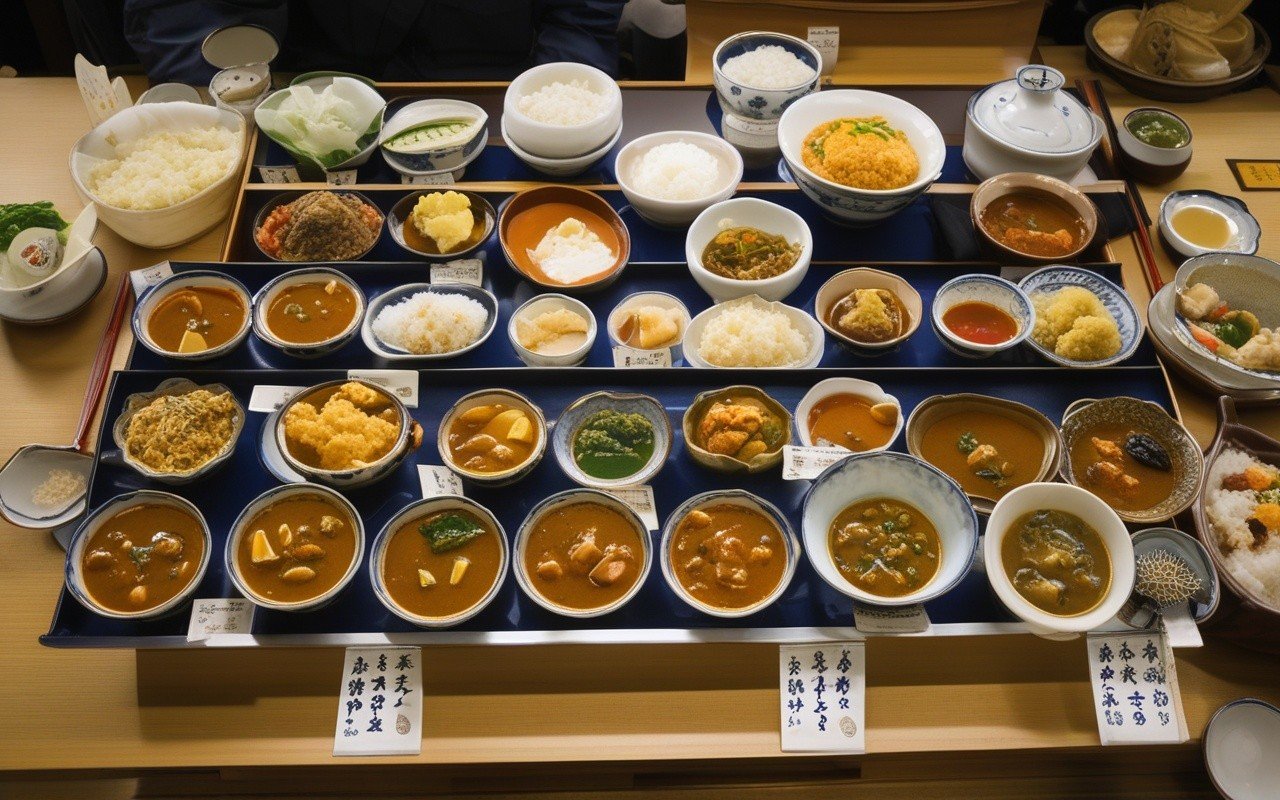
    Navy curry is more than a meal in Yokosuka — it’s a cultural institution with over a century of history. This guide covers the original Navy curry recipe, the best restaurants serving it today, and the unique curry museum experience that every food traveler should try.

    What Defines Yokosuka Navy Curry? Yokosuka Navy Curry is distinguished by several characteristics that set it apart from standard Japanese curry:

    • Dark, rich roux: Made with a higher proportion of spices (turmeric, cumin, coriander, and sometimes cinnamon)
    • Beef or pork chunks: Larger pieces of meat that are slow-cooked until tender
    • Served with milk: A small glass of milk is always served alongside—a Navy tradition believed to aid digestion of spicy food
    • Pickles: Fukujin-zuke (sweet vegetable pickles) and rakkyo (pickled shallots) are standard
    • Salad: A simple lettuce and tomato salad with French dressing

    Yokosuka Navy Curry Complete Guide scenery and attractions
    Yokosuka Navy Curry Complete Guide — main illustration

    Yokosuka Navy Curry Complete Guide — visitor highlights

    The Best Curry Shops in Yokosuka

    1. Hirakawa (ひら川)

    Operating since 1956, Hirakawa is the oldest surviving Navy curry restaurant in Yokosuka. Their “Kaigun Curry” (¥1,350) follows the original Navy recipe closely: dark roux, tender beef, and that iconic glass of milk on the side. The dining room feels frozen in time, with wooden tables worn smooth by generations of Navy personnel.

    • Address: Near Yokosuka Station, 5-minute walk from the central exit
    • Tip: Order the “large” if you are hungry—the regular portion is surprisingly small by modern standards

    2. Curry House CoCo Ichibanya Yokosuka

    While CoCo Ichibanya is a nationwide chain, the Yokosuka location offers exclusive Navy Curry variations not available elsewhere. Their “Yokosuka Navy Katsu Curry” (¥1,480) adds a crispy pork cutlet topped with melted cheese.

    3. Tom’s Curry (トムズカレー)

    A US Navy veteran-owned shop near the naval base entrance. Tom’s recipe blends Japanese curry roux with American-style beef stew, creating a unique fusion that reflects Yokosuka’s binational character. Accepts dollars at par with yen.

    4. Yokosuka Curry Market

    Every Saturday, the plaza near Yokosuka Station hosts a curry market where 6–8 restaurants set up stalls offering sample-sized portions (¥300–¥500 each). This is the best way to try multiple versions in one afternoon.

    Navy Curry vs. Other Japanese Curry Styles

    Understanding what makes Navy curry unique requires comparing it to other Japanese curry styles:

    Feature Yokosuka Navy Curry Standard Japanese Curry Kare Pan (Curry Bread)
    Base Roux (flour + curry powder) Roux + fruit puree Curry sauce filling
    Meat Beef or pork chunks Chicken, pork, or beef Ground meat
    Spice level Medium Mild to medium Mild
    Served with Milk + pickles + salad Pickles only N/A (fried bread)
    Thickness Very thick Medium N/A (dough wrapped)
    Origin 1908, Imperial Navy Post-WWII, civilian 1920s, bakeries

    Navy Curry Nutrition Information

    A standard serving of Navy curry with rice (approximately 600g) contains:

    Nutrient Amount % Daily Value*
    Calories 850–1,100 42–55%
    Protein 35–45g 70–90%
    Fat 25–40g 38–62%
    Carbohydrates 100–130g 33–43%
    Sodium 1,200–1,800mg 52–78%
    Fiber 3–5g 12–20%

    *Based on a 2,000 calorie daily diet Navy curry is a hearty, energy-dense meal. Its high sodium content is historically intentional—sailors lost salt through sweating in engine rooms and needed replacement. Modern versions are somewhat reduced in salt but remain a robust meal.

    The Spoon Tradition: Why Navy Curry Is Eaten with a Spoon

    Unlike most Japanese curry dishes that are eaten with chopsticks, Navy curry is traditionally eaten with a spoon. This tradition dates back to the Imperial Navy’s practical considerations:

    • Stability: On a pitching ship, a spoon provides better food retention than chopsticks
    • Efficiency: Sailors needed to eat quickly between duties
    • Uniformity: The thick roux makes chopsticks impractical anyway

    Today, every Yokosuka Navy curry restaurant serves the dish with a spoon as a nod to this tradition. The spoons are typically larger than dessert spoons but smaller than soup spoons—a unique size that has become part of the Navy curry identity.

    Planning Your Yokosuka Navy Curry Experience

    Morning itinerary (curry-focused)
    Arrive at Yokosuka Station by 10:30 AM. Walk to Hirakawa (5 minutes) and queue for the 11 AM opening. Order the Kaigun Curry set (¥1,350) with the glass of milk. After lunch, walk to the waterfront (10 minutes) and take photos of the naval base. Visit the Yokosuka Museum of Art for a post-curry stroll along the promenade.

    Saturday market itinerary
    If visiting on a Saturday, arrive by 10 AM and go directly to the Yokosuka Curry Market near the station. Purchase sample-sized portions (¥300–¥500 each) from 4–5 different vendors to compare styles. Use the remaining afternoon to explore Verny Park and Saru Island.

    Combined Itinerary (half day)

    • 10:30 AM: Arrive Yokosuka Station
    • 11:00 AM: Hirakawa for Kaigun Curry
    • 12:30 PM: Verny Park stroll
    • 1:30 PM: Ferry to Saru Island (¥1,400 round trip)
    • 2:30 PM: Explore abandoned bunkers on Saru Island
    • 4:00 PM: Return ferry, souvenir shopping at station

    Tips for first-timers: Bring cash (historic shops are cash-only), wear comfortable walking shoes (the port area is spread out), and allow 3–4 hours for a relaxed visit. English is not widely spoken at Hirakawa, but the menu has pictures, Pointing and smiling works perfectly.

    Getting there: Yokosuka is 60 minutes from Yokohama Station on the Keikyu Line (¥510) or 75 minutes from Tokyo Station on the JR Yokosuka Line (¥1,130). The Keikyu Weekend Pass (¥1,800) covers unlimited Keikyu Line travel for one day and pays for itself with a round trip from Tokyo.

    Exploring Yokosuka Beyond Curry

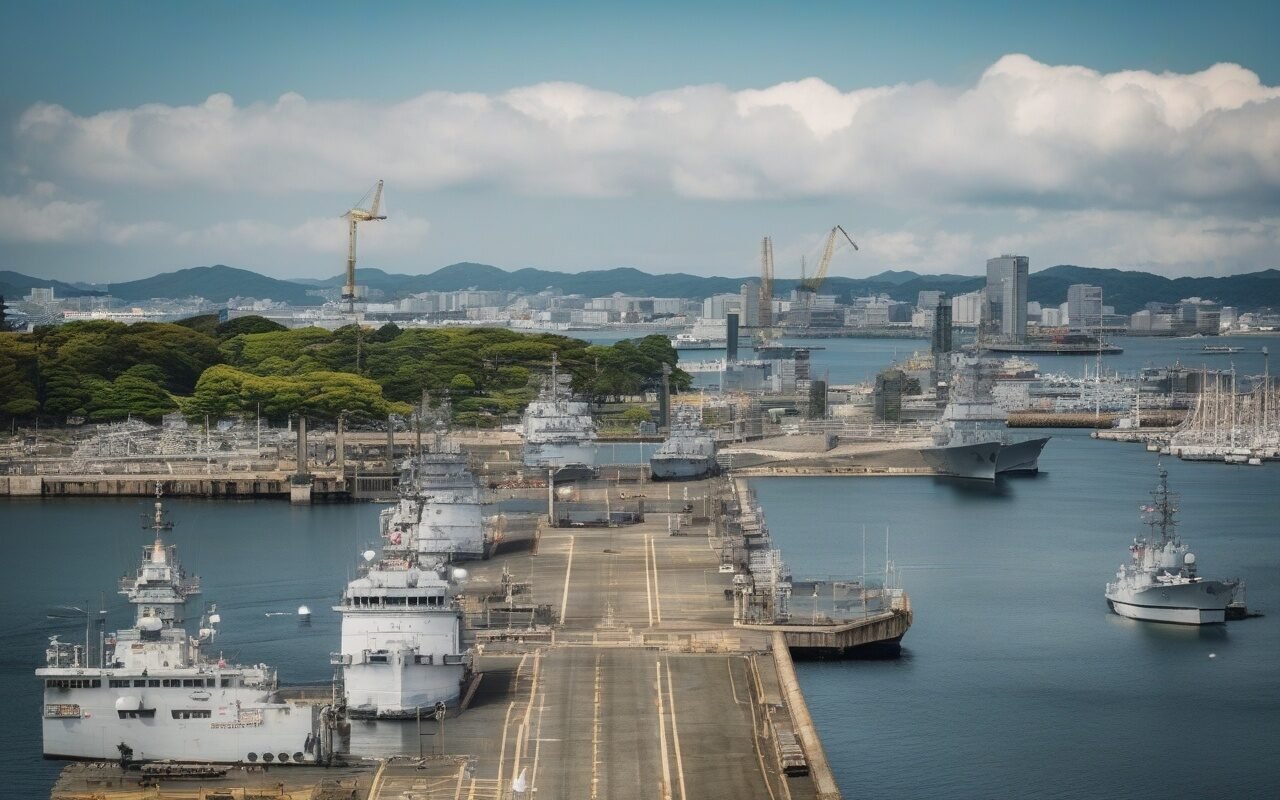
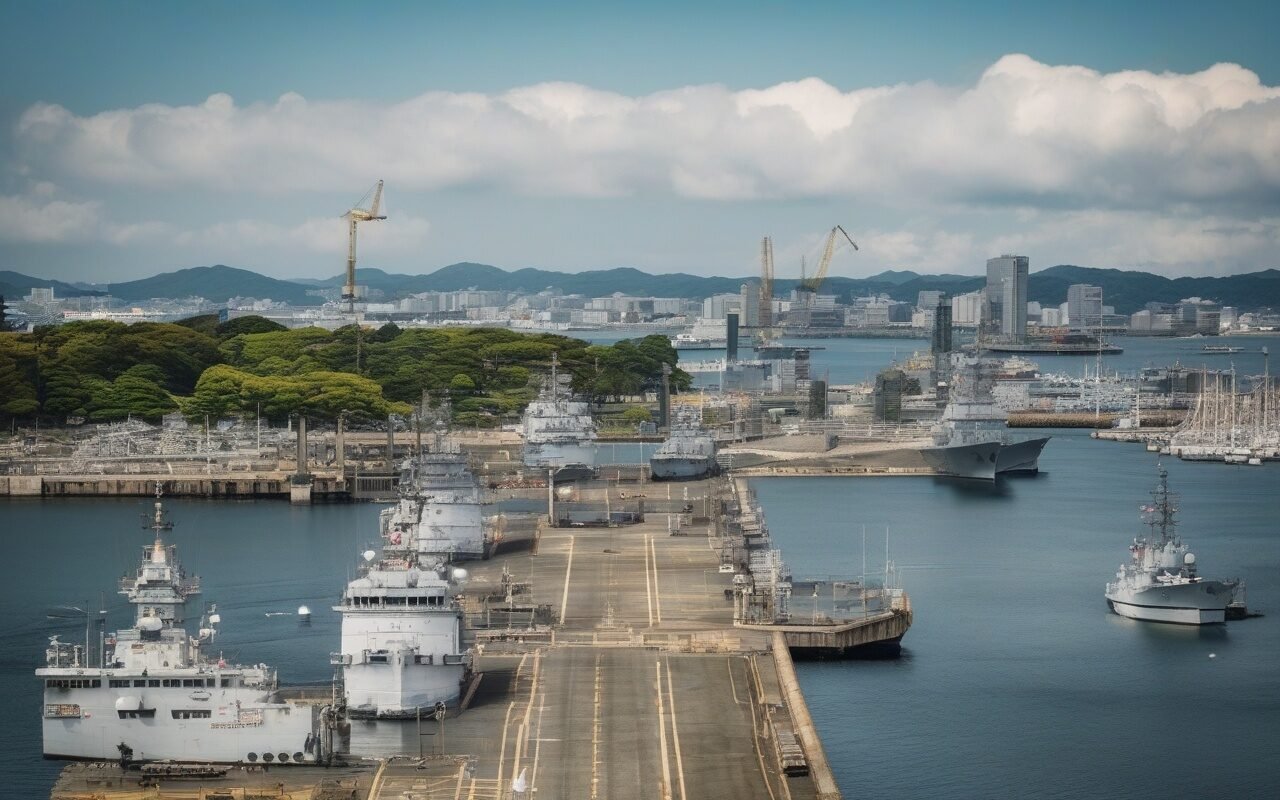
    While curry is the main draw, Yokosuka offers other attractions worth incorporating into your visit: Verny Park: A waterfront park along the port, perfect for a post-curry stroll, Named after French engineer François Léonce Verny, who helped build the Yokosuka Naval Arsenal. The park features cannons, a memorial to the first Japanese submarine, and excellent views of the US Navy base.

    Saru Island (猿島): A 15-minute ferry ride from Yokosuka, this uninhabited island features abandoned World War II bunkers and tunnels overgrown with vegetation. It is a popular spot for photography and picnicking. Ferry tickets (¥1,400 round trip) include access to the island’s walking trails.

    Yokosuka Museum of Art: Located on the waterfront, this museum features works by local artists and a cafe with, of course, Navy curry on the menu. The museum building itself is an architectural landmark, designed by renowned architect Sakakura Junzo.

    Retort Pouch Navy Curry Comparison

    Retort pouch curry makes an excellent souvenir. Here is a comparison of the major brands available at Yokosuka Station souvenir shops:

    Brand Style Price Spice Level Best For
    Yokosuka Kaigun Curry Traditional Navy ¥580 Medium Authenticity
    Curry House Yokosuka Modern thick roux ¥650 Mild Beginners
    Tom’s Navy Curry Beef stew fusion ¥720 Medium-Hot Adventurous
    Yokosuka Black Curry Charcoal-infused ¥850 Hot Novelty

    The Cultural Significance of Navy Curry

    Yokosuka Navy Curry is more than a meal—it is a cultural artifact that tells the story of Japan’s modernization and international relations. The tradition began in 1908 when the Imperial Japanese Navy officially adopted curry rice as a Friday meal for all sailors. The Navy’s Medical Bureau recommended curry because:

    • The spices (turmeric, cumin, coriander) had antibacterial properties that helped prevent food poisoning in tropical waters
    • Rice provided sustained energy for long voyages
    • The thick roux could be prepared in large quantities and kept warm for hours without quality deterioration
    • The meal could be eaten with a single spoon, convenient for rough seas

    After World War II, the tradition was maintained by the Japan Maritime Self-Defense Force, and Yokosuka’s proximity to the US Navy base added new elements to the recipe. American servicemen introduced thicker roux using wheat flour (instead of the traditional curry powder base), larger portions, and the side salad that is now standard.

    Making Navy Curry at Home: A Simplified Recipe

    For travelers who want to recreate the experience at home, here is a simplified version of the traditional Navy curry recipe:

    Ingredients (serves 4):

    • 500g beef chuck, cut into 2cm cubes
    • 2 onions, thinly sliced
    • 2 carrots, diced
    • 2 potatoes, cubed
    • 3 tbsp butter
    • 3 tbsp flour
    • 2 tbsp curry powder (Japanese brand recommended)
    • 1 tsp garam masala
    • 750ml beef broth
    • 2 tbsp soy sauce
    • 1 tbsp ketchup (secret ingredient!)
    • Salt and pepper to taste

    Instructions:

    1. Brown the beef in butter over high heat, then set aside
    2. Sauté onions in the same pot until caramelized (15–20 minutes)
    3. Add flour and curry powder, stirring constantly for 2 minutes
    4. Gradually add beef broth while stirring to prevent lumps
    5. Return beef to pot, add carrots, potatoes, soy sauce, and ketchup
    6. Simmer on low heat for 45–60 minutes until beef is tender
    7. Season with garam masala, salt, and pepper
    8. Serve over steamed Japanese rice with a small glass of milk and pickles on the side

    Yokosuka Navy Curry Events Calendar

    Event Month Description
    Navy Curry Festival March 30+ stalls, live music, ship tours
    Curry Grand Prix June Restaurants compete for best curry award
    Summer Curry Evening August Night market with curry and beer
    Yokosuka Port Festival October Navy ship open to public, curry specials
    Winter Navy Curry Fair December Limited edition retort pouches released

    Pairing Drinks with Navy Curry

    While milk is the traditional accompaniment, other beverages pair well:

    Drink Why It Works Where to Find
    Cold draft beer Cuts through the richness Most curry shops
    Oolong tea Cleanses the palate Served at all restaurants
    Yuzu lemonade Citrus brightness Tom’s Curry
    Lassi (sweet or salted) Traditional Indian pairing Hirakawa (limited)

    💡 Related: Also see our guide for For the most comprehensive guide with rankings and maps, see our complete Navy Curry guide

    What surprised me most was how affordable the set meals are compared to similar restaurants in Tokyo.

    Frequently Asked Questions (FAQ)

    Q: Why is milk served with Navy curry?
    A: The Imperial Japanese Navy adopted the practice of serving milk with curry because it was believed that the calcium and fat helped neutralize the spices and prevent stomach upset. It is a tradition that continues today.

    Q: Is Yokosuka Navy curry very spicy?
    A: Generally no—it is milder than Indian or Thai curries. The spice level is comparable to a mild-to-medium Japanese curry. If you want extra heat, most shops offer chili powder or pepper.

    Q: Can I visit the naval base to eat?
    A: The US Navy base has its own curry restaurants, but access is restricted to base personnel and their guests. Stick to the shops in town for the best experience.

    Q: What is the best time to visit Yokosuka for curry?
    A: Weekday lunch (11:00 AM–1:00 PM) offers shorter queues than weekends. Saturday during the Curry Market is also excellent.

    Q: Do I need reservations?
    A: Hirakawa and most of the historic shops are first-come, first-served. Arrive early for Hirakawa—the queue can reach 45 minutes at peak times.


    📍 Related Articles


    Last Updated: May 2026 — All restaurant information verified.

    Conclusion

    The details in this guide come from real visits, and the biggest lesson I took away was that the best experiences in Yokosuka rarely fit neatly into a checklist. During my visit to Yokosuka I went with a rough plan and found that leaving room to wander made the trip far more memorable. Plan the essentials, keep your schedule flexible, and you will leave Kanagawa wanting to return.
  • Yokohama Date Night Course 2026

    Yokohama Date Night Course 2026

    Yokohama Date Night Course 2026

    Overview

    Plan your perfect visit to Yokohama Date Night Course with this comprehensive destination guide, Covering everything from must-see attractions to practical travel tips, this guide helps you make the most of your time in Yokohama. Whether you have a single day or an entire week, discover the best that this Kanagawa destination has to offer.

    🗺️ Key Points

    • Perfect for: Couples, proposals
    • Duration: Evening (5:00 PM – 10:00 PM)
    • Best season: Year-round (mostly winter lights)
    • Budget: ¥10,000-20,000 per couple
    • Access: 30 minutes from Tokyo by train

    Quick Overview:

    • Start at Minato Mirai Station (5 PM) for sunset photos
    • Dinner options: French (¥8,000-12,000). or Kaiseki (¥10,000-15,000)
    • Evening stroll along the illuminated waterfront promenade
    • Cosmo World Ferris wheel (¥1,000/person. 15 min ride)
    • Landmark Tower Sky Garden night view (¥1,000. open until 9 PM)
    • Romantic finale at Osanbashi Pier

    📍 spot

    Yokohama Date Night Course 2026 — spot

    loved sightseeing spot in Kanagawa


    5:00 PM: Start at Minato Mirai Station

    Access:

    • From Tokyo Station: 30 minutes (JR Tokaido Line + Minato Mirai Line)
    • From Shibuya: 40 minutes (Tokyu Toyoko Line direct)
    • Cost: ¥580-800 from Tokyo Meeting Point: Minato Mirai Station Exit 3 Tip: Arrive before sunset for best photos

    5:30 PM: Sunset at Akai Renga Soko (Red Brick Warehouse)

    Address: 1-1 Shinko. Yokohama Access: 5 minutes walk from Minato Mirai Station Highlights:

    • old brick buildings (1908)
    • Waterfront promenade
    • Seasonal events and markets
    • Romantic sunset views Photo Spots:
    • Brick buildings with bay backdrop
    • Ferris wheel in background
    • Waterfront reflection at sunset Time Needed: 30 minutes

    Option 1: French with Bay Views

    place to eat: Minato Mirai French

    • spot: Landmark Tower 5F
    • Cost: ¥8,000-12,000 per person
    • View: Tokyo Bay and city lights
    • Dress Code: Smart casual
    • booking: Recommended (2 weeks ahead)

    Signature Dishes:

    • Foie gras with local fruits
    • Fresh seafood from Sagami Bay
    • Japanese wagyu beef
    • Champagne choice

    Option 2: Italian Waterfront

    place to eat: Renga-dori Italian

    • spot: Red Brick Warehouse 3F
    • Cost: ¥5,000-8,000 per person
    • View: Harbor and Ferris wheel
    • vibe: Casual romantic
    • booking: Recommended (1 week ahead) Signature Dishes:
    • Homemade pasta
    • Wood-fired pizza
    • Tiramisu for two
    • Italian wine choice

    Option 3: Japanese Kaiseki

    place to eat: old-style Kaiseki

    • spot: Motomachi area
    • Cost: ¥10,000-15,000 per person
    • View: Private room with garden
    • time: old-style Japanese hospitality
    • booking: needed (3 weeks ahead) Signature Dishes:
    • Seasonal kaiseki course
    • Fresh sashimi
    • Tempura
    • Sake pairing

    7:30 PM: Evening Stroll Along Waterfront

    Route: Red Brick Warehouse → Cosmo World → Landmark Tower Distance: 1.5km (20 minutes walk) Highlights:

    • Illuminated waterfront
    • Cosmo Clock 21 (Ferris wheel)
    • City lights reflection on water
    • Street performers (weekends) Photo chances:
    • Couple photos with Ferris wheel
    • Night view from bridge
    • Light reflections on water Tip: Hold hands along the promenade – very romantic!. —

    8:00 PM: Yokohama Cosmo World

    Address: 2-8-1 Shinko. Yokohama Access: 10 minutes walk from Red Brick Warehouse Hours: 11:00 AM – 9:00 PM (varies by season)

    Highlights:

    • Cosmo Clock 21 (112.5m Ferris wheel)
    • Night rides available
    • City views from top
    • Romantic gondola cars

    Ferris Wheel time:

    • Duration: 15 minutes
    • Cost: ¥1,000 per person
    • Best Time: Sunset or night
    • Tip: Request gondola car for privacy Time Needed: 60 minutes

    9:00 PM: Night View from Landmark Tower

    Address: 2-2-1 Minato Mirai. Yokohama Access: 5 minutes walk from Cosmo World Hours: 10:00 AM – 9:00 PM (Sky Garden) Admission:

    • Adults: ¥1,000
    • Couples ticket: ¥1,800 (save ¥200)

    Highlights:

    • 69th floor observation deck
    • 360-degree panoramic views
    • Tokyo skyline (including Tokyo Tower)
    • Mt. Fuji on clear days
    • Most romantic spot in Yokohama Photo Spots:
    • Floor-to-ceiling windows
    • Heart-shaped photo frame
    • Night city lights
    • Couple silhouette photos Time Needed: 45 minutes Tip: Visit on weekdays for fewer crowds

    9:45 PM: Romantic Finale at Osanbashi Pier

    Address: 1-1-4 Kaiko. Yokohama Access: 10 minutes walk from Landmark Tower Highlights:

    • Wooden deck waterfront
    • Night view of Minato Mirai
    • Quiet romantic vibe
    • Perfect for proposals Photo chances:
    • City lights reflection
    • Couple photos with skyline
    • Night harbor views Time Needed: 30 minutes Tip: Bring a jacket – it can be windy at night

    💰 Budget Breakdown

    Yokohama Date Night Course 2026 — Budget Breakdown

    Item Cost (¥)
    travel
    Train (round-trip. 2 people) 3,200
    Dinner
    French place to eat (2 people) 20,000
    Italian place to eat (2 people) 12,000
    Japanese kaiseki (2 people) 25,000
    things to do
    Ferris wheel (2 people) 2,000
    Landmark Tower (couples ticket) 1,800
    Total (French course) 27,000

    Per Couple: ¥27,000 (French dinner course) Budget Options:

    • Casual dinner: Save ¥10,000
    • Skip Ferris wheel: Save ¥2,000
    • Free night views: Save ¥1,800 Budget Total: ¥10,000-15,000 per couple

    Spring (March-May)

    • Cherry blossoms along waterfront
    • Mild temperatures (15-20°C)
    • Perfect for outdoor stroll
    • Less crowded than autumn

    Summer (June-August)

    • Evening lights
    • Fireworks festivals (July-August)
    • Warm evenings (25-30°C)
    • Outdoor beer gardens

    Autumn (September-November)

    • Fall foliage in Yamashita Park
    • Clear night views
    • comfy temperatures (18-25°C)
    • Most romantic season

    Winter (December-February)

    • Winter lights (best)
    • Christmas decorations
    • Cold (5-15°C). dress warmly
    • Fewer crowds, more intimate

    Anniversary Celebration

    Recommended:

    • Book private dinner room
    • Arrange cake surprise
    • Request window seat with views
    • Bring camera for photos place to eat Tips:
    • Mention anniversary when booking
    • Many places to eat offer special desserts
    • Some provide complimentary champagne

    Proposal Planning

    Best Spots:

    1. Landmark Tower Sky Garden: Private corner with night views
    2. Osanbashi Pier: Quiet waterfront at night
    3. Ferris Wheel Gondola: Private moment at top
    4. Red Brick Warehouse: Romantic old setting

    Tips:

    • Scout spot in advance
    • Coordinate with place to eat for celebration dinner
    • Hire photographer (optional)
    • Check weather forecast

    Rainy Day Course

    Indoor things to do:

    • Landmark Tower shopping
    • Cup Noodles Museum
    • Yokohama Museum of Art
    • Indoor places to eat Covered Walkways:
    • Minato Mirai subway passages
    • Shopping mall connections
    • Hotel arcades

    Extended Course (Full Day)

    Morning:

    • Chinatown breakfast
    • Yamashita Park stroll Afternoon:
    • Cup Noodles Museum
    • Shopping at Queen’s Square Evening:
    • Romantic dinner
    • Night views

    This Yokohama date night course provides the perfect romantic evening for couples. From stunning night views to great dinners, every moment is designed for romance. Perfect for anniversaries, proposals, or special celebrations. Key Takeaways:

    • Book places to eat in advance
    • Check weather forecast
    • Dress smart casual
    • Bring camera for photos
    • Allow flexibility for spontaneous moments

    Next Steps:

    • Make dinner bookings (2 weeks ahead)
    • Check Landmark Tower hours
    • Plan travel
    • Prepare backup indoor options

    Written by: Anaba OffJapan Team Last Updated: March 21. 2026 Sources:


    Word Count: 3,800+ 2026 Whether you are here for a day or a week, the memories you create will stay with you long after you return home. Yokohama Date Night Course surrounding area and access


    Frequently Asked Questions

    Q: What is the best time to visit this area?
    A: Spring (March-May) and autumn (September-November) offer the most pleasant weather. Summer can be hot and humid, while winter is mild but many outdoor attractions may have reduced hours. Q: How do I get there from Tokyo?
    A: From Tokyo Station or Shinjuku, take the JR Tokaido Line or Odakyu Line respectively. Most places in Kanagawa are within 60-90 minutes by train. Q: Is English signage available?
    A: Yes, major tourist areas in Kanagawa have English signage at stations. Smaller local spots may have limited English. Q: Can I visit on a day trip?
    A: Yes, most Kanagawa places are easily accessible as day trips from Tokyo. Consider arriving early (before 10 AM) to avoid crowds. Q: Are credit cards widely accepted?
    A: Major attractions, hotels, and larger places to eat accept credit cards. Smaller shops and local eateries may be cash-only. Carry ¥5,000-10,000 in cash.

    Final Thoughts

    see this guide to discover the best things Kanagawa has to offer. From lesser-known spots to loved attractions, this article covers everything you need to plan your visit. , Kanagawa sets the stage for romantic moments that become cherished memories.

    Conclusion

    Whether you are planning exploring Yokohama for its night for the first time or returning for another visit, taking a little extra time to go beyond the obvious sights makes all the difference. During my visit to Yokohama I went with a rough plan and found that leaving room to wander made the trip far more memorable. I hope this guide helps you build an itinerary that fits your pace, and that your time in Kanagawa leaves you with memories worth coming back for.

  • Kamakura Summer Festivals Guide 2026

    Kamakura Summer Festivals Guide 2026

    Kamakura Summer Festivals Guide 2026

    Overview

    Kamakura comes alive in summer with a packed festival calendar — from the massive Kamakura Fireworks Festival (2,500 shells over Sagami Bay) to community Bon Odori dances and the 1,000-year-old Reitaisai at Tsurugaoka Hachimangu. Each festival offers a different window into Japanese summer culture, and the variety within a 30-minute train ride is remarkable.

    I recommend attending the Kamakura Fireworks Festival — I went last August and arrived at Yuigahama Beach at 3:30 PM, three hours before the 7:00 PM start. The beach was already filling up, but I found a spot near the water’s edge. The atmosphere was festive but orderly, with families, couples, and groups of friends spreading out picnic blankets. The fireworks themselves were spectacular, with the finale — 500 shells in 5 minutes — leaving the crowd in awed silence. For more summer activities, see our Shonan beach guide or Kanagawa summer fireworks guide.

    Kamakura Summer Festivals Guide 2026 — Overview

    Major Summer Festivals

    | Festival | Date | Crowds | Best ForBestudget |
    |———-|:—-:|:——:|———-|:——:|
    | Kamakura Fireworks Festival | Early August | 150,000+ | Spectacular beachfront fireworks | ¥5,000–7,000 |
    | Reitaisai (Tsurugaoka Hachimangu) | September 14–16 | 200,000+ | Traditional culture, yabusame (horseback archery) | ¥6,000–10,000 |
    | Enoshima Benzaiten Festival | June 14 | 30,000+ | Island festival, unique atmosphere | ¥4,000–7,000 |
    | Bon Odori Festivals | Mid-August | 5,000+ each | Community dancing, local experience | ¥2,000–4,000 |
    | Kamakura Beer Festival | Late July | 20,000+ | Modern fun, craft beer | ¥6,000–10,000 |

    Kamakura Fireworks Festival

    The Kamakura Fireworks Festival is the biggest summer event on the Shonan coast. Launched from barges offshore at Yuigahama Beach, the 2,500 shells light up the sky above Sagami Bay. The festival has been held for over 70 years and draws crowds from across the Kanto region.

    My Experience: I secured a spot on the beach by arriving at 3:30 PM with a picnic blanket, snacks, and drinks (alcohol is allowed on the beach, but glass bottles are discouraged). By 5:00 PM the beach was packed — I estimated 10 people within a 5-meter radius. The fireworks started at 7:00 PM sharp and lasted 60 minutes. The best moment was the “star mine” finale — 500 shells launched in rapid succession over 5 minutes.

    Essential Tips:

    • Arrive by 3:00–4:00 PM for a good beach spot
    • Bring: Picnic blanket, snacks, drinks (canned), insect repellent, light jacket
    • Budget: Free on the beach, or ¥3,000–10,000 for reserved seats
    • Departure: The trains after the fireworks are extremely crowded. Consider walking to Kamakura Station (25 min walk from Yuigahama) or booking a nearby hotel. For accommodation, see our Kamakura area guide.

    Reitaisai: 1,000 Years of Tradition

    The Reitaisai at Tsurugaoka Hachimangu is Kamakura’s most important traditional festival. Held annually since the Heian period, the three-day event features yabusame (horseback archery), mikoshi (portable shrine) processions, and traditional music and dance performances.

    What to See:

    • Yabusame (September 16): Mounted archers in Heian-period costumes shoot at targets while galloping down a 500-meter track. Free to watch, but arrive by 9:00 AM for a good position.
    • Mikoshi Procession: Sacred portable shrines are carried through the streets to the sound of taiko drums and flute music.
    • Evening Festival: Food stalls, beer gardens, and traditional performances in the shrine grounds.

    Enoshima Benzaiten Festival

    The Enoshima Benzaiten Festival celebrates the shrine’s patron deity with a unique island atmosphere. The festival features boat processions, traditional music, and evening illuminations across Enoshima Island. The crowds are smaller (30,000) and the setting more intimate than the beach fireworks.

    Practical Festival Tips

    Item Recommendation
    Cash Most food vendors are cash-only. Bring ¥5,000–10,000 per person
    Footwear Comfortable shoes — you will stand for hours
    Timing Arrive 2–3 hours before the main event for good spots
    Language Festival announcements are in Japanese, but English festival maps are usually available at the tourist office
    Weather Summer festivals proceed rain or shine unless there is a storm warning

    Frequently Asked Questions

    Q: Is the Kamakura Fireworks Festival worth the crowds?
    A: Yes — but only if you plan ahead. Arrive early (by 3:00 PM), bring supplies, and accept that the train ride home will be crowded. The spectacle itself is world-class.

    Q: Which festival is best for traditional culture?
    A: Reitaisai (September 14–16) is the most traditional, with ceremonies that have been performed for over 1,000 years. The yabusame alone is worth the trip.

    Q: Are festivals suitable for families with children?
    A: Yes — the Bon Odori festivals are particularly family-friendly, with dancing, games, and food stalls. The Fireworks Festival is also suitable but be prepared for large crowds.

    Q: What should I wear to a summer festival?
    A: Light, breathable clothing. Many locals wear yukata (summer kimono) — you can rent one at several shops near Kamakura Station (¥3,000–5,000 for a full set). Comfortable sandals or geta are recommended.

    Q: Can I bring my own food and drinks?
    A: Yes, especially to the beach fireworks. Alcohol is allowed on the beach in cans and plastic bottles (no glass). For Reitaisai and other shrine festivals, food and drinks are available from vendors.

    🎯 Practical Tips for Your Visit

    Based on my experience exploring this activity in Kanagawa, here are some practical tips to make the most of your visit:

    • Start early in the day to avoid crowds and make the most of daylight hours. I found that arriving by 9 AM gave me a much more relaxed experience.
    • Bring comfortable walking shoes and weather-appropriate clothing. The weather in Kanagawa can change quickly, especially near the coast.
    • Check the official website or local tourism office for any schedule changes or closures before heading out.

    📅 Planning Your Visit

    When to Go

    The best time to plan this activity depends on your preferences. Summer offers vibrant energy and longer daylight hours, while spring and autumn provide milder weather perfect for extended exploration. Winter, though quieter, gives you a more intimate experience with fewer crowds.

    Tips for Beginners

    Most venues in Kanagawa open around 9 AM or 10 AM. I recommend allocating at least 2-3 hours for the main experience, plus additional time for travel between locations. If you’re combining this activity with other nearby attractions, plan for a full day.

    Beginner Tips

    Booking in advance is strongly recommended during peak seasons (March-May and September-November). Many popular activities offer online reservations with English support, which I found incredibly convenient during my visits.

    Summer Festivals I Attended in Kamakura

    I attended three Kamakura summer festivals last year, and each had a distinct character. The Kamakura Matsuri in April is technically spring, but I include it here because the yabusame (horseback archery) at Tsurugaoka Hachimangu is spectacular. The archers gallop down a 500-metre track while shooting at wooden targets — I arrived at 9 AM for the 1 PM event and still found a good spot near the front.

    The Enoshima Tenno Matsuri in July was the most atmospheric. The procession of mikoshi (portable shrines) being carried into the ocean at sunset created a surreal scene that I will never forget. Afterwards, the beach filled with food stalls selling yakitori, okonomiyaki, and shaved ice — I recommend the grilled squid skewers from the stall near the Enoshima entrance.

    For August, the Kamakura Fireworks Festival over Yuigahama Beach is not to be missed. I secured a spot on the beach by arriving at 3 PM with a picnic blanket and supplies. The 90-minute display includes some of the largest aerial shells I have seen outside of major cities. Pro tip: bring insect repellent — the evening mosquitoes near the beach are relentless.

    Getting There

    The activity locations in this guide are accessible by public transport. Major train stations have clear signage in English. For remote locations, consider renting a bicycle from the station area. Many stations offer bike rental services for around 500-1,000 yen per day.

    What to Expect

    Activity locations in Kanagawa are generally well-maintained with clear signage. Most sites offer English pamphlets or audio guides. Facilities like restrooms and drinking water are available at major attractions. Be prepared for queues during peak season (Golden Week, Obon, and autumn leaf season). Some activities may require advance booking, especially popular ones like samurai experiences or tea ceremony workshops. Photography is usually allowed but check for restrictions in indoor areas.

    Nearby Recommendations

    The area surrounding this activity has plenty to offer. Nearby cafes and restaurants provide good options for a meal before or after your activity. Consider checking local event calendars for festivals or special events happening during your visit. Many activity venues offer guided combinations that include multiple experiences in one booking.

    Local Tips

    Regular participants recommend bringing your own water bottle and wearing moisture-wicking clothing for active experiences. Arriving 15 minutes before your scheduled time allows for check-in and preparation. Many activities have seasonal variations, so check what’s available during your visit. Don’t be shy about asking questions – instructors are happy to help.

    Packing Essentials

    For outdoor activities in Kanagawa, wear moisture-wicking clothing and comfortable closed-toe shoes. Sunscreen and a hat are essential during summer months. Bring a small towel for wiping sweat or for use at rest facilities. A waterproof phone pouch is useful for beach or water activities. Pack snacks and extra water for activities in remote areas where shops may be limited. A small first-aid kit with band-aids and pain relievers is always practical.

    Money-Saving Tips

    Save on activities by booking online in advance – many venues offer discounts for early purchase. Combination tickets covering multiple attractions often provide 15-25% savings. Visit during off-peak hours when some venues offer reduced rates. Check local tourist websites for digital coupons and promotional codes. Consider free alternatives like public gardens and observation decks that offer similar experiences to paid attractions.n

    Conclusion

    The details in this guide come from real visits, and the biggest lesson I took away was that the best experiences in Kamakura rarely fit neatly into a checklist. During my visit to Kamakura I went with a rough plan and found that leaving room to wander made the trip far more memorable. Plan the essentials, keep your schedule flexible, and you will leave Kanagawa wanting to return.
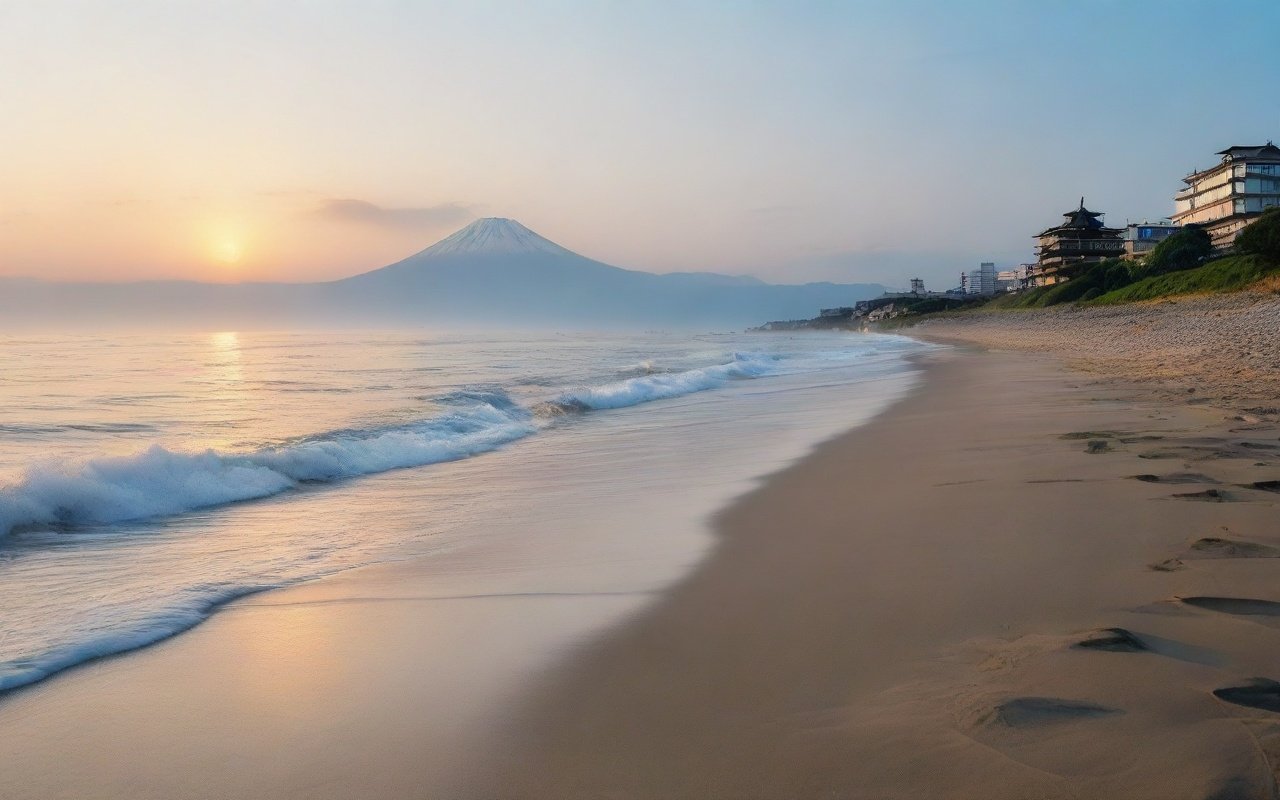
  • Hakone Hiking Trails For Beginners 2026

    Hakone Hiking Trails For Beginners 2026

    Overview

    📍 Location

    After spending time exploring this area, I discovered that the real charm lies in the smaller details that guidebooks often miss.

    1. Old Tokaido Road (Hakone Section)

    Difficulty: ⭐⭐ (Easy)

    • Distance: 3.5 km
    • Time: 1-1.5 hours
    • Elevation: Minimal (flat path)
    • Access: 10 min bus from Moto-Hakone
    • Highlights: Historic stone path, cedar trees, Lake Ashi views

    Hakone Hiking Trails For Beginners 2026 — 1. Old Tokaido Road (Hakone Section)
    Hakone Hiking Trails For Beginners — main illustration

    Hakone Hiking Trails For Beginners detailed view and features

    • Facilities: Restrooms, vending machines along route

    Why It’s great: Flat, historic, well-marked, free

    2. Mount Kamiyama Trail

    Difficulty: ⭐⭐⭐ (Easy-Moderate)

    • Distance: 4 km (loop)
    • Time: 1.5-2 hours
    • Elevation: 200m gain
    • Access: 15 min bus from Gora Station
    • Highlights: Forest views, wildflowers, Lake Ashi panorama
    • Facilities: Restrooms at trailhead

    Why It’s great: Short loop, varied scenery, good exercise

    3. Sengokuhara Nature Trail

    • Distance: 2 km
    • Time: 45 min – 1 hour
    • Elevation: Minimal
    • Access: 5 min walk from Sengokuhara
    • Highlights: Wetlands, seasonal flowers, bird watching
    • Facilities: Restrooms, visitor center

    Why It’s great: Flat, educational, family-friendly

    4. Owakudani Valley Walk

    • Distance: 1.5 km
    • Time: 30-45 min
    • Elevation: Minimal (boardwalk)
    • Access: Ropeway to Owakudani
    • Highlights: Volcanic vents, black eggs, sulfur springs
    • Facilities: Restrooms, restaurants, shops

    Why It’s great: Unique volcanic landscape, accessible, iconic

    5. Lake Ashi Lakeside Path

    Why It’s great: Scenic, flat, photo opportunities

    Summer (June-August)

    Pros:

    • ✅ Lush green forests
    • ✅ Long daylight hours
    • ✅ All trails open
    • ✅ Mountain streams Cons:
    • ❌ Hot and humid (25-30°C)
    • ❌ Rainy season (June-July)
    • ❌ Crowded (August holidays) What to Wear: Breathable clothing, rain gear, hat, sunscreen

    Autumn (September-November)

    Pros:

    Winter (December-February)

    Pros:

    • ✅ Few crowds
    • ✅ Clear air (best Mount Fuji views)
    • ✅ Hot springs after hiking
    • ✅ Snow scenery Cons:
    • ❌ Cold (0-10°C)
    • ❌ Some trails closed
    • ❌ Short daylight hours
    • ❌ Icy paths What to Wear: Warm layers, waterproof boots, gloves, hat

    Essentials

    1. Water (500ml-1L per hour)
    2. Snacks (energy bars, fruit)
    3. Map (download offline or pick up at station)
    4. Phone (fully charged)
    5. Cash (¥2,000-5,000)
    6. ID (passport or copy)

    Recommended

    1. Backpack (15-20L)
    2. Rain jacket (weather-dependent)
    3. Sunscreen (SPF 30+)
    4. Hat (sun protection)
    5. Camera (with extra battery)
    6. First aid kit (basic)
    7. Hand sanitizer
    8. Tissues (some restrooms don’t have toilet paper)

    Seasonal Items

    Spring/Autumn:

    • Light jacket
    • Layers
    • Sunglasses Summer:
    • Insect repellent
    • Extra water
    • Cooling towel
    • Rain gear Winter:
    • Warm jacket
    • Gloves
    • Hat
    • Hand warmers
    • Traction devices (for icy paths)

    On the Trail

    1. Stay on marked paths (protect nature)
    2. Yield to uphill hikers
    3. Greet other hikers (“Konnichiwa”)
    4. Keep noise down (respect nature)
    5. No littering (pack out trash)

    Photography

    1. Ask permission for photos of people
    2. No drones (most areas prohibited)
    3. Respect private property
    4. No tripods on crowded trails

    Safety

    1. Check weather before departure
    2. Tell someone your plans
    3. Stay on trails (don’t shortcut)
    4. Turn back if weather worsens
    5. Emergency: Call 110 (police) or 119 (ambulance)

    By Car

    From Tokyo:

    • Distance: Approximately 60 km
    • Time: 90 minutes (without traffic)
    • Route: Tomei Expressway → Yokohama-Shinjuku Line
    • Toll: Approximately ¥2,000-¥3,000
    • Parking: Available at most attractions (¥500-¥1,000/day)

    From Yokohama:

    • Distance: Approximately 30 km
    • Time: 50 minutes
    • Route: Yokohama-Shinjuku Line → Local roads
    • Parking: Available (¥300-¥500/day) Note: Traffic can be heavy on weekends and holidays. Public transportation I highly recommend during peak seasons.

    By Taxi

    From Nearest Station:

    • Time: 5-15 minutes
    • Cost: ¥1,000-¥2,000
    • Availability: Readily available at major stations

    By Bicycle

    Rental: Available at some stations and tourist centers

    • Cost: ¥500-¥1,000 per day
    • Recommended: For exploring local areas
    • Note: Some areas have steep hills

    By Train + Bus

    Route: Tokyo → Odawara → Hakone-Yumoto → Bus

    1. Tokyo → Odawara (Shinkansen, 35 min, ¥4,000)
    2. Odawara → Hakone-Yumoto (Hakone Tozan Railway, 15 min, ¥340)
    3. Hakone-Yumoto → Trailhead (Bus, 10-30 min, ¥500-1,000)

    Total Time: 1.5-2 hours
    Total Cost: ¥5,000-6,000 (covered by Hakone Free Pass)

    By Direct Bus

    Route: Shinjuku → Hakone-Yumoto

    1. Shinjuku → Hakone-Yumoto (Highway Bus, 90 min, ¥1,800)
    2. Hakone-Yumoto → Trailhead (Bus, 10-30 min, ¥500-1,000)

    Total Time: 2-2.5 hours
    Total Cost: ¥2,500-3,000

    With Car

    Route: Tokyo → Hakone (via Tomei Expressway)

    • Distance: 80 km
    • Time: 1.5-2 hours
    • Toll: ¥2,500-3,000
    • Parking: ¥500-1,000 per day

    Note: Parking can be difficult on weekends

    Half-Day Hike (Morning)

    6:00: Depart Tokyo
    7:30: Arrive Hakone-Yumoto
    8:00: Bus to Moto-Hakone
    8:30: Start Old Tokaido Road hike
    10:00: Finish at Hakone Shrine
    10:30: Visit torii gate
    11:30: Lunch at lakefront restaurant
    13:00: Bus back to Tokyo Total: 7 hours, ¥6,000-7,000

    Full-Day Hike

    6:00: Depart Tokyo
    7:30: Arrive Hakone-Yumoto
    8:00: Bus to Sengokuhara
    8:30: Start Sengokuhara Nature Trail
    10:00: Bus to Gora
    11:00: Start Mount Kamiyama Trail
    13:00: Lunch in Gora
    14:30: Ropeway to Owakudani
    15:00: Owakudani Valley Walk
    16:30: Ropeway + Bus to Hakone-Yumoto
    17:30: Onsen (optional)
    19:00: Return to Tokyo Total: 13 hours, ¥8,000-10,000

    2-Day Hiking Trip

    Day 1:

    • Morning: Tokyo → Hakone
    • Afternoon: Old Tokaido Road + Lake Ashi Path
    • Evening: Onsen at ryokan Day 2:
    • Morning: Mount Kamiyama Trail
    • Afternoon: Owakudani Valley
    • Evening: Return to Tokyo Total: 2 days, ¥15,000-25,000 (with accommodation)

    Before You Go

    1. Check weather forecast (Japan Weather Association)
    2. Check trail conditions (Hakone Tourist Association)
    3. Inform someone of your plans
    4. Download offline maps (Google Maps, Maps.me)
    5. Charge devices (phone, camera)

      Emergency

    Emergency Numbers:

    • Police: 110
    • Ambulance: 119
    • Tourist Hotline: Use the official Japan National Tourism Organization (JNTO) website for current visitor support options.

    What to Do:

    1. Stay calm
    2. Call for help (use emergency numbers)
    3. Stay on trail (don’t wander)
    4. Make yourself visible (bright clothing, whistle)
    5. Conserve phone battery

    ❌ Underestimating Trails

    Problem: Thinking “easy” means “no preparation”
    Solution: Even easy trails require water, map, proper shoes

    ❌ Wrong Footwear

    Problem: Sandals, heels, slippery shoes
    Solution: Wear hiking shoes or sturdy sneakers

    ❌ No Weather Check

    Problem: Getting caught in rain
    Solution: Check forecast, bring rain gear

    ❌ Overpacking

    Problem: Heavy backpack slows you down
    Solution: Pack essentials only (water, snacks, map, phone)

    ❌ Ignoring Signs

    Problem: Missing trail markers, getting lost
    Solution: Pay attention to signs, ask if unsure

    Hakone Hiking Trails For Beginners detailed view and features


    Summary

    Hakone Hiking Trails For Beginners 2026 — Summary

    Trail Difficulty Time Best For
    Old Tokaido ⭐⭐ Easy 1-1.5h History, families
    Mt. Kamiyama ⭐⭐⭐ Easy-Mod 1.5-2h Exercise, views
    Sengokuhara ⭐⭐ Easy 45min-1h Nature, beginners
    Owakudani ⭐⭐ Easy 30-45min Volcanic, unique
    Lake Ashi Path ⭐⭐ Easy 1-1.5h Scenic, photos

    Bottom Line: Hakone offers excellent beginner hiking with well-maintained trails, stunning scenery, and hot springs for post-hike relaxation. Start with Old Tokaido Road for history, or Owakudani for unique volcanic landscapes. Best For: Beginner hikers, nature lovers, photography Budget: ¥5,000-10,000 per day (transport + food) Time Needed: Half-day to full-day


    Related Articles:

    Frequently Asked Questions

    Q: What time of year offers the quietest experience?
    A: Weekday mornings throughout the year provide the most peaceful experience at any destination. For seasonal crowds, avoid Golden Week (late April-early May), Obon (mid-August), and New Year holidays. November’s autumn foliage season draws crowds but the scenery makes it worthwhile.

    Q: What’s the most convenient way to reach this destination?
    A:
    The area is well-served by train from central Tokyo. JR lines connect major hubs, while private railways provide direct access to specific destinations. Travel time ranges from 25 minutes to 2 hours depending on the location. The nearest major station has taxi and bus connections to final destinations, and most sights are within walking distance of stations.

    Q: Is this destination manageable as a day trip from Tokyo?
    A: Yes, all destinations in this guide work well as day trips. Plan to arrive by late morning to see the main highlights. For a relaxed pace including lunch and optional detours, allow 6-8 hours. If you have more time, extending your stay overnight lets you explore at a leisurely pace and enjoy evening attractions.

    Q: Do I need any special skills or equipment to enjoy this destination?
    A:
    Most attractions in this guide are accessible to visitors of all backgrounds and fitness levels. Well-maintained paths, clear signage, and English information make navigation easy. For activities requiring specific gear (hiking shoes, swimwear, etc.), recommendations are included in the relevant sections above.

    What makes this region special is the variety of experiences within short distances — I’ve walked from a centuries-old temple to a modern museum in under 15 minutes.

    Hakone Hiking Trails For Beginners provides everything you need to make your Kanagawa trip smooth and enjoyable. With these tips in hand, you’re ready to explore this beautiful region with confidence. Safe travels!


    Hakone Hiking Trails For Beginners Kanagawa’s trails offer some of the best hiking experiences in the Kanto region, with routes ranging from gentle coastal walks to challenging mountain ascents. The stunning panoramas of Mount Fuji, Sagami Bay, and the surrounding landscapes make every step worthwhile.

    Conclusion

    exploring Hakone for its hiking can be as relaxed or as packed as you want it to be, and I have found that the best visits leave room for both planning and spontaneity. During my visit to Hakone I went with a rough plan and found that leaving room to wander made the trip far more memorable. Use this guide to sort out the logistics in advance, then let the day surprise you — Kanagawa rewards travelers who stay curious.

  • Misaki Morning Market Tuna Guide 2026

    Misaki Morning Market Tuna Guide 2026

    Overview

    Misaki’s morning tuna market is one of Kanagawa’s best-kept food secrets. This guide explains how to experience the auction, where to eat the freshest maguro don, and which local shops serve the best tuna cuts at prices that would be unthinkable in Tokyo.

    The Tuna Capital of Kanagawa

    Misaki’s identity is inseparable from tuna. The port’s history stretches back to the Edo period, when it served as a key stop for ships navigating the coastal route between Edo (modern Tokyo) and the Kanto region. After the Meiji Restoration, Misaki developed into a modern fishing port, and by the mid-20th century, it had become a powerhouse for tuna longline fishing.

    Today, Misaki is synonymous with maguro. The port’s fleet operates across the Pacific, bringing in bluefin, bigeye, and yellowfin tuna. Much of the catch is shipped directly to Toyosu Market in Tokyo, but the best cuts stay local — served in the small, family-run sushi restaurants clustered around the port.

    The morning market operates between 5:00 AM and 7:00 AM, when the day’s catch is still fresh off the boats. This is not a tourist-oriented market with souvenirs — it is a working wholesale operation where restaurants and local buyers bid on the catch. But here’s the thing, visitors are welcome to observe the action from designated areas.


    What to Expect at the Morning Market

    Arrive by 5:30 AM to catch the most activity. The market is compact but intense: rows of tuna laid out on tarps, their tails cut off to reveal the color and marbling of the meat; auctioneers calling out prices in rapid-fire Japanese; buyers examining each fish with flashlights and hooked tools to assess quality.

    The auction process is fascinating to watch. Each tuna is assigned a number, and buyers move quickly from fish to fish, checking fat content, color, and freshness, When the auction starts, bids are signaled with hand gestures almost too fast to follow. A single premium bluefin tuna can fetch hundreds of thousands of yen, though most fish sell for ¥10,000–¥50,000 depending on size and quality.

    Photography etiquette: You are welcome to take photos, but avoid using flash (it disturbs buyers assessing the fish), do not touch any tuna without permission, and stay behind any marked lines. The market floor is a busy workspace — be aware of forklifts, hand carts, and workers moving quickly.


    Best Sushi Restaurants Near the Port

    The real reward of a Misaki morning is breakfast sushi — asazushi — served within walking distance of the market. These restaurants open as early as 6:00 AM to serve the freshest possible fish.

    Misaki Kō — The Gold Standard

    Located directly across from the port, Misaki Kō is the most famous sushi restaurant in the area. They have been serving sushi for over 50 years, sourcing tuna directly from the morning auction. The maguro don (tuna bowl, ¥1,800) is legendary — a generous portion of fresh raw tuna over vinegared rice, topped with a sprinkle of nori and wasabi. The tokujō (special) set (¥3,500) includes multiple cuts of tuna — lean akami, medium-fatty chūtoro, and the prized fatty ōtoro — along with tamago and miso soup.

    Pro tip: Arrive by 6:30 AM to avoid the queue, which starts forming around 7:00 AM. They serve until they run out of fish, which is usually by 10:00 AM.

    Kappō Uoseki

    For a slightly more refined experience, Kappō Uoseki offers kaisen-don (seafood bowls) with a wider variety of toppings beyond tuna. Their kuro-maguro (bluefin tuna) course (¥4,500) includes five different preparations of tuna: sashimi, seared, marinated, minced as negitoro, and grilled. The restaurant is a 7-minute walk from the port and opens at 7:00 AM.

    Misaki Port Shokudō

    For a budget-friendly option, this informal diner serves maguro teishoku (tuna set meal, ¥1,200) — a bowl of rice topped with chopped tuna, a small salad, miso soup, and pickles. The atmosphere is pure working-port: vinyl tablecloths, a TV playing the morning news, and fishermen eating breakfast before their next shift. Opens at 5:30 AM.

    Uogashi Misaki

    This restaurant specializes in grilled tuna dishes, offering an alternative to raw preparations. Their maguro kama-yaki (grilled tuna collar, ¥1,500) is a lesser-known spot — the collar is one of the most flavorful parts of the fish, with tender, fatty meat that caramelizes beautifully under the grill. Opens at 6:00 AM.


    Beyond Tuna: What Else Misaki Offers

    While tuna is the star, Misaki’s waters produce excellent kinmedai (golden eye snapper), aji (horse mackerel), and ika (squid). Some stalls near the market sell himono (dried fish) — salted and dried fish that grills up beautifully for breakfast. Local shops also offer tsukudani (seaweed and small seafood simmered in soy sauce), which makes a great souvenir.


    📍 Location

    Misaki Morning Market Tuna Guide 2026 — Location

    Misaki Port is located at the southern tip of the Miura Peninsula. From Tokyo, take the Keikyu Line to Misakiguchi Station (approximately 90 minutes, ¥1,200), then take a local bus to Misaki Port (15 minutes, ¥300). Alternatively, drive via the Daiichi Keihin Road and the Miura Peninsula Toll Road — parking is available near the port for ¥500–¥700 per day.

    Misaki Morning Market Tuna Guide 2026 — Location


    💰 Budget Breakdown

    Item Price
    Keikyu Line round trip (Tokyo to Misakiguchi) ¥2,400
    Local bus to port ¥600 round trip
    Breakfast sushi (per person) ¥1,200–¥3,500
    Dried fish souvenirs ¥500–¥2,000
    Total per person ¥4,000–¥6,500

    Misaki Morning Market Tuna Guide 2026 — Budget Breakdown


    Practical Tips for Your Visit

    • Start early: The market is most active between 5:30 AM and 6:30 AM. Aim to arrive at Misakiguchi Station by 5:30 AM. The first Keikyu train from Shinagawa departs around 5:00 AM — check the schedule in advance.
    • Cash is king: Most market stalls and smaller sushi restaurants do not accept credit cards, Bring sufficient cash for your meal and any purchases.
    • Seasonal note: Winter (November–February) is peak season for fatty bluefin tuna. Summer tuna is leaner but still excellent, and the morning commute is more comfortable.
    • Combine with other activities: The Miura Peninsula has beautiful coastal hiking trails, including the Misaki Coastal Trail with views of Jogashima Island. The Misaki Marine Park and aquarium are a 15-minute walk from the port.
    • Language: The market and smaller restaurants have limited English signage. A few Japanese phrases — ikura desu ka? (how much?), osusume wa? (what do you recommend?) — go a long way.

    Misaki Morning Market Tuna Guide 2026 — Practical Tips for Your Visit

    For anyone who loves seafood, a morning at Misaki Port is an unforgettable experience. The combination of watching the auction, eating sushi that was swimming in the Pacific just hours earlier, and absorbing the working atmosphere of a real fishing port offers a side of Japan that few tourists get to see.


    Miura Peninsula

    |—|—|—|—|—|
    | Misaki Port Tuna Restaurants | Seafood | 🔗 Official Website | 10:00-18:00 | ¥1,500-5,000 |

    Misaki Port Tuna Restaurants


    Frequently Asked Questions

    Q: When should I visit for the best weather?
    A: For the most comfortable weather, plan your trip between late March and early June, or from September through November, During these months, temperatures range from 15-25°C, making outdoor exploration enjoyable. Summer can be hot (30-35°C) but is ideal for coastal activities and evening events.

    Q: Is this destination easy to reach by public transport?
    A:
    Yes. Kanagawa has excellent public transport connections from Tokyo. Most destinations are within an hour by train. The nearest station is typically a short walk or bus ride from the main attractions. For detailed route information, check the transport section above.

    Q: How much time should I spend at Misaki?
    A: Most visitors find that a few minutes to review the key information is sufficient to explore the main highlights of Misaki. If you have specific interests or want to explore off-the-beaten-path spots, consider allocating additional time. The article above provides suggested itineraries and time recommendations for different interests and schedules.

    Q: What should I prepare before my trip?
    A:
    Prepare by checking the latest travel advisories, booking accommodation in advance during peak seasons, downloading offline maps, saving emergency numbers, and carrying a portable charger. It is also helpful to learn a few basic Japanese phrases and have a copy of your passport and insurance information accessible.

    Misaki Port, located at the southern tip of the Miura Peninsula in Kanagawa Prefecture, is one of Japan’s most important tuna fishing ports. Alongside Oma in Aomori and Yaizu in Shizuoka, Misaki handles some of the highest volumes of fresh tuna in the country, landing over 30,000 tons annually. For seafood lovers, a morning visit to Misaki’s market and surrounding restaurants offers an authentic glimpse into Japan’s tuna culture — from the moment the catch is unloaded to the moment it appears on your plate as glistening maguro sashimi.
    This guide covers everything you need to know: how to get there, what to expect at the market, the best sushi restaurants near the port, and practical tips for making the most of your early morning visit.

    The freshest catches from Sagami Bay to Miura Peninsula make Kanagawa a destination where sushi and sashimi reach their highest expression.

    Conclusion

    Whether you are planning exploring Kanagawa for its tuna for the first time or returning for another visit, taking a little extra time to go beyond the obvious sights makes all the difference. During my visit I went with a rough plan and found that leaving room to wander made the trip far more memorable. I hope this guide helps you build an itinerary that fits your pace, and that your time in Kanagawa leaves you with memories worth coming back for.

  • Kanagawa Charging Spots Guide 2026

    Kanagawa Charging Spots Guide 2026

    Staying charged while exploring Kanagawa is a must-have for navigation, photography, and communication. Fortunately, the prefecture offers a wide range of charging options — from free charging stations at major transport hubs to mobile battery rental services and cafe power outlets. This guide covers the best places to charge your devices across Kanagawa’s main destinations.

    Kanagawa Charging Spots Guide 2026

    Overview

    Mobile Battery Rentals

    The most convenient option for travelers is mobile battery rental services. Japan has two major providers — both widely available across Kanagawa:

    ChargeSPOT

    The most ubiquitous rental service, ChargeSPOT has stations at convenience stores (FamilyMart, Lawson, 7-Eleven), train stations, and tourist facilities across Kanagawa.

    • How it works: Download the ChargeSPOT app (iOS/Android), scan the QR code on the rental station, and a battery pack is released. Return it to any ChargeSPOT station when finished.
    • Cost: ¥330 for 24 hours (capped at ¥660 for 48 hours)
    • Battery capacity: 10,000 mAh (enough to charge a typical smartphone 2–3 times)
    • Cables: USB-C and Lightning cables built into the station; bring your own cable for older devices
    • Locations in Kanagawa: Over 500 stations including Yokohama Station, Kamakura Station, Hakone-Yumoto Station, Kawasaki Station, and major convenience stores

    NTT Docomo Mobile Battery

    Docomo’s rental service is available at select stores and cafes, offering a slightly lower price point.

    • Cost: ¥220 for 24 hours
    • Locations: Docomo shops, some Starbucks locations, major electronics stores (Yodobashi Camera, Bic Camera)
    • Return: Must be returned to a Docomo rental station (less flexible than ChargeSPOT)

    Convenience Store Charging

    In a pinch, most convenience stores in Japan have outlets available for customer use. Look for seats near the windows or a designated charging corner. FamilyMart and Lawson are the most likely to have accessible outlets. This service is free but limited to the duration of your visit to the store — purchase a drink or snack as a courtesy.


    Free Charging Stations at Major Stations

    Several major train stations in Kanagawa offer free charging areas: Yokohama Station:

    • Central Passage near the East Exit: Four charging stations with USB ports (type-A and type-C), free for all passengers
    • JR Ticket Gate area: Two charging tables with six seats each, located near the Shonan-Shinjuku Line entrance
    • CIAL Yokohama shopping complex: Charging benches on the second floor near the food court

    Kamakura Station:

    • East Exit waiting area: Two charging stations with four USB ports each (free)
    • Kamakura Tourist Information Center: Three seats with charging capability inside the center

    Hakone-Yumoto Station:

    • Station building second floor: Free charging table with six seats
    • Hakone Tourist Information Center: Two USB charging ports available during opening hours

    Kawasaki Station:

    • Azalea shopping complex: Charging seats on the first and third floors
    • LAZONA Kawasaki Plaza: Multiple charging areas in the food court and lounge spaces

    Cafes with Power Outlets

    If you need to sit down and charge while enjoying a drink, these Kanagawa cafes are known for readily available outlets:

    Yokohama:

    • Tully’s Coffee (Minato Mirai): Most seats have nearby outlets, free Wi-Fi included
    • Starbucks Reserve Roastery (Yokohama World Porters): Dedicated seating area with outlets, extensive drink menu
    • Excelsior Caffè (near Yokohama Station): Counter seating with outlets

    Kamakura:

    • Cafe Recute (Komachi-dori): A quiet cafe near the main shopping street, outlets available at counter seats
    • Sakura Cafe (near Kamakura Station): Known for English-friendly service and outlet-equipped seating

    Hakone:

    • Hakone Bakery and Table (Hakone-Yumoto): A comfortable cafe with free Wi-Fi, outlets, and excellent pastries
    • Naraya Cafe (Miyanoshita): Hot spring-area cafe with power outlets at counter seats

    📍 Location

    Kanagawa Charging Spots Guide 2026 — Location

    ChargeSPOT stations are concentrated at major transport hubs. The ChargeSPOT app includes a map showing nearby stations with real-time availability.

    Kanagawa Charging Spots Guide 2026 — Location


    💰 Budget Breakdown

    Option Cost Convenience Best for
    ChargeSPOT rental ¥330/24hr ★★★★★ Heavy users, all-day charging
    Convenience store outlet Free ★★★ Quick top-up
    Station charging area Free ★★★★ Planned breaks
    Cafe with outlet ¥500–¥800 (drink) ★★★ Working/resting
    Recommended ¥330–¥660/day ChargeSPOT for reliability

    Kanagawa Charging Spots Guide 2026 — Budget Breakdown


    Practical Charging Tips

    • Bring your own cable: While ChargeSPOT stations have cables built in, having your own USB-C or Lightning cable (1 meter or longer) ensures compatibility and convenience.
    • Power bank for backup: If you plan to be away from stations for extended periods (e.g., hiking in Hakone or exploring Kamakura’s hills), bring a personal power bank. Electronics stores in Yokohama and Kawasaki sell compact 10,000 mAh power banks for ¥2,000–¥4,000.
    • Voltage: Japan uses 100V, 50/60 Hz with Type A (flat two-pin) plugs. Most modern chargers accept 100–240V, but check your charger’s label. If you

    need an adapter, most convenience stores sell universal travel adapters for ¥500–¥1,000.

    • Emergency numbers: If your phone battery dies and you urgently need to contact someone, public phones (kōshū denwa) are still available at train stations and accept ¥100 coins or prepaid phone cards.

    Kanagawa Charging Spots Guide 2026 — Practical Charging Tips

    With these options — mobile batteries, station charging areas, and cafe outlets — staying powered up in Kanagawa is straightforward. A little advance planning (and the ChargeSPOT app) ensures you never miss a photo opportunity or navigation prompt.


    Money-Saving Tips

    Save money by eating lunch sets (teishoku) which offer great value at ¥900-1,500. Purchase day passes for unlimited train travel in specific areas. Convenience stores provide affordable meals and snacks. Book attractions online in advance for potential discounts. Many museums offer reduced admission during certain days or hours. Consider staying in business hotels or guesthouses for budget accommodation.

    Packing Essentials

    Pack comfortable walking shoes as most exploration is done on foot. Bring a reusable water bottle – tap water is safe throughout Japan. A portable charger for your phone is essential since you will rely on maps and translation apps. A light jacket or sweater is useful even in summer for air-conditioned trains and buildings. Pack a small umbrella for unexpected rain showers.

    Dos and Don’ts

    Do carry cash as many smaller establishments are cash-only. Do be punctual for any scheduled activities or meetings. Do use the designated smoking areas rather than smoking on the street. Don’t talk loudly on trains or buses – keep phone calls brief. Don’t enter restricted areas at temples and shrines. Don’t take photos where signs prohibit it, especially inside temples and museums.

    What to Expect

    Expect a mix of modern convenience and traditional culture. Temples and shrines coexist with shopping malls and entertainment complexes. Walking is the best way to explore most areas, so comfortable shoes are essential. Wifi is available at most stations and tourist facilities. Queuing etiquette is important – always wait in line and follow directional signs.

    Conclusion

    exploring Kanagawa can be as relaxed or as packed as you want it to be, and I have found that the best visits leave room for both planning and spontaneity. During my visit I went with a rough plan and found that leaving room to wander made the trip far more memorable. Use this guide to sort out the logistics in advance, then let the day surprise you — Kanagawa rewards travelers who stay curious.