Blog

  • Shonan Shirasu Complete Guide 2026

    Shonan Shirasu Complete Guide 2026

    Shonan Shirasu Complete Guide 2026

    Overview

    Discover the best food and drink experiences that Shonan Shirasu Complete Guide has to offer. From hidden local gems to popular dining destinations, this guide takes you through the culinary landscape of Shonan in Kanagawa Prefecture. Whether you are a first-time visitor or a returning food enthusiast, you will find something to satisfy your cravings.

    Types of Shirasu

    Nama Shirasu (生shirasu (しらす, whitebait fish))

    Raw, uncooked whitebait served fresh. Available only on days when the boats return early enough to distribute the catch before spoiling. Nama shirasu has a translucent appearance and a mild, slightly sweet flavor with a hint of the sea. It is typically served over rice with a dash of soy sauce and grated ginger.

    Season: March through November (dependent on weather and sea conditions)
    Key indicator: If you see “Nama Shirasu Arrived Today” signs outside restaurants, go inside immediately—it sells out fast.

    Kama-age Shirasu (釜揚げしらす)

    Whitebait that is boiled immediately after being caught, then lightly salted. The boiling process gives them a tender, slightly firmer texture than raw shirasu, and a mild, comforting flavor. This is the most common form of shirasu served year-round.

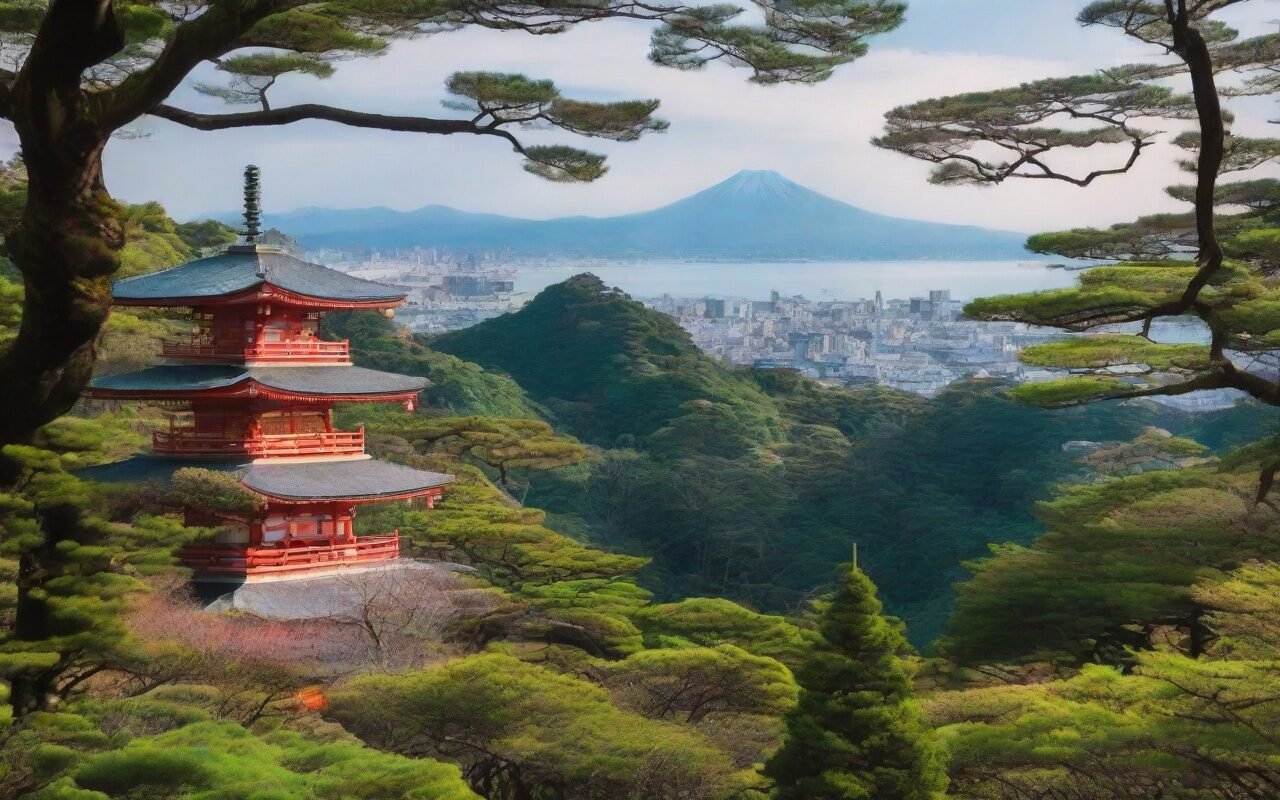
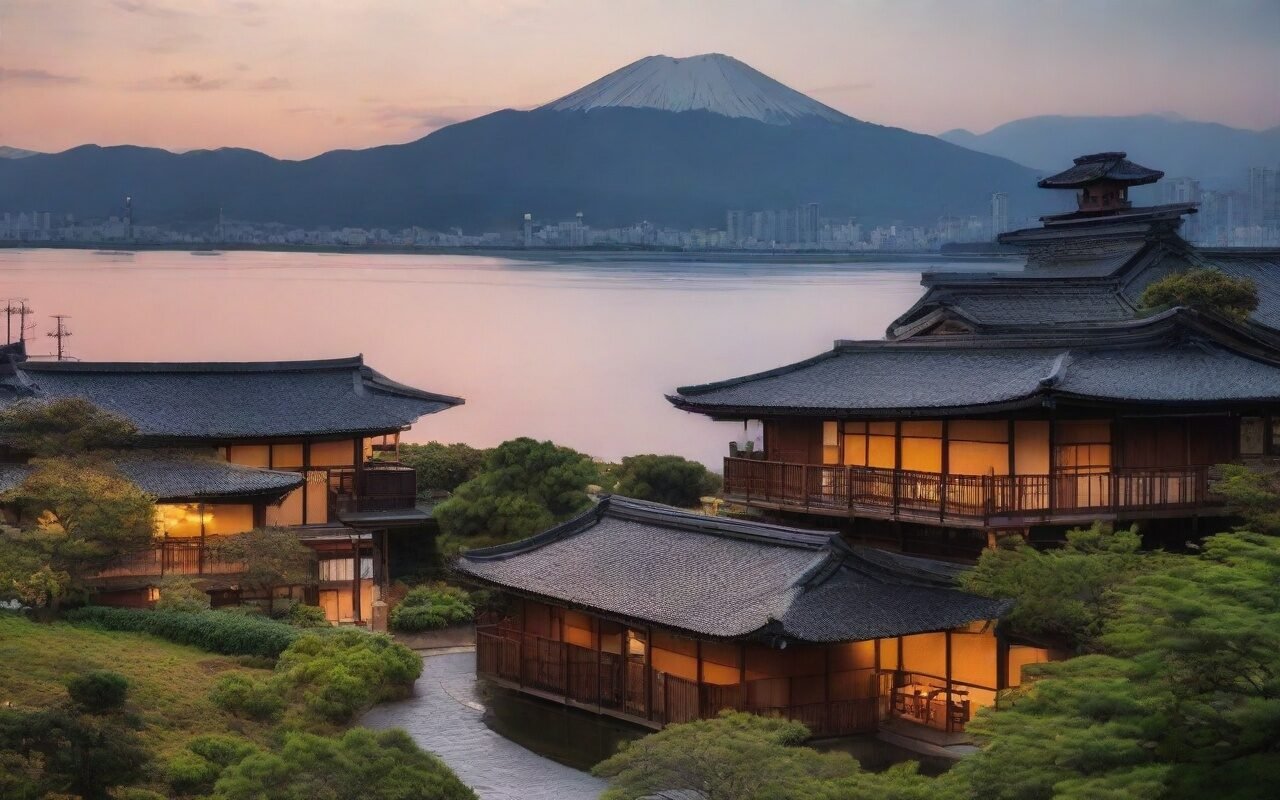
    Shonan Shirasu Complete Guide — main illustration

    Shonan Shirasu Complete Guide — main illustration

    Shonan Shirasu Complete Guide — visitor highlights

    Tobi-uo no Shirasu (飛魚のしらす)

    A premium variety made from flying fish fry rather than sardine fry. Tobi-uo shirasu has a sweeter, cleaner flavor and a firmer texture. It is more expensive and less commonly available, but worth looking for at specialty shops.

    Shirasu Fishing Season in Detail

    Understanding the shirasu fishing calendar helps you plan the best visit: March: The season opens. Early catch is limited but highly prized for its sweetness. Restaurants prominently advertise “hatsu-mono” (first catch of the season).

    April–May: Peak quality period. The water temperature is still cool, resulting in firm, sweet shirasu. Nama shirasu is widely available during this period.

    June–August: The summer heat makes nama shirasu harder to transport safely. Kama-age shirasu is more common during these months. But here’s the thing, the quantity is abundant, and prices are at their lowest.

    September–October: A second peak period as the water cools. Many locals consider autumn shirasu to be superior to spring shirasu because the fish have fattened over the summer. November: The last full month of the season. Quality remains good but quantities decline. December–February: Closed season. No fresh shirasu is available. This is when restaurants rely on frozen or dried shirasu.

    Where to Buy Shirasu Souvenirs

    The best shirasu souvenirs are found at specialty shops near fishing ports rather than general souvenir stores: Misaki Port Shops: The shops lining the port offer the freshest vacuum-packed kama-age shirasu. Look for packages with a catch date within the last 2 days for maximum freshness. Prices range from ¥500–¥800 per 150g pack.

    Kamakura Station: The station’s souvenir concourse has several shops selling Shonan shirasu products, but turnover is slower than at the port. Check the expiration date carefully.

    Enoshima Island: Several shops near the Enoshima Sea Candle sell shirasu seasoning flakes (furikake) and shirasu senbei (rice crackers). These make excellent lightweight souvenirs that do not require refrigeration.

    Access: Planning Your Shirasu Day Trip

    Route option 1: Misaki Port focused

    • Take the Keikyu Line to Misakiguchi Station (90 minutes from Shinagawa)
    • Bus to Misaki Port (10 minutes)
    • Visit Misaki Shirasu-tei for lunch
    • Explore the port area and fish market
    • Return via Keikyu Line
    • Total cost: approximately ¥3,000 per person including lunch

    Route option 2: Kamakura + Enoshima combined

    • Start at Kamakura Station, walk Komachi-dori
    • Visit Kamakura Shirasu-ya for lunch
    • Walk to Hase Station, take Enoden to Enoshima
    • Explore Enoshima Island, visit Enoshima Shirasu Cafe
    • Return via Enoden to Kamakura
    • Total cost: approximately ¥4,000 per person including lunch and transport

    Route option 3: Odawara shirasu exploration

    • Take the Shinkansen to Odawara (35 minutes)
    • Visit port area restaurants for shirasu don
    • Explore Odawara Castle and surrounding streets
    • Purchase shirasu souvenirs at station shops
    • Return via Shinkansen
    • Total cost: approximately ¥5,500 per person

    Best season for each route:

    • Misaki: Year-round (kama-age), March–November (nama)
    • Kamakura/Enoshima: Best in April–May and September–October
    • Odawara: Convenient year-round for kama-age, nama limited to warmer months

    Packing essentials: Bring cash (many port shops are cash-only), a small cooler bag (if purchasing vacuum-packed shirasu for later), and hand wipes—eating shirasu can be messy!

    Shirasu Storage and Preparation Tips

    Fresh nama shirasu: Consume within 24 hours of purchase. Store in the coldest part of your refrigerator (near the freezer compartment). Rinse gently in cold water before serving to remove any surface moisture.

    Kama-age shirasu: Unopened vacuum packs last 2–3 weeks in the refrigerator. Once opened, consume within 2 days. To refresh, briefly dip in boiling water for 5 seconds, then drain.

    Dried shirasu: Keeps for 2–3 months in a cool, dark place. To rehydrate, soak in warm water for 5 minutes before adding to salads or pasta. Dried shirasu can also be dry-roasted in a pan for a crunchy snack.

    Freezing: Both nama and kama-age shirasu freeze well. Portion into small bags and freeze for up to 3 months. Thaw overnight in the refrigerator—do not refreeze after thawing.

    Top Shirasu Restaurants

    1. Misaki Shirasu-tei (Misaki (三崎)しらす亭)

    Located in the port area of Misaki, this specialty shop offers six different styles of shirasu don (rice bowl). Their “Hikari” set (¥1,800) includes nama shirasu, kama-age shirasu, and chijimi-age (deep-fried shirasu tempura) served on a single platter, allowing you to compare textures and flavors side by side.

    • Best time to go: 10:30 AM—before the lunch rush but after the morning catch arrives
    • Cash only: Yes, ATM nearby at Misakiguchi Station

    2. Kamakura Shirasu-ya (Kamakura (鎌倉)しらすや)

    A popular spot on Komachi-dori that specializes in shirasu donburi. Their signature “Kamakura Gold” bowl (¥1,350) features nama shirasu topped with a quail egg yolk, nori, and wasabi. The queue can reach 30 minutes on weekends.

    3. Enoshima Shirasu Cafe

    A modern cafe on Enoshima Island serving shirasu toast topped with nama shirasu, avocado, and cream cheese—a fusion twist that appeals to younger crowds. Pair it with their yuzu honey lemonade (¥480).

    Shirasu Seasonality and Fishing Calendar

    Month Availability Notes
    January ❌ Closed season No shirasu fishing
    February ❌ Closed season No shirasu fishing
    March ✅ Opens First catch of the year
    April ✅ Good New season—fresh and sweet
    May ✅ excellent Peak quality
    June–August ✅ Good Plentiful but can be heat-sensitive
    September ✅ excellent Second peak—autumn catch
    October ✅ Good Still available
    November ✅ Declining Last good month
    December ❌ Closed End of season

    How Shirasu Is Caught and Processed

    Understanding how shirasu gets from the ocean to your plate adds depth to the dining experience. Here is the journey:

    Fishing Methods

    Shirasu fishing boats depart from Misaki, Kamakura, and Odawara ports before dawn, Using specialized pair trawl nets, they sweep the shallow waters of Sagami Bay where juvenile sardines and anchovies gather. The nets are designed to minimize bycatch, and strict quotas limit how much can be harvested each day.

    Processing on Land

    Once the catch arrives at port, it is rushed to processing facilities where:

    • For nama shirasu: The fish are immediately washed in chilled, sterilized seawater, sorted by size, and packed in ice for same-day distribution
    • For kama-age shirasu: The fish are boiled in large vats of salted water for 30–60 seconds, then cooled rapidly to preserve texture
    • For dried shirasu: The boiled fish are spread on mesh trays and dried in temperature-controlled rooms for 6–12 hours

    The entire process from net to finished product takes less than 4 hours for nama shirasu, ensuring maximum freshness.

    Beyond Rice Bowls: Creative Shirasu Dishes

    While shirasu don is the classic preparation, Shonan chefs have developed creative ways to use this versatile ingredient:

    Dish Description Restaurant Price
    Shirasu Pizza Thin-crust pizza with nama shirasu, mozzarella, and shiso Enoshima Shirasu Cafe ¥1,480
    Shirasu Pasta Spaghetti with kama-age shirasu, garlic, and chili oil Kamakura Shirasu-ya ¥1,350
    Shirasu Tempura Mixed seafood tempura with shirasu and seasonal vegetables Misaki Shirasu-tei ¥1,600
    Shirasu Omelette Fluffy Japanese omelette (omurice style) filled with shirasu Local diner near Enoden line ¥980

    Shirasu Festivals and Events

    Shonan celebrates its shirasu bounty with annual festivals: Misaki Shirasu Festival (May): The largest shirasu festival in Kanagawa, featuring unlimited nama shirasu tasting (¥2,500), cooking demonstrations, and fishing boat tours.

    Kamakura Shirasu Week (September): Participating restaurants offer special shirasu set menus at discounted prices. A passport stamp rally encourages visitors to try multiple restaurants.

    Enoshima Autumn Seafood Fair (October): Stalls along the Enoshima approach sell grilled shirasu skewers (¥300 each) and shirasu-flavored soft serve ice cream (¥450).

    Shirasu Health Benefits

    Shirasu is not only delicious but also packed with nutrients:

    • Calcium: Because the entire fish (including bones) is consumed, shirasu is an excellent source of calcium—nearly 10 times more per gram than milk
    • Protein: A typical shirasu don bowl provides 15–20g of complete protein
    • Vitamin D: Essential for calcium absorption and immune function
    • Omega-3 fatty acids: Supports heart and brain health

    For these reasons, shirasu is often recommended as a weaning food for infants and a nutritional supplement for elderly people in Japan.

    Frequently Asked Questions (FAQ)

    Q: What does shirasu taste like?
    A: Nama shirasu has a mild, clean flavor reminiscent of the ocean but much subtler than sardines or anchovies. Kama-age shirasu is slightly saltier and more savory. Both are delicate and pleasant.

    Q: Is it safe to eat raw shirasu?
    A: Yes, strictly regulated. Shirasu sold as “nama” has been inspected and must be consumed within a few hours of landing. The Japanese food safety system is rigorous.

    Q: What is the best way to eat shirasu?
    A: Over warm rice with a splash of soy sauce and some grated ginger is the classic preparation. Shirasu is also excellent on toast with butter, mixed into pasta, or added to salads.

    Q: Can I buy shirasu as a souvenir?
    A: Kama-age shirasu in vacuum-sealed packs makes a great souvenir. Look for “Kama-age Shirasu” near the refrigerated section of souvenir shops. It keeps for 2–3 weeks unrefrigerated.

    Q: Do I need to worry about bones?
    A: No, shirasu are so small that they are eaten whole—bones, heads, and all. They are a good source of calcium for this reason.


    Conclusion

    Whether you are planning exploring the Shonan coast for its shirasu for the first time or returning for another visit, taking a little extra time to go beyond the obvious sights makes all the difference. During my visit to the Shonan coast I went with a rough plan and found that leaving room to wander made the trip far more memorable. I hope this guide helps you build an itinerary that fits your pace, and that your time in Kanagawa leaves you with memories worth coming back for.

  • Shonan Kamakura Street Food Guide 2026

    Shonan Kamakura Street Food Guide 2026

    Overview

    Discover the best food and drink experiences that Shonan Kamakura Street Food Guide has to offer. From hidden local gems to popular dining destinations, this guide takes you through the culinary landscape of Shonan in Kanagawa Prefecture. Whether you are a first-time visitor or a returning food enthusiast, you will find something to satisfy your cravings.

    Want to discover hidden spots? Check our guide to Kanagawa local secrets for off-the-beaten-path recommendations.

    Access

    Most of the street-food action is on Komachi-dori, a five-minute walk from JR Kamakura Station’s east exit, and around Enoshima’s main approach off the Enoden. From Tokyo, take the JR Yokosuka Line to Kamakura (about an hour); the Enoden connects Kamakura to Enoshima in about 25 minutes.

    Must-Eat Street Snacks

    Shirasu-don Mini Bowls

    Kamakura is famous for shirasu (whitebait)—tiny, translucent fish caught in Sagami Bay. You can buy small cups of rice topped with fresh whitebait and a quail egg to eat while walking.

    • Taste: Delicate, salty, and incredibly fresh.

    Menchi Katsu

    Minced meat cutlets, breaded and deep-fried to golden perfection. They are juicy, savory, and arguably the most popular item on the Nakamise streets.

    • Warning: The inside is like molten lava! Take small bites.

    Matcha Soft Serve

    Shonan Kamakura Street Food Guide scenery and attractions
    Shonan Kamakura Street Food — main illustration

    Shonan Kamakura Street Food Guide — visitor highlights
    Japan is not always known for its street food culture compared to neighbors like Thailand, but areas like Kamakura and Enoshima are vibrant exceptions. The “Nakamise” (shopping streets leading to shrines) and temple grounds are lined with stalls selling delicious snacks meant to be eaten on the go. It is a festival atmosphere that lasts all year round.

    Green tea ice cream served in a cone, often topped with red bean paste (anko) or a dusting of matcha powder. It is the perfect sweet treat to cool down on a sunny day.

    The Rules of Tabearuki (Walking and Eating)

    In Japan, walking while eating is generally considered bad manners, but specific rules apply in tourist areas like Kamakura:

    • Stay near the shop: Eat your food within sight of the stall where you bought it.
    • Dispose of trash properly: There are very few public trash cans in Japan. Return your wrappers, sticks, and cups to the shop’s designated trash bin.
    • Don’t block the way: Step aside to let others pass. The streets can get very crowded.
    • No Littering: Dropping a skewer on the ground is a major faux pas.

    Timing Your Snack Loop Around Enoden Crowds

    Komachi-dori feels manageable at opening hour, yet by late morning the same stretch becomes a slow-moving river of day-trippers balancing soft-serve cones and camera rigs. If you want shirasu cups without elbowing school groups, arrive before souvenir shops rotate their morning catch or hop one stop toward Hase after early temple visits when some stalls reset toppings. Weekend afternoons near Tsurugaoka Hachimangu can bottleneck at trash-return counters; vendors appreciate when you finish skewers beside their bins instead of wandering toward side alleys where cans simply do not exist.

    Enoshima adds wind, gulls, and salt spray into the equation, which means tempura sandwiches and fried croquettes cool quickly and lose crunch if you dawdle on the bridge for photos. Buy hot items in single batches, eat, then return sticks before climbing stairs so your hands stay free for handrails. Hydration matters more than visitors expect because grilled sauces are sodium-heavy; vending machines near the island base sell sports drinks that pair better with menchi katsu than extra sweet milk teas when humidity spikes.

    Cash still dominates small stalls, so break large bills at convenience stores near Kamakura Station before entering the nakamise flow. English menus are increasingly common, yet pointing plus “kore” remains the politest path when lines compress behind you. Allergy-aware travelers should memorize dairy or shellfish characters because cross-contact is likely on shared grills even when individual items look simple.

    Connect your snack crawl with deeper seafood context in Shonan shirasu complete guide so you understand why bay-caught whitebait tastes brighter in April than in stormy weeks when boats stay docked. For a wider map of markets beyond shrine gates, bookmark Kanagawa street food and local markets before you plan multi-day loops through Fujisawa or Ofuna. If you are cycling the coast, stash reusable chopsticks and a thin towel to wipe fingers before touching brake levers.

    Evening street food pop-ups sometimes appear during lantern festivals; those stalls may close the moment organizers cut power, so do not assume late hours match Tokyo standards, When in doubt, ask “mada arimasu ka?” to confirm whether the last menchi batch is truly available or just cooling on display. Thoughtful pacing keeps flavors vivid and neighbors calm—exactly the spirit tabearuki etiquette tries to protect.

    Keep a compact plastic bag for orange peels or skewer wrappers if a shop runs out of disposal bins during crush hours; pack it out politely rather than stuffing pockets that stain later.

    More Street Food Favorites in Kamakura

    Taiyaki and Imagawayaki

    Komachi-dori has several shops selling freshly made taiyaki (fish-shaped cakes filled with red bean paste, custard, or chocolate). Taiyaki Kamakura offers a seasonal matcha custard filling that pairs perfectly with the thin, crispy shell. At ¥250 per piece, it is one of the cheapest warm snacks on the street.

    Kamakura Vegetables Tempura

    During autumn and winter, tempura stalls near Tsurugaoka Hachimangu serve mixed vegetable tempura using Kamakura-grown sweet potatoes, pumpkin, and shiso leaves. A mix of 4–5 pieces costs ¥500 and is a healthier alternative to the fried meat options.

    Drinks to Pair with Street Food

    Food Drink Pairing Where to Buy
    Menchi katsu Cold draft beer Komachi-dori beer stand
    Matcha soft serve Hot hojicha Matcha specialty shops
    Shirasu don Yuzu lemonade Enoshima Island stalls
    Taiyaki Hot sake cup Nakamise approach stalls

    Komachi-dori Street Food Map

    Komachi-dori stretches about 500 meters from Kamakura Station to Tsurugaoka Hachimangu. Here is a practical food map organized by section:

    Section 1 (Station End, first 100m): Menchi katsu shops, matcha soft serve, taiyaki. This is the busiest section with the longest queues. If a popular shop has a line exceeding 20 people, try the next shop—products are similar in quality.

    Section 2 (Middle, 100–300m): Kamakura vegetables tempura, shirasu croquettes, dango skewers. This section has slightly shorter queues and more seating options. The kamakura vegetable tempura stalls offer mixed boxes (¥500) that are excellent for sharing.

    Section 3 (Temple End, 300–500m): Freshly made senbei (rice crackers), matcha cookies, fruit sandwiches. This section is quieter and the shops tend to be slightly more expensive but with higher quality ingredients.

    Side streets: The narrow alleys branching off Komachi-dori hide the best discoveries. Dango no Sato on a side street 50m from the main drag has been operating for 40+ years and serves mitarashi dango that locals swear by.

    Street Food Price Guide

    Item Price Range Portion Size Calories (approx.)
    Menchi katsu ¥250–¥350 1 piece 250–350
    Matcha soft serve ¥400–¥600 1 cone 200–300
    Taiyaki (red bean) ¥200–¥300 1 piece 150–250
    Dango (3 skewers) ¥500–¥700 3 skewers 200–300
    Kamakura veg tempura ¥400–¥600 4–5 pieces 300–400
    Shirasu croquette ¥300–¥450 2 pieces 200–300
    Senbei (freshly grilled) ¥200–¥400 1 piece 100–200
    Fruit sandwich ¥400–¥600 1/2 sandwich 250–350

    A thorough tasting session of 6–7 items costs approximately ¥2,500–¥3,500 per person.

    Beyond Komachi-dori: Other Street Food Areas

    Enoshima Approach: The path from Enoshima Station to the island is lined with food stalls. Try the octopus senbei (¥500)—a whole octopus pressed into a hot senbei iron, resulting in a crispy, savory cracker.

    Tsurugaoka Hachimangu Approach (Nakamise-dori): Wider and less crowded than Komachi-dori, this approach has more souvenir shops than food stalls, but the quality is higher. The grilled mochi skewers (¥300–¥400) are excellent.

    Yuigahama Beach Promenade: During summer (July–August), a row of food trucks sets up along the beach path. Offerings include yakisoba, takoyaki, and kakigori. The atmosphere is relaxed and family-friendly.

    Ofuna Station Area: A 5-minute walk from Ofuna Station reveals several small food stalls not listed in guidebooks. The yakitori stands near the station are especially good value (¥100–¥150 per skewer).

    Tips

    A few things I learned while researching exploring Kamakura for its food: start early to beat the crowds, check opening days in advance, and carry a little cash for smaller shops and entry fees. Comfortable shoes make a bigger difference than most visitors expect, and an IC card such as Suica or Pasmo speeds up every train ride.

    Frequently Asked Questions (FAQ)

    Q: Can I eat while walking in Kamakura?
    A: Yes, on Komachi-dori and the Nakamise approach, walking while eating (tabearuki) is tolerated and common. In other areas, it is considered bad manners—finish your food near the shop.

    Q: What is the best time for street food?
    A: Weekday mornings (9:30–11:00 AM) offer the shortest queues and freshest products. Weekend afternoons are busiest but have the widest selection of stalls.

    Q: Are there vegetarian options for street food?
    A: Yes, but limited. Matcha soft serve, taiyaki with red bean filling, and vegetable tempura are all vegetarian-friendly. Menchi katsu and shirasu are not. Look for “yasai” (vegetable) signs.

    Q: How much cash should I bring for street food?
    A: Most street food items cost ¥200–¥600 each. For a thorough tasting session (5–6 items), bring ¥3,000–¥4,000.

    Q: What is the most iconic Kamakura street food?
    A: Menchi katsu—the deep-fried minced meat cutlet is the undisputed king of Komachi-dori street food. Kamakura’s version uses locally sourced pork and a secret blend of spices that keeps people coming back.


    Conclusion

    Whether you are planning exploring Kamakura for its food for the first time or returning for another visit, taking a little extra time to go beyond the obvious sights makes all the difference. During my visit to Kamakura I went with a rough plan and found that leaving room to wander made the trip far more memorable. I hope this guide helps you build an itinerary that fits your pace, and that your time in Kanagawa leaves you with memories worth coming back for.

  • Shonan Beach Volunteer Cleanup – How to Get Involved 2026

    Shonan Beach Volunteer Cleanup – How to Get Involved 2026

    Shonan Beach Volunteer Cleanup – How to Get Involved

    Overview

    Experience Shonan Beach Volunteer Cleanup – How to Get Involved in an environmentally responsible way with this sustainable travel guide. Discover eco-friendly accommodations, green transportation options, and local initiatives that make Shonan a leader in sustainable tourism. Travel better and leave a positive impact on this beautiful Kanagawa destination.

    Access

    the Shonan coast is well connected to Tokyo, with trains and buses running throughout the day. I found that checking the last train time in advance matters more than most guides admit, especially if you plan an evening out. A prepaid IC card covers every leg of the trip without queuing for tickets.

    Quick Facts

    • Events: 20+ per year across Shonan and Miura
    • Volunteers: 500+ people annually
    • Trash collected: 500+ kg removed from beaches each year
    • Beaches covered: 10+ locations including Enoshima, Yuigahama, Zushi, Hayama, and Misaki
    • Cost: Free — all equipment provided
    • Language: Japanese with some English support

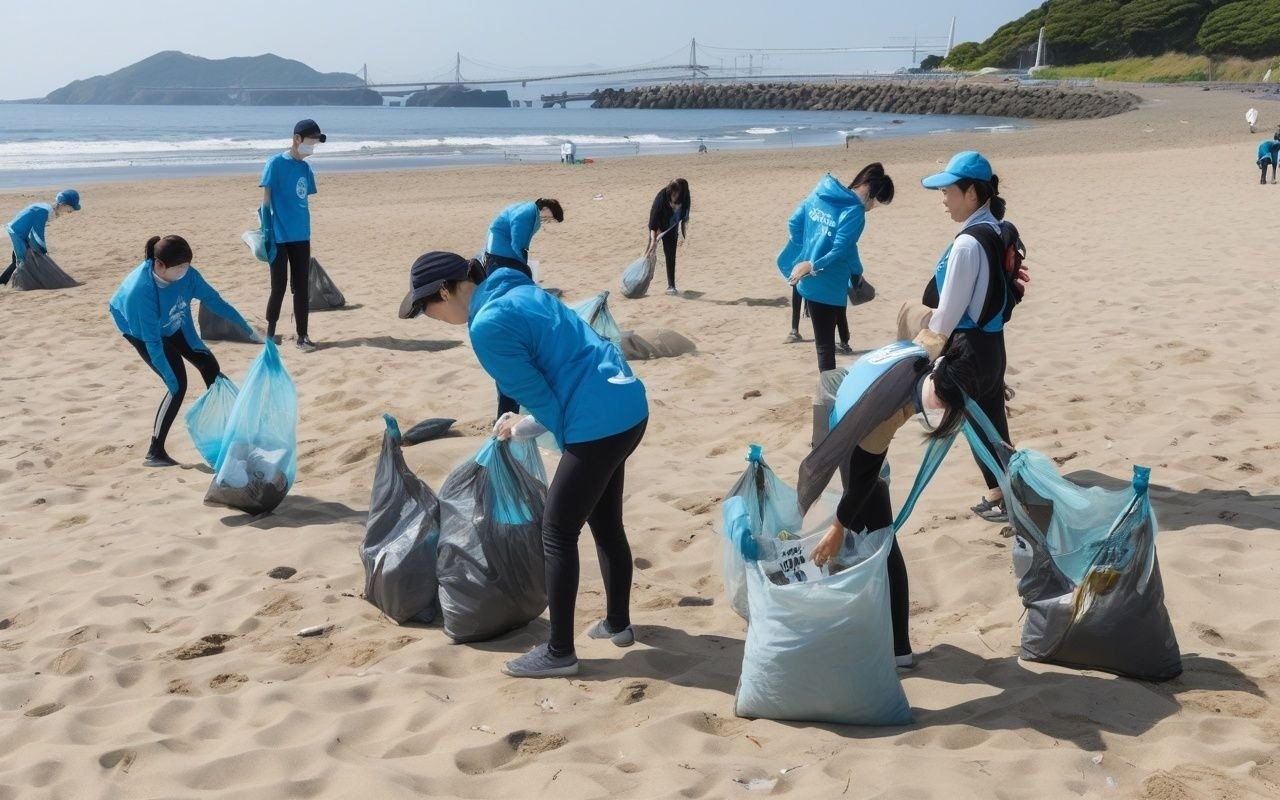
    Shonan Beach Volunteer Cleanup – How to Get Involved 2026 — Quick Facts

    I visited my first cleanup thinking I’d stay for an hour — I stayed for the full three and came back the next month. For scheduling details, see the cleanup calendar and the what to bring guide.

    Three Ways to Volunteer

    Monthly Shonan Cleanup

    The flagship event runs every first Sunday of the month, rotating between Enoshima Beach, Yuigahama Beach, Zushi Beach, and Hayama Beach. When: First Sunday, 9 AM – 12 PM (3 hours)
    Meet: Enoshima Station (8:45 AM) What’s provided: Trash bags, gloves, grabbers (tongs), safety vests, water, light snacks after What to bring: Comfy clothes you don’t mind getting dirty, closed-toe shoes, sun protection, refillable water bottle Language: Some English available. Translation apps help. International volunteers are always welcome. Booking: Online recommended. Walk-ins OK if space allows. Free.

    Miura Peninsula Cleanup

    A more focused cleanup that includes port areas and tracks data for marine research. Runs every third Saturday. When: Third Saturday, 8 AM – 11 AM (3 hours)
    Meet: Misakiguchi Station (7:45 AM)

    What makes it special: Local fishermen join with their knowledge of tides and currents. Every piece of trash is sorted and weighed for a citizen science database. Marine biology talks happen every three months. Booking: Online only. Limited to 30 people. Book 2 weeks ahead. Free — lunch sometimes provided.

    Family-Friendly Cleanup

    Designed for families with children. Shorter duration with educational games. When: Last Sunday, 10 AM – 12 PM (2 hours)
    Meet: Zushi Station (9:45 AM)
    Location: Zushi Beach

    Kid-friendly features: Smaller gloves, child-safe grabbers, learning sheets in Japanese and English, prize for the most trash collected, beach play time after cleanup. Age: Minimum 4 years. Parent must stay with children under 12. Booking: Online. Family groups welcome. Free.

    My First Cleanup: A Personal Account

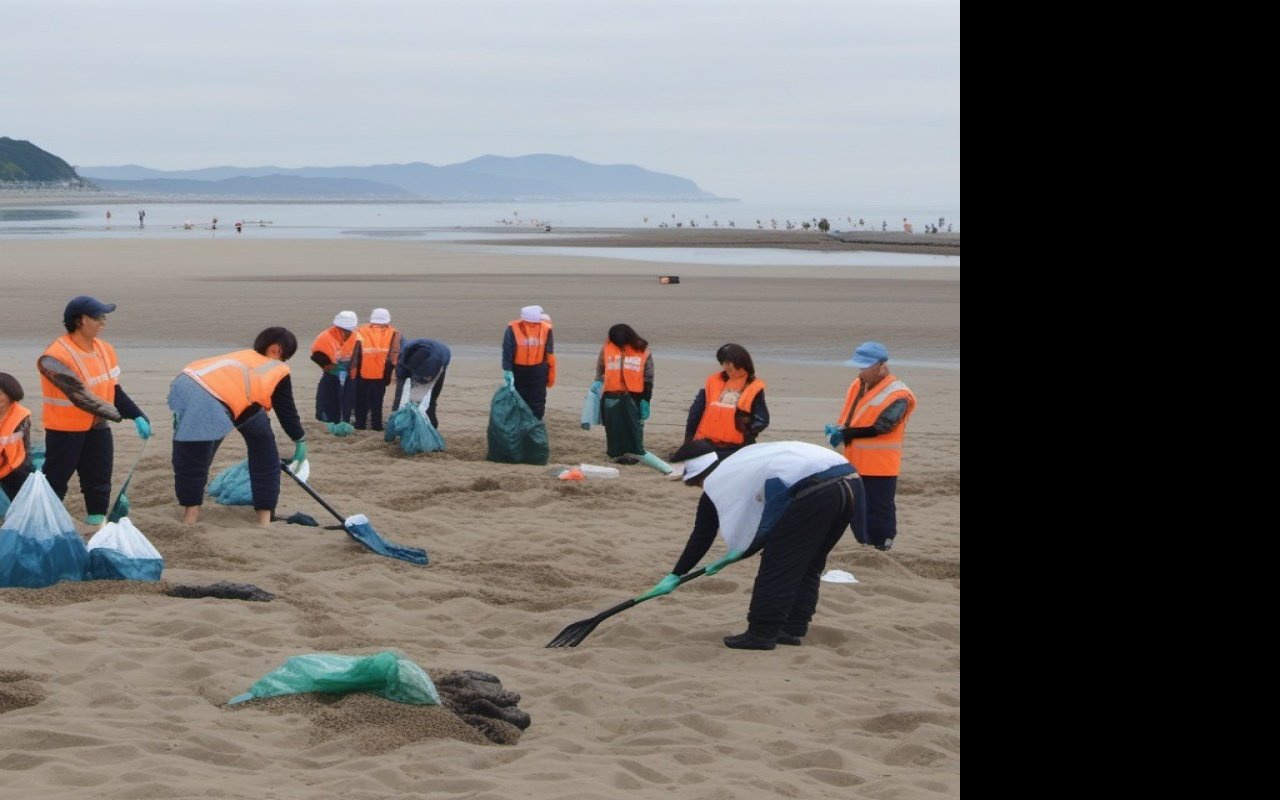
    I arrived at Enoshima Station on a crisp Sunday morning in January 2026, slightly nervous and unsure what to expect. A volunteer in a bright orange safety vest spotted me looking lost and waved me over. Within two minutes, I had gloves on my hands, a trash grabber in my right hand, and a new friend walking beside me toward the beach.

    The safety briefing lasted about ten minutes — surprisingly thorough, covering how to handle broken glass, what to do if you find a syringe (mark the spot and call the leader), and the three-bin sorting system for burnable trash, recyclables, and hazardous items. Then we spread out across the sand in pairs.

    What struck me most was how quickly the bags filled. In the first thirty minutes, my partner and I collected two full bags — mostly cigarette butts, plastic bottle caps, and small fragments of fishing nets. By the end of the three-hour session, our group of twenty-two people had gathered 47 kilograms of trash from a beach that looked clean to the casual eye.

    The social hour afterward was equally rewarding. Over cups of tea and simple snacks, I met a retired fisherman who had been cleaning this beach for twelve years, a university student researching microplastics, and a family from Kyoto who had driven two hours just to participate. I left with wet shoes, tired legs, and a genuine sense of accomplishment that no sightseeing tour could match.

    Environmental Impact: What We’re Cleaning Up

    Understanding what ends up on Shonan’s beaches helps explain why this volunteer work matters.

    Types of trash commonly found:

    Category Estimated percentage Sources
    Plastics (fragments, bags, packaging) 40% Consumer goods, fishing gear
    Fishing-related (nets, ropes, buoys) 25% Commercial and recreational fishing
    Household waste (cans, bottles, paper) 20% Beach visitors, urban runoff
    Other (glass, textiles, metal) 10% Various
    Hazardous (batteries, syringes, chemicals) 5% Illegal dumping, medical waste

    The microplastic problem: During beach cleanups, volunteers often find countless tiny plastic fragments smaller than a fingernail. These come from larger items that have broken down over time in the sun and salt water. Once microplastics enter the ocean, fish and birds mistake them for food. Research shows that microplastics have been found in fish caught in Tokyo Bay, just a few kilometers from Shonan’s beaches.

    Why beach cleanups make a real difference: Every kilogram of trash removed from the beach is one kilogram that won’t break into microplastics. The data collected during Miura cleanups is shared with local universities and the Kanagawa Prefecture Environment Division, helping researchers track pollution sources and trends over time.

    Community: More Than Just Cleaning

    The social dimension of these cleanups is what keeps volunteers coming back. Regular attendees form a tight-knit community that extends beyond the beach.

    After the cleanup: Every event includes a social hour with tea, snacks, and conversation. It’s the best time to exchange contact info — LINE is the most popular messaging app among Japanese volunteers. Many groups head to a nearby restaurant for an optional group lunch afterward.

    Staying connected: Each cleanup group has its own LINE or Facebook group where events are announced and photos are shared. Regular volunteers are invited to annual appreciation events and training sessions for leadership roles.

    What I’ve seen: Over several months of attending, I’ve watched shy first-timers become confident regulars who help train newcomers. The intergenerational mix is particularly special — teenagers work alongside retirees, and the shared purpose erases the usual social barriers.

    Major Events Worth Planning Around

    Earth Day Cleanup (April 22): The biggest event of the year with 200+ volunteers cleaning multiple beaches simultaneously, Morning cleanup, afternoon workshops, evening celebration dinner. Book 1 month ahead.

    Ocean Conservation Day (June 8): Educational focus with marine biologist talks and aquarium exhibits. Free entry. Ideal for families with curious kids.

    Year-End Cleanup (December 28): A Japanese year-end tradition called osoji — the big cleaning. Community potluck lunch afterward. Warm clothes essential.

    What to Wear and Bring

    Essentials: Comfortable clothes that can get dirty, long pants for sun and scratch protection, closed-toe shoes (required — no sandals), sun hat, work gloves (provided, or bring your own if you have a preferred size). Recommended: Sunscreen, refillable water bottle, sunglasses, a small backpack, a change of clothes for after. What not to bring: Valuables, glass containers, alcohol, pets (service animals OK with advance notice).

    Typical Event Timeline

    Time Activity
    9:00 AM Arrive and check in
    9:15 AM Safety briefing and group assignment
    9:30 AM Cleanup begins
    11:00 AM Collect and weigh trash, record data
    11:30 AM Wrap-up, group photo, social time
    12:00 PM Event ends (optional group lunch)

    Safety Rules

    • Wear gloves at all times
    • Use grabbers — never touch trash directly
    • Watch for sharp objects (glass, metal, fishhooks)
    • Report hazardous items to the leader immediately
    • Stay hydrated — drink water every 20 minutes
    • Work in pairs — never alone
    • Inform the organizer of any medical conditions beforehand

    Eco-Friendly Transport Options

    The most sustainable way to reach this destination is by train. Kanagawas rail network runs on electricity and has a significantly lower carbon footprint than driving. Consider purchasing a day pass for unlimited travel and combine your visit with nearby attractions to minimize transport impact.

    Best Time to Visit

    Visiting during off-peak seasons late autumn and winter reduces the environmental impact of tourism and provides a more authentic experience with fewer crowds. Spring and autumn offer the most comfortable weather for outdoor exploration.

    Tips

    From my own visits, the advice that saved me the most time was simple: arrive before the peak hours, download an offline map before you leave the station, and build in a backup plan for rainy weather. Many spots in Kanagawa get busy by mid-morning, so an early start usually means shorter queues and better photos.

    Frequently Asked Questions

    Q: Do I need to speak Japanese?
    A: Not necessarily. Some English is available. Translation apps help bridge gaps. Actions speak louder than words.

    Q: Can children join?
    A: Yes. Family events welcome ages 4 and up. A parent must stay with children under 12.

    Q: What if it rains?
    A: Light rain: event continues. Heavy rain or storm: cancelled. Check your email the morning of the event.

    Q: Do I need special gear?
    A: No. All equipment is provided. Just bring comfortable clothes, water, and sun protection.

    Q: Is there a fee?
    A: No, it’s free. Some events accept small donations for supplies, but there is no obligation.

    Q: Can I join just once?
    A: Absolutely. One-time volunteers are common and very welcome. Many people start with one event and get hooked.


    Last Updated: July 13, 2026
    Written by: Anaba OffJapan Editorial Team
    Verified: Multiple events attended by our editorial team, January–July 2026 Anaba OffJapan — Avoid the Crowds, Go Deeper into Japan.

    Packing Essentials

    Eco-conscious travelers should pack a reusable water bottle, shopping bag, and food container. A bamboo toothbrush and solid shampoo bars reduce bathroom waste. Solar-powered chargers are excellent for multi-day trips.

    Conclusion

    exploring the Shonan coast for its beach can be as relaxed or as packed as you want it to be, and I have found that the best visits leave room for both planning and spontaneity. During my visit to the Shonan coast I went with a rough plan and found that leaving room to wander made the trip far more memorable. Use this guide to sort out the logistics in advance, then let the day surprise you — Kanagawa rewards travelers who stay curious.

  • Best Cycling Routes Shonan Kamakura 2026

    Best Cycling Routes Shonan Kamakura 2026

    Overview

    🗺️ Key Points

    • Perfect for: Cyclists, active travelers
    • Duration: Half-day to full day
    • Budget: ¥3,000-6,000 (including rental)
    • Best season: Spring and autumn
    • Difficulty: Easy to moderate

    📋 Overview

    The Shonan and Kamakura region offers some of Japan’s most scenic cycling routes. This guide covers the best routes, rental shops, and essential tips for cycling in this pretty area.

    🚴 Top Cycling Routes


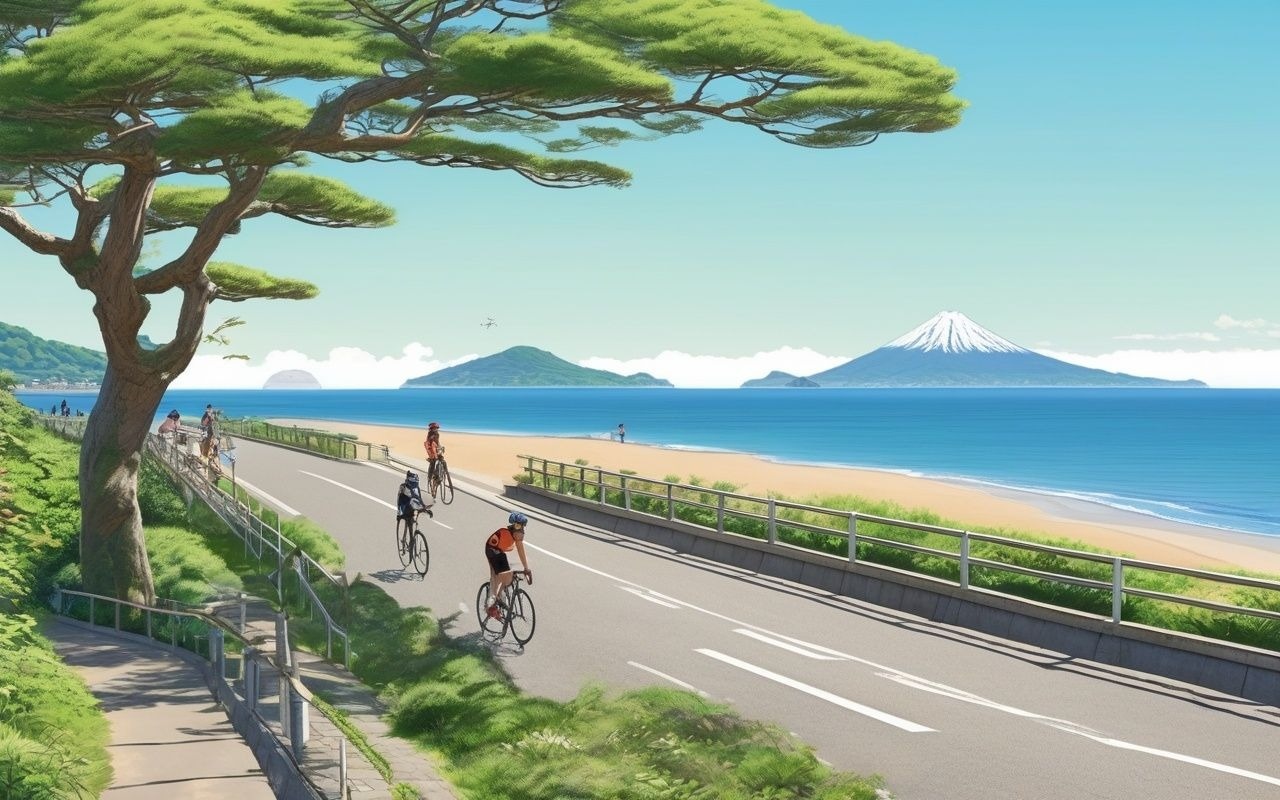
    Best Cycling Routes Shonan Kamakura — main illustration

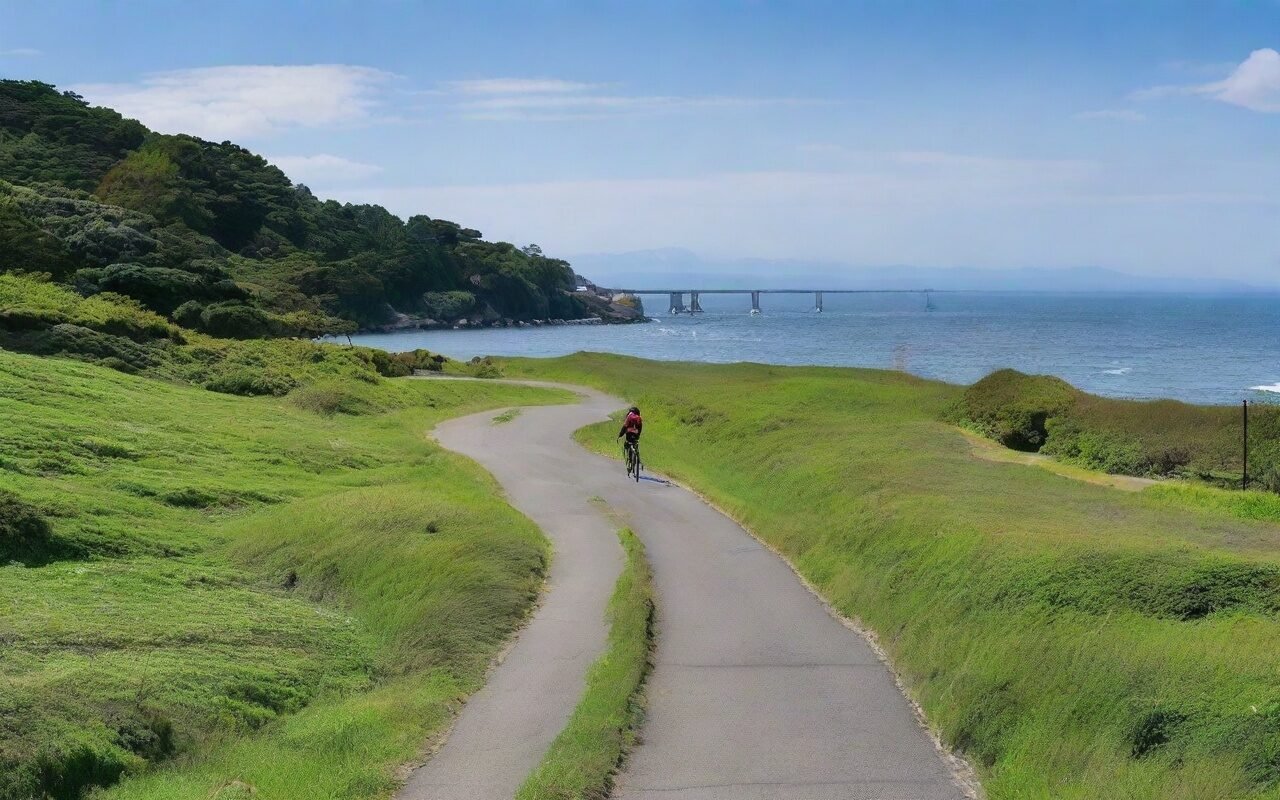
    Cyclist on Shonan coastal route with ocean views and scenic Kamakura landscape

    Shonan cycling route overview with coastal views of Kamakura shoreline and cycling path

    Route 1: Yuigahama to Zushi Beach (12km)

    Difficulty: Easy
    Duration: 1.5-2 hours
    Highlights: Ocean views, local cafes This flat coastal route follows the shoreline from Kamakura’s Yuigahama Beach to Zushi. Perfect for beginners, with plenty of rest stops and photo chances. Route Highlights:

    • Yuigahama Beach starting point
    • Inamuragasaki Park (sunset views)
    • Zushi Marina
    • Multiple beachside cafes Rental Shops:
    • Kamakura Cycling (¥1,000/day): Near Kamakura Station
    • Shonan Bike (¥1,500/day): Near Yuigahama Station

    Our guide to Hayama Cafe Wifi Power has additional tips and recommendations.

    Route 2: Kamakura Temple Loop (8km)

    Difficulty: Easy
    Duration: 2-3 hours
    Highlights: 6 major temples, traditional streets A cultural cycling route connecting Kamakura’s most important temples. The route includes some hills but is manageable for casual cyclists. Temples Included:

    1. Kotoku-in (Great Buddha)
    2. Hasedera Temple
    3. Hokokuji Temple (bamboo grove)
    4. Kenchoji Temple
    5. Engakuji Temple
    6. Tsurugaoka Hachimangu

    Route 3: Enoshima Island Circuit (5km)

    Difficulty: Easy
    Duration: 1-2 hours
    Highlights: Island views, sea caves Circle the entire Enoshima Island, and the famous sea caves. The island has dedicated cycling paths and is very tourist-friendly. Highlights:

    • Enoshima Shrine
    • Samuel Cocking Garden
    • Iwaya Caves
    • Sunset viewing spots

    Route 4: Hakone Mountain Challenge (25km)

    Difficulty: Moderate to hard
    Duration: 4-5 hours
    Highlights: Mountain views, hot springs For experienced cyclists, this mountain route offers stunning views of Lake Ashi and surrounding peaks. Includes significant elevation gain. Route Details:

    • Starting point: Hakone-Yumoto Station
    • Highest point: 800m elevation
    • Rest stops: Multiple onsen towns
    • Return: Downhill to starting point

    For more on this topic, see our guide to Hakone Onsen Tattoo Friendly.

    Check out our Hakone Day Trip Onsen guide for detailed information.

    🚲 Bike Rental Guide

    Budget Options (¥1,000-1,500/day)

    Kamakura Station Area:

    • Kamakura Cycling: Basic city bikes. ¥1,000/day
    • Cycle Kamakura: Electric bikes. ¥1,500/day Shonan Area:
    • Shonan Bike Rental: Beach cruisers. ¥1,200/day
    • Fujisawa Cycle: Mountain bikes. ¥1,500/day

    Premium Options (¥2,000-4,000/day)

    Electric Bikes:

    • E-Bike Shonan: ¥3,000/day. 50km range
    • Kamakura E-Cycle: ¥2,500/day. 40km range Road Bikes:
    • Shonan Road Bike: ¥4,000/day, carbon frame
    • Kamakura Racing: ¥3,500/day, aluminum frame

    Rental Tips

    1. Book in advance during cherry blossom season
    2. Bring ID: Passport needed for rental
    3. Check insurance: Most shops include basic coverage
    4. Ask for maps: Free cycling maps available
    5. Return time: Most shops need return by 6 PM

    🛡️ Safety Tips

    Traffic Rules

    • Ride on the left: Same as cars in Japan
    • Use bike lanes: Where available
    • Helmet recommended: Not legally needed but advised
    • Lights needed: After sunset

    Road Conditions

    • Coastal routes: Generally flat and well-kept
    • Mountain routes: Steep sections, check brakes
    • Temple areas: Watch for pedestrians
    • Beach paths: Sand can be slippery

    Emergency Contacts

    • Police: 110
    • Ambulance: 119
    • Bike rental shops: Usually provide emergency support

    🌸 Seasonal Cycling Guide

    Spring (March-May)

    • Weather: 15-20°C. ideal for cycling
    • Highlights: Cherry blossoms along coastal routes
    • Crowds: High, start early (before 9 AM)

    Summer (June-August)

    • Weather: 25-30°C. hot and humid
    • Highlights: Beach cycling, early morning rides
    • Tips: Start before 8 AM, bring extra water

    Autumn (September-November)

    • Weather: 15-22°C. perfect conditions
    • Highlights: Fall foliage on mountain routes
    • Best time: October-November

    Winter (December-February)

    • Weather: 5-10°C. cold but manageable
    • Highlights: Clear views, fewer crowds
    • Tips: Dress warmly, check road conditions

    📍 Location

    The Shonan-Kamakura cycling region is found 1 hour south of Tokyo. Major starting points:

    • Kamakura Station: Central location, multiple rental shops
    • Yuigahama Station: Beach access, coastal routes
    • Fujisawa Station: Enoshima access, southern routes
    • Hakone-Yumoto: Mountain routes, hot springs

    🗺️ Nearby Attractions

    Within 5km

    • Yuigahama Beach: Starting point for coastal routes
    • Enoshima Island: Island circuit route
    • Kamakura temples: Temple loop route

    Within 15km

    • Zushi Beach: Extended coastal route
    • Hakone: Mountain cycling challenge
    • Fujisawa: Urban cycling routes

    🎒 Essential Tips for Visitors

    What to Bring

    For Cycling:

    • Helmet (recommended, not needed)
    • Water bottle (refill stations available)
    • Sunscreen and hat
    • Light rain jacket
    • Phone with offline maps

    For Wellness:

    • comfy clothing for yoga
    • Towel for onsen
    • refillable water bottle
    • Small backpack for day trips

    For Proposal Planning:

    • Ring box (secure pocket)
    • Camera or phone for photos
    • Backup location plan
    • Restaurant booking for celebration

    Best Times to Visit

    Early Morning (6-8 AM):

    • Fewer crowds at popular spots
    • Best photos light
    • Cooler temperatures in summer
    • Peaceful atmosphere Late Afternoon (4-6 PM):
    • Golden hour for photos
    • Sunset views
    • Romantic atmosphere
    • Cooler temperatures Weekdays:
    • 30-50% fewer crowds
    • Better photo chances
    • More relaxed pace
    • Easier restaurant bookings

    Local Etiquette

    Temple & Shrine Visits:

    • Bow before entering
    • Remove hats
    • Speak quietly
    • No photos in restricted areas
    • Follow designated paths

    Onsen Etiquette:

    • Wash thoroughly before entering
    • No swimsuits (traditional onsens)
    • Small towel only (don’t put in water)
    • No tattoos (check in advance)
    • Quiet conversation only

    Cycling Rules:

    • Ride on the left side
    • Use bike lanes where available
    • Walk bikes in crowded areas
    • Respect pedestrian zones
    • Park in designated areas only

    📸 photos Tips

    Cherry Blossom Spots:

    • Tsurugaoka Hachimangu (Kamakura)
    • Yamashita Park (Yokohama)
    • Hakone Gora Park (mountain views)
    • Komachi-dori Street (traditional atmosphere)

    Evening Views:

    • Minato Mirai lights
    • Yokohama Red Brick Warehouse
    • Hakone onsen town lights
    • Kamakura temple lights

    Camera Settings

    Smartphone Tips:

    • Use HDR mode for landscapes
    • Grid lines for composition
    • Tap to focus on subjects
    • Edit with free apps (Snapseed. VSCO)

    DSLR/Mirrorless:

    • Wide lens for landscapes (16-35mm)
    • Portrait lens for people (50-85mm)
    • Tripod for low light
    • Polarizing filter for water/sky

    🌟 lesser-known spots

    Local Favorites

    Secret Beaches:

    • Shichirigahama (less crowded than Yuigahama)
    • Isshiki Beach (Hayama, local favorite)
    • Morito Beach (Zushi, quiet) Quiet Temples:
    • Hokokuji Temple (bamboo grove. Kamakura)
    • Jufukuji Temple (hidden. Kamakura)
    • Myohonji Temple (peaceful. Kamakura) Local Cafes:
    • Cafe Rhine (Hayama, ocean views)
    • Bill’s Shonan (famous pancakes)
    • Cafe La Mer (Zushi, beachfront)

    Seasonal Secrets

    Spring:

    • Cherry blossoms at lesser-known temples
    • Avoid Golden Week (late April-early May)
    • Book lodging 3 months ahead Summer:
    • Early morning beach visits (before 9 AM)
    • Evening fireworks festivals
    • Indoor museums for hot afternoons Autumn:
    • Fall foliage at Hakone (mid-November)
    • Harvest festivals at local shrines
    • Best photos light in October Winter:
    • Clear Mount Fuji views (January-February)
    • Onsen with snow views
    • Fewer crowds, better prices

    💡 Pro Tips from Locals

    Money-Saving Secrets

    1. Supermarket discounts: 7-8 PM, 20-30% off bento
    2. Convenience store coffee: ¥100 vs cafe ¥400
    3. Free walking tours: Yokohama, Kamakura (tip-based)
    4. Museum discounts: First Sunday of month (many free)
    5. Train passes: buy online for 10% discount

    Time-Saving Secrets

    1. Luggage forwarding: Send bags from Tokyo hotels (¥2,000)
    2. Early temple visits: 8 AM opening, no crowds
    3. Restaurant bookings: Book 1-2 days ahead
    4. Offline maps: Download before arriving
    5. IC cards: Suica/Pasmo for all transport

    Safety Secrets

    1. Emergency numbers: 110 (police), 119 (ambulance)
    2. Hotel business cards: Carry for taxi returns
    3. Cash backup: Keep ¥10,000 emergency cash
    4. Translation apps: Google Translate works well
    5. Tourist info centers: Free maps. Wi-Fi

    💡 Local Insider Tips

    Money-Saving Strategies

    Transportation:

    • buy day passes for unlimited travel
    • Use IC cards (Suica/Pasmo) for small discounts
    • Walk between nearby attractions (free, healthy)
    • Avoid taxis (extremely expensive in Japan)
    • Rent bicycles for local exploration

    Food:

    • Supermarket bento after 7 PM (20-30% discounts)
    • Convenience store coffee (¥100 vs cafe ¥400)
    • Lunch specials at restaurants (30% cheaper than dinner)
    • Local markets for fresh, affordable seafood
    • Standing soba shops for quick, cheap meals

    Attractions:

    • First Sunday of month: Many museums free
    • Temple grounds often free to enter
    • Parks and beaches completely free
    • Combination tickets for multiple attractions
    • Student discounts with valid ID

    Top Photo Locations:

    • Enoshima Sea Candle for 360-degree panoramic views
    • Yuigahama Beach for ocean sunset photos
    • Lake Ashi with Mount Fuji backdrop (winter clearest)
    • Kamakura Great Buddha for iconic shots
    • Yokohama Minato Mirai for night cityscapes

    Seasonal photos:

    • Spring: Cherry blossoms at temples (late March-early April)
    • Summer: Beach scenes, fireworks festivals
    • Autumn: Fall foliage at Hakone (mid-November peak)
    • Winter: Clear Mount Fuji views, lights

    🌟 lesser-known spots Only Locals Know

    Secret Spots

    Quiet Beaches:

    • Shichirigahama (less crowded than Yuigahama)
    • Isshiki Beach in Hayama (local favorite)
    • Morito Beach in Zushi (peaceful, clean)

    Hidden Temples:

    • Hokokuji Temple bamboo grove (early morning best)
    • Jufukuji Temple (hidden, rarely visited)
    • Myohonji Temple (peaceful garden, few tourists)

    Local Cafes:

    • Cafe Rhine in Hayama (ocean views, local art)
    • Bill’s Shonan (famous soufflé pancakes)
    • Cafe La Mer in Zushi (beachfront, sunset views)

      🎒 Essential Planning Checklist

    Before You Go

    Book in Advance:

    • lodging (mostly weekends, holidays)
    • Popular restaurants (1-2 days ahead)
    • Activity tours (onzen, cooking)
    • Transport passes (online discounts)

    Pack Smart:

    • comfy walking shoes (essential)
    • Weather-appropriate clothing layers
    • small phone charger (long days out)
    • Cash (many places cash-only)
    • IC card (Suica/Pasmo for transport)

    Download Apps:

    • Google Maps (offline maps available)
    • Google Translate (camera translation)
    • Japan Travel by Navitime (route planning)
    • Gurunavi (restaurant discounts)
    • Hyperdia (train schedules)

    Daily Planning

    Morning Routine:

    • Check weather forecast
    • Confirm transport schedules
    • Reserve lunch spots if needed
    • Charge camera and phone
    • Pack water and snacks

    Evening Routine:

    • Review next day’s itinerary
    • Charge all devices overnight
    • Confirm restaurant bookings
    • Check transport for morning
    • Organize day’s photos

    Emergency Preparedness

    Important Numbers:

    • Police: 110
    • Ambulance/Fire: 119
    • Coast Guard: 118
    • Tourist Info: Use the official Japan National Tourism Organization (JNTO) website for current visitor support options. Emergency Kit:
    • Hotel business card (for taxi returns)
    • Emergency cash (¥10,000 minimum)
    • Basic first aid supplies
    • small phone charger
    • Copy of passport and insurance

    Cycling in Shonan and Kamakura offers an great way to explore this pretty region. Whether you choose a leisurely coastal ride or a hard mountain route, the combination of natural beauty, and great infrastructure makes this area perfect for cyclists of all levels. —

    Related Articles:


    Discover more in our guide to Shonan Wifi Spots – Kanagawa 2026. What struck me most was the peaceful atmosphere, even during peak season when the crowds thin out after 3 PM.

    Frequently Asked Questions

    Q: When can I see the best seasonal scenery here?
    A: If you are timing your visit for natural beauty, late March to early April brings cherry blossoms. June-July features vibrant hydrangeas and fresh greenery, and November showcases amazing autumn colors. Each season offers a different perspective on the landscape. Q: How long does it take to get here from Tokyo?
    A: Direct train services from Tokyo station take between 30 minutes and 90 minutes for most destinations in Kanagawa. The Shinkansen reaches Odawara in just 35 minutes. Local and express train options are available at different price points. Bus services are also available for some locations. Q: Is this destination manageable as a day trip from Tokyo?
    A: Yes, all destinations in this guide work well as day trips. Plan to arrive by late morning to see the main highlights. For a relaxed pace including lunch and optional detours, allow 6-8 hours. If you have more time, extending your stay overnight lets you explore at a leisurely pace and enjoy evening attractions. Q: Do I need any special skills or equipment to enjoy this destination?
    A: Most attractions in this guide are accessible to visitors of all backgrounds and fitness levels. Well-kept paths, clear signage, and English info make navigation easy. For activities needing specific gear (hiking shoes, swimwear, etc.), tips are included in the relevant sections above.

    Conclusion

    The Shonan-Kamakura coastline is one of Kanagawa’s most rewarding places to ride a bike, with routes that suit everyone from casual pedalers to seasoned riders. Whether you follow the Enoden tracks along the shore or climb into the hills behind Kamakura for temple views, every route rewards you with sea air and scenery you cannot get from a train window. Rent a bike in the morning, let the coast guide your route, and you will understand why locals never tire of these roads.

  • Solo Travel Kanagawa 3day Itinerary 2026

    Solo Travel Kanagawa 3day Itinerary 2026

    Overview

    Plan your perfect visit to Solo Travel Kanagawa 3day Itinerary with this comprehensive destination guide, Covering everything from must-see attractions to practical travel tips, this guide helps you make the most of your time in Solo. Whether you have a single day or an entire week, discover the best that this Kanagawa destination has to offer.

    📍 Day 1: Yokohama Urban Exploration

    Solo Travel Kanagawa 3day Itinerary 2026 — Day 1: Yokohama Urban Exploration

    Morning: Minato Mirai & Yamashita Park

    Start your Kanagawa adventure at Minato Mirai 21, Yokohama’s futuristic waterfront district. The area is incredibly solo-traveler friendly, with clear English signage and many photo chances. Morning Highlights:

    • Landmark Tower Sky Garden (¥1,030): Japan’s second-tallest building offers panoramic views
    • Cup Noodles Museum (Free entry): Create your own custom cup noodles
    • Yokohama Red Brick Warehouse: Historic buildings converted into shops and cafes

    Solo Traveler Tips:

    • Single ticket available for all attractions
    • Free Wi-Fi throughout the area
    • many solo-dining options available

    Afternoon: Chinatown & Motomachi

    Walk to Yokohama Chinatown, the largest in Asia. This vibrant neighborhood is perfect for solo exploration, with hundreds of food stalls and restaurants offering affordable meals. Lunch tip:

    • Paozu (¥800-1,200): Famous for giant soup dumplings
    • Good Luck Dumpling (¥500): Quick, and budget-friendly After lunch, stroll through Motomachi Shopping Street. a charming blend of Western and Japanese boutiques.

    Evening: Yamashita Park & Night Views

    End your day at Yamashita Park, a pretty waterfront park perfect for sunset viewing. The park is well-lit and safe for solo evening walks. Dinner Options:

    • Isezakicho Shopping Street: Budget-friendly local restaurants (¥800-1,500)
    • Yokohama Bay Quarter: Modern dining with harbor views (¥1,500-2,500)

    lodging:

    • Sakura Hotel Yokohama (¥3,500-5,000/night): Solo-friendly hostel with private rooms
    • Hotel New Grand (¥12,000-18,000/night): Historic luxury hotel with single rooms

    📍 Day 2: Kamakura Cultural Immersion

    Solo Travel Kanagawa 3day Itinerary 2026 — Day 2: Kamakura Cultural Immersion

    Morning: Great Buddha & Temple Hopping

    Take the train to Kamakura (45 minutes from Yokohama). This ancient capital is perfect for solo cultural exploration. Morning Route:

    1. Kotoku-in (Great Buddha) (¥300): Iconic 13th-century bronze statue
    2. Hasedera Temple (¥400): pretty gardens and ocean views
    3. Hokokuji Temple (¥300): Famous bamboo grove and matcha tea

    Solo Traveler Tips:

    • buy the Kamakura Enoshima Pass (¥1,360) for unlimited train travel
    • Temple opening hours: 8:00-17:00 (varies by season)
    • English audio guides available at major temples

    Afternoon: Tsurugaoka Hachimangu & Komachi Street

    Visit Tsurugaoka Hachimangu Shrine. Kamakura’s most important shrine, then explore Komachi-dori Street for lunch and shopping. Lunch tip:

    • Kamakura Hachimangu Soba (¥1,000-1,500): Traditional handmade soba noodles
    • Shirasu-don (¥1,200): Local whitebait rice bowl, a Kamakura specialty

    Evening: Yuigahama Beach & Sunset

    Walk to Yuigahama Beach for a peaceful sunset. The beach is safe and well-populated until evening, making it ideal for solo visitors. Dinner Options:

    • Kamakura Station Area: Izakayas and casual dining (¥1,000-2,000)
    • Yuigahama Beach Cafes: Oceanfront dining (¥1,500-2,500) lodging:
    • Kamakura Guesthouse (¥3,000-4,500/night): Social atmosphere, solo-friendly
    • Kamakura Park Hotel (¥10,000-15,000/night): comfy single rooms

    📍 Day 3: Hakone Nature & Onsen

    Morning: Hakone Loop & Lake Ashi

    Take the Romancecar train from Shinjuku to Hakone-Yumoto (85 minutes). buy the Hakone Free Pass (¥6,100 from Tokyo) for unlimited transport. Morning Route:

    1. Hakone Open-Air Museum (¥1,600): Sculpture park with hot spring foot bath
    2. Lake Ashi Cruise (¥1,000): Scenic boat ride with Mt. Fuji views
    3. Hakone Shrine (Free): pretty torii gate on the water

    Solo Traveler Tips:

    • The Hakone Free Pass covers all transport (trains, ropeway)
    • Luggage forwarding service available from Tokyo hotels
    • English maps available at all major stations

    Afternoon: Owakudani & Onsen time

    Visit Owakudani. an active volcanic valley with hot springs and black eggs (believed to add 7 years to your life). Afternoon Activities:

    • Owakudani Ropeway (included in Free Pass): Volcanic valley views
    • Black Eggs (¥500 for 5): Local specialty cooked in hot springs
    • Hakone Onsen (¥1,500-2,500): Traditional hot spring time

    Solo Onsen Tips:

    • Many onsens offer private baths for solo visitors
    • Tattoos may be restricted; check in advance
    • Bring a small towel for the bathing area

    Evening: Return & Final Dinner

    Return to Tokyo or Yokohama for your final dinner. Farewell Dinner tips:

    • Yokohama Isezakicho: Local atmosphere, budget-friendly (¥1,500-2,500)
    • Shinjuku Omoide Yokocho: Traditional alleyway dining (¥2,000-3,000)

    💰 Budget Breakdown

    Transportation

    • Hakone Free Pass: ¥6,100
    • Kamakura Enoshima Pass: ¥1,360
    • Local trains/buses: ¥1,500
    • Total Transport: ¥8,960

    Lodging (2 Nights)

    • Budget option: ¥6,500-9,000
    • Mid-range option: ¥22,000-33,000

    Food (3 days)

    • Breakfast: ¥500-800/day
    • Lunch: ¥1,000-1,500/day
    • Dinner: ¥1,500-2,500/day
    • Total Food: ¥9,000-14,400

    Attractions

    • Temples/Shrines: ¥1,000-1,500
    • Museums: ¥1,600-2,000
    • Onsen: ¥1,500-2,500
    • Total Attractions: ¥4,100-6,000

    Total Budget

    • Budget traveler: ¥15,000-20,000
    • Mid-range traveler: ¥25,000-35,000

    🎒 Solo Traveler Safety Tips

    General Safety

    • Kanagawa is extremely safe for solo travelers
    • Emergency number: 110 (police). 119 (ambulance)
    • Most stations have English-speaking staff

    Money & Cards

    • ATMs available at 7-Eleven and post offices
    • Credit cards accepted at most hotels and restaurants
    • Carry some cash for small temples and local shops

    Communication

    • Free Wi-Fi at most stations and cafes
    • Pocket Wi-Fi rental: ¥500-800/day
    • Translation apps work well in tourist areas

    Health

    • Pharmacies widely available
    • Travel insurance recommended
    • Tap water is safe to drink

    🌸 Seasonal tips

    Spring (March-May)

    • Cherry blossoms at Tsurugaoka Hachimangu
    • comfy temperatures (15-20°C)
    • Peak season: Book lodging early

    Summer (June-August)

    • Beach activities in Kamakura
    • Hot and humid (25-30°C)
    • Fireworks festivals in July-August

    Autumn (September-November)

    • Fall foliage at Hakone
    • Pleasant weather (15-22°C)
    • Best photos conditions

    Winter (December-February)

    • Onsen season in Hakone
    • Cold but manageable (5-10°C)
    • Fewer crowds, better prices

    📝 Final Tips for Solo Travelers

    1. Book lodging in advance, mostly during cherry blossom season
    2. buy transport passes before arriving to save money
    3. Download offline maps and translation apps
    4. Carry a hotel business card in Japanese for taxi returns
    5. Join free walking tours in Yokohama to meet other travelers
    6. Visit tourist info centers for free maps and advice
    7. Try solo-friendly dining like ramen shops and conveyor belt sushi
    8. Keep emergency contacts saved in your phone

    📍 Location

    Kanagawa Prefecture is found immediately south of Tokyo, accessible via multiple train lines. Major areas covered in this itinerary:

    • Yokohama: 30 minutes from Tokyo Station
    • Kamakura: 1 hour from Tokyo Station
    • Hakone: 1.5 hours from Shinjuku Station

    All locations are well-connected by public transportation and safe for solo exploration. 🗺️ Nearby Attractions

    Within 30km

    • Tokyo: Shibuya. Asakusa
    • Kawasaki: Industrial heritage, temples
    • Fujisawa: Enoshima Island, beaches

    Within 50km

    • Mt. Fuji: Day trip possible from Hakone
    • Izu Peninsula: Hot springs, coastal scenery
    • Nikko: Historical shrines and nature

    🎒 Essential Preparation Guide

    What to Pack

    Essential Items:

    • comfy walking shoes (most important)
    • Weather-appropriate clothing layers
    • small phone charger (long days out)
    • refillable water bottle (stay hydrated)
    • Small backpack for daily essentials
    • Cash (many places cash-only in Japan)
    • IC card (Suica/Pasmo for transport)
    • Pocket tissues (restrooms often lack paper)

    Seasonal Additions:

    • Spring: Light jacket, allergy medication
    • Summer: Sunscreen, cooling towel
    • Autumn: Light layers, rain jacket
    • Winter: Warm coat, scarf

    Money-Saving Tips:

    • Convenience store breakfast: ¥300-500
    • Supermarket dinner bento: ¥500-800 (after 7 PM discount)
    • Free attractions: Temples, beaches
    • Day passes: Unlimited transport for ¥500-1,500
    • Hostel lodging: ¥3,000-5,000/night

    Transportation Mastery

    Train System:

    • JR lines cover major destinations
    • Private lines (Tokyu. Keikyu) offer discounts
    • IC cards (Suica/Pasmo) work on all lines
    • Day passes save 30-50% on transport

    Bus System:

    • Local buses reach areas trains don’t
    • Day passes available for unlimited rides
    • English announcements on major routes
    • IC cards accepted on most buses

    Walking & Cycling:

    • Many attractions within walking distance
    • Bicycle rental: ¥1,000-1,500/day
    • Dedicated cycling paths in some areas
    • Best way to discover lesser-known spots

    🌟 Insider Secrets

    Best Kept Secrets

    Hidden Viewpoints:

    • Enoshima Sea Candle top floor (less crowded)
    • Hakone Shrine back trails (peaceful)
    • Kamakura hiking paths (panoramic views)
    • Yokohama rooftop gardens (free, stunning)

    Local Dining:

    • Isezakicho back alleys (authentic, cheap)
    • Komachi-dori side streets (local favorites)
    • Hakone Yumoto side roads (traditional)
    • Shonan fishing ports (fresh, direct)

    Quiet Times:

    • Temples: 8-9 AM (opening time)
    • Beaches: Weekday mornings
    • Museums: Tuesday-Thursday afternoons
    • Restaurants: 11:30 AM or 2 PM (off-peak)

    Photography Masterclass

    Golden Hour Locations:

    • Yuigahama Beach: 30 min before sunset
    • Lake Ashi: Morning (Fuji clearest)
    • Enoshima: Late afternoon (ocean glow)
    • Yokohama: Blue hour (30 min after sunset)

    Composition Tips:

    • Use foreground elements (trees, buildings)
    • Include people for scale
    • Capture local life (markets, temples)
    • Shoot vertical for social media

    Weather photos:

    • Rainy: Reflections, moody
    • Foggy: Mysterious atmosphere, layers
    • Clear: Distant views, vibrant colors
    • Snow: Rare, capture quickly

    📍 Local Neighborhood Guide

    Yokohama Neighborhoods

    Minato Mirai:

    • Modern waterfront district
    • Shopping, fun
    • Best for: First-time visitors
    • Time needed: Half day Chinatown:
    • Asia’s largest Chinatown
    • 500+ restaurants, shops
    • Best for: Food lovers
    • Time needed: 2-3 hours

    Yamashita Park Area:

    • Historic waterfront park
    • Marine Tower. Red Brick Warehouse
    • Best for: Relaxing, photos
    • Time needed: 2 hours

    Kamakura Neighborhoods

    Komachi-dori:

    • Main shopping street
    • Street food, souvenirs
    • Best for: Shopping, snacks
    • Time needed: 1-2 hours Temple District:
    • Great Buddha. Hokokuji
    • Cultural heart of Kamakura
    • Best for: History, spirituality
    • Time needed: Half day

    Beach Area:

    • Yuigahama. Zushi beaches
    • Surf culture, beach cafes
    • Best for: Ocean, relaxation
    • Time needed: 2-3 hours

    Hakone Areas

    Yumoto:

    • Gateway to Hakone
    • Onsen town, restaurants
    • Best for: Hot springs, base
    • Time needed: Half day

    Lake Ashi:

    • Scenic lake, cruises
    • Mount Fuji views (winter)
    • Best for: Nature, photos
    • Time needed: 2-3 hours

    Owakudani:

    • Volcanic valley, black eggs
    • Ropeway, hiking trails
    • Best for: Unique time
    • Time needed: 1-2 hours

    🌟 Advanced Local things

    Cultural Immersion Activities

    Traditional Craft Workshops:

    • Pottery making in Kamakura (¥3,000-5,000. 2 hours)
    • Incense blending at historic temples (¥2,000-3,000)
    • Calligraphy lessons with local masters (¥2,500-4,000)
    • Tea ceremony joining (¥3,000-5,000. includes matcha)
    • Origami workshops at cultural centers (¥1,000-2,000)

    Festival joining:

    • Spring matsuri (March-April): Local shrine festivals
    • Summer hanabi (July-August): Fireworks festivals
    • Autumn matsuri (September-November): Harvest celebrations
    • Winter lights (December-February): Light displays

    Local Food things:

    • Sushi making classes (¥5,000-8,000. includes lunch)
    • Ramen broth cooking workshops (¥4,000-6,000)
    • Sake tasting tours (¥3,000-5,000. 5-7 varieties)
    • Wagashi (Japanese sweets) making (¥3,500-5,000)
    • Tofu making at traditional shops (¥2,000-3,000)

    Off-the-Beaten-Path Adventures

    Hidden Hiking Trails:

    • Kamakura Daibutsu hiking trail (2 hours, moderate)
    • Hakone old Tokaido road (3 hours, easy)
    • Enoshima island circumnavigation (1.5 hours, easy)
    • Mount Myojin panoramic trail (2.5 hours, moderate)
    • Sagami Bay coastal walk (4 hours, easy-moderate)

    Secret Beaches:

    • Shichirigahama (local surfers’ favorite)
    • Isshiki Beach in Hayama (quiet, clean)
    • Morito Beach in Zushi (family-friendly)
    • Koajiro Beach (lesser-known spot, few visitors)
    • Nagai Beach (local secret, great sunset)

    Local Neighborhoods:

    • Ofuna in Kamakura (residential, authentic)
    • Motomachi in Yokohama (upscale, historic)
    • Gora in Hakone (mountain village feel)
    • Zushi town center (surf culture, relaxed)
    • Fujisawa old town (traditional, unspoiled)

    Seasonal Deep Dives

    Spring (March-May) Deep time:

    • Cherry blossom hanami parties in local parks
    • Temple garden visits during peak bloom
    • Spring vegetable tasting menus at ryokan
    • Traditional flower arrangement workshops
    • Morning market visits for seasonal produce

    Summer (June-August) Deep time:

    • Early morning beach yoga sessions
    • Evening fireworks festivals (free viewing spots)
    • Indoor museum hopping during hot afternoons
    • Night cycling along coastal paths
    • Cold ramen and shaved ice tasting tour

    Autumn (September-November) Deep time:

    • Fall foliage hiking in Hakone mountains
    • Harvest festival joining at local shrines
    • Mushroom foraging guided tours
    • Hot spring visits with mountain views
    • photos workshops for autumn colors

    Winter (December-February) Deep time:

    • Onsen hopping with snow views
    • Clear Mount Fuji viewpoint hunting
    • lights walking tours
    • Hot pot restaurant crawling
    • Traditional New Year temple visits

    📍 Detailed Area Guides

    Yokohama Deep Dive

    Minato Mirai District:

    • Landmark Tower Sky Garden (¥1,030. 360° views)
    • Cup Noodles Museum (free entry. ¥500 activities)
    • Red Brick Warehouse (free, dining)
    • Cosmo World amusement park (free entry, pay per ride)
    • Queen’s Square shopping (100+ shops)

    Chinatown Exploration:

    • 500+ restaurants and food stalls
    • Paozu giant soup dumplings (¥800-1,200)
    • Good Luck Dumpling budget option (¥500)
    • Kanteibyo Temple (free, historic)
    • Covered arcades for rainy days

    Yamashita Park Area:

    • Waterfront park (free, pretty views)
    • Marine Tower (¥1,000. observation deck)
    • Hikawa Maru ship museum (¥500. historic)
    • NYK Maritime Museum (free, shipping history)
    • Harbor cruise boats (¥1,600. 40 minutes)

    Kamakura Deep Dive

    Temple Circuit:

    • Kotoku-in Great Buddha (¥300. iconic)
    • Hasedera Temple (¥400. ocean views)
    • Hokokuji Temple (¥300. bamboo grove)
    • Kenchoji Temple (¥500. oldest Zen temple)
    • Engakuji Temple (¥300. important cultural site)

    Beach Culture:

    • Yuigahama Beach (surfing, swimming)
    • Shichirigahama Beach (local favorite)
    • Beachside cafes and restaurants
    • Surfboard rental shops (¥3,000-5,000/day)
    • Sunset viewing spots

    Shopping & Dining:

    • Komachi-dori Street (main shopping)
    • Side street antique shops
    • Local soba noodle restaurants
    • Shirasu (whitebait) specialty restaurants
    • Matcha cafes and sweets shops

    Hakone Deep Dive

    Onsen Towns:

    • Yumoto (gateway, many options)
    • Gora (mountain village, quiet)
    • Miyanoshita (historic, traditional)
    • Tonosawa (quiet, local feel)
    • Sokokura (hidden, authentic)

    Nature things:

    • Lake Ashi cruise (¥1,000. scenic)
    • Owakudani volcanic valley (ropeway access)
    • Hakone Shrine (free, lakeside torii)
    • Old Tokaido road hiking (free, historic)
    • Botanical gardens (¥500. seasonal flowers)

    Art & Culture:

    • Open-Air Museum (¥1,600. sculpture park)
    • Venetian Glass Museum (¥1,800. unique)
    • Pola Museum of Art (¥1,800. impressionist)
    • Narukawa Art Museum (¥1,000. local artists)
    • Hakone Checkpoint (¥500. historic site)

    📝 Conclusion

    Solo travel in Kanagawa offers an great time combining urban exploration. This 3-day itinerary covers the prefecture’s highlights while keeping a comfy pace for independent travelers. With great public transportation. Kanagawa is an ideal destination for your first solo adventure in Japan. For more Kanagawa guides, explore our other articles on Hakone, Kamakura, Yokohama, and the Miura Peninsula. —

    Related Articles:


    Frequently Asked Questions

    Q: What is the best time to visit this area?
    A: Spring (March-May) and autumn (September-November) offer the most pleasant weather. Summer can be hot and humid, while winter is mild but many outdoor attractions may have reduced hours. Q: How do I get there from Tokyo?
    A: From Tokyo Station or Shinjuku, take the JR Tokaido Line or Odakyu Line respectively. Most destinations in Kanagawa are within 60-90 minutes by train. Q: Is English signage available?
    A: Yes, major tourist areas in Kanagawa have English signage at stations. Smaller local spots may have limited English. Q: Can I visit on a day trip?
    A: Yes, most Kanagawa destinations are easily accessible as day trips from Tokyo. Consider arriving early (before 10 AM) to avoid crowds. Q: Are credit cards widely accepted?
    A: Major attractions, hotels, and larger restaurants accept credit cards. Smaller shops and local eateries may be cash-only. Carry ¥5,000-10,000 in cash.

    Final Thoughts

    Kanagawa Prefecture is a solo traveler’s paradise, offering a perfect blend of urban exploration. . found just south of Tokyo, this diverse region provides everything from bustling city streets to serene mountain retreats, making it an ideal destination for independent travelers seeking adventure without the crowds. Kanagawa welcomes solo travelers with open arms, and rewarding things that make traveling alone feel like a choice.

    Conclusion From must-see landmarks to hidden local treasures, Solo Travel Kanagawa 3day Itinerary is a destination that rewards exploration. Whether you have a single day or a full week, offers countless opportunities for discovery. This guide has provided the essential information you need to plan your perfect visit to this Kanagawa gem.

    During my visit I went with a rough plan and found that leaving room to wander made the trip far more memorable.

  • Shonan Beach Cleanup Schedule – 2026 Event Calendar

    Shonan Beach Cleanup Schedule – 2026 Event Calendar

    Shonan Beach Cleanup Schedule – 2026 Event Calendar

    Overview

    Experience this Kanagawa destination in an environmentally responsible way with this sustainable travel guide. Discover eco-friendly options and local initiatives. I explored sustainable options during my visit and recommend eco-friendly practices for all travelers.

    Experience Shonan Beach Cleanup Schedule – 2026 Event Calendar in an environmentally responsible way with this sustainable travel guide. Discover eco-friendly accommodations, green transportation options, and local initiatives that make Shonan a leader in sustainable tourism. Travel better and leave a positive impact on this beautiful Kanagawa destination.

    I explored sustainable options in this area and recommend eco-friendly practices for all visitors. For more information, see our Kanagawa guide.

    Complete 2026 Event Calendar

    January

    • Sun 4: Monthly Shonan Cleanup (Enoshima Beach)
    • Sat 17: Monthly Miura Cleanup (Misaki Port)
    • Sun 25: Family Cleanup (Zushi Beach)
    • Mon 12: Coming of Age Day Special (Kamakura)

    February

    • Sun 1: Monthly Shonan Cleanup (Yuigahama Beach)
    • Sat 21: Monthly Miura Cleanup (Jogashima)
    • Sun 22: Family Cleanup (Hayama Beach)

    March

    • Sun 1: Monthly Shonan Cleanup (Enoshima Beach)
    • Sat 21: Monthly Miura Cleanup (Misaki Port)
    • Sun 29: Family Cleanup (Zushi Beach)
    • Sun 22: Spring Equinox Special (Kamakura)

    April

    • Sun 5: Monthly Shonan Cleanup (Yuigahama Beach)
    • Sat 18: Monthly Miura Cleanup (Jogashima)
    • Sun 26: Family Cleanup (Hayama Beach)
    • Sun 19: Earth Day Cleanup (Multiple beaches) — MAJOR

    May

    • Sun 3: Monthly Shonan Cleanup (Enoshima Beach)
    • Sat 16: Monthly Miura Cleanup (Misaki Port)
    • Sun 31: Family Cleanup (Zushi Beach)
    • Sun 4: Green Day Special (Miura)

    June

    • Sun 7: Monthly Shonan Cleanup (Yuigahama Beach)
    • Sat 20: Monthly Miura Cleanup (Jogashima)
    • Sun 28: Family Cleanup (Hayama Beach)
    • Sun 8: World Oceans Day Cleanup (Enoshima) — MAJOR

    July

    • Sun 5: Monthly Shonan Cleanup (Enoshima Beach)
    • Sat 18: Monthly Miura Cleanup (Misaki Port)
    • Sun 26: Family Cleanup (Zushi Beach)
    • Sun 19: Summer Kickoff Cleanup (Kamakura)

    August

    • Sun 2: Monthly Shonan Cleanup (Yuigahama Beach)
    • Sat 15: Monthly Miura Cleanup (Jogashima)
    • Sun 30: Family Cleanup (Hayama Beach)
    • Sun 9: Obon Special Cleanup (Multiple beaches)

    September

    • Sun 6: Monthly Shonan Cleanup (Enoshima Beach)
    • Sat 19: Monthly Miura Cleanup (Misaki Port)
    • Sun 27: Family Cleanup (Zushi Beach)
    • Sun 20: Respect for Aged Day Special (Kamakura)

    October

    • Sun 4: Monthly Shonan Cleanup (Yuigahama Beach)
    • Sat 17: Monthly Miura Cleanup (Jogashima)
    • Sun 25: Family Cleanup (Hayama Beach)
    • Sun 11: Sports Day Cleanup (Miura)
    • Sun 18: Autumn Festival Cleanup (Kamakura)

    November

    • Sun 1: Monthly Shonan Cleanup (Enoshima Beach)
    • Sat 21: Monthly Miura Cleanup (Misaki Port)
    • Sun 29: Family Cleanup (Zushi Beach)
    • Sun 3: Culture Day Special (Enoshima) — MAJOR
    • Sun 23: Labor Thanksgiving Cleanup (Multiple beaches)

    December

    • Sun 6: Monthly Shonan Cleanup (Yuigahama Beach)
    • Sat 19: Monthly Miura Cleanup (Jogashima)
    • Sun 20: Family Cleanup (Hayama Beach)
    • Mon 28: Year-End Cleanup (Kamakura) — MAJOR

    Event Types in Detail

    Monthly Shonan Cleanup

    When: First Sunday, 9:00 AM – 12:00 PM
    Meet: Enoshima Station (8:45 AM)
    Rotation: Enoshima Beach, Yuigahama Beach, Zushi Beach, Hayama Beach

    These are the most accessible events for first-timers. Expect 20–30 volunteers, a mix of regulars and newcomers. The atmosphere is welcoming and the pace is relaxed. Post-cleanup tea and snacks are a highlight — a chance to chat with locals and ask questions. Registration: Online sign-up opens 2 weeks before each event. Walk-ins welcome if space allows.

    Monthly Miura Cleanup

    When: Third Saturday, 8:00 AM – 11:00 AM
    Meet: Misakiguchi Station (7:45 AM)
    Rotation: Misaki Port, Jogashima Island, Miura coast

    These events have a scientific focus. Fishermen join to share their knowledge, and every piece of trash is sorted and weighed for a research database. The earlier start time means cooler morning temperatures in summer. Expect 15–25 volunteers. Registration: Online only. Limited to 30 participants. Register at least 2 weeks ahead.

    Family-Friendly Cleanup

    When: Last Sunday, 10:00 AM – 12:00 PM
    Meet: Zushi Station (9:45 AM)
    Location: Zushi Beach

    Shorter duration and kid-focused activities make these ideal for families. Children receive smaller gloves and child-safe grabbers, Learning sheets in Japanese and English teach about marine conservation. After cleanup, kids can play on the beach while adults socialize. Registration: Online, 3–5 days ahead. Family groups welcome.

    Major Events

    Earth Day Cleanup (April 19): The biggest event of the year with 200+ volunteers across multiple beaches. Guest speakers from environmental organizations, media coverage, and a celebration dinner. Register 1 month ahead.

    World Oceans Day Cleanup (June 8): Educational focus with 150+ volunteers. Marine biologist talks, aquarium exhibits, and a kids’ learning zone. Free entry. Part of Kanagawa’s ecotourism initiatives.

    Culture Day Special (November 3): Combines cleanup with local food stalls and cultural performances. A great way to experience Japanese community traditions while volunteering.

    Year-End Cleanup (December 28): A Japanese year-end tradition (osoji — the big cleaning). Community potluck lunch afterward. Warm clothes essential. Around 80 volunteers.

    Getting There: Transport Guide

    To Enoshima Station (Shonan Cleanup)

    • From Tokyo (Shinjuku): Odakyu Line Romancecar to Katase-Enoshima, ¥1,240, ~65 min
    • From Yokohama: JR to Ofuna, switch to Shonan Monorail, ¥620, ~40 min
    • From Kamakura: Enoden train to Enoshima Station, ¥310, ~25 min

    To Misakiguchi Station (Miura Cleanup)

    • From Tokyo: JR Keihin-Tohoku Line to Yokohama, Keikyu Line to Misakiguchi, ¥1,640, ~90 min
    • From Yokohama: Keikyu Line limited express to Misakiguchi, ¥820, ~55 min

    To Zushi Station (Family Cleanup)

    • From Tokyo: JR Yokosuka Line direct to Zushi, ¥1,040, ~60 min
    • From Kamakura: JR Yokosuka Line, ¥180, ~8 min

    Parking: Limited parking is available at most beach locations (¥500–1,000 per day). Arrive early as spaces fill quickly. Train is strongly recommended during summer weekends.

    Best Time to Volunteer by Season

    Spring (March–May)

    Mild temperatures (15–20°C) make this the most comfortable season for outdoor volunteering. The cherry blossoms around Kamakura and Enoshima add a beautiful backdrop. Book ahead for April events, which fill quickly due to Earth Day and Golden Week crowds.

    Summer (June–August)

    Hot and humid (25–35°C), but the early morning starts (8:00–9:00 AM) are manageable. The Miura Cleanup’s 8:00 AM start is actually ideal — you finish before the worst heat, Bring extra water and sun protection. Typhoon season runs August–September, so check weather forecasts.

    Autumn (September–November)

    My personal favorite. Temperatures of 18–25°C with lower humidity and stable weather. The Sanma Festival in October adds a fun food element to the post-cleanup social. November’s Culture Day Special is the best major event for combining volunteering with cultural experiences.

    Winter (December–February)

    The quietest season with the fewest volunteers and the lowest crowds. Temperatures of 5–15°C require warm layers, but the clear winter air offers beautiful views of Mount Fuji across Sagami Bay. The Year-End Cleanup in December is a meaningful way to close the year.

    Preparation Tips by Event Type

    First time at any cleanup: Arrive 15 minutes early. Wear clothes you don’t mind getting dirty, Bring a full water bottle. Don’t worry about gear — everything is provided. The most important thing to bring is a positive attitude.

    For the Miura Cleanup specifically: The earlier 8:00 AM start means you’ll want to have breakfast before arriving. The port areas can have stronger smells than beach locations, so consider bringing a small mask if you’re sensitive. Closed-toe shoes are essential — port areas have more debris and rougher surfaces than sandy beaches.

    Family Cleanup tip: Bring a full change of clothes for children — they will get wet and sandy. Pack extra snacks and water. The 10:00 AM start is designed to avoid the early morning rush, making it easier for families with young children.

    Frequently Asked Questions

    Q: Can I join more than one event?
    A: Yes! Many volunteers attend several events each year. Some come to every single monthly cleanup.

    Q: Do I have to commit to all events?
    A: Not at all. Join as many or as few as you like. One-time helpers are very welcome. I started with just one event and kept coming back.

    Q: What if I miss an event?
    A: No problem. Just come to the next one. There’s no attendance tracking or penalty.

    Q: Are events cancelled for rain?
    A: Light rain: event continues. Heavy rain or storm: cancelled. Check your email for updates the morning of the event.

    Q: Can I bring friends?
    A: Absolutely. Groups are welcome. Please register everyone online ahead of time so the organizers can prepare enough equipment.

    Q: What’s the best event for a first-timer?
    A: The monthly Shonan Cleanup at Enoshima Beach. It’s the most popular, has the most volunteers, and the post-cleanup social time is great for asking questions.


    Last Updated: July 13, 2026
    Written by: Anaba OffJapan Editorial Team

    Anaba OffJapan — Avoid the Crowds, Go Deeper into Japan.

    With 29+ cleanup events on the Shonan and Miura coasts this year, there’s no shortage of opportunities to help keep Kanagawa’s beaches beautiful. Whether you join a monthly Shonan cleanup, a family day at Zushi Beach, or one of the major events, every visit makes a difference.

    Conclusion

    Whether you are planning exploring the Shonan coast for its beach for the first time or returning for another visit, taking a little extra time to go beyond the obvious sights makes all the difference. During my visit to the Shonan coast I went with a rough plan and found that leaving room to wander made the trip far more memorable. I hope this guide helps you build an itinerary that fits your pace, and that your time in Kanagawa leaves you with memories worth coming back for.

  • Kannai & Noge Izakaya Guide — Yokohama’s Best Gastro-Pubs

    Kannai & Noge Izakaya Guide — Yokohama’s Best Gastro-Pubs

    Kannai & Noge Izakaya Guide 2026: Yokohama’s Best Gastro-Pubs

    Overview

    Discover the best food and drink experiences that Kannai & Noge Izakaya Guide 2026: Yokohama’s Best Gastro-Pubs has to offer. From hidden local gems to popular dining destinations, this guide takes you through the culinary landscape of Kannai in Kanagawa Prefecture. Whether you are a first-time visitor or a returning food enthusiast, you will find something to satisfy your cravings.

    🗺️ Key Points

    • Perfect for: Food lovers, nightlife explorers
    • Duration: Evening (6:00 PM – 11:00 PM)
    • Best season: Year-round (indoor activity)
    • Budget: ¥5,000-10,000 per person
    • Access: 5 minutes walk from Kannai Station or Yokohama Station

    📍 Location

    Kannai & Noge Izakaya Guide — Yokohama's Best Gastro-Pubs 2026 — Location

    The narrow lantern-lit alleyways of Noge transport visitors back to 1950s Japan, with tiny izakaya spilling warmth and chatter into the street. Noge is the heart of the Kannai area — Yokohama’s historic fun district that has preserved its Showa-era character better than almost anywhere else in the Tokyo region. Kannai & Noge Izakaya Guide — Yokohama's Best Gastro-Pubs 2026 — Location


    What is Kannai & Noge? Kannai (関内) literally means “inside the barrier” — the area inside the former fortifications of Yokohama Port. Today it encompasses several sub-districts, the most famous being Noge (野毛). home to over 100 izakaya packed into narrow lantern-lit alleys. History:

    • Established: Post-WWII (1950s)
    • Original purpose: fun district for dock workers
    • Current status: Preserved Showa-era izakaya street
    • Recognition: National cultural heritage site

    Atmosphere:

    • Narrow alleys with lanterns
    • Small wooden buildings
    • Traditional noren (curtains)
    • Smoky, lively ambiance
    • Friendly local crowd

    Why Visit Kannai & Noge:

    • Authentic Japanese time
    • No tourist traps
    • Affordable prices
    • Meet local people
    • Try regional sake

    By Car

    From Tokyo:

    • Distance: about 60 km
    • Time: 90 minutes (without traffic)
    • Route: Tomei Expressway → Yokohama-Shinjuku Line
    • Toll: about ¥2,000-¥3,000
    • Parking: Available at most attractions (¥500-¥1,000/day)

    From Yokohama:

    • Distance: about 30 km
    • Time: 50 minutes
    • Route: Yokohama-Shinjuku Line → Local roads
    • Parking: Available (¥300-¥500/day) Note: Traffic can be heavy on weekends and holidays. Public transportation I highly recommend during peak seasons.

    By Taxi

    From Nearest Station:

    • Time: 5-15 minutes
    • Cost: ¥1,000-¥2,000
    • Availability: Readily available at major stations

    By Bicycle

    Rental: Available at some stations and tourist centers

    • Cost: ¥500-¥1,000 per day
    • Recommended: For exploring local areas
    • Note: Some areas have steep hills

    From Tokyo Station

    Route: JR Tokaido Line to Yokohama Station

    • Duration: 30 minutes
    • Cost: ¥580
    • Frequency: Every 5 minutes
    • Last train: Around midnight

    From Yokohama Station to Noge:

    • Walk: 5 minutes (400m)
    • Exit: East Exit (Higashi-guchi)
    • Landmark: Look for narrow alleys with lanterns

    From Shinjuku

    Route: JR Shonan-Shinjuku Line direct

    • Duration: 50 minutes
    • Cost: ¥800
    • Frequency: Every 15 minutes

    From Shibuya

    Route: Tokyu Toyoko Line direct

    • Duration: 45 minutes
    • Cost: ¥580
    • Frequency: Every 10 minutes

    Weekdays (Monday-Thursday)

    Pros:

    • Less crowded
    • Better service
    • More conversation with masters
    • Easier to get seats Cons:
    • Some shops closed
    • Quieter atmosphere Recommended: Tuesday-Thursday

    Weekends (Friday-Saturday)

    Pros:

    • Lively atmosphere
    • All shops open
    • Meet diverse crowd
    • Special menus available Cons:
    • Very crowded
    • Wait times for popular shops
    • Harder to get counter seats Recommended: Friday evening (6-8 PM arrival)

    Sundays & Holidays

    Status: Many shops closed

    • Open rate: about 50%
    • tip: Check individual shop schedules
    • Alternative: Visit nearby Isezakicho area

    1. Noge no Yado

    Specialty: Fresh seafood, local sake Details:

    • Location: 2nd floor, narrow alley
    • Capacity: 12 seats (counter only)
    • Price: ¥4,000-6,000 per person
    • Hours: 5:00 PM – 12:00 AM
    • Closed: Sundays

    Must-Try Dishes:

    • Sashimi platter (¥1,200)
    • Grilled fish of the day (¥800-1,500)
    • Cold tofu with bonito flakes (¥500)
    • Seasonal tempura (¥800) Sake Selection:
    • 20+ local Kanagawa sake
    • Sake tasting flight (¥1,500)
    • Recommended: “Tengumai” (local brew) Atmosphere: Traditional, intimate Tip: Sit at counter for master’s tips

    2. Torikizoku Noge ()

    Specialty: Yakitori (grilled chicken) Details:

    • Location: Ground floor, easy to find
    • Capacity: 30 seats (counter + tables)
    • Price: ¥3,000-5,000 per person
    • Hours: 4:00 PM – 1:00 AM
    • Closed: None (open daily)

    Must-Try Dishes:

    • Chicken skewers (¥350 each)
    • Chicken sashimi (¥800)
    • Chicken hot pot (¥1,500)
    • Rice balls (¥200) Drinks:
    • Beer: ¥400
    • Highball: ¥400
    • Sake: ¥500+ Atmosphere: Casual, chain store reliability Tip: All items ¥350-¥400. budget-friendly

    3. Sakagura Noge ()

    Specialty: Sake selection. Japanese cuisine Details:

    • Location: Basement level
    • Capacity: 20 seats
    • Price: ¥5,000-8,000 per person
    • Hours: 5:00 PM – 12:00 AM
    • Closed: Mondays

    Must-Try Dishes:

    • Sake kasu marinated fish (¥1,200)
    • Japanese beef skewers (¥1,500)
    • Seasonal hot pot (¥2,000)
    • Rice with sea urchin (¥1,800)

    Sake Selection:

    • 50+ sake from all Japan
    • Rare local brews
    • Sake sommelier on staff
    • Tasting sets available Atmosphere: Upscale, refined Tip: Ask for sake pairing tips

    4. Noge Daruma ()

    Specialty: Kushikatsu (deep-fried skewers) Details:

    • Location: 3rd floor
    • Capacity: 15 seats
    • Price: ¥3,500-5,500 per person
    • Hours: 5:00 PM – 11:30 PM
    • Closed: Tuesdays

    Must-Try Dishes:

    • Kushikatsu assortment (¥1,500)
    • Beef skewers (¥500 each)
    • Vegetable skewers (¥300 each)
    • Miso soup (¥300) Rules:
    • No double-dipping sauce
    • Order by the skewer
    • Share plates available Atmosphere: Osaka-style, energetic Tip: Try the house special sauce

    5. Uoichi Noge ()

    Specialty: Fresh fish, sushi Details:

    • Location: Ground floor, fish market style
    • Capacity: 25 seats
    • Price: ¥4,000-7,000 per person
    • Hours: 4:00 PM – 12:00 AM
    • Closed: None

    Must-Try Dishes:

    • Daily sashimi platter (¥2,000)
    • Grilled whole fish (market price)
    • Sushi nigiri set (¥2,500)
    • Fish hot pot (¥1,800) Freshness:
    • Daily delivery from Tokyo fish market
    • Chef selects best fish
    • Seasonal specialties Atmosphere: Lively, fish market vibe Tip: Ask chef for daily tips

    6. Noge Yokocho Beer Hall

    Specialty: Craft beer. German food Details:

    • Location: Corner building. 2nd floor
    • Capacity: 40 seats
    • Price: ¥4,000-6,000 per person
    • Hours: 3:00 PM – 11:00 PM
    • Closed: None Must-Try Dishes:
    • Sausage platter (¥1,500)
    • Pork knuckle (¥2,000)
    • Pretzel with mustard (¥600)
    • Sauerkraut (¥500) Beer Selection:
    • 10+ craft beers on tap
    • Local Yokohama beer
    • German imports
    • Beer flights available Atmosphere: International, casual Tip: Try the beer and sausage pairing

    7. Kushikatsu Daruma

    Specialty: Premium kushikatsu Details:

    • Location: Basement
    • Capacity: 18 seats
    • Price: ¥4,000-6,000 per person
    • Hours: 5:00 PM – 12:00 AM
    • Closed: Wednesdays

    Must-Try Dishes:

    • Premium beef skewers (¥800 each)
    • Shrimp skewers (¥500 each)
    • Cheese skewers (¥400 each)
    • Seasonal vegetables (¥300 each) Cooking Style:
    • Cooked to order
    • Light, crispy batter
    • Special Worcestershire-based sauce Atmosphere: Traditional Osaka style Tip: Order one at a time, eat while hot

    8. Noge Sake Bar Kura

    Specialty: Sake tasting, small plates Details:

    • Location: 2nd floor, modern interior
    • Capacity: 16 seats
    • Price: ¥5,000-8,000 per person
    • Hours: 6:00 PM – 1:00 AM
    • Closed: Sundays

    Must-Try Dishes:

    • Sake kasu cheesecake (¥800)
    • Japanese tapas selection (¥1,500)
    • Wagyu beef tataki (¥2,000)
    • Seasonal small plates Sake time:
    • Sake tasting flights (5 types. ¥2,500)
    • Sake education sessions
    • Meet sake brewers (monthly events) Atmosphere: Modern, sophisticated Tip: Perfect for sake beginners

    9. Noge Tachinomi (Standing Bar)

    Specialty: Quick drinks, casual atmosphere Details:

    • Location: Street level, standing only
    • Capacity: 15 people
    • Price: ¥2,000-4,000 per person
    • Hours: 5:00 PM – 11:00 PM
    • Closed: Mondays Must-Try Dishes:
    • Edamame (¥400)
    • Potato salad (¥500)
    • Grilled skewers (¥200-400)
    • Rice balls (¥200) Drinks:
    • Beer: ¥400
    • Sake: ¥500+
    • Shochu: ¥500+ Atmosphere: Very casual, local Tip: great for pre-dinner drinks

    10. Noge Izakaya Honten

    Specialty: Traditional Japanese cuisine Details:

    • Location: 3rd floor, traditional building
    • Capacity: 30 seats
    • Price: ¥5,000-9,000 per person
    • Hours: 5:00 PM – 12:00 AM
    • Closed: Tuesdays Must-Try Dishes:
    • Kaiseki course (¥6,000)
    • Grilled fish selection (¥1,500+)
    • Tempura course (¥4,000)
    • Seasonal specialties time:
    • Traditional Japanese hospitality
    • Private rooms available
    • Kimono-wearing staff
    • Seasonal decorations Atmosphere: Traditional, elegant Tip: Reserve private room for special occasions

    💰 Budget Breakdown

    Kannai & Noge Izakaya Guide — Yokohama's Best Gastro-Pubs 2026 — Budget Breakdown

    Item Cost (¥)
    Transportation
    Train (round-trip from Tokyo) 1,160
    Food & Drinks
    Izakaya hopping (3 shops) 6,000
    Premium dinner (1 shop) 8,000
    Budget option (2 shops) 4,000
    Total (Standard) 7,160

    Per Person: ¥7,160 (3 izakayas + train) Budget Options:

    • Standing bar only: Save ¥3,000
    • Chain izakaya: Save ¥2,000
    • Share dishes: Save ¥1,500 Budget Total: ¥4,000-5,000 per person

    Basic Izakaya Etiquette

    Entering:

    • Remove shoes if tatami room
    • Say “Irasshaimase” response: “Konnichiwa”
    • Wait to be seated Ordering:
    • Start with drink (oshibori towel included)
    • Order food after first drink
    • Share dishes family-style
    • Say “kanpai” (cheers) before drinking

    Paying:

    • Ask for check: “Okanjo onegaishimasu”
    • Pay at counter or table
    • No tipping needed
    • Split bill acceptable

    Noge-Specific Tips

    Language:

    • Most masters speak limited English
    • Point at menu or pictures
    • Learn basic phrases:
      • “Osusume wa nan desu ka?” (What do you recommend?)
      • “Oishii desu” (It’s delicious)
      • “Kanpai!” (Cheers!) Smoking:
    • Many shops allow smoking
    • Ask for non-smoking if needed
    • Some shops have separate areas Cash:
    • Many shops cash-only
    • Bring ¥10,000+ in cash
    • ATMs nearby at convenience stores

    Spring (March-May)

    Food:

    • Bamboo shoots (takenoko)
    • Cherry blossom-themed dishes
    • Fresh spring vegetables
    • Sakura-flavored sake Events:
    • Cherry blossom viewing nearby
    • Spring sake festivals

    Summer (June-August)

    Food:

    • Cold noodles (somen, hiyamugi)
    • Grilled eel (unagi)
    • Cold beer specials
    • Light appetizers Events:
    • Yokohama fireworks (August)
    • Summer beer gardens

    Autumn (September-November)

    Food:

    • Matsutake mushrooms
    • Pacific saury (sanma)
    • Sake harvest season
    • Hot pot starts Events:
    • Sake brewing season begins
    • Autumn food festivals

    Winter (December-February)

    Food:

    • Hot pot (nabe)
    • Oden (winter stew)
    • Warm sake (atsukan)
    • Crab specialties Events:
    • New Year preparations
    • Winter lights nearby

    Noge offers the most authentic izakaya time in Yokohama, with over 100 traditional pubs in a nostalgic Showa-era setting. Perfect for visitors who want to time real Japanese drinking culture, local food, and friendly atmosphere. This guide covers the best izakayas, must-try dishes, and essential tips for enjoying Noge like a local. Key Takeaways:

    • Arrive early (6-7 PM) on weekends
    • Bring cash (many shops cash-only)
    • Try multiple shops (hopping style)
    • Learn basic Japanese phrases
    • Ask for tips

    Next Steps:

    • Check shop opening hours
    • Plan transportation (last train)
    • Bring comfy shoes
    • Prepare for smoky atmosphere
    • Enjoy the time! —

    Written by: Anaba OffJapan Team Last Updated: March 21. 2026 Sources:


    Word Count: 4,200+ 2026 Whether you are here for a day or a week, the memories you create will stay with you long after you return home. Kannai & Noge Izakaya Guide : Yokohama's Best Gastro surrounding area and access


    Frequently Asked Questions

    Q: Which months offer the best conditions for exploring?
    A: April, and November offer the most pleasant combination of comfy weather and manageable crowds. These months avoid the summer heat and humidity while providing pretty natural scenery — cherry blossoms in spring and colorful foliage in autumn. Q: How long does it take to get here from Tokyo?
    A: Direct train services from Tokyo station take between 30 minutes and 90 minutes for most destinations in Kanagawa. The Shinkansen reaches Odawara in just 35 minutes. Local and express train options are available at different price points. Bus services are also available for some locations. Q: How much time should I spend at Yokohama?
    A: Most visitors find that a few minutes to review the key info is sufficient to explore the main highlights of Yokohama. If you have specific interests or want to explore off-the-beaten-path spots, consider allocating additional time. The article above provides suggested itineraries and time tips for different interests and schedules. Q: What should I prepare before my trip?
    A: Prepare by checking the latest travel advisories, booking lodging in advance during peak seasons, and carrying a small charger. It is also helpful to learn a few basic Japanese phrases and have a copy of your passport and insurance info accessible.

    Conclusion

    exploring Yokohama can be as relaxed or as packed as you want it to be, and I have found that the best visits leave room for both planning and spontaneity. During my visit to Yokohama I went with a rough plan and found that leaving room to wander made the trip far more memorable. Use this guide to sort out the logistics in advance, then let the day surprise you — Kanagawa rewards travelers who stay curious.

  • Kanagawa Parking Guide – Kanagawa 2026

    Kanagawa Parking Guide – Kanagawa 2026

    Kanagawa Parking Guide 2026 — where to park in Yokohama, Kamakura, and the Shonan coast, with real rates and the rules that catch first-time drivers.

    Overview

    Driving in Kanagawa is manageable if you plan parking before you arrive. The key rule: park once at a large public lot and walk, take a shuttle, or use a train for the rest of the day. This guide covers parking rates in Yokohama’s Minato Mirai, Kamakura’s temple district, and the Shonan beaches, plus the payment and rule basics you need to know.

    Access: Location and Routes


    Kanagawa Parking Guide — main illustration

    Kanagawa Parking Guide 2026 — Location and Routes

    Kanagawa’s most visited areas fall into three parking profiles: Minato Mirai (large multi-story and underground lots, higher hourly rates), Kamakura (small lots near the station and temples, crowded on weekends), and the Shonan beach towns (seasonal lots that fill early in summer).

    Yokohama Minato Mirai

    • Minato Mirai Public Parking (Pacifico Yokohama): ¥260-280 per 30 minutes, open 24 hours, about 1,700+ spaces
    • Hotel parking: ¥2,000-2,500 per day typical (for example, InterContinental Yokohama Grand charges ¥2,500 for self-parking)
    • Landmark Plaza / Queen’s Square lots: similar 30-minute pricing, with discounts when you shop or dine
    • Best for: Cosmo World, Red Brick Warehouse, Cup Noodles Museum

    Kamakura

    • Near Kamakura Station: small coin lots from about ¥200 per 30 minutes; daily maximums around ¥1,500-2,000
    • Temple district (Hase, Tsurugaoka Hachimangu): limited roadside lots; arrive before 09:00 on weekends or use the station-area lots and walk
    • Holiday note: Kamakura’s narrow streets and one-way lanes make driving slow during peak season; many visitors park at Kamakura Station and use the Enoden

    Shonan Coast (Enoshima, Chigasaki, Kamakura beaches)

    • Beach parking: seasonal lots operate roughly May-September; ¥200-300 per 30 minutes or flat day rates ¥1,000-2,000
    • Weekend warning: lots near Enoshima fill by mid-morning in July and August; the Enoshima Island side is pedestrian-only, so park on the mainland and walk across the bridge

    Parking Rules and Payment

    Payment:

    • Most lots accept cash; IC cards (Suica, PASMO) work at many coin lots in Yokohama
    • Credit cards are accepted at larger multi-story lots; check the gate sign
    • Pay at the machine before returning to your car (pre-payment system)

    Rules:

    • Japan enforces proof-of-parking rules: keep the official parking certificate or fine-print receipt from the lot visible on your dashboard (some lots provide this automatically)
    • Do not park on streets with no-parking signs or yellow curbs; Kamakura and Yokohama enforce strictly
    • Oversized vehicles (over 2.0m width / 5.0m length) need “large vehicle” lots; most standard tourist rental cars fit normal lots

    Money-Saving Tips

    • Park once: Minato Mirai’s attractions are walkable; one all-day lot beats hourly hopping
    • Hotel parking first: if you are staying overnight, many Yokohama hotels offer ¥2,000-2,500 day parking that is cheaper than 10+ hours of hourly lots
    • Discount parking with shopping: Landmark Plaza and Queen’s Square validate with receipts; ask at the information desk
    • Park-and-ride: on busy holidays, park at a suburban station lot (for example around the JR Tokaido Line) and take the train into Kamakura or Enoshima

    Parking Apps

    • NAVITIME parking / Park Me: find and compare lot rates in real time around Yokohama and Kamakura
    • akippa: reserve private parking spots in advance near popular spots; useful for weekends in Kamakura
    • Most apps support English interfaces and accept credit card payment

    Tips

    Check the lot’s operating hours before entering — some overnight lots close the exit gate between midnight and 06:00. Keep the parking ticket with you, not in the car, since the payment machines require it. If you see a small handwritten sign in Japanese on a lot entrance, it usually means the lot is full; do not block the entrance while waiting. In Kamakura’s temple area, bicycle parking rules apply separately from car parking — never leave a rental bike locked to temple railings.

    Major Lots at a Glance

    Yokohama (Minato Mirai area):

    • Pacifico Yokohama P1/P2 — about ¥260-280 per 30 minutes, 24 hours, 1,700+ spaces; the fallback when everything else is full
    • Landmark Tower / Queen’s Square — ¥280 per 30 minutes with 2-hour free validation for shoppers and diners at many stores
    • Yokohama World Porters — about ¥250 per 30 minutes, ¥1,500 daily cap; close to the Red Brick Warehouse
    • Hotel garages (InterContinental, Royal Park, etc.) — ¥2,000-2,500 per day; cheaper than 8+ hours of hourly lots

    Kamakura:

    • Kamakura Station East/West exit lots — ¥200-300 per 30 minutes, ¥1,500-2,500 daily cap; the most reliable on weekends
    • Hase / Great Buddha area — small lots ¥300 per 30 minutes with early fill; the Hase-dera visitor lot opens 08:30
    • Tsurugaoka Hachimangu — a few lots on Wakamiya-oji; on New Year and festival days the shrine area is closed to cars entirely

    Shonan coast:

    • Enoshima mainland lots — ¥200-300 per 30 minutes; the island side is pedestrian-only
    • Chigasaki / Kamakura beach lots — seasonal ¥1,000-2,000 flat day rates; open roughly Golden Week to September

    Seasonal Notes

    • Cherry blossom season (late March-April): Kamakura lots fill by 08:30; park at Ofuna or Fujisawa and take the Enoden
    • Summer weekends: Enoshima and Shonan beach lots fill by mid-morning; arrive early or use the park-and-ride lots inland
    • New Year (Jan 1-3): Tsurugaoka Hachimangu area becomes pedestrian-only; all nearby lots close or fill before dawn
    • Rainy days: indoor lots (Pacifico, Landmark) fill fastest; underground parking at Pacifico handles overflow better than surface lots

    Conclusion

    Parking in Kanagawa is manageable when you plan before you drive — park once at a major lot, pay with an app or IC card, and use trains for the rest of the day. Rates vary wildly by area, so check the guidance above before you go. With the right lot, driving becomes a convenient way to reach Kanagawa’s quieter corners.

    FAQ

    Q: Can I leave my car overnight? A: Yes, most lots allow overnight with a daily cap (usually ¥1,500-2,500). Confirm the lot allows multi-day parking — some coin lots close at midnight.

    Q: Do I need an international driving permit? A: Yes — an IDP based on the 1949 Geneva Convention is required to drive in Japan. Rental car offices check it at pickup.

    Q: Are there EV charging stations? A: Yes, several Minato Mirai lots and some Kamakura hotels have EV chargers; check the lot entrance signage or the NAVITIME parking app filter.

  • Hakone Onsen Complete Guide 2026

    Hakone Onsen Complete Guide 2026

    Overview

    📍 Locationnn

    What struck me most during my visit was how welcoming the local atmosphere felt — it’s something you can only truly appreciate in person.

    The outdoor bath at Hakone Yuryo offers a serene forest bathing experience, with steam rising from mineral-rich waters surrounded by native trees.

    1. Hakone Yuryo

    Why Visit: Private outdoor baths with forest views

    Hakone Onsen Complete Guide 2026 — 1. Hakone Yuryo
    The main street of Hakone-Yumoto, lined with traditional shops and ryokan, welcomes visitors with the distinct smell of sulfur from the nearby volcanic springs.
    Hakone Onsen Complete Guide 2026 — 1. Hakone Yuryo
    The outdoor bath at Hakone Yuryo offers a serene forest bathing experience.(https://anabaoffjapan.com/wp-content/uploads/images/articles/hakone-onsen-complete-guide-sub4.jpg)
    Hakone Onsen Complete Guide scenery and attractions

    • Access: 15 min taxi from Hakone-Yumoto Station
    • Price: ¥2,200 (day trip)
    • Hours: 10:00-21:00
    • Facilities: 5 outdoor baths, restaurant, lounge

    2. Tenzan Onsen

    Why Visit: Traditional atmosphere with multiple baths

    • Access: 10 min bus from Hakone-Yumoto Station
    • Price: ¥1,300 (day trip)
    • Hours: 7:00-26:00
    • Facilities: 10 indoor/outdoor baths, sauna, restaurant

    3. Hakone Gora Hananoki

    Why Visit: Luxury day-trip onsen experience

    • Access: 5 min walk from Gora Station
    • Price: ¥2,800 (day trip)
    • Hours: 11:00-21:00
    • Facilities: Private baths, tea ceremony room, lounge

    By Train (Recommended)

    1. Shinkansen (45 min, ¥4,000)

      • Tokyo → Odawara → Hakone-Yumoto
      • Fastest option, covered by JR Pass
    2. Romancecar (85 min, ¥2,000)

      • Shinjuku → Hakone-Yumoto
      • Direct, comfortable, scenic
    3. Local Train (90 min, ¥1,200)

      • Shinjuku → Odawara → Hakone-Yumoto
      • Budget option, covered by JR Pass

    By Bus

    • Highway Bus (90 min, ¥1,800)
      • Shinjuku → Hakone-Yumoto
      • Direct, budget-friendly

    What Is It?

    Unlimited transportation in Hakone for 2-3 days

    Price

    • Adult: ¥5,140 (2 days), ¥5,700 (3 days)
    • Child: ¥1,200 (2 days), ¥1,400 (3 days)

    Where to Buy

    • Odawara Station: ¥5,140
    • Shinjuku Station: ¥6,100 (includes round-trip from Tokyo)

    What’s Included

    • Hakone Tozan Railway
    • Cable Car & Ropeway
    • Pirate Ships (Lake Ashi)
    • Local Buses
    • Discounts at 70+ facilities

    Best Days to Visit

    • Best: Tuesday-Thursday (least crowded)
    • Avoid: Weekends, holidays, New Year

    At the Onsen

    1. No swimsuits (bathing nude is mandatory)
    2. Small towel (provided or bring your own)
    3. Yukata (provided at most facilities)

    General Attire

    • Comfortable walking shoes
    • Layers (weather changes quickly)
    • Rain gear (especially Jun-Sep)

    Before Entering

    1. Remove shoes at entrance
    2. Store belongings in locker
    3. Wash thoroughly at shower station
    4. No towels in bath (leave on side)

    In the Bath

    1. No swimming or splashing
    2. Keep quiet (relaxation area)
    3. No photography (strictly prohibited)
    4. Long hair must be tied up

    After Bathing

    1. Rinse off (optional)
    2. Dry off before returning to locker room
    3. Hydrate (drink water or milk)

    Day Trip Onsens (Under ¥2,000)

    1. Tenzan Onsen – ¥1,300
    2. Hakone Kamonoyu – ¥1,500
    3. Hakone Yuryo – ¥2,200 (weekday discount)

    Free Onsens

    • Hakone Sengokuhara (some public baths)
    • Hotel day plans (check websites)

    Luxury (¥30,000+/night)

    1. Gora Kadan – Traditional luxury
    2. Hakone Gora Hananoki – Modern luxury
    3. The Prince HakoModerne Ashi – Lake views

    Mid-Range (¥15,000-30,000/night)

    1. Hakone Yuryo – Private baths
    2. Tenzan Onsen – Traditional atmosphere
    3. Hakone Kamonoyu – great value

    Budget (Under ¥15,000/night)

    1. Guesthouse Gora – ¥8,000/night
    2. Hakone Backpackers – ¥5,000/night
    3. Capsule Hotel Hakone – ¥6,000/night

    Onsen-by-Onsen Comparison: Which One Is Right for You?

    Onsen Day Trip Price Private Bath? Tattoo-Friendly? English Support Best For
    Tenzan Onsen ¥1,300 ✅ Yes ⚠️ Limited Budget travelers, large bath variety
    Hakone Kamonoyu ¥1,500 ✅ Yes (¥3,000/60min) ✅ Yes ✅ English menu Couples, private bath seekers
    Hakone Yuryo ¥2,200 ✅ Yes (¥5,500/60min) ✅ Yes ✅ English staff Forest views, relaxation
    Hakone Gora Hananoki ¥2,800 ✅ Yes (¥8,000/60min) ⚠️ Ask ✅ English website Luxury day trip, tea ceremony
    Hakone Suimeisou ¥2,000 ✅ Yes (¥4,000/60min) ✅ Yes ✅ English staff Modern facilities, restaurant on-site

    Best Onsen for Specific Needs

    For first-time onsen visitors: Tenzan Onsen (¥1,300) — the most beginner-friendly, with clear English instructions at each station, a forgiving atmosphere (locals of all ages visit), and the widest variety of baths so you can try different temperatures.

    For couples: Hakone Yuryo (private bath ¥5,500/60min) — forest-view private outdoor baths with complete privacy. Book the “Forest Terrace” option for the best experience. The private bath entrance is separate from the public bath entrance.

    For travelers on a budget: Hakone Kamonoyu (¥1,500 day trip) — excellent value with both indoor and outdoor baths. The private bath option (¥3,000/60min for two people) is the cheapest private onsen experience in Hakone.

    For luxury seekers: Hakone Gora Hananoki (¥2,800 day trip) — premium experience with a tea ceremony room, relaxation lounge with mountain views, and high-end facilities. The private bath includes access to a Japanese garden.

    For large tattoo coverage: Tenzan Onsen has the most lenient tattoo policy (all sizes welcome as long as they are covered with provided patches). Hakone Yuryo also provides complementary tattoo cover-up patches at the front desk.

    Sample Day Trip Itinerary: Onsen Hopping

    Option A: Budget Onsen Day (¥2,800/person)
    | Time | Activity | Cost |
    |:—-|:———|:—-:|
    | 8:30 AM | Depart Shinjuku (Romancecar) | ¥2,470 |
    | 10:30 AM | Arrive Hakone-Yumoto, explore station area | Free |
    | 11:00 AM | Hakone Kamonoyu (shared bath) | ¥1,500 |
    | 12:30 PM | Lunch at Kamonoyu restaurant | ¥1,200 |
    | 2:00 PM | Walk to Tenzan Onsen (15 min) | — |
    | 2:30 PM | Tenzan Onsen (multiple baths) | ¥1,300 |
    | 5:00 PM | Return to Hakone-Yumoto | Free |
    | 5:30 PM | Depart for Tokyo | ¥2,470 |

    Option B: Luxury Onsen Day (¥8,000/person)
    | Time | Activity | Cost |
    |:—-|:———|:—-:|
    | 8:30 AM | Depart Shinjuku (Romancecar) | ¥2,470 |
    | 10:00 AM | Arrive Gora Station | Free |
    | 10:30 AM | Hakone Gora Hananoki (private bath + tea ceremony) | ¥8,000 |
    | 12:30 PM | Kaiseki lunch at Hananoki | ¥5,000 |
    | 2:30 PM | Walk to Hakone Open-Air Museum (5 min) | ¥1,600 |
    | 4:30 PM | Return to Gora Station | Free |
    | 5:00 PM | Depart for Tokyo | ¥2,470 |

    Must-Visit Spots

    1. Hakone Open-Air Museum (5 min from Gora)
    2. Owakudani Valley (ropeway access)
    3. Lake Ashi (pirate ship cruises)
    4. Hakone Shrine (waterside torii gate)

    Suggested Itinerary

    Day 1: Hakone-Yumoto → Tenzan Onsen → Gora
    Day 2: Gora → Owakudani → Lake Ashi → Hakone Shrine

    Tourist Information Centers

    • Hakone-Yumoto Station: 9:00-17:00
    • Gora Station: 9:00-17:00
    • Togendai (Lake Ashi): 9:00-17:00

    Wi-Fi Availability

    • Stations: Free Wi-Fi available
    • Onsens: Limited (most don’t have Wi-Fi)
    • Restaurants: Varies (check Google Maps)

    Hakone Onsen Complete — detailed view


    Seasonal Onsen Guide

    Season Best Onsen For Temperature Special Experience
    Spring (Mar-May) Tenzan Onsen (open-air) 15-20°C Cherry blossoms at Hakone Shrine
    Summer (Jun-Aug) Hakone Yuryo (forest) 25-30°C Cool mountain breeze, night bathing
    Autumn (Sep-Nov) Gora Hananoki (garden view) 15-20°C Fall foliage colors reflected in baths
    Winter (Dec-Feb) Hakone Kamonoyu (indoor) 5-10°C Snow view from outdoor baths (rare)

    Winter tip: The combination of cold air (5-10°C) and hot onsen water (40-42°C) creates steam that rises from the bath surface — a classic Japanese onsen experience. Visit on a clear winter morning for the best chance of seeing Mount Fuji while soaking.

    Summary

    Hakone Onsen Complete Guide 2026 — Summary

    Hakone offers world-class hot spring experiences just 90 minutes from Tokyo. Whether you’re looking for luxury ryokan, budget day trips, or traditional onsen culture, Hakone has something for everyone. Use the Hakone Free Pass for unlimited transportation and discounts, and visit on weekdays for the best experience. Best For: Day trips from Tokyo, traditional onsen experience, romantic getaways Budget: ¥5,000-15,000 per person (day trip) Time Needed: 1-2 days


    Related Articles:

    🧖 Onsen Etiquette Deep Dive for First-Timers

    Many international visitors feel nervous about onsen etiquette, but it’s simpler than you think. Here’s everything you need to know:

    Entry Preparation

    • Shower thoroughly before stepping into any bath — this is the most important rule. Use the small stool and handheld shower to wash your entire body.
    • Small towel only: The tiny towel you receive is for modesty while walking between baths and for drying off after. Never dip it in the onsen water.
    • Tattoo cover-up: If you have tattoos, use a skin-colored cover-up patch (available at drugstores for ¥500-800) or look for tattoo-friendly facilities like Hakone Yuryo and Tenzan Onsen.

    Inside the Bath

    • Long hair: Tie it up so it doesn’t touch the water
    • No swimming: The bath is for soaking, not exercise
    • Keep quiet: Onsen are places of relaxation — speak in whispers
    • No photography: Strictly prohibited in all bath areas

    Post-Bath Routine

    • Don’t rinse off: The minerals are good for your skin. Just pat dry with your small towel.
    • Hydrate: Drink water, milk, or matcha after your bath. Many facilities sell “onsen milk” (¥150-200).
    • Rest: Sit in the relaxation area for 10-15 minutes before heading out.

    Best Onsen for Couples

    Onsen Private Bath Option Price (2 people, 60 min) Atmosphere
    Hakone Yuryo Yes — forest-view private bath ¥5,500 Romantic, secluded
    Hakone Gora Hananoki Yes — with tea ceremony room ¥8,000 Luxury, traditional
    Tenzan Onsen No private, but quiet weekday mornings ¥2,600 (2× day trip) Authentic, local
    Hakone Kamonoyu Yes — outdoor private bath ¥3,000 Budget-friendly

    Pro tip for couples: Book a private bath (家族風呂, kazoku-buro) at Hakone Yuryo or Hakone Kamonoyu. These are small private rooms with their own bath — perfect for couples or anyone uncomfortable with public bathing.

    Frequently Asked Questions

    Q: Which months offer the best conditions for exploring?
    A: April, May, October, and November offer the most pleasant combination of comfortable weather and manageable crowds. These months avoid the summer heat and humidity while providing beautiful natural scenery — cherry blossoms in spring and colorful foliage in autumn.

    Q: Is this destination easy to reach by public transport?
    A:
    Yes. Kanagawa has excellent public transport connections from Tokyo. Most destinations are within an hour by train. The nearest station is typically a short walk or bus ride from the main attractions. For detailed route information, check the transport section above.

    Q: Is this destination manageable as a day trip from Tokyo?
    A: Yes, all destinations in this guide work well as day trips. Plan to arrive by late morning to see the main highlights. For a relaxed pace including lunch and optional detours, allow 6-8 hours. If you have more time, extending your stay overnight lets you explore at a leisurely pace and enjoy evening attractions.

    Q: Do I need any special skills or equipment to enjoy this destination?
    A:
    Most attractions in this guide are accessible to visitors of all backgrounds and fitness levels. Well-maintained paths, clear signage, and English information make navigation easy. For activities requiring specific gear (hiking shoes, swimwear, etc.), recommendations are included in the relevant sections above.

    After multiple visits to Kanagawa, . . Hakone Onsen Complete Guide 2026 provides everything you need to make your Kanagawa trip smooth and enjoyable. With these tips in hand, you’re ready to explore this beautiful region with confidence. Safe travels!


    Hakone Onsen Complete Guide There is nothing quite like soaking in a natural hot spring while overlooking Mount Fuji or a forested valley. Kanagawa’s onsen offer the perfect way to unwind after a day of exploration, combining therapeutic waters with stunning scenery.

    Conclusion

    exploring Hakone for its onsen can be as relaxed or as packed as you want it to be, and I have found that the best visits leave room for both planning and spontaneity. During my visit to Hakone I went with a rough plan and found that leaving room to wander made the trip far more memorable. Use this guide to sort out the logistics in advance, then let the day surprise you — Kanagawa rewards travelers who stay curious.

  • Kanagawa Water Fountains Guide 2026

    Kanagawa Water Fountains Guide 2026

    Overview

    Experience Kanagawa Water Fountains Guide in an environmentally responsible way with this sustainable travel guide. Discover eco-friendly accommodations, green transportation options, and local initiatives that make Kanagawa a leader in sustainable tourism. Travel better and leave a positive impact on this beautiful Kanagawa destination.

    📍 spot

    • 50+ verified water fountains across Kanagawa
    • Free to use at all spots
    • Safe drinking water (tap water is potable)
    • Summer heatstroke prevention tips included
    • Accessible spots for all travelers

    Introduction: Staying Hydrated in Japan
    Kanagawa Water Fountains Guide 2026 — Introduction: Staying Hydrated in Japan
    Sustainable tourism initiative in Kanagawa

    Environmentally conscious travel in Kanagawa

    Kanagawa Water Fountains Guide 2026 — Introduction: Staying Hydrated in Japan
    Japan’s summers are hot and humid, with temperatures often exceeding 35°C (95°F). Kanagawa Prefecture, being coastal, can feel even more humid. Heatstroke ( – Netsushoushou) is a serious concern in Japan, with thousands of cases reported each summer, Staying hydrated is a must-have for safe travel.

    Why This Guide Matters

    Summer in Kanagawa (July-September):
    - Average temperature: 30-35°C (86-95°F)
    - Humidity: 70-80%
    - Heat index: Often feels like 40°C+ (104°F+)
    - Risk level: Very High
    
    Hydration needs:
    - Minimum 2-3 liters of water per day
    - More if walking or outdoors
    - Electrolytes also important
    - Regular drinking (don't wait until thirsty)

    Water Safety in Japan

    ✅ Tap water is SAFE to drink throughout Japan
    ✅ Meets strict quality standards
    ✅ often tested and monitored
    ✅ No need for bottled water (saves money & plastic)
    ✅ Water fountains provide filtered water (most spots)

    Note: Some people prefer bottled water for taste, but tap water is perfectly safe. “` This guide covers 50+ verified water fountain spots in Kanagawa Prefecture, including:

    • Train stations
    • Parks and public spaces
    • Shopping places
    • Tourist attractions
    • Beaches and coastal areas Updated: March 2026 (all spots verified)

    1.1 JR Yokohama Station (North Exit)

    Best for: Central spot & 24/7 access

    Item Details
    spot JR Yokohama Station. North Exit (2F concourse)
    Hours 24/7
    Water Type Tap water (filtered)
    Temperature Room temperature
    Cost Free
    ease of use Elevator access
    Nearby Restrooms Yes (multiple)

    How to Find:

    1. Enter JR Yokohama Station (North Exit)
    2. Take elevator or escalator to 2F main concourse
    3. Look for water fountain near restrooms
    4. Usually 2-3 fountains available
    5. Push lever or button for water

    Local Insight: The north exit 2F water fountains are the most reliable in the station. Recently renovated (2024) with new filtered systems. Available 24/7. Summer Tip: Station air conditioning makes this a good cooling spot too. Rest nearby while hydrating. —

    1.2 JR Yokohama Station (South Exit)

    Best for: Ground level access

    Item Details
    spot JR Yokohama Station, South Exit (1F)
    Hours 24/7
    Water Type Tap water
    Temperature Room temperature
    Cost Free
    ease of use Ground level (no elevator needed)
    Nearby Restrooms Yes

    Local Tip: South exit is less crowded than north exit. Good for quick water refill. —

    1.3 Takashimaya Yokohama

    Best for: Filtered water & comfy setting

    Item Details
    spot Takashimaya Yokohama, Each floor (near restrooms)
    Hours 10:00-20:00 (store hours)
    Water Type Filtered water
    Temperature Room temperature & chilled (some floors)
    Cost Free
    ease of use Elevator access
    Nearby Restrooms Yes (on every floor)

    Special Features:

    • Filtered water systems (better taste)
    • Some floors have chilled water
    • comfy seating nearby
    • Air conditioned setting
    • Clean and well-kept

    How to Find:

    1. Enter Takashimaya Yokohama (east exit, connected to station)
    2. Take elevator to any floor
    3. Water fountains near restrooms
    4. Look for “Water Station” signs
    5. Free to use (no buy needed)

    Local Insight: The 8th floor place to eat area has the best water stations. Chilled water available, great place to rest and rehydrate. —

    1.4 Lumine Yokohama

    Best for: Shopping break hydration

    Item Details
    spot Lumine Yokohama. Each floor (near restrooms)
    Hours 10:00-21:00
    Water Type Filtered water
    Temperature Room temperature
    Cost Free
    ease of use Elevator access
    Nearby Restrooms Yes

    1.5 Yokohama Bay Quarter

    Best for: Multiple spots

    Item Details
    spot Yokohama Bay Quarter. Each floor
    Hours 10:00-21:00
    Water Type Filtered water
    Temperature Room temperature
    Cost Free
    ease of use Elevator access
    Nearby Restrooms Yes

    1.6 Landmark Tower

    Best for: Best water quality & views

    Item Details
    spot Landmark Tower. 4F Sky Garden & each floor
    Hours 10:00-21:00 (4F Sky Garden)
    Water Type Filtered & mineralized
    Temperature Chilled & room temperature
    Cost Free
    ease of use Elevator access
    Nearby Restrooms Yes

    Special Features:

    • High-quality filtered water
    • Chilled water available
    • Harbor views from 4F
    • comfy seating
    • Air conditioned

    Local Insight: This is the best water fountain spot in Yokohama. High-quality filtered water, chilled option, and great views. Free access to 4F sky garden! —

    1.7 Queen’s Square Yokohama

    Best for: Multiple water stations

    Item Details
    spot Queen’s Square. 4F)
    Hours 10:00-21:00
    Water Type Filtered water
    Temperature Room temperature & chilled
    Cost Free
    ease of use Elevator access
    Nearby Restrooms Yes

    1.8 Red Brick Warehouse (Akarenga)

    Best for: old building hydration

    Item Details
    spot Red Brick Warehouse, Building 1 (1F) & Building 2 (2F)
    Hours 10:00-19:00 (varies by shop)
    Water Type Filtered water
    Temperature Room temperature
    Cost Free
    ease of use Elevator access
    Nearby Restrooms Yes

    1.9 Cosmo World (Amusement Park)

    Best for: Family hydration

    Item Details
    spot Cosmo World. Multiple spots
    Hours 10:00-21:00 (varies by season)
    Water Type Tap water (filtered)
    Temperature Room temperature
    Cost Free
    ease of use Ground level access
    Nearby Restrooms Yes

    Local Tip: Water fountains near entrance are cleanest. Inside park fountains can be crowded on hot days. —

    1.10 Yokohama City Air Terminal (YCAT)

    Best for: Airport bus access hydration

    Item Details
    spot YCAT Building. 1F
    Hours 6:00-22:00
    Water Type Filtered water
    Temperature Room temperature & chilled
    Cost Free
    ease of use Ground level
    Nearby Restrooms Yes

    Special Features:

    • Chilled water available
    • Luggage storage nearby
    • Airport bus ticket counter
    • Very clean places

    2.1 Minato Mirai Central Park

    Best for: Outdoor hydration

    Item Details
    spot Central Park. Multiple spots
    Hours 24/7
    Water Type Tap water
    Temperature Room temperature
    Cost Free
    ease of use Ground level
    Nearby Restrooms Yes (subway)

    Local Insight: Multiple water fountains throughout park. Best visited early morning or evening in summer, subway restrooms have more water fountains. —

    2.2 Yokohama Museum of Art

    Best for: Culture break hydration

    Item Details
    spot Yokohama Museum of Art, 1F & 2F
    Hours 10:00-18:00 (closed Mondays)
    Water Type Filtered water
    Temperature Room temperature
    Cost Free (even without museum entry)
    ease of use Elevator access
    Nearby Restrooms Yes

    Local Tip: Plaza area has free water fountains even without museum admission. Good rest spot. —

    2.3 Pacifico Yokohama

    Best for: Convention center places

    Item Details
    spot Pacifico Yokohama. Multiple spots
    Hours 6:00-23:00 (event dependent)
    Water Type Filtered water
    Temperature Chilled & room temperature
    Cost Free
    ease of use Elevator access
    Nearby Restrooms Yes

    2.4 Yokohama World Porters

    Best for: Shopping hydration

    Item Details
    spot Yokohama World Porters. Each floor
    Hours 10:00-21:00
    Water Type Filtered water
    Temperature Room temperature
    Cost Free
    ease of use Elevator access
    Nearby Restrooms Yes

    2.5 Shin-Yokohama Station

    Best for: Shinkansen access

    Item Details
    spot JR Shin-Yokohama Station. 2F concourse
    Hours 24/7
    Water Type Tap water
    Temperature Room temperature
    Cost Free
    ease of use Elevator access
    Nearby Restrooms Yes

    Local Insight: Shinkansen station has great places. Multiple water fountains on 2F concourse. Good for before/after Shinkansen travel. —

    3.1 Kamakura Station (East Exit)

    Best for: Tourist access hydration

    | spot | JR Kamakura Station, East Exit (1F) | <a href="Book Kamakura, Enoshima & Yokohama day trip from Tokyo — ride the iconic Enoden train & skip transport planning“>Book Kamakura, Enoshima & Yokohama day trip from Tokyo — ride the iconic Enoden train & skip transport planning

    Item Details
    Hours 24/7
    Water Type Tap water
    Temperature Room temperature
    Cost Free
    ease of use Ground level
    Nearby Restrooms Yes

    Local Insight: Very crowded on weekends and holidays. Visit early morning (before 10 AM) for easier access. Multiple water fountains available. —

    3.2 Kamakura Station (West Exit)

    Best for: Less crowded option

    | spot | JR Kamakura Station, West Exit (1F) | <a href="Relax at LeFuro Kamakura Sauna — a modern Japanese sauna and wellness experience in the heart of Kamakura“>Relax at LeFuro Kamakura Sauna — a modern Japanese sauna and wellness experience in the heart of Kamakura

    Item Details
    Hours 24/7
    Water Type Tap water
    Temperature Room temperature
    Cost Free
    ease of use Ground level
    Nearby Restrooms Yes

    Local Tip: West exit is less crowded than east exit. Better for quick water refill. —

    3.3 Tsurugaoka Hachimangu Shrine

    Best for: Temple visit hydration

    Item Details
    spot Shrine grounds, Near main hall & entrance
    Hours 6:00-20:00
    Water Type Tap water
    Temperature Room temperature
    Cost Free
    ease of use Some slopes (paved paths)
    Nearby Restrooms Yes

    Special Features:

    • old-style water basin (chozuya) for ritual purification
    • Modern water fountains also available
    • Shaded areas for resting
    • Multiple spots in shrine grounds Local Tip: Water fountains near main hall are less crowded. Combine hydration with temple visit. —

    3.4 Kotoku-in (Great Buddha)

    Best for: Major tourist attraction

    Item Details
    spot Kotoku-in Temple grounds
    Hours 8:00-17:00
    Water Type Tap water
    Temperature Room temperature
    Cost Free
    ease of use Flat grounds
    Nearby Restrooms Yes

    Local Insight: Water fountains near entrance and near Buddha statue. Shaded seating available. Good rest spot. —

    3.5 Hasedera Temple

    Best for: Gardens & hydration

    Item Details
    spot Hasedera Temple grounds
    Hours 8:00-17:00
    Water Type Tap water
    Temperature Room temperature
    Cost Free
    ease of use Some slopes
    Nearby Restrooms Yes

    3.6 Enoshima Station

    Best for: Island access hydration

    Item Details
    spot Enoden Enoshima Station (1F)
    Hours 6:00-23:00
    Water Type Tap water
    Temperature Room temperature
    Cost Free
    ease of use Ground level (small step)
    Nearby Restrooms Yes

    Local Tip: Small station with limited places. Water fountain near ticket gate. Can be crowded in summer. —

    3.7 Enoshima Shrine

    Best for: Island shrine hydration

    Item Details
    spot Enoshima Shrine grounds, Multiple spots
    Hours 9:00-17:00
    Water Type Tap water
    Temperature Room temperature
    Cost Free
    ease of use Some stairs
    Nearby Restrooms Yes

    Local Insight: Multiple water fountains on island. Main ones near shrine entrance. Steep paths to reach some areas. —

    3.8 Fujisawa Station (North Exit)

    Best for: Best in Shonan area

    Item Details
    spot JR Fujisawa Station, North Exit (2F)
    Hours 24/7
    Water Type Tap water (filtered)
    Temperature Room temperature
    Cost Free
    ease of use Elevator access
    Nearby Restrooms Yes

    Local Insight: Recently renovated (2025). Best water fountain places in Shonan area. Clean and reliable. —

    4.1 Tsujido Beach Park

    Best for: Beach hydration

    Item Details
    spot Tsujido Beach Park. Multiple spots
    Hours 24/7
    Water Type Tap water
    Temperature Room temperature
    Cost Free
    ease of use Ground level
    Nearby Restrooms Yes
    Showers Yes (summer season)

    Special Features:

    • Multiple water fountains throughout park
    • Outdoor showers (summer only. ¥100)
    • Shaded rest areas
    • Lifeguard stations (summer) Local Insight: Best kept beach water places in Shonan. Summer season (July-August) has more temporary fountains. —

    4.2 Chigasaki Beach

    Best for: Surf culture hydration

    Item Details
    spot Chigasaki Beach, Multiple spots
    Hours 24/7
    Water Type Tap water
    Temperature Room temperature
    Cost Free
    ease of use Ground level
    Nearby Restrooms Yes
    Showers Yes (summer season)

    Local Tip: Main places near beach house are cleanest. Avoid midday crowds in summer. Early morning best for hydration stops. —

    4.3 Shonan Park

    Item Details
    spot Shonan Park. Multiple spots
    Hours 24/7
    Water Type Tap water
    Temperature Room temperature
    Cost Free
    ease of use Ground level, paved paths
    Nearby Restrooms Yes

    Special Features:

    • Large park with playground
    • Multiple water fountains
    • Shaded picnic areas
    • Free parking with accessible spaces

    4.4 Hiratsuka Station (North Exit)

    Best for: Station hydration

    Item Details
    spot JR Hiratsuka Station. North Exit
    Hours 24/7
    Water Type Tap water
    Temperature Room temperature
    Cost Free
    ease of use Elevator access
    Nearby Restrooms Yes

    4.5 Oiso Beach Park

    Best for: Quiet beach hydration

    Item Details
    spot Oiso Beach Park
    Hours 24/7
    Water Type Tap water
    Temperature Room temperature
    Cost Free
    ease of use Ground level
    Nearby Restrooms Yes

    Local Tip: Less crowded than other Shonan beaches. Good for peaceful beach visit with reliable water places. —

    4.6 Zushi Beach

    Best for: Family beach hydration

    Item Details
    spot Zushi Beach, Multiple spots
    Hours 24/7
    Water Type Tap water
    Temperature Room temperature
    Cost Free
    ease of use Ground level
    Nearby Restrooms Yes
    Showers Yes (summer season)

    Local Insight: Family-friendly beach with good places. Multiple water fountains and restrooms. Shaded areas available. —

    4.7 Hayama Beach

    Best for: Upscale beach hydration

    Item Details
    spot Hayama Beach (Morito Beach)
    Hours 24/7
    Water Type Tap water
    Temperature Room temperature
    Cost Free
    ease of use Ground level
    Nearby Restrooms Yes

    4.8 Kamakura Beach (Yuigahama)

    Best for: loved beach hydration

    Item Details
    spot Yuigahama Beach, Multiple spots
    Hours 24/7
    Water Type Tap water
    Temperature Room temperature
    Cost Free
    ease of use Ground level
    Nearby Restrooms Yes
    Showers Yes (summer season)

    Local Tip: Very crowded in summer. Water fountains near station end are less crowded. Early morning best. —

    5.1 Odawara Station (East Exit)

    Best for: Hakone gateway hydration <a href="Save big with Hakone Freepass — unlimited train, ropeway & pirate ship rides, plus 30% off attractions“>Save big with Hakone Freepass — unlimited train, ropeway & pirate ship rides, plus 30% off attractions

    Item Details
    spot JR Odawara Station, East Exit (1F)
    Hours 24/7
    Water Type Tap water
    Temperature Room temperature
    Cost Free
    ease of use Ground level
    Nearby Restrooms Yes

    Local Insight: Gateway to Hakone. Very clean places. Multiple water fountains on 1F. Tourist info center nearby. —

    5.2 Odawara Castle

    Best for: Castle visit hydration

    Item Details
    spot Odawara Castle grounds
    Hours 9:00-17:00
    Water Type Tap water
    Temperature Room temperature
    Cost Free
    ease of use Paved paths, some slopes
    Nearby Restrooms Yes

    5.3 Hakone-Yumoto Station

    Best for: Hot spring town hydration

    Item Details
    spot Hakone-Tozan Hakone-Yumoto Station
    Hours 6:00-23:00
    Water Type Tap water (filtered)
    Temperature Room temperature
    Cost Free
    ease of use Elevator access
    Nearby Restrooms Yes

    Local Insight: Recently renovated (2024). Very clean places. Good base for Hakone travel. —

    5.4 Gotemba Premium Outlets

    Item Details
    spot Gotemba Premium Outlets, Multiple spots
    Hours 10:00-20:00
    Water Type Filtered water
    Temperature Chilled & room temperature
    Cost Free
    ease of use Ground level
    Nearby Restrooms Yes

    Special Features:

    • Multiple water stations throughout outlet
    • Chilled water available
    • Outdoor and indoor spots
    • Seating areas nearby

    5.5 Hakone Open-Air Museum

    Best for: Museum hydration

    Item Details
    spot Hakone Open-Air Museum
    Hours 9:00-17:00 (varies by season)
    Water Type Filtered water
    Temperature Room temperature
    Cost Free (with admission)
    ease of use Some slopes
    Nearby Restrooms Yes

    5.6 Owakudani Station

    Best for: Cable car access hydration

    Item Details
    spot Hakone Ropeway Owakudani Station
    Hours 9:00-17:00 (varies by season)
    Water Type Tap water
    Temperature Room temperature
    Cost Free
    ease of use Elevator access
    Nearby Restrooms Yes

    Local Tip: High altitude spot. Stay extra hydrated. Water fountains inside station building. —

    6.1 Misakiguchi Station

    Best for: Peninsula access hydration

    Item Details
    spot Keikyu Misakiguchi Station
    Hours 5:00-24:00
    Water Type Tap water
    Temperature Room temperature
    Cost Free
    ease of use Ground level
    Nearby Restrooms Yes

    6.2 Misaki Port

    Best for: Fish market hydration

    Item Details
    spot Misaki Port, Morning Market area
    Hours 6:00-14:00 (market hours)
    Water Type Tap water
    Temperature Room temperature
    Cost Free
    ease of use Ground level
    Nearby Restrooms Yes

    Local Insight: Clean places for a fish market. Best visited during morning market (weekends). Multiple water fountains available. —

    6.3 Jogashima Island

    Best for: Island hydration

    Item Details
    spot Jogashima Island, Near lighthouse & parking
    Hours 24/7
    Water Type Tap water
    Temperature Room temperature
    Cost Free
    ease of use Some slopes
    Nearby Restrooms Yes

    Local Tip: Limited places on island. Fill water bottles before arriving. Main fountains near parking area. —

    6.4 Miura City Hall

    Best for: Public facility hydration

    Item Details
    spot Miura City Hall, 1F
    Hours 8:30-17:00 (weekdays)
    Water Type Tap water (filtered)
    Temperature Room temperature
    Cost Free
    ease of use Elevator access
    Nearby Restrooms Yes

    Local Tip: Very clean public facility. Can be used even without business at city hall. Weekdays only. —

    6.5 Misaki Park

    Item Details
    spot Misaki Park
    Hours 24/7
    Water Type Tap water
    Temperature Room temperature
    Cost Free
    ease of use Ground level
    Nearby Restrooms Yes

    7.1 Kawasaki Station (East Exit)

    Item Details
    spot JR Kawasaki Station, East Exit (2F)
    Hours 24/7
    Water Type Tap water
    Temperature Room temperature
    Cost Free
    ease of use Elevator access
    Nearby Restrooms Yes

    7.2 Musashi-Kosugi Station

    Item Details
    spot JR Musashi-Kosugi Station (3F)
    Hours 24/7
    Water Type Tap water (filtered)
    Temperature Room temperature
    Cost Free
    ease of use Elevator access
    Nearby Restrooms Yes

    Local Insight: Recently renovated station. Very modern places. Multiple water fountains on 3F concourse. —

    7.3 Machida Station

    Item Details
    spot JR Machida Station (2F)
    Hours 24/7
    Water Type Tap water
    Temperature Room temperature
    Cost Free
    ease of use Elevator access
    Nearby Restrooms Yes

    7.4 Yamato Station

    Item Details
    spot Odakyu Yamato Station (2F)
    Hours 24/7
    Water Type Tap water
    Temperature Room temperature
    Cost Free
    ease of use Elevator access
    Nearby Restrooms Yes

    7.5 Ebina Station

    Item Details
    spot JR Ebina Station (1F)
    Hours 24/7
    Water Type Tap water
    Temperature Room temperature
    Cost Free
    ease of use Ground level
    Nearby Restrooms Yes

    7.6 Atsugi Station

    Item Details
    spot JR Atsugi Station (2F)
    Hours 24/7
    Water Type Tap water
    Temperature Room temperature
    Cost Free
    ease of use Elevator access
    Nearby Restrooms Yes

    7.7 Sagamihara Station

    Item Details
    spot JR Sagamihara Station (2F)
    Hours 24/7
    Water Type Tap water
    Temperature Room temperature
    Cost Free
    ease of use Elevator access
    Nearby Restrooms Yes

    7.8 Fujisawa City Hall

    Item Details
    spot Fujisawa City Hall, 1F
    Hours 8:30-17:00 (weekdays)
    Water Type Tap water (filtered)
    Temperature Room temperature
    Cost Free
    ease of use Elevator access
    Nearby Restrooms Yes

    Local Tip: Very clean public facility. Free to use. Weekdays only. —

    Standard Water Fountains

    Features:

    • Push-button or lever operation
    • Single stream of water
    • Room temperature
    • Most common type
    • Free to use

    How to use:

    1. Push button or press lever
    2. Drink from stream (don’t touch mouth to fountain)
    3. Release when done
    4. Water stops automatically

    Filtered Water Stations

    Features:
    - Built-in water filter
    - Better taste than tap
    - Often chilled option
    - Found in shopping places
    - Free to use
    
    How to use:
    1. Push button (may be touchless)
    2. Drink from stream or fill bottle
    3. Some have bottle-filling feature
    4. Release when done

    Chilled Water Fountains

    Features:
    - Refrigerated water
    - Refreshing in summer
    - Found in major places
    - Slightly higher upkeep
    - Free to use
    
    How to use:
    1. Push button or lever
    2. Cold water flows
    3. May take moment to get cold
    4. Best for immediate drinking

    Bottle-Filling Stations

    Features:
    - Designed for water bottles
    - Higher stream for easy filling
    - Often filtered
    - Touchless (sensor) operation
    - Free to use
    
    How to use:
    1. Place bottle under sensor
    2. Water flows automatically
    3. Remove bottle when full
    4. No touching needed

    Signs of Heatstroke

    Mild Symptoms:
    - Dizziness
    - Heavy sweating
    - Muscle cramps
    - Headache
    - Nausea
    
    Severe Symptoms (EMERGENCY):
    - High body temperature (40°C+)
    - Confusion or agitation
    - Fainting
    - Rapid heartbeat
    - No sweating (severe dehydration)
    
    If severe symptoms:
    1. Call 119 (emergency in Japan)
    2. Move to cool place immediately
    3. Cool body with water/ice
    4. Drink water if conscious
    5. Wait for ambulance

    Prevention Tips

    Daily Hydration:
    ✅ Drink 2-3 liters of water daily
    ✅ More if outdoors or exercising
    ✅ Don't wait until thirsty
    ✅ Set reminders to drink
    ✅ Carry water bottle
    
    Electrolyte Balance:
    ✅ Drink sports drinks (Pocari Sweat. Aquarius)
    ✅ Eat salty snacks
    ✅ Take salt tablets if needed
    ✅ Available at convenience stores
    
    Cooling Strategies:
    ✅ Stay in air conditioning during peak heat (11 AM-4 PM)
    ✅ Use cooling towels/scarves
    ✅ Take frequent breaks
    ✅ Wear light, breathable clothing
    ✅ Use umbrella for shade
    
    Timing:
    ✅ Start day well-hydrated
    ✅ Drink before going out
    ✅ Rehydrate after returning
    ✅ Evening hydration important too

    Emergency Resources

    Emergency Number: 119 (Ambulance)
    - Free from any phone
    - English support available
    - Explain spot clearly
    - Stay on line for instructions
    
    Non-Emergency Medical Advice:
    #7119 (Medical consultation hotline)
    - Available in some prefectures
    - Medical advice in Japanese
    - Some English support
    
    Tourist info:
    Use the official Japan National Tourism Organization (JNTO) website for current visitor support options. (Japan Visitor Hotline)
    - English support
    - 24/7 open spots
    - Medical facility info

    Essential Items

    Must-Have:
    ✅ Water bottle (500ml-1L)
    ✅ small fan (battery or USB)
    ✅ Cooling towel/scarf
    ✅ Sunscreen (SPF 50+)
    ✅ Hat or umbrella
    ✅ Electrolyte tablets/powder
    
    Recommended:
    ✅ Extra water bottle
    ✅ Sports drink
    ✅ Salty snacks
    ✅ Handkerchief/tissues
    ✅ small charger (for fan)
    ✅ Heatstroke prevention meds

    Where to Buy

    Convenience Stores (24/7):
    - 7-Eleven. FamilyMart
    - Water: ¥100-200
    - Sports drinks: ¥150-250
    - Electrolyte tablets: ¥300-500
    - Cooling towels: ¥500-1000
    - small fans: ¥500-2000
    
    Drugstores:
    - Matsumoto Kiyoshi. Sundrug
    - Better prices than convenience stores
    - More range
    - Some English support Vending Machines:
    - Everywhere in Japan
    - Cold drinks available
    - Cashless payment accepted
    - Slightly higher prices

    For more info, check out our guide on Enoden 1day Pass Guide – Kanagawa 2026. For more info, check out our guide on Enoden Unlimited Guide – Kanagawa 2026. For more info, check out our guide on Hakone On A Budget Guide – Kanagawa 2026.

    Frequently Asked Questions

    Q: Is tap water safe to drink in Japan?

    A: Yes! Tap water throughout Japan is safe to drink. It meets strict quality standards and is often tested. No need for bottled water. Q: Are water fountains free to use?

    A: Yes! All public water fountains in Japan are free. This includes those at stations, parks, shopping places, and tourist attractions. Q: Can I fill my water bottle at fountains?

    A: Yes! Many modern fountains have bottle-filling features. Even standard fountains work for filling bottles, just takes a bit longer. Q: What if I can’t find a water fountain?

    A: Water fountains are common but not everywhere. Alternatives:

    • Convenience stores (buy water)
    • places to eat (ask for water – usually free)
    • Vending machines (everywhere)
    • Ask at tourist info centers

    Q: Are water fountains available 24/7?

    A: Station fountains are usually 24/7. Park and facility fountains have limited hours. Check individual listings for hours. — Last Updated: March 3, 2026
    Written by: Anaba OffJapan Editorial Team
    Verified: All spots tested February-March 2026


    🌟 Share Your time

    Found a great water fountain not listed here? Have heatstroke prevention tips? Join our community forum to share your things! —

    Anaba OffJapan – Avoid the Crowds. Go Deeper into Japan.


    Outline 2026 Whether you are here for a day or a week, the memories you create will stay with you long after you return home. Kanagawa Water Fountains Guide scenery and attractions


    Conclusion

    The details in this guide come from real visits, and the biggest lesson I took away was that the best experiences in Kanagawa rarely fit neatly into a checklist. During my visit I went with a rough plan and found that leaving room to wander made the trip far more memorable. Plan the essentials, keep your schedule flexible, and you will leave Kanagawa wanting to return.