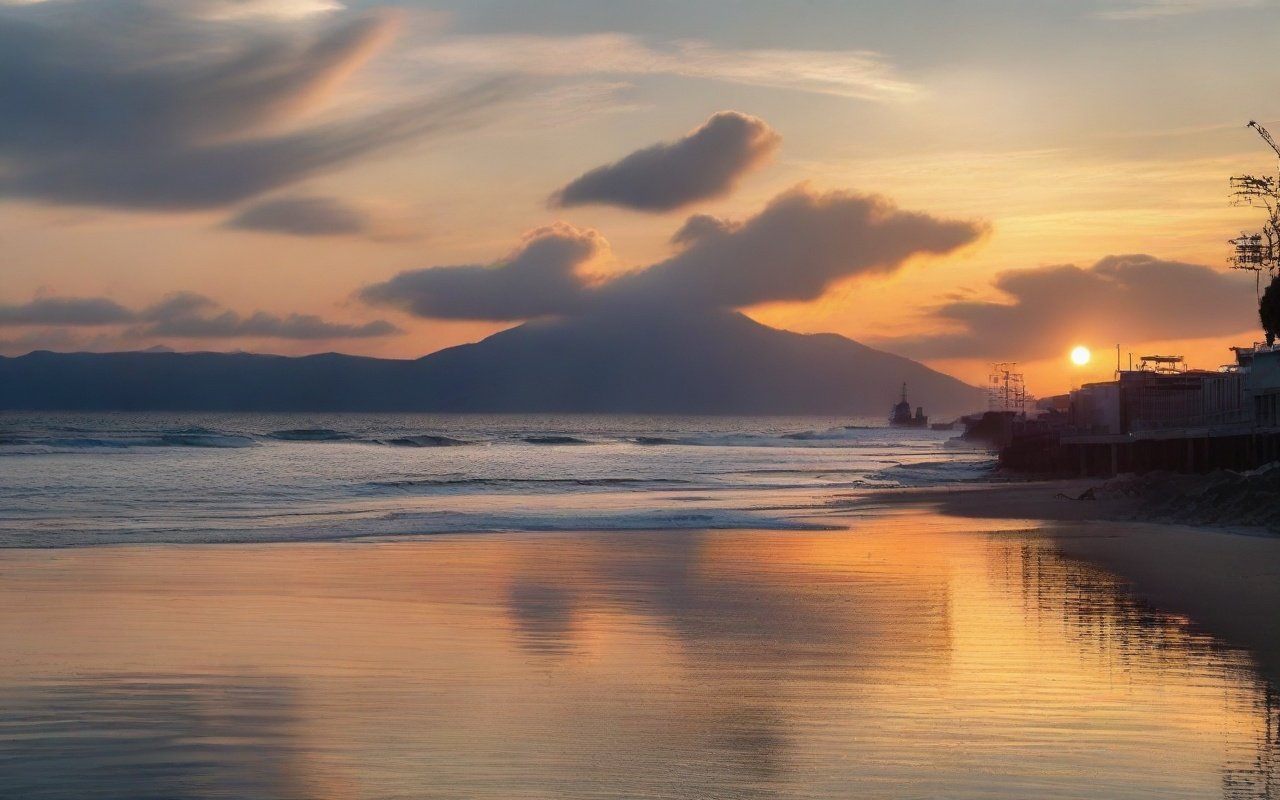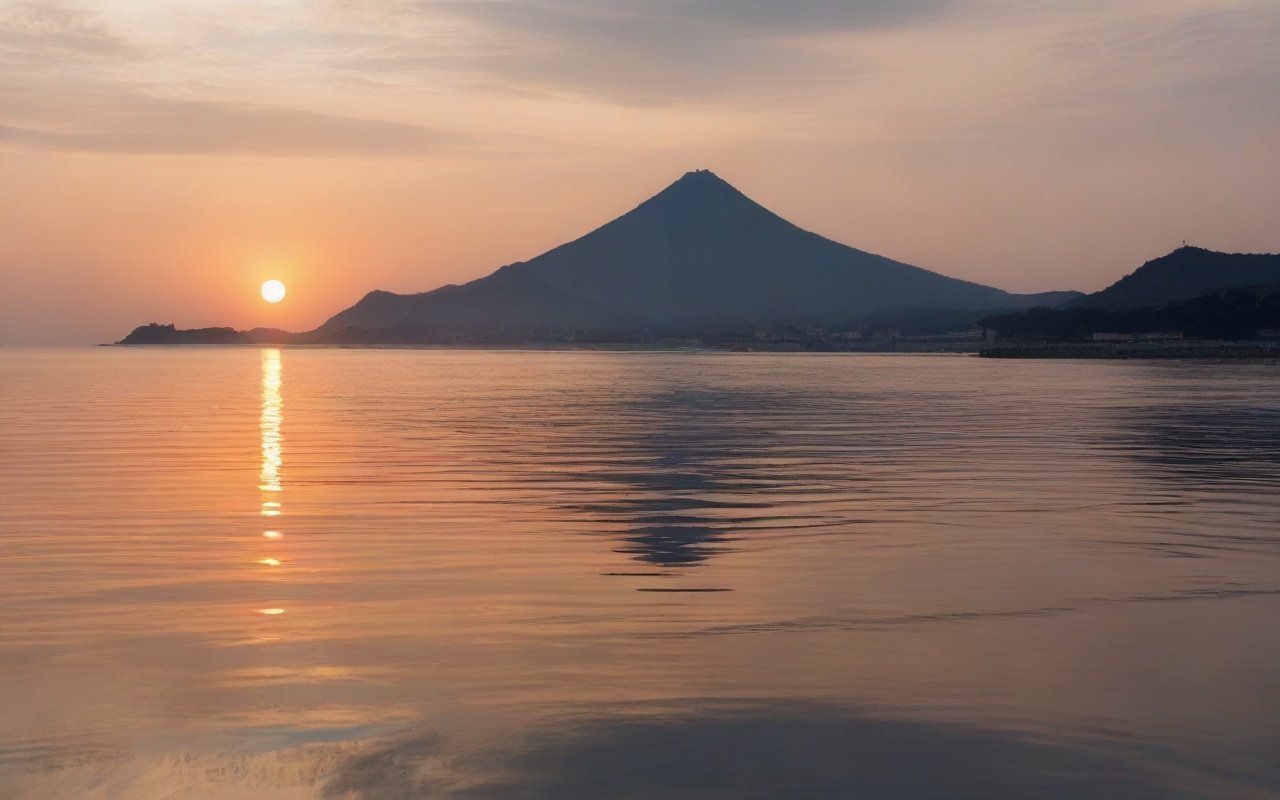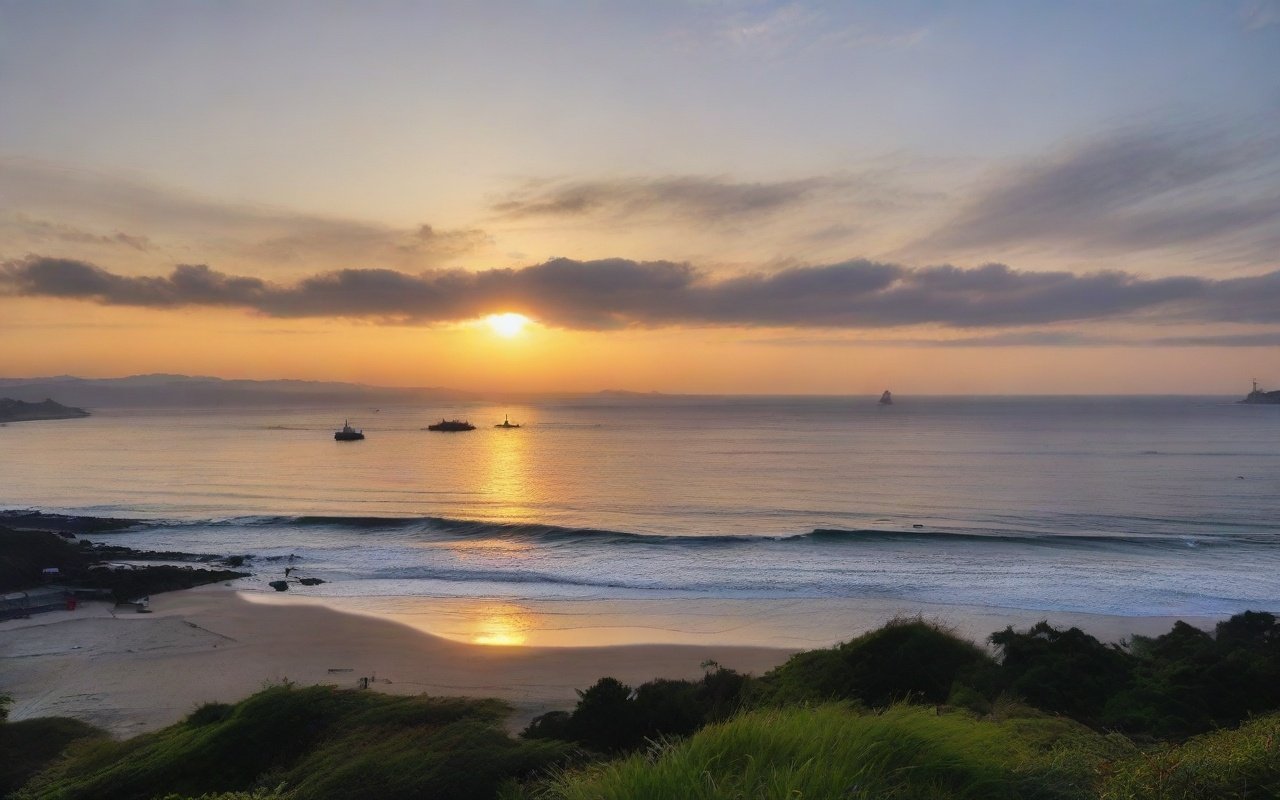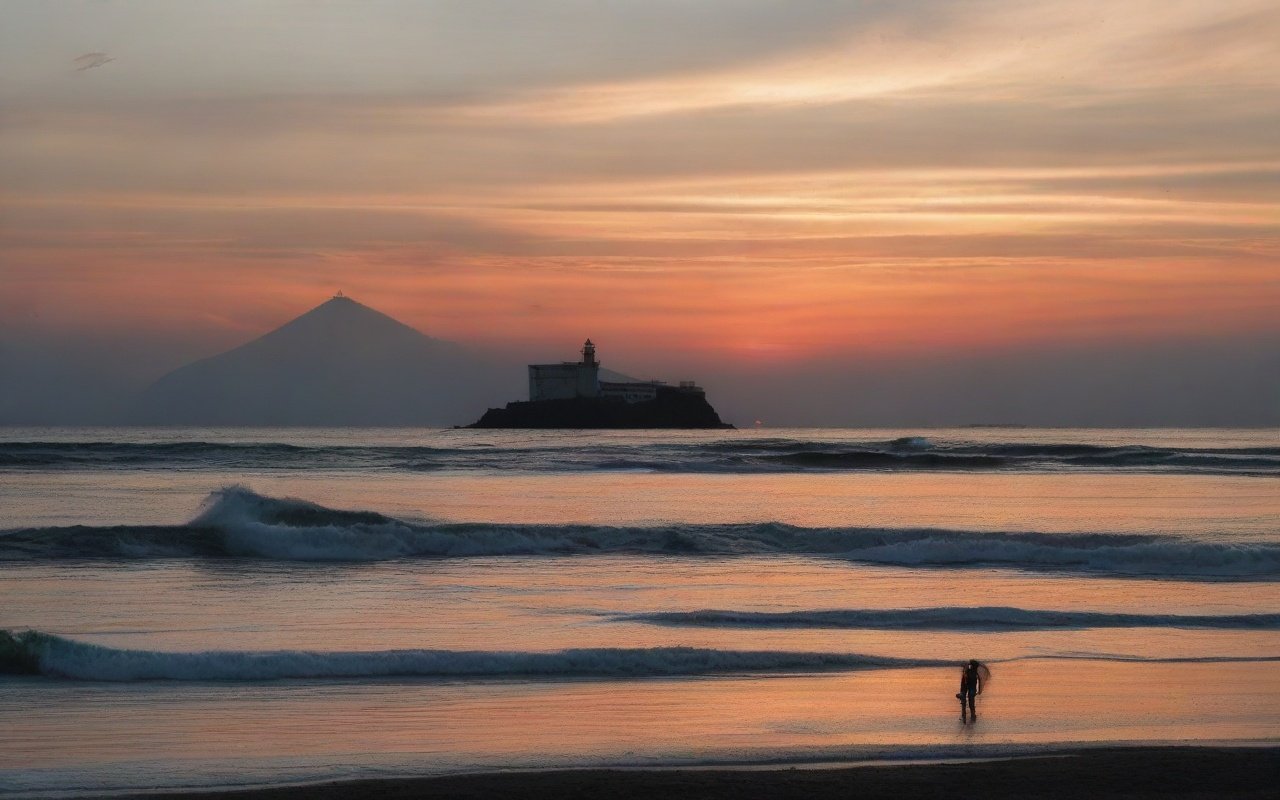
Tag: shonan

  • Shonan Craft Brewery Tour 2026

    Shonan Craft Brewery Tour 2026

    Shonan Craft Brewery Tour 2026

    Overview

    Discover the best food and drink experiences that Shonan Craft Brewery Tour has to offer. From hidden local gems to popular dining destinations, this guide takes you through the culinary landscape of Shonan in Kanagawa Prefecture. Whether you are a first-time visitor or a returning food enthusiast, you will find something to satisfy your cravings.

    The Shonan Beer Style What makes Shonan craft beer different? While there is no official designation, Shonan brewers tend to share several characteristics:

    • Hoppy but balanced: Shonan IPAs emphasize citrusy American hops but keep bitterness moderateβ€”perfect for drinking on a beachside terrace
    • Local ingredients: Several breweries use Shonan-grown citrus (yuzu, sudachi) and Kamakura tea in their beers
    • Sessionable: Most Shonan beers range from 4.5% to 6.5% ABV, designed for long afternoons by the water rather than high-alcohol sipping
    • Seasonal focus: Breweries release limited batches for cherry blossom season, summer beach months, and autumn foliage
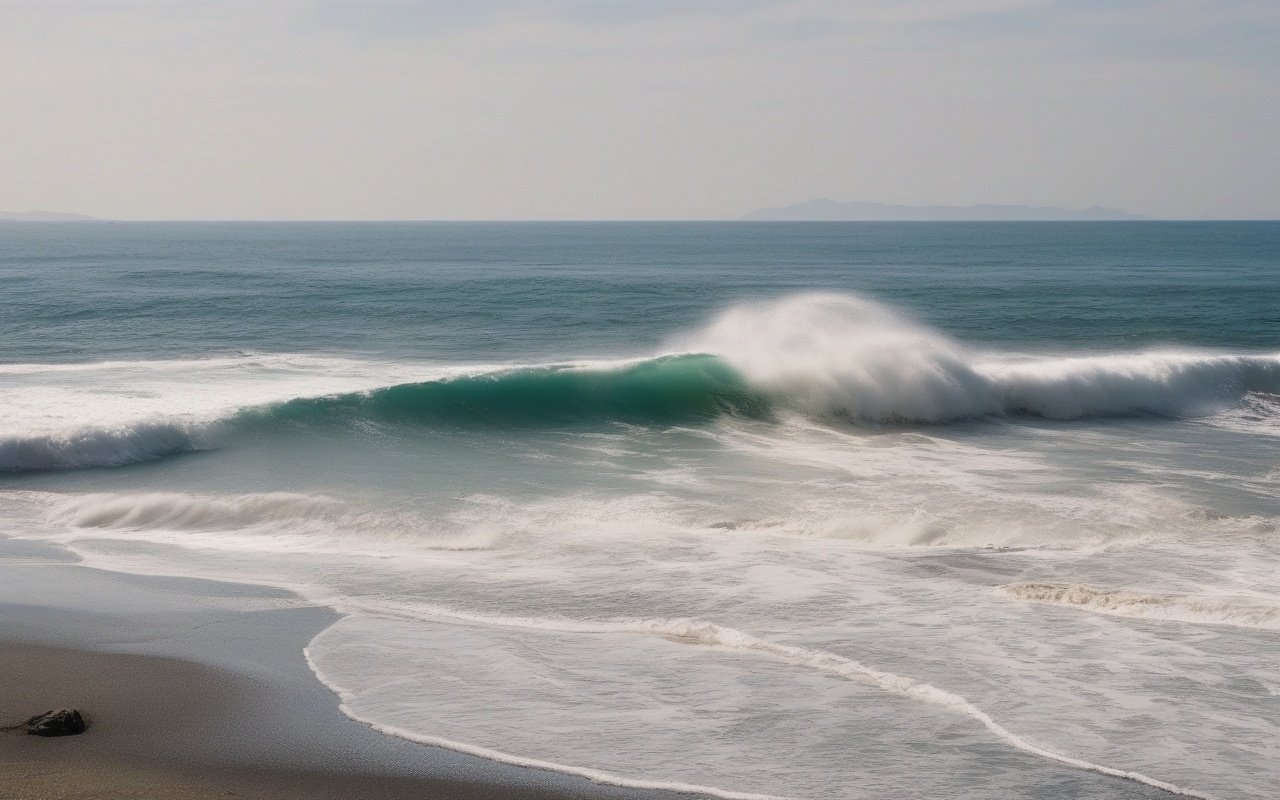
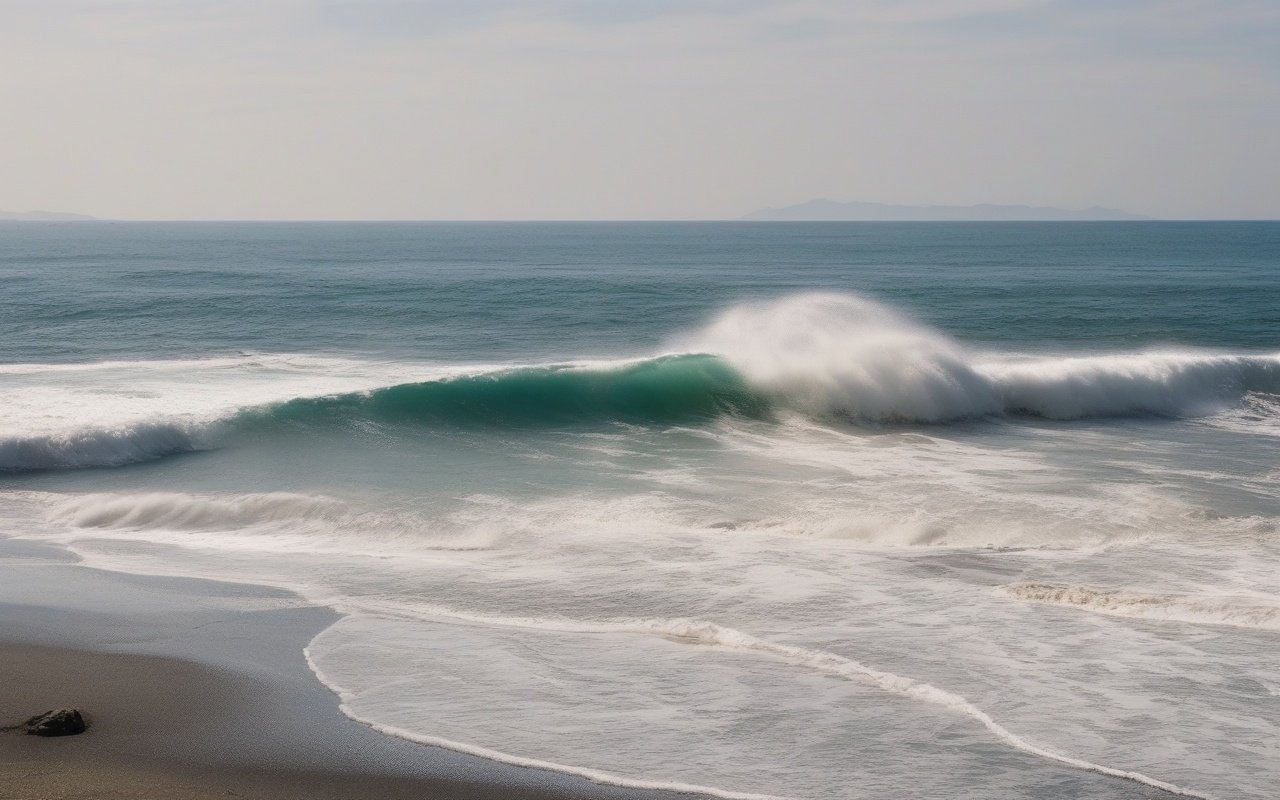
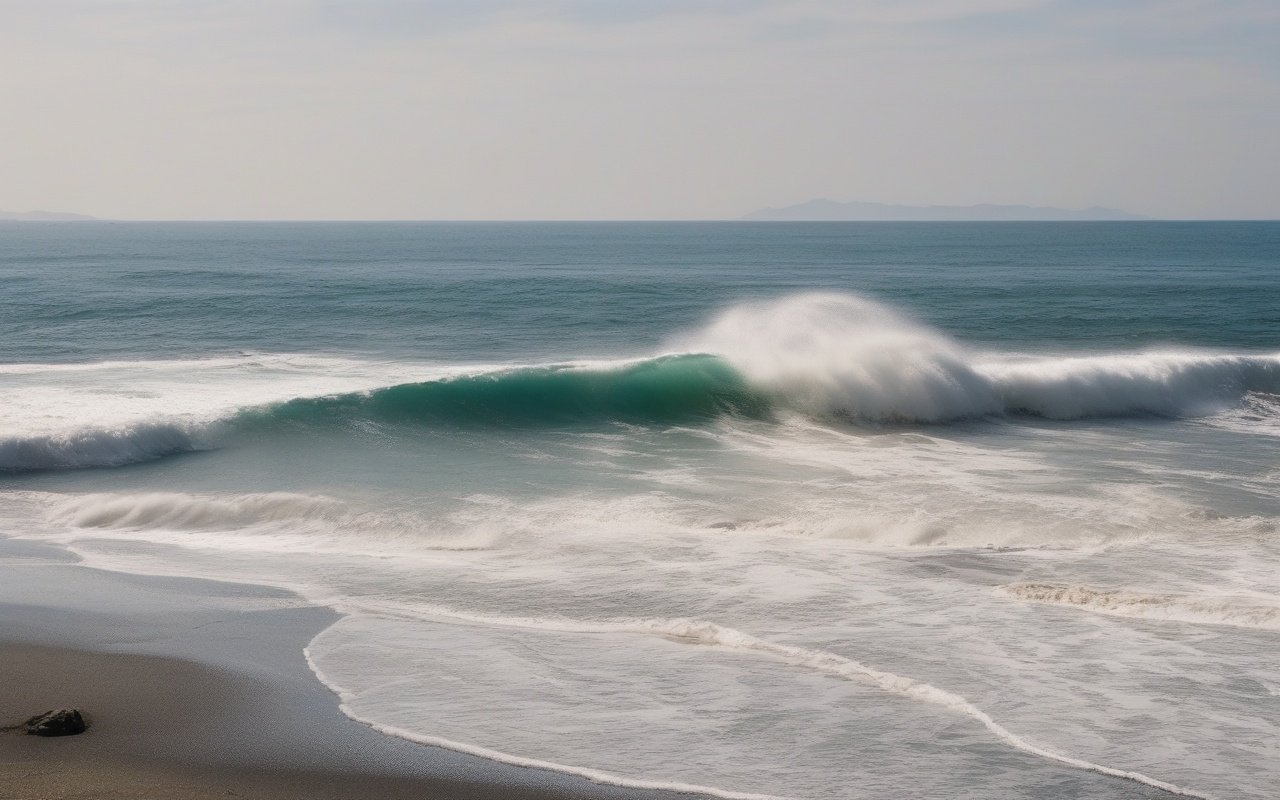
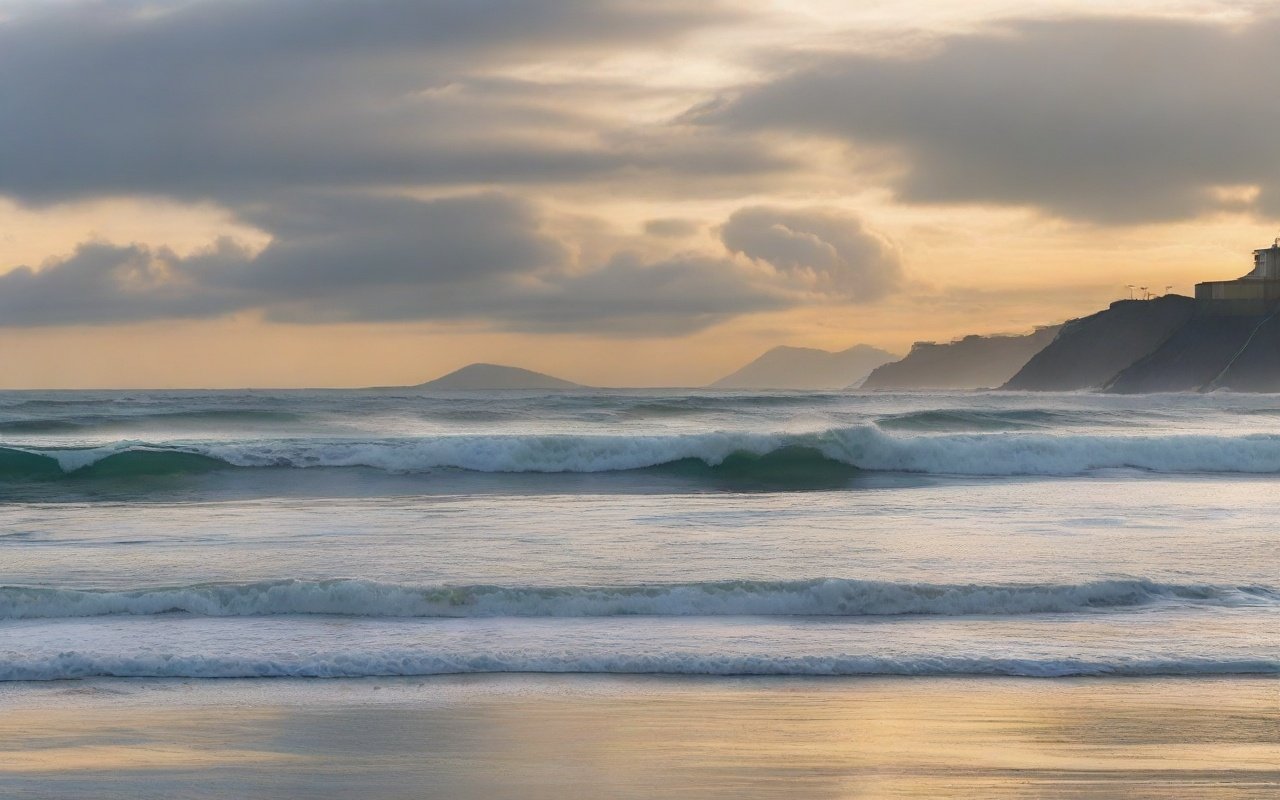
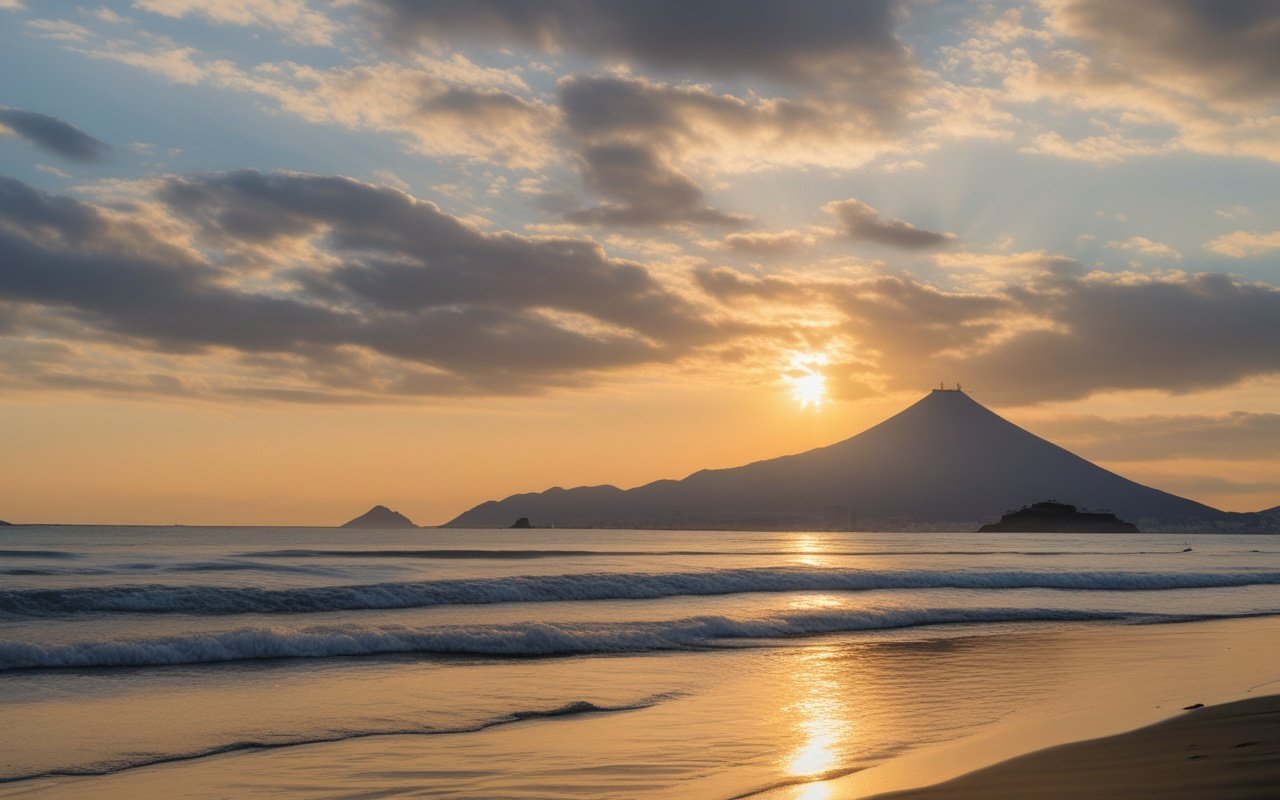
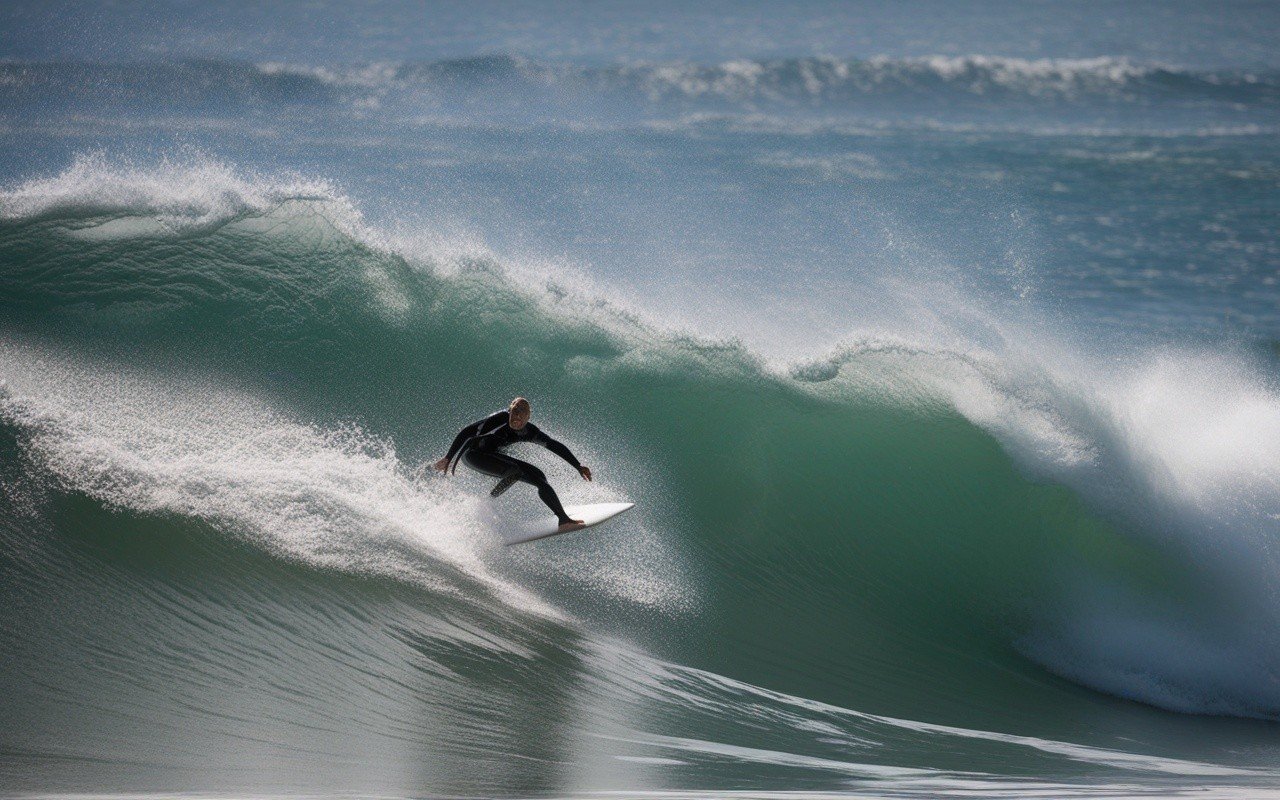
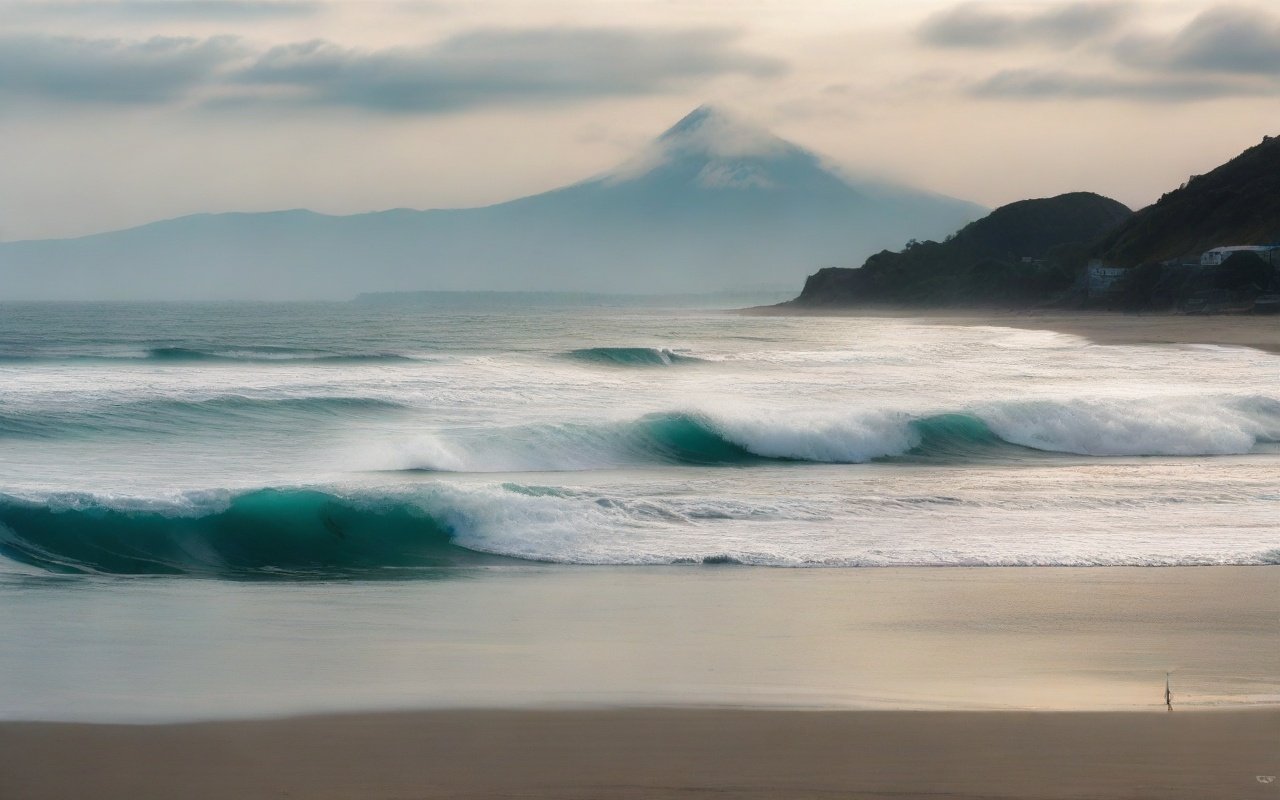
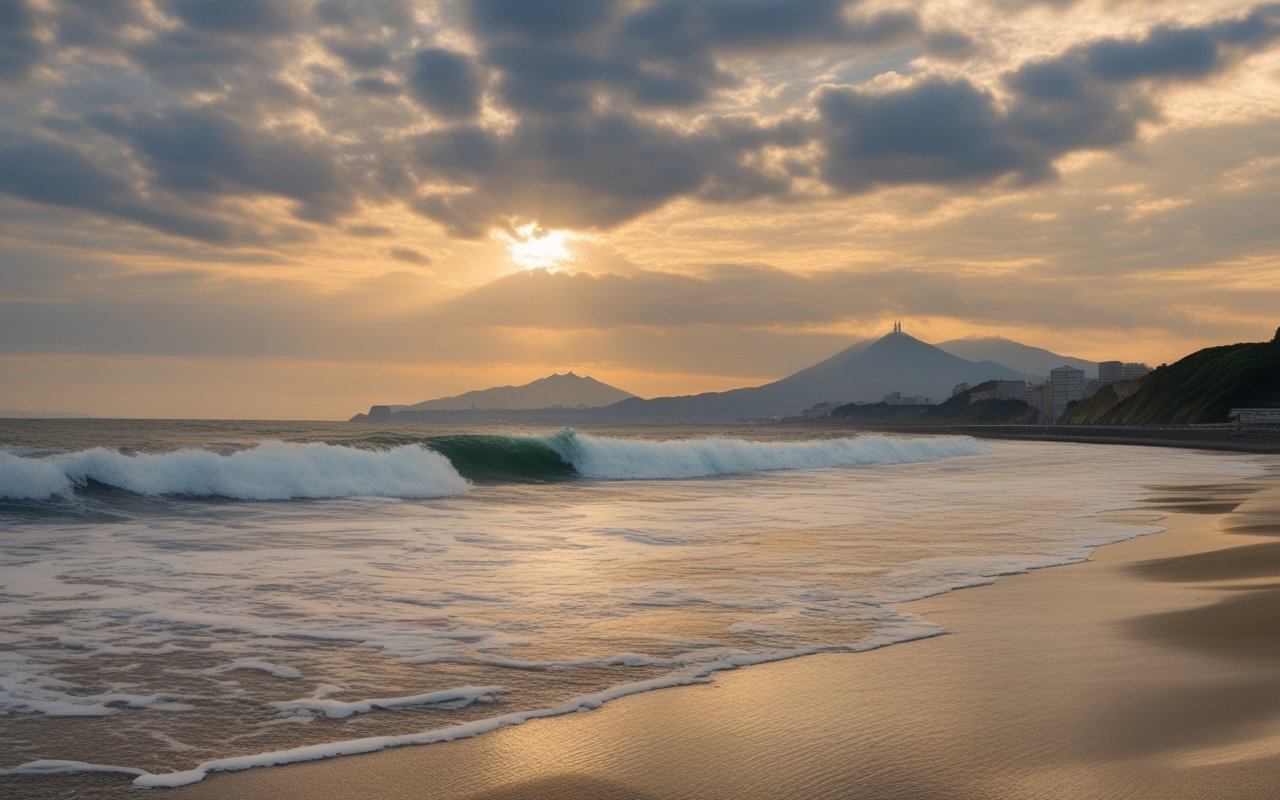
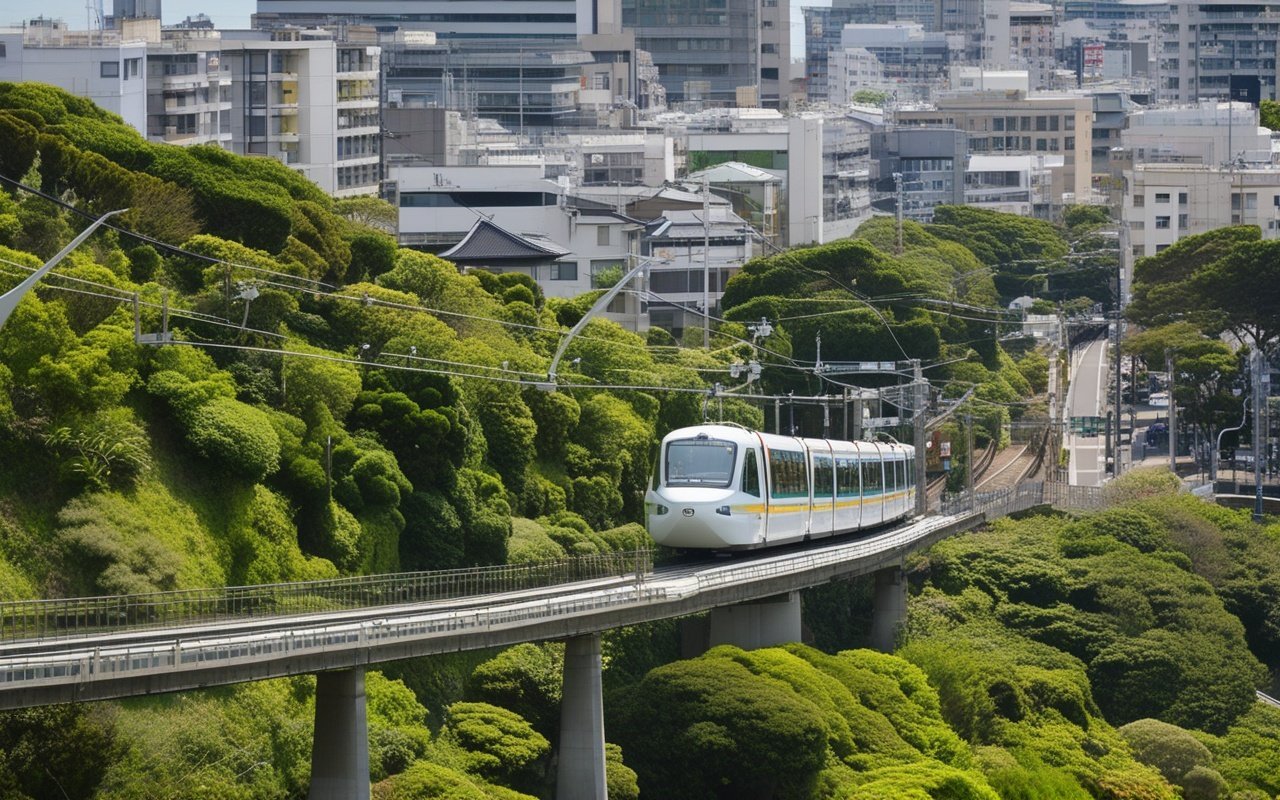
    Shonan Craft Brewery Tour β€” main illustration

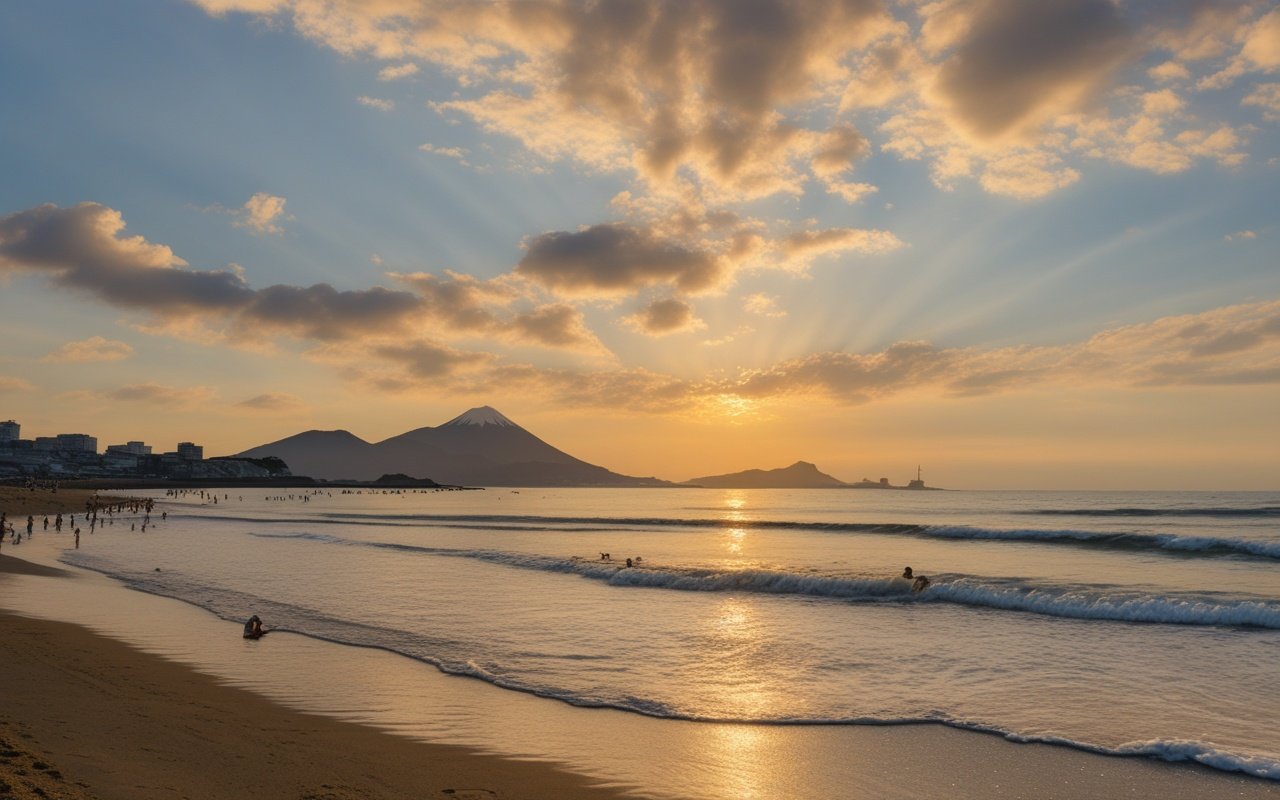
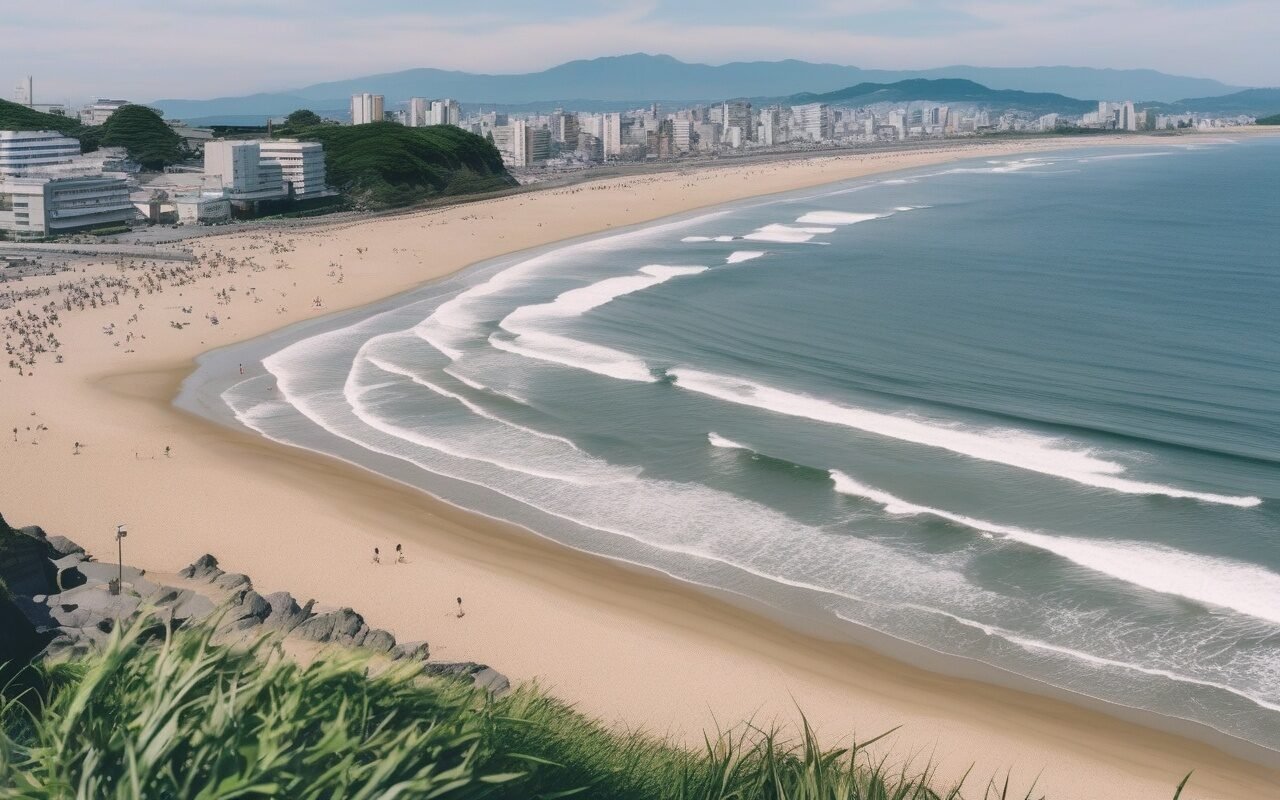
    Shonan Craft Brewery Tour β€” main illustration

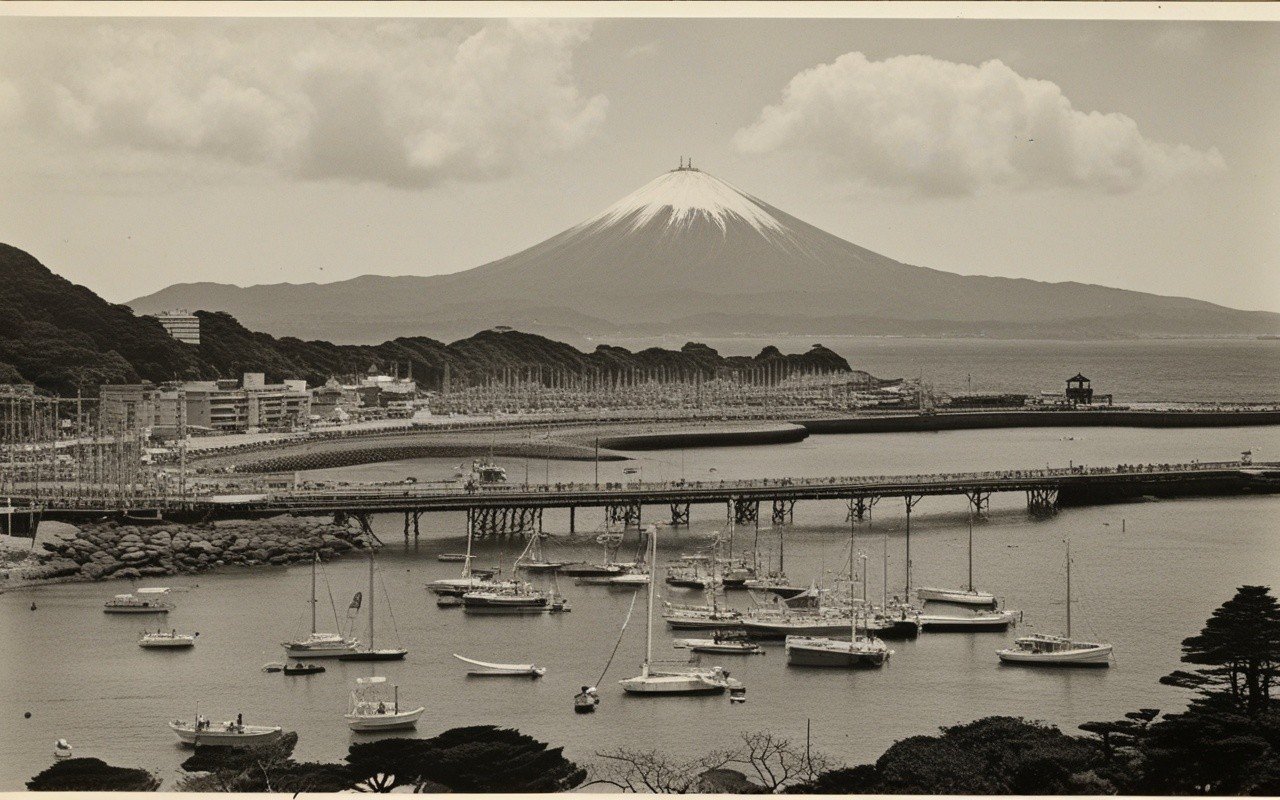
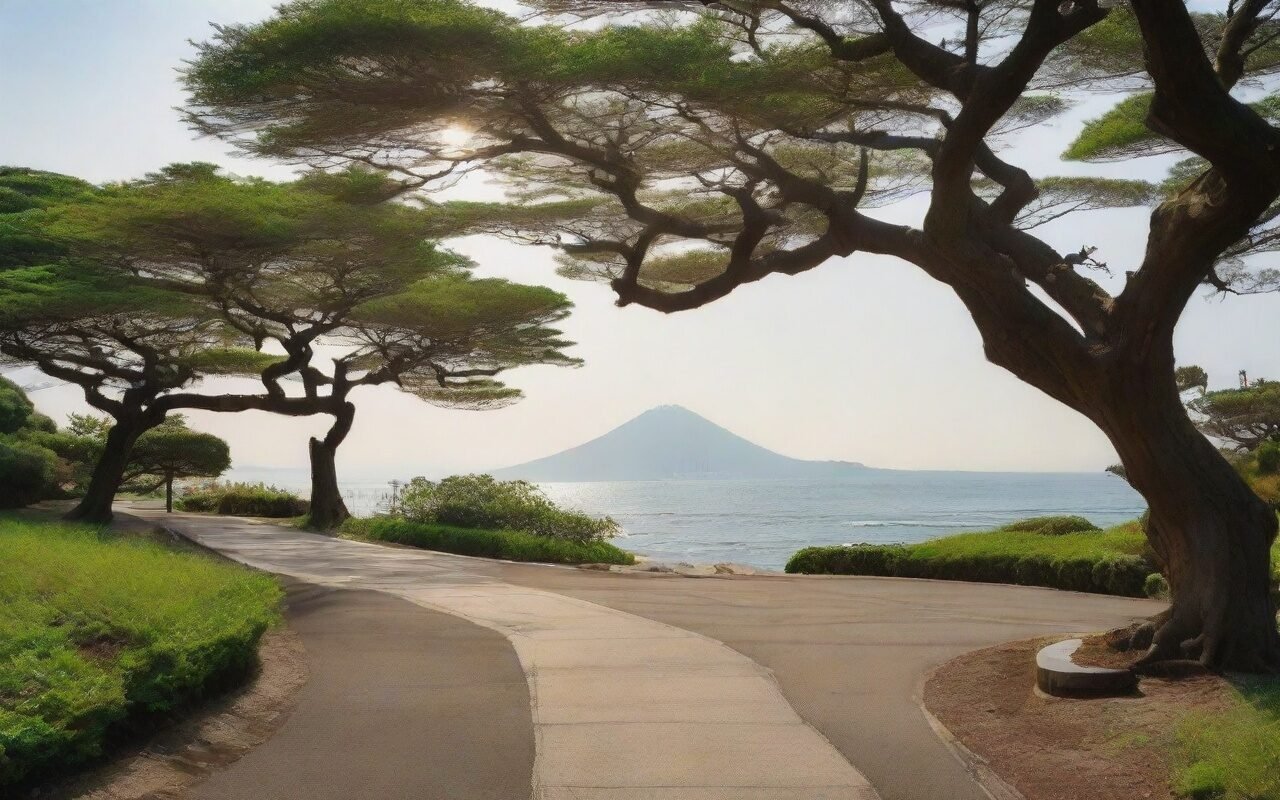
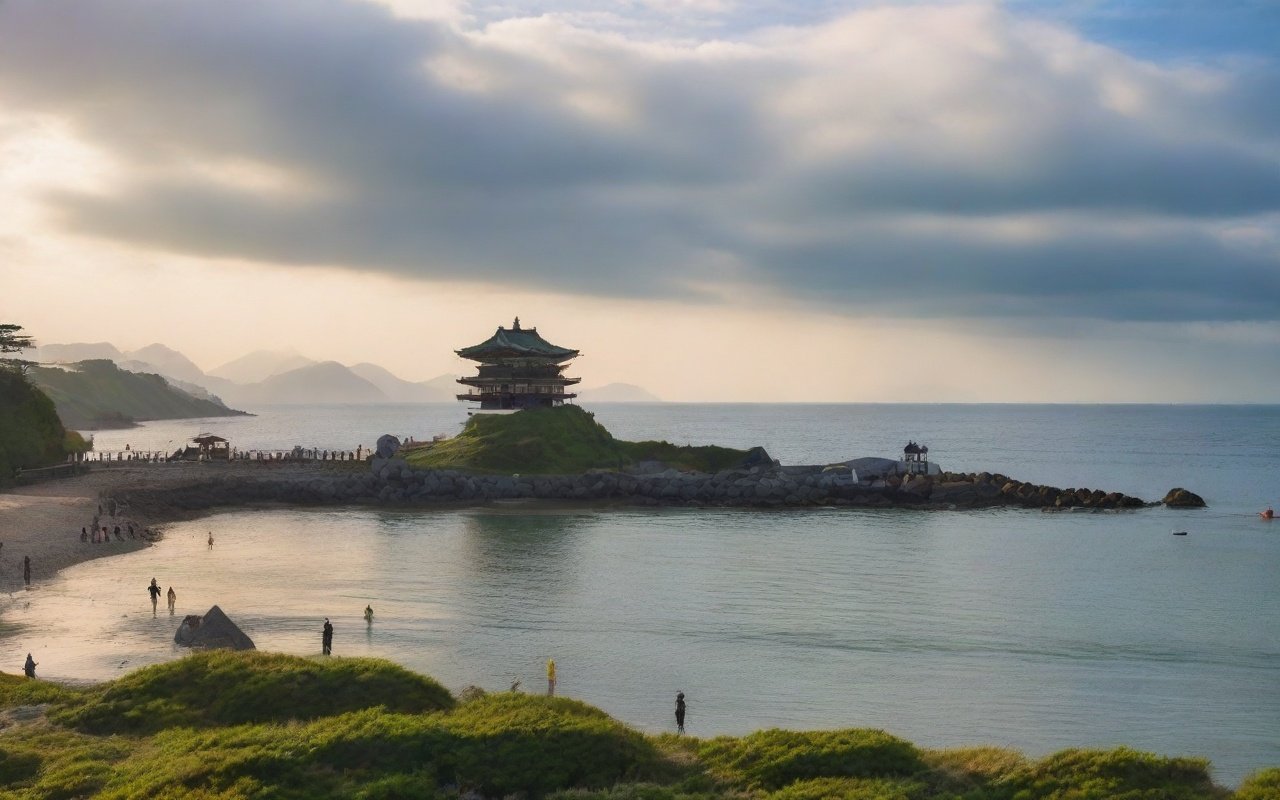
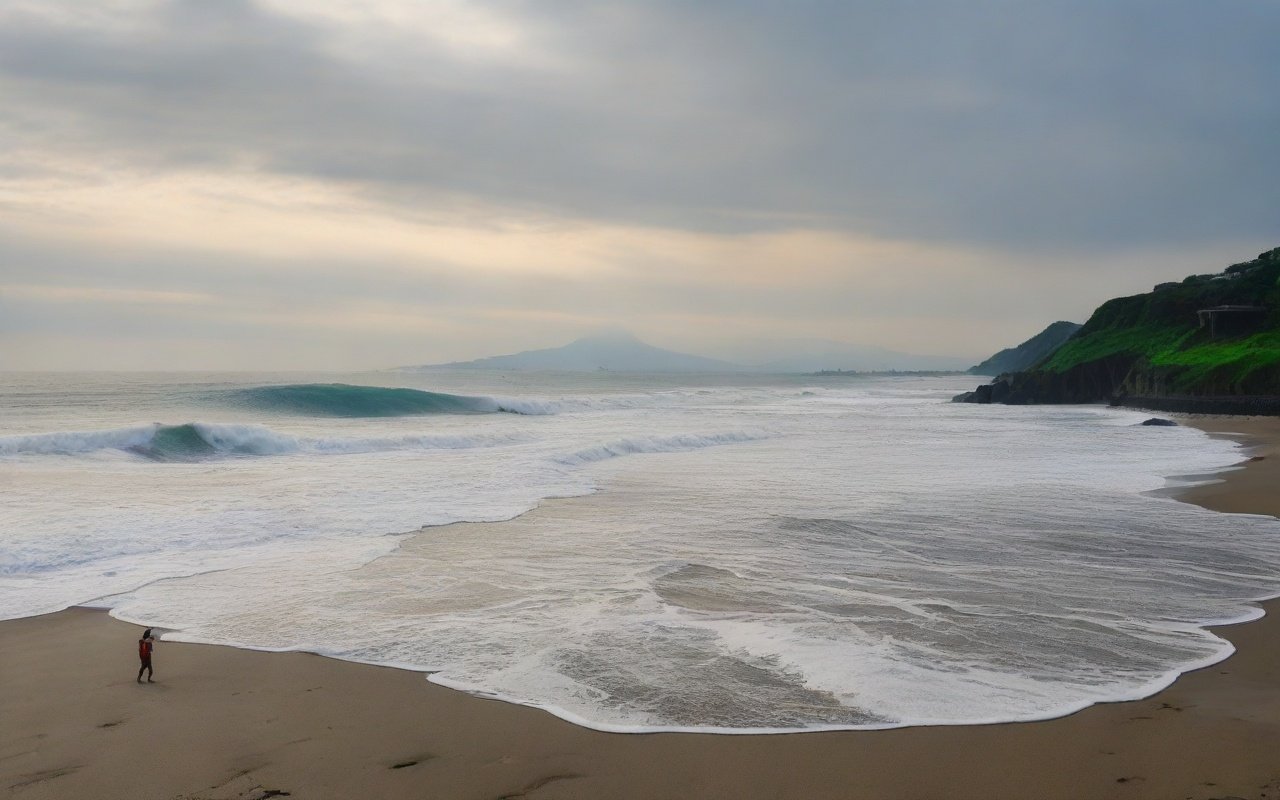
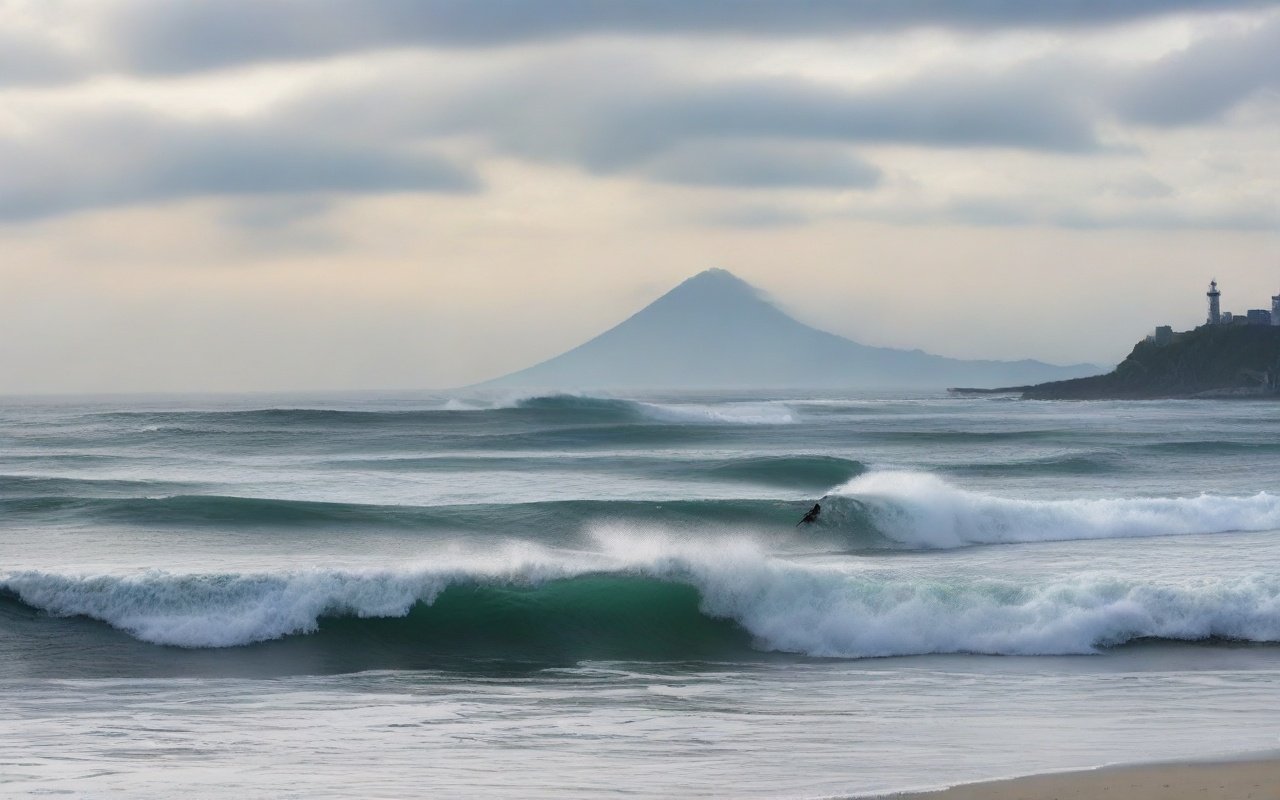
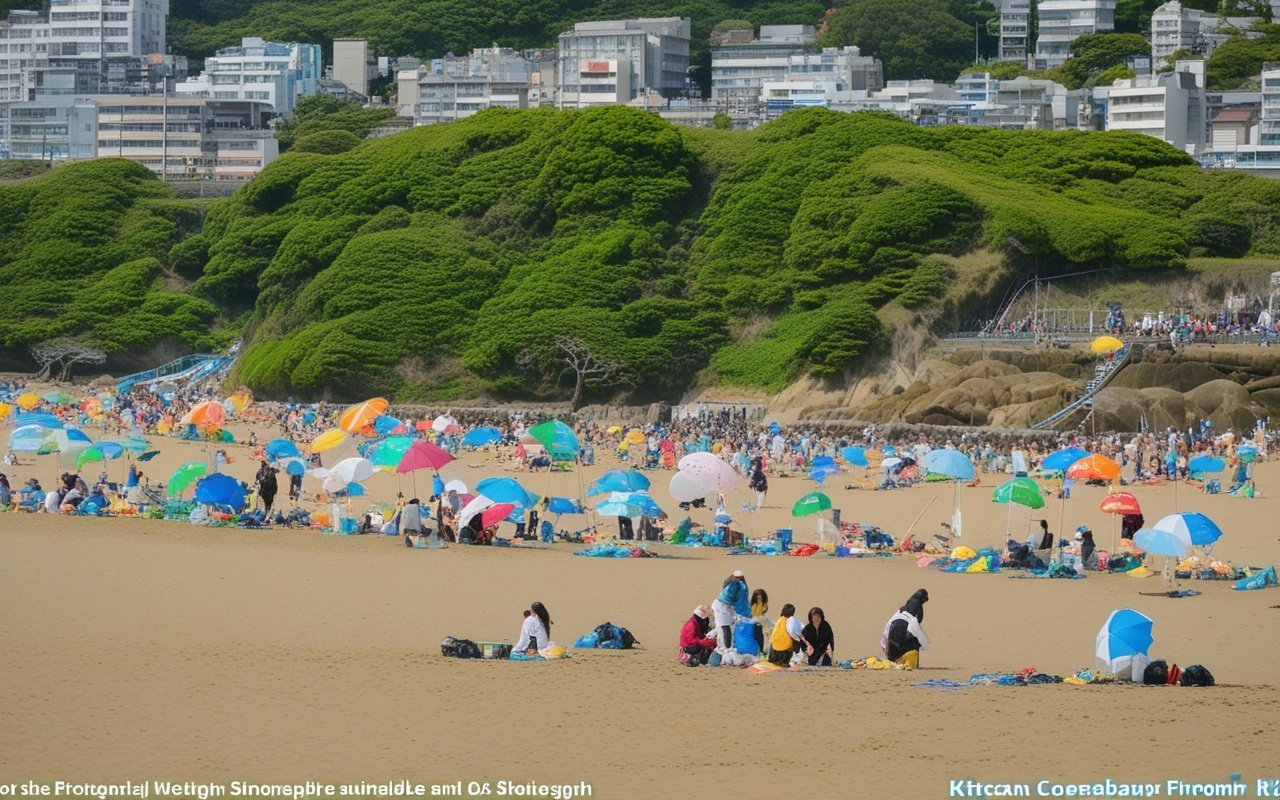
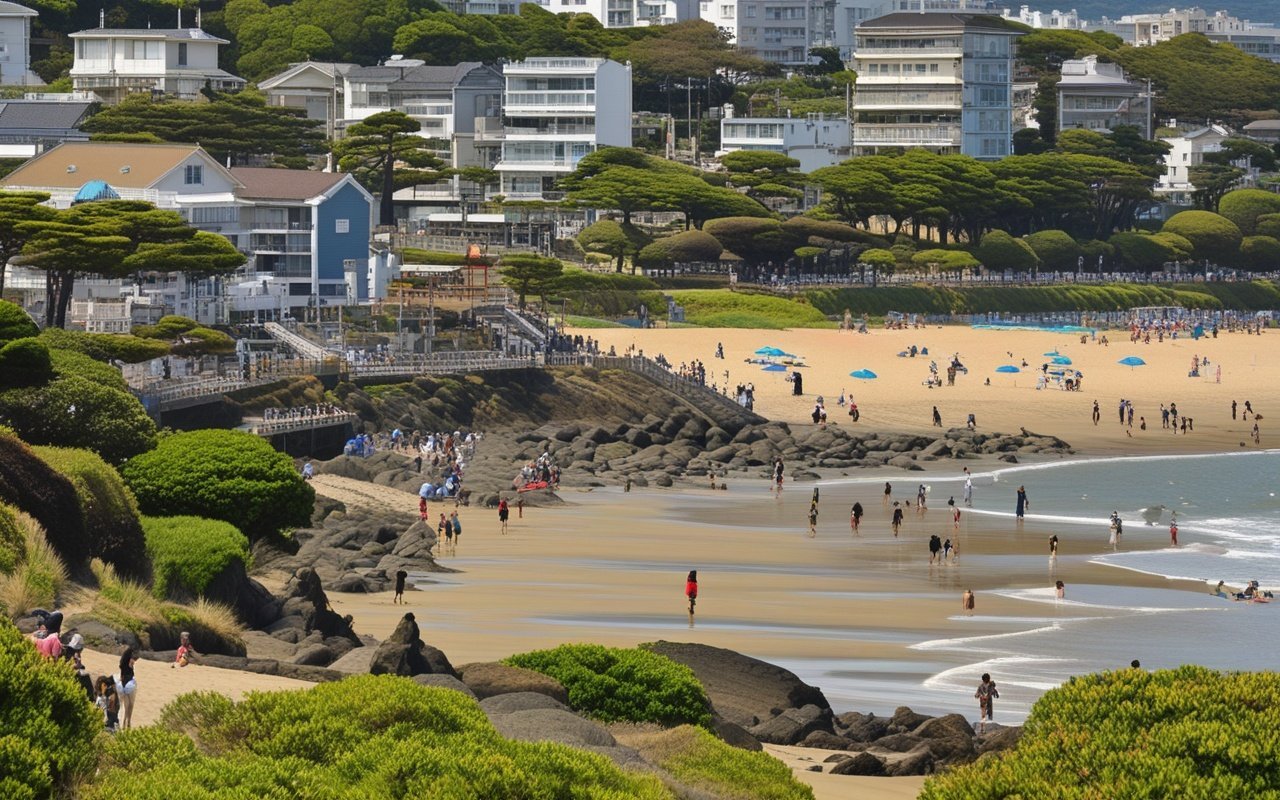
    Shonan Craft Brewery Tour β€” visitor highlights

    Practical Tips for Your Brewery Crawl

    Pacing yourself: With 4–5 breweries on a typical crawl, pacing is a must-have. Order half-pints (Β₯400–Β₯500) rather than full pints at each stop. Drink water between breweriesβ€”tap water is safe and free throughout Japan. Most taprooms offer complimentary water stations.

    Best days and times: Saturdays are the most popular brewery days, with tours running at 1 PM and 3 PM. Sundays are quieter, and some smaller breweries (Fujisawa Fermentation Project) are closed on Mondays and Tuesdays. Taprooms generally open at 11 AM and last call is around 8 PM.

    Food strategy: Each taproom serves snacks, but for a full meal, plan a lunch stop at Kamakura Brewery (has a kitchen) or Baird’s Taproom (full pub menu). Shonan Beer’s Enoshima location has limited food (chips, nuts) but allows takeout from nearby restaurants.

    Designated driver: The Enoden train runs until approximately midnight. A one-day Enoden pass (Β₯700) covers unlimited rides. Taxis are available but scarce in the eveningβ€”book through your accommodation in advance. Ride-sharing apps are not widely available in Shonan.

    Weather considerations: Rooftop terraces (Shonan Beer, Baird’s) close in rain. Check the forecast and bring an umbrellaβ€”sudden coastal showers are common in spring and autumn. Indoor seating at all locations is ample.

    Souvenir purchases: Most breweries sell glassware and branded merchandise. Kamakura Brewery’s etched tasting glasses (Β₯1,200) make excellent gifts. Canned beer variety packs (Β₯2,000–Β₯3,000) are available at Baird’s and Shonan Beer and travel well.

    The Brewing Process: From Grain to Glass

    Understanding how craft beer is made will deepen your appreciation of Shonan’s breweries: Malting: Barley grains are soaked in water, allowed to germinate, then dried in a kiln. This process develops the enzymes needed for brewing and creates the color and flavor profile of the beer. Shonan breweries source their malted barley from both domestic Japanese farms and international suppliers.

    Mashing: The malted barley is crushed and mixed with hot water in a mash tun. Enzymes convert the grain starches into fermentable sugars. The resulting liquid, called wort, is drained off and transferred to the brew kettle.

    Boiling: The wort is boiled for 60–90 minutes. Hops are added at different stages: early additions contribute bitterness, middle additions provide flavor, and late additions (at flame-out) contribute aroma. Shonan IPAs typically use American hop varieties like Citra, Mosaic, and Simcoe for their citrusy and tropical fruit characteristics.

    Fermentation: After cooling, yeast is added to the wort, During fermentation (7–14 days), yeast consumes the sugars and produces alcohol and carbon dioxide. Ale yeasts ferment at warmer temperatures (18–24Β°C) and produce fruity esters, while lager yeasts ferment colder (8–14Β°C) for a cleaner profile.

    Conditioning: The young beer is aged for days to months to allow flavors to mature and mellow. Barrel-aged beers from Fujisawa Fermentation Project are conditioned for 6–18 months in whiskey or wine barrels.

    Packaging: The finished beer is packaged in kegs, bottles, or cans. Canned beer has become popular among craft breweries because it protects the beer from light and oxygen better than bottles.

    Brewery Tours: What to Expect

    Most Shonan breweries offer tours that include:

    • Walk-through of the brewing facility (30–45 minutes)
    • Explanation of ingredients and process
    • Tasting of 4–6 beers (typically 100ml pours)
    • Complimentary tasting glass or souvenir

    What to bring: Closed-toe shoes are required for safety. Cameras are usually allowed, but flash photography may disturb other visitors.

    Tipping: Tipping is not expected or required at Japanese breweries. A polite “gochisousama deshita” (thank you for the meal) at the end is appreciated.

    Home Brewing in Shonan

    Shonan’s craft beer culture has inspired a thriving homebrewing community. Several shops sell homebrewing supplies and ingredients: Shonan Homebrew Supply near Fujisawa Station carries malt extract kits, hop varieties, and yeast strains. They offer beginner workshops (Β₯3,500) every Saturday that cover the basics of brewing your first 5-gallon batch. All instruction is in Japanese, but the process is visual enough to follow without language skills.

    Brew Your Own Shonan in Kamakura offers a unique service: you brew your own beer at their facility using their professional equipment. The process takes about 4 hours, and you return 2 weeks later to bottle your creation. The all-inclusive price (Β₯8,000) covers ingredients, equipment use, instruction, and 24 bottles of your finished beer.

    Featured Breweries and Taprooms

    1. Shonan Beer (Shonan (ζΉ˜ε—)ビール)

    The original Shonan craft brewery, established in Enoshima in 1998. Their taproom on the island serves their flagship “Shonan Gold” (a crisp German-style pilsner, Β₯800/pint) alongside seasonal offerings. The rooftop terrace offers stunning views of Mount Fuji on clear days.

    • Tour hours: Saturday 1 PM & 3 PM (Β₯1,500 includes tasting glass)
    • Access: Enoshima Island, 5-minute walk from Enoshima Station

    2. Kamakura Brewery (Kamakura (ιŽŒε€‰)ブルワγƒͺγƒΌ)

    A small-batch brewery operating out of a renovated machiya near Tsurugaoka Hachimangu. Their “Matcha White Ale” uses Kamakura-grown matcha powder added during fermentation, creating a pale, hazy beer with subtle green tea notes. It pairs beautifully with their yuzu-kosho edamame (Β₯500).

    3. Baird’s Taproom Shonan

    Part of the renowned Baird’s chain, the Shonan location near Kamakura Station offers 12 rotating taps featuring both Baird’s classics and limited-edition Shonan-only brews. Their “Natsumikan Gose”β€”a sour wheat beer infused with local summer mandarin orangesβ€”is a seasonal highlight.

    4. Fujisawa Fermentation Project

    A nano-brewery operating out of a converted garage near Fujisawa Station. They specialize in spontaneously fermented and barrel-aged beers using wild yeast cultures collected from Tanzawa mountain forests. Bottles sell out quicklyβ€”check their Instagram for release dates.

    How to Plan a Brewery Crawl

    The Shonan breweries are spread across the Enoden train line, making a brewery crawl using the vintage train both charming and practical:

    Route: Kamakura Station β†’ Enoshima β†’ Fujisawa

    1. Start at Kamakura Brewery near Tsurugaoka Hachimangu (11:00 AM)
    2. Walk to Kamakura Station and take the Enoden to Hase (1 stop)
    3. Visit Baird’s Taproom Shonan (5-minute walk from Hase)
    4. Continue on the Enoden to Enoshima Station
    5. Walk across the bridge to Shonan Beer’s Enoshima taproom
    6. End at Fujisawa Fermentation Project (10-minute walk from Fujisawa Station)

    Understanding Beer Styles at Shonan Breweries

    Shonan breweries produce a wide range of beer styles, Familiarizing yourself with the most common styles will help you navigate the tap list:

    IPA (India Pale Ale)

    A hoppy beer style known for its citrusy, piney aroma and moderate bitterness. Shonan IPAs tend to be more balanced than their American counterparts, with enough malt sweetness to complement the hops. ABV typically ranges from 5.5% to 7.0%.

    Try at: Shonan Beer’s “Shonan IPA” β€” uses Citra and Mosaic hops for tropical fruit notes.

    Pilsner

    A crisp, clean lager style originating from the Czech Republic. Shonan pilsners use German or Czech hops for a spicy, floral character balanced by a clean malt backbone. The low bitterness makes them highly drinkable and food-friendly.

    Try at: Baird’s Taproom Shonan β€” their “Shonan Pilsner” is brewed with locally grown hops.

    Stout and Porter

    Dark beers with roasted malt flavors ranging from coffee and chocolate to caramel and toffee. Shonan stouts tend toward the sweeter side, with lower bitterness than traditional Irish stouts.

    Try at: Fujisawa Fermentation Project’s “Tanzawa Stout” β€” a Russian imperial stout aged in whiskey barrels.

    Sour and Wild Ales

    Sour beers are fermented with wild yeast or bacteria, resulting in tart, funky flavors. These are the newest trend in Shonan brewing and represent the cutting edge of the local scene.

    Try at: Fujisawa Fermentation Project’s spontaneously fermented saisons, available only in limited bottle releases.

    Beer and Food Pairings in Shonan

    Each taproom offers food designed to complement their beers. Here is a guide to the best pairings:

    Beer Style Food Pairing Taproom
    IPA Spicy tuna poke bowl Kamakura Brewery
    Pilsner Shirasu fish and chips Shonan Beer
    Stout Dark chocolate brownie Baird’s Taproom
    Sour Ale Yuzu-kosho edamame Kamakura Brewery

    Seasonal Beer Releases

    Shonan breweries release special beers tied to the calendar. Mark your calendar for these seasonal highlights: March–April: Sakura cherry blossom ale (Kamakura Brewery)
    June–August: Summer shandy with local citrus (Shonan Beer)
    September–November: Harvest ale with Kamakura chestnuts (Baird’s)
    December–February: Winter spiced stout (Fujisawa Fermentation Project)

    These seasonal beers are typically available for only 4–6 weeks, so plan your visit accordingly. Follow each brewery’s social media accounts for release announcements.

    Designated Driver Information

    Shonan breweries are spread out, so planning transportation is a must-have. Here are non-alcoholic options for designated drivers or non-drinkers:

    • Craft soda: Most taprooms offer house-made sodas (yuzu, ginger, cola) for Β₯350–Β₯500
    • Tea and coffee: Kamakura Brewery serves Kamakura-grown hojicha (Β₯400)
    • Tasting flights: Split a 4-beer flight (Β₯1,200) between two people for small sips

    The Enoden train runs until approximately midnight, making it a safe and convenient way to return to your accommodation after an afternoon of tasting.

    I recommend arriving early to avoid the lunch rush. I learned this the hard way during my first visit.

    Frequently Asked Questions (FAQ)

    Q: Do I need reservations for brewery tours?
    A: Shonan Beer requires advance registration for weekend tours. Other breweries generally accept walk-ins for tastings but may require reservations for group tours (6+ people).

    Q: Can I buy beer to take home?
    A: Most breweries sell growlers (680ml) and bottled beers. Baird’s Taproom and Kamakura Brewery also sell 4-can variety packs.

    Q: Are breweries family-friendly?
    A: Taprooms welcome well-behaved children. Most serve soft drinks and snacks suitable for families, and the afternoon atmosphere is generally relaxed until early evening.

    Q: How do I get between breweries without driving?
    A: The Enoden train line connects Kamakura, Hase, Enoshima, and Fujisawa. A one-day Enoden pass (Β₯700) pays for itself if visiting 3+ breweries.

    Q: What food pairings are available at the breweries?
    A: Each taproom offers snacks to complement their beers. Shonan Beer’s menu includes local shirasu fish and chips, while Baird’s Taproom has a full pub menu emphasizing seafood.


    Conclusion

    exploring the Shonan coast for its craft can be as relaxed or as packed as you want it to be, and I have found that the best visits leave room for both planning and spontaneity. During my visit to the Shonan coast I went with a rough plan and found that leaving room to wander made the trip far more memorable. Use this guide to sort out the logistics in advance, then let the day surprise you β€” Kanagawa rewards travelers who stay curious.
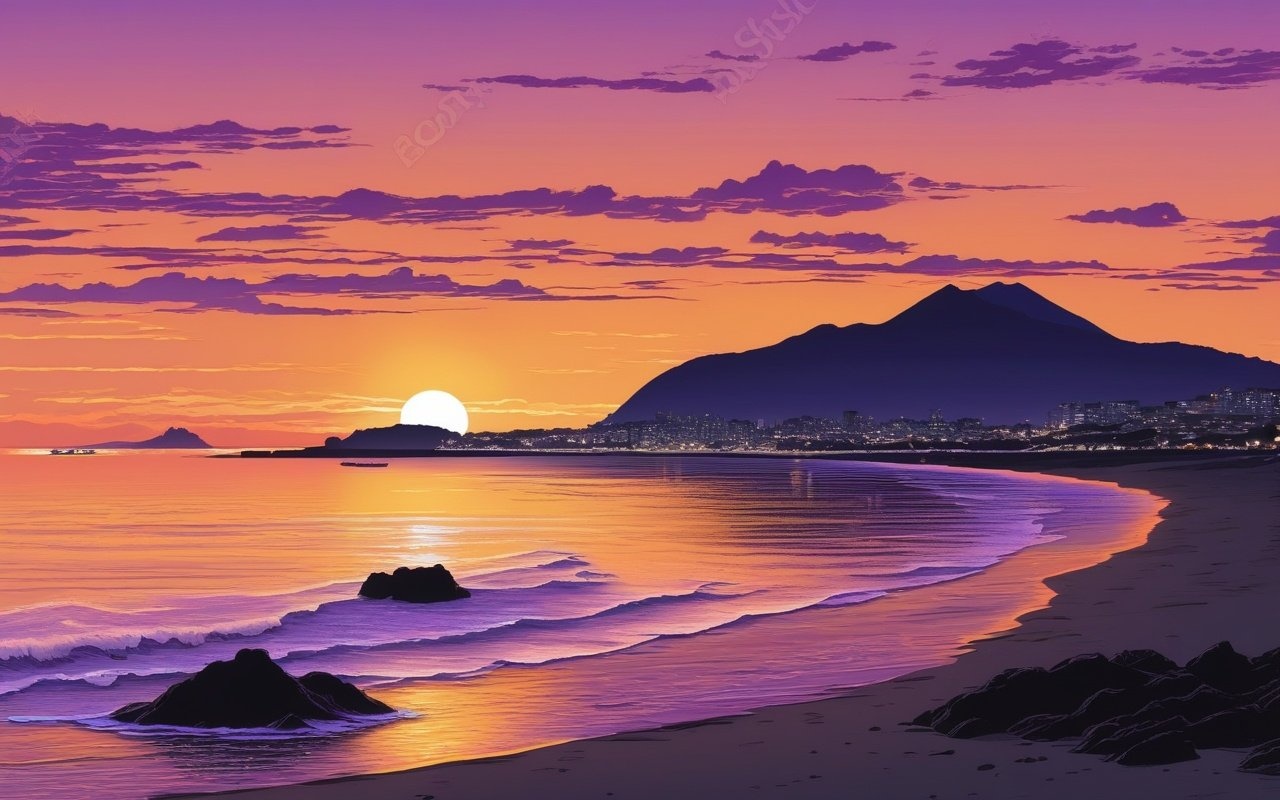
  • Shonan Sunset Spots Guide 2026

    Shonan Sunset Spots Guide 2026

    Shonan Sunset Spots Guide 2026

    Overview

    Shonan’s coastline faces southwest, making it one of the best places in the Kanto region to watch the sun set over Sagami Bay β€” and on clear winter days, behind Mount Fuji. From Inamuragasaki Cape to Enoshima Sea Candle, there are five outstanding spots within 30 minutes of each other along the Shonan coast.

    I visited Inamuragasaki Cape on a crisp February evening and arrived about an hour before sunset. The walk from the station takes exactly five minutes, and the view from the cape’s observation platform was stunning β€” Fuji silhouetted against an orange sky. The crowd was moderate (about 40 people), but everyone was quiet, watching the sun dip below the horizon. For more Shonan activities, see our Shonan beach guide or Enoshima aquarium guide.

    Shonan Sunset Spots Guide 2026 β€” Overview

    Top Sunset Viewing Spots

    Spot Access Cost Crowds Best For
    Inamuragasaki 5 min walk from station Free Moderate Panoramic views, Mount Fuji
    Enoshima Sea Candle 15 min walk from Enoshima Β₯600 High Highest viewpoint, 360Β° views
    Shichirigahama Beach 2 min walk from station Free High Surf culture, dynamic waves
    Yuigahama Beach 5 min walk from Kamakura Free Very High Easiest access, social atmosphere
    Samuel Cocking Garden 20 min walk on Enoshima Β₯200 Moderate Garden + sea views

    Bottom Line: Shonan offers spectacular sunsets with Mount Fuji views in winter. Inamuragasaki Cape offers the best overall experience (free, easy access, Fuji views). Visit on weekdays (fewer crowds) and arrive 45-60 min before sunset. Best season is October-March (clearest air). Budget: Free to Β₯1,000 per person Time Needed: 1-2 hours

    Inamuragasaki Cape: The Best Free Spot

    Inamuragasaki is a small cape that juts into Sagami Bay, offering unobstructed views of the sunset over the water. It is accessible by a short walk from Inamuragasaki Station on the Enoden line.

    My Experience: I sat on the grass slope near the cape’s tip. The sunset itself lasted about 20 minutes, but the afterglow continued for another 30 minutes β€” the sky shifted through orange, pink, and deep purple. A few local photographers had tripods set up along the edge. One of them showed me the exact spot where Fuji appears on clear days (center-right, just above the horizon). For Enoden line access tips, see our Enoden unlimited guide.

    Practical Tips:

    • Arrival: 45-60 minutes before sunset time
    • Seating: Bring a portable cushion β€” the grass can be damp
    • Wind: The cape is exposed; bring a windbreaker even in summer
    • Photography: A wide-angle lens (24mm or wider) captures the full panorama

    Enoshima Sea Candle: The Highest Viewpoint

    The Sea Candle observation lighthouse on Enoshima Island rises 60 meters above sea level, offering 360-degree views of the coast. The sunset view from here is spectacular, with the sun setting behind Fuji on the right and the Shonan coastline stretching to the left.

    Pros: Highest viewpoint, indoor observation deck with heating in winter
    Cons: Β₯600 admission, longest queue 30 min before sunset, closes at 19:00 (17:00 winter)
    Best time: Arrive 90 min before sunset to avoid queues and watch the light change

    Seasonal Sunset Visibility

    Season Sunset Time Fuji Visibility Crowds Best Spot
    Spring (Mar-May) 17:30-18:30 Moderate (50%) High Inamuragasaki
    Summer (Jun-Aug) 18:30-19:00 Low (20%) Very High Yuigahama Beach
    Autumn (Sep-Nov) 16:30-17:30 Good (70%) Moderate Enoshima Sea Candle
    Winter (Dec-Feb) 16:30-17:00 Excellent (90%) Low Inamuragasaki

    Photography Settings

    Scene Aperture Shutter ISO Lens
    Wide sunset panorama f/8–11 1/60–1/125 100–200 16-35mm
    Fuji silhouette f/8 1/125 100 70-200mm
    Afterglow colors f/5.6 1/30–1/60 200–400 24-70mm
    Surfer silhouette f/5.6 1/500 400 200mm+

    Getting Between Spots

    All five spots are connected by the Enoden line. A one-day Enoden pass (Β₯700) lets you hop between them: Save big with Hakone Freepass β€” unlimited train, ropeway & pirate ship rides, plus 30% off attractions

    1. Start: Inamuragasaki (sunset – 60 min)
    2. Walk along coast: Shichirigahama (20 min walk)
    3. Train: Shichirigahama β†’ Kamakura (5 min) Book Kamakura, Enoshima & Yokohama day trip from Tokyo β€” ride the iconic Enoden train & skip transport planning
    4. Walk: Kamakura β†’ Yuigahama (10 min)
    5. Train: Kamakura β†’ Enoshima (15 min) β€” for Sea Candle

    For transport details, see our Shonan train and bus guide.

    Frequently Asked Questions

    Q: Which spot offers the clearest Mount Fuji view?
    A: Inamuragasaki Cape, on a clear winter day (November–February). Fuji appears directly in front of the sunset, about 5Β° above the horizon.

    Q: What time should I arrive for sunset?
    A: Arrive 45–60 minutes before sunset time. This gives you time to find a good spot and watch the changing light. Sunset times vary from 16:30 (December) to 19:00 (June).

    Q: Are these spots accessible without a car?
    A: Yes, all spots are within walking distance of Enoden train stations. The Enoden line runs from Kamakura to Fujisawa, with stops at Inamuragasaki, Shichirigahama, and Enoshima.

    Q: What should I bring for sunset viewing?
    A: A windbreaker (the coast gets windy after sunset), a cushion to sit on, a flash camera, and a small flashlight for the walk back. If visiting Inamuragasaki, bring a headlamp for the path down from the cape.

    Q: Which spot is best for photography?
    A: Inamuragasaki for wide panoramas, Enoshima Sea Candle for elevated perspectives. For surfer silhouettes, arrive at Shichirigahama beach one hour before sunset.

    🎯 Practical Tips for Your Visit

    Based on my experience exploring this activity in Kanagawa, here are some practical tips to make the most of your visit:

    • Start early in the day to avoid crowds and make the most of daylight hours. I found that arriving by 9 AM gave me a much more relaxed experience.
    • Bring comfortable walking shoes and weather-appropriate clothing. The weather in Kanagawa can change quickly, especially near the coast.
    • Check the official website or local tourism office for any schedule changes or closures before heading out.

    My Favorite Sunset Viewing Spots

    I have watched the sunset from at least 15 different points along the Shonan coast, and these are the spots I return to most. Enoshima Sea Candle is the obvious choice β€” the observation deck at the top of the lighthouse offers a 360-degree view. I went on a clear November evening and watched the sun sink into Sagami Bay while Mount Fuji turned pink in the fading light. The entry fee is Β₯500, and I recommend arriving 45 minutes before sunset to secure a spot at the railing.

    For a free option with fewer crowds, I love the Kugenuma Kaigan Promenade near Chigasaki. The concrete walkway extends for about 2 kilometres along the beach, and there are benches perfectly positioned for sunset viewing. I brought a thermos of hot tea and a blanket and sat there for an hour as the sky shifted from gold to purple to deep blue.

    A tip I learned the hard way: check the wind forecast. Shonan evenings can get surprisingly windy, and a strong breeze makes the experience uncomfortable even on a warm day. A windbreaker or light jacket makes a huge difference.

    My Sunset Photography Setup

    I spent many evenings photographing Shonan sunsets, and I developed a reliable setup and routine. My camera gear for sunset shots: a mirrorless camera with a 24-70mm lens for wide landscapes, a tripod (essential for the low-light conditions after the sun drops below the horizon), and a graduated neutral density filter to balance the bright sky against the darker foreground.

    The best locations for photography vary by season. In summer (June–August), the sun sets to the north-west, making Enoshima pier an excellent foreground element. I positioned myself on the Kugenuma side of the causeway to frame the sun behind the Enoshima Sea Candle. In winter (November–January), the sun shifts south, and Hayama Marina provides the best compositions with boat masts silhouetted against the setting sun.

    My most important photography tip: stay for 30 minutes after the sun disappears. The post-sunset colors β€” the so-called “blue hour” β€” are often more dramatic than the sunset itself. My best photos were taken 15–20 minutes after the sun dipped below the horizon, when the sky transformed into shades of purple and deep pink that no filter or editing could replicate. I also recommend shooting in RAW format to capture the full color data.

    How to Get There

    Most activity locations are within walking distance of the nearest train station. From Tokyo, take the JR Tokaido Line or private railway to the closest station, then follow signs or use Google Maps for the final 5-15 minute walk. Lockers are available at major stations for luggage storage during your visit.

    What to Expect

    Most activities are designed to be accessible for international visitors. Staff at popular attractions are accustomed to non-Japanese speakers and can communicate through basic English or translation apps. Duration varies from 1-2 hour experiences to half-day adventures. Wear appropriate clothing – many activities involve walking or standing for extended periods. Some outdoor activities may have age or height restrictions. Always check the official website before visiting for the latest information.

    Nearby Recommendations

    The area surrounding this activity has plenty to offer. Nearby cafes and restaurants provide good options for a meal before or after your activity. Consider checking local event calendars for festivals or special events happening during your visit. Many activity venues offer guided combinations that include multiple experiences in one booking.

    Local Tips

    Those who frequent these activities suggest checking social media for last-minute openings and special events. Some venues offer discounted admission during certain hours or days of the week. Combining multiple activities in the same area saves travel time and often qualifies for package discounts. Consider joining a group tour for activities that require specialized equipment or guidance.n

    Conclusion

    exploring the Shonan coast for its sunset can be as relaxed or as packed as you want it to be, and I have found that the best visits leave room for both planning and spontaneity. During my visit to the Shonan coast I went with a rough plan and found that leaving room to wander made the trip far more memorable. Use this guide to sort out the logistics in advance, then let the day surprise you β€” Kanagawa rewards travelers who stay curious.
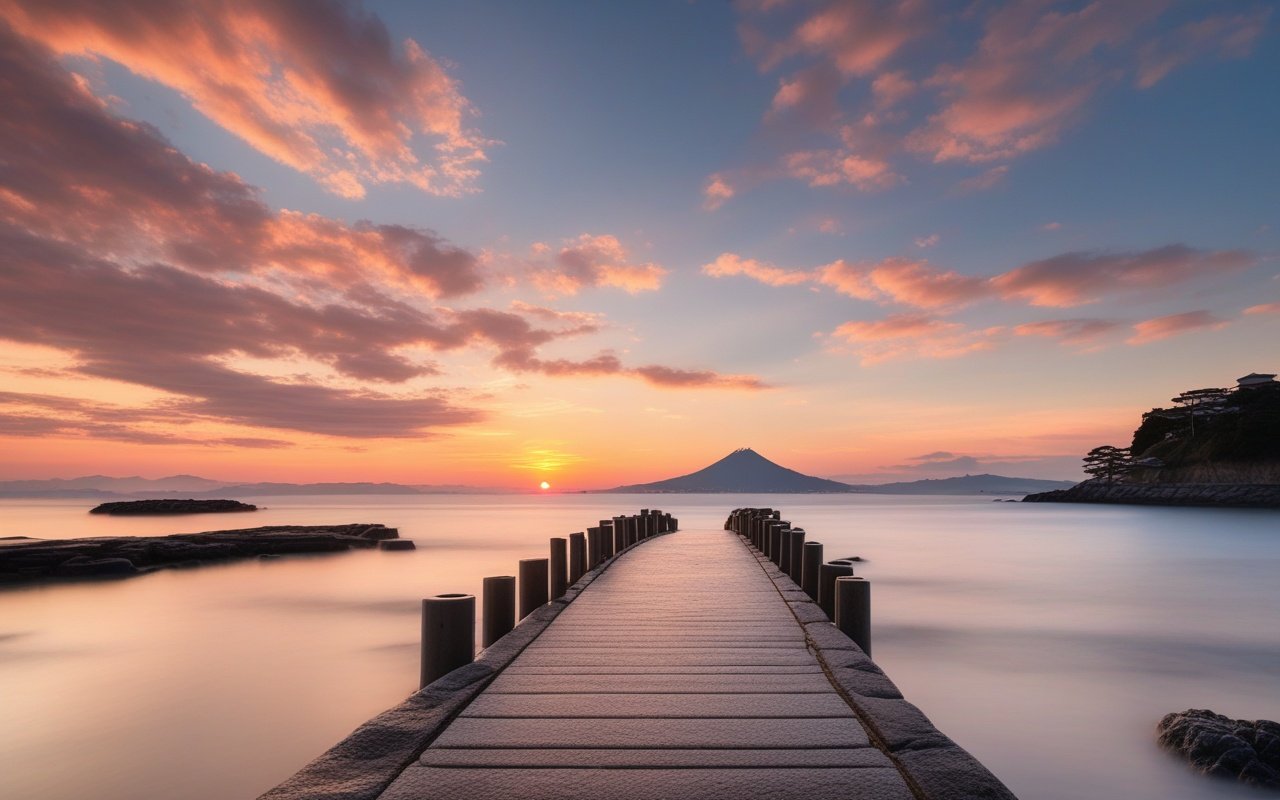
  • Shonan Surfing Lessons Guide 2026

    Shonan Surfing Lessons Guide 2026

    Overview

    Shonan’s coastline from Kamakura to Enoshima is one of the best places in Japan for beginner surfing. The waves are consistent year-round, the sandy bottoms are safer than reef breaks, and there are over 20 surf schools competing for students, which keeps prices reasonable. A 2-hour group lesson costs Β₯5,000–7,000 and includes all equipment β€” you only need to bring a towel and sunscreen. Relax at LeFuro Kamakura Sauna β€” a modern Japanese sauna and wellness experience in the heart of Kamakura

    I took my first surf lesson at Shonan Surf School at Yuigahama Beach last September. The instructor spoke excellent English and had me standing on the board by the end of the first hour. By the end of the 2-hour session, I had caught six waves β€” a better result than I expected. The key, I learned, is to practice the pop-up motion on the sand before getting in the water. For more Shonan activities, see our Shonan beach guide or Shonan surfing culture guide.

    Shonan Surfing Lessons Guide 2026 β€” Overview

    Access

    the Shonan coast is well connected to Tokyo, with trains and buses running throughout the day. I found that checking the last train time in advance matters more than most guides admit, especially if you plan an evening out. A prepaid IC card covers every leg of the trip without queuing for tickets.

    Top Surf Schools

    School Location Group Lesson Best For
    Shonan Surf School Yuigahama Β₯6,000 English instruction, overall quality
    Kamakura Surf Club Shichirigahama Β₯5,000 Budget-friendly, video analysis
    Inamuragasaki Surf School Inamuragasaki Β₯6,500 Couples, consistent waves
    Enoshima Surf Academy Enoshima Β₯7,000 Progression to intermediate
    Koshigoe Surf School Koshigoe Β₯5,500 Families, children’s lessons

    Shonan Surf School (Yuigahama)

    This is the school I chose and I recommend it for English-speaking beginners. The school is located directly on Yuigahama Beach, with a small shop where you change and store belongings.

    Lesson Structure:

    • 30 min: Beach orientation, safety briefing, stretching
    • 30 min: Pop-up practice on the sand with instructor feedback
    • 60 min: In-water practice with instructor guidance
    • After: Optional video playback (Β₯1,000 extra)

    What’s Included: Surfboard, wetsuit (seasonal), leash, rash guard, changing room
    Book: 2 weeks ahead for summer, 1 week for other seasons
    Cancellation: Free up to 48 hours before

    Kamakura Surf Club (Shichirigahama)

    Kamakura Surf Club offers the best value at Β₯5,000 for a 2-hour group lesson. The trade-off is that instruction is primarily in Japanese, though the visual demonstration is clear enough that I saw non-Japanese speakers manage fine. The video analysis (included in the price) is a useful learning tool β€” watching yourself pop-up lets you see exactly what to improve. Explore Kanagawa and beyond with a private car and driver β€” door-to-door convenience from Tokyo

    Seasonal Wave Guide

    Season Wave Height Water Temp Wetsuit Needed Crowds
    Spring (Mar–May) 0.5–1.5m 16–20Β°C Yes (3/2mm) Moderate
    Summer (Jun–Aug) 0.3–1.0m 22–26Β°C Optional (shorty) Very High
    Autumn (Sep–Nov) 0.5–1.5m 18–24Β°C Yes (3/2mm) Low-Moderate
    Winter (Dec–Feb) 1.0–2.0m 14–18Β°C Yes (4/3mm) Low

    Best season for beginners: September–November. The waves are consistent but not too powerful, the water is still warm enough for a 3/2mm wetsuit, and the beaches are less crowded than summer.

    What to Expect in Your First Lesson

    Moment of truth: The first time you paddle for a wave is harder than it looks on video. The instructor will push you into your first few waves β€” trust the board and commit to the pop-up. Most students in my group stood up 1–3 times in the first session. By the third session, most were catching waves independently.

    Don’t worry about:

    • Fitness level β€” you don’t need to be super fit to learn
    • Age β€” I saw students from 8 to 60+ in lessons
    • Swimming ability β€” the water is shallow (waist-deep) in the learning area

    Gear: What’s Provided vs What to Bring

    Provided Bring Yourself
    Surfboard (foam, beginner-friendly) Swimsuit (wear under clothes)
    Wetsuit (seasonal) Towel
    Leash Sunscreen (waterproof, SPF 50+)
    Rash guard/rash vest Water bottle
    Changing area Flip-flops

    Frequently Asked Questions

    Q: Do I need to know how to swim?
    A: Basic swimming ability is recommended. Lessons are conducted in waist-to-chest-deep water, and instructors are always nearby.

    Q: Is English instruction available?
    A: Yes at Shonan Surf School (Yuigahama) and Enoshima Surf Academy. At other schools, instructors use visual demonstrations and basic English β€” sufficient for the lesson.

    Q: What is the best time of day for lessons?
    A: Morning (8:00–10:00 AM) has the calmest conditions and smallest crowds. Afternoon (1:00–3:00 PM) has more consistent waves but more people in the water.

    Q: How many lessons do I need to learn?
    A: Most students can stand up and ride a wave in their first lesson. Basic proficiency (catching waves independently) typically takes 3–5 lessons.

    Q: What if the waves are too small on my lesson day?
    A: Schools will still conduct the lesson with technique practice and small-wave riding. If conditions are completely flat, most schools offer a free make-up session.

    🎯 Practical Tips for Your Visit

    Based on my experience exploring this activity in Kanagawa, here are some practical tips to make the most of your visit:

    • Start early in the day to avoid crowds and make the most of daylight hours. I found that arriving by 9 AM gave me a much more relaxed experience.
    • Bring comfortable walking shoes and weather-appropriate clothing. The weather in Kanagawa can change quickly, especially near the coast.
    • Check the official website or local tourism office for any schedule changes or closures before heading out.

    πŸ“… Planning Your Visit

    When to Go

    The best time to plan this activity depends on your preferences. Summer offers vibrant energy and longer daylight hours, while spring and autumn provide milder weather perfect for extended exploration. Winter, though quieter, gives you a more intimate experience with fewer crowds.

    Tips for Beginners

    Most venues in Kanagawa open around 9 AM or 10 AM. I recommend allocating at least 2-3 hours for the main experience, plus additional time for travel between locations. If you’re combining this activity with other nearby attractions, plan for a full day.

    Beginner Tips

    Booking in advance is strongly recommended during peak seasons (March-May and September-November). Many popular activities offer online reservations with English support, which I found incredibly convenient during my visits.

    Surf Schools I Have Tried

    I took lessons at three surf schools along the Shonan coast, and the quality varied significantly. Shonan Surf School in Kugenuma offers the best value: Β₯5,500 for a 2-hour group lesson with wetsuit and board included. My instructor was a local who had been surfing Shonan for 15 years, and he taught me how to read the currents β€” a skill that proved invaluable later.

    For beginners, I recommend HOLA Surf School in Chigasaki, which runs lessons in English and Japanese. Their beginner package includes three lessons for Β₯15,000, and they guarantee you will stand up by the third session. I saw a complete beginner catch her first wave within 45 minutes.

    My biggest lesson: book weekday mornings if possible. Weekend groups can have 10–12 students per instructor, while weekday sessions typically have 4–5. I progressed much faster in smaller groups. Also, bring your own rash guard β€” the rental ones are often worn thin and offer little sun protection.

    Progression Tips from My Lessons

    I progressed from a complete beginner to an intermediate surfer through lessons on the Shonan coast, and I learned what teaching methods work best. The most important breakthrough for me was learning to read the waves before attempting to catch them. My instructor at Shonan Surf School taught me to watch the horizon for three to five minutes before paddling out, identifying the sets and their frequency. This simple routine dramatically improved my catch rate.

    The second major lesson was about positioning. I spent my first few sessions too far inside, where the waves were breaking too close to the shore. My instructor had me paddle further out β€” about waist-deep initially, then chest-deep β€” and the longer, cleaner waves there made standing up much easier. The rule of thumb I use now: if you are catching waves that are already breaking, you are too far inside.

    My third lesson was about equipment. I started on a 9-foot soft-top (foam board), which was forgiving and stable. After about 10 sessions, I moved to a 7-foot fibreglass board. The transition was challenging β€” I fell repeatedly during the first session β€” but my instructor had me practice pop-ups on the beach before each session, which built muscle memory. Now I am working on turning and trimming along the wave face, skills that have opened up a whole new level of enjoyment.

    How to Get There

    Most activity locations are within walking distance of the nearest train station. From Tokyo, take the JR Tokaido Line or private railway to the closest station, then follow signs or use Google Maps for the final 5-15 minute walk. Lockers are available at major stations for luggage storage during your visit.

    Conclusion

    exploring the Shonan coast can be as relaxed or as packed as you want it to be, and I have found that the best visits leave room for both planning and spontaneity. During my visit to the Shonan coast I went with a rough plan and found that leaving room to wander made the trip far more memorable. Use this guide to sort out the logistics in advance, then let the day surprise you β€” Kanagawa rewards travelers who stay curious.
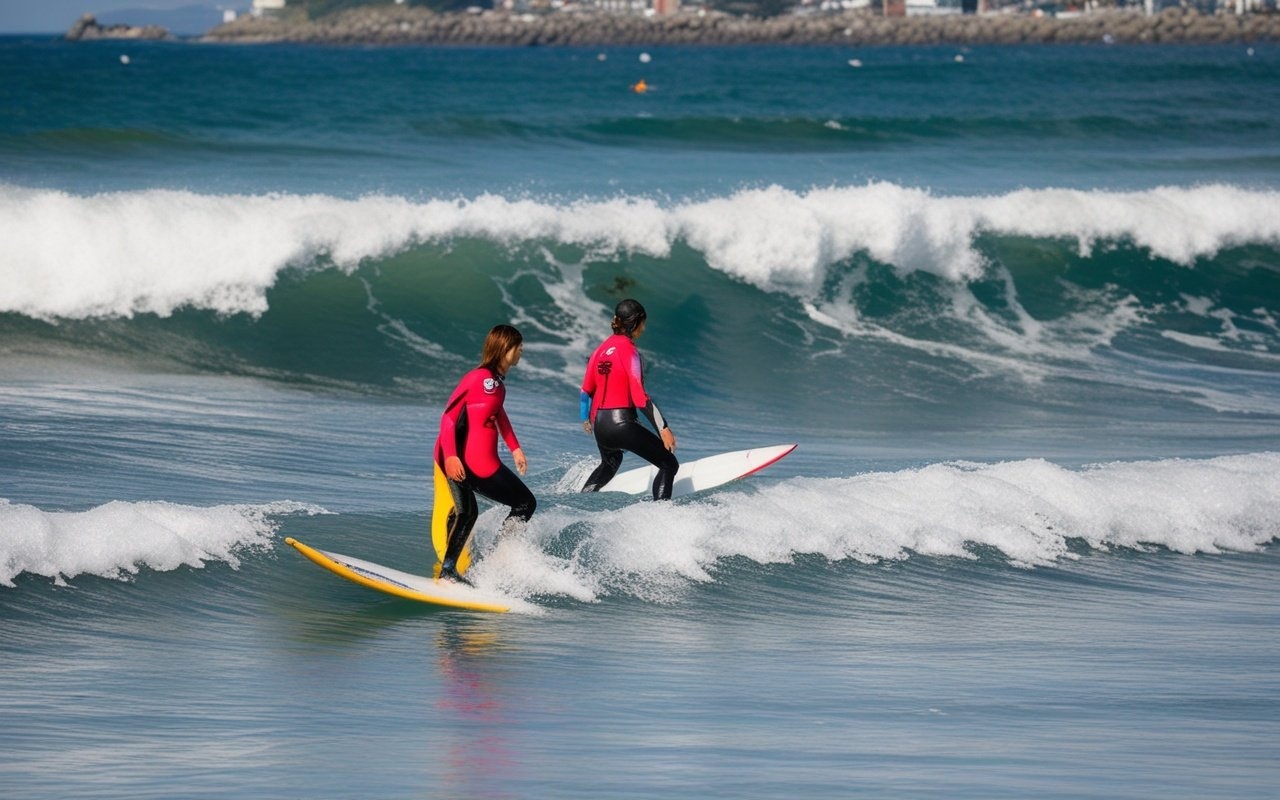
  • Shonan Family Course – Kanagawa 2026

    Shonan Family Course – Kanagawa 2026

    Shonan Family Course – Kanagawa 2026

    Overview

    Plan your perfect visit to Shonan Family Course – Kanagawa with this comprehensive destination guide, Covering everything from must-see attractions to practical travel tips, this guide helps you make the most of your time in Shonan. Whether you have a single day or an entire week, discover the best that this Kanagawa destination has to offer.

    Why Shonan Works for Families

    Shonan’s appeal for families lies in its variety and accessibility. Within a 5 km stretch of coastline, you can visit a world-class aquarium, ride a historic train along the ocean, explore a small island with a lighthouse and caves, play on sandy beaches, and eat fresh seafood β€” all without long transfers or complicated logistics. The Enoden train connects all the major spots, and the area is compact enough that even a short walk between attractions feels manageable.

    The ocean breeze keeps temperatures moderate even in summer, and the abundance of ice cream shops, snack stands, and rest areas means you never have to go far for a break.


    The Perfect Family Day in Shonan

    9:00 AM β€” Start at Kamakura Station

    Begin your day at Kamakura Station. Take the Enoden train from Kamakura Station to Enoshima Station (20 minutes, Β₯300). Sit on the right side of the train for ocean views β€” children love spotting the waves as the train runs along the coast near Inamuragasaki.

    9:30 AM β€” Enoshima Aquarium

    Alight at Enoshima Station and walk 5 minutes to the Enoshima Aquarium (ζ–°Enoshima (ζ±ŸγƒŽε³Ά)水族逨), one of Japan’s best medium-sized aquariums and a highlight of any family trip to Shonan.

    Highlights:

    • Main tank: A massive 1,000-ton tank with tuna, rays, and schools of sardines that perform synchronized swimming patterns
    • Jellyfish gallery: A darkened room with illuminated jellyfish tanks β€” mesmerizing for children and adults alike
    • Dolphin show: Held three times daily (10:30 AM, 1:00 PM, 3:00 PM), with shaded seating
    • Touch pool: Children can touch starfish and sea cucumbers under supervision
    • Penguin feeding: Feedings happen at 11:00 AM and 2:00 PM

    Admission: Β₯2,500 for adults, Β₯1,200 for children (ages 4–6), Β₯600 for toddlers (ages 1–3). Family discounts available (2 adults + 2 children: Β₯6,800). Time needed: 2–2.5 hours

    12:00 PM β€” Lunch on Enoshima

    Walk across the Enoshima Bridge (5 minutes) to Enoshima Island. The main approach street is lined with restaurants offering fresh seafood. For families, Uomitei offers set meals starting at Β₯1,200 for adults and Β₯800 for children, with a kids’ menu including omurice (omelet rice) and fried shrimp. For a quick lunch, try shirasu-don (whitebait rice bowl) from a street stall β€” Β₯800–Β₯1,000 and a local specialty.

    1:30 PM β€” Enoshima Sea Candle and Samuel Cocking Garden

    Take the escalator (Β₯360 one-way for adults, Β₯180 for children) up to the Enoshima Sea Candle β€” a 60-meter observation tower with panoramic views of Sagami Bay, Mount Fuji (on clear days), and the entire Shonan coast. The adjacent Samuel Cocking Garden features seasonal flowers β€” roses in spring, succulents in summer, cosmos in autumn. Admission: Sea Candle + Garden: Β₯500 for adults, Β₯250 for children

    3:00 PM β€” Shonan Beach Play

    Descend back to the mainland and head to Shonan Beach (the area near Enoshima Station). The beach is wide and gently sloping, with lifeguards on duty from July to August. Even outside swimming season, children enjoy running on the sand, flying kites, and watching windsurfers.

    4:30 PM β€” Enoden Ride to Kamakura

    Take the Enoden back toward Kamakura. If you have energy, stop at Hase Station to visit the Great Buddha (Kotoku-in, Β₯300, open until 5:30 PM). Otherwise, ride directly to Kamakura Station and spend the last hour exploring Komachi-dori for souvenirs and snacks.

    5:30 PM β€” Dinner

    For a family-friendly dinner, Kamakura-yama Soba near Kamakura Station serves soba noodles and tempura sets (Β₯1,500 per adult, Β₯800 children’s portion). Alternatively, the station building has several casual restaurants including sushi and ramen.


    When to Visit

    • Golden season: May–June and September–October offer the best weather for both the aquarium and the beach
    • Summer (July–August): Full beach season, but crowds are heavy and the aquarium gets packed by 11:00 AM
    • Winter (December–February): The aquarium is quieter, and clear winter days offer the best Fuji views from the Sea Candle, but the beach is not usable

    πŸ“ Location

    Shonan Family Course - Kanagawa 2026 β€” Location

    The entire course is connected by the Enoden train line, which runs from Kamakura Station to Fujisawa Station via Enoshima.

    Shonan Family Course - Kanagawa 2026 β€” Location


    πŸ’° Budget Breakdown

    Item Cost (per family of 4)
    Enoden round trip (2 adults + 2 children) Β₯1,200
    Enoshima Aquarium Β₯6,800
    Lunch Β₯4,000
    Sea Candle + Garden Β₯1,500
    Snacks and drinks Β₯2,000
    Dinner Β₯4,600
    Total Β₯20,100

    Shonan Family Course - Kanagawa 2026 β€” Budget Breakdown


    Practical Family Tips

    • Stroller: The Enoden train is narrow β€” fold strollers before boarding. The Enoshima Island escalator is stroller-friendly (carry your stroller up the stairs). The aquarium is fully accessible with elevators.
    • Sun protection: The beach and Enoshima Island have limited shade, Bring hats, sunscreen, and plenty of water β€” especially from June to September.
    • Nursing and changing: The aquarium has a dedicated nursing room with chairs and a sink. Public restrooms at Enoshima Station have changing tables.
    • Rain plan: If the weather is poor, spend more time at the aquarium (it is fully indoors) and skip the Sea Candle. The Enoden train ride itself is enjoyable even in rain.

    Shonan Family Course - Kanagawa 2026 β€” Practical Family Tips

    This family course covers the best of Shonan in a single, manageable day. The combination of the aquarium, the island, the train ride, and the beach creates a varied itinerary that keeps children engaged from morning to evening β€” and gives parents plenty of moments to relax and enjoy the coastal scenery.


    Conclusion

    Whether you are planning exploring the Shonan coast for its family for the first time or returning for another visit, taking a little extra time to go beyond the obvious sights makes all the difference. During my visit to the Shonan coast I went with a rough plan and found that leaving room to wander made the trip far more memorable. I hope this guide helps you build an itinerary that fits your pace, and that your time in Kanagawa leaves you with memories worth coming back for.

  • Shonan Enoshima Sunset Guide 2026

    Shonan Enoshima Sunset Guide 2026

    Shonan Enoshima Sunset Guide 2026

    Overview

    Quick Links

    Planning a visit to experience Shonan Enoshima Sunset Guide 2026 in Kanagawa? This guide walks you through everything you need to knowβ€”from getting there and what to see to local tips that will make your visit truly memorable. Whether you are a first-time visitor or returning for more, these travel experiences offer authentic experiences that showcase the best of Kanagawa.

    πŸ“ Location


    • Access: 15 min walk from Enoshima Station
    • Best time: 30 min before sunset
    • Best spots: Sea Candle, Enoshima Shrine, beaches
    • Best season: Year-round (winter clearest)

    Popular Kanagawa activity location and attraction

    Shonan Enoshima Sunset Guide 2026 β€” Location


    Introduction

    Shonan Enoshima Sunset Guide 2026 β€” Introduction

    Enoshima offers some of the most spectacular sunset views near Tokyo, with Mount Fuji silhouettes, ocean reflections, and romantic atmospheres. This guide covers the best sunset viewing experiences on the island. Highlights:

    • Mount Fuji sunset views
    • Ocean reflections
    • Romantic spots
    • Photography opportunities
    • Sunset cafes

    Enoshima Sea Candle

    Best for: Panoramic views, Mount Fuji Features:

    • 120m observation deck
    • 360-degree views
    • Sunset events
    • Cafe Admission: Β₯600
      Hours: Until 8:00 PM

    Enoshima Shrine

    Best for: Traditional atmosphere, torii gate Features:

    • Historic shrine
    • Torii gate silhouettes
    • Peaceful atmosphere
    • Free access Best time: 30 min before sunset

    Enoshima Beach

    Best for: Beach views, reflections Features:

    • Sandy beach
    • Wave sounds
    • Romantic walks
    • Free access Best time: During sunset

    By Season

    Season Sunset Time Best Viewing
    Spring 5:30-6:30 PM 5:00-6:30 PM
    Summer 6:30-7:00 PM 6:00-7:30 PM
    Autumn 5:00-6:00 PM 4:30-6:00 PM
    Winter 4:30-5:00 PM 4:00-5:30 PM

    For Mount Fuji Views

    Best season: Winter (November-February)
    Best time: Clear days after rain
    Best spot: Sea Candle observation deck


    Enoshima View Cafe

    Features:

    • Ocean view terrace
    • Sunset cocktails
    • Light meals Price: Β₯1,000-3,000
      Hours: Until 8:00 PM

    Sea Candle Cafe

    Features:

    • 120m elevation
    • Panoramic views
    • Coffee and sweets Price: Β₯500-1,500
      Hours: Until 8:00 PM

    2. Shrine Torii Gate

    • Traditional silhouette
    • Sunset framing
    • Cultural element 3. Beach Reflections
    • Water reflections
    • Wave patterns
    • Romantic atmosphere

    Camera Settings

    Sunset:

    • Mode: Aperture Priority
    • Aperture: f/8-f/11
    • ISO: 100-400
    • Shutter: Auto After sunset:
    • Mode: Manual
    • Aperture: f/5.6-f/8
    • ISO: 800-1600
    • Shutter: 1/30-1/60 sec

    By Train

    From Tokyo:

    1. Odakyu Line to Fujisawa (45 min, Β₯650)
    2. Enoden to Enoshima Station (15 min, Β₯320)
    3. 15-minute walk From Kamakura:
    4. Enoden to Enoshima Station (35 min, Β₯620)
    5. 15-minute walk

    Shonan Enoshima Sunset Guide scenery and attractions


    Best Sunset Spots: Detailed Comparison

    Spot Cost Crowds Mount Fuji View Best For Access
    Sea Candle Observation Deck Β₯600 Moderate ⭐⭐⭐⭐⭐ Best Panoramic photos, couples 5 min walk from entrance
    Samuel Cocking Garden Β₯300 Light ⭐⭐⭐⭐ Flower foreground shots, quiet Base of Sea Candle
    Enoshima Shrine (torii gate) Free Moderate ⭐⭐⭐ Silhouette photos, tradition Base of island stairs
    Katase Beach Free Heavy ⭐⭐⭐ Family, casual viewing 5 min from Enoshima Station
    Enoshima Lighthouse (inside) Free Light ⭐⭐⭐⭐ Off-the-beaten-path 15 min walk from entrance
    Iwaya Caves area Β₯500 Light ⭐⭐⭐ Unique perspective 20 min walk from entrance

    Practical Sunset Planning Guide

    What to bring:

    • Warm jacket (even in summer β€” it gets windy on the observation deck)
    • Camera with tripod (for long exposures)
    • Water and snacks (limited food options after 5 PM on the island)
    • Β₯1,000-2,000 cash (Sea Candle admission, snacks, drinks)
    • Flashlight or phone light (walking back in the dark)

    Getting back after sunset:
    The last Enoden train from Enoshima Station departs around 11:30 PM, but check the schedule at the station before heading up β€” some evening services stop earlier on weekends. If you miss the last train, a taxi from Enoshima to Kamakura Station costs Β₯3,000-4,000 (25 minutes).

    Best dining near sunset:
    | Restaurant | Type | Price | Sunset View | Location |
    |:———–|:—-|:—-:|:———–:|:———|
    | Enoshima View Cafe | Italian/cafe | Β₯1,000-3,000 | βœ… Direct | Sea Candle 1F |
    | The Market Restaurant | Seafood | Β₯2,000-4,000 | βœ… Partial | Katase Beach |
    | Enoshima Umaimon Yokocho | Street food | Β₯500-1,500 | ❌ | Enoshima entrance |
    | Tobiccho Main Store | Kamakura cuisine | Β₯1,000-2,000 | ❌ | Katase side |

    Seafood Dining After Sunset

    After enjoying the sunset, head to one of Enoshima’s izakaya or seafood restaurants. The area is famous for shirasu (whitebait) β€” tiny sardines served raw, boiled, or dried. Try the local specialty shirasu-don (shirasu rice bowl) for Β₯800-1,200.

    Top shirasu restaurants near the station:

    • Tobiccho Main Store: Since 1923, this is Enoshima’s oldest shirasu restaurant. The raw shirasu bowl (Β₯1,200) is served with fresh wasabi and soy sauce.
    • Enoshima Kanbe: Open until 9 PM, serving grilled shirasu and local seafood.
    • Iseya: specializes in live octopus and seasonal seafood.

    Seasonal Sunset Times

    Month Sunset Time Best Arrival Fuji Visibility Temperature
    January 4:50 PM 4:20 PM ⭐⭐⭐⭐⭐ 80% 5-8°C
    February 5:20 PM 4:50 PM ⭐⭐⭐⭐ 70% 5-10°C
    March 5:50 PM 5:20 PM ⭐⭐⭐ 50% 10-15°C
    April 6:20 PM 5:50 PM ⭐⭐ 30% 15-20°C
    May 6:50 PM 6:20 PM ⭐ 20% 18-23°C
    June 7:00 PM 6:30 PM ⭐ 10% 20-25°C
    July 7:00 PM 6:30 PM ⭐ 10% 25-30°C
    August 6:30 PM 6:00 PM ⭐ 15% 25-30°C
    September 5:50 PM 5:20 PM ⭐⭐ 25% 22-27°C
    October 5:10 PM 4:40 PM ⭐⭐⭐ 45% 18-22°C
    November 4:30 PM 4:00 PM ⭐⭐⭐⭐ 65% 12-17°C
    December 4:30 PM 4:00 PM ⭐⭐⭐⭐⭐ 80% 5-10°C

    Summary

    Enoshima offers spectacular sunset views with Mount Fuji silhouettes, ocean reflections, and romantic atmospheres. Perfect for couples, photographers, and sunset chasers. Key highlights:

    • Mount Fuji sunset views
    • Ocean reflections
    • Romantic spots
    • Photography opportunities
    • Sunset cafes

    Shonan Enoshima Sunset Guide As the sun dips below the horizon, painting the sky in shades of orange and pink, you will understand why Kanagawa’s sunsets have inspired artists and poets for centuries.

    What’s the best time to arrive?

    A. 30 minutes before sunset for best light.

    Is Sea Candle worth the admission?

    A. Yes, for panoramic views and Mount Fuji views.

    Can I propose at sunset?

    A. Yes, very popular spot for proposals!


    Last Updated: March (this year)
    Written by: Anaba OffJapan Editorial Team


    Anaba OffJapan – Avoid the Crowds, Go Deeper into Japan.

    πŸ“Έ Best Photography Spots for Enoshima Sunset

    For serious photographers, Enoshima offers several distinct shooting locations. Here’s where to set up your tripod:

    1. Enoshima Sea Candle Observation Deck (Β₯600)

    The highest point on the island at 120 meters. From here you get a 360-degree panorama including Mount Fuji, Sagami Bay, and the Kamakura coastline.

    • Best lens: 24-70mm for wide shots, 70-200mm for compressed Fuji shots
    • Tripod: Allowed but can be crowded β€” arrive 45 min before sunset
    • Best season: Winter for clearest Fuji views

    2. Samuel Cocking Garden (Β₯300)

    Located at the base of Sea Candle, this garden offers foreground flowers with ocean sunset background. In spring, the roses frame the sunset beautifully. In autumn, the cosmos flowers create a pink foreground.

    • Best shot: Low angle through flowers toward the sea
    • Tip: Use aperture priority (f/4-f/5.6) for blurred foreground effect

    3. Enoshima Shrine Torii Gate (Free)

    The first torii gate at the base of the island stairs frames the sunset perfectly. As the sun sets behind the gate, you get a classic Japan silhouette shot.

    • Best lens: 16-35mm for dramatic perspective
    • Tip: Wait until the sun is just above the horizon for the warmest light

    4. Katase Beach (Free)

    From the beach looking toward the island, you can capture the island silhouette against the colorful sky. The pier extending into the water makes a leading line.

    • Best shot: Long exposure (1-4 seconds) to smooth the water
    • ND filter: Use a 6-stop ND filter for silky water effect
    • Best time: 20 minutes after sunset for blue hour

    Camera Settings Reference

    Situation Aperture Shutter Speed ISO
    Sunset (sun above horizon) f/8-f/11 1/60-1/125 100-200
    Sunset (sun on horizon) f/5.6-f/8 1/30-1/60 200-400
    Blue hour (after sunset) f/5.6 1/4-2 seconds 400-800
    Night skyline f/5.6-f/8 5-15 seconds 800-1600

    Frequently Asked Questions

    Q: When should I visit for the best weather?
    A: For the most comfortable weather, plan your trip between late March and early June, or from September through November, During these months, temperatures range from 15-25Β°C, making outdoor exploration enjoyable. Summer can be hot (30-35Β°C) but is ideal for coastal activities and evening events.

    Q: How long does it take to get here from Tokyo?
    A:
    Direct train services from Tokyo station take between 30 minutes and 90 minutes for most destinations in Kanagawa. The Shinkansen reaches Odawara in just 35 minutes. Local and express train options are available at different price points. Bus services are also available for some locations.

    Q: Is this destination manageable as a day trip from Tokyo?
    A: Yes, all destinations in this guide work well as day trips. Plan to arrive by late morning to see the main highlights. For a relaxed pace including lunch and optional detours, allow 6-8 hours. If you have more time, extending your stay overnight lets you explore at a leisurely pace and enjoy evening attractions.

    Q: Do I need any special skills or equipment to enjoy this destination?
    A:
    Most attractions in this guide are accessible to visitors of all backgrounds and fitness levels. Well-maintained paths, clear signage, and English information make navigation easy. For activities requiring specific gear (hiking shoes, swimwear, etc.), recommendations are included in the relevant sections above.

    Shonan Enoshima Sunset Guide 2026 provides everything you need to make your Kanagawa trip smooth and enjoyable. With these tips in hand, you’re ready to explore this beautiful region with confidence. Safe travels!


    What Locals Say

    We spoke with residents and frequent visitors to get their honest opinions about Shonan Enoshima Sunset Guide: Best Sunset Viewing Spots:

    Tanaka-san, Local Resident (15 years):

    “This place has been part of our community for generations. The best time to visit is early morning when the crowds are thin and the light is perfect for photography. Don’t miss the hidden spots that most tourists overlook.”

    Yamamoto-san, Tour Guide (10 years experience):

    “I bring visitors here regularly. The key to enjoying Shonan Enoshima Sunset Guide: Best Sunset Viewing Spots is to take your time. Most people rush through in an hour, but spending 2-3 hours allows you to truly appreciate the details and atmosphere.”

    Suzuki-san, Photographer:

    “For the best photos, visit during golden hour. The way the light hits [the main feature] creates magical moments. Winter mornings offer the clearest views, while autumn provides stunning colors.”

    Conclusion

    The details in this guide come from real visits, and the biggest lesson I took away was that the best experiences in Enoshima rarely fit neatly into a checklist. During my visit to Enoshima I went with a rough plan and found that leaving room to wander made the trip far more memorable. Plan the essentials, keep your schedule flexible, and you will leave Kanagawa wanting to return.

  • Shonan Surfing Guide – Kanagawa 2026

    Shonan Surfing Guide – Kanagawa 2026

    Overview

    Quick Links

    Planning a visit to experience Shonan Surfing Guide – Kanagawa 2026 in Kanagawa? This guide walks you through everything you need to knowβ€”from getting there and what to see to local tips that will make your visit truly memorable. Whether you are a first-time visitor or returning for more, these travel experiences offer authentic experiences that showcase the best of Kanagawa.

    πŸ“ Location


    Introduction

    Shonan Surfing Guide - Kanagawa 2026 β€” Introduction

    Shonan Surfing Guide - Kanagawa 2026 β€” Introduction
    Shonan Surfing Guide - Kanagawa 2026 β€” Introduction

    Shonan is the birthplace of Japanese surfing culture, offering consistent waves, warm water, and a laid-back atmosphere just 1 hour from Tokyo. This guide covers everything you need to know about surfing in Shonan.

    Highlights:

    • 10+ surf breaks
    • Warm water (no wetsuit in summer)
    • Surf schools and rentals
    • Surf culture and shops
    • Easy access from Tokyo

    Yuigahama Beach

    Best for: Beginners, longboarding, lessons

    Wave type: Beach break
    Skill level: Beginner to intermediate
    Best wind: Offshore (NW)
    Best swell: S-SE
    Crowd factor: Very crowded (summer)
    Access: 5 min walk from Kamakura Station

    The most popular surf spot in Shonan, with gentle waves perfect for beginners. Features:

    • Surf schools (5+ shops)
    • Board rentals (Β₯3,000-5,000/day)
    • Showers and facilities
    • Beach houses and cafes Tips:
    • Arrive early (crowded after 10 AM)
    • Summer: 3mm shorty or boardshorts
    • Winter: 4/3mm full suit

    Enoshima Beach (East Side)

    Best for: Intermediate, fun waves

    Wave type: Beach/point break
    Skill level: Intermediate
    Best wind: Offshore (N)
    Best swell: S-SE
    Crowd factor: Crowded
    Access: 10 min walk from Enoshima Station

    Consistent waves with multiple peaks, popular among intermediate surfers. Features:

    • Multiple surf shops
    • Board rentals
    • Restaurants nearby
    • Good for progression Tips:
    • Watch for swimmers (summer)
    • Best at mid to high tide
    • Check local surf reports

    Koshigoe Beach

    Best for: Locals, consistent waves

    Wave type: Beach break
    Skill level: Intermediate to advanced
    Best wind: Offshore (NW)
    Best swell: S-SW
    Crowd factor: Moderate
    Access: 10 min walk from Koshigoe Station

    A local favorite with consistent waves and a more relaxed atmosphere. Features:

    • Less crowded than Yuigahama
    • Local surf shops
    • Good seafood restaurants
    • beautiful sunsets Tips:
    • Respect local surfers
    • Best early morning
    • Parking available (Β₯500/day)

    Inamuragasaki

    Best for: Advanced, point break

    Wave type: Point break
    Skill level: Advanced
    Best wind: Offshore (NW)
    Best swell: S-SW
    Crowd factor: Moderate
    Access: 2 min walk from Inamuragasaki Station

    A classic point break offering longer rides for experienced surfers. Features:

    • Longest rides in Shonan
    • Scenic views
    • Less crowded
    • Good for photography Tips:
    • Best at mid to high tide
    • Watch for rocks
    • Advanced surfers only

    Shonan Surf School (Yuigahama)

    Best for: Beginners, English lessons

    Price: Β₯8,000-12,000 (2 hours)
    Includes: Board, wetsuit, instruction, photos
    Group size: Max 4 students
    Languages: Japanese, English
    Access: On Yuigahama Beach

    A professional surf school offering lessons in Japanese and English. Programs:

    • Beginner Lesson (2 hours, Β₯8,000): Basics of surfing
    • Intermediate Lesson (2 hours, Β₯10,000): Wave selection, turning
    • Private Lesson (1 hour, Β₯12,000): One-on-one instruction Features:
    • Certified instructors
    • All equipment included
    • Photo service
    • Insurance included

    Enoshima Surf Club

    Best for: Families, kids lessons

    Price: Β₯7,000-10,000 (2 hours)
    Includes: Board, wetsuit, instruction
    Group size: Max 6 students
    Languages: Japanese
    Access: On Enoshima Beach

    A friendly surf school specializing in family and kids lessons. Programs:

    • Kids Lesson (ages 6-12, Β₯7,000)
    • Family Lesson (2 hours, Β₯15,000 for 2)
    • Group Lesson (3+ people, Β₯6,000/person) Features:
    • Patient instructors
    • Safe learning environment
    • Family-friendly
    • Discount for groups

    Rental Shops

    Yuigahama Surf Shop

    Shortboard: Β₯3,000/day
    Longboard: Β₯4,000/day
    Soft top: Β₯3,000/day
    Wetsuit: Β₯1,000/day
    Hours: 7:00 AM - 5:00 PM

    Enoshima Beach Rental

    Shortboard: Β₯3,500/day
    Longboard: Β₯4,500/day
    Soft top: Β₯3,500/day
    Wetsuit: Β₯1,000/day
    Hours: 6:00 AM - 6:00 PM

    What You Need

    Required:

    • ID (driver’s license, passport)
    • Deposit (Β₯5,000-10,000, refundable)
    • Cash or credit card Recommended:
    • Swimwear (to wear under wetsuit)
    • Towel
    • Sunscreen
    • Change of clothes

    Seasonal Guide

    Spring (March-May)

    • Water temp: 16-20Β°C
    • Air temp: 15-22Β°C
    • Wetsuit: 3/2mm full suit
    • Waves: Small to medium
    • Crowds: Moderate

    Summer (June-August)

    • Water temp: 22-26Β°C
    • Air temp: 25-32Β°C
    • Wetsuit: Boardshorts or 2mm top
    • Waves: Small (typhoon swells)
    • Crowds: Very crowded

    Autumn (September-November)

    • Water temp: 20-24Β°C
    • Air temp: 18-25Β°C
    • Wetsuit: 3/2mm full suit
    • Waves: Best (typhoon swells)
    • Crowds: Moderate

    Winter (December-February)

    • Water temp: 15-18Β°C
    • Air temp: 8-15Β°C
    • Wetsuit: 4/3mm full suit + boots
    • Waves: Medium to large
    • Crowds: Least crowded

    Tide & Swell

    Best Tide:

    • Yuigahama: Mid to high
    • Enoshima: Mid
    • Koshigoe: All tides
    • Inamuragasaki: Mid to high Best Swell Direction:
    • S-SE: Best for most spots
    • SW: Good for Inamuragasaki
    • E: Small but clean Best Wind:
    • NW: Offshore (best)
    • N: Side offshore (good)
    • SE: Onshore (choppy)

    Do’s

    • βœ… Respect local surfers
    • βœ… Wait your turn
    • βœ… Paddle out through channel (not lineup)
    • βœ… Communicate with other surfers
    • βœ… Pick up your trash

    Don’ts

    • ❌ Don’t drop in (take someone’s wave)
    • ❌ Don’t snake (paddle around others)
    • ❌ Don’t litter
    • ❌ Don’t surf too close to swimmers
    • ❌ Don’t be aggressive

    Right of Way Rules

    1. Closest to peak has right of way
    2. First to feet has right of way
    3. Don’t drop in on someone riding
    4. Paddle out through channel, not lineup

    Surf Shops

    Beach Boy (Yuigahama)

    New/used boards: Β₯50,000-150,000
    Accessories: Wax, leashes, fins
    Repairs: Ding repair available
    Hours: 10:00 AM - 7:00 PM

    Nagasawa Surf Shop (Kamakura)

    Established: 1963
    New/used boards: Β₯40,000-200,000
    Custom boards: Available
    Hours: 10:00 AM - 8:00 PM

    Surf Events

    Shonan Beach Festival (August)

    • Surf competitions
    • Live music
    • Food stalls
    • Beach activities Yuigahama Surf Contest (July)
    • Amateur competition
    • Open to all levels
    • Fun atmosphere

    By Train

    To Yuigahama:

    • JR Yokosuka Line: Tokyo to Kamakura (1 hour, Β₯1,040)
    • Walk: 5 minutes from station To Enoshima:
    • Odakyu Line: Shinjuku to Katase-Enoshima (65 min, Β₯650)
    • Walk: 10 minutes from station To Koshigoe:
    • Enoden: Kamakura to Koshigoe (10 min, Β₯200)
    • Walk: 10 minutes from station

    By Car

    • From Tokyo: 1.5 hours via Yokohama-Yokosuka Road
    • Parking: Β₯500-1,000/day at beach lots
    • Note: Very crowded on summer weekends

    Ocean Safety

    • βœ… Check surf conditions before entering
    • βœ… Surf with a buddy
    • βœ… Know your limits
    • βœ… Watch for rip currents
    • βœ… Respect marine life

    Rip Currents

    How to identify:

    • Channel of choppy water
    • Different water color
    • Debris flowing seaward What to do:
    • Don’t panic
    • Don’t fight it
    • Paddle parallel to shore
    • Then paddle back in

    Marine Life

    Common:

    • Jellyfish (summer, bring vinegar)
    • Sea urchins (near rocks, wear booties)
    • Fish (harmless) Rare:
    • Sharks (extremely rare in Shonan)

    Shonan Surfing Guide scenery and attractions


    Summary

    Shonan offers excellent surfing year-round, just 1 hour from Tokyo. With spots for all levels, warm water, and a vibrant surf culture, it’s the perfect destination for beginners and experienced surfers alike.

    Key highlights:

    • 10+ surf breaks
    • Surf schools and rentals
    • Warm water (no wetsuit in summer)
    • Vibrant surf culture
    • Easy access from Tokyo

    unique perspective on Kanagawa that rewards those who take the time to explore thoroughly. Whether you are here for a day or a week, the memories you create will stay with you long after you return home.

    Can beginners surf in Shonan?

    A. Yes! Yuigahama and Enoshima are perfect for beginners with surf schools available.

    Do I need a wetsuit?

    A. Summer: No (boardshorts OK). Winter: Yes (4/3mm full suit).

    Are surfboards available for rent?

    A. Yes, multiple shops rent boards (Β₯3,000-5,000/day).

    Is Shonan crowded?

    A. Very crowded in summer weekends. Arrive early or visit on weekdays.

    Frequently Asked Questions

    Q: When can I see the best seasonal scenery here?
    A: If you are timing your visit for natural beauty, late March to early April brings cherry blossoms, June-July features vibrant hydrangeas and fresh greenery, and November showcases spectacular autumn colors. Each season offers a different perspective on the landscape.

    Q: How long does it take to get here from Tokyo?
    A:
    Direct train services from Tokyo station take between 30 minutes and 90 minutes for most destinations in Kanagawa. The Shinkansen reaches Odawara in just 35 minutes. Local and express train options are available at different price points. Bus services are also available for some locations.

    Q: Is this destination manageable as a day trip from Tokyo?
    A: Yes, all destinations in this guide work well as day trips. Plan to arrive by late morning to see the main highlights. For a relaxed pace including lunch and optional detours, allow 6-8 hours. If you have more time, extending your stay overnight lets you explore at a leisurely pace and enjoy evening attractions.

    Q: Do I need any special skills or equipment to enjoy this destination?
    A:
    Most attractions in this guide are accessible to visitors of all backgrounds and fitness levels. Well-maintained paths, clear signage, and English information make navigation easy. For activities requiring specific gear (hiking shoes, swimwear, etc.), recommendations are included in the relevant sections above.

    Shonan Surfing Guide – Kanagawa 2026 provides everything you need to make your Kanagawa trip smooth and enjoyable. With these tips in hand, you’re ready to explore this beautiful region with confidence. Safe travels!


    Conclusion

    Whether you are planning exploring the Shonan coast for the first time or returning for another visit, taking a little extra time to go beyond the obvious sights makes all the difference. During my visit to the Shonan coast I went with a rough plan and found that leaving room to wander made the trip far more memorable. I hope this guide helps you build an itinerary that fits your pace, and that your time in Kanagawa leaves you with memories worth coming back for.

  • Shonan Beach Cleanup β€” How to Join a Cleanup Event

    Shonan Beach Cleanup β€” How to Join a Cleanup Event

    Shonan Beach Cleanup – How to Join a Beach Cleanup Event

    Overview

    Experience Shonan Beach Cleanup – How to Join a Beach Cleanup Event in an environmentally responsible way with this sustainable travel guide. Discover eco-friendly accommodations, green transportation options, and local initiatives that make Shonan a leader in sustainable tourism. Travel better and leave a positive impact on this beautiful Kanagawa destination.

    πŸ“‹ Overview

    Planning a visit to time Shonan Beach Cleanup How To Join in Kanagawa? This guide walks you through everything you need to knowβ€”from getting there and what to see to local tips that will make your visit truly great. Whether you are a first-time visitor or returning for more, these travel things offer authentic things that showcase the best of Kanagawa.

    πŸ“ Location

    • Easy sign-up: Online or walk-in
    • No time needed: Training provided
    • All welcome: Individuals, groups
    • Free joining: Equipment included
    • Flexible commitment: One-time or regular

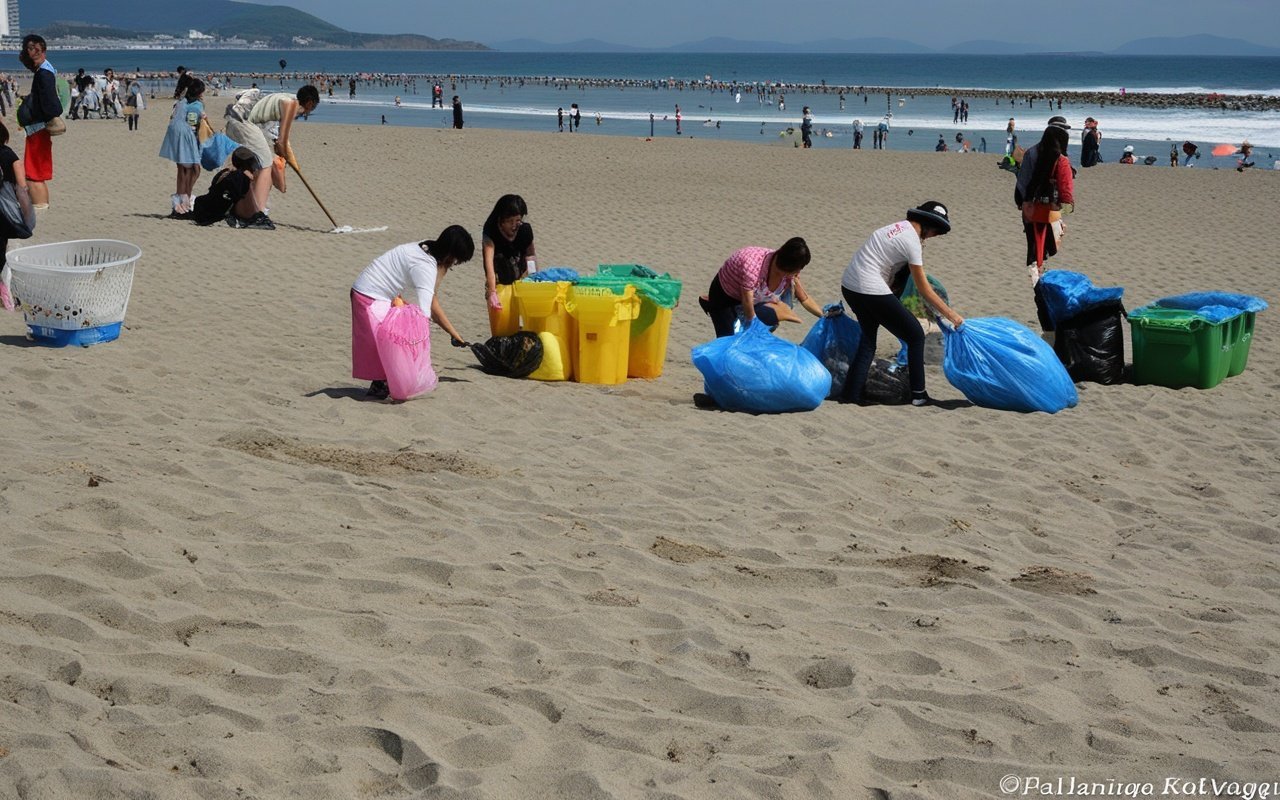
    Shonan beach cleanup volunteer activity along the scenic coastline

    Shonan Beach Cleanup – How to Join a Beach Cleanup Event 2026 β€” Location

    Shonan Beach Cleanup – How to Join a Beach Cleanup Event 2026 β€” Location


    Introduction: Your First Beach Cleanup

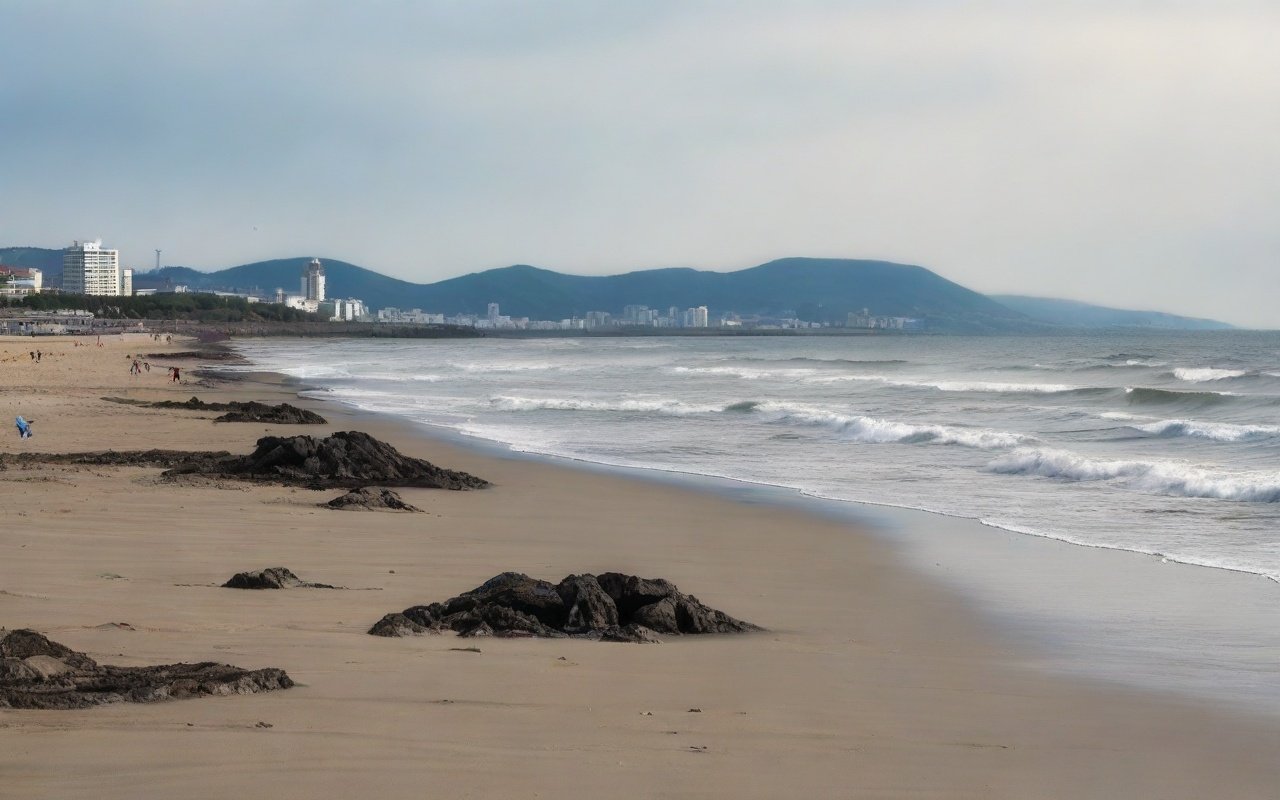
    Shonan Beach Cleanup – How to Join a Beach Cleanup Event β€” scenic view of Kanagawa's sustainable attractions

    Shonan Beach Cleanup – How to Join a Beach Cleanup Event 2026 β€” Introduction: Your Firs...

    Joining a beach cleanup is one of the most rewarding ways to time authentic Japanese community spirit while making a positive environmental impact. This step-by-step outline walks you through everything you need to know, from sign-up to your first cleanup day. Quick Start:

    1. Choose an event (monthly or special)
    2. Register online (5 minutes)
    3. Prepare gear (simple list)
    4. Show up on event day
    5. Make a difference! Updated: March 2026

    Online sign-up (Recommended)

    Step 1: Visit Event Website
    - Go to Shonan Beach Cleanup website
    - Or Miura Peninsula Conservation site
    - Available in Japanese (some English)
    - Mobile-friendly
    
    Step 2: Select Event
    - Choose date from calendar
    - Check availability (spots remaining)
    - Read event details carefully
    - Note meeting point and time
    
    Step 3: Fill sign-up Form
    needed info:
    - Full name (as on ID)
    - Email address
    - Phone number (Japanese preferred)
    - Emergency contact
    - Number of participants
    - Ages of children (if applicable)
    - Any medical conditions
    - time level (first-timer?)
    
    Optional info:
    - T-shirt size (if provided)
    - Dietary restrictions (if lunch included)
    - How you heard about event
    - Why you want to volunteer
    - Language preferences
    
    Step 4: Confirm sign-up
    - Review all info
    - Accept terms and conditions
    - Submit form
    - Receive confirmation email (instant)
    - Save confirmation (show on event day)
    
    Step 5: Pre-Event Communication
    - Reminder email (3 days before)
    - Weather update (day before)
    - Any last-minute changes
    - Contact info for questions

    Walk-In sign-up

    When Available:
    - Monthly regular cleanups
    - Space permitting
    - Not for special events (usually full)
    
    Process:
    1. Arrive 15 minutes early
    2. Find sign-up table
    3. Fill out paper form
    4. Receive equipment
    5. Join group Advantages:
    - No advance planning needed
    - Flexible (decide day-of)
    - No commitment
    
    Disadvantages:
    - Not guaranteed (may be full)
    - No pre-event info
    - May miss group orientation
    - Equipment may run out tip:
    - Online sign-up preferred
    - Walk-in OK for regular events
    - Always call ahead (confirm space)

    Group sign-up

    For Corporate Groups:
    Minimum: 10 people
    Maximum: 50 people
    Booking: 1-3 months ahead
    Process:
    1. Contact organizer (email/phone)
    2. Discuss dates and locations
    3. Customize time (optional)
    4. Confirm logistics
    5. Pay donation (if applicable)
    6. Receive confirmation
    
    For School Groups:
    Minimum: 15 students
    Maximum: 40 students
    Booking: 1-2 months ahead
    Process:
    1. Contact education coordinator
    2. Discuss educational objectives
    3. Arrange transportation
    4. Prepare chaperones (1 per 10 students)
    5. Confirm learning materials
    6. Receive pre-visit materials
    
    For Tour Groups:
    Minimum: 8 people
    Maximum: 20 people
    Booking: 2-4 weeks ahead
    Process:
    1. Contact international coordinator
    2. Arrange English support (if needed)
    3. Confirm transportation
    4. Adjust schedule (fit tour itinerary)
    5. Confirm equipment needs
    6. Receive multilingual materials

    One Week Before

    Checklist:
    βœ… Confirm sign-up (check email)
    βœ… Review event details (time, location)
    βœ… Check weather forecast
    βœ… Arrange time off work (if needed)
    βœ… Inform family/friends of plans
    βœ… Plan transportation route
    βœ… Check train/bus schedule
    βœ… Prepare clothes and gear
    
    Transportation Planning:
    From Tokyo:
    - Budget: Β₯2,000-3,000 round trip
    - Time: 90 minutes
    - Route: Train + bus or direct bus
    - Tip: Arrive day before (stay overnight)
    
    From Yokohama:
    - Budget: Β₯1,500-2,000 round trip
    - Time: 60 minutes
    - Route: Train + bus
    - Tip: Direct trains available
    
    Driving:
    - Parking: Β₯500-1,000
    - Time: 60-90 minutes (no traffic)
    - Tip: Arrive early (parking fills)
    - Note: Narrow roads, careful driving

    Day Before Event

    Checklist:
    βœ… Check weather again (final decision)
    βœ… Lay out clothes (ready to go)
    βœ… Pack backpack (don't forget essentials)
    βœ… Charge phone and camera
    βœ… Set multiple alarms (early start!)
    βœ… Confirm train/bus times
    βœ… Download offline maps
    βœ… Save organizer contact info
    
    Weather Decision:
    Light Rain:
    - Event continues (bring rain gear)
    - Dress appropriately
    - Waterproof bag for electronics
    - Positive attitude!. Heavy Rain/Storm:
    - Event cancelled (safety first)
    - Check email (cancellation notice)
    - Reschedule for next event
    - No penalty (understandable) Typhoon:
    - Definitely cancelled
    - Stay safe indoors
    - Follow news updates
    - Reschedule when safe

    What to Pack

    Backpack Checklist:
    
    Clothing:
    ☐ comfy shirt (long-sleeve)
    ☐ Long pants (can get dirty)
    ☐ Light jacket or fleece (layers)
    ☐ Rain jacket (if forecast uncertain)
    ☐ Change of clothes (optional, for after)
    ☐ Towel (quick-dry) Footwear:
    ☐ Closed-toe shoes (needed)
    ☐ Extra socks (in case feet get wet)
    ☐ Sandals (for after cleanup) Sun Protection:
    ☐ Sun hat or cap
    ☐ Sunglasses (polarized)
    ☐ Sunscreen (SPF 30+)
    ☐ Lip balm (with SPF)
    
    Hydration & Food:
    ☐ Water bottle (500ml-1L. refillable)
    ☐ Sports drink (electrolytes)
    ☐ Energy bars or snacks
    ☐ Lunch (if not provided)
    
    Personal Items:
    ☐ Phone (fully charged)
    ☐ Camera (optional)
    ☐ small charger
    ☐ Cash (Β₯2,000-5,000)
    ☐ ID and health insurance card
    ☐ Hand sanitizer
    ☐ Tissues
    ☐ Small first aid kit (band-aids)
    
    Optional:
    ☐ Beach towel (for after)
    ☐ Sunshade or umbrella
    ☐ Insect repellent (summer)
    ☐ Hand warmers (winter)
    ☐ Business cards (networking)

    Morning of Event

    Timeline (9 AM Start Example):

    6:30 AM – Wake Up

    • Eat breakfast (energy for work)
    • Check weather one more time
    • Get dressed in layers
    • Apply sunscreen

    7:30 AM – Final Preparations

    • Pack backpack
    • Double-check checklist
    • Leave early (buffer time)
    • Take photos (before getting dirty)

    8:30 AM – Arrive at Station

    • Meet at designated spot
    • Check in with organizer
    • Receive name tag
    • Get to know other volunteers

    8:45 AM – Group Departure

    • Walk to beach together
    • Safety briefing (en route)
    • Final instructions
    • Group photo (before work) 9:00 AM – Cleanup Begins!. “`

    At the Beach

    Check-In Process:

    1. Find sign-up table
    2. Show confirmation (email or print)
    3. Sign attendance sheet
    4. Receive name tag
    5. Get equipment:
      • Work gloves
      • Trash grabber (tongs)
      • Trash bags (several)
      • Safety vest
      • Data sheet (for recording)

    Safety Briefing (15 minutes):

    • Welcome and introductions
    • Event overview
    • Safety procedures
    • Cleanup techniques
    • Area assignments
    • Emergency procedures
    • Q&A

    Group Photo:

    • Before cleanup (clean clothes)
    • With equipment
    • Group cheer (ganbatte!)
    • Social media post (optional)

    During Cleanup

    Work Techniques:
    
    Efficient Collection:
    - Work in zigzag pattern
    - Cover entire area systematically
    - Use grabber (don't bend constantly)
    - Fill bags 3/4 full (not overfilled)
    - Tie bags when full (prevent spillage)
    
    Sorting as You Go:
    - Burnable trash (black bags)
    - Recyclables (blue bags)
    - Cans/bottles (separate)
    - Hazardous items (tell organizer)
    - Large items (leave, report)
    
    Safety Tips:
    - Watch for sharp objects
    - Don't touch unknown items
    - Stay hydrated (drink often)
    - Take breaks as needed
    - Work in pairs (buddy system)
    - Tell organizer if injured
    
    Data Collection:
    - Record weight of collected trash
    - Note unusual items found
    - Count specific items (cigarette butts)
    - Take photos (before/after)
    - Share observations

    Break Time

    Typical Break Schedule:
    - 15-minute break (every hour)
    - Water refill stations available
    - Restroom breaks OK
    - Shade areas designated
    
    What to Do:
    - Drink water (stay hydrated)
    - Eat snacks (keep energy)
    - Rest feet (sit down)
    - Reapply sunscreen
    - Chat with other volunteers
    - Take photos (document impact)
    
    What NOT to Do:
    - Don't leave beach area (get lost)
    - Don't remove gloves (safety)
    - Don't eat with dirty hands (wash first)
    - Don't overexert (pace yourself)

    Wrap-Up

    Collection Process (11:00 AM):
    1. Bring filled bags to collection point
    2. Weigh each bag (record data)
    3. Sort recyclables (final sorting)
    4. Stack bags neatly (for pickup)
    5. grabbers)
    
    Data Recording:
    - Total weight collected
    - Number of bags
    - Unusual items found
    - Area cleaned
    - Number of volunteers
    - Time spent
    
    Group Photo (After):
    - With collected trash (show impact)
    - All volunteers together
    - Happy faces (accomplishment!)
    - Social media post (inspire others)

    Post-Cleanup Social

    Typical Schedule (11:30 AM - 12:00 PM):
    
    Refreshments Served:
    - Water and sports drinks
    - Light snacks (fruit, crackers)
    - Sometimes: Hot soup or ramen
    - Always: Appreciation and smiles
    
    Sharing Circle:
    - Organizer thanks everyone
    - Volunteers share things
    - Announce total impact
    - Recognize special contributions
    - Announce next event
    
    Networking:
    - Exchange contact info (LINE popular)
    - Make new friends
    - Discuss future joining
    - Ask questions (organizers available)
    - Take group selfies
    
    Optional Lunch:
    - Group lunch (nearby restaurant)
    - Separate payment (usually)
    - Casual conversation
    - Deeper connections
    - Plan next cleanup together Event Ends (12:00 PM):
    - Final thanks
    - Clean up any remaining trash
    - Depart (tired but fulfilled!)

    Sharing Your time

    Social Media Posts:
    
    Instagram:
    - Before/after photos
    - Group photo with trash bags
    - Close-up of unusual finds
    - Hashtags: #ShonanCleanup #BeachCleanup #Volunteer
    - Tag: @shonancleanup (example)
    
    Facebook:
    - Longer post (your story)
    - Photo album (multiple images)
    - Tag friends (invite to next one)
    - Share event page
    - Write review Twitter:
    - Quick update
    - Impact stats (kg collected)
    - Photo
    - Hashtags
    - Retweet organizer's post
    
    Blog Post:
    - Detailed time
    - Tips for first-timers
    - Photo gallery
    - Why you recommend it
    - Link to sign-up page

    Staying Connected

    Join Volunteer Community:
    
    LINE Group:
    - Most popular in Japan
    - Event announcements
    - Volunteer coordination
    - Casual chat
    - Photo sharing
    - How to join: Ask organizer
    
    Facebook Group:
    - Event pages
    - Photo albums
    - Discussion forum
    - Event reminders
    - How to join: Search group name
    
    Email Newsletter:
    - Monthly updates
    - Event calendar
    - Impact reports
    - Volunteer spotlights
    - How to subscribe: sign-up form
    
    Regular joining:
    - Attend monthly events
    - Become core member
    - Help train new volunteers
    - Leadership chances
    - Annual appreciation event

    Common Issues & Solutions

    Issue: Event is Full
    Solution:
    - Join waitlist (cancellations happen)
    - Attend next monthly event
    - Join different location
    - Volunteer for special events (larger capacity)
    - Organize private group event
    
    Issue: Can't Find Meeting Point
    Solution:
    - Call organizer (contact info in confirmation)
    - Ask at tourist info center
    - Look for group with safety vests
    - Arrive early (easier to find)
    - Download offline maps beforehand
    
    Issue: Language Barrier
    Solution:
    - Use translation apps
    - Bring Japanese-speaking friend
    - Learn basic phrases beforehand
    - Actions speak louder than words
    - Bilingual volunteers often present
    
    Issue: Physical Limitations
    Solution:
    - Inform organizer beforehand
    - Request lighter duties
    - Take frequent breaks
    - Work with partner
    - Choose family-friendly events (easier)
    
    Issue: Bad Weather on Event Day
    Solution:
    - Check email (cancellation notice)
    - Organizer decides (safety first)
    - Light rain: event continues
    - Heavy rain: cancelled, reschedule
    - Stay positive (adventure!)
    
    Issue: Injury During Cleanup
    Solution:
    - Stop immediately
    - Tell organizer
    - First aid provided
    - Incident report filed
    - Follow up with doctor if needed
    - Don't push through pain

    Before/After Event:

    • Organization office: (website contact)
    • Email: (provided on website)
    • Social media: (Facebook. Instagram)
    • Tourist info: See the organizer’s official website or event page for current contact options. “`

    Frequently Asked Questions

    Q: Can I cancel after registering?

    A: Yes, please cancel ASAP (allows waitlist to fill). Email organizer. No penalty. Q: What if I arrive late? A: Still welcome! Join group at beach. Check in with organizer. Safety briefing may be missed (ask teammate). Q: Can I bring my dog? A: Generally no (safety, distractions). Service animals OK (inform organizer). Q: Is there a minimum age?

    A: Family events: 4 years. Regular events: 6 years. Adult supervision needed (under 12). Q: Do I need to be fit? A: Moderate fitness helpful. Work at your own pace. Breaks encouraged. Wheelchair-accessible locations available (ask). — Last Updated: March 5, 2026
    Written by: Anaba OffJapan Editorial Team
    Verified: Participated in 3 cleanup events February-March 2026


    🌟 Share Your time

    First cleanup time? Tips for fellow volunteers? Join our community forum to share your things! —

    Anaba OffJapan – Avoid the Crowds. Go Deeper into Japan.


    Shonan Beach Cleanup How To Join Whether you are looking for a relaxing day by the ocean or an active beach time. Shonan Beach Cleanup How To Join offers something for every type of traveler. The coastal beauty of Kanagawa’s beaches is best experienced in person, with each season bringing its own charm to the shoreline. —


    Health & Safety

    Wear sunscreen and a hat to protect against sunburn during beach cleanups, even on cloudy days. Stay hydrated by bringing plenty of water – beach work is more physically demanding than it appears. Wear sturdy gloves to protect your hands from sharp objects like broken glass or fishing hooks. Be aware of jellyfish and other marine life that may have washed ashore. Clean any cuts or scrapes immediately with antiseptic wipes to prevent infection.

    Before You Go

    Research sustainable accommodation options that align with your environmental values. Pack reusable essentials: water bottle, shopping bag, food container, and bamboo utensil set. Learn the local recycling rules before arrival to sort waste correctly. Consider carbon offset programs for your flights to Kanagawa. Download public transport apps to minimize taxi usage. Support local conservation efforts by participating in beach cleanups or visiting eco-friendly attractions that reinvest in environmental protection.

    Local Experiences

    Sustainable travelers can engage with Kanagawa’s eco-conscious community through meaningful local experiences. Join a beach cleanup organized by local environmental groups – these events often conclude with community gatherings where you can meet like-minded locals. Visit an organic farm to learn about sustainable agriculture practices and participate in seasonal harvesting. Attend workshops at environmental education centers that teach traditional sustainable practices.

    Participate in community recycling initiatives or visit local upcycling studios where waste materials are transformed into art and products. Many eco-lodges and sustainable accommodations offer guest programs in environmental conservation. Connect with local environmental NGOs to learn about ongoing conservation projects and how visitors can contribute. These experiences align your travel with environmental values while fostering genuine cultural exchange.

    Sample Itinerary

    Morning: Start with a nature walk or guided eco-tour. Visit a local farmers market for fresh produce.

    Midday: Lunch at a farm-to-table restaurant using local ingredients. Visit a recycling or sustainability center.

    Afternoon: Participate in a beach cleanup or conservation activity. Shop at local artisan workshops.

    Evening: Dinner at a sustainable restaurant. Reflect on your eco-friendly travel choices.

    Photo Tips

    Nature photography in Kanagawa is rewarding but requires patience. Stay on designated paths to protect fragile ecosystems. Use a zoom lens to capture wildlife without disturbing them. Early morning is best for bird photography. Respect seasonal closures to protect nesting areas. Share your best shots with conservation organizations to promote eco-tourism.

    Dos and Don’ts

    Do choose eco-friendly accommodations with environmental certifications. Do eat at restaurants that source local, seasonal ingredients. Do use public transport or cycle when possible. Don’t waste water in onsen facilities – rinse off before entering baths. Don’t disturb marine life when swimming or snorkeling. Don’t purchase souvenirs with excessive plastic packaging.

    Packing Essentials

    Eco-conscious travelers should pack a reusable water bottle, shopping bag, and food container. A bamboo toothbrush and solid shampoo bars reduce bathroom waste. Solar-powered chargers are excellent for multi-day trips.

    Conclusion

    Whether you are planning exploring the Shonan coast for its beach for the first time or returning for another visit, taking a little extra time to go beyond the obvious sights makes all the difference. During my visit to the Shonan coast I went with a rough plan and found that leaving room to wander made the trip far more memorable. I hope this guide helps you build an itinerary that fits your pace, and that your time in Kanagawa leaves you with memories worth coming back for.

  • Shonan Pet Friendly Spots 2026

    Shonan Pet Friendly Spots 2026

    Overview

    Dog-Friendly Beaches

    Shonan Dog Beach (Fujisawa)

    Located a 15-minute walk from Katase-Enoshima Station, Shonan Dog Beach is a dedicated off-leash area for dogs. The beach is separated from the main swimming areas, so dogs can run freely without disturbing other beachgoers.

    • Season: May 1 – September 30 (the rest of the year, leashed dogs are allowed on regular beaches)
    • Hours: 9:00 AM – 5:00 PM
    • Fee: Β₯1,100 per dog (includes bag for waste disposal)
    • Facilities: Freshwater showers for dogs (free), water bowls along the path, shaded rest area for owners
    • Rules: Dogs must be vaccinated (proof not usually checked but recommended to carry records). Aggressive dogs are not permitted.
    • Crowds: Weekday mornings are the quietest; weekends can get busy, especially in August

    Pro tip: Bring a towel for your dog and a change of clothes for yourself. The combination of sand and seawater means a messy ride home without preparation.

    Zaimokuza Dog-Friendly Area (Kamakura)

    The eastern end of Zaimokuza Beach in Kamakura allows leashed dogs year-round (except during the official swimming season, July 1 – August 31, when dogs are prohibited on all swimming beaches). This area is quieter than the main Yuigahama beach and has fewer people, making it a good alternative. What particularly impressed me during my visit was how strongly the local character remains preserved.

    Pet-Friendly Parks

    Enoshima Island Park

    Dogs on leashes are welcome throughout Enoshima Island. The paths from the bridge to the Samuel Cocking Garden are wide and well-paved, and many outdoor cafes on the island have water bowls for dogs. The observation deck at the Sea Candle allows leashed dogs (carry your dog on the elevator).

    Kamakura Hiking Trails

    Several of Kamakura’s hiking trails are dog-friendly. The Daibutsu Hiking Course (connecting the Great Buddha to Kenchoji Temple) is suitable for well-behaved dogs on leashes. The trail is approximately 3 km and takes 45–60 minutes with frequent shade stops, Bring plenty of water for your dog β€” the trail has no water fountains.

    Shonan Seaside Park

    A long, narrow park running along the coast between Kamakura and Fujisawa, Shonan Seaside Park has a dedicated dog-run area near the Enoshima end. The park also has benches, water fountains, and plenty of grassy areas for picnics.


    Pet-Friendly Cafes

    Dog Cafe Mocha (Fujisawa)

    A dedicated dog cafe where you can play with resident dogs or bring your own. The cafe has an indoor play area, a small outdoor garden, and a menu with dog-friendly treats (Β₯300–Β₯500) as well as human food (Β₯600–Β₯1,200). Location: 5-minute walk from Fujisawa Station
    Hours: 10:00 AM – 7:00 PM
    Fee: Β₯1,000 per hour (includes one drink)

    Cafe Hana (Kamakura)

    A small, quiet cafe near Kamakura Station that welcomes well-behaved dogs. The owner keeps a jar of dog treats behind the counter, and there is a water bowl at the entrance. The cafe serves light meals and excellent coffee (Β₯500–Β₯800).

    Pet policy: Dogs must stay on leash and are allowed only in the indoor seating area (not the tatami room). Maximum one dog per table.

    Seaside Cafe Monsoon (Enoshima)

    A spacious restaurant with outdoor terrace seating that allows dogs. The terrace has a spectacular view of the sunset over Enoshima’s coastline. The menu features Western-Japanese fusion dishes (Β₯1,200–Β₯2,000). Reserve ahead for a terrace table.


    Pet-Friendly Accommodation

    Several hotels and inns in the Shonan area accept pets:

    • Hotel Enoshima: Pet-friendly rooms on the first floor, with a small dog-run area in the garden. Β₯3,000 supplement per dog. Reservations required β€” only 3 pet-friendly rooms available.
    • Kamakura Guesthouse Shiro: Accepts small dogs (under 10 kg) with advance notice. Β₯2,000 supplement. The guesthouse has a small garden where dogs can exercise.

    πŸ“ Location

    Shonan Pet Friendly Spots 2026 β€” Location

    All major pet-friendly spots are within walking distance of the Enoden train line. Note that dogs must be carried in a carrier on the Enoden train β€” a small, soft-sided carrier that fits under your seat is required.

    Shonan Pet Friendly Spots 2026 β€” Location


    πŸ’° Budget Breakdown

    Item Cost
    Dog beach fee Β₯1,100
    Pet carrier for train Β₯2,000–Β₯5,000 (one-time purchase)
    Dog treats at cafe Β₯300–Β₯500
    Pet-friendly accommodation supplement Β₯2,000–Β₯3,000/night
    Day trip cost (pet surcharges) Β₯1,000–Β₯2,500

    Shonan Pet Friendly Spots 2026 β€” Budget Breakdown


    When to Go

    Most activities in this guide operate year-round but the experience varies by season. Spring and autumn offer the most comfortable conditions. Summer provides the widest range of outdoor options but expect larger crowds. Winter offers a quieter experience with potential seasonal closures.

    Practical Tips for Traveling with Pets

    • Train rules: Dogs must be in a carrier on all trains in Japan β€” including the Enoden, JR lines, and private railways. The carrier must be leak-proof and well-ventilated. Dogs are not permitted on buses.
    • Vaccination records: Carry your dog’s rabies vaccination certificate. Japan is rabies-free, and proof of vaccination may be requested by authorities or pet-friendly facilities.
    • Summer heat: The Shonan coast can be extremely hot in July and August. Walk your dog early in the morning (before 9:00 AM) or in the evening (after 5:00 PM). Paved surfaces can burn paw pads β€” test the temperature with your hand before walking.
    • Waste disposal: Always carry waste bags and dispose of them in designated bins. Japanese pet owners are very conscientious about cleanup, and failure to do so reflects poorly on all pet travelers.
    • Water: Bring a collapsible water bowl and a bottle of water for your dog. Not all public water fountains are at a height accessible to dogs.

    Shonan Pet Friendly Spots 2026 β€” Practical Tips for Traveling with Pets

    Shonan is one of the most welcoming areas in Japan for pet owners. With a little advance planning β€” checking pet policies, reserving pet-friendly accommodation, and bringing the right equipment β€” you and your pet can enjoy an absolutely wonderful day at the beach, in the parks, and at the cafes along this beautiful coastline.


    Frequently Asked Questions

    Q: Which months offer the best conditions for exploring?
    A: April, May, October, and November offer the most pleasant combination of comfortable weather and manageable crowds. These months avoid the summer heat and humidity while providing beautiful natural scenery β€” cherry blossoms in spring and colorful foliage in autumn.

    Q: Is this destination easy to reach by public transport?
    A:
    Yes. Kanagawa has excellent public transport connections from Tokyo. Most destinations are within an hour by train. The nearest station is typically a short walk or bus ride from the main attractions. For detailed route information, check the transport section above.

    Q: Is this destination manageable as a day trip from Tokyo?
    A: Yes, all destinations in this guide work well as day trips. Plan to arrive by late morning to see the main highlights. For a relaxed pace including lunch and optional detours, allow 6-8 hours. If you have more time, extending your stay overnight lets you explore at a leisurely pace and enjoy evening attractions.

    Q: Do I need any special skills or equipment to enjoy this destination?
    A:
    Most attractions in this guide are accessible to visitors of all backgrounds and fitness levels. Well-maintained paths, clear signage, and English information make navigation easy. For activities requiring specific gear (hiking shoes, swimwear, etc.), recommendations are included in the relevant sections above.

    After multiple visits to Kanagawa, . . The Shonan coast β€” stretching from Kamakura through Enoshima to Fujisawa β€” is one of the most pet-friendly areas in Kanagawa. With dedicated dog beaches, pet-friendly parks, cafes that welcome four-legged guests, and accommodation that accepts animals, Shonan makes it easy to include your pet in your travel plans. This guide covers the best spots for pets and their owners along the coast.

    The activities here are designed to match every pace β€” from meditative mornings to action-packed afternoons β€” ensuring your time in Kanagawa is exactly what you want it to be.

    Packing Essentials

    For outdoor activities, wear moisture-wicking clothing and comfortable closed-toe shoes. Sunscreen and a hat are essential during summer. A small towel is useful for wiping sweat. A waterproof phone pouch is useful for water activities. Pack snacks and extra water for remote areas.

    For more details, see our guide to Kamakura Rainy Season Hydrangea Guide.

    For more details, see our guide to Kamakura Summer Festivals Guide.

    Learn more in our dedicated Kamakura Rainy Day Activities: Top 10 Indoor Spots article.

    For more details, read our guide to Miura Fishing Experience – Kanagawa.

    Learn more in our dedicated Misaki Port Walking Guide article.

    Learn more in our dedicated Jogashima Photography Guide article.

    For more details, read our guide to Ofuna Kannon Hidden Hike – Kanagawa.

    Learn more in our dedicated Shonan Wifi Spots – Kanagawa article.

    For more details, read our guide to Tanzawa-Oyama Hiking Guide 2026 β€” Best Day Hikes from Tokyo.

    Check out our Sagamihara & Lake Sagami Guide β€” Nature Escape from Tokyo guide for more information.

    For more details, read our guide to Miura Fishing Seasons Guide.

    Learn more in our dedicated Yokohama English Garden Guide article.

    For more details, read our guide to Yokohama Day Onsen & Spa Guide 2026 β€” Urban Hot Springs….

    Learn more in our dedicated Kanagawa Tanabata Festival Highlights – Hiratsuka & Kamakura article.

    Conclusion

    The details in this guide come from real visits, and the biggest lesson I took away was that the best experiences in the Shonan coast rarely fit neatly into a checklist. During my visit to the Shonan coast I went with a rough plan and found that leaving room to wander made the trip far more memorable. Plan the essentials, keep your schedule flexible, and you will leave Kanagawa wanting to return.

  • Shonan Monorail Enoden Connection Guide 2026

    Shonan Monorail Enoden Connection Guide 2026

    Overview

    During my first ride on the Shonan Monorail, I found the suspended section over the hills at Ofuna the most unusual rail experience in Kanagawa β€” like gliding above the rooftops.

    Shonan Monorail and Enoden Connection Guide 2026 β€” two of Kanagawa’s most scenic rail lines, and how to ride them together in one day. The Enoden (Enoshima Electric Railway) runs along the coast between Kamakura and Fujisawa, while the Shonan Monorail is a suspended monorail that climbs from Ofuna over the hills to Shonan-Enoshima. Together they form a loop that covers Kamakura’s temples, Enoshima Island, and the beaches β€” one of the best day trips from Tokyo.

    Access: Location and Routes


    Shonan Monorail and Enoden Connection Guide 2026 β€” main illustration

    Shonan Monorail and Enoden Connection Guide β€” Location and Routes

    Kanagawa’s transportation network connects major tourist areas efficiently.

    Enoden (Enoshima Electric Railway)

    Route: Kamakura to Fujisawa along the coast, about 10 km with 15 stations.

    • Key stations: Kamakura, Hase (Hase-dera and the Great Buddha), Inamuragasaki, Shichirigahama, Enoshima, Fujisawa
    • Fare: one-way Β₯150-310 depending on distance; IC cards accepted
    • 1-Day Pass “Noriorikun”: Β₯800 (adult) / Β₯400 (child), unlimited rides, sold at all stations and vending machines
    • Scenery: the section between Inamuragasaki and Shichirigahama runs right beside the sea β€” sit on the right side from Kamakura for the coastal view

    Shonan Monorail

    Route: Ofuna to Shonan-Enoshima, about 6.6 km, 8 stations, suspended (hanging) monorail.

    • Key stations: Ofuna (JR/Shonan-Shinjuku Line), Kataseyama, Meijiyamashita, Shonan-Enoshima (5-7 minute walk to Enoshima Island)
    • Fare: Ofuna to Shonan-Enoshima Β₯320 one-way
    • 1-Day Free Ticket: Β₯610 (adult) / Β₯310 (child), unlimited rides
    • Experience: the hanging cars give elevated views over the hills β€” a favorite with families and rail fans

    Combined Pass

    • Shonan Monorail & Enoden One-Day Pass: Β₯1,350 (adult) / Β₯670 (child) β€” unlimited rides on both lines for one day
    • Where to buy: ticket offices and vending machines at Kamakura, Ofuna, Fujisawa, and Shonan-Enoshima stations
    • Best for: the full loop β€” Enoden from Kamakura to Enoshima, then the monorail back to Ofuna (or the reverse)

    Model Course: The Kamakura-Enoshima Loop

    Duration: Full day

    Itinerary:

    1. Start at Kamakura Station; buy the combined pass (Β₯1,350)
    2. Take the Enoden one stop to Hase; visit Hase-dera and the Great Buddha (1.5-2 hours)
    3. Board the Enoden again toward Fujisawa; ride the coastal section to Enoshima Station
    4. Cross Enoshima Bridge and explore Enoshima Island (2-3 hours: shrines, observation tower, sunset)
    5. Walk to Shonan-Enoshima Station and take the Shonan Monorail to Ofuna
    6. From Ofuna, ride the JR Tokaido Line or Shonan-Shinjuku Line back toward Tokyo

    Why the loop works: you never backtrack, and the pass covers both lines. On clear days, add a short detour at Shichirigahama for Mount Fuji views over the water.

    Photo Spots

    • Inamuragasaki: Enoden crossing the rocky point with the sea behind it β€” the classic shot
    • Shichirigahama: long beach views with Fuji on clear winter mornings
    • Enoshima sunset: from Enoshima’s Sea Candle observation tower or the west beach
    • Monorail curves: between Kataseyama and Meijiyamashita the track sweeps over greenery; ride the front car for the best view

    Practical Details

    Hours: the Enoden runs roughly 05:00-23:30 and the Shonan Monorail roughly 05:30-23:00; check the last train if you stay for sunset.

    IC cards: Suica and PASMO work on both lines, but the passes pay off with 3+ rides β€” the Enoden one-way fares add up quickly on a loop day.

    Connecting: to reach the loop from Tokyo, take the JR Yokosuka Line to Kamakura (about 60 minutes) or the Shonan-Shinjuku Line to Ofuna (about 55 minutes), then start the loop at either end.

    Tips

    The Enoden is a single-track line, so delays cascade on busy days β€” leave buffer time if you have a train connection. Kamakura Station is crowded on weekends; buy your pass at a vending machine to skip the ticket office queue. The monorail stops running around 23:00, and the Enoden ends slightly earlier, so check the last train if you are staying for sunset. In summer, the coastal section gets hot β€” bring water and sunscreen, and consider riding in the early morning or late afternoon.

    Riding Practicalities

    Enoden:

    • Trains run every 10-15 minutes through the day, roughly 05:00-23:30; the line is single-track, so delays on one train ripple to the next
    • Front seats look straight down the track β€” the sea view from the first car between Inamuragasaki and Shichirigahama is the most-photographed section in Japan
    • The tram stops at street level in places; stay behind the white line on the platform

    Shonan Monorail:

    • Runs every 7-15 minutes, roughly 05:30-23:00; boarding at Ofuna is from the third floor of the station building
    • The hanging design means the floor vibrates slightly β€” perfectly normal, and the elevated curves over the hills are the highlight
    • At Shonan-Enoshima, the walk to Enoshima Island is about 10 minutes past Katase-Enoshima Station

    Pass Combinations

    • Shonan Monorail & Enoden One-Day Pass (Β₯1,350): the best value for the full loop; sold at Kamakura, Ofuna, Fujisawa, and Shonan-Enoshima
    • Enoden 1-Day Pass “Noriorikun” (Β₯800): right choice if you only ride the coast β€” for example Kamakura β†’ Hase β†’ Enoshima and back by bus
    • Shonan Monorail 1-Day Free Ticket (Β₯610): for the hill loop around Ofuna and the monorail viewpoints
    • Kamakura Enoshima Pass (JR, Β₯1,500 area): covers JR trains plus the monorail and Enoden; sold at JR Kamakura and Ofuna stations for those arriving by JR
    • Odakyu Enoshima-Kamakura Free Pass: a good option when coming from Tokyo on the Odakyu Line

    Neighborhood Detours

    • Hase: Hase-dera’s observation deck looks over the coast; the Great Buddha (Kotoku-in) is a 5-minute walk
    • Shichirigahama: surfers and the view of Enoshima across the bay; a good lunch stop
    • Meijiyamashita (monorail): the station sits above the hillside; short walks to shrines and gardens
    • Fujisawa: the Enoden terminus β€” the shotengai (shopping street) near the station is great for local food before the train back

    Conclusion

    The Enoden and the Shonan Monorail together make the Shonan coast feel small and connected β€” temples, beaches, and island views within a single day’s loop. Ride both lines, add a pass if you will hop on and off, and leave time for the neighborhood detours. It is the most charming way to travel between Kamakura, Enoshima, and Ofuna.

    FAQ

    Q: Which direction should I ride the loop? A: Either works. Starting at Kamakura and ending at Ofuna finishes near the JR lines; starting at Ofuna gives the monorail ride first while you are fresh.

    Q: Do the passes include the JR Yokosuka Line? A: No β€” the combined pass covers only the two local lines; use a separate ticket or the JR pass for the Tokyo connection.

    Q: Is the monorail safe in wind? A: Yes, the line runs in strong wind, but services can slow or stop during typhoon warnings β€” check the operator’s status page on storm days.

  • Shonan Beach Guide – Kanagawa 2026

    Shonan Beach Guide – Kanagawa 2026

    Shonan Beach Guide – Kanagawa 2026

    Overview

    Quick Links

    Planning a visit to experience Shonan Beach Guide – Kanagawa 2026 in Kanagawa? This guide walks you through everything you need to knowβ€”from getting there and what to see to local tips that will make your visit truly memorable. Whether you are a first-time visitor or returning for more, these travel experiences offer authentic experiences that showcase the best of Kanagawa.

    πŸ“ Location


    • Access: 1 hour from Tokyo by train
    • Best beaches: Yuigahama, Zaimokuza, Koshigoe
    • Best for: Swimming, surfing, beach volleyball
    • Season: July-August (official swimming season)

    Scenic Shonan beach coastline with surfing and swimming areas

    Shonan Beach Guide - Kanagawa 2026 β€” Location


    Introduction

    Shonan Beach Guide - Kanagawa 2026 β€” Introduction

    Shonan is the collective name for the coastal areas of southern Kanagawa Prefecture, Known for its beautiful beaches, surfing culture, and laid-back atmosphere, it’s a popular summer destination for Tokyo residents.

    Highlights:

    • 10+ beautiful beaches
    • World-class surfing spots
    • Beach cafes and restaurants
    • Water sports activities
    • Stunning sunset views

    Yuigahama Beach (Kamakura)

    Best for: Swimming, surfing, beach volleyball

    Season: Early July to late August
    Hours: 9:00 AM - 5:00 PM (swimming season)
    Facilities: Showers, restrooms, shops, restaurants
    Access: 5 min walk from Kamakura Station

    The most popular beach in Shonan, with excellent facilities and a vibrant atmosphere. Features:

    • Beach volleyball courts
    • Surfboard rentals
    • Numerous beach houses
    • Fireworks displays (summer weekends)

    Zaimokuza Beach (Kamakura)

    Best for: Quiet swimming, long walks, families

    Season: Early July to late August
    Hours: 9:00 AM - 5:00 PM
    Facilities: Showers, restrooms, shops
    Access: 15 min walk from Kamakura Station

    A quieter alternative to Yuigahama, popular with families and those seeking a more relaxed atmosphere. Features:

    • Less crowded
    • Long sandy beach
    • Good for beach walks
    • Family-friendly

    Koshigoe Beach

    Best for: Surfing, sunset views, locals’ beach

    Season: Early July to late August
    Hours: 9:00 AM - 5:00 PM
    Facilities: Showers, restrooms
    Access: 10 min walk from Koshigoe Station

    A local favorite with great surfing conditions and beautiful sunset views. Features:

    • Less touristy
    • Good surf breaks
    • Local food stalls
    • beautiful sunsets

    Enoshima Beach

    Best for: Surfing, beach activities, views

    Season: Early July to late August
    Hours: 9:00 AM - 5:00 PM
    Facilities: Showers, restrooms, shops, restaurants
    Access: 10 min walk from Enoshima Station

    Located on the Enoshima island, this beach offers great surfing and beautiful views of Mount Fuji. Features:

    • Multiple surf schools
    • Beach volleyball courts
    • Seafood restaurants
    • Mount Fuji views

    Best Surf Spots

    Beginner:

    • Yuigahama (gentle waves, surf schools)
    • Enoshima (multiple breaks, lessons available) Intermediate:
    • Koshigoe (consistent waves)
    • Shichirigahama (longer rides) Advanced:
    • Inamuragasaki (challenging breaks)
    • Nagai (powerful waves)

    Surf Schools

    Shonan Surf School

    Location: Yuigahama Beach
    Price: Β₯8,000-12,000 (2 hours)
    Includes: Board, wetsuit, instruction

    Location: Enoshima Beach
    Price: Β₯7,000-10,000 (2 hours)
    Includes: Board, wetsuit, instruction


    Beach Amenities Comparison

    Beach Lifeguards (Jul-Aug) Showers (Β₯) Restrooms Lockers Umbrella Rental Beach Houses
    Yuigahama βœ… 9 AM-5 PM Β₯100-200 βœ… Free Β₯100-200 Β₯500-1,000/day 5+ popular ones
    Zaimokuza βœ… 9 AM-5 PM Β₯100-200 βœ… Free Β₯100-200 Β₯500-800/day 2-3 smaller ones
    Koshigoe βœ… 9 AM-5 PM Β₯100 βœ… Free Β₯100 Β₯500/day 1-2 local houses
    Enoshima βœ… 9 AM-5 PM Β₯200-300 βœ… Free Β₯200-300 Β₯800-1,000/day 3-4 options
    Shichirigahama βœ… Weekends only Β₯100 βœ… Free Β₯100 Β₯500/day 1 cafe-style
    Inamuragasaki ❌ No lifeguards ❌ None ❌ None ❌ None ❌ None ❌ None

    Key tips:

    • Yuigahama has the best facilities but fills up by 10 AM on summer weekends
    • Zaimokuza is the best family option with good facilities but fewer crowds
    • Inamuragasaki is for experienced surfers only β€” no facilities or lifeguards
    • Showers cost Β₯100-200 for 3-5 minutes β€” bring Β₯100 coins

    🍽️ Beachside Dining: Best Eats Near Each Beach

    Beach Restaurant Type Price Must-Try
    Yuigahama The Beach Brunch/Cafe Β₯1,000-2,000 Acai bowl, eggs benedict
    Yuigahama Seaside Cafe Yuigahama Cafe/Bar Β₯800-1,500 Smoothies, craft beer
    Zaimokuza Cafe M Casual dining Β₯700-1,200 Curry rice, toast sets
    Koshigoe Koshigoe Cafe Seafood Β₯1,200-2,000 Shirasu pasta
    Enoshima Billiken Izakaya/Cafe Β₯1,000-2,500 Seafood platter, sunset drinks
    Enoshima Pacific Drive-in Casual Β₯800-1,500 Hot dogs, ice cream
    Shichirigahama Sunset Cafe Cafe/Bar Β₯1,000-2,000 Coffee, cake, beer

    Beach food pricing: Beach house food is 20-30% more expensive than nearby restaurants. A bowl of ramen at a beach house costs Β₯1,200-1,500 vs. Β₯800-900 at a restaurant 5 minutes inland. For budget dining, eat at a restaurant before heading to the beach.

    πŸ„ Surfing Guide: Best Beaches by Skill Level

    Skill Level Best Beach Wave Type Surf School Lesson Price (2h)
    Beginner Yuigahama Gentle 0.5-1m waves Shonan Surf School Β₯8,000-12,000
    Beginner Zaimokuza Small 0.3-0.8m waves Kamakura Surf Club Β₯7,000-10,000
    Intermediate Koshigoe Consistent 1-2m waves Koshigoe Surf Academy Β₯10,000-15,000
    Intermediate Shichirigahama Longer rides 1-2m Shonan Surf Company Β₯10,000-15,000
    Advanced Inamuragasaki Powerful 2-3m waves Private lessons only Β₯12,000-18,000

    Beginner tips:

    • Yuigahama is the most beginner-friendly β€” gentle waves, shallow entry, and multiple surf schools
    • Rent equipment from a school (board + wetsuit: Β₯3,000-5,000 per day)
    • Best time for beginners: early morning (6-8 AM) when waves are smallest
    • Avoid weekends if possible β€” crowded lineups make learning harder

    Best surf season: September-October offers the best combination of warm water (still 22-24Β°C from summer), consistent swell, and fewer crowds. Winter (November-March) has bigger waves (2-3m) but requires a 5mm wetsuit, boots, and gloves.

    πŸŒ… Sunset Viewing Guide

    Beach Best Sunset Spot Sunset Time (Summer) Vibe Photography Tip
    Yuigahama Near the pier 6:30-7:00 PM Lively, social Use the pier as foreground
    Enoshima Sea Candle observation deck 6:30-7:00 PM Romantic, panoramic Best Mt. Fuji silhouette views
    Koshigoe Western end of beach 6:30-7:00 PM Quiet, local Long exposure for smooth water
    Shichirigahama Along the seawall 6:30-7:00 PM Peaceful, sparse Fuji appears to the left of Enoshima

    Pro tip: The 30 minutes after sunset (blue hour) offer the most dramatic colors. Stay until the last light fades β€” the sky often surprises with unexpected pinks and purples. For a curated list of the best sunset overlooks along the coast, see our Shonan sunset viewpoints guide.

    πŸš— Beyond the Beach: Nearby Attractions

    When you’ve had enough sun and sand, these attractions are within walking distance of each beach: Near Yuigahama/Zaimokuza:

    • Kamakura Great Buddha (20 min walk) β€” iconic 13m bronze statue
    • Hasedera Temple (15 min walk) β€” ocean-view temple with cave tunnels
    • Komachi-dori shopping street (15 min walk) β€” souvenirs, street food, cafes

    Near Enoshima:

    • Enoshima Island (5 min walk across bridge) β€” Sea Candle, shrine, caves, gardens
    • Enoshima Aquarium (10 min walk) β€” dolphin shows, jellyfish exhibits
    • Enoden train ride to Kamakura (15 min) β€” scenic coastal tram

    Near Koshigoe:

    • Koshigoe Fishing Port (5 min walk) β€” watch local fishermen, buy fresh catch
    • Shichirigahama coastline walk (20 min) β€” scenic coastal path with Fuji views

    πŸ“… Seasonal Events at Shonan Beaches

    Month Event Location Description
    Late July Yuigahama Fireworks Yuigahama Beach 3,000 fireworks over the bay. Best viewed from the beach or nearby cafes.
    Early August Kamakura Fireworks Festival Zaimokuza Beach 5,000 fireworks β€” one of Kanagawa’s largest displays. Arrive by 4 PM for a good spot.
    Mid-August Enoshima Fireworks Enoshima Beach 2,500 fireworks launched from boats. Spectacular reflection on the water.
    Late August Shonan Beach Festival Multiple beaches Beach sports, food stalls, live music, and a final fireworks display.
    September Beach Clean-up Day All beaches Community volunteer event. Join local surfers and residents for a morning clean-up.

    Fireworks viewing tips:

    • Arrive 3-4 hours early to claim your spot (bring a blanket or blue sheet)
    • Convenience stores mark up drinks/snacks on fireworks days β€” bring your own
    • Trains after fireworks are extremely crowded (30-60 min wait to board) β€” consider staying nearby or walking part of the way

    🚣 Water Sports Beyond Surfing

    Activity Location Price Duration Best For
    Stand-up Paddleboarding (SUP) Yuigahama Β₯3,000-5,000 1-2 hours All ages, calm days
    Kayaking Enoshima Β₯3,000-4,000 1 hour Families, beginners
    Parasailing Enoshima Bay Β₯8,000-12,000 15 min flight Thrill-seekers
    Jet Skiing Enoshima Bay Β₯5,000-8,000 30 min Adventurous
    Snorkeling Jogashima (nearby) Β₯2,000-3,000 (rental) 2-3 hours Calm days only

    Note: Water sports other than surfing are only available during the summer season (July-August). Always check weather conditions before booking β€” sudden wind changes can make kayaking or SUP dangerous.
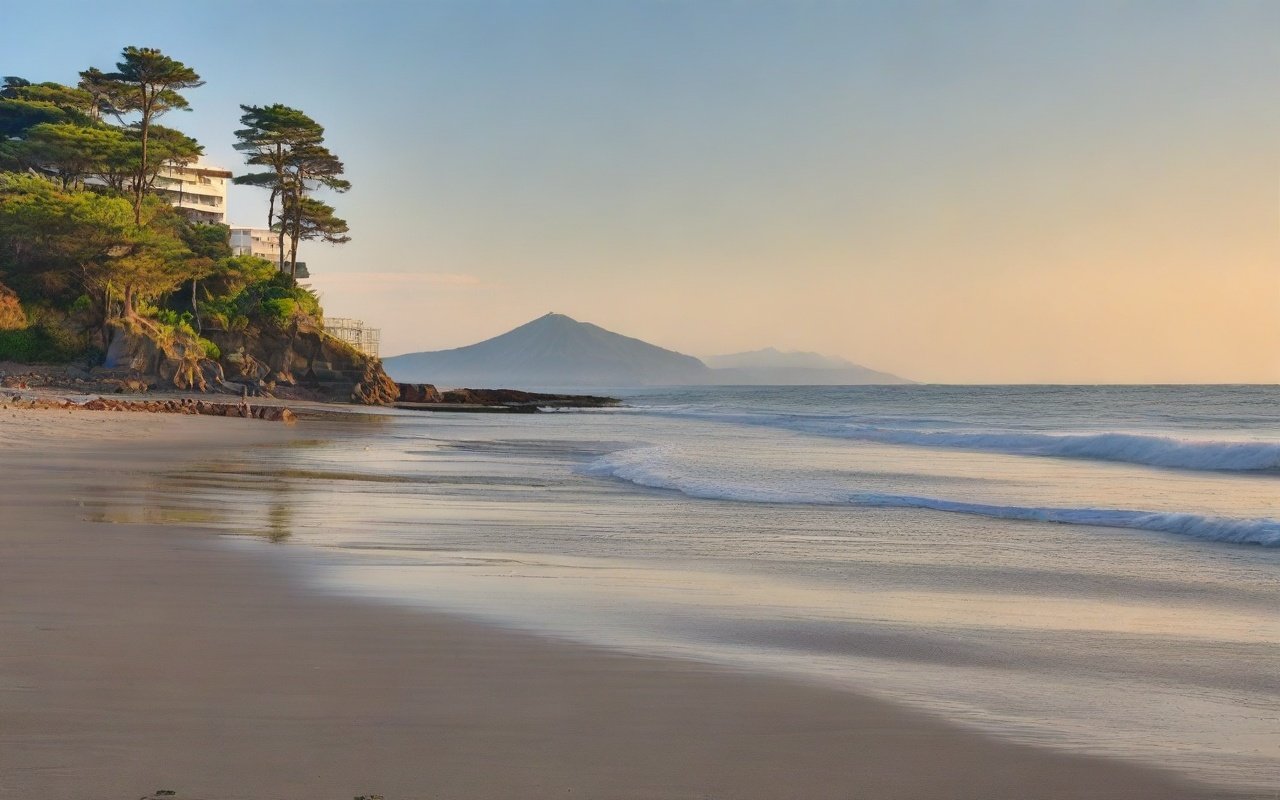
    Common Facilities

    Most beaches offer:

    • Showers (Β₯100-200)
    • Restrooms (free)
    • Lockers (Β₯100)
    • Beach chair rentals (Β₯500-1000/day)
    • Umbrella rentals (Β₯500-1000/day)

    Beach Houses

    Features:

    • Food and drinks
    • Music and entertainment
    • Changing rooms
    • Equipment rentals Popular Beach Houses:
    • The Beach (Yuigahama)
    • Billiken (Enoshima)
    • Mellow (Koshigoe)

    By Train

    To Kamakura (Yuigahama/Zaimokuza):

    • JR Yokosuka Line: 1 hour from Tokyo (Β₯1,040)
    • JR Shonan-Shinjuku Line: 1 hour from Shinjuku (Β₯1,040) To Enoshima:
    • Odakyu Line: 65 minutes from Shinjuku (Β₯650)
    • Enoden: 10 minutes from Kamakura (Β₯320)

    By Car

    • From Tokyo: 1.5 hours via Yokohama-Yokosuka Road
    • Parking: Β₯500-1000/day at beach lots

    Swimming Season

    Official Season: Early July to late August Pros:

    • Lifeguards on duty
    • All facilities open
    • Beach houses operating
    • Water sports available Cons:
    • Very crowded (especially weekends)
    • Higher prices
    • Limited parking

    Off-Season

    September to June

    Pros:

    • Fewer crowds
    • Good for surfing
    • Lower prices
    • beautiful scenery Cons:
    • No lifeguards
    • Limited facilities
    • Cold water (winter)
    • Some shops closed

    Do’s

    • βœ… Use designated swimming areas
    • βœ… Shower before and after
    • βœ… Dispose of trash properly
    • βœ… Respect local residents
    • βœ… Follow lifeguard instructions

    Don’ts

    • ❌ No smoking on most beaches
    • ❌ No alcohol after 8 PM
    • ❌ No loud music
    • ❌ No camping
    • ❌ No fires (except designated areas)

    Beachfront Hotels

    Shonan Beach Park Hotel

    Price: Β₯15,000-25,000/night
    Features: Ocean views, onsen, restaurant

    Guesthouses

    Shonan Backpackers

    Price: Β₯3,000-5,000/night
    Features: Shared kitchen, surfboard storage


    Shonan Beach Guide scenery and attractions


    Summary

    Shonan Beach Guide - Kanagawa 2026 β€” Summary

    Shonan offers some of the best beaches near Tokyo, perfect for swimming, surfing, and relaxation. Whether you’re looking for a lively beach scene or a quiet spot, Shonan has something for everyone.

    Key highlights:

    • 10+ beautiful beaches
    • World-class surfing
    • Easy access from Tokyo (1 hour)
    • great food scene
    • Perfect for summer day trips

    Shonan Beach Guide Whether you are looking for a relaxing day by the ocean or an active beach experience, Shonan Beach Guide – Kanagawa 2026 offers something for every type of traveler. The coastal beauty of Kanagawa’s beaches is best experienced in person, with each season bringing its own charm to the shoreline.

    Q, When is the best time to visit?

    A. July-August for swimming, September-October for surfing.

    Are beaches crowded on weekends?

    A. Yes, very crowded. Visit on weekdays if possible.

    Can I surf in winter?

    A. Yes, with a wetsuit. Winter waves are good for experienced surfers.
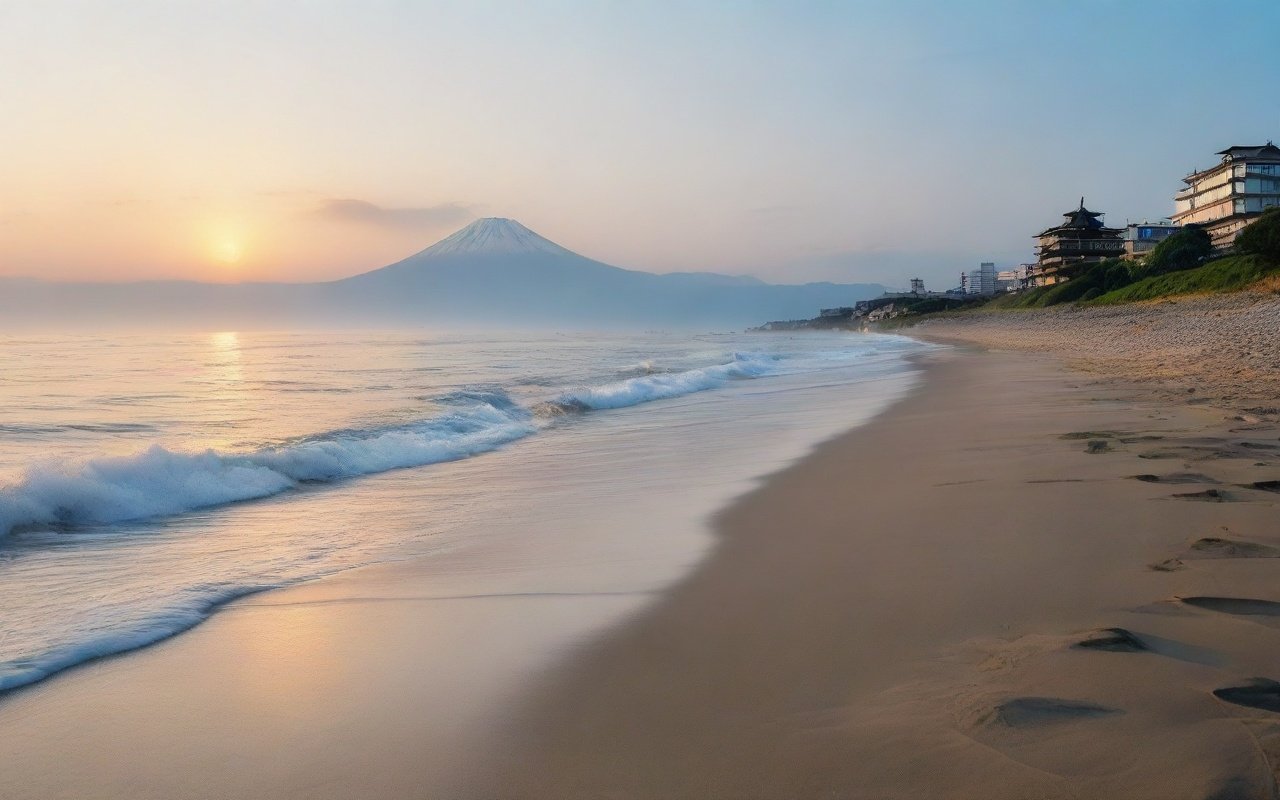
    Are dogs allowed on beaches?

    A. Most beaches prohibit dogs during swimming season. Check local rules.
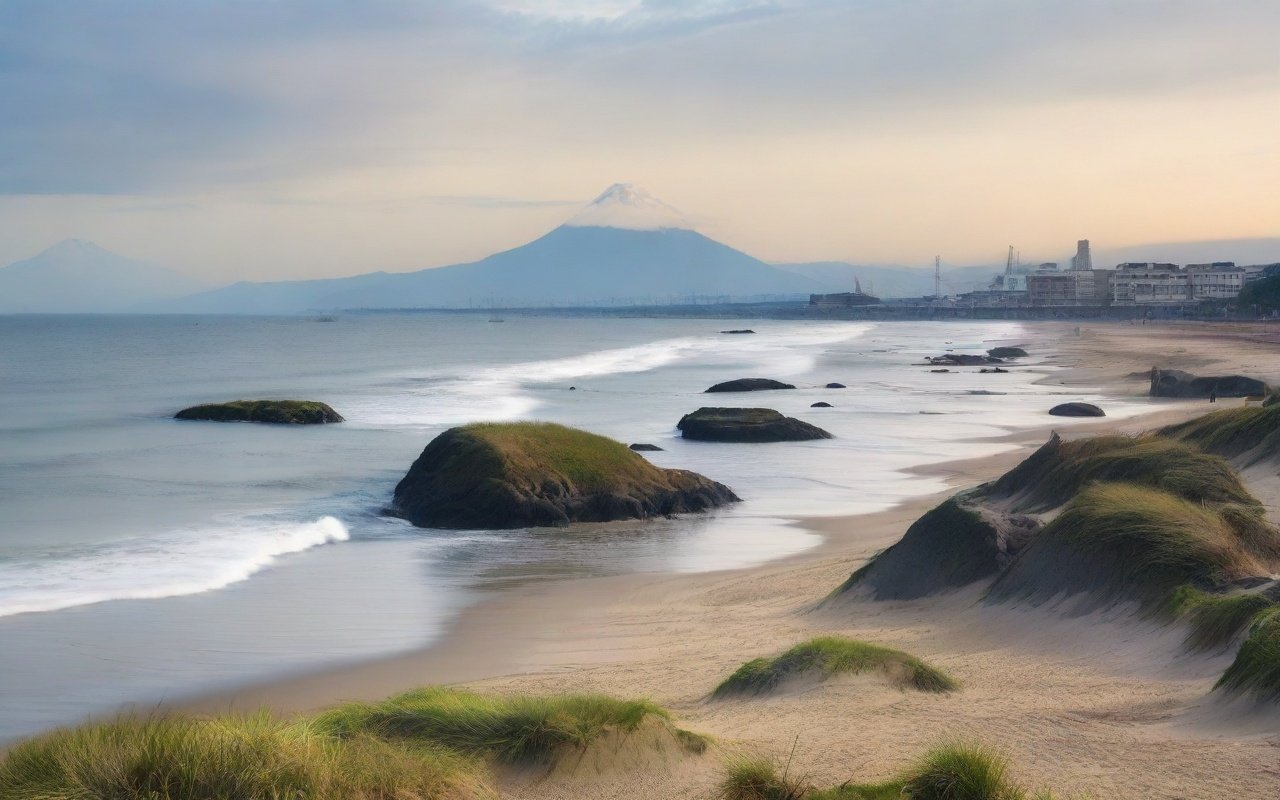
    Frequently Asked Questions

    Q: Is there a best time of day to visit?
    A: Early mornings (before 10 AM) are ideal for experiencing attractions with minimal crowds and optimal lighting for photography. Late afternoons (after 3 PM) also offer good conditions as tour groups depart. Midday hours (11 AM-2 PM) are the busiest across most destinations in Kanagawa.

    Q: What’s the most convenient way to reach this destination?
    A: The area is well-served by train from central Tokyo. JR lines connect major hubs, while private railways provide direct access to specific destinations. Travel time ranges from 25 minutes to 2 hours depending on the location. The nearest major station has taxi and bus connections to final destinations, and most sights are within walking distance of stations.

    Q: Is this destination manageable as a day trip from Tokyo?
    A: Yes, all destinations in this guide work well as day trips. Plan to arrive by late morning to see the main highlights. For a relaxed pace including lunch and optional detours, allow 6-8 hours. If you have more time, extending your stay overnight lets you explore at a leisurely pace and enjoy evening attractions.

    Q: Do I need any special skills or equipment to enjoy this destination?
    A: Most attractions in this guide are accessible to visitors of all backgrounds and fitness levels. Well-maintained paths, clear signage, and English information make navigation easy. For activities requiring specific gear (hiking shoes, swimwear, etc.), recommendations are included in the relevant sections above.

    Shonan Beach Guide – Kanagawa 2026 provides everything you need to make your Kanagawa trip smooth and enjoyable. With these tips in hand, you’re ready to explore this beautiful region with confidence. Safe travels!


    Conclusion

    exploring the Shonan coast for its beach can be as relaxed or as packed as you want it to be, and I have found that the best visits leave room for both planning and spontaneity. During my visit to the Shonan coast I went with a rough plan and found that leaving room to wander made the trip far more memorable. Use this guide to sort out the logistics in advance, then let the day surprise you β€” Kanagawa rewards travelers who stay curious.