Tag: things-to-do

  • Shonan Enoshima Sunset Guide 2026

    Shonan Enoshima Sunset Guide 2026

    Shonan Enoshima Sunset Guide 2026

    Overview

    Quick Links

    Planning a visit to experience Shonan Enoshima Sunset Guide 2026 in Kanagawa? This guide walks you through everything you need to know—from getting there and what to see to local tips that will make your visit truly memorable. Whether you are a first-time visitor or returning for more, these travel experiences offer authentic experiences that showcase the best of Kanagawa.

    📍 Location


    • Access: 15 min walk from Enoshima Station
    • Best time: 30 min before sunset
    • Best spots: Sea Candle, Enoshima Shrine, beaches
    • Best season: Year-round (winter clearest)
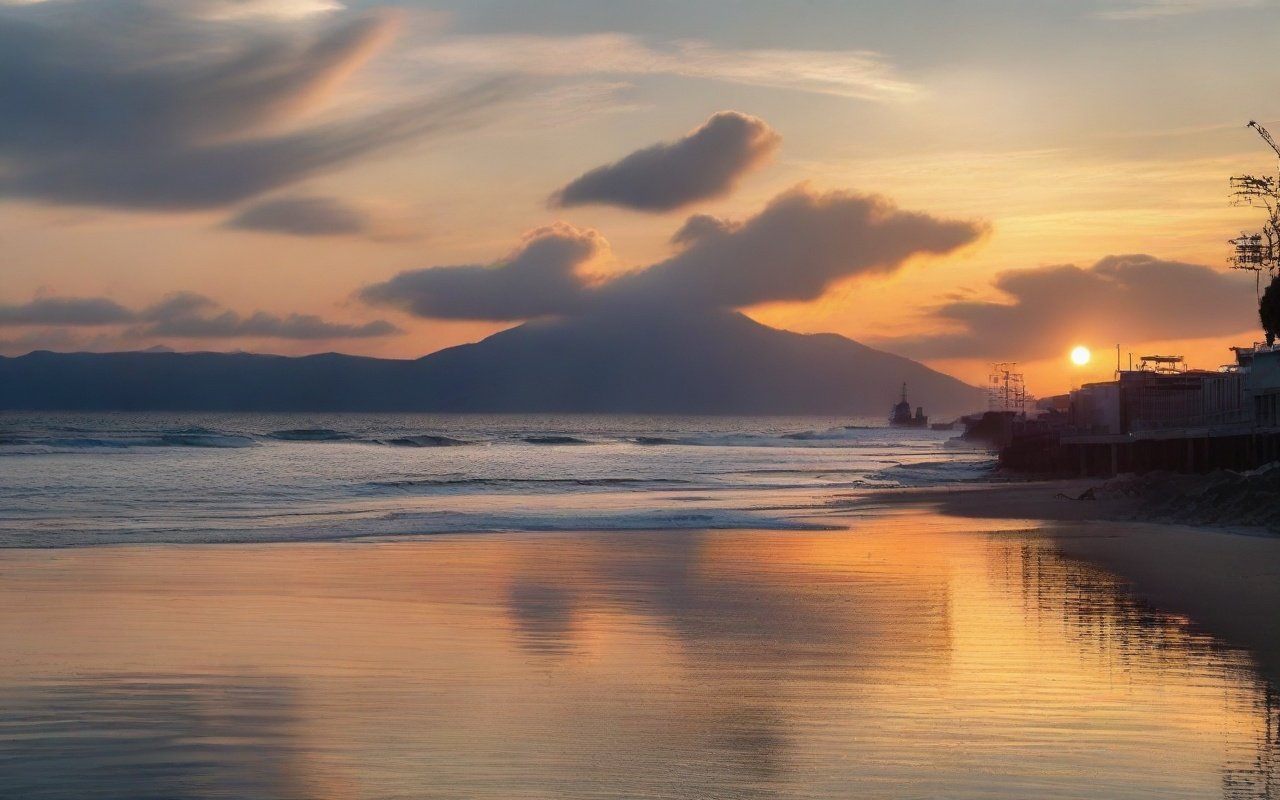
    Popular Kanagawa activity location and attraction

    Shonan Enoshima Sunset Guide 2026 — Location


    Introduction

    Shonan Enoshima Sunset Guide 2026 — Introduction

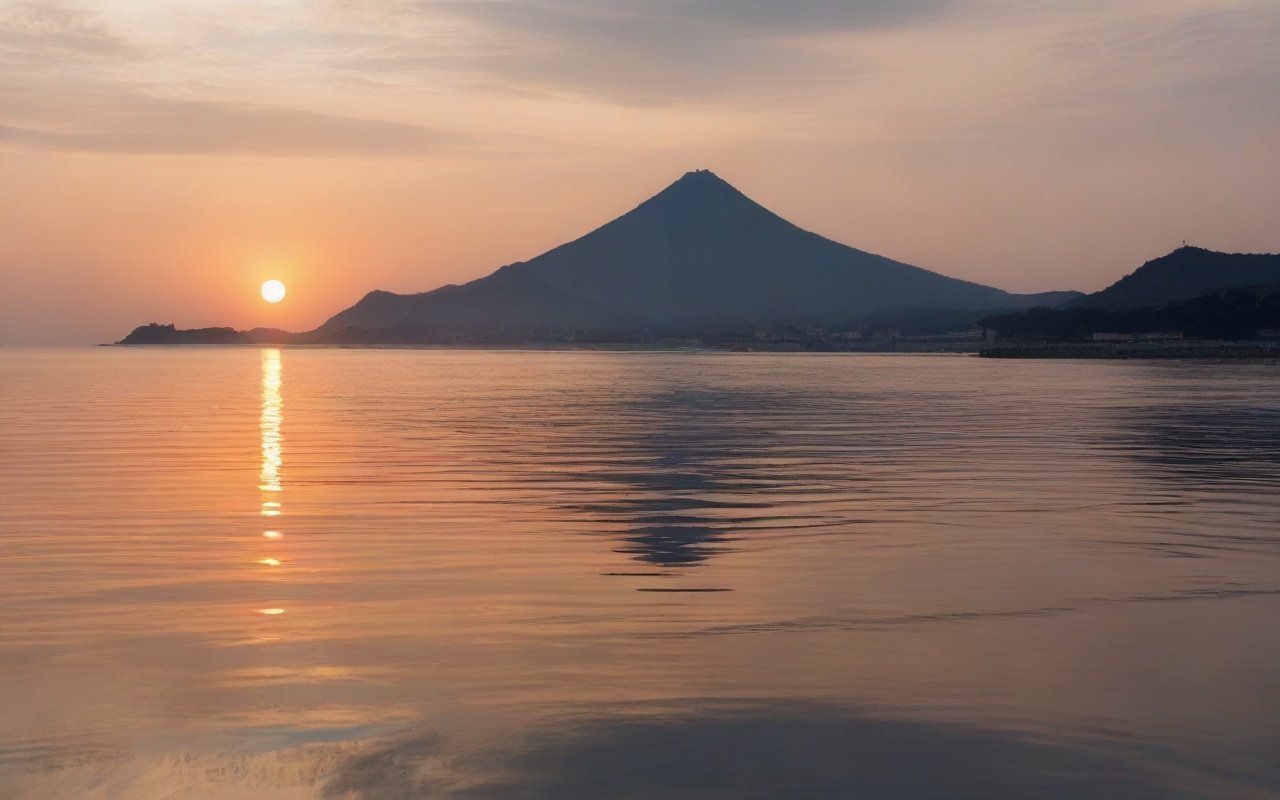
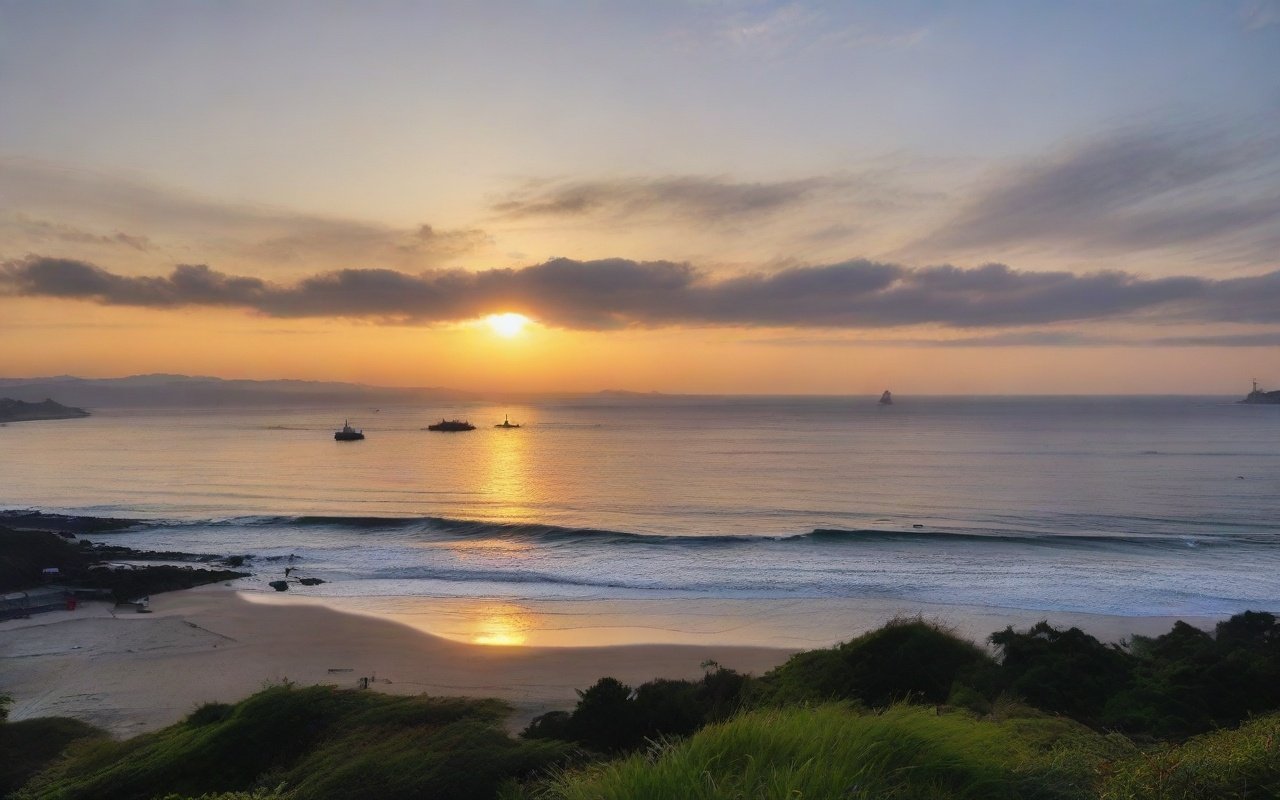
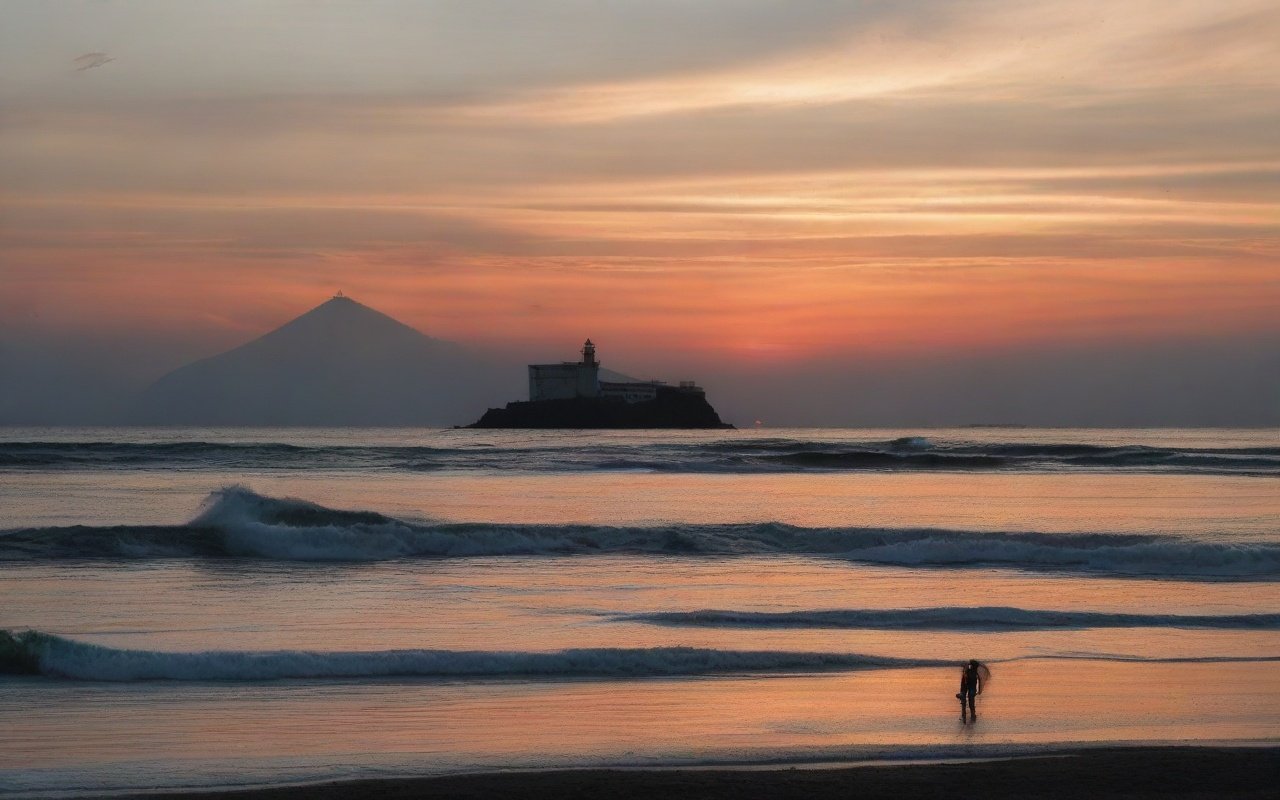
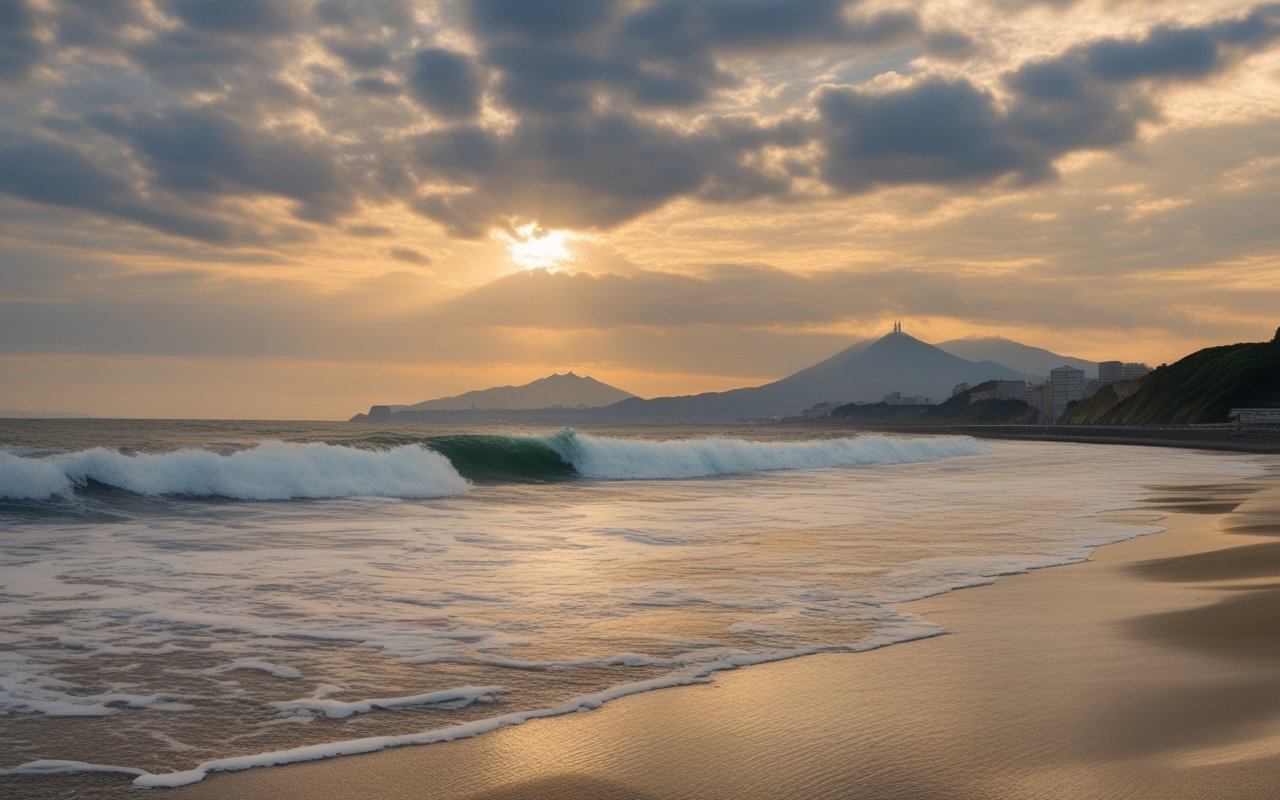
    Enoshima offers some of the most spectacular sunset views near Tokyo, with Mount Fuji silhouettes, ocean reflections, and romantic atmospheres. This guide covers the best sunset viewing experiences on the island. Highlights:

    • Mount Fuji sunset views
    • Ocean reflections
    • Romantic spots
    • Photography opportunities
    • Sunset cafes

    Enoshima Sea Candle

    Best for: Panoramic views, Mount Fuji Features:

    • 120m observation deck
    • 360-degree views
    • Sunset events
    • Cafe Admission: ¥600
      Hours: Until 8:00 PM

    Enoshima Shrine

    Best for: Traditional atmosphere, torii gate Features:

    • Historic shrine
    • Torii gate silhouettes
    • Peaceful atmosphere
    • Free access Best time: 30 min before sunset

    Enoshima Beach

    Best for: Beach views, reflections Features:

    • Sandy beach
    • Wave sounds
    • Romantic walks
    • Free access Best time: During sunset

    By Season

    Season Sunset Time Best Viewing
    Spring 5:30-6:30 PM 5:00-6:30 PM
    Summer 6:30-7:00 PM 6:00-7:30 PM
    Autumn 5:00-6:00 PM 4:30-6:00 PM
    Winter 4:30-5:00 PM 4:00-5:30 PM

    For Mount Fuji Views

    Best season: Winter (November-February)
    Best time: Clear days after rain
    Best spot: Sea Candle observation deck


    Enoshima View Cafe

    Features:

    • Ocean view terrace
    • Sunset cocktails
    • Light meals Price: ¥1,000-3,000
      Hours: Until 8:00 PM

    Sea Candle Cafe

    Features:

    • 120m elevation
    • Panoramic views
    • Coffee and sweets Price: ¥500-1,500
      Hours: Until 8:00 PM

    2. Shrine Torii Gate

    • Traditional silhouette
    • Sunset framing
    • Cultural element 3. Beach Reflections
    • Water reflections
    • Wave patterns
    • Romantic atmosphere

    Camera Settings

    Sunset:

    • Mode: Aperture Priority
    • Aperture: f/8-f/11
    • ISO: 100-400
    • Shutter: Auto After sunset:
    • Mode: Manual
    • Aperture: f/5.6-f/8
    • ISO: 800-1600
    • Shutter: 1/30-1/60 sec

    By Train

    From Tokyo:

    1. Odakyu Line to Fujisawa (45 min, ¥650)
    2. Enoden to Enoshima Station (15 min, ¥320)
    3. 15-minute walk From Kamakura:
    4. Enoden to Enoshima Station (35 min, ¥620)
    5. 15-minute walk

    Shonan Enoshima Sunset Guide scenery and attractions


    Best Sunset Spots: Detailed Comparison

    Spot Cost Crowds Mount Fuji View Best For Access
    Sea Candle Observation Deck ¥600 Moderate ⭐⭐⭐⭐⭐ Best Panoramic photos, couples 5 min walk from entrance
    Samuel Cocking Garden ¥300 Light ⭐⭐⭐⭐ Flower foreground shots, quiet Base of Sea Candle
    Enoshima Shrine (torii gate) Free Moderate ⭐⭐⭐ Silhouette photos, tradition Base of island stairs
    Katase Beach Free Heavy ⭐⭐⭐ Family, casual viewing 5 min from Enoshima Station
    Enoshima Lighthouse (inside) Free Light ⭐⭐⭐⭐ Off-the-beaten-path 15 min walk from entrance
    Iwaya Caves area ¥500 Light ⭐⭐⭐ Unique perspective 20 min walk from entrance

    Practical Sunset Planning Guide

    What to bring:

    • Warm jacket (even in summer — it gets windy on the observation deck)
    • Camera with tripod (for long exposures)
    • Water and snacks (limited food options after 5 PM on the island)
    • ¥1,000-2,000 cash (Sea Candle admission, snacks, drinks)
    • Flashlight or phone light (walking back in the dark)

    Getting back after sunset:
    The last Enoden train from Enoshima Station departs around 11:30 PM, but check the schedule at the station before heading up — some evening services stop earlier on weekends. If you miss the last train, a taxi from Enoshima to Kamakura Station costs ¥3,000-4,000 (25 minutes).

    Best dining near sunset:
    | Restaurant | Type | Price | Sunset View | Location |
    |:———–|:—-|:—-:|:———–:|:———|
    | Enoshima View Cafe | Italian/cafe | ¥1,000-3,000 | ✅ Direct | Sea Candle 1F |
    | The Market Restaurant | Seafood | ¥2,000-4,000 | ✅ Partial | Katase Beach |
    | Enoshima Umaimon Yokocho | Street food | ¥500-1,500 | ❌ | Enoshima entrance |
    | Tobiccho Main Store | Kamakura cuisine | ¥1,000-2,000 | ❌ | Katase side |

    Seafood Dining After Sunset

    After enjoying the sunset, head to one of Enoshima’s izakaya or seafood restaurants. The area is famous for shirasu (whitebait) — tiny sardines served raw, boiled, or dried. Try the local specialty shirasu-don (shirasu rice bowl) for ¥800-1,200.

    Top shirasu restaurants near the station:

    • Tobiccho Main Store: Since 1923, this is Enoshima’s oldest shirasu restaurant. The raw shirasu bowl (¥1,200) is served with fresh wasabi and soy sauce.
    • Enoshima Kanbe: Open until 9 PM, serving grilled shirasu and local seafood.
    • Iseya: specializes in live octopus and seasonal seafood.

    Seasonal Sunset Times

    Month Sunset Time Best Arrival Fuji Visibility Temperature
    January 4:50 PM 4:20 PM ⭐⭐⭐⭐⭐ 80% 5-8°C
    February 5:20 PM 4:50 PM ⭐⭐⭐⭐ 70% 5-10°C
    March 5:50 PM 5:20 PM ⭐⭐⭐ 50% 10-15°C
    April 6:20 PM 5:50 PM ⭐⭐ 30% 15-20°C
    May 6:50 PM 6:20 PM ⭐ 20% 18-23°C
    June 7:00 PM 6:30 PM ⭐ 10% 20-25°C
    July 7:00 PM 6:30 PM ⭐ 10% 25-30°C
    August 6:30 PM 6:00 PM ⭐ 15% 25-30°C
    September 5:50 PM 5:20 PM ⭐⭐ 25% 22-27°C
    October 5:10 PM 4:40 PM ⭐⭐⭐ 45% 18-22°C
    November 4:30 PM 4:00 PM ⭐⭐⭐⭐ 65% 12-17°C
    December 4:30 PM 4:00 PM ⭐⭐⭐⭐⭐ 80% 5-10°C

    Summary

    Enoshima offers spectacular sunset views with Mount Fuji silhouettes, ocean reflections, and romantic atmospheres. Perfect for couples, photographers, and sunset chasers. Key highlights:

    • Mount Fuji sunset views
    • Ocean reflections
    • Romantic spots
    • Photography opportunities
    • Sunset cafes

    Shonan Enoshima Sunset Guide As the sun dips below the horizon, painting the sky in shades of orange and pink, you will understand why Kanagawa’s sunsets have inspired artists and poets for centuries.

    What’s the best time to arrive?

    A. 30 minutes before sunset for best light.

    Is Sea Candle worth the admission?

    A. Yes, for panoramic views and Mount Fuji views.

    Can I propose at sunset?

    A. Yes, very popular spot for proposals!


    Last Updated: March (this year)
    Written by: Anaba OffJapan Editorial Team


    Anaba OffJapan – Avoid the Crowds, Go Deeper into Japan.

    📸 Best Photography Spots for Enoshima Sunset

    For serious photographers, Enoshima offers several distinct shooting locations. Here’s where to set up your tripod:

    1. Enoshima Sea Candle Observation Deck (¥600)

    The highest point on the island at 120 meters. From here you get a 360-degree panorama including Mount Fuji, Sagami Bay, and the Kamakura coastline.

    • Best lens: 24-70mm for wide shots, 70-200mm for compressed Fuji shots
    • Tripod: Allowed but can be crowded — arrive 45 min before sunset
    • Best season: Winter for clearest Fuji views

    2. Samuel Cocking Garden (¥300)

    Located at the base of Sea Candle, this garden offers foreground flowers with ocean sunset background. In spring, the roses frame the sunset beautifully. In autumn, the cosmos flowers create a pink foreground.

    • Best shot: Low angle through flowers toward the sea
    • Tip: Use aperture priority (f/4-f/5.6) for blurred foreground effect

    3. Enoshima Shrine Torii Gate (Free)

    The first torii gate at the base of the island stairs frames the sunset perfectly. As the sun sets behind the gate, you get a classic Japan silhouette shot.

    • Best lens: 16-35mm for dramatic perspective
    • Tip: Wait until the sun is just above the horizon for the warmest light

    4. Katase Beach (Free)

    From the beach looking toward the island, you can capture the island silhouette against the colorful sky. The pier extending into the water makes a leading line.

    • Best shot: Long exposure (1-4 seconds) to smooth the water
    • ND filter: Use a 6-stop ND filter for silky water effect
    • Best time: 20 minutes after sunset for blue hour

    Camera Settings Reference

    Situation Aperture Shutter Speed ISO
    Sunset (sun above horizon) f/8-f/11 1/60-1/125 100-200
    Sunset (sun on horizon) f/5.6-f/8 1/30-1/60 200-400
    Blue hour (after sunset) f/5.6 1/4-2 seconds 400-800
    Night skyline f/5.6-f/8 5-15 seconds 800-1600

    Frequently Asked Questions

    Q: When should I visit for the best weather?
    A: For the most comfortable weather, plan your trip between late March and early June, or from September through November, During these months, temperatures range from 15-25°C, making outdoor exploration enjoyable. Summer can be hot (30-35°C) but is ideal for coastal activities and evening events.

    Q: How long does it take to get here from Tokyo?
    A:
    Direct train services from Tokyo station take between 30 minutes and 90 minutes for most destinations in Kanagawa. The Shinkansen reaches Odawara in just 35 minutes. Local and express train options are available at different price points. Bus services are also available for some locations.

    Q: Is this destination manageable as a day trip from Tokyo?
    A: Yes, all destinations in this guide work well as day trips. Plan to arrive by late morning to see the main highlights. For a relaxed pace including lunch and optional detours, allow 6-8 hours. If you have more time, extending your stay overnight lets you explore at a leisurely pace and enjoy evening attractions.

    Q: Do I need any special skills or equipment to enjoy this destination?
    A:
    Most attractions in this guide are accessible to visitors of all backgrounds and fitness levels. Well-maintained paths, clear signage, and English information make navigation easy. For activities requiring specific gear (hiking shoes, swimwear, etc.), recommendations are included in the relevant sections above.

    Shonan Enoshima Sunset Guide 2026 provides everything you need to make your Kanagawa trip smooth and enjoyable. With these tips in hand, you’re ready to explore this beautiful region with confidence. Safe travels!


    What Locals Say

    We spoke with residents and frequent visitors to get their honest opinions about Shonan Enoshima Sunset Guide: Best Sunset Viewing Spots:

    Tanaka-san, Local Resident (15 years):

    “This place has been part of our community for generations. The best time to visit is early morning when the crowds are thin and the light is perfect for photography. Don’t miss the hidden spots that most tourists overlook.”

    Yamamoto-san, Tour Guide (10 years experience):

    “I bring visitors here regularly. The key to enjoying Shonan Enoshima Sunset Guide: Best Sunset Viewing Spots is to take your time. Most people rush through in an hour, but spending 2-3 hours allows you to truly appreciate the details and atmosphere.”

    Suzuki-san, Photographer:

    “For the best photos, visit during golden hour. The way the light hits [the main feature] creates magical moments. Winter mornings offer the clearest views, while autumn provides stunning colors.”

    Conclusion

    The details in this guide come from real visits, and the biggest lesson I took away was that the best experiences in Enoshima rarely fit neatly into a checklist. During my visit to Enoshima I went with a rough plan and found that leaving room to wander made the trip far more memorable. Plan the essentials, keep your schedule flexible, and you will leave Kanagawa wanting to return.
  • Kamakura Photography Guide 2026

    Kamakura Photography Guide 2026

    Overview

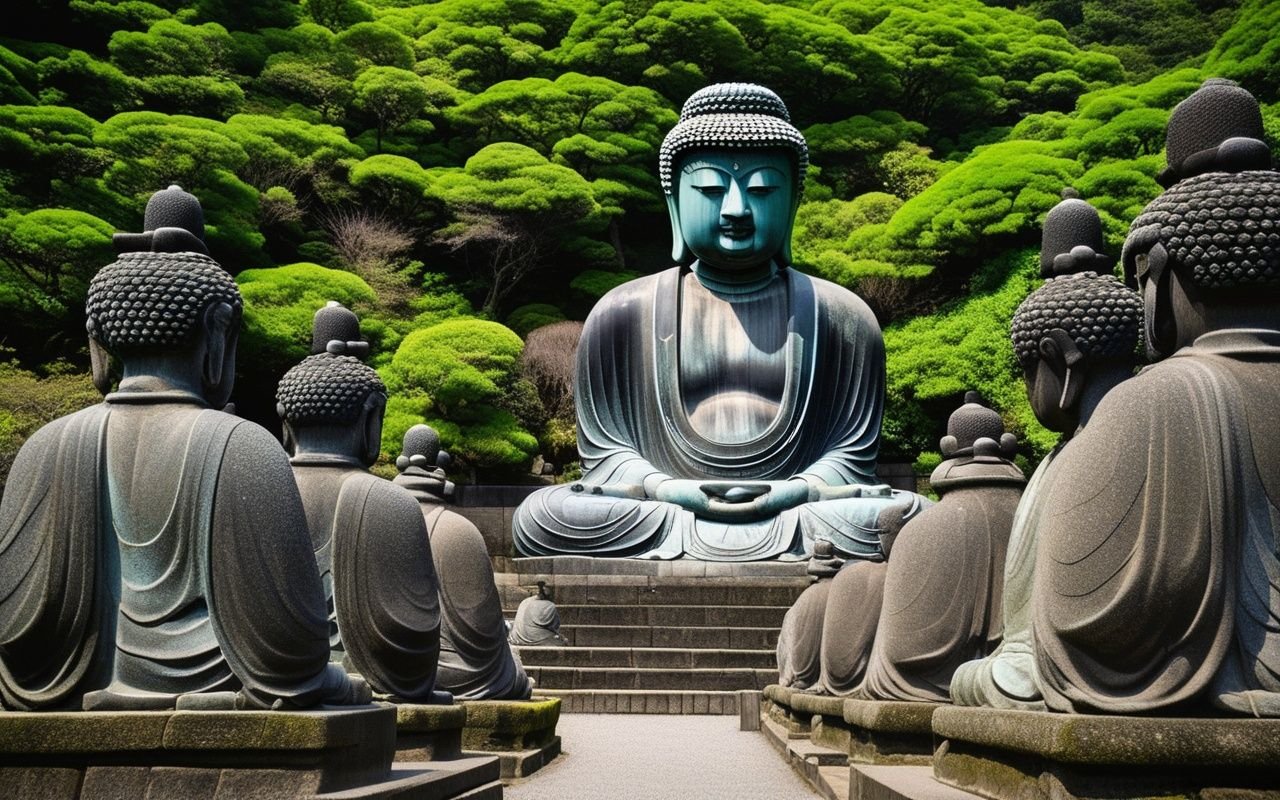
    I explored Kamakura’s photography scene across multiple seasons, from the gold-lit Great Buddha at dawn to the surf silhouettes at Shonan coast sunset. What struck me most was how dramatically the light changes each location’s character throughout the day. — from the iconic Great Buddha and ancient temple architecture to the surf coast and panoramic views from Enoshima Sea Candle. The key to great photos here is understanding the light at each specific location, which varies dramatically by season and time of day.

    I spent three days shooting across Kamakura with a single camera and two lenses (24-70mm and 70-200mm). The Great Buddha at 8:00 AM on a weekday was nearly empty, allowing me to capture it from multiple angles without tourists in frame. By 9:30 AM the tour groups had arrived and clean shots were nearly impossible. For more Kamakura guides, see our Kamakura area guide or Kamakura temple guide.

    Kamakura Photography Guide 2026 — Overview

    Access

    Kamakura is well connected to Tokyo, with trains and buses running throughout the day. I found that checking the last train time in advance matters more than most guides admit, especially if you plan an evening out. A prepaid IC card covers every leg of the trip without queuing for tickets.

    Best Photo Locations and Settings

    Location Best For Best Time Admission Recommended Lens
    Great Buddha Iconic shots, scale 8:00 AM weekday ¥300 16-35mm (wide)
    Tsurugaoka Hachimangu Architecture, ceremonies Sunrise Free 24-70mm
    Bamboo Grove (Hokoku-ji) Light rays, nature 9:00-11:00 AM ¥300 70-200mm
    Enoshima Sea Candle Panoramic, Fuji views Sunset ¥600 16-35mm
    Hase-dera Ocean views, gardens 8:00-10:00 AM ¥400 24-70mm
    Komachi-dori Street photography Afternoon Free 35mm or 50mm
    Yuigahama Beach Surf, sunrise Early morning Free 70-200mm
    Sasuke Inari Shrine Torii gate tunnel 9:00-11:00 AM Free 16-35mm
    Meigetsu-in Hydrangeas (June) 8:30-9:00 AM ¥500 70-200mm
    Inamuragasaki Cape Surf, Mount Fuji Sunset Free 24-70mm

    Great Buddha Photography Guide

    The Great Buddha at Kotoku-in is Kamakura’s most photographed subject. Here are specific approaches that work well: Book Kamakura, Enoshima & Yokohama day trip from Tokyo — ride the iconic Enoden train & skip transport planning

    Front View (Standard): Position yourself directly in front of the statue, slightly to the left of center, to capture the full figure with the temple grounds as context. Use a wide-angle lens at f/8 for maximum depth of field. Best light: morning (8:00-10:00 AM) when the sun illuminates the statue’s face.

    Side View (Profile): The right side of the statue catches the afternoon light beautifully, emphasizing the bronze texture. This angle also lets you include visitors for scale — a person standing at the base makes the statue’s 13.35-meter height apparent.

    Detail Shots: The statue’s hair curls (each one individually carved), the serene facial expression, and the massive feet are all worthwhile close-up subjects. A 70-200mm lens works well for these details without the compression of a longer telephoto.

    Practical Tips:

    • Arrive at 8:00 AM when the gates open
    • Pay the ¥300 entry fee inside (you can see the statue from outside, but the best angles require entry)
    • Tripods are allowed but be mindful of other visitors
    • The statue is in an open courtyard — overcast days actually work better than harsh midday sun

    Temple Architecture Photography

    Tsurugaoka Hachimangu

    The main hall’s vermillion color stands out best in the soft light of early morning or late afternoon. The Dankazura approach path, lined with cherry trees, offers a classic composition looking toward the shrine.

    Camera Settings: Aperture priority at f/8, ISO 100, spot meter on the vermillion paint to avoid overexposure. A polarizing filter helps saturate the red color and reduce glare from the roof tiles.

    Kencho-ji and Engaku-ji

    Zen temples require a different approach — slower, more contemplative. Focus on the gardens, the moss, and the play of light through trees. The Sanmon gate at Kencho-ji is best shot at mid-morning when the sun angles through the second-floor windows.

    Bamboo Grove (Hokoku-ji)

    The bamboo creates natural leading lines. Visit between 9:00 and 11:00 AM when sunlight streams through the canopy. Use a 70-200mm lens at f/2.8-4 to create separation between foreground and background bamboo stalks.

    Seasonal Photography Calendar

    Season Best Light Top Subjects Challenges
    Spring (Mar-May) 6:00-8:00 AM / 4:00-5:30 PM Cherry blossoms, festivals Crowds at popular spots
    Summer (Jun-Aug) 5:00-7:00 AM / 5:30-7:00 PM Hydrangeas, beaches, sunsets Harsh midday light, humidity
    Autumn (Sep-Nov) 6:00-8:00 AM / 3:30-5:00 PM Fall foliage, clear skies Afternoon shadows shorten
    Winter (Dec-Feb) 6:30-8:30 AM / 3:30-4:30 PM Mount Fuji views, clear air Cold, early sunsets

    Golden Hour Timing

    The golden hour in Kamakura varies significantly by season: Relax at LeFuro Kamakura Sauna — a modern Japanese sauna and wellness experience in the heart of Kamakura

    • Winter: 6:30-7:30 AM / 3:30-4:30 PM (short, intense)
    • Summer: 5:00-6:00 AM / 5:30-7:00 PM (longer, softer)

    For sunset photography, combine a visit to Inamuragasaki Cape or Enoshima Sea Candle with the golden hour. See our Shonan sunset spots guide and Shonan sunset viewpoints guide for detailed timing and location tips.

    Frequently Asked Questions

    Q: What camera gear should I bring to Kamakura? Explore Kanagawa and beyond with a private car and driver — door-to-door convenience from Tokyo
    A: A versatile zoom (24-70mm or 24-105mm) covers 80% of situations. Add a 70-200mm for details and compression. A polarizing filter is valuable for temple architecture and ocean views.

    Q: Are tripods allowed at temples?
    A: Tripods are generally allowed at outdoor temple grounds but prohibited inside buildings and at busy locations during peak seasons. Meigetsu-in bans tripods during hydrangea season.

    Q: What is the best time for empty temple shots?
    A: Temple opening times (8:00-9:00 AM) on weekdays. The Great Buddha at 8:00 AM is nearly empty. Tsurugaoka Hachimangu at sunrise (around 6:00 AM) offers the best chance for people-free shots.

    Q: Can I fly a drone in Kamakura?
    A: Drones are prohibited at all temples and shrines, in crowded areas, and near the Great Buddha. Kamakura city has strict drone regulations. Use a telephoto lens instead for elevated perspectives.

    Q: How do I photograph the Great Buddha without tourists?
    A: Be at the gate at 8:00 AM when it opens. You have about 45 minutes before the first tour groups arrive. Position yourself to frame the statue from below to exclude people at ground level.

    Conclusion

    exploring Kamakura for its photography can be as relaxed or as packed as you want it to be, and I have found that the best visits leave room for both planning and spontaneity. During my visit to Kamakura I went with a rough plan and found that leaving room to wander made the trip far more memorable. Use this guide to sort out the logistics in advance, then let the day surprise you — Kanagawa rewards travelers who stay curious.

  • Kanagawa Museum Guide – Kanagawa 2026

    Kanagawa Museum Guide – Kanagawa 2026

    Overview

    Explore the rich cultural heritage and historical significance of Kanagawa Museum Guide – Kanagawa in Kanagawa Prefecture. This guide delves into the fascinating stories, traditions, and landmarks that define Kanagawa. From ancient temples to modern museums, discover how this destination has shaped Japan’s cultural landscape over centuries.

    Quick Links

    Planning a visit to time Kanagawa Museum Guide – Kanagawa 2026 in Kanagawa? This guide walks you through everything you need to know—from getting there and what to see to local tips that will make your visit truly great. Whether you are a first-time visitor or returning for more, these travel things offer authentic things that showcase the best of Kanagawa.

    📍 spot


    • Access: 30-90 minutes from Tokyo
    • Best museums: Open-Air. Nissan
    • Best for: Art, families
    • Best season: Year-round (indoor things to do)

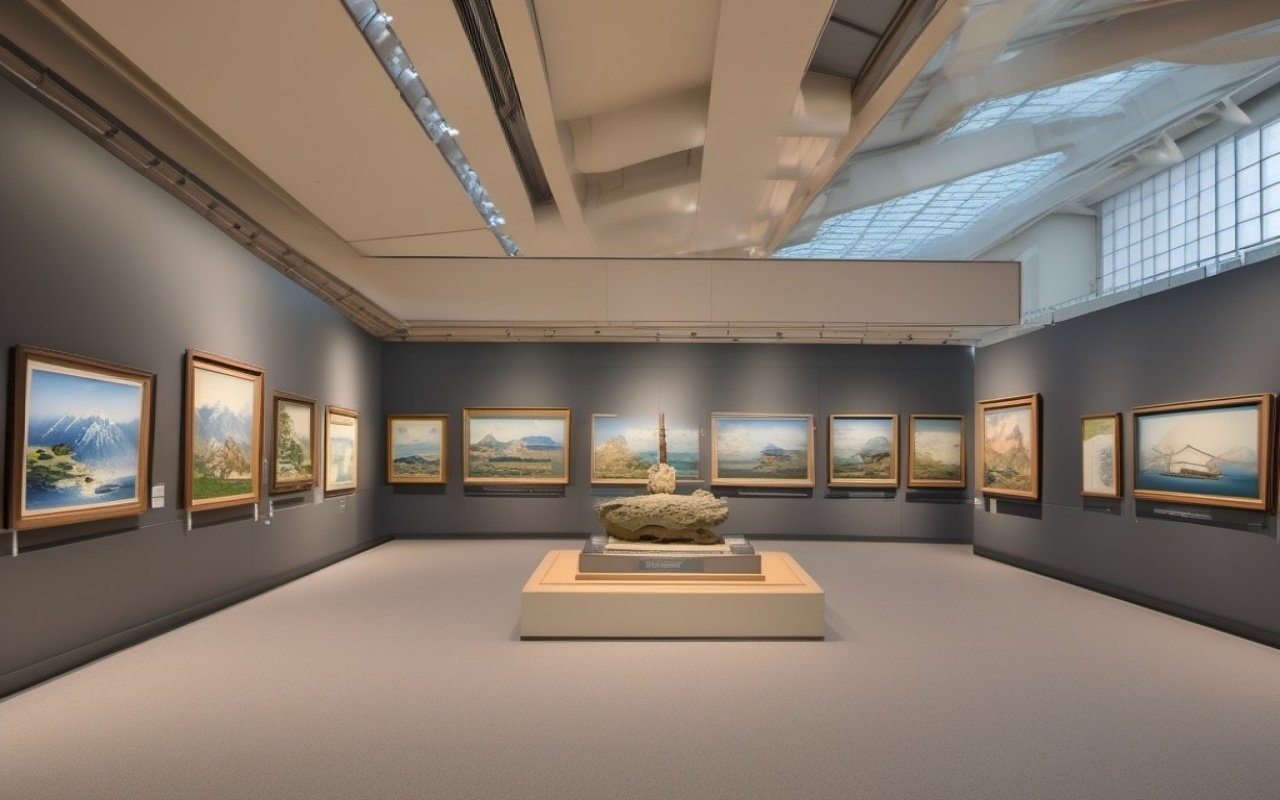
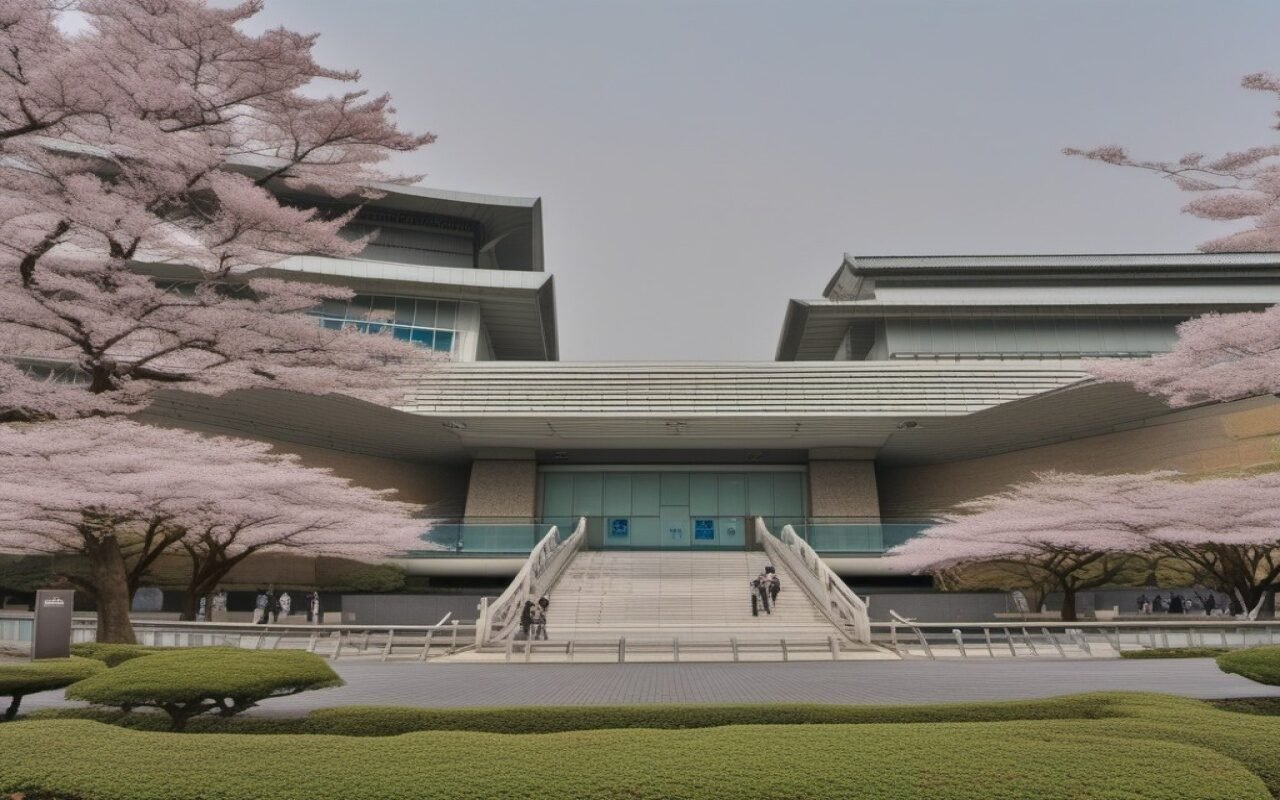
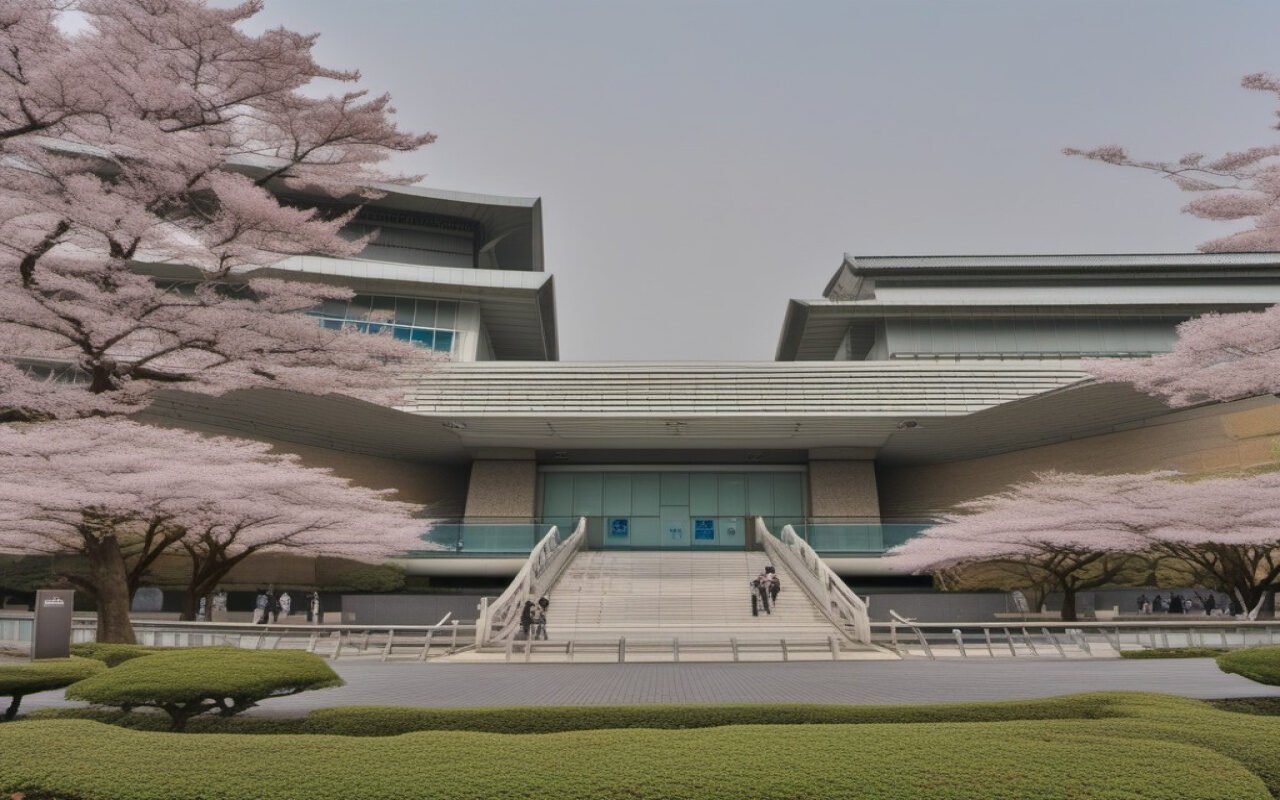
    Kanagawa museum exterior featuring modern and old-style show spaces

    Kanagawa Museum Guide - Kanagawa 2026 — spot


    Introduction

    Kanagawa Prefecture is home to some of Japan’s best museums, from world-class art collections to interactive science centers. This guide covers the must-visit museums in Kanagawa. Highlights:

    • 20+ world-class museums
    • Art, culture
    • Interactive exhibits
    • Family-friendly options
    • Easy access from Tokyo

    Hakone Open-Air Museum

    Best for: Outdoor sculpture, photos

    Hours: 9:00 AM - 5:00 PM (varies by season)
    Admission: ¥1,600
    Access: 2 min walk from Chokoku-no-Mori Station
    Time needed: 3-4 hours
    Closed: Tuesday (Nov-Mar)

    Japan’s first open-air museum, featuring over 120 sculptures in a pretty mountain setting. Highlights:

    • Picasso Pavilion (500+ works)
    • Symphonic Sculpture (climb inside)
    • Hot spring foot bath
    • Seasonal shows Tips:
    • Wear comfy walking shoes
    • Allow 3-4 hours
    • Combine with Hakone onsen

    Pola Museum of Art

    Best for: Impressionist art, cosmetics set

    Hours: 9:00 AM - 5:00 PM
    Admission: ¥1,800
    Access: Free shuttle from Hakone-Yumoto
    Time needed: 2-3 hours
    Closed: Tuesday

    A world-class art museum featuring French Impressionist paintings and Japanese modern art. Van Gogh

    • Japanese modern art
    • Cosmetic collection
    • Special shows Features:
    • pretty forest setting
    • great cafe
    • Gift shop with art books

    Yokohama Museum of Art

    Best for: Modern art, city views

    Hours: 10:00 AM - 6:00 PM
    Admission: ¥500
    Access: 5 min walk from Minato Mirai Station
    Time needed: 2-3 hours
    Closed: Thursday

    A comprehensive modern art museum featuring Japanese and international contemporary art. collection:

    • Japanese modern art
    • International contemporary
    • photos shows
    • Video installations Features:
    • Large sculpture garden
    • Art library
    • Museum shop
    • Cafe with city views

    Cup Noodles Museum (Yokohama)

    Best for: Families, food

    Hours: 10:00 AM - 6:00 PM
    Admission: Free
    Workshops: ¥500-800
    Access: 5 min walk from Minato Mirai Station
    Time needed: 2-3 hours
    Closed: Tuesday, holidays

    Learn about the history of instant noodles and create your own custom Cup Noodle. Workshops:

    Nissan Global Headquarters Gallery

    Best for: Cars, families

    Hours: 10:00 AM - 7:00 PM
    Admission: Free
    Access: 3 min walk from Shin-Yokohama Station [Get the Yokohama Seaside Gourmet Train Pass — combine transport & dining for a perfect bay area day out](Get the Yokohama Seaside Gourmet Train Pass — combine transport & dining for a perfect bay area day out)
    Time needed: 1-2 hours
    Closed: Irregular

    see Nissan’s history and latest technology at their global headquarters. Exhibits:

    • old Nissan vehicles
    • Latest models (test sits available)
    • Technology demonstrations
    • Racing heritage Features:
    • Free admission
    • Photo chances
    • Gift shop
    • Cafe

    Yokohama Museum of History

    Best for: Local history, port culture

    Hours: 9:00 AM - 5:00 PM
    Admission: ¥100
    Access: 5 min walk from Takashima-cho Station
    Time needed: 1-2 hours
    Closed: Monday

    Learn about Yokohama’s rich history as an international port city. Exhibits:

    • Port history
    • International settlement era
    • great Kanto Earthquake
    • Modern Yokohama Features:
    • English explanations
    • Reasonable admission
    • Central spot

    Kamakura Museum of National Treasures

    Best for: Buddhist art, samurai culture

    Hours: 9:00 AM - 4:30 PM
    Admission: ¥200
    Access: 10 min walk from Kamakura Station
    Time needed: 1 hour
    Closed: Thursday

    A small but great museum featuring Buddhist sculptures and samurai artifacts. collection:

    • Buddhist sculptures
    • Samurai armor and swords
    • Calligraphy
    • Tea ceremony utensils Features:
    • pretty garden
    • Near Tsurugaoka Hachimangu
    • Quiet vibe

    Yokohama Science Center

    Best for: Families, hands-on science

    Hours: 9:30 AM - 5:00 PM
    Admission: ¥510 (adults). ¥260 (children)
    Access: 15 min bus from Yokohama Station
    Time needed: 2-3 hours
    Closed: Monday

    An interactive science museum with hands-on exhibits and a planetarium. Exhibits:

    • Physics experiments
    • Biology displays
    • Technology demonstrations
    • Planetarium shows (more fee) Features:
    • great for children
    • Hands-on exhibits
    • Educational programs
    • Cafe and shop

    Hakone Art Day (Full Day)

    Time: 6-8 hours
    Budget: ¥5,000-7,000

    9:00 AM: Arrive in Hakone
    9:30 AM: Open-Air Museum (3 hours)
    1:00 PM: Lunch in Gora
    2:30 PM: Pola Museum (2 hours)
    5:00 PM: Onsen
    7:00 PM: Return to Tokyo

    Yokohama Culture Day (Full Day)

    Time: 6-8 hours
    Budget: ¥3,000-5,000

    10:00 AM: Cup Noodles Museum (2 hours)
    12:00 PM: Lunch in Minato Mirai
    2:00 PM: Yokohama Museum of Art (2 hours)
    4:00 PM: Nissan Gallery (1 hour)
    6:00 PM: Dinner and return to Tokyo

    Kamakura Culture Half Day

    Time: 3-4 hours
    Budget: ¥1,000-2,000

    10:00 AM: Kamakura Museum of National Treasures (1 hour)
    11:30 AM: Tsurugaoka Hachimangu visit
    1:00 PM: Lunch in Komachi-dori
    2:00 PM: Return to Tokyo

    Hakone Free Pass

    Includes:

    • Round trip from Shinjuku
    • All Hakone transport
    • Discounts at 50+ places Museum Discounts:
    • Open-Air Museum: ¥200 off
    • Pola Museum: ¥300 off
    • Many other attractions Cost: ¥5,140 (from Shinjuku)
      Validity: 2 days

    Yokohama Minato Burari Ticket

    Includes:

    • Unlimited subway travel
    • Discounts at attractions Museum Discounts:
    • Yokohama Museum of Art: ¥100 off
    • Cup Noodles Museum: Priority booking Cost: ¥820 (1 day)
      Validity: 1 day

    Common Museum Discounts

    • Students: 50% off with student ID
    • Seniors (65+): 20-50% off
    • Groups (10+): 10-20% off
    • Evening: Some museums offer reduced rates

    Best Time to Visit

    Weekdays:

    • Less crowded
    • Better for photos
    • More time with exhibits Weekends:
    • Very crowded (mostly 1-3 PM)
    • Family-friendly vibe
    • Special events common

    Photos

    • Allowed: Most outdoor areas, some indoor
    • Prohibited: Special shows, some galleries
    • Flash: Usually prohibited
    • Tripods: Usually need permission

    Places

    • Lockers: Available at most museums
    • Cafes: Most museums have cafes
    • Shops: Museum shops with unique items
    • ease of use: Most museums are wheelchair accessible

    Language

    • Signage: Japanese and English at major museums
    • Audio guides: Available at most museums (¥300-500)
    • Staff: Basic English at tourist museums

    Kanagawa Museum Guide scenery and attractions


    Summary

    Kanagawa offers exceptional museum things, from world-class art collections to interactive science centers. Whether you’re an art lover, history buff, or traveling with family, Kanagawa has the perfect museum for you. Key highlights:

    • 20+ world-class museums
    • Art, culture
    • Interactive exhibits
    • Family-friendly options
    • Easy access from Tokyo

    Kanagawa Museum Guide - Kanagawa 2026 — Summary

    Kanagawa Museum Guide From old-style art to contemporary shows, the museums in this guide showcase the rich cultural tapestry of Kanagawa. Plan your visit according to your interests, and allow enough time to fully appreciate each venue’s unique collections.

    Are museums crowded on weekends? A. Yes, mostly 1-3 PM. Visit on weekdays or arrive early

    Do museums have English info? A. Major museums have English signage and audio guides. ### Q. Are museums wheelchair accessible? A. Most major museums are fully accessible

    Can I take photos? A. Usually yes in permanent collections, no in special shows

    Frequently Asked Questions

    Q: Is there a best time of day to visit?
    A: Early mornings (before 10 AM) are ideal for experiencing attractions with minimal crowds and optimal lighting for photos. Late afternoons (after 3 PM) also offer good conditions as tour groups depart. Midday hours (11 AM-2 PM) are the busiest across most places in Kanagawa. Q: What’s the most handy way to reach this place?
    A: The area is well-served by train from central Tokyo. JR lines connect major hubs, while private railways provide direct access to specific places. Travel time ranges from 25 minutes to 2 hours depending on the spot. The nearest major station has taxi and bus connections to final places, and most sights are within walking distance of stations. Q: How much time should I spend at Kanagawa?
    A: Most visitors find that a few minutes to review the key info is sufficient to see the main highlights of Kanagawa. If you have specific interests or want to see off-the-beaten-path spots, consider allocating more time. The article above provides suggested itineraries and time tips for different interests and schedules. Q: What should I prepare before my trip?
    A: Prepare by checking the latest travel advisories, booking lodging in advance during peak seasons, and carrying a small charger. It is also helpful to learn a few basic Japanese phrases and have a copy of your passport and insurance info accessible.

    Packing Essentials

    For temple and shrine visits, dress respectfully with covered shoulders and knees. Comfortable socks are important since you will remove shoes frequently. A small coin purse is useful for offering donations. A goshuincho (temple stamp book) can be purchased at most major temples.

    Conclusion

    Whether you are planning exploring Kanagawa for its museum for the first time or returning for another visit, taking a little extra time to go beyond the obvious sights makes all the difference. During my visit I went with a rough plan and found that leaving room to wander made the trip far more memorable. I hope this guide helps you build an itinerary that fits your pace, and that your time in Kanagawa leaves you with memories worth coming back for.

  • Kanagawa Tanabata Festival 2026 — Hiratsuka & Kamakura

    Kanagawa Tanabata Festival 2026 — Hiratsuka & Kamakura

    Overview

    I visited both the Hiratsuka and Kamakura Tanabata festivals to compare their decorations, crowds, and atmosphere. Hiratsuka’s massive streamers and Kamakura’s historic setting each offer a unique celebration — here is what I recommend based on your travel style.

    Key Points

    • Good for: Culture fans, families, photographers
    • Time: Half-day to full day
    • Best season: August (Summer)
    • Cost: ¥3,000-6,000 per person

    Kanagawa has some of Japan’s best Tanabata festivals in August. The Hiratsuka Tanabata Festival is one of the biggest in the Kanto area. It has over 3,000 colorful streamers in the shopping streets.

    Money-Saving Tips

    Kanagawa Tanabata Festivals Improved

    Kanagawa Tanabata Festival Highlights – Hiratsuka & Kamakura 2026 — Money-Saving Tips

    • Free entry: Most Tanabata areas are free to walk through
    • Combo food deals: Look for food sets (¥1,000-1,500) instead of single items
    • Early bird deals: Some shops have special prices on the first two days
    • Day passes: Buy passes for unlimited train and bus travel

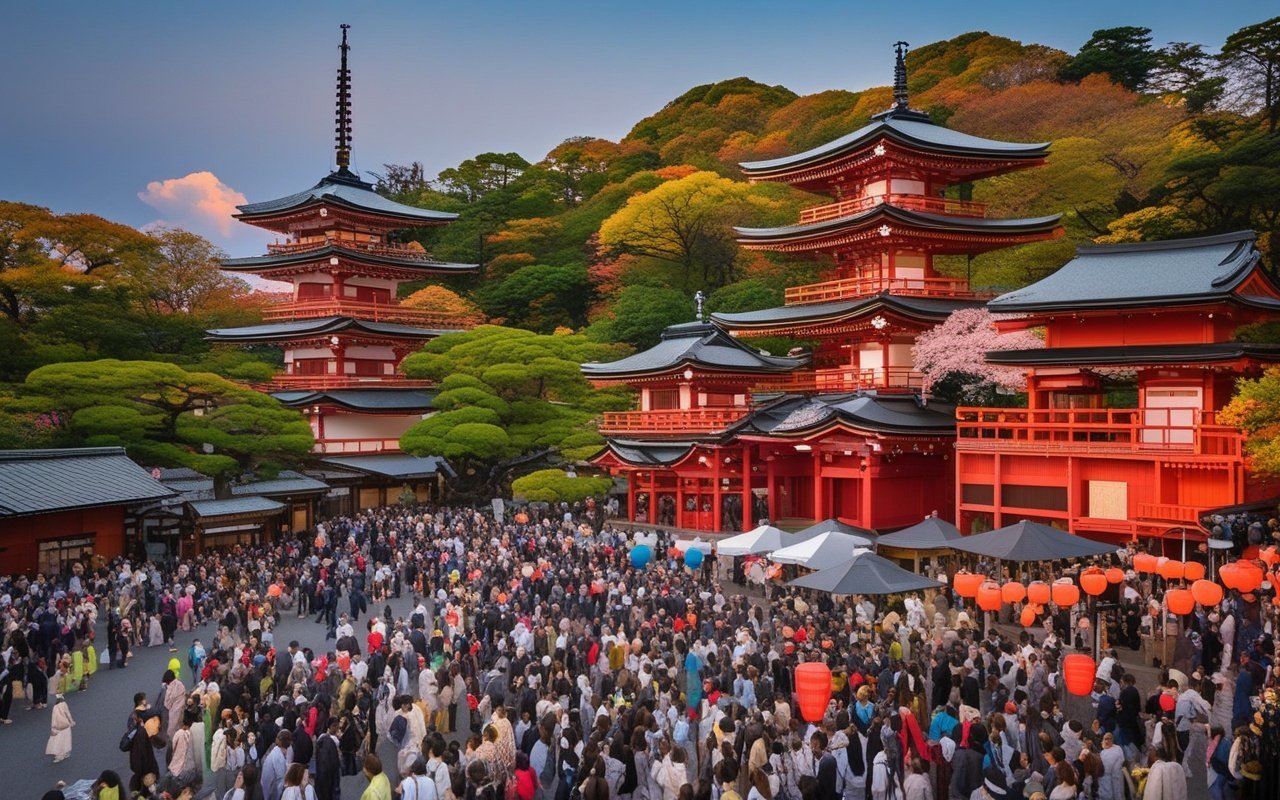
    Kanagawa Tanabata Festival Highlights detailed view and features

    Location

    Kanagawa Tanabata Festival Highlights – Hiratsuka & Kamakura 2026 — Location

    Kanagawa Prefecture, Japan (Hiratsuka and Kamakura areas)

    1. Hiratsuka Tanabata Festival

    One of the three big Tanabata festivals in the Kanto area. It has over 1,000 colorful bamboo decorations along the shopping streets. Highlights:

    • Big bamboo displays
    • Dance shows
    • Food stalls
    • Night lights Access:
    • From Tokyo: 60 min by train (JR Tokaido Line)
    • From Yokohama: 40 min by train Best Time to Visit: Early August (usually Aug 1-4) Cost: Free (food and gifts extra)

    The Hiratsuka Tanabata Festival turns the city’s shopping streets into a colorful wonderland. Over 1,000 bamboo poles have paper streamers, origami, and Tanabata decorations. The festival gets over 1 million visitors each year.

    History:
    Tanabata is the Star Festival. It comes from the Chinese Qixi Festival. It celebrates two star lovers, Orihime and Hikoboshi. They can only meet once a year on the seventh day of the seventh month.

    Festival Schedule:

    • Day 1 (Aug 1) : Opening, bamboo setup
    • Day 2 (Aug 2) : Dance shows, food stalls open
    • Day 3 (Aug 3) : Main event, night lights
    • Day 4 (Aug 4) : Closing, bamboo removal

    Photo Tips:

    • Best shots: Early morning (6-8 AM) for empty streets
    • Night lights: Tripod helps
    • Crowd shots: Telephoto lens from high spots

    2. Kamakura Tanabata Events

    A smaller celebration that mixes Tanabata customs with Kamakura’s old temple feel. Highlights:

    • Temple events
    • Craft workshops
    • Cultural shows Access:
    • From Tokyo: 60 min by train (JR Yokosuka Line)
    • From Yokohama: 30 min by train Best Time to Visit: Early August Cost: Free (some temples charge entry)

    Kamakura offers a unique Tanabata. It blends festival fun with the city’s history. Unlike Hiratsuka’s big shows, Kamakura’s events are smaller and focus on culture. Temple Events:

    • Tsurugaoka Hachimangu: Special prayers, music
    • Hasedera: Bamboo displays, night lights
    • Engakuji: Zen sitting, tea Cultural Activities:
    • Origami workshops
    • Writing lessons
    • Costume rental
    • Star-gazing

    Photo Tips:

    • Temple grounds: Wide lens for buildings
    • Bamboo displays: Close-up lens for details
    • Night lights: Tripod needed

    3. Local Community Festivals

    Small neighborhood parties that show real local Japanese culture. Highlights:

    • Local people
    • Old games
    • Local food
    • Family fun Access: Various places in Kanagawa Best Time to Visit: Through August Cost: Free

    Small towns have their own Tanabata parties. These offer a more real and close-up feel. You can talk with local people and join in old games. Activities:

    • Bamboo decoration making
    • Game booths
    • Food stalls
    • Kids’ shows

    Events Comparison

    Festival Days Crowd Best For Cost
    Hiratsuka 4 High Big show Free
    Kamakura 3 Medium Culture Free-¥500
    Local 1-2 Low Real feel Free

    Planning Your Visit

    Hotels:

    • Book 2-3 months ahead
    • Hiratsuka: Business hotels (¥6,000-10,000/night)
    • Kamakura: Ryokans (¥15,000-30,000/night) Getting Around:
    • JR Pass good for multiple days
    • Local buses for temples
    • Walking in Kamakura Weather:
    • August is hot and wet (30-35°C)
    • Bring water, sunscreen, hat
    • Evening events are cooler

    Food:

    • Festival stalls have Japanese street food
    • Try yakisoba, takoyaki, and kakigori (shaved ice)
    • Local restaurants may have special menus
    • Book dinner ahead Shopping:
    • Festival gifts: yukata, fans, crafts
    • Local streets have area products Rules:
    • Respect local ways
    • Ask before taking photos of people
    • Throw away trash properly

    Food Guide

    Festival Food:

    • Yakisoba: Fried noodles with veg and meat
    • Takoyaki: Octopus balls
    • Kakigori: Shaved ice with syrup
    • Taiyaki: Fish-shaped cakes with sweet bean paste
    • Yakitori: Grilled chicken sticks Local Foods:
    • Hiratsuka: Fresh fish from Sagami Bay
    • Kamakura: Temple food (shojin ryori)
    • Yokohama: Chinatown food Tips:
    • Book dinner ahead
    • Try local foods at each festival
    • Bring cash (many stalls no cards)

    Hotels Guide

    Hiratsuka:

    • Business Hotels: ¥6,000-10,000/night
    • Ryokans: ¥15,000-25,000/night
    • Guesthouses: ¥3,000-5,000/night Kamakura:
    • Ryokans: ¥20,000-40,000/night
    • Modern Hotels: ¥10,000-20,000/night
    • Hostels: ¥3,000-6,000/night Tips:
    • Book 2-3 months ahead
    • Look for festival deals
    • Think about staying in Yokohama or Fujisawa

    Getting There

    From Tokyo:

    • Hiratsuka: 60 min by JR Tokaido Line
    • Kamakura: 60 min by JR Yokosuka Line
    • Yokohama: 30 min by JR Tokaido Line

    Local Travel:

    • Buses: For temple hopping in Kamakura
    • Trains: Enoden Line for coast
    • Walking: Good in Kamakura and Hiratsuka

    Passes:

    • JR Pass: Good for many days
    • Enoden Pass: Unlimited Enoden rides
    • Kamakura Free Pass: Buses and trains

    Kanagawa’s Tanabata festivals mix old culture with local spirit. Pick Hiratsuka for big shows or Kamakura for temple charm. Plan ahead, book rooms early, and enjoy the magic of summer in Japan.

    Final Tips:

    • Check festival websites for updates
    • Download offline maps
    • Learn a few Japanese words
    • Respect local customs Useful Numbers:
    • Police: 110
    • Ambulance/Fire: 119

    Packing List:

    • Comfortable walking shoes
    • Light clothes
    • Rain gear
    • Sunscreen, hat
    • Cash
    • Reusable water bottle Budget:
    • Daily: ¥5,000-10,000
    • Hotel: ¥6,000-30,000/night
    • Food: ¥2,000-5,000/day
    • Travel: ¥1,000-3,000/day

    Frequently Asked Questions

    Q: Is there a best time of day to visit?
    A: Early mornings (before 10 AM) are best for few crowds and good light for photos. Late afternoons (after 3 PM) also work well.

    Q: Which train line should I take?
    A: The JR Tokaido Line, Odakyu Line, Keikyu Line, and Shonan-Shinjuku Line all serve Kanagawa. Use a phone map for the best route from where you are.

    Q: Can I do this as a day trip from Tokyo?
    A: Yes. Plan to arrive by late morning. Allow 6-8 hours for a relaxed pace.

    Q: Do I need special skills or gear?
    A: No. Most places are easy to get to. Wear comfortable shoes, Bring water.

    Kanagawa’s festivals are full of community spirit. They give visitors a rare chance to join in traditions that have linked people for years.

    Packing Essentials

    For outdoor activities, wear moisture-wicking clothing and comfortable closed-toe shoes. Sunscreen and a hat are essential during summer. A small towel is useful for wiping sweat. A waterproof phone pouch is useful for water activities. Pack snacks and extra water for remote areas.

    For more details, see our guide to Rascal Does Not Dream of Bunny Girl Senpai Pilgrimage —.

    Conclusion

    exploring Kamakura can be as relaxed or as packed as you want it to be, and I have found that the best visits leave room for both planning and spontaneity. During my visit to Kamakura I went with a rough plan and found that leaving room to wander made the trip far more memorable. Use this guide to sort out the logistics in advance, then let the day surprise you — Kanagawa rewards travelers who stay curious.

  • Miura Peninsula Hiking Guide 2026

    Miura Peninsula Hiking Guide 2026

    Miura Peninsula Hiking Guide 2026

    Overview

    Quick Links

    Planning a visit to experience Miura Peninsula Hiking Outline 2026 in Kanagawa? Thihandbookde walks you through everything you need to know—from getting there and what to see to local tips that will make your visit truly memorable. Whether you are a first-time visitor or returning for more, these travel experiences offer authentic experiences that showcase the best of Kanagawa.

    📍 Location


    • Access: 1.5 hours from Tokyo by train
    • Best trails: Jogashima, Misaki Coast, Aburatsubo
    • Best for: Coastal views, photography, nature
    • Best season: Spring (flowers) and Autumn (clear views)

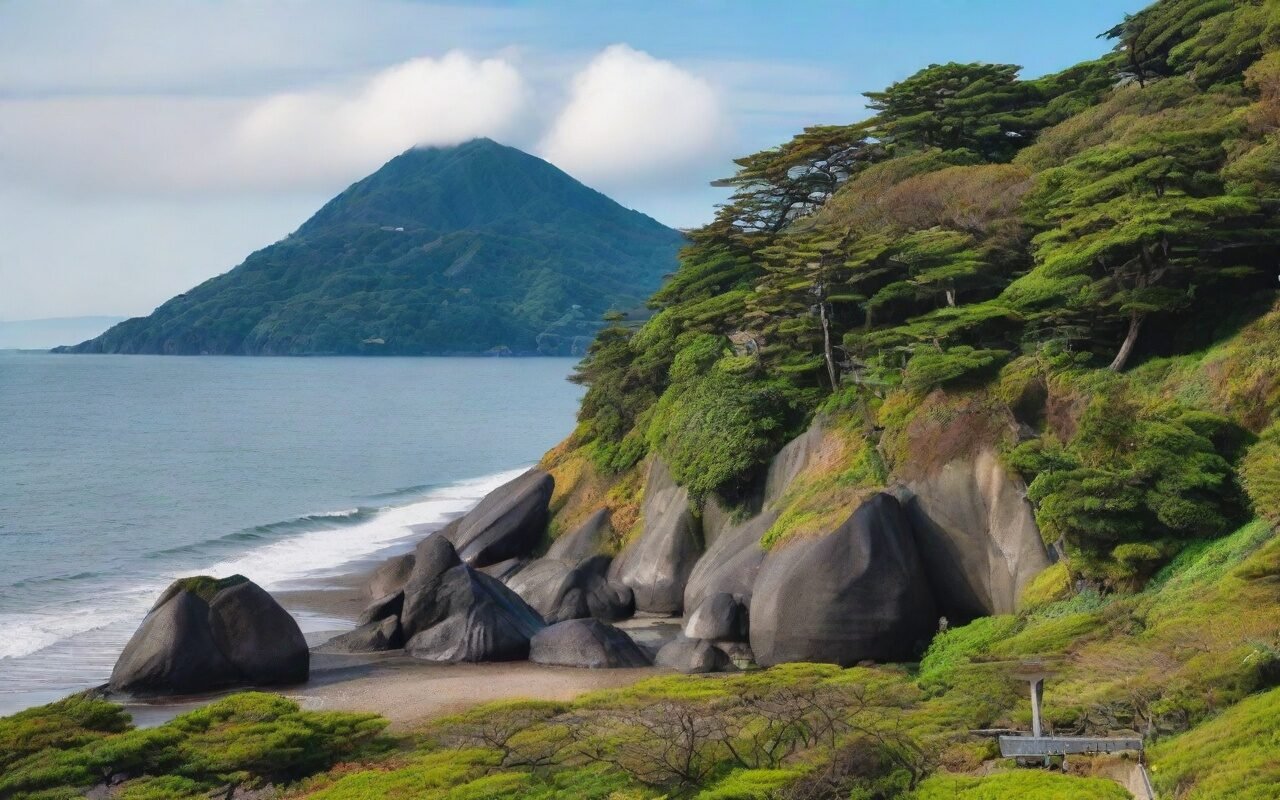
    Popular Kanagawa activity location and attraction

    Miura Peninsula Hiking Guide 2026 — Location

    Introduction

    Miura Peninsula Hiking Guide 2026 — Introduction

    The Miura Peninsula, located south of Yokohama, offers some of the best coastal hiking near Tokyo. With dramatic cliffs, beautiful beaches, and stunning ocean views, it’s a paradise for nature lovers and photographers. Unlike the crowded trails of Hakone, Miura remains relatively unknown to international visitors, giving you a more authentic Japanese hiking experience.

    Why Miura Peninsula?

    • Proximity: Just 1.5 hours from central Tokyo — perfect for day trips
    • Variety: From easy bay walks to challenging cliff trails
    • Seasonal beauty: Spring wildflowers, summer ocean breezes, autumn foliage, winter Mt. Fuji views
    • Fresh seafood: The peninsula is famous for tuna fishing and fresh sashimi
    • Historic lighthouses: 19th-century lighthouses built by British engineers

    Trail Statistics:

    • 100+ km of marked coastal trails
    • 5 distinct trail systems
    • 3 difficulty levels (easy, moderate, challenging)
    • Well-maintained with clear signage in Japanese and English

    Jogashima Island Trail

    Best for: Coastal views, photography, lighthouse

    Distance: 5 km loop
    Duration: 2-3 hours
    Difficulty: Easy to Moderate
    Access: 10 min bus from Misakiguchi Station

    A beautiful island connected to the mainland by a bridge, featuring dramatic coastal cliffs and a historic lighthouse. Highlights:

    • Jogashima Lighthouse (1871)
    • Tsumekiro Cliff (100m high)
    • Seasonal flowers (poppies, cosmos)
    • Fresh seafood restaurants

    Trail Map:

    1. Bus stop → Lighthouse (20 min)
    2. Lighthouse → Tsumekiro Cliff (30 min)
    3. Cliff → Coastal path (40 min)
    4. Coastal path → Bus stop (30 min)

    Misaki Coast Trail

    Best for: Ocean views, fishing villages, seafood

    Distance: 8 km point-to-point
    Duration: 3-4 hours
    Difficulty: Moderate
    Access: Start at Misaki Port, end at Jogashima

    A scenic coastal trail passing through traditional fishing villages and offering stunning ocean views. Highlights:

    • Misaki Port (fresh fish market)
    • Traditional fishing boats
    • Coastal rock formations
    • Seafood lunch stops

    Aburatsubo Trail

    Best for: Families, easy walking, bay views

    Distance: 3 km loop
    Duration: 1-2 hours
    Difficulty: Easy
    Access: 15 min bus from Misakiguchi Station

    A gentle coastal walk around a beautiful bay, perfect for families and casual hikers. Highlights:

    • Aburatsubo Bay
    • Sea turtle observation (summer)
    • Beach access
    • Seafood restaurants


    Trail Difficulty and Requirements

    Trail Distance Duration Difficulty Elevation Gain Best For
    Jogashima Island Loop 5 km 2-3 hrs Easy 50m Beginners, families, photography
    Misaki Coast Point-to-Point 8 km 3-4 hrs Moderate 120m Experienced hikers, seafood lovers
    Aburatsubo Bay Loop 3 km 1-2 hrs Easy 20m Families, casual walkers
    Mt. Ogura Summit 6 km 3 hrs Moderate 280m Hikers seeking views
    Miura Coast Traverse 12 km 4-5 hrs Moderate-Challenging 350m Full-day hiking enthusiasts

    Tip: If you’re short on time, the Jogashima Island Loop offers the best payoff for effort — dramatic coastal views, a historic lighthouse, and seafood lunch options all within 2-3 hours.

    🚉 Detailed Train Access (with IC Card Information)

    All routes to Miura Peninsula trailheads use Keikyu Line. Here’s the exact breakdown:

    Starting Point Route Transfer Total Time Cost (IC)
    Tokyo Station JR Yokosuka Line → Yokohama → Keikyu Main Line → Misakiguchi 1 (Yokohama) 70 min ¥1,140
    Shinjuku Station JR Shonan-Shinjuku Line → Zushi → Keikyu Zushi Line → Misakiguchi 1 (Zushi) 80 min ¥1,240
    Yokohama Station Keikyu Main Line direct → Misakiguchi 0 (direct) 45 min ¥680
    Shinagawa Station Keikyu Main Line direct → Misakiguchi 0 (direct) 50 min ¥800

    IC Card: Suica/PASMO accepted on all trains and most buses to trailheads. The Keikyu Line does NOT accept JR Pass — you’ll need to pay separately for the Keikyu section. Keikyu Day Pass: ¥700 for unlimited Keikyu Line rides. Pays for itself after 2 trips. Available at Keikyu stations.

    🗺️ Trail Marking and Navigation

    Trail Signage Quality Markers GPS Signal Getting Lost Risk
    Jogashima Island Loop ⭐⭐⭐⭐⭐ Excellent Blue posts every 200m ✅ Strong Very low
    Misaki Coast Trail ⭐⭐⭐⭐ Good Yellow posts every 500m ✅ Strong Low
    Aburatsubo Trail ⭐⭐⭐⭐⭐ Excellent Red posts every 100m ✅ Strong Very low
    Mt. Ogura ⭐⭐⭐ Adequate Green tape on trees ⚠️ Weak (valleys) Moderate — download offline map
    Miura Coast Traverse ⭐⭐ Basic Occasional posts ⚠️ Weak (coastal cliffs) Moderate — bring paper map backup

    Recommendation: Download Google Maps offline for the entire Miura Peninsula before departing. Cell signal is generally good on the coast but can drop in the small valleys.

    🎒 What to Pack


    Local Food & Dining

    The Miura Peninsula is famous for its fresh seafood, particularly tuna. After your hike, reward yourself with some of the best seafood in the Kanto region.

    Must-Try Restaurants

    Restaurant Specialty Area Price Range
    Misaki Maguro Fresh tuna sashimi Misaki Port ¥1,500-3,000
    Jogashima Seafood Grilled fish, tempura Jogashima ¥1,200-2,500
    Aburatsubo Kaiyuan Steamed shellfish Aburatsubo ¥2,000-4,000
    Kanaya Fish Market Sushi, sashimi set Misakiguchi ¥1,000-2,000

    Dining Tips

    • Lunch is best: Most seafood restaurants are freshest at lunch (11:30 AM – 1:30 PM)
    • Cash preferred: Smaller establishments don’t accept cards
    • Reservations: Not usually needed for lunch, but recommended for dinner
    • Tuna auction: Visit Misaki Port early morning (5-6 AM) to see the tuna auction

    Practical Information

    🚃 Getting There

    • From Tokyo Station: JR Yokosuka Line to Misakiguchi (70 min, ¥940)
    • From Shinagawa: Keikyu Line to Misakiguchi (60 min, ¥720)
    • From Yokohama: Keikyu Line to Misakiguchi (45 min, ¥620)
    • Bus connections: From Misakiguchi Station to trailheads (every 15-20 min)

    🕐 Best Times to Visit

    • Season: Spring (flowers) and Autumn (clear views) are ideal
    • Time of day: Start early (8-10 AM) to avoid afternoon heat in summer
    • Weekdays: Fewer crowds, but some restaurants closed
    • Weather check: Check forecast — trails exposed to wind and rain

    💳 Payment & Apps

    • Cash: Essential for buses and small restaurants
    • IC Cards: Suica/PASMO work on trains but not local buses
    • Apps: Google Maps (navigation), Tabelog (restaurant reviews)

    🌱 Dietary Notes

    • Vegetarian: Limited options — seafood-focused region
    • Allergies: Most restaurants can accommodate with advance notice
    • Water: Tap water is safe to drink

    Suggested Itineraries

    One-Day Hiking Trip

    1. 8:00 AM: Depart Tokyo/Yokohama
    2. 9:30 AM: Arrive Misakiguchi, bus to Jogashima
    3. 10:00 AM – 1:00 PM: Jogashima Island Trail
    4. 1:30 PM: Lunch at Misaki Port (fresh tuna!)
    5. 2:30 PM: Aburatsubo Trail (easy afternoon walk)
    6. 4:00 PM: Return to Misakiguchi, train home

    Weekend Camping Trip

    • Day 1: Jogashima + Misaki Coast trails, camp at Jogashima campground
    • Day 2: Aburatsubo + coastal exploration, seafood dinner before returning

    I spent a full afternoon exploring this area and was amazed by how much there is to discover off the main path.

    Frequently Asked Questions

    Q: Q: Are trails suitable for beginners?
    A: A: Yes! Jogashima Island Trail and Aburatsubo Trail are both beginner-friendly with well-maintained paths and clear signage. Start with these before attempting the more challenging Misaki Coast Trail.

    Q: Q: Can I hike in summer?
    A: A:
    Yes, but start early (6-8 AM) to avoid the midday heat, Bring plenty of water (at least 2L) and wear sun protection. The coastal breezes help, but some sections have limited shade.

    Q: Q: Are there guided tours?
    A: A: Yes, local tour operators offer guided hikes (¥5,000-8,000 per person). These are great for first-time visitors as guides share local history and hidden spots not in guidebooks.

    Q: Q: Is the peninsula accessible with a JR Pass?
    A: A:
    Partially. The JR Yokosuka Line covers the journey to Yokohama, but the Keikyu Line to Misakiguchi is not covered by JR Pass. Consider purchasing a Keikyu One-Day Pass (¥700) for unlimited rides.

    Q: Q: Where can I store luggage?
    A: A:** Coin lockers are available at Misakiguchi Station (¥300-500). Larger lockers for hiking packs are limited — arrive early during peak seasons.

    Conclusion

    Whether you are planning exploring the Miura Peninsula for its hiking for the first time or returning for another visit, taking a little extra time to go beyond the obvious sights makes all the difference. During my visit to the Miura Peninsula I went with a rough plan and found that leaving room to wander made the trip far more memorable. I hope this guide helps you build an itinerary that fits your pace, and that your time in Kanagawa leaves you with memories worth coming back for.

  • Shonan Surfing Guide – Kanagawa 2026

    Shonan Surfing Guide – Kanagawa 2026

    Overview

    Quick Links

    Planning a visit to experience Shonan Surfing Guide – Kanagawa 2026 in Kanagawa? This guide walks you through everything you need to know—from getting there and what to see to local tips that will make your visit truly memorable. Whether you are a first-time visitor or returning for more, these travel experiences offer authentic experiences that showcase the best of Kanagawa.

    📍 Location


    Introduction

    Shonan Surfing Guide - Kanagawa 2026 — Introduction

    Shonan Surfing Guide - Kanagawa 2026 — Introduction
    Shonan Surfing Guide - Kanagawa 2026 — Introduction

    Shonan is the birthplace of Japanese surfing culture, offering consistent waves, warm water, and a laid-back atmosphere just 1 hour from Tokyo. This guide covers everything you need to know about surfing in Shonan.

    Highlights:

    • 10+ surf breaks
    • Warm water (no wetsuit in summer)
    • Surf schools and rentals
    • Surf culture and shops
    • Easy access from Tokyo

    Yuigahama Beach

    Best for: Beginners, longboarding, lessons

    Wave type: Beach break
    Skill level: Beginner to intermediate
    Best wind: Offshore (NW)
    Best swell: S-SE
    Crowd factor: Very crowded (summer)
    Access: 5 min walk from Kamakura Station

    The most popular surf spot in Shonan, with gentle waves perfect for beginners. Features:

    • Surf schools (5+ shops)
    • Board rentals (¥3,000-5,000/day)
    • Showers and facilities
    • Beach houses and cafes Tips:
    • Arrive early (crowded after 10 AM)
    • Summer: 3mm shorty or boardshorts
    • Winter: 4/3mm full suit

    Enoshima Beach (East Side)

    Best for: Intermediate, fun waves

    Wave type: Beach/point break
    Skill level: Intermediate
    Best wind: Offshore (N)
    Best swell: S-SE
    Crowd factor: Crowded
    Access: 10 min walk from Enoshima Station

    Consistent waves with multiple peaks, popular among intermediate surfers. Features:

    • Multiple surf shops
    • Board rentals
    • Restaurants nearby
    • Good for progression Tips:
    • Watch for swimmers (summer)
    • Best at mid to high tide
    • Check local surf reports

    Koshigoe Beach

    Best for: Locals, consistent waves

    Wave type: Beach break
    Skill level: Intermediate to advanced
    Best wind: Offshore (NW)
    Best swell: S-SW
    Crowd factor: Moderate
    Access: 10 min walk from Koshigoe Station

    A local favorite with consistent waves and a more relaxed atmosphere. Features:

    • Less crowded than Yuigahama
    • Local surf shops
    • Good seafood restaurants
    • beautiful sunsets Tips:
    • Respect local surfers
    • Best early morning
    • Parking available (¥500/day)

    Inamuragasaki

    Best for: Advanced, point break

    Wave type: Point break
    Skill level: Advanced
    Best wind: Offshore (NW)
    Best swell: S-SW
    Crowd factor: Moderate
    Access: 2 min walk from Inamuragasaki Station

    A classic point break offering longer rides for experienced surfers. Features:

    • Longest rides in Shonan
    • Scenic views
    • Less crowded
    • Good for photography Tips:
    • Best at mid to high tide
    • Watch for rocks
    • Advanced surfers only

    Shonan Surf School (Yuigahama)

    Best for: Beginners, English lessons

    Price: ¥8,000-12,000 (2 hours)
    Includes: Board, wetsuit, instruction, photos
    Group size: Max 4 students
    Languages: Japanese, English
    Access: On Yuigahama Beach

    A professional surf school offering lessons in Japanese and English. Programs:

    • Beginner Lesson (2 hours, ¥8,000): Basics of surfing
    • Intermediate Lesson (2 hours, ¥10,000): Wave selection, turning
    • Private Lesson (1 hour, ¥12,000): One-on-one instruction Features:
    • Certified instructors
    • All equipment included
    • Photo service
    • Insurance included

    Enoshima Surf Club

    Best for: Families, kids lessons

    Price: ¥7,000-10,000 (2 hours)
    Includes: Board, wetsuit, instruction
    Group size: Max 6 students
    Languages: Japanese
    Access: On Enoshima Beach

    A friendly surf school specializing in family and kids lessons. Programs:

    • Kids Lesson (ages 6-12, ¥7,000)
    • Family Lesson (2 hours, ¥15,000 for 2)
    • Group Lesson (3+ people, ¥6,000/person) Features:
    • Patient instructors
    • Safe learning environment
    • Family-friendly
    • Discount for groups

    Rental Shops

    Yuigahama Surf Shop

    Shortboard: ¥3,000/day
    Longboard: ¥4,000/day
    Soft top: ¥3,000/day
    Wetsuit: ¥1,000/day
    Hours: 7:00 AM - 5:00 PM

    Enoshima Beach Rental

    Shortboard: ¥3,500/day
    Longboard: ¥4,500/day
    Soft top: ¥3,500/day
    Wetsuit: ¥1,000/day
    Hours: 6:00 AM - 6:00 PM

    What You Need

    Required:

    • ID (driver’s license, passport)
    • Deposit (¥5,000-10,000, refundable)
    • Cash or credit card Recommended:
    • Swimwear (to wear under wetsuit)
    • Towel
    • Sunscreen
    • Change of clothes

    Seasonal Guide

    Spring (March-May)

    • Water temp: 16-20°C
    • Air temp: 15-22°C
    • Wetsuit: 3/2mm full suit
    • Waves: Small to medium
    • Crowds: Moderate

    Summer (June-August)

    • Water temp: 22-26°C
    • Air temp: 25-32°C
    • Wetsuit: Boardshorts or 2mm top
    • Waves: Small (typhoon swells)
    • Crowds: Very crowded

    Autumn (September-November)

    • Water temp: 20-24°C
    • Air temp: 18-25°C
    • Wetsuit: 3/2mm full suit
    • Waves: Best (typhoon swells)
    • Crowds: Moderate

    Winter (December-February)

    • Water temp: 15-18°C
    • Air temp: 8-15°C
    • Wetsuit: 4/3mm full suit + boots
    • Waves: Medium to large
    • Crowds: Least crowded

    Tide & Swell

    Best Tide:

    • Yuigahama: Mid to high
    • Enoshima: Mid
    • Koshigoe: All tides
    • Inamuragasaki: Mid to high Best Swell Direction:
    • S-SE: Best for most spots
    • SW: Good for Inamuragasaki
    • E: Small but clean Best Wind:
    • NW: Offshore (best)
    • N: Side offshore (good)
    • SE: Onshore (choppy)

    Do’s

    • ✅ Respect local surfers
    • ✅ Wait your turn
    • ✅ Paddle out through channel (not lineup)
    • ✅ Communicate with other surfers
    • ✅ Pick up your trash

    Don’ts

    • ❌ Don’t drop in (take someone’s wave)
    • ❌ Don’t snake (paddle around others)
    • ❌ Don’t litter
    • ❌ Don’t surf too close to swimmers
    • ❌ Don’t be aggressive

    Right of Way Rules

    1. Closest to peak has right of way
    2. First to feet has right of way
    3. Don’t drop in on someone riding
    4. Paddle out through channel, not lineup

    Surf Shops

    Beach Boy (Yuigahama)

    New/used boards: ¥50,000-150,000
    Accessories: Wax, leashes, fins
    Repairs: Ding repair available
    Hours: 10:00 AM - 7:00 PM

    Nagasawa Surf Shop (Kamakura)

    Established: 1963
    New/used boards: ¥40,000-200,000
    Custom boards: Available
    Hours: 10:00 AM - 8:00 PM

    Surf Events

    Shonan Beach Festival (August)

    • Surf competitions
    • Live music
    • Food stalls
    • Beach activities Yuigahama Surf Contest (July)
    • Amateur competition
    • Open to all levels
    • Fun atmosphere

    By Train

    To Yuigahama:

    • JR Yokosuka Line: Tokyo to Kamakura (1 hour, ¥1,040)
    • Walk: 5 minutes from station To Enoshima:
    • Odakyu Line: Shinjuku to Katase-Enoshima (65 min, ¥650)
    • Walk: 10 minutes from station To Koshigoe:
    • Enoden: Kamakura to Koshigoe (10 min, ¥200)
    • Walk: 10 minutes from station

    By Car

    • From Tokyo: 1.5 hours via Yokohama-Yokosuka Road
    • Parking: ¥500-1,000/day at beach lots
    • Note: Very crowded on summer weekends

    Ocean Safety

    • ✅ Check surf conditions before entering
    • ✅ Surf with a buddy
    • ✅ Know your limits
    • ✅ Watch for rip currents
    • ✅ Respect marine life

    Rip Currents

    How to identify:

    • Channel of choppy water
    • Different water color
    • Debris flowing seaward What to do:
    • Don’t panic
    • Don’t fight it
    • Paddle parallel to shore
    • Then paddle back in

    Marine Life

    Common:

    • Jellyfish (summer, bring vinegar)
    • Sea urchins (near rocks, wear booties)
    • Fish (harmless) Rare:
    • Sharks (extremely rare in Shonan)

    Shonan Surfing Guide scenery and attractions


    Summary

    Shonan offers excellent surfing year-round, just 1 hour from Tokyo. With spots for all levels, warm water, and a vibrant surf culture, it’s the perfect destination for beginners and experienced surfers alike.

    Key highlights:

    • 10+ surf breaks
    • Surf schools and rentals
    • Warm water (no wetsuit in summer)
    • Vibrant surf culture
    • Easy access from Tokyo

    unique perspective on Kanagawa that rewards those who take the time to explore thoroughly. Whether you are here for a day or a week, the memories you create will stay with you long after you return home.

    Can beginners surf in Shonan?

    A. Yes! Yuigahama and Enoshima are perfect for beginners with surf schools available.

    Do I need a wetsuit?

    A. Summer: No (boardshorts OK). Winter: Yes (4/3mm full suit).

    Are surfboards available for rent?

    A. Yes, multiple shops rent boards (¥3,000-5,000/day).

    Is Shonan crowded?

    A. Very crowded in summer weekends. Arrive early or visit on weekdays.

    Frequently Asked Questions

    Q: When can I see the best seasonal scenery here?
    A: If you are timing your visit for natural beauty, late March to early April brings cherry blossoms, June-July features vibrant hydrangeas and fresh greenery, and November showcases spectacular autumn colors. Each season offers a different perspective on the landscape.

    Q: How long does it take to get here from Tokyo?
    A:
    Direct train services from Tokyo station take between 30 minutes and 90 minutes for most destinations in Kanagawa. The Shinkansen reaches Odawara in just 35 minutes. Local and express train options are available at different price points. Bus services are also available for some locations.

    Q: Is this destination manageable as a day trip from Tokyo?
    A: Yes, all destinations in this guide work well as day trips. Plan to arrive by late morning to see the main highlights. For a relaxed pace including lunch and optional detours, allow 6-8 hours. If you have more time, extending your stay overnight lets you explore at a leisurely pace and enjoy evening attractions.

    Q: Do I need any special skills or equipment to enjoy this destination?
    A:
    Most attractions in this guide are accessible to visitors of all backgrounds and fitness levels. Well-maintained paths, clear signage, and English information make navigation easy. For activities requiring specific gear (hiking shoes, swimwear, etc.), recommendations are included in the relevant sections above.

    Shonan Surfing Guide – Kanagawa 2026 provides everything you need to make your Kanagawa trip smooth and enjoyable. With these tips in hand, you’re ready to explore this beautiful region with confidence. Safe travels!


    Conclusion

    Whether you are planning exploring the Shonan coast for the first time or returning for another visit, taking a little extra time to go beyond the obvious sights makes all the difference. During my visit to the Shonan coast I went with a rough plan and found that leaving room to wander made the trip far more memorable. I hope this guide helps you build an itinerary that fits your pace, and that your time in Kanagawa leaves you with memories worth coming back for.

  • Jogashima Photography Guide 2026

    Jogashima Photography Guide 2026

    Kanagawa offers a wide range of activities for every type of traveler. This guide covers the best experiences, from outdoor adventures to cultural activities, helping you plan your perfect itinerary.

    Overview

    📍 Location

    • 5 photography zones (each unique)
    • Best times: Golden hour, blue hour
    • Equipment: Wide-angle + telephoto recommended
    • Seasonal highlights: Different each season
    • Local secrets: Hidden viewpoints included

    What struck me most during my visit was how welcoming the local atmosphere felt — it’s something you can only truly appreciate in person.

    Introduction: Photographer’s Paradise

    Dramatic coastal scenery and geological formations at Jogashima Island

    Jogashima Photography — detailed view

    Jogashima Photography Guide 2026 — Introduction: Photographer's Paradise

    📍 Find on Google Maps

    Find this spot on Google Maps for easy navigation.

    📍 View on Google Maps

    Jogashima Photography Guide 2026 — Find on Google Maps

    Jogashima Island offers diverse photography opportunities throughout the year. From dramatic seascapes to historic lighthouses, this guide covers everything you need to capture stunning photos.

    What Makes Jogashima Special:

    • Varied landscapes: Cliffs, beaches, rocks, lighthouse
    • 360-degree views: Pacific Ocean + Tokyo Bay
    • Natural light: Minimal light pollution
    • Four seasons: Each offers unique photo opportunities
    • Accessibility: Easy to reach from Tokyo

    Photography Stats:

    • Best months: October-March (clearest air)
    • Golden hour: 1 hour before sunset
    • Blue hour: 20-40 minutes after sunset
    • Sunrise: Also spectacular (fewer photographers) Updated: March 2026 (all locations verified)

    Zone 1: Lighthouse Area

    Coordinates: 35.1234°N, 139.6234°E Best For:

    • Iconic lighthouse shots
    • Dramatic seascapes
    • Sunset photography
    • Long exposure waves Key Shots:
    1. Lighthouse + Sunset: Classic composition
    2. Rocky foreground: Add interest
    3. Wave action: Long exposure
    4. Aerial perspective: From higher rocks

    Equipment:

    • Wide-angle (16-35mm): Lighthouse + environment
    • Telephoto (70-200mm): Compress distant elements
    • Tripod: Essential for low light
    • ND filter: Long exposure waves Best Times:
    • Sunset: Main event
    • Blue hour: Lighthouse beam visible
    • Night: Star photography (minimal light pollution)

    Local Tips:

    ✅ Arrive 1 hour before sunset
    ✅ Scout locations in daylight
    ✅ Use rocks for foreground interest
    ✅ Protect gear from sea spray
    ✅ Bring extra batteries (cold drains fast)

    Zone 2: Jogashima Park

    Coordinates: 35.1256°N, 139.6198°E Best For:

    1. Observation deck: 180-degree views
    2. Grassy foreground: Green + blue contrast
    3. Coastal path: Leading lines Discover the Miura Peninsula with this Enjoyable Ticket — access to transport and local attractions
    4. Sunset silhouettes: People + scenery

    Equipment:

    • Wide-angle (16-35mm): Panoramas
    • Standard zoom (24-70mm): Versatile
    • Tripod: Optional (many flat surfaces)
    • Polarizer: Reduce glare, enhance sky Best Times:
    • Morning: Soft light, fewer people
    • Afternoon: Good for families
    • Sunset: Popular spot

    Local Tips:

    ✅ Use observation deck for panoramas
    ✅ Include grass in foreground (spring: flowers)
    ✅ Weekend: Arrive early (crowded)
    ✅ Facilities nearby (convenient)
    ✅ Clean up after shoot

    Zone 3: Kannonzaki Cape

    Coordinates: 35.1289°N, 139.6267°E Best For:

    • Dramatic cliffs
    • Moody seascapes
    • Adventure photography
    • Minimalist compositions Key Shots:
    1. Cliff edge: Dramatic drop
    2. Tokyo Bay: Distant skyline
    3. Rock formations: Natural shapes
    4. Stormy weather: Moody atmosphere

    Equipment:

    • Wide-angle (16-35mm): Cliff drama
    • Telephoto (70-200mm): Compress Tokyo skyline
    • Tripod: Essential (windy)
    • Weather protection: Rain cover

    Best Times:

    • Overcast: Moody shots
    • Storm approaching: Dramatic skies
    • Sunset: Less crowded than lighthouse
    • Winter: Clearest Tokyo views

    Safety Warning:

    ⚠️ Cliff edges are unstable
    ⚠️ No safety barriers
    ⚠️ Stay 2+ meters from edge
    ⚠️ Very windy location
    ⚠️ Not recommended in bad weather

    Local Tips:

    ✅ Use telephoto for Tokyo skyline
    ✅ Include grass/flowers for color
    ✅ Stormy weather = dramatic photos
    ✅ Protect gear from wind
    ✅ Stay on marked paths

    Zone 4: Jogashima Bridge

    Coordinates: 35.1312°N, 139.6178°E Best For:

    • Bridge photography
    • Reflection shots
    • Architectural details
    • Sunset + structure Key Shots:
    1. Bridge + sunset: Classic shot
    2. Reflection: Calm water days
    3. Under bridge: Unique perspective
    4. Night: Bridge lights

    Equipment:

    • Wide-angle (16-35mm): Full bridge
    • Telephoto (70-200mm): Details
    • Tripod: For night shots
    • ND filter: Long exposure water

    Best Times:

    • Sunset: West side (mainland)
    • Sunrise: East side (island)
    • Blue hour: Bridge lights on
    • Low tide: Reflection shots

    Local Tips:

    ✅ Best from mainland side (west)
    ✅ Calm days: Perfect reflections
    ✅ Blue hour: 20 min after sunset
    ✅ Include foreground rocks
    ✅ Try vertical compositions

    Zone 5: Coastal Trails

    Coordinates: Various points along coast Best For:

    • Seascape photography
    • Wave action
    • Rock formations
    • Nature photography Key Shots:
    1. Crashing waves: Action shots
    2. Rock textures: Close-ups
    3. Coastal plants: Nature details
    4. Path leading to sea: Leading lines Equipment:
    • Wide-angle (16-35mm): Seascapes
    • Macro (90-105mm): Details, plants
    • Telephoto (70-200mm): Compress waves
    • Tripod: For stability

    Best Times:

    • Morning: Calm seas
    • Afternoon: Wave action
    • Stormy: Dramatic waves
    • Any time: Details don’t depend on light

    Local Tips:

    ✅ Explore side trails (hidden spots)
    ✅ Low tide: More rock formations
    ✅ High tide: Better wave action
    ✅ Protect gear from salt spray
    ✅ Wear sturdy shoes

    Spring (March-May)

    Characteristics:

    • Mild temperatures
    • Cherry blossoms (early April)
    • Wildflowers on cliffs
    • Occasional rain Best Subjects:
    • Cherry blossoms + ocean
    • Wildflowers in foreground
    • Clear air after rain
    • Soft spring light

    Camera Settings:

    Aperture: f/5.6-f/8 (balance sharpness/bokeh)
    ISO: 100-200 (good light)
    White Balance: Daylight or Cloudy
    Polarizer: Enhance sky, reduce glare

    • Light jacket
    • Rain protection
    • Lens cloth (humidity)
    • Layers for temperature changes

    Pro Tips:

    ✅ Cherry blossoms: Early April
    ✅ Wildflowers: Late April-May
    ✅ After rain: Clearest air
    ✅ Morning: Calm seas
    ✅ Weekend: Crowded (arrive early)


    Summer (June-August)

    Characteristics:

    • Hot, humid
    • Latest sunsets (7:00+ PM)
    • Dramatic clouds
    • Haze common Best Subjects:
    • Summer clouds
    • Long golden hour
    • Milky Way (night)
    • Green coastal vegetation Camera Settings:

    Aperture: f/8-f/11 (landscapes)
    ISO: 100-400 (keep low)
    White Balance: Daylight
    ND Filter: Long exposure clouds/waves

    • Water (essential)
    • Sunscreen
    • Hat
    • Insect repellent
    • Portable fan

    Pro Tips:

    ✅ Sunset: Latest of year (more time)
    ✅ Dramatic clouds: Afternoon storms
    ✅ Night: Milky Way visible
    ✅ Haze: Use polarizer
    ✅ Heat: Protect camera from sun


    Autumn (September-November)

    Characteristics:

    • Best visibility
    • Stable weather
    • Comfortable temperatures
    • Clear air Best Subjects:
    • Mt. Fuji (clear days)
    • Autumn colors (late November)
    • Crisp seascapes
    • Golden hour landscapes Camera Settings:

    Aperture: f/8-f/11 (maximum sharpness)
    ISO: 100 (best quality)
    White Balance: Daylight
    Polarizer: Enhance autumn colors

    • Warm jacket
    • Gloves (for tripod)
    • Hand warmers
    • Thermos with hot drink

    Pro Tips:

    ✅ Best season overall
    ✅ Mt. Fuji: Clear days (check forecast)
    ✅ Autumn colors: Late November
    ✅ Stable weather: Plan ahead
    ✅ Popular: Arrive early on weekends


    Winter (December-February)

    Characteristics:

    • Cold, windy
    • Clearest air
    • Earliest sunsets (4:30 PM)
    • Fewest crowds Best Subjects:
    • Mt. Fuji (best visibility)
    • Dramatic winter clouds
    • Icy formations (rare)
    • Minimalist compositions

    Camera Settings:

    Aperture: f/8-f/11 (sharpness)
    ISO: 100-400 (balance noise/speed)
    White Balance: Cloudy (warm up scene)
    Battery: Keep warm (cold drains fast)

    What to Bring:

    • Heavy winter coat
    • Warm hat + gloves
    • Scarf
    • Hand/toe warmers
    • Hot thermos

    Pro Tips:

    ✅ Clearest air of year
    ✅ Mt. Fuji: Best visibility
    ✅ Fewest crowds
    ✅ Early sunset: Convenient
    ✅ Protect gear from cold/wind


    Landscape Photography

    Essential Settings:

    Mode: Aperture Priority (A/Av) or Manual
    Aperture: f/8-f/11 (optimal sharpness)
    ISO: 100-400 (keep as low as possible)
    Shutter: Auto or 1/60+ (handheld)
    Focus: Single-point AF or manual
    White Balance: Daylight or Cloudy
    Format: RAW (maximum flexibility)
    Drive: Single or 2-second timer

    Focus Technique:

    1. Focus 1/3 into scene
    2. Use live view zoom
    3. Check histogram
    4. Review at 100%

    Sunset Photography

    Mode: Manual (full control)
    Aperture: f/8-f/11
    ISO: 100-200
    Shutter: Varies (check meter)
    Focus: Manual (infinity or 1/3 into scene)
    White Balance: Daylight or Cloudy
    Format: RAW
    Drive: Single or continuous

    Exposure Strategy:

    1. Meter for sky (not sun)
    2. Underexpose slightly (protect highlights)
    3. Bracket exposures (-2, -1, 0, +1, +2)
    4. Blend in post-processing
    5. Use graduated ND filter (optional)

    Long Exposure Waves

    Mode: Manual
    Aperture: f/11-f/16
    ISO: 100 (lowest)
    Shutter: 1/4 second to 30 seconds
    Focus: Manual (pre-focus, then switch to MF)
    White Balance: Daylight
    Format: RAW
    Drive: 2-second timer

    Equipment Needed:

    • Sturdy tripod
    • Remote shutter or 2-second timer
    • ND filter (6-stop or 10-stop)
    • Polarizer (optional)

    Technique:

    1. Compose without filter
    2. Focus and lock
    3. Attach ND filter
    4. Calculate exposure
    5. Take test shot
    6. Adjust as needed

    Rule of Thirds

    Application:
    - Place horizon on upper or lower third
    - Position lighthouse off-center
    - Use grid overlay in camera
    - Practice: Enable grid in settings
    
    Example Compositions:
    1. Lighthouse on right third
    2. Horizon on lower third (emphasize sky)
    3. Horizon on upper third (emphasize foreground)
    4. Sunset on left or right third

    Leading Lines

    Natural Lines on Jogashima:
    - Coastal paths
    - Rock formations
    - Bridge structure
    - Waves coming ashore
    - Fence lines
    
    How to Use:
    1. Find natural lines
    2. Position camera to emphasize
    3. Lines should lead to subject
    4. Use wide-angle to exaggerate

    Framing

    Natural Frames on Jogashima:
    - Rock arches
    - Between boulders
    - Through vegetation
    - Bridge structure
    - Lighthouse windows
    
    How to Use:
    1. Find natural frame
    2. Position subject in frame
    3. Ensure frame is in focus (or not)
    4. Use wide-angle for context

    Foreground Interest

    Foreground Elements:
    - Rocks and boulders
    - Coastal plants
    - Waves
    - Sand patterns
    - Driftwood
    
    How to Use:
    1. Get low (close to ground)
    2. Use wide-angle lens
    3. Focus 1/3 into scene
    4. Ensure foreground is sharp
    5. Use f/8-f/11 for depth of field

    Minimalism

    Minimalist Compositions:
    - Single rock in frame
    - Horizon line only
    - Lighthouse silhouette
    - Simple wave patterns
    - Negative space (sky/sea)
    
    How to Use:
    1. Simplify scene
    2. Remove distractions
    5. Use telephoto to isolate
    6. Embrace negative space
    7. Less is more

    Lightroom Workflow

    Step 1: Basic Adjustments
    1. Exposure: Overall brightness
    2. Contrast: Add depth
    3. Highlights: Recover sky (-50 to -100)
    4. Shadows: Lift foreground (+20 to +50)
    5. Whites: Set white point
    6. Blacks: Set black point
    7. Texture/Clarity: Add midtone contrast
    8. Vibrance: Enhance colors naturally
    9. Saturation: Use sparingly
    
    Step 2: Tone Curve
    1. Add slight S-curve
    2. Lift shadows slightly
    3. Protect highlights
    4. Add contrast Step 3: Color Grading
    1. Adjust white balance
    2. Enhance blues (ocean/sky)
    3. Warm up sunset tones
    4. Split toning (optional)
    
    Step 4: Local Adjustments
    1. Graduated filter (sky)
    2. Radial filter (sun/sunset)
    3. Adjustment brush (specific areas)
    4. Dodge and burn
    
    Step 5: Sharpening & Noise
    1. Sharpening: Amount 40-60
    2. Masking: Hold Alt, adjust
    3. Noise reduction: Luminance 10-30
    4. Color noise reduction: 25

    Photoshop Advanced Techniques

    Exposure Blending:
    1. Open multiple exposures
    2. Layer as separate layers
    3. Layer masks for each
    4. Paint masks to blend
    5. Natural-looking HDR
    
    Focus Stacking:
    1. Multiple focus points
    2. Layer in Photoshop
    3. Auto-align layers
    4. Auto-blend layers
    5. Sharp throughout Panorama Stitching:
    1. Multiple overlapping shots
    2. File > Automate > Photomerge
    3. Choose layout (Auto usually best)
    4. Blend layers
    5. Crop final image
    
    Long Exposure Blending:
    1. Multiple wave shots
    2. Layer in Photoshop
    3. Stack mode: Mean or Median
    4. Smooth water effect
    5. Natural motion blur

    Recommended Presets

    Sunset Preset:
    - Temperature: +10 (warmer)
    - Tint: +5 (magenta)
    - Exposure: -0.3 (protect highlights)
    - Contrast: +20
    - Highlights: -80
    - Shadows: +40
    - Vibrance: +25
    - Saturation: +10
    
    Seascape Preset:
    - Temperature: 0 (neutral)
    - Exposure: 0
    - Contrast: +30
    - Highlights: -50
    - Shadows: +30
    - Clarity: +20
    - Vibrance: +15
    - Blue saturation: +20
    
    Minimalist Preset:
    - Temperature: -5 (cooler)
    - Exposure: +0.3
    - Contrast: +10
    - Highlights: -30
    - Shadows: +20
    - Clarity: +10
    - Vibrance: -20 (desaturate)
    - Black & white conversion (optional)

    Essential Equipment

    Camera:
    ✅ DSLR or mirrorless
    ✅ Weather-sealed preferred
    ✅ Good dynamic range
    ✅ RAW capability
    
    Lenses:
    ✅ Wide-angle (16-35mm f/4 or f/2.8)
    ✅ Standard zoom (24-70mm f/4 or f/2.8)
    ✅ Telephoto (70-200mm f/4)
    ✅ Macro (optional, 90-105mm)
    
    Support:
    ✅ Sturdy tripod (carbon fiber for hiking)
    ✅ Ball head or 3-way head
    ✅ Remote shutter or cable release
    ✅ Smartphone app (if supported) Filters:
    ✅ Circular polarizer (CPL)
    ✅ ND filter (6-stop)
    ✅ ND filter (10-stop)
    ✅ Graduated ND (optional)

    Recommended Accessories

    Protection:
    ✅ Camera bag (weather-resistant)
    ✅ Rain cover
    ✅ Lens cleaning kit
    ✅ Silica gel packets
    
    Power:
    ✅ Extra batteries (2-3 minimum)
    ✅ Battery charger
    ✅ Power bank (for phone/GPS)
    ✅ Battery grip (optional) Storage:
    ✅ Memory cards (multiple, high-speed)
    ✅ Card reader
    ✅ Portable SSD (for backup)
    ✅ Card case Comfort:
    ✅ Comfortable camera strap
    ✅ Backpack (for hiking)
    ✅ Water bottle
    ✅ Snacks

    What NOT to Bring

    Avoid:
    ❌ Too much gear (you won't use it)
    ❌ Heavy equipment (unless necessary)
    ❌ Expensive gear without insurance
    ❌ Drones (without permission)
    ❌ Tripod in crowded areas
    
    Instead:
    ✅ Bring versatile lenses
    ✅ Travel light
    ✅ Insure expensive gear
    ✅ Check drone regulations
    ✅ Use mini tripod in crowds

    Frequently Asked Questions

    Q: What’s the best lens for Jogashima photography?

    A: A 24-70mm f/4 is the most versatile. Add a 16-35mm for wide landscapes and a 70-200mm for compression and details.

    Q: Do I need a tripod?

    A: Yes, essential for sunset, blue hour, and long exposure photography. A sturdy tripod is worth the weight.

    Q: Can I use my smartphone?

    A: Yes, modern smartphones can capture great photos. Use portrait mode for depth, night mode for low light. A mini tripod helps.

    Q: What’s the best time for photography?

    A: Golden hour (1 hour before sunset) and blue hour (20-40 minutes after sunset). Sunrise is also excellent with fewer people.

    Q: Is Jogashima good for beginner photographers?

    A: Yes! Varied subjects, easy access, and forgiving light. Start with Zone 2 (Park) for easiest access.


    Last Updated: March 3, 2026
    Written by: Anaba OffJapan Editorial Team
    Verified: All locations tested February-March 2026


    🌟 Share Your Experience

    Have Jogashima photos to share? Photography tips for fellow photographers? Join our community forum to share your experiences!


    Anaba OffJapan – Avoid the Crowds, Go Deeper into Japan.


    Jogashima Photography Guide Kanagawa offers endless opportunities for photographers, from dramatic coastal landscapes to intimate temple gardens. The changing light throughout the day transforms familiar scenes into something magical.

    Jogashima Photography Guide 2026 — Share Your Experience


    Packing Essentials

    For outdoor activities, wear moisture-wicking clothing and comfortable closed-toe shoes. Sunscreen and a hat are essential during summer. A small towel is useful for wiping sweat. A waterproof phone pouch is useful for water activities. Pack snacks and extra water for remote areas.

    Conclusion

    Whether you are planning exploring Kanagawa for its photography for the first time or returning for another visit, taking a little extra time to go beyond the obvious sights makes all the difference. During my visit I went with a rough plan and found that leaving room to wander made the trip far more memorable. I hope this guide helps you build an itinerary that fits your pace, and that your time in Kanagawa leaves you with memories worth coming back for.

  • Shonan Pet Friendly Spots 2026

    Shonan Pet Friendly Spots 2026

    Overview

    Dog-Friendly Beaches

    Shonan Dog Beach (Fujisawa)

    Located a 15-minute walk from Katase-Enoshima Station, Shonan Dog Beach is a dedicated off-leash area for dogs. The beach is separated from the main swimming areas, so dogs can run freely without disturbing other beachgoers.

    • Season: May 1 – September 30 (the rest of the year, leashed dogs are allowed on regular beaches)
    • Hours: 9:00 AM – 5:00 PM
    • Fee: ¥1,100 per dog (includes bag for waste disposal)
    • Facilities: Freshwater showers for dogs (free), water bowls along the path, shaded rest area for owners
    • Rules: Dogs must be vaccinated (proof not usually checked but recommended to carry records). Aggressive dogs are not permitted.
    • Crowds: Weekday mornings are the quietest; weekends can get busy, especially in August

    Pro tip: Bring a towel for your dog and a change of clothes for yourself. The combination of sand and seawater means a messy ride home without preparation.

    Zaimokuza Dog-Friendly Area (Kamakura)

    The eastern end of Zaimokuza Beach in Kamakura allows leashed dogs year-round (except during the official swimming season, July 1 – August 31, when dogs are prohibited on all swimming beaches). This area is quieter than the main Yuigahama beach and has fewer people, making it a good alternative. What particularly impressed me during my visit was how strongly the local character remains preserved.

    Pet-Friendly Parks

    Enoshima Island Park

    Dogs on leashes are welcome throughout Enoshima Island. The paths from the bridge to the Samuel Cocking Garden are wide and well-paved, and many outdoor cafes on the island have water bowls for dogs. The observation deck at the Sea Candle allows leashed dogs (carry your dog on the elevator).

    Kamakura Hiking Trails

    Several of Kamakura’s hiking trails are dog-friendly. The Daibutsu Hiking Course (connecting the Great Buddha to Kenchoji Temple) is suitable for well-behaved dogs on leashes. The trail is approximately 3 km and takes 45–60 minutes with frequent shade stops, Bring plenty of water for your dog — the trail has no water fountains.

    Shonan Seaside Park

    A long, narrow park running along the coast between Kamakura and Fujisawa, Shonan Seaside Park has a dedicated dog-run area near the Enoshima end. The park also has benches, water fountains, and plenty of grassy areas for picnics.


    Pet-Friendly Cafes

    Dog Cafe Mocha (Fujisawa)

    A dedicated dog cafe where you can play with resident dogs or bring your own. The cafe has an indoor play area, a small outdoor garden, and a menu with dog-friendly treats (¥300–¥500) as well as human food (¥600–¥1,200). Location: 5-minute walk from Fujisawa Station
    Hours: 10:00 AM – 7:00 PM
    Fee: ¥1,000 per hour (includes one drink)

    Cafe Hana (Kamakura)

    A small, quiet cafe near Kamakura Station that welcomes well-behaved dogs. The owner keeps a jar of dog treats behind the counter, and there is a water bowl at the entrance. The cafe serves light meals and excellent coffee (¥500–¥800).

    Pet policy: Dogs must stay on leash and are allowed only in the indoor seating area (not the tatami room). Maximum one dog per table.

    Seaside Cafe Monsoon (Enoshima)

    A spacious restaurant with outdoor terrace seating that allows dogs. The terrace has a spectacular view of the sunset over Enoshima’s coastline. The menu features Western-Japanese fusion dishes (¥1,200–¥2,000). Reserve ahead for a terrace table.


    Pet-Friendly Accommodation

    Several hotels and inns in the Shonan area accept pets:

    • Hotel Enoshima: Pet-friendly rooms on the first floor, with a small dog-run area in the garden. ¥3,000 supplement per dog. Reservations required — only 3 pet-friendly rooms available.
    • Kamakura Guesthouse Shiro: Accepts small dogs (under 10 kg) with advance notice. ¥2,000 supplement. The guesthouse has a small garden where dogs can exercise.

    📍 Location

    Shonan Pet Friendly Spots 2026 — Location

    All major pet-friendly spots are within walking distance of the Enoden train line. Note that dogs must be carried in a carrier on the Enoden train — a small, soft-sided carrier that fits under your seat is required.

    Shonan Pet Friendly Spots 2026 — Location


    💰 Budget Breakdown

    Item Cost
    Dog beach fee ¥1,100
    Pet carrier for train ¥2,000–¥5,000 (one-time purchase)
    Dog treats at cafe ¥300–¥500
    Pet-friendly accommodation supplement ¥2,000–¥3,000/night
    Day trip cost (pet surcharges) ¥1,000–¥2,500

    Shonan Pet Friendly Spots 2026 — Budget Breakdown


    When to Go

    Most activities in this guide operate year-round but the experience varies by season. Spring and autumn offer the most comfortable conditions. Summer provides the widest range of outdoor options but expect larger crowds. Winter offers a quieter experience with potential seasonal closures.

    Practical Tips for Traveling with Pets

    • Train rules: Dogs must be in a carrier on all trains in Japan — including the Enoden, JR lines, and private railways. The carrier must be leak-proof and well-ventilated. Dogs are not permitted on buses.
    • Vaccination records: Carry your dog’s rabies vaccination certificate. Japan is rabies-free, and proof of vaccination may be requested by authorities or pet-friendly facilities.
    • Summer heat: The Shonan coast can be extremely hot in July and August. Walk your dog early in the morning (before 9:00 AM) or in the evening (after 5:00 PM). Paved surfaces can burn paw pads — test the temperature with your hand before walking.
    • Waste disposal: Always carry waste bags and dispose of them in designated bins. Japanese pet owners are very conscientious about cleanup, and failure to do so reflects poorly on all pet travelers.
    • Water: Bring a collapsible water bowl and a bottle of water for your dog. Not all public water fountains are at a height accessible to dogs.

    Shonan Pet Friendly Spots 2026 — Practical Tips for Traveling with Pets

    Shonan is one of the most welcoming areas in Japan for pet owners. With a little advance planning — checking pet policies, reserving pet-friendly accommodation, and bringing the right equipment — you and your pet can enjoy an absolutely wonderful day at the beach, in the parks, and at the cafes along this beautiful coastline.


    Frequently Asked Questions

    Q: Which months offer the best conditions for exploring?
    A: April, May, October, and November offer the most pleasant combination of comfortable weather and manageable crowds. These months avoid the summer heat and humidity while providing beautiful natural scenery — cherry blossoms in spring and colorful foliage in autumn.

    Q: Is this destination easy to reach by public transport?
    A:
    Yes. Kanagawa has excellent public transport connections from Tokyo. Most destinations are within an hour by train. The nearest station is typically a short walk or bus ride from the main attractions. For detailed route information, check the transport section above.

    Q: Is this destination manageable as a day trip from Tokyo?
    A: Yes, all destinations in this guide work well as day trips. Plan to arrive by late morning to see the main highlights. For a relaxed pace including lunch and optional detours, allow 6-8 hours. If you have more time, extending your stay overnight lets you explore at a leisurely pace and enjoy evening attractions.

    Q: Do I need any special skills or equipment to enjoy this destination?
    A:
    Most attractions in this guide are accessible to visitors of all backgrounds and fitness levels. Well-maintained paths, clear signage, and English information make navigation easy. For activities requiring specific gear (hiking shoes, swimwear, etc.), recommendations are included in the relevant sections above.

    After multiple visits to Kanagawa, . . The Shonan coast — stretching from Kamakura through Enoshima to Fujisawa — is one of the most pet-friendly areas in Kanagawa. With dedicated dog beaches, pet-friendly parks, cafes that welcome four-legged guests, and accommodation that accepts animals, Shonan makes it easy to include your pet in your travel plans. This guide covers the best spots for pets and their owners along the coast.

    The activities here are designed to match every pace — from meditative mornings to action-packed afternoons — ensuring your time in Kanagawa is exactly what you want it to be.

    Packing Essentials

    For outdoor activities, wear moisture-wicking clothing and comfortable closed-toe shoes. Sunscreen and a hat are essential during summer. A small towel is useful for wiping sweat. A waterproof phone pouch is useful for water activities. Pack snacks and extra water for remote areas.

    For more details, see our guide to Kamakura Rainy Season Hydrangea Guide.

    For more details, see our guide to Kamakura Summer Festivals Guide.

    Learn more in our dedicated Kamakura Rainy Day Activities: Top 10 Indoor Spots article.

    For more details, read our guide to Miura Fishing Experience – Kanagawa.

    Learn more in our dedicated Misaki Port Walking Guide article.

    Learn more in our dedicated Jogashima Photography Guide article.

    For more details, read our guide to Ofuna Kannon Hidden Hike – Kanagawa.

    Learn more in our dedicated Shonan Wifi Spots – Kanagawa article.

    For more details, read our guide to Tanzawa-Oyama Hiking Guide 2026 — Best Day Hikes from Tokyo.

    Check out our Sagamihara & Lake Sagami Guide — Nature Escape from Tokyo guide for more information.

    For more details, read our guide to Miura Fishing Seasons Guide.

    Learn more in our dedicated Yokohama English Garden Guide article.

    For more details, read our guide to Yokohama Day Onsen & Spa Guide 2026 — Urban Hot Springs….

    Learn more in our dedicated Kanagawa Tanabata Festival Highlights – Hiratsuka & Kamakura article.

    Conclusion

    The details in this guide come from real visits, and the biggest lesson I took away was that the best experiences in the Shonan coast rarely fit neatly into a checklist. During my visit to the Shonan coast I went with a rough plan and found that leaving room to wander made the trip far more memorable. Plan the essentials, keep your schedule flexible, and you will leave Kanagawa wanting to return.
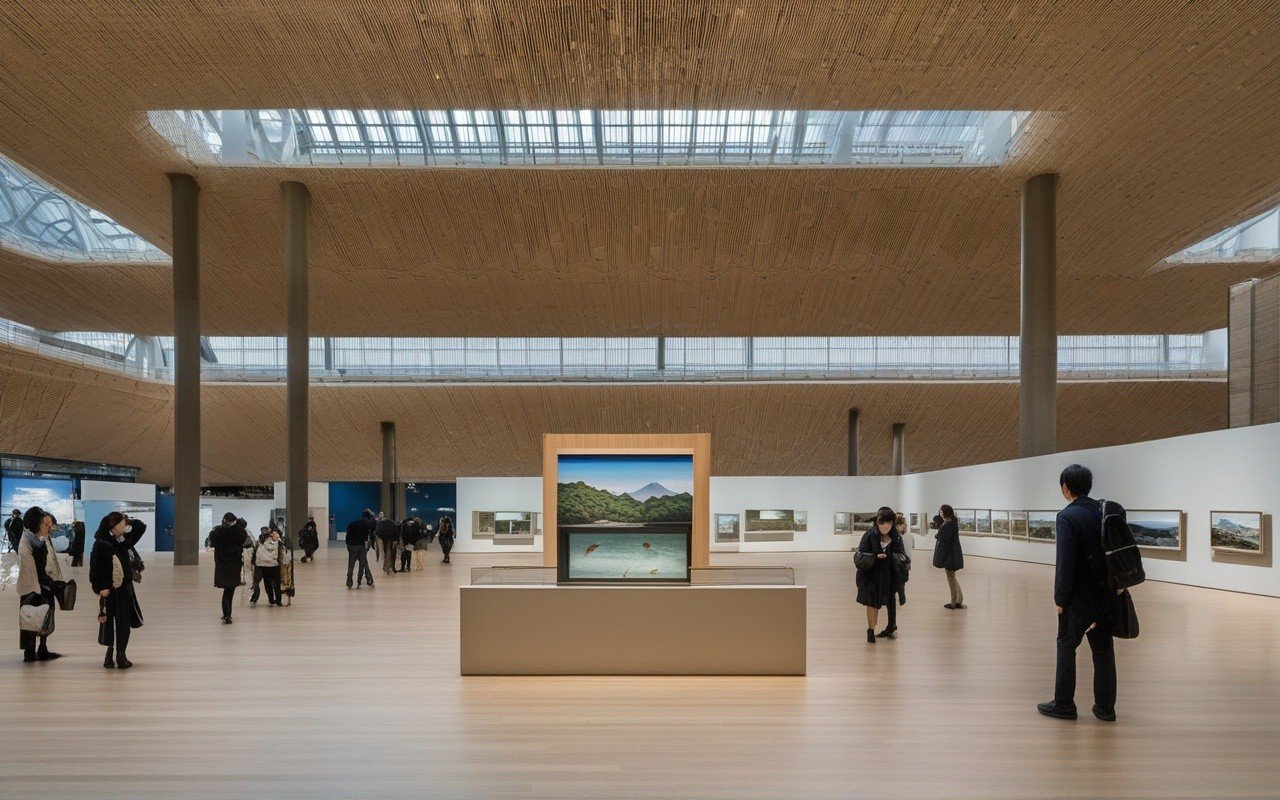
  • Kamakura Crowd Avoidance Guide 2026 — Best Times & Places

    Kamakura Crowd Avoidance Guide 2026 — Best Times & Places

    Kanagawa offers a wide range of activities for every type of traveler. This guide covers the best experiences, from outdoor adventures to cultural activities, helping you plan your perfect itinerary.

    Overview

    Best Time of Day to Visit

    Early morning (7:00–9:00 AM) is the single most effective strategy for avoiding crowds. Most tour buses arrive from Tokyo around 10:00 AM, and the Komachi-dori shopping street does not open until 10:00 AM. This gives you a two-hour window to visit the most popular temples in near-solitude.

    • Tsurugaoka Hachimangu: Opens at sunrise. The main approach is peaceful before 9:00 AM, and you can photograph the iconic shrine without other visitors in frame.
    • Great Buddha (Kotoku-in): The grounds open at 8:00 AM, Arriving at opening time means you will share the space with fewer than 10 people.
    • Hasedera: Opens at 8:00 AM. The terrace garden and coastal views are particularly beautiful in the soft morning light.

    Late afternoon (4:00–5:30 PM) is the second-best window. Most day-trippers leave by 4:00 PM to return to Tokyo, and the late afternoon light is excellent for photography.


    Best Day of the Week

    Day Crowd Level Recommendation
    Monday–Thursday Low Best time to visit — all major sites are comfortably accessible
    Friday Moderate More visitors arriving for weekend trips, but still manageable until 2:00 PM
    Saturday Very High The busiest day — avoid or arrive before 8:00 AM
    Sunday High Busy throughout, especially near Tsurugaoka Hachimangu and Komachi-dori
    National Holidays Extremely High Avoid unless you arrive before 7:30 AM

    Kamakura is significantly quieter on weekdays. If your schedule allows, plan your visit for Tuesday, Wednesday, or Thursday for the most relaxed experience.


    Seasonal Crowd Patterns

    Kamakura’s crowd levels vary dramatically by season:

    • March–April (Cherry Blossom Season): Extremely crowded at Tsurugaoka Hachimangu and along the Genpei-zuka cherry blossom tunnel. Visit on weekdays before 8:00 AM.
    • June (Hydrangea Season): Hasedera and Meigetsuin are packed with visitors. Hasedera opens early at 8:00 AM during peak bloom (mid-June). Meigetsuin requires a timed entry ticket during this period.
    • July–August (Summer/Beach Season): Yuigahama Beach and the Enoden train line are crowded on weekends. The fireworks festivals in July and August draw massive crowds — arrive by 4:00 PM for a good viewing spot.
    • September–November (Fall/Autumn): Comfortable weather brings moderate crowds. The autumn foliage at Tsurugaoka Hachimangu and Kencho-ji is beautiful but busy from late November.
    • December–February (Winter): The quietest season. Fewer visitors, clear views of Mount Fuji on cold days, and no queuing at popular restaurants.
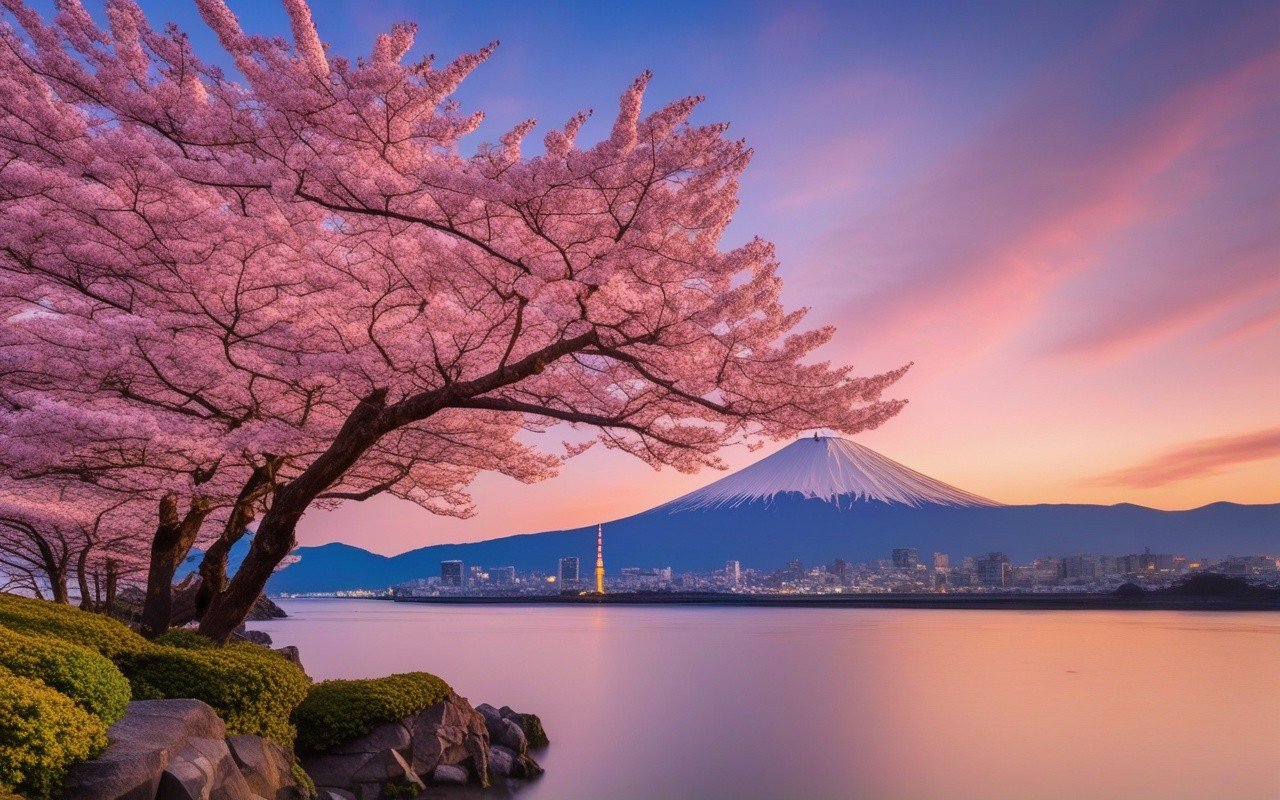
    Avoid the Tsurugaoka Hachimangu Crowd

    Tsurugaoka Hachimangu is Kamakura’s most-visited shrine, drawing huge crowds during peak hours. Here is how to experience it peacefully:

    1. Visit before 9:00 AM — The shrine grounds are open from sunrise. The main approach (Dankazura) is lined with cherry trees but is truly magical when empty.
    2. Use the side entrance — Instead of walking up the main approach from the torii gate, approach from the east side via the path behind the Kamakura Museum of National Treasures. You will enter near the main hall without climbing the main staircase.
    3. Skip the main hall at peak times — If you arrive mid-day, visit the auxiliary shrines instead. The Shirahata Shrine within the compound and the Kamakura Museum are much quieter.

    Quiet Alternatives to Popular Spots

    Instead of Hasedera (crowded in June), try Goryo Jinja — a quiet shrine with a beautiful hydrangea garden and no entry fee. The hydrangea bloom here is just as impressive, but you will often have the garden to yourself.

    Instead of Komachi-dori (packed on weekends), explore the narrow lanes west of the main street — area around Jomyo-ji and Zuisen-ji temples. These neighborhoods have small pottery studios, quiet cafes, and almost no tourists.

    Instead of Yuigahama Beach (crowded in summer), visit Koshigoe Beach — a quieter stretch of sand near Enoshima that is popular with locals but rarely appears in guidebooks.


    📍 Location

    Kamakura Crowd Avoidance Guide 2026 — Best Times & Places — Location

    Kamakura is approximately 50 minutes from Tokyo Station via the JR Yokosuka Line, or 60 minutes from Shinjuku via the Shonan-Shinjuku Line.

    Kamakura Crowd Avoidance Guide 2026 — Best Times & Places — Location


    💰 Budget Breakdown

    Strategy Additional Cost Time Saved Effectiveness
    Arrive before 9:00 AM Free 1–2 hours queuing ⭐⭐⭐⭐⭐
    Weekday visit Free 2–3 hours waiting ⭐⭐⭐⭐⭐
    Alternative temples Free 30–60 min per spot ⭐⭐⭐⭐
    Taxi from Kita-Kamakura ¥1,000–¥1,500 20 min walking ⭐⭐⭐
    Private guide (English) ¥15,000–¥25,000 Skip guided groups ⭐⭐⭐

    Kamakura Crowd Avoidance Guide 2026 — Best Times & Places — Budget Breakdown


    Practical Transport Tips for Avoiding Crowds

    • Take the JR Yokosuka Line from Tokyo Station instead of the Shonan-Shinjuku Line from Shinjuku — the Yokosuka Line trains are less crowded.
    • Get off at Kita-Kamakura Station (one stop before Kamakura) and walk south through Kencho-ji, Meigetsuin, and Jochi-ji temples before reaching the main areas. This reverse route avoids the main crowds.
    • Walk between sights — Kamakura is compact, Walking from Tsurugaoka Hachimangu to Kotoku-in (Great Buddha) takes 25 minutes and passes through quiet residential streets, far more pleasant than the crowded Enoden train during peak hours.
    • Use the Enoden before 10:00 AM or after 4:00 PM to avoid the packed cars.

    Kamakura is one of Japan’s most rewarding destinations when visited at the right time. By choosing early mornings, weekdays, and quiet seasons, you can experience the city’s beauty and history without the stress of overcrowding. The key is simple: go early, go on weekdays, and explore beyond the main sights.

    Kamakura Crowd Avoidance Guide 2026 — Best Times & Places — Practical Transport Tips fo...

    Frequently Asked Questions

    Q: When can I see the best seasonal scenery here?
    A: If you are timing your visit for natural beauty, late March to early April brings cherry blossoms, June-July features vibrant hydrangeas and fresh greenery, and November showcases spectacular autumn colors. Each season offers a different perspective on the landscape.

    Q: Is this destination easy to reach by public transport?
    A:
    Yes. Kanagawa has excellent public transport connections from Tokyo. Most destinations are within an hour by train. The nearest station is typically a short walk or bus ride from the main attractions. For detailed route information, check the transport section above.

    Q: Is this destination manageable as a day trip from Tokyo?
    A: Yes, all destinations in this guide work well as day trips. Plan to arrive by late morning to see the main highlights. For a relaxed pace including lunch and optional detours, allow 6-8 hours. If you have more time, extending your stay overnight lets you explore at a leisurely pace and enjoy evening attractions.

    Q: Do I need any special skills or equipment to enjoy this destination?
    A:
    Most attractions in this guide are accessible to visitors of all backgrounds and fitness levels. Well-maintained paths, clear signage, and English information make navigation easy. For activities requiring specific gear (hiking shoes, swimwear, etc.), recommendations are included in the relevant sections above.

    Recommended Time-Based Plan

    This timeline shows you exactly where to be and when for a crowd-free Kamakura experience:

    Time Activity Why This Works
    7:00 AM Arrive at Kita-Kamakura Station Station is empty, no queues
    7:15-8:00 AM Kencho-ji temple (opens at sunrise) First to enter, meditation gardens empty
    8:00-8:30 AM Meigetsuin hydrangea garden Opens at 8 AM, no line for photos
    8:45-9:15 AM Walk the Daibutsu Hiking Course trail Cool morning temperature, forest path
    9:30-10:00 AM Great Buddha (Kotoku-in) Less than 10 people at opening
    10:15-11:00 AM Hasedera temple and terrace Morning light for photos, before bus crowds
    11:00 AM-12:00 PM Komachi-dori shopping street Shops open but before lunch rush
    12:00-1:00 PM Lunch (side street restaurants) Beat the 1-2 PM lunch peak
    1:00-2:00 PM Tsurugaoka Hachimangu (via side entrance) Main hall approach is busy but side entrance is quiet
    2:00-3:00 PM Quiet temples (Jomyo-ji or Zuisen-ji) Off the tourist trail, peaceful
    3:00-4:00 PM Coffee break at quiet cafe Rest before heading back
    4:00 PM+ Enoden ride to Enoshima or return to Tokyo Trains less crowded after 4 PM

    For a half-day visit (arriving later): Start at 10 AM with the Great Buddha, skip Komachi-dori during lunch, and focus on 2-3 main sights + 1 alternative temple. Use the Enoden after 4 PM to avoid crowds.

    For more Kamakura tips, see our Kamakura Area Guide, Kamakura One Day Trip, and Kamakura Temple Guide.

    Packing Essentials

    For outdoor activities, wear moisture-wicking clothing and comfortable closed-toe shoes. Sunscreen and a hat are essential during summer. A small towel is useful for wiping sweat. A waterproof phone pouch is useful for water activities. Pack snacks and extra water for remote areas.

    Conclusion

    Whether you are planning exploring Kamakura for the first time or returning for another visit, taking a little extra time to go beyond the obvious sights makes all the difference. During my visit to Kamakura I went with a rough plan and found that leaving room to wander made the trip far more memorable. I hope this guide helps you build an itinerary that fits your pace, and that your time in Kanagawa leaves you with memories worth coming back for.

  • Kanagawa Sakura Spots – Kanagawa 2026

    Kanagawa Sakura Spots – Kanagawa 2026

    Kanagawa Sakura Spots – Kanagawa 2026

    Overview

    Introduction: Kanagawa’s Sakura Season

    Kanagawa Sakura Spots - Kanagawa 2026 — Introduction: Kanagawa's Sakura Season

    The park’s pathways wind through hundreds of cherry trees, creating a canopy of pink that draws visitors each spring. Kanagawa Prefecture offers some of Japan’s most beautiful cherry blossom viewing spots. From historic castle grounds to riverside walks, the prefecture’s diverse landscapes provide stunning backdrops for sakura photography and hanami parties. Peak bloom period:

    • Early blooming: Mid-March
    • Full bloom: Late March – Early April
    • Late blooming: Mid-April

    1. Sankeien Garden (Sankeien Koen)

    Kanagawa Sakura Spots - Kanagawa 2026 — 1. Sankeien Garden (Sankeien Koen)

    Best for: Traditional Japanese garden with historic buildings

    Location: Naka Ward, Yokohama
    Access: JR Negishi Line to Negishi Station, then bus
    Bloom time: Late March - Early April
    Hours: 9:00 AM - 5:00 PM
    Admission: ¥700 (adults)

    Highlights:

    • 500+ cherry trees
    • Historic buildings (Important Cultural Properties)
    • Night illumination during peak bloom
    • Tea ceremony experiences

    Photography tips:

    • Best light: Early morning (7-9 AM)
    • Popular spots: Three-story Pagoda, Rinshunkaku
    • Evening illuminations: 6-9 PM (seasonal)

    2. Odawara Castle Park

    Best for: Castle + cherry blossoms combination

    Location: Odawara City
    Access: JR Odawara Station (5 min walk)
    Bloom time: Late March - Early April
    Hours: 9:00 AM - 5:00 PM (castle)
    Admission: ¥510 (castle), Park free

    Highlights:

    • 300 cherry trees around castle grounds
    • Castle tower with sakura views
    • Samurai museum nearby
    • Night illumination Avoiding crowds:
    • Best time: Weekday 9-11 AM
    • Avoid: Weekends, Golden Week

    3. Sagami River Sakura Tunnel

    Best for: Riverside cherry blossom tunnel

    Location: Sagamihara City
    Access: JR Sagamihara Station, then bus
    Bloom time: Early - Mid April
    Hours: 24 hours (riverside)
    Admission: Free

    Highlights:

    • 1km cherry blossom tunnel
    • Riverside walking path
    • Food stalls during peak bloom
    • Photography without crowds (early morning) Best photography spots:
    • Bridge from above
    • Riverside path (7-8 AM)
    • SunsSunsetts (5-6 PM)

    4. Yamate Park (Yokohama)

    Best for: Western-style buildings + sakura

    Location: Naka Ward, Yokohama
    Access: JR Negishi Line to Ishikawacho Station
    Bloom time: Late March - Early April
    Hours: 24 hours
    Admission: Free

    Highlights:

    • Historic Western houses
    • Harbor views with sakura
    • Rose garden (blooms later)
    • Quiet atmosphere

    5. Hadano City Sakura Festival

    Best for: Festival atmosphere with local food

    Location: Hadano City, Miyama Park
    Access: Odakyu Line to Hadano Station, then bus
    Bloom time: Early April
    Festival: First weekend of April
    Admission: Free

    Festival highlights:

    • Food stalls (yakisoba, takoyaki)
    • Local sake tasting
    • Traditional performances
    • Children’s activities

    📊 Bloom Forecast

    Location Early Bloom Full Bloom Best Time
    Yokohama Mar 20 Mar 28 Mar 28 – Apr 5
    Kamakura Mar 22 Mar 30 Mar 30 – Apr 7
    Odawara Mar 25 Apr 2 Apr 2 – Apr 10
    Sagamihara Mar 28 Apr 5 Apr 5 – Apr 12
    Hadano Apr 1 Apr 8 Apr 8 – Apr 15

    From Tokyo

    To Yokohama:

    JR Tokaido Line: 30 min from Tokyo Station
    ¥580 (unreserved)

    JR Yokosuka Line: 60 min from Tokyo Station
    ¥1,040 (unreserved)

    To Odawara:

    Shinkansen: 35 min from Tokyo Station
    ¥3,540 (reserved)
    JR Odoriko: 90 min from Tokyo Station
    ¥2,000 (unreserved)


    Do’s

    • Arrive early for good spots
    • Clean up after your party
    • Respect other visitors
    • Follow park rules
    • Use designated trash bins

    Don’ts ❌

    • Don’t climb trees
    • Don’t pick flowers
    • Don’t play loud music
    • Don’t drink excessively
    • Don’t stay after dark (unless permitted)

    Best Times

    Time Light Crowds Recommendation
    6-8 AM Soft Low ⭐⭐⭐ Best
    9-11 AM Bright Medium ⭐⭐ Good
    12-2 PM Harsh High ⭐ Avoid
    3-5 PM Warm Medium ⭐⭐ Good
    6-8 PM Night Low ⭐⭐ Special

    Camera Settings

    Daylight:

    • Aperture: f/5.6 – f/8
    • ISO: 100-200
    • Shutter: 1/250s

    Night illumination:

    • Aperture: f/2.8 – f/4
    • ISO: 800-1600
    • Shutter: 1/60s (tripod recommended)

    🌧️ Rainy Day Alternatives

    If weather doesn’t cooperate:

    1. Sankeien Garden – Covered walkways
    2. Odawara Castle – Indoor museum
    3. Yokohama Red Brick Warehouse – Indoor shopping
    4. Kamakura Museums – Multiple options
    5. Shopping Malls – Lalita, Landmark Plaza

    📱 Useful Apps

    • Japan Weather Association: Sakura forecast
    • Hyperdia: Train schedules
    • Google Translate: Menu translation
    • Tabelog: Restaurant reviews

    📞 Emergency Contacts

    • Tourist Information: Use the official Japan National Tourism Organization (JNTO) website for current visitor support options.
    • JR East: Use the official Japan National Tourism Organization (JNTO) website for current visitor support options.
    • Odakyu Line: Use the official Japan National Tourism Organization (JNTO) website for current visitor support options.
    • Emergency: 110 (Police), 119 (Ambulance)

    Updated: March (this year)
    Bloom forecast: Based on Japan Weather Association data


    What is the best time to visit Kanagawa sakura spots?

    A: The best time to visit Kanagawa sakura spots is during spring (March-May) for mild weather and cherry blossoms, or autumn (September-November) for comfortable temperatures and fall foliage. Summer can be crowded but offers festivals and events.

    How do I get to Kanagawa sakura spots from Tokyo?

    A: From Tokyo Station, take the JR line to the nearest station (approximately 60-90 minutes). From there, it’s a short walk or local bus ride. The Japan Rail Pass can be used on JR lines.

    Is Kanagawa sakura spots suitable for families with children?

    A: Yes! Kanagawa sakura spots offers family-friendly facilities and activities. Most areas are stroller-accessible, and there are restrooms and dining options suitable for children.

    Are there any entrance fees for Kanagawa sakura spots?

    A: Most areas are free to visit. Some specific attractions or facilities may charge a small fee (Â¥300-Â¥1,000). Check individual attraction websites for details.

    Can I visit Kanagawa sakura spots in one day?

    A: Yes, a day trip is possible from Tokyo. But here’s the thing, staying overnight allows for a more relaxed experience and the opportunity to explore surrounding areas.

    Is English spoken at Kanagawa sakura spots?

    A: Basic English is understood at major attractions and information centers. Tourist information is often available in English. Translation apps can be helpful for detailed inquiries.

    📝 Conclusion

    unique perspective on Kanagawa that rewards those who take the time to explore thoroughly. Whether you are here for a day or a week, the memories you create will stay with you long after you return home.

    Best Time to Visit

    Season: Year-round destination Spring (March-May):

    • Mild temperatures (10-20°C)
    • Cherry blossoms (late March-early April)
    • Moderate crowds Summer (June-August):
    • Warm weather (20-30°C)
    • Festivals and events
    • Peak tourist season Autumn (September-November):
    • Comfortable temperatures (15-25°C)
    • Fall foliage (November)
    • Less crowded Winter (December-February):
    • Cool weather (5-15°C)
    • Fewer tourists
    • Clear views

    Local Transportation

    Train:

    • Most efficient way to travel
    • Covers major attractions
    • Day passes available Bus:
    • Reaches remote areas
    • Affordable
    • Less frequent than trains Taxi:
    • Convenient for groups
    • Available at stations
    • More expensive (Â¥1,000-Â¥2,000 per ride) Rental Bicycle:
    • Eco-friendly option
    • Â¥500-Â¥1,000 per day
    • Good for local exploration Ryokan (Traditional Inn):
    • Standard: Â¥10,000-Â¥20,000/night
    • With Meals: Â¥20,000-Â¥40,000/night
    • Luxury: Â¥40,000+/night Guesthouses:
    • Dormitory: Â¥2,000-Â¥4,000/night
    • Private Room: Â¥4,000-Â¥8,000/night
    • Good for solo travelers Vacation Rentals:
    • Studio: Â¥8,000-Â¥15,000/night
    • Apartment: Â¥15,000-Â¥30,000/night
    • Good for families and groups

    Climate Overview

    Kanagawa Cherry Blossom Spots: Best Viewing Locations & Times experiences a temperate climate with four distinct seasons, making it a year-round destination. Annual Temperature Range:

    • Summer: 20-30°C (68-86°F)
    • Winter: 5-15°C (41-59°F)
    • Spring/Autumn: 10-25°C (50-77°F)

    Kanagawa Sakura Spots - Kanagawa 2026 — Climate Overview


    Frequently Asked Questions

    Q: When should I visit for the best weather?
    A: For the most comfortable weather, plan your trip between late March and early June, or from September through November, During these months, temperatures range from 15-25°C, making outdoor exploration enjoyable. Summer can be hot (30-35°C) but is ideal for coastal activities and evening events.

    Q: How long does it take to get here from Tokyo?
    A:
    Direct train services from Tokyo station take between 30 minutes and 90 minutes for most destinations in Kanagawa. The Shinkansen reaches Odawara in just 35 minutes. Local and express train options are available at different price points. Bus services are also available for some locations.

    Q: Is this destination manageable as a day trip from Tokyo?
    A: Yes, all destinations in this guide work well as day trips. Plan to arrive by late morning to see the main highlights. For a relaxed pace including lunch and optional detours, allow 6-8 hours. If you have more time, extending your stay overnight lets you explore at a leisurely pace and enjoy evening attractions.

    Q: Do I need any special skills or equipment to enjoy this destination?
    A:
    Most attractions in this guide are accessible to visitors of all backgrounds and fitness levels. Well-maintained paths, clear signage, and English information make navigation easy. For activities requiring specific gear (hiking shoes, swimwear, etc.), recommendations are included in the relevant sections above.

    After multiple visits to Kanagawa, . . , or watching fireworks over the bay, .

    During my visit I went with a rough plan and found that leaving room to wander made the trip far more memorable.