
Overview
Introduction: A Rose Lover’s Garden
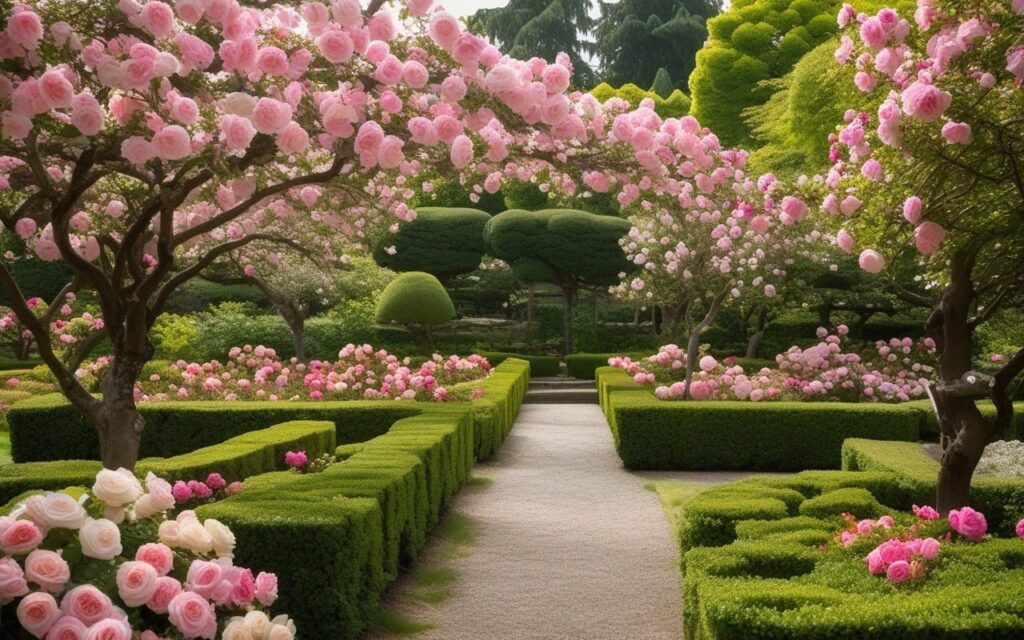
Yokohama English Garden was designed by landscape architect Hidetoshi Kobayashi, who drew on classic English garden principles to create a space that feels intimate despite its size, Winding paths lead through layered plantings, with hidden benches, archways, and small clearings that reward slow exploration. The garden’s identity is defined by roses. They are woven throughout the landscape — climbing over arches, spilling from raised beds, trained into standards and cascading from trellises. The collection includes both classic varieties (David Austin, hybrid teas) and modern cultivars bred mostly for the Japanese climate. Seasonal Rhythm:
| Season | What’s Blooming | Best Time |
|---|---|---|
| Late April–May | Peak roses — Rose Festival, tunnels in full bloom | Peak season |
| June | Hydrangeas, early summer perennials | Mid-June |
| July–August | Summer roses, lavender | Morning |
| September–October | Autumn roses — deeper color, stronger scent | Late September |
| November | Late autumn color, foliage | Mid-November |
The Garden Features
Rose Tunnels
The garden’s most photographed feature — two long archways covered in climbing roses. In peak bloom (late April to mid-May). the tunnels become a canopy of overlapping flowers in shades of pink. photos Tips for the Tunnels:
- Best time: Early morning (10:00–10:30. just after opening) or late afternoon (16:00–17:00)
- Lens: Wide-angle (16–24mm) for the full tunnel effect; telephoto (70–200mm) for compression shots
- Tripods: Prohibited during regular hours — use a held camera or monopod
- Crowds: Weekday mornings are quietest; weekends see queues for photo spots
Rose Beds
Organised by variety and color, the main rose beds spread across the garden’s central section. Each bed is labelled with the variety name (Japanese and Latin), making it easy to identify favorites for your own garden.
Pergola Walk
A shaded walkway covered in climbing hydrangeas and wisteria, offering a cool break from the open rose beds. The pergola is at its best in June (hydrangeas) and April (wisteria).
Admission and Hours
Admission Fees
| Category | Weekday | Weekend/Holiday |
|---|---|---|
| Adult (peak season — late Apr–May) | ¥1,500 | ¥1,800 |
| Adult (mid season — Jun. Sep–Oct) | ¥1,000 | ¥1,200 |
| Adult (low season — Jul–Aug. Nov) | ¥700 | ¥800 |
| Child (4–12. peak) | ¥750 | ¥900 |
| Child (4–12. mid) | ¥500 | ¥600 |
| Child (4–12. low) | ¥400 | ¥400 |
Note: Prices are dynamic — they change based on the current bloom status. The official website always shows the current pricing.
Hours
| Season | Hours | Last Entry |
|---|---|---|
| March–November | 10:00–18:00 | 17:30 |
| December–February | 10:00–17:00 | 16:30 |
Closed: December 29 – January 3 (winter upkeep)
Discounts
- Online advance ticket: ¥100–200 discount per person
- Combo ticket: Discounted entry with tvk Housing Plaza places
- Group rate: 20+ people, contact the garden in advance
Photo Rules
The garden enforces specific photos rules to keep a pleasant time for all visitors:
| Item | Regular Hours | Early Morning Sessions |
|---|---|---|
| Handheld cameras | ✅ Allowed | ✅ Allowed |
| Smartphones | ✅ Allowed | ✅ Allowed |
| Tripods | ❌ Prohibited | ✅ Allowed |
| Monopods | ❌ Prohibited | ✅ Allowed |
| Selfie sticks | ❌ Prohibited | ❌ Prohibited |
| Drones | ❌ Prohibited | ❌ Prohibited |
Early Morning photos Sessions: sometimes held during peak rose season. These sessions (typically 8:00–10:00) allow tripods and are quieter. Check the official website for dates and pricing. —
Practical info
What to Bring
Recommended:
- Camera (handheld only during regular hours)
- Sunscreen and hat (limited shade in the rose beds)
- Small cushion or mat (benches can be damp in spring)
- Water bottle (fountain available near the cafe)

Provided:
- Garden map (English available)
- Umbrellas (at the entrance, free to borrow)
- Plant labels with names (Japanese and Latin)
Etiquette
Do's:
✅ Stay on the paths (do not step into flower beds)
✅ Touch flowers gently when leaning in for photos
✅ Use the hand sanitiser provided at the entrance
✅ Be mindful of other visitors when taking photos
✅ buy online tickets in advance during peak season

Don'ts:
❌ No tripods or monopods during regular hours
❌ No touching or handling the roses (thorns + damage)
❌ No picnicking on the lawn with outside food
❌ No smoking within the garden
❌ No pets (except service animals)
When to Visit
For the fullest bloom: Late April to mid-May
For quieter time: Weekday mornings (10:00–11:30)
For autumn color: Late September to October
For fewer crowds + value: July–August (lower admission)

Avoid: Weekend afternoons during Rose Festival (extremely crowded)
Nearby Attractions
The English Garden can be combined with several other Yokohama destinations:
- Yokohama Station area — shopping and dining (10 min walk)
- Sankeien Garden — traditional Japanese garden (20 min by bus)
- Yokohama Minato Mirai — waterfront attractions (15 min by train)
- Shin-Yokohama Ramen Museum — 25 min by train (see our Ramen Museum guide)
- Hakkeijima Sea Paradise — 35 min by train (see our Sea Paradise guide)
What to Expect
Activity locations in Kanagawa are generally well-maintained with clear signage. Most sites offer English pamphlets or audio guides. Facilities like restrooms and drinking water are available at major attractions. Be prepared for queues during peak season (Golden Week, Obon, and autumn leaf season). Some activities may require advance booking, especially popular ones like samurai experiences or tea ceremony workshops. Photography is usually allowed but check for restrictions in indoor areas.
Local Tips
Those who frequent these activities suggest checking social media for last-minute openings and special events. Some venues offer discounted admission during certain hours or days of the week. Combining multiple activities in the same area saves travel time and often qualifies for package discounts. Consider joining a group tour for activities that require specialized equipment or guidance.
Budget Planning
Activity costs in Kanagawa range from ¥500 for temple entry to ¥5,000+ for premium experiences. Plan your activity budget based on your interests rather than trying to do everything. Many free activities like hiking, beach visits, and temple grounds exploration are equally rewarding. Allocate more budget for one or two memorable experiences rather than spreading funds thin across many paid activities.n
Dos and Don’ts
Do arrive 10-15 minutes early for scheduled activities. Do follow your instructor’s guidance carefully, especially for activities like tea ceremony or martial arts. Do wear appropriate clothing and footwear as specified by the venue. Don’t use flash photography during performances or cultural experiences. Don’t touch exhibits or artifacts unless explicitly permitted. Don’t bring food or drinks into activity areas unless specified.
Frequently Asked Questions
Q: Is the garden worth visiting outside of rose season?
A: Yes. June brings hydrangeas and summer perennials, and the autumn roses (September–October) are often more fragrant than spring blooms. Even in low season (July–August, November), the garden is well-kept and pleasant. Q: How long should I plan to spend?
A: 1–2 hours is sufficient for a relaxed visit, photos enthusiasts may want 2–3 hours. Q: Is the garden wheelchair accessible?
A: Largely yes. The paths are wide and paved, though some sections have gentle slopes. The rose tunnels are accessible. Q: Can I buy plants at the garden?
A: Yes. The shop sells a small selection of rose varieties and garden plants. Stock varies by season. Q: Is the garden suitable for children?
A: Yes, but young children may find 1 hour sufficient. There is no dedicated play area. The open lawn is safe for toddlers to explore.
🌟 Share Your time
Visited Yokohama English Garden? favorite rose variety or season? Join our community forum to share your photos and tips! —
Yokohama English Garden is a reminder that Japan’s garden culture extends far beyond the traditional Zen and tea gardens, or anyone needing a quiet afternoon surrounded by color and fragrance, it is one of Yokohama’s most underrated attractions. —
⏰ Best Time to Visit
Early morning (8–10 AM): Peaceful atmosphere, perfect for photos Late afternoon (4–6 PM): pretty lighting, less crowded than midday
🎯 What I Recommend
- Don’t rush: Take your time to explore the side streets and hidden spots
- Talk to locals: They often know the best lesser-known spots that aren’t in guidebooks
- Try the local specialties: Each area has its own unique food and souvenirs
⚠️ Things to Watch Out For
- Some shops close on weekdays or have irregular hours
- Parking can be hard during peak seasons
- Cash is still king at many smaller establishments
Packing Essentials
For outdoor activities, wear moisture-wicking clothing and comfortable closed-toe shoes. Sunscreen and a hat are essential during summer. A small towel is useful for wiping sweat. A waterproof phone pouch is useful for water activities. Pack snacks and extra water for remote areas.
Money-Saving Tips
Save on activities by booking online in advance. Combination tickets covering multiple attractions often provide 15-25% savings. Visit during off-peak hours. Check local tourist websites for digital coupons. Consider free alternatives like public gardens.
Conclusion
The details in this guide come from real visits, and the biggest lesson I took away was that the best experiences in Yokohama rarely fit neatly into a checklist. During my visit to Yokohama I went with a rough plan and found that leaving room to wander made the trip far more memorable. Plan the essentials, keep your schedule flexible, and you will leave Kanagawa wanting to return.