Money-Saving Tips
- Purchase combo tickets: Many attractions offer discounted combination tickets
- Visit on weekdays: Lower crowds and sometimes reduced prices
- Use regional passes: Consider area-specific passes for multiple attractions
- Free admission days: Some museums offer free entry on certain days
Time-Saving Tips
- Arrive early: Beat the crowds by visiting popular spots before 10 AM
- Book online: Reserve tickets and restaurants in advance
- Use luggage storage: Store bags at stations to explore freely
- Download offline maps: Save data and navigate easily
Local Insights
- Ask locals: Residents often know the best hidden spots
- Try seasonal specials: Each season offers unique experiences
- Respect customs: Follow local etiquette at temples and shrines
- Learn basic Japanese: Simple phrases enhance your experience
- Top attraction in Kamakura New Years Guide
- Best time to visit: Morning or evening
- Access: Easy access from Tokyo/Yokohama
- Facilities: Restrooms, parking available
- Best for: Sightseeing, photography
Within 5km
Historic Sites:
- Ancient temples and shrines (10-15 min)
- Traditional architecture and gardens
- Cultural heritage sites
Natural Attractions:
- Scenic parks and walking trails
- Coastal views and beaches
- Mountain viewpoints
Within 10km
Museums & Culture:
- Local history museums
- Art galleries
- Traditional craft centers
Shopping & Dining:
- Local markets
- Specialty shops
- Traditional restaurants
Day Trip Options
Morning:
- Early visit to main attraction
- Breakfast at local cafe
Afternoon:
- Explore nearby sites
- Lunch at recommended restaurant
Evening:
- Sunset viewpoint
- Dinner at local specialty restaurant
Spring (March-May)
Highlights: Cherry blossoms, mild weather, spring festivals
- Temperature: 10-20°C (50-68°F)
- Crowds: High during cherry blossom season (late March-early April)
- What to Wear: Light jacket, layers
- Special Events: Hanami parties, spring festivals
Summer (June-August)
Highlights: Green landscapes, summer festivals, fireworks
- Temperature: 20-30°C (68-86°F)
- Crowds: Very high (school holidays)
- What to Wear: Light clothing, hat, sunscreen
- Special Events: Fireworks festivals, beach activities
Autumn (September-November)
Highlights: Fall foliage, comfortable weather, harvest season
- Temperature: 15-25°C (59-77°F)
- Crowds: Moderate to high (especially November)
- What to Wear: Light layers, comfortable walking shoes
- Special Events: Autumn festivals, food events
Winter (December-February)
Highlights: Fewer crowds, clear views, winter illuminations
- Temperature: 5-15°C (41-59°F)
- Crowds: Low (except New Year holidays)
- What to Wear: Warm coat, gloves, scarf
- Special Events: Winter illuminations, New Year events
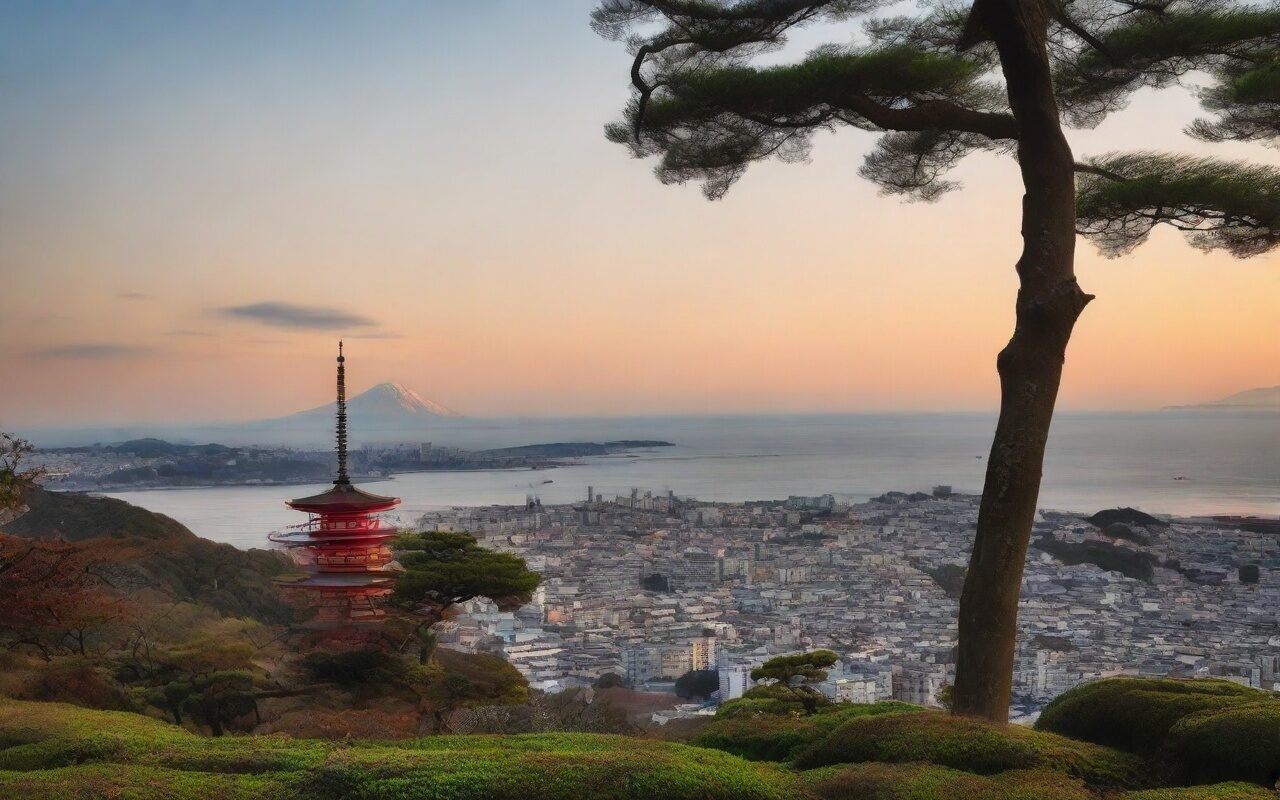
Kamakura is one of Japan's top New Year destinations, with over 2 million visitors during the first three days of January. This guide covers everything you need to know about experiencing New Year (Shogatsu) in Kamakura.
What to Expect
Visitor Numbers:
- Jan 1-3: 2+ million visitors (one of Japan's busiest)
- Jan 1: 500,000+ visitors (busiest day)
- Peak hours: 10:00-14:00 (extremely crowded)
Atmosphere:
- Festive: Traditional celebrations, excited crowds
- Cold: 5-15°C (41-59°F), can be windy
- Crowded: Everywhere (temples, streets, trains)
- Special: Limited-time events, food stalls
Closures:
- Temples: Open 24 hours (Jan 1-3)
- Shops: Most closed (Jan 1), reopen Jan 2-3
- Restaurants: Limited options (Jan 1), normal Jan 2-3
- Museums: Usually closed (Jan 1), check websites
What is Hatsumode?
Definition: First shrine/temple visit of the New Year
Purpose:
- Pray for good fortune in coming year
- Give thanks for past year
- Receive omamori (amulets) for protection
- Draw omikuji (fortune papers)
When:
- Traditional: Jan 1 (midnight or morning)
- Flexible: Jan 1-7 (anytime during first week)
- Best: Jan 1-3 (most atmospheric, most crowded)
1. Tsurugaoka Hachimangu Shrine
Most Popular: 2.5 million visitors (3 days)
Special Features:
- Midnight opening: Dec 31, 22:00 (special ceremonies)
- 24-hour access: Jan 1-3
- Food stalls: 50+ stalls (traditional festival food)
- Special prayers: Multiple ceremonies daily
What to Do:
- Purify hands: At chozuya (water pavilion)
- Pray: At main hall (silent prayer)
- Omikuji: Draw fortune (¥100-200)
- Omamori: Buy amulet (¥500-2,000)
- Food stalls: Try festival food
Crowds:
- Dec 31 midnight: 100,000+ people (extremely crowded)
- Jan 1 morning: 50,000+ people (very crowded)
- Jan 2-3: 30,000+ people (crowded but manageable)
- Best time: Jan 2-3, early morning (6:00-8:00)
Access:
- Train: JR Kamakura Station (10 min walk)
- Crowded: Expect 30-60 min walk from station
- Alternative: Bus (special New Year service)
2. Kencho-ji Temple
Zen Experience: 500,000 visitors (3 days)
Special Features:
- Bell ringing: Dec 31, midnight (108 rings)
- Zen prayers: Special ceremonies
- Less crowded: More peaceful than Tsurugaoka
- Traditional: Authentic Buddhist experience
What to Do:
- Bell ringing: Participate (if arrive before midnight)
- Zazen: Special New Year meditation (check schedule)
- Prayer: Main hall ceremonies
- Omamori: Zen temple amulets (unique)
Crowds:
- Dec 31 midnight: 20,000+ people (moderate)
- Jan 1 morning: 10,000+ people (manageable)
- Best time: Jan 1, afternoon (14:00-16:00)
Access:
- Train: JR Kita-Kamakura Station (15 min walk)
- Less crowded: Easier access than Tsurugaoka
3. Hase-dera Temple
Ocean Views: 300,000 visitors (3 days)
Special Features:
- Kannon prayer: Special New Year ceremony
- Ocean views: From observation deck
- Illuminated: Evening light-up (special)
- Combination: Hatsumode + sightseeing
Crowds:
- Jan 1: 50,000+ people (crowded)
- Best time: Jan 2-3, morning
Access:
- Train: Enoden Hase Station (5 min walk)
Joya no Kane (Bell Ringing)
What: Temple bells ring 108 times
When: Dec 31, 23:00 - Jan 1, 00:30
Where:
- Kencho-ji: Most famous (20:00 start)
- Engaku-ji: Traditional ceremony
- Hase-dera: Ocean view bell ringing
Significance:
- 108 rings = 108 earthly desires (Buddhist belief)
- Each ring purifies one desire
- Participate: Visitors can ring bell (take turns)
What to Expect:
- Crowds: 10,000-50,000 people (varies by temple)
- Cold: Dress warmly (standing outside)
- Special: Once-in-lifetime experience
Tips:
- Arrive by 22:00 (to participate)
- Bring warm clothes (very cold)
- Expect long wait (worth it)
Sunrise Ceremonies
What: Welcome first sunrise of year
When: Jan 1, 6:30-7:00 (sunrise time)
Where:
- Yuigahama Beach: Sunrise over ocean
- Inamuragasaki Cape: Panoramic views
- Enoshima Sea Candle: Elevated view
What to Expect:
- Crowds: 5,000-10,000 people (beach)
- Cold: Very cold (5-10°C)
- Special: Traditional celebration
Tips:
- Arrive by 6:00 (get good spot)
- Bring thermos (hot drinks)
- Combine with hatsumode (later morning)
Special Prayers
What: Traditional New Year prayers
When: Jan 1, multiple times daily
Where: Major temples (Tsurugaoka, Kencho-ji, Hase-dera)
What to Expect:
- Ceremonies: 30-60 min each
- Participation: Welcome (observe respectfully)
- Photography: Usually allowed (no flash)
Schedule (Tsurugaoka Hachimangu):
- 6:00: First prayer
- 8:00: Main ceremony
- 10:00: Special prayer
- 14:00: Afternoon ceremony
Less Crowded Hatsumode
Advantages:
- Fewer crowds: 50% less than Jan 1
- Better access: Easier train rides
- More shops: Reopening (Jan 2)
What's Open:
- Temples: All open (24 hours)
- Food stalls: Fewer (but still available)
- Shops: Starting to reopen (Jan 2)
- Restaurants: Limited (Jan 2), normal (Jan 3)
Traditional Games
What: New Year traditional activities
Where: Temple grounds, parks
Games:
- Hanetsuki: Japanese badminton
- Koma: Spinning tops
- Takoage: Kite flying
- Sugoroku: Board game
Experience:
- Try: Some temples offer hands-on
- Buy: Traditional game sets (souvenirs)
- Watch: Local families playing
Trains
JR Lines:
- Frequency: Every 5-10 min (increased service)
- Hours: Extended (until 1:00 AM, Jan 1-3)
- Crowds: Very crowded (expect 30-60 min delays)
- JR Pass: Valid (use for Tokyo-Kamakura)
Enoden Line:
- Frequency: Every 10-15 min
- Hours: Extended service
- Crowds: Extremely crowded (tourist favorite)
- JR Pass: Not valid (separate ticket)
Tips:
- Arrive early: Before 9:00 (avoid worst crowds)
- Be patient: Delays expected
- Consider walking: From Kamakura Station (many temples walkable)
Buses
Service:
- Frequency: Reduced (some routes suspended)
- Special routes: New Year shuttle buses
- Crowds: Less than trains (good alternative)
Special Services:
- Hatsumode shuttle: Kamakura Station → Tsurugaoka
- Temple loop: Major temples circuit
- Price: ¥200-500 (day passes available)
Parking
Availability:
- Most lots: Full by 8:00 (Jan 1-3)
- Alternative: Park outside Kamakura, take train
- Price: ¥1,000-2,000/day (increased rates)
Recommendation: Don't drive (trains much easier)
Food Stalls (Yatai)
Where:
- Tsurugaoka Hachimangu: 50+ stalls
- Kencho-ji: 20+ stalls
- Major temples: 10-30 stalls each
What to Try:
- Yakitori: Grilled chicken skewers (¥300-500)
- Takoyaki: Octopus balls (¥400-600)
- Yakisoba: Fried noodles (¥500-700)
- Amazake: Sweet sake (¥300-500, non-alcoholic option)
- Oden: Fish cake stew (¥400-600)
Budget: ¥2,000-3,000 per person (food stall lunch)
Restaurants
Open/Close Schedule:
- Dec 31: Most close early (15:00-17:00)
- Jan 1: 20% open (very limited)
- Jan 2: 50% open (increasing)
- Jan 3: 80% open (near normal)
What's Open Jan 1:
- Chain restaurants: Some McDonald's, Starbucks
- Convenience stores: Open (limited hours)
- Temple cafes: Some open (matcha, light meals)
Recommendation:
- Jan 1: Eat at food stalls or convenience stores
- Jan 2-3: More restaurant options
- Reserve: Book ahead (popular restaurants fill up)
Staying in Kamakura
Advantages:
- Early access: Beat crowds to temples
- Atmosphere: Traditional New Year experience
- Convenience: Walk to major temples
Disadvantages:
- Expensive: 2-3x normal rates
- Crowded: Everywhere (including hotels)
- Book early: 3-6 months advance booking
Price Range:
- Budget: ¥15,000-25,000/night (business hotels)
- Mid-range: ¥30,000-50,000/night (ryokan)
- Luxury: ¥60,000-100,000+/night (high-end ryokan)
Booking:
- Book: 3-6 months in advance
- Minimum stay: 2-3 nights (many hotels require)
- Cancel: Check policy (strict during New Year)
Day Trip from Tokyo
Advantages:
- Cheaper: Tokyo hotels (normal rates)
- More options: Wide range of accommodation
- Flexibility: Leave if too crowded
Disadvantages:
- Train crowds: Very crowded (round trip)
- Time limit: Last train (around midnight)
- Tired: Long day (early start, late return)
Train Schedule:
- First train: 5:00-6:00 AM (Tokyo → Kamakura)
- Last train: 23:00-24:00 (Kamakura → Tokyo)
- Extended: Special New Year service (check JR website)
Recommendation: Stay in Kamakura if possible (better experience)
Clothing
Essentials:
- Warm coat: Heavy winter coat (5-15°C)
- Layers: Sweater, thermal underwear
- Scarf, gloves, hat: Essential (very cold morning)
- Comfortable shoes: Walking shoes (lots of standing)
Traditional Option:
- Kimono: Many locals wear kimono (festive)
- Rental: Available (¥5,000-10,000/day)
- Experience: Unique photos, cultural immersion
What to Bring
Essentials:
- Cash: Many stalls cash-only (¥10,000-20,000)
- Hand warmers: Disposable (konro, ¥100-200)
- Thermos: Hot drinks (coffee, tea)
- Backpack: Carry layers, purchases
Optional:
- Camera: Capture memories (extra batteries, cold drains fast)
- Portable charger: Phone battery (cold drains fast)
- Mask: Crowds + cold (health precaution)
Sample Budget (Day Trip from Tokyo)
| Item | Cost |
|---|---|
| Train (Tokyo-Kamakura) | ¥1,840 (JR Pass free) |
| Temple admissions | ¥1,000-2,000 |
| Food (food stalls) | ¥2,000-3,000 |
| Omamori/omikuji | ¥1,000-2,000 |
| Souvenirs | ¥2,000-5,000 |
| Total | ¥7,840-13,840 |
Sample Budget (Overnight in Kamakura)
| Item | Cost |
|---|---|
| Accommodation | ¥20,000-50,000/night |
| Train (Tokyo-Kamakura) | ¥1,840 (JR Pass free) |
| Temple admissions | ¥1,000-2,000 |
| Food | ¥5,000-10,000 |
| Omamori/omikuji | ¥1,000-2,000 |
| Souvenirs | ¥2,000-5,000 |
| Total | ¥30,840-70,840 |
Day Trip (Jan 2-3, Less Crowded)
6:00: Depart Tokyo 7:00: Arrive Kamakura 7:30: Tsurugaoka Hachimangu (hatsumode, breakfast) 10:00: Kencho-ji Temple (zen experience) 12:00: Lunch (food stalls or local restaurant) 14:00: Hase-dera Temple (ocean views) 16:00: Great Buddha (iconic photo) 18:00: Return to Tokyo
Total: 12 hours, ¥10,000-15,000
Overnight (Jan 1-2, Full Experience)
Day 1 (Dec 31):
- 22:00: Arrive Kencho-ji (bell ringing ceremony)
- 00:00: Joya no Kane (108 bell rings)
- 01:00: Check into ryokan
- Sleep: Rest (short night)
Day 2 (Jan 1):
- 6:00: Sunrise at Yuigahama Beach
- 7:30: Tsurugaoka Hachimangu (first prayer)
- 10:00: Food stalls (traditional breakfast)
- 12:00: Explore Komachidori (limited shopping)
- 14:00: Hase-dera Temple
- 16:00: Relax at ryokan (onsen, if available)
- 18:00: New Year dinner (osechi ryori, traditional)
Day 3 (Jan 2):
- 8:00: Engaku-ji Temple (zen meditation)
- 10:00: Last-minute shopping
- 12:00: Lunch
- 14:00: Return to Tokyo
Total: 2 nights, 3 days, ¥50,000-100,000
Q: What is the best time to visit Kamakura new years guide?
A: The best time to visit Kamakura new years guide is during spring (March-May) for mild weather and cherry blossoms, or autumn (September-November) for comfortable temperatures and fall foliage. Summer can be crowded but offers festivals and events.
Q: How do I get to Kamakura new years guide from Tokyo?
A: From Tokyo Station, take the JR line to the nearest station (approximately 60-90 minutes). From there, it's a short walk or local bus ride. The Japan Rail Pass can be used on JR lines.
Q: Is Kamakura new years guide suitable for families with children?
A: Yes! Kamakura new years guide offers family-friendly facilities and activities. Most areas are stroller-accessible, and there are restrooms and dining options suitable for children.
Q: Are there any entrance fees for Kamakura new years guide?
A: Most areas are free to visit. Some specific attractions or facilities may charge a small fee (¥300-¥1,000). Check individual attraction websites for details.
Q: Can I visit Kamakura new years guide in one day?
A: Yes, a day trip is possible from Tokyo. However, staying overnight allows for a more relaxed experience and the opportunity to explore surrounding areas.
Q: Is English spoken at Kamakura new years guide?
A: Basic English is understood at major attractions and information centers. Tourist information is often available in English. Translation apps can be helpful for detailed inquiries.
Summary
| Aspect | Details |
|---|---|
| Best Time | Jan 2-3 (less crowded than Jan 1) |
| Must-See | Tsurugaoka Hachimangu (hatsumode) |
| Unique Experience | Joya no Kane (bell ringing, Dec 31) |
| Crowds | 2 million+ visitors (3 days) |
| Budget | ¥10,000-15,000 (day trip), ¥50,000+ (overnight) |
| Transport | Train (don't drive) |
| Food | Food stalls (Jan 1), restaurants (Jan 2-3) |
| Accommodation | Book 3-6 months ahead |
Bottom Line: Kamakura New Year is an unforgettable cultural experience with 2 million visitors, traditional ceremonies, and festive atmosphere. Tsurugaoka Hachimangu is the main event, but expect massive crowds. Visit Jan 2-3 for slightly fewer crowds. Book accommodation 3-6 months ahead. Dress very warmly (cold + long waits). Experience is worth the crowds for once-in-lifetime Japanese New Year tradition.
Best For: Cultural experience, photography, tradition enthusiasts, adventurous travelers
Budget: ¥10,000-100,000+ (day trip to luxury overnight)
Time Needed: Full day to 3 days
Best Dates: Jan 2-3 (balanced crowds + experience)
Related Articles:
📝 Conclusion
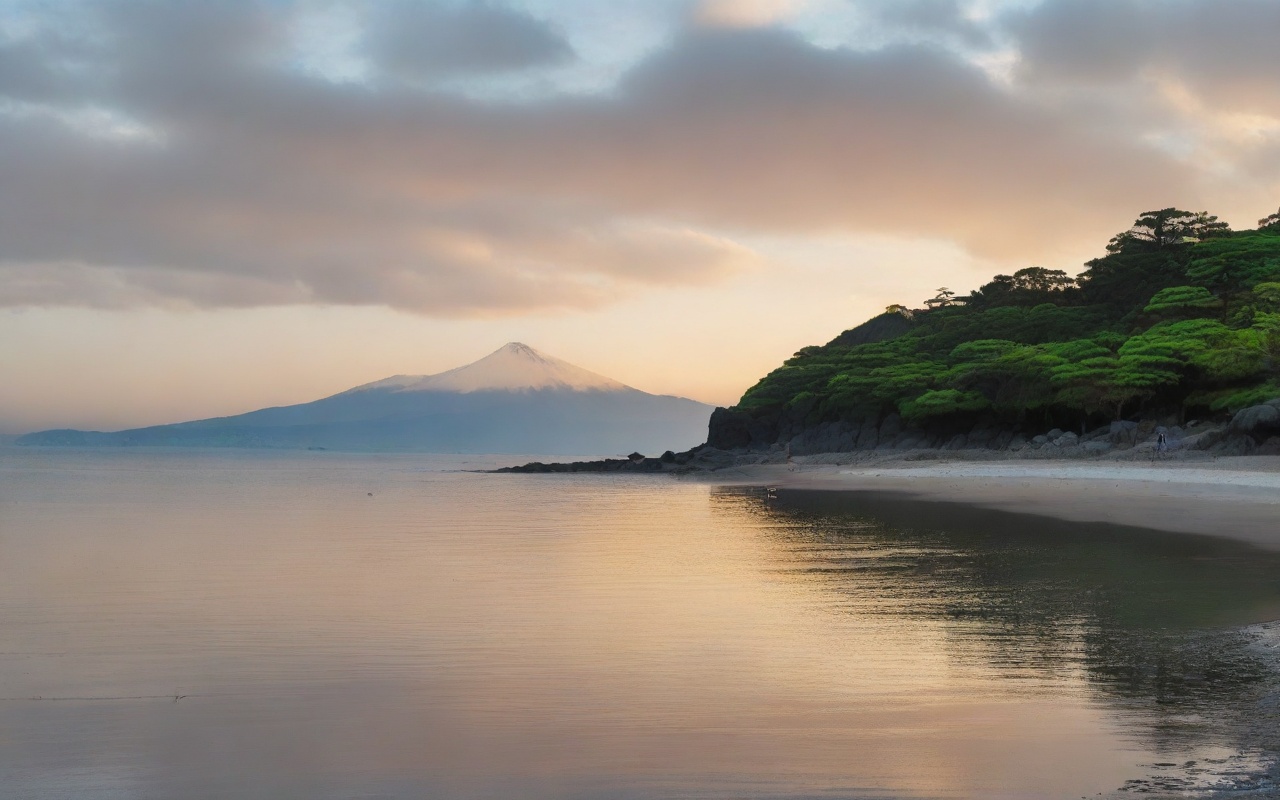
Kamakura New Years Guide is a must-visit destination in Kanagawa for international travelers. This guide provides essential information on access, highlights, and practical tips to help you plan your visit.
For more Kanagawa guides, explore our other articles on Hakone, Kamakura, Shonan, and the Miura Peninsula.
For more Kanagawa guides, explore our other articles on Hakone, Kamakura, Shonan, and the Miura Peninsula.
Related Articles
Best Time to Visit
Season: Year-round destination
Spring (March-May):
- Mild temperatures (10-20°C)
- Cherry blossoms (late March-early April)
- Moderate crowds
Summer (June-August):
- Warm weather (20-30°C)
- Festivals and events
- Peak tourist season
Autumn (September-November):
- Comfortable temperatures (15-25°C)
- Fall foliage (November)
- Less crowded
Winter (December-February):
- Cool weather (5-15°C)
- Fewer tourists
- Clear views
What to Pack
Essentials:
- Comfortable walking shoes
- Weather-appropriate clothing
- Camera
- Portable charger
- Cash (many places don't accept cards)
Seasonal Items:
- Spring: Light jacket, umbrella
- Summer: Hat, sunscreen, water bottle
- Autumn: Layers, comfortable shoes
- Winter: Warm coat, gloves, scarf
Money-Saving Tips
- Regional Passes: Consider area-specific transportation passes
- Combo Tickets: Many attractions offer discounted combination tickets
- Free Attractions: Parks, temples, and beaches are often free
- Convenience Stores: Affordable meals and snacks
- Off-Peak Travel: Weekdays and off-season offer better deals
Local Etiquette
At Temples & Shrines:
- Dress modestly
- Speak quietly
- Follow photography rules
- Purify hands at chozuya (water pavilion)
On Public Transport:
- Keep voice down
- Priority seating for elderly/disabled
- No eating on trains
- Queue in line
General:
- Remove shoes when required
- No tipping (can be offensive)
- Use trash bins properly
- Respect private property
From Tokyo
By Train (Recommended):
- JR Line: Direct access, covered by JR Pass
- Private Lines: Often faster, more frequent
- Travel Time: 60-90 minutes
- Cost: ¥600-¥1,200
By Bus:
- Highway Bus: Affordable option
- Travel Time: 90-120 minutes
- Cost: ¥500-¥800
By Car:
- Route: Tomei Expressway
- Travel Time: 60-90 minutes (no traffic)
- Cost: ¥2,000-¥3,000 (tolls + parking)
- Note: Traffic heavy on weekends
Local Transportation
Train:
- Most efficient way to travel
- Covers major attractions
- Day passes available
Bus:
- Reaches remote areas
- Affordable
- Less frequent than trains
Taxi:
- Convenient for groups
- Available at stations
- More expensive (¥1,000-¥2,000 per ride)
Rental Bicycle:
- Eco-friendly option
- ¥500-¥1,000 per day
- Good for local exploration
Recommended Passes
- JR Pass: Nationwide JR trains
- Regional Pass: Area-specific discounts
- Day Pass: Unlimited local travel
- Combo Pass: Transport + attractions
Recommended Areas
Station Area:
- Convenient transportation
- Many restaurants and shops
- Good for first-time visitors
City Center:
- Close to attractions
- Vibrant nightlife
- More dining options
Coastal Area:
- Ocean views
- Relaxed atmosphere
- Good for extended stays
Accommodation Types
Hotels:
- Budget: ¥5,000-¥10,000/night
- Mid-range: ¥10,000-¥20,000/night
- Luxury: ¥20,000+/night
Ryokan (Traditional Inn):
- Standard: ¥10,000-¥20,000/night
- With Meals: ¥20,000-¥40,000/night
- Luxury: ¥40,000+/night
Guesthouses:
- Dormitory: ¥2,000-¥4,000/night
- Private Room: ¥4,000-¥8,000/night
- Good for solo travelers
Vacation Rentals:
- Studio: ¥8,000-¥15,000/night
- Apartment: ¥15,000-¥30,000/night
- Good for families and groups
Booking Tips
- Book Early: Especially for peak seasons
- Compare Prices: Use multiple booking sites
- Check Reviews: Read recent guest reviews
- Consider Location: Near stations is convenient
- Look for Deals: Off-season and weekday discounts
is_published: 1