Money-Saving Tips
- Purchase combo tickets: Many attractions offer discounted combination tickets
- Visit on weekdays: Lower crowds and sometimes reduced prices
- Use regional passes: Consider area-specific passes for multiple attractions
- Free admission days: Some museums offer free entry on certain days
Time-Saving Tips
- Arrive early: Beat the crowds by visiting popular spots before 10 AM
- Book online: Reserve tickets and restaurants in advance
- Use luggage storage: Store bags at stations to explore freely
- Download offline maps: Save data and navigate easily
Local Insights
- Ask locals: Residents often know the best hidden spots
- Try seasonal specials: Each season offers unique experiences
- Respect customs: Follow local etiquette at temples and shrines
- Learn basic Japanese: Simple phrases enhance your experience
- Top attraction in Kamakura Photography Guide
- Best time to visit: Morning or evening
- Access: Easy access from Tokyo/Yokohama
- Facilities: Restrooms, parking available
- Best for: Sightseeing, photography
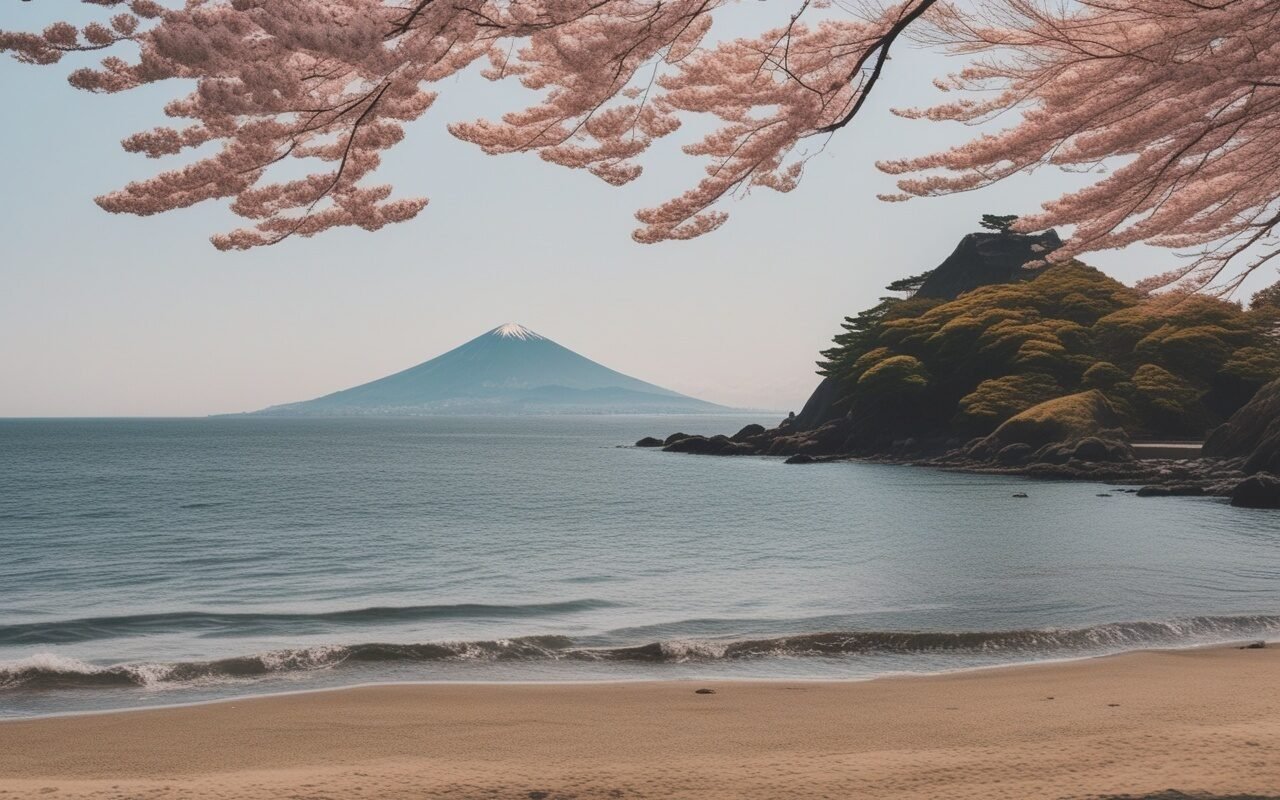
Within 5km
Historic Sites:
- Ancient temples and shrines (10-15 min)
- Traditional architecture and gardens
- Cultural heritage sites
Natural Attractions:
- Scenic parks and walking trails
- Coastal views and beaches
- Mountain viewpoints
Within 10km
Museums & Culture:
- Local history museums
- Art galleries
- Traditional craft centers
Shopping & Dining:
- Local markets
- Specialty shops
- Traditional restaurants
Day Trip Options
Morning:
- Early visit to main attraction
- Breakfast at local cafe
Afternoon:
- Explore nearby sites
- Lunch at recommended restaurant
Evening:
- Sunset viewpoint
- Dinner at local specialty restaurant
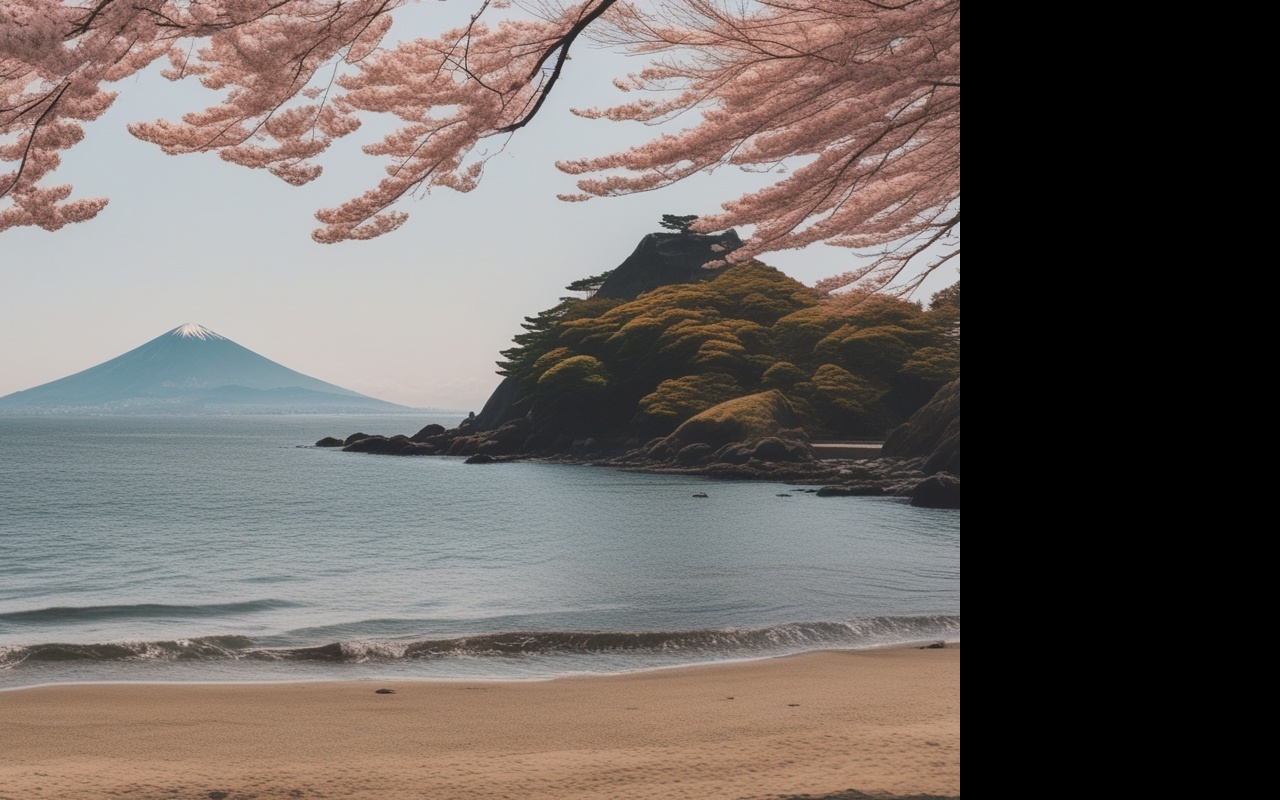
Kamakura is a photographer's paradise, offering ancient temples, pristine beaches, and Mount Fuji views. This guide covers the best photography spots, optimal times, and technical tips for capturing Kamakura's beauty.
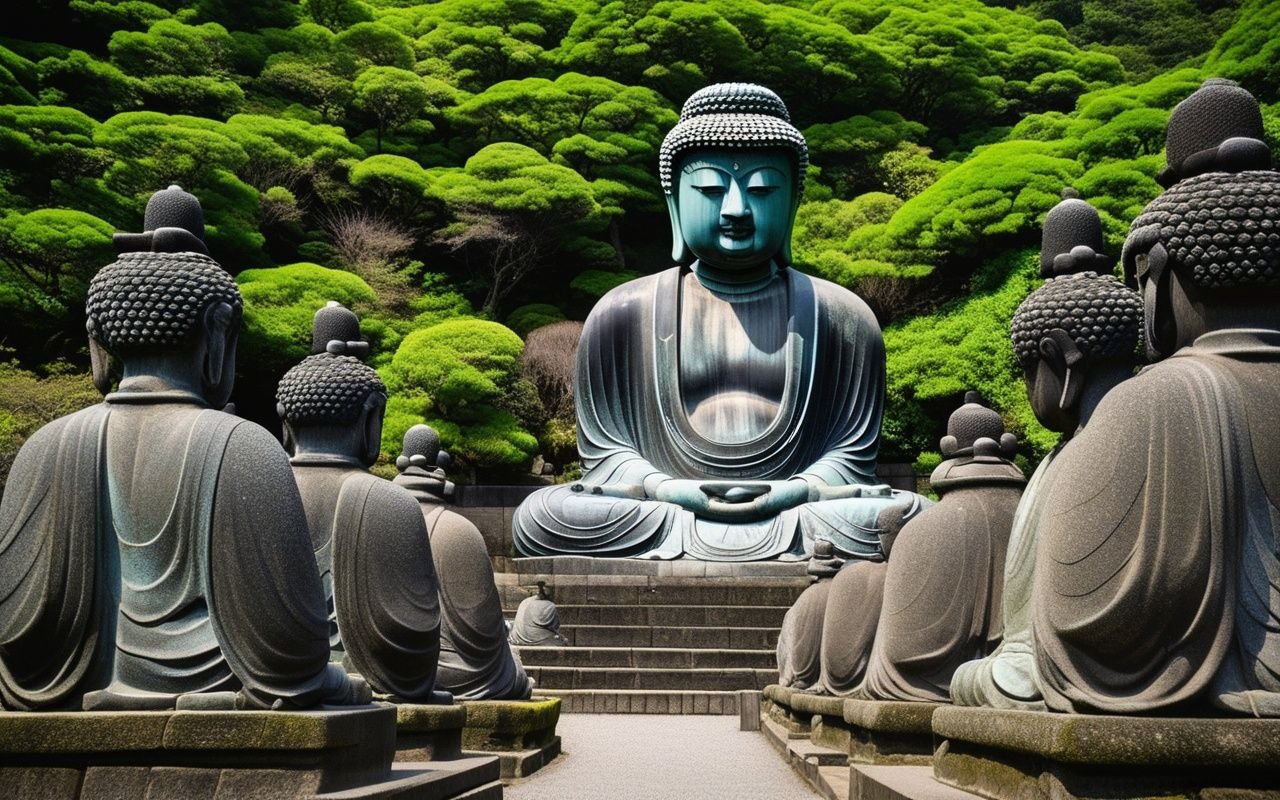
1. Great Buddha (Kotoku-in)
Iconic Shot: Japan's most famous Buddha statue
Best Angles:
- Front view: Full Buddha with temple grounds
- Side view: Profile with visitors (for scale)
- Inside view: Looking out from Buddha's back
- Detail shots: Hair curls, hands, feet
Best Time:
- Light: Morning (8:00-10:00) - soft, front-lit
- Crowds: Weekday mornings (least crowded)
- Season: Autumn (fall foliage backdrop)
Camera Settings:
- Outside: f/8, 1/250s, ISO 100-200
- Inside: f/2.8, 1/60s, ISO 800-1600
- Lens: 24-70mm (versatile), 50mm (details)
Tips:
- Arrive at opening (8:00) for no crowds
- Go inside Buddha for unique perspective
- Use tripod outside (not allowed inside)
- Respect worshippers (no flash during prayers)
Admission: ¥300 (adult), ¥150 (child) Hours: 8:00-17:30
2. Tsurugaoka Hachimangu Shrine
Iconic Shot: Grand shrine with stone steps
Best Angles:
- Main hall: From bottom of steps (grand perspective)
- Torii gate: Frame shrine through gate
- Pond reflection: Genji-ike (mirror shots)
- Details: Architecture, carvings, lanterns
Best Time:
- Light: Sunrise (6:00-7:00) - magical morning light
- Crowds: Weekday early morning
- Season: Cherry blossoms (April), New Year decorations
Camera Settings:
- Architecture: f/8-f/11, 1/125s, ISO 200-400
- Details: f/2.8-f/4, 1/250s, ISO 400-800
- Lens: 16-35mm (wide architecture), 50mm (details)
Tips:
- Climb steps for elevated view
- Visit during wedding ceremony (weekends, lucky shots)
- Use polarizing filter (reduce glare on pond)
- Respect shrine etiquette (bow at torii)
Admission: Free Hours: 6:00-20:00
3. Bamboo Grove (Hokoku-ji Temple)
Iconic Shot: Tall bamboo creating natural tunnel
Best Angles:
- Looking up: Bamboo reaching sky
- Path view: Walking path through grove
- Light rays: Sun filtering through bamboo
- Tea house: Matcha with bamboo backdrop
Best Time:
- Light: Morning (9:00-11:00) - light rays
- Crowds: Weekday mornings
- Season: Year-round (green always)
Camera Settings:
- Grove: f/8, 1/125s, ISO 400-800
- Light rays: f/11, 1/60s, ISO 800-1600
- Lens: 16-35mm (wide grove), 24-70mm (versatile)
Tips:
- Visit on sunny day (light rays)
- Use wide-angle (capture height)
- Bring tripod (dim inside grove)
- Order matcha at tea house (nice composition)
Admission: ¥300 (includes matcha) Hours: 9:00-15:30 (closed Wed)
4. Enoshima Sea Candle (Lighthouse)
Iconic Shot: 360° panoramic views
Best Angles:
- Panorama: Mount Fuji + Sagami Bay
- Sunset: Golden hour over bay
- Night: Illuminated coastline
- Interior: Spiral staircase
Best Time:
- Light: Sunset (16:00-18:00) - golden hour
- Crowds: Weekday late afternoon
- Season: Winter (clearest Fuji views)
Camera Settings:
- Day: f/8, 1/250s, ISO 100-200
- Sunset: f/8-f/11, 1/60-1/125s, ISO 200-400
- Night: f/2.8, 1/30s, ISO 1600-3200
- Lens: 16-35mm (panorama), 24-70mm (versatile)
Tips:
- Arrive 1 hour before sunset
- Bring tripod (required for night shots)
- Use panorama mode (sweeping views)
- Check Fuji visibility (clear winter days)
Admission: ¥600 (adult), ¥300 (child) Hours: 9:00-20:00 (varies by season)
5. Hase-dera Temple
Iconic Shot: Temple with ocean backdrop
Best Angles:
- Main hall: Kannon statue inside
- Observation deck: Ocean + Kamakura coastline
- Garden: Seasonal flowers with temple
- Cave: Benzaiten shrine (mysterious)
Best Time:
- Light: Morning (8:00-10:00) - clear views
- Crowds: Weekday early morning
- Season: Hydrangeas (June), fall foliage (Nov)
Camera Settings:
- Temple: f/8, 1/125s, ISO 200-400
- Ocean view: f/11, 1/250s, ISO 100-200
- Garden: f/2.8-f/4, 1/250s, ISO 400-800
- Lens: 16-35mm (architecture), 24-70mm (versatile)
Tips:
- Climb to observation deck (worth it)
- Visit hydrangea season (spectacular)
- Remove shoes inside buildings
- No photography in main hall (respect rule)
Admission: ¥400 (adult), ¥200 (child) Hours: 8:00-17:00
6. Komachidori Street
Iconic Shot: Bustling shopping street
Best Angles:
- Street view: Crowded street (energy)
- Shop fronts: Traditional facades
- Food stalls: Street food (action shots)
- Details: Signs, lanterns, products
Best Time:
- Light: Afternoon (14:00-16:00) - even light
- Crowds: Weekend afternoons (most lively)
- Season: Year-round
Camera Settings:
- Street: f/5.6-f/8, 1/250s, ISO 400-800
- Food: f/2.8, 1/125s, ISO 800-1600
- Lens: 24-70mm (versatile), 35mm (street)
Tips:
- Ask permission before photographing people
- Try street food (photogenic + delicious)
- Visit weekends (most crowded, energetic)
- Watch for pickpockets (crowded area)
Admission: Free Hours: Shops vary (10:00-18:00)
7. Yuigahama Beach
Iconic Shot: Surf culture, ocean views
Best Angles:
- Surfers: Action shots (waves)
- Sunrise: Early morning calm
- Beach activities: Volleyball, sunbathing
- Mount Fuji: Clear winter days
Best Time:
- Light: Sunrise (5:00-7:00) - peaceful
- Crowds: Early morning (before 9:00)
- Season: Summer (lively), winter (Fuji views)
Camera Settings:
- Surf: f/5.6-f/8, 1/1000s+, ISO 200-400
- Sunrise: f/8-f/11, 1/60s, ISO 100-400
- Lens: 70-200mm (surf action), 16-35mm (landscape)
Tips:
- Bring waterproof bag (sand, water)
- Use fast shutter (freeze surf action)
- Visit early (avoid crowds)
- Check tide schedule (low tide = more beach)
Admission: Free Hours: Always open
8. Sasuke Inari Shrine
Iconic Shot: Tunnel of red torii gates
Best Angles:
- Torii tunnel: Leading lines
- From inside: Looking out through gates
- Details: Weathered wood, moss
- Top view: Kamakura from shrine
Best Time:
- Light: Morning (9:00-11:00) - dappled light
- Crowds: Weekday mornings
- Season: Year-round
Camera Settings:
- Torii tunnel: f/8, 1/125s, ISO 400-800
- Details: f/2.8-f/4, 1/250s, ISO 800-1600
- Lens: 16-35mm (tunnel), 50mm (details)
Tips:
- Use leading lines (torii create path)
- Shoot from low angle (dramatic)
- Bring tripod (dim inside tunnel)
- Combine with hike (trail to top)
Admission: Free Hours: Always open
9. Meigetsu-in Temple (Hydrangea Temple)
Iconic Shot: Blue hydrangea corridor
Best Angles:
- Hydrangea path: Blue tunnel effect
- Round window: Frame hydrangeas
- Temple building: With flowers
- Details: Dewdrops on petals
Best Time:
- Light: Morning (8:30-10:00) - soft light
- Crowds: Weekday early morning (arrive before 9:00)
- Season: Hydrangeas (early-mid June, peak 2 weeks)
Camera Settings:
- Hydrangeas: f/2.8-f/4, 1/250s, ISO 400-800
- Round window: f/8, 1/125s, ISO 400-800
- Lens: 50mm (details), 24-70mm (versatile)
Tips:
- Visit hydrangea season (June only)
- Arrive before 9:00 (avoid crowds)
- Use macro lens (flower details)
- Bring polarizing filter (reduce glare)
Admission: ¥500 (¥300 off-season) Hours: 9:00-16:00 (8:30-17:00 during hydrangea season)
10. Inamuragasaki Cape
Iconic Shot: Surf break +
Best Angles:
- Surf point: Waves breaking
- Sunset: Over Sagami Bay
- Mount Fuji: Clear winter days
- Cape view: Panoramic coastline
Best Time:
- Light: Sunset (16:00-18:00) - golden hour
- Crowds: Late afternoon (surfers + photographers)
- Season: Winter (Fuji views), summer (surf)
Camera Settings:
- Surf: f/8, 1/1000s+, ISO 200-400
- Sunset: f/8-f/11, 1/60-1/125s, ISO 100-400
- Lens: 70-200mm (surf), 16-35mm (landscape)
Tips:
- Check surf forecast (good waves)
- Visit sunset (spectacular colors)
- Bring tripod (low light)
- Watch for sets (don't get swept away)
Admission: Free Hours: Always open
11-15. Hidden Gems
11. Zaimokuza Beach: Long beach walks, fewer crowds 12. Gokurakuji Station: Iconic train crossing (sea view) 13. Kencho-ji Temple: Zen gardens, ancient trees 14. Engaku-ji Temple: Traditional architecture, autumn colors 15. Kamakura Palace: Historic ruins, nature
Spring (March-May)
Best Subjects:
- Cherry blossoms (late March-early April)
- Fresh green leaves (May)
- Mild weather (comfortable shooting)
Best Locations:
- Tsurugaoka Hachimangu (cherry blossoms)
- Kencho-ji Temple (ancient trees)
- Beaches (clear skies)
Camera Tips:
- Overexpose slightly (bright blossoms)
- Use polarizing filter (blue sky enhancement)
- Arrive early (avoid blossom crowds)
Summer (June-August)
Best Subjects:
- Hydrangeas (June, Meigetsu-in)
- Surf culture (Yuigahama, Shichirigahama)
- Sunrise over ocean
Best Locations:
- Meigetsu-in (hydrangeas, June only)
- Yuigahama Beach (surf, summer activities)
- Enoshima (ocean views)
Camera Tips:
- Protect from sand/water (waterproof bag)
- Use fast shutter (freeze action)
- Shoot early (avoid midday heat)
Autumn (September-November)
Best Subjects:
- Fall foliage (late October-November)
- Clear air (Mount Fuji views)
- Comfortable temperatures
Best Locations:
- Engaku-ji Temple (autumn colors)
- Hase-dera Temple (garden + foliage)
- Inamuragasaki (Fuji views)
Camera Tips:
- Use warm white balance (enhance colors)
- Shoot during golden hour (warm light)
- Bring tripod (low light in temples)
Winter (December-February)
Best Subjects:
- Mount Fuji (clearest views)
- Few crowds (peaceful shots)
- Sunrise/sunset (dramatic skies)
Best Locations:
- Enoshima Sea Candle (Fuji panorama)
- Yuigahama Beach (Fuji + ocean)
- Inamuragasaki Cape (sunset + Fuji)
Camera Tips:
- Bring extra batteries (cold drains faster)
- Use tripod (low light, long exposures)
- Dress warmly (you'll be stationary)
Best Camera Settings
Temples/Shrines:
- Mode: Aperture priority (A or Av)
- Aperture: f/8-f/11 (sharp throughout)
- ISO: 200-800 (varies by light)
- Shutter: Auto (or 1/125s minimum)
Landscapes:
- Mode: Aperture priority
- Aperture: f/8-f/16 (deep depth of field)
- ISO: 100-200 (lowest possible)
- Shutter: Use tripod if below 1/60s
Street Photography:
- Mode: Shutter priority (S or Tv)
- Shutter: 1/250s+ (freeze action)
- ISO: Auto (400-1600)
- Aperture: Auto (or f/5.6-f/8)
Surf/Action:
- Mode: Shutter priority
- Shutter: 1/1000s+ (freeze action)
- ISO: Auto (200-800)
- Burst mode: On (capture sequence)
Essential Gear
Must-Have:
- Camera (DSLR, mirrorless, or high-end compact)
- 24-70mm lens (versatile walkaround)
- Extra batteries (full day shooting)
- Memory cards (64GB+, multiple)
- Lens cloth (clean salt, dust)
Recommended:
- Tripod (temples, sunrise/sunset)
- Polarizing filter (reduce glare, enhance sky)
- ND filter (long exposures, waterfalls)
- Waterproof bag (beach, unexpected rain)
- Comfortable backpack (carry all day)
Optional:
- 16-35mm wide-angle (architecture, landscapes)
- 70-200mm telephoto (surf, details, Fuji)
- 50mm prime (low light, portraits)
- Remote shutter (long exposures)
Etiquette
Do:
- ✅ Ask permission (people, private property)
- ✅ Respect no-photo signs (temples, interiors)
- ✅ Be discreet (don't block paths)
- ✅ Clean up (leave no trace)
Don't:
- ❌ Use flash in temples (disturbs worshippers)
- ❌ Tripod in crowded areas (safety hazard)
- ❌ Photograph weddings without permission
- ❌ Climb on structures (for better angle)
Half-Day Photo Walk (Morning)
6:00: Sunrise at Yuigahama Beach 7:30: Tsurugaoka Hachimangu (morning light) 9:00: Komachidori Street (street photography) 10:30: Hokoku-ji (bamboo grove) 12:00: Lunch + review shots
Total: 6 hours, 4 locations
Full-Day Photo Marathon
6:00: Sunrise at Yuigahama Beach 8:00: Great Buddha (opening, no crowds) 10:00: Hase-dera Temple (temple + ocean) 12:00: Lunch in central Kamakura 14:00: Komachidori Street (street photography) 16:00: Inamuragasaki Cape (sunset) 18:00: Enoshima Sea Candle (night views)
Total: 12 hours, 7 locations
Multi-Day Photography Trip
Day 1 (Central): Tsurugaoka Hachimangu, Komachidori, Great Buddha Day 2 (East): Hase-dera, Yuigahama, Inamuragasaki Day 3 (West): Enoshima, Kamakurabori, hidden gems
Total: 3 days, comprehensive coverage
Q: What is the best time to visit Kamakura photography guide?
A: The best time to visit Kamakura photography guide is during spring (March-May) for mild weather and cherry blossoms, or autumn (September-November) for comfortable temperatures and fall foliage. Summer can be crowded but offers festivals and events.
Q: How do I get to Kamakura photography guide from Tokyo?
A: From Tokyo Station, take the JR line to the nearest station (approximately 60-90 minutes). From there, it's a short walk or local bus ride. The Japan Rail Pass can be used on JR lines.
Q: Is Kamakura photography guide suitable for families with children?
A: Yes! Kamakura photography guide offers family-friendly facilities and activities. Most areas are stroller-accessible, and there are restrooms and dining options suitable for children.
Q: Are there any entrance fees for Kamakura photography guide?
A: Most areas are free to visit. Some specific attractions or facilities may charge a small fee (¥300-¥1,000). Check individual attraction websites for details.
Q: Can I visit Kamakura photography guide in one day?
A: Yes, a day trip is possible from Tokyo. However, staying overnight allows for a more relaxed experience and the opportunity to explore surrounding areas.
Q: Is English spoken at Kamakura photography guide?
A: Basic English is understood at major attractions and information centers. Tourist information is often available in English. Translation apps can be helpful for detailed inquiries.
Summary
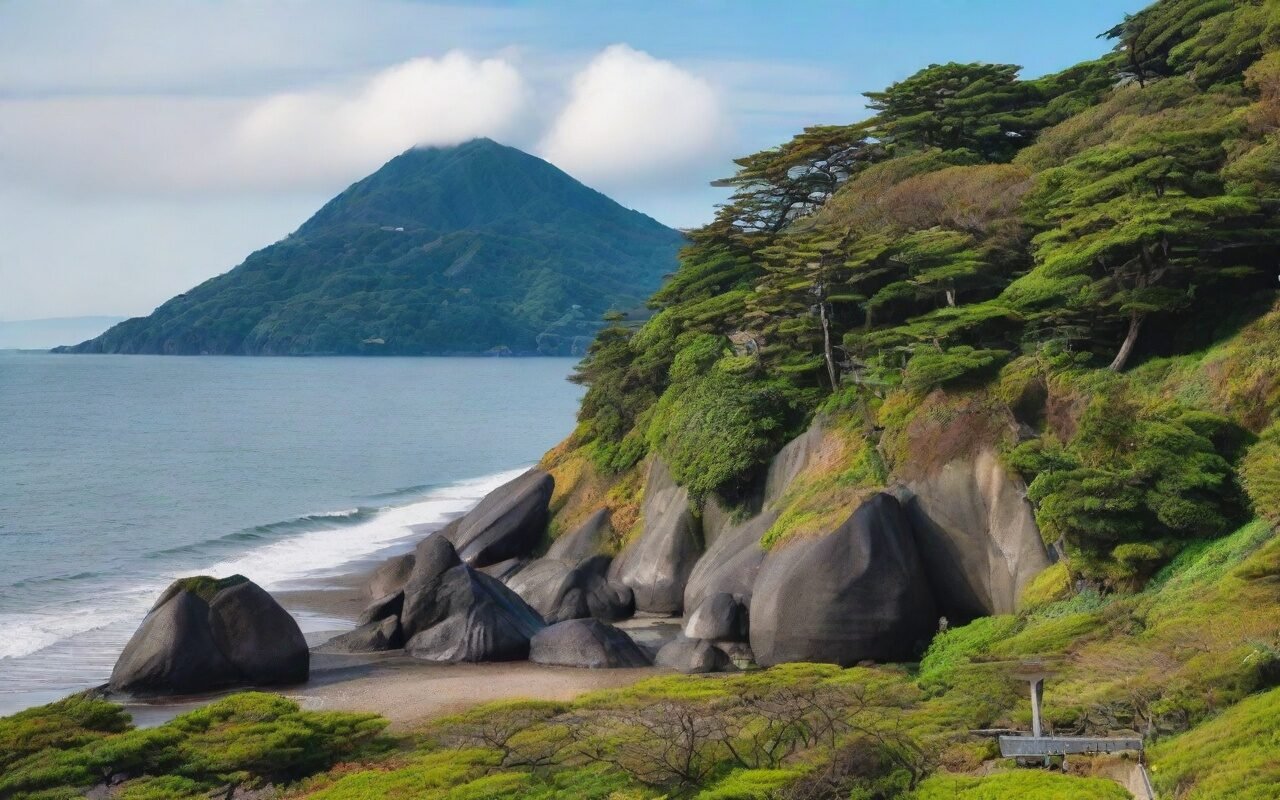
| Location | Best For | Best Time | Admission |
|---|---|---|---|
| Great Buddha | Iconic shots | 8:00 weekday | ¥300 |
| Tsurugaoka Hachimangu | Architecture, ceremonies | Sunrise | Free |
| Bamboo Grove | Light rays, nature | 9:00-11:00 | ¥300 |
| Enoshima Sea Candle | Panorama, Fuji views | Sunset | ¥600 |
| Hase-dera | Ocean views, gardens | 8:00-10:00 | ¥400 |
| Komachidori | Street photography | Afternoon | Free |
| Yuigahama Beach | Surf, sunrise | Early morning | Free |
| Sasuke Inari | Torii tunnel | 9:00-11:00 | Free |
| Meigetsu-in | Hydrangeas | June, 8:30-9:00 | ¥500 |
| Inamuragasaki | Surf, sunset, Fuji | Sunset | Free |
Bottom Line: Kamakura offers incredible photography diversity from ancient temples to surf culture. Great Buddha is the iconic shot, while Enoshima Sea Candle offers best panoramic views. Visit Meigetsu-in in June for spectacular hydrangeas. Best overall time is weekday early morning (6:00-9:00) for light and fewer crowds.
Best For: Temple photography, landscapes, street photography, surf culture
Budget: ¥1,000-2,000 (admission fees for multiple locations)
Time Needed: Half-day to multi-day
Related Articles:
📝 Conclusion
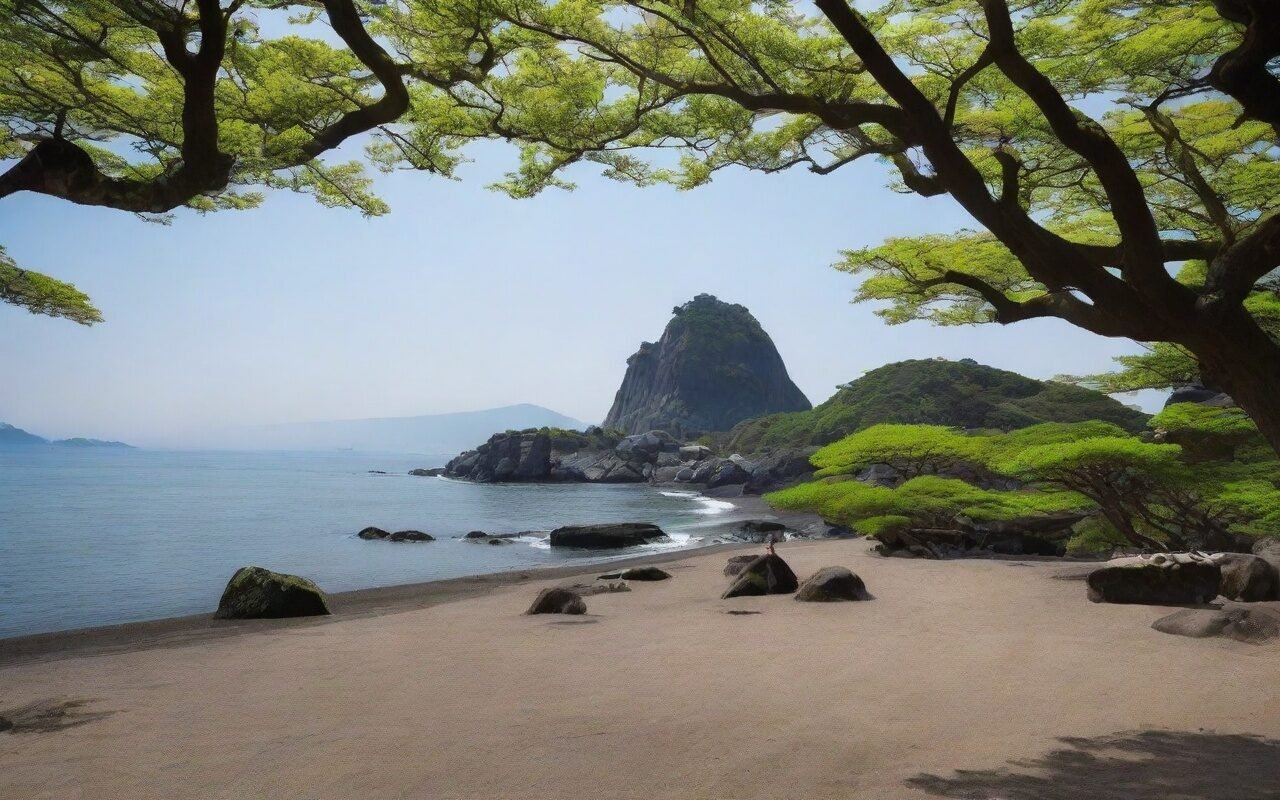
Kamakura Photography Guide is a must-visit destination in Kanagawa for international travelers. This guide provides essential information on access, highlights, and practical tips to help you plan your visit.
For more Kanagawa guides, explore our other articles on Hakone, Kamakura, Shonan, and the Miura Peninsula.
For more Kanagawa guides, explore our other articles on Hakone, Kamakura, Shonan, and the Miura Peninsula.
Related Articles
is_published: 1