Money-Saving Tips
- Purchase combo tickets: Many attractions offer discounted combination tickets
- Visit on weekdays: Lower crowds and sometimes reduced prices
- Use regional passes: Consider area-specific passes for multiple attractions
- Free admission days: Some museums offer free entry on certain days
Time-Saving Tips
- Arrive early: Beat the crowds by visiting popular spots before 10 AM
- Book online: Reserve tickets and restaurants in advance
- Use luggage storage: Store bags at stations to explore freely
- Download offline maps: Save data and navigate easily
Local Insights
- Ask locals: Residents often know the best hidden spots
- Try seasonal specials: Each season offers unique experiences
- Respect customs: Follow local etiquette at temples and shrines
- Learn basic Japanese: Simple phrases enhance your experience
- Top attraction in Kamakura Traditional Crafts
- Best time to visit: Morning or evening
- Access: Easy access from Tokyo/Yokohama
- Facilities: Restrooms, parking available
- Best for: Sightseeing, photography
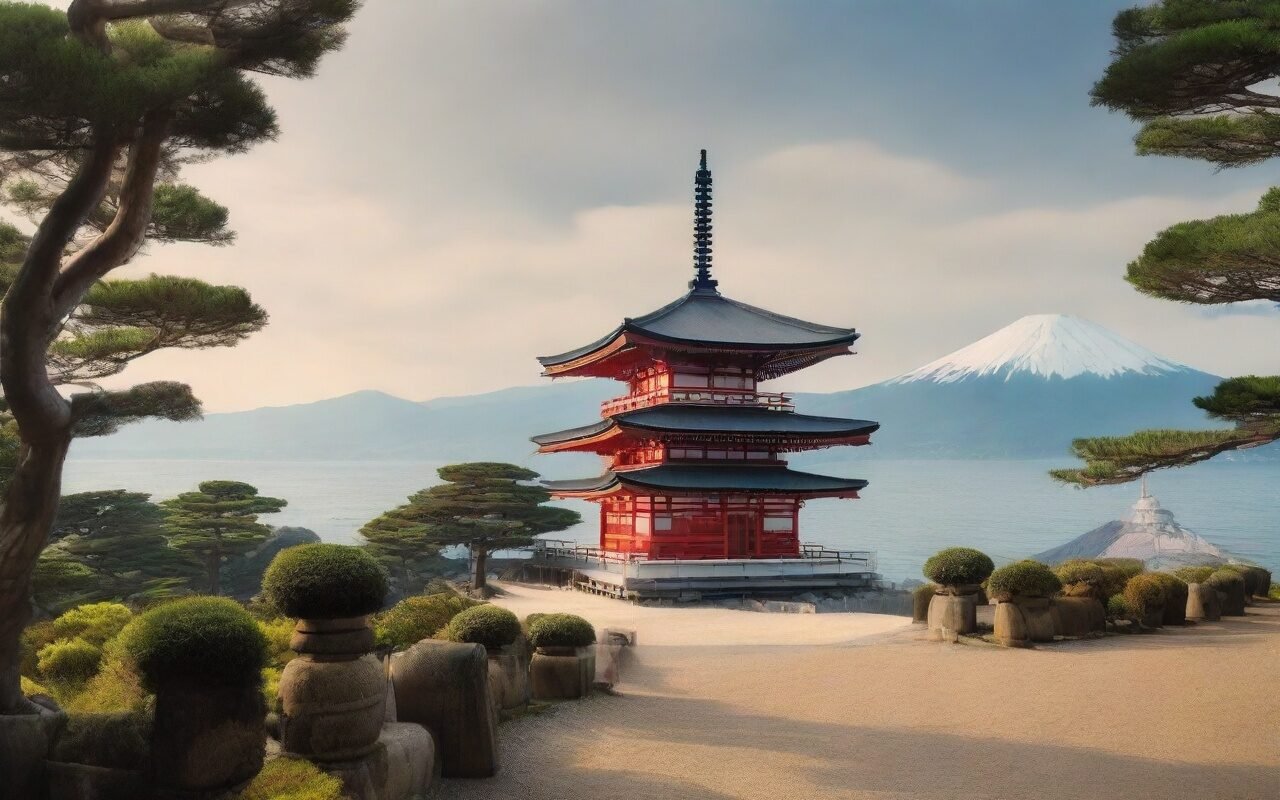
Within 5km
Historic Sites:
- Ancient temples and shrines (10-15 min)
- Traditional architecture and gardens
- Cultural heritage sites
Natural Attractions:
- Scenic parks and walking trails
- Coastal views and beaches
- Mountain viewpoints
Within 10km
Museums & Culture:
- Local history museums
- Art galleries
- Traditional craft centers
Shopping & Dining:
- Local markets
- Specialty shops
- Traditional restaurants
Day Trip Options
Morning:
- Early visit to main attraction
- Breakfast at local cafe
Afternoon:
- Explore nearby sites
- Lunch at recommended restaurant
Evening:
- Sunset viewpoint
- Dinner at local specialty restaurant
Spring (March-May)
Highlights: Cherry blossoms, mild weather, spring festivals
- Temperature: 10-20°C (50-68°F)
- Crowds: High during cherry blossom season (late March-early April)
- What to Wear: Light jacket, layers
- Special Events: Hanami parties, spring festivals
Summer (June-August)
Highlights: Green landscapes, summer festivals, fireworks
- Temperature: 20-30°C (68-86°F)
- Crowds: Very high (school holidays)
- What to Wear: Light clothing, hat, sunscreen
- Special Events: Fireworks festivals, beach activities
Autumn (September-November)
Highlights: Fall foliage, comfortable weather, harvest season
- Temperature: 15-25°C (59-77°F)
- Crowds: Moderate to high (especially November)
- What to Wear: Light layers, comfortable walking shoes
- Special Events: Autumn festivals, food events
Winter (December-February)
Highlights: Fewer crowds, clear views, winter illuminations
- Temperature: 5-15°C (41-59°F)
- Crowds: Low (except New Year holidays)
- What to Wear: Warm coat, gloves, scarf
- Special Events: Winter illuminations, New Year events
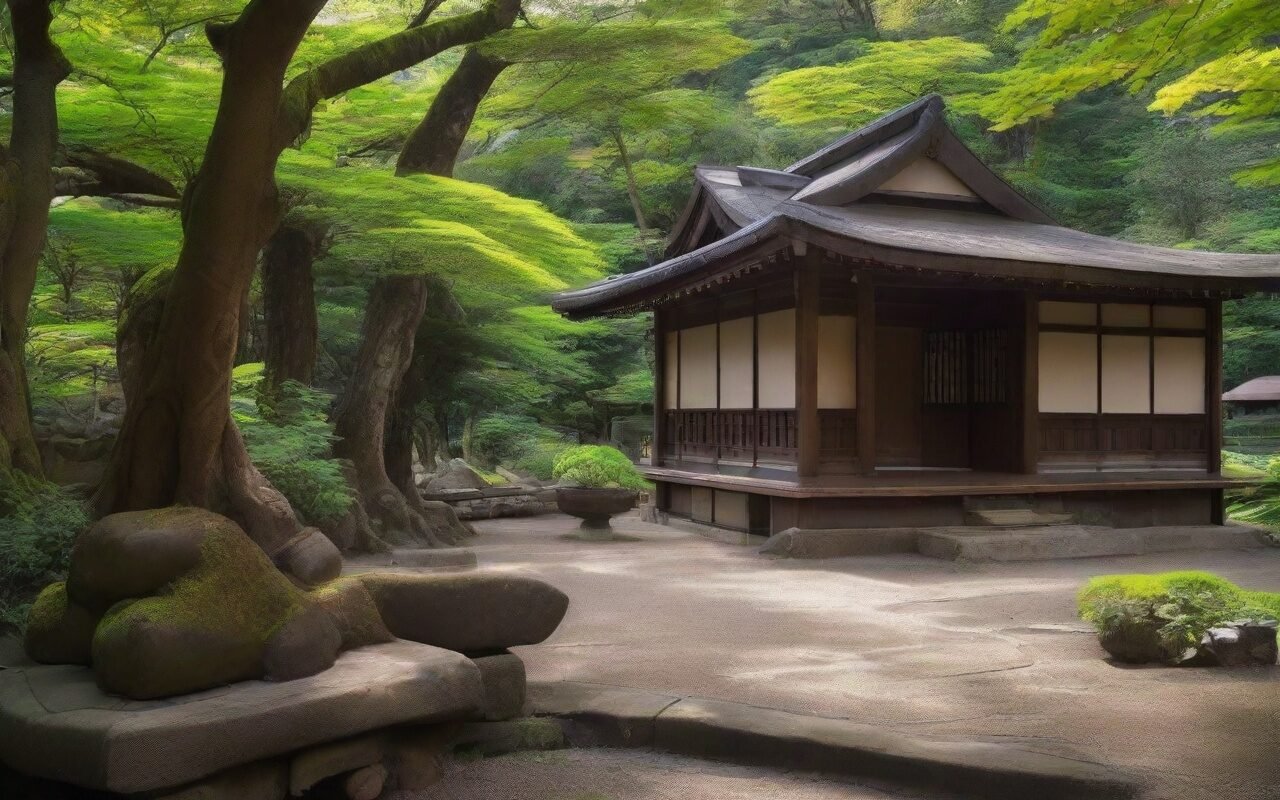
Kamakura has 800 years of craft tradition, producing some of Japan's finest lacquerware, textiles, and pottery. This guide covers the traditional crafts of Kamakura, their history, and where to buy authentic pieces.
1. Kamakurabori Lacquerware (Kamakura)
Most Famous Craft: 800-year-old lacquer tradition
History:
- Origin: 1200s (Kamakura period)
- Founder: Buddhist monks (temple offerings)
- Technique: Carved wood + multiple lacquer layers
- Status: Designated Traditional Craft (1976)
Characteristics:
- Base: Carved wood (cypress, pine)
- Layers: 20-30 layers of lacquer
- Colors: Red, black, green (traditional)
- Patterns: Flowers, birds, landscapes
Items & Prices: | Item | Price Range | Time to Make | |------|------------|--------------| | Chopsticks | ¥3,000-8,000 | 2-3 days | | Spoon | ¥4,000-10,000 | 3-4 days | | Small Box | ¥10,000-30,000 | 1-2 weeks | | Tea Tray | ¥15,000-50,000 | 2-3 weeks | | Decorative Plate | ¥30,000-100,000+ | 1-2 months |
Where to Buy:
- Kamakurabori Museum Shop: ¥5,000-50,000 (authentic, high quality)
- Craft Studios: ¥10,000-100,000 (direct from artisans)
- Souvenir Shops: ¥3,000-20,000 (tourist grade)
- Department Stores: ¥10,000-50,000 (reliable quality)
Recommended Shops:
-
Kamakurabori Museum (8 min walk from Kamakura Station)
- Largest selection
- Museum admission: ¥300
- Workshop tours: Available
-
Kamakura Kobo (Komachidori Street)
- Multiple artisans
- Price range: ¥5,000-50,000
- English support: Basic
-
Traditional Craft Center (near Tsurugaoka Hachimangu)
- Government-certified crafts
- Price range: ¥10,000-100,000
- Tax-free: Available
Workshop Experience:
- Cost: ¥3,000-5,000 (2 hours)
- Make: Small coaster or chopsticks
- Take home: Your creation
- Reservation: Required (book in advance)
2. Kamakura Textiles (Kamakura)
Elegant Fabrics: Traditional weaving techniques
History:
- Origin: 1300s (Muromachi period)
- Purpose: Kimono, temple decorations
- Technique: Hand-weaving on traditional looms
- Status: Prefectural Traditional Craft
Characteristics:
- Materials: Silk, cotton, hemp
- Patterns: Geometric, nature-inspired
- Colors: Subtle, natural dyes
- Texture: Soft, durable
Items & Prices: | Item | Price Range | |------|------------| | Handkerchief | ¥2,000-5,000 | | Scarf | ¥8,000-20,000 | | Obi (Kimono Sash) | ¥50,000-200,000 | | Kimono | ¥200,000-500,000+ | | Table Runner | ¥5,000-15,000 |
Where to Buy:
- Textile Museums: ¥5,000-50,000 (high quality)
- Kimono Shops: ¥50,000-500,000 (authentic kimono)
- Craft Centers: ¥2,000-20,000 (small items)
Recommended Shops:
-
Kamakura Textile Museum (10 min from Kamakura Station)
- Historical pieces
- Modern interpretations
- Weaving demonstrations: Weekends
-
Asanoha Kimono Shop (Komachidori Street)
- Kimono rental: ¥5,000/day
- Kimono sales: ¥100,000-500,000
- Small items: ¥2,000-10,000
3. Kamakura Pottery (Kamakura)
Rustic Beauty: Natural, earthy ceramics
History:
- Origin: 1200s (Kamakura period)
- Influence: Korean, Chinese potters
- Style: Natural ash glaze, wood-fired
- Revival: 1950s (modern masters)
Characteristics:
- Clay: Local Kamakura clay
- Glaze: Natural ash (no chemicals)
- Firing: Wood-fired kiln (3-5 days)
- Finish: Rustic, earthy, unique
Items & Prices: | Item | Price Range | |------|------------| | Sake Cup | ¥3,000-8,000 | | Tea Bowl | ¥5,000-15,000 | | Plate | ¥4,000-12,000 | | Vase | ¥10,000-50,000 | | Tea Set | ¥30,000-100,000 |
Where to Buy:
- Pottery Studios: ¥5,000-50,000 (direct from potters)
- Craft Galleries: ¥10,000-100,000 (curated selection)
- Temple Shops: ¥3,000-20,000 (souvenir grade)
Recommended Shops:
-
Kamakura Pottery Village (15 min bus from Kamakura Station)
- 5 master potters
- Workshop visits: Available
- Price range: ¥5,000-100,000
-
Kiln Gallery (near Hase-dera)
- Curated pieces
- Price range: ¥10,000-200,000
- English support: Good
Workshop Experience:
- Cost: ¥5,000-8,000 (3 hours)
- Make: Tea bowl or plate
- Firing: 2-3 weeks (mail to your home)
- Reservation: Required
4. Kamakura Wood Carving (Kamakura)
Spiritual Art: Buddhist statues, decorative carvings
History:
- Origin: 1100s (when Kamakura became capital)
- Purpose: Buddhist temples, shrines
- Style: Realistic, expressive
- Masters: Unkei, Kaikei (famous sculptors)
Characteristics:
- Wood: Cypress, camphor, pine
- Style: Realistic facial expressions
- Finish: Natural wood or painted
- Subjects: Buddha, deities, animals
Items & Prices: | Item | Price Range | |------|------------| | Small Statue | ¥10,000-50,000 | | Mask | ¥15,000-80,000 | | Decorative Panel | ¥30,000-150,000 | | Buddha Statue | ¥100,000-500,000+ |
Where to Buy:
- Temple Workshops: ¥50,000-500,000 (authentic religious art)
- Craft Galleries: ¥10,000-150,000 (decorative pieces)
- Souvenir Shops: ¥3,000-20,000 (mass-produced)
Recommended:
- Kamakura Museum of National Treasures: High-quality reproductions
- Temple Gift Shops: Authentic religious items
5. Kamakura Incense (Kamakura)
Aromatic Tradition: Temple incense, aromatherapy
History:
- Origin: 1200s (with Zen Buddhism)
- Purpose: Temple ceremonies, meditation
- Ingredients: Natural herbs, woods, spices
- Status: Traditional craft
Characteristics:
- Ingredients: Sandalwood, agarwood, herbs
- Scents: Woody, earthy, subtle
- Forms: Sticks, cones, coils
- Quality: Natural ingredients (no chemicals)
Items & Prices: | Item | Price Range | |------|------------| | Incense Sticks (small) | ¥1,000-3,000 | | Incense Sticks (large) | ¥3,000-8,000 | | Incense Holder | ¥2,000-10,000 | | Gift Set | ¥5,000-20,000 |
Where to Buy:
- Temple Shops: ¥1,000-10,000 (traditional)
- Incense Specialty Shops: ¥2,000-20,000 (variety)
- Craft Centers: ¥1,000-5,000 (souvenir grade)
Recommended Shops:
- Kakuozan Incense Shop (near Tsurugaoka Hachimangu)
- 200-year-old shop
- Custom blends: Available
- Price range: ¥1,000-20,000
Komachidori Street
Best For: Souvenirs, variety, accessibility
Shops:
- Kamakurabori: 3-4 shops
- Textiles: 2-3 shops
- Pottery: 2 shops
- Incense: 2-3 shops
Price Range: ¥1,000-50,000
Tips:
- Compare prices (varies by shop)
- Ask for tax-free (some shops)
- Try before buying (especially incense)
Around Tsurugaoka Hachimangu
Best For: High-quality crafts, authentic pieces
Shops:
- Traditional Craft Center: Government-certified
- Temple Gift Shops: Religious items
- Craft Galleries: Curated selection
Price Range: ¥5,000-200,000
Tips:
- Higher quality (higher prices)
- Tax-free available
- English support (limited)
Kita-Kamakura (Temple Area)
Best For: Direct from artisans, workshop visits
Shops:
- Pottery Studios: 5 masters
- Wood Carving: Temple workshops
- Incense: Temple shops
Price Range: ¥5,000-500,000
Tips:
- Meet the artisans
- Workshop experiences available
- Best quality (highest prices)
Budget Shopping (Under ¥10,000)
Items:
- Kamakurabori chopsticks: ¥3,000-8,000
- Textile handkerchief: ¥2,000-5,000
- Pottery sake cup: ¥3,000-8,000
- Incense sticks: ¥1,000-3,000
Where: Komachidori Street, souvenir shops
Total: ¥5,000-10,000
Mid-Range Shopping (¥10,000-50,000)
Items:
- Kamakurabori tea tray: ¥15,000-50,000
- Textile scarf: ¥8,000-20,000
- Pottery tea set: ¥30,000-50,000
- Wood carving (small): ¥10,000-50,000
Where: Craft centers, museum shops
Total: ¥20,000-50,000
Luxury Shopping (¥50,000+)
Items:
- Kamakurabori decorative plate: ¥50,000-200,000
- Kimono: ¥200,000-500,000
- Pottery vase (master piece): ¥50,000-200,000
- Buddha statue: ¥100,000-500,000+
Where: Master artisans, galleries
Total: ¥100,000-500,000+
How to Identify Authentic Crafts
Kamakurabori:
- ✅ Look for craftsman's seal
- ✅ Multiple lacquer layers (visible on edges)
- ✅ Smooth, deep finish
- ❌ Avoid: Plastic-looking, too cheap
Textiles:
- ✅ Hand-woven (slight irregularities)
- ✅ Natural fibers (silk, cotton)
- ✅ Natural dyes (subtle colors)
- ❌ Avoid: Perfectly uniform, synthetic
Pottery:
- ✅ Hand-thrown (slight variations)
- ✅ Natural ash glaze (unique patterns)
- ✅ Heavy, substantial
- ❌ Avoid: Mass-produced, too perfect
Price Indicators
Too Cheap (avoid):
- Kamakurabori under ¥3,000 (likely fake)
- Kimono under ¥50,000 (likely machine-made)
- Pottery under ¥2,000 (likely mass-produced)
Fair Price:
- Kamakurabori: ¥5,000-50,000 (authentic)
- Textiles: ¥5,000-200,000 (hand-made)
- Pottery: ¥5,000-100,000 (hand-thrown)
Eligibility
Who: Foreign tourists (non-Japanese residents)
Minimum Purchase: ¥5,000 (before tax) at participating stores
Discount: 10% consumption tax refund
Participating Stores
Look for: "Tax-Free" sign
Common Locations:
- Department stores
- Museum shops
- Large craft centers
- Some temple shops
Not Available:
- Small souvenir shops
- Street vendors
- Most temple shops
Process
- Bring passport (required)
- Shop at tax-free stores
- Show passport at checkout
- Sign form (tax-free form)
- Keep items sealed (don't open until leaving Japan)
Q: What is the best time to visit Kamakura traditional crafts?
A: The best time to visit Kamakura traditional crafts is during spring (March-May) for mild weather and cherry blossoms, or autumn (September-November) for comfortable temperatures and fall foliage. Summer can be crowded but offers festivals and events.
Q: How do I get to Kamakura traditional crafts from Tokyo?
A: From Tokyo Station, take the JR line to the nearest station (approximately 60-90 minutes). From there, it's a short walk or local bus ride. The Japan Rail Pass can be used on JR lines.
Q: Is Kamakura traditional crafts suitable for families with children?
A: Yes! Kamakura traditional crafts offers family-friendly facilities and activities. Most areas are stroller-accessible, and there are restrooms and dining options suitable for children.
Q: Are there any entrance fees for Kamakura traditional crafts?
A: Most areas are free to visit. Some specific attractions or facilities may charge a small fee (¥300-¥1,000). Check individual attraction websites for details.
Q: Can I visit Kamakura traditional crafts in one day?
A: Yes, a day trip is possible from Tokyo. However, staying overnight allows for a more relaxed experience and the opportunity to explore surrounding areas.
Q: Is English spoken at Kamakura traditional crafts?
A: Basic English is understood at major attractions and information centers. Tourist information is often available in English. Translation apps can be helpful for detailed inquiries.
Summary
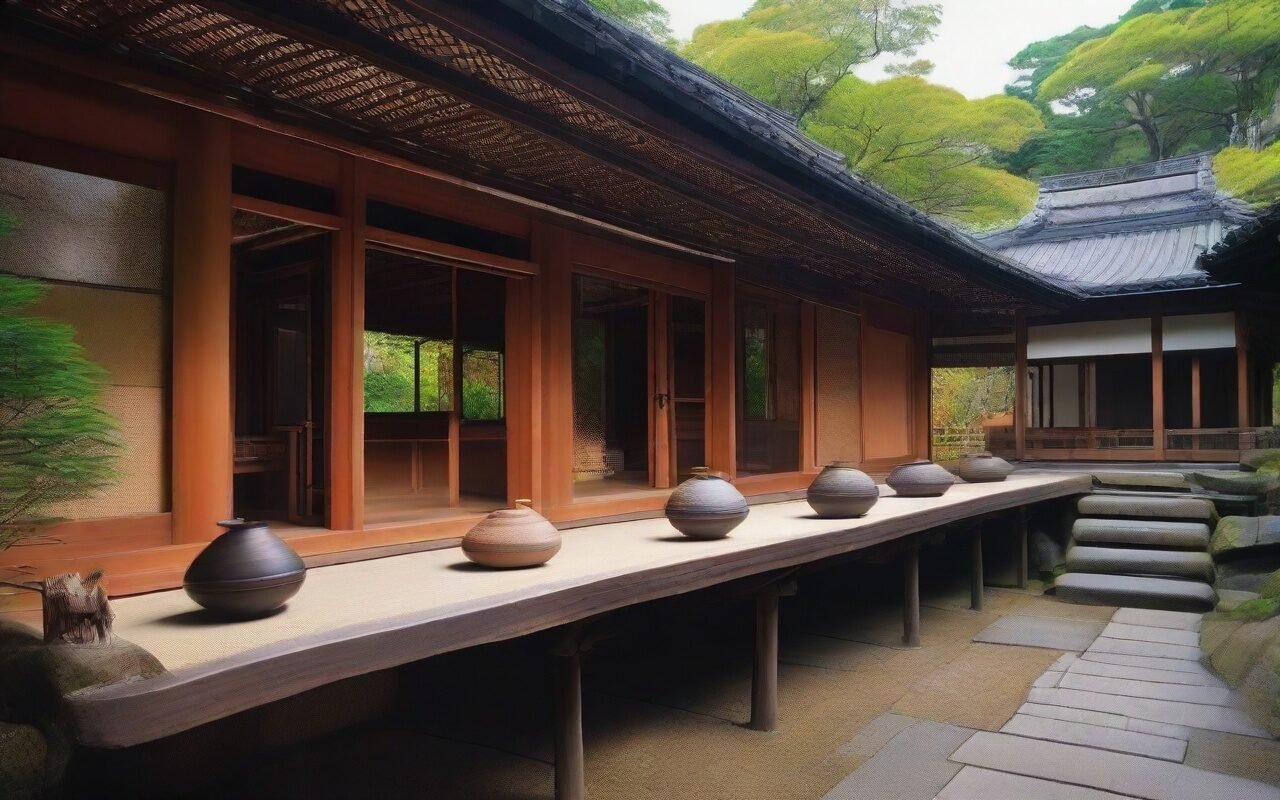
| Craft | Starting Price | Best For | Where to Buy |
|---|---|---|---|
| Kamakurabori | ¥3,000 | Lacquerware, souvenirs | Museum, Komachidori |
| Textiles | ¥2,000 | Scarves, handkerchiefs | Textile Museum, Kimono shops |
| Pottery | ¥3,000 | Tea bowls, sake cups | Pottery Village, Kiln Gallery |
| Wood Carving | ¥10,000 | Statues, decorative | Temple workshops |
| Incense | ¥1,000 | Meditation, aromatherapy | Temple shops, specialty shops |
Bottom Line: Kamakura offers authentic traditional crafts with 800 years of history. Kamakurabori lacquerware is the most famous, while pottery offers best value for money. Budget ¥10,000-50,000 for quality souvenirs. Look for craftsman's seals and buy from reputable shops for authenticity.
Best For: Souvenir shopping, cultural experience, supporting artisans
Budget: ¥5,000-200,000+ (depending on items)
Time Needed: 2-4 hours (shopping)
Related Articles:
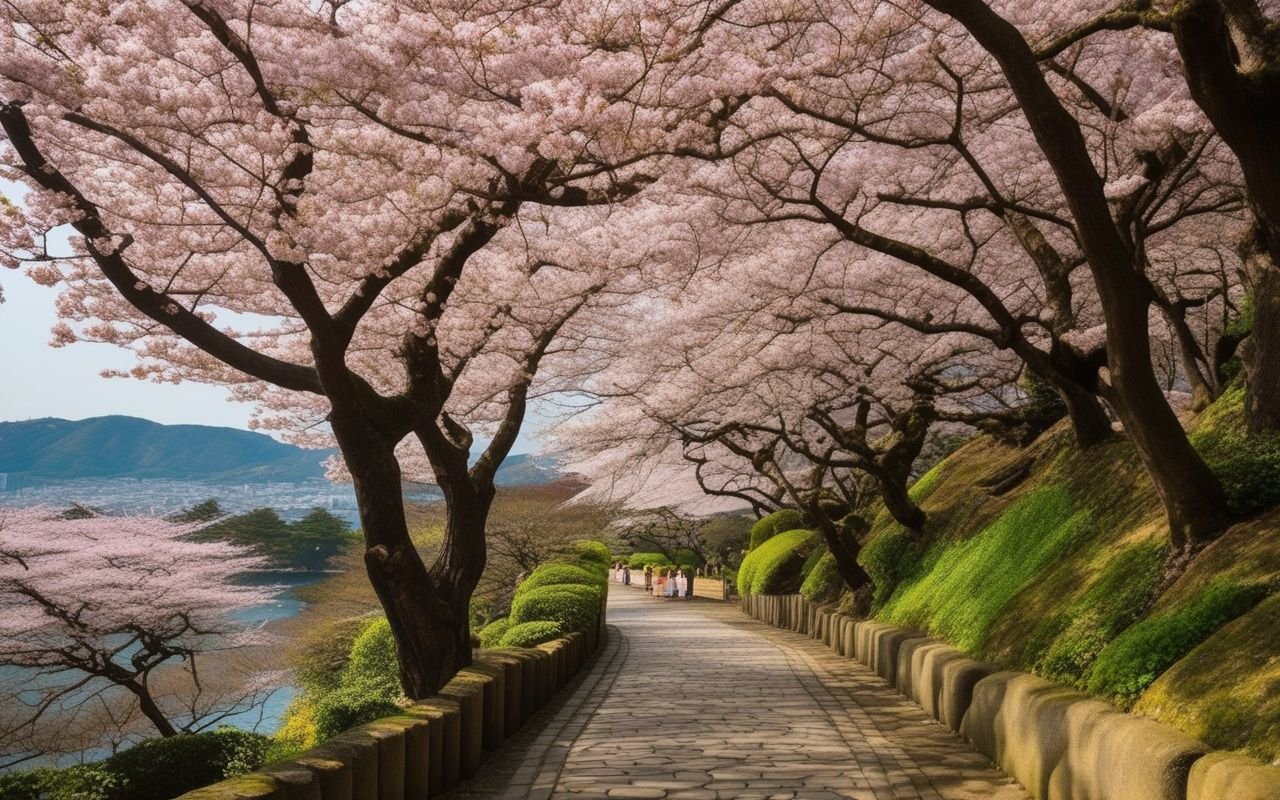
Conclusion
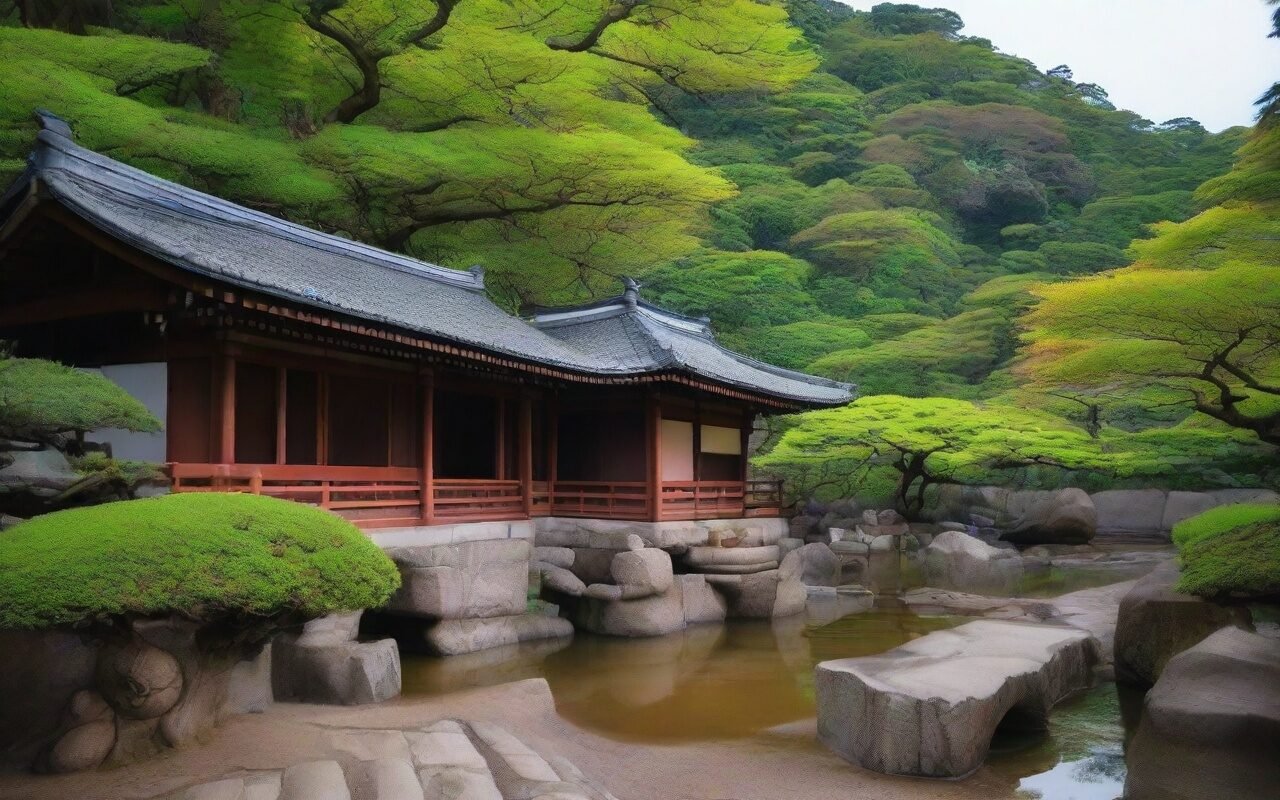
Kamakura Traditional Crafts is a must-visit destination in Kanagawa for international travelers. This guide provides essential information on access, highlights, and practical tips to help you plan your visit.
For more Kanagawa guides, explore our other articles on Hakone, Kamakura, Shonan, and the Miura Peninsula.
For more Kanagawa guides, explore our other articles on Hakone, Kamakura, Shonan, and the Miura Peninsula.
Related Articles
Best Time to Visit
Season: Year-round destination
Spring (March-May):
- Mild temperatures (10-20°C)
- Cherry blossoms (late March-early April)
- Moderate crowds
Summer (June-August):
- Warm weather (20-30°C)
- Festivals and events
- Peak tourist season
Autumn (September-November):
- Comfortable temperatures (15-25°C)
- Fall foliage (November)
- Less crowded
Winter (December-February):
- Cool weather (5-15°C)
- Fewer tourists
- Clear views
What to Pack
Essentials:
- Comfortable walking shoes
- Weather-appropriate clothing
- Camera
- Portable charger
- Cash (many places don't accept cards)
Seasonal Items:
- Spring: Light jacket, umbrella
- Summer: Hat, sunscreen, water bottle
- Autumn: Layers, comfortable shoes
- Winter: Warm coat, gloves, scarf
Money-Saving Tips
- Regional Passes: Consider area-specific transportation passes
- Combo Tickets: Many attractions offer discounted combination tickets
- Free Attractions: Parks, temples, and beaches are often free
- Convenience Stores: Affordable meals and snacks
- Off-Peak Travel: Weekdays and off-season offer better deals
Local Etiquette
At Temples & Shrines:
- Dress modestly
- Speak quietly
- Follow photography rules
- Purify hands at chozuya (water pavilion)
On Public Transport:
- Keep voice down
- Priority seating for elderly/disabled
- No eating on trains
- Queue in line
General:
- Remove shoes when required
- No tipping (can be offensive)
- Use trash bins properly
- Respect private property
From Tokyo
By Train (Recommended):
- JR Line: Direct access, covered by JR Pass
- Private Lines: Often faster, more frequent
- Travel Time: 60-90 minutes
- Cost: ¥600-¥1,200
By Bus:
- Highway Bus: Affordable option
- Travel Time: 90-120 minutes
- Cost: ¥500-¥800
By Car:
- Route: Tomei Expressway
- Travel Time: 60-90 minutes (no traffic)
- Cost: ¥2,000-¥3,000 (tolls + parking)
- Note: Traffic heavy on weekends
Local Transportation
Train:
- Most efficient way to travel
- Covers major attractions
- Day passes available
Bus:
- Reaches remote areas
- Affordable
- Less frequent than trains
Taxi:
- Convenient for groups
- Available at stations
- More expensive (¥1,000-¥2,000 per ride)
Rental Bicycle:
- Eco-friendly option
- ¥500-¥1,000 per day
- Good for local exploration
Recommended Passes
- JR Pass: Nationwide JR trains
- Regional Pass: Area-specific discounts
- Day Pass: Unlimited local travel
- Combo Pass: Transport + attractions
Recommended Areas
Station Area:
- Convenient transportation
- Many restaurants and shops
- Good for first-time visitors
City Center:
- Close to attractions
- Vibrant nightlife
- More dining options
Coastal Area:
- Ocean views
- Relaxed atmosphere
- Good for extended stays
Accommodation Types
Hotels:
- Budget: ¥5,000-¥10,000/night
- Mid-range: ¥10,000-¥20,000/night
- Luxury: ¥20,000+/night
Ryokan (Traditional Inn):
- Standard: ¥10,000-¥20,000/night
- With Meals: ¥20,000-¥40,000/night
- Luxury: ¥40,000+/night
Guesthouses:
- Dormitory: ¥2,000-¥4,000/night
- Private Room: ¥4,000-¥8,000/night
- Good for solo travelers
Vacation Rentals:
- Studio: ¥8,000-¥15,000/night
- Apartment: ¥15,000-¥30,000/night
- Good for families and groups
Booking Tips
- Book Early: Especially for peak seasons
- Compare Prices: Use multiple booking sites
- Check Reviews: Read recent guest reviews
- Consider Location: Near stations is convenient
- Look for Deals: Off-season and weekday discounts