Money-Saving Tips
- Purchase combo tickets: Many attractions offer discounted combination tickets
- Visit on weekdays: Lower crowds and sometimes reduced prices
- Use regional passes: Consider area-specific passes for multiple attractions
- Free admission days: Some museums offer free entry on certain days
Time-Saving Tips
- Arrive early: Beat the crowds by visiting popular spots before 10 AM
- Book online: Reserve tickets and restaurants in advance
- Use luggage storage: Store bags at stations to explore freely
- Download offline maps: Save data and navigate easily
Local Insights
- Ask locals: Residents often know the best hidden spots
- Try seasonal specials: Each season offers unique experiences
- Respect customs: Follow local etiquette at temples and shrines
- Learn basic Japanese: Simple phrases enhance your experience
- Top attraction in Miura Fireworks Festival Guide
- Best time to visit: Morning or evening
- Access: Easy access from Tokyo/Yokohama
- Facilities: Restrooms, parking available
- Best for: Sightseeing, photography
Within 5km
Historic Sites:
- Ancient temples and shrines (10-15 min)
- Traditional architecture and gardens
- Cultural heritage sites
Natural Attractions:
- Scenic parks and walking trails
- Coastal views and beaches
- Mountain viewpoints
Within 10km
Museums & Culture:
- Local history museums
- Art galleries
- Traditional craft centers
Shopping & Dining:
- Local markets
- Specialty shops
- Traditional restaurants
Day Trip Options
Morning:
- Early visit to main attraction
- Breakfast at local cafe
Afternoon:
- Explore nearby sites
- Lunch at recommended restaurant
Evening:
- Sunset viewpoint
- Dinner at local specialty restaurant
Spring (March-May)
Highlights: Cherry blossoms, mild weather, spring festivals
- Temperature: 10-20°C (50-68°F)
- Crowds: High during cherry blossom season (late March-early April)
- What to Wear: Light jacket, layers
- Special Events: Hanami parties, spring festivals
Summer (June-August)
Highlights: Green landscapes, summer festivals, fireworks
- Temperature: 20-30°C (68-86°F)
- Crowds: Very high (school holidays)
- What to Wear: Light clothing, hat, sunscreen
- Special Events: Fireworks festivals, beach activities
Autumn (September-November)
Highlights: Fall foliage, comfortable weather, harvest season
- Temperature: 15-25°C (59-77°F)
- Crowds: Moderate to high (especially November)
- What to Wear: Light layers, comfortable walking shoes
- Special Events: Autumn festivals, food events
Winter (December-February)
Highlights: Fewer crowds, clear views, winter illuminations
- Temperature: 5-15°C (41-59°F)
- Crowds: Low (except New Year holidays)
- What to Wear: Warm coat, gloves, scarf
- Special Events: Winter illuminations, New Year events
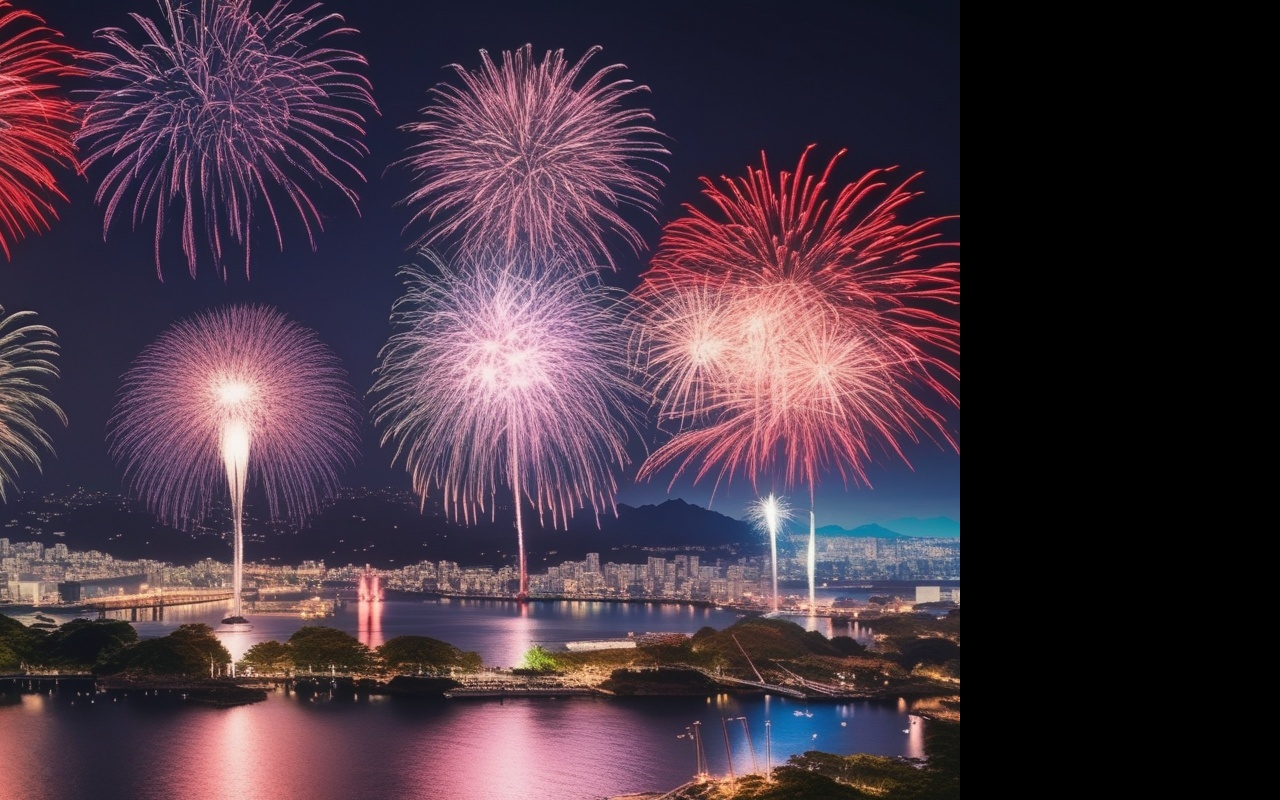
Miura Peninsula hosts several spectacular fireworks festivals during summer, offering intimate experiences compared to Tokyo's massive displays. This guide covers all major fireworks events, best viewing spots, and how to enjoy these traditional summer festivals.
1. Misaki Port Fireworks Festival (Misaki PortFireworks)
Largest in Miura: 3,000 fireworks over fishing port
Date: First Saturday of August Time: 19:00-20:30 (90 min) Location: Misaki Port Admission: Free
Fireworks Display:
- Total: 3,000 fireworks
- Duration: 90 minutes
- Types: Traditional Japanese, modern displays
- Signature: "Star Mine" (continuous barrage, 5 min finale)
- Music: Synchronized soundtrack (FM radio)
Best Viewing Spots:
Free Spots:
-
Misaki Park (500m from port)
- Arrive: 16:00-17:00 (secure spot)
- Crowds: 20,000+ people
- View: Excellent (elevated)
- Facilities: Restrooms, vending machines
-
Misaki Fishing Port Breakwater
- Arrive: 15:00-16:00 (very early)
- Crowds: 10,000+ people
- View: Closest (over water)
- Facilities: Limited (bring everything)
-
Jogashima Island
- Arrive: 17:00-18:00
- Crowds: 5,000+ people
- View: Distant but panoramic
- Facilities: Some restrooms
Paid Seating:
- Price: ¥3,000-8,000 per person
- Includes: Reserved seat, food, drinks
- Book: 2-3 months in advance
- Where: Misaki tourism website
Food Stalls:
- Number: 100+ stalls
- Location: Port area, park
- Food: Yakitori, takoyaki, yakisoba, kakigori
- Drinks: Beer, sake, soft drinks
- Budget: ¥2,000-4,000 per person
Getting There:
t spots fill by 17:00)
- Bring ground sheet (sit on grass/concrete)
- Bring cash (food stalls, no cards)
- Wear yukata (traditional, festive)
- Stay for cleanup (respect local community)
2. Minamishitaura Fireworks Festival (MinamiuraFireworks)
Local Favorite: Intimate, community feel
Date: Mid-July (usually 3rd Saturday) Time: 19:00-20:00 (60 min) Location: Minamishitaura Beach Admission: Free
Fireworks Display:
- Total: 1,500 fireworks
- Duration: 60 minutes
- Atmosphere: Local, family-friendly
- Crowds: 10,000 people (manageable)
Best Viewing Spots:
- Beach: Direct view (arrive 16:00)
- Senju Park: Elevated view (less crowded)
- Restaurants: Oceanview dining (reserve ahead)
Special Features:
- Message Fireworks: Dedicate fireworks (¥5,000-10,000)
- Music: Live local band
- Food: Local specialties (seafood)
Best For: Families, locals, intimate experience
3. Zushi Sea Fireworks (Zushi ofFireworks)
Near Shonan: Accessible from Tokyo
Date: Late July Time: 19:00-20:00 Location: Zushi Beach Admission: Free
Fireworks Display:
- Total: 2,000 fireworks
- Duration: 60 minutes
- Crowds: 30,000 people
Best Viewing Spots:
- Zushi Beach: Front row (very crowded)
- Shichirigahama: Distant view (less crowded)
- Restaurants: Beachfront dining
Best For: Shonan visitors, beach combination
When to Arrive
For Free Spots:
- Misaki Port: 15:00-16:00 (3-4 hours before)
- Minamishitaura: 16:00-17:00 (2-3 hours before)
- Zushi: 16:00-17:00 (2-3 hours before)
For Paid Seating:
- Arrive: 1 hour before start
- Check-in: At designated area
- Seat: Reserved (no rushing)
What to Bring
Essentials:
- Ground Sheet: Plastic tarp (sit on)
- Cash: ¥5,000-10,000 (food, drinks)
- Water: 1-2 bottles (stay hydrated)
- Snacks: Light food (before/during)
- Insect Repellent: Mosquitoes (summer evenings)
- Hand Fan: Hot, humid evenings
- Trash Bags: Take trash home (no bins)
Comfort Items:
- Cushion: Portable seat (concrete is hard)
- Light Jacket: Cool after sunset
- Wet Wipes: Clean hands
- Portable Charger: Phone battery
Photography:
- Camera: DSLR or smartphone
- Tripod: For long exposures (optional)
- Extra Batteries: Cold drains fast
- Memory Card: Extra space
Not Allowed:
- ❌ Glass bottles (dangerous)
- ❌ Drones (prohibited)
- ❌ Fireworks (personal fireworks banned)
- ❌ Alcohol (some venues restrict)
What to Wear
Recommended:
- Yukata: Traditional summer kimono (festive)
- Casual: Shorts, t-shirt, sandals
- Comfortable Shoes: Walking, standing
Yukata Rental:
- Price: ¥5,000-10,000 (full set)
- Includes: Yukata, obi, geta (sandals)
- Where: Kamakura, Yokohama (rental shops)
- Book: 1-2 weeks ahead (summer busy)
Avoid:
- High Heels: Unsafe (grass, sand)
- Expensive Clothes: Will get dirty
- White Clothing: Shows stains
By Train + Bus
To Misaki Port:
- Tokyo/Yokohama → Keikyu Line → Misakiguchi Station (60-90 min)
- Misakiguchi → Keikyu Bus → Misaki Port (20 min)
- Walk to viewing spot (5-10 min)
Total Time: 90-120 minutes Cost: ¥1,500-2,000 (JR Pass covers train, not bus)
Return:
- Last Bus: Special extended service (until 23:00)
- Last Train: Special service (until 24:00)
- Crowds: Expect 60-90 min waits
By Car
Parking:
- Official Lots: ¥1,000-2,000 (very limited)
- Temporary Lots: ¥500-1,000 (fields, schools)
- Street Parking: Prohibited (towed)
Warning: Don't drive (parking extremely difficult, traffic jams)
If You Must Drive:
- Arrive: Before 14:00 (lots fill early)
- Alternative: Park at Misakiguchi Station, take bus
- Expect: 2-3 hour traffic jam after event
By Bicycle
Option: Rent bike at Misakiguchi Station Price: ¥1,500/day Advantage: No parking worries, flexible Disadvantage: Limited carrying capacity
Recommendation: Train + bus (easiest, most reliable)
Food Stalls (Yatai)
What to Expect:
- Number: 100+ stalls (major festivals)
- Location: Port area, park, beach
- Payment: Cash only (no cards)
- Prices: ¥300-1,000 per item
Must-Try Foods:
- Yakitori: ¥300-500 (grilled chicken skewers)
- Takoyaki: ¥400-600 (octopus balls)
- Yakisoba: ¥500-700 (fried noodles)
- Kakigori: ¥400-600 (shaved ice, summer essential)
- Beer: ¥500-700 (Asahi, Kirin, Sapporo)
- Sushi: ¥1,000-2,000 (Misaki specialty, fresh tuna)
Budget: ¥2,000-4,000 per person (dinner + drinks)
Restaurant Dining
Before Fireworks:
- Reservations: Essential (book 1-2 months ahead)
- Price: ¥3,000-8,000 per person
- View: Oceanview restaurants (premium)
- Time Limit: 2 hours (most restaurants)
After Fireworks:
- Availability: Limited (most close by 21:00)
- Crowds: Very crowded (long waits)
- Price: Same as normal
- Recommendation: Eat before fireworks
Recommended Restaurants (Misaki Port):
- Sushi-dokoro Misaki: Fresh tuna, ¥3,000-5,000
- Maguro-bune: Tuna specialties, ¥2,000-4,000
- Port-side Cafe: Casual, ¥1,500-3,000
Camera Settings
DSLR/Mirrorless:
- Mode: Manual or Shutter Priority
- Shutter: 2-8 seconds (light trails)
- Aperture: f/8-f/16 (sharp)
- ISO: 100-200 (low noise)
- Focus: Manual (infinity)
- Format: RAW (post-processing)
Smartphone:
- Mode: Night mode or Pro mode
- Shutter: 2-4 seconds
- ISO: 100-200
- Focus: Tap sky (lock focus)
- Stabilization: Tripod or steady surface
Composition
Foreground Interest:
- People watching (silhouettes)
- Buildings, port structures
- Water reflections (if near water)
Timing:
- Arrive Early: Scout locations
- First Fireworks: Test settings
- Finale: Best shots (save battery)
Equipment:
- Tripod: Essential (long exposures)
- Remote Shutter: No camera shake
- Lens: Wide-angle (16-35mm) for context
Etiquette
Do:
- ✅ Arrive early (secure spot)
- ✅ Keep tripod low (don't block views)
- ✅ Be quick (don't hog prime spots)
- ✅ Respect others (no flash)
Don't:
- ❌ Block views (with tripod)
- ❌ Use flash (ruins night vision)
- ❌ Push through crowds (for better angle)
- ❌ Leave trash (camera packaging)
Day Trip from Tokyo
14:00: Depart Tokyo 15:30: Arrive Misakiguchi 16:00: Secure viewing spot (Misaki Park) 17:00: Explore port, food stalls 18:30: Dinner (food stalls or restaurant) 19:00: Fireworks display (90 min) 20:30: Pack up, cleanup 21:00: Depart for Tokyo 23:00: Arrive Tokyo
Total: 9 hours, ¥10,000-15,000 per person
Overnight Trip
Day 1: 12:00: Depart Tokyo 14:00: Arrive Misaki, check into hotel 15:00: Explore port, fish market 17:00: Secure viewing spot 19:00: Fireworks 21:00: Late dinner, onsen Sleep: Misaki hotel
Day 2: 8:00: Breakfast 9:00: Jogashima Island (lighthouse) 11:00: Strawberry picking (seasonal) 13:00: Lunch (fresh sushi) 15:00: Return to Tokyo 17:00: Arrive Tokyo
Total: 2 days, ¥25,000-40,000 per person
Budget Option (Under ¥10,000)
Transport: ¥2,000 (train, bus) Food: ¥3,000 (food stalls) Admission: Free Extras: ¥2,000 (drinks, souvenirs) Total: ¥7,000 per person
Mid-Range (¥15,000-25,000)
Transport: ¥4,000 (train, bus, taxi portions) Food: ¥6,000 (restaurant + stalls) Paid Seating: ¥5,000 (reserved seat) Extras: ¥5,000 (souvenirs, photos) Total: ¥20,000 per person
Luxury (¥30,000+)
Transport: ¥8,000 (taxi, car rental) Food: ¥15,000 (fine dining) VIP Seating: ¥10,000 (premium seat) Accommodation: ¥20,000 (hotel) Total: ¥53,000 per person (overnight)
Weather Cancellations
Decision Time:
- Announced: 2-4 hours before event
- Website: Check festival website
- Social Media: Twitter, Facebook updates
Rain:
- Light Rain: Event proceeds (bring rain gear)
- Heavy Rain: Postponed or cancelled
- Reschedule: Usually next day or following weekend
Typhoon:
- Cancelled: Safety first
- Refund: Paid seating (full refund)
- Reschedule: Rare (typhoon season unpredictable)
Safety Tips
Crowds:
- Stay Together: Designate meeting point
- Children: Hold hands (very crowded)
- Pickpockets: Keep valuables secure
Heat:
- Hydration: Drink water regularly
- Shade: Find shade during day
- Heat Exhaustion: Leave if feeling unwell
After Event:
- Trains: Very crowded (be patient)
- Last Train: Don't miss (special schedule)
- Alternative: Stay overnight (hotels fill fast)
Q: What is the best time to visit Miura fireworks festival guide?
A: The best time to visit Miura fireworks festival guide is during spring (March-May) for mild weather and cherry blossoms, or autumn (September-November) for comfortable temperatures and fall foliage. Summer can be crowded but offers festivals and events.
Q: How do I get to Miura fireworks festival guide from Tokyo?
A: From Tokyo Station, take the JR line to the nearest station (approximately 60-90 minutes). From there, it's a short walk or local bus ride. The Japan Rail Pass can be used on JR lines.
Q: Is Miura fireworks festival guide suitable for families with children?
A: Yes! Miura fireworks festival guide offers family-friendly facilities and activities. Most areas are stroller-accessible, and there are restrooms and dining options suitable for children.
Q: Are there any entrance fees for Miura fireworks festival guide?
A: Most areas are free to visit. Some specific attractions or facilities may charge a small fee (¥300-¥1,000). Check individual attraction websites for details.
Q: Can I visit Miura fireworks festival guide in one day?
A: Yes, a day trip is possible from Tokyo. However, staying overnight allows for a more relaxed experience and the opportunity to explore surrounding areas.
Q: Is English spoken at Miura fireworks festival guide?
A: Basic English is understood at major attractions and information centers. Tourist information is often available in English. Translation apps can be helpful for detailed inquiries.
Summary
| Festival | Date | Fireworks | Crowds | Best For |
|---|---|---|---|---|
| Misaki Port | Early Aug | 3,000 | 20,000+ | Spectacular, traditional |
| Minamishitaura | Mid-July | 1,500 | 10,000 | Intimate, family-friendly |
| Zushi Sea | Late July | 2,000 | 30,000 | Shonan access, beach |
Bottom Line: Miura fireworks festivals offer spectacular summer experiences with 1,500-3,000 fireworks, food stalls, and traditional atmosphere. Misaki Port is largest and most spectacular. Minamishitaura offers intimate local experience. Arrive 3-4 hours early for free spots. Budget ¥7,000-20,000 depending on style. Best combined with overnight trip (avoid train crowds).
Best For: Summer traditions, photography, romantic dates, families
Budget: ¥7,000-50,000+ per person
Time Needed: Half-day to 2 days
Best Festival: Misaki Port (early August, most spectacular)
Related Articles:
📝 Conclusion
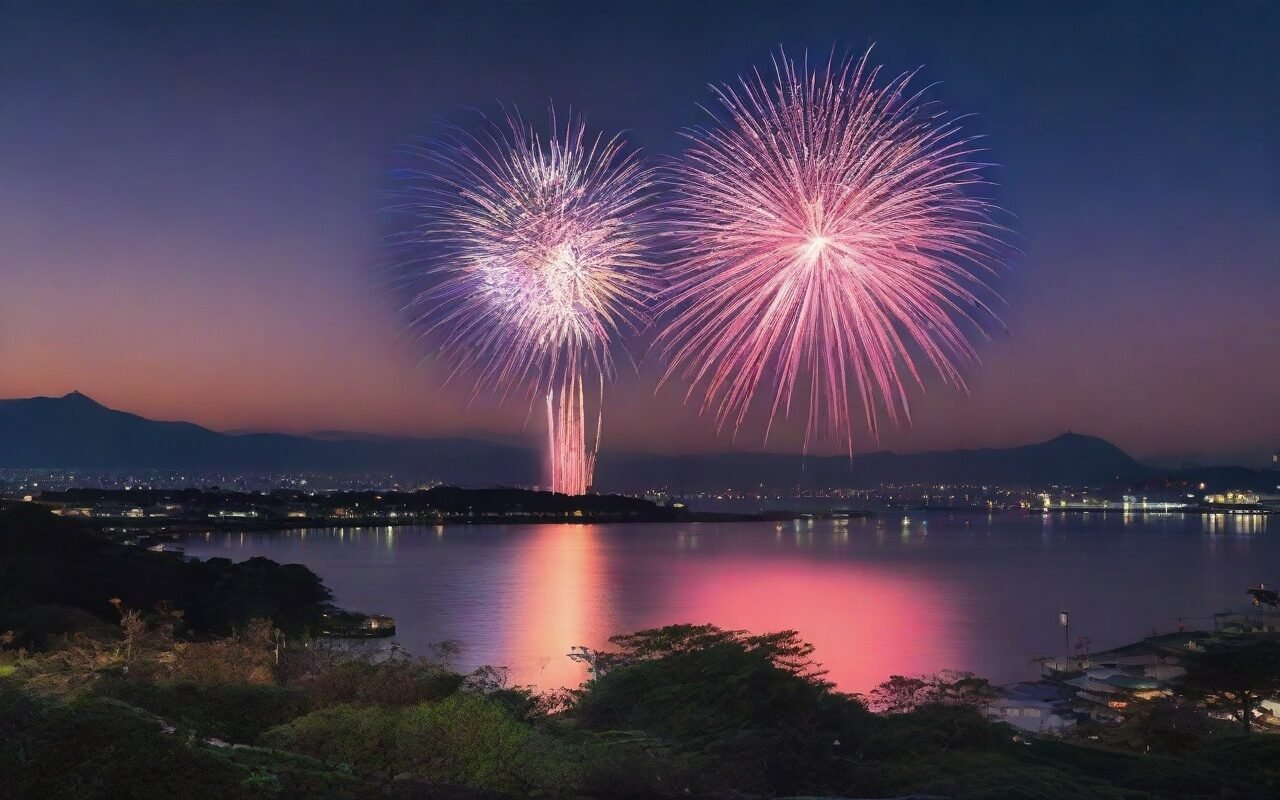
Miura Fireworks Festival Guide is a must-visit destination in Kanagawa for international travelers. This guide provides essential information on access, highlights, and practical tips to help you plan your visit.
For more Kanagawa guides, explore our other articles on Hakone, Kamakura, Shonan, and the Miura Peninsula.
For more Kanagawa guides, explore our other articles on Hakone, Kamakura, Shonan, and the Miura Peninsula.
Related Articles
Best Time to Visit
Season: Year-round destination
Spring (March-May):
- Mild temperatures (10-20°C)
- Cherry blossoms (late March-early April)
- Moderate crowds
Summer (June-August):
- Warm weather (20-30°C)
- Festivals and events
- Peak tourist season
Autumn (September-November):
- Comfortable temperatures (15-25°C)
- Fall foliage (November)
- Less crowded
Winter (December-February):
- Cool weather (5-15°C)
- Fewer tourists
- Clear views
What to Pack
Essentials:
- Comfortable walking shoes
- Weather-appropriate clothing
- Camera
- Portable charger
- Cash (many places don't accept cards)
Seasonal Items:
- Spring: Light jacket, umbrella
- Summer: Hat, sunscreen, water bottle
- Autumn: Layers, comfortable shoes
- Winter: Warm coat, gloves, scarf
Money-Saving Tips
- Regional Passes: Consider area-specific transportation passes
- Combo Tickets: Many attractions offer discounted combination tickets
- Free Attractions: Parks, temples, and beaches are often free
- Convenience Stores: Affordable meals and snacks
- Off-Peak Travel: Weekdays and off-season offer better deals
Local Etiquette
At Temples & Shrines:
- Dress modestly
- Speak quietly
- Follow photography rules
- Purify hands at chozuya (water pavilion)
On Public Transport:
- Keep voice down
- Priority seating for elderly/disabled
- No eating on trains
- Queue in line
General:
- Remove shoes when required
- No tipping (can be offensive)
- Use trash bins properly
- Respect private property
From Tokyo
By Train (Recommended):
- JR Line: Direct access, covered by JR Pass
- Private Lines: Often faster, more frequent
- Travel Time: 60-90 minutes
- Cost: ¥600-¥1,200
By Bus:
- Highway Bus: Affordable option
- Travel Time: 90-120 minutes
- Cost: ¥500-¥800
By Car:
- Route: Tomei Expressway
- Travel Time: 60-90 minutes (no traffic)
- Cost: ¥2,000-¥3,000 (tolls + parking)
- Note: Traffic heavy on weekends
Local Transportation
Train:
- Most efficient way to travel
- Covers major attractions
- Day passes available
Bus:
- Reaches remote areas
- Affordable
- Less frequent than trains
Taxi:
- Convenient for groups
- Available at stations
- More expensive (¥1,000-¥2,000 per ride)
Rental Bicycle:
- Eco-friendly option
- ¥500-¥1,000 per day
- Good for local exploration
Recommended Passes
- JR Pass: Nationwide JR trains
- Regional Pass: Area-specific discounts
- Day Pass: Unlimited local travel
- Combo Pass: Transport + attractions
Recommended Areas
Station Area:
- Convenient transportation
- Many restaurants and shops
- Good for first-time visitors
City Center:
- Close to attractions
- Vibrant nightlife
- More dining options
Coastal Area:
- Ocean views
- Relaxed atmosphere
- Good for extended stays
Accommodation Types
Hotels:
- Budget: ¥5,000-¥10,000/night
- Mid-range: ¥10,000-¥20,000/night
- Luxury: ¥20,000+/night
Ryokan (Traditional Inn):
- Standard: ¥10,000-¥20,000/night
- With Meals: ¥20,000-¥40,000/night
- Luxury: ¥40,000+/night
Guesthouses:
- Dormitory: ¥2,000-¥4,000/night
- Private Room: ¥4,000-¥8,000/night
- Good for solo travelers
Vacation Rentals:
- Studio: ¥8,000-¥15,000/night
- Apartment: ¥15,000-¥30,000/night
- Good for families and groups
Booking Tips
- Book Early: Especially for peak seasons
- Compare Prices: Use multiple booking sites
- Check Reviews: Read recent guest reviews
- Consider Location: Near stations is convenient
- Look for Deals: Off-season and weekday discounts
is_published: 1