
Kamakura Wagashi Sweets – Kanagawa 2026
Overview
Kamakura’s wagashi tradition dates back centuries, with confectioners using local ingredients like sweet potatoes and red beans to create seasonal masterpieces. This guide introduces the finest wagashi shops and the stories behind their signature sweets.
What is Wagashi?
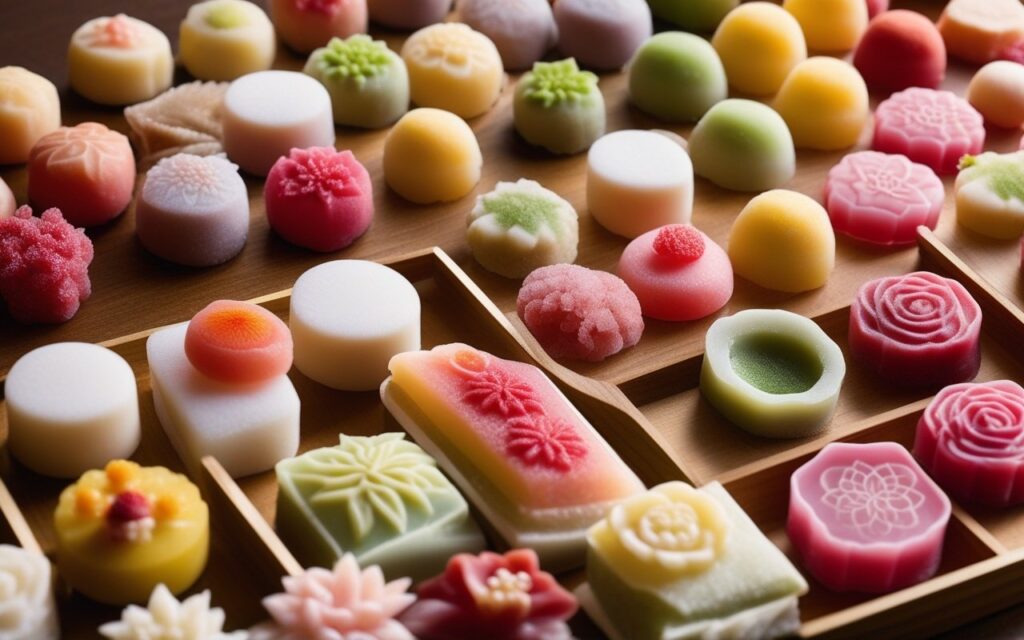
Wagashi are traditional Japanese confections made primarily from plant-based ingredients: red bean paste (anko), rice flour (mochiko or joshinko), agar (kanten), and sugar. Unlike Western desserts, wagashi emphasize subtle sweetness, elegant presentation, and connection to the seasons (shun). The main categories you will encounter in Kamakura:
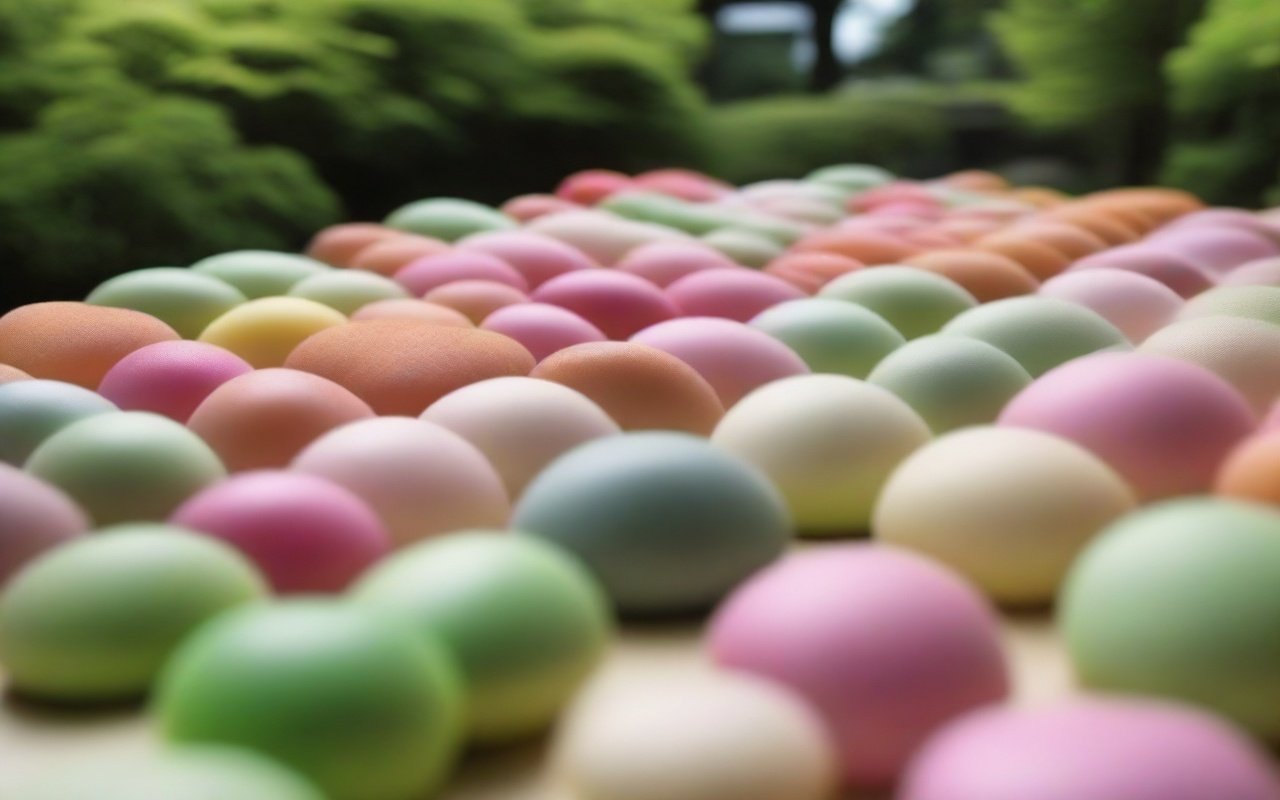
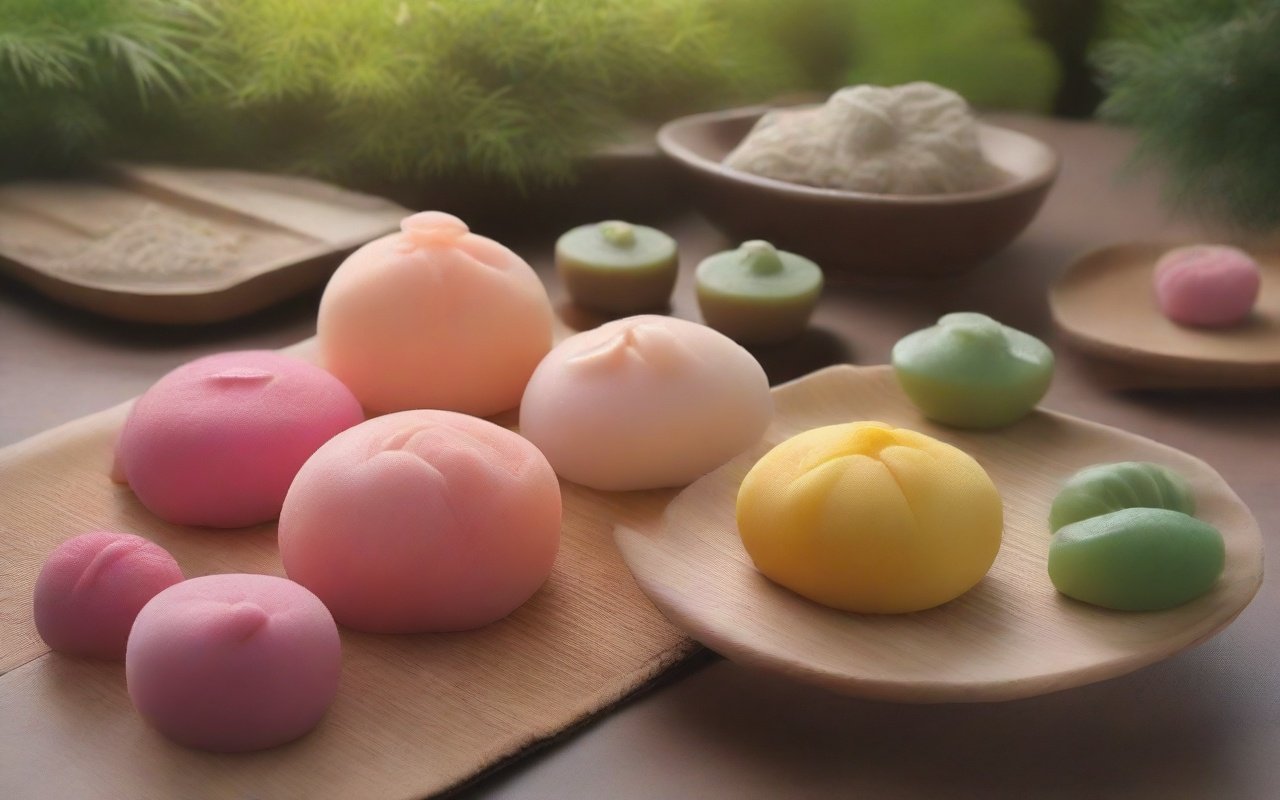
- Nerikiri: Elaborately sculpted sweets made from white bean paste, colored and shaped to represent seasonal motifs. These are the most visually stunning wagashi.
- Daifuku: Soft mochi (pounded rice cake) stuffed with sweet red bean paste and often a whole fruit like strawberry or chestnut.
- Warabi Mochi: A jelly-like confection made from bracken starch, dusted with roasted soybean flour (kinako) and drizzled with black sugar syrup (kuromitsu). Light and refreshing, perfect for summer.
- Taiyaki: Fish-shaped cakes filled with sweet red bean paste, custard, or chocolate. Eaten warm, especially popular in colder months.
- Dango: Skewered rice dumplings with various toppings — sweet soy glaze (mitarashi), red bean paste, or soybean flour.
- Manju: Steamed buns filled with red bean paste, sometimes with regional variations like chestnut or matcha.
What struck me most during my visit was how welcoming the local atmosphere felt — it’s something you can only truly appreciate in person.
Top Wagashi Shops in Kamakura
Nagashima-Ya (Komachi-dori)
Operating for over a century, Nagashima-Ya is a Kamakura institution located on the main Komachi-dori shopping street leading to Tsurugaoka Hachimangu Shrine. Their specialty is Sakuramochi (cherry blossom rice cake wrapped in a pickled cherry leaf) during spring, but they offer an ever-changing selection of seasonal wagashi throughout the year. Must-try: The kuzumochi (arrowroot starch cake) — translucent, chewy, and served with a sprinkle of kinako. ¥350 per piece. Location: 2-minute walk from Kamakura Station East Exit, on the left side of Komachi-dori.
Toshimaya
Though better known for their Hato Sabure (dove-shaped butter cookies), Toshimaya is an essential stop for wagashi lovers. Their main store on Komachi-dori carries a full range of traditional sweets alongside the famous cookies. The Hato Sabure — dove-shaped shortbread that is Kamakura’s most iconic souvenir — has been produced since 1894. Must-try: Seasonal nerikiri shaped like hydrangeas (June), maple leaves (November), or plum blossoms (February). ¥400–¥600 each. Location: Central Komachi-dori, easily spotted by the dove logo.
Kamakura Soratsuki
A relatively new but wildly popular shop specializing in ichigo daifuku — fresh strawberries wrapped in sweet red bean paste and soft mochi. The fillings change monthly based on fruit availability: strawberries in winter, peaches in summer, chestnuts in autumn. Must-try: The standard ichigo daifuku (¥350) — arrive early, as they often sell out by midday.
Pro tip: Soratsuki also runs a small cafe next door where you can enjoy matcha with your daifuku for an additional ¥600.
Kamakura Naniwaya
Famous for its crispy-on-the-outside, creamy-on-the-inside taiyaki. Unlike many taiyaki shops that use pre-made batter, Naniwaya grinds its own wheat flour daily and uses Hokkaido-grown red beans for the paste. Must-try: The classic red bean taiyaki (¥250) or the custard-filled version (¥280). Location: A 5-minute walk from Kamakura Station, on the way to Hase-dera Temple.
Temari (Hase area)
Located near Hase-dera Temple and the Great Buddha, Temari is renowned for its nerikiri and for offering wagashi-making workshops where visitors can learn to sculpt their own seasonal sweets (¥2,500 per person, 90 minutes, advance reservation required). Must-try: The hana-nerikiri (flower-shaped bean-paste sweet) changes with the seasons — ask the master for the current seasonal design.
Seasonal Wagahi Calendar in Kamakura
| Season | Months | Featured Sweets | Key Ingredients |
|---|---|---|---|
| Spring | Mar–May | Sakura-mochi, strawberry daifuku | Cherry leaves, strawberries, sakura paste |
| Summer | Jun–Aug | Warabi mochi, kanten jelly, kakigori | Bracken starch, agar, shaved ice |
| Autumn | Sep–Nov | Kuri-manju, maple nerikiri | Chestnuts, sweet potato, pumpkin |
| Winter | Dec–Feb | Taiyaki, oshiruko, yomogi mochi | Red bean soup, mugwort, warm mochi |
Where to Enjoy Wagashi with Matcha
The most authentic way to enjoy wagashi is with a bowl of matcha (powdered green tea) in a traditional setting. In Kamakura, several temple tea houses offer this experience:
- Kenchoji Temple Tea House: Serves seasonal wagashi with matcha for ¥800. The tea house overlooks a Zen garden.
- Hasedera Temple Terrace: Matcha and wagashi set (¥700) with a view of Kamakura’s coastline.
- Tsurugaoka Hachimangu: The grounds contain several tea stalls serving simple wagashi sets (¥500–¥700).
The correct way to eat wagashi with matcha: first cut the sweet into bite-sized pieces with the provided pick, then pick up a piece and eat it. Follow by drinking the matcha — the sweetness of the wagashi complements the slight bitterness of the tea perfectly.
📍 Location
Most of the shops listed are within a 10-minute walk of Kamakura Station. Komachi-dori street connects the station to Tsurugaoka Hachimangu Shrine and is lined with wagashi shops on both sides.
💰 Budget Breakdown
| Item | Price | Shop |
|---|---|---|
| Individual wagashi | ¥300–¥600 | Most shops |
| Matcha + wagashi set | ¥500–¥800 | Temple tea houses |
| Gift box (8–12 pieces) | ¥2,000–¥4,000 | Nagashima-Ya, Toshimaya |
| Wagashi-making workshop | ¥2,500 | Temari (reservation needed) |
| Taiyaki (single) | ¥250–¥280 | Naniwaya |
A self-guided wagashi tour of Kamakura — visiting 2–3 shops plus a temple matcha set — costs approximately ¥2,000–¥3,000 per person and makes for a delightful half-day exploration.
Tips
From my own visits, the advice that saved me the most time was simple: arrive before the peak hours, download an offline map before you leave the station, and build in a backup plan for rainy weather. Many spots in Kanagawa get busy by mid-morning, so an early start usually means shorter queues and better photos.
Frequently Asked Questions
Q: What is the best season to plan a visit here?
A: The ideal seasons for visiting this area are spring (March-May) and autumn (September-November), when temperatures are moderate and rainfall is minimal. Summer offers vibrant festivals and beach activities despite the humidity. Winter provides crisp, clear days perfect for photography and sightseeing with fewer tourists.
Q: Which train line should I take to get there?
A: Multiple train lines serve different parts of Kanagawa from Tokyo. The JR Tokaido Line, Odakyu Line, Keikyu Line, and Shonan-Shinjuku Line all provide access. The best route depends on your starting point in Tokyo. Smartphone navigation apps provide real-time route guidance.
Q: How much time should I spend at Kamakura?
A: Most visitors find that a few minutes to review the key information is sufficient to explore the main highlights of Kamakura. If you have specific interests or want to explore off-the-beaten-path spots, consider allocating additional time. The article above provides suggested itineraries and time recommendations for different interests and schedules.
Q: What should I prepare before my trip?
A: Prepare by checking the latest travel advisories, booking accommodation in advance during peak seasons, downloading offline maps, saving emergency numbers, and carrying a portable charger. It is also helpful to learn a few basic Japanese phrases and have a copy of your passport and insurance information accessible.
After multiple visits to Kanagawa, . . After visiting Kanagawa across different seasons, I found that each season transforms the experience entirely — from spring cherry blossoms to autumn foliage.
Kamakura is not only a city of temples and history — it is also a premier destination for wagashi (traditional Japanese sweets). The city’s deep connection to Zen Buddhism and tea ceremony culture has fostered a vibrant community of confectionery artisans who have been perfecting their craft for generations.
Eating wagashi in Kamakura is a seasonal experience. Each month brings new varieties shaped and flavored to reflect the natural world — cherry blossoms in spring, hydrangeas in early summer, maple leaves in autumn. This guide covers the best shops, the essential sweets to try, and how to enjoy them in the most authentic settings.
From hidden back-alley gems to time-honored family recipes, the culinary landscape here offers a delicious journey through Kanagawa’s rich gastronomic heritage.
Conclusion
exploring Kamakura for its sweets can be as relaxed or as packed as you want it to be, and I have found that the best visits leave room for both planning and spontaneity. During my visit to Kamakura I went with a rough plan and found that leaving room to wander made the trip far more memorable. Use this guide to sort out the logistics in advance, then let the day surprise you — Kanagawa rewards travelers who stay curious.