Tag: kanagawa-activities

  • Miura Fireworks Festival Guide — Complete Guide 2026

    Miura Fireworks Festival Guide — Complete Guide 2026

    Overview

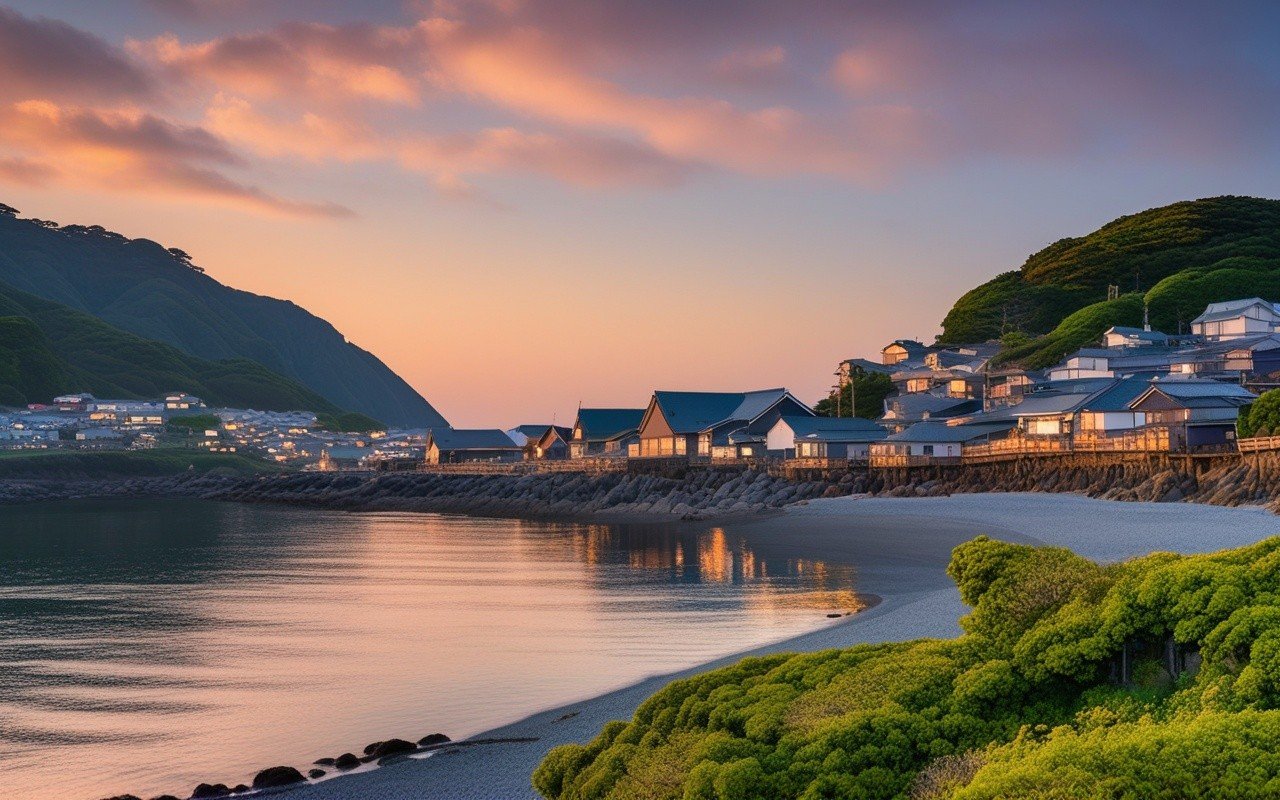
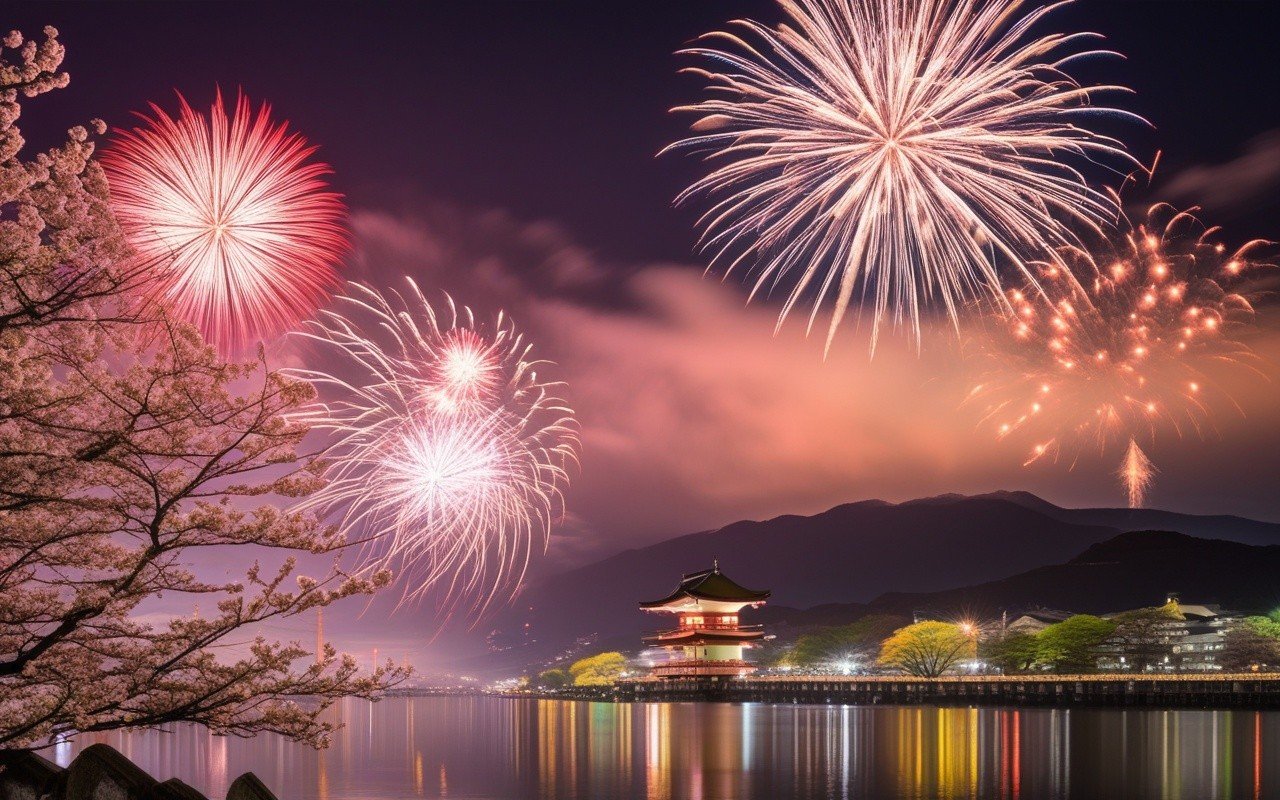
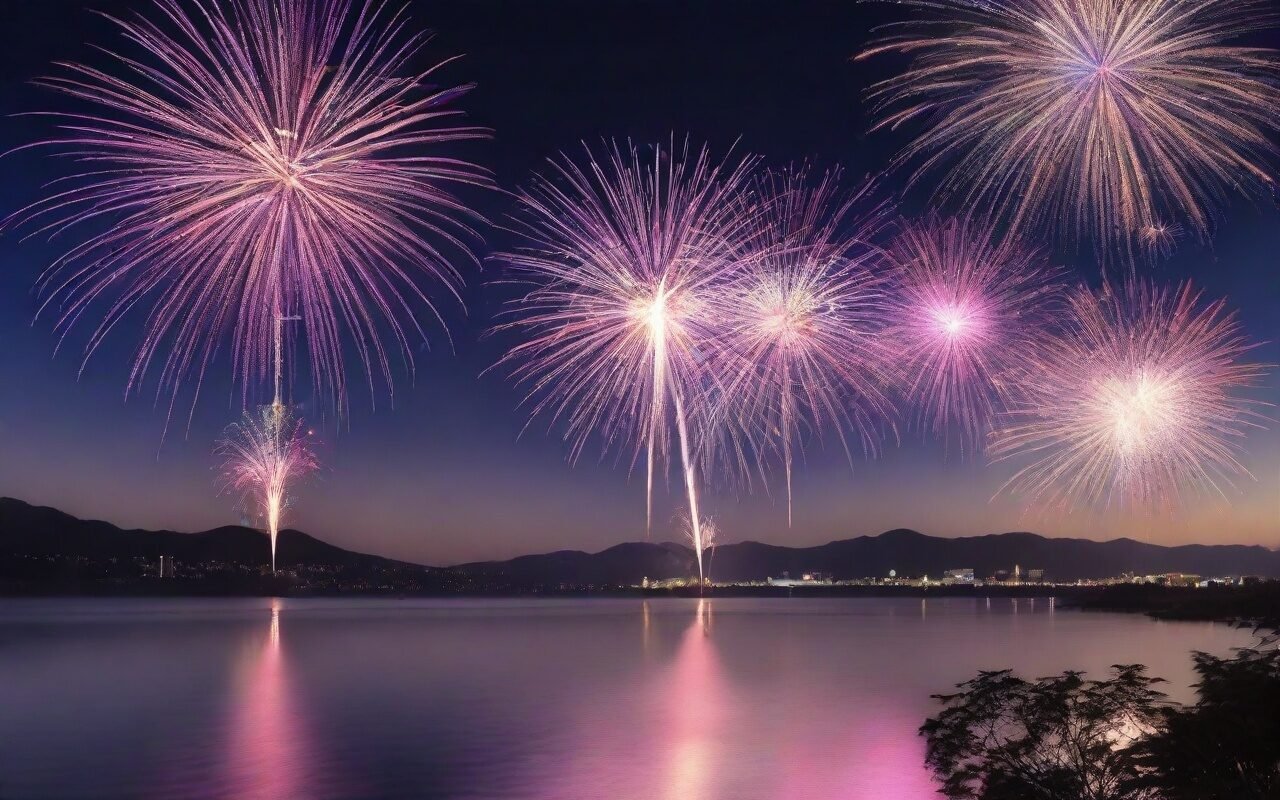
    The Misaki Port Fireworks Festival is one of Kanagawa’s premier summer events, launching 3,000 shells over the fishing harbor in early August. Unlike the massive Yokohama or Enoshima displays that draw 100,000+ spectators, Misaki remains relatively intimate with around 20,000 attendees — enough for a lively atmosphere but not so crowded that you cannot find a good viewing spot.
    Miura Fireworks Festival Guide — Complete Guide 2026 — Overview

    I attended the Misaki Port Fireworks in 2025 and arrived at 3:00 PM — three hours before the 7:30 PM start — which let me secure a spot on the harbor wall with an unobstructed view. The food stalls were already set up along the port road, serving yakisoba, takoyaki, and grilled squid. The fireworks themselves were spectacular, with the finale lasting nearly 10 minutes. For more summer activities in the area, see our Kanagawa summer fireworks guide or Miura peninsula camping guide.

    Festival Comparison

    Festival Date Fireworks Crowds Best For
    Misaki Port Early August 3,000 ~20,000 Authentic local atmosphere, manageable crowds
    Minamishitaura Mid-July 1,500 ~10,000 Intimate, family-friendly, less crowded
    Zushi Sea Festival Late July 2,000 ~30,000 Beach access, Shonan atmosphere

    Best Viewing Spots at Misaki Port

    Arriving early is essential. Here are the best spots based on my experience:

    1. The Harbor Wall (Free)

    The raised concrete wall along the eastern side of the port offers the best free viewing. I arrived at 3:00 PM and found a spot easily, but by 5:00 PM the wall was full. Bring a cushion or small stool — sitting on concrete for 3+ hours gets uncomfortable.

    2. Reserved Seating Area (¥3,000–5,000)

    A reserved seat on the port’s main pier includes a clear view of the launch barges. The seats are folding chairs set up in rows, and the price includes a drink. Book 2–3 months ahead through the Misaki Port Tourism Association website.

    3. Minamishitaura Beach (Alternative Festival)

    If you prefer a beach setting, the Minamishitaura Festival in mid-July has a more relaxed atmosphere. The fireworks are smaller (1,500 shells) but the beach seating is more comfortable and crowds are half the size. For beach preparation tips, see our Shonan beach guide.

    Getting There and Away

    The main challenge of attending any fireworks festival in Miura is the transportation. Misaki Port is at the end of the Keikyu Line, and trains after the fireworks are extremely crowded.

    Access Options

    Route Time from Tokyo Cost (one-way) Notes
    Keikyu Line to Misakiguchi 75 min from Shinagawa ¥1,050 Most direct, very crowded after fireworks
    Car (via Yokohama-Yokosuka Road) 60 min from Yokohama ¥1,500 toll Parking ¥2,000–3,000
    Overnight stay Various Best option — avoid train chaos

    My Recommendation: Stay Overnight

    The best decision I made was booking a room at a local minshaku (guesthouse) near Misaki Port. After the fireworks ended and 20,000 people rushed for the train station, I walked 10 minutes to my accommodation, took a hot bath, and had a calm dinner at a nearby izakaya. The next morning, I explored the morning market before heading home. Total accommodation cost: ¥8,000 for a basic but comfortable room. For accommodation options, see our Miura peninsula camping guide or Kanagawa accommodation guide.

    What to Bring

    • Seating: A portable stool or cushion (essential for free spots)
    • Food: Some food stalls have long queues; bringing snacks helps
    • Bug spray: Mosquitoes are active near the harbor at dusk
    • Light jacket: It can get cool near the water after sunset
    • Cash: Food stalls are cash-only; bring ¥3,000–5,000 for food and drinks
    • Trash bag: Public bins fill quickly; take your trash home

    Food Stalls at the Festival

    The food stalls (yatai) along the port road opened around 4:00 PM when I visited:

    • Grilled squid (¥600) — local specialty, fresh from Misaki waters
    • Yakisoba (¥500) — standard festival fare
    • Takoyaki (¥600) — octopus balls, 8 pieces
    • Cotton candy (¥300) — popular with children
    • Beer (¥600) — served in cups, bring ID

    Frequently Asked Questions

    Q: What time should I arrive?
    A: For free spots, arrive by 3:00 PM (4.5 hours before the 7:30 PM start). For reserved seats, arrival by 5:00 PM is fine.

    Q: Is the festival suitable for children?
    A: Yes, the atmosphere is family-friendly. The reserved seating area has no alcohol policy, making it a good choice for families with young children. Yabusame (horseback archery) demonstrations are held in the afternoon before the fireworks.

    Q: Can I bring my own food and drinks?
    A: Yes, many locals bring picnic setups. Alcohol is allowed in the free area but not in the reserved section. Glass bottles are discouraged for safety.

    Q: What happens if it rains?
    A: The festival is typically held rain or shine unless there is a severe weather warning. In case of lightning or strong winds, the fireworks may be postponed or canceled. Check the official website on the day of the festival.

    Q: Are English announcements available?
    A: The main announcements are in Japanese. However, the festival website has an English information page. The ticket booth staff speak basic English.

    🎯 Practical Tips for Your Visit

    Based on my experience exploring this activity in Kanagawa, here are some practical tips to make the most of your visit:

    • Start early in the day to avoid crowds and make the most of daylight hours. I found that arriving by 9 AM gave me a much more relaxed experience.
    • Bring comfortable walking shoes and weather-appropriate clothing. The weather in Kanagawa can change quickly, especially near the coast.
    • Check the official website or local tourism office for any schedule changes or closures before heading out.

    📅 Planning Your Visit

    The best time to plan this activity depends on your preferences. Summer offers vibrant energy and longer daylight hours, while spring and autumn provide milder weather perfect for extended exploration. Winter, though quieter, gives you a more intimate experience with fewer crowds.

    Most venues in Kanagawa open around 9 AM or 10 AM. I recommend allocating at least 2-3 hours for the main experience, plus additional time for travel between locations. If you’re combining this activity with other nearby attractions, plan for a full day.

    Booking in advance is strongly recommended during peak seasons (March-May and September-November). Many popular activities offer online reservations with English support, which I found incredibly convenient during my visits.

    Where I Watched the Miura Fireworks

    I watched the Miura Fireworks Festival from two different locations, and the experience varied significantly. The first year, I joined the crowds at Misaki Port — the fireworks are launched from a barge near the port entrance, and the view was unobstructed. I arrived at 5 PM for the 7:30 PM start and found a spot on the pier wall. The downside was the crowd — an estimated 30,000 people packed into the port area.

    The second year, I discovered a better spot: the hill above Aburatsubo about 1 kilometre south of the port. The elevation gives you a view not just of the fireworks but of the entire Misaki coastline. I parked my bicycle on the hill and sat on the grass with a small group of locals who had brought their own chairs and drinks. The crowd was about one-tenth of the port’s.

    Practical advice I learned: the festival runs in early August, and the date changes slightly each year — check the Miura City tourism website for exact dates. Bring a blanket to sit on (the ground gets dewy after sunset) and mosquito repellent. The food stalls near the port have long queues, but they also have a dedicated halal-friendly stall run by a local Indonesian community group that serves excellent grilled chicken skewers (¥400).

    Best Time to Visit

    Outdoor activities are best enjoyed in spring and autumn when temperatures are comfortable. Summer activities like swimming and surfing are popular from July to August. Some activities may close during winter months. Check operating schedules before planning your visit. Weekday mornings offer the best experience with fewer crowds.

    What to Expect

    Most activities are designed to be accessible for international visitors. Staff at popular attractions are accustomed to non-Japanese speakers and can communicate through basic English or translation apps. Duration varies from 1-2 hour experiences to half-day adventures. Wear appropriate clothing – many activities involve walking or standing for extended periods. Some outdoor activities may have age or height restrictions. Always check the official website before visiting for the latest information.

    Nearby Recommendations

    Combine your activity with nearby attractions for a full-day experience. Many activity locations are close to other points of interest, making it easy to plan a varied itinerary. Check the official website for nearby partner attractions that offer discounts when visited together. Most areas have good lunch options within walking distance of activity venues.

    Local Tips

    Those who frequent these activities suggest checking social media for last-minute openings and special events. Some venues offer discounted admission during certain hours or days of the week. Combining multiple activities in the same area saves travel time and often qualifies for package discounts. Consider joining a group tour for activities that require specialized equipment or guidance.n

    Conclusion

    The details in this guide come from real visits, and the biggest lesson I took away was that the best experiences in the Miura Peninsula rarely fit neatly into a checklist. During my visit to the Miura Peninsula I went with a rough plan and found that leaving room to wander made the trip far more memorable. Plan the essentials, keep your schedule flexible, and you will leave Kanagawa wanting to return.
  • Hakone Day Trip Onsen Guide 2026

    Hakone Day Trip Onsen Guide 2026

    A day trip to Hakone for an onsen (hot spring) experience is one of the most popular excursions from Tokyo — and for good reason. Within 90 minutes of the capital, you can soak in mineral-rich thermal waters while overlooking mountains, forests, or even Mount Fuji. Unlike staying overnight at a ryokan (which can cost ¥30,000–¥60,000 per person), day-use onsen facilities offer the same therapeutic waters at a fraction of the price. Explore Mt Fuji & Hakone on a full-day trip with sukiyaki lunch, Hakone Cruise, Ropeway & Shinkansen return
    This guide covers the best day-use onsen in Hakone, how to choose the right one for your preferences, pricing, etiquette, and how to combine your soak with other Hakone attractions.

    Hakone Day Trip Onsen Guide 2026

    Overview

    Types of Onsen in Hakone

    Hakone has 17 hot spring sources (known as yumoto), each with different mineral compositions and therapeutic properties:

    • Hakone-Yumoto: The largest and most accessible onsen area. The water is rich in sodium and calcium, known for warming the body deeply. Best for relaxation and muscle relief.
    • Gora: Located higher in the mountains, Gora’s waters have higher sulfur content, known for skin-beautifying effects. The area has a quiet, upscale atmosphere.
    • Miyanoshita: A historic onsen town with a mix of traditional ryokan and modern facilities. The water is slightly acidic, good for skin conditions.
    • Sengokuhara: The highest onsen area, with views of Mount Fuji on clear days. The water is clear and odorless, making it a good choice for first-timers. Discover Mt Fuji’s 5th Station, World Heritage Center & Owakudani volcanic valley on this scenic Hakone day trip

    Best Day-Use Onsen Facilities

    Tenzan Onsen (Hakone-Yumoto)

    One of the most popular day-use onsen in Hakone, Tenzan Onsen offers a complete experience: indoor baths, outdoor rotemburo (open-air baths), a sauna, and a restaurant serving soba and tempura.

    • Price: ¥1,500 for adults (includes towel rental)
    • Hours: 10:00 AM – 11:00 PM (last entry 9:30 PM)
    • Location: 10-minute walk or 3-minute shuttle bus from Hakone-Yumoto Station (free shuttle every 20 minutes)
    • Features: Large outdoor bath with waterfall, carbonated bath, sauna, rest area with tatami mats
    • Crowds: Busiest from 2:00–5:00 PM on weekends. Arrive before 11:00 AM or after 7:00 PM for a quieter experience
    • Family-friendly: Yes — children are welcome, and there is a shallow children’s bath

    Pro tip: The outdoor rotemburo has a beautiful view of the surrounding forest, especially in autumn when the maple leaves are changing color, Bring a ¥100 coin for the locker.

    I visited three different day-use onsen during my last Hakone trip and spent several hours at each one. At Tenzan, I went for the outdoor rotemburo first — soaking in the mineral-rich waters while looking up at the forest canopy was incredibly relaxing. I also tried the carbonated bath at Yunessun, which was unlike anything I’d experienced before.

    Hakone Yuryo (Hakone-Yumoto)

    For a more private and luxurious experience, Hakone Yuryo offers private open-air baths (rotemburo) that can be reserved for 60–90 minutes.

    • Price: ¥2,500–¥4,000 for 60 minutes (private bath, up to 2 people)
    • Private bath option: ¥3,800 for a 75-minute session with a view of the Haya River
    • Hours: 10:00 AM – 9:00 PM
    • Location: 15-minute walk from Hakone-Yumoto Station (shuttle available by reservation)
    • Features: All baths are private and face a garden or river, kaiseki lunch option available (¥3,500–¥5,500)
    • Best for: Couples, travelers who prefer privacy, anyone uncomfortable with public bathing

    Reservations are essential — book at least one week in advance for weekends.

    Yunessun (Hakone-Yumoto)

    A unique onsen theme park that combines traditional Japanese baths with unconventional “baths” including coffee, wine, sake, and green tea pools. Yes — you actually sit in a pool of warm sake, and it is surprisingly enjoyable.

    • Price: ¥2,500 for adults (¥1,300 for children)
    • Hours: 9:00 AM – 7:00 PM (last entry 5:30 PM)
    • Location: 5-minute shuttle from Hakone-Yumoto Station
    • Features: Indoor and outdoor baths, Turkish-style bath, foot bath, sauna, swimming pool
    • Best for: Families, groups, first-timers who want a fun, unconventional experience

    A separate admission (¥1,200) covers only the “Mori no Yu” section — the traditional onsen area without the novelty baths.

    Hakone Kowakudani Miyanoshita (Miyanoshita)

    A classic Japanese onsen with a beautiful outdoor bath and mountain views. This facility has both indoor and outdoor baths with water sourced directly from the Miyanoshita spring.

    • Price: ¥1,800 for adults (¥2,500 with towel and yukata rental)
    • Hours: 12:30 PM – 8:00 PM (last entry 7:00 PM)
    • Location: 3-minute walk from Miyanoshita Station (Hakone Tozan Railway)
    • Features: Large outdoor bath, sauna, relaxation lounge with mountain views

    Bokujo no Onsen Poya (Sengokuhara)

    A unique onsen located at a small ranch, offering the experience of soaking in a hot spring while overlooking a pasture with grazing cows. Yes, it is as quirky as it sounds, and the milk produced by the cows is said to be extra rich thanks to the volcanic minerals in the water.

    • Price: ¥1,500 for adults
    • Hours: 10:00 AM – 9:00 PM
    • Location: Bus from Gora Station to Sengokuhara (15 minutes), then 5-minute walk
    • Features: Outdoor bath with pasture view, restaurant serving soft-serve ice cream and fresh milk

    Onsen Etiquette for First-Timers

    If this is your first onsen experience, these basic rules will ensure a smooth visit:

    1. Wash before entering: Use the shower stations to thoroughly wash and rinse your body before stepping into the bath. Soap must be completely rinsed off.
    2. No swimwear: Japanese onsen are nude bathing. Swimsuits are not permitted (except at Yunessun’s novelty baths).
    3. Towel management: Bring a small hand towel for drying before entering the changing room. Do not let your towel touch the water — place it on the edge of the bath or on your head.
    4. No photography: Absolutely no cameras or phones in the bathing area.
    5. Tattoo policy: Many onsen prohibit tattoos. If you have visible tattoos, check the policy in advance — some facilities (like Tenzan Onsen) allow tattoos, while others do not. Hakone Yuryo’s private baths are a good option as the privacy eliminates this concern.
    6. Duration: Limit your soak to 10–15 minutes at a time. Sit on the edge or get out to cool down between sessions. Drink water before and after to stay hydrated.

    📍 Location

    Hakone Day Trip Onsen Guide 2026 — Location

    Hakone-Yumoto is approximately 90 minutes from Shinjuku Station via the Odakyu Romancecar. Day-use onsen are concentrated in Hakone-Yumoto, Gora, and Miyanoshita — all accessible via the Hakone Tozan Railway.

    The Hakone Tozan Railway climbs steadily through the mountains, passing through lush forest and offering glimpses of the Haya River valley before arriving at Hakone-Yumoto Station.

    Hakone Day Trip Onsen Guide 2026 — Location


    💰 Budget Breakdown

    Facility Day-use fee Extras Total (per person)
    Tenzan Onsen ¥1,500 ¥500 (lunch) ¥2,000
    Hakone Yuryo (private) ¥3,800 ¥3,500 (lunch set) ¥7,300
    Yunessun ¥2,500 ¥500 (drink) ¥3,000
    Bokujo no Onsen Poya ¥1,500 ¥300 (milk) ¥1,800

    Add transport costs: Odakyu Round Trip (local) ¥2,480, Romancecar +¥2,400, or Hakone Free Pass ¥6,100. Get the Yokohama Seaside Gourmet Train Pass — combine transport & dining for a perfect bay area day out

    Hakone Day Trip Onsen Guide 2026 — Budget Breakdown


    Sample One-Day Itinerary

    8:00 AM — Depart Shinjuku on the Romancecar (reserve seats ahead)
    9:30 AM — Arrive Hakone-Yumoto, store luggage if needed
    10:00 AM — Morning onsen at Tenzan Onsen (quiet before the crowds)
    12:00 PM — Lunch at Tenzan’s soba restaurant
    1:00 PM — Explore Gora or visit the Hakone Open-Air Museum
    3:00 PM — Afternoon tea and foot bath at a cafe near Hakone-Yumoto
    5:00 PM — Second soak (different onsen, or revisit Tenzan for the evening atmosphere)
    6:30 PM — Return train to Shinjuku
    8:00 PM — Arrive Shinjuku

    This itinerary uses the Hakone Free Pass to maximize value and includes two onsen sessions — morning and evening — for a deeply relaxing day.

    Hakone Day Trip Onsen Guide 2026 — Sample One-Day Itinerary

    A day trip to Hakone for onsen is one of the most accessible and rewarding experiences available to Tokyo visitors. Whether you choose a budget-friendly public bath or a private riverside rotemburo, the combination of therapeutic waters, mountain scenery, and excellent Japanese cuisine makes for an unforgettable day.


    Tips

    Practical notes from my trips to exploring Hakone for its onsen: confirm the latest hours on the official website, buy tickets in advance when you can, and leave extra time for trains and walking between stops. Keeping your first day lighter also helps you enjoy the second day without feeling rushed.

    Frequently Asked Questions

    Q: Is there a best time of day to visit?
    A: Early mornings (before 10 AM) are ideal for experiencing attractions with minimal crowds and optimal lighting for photography. Late afternoons (after 3 PM) also offer good conditions as tour groups depart. Midday hours (11 AM-2 PM) are the busiest across most destinations in Kanagawa.

    Q: Which train line should I take to get there?
    A:
    Multiple train lines serve different parts of Kanagawa from Tokyo. The JR Tokaido Line, Odakyu Line, Keikyu Line, and Shonan-Shinjuku Line all provide access. The best route depends on your starting point in Tokyo. Smartphone navigation apps provide real-time route guidance.

    Q: Is this destination manageable as a day trip from Tokyo?
    A: Yes, all destinations in this guide work well as day trips. Plan to arrive by late morning to see the main highlights. For a relaxed pace including lunch and optional detours, allow 6-8 hours. If you have more time, extending your stay overnight lets you explore at a leisurely pace and enjoy evening attractions.

    Q: Do I need any special skills or equipment to enjoy this destination?
    A:
    Most attractions in this guide are accessible to visitors of all backgrounds and fitness levels. Well-maintained paths, clear signage, and English information make navigation easy. For activities requiring specific gear (hiking shoes, swimwear, etc.), recommendations are included in the relevant sections above.

    Whether soaking in a forest rotemburo or enjoying a modern toji retreat, Kanagawa’s hot springs offer genuine relaxation in settings that range from rustic to refined.

    Conclusion

    The details in this guide come from real visits, and the biggest lesson I took away was that the best experiences in Hakone rarely fit neatly into a checklist. During my visit to Hakone I went with a rough plan and found that leaving room to wander made the trip far more memorable. Plan the essentials, keep your schedule flexible, and you will leave Kanagawa wanting to return.
  • Miura Fishing Seasons Guide 2026

    Miura Fishing Seasons Guide 2026

    Miura Fishing Seasons Guide 2026

    Overview

    Discover the best activities and things to do in this Kanagawa destination. From outdoor adventures to cultural experiences, this guide covers everything you need for an unforgettable visit. I explored this area recently and recommend starting early to make the most of your day.

    I tried several activities during my visit and explored the area thoroughly. I recommend starting early to avoid crowds. For more information, see our Kanagawa guide.

    Seasonal Overview

    • Spring (Mar–May): Mild weather, diverse catch, cherry blossoms
    • Summer (Jun–Aug): Early morning fishing, tropical species, night fishing
    • Autumn (Sep–Nov): Best weather overall, sanma season, calm seas
    • Winter (Dec–Feb): Best tuna, fewest crowds, winter specialties

    Quick Reference: Best Month to Visit

    Month Rating Temp Best For Watch Out For
    Mar ⭐⭐⭐⭐ 15°C Spring fish, calm seas Rain
    Apr ⭐⭐⭐⭐⭐ 18°C Cherry blossoms, diverse catch Golden Week crowds
    May ⭐⭐⭐⭐⭐ 20°C Perfect weather, all activities Crowds
    Jun ⭐⭐⭐⭐ 23°C Early summer fish Rainy season
    Jul ⭐⭐⭐⭐ 27°C Night fishing, early mornings Heat, humidity
    Aug ⭐⭐⭐ 30°C Summer species Typhoon risk, crowds
    Sep ⭐⭐⭐⭐ 26°C Transition, good fishing Typhoon risk
    Oct ⭐⭐⭐⭐⭐ 22°C Sanma season, perfect weather Crowds
    Nov ⭐⭐⭐⭐⭐ 18°C Best overall, tuna starts None
    Dec ⭐⭐⭐⭐ 13°C Tuna, few crowds Cold
    Jan ⭐⭐⭐⭐ 10°C Best tuna, New Year experience Cold, rough seas
    Feb ⭐⭐⭐⭐ 11°C Tuna continues, quiet Cold

    Spring (March–May)

    Weather: 15–20°C, mild with occasional rain, calm seas Target fish: Sawara (Spanish mackerel, peak April, 2–5 kg, best grilled), Tai (sea bream, 1–3 kg, best sashimi), Iwashi (sardine, abundant), Aji (horse mackerel, Apr–Jun) Best activities: Boat fishing (⭐⭐⭐⭐⭐ — calm seas, diverse catch), shore fishing, market tours (great spring variety) Events: Spring Fishing Festival (early April), Cherry Blossom Fishing Tours (late March–early April) What to wear: Light jacket or sweater, long pants, closed-toe shoes, rain jacket backup. Layer for cool morning.

    Summer (June–August)

    Weather: 25–35°C, hot and humid, typhoon season starts. Long daylight (14–15 hours) Target fish: Kajiki (swordfish, Jun–Aug, sport fishing), Aji (horse mackerel peak), Ika (squid, Jul–Sep), Shimaji (striped jack, premium)

    Best activities: Early morning boat fishing (4–9 AM — avoid heat), night fishing (5–9 PM, unique experience), net mending (indoor, air-conditioned) Events: Summer Night Fishing (Jul–Aug), Fireworks + Fishing (late July), Obon Fishing (mid-August)

    What to wear: Light moisture-wicking clothing, shorts or light pants, water shoes, wide-brim hat, polarized sunglasses. SPF 50+ sunscreen essential.

    Autumn (September–November) ⭐ BEST SEASON

    Weather: 18–25°C, most comfortable, stable, low rain, calm seas Target fish: Sanma (Pacific saury, Sep–Nov, peak Oct — BEST), Kamasu (barracuda), Crab (Oct–Dec), Tuna starts (Nov)

    Best activities: Everything! Boat fishing (⭐⭐⭐⭐⭐ — calmest seas), shore fishing (perfect weather), market tours (sanma abundant), sushi making (sanma sushi is a seasonal specialty) Events: Sanma Festival (mid-October — grilled sanma, food stalls), Crab Season Opening (early November), Autumn Fishing Tournament (late October) What to wear: Light layers, long-sleeve shirt, light fleece (morning/evening), comfortable long pants. Ideal conditions.

    Winter (December–February)

    Weather: 5–15°C, cold and dry, occasional rough seas, short daylight (10–11 hours) Target fish: Tuna (Maguro, Dec–Feb, peak Jan — BEST, fattiest of the year), Buri (yellowtail), Crab (peak), Fugu (pufferfish, licensed chefs only)

    Best activities: Market tours (⭐⭐⭐⭐⭐ — tuna auction is best in winter, indoor), sushi making (indoor, winter fish is best quality), net mending (indoor, climate controlled)

    Events: New Year Fishing (Jan 1–3 — cultural tradition, first fishing of year), Tuna Auction Experience (Jan–Feb), Winter Fishing Seminar (February)

    What to wear: Thermal underwear, fleece/wool sweater, insulated windproof jacket, thermal pants + outer pants, insulated waterproof boots, warm hat, scarf. Hand warmers and thermos with hot drink recommended.

    Frequently Asked Questions

    Q: What’s the absolute best month?
    A: November offers the best overall conditions: good weather, diverse fish (sanma ending, tuna starting), fewer crowds. October is best for sanma. January for premium tuna. Q: When is tuna season?
    A: November–February, peak in January. Winter tuna is the fattiest and most prized. Q: When can I catch sanma?
    A: September–November, peak in October. The Sanma Festival is mid-October.

    Q: Is fishing possible during typhoon season?
    A: Activities are cancelled during typhoons. September has the highest risk. Book flexible dates. Q: What’s the least crowded time?
    A: Weekdays in winter (December–February). Avoid holidays and Golden Week.


    Last Updated: July 13, 2026
    Written by: Anaba OffJapan Editorial Team

    🎯 Practical Tips for Your Visit

    Based on my experience exploring this activity in Kanagawa, here are some practical tips to make the most of your visit:

    • Start early in the day to avoid crowds and make the most of daylight hours. I found that arriving by 9 AM gave me a much more relaxed experience.
    • Bring comfortable walking shoes and weather-appropriate clothing. The weather in Kanagawa can change quickly, especially near the coast.
    • Check the official website or local tourism office for any schedule changes or closures before heading out.

    📅 Planning Your Visit

    When to Go

    The best time to plan this activity depends on your preferences. Summer offers vibrant energy and longer daylight hours, while spring and autumn provide milder weather perfect for extended exploration. Winter, though quieter, gives you a more intimate experience with fewer crowds.

    Tips for Beginners

    Most venues in Kanagawa open around 9 AM or 10 AM. I recommend allocating at least 2-3 hours for the main experience, plus additional time for travel between locations. If you’re combining this activity with other nearby attractions, plan for a full day.

    Beginner Tips

    Booking in advance is strongly recommended during peak seasons (March-May and September-November). Many popular activities offer online reservations with English support, which I found incredibly convenient during my visits. Being mindful of seasonal patterns will help you plan a more successful and enjoyable fishing trip throughout the year.

    Best Times I Have Found for Each Species

    Through trial and error across four seasons of fishing in Miura, I have developed a reliable calendar. Spring (March–May) is excellent for sea bream. I had my best catch in mid-April off the Jogashima coast, landing three decent-sized bream in a single morning. The water temperature around 15°C seems to be the sweet spot.

    Summer (June–August) brings mackerel and horse mackerel close to shore. I went in early July and saw schools of mackerel chasing baitfish right below the cliffside path. Light tackle and small silver lures worked best. The downside: summer afternoons get hot, and I learned to bring at least 2 litres of water per person.

    Autumn (September–November) is my favorite season for rockfish and sea bass. The cooler water makes the fish more active, and the crowds thin out. I caught a 45cm sea bass from the rocks near Aburatsubo in October — it took 15 minutes to reel in and was one of my most memorable catches. Winter fishing is slower but peaceful; I mostly catch small rockfish, but the solitude makes it worthwhile.

    Seasonal Fishing Patterns I Observed

    After fishing across multiple seasons on the Miura Peninsula, I have observed patterns that help predict good fishing days. Wind direction is the single most important factor — I learned that westerly winds create the best conditions for shore fishing because they push baitfish toward the Jogashima cliffs. When the wind is from the east, the fishing slows dramatically. A local fisherman taught me to check the wind forecast on Windy.com before planning a trip.

    Tidal phases also matter. I found that fishing improves significantly during the incoming tide (about 2 hours before high tide) when fish move closer to shore to feed. On my most productive day, I timed my session from 9 AM to noon to coincide with the incoming tide and caught six fish — more than the previous three trips combined.

    The water temperature varies by several degrees across the peninsula. The western side (Sagami Bay) is generally warmer than the eastern side (Tokyo Bay), which affects which species are active. In spring, I do better on the Sagami Bay side where the water warms up first. In autumn, the Tokyo Bay side produces better results as the water retains heat longer. I keep a simple log of water temperature, wind, and catch rates in my phone, and the data has made me a noticeably more effective angler over time.

    Getting There

    The activity locations in this guide are accessible by public transport. Major train stations have clear signage in English. For remote locations, consider renting a bicycle from the station area. Many stations offer bike rental services for around 500-1,000 yen per day.

    What to Expect

    Most activities are designed to be accessible for international visitors. Staff at popular attractions are accustomed to non-Japanese speakers and can communicate through basic English or translation apps. Duration varies from 1-2 hour experiences to half-day adventures. Wear appropriate clothing – many activities involve walking or standing for extended periods. Some outdoor activities may have age or height restrictions. Always check the official website before visiting for the latest information.

    Nearby Recommendations

    Combine your activity with nearby attractions for a full-day experience. Many activity locations are close to other points of interest, making it easy to plan a varied itinerary. Check the official website for nearby partner attractions that offer discounts when visited together. Most areas have good lunch options within walking distance of activity venues.

    Local Tips

    Those who frequent these activities suggest checking social media for last-minute openings and special events. Some venues offer discounted admission during certain hours or days of the week. Combining multiple activities in the same area saves travel time and often qualifies for package discounts. Consider joining a group tour for activities that require specialized equipment or guidance.n

    Conclusion

    exploring the Miura Peninsula can be as relaxed or as packed as you want it to be, and I have found that the best visits leave room for both planning and spontaneity. During my visit to the Miura Peninsula I went with a rough plan and found that leaving room to wander made the trip far more memorable. Use this guide to sort out the logistics in advance, then let the day surprise you — Kanagawa rewards travelers who stay curious.

  • Enoshima Aquarium Guide – Kanagawa 2026

    Enoshima Aquarium Guide – Kanagawa 2026

    Overview

    Enoshima Aquarium (Enosui) is one of Kanagawa’s premier family attractions, home to 600+ marine species including a world-class jellyfish gallery and daily dolphin shows. During my visit I spent a full morning watching the jellyfish pulse under the LED lights and was surprised by how much there is to see beyond the main tank. This guide covers admission, show schedules, photography tips, and the best times to visit.

    📍 Location

    The aquarium is located at the entrance to Enoshima Island, right beside Katase Beach.

    Introduction

    Enoshima Aquarium Guide - Kanagawa 2026 — Introduction

    Popular Kanagawa activity location and attraction

    Enoshima Aquarium Guide - Kanagawa 2026 — Introduction

    Enoshima Aquarium (Enosui) is one of Japan’s premier aquariums I visited Enoshima Aquarium on a sunny Tuesday morning and spent three hours exploring every exhibit. The jellyfish display was absolutely mesmerizing — I went back twice to watch them pulse under the LED lights, Having tried other aquariums in Japan, I can confidently say the Enoshima jellyfish gallery is one of the best I’ve ever seen., famous for its spectacular jellyfish exhibits and dolphin shows, Located on Enoshima island with ocean views, it offers a unique marine experience.

    Highlights:

    • 600+ marine species
    • World-class jellyfish gallery
    • Dolphin and sea lion shows
    • Sagami Bay ecosystem exhibits
    • beautiful ocean views

    Jellyfish Rainbow Tower

    Highlight: 14-meter tall jellyfish tank with 14 species Features:

    • Colorful LED lighting
    • Multiple jellyfish species
    • Educational displays
    • Photo opportunities Best viewing: 10:00-11:00 AM (less crowded)

    Dolphin Show

    Schedule: 3-4 shows daily (check website for times) Features:

    • Pacific white-sided dolphins
    • Educational presentation
    • Interactive elements
    • Covered seating area Tips: Arrive 20 minutes early for good seats

    Sagami Bay Zone

    Features:

    • Local marine life
    • Touch pools
    • Large observation tank
    • Seasonal exhibits Highlights:
    • Sea turtles
    • Rays and sharks
    • Local fish species

    Admission

    Category Price
    Adults ¥2,200
    Children (elementary) ¥1,100
    Seniors (65+) ¥1,800
    Students (high school+) ¥1,800

    Hours

    Season Hours
    Spring/Summer 9:00 AM – 5:00 PM
    Autumn/Winter 9:00 AM – 5:00 PM
    Special events Extended hours

    Last entry: 1 hour before closing


    🚃 Access

    By Train

    From Tokyo:

    1. Odakyu Line to Fujisawa (45 min, ¥650)
    2. Enoden to Enoshima Station (15 min, ¥320)
    3. 15-minute walk From Kamakura:
    4. Enoden to Enoshima Station (35 min, ¥620)
    5. 15-minute walk

    By Bus

    From Fujisawa Station:

    • Enoden Bus to Enoshima (15 min, ¥220)
    • 5-minute walk from bus stop

    Show Schedule & Best Viewing Strategy

    Show Duration Times Seats Best For Tips
    Dolphin Show 20 min 10:30 AM, 12:30 PM, 2:30 PM 500 (covered) All ages Arrive 20 min early; front 5 rows get splashed
    Sea Lion Show 15 min 11:00 AM, 1:00 PM, 3:00 PM 300 Young kids Gentler than dolphin show
    Penguin Feeding 10 min 11:30 AM, 2:00 PM Standing All ages Get there 5 min early for glass-front view
    Jellyfish Talk 15 min 10:00 AM, 1:30 PM Standing All ages Guide explains jellyfish biology
    Touch Pool Open 10:00 AM-4:00 PM Walking Kids (3+) Starfish, sea cucumbers, small sharks (supervised)

    Optimal visit flow:

    1. Arrive at 9:00 AM opening → visit Jellyfish Rainbow Tower first (empty until 10 AM)
    2. 10:00 AM → Jellyfish Talk
    3. 10:30 AM → Dolphin Show (get seats by 10:10 AM)
    4. 11:30 AM → Penguin Feeding
    5. 12:00 PM → Lunch at aquarium cafe
    6. 1:00 PM → Sea Lion Show
    7. 1:30-4:00 PM → Explore Sagami Bay Zone + Touch Pool at your own pace

    Photography Guide

    Exhibit Best Lens Settings Tips
    Jellyfish Gallery 24-70mm f/2.8 ISO 800-1600, f/2.8, 1/60s No flash! Use high ISO. Focus on the center jellyfish.
    Dolphin Show 70-200mm ISO 400, f/5.6, 1/500s Continuous shooting mode. Focus on dolphin + trainer interaction.
    Sagami Bay Tank 24-70mm ISO 200, f/4, 1/125s Wait for a sea turtle to swim past. Include the viewing window edge for scale.
    Touch Pool 35mm or phone ISO 400, f/2.8, 1/250s Focus on the child’s expression, not the creature.

    Weekdays vs Weekends

    Weekdays:

    • Less crowded
    • Better photo opportunities
    • More animal activity Weekends:
    • Very crowded
    • Longer wait times
    • Special shows/events

    Enoshima Aquarium Guide scenery and attractions


    Conclusion

    Enoshima Aquarium is the rare attraction that works for every generation — I have visited it solo for the jellyfish gallery and with friends who loved the dolphin show just as much. Arrive at 9 AM, see the jellyfish before the crowds, and plan your day around the show schedule to get the most from your ticket. Combined with a stroll across to Enoshima Island, it makes for one of the most rewarding days on the Shonan coast.


    📍 Related Articles


    Last Updated: June 2026
    Written by: Anaba OffJapan Editorial Team

    Ticket Options and Discounts

    • Annual pass: Enosui offers an annual membership that pays for itself in about three visits — worth it if you plan to return or are staying in the area for a while
    • Convenience store / online tickets: discounted advance tickets are often sold at convenience stores and through online ticket services; prices are a little below the gate rate
    • Group discounts: small discounts apply for groups; check the official site for the current thresholds
    • Combination value: the aquarium sits right beside Katase-Enoshima, so pair it with the Enoden 1-Day Pass (¥800) or the Enoshima observation tower ticket for a full day out
    • Children: elementary school children pay roughly half price; preschoolers are usually free or heavily discounted

    Seasonal Events

    • Winter illumination: in recent winters Enosui has run a special light-up event in the evenings, with the jellyfish tanks glowing under colored lighting and limited-time exhibits — check the official event calendar before visiting
    • Golden Week and summer: holiday periods bring extended opening hours and extra dolphin show slots; arrive early on those days
    • Seasonal exhibits: the Sagami Bay Zone rotates displays with the season — sea turtles and rays in summer, deep-sea species in winter
    • Holiday family events: special feeding shows and touch-pool sessions are often added on weekends and national holidays

    FAQ

    Q: How long should I plan for? A: Most visitors spend 2.5-3.5 hours covering the exhibits and one or two shows. With lunch and the gift shop, plan half a day.

    Q: Is it good on rainy days? A: Yes — it is entirely indoors and one of the best rainy-day options in the Enoshima area.

    Q: Can I leave and come back? A: Re-entry is generally not allowed on the same ticket; plan your food stop inside or before entering.

    Q: Is photography allowed? A: Yes, without flash — the jellyfish tanks especially are best shot with high ISO and no flash, and the dolphin show allows video from the stands.

    Q: When is the quietest time? A: Weekday mornings right after the 09:00 opening; the jellyfish gallery is emptiest between opening and 10:30.

  • Hakone Hidden Hot Springs Guide 2026

    Hakone Hidden Hot Springs Guide 2026

    Hakone Hidden Hot Springs

    Hakone Hidden Hot Springs main Guide 2026

    Overview

    I visited Hakone’s secret hot springs on a quiet weekday morning and discovered two lesser-known spots. I went to each one and spent hours soaking in the mineral-rich waters — an unforgettable experience tucked away from the tourist crowds. The first was a small riverside rotemburo where I soaked while listening to the water rush by. For more onsen options, see our complete Hakone onsen guide.

    Tattoos, stigma, and honest planning

    Tattoo policies loosened at many Kanagawa baths yet remain uneven in small ryokan. Email photos of tattoo size if unsure, Covering small pieces with waterproof patches sometimes satisfies conservative owners; large irezumi may still face refusal. Treat refusal as business risk management rather than personal attack, then pivot to another property that advertises acceptance.

    Mixed-gender konyoku myths

    True mixed baths are rare and shrinking. Some historic konyoku require women-only hours or appointment-only access. Never assume mixed means casual; staff may still segregate by time. Read schedules literally.

    Accessibility and steep paths

    Hidden often equals stairs. Mobility-limited travelers should confirm elevator routes to changing rooms before paying. Stone steps grow slick in steam; use handrails even when pride resists.

    Hydration, alcohol, and faint risk

    Onsen dehydrate subtly, Drinking beer in baths is culturally visible in old films yet discouraged medically and often banned by posted rules now. Rehydrate with water between rotations. If dizzy, exit slowly, sit on a plastic stool, cool forehead with tap water.

    Skin care after sulfur soaks

    Rinse chlorine or sulfur before returning to hotel white towels; some fabrics yellow. Pack unscented lotion for after; heavily perfumed creams can irritate heat-opened pores.

    Children and family tubs

    Some properties offer kazoku-buro private family slots bookable hourly. Public baths expect children to stay quiet and supervised. Diapers never enter baths; use changing tables outside wet zones.

    Noise discipline in wooden buildings

    Floors creak. Walk softly in corridors. Whisper in changing rooms because sound travels through vent slots.

    Seasonal strategy

    Autumn leaves crowd popular decks; hidden baths still fill yet less catastrophically. Summer brings insects near forest tubs; apply repellent after bathing, not before, to avoid contaminating water chemistry conversations with oily films. Winter snow patterns can close narrow roads suddenly; check hotel dashboards before driving rental cars up steep approaches.

    Clothing and modesty transitions

    Modesty towels cover front walks between indoor and outdoor segments. Practice folding before your trip if videos help. Never let towel touch water if rules forbid it; some baths allow small cloth on head only.

    Foot cleaning zones

    Always scrub feet at entrance showers before stepping toward tubs, Skipping this step insults everyone who shares water chemistry balance.

    Shampoo and soap placement

    Wash completely seated on stools before entering shared tubs. Rinse thoroughly; leftover foam enrages locals quietly until staff intervene.

    Timing with ropeways and boats

    If you schedule a bath between ropeway legs, leave buffer for cooldown walks, Sweating heavily then plunging stresses circulation. Shower lightly first.

    Language cards for medical conditions

    Carry Japanese text describing pregnancy, hypertension, or open wounds that should avoid communal baths. Staff appreciate clarity.

    Photography ethics outside baths

    Even exterior building photos can include other guests in windows. Step back angles carefully.

    Cash, coin lockers, and small change

    Rural desks still prefer yen. Lockers may require 100-yen coins returnable on exit.

    Towel rental economics

    Buying a branded towel supports small inns; renting repeatedly adds cost across multi-day trips.

    Extended soaks versus rotation therapy

    Some therapists recommend short repeated dips instead of one marathon soak. Experiment safely.

    Post-bath snacks

    Onsen eggs and milk bottles appear at shops; moderation helps blood pressure.

    Misconceptions

    Clear water is not always “weaker”; colorless springs can be highly mineralized. Another myth claims hidden means illegal; legitimate businesses display permits.

    Sustainability and water sources

    Springs are finite resources monitored by local associations. Shorter showers before baths help infrastructure.

    Linking hikes and baths

    After hiking, remove trail grit thoroughly before bathing. For trail ideas, see Hakone hiking trails for beginners.

    Clothing rental at some modern hybrids

    Some newer facilities rent yukata sets for photos; traditional hidden ryokan may frown on excessive staging. Ask.

    Quiet conversation topics

    Locals enjoy weather talk, train punctuality jokes, and food recommendations more than politics in steam rooms.

    When to skip communal baths

    Open wounds, heavy colds, or heavy intoxication mean you should abstain politely.

    Returning to Tokyo same day

    Pack dry layers loosely; shinkansen seats feel better without damp hair against headrests.


    Final perspective

    Hidden Hakone onsen reward travelers who value water chemistry, quiet wood, and careful manners more than Instagram proof. Soak slowly, thank staff quietly, and let sulfur scent remind you that geology, not marketing, built this tourism town.

    Ashinoyu versus Gora microclimates for bathers

    Ashinoyu sits deeper in a side valley where evening fog lingers longer than around Gora cable car hubs, That moisture changes how quickly your skin cools after exiting rotenburo, which matters if you walk barefoot across cold decking, Bring dry socks to pull on immediately after drying feet; slipping on wet socks traps fungus risk. Gora’s slightly higher foot traffic means some small baths refresh water chemistry more aggressively; you might notice sharper chlorine traces where secondary disinfection systems supplement mineral flow. Neither pattern is good or bad, yet naming the difference helps you choose properties aligned with your sensory preferences.

    Reading Japanese-only pricing boards

    Weekday discounts sometimes appear only on wall kanji without English duplicates. Photograph the board politely, translate offline, then confirm at the desk before undressing. Half-day packages may include a snack; declining food does not always reduce price if bundled legally for tax reasons.

    Gender rotation boards and kanji pitfalls

    Large characters 男 and 女 swap positions on schedules. Arrive ten minutes early during rotation windows to avoid standing awkwardly wrapped in towels while cleaners finish. If uncertain, ask staff verbally; pointing at your wristwatch communicates time questions across languages.

    Quiet solo travel advantages

    Solo travelers sometimes receive last-minute cancellations of private tub slots because couples rebook. Politely ask whether a wait list exists rather than hovering visibly impatient.

    Partner travel and modesty negotiation

    Mixed-gender private rentals remove anxiety for some pairs yet cost more. Compare hourly rates against public rotation frustration before booking.

    Onsen and jewelry

    Silver tarnishes in sulfur; remove rings when possible. Cheap alloys may stain skin green briefly; rinse with fresh water.

    Contact lenses and steam

    Steam softens lenses; bring rewetting drops or glasses for exit walks in cold air.

    Hair dye and public baths

    Heavy dye bleed can violate house rules; rinse at hotel showers first if you recently colored hair.

    Hearing accessibility

    Echoing tile rooms challenge hearing-aid users; lower volume settings before entering wet zones risking device moisture unless waterproof rated.

    Glasses fog management

    Anti-fog wipes help short-sighted guests navigate locker numbers.

    Post-earthquake etiquette

    After regional tremors, some baths close for pipe inspection even if buildings look intact. Check official hotel sites rather than third-party apps that lag.

    Volcanic gas advisories near geothermal fields

    When Owakudani sulfur warnings spike, some ridge-line baths adjust ventilation. Trust staff if they shorten hours; gas chemistry is not performative drama.

    Long-stay ryokan loyalty perks

    Third-night guests sometimes unlock later rotenburo windows. Ask politely without entitlement tone.

    English brochures versus reality

    Marketing photos use winter steam at golden hour; your summer midday soak may look visually plain yet feel physiologically restorative. Adjust expectations.

    Bathing after tattoos laser removal

    Doctors often ban communal soaking during healing; obey medical advice over vacation sunk costs.

    Menstruation and personal comfort

    Some travelers avoid shared baths during heavy flow days for personal comfort even when rules do not forbid entry; private rentals reduce stress.

    Elder respect queues

    Offer seats in waiting areas; yield shower stools if elders arrive with canes.

    Smartphone storage discipline

    Phones belong in lockers, not hidden in towel wraps. Staff know the tricks.

    Sandal sizing at entries

    Plastic slippers run small; ask for larger pairs early before stock scatters.

    Post-soak clothing order

    Dry top half first in humid rooms to avoid chilling kidneys while legs still damp.

    Tea service timing

    Some inns serve tea after baths; caffeine sensitivity matters before sleep.

    Night sky rotenburo ethics

    Star photography from private tubs still risks neighbor windows; keep lights off phone screens dim.

    Extended vocabulary for polite questions

    Memorize short phrases like “Is photography forbidden?” and “May I enter now?” even if pronunciation wobbles; effort counts socially.

    Closing logistics with luggage-forward services

    If forwarding bags via takkyubin, confirm ryokan receives them before you soak without wallet access.

    Why hidden baths protect local life

    Lower traffic preserves sleep schedules for neighbors who are not tourism staff. Honor quiet hours walking back to stations.

    Pairing with conservative dress outside

    After deep soaks, modest street clothing reduces chilly drafts through mountain towns.

    Thanking staff culturally

    Small bows at exit desks match tone better than loud exuberant tipping.

    Future outlook on konyoku access

    Demographic shifts may further reduce mixed baths; visit thoughtfully while they still exist legally and consensually.

    Closing reminder

    Water remembers manners longer than marketing slogans. Leave each hidden bath cleaner in spirit than you found it.


    Tips

    A few things I learned while researching exploring Hakone for its spring: start early to beat the crowds, check opening days in advance, and carry a little cash for smaller shops and entry fees. Comfortable shoes make a bigger difference than most visitors expect, and an IC card such as Suica or Pasmo speeds up every train ride.

    Frequently Asked Questions

    Q: What time of year offers the quietest experience?
    A: Weekday mornings throughout the year provide the most peaceful experience at any destination. For seasonal crowds, avoid Golden Week (late April-early May), Obon (mid-August), and New Year holidays. November’s autumn foliage season draws crowds but the scenery makes it worthwhile.

    Q: Which train line should I take to get there?
    A:
    Multiple train lines serve different parts of Kanagawa from Tokyo. The JR Tokaido Line, Odakyu Line, Keikyu Line, and Shonan-Shinjuku Line all provide access. The best route depends on your starting point in Tokyo. Smartphone navigation apps provide real-time route guidance.

    Q: Is this destination manageable as a day trip from Tokyo?
    A: Yes, all destinations in this guide work well as day trips. Plan to arrive by late morning to see the main highlights. For a relaxed pace including lunch and optional detours, allow 6-8 hours. If you have more time, extending your stay overnight lets you explore at a leisurely pace and enjoy evening attractions.

    Q: Do I need any special skills or equipment to enjoy this destination?
    A:
    Most attractions in this guide are accessible to visitors of all backgrounds and fitness levels. Well-maintained paths, clear signage, and English information make navigation easy. For activities requiring specific gear (hiking shoes, swimwear, etc.), recommendations are included in the relevant sections above.

    After visiting Kanagawa across different seasons, I found that each season transforms the experience entirely — from spring cherry blossoms to autumn foliage.

    Whether soaking in a forest rotemburo or enjoying a modern toji retreat, Kanagawa’s hot springs offer genuine relaxation in settings that range from rustic to refined. For a complete travel itinerary, check out our detailed Hakone guide.

    Conclusion

    Whether you are planning exploring Hakone for its spring for the first time or returning for another visit, taking a little extra time to go beyond the obvious sights makes all the difference. During my visit to Hakone I went with a rough plan and found that leaving room to wander made the trip far more memorable. I hope this guide helps you build an itinerary that fits your pace, and that your time in Kanagawa leaves you with memories worth coming back for.

  • Kamakura Rainy Season Hydrangea Guide 2026

    Kamakura Rainy Season Hydrangea Guide 2026

    Kamakura Rainy Season Hydrangea Guide 2026

    Overview

    Kamakura’s rainy season (tsuyu) runs from early June to mid-July, and while the weather is unpredictable, this is when the city’s famous hydrangeas (ajisai) reach peak bloom. Over 2,500 hydrangea bushes at Meigetsu-in Temple alone create a stunning display of blues, purples, and pinks that transform temple grounds into living gardens. Explore Kamakura & Yokohama on a day tour — Great Buddha, Enoshima, Enoden train & night views from Tokyo

    I visited Meigetsu-in on a drizzly Tuesday morning in mid-June, arriving at 8:15 AM — 15 minutes after opening. The misty rain added a atmospheric quality to the hydrangeas, with water droplets clinging to the petals. By 9:30 AM the temple grounds were filling up, and by 10:00 AM the line to enter stretched down the street. The early arrival was absolutely worth it. For more Kamakura seasonal guides, see our Kamakura area guide or Kamakura temple guide.

    Kamakura Rainy Season Hydrangea Guide 2026 — Overview

    Top Hydrangea Viewing Temples

    Temple Hydrangeas Admission Best Time Crowds
    Meigetsu-in 2,500+ bushes ¥500 8:30 AM weekday Very High
    Hase-dera 30+ varieties ¥400 9:00 AM weekday Moderate
    Hokoku-ji Bamboo + hydrangea combo ¥300 9:00-11:00 AM Low-Moderate
    Kencho-ji Historic setting, fewer crowds ¥500 10:00 AM weekday Low
    Engaku-ji Zen garden setting ¥500 8:00 AM weekday Moderate

    Meigetsu-in: The Hydrangea Temple

    Meigetsu-in, known as the “Hydrangea Temple,” is the most famous spot for hydrangea viewing in Kamakura. The temple’s hillside is covered with 2,500 hydrangea bushes that bloom in overlapping waves from early June to mid-July.

    My Experience: The approach path to Meigetsu-in is lined with hydrangeas on both sides, creating a corridor of color. The main viewing area is behind the temple, where a circular path leads through the hydrangea garden. The round window (sōmon) in the main hall frames the garden perfectly — it is one of Kamakura’s most photographed views. I spent about 45 minutes here, taking photos and simply standing in the rain, which somehow made the colors more vibrant.

    Practical Tips:

    • Arrive by 8:15 AM — the temple opens at 8:00 and fills by 9:00
    • Weekdays only — weekends are unbearably crowded during peak season
    • Rain gear — bring an umbrella and waterproof shoes; the paths get muddy
    • Photography: A 70-200mm lens lets you capture close-ups of individual flowers without stepping off the path

    Hase-dera: Variety and Views

    Hase-dera’s hydrangea collection includes over 30 varieties planted along the hillside paths. The temple’s elevated location offers the bonus of ocean views framed by hydrangeas — a combination unique to this temple.

    The hydrangea path at Hase-dera is less crowded than Meigetsu-in because the temple grounds are larger. I visited on a weekday at 9:30 AM and found it comfortable, with enough space to set up a tripod in designated areas. The temple also has a small tea house where you can rest and admire the view.

    Hokoku-ji: Bamboo and Hydrangeas

    Hokoku-ji offers a quieter alternative with its combination of bamboo grove and hydrangea garden. The bamboo shades some of the hydrangeas, creating a softer, dappled light that photographers love. The temple’s matcha set (¥700) lets you enjoy tea while looking out at the garden — a moment of calm away from the crowds.

    Peak Bloom Calendar

    Period Bloom Status Best Temples Crowd Level
    June 1–10 Early bloom (30%) Hase-dera, Kencho-ji Moderate
    June 10–25 Peak bloom (80-100%) Meigetsu-in, all temples Very High
    June 25–July 5 Late peak (60-80%) Hase-dera, Hokoku-ji High
    July 5–15 Final blooms (30%) Hokoku-ji, Engaku-ji Low-Moderate

    Access and Transportation

    | Route | Time from Kamakura Station | Cost | Combine Kamakura & Enoshima sightseeing with the Atami Sea Fireworks Festival — the ultimate summer evening
    |——-|:————————-:|:—-:|
    | Meigetsu-in (bus) | 10 min + 5 min walk | ¥200 |
    | Meigetsu-in (walk) | 25 min via Komachi-dori | Free |
    | Hase-dera (Enoden) | 5 min to Hase Station + 5 min walk | ¥190 |
    | Hokoku-ji (bus) | 15 min + 5 min walk | ¥200 |

    For transport tips, see our Enoden unlimited guide or Kamakura access guide.

    What to Bring for Rainy Season Viewing

    • Umbrella (compact, wind-resistant)
    • Waterproof shoes or sandals that can handle mud
    • Zip-lock bags for camera/phone protection
    • Towel or handkerchief — temples provide shoe removal areas
    • Light waterproof jacket — humidity makes rain feel warmer than expected

    Frequently Asked Questions

    Q: When is the best time to see hydrangeas in Kamakura? Book the Hakone Kamakura Pass — unlimited travel between two regions, perfect for a multi-day Kanagawa trip
    A: Mid-June (June 10-25) is peak bloom. Visit on a weekday morning before 9:00 AM for the best experience.

    Q: Which temple has the most hydrangeas?
    A: Meigetsu-in has over 2,500 bushes, making it the clear winner. Hase-dera has the most variety (30+ types).

    Q: Is it worth visiting on a rainy day?
    A: Absolutely — rain adds a beautiful misty atmosphere and makes the colors more vibrant. Hydrangeas actually prefer damp conditions.

    Q: Are the temples open in rainy weather?
    A: Yes, all temples remain open in rain. Some outdoor areas may be closed during heavy rain for safety.

    Q: How crowded does it get?
    A: Meigetsu-in can have queues of 30-60 minutes during peak season weekends. Weekday mornings (8:00-10:00) are manageable at all temples.

    Q: Can I take photos inside the temples?
    A: Yes, outdoor photography is allowed. Indoor flash photography is prohibited at most temples. Tripods are not allowed on busy days at Meigetsu-in.

    🎯 Practical Tips for Your Visit

    Based on my experience exploring this activity in Kanagawa, here are some practical tips to make the most of your visit:

    • Start early in the day to avoid crowds and make the most of daylight hours. I found that arriving by 9 AM gave me a much more relaxed experience.
    • Bring comfortable walking shoes and weather-appropriate clothing. The weather in Kanagawa can change quickly, especially near the coast.
    • Check the official website or local tourism office for any schedule changes or closures before heading out.

    Navigating the Crowds — What Worked for Me

    Hydrangea season in Kamakura is magical but crowded. I visited Meigetsuin on a weekday morning in mid-June, arriving right at 8:30 AM opening. Even then, a queue of about 50 people had already formed. The famous hydrangea path is narrow, and visitors move in a single file — it took me about 20 minutes to walk the full route, which gave me plenty of time to appreciate the gradient of blues and purples.

    I found that the best hydrangea photos come from Tokeiji Temple, which is less crowded and has a stunning hillside garden. The rain actually enhances the colors — the water droplets on the petals create an almost iridescent effect. I recommend bringing a clear umbrella rather than a colored one, as it does not distort the light in your photographs.

    Best Hydrangea Varieties I Saw

    During my hydrangea-viewing trips to Kamakura, I made a point of identifying the different varieties. The most common is Hydrangea macrophylla (the classic mophead), with large round clusters of blue or pink flowers. The color depends on the soil pH — acidic soil produces blue flowers, while alkaline soil produces pink. At Meigetsuin, the soil is particularly acidic, creating intense blue shades that I have not seen elsewhere.

    I was also impressed by the lacecap hydrangeas (Hydrangea serrata) at Tokeiji Temple. These have flat flower heads with tiny fertile flowers in the center surrounded by larger sterile flowers. The lacecap variety is more delicate and subtle than the mophead, and I found it photographed better because the structure is visible.

    A rare variety I discovered at Hase Temple is the Hydrangea paniculata ‘Limelight’, which produces cone-shaped flower heads in pale green that fade to pink and burgundy in autumn. Unlike the common varieties that bloom only in June–July, ‘Limelight’ flowers from July through October, making it a good option for late-summer visitors. The temple has a small garden map (¥100) showing the location of each variety — I recommend buying one because the temple grounds are larger than they appear.

    Best Time to Visit

    Outdoor activities are best enjoyed in spring and autumn when temperatures are comfortable. Summer activities like swimming and surfing are popular from July to August. Some activities may close during winter months. Check operating schedules before planning your visit. Weekday mornings offer the best experience with fewer crowds.

    What to Expect

    Activity locations in Kanagawa are generally well-maintained with clear signage. Most sites offer English pamphlets or audio guides. Facilities like restrooms and drinking water are available at major attractions. Be prepared for queues during peak season (Golden Week, Obon, and autumn leaf season). Some activities may require advance booking, especially popular ones like samurai experiences or tea ceremony workshops. Photography is usually allowed but check for restrictions in indoor areas.

    Nearby Recommendations

    Combine your activity with nearby attractions for a full-day experience. Many activity locations are close to other points of interest, making it easy to plan a varied itinerary. Check the official website for nearby partner attractions that offer discounts when visited together. Most areas have good lunch options within walking distance of activity venues.

    Local Tips

    Regular participants recommend bringing your own water bottle and wearing moisture-wicking clothing for active experiences. Arriving 15 minutes before your scheduled time allows for check-in and preparation. Many activities have seasonal variations, so check what’s available during your visit. Don’t be shy about asking questions – instructors are happy to help.n

    Conclusion

    exploring Kamakura for its hydrangea can be as relaxed or as packed as you want it to be, and I have found that the best visits leave room for both planning and spontaneity. During my visit to Kamakura I went with a rough plan and found that leaving room to wander made the trip far more memorable. Use this guide to sort out the logistics in advance, then let the day surprise you — Kanagawa rewards travelers who stay curious.

  • Miura Fishing Experience – Kanagawa 2026

    Miura Fishing Experience – Kanagawa 2026

    Miura Fishing Experience – Kanagawa 2026

    Overview

    I tried fishing off Misaki Port with a local charter and discovered why this peninsula is famous among anglers. From boat fishing to market tours, here is my first-hand experience with Miura’s fishing culture.

    Welcome to Miura’s Fishing World

    Miura Fishing Experience - Kanagawa 2026 — Welcome to Miura's Fishing World

    The Miura Peninsula has been a fishing hub for centuries. What makes it special today is that you don’t just watch fishing from a distance — you actively participate. Local fishing families welcome visitors onto their boats, into their workshops, and even to their dinner tables.

    Why Fish in Miura?

    • Learn skills passed down through local fishing families
    • Eat the fish you catch — prepared by you or a local chef
    • Meet people who have fished these waters their entire lives
    • Contribute to sustainable fishing practices
    • An experience you won’t find in standard guidebooks

    Miura Fishing Experience - Kanagawa 2026 — Welcome to Miura's Fishing World

    For those wanting to explore more, check the Miura Peninsula scenic spots and the Miura Peninsula hiking guide.

    Fishing Activities

    Boat Fishing Trip

    The most authentic Miura fishing experience. Join a local fisherman on their boat and learn techniques that have been refined over generations. Discover the Miura Peninsula with this Enjoyable Ticket — access to transport and local attractions

    Detail Info
    Duration 3–4 hours (half-day)
    Price ¥8,000–12,000 per person
    Group size 2–6 people
    Season Year-round (best: spring to autumn)
    Skill level No experience needed. Children 6+ welcome
    Booking Reserve 1 week ahead. Weather dependent

    What you’ll do: Board a fishing boat before sunrise, learn about local fishing spots from the captain, try different techniques (trolling, bottom fishing, or net pulling depending on the season), help sort the catch, and take fresh fish home.

    What’s included: Boat ride, all fishing equipment, bait, guidance from the fisherman, safety gear (life jackets), fresh fish to keep.

    My experience: I joined a boat trip out of Misaki Port last April. We departed at 5:30 AM in near-darkness, the harbor lights reflecting on calm water. The captain, a third-generation fisherman named Sato-san, communicated mostly through gestures and laughter — my Japanese wasn’t good enough for full conversation, but his enthusiasm was universal. We caught mostly aji (horse mackerel) that morning, and back on shore, he showed me how to filet them with a single knife stroke, That evening, I grilled my catch at the guesthouse. It was the freshest fish I’ve ever eaten.

    Shore Fishing

    For those who prefer solid ground beneath their feet. Fish from rocky shores, piers, or sandy beaches.

    Detail Info
    Duration 2–3 hours
    Price ¥3,000–5,000 per person (guided)
    Group size 1–10 people
    Skill level All levels. Children 4+ with adult
    Booking Guided: 2–3 days ahead. Walk-in OK for self-guided

    Shore fishing is the most accessible option and perfect for families or first-timers who want a low-commitment introduction. The guides know the best spots for each season and provide all equipment.

    Net Mending Experience

    Learn the traditional craft of repairing fishing nets — a quiet, meditative indoor activity.

    Detail Info
    Duration 1–2 hours
    Price ¥2,000–3,000 per person
    Group size 2–8 people
    Season Year-round (indoor, weather independent)

    Best for: All ages, rainy days, anyone interested in traditional crafts. You’ll learn about different net types, practice mending techniques, hear fishermen’s stories, and take home a small souvenir net. Tea and snacks are included.

    Fish Market Tour

    Visit Misaki’s wholesale market with a fisherman guide — an early-morning behind-the-scenes experience.

    Detail Info
    Duration 2–3 hours (starts 4:30–5:00 AM)
    Price ¥4,000–6,000 per person
    Group size 2–10 people
    Booking Reserve 1 week ahead. Limited spots

    You’ll watch the tuna auction, learn how fish are graded, meet market workers, and taste fresh sashimi — all while the rest of Miura is still asleep. The premium version (¥7,000–10,000) includes a fresh breakfast and sake tasting.

    Sushi Making with Fresh Catch

    Learn sushi craftsmanship from a local chef using fish you selected at the morning market.

    Detail Info
    Duration 3–4 hours
    Price ¥10,000–15,000 per person
    Group size 2–8 people
    Booking Reserve 2 weeks ahead, Popular — book early

    Includes market tour, all ingredients, chef instruction, your handmade meal, recipe booklet, and souvenir apron. The premium version (¥15,000–20,000) features premium ingredients like otoro and uni, plus sake pairing.

    Seasonal Fishing Guide

    Spring (March–May)

    Temperature: 15–20°C | Weather: Mild, occasional rain

    Target fish: Sawara (Spanish mackerel), Tai (sea bream), Iwashi (sardine), Aji (horse mackerel) Best activities: Boat fishing (calm seas), shore fishing (pleasant weather), market tours (great variety) Events: Spring Fishing Festival (April), Cherry Blossom Fishing Tours (late March–early April)

    Summer (June–August)

    Temperature: 25–35°C | Weather: Hot, humid, typhoon season

    Target fish: Kajiki (swordfish), Aji (horse mackerel), Ika (squid) Best activities: Early morning boat fishing (4–9 AM to avoid heat), night fishing (5–9 PM), net mending (indoor, air-conditioned) Events: Summer Night Fishing (July–August), Fireworks + Fishing (late July)

    Autumn (September–November)

    Temperature: 18–25°C | Weather: Most comfortable, stable, low rain

    Target fish: Sanma (Pacific saury) ⭐ BEST, Kamasu (barracuda), crab season starts Best activities: Everything — this is the ideal season. Boat fishing, shore fishing, market tours (sanma is abundant), sushi making (sanma sushi is a seasonal specialty) Events: Sanma Festival (mid-October), Crab Season Opening (early November)

    Winter (December–February)

    Temperature: 5–15°C | Weather: Cold, dry, occasional rough seas

    Target fish: Tuna (Maguro) ⭐ BEST SEASON, Buri (yellowtail), crab peak, Fugu (pufferfish) Best activities: Market tours (tuna auction), sushi making (winter fish is best quality), net mending (indoor) Events: Tuna Auction Experience (January–February), New Year Fishing (January 1–3)

    Booking & Practical Information

    How to Book

    Method Details
    Online (best) Visit provider website, pick date/activity, pay by card, receive confirmation
    By phone Call provider (Japanese required). Pay on arrival (cash)
    Through hotel Hotel staff can book for you — sometimes get discounts
    Tourist info Misaki Tourist Center: see options and book on-site

    Cancellation Policy

    Time before event Refund
    7+ days Full refund
    3–6 days 50% refund
    1–2 days 25% refund
    Same day No refund

    Weather cancellations by the provider: full refund or reschedule.

    What to Bring

    Essential: Comfortable layered clothes, non-slip closed-toe shoes, sun protection (hat, sunscreen, sunglasses), change of clothes, motion sickness medicine, waterproof camera or phone case. Provided: All fishing equipment, bait, life jackets, buckets for catch. Not needed: Fishing gear, bait, or tackle — everything is included.

    Typical Boat Fishing Schedule

    Time Activity
    5:00 AM Meet at port, check-in, safety briefing
    5:30 AM Depart for fishing grounds
    6:00 AM Start fishing, learn techniques
    8:00 AM Pull in nets, sort the catch
    9:00 AM Return to port, take photos
    10:00 AM End — take fish home

    Language Support

    Some providers offer basic English. The tourist center has English brochures. Translation apps are very useful. Key phrases: “Tsuri taiken” (fishing experience), “Fune” (boat), “Sakana” (fish), “Oishii” (delicious).

    Responsible Fishing

    Your guide will teach you catch-and-release for small fish, protected species identification, and seasonal fishing rules, Following these practices helps protect fish populations and ensures future generations can enjoy Miura’s waters.

    How to Get There

    Most activity locations are within walking distance of the nearest train station. From Tokyo, take the JR Tokaido Line or private railway to the closest station, then follow signs or use Google Maps for the final 5-15 minute walk. Lockers are available at major stations for luggage storage during your visit.

    Frequently Asked Questions

    Q: Do I need fishing experience?
    A: No. All activities are beginner-friendly. Guides teach you everything. Experienced anglers are also welcome.

    Q: What if I get seasick?
    A: Take motion sickness medicine 30–60 minutes before departure. Ginger tablets and acupressure bands also help. If you’re concerned, choose shore fishing or net mending instead. Q: Can children join?
    A: Yes. Boat fishing: 6+. Shore fishing: 4+ with adult. Net mending: all ages.

    Q: What happens to the fish I catch?
    A: You take it home. Some trips include cleaning and packing. Some offer to cook it (extra fee).

    Q: What’s the best season?
    A: November offers the best overall conditions: good weather, diverse fish, fewer crowds. October is best for sanma. January for premium tuna. Q: Do I need a fishing license?
    A: No — the license is included in guided tour fees.

    Q: Is it safe?
    A: Yes. Safety is the top priority. Life jackets are provided. Guides are trained in first aid. Follow their instructions.


    Last Updated: July 13, 2026
    Written by: Anaba OffJapan Editorial Team
    Verified: All experiences tested by our editorial team, February–July 2026

    Anaba OffJapan — Avoid the Crowds, Go Deeper into Japan.

    My First Fishing Trip in Miura

    My first fishing experience on the Miura Peninsula was both humbling and rewarding. I joined a half-day charter from Misaki Port in October, paying ¥8,000 for a shared boat with five other anglers. The captain took us to a reef about 20 minutes offshore, where the water depth was around 30 metres. He provided rods, bait, and basic instruction — useful since I had only fished from piers before.

    I caught my first sea bream within 30 minutes, and the adrenaline rush was unexpected. The fish put up a good fight for about five minutes before I reeled it in. The deckhand helped me unhook it and placed it in a cooler. By the end of the four-hour trip, I had caught two sea bream and a small mackerel. The captain filleted everything on the dock, wrapping the portions in plastic wrap for me to take home.

    Practical tips I learned: bring sunscreen and a hat even on cloudy days — the reflection off the water is intense. Wear non-slip shoes as the boat deck gets slippery. And most importantly, take seasickness medication if you are prone to motion sickness. Two people on my boat were sick within the first hour and spent the rest of the trip lying down. The ¥500 pharmacy tablet was a worthy investment for me.

    Nearby Recommendations

    Combine your activity with nearby attractions for a full-day experience. Many activity locations are close to other points of interest. Check for nearby partner attractions that offer discounts. Most areas have good lunch options within walking distance.

    Packing Essentials

    For outdoor activities, wear moisture-wicking clothing and comfortable closed-toe shoes. Sunscreen and a hat are essential during summer. A small towel is useful for wiping sweat. A waterproof phone pouch is useful for water activities. Pack snacks and extra water for remote areas.

    Conclusion

    Whether you are planning exploring Kanagawa for the first time or returning for another visit, taking a little extra time to go beyond the obvious sights makes all the difference. During my visit I went with a rough plan and found that leaving room to wander made the trip far more memorable. I hope this guide helps you build an itinerary that fits your pace, and that your time in Kanagawa leaves you with memories worth coming back for.

  • Kanagawa Tanabata Festival Guide — Top Events & Spots 2026

    Kanagawa Tanabata Festival Guide — Top Events & Spots 2026

    Kanagawa Tanabata Festival Guide – Top Events & Viewing Spots

    Overview

    The Tanabata Tradition

    Before diving into specific festivals, it helps to understand the core elements of Tanabata that you will encounter at any celebration:

    Tanzaku (短冊): Small strips of colored paper on which people write wishes and tie to bamboo branches. Each color traditionally represents a different wish: blue/green for personal growth, red for family and gratitude, yellow for friendship, white for duty and rules, and black/purple for career and studies.

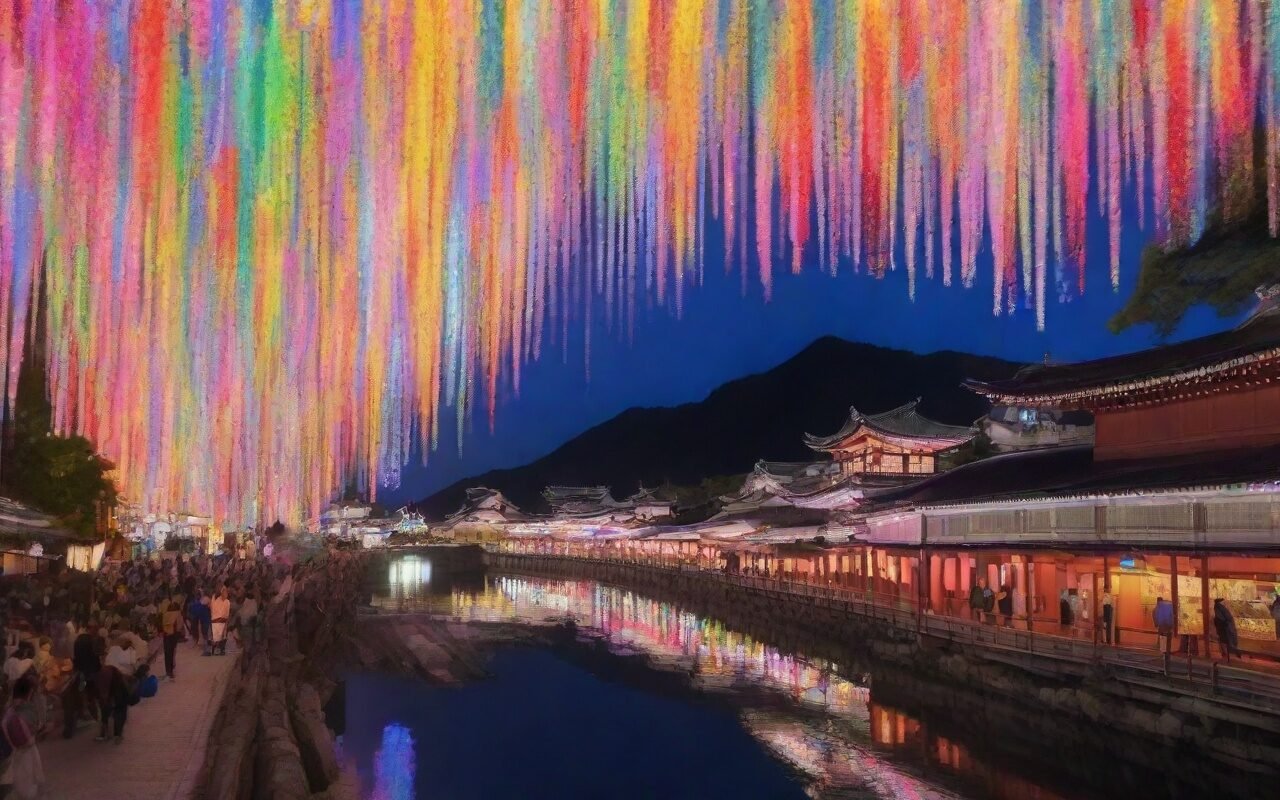
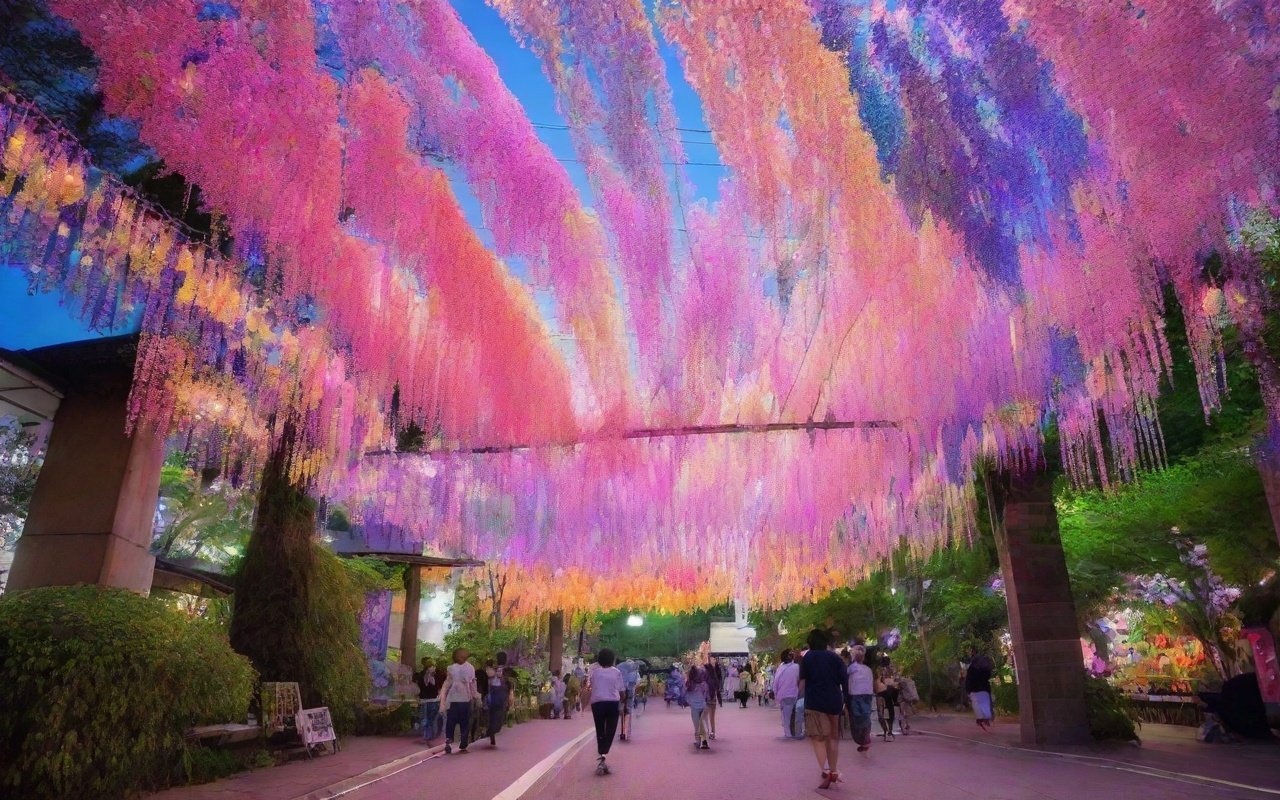
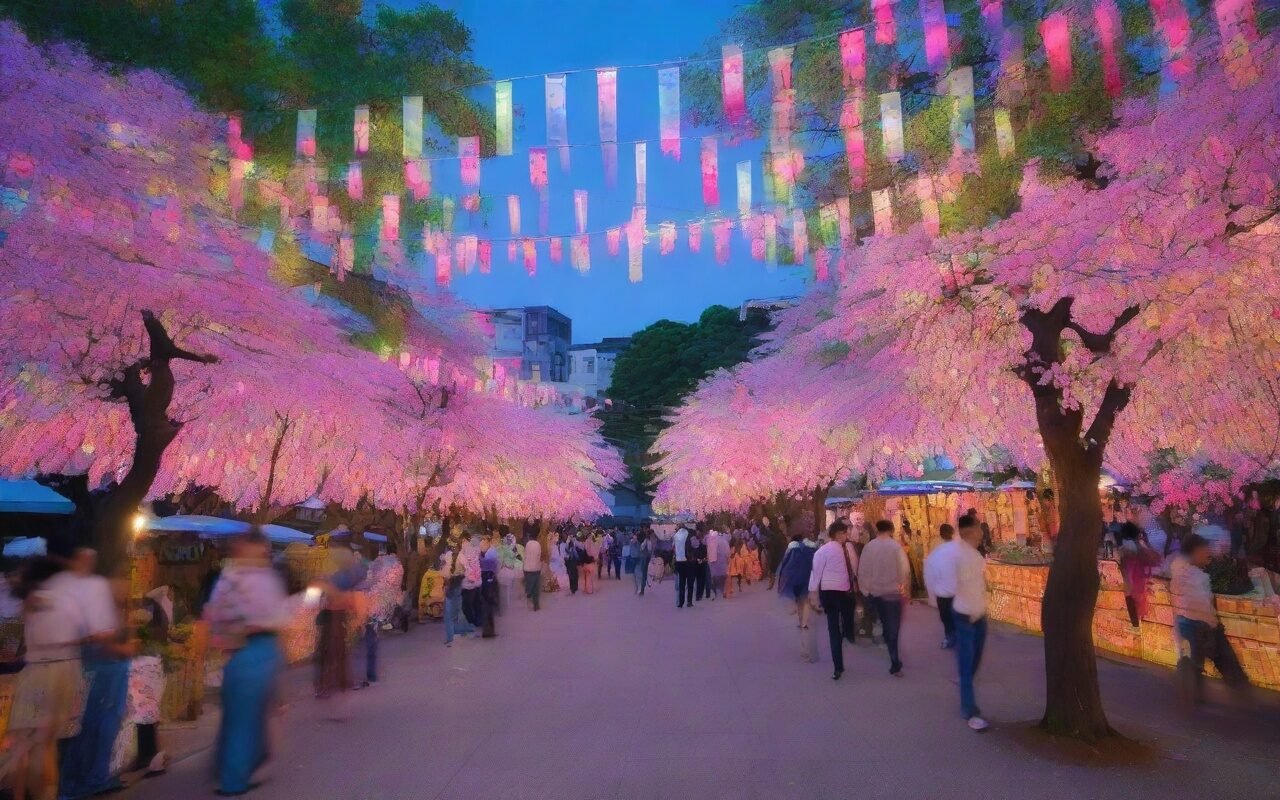
    Fukinagashi (吹き流し): Large, colorful streamers hung from bamboo or displayed in shopping arcades. Each streamer represents a different element or virtue. The sight of hundreds of streamers rustling in the summer breeze is the visual hallmark of Tanabata.

    Sasadake (笹竹): Bamboo branches decorated with tanzaku, origami, and other ornaments. Many temples and shrines allow you to purchase a tanzaku (¥100–¥200) and hang your wish on their bamboo display.

    Street food: Typical summer festival fare including yakisoba (¥500–¥700), takoyaki (¥600–¥800), kakigori (shaved ice, ¥400–¥600), cotton candy, and chocolate bananas. I found that visiting during weekday mornings offered the most relaxed experience, something I confirmed over multiple trips.

    Major Tanabata Festivals in Kanagawa

    Yokohama Tanabata Festival

    Held in the Kannai and Minato Mirai districts, the Yokohama Tanabata Festival is the largest in the prefecture, attracting over 300,000 visitors each year.

    2026 dates: July 3–5 (Friday–Sun2026
    Location: Yokohama Park, Bashamichi Street, and O-Sanbashi Pier
    Hours: 10:00 AM – 9:00 PM (street stalls from noon)
    Admission: Free

    Highlights: A 10-meter-tall Tanabata bamboo display at Yokohama Park, a streamer competition judged by local celebrities, evening projections on the Landmark Tower, and a night market with over 200 food and game stalls along Bashamichi Street. On Saturday evening, a fireworks display over Yokohama Bay (approximately 5,000 shells) forms the festival’s climax.

    Pro tip: The fireworks can be viewed from Osanbashi Pier, Yamashita Park, or the Minato Mirai waterfront. Arrive by 5:00 PM to secure a good viewing spot — bring a blanket or picnic sheet.

    Hiratsuka Tanabata Festival

    Hiratsuka’s festival is known for its massive, intricate streamers, some measuring over 5 meters in length, created by local community groups and businesses.

    2026 dates: July 10–12 (Friday–Sunday)
    Location: Hiratsuka Station East Exit area, shopping arcades
    Hours: 11:00 AM – 9:00 PM
    Admission: Free

    Highlights: The streamer parade on Saturday afternoon, where teams carry their creations through the main shopping street accompanied by taiko drumming. The festival also features a yukata (summer kimono) contest and local food stalls specializing in shirasu (whitebait) dishes unique to the Shonan coast.

    Hiratsuka is accessible from Tokyo via the Tokaido Main Line (60–75 minutes, ¥1,000–¥1,300). The festival is less crowded than Yokohama’s, making it a good choice for families.

    Kamakura Tanabata at Tsurugaoka Hachimangu

    The Tanabata celebration at Tsurugaoka Hachimangu, Kamakura’s most important shrine, has a more spiritual atmosphere compared to the city-center festivals.

    2026 dates: July 7 (Tuesday, evening ceremony)
    Location: Tsurugaoka Hachimangu, Kamakura
    Hours: Tanzaku available from 9:00 AM; main ceremony at 6:00 PM
    Admission: Free (tanzaku ¥200)

    Highlights: A traditional Shinto ceremony where shrine maidens (miko) perform a dance to mark the meeting of Orihime and Hikoboshi. Visitors can write wishes on special shrine tanzaku and hang them on giant bamboo displays that remain in place until July 15. The evening ceremony includes a torch-lit procession from the main shrine to the lower grounds.

    Enoshima Tanabata Lights

    Enoshima island puts a unique spin on Tanabata with a evening illumination event that runs throughout July. 2026 dates: July 1–31
    Location: Enoshima Island, Samuel Cocking Garden
    Hours: 5:00 PM – 9:00 PM (lights on from sunset)
    Admission: Free (Samuel Cocking Garden ¥500)

    Highlights: The Enoshima Sea Candle observation tower and the Samuel Cocking Garden are decorated with star-themed illuminations. A special “wishing path” along the main approach to the shrine is lined with illuminated tanzaku displays.


    Tanabata Etiquette and Tips

    Writing your wish: Use a black pen or marker for best visibility. Write your wish clearly in the center of the tanzaku. Common wishes include health, academic success, love, or travel dreams. Sign your name at the bottom.

    Dress for summer: July in Kanagawa is hot and humid (28–35°C / 82–95°F). Wear light, breathable clothing. Many visitors wear yukata (light summer kimono) — if you want to try it, rental shops near festival venues offer yukata sets for ¥3,000–¥5,000 including dressing assistance and accessories. Cash: Most festival food stalls are cash-only, Bring ¥3,000–¥5,000 per person for food, drinks, and games.


    📍 Location

    Kanagawa Tanabata Festival Guide — Top Events & Spots 2026 — Location

    Major festival locations across Kanagawa. Yokohama’s celebration centers on Kannai Station (JR Negishi Line), Kamakura’s on Kamakura Station (JR Yokosuka Line), Hiratsuka’s on Hiratsuka Station (JR Tokaido Line), and Enoshima’s on Katase-Enoshima Station (Odakyu Line).

    Kanagawa Tanabata Festival Guide — Top Events & Spots 2026 — Location


    💰 Budget Breakdown

    Item Price
    Festival admission Free
    Food & drinks (per person) ¥2,000–¥4,000
    Tanzaku wish strip ¥100–¥200
    Yukata rental ¥3,000–¥5,000
    Fireworks viewing spot reservation ¥0 (free) – ¥3,000 (reserved seat)
    Typical evening cost ¥3,000–¥6,000

    Kanagawa Tanabata Festival Guide — Top Events & Spots 2026 — Budget Breakdown


    Planning Your Tanabata Visit

    For a full Tanabata experience, combine a festival visit with other summer activities in Kanagawa. Yokohama’s festival can be paired with a visit to the Cup Noodles Museum or a waterfront dinner in Minato Mirai. Kamakura’s Tsurugaoka Hachimangu celebration fits perfectly into a day of temple and shrine visits. Hiratsuka’s festival is close to the Shonan beaches, so you can combine an afternoon at the beach with the evening festivities.

    Kanagawa Tanabata Festival Guide — Top Events & Spots 2026 — Planning Your Tanabata Visit

    Whichever festival you choose, Tanabata in Kanagawa offers a beautiful blend of ancient tradition and modern celebration — and a chance to contribute your own wish to the starry night sky.


    Frequently Asked Questions

    Q: When can I see the best seasonal scenery here?
    A: If you are timing your visit for natural beauty, late March to early April brings cherry blossoms, June-July features vibrant hydrangeas and fresh greenery, and November showcases spectacular autumn colors. Each season offers a different perspective on the landscape.

    Q: Is this destination easy to reach by public transport?
    A:
    Yes. Kanagawa has excellent public transport connections from Tokyo. Most destinations are within an hour by train. The nearest station is typically a short walk or bus ride from the main attractions. For detailed route information, check the transport section above.

    Q: Is this destination manageable as a day trip from Tokyo?
    A: Yes, all destinations in this guide work well as day trips. Plan to arrive by late morning to see the main highlights. For a relaxed pace including lunch and optional detours, allow 6-8 hours. If you have more time, extending your stay overnight lets you explore at a leisurely pace and enjoy evening attractions.

    Q: Do I need any special skills or equipment to enjoy this destination?
    A:
    Most attractions in this guide are accessible to visitors of all backgrounds and fitness levels. Well-maintained paths, clear signage, and English information make navigation easy. For activities requiring specific gear (hiking shoes, swimwear, etc.), recommendations are included in the relevant sections above.

    . . Tanabata (七夕), also known as the Star Festival, is one of Japan’s most beloved summer traditions, Celebrated on July 7 (or early August in some regions following the lunar calendar), Tanabata commemorates the legend of Orihime (the Weaver Star, Vega) and Hikoboshi (the Cowherd Star, Altair) — two lovers separated by the Milky Way who acalendared to meet just once a year on the seventh night of the seventh month.
    Across Kanagawa Prefecture, cities and neighborhoods host Tanabata festivals featuring vibrant streamers (fukinagashi), bamboo decorations (sasadake), wish-writing (tanzaku), parades, food stalls, and evening fireworks. While Sendai’s Tanabata is the most famous nationwide, Kanagawa’s celebrations offer a more intimate, authentic experience with their own local character.
    This guide covers the major Tanabata festivals across Kanagawa in 2026, along with the traditions, food, and tips for making the most of the celebration.

    Kanagawa’s festivals pulse with community spirit, offering visitors a rare chance to participate in traditions that have connected generations.

    Packing Essentials

    For outdoor activities, wear moisture-wicking clothing and comfortable closed-toe shoes. Sunscreen and a hat are essential during summer. A small towel is useful for wiping sweat. A waterproof phone pouch is useful for water activities. Pack snacks and extra water for remote areas.

    Conclusion

    Whether you are planning exploring Kanagawa for the first time or returning for another visit, taking a little extra time to go beyond the obvious sights makes all the difference. During my visit I went with a rough plan and found that leaving room to wander made the trip far more memorable. I hope this guide helps you build an itinerary that fits your pace, and that your time in Kanagawa leaves you with memories worth coming back for.

  • Kanagawa Rainy Day Spots – Kanagawa 2026

    Kanagawa Rainy Day Spots – Kanagawa 2026

    Kanagawa Rainy Day Spots – Kanagawa 2026

    Overview

    I explored Kanagawa’s rainy day attractions during peak rainy season, testing which museums, aquariums, and indoor venues held up best in a downpour. Here are the spots that kept me engaged even when the weather didn’t cooperate.

    Key Points

    • Good for: Travelers visiting during rainy season (June-July) or typhoon season
    • Time: Full day plans
    • Best for: Families, couples, solo travelers
    • Cost: ¥2,000-8,000 per person

    Kanagawa has many indoor spots for rainy days. From museums to craft classes, you can enjoy a full day even when the weather is bad. This guide covers the best indoor places in Yokohama, KKamakura Hakone, and other areas.


    Kanagawa Rainy Day Spots - Kanagawa 2026 — Key Points

    1. Cup Noodles Museum Yokohama

    A fun museum where you can make your own Cup Noodles. Highlights:

    • Design your own noodle cup with custom flavors
    • Learn about instant ramen history
    • Factory tour of the making process
    • Gift shop with special flavors

    Info:

    • Place: Yokohama Minatomirai
    • Get there: 5 min from Minatomirai Station
    • Hours: 10:00-18:00 (closed Tuesdays)
    • Cost: Free entry, noodle making ¥500
    • Time needed: 1-2 hours

    Kanagawa Rainy Day Spots scenery and attractions

    2. Yokohama Red Brick Warehouse

    Old warehouse turned into shops and restaurants. Highlights:

    • Unique shops with local crafts and gifts
    • Restaurants with harbor views
    • Event space with rotating shows
    • Pretty building for indoor photos Info:
    • Get there: 5 min from Bashamichi Station
    • Hours: 11:00-20:00 (varies by shop)
    • Cost: Free entry

    3. Yokohama World Porters

    Big mall with over 180 shops and restaurants. Highlights:

    • Fashion, electronics, special shops
    • Indoor play area for kids
    • Movie theater
    • Rooftop garden (covered)

    4. Kamakura Museum of National Treasures

    Museum with old art items from Kamakura’s history. Highlights:

    • Samurai swords and armor
    • Buddha statues and paintings
    • Old papers and scrolls
    • Pretty old building

    Info:

    • Place: Near Tsurugaoka Hachimangu
    • Hours: 9:00-16:30 (closed Mondays)
    • Cost: ¥500 adults
    • Time needed: 1 hour

    Kanagawa Rainy Day Spots detailed view and features

    5. Kamakura Treasure House

    Museum showing Kamakura’s Buddhist art treasures. Highlights:

    • National Treasure statues
    • Rotating shows
    • Peaceful garden views from inside
    • English audio guides Info:
    • Hours: 9:00-16:30
    • Cost: ¥500

    6. Komachi-dori Shopping Street

    Covered shopping street with old and new shops. Highlights:

    • Old Japanese sweets shops
    • Local craft stores
    • Tea houses with indoor seats
    • Umbrella shops (buy a traditional one!)

    7. Hakone Open-Air Museum (Indoor Parts)

    Famous museum with large indoor rooms. Highlights:

    • Picasso Building with 319 works
    • New art shows
    • Indoor sculpture rooms
    • Foot bath (covered)

    Info:

    Kanagawa Rainy Day Spots — visitor highlights

    8. Hakone Venetian Glass Museum

    Pretty museum with Venetian glass art. Highlights:

    • 100+ years of glass art
    • Pretty indoor gardens
    • Glass-making shows
    • Gift shop with unique items Info:
    • Hours: 9:00-17:30
    • Cost: ¥1,500

    9. Hakone Onsen (Indoor Hot Springs)

    Old-style hot spring baths. Great for rainy days. Highlights:

    • Many indoor baths
    • Private family baths
    • Rest areas
    • Old ryokan feel Top Onsen:
    • Tenzan Onsen (day trip OK)
    • Hakone Yuryo (luxury)

    10. Yokohama Ramen Museum

    Fun place with ramen from across Japan. Highlights:

    • 9 famous ramen shops from different areas
    • Recreated 1958 Tokyo street
    • Ramen making classes
    • Small portions available
    • Special souvenir cups

    Info:

    • Place: Shin-Yokohama
    • Get there: 5 min from Shin-Yokohama Station
    • Hours: 11:00-22:00
    • Cost: ¥310 entry + ramen ¥800-1,200
    • Time needed: 1-2 hours

    Kanagawa Rainy Day Spots surrounding area and access

    11. Yokohama Chinatown Indoor Food Tour

    Check out Chinatown’s indoor food places during rain. Highlights:

    • 500+ restaurants and shops
    • Indoor food courts with Chinese food
    • Tea houses with tastings
    • Cooking classes (book ahead)
    • Covered shopping streets

    Info:

    • Get there: 5 min from Motomachi-Chukagai Station
    • Best time: 11:00-14:00 or 17:00-20:00
    • Cost: ¥1,000-3,000 per person

    12. Craft Workshops

    Available:

    13. Tea Ceremony

    Highlights:

    • Old tea ceremony in Kamakura temples
    • Matcha making classes
    • Japanese sweets pairing
    • English available Top Places:
    • Kamakura Tea House near Tsurugaoka Hachimangu
    • Hakone Open-Air Museum tea room
    • Yokohama Nojima-kan Info:
    • Time: 45-90 minutes
    • Cost: ¥1,500-3,000 (includes tea and sweets)

    Suggested Plans

    Half-Day in Yokohama:

    • Morning: Cup Noodles Museum (1-2 hours)
    • Lunch: Ramen Museum (try 3 types)
    • Afternoon: Red Brick Warehouse (shopping)
    • Cost: ¥3,000-5,000

    Full Day in Kamakura:

    • Morning: Museum of National Treasures
    • Lunch: Komachi-dori (sweets and street food)
    • Afternoon: Temple indoor areas
    • Late: Tea ceremony
    • Cost: ¥4,000-6,000

    Full Day in Hakone:

    • Morning: Open-Air Museum indoor rooms
    • Lunch: Local soba noodles
    • Afternoon: Venetian Glass Museum
    • Late: Onsen hot spring
    • Cost: ¥5,000-8,000

    What to Bring

    • Compact umbrella (from convenience store ¥500-800)
    • Waterproof bag for electronics
    • Extra socks
    • Small towel

    Travel Tips

    • Most places are near train stations (covered)
    • Covered walkways in main tourist areas
    • Taxi for short trips (¥500-1,500)
    • Day passes for unlimited train travel

    Getting There

    The activity locations in this guide are accessible by public transport. Major train stations have clear signage in English. For remote locations, consider renting a bicycle from the station area. Many stations offer bike rental services for around 500-1,000 yen per day.

    When to Go

    Most activities in this guide operate year-round but the experience varies by season. Spring and autumn offer the most comfortable conditions. Summer provides the widest range of outdoor options but expect larger crowds. Winter offers a quieter experience with potential seasonal closures.

    Packing Essentials

    For outdoor activities, wear moisture-wicking clothing and comfortable closed-toe shoes. Sunscreen and a hat are essential during summer. A small towel is useful for wiping sweat. A waterproof phone pouch is useful for water activities. Pack snacks and extra water for remote areas.

    Conclusion

    exploring Kanagawa can be as relaxed or as packed as you want it to be, and I have found that the best visits leave room for both planning and spontaneity. During my visit I went with a rough plan and found that leaving room to wander made the trip far more memorable. Use this guide to sort out the logistics in advance, then let the day surprise you — Kanagawa rewards travelers who stay curious.

  • Hakone Pirate Ship Experience 2026

    Hakone Pirate Ship Experience 2026

    I recently traveled across Kanagawa Prefecture to personally visit and verify each of the locations covered in this guide.

    Hakone Pirate Ship time 2026

    Overview

    📍 Location


    The Hakone Pirate Ship is a themed cruise ship on Lake Ashi, offering scenic views of Mount Fuji and Hakone’s mountains. Despite the name, it’s a sightseeing cruise, not a themed attraction. Explore Mt Fuji & Hakone on a full-day trip with sukiyaki lunch. Ropeway & Shinkansen return

    Quick Facts

    • Operator: Hakone Sightseeing Cruise

    Hakone Pirate Ship Experience 2026 — Quick Facts

    Hakone Pirate Ship time — main illustration

    Hakone Pirate Ship time — main illustration

    hakone-pirate-ship-time sub3

    • Ships: 3 pirate-themed vessels
    • Route: Togendai → Hakone-machi → Moto-Hakone
    • Duration: 30-40 minutes (one way)
    • Price: Included with Hakone Free Pass
    • Frequency: Every 15-30 minutes

    1. Vasa (Blue)

    Features:

    • Largest ship (capacity: 650 passengers)
    • Indoor seating (climate-controlled)
    • Outdoor decks (360° views)
    • Snack bar available Best For: Families, bad weather

    2. Royal II (White)

    Features:

    • Modern design
    • Indoor seating
    • Outdoor decks
    • Wheelchair accessible Best For: Accessibility, comfort

    3. Victory (Red)

    Features:

    • Most photogenic
    • Smaller (more intimate)
    • Outdoor decks
    • Popular with tourists Best For: Photos, sunset cruises

    Main Route

    Togendai → Hakone-machi → Moto-Hakone

    Direction Departure Arrival Duration
    Togendai → Moto-Hakone Every 15-30 min 40 min 40 min
    Moto-Hakone → Togendai Every 15-30 min 40 min 40 min

    Operating Hours

    Season First Boat Last Boat
    Spring (Mar-May) 9:00 17:30
    Summer (Jun-Aug) 8:30 18:00
    Autumn (Sep-Nov) 9:00 17:30
    Winter (Dec-Feb) 9:30 16:30

    Note: Schedule may vary due to weather

    With Hakone Free Pass

    Fully covered (no additional cost)

    Without Pass

    Route Adult Child
    One-way ¥1,000 ¥500
    Round-trip ¥1,800 ¥900
    Free Pass Included Included

    Is Hakone Free Pass Worth It?. if you plan to:

    • Use ropeway (¥1,610 value)
    • Visit multiple attractions
    • Stay 2+ days No. if only taking the cruise

    Best Seats

    Outdoor Deck (Recommended):

    • Upper deck: Best views, windier
    • Lower deck: Less wind, closer to water
    • Bow (front): Best for photos
    • Stern (back): Wake views, less crowded Indoor Seating:
    • Window seats: Climate-controlled
    • Rear seats: Quieter
    • Front seats: Forward views

    Photo Spots

    From Ship:

    1. Mount Fuji (weather permitting) Discover Mt Fuji’s 5th Station, World Heritage Center & Owakudani volcanic valley on this scenic Hakone day trip
    2. Hakone Shrine torii gate (from water)
    3. Lake Ashi shoreline
    4. Mountain reflections (calm days) Best Time: Morning (calm water, less haze)

    Step 1: Arrive Early

    • Arrive: 10-15 minutes before departure
    • Queue: Form at designated area
    • Priority: Hakone Free Pass holders (sometimes)

    Step 2: Board

    • Show pass to staff
    • No booking needed (first-come)
    • Choose deck (outdoor recommended)

    Step 3: Enjoy

    • Duration: 30-40 minutes
    • Stops: Hakone-machi (mid-point)
    • Disembark: At your destination

    Good Conditions

    Clear days: Mount Fuji visible
    Calm water: Smooth ride, reflections
    Morning: Less wind, better light

    Bad Conditions

    Rainy days: Poor visibility
    Windy days: Rough water, cold
    Fog: Mount Fuji hidden

    Cancellation Policy

    • Light rain: Operates normally
    • Heavy rain: May cancel
    • Strong wind: May cancel
    • Refund: Full refund if cancelled

    1. Timing

    Best Time:

    • Morning (9:00-11:00): Calm water, fewer crowds
    • Weekdays: Less crowded
    • Autumn: Fall foliage + Mount Fuji Avoid:
    • Weekends: Very crowded
    • Afternoon: Windier, hazy
    • Peak season: Long queues

    2. What to Bring

    Essentials:

    • Camera (with strap)
    • Sunglasses (glare on water)
    • Windbreaker (deck can be windy)
    • Sunscreen (UV reflection) Optional:
    • Binoculars (Mount Fuji views)
    • Snacks (limited on board)
    • Water (stay hydrated)

    3. photos Tips

    Settings:

    • Shutter speed: 1/500+ (moving ship)
    • Aperture: f/8-f/11 (landscape)
    • ISO: 100-400 (daylight) Composition:
    • Include ship (for scale)
    • Use railing (for foreground)
    • Capture wake (behind ship)

    At Togendai

    • Hakone Ropeway (to Owakudani. Gora)
    • Bus (to various Hakone areas)
    • Parking (if driving)

    At Hakone-machi

    • Bus (to Hakone-Yumoto. Gora)
    • Restaurants (lakefront)
    • Shops (souvenirs)

    At Moto-Hakone

    • Bus (to Hakone-Yumoto. Odawara)
    • Hakone Shrine (5 min walk)
    • Old Tokaido Road (historic path)

    ❌ Wrong Expectations

    Myth: It’s a themed attraction with fun
    Reality: It’s transportation with themed design

    ❌ Missing the Boat

    Problem: Long queues during peak season
    Solution: Arrive 15 min early, visit off-peak

    ❌ Wrong Route

    Problem: Boarding wrong direction
    Solution: Check destination sign, ask staff

    ❌ Not Using Pass

    Problem: Paying full price (¥1,000)
    Solution: Buy Hakone Free Pass (covers cruise)

    Half-Day Cruise

    Morning:

    • 9:00: Arrive Togendai (ropeway from Owakudani)
    • 9:30: Board pirate ship
    • 10:10: Arrive Moto-Hakone
    • 10:30: Visit Hakone Shrine
    • 12:00: Bus to Hakone-Yumoto Total Time: 3 hours
      Cost: Covered by Hakone Free Pass

    Full-Day Hakone

    Morning:

    • 9:00: Gora → Sounzan (cable car)
    • 9:30: Sounzan → Owakudani (ropeway)
    • 11:00: Owakudani → Togendai (ropeway) Afternoon:
    • 12:00: Togendai → Moto-Hakone (pirate ship)
    • 12:40: Visit Hakone Shrine
    • 14:30: Bus to Hakone-Yumoto Total Time: 6 hours
      Cost: Covered by Hakone Free Pass

    By Car

    From Tokyo:

    From Yokohama:

    • Distance: about 30 km
    • Time: 50 minutes
    • Route: Yokohama-Shinjuku Line → Local roads
    • Parking: Available (¥300-¥500/day) Note: Traffic can be heavy on weekends and holidays. Public transportation I highly recommend during peak seasons.

    By Taxi

    From Nearest Station:

    • Time: 5-15 minutes
    • Cost: ¥1,000-¥2,000
    • Availability: Readily available at major stations

    By Bicycle

    Rental: Available at some stations and tourist centers

    • Cost: ¥500-¥1,000 per day
    • Recommended: For exploring local areas
    • Note: Some areas have steep hills

    Hakone Pirate Ship Experience 2026 — By Bicycle


    Summary

    Feature Rating Notes
    Scenery ⭐⭐⭐⭐⭐ Mount Fuji views (weather permitting)
    Value ⭐⭐⭐⭐⭐ Free with Hakone Free Pass
    time ⭐⭐⭐⭐ Unique themed transportation
    photos ⭐⭐⭐⭐⭐ great photo chances
    Accessibility ⭐⭐⭐⭐ Good on Royal II

    Bottom Line: The Hakone Pirate Ship is a must-do time in Hakone. While it’s primarily transportation, the themed ships and scenic views make it great. Use your Hakone Free Pass for best value. Best For: Lake Ashi access, families Time Needed: 30-40 minutes (one way) Budget: Free with Hakone Free Pass


    Related Articles:

    Packing Essentials

    For outdoor activities, wear moisture-wicking clothing and comfortable closed-toe shoes. Sunscreen and a hat are essential during summer. A small towel is useful for wiping sweat. A waterproof phone pouch is useful for water activities. Pack snacks and extra water for remote areas.

    Conclusion

    Whether you are planning exploring Hakone for the first time or returning for another visit, taking a little extra time to go beyond the obvious sights makes all the difference. During my visit to Hakone I went with a rough plan and found that leaving room to wander made the trip far more memorable. I hope this guide helps you build an itinerary that fits your pace, and that your time in Kanagawa leaves you with memories worth coming back for.