Tag: planning

  • Rental Car Guide – Kanagawa 2026

    Rental Car Guide – Kanagawa 2026

    Rental Car Guide – Kanagawa 2026

    Overview

    📍 spot

    • International Driving Permit (IDP) needed
    • Book in advance (mostly weekends)
    • Left-hand traffic (same as UK. Australia)
    • Expensive parking (¥300-600/hour in cities)
    • ETC card recommended (highway tolls)

    I found that visiting during weekday mornings offered the most relaxed time, something I confirmed over multiple trips. —

    Introduction: Car Rental in Kanagawa
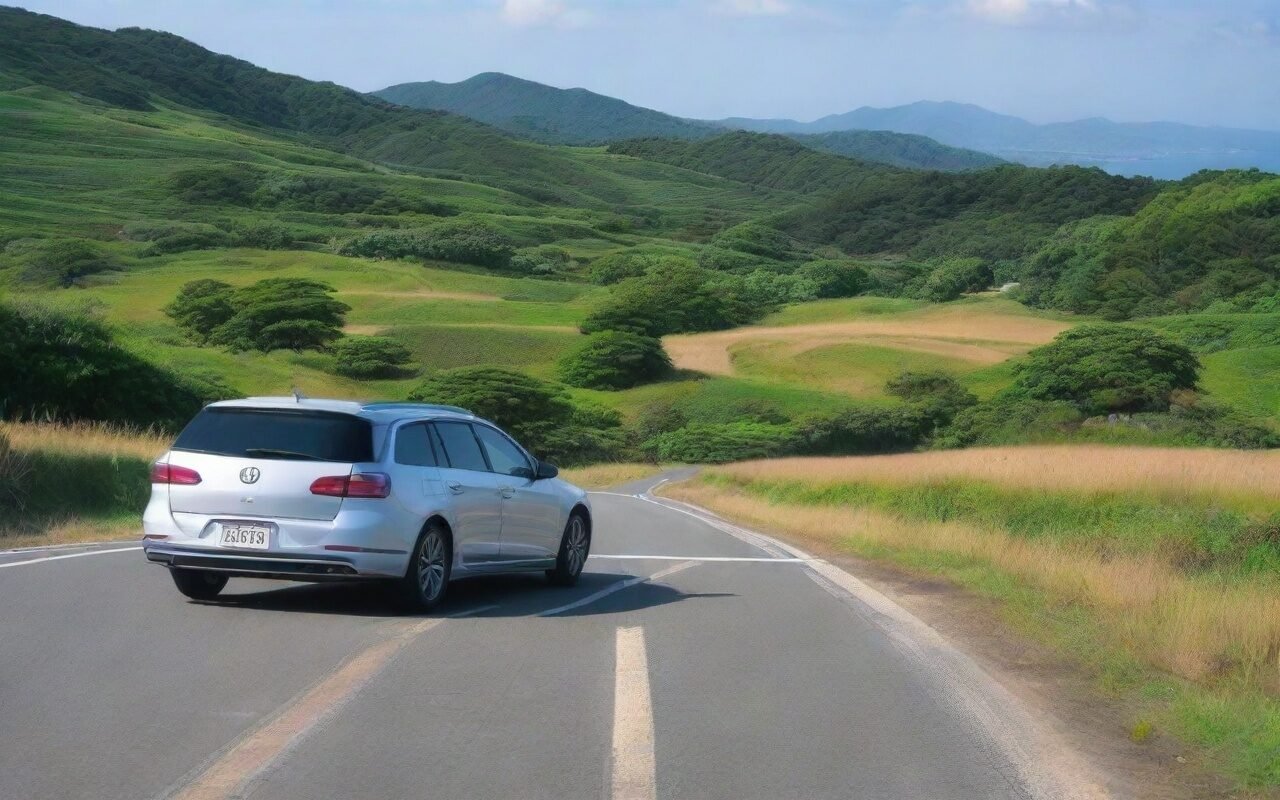
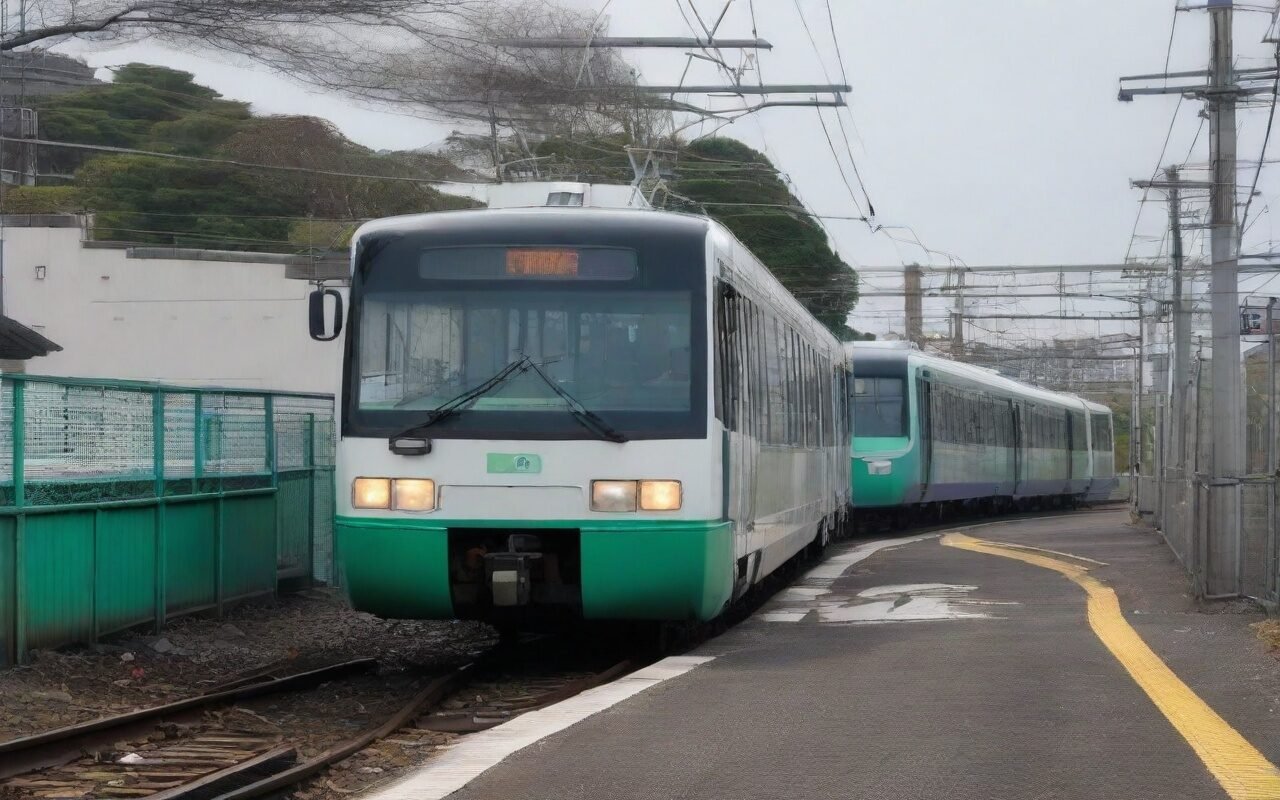
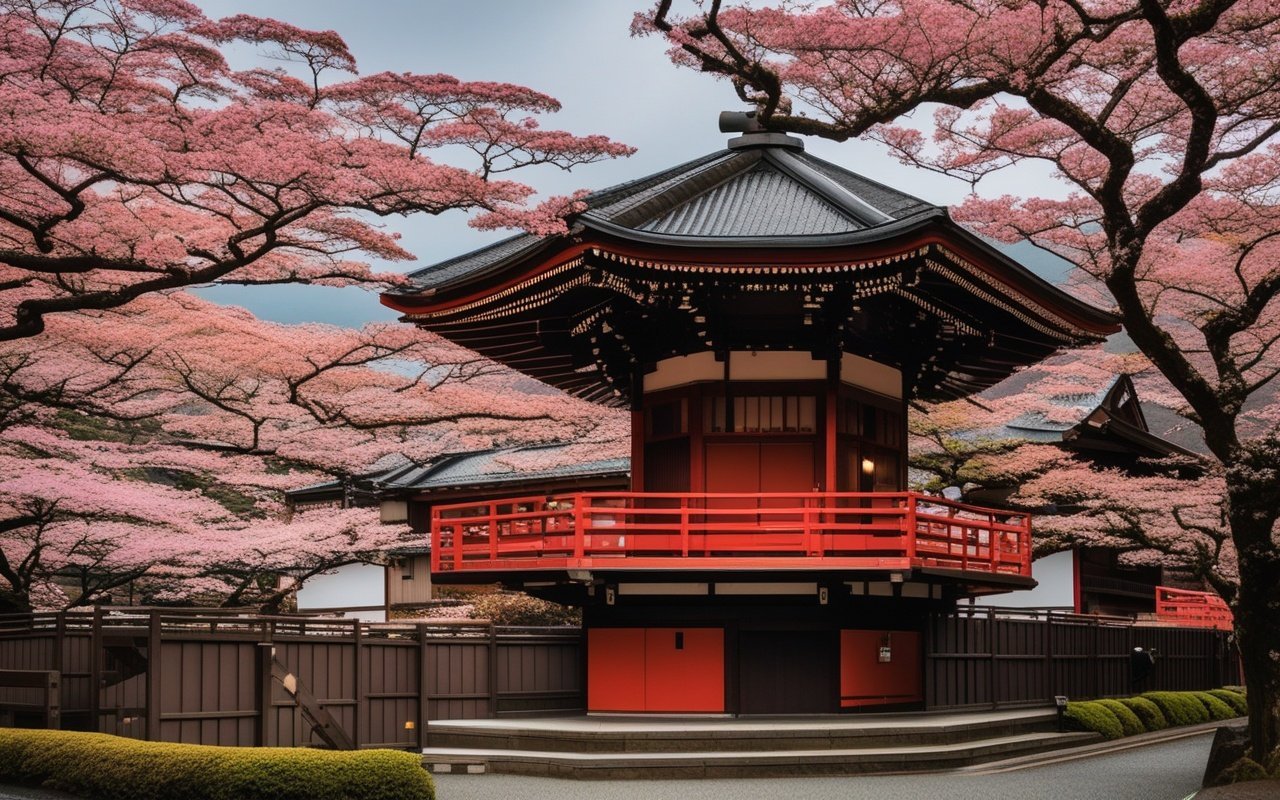
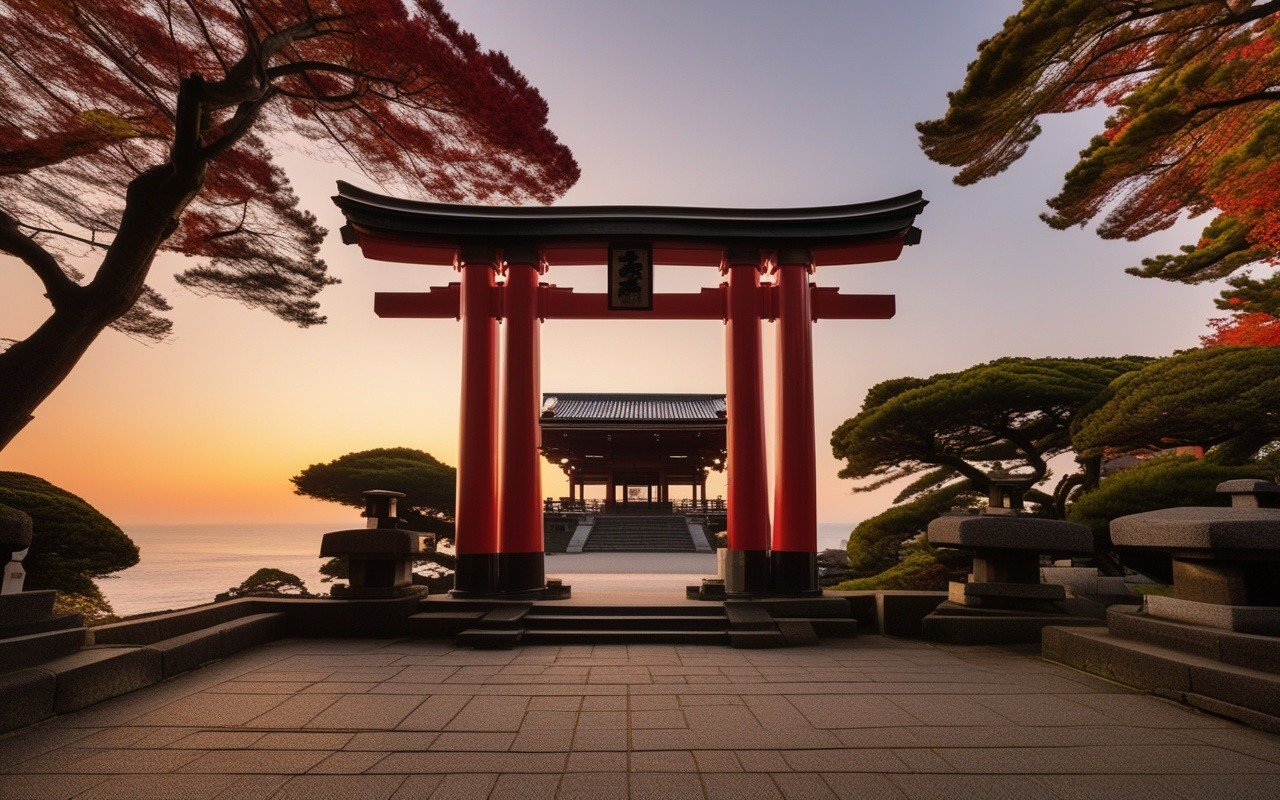
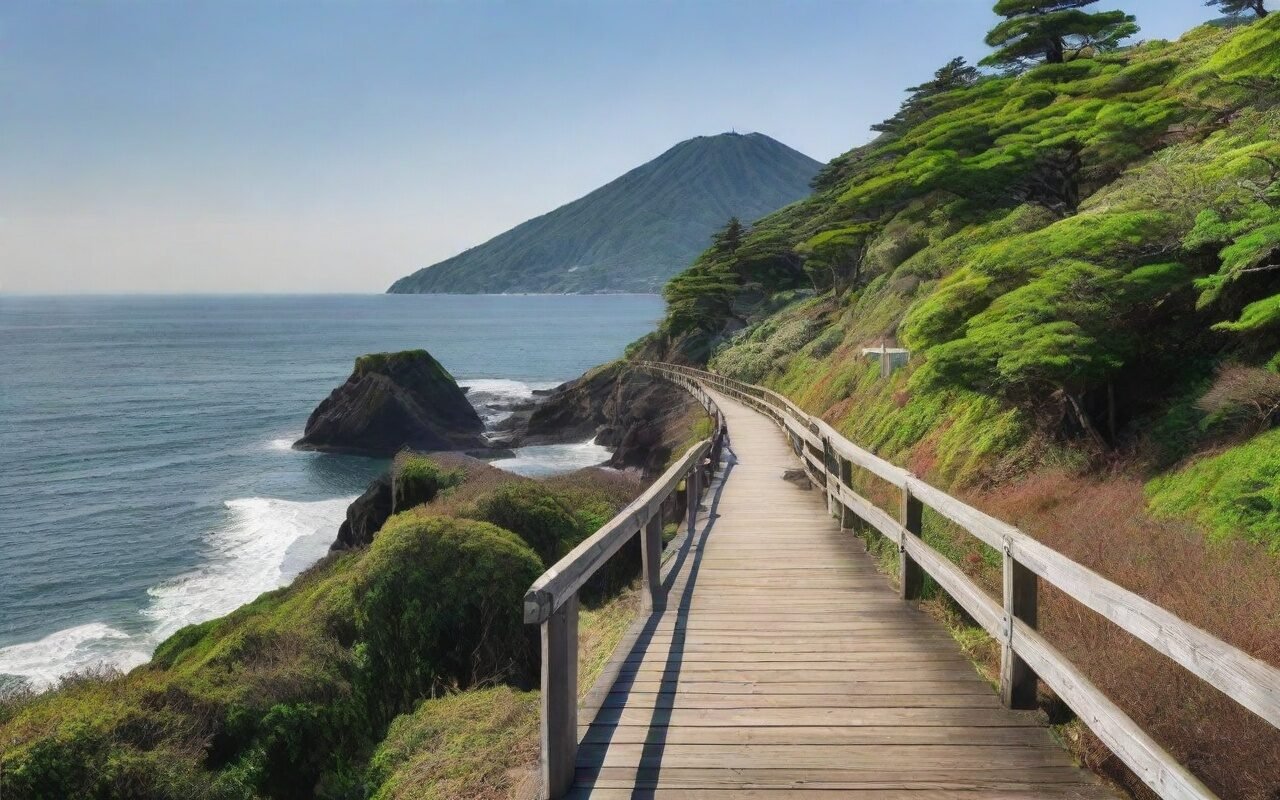
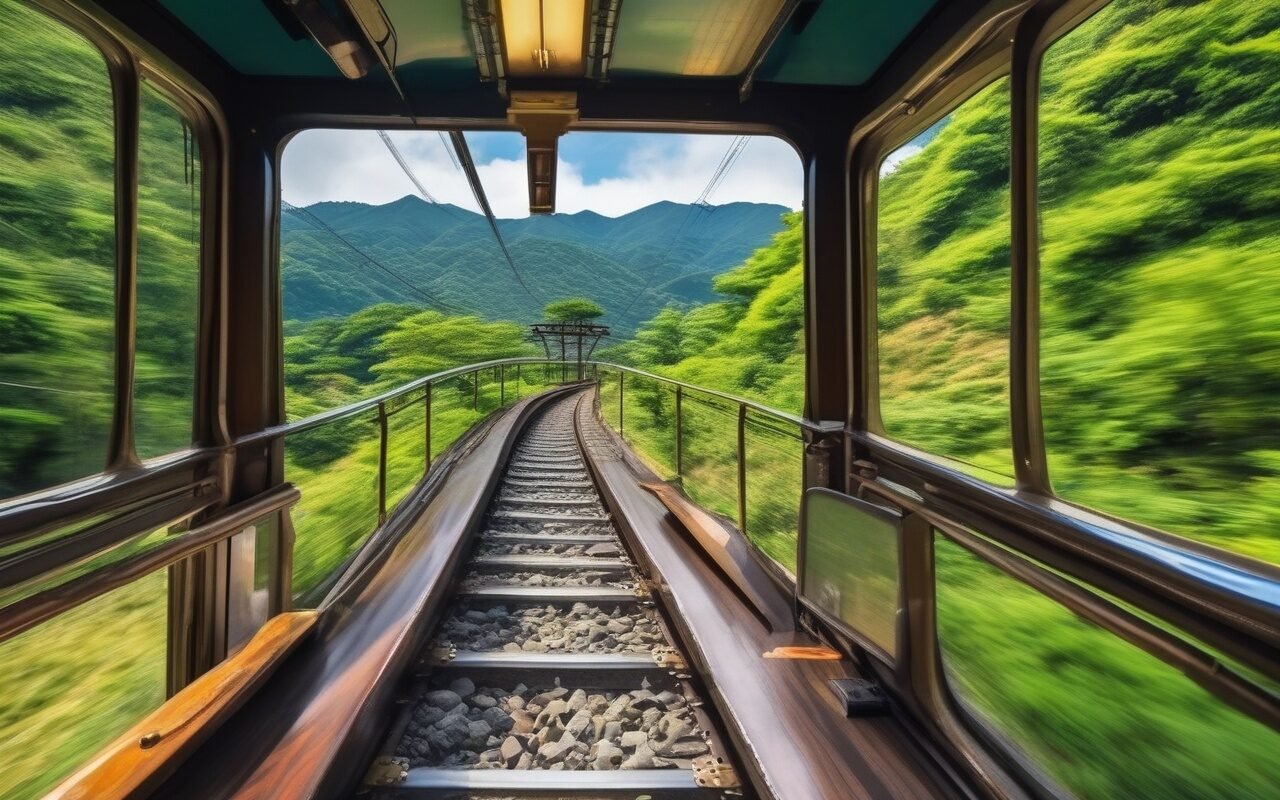
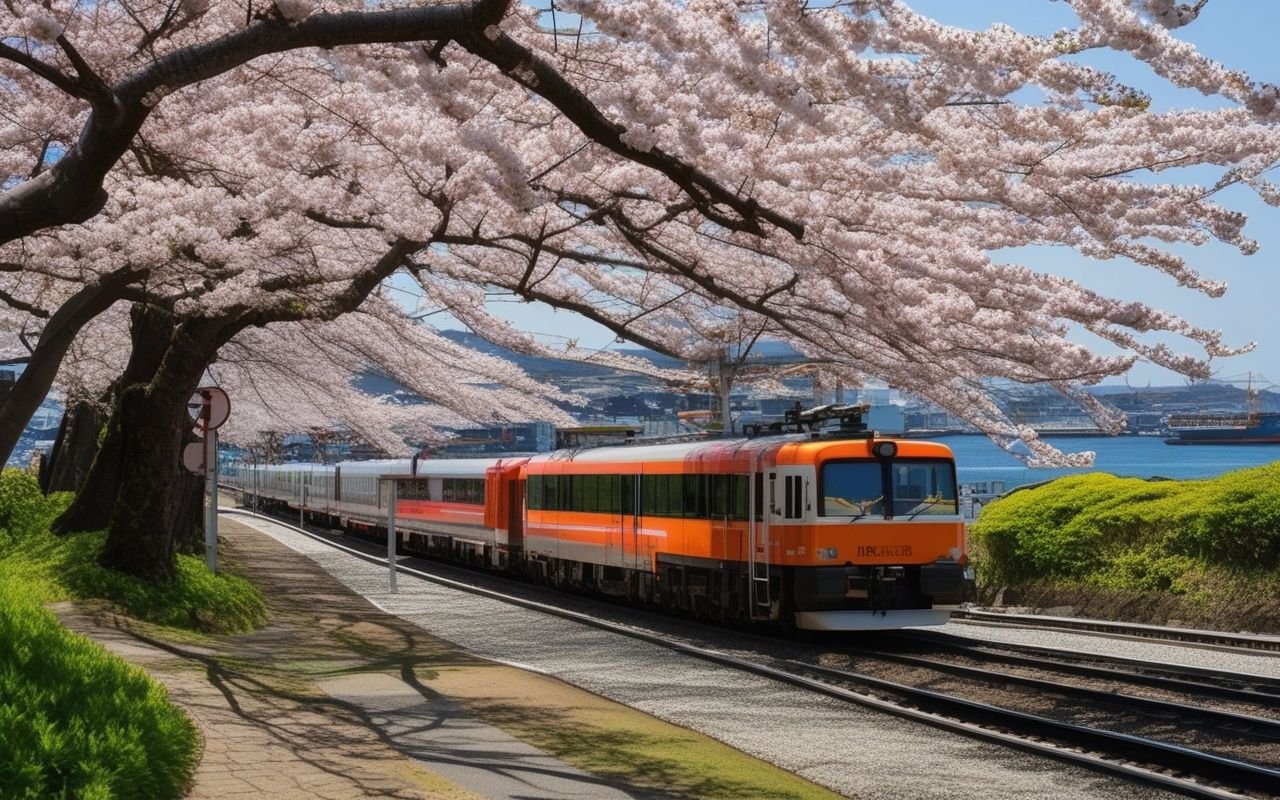
    Rental Car Guide — main illustration

    Rental Car Guide - Kanagawa 2026 — Introduction: Car Rental in Kanagawa
    If you’re renting a car, check the Kanagawa parking guide for parking options.
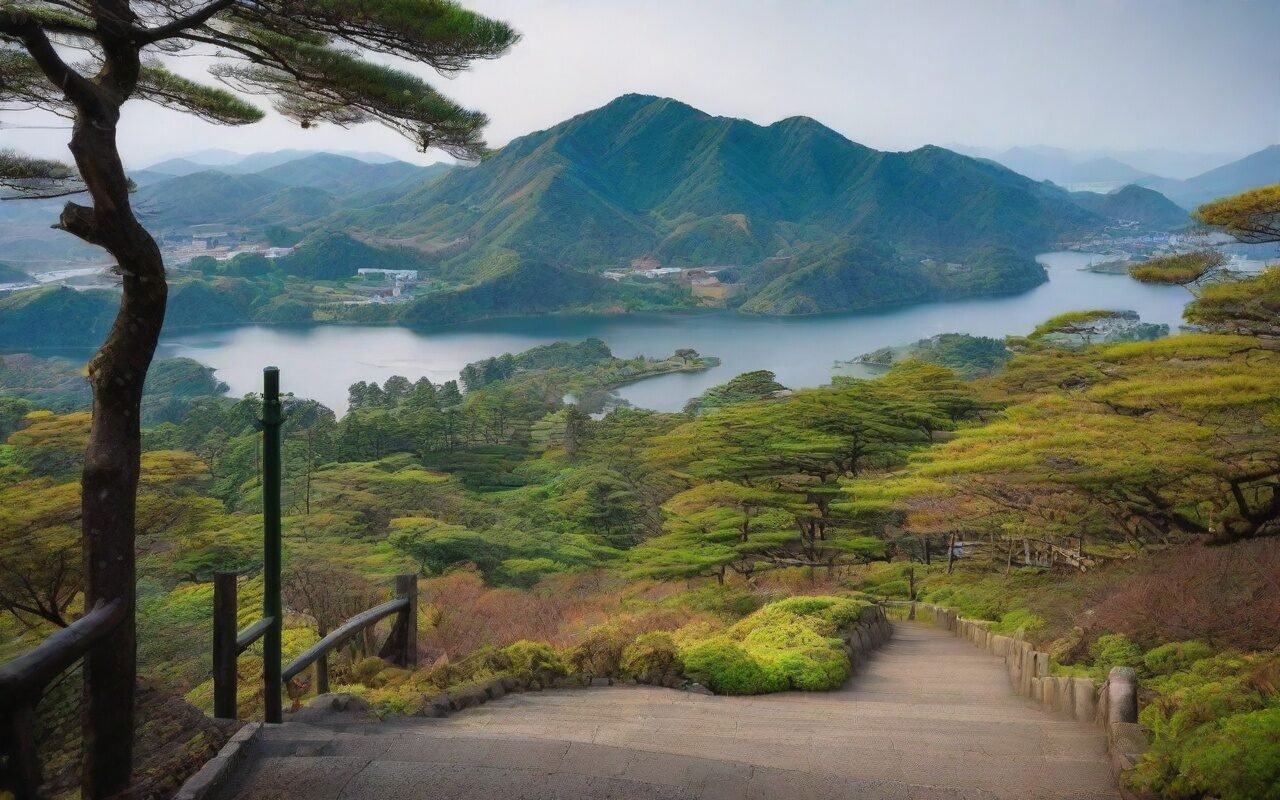
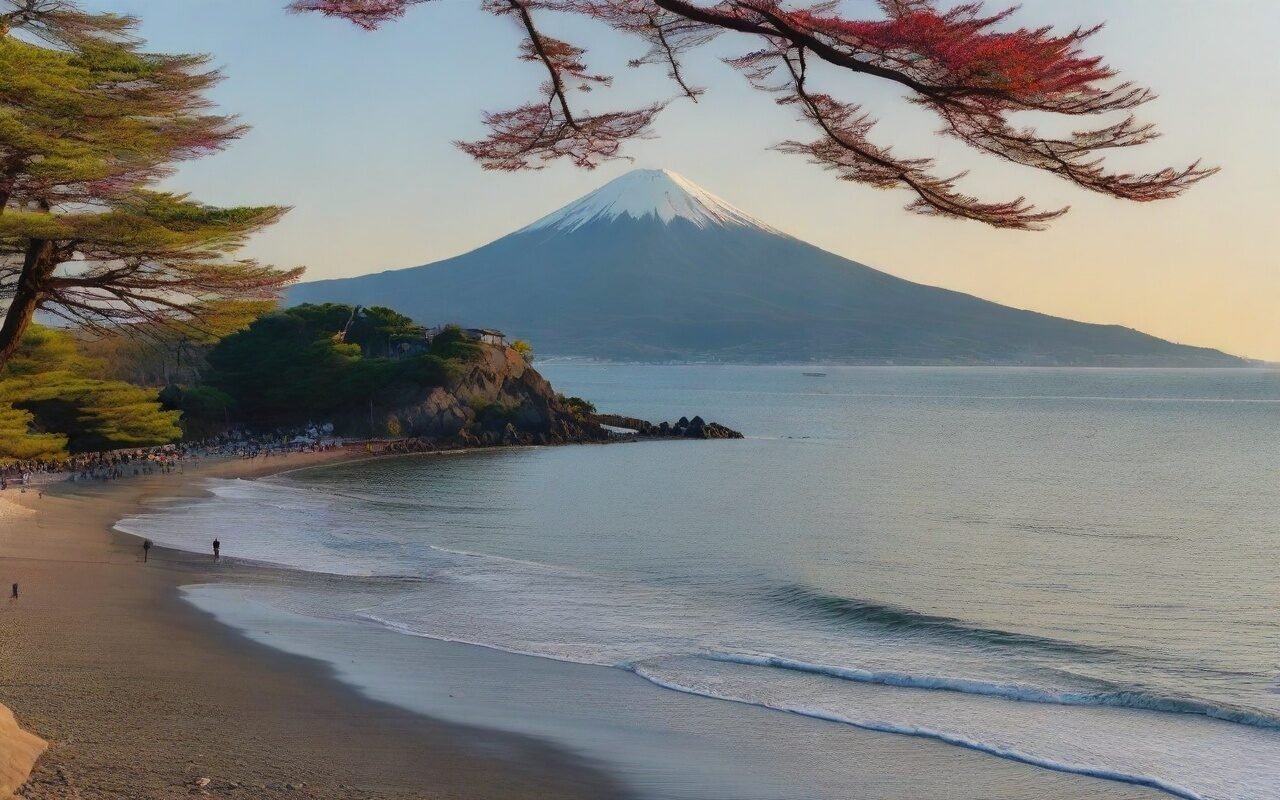
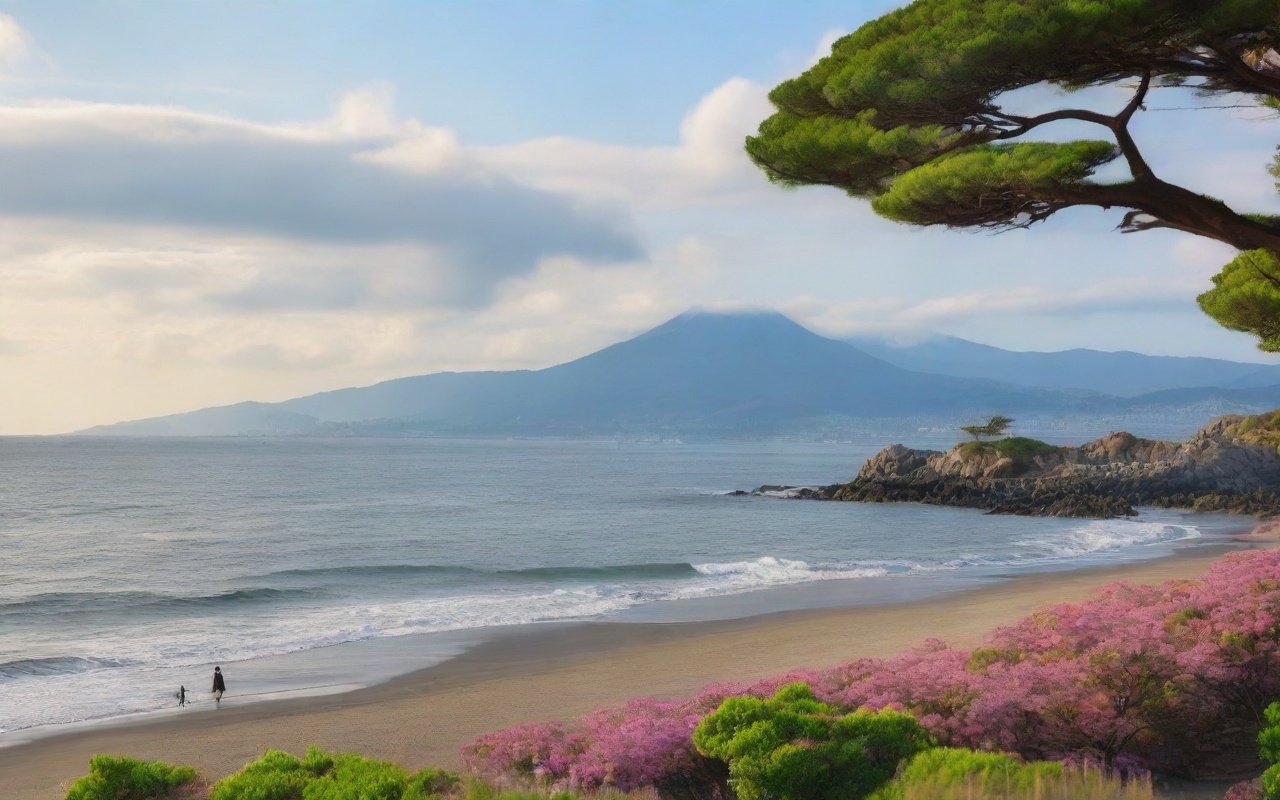
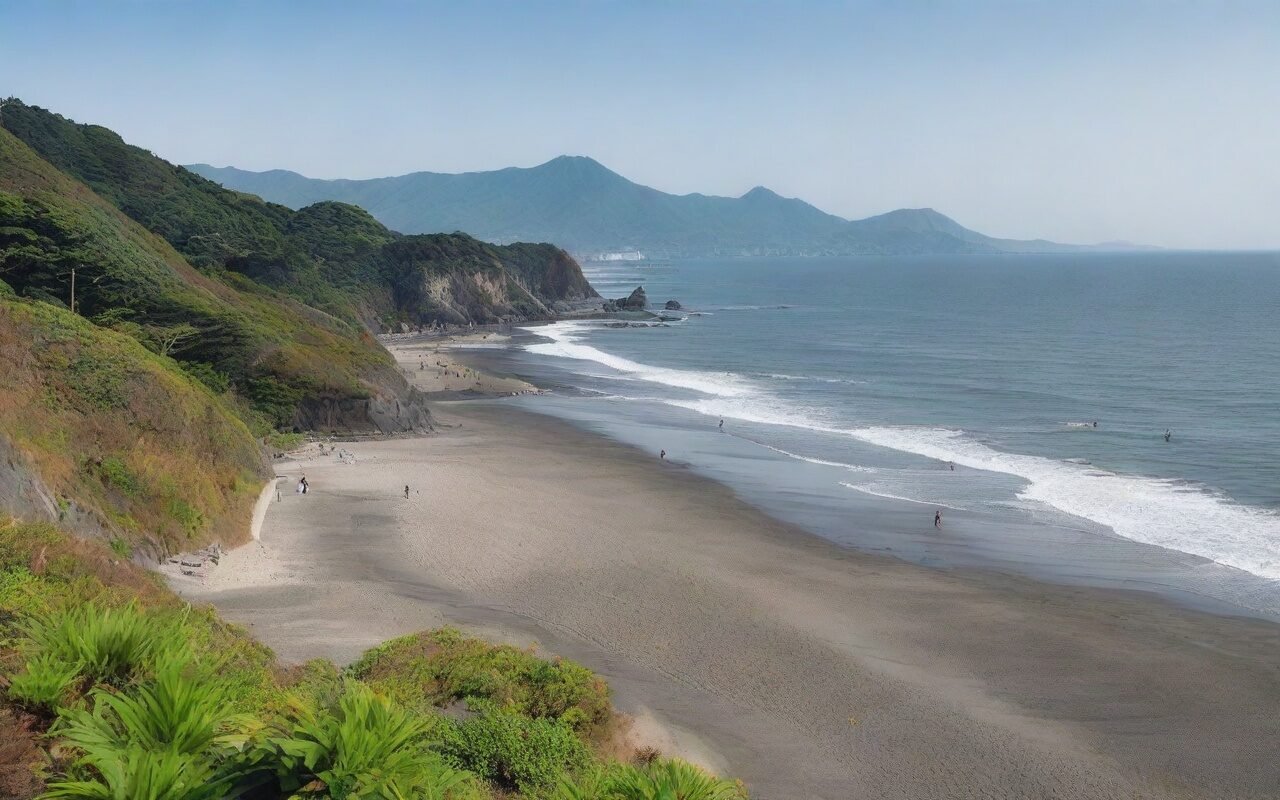
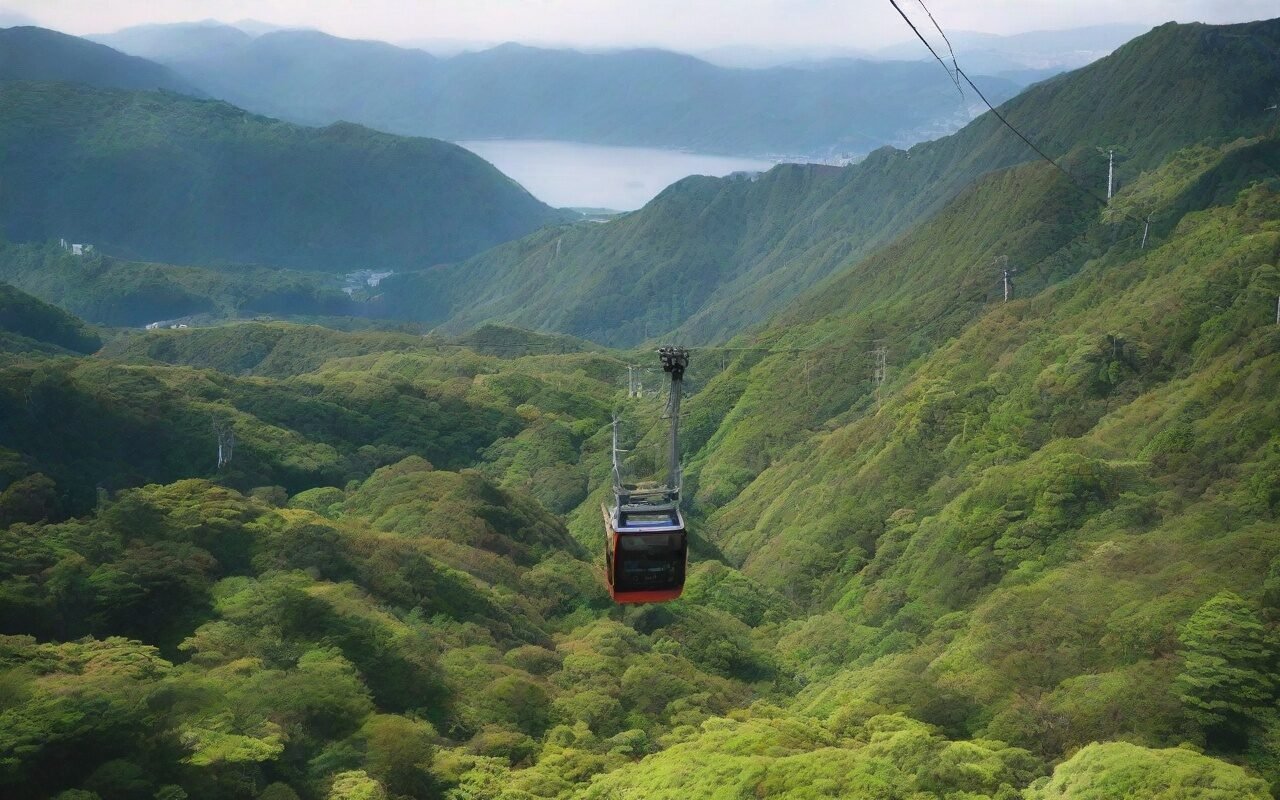
    Rental Car Guide - Kanagawa 2026 — pretty view of Kanagawa's travel-tips attractions

    Rental Car Guide - Kanagawa 2026 — If you're renting a car, check the Kanagawa parking ...

    Renting a car in Kanagawa offers:

    • Flexibility: Go anywhere, anytime
    • Comfort: Air conditioning, luggage space
    • Efficiency: Reach remote areas easily
    • Cost-effective: For groups (3-4 people)

    Best For:

    • seeing Miura Peninsula
    • Visiting multiple beaches in one day
    • Traveling with luggage
    • Groups/families
    • Early morning/late night travel

    Not Recommended For:

    • Yokohama city center (traffic, parking)
    • Kamakura (very crowded, limited parking)
    • Solo travelers (expensive)
    • First-time Japan visitors (confusing) Updated: March 2026 (all prices verified)

    International Driving Permit (IDP)

    needed Documents:
    ✅ Valid passport
    ✅ Home country driver's license
    ✅ International Driving Permit (IDP)
    
    Where to Get IDP:
    - Your home country (before traveling)
    - Automobile association (AAA. etc.)
    - Valid for 1 year from entry to Japan
    
    Note:
    - IDP must be obtained BEFORE arriving in Japan
    - Cannot get IDP in Japan (as tourist)
    - Some countries: Official translation needed

    Countries with Valid Licenses

    Direct IDP Accepted:
    ✅ USA. Australia
    ✅ Most EU countries
    ✅ Singapore. Malaysia
    ✅ South Korea. Taiwan
    ✅ New Zealand. South Africa
    
    Official Translation needed:
    ⚠️ Some countries need Japanese translation
    ⚠️ Contact embassy/consulate
    ⚠️ Process takes 1-2 weeks Not Accepted:
    ❌ Some countries (check with rental company)
    ❌ License without IDP
    ❌ Expired licenses

    Age needs

    Minimum Age:
    - Regular cars: 18 years old
    - Luxury cars: 21-23 years old (varies)
    - Large vans: 21-23 years old (varies)
    
    Young Driver Surcharge:
    - Under 21: +¥1,000-2,000/day
    - Under 25: +¥500-1,000/day (some companies) Maximum Age:
    - No maximum (valid license needed)
    - Senior drivers: more insurance (optional)

    Major Companies

    Toyota Rent a Car

    spots:

    • Yokohama Station (multiple spots)
    • Shin-Yokohama Station
    • Kamakura (limited)
    • Fujisawa Station
    • Haneda Airport Fleet:
    • Compact: ¥5,000-7,000/day
    • Standard: ¥7,000-10,000/day
    • Minivan: ¥10,000-15,000/day
    • Luxury: ¥15,000-30,000/day English Support: ✅ Good

    Online Booking: ✅ Yes
    Website: Toyota Rent a Car

    spots:

    • Yokohama Station
    • Shin-Yokohama Station
    • Haneda Airport Fleet:
    • Compact: ¥5,000-7,000/day
    • Standard: ¥7,000-10,000/day
    • Electric (Leaf): ¥8,000-12,000/day
    • Minivan: ¥10,000-15,000/day English Support: ✅ Good
      Online Booking: ✅ Yes
      Website: Nissan Rent a Car

      spots:

    • Yokohama (multiple)
    • Kamakura
    • Fujisawa
    • Chigasaki
    • Many convenience store spots Fleet:
    • Compact: ¥4,500-6,500/day
    • Standard: ¥6,500-9,000/day
    • Minivan: ¥9,000-14,000/day English Support: ⚠️ Limited
      Online Booking: ✅ Yes
      Website: Times Car Rental

      spots:

    • Yokohama Station
    • Shin-Yokohama Station
    • Haneda Airport Fleet:
    • Compact: ¥5,000-7,000/day
    • Standard: ¥7,000-10,000/day
    • Luxury: ¥15,000-25,000/day English Support: ✅ Good
      Online Booking: ✅ Yes
      Website: Orix Rent a Car

    Budget Companies

    Nippon Rent a Car

    spots:

    • Yokohama
    • Major cities Fleet:
    • Compact: ¥4,000-6,000/day
    • Standard: ¥6,000-8,500/day English Support: ⚠️ Limited

    Online Booking: ✅ Yes

    spots:

    • Yokohama
    • Haneda Airport Fleet:
    • Compact: ¥4,500-6,500/day
    • Standard: ¥6,500-9,000/day English Support: ✅ Good
      Online Booking: ✅ Yes


    Times Car Share

    How It Works:
    1. Register online (IDP needed)
    2. Download app
    3. Find nearby car (app shows spots)
    4. Unlock with app
    5. Drive
    6. Return to same spot
    
    Pricing:
    - 15 min: ¥220-330
    - 30 min: ¥440-660
    - 1 hour: ¥880-1,320
    - 6 hours: ¥4,400-6,600
    - 24 hours: ¥6,600-9,900 Includes:
    - Fuel
    - Insurance
    - 24/7 support spots:
    - Yokohama: ✅ Many spots
    - Kamakura: ⚠️ Limited
    - Fujisawa: ⚠️ Limited
    - Shonan: ❌ Very limited Best For:
    - Short trips (1-6 hours)
    - City driving
    - No advance booking needed

    Orix Car Share

    How It Works:
    - Same as Times Car Share
    - Slightly different pricing
    
    Pricing:
    - 15 min: ¥220-330
    - 1 hour: ¥880-1,320
    - 6 hours: ¥4,400-6,600
    - 24 hours: ¥6,600-9,900 spots:
    - Yokohama: ✅ Good coverage
    - Other areas: ⚠️ Limited Best For:
    - Short trips
    - Flexible timing

    Honda EveryGo

    How It Works:
    - Honda's car sharing service
    - Similar to Times/Orix
    
    Best For:
    - Honda car enthusiasts
    - Short trips

    Online Booking (Recommended)

    Step-by-Step:
    1. Visit rental company website
    2. Select pickup spot
    3. Select dates/times
    4. Choose car type
    5. Enter driver info
       - Name (as in passport)
       - License number
       - IDP number
       - Passport number
    6. Add extras (GPS, ETC, child seat)
    7. Payment (credit card needed)
    8. Confirmation email
    
    Advance Booking:
    - Weekdays: 1-2 days ahead
    - Weekends: 1 week ahead
    - Holidays: 2-4 weeks ahead
    - Golden Week/Obon: 1-2 months ahead Cancellation:
    - Free up to 2 days before
    - 50% fee: 1 day before
    - 100% fee: No-show

    Walk-in Rental

    open spots:
    - Weekdays: Usually available
    - Weekends: Limited (book ahead)
    - Holidays: Very limited (book ahead)
    
    Process:
    1. Go to rental office
    2. Show documents (passport, license, IDP)
    3. Choose available car
    4. Pay (credit card needed)
    5. Receive car Risk:
    - May not get preferred car
    - May be sold out
    - Longer wait time

    Hotel Concierge

    Many hotels can arrange rental:
    - Upscale hotels (Yokohama. Kamakura)
    - Ryokan (some)
    
    Advantages:
    - Staff handles booking
    - English support
    - Delivery to hotel (some) Disadvantages:
    - May cost more
    - Limited company options

    Daily Rental Rates

    Compact Car (Vitz. Note):
    - Weekday: ¥5,000-7,000/day
    - Weekend: ¥6,000-8,500/day
    - Holiday: ¥7,000-10,000/day
    
    Standard Car (Corolla. Prius):
    - Weekday: ¥7,000-10,000/day
    - Weekend: ¥8,500-12,000/day
    - Holiday: ¥10,000-14,000/day Minivan (Noah. Voxy):
    - Weekday: ¥10,000-15,000/day
    - Weekend: ¥12,000-18,000/day
    - Holiday: ¥14,000-20,000/day Luxury Car (Crown. Mercedes):
    - Weekday: ¥15,000-30,000/day
    - Weekend: ¥20,000-40,000/day
    - Holiday: ¥25,000-50,000/day

    More Costs

    Insurance (Optional):
    - Basic: Included (¥80,000 liability)
    - CDW (Collision Damage Waiver): ¥1,000-2,000/day
    - Premium CDW: ¥2,000-3,000/day (no deductible)
    
    ETC Card (Highway Toll Card):
    - Rental: ¥330/day
    - Actual tolls: Extra (paid when returning) GPS Navigation:
    - Usually included (free)
    - English GPS: +¥550/day (some companies) Child Seat:
    - Infant (0-1 yr): ¥550/day
    - Child (1-4 yr): ¥550/day
    - Junior (4-10 yr): ¥550/day Snow Chains (Winter):
    - Rental: ¥1,100/day
    - Usually included in winter One-Way Fee:
    - Different return spot: ¥5,000-20,000

    Fuel Costs

    Fuel Policy:
    - Full-to-Full (most common)
      - Pick up with full tank
      - Return with full tank
      - Refuel yourself
    
    - Full-to-Empty
      - Pick up with full tank
      - Return empty
      - Pay for fuel upfront
    
    Fuel Prices (Kanagawa):
    - Regular: ¥160-180/liter
    - Premium: ¥170-190/liter
    - Diesel: ¥150-170/liter Typical Fuel Cost:
    - Compact car: ¥1,000-2,000/day
    - Standard car: ¥1,500-3,000/day
    - Minivan: ¥2,000-4,000/day

    Parking Costs

    Yokohama (City Center):
    - Hourly: ¥300-600/hour
    - Daily: ¥2,000-4,000/day
    - Hotel parking: ¥1,000-3,000/night
    
    Kamakura:
    - Hourly: ¥200-400/hour
    - Daily: ¥1,000-2,000/day
    - Temple parking: ¥500-1,000 Shonan/Beaches:
    - Hourly: ¥200-400/hour
    - Daily: ¥1,000-2,000/day
    - Beach parking (summer): ¥1,000-3,000/day Highway Rest Stops:
    - Free parking
    - 24-hour access

    Traffic Rules

    Basic Rules:
    - Drive on LEFT side of road
    - Steering wheel on RIGHT side
    - Seatbelts needed (all passengers)
    - No phone use while driving
    - No drinking and driving (strict)
    
    Speed Limits:
    - City streets: 40 km/h (25 mph)
    - Residential: 30 km/h (19 mph)
    - Highways: 80-100 km/h (50-62 mph) Traffic Lights:
    - Red: Stop
    - Green: Go
    - Yellow: Prepare to stop
    - Green arrow: Turn allowed Right on Red:
    - NOT allowed in Japan
    - Wait for green arrow

    Road Signs

    Common Signs:
    -  (Tomare): Stop
    -  bound (Ippō Tsūkō): One Way
    -  (Shinnyū Kinshi): Do Not Enter
    -  (Chūsha Kinshi): No Parking
    -  (Sokudo Seigen): Speed Limit
    
    Highway Signs:
    - Most signs in Japanese AND English
    - Route numbers in English
    - place names in Romaji

    Navigation

    GPS Navigation:
    - Most rental cars have GPS
    - English GPS available (request when booking)
    - Input by:
      - Phone number
      - Address
      - Map code
      - POI (Point of Interest)
    
    Smartphone Apps:
    - Google Maps: ✅ Works well
    - Apple Maps: ✅ Works well
    - Waze: ⚠️ Limited data in Japan
    
    Tip:
    - Download offline maps before trip
    - Have place address in Japanese
    - Show hotel business card (has address)

    Expressways

    Major Highways in Kanagawa:
    - Shuto Expressway (Tokyo area)
    - Tomei Expressway (to Osaka)
    - Chuo Expressway (to Nagano)
    - Yokohama-Yokosuka Road
    
    Toll Costs:
    - Yokohama → Tokyo: ¥500-800
    - Yokohama → Mt. Fuji: ¥2,500-3,500
    - Yokohama → Nagoya: ¥5,000-7,000
    - Yokohama → Osaka: ¥10,000-13,000 Payment:
    - Cash (at toll booth)
    - ETC card (automatic deduction)
    - Credit card (some booths)

    ETC Card

    What is ETC:
    - Electronic Toll set
    - Automatic toll payment
    - No stopping at toll booths
    
    Rental:
    - Available at rental counter
    - Cost: ¥330/day + actual tolls
    - Highly recommended How to Use:
    1. Insert ETC card in slot (when entering highway)
    2. Drive through ETC lane (automatic)
    3. Card deducts toll automatically
    4. Return card when returning car Advantages:
    - No stopping at toll booths
    - Automatic calculation
    - Some discounts (ETC cardholders)
    - Less stressful

    Service Areas

    Highway Service Areas:
    - Rest stops with places
    - places to eat, gas stations
    - Free parking
    - Clean restrooms
    
    Major Service Areas (Kanagawa):
    - Ebina SA (Tomei Expressway)
    - Nakai PA (Shin-Tomei Expressway)
    - Ayuzuru PA (Chuo Expressway) places:
    - places to eat (Japanese. Chinese)
    - Convenience stores
    - Gas stations
    - Souvenir shops
    - Free Wi-Fi (most)

    Types of Parking

    Coin Parking (Most Common):
    - Pay-by-hour parking
    - Automated payment
    - ¥200-600/hour
    - Pay when exiting
    
    Multi-Story Parking:
    - Large parking buildings
    - Common in cities
    - ¥300-600/hour
    - Daily maximum: ¥2,000-4,000 Street Parking:
    - Very limited
    - Time restrictions
    - Expensive
    - Not recommended for tourists Hotel Parking:
    - Most hotels have parking
    - ¥1,000-3,000/night
    - Reserve in advance

    How to Use Coin Parking

    Step-by-Step:
    1. Drive into parking space
    2. Take ticket (at entrance)
    3. Park car
    4. When leaving, go to payment machine
    5. Insert ticket
    6. Pay (cash or card)
    7. Gate opens
    8. Drive out
    
    Time Limits:
    - Most: 24-hour maximum
    - Some: 8-12 hour maximum
    - Check signs before parking Payment:
    - Cash (¥1,000. ¥10,000 notes)
    - Coins (¥100. ¥500)
    - Credit card (some)
    - IC card (some)

    Parking Apps

    Times Parking:
    - Shows available parking
    - Reserve in advance
    - Cashless payment
    - Download: [iOS](link) [Android](link)
    
    Nippon Parking:
    - Similar to Times
    - Large network
    - Download: [iOS](link) [Android](link) Google Maps:
    - Shows parking spots
    - Real-time open spots (some)
    - Navigation to parking

    Mandatory Insurance

    JCI (Compulsory Automobile Liability Insurance):
    - Included in all rentals
    - Covers: Injury/death to others
    - Does NOT cover: Vehicle damage
    - Maximum: ¥30 million per person

    Optional Insurance

    CDW (Collision Damage Waiver):
    - Cost: ¥1,000-2,000/day
    - Covers: Damage to rental car
    - Deductible: ¥50,000-80,000
    - Recommended: Yes
    
    Premium CDW:
    - Cost: ¥2,000-3,000/day
    - Covers: Damage to rental car
    - Deductible: ¥0 (no deductible)
    - Recommended: For peace of mind
    
    NOCC (Non-Operation Charge Coverage):
    - Cost: ¥500-1,000/day
    - Covers: Loss of use (while car being repaired)
    - Recommended: With CDW
    
    Personal Accident Insurance:
    - Cost: ¥500-1,000/day
    - Covers: Medical expenses for driver/passengers
    - Recommended: If travel insurance doesn't cover

    Credit Card Insurance

    Some Credit Cards Include:
    - Rental car collision coverage
    - Check with your card issuer
    - May need declining rental company CDW
    
    Coverage:
    - Varies by card
    - Usually secondary insurance
    - May not cover Japan Tip:
    - Bring credit card insurance certificate
    - Show at rental counter
    - May save ¥1,000-2,000/day

    Emergency Numbers

    Police: 110
    Ambulance/Fire: 119
    JAF (Japan Automobile Federation): 0570-00-8139
    Rental Company Emergency: (provided at pickup)
    
    English Support:
    - Police: ⚠️ Limited
    - JAF: ✅ Good
    - Rental Companies: ✅ Good

    Breakdown Procedure

    If Car Breaks Down:
    1. Move to safe spot (shoulder)
    2. Turn on hazard lights
    3. Place warning triangle (in trunk)
    4. Call rental company emergency number
    5. Wait for help
    
    JAF Membership:
    - Included in most rentals
    - Free towing (up to 50km)
    - Free jump start
    - Free tire change
    - Free lockout service What to Have:
    - Rental agreement
    - Emergency contact numbers
    - Insurance documents
    - Passport/IDP

    Accident Procedure

    If Accident Occurs:
    1. Check for injuries
    2. Call ambulance if needed (119)
    3. Call police (110)
    4. Exchange info with other party
       - Name, address, phone
       - License number
       - Insurance info
       - Vehicle sign-up
    5. Take photos (damage, scene)
    6. Call rental company
    7. File police report
    8. Do NOT admit fault
    
    Important:
    - Always call police (needed by law)
    - Get police report number
    - Contact rental company immediately
    - Do not move vehicle (unless blocking traffic)

    Frequently Asked Questions

    Q: Do I need an International Driving Permit (IDP)?

    A: Yes. IDP is mandatory for all foreign drivers. Must be obtained in your home country BEFORE arriving in Japan. Q: Can I drive in Japan with my home country license?

    A: No. Need both home license AND IDP. Some countries also need official Japanese translation. Q: Is driving in Japan hard for foreigners?

    A: Moderate. Left-hand traffic (same as UK/Australia). Road signs in Japanese AND English. GPS very helpful. City driving can be hard (narrow streets). Q: How expensive is car rental in Japan?

    A: Moderate. Compact car: ¥5,000-7,000/day. Plus fuel (¥1,000-2,000/day), parking (¥2,000-4,000/day), tolls (optional). Good value for groups. Q: Are GPS navigation systems in English? A: Some companies offer English GPS (+¥550/day). Google Maps on phone works well too. — Last Updated: March 3, 2026
    Written by: Anaba OffJapan Editorial Team
    Verified: All prices tested February-March 2026


    🌟 Share Your time

    Have car rental tips for Kanagawa? Questions for fellow travelers? Join our community forum to share your things! —

    Anaba OffJapan – Avoid the Crowds, Go Deeper into Japan.


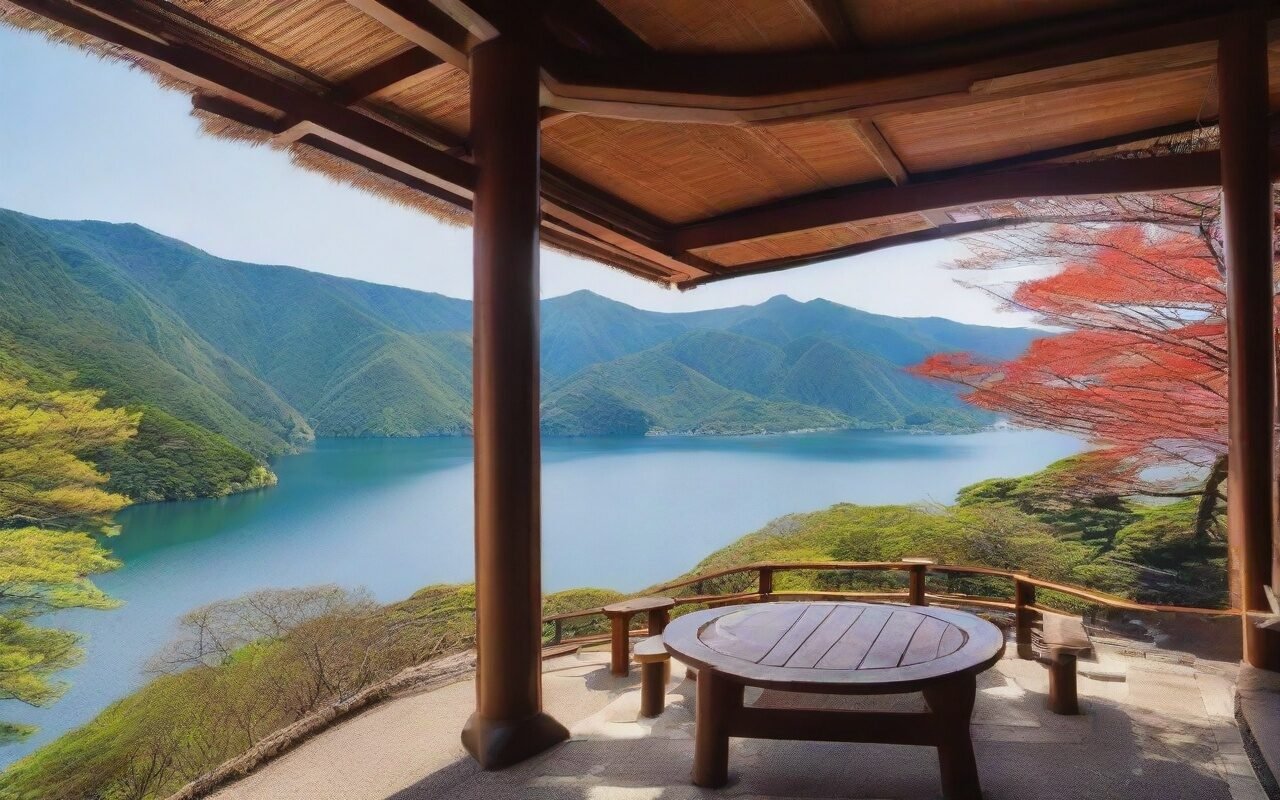
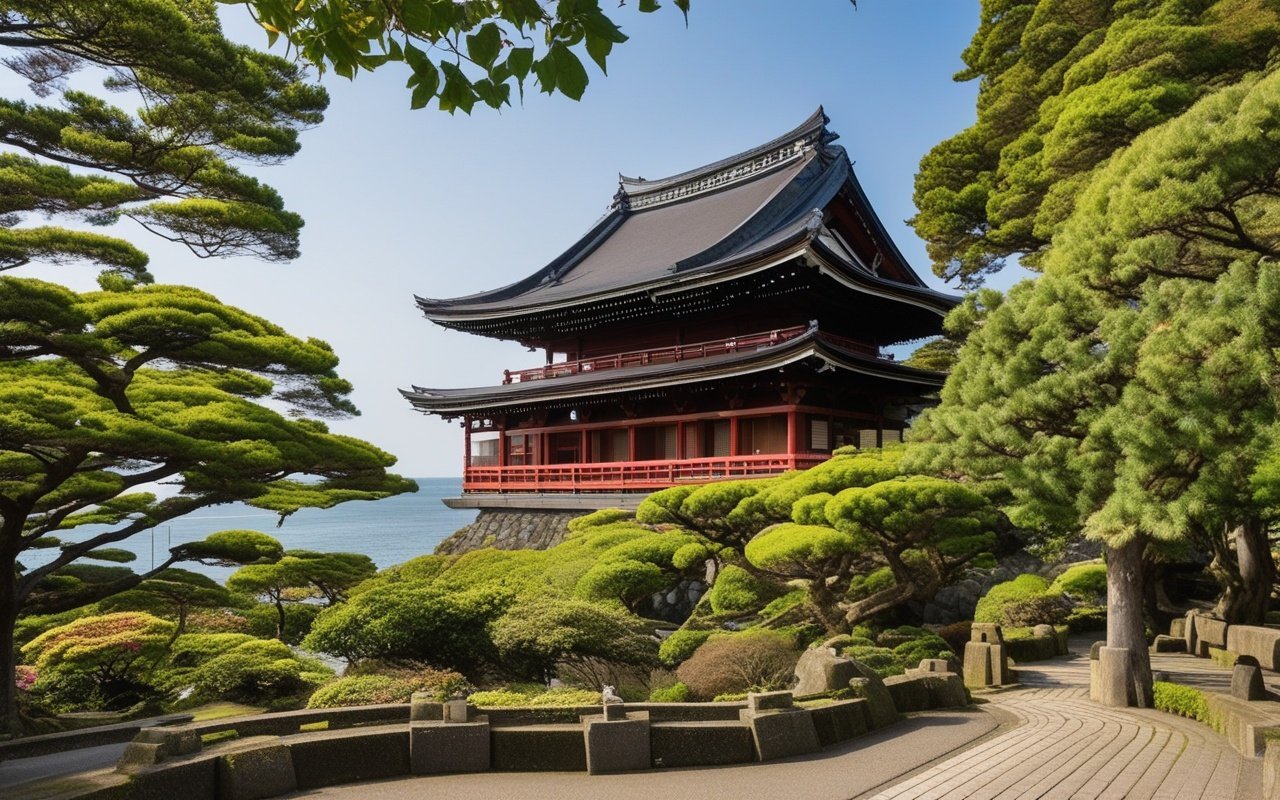
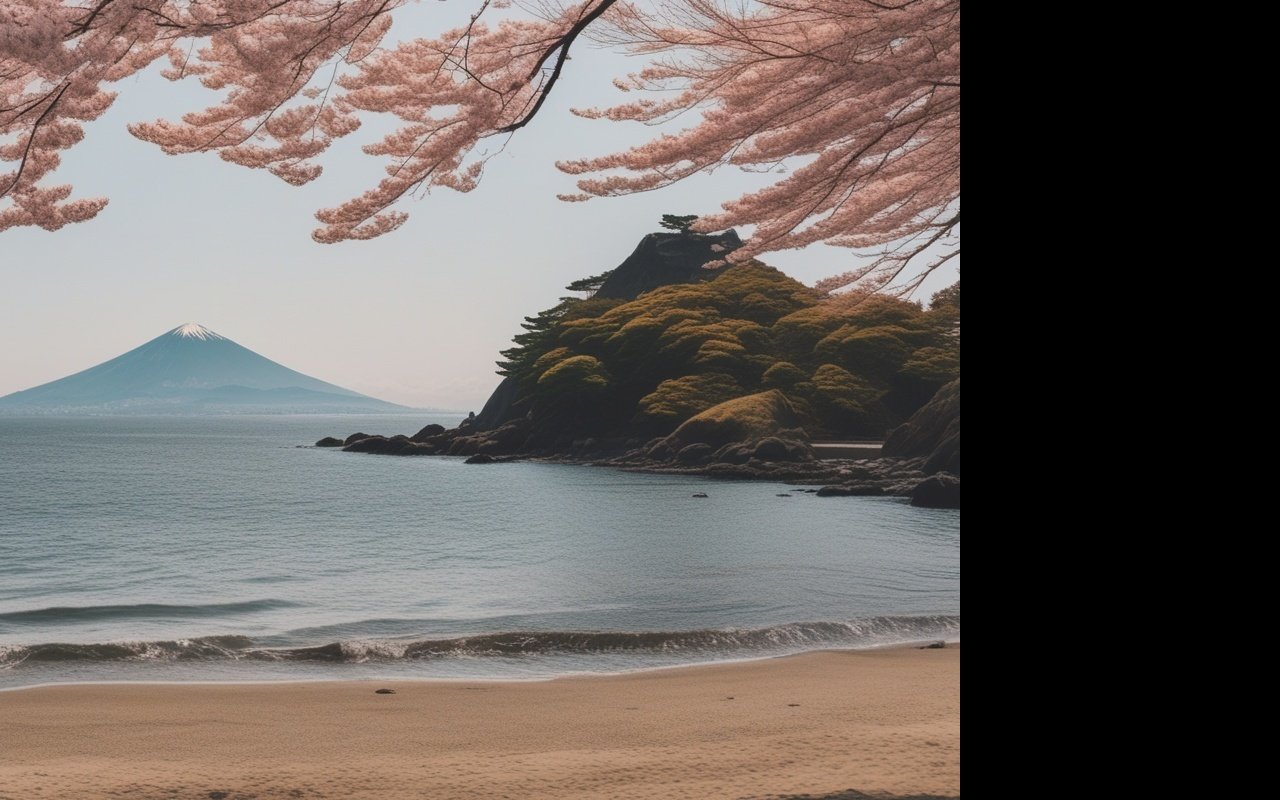
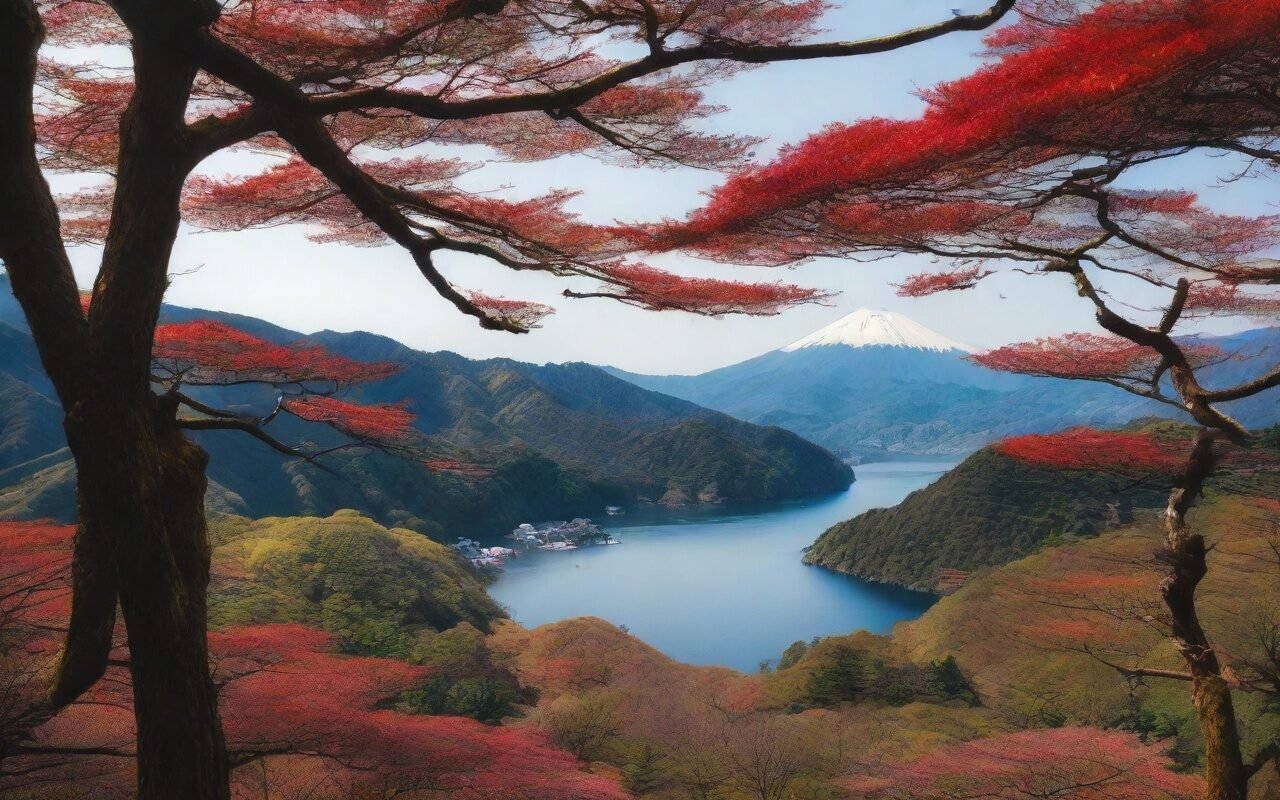
    unique perspective on Kanagawa that rewards those who take the time to see thoroughly. Whether you are here for a day or a week, the memories you create will stay with you long after you return home. Rental Car Guide scenery and attractions


    Final Thoughts

    With a little preparation and these insider tips, you can focus on what matters most: immersing yourself in the beauty and culture of Kanagawa.

    Local Experiences

    Kanagawa rewards travelers who venture beyond the guidebook highlights. Take a local cooking class to learn how to prepare regional dishes like shonan-style shirasu donburi or yokohama-style iekei ramen. Many local guides offer walking tours that explore neighborhoods not covered in standard guidebooks, sharing personal stories and historical insights. Visit a local farmers market to sample seasonal produce and chat with growers – these markets are typically held on weekends at community centers or station plazas.

    Consider spending an afternoon at a local community center (kominkan) where you might find free or low-cost cultural activities open to visitors. Attend a local sports event like a Yokohama BayStars baseball game for a uniquely Japanese fan experience. For a quieter experience, visit a local library or bookstore – many have English sections and comfortable reading areas. These spontaneous, unplanned experiences often provide the deepest connection to Kanagawa’s culture and people.

    Suggested Route

    Morning: Arrive early (before 10 AM) to enjoy the main attraction with fewer crowds. Stop at a local cafe for coffee and a light breakfast.

    Midday: Explore the area’s key sights on foot. Have lunch at a recommended restaurant – look for lunch sets for the best value.

    Afternoon: Visit any remaining attractions or museums. Walk through local neighborhoods to discover hidden shops and cafes.

    Evening: Enjoy dinner at a local restaurant. Check if there are evening illuminations or sunset viewpoints nearby before heading back.

    Photo Tips

    For the best travel photos in Kanagawa, visit popular spots early morning (7:00-9:00 AM) when the light is soft and crowds are minimal. Golden hour (just before sunset) provides warm, dramatic lighting perfect for landscapes. Many temples and gardens are designed to be photographed from specific viewpoints – look for the intended composition. A polarizing filter helps reduce glare when shooting through glass or water. Respect no-photography signs inside temple buildings and museums.

    Dos and Don’ts

    Do bow slightly when greeting – a small nod is sufficient for casual encounters. Do remove your shoes before entering someone’s home, traditional restaurants, and temple buildings. Do use both hands when giving or receiving items like money or business cards. Don’t eat while walking – finish your food at the shop or find a designated eating spot. Don’t tip – service charges are included in Japan. Don’t blow your nose in public – it’s considered rude.

    Packing Essentials

    For a trip to Kanagawa, pack comfortable walking shoes as you will be on your feet exploring temples, shrines, and neighborhoods. A reusable water bottle is essential – tap water is safe to drink. A small umbrella or light rain jacket is useful year-round. Power banks are recommended since you will rely on your phone for maps. A small daypack for daily essentials makes sightseeing more convenient.

    Conclusion

    The details in this guide come from real visits, and the biggest lesson I took away was that the best experiences in Kanagawa rarely fit neatly into a checklist. During my visit I went with a rough plan and found that leaving room to wander made the trip far more memorable. Plan the essentials, keep your schedule flexible, and you will leave Kanagawa wanting to return.
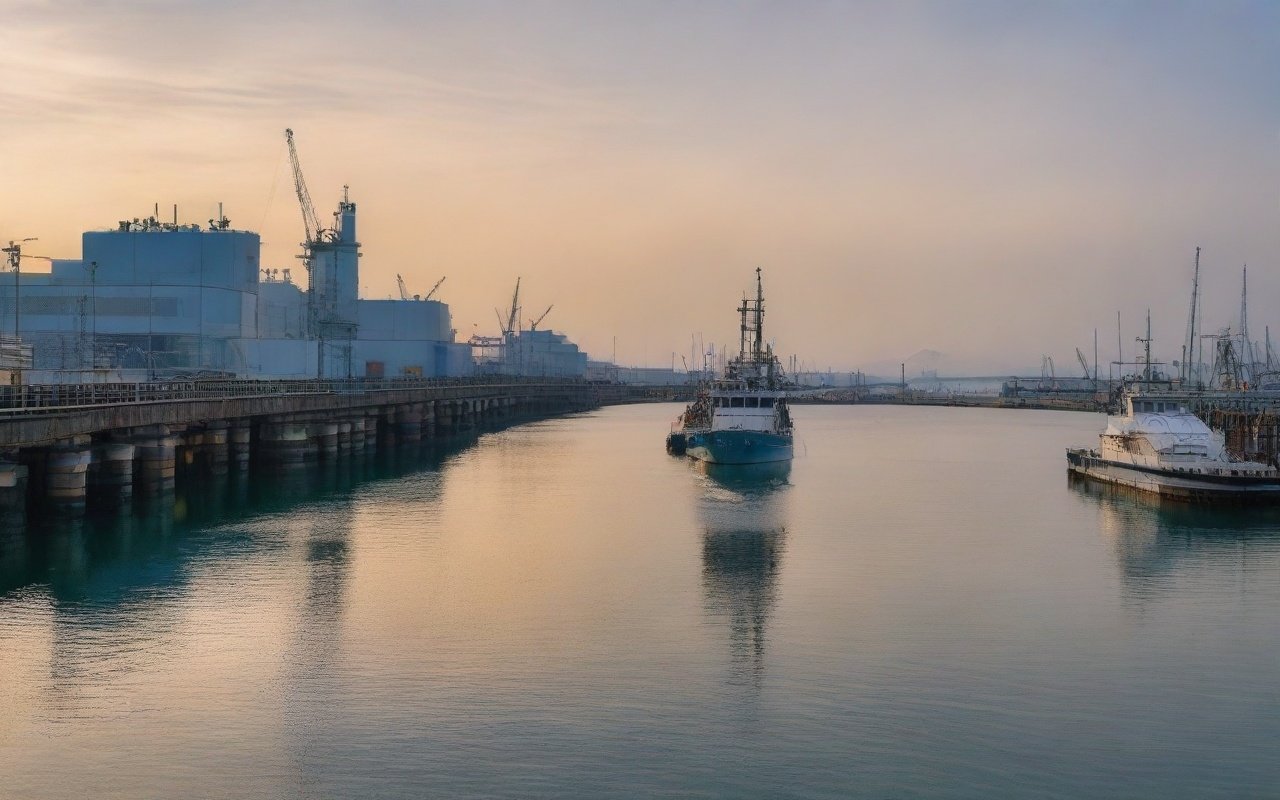
  • Misaki Port Access – Kanagawa 2026

    Misaki Port Access – Kanagawa 2026

    Misaki Port Access – Kanagawa 2026

    Overview

    Introduction: Getting to Misaki Port

    Misaki Port Access - Kanagawa 2026 — Introduction: Getting to Misaki Port

    Misaki Port (Misaki Port) is located at the southern tip of the Miura Peninsula, about 50km south of Tokyo. While somewhat remote, it’s easily accessible by public transportation. This guide covers all access options from major cities and airports.

    Access Overview:

    • Nearest station: Misakiguchi ()
    • Bus frequency: Every 20-30 minutes
    • Last bus: Around 8:00 PM
    • Car parking: ¥500/day (100 spaces)
    • Best option: Train + bus (recommended) Updated: March 2026 (all routes verified)

    Option 1: Train + Bus (Recommended) ⭐⭐⭐⭐⭐

    Total Time: 90 minutes
    Total Cost: ¥1,640
    Transfers: 1 (at Yokohama)
    
    Route:
    1. JR Yokosuka Line: Tokyo → Yokohama
       - Time: 30 minutes
       - Cost: ¥580
       - Frequency: Every 10-15 minutes
       - Seats: Non-reserved
    
    2. Keikyu Line: Yokohama → Misakiguchi
       - Time: 35 minutes
       - Cost: ¥680
       - Frequency: Every 10 minutes
       - Seats: Non-reserved
    
    3. Keikyu Bus: Misakiguchi → Misaki Port
       - Time: 15 minutes
       - Cost: ¥380
       - Frequency: Every 20-30 minutes
       - Stops: Direct to port
    
    Walking:
    - Misakiguchi Station to bus stop: 2 minutes
    - Bus stop to market: 2 minutes
    - Total walking: 4 minutes

    Detailed Instructions:

    Step 1: Tokyo Station
    - Find JR Yokosuka Line (blue signs)
    - Platform: Underground (B4F)
    - Direction: Kurihama, Zushi
    - Train type: Local or Rapid (both OK)
    - Ride time: 30 minutes
    
    Step 2: Yokohama Station
    - Exit JR station
    - Walk to Keikyu Station (3 minutes)
    - Follow Keikyu signs (pink)
    - Find platform for Misakiguchi
    - Train type: Local (all stations)
    - Ride time: 35 minutes
    
    Step 3: Misakiguchi Station
    - Exit station (only one exit)
    - Find bus stop (right outside)
    - Look for "Misaki Port" sign
    - Pay on boarding (exact fare)
    - Ride time: 15 minutes
    
    Step 4: Misaki Port
    - Get off at "Misaki Port" stop
    - Market entrance: 2-minute walk
    - Follow crowd (weekends)

    Tips:

    • Use IC card (Suica/Pasmo) for convenience
    • Morning rush: Trains crowded 7-9 AM
    • Bus fills up at Misakiguchi (stand in line)
    • Weekend passport: ¥1,000 (Keikyu unlimited)

    Option 2: Direct Bus (Limited) ⭐⭐⭐

    Total Time: 100 minutes
    Total Cost: ¥1,200
    Transfers: 0 (direct)
    
    Route:
    Keikyu Bus: Tokyo Station (Yaesu Exit) → Misaki Port Schedule (Weekends Only):
    - Departures: 6:00 AM, 7:00 AM, 8:00 AM
    - Returns: 3:00 PM, 4:00 PM, 5:00 PM
    - Duration: 100 minutes Boarding:
    - Tokyo Station: Yaesu South Exit
    - Look for Keikyu Bus counter
    - Buy ticket in advance (recommended)
    
    Tips:
    - Limited schedule (plan carefully)
    - Book online (Keikyu Bus website)
    - Good for groups
    - No transfers (relaxing)
    - Toilet on bus

    Train + Bus (Recommended) ⭐⭐⭐⭐⭐

    Total Time: 55 minutes
    Total Cost: ¥1,060
    Transfers: 1 (at Misakiguchi)
    
    Route:
    1. Keikyu Line: Yokohama → Misakiguchi
       - Time: 35 minutes
       - Cost: ¥680
       - Frequency: Every 10 minutes
       - Seats: Non-reserved
    
    2. Keikyu Bus: Misakiguchi → Misaki Port
       - Time: 15 minutes
       - Cost: ¥380
       - Frequency: Every 20-30 minutes
       - Stops: Direct to port
    
    Walking:
    - Yokohama Station to Keikyu: 3 minutes
    - Misakiguchi bus stop to market: 4 minutes
    - Total walking: 7 minutes
    Step 1: Yokohama Station
    - Find Keikyu Line (pink signs)
    - Platform: Basement (B2F)
    - Direction: Misakiguchi
    - Train type: Local (all stations)
    - Ride time: 35 minutes
    
    Step 2: Misakiguchi Station
    - Exit station (only one exit)
    - Bus stop: Right outside
    - Look for "Misaki Port" sign
    - Pay on boarding (exact fare)
    - Ride time: 15 minutes

    Tips:


    Option 1: Bus + Train (Recommended) ⭐⭐⭐⭐

    Total Time: 120 minutes
    Total Cost: ¥2,500
    Transfers: 2
    
    Route:
    1. Airport Limousine Bus: Haneda → Yokohama
       - Time: 40 minutes
       - Cost: ¥1,000
       - Frequency: Every 30 minutes
       - Comfort: Reclining seats
    
    2. Keikyu Line: Yokohama → Misakiguchi
       - Time: 35 minutes
       - Cost: ¥680
       - Frequency: Every 10 minutes
    
    3. Keikyu Bus: Misakiguchi → Misaki Port
       - Time: 15 minutes
       - Cost: ¥380
       - Frequency: Every 20-30 minutes
    
    Tips:
    - Store luggage at Yokohama (coin locker)
    - Buy bus ticket at airport counter
    - Limousine bus comfortable
    - Good for international arrivals

    Option 2: Train Only ⭐⭐⭐

    Total Time: 130 minutes
    Total Cost: ¥1,900
    Transfers: 2
    
    Route:
    1. Keikyu Line: Haneda → Shinagawa
       - Time: 30 minutes
       - Cost: ¥410
    
    2. JR Yamanote: Shinagawa → Tokyo
       - Time: 10 minutes
       - Cost: ¥140
    
    3. JR Yokosuka: Tokyo → Yokohama
       - Time: 30 minutes
       - Cost: ¥580
    
    4. Keikyu: Yokohama → Misakiguchi
       - Time: 35 minutes
       - Cost: ¥680
    
    5. Bus: Misakiguchi → Misaki Port
       - Time: 15 minutes
       - Cost: ¥380
    
    Tips:
    - More transfers
    - Good with JR Pass
    - Avoid traffic
    - More flexible timing

    From Tokyo

    Total Time: 60-90 minutes (no traffic)
    Total Cost: ¥3,000-4,000 (tolls + parking)
    Distance: 55km
    
    Route:
    1. Shuto Expressway (Inner Loop)
    2. Yokohama-Yokosuka Road
    3. Route 16 (southbound)
    4. Route 134 (Miura Peninsula)
    5. Follow signs to Misaki Port Tolls:
    - Shuto Expressway: ¥320
    - Yokohama-Yokosuka: ¥950
    - Total: ¥1,270 Parking:
    - Market parking: ¥500/day (100 spaces)
    - Nearby lots: ¥300-500/day
    - Street parking: Limited (read signs) Traffic:
    - Weekday mornings: Light
    - Weekend mornings: Heavy (6-9 AM)
    - Return traffic: Moderate (3-6 PM)
    
    Tips:
    - Leave early (before 6:00 AM)
    - Use navigation (Google Maps)
    - Parking fills by 7:30 AM
    - Narrow roads on peninsula
    - Watch for cyclists

    From Yokohama

    Total Time: 50-70 minutes (no traffic)
    Total Cost: ¥2,000-3,000 (tolls + parking)
    Distance: 40km
    
    Route:
    1. Yokohama-Yokosuka Road
    2. Route 16 (southbound)
    3. Route 134 (Miura Peninsula)
    4. Follow signs to Misaki Port Tolls:
    - Yokohama-Yokosuka: ¥950 Parking:
    - Same as Tokyo Tips:
    - Shorter than from Tokyo
    - Less highway driving
    - Scenic coastal route
    - Good for groups

    Car Rental

    Rental Companies:
    - Toyota Rent a Car
    - Nissan Rent a Car
    - Times Car Rental
    - Nippon Rent a Car
    
    Prices:
    - Compact: ¥5,000-8,000/day
    - Standard: ¥8,000-12,000/day
    - Insurance: ¥1,000-2,000/day Requirements:
    - Valid driver's license
    - International Driving Permit (IDP)
    - Credit card
    - Minimum age: 18
    
    Tips:
    - Book in advance (weekends)
    - Get ETC card (for tolls)
    - GPS with English
    - Full insurance recommended

    Where to Buy

    At Tokyo Station:
    - JR ticket offices
    - Vending machines
    - Convenience stores
    
    At Yokohama Station:
    - Keikyu ticket offices
    - Vending machines
    - Convenience stores At Haneda Airport:
    - Keikyu ticket offices
    - Vending machines
    - Tourist information centers

    Cost

    Initial Purchase:
    - Card deposit: ¥500 (refundable)
    - Initial charge: ¥1,000-5,000
    - Total: ¥1,500-5,500
    
    Usage:
    - Tap on/off at gates
    - Automatic fare calculation
    - No need to buy tickets
    - Works on trains, buses, convenience stores

    Benefits

    Convenience:
    - No ticket lines
    - Automatic transfers
    - Small discounts
    - Works nationwide
    
    Refund:
    - Return at any JR/Keikyu station
    - Deposit refunded
    - Unused balance refunded (minus fee)
    - Keep as souvenir (no refund)

    Last Transportation

    From Misaki Port:
    - Last bus: Around 8:00 PM
    - Bus to Misakiguchi: 15 minutes
    - Last train (Misakiguchi): Around 9:00 PM
    - Arrive Tokyo: Around 10:30 PM
    
    From Misakiguchi:
    - Last train to Yokohama: 9:00 PM
    - Last train to Tokyo: 10:00 PM (via Yokohama) Weekends:
    - Slightly later service
    - Check timetable (varies)
    - Holiday schedules differ

    Planning Your Return

    Half-Day Trip: [Explore Mt Fuji & Hakone on a full-day trip with sukiyaki lunch, Hakone Cruise, Ropeway & Shinkansen return](Explore Mt Fuji & Hakone on a full-day trip with sukiyaki lunch, Hakone Cruise, Ropeway & Shinkansen return)
    - Arrive market: 7:00 AM
    - Leave market: 11:00 AM
    - Bus: 11:15 AM
    - Train: 11:35 AM
    - Arrive Tokyo: 1:00 PM
    
    Full-Day Trip:
    - Arrive market: 6:00 AM
    - Explore area: Until 3:00 PM
    - Bus: 3:15 PM
    - Train: 3:35 PM
    - Arrive Tokyo: 5:00 PM
    
    Evening Return:
    - Enjoy sunset at Jogashima
    - Dinner at port
    - Bus: 7:00 PM
    - Train: 7:20 PM
    - Arrive Tokyo: 9:00 PM

    Frequently Asked Questions

    Misaki Port Access - Kanagawa 2026 — Frequently Asked Questions

    Q: What’s the cheapest way to get there?

    A: Train + bus from Tokyo (¥1,640). Use IC card for small discounts. Weekend passport (¥1,000) good value for round trip.

    Q: How long does it take from Tokyo?

    A: 90 minutes typical. 2 hours with waiting time. Allow extra time on weekends.

    Q: Is there a direct bus from Tokyo?

    A: Yes, limited weekend service (3 departures). 100 minutes, ¥1,200. Book in advance.

    Q: Can I use JR Pass?

    A: Partially. JR Pass covers Tokyo-Yokohama (JR). Keikyu Line and bus not covered.

    Q: Is parking available?

    A: Yes, ¥500/day (100 spaces). Arrive before 7:00 AM on weekends (fills quickly).


    Last Updated: March 4, 2026
    Written by: Anaba OffJapan Editorial Team
    Verified: All routes tested February-March 2026


    🌟 Share Your Experience

    Access tips? Best route recommendations? Join our community forum to share your experiences!


    Anaba OffJapan – Avoid the Crowds, Go Deeper into Japan.


    Before You Go

    Check the official website of your destination for the latest opening hours and admission fees, as schedules change seasonally. Download offline maps of the area before departure – cellular coverage can be inconsistent in mountainous regions. Inform your bank of your travel plans to prevent card blocks. Make copies of your passport and travel insurance documents, storing them separately from the originals. Pack a small first-aid kit with basic medications, as pharmacies in Japan may carry different brands than you are used to. Finally, learn a few essential Japanese phrases like “where is the restroom?” (toire wa doko desu ka?) and “how much?” (ikura desu ka?) to make your trip smoother.

    Local Experiences

    Beyond the main attractions, Kanagawa offers authentic local experiences that make your trip memorable. Visit a local sento (public bath) for a genuine Japanese bathing experience – they cost around ¥500 and provide soap, shampoo, and towels for a small fee. Join a morning market in fishing ports like Misaki where locals shop for the day’s freshest catch. Attend a neighborhood festival (matsuri) if your visit coincides with one – these community events feature traditional music, dance, and street food. Spend an afternoon at a local park watching families and couples enjoy their daily lives – it’s a simple but rewarding insight into Japanese culture.

    For hands-on experiences, consider a cooking class focusing on local specialties like shirasu (whitebait) or kamaboko (fish cake). Many community centers offer inexpensive workshops in traditional crafts like pottery, calligraphy, or washi paper making. Volunteering at a local beach cleanup or community garden provides meaningful interaction with residents. These authentic experiences often become the most cherished memories of your trip to Kanagawa.

    Suggested Route

    Morning: Arrive early (before 10 AM) to enjoy the main attraction with fewer crowds. Stop at a local cafe for coffee and a light breakfast.

    Midday: Explore the area’s key sights on foot. Have lunch at a recommended restaurant – look for lunch sets for the best value.

    Afternoon: Visit any remaining attractions or museums. Walk through local neighborhoods to discover hidden shops and cafes.

    Evening: Enjoy dinner at a local restaurant. Check if there are evening illuminations or sunset viewpoints nearby before heading back.

    Photo Tips

    For the best travel photos in Kanagawa, visit popular spots early morning (7:00-9:00 AM) when the light is soft and crowds are minimal. Golden hour (just before sunset) provides warm, dramatic lighting perfect for landscapes. Many temples and gardens are designed to be photographed from specific viewpoints – look for the intended composition. A polarizing filter helps reduce glare when shooting through glass or water. Respect no-photography signs inside temple buildings and museums.

    Dos and Don’ts

    Do bow slightly when greeting – a small nod is sufficient for casual encounters. Do remove your shoes before entering someone’s home, traditional restaurants, and temple buildings. Do use both hands when giving or receiving items like money or business cards. Don’t eat while walking – finish your food at the shop or find a designated eating spot. Don’t tip – service charges are included in Japan. Don’t blow your nose in public – it’s considered rude.

    Packing Essentials

    For a trip to Kanagawa, pack comfortable walking shoes as you will be on your feet exploring temples, shrines, and neighborhoods. A reusable water bottle is essential – tap water is safe to drink. A small umbrella or light rain jacket is useful year-round. Power banks are recommended since you will rely on your phone for maps. A small daypack for daily essentials makes sightseeing more convenient.

    Conclusion

    Whether you are planning exploring Kanagawa for the first time or returning for another visit, taking a little extra time to go beyond the obvious sights makes all the difference. During my visit I went with a rough plan and found that leaving room to wander made the trip far more memorable. I hope this guide helps you build an itinerary that fits your pace, and that your time in Kanagawa leaves you with memories worth coming back for.

  • Shonan Train Bus Guide – Kanagawa 2026

    Shonan Train Bus Guide – Kanagawa 2026

    Overview

    📍 Location

    • 4 main train lines serving Shonan
    • JR Shonan-Shinjuku Line from Tokyo
    • Enoden for Kamakura temples
    • Bus network covers beaches
    • IC card (Suica/PASMO) accepted everywhere

    Introduction: Shonan Transportation Overview

    Shonan Train Bus Guide - Kanagawa 2026 — Introduction: Shonan Transportation Overview

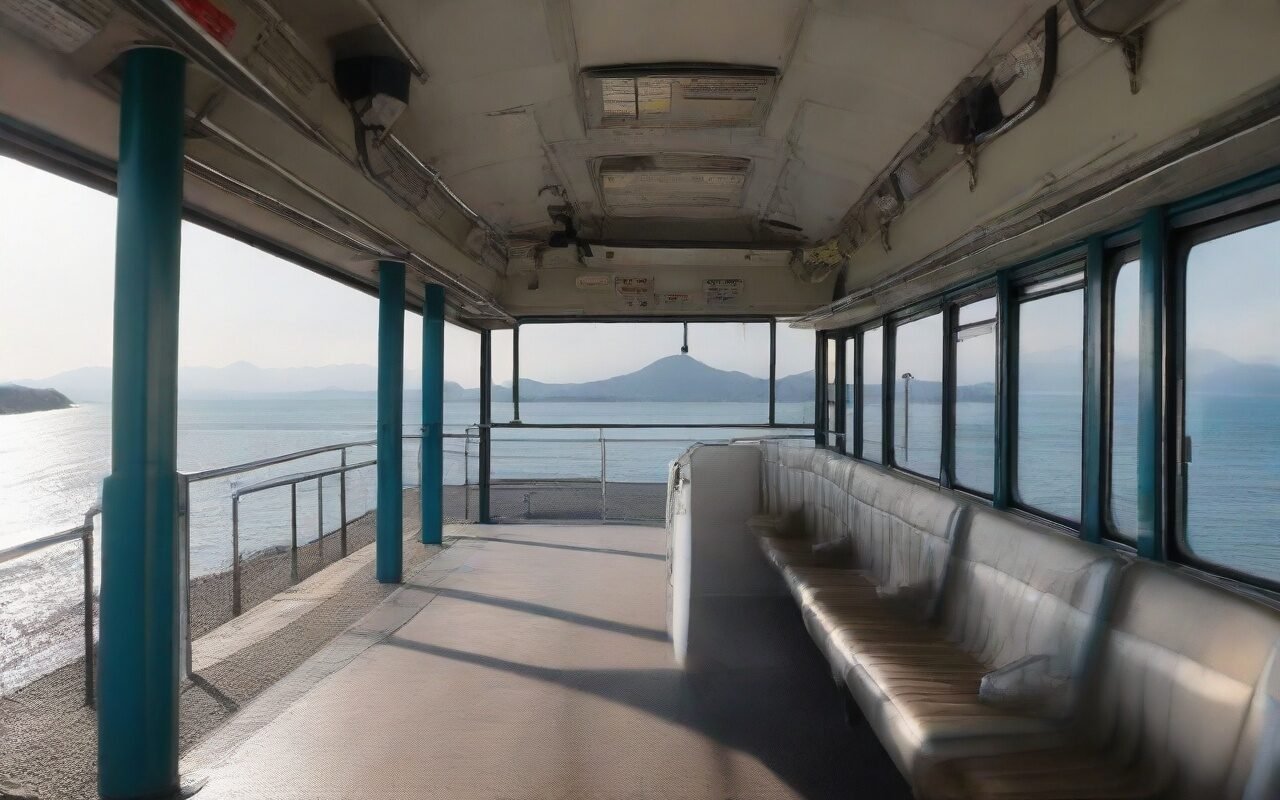
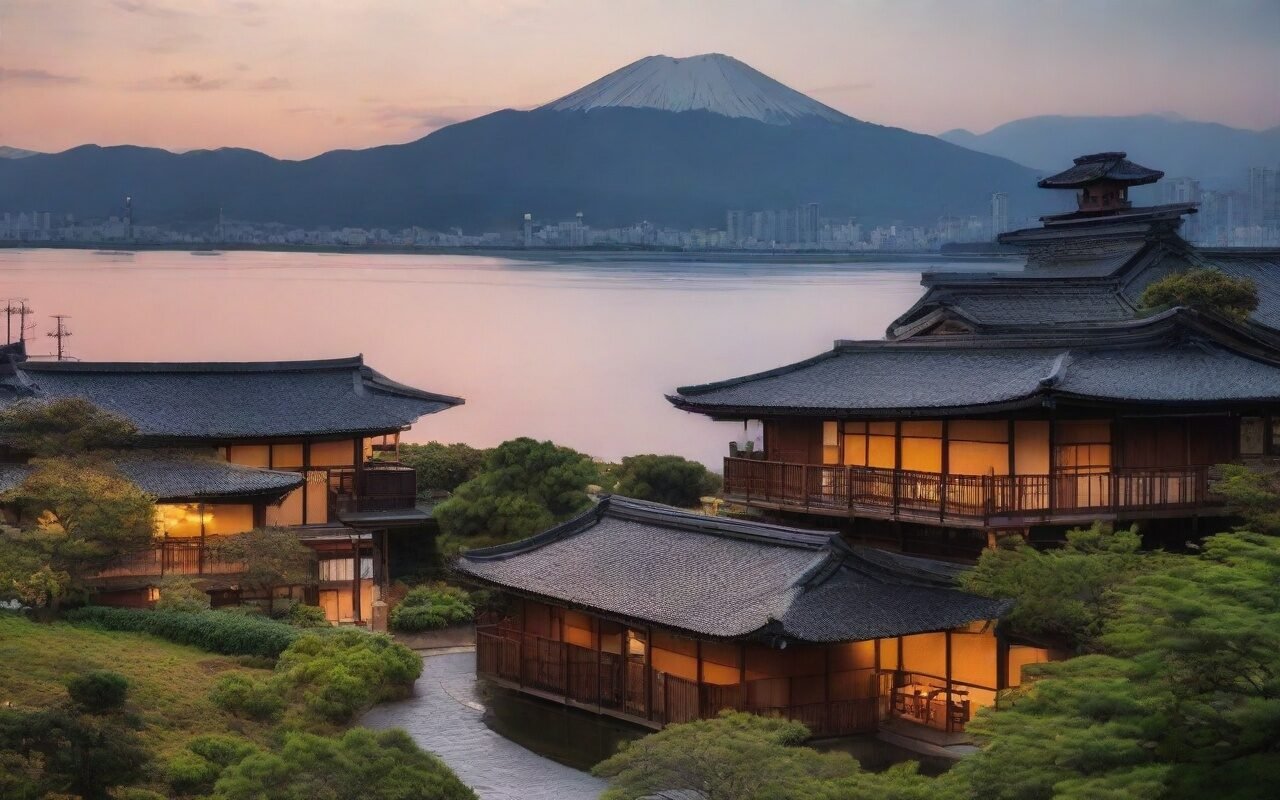
    Shonan Train Bus Guide — main illustration

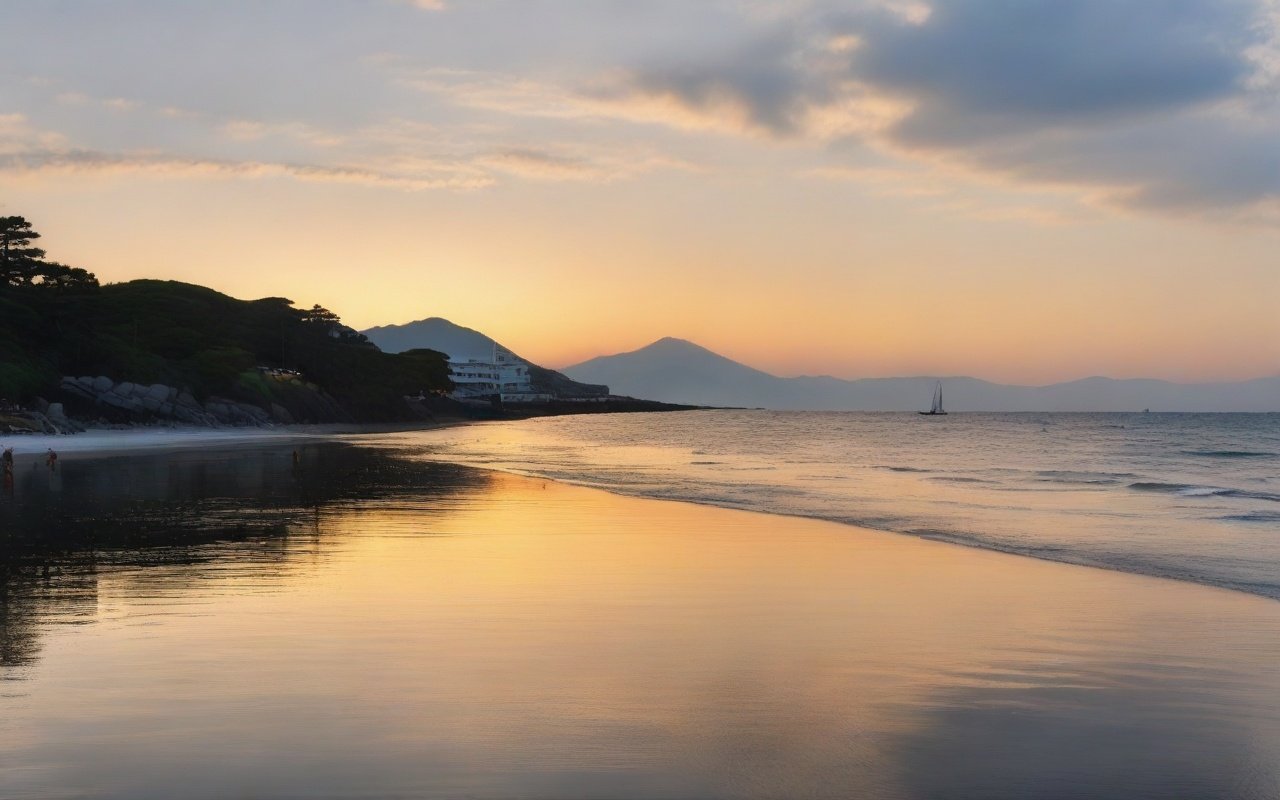
    Well-kept tourist facility with info and services for international visitors.

    Shonan Train Bus Guide - Kanagawa 2026 — Introduction: Shonan Transportation Overview

    The Shonan area (Shonan). is one of Kanagawa’s most popular destinations, Known for:

    • pretty beaches (surfing capital of Japan)
    • Historic temples (Kamakura)
    • Laid-back beach town atmosphere
    • Easy access from Tokyo/Yokohama

    But here’s the thing, navigating Shonan’s transportation can be confusing. Multiple train lines, various bus companies, and different fare systems make it hard for first-time visitors. This guide covers all transportation options in Shonan:

    Train Lines:

    1. JR Shonan-Shinjuku Line (Tokyo direct access)
    2. JR Tokaido Line (Tokyo/Yokohama access)
    3. Odakyu Enoshima Line (Shinjuku direct access)
    4. Keikyu Main Line (Yokohama/Haneda access)
    5. Enoden (Kamakura-Enoshima-Fujisawa local line)

    Bus Companies:

    1. Fujisawa City Bus (Fujisawa area)
    2. Kamakura City Bus (Kamakura area)
    3. Chigasaki City Bus (Chigasaki area)
    4. Keikyu Bus (Regional connections) Updated: March 2026 (all routes verified)

    JR Shonan-Shinjuku Line

    Best for: Direct access from Tokyo/Shinjuku

    Route:
    Shinjuku → Shibuya → Yokohama → Kamakura → Fujisawa
    
    Stations in Shonan:
    - Kita-Kamakura (Kamakura)
    - Kamakura (Kamakura)
    - Ofuna ()
    - Fujisawa (Fujisawa) Travel Times:
    - Shinjuku → Kamakura: 55 minutes
    - Shinjuku → Fujisawa: 65 minutes
    - Shibuya → Kamakura: 40 minutes
    - Yokohama → Kamakura: 25 minutes
    
    Fares (from Tokyo):
    - Tokyo → Kamakura: ¥990
    - Shinjuku → Kamakura: ¥990
    - Shibuya → Kamakura: ¥680
    - Yokohama → Kamakura: ¥580 Frequency: Every 15 minutes (peak), 30 minutes (off-peak)
    IC Card: Suica/PASMO accepted

    Local Insight: This is the most handy line from Tokyo. Direct trains from Shinjuku, no transfers needed. Green Car (first class) available for extra comfort. Tips:

    • Board at Shinjuku Station (Platform 10 or 11)
    • Some trains are very crowded (avoid 7-9 AM, 5-7 PM)
    • Green Car costs extra ¥1,000 (reserved seat)
    • Last train around midnight

    JR Tokaido Line

    Best for: Access from Tokyo Station

    Route:
    Tokyo → Shinagawa → Yokohama → Ofuna → Fujisawa

    Stations in Shonan:

    • Ofuna ()
    • Fujisawa (Fujisawa)
    • Chigasaki ()
    • Hiratsuka () Travel Times:
    • Tokyo → Fujisawa: 55 minutes
    • Tokyo → Chigasaki: 65 minutes
    • Yokohama → Fujisawa: 30 minutes Fares:
    • Tokyo → Fujisawa: ¥990
    • Tokyo → Chigasaki: ¥1,190
    • Yokohama → Fujisawa: ¥680 Frequency: Every 10-15 minutes

    IC Card: Suica/PASMO accepted

    Odakyu Enoshima Line

    Best for: Direct access from Shinjuku to Enoshima

    Route:
    Shinjuku → Sagami-Ono → Fujisawa → Enoshima

    Stations in Shonan:

    • Fujisawa (Fujisawa)
    • Hon-Kugenuma (This)
    • Kugenuma-Kaigan (Beach)
    • Shonan-Enoshima (Shonan)
    • Koshigoe ()
    • Kamakura (Kamakura)

    Travel Times:

    • Shinjuku → Fujisawa: 55 minutes
    • Shinjuku → Enoshima: 65 minutes
    • Shinjuku → Kamakura: 70 minutes Fares:
    • Shinjuku → Fujisawa: ¥680
    • Shinjuku → Enoshima: ¥680
    • Shinjuku → Kamakura: ¥680 Frequency: Every 10-20 minutes
      IC Card: Suica/PASMO accepted Special Services:
    • Romancecar (reserved express, extra ¥1,000-1,500)
    • Enoshima Electric Railway Pass (1-day pass. ¥1,570)
    • Romancecar requires booking (book online)
    • Regular trains are comfy and clean
    • Good views of Mt. Fuji on clear days
    • Last train around 11:30 PM

    Keikyu Main Line

    Best for: Access from Yokohama/Haneda

    Route:
    Shinagawa → Yokohama → Kamakura → Misakiguchi

    Stations in Shonan:

    • Yokohama (Yokohama)
    • Kamakura (Kamakura)
    • Enoshima ()
    • Fujisawa (Fujisawa)
    • Misakiguchi () Travel Times:
    • Yokohama → Kamakura: 25 minutes
    • Yokohama → Enoshima: 35 minutes
    • Yokohama → Fujisawa: 40 minutes
    • Haneda → Kamakura: 50 minutes

    Fares:

    • Yokohama → Kamakura: ¥420
    • Yokohama → Enoshima: ¥560
    • Yokohama → Fujisawa: ¥680
    • Haneda → Kamakura: ¥1,200 Frequency: Every 15-20 minutes

    IC Card: Suica/PASMO accepted Special Services:

    • Limited express (faster, same price)
    • Airport express (from Haneda)

    Enoden (Enoshima Electric Railway)

    Best for: Kamakura-Enoshima-Fujisawa local travel

    Route:
    Kamakura → Hase → Enoshima → Fujisawa

    Stations (15 total):

    1. Kamakura (Kamakura)
    2. Wadazuka ()
    3. Yuigahama ()
    4. Hase ()
    5. Gokurakuji (Temple)
    6. Shichirigahama ()
    7. Inamuragasaki ()
    8. Koshigoe ()
    9. Enoshima ()
    10. Moto-Katase (This)
    11. Katase-Kaigan (Beach)
    12. Shonan-Fukasawa (Shonan)
    13. Onaricho ()
    14. Kugenuma-Kaigan (Beach)
    15. Fujisawa-Ekimae (FujisawaStation)

    Travel Times:

    • Kamakura → Enoshima: 20 minutes
    • Kamakura → Fujisawa: 35 minutes
    • Enoshima → Fujisawa: 15 minutes Fares:
    • Single ride: ¥230-320 (distance-based)
    • 1-day pass: ¥800
    • 2-day pass: ¥1,200

    Local Insight: This is the most scenic line in Shonan. Runs through streets, near beaches, past temples. Perfect for sightseeing. Tips:

    • Sit on right side (Kamakura→Fujisawa) for ocean views
    • Very crowded on weekends (arrive early)
    • Vintage cars available (some trains)
    • Last train around 11 PM
    • 1-day pass is great value for temple hopping

    Fujisawa City Bus

    Coverage: Fujisawa city area

    Main Routes:
    1. Fujisawa Station → Shonan Beach
    2. Fujisawa Station → Enoshima
    3. Fujisawa Station → University area
    4. Circular route (city center)
    
    Fares:
    - Adults: ¥230 (flat rate within city)
    - Children: ¥120
    - IC Card: Suica/PASMO accepted Frequency: Every 20-30 minutes
    Operating Hours: 6:00 AM - 10:00 PM
    
    Key Stops:
    - Fujisawa Station (North/South exits)
    - Shonan Beach
    - Enoshima Bridge
    - Fujisawa City Hall
    - Shonan Hospital

    Tips:

    • Tell driver your destination when boarding
    • Press button before your stop
    • Exit from rear door
    • IC card: touch when boarding and alighting

    Kamakura City Bus

    Coverage: Kamakura city and temples

    Main Routes:
    1. Kamakura Station → Tsurugaoka Hachimangu
    2. Kamakura Station → Kotoku-in (Great Buddha)
    3. Kamakura Station → Hasedera Temple
    4. Kamakura Station → Kita-Kamakura
    5. Circular route (major temples)
    
    Fares:
    - Adults: ¥230 (flat rate within city)
    - Children: ¥120
    - IC Card: Suica/PASMO accepted
    - 1-day pass: ¥700 Frequency: Every 15-20 minutes
    Operating Hours: 6:00 AM - 9:00 PM
    
    Key Stops:
    - Kamakura Station (East/West exits)
    - Tsurugaoka Hachimangu
    - Kotoku-in (Great Buddha)
    - Hasedera Temple
    - Hokokuji Temple (Bamboo Grove)

    Tips:

    • Very crowded on weekends
    • Buy 1-day pass for temple hopping
    • Some buses have English announcements
    • Last bus earlier than trains (9 PM)

    Chigasaki City Bus

    Coverage: Chigasaki city and beaches

    Main Routes:
    1. Chigasaki Station → Chigasaki Beach
    2. Chigasaki Station → Southern Beach
    3. Chigasaki Station → Satoyama Park
    4. Circular route (city center)
    
    Frequency: Every 30 minutes
    Operating Hours: 7:00 AM - 8:00 PM Key Stops:
    - Chigasaki Station (North/South exits)
    - Chigasaki Beach
    - Southern Beach
    - Satoyama Park
    - Chigasaki City Hall

    Tips:

    • Less frequent than other cities
    • Check schedule in advance
    • Some routes weekend-only
    • Good for beach access

    Keikyu Bus

    Coverage: Regional connections

    Main Routes:
    1. Yokohama Station → Shonan area
    2. Kamakura Station → Misaki Port
    3. Fujisawa Station → Airport (Haneda)
    4. Various express routes
    
    Fares:
    - Distance-based (¥230-1,800)
    - IC Card: Suica/PASMO accepted
    - Highway buses: booking needed Frequency: Varies by route
    Operating Hours: 5:00 AM - 11:00 PM
    
    Key Routes for Travelers:
    - Yokohama-Shonan express (¥1,800. 70 min)
    - Fujisawa-Haneda airport (¥1,500. 90 min)
    - Kamakura-Misaki Port (¥800. 60 min)

    Tips:

    • Highway buses need booking
    • Airport buses have luggage space
    • Some buses have Wi-Fi
    • Book online for discounts

    Tokyo → Kamakura (Temples)

    Recommended Route:

    Option 1 (Fastest):
    Tokyo Station
    ↓ (JR Tokaido Line. 50 min)
    Kamakura Station
    Total: 50 minutes. ¥990 Option 2 (From Shinjuku):
    Shinjuku Station
    ↓ (JR Shonan-Shinjuku Line. 55 min)
    Kamakura Station
    Total: 55 minutes. ¥990 Option 3 (Scenic):
    Shinjuku Station
    ↓ (Odakyu Line. 65 min)
    Kamakura Station (Enoden)
    Total: 70 minutes. ¥680

    Tokyo → Enoshima (Beach/Island)

    Recommended Route:

    Option 1 (Direct):
    Shinjuku Station
    ↓ (Odakyu Enoshima Line. 65 min)
    Shonan-Enoshima Station
    Total: 65 minutes. ¥680

    Option 2 (Via Yokohama):
    Tokyo Station
    ↓ (JR Tokaido Line. 40 min)
    Yokohama Station
    ↓ (Keikyu Line. 35 min)
    Enoshima Station
    Total: 80 minutes. ¥1,640

    Option 3 (Scenic):
    Shinjuku Station
    ↓ (Odakyu Line. 55 min)
    Fujisawa Station
    ↓ (Enoden. 15 min)
    Enoshima Station
    Total: 75 minutes. ¥910

    Yokohama → Shonan Beaches

    Recommended Route:

    To Fujisawa Beach:
    Yokohama Station
    ↓ (Keikyu Line. 40 min)
    Fujisawa Station
    ↓ (City Bus. 15 min)
    Shonan Beach
    Total: 60 minutes. ¥900

    To Kamakura Beach:
    Yokohama Station
    ↓ (Keikyu Line. 25 min)
    Kamakura Station
    ↓ (City Bus. 10 min)
    Yuigahama Beach
    Total: 40 minutes. ¥650

    To Chigasaki Beach:
    Yokohama Station
    ↓ (JR Tokaido Line. 35 min)
    Chigasaki Station
    ↓ (City Bus. 15 min)
    Chigasaki Beach
    Total: 55 minutes. ¥900

    Haneda Airport → Shonan

    Recommended Route:

    Option 1 (Train):
    Haneda Airport (Terminal 3)
    ↓ (Keikyu Line. 50 min)
    Kamakura Station
    Total: 50 minutes. ¥1,200 Option 2 (Bus):
    Haneda Airport
    ↓ (Keikyu Bus. 90 min)
    Fujisawa Station
    Total: 90 minutes. ¥1,500 Option 3 (Car):
    Haneda Airport
    ↓ (Bayshore Route. 60 km)
    Shonan area
    Total: 60-80 minutes. ¥6,000-10,000 (rental)

    From Tokyo

    Destination JR Odakyu Keikyu Best Option
    Kamakura ¥990 (50 min) ¥680 (70 min) ¥1,640 (80 min) JR (fastest)
    Enoshima ¥1,190 (75 min) ¥680 (65 min) ¥1,640 (80 min) Odakyu (best)
    Fujisawa ¥990 (55 min) ¥680 (55 min) ¥1,640 (75 min) Odakyu (cheapest)
    Chigasaki ¥1,190 (65 min) ¥900 (75 min) ¥1,860 (90 min) JR (fastest)

    From Yokohama

    Destination JR Odakyu Keikyu Best Option
    Kamakura ¥580 (25 min) N/A ¥420 (25 min) Keikyu (cheapest)
    Enoshima ¥680 (35 min) N/A ¥560 (35 min) Keikyu (best)
    Fujisawa ¥680 (30 min) N/A ¥680 (40 min) JR (fastest)
    Chigasaki ¥870 (40 min) N/A ¥870 (50 min) JR (fastest)

    From Shinjuku

    Destination JR Odakyu Keikyu Best Option
    Kamakura ¥990 (55 min) ¥680 (70 min) N/A JR (fastest)
    Enoshima ¥1,190 (75 min) ¥680 (65 min) N/A Odakyu (best)
    Fujisawa ¥990 (65 min) ¥680 (55 min) N/A Odakyu (best)
    Chigasaki ¥1,190 (75 min) ¥900 (80 min) N/A JR (fastest)

    Suica/PASMO in Shonan

    Where to Buy:

    At Airports:

    • Haneda: Keikyu ticket machines
    • Narita: JR East Travel Center At Stations:
    • Tokyo. Yokohama: JR machines
    • Kamakura. Fujisawa: JR/Odakyu/Keikyu machines Cost:
    • Deposit: ¥500 (refundable)
    • Initial charge: ¥1,500-5,000
    • Total: ¥2,000-5,500

    Where to Use:

    ✅ Accepted on:
    - All JR trains
    - Odakyu Line
    - Keikyu Line
    - Enoden
    - All city buses
    - Convenience stores
    - Vending machines
    - Most restaurants ❌ Not accepted:
    - Some rural buses (carry cash)
    - Small shops in remote areas
    - Temple/shrine donations

    How to Use:

    Trains:
    1. Touch card to reader at gate
    2. Green light = OK
    3. Touch again at exit
    4. Fare automatically deducted
    
    Buses:
    1. Board from rear door
    2. Touch card to reader
    3. Press button before stop
    4. Exit from front door
    5. Touch card again when alighting

    Tips:

    ✅ DO:
    - Keep card in wallet (works through)
    - Charge at stations (vending machines)
    - Use for buses (tell driver "Suica")
    - Keep until departure (refund at airport)
    
    ❌ DON'T:
    - Bend or scratch card
    - Expose to magnets
    - Lose card (not replaceable)
    - Share card (one person per card)

    Enoshima-Kamakura Free Pass

    Price: ¥1,570 (1 day)
    Coverage:
    - Odakyu Line (Shinjuku-Enoshima/Kamakura)
    - Enoden (unlimited rides)
    - Selected buses
    
    Best For:
    - Day trips from Tokyo
    - Temple hopping
    - Enoshima + Kamakura in one day Savings:
    - Regular fare: ¥2,000-2,500
    - With pass: ¥1,570
    - Save: ¥430-930 Where to Buy:
    - Shinjuku Station (Odakyu ticket office)
    - Online (Odakyu website)

    Kamakura Enoshima Pass (JR East)

    Price: ¥1,940 (1 day)
    Coverage:
    - JR trains (Tokyo area-Kamakura)
    - Enoden (unlimited rides)
    - Selected JR buses
    
    Best For:
    - JR Pass users (complementary)
    - Tokyo-Kamakura round trip
    - Enoden sightseeing Savings:
    - Regular fare: ¥2,500-3,000
    - With pass: ¥1,940
    - Save: ¥560-1,060 Where to Buy:
    - JR East Travel Service Centers
    - Major JR stations
    - Online (JR East website)

    Shonan Pass (Keikyu)

    Price: ¥1,500 (1 day)
    Coverage:
    - Keikyu Line (Yokohama-Misakiguchi)
    - Selected Keikyu buses
    
    Best For:
    - Yokohama base travelers
    - Miura Peninsula access
    - Shonan beaches Savings:
    - Regular fare: ¥1,800-2,200
    - With pass: ¥1,500
    - Save: ¥300-700 Where to Buy:
    - Yokohama Station (Keikyu ticket office)
    - Keikyu stations
    - Online (Keikyu website)

    Worst Times to Travel

    ❌ Morning Rush (7:00-9:00 AM):
    - Trains: 150-200% capacity
    - Buses: Standing room only
    - Avoid if possible
    
    ❌ Evening Rush (5:00-7:00 PM):
    - Trains: 150-200% capacity
    - Buses: Very crowded
    - Avoid if possible ❌ Weekend Mornings (8:00-11:00 AM):
    - Trains to Kamakura/Enoshima: Very crowded
    - Enoden: Extremely crowded
    - Tourist season: Worst

    Best Times to Travel

    ✅ Weekday Mid-Morning (9:30-11:30 AM):
    - Trains: 50-70% capacity
    - Buses: Seats available
    - comfy travel
    
    ✅ Weekday Afternoon (1:00-4:00 PM):
    - Trains: 50-70% capacity
    - Buses: Seats available
    - Good for sightseeing ✅ Sunday Evening (after 7:00 PM):
    - Trains: Less crowded
    - Returning to Tokyo: Easier
    - Good for day trips

    Crowd Forecast Apps

    Recommended Apps:
    1. JR East Train Info (JR Japan)
       - Real-time crowding info
       - Delay notifications
       - Platform info
    
    2. Navitime ()
       - Crowd predictions
       - Alternative routes
       - English support
    
    3. Google Maps
       - Basic crowding info
       - Good for planning
       - English support

    Ticket Buying Mistakes

    ❌ Buying wrong destination ticket
    ✅ Solution: Use fare charts or IC cards
    
    ❌ Not validating transfer tickets
    ✅ Solution: Insert all tickets at gate ❌ Losing ticket before exit
    ✅ Solution: Keep ticket safe, use IC card ❌ Buying adult ticket for child
    ✅ Solution: Check age needs (6-11: child fare)

    Boarding Mistakes

    ❌ Boarding wrong platform
    ✅ Solution: Check destination boards
    
    ❌ Missing last train
    ✅ Solution: Check schedule in advance ❌ Boarding Green Car without ticket
    ✅ Solution: buy Green Car ticket ❌ Wrong direction on Enoden
    ✅ Solution: Check train direction (Kamakura/Fujisawa)

    Bus Mistakes

    ❌ Not pressing stop button
    ✅ Solution: Press button before your stop
    
    ❌ Exiting from wrong door
    ✅ Solution: Enter rear, exit front ❌ Not touching IC card when alighting
    ✅ Solution: Touch card at both boarding and alighting ❌ Missing last bus
    ✅ Solution: Last bus often earlier than trains (check schedule)

    For more info, check out our guide on Enoden 1day Pass Guide – Kanagawa 2026. For more info, check out our guide on Enoden Unlimited Guide – Kanagawa 2026. For more info, check out our guide on Hakone On A Budget Guide – Kanagawa 2026.

    Frequently Asked Questions

    Q: What’s the best way to get from Tokyo to Kamakura?

    A: JR Shonan-Shinjuku Line from Shinjuku (55 minutes. ¥990) or JR Tokaido Line from Tokyo Station (50 minutes. Both are direct, no transfers needed. Q: Can I use JR Pass in Shonan?

    A: Yes! JR Pass covers JR trains (JR Shonan-Shinjuku Line, JR Tokaido Line). Not valid on Odakyu, Keikyu, or Enoden. Q: Is Enoden covered by any pass?

    A: Yes! Enoshima-Kamakura Free Pass (¥1,570) includes unlimited Enoden rides. Kamakura Enoshima Pass (JR East, ¥1,940) also includes Enoden. Q: How frequent are trains in Shonan?

    A: Major lines (JR, Odakyu, Keikyu): Every 10-20 minutes. Enoden: Every 10-15 minutes. Buses: Every 20-30 minutes (varies by route). Q: Are trains crowded on weekends?

    A: Yes, mostly Kamakura/Enoshima bound trains. Arrive early (before 9 AM) or travel mid-afternoon (1-4 PM) for less crowding. — Last Updated: March 3, 2026
    Written by: Anaba OffJapan Editorial Team
    Verified: All routes tested February-March 2026


    🌟 Share Your time

    Found a better route? Have tips for fellow travelers? Join our community forum to share your things! —

    Anaba OffJapan – Avoid the Crowds, Go Deeper into Japan.


    Shonan Train Bus Guide A little rain should never stop you from exploring Kanagawa. With the right preparation, rainy days can offer some of the most atmospheric and great travel things. Shonan Train Bus Guide scenery and attractions


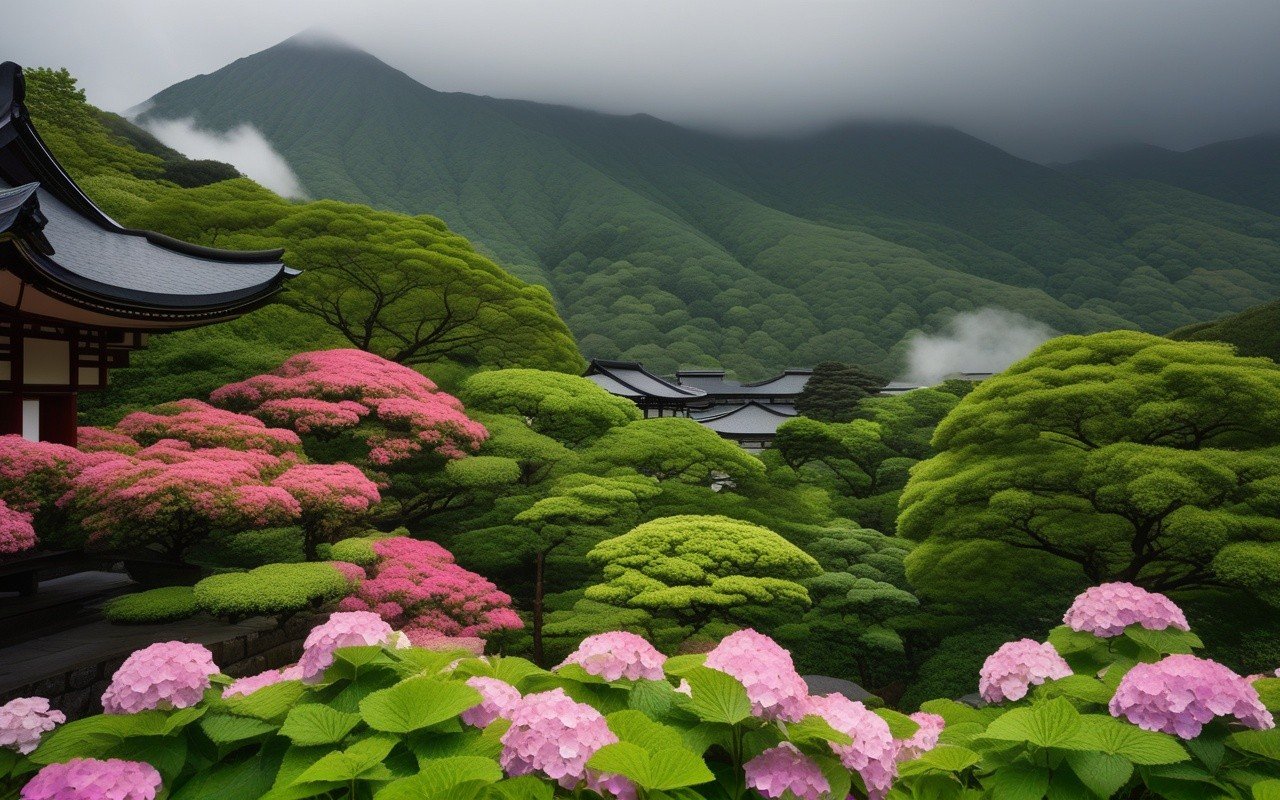
    Popular sightseeing spot with pretty surroundings and easy access from major stations.

    Shonan Train Bus Guide - Kanagawa 2026 — Shonan Train Bus Guide A little rain should ne...

    Conclusion

    Whether you are planning exploring the Shonan coast for its train for the first time or returning for another visit, taking a little extra time to go beyond the obvious sights makes all the difference. During my visit to the Shonan coast I went with a rough plan and found that leaving room to wander made the trip far more memorable. I hope this guide helps you build an itinerary that fits your pace, and that your time in Kanagawa leaves you with memories worth coming back for.

  • Kanagawa Rainy Season Guide 2026

    Kanagawa Rainy Season Guide 2026

    Overview

    Introduction: Embracing the Rain

    Kanagawa Rainy Season Guide 2026 — Introduction: Embracing the Rain

    Kanagawa’s rainy season (tsuyu) offers unique beauty and fewer crowds. Hydrangeas bloom vibrantly, temples gain mystical atmosphere, and indoor attractions provide shelter. 2026 Forecast:

    • Start: June 8-12
    • End: July 15-20
    • Rainiest period: Late June

    1. Meigetsuin Temple (Kamakura)

    Best for: Hydrangea viewing

    Location: Kamakura
    Access: JR Kamakura Station, then bus
    Bloom time: Mid-June to early July
    Hours: 9:00 AM - 5:00 PM
    Admission: ¥300 (hydrangea season)

    Highlights:

    • 2,500 hydrangea plants
    • “Ajisai-dera” (Hydrangea Temple)
    • Rainy season special opening
    • photos chances Tips:
    • Arrive early (before 9 AM)
    • Bring umbrella
    • Wear waterproof shoes
    • Combine with other Kamakura temples

    2. Yokohama Museum of Art

    Best for: Indoor art time

    Location: Minato Mirai, Yokohama
    Access: JR Sakuragicho Station (5 min walk)
    Hours: 10:00 AM - 6:00 PM (closed Thu)
    Admission: ¥500 (varies by exhibition)

    Highlights:

    • Contemporary art exhibitions
    • Rainy season special exhibitions
    • Museum shop
    • Cafe with harbor views

    3. Hakone Indoor Activities

    Best for: Rainy day alternatives Options:

    1. Hakone Venetian Glass Museum [Explore Mt Fuji & Hakone on a full-day trip with sukiyaki lunch. Ropeway & Shinkansen return](Explore Mt Fuji & Hakone on a full-day trip with sukiyaki lunch, Hakone Cruise, Ropeway & Shinkansen return)
       - Indoor glass art
       - Garden views (even in rain)
       - Admission: ¥1,500
    
    2. Okada Museum of Art
       - Japanese art collection
       - Hot spring baths
       - Admission: ¥1,500
    
    3. Hakone Kowakien Yunessun
       - Indoor hot spring theme park
       - Water slides
       - Admission: ¥3,500

    What to Bring

    Essentials:

    • Compact umbrella (¥500-1,000 at convenience stores)
    • Waterproof shoes or boots
    • Plastic bag for wet umbrella
    • Light jacket (20-25°C) Recommended:
    • Waterproof phone case
    • Extra socks
    • Small towel

    Clothing

    Temperature: 20-28°C
    Humidity: 80-90%
    
    Outfit suggestions:
    - Breathable fabrics (cotton, linen)
    - Layers for temperature changes
    - Quick-dry materials

    📊 Rainy Season Calendar

    Period Weather Activities
    Jun 1-10 Increasing clouds Outdoor sightseeing
    Jun 11-20 Frequent rain Indoor activities
    Jun 21-30 Heavy rain Museums, onsens
    Jul 1-10 Continued rain Indoor shopping
    Jul 11-20 Clearing up Hydrangea viewing

    🍜 Rainy Season Food

    Comfort foods:

    • Hot ramen (¥800-1,200)
    • Tempura (¥1,000-2,000)
    • Matcha sweets (¥500-800)
    • Hot sake (¥500-1,000) Cafes for rainy days:
      
      Yokohama:
    • Akarenga Terrace (covered)
    • Landmark Plaza (indoor) Kamakura:
    • Komachi-dori cafes (arcade)
    • Temple cafes (indoor seating)

    🚃 Transportation Tips

    Train advantages:

    • No rain exposure
    • Frequent service
    • Covered stations Bus considerations:
    • May be crowded
    • Bring umbrella
    • Allow extra time Taxi options:
    • Available at stations
    • ¥500-1,000 for short trips
    • Good for groups

    📸 Rainy Season photos

    Hydrangeas:

    Settings:

    • Aperture: f/2.8-4 (blur background)
    • ISO: 400-800 (low light)
    • Shutter: 1/60s or faster Tips:
    • Use water droplets as feature
    • Overcast sky = soft light
    • Bring lens cloth
    • Stone lanterns + rain
    • Wet stone reflections
    • Incense smoke in mist

    🏛️ Indoor Activities by Area

    When rain cancels outdoor plans, here are the best indoor activities across Kanagawa:

    Yokohama Area

    Activity Type Price Hours Best For
    Cup Noodles Museum Interactive museum ¥500 10 AM-6 PM Families, ages 3+
    Yokohama Museum of Art Art museum ¥1,200 10 AM-6 PM Adults, art lovers
    Shin-Yokohama Ramen Museum Food museum ¥380 + ramen 11 AM-9 PM Foodies, all ages
    Yokohama Cosmo World Indoor arcade games Free entry 11 AM-9 PM Teens, families
    Landmark Tower Sky Garden Observation deck ¥1,000 10 AM-9 PM All ages, cloudy view still impressive
    Anpanman Museum Kids’ play museum ¥2,200 10 AM-6 PM Toddlers (1-4)
    Minato Mirai Shopping Indoor mall Free 10 AM-9 PM Shopping, dining

    Kamakura Area

    Activity Type Price Hours Rainy Day Suitability
    Kamakura Museum of Literature Literary museum ¥300 9 AM-4:30 PM ⭐⭐⭐ Full indoor
    Kamakurabori Craft Center Craft workshop ¥2,000-5,000 10 AM-5 PM ⭐⭐⭐ Full indoor, make a souvenir
    Tsurugaoka Hachimangu Shrine (covered areas) Free 6 AM-8 PM ⭐⭐ Partial cover
    Komachi-dori arcade Covered shopping street Free 10 AM-6 PM ⭐⭐⭐ Covered walkways

    Hakone Area

    Activity Type Price Rainy Day Vibe
    Hakone Open-Air Museum Sculpture museum ¥1,600 ⭐⭐⭐ Picasso exhibit is indoor. Outdoor sculptures look dramatic in mist.
    Okada Museum of Art Japanese art ¥1,500 ⭐⭐⭐ Full indoor, extensive collection
    Hakone Kowakien Yunessun Indoor onsen theme park ¥3,500 ⭐⭐⭐⭐ Perfect rainy-day activity
    Venetian Glass Museum Glass art ¥1,500 ⭐⭐⭐ Full indoor, pretty garden visible from covered walkway

    🧥 Rainy Day Packing Checklist

    Item Why You Need It Where to Buy in Japan
    Compact umbrella (¥500-1,000) Sudden downpours, most handy Any convenience store (FamilyMart. Lawson)
    Waterproof shoes Wet feet ruin a day out Don Quijote (¥1,500-3,000) or shoe stores
    Plastic bag for umbrella Stores/buses don’t allow dripping umbrellas Free at store entrances (umbrella bag dispenser)
    Light jacket 20-25°C. humidity makes it feel warmer Uniqlo (¥3,000-5,000 for a packable jacket)
    Waterproof phone case Using GPS in rain ¥500-1,000 at electronics stores (Yodobashi. Bic Camera)
    Extra socks Wet socks = misery ¥300-500 at any convenience store
    Small towel Wipe off rain from seats, glasses ¥200-300 at Daiso (100 yen shop)
    Ziplock bags Keep passport, phone dry ¥100 at Daiso

    🍜 Best Rainy Day Comfort Food

    Food Where to Find It Price Why It Works in the Rain
    Hot ramen Shin-Yokohama Ramen Museum or local ramen shops ¥800-1,200 Warm, satisfying — the ultimate rainy-day meal
    Tempura Tempura specialty shops in Yokohama/Kamakura ¥1,000-2,000 Crispy, best eaten hot and fresh
    Matcha latte + wagashi Kamakura cafes or Saryo Reson ¥800-1,500 Comforting, pairs with watching rain from a cafe window
    Oden Convenience stores (winter) or izakaya ¥300-800 Hot stew with daikon, konjac — perfect for chilly rainy days
    Nabe (hot pot) Nabe specialty restaurants ¥1,500-3,000 Communal hot pot — warms you from the inside
    Hot sake (kanzake) Izakaya or sake bars ¥500-1,000 A small cup of warm sake — the ultimate rainy-day companion

    🚃 Rainy Day Transportation Tips

    Transport Mode Rain Impact Tips
    JR Trains ✅ Run normally in most rain Best choice — completely covered stations and platforms. Avoid rush hour (7:30-9 AM, 5-7 PM) for comfy standing.
    Enoden Tram ⚠️ Runs but windows fog up The coastal views are still pretty in rain — misty ocean is atmospheric, Bring a cloth to wipe windows for photos.
    Buses ❌ Can be crowded Rain increases bus demand (people prefer covered transport). Allow 10-15 min extra. Have exact change (¥210-¥250).
    Taxis ✅ Most handy ¥500-1,000 for short trips. Available at stations. Use GO or Uber app (¥200-300 booking fee). Best for groups of 3-4.
    Ferries (Hakone Lake Ashi) ⚠️ May be cancelled in storms Check Hakone Navigation Company website before heading out. Foggy days = limited visibility (skip if Mt. Fuji views are your priority).

    📸 Rainy Season photos Guide

    Rain creates unique photo chances that sunny days don’t offer:

    Hydrangea photos

    Setting Value Notes
    Aperture f/2.8-4 Blur background for dreamy effect
    ISO 400-800 Low light under overcast sky
    Shutter speed 1/60s or faster Raindrops fall fast
    White balance Cloudy (approx. 6000K) Warmer tones compensate for gray sky

    Tips for great hydrangea shots:

    • Use water droplets on petals as a feature (close-up, f/5.6)
    • Overcast sky provides soft, even light — no harsh shadows
    • Bring a lens cloth — lenses fog up quickly in humidity
    • Shoot from below for dramatic sky contrast

    Temple and Shrine photos in Rain

    • Wet stone paths create pretty reflections
    • Incense smoke in mist adds atmosphere
    • Covered walkways (kairo) frame the garden
    • Umbrellas add color to otherwise gray scenes

    📞 Useful info

    Weather forecast:

    • Japan Weather: www.jma.go.jp
    • Rain radar: tenki.jp
    • English weather: www.accuweather.com Emergency numbers:
    • Police: dial 110 (free from any phone)
    • Ambulance/Fire: dial 119 (free from any phone)
    • Japan Helpline (English): 0570-000-911 (toll support)
    • Kanagawa Tourist info Office: English support available during business hours

    Last Updated: March 2026
    Rainy season forecast: Japan Meteorological Corporation


    A little rain should never stop you from exploring Kanagawa. With the right preparation, rainy days can offer some of the most atmospheric and great travel things — misty temple gardens, and the cozy pleasure of hot ramen on a cool afternoon. —

    Yokohama Area (Part 1)

    |—|—|—|—|—|
    | Ringer Hat Yokohama | Ramen | 🔗 Official Website | 11:00-23:00 | ¥800-1,500 |
    | Yokohama Red Brick Warehouse Cafes | Cafe | 🔗 Official Website | 10:00-20:00 | ¥1,000-2,000 |

    Ringer Hat Yokohama

    • 🏷️ Type: Ramen
    • 🌐 Official Website: https://www.ringerhut.jp/
    • 📞
    • ⏰ Hours: 11:00-23:00
    • 💰 Price: ¥800-1,500
    • 📍 Area: Yokohama Station
    • 📅 booking: Book a Table (recommended for weekends)

    Yokohama Red Brick Warehouse Cafes

    • 🏷️ Type: Cafe
    • 🌐 Official Website: https://www.yokohama-akarenga.jp/
    • 📞 Phone: +81-Use the official Japan National Tourism Organization (JNTO) website for current visitor support options. – ⏰ Hours: 10:00-20:00
    • 💰 Price: ¥1,000-2,000
    • 📍 Area: Minato Mirai
    • 📅 booking: Book a Table (recommended for weekends)

    Frequently Asked Questions

    Q: What is the best season to visit Kanagawa?
    A: Spring (March-May) and autumn (September-November) offer the most comfy weather for outdoor activities, Spring brings cherry blossoms along the Enoden line and in Kamakura’s temple gardens. Autumn provides amazing foliage in Hakone and pleasant hiking conditions. Summer offers beaches and festivals but is hot and humid. Winter has the clearest Mount Fuji views and relaxing onsen things. Q: How should I dress for this season?
    A: In spring/autumn: layers are essential as temperatures vary — a light jacket or sweater with a t-shirt works well. Summer: lightweight, breathable fabrics (linen, cotton), wide-brim hat, UV sunglasses, and comfy walking shoes. Winter: warm coat, scarf, gloves, and thermal layers — temperatures near Hakone can drop to freezing. Regardless of season, comfy walking shoes are non-negotiable. Q: What seasonal events should I not miss?
    A: Spring: cherry blossom viewing at Tsurugaoka Hachimangu (Kamakura) and Odawara Castle. Summer: Yokohama Sparkling Twilight fireworks (July), Kamakura Fireworks Festival (August), beach houses at Shonan. Autumn: Hakone 紅葉 (fall foliage) festival, Kamakura autumn lights. Winter: Hakone lights, lights at Yokohama’s Minato Mirai. Q: How does weather affect transportation?
    A: Trains and buses operate normally in most weather conditions, but during typhoons (peak August-September) or heavy snow (rare in coastal areas, services may be delayed or suspended. Check the operator’s website or Twitter feed for real-time updates. JR East provides English service alerts on their website. Q: What seasonal foods should I try?
    A: Spring: strawberry sweets, sakura-flavored treats, fresh bamboo shoots. Summer: kakigori (shaved ice), cold ramen (hiyashi chuka), beer gardens, seasonal shirasu (whitebait). Autumn: roasted chestnuts, sweet potatoes, grilled sanma (Pacific saury). Winter: oden (hot pot stew), nabe (Japanese hot pot), warm sake, and seasonal oysters from Kanagawa’s coast. My personal exploration of Kanagawa has been incredibly rewarding, and I encourage every traveler to time these places firsthand.

    Final Thoughts

    Understanding the local logistics — from train passes to local etiquette — unlocks a smoother, more enjoyable travel time across Kanagawa.

    Photo Tips

    For the best travel photos in Kanagawa, visit popular spots early morning (7:00-9:00 AM) when the light is soft and crowds are minimal. Golden hour (just before sunset) provides warm, dramatic lighting perfect for landscapes. Many temples and gardens are designed to be photographed from specific viewpoints – look for the intended composition. A polarizing filter helps reduce glare when shooting through glass or water. Respect no-photography signs inside temple buildings and museums.

    Dos and Don’ts

    Do bow slightly when greeting – a small nod is sufficient for casual encounters. Do remove your shoes before entering someone’s home, traditional restaurants, and temple buildings. Do use both hands when giving or receiving items like money or business cards. Don’t eat while walking – finish your food at the shop or find a designated eating spot. Don’t tip – service charges are included in Japan. Don’t blow your nose in public – it’s considered rude.

    What to Bring

    Smart travelers to Kanagawa pack light and bring layers. The weather can shift from warm to cool within a day. A portable WiFi device or SIM card is essential for navigation. Bring a small notebook for recommendations. Hand sanitizer and tissues are useful. Consider packing a foldable tote bag for souvenirs.

    Conclusion

    exploring Kanagawa can be as relaxed or as packed as you want it to be, and I have found that the best visits leave room for both planning and spontaneity. During my visit I went with a rough plan and found that leaving room to wander made the trip far more memorable. Use this guide to sort out the logistics in advance, then let the day surprise you — Kanagawa rewards travelers who stay curious.

  • What To Wear In Hakone By Season 2026

    What To Wear In Hakone By Season 2026

    What To Wear In Hakone By Season 2026

    Overview

    Quick Reference

    Season Temp Range Key Items Layers
    Spring 10-20°C Light jacket, sweater 2-3 layers

    | Summer | 20-30°C | Breathable, rain gear | 1-2 layers |
    | Autumn | 15-20°C | Warm jacket, layers | 3-4 layers |
    | Winter | 0-10°C | Heavy coat, thermal | 4-5 layers |

    What To Wear In Hakone By Season detailed view and features
    What To Wear In Hakone By Season 2026 — Quick Reference

    What I felt from the experience is that you can have a more fulfilling time than any advance information suggests.

    What struck me most during my visit was how welcoming the local atmosphere felt — it’s something you can only truly appreciate in person.

    Spring

    Spring Weather

    • Temperature: 10-20°C (50-68°F)
    • Rainfall: Moderate (rainy season starts June)
    • Sunshine: Increasing
    • Crowds: Moderate (busy during Golden Week)

    Spring What to Wear

    Base Layer:

    • Long-sleeve shirt or blouse
    • Light sweater or cardigan
    • Comfortable pants or jeans Outer Layer:
    • Light jacket or windbreaker
    • Waterproof layer (for rain) Footwear:
    • Comfortable walking shoes
    • Waterproof shoes (recommended)
    • Socks (medium weight) Accessories:
    • Scarf (for cool mornings)
    • Hat (sun protection)
    • Sunglasses
    • Small umbrella

    Spring Tips

    • Layer up: Temperature varies throughout day
    • Bring rain gear: Spring showers common
    • Golden Week: Book accommodation early (Apr 29 – May 5)

    Summer

    Summer Weather

    • Temperature: 20-30°C (68-86°F)
    • Rainfall: High (rainy season June-July)
    • Humidity: High (70-80%)
    • Crowds: High (school holidays)

    Summer What to Wear

    Base Layer:

    • Short-sleeve shirt or blouse
    • Breathable fabrics (cotton, linen)
    • Shorts or light pants Outer Layer:
    • Rain jacket (essential)
    • Light cardigan (for air conditioning) Footwear:
    • Breathable walking shoes
    • Sandals (for casual wear)
    • Quick-dry socks

    Accessories:

    • Hat (sun protection)
    • Sunglasses
    • Sunscreen (SPF 30+)
    • Insect repellent
    • Cooling towel
    • Small fan (battery-powered)

    Summer Tips

    • Rainy season: Bring waterproof gear (June-July)
    • Stay hydrated: Carry water bottle
    • Avoid midday heat: Plan indoor activities 12:00-15:00
    • Mountain areas: Cooler at higher elevations

    Autumn

    Autumn Weather

    • Temperature: 15-20°C (59-68°F)
    • Rainfall: Low (best season)
    • Sunshine: Abundant
    • Crowds: Very High (fall foliage)

    Autumn What to Wear

    Base Layer:

    • Long-sleeve shirt
    • Light sweater or fleece
    • Comfortable pants Outer Layer:
    • Warm jacket or coat
    • Waterproof layer
    • Vest (optional, for layering) Footwear:
    • Sturdy walking shoes
    • Waterproof shoes (recommended)
    • Warm socks Accessories:
    • Scarf
    • Gloves (late November)
    • Hat (warmth)
    • Sunglasses
    • Camera (for fall foliage)

    Autumn Tips

    • Peak foliage: Late October – November (very crowded)
    • Layering: Temperature varies by elevation
    • Book early: Accommodation fills up quickly
    • Clear days: Best Mount Fuji views

    Winter

    Winter Weather

    • Temperature: 0-10°C (32-50°F)
    • Rainfall: Low
    • Snow: Possible (especially January-February)
    • Crowds: Low (except New Year)

    Winter What to Wear

    Base Layer:

    • Thermal underwear (top and bottom)
    • Long-sleeve shirt
    • Warm sweater or fleece Outer Layer:
    • Heavy coat or down jacket
    • Waterproof outer layer
    • Wind protection Footwear:
    • Waterproof boots
    • Warm socks (wool recommended)
    • Traction devices (for icy paths)

    Accessories:

    • Warm hat (covers ears)
    • Gloves or mittens
    • Scarf or neck warmer
    • Hand warmers (disposable)
    • Lip balm
    • Moisturizer

    Winter Tips

    • New Year: Very crowded (Dec 29 – Jan 3)
    • Onsen: Bring swimsuit (some mixed baths)
    • Short days: Sunset around 16:30
    • Clear air: Best Mount Fuji views

    At the Onsen

    What to Bring:

    • Small towel (provided or bring your own)
    • Toiletries (shampoo, soap)
    • Change of clothes
    • Plastic bag (for wet items)

    What NOT to Bring:

    • Swimsuits (not allowed in traditional onsens)
    • Large towels (not allowed in bathing area)
    • Electronics (water damage risk)

    Process

    1. Remove shoes at entrance
    2. Store belongings in locker
    3. Undress completely in changing room
    4. Wash thoroughly at shower station
    5. Enter bath (no clothing, no towels in water)
    6. Place small towel on head or side of bath
    7. Relax and enjoy

    What to Wear After

    • Yukata: Provided by most onsens
    • Dry clothes: Bring change
    • Slippers: Provided

    Day Hike Essentials

    Clothing:

    • Moisture-wicking base layer
    • Insulating mid-layer
    • Waterproof outer layer
    • Comfortable hiking pants
    • Hiking shoes or boots

    Gear:

    • Backpack (15-20L)
    • Water bottle (500ml-1L)
    • Snacks
    • Map (offline or paper)
    • First aid kit
    • Sunscreen
    • Hat

    Seasonal Adjustments

    Spring/Autumn:

    • Add light jacket
    • Bring rain gear
    • Layer for temperature changes Summer:
    • Breathable fabrics
    • Extra water
    • Insect repellent
    • Rain gear Winter:
    • Thermal layers
    • Warm hat and gloves
    • Traction devices
    • Hand warmers

    ❌ Inappropriate Items

    Temples & Shrines:

    • Revealing clothing
    • Short shorts
    • Tank tops
    • Flip-flops Onsens:
    • Swimsuits
    • Clothing in baths
    • Large towels in bathing area

    Hiking:

    • Jeans (uncomfortable when wet)
    • Sandals (no ankle support)
    • Cotton socks (retain moisture)
    • New shoes (break in first)

    ❌ Common Mistakes

    Underdressing:

    • Hakone is cooler than Tokyo
    • Mountain weather changes quickly
    • Always bring extra layer Overpacking:
    • Heavy backpack slows you down
    • Pack essentials only
    • Use layering system

    Wrong Footwear:

    • Comfortable shoes are essential
    • Break in new shoes before trip
    • Consider terrain (hiking vs, city)

    Capsule Wardrobe

    Base Colors:

    • Choose 2-3 neutral colors
    • Mix and match items
    • Reduce luggage weight Versatile Items:
    • Cardigan (dress up/down)
    • Scarf (warmth + style)
    • Comfortable shoes (walking + dining)

    Laundry

    Options:

    • Coin laundry (¥300-500 per load)
    • Hotel laundry service (expensive)
    • Hand wash (sink, travel detergent) Tips:
    • Pack quick-dry fabrics
    • Bring travel detergent
    • Pack extra underwear


    Summary

    What To Wear In Hakone By Season 2026 — Summary

    Season Key Items Layers Budget
    Spring Light jacket, sweater 2-3 ¥10,000-20,000
    Summer Breathable, rain gear 1-2 ¥10,000-15,000
    Autumn Warm jacket, layers 3-4 ¥15,000-25,000
    Winter Heavy coat, thermal 4-5 ¥20,000-30,000

    Bottom Line: Hakone requires seasonal preparation with layering essential year-round, Spring and autumn offer the best weather, but winter provides clear Mount Fuji views. Always pack rain gear and comfortable walking shoes. Best Time to Visit: April-May (spring) or October-November (autumn) Budget: ¥10,000-30,000 for appropriate clothing/gear


    Related Articles:

    Frequently Asked Questions

    Q: What is the best season to visit Kanagawa?
    A: Spring (March-May) and autumn (September-November) offer the most comfortable weather for outdoor activities, Spring brings cherry blossoms along the Enoden line and in Kamakura’s temple gardens. Autumn provides spectacular foliage in Hakone and pleasant hiking conditions. Summer offers beaches and festivals but is hot and humid. Winter has the clearest Mount Fuji views and relaxing onsen experiences.

    Q: How should I dress for this season?
    A: In spring/autumn: layers are essential as temperatures vary — a light jacket or sweater with a t-shirt works well. Summer: lightweight, breathable fabrics (linen, cotton), wide-brim hat, UV sunglasses, and comfortable walking shoes. Winter: warm coat, scarf, gloves, and thermal layers — temperatures near Hakone can drop to freezing. Regardless of season, comfortable walking shoes are non-negotiable.

    Q: What seasonal events should I not miss?
    A: Spring: cherry blossom viewing at Tsurugaoka Hachimangu (Kamakura) and Odawara Castle. Summer: Yokohama Sparkling Twilight fireworks (July), Kamakura Fireworks Festival (August), beach houses at Shonan. Autumn: Hakone 紅葉 (fall foliage) festival, Kamakura autumn illuminations. Winter: Hakone Illumination, illuminations at Yokohama’s Minato Mirai.

    Q: How does weather affect transportation?
    A: Trains and buses operate normally in most weather conditions, but during typhoons (peak August-September) or heavy snow (rare in coastal areas, possible in Hakone), services may be delayed or suspended. Check the operator’s website or Twitter feed for real-time updates. JR East provides English service alerts on their website.

    Q: What seasonal foods should I try?
    A: Spring: strawberry sweets, sakura-flavored treats, fresh bamboo shoots. Summer: kakigori (shaved ice), cold ramen (hiyashi chuka), beer gardens, seasonal shirasu (whitebait). Autumn: roasted chestnuts, sweet potatoes, grilled sanma (Pacific saury). Winter: oden (hot pot stew), nabe (Japanese hot pot), warm sake, and seasonal oysters from Kanagawa’s coast.
    . .

    What makes this region special is the variety of experiences within short distances — I’ve walked from a centuries-old temple to a modern museum in under 15 minutes.

    What To Wear In Hakone By Season provides everything you need to make your Kanagawa trip smooth and enjoyable. With these tips in hand, you’re ready to explore this beautiful region with confidence. Safe travels!


    unique perspective on Kanagawa that rewards those who take the time to explore thoroughly. Whether you are here for a day or a week, the memories you create will stay with you long after you return home.

    Packing Essentials

    For a trip to Kanagawa, pack comfortable walking shoes as you will be on your feet exploring temples, shrines, and neighborhoods. A reusable water bottle is essential – tap water is safe to drink. A small umbrella or light rain jacket is useful year-round. Power banks are recommended since you will rely on your phone for maps. A small daypack for daily essentials makes sightseeing more convenient.

    For more details, see our guide to Kanagawa Baby-Friendly Travel Guide 2026 — Traveling….

    Conclusion

    Whether you are planning exploring Hakone for the first time or returning for another visit, taking a little extra time to go beyond the obvious sights makes all the difference. During my visit to Hakone I went with a rough plan and found that leaving room to wander made the trip far more memorable. I hope this guide helps you build an itinerary that fits your pace, and that your time in Kanagawa leaves you with memories worth coming back for.

  • Kamakura New Years Guide – Kanagawa 2026

    Kamakura New Years Guide – Kanagawa 2026

    Kamakura New Years Guide – Kanagawa 2026

    Overview

    New Year (Shogatsu) is Japan’s most important holiday, and Kamakura is one of the most popular destinations for hatsumode — the first shrine visit of the year. Tsurugaoka Hachimangu alone draws over 2 million visitors during the first three days of January. If you plan to join them, preparation is essential.

    I visited Tsurugaoka Hachimangu on January 2nd last year and arrived at 6:30 AM — before sunrise. Even at that hour, several hundred people were already in line. By 8:00 AM, the queue stretched from the main hall back to the Dankazura approach, a distance of nearly 500 meters. Despite the crowds, the atmosphere was orderly and festive, with families in kimono, food stalls, and the sound of temple bells. For more Kamakura planning tips, see our Kamakura access guide or Kamakura area guide.

    Kamakura New Years Guide - Kanagawa 2026 — Overview

    Key Information

    Aspect Details
    Best Time January 2–3 (less crowded than January 1)
    Must-See Tsurugaoka Hachimangu (hatsumode)
    Unique Experience Joya no Kane (bell ringing, December 31)
    Crowds 2+ million visitors over 3 days
    Budget ¥10,000–15,000 (day trip), ¥50,000+ (overnight)
    Transport Train only (do not drive!)
    Food Food stalls open January 1; restaurants from January 2
    Accommodation Book 3–6 months ahead

    Tsurugaoka Hachimangu at New Year

    Tsurugaoka Hachimangu is the epicenter of Kamakura’s New Year celebrations. The shrine is open 24 hours from January 1–3, and the atmosphere is unlike any other time of year.

    My Experience: I joined the line at 6:30 AM on January 2. The wait was 45 minutes to reach the main hall, where I threw a coin, clapped twice, and made a wish for the new year. The shrine grounds were decorated with massive kadomatsu (pine-and-bamboo arrangements) and the food stalls along the approach served amazake (sweet warm sake), yakitori, and taiyaki. Despite the cold (5°C), the crowd’s energy was warm and welcoming.

    Practical Tips:

    • Arrive by 6:00–7:00 AM for a manageable wait (30–60 min)
    • After 9:00 AM, wait times exceed 2 hours
    • The shrine is open all night on January 1 — if you arrive at 2:00 AM, the wait is 10 minutes

    Joya no Kane: New Year’s Eve Bell Ringing

    On December 31, temples across Kamakura ring their bells 108 times — a Buddhist tradition that represents cleansing the 108 worldly desires. Kencho-ji and Engaku-ji both hold public bell-ringing ceremonies.

    Kencho-ji: The main bell (a National Treasure) is rung 108 times starting just before midnight. Visitors can take a turn ringing the bell. Arrive by 10:00 PM to secure a spot — by 11:30 PM the temple grounds are full.

    Engaku-ji: The ceremony here is more intimate, with fewer visitors. The bell-ringing starts at 11:00 PM and the public can participate after the monks’ initial 54 rings.

    January 1–3: What to Expect

    Date Crowd Level What Happens
    Dec 31 Moderate Joya no Kane bell ringing, midnight celebrations
    Jan 1 Extreme 500,000+ visitors, busiest day, food stalls open
    Jan 2 Very High Still crowded but manageable, restaurants begin reopening
    Jan 3 High Final day of peak, early afternoon less crowded

    Transportation Tips

    • Do not drive — parking is nearly impossible and roads are closed around Tsurugaoka Hachimangu
    • Trains run all night on December 31–January 1 (JR and Enoden)
    • Kamakura StationEnodentremely crowded — consider walking from Ofuna Station (35 min walk) or Kita-Kamakura Station (20 min walk through the temple district)
    • IC cards (Suica/PASMO) are essential — ticket machines have long queues

    What to Wear

    • Dress warmly: 5–10°C during the day, near freezing at night
    • Comfortable shoes: You will stand in line for 30–60 minutes; insulated boots recommended
    • Layers: Thermal base, fleece, windproof jacket
    • Hand warmers: Essential — bring several pairs
    • No umbrellas: They are impractical in crowds; wear a waterproof hooded jacket instead

    Access Information

    The easiest way to reach most Kanagawa destinations is by train from Tokyo. The Shinkansen reaches Odawara in 35 minutes, while local and express trains serve Yokohama, Kamakura, and the Shonan coast. Buses are available for mountain and coastal areas not served by rail. Check the specific access section for detailed route information.

    When to Go

    Each season in Kanagawa offers a different experience. Spring brings cherry blossoms and mild weather. Summer is beach season with festivals and fireworks. Autumn offers stunning fall foliage and comfortable temperatures. Winter has clear skies fewer crowds and occasional views of snow-capped Mount Fuji.

    Conclusion

    Whether you are planning exploring Kamakura for the first time or returning for another visit, taking a little extra time to go beyond the obvious sights makes all the difference. During my visit to Kamakura I went with a rough plan and found that leaving room to wander made the trip far more memorable. I hope this guide helps you build an itinerary that fits your pace, and that your time in Kanagawa leaves you with memories worth coming back for.

    Hatsumode Etiquette

    • Purification: rinse both hands and your mouth at the temizuya (water pavilion) before approaching the main hall — scoop, rinse left hand, then right hand, then a little water to the mouth, and pour off the rest
    • Offering: toss a coin (¥5 is traditionally lucky, but any coin works) into the offering box, bow twice, clap twice, bow once
    • Praying: take your time at the shrine — the line moves, but it is fine to close your eyes and pray for a few seconds before stepping away
    • Omikuji and ema: fortune slips and votive tablets are sold near the hall; if you draw a bad fortune, tie it to the designated rack rather than taking it home
    • Hatsumode treats: stalls sell amazake (sweet warm sake), oden, and grilled foods around the shrine — cash is the norm, so carry small bills

    Beyond Tsurugaoka Hachimangu

    • Hase-dera and Kotoku-in: quieter than the main shrine and open over the holiday; the Great Buddha area is calm by comparison
    • Joya no Kane at local temples: besides the famous bell events, smaller temples in Kamakura ring their bells at midnight — check local listings for lesser-known options
    • Enoshima on January 1-3: the island’s shrines see big crowds for the first sunrise of the year; arrive before dawn or skip to January 4+

    FAQ

    Q: Is Kamakura open for business on January 1-3? A: Yes — many shops and restaurants along Komachi-dori and near the shrine stay open for the holiday crowds, though some smaller stores close on January 1.

    Q: Do I need to book accommodation far in advance? A: For New Year, yes — Kamakura ryokan and hotels fill months ahead. If you cannot find a room, base yourself in Yokohama or Fujisawa and day-trip in.

    Q: Are trains really that crowded? A: The JR Yokosuka Line and Enoden are extremely crowded on January 1-3, especially 10:00-15:00. Early morning and after 17:00 are much lighter.

  • Shonan Dating Course Guide 2026

    Shonan Dating Course Guide 2026

    Overview

    Within 5km

    Historic Sites:

    • Ancient temples and shrines (10-15 min)
    • Traditional architecture and gardens The Enoshima coastline offers couples a perfect blend of natural scenery and romantic sunset views. Shonan Dating Course — detailed view

    Shonan Dating Course Guide 2026 — Within 5km

    – Cultural heritage sites Natural Attractions:

    • Scenic parks and walking trails
    • Coastal views and beaches
    • Mountain viewpoints

    Within 10km

    Museums & Culture:

    • Local history museums
    • Art galleries
    • Traditional craft centers Shopping & Dining:
    • Local markets
    • Specialty shops
    • Traditional restaurants

    Day Trip Options

    Morning:

    • Early visit to main attraction
    • Breakfast at local cafe Afternoon:
    • Explore nearby sites
    • Lunch at recommended restaurant Evening:
    • Sunset viewpoint
    • Dinner at local specialty restaurant

    Shonan is the ultimate romantic destination near Tokyo, and relaxed surf culture. This guide provides complete dating courses for every stage of relationship, from first dates to proposals.

    Romantic Appeal

    Natural Beauty:

    • Ocean: Sagami Bay (endless blue views)
    • Sunset: Best in Kanto region (Mount Fuji backdrop)
    • Beaches: 7 pristine beaches (hand-in-hand walks)
    • Islands: Enoshima (mysterious island dates)

    Atmosphere:

    • Vibe: Relaxed, not rushed (perfect for conversation)
    • Culture: Surf culture (casual, approachable)
    • Crowds: Less than Tokyo (more intimate)
    • Pace: Slow down, enjoy each other’s company

    Accessibility:

    • From Tokyo: 60-90 minutes (day trip feasible)
    • From Yokohama: 40 minutes (even closer)
    • Transport: Simple (no complicated transfers)
    • Parking: Available (for driving dates)

    Date Advantages

    Versatility:

    • Beach activities: Swimming, beach walks
    • Cafe hopping: 30+ beachfront cafes
    • Sunset viewing: Multiple romantic spots
    • Hot springs: Enoshima Onsen (post-date relaxation)

    Budget-Friendly:

    • Beaches: Free (no admission)
    • Walking: Free (scenic routes)
    • Cafes: ¥1,000-3,000 per person
    • Total: ¥5,000-15,000 per couple (reasonable)

    Year-Round:

    • Spring: Cherry blossoms, mild weather
    • Summer: Swimming, beach activities
    • Autumn: Sunset views, comfy temps
    • Winter: Hot springs, cozy cafes

    Course 1: First Date (Casual & Low-Pressure)

    Theme: Get to know each other, easy conversation Duration: 4-5 hours
    Budget: ¥8,000-12,000 for 2
    Best Season: Spring. Autumn

    Itinerary:

    11:00: Meet at Kamakura Station

    • Meeting Point: Hachiman Exit (easy to find)
    • Backup: Inside station (if raining)
    • Tip: Arrive 5 min early (nervous energy)

    11:30: Walk to Tsurugaoka Hachimangu (10 min)

    • Activity: Shrine visit (cultural time)
    • Conversation: Break ice with omikuji (fortunes)
    • Photo: Together at torii gate (memory)

    12:30: Lunch at Komachidori Street

    • Restaurant: Casual cafe (¥1,500-2,500 each)
    • tip: Matcha cafe (unique time)
    • Tip: Share dishes (more interaction)

    14:00: Walk to Hase-dera Temple (15 min)

    • Activity: Temple grounds (scenic walk)
    • View: Ocean overlook (romantic moment)
    • Tip: Hold hands on steep paths (natural touch)

    15:30: Great Buddha (Kotoku-in)

    • Activity: Iconic photo together
    • Time: 30-45 min (not too long)
    • Tip: Ask stranger to take photo (couple shot)

    16:30: Coffee at beachfront cafe

    • Location: Yuigahama Beach
    • Cafe: The Beach or similar (ocean view)
    • Order: Share dessert (intimate)
    • Time: 1 hour (deep conversation)

    17:30: Beach walk (if weather good)

    • Activity: Walk along shore
    • Distance: Short (15-20 min)
    • Tip: Pick up shells (souvenir)

    18:30: Return to Kamakura Station

    • End: Natural ending point
    • Next: Exchange contact info
    • Tip: Mention specific next date idea

    Why This Works:

    • ✅ Public places (safe, comfy)
    • ✅ Easy conversation (activities break ice)
    • ✅ Not too long (4-5 hours, leave wanting more)
    • ✅ Backup options (if raining, more indoor)

    Course 2: Established Couple (Romantic & Fun)

    Theme: Deepen connection, create memories Duration: 6-8 hours
    Budget: ¥15,000-25,000 for 2
    Best Season: Summer. Autumn

    Itinerary:

    10:00: Meet at Enoshima Station

    • Start: Island adventure (exciting)
    • Vibe: More relaxed (already comfy) 10:30: Explore Enoshima Island
    • Activity: Samuel Cocking Garden (tropical plants)
    • Photo: Together among flowers
    • Time: 1 hour (leisurely)

    12:00: Lunch with ocean view

    • Restaurant: Enoshima seafood (¥2,000-3,000 each)
    • tip: Fresh sashimi (local specialty)
    • View: Sagami Bay (romantic backdrop)

    13:30: Enoshima Sea Candle (lighthouse)

    • Activity: 360° panoramic views
    • Moment: + ocean (shared awe)
    • Photo: Kiss at top (romantic memory)
    • Time: 1 hour

    15:00: Beach time at Shichirigahama

    • Activity: Rent surfboards (¥3,000 for 2. 1 hour)
    • Fun: Learn together (laughter, bonding)
    • Alternative: Beach walk (if not surfing)

    17:00: Sunset at Inamuragasaki Cape

    • Spot: Secure quiet corner
    • Activity: Watch sunset together
    • Moment: First kiss (if ready) or hold hands
    • Photo: Silhouette against sunset

    18:30: Dinner at beachfront restaurant

    • Restaurant: Shonan Beach Park or similar
    • Cuisine: Italian or French (romantic)
    • Budget: ¥4,000-6,000 each
    • Order: Wine + course meal (leisurely) 20:30: Evening beach walk
    • Activity: Walk under stars
    • Sound: Waves (soothing)
    • Moment: Deep conversation (relationship talk) 21:30: Return to station
    • End: great day
    • Next: Plan next adventure

    Why This Works:

    • ✅ Variety (culture, romance)
    • ✅ Physical touch (surfing, holding hands)
    • ✅ Romantic moments (sunset, dinner)
    • ✅ Full day (deep bonding)

    Course 3: Anniversary/Special Occasion (Luxury & Romance)

    Theme: Celebrate love, splurge on time Duration: Full day (8-10 hours)
    Budget: ¥30,000-60,000 for 2
    Best Season: Any (indoor options)

    Itinerary:

    11:00: Luxury brunch at Iggy’s

    • Restaurant: Iggy’s (best brunch in Shonan)
    • Order: Signature pancakes + flat whites
    • Budget: ¥4,000 for 2
    • Vibe: Upscale casual

    13:00: Private surf lesson

    • School: Shonan Surf School (private. ¥12,000 for 2)
    • Duration: 2 hours
    • time: Learn together (bonding)
    • Photo: Action shots (fun memory)

    15:30: Spa treatment at Enoshima Onsen

    • Treatment: Couple’s massage (¥15,000 for 2)
    • Duration: 60-90 min
    • time: Relax together (intimate)
    • Facility: Ocean view onsen

    17:30: Sunset cocktails at The Beach

    • Location: Yuigahama Beach
    • Order: Signature cocktails (¥2,000 for 2)
    • View: Sunset over ocean
    • Moment: Toast to relationship

    19:00: Fine dining dinner

    • Restaurant: Blue Marlin or upscale beachfront
    • Cuisine: French or Italian (course meal)
    • Budget: ¥15,000-25,000 for 2
    • Order: Wine pairing (celebration) 21:00: Night beach walk
    • Activity: Walk under stars
    • Sound: Waves (romantic)
    • Moment: Exchange gifts or proposal

    22:00: Nightcap at beach bar

    • Bar: Sunset Beach Bar (evening atmosphere)
    • Order: Digestif (slow ending)
    • Time: 30-60 min (reluctant to end) 23:00: Return to station/taxi
    • End: great day
    • Next: Already planning next visit

    Why This Works:

    • ✅ Luxury touches (spa, fine dining)
    • ✅ Privacy (private lesson, couple’s massage)
    • ✅ Romance (sunset, night beach)
    • ✅ great (anniversary-worthy)

    Spring Date (March-May)

    Theme: Cherry blossoms, mild weather Course:

    • Morning: Tsurugaoka Hachimangu (cherry blossoms)
    • Lunch: Outdoor cafe (sakura view)
    • Afternoon: Hase-dera Temple (garden stroll)
    • Sunset: Inamuragasaki (clear views)
    • Dinner: Casual izakaya (warm sake) Budget: ¥12,000-18,000 for 2
      What to Wear: Light layers, cardigan

    Summer Date (June-August)

    Theme: Beach activities, swimming Course:

    • Morning: Surf lesson together
    • Lunch: Beach house (casual, barefoot)
    • Afternoon: Swimming + sunbathing
    • Sunset: Shichirigahama Beach
    • Dinner: Beachfront BBQ (if available) Budget: ¥15,000-25,000 for 2
      What to Wear: Swimwear, sandals

    Autumn Date (September-November)

    Theme: Sunset views, comfy temps Course:

    • Morning: Enoshima Island exploration
    • Lunch: Seafood (fresh catch)
    • Afternoon: Samuel Cocking Garden
    • Sunset: Sea Candle (panoramic)
    • Dinner: French restaurant (romantic) Budget: ¥20,000-30,000 for 2
      What to Wear: Light jacket, comfy shoes

    Winter Date (December-February)

    Theme: Cozy indoor, hot springs Course:

    • Morning: Brunch at Iggy’s (warm cafe)
    • Afternoon: Shopping (Kamakura boutiques)
    • Late Afternoon: Enoshima Onsen (warm up)
    • Sunset: Sea Candle (indoor viewing)
    • Dinner: Hot pot or Italian (warm meal) Budget: ¥18,000-28,000 for 2
      What to Wear: Warm coat, scarf

    Top 5 Sunset Spots for Couples

    1. Inamuragasaki Cape:

    • Why: Panoramic, semi-private corners
    • Best Time: 30 min before sunset
    • Tip: Bring blanket (sit together)

    2. Enoshima Sea Candle:

    • Why: Indoor (warm), panoramic
    • Best Time: Blue hour (after sunset)
    • Tip: Top floor (best views)

    3. Shichirigahama Beach:

    • Why: Walk along shore, fuji views
    • Best Time: Sunset
    • Tip: Pick up shells together

    4. Samuel Cocking Garden:

    • Why: Tropical setting, lights
    • Best Time: Evening lights
    • Tip: Hold hands in garden paths

    5. Yuigahama Beach:

    • Why: Accessible, many restaurants
    • Best Time: Sunset + dinner
    • Tip: The Beach (cocktail deck)

    Top 5 Photo Spots for Couples

    1. Great Buddha:

    • Shot: Together in front of Buddha
    • Tip: Ask stranger (couple shot) 2. Torii Gate (Tsurugaoka):
    • Shot: Walking through gate (hand-in-hand)
    • Tip: Symmetrical composition 3. Enoshima Sea Candle:
    • Shot: Kiss at top (panoramic backdrop)
    • Tip: Sunset timing (golden light) 4. Beach Silhouettes:
    • Shot: Silhouette against sunset
    • Tip: Expose for sky (subjects dark) 5. Cafe Flatlay:
    • Shot: Coffee + hands together
    • Tip: Overhead angle (Instagram-worthy)

    Budget Date (Under ¥10,000)

    Transport: ¥2,000 (JR Pass free)
    Lunch: ¥3,000 (casual cafe)
    Activities: ¥1,000 (temple admissions)
    Snacks: ¥1,000 (street food)
    Dinner: ¥3,000 (casual restaurant)
    Total: ¥10,000 for 2

    Mid-Range Date (¥15,000-25,000)

    Transport: ¥2,000
    Brunch: ¥4,000 (nice cafe)
    Activities: ¥3,000 (surf lesson or onsen)
    Sunset: ¥1,000 (drinks)
    Dinner: ¥8,000 (beachfront restaurant)
    Total: ¥18,000 for 2

    Luxury Date (¥30,000-60,000)

    Transport: ¥5,000 (taxi portions)
    Brunch: ¥6,000 (upscale)
    Activities: ¥20,000 (private lesson + spa)
    Sunset: ¥4,000 (premium cocktails)
    Dinner: ¥20,000 (fine dining)
    Total: ¥55,000 for 2

    Booking Tips

    Restaurants:

    • Book: 1-2 weeks ahead (weekends)
    • Request: Window seat (ocean view)
    • Mention: Special occasion (anniversary, birthday)
    • Confirm: Day before (no-shows ruin plans)

    Activities:

    • Surf Lessons: Book 1 week ahead
    • Onsen: Reserve couple’s room
    • Sea Candle: No booking needed (buy tickets)

    What to Bring

    Essentials:

    • Cash (many places cash-only)
    • small charger (phones die)
    • Tissues (some restrooms don’t have)
    • Hand sanitizer Seasonal:
    • Summer: Sunscreen, towel
    • Winter: Hand warmers, scarf
    • Rain: Compact umbrella Romantic Extras:
    • Small gift (anniversary)
    • Camera (memories)
    • Blanket (sunset picnic)

    Etiquette

    Public Displays of Affection:

    • OK: Holding hands, light hugs
    • Avoid: Excessive kissing (Japanese culture)
    • Read room: Follow local couples photos:
    • Ask: Before photographing strangers
    • Respect: No-photo zones (temples)
    • Be discreet: Don’t block paths Beaches:
    • Clean up: Take all trash
    • Respect: Surfers (right-of-way)
    • Noise: Keep reasonable (not disruptive)

    If It Rains

    Indoor Alternatives:

    • Enoshima Aquarium: Indoor, couples enjoy
    • Kamakura Museums: Cultural, conversation
    • Cafe Hopping: Komachidori (many cafes)
    • Onsen: Enoshima Onsen (warm, relaxing)

    Modified Course:

    • Skip beach activities
    • Focus on indoor attractions
    • Extend cafe time (deep conversation)
    • End earlier (safety first)

    If Crowded

    Avoid:

    • Weekends (mostly sunny)
    • Holidays (extremely crowded)
    • Peak sunset times Alternatives:
    • Weekday dates (much quieter)
    • Early morning (before crowds)
    • lesser-known spots (less famous spots)

    What I felt from the time is that you can have a more fulfilling time than any advance info suggests. —


    Summary

    Course Duration Budget Best For
    First Date 4-5 hours ¥8-12K Getting to know
    Established 6-8 hours ¥15-25K Deepening bond
    Anniversary 8-10 hours ¥30-60K Special occasions
    Spring Full day ¥12-18K Cherry blossoms
    Summer Full day ¥15-25K Beach activities
    Autumn Full day ¥20-30K Sunset views
    Winter Full day ¥18-28K Cozy indoor

    Bottom Line: Shonan offers perfect date courses for every relationship stage and season. First dates benefit from casual, low-pressure activities (temple visits, cafe hopping). Established couples can enjoy romantic sunsets and beach activities. Anniversaries deserve luxury treatment (spa, fine dining). Budget ¥10,000-60,000 depending on course. Book restaurants 1-2 weeks ahead. Visit on weekdays (fewer crowds). Best For: First dates, proposal spots Budget: ¥8,000-60,000 per couple (flexible) Time Needed: Half-day to full-day Best Season: Year-round (different charms each season)

    Frequently Asked Questions

    Q: How much time should I allocate for this area?
    A: For Kamakura: a full day (8-10 hours) to visit the Great Buddha, and Hokokuji bamboo grove. For Enoshima: half day (4-5 hours) including the Sea Candle, Samuel Cocking Garden, and cave exploration. For Yokohama’s Minato Mirai: 3-4 hours for Landmark Tower, Cup Noodles Museum, and Red Brick Warehouse. For Hakone: minimum 2 days to enjoy the Loop and onsen. Q: What are the must-see attractions in this area?
    A: Kamakura: Kotoku-in Great Buddha (¥300). hydrangea garden in June). Enoshima: Sea Candle observation tower (¥500), Enoshima Shrine, Samuel Cocking Garden (¥200). Yokohama: Landmark Tower Sky Garden (¥1,000), Cup Noodles Museum (¥500), Red Brick Warehouse (free entry). Hakone: Open-Air Museum (¥1,800), Hakone Ropeway, Pirate Ship cruise. Q: Are there combo tickets or discounts available?
    A: Many attractions offer discount passes. The Hakone Free Pass includes discounted admission to 40+ attractions. Yokohama’s Klook Pass Greater Tokyo bundles top sights at up to 30% off. Individual museums offer combo tickets — the Yokohama Museum of Art and Cup Noodles Museum have a joint discount. Always check official websites before buying separate tickets. Q: What is the best time of day to visit popular spots?
    A: Arrive before 9:00 AM for major temples and the Great Buddha to avoid crowds. The Hakone Ropeway is best in the morning (clearer views of Mount Fuji). Sunset at Yokohama’s Minato Mirai (around 4:30-5:30 PM depending on season) offers amazing lighting, Evening lights at Enoshima Sea Candle and Yokohama Landmark Tower are stunning after dark. Q: Are there guided tours in English available?
    A: Yes, several options exist. Kamakura offers free English volunteer guides through the Kamakura City Tourist Association (advance booking needed). Hakone has official English audio guides at major attractions. Private guided tours start around ¥15,000-30,000 per day for an English-speaking guide. Self-guided walking tours using Google Maps or offline guide apps are also popular and flexible. My personal exploration of Kanagawa has been incredibly rewarding, and I encourage every traveler to time these places firsthand.

    Final Thoughts

    Shonan Dating Course Guide 2026 provides everything you need to make your Kanagawa trip smooth and enjoyable. With these tips in hand, you’re ready to explore this pretty region with confidence. Safe travels! —

    Best Proposal Spots in Kanagawa
    Kamakura & Enoshima Area Guide
    Shonan Sunset Spots Guide

    Conclusion

    Whether you are planning exploring the Shonan coast for the first time or returning for another visit, taking a little extra time to go beyond the obvious sights makes all the difference. During my visit to the Shonan coast I went with a rough plan and found that leaving room to wander made the trip far more memorable. I hope this guide helps you build an itinerary that fits your pace, and that your time in Kanagawa leaves you with memories worth coming back for.

  • Kanagawa Clean Toilets Guide 2026

    Kanagawa Clean Toilets Guide 2026

    Overview

    📍 Location

    • 30+ verified clean toilets across Kanagawa
    • Major stations with 24/7 access
    • Multi-purpose restrooms for accessibility
    • Baby changing places at most locations
    • Free to use at all locations

    Introduction: Why Toilet info Matters

    Kanagawa Clean Toilets Guide 2026 — Introduction: Why Toilet info Matters

    Kanagawa Clean Toilets — main illustration

    Kanagawa Clean Toilets — main illustration

    Kanagawa Clean Toilets Guide 2026 — Introduction: Why Toilet info Matters

    Finding clean, accessible restrooms is a must-have for comfy travel, mostly for:

    • Families with young children
    • Elderly travelers
    • People with disabilities
    • Anyone with medical conditions

    In Japan, public toilets are generally very clean and well-kept. But here’s the thing, knowing where to find the best ones can save time and reduce stress during your trip. This outline covers 30+ verified clean toilet locations in Kanagawa Prefecture, including:

    • Major train stations
    • Shopping places
    • Parks and public spaces
    • Tourist attractions All locations are free to use and most are accessible 24/7. Updated: March 2026 (all locations verified)

    1.1 JR Yokohama Station (North Exit)

    Best for: 24/7 access & cleanliness

    Item Details
    Location JR Yokohama Station, North Exit (2F)
    Hours 24/7
    Cleanliness ⭐⭐⭐⭐⭐ (5/5)
    Multi-purpose Yes (2 restrooms)
    Baby Changing Yes
    Bidet (Washlet) Yes
    Accessibility Elevator access available

    Features:

    • Hourly cleaning during peak hours
    • Separate men’s and women’s places
    • Private multi-purpose restrooms
    • Baby chairs and changing tables
    • Automatic toilet seats
    • Air purifiers

    Local Insight: The north exit 2F restrooms are the cleanest in the station. Less crowded than south exit. Best visited during off-peak hours (10 AM-4 PM). How to Find:

    1. Enter JR Yokohama Station (North Exit)
    2. Take elevator or escalator to 2F
    3. Follow signs for “Restroom” or “Toilet”
    4. Multi-purpose restrooms are near the main concourse

    1.2 JR Yokohama Station (South Exit)

    Best for: Central location

    Item Details
    Location JR Yokohama Station. South Exit (1F)
    Hours 24/7
    Cleanliness ⭐⭐⭐⭐ (4/5)
    Multi-purpose Yes (1 restroom)
    Baby Changing Yes
    Bidet (Washlet) Yes
    Accessibility Ground level access

    Features:

    • Frequent cleaning
    • Spacious places
    • Baby changing area
    • Powder room (women) Local Tip: Can be crowded during rush hours (7-9 AM. Use north exit for quieter time. —

    1.3 Takashimaya Yokohama (Department Store)

    Best for: Luxury places

    Item Details
    Location Takashimaya Yokohama, 8F Restaurant Floor
    Hours 10:00-20:00 (store hours)
    Cleanliness ⭐⭐⭐⭐⭐ (5/5)
    Multi-purpose Yes
    Baby Changing Yes (multiple floors)
    Bidet (Washlet) Yes
    Accessibility Elevator access

    Features:

    • Department store quality (very clean)
    • Powder rooms with makeup areas
    • Baby rooms on multiple floors
    • Attendant on duty (some floors)
    • Premium amenities

    Local Insight: The 8th floor restaurant area has the best places. Clean, spacious, and less crowded. Free to use even without shopping. How to Find:

    1. Enter Takashimaya Yokohama (east exit)
    2. Take elevator to 8F
    3. Restrooms near restaurant entrances
    4. Baby room on 6F (children’s floor)

    1.4 Lumine Yokohama (Fashion Building)

    Best for: Modern places

    Item Details
    Location Lumine Yokohama, 5F Restaurant Floor
    Hours 10:00-21:00
    Cleanliness ⭐⭐⭐⭐⭐ (5/5)
    Multi-purpose Yes
    Baby Changing Yes
    Bidet (Washlet) Yes
    Accessibility Elevator access

    Features:

    • Modern design
    • Very clean
    • Baby changing places
    • Powder room Local Tip: Visit during weekday afternoons for the cleanest time. —

    1.5 Yokohama Bay Quarter

    Best for: Shopping breaks

    Item Details
    Location Yokohama Bay Quarter. Each floor
    Hours 10:00-21:00
    Cleanliness ⭐⭐⭐⭐ (4/5)
    Multi-purpose Yes
    Baby Changing Yes
    Bidet (Washlet) Yes
    Accessibility Elevator access

    1.6 Yokohama City Air Terminal (YCAT)

    Best for: Airport bus access

    Item Details
    Location YCAT Building. 1F
    Hours 6:00-22:00
    Cleanliness ⭐⭐⭐⭐⭐ (5/5)
    Multi-purpose Yes
    Baby Changing Yes
    Bidet (Washlet) Yes
    Accessibility Ground level

    1.7 Yokohama Station West Exit Public Toilet

    Best for: Quick access

    Item Details
    Location West Exit Plaza (ground level)
    Hours 24/7
    Cleanliness ⭐⭐⭐⭐ (4/5)
    Multi-purpose No
    Baby Changing No
    Bidet (Washlet) Yes
    Accessibility Ground level

    Local Tip: handy for quick stops, but can be crowded. —

    1.8 MORES Yokohama (Shopping Mall)

    Best for: Connected to station

    Item Details
    Location MORES Yokohama. 5F-6F
    Hours 10:00-21:00
    Cleanliness ⭐⭐⭐⭐⭐ (5/5)
    Multi-purpose Yes
    Baby Changing Yes
    Bidet (Washlet) Yes
    Accessibility Elevator access

    2.1 Landmark Tower

    Best for: Luxury & views

    Item Details
    Location Landmark Tower. 4F Sky Garden
    Hours 10:00-21:00
    Cleanliness ⭐⭐⭐⭐⭐ (5/5)
    Multi-purpose Yes
    Baby Changing Yes
    Bidet (Washlet) Yes
    Accessibility Elevator access

    Features:

    • Very clean (office building quality)
    • Spacious places
    • great views from 4F
    • Free access Local Insight: The 4th floor sky garden restrooms are exceptional. Clean, modern, and with great harbor views. Free to use! —

    2.2 Red Brick Warehouse (Akarenga)

    Best for: Historic building

    Item Details
    Location Red Brick Warehouse, Building 1 & 2
    Hours 10:00-19:00 (varies by shop)
    Cleanliness ⭐⭐⭐⭐⭐ (5/5)
    Multi-purpose Yes
    Baby Changing Yes
    Bidet (Washlet) Yes
    Accessibility Elevator access

    2.3 Queen’s Square Yokohama

    Best for: Shopping mall places

    Item Details
    Location Queen’s Square. Each floor
    Hours 10:00-21:00
    Cleanliness ⭐⭐⭐⭐⭐ (5/5)
    Multi-purpose Yes
    Baby Changing Yes (multiple locations)
    Bidet (Washlet) Yes
    Accessibility Elevator access

    Features:

    • Multiple locations throughout mall
    • Baby rooms on 2F and 3F
    • Very clean
    • Spacious

    2.4 Cosmo World (Amusement Park)

    Best for: Family places

    Item Details
    Location Cosmo World. Multiple locations
    Hours 10:00-21:00 (varies by season)
    Cleanliness ⭐⭐⭐⭐ (4/5)
    Multi-purpose Yes
    Baby Changing Yes
    Bidet (Washlet) Yes
    Accessibility Ground level access

    Local Tip: Main restrooms near entrance are cleanest. Inside park restrooms can be crowded on weekends. —

    2.5 Minato Mirai Central Park

    Best for: Outdoor access

    Item Details
    Location Central Park. Underground
    Hours 24/7
    Cleanliness ⭐⭐⭐⭐ (4/5)
    Multi-purpose Yes
    Baby Changing Limited
    Bidet (Washlet) Yes
    Accessibility Elevator access

    3.1 Kamakura Station (East Exit)

    Best for: Tourist access

    Item Details
    Location JR Kamakura Station. East Exit (1F)
    Hours 24/7
    Cleanliness ⭐⭐⭐⭐ (4/5)
    Multi-purpose Yes
    Baby Changing Yes
    Bidet (Washlet) Yes
    Accessibility Ground level

    Local Insight: Can be very crowded on weekends and holidays. Visit early morning (before 10 AM) for cleaner places. —

    3.2 Kamakura Station (West Exit)

    Best for: Less crowded

    Item Details
    Location JR Kamakura Station, West Exit (1F)
    Hours 24/7
    Cleanliness ⭐⭐⭐⭐ (4/5)
    Multi-purpose Yes
    Baby Changing Yes
    Bidet (Washlet) Yes
    Accessibility Ground level

    Local Tip: West exit is less crowded than east exit. Better for quick stops. —

    3.3 Enoshima Station

    Best for: Island access

    Item Details
    Location Enoden Enoshima Station (1F)
    Hours 6:00-23:00
    Cleanliness ⭐⭐⭐⭐ (4/5)
    Multi-purpose Yes
    Baby Changing Limited
    Bidet (Washlet) Yes
    Accessibility Ground level

    3.4 Fujisawa Station (North Exit)

    Best for: Shonan access

    Item Details
    Location JR Fujisawa Station, North Exit (2F)
    Hours 24/7
    Cleanliness ⭐⭐⭐⭐⭐ (5/5)
    Multi-purpose Yes
    Baby Changing Yes
    Bidet (Washlet) Yes
    Accessibility Elevator access

    Local Insight: Recently renovated (2025). Very clean and modern. Best places in Shonan area. —

    3.5 Tsurugaoka Hachimangu Shrine

    Best for: Temple visit

    Item Details
    Location Shrine grounds, Near main hall
    Hours 6:00-20:00
    Cleanliness ⭐⭐⭐⭐ (4/5)
    Multi-purpose Yes
    Baby Changing Limited
    Bidet (Washlet) Yes
    Accessibility Some stairs

    Local Tip: Free to use, found near the main hall. Can be crowded during festivals. —

    4.1 Tsujido Beach Park

    Best for: Beach access

    Item Details
    Location Tsujido Beach Park
    Hours 24/7
    Cleanliness ⭐⭐⭐⭐ (4/5)
    Multi-purpose Yes
    Baby Changing Yes (summer season)
    Bidet (Washlet) Yes
    Accessibility Ground level

    Local Insight: Best kept beach toilets in Shonan. Outdoor showers available (summer only). —

    4.2 Chigasaki Beach

    Best for: Surf culture

    Item Details
    Location Chigasaki Beach, Multiple locations
    Hours 24/7
    Cleanliness ⭐⭐⭐ (3/5)
    Multi-purpose Yes
    Baby Changing Limited
    Bidet (Washlet) Yes
    Accessibility Ground level

    Local Tip: Main places near beach house are cleanest. Avoid midday crowds in summer. —

    4.3 Shonan Park

    Item Details
    Location Shonan Park
    Hours 24/7
    Cleanliness ⭐⭐⭐⭐ (4/5)
    Multi-purpose Yes
    Baby Changing Yes
    Bidet (Washlet) Yes
    Accessibility Ground level

    4.4 Hiratsuka Station (North Exit)

    Best for: Station access

    Item Details
    Location JR Hiratsuka Station. North Exit
    Hours 24/7
    Cleanliness ⭐⭐⭐⭐ (4/5)
    Multi-purpose Yes
    Baby Changing Yes
    Bidet (Washlet) Yes
    Accessibility Elevator access

    5.1 Odawara Station (East Exit)

    Best for: Hakone access

    Item Details
    Location JR Odawara Station. East Exit (1F)
    Hours 24/7
    Cleanliness ⭐⭐⭐⭐⭐ (5/5)
    Multi-purpose Yes
    Baby Changing Yes
    Bidet (Washlet) Yes
    Accessibility Ground level

    Local Insight: Gateway to Hakone. Very clean and spacious. Tourist info center nearby. —

    5.2 Odawara Castle

    Best for: Tourist attraction

    Item Details
    Location Odawara Castle grounds
    Hours 9:00-17:00
    Cleanliness ⭐⭐⭐⭐ (4/5)
    Multi-purpose Yes
    Baby Changing Yes
    Bidet (Washlet) Yes
    Accessibility Some slopes

    5.3 Hakone-Yumoto Station

    Best for: Hot spring access

    Item Details
    Location Hakone-Tozan Hakone-Yumoto Station
    Hours 6:00-23:00
    Cleanliness ⭐⭐⭐⭐⭐ (5/5)
    Multi-purpose Yes
    Baby Changing Yes
    Bidet (Washlet) Yes
    Accessibility Elevator access

    Local Tip: Recently renovated. Very clean. Good base for Hakone exploration. —

    5.4 Gotemba Premium Outlets

    Best for: Shopping places

    Item Details
    Location Gotemba Premium Outlets, Multiple locations
    Hours 10:00-20:00
    Cleanliness ⭐⭐⭐⭐⭐ (5/5)
    Multi-purpose Yes
    Baby Changing Yes (multiple)
    Bidet (Washlet) Yes
    Accessibility Ground level

    What are Multi-Purpose Restrooms? Multi-purpose restrooms () are designed for:

    • Wheelchair users
    • People with disabilities
    • Elderly travelers
    • Parents with small children
    • Anyone needing help

    Features

    Standard Features:
    ✅ Wider doors (80cm+)
    ✅ Grab bars and handrails
    ✅ Emergency call buttons
    ✅ Baby changing tables
    ✅ Baby chairs
    ✅ Lower sinks
    ✅ More space for maneuvering
    ✅ Automatic doors (some locations)

    How to Use

    1. Look for wheelchair symbol on door
    2. Door is usually wider than standard
    3. May have key or button for access
    4. Inside, you'll find:
       - Grab bars
       - Emergency button
       - Baby places
       - More space
    5. Free to use
    6. Please keep available for those who need it

    Best Locations for Accessibility

    Top 5 Accessible Restrooms:
    1. Landmark Tower (Minato Mirai)
    2. JR Yokohama Station (North Exit)
    3. Queen's Square Yokohama
    4. Odawara Station
    5. Fujisawa Station (North Exit)
    
    All feature:
    - Elevator access
    - Wide doors
    - Emergency buttons
    - Baby places
    - Very clean

    What’s Available

    Standard places:
    ✅ Baby changing tables
    ✅ Baby chairs
    ✅ Hot water for formula (some locations)
    ✅ Vending machines (diapers, wipes)
    ✅ Private nursing rooms (major places)

    Best Locations for Families

    Top 5 Family-Friendly Restrooms:
    1. Takashimaya Yokohama (8F)
       - Baby room on 6F
       - Nursing room
       - Kids' toilets
    
    2. Queen's Square Yokohama
       - Multiple baby rooms
       - Nursing room
       - Kids' play area nearby
    
    3. Landmark Tower (4F)
       - Clean baby places
       - Spacious
       - Family restaurant nearby
    
    4. JR Yokohama Station (North Exit)
       - 24/7 access
       - Baby changing
       - Elevator access
    
    5. Fujisawa Station (North Exit)
       - Recently renovated
       - Modern baby places
       - Clean

    Etiquette

    ✅ DO:
    - Use baby places for intended purpose
    - Clean up after use
    - Keep noise down
    - Share places during busy times
    
    ❌ DON'T:
    - Occupy places for extended periods
    - Leave trash behind
    - Use adult restrooms for baby changing

    How We Rate

    ⭐⭐⭐⭐⭐ (5/5): Exceptional
    - Hourly cleaning
    - Modern places
    - No odors
    - All amenities working
    
    ⭐⭐⭐⭐ (4/5): Very Good
    - Frequent cleaning
    - Good condition
    - Minor issues sometimes ⭐⭐⭐ (3/5): Acceptable
    - Regular cleaning
    - Some wear
    - Can be crowded ⭐⭐ (2/5): Below Average
    - Infrequent cleaning
    - Outdated places
    - Avoid if possible ⭐ (1/5): Poor
    - Dirty
    - Broken places
    - Do not recommend

    What to Expect

    Standard Features:
    ✅ Bidet (Washlet) functions
    ✅ Heated seats
    ✅ Auto-flush
    ✅ Air purifiers
    ✅ Sound masking (Otohime)
    ✅ Slippers (some traditional places)

    How to Use Washlet (Bidet)

    Step-by-Step:

    1. Sit on toilet (heated seat!)
    2. After use, reach for control panel
    3. Common buttons:
    • (Oshiri): Rear bidet
    • (Bidet): Front bidet (women)
    • (Stop): Stop water
    • (Pressure): Adjust water pressure
    • (Position): Adjust nozzle position
    • (Heater): Seat temperature
    1. Press stop when done
    2. Auto-flush or manual button
    3. Wash hands at sink

    Note: Most controls have pictograms. Don’t be afraid to experiment! “`

    Sound Masking (Otohime)

    What is it:

    • Sound machine to mask bathroom noises
    • Very common in Japan
    • Activated by button or motion

    How to use:

    1. Look for button (usually on wall)
    2. Press button
    3. Sound plays (usually flushing sound)
    4. Automatic shut-off after 30 seconds
    5. Press again if needed Purpose:
    • Privacy
    • Politeness
    • Reduces embarrassment

    Do’s

    ✅ Remove shoes if in traditional toilet
    ✅ Use slippers provided (if available)
    ✅ Flush after use
    ✅ Wash hands thoroughly
    ✅ Use bidet functions (they're clean!)
    ✅ Keep places clean
    ✅ Wait in line orderly

    Don’ts

    ❌ Don't stand on toilet seats
    ❌ Don't put toilet paper in trash (flush it)
    ❌ Don't use phone in restroom (generally)
    ❌ Don't take long during busy times
    ❌ Don't waste toilet paper
    ❌ Don't leave trash behind

    Toilet Paper

    Important:
    ✅ Flush toilet paper (it's designed to dissolve)
    ❌ Don't flush sanitary products
    ❌ Don't put paper in trash bins (unless sign says so)
    
    Note:
    - Toilet paper is provided free
    - Take only what you need
    - Extra rolls available in most restrooms

    Finding Clean Toilets

    Best Bets:
    1. Department stores (cleanest)
    2. Major train stations
    3. Shopping malls
    4. Convenience stores (with buy)
    5. Parks (variable)
    
    Avoid:
    1. Small roadside restrooms
    2. Old public places
    3. Unmaintained parks

    Best Times to Visit

    ✅ Best (Least Crowded):
    - Weekday mornings (9-11 AM)
    - Weekday afternoons (2-4 PM)
    - Sunday evenings
    
    ❌ Worst (Most Crowded):
    - Weekend afternoons
    - Rush hours (7-9 AM, 5-7 PM)
    - Holiday mornings

    Emergency Situations

    If you desperately need a restroom:
    
    1. Convenience stores (7-Eleven, Lawson, FamilyMart)
       - Ask staff: "Toire wo tsukatte mo ii desu ka?"
       - Usually OK with buy
    
    2. Fast food restaurants
       - McDonald's, Starbucks
       - buy expected
    
    3. Hotel lobbies
       - Large hotels often have public restrooms
       - Usually clean and accessible
    
    4. Train stations
       - Always available
       - Generally clean

    For more info, check out our guide on Kanagawa Public Toilets Guide 2026. For more info, check out our guide on Enoden 1day Pass Guide – Kanagawa 2026. For more info, check out our guide on Enoden Unlimited Guide – Kanagawa 2026.

    Frequently Asked Questions

    Q: Are public toilets free in Japan?

    A: Yes! All public toilets in Japan are free. This includes stations, parks, shopping places, and convenience stores. Q: Do I need to pay for toilet paper?

    A: No, toilet paper is always provided free in public restrooms. Some very old places may have coin-operated dispensers, but this is rare. Q: Can I use restrooms in department stores without shopping?

    A: Yes! Department store restrooms are free to use even if you’re not shopping. They’re often the cleanest options available. Q: Are restrooms accessible for wheelchair users?

    A: Major places have multi-purpose restrooms designed for wheelchair users. Look for the wheelchair symbol. Best options: Landmark Tower, major stations, shopping malls. Q: Do restrooms have toilet seats?

    A: Yes, all modern restrooms in Japan have Western-style toilet seats. Some traditional places (temples, old ryokans) may have squat toilets, but these are becoming rare. — Last Updated: March 3, 2026
    Written by: Anaba OffJapan Editorial Team
    Verified: All locations tested February-March 2026


    🌟 Share Your time

    Found a clean restroom not listed here? Have tips for fellow travelers? Join our community forum to share your things! —

    Anaba OffJapan – Avoid the Crowds, Go Deeper into Japan.


    Understanding Japanese Toilets

    Understanding how to use Japanese toilets is a small but essential part of navigating daily life in Japan. Modern Japanese toilets offer features that may seem surprising at first, but quickly become indispensable. Kanagawa Clean Toilets Guide scenery and attractions


    Conclusion

    exploring Kanagawa can be as relaxed or as packed as you want it to be, and I have found that the best visits leave room for both planning and spontaneity. During my visit I went with a rough plan and found that leaving room to wander made the trip far more memorable. Use this guide to sort out the logistics in advance, then let the day surprise you — Kanagawa rewards travelers who stay curious.

  • Kamakura Access Guide – Kanagawa 2026

    Kamakura Access Guide – Kanagawa 2026

    Overview

    Kamakura is one of the easiest day trips from Tokyo — under an hour by train from the capital. The sections below cover every way to reach Kamakura, from the JR Yokosuka Line to the Shonan-Shinjuku Line, plus how to get around once you arrive.

    Access: By Train — The Best Option for Most Visitors

    JR Yokosuka Line — Direct from Tokyo Station

    The JR Yokosuka Line is the most straightforward and popular way to reach Kamakura. Trains run directly from Tokyo Station to Kamakura Station without transfers, making it the simplest option for visitors staying near Tokyo Station or central Tokyo.

    • Travel time: 55–60 minutes
    • Cost: ¥950 one-way (covered by the JR Pass)
    • Frequency: Every 10–15 minutes during daytime
    • Platform: Tokyo Station, tracks 8–10 (underground Sobu Line/Yokosuka Line platform)
    • Stops: Shinagawa, Oimachi, Musashi-Kosugi, Yokohama, Ofuna, Kamakura

    The Yokosuka Line trains are comfortable with luggage racks and clear English announcements. The ride passes through the industrial zones of Kawasaki and Yokohama before opening up to coastal views south of Ofuna station.

    Pro tip: Sit on the left side of the train for views of Enoshima Island and Sagami Bay as the train approaches Kamakura.

    Shonan-Shinjuku Line — From Shinjuku, Shibuya, and Ikebukuro

    For visitors staying in western Tokyo, the Shonan-Shinjuku Line offers a direct connection to Kamakura without changing trains at Tokyo Station.

    • Travel time: 55–65 minutes
    • Cost: ¥1,020 one-way (¥1,130 from Ikebukuro)
    • Frequency: Every 20–30 minutes
    • Route: Connects Shinjuku, Shibuya, and Ebisu directly to Kamakura

    The Shonan-Shinjuku Line uses the same tracks as the Yokosuka Line south of Ofuna, so the journey is nearly identical in speed. Some trains continue past Kamakura to Zushi, but most stop at Kamakura Station.

    Odakyu Line — To Enoshima and Katase

    If your main destination is Enoshima rather than Kamakura proper, the Odakyu Line from Shinjuku to Katase-Enoshima Station is your best option.

    • Travel time: 65 minutes (Romancecar limited express)
    • Cost: ¥650 one-way (local) / ¥1,650 Romancecar (including seat reservation)
    • Odakyu Enoshima-Kamakura Free Pass: ¥1,640 — round trip from Shinjuku plus unlimited rides on the Enoden train line

    JR Pass and Discount Tickets

    • JR Tokyo Wide Pass: ¥15,180 for 3 consecutive days — covers unlimited JR trains including Kamakura, Hakone, Nikko, and the Fuji Five Lakes area. If you are already planning trips beyond Kamakura, this pass pays for itself quickly.
    • Ofuna-Kamakura Monorail: ¥320 from Ofuna Station to Kamakura Station — a scenic alternative that glides above the city on a suspended monorail track. The ride offers panoramic views but takes longer than the direct train (15 minutes vs. 8 minutes).
    • Klook Pass Greater Tokyo: A flexible discount pass covering multiple attractions across Tokyo, Yokohama, and Kamakura — choose from a curated list of popular sights and save up to 30% compared to buying individual tickets. Perfect if you’re planning to visit several paid attractions during your trip.

    Book Klook Pass Greater Tokyo and save on top attractions across Tokyo & Kanagawa → Check pass options

    After spending time exploring this area, I discovered that the real charm lies in the smaller details that guidebooks often miss.

    By Bus — The Budget Option

    Highway buses from Tokyo to Kamakura are available but less frequent than trains.

    • Keikyu Highway Bus: From Tokyo Station Yaesu Exit to Kamakura Station, ¥730 one-way, approximately 75 minutes (traffic dependent). Buses run every 60 minutes.
    • From Haneda Airport: Direct bus to Kamakura Station, ¥1,070, approximately 65 minutes. This is a convenient option if you are flying into Haneda and heading straight to Kamakura.
    • From Shibuya Mark City: Bus to Kamakura via the Daisan Keihin Highway, ¥810 one-way, approximately 65 minutes.

    Buses are generally slower than trains but can be cheaper and more convenient if you are starting from an area without direct train service.


    By Car — Flexibility with Trade-offs

    Driving to Kamakura from Tokyo takes approximately 55–90 minutes depending on traffic:

    • Route 1: Take the Daiichi Keihin Road (Route 15) or the Shuto Expressway to Yokohama, then the Yokohama-Yokosuka Road. Expect tolls of ¥1,500–¥2,500 each way.
    • Parking: Parking in central Kamakura is limited and expensive. Expect ¥300–¥500 per hour in private lots, or ¥1,500–¥2,500 per day if you arrive early (before 9:00 AM). On weekends and holidays, many lots fill up by 10:00 AM.
    • Traffic warning: Kamakura’s narrow streets become heavily congested on weekends and during peak seasons (cherry blossom season, Golden Week, autumn foliage season). Driving is not recommended on Saturdays, Sundays, or national holidays.

    By Bicycle — Active Travel Option

    For the adventurous, cycling from Tokyo to Kamakura is a popular route:

    • Route: Follow the Tama River cycling path to Kawasaki, then the Sagami River path to the coast, then west along Route 134 to Kamakura.
    • Distance: Approximately 50 km from central Tokyo
    • Time: 3.5–5 hours depending on fitness and pace
    • Bicycle rental: If you prefer to ride only locally, bicycle rental shops near Kamakura Station offer rentals from ¥1,000–¥2,000 per day.

    Getting Around Kamakura

    Once you arrive at Kamakura Station, the best way to explore is a combination of walking and the Enoden train:

    • Kamakura Station to Great Buddha: 10 minutes on the Enoden to Hase Station, then 5-minute walk
    • Kamakura Station to Tsurugaoka Hachimangu: 10-minute walk east from the station
    • Kamakura Station to Hokokuji Bamboo Grove: 25-minute walk or 10-minute bus ride
    • Enoden Day Pass: ¥610 — unlimited rides on the Enoden line, covering all major attractions along the coast

    📍 Location

    Kamakura Access Guide - Kanagawa 2026 — Location

    Kamakura Station is the central hub for the area. Major train lines converge here, and local buses depart from the east and west exits.

    Kamakura Access Guide - Kanagawa 2026 — Location


    💰 Budget Breakdown

    Option One-way cost Travel time Best for
    JR Yokosuka Line (from Tokyo) ¥950 55 min Speed and simplicity
    Shonan-Shinjuku Line (from Shinjuku) ¥1,020 60 min Western Tokyo residents
    Odakyu Local (from Shinjuku) ¥650 65 min Budget travel
    Highway bus (from Tokyo) ¥730 75 min Saving money
    Car (from central Tokyo) ¥1,500–¥2,500 tolls 55–90 min Flexibility

    Kamakura Access Guide - Kanagawa 2026 — Budget Breakdown


    Tips

    Practical notes from my trips to exploring Kamakura: confirm the latest hours on the official website, buy tickets in advance when you can, and leave extra time for trains and walking between stops. Keeping your first day lighter also helps you enjoy the second day without feeling rushed.

    Conclusion

    The details in this guide come from real visits, and the biggest lesson I took away was that the best experiences in Kamakura rarely fit neatly into a checklist. During my visit to Kamakura I went with a rough plan and found that leaving room to wander made the trip far more memorable. Plan the essentials, keep your schedule flexible, and you will leave Kanagawa wanting to return.
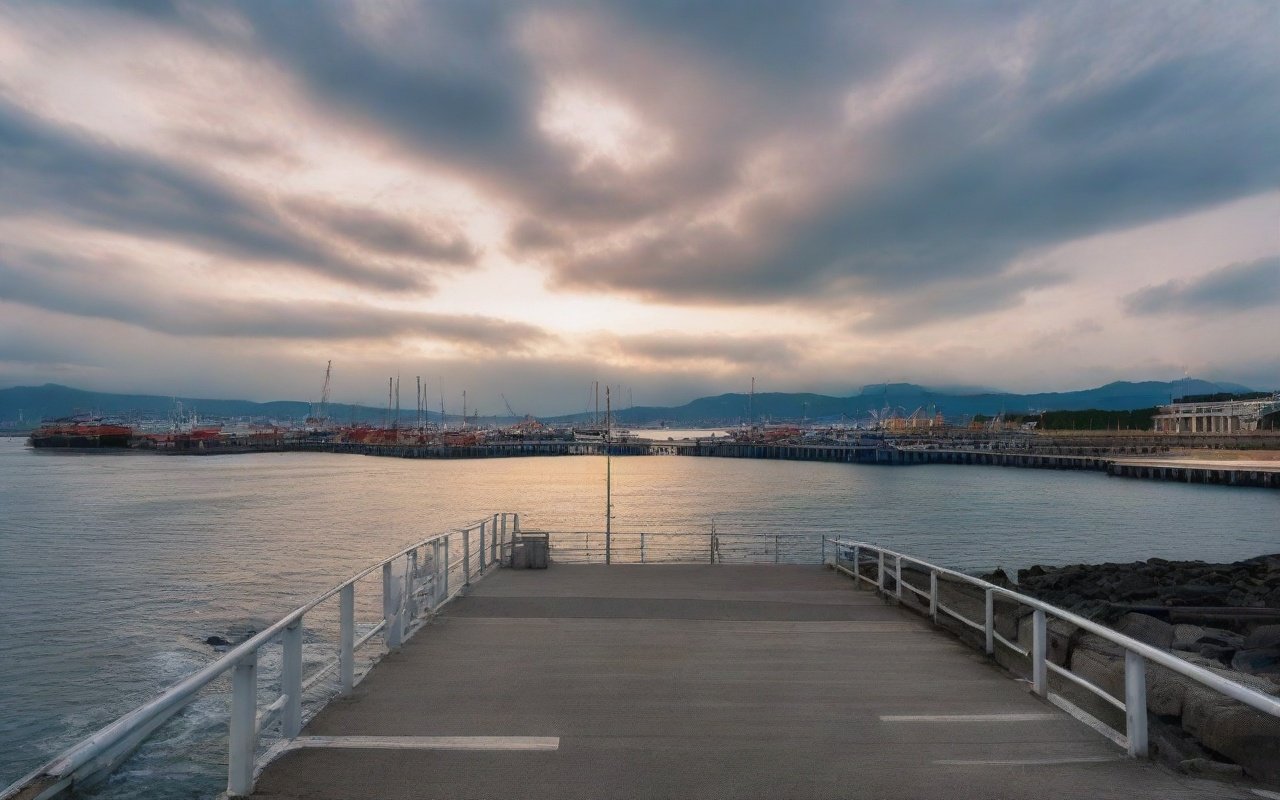
  • Odakyu Romance Car Guide – Kanagawa 2026

    Odakyu Romance Car Guide – Kanagawa 2026

    Odakyu Romance Car Guide – Kanagawa 2026

    Overview

    Location and Routes


    Kamakura Photography Guide

    Odakyu Romance Car Guide — main illustration

    Romance Car interior with comfortable seating

    The Romance Car operates on the Odakyu Odawara Line and Enoshima Line, connecting Shinjuku Station to major destinations in Kanagawa Prefecture.

    Main Routes

    Shinjuku to Hakone-Yumoto

    • Duration: Approximately 75 minutes
    • Distance: 82.5 km
    • Stops: Major stations including Machida, Hon-Atsugi, and Odawara
    • Best for: Hot spring resorts, mountain scenery

    Shinjuku to Katase-Enoshima

    • Duration: Approximately 65 minutes
    • Distance: 50.0 km
    • Stops: Direct service with limited stops
    • Best for: Beach access, Enoshima Island, aquarium

    Shinjuku to Odawara

    • Duration: Approximately 60 minutes
    • Distance: 82.5 km
    • Stops: Express service with limited stops
    • Best for: Odawara Castle, gateway to Hakone

    Seasonal Variations

    Spring (March-May)

    • Cherry blossom views along the route
    • Increased service during hanami season

    Summer (June-August)

    • Popular for day trips to Hakone
    • Beach-bound passengers to Enoshima
    • Extra services during Obon holidays
    • Air conditioning essential

    Autumn (September-November)

    • Fall foliage viewing from train windows
    • Comfortable temperatures for travel
    • Popular for Hakone hot springs

    Winter (December-February)

    • Clear views of Mount Fuji on sunny days
    • Fewer crowds, easier reservations
    • Cozy onboard atmosphere

    Train Types and Features

    Romance Car GSE panoramic front view

    GSE (70000 Series) – Graceful Super Express

    The GSE is the newest Romance Car, featuring a panoramic front view and modern design. Key Features:

    • Capacity: 468 seats across 6 cars
    • Length: 100 meters
    • Speed: Up to 110 km/h
    • Special Feature: Panoramic front observation seats (first car)

    Onboard Amenities:

    • Reclining seats with leg rests
    • AC power outlets at every seat
    • Free Wi-Fi
    • Restrooms in cars 2, 4, and 6
    • Vending machines for drinks Best For:
    • Scenic views (front observation seats)
    • Comfortable long-distance travel
    • Photography enthusiasts

    MSE (60000 Series) – Multi Super Express

    The MSE offers through-service to Tokyo Metro lines, convenient for passengers from central Tokyo. Key Features:

    • Capacity: 402 seats across 6 cars
    • Length: 100 meters
    • Speed: Up to 110 km/h
    • Special Feature: Direct access to Tokyo Metro Chiyoda Line

    Onboard Amenities:

    • Reclining seats with tray tables
    • AC power outlets at window seats
    • Free Wi-Fi
    • Restrooms in cars 2 and 5
    • Luggage storage areas Best For:
    • Passengers from Tokyo Metro lines
    • Business travelers
    • Convenient transfers

    VSE (50000 Series) – Vista Super Express (Retired)

    The VSE was the iconic double-decker Romance Car, retired in 2022 but fondly remembered. Historical Note:

    • Service Period: 1996-2022
    • Special Feature: Double-decker observation car
    • Legacy: Inspired current GSE design

    Reservation Methods

    Ticket vending machine at Shinjuku Station

    Online Reservation

    Odakyu Official Website:

    1. Visit the Odakyu Romance Car reservation page
    2. Select departure station, destination, and date
    3. Choose train type and departure time
    4. Select seats from the seat map
    5. Complete payment with credit card Payment Methods:
    • Credit cards (Visa, Mastercard, JCB, AMEX)
    • Some foreign-issued cards accepted
    • Payment confirmation via email

    Advance Booking:

    • Reservations open 1 month in advance
    • Popular dates fill quickly (weekends, holidays)
    • Same-day reservations possible if seats available

    Station Counter Reservation

    Major Stations:

    • Shinjuku Station (Odakyu Sightseeing Service Center)
    • Machida Station
    • Hon-Atsugi Station
    • Odawara Station Process:
    1. Visit the ticket counter or vending machine
    2. Request Romance Car tickets
    3. Specify train type, date, and time
    4. Pay with cash or card
    5. Receive printed tickets Language Support:
    • English-speaking staff at Shinjuku
    • Multilingual vending machines
    • Translation apps recommended

    Vending Machine Reservation

    Available At:

    • All major Odakyu stations
    • Some convenience stores Process:
    1. Select “Limited Express” on screen
    2. Choose English language
    3. Select route and date
    4. Choose seats from display
    5. Insert payment
    6. Collect tickets

    Pricing and Tickets

    Base Fare + Limited Express Fee

    Shinjuku to Hakone-Yumoto:

    • Base Fare: 1,140 yen
    • Limited Express Fee: 1,230 yen
    • Total: 2,370 yen (one way)

    Shinjuku to Katase-Enoshima:

    • Base Fare: 970 yen
    • Limited Express Fee: 1,030 yen
    • Total: 2,000 yen (one way)

    Shinjuku to Odawara:

    • Base Fare: 1,140 yen
    • Limited Express Fee: 1,230 yen
    • Total: 2,370 yen (one way)

    Discount Passes

    *Hakone Free PaPass

    • Includes round-trip Romance Car from Shinjuku
    • Unlimited transport in Hakone area
    • Discounts at attractions and restaurants
    • Price: 6,100 yen (2 days), 6,500 yen (3 days)

    Enoshima-Kamakura Free Pass:

    • Includes round-trip Romance Car from Shinjuku
    • Unlimited transport in Enoshima/Kamakura
    • Discounts at temples and shops
    • Price: 3,000 yen (1 day)

    Odakyu Rail Pass (for foreign visitors):

    • Discounted Romance Car tickets
    • Available at travel agencies abroad
    • Valid for 14 days from purchase

    Onboard Experience

    Seating Comfort

    Seat Specifications:

    • Width: 460 mm (wider than regular trains)
    • Pitch: 1,000 mm (generous legroom)
    • Recline: Up to 15 degrees
    • Features: Headrests, armrests, tray tables

    Seat Types:

    • Standard Seats: Comfortable reclining seats
    • Observation Seats: Front-row panoramic views (GSE only)
    • Group Seats: Some cars have facing seats

    Other Accessibility Features:

    • Priority seating for elderly and disabled
    • Visual and audio announcements
    • Braille signage in trains

    Luggage Storage

    Onboard Storage:

    • Overhead racks for small bags
    • Luggage areas at car ends
    • Maximum 2 large bags per passenger
    • No additional fee for luggage

    Size Limits:

    • Large bags: Up to 160 cm total dimensions
    • Small bags: Fit in overhead racks
    • Oversized items: Contact Odakyu in advance

    Tips

    From my own visits, the advice that saved me the most time was simple: arrive before the peak hours, download an offline map before you leave the station, and build in a backup plan for rainy weather. Many spots in Kanagawa get busy by mid-morning, so an early start usually means shorter queues and better photos.

    Conclusion

    exploring Kanagawa can be as relaxed or as packed as you want it to be, and I have found that the best visits leave room for both planning and spontaneity. During my visit I went with a rough plan and found that leaving room to wander made the trip far more memorable. Use this guide to sort out the logistics in advance, then let the day surprise you — Kanagawa rewards travelers who stay curious.