Overview
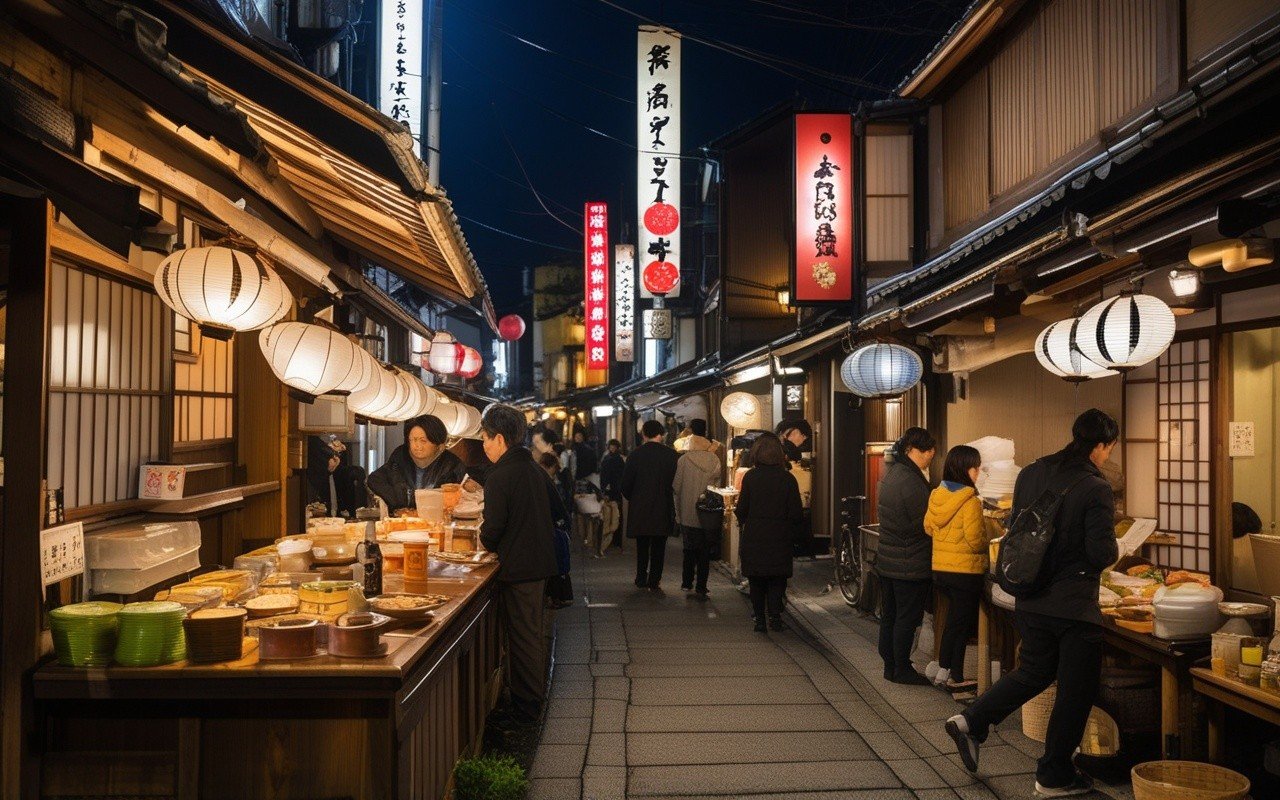
Yokohama backstreet gourmet is not a single ticketed attraction. It is the experience of sliding into narrow lanes after commuter trains thin out, following the smell of chicken fat and soy tare, and sharing a counter with office workers who treat the neighborhood like an extension of their living room. This guide focuses on the west side of central Yokohama—especially the Noge slope below Sakuragicho, the Kannai grid around Yoshidamachi, and the older retail strips of Isezakicho—where small kitchens stay open late without turning into theme-park dining.
If you already know Minato Mirai for waterfront views, think of this chapter as the opposite mood: lower light, handwritten menus, more smoke, and prices that still make sense when you want a second round. You do not need fluent Japanese, but you do need patience, cash, and willingness to point at plastic food samples when words fail.
Why Yokohama Backstreets Feel Different from Tokyo
Port cities stack layers. Yokohama absorbed foreign ingredients earlier than many inland towns, so backstreet menus quietly mix Chinese-style dumpling steam with curry aromas from navy-adjacent cafeterias and classic Japanese pub formats. Narrow buildings squeeze kitchens upstairs, which means staircases are steep and handrails deserve respect after a highball.
Walking distances stay honest. You can start near Sakuragicho Station, drift through Noge, descend toward Kannai, and still recover a last train toward Tokyo or Shonan without a taxi unless you ignore time completely. That walkability is part of the cuisine: skewers taste better when you earn them on foot between rounds.
For a deeper dive into the densest cluster of small pubs, pair this walk with the dedicated route notes inside the Noge izakaya complete guide. If you want daylight context for the Chinese-influenced edge of the port food story, bookmark Yokohama Chinatown food guide before you stitch an afternoon-to-evening crawl.
Noge and the Sakuragicho Slope
Noge is the postcard name, but the practical geography is a slope of short blocks between Sakuragicho Station and the small temples that anchor the hill. Evenings bring vinyl signs for yakitori, motsu nabe specialists, and tiny standing bars where a single cook handles both grill and register.
What you should expect physically: tighter doorways, coats hung on wall hooks, and a thin curtain called a noren that signals open hours even when the interior looks dark from the street. If smoke bothers you, ask for counter seats closer to the door or choose shops that advertise non-smoking nights—those exist, but they are not the default in historic buildings.
Sound levels rise after nine. Groups loosen ties, beer mugs clink, and chefs call orders in short bursts. Visitors who speak softly and order in rounds rather than flooding the counter with ten dishes at once tend to get warmer nods from neighbors.

Standing Bars and Oden Steam
Tachinomiya-style counters often specialize in simmered oden pots that have been fed dashi for years. Daikon, eggs, and fish cakes absorb salt slowly, so the flavor deepens as the night goes on. Order one item at a time if you are unsure about salt tolerance; mustard paste packs heat faster than many travelers expect.
Cover charges called otoshi still appear in older houses. You receive a tiny appetizer plate and a modest fee shows on the bill. Refusing otoshi is awkward; treat it as part of the seat rental and move on.
Yakitori Smoke and Pickled Cabbage
Skewer shops along the slope compete on charcoal smell. Thigh meat, skin, and cartilage cuts arrive in paper sleeves or on metal trays. Cabbage dressed with sesame oil and salt often arrives free as a palate reset between sweet tare and salty shio seasoning.
If you want vocabulary reinforcement before you order, skim the cut list inside Kanagawa yakitori izakaya guide; the same terms repeat in Kawasaki and Yokohama counters.
Kannai, Yoshidamachi, and Quiet Kissaten Blocks
South of the main Kannai Station exits, Yoshidamachi hosts narrow buildings where kissaten coffee shops survive next to curry cafes that opened decades ago. Daytime feels sleepy, but after six the lanes fill with people hunting set meals that include soup, rice, and a main plate for predictable prices.
Kissaten culture here overlaps with the broader Kanagawa scene described in Retro kissaten culture guide. Expect slower pours, thicker pudding cups, and jazz records played at volumes that reward whispered conversation rather than video calls.

Coffee Before Alcohol
Some travelers reverse the usual bar crawl by starting with hand-drip coffee and a small sweet, then moving to beer. That pattern helps if you land jet-lagged and want caffeine before navigating smoky grills. Shops close earlier than izakaya, so check closing boards before committing to a long detour.
Port-Era Curry and Western-Influenced Plates
Yokohama curry culture is famous in navy towns; Kannai still carries cafeteria DNA. You will see breaded cutlets, hayashi-style hashed beef on rice, and napolitan spaghetti on laminated photos. These plates are not trendy fusion; they are comfort food for locals who grew up nearby.
Isezakicho After Dark
Isezakicho is a long covered arcade culture with neon overhead. Late snack windows sell karaage cups, takoyaki, and sweet crepes that bridge dinner and last train. The vibe is louder than Noge, which makes it a useful third act when you still want calories but prefer walking while eating from a paper tray.
If flour-based night snacks interest you, compare textures with the notes in Yokohama takoyaki okonomiyaki so you know what to expect from batter crispness near the bay.

How to Build a Three-Hour Route Without Overordering
Start with one savory anchor—oden or yakitori—then add a starch if you are still hungry. Sweet endings from convenience stores or crepe windows keep sugar separate from smoky clothes. Hydrate between salty rounds; barley tea or oolong cuts through tare better than another highball when humidity spikes.
Walk five minutes between venues so grills cool and your shirt absorbs less smoke. If photography matters, shoot food before chopsticks touch it; many masters dislike phones aimed at faces across the counter.
Cash, Cards, and Practical Money Habits
Older counters remain cash-only on weekends. Break large bills at a bank ATM near Sakuragicho or Kannai before you enter narrow streets where change drawers shrink after nine. Coin purses speed ordering when lines stack behind you.
Tipping is not part of the ritual. Clear thanks at the end matter more than extra yen on the tray.
Language Shortcuts That Actually Work
Point at menu photos and hold up fingers for quantity. Saying beer brand names in Japanese pronunciation helps more than long English explanations. If you have allergies, carry a printed card; staff appreciate paper they can show the kitchen.
Safety, Pace, and Respect for Neighbors
Drink water between alcohol rounds because summer humidity sneaks up on bay breezes. Keep voices down past residential windows above shops. Dispose of skewer sticks in shop bins rather than public cans, which are scarce.
Emergency numbers stay standard: police 110, ambulance or fire 119. For non-urgent visitor support, use the official Japan National Tourism Organization (JNTO) website rather than random third-party chat lines.
Seasonal Notes Without Turning Into a Theme Park Calendar
Spring evenings stay mild enough for outdoor plastic stools. Summer adds festival pop-ups that can change trash rules—watch for temporary bins. Autumn air thins smoke faster. Winter rewards hot oden and nabe pots, but some kissaten shorten hours.
When Minato Mirai Still Makes Sense
If your group includes travelers who dislike smoke, schedule waterfront dining first, then send curious eaters downhill for a shorter Noge sampler. The contrast keeps everyone sane without pretending one neighborhood fits all moods.
A Sample Evening Without Turning It Into a Marathon
Hour one near Sakuragicho: Land, buy water, withdraw cash if needed, then descend toward Noge on foot so you read the slope temperature—quieter shops versus busy corners become obvious before you commit to a seat.
Hour two anchored at a counter: Pick one specialty house rather than chasing five half bites. Finish skewers or oden pieces before ordering duplicate proteins; chefs read pace and will slow service if you look overwhelmed.
Hour three horizontal move: Walk east toward Isezakicho if you still want starch or sugar under neon. If you prefer calm, climb slightly toward kissaten blocks for coffee and cake before trains thin out.
Rainy nights compress choices because outdoor stools vanish. Covered portions of Isezakicho help, and some tachinomiya add vinyl curtains—peek before assuming closed.
Reading the Room at a Tachinomiya
Standing bars pack elbows closer than seated izakaya. Keep bags small or use overhead hooks without blocking staff paths. When regulars step out for a smoke break, do not slide into their paid territory unless invited.
Ordering beer first is socially normal even if you ultimately care more about food; it signals you plan to stay a few rounds. Switching to tea or oolong later is fine and often appreciated by staff who worry about dizzy stairs.
Photography and Privacy Boundaries
Food photos from above the plate rarely offend. Filming chefs faces or other customers crosses lines fast. If you need content for work, ask quietly before rolling video; some shops refuse entirely.
Vegetarian and Pork-Avoidance Realities
Backstreet gourmet skews heavily toward chicken, pork, seafood, and dashi-heavy broths. True plant-based menus remain rare in historic counters. Your practical strategy is researching specific shops in advance or eating a larger plant meal earlier, then joining friends for drinks and sides such as edamame or pickled cucumber.
Morning Versus Midnight in the Same Alleys
Kannai mornings deliver kissaten toast sets and slow coffee. Midnight delivers louder grills and more spilled beer on stones outside convenience stores. The same street can feel like two cities; plan footwear accordingly because cleaning crews may still be working before dawn.
Connecting Yokohama Backstreets to Wider Kanagawa Eating
Use this article as the urban night chapter, then extend outward when you have daylight: Shonan beach snacks, Kamakura shrine approaches, or Chinatown specialty runs. Internal links in this guide intentionally point to companion pieces so you can stack credible routes instead of repeating the same generic prefecture overview.
Small Details That Prevent Annoying Mistakes
Carry a thin towel for hands after grilled skewers; wet wipes help before touching train straps. Expect uneven pavement and occasional metal steps polished smooth by rain. If you wear white sneakers, accept they may not stay white after one honest night.
Some shops post last-order times earlier than legal closing because they clean while customers finish drinks. Watch for handwritten clocks on doors rather than assuming midnight service.
If you split a group, agree on a secondary meeting point outside a major station gate rather than inside a tiny shop where phone signal drops and staff grow irritated by repeated door openings.
Late trains toward Tokyo still run often, but if you miss the last comfortable connection, capsule hotels near Yokohama Station fill fast on Fridays. Booking earlier in the week costs less stress than bargaining for taxis after two highballs.
Keep one thousand-yen note untouched as emergency taxi fare even when counters look cash-only; breaking your last large bill at midnight is harder than it sounds for very tired travelers.
Conclusion
Yokohama backstreet gourmet rewards travelers who accept uneven floors, handwritten tickets, and the occasional language gap in exchange for honest flavors and prices that still feel grounded. Walk slowly, carry coins, order in waves, and treat each counter like a short membership in a neighborhood club rather than a checklist attraction. The city opens wider when you stop asking it to look like a brochure.