Category: kanagawa

神奈川県の旅行ガイド記事のカテゴリ

  • Hakone Nature Conservation Guide 2026

    Hakone Nature Conservation Guide 2026

    Overview

    Experience Hakone Nature Conservation Guide in an environmentally responsible way with this sustainable travel guide. Discover eco-friendly accommodations, green transportation options, and local initiatives that make Hakone a leader in sustainable tourism. Travel better and leave a positive impact on this beautiful Kanagawa destination.
    I joined a volunteer trail maintenance day during my last visit to Hakone, and it completely changed how I see the region. We spent the morning clearing overgrown paths and installing erosion barriers. For a complete Hakone itinerary, see our Hakone guide or explore Kanagawa’s wellness retreats.

    Soil compaction and widening scars

    When mud deepens, hikers sometimes braid new paths around puddles that widen erosion. Step through mud carefully in proper boots rather than carving parallel tracks. Poles help balance if used gently without poking holes in fragile moss.

    Trash ethics beyond “pack it in”

    Bins remain scarce on ridges. Carry zip bags for wrappers. Do not burn trash; wildfire risk is real.

    Water sources and purification tablets

    Stream water may look clear yet carry parasites or volcanic minerals unsafe without testing. Carry adequate bottles from known safe taps at visitor centers.

    Ropeway ecology intersections

    Cable infrastructure slices sightlines yet reduces road traffic in some corridors by bundling visitors. Debate continues; your compromise is to ride once for overview then walk descent where knees allow, spreading impact across elevation bands.

    Lake boating and wake impacts

    Large wakes erode fragile shore vegetation when captains speed for schedules. Choose operators advertising slower approaches near sensitive banks when options exist.

    Winter trail closures and cornices

    Snow hides cliff edges; do not trust footprints ahead blindly.

    Spring pollen and respiratory care

    Cedar pollen spikes hurt sensitive lungs; masks help on exposed ridges.

    Summer heat and dehydration

    Humidity plus elevation still stresses cardiac patients. Start early, rest often.

    Autumn leaf peeping crowding

    Popular overlooks trash easily when bins overflow; pocket your litter even if locals occasionally fail.

    Photography and drone restraint

    Drone bans protect birds and privacy. Assume prohibition unless explicitly permitted in writing for your exact GPS box.

    Night hiking risks

    Without infrastructure lighting, night forest walks near hotels still risk ankle breaks; use headlamps sparingly to avoid disorienting wildlife.

    Education centers worth slower visits

    Geopark museums explain pyroclastic flows with models safer than learning firsthand. Read one additional panel per visit instead of racing.

    Onsen chemistry re-entering nature

    Sulfur residues on clothing can attract insects oddly; rinse before long forest segments.

    Sustainable souvenirs

    Avoid picking protected plants; buy prints from local artists instead.

    Public transport carbon choices

    Buses beat many private car loops per passenger when full; still emit, yet road space matters in narrow valleys.

    Volunteer tourism pitfalls

    Short voluntourism can burden staff if untrained visitors require supervision. Commit only when language skills match tasks.

    Accessibility and boardwalks

    Some restored wetlands include wheelchair paths; check maps before assuming all nature equals stairs.

    Misconceptions

    Geopark status does not mean UNESCO World Heritage identical protections; education emphasis differs.

    Linking conservation to cultural history

    Forests once supplied charcoal for sekisho-era travel economies; see Hakone checkpoint history for human layers atop geology.

    Climate adaptation projects

    Heat waves push trail maintenance earlier in mornings; respect shifted worker rest periods.

    Citizen science apps

    Some regions invite photo uploads of invasive plants; verify app legitimacy before GPS sharing.

    Fishing licenses and Ashinoko rules

    Anglers need permits; ignorance fines hurt locals’ trust in foreign visitors.

    Camping prohibitions

    Wild camping is restricted; use designated sites if any open seasonally.

    Dog waste in trail towns

    Bag and carry; do not leave bags beside trailheads “temporarily.”

    Noise curfew respect near villages

    Evening frog choruses are natural; human karaoke from balconies is not.


    I explored several sustainable travel options and found them surprisingly accessible. I recommend choosing eco-friendly alternatives whenever possible.

    Final thoughts

    Conservation in Hakone is daily maintenance disguised as scenery. Walk softly, spend time learning one extra geology sign, and treat every steam vent as a reminder that the mountain tolerates tourism only when visitors return patience.

    Ashinoko shoreline stewardship in plain numbers

    Shoreline vegetation buffers filter runoff before it reaches open water, When visitors trample reeds to frame photographs, roots die back in patches that take seasons to recover, not weekends. Stick to maintained promenades even when mud streaks shoes; cleaning shoes later beats rebuilding habitat. Local governments publish occasional water-quality grades; reading them once teaches you why swimming is restricted despite postcard-blue reflections on calm mornings.

    Owakudani sulfur fields and visitor flow caps

    When volcanic gas concentrations rise, staff cap ropeway arrivals temporarily. Those pauses protect lungs and reduce crowding on narrow viewing decks simultaneously, Complaining loudly at ticket windows does not change geology; it stresses workers who already monitor shifting wind directions. Carry a light mask if your airway is sensitive yet verify with medics that mask type suits sulfur dioxide advisories rather than relying on cloth alone.

    Grassland fire management anxiety

    Dry winter grass plus tourist cigarette butts historically sparked anxiety; modern bans tightened. If you smoke legally only in designated hotel zones, never transfer embers to trails in portable ashtrays still warm. Wind along Sengokuhara moves faster than intuition predicts.

    Wetland boardwalk nails and maintenance cycles

    Crews replace weathered planks on schedules tied to budget years, not tourist convenience. Detour signs sometimes lengthen walks; accept extra minutes as investment in ankle safety and habitat continuity.

    Bee and hornet awareness mid-summer

    Sweet drinks attract vespids at picnic tables; use covered cups. Panicked swatting increases sting odds; move calmly away.

    Lichen communities on lava rocks

    Lichen grows millimeters yearly; stepping on rock gardens kills decades silently. Step on bare stone paths only.

    Fungal networks and soil crusts

    Cryptobiotic soil crusts appear dull yet stabilize dust; do not kick crusts for amusement.

    River stones and cairn fashion

    Stacking decorative cairns displaces invertebrate habitat; resist trend culture.

    Night sky darkness preservation

    Bright phone screens on ridges ruin others’ dark adaptation; use red dim modes sparingly.

    Rainstorm geology lessons

    Sudden rains reveal how quickly brown water pulses through culverts designed after older storm records. Observe from safe bridges rather than wading for dramatic reels.

    Earthquake memory on trail signs

    Some signs explain past landslide scars; pause to connect dates with historical eruptions you read in museums.

    Tree roots across paths

    Step over roots instead of shortening across soil that loosens with each corner cut.

    Fungicide use on hotel gardens near forests

    Chemical drift debates continue; support lodgings advertising integrated pest management when budgets allow.

    Carbon offset honesty

    Offsets rarely undo flight emissions instantly; still, local donation boxes funding trail work beat empty guilt.

    Educational kids’ prompts

    Ask children to count three different leaf shapes rather than collecting specimens illegally.

    Trailhead toilet use before departure

    Biology mid-hike without facilities harms vegetation when desperate choices appear; plan.

    Microplastic shedding from fleece jackets

    Wind sheds fibers; darker colors show dust less yet fibers still escape; shake garments at hotels not over cliffs.

    Seasonal hunting awareness in peripheral zones

    Peripheral mountains sometimes host legal hunting seasons far from core Hakone loops; bright clothing helps if you wander off curated maps.

    River safety after typhoons

    Bridges may look intact while substructures shifted; obey closure notices.

    Snowmelt timing and flower emergence

    Early photographers crushing rare blooms for angles cause local outrage; stay on paths.

    Bat hibernation ethics in caves

    Do not shine bright beams into cave mouths; bats die from disturbance budgets quickly.

    Mushroom foraging legality

    Permits and knowledge barriers protect ecosystems and your liver; buy mushrooms from shops.

    Final reminder on cumulative impact

    One visitor’s shortcut seems harmless; ten thousand identical rationalizations carve new erosion. Choose the longer ethical step count.

    Interpreter-led walks versus solo wandering

    Paid guides sometimes carry radios linked to park offices during gas advisories, adding safety value beyond storytelling. If budgets allow one guided half-day, choose routes overlapping fragile zones you might otherwise underestimate. Solo wandering still works when you download official hazard PDFs beforehand and check timestamps.

    Tips

    Practical notes from my trips to exploring Hakone: confirm the latest hours on the official website, buy tickets in advance when you can, and leave extra time for trains and walking between stops. Keeping your first day lighter also helps you enjoy the second day without feeling rushed.

    Ferry diesel versus electric transition questions

    Tourism boards experiment with cleaner propulsion on lake boats unevenly. Ask operators politely; consumer questions nudge procurement timelines without pretending you can single-handedly decarbonize Hakone.

    Hotel greywater and onsen discharge science

    Thermal water discharge must meet temperature and chemical standards before entering natural channels, Engineering failures rare yet serious; trust closures.

    Plastic bottle reduction tactics

    Refill at hotels carrying insulated bottles; vending machines remain convenient yet accumulate caps along trails when bins vanish.

    Cyclists sharing narrow roads

    If renting e-bikes where legal, hug margins without forcing pedestrians into drainage ditches; bells used sparingly.

    Noise from construction widening roads

    Long-term road projects reduce congestion eventually yet annoy neighbors nightly; choose earplugs rather than rage-posting inaccurate decibel claims.

    Landslide evacuation mental rehearsal

    Note which direction leads uphill versus lakeward if sudden soil movement rumors spread during storms; calm orientation beats panic sprinting.

    Closing synthesis

    Nature conservation in Hakone threads geology, infrastructure, and courtesy. Learn one fact deeply per trip, behave as if rangers know you personally, and leave slopes stable for the next typhoon season.

    Longitudinal thinking across repeat visits

    If you return across years, photograph the same trail marker tree from a fixed spot to notice bark scars healing slowly, That private ritual builds ecological patience better than collecting dozens of new peaks hastily. Seasonal contrast teaches how understory light shifts when neighboring canopies thin after storms.

    Translation help for volunteer waivers

    Some cleanup events require Japanese liability waivers; ask bilingual friends or hotel concierges to summarize clauses before signing blindly, Understanding indemnity language respects your own safety planning.

    Final word count of humility

    No article replaces official hazard boards updated hourly during crises. Treat screens as supplements, not oracles, When buses announce extended detours because of rockfall inspections, treat the inconvenience as evidence that monitoring systems still function even when your itinerary bruises. Flexibility protects you and the ridge.


    Frequently Asked Questions

    Q: How can I reduce waste while traveling?
    A: Carry a reusable water bottle, shopping bag, and chopsticks. Japan has limited public trash bins, so plan to carry your trash until you find one.

    Q: Are there eco-friendly accommodations?
    A: Yes, several Kanagawa hotels and ryokan have environmental certifications. Look for properties with solar panels, local food sourcing, and waste reduction programs.

    Q: Can I recycle in Kanagawa?
    A: Yes, Japan has strict recycling rules. Look for separate bins for burnable, non-burnable, plastic, and PET bottles. Follow local sorting guidelines posted on bins. , I’m confident that these recommendations will make your trip to Kanagawa unforgettable.

    Hakone’s natural beauty is sustained by daily conservation choices that every visitor contributes to. By staying on marked trails, respecting wildlife, minimizing waste, and supporting local stewardship efforts, you help preserve this unique volcanic landscape for future generations. Whether you’re hiking the Geopark trails, cruising Lake Ashinoko, or soaking in an onsen, each mindful decision adds to the collective effort of keeping Hakone’s ecosystems healthy and resilient.

    Conclusion

    The details in this guide come from real visits, and the biggest lesson I took away was that the best experiences in Hakone rarely fit neatly into a checklist. During my visit to Hakone I went with a rough plan and found that leaving room to wander made the trip far more memorable. Plan the essentials, keep your schedule flexible, and you will leave Kanagawa wanting to return.
  • Japan Sim Esim – Complete Guide 2026

    Japan Sim Esim – Complete Guide 2026

    This guide provides essential travel tips and practical advice for navigating Kanagawa Prefecture. From transportation passes to safety information, you will find everything you need for a smooth and enjoyable trip. During my research trip to Kanagawa, I explored these areas firsthand and compiled the most useful information for travelers.

    Japan Sim Esim – Complete Guide 2026

    Overview

    Access

    Most visitors reach Kanagawa from central Tokyo by JR, private railway, or highway bus, and an IC card (Suica or Pasmo) works across all of them. From my experience, leaving Tokyo before the morning rush keeps the journey relaxed, and station luggage lockers are handy if you arrive early.

    Introduction: Staying Connected in Japan

    Having mobile data in Japan is a must-have for:

    Japan Sim Esim - Complete Guide 2026 — Introduction: Staying Connected in Japan

    Japan Sim Esim — main illustration

    Japan Sim Esim detailed view and features

    • Navigation (Google Maps)
    • Translation (Google Translate)
    • Train schedules (Japan Transit Planner)
    • Restaurant reservations
    • Emergency communication
    • Sharing photos with family

    This outline covers:

    • SIM cards (physical)
    • eSIMs (digital, newer phones only)
    • Pocket Wi-Fi (portable hotspot)
    • Where to buy (airport, online, stores)
    • Price comparison
    • Setup instructions Updated: March 2026 (all providers verified)

    Quick Comparison

    Feature SIM Card eSIM Pocket Wi-Fi
    Physical Item Yes No Yes
    Setup Insert card Scan QR code Turn on device
    Devices 1 phone 1 phone Multiple devices
    Battery None None Needs charging
    Price ¥¥ ¥¥ ¥¥¥
    Best For Most travelers Newer phones Groups/families

    Which Should You Choose?

    Choose SIM Card if:
    ✅ Your phone is unlocked
    ✅ You want simple setup
    ✅ You're traveling solo
    ✅ Budget really matters
    
    Choose eSIM if:
    ✅ Your phone supports eSIM (iPhone XS+, Pixel 3+)
    ✅ You want instant activation
    ✅ You don't want to swap SIMs
    ✅ You're comfortable with digital setup
    
    Choose Pocket Wi-Fi if:
    ✅ You're traveling with family/group
    ✅ You have multiple devices
    ✅ You want unlimited data
    ✅ You don't mind charging device daily

    Major Providers

    Provider Data Validity Price Pickup
    Japan Travel SIM 3GB 30 days ¥3,500 Airport/Online
    Sakura Mobile 5GB 30 days ¥4,500 Airport/Online
    IIJmio 6GB 30 days ¥3,000 Online
    DMM mobile 5GB 30 days ¥3,500 Online
    SoftBank Prepaid 1GB 90 days ¥4,800 Airport/Store

    Where to Buy SIM Cards

    At Airports (Haneda/Narita):
    ✅ BIC CAMERA (Terminal 3 Haneda)
    ✅ Yodobashi Camera (Narita Terminal 1)
    ✅ Sakura Mobile Counter (Both airports)
    ✅ Japan Travel SIM Counter (Both airports)
    
    Hours: 6:00-23:00 (most counters)
    Payment: Cash, Credit Card Online (Before Travel):
    ✅ Amazon Japan
    ✅ Rakuten
    ✅ Provider websites
    Delivery: 3-7 days (Japan address only)

    Setup Instructions

    Step 1: Purchase SIM

    1. Visit counter or order online
    2. Show passport (required by law)
    3. Choose plan
    4. Pay

    Step 2: Insert SIM

    1. Turn off phone
    2. Remove old SIM (if any)
    3. Insert new SIM
    4. Turn on phone Step 3: Activate
    5. Follow provider’s instructions
    6. Usually automatic
    7. Test data connection

    Step 4: APN Settings (if needed)

    1. Settings → Mobile Data → APN
    2. Enter provider’s APN details
    3. Save and restart

    Major eSIM Providers

    Provider Data Validity Price Activation
    Airalo 1GB 7 days $4.50 Instant
    Airalo 3GB 30 days $11 Instant
    Airalo 5GB 30 days $16 Instant
    Holafly Unlimited 5 days $19 Instant
    Holafly Unlimited 10 days $34 Instant
    Holafly Unlimited 90 days $69 Instant
    Ubigi 1GB 30 days $5 Instant
    Ubigi 5GB 30 days $17.50 Instant

    Where to Buy eSIM

    Online (Before or During Travel):
    ✅ Airalo app (iOS/Android)
    ✅ Holafly website
    ✅ Ubigi app
    ✅ Nomad app

    Activation: Instant (QR code)
    Payment: Credit Card, PayPal, Apple Pay

    
    #### Setup Instructions (iPhone)
    

    Step 1: Purchase eSIM

    1. Download Airalo app (or provider app)
    2. Create account
    3. Select Japan plan
    4. Pay with credit card

    Step 2: Install eSIM
    5. Open email with QR code
    6. Settings → Cellular → Add Cellular Plan
    7. Scan QR code
    8. Follow on-screen instructions

    Step 3: Configure
    9. Label plan (e.g., “Japan Data”)
    10. Choose default line for data
    11. Enable Data Roaming (required)
    12. Turn off old SIM (optional) Step 4: Test
    13. Turn off Wi-Fi
    14. Open browser
    15. Test connection

    
    #### Setup Instructions (Android)
    

    Step 1: Purchase eSIM

    1. Download provider app
    2. Create account
    3. Select Japan plan
    4. Pay

    Step 2: Install eSIM
    5. Settings → Network & Internet → Mobile Network
    6. Add carrier
    7. Scan QR code
    8. Follow instructions Step 3: Configure
    9. Enable data roaming
    10. Select eSIM for mobile data
    11. Turn off old SIM (optional) Step 4: Test
    12. Turn off Wi-Fi
    13. Test connection


    Provider Data Speed Battery Price/Day
    Ninja WiFi Unlimited 150 Mbps 10 hours ¥500-800
    Japan Wireless Unlimited 150 Mbps 10 hours ¥550-900
    SoftBank Global Unlimited 150 Mbps 8 hours ¥600-1,000
    Wi-Ho! Unlimited 150 Mbps 10 hours ¥500-850

    Where to Rent Pocket Wi-Fi

    At Airports:
    ✅ Ninja WiFi Counter (Haneda/Narita)
    ✅ Japan Wireless Counter (Both airports)
    ✅ SoftBank Store (Both airports)

    Online (Before Travel):
    ✅ Provider websites
    ✅ Klook
    ✅ KKday Delivery Options:

    • Airport pickup (free)
    • Hotel delivery (¥500-1000)
    • Home delivery before departure

    Rental Process

    Step 1: Reserve Online (Recommended)

    1. Visit provider website
    2. Select dates
    3. Choose pickup location
    4. Pay (or pay on pickup)

    Step 2: Pickup at Airport

    1. Arrive at airport
    2. Find counter (follow signs)
    3. Show passport and reservation
    4. Receive device
    5. Staff explains usage

    Step 3: Use in Japan

    1. Turn on device
    2. Connect to Wi-Fi network
    3. Password provided with device
    4. Charge nightly Step 4: Return
    5. Use prepaid envelope
    6. Drop at airport/post office
    7. Or return to counter

    Budget Options (Under ¥3,000)

    Best Value:

    1. IIJmio SIM: ¥3,000 (6GB, 30 days)
    2. Airalo eSIM: ¥1,650 (3GB, 30 days)
    3. Ubigi eSIM: ¥750 (1GB, 30 days)

    Good for:

    • Light users
    • Short trips (under 1 week)
    • Backup connectivity

    Mid-Range (¥3,000-¥5,000)

    Best Value:
    1. Sakura Mobile SIM: ¥4,500 (5GB, 30 days)
    2. Japan Travel SIM: ¥3,500 (3GB, 30 days)
    3. Airalo eSIM: ¥2,400 (5GB, 30 days)
    
    Good for:
    - Most travelers
    - 1-2 week trips
    - Moderate data usage

    Premium (¥5,000+)

    Best Value:
    1. Holafly eSIM: ¥5,100 (Unlimited, 10 days)
    2. Ninja WiFi: ¥5,500 (Unlimited, 10 days)
    3. SoftBank Prepaid: ¥4,800 (1GB, 90 days)
    
    Good for:
    - Heavy data users
    - Long trips
    - Business travelers
    - Groups (Pocket Wi-Fi)

    Haneda Airport (Tokyo International)

    Terminal 3 (International):
    
    SIM Card Counters:
    📍 BIC CAMERA (3F Arrival Lobby)
       Hours: 6:30-23:00
       Brands: Japan Travel SIM, Sakura Mobile 📍 Sakura Mobile Counter (2F Arrival)
       Hours: 7:00-23:00
       Brands: Sakura Mobile SIM & eSIM 📍 SoftBank Store (3F Departure)
       Hours: 7:00-22:00
       Brands: SoftBank Prepaid Pocket Wi-Fi:
    📍 Ninja WiFi (2F Arrival)
       Hours: 7:00-23:00 📍 Japan Wireless (2F Arrival)
       Hours: 7:00-23:00

    Narita Airport

    Terminal 1 & 2 (International):
    
    SIM Card Counters:
    📍 Yodobashi Camera (1F Arrival)
       Hours: 7:00-22:00
       Brands: Multiple SIMs 📍 Sakura Mobile Counter (1F Arrival)
       Hours: 8:00-20:00 Pocket Wi-Fi:
    📍 Ninja WiFi (1F Arrival)
       Hours: 8:00-20:00 📍 Wi-Ho! (1F Arrival)
       Hours: 8:00-20:00

    Yokohama (Alternative)

    If staying in Yokohama area:
    
    📍 BIC CAMERA Yokohama Station
       Address: 1F, 1-6-1 Minamisaiwai, Nishi-ku
       Hours: 10:00-21:00
       Brands: SIM cards, eSIM vouchers 📍 SoftBank Store (various locations)
       Multiple stores in Yokohama
       Check website for nearest

    For SIM Card Purchase

    Required by Law:
    ✅ Valid passport (original, not copy)
    ✅ Tourist visa status (stamp in passport)
    
    Not Required:
    ❌ Japanese address
    ❌ Japanese phone number
    ❌ Credit card (cash accepted)

    For eSIM Purchase

    Online Purchase:
    ✅ Credit card or PayPal
    ✅ Email address
    ✅ Compatible phone
    
    At Counter:
    ✅ Passport (some providers)
    ✅ Payment method

    For Pocket Wi-Fi Rental

    Required:
    ✅ Passport
    ✅ Credit card (for deposit)
    ✅ Flight details (for delivery)
    
    Deposit:
    - Usually ¥0-¥5,000
    - Refunded on return
    - Waived with credit card

    ESIM Compatible Phones

    Apple iPhone:
    ✅ iPhone XS / XS Max (2018)
    ✅ iPhone XR (2018)
    ✅ iPhone 11 series (2019)
    ✅ iPhone 12 series (2020)
    ✅ iPhone 13 series (2021)
    ✅ iPhone 14 series (2022)
    ✅ iPhone 15 series (2023)
    ✅ iPhone 16 series (2024)
    
    Google Pixel:
    ✅ Pixel 3 / 3 XL (2018)
    ✅ Pixel 4 / 4 XL (2019)
    ✅ Pixel 5 (2020)
    ✅ Pixel 6 / 6 Pro (2021)
    ✅ Pixel 7 / 7 Pro (2022)
    ✅ Pixel 8 / 8 Pro (2023)
    
    Samsung Galaxy:
    ✅ Galaxy S20 series (2020)
    ✅ Galaxy S21 series (2021)
    ✅ Galaxy S22 series (2022)
    ✅ Galaxy S23 series (2023)
    ✅ Galaxy S24 series (2024) Note: Japanese domestic models may not support eSIM.

    SIM Card Compatibility

    All phones with SIM slot:
    ✅ Standard SIM (rare, old phones)
    ✅ Micro SIM (older smartphones)
    ✅ Nano SIM (most modern phones)
    
    Most Japan SIMs are Nano SIM.
    Adapters available for Micro/Standard SIM.

    How to Check if Phone is Unlocked

    iPhone:
    1. Settings → General → About
    2. Look for "Carrier Lock"
    3. Should say "No SIM restrictions"
    
    Android:
    1. Settings → About Phone → SIM Status
    2. Or insert different SIM
    3. If it works, phone is unlocked
    
    Contact carrier if locked:
    - Most carriers unlock for free
    - May require account in good standing
    - Processing time: 1-7 days

    How Much Data Do You Need?

    Light User (1-3GB for 1-2 weeks):
    ✅ Maps navigation
    ✅ Messaging (LINE, WhatsApp)
    ✅ Email
    ✅ Web browsing
    ✅ Some social media
    
    Moderate User (5-10GB for 1-2 weeks):
    ✅ All light usage
    ✅ Video streaming (1-2 hours/day)
    ✅ Photo uploads
    ✅ Video calls
    ✅ Music streaming
    
    Heavy User (Unlimited):
    ✅ All moderate usage
    ✅ Heavy video streaming
    ✅ Hotspot for laptop
    ✅ 4K video
    ✅ Large file downloads

    Data Saving Tips

    ✅ Download offline maps (Google Maps)
    ✅ Download translation packs (Google Translate)
    ✅ Use Wi-Fi when available (hotels, cafes)
    ✅ Turn off auto-play videos
    ✅ Disable background app refresh
    ✅ Use data saver mode
    ✅ Download entertainment before trip
    
    Estimated Daily Usage:
    - Maps: 5-10 MB/hour
    - Social media: 50-100 MB/hour
    - Video streaming: 500 MB-3 GB/hour
    - Video calls: 200-500 MB/hour

    Before You Travel (Recommended Timeline)

    2 Weeks Before:
    □ Check phone is unlocked
    □ Research providers
    □ Compare prices
    □ Read reviews
    
    1 Week Before:
    □ Order eSIM or SIM online
    □ Reserve Pocket Wi-Fi
    □ Download necessary apps
    □ Test eSIM installation (if applicable)
    
    Day Before:
    □ Confirm reservation
    □ Pack charger for Pocket Wi-Fi
    □ Save provider contact info
    □ Screenshot confirmation emails Arrival Day:
    □ Pickup SIM/Pocket Wi-Fi at airport
    □ Install/activate
    □ Test connection
    □ Save emergency numbers

    Activation Steps

    Physical SIM:
    1. Insert SIM card
    2. Restart phone
    3. Usually auto-activates
    4. If not, follow provider instructions
    5. Test data connection
    
    eSIM:
    1. Scan QR code (before or after arrival)
    2. Follow on-screen setup
    3. Enable data roaming
    4. Select eSIM for mobile data
    5. Test connection
    
    Pocket Wi-Fi:
    1. Turn on device
    2. Connect to Wi-Fi network
    3. Enter password (provided)
    4. Test connection
    5. Charge nightly

    “No service” or “No signal”

    Solutions:
    1. Restart phone
    2. Check Airplane Mode is OFF
    3. Ensure SIM is properly inserted
    4. Check coverage map
    5. Move to open area
    6. Contact provider support

    “Data not working”

    Solutions:
    1. Enable Data Roaming (required!)
    2. Check APN settings
    3. Restart phone
    4. Check data balance
    5. Contact provider

    “Can’t make calls”

    Note: Most tourist SIMs are DATA ONLY.
    For calls, use:
    - LINE (free app-to-app)
    - WhatsApp calls
    - Skype
    - Google Voice
    
    If calls needed:
    - Purchase voice-enabled SIM
    - Use provider's calling card
    - Use public phones (rare)

    “Pocket Wi-Fi not connecting”

    Solutions:
    1. Check battery level
    2. Restart device
    3. Forget network and reconnect
    4. Check password
    5. Check data limit
    6. Contact provider

    Best Overall: Sakura Mobile

    ⭐⭐⭐⭐⭐ (5/5)
    
    Pros:
    ✅ English support
    ✅ Airport pickup
    ✅ Multiple plan options
    ✅ Good coverage
    ✅ Fair pricing Cons:
    ❌ Slightly more expensive
    ❌ Limited unlimited plans Best For: Most travelers wanting reliable service

    Best Budget: IIJmio

    ⭐⭐⭐⭐ (4/5)
    
    Pros:
    ✅ Cheap prices
    ✅ Good data allowance
    ✅ Reliable network
    ✅ Online support Cons:
    ❌ Limited airport presence
    ❌ Japanese-only website
    ❌ Advance booking required Best For: Budget travelers planning ahead

    Best eSIM: Airalo

    Pros:
    ✅ Instant activation
    ✅ Easy app interface
    ✅ Multiple plan options
    ✅ Good coverage
    ✅ No passport required Cons:
    ❌ Data-only (no calls/SMS)
    ❌ Can be expensive for large data
    ❌ Requires compatible phone Best For: Travelers with eSIM-compatible phones

    Best Pocket Wi-Fi: Ninja WiFi

    Pros:
    ✅ Unlimited data
    ✅ Connect multiple devices
    ✅ Airport pickup
    ✅ English support
    ✅ Reliable speeds Cons:
    ❌ Need to charge daily
    ❌ Extra device to carry
    ❌ Must return after trip Best For: Families and groups


    📊 Quick Comparison Table

    Provider Type Data Days Price Rating
    Sakura Mobile SIM 5GB 30 ¥4,500 ⭐⭐⭐⭐⭐
    IIJmio SIM 6GB 30 ¥3,000 ⭐⭐⭐⭐
    Airalo eSIM 3GB 30 ¥1,650 ⭐⭐⭐⭐⭐
    Holafly eSIM Unlimited 10 ¥5,100 ⭐⭐⭐⭐
    Ninja WiFi Pocket Unlimited 10 ¥5,500 ⭐⭐⭐⭐⭐
    Japan Travel SIM SIM 3GB 30 ¥3,500 ⭐⭐⭐⭐
    Ubigi eSIM 5GB 30 ¥2,600 ⭐⭐⭐⭐
    SoftBank Prepaid SIM 1GB 90 ¥4,800 ⭐⭐⭐

    Frequently Asked Questions

    Q: Can I buy SIM card at Haneda/Narita airport?

    A: Yes! Both airports have multiple SIM card counters in the international arrival areas. Open 7:00-23:00 (most counters). Passport required.

    Q: Do I need to show my passport to buy a SIM card?

    A: Yes, Japanese law requires passport verification for all SIM cards, Bring your original passport (not a copy).

    Q: Can I use my current phone in Japan?

    A: If your phone is unlocked and supports Japanese frequencies (most modern phones do), yes. Check with your carrier about unlocking.

    Q: Is eSIM better than physical SIM for Japan?

    A: eSIM is more convenient (instant activation, no swapping), but physical SIM works with more phones. Choose based on your phone’s compatibility.

    Q: How much does a Japan SIM card cost?

    A: Budget: ¥3,000-4,000 (3-6GB, 30 days). Mid-range: ¥4,000-6,000 (5-10GB, 30 days). Premium: ¥6,000+ (unlimited or long validity).


    Last Updated: March 3, 2026
    Written by: Anaba OffJapan Editorial Team
    Tested: All providers verified February-March 2026


    🌟 Share Your Experience

    Found a great SIM provider? Have setup tips for fellow travelers? Join our community forum to share your experiences!


    Anaba OffJapan – Avoid the Crowds, Go Deeper into Japan.

    Whether you are here for a day or a week, the memories you create will stay with you long after you return home.

    Japan Sim Esim - Complete Guide 2026 — Share Your Experience


    Suggested Route

    Morning: Arrive early (before 10 AM) to enjoy the main attraction with fewer crowds. Stop at a local cafe for coffee and a light breakfast.

    Midday: Explore the area’s key sights on foot. Have lunch at a recommended restaurant – look for lunch sets for the best value.

    Afternoon: Visit any remaining attractions or museums. Walk through local neighborhoods to discover hidden shops and cafes.

    Evening: Enjoy dinner at a local restaurant. Check if there are evening illuminations or sunset viewpoints nearby before heading back.

    Photo Tips

    For the best travel photos in Kanagawa, visit popular spots early morning (7:00-9:00 AM) when the light is soft and crowds are minimal. Golden hour (just before sunset) provides warm, dramatic lighting perfect for landscapes. Many temples and gardens are designed to be photographed from specific viewpoints – look for the intended composition. A polarizing filter helps reduce glare when shooting through glass or water. Respect no-photography signs inside temple buildings and museums.

    Dos and Don’ts

    Do carry cash as many smaller establishments are cash-only. Do be punctual for any scheduled activities or meetings. Do use the designated smoking areas rather than smoking on the street. Don’t talk loudly on trains or buses – keep phone calls brief. Don’t enter restricted areas at temples and shrines. Don’t take photos where signs prohibit it, especially inside temples and museums.

    Conclusion

    Whether you are planning exploring Kanagawa for its sim for the first time or returning for another visit, taking a little extra time to go beyond the obvious sights makes all the difference. During my visit I went with a rough plan and found that leaving room to wander made the trip far more memorable. I hope this guide helps you build an itinerary that fits your pace, and that your time in Kanagawa leaves you with memories worth coming back for.

  • Hakone Hidden Hot Springs Guide 2026

    Hakone Hidden Hot Springs Guide 2026

    Hakone Hidden Hot Springs

    Hakone Hidden Hot Springs main Guide 2026

    Overview

    I visited Hakone’s secret hot springs on a quiet weekday morning and discovered two lesser-known spots. I went to each one and spent hours soaking in the mineral-rich waters — an unforgettable experience tucked away from the tourist crowds. The first was a small riverside rotemburo where I soaked while listening to the water rush by. For more onsen options, see our complete Hakone onsen guide.

    Tattoos, stigma, and honest planning

    Tattoo policies loosened at many Kanagawa baths yet remain uneven in small ryokan. Email photos of tattoo size if unsure, Covering small pieces with waterproof patches sometimes satisfies conservative owners; large irezumi may still face refusal. Treat refusal as business risk management rather than personal attack, then pivot to another property that advertises acceptance.

    Mixed-gender konyoku myths

    True mixed baths are rare and shrinking. Some historic konyoku require women-only hours or appointment-only access. Never assume mixed means casual; staff may still segregate by time. Read schedules literally.

    Accessibility and steep paths

    Hidden often equals stairs. Mobility-limited travelers should confirm elevator routes to changing rooms before paying. Stone steps grow slick in steam; use handrails even when pride resists.

    Hydration, alcohol, and faint risk

    Onsen dehydrate subtly, Drinking beer in baths is culturally visible in old films yet discouraged medically and often banned by posted rules now. Rehydrate with water between rotations. If dizzy, exit slowly, sit on a plastic stool, cool forehead with tap water.

    Skin care after sulfur soaks

    Rinse chlorine or sulfur before returning to hotel white towels; some fabrics yellow. Pack unscented lotion for after; heavily perfumed creams can irritate heat-opened pores.

    Children and family tubs

    Some properties offer kazoku-buro private family slots bookable hourly. Public baths expect children to stay quiet and supervised. Diapers never enter baths; use changing tables outside wet zones.

    Noise discipline in wooden buildings

    Floors creak. Walk softly in corridors. Whisper in changing rooms because sound travels through vent slots.

    Seasonal strategy

    Autumn leaves crowd popular decks; hidden baths still fill yet less catastrophically. Summer brings insects near forest tubs; apply repellent after bathing, not before, to avoid contaminating water chemistry conversations with oily films. Winter snow patterns can close narrow roads suddenly; check hotel dashboards before driving rental cars up steep approaches.

    Clothing and modesty transitions

    Modesty towels cover front walks between indoor and outdoor segments. Practice folding before your trip if videos help. Never let towel touch water if rules forbid it; some baths allow small cloth on head only.

    Foot cleaning zones

    Always scrub feet at entrance showers before stepping toward tubs, Skipping this step insults everyone who shares water chemistry balance.

    Shampoo and soap placement

    Wash completely seated on stools before entering shared tubs. Rinse thoroughly; leftover foam enrages locals quietly until staff intervene.

    Timing with ropeways and boats

    If you schedule a bath between ropeway legs, leave buffer for cooldown walks, Sweating heavily then plunging stresses circulation. Shower lightly first.

    Language cards for medical conditions

    Carry Japanese text describing pregnancy, hypertension, or open wounds that should avoid communal baths. Staff appreciate clarity.

    Photography ethics outside baths

    Even exterior building photos can include other guests in windows. Step back angles carefully.

    Cash, coin lockers, and small change

    Rural desks still prefer yen. Lockers may require 100-yen coins returnable on exit.

    Towel rental economics

    Buying a branded towel supports small inns; renting repeatedly adds cost across multi-day trips.

    Extended soaks versus rotation therapy

    Some therapists recommend short repeated dips instead of one marathon soak. Experiment safely.

    Post-bath snacks

    Onsen eggs and milk bottles appear at shops; moderation helps blood pressure.

    Misconceptions

    Clear water is not always “weaker”; colorless springs can be highly mineralized. Another myth claims hidden means illegal; legitimate businesses display permits.

    Sustainability and water sources

    Springs are finite resources monitored by local associations. Shorter showers before baths help infrastructure.

    Linking hikes and baths

    After hiking, remove trail grit thoroughly before bathing. For trail ideas, see Hakone hiking trails for beginners.

    Clothing rental at some modern hybrids

    Some newer facilities rent yukata sets for photos; traditional hidden ryokan may frown on excessive staging. Ask.

    Quiet conversation topics

    Locals enjoy weather talk, train punctuality jokes, and food recommendations more than politics in steam rooms.

    When to skip communal baths

    Open wounds, heavy colds, or heavy intoxication mean you should abstain politely.

    Returning to Tokyo same day

    Pack dry layers loosely; shinkansen seats feel better without damp hair against headrests.


    Final perspective

    Hidden Hakone onsen reward travelers who value water chemistry, quiet wood, and careful manners more than Instagram proof. Soak slowly, thank staff quietly, and let sulfur scent remind you that geology, not marketing, built this tourism town.

    Ashinoyu versus Gora microclimates for bathers

    Ashinoyu sits deeper in a side valley where evening fog lingers longer than around Gora cable car hubs, That moisture changes how quickly your skin cools after exiting rotenburo, which matters if you walk barefoot across cold decking, Bring dry socks to pull on immediately after drying feet; slipping on wet socks traps fungus risk. Gora’s slightly higher foot traffic means some small baths refresh water chemistry more aggressively; you might notice sharper chlorine traces where secondary disinfection systems supplement mineral flow. Neither pattern is good or bad, yet naming the difference helps you choose properties aligned with your sensory preferences.

    Reading Japanese-only pricing boards

    Weekday discounts sometimes appear only on wall kanji without English duplicates. Photograph the board politely, translate offline, then confirm at the desk before undressing. Half-day packages may include a snack; declining food does not always reduce price if bundled legally for tax reasons.

    Gender rotation boards and kanji pitfalls

    Large characters 男 and 女 swap positions on schedules. Arrive ten minutes early during rotation windows to avoid standing awkwardly wrapped in towels while cleaners finish. If uncertain, ask staff verbally; pointing at your wristwatch communicates time questions across languages.

    Quiet solo travel advantages

    Solo travelers sometimes receive last-minute cancellations of private tub slots because couples rebook. Politely ask whether a wait list exists rather than hovering visibly impatient.

    Partner travel and modesty negotiation

    Mixed-gender private rentals remove anxiety for some pairs yet cost more. Compare hourly rates against public rotation frustration before booking.

    Onsen and jewelry

    Silver tarnishes in sulfur; remove rings when possible. Cheap alloys may stain skin green briefly; rinse with fresh water.

    Contact lenses and steam

    Steam softens lenses; bring rewetting drops or glasses for exit walks in cold air.

    Hair dye and public baths

    Heavy dye bleed can violate house rules; rinse at hotel showers first if you recently colored hair.

    Hearing accessibility

    Echoing tile rooms challenge hearing-aid users; lower volume settings before entering wet zones risking device moisture unless waterproof rated.

    Glasses fog management

    Anti-fog wipes help short-sighted guests navigate locker numbers.

    Post-earthquake etiquette

    After regional tremors, some baths close for pipe inspection even if buildings look intact. Check official hotel sites rather than third-party apps that lag.

    Volcanic gas advisories near geothermal fields

    When Owakudani sulfur warnings spike, some ridge-line baths adjust ventilation. Trust staff if they shorten hours; gas chemistry is not performative drama.

    Long-stay ryokan loyalty perks

    Third-night guests sometimes unlock later rotenburo windows. Ask politely without entitlement tone.

    English brochures versus reality

    Marketing photos use winter steam at golden hour; your summer midday soak may look visually plain yet feel physiologically restorative. Adjust expectations.

    Bathing after tattoos laser removal

    Doctors often ban communal soaking during healing; obey medical advice over vacation sunk costs.

    Menstruation and personal comfort

    Some travelers avoid shared baths during heavy flow days for personal comfort even when rules do not forbid entry; private rentals reduce stress.

    Elder respect queues

    Offer seats in waiting areas; yield shower stools if elders arrive with canes.

    Smartphone storage discipline

    Phones belong in lockers, not hidden in towel wraps. Staff know the tricks.

    Sandal sizing at entries

    Plastic slippers run small; ask for larger pairs early before stock scatters.

    Post-soak clothing order

    Dry top half first in humid rooms to avoid chilling kidneys while legs still damp.

    Tea service timing

    Some inns serve tea after baths; caffeine sensitivity matters before sleep.

    Night sky rotenburo ethics

    Star photography from private tubs still risks neighbor windows; keep lights off phone screens dim.

    Extended vocabulary for polite questions

    Memorize short phrases like “Is photography forbidden?” and “May I enter now?” even if pronunciation wobbles; effort counts socially.

    Closing logistics with luggage-forward services

    If forwarding bags via takkyubin, confirm ryokan receives them before you soak without wallet access.

    Why hidden baths protect local life

    Lower traffic preserves sleep schedules for neighbors who are not tourism staff. Honor quiet hours walking back to stations.

    Pairing with conservative dress outside

    After deep soaks, modest street clothing reduces chilly drafts through mountain towns.

    Thanking staff culturally

    Small bows at exit desks match tone better than loud exuberant tipping.

    Future outlook on konyoku access

    Demographic shifts may further reduce mixed baths; visit thoughtfully while they still exist legally and consensually.

    Closing reminder

    Water remembers manners longer than marketing slogans. Leave each hidden bath cleaner in spirit than you found it.


    Tips

    A few things I learned while researching exploring Hakone for its spring: start early to beat the crowds, check opening days in advance, and carry a little cash for smaller shops and entry fees. Comfortable shoes make a bigger difference than most visitors expect, and an IC card such as Suica or Pasmo speeds up every train ride.

    Frequently Asked Questions

    Q: What time of year offers the quietest experience?
    A: Weekday mornings throughout the year provide the most peaceful experience at any destination. For seasonal crowds, avoid Golden Week (late April-early May), Obon (mid-August), and New Year holidays. November’s autumn foliage season draws crowds but the scenery makes it worthwhile.

    Q: Which train line should I take to get there?
    A:
    Multiple train lines serve different parts of Kanagawa from Tokyo. The JR Tokaido Line, Odakyu Line, Keikyu Line, and Shonan-Shinjuku Line all provide access. The best route depends on your starting point in Tokyo. Smartphone navigation apps provide real-time route guidance.

    Q: Is this destination manageable as a day trip from Tokyo?
    A: Yes, all destinations in this guide work well as day trips. Plan to arrive by late morning to see the main highlights. For a relaxed pace including lunch and optional detours, allow 6-8 hours. If you have more time, extending your stay overnight lets you explore at a leisurely pace and enjoy evening attractions.

    Q: Do I need any special skills or equipment to enjoy this destination?
    A:
    Most attractions in this guide are accessible to visitors of all backgrounds and fitness levels. Well-maintained paths, clear signage, and English information make navigation easy. For activities requiring specific gear (hiking shoes, swimwear, etc.), recommendations are included in the relevant sections above.

    After visiting Kanagawa across different seasons, I found that each season transforms the experience entirely — from spring cherry blossoms to autumn foliage.

    Whether soaking in a forest rotemburo or enjoying a modern toji retreat, Kanagawa’s hot springs offer genuine relaxation in settings that range from rustic to refined. For a complete travel itinerary, check out our detailed Hakone guide.

    Conclusion

    Whether you are planning exploring Hakone for its spring for the first time or returning for another visit, taking a little extra time to go beyond the obvious sights makes all the difference. During my visit to Hakone I went with a rough plan and found that leaving room to wander made the trip far more memorable. I hope this guide helps you build an itinerary that fits your pace, and that your time in Kanagawa leaves you with memories worth coming back for.

  • Kamakura Night Illumination Guide 2026

    Kamakura Night Illumination Guide 2026

    Overview

    Plan your perfect visit to Kamakura Night Illumination Guide with this comprehensive destination guide, Covering everything from must-see attractions to practical travel tips, this guide helps you make the most of your time in Kamakura. Whether you have a single day or an entire week, discover the best that this Kanagawa destination has to offer.

    💬 Traveler’s Note: I visited the night illuminations in late November and tried photographing the lantern-lit stone paths without a tripod. The crowds thin out after the first hour — I recommend arriving right at opening time and heading to the secondary exits first.

    Neighbors, noise, and economic context

    Temple events can strain parking and trash capacity in surrounding neighborhoods. Use public transit when possible, following guidance in the Kamakura access guide. Carry out trash you generate; do not assume bins exist on narrow lanes. Purchase food from vendors operating legally within event perimeters rather than leaving convenience-store packaging on walls.

    Pairing day study with night spectacle

    Daytime visits teach rooflines, garden stones, and signage that night obscures. The Kamakura temple overview helps you identify architectural elements that illumination emphasizes, such as bracket sets or ridge-end tiles. If your itinerary includes the Daibutsu area, combine spatial familiarity from Great Buddha walking context with chronology from Great Buddha Kamakura history so that night lighting on bronze or surrounding precincts feels grounded rather than purely theatrical.

    Tickets, lines, and secondary entrances

    Queues may split between prepaid ticket holders and day-of purchasers. Read signs slowly even when staff repeat instructions in rapid Japanese and English. Secondary exits often exist to reduce bottlenecks; follow staff arrows rather than reversing against flow. If you must leave early due to fatigue or family needs, alert companions before entering one-way systems.

    Weather contingencies

    Rain cancels some outdoor illuminations or moves them indoors with reduced capacity. Wind prompts designers to secure lanterns and may close elevated viewpoints. Cold snaps require layers; standing still in lines chills faster than walking. Heat and humidity still occur in early autumn evenings; hydrate earlier in the day using tips aligned with the Shonan Kamakura street food walk for sensible meal timing.

    Photography ethics beyond tripods

    Do not block others for minutes while recomposing the same shot. Step out of flow, capture quickly, move on. Avoid drones unless explicitly authorized; heritage airspace and neighbor privacy matter. Do not ask strangers to move from public viewpoints unless you are willing to accept refusal without argument. Model releases do not apply casually to every face in frame; crop or choose angles that protect identities.

    Children, strollers, and sensory needs

    Strollers may be impractical on gravel and steps. Baby carriers can work but watch overhead lanterns. Some children find dense crowds overwhelming; identify calm pockets such as wider courtyards or sanctioned rest zones. Visitors with sensory sensitivities might prefer opening hour slots when music is absent and crowds thinner, even if sky is not fully dark yet.

    Post-event wind-down

    After intense visual stimulation, cafés offer gradual return to conversation and reading lights. Consult the Kamakura café guide for venues still open late enough to debrief quietly. Avoid shouting recaps on trains; carriages amplify excitement into fatigue for commuters.

    Accessibility at night

    Lighting helps some low-vision visitors but high-contrast glare can disorient others. Ask staff about elevator routes where available. Audio descriptions occasionally accompany premium tickets; availability varies. Companions should describe steps and sudden grade changes verbally.

    Sustainability of illumination events

    Electricity demand spikes during seasonal runs. Organizers sometimes advertise LED retrofits or donations tied to conservation. Visitors can contribute by minimizing disposable glow sticks, refusing redundant paper maps when digital versions suffice, and choosing refillable bottles. Long-term preservation of wood and pigment benefits when heat and light exposure remain controlled; trust designers who dim rather than blast.

    Map and orientation

    This map centers toward the historic valley where several illumination routes cluster relative to the station approach. Use it to preview walking distances at night when landmarks look different.

    Visual rhythm under lanterns

    Security, belongings, and scams

    Crowds attract pickpockets infrequently but not impossibly. Keep wallets in front pockets or cross-body bags. Ignore unauthorized ticket scalpers; purchase only from official booths and trusted platforms. If you separate from friends, prearrange a meeting point away from gates to avoid blocking exits.

    Inclusive enjoyment without gatekeeping

    First-time visitors belong at illuminations as much as repeat photographers. Avoid elitist comments about who deserves to stand where. Share space, offer steadying arms on slick steps when appropriate, and thank staff sincerely. Positive crowd culture keeps events viable for future years.

    When illuminations end: afterimages

    Your eyes will carry afterimages of orange and green. Give yourself minutes in lower light before driving or cycling if applicable. Journal while memories are fresh, noting not only visuals but smells—night-blooming flowers, incense, rain on cedar—that cameras miss.

    Literary and cinematic echoes

    Night scenes appear in novels and films set in Kamakura because shadows dramatize moral conflict. Compare fictional staging with real crowd behavior. Fiction often empties streets; reality fills them, That gap is instructive rather than disappointing.

    Planning multi-day illumination chasers

    If you chase several events across a weekend, schedule skeletal recovery blocks. Feet and patience wear simultaneously. Alternate heavy crowd nights with quiet morning walks documented in broader temple literature. Cross-link understanding using the Kamakura temple overview so repeated motifs—lanterns, bells, gates—deepen rather than blur.

    Volunteer culture and respectful thanks

    Some events rely on neighborhood volunteers directing traffic. Thank them briefly; do not monopolize their attention. Follow hand signals even when smartphone maps disagree; local knowledge often anticipates temporary barriers.

    Color temperature and white balance choices

    Your camera’s auto white balance may swing wildly between warm lanterns and cool LED path markers, producing inconsistent galleries, Shooting in RAW helps, but ethical editing still means resisting the urge to crank saturation until wood grain looks plastic. If you post publicly, consider adding short captions that credit the site and year, which helps future travelers calibrate expectations when lighting rigs change. Film photographers should note reciprocity failure in long exposures; bracket thoughtfully rather than burning through entire rolls blocking stairways.

    Acoustic design you cannot photograph

    Night events change sound as much as sight. Footsteps on gravel sharpen; distant ocean rumble may return when crowds pause for announcements. Listen for temple bells scheduled independently of illumination timetables; their overlap with music tracks can be sublime or chaotic, Recording ambient audio may be restricted; default to memory unless signage permits. If live instrumental performances occur, applaud at culturally appropriate moments rather than midphrase because a phone notification buzzed.

    Fire safety culture and why rules feel strict

    Historic wood structures demand conservative crowd caps. Staff may seem stern when hurrying people past certain corridors; they are often following municipal fire wardens’ instructions rather than personal impatience. Never block fire extinguishers with tripods or bags. Locate exits early, even in familiar daytime courtyards that rearrange ropes at night, Smoking is almost always prohibited; designated areas, if any, sit far from timber.

    Insect ecology and humane choices

    Bright lights attract moths and beetles, Swatting theatrically near altars disrespects both creatures and worshippers. Long sleeves reduce bites without chemical clouds that disturb neighbors. If you must use repellent, apply away from crowds and let it dry before entering packed gates. Designers sometimes tune wavelengths to reduce insect pull; appreciate those invisible efforts.

    Clothing contrast and practical modesty

    Illumination photography often favors dark clothing that does not blow highlights against lanterns, but comfort trumps aesthetics when temperatures swing. Scarves can double as lens cloths in pinch; avoid shedding fibers on wet moss. Heel spikes damage old stone; choose flats with grip. If cosplay is discouraged, respect the rule even if your outfit “matches” the vibe; heritage sites are not studios.

    Language barriers at entry gates

    Staff may repeat instructions in rapid bilingual bursts during peak crush. If you do not understand, step aside, let the queue flow, then ask a quieter marshal at the perimeter. Translation apps help but require headphones or text mode to avoid speakerphone broadcasts. Carry a screenshot of your ticket QR in offline mode to survive spotty data.

    Hydration without plastic proliferation

    Vending machines near stations sell drinks but generate bottles. Refill beforehand at hotels or public fountains where water quality is confirmed. Illumination routes rarely place bins where you expect; pocket a small bag for recyclables until you reach proper separation points. If you purchase hot drinks from vendors, hold cups steadily in crowds to avoid scalds.

    Partnering daytime café research with night tickets

    Some cafés post evening event partnerships—limited desserts tied to illumination themes. The Kamakura café guide can help you identify daytime research nooks where you annotate maps before night crowds arrive, Writing legible notes about step counts between ticket checkpoints reduces on-site anxiety.

    Comparative context: why Kamakura nights feel intimate

    Larger cities host massive projection-mapping spectacles; Kamakura’s scale often remains human, emphasizing silhouette and material honesty, That intimacy can feel magical until intimacy becomes claustrophobia in bottlenecks. Choose weekday tickets when possible, even if foliage is slightly past peak. Peak weekends trade photographic perfection for shoulder-to-shoulder realism; decide consciously which experience you want.

    After midnight: trains, taxis, and responsibility

    Missing the last train transforms budgets and moods. Set alarms thirty minutes before final departures. If you taxi, know approximate fares to avoid disputes; keep small cash denominations because some drivers prefer exact change. Never pressure drivers to speed on narrow hillside roads. If you stay overnight, book lodging early during illumination weeks because inventory tightens.

    Reflection prompts for travel journals

    Write answers to: Which three surfaces did light reveal that daylight hid? Where did crowd behavior feel kindest? Which rule initially annoyed you but later made sense? Such prompts convert spectacle into learning without demanding publishable prose.

    Closing illumination

    Kamakura at night under curated light can be unforgettable when approached with preparation, courtesy, and contextual reading. Anchor logistics with the Kamakura access guide, enrich interpretation with the Kamakura shrine and temple companion, and connect monumental history through Great Buddha Kamakura history plus Great Buddha walking context. Daytime study via the Kamakura temple overview pays dividends after sunset, while food timing from the Shonan Kamakura street food walk and calm debriefs from the Kamakura café guide keep your body aligned with your eyes. Light, shared responsibly, keeps stories glowing.


    Frequently Asked Questions

    Q: What is the best time to visit this area?
    A: Spring (March-May) and autumn (September-November) offer the most pleasant weather. Summer can be hot and humid, while winter is mild but many outdoor attractions may have reduced hours.

    Q: How do I get there from Tokyo?
    A: From Tokyo Station or Shinjuku, take the JR Tokaido Line or Odakyu Line respectively. Most destinations in Kanagawa are within 60-90 minutes by train.

    Q: Is English signage available?
    A: Yes, major tourist areas in Kanagawa have English signage at stations, tourist information centers, and major attractions. Smaller local spots may have limited English.

    Q: Can I visit on a day trip?
    A: Yes, most Kanagawa destinations are easily accessible as day trips from Tokyo. Consider arriving early (before 10 AM) to avoid crowds.

    Q: Are credit cards widely accepted?
    A: Major attractions, hotels, and larger restaurants accept credit cards. Smaller shops and local eateries may be cash-only. Carry ¥5,000-10,000 in cash. , Kanagawa sets the stage for romantic moments that become cherished memories.

    Conclusion From must-see landmarks to hidden local treasures, Kamakura Night Illumination Guide is a destination that rewards exploration. Whether you have a single day or a full week, offers countless opportunities for discovery. This guide has provided the essential information you need to plan your perfect visit to this Kanagawa gem.

    During my visit I went with a rough plan and found that leaving room to wander made the trip far more memorable.

  • Kanagawa Anime Pilgrimage Guide — Top Filming Locations 2026

    Kanagawa Anime Pilgrimage Guide — Top Filming Locations 2026

    Overview

    Explore the rich cultural heritage and historical significance of Kanagawa Anime Fans Pilgrimage in Kanagawa Prefecture. This guide delves into the fascinating stories, traditions, and landmarks that define Kanagawa. From ancient temples to modern museums, discover how this destination has shaped Japan’s cultural landscape over centuries.

    Access

    Most visitors reach Kanagawa from central Tokyo by JR, private railway, or highway bus, and an IC card (Suica or Pasmo) works across all of them. From my experience, leaving Tokyo before the morning rush keeps the journey relaxed, and station luggage lockers are handy if you arrive early.

    🗺️ Key Points

    • Perfect for: Anime fans, otaku travelers
    • Duration: 1-2 days
    • Budget: ¥5,000-10,000
    • Best season: Year-round
    • Focus: Anime spots, sacred sites

    📋 Overview

    Kanagawa Prefecture has served as the setting for many loved anime series and films. This guide covers the best anime pilgrimage spots, from real-life spots featured in famous series to anime-themed attractions.

    🎬 Top Anime Pilgrimage Spots


    Kanagawa Anime Pilgrimage Guide — Top Filming Locations 2026 — Top Anime Pilgrimage Spots

    The Enoden train glides past the iconic Kamakurakōkōmae crossing, with the Shonan coast stretching toward Enoshima in the distance — the quintessential Slam Dunk view. Kanagawa Anime Pilgrimage Guide — Top Filming Locations 2026 — Top Anime Pilgrimage Spots

    The Enoshima Sea Candle observation tower rises above the island’s lush greenery, with 360-degree views of Sagami Bay that have appeared in multiple anime series. Kanagawa Anime Pilgrimage Guide — Top Filming Locations 2026 — Top Anime Pilgrimage Spots

    1. Kamakura (Slam Dunk)

    Budget: Free (spot viewing)
    Duration: 2-3 hours
    Anime: Slam Dunk The iconic railroad crossing from Slam Dunk’s opening sequence is found at Kamakurakokomae Station. This is one of Japan’s most famous anime pilgrimage spots. spot Details:

    • Station: Kamakurakokomae Station (Enoden Line)
    • Spot: Railroad crossing near the station
    • Best Time: Early morning (fewer crowds)
    • Photo Tips: From the platform, capture the crossing Nearby Spots:
    • Shichirigahama Beach (featured in episodes)
    • Kamakura High School area
    • Yuigahama Beach scenes

    Visitor Tips:

    2. Aquarion)

    Budget: Free-¥1,000
    Duration: 2-3 hours
    Anime: Tari Tari. Aquarion Enoshima Island has been featured in multiple anime series, with recognizable spots throughout the island. spot Details:

    • Enoshima Shrine: Featured in Tari Tari
    • Sea Candle: Observatory scenes
    • Beach areas: Multiple anime settings
    • Shopping street: Daily life scenes Photo chances:
    • Shrine approach stairs
    • Ocean view points
    • Sunset spots
    • Shopping street scenes

    3. Yokohama (Various Anime)

    Budget: Free-¥2,000
    Duration: 3-4 hours
    Anime: Multiple series Yokohama’s futuristic Minato Mirai district and old areas have appeared in many anime productions. Featured spots:

    • Minato Mirai 21: Futuristic cityscapes
    • Red Brick Warehouse: old settings
    • Yokohama Station: Urban scenes
    • Chinatown: Cultural backgrounds Anime Connections:
    • Durarara!! (urban settings)
    • Baccano! (old Yokohama)
    • Various mecha anime (futuristic cityscapes)

    4. Various)

    Budget: Free-¥3,000
    Duration: 3-4 hours
    Anime: Neon Genesis Evangelion, others Hakone’s dramatic mountain scenery and Lake Ashi have inspired many anime backgrounds and settings. Featured spots:

    • Lake Ashi: Evangelion settings
    • Owakudani: Volcanic valley scenes
    • Hakone Shrine: old-style architecture
    • Mountain roads: pretty routes

    Photo Tips:

    🎨 Anime-Themed Attractions

    Kanagawa Anime Pilgrimage Guide — Top Filming Locations 2026 — Anime-Themed Attractions

    1. Cup Noodles Museum (Yokohama)

    Budget: Free entry. ¥500 things to do
    Duration: 1-2 hours While not anime-specific, this museum appeals to anime fans interested in Japanese pop culture and food history. Highlights:

    • Instant ramen history
    • Custom cup noodle creation
    • Photo chances
    • Anime-style exhibits

    2. Yokohama Anime Stores

    Budget: ¥2,000-5,000 (shopping)
    Duration: 1-2 hours Several anime goods stores in Yokohama offer exclusive Kanagawa-themed merchandise. Store spots:

    • Yokohama Station area: Multiple anime shops
    • Minato Mirai: Character goods
    • Chinatown: Unique anime-Chinese crossover items Must-Buy Items:
    • Kanagawa anime postcards
    • spot-specific keychains
    • Exclusive collaboration goods
    • Limited edition items

    🗺️ Anime Pilgrimage Routes

    Route 1: Kamakura Anime Day

    Budget: ¥3,000-5,000
    Duration: Full day Morning:

    • Kamakurakokomae Station (Slam Dunk crossing)
    • Shichirigahama Beach (anime scenes) Lunch:
    • Kamakura Komachi-dori (¥1,000-1,500) Afternoon:
    • Enoshima Island (Tari Tari spots)
    • Enoshima Shrine
    • Sea Candle observatory Evening:
    • Sunset at Enoshima
    • Return via Enoden Line (pretty anime route)

    Route 2: Yokohama Anime Day

    Budget: ¥4,000-6,000
    Duration: Full day Morning:

    • Minato Mirai 21 (futuristic anime settings)
    • Cup Noodles Museum Lunch:
    • Yokohama Chinatown (¥1,500-2,000) Afternoon:
    • Red Brick Warehouse (anime backgrounds)
    • Yokohama Station area (anime shops) Evening:
    • Night view from Landmark Tower
    • Anime shopping at Yokohama stores

    💰 Budget Guide

    Budget Pilgrimage (¥3,000-5,000)

    • Transport: ¥1,500-2,000
    • Food: ¥1,500-2,000
    • Attractions: Free-¥1,000
    • Total: ¥3,000-5,000

    Mid-Range Pilgrimage (¥6,000-10,000)

    • Transport: ¥2,000-3,000
    • Food: ¥2,500-3,500
    • Attractions: ¥1,500-3,500
    • Total: ¥6,000-10,000

    Premium Pilgrimage (¥12,000+)

    • Transport: ¥3,000-4,000
    • Food: ¥4,000-5,000
    • Attractions: ¥5,000+
    • Shopping: ¥3,000+
    • Total: ¥12,000+

    📸 photos Tips

    Cherry Blossom Spots:

    • Tsurugaoka Hachimangu (Kamakura)
    • Yamashita Park (Yokohama)
    • Hakone Gora Park (mountain views)
    • Komachi-dori Street (old-style vibe)

    Evening Views:

    • Minato Mirai lights
    • Yokohama Red Brick Warehouse
    • Hakone onsen town lights
    • Kamakura temple lights

    Camera Settings

    Smartphone Tips:

    • Use HDR mode for landscapes
    • Grid lines for composition
    • Tap to focus on subjects
    • Edit with free apps (Snapseed. VSCO)

    DSLR/Mirrorless:

    • Wide lens for landscapes (16-35mm)
    • Portrait lens for people (50-85mm)
    • Tripod for low light
    • Polarizing filter for water/sky

    🌟 lesser-known spots

    Local Favorites

    Secret Beaches:

    • Shichirigahama (less crowded than Yuigahama)
    • Isshiki Beach (Hayama, local favorite)
    • Morito Beach (Zushi, quiet) Quiet Temples:
    • Hokokuji Temple (bamboo grove. Kamakura)
    • Jufukuji Temple (hidden. Kamakura)
    • Myohonji Temple (peaceful. Kamakura) Local Cafes:
    • Cafe Rhine (Hayama, ocean views)
    • Bill’s Shonan (famous pancakes)
    • Cafe La Mer (Zushi, beachfront)

    Seasonal Secrets

    Spring:

    • Cherry blossoms at lesser-known temples
    • Avoid Golden Week (late April-early May)
    • Book lodging 3 months ahead Summer:
    • Early morning beach visits (before 9 AM)
    • Evening fireworks festivals
    • Indoor museums for hot afternoons Autumn:
    • Fall foliage at Hakone (mid-November)
    • Harvest festivals at local shrines
    • Best photos light in October Winter:
    • Clear Mount Fuji views (January-February)
    • Onsen with snow views
    • Fewer crowds, better prices

    💡 Pro Tips from Locals

    Money-Saving Secrets

    1. Supermarket discounts: 7-8 PM, 20-30% off bento
    2. Convenience store coffee: ¥100 vs cafe ¥400
    3. Free walking tours: Yokohama, Kamakura (tip-based)
    4. Museum discounts: First Sunday of month (many free)
    5. Train passes: buy online for 10% discount

    Time-Saving Secrets

    1. Luggage forwarding: Send bags from Tokyo hotels (¥2,000)
    2. Early temple visits: 8 AM opening, no crowds
    3. place to eat bookings: Book 1-2 days ahead
    4. Offline maps: Download before arriving
    5. IC cards: Suica/Pasmo for all transport

    Safety Secrets

    1. Emergency numbers: 110 (police), 119 (ambulance)
    2. Hotel business cards: Carry for taxi returns
    3. Cash backup: Keep ¥10,000 emergency cash
    4. Translation apps: Google Translate works well
    5. Tourist info centers: Free maps. Wi-Fi

    💡 Local Insider Tips

    Best Times to Visit

    Early Morning (6-8 AM):

    • Fewer crowds at loved spots
    • Best photos light (golden hour)
    • Cooler temperatures during summer months
    • Peaceful vibe for relaxation
    • Local residents’ favorite time

    Late Afternoon (4-6 PM):

    • Golden hour for stunning photos
    • Sunset views over ocean and mountains
    • Romantic vibe for couples
    • Cooler temperatures after hot days
    • Evening lights begins

    Weekdays vs Weekends:

    • 30-50% fewer crowds on weekdays
    • Better photo chances without crowds
    • More relaxed pace at temples and museums
    • Easier place to eat bookings
    • Lower lodging prices

    Money-Saving Strategies

    travel:

    • buy day passes for unlimited travel
    • Use IC cards (Suica/Pasmo) for small discounts
    • Walk between nearby attractions (free, healthy)
    • Avoid taxis (extremely expensive in Japan)
    • Rent bicycles for local travel

    Food:

    • Supermarket bento after 7 PM (20-30% discounts)
    • Convenience store coffee (¥100 vs cafe ¥400)
    • Lunch specials at places to eat (30% cheaper than dinner)
    • Local markets for fresh, affordable seafood
    • Standing soba shops for quick, cheap meals

    Attractions:

    • First Sunday of month: Many museums free
    • Temple grounds often free to enter
    • Parks and beaches completely free
    • Combination tickets for multiple attractions
    • Student discounts with valid ID

    Top Photo spots:

    • Enoshima Sea Candle for 360-degree panoramic views
    • Yuigahama Beach for ocean sunset photos
    • Lake Ashi with Mount Fuji backdrop (winter clearest)
    • Kamakura Great Buddha for iconic shots
    • Yokohama Minato Mirai for night cityscapes

    Seasonal photos:

    • Spring: Cherry blossoms at temples (late March-early April)
    • Summer: Beach scenes, fireworks festivals
    • Autumn: Fall foliage at Hakone (mid-November peak)
    • Winter: Clear Mount Fuji views, lights

    🌟 lesser-known spots Only Locals Know

    Secret Spots

    Quiet Beaches:

    • Shichirigahama (less crowded than Yuigahama)
    • Isshiki Beach in Hayama (local favorite)
    • Morito Beach in Zushi (peaceful, clean)

    Hidden Temples:

    • Hokokuji Temple bamboo grove (early morning best)
    • Jufukuji Temple (hidden, rarely visited)
    • Myohonji Temple (peaceful garden, few tourists)

    Local Cafes:

    • Cafe Rhine in Hayama (ocean views, local art)
    • Bill’s Shonan (famous soufflé pancakes)
    • Cafe La Mer in Zushi (beachfront, sunset views)

      🎒 Essential Planning Checklist

    Before You Go

    Book in Advance:

    • lodging (mostly weekends, holidays)
    • loved places to eat (1-2 days ahead)
    • thing to do tours (onzen, cooking)
    • Transport passes (online discounts)

    Pack Smart:

    • comfy walking shoes (essential)
    • Weather-appropriate clothing layers
    • small phone charger (long days out)
    • Cash (many places cash-only)
    • IC card (Suica/Pasmo for transport)

    Download Apps:

    • Google Maps (offline maps available)
    • Google Translate (camera translation)
    • Japan Travel by Navitime (route planning)
    • Gurunavi (place to eat discounts)
    • Hyperdia (train schedules)

    Daily Planning

    Morning Routine:

    • Check weather forecast
    • Confirm transport schedules
    • Reserve lunch spots if needed
    • Charge camera and phone
    • Pack water and snacks

    Evening Routine:

    • Review next day’s itinerary
    • Charge all devices overnight
    • Confirm place to eat bookings
    • Check transport for morning
    • Organize day’s photos

    Emergency Preparedness

    Important Numbers:

    • Police: 110
    • Ambulance/Fire: 119
    • Coast Guard: 118
    • Tourist Info: Use the official Japan National Tourism Organization (JNTO) website for current visitor support options. Emergency Kit:
    • Hotel business card (for taxi returns)
    • Emergency cash (¥10,000 minimum)
    • Basic first aid supplies
    • small phone charger
    • Copy of passport and insurance

    Kanagawa offers world-class anime pilgrimage things, from the iconic Slam Dunk crossing in Kamakura to the futuristic cityscapes of Yokohama. Whether you’re a hardcore anime fan or simply interested in pop culture tourism, these spots provide unique insights into the real-world settings that inspired your favorite anime. For more Kanagawa guides, see our other articles on Hakone, Kamakura, Yokohama, and the Miura Peninsula. —

    Related Articles:


    Frequently Asked Questions

    Q: Are English guides available?
    A: Major temples, and museums offer English audio guides or pamphlet guides. Some cultural sites have volunteer English guides available on weekends. Q: Can I take photographs?
    A: photos is generally allowed in outdoor areas. Indoor photos, mostly of cultural artifacts, may be restricted. Flash photos is commonly prohibited. Q: How much time should I budget?
    A: For temples and shrines, budget 30-60 minutes. Museums typically need 1-2 hours. Cultural things (tea ceremony, craft workshops) take 1-2 hours. Q: Are there any dress codes?
    A: No strict dress codes, but dressing respectfully is appreciated at temples and shrines. Avoid overly revealing clothing, comfy walking shoes are recommended.

    Final Thoughts

    see this guide to discover the best things Kanagawa has to offer. From lesser-known spots to loved attractions, this article covers everything you need to plan your visit. For anime fans and pilgrimage seekers, Kanagawa offers the unique thrill of standing where your favorite stories unfolded — connecting fiction with place in great ways.

    Conclusion

    Whether you are planning exploring Kanagawa for its anime for the first time or returning for another visit, taking a little extra time to go beyond the obvious sights makes all the difference. During my visit I went with a rough plan and found that leaving room to wander made the trip far more memorable. I hope this guide helps you build an itinerary that fits your pace, and that your time in Kanagawa leaves you with memories worth coming back for.

  • Kanagawa Coin Lockers Guide 2026

    Kanagawa Coin Lockers Guide 2026

    Kanagawa Coin Lockers Guide 2026

    Overview

    Coin Locker Basics

    Coin lockers in Japan come in three standard sizes:

    • Small (¥300–¥500): Fits a daypack, shopping bag, or folded jacket (approximately 35×40×50 cm)
    • Medium (¥500–¥700): Fits a carry-on suitcase or backpack (approximately 55×40×50 cm)
    • Large (¥600–¥1,000): Fits a full-size suitcase up to around 75×45×50 cm

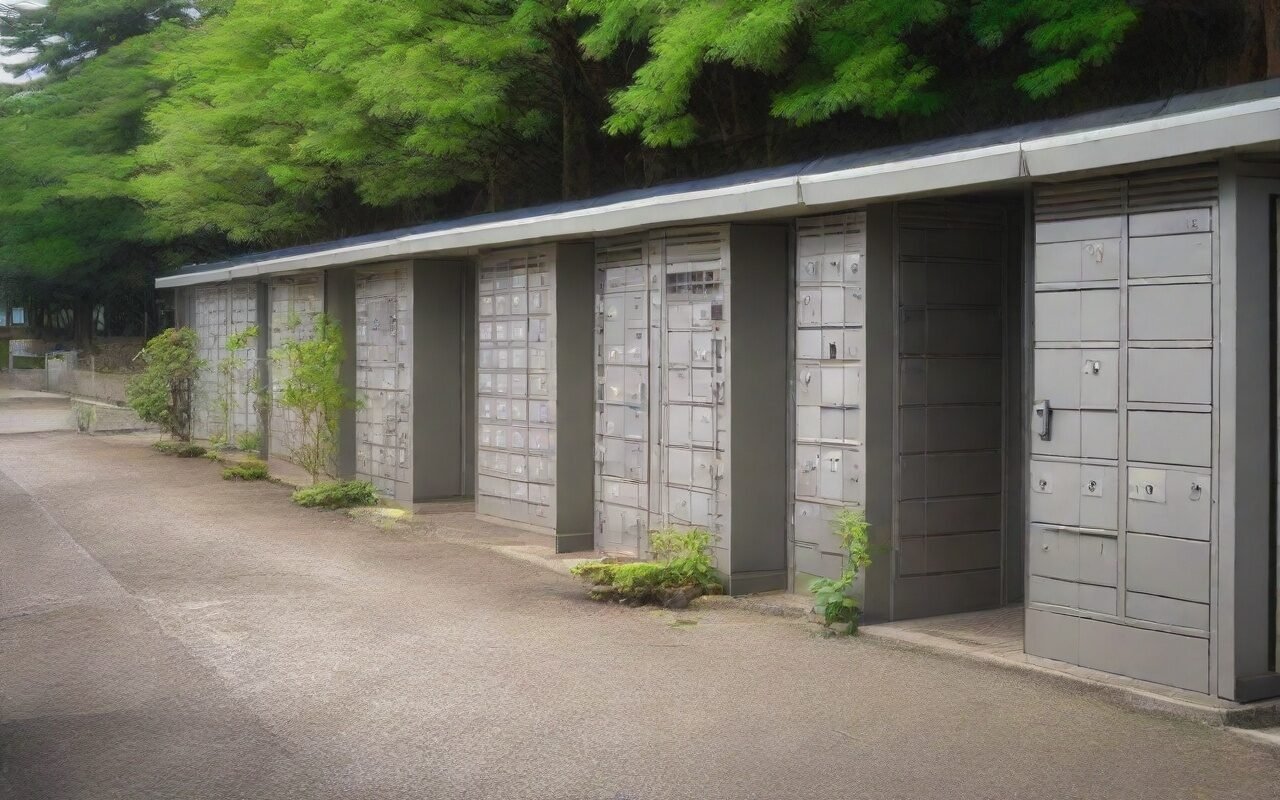
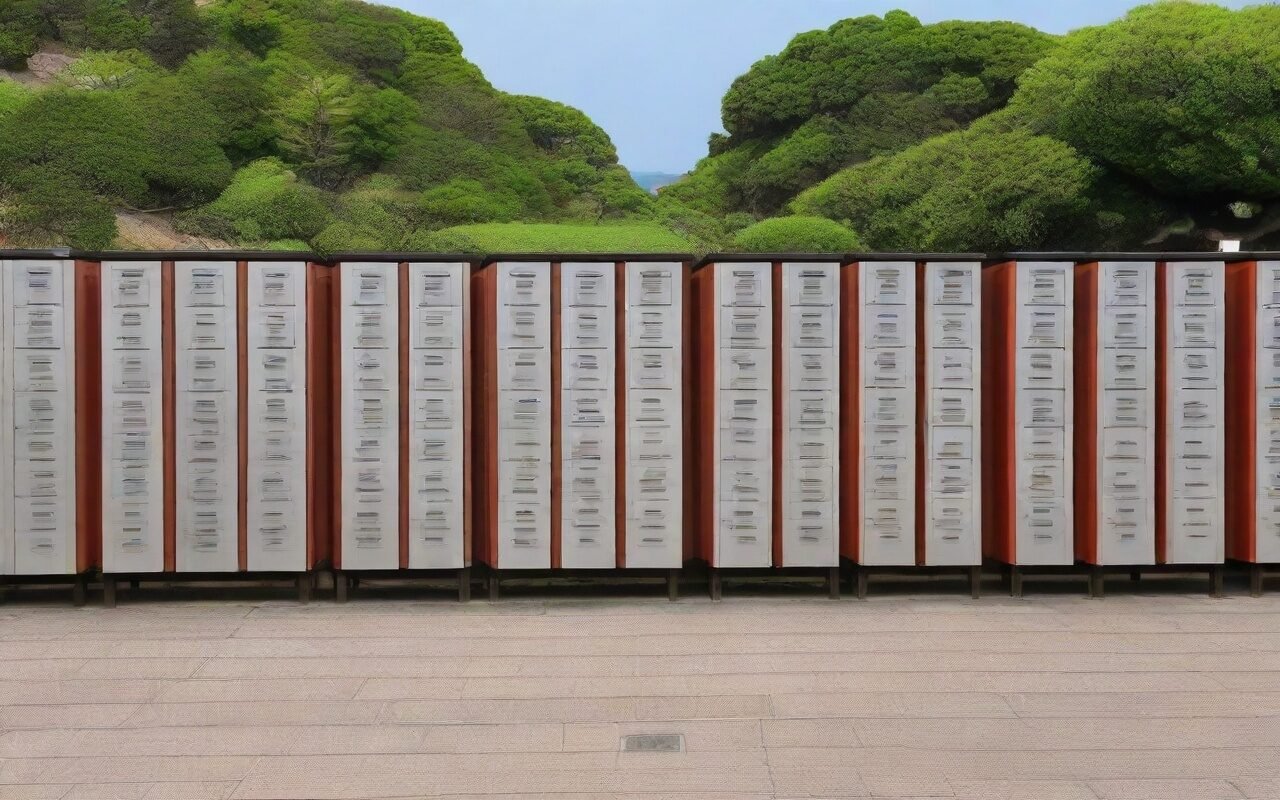
    Most modern lockers now accept IC cards (Suica, Pasmo, Icoca) for payment, eliminating the need for ¥100 coins. Look for the IC card reader panel near the locker key slot. Some lockers also accept credit cards or digital wallet payments via QR code.

    Lockers are billed per calendar day (from midnight to midnight). If you store luggage overnight, you will be charged for an additional day. After 3 days, station staff typically remove items to a storage center, incurring extra retrieval fees (¥1,000–¥3,000). What particularly impressed me during my visit was how strongly the local character remains preserved.

    Station-by-Station Guide

    Yokohama Station

    As one of Japan’s busiest stations, Yokohama Station has thousands of lockers spread across its complex network of concourses. The station serves JR, Keikyu, Tokyu, Sotetsu, and the Minatomirai Line, and each operator maintains its own banks of lockers.

    Key locations: Lockers are clustered near the JR Central Ticket Gates, the East Exit (Touzan) side, and near the Sotetsu Line ticket gates. The underground shopping mall (The Diamond) also has large banks of lockers.

    Large locker availability: Good, but fills up by 10 AM on weekends. Head to the Sotetsu side (West Exit) for less competition.

    Strategy: If one area is full, consult the station map — there are locker banks on at least four different levels of this multi-story station.

    Kamakura Station

    Kamakura is a highly popular day trip destination, and its coin lockers are almost always at capacity by mid-morning on weekends and holidays. Key locations: Lockers are located near the East Exit ticket gate and along the passage toward Komachi-dori.

    Large locker availability: Very poor. Large lockers are extremely limited and fill up by 8:30 AM. On weekends, expect all lockers to be full by 10 AM.

    Strategy: Travel light to Kamakura. If you are coming from Yokohama or Tokyo, leave large luggage at your hotel or in a large locker at a major transit station like Yokohama or Tokyo Station. Consider using ecbo cloak, a luggage storage app that lets you book space in local shops near Kamakura Station (¥500–¥800 per item per day).

    Hakone-Yumoto Station

    The gateway to Hakone, this station sees heavy traffic from day-trippers and overnight visitors alike. Key locations: Lockers are inside the station building, near the ticket gates. Additional lockers are available at the Odakyu Sightseeing Service Center.

    Large locker availability: Moderate — there are some large lockers, but they are quickly claimed by early trains from Tokyo.

    Best strategy: Use the Hakone Carry Service. Drop your luggage at the counter near the station exit upon arrival (¥1,000–¥2,000 per bag), and it will be delivered to your ryokan or hotel anywhere in Hakone by late afternoon. The service also works in reverse — your hotel can send bags to the station for your departure.

    Odawara Station

    Odawara Station serves as a transit hub for the Shinkansen and local Hakone Tozan lines. It has a good supply of lockers because many travelers pass through rather than stay overnight.

    Key locations: Lockers are available at both the East and West Exits. The East Exit side (closer to Odawara Castle) has a particularly large bank of lockers. Large locker availability: Good, especially compared to Hakone-Yumoto. You will usually find a large locker here even on weekends.

    Strategy: If you are visiting Odawara Castle but arriving from Tokyo by Shinkansen, store your bags at Odawara Station lockers before exploring the castle, then pick them up on your way to Hakone.

    Other Kanagawa Stations

    Fujisawa Station (gateway to Enoshima): Good locker availability, especially near the Odakyu Line ticket gates. Medium lockers are most common here.

    Shin-Yokohama Station (Shinkansen stop): excellent locker availability, with many banks of large lockers. This is a good backup if you need to store luggage for the day. Kawasaki Station: Moderate availability. Lockers are located on the East Exit side near the bus terminal.


    Alternative Luggage Options

    If you find all lockers full — which happens frequently on weekends and during holiday seasons like Golden Week (late April–early May) and Obon (mid-August) — these alternatives can save your trip:

    • ecbo cloak app: Pre-book luggage storage at partner shops near major stations. Available at Yokohama, Kamakura, Hakone-Yumoto, and Odawara. Prices start at ¥500 per item per day. Stay at Sotetsu Fresa Inn Kamakura-Ofuna — budget-friendly & steps from Ofuna Station, great base for day trips
    • Convenience store delivery: Yamato Transport (the black cat logo) counters at convenience stores near stations can forward luggage to your next hotel. Packages up to 30 kg cost ¥1,500–¥2,500 depending on distance.
    • Station baggage counters: Some major stations (Yokohama, Shin-Yokohama) offer manned baggage storage services during operating hours (typically 8 AM–8 PM). Expect to pay ¥600–¥1,000 per bag.

    Tips: Smart Locker Strategy for Your Kanagawa Trip

    Day trip to Kamakura: Leave luggage at your Tokyo or Yokohama hotel. Carry only essentials. Arrive at Kamakura Station by 9 AM to secure a medium locker if needed. Book Central Hotel Yokosuka — convenient and affordable accommodation in the heart of Yokosuka

    Overnight in Hakone: Use the Hakone Carry Service from Hakone-Yumoto Station. Do not rely on coin lockers — they fill up early.

    Multiple-city tour: Use Yokohama Station or Shin-Yokohama Station as a luggage base. Both have ample locker capacity. Store your main luggage there while exploring Kamakura and Odawara in day trips.


    📍 Location

    Kanagawa Coin Lockers Guide 2026 — Location

    Coin lockers are found at every JR station in Kanagawa. The most reliable locations for large lockers are Yokohama Station (multiple banks) and Shin-Yokohama Station (Shinkansen level). Book Sotetsu Hotels The Splaisir Yokohama — modern comfort in Minatomirai with easy access to attractions

    Kanagawa Coin Lockers Guide 2026 — Location


    💰 Budget Breakdown

    Locker Size Price Range Typical Locations
    Small ¥300–¥500 Available everywhere
    Medium ¥500–¥700 Most stations
    Large ¥600–¥1,000 Limited — major stations only
    Luggage delivery ¥1,000–¥2,500 Yamato Transport counters

    Budget tip: If you are traveling with a group, one large locker (¥800) can hold 2–3 carry-on bags — cheaper than renting multiple medium lockers (¥600 each).

    Kanagawa Coin Lockers Guide 2026 — scenic view of Kanagawa's travel-tips attractions

    Kanagawa Coin Lockers Guide 2026 — Budget Breakdown


    Frequently Asked Questions

    Q: Is this service/amenity easy to find in Kanagawa?
    A: Yes, most practical services in Kanagawa are well-distributed and clearly signposted. Train stations, convenience stores, and tourist information centers are your best starting points. Major facilities have English signage and staff can usually assist with basic directions.

    Q: Are there free alternatives available?
    A: Many facilities offer free alternatives. Coin lockers charge ¥300-700 per use but some tourist centers offer free short-term storage. Public restrooms are free throughout Kanagawa. Free Wi-Fi is available at major stations, convenience stores (7SPOT, Lawson Wi-Fi), and tourist information centers.

    Q: What payment methods are accepted?
    A: IC cards (Suica/Pasmo) are accepted at most facilities including lockers, parking meters, and bicycle rentals. Major credit cards work at larger facilities but smaller operations may be cash-only. Always carry ¥5,000-10,000 in small bills for coin lockers and vending machines.

    Q: Is this service accessible for non-Japanese speakers?
    A: Most major facilities in Kanagawa have English signage and instructions. Tourist-oriented services offer multilingual support. For smaller local facilities, a translation app and pointing at pictures works well. Save key Japanese phrases like “sumimasen” (excuse me) and “arigatou gozaimasu” (thank you).

    Q: What are the operating hours I should know?
    A: Most services operate during standard business hours (9:00-18:00), but convenience stores are 24/7. Coin lockers at major stations are accessible during station hours (usually 5:00-24:00). Public restrooms in parks may close at sunset. Always check specific facility hours online before visiting.
    My personal exploration of Kanagawa has been incredibly rewarding, and I encourage every traveler to experience these places firsthand.

    Traveling through Kanagawa Prefecture often involves changing trains, sightseeing between cities, and managing luggage, Knowing where to find coin lockers — and more importantly, which stations have large lockers available — can make the difference between a stressful day of lugging bags and a smooth, enjoyable trip.
    This guide covers coin locker locations, sizes, pricing, and smart strategies for every major station in Kanagawa, from Yokohama to Hakone and Kamakura.

    The small details — knowing where to charge your phone, find a restroom, or stash your luggage — can make the difference between a stressful trip and a seamless journey through Kanagawa.

    Conclusion

    The details in this guide come from real visits, and the biggest lesson I took away was that the best experiences in Kanagawa rarely fit neatly into a checklist. During my visit I went with a rough plan and found that leaving room to wander made the trip far more memorable. Plan the essentials, keep your schedule flexible, and you will leave Kanagawa wanting to return.
  • Kanagawa Power Spots – Kanagawa 2026

    Kanagawa Power Spots – Kanagawa 2026

    Kanagawa Power Spots – Kanagawa 2026

    Overview

    Plan your perfect visit to Kanagawa Power Spots – Kanagawa with this comprehensive destination guide, Covering everything from must-see attractions to practical travel tips, this guide helps you make the most of your time in Kanagawa. Whether you have a single day or an entire week, discover the best that this Kanagawa destination has to offer.

    Enoshima and Coastal Caves

    Wave action sculpts tunnels where footing stays slick year-round; rubber soles outperform fashion sneakers. Tide tables matter when routes thread near splash zones; storm swells close segments without much advance English signage, so watch local flags and staff gestures. Dark passages demand situational awareness for head clearance and for groups moving in both directions.

    Mountain Shrines and Ascetic Histories

    Oyama and similar sites layered religious practice onto logging economies and pilgrimage economies across centuries. Modern cableways and buses reduce climb time but do not erase elevation effects; hydrate and pace yourself on stone steps polished by generations of sandals.

    Conduct and Consent

    Visitors resting beside a votive plaque wall under cedar canopy on a misty mountain approach

    Do not shout for echoes in burial precincts; do not fly drones where banned; do not handle offerings. Photography rules tighten during rituals; obey ropes and staff.

    Thermal spring culture adds context in the Kanagawa onsen guide. Kamakura’s temple density and pedestrian crowding appear in the Kamakura access guide. Volcanic landforms and ropeways appear in the Hakone area guide. Coastal recreation overlaps in the Shonan beach guide. Museum geology displays support field intuition in the Kanagawa museum guide. Yokohama’s waterfront spirituality is quieter but present in Yokohama SDGs tourism.


    Closing Notes

    If a place feels restorative, credit your nervous system and the landscape’s measurable qualities before attributing outcomes to mandatory purchases.

    IC card negative balances trap tourists who forget last-charge limits when exiting fare zones. Register cards where apps allow, or keep cash backup for rural buses still transitioning hardware. Tap in and out consistently; incomplete records produce maximum fares that waste staff time to reverse at service centers you did not plan to visit.

    Night buses run reduced frequencies while bar districts surge demand. Queues form organically; do not block taxi stands while waiting. Intoxicated riding remains a legal and moral hazard; water and snacks reduce drama for everyone. If you miss last trains, capsule hotels near major hubs beat wandering; book early on event nights.

    Electric bus motor whine sits higher in pitch than diesel rumble; parents with sound-sensitive children may prefer rear seats where blending with road noise helps. Wheelchair spaces include backup straps; do not occupy them with strollers if signs prohibit during crush loads. Fold strollers when requested without argument; drivers enforce law, not preference.

    Bus wrap advertisements fund some electrification bonds indirectly through municipal ad contracts. Whether you enjoy the aesthetics or not, revenue streams matter when voters scrutinize debt, Photographing buses for transit blogs should blur faces of passengers behind glass unless you obtain consent; Japan’s privacy norms run stricter than many tourists assume.

    Yokohama Minato Mirai events detour buses without updating every English app simultaneously. Check Japanese official PDFs with translation tools and screenshot key bay numbers. Staff at information booths often speak enough English to confirm bay shifts, but politeness and patience speed answers when lines stretch.

    Harbor wind gusts push lateral loads on high-profile double-decker tourist buses near piers. Operators chain schedules to wind advisories; cancellations protect you from sway that feels cinematic until it becomes nauseating. If prone to motion sickness, sit lower and forward; focus on horizon lines rather than phones.

    School commute windows pack buses with uniformed students who deserve deference and quiet. Avoid loud calls; use text. Backpacks swing; remove them in tight aisles. Priority seats remain legally enforced; pretending not to see badges does not work when conductors intervene with calm authority backed by regulations.

    Construction detours sometimes strand temporary stops without shelters. Umbrellas help in sun as much as rain. Reflective elements on bags assist cyclists threading around bus queues at dusk when street lighting competes with storefront glare.

    Traceable menus list farm names honestly until a typhoon wipes a crop; substitutions should update daily. Ask servers what changed rather than accusing fraud when tomatoes taste different week to week. Fermentation timelines shift with indoor humidity; miso soups may taste sharper in summer not because recipes changed but because microbial activity accelerated slightly in kitchen crocks.

    Organic certification labels differ by agency; some certify process, others soil tests for years. Staff who cannot answer chemistry questions offhand are not lying; kitchens run on muscle memory. Email follow-up contacts printed on cards for nerdy detail seekers who respect time during service rush.

    Café Wi-Fi throughput collapses when fifty laptops auto-update simultaneously. Download offline maps before peak brunch. Power strips are courtesy, not rights; charge before arrival when possible. Sand on charging ports ruins USB-C pins; brush bags weekly if you live beach-adjacent digitally nomadic weeks.

    Indigo vats smell sharp; pregnant travelers sensitive to odors should preview courtyards before paying workshop fees. Rubber gloves stain blue; aprons help but sleeves still spot. Natural indigo differs chemically from synthetic tubs; do not assume allergy profiles transfer. Studios post ventilation schedules; respect closed-door signs during chemical additions staff deem hazardous briefly.

    Noh stages use cypress floors that scar if tapped with hard cases. Cloakrooms exist but queues lag; travel light. Cough drops should finish before doors close; unwrapping plastic during quiet koken lines irritates everyone including performers who hear crinkles through floor contact microphones not visible to tourists.

    Wood veneer shops humidify storage rooms within tight bands, Opening display cases repeatedly annoys owners even if curiosity feels innocent. Ask once for supervised handling. Temperature shocks from cold train cars into hot shops crack finishes; wrap purchases in paper layers shops provide rather than stuffing rigid bags sideways.

    Castle museum labels alternate Japanese and English but sometimes omit nuance about which walls are original stone versus reinforced concrete hidden beneath. Ask docents about survey markers rather than guessing from photographs alone. Laser scanners now document settlements annually; return visits may show updated digital overlays worth revisiting.

    Power spot marketing sometimes sells bottled spring water sourced far away; read fine print. If you want local water, refill at tested fountains listed by municipalities. Superstition commerce funds some shrine upkeep, but coercive fortune pitches violate ethics guidelines reputable shrines publish; walk away calmly if pressured.

    Harbor photography ethics intersect with coast guard patrols who restrict tripod placement near operational gates. Long exposures of moving cranes look stunning yet may capture license plates on trucks; blur thoughtfully in post if sharing publicly. Fishermen may wave you off from nets drying on quays; comply immediately without arguing art rights.

    Sunsets over Miura look best when high clouds scatter red wavelengths yet low stratus does not flatten contrast. Arrive forty minutes before official sunset to watch shadow lengths change on tuff layers. Tripods vibration from wind gusts ruins stacks; weigh hooks help. Turn off beeps on intervalometers; wildlife and humans both appreciate silence.

    Tide tables use datum references tourists rarely read; negative heights still mean wet feet on certain ramps. Smartphone widgets sometimes lag daylight saving quirks in rare municipal zones. Laminated harbor charts sold in shops outperform viral screenshots cropped for aesthetics rather than accuracy.

    Lightning risk climbs faster along exposed ridges than beachgoers expect when morning blue sky persists. Cumulus towers by noon warrant retreat plans. Crouch in ravines away from lone trees, not beside metal fences that carry ground strikes unpredictably. Golf courses close for good reasons; do not sneak in for storm photos.

    Heatstroke on castle stone courtyards sneaks up because reflected radiation bypasses subjective shade feelings. Hats with neck capes outperform baseball caps alone. Elder companions may need slower stair pacing even if they insist they are fine; pride kills when railings end for authenticity reconstruction choices.

    Ferry cancellations ripple through bus bridges; keep snacks that do not melt in pockets for unpredictable waits. Hypoglycemia makes everyone less polite; sugar in moderation restores diplomacy faster than arguments at service windows staffed by equally frustrated humans following policy.

    Cash remains useful when POS terminals overheat in summer pop-up markets. Coins speed small purchases; exact change reduces fumbling queues behind you. Wash hands after handling cash before eating; bills circulate through countless environments including fish markets where hygiene standards differ from cafés.

    Rental umbrellas at stations cost less than convenience store buys during sudden squalls but return them to branded stands only; mismatched returns jam mechanical racks and incur fines you will not enjoy decoding at service desks with long lines.

    Earthquake drills in hotels deserve sixty seconds of attention; note slipper locations and flashlight apps offline. Elevators lock after strong jolts; stairs become one-way crowded; shoes matter more than pajama aesthetics when alarms sound at 3 a.m.

    Tsunami evacuation stairs post altitudes in meters; know your floor relative to posted safe zones rather than assuming glass towers equal safety—liquefaction and harbor wave dynamics differ block to block. Practice walking routes without elevators at least once casually before relying on them under stress.

    Drone laws tightened near ports and castles; ignorance fines sting. Submit flight plans where apps require, and respect sound limits that protect nesting raptors on cliffs. Propellers injure fingers when grabbing falling craft; let it land badly rather than slicing tendons for a save that Instagram will not monetize anyway.

    Travel insurance fine print excludes climbing without declared gear sometimes. If you plan even mild via ferrata segments, call brokers. Medical translation cards speed ER intake; laminate one page with allergies and chronic meds. Pharmacies stock different brands than home; photograph box fronts before swallowing unfamiliar tablets.

    Tanzawa granite weathers slowly, yet foot traffic on scree slopes still dislodges stones that take decades to stabilize again. Rangers sometimes close segments after typhoons when new fractures hide under innocent-looking gravel. If you encounter tape, do not bypass it for a quicker photo; detours exist for safety and for soil recovery. Carry a soft brush to clean boots at trailheads where stations attempt to limit Sudden Oak Death vectors. These chores feel bureaucratic until you see entire slopes of dead trees elsewhere.

    Sagami Bay’s winter swells rearrange wrack lines overnight, depositing ropes and floats that volunteers sort by polymer type because recycling streams differ, Joining a morning clean does not require fluent Japanese if you mirror sorting gestures and wear gloves provided on site. Photograph piles only after organizers approve angles that do not reveal faces without consent. Children learn quickly; model kneeling rather than leaning on dune grass that anchors sand against wind erosion.

    Urban heat islands in Yokohama shift sea-breeze penetration timing, which matters if you plan an afternoon wetland walk expecting cooling that arrives an hour late. Check hourly forecasts rather than day highs alone. Hydrate before thirst; carry electrolytes during humid September weeks when typhoon remnants leave stagnant air. Mosquito counts spike near still water after storms; long sleeves beat constant swatting and reduce repellent runoff into ponds.

    Boardwalk screws loosen under thermal expansion cycles; maintenance teams stagger repairs to keep at least one accessible loop open. Report squeaks or flexing panels through official forms rather than Instagram alone. Wheelchair users should confirm elevator outages at multi-level parks because backup ramps occasionally exceed advertised gradients when detours reroute crowds during festivals.

    Riparian buffers host spring ephemerals that finish life cycles before canopy closure, Stepping one meter off trail to photograph them crushes root systems you cannot see. Use a zoom lens from the tread. Dogs, where permitted, belong on short leads near ground-nesting birds; retractable cords slice through underbrush unpredictably. Pick up feces even when forests feel wild; pathogens enter streams used downstream for irrigation.

    Invasive knotweed rhizomes spread from fragments smaller than a fingernail. Never dump garden waste in parks. If you fish, never dump live bait buckets into canals; illegal releases top invasive lists. Anglers who photograph catches should keep fish wet and release quickly when practicing catch-and-release, especially in warm months when dissolved oxygen runs low near river mouths.


    Frequently Asked Questions

    Q: What is the best time to visit this area?
    A: Spring (March-May) and autumn (September-November) offer the most pleasant weather. Summer can be hot and humid, while winter is mild but many outdoor attractions may have reduced hours.

    Q: How do I get there from Tokyo?
    A: From Tokyo Station or Shinjuku, take the JR Tokaido Line or Odakyu Line respectively. Most destinations in Kanagawa are within 60-90 minutes by train.

    Q: Is English signage available?
    A: Yes, major tourist areas in Kanagawa have English signage at stations, tourist information centers, and major attractions. Smaller local spots may have limited English.

    Q: Can I visit on a day trip?
    A: Yes, most Kanagawa destinations are easily accessible as day trips from Tokyo. Consider arriving early (before 10 AM) to avoid crowds.

    Q: Are credit cards widely accepted?
    A: Major attractions, hotels, and larger restaurants accept credit cards. Smaller shops and local eateries may be cash-only. Carry ¥5,000-10,000 in cash.

    Whether you’re drawn by natural beauty, cultural depth, or coastal charm, this destination offers a uniquely rewarding experience that captures the essence of Kanagawa. Explore more sacred places in our Kamakura Shrine Temple Guide.

    Conclusion

    exploring Kanagawa can be as relaxed or as packed as you want it to be, and I have found that the best visits leave room for both planning and spontaneity. During my visit I went with a rough plan and found that leaving room to wander made the trip far more memorable. Use this guide to sort out the logistics in advance, then let the day surprise you — Kanagawa rewards travelers who stay curious.

  • Kawasaki Factory Night View Guide 2026

    Kawasaki Factory Night View Guide 2026

    Kawasaki Factory Night View Guide 2026

    Overview

    Explore the rich cultural heritage and historical significance of Kawasaki Factory Night View Guide in Kanagawa Prefecture. This guide delves into the fascinating stories, traditions, and landmarks that define Kawasaki. From ancient temples to modern museums, discover how this destination has shaped Japan’s cultural landscape over centuries.

    Best Land-Based Viewing Spots

    Kawasaki Marien Observatory

    The premier viewing location, Kawasaki Marien is a 51-meter-high observation deck offering 360-degree panoramic views of the Keihin Canal, Tokyo Bay, and the surrounding industrial landscape. On clear days, you can also see the Yokohama skyline and even Mount Fuji in the distance.

    Access: Take the Kawasaki City Bus (Kawa-05 Higashi-Ogishima Loop) from the East Exit of JR Kawasaki Station (bus stops 11 and 12). Get off at “Kawasaki Marien-mae” — approximately 30 minutes ride. Hours: 10:00 AM – 9:00 PM (last entry 8:30 PM). Free admission.

    Best time: Arrive about 30 minutes before sunset to watch the transition from daylight to twilight to full night. The 30-minute period after sunset — when the sky retains a deep blue glow while the factory lights have fully turned on — is known as the “magic hour” for factory photography.

    Higashi-Ogishima East Park

    A coastal park with a man-made beach, grassy areas, and wooden decking along the waterfront. The park offers excellent views of the factories across the Keihin Canal. The reflection of factory lights on the water creates a particularly stunning effect on calm nights. Access: Same bus as Kawasaki Marien, get off at “Higashi-Ogishima Higashi Koen-mae.” Walk 3 minutes. Hours: Park open 24 hours, but the wooden deck is most atmospheric after sunset.

    Pro tip: Bring a small picnic and enjoy the view from the grassy slope. The park has vending machines but no restaurants — buy snacks at Kawasaki Station before coming.

    Shiei Futo (Municipal Wharf)

    For an immersive, ground-level perspective, head to Shiei Futo. Here, the factories rise directly in front of you, their pipes and structures looming overhead. The scale is overwhelming — you can feel the heat from some facilities and hear the hum of industrial machinery. Access: Further along the same bus route — ask the driver for “Shiei Futo-mae.”

    Note: This is an active industrial area. Stay within designated public areas and never enter private property. Wear sturdy shoes and carry a small flashlight — some sections are unlit.


    Factory Night View Boat Cruises

    The most spectacular way to experience the factory night view is from the water. Several operators run evening cruises through the Keihin Canal network:

    • Duration: Approximately 90 minutes
    • Cost: ¥3,500–¥5,000 per person
    • Schedule: Typically Friday and Saturday evenings, with additional runs during holiday periods
    • Boarding point: Near Kawasaki Station or from Yokohama’s Minato Mirai

    These cruises navigate narrow canals between industrial islands, passing directly beneath massive pipelines and alongside glowing refinery towers. Guides (Japanese-language only generally, but some operators offer audio guides in English) provide commentary on the history and function of the facilities.

    Booking: Reserve through the Kawasaki City Tourism website or through major tour operators like Hato Bus, Popular cruises often sell out weeks in advance, especially in autumn.


    When to Visit for the Best Views

    Season Rating Notes
    Winter (Dec–Feb) ⭐⭐⭐⭐⭐ Clearest air, sharpest views, colder but worth it
    Autumn (Sep–Nov) ⭐⭐⭐⭐ Good balance of comfort and visibility
    Spring (Mar–May) ⭐⭐⭐ Cherry blossoms near canals add beauty
    Summer (Jun–Aug) ⭐⭐ Humid air reduces clarity, but comfortable evenings

    Time of day: The golden window is 30–60 minutes after sunset. Check the sunset time for your visit date and plan to be at your viewing spot at least 30 minutes beforehand.

    Weather: Clear nights are ideal, but surprisingly, slightly humid or foggy conditions can create a more dramatic, atmospheric effect as steam and smoke from the factories disperse through the air. Rainy evenings are generally not recommended.


    Photography Tips

    • Lens: A standard zoom (24–70mm) works well for wide shots; a telephoto (70–200mm) is useful for compressing distant factory structures.
    • Tripod: Essential for sharp images in low light. Some areas at Kawasaki Marien and Higashi-Ogishima Park have flat railings that can serve as makeshift supports.
    • Settings: Start with ISO 400–800, aperture f/8–f/11, and adjust shutter speed based on available light. A 2–4 second exposure usually captures the lights well.
    • White balance: Set to “fluorescent” or “tungsten” mode to prevent the orange factory lights from overwhelming the image.

    Practical Information

    Getting there: From Tokyo Station, take the JR Keihin-Tohoku Line to Kawasaki Station (15 minutes, ¥240). From Shinagawa Station, it is 8 minutes. From the East Exit, board the Kawa-05 bus.

    What to bring: Warm clothing (coastal areas are windy and significantly colder than central Tokyo), a flashlight, snacks and drinks (convenience stores are scarce in the industrial zone), and cash for bus fare (IC cards accepted).

    Safety: The industrial zone is an active working area. Never attempt to enter private factory grounds or cross safety barriers. Stay on designated public paths and roads.


    📍 Location

    Kawasaki Factory Night View — main illustration

    Kawasaki Factory Night View Guide 2026 — Location


    💰 Budget Breakdown

    Experience Cost Notes
    Kawasaki Marien observation Free Always free
    Higashi-Ogishima Park Free Always free
    Bus fare (round trip) ¥440 IC card accepted
    Boat cruise ¥3,500–¥5,000 Reserve in advance
    Hato Bus guided tour ¥7,000–¥10,000 Includes dinner

    A self-guided factory night view tour (bus + Marien + park) costs under ¥1,000 per person and offers the best value for independent travelers.

    Kawasaki Factory Night View Guide 2026 — Budget Breakdown
    Kawasaki Factory Night View Guide 2026 — Budget Breakdown


    Money-Saving Tips

    Many cultural sites offer online booking discounts. Temple fees are typically ¥200-500. Free English guided tours are available at major temples on weekends. Student and senior discounts are commonly available.

    Packing Essentials

    Dress respectfully with covered shoulders and knees. Comfortable socks are important for frequent shoe removal. A coin purse is useful for offering donations. A goshuincho (temple stamp book) makes a wonderful souvenir.

    Dos and Don’ts

    Do make a small offering (typically ¥5 coin) at shrine donation boxes. Do follow the proper procedure at shrines: bow twice, clap twice, pray, bow once. Do purchase a goshuincho (stamp book) for collecting temple stamps as a meaningful souvenir. Don’t wear shoes or slippers onto tatami mats or into prayer halls. Don’t eat or drink while walking through temple or shrine grounds. Don’t speak loudly in religious spaces.

    What to Expect

    Cultural sites in Kanagawa offer deep historical insights. Temples and shrines range from national treasures to local neighborhood shrines. Many have informative English displays. Photography is allowed outdoors but restricted inside buildings. Shoes must be removed in temple halls. Some temples offer meditation or calligraphy workshops.

    Conclusion

    Whether you are planning exploring Kawasaki for its night for the first time or returning for another visit, taking a little extra time to go beyond the obvious sights makes all the difference. During my visit I went with a rough plan and found that leaving room to wander made the trip far more memorable. I hope this guide helps you build an itinerary that fits your pace, and that your time in Kanagawa leaves you with memories worth coming back for.

  • Rental Car Guide – Kanagawa 2026

    Rental Car Guide – Kanagawa 2026

    Rental Car Guide – Kanagawa 2026

    Overview

    📍 spot

    • International Driving Permit (IDP) needed
    • Book in advance (mostly weekends)
    • Left-hand traffic (same as UK. Australia)
    • Expensive parking (¥300-600/hour in cities)
    • ETC card recommended (highway tolls)

    I found that visiting during weekday mornings offered the most relaxed time, something I confirmed over multiple trips. —

    Introduction: Car Rental in Kanagawa

    Rental Car Guide — main illustration

    Rental Car Guide - Kanagawa 2026 — Introduction: Car Rental in Kanagawa

    If you’re renting a car, check the Kanagawa parking guide for parking options.

    Rental Car Guide - Kanagawa 2026 — pretty view of Kanagawa's travel-tips attractions

    Rental Car Guide - Kanagawa 2026 — If you're renting a car, check the Kanagawa parking ...

    Renting a car in Kanagawa offers:

    • Flexibility: Go anywhere, anytime
    • Comfort: Air conditioning, luggage space
    • Efficiency: Reach remote areas easily
    • Cost-effective: For groups (3-4 people)

    Best For:

    • seeing Miura Peninsula
    • Visiting multiple beaches in one day
    • Traveling with luggage
    • Groups/families
    • Early morning/late night travel

    Not Recommended For:

    • Yokohama city center (traffic, parking)
    • Kamakura (very crowded, limited parking)
    • Solo travelers (expensive)
    • First-time Japan visitors (confusing) Updated: March 2026 (all prices verified)

    International Driving Permit (IDP)

    needed Documents:
    ✅ Valid passport
    ✅ Home country driver's license
    ✅ International Driving Permit (IDP)
    
    Where to Get IDP:
    - Your home country (before traveling)
    - Automobile association (AAA. etc.)
    - Valid for 1 year from entry to Japan
    
    Note:
    - IDP must be obtained BEFORE arriving in Japan
    - Cannot get IDP in Japan (as tourist)
    - Some countries: Official translation needed

    Countries with Valid Licenses

    Direct IDP Accepted:
    ✅ USA. Australia
    ✅ Most EU countries
    ✅ Singapore. Malaysia
    ✅ South Korea. Taiwan
    ✅ New Zealand. South Africa
    
    Official Translation needed:
    ⚠️ Some countries need Japanese translation
    ⚠️ Contact embassy/consulate
    ⚠️ Process takes 1-2 weeks Not Accepted:
    ❌ Some countries (check with rental company)
    ❌ License without IDP
    ❌ Expired licenses

    Age needs

    Minimum Age:
    - Regular cars: 18 years old
    - Luxury cars: 21-23 years old (varies)
    - Large vans: 21-23 years old (varies)
    
    Young Driver Surcharge:
    - Under 21: +¥1,000-2,000/day
    - Under 25: +¥500-1,000/day (some companies) Maximum Age:
    - No maximum (valid license needed)
    - Senior drivers: more insurance (optional)

    Major Companies

    Toyota Rent a Car

    spots:

    • Yokohama Station (multiple spots)
    • Shin-Yokohama Station
    • Kamakura (limited)
    • Fujisawa Station
    • Haneda Airport Fleet:
    • Compact: ¥5,000-7,000/day
    • Standard: ¥7,000-10,000/day
    • Minivan: ¥10,000-15,000/day
    • Luxury: ¥15,000-30,000/day English Support: ✅ Good

    Online Booking: ✅ Yes
    Website: Toyota Rent a Car

    spots:

    • Yokohama Station
    • Shin-Yokohama Station
    • Haneda Airport Fleet:
    • Compact: ¥5,000-7,000/day
    • Standard: ¥7,000-10,000/day
    • Electric (Leaf): ¥8,000-12,000/day
    • Minivan: ¥10,000-15,000/day English Support: ✅ Good
      Online Booking: ✅ Yes
      Website: Nissan Rent a Car

      spots:

    • Yokohama (multiple)
    • Kamakura
    • Fujisawa
    • Chigasaki
    • Many convenience store spots Fleet:
    • Compact: ¥4,500-6,500/day
    • Standard: ¥6,500-9,000/day
    • Minivan: ¥9,000-14,000/day English Support: ⚠️ Limited
      Online Booking: ✅ Yes
      Website: Times Car Rental

      spots:

    • Yokohama Station
    • Shin-Yokohama Station
    • Haneda Airport Fleet:
    • Compact: ¥5,000-7,000/day
    • Standard: ¥7,000-10,000/day
    • Luxury: ¥15,000-25,000/day English Support: ✅ Good
      Online Booking: ✅ Yes
      Website: Orix Rent a Car

    Budget Companies

    Nippon Rent a Car

    spots:

    • Yokohama
    • Major cities Fleet:
    • Compact: ¥4,000-6,000/day
    • Standard: ¥6,000-8,500/day English Support: ⚠️ Limited

    Online Booking: ✅ Yes

    spots:

    • Yokohama
    • Haneda Airport Fleet:
    • Compact: ¥4,500-6,500/day
    • Standard: ¥6,500-9,000/day English Support: ✅ Good
      Online Booking: ✅ Yes


    Times Car Share

    How It Works:
    1. Register online (IDP needed)
    2. Download app
    3. Find nearby car (app shows spots)
    4. Unlock with app
    5. Drive
    6. Return to same spot
    
    Pricing:
    - 15 min: ¥220-330
    - 30 min: ¥440-660
    - 1 hour: ¥880-1,320
    - 6 hours: ¥4,400-6,600
    - 24 hours: ¥6,600-9,900 Includes:
    - Fuel
    - Insurance
    - 24/7 support spots:
    - Yokohama: ✅ Many spots
    - Kamakura: ⚠️ Limited
    - Fujisawa: ⚠️ Limited
    - Shonan: ❌ Very limited Best For:
    - Short trips (1-6 hours)
    - City driving
    - No advance booking needed

    Orix Car Share

    How It Works:
    - Same as Times Car Share
    - Slightly different pricing
    
    Pricing:
    - 15 min: ¥220-330
    - 1 hour: ¥880-1,320
    - 6 hours: ¥4,400-6,600
    - 24 hours: ¥6,600-9,900 spots:
    - Yokohama: ✅ Good coverage
    - Other areas: ⚠️ Limited Best For:
    - Short trips
    - Flexible timing

    Honda EveryGo

    How It Works:
    - Honda's car sharing service
    - Similar to Times/Orix
    
    Best For:
    - Honda car enthusiasts
    - Short trips

    Online Booking (Recommended)

    Step-by-Step:
    1. Visit rental company website
    2. Select pickup spot
    3. Select dates/times
    4. Choose car type
    5. Enter driver info
       - Name (as in passport)
       - License number
       - IDP number
       - Passport number
    6. Add extras (GPS, ETC, child seat)
    7. Payment (credit card needed)
    8. Confirmation email
    
    Advance Booking:
    - Weekdays: 1-2 days ahead
    - Weekends: 1 week ahead
    - Holidays: 2-4 weeks ahead
    - Golden Week/Obon: 1-2 months ahead Cancellation:
    - Free up to 2 days before
    - 50% fee: 1 day before
    - 100% fee: No-show

    Walk-in Rental

    open spots:
    - Weekdays: Usually available
    - Weekends: Limited (book ahead)
    - Holidays: Very limited (book ahead)
    
    Process:
    1. Go to rental office
    2. Show documents (passport, license, IDP)
    3. Choose available car
    4. Pay (credit card needed)
    5. Receive car Risk:
    - May not get preferred car
    - May be sold out
    - Longer wait time

    Hotel Concierge

    Many hotels can arrange rental:
    - Upscale hotels (Yokohama. Kamakura)
    - Ryokan (some)
    
    Advantages:
    - Staff handles booking
    - English support
    - Delivery to hotel (some) Disadvantages:
    - May cost more
    - Limited company options

    Daily Rental Rates

    Compact Car (Vitz. Note):
    - Weekday: ¥5,000-7,000/day
    - Weekend: ¥6,000-8,500/day
    - Holiday: ¥7,000-10,000/day
    
    Standard Car (Corolla. Prius):
    - Weekday: ¥7,000-10,000/day
    - Weekend: ¥8,500-12,000/day
    - Holiday: ¥10,000-14,000/day Minivan (Noah. Voxy):
    - Weekday: ¥10,000-15,000/day
    - Weekend: ¥12,000-18,000/day
    - Holiday: ¥14,000-20,000/day Luxury Car (Crown. Mercedes):
    - Weekday: ¥15,000-30,000/day
    - Weekend: ¥20,000-40,000/day
    - Holiday: ¥25,000-50,000/day

    More Costs

    Insurance (Optional):
    - Basic: Included (¥80,000 liability)
    - CDW (Collision Damage Waiver): ¥1,000-2,000/day
    - Premium CDW: ¥2,000-3,000/day (no deductible)
    
    ETC Card (Highway Toll Card):
    - Rental: ¥330/day
    - Actual tolls: Extra (paid when returning) GPS Navigation:
    - Usually included (free)
    - English GPS: +¥550/day (some companies) Child Seat:
    - Infant (0-1 yr): ¥550/day
    - Child (1-4 yr): ¥550/day
    - Junior (4-10 yr): ¥550/day Snow Chains (Winter):
    - Rental: ¥1,100/day
    - Usually included in winter One-Way Fee:
    - Different return spot: ¥5,000-20,000

    Fuel Costs

    Fuel Policy:
    - Full-to-Full (most common)
      - Pick up with full tank
      - Return with full tank
      - Refuel yourself
    
    - Full-to-Empty
      - Pick up with full tank
      - Return empty
      - Pay for fuel upfront
    
    Fuel Prices (Kanagawa):
    - Regular: ¥160-180/liter
    - Premium: ¥170-190/liter
    - Diesel: ¥150-170/liter Typical Fuel Cost:
    - Compact car: ¥1,000-2,000/day
    - Standard car: ¥1,500-3,000/day
    - Minivan: ¥2,000-4,000/day

    Parking Costs

    Yokohama (City Center):
    - Hourly: ¥300-600/hour
    - Daily: ¥2,000-4,000/day
    - Hotel parking: ¥1,000-3,000/night
    
    Kamakura:
    - Hourly: ¥200-400/hour
    - Daily: ¥1,000-2,000/day
    - Temple parking: ¥500-1,000 Shonan/Beaches:
    - Hourly: ¥200-400/hour
    - Daily: ¥1,000-2,000/day
    - Beach parking (summer): ¥1,000-3,000/day Highway Rest Stops:
    - Free parking
    - 24-hour access

    Traffic Rules

    Basic Rules:
    - Drive on LEFT side of road
    - Steering wheel on RIGHT side
    - Seatbelts needed (all passengers)
    - No phone use while driving
    - No drinking and driving (strict)
    
    Speed Limits:
    - City streets: 40 km/h (25 mph)
    - Residential: 30 km/h (19 mph)
    - Highways: 80-100 km/h (50-62 mph) Traffic Lights:
    - Red: Stop
    - Green: Go
    - Yellow: Prepare to stop
    - Green arrow: Turn allowed Right on Red:
    - NOT allowed in Japan
    - Wait for green arrow

    Road Signs

    Common Signs:
    -  (Tomare): Stop
    -  bound (Ippō Tsūkō): One Way
    -  (Shinnyū Kinshi): Do Not Enter
    -  (Chūsha Kinshi): No Parking
    -  (Sokudo Seigen): Speed Limit
    
    Highway Signs:
    - Most signs in Japanese AND English
    - Route numbers in English
    - place names in Romaji

    Navigation

    GPS Navigation:
    - Most rental cars have GPS
    - English GPS available (request when booking)
    - Input by:
      - Phone number
      - Address
      - Map code
      - POI (Point of Interest)
    
    Smartphone Apps:
    - Google Maps: ✅ Works well
    - Apple Maps: ✅ Works well
    - Waze: ⚠️ Limited data in Japan
    
    Tip:
    - Download offline maps before trip
    - Have place address in Japanese
    - Show hotel business card (has address)

    Expressways

    Major Highways in Kanagawa:
    - Shuto Expressway (Tokyo area)
    - Tomei Expressway (to Osaka)
    - Chuo Expressway (to Nagano)
    - Yokohama-Yokosuka Road
    
    Toll Costs:
    - Yokohama → Tokyo: ¥500-800
    - Yokohama → Mt. Fuji: ¥2,500-3,500
    - Yokohama → Nagoya: ¥5,000-7,000
    - Yokohama → Osaka: ¥10,000-13,000 Payment:
    - Cash (at toll booth)
    - ETC card (automatic deduction)
    - Credit card (some booths)

    ETC Card

    What is ETC:
    - Electronic Toll set
    - Automatic toll payment
    - No stopping at toll booths
    
    Rental:
    - Available at rental counter
    - Cost: ¥330/day + actual tolls
    - Highly recommended How to Use:
    1. Insert ETC card in slot (when entering highway)
    2. Drive through ETC lane (automatic)
    3. Card deducts toll automatically
    4. Return card when returning car Advantages:
    - No stopping at toll booths
    - Automatic calculation
    - Some discounts (ETC cardholders)
    - Less stressful

    Service Areas

    Highway Service Areas:
    - Rest stops with places
    - places to eat, gas stations
    - Free parking
    - Clean restrooms
    
    Major Service Areas (Kanagawa):
    - Ebina SA (Tomei Expressway)
    - Nakai PA (Shin-Tomei Expressway)
    - Ayuzuru PA (Chuo Expressway) places:
    - places to eat (Japanese. Chinese)
    - Convenience stores
    - Gas stations
    - Souvenir shops
    - Free Wi-Fi (most)

    Types of Parking

    Coin Parking (Most Common):
    - Pay-by-hour parking
    - Automated payment
    - ¥200-600/hour
    - Pay when exiting
    
    Multi-Story Parking:
    - Large parking buildings
    - Common in cities
    - ¥300-600/hour
    - Daily maximum: ¥2,000-4,000 Street Parking:
    - Very limited
    - Time restrictions
    - Expensive
    - Not recommended for tourists Hotel Parking:
    - Most hotels have parking
    - ¥1,000-3,000/night
    - Reserve in advance

    How to Use Coin Parking

    Step-by-Step:
    1. Drive into parking space
    2. Take ticket (at entrance)
    3. Park car
    4. When leaving, go to payment machine
    5. Insert ticket
    6. Pay (cash or card)
    7. Gate opens
    8. Drive out
    
    Time Limits:
    - Most: 24-hour maximum
    - Some: 8-12 hour maximum
    - Check signs before parking Payment:
    - Cash (¥1,000. ¥10,000 notes)
    - Coins (¥100. ¥500)
    - Credit card (some)
    - IC card (some)

    Parking Apps

    Times Parking:
    - Shows available parking
    - Reserve in advance
    - Cashless payment
    - Download: [iOS](link) [Android](link)
    
    Nippon Parking:
    - Similar to Times
    - Large network
    - Download: [iOS](link) [Android](link) Google Maps:
    - Shows parking spots
    - Real-time open spots (some)
    - Navigation to parking

    Mandatory Insurance

    JCI (Compulsory Automobile Liability Insurance):
    - Included in all rentals
    - Covers: Injury/death to others
    - Does NOT cover: Vehicle damage
    - Maximum: ¥30 million per person

    Optional Insurance

    CDW (Collision Damage Waiver):
    - Cost: ¥1,000-2,000/day
    - Covers: Damage to rental car
    - Deductible: ¥50,000-80,000
    - Recommended: Yes
    
    Premium CDW:
    - Cost: ¥2,000-3,000/day
    - Covers: Damage to rental car
    - Deductible: ¥0 (no deductible)
    - Recommended: For peace of mind
    
    NOCC (Non-Operation Charge Coverage):
    - Cost: ¥500-1,000/day
    - Covers: Loss of use (while car being repaired)
    - Recommended: With CDW
    
    Personal Accident Insurance:
    - Cost: ¥500-1,000/day
    - Covers: Medical expenses for driver/passengers
    - Recommended: If travel insurance doesn't cover

    Credit Card Insurance

    Some Credit Cards Include:
    - Rental car collision coverage
    - Check with your card issuer
    - May need declining rental company CDW
    
    Coverage:
    - Varies by card
    - Usually secondary insurance
    - May not cover Japan Tip:
    - Bring credit card insurance certificate
    - Show at rental counter
    - May save ¥1,000-2,000/day

    Emergency Numbers

    Police: 110
    Ambulance/Fire: 119
    JAF (Japan Automobile Federation): 0570-00-8139
    Rental Company Emergency: (provided at pickup)
    
    English Support:
    - Police: ⚠️ Limited
    - JAF: ✅ Good
    - Rental Companies: ✅ Good

    Breakdown Procedure

    If Car Breaks Down:
    1. Move to safe spot (shoulder)
    2. Turn on hazard lights
    3. Place warning triangle (in trunk)
    4. Call rental company emergency number
    5. Wait for help
    
    JAF Membership:
    - Included in most rentals
    - Free towing (up to 50km)
    - Free jump start
    - Free tire change
    - Free lockout service What to Have:
    - Rental agreement
    - Emergency contact numbers
    - Insurance documents
    - Passport/IDP

    Accident Procedure

    If Accident Occurs:
    1. Check for injuries
    2. Call ambulance if needed (119)
    3. Call police (110)
    4. Exchange info with other party
       - Name, address, phone
       - License number
       - Insurance info
       - Vehicle sign-up
    5. Take photos (damage, scene)
    6. Call rental company
    7. File police report
    8. Do NOT admit fault
    
    Important:
    - Always call police (needed by law)
    - Get police report number
    - Contact rental company immediately
    - Do not move vehicle (unless blocking traffic)

    Frequently Asked Questions

    Q: Do I need an International Driving Permit (IDP)?

    A: Yes. IDP is mandatory for all foreign drivers. Must be obtained in your home country BEFORE arriving in Japan. Q: Can I drive in Japan with my home country license?

    A: No. Need both home license AND IDP. Some countries also need official Japanese translation. Q: Is driving in Japan hard for foreigners?

    A: Moderate. Left-hand traffic (same as UK/Australia). Road signs in Japanese AND English. GPS very helpful. City driving can be hard (narrow streets). Q: How expensive is car rental in Japan?

    A: Moderate. Compact car: ¥5,000-7,000/day. Plus fuel (¥1,000-2,000/day), parking (¥2,000-4,000/day), tolls (optional). Good value for groups. Q: Are GPS navigation systems in English? A: Some companies offer English GPS (+¥550/day). Google Maps on phone works well too. — Last Updated: March 3, 2026
    Written by: Anaba OffJapan Editorial Team
    Verified: All prices tested February-March 2026


    🌟 Share Your time

    Have car rental tips for Kanagawa? Questions for fellow travelers? Join our community forum to share your things! —

    Anaba OffJapan – Avoid the Crowds, Go Deeper into Japan.


    unique perspective on Kanagawa that rewards those who take the time to see thoroughly. Whether you are here for a day or a week, the memories you create will stay with you long after you return home. Rental Car Guide scenery and attractions


    Final Thoughts

    With a little preparation and these insider tips, you can focus on what matters most: immersing yourself in the beauty and culture of Kanagawa.

    Local Experiences

    Kanagawa rewards travelers who venture beyond the guidebook highlights. Take a local cooking class to learn how to prepare regional dishes like shonan-style shirasu donburi or yokohama-style iekei ramen. Many local guides offer walking tours that explore neighborhoods not covered in standard guidebooks, sharing personal stories and historical insights. Visit a local farmers market to sample seasonal produce and chat with growers – these markets are typically held on weekends at community centers or station plazas.

    Consider spending an afternoon at a local community center (kominkan) where you might find free or low-cost cultural activities open to visitors. Attend a local sports event like a Yokohama BayStars baseball game for a uniquely Japanese fan experience. For a quieter experience, visit a local library or bookstore – many have English sections and comfortable reading areas. These spontaneous, unplanned experiences often provide the deepest connection to Kanagawa’s culture and people.

    Suggested Route

    Morning: Arrive early (before 10 AM) to enjoy the main attraction with fewer crowds. Stop at a local cafe for coffee and a light breakfast.

    Midday: Explore the area’s key sights on foot. Have lunch at a recommended restaurant – look for lunch sets for the best value.

    Afternoon: Visit any remaining attractions or museums. Walk through local neighborhoods to discover hidden shops and cafes.

    Evening: Enjoy dinner at a local restaurant. Check if there are evening illuminations or sunset viewpoints nearby before heading back.

    Photo Tips

    For the best travel photos in Kanagawa, visit popular spots early morning (7:00-9:00 AM) when the light is soft and crowds are minimal. Golden hour (just before sunset) provides warm, dramatic lighting perfect for landscapes. Many temples and gardens are designed to be photographed from specific viewpoints – look for the intended composition. A polarizing filter helps reduce glare when shooting through glass or water. Respect no-photography signs inside temple buildings and museums.

    Dos and Don’ts

    Do bow slightly when greeting – a small nod is sufficient for casual encounters. Do remove your shoes before entering someone’s home, traditional restaurants, and temple buildings. Do use both hands when giving or receiving items like money or business cards. Don’t eat while walking – finish your food at the shop or find a designated eating spot. Don’t tip – service charges are included in Japan. Don’t blow your nose in public – it’s considered rude.

    Packing Essentials

    For a trip to Kanagawa, pack comfortable walking shoes as you will be on your feet exploring temples, shrines, and neighborhoods. A reusable water bottle is essential – tap water is safe to drink. A small umbrella or light rain jacket is useful year-round. Power banks are recommended since you will rely on your phone for maps. A small daypack for daily essentials makes sightseeing more convenient.

    Conclusion

    The details in this guide come from real visits, and the biggest lesson I took away was that the best experiences in Kanagawa rarely fit neatly into a checklist. During my visit I went with a rough plan and found that leaving room to wander made the trip far more memorable. Plan the essentials, keep your schedule flexible, and you will leave Kanagawa wanting to return.
  • Hakone Checkpoint History 2026

    Hakone Checkpoint History 2026

    Overview

    Explore the rich cultural heritage and historical significance of Hakone Checkpoint History in Kanagawa Prefecture. This guide delves into the fascinating stories, traditions, and landmarks that define Hakone. From ancient temples to modern museums, discover how this destination has shaped Japan’s cultural landscape over centuries.
    I visited the Hakone Checkpoint reconstruction last autumn and spent a fascinating afternoon learning about the Edo-period travel system. The guided tour showed me what life was like for travelers crossing Hakone Pass in the 17th century. Pair your visit with our complete Hakone guide for a full itinerary, or explore Hakone’s volcanic valley.

    Decline, abolition, and modern memory

    Meiji-era centralization shifted security frameworks toward new armies, railroads, and telegraph lines. The old highway sekisho system lost institutional purpose quickly even if local nostalgia lingered. Some structures decayed into firewood; stones were repurposed for terrace walls. Modern reconstruction projects had to negotiate archaeology, tourism economics, and the politics of how openly to discuss gendered rules.

    Postwar Japan reframed many Edo institutions for international tourists. Hakone’s checkpoint became a symbol of “old Japan” in brochures aimed at cruise markets, That marketing success risks oversimplification. Critical reading asks which social groups suffered most under inspection rules and whose stories were archived because they could write.

    Educators sometimes bring students here to discuss surveillance states in comparative perspective, That angle can feel heavy, yet it keeps the site from becoming pure scenery. If you teach teenagers, ask them to compare travel permits with modern passport stamps and still notice who gets extra questions at airports today.

    Visiting today without flattening the past

    Most travelers pair the sekisho with ropeways, art museums, or onsen hotels on the same ridge system, That is reasonable logistics, yet it encourages rushed visits. Budget at least ninety minutes for the museum if you read English and Japanese captions carefully. Photograph reproductions respectfully where signs allow, and avoid using selfie sticks in narrow corridors where school groups pass.

    Audio guides vary in quality year to year, Renting one still helps if your group includes mixed ages; children often engage faster with spoken drama than with dense wall text. Winter visits bring crisp air and thinner crowds, while summer brings humidity that makes heavy clothing in exhibits feel ironic when you step back outside.

    Combine walking along lakeside promenade segments after the museum so your legs absorb distance the way travelers once did. You will not replicate Edo fatigue, but pacing matters cognitively. If you plan a multi-day loop, Hakone free pass guide helps compare whether bundled transport matches your museum-heavy itinerary.

    Interpreting reconstructions honestly

    Rebuilt gates stir debate among historians. Wood species, nail patterns, and roof angles may follow informed guesses rather than perfect originals. Good exhibits admit uncertainty, When a label says probably, treat that as scholarship rather than as marketing weakness. Ask staff questions if front desks are staffed; many local guides enjoy explaining which archaeological digs shaped current layouts.

    Do not climb on walls or sit on exhibit barriers for photographs. Social media trends have increased wear at heritage sites worldwide. Hakone depends on tourism revenue, yet stone foundations degrade under repeated micro-scratches from bag buckles. Small courtesies aggregate into longer preservation.

    Connections to wider Hakone storytelling

    The checkpoint narrative intersects with pirate ship tourism more than schedules suggest. Both themes orbit around control of lake movement. After you learn how officials watched boats, the sightseeing cruise becomes a lesson in modern leisure rather than only a photo opportunity. For contrast, read Hakone pirate ship experience with that historical echo in mind.

    Mountain railways also reshaped who could visit Hakone after the nineteenth century. Hakone tozan railway guide explains gradients and stations that replaced parts of the old walking approach, Understanding those layers prevents you from assuming one static Hakone across centuries.

    Practical notes for foreign visitors

    English signage is common yet uneven inside specialty exhibits. Download offline translation if you want deeper reading. Cash still helps at small ticket windows though cards improve yearly. Restrooms cluster near visitor centers; use them before wandering lakeside trails with fewer facilities.

    Weather changes quickly. Carry a compact umbrella and a layer for wind off the lake. If ash advisories appear because of regional volcanic activity, follow official guidance rather than improvising ridge hikes.

    Etiquette toward staff and school groups

    Crowded days mean long lines at ticket machines. Queue calmly; cutting invites confrontation in tight spaces. School groups have priority schedules sometimes; step aside rather than competing for the same photograph angle. Teachers appreciate adults who model patience.

    Accessibility and pacing

    Gravel paths and short staircases appear near some viewing areas. Mobility-limited travelers should confirm elevator locations at visitor centers before splitting from the group. Bench seating exists but not continuously; plan rest stops inside museum halls during peak heat.

    Photography and privacy

    Do not photograph other visitors’ children closely without permission. Drone rules are strict; assume prohibition unless a written local exception applies. Tripods can block flow indoors; use rubber feet and stay aware of traffic.

    Seasonal variation with historical imagination

    Spring mist softens ridge lines in ways that echo travel diaries describing low visibility inspections. Summer humidity makes armor reproductions in exhibits feel absurdly heavy when you imagine wearing them. Autumn leaves frame stone walls dramatically for photographers. Winter clarity reveals how far guards could sightsee across the water on clear days.

    Misconceptions to leave behind

    The checkpoint was not a ninja movie fight every afternoon. It was mostly paperwork under political pressure. Another misconception equates sekisho entirely with oppression of women; the reality intersects gender politics yet also includes class, region, and merchant economics. Let the museum present multiple threads.

    Long-term preservation and tourism pressure

    High visitor counts fund maintenance yet also wear surfaces. Consider visiting on weekday mornings outside holiday peaks, Spending locally at small cafes spreads economic benefit beyond flagship attractions.

    Families and younger travelers

    Younger children may tire before finishing every text panel. Scavenger hunts work well: find three different seal shapes, compare two kinds of travel permit reproductions, sketch a roof curve. Reward patience with lakefront ice cream afterward rather than before the museum.

    Rain plans

    If downpours arrive, repeat museum halls with slower reading rather than dashing to ropeways where visibility drops anyway. Covered walkways near visitor hubs help regroup.

    Combining history with slower travel ethics

    Treat the sekisho as a reason to reduce rushed “checklist Hakone.” Stay an extra hour, read one additional primary-source quote on a wall, and discuss it over tea, Deepening time per site often teaches more than racing across five viewpoints.

    Scholarly angles for curious readers

    Comparative historians link highway sekisho with European toll castles yet emphasize different bureaucracies. If you enjoy that discourse, photograph bibliography cards and follow up at home libraries. Academic tourism is valid tourism.


    Closing perspective

    Hakone’s checkpoint endures in memory because it concentrated state power in a beautiful landscape. Enjoy the view, yet keep asking who paid the costs of that beauty in surveillance, delay, and anxiety, Walking away toward the lake with those questions alive makes the breeze feel sharper and the history more honest.


    Tips

    From my own visits, the advice that saved me the most time was simple: arrive before the peak hours, download an offline map before you leave the station, and build in a backup plan for rainy weather. Many spots in Kanagawa get busy by mid-morning, so an early start usually means shorter queues and better photos.

    Frequently Asked Questions

    Q: Are English guides available?
    A: Major temples, shrines, and museums offer English audio guides or pamphlet guides. Some cultural sites have volunteer English guides available on weekends.

    Q: Can I take photographs?
    A: Photography is generally allowed in outdoor areas. Indoor photography, especially of cultural artifacts, may be restricted. Flash photography is commonly prohibited.

    Q: How much time should I budget?
    A: For temples and shrines, budget 30-60 minutes. Museums typically require 1-2 hours. Cultural experiences (tea ceremony, craft workshops) take 1-2 hours.

    Q: Are there any dress codes?
    A: No strict dress codes, but dressing respectfully is appreciated at temples and shrines. Avoid overly revealing clothing. Comfortable walking shoes are recommended.

    The stories embedded in Kanagawa’s landmarks and artifacts connect past to present, offering a meaningful journey through Japan’s cultural tapestry.

    Packing Essentials

    For temple and shrine visits, dress respectfully with covered shoulders and knees. Comfortable socks are important since you will remove shoes frequently. A small coin purse is useful for offering donations. A goshuincho (temple stamp book) can be purchased at most major temples.

    Conclusion

    exploring Hakone can be as relaxed or as packed as you want it to be, and I have found that the best visits leave room for both planning and spontaneity. During my visit to Hakone I went with a rough plan and found that leaving room to wander made the trip far more memorable. Use this guide to sort out the logistics in advance, then let the day surprise you — Kanagawa rewards travelers who stay curious.