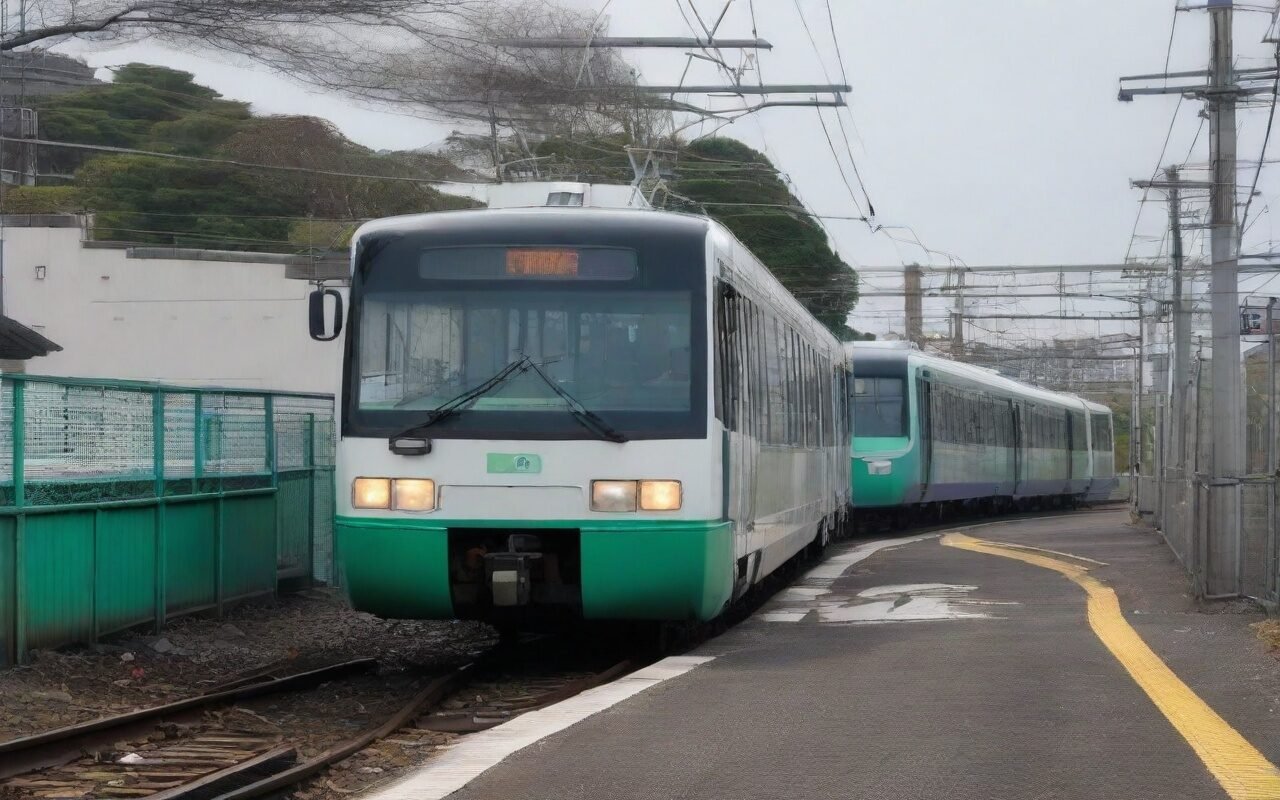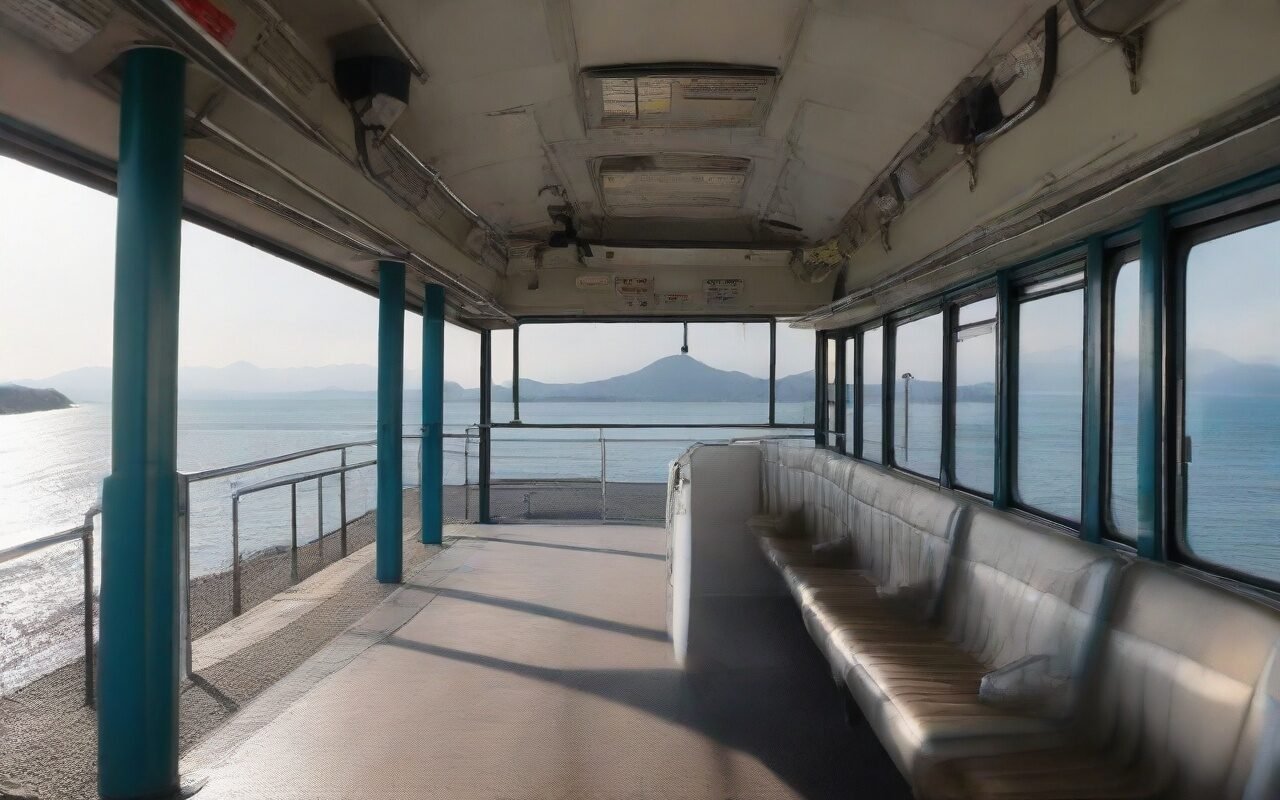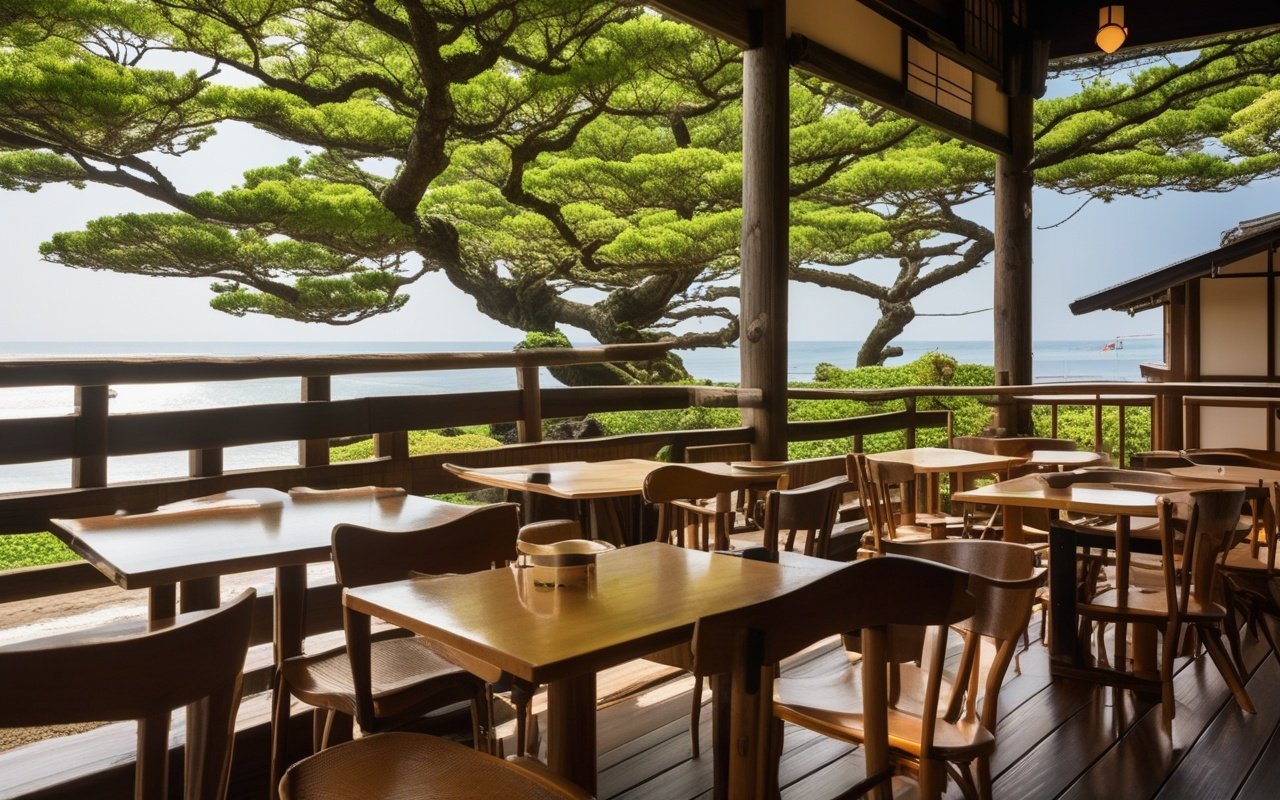
Category: kanagawa

神奈川県の旅行ガイド記事のカテゴリ

  • Hayama Hidden Cafes – Kanagawa 2026

    Hayama Hidden Cafes – Kanagawa 2026

    Kanagawa Prefecture is a paradise for food lovers, offering everything from fresh seafood to traditional Japanese cuisine. This guide introduces the best dining experiences across the region.

    Overview

    Discover the best food and drink experiences that Hayama Hidden Cafes – Kanagawa has to offer. From hidden local gems to popular dining destinations, this guide takes you through the culinary landscape of Hayama in Kanagawa Prefecture. Whether you are a first-time visitor or a returning food enthusiast, you will find something to satisfy your cravings.

    Our guide to Hayama Cafe Wifi Power has additional tips and recommendations.## 📍 Location

    • 5 hidden kominka cafes (traditional Japanese houses)
    • Authentic atmosphere (50-100+ year old buildings)
    • Specialty coffee (locally roasted beans)
    • Peaceful retreats (away from tourist crowds)
    • Best for: Remote work, dates, photography, relaxation

    Introduction: Hayama’s Kominka Cafe Culture
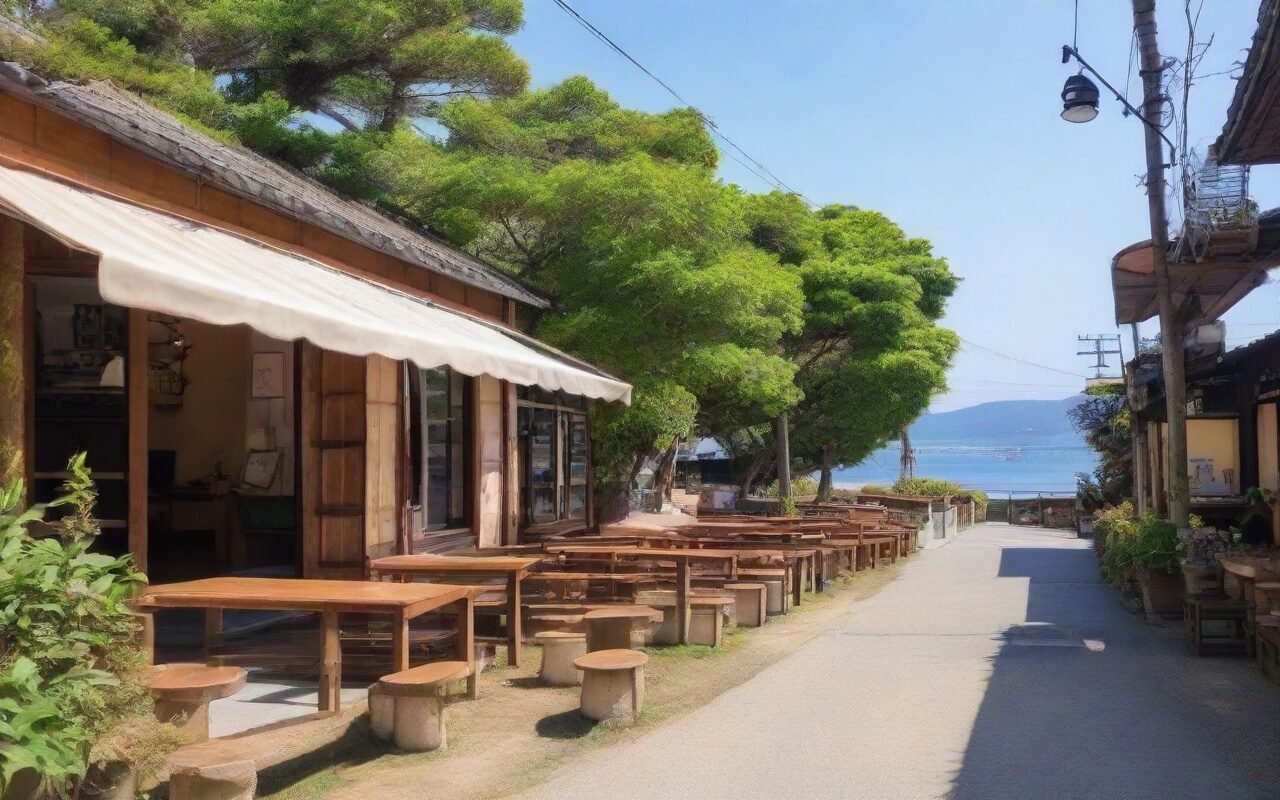
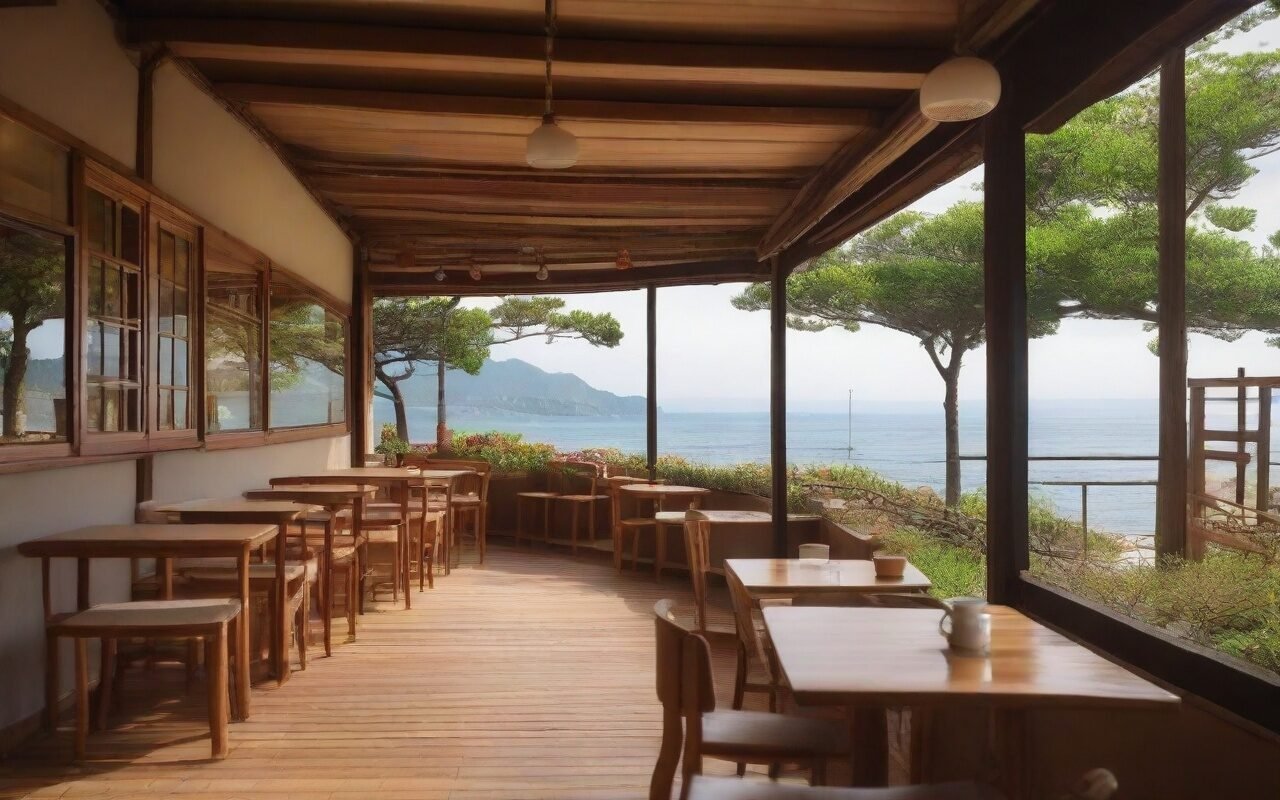
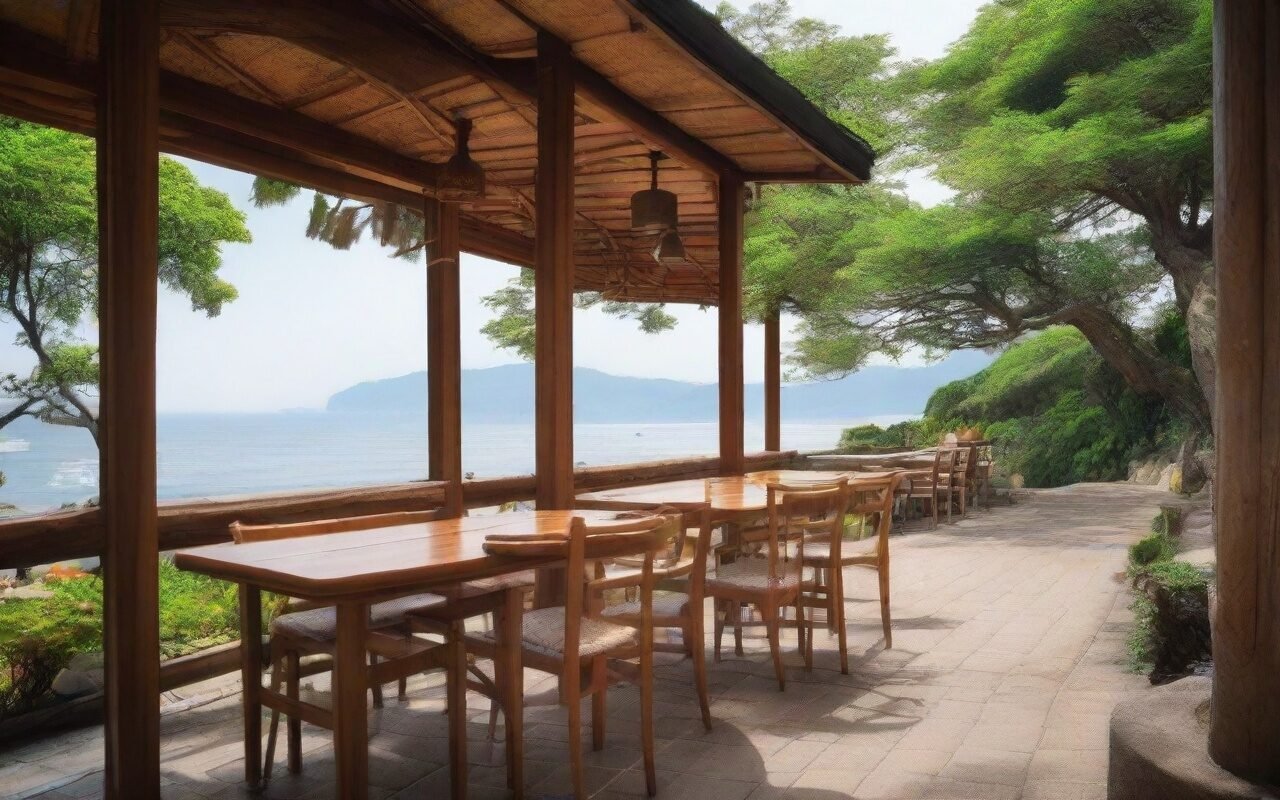
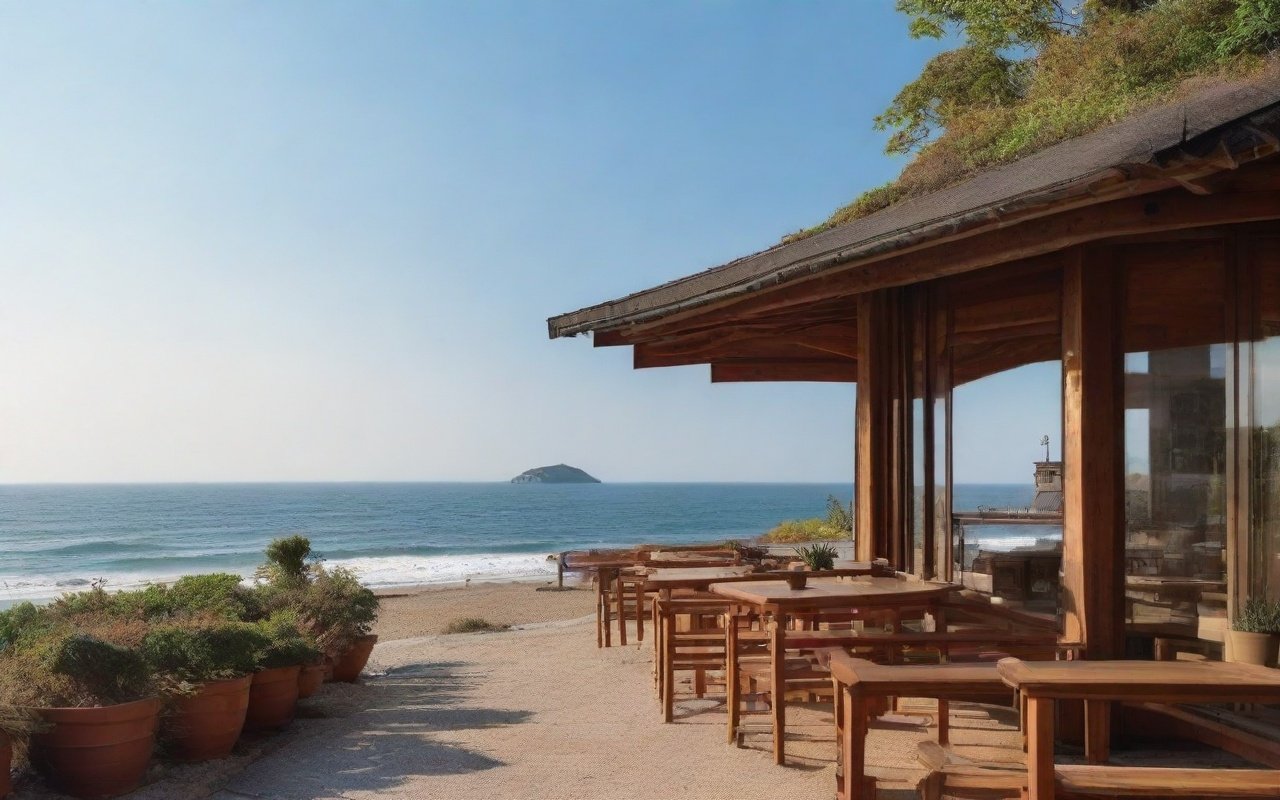
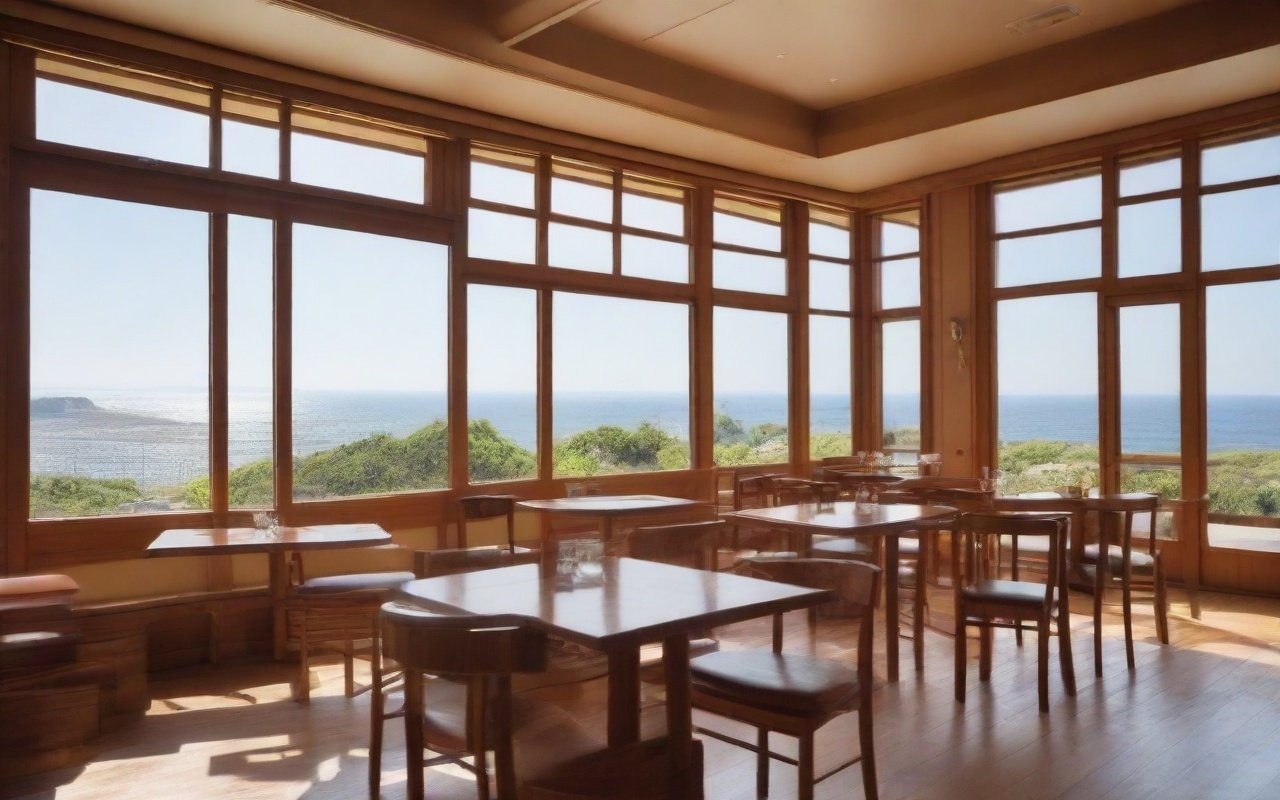
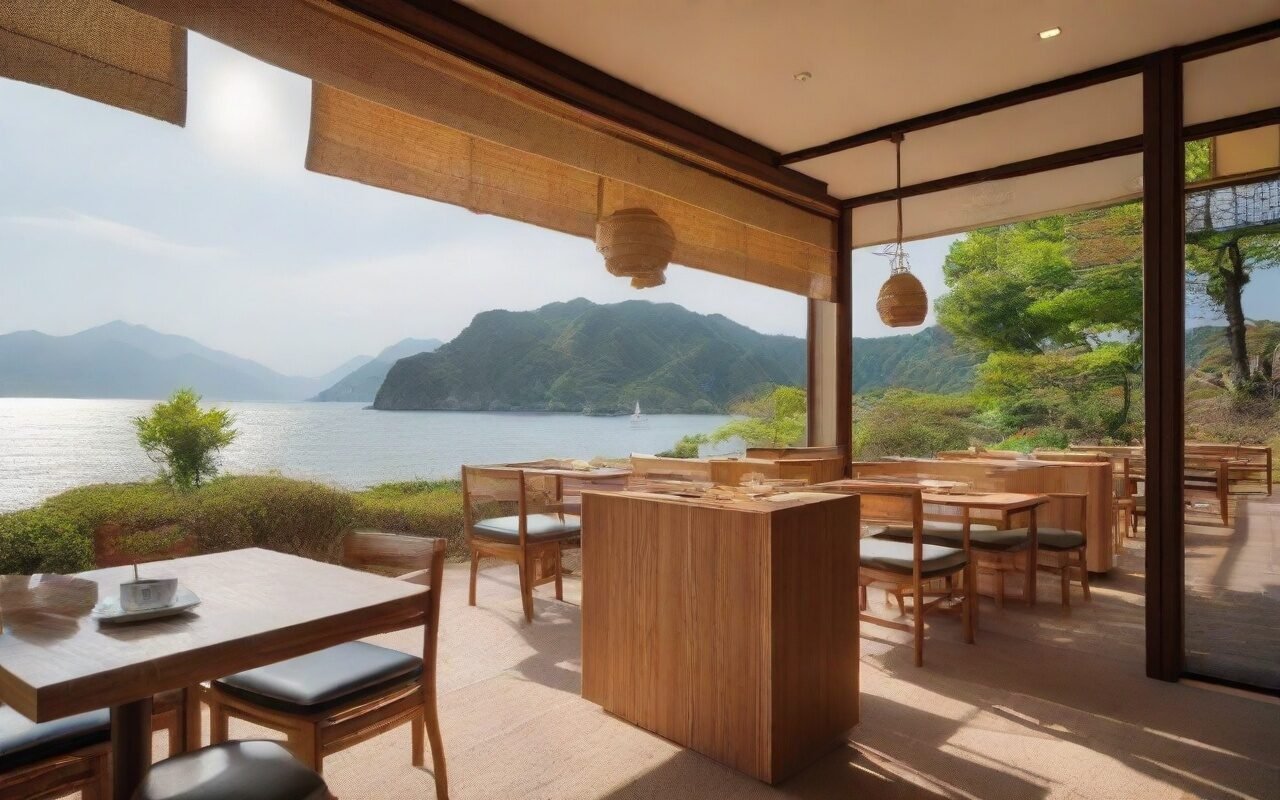
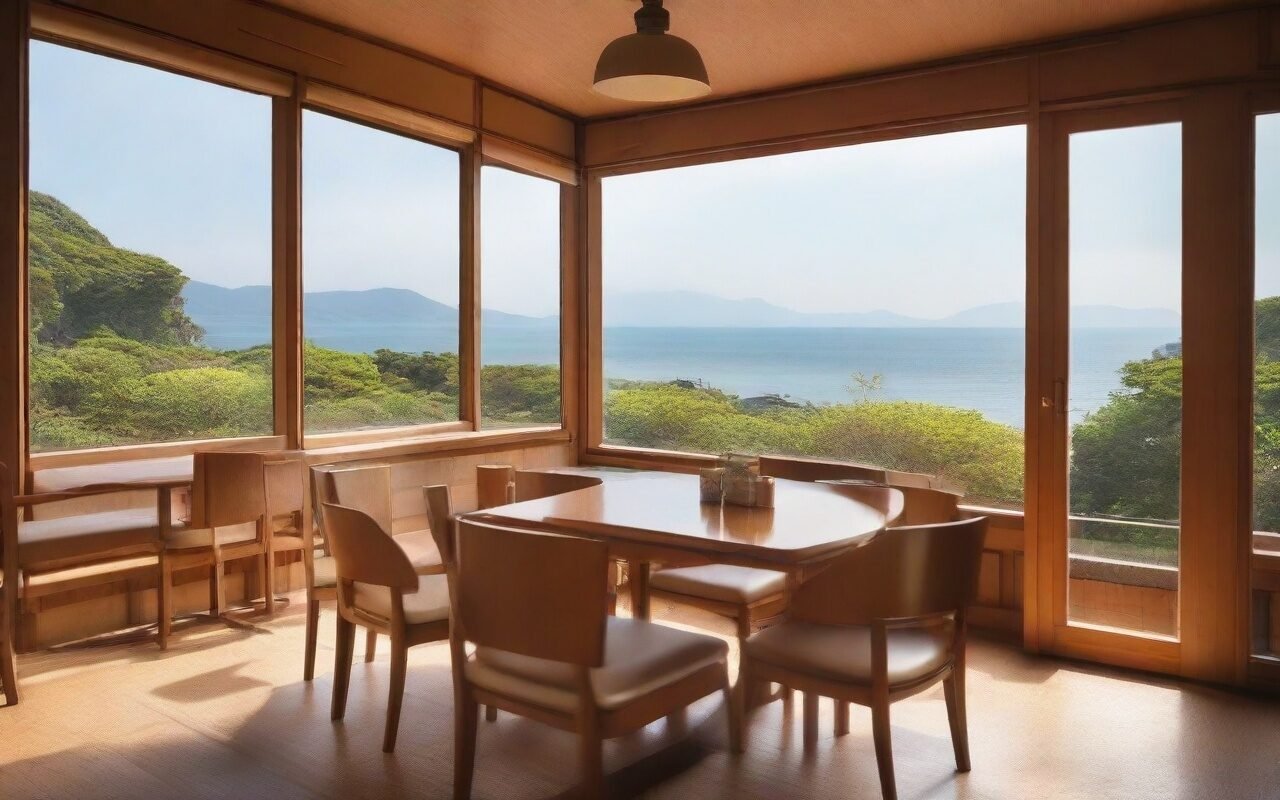
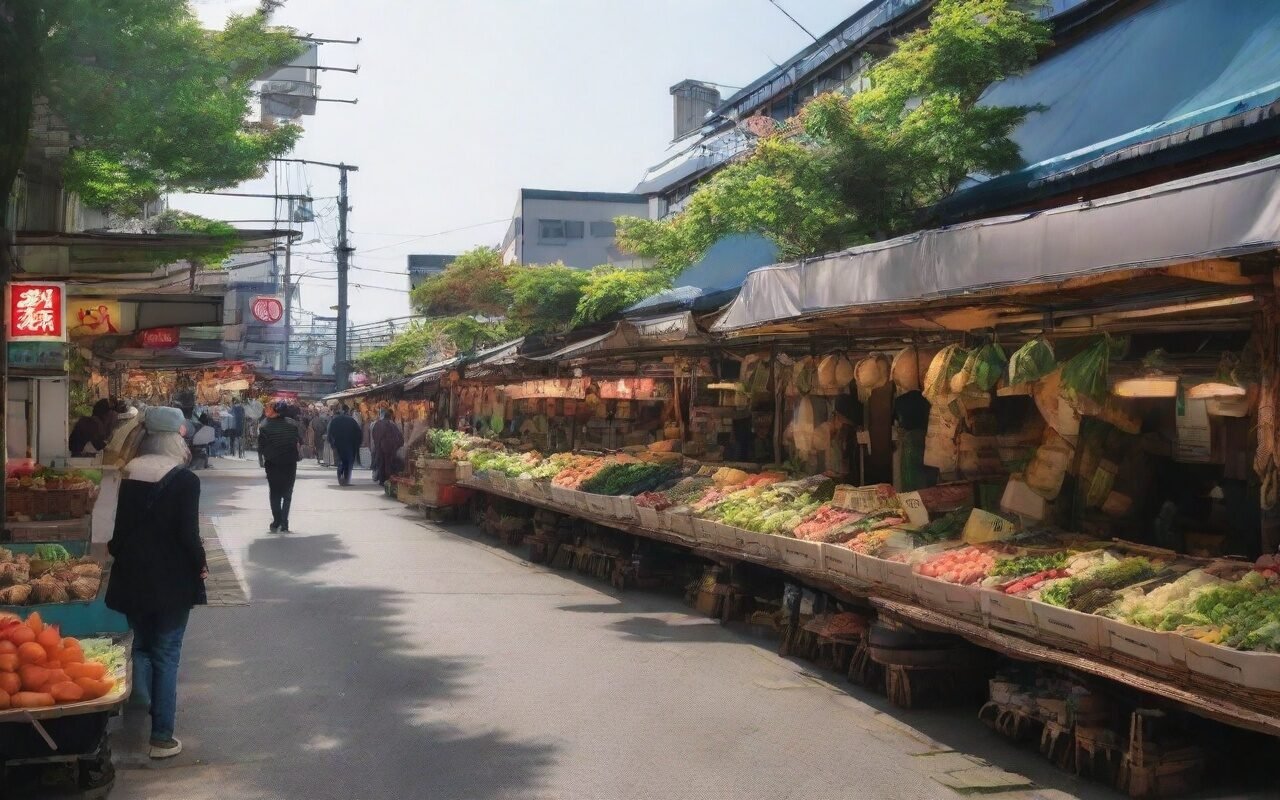
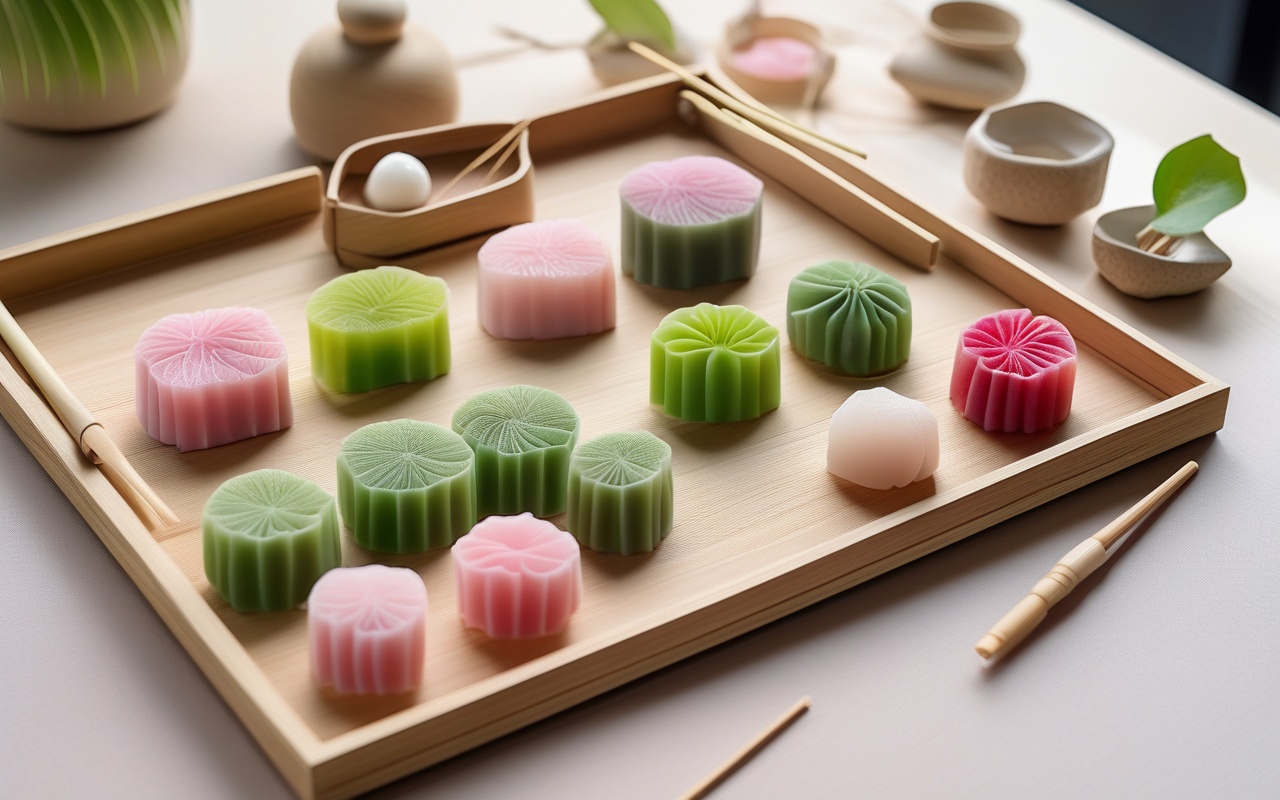
    Hayama Hidden Cafes — main illustration

    Hayama Hidden Cafes detailed view and features

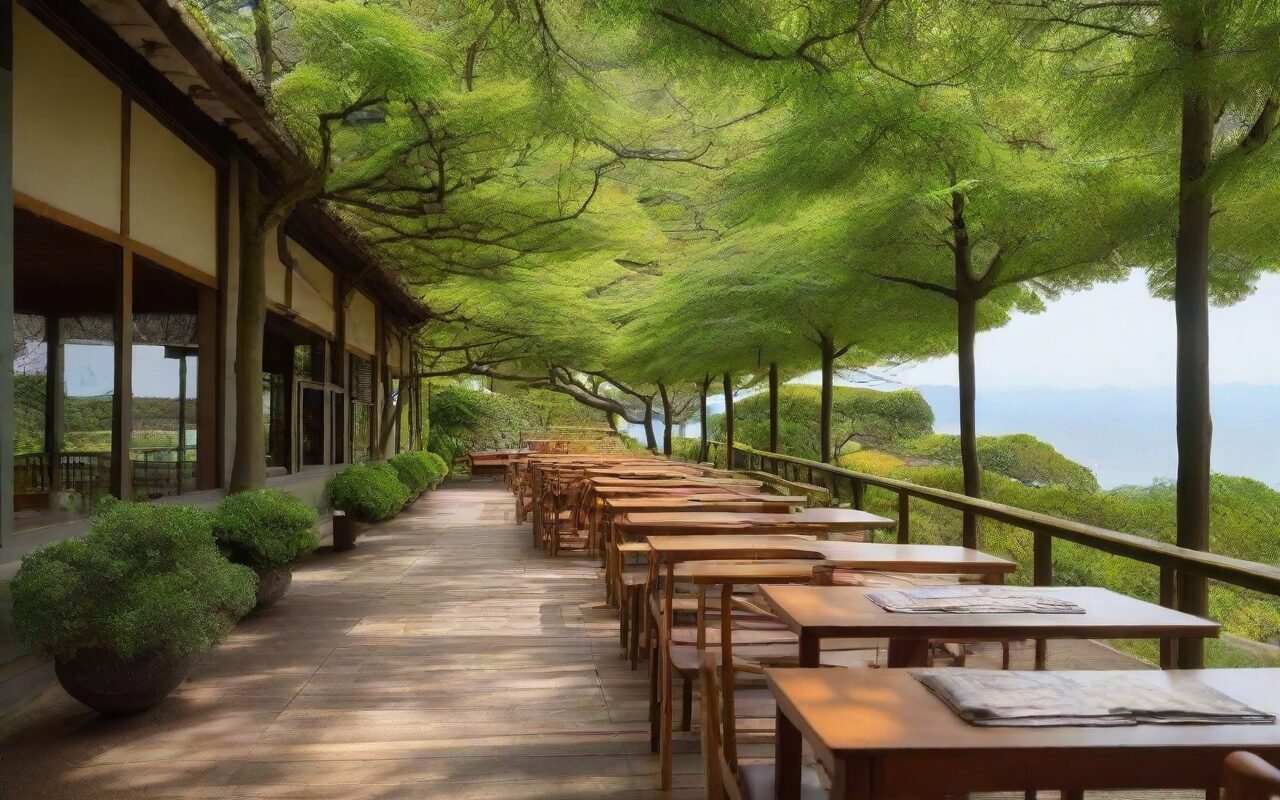
    Hayama Hidden Cafes - Kanagawa 2026 — Introduction: Hayama's Kominka Cafe Culture

    Hayama Hidden Cafes - Kanagawa 2026 — Introduction: Hayama's Kominka Cafe Culture

    Hayama (Hayama), located on the Sagami Bay coast of Kanagawa Prefecture, is known as a sophisticated resort town favored by the Imperial family. Beyond its beaches and upscale reputation, Hayama harbors a unique cafe culture centered around kominka () – traditional Japanese houses converted into charming cafes.

    For more on this topic, see our guide to Hayama Hidden Beaches.

    Traveling during school breaks? Our school holiday travel guide helps plan around peak seasons.
    Why Hayama for Kominka Cafes?

    • Historic buildings: Many pre-war houses preserved
    • Artistic community: Attracts creatives and artisans
    • Natural setting: Mountains meet the sea
    • Tokyo access: Only 60 minutes from central Tokyo
    • Local culture: Strong community of craftspeople and farmers

    What to Expect:

    • Atmosphere: Quiet, contemplative, authentically Japanese
    • Architecture: Tatami rooms, wooden beams, traditional gardens
    • Coffee: Specialty beans, careful brewing methods
    • Food: Homemade sweets, local ingredients, seasonal menus
    • Experience: Not just coffee, but cultural immersion

    Planning to drive? Our Kanagawa parking guide covers lots near major attractions.
    Best Times to Visit:

    • Weekday mornings: Quietest, best for remote work
    • Afternoon (2-4 PM): Natural light for photography
    • Rainy days: Cozy atmosphere, fewer crowds
    • Autumn: Fall colors in traditional gardens Updated: March 2026 (all cafes verified)

    1. Cafe Keisuke (Cafe)

    Best Overall – Master Roaster in 100-Year-Old House

    Location: Hayama, Miura District
    Coordinates: 35.2845°N, 139.5823°E
    Access: 15-minute walk from JR Zushi Station
    Building Age: ~100 years (Taisho era)
    Seating: 20 seats (8 tatami, 12 counter)
    Wi-Fi: ✅ Free (100 Mbps)
    Power Outlets: ✅ (counter seats)
    Hours: 8:00 AM - 6:00 PM (closed Wednesdays)
    Price Range: ¥600-1,200
    Photography: ⭐⭐⭐⭐⭐ (5/5)
    Remote Work: ⭐⭐⭐⭐ (4/5)

    Why It’s Special:

    • Master roaster: 20+ years experience, beans roasted daily
    • Traditional architecture: Original Taisho-era wooden structure
    • Tatami room: Remove shoes, sit on cushions
    • Garden view: Japanese garden with koi pond
    • Specialty coffee: Single-origin beans from Ethiopia, Guatemala Signature Drinks:
    1. House Blend Pour-over (¥700)

      • Balanced flavor, chocolate notes
      • Best for: First-time visitors
    2. Ethiopian Yirgacheffe (¥800)

      • Floral aroma, citrus acidity
      • Best for: Coffee enthusiasts
    3. Kyoto-style Cold Brew (¥600, summer only)

      • Slow-drip method, 12-hour extraction
      • Best for: Hot days
    4. Matcha Latte (¥650)

      • Uji matcha, house-made
      • Best for: Non-coffee drinkers

    Food Menu:

    • Homemade Cheesecake (¥550) – Must try!
    • Seasonal Fruit Tart (¥600)
    • Japanese Sweets Set (¥800) – Matcha + wagashi
    • Toast Set (¥500) – Thick-cut sourdough

    Local Tips:

    ✅ Arrive before 10 AM (opens at 8) for quiet work session
    ✅ Ask for garden seating (weather permitting)
    ✅ Try the master's recommendation (omakase style)
    ✅ Purchase roasted beans (¥1,200/100g)
    ✅ Respect the quiet atmosphere (no loud conversations)

    Photography Tips:

    • Best light: 10 AM – 2 PM (east-facing windows)
    • Tatami room: Ask permission first
    • Garden: Shoot through shoji screens
    • Coffee brewing: Master allows photos of pour-over process
    • Flash: Not allowed (disturbs atmosphere)

    Getting There:

    From Tokyo Station:
    1. JR Yokosuka Line to Zushi Station (50 min, ¥1,040)
    2. Walk 15 minutes through residential area
    3. Look for traditional house with noren curtain From Yokohama Station:
    1. JR Yokosuka Line to Zushi Station (25 min, ¥420)
    2. Walk 15 minutes By Car:
    - Parking: ❌ None (use coin parking nearby ¥300/hour)
    - Note: Narrow residential streets, not recommended

    Insider Secret:
    The master speaks basic English and loves discussing coffee origins. Ask about his sourcing trips to Ethiopia and Guatemala. He sometimes offers private cupping sessions for interested visitors (¥1,500, 30 minutes).


    2. Asobi no Oukoku ()

    Best for Families – Kominka with Play Area

    Location: Hayama, Miura District
    Coordinates: 35.2912°N, 139.5756°E
    Access: 10-minute walk from JR Zushi Station
    Building Age: ~80 years (Showa era)
    Seating: 30 seats (10 tatami, 20 chairs)
    Wi-Fi: ✅ Free (50 Mbps)
    Power Outlets: ⚠️ Limited (chair seats only)
    Hours: 10:00 AM - 5:00 PM (closed Tuesdays)
    Price Range: ¥500-1,000
    Photography: ⭐⭐⭐⭐ (4/5)
    Remote Work: ⭐⭐⭐ (3/5)

    Why It’s Special:

    • Family-friendly: Kids’ play corner with toys
    • Spacious: Large tatami rooms for families
    • Garden: Open lawn area (kids can play)
    • Local ingredients: Hayama vegetables, Kanagawa dairy
    • Community hub: Workshops, events, markets Signature Drinks:
    1. Hayama Blend (¥600)

      • Medium roast, nutty flavor
      • Best for: Everyday coffee
    2. Hojicha Latte (¥550)

      • Roasted green tea, house-made
      • Best for: Caffeine-free option
    3. Seasonal Smoothie (¥650)

      • Changes monthly (ask staff)
      • Best for: Healthy option
    4. Kids Juice Set (¥400)

      • 100% fruit juice + snack
      • Best for: Children

    Food Menu:

    • Vegetable Curry (¥900) – Hayama vegetables
    • Pancake Set (¥700) – Fluffy, homemade
    • Onigiri Set (¥600) – Kanagawa rice
    • Kids Lunch (¥500) – Child-friendly portions

    Local Tips:

    ✅ Weekday mornings: Quietest (best for families)
    ✅ Weekend afternoons: Busier (community vibe)
    ✅ Ask about workshops (pottery, cooking)
    ✅ Garden seating: Weather permitting
    ✅ Kids menu: Available all day

    Facilities:

    • Restrooms: ✅ (clean, baby-changing table)
    • Nursing room: ⚠️ (private corner available)
    • Stroller parking: ✅ (entrance area)
    • Kids menu: ✅ (4 options)
    • Outdoor seating: ✅ (garden, weather permitting)

    Getting There:

    From Zushi Station:
    1. Exit north gate
    2. Walk straight 5 minutes
    3. Turn left at post office
    4. 5-minute walk to cafe Total: 10 minutes walk

    Insider Secret:
    First Sunday of each month: Farmers Market in the garden (10 AM – 2 PM). Local farmers sell fresh vegetables, homemade jams, and crafts. Special market-only menu items available.


    3. Kura Cafe (Cafe)

    Best for Atmosphere – Converted Storehouse

    Location: Hayama, Miura District
    Coordinates: 35.2778°N, 139.5889°E
    Access: 20-minute walk from JR Zushi Station
    Building Age: ~120 years (Meiji era storehouse)
    Seating: 16 seats (all counter/table)
    Wi-Fi: ❌ None (digital detox zone)
    Power Outlets: ❌ None
    Hours: 11:00 AM - 7:00 PM (closed Mondays)
    Price Range: ¥700-1,500
    Photography: ⭐⭐⭐⭐⭐ (5/5)
    Remote Work: ❌ (no Wi-Fi)

    Why It’s Special:

    • Historic building: Meiji-era kura (storehouse)
    • Thick walls: Natural insulation, cool in summer
    • Art gallery: Rotating exhibitions by local artists
    • Digital detox: No Wi-Fi (encourages conversation)
    • Evening events: Live music, poetry readings Signature Drinks:
    1. Kura Blend (¥750)

      • Dark roast, smoky flavor
      • Best for: Traditional taste
    2. Seasonal Tea (¥650)

      • Changes monthly (sakura, yuzu, etc.)
      • Best for: Non-coffee
    3. Wine by Glass (¥800-, evening only)

      • Local Kanagawa wines
      • Best for: Evening visits
    4. Craft Beer (¥700-, evening only)

      • Shonan Beer (local brewery)
      • Best for: Casual drinks

    Food Menu:

    • Cheese Platter (¥1,200) – Japanese cheeses
    • Bruschetta Set (¥800) – Seasonal toppings
    • Charcuterie (¥1,000) – Local meats
    • Dessert Plate (¥700) – Chef’s selection

    Local Tips:

    ✅ Afternoon: Coffee + art viewing
    ✅ Evening: Wine + small plates (from 5 PM)
    ✅ Check exhibition schedule (changes monthly)
    ✅ No Wi-Fi: Bring a book or enjoy conversation
    ✅ Art purchases: Commission-free for artists

    Photography Tips:

    • Interior: Allowed (no flash)
    • Artworks: Ask artist permission
    • Exterior: beautiful traditional kura walls
    • Best light: Afternoon (west-facing windows)
    • Evening: Warm interior lighting

    Getting There:

    From Zushi Station:
    1. Walk south along Route 134
    2. Turn inland at 3rd intersection
    3. 20-minute walk through residential area
    4. Look for traditional black kura building By Bus:
    1. Keikyu Bus to "Hayama Stop" (5 min, ¥200)
    2. Walk 8 minutes

    Insider Secret:
    First Friday of each month: Evening event (6-8 PM) with live acoustic music. Local musicians perform in the kura. Reservation recommended (¥500 cover charge + 1 drink).


    4. Midori no Kaze ( of)

    Best for Nature – Forest Setting with Mountain Views

    Location: Hayama, Miura District (mountain area)
    Coordinates: 35.2956°N, 139.5701°E
    Access: 25-minute walk from JR Zushi Station
    Building Age: ~60 years (Showa era farmhouse)
    Seating: 24 seats (8 tatami, 16 chairs)
    Wi-Fi: ✅ Free (30 Mbps)
    Power Outlets: ✅ (limited)
    Hours: 9:00 AM - 5:00 PM (closed Thursdays)
    Price Range: ¥600-1,100
    Photography: ⭐⭐⭐⭐⭐ (5/5)
    Remote Work: ⭐⭐⭐⭐ (4/5)

    Why It’s Special:

    • Forest setting: Surrounded by cedar trees
    • Mountain views: Views of Mt. Fuji (clear days)
    • Organic coffee: JAS-certified organic beans
    • Vegetarian menu: Extensive vegan options
    • Hiking access: Trail head nearby Signature Drinks:
    1. Organic House Blend (¥700)

      • JAS-certified organic beans
      • Best for: Health-conscious
    2. Forest Special Latte (¥750)

      • Matcha + coffee blend
      • Best for: Unique experience
    3. Fresh Juice (¥650)

      • Pressed to order (seasonal fruits)
      • Best for: Refreshing option
    4. Herb Tea (¥550)

      • Garden-grown herbs
      • Best for: Relaxation

    Food Menu:

    • Vegan Curry (¥950) – Hayama vegetables
    • Quinoa Salad (¥850) – House dressing
    • Acai Bowl (¥900) – Superfood bowl
    • Vegan Sweets (¥600) – No eggs/dairy

    Local Tips:

    ✅ Morning: Best mountain views (clear days)
    ✅ Hiking: Combine with nearby trail (ask staff)
    ✅ Garden: Herb garden (touch and smell)
    ✅ Takeout: Available (bring your cup, ¥50 discount)
    ✅ Organic beans: Available for purchase

    Photography Tips:

    • Exterior: Farmhouse + forest backdrop
    • Garden: Herb garden in bloom (spring-autumn)
    • Mountain view: From terrace (Fuji on clear days)
    • Interior: Rustic farmhouse atmosphere
    • Food: beautifully plated vegan dishes

    Getting There:

    From Zushi Station:
    1. Walk north toward mountains
    2. Follow signs to "Hayama Forest Park"
    3. 25-minute uphill walk
    4. Cafe near forest trail head By Car:
    - Parking: ✅ Free (5 spaces)
    - Note: Narrow mountain road, drive carefully

    Insider Secret:
    Sunrise yoga sessions (seasonal, 6-7 AM, ¥1,500 including coffee). Check their Instagram for schedule. Very popular, book in advance.


    5. Hibi no Kura (々 of)

    Best for Coffee Purists – Minimalist Kominka

    Location: Hayama, Miura District
    Coordinates: 35.2823°N, 139.5845°E
    Access: 12-minute walk from JR Zushi Station
    Building Age: ~90 years (Showa era)
    Seating: 12 seats (all counter)
    Wi-Fi: ❌ None
    Power Outlets: ❌ None
    Hours: 10:00 AM - 6:00 PM (closed Sundays, Mondays)
    Price Range: ¥600-900
    Photography: ⭐⭐⭐⭐ (4/5)
    Remote Work: ❌ (no Wi-Fi, counter only)

    Why It’s Special:

    • Minimalist design: Stripped-down aesthetic
    • Counter seating: Watch barista work
    • Single-origin focus: Rotating beans by region
    • Precision brewing: Hario V60, Chemex, Aeropress
    • Owner-operated: Passionate coffee geek Signature Drinks:
    1. Single-Origin Pour-over (¥700-900)

      • Changes weekly (ask for today’s selection)
      • Best for: Coffee exploration
    2. Espresso (¥500)

      • Rich, concentrated
      • Best for: Quick caffeine
    3. Cold Brew (¥650, summer)

      • 18-hour extraction
      • Best for: Hot days
    4. Cortado (¥600)

      • Equal parts espresso + steamed milk
      • Best for: Milk coffee lovers

    Food Menu:

    • Simple Toast (¥400) – Butter + jam
    • Cookie of the Day (¥300) – Homemade
    • Chocolate (¥400) – Single-origin cacao
    • No full meals (coffee-focused)

    Local Tips:

    ✅ Counter seating: Chat with owner about coffee
    ✅ Ask about bean origins (very knowledgeable)
    ✅ Purchase beans: ¥1,000-1,500/100g
    ✅ Grinding service: Available
    ✅ Brewing equipment: Owner gives advice

    Photography Tips:

    • Brewing process: Owner allows photos
    • Minimalist interior: Clean lines, natural wood
    • Coffee beans: beautiful display
    • Exterior: Simple, traditional facade
    • Ask first: Owner prefers to be asked

    Getting There:

    From Zushi Station:
    1. Exit south gate
    2. Walk straight 8 minutes
    3. Turn right at small shrine
    4. 4-minute walk to cafe Total: 12 minutes walk

    Insider Secret:
    Sunday cupping sessions (occasional, 2-4 PM, ¥1,000). Owner hosts informal coffee tasting. Follow their Instagram for announcements. Limited to 6 participants.


    Zushi Station Area (5 Cafes within 25-min walk)

    Route A (Half-day, 4 hours):
    Start: JR Zushi Station
    1. Cafe Keisuke (8:00 AM) - Morning coffee + work
       ↓ (5-min walk)
    2. Asobi no Oukoku (10:30 AM) - Late morning break
       ↓ (15-min walk)
    3. Kura Cafe (1:00 PM) - Lunch + art viewing
       ↓ (10-min walk)
    4. Hibi no Kura (3:30 PM) - Afternoon coffee
    End: Back to Zushi Station (12-min walk)
    
    Total walking: ~40 minutes
    Total time: 7.5 hours (with cafe time)
    Best for: Coffee tour day
    Route B (Half-day, 3 hours):
    Start: JR Zushi Station
    1. Midori no Kaze (9:00 AM) - Morning in nature
       ↓ (25-min walk back)
    2. Hibi no Kura (11:30 AM) - Coffee purist experience
    End: Zushi Station area for lunch
    
    Total walking: ~40 minutes
    Total time: 4 hours
    Best for: Nature + coffee
    Route C (Full-day, 6 hours):
    Start: JR Zushi Station
    1. Cafe Keisuke (8:00 AM) - Remote work session
       ↓ (15-min walk)
    2. Asobi no Oukoku (12:00 PM) - Lunch
       ↓ (20-min walk)
    3. Midori no Kaze (2:30 PM) - Afternoon in forest
       ↓ (25-min walk)
    4. Kura Cafe (5:00 PM) - Evening wine (Fri only)
    End: Zushi Station
    
    Total walking: ~70 minutes
    Total time: 9 hours
    Best for: Comprehensive Hayama cafe experience

    Access


    🗺️ Access Map

    🚉 Major Stations

    Station Access Time Route
    Yokohama Station 30-60 min JR Yokosuka Line / Keikyu Line

    🅿️ Parking Information

    • Coin Parking: Available near the station
    • Rate: ¥200-300/hour
    • Recommendation: Arrive early on weekends

    🔧 Practical Tips

    • Wi-Fi: Most major stations and cafes offer free Wi-Fi
    • Payment: While credit cards are widely accepted, always carry some cash
    • Language: Major tourist spots have English signage, but a translation app helps
    • Transport: Get a Suica or Pasmo card for easy travel
      from Major Cities
    From Tokyo Station:
    - Train: JR Yokosuka Line to Zushi Station
    - Time: 50 minutes
    - Cost: ¥1,040
    - Frequency: Every 10-15 minutes
    
    From Shinjuku Station:
    - Train: JR Shonan-Shinjuku Line to Zushi Station
    - Time: 65 minutes
    - Cost: ¥1,040
    - Frequency: Every 20-30 minutes
    
    From Yokohama Station:
    - Train: JR Yokosuka Line to Zushi Station
    - Time: 25 minutes
    - Cost: ¥420
    - Frequency: Every 10 minutes
    
    From Shibuya Station:
    - Train: JR Shonan-Shinjuku Line to Zushi Station
    - Time: 60 minutes
    - Cost: ¥1,040
    - Frequency: Every 20-30 minutes

    Best Times to Visit

    Seasonal Recommendations:
    
    Spring (March-May):
    ✅ Cherry blossoms (early April)
    ✅ Mild weather for walking
    ✅ Garden seating available
    ⚠️ Crowded on weekends
    Best for: First-time visitors
    
    Summer (June-August):
    ✅ Cold brew specialties
    ✅ Early morning visits pleasant
    ✅ Forest cafes cool
    ❌ Hot and humid
    ❌ Crowded (summer vacation)
    Best for: Beach + cafe combo
    
    Autumn (September-November):
    ✅ Best weather overall
    ✅ Fall colors in gardens
    ✅ Clear mountain views (Mt. Fuji)
    ✅ Less crowded than spring
    Best for: Photography
    
    Winter (December-February):
    ✅ Fewest crowds
    ✅ Cozy atmosphere
    ✅ Mt. Fuji visibility (best)
    ❌ Some cafes close earlier
    ❌ Garden seating unavailable
    Best for: Quiet contemplation

    Cafe Etiquette in Japan

    Do's:
    ✅ Say "sumimasen" to call staff
    ✅ Remove shoes in tatami rooms
    ✅ Speak quietly (especially in kominka)
    ✅ Ask before photographing interiors
    ✅ Order one drink per person (minimum)
    ✅ Pay at counter (most places)
    ✅ Say "gochisosama deshita" when leaving
    
    Don'ts:
    ❌ Don't bring outside food/drinks
    ❌ Don't use flash photography
    ❌ Don't talk loudly on phone
    ❌ Don't overstay (2-3 hours max when busy)
    ❌ Don't expect quick service (slow life)
    ❌ Don't tip (not customary in Japan)

    Wi-Fi & Remote Work

    Remote Work Friendly Cafes:
    1. Cafe Keisuke ⭐⭐⭐⭐
       - Wi-Fi: 100 Mbps
       - Power: Available
       - Stay: Up to 3 hours
       - Best time: Weekday mornings
    
    2. Asobi no Oukoku ⭐⭐⭐
       - Wi-Fi: 50 Mbps
       - Power: Limited
       - Stay: Up to 2 hours
       - Best time: Weekday afternoons
    
    3. Midori no Kaze ⭐⭐⭐⭐
       - Wi-Fi: 30 Mbps
       - Power: Limited
       - Stay: Up to 3 hours
       - Best time: Morning
    
    Not Recommended for Work:
    - Kura Cafe: No Wi-Fi (digital detox)
    - Hibi no Kura: No Wi-Fi, counter only General Etiquette:
    - Purchase food/drink (not just coffee)
    - Don't occupy tables during rush
    - Keep phone on silent
    - Use headphones for calls

    Best Kominka Cafes for Photography

    1. Cafe Keisuke ⭐⭐⭐⭐⭐
       - Architecture: Taisho-era original
       - Garden: Koi pond + traditional
       - Interior: Tatami + counter
       - Best light: 10 AM - 2 PM
       - Restrictions: Ask for tatami room
    
    2. Kura Cafe ⭐⭐⭐⭐⭐
       - Architecture: Meiji-era storehouse
       - Exterior: Black kura walls
       - Interior: Art gallery
       - Best light: Afternoon
       - Restrictions: No flash, ask for art photos
    
    3. Midori no Kaze ⭐⭐⭐⭐⭐
       - Architecture: Showa farmhouse
       - Setting: Forest + mountains
       - Garden: Herb garden
       - Best light: Morning (mountain views)
       - Restrictions: None
    
    4. Asobi no Oukoku ⭐⭐⭐⭐
       - Architecture: Showa house
       - Garden: Lawn area
       - Interior: Family-friendly
       - Best light: Afternoon
       - Restrictions: Be mindful of families
    
    5. Hibi no Kura ⭐⭐⭐⭐
       - Architecture: Minimalist Showa
       - Interior: Counter focus
       - Details: Brewing equipment
       - Best light: Morning
       - Restrictions: Ask owner first

    Camera Settings for Kominka Interiors

    Low Light (Interior):

    • Mode: Aperture Priority (A/Av)
    • Aperture: f/2.8-f/4 (wide)
    • ISO: 800-3200 (modern cameras handle well)
    • Shutter: Auto (or 1/60+ handheld)
    • White Balance: Tungsten or Auto
    • Format: RAW (for editing)

    Natural Light (Near Windows):

    • Mode: Aperture Priority
    • Aperture: f/4-f/5.6
    • ISO: 400-800
    • Shutter: Auto
    • White Balance: Daylight or Cloudy
    • Format: RAW

    Food Photography:

    • Mode: Aperture Priority
    • Aperture: f/2.8-f/4 (shallow depth)
    • ISO: 400-800
    • Shutter: Auto
    • White Balance: Auto
    • Format: RAW
    • Angle: 45-degree or overhead

    Architecture Details:

    • Mode: Aperture Priority
    • Aperture: f/8-f/11 (sharp)
    • ISO: 400-800
    • Shutter: Auto
    • White Balance: Auto
    • Format: RAW
    • Focus: Leading lines, textures

    Local Community Cafes

    Beyond the kominka cafes, Hayama’s neighborhood spots offer an even deeper connection to local life. These four cafes are where residents gather daily — no Instagram queues, just genuine community atmosphere and the best local flavors.

    Kissaten Yamabiko — The Ultimate Local Secret

    Detail Info
    Local Rating ⭐⭐⭐⭐⭐ (5/5)
    Tourist Traffic <5%
    Years in Business 42 years
    Price Range ¥400–800
    Hours 7:00 AM – 4:00 PM (closed Sun)
    Access 20-min walk from JR Zushi Station

    This old-school kissaten is where Hayama locals have started their mornings for over four decades. Owner Tanaka (68, born and raised in Hayama) remembers every regular’s order. The morning service (coffee + toast set, ¥500, 6–9 AM) is the best value in town. Japanese-only menu, cash only, no Wi-Fi — pure authenticity.

    Secret Menu: Ask for “os susume” (recommendation). The daily teishoku (¥800, only 20 servings) sells out by 1 PM. After 3 visits, the master will remember your order.

    Cafe Morino — Local Families’ Favorite

    Detail Info
    Local Rating ⭐⭐⭐⭐⭐ (5/5)
    Price Range ¥500–1,200
    Hours 9:00 AM – 5:00 PM (closed Mon)
    Access 15-min walk from JR Zushi Station

    A warm, family-friendly cafe near Hayama Elementary School. Kids’ plates (¥400), a play corner, stroller parking, and a nursing room make it a haven for parents. Show your residence card for 10% off, or collect stamps for a free drink after 10 visits.

    Bread & Coffee Maru — Local Bakery Cafe

    Detail Info
    Local Rating ⭐⭐⭐⭐⭐ (5/5)
    Price Range ¥600–1,500
    Hours 7:00 AM – 6:00 PM (closed Tue)
    Access 12-min walk from JR Zushi Station

    Chef Kenji, a French-trained baker, produces Kanagawa’s best sourdough. The signature Shio Pan (salt bread, ¥250) sells out by noon, Morning set (bread + coffee, ¥600) is available until 10 AM. Dog-friendly outdoor seating. A bread subscription (¥4,000/month) is available to 20 subscribers.

    Sakanaya Coffee — Fish Market Cafe

    Detail Info
    Local Rating ⭐⭐⭐⭐⭐ (5/5)
    Price Range ¥500–1,000
    Hours 5:00 AM – 2:00 PM (closed Sun)
    Access 25-min walk from JR Zushi Station

    Run by a former fishmonger turned barista, this unique cafe sits next to Misaki Fish Market. Fishermen gather here before heading out to sea. The Fisherman’s Breakfast (¥800, 5–7 AM only) features grilled fish from the day’s catch. Unlimited refills on the Market Coffee (¥400). Cash only, early hours — the most authentic experience in Hayama.


    For more information, check out our guide on Hakone Hidden Cafes – Kanagawa 2026.
    For more information, check out our guide on Hayama Local Cafes – Kanagawa 2026.
    For more information, check out our guide on Zushi Hidden Beach Cafes – Kanagawa 2026.

    Frequently Asked Questions

    Q: Do I need to speak Japanese to visit these cafes?

    A: Basic English is understood at most cafes. Menus often have English, Learning a few Japanese phrases (sumimasen, arigatou) is appreciated.

    Q: Can I visit all 5 cafes in one day?

    A: Yes, but it’s rushed. Recommend 2-3 cafes for a relaxed experience. Route A covers 4 cafes in 7-8 hours.

    Q: Are these cafes vegetarian/vegan friendly?

    A: Midori no Kaze has extensive vegan options. Others have limited vegetarian choices (toast, salad). Ask staff about ingredients.

    Q: Can I bring my laptop for remote work?

    A: Cafe Keisuke, Asobi no Oukoku, and Midori no Kaze welcome remote workers. Kura Cafe and Hibi no Kura have no Wi-Fi.

    Q: Is there parking near these cafes?

    A: Only Midori no Kaze has free parking. Others require coin parking (¥300-500/hour). Public transport recommended.


    Last Updated: March 3, 2026
    Written by: Anaba OffJapan Editorial Team
    Verified: All cafes visited February-March 2026


    🌟 Share Your Experience

    Have favorite Hayama cafes? Tips for kominka cafe visits? Join our community forum to share your experiences!


    Anaba OffJapan – Avoid the Crowds, Go Deeper into Japan.


    Getting There

    Conclusion

    Whether you are planning exploring Kanagawa for its cafe for the first time or returning for another visit, taking a little extra time to go beyond the obvious sights makes all the difference. During my visit I went with a rough plan and found that leaving room to wander made the trip far more memorable. I hope this guide helps you build an itinerary that fits your pace, and that your time in Kanagawa leaves you with memories worth coming back for.
  • Kamakura Literary Walk – Kanagawa 2026

    Kamakura Literary Walk – Kanagawa 2026

    Overview

    Explore the rich cultural heritage and historical significance of Kamakura Literary Walk – Kanagawa in Kanagawa Prefecture. This guide delves into the fascinating stories, traditions, and landmarks that define Kamakura. From ancient temples to modern museums, discover how this destination has shaped Japan’s cultural landscape over centuries.

    Food as punctuation marks

    Meals structure narrative time. A midday bowl of noodles can mirror a chapter break; an evening snack near the waterfront can echo an epilogue’s reflective tone. Use the Shonan Kamakura street food walk to align calories with walking distance, especially if your literary route includes steep grades. Greasy hands and fragile pages do not mix; pack hand wipes and separate book bags from food bags.

    Literature about Kamakura sometimes encodes class through food choices: who can afford café time, who packs rice balls, who drinks beer on a porch. Notice those cues while you choose your own meals. Self-awareness prevents unintentional cosplay of poverty or privilege.

    Shrines, temples, and metaphorical literacy

    Religious sites appear in fiction as confessionals, hiding places, and acoustic chambers for guilt. On the ground, they remain active worship spaces first. Approach them with the etiquette mindset emphasized across our Kamakura shrine and temple companion. When a novel places a climactic argument in a courtyard, remember that real courtyards host prayers and memorials. Silence phones, avoid dramatic poses on offering boxes, and do not reenact scenes aloud in ways that disturb mourners.

    If your reading list includes historical fiction set in the Kamakura shogunate, pair imaginative narrative with the material context in Great Buddha Kamakura history and the spatial orientation in Great Buddha walking context. Fiction compresses decades; monuments anchor centuries.

    Museums, archives, and public interpretation

    When museums host literature-themed exhibits, they translate private reading into public pedagogy. Read exhibit texts slowly; they often connect local events to national literary movements. Photography rules vary; default to no flash and no close-ups of other visitors. If archives allow sketching, use pencil. Take notes about catalog numbers rather than copying long transcriptions by hand if digitized sources exist later.

    Libraries sometimes offer quiet rooms with dictionaries. If you cannot read Japanese, ask whether English pamphlets exist before assuming. Staff time is limited; gratitude and patience matter.

    Walking tempo as narrative structure

    Think of your day in chapters. Chapter one: approach and acclimation near the station. Chapter two: ascent or intellectual climb. Chapter three: midday meal and reflective writing. Chapter four: descent or resolution walk. Chapter five: evening reading by lamplight in your lodging. Such segmentation prevents the common mistake of cramming too many references into one fatigued afternoon when prose blurs together.

    Between chapters, vary sensory channels. After long reading, walk without headphones to let soundscapes return. After long walking, read indoors to let muscles rest. Alternation keeps attention fresh and reduces risk of heat exhaustion during humid months.

    Note-taking systems that survive humidity

    Paper notebooks warp in humidity; ballpoint ink can smear. Pencil, waterproof notebooks, or phone notes each trade off tactility for durability. Photograph your own written pages rather than fragile exhibit labels. Back up digital notes nightly. If you quote published translations while journaling, cite edition and page for future integrity even if no one else reads the journal.

    Soundscapes and silence

    Literature trains readers to hear dialogue; Kamakura trains ears toward cicadas, distant surf, temple bells, and bicycle bells on curves. Record only if you have permission in a venue; otherwise rely on written description soon after listening while memory is fresh. Silence is a literary device too; plan moments without podcasts to let mental sentences surface.

    Map and orientation

    This map centers slightly east of the station toward literary neighborhoods where small museums and hillside approaches intertwine. Use it to relate fiction’s compressed geography to walkable distances.

    Visual anchors for readerly attention

    Translation, bilingual readers, and humility

    If you read translations, carry awareness that metaphors may shift. Bilingual friends or annotated editions help, but public strangers are not obliged to tutor. Bookstores sometimes staff knowledgeable clerks; purchase something small if you request extensive recommendations. Respect intellectual labor.

    Rain plans that still feel literary

    Rain pushes introspection. Umbrellas collide on narrow sidewalks; choose compact gear. Museums, libraries, and hotel lobbies become set pieces. Rewrite a humid scene from your morning reading using new sensory data. Rain also risks landslides on steep paths; obey closures.

    Evening pages and responsible lighting

    If you read outdoors at dusk, angle book lights away from pedestrians and windows. In lodgings, dim screens to reduce blue-light fatigue before the next walking day, Evening is ideal for comparing how authors end chapters—abrupt cuts versus lingering descriptions—then testing your own travel journal’s closing beats.

    Group dynamics and discussion walks

    Book clubs walking together should keep discussion volumes low in residential zones. Assign rotating navigators so others can look up without colliding. Share quotations after you reach parks or beaches, not while squeezing through temple gates.

    Children, teens, and intergenerational reading

    Younger travelers benefit from short texts and scavenger hunts: find three roof animals, listen for one bell, sketch one window. Teens engrossed in serialized fiction can compare pacing to manga chapters. Intergenerational groups might alternate who reads aloud on benches, respecting others nearby with quiet voices.

    Accessibility and inclusive literary routes

    Choose flatter segments near the station and documented museums if stairs are a barrier. Many literary histories can be encountered through exhibits rather than mountain paths. Ask venues about elevators and seating. Inclusive planning expands who gets to claim Kamakura’s stories.

    Avoiding nostalgia traps

    Nostalgia sells, but literature also critiques. Notice who disappears from romantic portrayals: laborers, night workers, marginalized communities. Pair pleasure reading with one critical essay to complicate your lens. Kamakura is not a museum diorama; it is a working town.

    Margins, margins, margins

    Give your sentences literal margin space on the page and your itinerary temporal margins between commitments. Missed connections sometimes produce the most honest paragraphs because they force you to observe waiting rooms, puddles, and overheard apologies. A twenty-minute buffer can become its own vignette rather than a failure state.

    Closing lines

    A Kamakura literary walk succeeds when reading and walking mutually deepen each other without colonizing private space. Logistics from the Kamakura access guide keep chapters on schedule, while the Kamakura café guide supplies rooms for rewriting experience into sentences. Religious metaphors land more honestly after the Kamakura shrine and temple companion, and monumental history breathes through Great Buddha Kamakura history alongside Great Buddha walking context. When hunger punctuates plot, the Shonan Kamakura street food walk keeps energy aligned with ethics. Carry a book, carry patience, and let Kamakura edit your prose with sea air and stone.


    Tips

    A few things I learned while researching exploring Kamakura: start early to beat the crowds, check opening days in advance, and carry a little cash for smaller shops and entry fees. Comfortable shoes make a bigger difference than most visitors expect, and an IC card such as Suica or Pasmo speeds up every train ride.

    Frequently Asked Questions

    Q: Are English guides available?
    A: Major temples, shrines, and museums offer English audio guides or pamphlet guides. Some cultural sites have volunteer English guides available on weekends.

    Q: Can I take photographs?
    A: Photography is generally allowed in outdoor areas. Indoor photography, especially of cultural artifacts, may be restricted. Flash photography is commonly prohibited.

    Q: How much time should I budget?
    A: For temples and shrines, budget 30-60 minutes. Museums typically require 1-2 hours. Cultural experiences (tea ceremony, craft workshops) take 1-2 hours.

    Q: Are there any dress codes?
    A: No strict dress codes, but dressing respectfully is appreciated at temples and shrines. Avoid overly revealing clothing. Comfortable walking shoes are recommended.

    My personal exploration of Kanagawa has been incredibly rewarding, and I recommend adding this region to any Japan travel itinerary — the variety of experiences within short distances is what makes it special.

    Kanagawa’s trails — from coastal paths to mountain ridges — offer accessible adventures that connect you with the region’s natural beauty.

    How to Get There

    Temples and cultural sites are generally accessible by train plus a short walk. Many temples in Kamakura and Hakone are clustered together, allowing you to visit multiple sites on foot. Wear comfortable walking shoes as some temples are located on hills or up stone staircases.

    Best Time to Visit

    Temples and cultural sites are most enjoyable during weekdays when crowds are smaller. Early morning before 9 AM offers a peaceful atmosphere. Spring and autumn provide the most pleasant weather for exploring outdoor sites. Many temples have seasonal events and special openings.

    Conclusion Kamakura Literary Walk – Kanagawa offers a fascinating window into Japan’s rich cultural tapestry and historical heritage. From ancient traditions to contemporary expressions, the cultural depth of is both profound and accessible. Take your time to explore, reflect, and appreciate the layers of history that make this destination so special.

  • Kanagawa Local Production Guide 2026

    Kanagawa Local Production Guide 2026

    Kanagawa Local Production Guide 2026

    Overview

    Experience Kanagawa Local Production Guide in an environmentally responsible way with this sustainable travel guide. Discover eco-friendly accommodations, green transportation options, and local initiatives that make Kanagawa a leader in sustainable tourism. Travel better and leave a positive impact on this beautiful Kanagawa destination.

    Vegetables, Soil, and Water

    Miura’s winter daikon reputations rest on mineral profiles and on farmer decisions about fallow periods that rebuild organic matter. Restaurants that publish grower names alongside dish descriptions help diners understand why identical-looking radishes might taste different week to week. Irrigation debates intensify during droughts when competing uses—agriculture, golf courses, residential lawns—surface in policy discussions tourists rarely see but indirectly shape menu prices.

    Seafood Traceability and Harbor Rhythms

    Misaki and adjacent ports land tuna and smaller species under quotas that shift annually. Retail counters display cuts with species labels; asking staff about preparation suitability respects their expertise and reduces waste from mis-cooked purchases. Sashimi tourism spikes weekends; weekday mornings reward calmer observation of auction cadence where public viewing is permitted.

    Craft Fermentation and Beverage Caps

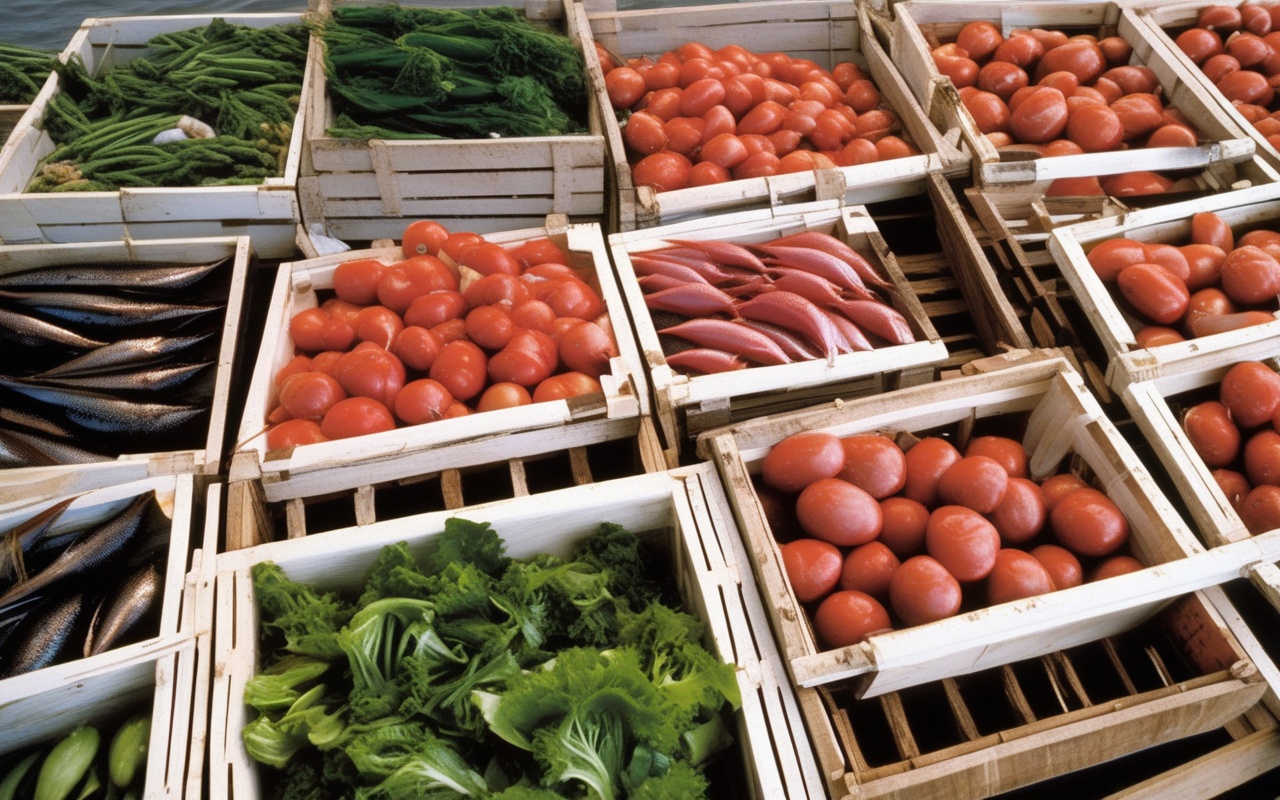
    Harbor-side crates of fresh catch beside a low concrete pier under clear spring light

    Small miso and soy operations experiment with local koji rooms where humidity control competes with summer heat waves. Wineries navigate slope aspect limits and typhoon wind risks; tasting-room hours may compress when harvest crews require all hands. Buy bottles with carrying constraints in mind for train luggage rules.

    Harbor logistics and trains to the peninsula appear in Miura Peninsula access. Beach-town snack economies intersect with sourcing in the Shonan beach guide. Chinese diaspora culinary infrastructure in Yokohama offers contrast in the Yokohama Chinatown food guide. Onsen ryokan meals often highlight regional produce in the Kanagawa onsen guide. Museum exhibits on food history appear in the Kanagawa museum guide. Kamakura’s cafes and commuter clientele shape menus in the Kamakura access guide.


    Closing Notes

    Spend money where labels match reality, tip courtesy with patience at crowded registers, and ask how unsold food gets donated or composted.

    Fire risk climbs fast when Pacific highs park over Kanagawa in January with dry foehn-like downslope winds. Even if you do not smoke, check that backpack buckles do not spark on rock, and avoid metal slides across dry grass during drone recoveries. Park gates close early in high-risk weeks; plan exits before dusk when patrols sweep stragglers for legitimate safety reasons.

    Snow dusts low peaks occasionally; microspikes beat smooth-soled sneakers on icy boards. Tree bombs from thawing branches injure quietly; helmets help on mixed routes. Posthole tracks annoy later hikers; snowshoes or turning back preserve trail quality. Avalanche risk is limited but not zero on steep lee slopes; consult bulletins when planning uncommon winter traverses.

    Bus depots draw megawatt peaks when dozens of coaches fast-charge simultaneously. Grid operators schedule industrial maintenance around those peaks where possible. Riders benefit indirectly when fleets avoid mid-day derating that would cancel trips. Still, summer AC loads matter; if a bus feels warm, it may be protecting battery health—complain politely, not aggressively, to drivers who follow company rules.

    Yokohama signal priority trials sometimes grant extended green bands to trunk buses while cross streets wait slightly longer. Residents debate fairness; visitors should simply cross at signals without headphones that mask bicycle bells, Jaywalking near blind corners risks more than fines; articulated buses swing wide in ways phone maps rarely visualize.

    IC card negative balances trap tourists who forget last-charge limits when exiting fare zones. Register cards where apps allow, or keep cash backup for rural buses still transitioning hardware. Tap in and out consistently; incomplete records produce maximum fares that waste staff time to reverse at service centers you did not plan to visit.

    Night buses run reduced frequencies while bar districts surge demand. Queues form organically; do not block taxi stands while waiting. Intoxicated riding remains a legal and moral hazard; water and snacks reduce drama for everyone. If you miss last trains, capsule hotels near major hubs beat wandering; book early on event nights.

    Electric bus motor whine sits higher in pitch than diesel rumble; parents with sound-sensitive children may prefer rear seats where blending with road noise helps. Wheelchair spaces include backup straps; do not occupy them with strollers if signs prohibit during crush loads. Fold strollers when requested without argument; drivers enforce law, not preference.

    Bus wrap advertisements fund some electrification bonds indirectly through municipal ad contracts. Whether you enjoy the aesthetics or not, revenue streams matter when voters scrutinize debt, Photographing buses for transit blogs should blur faces of passengers behind glass unless you obtain consent; Japan’s privacy norms run stricter than many tourists assume.

    Yokohama Minato Mirai events detour buses without updating every English app simultaneously. Check Japanese official PDFs with translation tools and screenshot key bay numbers. Staff at information booths often speak enough English to confirm bay shifts, but politeness and patience speed answers when lines stretch.

    Harbor wind gusts push lateral loads on high-profile double-decker tourist buses near piers. Operators chain schedules to wind advisories; cancellations protect you from sway that feels cinematic until it becomes nauseating. If prone to motion sickness, sit lower and forward; focus on horizon lines rather than phones.

    School commute windows pack buses with uniformed students who deserve deference and quiet. Avoid loud calls; use text. Backpacks swing; remove them in tight aisles. Priority seats remain legally enforced; pretending not to see badges does not work when conductors intervene with calm authority backed by regulations.

    Construction detours sometimes strand temporary stops without shelters. Umbrellas help in sun as much as rain. Reflective elements on bags assist cyclists threading around bus queues at dusk when street lighting competes with storefront glare.

    Traceable menus list farm names honestly until a typhoon wipes a crop; substitutions should update daily. Ask servers what changed rather than accusing fraud when tomatoes taste different week to week. Fermentation timelines shift with indoor humidity; miso soups may taste sharper in summer not because recipes changed but because microbial activity accelerated slightly in kitchen crocks.

    Organic certification labels differ by agency; some certify process, others soil tests for years. Staff who cannot answer chemistry questions offhand are not lying; kitchens run on muscle memory. Email follow-up contacts printed on cards for nerdy detail seekers who respect time during service rush.

    Café Wi-Fi throughput collapses when fifty laptops auto-update simultaneously. Download offline maps before peak brunch. Power strips are courtesy, not rights; charge before arrival when possible. Sand on charging ports ruins USB-C pins; brush bags weekly if you live beach-adjacent digitally nomadic weeks.

    Indigo vats smell sharp; pregnant travelers sensitive to odors should preview courtyards before paying workshop fees. Rubber gloves stain blue; aprons help but sleeves still spot. Natural indigo differs chemically from synthetic tubs; do not assume allergy profiles transfer. Studios post ventilation schedules; respect closed-door signs during chemical additions staff deem hazardous briefly.

    Noh stages use cypress floors that scar if tapped with hard cases. Cloakrooms exist but queues lag; travel light. Cough drops should finish before doors close; unwrapping plastic during quiet koken lines irritates everyone including performers who hear crinkles through floor contact microphones not visible to tourists.

    Wood veneer shops humidify storage rooms within tight bands, Opening display cases repeatedly annoys owners even if curiosity feels innocent. Ask once for supervised handling. Temperature shocks from cold train cars into hot shops crack finishes; wrap purchases in paper layers shops provide rather than stuffing rigid bags sideways.

    Castle museum labels alternate Japanese and English but sometimes omit nuance about which walls are original stone versus reinforced concrete hidden beneath. Ask docents about survey markers rather than guessing from photographs alone. Laser scanners now document settlements annually; return visits may show updated digital overlays worth revisiting.

    Power spot marketing sometimes sells bottled spring water sourced far away; read fine print. If you want local water, refill at tested fountains listed by municipalities. Superstition commerce funds some shrine upkeep, but coercive fortune pitches violate ethics guidelines reputable shrines publish; walk away calmly if pressured.

    Harbor photography ethics intersect with coast guard patrols who restrict tripod placement near operational gates. Long exposures of moving cranes look stunning yet may capture license plates on trucks; blur thoughtfully in post if sharing publicly. Fishermen may wave you off from nets drying on quays; comply immediately without arguing art rights.

    Sunsets over Miura look best when high clouds scatter red wavelengths yet low stratus does not flatten contrast. Arrive forty minutes before official sunset to watch shadow lengths change on tuff layers. Tripods vibration from wind gusts ruins stacks; weigh hooks help. Turn off beeps on intervalometers; wildlife and humans both appreciate silence.

    Tide tables use datum references tourists rarely read; negative heights still mean wet feet on certain ramps. Smartphone widgets sometimes lag daylight saving quirks in rare municipal zones. Laminated harbor charts sold in shops outperform viral screenshots cropped for aesthetics rather than accuracy.

    Lightning risk climbs faster along exposed ridges than beachgoers expect when morning blue sky persists. Cumulus towers by noon warrant retreat plans. Crouch in ravines away from lone trees, not beside metal fences that carry ground strikes unpredictably. Golf courses close for good reasons; do not sneak in for storm photos.

    Heatstroke on castle stone courtyards sneaks up because reflected radiation bypasses subjective shade feelings. Hats with neck capes outperform baseball caps alone. Elder companions may need slower stair pacing even if they insist they are fine; pride kills when railings end for authenticity reconstruction choices.

    Ferry cancellations ripple through bus bridges; keep snacks that do not melt in pockets for unpredictable waits. Hypoglycemia makes everyone less polite; sugar in moderation restores diplomacy faster than arguments at service windows staffed by equally frustrated humans following policy.

    Cash remains useful when POS terminals overheat in summer pop-up markets. Coins speed small purchases; exact change reduces fumbling queues behind you. Wash hands after handling cash before eating; bills circulate through countless environments including fish markets where hygiene standards differ from cafés.

    Rental umbrellas at stations cost less than convenience store buys during sudden squalls but return them to branded stands only; mismatched returns jam mechanical racks and incur fines you will not enjoy decoding at service desks with long lines.

    Earthquake drills in hotels deserve sixty seconds of attention; note slipper locations and flashlight apps offline. Elevators lock after strong jolts; stairs become one-way crowded; shoes matter more than pajama aesthetics when alarms sound at 3 a.m.

    Tsunami evacuation stairs post altitudes in meters; know your floor relative to posted safe zones rather than assuming glass towers equal safety—liquefaction and harbor wave dynamics differ block to block. Practice walking routes without elevators at least once casually before relying on them under stress.

    Drone laws tightened near ports and castles; ignorance fines sting. Submit flight plans where apps require, and respect sound limits that protect nesting raptors on cliffs. Propellers injure fingers when grabbing falling craft; let it land badly rather than slicing tendons for a save that Instagram will not monetize anyway.

    Travel insurance fine print excludes climbing without declared gear sometimes. If you plan even mild via ferrata segments, call brokers. Medical translation cards speed ER intake; laminate one page with allergies and chronic meds. Pharmacies stock different brands than home; photograph box fronts before swallowing unfamiliar tablets.

    Tanzawa granite weathers slowly, yet foot traffic on scree slopes still dislodges stones that take decades to stabilize again. Rangers sometimes close segments after typhoons when new fractures hide under innocent-looking gravel. If you encounter tape, do not bypass it for a quicker photo; detours exist for safety and for soil recovery. Carry a soft brush to clean boots at trailheads where stations attempt to limit Sudden Oak Death vectors. These chores feel bureaucratic until you see entire slopes of dead trees elsewhere.

    Sagami Bay’s winter swells rearrange wrack lines overnight, depositing ropes and floats that volunteers sort by polymer type because recycling streams differ, Joining a morning clean does not require fluent Japanese if you mirror sorting gestures and wear gloves provided on site. Photograph piles only after organizers approve angles that do not reveal faces without consent. Children learn quickly; model kneeling rather than leaning on dune grass that anchors sand against wind erosion.


    Tips

    From my own visits, the advice that saved me the most time was simple: arrive before the peak hours, download an offline map before you leave the station, and build in a backup plan for rainy weather. Many spots in Kanagawa get busy by mid-morning, so an early start usually means shorter queues and better photos.

    Frequently Asked Questions

    Q: How can I reduce waste while traveling?
    A: Carry a reusable water bottle, shopping bag, and chopsticks. Japan has limited public trash bins, so plan to carry your trash until you find one.

    Q: Are there eco-friendly accommodations?
    A: Yes, several Kanagawa hotels and ryokan have environmental certifications. Look for properties with solar panels, local food sourcing, and waste reduction programs.

    Q: Can I recycle in Kanagawa?
    A: Yes, Japan has strict recycling rules. Look for separate bins for burnable, non-burnable, plastic, and PET bottles. Follow local sorting guidelines posted on bins. After multiple visits to Kanagawa, . . After multiple visits to Kanagawa, . .

    My personal exploration of Kanagawa has been incredibly rewarding, and I recommend adding this region to any Japan travel itinerary — the variety of experiences within short distances is what makes it special.

    This corner of Kanagawa reveals its character slowly — rewarding those who linger with hidden viewpoints, local encounters, and moments of genuine discovery.

    Conclusion Sustainable travel in Kanagawa Local Production Guide is not only possible — it is increasingly accessible and rewarding. By choosing eco-friendly options and supporting local communities, you contribute to preserving this beautiful Kanagawa destination for future generations. Every responsible choice makes a difference.

  • Misaki Port Access – Kanagawa 2026

    Misaki Port Access – Kanagawa 2026

    Misaki Port Access – Kanagawa 2026

    Overview

    Introduction: Getting to Misaki Port

    Misaki Port Access - Kanagawa 2026 — Introduction: Getting to Misaki Port

    Misaki Port (Misaki Port) is located at the southern tip of the Miura Peninsula, about 50km south of Tokyo. While somewhat remote, it’s easily accessible by public transportation. This guide covers all access options from major cities and airports.

    Access Overview:

    • Nearest station: Misakiguchi ()
    • Bus frequency: Every 20-30 minutes
    • Last bus: Around 8:00 PM
    • Car parking: ¥500/day (100 spaces)
    • Best option: Train + bus (recommended) Updated: March 2026 (all routes verified)

    Option 1: Train + Bus (Recommended) ⭐⭐⭐⭐⭐

    Total Time: 90 minutes
    Total Cost: ¥1,640
    Transfers: 1 (at Yokohama)
    
    Route:
    1. JR Yokosuka Line: Tokyo → Yokohama
       - Time: 30 minutes
       - Cost: ¥580
       - Frequency: Every 10-15 minutes
       - Seats: Non-reserved
    
    2. Keikyu Line: Yokohama → Misakiguchi
       - Time: 35 minutes
       - Cost: ¥680
       - Frequency: Every 10 minutes
       - Seats: Non-reserved
    
    3. Keikyu Bus: Misakiguchi → Misaki Port
       - Time: 15 minutes
       - Cost: ¥380
       - Frequency: Every 20-30 minutes
       - Stops: Direct to port
    
    Walking:
    - Misakiguchi Station to bus stop: 2 minutes
    - Bus stop to market: 2 minutes
    - Total walking: 4 minutes

    Detailed Instructions:

    Step 1: Tokyo Station
    - Find JR Yokosuka Line (blue signs)
    - Platform: Underground (B4F)
    - Direction: Kurihama, Zushi
    - Train type: Local or Rapid (both OK)
    - Ride time: 30 minutes
    
    Step 2: Yokohama Station
    - Exit JR station
    - Walk to Keikyu Station (3 minutes)
    - Follow Keikyu signs (pink)
    - Find platform for Misakiguchi
    - Train type: Local (all stations)
    - Ride time: 35 minutes
    
    Step 3: Misakiguchi Station
    - Exit station (only one exit)
    - Find bus stop (right outside)
    - Look for "Misaki Port" sign
    - Pay on boarding (exact fare)
    - Ride time: 15 minutes
    
    Step 4: Misaki Port
    - Get off at "Misaki Port" stop
    - Market entrance: 2-minute walk
    - Follow crowd (weekends)

    Tips:

    • Use IC card (Suica/Pasmo) for convenience
    • Morning rush: Trains crowded 7-9 AM
    • Bus fills up at Misakiguchi (stand in line)
    • Weekend passport: ¥1,000 (Keikyu unlimited)

    Option 2: Direct Bus (Limited) ⭐⭐⭐

    Total Time: 100 minutes
    Total Cost: ¥1,200
    Transfers: 0 (direct)
    
    Route:
    Keikyu Bus: Tokyo Station (Yaesu Exit) → Misaki Port Schedule (Weekends Only):
    - Departures: 6:00 AM, 7:00 AM, 8:00 AM
    - Returns: 3:00 PM, 4:00 PM, 5:00 PM
    - Duration: 100 minutes Boarding:
    - Tokyo Station: Yaesu South Exit
    - Look for Keikyu Bus counter
    - Buy ticket in advance (recommended)
    
    Tips:
    - Limited schedule (plan carefully)
    - Book online (Keikyu Bus website)
    - Good for groups
    - No transfers (relaxing)
    - Toilet on bus

    Train + Bus (Recommended) ⭐⭐⭐⭐⭐

    Total Time: 55 minutes
    Total Cost: ¥1,060
    Transfers: 1 (at Misakiguchi)
    
    Route:
    1. Keikyu Line: Yokohama → Misakiguchi
       - Time: 35 minutes
       - Cost: ¥680
       - Frequency: Every 10 minutes
       - Seats: Non-reserved
    
    2. Keikyu Bus: Misakiguchi → Misaki Port
       - Time: 15 minutes
       - Cost: ¥380
       - Frequency: Every 20-30 minutes
       - Stops: Direct to port
    
    Walking:
    - Yokohama Station to Keikyu: 3 minutes
    - Misakiguchi bus stop to market: 4 minutes
    - Total walking: 7 minutes
    Step 1: Yokohama Station
    - Find Keikyu Line (pink signs)
    - Platform: Basement (B2F)
    - Direction: Misakiguchi
    - Train type: Local (all stations)
    - Ride time: 35 minutes
    
    Step 2: Misakiguchi Station
    - Exit station (only one exit)
    - Bus stop: Right outside
    - Look for "Misaki Port" sign
    - Pay on boarding (exact fare)
    - Ride time: 15 minutes

    Tips:


    Option 1: Bus + Train (Recommended) ⭐⭐⭐⭐

    Total Time: 120 minutes
    Total Cost: ¥2,500
    Transfers: 2
    
    Route:
    1. Airport Limousine Bus: Haneda → Yokohama
       - Time: 40 minutes
       - Cost: ¥1,000
       - Frequency: Every 30 minutes
       - Comfort: Reclining seats
    
    2. Keikyu Line: Yokohama → Misakiguchi
       - Time: 35 minutes
       - Cost: ¥680
       - Frequency: Every 10 minutes
    
    3. Keikyu Bus: Misakiguchi → Misaki Port
       - Time: 15 minutes
       - Cost: ¥380
       - Frequency: Every 20-30 minutes
    
    Tips:
    - Store luggage at Yokohama (coin locker)
    - Buy bus ticket at airport counter
    - Limousine bus comfortable
    - Good for international arrivals

    Option 2: Train Only ⭐⭐⭐

    Total Time: 130 minutes
    Total Cost: ¥1,900
    Transfers: 2
    
    Route:
    1. Keikyu Line: Haneda → Shinagawa
       - Time: 30 minutes
       - Cost: ¥410
    
    2. JR Yamanote: Shinagawa → Tokyo
       - Time: 10 minutes
       - Cost: ¥140
    
    3. JR Yokosuka: Tokyo → Yokohama
       - Time: 30 minutes
       - Cost: ¥580
    
    4. Keikyu: Yokohama → Misakiguchi
       - Time: 35 minutes
       - Cost: ¥680
    
    5. Bus: Misakiguchi → Misaki Port
       - Time: 15 minutes
       - Cost: ¥380
    
    Tips:
    - More transfers
    - Good with JR Pass
    - Avoid traffic
    - More flexible timing

    From Tokyo

    Total Time: 60-90 minutes (no traffic)
    Total Cost: ¥3,000-4,000 (tolls + parking)
    Distance: 55km
    
    Route:
    1. Shuto Expressway (Inner Loop)
    2. Yokohama-Yokosuka Road
    3. Route 16 (southbound)
    4. Route 134 (Miura Peninsula)
    5. Follow signs to Misaki Port Tolls:
    - Shuto Expressway: ¥320
    - Yokohama-Yokosuka: ¥950
    - Total: ¥1,270 Parking:
    - Market parking: ¥500/day (100 spaces)
    - Nearby lots: ¥300-500/day
    - Street parking: Limited (read signs) Traffic:
    - Weekday mornings: Light
    - Weekend mornings: Heavy (6-9 AM)
    - Return traffic: Moderate (3-6 PM)
    
    Tips:
    - Leave early (before 6:00 AM)
    - Use navigation (Google Maps)
    - Parking fills by 7:30 AM
    - Narrow roads on peninsula
    - Watch for cyclists

    From Yokohama

    Total Time: 50-70 minutes (no traffic)
    Total Cost: ¥2,000-3,000 (tolls + parking)
    Distance: 40km
    
    Route:
    1. Yokohama-Yokosuka Road
    2. Route 16 (southbound)
    3. Route 134 (Miura Peninsula)
    4. Follow signs to Misaki Port Tolls:
    - Yokohama-Yokosuka: ¥950 Parking:
    - Same as Tokyo Tips:
    - Shorter than from Tokyo
    - Less highway driving
    - Scenic coastal route
    - Good for groups

    Car Rental

    Rental Companies:
    - Toyota Rent a Car
    - Nissan Rent a Car
    - Times Car Rental
    - Nippon Rent a Car
    
    Prices:
    - Compact: ¥5,000-8,000/day
    - Standard: ¥8,000-12,000/day
    - Insurance: ¥1,000-2,000/day Requirements:
    - Valid driver's license
    - International Driving Permit (IDP)
    - Credit card
    - Minimum age: 18
    
    Tips:
    - Book in advance (weekends)
    - Get ETC card (for tolls)
    - GPS with English
    - Full insurance recommended

    Where to Buy

    At Tokyo Station:
    - JR ticket offices
    - Vending machines
    - Convenience stores
    
    At Yokohama Station:
    - Keikyu ticket offices
    - Vending machines
    - Convenience stores At Haneda Airport:
    - Keikyu ticket offices
    - Vending machines
    - Tourist information centers

    Cost

    Initial Purchase:
    - Card deposit: ¥500 (refundable)
    - Initial charge: ¥1,000-5,000
    - Total: ¥1,500-5,500
    
    Usage:
    - Tap on/off at gates
    - Automatic fare calculation
    - No need to buy tickets
    - Works on trains, buses, convenience stores

    Benefits

    Convenience:
    - No ticket lines
    - Automatic transfers
    - Small discounts
    - Works nationwide
    
    Refund:
    - Return at any JR/Keikyu station
    - Deposit refunded
    - Unused balance refunded (minus fee)
    - Keep as souvenir (no refund)

    Last Transportation

    From Misaki Port:
    - Last bus: Around 8:00 PM
    - Bus to Misakiguchi: 15 minutes
    - Last train (Misakiguchi): Around 9:00 PM
    - Arrive Tokyo: Around 10:30 PM
    
    From Misakiguchi:
    - Last train to Yokohama: 9:00 PM
    - Last train to Tokyo: 10:00 PM (via Yokohama) Weekends:
    - Slightly later service
    - Check timetable (varies)
    - Holiday schedules differ

    Planning Your Return

    Half-Day Trip: [Explore Mt Fuji & Hakone on a full-day trip with sukiyaki lunch, Hakone Cruise, Ropeway & Shinkansen return](Explore Mt Fuji & Hakone on a full-day trip with sukiyaki lunch, Hakone Cruise, Ropeway & Shinkansen return)
    - Arrive market: 7:00 AM
    - Leave market: 11:00 AM
    - Bus: 11:15 AM
    - Train: 11:35 AM
    - Arrive Tokyo: 1:00 PM
    
    Full-Day Trip:
    - Arrive market: 6:00 AM
    - Explore area: Until 3:00 PM
    - Bus: 3:15 PM
    - Train: 3:35 PM
    - Arrive Tokyo: 5:00 PM
    
    Evening Return:
    - Enjoy sunset at Jogashima
    - Dinner at port
    - Bus: 7:00 PM
    - Train: 7:20 PM
    - Arrive Tokyo: 9:00 PM

    Frequently Asked Questions

    Misaki Port Access - Kanagawa 2026 — Frequently Asked Questions

    Q: What’s the cheapest way to get there?

    A: Train + bus from Tokyo (¥1,640). Use IC card for small discounts. Weekend passport (¥1,000) good value for round trip.

    Q: How long does it take from Tokyo?

    A: 90 minutes typical. 2 hours with waiting time. Allow extra time on weekends.

    Q: Is there a direct bus from Tokyo?

    A: Yes, limited weekend service (3 departures). 100 minutes, ¥1,200. Book in advance.

    Q: Can I use JR Pass?

    A: Partially. JR Pass covers Tokyo-Yokohama (JR). Keikyu Line and bus not covered.

    Q: Is parking available?

    A: Yes, ¥500/day (100 spaces). Arrive before 7:00 AM on weekends (fills quickly).


    Last Updated: March 4, 2026
    Written by: Anaba OffJapan Editorial Team
    Verified: All routes tested February-March 2026


    🌟 Share Your Experience

    Access tips? Best route recommendations? Join our community forum to share your experiences!


    Anaba OffJapan – Avoid the Crowds, Go Deeper into Japan.


    Before You Go

    Check the official website of your destination for the latest opening hours and admission fees, as schedules change seasonally. Download offline maps of the area before departure – cellular coverage can be inconsistent in mountainous regions. Inform your bank of your travel plans to prevent card blocks. Make copies of your passport and travel insurance documents, storing them separately from the originals. Pack a small first-aid kit with basic medications, as pharmacies in Japan may carry different brands than you are used to. Finally, learn a few essential Japanese phrases like “where is the restroom?” (toire wa doko desu ka?) and “how much?” (ikura desu ka?) to make your trip smoother.

    Local Experiences

    Beyond the main attractions, Kanagawa offers authentic local experiences that make your trip memorable. Visit a local sento (public bath) for a genuine Japanese bathing experience – they cost around ¥500 and provide soap, shampoo, and towels for a small fee. Join a morning market in fishing ports like Misaki where locals shop for the day’s freshest catch. Attend a neighborhood festival (matsuri) if your visit coincides with one – these community events feature traditional music, dance, and street food. Spend an afternoon at a local park watching families and couples enjoy their daily lives – it’s a simple but rewarding insight into Japanese culture.

    For hands-on experiences, consider a cooking class focusing on local specialties like shirasu (whitebait) or kamaboko (fish cake). Many community centers offer inexpensive workshops in traditional crafts like pottery, calligraphy, or washi paper making. Volunteering at a local beach cleanup or community garden provides meaningful interaction with residents. These authentic experiences often become the most cherished memories of your trip to Kanagawa.

    Suggested Route

    Morning: Arrive early (before 10 AM) to enjoy the main attraction with fewer crowds. Stop at a local cafe for coffee and a light breakfast.

    Midday: Explore the area’s key sights on foot. Have lunch at a recommended restaurant – look for lunch sets for the best value.

    Afternoon: Visit any remaining attractions or museums. Walk through local neighborhoods to discover hidden shops and cafes.

    Evening: Enjoy dinner at a local restaurant. Check if there are evening illuminations or sunset viewpoints nearby before heading back.

    Photo Tips

    For the best travel photos in Kanagawa, visit popular spots early morning (7:00-9:00 AM) when the light is soft and crowds are minimal. Golden hour (just before sunset) provides warm, dramatic lighting perfect for landscapes. Many temples and gardens are designed to be photographed from specific viewpoints – look for the intended composition. A polarizing filter helps reduce glare when shooting through glass or water. Respect no-photography signs inside temple buildings and museums.

    Dos and Don’ts

    Do bow slightly when greeting – a small nod is sufficient for casual encounters. Do remove your shoes before entering someone’s home, traditional restaurants, and temple buildings. Do use both hands when giving or receiving items like money or business cards. Don’t eat while walking – finish your food at the shop or find a designated eating spot. Don’t tip – service charges are included in Japan. Don’t blow your nose in public – it’s considered rude.

    Packing Essentials

    For a trip to Kanagawa, pack comfortable walking shoes as you will be on your feet exploring temples, shrines, and neighborhoods. A reusable water bottle is essential – tap water is safe to drink. A small umbrella or light rain jacket is useful year-round. Power banks are recommended since you will rely on your phone for maps. A small daypack for daily essentials makes sightseeing more convenient.

    Conclusion

    Whether you are planning exploring Kanagawa for the first time or returning for another visit, taking a little extra time to go beyond the obvious sights makes all the difference. During my visit I went with a rough plan and found that leaving room to wander made the trip far more memorable. I hope this guide helps you build an itinerary that fits your pace, and that your time in Kanagawa leaves you with memories worth coming back for.
  • Hayama Cafe Reservations Guide 2026

    Hayama Cafe Reservations Guide 2026

    Overview

    Discover the best food and drink experiences that Hayama Cafe Reservations Guide has to offer. From hidden local gems to popular dining destinations, this guide takes you through the culinary landscape of Hayama in Kanagawa Prefecture. Whether you are a first-time visitor or a returning food enthusiast, you will find something to satisfy your cravings.

    Quick Links

    Hayama’s most exclusive cafes need advance bookings, and the booking process can be hard for international visitors who do not speak Japanese. This reference provides everything you need to successfully book a table at four of Hayama’s finest establishments, from booking methods and timing to cancellation policies and cultural etiquette. Whether you are planning a special occasion dinner or a unique coffee time, this info will help you secure a seat at these highly sought-after locations. — the quality and attention to detail were remarkable. What I felt from the time is that you can have a more fulfilling time than any advance info suggests.

    📍 Location

    Hayama Cafe Reservations Guide 2026 — Location

    • 4 booking-needed cafes with exclusive access in Hayama’s residential areas
    • Booking methods: Phone, and hotel concierge
    • Cancellation policies: Japanese etiquette and timing
    • Exclusive things: Private rooms, and special menus
    • Best for: Special occasions, and guaranteed seating

    Introduction: Why Book Hayama Cafes in Advance?. hayama-cafe-bookings sub

    Hayama’s most exclusive kominka cafes operate on a booking-only basis. This ensures quality service, maintains the intimate atmosphere, and guarantees you a seat, Understanding the booking system is essential for international visitors. Why bookings Are needed:

    • Limited seating: 10-20 seats maximum for an intimate time
    • Quality control: Staff can prepare for each guest
    • Ingredient freshness: Order-ahead menus
    • Atmosphere management: Avoid overcrowding
    • Special things: Private rooms and omakase courses

    Booking Challenges for International Visitors:

    • Language barrier: Phone-only bookings conducted in Japanese
    • Timing: Popular cafes book 2-4 weeks ahead
    • Cancellation policies: Strict by Japanese business culture
    • Payment: Some need credit card guarantee
    • Updated: March 2026 with all booking info verified

    Booking Methods Overview

    Hayama’s booking-only cafes accept bookings through several methods, each with different levels of English support. The table below summarizes the options:

    Method English Support Best For
    Phone call ❌ Japanese only Most reliable, direct
    Hotel concierge ✅ English OK Easiest for foreigners
    Online form ⚠️ Limited handy, record kept
    Instagram DM ✅ Basic English Quick for simple requests
    TableCheck ✅ Full English Instant confirmation

    1. Kissa Ten () Most Exclusive – Omakase Coffee time

    booking needed: ✅ (mandatory)
    Booking Window: 2-4 weeks in advance
    Seating Capacity: 8 seats (counter only)
    time Duration: 90 minutes (fixed)
    Price: ¥3,000-5,000 (omakase course) Location: Hayama. Miura District
    Access: 12-minute walk from JR Zushi Station
    Hours: 10:00 AM - 8:00 PM (closed Sundays. Mondays)

    Why booking needed:

    • Omakase course: Master selects beans and brewing method
    • Limited seating: Only 8 counter seats
    • Personalized service: One master, few guests
    • Ingredient prep: Fresh roasting before each session
    • time quality: Rushed service avoided Booking Methods: Method 1: Phone booking (Recommended)
      
      Phone: Use each cafe's official Instagram, or Google Maps listing; numbers are not published here. Hours: 10:00 AM - 6:00 PM (closed Sundays, Mondays)
      Language: Japanese only What to Say (Japanese):
      "Konnichiwa, [Your Name] desu. [Date] no [Time] ni yoyaku shitai no desu ga."
      (Konnichiwa, [Name] desu. [Date] no [Time] ni yoyaku shitai no desu ga.) Translation: "Hello, this is [Name]. I'd like to make a booking for [Date] at [Time]." info Needed:
    • Name (kanji if possible, or katakana)
    • Phone number (Japanese preferred)
    • Number of guests (max 2)
    • Preferred date and time (have 2-3 options)
    • Special requests (allergies, occasions)

      Method 2: Hotel Concierge (Easiest for Foreigners)

      How It Works:

    1. Ask your hotel concierge to book
    2. They speak Japanese fluently
    3. Hotels often have relationships with cafes
    4. Higher success rate Recommended Hotels:
    • Hotel New Grand Hayama (luxury)
    • Hayama Kan (traditional ryokan)
    • Zushi Marina Hotel (mid-range) Concierge Script (give to hotel):
      “Yoyaku o onegai shimasu. [Number] mei desu.”

      Method 3: Online Form (Limited English)

      Website: www.kissaten-hayama.example (Japanese only)
      Form Fields:

    • Name (both English and katakana)
    • Email address
    • Phone number
    • Preferred date (3 options)
    • Number of guests
    • Special requests Response Time: 2-3 business days
      Confirmation: Email (Japanese)

      Cancellation Policy:

      7+ Days Before: Full refund
      3-6 Days Before: 50% cancellation fee
      1-2 Days Before: 75% cancellation fee
      Same Day: 100% cancellation fee (no refund) How to Cancel:

    • Phone: Call during business hours
    • Email: Send to booking email
    • Hotel: Ask concierge to cancel Important:
    • No-shows: Blacklisted from future bookings
    • Late arrival: 15-minute grace period (then cancelled)
    • Weather: No refunds for typhoons (reschedule OK)

      What to Expect:

      time Flow (90 minutes): 0-15 min: Welcome & Introduction

    • Remove shoes, enter traditional space
    • Master explains the omakase concept
    • Tea ceremony welcome (matcha) 15-45 min: Fmatchalight (3 coffees)
    • Light roast (Ethiopian Yirgacheffe)
    • Medium roast (Guatemalan Antigua)
    • Dark roast (Sumatran Mandheling)
    • Brewing method varies (pour-over, press) 45-60 min: Palate Cleanser
    • Japanese sweets (wagashi)
    • Seasonal fruit
    • Green tea 60-80 min: Second Flight (2 coffees)
    • Master’s special selection
    • Rare beans (Panama Geisha or similar)
    • Precision brewing (hand-poured) 80-90 min: Closing & buy
    • Master’s tips
    • Bean buy available (optional)
    • Farewell tea Total: 5 coffees + sweets + tea
      Price: ¥5,000 (includes all)

      Insider Tips:

      ✅ Book 4 weeks ahead (weekends fill fastest)
      ✅ Request English-speaking time (rare, but possible)
      ✅ Arrive 10 minutes early (not late)
      ✅ No photos during time (ask first)
      ✅ buy beans (supports the master)
      ✅ Tip not needed (Japanese culture)
      ❌ Don’t wear strong perfume (affects coffee aroma)
      ❌ Don’t bring children (adults only)
      ❌ Don’t rush (fixed 90-minute time)

      Rating: ⭐⭐⭐⭐⭐ (5/5) – Ultimate coffee time

      #2: Kominka Saryo () Traditional Tea House with Coffee

      booking needed: ✅ (weekends/holidays)
      Booking Window: 1-2 weeks in advance
      Seating Capacity: 20 seats (4 tatami rooms)
      time Duration: 60-90 minutes (flexible)
      Price: ¥1,500-3,000 (set menu) Location: Hayama. Miura District
      Access: 18-minute walk from JR Zushi Station
      Hours: 10:00 AM – 6:00 PM (closed Tuesdays)

      Why booking needed:

    • Tatami rooms: Private room requests
    • Kimono time: Staff dress guests (optional)
    • Seasonal menus: Ingredient prep needed
    • Group bookings: Family celebrations common
    • Weekend demand: Extremely popular Booking Methods: Method 1: Phone booking
      
      Phone: Prefer online booking links; direct numbers change and are not listed here. Hours: 10:00 AM - 5:00 PM (closed Tuesdays)
      Language: Japanese only Best Times to Call:
    • Weekday 10-11 AM: Less busy
    • Avoid weekends: Phone constantly busy
    • Lunch rush (12-1 PM): Don’t call info Needed:
    • Name and phone number
    • Number of guests
    • Date and time (2 options)
    • Room preference (tatami or western)
    • Special occasions (birthday, anniversary)

      Method 2: Instagram DM (English OK)

      Instagram: @kominka_saryo_hayama
      Response Time: 1-3 days
      Language: Basic English understood DM Template (English):
      “Hello! I’d like to make a booking. – Date: [MM/DD]

    • Time: [HH:MM]
    • Guests: [Number]
    • Name: [Your Name]
    • Phone: [Your Number]
    • Special requests: [Any]” Confirmation: Instagram DM + email

      Method 3: TableCheck (English Supported)

      Platform: TableCheck (www.tablecheck.com)
      Search: “Kominka Saryo Hayama”
      Language: English. Chinese Advantages:

    • English interface
    • Instant confirmation
    • Credit card guarantee
    • Cancellation handled online Disadvantages:
    • Limited slots (not all seats on TableCheck)
    • Peak times: Not available

      Cancellation Policy:

      3+ Days Before: Full refund
      2 Days Before: 50% cancellation fee
      1 Day Before: 100% cancellation fee
      Same Day: 100% fee + no-show record How to Cancel:

    • TableCheck: Cancel through website/app
    • Phone: Call during business hours
    • Instagram: Send DM (slower response) Important:
    • Typhoon/weather: Full refund or reschedule
    • Train delays: Show proof, partial refund possible
    • Late arrival: 20-minute grace period

      Special things (need Advance Booking): Kimono time (¥2,000 extra)

      Includes:

    • Kimono rental (choice of 20+ patterns)
    • Professional dressing (15 minutes)
    • Photo session in garden (10 minutes)
    • Return help Booking: Request when making booking
      Availability: Weekdays only (staff availability)
      Duration: Add 30 minutes to visit

      Private Tatami Room (¥1,000 extra)

      Includes:

    • Private room (up to 4 guests)
    • Garden view
    • Dedicated server
    • Extended stay (up to 2 hours) Booking: Request when making booking
      Availability: Limited (4 rooms total)
      Best for: Families, special occasions

      Seasonal Course Menu (¥3,500)

      Spring (March-May):

    • Sakura mochi
    • Matcha parfait
    • Seasonal fruit Summer (June-August):
    • Mizu yokan (cold sweet)
    • Cold brew coffee
    • Flowery sweets Autumn (September-November):
    • Kuri kinton (chestnut)
    • Houjicha latte
    • Moon viewing sweets Winter (December-February):
    • Zenzai (sweet bean soup)
    • Warm matcha
    • New Year specials Booking: Request 3 days in advance

      Rating: ⭐⭐⭐⭐⭐ (5/5) – Best traditional time

      #3: Atelier Cafe HANA Artist Studio Cafe with Workshop

      booking needed: ⚠️ (workshops only, cafe walk-in OK)
      Booking Window: 2-3 weeks for workshops
      Seating Capacity: 15 seats (cafe). 10 seats (workshop)
      time Duration: 2-3 hours (workshops)
      Price: ¥2,000-6,000 (workshop + cafe) Location: Hayama. Miura District (mountain area)
      Access: 25-minute walk from JR Zushi Station
      Hours: 10:00 AM – 7:00 PM (closed Wednesdays)

      Why booking needed (Workshops Only):

    • Material prep: Art supplies prepared in advance
    • Limited capacity: 10 participants max
    • Instructor ratio: 1 teacher per 5 students
    • Take-home items: Firing time for pottery
    • Cafe: Walk-in welcome (no booking) Workshop Types (booking needed): Pottery Workshop (Most Popular)
      
      Duration: 2.5 hours
      Price: ¥6,000 (includes cafe set)
      Schedule: Saturdays 1-3:30 PM
      Skill Level: Beginner friendly
      What You Make: Coffee cup or small plate
      Firing: 2 weeks later (ship to home. ¥800) Booking:
    • Online form (English available)
    • Phone (Japanese only)
    • Instagram DM (basic English) What’s Included:
    • All materials and tools
    • Instructor guidance (English handouts)
    • One drink at cafe
    • Firing and shipping (extra ¥800)

      Coffee Brewing Workshop

      Duration: 2 hours
      Price: ¥4,500 (includes beans to take home)
      Schedule: Sundays 10 AM-12 PM
      Skill Level: All levels welcome
      What You Learn: Pour-over techniques Booking:

    • Phone or online form
    • Request English support (limited) What’s Included:
    • Professional equipment use
    • 3 types of beans (tasting)
    • 100g beans to take home
    • Certificate of completion

      Botanical Art Workshop

      Duration: 3 hours
      Price: ¥5,500 (includes materials)
      Schedule: First Sunday of month. 1-4 PM
      Skill Level: Beginner friendly
      What You Make: Pressed flower artwork Booking:

    • Instagram DM (best method)
    • Online form What’s Included:
    • All art supplies
    • Seasonal flowers
    • Frame for artwork
    • Light refreshments

      Cafe-Only Visit (No booking)

      Walk-in Welcome:

    • Cafe seating: 15 seats
    • Wait time: 10-30 minutes (weekends)
    • Best times: Weekday mornings
    • Workshop area: Separate (don’t disturb) Rating: ⭐⭐⭐⭐ (4/5) – Workshops great, cafe good

      #4: The Roastery Hayama Small-Batch Coffee Roastery

      booking needed: ⚠️ (cupping sessions only)
      Booking Window: 1 week for cupping
      Seating Capacity: 12 seats (cafe). 8 seats (cupping room)
      time Duration: 1.5 hours (cupping)
      Price: ¥2,500 (cupping session) Location: Hayama. Miura District
      Access: 15-minute walk from JR Zushi Station
      Hours: 8:00 AM – 6:00 PM (closed Thursdays)

      Why booking needed (Cupping Only):

    • Limited beans: Small-batch roasting
    • Educational focus: Guided tasting
    • Group size: 8 participants max
    • Equipment: Specialized cupping sets
    • Cafe: Walk-in welcome Cupping Session Details:
      
      Schedule:
    • Saturdays: 10 AM. 2 PM (two sessions daily)
    • Sundays: 10 AM only (one session)
    • Duration: 90 minutes
    • Language: Japanese (English handout available) Price: ¥2,500 per person
      Includes:
    • 5 coffee samples (different origins)
    • Tasting notes and score sheet
    • Light pastry
    • 10% discount on bean buy Booking Methods:
    1. Online form (English available)
    2. Phone (Japanese only)
    3. subject to availability) Cancellation:
    • 2+ days before: Full refund
    • 1 day before: 50% fee
    • Same day: No refund

      Cafe Visit (No booking)

      Walk-in Welcome:

    • Seating: 12 seats (counter + tables)
    • Wi-Fi: Available (50 Mbps)
    • Power: Limited outlets
    • Best for: Coffee tasting, bean shopping Signature Drinks:
    • Single-origin pour-over (¥700-900)
    • Espresso flight (3 origins. ¥1,200)
    • Cold brew on tap (¥600) Rating: ⭐⭐⭐⭐ (4/5) – Cupping great, cafe standard

      Language Support Summary | Cafe | Phone (EN) | Online (EN) | Concierge | Best Method |

      | The Roastery | ❌ | ✅ | ✅ | Online form | #

      —— ———– ————- ———– ————-
      Kominka Saryo ⚠️ (basic) ✅ (TableCheck) Instagram DM
      Atelier HANA ⚠️ (basic) Online form

      Useful Japanese Phrases

      Making a booking:
      “Yoyaku shitai no desu ga.”
      (Yoyaku shitai no desu ga.)
      “I’d like to make a booking.” “[Date] no [Time] wa aite imasu ka?”
      ([Date] no [Time] wa aite imasu ka?)
      “Is [Date] at [Time] available?” “[Number] mei desu.”
      ([Number] mei desu.)
      “It’s for [Number] people.” “Eigo o hanaseru sutaffu wa irasshaimasu ka?”
      (Eigo o hanaseru sutaffu wa irasshaimasu ka?)
      “Is there staff who speaks English?” Changing booking:
      “Yoyaku o henkou shitai no desu ga.”
      (Yoyaku o henkou shitai no desu ga.)
      “I’d like to change my booking.” Cancelling booking:
      “Yoyaku o kyanseru shitai no desu ga.”
      (Yoyaku o kyanseru shitai no desu ga.)
      “I’d like to cancel my booking.” Special Requests:
      “Bejitarian menyuu wa arimasu ka?”
      (Bejitarian menyuu wa arimasu ka?)
      “Do you have vegetarian menu?” “Arerugi ga arimasu.”
      (Arerugi ga arimasu.)
      “I have allergies.” “Tanjoubi iwai desu.”
      (Tanjoubi iwai desu.)
      “It’s a birthday celebration.”

      #

      Booking Timeline

      4 Weeks Before:

    • Kissa Ten (most exclusive, books fastest)
    • Weekend dates at any cafe 2 Weeks Before:
    • Kominka Saryo (traditional time)
    • Atelier HANA workshops 1 Week Before:
    • The Roastery cupping sessions
    • Weekday cafe bookings 3-4 Days Before:
    • Last-minute cancellations may appear
    • Call to check availability
    • Instagram DM for quick response Same Day:
    • Walk-in only (no booking)
    • Early arrival (before opening)
    • Weekday mornings (best chance)

      Why It Matters

      Japanese Business Culture:

    • bookings are commitments
    • No-shows damage reputation
    • Small businesses operate on thin margins
    • Staff scheduling based on bookings
    • Ingredients ordered in advance Consequences of No-Shows:
    • Blacklisted from future bookings
    • Negative review shared with other cafes
    • Difficulty booking other Hayama venues
    • Hotel concierge relationships damaged

      #

      Proper Cancellation Process

      When You Must Cancel: 1. Cancel as Early as Possible – Ideal: 3+ days before – Acceptable: 2 days before – Problematic: 1 day before – Unacceptable: Same day 2. Use Appropriate Method – Phone: Most respectful (direct apology) – Email: Acceptable (written record) – Hotel concierge: Have them cancel – Online: If booked through platform 3. Apologize Sincerely Japanese: “Moushiwake gozaimasen.” (Moushiwake gozaimasen.) “I sincerely apologize.” Explain briefly (don’t over-explain):- Illness: “Byouki desu.”

    • Travel: “Ryokou desu.”
    • Emergency: “Kinkyuu jitai desu.” 4. Accept Cancellation Fee – Don’t argue or negotiate – Pay gracefully (part of Japanese culture) – Request receipt for insurance

      #

      Weather-Related Cancellations

      Typhoon/Severe Weather:

    • Most cafes: Full refund or reschedule
    • Contact: Call day before or morning of
    • Proof: Not needed (weather obvious)
    • Reschedule: Priority booking for new date Train Delays:
    • Contact cafe immediately
    • Show proof at arrival (station certificate)
    • Partial refund possible (cafe discretion)
    • Late arrival: 20-minute grace period
      
      ---
      For more info, check out our guide on Hayama Cafe Wifi Power Guide 2026. For more info, check out our guide on Kamakura Cafe Guide - Kanagawa 2026. For more info, check out our guide on Kamakura Matcha Cafe Guide 2026.

    How to Get There

    Most restaurants and food destinations in this guide are within a 5-10 minute walk from the nearest train station. Use Google Maps for precise navigation. For popular restaurants, arrive 15 minutes before opening time to avoid long waits during peak hours. Reservations are recommended for dinner service.

    Best Time to Visit

    Restaurants are busiest during lunch (12:00-1:30 PM) and dinner (6:00-8:00 PM). For a more relaxed experience visit during off-peak hours. Many restaurants offer seasonal menus that change monthly so visiting at different times of year provides variety.

    What to Expect

    Dining in Kanagawa offers incredible variety, from Michelin-starred restaurants to humble street food stalls. Most restaurants display plastic food samples in their windows, making ordering easy even without Japanese language skills. Lunch sets offer excellent value, typically ¥1,000-1,500 for a complete meal with sides. Dinner can be significantly more expensive. Vegetarian and vegan options exist but can be limited – look for shojin ryori (Buddhist cuisine) restaurants near temples. Reservations are essential for popular dinner spots.

    Nearby Recommendations

    Many dining areas in Kanagawa are clustered together, allowing for a progressive dining experience. After your meal, explore nearby dessert shops, tea houses, or bars. Some food markets are located near cultural attractions, making it easy to combine sightseeing with culinary exploration. Check local food blogs for the latest openings and seasonal specialties in the area.

    Local Tips

    Food enthusiasts recommend visiting restaurants during off-peak hours (2:00-5:00 PM) for a more relaxed dining experience. Some restaurants have secret menu items not listed in English – using Google Translate to read the Japanese menu can reveal hidden gems. Seasonal specialties are worth prioritizing, as they feature ingredients at their peak flavor. Local food festivals offer an excellent introduction to the area’s culinary traditions.

    Packing Essentials

    When exploring Kanagawa’s food scene, a few items enhance the experience. Bring chopsticks if you prefer reusable options to disposable ones. A small container or bag is handy for takeaway snacks or leftovers. Breath mints or gum are useful after trying pungent local specialties like natto or pickled vegetables. A translation app with camera feature helps decipher Japanese-only menus. Consider bringing a small notebook to track your favorite restaurant discoveries.

    Money-Saving Tips

    Eat like a local to save money on food. Lunch sets (teishoku) offer excellent value at ¥900-1,500 for complete meals. Conveyor belt sushi provides quality sushi at ¥100-500 per plate. Department store food halls offer high-quality takeaway at reasonable prices. Convenience store meals are surprisingly good for budget dining. Avoid restaurants in major tourist hubs – walk 5-10 minutes away for better prices and more authentic food.n

    Frequently Asked Questions

    Q: Can I book without speaking Japanese? A: Yes, or English booking platforms (TableCheck). Some cafes have basic English support. Q: How far in advance should I book? A: 2-4 weeks for exclusive cafes (Kissa Ten), 1-2 weeks for others. Weekends book faster than weekdays. Q: What if I arrive late? A: Most cafes have 15-20 minute grace period. Call immediately if running late. Beyond grace period: booking may be cancelled. Q: Can I cancel on the same day? A: Not recommended. You’ll be charged 100% and may be blacklisted. Only cancel same day for emergencies. Q: Do I need to print confirmation? A: Not usually. Email confirmation on phone is sufficient. Some cafes ask for name only.

    🔗 Related Articles — Last Updated: March 3, 2026

    Written by: Anaba OffJapan Editorial Team
    Verified: All booking methods tested February-March 2026 —

    🌟 Share Your time Booking tips for Hayama cafes? Successful booking stories? Join our community forum to share your things! — Anaba OffJapan – Avoid the Crowds, Go Deeper into Japan.

    After visiting Kanagawa across different seasons, I found that each season transforms the experience entirely — from spring cherry blossoms to autumn foliage.

    📝 Conclusion Hayama Cafe bookings Kanagawa’s cafe culture ranges from centuries-old tea houses to modern specialty coffee shops. Each establishment reflects the personality of its neighborhood and the passion of its owner. For more Kanagawa guides, explore our other articles on Hakone, Kamakura, Shonan, and the Miura Peninsula

    Final Thoughts

    Hayama’s cafe culture offers a unique blend of coastal relaxation and culinary creativity. Whether you are looking for a quiet spot to work or a place to enjoy the sunset with friends, the booking-friendly cafes in this area provide a welcoming atmosphere. Plan your visit and time the charm of Hayama’s food scene for yourself.

  • Kamakura Matcha Cafe Guide 2026

    Kamakura Matcha Cafe Guide 2026

    Kamakura Matcha Cafe Guide 2026

    Overview

    Kamakura is one of the best places in the Kanto region to experience authentic matcha. The city’s temple culture and history of tea ceremony create a concentration of high-quality tea houses that would be hard to find elsewhere. Options range from ¥500 temple matcha served in a bamboo grove to ¥3,000 private tea ceremonies in historic settings.

    I visited five matcha cafes over three days, comparing atmosphere, quality of matcha, and value. My favorite was Saryo Reson near Kencho-ji Temple — the owner, who trained in Uji (Kyoto’s tea capital), explained the difference between ceremonial-grade (koicha) and drinking-grade (usucha) matcha while preparing both for me. For more Kamakura food guides, see our Kamakura area guide or Kamakura matcha sweets guide.

    Kamakura Matcha Cafe Guide 2026 — Overview

    Access

    Most visitors reach Kamakura from central Tokyo by JR, private railway, or highway bus, and an IC card (Suica or Pasmo) works across all of them. From my experience, leaving Tokyo before the morning rush keeps the journey relaxed, and station luggage lockers are handy if you arrive early.

    Top Matcha Cafes

    Cafe Price (matcha) Atmosphere Best For
    Saryo Reson ¥800–2,500 Traditional tearoom Authentic ceremony, education
    Hokoku-ji ¥500 Bamboo grove setting Nature, budget-friendly
    Kamakura Matcha House ¥600–1,800 Modern, bright Instagram, casual drinking
    Engaku-ji Tea House ¥500 Zen temple garden Spiritual atmosphere
    Midoriya ¥700–1,800 Historic (250-year-old building) History enthusiasts
    Matcha Cafe Mugen ¥500–1,500 Fun, varied menu Matcha variety (parfaits, lattes)
    Kikucho ¥600–2,000 Refined, quiet Wagashi (traditional sweets) pairing
    Cha-An ¥800–2,500 Garden view Special occasions

    Saryo Reson: The Authentic Choice

    Saryo Reson is a dedicated matcha tea house run by a certified tea instructor. The space is small — only six seats at the counter — and the experience is intimate. I booked a weekend slot two weeks in advance and was glad I did.

    What I Ordered: The usucha set (¥1,200) includes a bowl of thin matcha and a seasonal wagashi. The owner whisked the tea in front of me, explaining that the temperature of the water (80°C, not boiling) is the most important factor for a smooth, non-bitter cup. The wagashi was a sakura-flavored mochi that balanced the matcha’s slight bitterness perfectly.

    Practical Info:

    • Address: 5 min walk from Kencho-ji Temple
    • Hours: 10:00–17:00 (closed Wed)
    • Booking: Essential for weekends
    • Language: Japanese only, but the owner has an English menu

    Hokoku-ji: Matcha in the Bamboo Grove

    Hokoku-ji Temple is famous for its bamboo grove, but the temple’s tea house also serves matcha (¥500) that you can enjoy while looking out at the bamboo. This is the most affordable option on the list and one of the most atmospheric — the light filtering through the bamboo creates a meditative setting that enhances the tea.

    I visited on a weekday at 10:00 AM and had the tea house almost to myself. The matcha was simple but well-prepared, served with a small sweet. The ¥500 price includes entry to the bamboo garden.

    Types of Matcha Drinks

    Type Description Typical Price Best At
    Usucha (thin tea) Whisked matcha, light and frothy ¥500–1,200 Hokoku-ji, Engaku-ji
    Koicha (thick tea) Concentrated matcha, rich and smooth ¥1,500–2,500 Saryo Reson
    Matcha latte Milk + matcha, sweet or unsweetened ¥600–800 Kamakura Matcha House
    Matcha parfait Layered dessert with matcha ¥1,200–1,500 Matcha Cafe Mugen
    Matcha soft cream Soft-serve ice cream ¥400–600 Komachi-dori stalls

    Budget Guide

    Frequently Asked Questions

    Q: What is the difference between usucha and koicha?
    A: Usucha (thin tea) is the standard whisked matcha — lighter, slightly bitter, and served in individual bowls. Koicha (thick tea) uses double the amount of matcha with less water, creating a thick, sweet, almost syrupy texture. Koicha is the higher-grade ceremonial preparation.

    Q: Which cafe is best for beginners?
    A: Kamakura Matcha House — the staff explain the basics in English, and the casual atmosphere removes any intimidation. Matcha lattes are a good starting point if you are new to matcha.

    Q: Do I need to book in advance?
    A: For Saryo Reson and Cha-An, yes — especially on weekends. For Hokoku-ji and Engaku-ji temple tea houses, no booking is needed.

    Q: Can I buy matcha to take home?
    A: Yes — Kamakura Matcha House sells ceremonial-grade matcha powder (¥2,000/30g). Several shops on Komachi-dori also sell matcha products.

    Q: What food pairs well with matcha?
    A: Traditional wagashi (sweet bean confections) are the classic pairing. Kikucho specializes in this combination. Matcha and anmitsu (fruit and bean jelly) is another local favorite.

    🍽️ Insider Dining Tips

    Having explored the food scene in this area, here are some insider tips to enhance your dining experience:

    • Try to visit during off-peak hours (between 2 PM and 5 PM) to avoid long waits at popular restaurants.
    • Many smaller establishments are cash-only, so carry sufficient yen. Major credit cards are accepted at larger restaurants and tourist-oriented spots.
    • Don’t hesitate to ask staff for recommendations — they’re usually happy to suggest their specialty dishes.

    🍜 Local Food Culture

    Best Time to Dine

    Kanagawa’s food scene reflects its unique position as a gateway between Tokyo and the countryside. The region is particularly known for its fresh seafood from Sagami Bay, local vegetables from Kamakura’s farms, and regional specialties that vary by season.

    What to Order

    Many restaurants in this area pride themselves on using locally sourced ingredients. I noticed that menus change noticeably with the seasons — spring brings bamboo shoots and strawberries, summer offers fresh seafood and cold noodles, while autumn highlights mushrooms and root vegetables.

    Dietary Tips

    Don’t miss the opportunity to try the regional specialties. Each area in Kanagawa has its own signature dishes, from Shonan’s shirasu (whitebait) to Yokohama’s Chinatown dim sum and Hakone’s yuba (tofu skiShonansine.

    My Personal Favorites

    During my多次 visit to Kamakura to sample matcha cafés, I found that the best experiences often happen off the main streets. At Kagari Tea House, I watched the owner prepare matcha using a traditional bamboo whisk — the aroma alone was worth the trip. I also tried their matcha tiramisu, which strikes a perfect balance between bitter and sweet.

    Another hidden gem I discovered is Cha-no-Mi, a small café tucked behind a kimono shop. Their thick matcha latte comes with a tiny wooden spatula for scooping the foam — a detail I have not seen elsewhere. If you are new to matcha, I recommend starting with their usucha (thin matcha) before progressing to koicha (thick matcha).

    Comparing Matcha Experiences

    I visited five matcha cafés in Kamakura over two weekends, and the variety surprised me. At Kamakura Tea Stand, a tiny shop near Komachi Street, the matcha is whisked to order in front of you — I watched the owner measure the powder, add hot water at exactly 80°C, and whisk it in a precise W-pattern until it formed a velvety foam. The ¥600 cup was the smoothest matcha I have ever tasted.

    For a sit-down experience, I visited Hachinoki in the hills above Kenchoji Temple. Their matcha parfait (¥1,200) is a multi-layered creation featuring matcha ice cream, red bean paste, mochi, and shiratama dango. The dessert was generous enough for two people. The café has a garden view that is particularly beautiful in autumn when the maple leaves turn red.

    My favorite discovery was Matcha Cafe Yukari, a tiny shop run by a tea ceremony instructor. She offers a ¥2,000 matcha experience that includes making your own matcha under her guidance. I learned that the quality of the water significantly affects the taste — she uses filtered water from a local spring. The experience lasted about 45 minutes and ended with a small sweet (wagashi) shaped like a seasonal flower. I recommend booking in advance as she only takes one group per time slot.

    How to Get There

    Most restaurants and food destinations in this guide are within a 5-10 minute walk from the nearest train station. Use Google Maps for precise navigation. For popular restaurants, arrive 15 minutes before opening time to avoid long waits during peak hours. Reservations are recommended for dinner service.

    Best Time to Visit

    Restaurants are busiest during lunch (12:00-1:30 PM) and dinner (6:00-8:00 PM). For a more relaxed experience visit during off-peak hours. Many restaurants offer seasonal menus that change monthly so visiting at different times of year provides variety.

    What to Expect

    Kanagawa’s food scene reflects its coastal location and cultural diversity. Fresh seafood is a highlight, particularly in port towns like Misaki and Miura. Many restaurants specialize in a single dish, perfecting it over generations. Service is attentive and polite, and tipping is not practiced. Most restaurants open for lunch from 11:00 AM and dinner from 5:00 PM. Some establishments close between lunch and dinner service. Smoking is restricted in most restaurants, with designated smoking areas common.

    Nearby Recommendations

    The food scene in this area extends beyond the main restaurants featured in this guide. Nearby specialty shops sell local products and ingredients worth exploring. Some areas have food tours that combine multiple dining stops with cultural commentary from local guides. Consider visiting a nearby sake brewery or craft beer taproom to complete your culinary experience.

    Local Tips

    Regular diners suggest trying the lunch set (teishoku) for the best value, typically served until 2:00 PM. Counter seats at sushi restaurants offer the freshest options and a chance to interact with the chef. Many locals order small plates and share them family-style. Itadakimasu (before eating) and gochisosama (after eating) are polite phrases that are always appreciated.n

    Conclusion

    Whether you are planning exploring Kamakura for its cafe for the first time or returning for another visit, taking a little extra time to go beyond the obvious sights makes all the difference. During my visit to Kamakura I went with a rough plan and found that leaving room to wander made the trip far more memorable. I hope this guide helps you build an itinerary that fits your pace, and that your time in Kanagawa leaves you with memories worth coming back for.
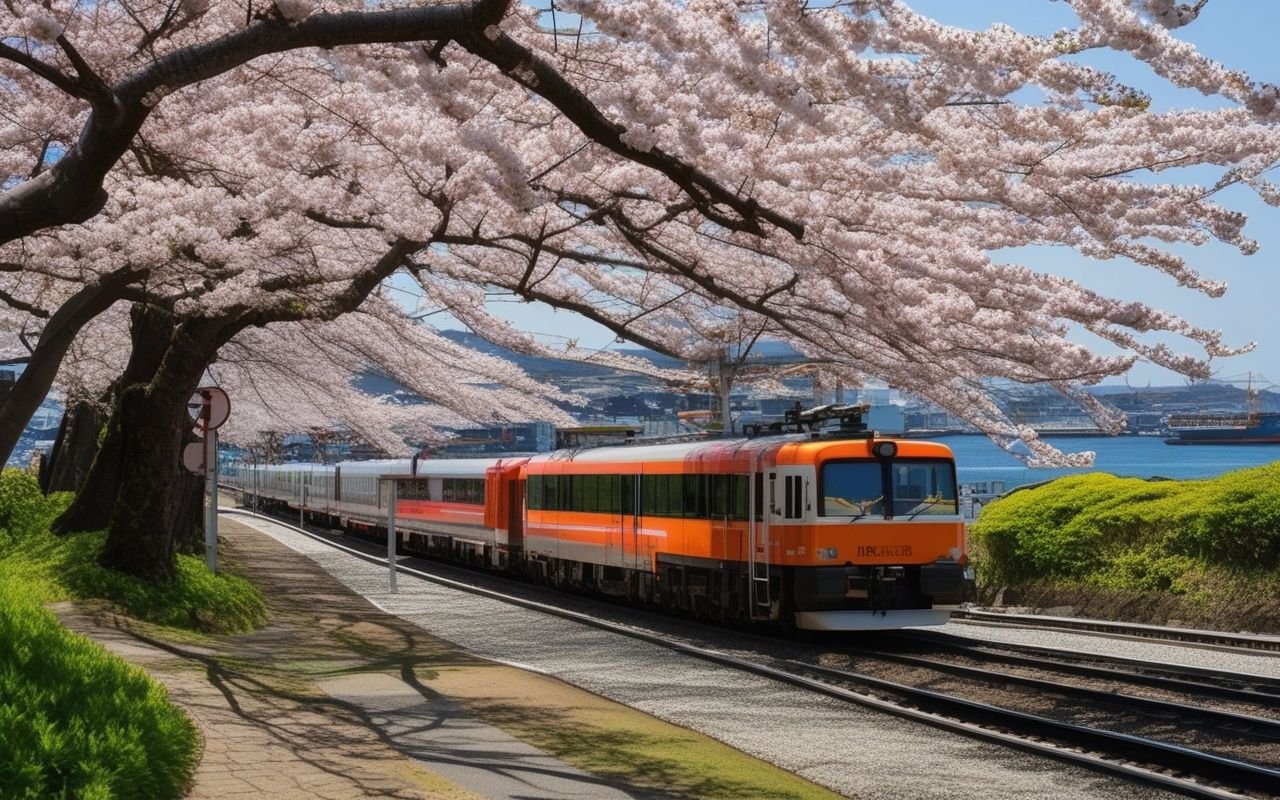
  • Kanagawa Street Food Local Markets 2026

    Kanagawa Street Food Local Markets 2026

    Overview

    Discover the best food and drink experiences that Kanagawa Street Food Local Markets has to offer. From hidden local gems to popular dining destinations, this guide takes you through the culinary landscape of Kanagawa in Kanagawa Prefecture. Whether you are a first-time visitor or a returning food enthusiast, you will find something to satisfy your cravings.

    🗺️ Key Points

    • Perfect for: Food lovers, budget travelers
    • Duration: Half-day to full day
    • Budget: ¥2,000-4,000
    • Best season: Year-round
    • Focus: Local cuisine, authentic things

    📋 Overview

    Kanagawa’s street food and local markets offer an authentic taste of Japanese culinary culture. From Yokohama Chinatown’s bustling food stalls to Kamakura’s traditional street food, this guide covers the best food things in the region.

    🍜 Top Street Food Areas


    Kanagawa Street Food Local Markets — main illustration

    Well-kept tourist facility with info and services for international visitors.

    Kanagawa Street Food Local Markets 2026 — Top Street Food Areas

    1. Yokohama Chinatown

    📍 Market & Street Food Locations

    Navigate to Kanagawa’s best street food spots and local markets with ease.

    📍 View on Google Maps

    Budget: ¥1,500-3,000
    Duration: 1-2 hours
    Highlights: Giant soup dumplings, tea Asia’s largest Chinatown features hundreds of food stalls and restaurants offering authentic Chinese street food. Must-Try Foods:

    • Paozu (¥800-1,200): Giant soup dumplings
    • Good Luck Dumpling (¥500): Steamed pork buns
    • Sesame balls (¥300): Sweet dessert
    • Bubble tea (¥500): Taiwanese specialty Best Times:
    • Lunch: 11:30 AM-1:30 PM
    • Dinner: 5:30 PM-7:30 PM
    • Weekdays less crowded

    2. Kamakura Komachi-dori

    Budget: ¥1,000-2,000
    Duration: 1 hour
    Highlights: Traditional Japanese street food, local specialties The main shopping street leading to Tsurugaoka Hachimangu Shrine features many street food stalls. Must-Try Foods:

    • Shirasu-don (¥1,200): Whitebait rice bowl
    • Kamakura vegetables (¥500-800): Local produce
    • Matcha soft serve (¥400): Green tea ice cream
    • Menchi katsu (¥300): Minced meat cutlet Best Times:
    • Morning: 9-11 AM (fresh, less crowded)
    • Afternoon: 2-4 PM (moderate crowds)

    3. Enoshima Island Food Stalls

    Budget: ¥1,000-2,000
    Duration: 1 hour
    Highlights: Seafood, local specialties The approach to Enoshima Shrine features many food stalls with fresh seafood and local treats. Must-Try Foods:

    • Shirasu (¥800): Fresh whitebait
    • Sakura ebi (¥600): Pink shrimp
    • Seafood skewers (¥500-800): Grilled seafood
    • Soft serve (¥400): Ocean view ice cream Best Times:
    • Morning: 9-11 AM (fresh catch)
    • Sunset: 4-6 PM (pretty views)

    4. Hakone Yumoto Street Food

    Budget: ¥1,000-2,000
    Duration: 30 minutes-1 hour
    Highlights: Onsen eggs, hot spring treats The main street of Hakone’s onsen town features unique hot spring-cooked foods and local delicacies. Must-Try Foods:

    • Black eggs (¥500 for 5): Hot spring-cooked eggs
    • Onsen manju (¥300): Hot spring steamed buns
    • Hakone tofu (¥800): Silky local tofu
    • Soba noodles (¥1,000): Local buckwheat Best Times:
    • Morning: 8-10 AM (fresh tofu)
    • Afternoon: 2-4 PM (moderate crowds)

    🏪 Local Markets

    Kanagawa Street Food Local Markets 2026 — Local Markets

    Morning Markets

    1. Misaki Morning Market

    Budget: ¥1,000-2,000
    Hours: 6-10 AM
    Highlights: Fresh tuna, breakfast The fisherman’s market at Misaki Port offers incredibly fresh tuna and seafood at local prices. Must-Buy:

    • Tuna sashimi (¥1,000-1,500): Fresh from boat
    • Grilled fish (¥500-800): Morning catch
    • Seaweed (¥300-500): Local varieties
    • Breakfast set (¥800): Fish, miso soup Tips:
    • Arrive early (6-7 AM) for best selection
    • Cash only
    • Some stalls offer cooking

    2. Kamakura Morning Market

    Budget: ¥800-1,500
    Hours: 6-9 AM (weekends)
    Highlights: Local vegetables, traditional foods A small but charming market featuring local farmers and traditional food producers. Must-Buy:

    • Kamakura vegetables (¥500-800): Heirloom varieties
    • Pickles (¥300-500): Traditional tsukemono
    • Fresh tofu (¥400): Local specialty
    • Matcha products (¥500-800): Green tea treats Tips:
    • Weekend mornings only
    • Bring refillable bags
    • Sample before buying

    3. Yokohama Fish Market

    Budget: ¥1,500-3,000
    Hours: 5-10 AM
    Highlights: Wholesale prices, sushi breakfast One of Japan’s largest fish markets, offering wholesale prices and fresh sushi breakfasts. Must-Buy:

    • Sushi breakfast (¥1,500-2,500): Fresh daily catch
    • Tuna cuts (¥1,000-2,000): Wholesale prices
    • Seafood bowls (¥1,200-1,800): Donburi style
    • Grilled fish (¥800-1,200): Morning special Tips:
    • Arrive before 7 AM for best selection
    • Cash preferred
    • Eat at market restaurants

    🍱 Street Food Tours

    Budget Food Tour (¥2,000-3,000)

    Route:

    1. Kamakura Komachi-dori (¥800)
    2. Enoshima food stalls (¥800)
    3. Local market visit (¥500) Duration: 3-4 hours
      Distance: 5km walking

    Premium Food Tour (¥4,000-6,000)

    Route:

    1. Yokohama Chinatown (¥2,000)
    2. Yokohama Fish Market (¥2,000)
    3. Local sake tasting (¥1,500) Duration: 5-6 hours
      Distance: 8km with train travel

    💰 Money-Saving Tips

    Best Value Foods

    Under ¥500:

    • Onigiri (rice balls): ¥120-200
    • Menchi katsu: ¥300
    • Soft serve ice cream: ¥400
    • Steamed buns: ¥300-400 ¥500-1,000:
    • Shirasu-don: ¥800-1,200
    • Sushi breakfast: ¥1,000-1,500
    • Grilled seafood: ¥800-1,000
    • Local tofu: ¥800

    Market Shopping Tips

    1. Arrive early: Best selection, lower prices
    2. Bring cash: Many vendors don’t accept cards
    3. Ask for samples: Most vendors offer tasting
    4. Buy in bulk: Discounts for multiple items
    5. Visit on weekdays: Less crowded, better prices

    🌸 Seasonal Street Food Guide

    Spring (March-May)

    • Specialties: Sakura mochi, bamboo shoots
    • Markets: Morning markets active
    • Tips: Cherry blossom viewing foods

    Summer (June-August)

    • Specialties: Kakigori (shaved ice). grilled corn
    • Markets: Early morning best
    • Tips: Stay hydrated, eat light

    Autumn (September-November)

    • Specialties: Sweet potatoes, mushrooms
    • Markets: Harvest season abundance
    • Tips: Try seasonal specialties

    Winter (December-February)

    • Specialties: Oden, hot sweet potatoes
    • Markets: Cozy indoor options
    • Tips: Warm foods, hot drinks

    📍 Location

    Major street food areas and markets:

    • Yokohama Chinatown: 30 minutes from Tokyo
    • Kamakura Komachi-dori: 1 hour from Tokyo
    • Enoshima: 1 hour from Tokyo
    • Hakone Yumoto: 1.5 hours from Tokyo
    • Misaki Port: 1.5 hours from Tokyo

    🗺️ Nearby Attractions

    Within 1km

    • Chinatown: Temples, gardens
    • Kamakura: Tsurugaoka Hachimangu. Great Buddha
    • Enoshima: Shrine, sea caves
    • Hakone: Onsen. Lake Ashi

    Within 5km

    • Yokohama: Red Brick Warehouse. Minato Mirai
    • Kamakura: Beaches, temples
    • Misaki: Jogashima Park, lighthouse

    🎒 Essential Preparation Guide

    What to Pack

    Essential Items:

    • comfy walking shoes (most important)
    • Weather-appropriate clothing layers
    • small phone charger (long days out)
    • refillable water bottle (stay hydrated)
    • Small backpack for daily essentials
    • Cash (many places cash-only in Japan)
    • IC card (Suica/Pasmo for transport)
    • Pocket tissues (restrooms often lack paper)

    For more on this topic, see our guide to Hayama Misaki Walking Route.
    Seasonal Additions:

    • Spring: Light jacket, allergy medication
    • Summer: Sunscreen, cooling towel
    • Autumn: Light layers, rain jacket
    • Winter: Warm coat, scarf

    Money-Saving Tips:

    • Convenience store breakfast: ¥300-500
    • Supermarket dinner bento: ¥500-800 (after 7 PM discount)
    • Free attractions: Temples, beaches
    • Day passes: Unlimited transport for ¥500-1,500
    • Hostel lodging: ¥3,000-5,000/night

    Transportation Mastery

    Train System:

    • JR lines cover major destinations
    • Private lines (Tokyu. Keikyu) offer discounts
    • IC cards (Suica/Pasmo) work on all lines
    • Day passes save 30-50% on transport

    Bus System:

    • Local buses reach areas trains don’t
    • Day passes available for unlimited rides
    • English announcements on major routes
    • IC cards accepted on most buses

    Walking & Cycling:

    • Many attractions within walking distance
    • Bicycle rental: ¥1,000-1,500/day
    • Dedicated cycling paths in some areas
    • Best way to discover lesser-known spots

    🌟 Insider Secrets

    Best Kept Secrets

    Hidden Viewpoints:

    • Enoshima Sea Candle top floor (less crowded)
    • Hakone Shrine back trails (peaceful)
    • Kamakura hiking paths (panoramic views)
    • Yokohama rooftop gardens (free, stunning)

    Local Dining:

    • Isezakicho back alleys (authentic, cheap)
    • Komachi-dori side streets (local favorites)
    • Hakone Yumoto side roads (traditional)
    • Shonan fishing ports (fresh, direct)

    Quiet Times:

    • Temples: 8-9 AM (opening time)
    • Beaches: Weekday mornings
    • Museums: Tuesday-Thursday afternoons
    • Restaurants: 11:30 AM or 2 PM (off-peak)

    Photography Masterclass

    Golden Hour Locations:

    • Yuigahama Beach: 30 min before sunset
    • Lake Ashi: Morning (Fuji clearest)
    • Enoshima: Late afternoon (ocean glow)
    • Yokohama: Blue hour (30 min after sunset)

    Composition Tips:

    • Use foreground elements (trees, buildings)
    • Include people for scale
    • Capture local life (markets, temples)
    • Shoot vertical for social media

    Weather photos:

    • Rainy: Reflections, moody
    • Foggy: Mysterious atmosphere, layers
    • Clear: Distant views, vibrant colors
    • Snow: Rare, capture quickly

    📍 Local Neighborhood Guide

    Yokohama Neighborhoods

    Minato Mirai:

    • Modern waterfront district
    • Shopping, fun
    • Best for: First-time visitors
    • Time needed: Half day Chinatown:
    • Asia’s largest Chinatown
    • 500+ restaurants, shops
    • Best for: Food lovers
    • Time needed: 2-3 hours

    Yamashita Park Area:

    • Historic waterfront park
    • Marine Tower. Red Brick Warehouse
    • Best for: Relaxing, photos
    • Time needed: 2 hours

    Kamakura Neighborhoods

    Komachi-dori:

    • Main shopping street
    • Street food, souvenirs
    • Best for: Shopping, snacks
    • Time needed: 1-2 hours Temple District:
    • Great Buddha. Hokokuji
    • Cultural heart of Kamakura
    • Best for: History, spirituality
    • Time needed: Half day

    Beach Area:

    • Yuigahama. Zushi beaches
    • Surf culture, beach cafes
    • Best for: Ocean, relaxation
    • Time needed: 2-3 hours

    Hakone Areas

    Yumoto:

    • Gateway to Hakone
    • Onsen town, restaurants
    • Best for: Hot springs, base
    • Time needed: Half day

    Lake Ashi:

    • Scenic lake, cruises
    • Mount Fuji views (winter)
    • Best for: Nature, photos
    • Time needed: 2-3 hours

    Owakudani:

    • Volcanic valley, black eggs
    • Ropeway, hiking trails
    • Best for: Unique time
    • Time needed: 1-2 hours

    🌟 Advanced Local things

    Cultural Immersion Activities

    Traditional Craft Workshops:

    • Pottery making in Kamakura (¥3,000-5,000. 2 hours)
    • Incense blending at historic temples (¥2,000-3,000)
    • Calligraphy lessons with local masters (¥2,500-4,000)
    • Tea ceremony joining (¥3,000-5,000. includes matcha)
    • Origami workshops at cultural centers (¥1,000-2,000)

    Festival joining:

    • Spring matsuri (March-April): Local shrine festivals
    • Summer hanabi (July-August): Fireworks festivals
    • Autumn matsuri (September-November): Harvest celebrations
    • Winter lights (December-February): Light displays

    Local Food things:

    • Sushi making classes (¥5,000-8,000. includes lunch)
    • Ramen broth cooking workshops (¥4,000-6,000)
    • Sake tasting tours (¥3,000-5,000. 5-7 varieties)
    • Wagashi (Japanese sweets) making (¥3,500-5,000)
    • Tofu making at traditional shops (¥2,000-3,000)

    Off-the-Beaten-Path Adventures

    Hidden Hiking Trails:

    • Kamakura Daibutsu hiking trail (2 hours, moderate)
    • Hakone old Tokaido road (3 hours, easy)
    • Enoshima island circumnavigation (1.5 hours, easy)
    • Mount Myojin panoramic trail (2.5 hours, moderate)
    • Sagami Bay coastal walk (4 hours, easy-moderate)

    Secret Beaches:

    • Shichirigahama (local surfers’ favorite)
    • Isshiki Beach in Hayama (quiet, clean)
    • Morito Beach in Zushi (family-friendly)
    • Koajiro Beach (lesser-known spot, few visitors)
    • Nagai Beach (local secret, great sunset)

    Local Neighborhoods:

    • Ofuna in Kamakura (residential, authentic)
    • Motomachi in Yokohama (upscale, historic)
    • Gora in Hakone (mountain village feel)
    • Zushi town center (surf culture, relaxed)
    • Fujisawa old town (traditional, unspoiled)

    Seasonal Deep Dives

    Spring (March-May) Deep time:

    • Cherry blossom hanami parties in local parks
    • Temple garden visits during peak bloom
    • Spring vegetable tasting menus at ryokan
    • Traditional flower arrangement workshops
    • Morning market visits for seasonal produce

    Summer (June-August) Deep time:

    • Early morning beach yoga sessions
    • Evening fireworks festivals (free viewing spots)
    • Indoor museum hopping during hot afternoons
    • Night cycling along coastal paths
    • Cold ramen and shaved ice tasting tour

    Autumn (September-November) Deep time:

    • Fall foliage hiking in Hakone mountains
    • Harvest festival joining at local shrines
    • Mushroom foraging guided tours
    • Hot spring visits with mountain views
    • photos workshops for autumn colors

    Winter (December-February) Deep time:

    • Onsen hopping with snow views
    • Clear Mount Fuji viewpoint hunting
    • lights walking tours
    • Hot pot restaurant crawling
    • Traditional New Year temple visits

    📍 Detailed Area Guides

    Yokohama Deep Dive

    Minato Mirai District:

    • Landmark Tower Sky Garden (¥1,030. 360° views)
    • Cup Noodles Museum (free entry. ¥500 activities)
    • Red Brick Warehouse (free, dining)
    • Cosmo World amusement park (free entry, pay per ride)
    • Queen’s Square shopping (100+ shops)

    Chinatown Exploration:

    • 500+ restaurants and food stalls
    • Paozu giant soup dumplings (¥800-1,200)
    • Good Luck Dumpling budget option (¥500)
    • Kanteibyo Temple (free, historic)
    • Covered arcades for rainy days

    Yamashita Park Area:

    • Waterfront park (free, pretty views)
    • Marine Tower (¥1,000. observation deck)
    • Hikawa Maru ship museum (¥500. historic)
    • NYK Maritime Museum (free, shipping history)
    • Harbor cruise boats (¥1,600. 40 minutes)

    Kamakura Deep Dive

    Temple Circuit:

    • Kotoku-in Great Buddha (¥300. iconic)
    • Hasedera Temple (¥400. ocean views)
    • Hokokuji Temple (¥300. bamboo grove)
    • Kenchoji Temple (¥500. oldest Zen temple)
    • Engakuji Temple (¥300. important cultural site)

    Beach Culture:

    • Yuigahama Beach (surfing, swimming)
    • Shichirigahama Beach (local favorite)
    • Beachside cafes and restaurants
    • Surfboard rental shops (¥3,000-5,000/day)
    • Sunset viewing spots

    Shopping & Dining:

    • Komachi-dori Street (main shopping)
    • Side street antique shops
    • Local soba noodle restaurants
    • Shirasu (whitebait) specialty restaurants
    • Matcha cafes and sweets shops

    Hakone Deep Dive

    Onsen Towns:

    • Yumoto (gateway, many options)
    • Gora (mountain village, quiet)
    • Miyanoshita (historic, traditional)
    • Tonosawa (quiet, local feel)
    • Sokokura (hidden, authentic)

    Nature things:

    • Lake Ashi cruise (¥1,000. scenic)
    • Owakudani volcanic valley (ropeway access)
    • Hakone Shrine (free, lakeside torii)
    • Old Tokaido road hiking (free, historic)
    • Botanical gardens (¥500. seasonal flowers)

    Art & Culture:

    • Open-Air Museum (¥1,600. sculpture park)
    • Venetian Glass Museum (¥1,800. unique)
    • Pola Museum of Art (¥1,800. impressionist)
    • Narukawa Art Museum (¥1,000. local artists)
    • Hakone Checkpoint (¥500. historic site)

    Kanagawa’s street food and local markets offer an authentic and affordable way to time Japanese culinary culture. From the bustling stalls of Yokohama Chinatown to the tranquil morning markets of Kamakura, each area provides unique flavors and local specialties. Plan your food tour, bring cash, and arrive early for the best things. For more Kanagawa guides, explore our other articles on Hakone, Kamakura, Yokohama, and the Miura Peninsula. —

    Related Articles:


    Frequently Asked Questions

    Q: When can I see the best seasonal scenery here?
    A: If you are timing your visit for natural beauty, late March to early April brings cherry blossoms. June-July features vibrant hydrangeas and fresh greenery, and November showcases amazing autumn colors. Each season offers a different perspective on the landscape. Q: How long does it take to get here from Tokyo?
    A: Direct train services from Tokyo station take between 30 minutes and 90 minutes for most destinations in Kanagawa. The Shinkansen reaches Odawara in just 35 minutes. Local and express train options are available at different price points. Bus services are also available for some locations. Q: How much time should I spend at Kanagawa?
    A: Most visitors find that a few minutes to review the key info is sufficient to explore the main highlights of Kanagawa. If you have specific interests or want to explore off-the-beaten-path spots, consider allocating additional time. The article above provides suggested itineraries and time tips for different interests and schedules. Q: What should I prepare before my trip?
    A: Prepare by checking the latest travel advisories, booking lodging in advance during peak seasons, and carrying a small charger. It is also helpful to learn a few basic Japanese phrases and have a copy of your passport and insurance info accessible.

    Conclusion

    exploring Kanagawa for its food can be as relaxed or as packed as you want it to be, and I have found that the best visits leave room for both planning and spontaneity. During my visit I went with a rough plan and found that leaving room to wander made the trip far more memorable. Use this guide to sort out the logistics in advance, then let the day surprise you — Kanagawa rewards travelers who stay curious.

  • Traditional Wagashi Sweets Kanagawa 2026

    Traditional Wagashi Sweets Kanagawa 2026

    Traditional Wagashi Sweets Kanagawa 2026

    Overview

    Explore the rich cultural heritage and historical significance of Traditional Wagashi Sweets Kanagawa in Kanagawa Prefecture. This guide delves into the fascinating stories, traditions, and landmarks that define Traditional. From ancient temples to modern museums, discover how this destination has shaped Japan’s cultural landscape over centuries.

    The Seasonal Connection

    Wagashi changes with the calendar. A good shop will have a completely different lineup every month.

    • Spring: Sakura (cherry blossom) shaped sweets in soft pinks and whites.
    • Summer: Mizuyokan (jelly blocks) and clear, translucent desserts to evoke coolness and water.
    • Autumn: Momiji (maple leaf) shapes and chestnut (kuri) flavors to celebrate the harvest.
    • Winter: Steamed cakes like Oyaki to warm the body and soul.

    Kanagawa’s Famous Wagashi

    Kurumi-kan (KaKamakurapecialty)

    A Kamakura specialty consisting of sweet bean paste studded with walnuts, wrapped in a thin steamed dough. It was originally created to feed injured soldiers in the samurai era because it is easy to digest and high in energy. Today, it is a beloved souvenir.

    Traditional Wagashi Sweets Kanagawa — main illustration

    Traditional Wagashi Sweets Kanagawa — main illustration

    Traditional Wagashi Sweets Kanagawa — visitor highlights
    Wagashi are traditional Japanese confections that are often served with tea. Unlike Western desserts that focus heavily on chocolate, butter, and dairy, Wagashi emphasizes the beauty of the seasons, using ingredients like mochi (rice cake), bean paste (anko), and agar (kanten). They are “edible art” that reflects the transient nature of time.

    Yatsuhashi variations

    Originally from Kyoto, many shops in Kamakura offer unique twists on this triangle mochi, often filled with fresh cream and fruit to appeal to modern tastes.

    Where to Buy

    Komachi-dori Street

    This bustling shopping street in Kamakura is lined with shops offering free samples of fresh mochi. Watch the artisans pound the rice cakes by hand with large wooden mallets—a rhythmic spectacle that draws crowds.

    Yokohama Motomachi

    High-end patisseries here blend French techniques with Japanese ingredients, creating “Fusion Wagashi” that are popular among locals.

    How to Choose Wagashi for Train Rides and Gifts

    Strolling Komachi-dori with a warm bag of mochi feels spontaneous, yet a little planning keeps wagashi from turning into sticky luggage disasters before you reach Ofuna. If your afternoon ends with a Shonan-Shinjuku line sprint, favor drier items such as yokan bricks wrapped in string-tied paper or individually boxed monaka that seal out humidity. Rainy walks demand the opposite strategy: jelly-style mizuyokan and nama dorayaki skins soften fast, so eat them while you are still near the shop counter and keep photographic evidence for friends rather than trying to ship them home.

    Seasonality is not only aesthetic; flavors actually shift because ingredient moisture changes through the year, Spring sakura mochi wrapped in salt-cured leaves tastes assertively savory until the salt relaxes overnight—many travelers prefer it the next morning with hotel drip coffee rather than immediately after purchase. Summer confections marketed as refreshing often lean on less sugar and more kanten, which means they expire within a day or two even when refrigerated. Autumn kuri pieces pair naturally with hojicha served at quieter cafés off the Komachi side streets, while winter steamed manju travels better when slightly cooled because condensation weakens the outer skin.

    Motomachi boutiques frequently offer tasting flights that bridge French pâtisserie technique with wagashi foundations; ask whether meringue-lightened anko cups need refrigeration before you commit if your hotel minibar is cluttered. In Kamakura, smaller counters may decline card payments on weekends, so carry coins and small bills to avoid awkward negotiations while a line forms behind you. Staff often appreciate simple Japanese phrases such as “kore hitotsu” (this one, one piece) or “omakase sanzen en de” (roughly a three-thousand-yen chef’s selection) more than long English explanations shouted over counter displays.

    If you need help stringing wagashi stops into a broader sweets crawl, our companion guide to Japanese dango shops across Kanagawa pairs shrine approaches with skewer stops that balance sugar loads between matcha breaks. Yokohama’s broader dessert scene in Yokohama Chinatown hidden menus shows how port-city pantries reinterpret bean pastes with spices traders brought generations ago. Save receipts when buying omiyage bundles for coworkers; many shops stamp duty-free paperwork only before wrapping.

    Finally, respect photography rules: open kitchens pounding mochi are showpieces, but back-room packing areas may be off limits if signage says no photos. A quick bow and eye contact before pointing a phone prevents the awkward moment where a master waves you toward tasters instead of images. Wagashi rewards unhurried curiosity—let aroma lead first, price second, and packaging last so you taste season before souvenir logic takes over.

    More Wagashi Shops in Kanagawa

    Kamakura’s Hidden Wagashi Studios

    Kogetsuan (古月庵) near Kencho-ji Temple produces wagashi that changes daily based on what is blooming in the temple’s garden. Their “Kiku no Hana” (chrysanthemum flower) wagashi in November features delicate petals made from pressed bean paste—almost too beautiful to eat. A single piece costs ¥350, and they recommend pairing it with their house-made matcha (¥500).

    Kamakura Wagashi Kobo (Kamakura (鎌倉)wagashi (和菓子, traditional sweets)工房) offers 30-minute hands-on wagashi-making workshops (¥2,200). You will shape two seasonal wagashi (typically one for spring/autumn and one year-round design) while learning about the symbolism behind each shape. The class is conducted in Japanese with English instruction sheets; telephone reservation required.

    Yokohama’s Fusion Wagashi

    Motomachi’s patisseries push the boundaries of traditional wagashi by incorporating Western techniques. Patisserie Wagashi Hana (パティスリー和果子花) serves a “Matcha Tiramisu” that layers mascarpone cream with matcha-soaked ladyfingers and a dusting of kinako (roasted soybean flour). At ¥680 for a single-serve cup, it is an accessible introduction to the wagashi-Western fusion trend.

    Understanding Wagashi Categories

    Wagashi can be classified into several categories based on preparation method and water content:

    Namagashi (生菓子) — Fresh Confections

    These are the highest quality wagashi, made fresh daily with seasonal ingredients. Water content exceeds 30%. They must be consumed within 24–48 hours. Namagashi are the centerpiece of tea ceremonies and are crafted to reflect the current season.

    Examples: Sakura mochi (spring), kuri manju (autumn), yuzu jelly (winter)

    Han-namagashi (半生菓子) — Semi-Dried Confections

    These have a water content of 10–30% and can last 3–5 days. They strike a balance between the freshness of namagashi and the shelf stability of dried confections.

    Examples: Monaka (wafer filled with bean paste), yokan (azuki bean jelly), ama-natto (sweet fermented beans)

    Higashi (干菓子) — Dried Confections

    With less than 10% water content, these can last weeks or months. They are typically served with thin matcha (usucha) at less formal tea gatherings.

    Examples: Konpeito (star-shaped sugar candy), rakugan (pressed molds), senbei (rice crackers)

    How to Choose Wagashi as Gifts

    When selecting wagashi as souvenirs or gifts, consider these factors: Recipient’s palate: If they have a sweet tooth, choose namagashi with smooth anko (bean paste). If they prefer less sweet options, choose higashi or yokan with matcha flavor—the bitterness balances the sweetness.

    Travel duration: For gifts that need to survive a flight home, choose dried wagashi (higashi) or vacuum-sealed yokan. Fresh namagashi should be consumed locally or purchased on the departure day.

    Seasonal relevance: Japanese gift-giving culture values seasonal awareness. Gifts that reflect the current season (cherry blossom designs in spring, moon-viewing motifs in autumn) are considered especially thoughtful.

    Season Recommended Wagashi Color/Design
    Spring (Mar–May) Sakura mochi, cherry blossom yokan Pink, green
    Summer (Jun–Aug) Mizu manju, summer fruit jelly Clear, blue
    Autumn (Sep–Nov) Kuri manju, maple leaf monaka Orange, red
    Winter (Dec–Feb) Yuzu jelly, snow-shaped rakugan White, gold

    Wagashi and Tea Pairing Guide

    Wagashi Type Best Tea Pairing Why
    Namagashi (bean paste) Koicha (thick matcha) The intense bitterness balances sweetness
    Monaka (wafer) Usucha (thin matcha) The light texture pairs with thinner tea
    Yokan (jelly) Hojicha (roasted tea) Toasty notes complement the dense jelly
    Senbei (rice cracker) Sencha (green tea) Savory-sweet contrast
    Konpeito (candy) Genmaicha (brown rice tea) Nutty flavors enhance caramel notes

    Many Kamakura tea houses offer wagashi and matcha sets (¥700–¥1,200) that include a seasonal wagashi and a bowl of matcha prepared by the tea master. This is the most authentic way to experience the pairing.

    Tips

    A few things I learned while researching exploring Kanagawa for its sweets: start early to beat the crowds, check opening days in advance, and carry a little cash for smaller shops and entry fees. Comfortable shoes make a bigger difference than most visitors expect, and an IC card such as Suica or Pasmo speeds up every train ride.

    Frequently Asked Questions (FAQ)

    Q: How long do fresh wagashi last?
    A: Most fresh wagashi (nama-gashi) must be consumed within 24–48 hours. Semi-dried varieties (han-nama) last 3–5 days. Dried confections (higashi) can last weeks.

    Q: Are wagashi very sweet?
    A: Yes, by Western standards traditional wagashi can be quite sweet. The sweetness is designed to balance the bitterness of matcha. If you have a low sugar tolerance, choose higashi (dry confections) or mizuyokan (jelly blocks) which are less sweet.

    Q: Can I bring wagashi through airport security?
    A: Yes, solid wagashi (yokan, monaka, senbei) are fine in carry-on luggage. Fresh cream-filled or jelly-type wagashi may face restrictions. For safety, purchase wagashi after passing through security.

    Q: What is the most iconic souvenir wagashi from Kanagawa?
    A: Kamakura’s Kurumi-kan (walnut and bean paste cake) and Odawara’s kamaboko-shaped wagashi (fish cake shaped sweets) are unique to the region. Both are widely available at station souvenir shops.

    Q: Do I need to make a reservation for wagashi-making workshops?
    A: Yes, reservations are essential. Kamakura Wagashi Kobo requires at least 3 days’ notice. Workshops are small (max 6 people) and fill up quickly on weekends.


    Conclusion

    Whether you are planning exploring Kanagawa for its sweets for the first time or returning for another visit, taking a little extra time to go beyond the obvious sights makes all the difference. During my visit I went with a rough plan and found that leaving room to wander made the trip far more memorable. I hope this guide helps you build an itinerary that fits your pace, and that your time in Kanagawa leaves you with memories worth coming back for.
  • Yokohama Chinatown Hidden Menus — Off-the-Beaten-Path Eats

    Yokohama Chinatown Hidden Menus — Off-the-Beaten-Path Eats

    Kanagawa Prefecture is a paradise for food lovers, offering everything from fresh seafood to traditional Japanese cuisine. This guide introduces the best dining experiences across the region.

    Yokohama Chinatown Hidden Menu Gems – Off-the-Beaten-Path Eats

    Overview

    Discover the best food and drink experiences that Yokohama Chinatown Hidden Menu Gems – Off-the-Beaten-Path Eats has to offer. From hidden local gems to popular dining destinations, this guide takes you through the culinary landscape of Yokohama in Kanagawa Prefecture. Whether you are a first-time visitor or a returning food enthusiast, you will find something to satisfy your cravings.

    Beyond the Main Streets: Navigating Chinatown Like a Local

    To find the best food, follow these rules: Rule 1: If a restaurant has a staff member out front calling to tourists in Japanese and waving a menu, it is aimed at tourists. Walk past.

    Rule 2: Look for restaurants on the second floor or in basement spaces. Rent is cheaper, so prices are lower and the food is often more authentic.

    Rule 3: Follow Chinese-language signage. If the menu is primarily in Chinese characters and the clientele is primarily Chinese-speaking, you have found a good spot. Rule 4: The best dumplings are sold by the kilogram from small takeout counters, not in sit-down restaurants.

    Chinatown’s Best Kept Secrets

    Yokohama Chinatown Hidden Menus

    Yokohama Chinatown Hidden Menus

    Yokohama Chinatown Hidden Menu Gems — visitor highlights

    Beyond the hidden dishes already mentioned, here are more secrets that even some locals don’t know:

    Late-Night Xian-Style Noodles

    After 10 PM, a small shop named Xian Noodle House on the third floor of a building near Zenrin-mon opens its doors. No English sign, no menu in Japanese—just a handwritten board in Chinese. Their hand-pulled biang biang noodles (¥750) are wide, chewy ribbons served in a chili oil and black vinegar sauce with minced pork. The chef pulls each order fresh, and the rhythmic slapping of dough against the counter is audible from the street.

    Underground Bakery

    Harbin Bakery is tucked in the basement of a building near Enpe-mon, accessible only via a narrow staircase. They bake Russian-influenced breads using a wood-fired oven imported from Harbin, China. Their piroshki (stuffed buns, ¥280 each) come in sweet red bean and savory cabbage variations. The bakery opens at 7 AM and closes when the bread sells out—typically by 11 AM.

    Hong Kong-Style Milk Tea

    Cha Chaan Teng Yokohama is a tiny shop (4 seats) that specializes in Hong Kong-style milk tea. The tea is brewed using a silk stocking filter, creating a smooth, velvety texture. Their signature drink (¥380) is served hot or cold and pairs perfectly with their egg tarts (¥180 each).

    Chinatown Food Tour: A Self-Guided Route

    Start: Zenrin-mon Gate (11 AM)
    Pick up a Chinatown map from the tourist information booth. Walk past the main street restaurants and turn immediately into the first alley on your right.

    Stop 1: Shan Dong (11:15 AM)
    Order a plate of shuijiao (12 pieces, ¥780). Eat standing at the small counter. The vinegar and chili oil broth is the perfect palate opener.

    Stop 2: Kasei Basement (11:45 AM)
    Head to the basement of the Tokyo Building for xiaolongbao (¥980). Order before noon to ensure availability. Eat them carefully—the hot broth inside can burn your mouth.

    Stop 3: Manchinro (12:30 PM)
    A short walk from Kasei, this shop serves house-made almond tofu (¥480). The texture is silkier than any gelatin-based dessert. The owner speaks limited English but is patient with foreigners.

    Stop 4: Shisen Hanten (1:00 PM)
    Upstairs at the New Chinatown Building. Order dan dan noodles (¥1,050) and split a mapo tofu (¥880). Ask for “karai” (spicy) for the authentic Sichuan experience.

    Stop 5: Harbin Bakery (2:00 PM)
    Descend to the basement near Enpe-mon for Harbin’s piroshki (¥280). Buy one sweet and one savory for the train ride back.

    Estimated cost: ¥4,500 per person, including a drink at each stop. The total time is approximately 3 hours with comfortable pacing. This route avoids all tourist-trap restaurants and focuses on the authentic back-alley shops that locals frequent.

    Chinatown Etiquette

    Visiting Chinatown’s hidden shops requires some cultural awareness: Queueing: Most small shops operate on a first-come, first-served basis. Do not save spots in line for friends who arrive late—it is considered rude.

    Photography: Ask before taking photos of the food preparation process. Many older chefs are camera-shy, and flash photography can be disruptive in small kitchens.

    Payment: As noted, cash is king in back-alley shops. The nearest ATM with good exchange rates is at the 7-Eleven near the Zenrin-mon gate.

    Sharing seats: At shops with communal tables, it is normal to share a table with strangers. Just nod politely and enjoy your meal.

    Health and Safety in Chinatown

    Yokohama Chinatown maintains high food safety standards, but here are practical tips:

    • Water: Tap water is safe throughout Japan, but bottled water I highly recommend with spicy Sichuan dishes
    • Allergies: If you have severe allergies, carry a card written in Chinese and Japanese explaining your condition
    • Crowds: Be aware of pickpockets in extremely crowded areas—keep valuables in front pockets
    • Food freshness: If a dish tastes off, trust your instincts and stop eating. Reputable shops will apologize and replace the dish

    Hidden Menu Items Worth Seeking Out

    Shandong-style Water Dumplings (Shuijiao)

    Unlike the pan-fried gyoza that dominates tourist menus, these boiled dumplings from Yokohama’s Shandong Province community are served in a light vinegar and chili oil broth. Shan Dong (山東) on the small street behind the main Kantei-byo temple makes them fresh daily—order “sui-gyoza” (水餃子) rather than “yaki-gyoza”.

    Shanghai-style Soup Dumplings (Xiaolongbao)

    Several Chinatown restaurants make xiaolongbao, but Kasei (華正) in the basement level of the Tokyo Building serves a version with a particularly rich, gelatinous broth that releases slowly when bitten. Arrive before noon—they often sell out by 1:30 PM.

    Peking Duck Lettuce Wraps

    Koh-Ran (鴻蘭) offers a hidden menu item not listed on their English menu: minced Peking duck served in crisp lettuce cups (ask for “pekin dack no lettuce wrap”). At ¥1,200, it is a fraction of the price of a full Peking duck and perfect for solo diners.

    Chongqing-style Dan Dan Noodles

    Most Chinatown dan dan noodles are sweet and mild. For the real Sichuan version—numbing, spicy, and deeply savory—visit Shisen Hanten (四川飯店) on the second floor of the New Chinatown Building. Their “mabu dan dan” is made with Chinese black vinegar and Sichuan peppercorns imported directly from Chengdu.

    Chinatown’s Best Value Meals

    Dish Location Price Best Time
    Shuijiao (boiled dumplings, 12 pcs) Shan Dong ¥780 11:30 AM–1:00 PM
    Xiaolongbao (8 pcs) Kasei ¥980 Before 12:30 PM
    Dan Dan Noodles Shisen Hanten ¥1,050 Lunch only
    Peking Duck Wrap Koh-Ran ¥1,200 All day
    Almond Tofu (house-made) Manchinro ¥480 Afternoon

    A Brief History of Yokohama Chinatown

    Yokohama Chinatown traces its roots to 1859, when the port of Yokohama opened to foreign trade following the end of Japan’s isolation period. Chinese merchants, primarily from the Guangdong (Canton) and Shanghai regions, established trading posts near the newly opened port. They brought not only goods but also their culinary traditions, laying the foundation for what would become Japan’s largest Chinatown.

    Over the decades, the community expanded from a few hundred traders to over 4,000 residents at its peak. The cuisine evolved to suit Japanese palates while retaining its regional Chinese character, creating unique fusion dishes that cannot be found in China itself. Today, the 500+ restaurants and food stalls serve everything from classic dim sum to innovative Japanese-Chinese fusion creations.

    Navigating Chinatown by Gate

    Chinatown has four main gates, each leading to a slightly different culinary zone:

    Zenrin-mon (善隣門) — East Gate

    The main entrance from JR Kannai Station. This area is dominated by large, multi-story restaurants targeting tourists and tour groups. The food here is reliable but rarely exceptional. Skip the main street and turn into the side alleys.

    Enpe-mon (延平門) — South Gate

    The oldest part of Chinatown, with narrow alleys hiding family-run shops that have operated for generations. This is where you will find the best xiaolongbao and hand-pulled noodles.

    Seibu-mon (西埠門) — West Gate

    Connects to the Motomachi shopping district. The restaurants here are smaller and more specialized, with several focusing on a single dish (like dan dan noodles or Peking duck).

    Baku-ryo-mon (博良門) — North Gate

    The quietest entrance, leading to residential backstreets where elderly Chinese residents shop for ingredients at tiny grocery stores that also serve excellent home-style cooking.

    Dim Sum: A Guide to Ordering

    Dim sum is served throughout the day in Chinatown, but the best selection is available between 11 AM and 2 PM. Here are the essential items to look for:

    Item Description Price Range Where to Find
    Har Gow (shrimp dumplings) Translucent skin with whole shrimp inside ¥480–¥680 Kasei basement
    Siu Mai (pork dumplings) Open-topped pork and shrimp dumplings ¥380–¥550 Manchinro
    Char Siu Bao (BBQ pork buns) Steamed fluffy buns filled with sweet BBQ pork ¥300–¥450 Shan Dong
    Cheung Fun (rice noodle rolls) Silky rice noodles filled with shrimp or beef ¥420–¥600 Kasei basement
    Egg Tarts Flaky pastry with egg custard center ¥250–¥350 Bakery near Zenrin-mon

    Late-Night Chinatown: The Karaoke and Hotpot Scene

    As the tourist crowd thins after 8 PM, Chinatown transforms. The karaoke bars and hotpot restaurants fill with locals and Chinese expats. Hotpot Paradise near Enpe-mon offers all-you-can-eat hotpot (¥2,800 per person) featuring Szechuan spicy broth and fresh ingredients bar. The atmosphere is lively, loud, and authentically Chinese—a side of Chinatown most tourists never see.

    Frequently Asked Questions (FAQ)

    Q: Is Chinatown safe to eat at night?
    A: Yes, Chinatown is very safe and lively until about 9 PM. Streets are well-lit and patrolled. Many restaurants close by 9:30 PM, so plan accordingly.

    Q: Do I need to speak Chinese to order from hidden menus?
    A: No, Pointing at the Chinese menu items works, or show the Japanese name on your phone. Most back-alley shops have picture menus even if there is no English translation.

    Q: What is the best day to visit?
    A: Weekdays are significantly less crowded than weekends. If visiting on weekends, arrive before 11:30 AM or after 2:30 PM to avoid the worst queues.

    Q: Do Chinatown restaurants accept credit cards?
    A: Larger restaurants on the main streets accept cards, but smaller hidden-gem shops on side streets are typically cash-only.

    Q: What should I avoid in Chinatown?
    A: Avoid any restaurant with a buffet-style display of pre-cooked food at the entrance—these are aimed at large tour groups and quality is low. Also avoid shops selling “fresh” dim sum that has been sitting under heat lamps.


    Conclusion

    Whether you are planning exploring Yokohama for its chinatown for the first time or returning for another visit, taking a little extra time to go beyond the obvious sights makes all the difference. During my visit to Yokohama I went with a rough plan and found that leaving room to wander made the trip far more memorable. I hope this guide helps you build an itinerary that fits your pace, and that your time in Kanagawa leaves you with memories worth coming back for.
  • Shonan Train Bus Guide – Kanagawa 2026

    Shonan Train Bus Guide – Kanagawa 2026

    Overview

    📍 Location

    • 4 main train lines serving Shonan
    • JR Shonan-Shinjuku Line from Tokyo
    • Enoden for Kamakura temples
    • Bus network covers beaches
    • IC card (Suica/PASMO) accepted everywhere

    Introduction: Shonan Transportation Overview

    Shonan Train Bus Guide - Kanagawa 2026 — Introduction: Shonan Transportation Overview

    Shonan Train Bus Guide — main illustration

    Well-kept tourist facility with info and services for international visitors.

    Shonan Train Bus Guide - Kanagawa 2026 — Introduction: Shonan Transportation Overview

    The Shonan area (Shonan). is one of Kanagawa’s most popular destinations, Known for:

    • pretty beaches (surfing capital of Japan)
    • Historic temples (Kamakura)
    • Laid-back beach town atmosphere
    • Easy access from Tokyo/Yokohama

    But here’s the thing, navigating Shonan’s transportation can be confusing. Multiple train lines, various bus companies, and different fare systems make it hard for first-time visitors. This guide covers all transportation options in Shonan:

    Train Lines:

    1. JR Shonan-Shinjuku Line (Tokyo direct access)
    2. JR Tokaido Line (Tokyo/Yokohama access)
    3. Odakyu Enoshima Line (Shinjuku direct access)
    4. Keikyu Main Line (Yokohama/Haneda access)
    5. Enoden (Kamakura-Enoshima-Fujisawa local line)

    Bus Companies:

    1. Fujisawa City Bus (Fujisawa area)
    2. Kamakura City Bus (Kamakura area)
    3. Chigasaki City Bus (Chigasaki area)
    4. Keikyu Bus (Regional connections) Updated: March 2026 (all routes verified)

    JR Shonan-Shinjuku Line

    Best for: Direct access from Tokyo/Shinjuku

    Route:
    Shinjuku → Shibuya → Yokohama → Kamakura → Fujisawa
    
    Stations in Shonan:
    - Kita-Kamakura (Kamakura)
    - Kamakura (Kamakura)
    - Ofuna ()
    - Fujisawa (Fujisawa) Travel Times:
    - Shinjuku → Kamakura: 55 minutes
    - Shinjuku → Fujisawa: 65 minutes
    - Shibuya → Kamakura: 40 minutes
    - Yokohama → Kamakura: 25 minutes
    
    Fares (from Tokyo):
    - Tokyo → Kamakura: ¥990
    - Shinjuku → Kamakura: ¥990
    - Shibuya → Kamakura: ¥680
    - Yokohama → Kamakura: ¥580 Frequency: Every 15 minutes (peak), 30 minutes (off-peak)
    IC Card: Suica/PASMO accepted

    Local Insight: This is the most handy line from Tokyo. Direct trains from Shinjuku, no transfers needed. Green Car (first class) available for extra comfort. Tips:

    • Board at Shinjuku Station (Platform 10 or 11)
    • Some trains are very crowded (avoid 7-9 AM, 5-7 PM)
    • Green Car costs extra ¥1,000 (reserved seat)
    • Last train around midnight

    JR Tokaido Line

    Best for: Access from Tokyo Station

    Route:
    Tokyo → Shinagawa → Yokohama → Ofuna → Fujisawa

    Stations in Shonan:

    • Ofuna ()
    • Fujisawa (Fujisawa)
    • Chigasaki ()
    • Hiratsuka () Travel Times:
    • Tokyo → Fujisawa: 55 minutes
    • Tokyo → Chigasaki: 65 minutes
    • Yokohama → Fujisawa: 30 minutes Fares:
    • Tokyo → Fujisawa: ¥990
    • Tokyo → Chigasaki: ¥1,190
    • Yokohama → Fujisawa: ¥680 Frequency: Every 10-15 minutes

    IC Card: Suica/PASMO accepted

    Odakyu Enoshima Line

    Best for: Direct access from Shinjuku to Enoshima

    Route:
    Shinjuku → Sagami-Ono → Fujisawa → Enoshima

    Stations in Shonan:

    • Fujisawa (Fujisawa)
    • Hon-Kugenuma (This)
    • Kugenuma-Kaigan (Beach)
    • Shonan-Enoshima (Shonan)
    • Koshigoe ()
    • Kamakura (Kamakura)

    Travel Times:

    • Shinjuku → Fujisawa: 55 minutes
    • Shinjuku → Enoshima: 65 minutes
    • Shinjuku → Kamakura: 70 minutes Fares:
    • Shinjuku → Fujisawa: ¥680
    • Shinjuku → Enoshima: ¥680
    • Shinjuku → Kamakura: ¥680 Frequency: Every 10-20 minutes
      IC Card: Suica/PASMO accepted Special Services:
    • Romancecar (reserved express, extra ¥1,000-1,500)
    • Enoshima Electric Railway Pass (1-day pass. ¥1,570)
    • Romancecar requires booking (book online)
    • Regular trains are comfy and clean
    • Good views of Mt. Fuji on clear days
    • Last train around 11:30 PM

    Keikyu Main Line

    Best for: Access from Yokohama/Haneda

    Route:
    Shinagawa → Yokohama → Kamakura → Misakiguchi

    Stations in Shonan:

    • Yokohama (Yokohama)
    • Kamakura (Kamakura)
    • Enoshima ()
    • Fujisawa (Fujisawa)
    • Misakiguchi () Travel Times:
    • Yokohama → Kamakura: 25 minutes
    • Yokohama → Enoshima: 35 minutes
    • Yokohama → Fujisawa: 40 minutes
    • Haneda → Kamakura: 50 minutes

    Fares:

    • Yokohama → Kamakura: ¥420
    • Yokohama → Enoshima: ¥560
    • Yokohama → Fujisawa: ¥680
    • Haneda → Kamakura: ¥1,200 Frequency: Every 15-20 minutes

    IC Card: Suica/PASMO accepted Special Services:

    • Limited express (faster, same price)
    • Airport express (from Haneda)

    Enoden (Enoshima Electric Railway)

    Best for: Kamakura-Enoshima-Fujisawa local travel

    Route:
    Kamakura → Hase → Enoshima → Fujisawa

    Stations (15 total):

    1. Kamakura (Kamakura)
    2. Wadazuka ()
    3. Yuigahama ()
    4. Hase ()
    5. Gokurakuji (Temple)
    6. Shichirigahama ()
    7. Inamuragasaki ()
    8. Koshigoe ()
    9. Enoshima ()
    10. Moto-Katase (This)
    11. Katase-Kaigan (Beach)
    12. Shonan-Fukasawa (Shonan)
    13. Onaricho ()
    14. Kugenuma-Kaigan (Beach)
    15. Fujisawa-Ekimae (FujisawaStation)

    Travel Times:

    • Kamakura → Enoshima: 20 minutes
    • Kamakura → Fujisawa: 35 minutes
    • Enoshima → Fujisawa: 15 minutes Fares:
    • Single ride: ¥230-320 (distance-based)
    • 1-day pass: ¥800
    • 2-day pass: ¥1,200

    Local Insight: This is the most scenic line in Shonan. Runs through streets, near beaches, past temples. Perfect for sightseeing. Tips:

    • Sit on right side (Kamakura→Fujisawa) for ocean views
    • Very crowded on weekends (arrive early)
    • Vintage cars available (some trains)
    • Last train around 11 PM
    • 1-day pass is great value for temple hopping

    Fujisawa City Bus

    Coverage: Fujisawa city area

    Main Routes:
    1. Fujisawa Station → Shonan Beach
    2. Fujisawa Station → Enoshima
    3. Fujisawa Station → University area
    4. Circular route (city center)
    
    Fares:
    - Adults: ¥230 (flat rate within city)
    - Children: ¥120
    - IC Card: Suica/PASMO accepted Frequency: Every 20-30 minutes
    Operating Hours: 6:00 AM - 10:00 PM
    
    Key Stops:
    - Fujisawa Station (North/South exits)
    - Shonan Beach
    - Enoshima Bridge
    - Fujisawa City Hall
    - Shonan Hospital

    Tips:

    • Tell driver your destination when boarding
    • Press button before your stop
    • Exit from rear door
    • IC card: touch when boarding and alighting

    Kamakura City Bus

    Coverage: Kamakura city and temples

    Main Routes:
    1. Kamakura Station → Tsurugaoka Hachimangu
    2. Kamakura Station → Kotoku-in (Great Buddha)
    3. Kamakura Station → Hasedera Temple
    4. Kamakura Station → Kita-Kamakura
    5. Circular route (major temples)
    
    Fares:
    - Adults: ¥230 (flat rate within city)
    - Children: ¥120
    - IC Card: Suica/PASMO accepted
    - 1-day pass: ¥700 Frequency: Every 15-20 minutes
    Operating Hours: 6:00 AM - 9:00 PM
    
    Key Stops:
    - Kamakura Station (East/West exits)
    - Tsurugaoka Hachimangu
    - Kotoku-in (Great Buddha)
    - Hasedera Temple
    - Hokokuji Temple (Bamboo Grove)

    Tips:

    • Very crowded on weekends
    • Buy 1-day pass for temple hopping
    • Some buses have English announcements
    • Last bus earlier than trains (9 PM)

    Chigasaki City Bus

    Coverage: Chigasaki city and beaches

    Main Routes:
    1. Chigasaki Station → Chigasaki Beach
    2. Chigasaki Station → Southern Beach
    3. Chigasaki Station → Satoyama Park
    4. Circular route (city center)
    
    Frequency: Every 30 minutes
    Operating Hours: 7:00 AM - 8:00 PM Key Stops:
    - Chigasaki Station (North/South exits)
    - Chigasaki Beach
    - Southern Beach
    - Satoyama Park
    - Chigasaki City Hall

    Tips:

    • Less frequent than other cities
    • Check schedule in advance
    • Some routes weekend-only
    • Good for beach access

    Keikyu Bus

    Coverage: Regional connections

    Main Routes:
    1. Yokohama Station → Shonan area
    2. Kamakura Station → Misaki Port
    3. Fujisawa Station → Airport (Haneda)
    4. Various express routes
    
    Fares:
    - Distance-based (¥230-1,800)
    - IC Card: Suica/PASMO accepted
    - Highway buses: booking needed Frequency: Varies by route
    Operating Hours: 5:00 AM - 11:00 PM
    
    Key Routes for Travelers:
    - Yokohama-Shonan express (¥1,800. 70 min)
    - Fujisawa-Haneda airport (¥1,500. 90 min)
    - Kamakura-Misaki Port (¥800. 60 min)

    Tips:

    • Highway buses need booking
    • Airport buses have luggage space
    • Some buses have Wi-Fi
    • Book online for discounts

    Tokyo → Kamakura (Temples)

    Recommended Route:

    Option 1 (Fastest):
    Tokyo Station
    ↓ (JR Tokaido Line. 50 min)
    Kamakura Station
    Total: 50 minutes. ¥990 Option 2 (From Shinjuku):
    Shinjuku Station
    ↓ (JR Shonan-Shinjuku Line. 55 min)
    Kamakura Station
    Total: 55 minutes. ¥990 Option 3 (Scenic):
    Shinjuku Station
    ↓ (Odakyu Line. 65 min)
    Kamakura Station (Enoden)
    Total: 70 minutes. ¥680

    Tokyo → Enoshima (Beach/Island)

    Recommended Route:

    Option 1 (Direct):
    Shinjuku Station
    ↓ (Odakyu Enoshima Line. 65 min)
    Shonan-Enoshima Station
    Total: 65 minutes. ¥680

    Option 2 (Via Yokohama):
    Tokyo Station
    ↓ (JR Tokaido Line. 40 min)
    Yokohama Station
    ↓ (Keikyu Line. 35 min)
    Enoshima Station
    Total: 80 minutes. ¥1,640

    Option 3 (Scenic):
    Shinjuku Station
    ↓ (Odakyu Line. 55 min)
    Fujisawa Station
    ↓ (Enoden. 15 min)
    Enoshima Station
    Total: 75 minutes. ¥910

    Yokohama → Shonan Beaches

    Recommended Route:

    To Fujisawa Beach:
    Yokohama Station
    ↓ (Keikyu Line. 40 min)
    Fujisawa Station
    ↓ (City Bus. 15 min)
    Shonan Beach
    Total: 60 minutes. ¥900

    To Kamakura Beach:
    Yokohama Station
    ↓ (Keikyu Line. 25 min)
    Kamakura Station
    ↓ (City Bus. 10 min)
    Yuigahama Beach
    Total: 40 minutes. ¥650

    To Chigasaki Beach:
    Yokohama Station
    ↓ (JR Tokaido Line. 35 min)
    Chigasaki Station
    ↓ (City Bus. 15 min)
    Chigasaki Beach
    Total: 55 minutes. ¥900

    Haneda Airport → Shonan

    Recommended Route:

    Option 1 (Train):
    Haneda Airport (Terminal 3)
    ↓ (Keikyu Line. 50 min)
    Kamakura Station
    Total: 50 minutes. ¥1,200 Option 2 (Bus):
    Haneda Airport
    ↓ (Keikyu Bus. 90 min)
    Fujisawa Station
    Total: 90 minutes. ¥1,500 Option 3 (Car):
    Haneda Airport
    ↓ (Bayshore Route. 60 km)
    Shonan area
    Total: 60-80 minutes. ¥6,000-10,000 (rental)

    From Tokyo

    Destination JR Odakyu Keikyu Best Option
    Kamakura ¥990 (50 min) ¥680 (70 min) ¥1,640 (80 min) JR (fastest)
    Enoshima ¥1,190 (75 min) ¥680 (65 min) ¥1,640 (80 min) Odakyu (best)
    Fujisawa ¥990 (55 min) ¥680 (55 min) ¥1,640 (75 min) Odakyu (cheapest)
    Chigasaki ¥1,190 (65 min) ¥900 (75 min) ¥1,860 (90 min) JR (fastest)

    From Yokohama

    Destination JR Odakyu Keikyu Best Option
    Kamakura ¥580 (25 min) N/A ¥420 (25 min) Keikyu (cheapest)
    Enoshima ¥680 (35 min) N/A ¥560 (35 min) Keikyu (best)
    Fujisawa ¥680 (30 min) N/A ¥680 (40 min) JR (fastest)
    Chigasaki ¥870 (40 min) N/A ¥870 (50 min) JR (fastest)

    From Shinjuku

    Destination JR Odakyu Keikyu Best Option
    Kamakura ¥990 (55 min) ¥680 (70 min) N/A JR (fastest)
    Enoshima ¥1,190 (75 min) ¥680 (65 min) N/A Odakyu (best)
    Fujisawa ¥990 (65 min) ¥680 (55 min) N/A Odakyu (best)
    Chigasaki ¥1,190 (75 min) ¥900 (80 min) N/A JR (fastest)

    Suica/PASMO in Shonan

    Where to Buy:

    At Airports:

    • Haneda: Keikyu ticket machines
    • Narita: JR East Travel Center At Stations:
    • Tokyo. Yokohama: JR machines
    • Kamakura. Fujisawa: JR/Odakyu/Keikyu machines Cost:
    • Deposit: ¥500 (refundable)
    • Initial charge: ¥1,500-5,000
    • Total: ¥2,000-5,500

    Where to Use:

    ✅ Accepted on:
    - All JR trains
    - Odakyu Line
    - Keikyu Line
    - Enoden
    - All city buses
    - Convenience stores
    - Vending machines
    - Most restaurants ❌ Not accepted:
    - Some rural buses (carry cash)
    - Small shops in remote areas
    - Temple/shrine donations

    How to Use:

    Trains:
    1. Touch card to reader at gate
    2. Green light = OK
    3. Touch again at exit
    4. Fare automatically deducted
    
    Buses:
    1. Board from rear door
    2. Touch card to reader
    3. Press button before stop
    4. Exit from front door
    5. Touch card again when alighting

    Tips:

    ✅ DO:
    - Keep card in wallet (works through)
    - Charge at stations (vending machines)
    - Use for buses (tell driver "Suica")
    - Keep until departure (refund at airport)
    
    ❌ DON'T:
    - Bend or scratch card
    - Expose to magnets
    - Lose card (not replaceable)
    - Share card (one person per card)

    Enoshima-Kamakura Free Pass

    Price: ¥1,570 (1 day)
    Coverage:
    - Odakyu Line (Shinjuku-Enoshima/Kamakura)
    - Enoden (unlimited rides)
    - Selected buses
    
    Best For:
    - Day trips from Tokyo
    - Temple hopping
    - Enoshima + Kamakura in one day Savings:
    - Regular fare: ¥2,000-2,500
    - With pass: ¥1,570
    - Save: ¥430-930 Where to Buy:
    - Shinjuku Station (Odakyu ticket office)
    - Online (Odakyu website)

    Kamakura Enoshima Pass (JR East)

    Price: ¥1,940 (1 day)
    Coverage:
    - JR trains (Tokyo area-Kamakura)
    - Enoden (unlimited rides)
    - Selected JR buses
    
    Best For:
    - JR Pass users (complementary)
    - Tokyo-Kamakura round trip
    - Enoden sightseeing Savings:
    - Regular fare: ¥2,500-3,000
    - With pass: ¥1,940
    - Save: ¥560-1,060 Where to Buy:
    - JR East Travel Service Centers
    - Major JR stations
    - Online (JR East website)

    Shonan Pass (Keikyu)

    Price: ¥1,500 (1 day)
    Coverage:
    - Keikyu Line (Yokohama-Misakiguchi)
    - Selected Keikyu buses
    
    Best For:
    - Yokohama base travelers
    - Miura Peninsula access
    - Shonan beaches Savings:
    - Regular fare: ¥1,800-2,200
    - With pass: ¥1,500
    - Save: ¥300-700 Where to Buy:
    - Yokohama Station (Keikyu ticket office)
    - Keikyu stations
    - Online (Keikyu website)

    Worst Times to Travel

    ❌ Morning Rush (7:00-9:00 AM):
    - Trains: 150-200% capacity
    - Buses: Standing room only
    - Avoid if possible
    
    ❌ Evening Rush (5:00-7:00 PM):
    - Trains: 150-200% capacity
    - Buses: Very crowded
    - Avoid if possible ❌ Weekend Mornings (8:00-11:00 AM):
    - Trains to Kamakura/Enoshima: Very crowded
    - Enoden: Extremely crowded
    - Tourist season: Worst

    Best Times to Travel

    ✅ Weekday Mid-Morning (9:30-11:30 AM):
    - Trains: 50-70% capacity
    - Buses: Seats available
    - comfy travel
    
    ✅ Weekday Afternoon (1:00-4:00 PM):
    - Trains: 50-70% capacity
    - Buses: Seats available
    - Good for sightseeing ✅ Sunday Evening (after 7:00 PM):
    - Trains: Less crowded
    - Returning to Tokyo: Easier
    - Good for day trips

    Crowd Forecast Apps

    Recommended Apps:
    1. JR East Train Info (JR Japan)
       - Real-time crowding info
       - Delay notifications
       - Platform info
    
    2. Navitime ()
       - Crowd predictions
       - Alternative routes
       - English support
    
    3. Google Maps
       - Basic crowding info
       - Good for planning
       - English support

    Ticket Buying Mistakes

    ❌ Buying wrong destination ticket
    ✅ Solution: Use fare charts or IC cards
    
    ❌ Not validating transfer tickets
    ✅ Solution: Insert all tickets at gate ❌ Losing ticket before exit
    ✅ Solution: Keep ticket safe, use IC card ❌ Buying adult ticket for child
    ✅ Solution: Check age needs (6-11: child fare)

    Boarding Mistakes

    ❌ Boarding wrong platform
    ✅ Solution: Check destination boards
    
    ❌ Missing last train
    ✅ Solution: Check schedule in advance ❌ Boarding Green Car without ticket
    ✅ Solution: buy Green Car ticket ❌ Wrong direction on Enoden
    ✅ Solution: Check train direction (Kamakura/Fujisawa)

    Bus Mistakes

    ❌ Not pressing stop button
    ✅ Solution: Press button before your stop
    
    ❌ Exiting from wrong door
    ✅ Solution: Enter rear, exit front ❌ Not touching IC card when alighting
    ✅ Solution: Touch card at both boarding and alighting ❌ Missing last bus
    ✅ Solution: Last bus often earlier than trains (check schedule)

    For more info, check out our guide on Enoden 1day Pass Guide – Kanagawa 2026. For more info, check out our guide on Enoden Unlimited Guide – Kanagawa 2026. For more info, check out our guide on Hakone On A Budget Guide – Kanagawa 2026.

    Frequently Asked Questions

    Q: What’s the best way to get from Tokyo to Kamakura?

    A: JR Shonan-Shinjuku Line from Shinjuku (55 minutes. ¥990) or JR Tokaido Line from Tokyo Station (50 minutes. Both are direct, no transfers needed. Q: Can I use JR Pass in Shonan?

    A: Yes! JR Pass covers JR trains (JR Shonan-Shinjuku Line, JR Tokaido Line). Not valid on Odakyu, Keikyu, or Enoden. Q: Is Enoden covered by any pass?

    A: Yes! Enoshima-Kamakura Free Pass (¥1,570) includes unlimited Enoden rides. Kamakura Enoshima Pass (JR East, ¥1,940) also includes Enoden. Q: How frequent are trains in Shonan?

    A: Major lines (JR, Odakyu, Keikyu): Every 10-20 minutes. Enoden: Every 10-15 minutes. Buses: Every 20-30 minutes (varies by route). Q: Are trains crowded on weekends?

    A: Yes, mostly Kamakura/Enoshima bound trains. Arrive early (before 9 AM) or travel mid-afternoon (1-4 PM) for less crowding. — Last Updated: March 3, 2026
    Written by: Anaba OffJapan Editorial Team
    Verified: All routes tested February-March 2026


    🌟 Share Your time

    Found a better route? Have tips for fellow travelers? Join our community forum to share your things! —

    Anaba OffJapan – Avoid the Crowds, Go Deeper into Japan.


    Shonan Train Bus Guide A little rain should never stop you from exploring Kanagawa. With the right preparation, rainy days can offer some of the most atmospheric and great travel things. Shonan Train Bus Guide scenery and attractions


    Popular sightseeing spot with pretty surroundings and easy access from major stations.

    Shonan Train Bus Guide - Kanagawa 2026 — Shonan Train Bus Guide A little rain should ne...

    Conclusion

    Whether you are planning exploring the Shonan coast for its train for the first time or returning for another visit, taking a little extra time to go beyond the obvious sights makes all the difference. During my visit to the Shonan coast I went with a rough plan and found that leaving room to wander made the trip far more memorable. I hope this guide helps you build an itinerary that fits your pace, and that your time in Kanagawa leaves you with memories worth coming back for.