
Overview
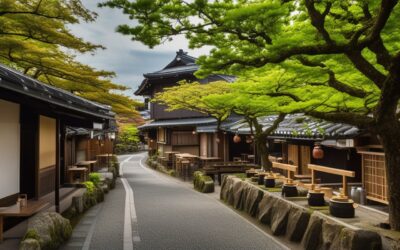
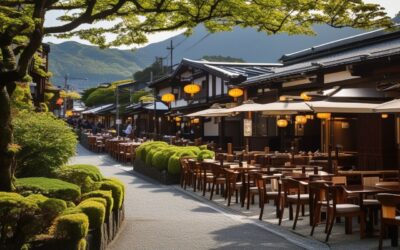
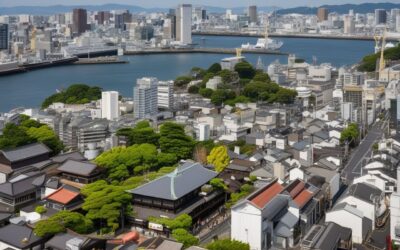
Discover the best food and drink experiences that Kanagawa Udon Noodle Guide has to offer. From hidden local gems to popular dining destinations, this guide takes you through the culinary landscape of Kanagawa in Kanagawa Prefecture. Whether you are a first-time visitor or a returning food enthusiast, you will find something to satisfy your cravings.
Why Udon in Kanagawa?
While Kagawa Prefecture (Sanuki) is famously the “Udon Kingdom” of Japan, Kanagawa offers a sophisticated fusion of traditional Kanto-style broth—darker, soy-sauce based, and rich in umami—and modern interpretations using fresh seafood caught daily in the nearby Sagami Bay. The proximity to Tokyo also means you can find authentic styles from all over Japan concentrated in this one region.
Top Spots to Experience Authentic Udon
1. The Hidden Kamakura Noodle House
Udon noodles are more than just a quick meal in Japan; they are a cultural experience that connects you to the country’s history of wheat cultivation and craftsmanship. In Kanagawa, particularly around the historic streets of Kamakura and the bustling port city of Yokohama, you will find unique takes on this thick, chewy wheat noodle dish. This guide takes you on a culinary journey to discover hidden udon gems where the noodles are handmade daily using traditional techniques passed down through generations.
Located near the bamboo groves of Hokoku-ji Temple, this small, family-run shop serves “Kama-age” udon. This style involves serving noodles directly from the boiling pot into a bowl of hot water, accompanied by a concentrated dipping sauce.
- Why go: The texture is incredibly chewy and “koshi” (firmness), which is the hallmark of high-quality udon.
- Recommended: Cold Zaru Udon topped with fresh grated ginger and wasabi.
- Price: Approx. ¥900 ($6 USD).
- Access: A 15-minute bus ride from Kamakura Station. Look for the wooden sign with calligraphy.
2. Yokohama Chinatown’s Handmade Specialists
Beyond the famous dumplings, Chinatown houses some of the freshest noodle makers in the region. Here, you can watch the chefs cut the dough with rhythmic precision through the glass windows.
- Why go: The “Curry Udon” is a unique fusion dish that reflects Yokohama’s history as a trade port, blending British curry influences with Japanese noodle culture.
- Price: Approx. ¥1,100 ($7.50 USD).
3. Fujisawa’s “Ebi-Ten” Udon
In the Shonan area of Fujisawa, udon shops compete to offer the best “Ebi-Ten” (Shrimp Tempura) toppings, Using locally caught shrimp from Enoshima, these crispy toppings add a savory crunch to the soft noodles.
- Recommended: Ebi-Ten Kama-Tama (Hot noodles with egg and butter).
- Price: Approx. ¥1,000 ($6.80 USD).
Dining Etiquette: The Art of Slurping
In Japan, slurping your noodles is not only acceptable but encouraged! It serves two purposes:
- Flavor Enhancement: Slurping aerates the noodles and sauce, allowing the flavors to spread across your palate.
- Appreciation: It shows the chef that you are thoroughly enjoying the meal.
Step-by-Step Guide:
- Hold the bowl: Lift the small bowl of dipping sauce (Tsuyu) towards your mouth with one hand.
- Slurp loudly: Don’t be shy. Take a few strands at a time.
- Drink the broth: If served in a hot soup bowl, it is polite to drink the soup directly from the bowl after finishing the noodles.
Udon Texture Clues That Kanagawa Shops Reward
Serious udon counters judge noodles by koshi, the springy resistance when teeth meet flour. In Kamakura family shops, look for uneven edges hand-cut with a heavy blade—uniform factory strands rarely appear because daily batches adjust hydration to humidity rolling off the hills. Yokohama Chinatown specialists sometimes flash-fry noodles before bathing them in curry roux; that extra step trades pure chew for aroma pockets that burst when you slurp.
Broth color hints at lineage: darker Kanto-style soy bases dominate coastal stations, while lighter niboshi blends appear closer to fishing ports where chefs want seafood umami forward. Taste tsuyu before adding tempura crumbs; polite diners adjust salt with scallion wipes rather than dumping water into shared pots. Cold zaru presentations should arrive on bamboo drains without puddles; sitting water means noodles waited too long on the pass.
Tempura timing matters because ebi-ten skins soften within minutes of touching steam. Order tempura on the side when photographing for friends, then dip halfway so the tail stays crunchy. Curry udon spoons exist for a reason—splatter ruins light jackets faster than ramen because viscosity clings.
Link noodle hops with broader Shonan fuel stops via Shonan beach guide for post-swim carb loads, or contrast wheat routes with Yokohama ramen guide when you want tonkotsu or ie-kei nights after thicker bowls. Kanagawa street food and local markets helps stitch together daytime market tastings with sit-down udon dinners without doubling back across prefecture lines.
Cash-only mountain shops near Hakone gates occasionally run short on change during holiday peaks, so carry thousand-yen stacks rather than ten-thousand bills that rural tills cannot break. English allergy cards work best when printed with wheat and soy characters bolded because dipping sauces hide blended dashi. Finally, listen for slurp volume around you—matching locals signals appreciation without shouting across the room.
Udon Broth Styles in Kanagawa
Udon broth varies significantly across Kanagawa, Understanding the differences will help you choose the right bowl for your taste: Kanto-style broth (Kanagawa standard): Dark brown, made with dark soy sauce (koikuchi shoyu), kombu dashi, and bonito flakes. It has a deep, savory flavor with noticeable saltiness. This is the default broth at most Kanagawa udon shops.
Hakata-style (influenced): Lighter, saltier broth using usukuchi shoyu (light soy sauce) and stronger bonito presence. Some Hakone-area shops serve this style due to the region’s historical trade routes with Kyushu.
Miso-based: A thick, hearty broth using white miso or red miso as the base. More common in winter and at specialty shops. Hakone’s nameko-jiru udon uses this style.
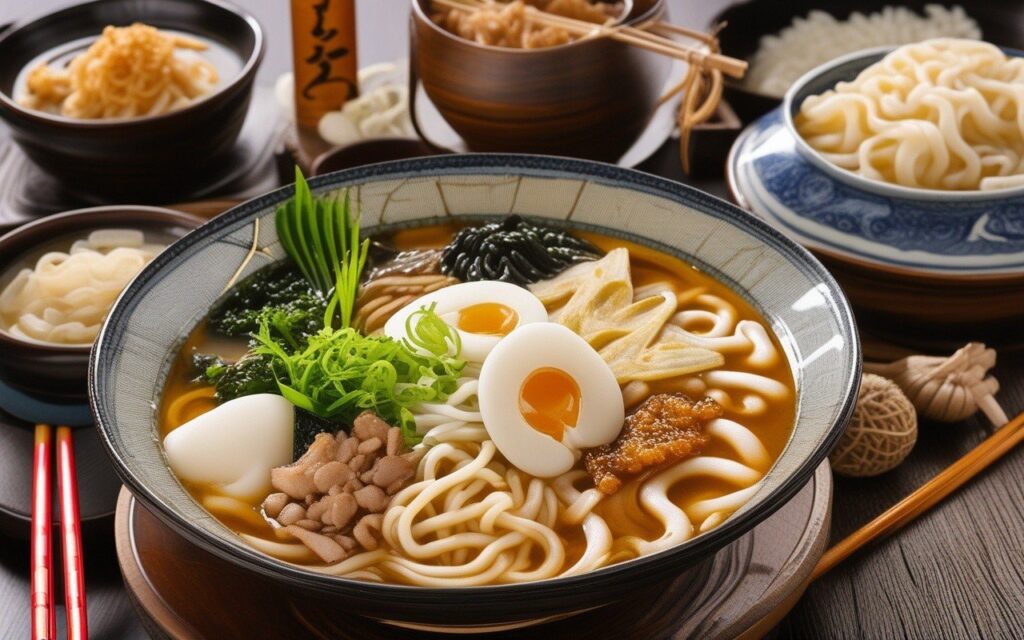
Curry broth: A modern innovation combining udon with Japanese curry roux. The result is a thick, rich soup that clings to the thick noodles. Odawara is particularly known for this style.
The Perfect Slurp: Udon Eating Etiquette
Slurping udon noodles is not just acceptable—it is expected. Here is how to do it correctly: The technique: Bring the bowl close to your mouth, pick up a small bundle of noodles with chopsticks, and draw them into your mouth while inhaling. The slurping sound aerates the noodles and enhances the flavor.
The rhythm: Take 3–4 slurps, then a sip of broth, then a bite of toppings. This cycle creates a harmonious eating experience. Don’t: Bite the noodles in half—this is considered poor manners. Finish each mouthful in one continuous slurp.
Do: Lift the bowl to drink the remaining broth at the end. This is a sign of appreciation for the chef.
Udon Restaurants by Area
Odawara udon culture
Odawara is the udon capital of Kanagawa, with more than 20 specialty shops concentrated around the station. The local style emphasizes thick, chewy noodles and dark soy broth. Udon-ya Ginji in the station building is the most accessible option and serves their signature curry udon until 9 PM daily. For a more traditional experience, Odawara Udon Murata (10-minute walk from the station) has been serving the same recipe since 1958.
Yokohama udon scene
Yokohama’s udon shops are more diverse, reflecting the city’s cosmopolitan character. Udon Yamato near Yokohama Station serves Sanuki-style udon (thin, firm noodles) imported from Kagawa Prefecture. Their cold zaru udon (¥850) with a side of tempura (¥400) is a lunch favorite.
Kamakura udon for tourists
Kamakura Udon on Komachi-dori caters to tourists with an English menu and picture-based ordering system. Their udon is reliable if not exceptional—a good introduction for first-timers. The “Kamakura Special” (¥1,200) includes udon, tempura shrimp, and a small bowl of rice topped with Kamakura vegetables.
Hakone mountain udon
The mountain towns of Hakone offer a heartier udon style suited to cold weather. Hakone Udon-ya near Gora Station serves their signature nameko-jiru udon (¥1,300) with mushrooms foraged from local forests. The broth is miso-based rather than soy-based, giving it a richer, more warming character.
Seasonal udon events
- Odawara Udon Fair (February): Participating shops offer special bowls at ¥500
- Kamakura Summer Udon Week (August): Cold udon specials with seasonal toppings
- Yokohama Noodle Festival (October): Udon, ramen, and soba tasting at Pacifico Yokohama
Udon for takeaway: Most udon shops offer takeaway services. Hot udon is packaged with separate broth to prevent noodles from overcooking. Cold zaru udon travels well for picnics—pack the dipping sauce separately and assemble at your destination.
Udon vs. Soba: A Comparison
| Feature | Udon | Soba |
|---|---|---|
| Main ingredient | Wheat flour | Buckwheat flour |
| Texture | Thick, chewy, soft | Thin, slightly grainy |
| Color | White | Brown-gray |
| Flavor | Mild, neutral | Nutty, earthy |
| Calories (per 100g) | 105 | 99 |
| Gluten | Yes | No (if 100% buckwheat) |
| Best served | Hot or cold | Hot or cold |
Both are available throughout Kanagawa, but udon is particularly popular in Odawara and Hakone, while soba is more associated with Kamakura and the mountainous regions of western Kanagawa.
More Udon Gems in Kanagawa
Odawara’s Curry Udon Specialists
Odawara Station’s underground shopping arcade houses Udon-ya Ginji (udon (udon (うどん, thick noodles), thick wheat noodles)や銀次), serving a remarkably rich curry udon made with a roux that simmers for 18 hours. Their “Katsu Curry Udon” (¥1,380) adds a deep-fried pork cutlet that stays crispy even when half-submerged in the thick broth.
Ofuna’s Cold Somen and Udukuri
In the summer months, Ofuna Sanso (Ofuna (大船)山荘) serves a unique “Udukuri” set—cold udon noodles served with a chilled broth infused with yuzu and sudachi, accompanied by a small bowl of simmered eggplant and mountain vegetables. At ¥1,100, it is one of the most refreshing noodle experiences in Kanagawa.
Hakone’s Mountain Udon
At higher elevations in Hakone, Hakone Udon-ya (Hakone (箱根)うどんや) serves a hearty “nameko-jiru udon”—thick noodles in a miso-based broth topped with nameko mushrooms collected from local forests. Rich, warming, and deeply umami—perfect after a day hiking the Old Tokaido Road.
Seasonal Udon Guide
| Season | Recommended Dish | Location | Price |
|---|---|---|---|
| Spring | Kama-age udon with takenoko | Kamakura | ¥950 |
| Summer | Cold zaru udon with ebi-ten | Fujisawa | ¥1,100 |
| Autumn | Curry udon with matsutake | Yokohama | ¥1,380 |
| Winter | Nameko-jiru udon | Hakone | ¥1,200 |
Tips
Practical notes from my trips to exploring Kanagawa: confirm the latest hours on the official website, buy tickets in advance when you can, and leave extra time for trains and walking between stops. Keeping your first day lighter also helps you enjoy the second day without feeling rushed.
Frequently Asked Questions (FAQ)
Q: What is the difference between udon and ramen?
A: Udon noodles are made from wheat flour, salt, and water—no eggs. They are thicker and chewier than ramen noodles, which are made with wheat flour, eggs, and kansui (alkaline water). The broths also differ significantly.
Q: Is udon suitable for vegetarians?
A: Traditional udon broth uses dashi made from dried fish and kombu. But here’s the thing, many shops offer kombu-dashi (seaweed-based) broth upon request. Cold zaru udon with soy dipping sauce is typically vegetarian-friendly.
Q: Can I take udon cooking classes in Kanagawa?
A: Yes! Udon-ya Ginji offers monthly udon-making workshops (¥3,000 per person, Japanese-language instruction with English recipe cards). Book through the Odawara Tourist Information Center.
Q: What is the proper way to eat curry udon?
A: Curry udon is best eaten with a special ceramic spoon (curry udon spoon) alongside chopsticks. Slurp the noodles first, then use the spoon for the remaining thick broth. It is acceptable to lift the bowl to your mouth for the last sips.
Q: Are udon portions large enough for hungry travelers?
A: A standard udon bowl is filling but not excessive. Most shops offer “oomori” (large) portions for an extra ¥150–¥200, which adds roughly 40% more noodles.
Conclusion
The details in this guide come from real visits, and the biggest lesson I took away was that the best experiences in Kanagawa rarely fit neatly into a checklist. During my visit I went with a rough plan and found that leaving room to wander made the trip far more memorable. Plan the essentials, keep your schedule flexible, and you will leave Kanagawa wanting to return.