Overview
Local production in Kanagawa spans greenhouse clusters on the Miura Peninsula, upland orchards where fog moderates sugar accumulation, and urban craft kitchens that source fish through morning auctions rather than anonymous commodity chains. The visitor-facing challenge is to reward transparency without romanticizing labor conditions or ignoring seasonal scarcity when typhoons scrub fruit sets or red tides alter landing volumes.
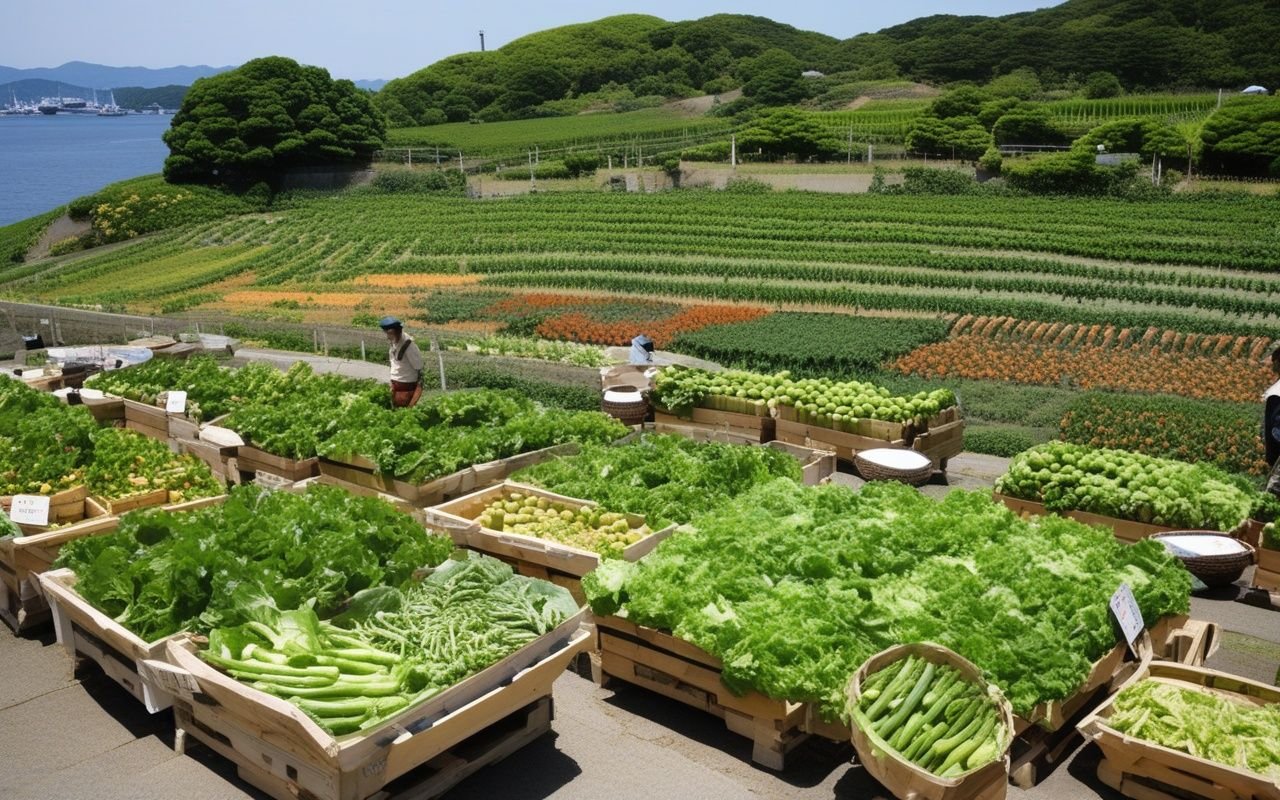
Vegetables, Soil, and Water
Miura’s winter daikon reputations rest on mineral profiles and on farmer decisions about fallow periods that rebuild organic matter. Restaurants that publish grower names alongside dish descriptions help diners understand why identical-looking radishes might taste different week to week. Irrigation debates intensify during droughts when competing uses—agriculture, golf courses, residential lawns—surface in policy discussions tourists rarely see but indirectly shape menu prices.
Seafood Traceability and Harbor Rhythms
Misaki and adjacent ports land tuna and smaller species under quotas that shift annually. Retail counters display cuts with species labels; asking staff about preparation suitability respects their expertise and reduces waste from mis-cooked purchases. Sashimi tourism spikes weekends; weekday mornings reward calmer observation of auction cadence where public viewing is permitted.
Craft Fermentation and Beverage Caps
Small miso and soy operations experiment with local koji rooms where humidity control competes with summer heat waves. Wineries navigate slope aspect limits and typhoon wind risks; tasting-room hours may compress when harvest crews require all hands. Buy bottles with carrying constraints in mind for train luggage rules.
Related Reading
Harbor logistics and trains to the peninsula appear in Miura Peninsula access. Beach-town snack economies intersect with sourcing in the Shonan beach guide. Chinese diaspora culinary infrastructure in Yokohama offers contrast in the Yokohama Chinatown food guide. Onsen ryokan meals often highlight regional produce in the Kanagawa onsen guide. Museum exhibits on food history appear in the Kanagawa museum guide. Kamakura’s cafes and commuter clientele shape menus in the Kamakura access guide.
Closing Notes
Spend money where labels match reality, tip courtesy with patience at crowded registers, and ask how unsold food gets donated or composted.
Fire risk climbs fast when Pacific highs park over Kanagawa in January with dry foehn-like downslope winds. Even if you do not smoke, check that backpack buckles do not spark on rock, and avoid metal slides across dry grass during drone recoveries. Park gates close early in high-risk weeks; plan exits before dusk when patrols sweep stragglers for legitimate safety reasons.
Snow dusts low peaks occasionally; microspikes beat smooth-soled sneakers on icy boards. Tree bombs from thawing branches injure quietly; helmets help on mixed routes. Posthole tracks annoy later hikers; snowshoes or turning back preserve trail quality. Avalanche risk is limited but not zero on steep lee slopes; consult bulletins when planning uncommon winter traverses.
Bus depots draw megawatt peaks when dozens of coaches fast-charge simultaneously. Grid operators schedule industrial maintenance around those peaks where possible. Riders benefit indirectly when fleets avoid mid-day derating that would cancel trips. Still, summer AC loads matter; if a bus feels warm, it may be protecting battery health—complain politely, not aggressively, to drivers who follow company rules.
Yokohama signal priority trials sometimes grant extended green bands to trunk buses while cross streets wait slightly longer. Residents debate fairness; visitors should simply cross at signals without headphones that mask bicycle bells. Jaywalking near blind corners risks more than fines; articulated buses swing wide in ways phone maps rarely visualize.
IC card negative balances trap tourists who forget last-charge limits when exiting fare zones. Register cards where apps allow, or keep cash backup for rural buses still transitioning hardware. Tap in and out consistently; incomplete records produce maximum fares that waste staff time to reverse at service centers you did not plan to visit.
Night buses run reduced frequencies while bar districts surge demand. Queues form organically; do not block taxi stands while waiting. Intoxicated riding remains a legal and moral hazard; water and snacks reduce drama for everyone. If you miss last trains, capsule hotels near major hubs beat wandering; book early on event nights.
Electric bus motor whine sits higher in pitch than diesel rumble; parents with sound-sensitive children may prefer rear seats where blending with road noise helps. Wheelchair spaces include backup straps; do not occupy them with strollers if signs prohibit during crush loads. Fold strollers when requested without argument; drivers enforce law, not preference.
Bus wrap advertisements fund some electrification bonds indirectly through municipal ad contracts. Whether you enjoy the aesthetics or not, revenue streams matter when voters scrutinize debt. Photographing buses for transit blogs should blur faces of passengers behind glass unless you obtain consent; Japan’s privacy norms run stricter than many tourists assume.
Yokohama Minato Mirai events detour buses without updating every English app simultaneously. Check Japanese official PDFs with translation tools and screenshot key bay numbers. Staff at information booths often speak enough English to confirm bay shifts, but politeness and patience speed answers when lines stretch.
Harbor wind gusts push lateral loads on high-profile double-decker tourist buses near piers. Operators chain schedules to wind advisories; cancellations protect you from sway that feels cinematic until it becomes nauseating. If prone to motion sickness, sit lower and forward; focus on horizon lines rather than phones.
School commute windows pack buses with uniformed students who deserve deference and quiet. Avoid loud calls; use text. Backpacks swing; remove them in tight aisles. Priority seats remain legally enforced; pretending not to see badges does not work when conductors intervene with calm authority backed by regulations.
Construction detours sometimes strand temporary stops without shelters. Umbrellas help in sun as much as rain. Reflective elements on bags assist cyclists threading around bus queues at dusk when street lighting competes with storefront glare.
Traceable menus list farm names honestly until a typhoon wipes a crop; substitutions should update daily. Ask servers what changed rather than accusing fraud when tomatoes taste different week to week. Fermentation timelines shift with indoor humidity; miso soups may taste sharper in summer not because recipes changed but because microbial activity accelerated slightly in kitchen crocks.
Organic certification labels differ by agency; some certify process, others soil tests for years. Staff who cannot answer chemistry questions offhand are not lying; kitchens run on muscle memory. Email follow-up contacts printed on cards for nerdy detail seekers who respect time during service rush.
Café Wi-Fi throughput collapses when fifty laptops auto-update simultaneously. Download offline maps before peak brunch. Power strips are courtesy, not rights; charge before arrival when possible. Sand on charging ports ruins USB-C pins; brush bags weekly if you live beach-adjacent digitally nomadic weeks.
Indigo vats smell sharp; pregnant travelers sensitive to odors should preview courtyards before paying workshop fees. Rubber gloves stain blue; aprons help but sleeves still spot. Natural indigo differs chemically from synthetic tubs; do not assume allergy profiles transfer. Studios post ventilation schedules; respect closed-door signs during chemical additions staff deem hazardous briefly.
Noh stages use cypress floors that scar if tapped with hard cases. Cloakrooms exist but queues lag; travel light. Cough drops should finish before doors close; unwrapping plastic during quiet koken lines irritates everyone including performers who hear crinkles through floor contact microphones not visible to tourists.
Wood veneer shops humidify storage rooms within tight bands. Opening display cases repeatedly annoys owners even if curiosity feels innocent. Ask once for supervised handling. Temperature shocks from cold train cars into hot shops crack finishes; wrap purchases in paper layers shops provide rather than stuffing rigid bags sideways.
Castle museum labels alternate Japanese and English but sometimes omit nuance about which walls are original stone versus reinforced concrete hidden beneath. Ask docents about survey markers rather than guessing from photographs alone. Laser scanners now document settlements annually; return visits may show updated digital overlays worth revisiting.
Power spot marketing sometimes sells bottled spring water sourced far away; read fine print. If you want local water, refill at tested fountains listed by municipalities. Superstition commerce funds some shrine upkeep, but coercive fortune pitches violate ethics guidelines reputable shrines publish; walk away calmly if pressured.
Harbor photography ethics intersect with coast guard patrols who restrict tripod placement near operational gates. Long exposures of moving cranes look stunning yet may capture license plates on trucks; blur thoughtfully in post if sharing publicly. Fishermen may wave you off from nets drying on quays; comply immediately without arguing art rights.
Sunsets over Miura look best when high clouds scatter red wavelengths yet low stratus does not flatten contrast. Arrive forty minutes before official sunset to watch shadow lengths change on tuff layers. Tripods vibration from wind gusts ruins stacks; weigh hooks help. Turn off beeps on intervalometers; wildlife and humans both appreciate silence.
Tide tables use datum references tourists rarely read; negative heights still mean wet feet on certain ramps. Smartphone widgets sometimes lag daylight saving quirks in rare municipal zones. Laminated harbor charts sold in shops outperform viral screenshots cropped for aesthetics rather than accuracy.
Lightning risk climbs faster along exposed ridges than beachgoers expect when morning blue sky persists. Cumulus towers by noon warrant retreat plans. Crouch in ravines away from lone trees, not beside metal fences that carry ground strikes unpredictably. Golf courses close for good reasons; do not sneak in for storm photos.
Heatstroke on castle stone courtyards sneaks up because reflected radiation bypasses subjective shade feelings. Hats with neck capes outperform baseball caps alone. Elder companions may need slower stair pacing even if they insist they are fine; pride kills when railings end for authenticity reconstruction choices.
Ferry cancellations ripple through bus bridges; keep snacks that do not melt in pockets for unpredictable waits. Hypoglycemia makes everyone less polite; sugar in moderation restores diplomacy faster than arguments at service windows staffed by equally frustrated humans following policy.
Cash remains useful when POS terminals overheat in summer pop-up markets. Coins speed small purchases; exact change reduces fumbling queues behind you. Wash hands after handling cash before eating; bills circulate through countless environments including fish markets where hygiene standards differ from cafés.
Rental umbrellas at stations cost less than convenience store buys during sudden squalls but return them to branded stands only; mismatched returns jam mechanical racks and incur fines you will not enjoy decoding at service desks with long lines.
Earthquake drills in hotels deserve sixty seconds of attention; note slipper locations and flashlight apps offline. Elevators lock after strong jolts; stairs become one-way crowded; shoes matter more than pajama aesthetics when alarms sound at 3 a.m.
Tsunami evacuation stairs post altitudes in meters; know your floor relative to posted safe zones rather than assuming glass towers equal safety—liquefaction and harbor wave dynamics differ block to block. Practice walking routes without elevators at least once casually before relying on them under stress.
Drone laws tightened near ports and castles; ignorance fines sting. Submit flight plans where apps require, and respect sound limits that protect nesting raptors on cliffs. Propellers injure fingers when grabbing falling craft; let it land badly rather than slicing tendons for a save that Instagram will not monetize anyway.
Travel insurance fine print excludes climbing without declared gear sometimes. If you plan even mild via ferrata segments, call brokers. Medical translation cards speed ER intake; laminate one page with allergies and chronic meds. Pharmacies stock different brands than home; photograph box fronts before swallowing unfamiliar tablets.
Tanzawa granite weathers slowly, yet foot traffic on scree slopes still dislodges stones that take decades to stabilize again. Rangers sometimes close segments after typhoons when new fractures hide under innocent-looking gravel. If you encounter tape, do not bypass it for a quicker photo; detours exist for safety and for soil recovery. Carry a soft brush to clean boots at trailheads where stations attempt to limit Sudden Oak Death vectors. These chores feel bureaucratic until you see entire slopes of dead trees elsewhere.
Sagami Bay’s winter swells rearrange wrack lines overnight, depositing ropes and floats that volunteers sort by polymer type because recycling streams differ. Joining a morning clean does not require fluent Japanese if you mirror sorting gestures and wear gloves provided on site. Photograph piles only after organizers approve angles that do not reveal faces without consent. Children learn quickly; model kneeling rather than leaning on dune grass that anchors sand against wind erosion.