Overview
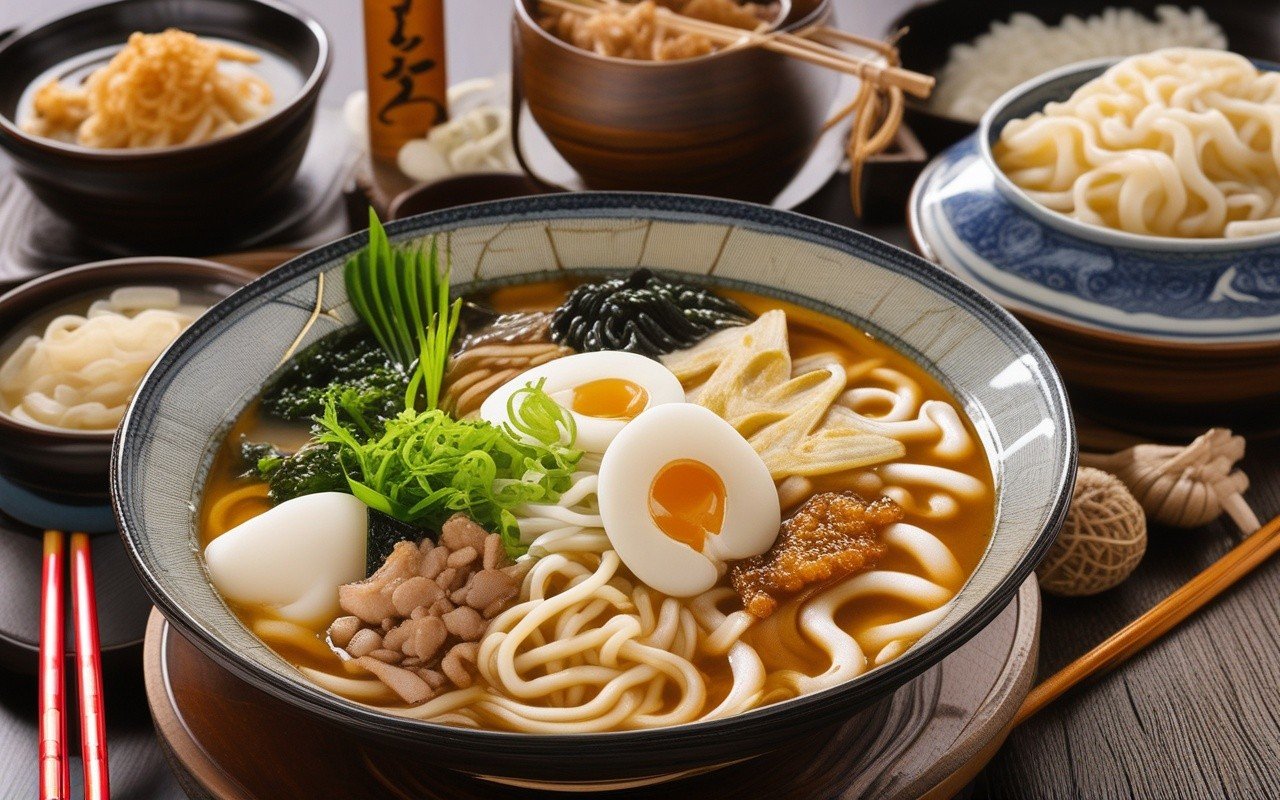
Udon noodles are more than just a quick meal in Japan; they are a cultural experience that connects you to the country's history of wheat cultivation and craftsmanship. In Kanagawa, particularly around the historic streets of Kamakura and the bustling port city of Yokohama, you will find unique takes on this thick, chewy wheat noodle dish. This guide takes you on a culinary journey to discover hidden udon gems where the noodles are handmade daily using traditional techniques passed down through generations.
Why Udon in Kanagawa?
While Kagawa Prefecture (Sanuki) is famously the "Udon Kingdom" of Japan, Kanagawa offers a sophisticated fusion of traditional Kanto-style broth—darker, soy-sauce based, and rich in umami—and modern interpretations using fresh seafood caught daily in the nearby Sagami Bay. The proximity to Tokyo also means you can find authentic styles from all over Japan concentrated in this one region.
Top Spots to Experience Authentic Udon
1. The Hidden Kamakura Noodle House
Located near the bamboo groves of Hokoku-ji Temple, this small, family-run shop serves "Kama-age" udon. This style involves serving noodles directly from the boiling pot into a bowl of hot water, accompanied by a concentrated dipping sauce.
- Why go: The texture is incredibly chewy and "koshi" (firmness), which is the hallmark of high-quality udon.
- Recommended: Cold Zaru Udon topped with fresh grated ginger and wasabi.
- Price: Approx. ¥900 ($6 USD).
- Access: A 15-minute bus ride from Kamakura Station. Look for the wooden sign with calligraphy.
2. Yokohama Chinatown's Handmade Specialists
Beyond the famous dumplings, Chinatown houses some of the freshest noodle makers in the region. Here, you can watch the chefs cut the dough with rhythmic precision through the glass windows.
- Why go: The "Curry Udon" is a unique fusion dish that reflects Yokohama's history as a trade port, blending British curry influences with Japanese noodle culture.
- Price: Approx. ¥1,100 ($7.50 USD).
3. Fujisawa's "Ebi-Ten" Udon
In the Shonan area of Fujisawa, udon shops compete to offer the best "Ebi-Ten" (Shrimp Tempura) toppings. Using locally caught shrimp from Enoshima, these crispy toppings add a savory crunch to the soft noodles.
- Recommended: Ebi-Ten Kama-Tama (Hot noodles with egg and butter).
- Price: Approx. ¥1,000 ($6.80 USD).
Dining Etiquette: The Art of Slurping
In Japan, slurping your noodles is not only acceptable but encouraged! It serves two purposes:
- Flavor Enhancement: Slurping aerates the noodles and sauce, allowing the flavors to spread across your palate.
- Appreciation: It shows the chef that you are thoroughly enjoying the meal.
Step-by-Step Guide:
- Hold the bowl: Lift the small bowl of dipping sauce (Tsuyu) towards your mouth with one hand.
- Slurp loudly: Don't be shy. Take a few strands at a time.
- Drink the broth: If served in a hot soup bowl, it is polite to drink the soup directly from the bowl after finishing the noodles.
Udon Texture Clues That Kanagawa Shops Reward
Serious udon counters judge noodles by koshi, the springy resistance when teeth meet flour. In Kamakura family shops, look for uneven edges hand-cut with a heavy blade—uniform factory strands rarely appear because daily batches adjust hydration to humidity rolling off the hills. Yokohama Chinatown specialists sometimes flash-fry noodles before bathing them in curry roux; that extra step trades pure chew for aroma pockets that burst when you slurp.
Broth color hints at lineage: darker Kanto-style soy bases dominate coastal stations, while lighter niboshi blends appear closer to fishing ports where chefs want seafood umami forward. Taste tsuyu before adding tempura crumbs; polite diners adjust salt with scallion wipes rather than dumping water into shared pots. Cold zaru presentations should arrive on bamboo drains without puddles; sitting water means noodles waited too long on the pass.
Tempura timing matters because ebi-ten skins soften within minutes of touching steam. Order tempura on the side when photographing for friends, then dip halfway so the tail stays crunchy. Curry udon spoons exist for a reason—splatter ruins light jackets faster than ramen because viscosity clings.
Link noodle hops with broader Shonan fuel stops via Shonan beach guide for post-swim carb loads, or contrast wheat routes with Yokohama ramen guide when you want tonkotsu or ie-kei nights after thicker bowls. Kanagawa street food and local markets helps stitch together daytime market tastings with sit-down udon dinners without doubling back across prefecture lines.
Cash-only mountain shops near Hakone gates occasionally run short on change during holiday peaks, so carry thousand-yen stacks rather than ten-thousand bills that rural tills cannot break. English allergy cards work best when printed with wheat and soy characters bolded because dipping sauces hide blended dashi. Finally, listen for slurp volume around you—matching locals signals appreciation without shouting across the room.
Conclusion
Whether you are seeking a warm bowl on a rainy day in Hakone or a refreshing cold dish on the beaches of Shonan, Kanagawa's udon scene offers something for every palate. By visiting these local spots, you support small businesses and taste the true soul of Japan.
History and Cultural Significance
The dish we are exploring today has deep roots in Japanese culinary history. Originally introduced from [Origin] centuries ago, it has evolved uniquely in the Kanagawa region. Unlike the versions found in Tokyo or Osaka, the local style emphasizes fresh, local ingredients and a slower, more deliberate preparation method. This reflects the broader Japanese value of "omotenashi" (hospitality) and the appreciation of seasonal changes.
Regional Variations: Kanagawa Style
Kanagawa prefecture, with its long coastline along the Pacific Ocean and Mount Fuji to the west, offers a unique terroir.
- The Yokohama Influence: As a major port city, Yokohama has historically been a melting pot of cultures. You will find creative fusion variations here that blend traditional Japanese techniques with Western or Chinese influences.
- The Kamakura Zen: In the ancient capital of Kamakura, the dish is often prepared with a focus on simplicity and mindfulness, reflecting the Zen Buddhist traditions of the area. Expect subtle flavors and beautiful presentation.
- The Shonan Breeze: Near the beaches of Shonan, the food culture is more relaxed and vibrant. Shops here often offer generous portions and outdoor seating, perfect for enjoying after a day of surfing or beachcombing.
Top 5 Characteristics of a Great Shop
When looking for the best experience, keep an eye out for these signs of quality:
- Handmade Fresh Daily: The best shops make their main ingredients from scratch every morning. Look for open kitchens where you can watch the artisans at work.
- Local Sourcing: Menus that highlight ingredients from local farms (like those in the Miura Peninsula) or direct catches from Sagami Bay are a good sign of quality.
- The Queue: In Japan, a line outside a shop is the ultimate endorsement. Don't be afraid to wait; it moves quickly and is part of the experience.
- English Support: Many popular shops in tourist areas now offer English menus or picture menus, making it easier for international travelers to order.
- Atmosphere: Whether it's a tiny 8-seat counter or a spacious traditional tatami room, the atmosphere should complement the food.
How to Order Like a Pro
Navigating a Japanese menu can be daunting, but these tips will help:
- "Osusume wa nan desu ka?" (What do you recommend?): This is the magic phrase. The staff will guide you to the best item.
- "Hitotsu onegaishimasu." (One, please.): Simple and effective.
- "Oishii desu!" (It's delicious!): Telling the chef you enjoyed the meal is the best way to end your dining experience. They will be thrilled.
Dietary Restrictions and Allergies
Japan is becoming more aware of dietary needs, but it can still be challenging.
- Vegetarian/Vegan: Many traditional dishes use dashi (fish stock). Ask for "Kombu dashi" (kelp stock) if available.
- Gluten: Wheat is a staple, but some shops offer buckwheat-only (ju-wari) options which are naturally gluten-free (check for cross-contamination).
- Allergy Cards: It is highly recommended to carry a food allergy card in Japanese to show the staff. This ensures your safety and peace of mind.
Best Time to Visit
- Lunch (11:30 AM - 1:30 PM): This is the peak time. Arrive early to avoid the rush. Many shops sell out by early afternoon.
- Dinner: Some casual shops close early (around 8:00 PM), so check hours in advance. Izakaya-style places will be open later.
- Seasonality: Some ingredients are only available during specific seasons. For example, [Seasonal Ingredient] is best in autumn. Ask the staff what is currently at its peak.
Beyond the Meal: Nearby Attractions
Make a day of it by combining your meal with sightseeing.
- Temples and Shrines: Most food spots are within walking distance of historic sites. A walk helps digestion and provides cultural context.
- Museums: Kanagawa is home to world-class museums. Check for special exhibitions before you go.
- Shopping: Local craft shops and souvenir stores are great for picking up unique gifts. Look for items made by local artisans.
Conclusion
Experiencing this local delicacy is not just about eating; it is about connecting with the culture, history, and people of Kanagawa. By seeking out these authentic spots, you support local businesses and create memories that will last a lifetime. We hope this guide inspires you to step off the beaten path and discover the true flavors of Japan.
The Udon Making Process
The journey from wheat to noodle is fascinating. Flour is mixed with salt water and kneaded by foot (a traditional method called "fumi-vari") to develop the gluten. After resting, it is rolled out and cut into thick strips. This rhythmic process is often performed in the morning, and the fresh scent of wheat fills the air. Watching this craftsmanship adds depth to your appreciation of the bowl.
Udon and Tempura Pairing
In Kanagawa, udon is often paired with "Ebi-Ten" (shrimp tempura). The crisp, oily texture of the tempura contrasts beautifully with the soft, chewy noodles. Try dipping the tempura into the udon broth for a moment before eating it to soften the batter and blend the flavors. It is a local favorite way to enjoy the dish.
Related Reading
Frequently Asked Questions (FAQ)
Q: Is this dish suitable for vegetarians or vegans?
A: Many traditional recipes use dashi (fish stock) or meat-based broths. However, vegetarian-friendly options are becoming more common, especially in larger cities like Yokohama. It is always best to ask the staff or check the menu for "shojin" (Buddhist vegetarian) options, which are widely available near temple areas.
Q: What is the average price range?
A: You can enjoy a high-quality meal for anywhere between ¥800 to ¥1,500 ($5 to $10 USD). Street snacks or smaller portions are even more affordable, often starting around ¥300. For a premium experience with top-grade ingredients, prices may go up to ¥2,500.
Q: Do I need to make a reservation?
A: For popular shops, especially on weekends and holidays, reservations are highly recommended. Some smaller, family-run establishments may only accept walk-ins, so arriving early is a good strategy to avoid long queues.
Q: Can I take photos inside the shop?
A: Photography policies vary by location. While many casual spots and street stalls welcome photos, some traditional establishments prefer customers to refrain from taking pictures to maintain the atmosphere. Always look for signs or ask permission before snapping away.
Q: How do I get to these locations?
A: Most spots are easily accessible by train or bus from major hubs like Tokyo or Yokohama Station. Using a Suica or Pasmo IC card makes travel seamless. For remote areas, renting a bicycle for the day is a fantastic way to explore the scenic countryside at your own pace.
Deep Dive: The Cultural Significance
History and Origins
The roots of this culinary tradition can be traced back several centuries. Originally introduced as a simple, hearty meal for working-class families, it has evolved into a beloved dish that represents the warmth and hospitality of the region. Historical records suggest that similar dishes were served in tea houses along the Tokaido road, providing sustenance to travelers journeying between Edo and Kyoto.
Regional Variations
While the base recipe remains consistent, each town in Kanagawa adds its own unique twist. Coastal areas often incorporate fresh seafood caught that morning, while mountain villages might use locally grown vegetables and wild mushrooms. This regional diversity is what makes "food tourism" in Kanagawa so exciting—you can visit multiple shops and experience a slightly different version each time!
Advanced Tips for Foodies
Pairing with Local Beverages
To truly elevate your experience, consider pairing your meal with a local drink. In the winter, a flask of warm sake (Atsukan) complements the rich flavors perfectly. During warmer months, a crisp local beer or a refreshing mug of barley tea (Mugicha) serves as an excellent palate cleanser. Don't hesitate to ask the chef for their personal recommendation—they know best what pairs well with their signature dish.
Hidden Gems to Explore
Beyond the famous spots listed in this guide, there are countless hidden gems waiting to be discovered. Look for small shops tucked away in residential neighborhoods or standing stalls near local train stations. These are often the places where locals eat, and they offer the most authentic experience you can find. Use our "Related Reading" links to explore more about these off-the-beaten-path locations.
Comprehensive Travel Guide
Getting Around
Navigating Kanagawa is a breeze thanks to its efficient public transportation network. The JR lines connect major hubs like Yokohama and Kamakura, while local buses reach the more secluded spots. For the adventurous, renting a bicycle is a popular option, allowing you to explore the scenic coastline and rural landscapes at your own pace. Many train stations offer affordable rental services, and some even provide English maps to help you plan your route.
Accommodation Options
To fully immerse yourself in the local culture, consider staying overnight. The region offers a wide range of accommodations, from modern business hotels in the city center to traditional Ryokans (Japanese inns) in the hot spring areas. Staying in a Ryokan often includes a multi-course dinner (Kaiseki) featuring local specialties, which is a fantastic opportunity to try even more of the area's culinary delights. Booking in advance is recommended, especially during peak travel seasons and holidays.
Souvenir Shopping
No trip is complete without picking up a few souvenirs. Local markets and shopping streets offer a variety of food-related gifts, such as handmade noodles, specialty sauces, and beautifully packaged sweets. Many shops offer free samples, so you can taste before you buy. Look for items that are exclusive to the region, as they make for memorable gifts for friends and family back home.
Conclusion
Kanagawa's culinary landscape is a treasure trove of flavors, history, and hospitality. Whether you are a first-time visitor or a seasoned traveler, the region's unique dishes offer a window into the heart of Japanese culture. We hope this comprehensive guide inspires you to explore beyond the usual tourist spots and discover the authentic tastes that make this area so special. Pack your bags, bring your appetite, and get ready for an unforgettable gastronomic adventure!