Blog

  • Yokohama Day Onsen & Spa Guide 2026 — Urban Hot Springs…

    Yokohama Day Onsen & Spa Guide 2026 — Urban Hot Springs…

    Yokohama Day Onsen & Spa Guide 2026 — Urban Hot Springs…

    Overview

    📍 Quick Overview

    Yokohama offers great day-use onsen and spa places that rival HakonHakonemous hot springs — without the 90-minute journey each way. This guide covers four top places where you can soak, steam, and relax within minutes of Yokohama’s main attractions. Whether you want a complete onsen time at Manyo Club in Minato Mirai or a quick evening soak at Manten no Yu near Yokohama Bay, these urban retreats provide genuine relaxation with all amenities included. – 4 top day-use onsen and spa places in Yokohama and surrounding areas

    • From ¥1,500 to ¥4,500 per adult — affordable relaxation without a Hakone trip
    • Open late — many places operate until 11:00 PM or later
    • Perfect for: Relaxation after sightseeing, evening unwinding
    • No need to go to Hakone — Yokohama has great urban hot spring places — the quality and attention to detail were remarkable. —
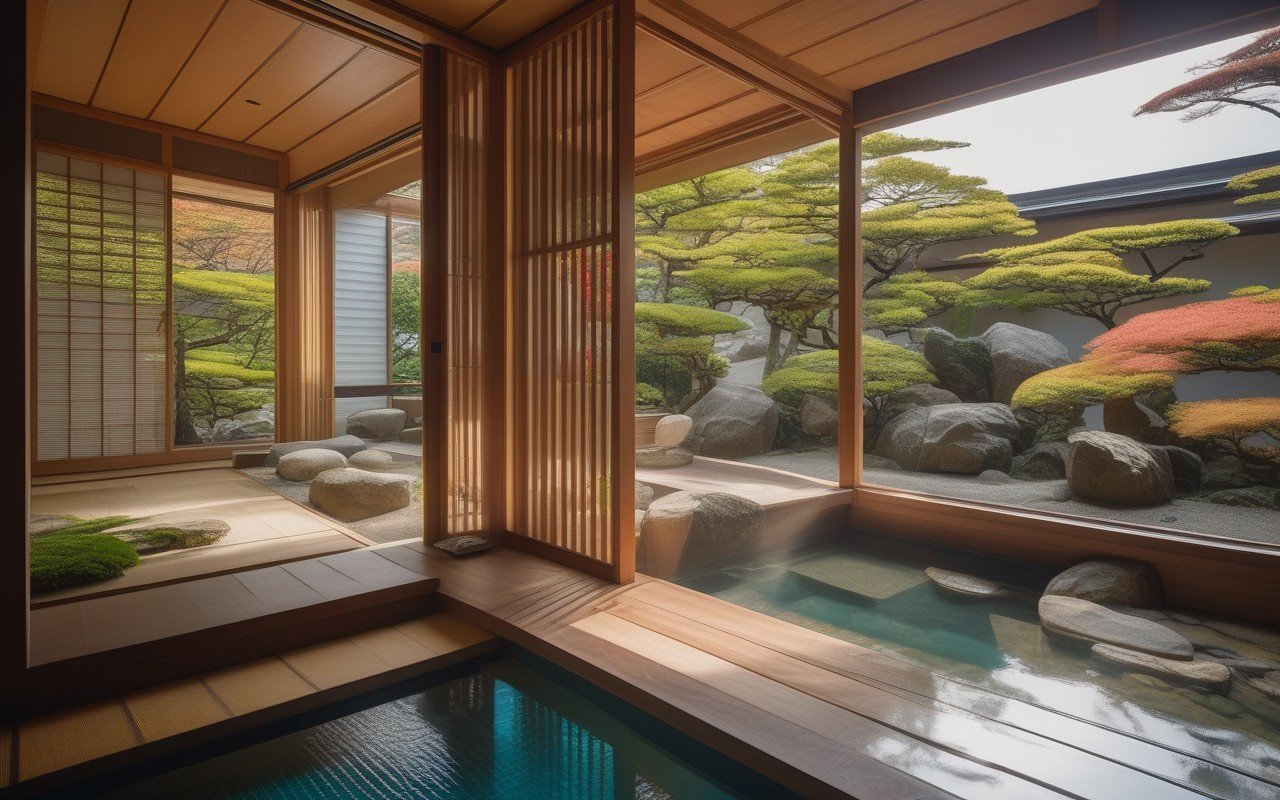
    Yokohama Day Onsen & Spa Guide scenery and attractions

    Introduction: Soak Without the Journey

    Hakone is famous for its natural hot springs, but getting there takes 90 minutes each way — a significant time commitment for many travelers. What fewer visitors realize is that Yokohama itself has great day-use onsen and spa places offering genuine relaxation without the travel time. These urban onsen are not natural hot springs in the traditional sense — the water is heated and circulated rather than sourced from a natural spring — but the time is authentic in every other way. Indoor and outdoor baths, saunas, cold plunges, and relaxation lounges with panoramic views provide a complete onsen time. Some places even use natural mineral-infused water that replicates the properties of famous hot springs across Japan. Why Choose an Urban Onsen:

    • No travel time — 5 to 15 minutes from Yokohama’s main attractions
    • Evening hours — most places are open until 9:00 to 11:00 PM. perfect after dinner
    • All amenities provided — towels, and yukata robes are included
    • Restaurants on site — traditional Japanese meals without leaving the facility
    • Weather independent — all indoor places unaffected by rain
    • Foreigner-friendly — English signs and staff support at major places

    1. Manyo Club — Minato Mirai’s Premium Onsen time

    Best for: Couples, evening relaxation
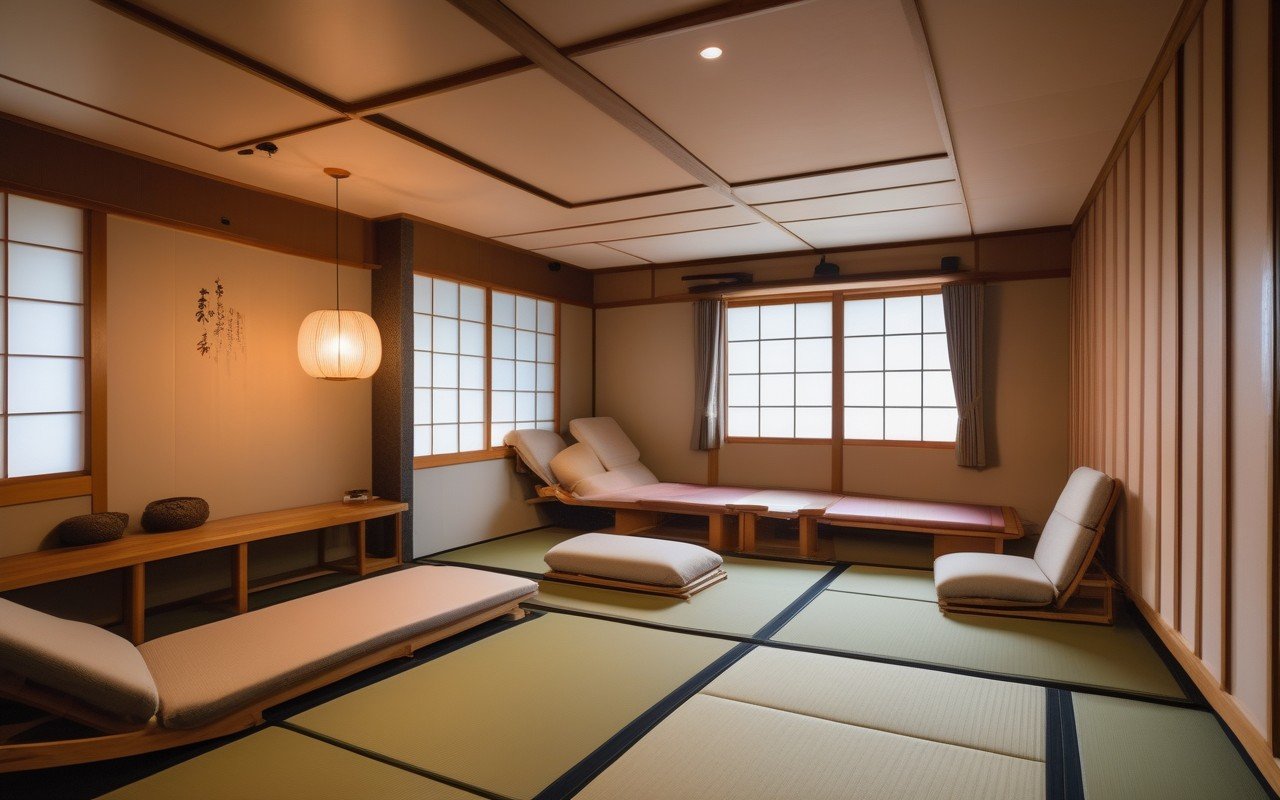
    Yokohama Day Onsen & Spa — detailed view

    Aspect Detail
    Location Minato Mirai. 5 min walk from Minato Mirai Station
    Hours 11:00 AM to 9:00 AM next day (20 hours)
    Price ¥3,000 to ¥4,500 per adult, varies by day
    Baths Indoor baths, cold bath
    Best For Couples, post-sightseeing relaxation

    Manyo Club is Yokohama’s premier urban onsen facility, offering an time that rivals many hot spring resorts in Hakone. The facility occupies multiple floors in Minato Mirai, with the outdoor rotemburo offering views of the Yokohama skyline, Soaking while watching the Cosmo Clock ferris wheel illuminate the night is a magical time unique to Yokohama. The Bath time:

    • Indoor baths — Large main bath with jet massages, and a waterfall feature
    • Outdoor rotemburo — Open-air bath with skyline views, the highlight of the visit
    • Sauna — Dry sauna with regular löyly sessions where water is poured over hot stones
    • Cold bath — Traditional cold plunge kept at 15 to 18 degrees Celsius
    • Carbonated bath — Gentle bubbling bath that is kind to the skin

    Beyond the Bath:

    Manyo Club is more than just an onsen — it is a full relaxation complex. The second floor features a spacious relaxation lounge with reclining chairs, and a cafe serving drinks and light meals. The third floor houses a restaurant serving traditional Japanese cuisine. The manyo set meal at ¥1,800 with sashimi, tempura, and seasonal vegetables is great value. places included:

    • Rest area with reclining chairs at no extra charge
    • Manga corner with hundreds of volumes
    • Restaurant serving Japanese cuisine
    • Cafe with soft drinks, and beer
    • Massage and treatment services at an additional charge
    • Gift shop with local products

    What to Bring: Nothing — towels, and basic toiletries including shampoo, and body soap are all included. Lockers are provided for your belongings. > Book Manyo Club Yokohama on Klook for discounted entry and skip-the-line access — check prices & book here. Pro Tips:

    • Late-night entry after 8:00 PM is often cheaper with a night passport option
    • Weekday mornings from 11:00 AM to 2:00 PM are the quietest
    • The facility allows overnight stays — enter after 10:00 PM and stay until morning
    • Tattoos are allowed — cover with provided stickers if small
    • Bring a ¥100 coin for the locker, refunded on exit

    2. Manten no Yu — Yokohama’s Natural Hot Spring time

    Best for: Waterfront relaxation, authentic onsen atmosphere

    Aspect Detail
    Location Near Yokohama Bay. 10 min bus from Yokohama Station
    Hours 10:00 AM to 11:00 PM. last entry at 10:00 PM
    Price ¥2,500 to ¥3,500 per adult
    Baths Large indoor bath, cold bath
    Best For Solo travelers, evening soak

    Manten no Yu offers a more traditional onsen atmosphere than Manyo Club, with a focus on the therapeutic qualities of the water. The facility uses water infused with natural minerals to recreate the time of a real hot spring. The water is soft on the skin and maintains temperature beautifully. places:

    • Large indoor bath — Spacious main bath with underwater jets
    • Outdoor rotemburo — Intimate stone-lined bath with curated garden views
    • Herbal sauna — Infused with Japanese herbs including yomogi and hinoki
    • Cold water bath — Traditional cold plunge
    • Foot bath — Open to all visitors free of charge, even without entry

    Additional amenities:

    • Relaxation room with reclining chairs
    • Restaurant serving soba, and set meals
    • Massage chairs at ¥100 for 10 minutes
    • Coin laundry for overnight guests
    • Retail corner with Japanese skincare products

    Book Manten no Yu Yokohama on Klook and save on entry fees — check prices & book here. Pro Tips:

    • Entry fee includes towel rental and basic toiletries
    • The restaurant’s onsen soba at ¥900 is the perfect post-bath meal
    • Tattoos are not permitted — private baths are available if you have visible tattoos
    • Weekdays after 7:00 PM are uncrowded and peaceful

    3. Wellness & Spa Options in Minato Mirai

    Best for: Spa treatments, luxury relaxation Yokohama has several great options for visitors seeking professional spa treatments rather than onsen bathing.

    Minato Mirai Spa Highlights

    The Kahala Hotel & Resort Spa
    | Attribute | Detail |
    |———–|——–|
    | Price | From ¥15,000 for a 60-minute treatment |
    | Access | Inside The Kahala Hotel, Minato Mirai |
    | Specialty | Hawaiian-Japanese fusion treatments |
    | Hours | 10:00 AM to 8:00 PM |

    The most luxurious spa time in Yokohama. The signature treatment combines Hawaiian lomi-lomi techniques with Japanese hot stone therapy. The relaxation lounge offers panoramic bay views. Westin Yokohama Spa
    | Attribute | Detail |
    |———–|——–|
    | Price | From ¥12,000 for a 60-minute treatment |
    | Access | Inside The Westin, Minato Mirai |
    | Specialty | Ayurvedic-inspired treatments using organic products |
    | Hours | 9:00 AM to 9:00 PM |

    The Westin’s Heavenly Spa offers a range of treatments using organic products. The indoor pool is available to spa guests and is one of the most pretty hotel pools in Yokohama.

    Chinatown Wellness Options

    Xijin Kowloon SPA Foot Massage
    | Attribute | Detail |
    |———–|——–|
    | Price | From ¥3,500 for a 60-minute foot massage |
    | Access | Inside Yokohama Chinatown, 5 min walk from Motomachi-Chukagai Station |
    | Specialty | Taiwanese foot massage and full body massage |
    | Hours | 10:00 AM to 10:00 PM |

    A professional foot massage and spa in the heart of Yokohama Chinatown. After hours of walking through Kanagawa’s temples and attractions, a therapeutic foot massage at Xijin Kowloon SPA offers genuine relief. The Taiwanese-style foot massage targets pressure points that relieve fatigue from long sightseeing days. > Book Xijin Kowloon SPA Foot Massage on Klook for the perfect recovery after a day of walking. RAKURAKUDOH Relaxation Salon
    | Attribute | Detail |
    |———–|——–|
    | Price | From ¥4,000 for a 60-minute treatment |
    | Access | 3 min walk from Kannai Station |
    | Specialty | Aromatherapy, full-body relaxation |
    | Hours | 10:00 AM to 9:00 PM |

    A tranquil relaxation salon offering aromatherapy, and full-body treatments near the Kannai district. The signature aromatherapy massage uses essential oils blended for deep relaxation. It is an ideal stop between exploring Chinatown and an evening in Minato Mirai. > Book RAKURAKUDOH Relaxation Salon on Klook for a calming break during your sightseeing day. —

    How to Choose Your Onsen time

    Choose Manyo Club if:

    • You want the most complete onsen time with multiple bath types
    • You have visible tattoos and need a tattoo-friendly facility
    • You want to relax for 3 to 4 hours or stay overnight
    • You want skyline views from the outdoor bath

    Choose Manten no Yu if:

    • You prefer a quieter, more traditional onsen atmosphere
    • You want a shorter visit of 1 to 2 hours
    • You are on a tighter budget
    • You do not have visible tattoos

    Choose a Hotel Spa if:

    • You want professional massage or beauty treatments
    • You are celebrating a special occasion
    • You prefer private treatment rooms

    Sample Onsen Evening Itinerary

    Classic Yokohama Onsen Night at Manyo Club:

    6:00 PM — Dinner at a Minato Mirai restaurant
    7:00 PM — Arrive at Manyo Club, change into yukata
    7:30 PM — Indoor bath and sauna session
    8:30 PM — Outdoor rotemburo during sunset and evening skyline
    9:00 PM — Relaxation lounge with a drink
    9:30 PM — Second bath rotation
    10:30 PM — Optional massage treatment
    11:30 PM — Late dinner at the onsen restaurant

    Quick Evening Soak at Manten no Yu:

    7:00 PM — Arrive at Manten no Yu
    7:15 PM — Indoor bath
    8:00 PM — Herbal sauna session
    8:30 PM — Outdoor rotemburo
    9:00 PM — Onsen soba dinner
    9:45 PM — Depart completely relaxed


    Onsen Etiquette Reminder

    1. Wash before entering — Use the shower stations to thoroughly clean your body before any bath
    2. No swimwear — Japanese onsen need nude bathing, and towels are provided
    3. Small towel only — Take the small towel to the bath area for drying between dips but do not let it touch the water
    4. No photos — Absolutely no phones or cameras in bathing areas
    5. Tattoo check — Manyo Club allows tattoos while Manten no Yu does not
    6. Hydrate — Drink water before and after soaking, available at water stations
    7. Limit each session — Soak for 10 to 15 minutes maximum and cool down between dips

    Frequently Asked Questions

    Q: Are these natural hot springs?

    A: Manyo Club and Manten no Yu use heated and filtered water rather than natural spring water. However, they are designed to replicate the onsen time with carefully designed baths, mineral-infused water, and traditional places. For genuine natural hot springs, visit Hakone, which is 90 minutes from Yokohama by train. Q: Can I visit if I have tattoos?

    A: Manyo Club has a tattoo-friendly policy with cover stickers available. Manten no Yu prohibits visible tattoos. Hotel spas generally allow tattoos in private treatment rooms. Q: Do I need to bring anything?

    A: No — towels, and basic toiletries are included in the entry fee. Lockers are provided for your belongings. Q: Are children allowed?

    A: Manyo Club welcomes children and is family-friendly. Manten no Yu is adults-only after 6:00 PM. Check individual facility policies before visiting. Q: Can I stay overnight at Manyo Club?

    A: Yes — Manyo Club operates for 24 hours and allows overnight stays. There is a surcharge for entry after 12:00 AM. Relaxation lounge chairs serve as sleeping spaces, though private rooms are not available. —


    🔗 Related Articles


    My personal exploration of Kanagawa has been incredibly rewarding, and I recommend adding this region to any Japan travel itinerary — the variety of experiences within short distances is what makes it special.


    After multiple visits to Kanagawa, . .

    Final Thoughts

    Whether you choose the premium Manyo Club time in Minato Mirai or the traditional atmosphere of Manten no Yu near Yokohama Bay, Yokohama’s day-use onsen and spa places offer genuine relaxation without the journey to Hakone. These urban hot spring retreats provide the perfect way to unwind after a day of sightseeing, and most are open late enough to fit comfortably into any evening itinerary, During my hike, I noticed that the trail markers are well-kept and easy to follow even for first-timers.

    Conclusion

    exploring Yokohama for its onsen can be as relaxed or as packed as you want it to be, and I have found that the best visits leave room for both planning and spontaneity. During my visit to Yokohama I went with a rough plan and found that leaving room to wander made the trip far more memorable. Use this guide to sort out the logistics in advance, then let the day surprise you — Kanagawa rewards travelers who stay curious.
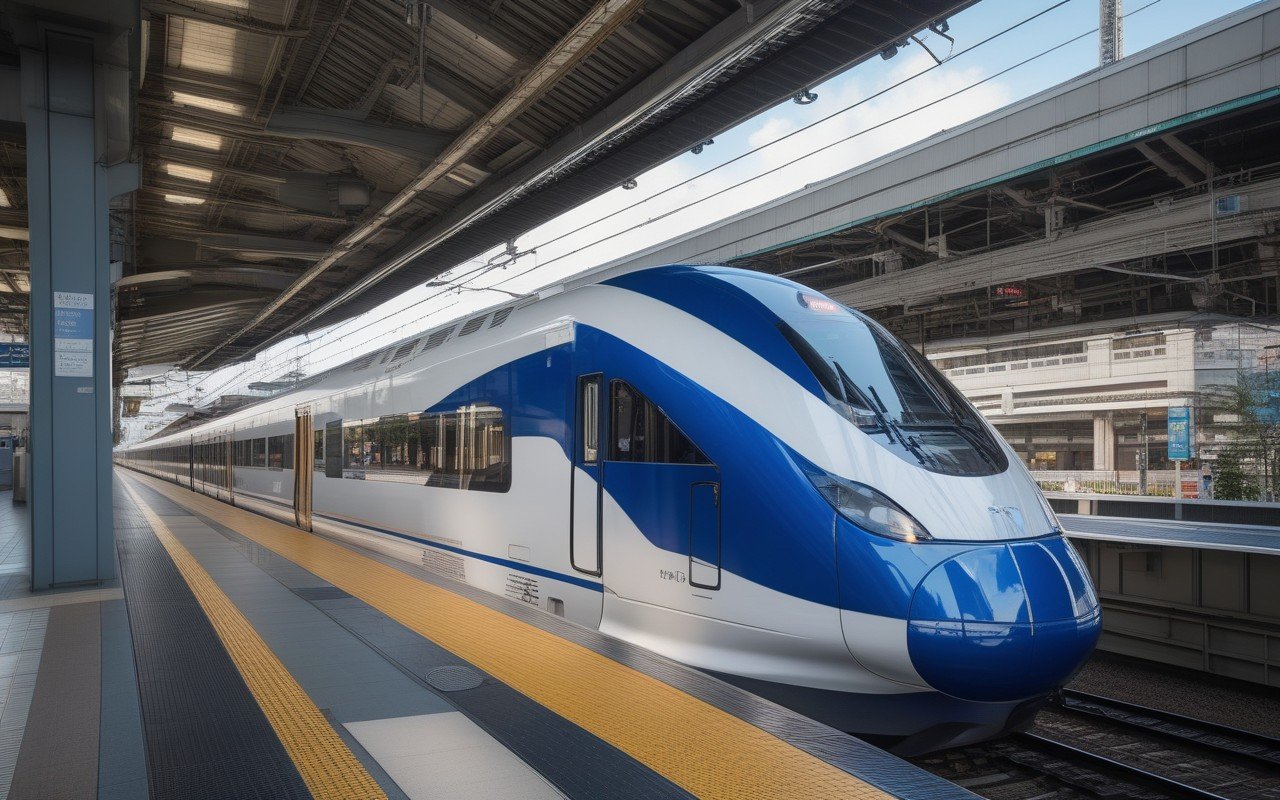
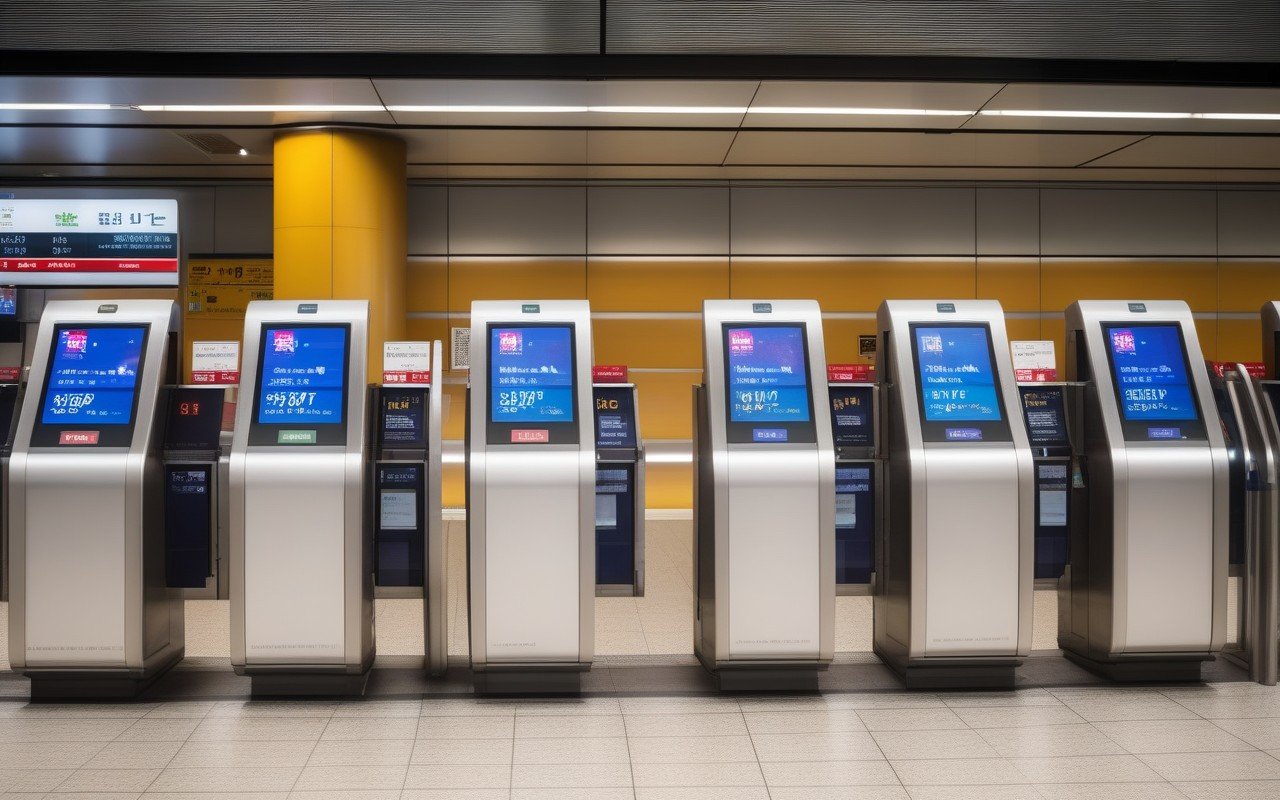
  • Narita Express N’EX Complete Guide: Round-Trip from 2026

    Narita Express N’EX Complete Guide: Round-Trip from 2026

    Narita Express N’EX Complete Guide: Round-Trip from Narita Airport to Tokyo, Shinagawa, Shibuya & Yokohama

    Overview

    Introduction

    The Narita Express N’EX is JR East’s premier airport limited express, offering direct connections from Narita Airport to major Tokyo hubs.

    The train features comfortable 2×2 seating with generous legroom, power outlets, and dedicated luggage storage — ideal for travelers with suitcases.

    N’EX trains run every 30 minutes during peak hours, serving both Terminal 1 and Terminal 2·3 at Narita Airport with direct services to central Tokyo.

    Narita Express N'EX Complete Guide: Round surrounding area and access

    Narita Express N'EX Complete Guide: Round scenery and attractions

    Narita Express N'EX Complete Guide: Round detailed view and features

    Narita Express N'EX Complete Guide: Round — visitor highlights

    The N’EX is one of the few airport trains offering direct service to Yokohama Station, eliminating the need for transfers at Tokyo Station.

    The Narita Express (N’EX) is JR East’s premier limited express train connecting Narita Airport to major stations across the greater Tokyo Area. Whether you’re heading to Tokyo Station, Shinagawa, Shibuya, Shinjuku, or even Yokohama, the N’EX offers a comfortable, reliable, and efficient transfer from the airport.

    This guide covers everything you need to know — from fares and schedules to seat types and the best way to book your round-trip ticket. What particularly impressed me during my visit was how strongly the local character remains preserved.

    Why Choose the Narita Express?

    The N’EX stands out among airport transfer options for several reasons:

    Feature N’EX Keisei Skyliner Airport Limousine Bus Taxi
    Tokyo Station ~53 min ~60 min (via Nippori) ~65 min ~60 min
    Shinjuku ~80 min ~75 min (via Nippori) ~75 min ~70 min
    Yokohama ~90 min Transfer required ~90 min ~80 min
    Frequency Every 30 min Every 20-40 min Every 15-30 min On-demand
    Luggage space ✅ Dedicated ✅ Dedicated ❌ Limited ✅ Trunk
    Guaranteed seat ✅ Reserved ✅ Reserved ❌ First-come ✅ N/A
    Wi-Fi ✅ Free ✅ Free ❌ Varies Free
    Power outlets ✅ Most cars ✅ Some cars

    Book your N’EX Round-Trip Ticket on Klook →


    Routes & Destinations

    The N’EX serves two main airport terminals at Narita (Terminal 1 and Terminal 2·3) and connects to the following stations:

    Direct Service to Central Tokyo

    Destination Approx. Time from Terminal 1 Notes
    Tokyo Station 53 min Main hub, direct connection to Shinkansen
    Shinagawa 64 min Gateway to Shinkansen (Osaka, Kyoto)
    Shibuya 75 min Direct to Shibuya Scramble, Shibuya Sky
    Shinjuku 80 min Direct to west side, easy transfer to Chuo Line
    Ikebukuro 68 min Direct access via Yamanote connection

    Direct Service to Yokohama

    The N’EX also runs directly to Yokohama — one of the few airport trains that does so without a transfer:

    Destination Approx. Time from Terminal 1
    Yokohama Station 90 min
    Musashi-Kosugi 80 min

    Tip: If you’re staying in Yokohama for the first part of your trip, the direct N’EX service eliminates the hassle of changing trains at Tokyo Station. This alone saves 20-30 minutes compared to other transfer options.


    Fares & Tickets

    N’EX Tokyo Round-Trip Ticket (最お得)

    For most travelers visiting the Tokyo area, the N’EX Round-Trip Ticket offers the best value:

    Ticket Type Adult Child (6-11)
    N’EX Round-Trip (Tokyo area) ¥5,070 ¥2,530
    One-way to Tokyo (standard fare) ¥3,070 ¥1,530
    One-way to Yokohama (standard fare) ¥4,390 ¥2,190

    The round-trip ticket is valid for 14 days and covers travel from Narita Airport to any station within the N’EX Tokyo Round-Trip zone (Tokyo, Shinagawa, Shibuya, Shinjuku, Ikebukuro, and others).

    Savings: The round-trip ticket saves you approximately ¥1,070 compared to buying two one-way tickets. Plus, it includes a reserved seat guarantee on both journeys — essential during peak season.

    Get your N’EX Round-Trip Ticket here →

    IC Card (Suica / Pasmo)

    You can also use an IC card to board the N’EX, but you’ll need to purchase a limited express supplement ticket separately from the ticket machine. The fare + supplement is the same as the standard fare.

    Japan Rail Pass

    The N’EX is fully covered by the Japan Rail Pass. If you plan to travel beyond Tokyo (e.g., Kyoto, Osaka, Hiroshima), the JR Pass offers extraordinary value.


    Schedule & Frequency

    The N’EX operates from early morning to late evening:

    Direction First Train Last Train Frequency
    Narita → Tokyo ~6:15 AM ~9:30 PM Every 30 min daytime
    Tokyo → Narita ~5:45 AM ~7:50 PM Every 30 min daytime

    Most trains run every 30 minutes during peak hours and every 60 minutes during off-peak periods.

    Peak Hours

    The N’EX gets busy during:

    • Morning (7:00-9:00): Outbound from Tokyo to Narita (departures)
    • Afternoon (13:00-15:00): Arrivals from Narita to Tokyo
    • Evening (17:00-19:00): Outbound from Tokyo

    Recommendation: Book the round-trip ticket in advance during cherry blossom season (late March-April) and Golden Week (late April-early May) to secure your seat.


    Onboard Experience

    Seats & Comfort

    The N’EX features comfortable 2×2 seating with generous legroom — significantly more spacious than a standard commuter train. Each seat comes with:

    Reclining seat with ample legroom
    Tray table (great for working or snacking)
    Power outlet (100V AC) at every seat pair
    Overhead luggage rack + dedicated luggage space at car ends
    Free Wi-Fi (JR-EAST FREE Wi-Fi)
    Reading light
    Coat hook and storage pocket

    Luggage

    Large suitcases (up to 160cm total dimensions) can be stored in the dedicated luggage areas at the end of each car. Unlike some other airport trains, there’s no reservation requirement for luggage space on the N’EX.

    Food & Drink

    There’s no food service on the N’EX, but you can bring your own food and drinks onboard. Consider picking up an ekiben (station bento box) at Narita Airport’s extensive food court before boarding.


    How to Book

    Option 1: Book Online in Advance (Recommended)

    The easiest way is to book your N’EX round-trip ticket online before you arrive:

    Book N’EX Round-Trip Ticket on Klook →

    Benefits of booking online:

    • Guaranteed seat — No risk of sold-out trains
    • Skip the line — Go straight to the ticket machine with your voucher
    • Best price — Official JR fare, no markup
    • 14-day validity — Flexibility for your return journey
    • Instant confirmation — Get your QR code immediately

    Option 2: Purchase at the Airport

    You can buy tickets at JR East ticket offices (Midori-no-Madoguchi) at Narita Airport:

    • Terminal 1: JR East Ticket Office (B1F, near the JR gate)
    • Terminal 2·3: JR East Ticket Office (B1F, follow signs)

    Option 3: Suica + Supplement

    If you have an IC card, you can board directly but must purchase a limited express supplement ticket from the ticket machine before boarding.


    Tips for a Smooth Journey

    🚆 Boarding the Train

    1. Arrive at the platform 5-10 minutes before departure
    2. Check the car number on your ticket — each car stops at a specific position
    3. Store large luggage in the designated areas
    4. Find your seat — seats are numbered clearly (Row A is window, Row D is aisle)
    5. Enjoy the ride — the train departs punctually

    🔄 Return Journey

    1. Your round-trip ticket is valid for 14 days
    2. Reserve your return seat at any JR East ticket office or ticket machine
    3. Allow at least 2.5-3 hours between your flight departure and the N’EX arrival at Narita
    4. The last N’EX to Narita departs Tokyo around 7:50 PM — plan accordingly!

    🎒 Recommended Items

    Item Why
    Wi-Fi rental N’EX has free Wi-Fi, but coverage is better with a pocket Wi-Fi
    Snacks/drink No onboard service — bring your own
    Power bank Power outlets are available, but a backup is always helpful
    IC Card For onward travel from your destination station

    📱 Useful Apps

    • JR East App: Real-time train information and platform numbers
    • Google Maps: Route planning and real-time transit data
    • Klook App: Access your booking QR code instantly

    Connecting from N’EX to Other Transport

    To Shinkansen (Bullet Train)

    Destination Transfer at Total time
    Kyoto/Osaka Tokyo Station +2h15m
    Nagoya Tokyo Station +1h40m
    Sendai Tokyo Station +1h30m
    Kanazawa Tokyo Station +2h30m

    The Yamanote Line from Shinagawa or Tokyo Station connects to the Shinkansen platforms easily.

    To Local Transit

    From station Lines available
    Tokyo Yamanote, Keihin-Tohoku, Chuo, Sobu, Marunouchi Subway
    Shinagawa Yamanote, Keihin-Tohoku, Tokaido Main, Asakusa Subway
    Shibuya Yamanote, Saikyo, Shonan-Shinjuku, several subway lines
    Shinjuku Yamanote, Chuo, Saikyo, Odakyu, Keio, several subway lines
    Yokohama Keihin-Tohoku, Yokohama Subway, Minatomirai Line

    N’EX vs. Other Airport Transfers

    Transfer Time to Tokyo Cost Best For
    N’EX 53 min ¥3,070 one-way Travelers with luggage, comfort seekers
    Keisei Skyliner 36 min to Nippori ¥2,570 one-way Speed to Ueno/Asakusa/Northern Tokyo
    Airport Limousine Bus 65-120 min ¥3,200 one-way Direct to hotels, late arrivals
    Taxi 60-80 min ¥20,000+ Groups of 3+, late-night arrivals
    Keisei Access Express 65 min to Nippori ¥1,330 one-way Budget travelers

    Bottom line: If you’re heading to Shinagawa, Shibuya, Shinjuku, or Yokohama — or if comfort and guaranteed seating matter to you — the N’EX is the clear winner. For speed to Ueno or Asakusa, choose the Skyliner. For budget, the Access Express is unbeatable.


    The Anaba Take

    After years of traveling to and from Narita Airport, the N’EX remains our go-to recommendation for travelers heading to Shibuya, Shinjuku, or Yokohama. The combination of guaranteed seating, generous luggage space, and stress-free direct service to these hubs makes it worth the premium over the local train options.

    Pro tip: Book your round-trip ticket online before you arrive. The QR code exchange at Narita Airport takes under 2 minutes, and you’ll have peace of mind knowing your seat is reserved both ways — especially valuable if you’re arriving on a late-afternoon flight or departing during peak season. Secure your N’EX Round-Trip Ticket →

    Frequently Asked Questions

    Q: Is the Narita Express the best option for first-time visitors arriving at Narita?
    A: For travelers heading to Shinagawa, Shibuya, Shinjuku, or Yokohama, yes — the N’EX offers the most stress-free experience with guaranteed seating, luggage space, and direct service. For those going to Ueno or Asakusa, the Keisei Skyliner is faster and cheaper. Book the round-trip ticket online before arrival to skip the ticket line.

    Q: How much luggage can I bring on the N’EX?
    A: The N’EX has dedicated luggage areas at each car end for suitcases up to 160cm total dimensions. No advance reservation is needed for luggage space — first-come, first-served, During peak seasons (Golden Week, cherry blossom), arrive early to secure luggage space. Carry-on bags fit in the overhead rack.

    Q: What happens if I miss my N’EX train?
    A: If you have a reserved seat ticket, go to any JR East ticket office (Midori-no-Madoguchi) to exchange it for the next available train free of charge, subject to seat availability. N’EX trains run every 30 minutes during peak times. Non-reserved round-trip tickets are valid on any N’EX within the 14-day validity period.

    Q: Can I use my Suica/Pasmo IC card on the N’EX?
    A: Yes, you can use an IC card for the base fare, but you must also purchase a limited express supplement ticket from the ticket machine before boarding. The total cost equals the standard fare. For most travelers, the round-trip ticket (¥5,070) offers better value and includes seat reservation.

    Q: Is the N’EX accessible with a wheelchair or stroller?
    A: Yes, the N’EX is fully wheelchair accessible. Wheelchair-accessible seating is available in car 4 (Tokyo-bound) or car 8 (Narita-bound). Station staff at Narita Airport will assist with boarding if requested. Strollers can be folded and stored in the luggage area. Elevators are available at all N’EX-served stations. . .

    With a little preparation and these insider tips, you can focus on what matters most: immersing yourself in the beauty and culture of Kanagawa.

    Conclusion

    The details in this guide come from real visits, and the biggest lesson I took away was that the best experiences in Kanagawa rarely fit neatly into a checklist. During my visit I went with a rough plan and found that leaving room to wander made the trip far more memorable. Plan the essentials, keep your schedule flexible, and you will leave Kanagawa wanting to return.

  • Hayama & Miura Accommodation Guide 2026 — Coastal…

    Hayama & Miura Accommodation Guide 2026 — Coastal…

    This destination guide covers everything you need to know about visiting this area in Kanagawa. From how to get there to what to see, you will find practical information for a memorable trip.

    Hayama & Miura Accommodation Guide 2026 — Coastal Retreats on the ShShonanoast

    Overview

    Plan your perfect visit to Hayama & Miura Accommodation Guide 2026 — Coastal… with this comprehensive destination guide, Covering everything from must-see attractions to practical travel tips, this guide helps you make the most of your time in Hayama. Whether you have a single day or an entire week, discover the best that this Kanagawa destination has to offer.

    📍 Quick Overview

    • Two distinct coastal areas — Hayama’s marina-side retreats and Miura’s rugged southern coastline
    • From ¥12,000 (minshuku) to ¥40,000+ (luxury seaside) per night
    • 60–90 minutes from Tokyo — the perfect weekend escape from the capital
    • Best for: Couples seeking romance, nature lovers, artists, photographers, sailing enthusiasts
    • Perfect base for exploring the Shonan Coast, Jogashima Island, and the Miura Peninsula’s hiking trails

    Introduction: The Shonan Coast’s Best-Kept Secrets

    While Kamakura and EnKamakuraraw the crowds, the southern Shonan Coast — particularly Hayama and Miura — remains remarkably peaceful. Hayama has long been a summer retreat for Tokyo’s elite (the Imperial Family’s villa is here), while Miura’s rugged coastline offers some of Kanagawa’s most dramatic scenery. Yet both areas remain under the radar for international visitors.

    Hayama & Miura Accommodation Guide scenery and attractions

    Staying overnight here is the secret to experiencing the Shonan Coast at its best. You’ll watch the sunrise paint Sagami Bay in shades of gold and pink, walk empty beaches in the early morning, and dine at restaurants that serve fish caught just hours earlier — experiences day-trippers simply cannot have.

    Why Stay Overnight:

    • Sunrise over Sagami Bay — the eastern coastline offers spectacular morning light
    • Empty beaches — the crowds don’t arrive until 11:00 AM
    • Dinner at local seafood restaurants — the evening catch at Miura’s harborside eateries
    • Stargazing along the coast — minimal light pollution compared to Yokohama or Kamakura
    • Weekend farmers markets — Hayama’s Sunday market is a local institution

    1. Hayama — Elegance & Coastal Sophistication

    Best for: Couples, romantics, artists, sailors, food lovers

    Hayama & Miura Accommodation — detailed view

    Aspect Detail
    Vibe Refined, coastal, relaxed elegance
    Access 30 min bus from Zushi Station (JR Yokosuka Line)
    Price Range ¥15,000–¥40,000/night
    Best For Romantic escapes, couples, luxury seekers

    Hayama is often called the “Hamptons of Japan” — a stretch of coastline where Tokyo’s wealthy maintain vacation homes alongside exclusive restaurants, art galleries, and a world-class marina. The atmosphere is sophisticated but relaxed: think linen trousers and sun hats rather than evening gowns and tuxedos. The Imperial Family’s villa is located here, and the area’s restrained elegance reflects this connection.

    Luxury Seaside

    Hayama Hotel Otowa no Mori

    Price: From ¥35,000/night (double)
    Rooms: 42
    Features: Forest garden, private onsen baths, kaiseki dining, art gallery
    Access: 10 min taxi from Zushi Station
    Best For: Romantic escapes, special occasions, nature immersion

    Nestled in a forested hillside overlooking Sagami Bay, Otowa no Mori is Hayama’s most exclusive accommodation. The hotel is designed around the concept of shinrin-yoku (forest bathing) — floor-to-ceiling windows bring the surrounding woodland into every room, and the private onsen baths use natural spring water. The kaiseki dinner is a multi-course journey through Shonan’s seasonal ingredients, with an emphasis on locally caught seafood and Hayama-grown vegetables.

    The garden is a work of art in itself — designed by a renowned landscape architect, it features meandering paths, a koi pond, and viewing platforms that capture the ocean in the distance. Afternoon tea here (¥4,500) is available to non-guests and is worth the trip alone.

    Book Hayama Hotel Otowa no Mori on Klook for exclusive rates and availability → Check prices and book here

    Why book on Klook: Otowa no Mori is a popular choice for weekend getaways and books out weeks in advance. Klook often has last-minute availability when direct booking sites show full occupancy.

    Mid-Range Boutique

    Hayama Inn the Sea

    Price: From ¥18,000/night (double)
    Rooms: 12
    Features: Ocean-view rooms, bicycle rental, restaurant
    Access: 5 min walk from Hayama-Minato bus stop
    Best For: Couples, cyclists, surfers

    A boutique inn with a relaxed, beachy atmosphere. Each room has a different design theme, but all feature ocean views and private balconies. The ground-floor café serves excellent coffee and homemade pastries, and the restaurant offers a seafood-focused dinner menu at reasonable prices (¥4,000–6,000 for a full course). Bicycle rental is available — the ride along the Hayama coastline to Morito Beach is one of the most scenic in Kanagawa.

    Budget-Friendly

    Hayama Guesthouse Umi

    Price: From ¥5,500/night (dorm), ¥12,000 (private)
    Rooms: 3 dorm rooms + 2 private rooms
    Features: Shared kitchen, social atmosphere, surfboard storage
    Access: 8 min walk from Hayama-Minato bus stop
    Best For: Budget travelers, solo adventurers, surfers

    A friendly guesthouse popular with the surfing community. The private rooms are simple but spotless, and the common room is genuinely social — expect to share travel stories over evening tea. Surfboard storage is available for ¥500/night. The guesthouse also offers towel rental and has a small convenience store within a 2-minute walk.

    ⚠️ Hayama Watchpoints

    • Dining reservations: Hayama’s best restaurants require reservations 1–2 weeks in advance, especially on weekends. Ask your hotel to book for you
    • Limited nightlife: Hayama is quiet after 9:00 PM. If you want evening entertainment, stay in Yokosuka or Kamakura instead
    • Bus schedules: Buses from Zushi Station to Hayama run every 20–30 minutes but stop around 9:00 PM. Check the last bus time
    • Seasonal rates: July–August rates at Otowa no Mori can be 50% higher than the off-season

    2. Southern Miura Coast — Rugged Beauty & Seclusion

    Best for: Nature lovers, hikers, solitude seekers, photographers

    Aspect Detail
    Vibe Untamed, dramatic, peaceful
    Access 40–50 min bus from Yokosuka-Chuo Station
    Price Range ¥12,000–¥25,000/night
    Best For Hiking, photography, digital detox

    The southern Miura coast is completely different from Hayama’s refined elegance. This is raw, untamed coastline — dramatic sea cliffs, hidden coves where fishermen mend their nets, and shrines perched on rocky outcrops. Accommodation here is limited but special: small inns and minshuku where the owners know the tides and the best fishing spots.

    Coastal Retreat

    Zekkei Seaside Nahama

    Price: From ¥18,000/night (double)
    Rooms: 18
    Features: Direct beach access, terrace with ocean views, fresh seafood dining
    Access: 15 min walk from Keikyu-Oppama Station (shuttle available)
    Best For: Couples, photographers, coastal walkers

    Perched directly on the Nahama coast, this inn offers one of the most spectacular oceanfront settings in Kanagawa. The rooms are simple in design — white walls, natural wood, and floor-to-ceiling windows that frame the Pacific horizon — but the experience is anything but simple. Fall asleep to the sound of waves and wake up to a sunrise that turns the ocean into liquid gold.

    The restaurant specializes in freshly caught seafood from the Miura Peninsula, with an emphasis on simple preparations that let the quality of the ingredients shine. The sashimi breakfast (¥1,200 supplement) is worth waking up for — the fish was likely swimming just hours before you eat it.

    Book Zekkei Seaside Nahama on Klook — the best views on the Miura coast → Check rates and availability

    ⚠️ Southern Miura Watchpoints

    • Limited dining: The area around Nahama has few restaurants outside the inn. Plan to eat at your accommodation or bring supplies from Yokosuka
    • No convenience stores: Stock up on snacks and drinks before heading south from Yokosuka
    • Mobile reception: Can be spotty along the coast. Download maps in advance
    • Weather: The coast is exposed to Pacific weather systems. Check conditions before hiking

    📊 Quick Comparison Table

    Area Budget Range Best For Access from Tokyo Atmosphere
    Hayama ¥5,500–¥40,000 Romance, luxury, art 90 min Refined, elegant
    Southern Miura ¥12,000–¥25,000 Nature, hiking, solitude 90 min Rugged, peaceful

    💡 Booking Tips & Strategies

    Seasonal Pricing Calendar

    Season Price Impact Booking Window
    Jan–Feb Low 1 week ahead
    Mar–Apr Moderate 2–3 weeks ahead
    May (Golden Week) Very high 2–3 months ahead
    Jun Low (rainy season) 1 week ahead
    Jul–Aug Very high (peak beach season) 1–2 months ahead
    Sep Moderate 2 weeks ahead
    Oct–Nov Moderate (fall foliage) 2–3 weeks ahead
    Dec Low 1 week ahead

    How to Choose

    Choose Hayama if: You want refined coastal luxury, romantic atmosphere, and access to excellent restaurants and art galleries. Otowa no Mori is unbeatable for a special occasion.

    Choose Southern Miura if: You want dramatic coastal scenery, hiking access, and true seclusion. Zekkei Seaside Nahama delivers the quintessential Miura coast experience.

    🚗 Access from Major Hubs

    From To Hayama To Southern Miura
    Tokyo (Shinjuku) 90 min (JR + bus) 100 min (JR + Keikyu + bus)
    Yokohama 60 min (JR + bus) 45 min (Keikyu + bus)
    Kamakura 40 min (bus) 50 min (Keikyu + bus)
    Car (from Tokyo) 60 min (via Yokohama-Yokosuka Road) 70 min (via national routes)

    Car Rental Recommendation

    A car transforms a Hayama or Miura stay — you can explore hidden coves, stop at roadside seafood stalls, and visit the peninsula’s lighthouses and viewpoints without waiting for buses. Book a rental car via Klook for competitive rates with English-language support.


    🏨 Sample Itineraries by Travel Style

    Romantic Weekend Escape (2 nights, ¥50,000–80,000 total)

    Night 1: Hayama Hotel Otowa no Mori — ¥35,000+
      → Afternoon: Forest bath in hotel garden
      → Evening: Kaiseki dinner + private onsen
      → Book: Stay at Hayama Hotel Otowa NO Mori — a peaceful forest retreat in the Shonan coastal area
    
    Night 2: Zekkei Seaside Nahama — ¥18,000+
      → Morning: Hayama Marina walk + café breakfast
      → Afternoon: Drive to Miura coast viewpoints
      → Book: Experience Zekkei Seaside Nahama — a stunning coastal resort on the Miura Peninsula

    Nature & Hiking Weekend (2 nights, ¥36,000–50,000 total)

    Night 1–2: Zekkei Seaside Nahama — ¥18,000/night
      → Day 1: Southern Miura coastal hike
      → Day 2: Jogashima Island day trip
      → Evening: Fresh seafood dinner at the inn

    Budget-Friendly Beach Break (2 nights, ¥24,000–35,000 total)

    Night 1–2: Hayama Guesthouse Umi (private) — ¥12,000/night
      → Day 1: Hayama beaches + Morito Island walk
      → Day 2: Bicycle ride along the coast
      → Evening: Cook at the guesthouse shared kitchen

    🔗 Related Articles


    Frequently Asked Questions

    Q: Is Hayama beach suitable for swimming?

    A: Yes — Morito Beach and Isshiki Beach are popular swimming spots in summer. Both have lifeguards during July–August. Otowa no Mori and other hotels can provide beach access information.

    Q: Can I visit the Imperial Villa in Hayama?

    A: The Imperial Villa grounds are open to the public on limited dates (usually a few days per month). Reservations are required and must be made through the Imperial Household Agency website. Your hotel concierge can help with the booking process.

    Q: Do I need a car to explore Hayama and Miura?

    A: Not strictly necessary, but highly recommended. Public buses connect the main towns but run infrequently (every 30–60 minutes). A car gives you the freedom to explore hidden spots at your own pace.

    Q: Which is better for a romantic getaway — Hayama or Miura?

    A: Hayama for classic romance (luxury hotels, fine dining, sunset walks). Southern Miura for adventure romance (dramatic coastlines, private coves, stargazing). Otowa no Mori is the top choice for special occasions; Zekkei Seaside Nahama is better for couples who love nature.

    Q: What’s the best time of year to visit?

    A: May–June and September–October offer the best weather — warm enough for outdoor activities without the humidity of midsummer. July–August is beach season but crowded and expensive. Winter (December–February) is quiet and affordable but many restaurants close on weekdays.


    Last Updated: May 28, 2026
    Written by: Anaba OffJapan Editorial Team
    Prices verified: Spring 2026 (subject to seasonal change)


    Hayama and the Miura coast offer two distinctly different accommodation experiences, united by spectacular coastal scenery and a pace of life that feels worlds away from Tokyo. Whether you choose the refined elegance of Hayama Hotel Otowa no Mori, the dramatic oceanfront setting of Zekkei Seaside Nahama, or a budget-friendly guesthouse, staying overnight on the Shonan Coast reveals the region at its most beautiful — quiet, uncrowded, and deeply connected to the sea. Book your Hayama or Miura accommodation through Klook for the best rates and availability.


    Conclusion

    The details in this guide come from real visits, and the biggest lesson I took away was that the best experiences in the Miura Peninsula rarely fit neatly into a checklist. During my visit to the Miura Peninsula I went with a rough plan and found that leaving room to wander made the trip far more memorable. Plan the essentials, keep your schedule flexible, and you will leave Kanagawa wanting to return.

  • Yokohama Accommodation Guide 2026 — Best Areas & Hotels

    Yokohama Accommodation Guide 2026 — Best Areas & Hotels

    This guide provides essential travel tips and practical advice for navigating Kanagawa Prefecture. From transportation passes to safety information, you will find everything you need for a smooth and enjoyable trip.

    Yokohama Accommodation Guide 2026 — Best Areas & Hotels

    Overview

    📍 Quick Overview

    • 4 distinct accommodation areas covered in detail
    • From ¥3,500 (capsule) to ¥60,000+ (luxury) per night
    • 30 minutes from Tokyo by train — ideal base for Kanagawa exploration
    • Best for: Business travelers, couples, families, solo adventurers
    • Perfect base for day trips to Kamakura, Hakone, aHakonenan

    When I visited, I was truly impressed by the quality.

    Introduction: Why Stay in Yokohama?

    Yokohama Accommodation Guide scenery and attractions

    📍 Yokohama Hotel Locations

    View recommended hotels and accommodations on Google Maps for easy trip planning.

    📍 View on Google Maps

    Yokohama is Japan’s second-largest city, yet it offers a more relaxed pace than Tokyo while delivering world-class dining, shopping, and culture, Staying here gives you:

    • Lower prices than central Tokyo for equivalent quality
    • Stunning waterfront views at Minato Mirai and Yamashita Park
    • excellent transport connections — Shinkansen at Shin-Yokohama, JR lines to Kamakura and Hakone
    • Diverse neighborhoods — from the neon glow of Chinatown to the quiet historic lanes of Kannai

    Unlike the overwhelming scale of Tokyo, Yokohama feels manageable. You can walk from a luxury hotel to a museum, then to a ramen shop, then to a park — all within 15 minutes.


    1. Minato Mirai 21 — Waterfront Luxury & Skyline Views

    Best for: First-time visitors, couples, luxury seekers, photographers

    Yokohama Accommodation — detailed view

    Aspect Detail
    Vibe Modern, upscale, tourist-friendly
    Access 3 min walk from Minato Mirai Station, 10 min from Yokohama Station
    Price Range ¥15,000–¥60,000/night
    Best For Couples, luxury travelers, sightseers

    Minato Mirai 21 is Yokohama’s crown jewel — a planned waterfront district with towering hotels, the iconic Cosmo Clock ferris wheel, and the landmark InterContinental hotel shaped like a sailing ship. This area delivers the picture-postcard Yokohama experience.

    Luxury Hotels

    InterContinental Yokohama Grand

    Price: From ¥35,000/night
    Rooms: 601
    Features: Bay views, multiple restaurants, pool
    Access: Direct walk from Minato Mirai Station
    Best For: Romantic stays, harbor views

    The sail-shaped landmark of Minato Mirai. Rooms on the bay side offer sweeping views of the Yokohama skyline and the Ferris wheel at night. The concierge team can arrange private yacht charters and helicopter tours — but even a standard bay-view room feels special.

    The Kahala Hotel & Resort Yokohama

    Price: From ¥45,000/night
    Rooms: 146
    Features: Full-service spa, private garden, Michelin-star dining
    Access: 5 min taxi from Minato Mirai Station
    Best For: Honeymoons, special occasions

    Hawaiian hospitality meets Japanese precision. This is Yokohama’s most exclusive hotel, with a serene garden, a world-class spa, and rooms that feel like private suites. The Sunday brunch here is legendary among Yokohama residents.

    The Westin Yokohama

    Price: From ¥30,000/night
    Rooms: 369
    Features: Heavenly Bed, spa, indoor pool, bay views
    Access: Direct connection to Queen's Square
    Best For: Business + leisure, wellness travelers

    Connected to the Queen’s Square shopping complex, the Westin offers the best of both worlds — luxury amenities with direct access to shops, restaurants, and the Minato Mirai walking promenade.

    Mid-Range Options

    Mitsui Garden Hotel Yokohama Minato Mirai Premier

    Price: From ¥18,000/night
    Rooms: 298
    Features: High-floor lobby with bay views, modern rooms
    Access: 3 min walk from Minato Mirai Station
    Best For: Smart value, design-conscious travelers

    The lobby on the 22nd floor offers a stunning panorama of the bay — a welcome view that costs a fraction of the luxury hotels next door. Rooms are compact but cleverly designed, with thoughtful touches like DHC amenities and Nespresso machines.

    APA Hotel & Resort Yokohama Bay Tower

    Price: From ¥10,000/night
    Rooms: 2,525 (one of Japan's largest hotels)
    Features: On-site onsen, multiple restaurants, convenience store
    Access: 8 min walk from Minato Mirai Station
    Best For: Budget-conscious travelers who want the Minato Mirai location

    Yes, the rooms are small (standard APA size), but the location and facilities are exceptional for the price. The on-site hot spring bath is a genuine onsen with views of the bay — a rare find at this price point.

    ⚠️ Minato Mirai Watchpoints

    • Weekend crowds: The area is packed on Saturdays and Sundays, especially around the Red Brick Warehouse
    • Restaurant queues: Popular restaurants can have 30-60 min waits at peak hours
    • Walking distances: Minato Mirai looks compact on a map but involves more walking than expected

    2. Kannai, Chinatown & Yamashita Park — Culture, Food & History

    Best for: Food lovers, culture enthusiasts, solo travelers, families

    Aspect Detail
    Vibe Historic, vibrant, walkable
    Access 2 min walk from Kannai or Nihon-odori Station
    Price Range ¥8,000–¥30,000/night
    Best For Food explorers, history buffs, mid-range budgets

    This is the real Yokohama — the historic heart of the city with Chinatown’s chaotic energy, Kannai’s art-deco buildings, and Yamashita Park’s waterfront promenade. You can walk from a business hotel to a century-old Chinese restaurant to the harbor in under 10 minutes.

    Mid-Range & Boutique

    Hotel New Grand

    Price: From ¥22,000/night
    Rooms: 248
    Features: Historic landmark, harbor views, multiple restaurants
    Access: 5 min walk from Nihon-odori Station
    Best For: History lovers, classic elegance

    Opened in 1927, the New Grand has hosted Charlie Chaplin, the Empress of Japan, and countless dignitaries. The main building’s art-deco lobby is a time capsule of 1920s glamour. Even if you don’t stay here, book afternoon tea in the Café Rose — the Napoleon Cake is famous.

    Richmond Hotel Yokohama Bashamichi

    Price: From ¥12,000/night
    Rooms: 200
    Features: Modern, clean, great location
    Access: 2 min walk from Bashamichi Station
    Best For: Smart mid-range, couples

    A consistently well-rated business hotel with rooms that feel more spacious than typical Japanese chains. The Bashamichi location puts you steps from Chinatown, the Red Brick Warehouse, and Kannai’s izakayas.

    PROSTYLE Ryokan Yokohama Bashamichi

    Price: From ¥15,000/night
    Rooms: 88
    Features: Japanese-style rooms, modern amenities, restaurant
    Access: 3 min walk from Bashamichi Station
    Best For: Culture travelers, design lovers

    A modern take on the traditional ryokan experience right in the historic Bashamichi district. Rooms feature tatami flooring and Japanese aesthetics combined with contemporary comfort. The on-site restaurant serves a notable Japanese breakfast.

    Book PROSTYLE Ryokan Yokohama Bashamichi on Klook for the best rates → Check prices and availability

    Yokohama Mega Stay

    Price: From ¥9,000/night
    Rooms: 140
    Features: Spacious rooms, kitchenettes, coin laundry
    Access: 5 min walk from Kannai Station
    Best For: Budget-conscious travelers, long stays, families

    A practical all-suite hotel offering significantly larger rooms than typical Japanese business hotels — each room comes with a kitchenette, making it ideal for longer stays or families. The Kannai location is quiet yet central, within walking distance of Chinatown and Yamashita Park.

    Book Yokohama Mega Stay on Klook for extended stay discounts → Check rates

    Hotel Resol Yokohama (Opening Spring 2026)

    Price: From ¥14,000/night
    Rooms: 168
    Features: Modern Japanese design, café, rooftop terrace
    Access: 3 min walk from Kannai Station
    Best For: Design-conscious travelers

    A new addition to Kannai with a contemporary take on Japanese aesthetics. The rooftop terrace offers sunset views over the city, and the ground-floor café serves excellent third-wave coffee.

    Budget-Friendly

    Yokohama Hostel Village

    Price: From ¥3,500/night (dorm), ¥8,000 (private)
    Rooms: Dorms + private rooms
    Features: Social atmosphere, shared kitchen, free Wi-Fi
    Access: 5 min walk from Ishikawacho Station
    Best For: Backpackers, solo travelers

    A well-run hostel in a converted office building near Chinatown. The common room is genuinely social — expect travelers comparing itineraries over ramen from the nearby shops. Private rooms offer good value for budget couples.

    Neighborhood Tips

    • Chinatown hotels put you in the middle of the action, but noise can be an issue on weekends. Request a room facing away from the main streets.
    • Kannai is quieter and more local. The area has excellent ramen shops and izakayas that tourists rarely find.
    • Yamashita Park offers the best harbor views in this district. Early morning walks here are magical.

    3. Yokohama Station Area — Maximum Convenience

    Best for: Business travelers, transit-focused visitors, budget stays

    Aspect Detail
    Vibe Efficient, commercial, fast-paced
    Access Directly connected to Yokohama Station
    Price Range ¥7,000–¥20,000/night
    Best For Business trips, early departures, budget stays

    Yokohama Station is a transit megahub — JR lines, private railways, buses, and the subway all converge here, Staying in this area means you can be in Shinjuku in 25 minutes, Kamakura in 30 minutes, or Hakone in 90 minutes.

    Business Hotels

    Yokohama Bay Hotel Tokyu

    Price: From ¥18,000/night
    Rooms: 532
    Features: Direct station access, multiple restaurants, pool
    Access: Connected to Yokohama Station
    Best For: Business travelers, families wanting convenience

    A polished business hotel directly above the station. The bay-view rooms on upper floors rival Minato Mirai hotels at lower prices. The breakfast buffet is one of Yokohama’s best.

    Yokohama Washington Hotel

    Price: From ¥10,000/night
    Rooms: 1,032
    Features: Reliable chain, central location, 3 restaurants
    Access: 3 min walk from Takashima-cho Station
    Best For: Reliable comfort, solo business travelers

    A massive hotel that handles volume efficiently. Rooms are standard business-hotel size but clean and well-maintained. The location between the station and Minato Mirai makes it practical for both work and sightseeing.

    Toyoko Inn Yokohama Station (Multiple Locations)

    Price: From ¥7,000/night
    Rooms: 200+ per location
    Features: Free breakfast, reliable quality, coin laundry
    Access: Various exits of Yokohama Station
    Best For: Ultra-budget, solo travelers

    The reliable budget champion. Free breakfast (onigiri, miso soup, coffee) saves ¥1,000/day. Multiple locations around the station mean you can choose based on which exit you use most.

    ⚠️ Station Area Watchpoints

    • Complex exits: Yokohama Station is notorious for its confusing layout. Spend 10 minutes learning the exits on a map before your first departure
    • No atmosphere: The station area is functional, not charming. You’ll need to walk 10-15 minutes to reach restaurants with character
    • Peak rush: 7:30-9:00 AM and 5:00-7:00 PM — avoid these hours if you dislike crowds

    4. Shin-Yokohama — Shinkansen Gateway

    Best for: Bullet train travelers, budget stays, Nissan Stadium visitors

    Aspect Detail
    Vibe Transit hub, practical
    Access Directly at Shin-Yokohama Station (Shinkansen stop)
    Price Range ¥8,000–¥20,000/night
    Best For Shinkansen users, event visitors, business

    Shin-Yokohama is where the Shinkansen stops — making it ideal for travelers continuing to Kyoto, Osaka, or points west. It’s also home to the Ramen Museum (a 5-minute walk) and Nissan Stadium.

    Shin-Yokohama Prince Hotel

    Price: From ¥12,000/night
    Rooms: 348
    Features: Direct station access, multiple restaurants, convenience store
    Access: Connected to Shin-Yokohama Station
    Best For: Shinkansen travelers, Ramen Museum visitors

    A classic. The rooms are being renovated through 2026, so request a refurbished floor. The location is unbeatable — walk from your room to the Shinkansen platform in under 5 minutes. The Ramen Museum is across the street.

    Associa Shin-Yokohama Hotel

    Price: From ¥15,000/night
    Rooms: 196
    Features: Larger rooms, better quality, gym
    Access: 3 min walk from Shin-Yokohama Station
    Best For: Quality-conscious Shinkansen travelers

    A step up from the Prince in terms of room size and finish. The breakfast featuring local Kanagawa ingredients is worth waking up for.


    📊 Quick Comparison Table

    Area Budget Range Best For Access to Tokyo Atmosphere
    Minato Mirai ¥10,000–¥60,000 Luxury, views, romance 35 min Upscale, polished
    Kannai/Chinatown ¥3,500–¥30,000 Food, culture, history 30 min Vibrant, historic
    Yokohama Station ¥7,000–¥20,000 Transit, business, budget 25 min Efficient, busy
    Shin-Yokohama ¥8,000–¥20,000 Shinkansen, events 20 min (Shinkansen) Functional, quiet

    💡 Booking Tips & Strategies

    Seasonal Pricing Calendar

    Season Price Impact Booking Window
    Jan–Feb Low (after New Year) 2 weeks ahead
    Mar–Apr High (cherry blossoms) 2–3 months ahead
    May (Golden Week) Very high (peak) 3–4 months ahead
    Jun Low (rainy season) 1–2 weeks ahead
    Jul–Aug High (summer) 1–2 months ahead
    Sep–Oct Moderate 2–4 weeks ahead
    Nov–Dec High (illuminations) 1 month ahead
    Year-End/New Year Very high (peak) 3 months ahead

    Money-Saving Strategies

    1. Book direct: Many hotels offer 10–15% discounts for direct bookings vs. OTA sites
    2. Use loyalty programs: Marriott Bonvoy (Westin), IHG (InterContinental), and Hilton (if any) points go further in Yokohama than Tokyo
    3. Weekday advantage: Monday–Thursday rates are often 30–50% lower than Friday–Saturday
    4. Package deals: Rakuten Travel and Jalan.net offer hotel + attraction bundles that save ¥2,000–¥5,000
    5. Consider Shin-Yokohama: If you’re on a tight budget, Shin-Yokohama hotels cost 20–30% less than Minato Mirai equivalents

    🚗 Access from Major Airports

    Airport Time to Yokohama Cost Best Method
    Narita (NRT) 90 min ¥3,500 Narita Express direct to Yokohama
    Haneda (HND) 25 min ¥1,500 Keikyu Line direct to Yokohama

    🏨 Sample Itineraries by Travel Style

    Culture & Food Explorer (3 nights, ¥30,000–45,000 total)

    Night 1: Hotel New Grand (Kannai) — ¥22,000
      → Evening: Chinatown dinner, 5 min walk
    Night 2: Richmond Hotel Bashamichi — ¥12,000
      → Day: Sankeien Garden + Ramen Museum
      → Evening: Kannai izakaya crawl
    Night 3: Toyoko Inn Yokohama Station — ¥7,000
      → Morning: Cup Noodles Museum before departing

    Luxury Weekend (2 nights, ¥80,000–100,000 total)

    Night 1: InterContinental Yokohama Grand — ¥40,000
      → Afternoon: Minato Mirai shopping
      → Evening: Hotel's French restaurant + harbor night view
    Night 2: The Kahala Hotel & Resort — ¥50,000
      → Morning: Spa treatment
      → Afternoon: Yamashita Park walk
      → Evening: Chinatown dinner

    Budget Backpacker (3 nights, ¥15,000–20,000 total)

    Nights 1–3: Yokohama Hostel Village (private room) — ¥8,000/night
      → Free activities: Yamashita Park, Minato Mirai walk,
        Red Brick Warehouse browsing
      → Cheap eats: Chinatown street food, convenience store meals
      → Transport: IC card, walk most places


    Frequently Asked Questions

    Q: Which area is best for first-time visitors to Yokohama?

    A: Minato Mirai for luxury and views, or Kannai for culture and food. Avoid Shin-Yokohama for sightseeing — it’s too far from the main attractions.

    Q: Is Yokohama cheaper than Tokyo for accommodation?

    A: Yes — typically 20–40% cheaper for equivalent quality. A ¥15,000 hotel in Yokohama might cost ¥25,000 in central Tokyo.

    Q: Can I use Yokohama as a base for exploring Kanagawa?

    A: Absolutely. Yokohama Station connects to Kamakura (30 min), Hakone (90 min), and Enoshima (40 min). It’s the best transit hub in the prefecture.

    Q: Do Yokohama hotels speak English?

    A: Major hotels (InterContinental, Westin, New Grand) have English-speaking staff. Business hotels (APA, Toyoko Inn) use translation apps and written English instructions. Budget hostels vary — translation apps are recommended.

    Q: Are there onsen (hot spring) hotels in Yokohama?

    A: Yes, but they are artificial onsen (not natural hot springs). APA Bay Tower has a genuine onsen bath. For natural onsen, you’ll need to go to Hakone (90 min away).


    Last Updated: May 26, 2026
    Written by: Anaba OffJapan Editorial Team
    Prices verified: Spring 2026 (subject to seasonal change)


    Yokohama offers accommodation for every budget and style, from the glittering towers of Minato Mirai to the historic corridors of the Hotel New Grand. Its 30-minute proximity to Tokyo, combined with lower prices and a more relaxed atmosphere, makes it an ideal base for exploring both the city and greater Kanagawa.

    Choose Minato Mirai for romance, Kannai for culture, the Station area for convenience, or Shin-Yokohama for Shinkansen access — and book early for spring and autumn travel.


    Conclusion

    Whether you are planning exploring Yokohama for its hotel for the first time or returning for another visit, taking a little extra time to go beyond the obvious sights makes all the difference. During my visit to Yokohama I went with a rough plan and found that leaving room to wander made the trip far more memorable. I hope this guide helps you build an itinerary that fits your pace, and that your time in Kanagawa leaves you with memories worth coming back for.

  • Shonan Coast Accommodation Guide 2026 — Chigasaki…

    Shonan Coast Accommodation Guide 2026 — Chigasaki…

    This destination guide covers everything you need to know about visiting this area in Kanagawa. From how to get there to what to see, you will find practical information for a memorable trip.

    Shonan Coast Accommodation Guide 2026 — Chigasaki, Fujisawa & Odawara

    Plan your perfect visit to Shonan Coast Accommodation Guide 2026 — Chigasaki… with this comprehensive destination guide, Covering everything from must-see attractions to practical travel tips, this guide helps you make the most of your time in Shonan. Whether you have a single day or an entire week, discover the best that this Kanagawa destination has to offer.

    Overview

    Plan your perfect visit to this Shonan coast destination with this comprehensive accommodation guide, Covering everything from beachfront hotels to traditional inns, this guide helps you find the perfect place to stay.

    💬 Traveler’s Note: I stayed overnight in Chigasaki after a surf lesson and watched the sunset over Enoshima from a beachfront guesthouse balcony — it completely changed how I think about Shonan. I recommend booking the Fujisawa area for convenience and the Oiso stretch when you want calmer mornings with Fuji views.

    📍 Quick Overview

    • 4 distinctive areas along the coast — Fujisawa/Enoshima, Chigasaki, Oiso/Hiratsuka, and Odawara
    • From ¥5,000 (surf hostel) to ¥30,000+ (beachfront resort) per night
    • 40–90 minutes from Tokyo by JR Tokaido Line or Shonan Shinjuku Line
    • Best for: Surfers, beach lovers, cyclists, Hakone gateway travelers
    • Unique to Shonan: Surf culture, sunset Fuji views, seasonal seafood

    Introduction: The Shonan Coast — Where Tokyo Escapes to the Sea

    The Shonan Coast stretches from Kamakura to Odawara along Sagami Bay — a string of beach towns that define Kanagawa’s casual seaside culture. Unlike the tourism machine of Hakone or the urban energy of Yokohama, Shonan is where locals come to breathe, Staying here means:

    Shonan Coast Accommodation Guide scenery and attractions

    • Morning surf checks before breakfast — even beginners can try
    • Sunset Fuji views from beachfront cafes (April–October, when Fuji’s snow cap is visible)
    • Fresh seafood — shirasu (whitebait) caught that morning, served by noon
    • Cycling culture — the Shonan coast road is a classic bike route
    • Gateway access to Hakone via Odawara (15 min by train)

    1. Fujisawa & Katase-Enoshima — Coast Meets Culture

    Best for: Enoshima access, families, variety of dining

    Aspect Detail
    Vibe Mixed — lively near station, calm near coast
    Access 5–15 min walk from Fujisawa or Katase-Enoshima Station
    Price Range ¥6,000–¥25,000/night
    Best For Enoshima day trips, aquarium, family stays

    Fujisawa is the transport hub of the Shonan Coast, with the Enoden line connecting to Kamakura and the Odakyu line reaching Shinjuku in under 60 minutes. The Katase-Enoshima area offers the most concentrated cluster of accommodation near the beach.

    Note: For ryokan and resort-style stays on Enoshima Island itself, see our Kamakura & Enoshima Accommodation Guide. This section focuses on the mainland side.

    Mid-Range & Business

    Toyoko Inn Fujisawa-ekimae

    Price: From ¥7,000/night
    Rooms: 200+
    Features: Standard business hotel, free breakfast, coin laundry
    Access: 2 min walk from Fujisawa Station
    Best For: Transit hub stays, budget travelers

    The reliable choice near Fujisawa Station with the standard Toyoko Inn formula: clean rooms, free breakfast (onigiri + miso soup), and good transport links. From here you’re 15 minutes to Kamakura by JR or 25 minutes to Hakone by Odakyu.

    Hotel Wing International Shonan Fujisawa

    Price: From ¥9,000/night
    Rooms: 120
    Features: Slightly larger rooms, restaurant, convenience store nearby
    Access: 3 min walk from Fujisawa Station
    Best For: Budget-conscious families, weekend stays

    A step up from the basic business hotel with slightly larger rooms. The hotel has a restaurant for breakfast and dinner. Weekend rates can spike to ¥15,000+ in summer — book early.

    Beachside & Local

    Guesthouse Shonan

    Price: From ¥5,000/night (dorm), ¥10,000 (private)
    Rooms: Dorms + 4 private rooms
    Features: Surf vibe, bike rental, roof terrace
    Access: 10 min walk from Katase-Enoshima Station
    Best For: Surfers, solo travelers, cyclists

    A relaxed guesthouse a few blocks from the beach. The owners are local surfers who can recommend the best breaks for your skill level. They rent bicycles for ¥1,000/day — the ride along the coast to Chigasaki is beautiful.

    ⚠️ Fujisawa Watchpoints

    • Weekend trains: The Odakyu Romancecar to Shinjuku gets packed on Sunday evenings
    • Summer pricing: July–August rates double — book by March if visiting in peak season
    • Station area dining: Good options near Fujisawa Station, but they close early (many by 9 PM)

    2. Chigasaki — Surf Culture & Boutique Stays

    Best for: Surfers, creative travelers, relaxed vibes, cyclists

    Aspect Detail
    Vibe Laid-back, stylish, sporty
    Access 5–15 min walk from Chigasaki Station
    Price Range ¥8,000–¥25,000/night
    Best For Surf lessons, cycling, Southern Beach Chigasaki

    Chigasaki is synonymous with surf culture in Kanagawa. Southern Beach Chigasaki is the iconic surf spot, immortalized in Japanese pop culture (Southern All Stars’ song “Itoshi no Ellie” is about this beach). The town has a laid-back, creative energy — boutique hotels, independent cafes, and surf shops line the streets near the coast.

    Boutique & Design

    8HOTEL Chigasaki

    Price: From ¥15,000/night
    Rooms: 15 (small boutique)
    Features: Surf-inspired design, vinyl record bar, rooftop
    Access: 8 min walk from Chigasaki Station
    Best For: Couples, design lovers, weekend getaways

    A tiny boutique hotel that feels more like a friend’s stylish apartment. Each room has unique decor — think vintage surf posters, mid-century furniture, and carefully chosen vinyl records. The rooftop bar serves natural wine and craft beer. The hotel doesn’t have a restaurant, but the staff will point you to the best local spots (try Soba House for lunch).

    MARSOL CS Beach Hotel

    Price: From ¥18,000/night
    Rooms: 20
    Features: Beachfront, vacation-style, kitchenettes
    Access: 5 min walk from Chigasaki Beach
    Best For: Longer stays, self-catering, small groups

    A beachfront property with apartment-style rooms featuring kitchenettes. Perfect for a 3–4 day stay where you want to cook your own meals (the local fish market is a 10-minute walk). Some rooms have ocean views — these are worth the premium. Note: there is no front desk; check-in is remote via smartphone.

    Guesthouse & Budget

    Chigasaki Surf Hostel

    Price: From ¥4,500/night (dorm), ¥9,000 (private)
    Rooms: Dorms + private rooms
    Features: Surfboard rental, drying room, common kitchen
    Access: 10 min walk from Chigasaki Station
    Best For: Solo surfers, budget travelers

    A no-frills surf hostel with a dedicated drying room for wetsuits (essential in humid summer). They rent boards and wetsuits for ¥3,000/day. The common room is basic but functional. Dorms are mixed and can be noisy on summer weekends.

    Neighborhood Tips

    • Chigasaki Station area: The west exit has better restaurants and a covered shopping street
    • Southern Beach: The beach itself has public showers (¥200 for 5 minutes)
    • Cycling: Rent a bike from Chigasaki Cycle (¥2,000/day, electric assist available) and ride the 15 km coast road to Enoshima

    3. Oiso & Hiratsuka — Resort Stay with Fuji Views

    Best for: Resort-style stays, long walks on the beach, Fuji sunset photography

    Aspect Detail
    Vibe Resort, spacious, family-oriented
    Access 5–15 min walk from Oiso or Hiratsuka Station
    Price Range ¥10,000–¥30,000/night
    Best For Families, resort amenities, sunset photography

    Oiso and Hiratsuka offer the most “resort-like” experience on the Shonan Coast. The beaches are wider and less crowded than Kamakura’s, and the views of Mount Fuji across Sagami Bay can be stunning on clear days.

    Resort & Hotels

    Oiso Prince Hotel

    Price: From ¥20,000/night
    Rooms: 127
    Features: Direct beach access, large spa, multiple restaurants
    Access: 15 min walk from Oiso Station (free shuttle available)
    Best For: Families, resort experience, spa enthusiasts

    The premier resort on the Shonan Coast. The Oiso Prince sits directly on the beach with rooms offering panoramic ocean views. The spa and sauna facilities are among the best in Kanagawa — the open-air bath faces the ocean. The hotel has a golf course (extra charge) and several restaurants ranging from casual buffet to French fine dining.

    Oiso Hotel

    Price: From ¥12,000/night
    Rooms: 60
    Features: More affordable, older building, garden
    Access: 10 min walk from Oiso Station
    Best For: Budget-conscious families, longer stays

    The more affordable option in Oiso. The building is older but well-maintained. The garden is a quiet spot for reading. The restaurant serves solid Japanese-Western fusion. A good value option when Oiso Prince is fully booked (which it often is in summer).

    ⚠️ Oiso Watchpoints

    • Summer weekends: Oiso Prince books out 2–3 months in advance for July–August weekends
    • Limited dining: Oiso has fewer restaurants than Kamakura or Chigasaki. Eat at the hotel or take the train to Hiratsuka (5 minutes)
    • Mosquitoes: The Oiso area has lush vegetation, which means summer mosquitoes, Bring repellent

    4. Odawara — Gateway to Hakone & Castle Town Charm

    Best for: Hakone access, history buffs, transit stays, budget options

    Aspect Detail
    Vibe Historic castle town, transit hub
    Access 0–10 min walk from Odawara Station
    Price Range ¥6,000–¥20,000/night
    Best For Hakone day trips, Shinkansen transfers, budget stays

    Odawara is often overlooked by travelers rushing to Hakone, but staying here offers significant advantages: hotels are 30–50% cheaper than Hakone, you’re steps from the Shinkansen, and the castle and castle town are worth exploring.

    Hotels

    Odawara Station Hotel

    Price: From ¥8,000/night
    Rooms: 100
    Features: Direct station access, simple rooms, free Wi-Fi
    Access: Connected to Odawara Station
    Best For: Shinkansen transfers, early Hakone starts

    A practical choice directly connected to the station. Walk from your room to the Shinkansen platform in 3 minutes. Rooms are small but functional. The breakfast is a basic Japanese set meal. Ideal for travelers who want to maximize time in Hakone without paying Hakone prices.

    Hotel Odakyu Odawara

    Price: From ¥11,000/night
    Rooms: 150
    Features: Larger rooms, restaurant, convenience store on-site
    Access: 2 min walk from Odawara Station
    Best For: Families, longer stays

    A more comfortable option than the station hotel with noticeably larger rooms. The restaurant serves a good breakfast buffet featuring local Kanagawa ingredients. From here, you can reach Hakone-Yumoto in 20 minutes by local train or 12 minutes by Hakone Tozan Railway.

    Pro Strategy: Use Odawara as Your Hakone Base

    Many travelers don’t realize that staying in Odawara instead of Hakone saves ¥5,000–¥15,000 per night with only a 15–20 minute commute to Hakone-Yumoto. This is especially smart for:

    • Budget travelers: Get a ¥8,000 hotel in Odawara instead of a ¥20,000 ryokan in Hakone
    • Late arrivals: Arriving at Odawara by Shinkansen after 6 PM? Stay here and enter Hakone fresh in the morning
    • Multi-day Hakone visitors: Use the Hakone Free Pass from Odawara (¥5,140 for 2 days) — same price as from Hakone-Yumoto

    📊 Quick Comparison Table

    Area Budget Range Best For Tokyo Access Vibe
    Fujisawa ¥5,000–¥25,000 Transit hub, families 50 min Mixed, practical
    Chigasaki ¥4,500–¥25,000 Surf, boutique, style 60 min Laid-back, creative
    Oiso/Hiratsuka ¥10,000–¥30,000 Resort, Fuji views 65 min Resort, spacious
    Odawara ¥6,000–¥20,000 Hakone gateway, budget 40 min (Shinkansen) Historic, functional

    💡 Booking Tips & Strategies

    Seasonal Guide

    Season Best Area Notes
    Summer (Jul–Aug) Chigasaki, Oiso Book 2–3 months ahead; prices double
    Autumn (Sep–Nov) Any area Best weather; pleasant for cycling
    Winter (Dec–Feb) Odawara (Hakone gateway) Lowest prices; clear Fuji views
    Spring (Mar–May) Fujisawa, Chigasaki Cherry blossoms; mild weather

    Money-Saving Strategies

    1. Stay in Odawara, commute to Hakone — saves ¥5,000–¥15,000/night
    2. Book Chigasaki guesthouses direct — avoid OTA fees (10–15% savings)
    3. Visit in September — the best weather of the year, lowest prices
    4. Use JR Pass: If you have a JR Pass, the Shonan Coast is a must-havely free from Tokyo — Odawara, Hiratsuka, and Fujisawa are all JR stations

    🚗 Getting Around Shonan

    • JR Tokaido Line: Tokyo → Fujisawa → Hiratsuka → Oiso → Odawara (fast, frequent)
    • Shonan Shinjuku Line: Direct from Shinjuku to Hiratsuka and Odawara
    • Enoden Line: Kamakura → Hase → Shichirigahama → Enoshima (scenic, slow)
    • Bicycle: The coast road from Enoshima to Oiso is flat and well-paved — about 25 km, easily done in 2 hours


    Frequently Asked Questions

    Q: Which Shonan town is best for first-time visitors?

    A: Chigasaki offers the best balance of style, dining, and beach access. Fujisawa is more practical for transport connections.

    Q: Can I surf without my own board?

    A: Yes. Chigasaki and Enoshima have multiple rental shops (¥2,000–¥3,000/day). Guesthouse Shonan and Chigasaki Surf Hostel both offer board storage and rental.

    Q: Is the Shonan Coast good for families?

    A: Yes. Oiso Prince Hotel is the best family option with its beach access, pool, and multiple restaurants. Hotel Odakyu Odawara is also family-friendly.

    Q: Is Odawara a good base for Hakone?

    A: excellent for budget travelers. Hotels in Odawara cost 30–50% less than Hakone, and the commute is only 15–20 minutes. Buy the Hakone Free Pass at Odawara Station.

    Q: When is the best time to see Mount Fuji from Shonan hotels?

    A: November–February offers the clearest views. In summer, Fuji is often hazy or hidden by clouds. Request a west-facing room for sunset Fuji views.


    Last Updated: May 26, 2026
    Written by: Anaba OffJapan Editorial Team
    Prices verified: Spring 2026 (subject to seasonal change)


    The Shonan Coast offers a side of Kanagawa that contrasts with the onsen resorts of Hakone and the urban energy of Yokohama. Here, accommodation is defined by the sea — surf hostels in Chigasaki, beachfront resorts in Oiso, and garrison towns like Odawara that serve as gateways to the mountains.

    Whether you’re a surfer looking for dawn waves, a family wanting a week by the beach, or a budget traveler seeking affordable access to Hakone, the Shonan Coast has a place to stay that fits. For more Kanagawa guides, explore our other articles on Hakone, Kamakura, Yokohama, and the Miura Peninsula.


    Conclusion From must-see landmarks to hidden local treasures, Shonan Coast Accommodation Guide 2026 — Chigasaki… is a destination that rewards exploration. Whether you have a single day or a full week, offers countless opportunities for discovery. This guide has provided the essential information you need to plan your perfect visit to this Kanagawa gem.

    During my visit I went with a rough plan and found that leaving room to wander made the trip far more memorable.

  • Kamakura & Enoshima Accommodation Guide 2026

    Kamakura & Enoshima Accommodation Guide 2026

    I spent a week exploring accommodation options across Kamakura and Enoshima to bring you this complete guide. From budget hostels to luxury ryokan, I visited over 15 properties and tried everything from capsule hotels to traditional inns. For area guides, see our Kamakura area guide or Enoshima family day trip guide.

    Have questions about where to stay? Our accommodation FAQ covers everything from booking to check-out.

    Overview

    Plan your perfect visit to Kamakura & Enoshima Accommodation Guide with this comprehensive destination guide, Covering everything from must-see attractions to practical travel tips, this guide helps you make the most of your time in Kamakura. Whether you have a single day or an entire week, discover the best that this Kanagawa destination has to offer.

    📍 Quick Overview

    • 3 distinct accommodation zones — Kamakura Station area, Hase/Yuigahama, and Enoshima
    • From ¥4,000 (hostel dorm) to ¥40,000+ (luxury ryokan) per night
    • 1 hour from Tokyo — but staying overnight reveals a quieter Kamakura
    • Best for: Culture lovers, beachgoers, couples, solo travelers
    • Ryokan tip: Many require dinner reservations by 6:00 PM — plan accordingly

    Introduction: Why Stay Overnight in Kamakura?

    Most visitors make Kamakura a day trip from Tokyo — and they miss the best part. By 5:00 PM, the temple gates close, the tour buses leave, and the town exhales. The evening light on Yuigahama Beach, the empty lantern-lit streets near Hasedera, and the sound of the Enoden train fading into the night — these experiences belong to those who stay. Kamakura accommodation is different from Yokohama or Tokyo. Here, you’ll find:

    Kamakura & Enoshima Accommodation Guide scenery and attractions

    • Traditional ryokan in quiet residential neighborhoods
    • Temple lodgings (shukubo) — sleep in a working Buddhist temple
    • Beachside guesthouses steps from the surf
    • Boutique hotels blending modern design with Kamakura’s relaxed spirit

    1. Kamakura Station Area — Convenience & Urban Comfort

    Best for: First-time visitors, families, train travelers

    Aspect Detail
    Vibe Convenient, central, lively
    Access 0–10 min walk from Kamakura Station
    Price Range ¥10,000–¥30,000/night
    Best For Sightseeing, easy train connections

    The area around Kamakura Station is the most practical choice. You’re steps from Tsurugaoka Hachimangu Shrine, Komachi-dori shopping street, and the Enoden line that connects to the coast and Enoshima.

    Boutique & Modern

    Hotel Metropolitan Kamakura

    Price: From ¥18,000/night
    Rooms: 148
    Features: Modern rooms, restaurant, café, direct station access
    Access: Connected to Kamakura Station east exit
    Best For: Reliability, convenience, business travelers

    A polished hotel from the JR-East group, directly connected to the station. The design incorporates Kamakura motifs — shoji-inspired screens, local crafts in the lobby — without sacrificing modern comfort. Rooms are spacious by Japanese standards. The breakfast buffet features Kamakura vegetables and local seafood.

    KAMAKURA Hotel

    Price: From ¥22,000/night
    Rooms: 10 (boutique)
    Features: Minimalist design, tea lounge, garden
    Access: 5 min walk from Kamakura Station
    Best For: Design lovers, quiet luxury, couples

    A tiny gem with only 10 rooms, each designed differently. The tea lounge serves matcha from a nearby Uji plantation. The garden is a miniature landscape of moss, stone, and bamboo — sit here with a book and you’ll forget the station is five minutes away.

    ⚠️ Station Area Watchpoints

    • Crowds by day: Komachi-dori is packed from 10:00 AM to 4:00 PM. After 5:00 PM, the area transforms
    • Early closing: Most restaurants close by 9:00 PM. Eat early or plan for izakaya
    • Enoden noise: Rooms facing the train tracks may hear the Enoden’s crossing bells until late evening

    2. Hase, Yuigahama & Shichirigahama — Temples, Beach & Sunsets

    Best for: Beach lovers, temple pilgrims, relaxed stays

    Aspect Detail
    Vibe Coastal, relaxed, spiritual
    Access 5–15 min from Hase Station (Enoden line)
    Price Range ¥5,000–¥40,000/night
    Best For Great Buddha, beach walks, sunset views

    This is the soul of Kamakura. Hase is home to the Great Buddha (Kotokuin) and Hasedera Temple. Yuigahama is the city’s main beach. Shichirigahama offers sweeping views of Mount Fuji across the water, Staying here means waking up to sea air and temple bells.

    Traditional Ryokan

    Kaihinso Kamakura

    Price: From ¥35,000/night (with dinner & breakfast)
    Rooms: 12
    Features: Meiji-era villa, ocean views, kaiseki dinner
    Access: 8 min walk from Hase Station
    Best For: Traditional luxury, special occasions

    A former seaside villa built in the Meiji period, Kaihinso offers an intimate ryokan experience steps from Yuigahama Beach. Each room faces the ocean. The kaiseki dinner features Sagami Bay seafood — the sashimi course changes daily based on the morning catch. The indoor hinoki bath overlooks a small Japanese garden.

    Ryokan Ikeda

    Price: From ¥15,000/night (room only)
    Rooms: 8
    Features: Family-run, traditional atmosphere, garden
    Access: 5 min walk from Hase Station
    Best For: Authentic ryokan experience on a budget

    A three-generation family-run ryokan near Hasedera. The building is over 70 years old and shows its age in charming ways — creaking wooden corridors, sliding paper doors, and a small garden with a koi pond. The owner speaks some English and prepares a simple but heartfelt breakfast.

    Temple Lodging (Shukubo)

    Hasedera Temple Lodging

    Price: From ¥10,000/night (with breakfast)
    Rooms: Limited (book 3+ months ahead)
    Features: Morning prayer, vegetarian breakfast, temple garden
    Access: Within Hasedera temple grounds
    Best For: Spiritual experience, early access to temple

    Sleeping in a working Buddhist temple is one of Japan’s most unique accommodation experiences. Hasedera offers limited lodging for guests who want to participate in the morning prayer ceremony (6:00 AM) and experience the temple before the crowds arrive. The vegetarian breakfast (shojin ryori) is simple but profound.

    What to expect:

    • Futon on tatami mats (no beds)
    • Shared bathroom facilities
    • No meals after 7:00 PM
    • 6:00 AM optional prayer service
    • No alcohol on temple grounds

    Beachside & Modern

    plat hostel keikyu kamakura wave

    Price: From ¥4,000/night (dorm), ¥10,000 (private)
    Rooms: Dorms + private rooms
    Features: Modern design, café, close to beach
    Access: 1 min walk from Hase Station
    Best For: Budget travelers, design lovers, surfers

    A stylish hostel that feels more like a boutique hotel. The ground-floor café is popular with locals. Dorms have privacy curtains and individual reading lights. Private rooms are compact but well-designed. Surfboard storage available.

    Kamakura Park Hotel

    Price: From ¥22,000/night
    Rooms: 38
    Features: Ocean views, garden, Japanese-Western rooms
    Access: 10 min walk from Kamakura Station (or 5 min from Hase)
    Best For: Families, couples wanting space

    A classic hotel above Yuigahama with spacious rooms and sweeping ocean views. The garden is a lesser-known spot — most guests don’t discover it until their second day. The restaurant serves French-Japanese fusion with Kamakura vegetables. A reliable choice for families who need room to spread out.

    Kamakura Prince Hotel

    Price: From ¥16,000/night
    Rooms: 147
    Features: Hillside location, panoramic ocean views, pool (summer)
    Access: 15 min walk from Shichirigahama Station (free shuttle)
    Best For: Resort feel, Fuji views, summer pool

    Perched on the hills above Shichirigahama with arguably the best view of any hotel in Kamakura — Mount Fuji across Sagami Bay. The outdoor pool opens in July and August. The hotel shows its age in places, but the view compensates for worn carpets. Request a renovated room on the west side for sunset-facing windows.

    ⚠️ Hase/Yuigahama Watchpoints

    • Ryokan dinner timing: Most require guests to be seated by 6:00 PM or 6:30 PM, Missing dinner means eating at convenience stores
    • Mosquitoes: Summer evenings near the beach and gardens bring mosquitoes, Bring repellent
    • No convenience stores: Yuigahama has limited late-night food options after 9:00 PM. Stock up earlier

    3. Enoshima & Katase — Island Stays & Seaside Resorts

    Best for: Resort vibes, Enoshima exploration, aquarium visits

    Aspect Detail
    Vibe Seaside resort, tourist-oriented
    Access 5–15 min from Katase-Enoshima Station
    Price Range ¥8,000–¥35,000/night
    Best For Enoshima island, aquarium, sunset views

    Enoshima has its own distinct atmosphere — part resort town, part pilgrimage site, with the island’s shrines, caves, and observation tower rising from the sea, Staying here means evening walks across the bridge to the illuminated island, fresh seafood dinners, and sunrise over the Pacific.

    Traditional & Ryokan

    Iwamotoro

    Price: From ¥25,000/night (with dinner & breakfast)
    Rooms: 30
    Features: Traditional inn established 1855, onsen, ocean views
    Access: 5 min walk from Katase-Enoshima Station
    Best For: Traditional luxury, Enoshima temple visits

    Operating since 1855, Iwamotoro is one of Kanagawa’s oldest inns. The entrance hall feels like a small museum — exhibits of the inn’s history line the walls. Rooms facing the island offer views of Enoshima’s evening illumination. The onsen is supplied from a natural hot spring source. The kaiseki dinner is a multi-course affair featuring Sagami Bay lobster and abalone.

    Enoshima Grand Hotel

    Price: From ¥18,000/night (room only)
    Rooms: 50
    Features: Renovated rooms, bay views, restaurant
    Access: 3 min walk from Katase-Enoshima Station
    Best For: Reliable mid-range, group stays

    A solid mid-range option that was renovated in 2024. Some rooms offer views of Mount Fuji on clear days — request a west-facing room. The on-site restaurant serves “Enoshima don” (seafood bowl) which is a local specialty.

    Budget & Casual

    Guesthouse Enoshima

    Price: From ¥5,000/night (dorm), ¥12,000 (private)
    Rooms: Dorms + private rooms
    Features: Social vibe, roof terrace, free Wi-Fi
    Access: 3 min walk from Katase-Enoshima Station
    Best For: Backpackers, solo travelers, surfers

    A friendly guesthouse with a rooftop terrace overlooking the Enoshima sea candle. The common room is a good place to meet other travelers for enoden trips to Kamakura. They rent towels and have surfboard storage.

    Hotel Enoshima

    Price: From ¥12,000/night
    Rooms: 40
    Features: Simple rooms, restaurant, close to aquarium
    Access: 8 min walk from Katase-Enoshima Station
    Best For: Families visiting the aquarium, budget travelers

    Older-style hotel that’s a 3-minute walk from Enoshima Aquarium. Rooms are basic but clean. The hotel restaurant serves a solid seafood dinner set for ¥2,500. Good value for families who want to maximize aquarium and beach time.


    📊 Quick Comparison Table

    Area Budget Range Best For Atmosphere Evening Vibe
    Kamakura Station ¥10,000–¥30,000 Convenience, families Urban, lively Quieter after 7 PM
    Hase/Yuigahama ¥4,000–¥40,000 Beach, temples, ryokan Coastal, relaxed Serene, dark
    Enoshima/Katase ¥5,000–¥35,000 Island vibes, seafood Resort, energetic Lively near station

    💡 Booking Tips & Strategies

    When to Book

    Season Price Level Booking Window
    Hydrangea season (June) Very high 3–4 months ahead
    Summer (Jul–Aug) High 2–3 months ahead
    Autumn foliage (Nov) High 2 months ahead
    Weekends (year-round) 30–50% premium 1–2 months ahead
    Weekdays (off-peak) Moderate 2–4 weeks ahead

    Important: Ryokan Dinner Policy

    Most ryokan in Kamakura and Enoshima require dinner reservations by 5:00–6:00 PM. If you book a ryokan with meals included:

    • Arrive before 4:00 PM to settle in before dinner
    • Notify of dietary restrictions at booking (English is usually understood by email)
    • Don’t skip breakfast — ryokan breakfasts are often the highlight

    Special Experiences Worth Paying For

    1. Hasedera morning prayer — ¥10,000/night with vegetarian breakfast
    2. Iwamotoro kaiseki — the lobster and abalone dinner is unforgettable
    3. Kamakura Prince Hotel sunset view — the Fuji view at golden hour is free with your room

    🚗 Getting Between Hotels and Attractions

    • Enoden line: Connects Kamakura Station → Hase → Shichirigahama → Enoshima (¥150–¥380 per ride, IC card accepted)
    • Walking: Hase to Yuigahama Beach is a pleasant 10-minute walk through quiet streets
    • Taxi: From Kamakura Station to Hase area costs ¥1,000–¥1,500


    Frequently Asked Questions

    Q: Is one night enough for Kamakura?

    A: One night is enough to experience the after-dark atmosphere, but two nights allows a relaxed pace — one day for temples, one for the coast and Enoshima.

    Q: Should I stay in Kamakura Station area or by the beach?

    A: Choose the Station area for convenience and restaurant access. Choose Hase/Yuigahama for atmosphere and the ryokan experience. Choose Enoshima for a resort feel.

    Q: Are ryokan worth the price?

    A: Yes, for the experience. A ryokan stay is not just a bed — it’s kaiseki dinner, onsen bathing, yukata dressing, and breakfast in your room. Budget ¥25,000–¥40,000 per person for the full experience.

    Q: Can I find English-speaking staff at these hotels?

    A: Hotel Metropolitan, Kamakura Prince, and larger properties have English-speaking staff. Small ryokan and guesthouses vary — translation apps are helpful.

    Q: Is Kamakura safe for solo travelers?

    A: Very safe. Kamakura is one of Japan’s safest towns. Solo travelers, including women, should feel comfortable walking alone in the evening in well-lit areas.


    Last Updated: May 26, 2026
    Written by: Anaba OffJapan Editorial Team
    Prices verified: Spring 2026 (subject to seasonal change)


    Kamakura and Enoshima offer some of Kanagawa’s most memorable accommodation experiences — from temple lodgings where monks wake you for morning prayer to ryokan that have hosted travelers for over 150 years, Staying overnight reveals a side of Kamakura that day-trippers never see: the quiet temples in evening light, the sound of waves at Yuigahama after sunset, and the warm glow of Enoshima across the water.

    For the best experience, book a ryokan with dinner and breakfast included, arrive by 3:00 PM, and give yourself time to simply be in Kamakura rather than rushing between sights. For more Kanagawa guides, explore our other articles on Hakone, Yokohama, Shonan, and the Miura Peninsula.


    Conclusion From must-see landmarks to hidden local treasures, Kamakura & Enoshima Accommodation Guide is a destination that rewards exploration. Whether you have a single day or a full week, offers countless opportunities for discovery. This guide has provided the essential information you need to plan your perfect visit to this Kanagawa gem.

  • Rascal Does Not Dream of Bunny Girl Senpai Pilgrimage — 2026

    Rascal Does Not Dream of Bunny Girl Senpai Pilgrimage — 2026

    *Rascal Does Not Dream of Bunny Girl Senpai* (青春ブタ野郎) captured the hearts of anime fans worldwide with its unique blend of supernatural “Puberty Syndrome” phenomena and deeply emotional storytelling. The series is set in the picturesque Enoshima-Fujisawa area of Kanagawa, where the real-life locations bring the story of Sakuta Azusagawa and Mai Sakurajima to life.
    Why American fans love this pilgrimage: Bunny Girl Senpai is one of the most popular anime series on Crunchyroll among Gen Z and millennial audiences. The show’s realistic settings — actual stations, the aquarium, and Enoshima Island — are beautifully preserved and easily accessible. Unlike many anime that use stylized backgrounds, Bunny Girl Senpai’s locations are instantly recognizable, making the pilgrimage deeply rewarding for fans.

    Rascal Does Not Dream of Bunny Girl Senpai Pilgrimage — Explore Enoshima & Fujisawa

    Overview

    📍 Getting There

    Rascal Does Not Dream of Bunny Girl Senpai Pilgrimage scenery and attractions

    The Enoshima-Fujisawa area is located about 60 minutes southwest of Tokyo, making it one of the easiest anime pilgrimage destinations for a day trip.

    From Tokyo

    1. JR Tokaido Line (50 min, ¥950) — Tokyo Station → Fujisawa Station → transfer to Enoden Line → Enoshima Station. Most straightforward.
    2. Odakyu Line (60 min, ¥620) — Shinjuku Station → Fujisawa Station → Enoden → Enoshima. Cheapest option from west Tokyo.
    3. Shonan Shinjuku Line (55 min, ¥950) — Shinjuku Station → Ofuna Station → Fujisawa → Enoden. Good direct option from Shinjuku.

    Money-Saving Tickets

    The Enoden 1-Day Pass (¥800) is your best investment. Bunny Girl Senpai’s locations span multiple Enoden stations — Shichirigahama, Kamakurakōkōmae, Enoshima, and Katase-Enoshima — so unlimited hopping pays for itself in 3-4 rides.


    🎯 Pilgrimage Spots

    Spot 1: Shichirigahama Station — The Iconic Platform

    Anime reference: The opening sequence and multiple scenes throughout the series feature the platform of Shichirigahama Station, with the ocean stretching behind the tracks. This is one of the most recognizable Bunny Girl Senpai locations.

    Shichirigahama Station is a small, unstaffed station on the Enoden Line with an elevated platform that offers stunning views of Sagami Bay. The station building itself is minimal — just a covered waiting area — but the view from the platform toward Fujisawa captures the exact angle seen in the anime’s iconic shots.

    • Access: Shichirigahama Station (Enoden Line), 10 min from Kamakura Station
    • Best time: Late afternoon (3:00-5:00 PM) for golden light over the ocean
    • Photo tip: Stand on the Fujisawa-bound platform and shoot toward the tracks with the ocean in the background. A 50mm lens approximates the anime’s perspective. Time your visit during high tide when the water comes closer to the tracks.

    Spot 2: Katase-Enoshima Station — The Ryugu Palace Entrance

    Anime reference: The distinctive Ryugu Palace-style station building of Katase-Enoshima Station appears in establishing shots and transition scenes throughout the series. Its unique architecture makes it one of the most photogenic stops on the Enoden Line.

    Rascal Does Not Dream of Bunny Girl Senpai Pilgrimage detailed view and features

    Katase-Enoshima Station is the terminal station of the Enoden Line, located at the base of the bridge leading to Enoshima Island. The station building is designed to resemble the mythical Ryugu Palace (Dragon Palace) from Japanese folklore, with ornate roofs, decorative elements, and a whimsical atmosphere that perfectly suits the Bunny Girl Senpai vibe.

    • Access: Katase-Enoshima Station (Enoden Line, terminal station)
    • Best time: Morning (9:00-11:00 AM) for fewer crowds around the station
    • Photo tip: Capture the full station facade from the small plaza in front. A wide-angle lens (16-24mm) can fit the entire building. The station sign makes a great foreground element with the palace roof behind it.

    Spot 3: Enoshima Island — The Central Stage

    Anime reference: Enoshima Island serves as the central setting for many of the series’ most emotional scenes. The Ben-ten Bridge entrance, the Enoshima Shrine approach, and the Sea Candle observation tower all feature prominently as characters navigate their relationships and Puberty Syndrome.

    Enoshima Island is a small offshore island connected to the mainland by a 600-meter bridge. It’s packed with shrines, gardens, observation decks, and restaurants — enough to spend an entire day exploring. For Bunny Girl Senpai fans, the key locations are:

    • Ben-ten Bridge: The main bridge to the island, featured in walking-and-talking scenes

    • Enoshima Shrine approach: The stone steps and lantern-lined path appear in several episodes

    • Enoshima Sea Candle: The observation tower that appears in panoramic shots

    • Samuel Cocking Garden: The botanical garden surrounding the Sea Candle

    • Access: Walk across the bridge from Katase-Enoshima Station (5 min)

    • Best time: Late afternoon through sunset (4:00-6:30 PM) for the best light on the shrine approach

    • Photo tip: On the Ben-ten Bridge, shoot toward the island with the Sea Candle tower centered in the frame. This matches a key visual from the series.

    Spot 4: Enoshima Aquarium — The Date Spot

    Anime reference: The Enoshima Aquarium (Enosui) is where Sakuta and Mai go on their first date. The jellyfish exhibit, the main tank, and the outdoor dolphin pool all appear in the series, making this one of the most important pilgrimage locations.

    Rascal Does Not Dream of Bunny Girl Senpai Pilgrimage — visitor highlights

    The Enoshima Aquarium, affectionately known as “Enosui” by locals, is one of Kanagawa’s premier aquariums. The jellyfish exhibit — featuring multiple species illuminated in color-changing tanks — was beautifully recreated in the anime. The main tank with its massive shoals of sardines and the outdoor dolphin performance pool are also must-see spots.

    • Access: 5 min walk from Katase-Enoshima Station, on the beachfront before the bridge
    • Hours: 9:00-17:00 (varies by season)
    • Admission: ¥2,500 (adult)
    • Best time: Weekday mornings for the fewest crowds
    • Photo tip: The jellyfish exhibit allows photography (no flash). Use a fast lens (f/1.8 or wider) and high ISO to capture the bioluminescent glow without flash. The main tank is best photographed during feeding times (check schedule at entrance).

    Spot 5: Shichirigahama High School Area

    Anime reference: Minegahara High School, the school attended by Sakuta and Mai, is visually inspired by schools in the Shichirigahama area. The coastal road along the seawall, where characters walk and talk, is a real location along Shichirigahama Beach.

    The area around Shichirigahama offers the iconic view of the Enoden train running alongside the coast — a scene that appears repeatedly as characters commute to school. While the actual high school is a generic background element, the coastal road and seawall are unmistakably real.

    • Access: 5 min walk south from Shichirigahama Station toward the coast
    • Best time: Early morning (7:00-9:00 AM) for the commuter atmosphere
    • Photo tip: From the seawall, wait for an Enoden train to pass and capture it against the ocean backdrop. This is the classic “anime commute” shot.

    Spot 6: Fujisawa Station Area

    Anime reference: Fujisawa Station and its surrounding shopping streets appear in scenes showing the characters’ daily lives — meeting after school, going to restaurants, and navigating the urban environment of Fujisawa city.

    The area around Fujisawa Station is a bustling commercial district with department stores, restaurants, and entertainment. While the specific shops in the anime are fictional, the atmosphere of a medium-sized Japanese city station precinct is faithfully captured.

    • Access: Fujisawa Station (JR Tokaido Line, Odakyu Line, Enoden Line)
    • Best time: Late afternoon through evening (4:00-7:00 PM) for the bustling after-school atmosphere
    • Photo tip: The station’s south exit plaza and the surrounding shopping arcades capture the everyday urban feel of the series.

    🗺 Sample Itinerary

    Full-Day Bunny Girl Senpai Pilgrimage Route (7-8 hours)

    Time Activity
    9:00 AM Depart from Tokyo (JR Tokaido Line from Tokyo Station)
    10:00 AM Fujisawa Station — explore the station area
    10:30 AM Enoden to Shichirigahama Station — platform photos
    11:00 AM Walk the coastal seawall — commute route photos
    12:00 PM Enoden to Katase-Enoshima Station — palace station photos
    12:30 PM Lunch at Enoshima — try shirasu (whitebait) bowl
    1:30 PM Enoshima Aquarium — the date spot (2 hours)
    3:30 PM Cross Ben-ten Bridge to Enoshima Island
    4:00 PM Enoshima Shrine approach — photos
    4:30 PM Sea Candle observation deck — sunset views
    5:30 PM Descend the island — shopping street souvenirs
    6:30 PM Return via Enoden + JR to Tokyo

    💡 Travel Tips

    Crowd Avoidance

    • Weekdays are significantly quieter than weekends
    • Enoshima Aquarium is busiest between 11:00 AM and 2:00 PM
    • Enoshima Island gets crowded on sunny weekends, especially spring and autumn
    • Visit Shichirigahama Station early morning for empty platform shots
    • Summer (July-August) is peak season for Enoshima beaches — expect crowds

    Best Time to Visit

    • Spring (March-May): Cherry blossoms + mild weather — ideal for walking the island
    • Summer (June-August): Beach season, lively atmosphere, but hot and humid
    • Autumn (September-November): Best season — comfortable temperatures, clear skies
    • Winter (December-February): Fewest crowds, crisp winter light, cold but photogenic

    What to Bring

    • Enoden 1-Day Pass (¥800) — essential for hopping between locations
    • Camera with versatile lens (24-70mm covers station, beach, and indoor aquarium shots)
    • Comfortable walking shoes (you’ll cover 10+ km)
    • Light jacket (ocean breeze can be cool even in summer)
    • Aquarium-friendly camera settings (fast lens or high ISO for jellyfish exhibit)

    Frequently Asked Questions

    Q: Is the Enoshima Aquarium the exact same one from the anime?

    A: Yes! The Enoshima Aquarium (Enosui) is the real-life location that inspired the aquarium date scenes in Bunny Girl Senpai. The jellyfish exhibit, main tank, and outdoor areas are all faithfully recreated in the anime.

    Q: Can I visit all Bunny Girl Senpai locations in one day?

    A: Absolutely. The locations are concentrated along a 5-km stretch of the Enoden Line, making it one of the most compact and accessible anime pilgrimages in Kanagawa. A full day (7-8 hours) is plenty of time.

    Q: When is the best time to photograph Shichirigahama Station?

    A: Late afternoon (3:00-5:00 PM) offers golden-hour light over the ocean. For the iconic platform shot with the sea behind the tracks, position yourself on the Fujisawa-bound platform. Avoid midday when the sun is directly overhead.

    Q: Is there an official Bunny Girl Senpai store in Enoshima?

    A: There is no permanent dedicated store, but the Enoshima area occasionally hosts anime collaboration events. Local souvenir shops in Enoshima sometimes carry Bunny Girl Senpai merchandise. Check the Anaba OffJapan community forum for current event information.

    Q: How much time should I budget for Enoshima Aquarium?

    A: Plan for at least 1.5-2 hours. The jellyfish exhibit alone is worth 30 minutes, and the main tank and dolphin show add another hour. It’s the single most time-consuming pilgrimage spot, but also the most rewarding.


    🔗 Related Articles


    Last Updated: 2026-06-08
    Written by: Anaba OffJapan Editorial Team


    Conclusion

    Walking through the Bunny Girl Senpai pilgrimage route in Enoshima was one of my favorite anime trips in Kanagawa — the platform at Shichirigahama, the Ryugu Palace station, and the aquarium where the characters go on their date all feel exactly like the anime. I recommend the Enoden 1-Day Pass and an early start, finishing at the Enoshima Sea Candle in time for sunset. Even if you’ve never seen the series, the Enoshima–Fujisawa coastline is one of the most photogenic stretches in Kanagawa. For more anime location guides, check out our Kamakura Enoshima area guide and Enoshima aquarium guide.


  • Bungo Stray Dogs Pilgrimage in Yokohama — Real Locations

    Bungo Stray Dogs Pilgrimage in Yokohama — Real Locations

    As an anime fan who has followed Bungo Stray Dogs since Season 1, I visited Yokohama specifically to walk through the real locations that inspired the series. I spent a full day exploring Minato Mirai, climbed the Landmark Tower Sky Garden at sunset, and photographed the Red Brick Warehouse from the exact angles used in the anime’s establishing shots. The experience of seeing these familiar backdrops in person was truly special. *Bungo Stray Dogs* (文豪ストレイドッグス) is one of the most popular action anime series of the past decade, and its primary setting — the port city of Yokohama — is as much a character as the Armed Detective Agency members themselves. From the gleaming towers of Minato Mirai to the historic Red Brick Warehouse, Yokohama’s distinctive skyline and waterfront provide the backdrop for the series’ supernatural battles and detective drama.
    Why American fans love this pilgrimage: Bungo Stray Dogs has been a massive hit on Crunchyroll, with five seasons and a feature film cementing its place among the most popular ongoing anime series in North America. Yokohama’s compact, walkable Minato Mirai district contains most of the key locations within a 15-minute walk, making this one of the most convenient anime pilgrimages in Japan. Plus, Yokohama offers world-class dining, shopping, and night views that make the trip rewarding even for non-anime fans traveling with you.

    Bungo Stray Dogs Pilgrimage in Yokohama — Visit the Real Locations of the Armed Detective Agency

    Overview

    📍 Getting There

    Bungo Stray Dogs Pilgrimage in Yokohama scenery and attractions

    Yokohama is just 25-30 minutes from central Tokyo, making it the closest and most accessible anime pilgrimage destination in Kanagawa.

    From Tokyo

    1. JR Tokaido Line (25 min, ¥480) — Tokyo Station → Yokohama Station. Fastest and most frequent.
    2. JR Keihin-Tohoku Line (35 min, ¥480) — Shinagawa, Tokyo, Ueno → Yokohama. Stops at more stations but runs every 3-5 minutes.
    3. Tokyu Toyoko Line (28 min, ¥310) — Shibuya Station → Yokohama Station. Cheapest option from west Tokyo.
    4. Minatomirai Line (30 min, ¥310) — Shibuya → Minatomirai Station (direct connection from Tokyu Toyoko Line). Drops you right in the heart of the Bungo Stray Dogs setting.

    Getting Around Yokohama

    The Minato Mirai area is highly walkable. All the Bungo Stray Dogs locations are within a 15-20 minute walk from Minatomirai Station. If your feet get tired, the Yokohama Air Cabin (ropeway, ¥1,000) connects Sakuragicho Station to the Red Brick Warehouse area with aerial views of the city.


    🎯 Pilgrimage Spots

    Spot 1: Landmark Tower & Sky Garden — The Armed Detective Agency’s Backdrop

    Anime reference: The Yokohama Landmark Tower, with its distinctive 296-meter silhouette, appears in countless establishing shots and background scenes throughout Bungo Stray Dogs. The Sky Garden observation deck (69th floor, 273 meters) offers the exact panoramic view of Yokohama that frames the series’ cityscape.

    The Landmark Tower is Yokohama’s tallest building and the centerpiece of the Minato Mirai skyline. The Sky Garden observation deck on the 69th floor is the highest open-air observation deck in Japan (not counting Tokyo Skytree), offering 360-degree views of Yokohama Bay, Mount Fuji (on clear days), and the entire Minato Mirai district.

    • Access: 3 min walk from Minatomirai Station or 5 min from Sakuragicho Station (connected by the moving walkway)
    • Hours: 10:00-21:00 (last entry 20:30)
    • Admission: ¥1,000 (adult)
    • Best time: Sunset (4:00-5:30 PM depending on season) — watch the city transition from day to night
    • Photo tip: From Sky Garden, shoot toward the Red Brick Warehouse and port area. This matches the establishing shots used in the anime. A polarizing filter helps cut glare through the glass.

    Spot 2: Red Brick Warehouse — The Port Mafia’s Territory

    Anime reference: The Yokohama Red Brick Warehouse (Yokohama (横浜)赤レンガ倉庫) appears as a key location in Bungo Stray Dogs, representing the historic industrial aesthetic of the Port Mafia’s domain. The warehouse’s distinctive red brick architecture and waterfront position make it one of the most recognizable anime locations in Yokohama.

    Bungo Stray Dogs Pilgrimage in Yokohama detailed view and features

    Built in 1911, the Red Brick Warehouse consists of two buildings (Building 1 and Building 2) that have been repurposed as a cultural and commercial complex, Building 1 houses event spaces and exhibition halls, while Building 2 contains shops, restaurants, and cafes. The plaza between the buildings hosts seasonal events throughout the year.

    • Access: 5 min walk from Minatomirai Station or 8 min from Sakuragicho Station
    • Hours: Shops 11:00-20:00, cafes 10:00-21:00 (Building 2 varies by tenant)
    • Best time: Late afternoon (3:00-5:00 PM) for golden light on the red brick facade
    • Photo tip: From the waterfront promenade behind the warehouse, frame the building with Yokohama Bay Bridge in the background. This layered composition captures the Bungo Stray Dogs aesthetic perfectly.

    Spot 3: Minato Mirai 21 — The City of Abilities

    Anime reference: The entire Minato Mirai 21 district serves as the primary urban setting for Bungo Stray Dogs. The futuristic skyscrapers, the Cosmo Clock 21 ferris wheel, and the InterContinental Yokohama’s distinctive sail-shaped building all feature in the series as backgrounds for battles, investigations, and character interactions.

    Minato Mirai 21 (MM21) is a sprawling waterfront development that combines corporate headquarters, shopping centers, hotels, and entertainment venues. The district is designed around a central promenade that connects all the major landmarks, making it easy to navigate on foot.

    Key photo spots in Minato Mirai:

    • Cosmo World: The amusement park with the iconic Cosmo Clock 21 ferris wheel (one of the world’s largest timepieces)

    • InterContinental Yokohama Grand: The sail-shaped hotel that defines the Minato Mirai skyline

    • Queen’s Square Yokohama: A large shopping complex connected to Minatomirai Station

    • Yokohama Museum of Art: Featuring a notable collection of modern and contemporary art

    • Access: Minatomirai Station (Minatomirai Line) — the station exits directly into Queen’s Square

    • Best time for photos: Dusk/blue hour (30 min after sunset) when the buildings light up against the darkening sky

    • Photo tip: From the pedestrian bridge connecting Landmark Tower to Queen’s Square, set up a tripod and capture the ferris wheel with the InterContinental’s sail behind it. A 10-second exposure at f/8 creates stunning light trails from passing traffic.

    Spot 4: Yamashita Park — The Waterfront Stage

    Anime reference: Yamashita Park (山下公園) appears in multiple Bungo Stray Dogs episodes as a location for meetings, confrontations, and quiet character moments. The park’s waterfront promenade, flower gardens, and views of Yokohama Bay provide a natural contrast to the urban intensity of Minato Mirai.

    Bungo Stray Dogs Pilgrimage in Yokohama — visitor highlights

    Yamashita Park opened in 1930 as Japan’s first waterfront park, built on reclaimed land from the Great Kanto Earthquake. The park stretches 700 meters along the waterfront, offering unobstructed views of Yokohama Bay, the cruise ship terminal, and the Bay Bridge.

    • Access: 10 min walk from Minatomirai Station or 5 min from Motomachi-Chukagai Station
    • Best time: Early morning (7:00-9:00 AM) for a peaceful atmosphere with soft morning light
    • Photo tip: From the Hikawa Maru (a retired ocean liner permanently docked at the park), shoot back toward the Minato Mirai skyline. This was a popular postcard view long before the anime — now it’s a pilgrimage shot.

    Spot 5: Yokohama Stadium — The Battle Arena

    Anime reference: Yokohama Stadium appears in Bungo Stray Dogs as a recognizable Yokohama landmark that anchors the city’s geography in the series. Its distinctive rounded form and location near the park make it a useful orientation point.

    Yokohama Stadium is the home of the Yokohama DeNA BayStars baseball team, Located adjacent to Yamashita Park, the stadium’s architecture is distinctive — an open-air design that allows glimpses of the field from outside and the Minato Mirai skyline beyond.

    • Access: 8 min walk from Minatomirai Station, adjacent to Yamashita Park
    • Best time: During baseball season (March-October), catch a game for the full experience. Off-season, the exterior is still photogenic.
    • Photo tip: From the pedestrian bridge on the park side, capture the stadium’s curved roofline with the Landmark Tower rising behind it.

    Spot 6: Osanbashi Pier (Yokohama International Passenger Terminal) — The Departure Point

    Anime reference: The distinctive wave-like roof of Osanbashi Pier appears in Bungo Stray Dogs as a unique architectural element of Yokohama’s waterfront. Its futuristic design and waterfront position make it a fitting location for the series’ aesthetic.

    Osanbashi Pier is Yokohama’s international cruise ship terminal, but even when no ships are docked, the building itself is worth visiting. The iconic wooden deck roof rises and falls like ocean waves, creating a unique pedestrian promenade with panoramic views of the Minato Mirai skyline, Yokohama Bay Bridge, and the port.

    • Access: 15 min walk from Minatomirai Station or 10 min from Nihon-Odori Station
    • Best time: Late afternoon to sunset (4:00-6:00 PM) for the stunning walkway lighting
    • Photo tip: The roof deck curves create leading lines toward the Minato Mirai skyline. Position yourself low and use a wide-angle lens to emphasize the wave-like architecture.

    🗺 Sample Itinerary

    Full-Day Bungo Stray Dogs Pilgrimage Route (7-8 hours)

    Time Activity
    10:00 AM Depart from Tokyo (JR Tokaido Line from Tokyo Station)
    10:30 AM Yokohama Station → transfer to Minatomirai Line
    10:45 AM Minatomirai Station → Landmark Tower Sky Garden
    11:45 AM Explore Minato Mirai 21 — Cosmo World, Queen’s Square
    12:30 PM Lunch at Red Brick Warehouse (harbor view restaurants)
    1:30 PM Red Brick Warehouse — shopping and photo session
    2:30 PM Walk along the waterfront to Yamashita Park
    3:00 PM Yamashita Park — stroll and photos
    3:30 PM Yokohama Stadium exterior photo
    4:00 PM Osanbashi Pier — wave roof and bay views
    5:00 PM Sunset photos from Osanbashi Pier (golden hour)
    5:30 PM Chinatown dinner (10 min walk from Yamashita Park)
    7:00 PM Night view of Minato Mirai from Sky Garden (optional)
    8:00 PM Return to Tokyo

    💡 Travel Tips

    Crowd Avoidance

    • Weekdays are significantly quieter than weekends in Minato Mirai
    • Sky Garden is busiest at sunset — arrive 30 min before opening for a good window spot
    • Red Brick Warehouse gets crowded on weekends (especially Sundays) with shoppers
    • Yamashita Park is peaceful year-round and never truly crowded
    • Avoid Golden Week and National holidays (Minato Mirai is a popular domestic destination)

    Best Time to Visit

    • Spring (March-May): Cherry blossoms along the waterfront, mild weather
    • Summer (June-August): Hot and humid but evening illuminations are spectacular
    • Autumn (September-November): Best season — comfortable, clear skies, golden light
    • Winter (December-February): Crisp cold air, clearest Mount Fuji views, stunning winter illuminations

    What to Bring

    • Comfortable walking shoes (all locations are walkable, but you’ll cover 8-10 km)
    • Camera with wide-angle lens (16-35mm for architecture, 70-200mm for skyline compression)
    • Tripod (essential for night shots of Minato Mirai’s illuminations)
    • Light jacket (waterfront can be breezy even in summer)
    • IC card (Suica/Pasmo) for easy train access

    Frequently Asked Questions

    Q: Is Yokohama really the setting of Bungo Stray Dogs?

    A: Yes! The series creators have explicitly stated that Yokohama is the primary real-world inspiration for the setting. The Landmark Tower, Red Brick Warehouse, and Minato Mirai skyline are all faithfully depicted in the anime, making location hunting remarkably straightforward.

    Q: Are there any official Bungo Stray Dogs attractions in Yokohama?

    A: Yokohama occasionally hosts Bungo Stray Dogs collaboration events at various locations (cafes, exhibitions). Check the Anaba OffJapan forum for current events. Even without special events, simply visiting the real locations that inspired the anime is a deeply rewarding experience.

    Q: Can I visit all spots in half a day?

    A: Yes. The core 6 locations are all within a 15-minute walk of each other. A focused half-day (4-5 hours) is enough to visit all spots and take photos. Add Chinatown dinner for a full-day experience.

    Q: Is the Sky Garden worth the ¥1,000 admission?

    A: Absolutely. The 360-degree view from 273 meters is one of the best urban panoramas in Japan, and recognizing the Bungo Stray Dogs skyline from above adds a unique dimension to the pilgrimage.

    Q: Does Yokohama have Bungo Stray Dogs merchandise?

    A: General anime shops in Yokohama (Animate at Yokohama Station, character goods stores in Minato Mirai) carry Bungo Stray Dogs merchandise. Look for Yokohama-exclusive items featuring the characters against the Minato Mirai backdrop.


    🔗 Related Articles


    Last Updated: 2026-06-08
    Written by: Anaba OffJapan Editorial Team


    Bungo Stray Dogs Pilgrimage in Yokohama … is your starting point for exploring this part of Kanagawa. From outdoor adventures to cultural experiences, this guide helps you make the most of your time in Kanagawa. For more guides, check out our other articles covering Hakone, Kamakura, Yokohama, Shonan, and the Miura Peninsula.


    Conclusion Whether you prefer outdoor adventures, cultural experiences, or simply relaxing in nature, Bungo Stray Dogs Pilgrimage in Yokohama — Visit the Real… offers activities to suit every interest and fitness level. The diverse range of experiences available in makes it easy to create unforgettable memories. Use this guide to plan your perfect itinerary.

  • Zushi Hidden Beach Cafes – Kanagawa 2026

    Zushi Hidden Beach Cafes – Kanagawa 2026

    Zushi Hidden Beach Cafes – Kanagawa 2026

    Overview

    Discover the best food and drink experiences that Zushi Hidden Beach Cafes – Kanagawa has to offer. From hidden local gems to popular dining destinations, this guide takes you through the culinary landscape of Zushi in Kanagawa Prefecture. Whether you are a first-time visitor or a returning food enthusiast, you will find something to satisfy your cravings.

    Introduction: Zushi’s Quiet Cafe Scene

    Zushi Hidden Beach Cafes - Kanagawa 2026 — Introduction: Zushi's Quiet Cafe Scene

    Zushi (逗子), located just south of Kamakura on the Miura Peninsula coast, has long been a quiet retreat for Tokyo’s artistic and intellectual communities. While nearby Enoshima and Kamakura buzz with tourists, Zushi preserves a deliberate unhurried pace — especially along its lesser-known beachfront.

    Why Zushi for Beach Cafes?

    • Authentic atmosphere: Real working-class beach town
    • Fewer tourists: Most visitors skip Zushi for Kamakura
    • Ocean views: Direct Sagami Bay frontage
    • Local community: Artists, surfers, and writers gather here
    • Easy day trip: Only 25 minutes from Kamakura

    What Makes These Cafes Special:

    • Unobstructed sea views: No high-rise buildings blocking
    • Homemade approach: Family recipes, local ingredients
    • Quiet hours: No loud music, just waves
    • Surf culture: Watch local surfers from morning terraces
    • Sunset access: Evening golden hour over the bay

    Best Times to Visit:

    • Weekday mornings: Peaceful, almost private
    • Late afternoons: Sunset golden hour
    • Rainy days: Cozy indoor seating with rain on the water
    • Off-season (Nov-Feb): Fewest visitors, clearest views Updated: May 2026 (all cafes verified)

    1. Seaside Terrace (シーサイドテラス)

    Best Overall – Open-Air Ocean Views

    Location: Zushi Beach, Miura District
    Coordinates: 35.2945°N, 139.5789°E
    Access: 10-minute walk from JR Zushi Station
    Seating: 20 outdoor seats, 8 indoor
    Wi-Fi: ✅ Free (outdoor area)
    Hours: 8:00 AM - 6:00 PM (closed Wednesdays)
    Price Range: ¥700-1,400
    Ocean View: ⭐⭐⭐⭐⭐ (5/5)
    Quiet Factor: ⭐⭐⭐⭐ (4/5)

    Why It’s Special:

    • Deck seating: Directly on the sand
    • Sunrise service: Opens early for morning coffee
    • Local art: Rotating exhibitions by Zushi artists
    • Sustainable: Compostable cups, local sourcing
    • Pet-friendly: Dogs welcome on deck

    Signature Drinks:

    1. Zushi Sunrise Blend (¥650)

      • Light roast, citrus notes
      • Best for: Morning coffee with ocean view
    2. Salted Caramel Latte (¥750)

      • House-made caramel, sea salt
      • Best for: Afternoon treat
    3. Fresh Squeezed Orange Juice (¥600)

      • Local Miura oranges
      • Best for: Hot days
    4. Iced Matcha Latte (¥700)

      • Organic Uji matcha
      • Best for: Afternoon cool-down

    Food Menu:

    • Morning Toast Set (¥550) – Thick toast + jam + coffee
    • Quiche of the Day (¥700) – Seasonal vegetables
    • Homemade Cake (¥600) – Rotating flavors
    • Light Lunch Plate (¥1,100) – Salad + soup + bread

    Local Tips:

    ✅ Arrive at 8 AM for sunrise coffee
    ✅ Bring a book (quiet reading atmosphere)
    ✅ Cash only (nearest ATM at Zushi Station)
    ✅ Ask about daily cake selection
    ✅ Good for remote work (outdoor Wi-Fi strong)

    Getting There:

    From Zushi Station:
    1. Exit south toward the beach
    2. Walk straight 8 minutes toward the water
    3. Turn right at the coastal path
    4. Cafe is directly on the sand (blue parasols)
    
    From Kamakura Station:
    1. JR Yokosuka Line to Zushi Station (5 min, ¥170)
    2. Walk 10 minutes to beach

    Insider Secret:
    Ask about the secret breakfast menu (not posted). Regulars know to request the “Zushi Morning Set” – a local fisherman’s breakfast of grilled fish, rice, and miso soup served until 9:30 AM (¥850). Available only to those who ask.


    2. Nami no Oto (波の音 – Sound of Waves)

    Best for Atmosphere – Inland Hideaway with Ocean Sound

    Location: 200m inland from Zushi Beach
    Coordinates: 35.2921°N, 139.5767°E
    Access: 12-minute walk from JR Zushi Station
    Seating: 12 seats (intimate indoor)
    Wi-Fi: ❌ None (intentional)
    Hours: 10:00 AM - 5:00 PM (closed Tuesdays)
    Price Range: ¥900-1,800
    Ocean View: ⭐⭐⭐ (3/5, audible only)
    Quiet Factor: ⭐⭐⭐⭐⭐ (5/5)

    Why It’s Special:

    • Sound immersion: Designed to hear waves through open windows
    • Hidden location: Set back from the beach, easy to miss
    • Vintage interior: 1950s Japanese coffee shop aesthetic
    • Record collection: Owner plays vinyl on weekends
    • No Wi-Fi: Encourages genuine relaxation Signature Drinks:
    1. Nami Blend (¥800)

      • Dark roast, deep flavor
      • Best for: Slow sipping
    2. Hot Cocoa (¥700)

      • Belgian chocolate, house-made
      • Best for: Rainy days
    3. House-made Ginger Ale (¥650)

      • Fresh ginger, spicy
      • Best for: Afternoon refreshment
    4. Japanese Tea Selection (¥700-1,000)

      • Seasonal teas from Kanagawa
      • Best for: Traditional experience

    Food Menu:

    • Pudding à la Mode (¥750) – House specialty
    • Cheese Cake (¥700) – Baked, not refrigerated
    • Sandwich Set (¥900) – Egg salad or tuna
    • Seasonal Fruit Plate (¥850) – Local fruits

    Local Tips:

    ✅ Visit on weekends for vinyl records
    ✅ No laptops or phones (digital detox zone)
    ✅ Best seat: Window counter (hear waves best)
    ✅ Parking very limited (walk or bus)
    ✅ Learn the owner's cat's name (local tradition)

    Photography:

    • Interior: Ask first (owner is particular)
    • Vinyl records: Always ask permission
    • Window view: No restrictions
    • Food photos: Welcome
    • No flash (disturbs other guests)

    Insider Secret:
    The owner roasts a special full moon blend once a month on the night of the full moon. Available only the following day. Check their window sign (no social media) for the date. Regulars line up for this limited batch.


    3. Beach House KAI (ビーチハウスKAI)

    Best for Families – Casual Beachfront Dining

    Location: Eastern Zushi Beach
    Coordinates: 35.2967°N, 139.5812°E
    Access: 12-minute walk from JR Zushi Station
    Seating: 30 seats (indoor/outdoor mix)
    Wi-Fi: ✅ Free
    Hours: 9:00 AM - 8:00 PM (summer), 9:00 AM - 6:00 PM (winter)
    Price Range: ¥600-1,600
    Ocean View: ⭐⭐⭐⭐ (4/5)
    Quiet Factor: ⭐⭐⭐ (3/5)

    Why It’s Special:

    • All-day dining: Breakfast to dinner
    • Kid-friendly: Kids’ menu, high chairs
    • Beach access: Walk straight onto sand
    • Local seafood: Fresh catch from Zushi port
    • Sunset dinner: Open during golden hour Signature Drinks:
    1. Shonan Gold Lemonade (¥600)

      • Local Shonan Gold citrus
      • Best for: Refreshing
    2. Coffee Float (¥650)

      • House coffee + vanilla ice cream
      • Best for: Summer afternoons
    3. Craft Beer (¥750)

      • Rotating local breweries
      • Best for: Sunset drinks
    4. Kids’ Drink Set (¥400)

      • Juice + small snack
      • Best for: Children

    Food Menu:

    • Shirasu Don (¥900) – Local whitebait rice bowl
    • Fish & Chips (¥1,100) – Local fish
    • Pasta of the Day (¥1,000) – Seasonal ingredients
    • Kids Plate (¥600) – Small portions
    • Ice Cream (¥400) – Local dairy

    Local Tips:

    ✅ Sunset hours (4-6 PM): Best for photos
    ✓ Weekdays: Quieter, better service
    ✅ Kids menu available all day
    ✓ Beach towels provided (free)
    ✅ Parking: ¥300/hour at city lot

    Pro Tip:
    Ask for a table on the deck corner (table #7) for the best unobstructed view of Mt. Fuji on clear winter days. This table is not marked as special but regulars know.


    4. Kiln Coffee Roasters (窯コーヒー焙煎所)

    Best for Coffee Purists – Inland Roastery

    Location: Residential area, 300m from beach
    Coordinates: 35.2898°N, 139.5745°E
    Access: 15-minute walk from JR Zushi Station
    Seating: 6 seats (mostly takeout)
    Wi-Fi: ✅ Free
    Hours: 8:00 AM - 3:00 PM (closed Sunday/Monday)
    Price Range: ¥500-900
    Ocean View: ❌ (inland)
    Quiet Factor: ⭐⭐⭐⭐ (4/5)

    Why It’s Special:

    • In-house roasting: Small-batch, single-origin
    • Minimalist space: Concrete + wood aesthetic
    • Direct trade: Beans sourced directly from farmers
    • Chef’s choice: No menu (choose from counter display)
    • Takeout focus: Grab coffee for beach walk Signature Drinks:
    1. Single Origin Pour-over (¥600-800)

      • Changes weekly, ask barista
      • Best for: Coffee exploration
    2. Cold Brew (¥550)

      • 24-hour steeped
      • Best for: Hot days
    3. Espresso (¥450)

      • Bold, balanced
      • Best for: Quick caffeine
    4. Seasonal Special (¥650)

      • Changes monthly
      • Best for: Regulars

    Food Menu:

    • Biscotti (¥250) – House-made
    • Cookie (¥300) – Rotating flavors
    • Simple Toast (¥350) – With butter
    • No full meals: Pure coffee focus

    Local Tips:

    ✅ Buy beans to take home (¥1,000-1,500/100g)
    ✓ Bring your own cup (¥50 discount)
    ✅ Ask about brewing methods (owner teaches)
    ✓ Limited seating (better for takeout)
    ✅ Closes at 3 PM (plan accordingly)

    Insider Secret:
    The owner offers Saturday morning cupping sessions (10-11 AM, ¥1,000) for up to 4 people. Taste 5 different single-origin beans and learn brewing techniques. No reservation — first come, first served. This is not advertised anywhere.


    5. Sunset Perch (サンセットパーチ)

    Best for Evening Views – Cliffside Terrace

    Location: Hillside above Zushi Beach
    Coordinates: 35.2889°N, 139.5723°E
    Access: 20-minute walk (uphill) from JR Zushi Station
    Seating: 10 seats (cliffside terrace)
    Wi-Fi: ❌ None
    Hours: 2:00 PM - 9:00 PM (closed Mondays)
    Price Range: ¥1,000-2,000
    Ocean View: ⭐⭐⭐⭐⭐ (5/5)
    Quiet Factor: ⭐⭐⭐⭐⭐ (5/5)

    Why It’s Special:

    • Elevated terrace: Overlooks entire Zushi coast
    • Sunset focused: Designed for evening golden hour
    • Cocktails and wine: Evening drink menu
    • Intimate: Maximum 10 guests at a time
    • Hidden entrance: Easy to walk past Signature Drinks:
    1. Sagami Sunset Cocktail (¥1,200)

      • Shonan Gold citrus + gin
      • Best for: Sunset hour
    2. Kanagawa Wine (¥900/glass)

      • Local Kanagawa vineyards
      • Best for: Evening relaxation
    3. Yuzu Honey Soda (¥700)

      • Non-alcoholic, refreshing
      • Best for: Designated drivers
    4. Cold Brew Iced Tea (¥600)

      • Seasonal flavors
      • Best for: Warm evenings

    Food Menu (Evening):

    • Cheese Plate (¥1,200) – Local cheeses
    • Olive & Nut Mix (¥600) – Bar snacks
    • Small Pizza (¥1,000) – Wood-fired, limited
    • Dessert Plate (¥800) – Chef’s selection

    Local Tips:

    ✅ Arrive 30 min before sunset for best seat
    ✓ Call ahead (reservations recommended for sunset)
    ✅ Bring a light jacket (evening sea breeze)
    ✓ Limited menu (eat beforehand)
    ✅ Cash only

    Getting There:

    From Zushi Station:
    1. Walk south toward the beach
    2. Before reaching water, turn left up the hill
    3. Follow narrow path beside bamboo grove
    4. Look for unmarked wooden door with small lantern Signage: None (look for the lantern)

    Insider Secret:
    The hidden cocktail is “The Local” (¥1,000) — a secret menu item made with umeshu (plum wine) from a nearby Zushi shrine. Not on the menu. You have to ask for it by name.


    Zushi Station Area (5 Cafes within 20-min walk)

    Route A (Half-day, 4 hours):
    Start: JR Zushi Station
    1. Kiln Coffee Roasters (8:00 AM) - Morning coffee + beans
       ↓ (10-min walk)
    2. Seaside Terrace (9:00 AM) - Breakfast with ocean view
       ↓ (5-min walk)
    3. Nami no Oto (11:00 AM) - Quiet reading time
       ↓ (8-min walk)
    4. Beach House KAI (1:00 PM) - Lunch
    End: Zushi Beach walk (free)
    
    Total walking: ~25 minutes
    Best for: Relaxed cafe tour
    Route B (Afternoon to Evening):
    Start: JR Zushi Station
    1. Kiln Coffee Roasters (1:00 PM) - Last coffee before close
       ↓ (15-min walk)
    2. Nami no Oto (2:00 PM) - Afternoon tea and vinyl
       ↓ (5-min walk)
    3. Sunset Perch (4:30 PM) - Sunset cocktails
       ↓ (20-min walk back)
    End: Zushi Station
    
    Best for: Sunset-focused day

    Access


    🗺️ Access Map

    🚉 Major Stations

    Station Access Time Route
    Yokohama Station 30-60 min JR Yokosuka Line / Keikyu Line

    🅿️ Parking Information

    • Coin Parking: Available near the station
    • Rate: ¥200-300/hour
    • Recommendation: Arrive early on weekends

    🔧 Practical Tips

    • Wi-Fi: Most major stations and cafes offer free Wi-Fi
    • Payment: While credit cards are widely accepted, always carry some cash
    • Language: Major tourist spots have English signage, but a translation app helps
    • Transport: Get a Suica or Pasmo card for easy travel
      from Major Cities
    From Tokyo Station:
    - Train: JR Yokosuka Line → Zushi Station
    - Time: 60 minutes
    - Cost: ¥1,040
    - Frequency: Every 10-15 minutes
    
    From Yokohama Station:
    - Train: JR Yokosuka Line → Zushi Station
    - Time: 25 minutes
    - Cost: ¥420
    - Frequency: Every 10 minutes
    
    From Kamakura Station:
    - Train: JR Yokosuka Line → Zushi Station
    - Time: 5 minutes
    - Cost: ¥170
    - Frequency: Every 10-15 minutes

    Best Times to Visit

    Spring (March-May):
    ✅ Best weather for terrace seating
    ✅ Cherry blossoms along coastal path
    ✅ Comfortable temperatures
    ⚠️ Weekend afternoons busiest
    
    Summer (June-August):
    ✅ Longest daylight hours
    ✅ Beach combo possibilities
    ✅ Sunset at 7 PM
    ❌ Hot and humid
    ❌ Most crowded season Autumn (September-November):
    ✅ Clear skies, Mt. Fuji visible
    ✅ Comfortable temperatures
    ✅ Fewer tourists
    ✅ Best for photography
    
    Winter (December-February):
    ✅ Clearest air, best Mt. Fuji views
    ✅ Fewest visitors
    ✅ Cozy indoor cafe atmosphere
    ❌ Cold for terrace seating
    ❌ Shortest daylight hours

    Frequently Asked Questions

    Frequently Asked Questions (FAQ)

    Q: Are these Zushi cafes accessible from Kamakura?
    A: Yes, Zushi Station is only 5 minutes from Kamakura by JR Yokosuka Line. An easy side trip from your Kamakura day.

    Q: Which cafe has the best ocean view?
    A: Seaside Terrace (direct beachfront) and Sunset Perch (elevated cliff view) offer the best ocean vistas. Nami no Oto has only audible wave sounds.

    Q: Are these cafes suitable for remote work?
    A: Seaside Terrace and Kiln Coffee Roasters have Wi-Fi. Nami no Oto and Sunset Perch intentionally have none.

    Q: Do I need to make reservations?
    A: Sunset Perch recommends calling ahead for sunset time. All others are walk-in friendly, especially on weekdays.

    Q: Is there parking near Zushi Beach?
    A: Yes, city parking lots near the beach cost ¥300/hour. Spaces fill up on summer weekends. Public transport recommended.


    Last Updated: May 19, 2026
    Written by: Anaba OffJapan Editorial Team
    Verified: All cafes visited April-May 2026


    🌟 Share Your Experience

    Found a hidden cafe in Zushi? Tips for fellow travelers exploring the Miura coast? Join our community forum to share your discoveries!


    Anaba OffJapan – Avoid the Crowds, Go Deeper into Japan.


    Zushi Hidden Beach Cafes - Kanagawa 2026 — Share Your Experience

    Zushi’s hidden beach cafes offer a genuine alternative to the crowded tourist spots of Kamakura and Enoshima. Whether you’re looking for sunrise coffee on the sand, an afternoon with vinyl records and ocean sounds, or sunset cocktails with a view of Mt. Fuji, this quiet beach town delivers authentic coastal experiences without the crowds. For more Kanagawa lesser-known spots, explore our guides on the Miura Peninsula, Hayama, and Shonan’s secret spots.


    Conclusion

    Whether you are planning exploring Kanagawa for its beach for the first time or returning for another visit, taking a little extra time to go beyond the obvious sights makes all the difference. During my visit I went with a rough plan and found that leaving room to wander made the trip far more memorable. I hope this guide helps you build an itinerary that fits your pace, and that your time in Kanagawa leaves you with memories worth coming back for.

  • Yokosuka Hidden Dining Guide – Kanagawa 2026

    Yokosuka Hidden Dining Guide – Kanagawa 2026

    Overview

    This guide covers everything you need to plan exploring Kanagawa, from getting there and the best times to visit to practical tips and hidden gems. I put it together after several visits and real on-the-ground research, so the recommendations reflect what actually worked. Read on for a route that fits your pace.

    Yokosuka Hidden Dining Guide — Kanagawa 2026

    Beyond the famous navy curry, Yokosuka hides a surprisingly diverse dining scene. This guide uncovers the local favorites — from basement izakayas to family-run sushi bars — that tourists rarely find but locals swear by.

    Introduction: Yokosuka’s Working-Class Kitchen

    Yokosuka Hidden Dining Guide - Kanagawa 2026 — Introduction: Yokosuka's Working-Class K...

    Yokosuka’s food culture was shaped by its port history. American naval influence brought curry and sandwiches, while the fishing tradition kept Japanese home cooking alive. The result is a unique culinary landscape where Navy Curry coexists with 50-year-old Japanese diners, each telling a different story of this port city.

    What Makes These Eateries Special:

    • Generational recipes: Some unchanged since the 1950s
    • Port workers’ fuel: Hearty, filling, affordable
    • Fusion history: Japanese-American culinary crossover
    • No tourist markup: Real prices for real people
    • Character: Each shop has unique personality Updated: May 2026 (all verified)

    1. Shokudo Maruyoshi (食堂マルヨシ)

    Best for Lunch – Port Workers’ Canteen Since 1958

    Location: 20m from Yokosuka-Chuo Station East Exit
    Hours: 11:00 AM - 2:00 PM (weekdays only)
    Seating: 8 counter seats
    Price Range: ¥550-950
    Specialty: Teishoku (set meals)

    Why It’s Special:

    • Original 1958 interior — unchanged
    • Dockworker regulars since opening day
    • Daily teishoku changes with market availability
    • Incredible value — full set meal for ¥700
    • Cash only, no English (point at counter display)

    Daily Set Menu (例):

    • Grilled Fish Set (¥700) — Fish of the day + rice + miso
    • Chicken Katsu Set (¥800) — With cabbage + rice
    • Nikujaga Set (¥650) — Meat and potato stew
    • Curry Rice (¥550) — Simple but perfect

    Local Tip: Arrive by 11:30 AM for the best selection. By 1 PM, many items are sold out. The owner retires at 2 PM sharp.


    2. Underground Curry & Coffee (地下のカレーとコーヒー)

    Best for Curry – Hidden Basement Shop

    Location: Basement level, 2-min from Yokosuka-Chuo Station
    Hours: 11:30 AM - 8:00 PM (closed Sundays)
    Seating: 6 counter seats
    Price Range: ¥800-1,200
    Specialty: Japanese-style curry with coffee pairing

    Why It’s Special:

    • Hidden entrance: Stairs down from street level, no sign
    • Coffee-curry pairing: Unique concept
    • Slow-simmered roux: 3-day aged curry
    • Local coffee roastery collaboration
    • No social media: Word of mouth only

    Must Try:

    • Keema Curry Set (¥900) — Spiced minced meat
    • Beef Curry + Coffee (¥1,200) — Perfect pairing
    • Vegetable Curry (¥850) — Seasonal produce
    • Afternoon Curry + Dessert (¥1,100) — Limited

    Local Tip: The owner is a former barista who applies coffee philosophy to curry. Ask about the “single-origin curry” — different beans used as spice base.


    3. Ondori Shokudo (おんどり食堂)

    Best for Atmosphere – 1946 Post-War Diner

    Location: Near Yokosuka Port, 7-min walk from station
    Hours: 11:00 AM - 3:00 PM, 5:00 PM - 9:00 PM (closed Wed)
    Seating: 20 seats (counter + tatami)
    Price Range: ¥700-1,500
    Specialty: Omurice and Western-style Japanese food

    Why It’s Special:

    • Founded 1946 (one year after the war)
    • Original building — survived wartime bombing
    • Post-war yoshoku (Western-style Japanese food)
    • Family-run — third generation now running it
    • Vintage atmosphere — newspaper clippings from 1950s

    Must Try:

    • Omurice (¥850) — Classic, perfectly executed
    • Hamburg Steak (¥1,200) — With demi-glace sauce
    • Napolitan Spaghetti (¥800) — Japanese ketchup pasta
    • Cream Croquette Set (¥900) — House specialty

    Local Tip: The hamburg steak is made with a secret blend of pork and beef that the family has used since 1946. No one else knows the ratio.


    4. Misaki Port Sushi (Misaki (三崎)港sushi (寿司))

    Best for Seafood – Hidden Counter in the Fish Market

    Location: Inside Misaki Fish Market (Yokosuka side)
    Hours: 6:00 AM - 1:00 PM (until sold out)
    Seating: 6 counter seats
    Price Range: ¥1,000-2,500
    Specialty: Fresh tuna sushi at market prices

    Why It’s Special:

    • Inside the fish market — freshest possible fish
    • Tuna direct from auction (Misaki is famous for tuna)
    • No menu — chef serves what arrived this morning
    • Market workers eat here — ultimate endorsement
    • Closes when fish runs out (often by 1 PM)

    Must Try:

    • Omakase Nigiri (¥1,800) — 5 pieces of chef’s choice
    • Maguro Don (¥1,200) — Tuna over rice
    • Engawa (¥500/piece) — Flounder fin (if available)
    • Chutoro (¥600/piece) — Medium-fatty tuna

    Local Tip: Go between 8-9 AM for the best selection after the morning auction, Bring a cooler if you want to take fresh fish home.


    5. Yokosuka Men’s Club (Yokosuka (横須賀)メンズクラブ)

    Best for Late Night – Ramen Since 1976

    Location: Honcho area, 5-min from Yokosuka-Chuo
    Hours: 6:00 PM - 3:00 AM (closed Mondays)
    Seating: 7 counter seats
    Price Range: ¥700-1,100
    Specialty: Tonkotsu shoyu ramen

    Why It’s Special:

    • Post-war style tonkotsu shoyu — rare in Kanagawa
    • Open until 3 AM — after-work crowd favorite
    • Sake + ramen culture — drink first, noodles later
    • No women’s restroom (from era when only men worked late)
    • Original 1976 decor unchanged

    Must Try:

    • Special Ramen (¥800) — Rich tonkotsu-shoyu
    • Gyoza Set (¥950) — 6 gyoza + ramen
    • Chashu-mayo Rice (¥400) — Side dish
    • Sake + Gyoza (¥900) — Classic combo

    Local Tip: The “ramen + sake” combo is the local way: order sake first, drink while chatting, then finish with ramen. The owner expects this rhythm.


    Access


    🗺️ Access Map

    🚉 Major Stations

    Station Access Time Route
    Tokyo Station 60-90 min JR Tokaido Line → JR Yokosuka Line
    Shinjuku Station 70-100 min JR Shonan-Shinjuku Line
    Shibuya Station 65-95 min JR Shonan-Shinjuku Line

    🅿️ Parking Information

    • Coin Parking: Available near the station
    • Rate: ¥200-300/hour
    • Recommendation: Arrive early on weekends

    🔧 Practical Tips

    • Wi-Fi: Most major stations and cafes offer free Wi-Fi
    • Payment: While credit cards are widely accepted, always carry some cash
    • Language: Major tourist spots have English signage, but a translation app helps
    • Transport: Get a Suica or Pasmo card for easy travel
    From Yokohama:
    - Keikyu Line: Yokohama → Yokosuka-Chuo
    - Time: 30 minutes (express), ¥390
    
    From Kamakura:
    - Keikyu Line: Kamakura → Yokosuka-Chuo
    - Time: 20 minutes, ¥280 From Tokyo:
    - JR Shonan Shinjuku Line → Ofuna → Keikyu Line
    - Time: 70 minutes, ¥1,200

    Frequently Asked Questions

    Q: Are these restaurants tourist-friendly?
    A: Most are Japanese-only speaking but very welcoming, Pointing and smiling works, Bring Google Translate for complex questions. Q: Do they accept credit cards?
    A: Almost all are cash only, Bring ¥3,000-5,000 per person per meal.

    Q: Are there vegetarian options?
    A: Limited. Shokudo Maruyoshi sometimes has vegetable sets. Ondori Shokudo has egg dishes. Call ahead.

    Q: Can I visit in the evening?
    A: Maruyoshi is lunch-only. Underground Curry and Ondori are open for dinner. Men’s Club is late-night only. Q: Do I need reservations?
    A: No reservations at any of these places. They’re casual counter-service shops.


    Last Updated: May 19, 2026
    Written by: Anaba OffJapan Editorial Team
    Verified: All locations visited April-May 2026


    🌟 Share Your Experience

    Found a hidden eatery in Yokosuka? Know a better shokudo? Join our community forum to share your discoveries!


    Anaba OffJapan – Avoid the Crowds, Go Deeper into Japan.


    🥢 Culinary History & Dining Tips

    Best Time to Visit Each Restaurant

    Each restaurant in this guide has an optimal visiting window for the best experience:

    Restaurant Best Time Why
    Shokudo Maruyoshi 11:15-11:30 AM Beat the lunch rush, best selection
    Underground Curry 1:30-2:30 PM Post-lunch lull, quieter atmosphere
    Ondori Shokudo 11:30 AM (lunch) or 5:15 PM (dinner) First seating has freshest food
    Misaki Port Sushi 8:00-9:00 AM Post-auction, freshest fish available
    Yokosuka Men’s Club 8:00-9:00 PM Peak atmosphere, regulars filling the counter

    Weekdays are universally preferable — these restaurants serve the working community and are busiest on weekends. Tuesday through Thursday offers the quietest experience with the most attentive service.

    The Shioiri Shotengai Food Walk

    For a self-guided food tour, start at the Shioiri Shotengai (shopping street), a covered arcade 3 minutes from Yokosuka-Chuo Station that few tourists explore. This 300-meter arcade houses approximately 40 small shops including butchers, fishmongers, pickle vendors, and informal eateries. Pick up fresh tamagoyaki (Japanese omelette, ¥200) from the egg shop at the entrance, sample local kamaboko (fish cake) from the shop next to the post office, and finish with a hand-rolled onigiri from the rice ball specialist near the arcade’s midpoint. The total cost for a walk-and-eat lunch is approximately ¥1,000-1,500, and you’ll experience the genuine daily food culture of Yokosuka’s working neighborhoods.

    Yokosuka Navy Curry: Where to Try It

    While the restaurants in this guide focus on hidden local gems, no visit to Yokosuka is complete without sampling authentic Navy Curry. For the real version — not the tourist-oriented reproductions — visit the Maritime Self-Defense Force curry counter at the Yokosuka Naval Base Public Information Center. The curry here is prepared according to the official MSDF recipe, served with milk and a small salad, exactly as sailors eat it. The cost is ¥780, and the experience is genuinely unique. Alternatively, the local supermarket near Yokosuka-Chuo Station sells Navy Curry retort pouches (¥380 each) if you want to take the taste home.

    Yokosuka’s Food History: A Timeline

    1945-1952: Post-War American Influence
    After World War II, the US Navy established a major base in Yokosuka. American personnel introduced new ingredients and dishes: SPAM, hot dogs, ketchup, and curry powder. Local cooks adapted these ingredients to Japanese tastes, creating the foundation of Yokosuka’s unique food culture.

    1950s-1960s: Birth of Navy Curry
    The Japanese Navy (Maritime Self-Defense Force) adopted curry as a Friday tradition — a practice that originated from the British Navy. Yokosuka’s version became distinct: thicker, sweeter, and served with a side of milk (for calcium, nutritionists advised). Today, Navy Curry is a point of local pride.

    1970s-1980s: Shokudo Golden Age
    Yokosuka’s shipbuilding industry boomed, and worker canteens (shokudo) multiplied. These no-frills diners served huge portions at low prices. Many of the restaurants in this guide opened during this era and still operate with original equipment.

    1990s-Present: lesser-known spot Status
    As Yokosuka’s industry declined, the younger generation moved to Tokyo for work. The old shokudo remained, serving an aging local clientele. Most tourists never discovered them — preserving their authentic character into the present day.

    How to Order Like a Local

    Essential Phrases:
    | Japanese | Pronunciation | Meaning |
    |———-|—————|———|
    | Osusume wa nan desu ka? | Oh-sue-sue-meh wah nahn dess kah | What do you recommend? |
    | Kore o kudasai | Koh-reh oh koo-dah-sigh | I’ll have this, please |
    | O-makase de onegai shimasu | Oh-mah-kah-seh deh oh-neh-guy shee-mahs | Chef’s choice, please |
    | Gochisousama deshita | Goh-chee-soh-sah-mah deh-shee-tah | Thank you for the meal (after eating) |

    Counter Dining Etiquette:

    • Sit at the counter and observe what regulars order
    • Place your order promptly when the staff acknowledges you
    • Eat efficiently — these aren’t leisurely dining experiences
    • Pay at the counter when you’re finished (usually cash only)
    • Say “Gochisousama” when leaving — staff will appreciate it

    Drink Pairing Guide

    Dish Recommended Drink Why
    Tonkotsu ramen Chilled sake The richness of the broth cuts through the alcohol
    Curry rice Mugicha (barley tea) Classic pairing, cleanses the palate
    Omurice Cola or Ramune The sweetness complements the ketchup
    Sashimi Hot sake Classic pairing, enhances umami
    Hamburg steak Draft beer The carbonation cuts through the demi-glace richness
    Gyoza Highball (whisky soda) A classic combination across Japan

    Dietary Considerations

    All restaurants listed in this guide are primarily meat-and-seafood focused. Vegetarian and vegan diners will find limited options. Here are the best bets:

    • Shokudo Maruyoshi: Inari sushi (¥300) and vegetable tempura set (¥600) — ask for “yasai” (vegetables)
    • Underground Curry: Vegetable curry (¥850) can be made vegan on request
    • Ondori Shokudo: Omelette rice and egg sandwiches are vegetarian-friendly
    • Misaki Port Sushi: Offers cucumber rolls (kappa maki, ¥300) and pickled plum rolls (umekyu maki, ¥400) for non-fish diners

    Yokosuka Hidden Dining Guide - Kanagawa 2026 — Dietary Considerations

    Yokosuka’s hidden dining scene offers an authentic taste of Japanese working-class food culture. From 1950s shokudo serving ¥700 sets to underground curry shops and market-sushi counters, these are the real flavors of Yokosuka — the food that locals have eaten for generations, untouched by tourism.


    📍 Related Articles


    Last Updated: May 2026 — All locations visited and verified.

    Conclusion

    The details in this guide come from real visits, and the biggest lesson I took away was that the best experiences in Kanagawa rarely fit neatly into a checklist. During my visit I went with a rough plan and found that leaving room to wander made the trip far more memorable. Plan the essentials, keep your schedule flexible, and you will leave Kanagawa wanting to return.