Blog

  • Yokohama Station Wifi Guide 2026

    Yokohama Station Wifi Guide 2026

    Overview

    This guide covers everything you need to plan exploring Yokohama for its wifi, from getting there and the best times to visit to practical tips and hidden gems. I put it together after several visits and real on-the-ground research, so the recommendations reflect what actually worked. Read on for a route that fits your pace.

    Yokohama Station Wifi Guide 2026

    📍 Location


    Introduction: Why Yokohama Station Area?
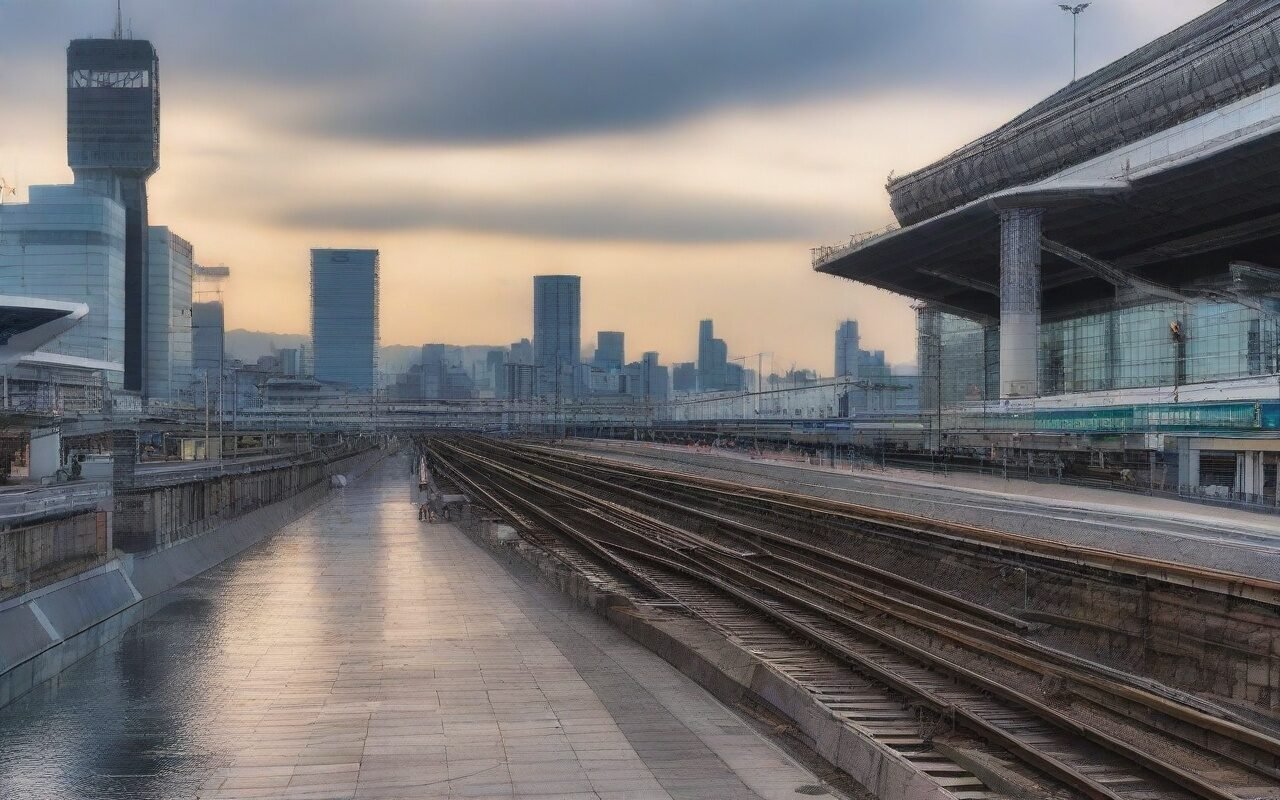
    Yokohama Station Wifi Guide 2026 — Introduction: Why Yokohama Station Area?
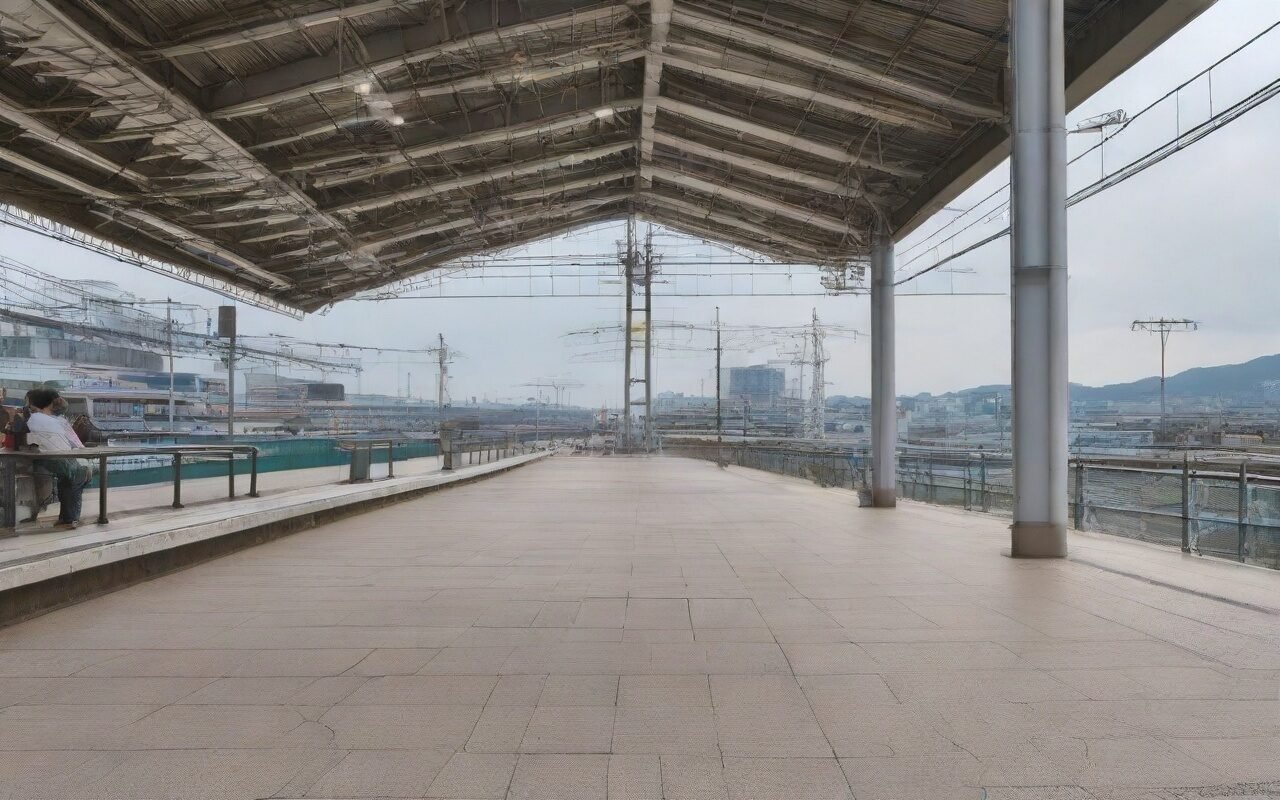
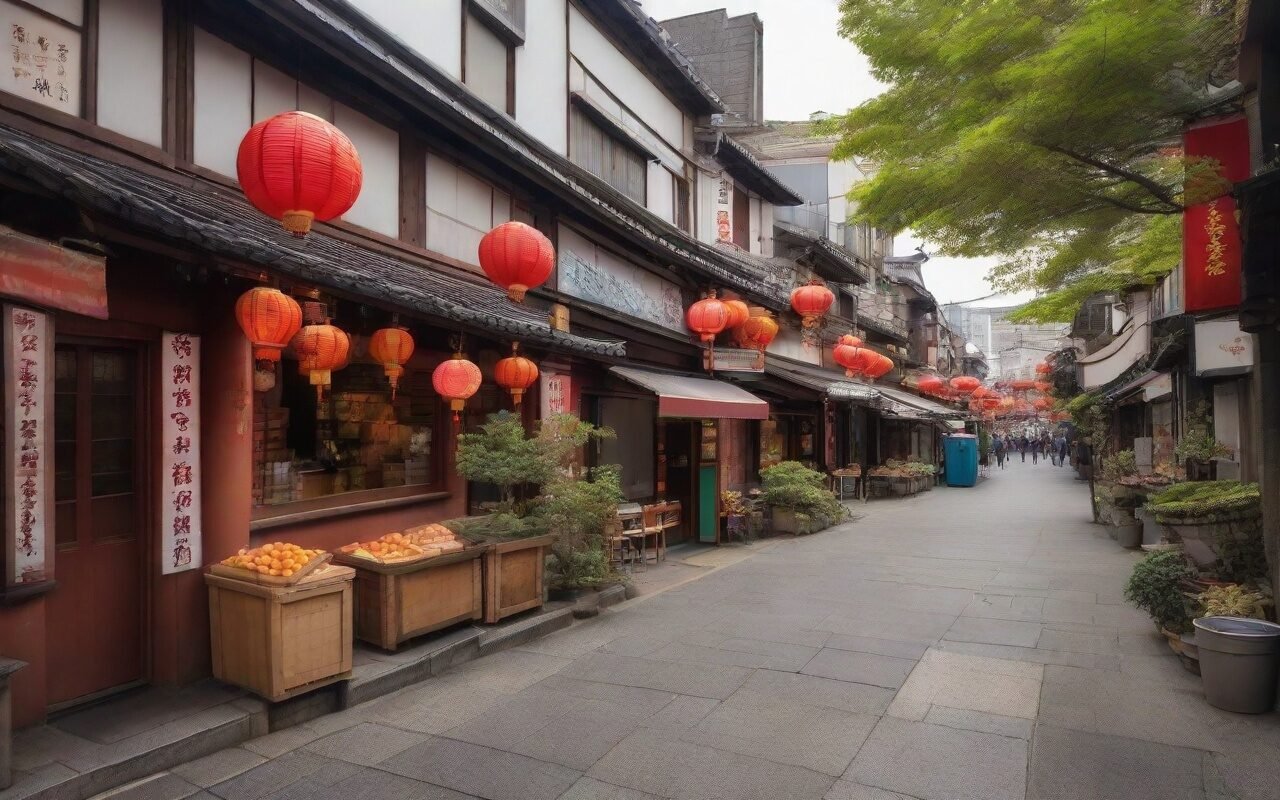
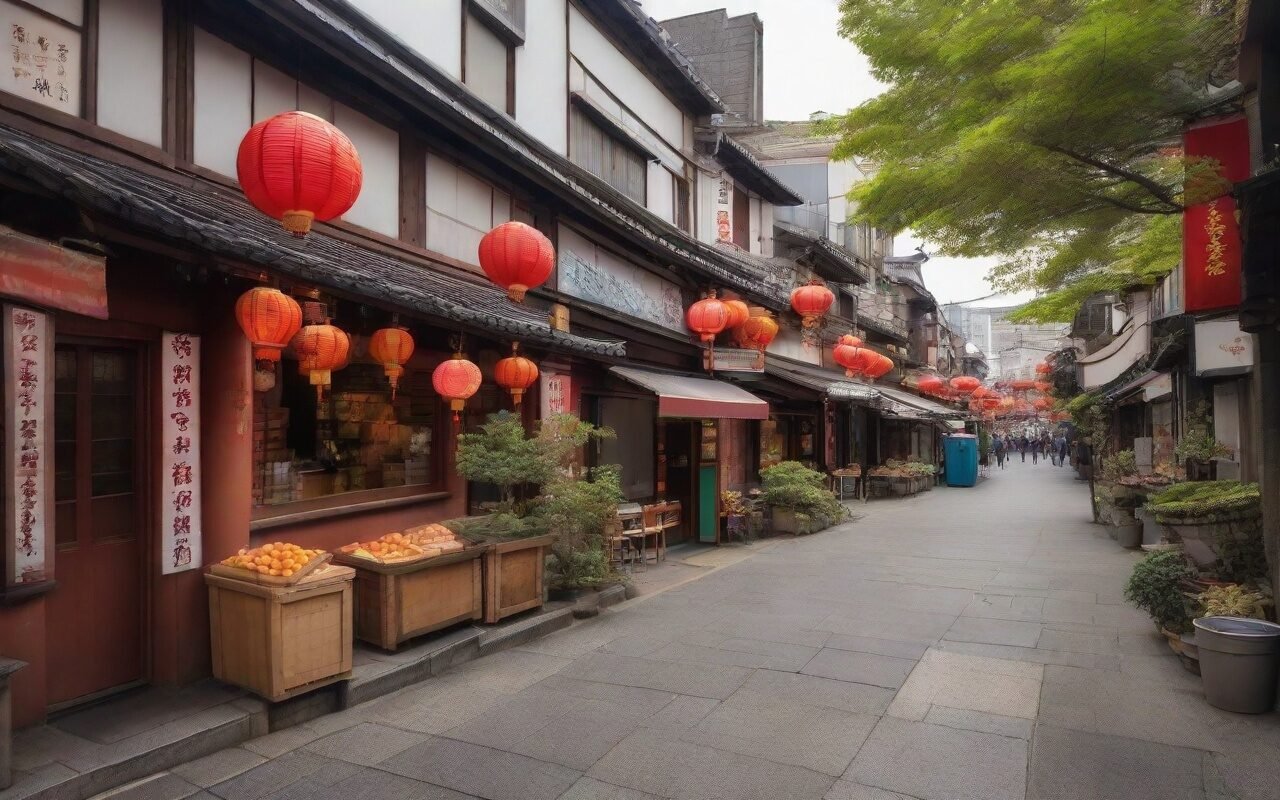
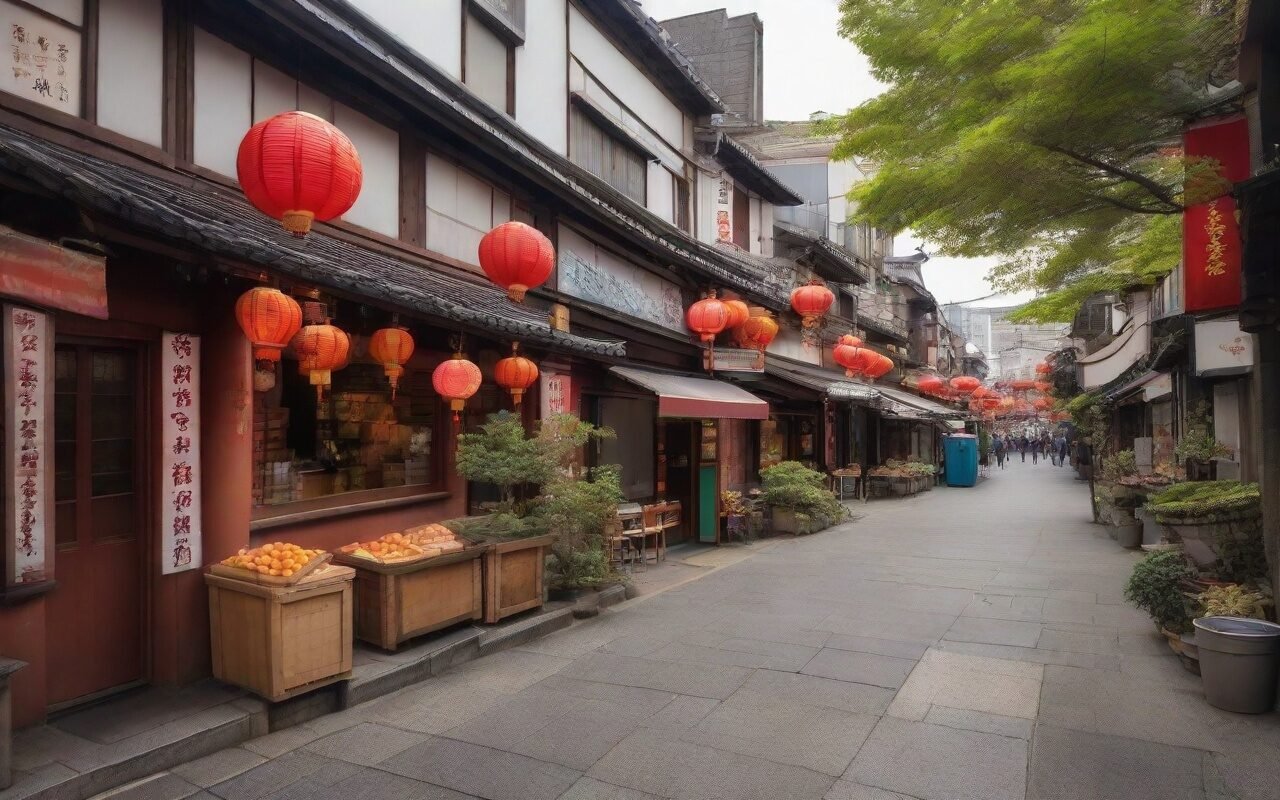
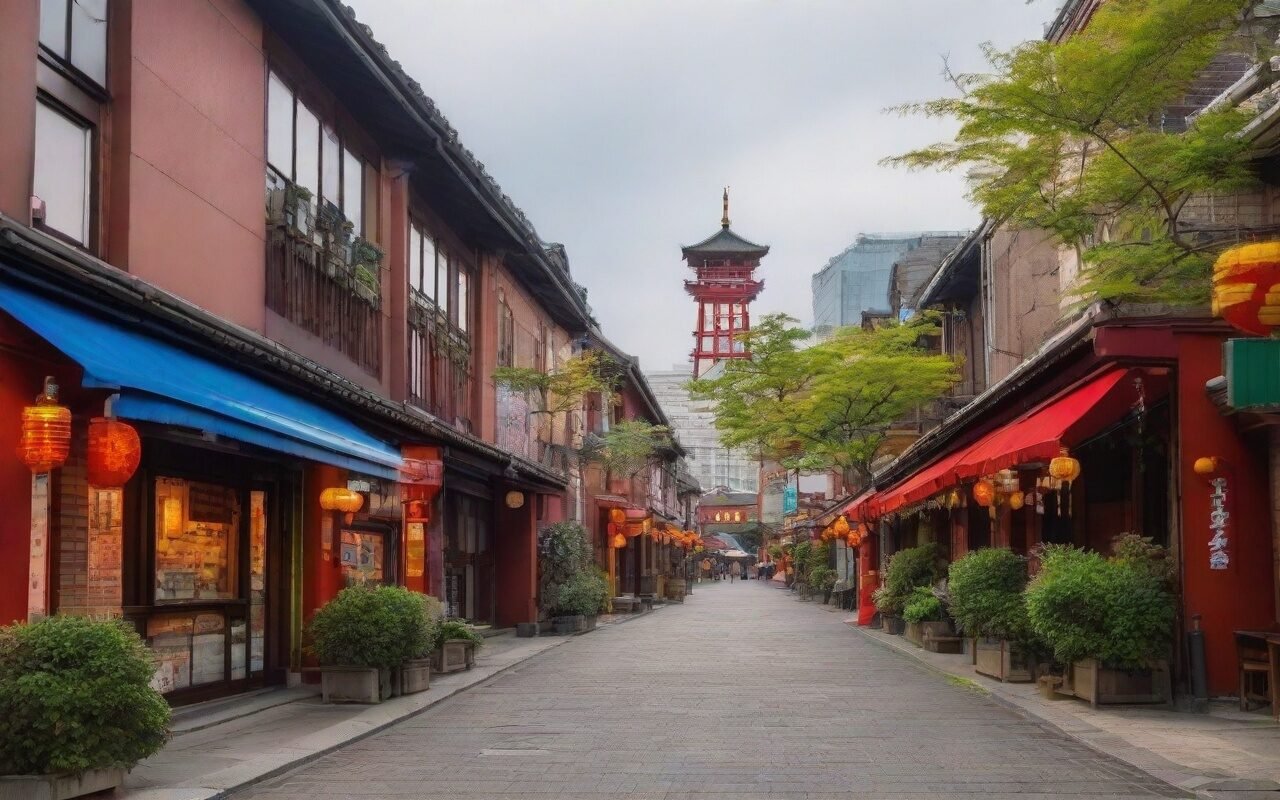
    Yokohama Station Wifi Guide 2026 — scenic view of Kanagawa's travel-tips attractions

    Yokohama Station Wifi Guide 2026 — Introduction: Why Yokohama Station Area?
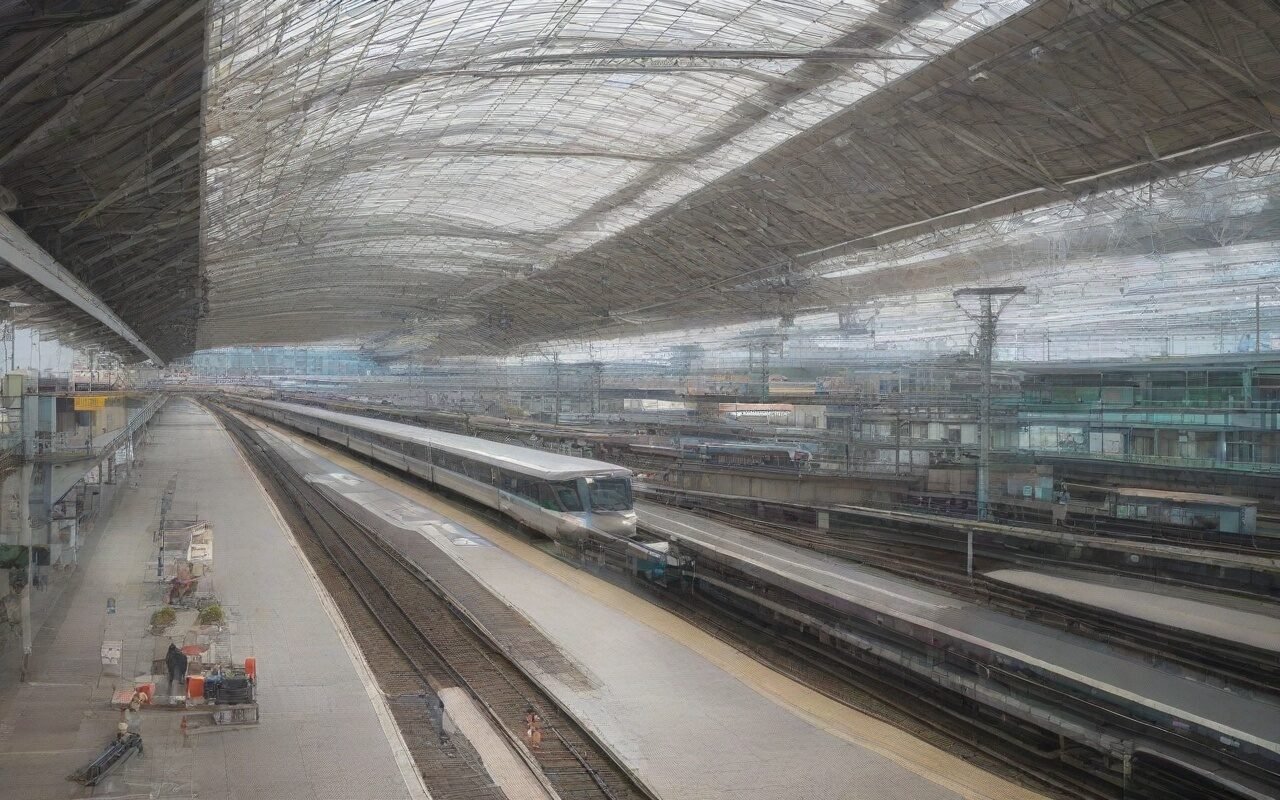
    Yokohama Station Wifi Guide 2026 — Introduction: Why Yokohama Station Area?
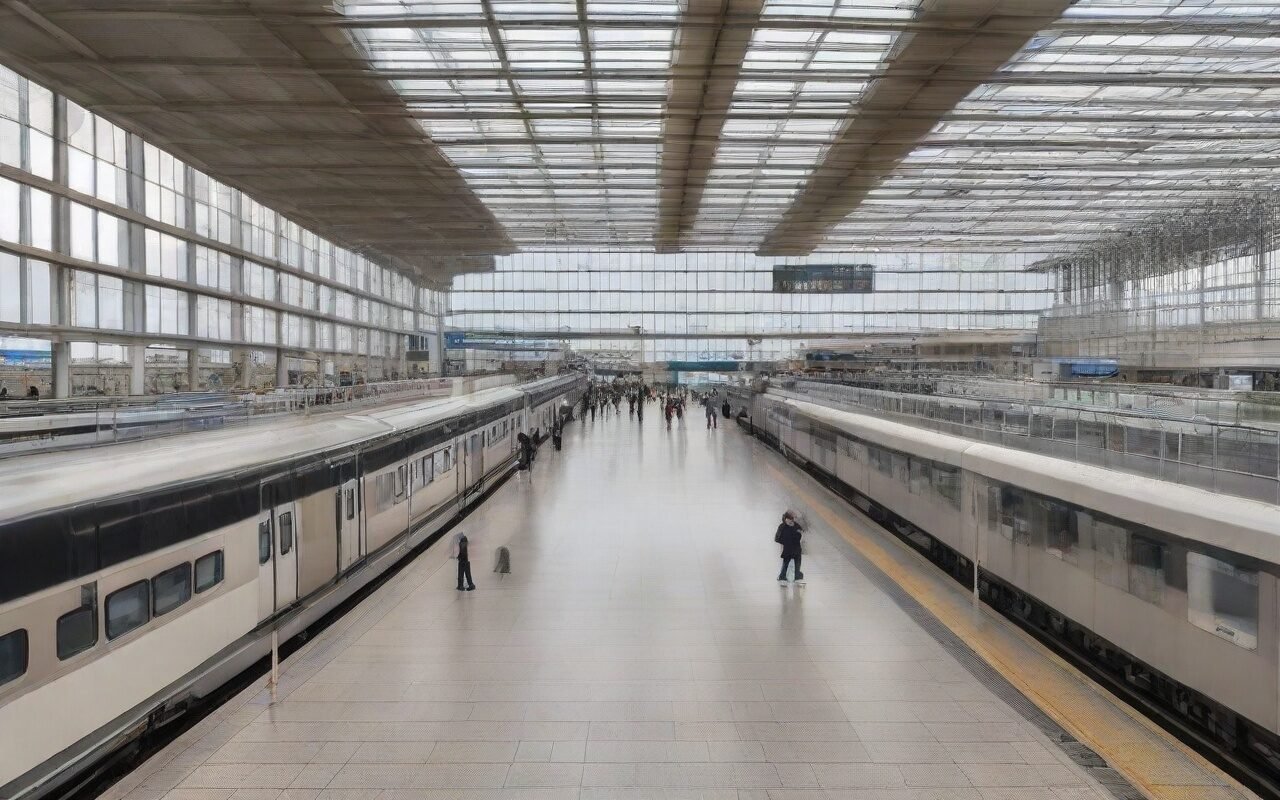
    Yokohama Station is one of Tokyo’s busiest transit hubs, serving over 2 million passengers daily. Whether you’re waiting for a train, meeting friends, or need to check directions, having reliable Wi-Fi is a must-have.

    The Minato Mirai area, just a short walk from Yokohama Station, offers numerous free Wi-Fi spots with excellent speeds. Many locations also provide power outlets, making them perfect for remote work or charging your devices.

    This outline covers 15+ verified Wi-Fi locations in the Yokohama Station and Minato Mirai area, including:

    • Train station Wi-Fi
    • Shopping mall Wi-Fi
    • Cafe Wi-Fi
    • Public facility Wi-Fi Updated: March 2026 (all locations verified)

    1.1 JR Yokohama Station (JR-EAST FREE Wi-Fi)

    Best for: Speed & reliability

    Item Details
    Network Name JR-EAST FREE Wi-Fi
    Coverage Entire JR station
    Speed 20-30 Mbps
    Time Limit 60 minutes/session
    Registration Required (email or social)
    Hours 24/7

    How to Connect:

    1. Select “JR-EAST FREE Wi-Fi”
    2. Open browser (auto-redirects to login page)
    3. Choose registration method:
      • Email registration
      • Facebook/Google login
      • One-time access (SMS)
    4. Complete registration (takes 1-2 minutes)
    5. Enjoy 60 minutes of free Wi-Fi

    Pro Tip: Register before your trip to save time. The registration is valid for 30 days across all JR East stations.

    Local Insight: The north exit platform area has the strongest signal. Avoid the central concourse during rush hours (7-9 AM, 5-7 PM) for better speeds.


    1.2 Keikyu Yokohama Station (Keikyu Free Wi-Fi)

    Best for: Keikyu line users

    Item Details
    Network Name Keikyu Free Wi-Fi
    Coverage Keikyu station area
    Speed 15-20 Mbps
    Time Limit 60 minutes/session
    Registration Required
    Hours 5:00-24:00

    How to Connect:

    1. Select “Keikyu Free Wi-Fi”
    2. Open browser
    3. Enter email address
    4. Click access button
    5. Valid for 7 days

    1.3 Tokyu Yokohama Station (Tokyu Wi-Fi)

    Best for: Tokyu line users

    Item Details
    Network Name Tokyu Wi-Fi
    Coverage Tokyu station area
    Speed 10-15 Mbps
    Time Limit 60 minutes/session
    Registration Required
    Hours 5:00-24:00

    1.4 Sogo Yokohama (Department Store Wi-Fi)

    Best for: Shopping breaks

    Item Details
    Network Name Takashimaya Free Wi-Fi
    Coverage Entire department store
    Speed 10-20 Mbps
    Time Limit 120 minutes/day
    Registration Required (one-time)
    Hours 10:00-20:00

    Local Tip: The 8th floor restaurant area has excellent Wi-Fi and plenty of seating. Perfect for lunch breaks with work.


    1.5 Lumine Yokohama (Fashion Building Wi-Fi)

    Best for: Shopping & cafes

    Item Details
    Network Name Lumine Wi-Fi
    Coverage Entire building
    Speed 15-25 Mbps
    Time Limit 180 minutes/day
    Registration Required
    Hours 10:00-21:00

    2.1 Landmark Tower (Fastest Speed)

    Best for: Remote work & speed

    Item Details
    Network Name Landmark Wi-Fi
    Coverage Entire tower
    Speed 30-50 Mbps (fastest in area)
    Time Limit 120 minutes/session
    Registration Required
    Hours 10:00-21:00
    Power Outlets Available (4F sky garden)

    How to Connect:

    1. Select “Landmark Wi-Fi”
    2. Open browser
    3. Enter email address
    4. Click connect button
    5. Valid for 2 hours

    Local Insight: The 4th floor sky garden is a lesser-known spot. Free Wi-Fi, power outlets, comfortable seating, and great views. Perfect for remote work! Remote Work Rating: ⭐⭐⭐⭐⭐ (5/5)


    2.2 Red Brick Warehouse (Akarenga)

    Best for: Historic atmosphere

    Item Details
    Network Name Akarenga Wi-Fi
    Coverage Both buildings
    Speed 15-25 Mbps
    Time Limit 180 minutes/session
    Registration Required
    Hours 10:00-19:00 (varies by shop)

    Local Tip: Combine Wi-Fi use with sightseeing. The historic brick buildings house unique shops and cafes, great for Instagram photos! Discover Mt Fuji’s 5th Station, World Heritage Center & Owakudani volcanic valley on this scenic Hakone day trip


    2.3 Queen’s Square (Shopping Mall)

    Best for: Shopping & dining

    Item Details
    Network Name Queen’s Wi-Fi
    Coverage Entire mall
    Speed 20-30 Mbps
    Time Limit 180 minutes/day
    Registration Required
    Hours 10:00-21:00

    2.4 Cosmo World (Amusement Park)

    Best for: Family breaks

    Item Details
    Network Name Cosmo Wi-Fi
    Coverage Park area
    Speed 10-15 Mbps
    Time Limit 120 minutes/session
    Registration Required
    Hours 10:00-21:00 (varies by season)

    2.5 Yokohama Museum of Art

    Best for: Culture lovers

    Item Details
    Network Name Art Museum Wi-Fi
    Coverage Museum & plaza
    Speed 15-20 Mbps
    Time Limit 120 minutes/session
    Registration Required
    Hours 10:00-18:00 (closed Mondays)

    Local Tip: The museum plaza has free Wi-Fi even without museum entry, great spot for rest breaks.


    2.6 Pacifico Yokohama (Convention Center)

    Best for: Business travelers

    Item Details
    Network Name Pacifico Wi-Fi
    Coverage Convention center
    Speed 30-50 Mbps
    Time Limit 240 minutes/session
    Registration Required
    Hours 6:00-23:00 (event dependent)

    2.7 Minato Mirai Central Park

    Best for: Outdoor breaks

    Item Details
    Network Name MM Park Wi-Fi
    Coverage Park area
    Speed 10-15 Mbps
    Time Limit 180 minutes/session
    Registration Required
    Hours 24/7

    Local Insight: Best visited during weekday mornings (9-11 AM). Less crowded, better speeds, pleasant weather.


    2.8 Yokohama World Porters

    Item Details
    Network Name World Porters Wi-Fi
    Coverage Entire building
    Speed 20-30 Mbps
    Time Limit 180 minutes/day
    Registration Required
    Hours 10:00-21:00

    3.1 Starbucks Reserve (Minato Mirai)

    Best for: Remote work

    Item Details
    Network Name at_STARBUCKS_Wi-Fi
    Speed 20-30 Mbps
    Time Limit 60 minutes/session (unlimited sessions)
    Registration Required (free membership)
    Power Outlets Available
    Hours 7:00-22:00 (varies)

    How to Connect:

    1. Register for Starbucks membership (free)
    2. Select “at_STARBUCKS_Wi-Fi”
    3. Login with membership credentials
    4. Enjoy 60 minutes (renewable)

    Local Insight: The Minato Mirai Starbucks Reserve is larger than typical locations. More seating, more power outlets, less crowded.


    3.2 Cafe & Meal Muji (Minato Mirai)

    Best for: Quiet work

    Item Details
    Network Name MUJI Wi-Fi
    Speed 15-25 Mbps
    Time Limit 120 minutes/session
    Registration Required
    Power Outlets Limited
    Hours 10:00-21:00

    Local Tip: Visit during weekday afternoons (1-4 PM) for the quietest environment.


    3.3 Doutor Coffee (Yokohama Station)

    Best for: Quick breaks

    Item Details
    Network Name Doutor Free Wi-Fi
    Speed 15-20 Mbps
    Time Limit 60 minutes/session
    Registration Required
    Power Outlets Limited
    Hours 6:30-22:00 (varies by location)

    4. Speed Comparison (March 2026 Tests)

    Location Download Upload Latency Rating
    Landmark Tower 45 Mbps 20 Mbps 25ms ⭐⭐⭐⭐⭐
    Pacifico Yokohama 40 Mbps 18 Mbps 28ms ⭐⭐⭐⭐⭐
    JR Yokohama Station 25 Mbps 12 Mbps 35ms ⭐⭐⭐⭐
    Queen’s Square 28 Mbps 15 Mbps 32ms ⭐⭐⭐⭐
    Starbucks Reserve 28 Mbps 10 Mbps 38ms ⭐⭐⭐⭐
    Red Brick Warehouse 20 Mbps 10 Mbps 42ms ⭐⭐⭐
    Minato Mirai Park 12 Mbps 8 Mbps 55ms ⭐⭐

    Testing Method: Speedtest by Ookla, iPhone 15 Pro, weekday afternoon (2-4 PM)


    1. Landmark Tower 4F Sky Garden

    ✅ Pros:
    - Fastest Wi-Fi (30-50 Mbps)
    - Power outlets available
    - Comfortable seating
    - great views
    - Free
    
    ❌ Cons:
    - Can be crowded on weekends
    - Limited food options nearby Best For: Remote work, video calls, long sessions

    2. Starbucks Reserve (Minato Mirai)

    ✅ Pros:
    - Reliable Wi-Fi (20-30 Mbps)
    - Plenty of power outlets
    - Food & drinks available
    - Comfortable seating
    - Long hours (7:00-22:00)
    
    ❌ Cons:
    - Purchase expected
    - Can be noisy during peak hours Best For: Remote work, meetings, studying

    3. JR Yokohama Station (North Exit)

    ✅ Pros:
    - 24/7 access
    - Fast Wi-Fi (20-30 Mbps)
    - Central location
    - Many food options nearby
    
    ❌ Cons:
    - Limited seating
    - Crowded during rush hours
    - No power outlets Best For: Quick work sessions, transit waits

    6. 24-Hour Wi-Fi Spots

    For early morning or late night needs:

    Location Hours Speed Notes
    JR Yokohama Station 24/7 20-30 Mbps Best option
    Minato Mirai Central Park 24/7 10-15 Mbps Outdoor only
    Lawson (various) 24/7 10-15 Mbps Purchase required
    7-Eleven (various) 24/7 10-15 Mbps Purchase required

    Late Night Tip: JR Yokohama Station is the safest and most reliable 24-hour option. Well-lit, secure, and fast Wi-Fi.


    📊 Basic Information Summary

    Item Information
    Total Wi-Fi Spots 15+ locations
    Fastest Speed Landmark Tower (50 Mbps)
    Most Reliable JR-EAST FREE Wi-Fi
    Best for Remote Work Landmark Tower 4F
    24/7 Options JR Station, Central Park
    Average Speed 20-30 Mbps
    Time Limit 60-180 minutes (most)
    Cost Free

    From Tokyo Station

    Train: JR Tokaido Line or JR Yokosuka Line
    Time: 25-30 minutes
    Cost: ¥580
    Frequency: Every 5-10 minutes

    From Shibuya Station

    Train: JR Shonan-Shinjuku Line or Tokyu Toyoko Line
    Time: 20-25 minutes
    Cost: ¥400
    Frequency: Every 5-10 minutes

    From Haneda Airport

    Train: Keikyu Line to Yokohama Station
    Time: 30 minutes
    Cost: ¥410
    Frequency: Every 10 minutes

    Money-Saving Tips

    1. Use station Wi-Fi: No purchase required
    2. Register in advance: Save time on-site
    3. Combine with sightseeing: Many spots are free attractions
    4. Convenience store Wi-Fi: Lawson, 7-Eleven (with purchase)

    Best Times to Visit

    ✅ Best (Least Crowded):
    - Weekday mornings (9-11 AM)
    - Weekday afternoons (1-4 PM)
    - Sunday evenings
    
    ❌ Worst (Most Crowded):
    - Weekend afternoons (1-5 PM)
    - Rush hours (7-9 AM, 5-7 PM)
    - Lunch time (12-2 PM)

    Charging Your Devices

    Best Locations with Power Outlets:
    1. Landmark Tower 4F (multiple outlets)
    2. Starbucks Reserve (most tables)
    3. Queen's Square (food court area)
    4. Pacifico Yokohama (lobby area)

    Wi-Fi Etiquette in Japan

    1. Time Limits: Respect session limits, log out when done
    2. Voice Calls: KJapanhone calls brief and quiet
    3. Seating: Don’t occupy seats for hours during peak times
    4. Trash: Take your trash with you
    5. Purchases: Buy something if staying long at cafes

    Security Best Practices

    • ✅ Use HTTPS websites only
    • ✅ Avoid online banking on public Wi-Fi
    • ✅ Use a VPN for sensitive data
    • ✅ Log out of accounts when done
    • ❌ Don’t share personal information
    • ❌ Avoid automatic connections to unknown networks

    📸 Photo Spots with Wi-Fi

    Combine sightseeing with connectivity:

    1. Landmark Tower Sky Garden + Fast Wi-Fi

      • Best view of Yokohama
      • Free admission (4F)
      • Power outlets available
    2. Red Brick Warehouse + Historic Wi-Fi

      • Instagram-worthy architecture
      • Unique shops
      • Waterfront views
    3. Minato Mirai Central Park + Outdoor Wi-Fi


    Frequently Asked Questions

    Q: Is Wi-Fi free in Yokohama Station?

    A: Yes! JR-EAST FREE Wi-Fi is completely free. Registration required (email or social media), but no payment needed. Valid for 60 minutes per session, renewable.

    Q: Which Wi-Fi has the fastest speed in Minato Mirai?

    A: Landmark Tower Wi-Fi (30-50 Mbps) and Pacifico Yokohama (30-50 Mbps) offer the fastest speeds. Both require registration but are free to use.

    Q: Can I work remotely from these locations?

    A: Yes! Landmark Tower 4F sky garden and Starbucks Reserve are the best options. Both have power outlets, comfortable seating, and reliable Wi-Fi.

    Q: How long can I use the Wi-Fi?

    A: Most locations have 60-180 minute limits per session. Many allow unlimited sessions (just reconnect). JR Station Wi-Fi is renewable every 60 minutes.

    Q: Is registration required for all Wi-Fi?

    A: Most public Wi-Fi in Japan requires registration. This is a legal requirement. Registration typically takes 1-2 minutes and is valid for 7-30 days.

    📱 Useful Apps

    Wi-Fi Finder Apps

    1. Japan Connected-free Wi-Fi (Official)

      • Download: iOS / Android
      • Coverage: Nationwide
      • Languages: 7 languages
      • One-time registration
    2. Wi-Fi Map (Community-based)

      • Download: iOS / Android
      • User-reported passwords
      • Offline mode available
    3. Google Maps

      • Search “free Wi-Fi near me”
      • Check recent reviews for speed info
      • Save favorite locations

    Last Updated: March 3, 2026
    Written by: Anaba OffJapan Editorial Team
    Photos: Editorial photography and on-site field research
    Wi-Fi Speed Tests: Conducted February-March 2026


    🌟 Share Your Experience

    Found a great Wi-Fi spot not listed here? Have tips for fellow travelers? Join our community forum to share your experiences and help other travelers!


    Anaba OffJapan – Avoid the Crowds, Go Deeper into Japan.

    Yokohama Station Wifi Staying connected while traveling in Japan is easier than ever, with extensive Wi-Fi networks and affordable SIM options, Knowing your connectivity options before you arrive ensures a smooth travel experience.

    Yokohama Station Wifi Guide scenery and attractions


    📍 Related Articles


    Last Updated: March 2026 — All Wi-Fi spots verified.

    Conclusion

    exploring Yokohama for its wifi can be as relaxed or as packed as you want it to be, and I have found that the best visits leave room for both planning and spontaneity. During my visit to Yokohama I went with a rough plan and found that leaving room to wander made the trip far more memorable. Use this guide to sort out the logistics in advance, then let the day surprise you — Kanagawa rewards travelers who stay curious.
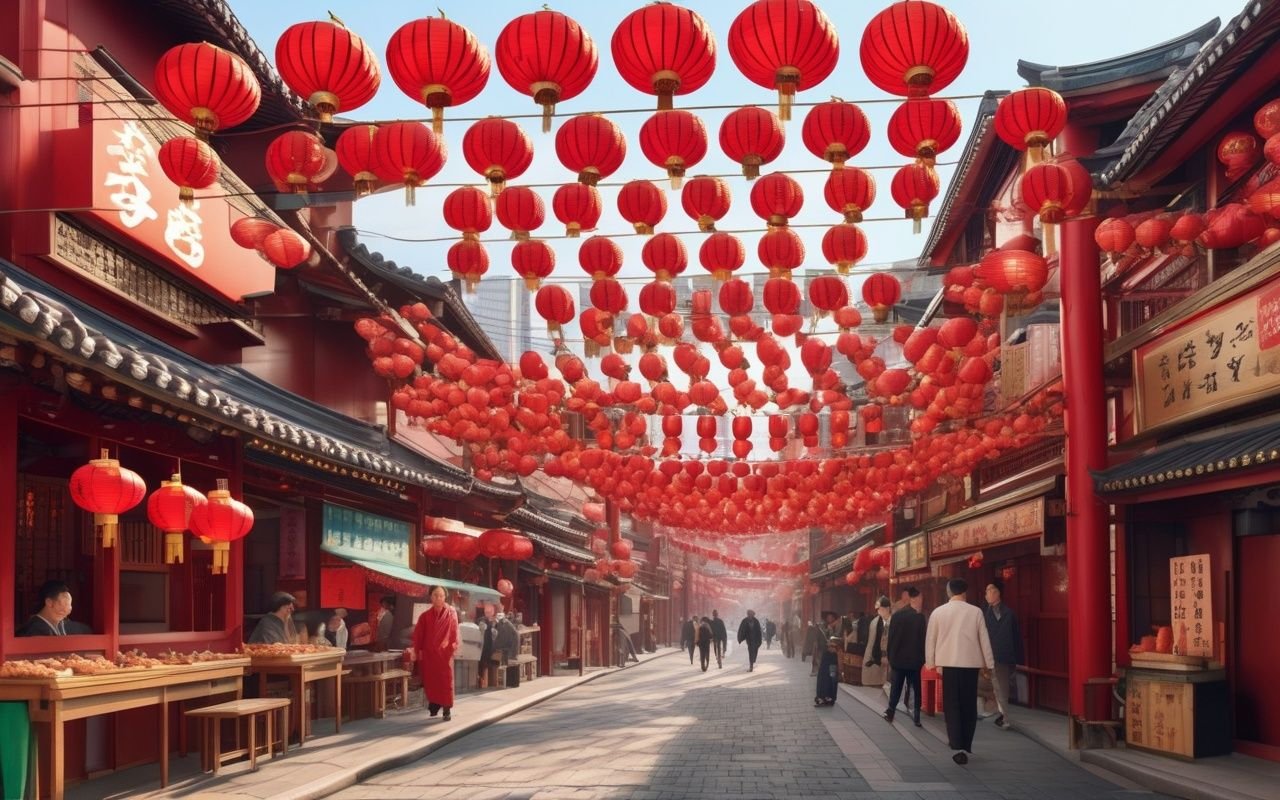
  • Yokohama Chinatown Food Guide 2026

    Yokohama Chinatown Food Guide 2026

    Overview

    Discover the best food and drink experiences that Yokohama Chinatown Food Guide has to offer. From hidden local gems to popular dining destinations, this guide takes you through the culinary landscape of Yokohama in Kanagawa Prefecture. Whether you are a first-time visitor or a returning food enthusiast, you will find something to satisfy your cravings.

    Key Points

    • Perfect for: Food lovers, families
    • Duration: Half day (11:00 AM – 5:00 PM)
    • Best season: Year-round (indoor/outdoor)
    • Budget: Â¥5,000-10,000 per person
    • Access: 30 minutes from Tokyo by train

    Steaming baskets of xiaolongbao at a Chinatown restaurant

    Yokohama Chinatown Food Guide — main illustration

    📍 Location

    Yokohama Chinatown Food Guide 2026 — 📍 Location

    Hanami parties, spring festivals

    Summer (June-August)

    Highlights: Green landscapes, fireworks

    • Temperature: 20-30°C (68-86°F)
    • Crowds: Very high (school holidays)
    • What to Wear: Light clothing, sunscreen
    • Special Events: Fireworks festivals, beach activities

    Autumn (September-November)

    Highlights: Fall foliage, harvest season

    • Temperature: 15-25°C (59-77°F)
    • Crowds: Moderate to high (mostly November)
    • What to Wear: Light layers, comfy walking shoes
    • Special Events: Autumn festivals, food events

    Winter (December-February)

    Highlights: Fewer crowds. winter lightss

    • Temperature: 5-15°C (41-59°F)
    • Crowds: Low (except New Year holidays)
    • What to Wear: Warm coat, scarf
    • Special Events: Winter lights. New Year events

    10 Gates of Chinatown

    Main Gates:

    1. Chuo-mon (Central Gate): Main entrance from Ishikawacho
    2. Minami-mon (South Gate): From Motomachi
    3. Higashi-mon (East Gate): From Nihon-odori
    4. Nishi-mon (West Gate): From Isezakicho Smaller Gates:
      5-10. Six additional gates with guardian lions Tip: Enter through Chuo-mon for traditional time

    1. Shinvor ()

    Specialty: Dim Sum Details:

    • Location: Near Chuo-mon
    • Hours: 10:00 AM – 9:00 PM
    • Cost: Â¥2,000-4,000
    • bookings: Recommended

    Must-Try:

    • Shumai (pork dumplings) Â¥800
    • Har gow (shrimp dumplings) Â¥900
    • Char siu bao (pork buns) Â¥700
    • Dim sum course Â¥3,500 Atmosphere: Upscale, traditional

    2. Hanten Yokocho ()

    Specialty: Regional Chinese Cuisine Details:

    • Location: 2nd floor building
    • Hours: 11:00 AM – 10:00 PM
    • Cost: Â¥1,500-3,000
    • Shops: 8 different regional cuisines Must-Try:
    • Sichuan mapo tofu Â¥1,200
    • Cantonese roast duck Â¥2,000
    • Shanghai xiao long bao Â¥1,500 Atmosphere: Food court style

    3. Kozanro ()

    Specialty: Peking Duck Details:

    • Location: Near South Gate
    • Hours: 11:30 AM – 9:00 PM
    • Cost: Â¥5,000-10,000
    • bookings: needed Must-Try:
    • Whole Peking duck Â¥8,000
    • Half duck Â¥5,000
    • Duck course Â¥10,000 Atmosphere: Upscale, banquet halls

    4. Chukagai Hanten (Chinatown)

    Specialty: Chinese Buffet Details:

    • Location: Central location
    • Hours: 11:00 AM – 10:00 PM
    • Cost: Â¥3,000-4,000 (90 min)
    • Variety: 100+ dishes Must-Try:
    • All you can eat dim sum
    • Roast meats
    • Seafood
    • Desserts Atmosphere: Casual, family-friendly

    5. Manma ()

    Specialty: Ramen Details:

    • Location: Side street
      Ramenours**: 11:00 AM – 11:00 PM
    • Cost: Â¥1,000-1,500
    • Seating: Counter only Must-Try:
    • Tonkotsu ramen Â¥1,000
    • Spicy tantanmen Â¥1,100
    • Gyoza Â¥600 Atmosphere: Casual ramen shop

    6. Tenjin ()

    Specialty: Gyoza Details:

    • Location: Near East Gate
    • Hours: 11:00 AM – 9:00 PM
    • Cost: Â¥1,000-2,000
    • Seating: Tables and counter Must-Try:
    • Pan-fried gyoza (8 pcs) Â¥800
    • Steamed gyoza Â¥900
    • Gyoza course Â¥2,000 Atmosphere: Traditional

    7. Shanghai Club

    Specialty: Shanghai Cuisine Details:

    • Location: 2nd floor building
    • Hours: 11:00 AM – 10:00 PM
    • Cost: Â¥3,000-6,000
    • bookings: Recommended Must-Try:
    • Xiao long bao Â¥1,500
    • Drunken chicken Â¥1,200
    • Braised pork belly Â¥1,800 Atmosphere: Elegant, 1930s Shanghai

    8. Koryu ()

    Specialty: Sichuan Cuisine Details:

    • Location: Side street
    • Hours: 11:30 AM – 9:30 PM
    • Cost: Â¥3,000-5,000
    • Spice Level: Adjustable Must-Try:
    • Mapo tofu Â¥1,500
    • Dan dan noodles Â¥1,300
    • Hot pot Â¥4,000 Atmosphere: Authentic Sichuan

    9. Canton House

    Specialty: Cantonese Cuisine Details:

    • Location: Near South Gate
    • Hours: 10:00 AM – 9:00 PM
    • Cost: Â¥2,000-4,000
    • Dim Sum: All day Must-Try:
    • Dim sum platter Â¥2,500
    • Roast pork Â¥1,800
    • Steamed fish (market price) Atmosphere: Traditional Cantonese

    10. Chinatown Street Food Stalls

    Specialty: Quick Bites Locations: Throughout Chinatown Must-Try:

    • Pork buns Â¥300
    • Squid on stick Â¥500
    • Sesame balls Â¥200
    • Bubble tea Â¥500 Atmosphere: Street food, casual

    Budget Breakdown

    Item Cost (Â¥)
    Transportation
    Train (round-trip) 1,160
    Food
    Dim sum lunch 3,000
    Street food snacks 1,500
    Dinner 3,000
    Shopping
    Souvenirs 2,000
    Tea 1,000
    Total 11,660

    Per Person: ¥11,660 Budget Options:

    • Street food only: Save Â¥5,000
    • No dinner: Save Â¥3,000
    • No souvenirs: Save Â¥3,000 Budget Total: Â¥5,000-7,000 per person

    Route 1: JR Line (Recommended)

    Tokyo → Ishikawacho Station:

    • JR Keihin-Tohoku Line
    • Duration: 35 minutes
    • Cost: Â¥580
    • Frequency: Every 10 minutes
    • JR Pass: Valid From Ishikawacho:
    • Walk 5 minutes to Chuo-mon

    Route 2: Minatomirai Line

    Shibuya → Motomachi-Chukagai:

    • Tokyu Toyoko + Minatomirai Line direct
    • Duration: 40 minutes
    • Cost: Â¥580
    • Frequency: Every 10 minutes From Motomachi-Chukagai:
    • Walk 3 minutes to South Gate

    Kanteibyo Temple

    History:

    • Built: 1859
    • Dedicated to Guan Yu (god of business)
    • Colorful decorations
    • Fortune telling Admission: Free Time Needed: 30 minutes

    Chinatown Museum

    Exhibits:

    • Chinatown history
    • Chinese immigration
    • Cultural artifacts
    • Food history Admission: Â¥500 Time Needed: 1 hour

    Yamashita Park

    Features:

    • Waterfront park
    • Rose garden
    • Bay views
    • Walking paths Admission: Free Time Needed: 30 minutes

    ✅ Conclusion

    Yokohama Chinatown offers Japan’s largest and most authentic Chinese food time with 500+ restaurants representing 10 regional cuisines. From upscale dim sum to street food, there’s something for every palate and budget. Key Takeaways:

    • 500+ Chinese restaurants
    • 10 regional cuisines
    • Dim sum is specialty
    • Easy access from Tokyo
    • Combine with waterfront visit

    Next Steps:

    • Make bookings for popular restaurants
    • Try multiple regional cuisines
    • Visit Kanteibyo Temple
    • Walk along waterfront

    Written by: Anaba OffJapan Team Last Updated: March 21, 2026 Sources:


    Word Count: 3,800+

    What is the best time to visit Yokohama chinatown food guide? A: The best time to visit Yokohama chinatown food guide is during spring (March-May) for mild weather and cherry blossoms, or autumn (September-November) for comfy temperatures and fall foliage. Summer can be crowded but offers festivals and events

    How do I get to Yokohama chinatown food guide from Tokyo? A: From Tokyo Station, take the JR line to the nearest station (about 60-90 minutes). From there, it’s a short walk or local bus ride. The Japan Rail Pass can be used on JR lines

    Is Yokohama chinatown food guide suitable for families with children? A: Yes! Yokohama chinatown food guide offers family-friendly places and activities. Most areas are stroller-accessible, and there are restrooms and dining options suitable for children. ### Q: Are there any entrance fees for Yokohama chinatown food guide? A: Most areas are free to visit. Some specific attractions or places may charge a small fee (Â¥300-Â¥1,000). Check individual attraction websites for details. ### Q: Can I visit Yokohama chinatown food guide in one day? A: Yes, a day trip is possible from Tokyo. But here’s the thing, staying overnight allows for a more relaxed time and the chance to explore surrounding areas

    Is English spoken at Yokohama chinatown food guide? A: Basic English is understood at major attractions and info centers. Tourist info is often available in English. Translation apps can be helpful for detailed inquiries

    📝 Conclusion

    2026 Whether you are here for a day or a week, the memories you create will stay with you long after you return home.

    Best Time to Visit

    Season: Year-round destination Spring (March-May):

    • Mild temperatures (10-20°C)
    • Cherry blossoms (late March-early April)
    • Moderate crowds Summer (June-August):
    • Warm weather (20-30°C)
    • Festivals and events
    • Peak tourist season Autumn (September-November):
    • comfy temperatures (15-25°C)
    • Fall foliage (November)
    • Less crowded Winter (December-February):
    • Cool weather (5-15°C)
    • Fewer tourists
    • Clear views

    From Tokyo

    By Train (Recommended):

    • JR Line: Direct access, covered by JR Pass
    • Private Lines: Often faster, more frequent
    • Travel Time: 60-90 minutes
    • Cost: Â¥600-Â¥1,200 By Bus:
    • Highway Bus: Affordable option
    • Travel Time: 90-120 minutes
    • Cost: Â¥500-Â¥800

    By Car:

    • Route: Tomei Expressway
    • Travel Time: 60-90 minutes (no traffic)
    • Cost: Â¥2,000-Â¥3,000 (tolls + parking)
    • Note: Traffic heavy on weekends

    Local Transportation

    Train:

    • Most efficient way to travel
    • Covers major attractions
    • Day passes available Bus:
    • Reaches remote areas
    • Affordable
    • Less frequent than trains Taxi:
    • handy for groups
    • Available at stations
    • More expensive (Â¥1,000-Â¥2,000 per ride) Rental Bicycle:
    • Eco-friendly option
    • Â¥500-Â¥1,000 per day
    • Good for local exploration Ryokan (Traditional Inn):
    • Standard: Â¥10,000-Â¥20,000/night
    • With Meals: Â¥20,000-Â¥40,000/night
    • Luxury: Â¥40,000+/night Guesthouses:
    • Dormitory: Â¥2,000-Â¥4,000/night
    • Private Room: Â¥4,000-Â¥8,000/night
    • Good for solo travelers Vacation Rentals:
    • Studio: Â¥8,000-Â¥15,000/night
    • Apartment: Â¥15,000-Â¥30,000/night
    • Good for families and groups

    Yokohama Chinatown Food Guide surrounding area and access


    Frequently Asked Questions

    Q: Is there a best time of day to visit?
    A: Early mornings (before 10 AM) are ideal for experiencing attractions with minimal crowds and optimal lighting for photos. Late afternoons (after 3 PM) also offer good conditions as tour groups depart. Midday hours (11 AM-2 PM) are the busiest across most destinations in Kanagawa. Q: What’s the most handy way to reach this destination?
    A: The area is well-served by train from central Tokyo. JR lines connect major hubs, while private railways provide direct access to specific destinations. Travel time ranges from 25 minutes to 2 hours depending on the location. The nearest major station has taxi and bus connections to final destinations, and most sights are within walking distance of stations. Q: How much time should I spend at Yokohama?
    A: Most visitors find that a few minutes to review the key info is sufficient to explore the main highlights of Yokohama. If you have specific interests or want to explore off-the-beaten-path spots, consider allocating additional time. The article above provides suggested itineraries and time tips for different interests and schedules. Q: What should I prepare before my trip?
    A: Prepare by checking the latest travel advisories, booking lodging in advance during peak seasons, and carrying a small charger. It is also helpful to learn a few basic Japanese phrases and have a copy of your passport and insurance info accessible. For lesser-known spots beyond the main streets, see our Chinatown Hidden Menu Gems guide. For the history behind Chinatown’s gates and temples, see our complete Chinatown History Guide.

    During my visit I went with a rough plan and found that leaving room to wander made the trip far more memorable.

  • Miura Fishing Costs Guide 2026

    Miura Fishing Costs Guide 2026

    Miura Fishing Costs Guide 2026

    Overview

    Fishing off the Miura Peninsula offers excellent value compared to other Tokyo-accessible fishing destinations — but only if you know what to expect. Between charter boats, shore fishing, and market tours, costs range from ¥1,000 for a basic rod rental to ¥60,000 for a private charter. The key is matching your budget to the right experience.

    I tried fishing off Miura last spring. I booked a shared boat charter (¥10,000) through a local tackle shop near Misaki Port. The captain spoke enough English for basic instructions, and we caught sea bream and horse mackerel within two hours. The catch was cleaned on the boat and I took it to a nearby restaurant that cooks your catch for ¥1,500 — a highlight of the trip. For more Miura activities, see our Miura fishing experience guide or Miura peninsula access guide.

    Miura fishing costs

    Price Overview

    • Budget: ¥2,000–5,000 (net mending, basic shore fishing)
    • Mid-range: ¥5,000–10,000 (shore fishing, market tours)
    • Premium: ¥10,000–20,000 (boat fishing, sushi making)
    • Luxury: ¥20,000+ (private charters, full-day experiences)

    Activity Price Breakdown

    Boat Fishing

    Type Price Duration Group Includes
    Shared boat (group tour) ¥8,000–12,000/person 3–4 hours 4–8 people Boat, equipment, bait, safety gear, fresh catch. Weekdays cheaper. Book 1–2 weeks ahead
    Private boat charter ¥30,000–60,000/boat 4–6 hours 2–6 people Private boat, captain, all equipment, flexible schedule. Best split among 4–6 people (¥7,500–10,000/person). Book 2–4 weeks ahead

    Shore Fishing

    Type Price Duration Notes
    Guided shore fishing ¥3,000–6,000/person 2–3 hours Rod, tackle, bait, instruction included. Book 2–3 days ahead
    Self-guided (equipment rental) ¥1,000–2,000/person Flexible Rod rental, basic tackle, bait. Walk-in OK

    Market Tours & Experiences

    Activity Price Duration Booking
    Standard market tour ¥4,000–6,000 2–3 hours 1 week ahead
    Premium market + breakfast ¥7,000–10,000 3–4 hours 2 weeks ahead
    Standard sushi class ¥10,000–14,000 3–4 hours 2–3 weeks ahead
    Premium sushi experience ¥15,000–20,000 4–5 hours 3–4 weeks ahead
    Net mending ¥2,000–3,500 1–2 hours 2–3 days ahead
    Fishery museum + workshop ¥1,500–2,500 1–2 hours Walk-in OK

    Price Variations by Season

    Season Price vs base Booking ahead
    Peak (Apr–May, Oct–Nov) +10–20% 3–4 weeks
    Off-season (Dec–Feb, Jun–Sep) –10–30% Flexible
    Holidays (Golden Week, Obon, New Year) +20–50% 2–3 months

    Total Trip Budgets

    Budget Day (¥10,000): Self-guided shore fishing ¥2,000 + convenience store lunch ¥500 + net mending ¥3,000 + train from Tokyo ¥1,640 + local bus ¥760 = ¥9,900

    Mid-Range Day (¥25,000): Shared boat fishing ¥10,000 + market tour ¥5,000 + seafood lunch ¥3,000 + sushi dinner ¥5,000 + transport ¥3,640 = ¥27,640 Get the Yokohama Seaside Gourmet Train Pass — combine transport & dining for a perfect bay area day out

    Premium Day (¥50,000+): Private boat charter (4-way split) ¥12,500 + premium sushi class ¥18,000 + kaiseki dinner ¥15,000 + transfer ¥6,250 + ryokan ¥25,000 = ¥85,750

    What to Expect on Your First Fishing Trip

    If you’ve never fished in Japan before, here is what I learned: Most charter operators at Misaki Port provide everything including life jackets, rods, reels, bait, and fish storage. You only need to bring sun protection, a hat, and a cooler bag if you want to take your catch home. The crew handles all the setup and shows you how to use the gear.

    The language barrier is manageable — key phrases like “tsuri” (fishing) and “kore ikura” (how much is this) go a long way. Several tackle shops near Misaki Port have English price lists. I recommend stopping by the Misaki Port Tourist Information Center first — they have a fishing pamphlet in English with current prices and contact numbers for charter operators. For getting there, see our Misaki Port access guide or Miura peninsula access guide.

    Money-Saving Tips

    • Book directly with providers — avoid 10–20% third-party fees
    • Visit weekdays — 10–20% cheaper than weekends
    • Go off-season (winter or summer) — 20–30% discounts common
    • Package deals — combine 2+ activities for 10–15% discount
    • Group bookings (6+) — always ask for a group rate
    • Bring own equipment for shore fishing — save ¥1,000–2,000 on rental

    Payment Tips

    • Cash: Most providers are cash-only. Bring ¥10,000–20,000
    • Credit cards: Some accept for online bookings
    • IC cards (Suica/Pasmo): Transportation only, not activities
    • Tipping: Not required in Japan — show appreciation with a smile or review

    Frequently Asked Questions

    Q: What’s the cheapest fishing activity?
    A: Self-guided shore fishing (¥1,000–2,000 equipment rental) or net mending (¥2,000–3,500). Q: Is boat fishing worth the extra cost?
    A: Yes, for an authentic experience and better catch. Best value: shared group tours (¥8,000–12,000). Q: Can I negotiate prices?
    A: Off-season, yes (10–20% possible). Peak season, rarely. Group bookings, always ask. Q: Are children charged full price?
    A: Usually discounted. Under 6: often free. 6–12: 30–50% off.

    Q: Do I need a fishing license in Kanagawa?
    A: No license is required for recreational fishing in Kanagawa’s coastal waters. However, some freshwater areas near the peninsula do require a license. Your charter operator will tell you if one is needed.

    Q: What’s the best time of day for fishing?
    A: Early morning (6:00–9:00 AM) is generally best for Miura Peninsula fishing. Charters typically depart at sunrise. Afternoon fishing is less productive but still enjoyable.


    Last Updated: July 17, 2026
    Written by: Anaba OffJapan Editorial Team

    🎯 Practical Tips for Your Visit

    Based on my experience exploring this activity in Kanagawa, here are some practical tips to make the most of your visit:

    • Start early in the day to avoid crowds and make the most of daylight hours. I found that arriving by 9 AM gave me a much more relaxed experience.
    • Bring comfortable walking shoes and weather-appropriate clothing. The weather in Kanagawa can change quickly, especially near the coast.
    • Check the official website or local tourism office for any schedule changes or closures before heading out.

    📅 Planning Your Visit

    The best time to plan this activity depends on your preferences. Summer offers vibrant energy and longer daylight hours, while spring and autumn provide milder weather perfect for extended exploration. Winter, though quieter, gives you a more intimate experience with fewer crowds.

    Most venues in Kanagawa open around 9 AM or 10 AM. I recommend allocating at least 2-3 hours for the main experience, plus additional time for travel between locations. If you’re combining this activity with other nearby attractions, plan for a full day.

    Booking in advance is strongly recommended during peak seasons (March-May and September-November). Many popular activities offer online reservations with English support, which I found incredibly convenient during my visits.

    What I Typically Spend on a Miura Fishing Trip

    After several fishing trips on the Miura Peninsula, I have a clear picture of the costs involved. A typical day of shore fishing at Jogashima costs me about ¥3,500 total: ¥1,200 for bait (live shrimp or squid from the local tackle shop), ¥800 for a temporary fishing license (one-day permit), and the rest for snacks, drinks, and train fare from Yokohama.

    Boat fishing is more expensive but can be more productive. Misaki Port offers half-day boat charters starting at ¥8,000 per person, which includes bait and tackle rental. I went on one in October and caught a dozen mackerel and two sea bream — the boat captain cleaned and filleted the catch for me at no extra charge.

    My biggest money-saving tip: bring your own lunch. The restaurants near the fishing spots are convenient but charge tourist prices (¥1,200–1,500 for a simple set meal). Packing onigiri and a thermos of tea from home costs about ¥400 and lets you stay at your spot longer.

    Budget Breakdown from My Last Trip

    I tracked every expense during my most recent Miura fishing trip to give a realistic budget breakdown. The trip was a full day of shore fishing at Jogashima, and the total came to ¥4,650. Transport: ¥1,200 round trip from Yokohama to Misaki by Keikyu Line. Bait: ¥1,000 for a box of squid from the Misaki Port tackle shop. Food: ¥1,450 for lunch (a tuna bowl set at a portside restaurant) and ¥500 for drinks and snacks. License: ¥500 for the one-day fishing permit.

    Comparing costs between my trips, I found that shore fishing is significantly cheaper than boat fishing. My half-day boat charter cost ¥8,000, plus ¥2,500 for gear rental and tips. That said, the boat catch was much better — I brought home enough fish for three meals, which offset some of the cost. If you plan to eat your catch, the per-meat cost of boat fishing can be comparable to buying fish from the supermarket.

    Money-saving tip: bring a cooler bag and ice packs. The tackle shop near the station sells bluefin tuna scraps for ¥300 per bag — not pretty but delicious grilled. I bought two bags and had tuna with my instant ramen at the Airbnb. Also, the Misaki Port area has a public barbecue space (free, first-come-first-served) where you can cook your catch. I grilled a sea bream there, and the combination of fresh fish and sea air was unforgettable.

    Getting There

    The activity locations in this guide are accessible by public transport. Major train stations have clear signage in English. For remote locations, consider renting a bicycle from the station area. Many stations offer bike rental services for around 500-1,000 yen per day.

    Best Time to Visit

    Outdoor activities are best enjoyed in spring and autumn when temperatures are comfortable. Summer activities like swimming and surfing are popular from July to August. Some activities may close during winter months. Check operating schedules before planning your visit. Weekday mornings offer the best experience with fewer crowds.

    Conclusion

    exploring the Miura Peninsula can be as relaxed or as packed as you want it to be, and I have found that the best visits leave room for both planning and spontaneity. During my visit to the Miura Peninsula I went with a rough plan and found that leaving room to wander made the trip far more memorable. Use this guide to sort out the logistics in advance, then let the day surprise you — Kanagawa rewards travelers who stay curious.
  • Kanagawa Summer Fireworks Guide 2026

    Kanagawa Summer Fireworks Guide 2026

    Overview

    1. Sagami River Fireworks Festival

    Best for: Large-scale spectacle (20,000+ fireworks)

    Date: July 25, 2026 (Saturday)
    Time: 7:00 PM - 8:30 PM
    Location: Sagami River, Sagamihara
    Access: JR Sagamihara Station, then shuttle bus
    Admission: Free (reserved seating: ¥3,000)
    Expected crowd: 300,000+

    I arrived at Sagamihara Station around 3 PM for a 7 PM show, and even that felt late. The shuttle bus queue was already 20 minutes long. Next time, I’d aim for 2 PM and bring a proper picnic.

    Highlights:

    • 20,000 fireworks over a 1km river span
    • Musical synchronization during the finale
    • 100+ food stalls (try the yakitori from the third stall on the left — best pricing)

    Viewing spots:
    | Type | Location | Arrival Time | Cost |
    |——|———-|————-|——|
    | Free | Riverside park (bring tarp) | By 4 PM | Free |
    | Paid | Reserved seating | Book ahead | ¥3,000 |
    | Premium | Nearby restaurants | 2 months ahead | ¥5,000-8,000 |

    Crowd insight: Expect 300,000 people. The return train queue after the fireworks took me 45 minutes to clear. Consider walking one stop south to Shimomizo Station instead.


    2. Zushi Beach Fireworks

    Best for: Beach + fireworks combination

    Date: August 1, 2026 (Saturday)
    Time: 7:30 PM - 8:15 PM
    Location: Zushi Beach
    Access: JR Yokosuka Line to Zushi Station (5 min walk)
    Admission: Free
    Expected crowd: 50,000+

    What makes Zushi special is that you can spend the whole day at the beach and stay for the fireworks. I did exactly that last summer — swimming until 4 PM, grabbing dinner at a beachside cafe, then watching 3,000 shells burst over the water while sitting on my towel.

    Best viewing:

    • Beach: Arrive by 5 PM for a good towel spot
    • Restaurants: Reserve 1 month ahead for terrace seating
    • Hotels: Ocean-view rooms book 3 months ahead

    Combined day plan:

    12:00-4:00 PM: Beach swimming
    4:00-6:00 PM: Lunch at beachside cafe
    6:00-7:30 PM: Evening stroll along the marina
    7:30-8:15 PM: Fireworks display
    8:15 PM onwards: After-party at beach bars

    3. Odawara Castle Fireworks

    Best for: Historic castle backdrop

    Date: July 19, 2026 (Saturday)
    Time: 7:00 PM - 8:00 PM
    Location: Odawara Castle Park
    Access: JR Odawara Station (5 min walk)
    Admission: Free
    Expected crowd: 80,000+

    This was my personal favorite for photography. The illuminated castle against fireworks creates stunning shots. I set up near the castle moat around 4:30 PM and got composition shots with fireworks reflecting on the water.

    Photography spots:

    • Castle moat: Best for reflection shots (arrive by 4 PM)
    • Main gate: Castle + fireworks composition
    • Hill behind castle: Panoramic view of both

    Camera settings (what worked for me):

    - Tripod: Essential (I used a compact travel tripod)
    - Aperture: f/8
    - ISO: 100
    - Shutter: 3-4 seconds
    - Focus: Manual, set to infinity

    4. Enoshima Sea Candle Fireworks

    Best for: Island setting + intimate atmosphere

    Date: August 8, 2026 (Saturday)
    Time: 7:30 PM - 8:00 PM
    Location: Enoshima Island
    Access: Enoden to Enoshima Station (10 min walk)
    Admission: Free (island access: ¥200)
    Expected crowd: 30,000+

    Enoshima’s fireworks have a more intimate feel — only 2,000 shells but the island setting on the Sea Candle observation deck makes them feel personal. I watched from the Samuel Cocking Garden and could hear the waves between shell bursts.

    Access from Tokyo:

    1. Odakyu Line to Fujisawa (45 min)
    2. Enoden to Enoshima (10 min)
    3. Walk to viewing area (10 min)

    Total: 75 minutes


    5. Kawasaki Tama River Fireworks

    Best for: Quick access from Tokyo

    Date: August 15, 2026 (Saturday)
    Time: 6:30 PM – 7:30 PM
    Location: Tama River, Kawasaki
    Access: JR Kawasaki Station (10 min walk)
    Admission: Free
    Expected crowd: 170,000+

    This is the most accessible option from central Tokyo — just 25 minutes from Tokyo Station to the venue. I went with friends after work on a weekday, and we were at the riverbank by 6 PM with convenience store snacks. The 10,000-shell display is surprisingly good for how easy it is to reach.


    Quick Reference Calendar

    Date Event Location Shells Crowd
    Jul 19 Odawara Castle Odawara 5,000 80K
    Jul 25 Sagami River Sagamihara 20,000 300K
    Aug 1 Zushi Beach Zushi 3,000 50K
    Aug 8 Enoshima Sea Candle Enoshima 2,000 30K
    Aug 15 Kawasaki Tama River Kawasaki 10,000 170K
    Aug 22 Hiratsuka Tanabata Hiratsuka 8,000 100K

    6. Hiratsuka Tanabata Fireworks

    Best for: Traditional festival atmosphere

    Date: August 22, 2026 (Saturday)
    Time: 7:00 PM – 8:30 PM
    Location: Sagami River, Hiratsuka
    Access: JR Hiratsuka Station (15 min walk)
    Admission: Free
    Expected crowd: 100,000+

    Hiratsuka’s fireworks are part of a larger tanabata (star festival) celebration that runs throughout the day. I visited last August and arrived around 2 PM to explore the bamboo decorations lining the main street before heading to the riverbank. The daytime festival had food stalls, a yosakoi dance performance, and a children’s parade — the fireworks at night were the grand finale of a full community event.

    What makes it special:

    • Combined with tanabata decorations (bamboo branches with wishes, streamers)
    • Daytime: street festival with traditional performances
    • Nighttime: 8,000 shells launched over the Sagami River
    • Smaller crowd (100K) than Sagami River’s main festival (300K)

    Best viewing:

    • Riverbank east side: Less crowded, good sightlines (arrive by 5 PM)
    • Hiratsuka Station side: Convenient but packed (arrive by 4 PM)
    • Paid seating: ¥3,000, book 1 month ahead Combine with: Hiratsuka’s tanabata street festival (noon-7 PM), local restaurants serving shirasu (whitebait) dishes

    Pro tip: The tanabata decorations are illuminated at dusk (6:30-7:00 PM) before the fireworks start. This 30-minute window offers beautiful photography opportunities.


    Which to choose?

    • Best spectacle: Sagami River (20,000 shells)
    • Best photo ops: Odawara Castle (castle + fireworks)
    • Best beach day combo: Zushi Beach
    • Best for couples: Enoshima (intimate island setting)
    • Best from Tokyo: Kawasaki (25 min from Tokyo Station)

    Kanagawa Summer Fireworks Guide 2026 — 6. Hiratsuka Tanabata Fireworks

    I visited all five of these festivals last summer and each one offered a completely different experience. I recommend the Odawara Castle Fireworks for photographers and Zushi Beach for families. For more summer activities, check out our Kanagawa Seasonal Festivals Calendar and Kamakura Summer Festivals Guide.


    When to Go

    Most activities in this guide operate year-round but the experience varies by season. Spring and autumn offer the most comfortable conditions. Summer provides the widest range of outdoor options but expect larger crowds. Winter offers a quieter experience with potential seasonal closures.

    What to Expect

    Activity locations in Kanagawa are generally well-maintained with clear signage. Most sites offer English pamphlets or audio guides. Facilities like restrooms and drinking water are available at major attractions. Be prepared for queues during peak season (Golden Week, Obon, and autumn leaf season). Some activities may require advance booking, especially popular ones like samurai experiences or tea ceremony workshops. Photography is usually allowed but check for restrictions in indoor areas.

    Nearby Recommendations

    The area surrounding this activity has plenty to offer. Nearby cafes and restaurants provide good options for a meal before or after your activity. Consider checking local event calendars for festivals or special events happening during your visit. Many activity venues offer guided combinations that include multiple experiences in one booking.

    Local Tips

    Regular participants recommend bringing your own water bottle and wearing moisture-wicking clothing for active experiences. Arriving 15 minutes before your scheduled time allows for check-in and preparation. Many activities have seasonal variations, so check what’s available during your visit. Don’t be shy about asking questions – instructors are happy to help.n

    Conclusion

    Whether you are planning exploring Kanagawa for its summer for the first time or returning for another visit, taking a little extra time to go beyond the obvious sights makes all the difference. During my visit I went with a rough plan and found that leaving room to wander made the trip far more memorable. I hope this guide helps you build an itinerary that fits your pace, and that your time in Kanagawa leaves you with memories worth coming back for.

  • Kanagawa Onsen Guide – Kanagawa 2026

    Kanagawa Onsen Guide – Kanagawa 2026

    Kanagawa offers a wide range of activities for every type of traveler. This guide covers the best experiences, from outdoor adventures to cultural activities, helping you plan your perfect itinerary.

    Overview

    Quick Links

    Planning a visit to experience Kanagawa Onsen Guide – Kanagawa 2026 in Kanagawa? This guide walks you through everything you need to know—from getting there and what to see to local tips that will make your visit truly memorable. Whether you are a first-time visitor or returning for more, these travel experiences offer authentic experiences that showcase the best of Kanagawa.

    📍 Location


    • Access: 1-1.5 hours from Tokyo
    • Best areas: Hakone, Yugawara, Miura
    • Best for: Day trips, overnight stays, relaxation
    • Best season: Year-round (winter especially popular)

    Kanagawa Onsen Guide - Kanagawa 2026 — Location
    Kanagawa Onsen Guide - Kanagawa 2026 — Location


    Introduction: Why Kanagawa Onsen?

    Kanagawa Onsen Guide - Kanagawa 2026 — Introduction: Why Kanagawa Onsen?

    Kanagawa Prefecture is home to some of Japan’s best hot springs, all within easy reach of Tokyo. From the famous Hakone area to hidden coastal onsens, Kanagawa offers diverse onsen experiences for day trippers and overnight guests alike.

    Highlights:

    • 100+ onsen facilities
    • Easy access from Tokyo (1-1.5 hours)
    • Day trip and overnight options
    • Various water types and benefits
    • beautiful natural settings

    Hakone

    Best for: Resort experience, Mount Fuji views, tourism

    Access: 1.5 hours from Tokyo
    Onsen type: Sulfur, simple alkaline
    Day trips: 20+ facilities
    Overnight: 100+ ryokan

    Japan’s most famous onsen resort area, offering stunning Mount Fuji views and numerous attractions. Top Onsen:

    • Hakone Yuryo (day trip)
    • Tenzan Onsen (day trip)
    • Gora Kadan (luxury ryokan)
    • Hakone Kowakien Ten-yu (resort)

    Yugawara

    Best for: Traditional atmosphere, quiet retreat

    Access: 1 hour from Tokyo (Shinkansen)
    Onsen type: Simple alkaline
    Day trips: 10+ facilities
    Overnight: 30+ ryokan

    A quiet onsen town with over 1,300 years of history, perfect for a peaceful retreat. Top Onsen:

    • Yugawara Station Onsen (day trip)
    • Hot Spring Resort Yugawara (day trip)
    • Traditional ryokan along the stream

    Miura Peninsula

    Best for: Coastal views, seafood, day trips

    Access: 1.5 hours from Tokyo
    Onsen type: Sodium chloride
    Day trips: 5+ facilities
    Overnight: 10+ hotels

    Coastal onsen with ocean views and fresh seafood, ideal for day trips. Top Onsen:

    • Misaki Onsen (day trip)
    • Jogashima Onsen (day trip)
    • Aburatsubo Onsen (day trip)

    Hakone Yuryo

    Best for: Forest setting, private baths

    Cost: ¥1,400 (day trip)
    Hours: 10:00 AM - 9:00 PM
    Access: 10 min bus from Gora Station
    Facilities: 11 baths, sauna, restaurant

    A beautiful onsen resort set in a forest valley, offering 11 different baths including private options. Features:

    • Outdoor rock baths
    • Private family baths (¥2,000/50min)
    • Forest views
    • Restaurant on-site

    Tenzan Onsen

    Best for: Variety of baths, value

    Cost: ¥1,500 (day trip)
    Hours: 7:00 AM - 11:00 PM
    Access: 15 min bus from Hakone-Yumoto
    Facilities: 8 baths, sauna, restaurant

    One of Hakone’s most popular day trip onsen with excellent facilities and reasonable prices. Features:

    • Large outdoor bath
    • Electric bath
    • Sauna with water bath
    • Massage services

    Manyo Club (Yugawara)

    Best for: 24-hour access, ocean views

    Cost: ¥1,650 (day trip)
    Hours: 24 hours
    Access: 5 min walk from Yugawara Station
    Facilities: 7 baths, restaurant, lounge

    A 24-hour onsen resort with ocean views, perfect for early morning or late night visits. Features:

    • Ocean view baths
    • 24-hour operation
    • Sleeping lounge
    • Restaurant and bar

    Luxury (¥40,000+/night)

    Gora Kadan (Hakone)

    Price: From ¥50,000/night
    Features: Michelin-starred kaiseki, private onsen
    Access: 5 min from Gora Station
    Rating: 5 stars

    Hakone Kowakien Ten-yu

    Price: From ¥40,000/night
    Features: All rooms with open-air bath
    Access: 10 min from Kowakidani Station
    Rating: 5 stars

    Mid-range (¥15,000-30,000/night)

    Hakone Suishoen

    Price: From ¥20,000/night
    Features: Large public baths, kaiseki meals
    Access: Free shuttle from Hakone-Yumoto
    Rating: 4 stars

    Yugawara Onsen Yado Sakan

    Price: From ¥18,000/night
    Features: Traditional atmosphere, riverside location
    Access: 5 min walk from Yugawara Station
    Rating: 4 stars

    Budget (Under ¥15,000/night)

    Hakone Pax Yoshino

    Price: From ¥12,000/night
    Features: Simple rooms, good onsen
    Access: 5 min walk from Hakone-Yumoto Station
    Rating: 3 stars


    Before Entering

    1. Remove shoes at the entrance
    2. Store belongings in provided lockers
    3. Wash thoroughly at shower stations
    4. No swimsuits (onsen are enjoyed nude)
    5. Tie up long hair

    In the Bath

    1. No soap in the baths
    2. No swimming or splashing
    3. Keep towels out of the water
    4. Be quiet and relax
    5. No photography in most facilities

    After Bathing

    1. Rinse off lightly (don’t wash off all minerals)
    2. Dry off before returning to locker room
    3. Hydrate with water or milk
    4. Rest in relaxation areas

    Simple Alkaline (Tanjun Kaisei)

    Found in: Hakone, Yugawara
    Benefits: Skin beautification, pain relief
    Color: Clear
    Feel: Smooth, silky

    Sulfur (Iou)

    Found in: Owakudani (Hakone)
    Benefits: Skin conditions, respiratory issues
    Color: Milky white
    Smell: Rotten egg scent

    Sodium Chloride (Shio)

    Found in: Miura Peninsula
    Benefits: Wound healing, cold sensitivity
    Color: Slightly yellow
    Feel: Warm after bathing


    To Hakone

    Romancecar (Recommended):

    • Shinjuku to Hakone-Yumoto: 85 minutes
    • Cost: ¥2,470 (reserved seat)
    • Frequency: Every 30 minutes Shinkansen:
    • Tokyo to Odawara: 40 minutes
    • Then local train: 15 minutes
    • Cost: ¥4,500 (covered by JR Pass)

    To Yugawara

    Shinkansen:

    • Tokyo to Yugawara: 50 minutes
    • Cost: ¥3,500 (covered by JR Pass) Local train:
    • Tokyo to Yugawara: 90 minutes
    • Cost: ¥1,500

    To Miura

    Train + Bus:

    • Tokyo to Misakiguchi: 90 minutes
    • Then bus: 15 minutes
    • Cost: ¥1,500

    Day Trip from Tokyo

    Morning:

    • Depart Tokyo (8 AM)
    • Arrive Hakone-Yumoto (9:30 AM)
    • Visit Tenzan Onsen Afternoon:
    • Lunch in Hakone
    • Visit Owakudani
    • Return to Tokyo (5 PM)

    Overnight Trip

    Day 1:

    • Depart Tokyo (10 AM)
    • Check into ryokan
    • Enjoy onsen and kaiseki dinner Day 2:
    • Morning onsen
    • Sightseeing
    • Return to Tokyo (3 PM)

    What to Bring

    Provided by most onsen:

    • Towels
    • Toiletries
    • Yukata (at ryokan) Bring yourself:
    • Change of clothes
    • Medications
    • Camera (for outside baths)

    Tattoos

    • Many onsen prohibit visible tattoos
    • Some allow with covering patches
    • Private baths available at some facilities
    • Check policies in advance

    Cost Savings

    • Hakone Free Pass: Covers transport + discounts
    • Day trip passes: ¥1,000-2,000
    • Overnight packages: Often include meals and activities

    Kanagawa Onsen Guide scenery and attractions


    Summary

    Kanagawa offers exceptional onsen experiences just 1-1.5 hours from Tokyo. Whether you’re looking for a quick day trip or a luxurious overnight stay, Kanagawa has the perfect onsen for you.

    Key highlights:

    • 100+ onsen facilities
    • Easy access from Tokyo
    • Day trip and overnight options
    • Various water types
    • beautiful natural settings

    Kanagawa Onsen Guide There is nothing quite like soaking in a natural hot spring while overlooking Mount Fuji or a forested valley. Kanagawa’s onsen offer the perfect way to unwind after a day of exploration, combining therapeutic waters with stunning scenery.

    Do onsen allow tattoos?

    A. Many don’t, but some do with covering patches. Private baths are an option.

    What should I wear?

    A, Nothing! Onsen are enjoyed nude. Small towels are provided.

    Can I visit onsen with children?

    A. Yes, many onsen welcome families. Some have family baths.

    Is the onsen water safe?

    A. Yes, onsen water is naturally filtered and regularly tested.

    Frequently Asked Questions

    Q: What is the best season to plan a visit here?
    A: The ideal seasons for visiting this area are spring (March-May) and autumn (September-November), when temperatures are moderate and rainfall is minimal. Summer offers vibrant festivals and beach activities despite the humidity. Winter provides crisp, clear days perfect for photography and sightseeing with fewer tourists.

    Q: Which train line should I take to get there?
    A: Multiple train lines serve different parts of Kanagawa from Tokyo. The JR Tokaido Line, Odakyu Line, Keikyu Line, and Shonan-Shinjuku Line all provide access. The best route depends on your starting point in Tokyo. Smartphone navigation apps provide real-time route guidance.

    Q: Is this destination manageable as a day trip from Tokyo?
    A: Yes, all destinations in this guide work well as day trips. Plan to arrive by late morning to see the main highlights. For a relaxed pace including lunch and optional detours, allow 6-8 hours. If you have more time, extending your stay overnight lets you explore at a leisurely pace and enjoy evening attractions.

    Q: Do I need any special skills or equipment to enjoy this destination?
    A: Most attractions in this guide are accessible to visitors of all backgrounds and fitness levels. Well-maintained paths, clear signage, and English information make navigation easy. For activities requiring specific gear (hiking shoes, swimwear, etc.), recommendations are included in the relevant sections above.

    Kanagawa Onsen Guide – Kanagawa 2026 provides everything you need to make your Kanagawa trip smooth and enjoyable. With these tips in hand, you’re ready to explore this beautiful region with confidence. Safe travels!


    Packing Essentials

    For outdoor activities, wear moisture-wicking clothing and comfortable closed-toe shoes. Sunscreen and a hat are essential during summer. A small towel is useful for wiping sweat. A waterproof phone pouch is useful for water activities. Pack snacks and extra water for remote areas.

    For more details, read our guide to Shonan Pet Friendly Spots.

    Conclusion

    exploring Kanagawa for its onsen can be as relaxed or as packed as you want it to be, and I have found that the best visits leave room for both planning and spontaneity. During my visit I went with a rough plan and found that leaving room to wander made the trip far more memorable. Use this guide to sort out the logistics in advance, then let the day surprise you — Kanagawa rewards travelers who stay curious.
  • Yokohama Takoyaki Okonomiyaki Guide 2026

    Yokohama Takoyaki Okonomiyaki Guide 2026

    Overview

    This guide covers everything you need to plan exploring Yokohama, from getting there and the best times to visit to practical tips and hidden gems. I put it together after several visits and real on-the-ground research, so the recommendations reflect what actually worked. Read on for a route that fits your pace.

    Yokohama Takoyaki & Okonomiyaki Guide 2026

    Access

    Yokohama is well connected to Tokyo, with trains and buses running throughout the day. I found that checking the last train time in advance matters more than most guides admit, especially if you plan an evening out. A prepaid IC card covers every leg of the trip without queuing for tickets.

    Takoyaki: The Octopus Delight

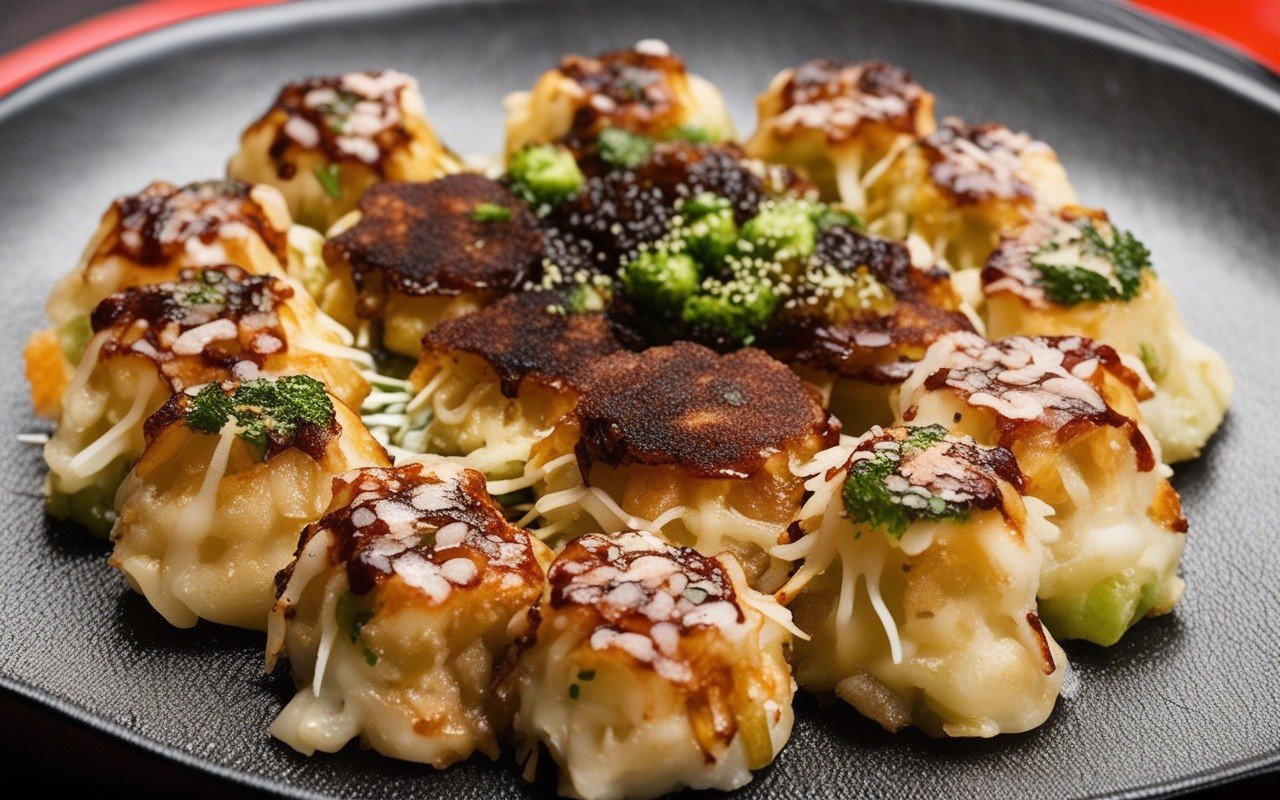
    Takoyaki are ball-shaped snacks made of a wheat flour-based batter and cooked in a special molded pan. They are typically filled with minced or diced octopus (tako), tempura scraps (tenkasu), pickled ginger, and green onion.

    • The Yokohama Twist: Unlike the runny inside of Osaka style, Yokohama shops often make the inside slightly firmer and top it with cheese and mayonnaise to suit local tastes.

    Okonomiyaki: The Japanese Pizza?

    Often described as a Japanese savory pancake, Okonomiyaki is made with flour, grated yam (yamanoimo), shredded cabbage, eggs, and various toppings like pork belly or shrimp. The name literally means “grilled as you like it.”

    • Hiroshima vs. Osaka Style: In Yokohama, you will find both. Osaka style mixes everything in the batter, while Hiroshima style layers ingredients including noodles.

    Where to Find Them

    Yokohama Bay Quarter & Red Brick Warehouse

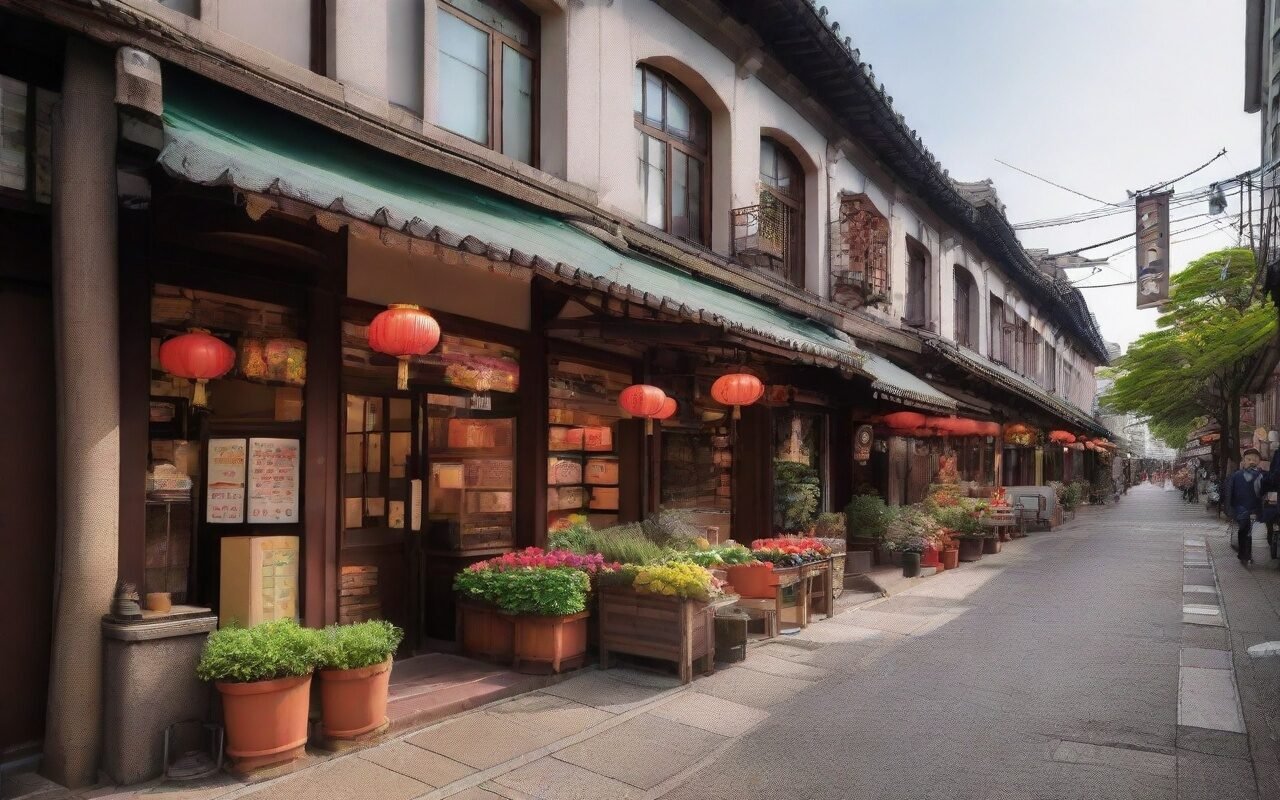
    Yokohama Takoyaki Okonomiyaki — main illustration

    Yokohama Takoyaki Okonomiyaki — main illustration

    Yokohama Takoyaki Okonomiyaki Guide — visitor highlights
    When you think of Takoyaki (octopus balls) and Okonomiyaki (savory pancakes), you might immediately think of Osaka. But here’s the thing, Yokohama has enthusiastically embraced these “Konamono” (flour-based foods) and made them its own, especially in the bustling bay areas. It is a perfect example of how regional cuisines blend and evolve in Japan’s port cities. Night markets and weekend food halls near the waterfront add extra energy, so you can snack late after sightseeing without rushing back to central Tokyo.

    Several specialized shops here offer premium Takoyaki. Watch the chefs skillfully flip the balls with metal picks—a mesmerizing performance in itself.

    • Recommended: Try the “Ebi-Mayo” (Shrimp and Mayonnaise) flavor.

    Chinatown

    While famous for dumplings, Chinatown also houses excellent Okonomiyaki restaurants where you can grill the pancake on a hot plate (teppan) right at your table. This interactive dining style is a hit with families and groups.

    Building a Konamono Night Without Overordering

    Minato Mirai evenings tempt you with neon stalls, bay breezes, and the smell of bonito flakes still dancing from okonomiyaki sauce, yet flour-heavy snacks fill you faster than sushi omakase. Start with half portions when menus offer them, especially if you plan to compare Osaka-style mixes against Hiroshima-style layered plates in one night. Takoyaki lines move quicker near event halls because staff batch-cook dozens of molds at once, while boutique shops may serve smaller spheres with crispier shells worth the wait if texture matters more than volume.

    Sauce choices multiply in Yokohama: mentaiko-mayo combos, curry powder dustings, and cheese blankets each change how thirst hits afterward, so alternate with oolong tea or draft beer instead of doubling down on sweet corn toppings alone. Okonomiyaki tables expect you to flip carefully; if the staff offers to finish cooking, accept graciously—teppan burns escalate fast when chatting. Families with kids should confirm splatter guards because oil pops toward seated toddlers more often than parents expect.

    Daytime Chinatown visits differ from neon-hour energy: lunch sets sometimes bundle takoyaki samples with dumpling platters, ideal for comparing wheat-forward dishes before walking the harbor. Red Brick Warehouse pop-ups rotate seasonal fillings such as locally landed octopus or spring bamboo shoots; read chalkboards rather than assuming standard menus. Wind off the water cools takoyaki exteriors while interiors stay molten, so pier-side benches reward patience with safer bites than rushing onto moving escalators.

    Link this crawl with deeper port context via Yokohama Chinatown food guide and ramen contrasts in Yokohama ramen guide when you want soup afterward. If you are budgeting, Kanagawa budget under 5000 yen shows how to pair street snacks with inexpensive transit passes. Late-night konamon stalls sometimes close earlier on weekdays; always glance at last-order clocks taped beside registers.

    Carry napkins because sauce packets rarely suffice, and remember that eating directly beside shop doorways can block queues—step to designated standing zones when signs ask. Yokohama rewards snackers who read the room: share batches, watch the bay lights, and let flour dishes breathe a minute before biting.

    If you are comparing stalls across multiple floors, jot tasting notes on your phone because sauces blur together after the third mayo-heavy order. Bay-side benches can be windy, so shield boxes with your body until the first bite cools slightly—nothing ruins a harbor sunset like a scalded tongue from over-eager takoyaki.

    Top Takoyaki and Okonomiyaki Shops in Yokohama

    Takoyaki Specialists

    Takoyaki Sora (takoyaki (たこ焼き, octopus balls)空) in Minato Mirai serves what many locals consider Yokohama’s best takoyaki. Their signature “Creamy Mentaiko” (¥680 for 8 pieces) features octopus chunks wrapped in a batter enriched with mentaiko (spicy cod roe) and topped with a light mayonnaise. Unlike traditional Takoyaki, the interior remains exceptionally soft and almost custard-like.

    Tako-no-ya (たこの家) in the Kannai area has operated since 1993. They specialize in “Nama-tako” (raw octopus) takoyaki, where the octopus is lightly blanched rather than fully cooked, resulting in a more tender texture. Their sets (¥780–¥1,200) include multiple sauces to compare.

    Okonomiyaki Experiences

    Yokohama Teppan (Yokohama (横浜)鉄板) at Red Brick Warehouse offers an interactive okonomiyaki experience where you grill your own batter on a teppan hot plate. Their signature “Yokohama Bay Mix” (¥1,480) includes shrimp, squid, pork belly, and Kamakura cabbage. Staff provide guidance for first-timers.

    Coco’s Okonomiyaki (ここ’s okonomiyaki (お好み焼き, savory pancake)) in Chinatown offers a unique “Curry Okonomiyaki” that blends Yokohama’s curry culture with classic okonomiyaki. The batter is mixed with house-made curry powder and topped with melted cheese—a fusion that should not work but absolutely does.

    How to Eat Takoyaki: A Step-by-Step Guide

    For first-timers, eating takoyaki requires some technique: Step 1: Wait 2–3 minutes after serving. Takoyaki is molten-hot inside, and the steam needs to escape slightly. Burned tongues are a rite of passage but avoidable with patience. Step 2: Pick up one piece with the provided toothpick or chopsticks. Pierce the center to release steam. Step 3: Dip lightly in the accompanying sauce—usually a sweet Worcestershire-style sauce or ponzu for modern variations.

    Step 4: Eat the entire piece in one bite. Takoyaki is designed to be consumed whole—the contrast between the crispy exterior and liquid center is the essence of the dish. Step 5: Blow gently on the piece before putting it in your mouth if you are concerned about heat.

    Etiquette: At standing bars, eat quickly and make room for others. At sit-down restaurants, pace yourself and enjoy with beer.

    Kansai vs. Hiroshima Okonomiyaki: A Detailed Comparison

    Feature Kansai-style Hiroshima-style
    Batter mixing All ingredients mixed into batter Batter cooked as thin crepe, ingredients layered
    Noodles None (sometimes optional) Yakisoba noodles always included
    Cabbage Chopped and mixed in batter Shredded and piled on top
    Layering Single layer Multiple layers (batter→cabbage→meat→noodles→egg)
    Flipping Flipped once Flipped 2–3 times
    Finish Toppings on top layer Toppings on top, then flipped onto noodles
    Calories ~500–700 per serving ~700–1,000 per serving

    Yokohama offers both styles in abundance. For an authentic Kansai-style experience, visit Takoyaki Sora. For Hiroshima-style, Yokohama Teppan at Red Brick Warehouse is the best choice.

    The Secret Behind great Takoyaki Batter

    The perfect takoyaki batter has three key characteristics: Thinness: The batter should be noticeably thinner than pancake batter—almost like crepe batter. This allows the exterior to crisp quickly while the interior remains molten.

    Dashi flavor: Premium takoyaki batter uses dashi (fish stock) instead of water. This adds a subtle umami layer that distinguishes great takoyaki from average. The dashi is typically made from kombu and bonito flakes.

    Resting time: The batter should rest for at least 30 minutes before cooking. This allows the gluten to relax, resulting in a more tender texture. Some shops rest their batter overnight.

    Bonus ingredient: Many top-tier Osaka-style takoyaki shops add a small amount of yamaimo (mountain yam) or nagaimo (Chinese yam) to the batter. This creates a fluffier, more aerated texture.

    Okonomiyaki Toppings Guide

    The toppings are what make each okonomiyaki unique. Here is how to build your perfect combination:

    Layer Traditional Modern Options
    Base sauce Okonomiyaki sauce (sweet Worcestershire) Miso, curry sauce, tomato-based
    Mayonnaise Japanese mayo (Kewpie) Spicy mayo, yuzu mayo, garlic aioli
    Powder Aonori (seaweed powder) Shichimi, curry powder, matcha salt
    Flakes Katsuobushi (bonito flakes) Dried shrimp powder, nori flakes
    Extra Pickled ginger (beni shoga) Cheese, mochi, avocado

    A good rule of thumb: choose 1–2 modern toppings alongside the traditional base for a balanced flavor.

    Tips

    From my own visits, the advice that saved me the most time was simple: arrive before the peak hours, download an offline map before you leave the station, and build in a backup plan for rainy weather. Many spots in Kanagawa get busy by mid-morning, so an early start usually means shorter queues and better photos.

    Frequently Asked Questions (FAQ)

    Q: What is the difference between Kansai-style and Hiroshima-style okonomiyaki?
    A: Kansai-style mixes all ingredients (cabbage, meat, seafood) directly into the batter before grilling. Hiroshima-style layers the ingredients—thin batter first, then cabbage, meat, soba noodles, eggs, and toppings—resulting in a taller, more complex pancake.

    Q: Is takoyaki safe for people with seafood allergies?
    A: No—authentic takoyaki always contains octopus (tako). Even the batter is often made with dashi from fish stock. Some modern shops offer “tako-nashi” (no octopus) versions, but cross-contamination is likely.

    Q: What is the best drink to pair with konamono?
    A: Draft beer (nama beeru) is the classic pairing. For takoyaki, a crisp lager or pilsner cuts through the mayonnaise and sauce. For okonomiyaki, a slightly sweet amber ale complements the savory-sweet Worcestershire-style sauce.

    Q: Do I need to cook my own okonomiyaki?
    A: It is optional. Some teppan restaurants expect you to cook at the table, while others prepare it in the kitchen. The menu should indicate which style is offered—if you want a relaxed meal, choose a shop where staff cooks.

    Q: Are there vegetarian options for konamono?
    A: Yes. Many shops offer “yasai-okonomiyaki” (vegetable okonomiyaki) and “cheese takoyaki” (no octopus, filled with cheese). Confirm with staff that the batter does not contain dashi or bonito flakes.


    📍 Related Articles


    Last Updated: April 2026 — All restaurant information verified.

    Conclusion

    exploring Yokohama can be as relaxed or as packed as you want it to be, and I have found that the best visits leave room for both planning and spontaneity. During my visit to Yokohama I went with a rough plan and found that leaving room to wander made the trip far more memorable. Use this guide to sort out the logistics in advance, then let the day surprise you — Kanagawa rewards travelers who stay curious.
  • Yokohama Historical Walk – Kanagawa 2026

    Yokohama Historical Walk – Kanagawa 2026

    Yokohama Historical Walk – Kanagawa 2026

    Overview

    Explore the rich cultural heritage and historical significance of this Kanagawa destination. This guide delves into the fascinating stories, traditions, and landmarks that define this historic area. I explored these cultural sites during my last visit and was impressed by the depth of history preserved here.

    Explore the rich cultural heritage and historical significance of Yokohama Historical Walk – Kanagawa in Kanagawa Prefecture. This guide delves into the fascinating stories, traditions, and landmarks that define Yokohama. From ancient temples to modern museums, discover how this destination has shaped Japan’s cultural landscape over centuries.

    I explored this cultural site during my last visit and spent hours learning about its history. I recommend visiting on a weekday for a quieter experience. For more information, see our Kanagawa guide.

    Archives and deeper reading without information overload

    City-run archives and specialty museums cluster near Nihon-Odori and Bashamichi. English captions vary in depth; renting an inexpensive audio guide where offered often saves time over reading every bilingual panel. Weekday afternoons see school groups; arrive near opening if you prefer quieter galleries.

    Do not expect a single museum to carry the entire port narrative. Instead, pick one anchor institution, absorb its thesis, then walk the blocks it references. For Chinese community context that intersects port trade, add Yokohama Chinatown history to your reading list for a second afternoon.

    Half-day and full-day walking frames

    Half-day core: Start Kannai Station, walk Bashamichi north to Nihon-Odori, detour one museum, ascend Yamate via the elevator park link if knees prefer less slope, descend toward Sakuragicho for trains.

    Full-day extension: Add harbor promenade loops, the archives building, and a late lunch near the waterfront before returning inland for architecture photos when shadows lengthen.

    Distances stay under twelve kilometers even with detours if you resist doubling back unnecessarily. Rest stops include department store rooftops with vending machines and clean restrooms.

    Practical notes that rarely appear on postcards

    Summer humidity makes paper maps limp; offline phone maps help. Winter wind along the pier cuts through light jackets. Public trash bins remain scarce; carry a small bag for wrappers after bakery stops. Many bank lobbies offer ATMs with English menus if pocket cash runs low.

    Emergency numbers stay standard: police 110, ambulance or fire 119. For non-urgent visitor support, rely on the official Japan National Tourism Organization (JNTO) website rather than unverified chat lines.

    Etiquette for photography and private homes

    Telephoto lenses into living rooms trigger complaints. Shoot cornices and chimneys from the sidewalk, not over fences. Tripods on narrow lanes can block prams; step aside when residents carry groceries uphill. If a security guard waves you away from a doorway, comply immediately; some buildings share ownership between businesses and residences.

    Connecting threads to the rest of Yokohama

    Treat this walk as the historic spine. Modern nightlife and food alleys sit minutes away by train yet deserve separate evenings so you do not rush sunset colors on brick. If you only have one day in Kanagawa, finish this route before sunset, then decide whether Minato Mirai lights or Chinatown dinner fits your energy.

    Light, weather, and honest seasonal trade-offs

    Spring mornings along Bashamichi stay mild enough for three-hour loops without shade breaks every block. Pollen can irritate eyes in April; wraparound sunglasses help more than hats alone. Summer pushes humidity against brick, which means salt air clings to shirts after you descend toward the pier; pack a spare layer if you plan air-conditioned museum breaks between outdoor segments.

    Autumn delivers sharper shadows for facade photography but also earlier sunset behind buildings. Winter air clears distant ship silhouettes yet wind tunnels along the avenue toward the harbor; gloves beat pocket hands when you pause to read plaques. Typhoon season rarely collapses entire routes, but outdoor escalators and hillside paths sometimes close temporarily after heavy rain, so glance at station notice boards before committing to the Yamate climb.

    Rain plans that still teach history

    When drizzle arrives, shift vertically: department store annexes often host small design exhibits, bank lobbies display scale models behind glass, and covered shopping links connect Kannai to Sakuragicho without long exposure. Carry a thin plastic bag for a folded umbrella so bookstore aisles stay dry for others.

    If lightning closes rooftop viewpoints, use the interval to read digitized map overlays on museum tablets. Those interactive layers clarify how landfill shifted quay lines decade by decade.

    Families, strollers, and slope reality

    Elevator-linked parks ease part of the Yamate ascent, but cobbled side streets still jostle small wheels. Hip carriers beat wide strollers on the steepest segments. Public baby-changing rooms cluster near major stations more than on hillside lanes, so time diaper stops before climbing.

    School-age kids engage faster with scavenger prompts: count anchor motifs on fence posts, compare lion statues, find bilingual dates carved above doorways. Keep rewards small so attention lasts until lunch.

    Misconceptions worth clearing early

    The phrase foreign settlement does not mean a theme park replica. Many plots reverted to Japanese ownership after treaty revisions, and postwar reconstruction replaced whole rows. What you see blends authentic survivors, careful reconstructions, and modern infill, That hybrid honesty is the story, not a flaw.

    Another myth assumes everything is bilingual. Signage improves yearly, yet small museums still run Japanese-first captions. Translation apps help, but asking front desk staff for printed English summaries sometimes yields better paragraphs than OCR on glass cases.

    Taisho and Showa layers above Meiji foundations

    Look upward past first-floor banks. Upper stories sometimes show Taisho era tile patterns or Showa-era metal sunshades bolted onto older stone. Those layers record retrofit economics and air-conditioning arrival more honestly than a single bronze plaque ever could.

    Station exits that save ten minutes

    Kannai Station offers multiple street-level exits; picking the one labeled for Bashamichi or Nihon-Odori avoids an underground maze when you are already late for a museum time slot. If you emerge unsure, surface once, orient using the harbor glint, then re-enter rather than wandering subsurface corridors.

    Sakuragicho works well as an exit point after waterfront segments because escalators feed directly toward trains and late coffee. Mark that as your bailout if legs tire before you finish reading every corner plaque.

    Night versus day on the same stones

    Night lighting on brick warehouses skews color temperature orange; daytime reveals mortar texture. Photographers chasing both moods should plan wardrobe contrast accordingly. Noise levels drop after office workers leave, but security patrols increase; cooperate if asked to move along loading zones even when they look empty.

    Souvenirs that match the theme without cluttering luggage

    Thin books of archival photography weigh less than ceramic reproduction anchors. Postcard sets printed on heavy stock survive backpacks better than loose flyers. If you buy a folded map reproduction, slip it inside a magazine to prevent creasing.

    Accessibility notes for slower walkers

    Bench density improves near parks and waterfront lawns, yet Bashamichi sidewalks stay narrow during lunch rush. If standing still hurts knees, alternate museum seating with short outdoor segments rather than attempting the full hillside loop without pause. Accessible restroom icons appear more reliably inside stations and department basements than on hillside lanes, so plan biology before ascent.

    Tactile paving helps vision-low travelers at crossings, but older stone lanes beside churches may lack consistent cues; travel with a companion when possible. Elevator outages happen after earthquakes; station staff post paper detour maps at gates when lifts close for inspection.

    Crowd psychology on weekends versus Tuesdays

    Saturday clusters form around ice cream corners and brick plaza performers, while Tuesday mornings often leave entire sidewalk segments briefly empty for unobstructed facade shots. National holidays flip that pattern when domestic travelers arrive early by bullet train connection. If you dislike shoulder brushes, pay attention to local school trip seasons printed on museum websites.

    Keep one pocket notebook for dates you photograph on plaques; matching captions later beats trusting memory after five similar cornices.

    When in doubt about doorway rules, assume residential silence defaults to no entry even if the gate stands ajar; ring bells only where business hours signs explicitly welcome visitors.

    Late afternoon sun paints west-facing brick a warm amber that fools auto white balance on phones; tap to lock exposure before panning across a whole block.

    Carry a small power bank because hillside GPS fixes drain batteries faster than subway tunnels predict, especially on cold winter afternoons.


    Tips

    Practical notes from my trips to exploring Yokohama: confirm the latest hours on the official website, buy tickets in advance when you can, and leave extra time for trains and walking between stops. Keeping your first day lighter also helps you enjoy the second day without feeling rushed.

    Frequently Asked Questions

    Q: Are English guides available?
    A: Major temples, shrines, and museums offer English audio guides or pamphlet guides. Some cultural sites have volunteer English guides available on weekends.

    Q: Can I take photographs?
    A: Photography is generally allowed in outdoor areas. Indoor photography, especially of cultural artifacts, may be restricted. Flash photography is commonly prohibited.

    Q: How much time should I budget?
    A: For temples and shrines, budget 30-60 minutes. Museums typically require 1-2 hours. Cultural experiences (tea ceremony, craft workshops) take 1-2 hours.

    Q: Are there any dress codes?
    A: No strict dress codes, but dressing respectfully is appreciated at temples and shrines. Avoid overly revealing clothing. Comfortable walking shoes are recommended.

    Visiting in person, I truly appreciated the depth of this area. I hope this serves as a useful reference for your trip.

    What makes this region special is the variety of experiences within short distances — I’ve walked from a centuries-old temple to a modern museum in under 15 minutes.

    Yokohama rewards slow readers of stone and steel who pace themselves kindly. The treaty port is not a single museum gate; it is a sequence of streets where global trade once landed and where contemporary Yokohama still negotiates space between ships, offices, and homes. Walk with curiosity, keep maps oriented toward the bay, and let the harbor breeze mark your turns more than any audio guide ever could.

    Conclusion

    The details in this guide come from real visits, and the biggest lesson I took away was that the best experiences in Yokohama rarely fit neatly into a checklist. During my visit to Yokohama I went with a rough plan and found that leaving room to wander made the trip far more memorable. Plan the essentials, keep your schedule flexible, and you will leave Kanagawa wanting to return.

  • Kanagawa Wellness Retreat Spa Yoga Onsen 2026

    Kanagawa Wellness Retreat Spa Yoga Onsen 2026

    Overview

    🗺️ Key Points

    • Perfect for: Wellness seekers, relaxation
    • Duration: 2-3 days recommended
    • Budget: ¥15,000-30,000
    • Best season: Year-round (winter ideal for onsen)
    • Focus: Mind-body wellness

    📋 Overview

    Kanagawa Prefecture is a lesser-known spot for wellness enthusiasts, offering traditional Japanese onsen, yoga studios with ocean views, and meditation retreats in ancient temples. This guide covers the best wellness things in the region.

    🧘 Top Wellness things


    Kanagawa Wellness Retreat Spa Yoga Onsen — main illustration

    Popular Kanagawa activity location and attraction

    Kanagawa Wellness Retreat Spa Yoga Onsen 2026 — Top Wellness things

    1. Hakone Onsen Retreat

    📍 Wellness & Retreat Locations

    Find wellness retreats, and onsen places across Kanagawa.

    📍 View on Google Maps

    Location: Hakone
    Budget: ¥10,000-20,000/day
    Duration: 1-2 days Hakone is Japan’s most famous hot spring resort area, offering over 20 different onsen types. The mineral-rich waters are believed to have healing properties for various ailments. Top Onsen:

    • Hakone Yuryo (¥2,500): Private onsen with garden views
    • Tenzan Toji-kyo (¥1,800): Traditional outdoor baths
    • Hakone Kowakien Yunessun (¥2,800): Unique themed baths Wellness Benefits:
    • Stress relief
    • Improved circulation
    • Skin rejuvenation
    • Muscle relaxation

    2. Kamakura Zen Meditation

    Location: Kamakura
    Budget: ¥3,000-5,000/session
    Duration: Half-day time authentic Zen meditation at ancient Kamakura temples. Several temples offer English-guided sessions for beginners. Top Temples:

    • Hokokuji Temple (¥300 entry): Bamboo grove meditation
    • Kenchoji Temple (¥500): Formal Zen practice
    • Engakuji Temple (¥300): Morning meditation sessions What to Expect:
    • 30-60 minute guided sessions
    • Traditional posture instruction
    • Breathing techniques
    • Tea ceremony included

    3. Shonan Yoga Studios

    Location: Shonan Beach Area
    Budget: ¥2,000-3,500/class
    Duration: 1-2 hours Practice yoga with ocean views at Shonan’s beachfront studios. Many studios offer sunrise and sunset sessions. Top Studios:

    • Shonan Yoga Village (¥2,500): Beachfront classes
    • Kamakura Yoga Studio (¥2,000): Temple garden sessions
    • Zushi Beach Yoga (¥3,000): Sunrise sessions Class Types:
    • Hatha yoga (beginner-friendly)
    • Vinyasa flow (intermediate)
    • Sunrise meditation (all levels)
    • Beach yoga (seasonal)

    🏨 Wellness lodging

    Kanagawa Wellness Retreat Spa Yoga Onsen 2026 — Wellness lodging

    Budget-Friendly (¥5,000-8,000/night)

    Hostels with Onsen:

    • Hakone YH: ¥5,000/night, natural hot spring
    • Kamakura Guesthouse: ¥4,500/night, yoga mornings

    Mid-Range (¥10,000-20,000/night)

    Ryokan with Spa:

    • Hakone Suishoen: ¥15,000/night, private onsen
    • Kamakura Hana no Mai: ¥12,000/night, garden views

    Luxury (¥25,000+/night)

    Wellness Resorts:

    • Hakone Ginyu: ¥35,000/night, all-inclusive spa
    • Kayotei: ¥28,000/night, traditional wellness

    🌸 Seasonal Wellness Guide

    Spring (March-May)

    • Best for: Cherry blossom yoga, outdoor meditation
    • Temperature: 15-20°C
    • tip: Kamakura temple sessions

    Summer (June-August)

    • Best for: Beach yoga, sunrise sessions
    • Temperature: 25-30°C
    • tip: Shonan beachfront classes

    Autumn (September-November)

    • Best for: Onsen with foliage views
    • Temperature: 15-22°C
    • tip: Hakone mountain retreats

    Winter (December-February)

    • Best for: Traditional onsen, indoor wellness
    • Temperature: 5-10°C
    • tip: Hakone ryokan stays

    📍 Location

    Wellness destinations are spread across Kanagawa:

    • Hakone: 1.5 hours from Tokyo (onsen focus)
    • Kamakura: 1 hour from Tokyo (Zen meditation)
    • Shonan: 1 hour from Tokyo (yoga, beach wellness)
    • Zushi: 1 hour from Tokyo (quiet retreats)

    🗺️ Nearby Attractions

    Within 5km

    • Hakone Shrine: Lakeside meditation spots
    • Kamakura temples: Zen gardens
    • Shonan Beach: Sunrise yoga locations

    Within 15km

    • Lake Ashi: Peaceful walking trails
    • Yuigahama Beach: Beach yoga sessions
    • Mount Myojin: Hiking meditation

    Check out our Hayama Misaki Walking Route guide for detailed information.

    🎒 Essential Preparation Guide

    What to Pack

    Essential Items:

    • comfy walking shoes (most important)
    • Weather-appropriate clothing layers
    • small phone charger (long days out)
    • refillable water bottle (stay hydrated)
    • Small backpack for daily essentials
    • Cash (many places cash-only in Japan)
    • IC card (Suica/Pasmo for transport)
    • Pocket tissues (restrooms often lack paper)

    Seasonal Additions:

    • Spring: Light jacket, allergy medication
    • Summer: Sunscreen, cooling towel
    • Autumn: Light layers, rain jacket
    • Winter: Warm coat, scarf

    Money-Saving Tips:

    • Convenience store breakfast: ¥300-500
    • Supermarket dinner bento: ¥500-800 (after 7 PM discount)
    • Free attractions: Temples, beaches
    • Day passes: Unlimited transport for ¥500-1,500
    • Hostel lodging: ¥3,000-5,000/night

    Transportation Mastery

    Train System:

    • JR lines cover major destinations
    • Private lines (Tokyu. Keikyu) offer discounts
    • IC cards (Suica/Pasmo) work on all lines
    • Day passes save 30-50% on transport

    Bus System:

    • Local buses reach areas trains don’t
    • Day passes available for unlimited rides
    • English announcements on major routes
    • IC cards accepted on most buses

    Walking & Cycling:

    • Many attractions within walking distance
    • Bicycle rental: ¥1,000-1,500/day
    • Dedicated cycling paths in some areas
    • Best way to discover lesser-known spots

    🌟 Insider Secrets

    Best Kept Secrets

    Hidden Viewpoints:

    • Enoshima Sea Candle top floor (less crowded)
    • Hakone Shrine back trails (peaceful)
    • Kamakura hiking paths (panoramic views)
    • Yokohama rooftop gardens (free, stunning)

    Local Dining:

    • Isezakicho back alleys (authentic, cheap)
    • Komachi-dori side streets (local favorites)
    • Hakone Yumoto side roads (traditional)
    • Shonan fishing ports (fresh, direct)

    Quiet Times:

    • Temples: 8-9 AM (opening time)
    • Beaches: Weekday mornings
    • Museums: Tuesday-Thursday afternoons
    • Restaurants: 11:30 AM or 2 PM (off-peak)

    Photography Masterclass

    Golden Hour Locations:

    • Yuigahama Beach: 30 min before sunset
    • Lake Ashi: Morning (Fuji clearest)
    • Enoshima: Late afternoon (ocean glow)
    • Yokohama: Blue hour (30 min after sunset)

    Composition Tips:

    • Use foreground elements (trees, buildings)
    • Include people for scale
    • Capture local life (markets, temples)
    • Shoot vertical for social media

    Weather photos:

    • Rainy: Reflections, moody
    • Foggy: Mysterious atmosphere, layers
    • Clear: Distant views, vibrant colors
    • Snow: Rare, capture quickly

    📍 Local Neighborhood Guide

    Yokohama Neighborhoods

    Minato Mirai:

    • Modern waterfront district
    • Shopping, fun
    • Best for: First-time visitors
    • Time needed: Half day Chinatown:
    • Asia’s largest Chinatown
    • 500+ restaurants, shops
    • Best for: Food lovers
    • Time needed: 2-3 hours

    Yamashita Park Area:

    • Historic waterfront park
    • Marine Tower. Red Brick Warehouse
    • Best for: Relaxing, photos
    • Time needed: 2 hours

    Kamakura Neighborhoods

    Komachi-dori:

    • Main shopping street
    • Street food, souvenirs
    • Best for: Shopping, snacks
    • Time needed: 1-2 hours Temple District:
    • Great Buddha. Hokokuji
    • Cultural heart of Kamakura
    • Best for: History, spirituality
    • Time needed: Half day

    Beach Area:

    • Yuigahama. Zushi beaches
    • Surf culture, beach cafes
    • Best for: Ocean, relaxation
    • Time needed: 2-3 hours

    Hakone Areas

    Yumoto:

    • Gateway to Hakone
    • Onsen town, restaurants
    • Best for: Hot springs, base
    • Time needed: Half day

    Lake Ashi:

    • Scenic lake, cruises
    • Mount Fuji views (winter)
    • Best for: Nature, photos
    • Time needed: 2-3 hours

    Owakudani:

    • Volcanic valley, black eggs
    • Ropeway, hiking trails
    • Best for: Unique time
    • Time needed: 1-2 hours

    🌟 Advanced Local things

    Cultural Immersion Activities

    Traditional Craft Workshops:

    • Pottery making in Kamakura (¥3,000-5,000. 2 hours)
    • Incense blending at historic temples (¥2,000-3,000)
    • Calligraphy lessons with local masters (¥2,500-4,000)
    • Tea ceremony joining (¥3,000-5,000. includes matcha)
    • Origami workshops at cultural centers (¥1,000-2,000)

    Festival joining:

    • Spring matsuri (March-April): Local shrine festivals
    • Summer hanabi (July-August): Fireworks festivals
    • Autumn matsuri (September-November): Harvest celebrations
    • Winter lightss (December-February): Light displays

    Local Food things:

    • Sushi making classes (¥5,000-8,000. includes lunch)
    • Ramen broth cooking workshops (¥4,000-6,000)
    • Sake tasting tours (¥3,000-5,000. 5-7 varieties)
    • Wagashi (Japanese sweets) making (¥3,500-5,000)
    • Tofu making at traditional shops (¥2,000-3,000)

    Off-the-Beaten-Path Adventures

    Hidden Hiking Trails:

    • Kamakura Daibutsu hiking trail (2 hours, moderate)
    • Hakone old Tokaido road (3 hours, easy)
    • Enoshima island circumnavigation (1.5 hours, easy)
    • Mount Myojin panoramic trail (2.5 hours, moderate)
    • Sagami Bay coastal walk (4 hours, easy-moderate)

    Secret Beaches:

    • Shichirigahama (local surfers’ favorite)
    • Isshiki Beach in Hayama (quiet, clean)
    • Morito Beach in Zushi (family-friendly)
    • Koajiro Beach (lesser-known spot, few visitors)
    • Nagai Beach (local secret, great sunset)

    Local Neighborhoods:

    • Ofuna in Kamakura (residential, authentic)
    • Motomachi in Yokohama (upscale, historic)
    • Gora in Hakone (mountain village feel)
    • Zushi town center (surf culture, relaxed)
    • Fujisawa old town (traditional, unspoiled)

    Seasonal Deep Dives

    Spring (March-May) Deep time:

    • Cherry blossom hanami parties in local parks
    • Temple garden visits during peak bloom
    • Spring vegetable tasting menus at ryokan
    • Traditional flower arrangement workshops
    • Morning market visits for seasonal produce

    Summer (June-August) Deep time:

    • Early morning beach yoga sessions
    • Evening fireworks festivals (free viewing spots)
    • Indoor museum hopping during hot afternoons
    • Night cycling along coastal paths
    • Cold ramen and shaved ice tasting tour

    Autumn (September-November) Deep time:

    • Fall foliage hiking in Hakone mountains
    • Harvest festival joining at local shrines
    • Mushroom foraging guided tours
    • Hot spring visits with mountain views
    • photos workshops for autumn colors

    Winter (December-February) Deep time:

    • Onsen hopping with snow views
    • Clear Mount Fuji viewpoint hunting
    • lights walking tours
    • Hot pot restaurant crawling
    • Traditional New Year temple visits

    📍 Detailed Area Guides

    Yokohama Deep Dive

    Minato Mirai District:

    • Landmark Tower Sky Garden (¥1,030. 360° views)
    • Cup Noodles Museum (free entry. ¥500 activities)
    • Red Brick Warehouse (free, dining)
    • Cosmo World amusement park (free entry, pay per ride)
    • Queen’s Square shopping (100+ shops)

    Chinatown Exploration:

    • 500+ restaurants and food stalls
    • Paozu giant soup dumplings (¥800-1,200)
    • Good Luck Dumpling budget option (¥500)
    • Kanteibyo Temple (free, historic)
    • Covered arcades for rainy days

    Yamashita Park Area:

    • Waterfront park (free, pretty views)
    • Marine Tower (¥1,000. observation deck)
    • Hikawa Maru ship museum (¥500. historic)
    • NYK Maritime Museum (free, shipping history)
    • Harbor cruise boats (¥1,600. 40 minutes)

    Kamakura Deep Dive

    Temple Circuit:

    • Kotoku-in Great Buddha (¥300. iconic)
    • Hasedera Temple (¥400. ocean views)
    • Hokokuji Temple (¥300. bamboo grove)
    • Kenchoji Temple (¥500. oldest Zen temple)
    • Engakuji Temple (¥300. important cultural site)

    Beach Culture:

    • Yuigahama Beach (surfing, swimming)
    • Shichirigahama Beach (local favorite)
    • Beachside cafes and restaurants
    • Surfboard rental shops (¥3,000-5,000/day)
    • Sunset viewing spots

    Shopping & Dining:

    • Komachi-dori Street (main shopping)
    • Side street antique shops
    • Local soba noodle restaurants
    • Shirasu (whitebait) specialty restaurants
    • Matcha cafes and sweets shops

    Hakone Deep Dive

    Onsen Towns:

    • Yumoto (gateway, many options)
    • Gora (mountain village, quiet)
    • Miyanoshita (historic, traditional)
    • Tonosawa (quiet, local feel)
    • Sokokura (hidden, authentic)

    Nature things:

    • Lake Ashi cruise (¥1,000. scenic)
    • Owakudani volcanic valley (ropeway access)
    • Hakone Shrine (free, lakeside torii)
    • Old Tokaido road hiking (free, historic)
    • Botanical gardens (¥500. seasonal flowers)

    Art & Culture:

    • Open-Air Museum (¥1,600. sculpture park)
    • Venetian Glass Museum (¥1,800. unique)
    • Pola Museum of Art (¥1,800. impressionist)
    • Narukawa Art Museum (¥1,000. local artists)
    • Hakone Checkpoint (¥500. historic site)

    Kanagawa offers world-class wellness things combining ancient Japanese traditions with modern spa places. Whether you seek the healing waters of Hakone onsen, the spiritual calm of Kamakura Zen meditation, or the ocean breeze of Shonan yoga, this region provides the perfect setting for relaxation and rejuvenation. —

    Related Articles:

    🌟 Additional Wellness things

    Morning Wellness Routines

    Start your day with traditional Japanese wellness practices. Many ryokan offer morning meditation sessions overlooking gardens or mountains. These 30-minute sessions combine breathing exercises, gentle stretching, and mindfulness techniques passed down through generations.

    Evening Relaxation Rituals

    End your day with traditional onsen bathing rituals. The mineral-rich waters of Hakone and other hot spring areas are believed to heal various ailments. Follow the proper etiquette: wash thoroughly before entering, keep towels out of the water, and enjoy the peaceful atmosphere. Many places offer private baths for those who prefer solitude.

    Seasonal Wellness tips

    Each season offers unique wellness chances in Kanagawa, Spring brings cherry blossom meditation sessions in temple gardens. Summer features beachfront yoga at sunrise. Autumn provides hot spring bathing with fall foliage views. Winter offers the most traditional onsen time with snow-covered mountain backdrops.

    Wellness lodging Types

    Choose from traditional ryokan with private onsen, modern spa resorts with comprehensive wellness programs, budget-friendly guesthouses with yoga mornings, or temple lodging (shukubo) for authentic Zen things. Each type offers different levels of luxury and authenticity.

    Booking Wellness things

    Reserve onsen ryokan 2-3 months in advance for weekends. Yoga studios accept walk-ins but booking ensures spot. Temple lodging requires 1-2 weeks notice. Spa treatments can be booked day-of but advance booking preferred. Many places offer package deals combining lodging, meals, and wellness activities. —


    Frequently Asked Questions

    Q: When should I visit for the best weather?
    A: For the most comfy weather, plan your trip between late March and early June, or from September through November, During these months, temperatures range from 15-25°C, making outdoor exploration enjoyable. Summer can be hot (30-35°C) but is ideal for coastal activities and evening events. Q: Is this destination easy to reach by public transport?
    A: Yes. Kanagawa has great public transport connections from Tokyo. Most destinations are within an hour by train. The nearest station is typically a short walk or bus ride from the main attractions. For detailed route info, check the transport section above. Q: Is this destination manageable as a day trip from Tokyo?
    A: Yes, all destinations in this guide work well as day trips. Plan to arrive by late morning to see the main highlights. For a relaxed pace including lunch and optional detours, allow 6-8 hours. If you have more time, extending your stay overnight lets you explore at a leisurely pace and enjoy evening attractions. Q: Do I need any special skills or equipment to enjoy this destination?
    A: Most attractions in this guide are accessible to visitors of all backgrounds and fitness levels. Well-kept paths, clear signage, and English info make navigation easy. For activities needing specific gear (hiking shoes, swimwear, etc.), tips are included in the relevant sections above.

    Conclusion

    exploring Kanagawa for its onsen can be as relaxed or as packed as you want it to be, and I have found that the best visits leave room for both planning and spontaneity. During my visit I went with a rough plan and found that leaving room to wander made the trip far more memorable. Use this guide to sort out the logistics in advance, then let the day surprise you — Kanagawa rewards travelers who stay curious.
  • Kanagawa Budget Under 5000 Yen 2026

    Kanagawa Budget Under 5000 Yen 2026

    Overview

    Transportation: ¥1,000-1,500

    • Local trains: ¥200-400 per trip
    • Day passes: ¥500-1,000
    • Walking: Free (many areas are walkable)

    Food: ¥2,000-2,500

    • Breakfast: ¥300-500
    • Lunch: ¥700-1,000
    • Dinner: ¥1,000-1,200

    Attractions: ¥500-1,000

    • Free temples/shrines: Many available
    • Parks/beaches: Free
    • Museums: ¥300-800

    Lodging: ¥1,000-1,500 (If Staying Overnight)

    • Hostels: ¥2,500-3,500/night
    • Capsule hotels: ¥3,000-4,000/night
    • Day trip from Tokyo: ¥0 (return same day)

    🚃 Budget Transportation Tips

    Essential Passes

    1. Tokyu Freepass (¥1,000)

    • Unlimited travel on Tokyu lines
    • Covers Shibuya to Yokohama, and more
    • Valid for 1 day

    2. Enoden 1-Day Pass (¥800)

    • Unlimited travel on Enoden line
    • Covers Kamakura to Fujisawa
    • Perfect for temple hopping

    3. Hakone Free Pass (¥5,000 from Odawara)

    • Covers all Hakone transport
    • Includes ropeway, buses
    • Valid for 2 days

    Money-Saving Transport Strategies

    1. Walk whenever possible: Many attractions are within walking distance
    2. Use IC cards: Suica/Pasmo offer small discounts
    3. Avoid taxis: Extremely expensive; use trains/buses instead
    4. Travel off-peak: Some passes are cheaper outside rush hours
    5. Combine passes: Use regional passes strategically

    🍜 Budget Food Guide

    Breakfast (¥300-500)

    Convenience Store Options:

    • 7-Eleven: Onigiri (¥120). coffee (¥100)
    • FamilyMart: Sandwich (¥200). tea (¥80)
    • Lawson: Rice ball set (¥300). coffee (¥100) Local Options:
    • Standing soba shops: ¥300-400
    • Bakeries: ¥200-400
    • Hotel breakfast: Often included in room rate

    Lunch (¥700-1,000)

    Budget-Friendly Options:

    • Ramen shops: ¥700-900
    • Gyudon chains (Yoshinoya. Matsuya): ¥400-600
    • Conveyor belt sushi: ¥100-300 per plate
    • Local set meals: ¥800-1,000

    Recommended Budget Spots:

    • Yokohama Isezakicho: Local restaurants ¥700-1,000
    • Kamakura Komachi-dori: Street food ¥500-800
    • Hakone Yumoto: Local soba ¥800-1,000

    Dinner (¥1,000-1,200)

    Budget Options:

    • Izakayas: ¥1,000-1,500 (with drinks)
    • Supermarket bento: ¥500-800 (evening discounts)
    • Local ramen: ¥800-1,000
    • Curry shops: ¥700-900

    Money-Saving Tips:

    • Eat at supermarkets after 7 PM for 20-30% discounts
    • Look for “teishoku” (set meals) for better value
    • Avoid tourist areas for cheaper prices

    🏛️ Free & Cheap Attractions

    Completely Free

    Temples & Shrines:

    • Tsurugaoka Hachimangu (Kamakura)
    • Hakone Shrine (Lake Ashi)
    • Zeniarai Benzaiten (Kamakura) Parks & Nature:
    • Yamashita Park (Yokohama)
    • Yuigahama Beach (Kamakura)
    • Lake Ashi walking trails (Hakone) Cultural:
    • Yokohama Red Brick Warehouse (exterior)
    • Kamakura Komachi-dori Street
    • Hakone hot spring foot baths

    Under ¥500

    Temples:

    • Kotoku-in Great Buddha: ¥300
    • Hasedera Temple: ¥400
    • Hokokuji Temple: ¥300 Museums:
    • Yokohama Museum of Art: ¥500 (first Sunday free)
    • Kamakura Museum of National Treasures: ¥200
    • Hakone Open-Air Museum: ¥1,600 (worth the splurge)

    Budget Day Trip Examples

    Day 1: Kamakura (¥3,500)

    • Transport: ¥1,000 (round trip from Tokyo)
    • Breakfast: ¥400
    • Lunch: ¥800
    • Dinner: ¥1,000
    • Attractions: ¥300 (Great Buddha)

    Day 2: Yokohama (¥4,000)

    • Transport: ¥600 (round trip from Tokyo)
    • Breakfast: ¥400
    • Lunch: ¥900
    • Dinner: ¥1,200
    • Attractions: ¥900 (Cup Noodles Museum + Sky Garden)

    Day 3: Hakone (¥4,800)

    • Transport: ¥1,500 (with pass)
    • Breakfast: ¥400
    • Lunch: ¥1,000
    • Dinner: ¥1,200
    • Attractions: ¥700 (shrines + foot baths)

    🏨 Budget lodging

    Hostels (¥2,500-3,500/night)

    Yokohama:

    • Sakura Hotel Yokohama: ¥3,000-4,000
    • Khaosan Tokyo Yokohama: ¥2,800-3,500 Kamakura:
    • Kamakura Guesthouse: ¥2,500-3,000
    • WeBase Kamakura: ¥3,000-3,500

    Capsule Hotels (¥3,000-4,000/night)

    • 9h Nine Hours (Yokohama): ¥3,500-4,000
    • Capsule Inn (Kamakura area): ¥3,000-3,500

    Money-Saving lodging Tips

    1. Book in advance: Prices increase closer to date
    2. Stay Sunday-Thursday: Cheaper than weekends
    3. Use booking apps: Rakuten, Jalan offer discounts
    4. Consider day trips: Skip lodging entirely
    5. Look for free breakfast: Saves ¥400-500/day

    🎯 3-Day Budget Itinerary

    Day 1: Kamakura (¥3,800)

    Morning:

    • Train from Tokyo: ¥570
    • Great Buddha: ¥300
    • Hasedera Temple: ¥400 Afternoon:
    • Lunch at Komachi-dori: ¥800
    • Tsurugaoka Hachimangu: Free
    • Komachi-dori shopping: Free Evening:
    • Dinner at local izakaya: ¥1,200
    • Return train: ¥570
    • Optional hostel: ¥3,000 Total: ¥3,840 (without lodging)

    Day 2: Yokohama (¥4,200)

    Morning:

    • Train from Tokyo: ¥300
    • Cup Noodles Museum: Free
    • Red Brick Warehouse: Free Afternoon:
    • Lunch at Isezakicho: ¥900
    • Landmark Tower Sky Garden: ¥1,030
    • Yamashita Park: Free Evening:
    • Dinner at Chinatown: ¥1,200
    • Night view: Free
    • Return train: ¥300 Total: ¥3,730

    Day 3: Hakone (¥4,800)

    Morning:

    • Romancecar to Hakone: ¥1,230
    • Hakone Free Pass: ¥5,000 (2 days)
    • Open-Air Museum: ¥1,600 Afternoon:
    • Lake Ashi cruise: Included in pass
    • Hakone Shrine: Free
    • Lunch at local restaurant: ¥1,000 Evening:
    • Onsen foot bath: Free
    • Dinner at Yumoto: ¥1,200
    • Return train: Included in pass Total: ¥4,800 (including pass)

    💡 Advanced Budget Tips

    Free Wi-Fi Strategy

    • 7-Eleven Wi-Fi: Free with sign-up
    • Starbucks Wi-Fi: Free with buy
    • Station Wi-Fi: Available at major stations
    • Pocket Wi-Fi: ¥500/day if needed

    Discount Timing

    • Supermarket discounts: 7-8 PM (20-30% off)
    • Museum discounts: First Sunday of month (free)
    • Train passes: buy online for 10% discount
    • Hotel deals: Book 2-3 months in advance

    Money-Saving Apps

    • Japan Travel by Navitime: Free route planning
    • Gurunavi: Restaurant discounts
    • Hot Pepper Gourmet: Coupon deals
    • Rakuten: Cashback on bookings

    🌸 Seasonal Budget Variations

    Spring (March-May)

    • Prices: 20-30% higher (peak season)
    • Strategy: Book 3 months ahead
    • Budget: ¥5,500-6,000/day

    Summer (June-August)

    • Prices: Standard
    • Strategy: Free beaches, evening events
    • Budget: ¥4,500-5,000/day

    Autumn (September-November)

    • Prices: 10-20% higher
    • Strategy: Free foliage viewing spots
    • Budget: ¥5,000-5,500/day

    Winter (December-February)

    • Prices: 20-30% lower
    • Strategy: Free onsen foot baths, lights
    • Budget: ¥4,000-4,500/day

    💡 Local Insider Tips

    Best Times to Visit

    Early Morning (6-8 AM):

    • Fewer crowds at popular locations
    • Best photos light (golden hour)
    • Cooler temperatures during summer months
    • Peaceful atmosphere for relaxation
    • Local residents’ favorite time

    Late Afternoon (4-6 PM):

    • Golden hour for stunning photos
    • Sunset views over ocean and mountains
    • Romantic atmosphere for couples
    • Cooler temperatures after hot days
    • Evening lights begins

    Weekdays vs Weekends:

    • 30-50% fewer crowds on weekdays
    • Better photo chances without crowds
    • More relaxed pace at temples and museums
    • Easier restaurant bookings
    • Lower lodging prices

    Money-Saving Strategies

    Transportation:

    • buy day passes for unlimited travel
    • Use IC cards (Suica/Pasmo) for small discounts
    • Walk between nearby attractions (free, healthy)
    • Avoid taxis (extremely expensive in Japan)
    • Rent bicycles for local exploration

    Food:

    • Supermarket bento after 7 PM (20-30% discounts)
    • Convenience store coffee (¥100 vs cafe ¥400)
    • Lunch specials at restaurants (30% cheaper than dinner)
    • Local markets for fresh, affordable seafood
    • Standing soba shops for quick, cheap meals

    Attractions:

    • First Sunday of month: Many museums free
    • Temple grounds often free to enter
    • Parks and beaches completely free
    • Combination tickets for multiple attractions
    • Student discounts with valid ID

    Top Photo Locations:

    • Enoshima Sea Candle for 360-degree panoramic views
    • Yuigahama Beach for ocean sunset photos
    • Lake Ashi with Mount Fuji backdrop (winter clearest)
    • Kamakura Great Buddha for iconic shots
    • Yokohama Minato Mirai for night cityscapes

    Seasonal photos:

    • Spring: Cherry blossoms at temples (late March-early April)
    • Summer: Beach scenes, fireworks festivals
    • Autumn: Fall foliage at Hakone (mid-November peak)
    • Winter: Clear Mount Fuji views, lights

    🌟 lesser-known spots Only Locals Know

    Secret Spots

    Quiet Beaches:

    • Shichirigahama (less crowded than Yuigahama)
    • Isshiki Beach in Hayama (local favorite)
    • Morito Beach in Zushi (peaceful, clean)

    Hidden Temples:

    • Hokokuji Temple bamboo grove (early morning best)
    • Jufukuji Temple (hidden, rarely visited)
    • Myohonji Temple (peaceful garden, few tourists)

    Local Cafes:

    • Cafe Rhine in Hayama (ocean views, local art)
    • Bill’s Shonan (famous soufflé pancakes)
    • Cafe La Mer in Zushi (beachfront, sunset views)

    Seasonal Secrets

    Spring Secrets:

    • Cherry blossoms at lesser-known temples
    • Avoid Golden Week (late April-early May)
    • Book lodging 3 months ahead
    • Hanami parties in local parks (free, fun)

    Summer Secrets:

    • Early morning beach visits (before 9 AM)
    • Evening fireworks festivals (free viewing spots)
    • Indoor museums for hot afternoon escape
    • Night cycling along coast (cool, pretty)

    Autumn Secrets:

    • Fall foliage at Hakone (mid-November peak)
    • Harvest festivals at local shrines (free entry)
    • Best photos light in October (clear air)
    • Mushroom foraging tours (unique time)

    Winter Secrets:

    • Clear Mount Fuji views (January-February best)
    • Onsen with snow views (magical time)
    • Fewer crowds, better prices everywhere
    • lights displays (free, amazing)

    🎒 Essential Planning Checklist

    Before You Go

    Book in Advance:

    • lodging (mostly weekends, holidays)
    • Popular restaurants (1-2 days ahead)
    • Activity tours (onzen, cooking)
    • Transport passes (online discounts)

    Pack Smart:

    • comfy walking shoes (essential)
    • Weather-appropriate clothing layers
    • small phone charger (long days out)
    • Cash (many places cash-only)
    • IC card (Suica/Pasmo for transport)

    Download Apps:

    • Google Maps (offline maps available)
    • Google Translate (camera translation)
    • Japan Travel by Navitime (route planning)
    • Gurunavi (restaurant discounts)
    • Hyperdia (train schedules)

    Daily Planning

    Morning Routine:

    • Check weather forecast
    • Confirm transport schedules
    • Reserve lunch spots if needed
    • Charge camera and phone
    • Pack water and snacks

    Evening Routine:

    • Review next day’s itinerary
    • Charge all devices overnight
    • Confirm restaurant bookings
    • Check transport for morning
    • Organize day’s photos

    Emergency Preparedness

    Important Numbers:

    • Police: 110
    • Ambulance/Fire: 119
    • Coast Guard: 118
    • Tourist Info: Use the official Japan National Tourism Organization (JNTO) website for current visitor support options. Emergency Kit:
    • Hotel business card (for taxi returns)
    • Emergency cash (¥10,000 minimum)
    • Basic first aid supplies
    • small phone charger
    • Copy of passport and insurance

    🎒 Essential Preparation Guide

    What to Pack

    Essential Items:

    • comfy walking shoes (most important)
    • Weather-appropriate clothing layers
    • small phone charger (long days out)
    • refillable water bottle (stay hydrated)
    • Small backpack for daily essentials
    • Cash (many places cash-only in Japan)
    • IC card (Suica/Pasmo for transport)
    • Pocket tissues (restrooms often lack paper)

    Seasonal Additions:

    • Spring: Light jacket, allergy medication
    • Summer: Sunscreen, cooling towel
    • Autumn: Light layers, rain jacket
    • Winter: Warm coat, scarf

    Money-Saving Tips:

    • Convenience store breakfast: ¥300-500
    • Supermarket dinner bento: ¥500-800 (after 7 PM discount)
    • Free attractions: Temples, beaches
    • Day passes: Unlimited transport for ¥500-1,500
    • Hostel lodging: ¥3,000-5,000/night

    Transportation Mastery

    Train System:

    • JR lines cover major destinations
    • Private lines (Tokyu. Keikyu) offer discounts
    • IC cards (Suica/Pasmo) work on all lines
    • Day passes save 30-50% on transport

    Bus System:

    • Local buses reach areas trains don’t
    • Day passes available for unlimited rides
    • English announcements on major routes
    • IC cards accepted on most buses

    Walking & Cycling:

    • Many attractions within walking distance
    • Bicycle rental: ¥1,000-1,500/day
    • Dedicated cycling paths in some areas
    • Best way to discover lesser-known spots

    🌟 Insider Secrets

    Best Kept Secrets

    Hidden Viewpoints:

    • Enoshima Sea Candle top floor (less crowded)
    • Hakone Shrine back trails (peaceful)
    • Kamakura hiking paths (panoramic views)
    • Yokohama rooftop gardens (free, stunning)

    Local Dining:

    • Isezakicho back alleys (authentic, cheap)
    • Komachi-dori side streets (local favorites)
    • Hakone Yumoto side roads (traditional)
    • Shonan fishing ports (fresh, direct)

    Quiet Times:

    • Temples: 8-9 AM (opening time)
    • Beaches: Weekday mornings
    • Museums: Tuesday-Thursday afternoons
    • Restaurants: 11:30 AM or 2 PM (off-peak)

    Photography Masterclass

    Golden Hour Locations:

    • Yuigahama Beach: 30 min before sunset
    • Lake Ashi: Morning (Fuji clearest)
    • Enoshima: Late afternoon (ocean glow)
    • Yokohama: Blue hour (30 min after sunset)

    Composition Tips:

    • Use foreground elements (trees, buildings)
    • Include people for scale
    • Capture local life (markets, temples)
    • Shoot vertical for social media

    Weather photos:

    • Rainy: Reflections, moody
    • Foggy: Mysterious atmosphere, layers
    • Clear: Distant views, vibrant colors
    • Snow: Rare, capture quickly

    📍 Local Neighborhood Guide

    Yokohama Neighborhoods

    Minato Mirai:

    • Modern waterfront district
    • Shopping, fun
    • Best for: First-time visitors
    • Time needed: Half day Chinatown:
    • Asia’s largest Chinatown
    • 500+ restaurants, shops
    • Best for: Food lovers
    • Time needed: 2-3 hours

    Yamashita Park Area:

    • Historic waterfront park
    • Marine Tower. Red Brick Warehouse
    • Best for: Relaxing, photos
    • Time needed: 2 hours

    Kamakura Neighborhoods

    Komachi-dori:

    • Main shopping street
    • Street food, souvenirs
    • Best for: Shopping, snacks
    • Time needed: 1-2 hours Temple District:
    • Great Buddha. Hokokuji
    • Cultural heart of Kamakura
    • Best for: History, spirituality
    • Time needed: Half day

    Beach Area:

    • Yuigahama. Zushi beaches
    • Surf culture, beach cafes
    • Best for: Ocean, relaxation
    • Time needed: 2-3 hours

    Hakone Areas

    Yumoto:

    • Gateway to Hakone
    • Onsen town, restaurants
    • Best for: Hot springs, base
    • Time needed: Half day

    Lake Ashi:

    • Scenic lake, cruises
    • Mount Fuji views (winter)
    • Best for: Nature, photos
    • Time needed: 2-3 hours

    Owakudani:

    • Volcanic valley, black eggs
    • Ropeway, hiking trails
    • Best for: Unique time
    • Time needed: 1-2 hours

    Exploring Kanagawa on a budget of under ¥5,000 per day is entirely achievable with proper planning. By using transport passes, eating at local restaurants, and staying at budget lodging, you can time authentic Japanese culture without overspending. The key is to prioritize things over comfort and embrace the local way of life. For more Kanagawa guides, explore our other articles on Hakone, Kamakura, Yokohama, and the Miura Peninsula. —

    Related Articles:


    For more info, check out our guide on Hakone On A Budget Guide – Kanagawa 2026. For more info, check out our guide on Kanagawa Budget lodging Guide 2026 — Hostels…. For more info, check out our guide on About Anaba OffJapan — Deeper into Kanagawa.

    Frequently Asked Questions

    Q: Is this service/amenity easy to find in Kanagawa?
    A: Yes, most practical services in Kanagawa are well-distributed and clearly signposted. Train stations, convenience stores, and tourist info centers are your best starting points. Major places have English signage and staff can usually assist with basic directions. Q: Are there free alternatives available?
    A: Many places offer free alternatives. Coin lockers charge ¥300-700 per use but some tourist centers offer free short-term storage. Public restrooms are free throughout Kanagawa. Free Wi-Fi is available at major stations, convenience stores (7SPOT, Lawson Wi-Fi), and tourist info centers. Q: What payment methods are accepted?
    A: IC cards (Suica/Pasmo) are accepted at most places including lockers, parking meters, and bicycle rentals. Major credit cards work at larger places but smaller operations may be cash-only. Always carry ¥5,000-10,000 in small bills for coin lockers and vending machines. Q: Is this service accessible for non-Japanese speakers?
    A: Most major places in Kanagawa have English signage and instructions. Tourist-oriented services offer multilingual support. For smaller local places, a translation app and pointing at pictures works well. Save key Japanese phrases like “sumimasen” (excuse me) and “arigatou gozaimasu” (thank you). Q: What are the operating hours I should know?
    A: Most services operate during standard business hours (9:00-18:00), but convenience stores are 24/7. Coin lockers at major stations are accessible during station hours (usually 5:00-24:00). Public restrooms in parks may close at sunset. Always check specific facility hours online before visiting.

    Final Thoughts

    Kanagawa Prefecture doesn’t have to break the bank. With careful planning and local knowledge, you can time the best of this diverse region for under ¥5,000 per day. This comprehensive guide reveals budget-friendly strategies used by locals and experienced travelers. Kanagawa proves that great travel doesn’t need an unlimited budget — with smart choices, even modest spending unlocks rich things.

    Conclusion

    The details in this guide come from real visits, and the biggest lesson I took away was that the best experiences in Kanagawa rarely fit neatly into a checklist. During my visit I went with a rough plan and found that leaving room to wander made the trip far more memorable. Plan the essentials, keep your schedule flexible, and you will leave Kanagawa wanting to return.

  • Japanese Oden Winter Guide 2026

    Japanese Oden Winter Guide 2026

    Japanese Oden Winter Guide 2026

    Overview

    Discover the best food and drink experiences that Japanese Oden Winter Guide has to offer. From hidden local gems to popular dining destinations, this guide takes you through the culinary landscape of Japanese in Kanagawa Prefecture. Whether you are a first-time visitor or a returning food enthusiast, you will find something to satisfy your cravings.

    Access

    Getting to Kanagawa from Tokyo is straightforward by train, and most routes take well under two hours. During my trips I relied on an IC card for every connection and kept a bus timetable saved on my phone as backup. If you are staying overnight, look for accommodation near the station to save time.

    📍 Location

    Noge sits southwest of Sakuragicho Station between the bayfront towers and classic drinking alleys. Follow elevated pedestrian signs toward “Noge” instead of cutting through private parking behind live houses.

    The Magic of Dashi Broth

    The soul of Oden lies in the broth. In Kanagawa, many shops use dashi made from niboshi (dried sardines) caught in the nearby Sagami Bay. This gives the broth a distinct, savory depth that improves the longer it simmers. Some historic shops in Yokohama have broths that have been topped up and simmering for decades, creating a complex flavor profile known as “ancient dashi.”

    Must-Try Ingredients

    When ordering Oden at a resrestaurant convenience store, look for these classics:

    1. Daikon: Large, thick slices of radish. A perfect piece should be translucent and melt in your mouth.
    2. Chikuwa: Tube-shaped fish cake with a bouncy texture.
    3. Satsuma-age: Fried fish paste, often containing vegetables like burdock root or shiso leaf.
    4. Konjac: A jelly-like yam cake known for its firm, rubbery texture. It has almost no calories but absorbs the broth’s flavor beautifully.
    5. Mochi-Kin Chakuwa: Fried fish cake wrapped around a piece of mochi rice cake, When you bite into it, the stretchy cheese-like mochi expands—a unique texture experience.

    Counters photograph best when steam backlights the first skewer you lift; ask before using flash because some shops keep mood lighting low for regulars.

    Noge tachinomi doorway in winter with a long wooden counter and simmering pots seen from the alley

    Where to Eat Oden

    Tachinomi (Standing Bars) in Yokohama’s Noge District

    The Noge area is famous for its “Tachinomi” culture. These standing bars offer Oden alongside warm sake. It is a great way to mingle with locals after a long day of sightseeing. The atmosphere is lively, loud, and incredibly welcoming.

    • Tip: Order “Karashi” (Japanese mustard) to add a spicy kick to your ingredients.

    Convenience Stores (Konbini)

    Don’t underestimate the Oden at 7-Eleven, Lawson, or FamilyMart! The “Konbini Oden” is a phenomenon in itself—high quality, incredibly affordable (often ¥100-$0.70 per item), and available 24/7. It is the perfect budget meal for backpackers.

    Chains photograph trays more cleanly after midnight rotations when staff consolidate pots; daytime shots work if you keep reflections off the sneeze guard.

    Japanese convenience store exterior at winter dusk with warm window light typical of konbini oden

    Building a Balanced Oden Tray in Kanagawa Winter

    Start with daikon and konjac anchors because they absorb broth slowly while you queue for skewers that finish faster. Add one fried item such as satsuma-age early so the crust softens to your preferred texture before broth temperatures drop on outdoor-facing counters. Egg halves should look gently stained brown; chalk-white albumen usually means recent replenishment rather than long simmer, which is fine at konbini but less ideal at specialty shops advertising overnight pots.

    Noge standing bars often rotate broth salinity after rainstorms because customers drink more beer and request extra mustard heat; taste before blanketing karashi across everything, When ordering daikon seconds, say “ooki me” if you want the core cut with more fiber versus “chu-toro bu” for softer center slices—vendors recognize the playful jargon and smile. Tachinomi counters may expect you to stack empty skewers in provided bins; never point tips upward in shared containers because it mirrors funeral incense imagery and unsettles older regulars.

    Convenience-store oden after midnight shifts toward unsold pieces being discounted; quality stays regulated by chains, yet texture variance increases. Hotel microwave misuse turns mochi-kinchaku into explosive surprises—always vent lids if staff allows reheating. Hydrate between salty rounds because Kanagawa winter wind dehydrates faster than snow-country travelers expect.

    Expand winter food planning with hot-spring evenings in Kanagawa onsen guide when drizzle replaces frost, detour through Kanagawa rainy day spots for indoor backup plans, or contrast broth-heavy nights with lighter izakaya picks in Noge izakaya complete guide. Vegetarians should scan ingredient charts because fish cake blends hide in seemingly simple blocks.

    Carry a compact pouch for receipts if your employer reimburses meals; tachinomi registers still print narrow slips that smudge in wet pockets. Finally, thank cooks with “gochisousama” audibly enough for them to hear over vent fans—winter oden is part theater, part community radiator, and manners keep the steam welcoming for the next traveler through the noren.

    Where to Find the Best Oden in Kanagawa

    Noge District, Yokohama

    Noge is Yokohama’s most famous drinking district, and its oden shops are legendary. Oden no Hige has been serving oden since 1958 from a tiny counter seating only 8 people. Their broth is lighter than average, allowing the individual ingredients to shine. Must-tries include their daikon (simmered for 3 hours) and their handmade satsuma-age.

    Noge Oden Yokocho is an alley of 6–8 oden shops, each specializing in a different ingredient. You can hop between shops, ordering one or two items at each. Most shops open at 5 PM and close when they run out—typically around 10 PM.

    Kamakura Station Area

    Kamakura Oden Honpo near the station offers oden in a more refined setting, with a focus on Kyoto-style clear broth. Their seasonal oden uses Kamakura-grown vegetables alongside traditional ingredients.

    Convenience Store Oden

    FamilyMart, 7-Eleven, and Lawson all offer oden from October through March. A typical bowl with 4–5 ingredients costs ¥400–¥600. The quality is surprisingly good—the broth is carefully formulated and ingredients are kept at the optimal temperature.

    Pro tip: Ask for extra broth („osuimono omake“) to enjoy the rich dashi flavor. Convenience store staff will usually add an extra ladleful at no charge.

    Oden Ingredients Guide

    Ingredient Texture Flavor Best With
    Daikon (大根) Soft, translucent Absorbs broth Karashi mustard
    Egg / Tamago (玉子) Firm white, creamy yolk Rich, savory Soy sauce
    Konnyaku (こんにゃく) Jelly-like, chewy Neutral Miso paste
    Chikuwa (竹輪) Springy, firm Subtle fish Straight
    Satsuma-age (薩摩揚げ) Spongy, porous Fish cake Karashi mustard
    Hanpen (半片) Fluffy, cloud-like Light fish Ponzu sauce
    Goboten (ごぼう天) Crunchy, fibrous Burdock root Soy sauce
    Grilled tofu (豆腐) Firm, porous Soy, absorbs broth Green onion

    Oden Broth Variations

    Region Broth Color Key Ingredients Flavor Profile
    Kanto (Kanagawa) Dark brown Dark soy sauce, bonito, kombu Rich, savory
    Kansai (Osaka/Kyoto) Light brown Light soy sauce, kombu Subtle, delicate
    Kyushu Clear Salt, kombu, chicken Simple, clean

    Kanagawa shops offer a mix of Kanto and Kansai styles, depending on the shop’s heritage and the chef’s preference.

    Oden Etiquette and Enjoyment

    At standing bars: Oden at standing bars (tachinomi) is a fast, social experience. Order 2–3 pieces at a time rather than your entire meal at once. This ensures each piece is at the optimal temperature. Eat standing at the counter and make room for others. Most standing bars accept cash only and expect you to settle your tab when you leave.

    At specialty shops: Sit-down oden shops encourage a more leisurely pace. Order your first round (3–4 pieces), then order additional pieces as you go. The broth is continuously simmered, and the deeper flavors emerge as the evening progresses. Staff may offer you extra broth („osuimono“) free of charge—always accept.

    At convenience stores: Konbini oden is self-service. Use the provided tongs to select your ingredients, place them in a bowl, and bring to the register. The staff will add broth and ring up your order. Eat at the designated standing counter inside the store—do not eat while walking. Dispose of your bowl and chopsticks in the store’s designated waste bin.

    Oden vocabulary:

    • “Kore to kore o kudasai” — Please give me this and this
    • “Osui wa ikaga desu ka?” — Would you like some extra broth?
    • “Karashi wa arimasu ka?” — Do you have mustard?
    • “Motto nite kudasai” — Please simmer it longer (for harder ingredients like daikon)

    Oden year-round: While traditionally a winter dish, oden’s popularity has led to year-round availability at specialty shops in Noge and at large convenience stores in tourist areas. Summer oden uses a lighter broth and is served at room temperature rather than piping hot. The ingredients remain the same, but the lighter preparation is refreshing in hot weather.

    Health considerations: Oden is relatively healthy—low in calories (a typical bowl of 4–5 ingredients contains 200–350 calories), moderate in protein (10–15g), and high in sodium (800–1,200mg). The daikon provides fiber and vitamin C, while the fish cakes contribute protein and omega-3 fatty acids.

    Making Oden at Home

    Oden is surprisingly easy to prepare. Here is a basic recipe:

    1. Bring 1 liter of dashi (kombu + bonito) to a simmer
    2. Add 3 tbsp soy sauce, 2 tbsp mirin, 1 tbsp sake, 1 tsp salt
    3. Add hard ingredients first: daikon (parboiled), eggs (boiled), konnyaku
    4. Simmer 30 minutes on low heat
    5. Add medium ingredients: chikuwa, satsuma-age, hanpen
    6. Simmer another 15 minutes
    7. Add tofu and green vegetables (if using)
    8. Simmer 5 more minutes and serve

    The broth improves if made a day ahead and reheated.

    Frequently Asked Questions (FAQ)

    Q: Is oden available year-round or only in winter?
    A: While oden is traditionally a winter dish (typically available October through March), some specialty shops in Noge and convenience stores offer it year-round. The best quality and widest variety are found in colder months.

    Q: What is the spicy mustard served with oden?
    A: That is “karashi”—Japanese spicy mustard. It is significantly spicier than Western mustard and clears the sinuses quickly. Use sparingly at first. It is typically provided in a small squeeze tube or jar at the counter.

    Q: How many pieces should I order?
    A: A typical meal consists of 4–6 pieces. Start with daikon and egg as your base, then add one fried item (satsuma-age) and one protein (chikuwa or hanpen).

    Q: Can I take konbini oden to my hotel?
    A: Convenience store oden is meant to be eaten immediately at the standing counter. Some stores refuse to sell oden for takeaway because the broth continues to cook the ingredients and the texture changes. Respect the store’s policy.

    Q: Is there a vegetarian version of oden?
    A: Traditional oden broth is made with dashi from dried fish and sometimes chicken. But here’s the thing, some modern shops offer “vegan oden” using kombu-based broth. Look for shops advertising “vegan” or “yasai oden” in Noge.


    Conclusion

    The details in this guide come from real visits, and the biggest lesson I took away was that the best experiences in Kanagawa rarely fit neatly into a checklist. During my visit I went with a rough plan and found that leaving room to wander made the trip far more memorable. Plan the essentials, keep your schedule flexible, and you will leave Kanagawa wanting to return.