Tag: heritage

  • Zen Meditation Kamakura Guide 2026

    Zen Meditation Kamakura Guide 2026

    Zen Meditation in Kamakura — Complete Guide 2026

    Overview

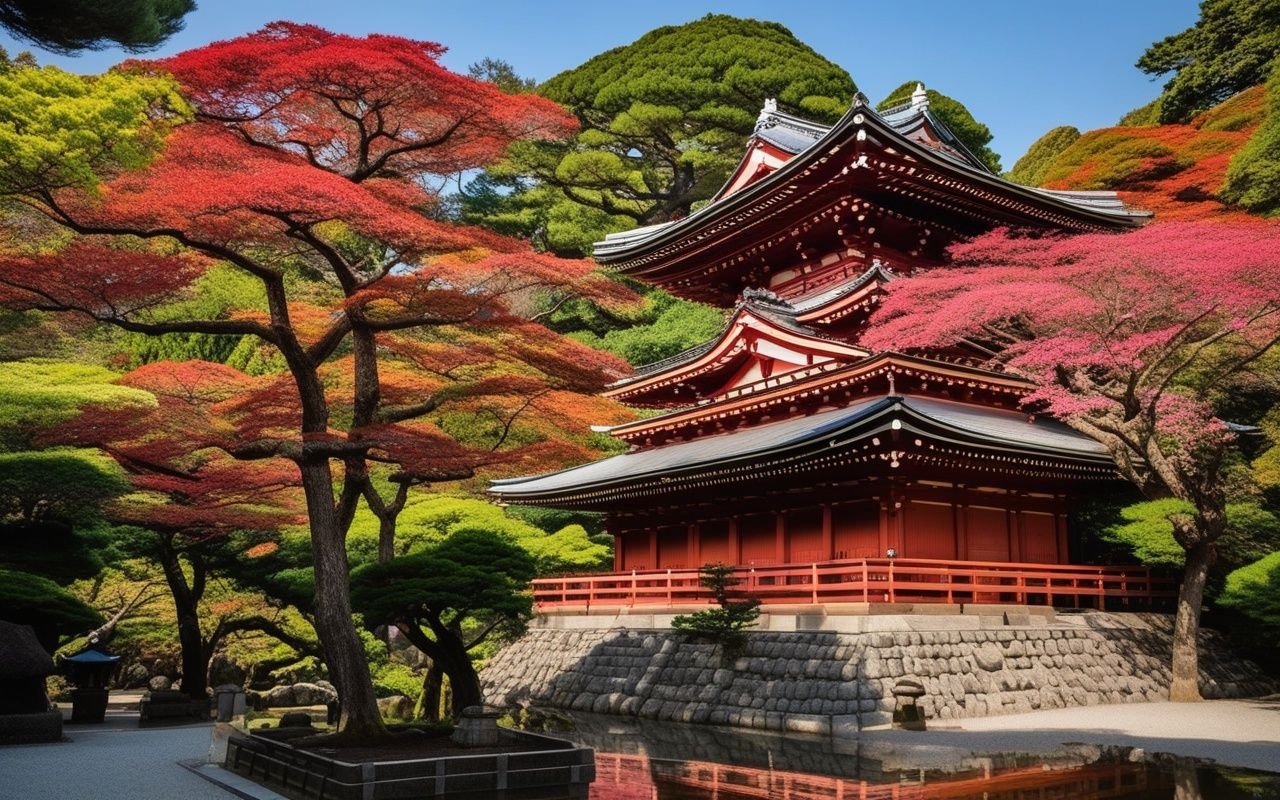
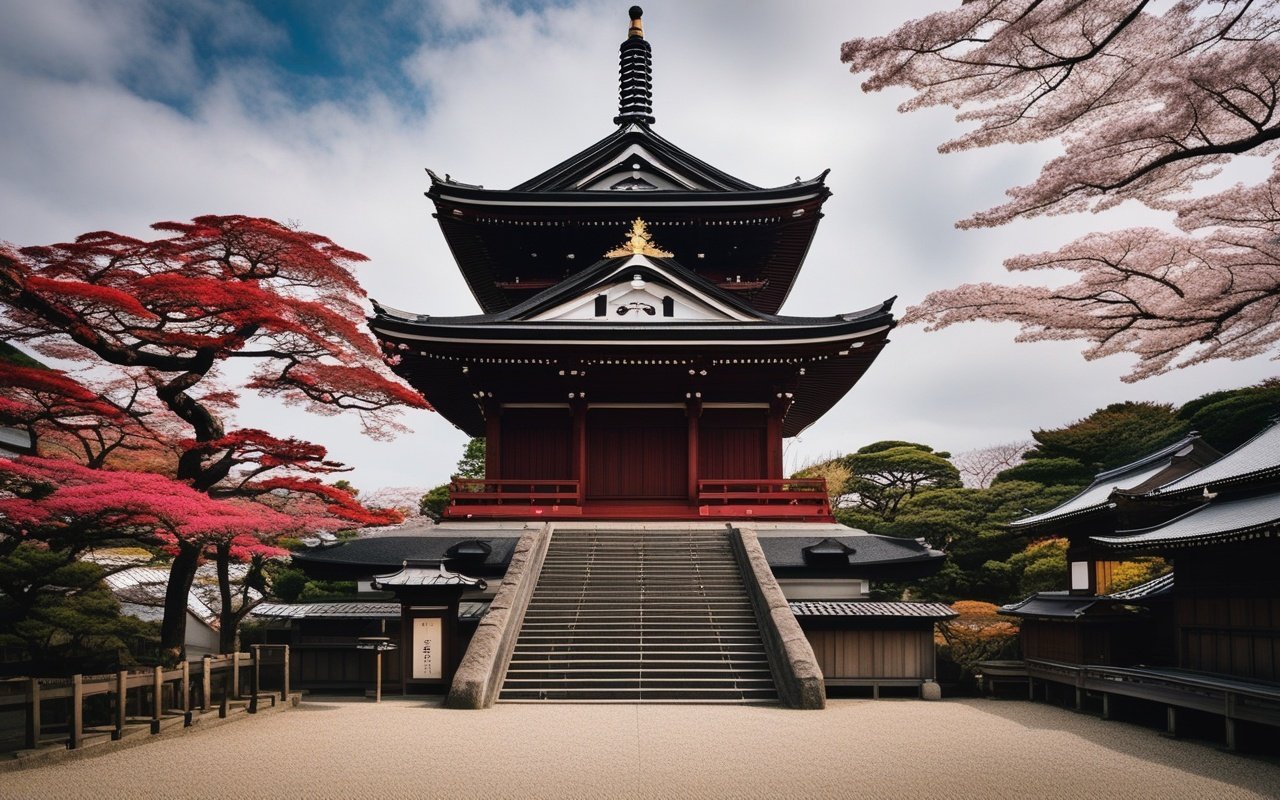
    Explore the rich cultural heritage and historical significance of Zen Meditation Kamakura Guide in Kanagawa Prefecture. This guide delves into the fascinating stories, traditions, and landmarks that define Zen. From ancient temples to modern museums, discover how this destination has shaped Japan’s cultural landscape over centuries.

    What to Expect from a Zazen Session

    A typical zazen session at a Kamakura temple lasts between 30 and 60 minutes and follows a structured format. You will sit on a round cushion (zafu) facing the wall, as is traditional in the Soto school of Zen. The instructor will guide you through proper breathing — typically focusing on natural, deep abdominal breathing — and posture.

    During the session, a monk may walk through the meditation hall carrying a keisaku (a flattened wooden stick). Contrary to what many first-timers assume, this is not a punishment tool. If your shoulders are tense or your posture is slouching, you can signal the monk by placing your hands together in gassho (prayer position), and they will give you a firm tap on the shoulder muscle to relieve tension and refocus your concentration.

    Most sessions include kinhin (walking meditation) between sitting periods. This involves slow, deliberate walking around the hall, maintaining the same focused awareness as in seated meditation.


    Recommended Temples for Zazen

    Engakuji Temple

    Founded in 1282, Engakuji is one of the Five great Zen Temples of Kamakura and a national treasure in its own right. Its name means “Circle of Perfection Temple,” and it sits nestled in the wooded hills of Kita-Kamakura. The temple houses the Shariden (Relic Hall), a National Treasure building that survived the great Kanto Earthquake of 1923.

    Engakuji holds regular zazen sessions for the public, typically on Saturday and Sunday mornings from 7:00 AM to 8:30 AM (check their schedule in advance as times may vary seasonally). The session costs approximately ¥500, plus the temple admission fee of ¥300. Beginners are welcome, and instruction in English is sometimes available — it is best to inquire ahead via their website or phone.

    The treasure hall itself is open for public viewing and contains a tooth relic of the Buddha, making it one of the most significant Zen sites in Japan. The entire temple grounds are worth exploring after meditation, with several subtemples and a peaceful bamboo grove.

    Kenchoji Temple

    Founded in 1253, Kenchoji is the oldest Zen training monastery in Japan and ranks first among Kamakura’s Five great Zen Temples. It was established by Chinese Zen master Rankei Doryu (Lanxi Daolong), who brought authentic Song-dynasty Zen architecture and practice to Japan. The temple’s massive Sanmon gate, constructed in 1754, is itself an Important Cultural Property.

    Kenchoji’s zazen sessions are among the most accessible for foreign visitors. The temple offers meditation on Thursday, Friday, Saturday, and Sunday mornings from 5:00 AM to 6:00 AM — an early start, but the serene atmosphere of the pre-dawn hours in this ancient monastery is unforgettable. The participation fee is ¥500, and general admission to the temple is ¥500.

    The temple grounds also feature a beautiful Zen garden with a dragon painting on the ceiling of the Hatto (Dharma Hall), and you can follow the hiking trail at the back of the temple that leads up to a viewing platform overlooking Kamakura.

    Other Zen Experiences

    Jochiji Temple, located near Kenchoji, offers a quieter alternative. This lesser-visited temple provides a more intimate zazen experience with smaller groups. The head priest often gives brief talks about Zen philosophy in simple English before sessions.

    Tokeiji Temple, known historically as the “Divorce Temple” (a nunnery that offered refuge to women escaping abusive marriages), also offers zazen sessions. Its connection to women’s history adds a unique dimension to the meditation experience.


    Zen Meditation Etiquette

    Proper etiquette is a must-have for a respectful and rewarding Zen experience:

    • Attire: Wear loose, comfortable clothing in dark or subdued colors. Avoid bright patterns, shorts, or revealing clothes. White socks are traditional in some temples.
    • Arrival: Arrive 15 minutes early to register and settle into the meditation hall, Running in late disrupts the session for everyone.
    • Bowing: Bow when entering the meditation hall (zendo), when passing in front of the altar, and when leaving. Bows are subtle — a simple inclination from the waist.
    • Silence: Maintain absolute silence in the meditation hall and around the temple grounds before and after the session. This is not a social event.
    • Posture: Sit with your back straight, ears aligned with shoulders, and nose aligned with navel. Hands form the cosmic mudra: left hand on right, thumbs lightly touching.
    • Phone: Silence your phone completely. Not vibrate, not silent — powered off or airplane mode is best.

    Beyond Meditation: Zen Culture in Kamakura

    After your zazen session, deepen your understanding of Zen by exploring related cultural activities: Matcha Tea: Many temples offer matcha (powdered green tea) and traditional sweets in their tea houses after meditation. The ritual of preparing and drinking matcha is itself a form of Zen practice. Kenchoji and Engakuji both have tea houses open to visitors.

    Zen Calligraphy (Shodo): Several cultural centers in Kamakura offer shodo workshops where you can try brush calligraphy. The focused, deliberate movements echo the mindfulness of zazen.

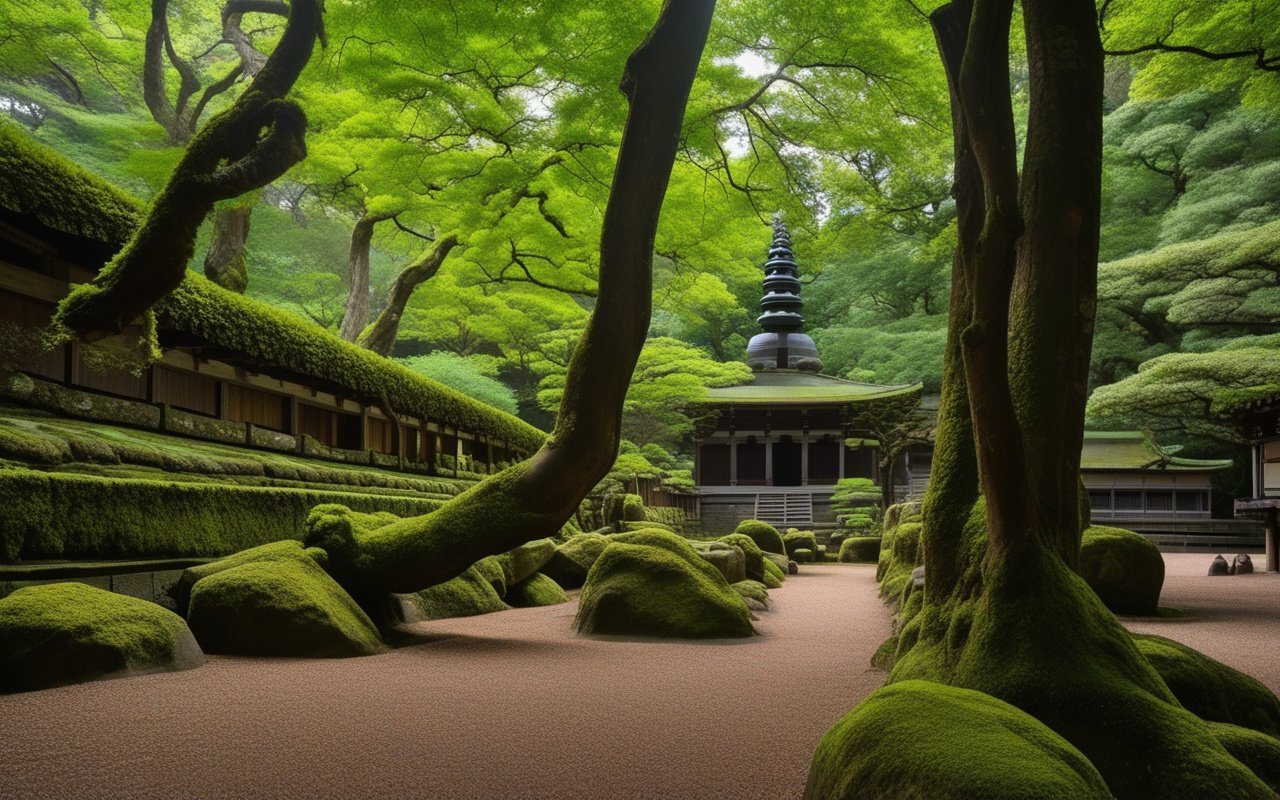
    Temple Gardens: Zen temple gardens are designed as meditation aids. The simple, raked gravel patterns at Kenchoji and Engakuji represent water, while the carefully placed stones symbolize islands or mountains, Sitting quietly and observing these gardens is meditation in itself.


    📍 Location
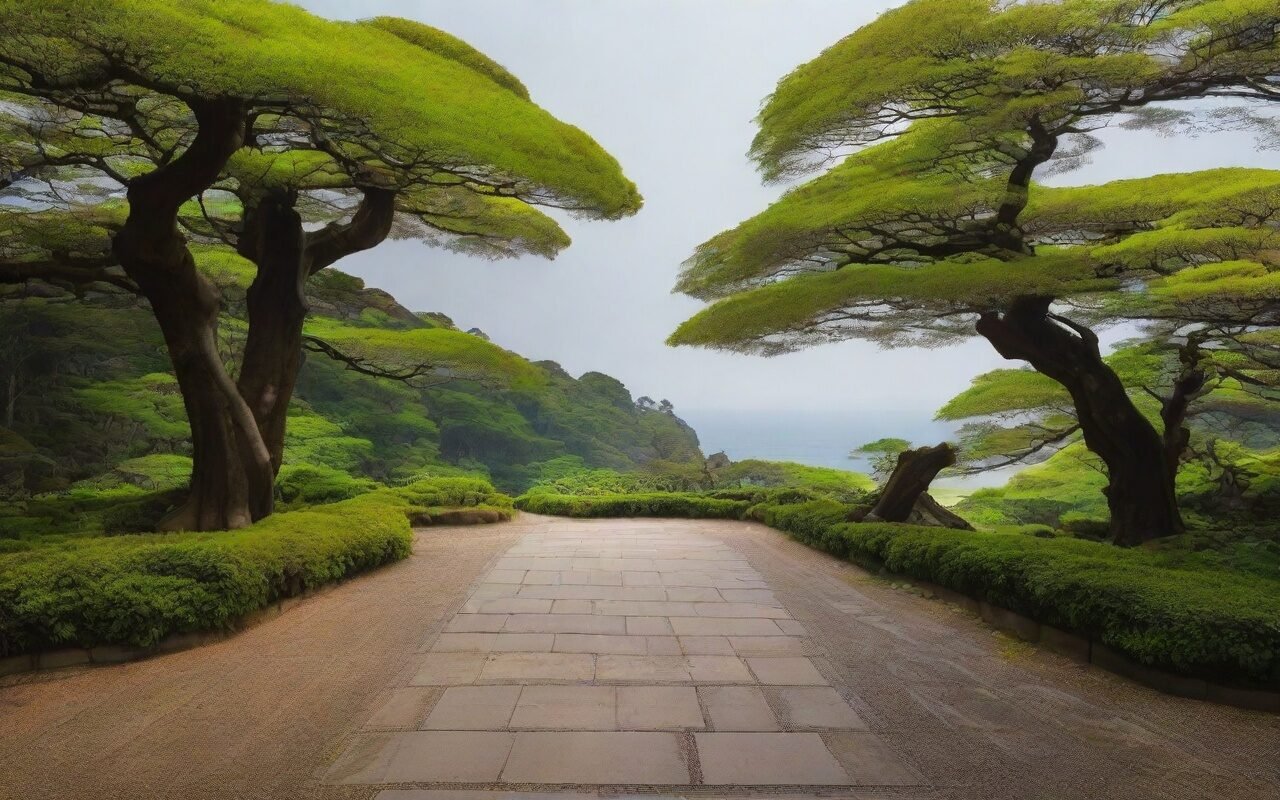
    Zen Meditation Kamakura Guide scenery and attractions

    Engakuji and Kenchoji are located in the Kita-Kamakura area, a short walk from Kita-Kamakura Station on the JR Yokosuka Line. From Tokyo Station, take the JR Yokosuka Line directly to Kita-Kamakura Station (approximately 60 minutes, ¥950 one-way).
    Zen Meditation Kamakura — detailed view

    The Kita-Kamakura area offers a peaceful contrast to the busier Komachi-dori shopping street near Kamakura Station. The walk from the station to the temples passes through a quiet residential neighborhood with traditional wooden houses and small streams.
    Zen Meditation Kamakura Guide — visitor highlights


    💰 Budget Breakdown

    Most zazen sessions cost between ¥500 and ¥1,000, plus temple admission fees of ¥300–¥500. A full morning of meditation at one temple therefore runs approximately ¥1,000–¥1,500 per person.

    If you wish to deepen your practice, consider purchasing a meditation cushion (zafu) from a local shop near the temples (¥3,000–¥8,000) or a Zen-inspired souvenir like scroll calligraphy (¥1,500–¥5,000).

    Budget summary:

    • Temple admission: ¥300–¥500
    • Zazen participation: ¥500–¥1,000
    • Matcha set at tea house: ¥500–¥800
    • Total for a full morning: ¥1,500–¥2,500
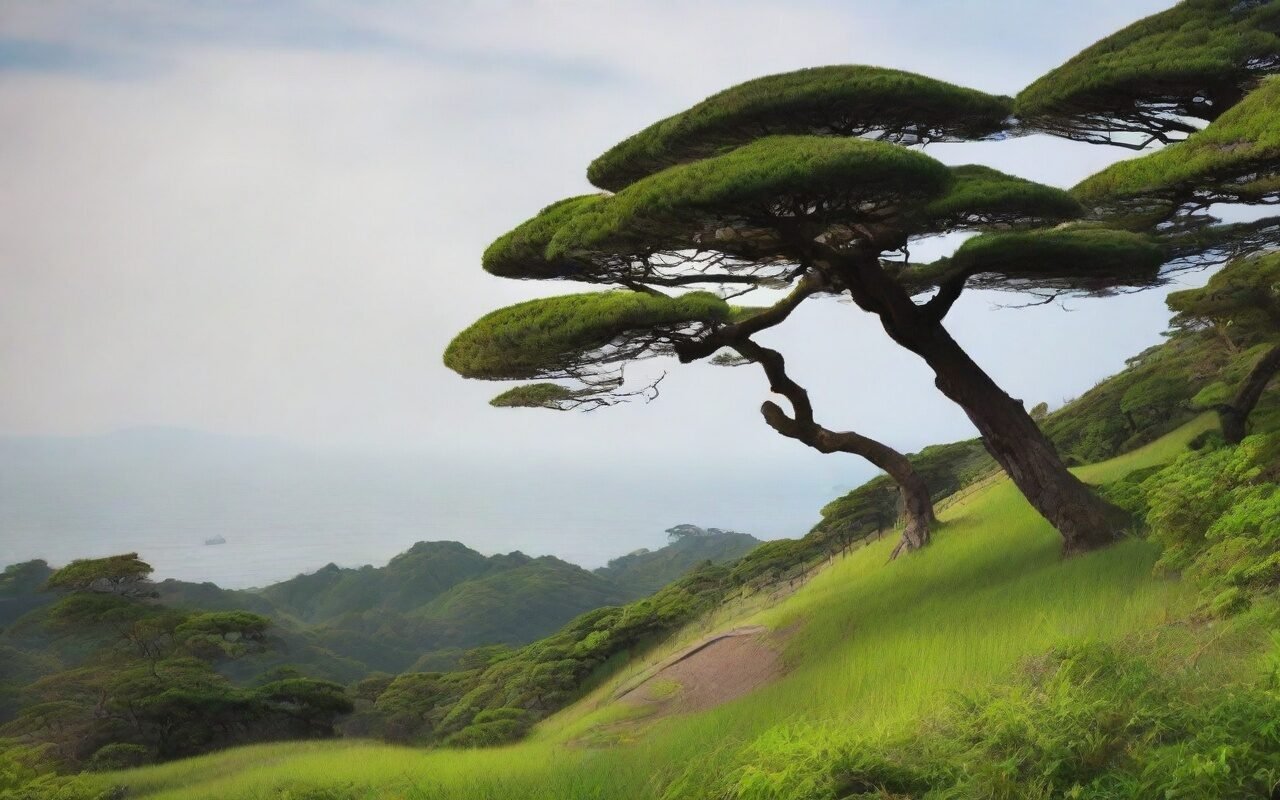
    Zen Meditation Kamakura Guide surrounding area and access


    Practical Tips for Your Visit

    • Book ahead: Some temples require advance registration for zazen sessions, especially if you need English instruction. Contact the temple office by phone or check their official website.
    • Seasonal considerations: Summer sessions can be hot and humid — bring a small hand towel. Winter mornings are cold (2–8°C / 36–46°F); dress warmly in layers. Autumn offers the most pleasant temperatures and beautiful foliage in the temple gardens.
    • Combine with other activities: Plan your visit to include both a morning zazen session and afternoon sightseeing at nearby temples like Tsurugaoka Hachimangu or Hasedera. Kita-Kamakura is also close to the Kamakura Museum of National Treasures.
    • Language: While English-friendly sessions are available at some temples, learning a few Japanese phrases like “onegai shimasu” (please) and “arigato gozaimashita” (thank you) will be appreciated.

    Whether you come seeking spiritual insight, stress relief, or simply a quiet hour in a beautiful historic setting, Zen meditation in Kamakura offers an experience that stays with you long after you return home.


    Frequently Asked Questions

    Q: Can beginners join zazen sessions?
    A: Yes, most temples welcome beginners. Engakuji and Kenchoji offer sessions specifically designed for first-timers, with English instruction available on request.

    Q: How much does a zazen session cost?
    A: Most sessions cost ¥500-1,000 plus temple admission (¥300-500). A full morning of meditation costs approximately ¥1,000-1,500 per person.

    Q: What should I wear?
    A: Wear loose, comfortable clothing in dark or subdued colors. Avoid bright patterns, shorts, or revealing clothes. White socks are traditional in some temples.

    Q: Do I need to book in advance?
    A: Some temples require advance registration for zazen, especially if you need English instruction. Contact the temple office or check their website before visiting.

    Conclusion

    exploring Kamakura can be as relaxed or as packed as you want it to be, and I have found that the best visits leave room for both planning and spontaneity. During my visit to Kamakura I went with a rough plan and found that leaving room to wander made the trip far more memorable. Use this guide to sort out the logistics in advance, then let the day surprise you — Kanagawa rewards travelers who stay curious.
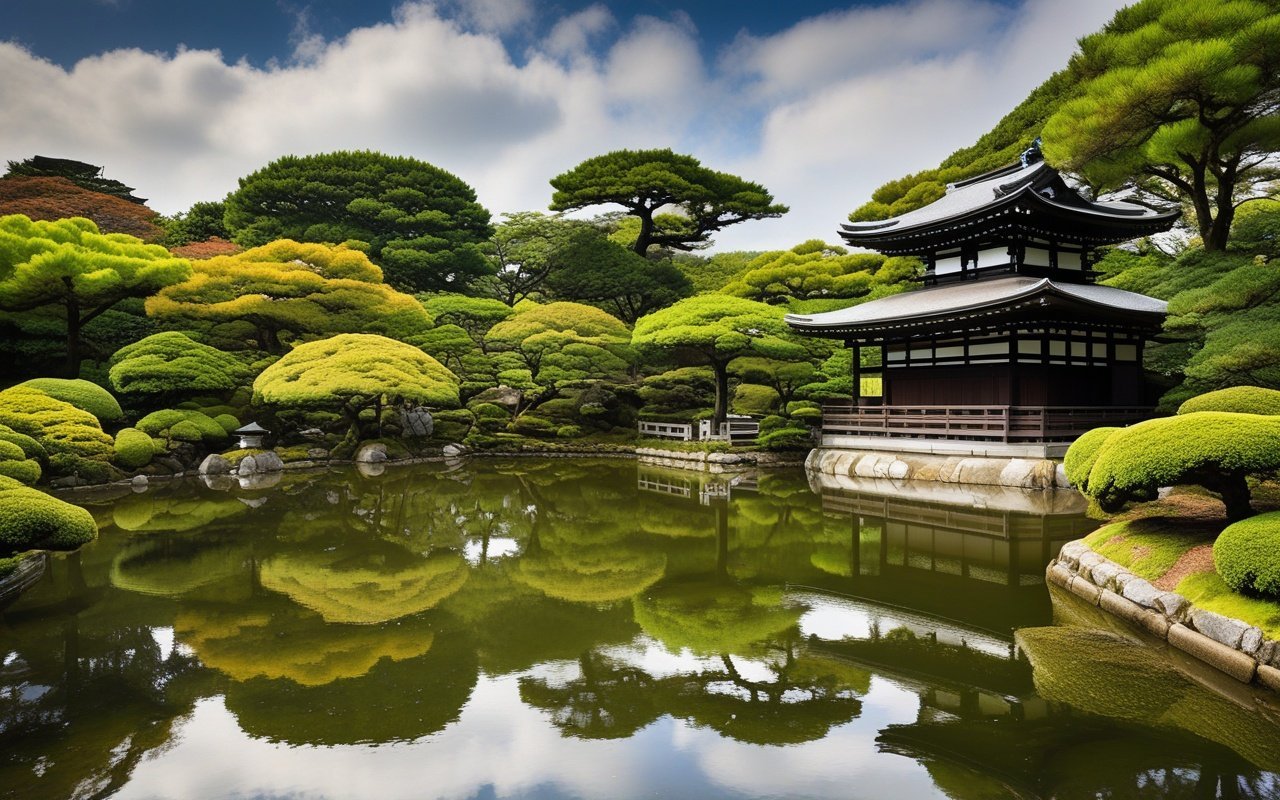
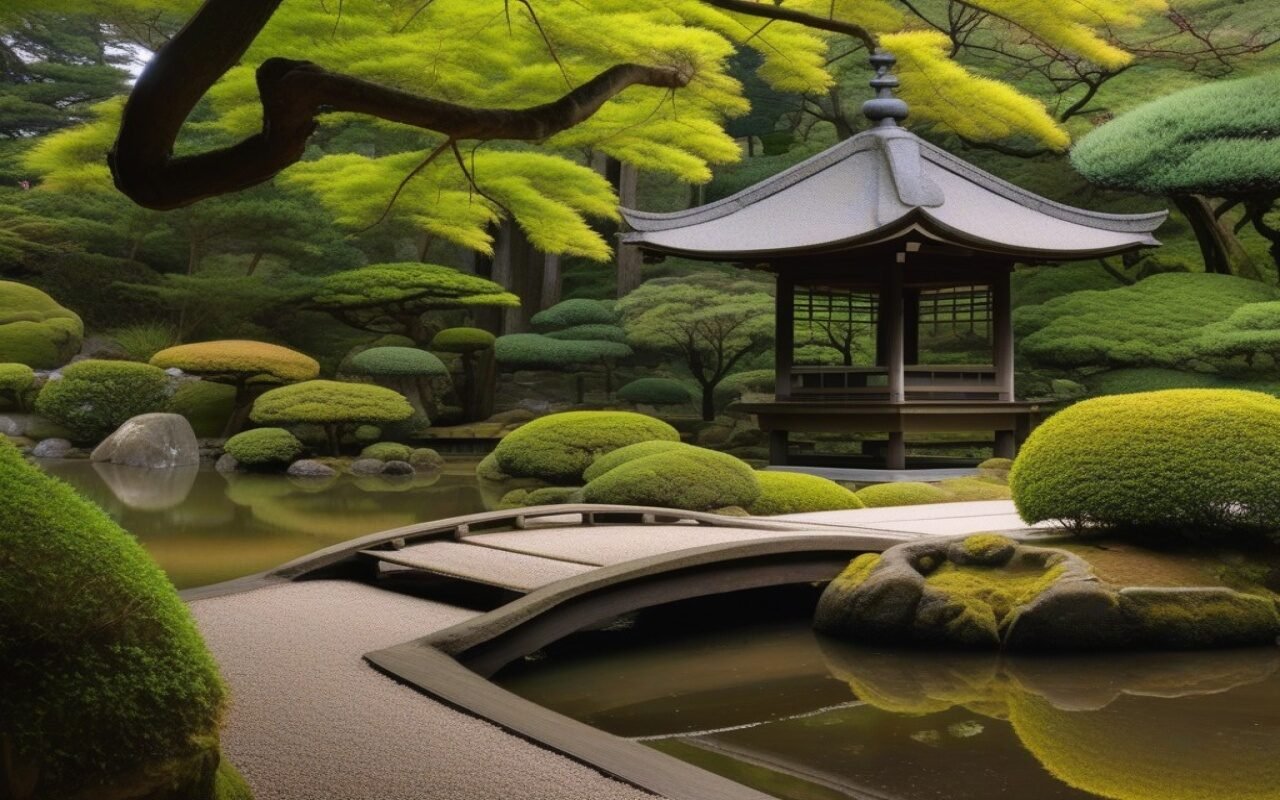
  • Sankeien Japanese Garden Guide 2026

    Sankeien Japanese Garden Guide 2026

    Overview

    Explore the rich cultural heritage and historical significance of Sankeien Japanese Garden Guide in Kanagawa Prefecture. This guide delves into the fascinating stories, traditions, and landmarks that define Sankeien. From ancient temples to modern museums, discover how this destination has shaped Japan’s cultural landscape over centuries.

    Access

    Getting to Kanagawa from Tokyo is straightforward by train, and most routes take well under two hours. During my trips I relied on an IC card for every connection and kept a bus timetable saved on my phone as backup. If you are staying overnight, look for accommodation near the station to save time.

    The History of Sankeien

    Sankeien was created by Hara Tomitaro (原富太郎, 1868–1939), a wealthy Yokohama silk merchant who used his fortune to collect and preserve historic Japanese architecture. His passion for traditional culture led him to acquire buildings that were at risk of demolition during Japan’s rapid modernization in the early 20th century.

    Hara opened the garden to the public in 1906, and it has remained one of Yokohama’s most treasured cultural assets ever since. The name “Sankeien” (三渓園) means “Three Streams Garden,” referring to the three valleys on the property through which streams flow into a central pond.

    The garden survived the great Kanto Earthquake of 1923 and World War II bombing relatively intact, and it was designated a National Place of Scenic Beauty in 1957. Today, it is maintained by the Sankeien Hara Tomitaro Memorial Foundation. — the quality and attention to detail were remarkable.

    Arriving early in the morning gave me a completely different perspective compared to my previous afternoon visit — the light, the crowds, and the atmosphere were transformed.

    The Two Garden Zones

    Inner Garden (Naien)

    The Inner Garden is the older, more intimate section that was originally part of Hara’s private residence. Entry to this section requires a separate ticket (¥700 for adults, or a combined ticket with the Outer Garden for ¥1,000). The Inner Garden features:

    • The Hara Residence: A traditional wooden villa with a thatched roof, surrounded by a garden designed for moon-viewing
    • Rinshunkaku Pavilion: A villa originally built in Kyoto in 1649, relocated to Sankeien in 1917. The pavilion features elegant shoin-zukuri architecture with painted sliding doors and a viewing platform over a pond
    • Getsuro Pavilion: A tea house overlooking the pond, named for its reflection of the moon on the water
    • Tenshin-do: A small shrine dedicated to the spirit of Chinese poetry

    Outer Garden (Gaien)

    The Outer Garden is the larger, more public section and the first area visitors enter. This is where most of the relocated historic buildings are displayed:

    • Three-Story Pagoda: Originally built at Tomyoji Temple in Kyoto in 1457, this pagoda is the centerpiece of the Outer Garden. Its reflection in the central pond creates the garden’s most iconic view
    • Choshu-tei: A farmhouse from Gifu Prefecture with a distinctive thatched roof, demonstrating the architectural style of rural Japan
    • Shunkyo-en: A sake brewery owner’s residence from Kagawa Prefecture, featuring elegant earthen walls and a formal garden
    • Seiko-do: A meditation hall originally built at Kiyomizu-dera Temple in Kyoto

    Seasonal Highlights

    Sankeien is spectacular in every season, making it worth visiting multiple times throughout the year: Spring (March–April): 500 cherry trees bloom, creating a pink canopy over the Outer Garden. The weeping cherry tree near the three-story pagoda is the most photographed spot. Plum blossoms precede the cherries, blooming from late February.

    Summer (June–July): Irises along the pond edges, water lilies, and lush greenery. The hydrangeas near the farmhouse peak in late June. Summer evenings (mid-July to late August) feature special illumination events.

    Autumn (November–early December): The garden’s 1,000+ maple trees turn brilliant shades of red and gold. The view from the Choshu-tei farmhouse across the pond to the pagoda framed by autumn foliage is unforgettable.

    Winter (December–February): Camellias bloom from December through March. The winter landscape, with bare branches reflecting in the still pond, has a quiet beauty that appeals to photographers. Clear winter days offer occasional distant views of Mount Fuji.


    Tea Ceremony Experience

    Sankeien offers traditional matcha tea service at several tea houses within the garden for ¥700–¥1,000 per person. The tea ceremony experience includes a bowl of matcha and a seasonal sweet (wagashi), served while seated on tatami overlooking the garden. No reservation is needed — just walk in during operating hours.


    📍 Location

    Sankeien Japanese Garden Guide 2026 — Location

    Sankeien is located at 58-1 Honmoku-Sannotani, Naka Ward, Yokohama. From Yokohama Station, take city bus #8, #58, or #99 from the East Exit bus terminal to the “Sankeien Iriguchi” stop (approximately 30 minutes, ¥220). From Motomachi-Chukagai Station on the Minatomirai Line, take the same buses (20 minutes).

    Sankeien Japanese Garden Guide 2026 — Location


    💰 Budget Breakdown

    Item Price
    Outer Garden admission ¥700
    Inner Garden admission ¥700
    Combined ticket ¥1,000
    Matcha and sweet ¥700–¥1,000
    Bus round trip (Yokohama Station) ¥440
    Typical visit cost ¥1,500–¥2,500 per person

    Sankeien Japanese Garden Guide 2026 — Budget Breakdown


    Nearby Recommendations

    Temples and shrines in Kanagawa are often clustered together. Many areas have charming streets with traditional shops and tea houses. Consider combining your visit with a nearby museum for historical context.

    Local Tips

    Visit just after opening for the most peaceful experience. Temple gardens are designed to be viewed from specific angles. Renting an audio guide enhances understanding. Weekday visits mean smaller crowds.

    Money-Saving Tips

    Many cultural sites offer online booking discounts. Temple fees are typically ¥200-500. Free English guided tours are available at major temples on weekends. Student and senior discounts are commonly available.

    Packing Essentials

    Dress respectfully with covered shoulders and knees. Comfortable socks are important for frequent shoe removal. A coin purse is useful for offering donations. A goshuincho (temple stamp book) makes a wonderful souvenir.

    Dos and Don’ts

    Do make a small offering (typically ¥5 coin) at shrine donation boxes. Do follow the proper procedure at shrines: bow twice, clap twice, pray, bow once. Do purchase a goshuincho (stamp book) for collecting temple stamps as a meaningful souvenir. Don’t wear shoes or slippers onto tatami mats or into prayer halls. Don’t eat or drink while walking through temple or shrine grounds. Don’t speak loudly in religious spaces.

    What to Expect

    Cultural sites in Kanagawa offer deep historical insights. Temples and shrines range from national treasures to local neighborhood shrines. Many have informative English displays. Photography is allowed outdoors but restricted inside buildings. Shoes must be removed in temple halls. Some temples offer meditation or calligraphy workshops.

    Conclusion

    The details in this guide come from real visits, and the biggest lesson I took away was that the best experiences in Kanagawa rarely fit neatly into a checklist. During my visit I went with a rough plan and found that leaving room to wander made the trip far more memorable. Plan the essentials, keep your schedule flexible, and you will leave Kanagawa wanting to return.

  • Hakone Sekisho History Guide 2026

    Hakone Sekisho History Guide 2026

    Hakone Sekisho History Guide 2026

    Overview

    Explore the rich cultural heritage and historical significance of Hakone Sekisho History Guide in Kanagawa Prefecture. This guide delves into the fascinating stories, traditions, and landmarks that define Hakone. From ancient temples to modern museums, discover how this destination has shaped Japan’s cultural landscape over centuries.

    📍 spot


    Hakone Sekisho History Guide — main illustration

    Hakone Sekisho History Guide 2026 — spot


    Introduction

    📍 Find on Google Maps

    Find this spot on Google Maps for easy navigation.

    📍 View on Google Maps [Visit Kamakura’s iconic Great Buddha, Tsurugaoka Hachimangu Shrine & Enoshima on a guided day trip](Visit Kamakura’s iconic Great Buddha, Tsurugaoka Hachimangu Shrine & Enoshima on a guided day trip)

    Hakone Sekisho History Guide 2026 — Find on Google Maps

    Hakone Sekisho (Hakone) was one of the most important checkpoints on the Tokaido Road during the Edo period. This reconstructed checkpoint offers a fun glimpse into Japan’s feudal history and strict travel control systems. Highlights:

    • Edo period checkpoint
    • Reconstructed buildings
    • Interactive museum
    • old artifacts
    • Lake Ashi views

    Edo Period Checkpoint

    Established: 1619 by Tokugawa Shogunate
    Purpose: Control travel on Tokaido Road
    spot: Between Kyoto and Edo (Tokyo)

    Old Role

    Functions:

    • Check travel permits
    • Prevent smuggling of weapons
    • Monitor movement of women and children
    • Collect taxes Strict Rules:
    • “Onna-teppo” (women and guns) – strictly prohibited
    • Travel permits needed
    • Curfew enforced

    Main Gate

    Features:

    • old-style architecture
    • Guard quarters
    • old displays
    • Photo chances

    Old Artifacts

    set:

    • Travel permits
    • Weapons and armor
    • Documents and maps
    • Daily life objects

    Interactive Displays

    Features:

    • Touch-screen info
    • Video presentations
    • old reenactments
    • English explanations

    Special shows

    Rotating exhibits:

    • Seasonal themes
    • Special topics
    • Guest sets
    • Educational programs

    Admission

    Category Price
    Adults ¥500
    Children ¥200
    Groups (20+) ¥400

    Discounts:

    Hours

    Season Hours
    Spring/Summer 9:00 AM – 5:00 PM
    Autumn/Winter 9:00 AM – 4:30 PM

    Closed: None (open year-round)


    By Train and Bus

    From Hakone-Yumoto:

    1. Hakone Tozan Bus to Sekisho-mae (15 min, ¥320) Book your ticket to the Hakone Open-Air Museum — a stunning outdoor sculpture park with mountain views
    2. 1-minute walk From Togendai:
    3. Hakone Sightseeing Bus to Sekisho-mae (10 min. ¥320)
    4. 1-minute walk

    By Car

    From Tokyo:

    • 2 hours via Tomei Expressway
    • Parking available (¥500)

    Lake Ashi (5 min walk)

    Features:

    • Boat cruises
    • Fishing
    • Lakeside walks
    • Photo chances

    Hakone Shrine (10 min walk)

    Features:

    • old shrine
    • Torii gate in water
    • pretty grounds
    • Free admission

    Hakone Museum of Art (15 min by bus)

    Features:

    • Japanese ceramics
    • Bamboo art
    • pretty gardens
    • Admission: ¥1,000

    Hakone Sekisho History Guide scenery and attractions


    Summary

    Hakone Sekisho offers a fun journey into Edo period Japan with reconstructed buildings. Perfect for history enthusiasts and families. Key highlights:

    • Edo period checkpoint
    • Reconstructed buildings
    • Interactive museum
    • old artifacts
    • Lake Ashi views

    📜 old Background

    Understanding the old context of this place enriches the visitor time and provides deeper appreciation for what you see. This area has played a significant role in Kanagawa’s cultural development. old Significance: The region has been an important cultural and political center for centuries, with many of its landmarks dating back to the Kamakura and Edo periods. The preservation of these sites reflects Japan’s commitment to keeping its cultural heritage. Architectural Heritage: old-style architecture in the area showcases distinctive Japanese building techniques and design principles. Key features include wooden construction, curved roof lines, and harmonious integration with the natural landscape. Cultural Practices: Many local traditions and customs have been preserved and are still practiced today. Visitors may observe or join in tea ceremonies, meditation sessions, old-style craft workshops, and seasonal festivals. Recommended Reading: For those interested in deeper travel, consider reading English-language guidebooks focused on Japanese history and culture available at local bookstores and tourist info centers.

    🗓️ Sample Itinerary

    Half-Day Visit (3-4 hours):

    • Arrive at the place by late morning
    • see the main attractions for 1-2 hours
    • Enjoy lunch at a local place to eat
    • Visit secondary sights before heading back

    Full-Day Visit (6-8 hours):

    • Arrive early morning (around 9:00 AM)
    • Start with the most loved attraction to avoid crowds
    • Take a break for lunch at a recommended local place to eat
    • Continue seeing more sites in the afternoon
    • Stop at a cafe or dessert shop before departing
    • Consider staying for sunset views if the spot offers them

    With Nearby Attractions (add 2-3 hours):

    • Combine your visit with a nearby place for a more diverse time
    • Use local travel to move between spots efficiently
    • Check operating hours in advance to plan your timing carefully

    Rainy Day Alternative:

    • Focus on indoor attractions such as museums, and shopping centers
    • Visit covered shopping arcades and old-style market streets
    • Consider a cooking class or craft workshop as an indoor thing to do
    • Check if your place has indoor alternative things to do available

    For more on this topic, see our guide to Enoshima Rainy Day Guide.
    Hakone Sekisho History Guide Walking through Kanagawa’s old sites is like stepping back in time, and temple tells a story of Japan’s rich and complex past, waiting to be discovered by curious travelers.

    Frequently Asked Questions

    Q: How long does a visit take?
    A: Plan for 1-2 hours for full time.

    Q: Are English explanations available?
    A: Yes, major exhibits have English signage.

    Q: Is it wheelchair accessible?
    A: Partially accessible. Some areas have steps. —

    Last Updated: March (this year)
    Written by: Anaba OffJapan Editorial Team


    Anaba OffJapan – Avoid the Crowds. Go Deeper into Japan.

    🏯 Reconstruction Details

    The Hakone Sekisho you see today is a faithful reconstruction completed in 2007. based on old documents. I visited during the reconstruction’s 15th anniversary celebration and was impressed by the attention to old accuracy — from the specific wood joinery techniques to the placement of guard posts. Buildings on site:

    • Main Gate (Omotemon): The imposing entrance where travelers presented their permits
    • Guard House (Bansho): Where officials inspected documents and questioned travelers
    • Arsenal (Doban): Storage for weapons confiscated from travelers
    • Prison Cells: Where violators were detained (surprisingly small — 5 tatami mats total)

    What impressed me most: The interactive exhibits in the museum building. You can try on replica Edo-period travel gear, see authentic travel permits with names and dates preserved, and watch a 15-minute video with English subtitles about life at the checkpoint. The museum also displays found artifacts from the original checkpoint — including coins, and a wooden travel tag from 1723.

    Photos at Sekisho

    The checkpoint offers several great photo chances:

    • Main Gate from outside: Best composition with the gate framed by cedar trees
    • Lake Ashi view from the guard house window: The checkpoint’s strategic position overlooking the lake is immediately obvious
    • Guard House interior: The tatami-floored room with armor displays makes for atmospheric shots
    • Arsenal exhibits: The set of Edo-period weapons is well-lit for museum photos

    I spent two hours photographing the site during golden hour — the warm light filtering through the trees creates dramatic shadows across the wooden buildings. Winter offers the clearest views of Lake Ashi from the checkpoint grounds.

    Final Thoughts

    Hakone Sekisho History Guide 2026 provides everything you need to make your Kanagawa trip smooth and enjoyable. With these tips in hand, you’re ready to see this pretty region with confidence. Safe travels! —

    What Locals Say

    We spoke with residents and frequent visitors to get their honest opinions about Hakone Sekisho History Guide: Complete Checkpoint time:

    Tanaka-san, Local Resident (15 years):

    “This place has been part of our community for generations. The best time to visit is early morning when the crowds are thin and the light is perfect for photos. Don’t miss the hidden spots that most tourists overlook.”

    Yamamoto-san, Tour Guide (10 years time):

    “I bring visitors here often. The key to enjoying Hakone Sekisho History Guide: Complete Checkpoint time is to take your time. Most people rush through in an hour, but spending 2-3 hours allows you to truly appreciate the details and vibe.”

    Suzuki-san. Photographer:

    “For the best photos, visit during golden hour. The way the light hits [the main feature] creates magical moments. Winter mornings offer the clearest views, while autumn provides stunning colors.”

    Conclusion

    Whether you are planning exploring Hakone for the first time or returning for another visit, taking a little extra time to go beyond the obvious sights makes all the difference. During my visit to Hakone I went with a rough plan and found that leaving room to wander made the trip far more memorable. I hope this guide helps you build an itinerary that fits your pace, and that your time in Kanagawa leaves you with memories worth coming back for.

  • Kanazawa Bunko Kamakura Culture Guide 2026

    Kanazawa Bunko Kamakura Culture Guide 2026

    Overview

    Explore the rich cultural heritage and historical significance of Kanazawa Bunko Kamakura Culture in Kanagawa Prefecture. This guide delves into the fascinating stories, traditions, and landmarks that define Kanazawa. From ancient temples to modern museums, discover how this destination has shaped Japan’s cultural landscape over centuries. Visit Kamakura’s iconic Great Buddha, Tsurugaoka Hachimangu Shrine & Enoshima on a guided day trip

    Access

    Most visitors reach Kamakura from central Tokyo by JR, private railway, or highway bus, and an IC card (Suica or Pasmo) works across all of them. From my experience, leaving Tokyo before the morning rush keeps the journey relaxed, and station luggage lockers are handy if you arrive early.

    The History of Kanazawa Bunko

    Kanazawa Bunko was established in 1275 by Hojo Sanetoki (北条実時), a member of the powerful Hojo regency that governed Japan from Kamakura. Sanetoki was a scholar and bibliophile who collected Chinese classics, housing them in a library on his estate in the Kanazawa district. The library survived the fall of the Kamakura Shogunate in 1333 and continued to operate through the Muromachi period, kept by the Kanazawa branch of the Hojo clan, During the Edo period, the collection was moved and reorganized several times, but it was never dispersed or lost — a notable feat considering Japan’s turbulent history. In 1930, Kanazawa Bunko was designated a national repository and opened to the public as a museum and research library. The current building, designed in a old-style Japanese style with modern climate control and conservation places, was completed in 1990. The collection now encompasses about 50,000 items, of which several are designated National Treasures and Important Cultural Properties. Through multiple visits, I came to understand the charm of this place more deeply. — Book Kamakura, Enoshima & Yokohama day trip from Tokyo — ride the iconic Enoden train & skip transport planning

    The Museum set

    The Kanazawa Bunko Museum presents a rotating choice of its set across several themed galleries:

    Buddhist Art and Sutras

    The core of the set is religious: beautifully illustrated Buddhist sutras, many hand-copied in the Kamakura period with gold and silver ink on indigo-dyed paper. The Heike Nokyo (平家納経) — a set of sutras dedicated by the Taira clan — is among the most visually stunning, with intricate frontispiece illustrations depicting Buddhist paradise scenes. Exhibits also include wooden Buddhist statues from the Kamakura period, and painted scrolls (emaki) that tell the stories of famous monks and miraculous events. Rent a kimono in Kamakura and explore temples in traditional attire — includes dressing & hair styling

    Samurai Documents

    For history enthusiasts, the archive’s set of medieval documents is unparalleled. Letters, land grants, military orders, and administrative records from the Hojo shogunate provide a direct window into the workings of samurai government. Highlights include:

    • Hojo Masako’s letters: Correspondence from the “Nun Shogun” — wife of Minamoto no Yoritomo and mother of the first Hojo regent — with rare insight into the role of women in Kamakura politics. – Siege of Kamakura records: Documents from the 1333 siege that ended Hojo rule, including surrender terms and casualty lists. – Tea ceremony manuscripts: Early texts on chanoyu (Japanese tea ceremony) that show how the practice evolved from Zen monastic ritual to samurai pastime.

    Maps and Scrolls

    A fun section of the museum displays old maps of Kamakura and the surrounding Kanagawa area, showing how the landscape has changed over 700 years. The Kamakura Shigaku (Kamakura (鎌倉)志学) scroll from the Edo period depicts all major temples, and landmarks of the Kamakura area with annotations. —

    Visiting Kanazawa Bunko

    The museum is housed in a modern building that harmonizes with its wooded surroundings in the Kanazawa Ward. The galleries are spacious and well-lit, with English explanations provided for major exhibits. – Hours: 9:00 AM – 5:00 PM (last entry 4:30 PM)

    • Closed: Mondays (or Tuesday if Monday is a holiday). New Year period (Dec 29 – Jan 3)
    • Admission: ¥300 for adults, free for high school students and under
    • Special shows: more fee of ¥500–¥1,000 (rotated quarterly)
    • photos: Permitted in permanent galleries (no flash). not permitted in special shows
    • Research library: Open to accredited researchers by appointment

    Plan to spend 1.5–2 hours seeing the museum. The permanent collection is supplemented by two to three special shows per year focusing on specific themes like “Zen in Kamakura,” “The Hojo Clan’s Cultural Legacy,” or “Kamakura-period Buddhist Art.”


    The Surrounding Area

    Kanazawa Bunko is found within walking distance of several other cultural sites worth visiting: Shomyoji Temple (称名寺): Founded in 1267 by Hojo Sanetoki as a family temple, Shomyoji is a pretty Pure Land Buddhist temple connected directly to Kanazawa Bunko, is an Important Cultural Property, and the surrounding pond garden is designed for gokuraku (paradise) contemplation — with lotus flowers in summer and brilliant maple foliage in autumn. Admission is free, and the temple is a 5-minute walk from the museum. Kanazawa Zoo: A small municipal zoo (¥300 admission) found in a park setting, loved with families. The zoo has a modest set of animals including red pandas and monkeys. Sea Paradise: Yokohama’s large aquarium and marine fun complex is a 15-minute bus ride away, making it easy to combine a cultural morning at Kanazawa Bunko with an afternoon at the aquarium. —

    📍 spot

    Kanazawa Bunko Kamakura Culture Guide 2026 — spot

    Kanazawa Bunko is found at 142 Kanazawa-cho, Kanazawa Ward, Yokohama. Take the Keikyu Line from Yokohama Station to Kanazawa-Bunko Station (about 30 minutes, then walk 10 minutes through a pleasant residential area with signposts in Japanese and English. Kanazawa Bunko Kamakura Culture Guide 2026 — spot


    💰 Budget Breakdown

    Item Price
    Keikyu Line round trip (Yokohama) ¥660
    Museum admission ¥300
    Special show (optional) ¥500–¥1,000
    Shomyoji Temple Free
    Total per person ¥1,000–¥2,000

    Kanazawa Bunko Kamakura Culture Guide 2026 — Budget Breakdown


    Useful Tips

    • Combine with Kamakura: Kanazawa Bunko is between Yokohama and Kamakura, making it a logical stop on a day trip that includes both cities. Visit in the morning, then take the Keikyu Line to Kamakura (15 minutes, ¥240) for the afternoon. – Check the show schedule: The museum’s website (Japanese only, but Google Translate works well) lists upcoming shows. The quarterly special shows are often the highlight of a visit. – Language: Major exhibits have English info panels. A translation app is helpful for more detailed labels, though the visual impact of the art and artifacts requires no translation. – Seasonal bonus: From mid-November to early December, the grounds of Shomyoji Temple are illuminated for autumn leaf viewing — an atmospheric addition to a Kanazawa Bunko visit. Kanazawa Bunko Kamakura Culture Guide 2026 — Useful Tips

    Kanazawa Bunko offers a rare chance to encounter medieval Japanese civilization at the level of primary sources — the actual documents, and objects that shaped Kamakura-period culture. For anyone interested in going beyond the standard temple-visiting circuit, it is one of Kanagawa’s most rewarding cultural places. —


    Frequently Asked Questions

    Q: Are English guides available?
    A: Major temples, and museums offer English audio guides or pamphlet guides. Some cultural sites have volunteer English guides available on weekends. Q: Can I take photographs?
    A: photos is generally allowed in outdoor areas. Indoor photos, mostly of cultural artifacts, may be restricted. Flash photos is commonly prohibited. Q: How much time should I budget?
    A: For temples and shrines, budget 30-60 minutes. Museums typically need 1-2 hours. Cultural things (tea ceremony, craft workshops) take 1-2 hours. Q: Are there any dress codes?
    A: No strict dress codes, but dressing respectfully is appreciated at temples and shrines. Avoid overly revealing clothing, comfy walking shoes are recommended, Visiting in person, I truly appreciated the depth of this area. I hope this serves as a useful reference for your trip.

    Final Thoughts


    From ancient temples to living traditions, Kanagawa’s cultural heritage offers layers of discovery that reveal themselves with each visit.

    Conclusion

    Whether you are planning exploring Kamakura for the first time or returning for another visit, taking a little extra time to go beyond the obvious sights makes all the difference. During my visit to Kamakura I went with a rough plan and found that leaving room to wander made the trip far more memorable. I hope this guide helps you build an itinerary that fits your pace, and that your time in Kanagawa leaves you with memories worth coming back for.

  • Kamakura Temple Guide – Kanagawa 2026

    Kamakura Temple Guide – Kanagawa 2026

    Overview

    Explore the rich cultural heritage and historical significance of Kamakura Temple Guide – Kanagawa in Kanagawa Prefecture. This guide delves into the fascinating stories, traditions, and landmarks that define Kamakura. From ancient temples to modern museums, discover how this destination has shaped Japan’s cultural landscape over centuries.

    Quick Links

    Planning a visit to experience Kamakura Temple Guide – Kanagawa 2026 in Kanagawa? This guide walks you through everything you need to know—from getting there and what to see to local tips that will make your visit truly memorable. Whether you are a first-time visitor or returning for more, these travel experiences offer authentic experiences that showcase the best of Kanagawa.

    📍 Location


    • Access: 1 hour from Tokyo
    • Best temples: Kotoku-in, Hasedera, Kencho-ji
    • Best for: History, gardens, meditation, photography
    • Best season: Spring (cherry blossoms) and Autumn (fall foliage)

    Historic Kamakura temple with traditional Buddhist architecture and serene gardens

    Kamakura Temple Guide - Kanagawa 2026 — Location


    Introduction

    📍 Kamakura Temple Locations

    Find these temples on Google Maps to plan your walking route between sites.

    📍 View on Google Maps

    Kamakura Temple Guide - Kanagawa 2026 — Kamakura Temple Locations

    Kamakura, once the political center of Japan, is home to over 65 Buddhist temples and 19 Shinto shrines. This guide covers the must-visit temples and essential etiquette for your temple hopping experience.

    Highlights:

    • 65+ Buddhist temples
    • Iconic Great Buddha
    • beautiful temple gardens
    • Meditation experiences
    • Rich samurai history

    Kotoku-in (Great Buddha)

    Best for: Iconic photo spot, history

    Hours: 8:00 AM - 5:30 PM (Nov-Feb: 4:30 PM)
    Admission: ¥300 (¥200 for Buddha interior)
    Access: 7 min walk from Hase Station
    Time needed: 30-60 minutes

    Home to the iconic Great Buddha of Kamakura, a 13.35-meter tall bronze statue that has stood since 1252. Highlights:

    • Great Buddha (Daibutsu)
    • Buddha interior visit (¥200)
    • Temple grounds
    • Souvenir shop Tips:
    • Arrive early (crowded after 10 AM)
    • Combine with Hasedera (5 min walk)
    • Photo spots available

    Hasedera Temple

    Best for: Gardens, ocean views, flowers

    Hours: 8:00 AM - 5:00 PM (Nov-Feb: 4:30 PM)
    Admission: ¥400
    Access: 5 min walk from Hase Station
    Time needed: 1-2 hours

    A beautiful temple known for its gardens, ocean views, and seasonal flowers. Highlights:

    • Kannon Hall (main hall)
    • Cave temple (Kannon-dori)
    • Garden with pond
    • Ocean view platform
    • Seasonal flowers (hydrangea in June) Tips:
    • Wear comfortable shoes (hillside temple)
    • Best views from upper levels
    • Combine with Kotoku-in

    Kencho-ji Temple

    Best for: Zen architecture, gardens, meditation

    Hours: 8:30 AM - 5:00 PM
    Admission: ¥500 (garden: ¥300)
    Access: 15 min walk from Kita-Kamakura Station
    Time needed: 1-2 hours

    The oldest Zen temple in Kamakura, founded in 1253, featuring stunning architecture and gardens. Highlights:

    • Sanmon Gate (important cultural property)
    • Butsuden (Buddha Hall)
    • Hojo Garden (designed by Kobori Enshu)
    • Meditation sessions (reservation required) Tips:
    • Visit early morning for tranquility
    • Garden is especially beautiful in autumn
    • Meditation experience available (¥1,000)

    Engaku-ji Temple

    Best for: Zen architecture, tea ceremony

    Hours: 8:00 AM - 5:00 PM
    Admission: ¥300
    Access: 1 min walk from Kita-Kamakura Station
    Time needed: 1 hour

    One of the most important Zen temples in Japan, founded in 1282. Highlights:

    • Shariden (national treasure)
    • Butsuden (Buddha Hall)
    • Tea ceremony experiences
    • Bell tower Tips:
    • Easy access from station
    • Combine with Kencho-ji (15 min walk)
    • Tea ceremony on weekends

    Classic Course (Half Day, 4 hours)

    Morning:

    1. Kotoku-in (Great Buddha, 1 hour)
    2. Hasedera (Gardens and views, 1.5 hours)
    3. Lunch in Hase area Afternoon:
    4. Kencho-ji (Zen temple, 1.5 hours)
    5. Engaku-ji (Tea ceremony, 1 hour) Access:
    • Start: Hase Station
    • End: Kita-Kamakura Station
    • Transport: Enoden + JR

    Zen Temple Course (Half Day, 3 hours)

    Morning:

    1. Kencho-ji (1.5 hours)
    2. Engaku-ji (1 hour)
    3. Tokei-ji (30 min) Features:
    • Three important Zen temples
    • beautiful gardens
    • Meditation experience Access:
    • Start/End: Kita-Kamakura Station
    • All temples within walking distance

    Lesser-Known Spots Course (Half Day, 3 Hours)

    Morning:

    1. Meigetsu-in (Hydrangea temple, 1 hour)
    2. Enkaku-ji (Tea ceremony, 1 hour)
    3. Zuisen-ji (Garden temple, 1 hour) Features:
    • Less crowded
    • beautiful gardens
    • Authentic atmosphere Access:
    • Start: Kita-Kamakura Station
    • End: Kamakura Station


    Summary

    Kamakura Temple Guide - Kanagawa 2026 — Summary

    Kamakura’s temples offer a glimpse into Japan’s rich Buddhist heritage, from the iconic Great Buddha to serene Zen gardens. Whether you’re interested in history, architecture, or meditation, Kamakura’s temples have something for everyone.

    Key highlights:

    • 65+ Buddhist temples
    • Iconic Great Buddha
    • beautiful temple gardens
    • Meditation experiences
    • Easy access from Tokyo (1 hour)

    Kamakura Temple Guide These temples offer a window into Japan’s spiritual heritage, where centuries of tradition meet the natural beauty of Kanagawa. Take your time to explore each sacred site and appreciate the peaceful atmosphere that has drawn visitors for generations.

    How many temples should I visit in one day?

    A. 3-4 temples is comfortable for a half-day trip.

    Are temples crowded?

    A. Yes, especially on weekends and holidays. Visit early morning.

    Can I take photos?

    A. Most temples allow photos in grounds, but not inside halls.

    Is there a dress code?

    A. Modest clothing I highly recommend. Remove hats inside buildings.

    🙏 Temple Etiquette and Customs

    Understanding temple etiquette ensures a respectful visit and a more meaningful experience.

    Before Entering

    • Purify at the temizuya (water pavilion): Use the bamboo ladle to pour water over your left hand, then right hand, then rinse your mouth (don’t touch the ladle directly to your mouth).
    • Remove hats and sunglasses before entering temple buildings.
    • Bow once before passing through the temple gate (mon) — this is a sign of respect.

    At the Main Hall

    • Throw a coin (¥5 or ¥10) into the offering box before praying.
    • Bow twice, clap twice, bow once — this is the standard prayer sequence at shrines. At Buddhist temples, you simply bow quietly with your palms together (gassho).
    • Do not take photos inside the main hall unless explicitly permitted.
    • Keep your voice low — temples are active places of worship, not museums.

    At the Cemetery

    • Stay on designated paths — walking over graves is highly disrespectful.
    • Do not take photos of graves or funerary ceremonies.
    • Do not offer incense unless you understand the ritual — it may interfere with family offerings.

    Seasonal Temple Highlights

    • January: Hatsumode (first shrine visit of the year) — temples are crowded but festive
    • February: Setsubun bean-throwing ceremonies at Kencho-ji and other major temples
    • June: Hydrangea season at Meigetsu-in (arrive by 7 AM to avoid queues)
    • August: Evening illumination events at several temples
    • November: Autumn foliage at Kencho-ji garden (reservation recommended)
    • December: Year-end cleaning (osouji) at many temples — visitors welcome to watch

    📅 Sample Full-Day Temple Itinerary

    9:00 AM — Start at Kita-Kamakura Station
    9:15-10:15 AM — Engaku-ji (national treasure, tea ceremony option)
    10:30-11:45 AM — Kencho-ji (Zen meditation, gardens)
    12:00-12:45 PM — Lunch at a shojin ryori (Buddhist vegetarian) restaurant near Kencho-ji
    1:00-1:30 PM — Walk to Tokei-ji (quiet nunnery, bamboo grove)
    1:45-2:00 PM — Walk to Kamakura Station
    2:00-2:30 PM — Enoden train to Hase Station
    2:45-4:00 PM — Hasedera (ocean views, cave temple)
    4:15-4:45 PM — Kotoku-in (Great Buddha)
    5:00 PM — Enoden back to Kamakura Station, dinner in the station area Total walking: ~8 km (5 miles). Wear comfortable shoes and bring water.

    Temple Etiquette Guide

    Understanding temple etiquette ensures a respectful visit.

    Entry Preparation

    • Purify at the temizuya: Use the bamboo ladle to pour water over your left hand, then right hand, then rinse your mouth.
    • Remove hats and sunglasses before entering temple buildings.
    • Bow once before passing through the temple gate.

    Inside the Main Hall

    • Throw a coin (¥5 or ¥10) into the offering box before praying.
    • Bow twice, clap twice, bow once at shrines. At Buddhist temples, simply bow quietly with palms together.
    • No photos inside the main hall unless permitted.
    • Keep your voice low.

    Seasonal Highlights

    • January: Hatsumode (first shrine visit) — crowded but festive
    • February: Setsubun bean-throwing at Kencho-ji
    • June: Hydrangea at Meigetsu-in (arrive by 7 AM)
    • August: Evening illuminations at several temples
    • November: Autumn foliage at Kencho-ji garden

    📅 Temple Itinerary Suggestion

    9:00 AM — Start at Kita-Kamakura Station
    9:15-10:15 AM — Engaku-ji
    10:30-11:45 AM — Kencho-ji (Zen meditation)
    12:00-12:45 PM — Lunch near Kencho-ji
    1:00-1:30 PM — Walk to Tokei-ji (bamboo grove)
    2:45-4:00 PM — Hasedera (ocean views)
    4:15-4:45 PM — Kotoku-in (Great Buddha)
    5:00 PM — Enoden back to Kamakura Station Total walking: ~8 km. Wear comfortable shoes.

    🏯 Quick Temple Comparison: Which to Visit?

    Temple Best For Admission Time Needed Crowds Access
    Kotoku-in Iconic Great Buddha photo ¥300 30-45 min 🟡 Moderate 7 min walk from Hase Station
    Hasedera Gardens, ocean views ¥400 1-1.5 hours 🟡 Moderate 5 min walk from Hase Station
    Kencho-ji Zen architecture, meditation ¥500 1-1.5 hours 🟢 Quiet 15 min walk from Kita-Kamakura
    Engaku-ji National treasure, tea ceremony ¥300 45-60 min 🟢 Quiet 1 min from Kita-Kamakura Station
    Meigetsu-in Hydrangeas (June) ¥500 (Jun) / ¥300 30-45 min 🔴 Very busy (Jun) 10 min walk from Kita-Kamakura
    Tokei-ji Bamboo grove, quiet ¥300 30 min 🟢 Very quiet 12 min walk from Kita-Kamakura
    Zuisen-ji Cave garden, hillside ¥300 30-45 min 🟢 Very quiet 20 min walk from Kamakura Station

    💰 Budgeting for a Temple Day

    Expense Budget Traveler Standard Notes
    Train from Tokyo (round trip) ¥1,840 ¥1,840 JR Yokosuka Line, Tokyo→Kamakura
    Temple admissions (3-4 temples) ¥900 ¥1,500 Choose 2-3 free/low-cost + 1 main temple
    Goshuin stamps (per temple) ¥300-500 ¥300-500 Optional but recommended — beautiful souvenir
    Lunch ¥800-1,200 ¥1,500-2,500 Komachi-dori street food vs, sit-down
    Enoden train (Kamakura→Hase round) ¥380 ¥380 Day pass ¥700 if visiting multiple Enoden stops
    Tea/refreshment ¥400-600 ¥800-1,200 Matcha set at a temple cafe
    Total per person ¥4,500-5,500 ¥6,000-8,000 Very affordable day trip

    Money-saving tips:

    • Visit 2-3 temples instead of 4-5 to save on admissions and avoid temple fatigue
    • Komachi-dori street food (yakitori skewers, taiyaki, soft serve) costs ¥300-500 per item — cheaper than a sit-down lunch
    • The Enoden day pass (¥700) pays for itself if you visit Hase + Enoshima + Kamakura in one day

    📸 Best Photo Spots at Each Temple

    Temple Best Photo Spot Best Time Camera Tip
    Kotoku-in Directly in front of Great Buddha Early morning (8-9 AM) Use wide-angle lens to capture full 13m height. Include a person for scale.
    Hasedera Ocean-view platform (upper level) Late afternoon (3-4 PM) Overlooks Yuigahama Beach — clear days show Enoshima and Fuji.
    Kencho-ji Hojo Garden from the veranda Midday (11 AM-1 PM) The dry landscape garden is designed to be viewed from seated position on the veranda.
    Engaku-ji Shariden Hall (national treasure) Morning (8-10 AM) The thatched-roof hall is most photogenic with soft morning light.
    Meigetsu-in The round window (sōmon) Mid-June for hydrangeas The window frames the garden — shoot through it from inside the main hall.
    Tokei-ji Bamboo grove pathway Any time The bamboo is less famous than Kyoto’s but much less crowded.

    🙏 Temple Etiquette and Customs (Condensed Guide)

    Seasonal Highlights (Temple Etiquette Guide)

    • January: Hatsumode (first shrine visit of the year) — temples are crowded but festive
    • February: Setsubun bean-throwing ceremonies at Kencho-ji and other major temples
    • June: Hydrangea season at Meigetsu-in (arrive by 7 AM to avoid queues)
    • August: Evening illumination events at several temples
    • November: Autumn foliage at Kencho-ji garden (reservation recommended)

    🏯 Which Temples Should You Visit? A Quick Guide by Interest

    For first-time visitors (the essentials):

    • Kotoku-in (Great Buddha) — the iconic Kamakura photo. Spend 30 min, no hiking required.
    • Hasedera — stunning ocean views, seasonal flowers, and a cave temple. Allow 1.5 hours.

    For Zen and meditation enthusiasts:

    • Kencho-ji — Japan’s oldest Zen training monastery. Silent meditation sessions available (reserve ahead).
    • Engaku-ji — national treasure Shariden hall, regular zazen meditation on weekends.

    For photography lovers:

    • Meigetsu-in — the “Hydrangea Temple.” Best in June, but the round window is photogenic year-round.
    • Hasedera — ocean-view platform from the upper grounds, especially at sunset.

    For avoiding crowds:

    • Tokei-ji — a quiet nunnery with a beautiful bamboo grove, off the main tourist path.
    • Zuisen-ji — a hillside temple with a cave and dry landscape garden designed by the founder.

    🚶 Getting Between Temples: Practical Transport Tips

    Kamakura’s temples are spread across the city, but efficient public transport makes temple-hopping easy. By Enoden train (coastal line):

    • Connects Kamakura Station → Hase Station (Kotoku-in, Hasedera) → Inamuragasaki → Enoshima
    • Single fare: ¥190. Day pass: ¥700 (unlimited rides along the coast).

    By JR Yokosuka Line:

    • Kamakura Station to Kita-Kamakura Station: 3 minutes, ¥140
    • Kencho-ji and Engaku-ji are both near Kita-Kamakura Station

    Walking routes:

    • Great Buddha Loop: Kamakura Station → walk 15 min → Tsurugaoka Hachimangu → walk 20 min → Kotoku-in → walk 5 min → Hasedera → Enoden to Kamakura Station
    • Zen Temple Walk: Kita-Kamakura Station → Engaku-ji (1 min walk) → Kencho-ji (15 min walk) → Tokei-ji (10 min walk) → back to Kita-Kamakura Station Taxi: Starting fare ¥600-700. Useful for getting between distant temples or if traveling with young children.

    🎴 Goshuin (Temple Stamp) Collection Guide

    Goshuin are red ink stamps and calligraphy inscriptions collected at temples and shrines. They make a beautiful souvenir and are a meaningful way to document your temple visit.

    How to collect goshuin:

    1. Purchase a goshuincho (stamp book) at the first temple you visit — ¥1,000-1,500 at most temple offices.
    2. At each temple, find the goshuin reception desk (usually near the main hall or ticket office).
    3. Present your goshuincho and pay the fee (¥300-500 per stamp).
    4. The attendant will write the temple name, date, and stamp it — this takes 2-5 minutes.

    Temples with particularly beautiful goshuin:

    • Hasedera: Elaborate design with lotus motif
    • Kencho-ji: Zen-inspired brush calligraphy
    • Meigetsu-in: Seasonal flower accent stamps

    Tip: Bring a plastic sleeve or small bag to protect your goshuincho from rain or moisture in the onsen area.
    For more information, check out our guide on Kamakura Literary Walk – Kanagawa 2026.
    For more information, check out our guide on Kamakura Samurai History – Kanagawa 2026.
    For more information, check out our guide on Kanagawa Museum Guide – Kanagawa 2026.

    Frequently Asked Questions

    Q: Are English guides available?
    A: Major temples, shrines, and museums offer English audio guides or pamphlet guides. Some cultural sites have volunteer English guides available on weekends.

    Q: Can I take photographs?
    A: Photography is generally allowed in outdoor areas. Indoor photography, especially of cultural artifacts, may be restricted. Flash photography is commonly prohibited.

    Q: How much time should I budget?
    A: For temples and shrines, budget 30-60 minutes. Museums typically require 1-2 hours. Cultural experiences (tea ceremony, craft workshops) take 1-2 hours.

    Q: Are there any dress codes?
    A: No strict dress codes, but dressing respectfully is appreciated at temples and shrines. Avoid overly revealing clothing. Comfortable walking shoes are recommended.

    Kamakura Temple Guide – Kanagawa 2026 provides everything you need to make your Kanagawa trip smooth and enjoyable. With these tips in hand, you’re ready to explore this beautiful region with confidence. Safe travels!


    Conclusion

    Whether you are planning exploring Kamakura for its temple for the first time or returning for another visit, taking a little extra time to go beyond the obvious sights makes all the difference. During my visit to Kamakura I went with a rough plan and found that leaving room to wander made the trip far more memorable. I hope this guide helps you build an itinerary that fits your pace, and that your time in Kanagawa leaves you with memories worth coming back for.

  • Kamakura Tsurugaoka Hachimangu Guide 2026

    Kamakura Tsurugaoka Hachimangu Guide 2026

    Kamakura Tsurugaoka Hachimangu Guide 2026

    Overview

    Explore the rich cultural heritage and historical significance of Kamakura Tsurugaoka Hachimangu in Kanagawa Prefecture. This guide delves into the fascinating stories, traditions, and landmarks that define Kamakura. From ancient temples to modern museums, discover how this destination has shaped Japan’s cultural landscape over centuries.

    Quick Links

    Planning a visit to time Kamakura Tsurugaoka Hachimangu Guide in Kanagawa? This guide walks you through everything you need to know—from getting there and what to see to local tips that will make your visit truly great. Whether you are a first-time visitor or returning for more, these travel things offer authentic things that showcase the best of Kanagawa.

    📍 Location


    • Access: 10 min walk from Kamakura Station
    • Admission: Free (treasure hall: ¥200)
    • Hours: 6:00 AM – 8:00 PM (varies by season)
    • Best for: History, festivals

    Kamakura Tsurugaoka Hachimangu Guide — main illustration

    Kamakura Tsurugaoka Hachimangu Guide 2026 — Location


    Introduction

    Kamakura Tsurugaoka Hachimangu Guide 2026 — Introduction

    Tsurugaoka Hachimangu is Kamakura’s most important Shinto shrine. This historic shrine was the spiritual center of the Kamakura Shogunate and remains a vital cultural landmark today. Highlights:

    • 950+ years of history
    • pretty shrine architecture
    • Traditional festivals
    • Peaceful grounds
    • Central Kamakura location

    Foundation

    Founded: 1063 by Minamoto no Yoriyoshi
    Dedicated to: Hachiman (god of war)
    Historical role: Spiritual center of Kamakura Shogunate

    Key Historical Events

    • 1180: Minamoto no Yoritomo relocates shrine to current location
    • 1333: Fall of Kamakura Shogunate
    • 1960: Designated as Important Cultural Property

    Main Hall (Honden)

    Features:

    • Traditional Nagare-zukuri architecture
    • Important Cultural Property
    • Prayer hall
    • Fortune slips (omikuji) Prayer:
    • Cost: ¥500 for formal prayer
    • Duration: 15-20 minutes
    • Language: Japanese (English pamphlet available)

    Treasure Hall

    Admission: ¥200
    Hours: 9:00 AM – 4:00 PM
    Closed: Wednesdays Collection:

    • Samurai armor and swords
    • Ancient manuscripts
    • Ritual objects
    • Historical artifacts

    Gardens

    Features:

    • Lotus pond (pretty in June-July)
    • Traditional landscaping
    • Peaceful walking paths
    • Photo chances

    Major Festivals

    Reitaisai (September 14-16)

    • Annual grand festival
    • Traditional processions
    • Horseback archery
    • Largest festival of the year Setsubun (February 3)
    • Bean-throwing ceremony
    • Good luck rituals
    • Family-friendly New Year (January 1-3)
    • Hatsumode (first shrine visit)
    • Very crowded (3 million visitors)
    • Special ceremonies

    By Train

    From Tokyo Station:

    1. JR Yokosuka Line to Kamakura Station (1 hour, ¥1,040)
    2. 10-minute walk east From Shinjuku:
    3. JR Shonan-Shinjuku Line to Kamakura Station (1 hour. ¥1,040)
    4. 10-minute walk

    By Bus

    From Kamakura Station:

    • Kanachu Bus to Tsurugaoka-mae (5 min. ¥220)
    • 1-minute walk

    Komachi-dori Street (5 min walk)

    Features:

    • Shopping street
    • Local snacks
    • Souvenir shops
    • Cafes and restaurants

    Kamakura Museum (10 min walk)

    Features:

    • Kamakura history
    • Buddhist art
    • Samurai artifacts
    • Admission: ¥300

    Hasedera Temple (15 min by bus)

    Features:

    • pretty gardens
    • Ocean views
    • Kannon Hall
    • Admission: ¥400

    Kamakura Tsurugaoka Hachimangu Guide scenery and attractions


    Summary

    Tsurugaoka Hachimangu is Kamakura’s most important shrine with 950+ years of history. A must-visit for history and culture enthusiasts. Key highlights:

    • 950+ years of history
    • Important Cultural Property
    • Traditional festivals
    • Peaceful grounds
    • Central Kamakura location

    📜 Historical Background

    Understanding the historical context of this destination enriches the visitor time and provides deeper appreciation for what you see. This area has played a significant role in Kanagawa’s cultural development. Historical Significance: The region has been an important cultural and political center for centuries, with many of its landmarks dating back to the Kamakura and Edo periods. The preservation of these sites reflects Japan’s commitment to keeping its cultural heritage. Architectural Heritage: Traditional architecture in the area showcases distinctive Japanese building techniques and design principles. Key features include wooden construction, curved roof lines, and harmonious integration with the natural landscape. Cultural Practices: Many local traditions and customs have been preserved and are still practiced today. Visitors may observe or join in tea ceremonies, meditation sessions, traditional craft workshops, and seasonal festivals. Recommended Reading: For those interested in deeper exploration, consider reading English-language guidebooks focused on Japanese history and culture available at local bookstores and tourist info centers.

    🗓️ Sample Itinerary

    Half-Day Visit (3-4 hours):

    • Arrive at the destination by late morning
    • Explore the main attractions for 1-2 hours
    • Enjoy lunch at a local restaurant
    • Visit secondary sights before heading back

    Full-Day Visit (6-8 hours):

    • Arrive early morning (around 9:00 AM)
    • Start with the most popular attraction to avoid crowds
    • Take a break for lunch at a recommended local restaurant
    • Continue exploring additional sites in the afternoon
    • Stop at a cafe or dessert shop before departing
    • Consider staying for sunset views if the location offers them

    With Nearby Attractions (add 2-3 hours):

    • Combine your visit with a nearby destination for a more diverse time
    • Use local transportation to move between locations efficiently
    • Check operating hours in advance to plan your timing carefully

    Rainy Day Alternative:

    • Focus on indoor attractions such as museums, and shopping centers
    • Visit covered shopping arcades and traditional market streets
    • Consider a cooking class or craft workshop as an indoor activity
    • Check if your destination has indoor alternative activities available
      unique perspective on Kanagawa that rewards those who take the time to explore thoroughly. Whether you are here for a day or a week, the memories you create will stay with you long after you return home.

    Frequently Asked Questions

    Is there an admission fee? A. Shrine grounds are free. Treasure hall is ¥200

    How long does a visit take? A. Plan for 1-2 hours for full time

    Are English explanations available? A. Yes, info boards and pamphlets in English. —

    Last Updated: March 2026
    Written by: Anaba OffJapan Editorial Team


    Anaba OffJapan – Avoid the Crowds, Go Deeper into Japan.

    Common Questions Answered

    Q: Are English guides available?
    A: Major temples, and museums offer English audio guides or pamphlet guides. Some cultural sites have volunteer English guides available on weekends. Q: Can I take photographs?
    A: photos is generally allowed in outdoor areas. Indoor photos, mostly of cultural artifacts, may be restricted. Flash photos is commonly prohibited. Q: How much time should I budget?
    A: For temples and shrines, budget 30-60 minutes. Museums typically need 1-2 hours. Cultural things (tea ceremony, craft workshops) take 1-2 hours. Q: Are there any dress codes?
    A: No strict dress codes, but dressing respectfully is appreciated at temples and shrines. Avoid overly revealing clothing, comfy walking shoes are recommended.

    Visiting During Special Events

    Tsurugaoka Hachimangu hosts several major events throughout the year. The New Year’s visit (Hatsumode. January 1-3) draws over 2 million visitors — the approach road is packed, but the atmosphere is electric. Kamakura Matsuri (April) features yabusame (horseback archery) performances on the shrine grounds. Autumn leaves peak in late November, with the ginkgo tree avenue turning brilliant yellow. If you can time your visit for a Sunday during festival season, you’ll see traditional wedding processions passing through the main gate.

    Final Thoughts

    Kamakura Tsurugaoka Hachimangu Guide provides everything you need to make your Kanagawa trip smooth and enjoyable. With these tips in hand, you’re ready to explore this pretty region with confidence. Safe travels! —

    What Locals Say

    We spoke with residents and frequent visitors to get their honest opinions about Kamakura Tsurugaoka Hachimangu Guide 2026: Complete Shrine time:

    Tanaka-san, Local Resident (15 years):

    “This place has been part of our community for generations. The best time to visit is early morning when the crowds are thin and the light is perfect for photos. Don’t miss the hidden spots that most tourists overlook.”

    Yamamoto-san, Tour Guide (10 years time):

    “I bring visitors here often. The key to enjoying Kamakura Tsurugaoka Hachimangu Guide 2026: Complete Shrine time is to take your time. Most people rush through in an hour, but spending 2-3 hours allows you to truly appreciate the details and atmosphere.”

    Suzuki-san. Photographer:

    “For the best photos, visit during golden hour. The way the light hits [the main feature] creates magical moments. Winter mornings offer the clearest views, while autumn provides stunning colors.”

    Conclusion

    Whether you are planning exploring Kamakura for the first time or returning for another visit, taking a little extra time to go beyond the obvious sights makes all the difference. During my visit to Kamakura I went with a rough plan and found that leaving room to wander made the trip far more memorable. I hope this guide helps you build an itinerary that fits your pace, and that your time in Kanagawa leaves you with memories worth coming back for.

  • Odawara Castle Town Guide 2026

    Odawara Castle Town Guide 2026

    Odawara Castle Town Guide 2026

    Overview

    Explore the rich cultural heritage and historical significance of Odawara Castle Town Guide in Kanagawa Prefecture. This guide delves into the fascinating stories, traditions, and landmarks that define Odawara. From ancient temples to modern museums, discover how this destination has shaped Japan’s cultural landscape over centuries.

    Access

    Most visitors reach Odawara from central Tokyo by JR, private railway, or highway bus, and an IC card (Suica or Pasmo) works across all of them. From my experience, leaving Tokyo before the morning rush keeps the journey relaxed, and station luggage lockers are handy if you arrive early.

    The History of Odawara Castle

    Odawara Castle’s history begins in the early 15th century, when the Omori clan constructed a fortification on the site. The castle reached its peak under the Late Hōjō clan, who ruled the Kanto region from 1495 to 1590. The Hōjō expanded Odawara into one of the largest castle complexes in Japan, with massive stone walls and a network of surrounding fortifications.

    In 1590, Toyotomi Hideyoshi laid siege to Odawara Castle with an army of over 150,000 soldiers — one of the largest military campaigns in Japanese history. The siege lasted three months and ended with the Hōjō’s surrender. Hideyoshi’s victory consolidated his control over all of Japan. The castle was later awarded to Tokugawa Ieyasu, who used it as a defensive post on the Tokaido road.

    The original castle structures were lost over time — destroyed by earthquakes, fires, and finally dismantled under the Meiji government’s castle abolition order. The current five-tiered castle keep was reconstructed in 1960 using traditional methods and materials, based on historical records, old photographs, and surviving architectural fragments.


    Inside the Castle Keep

    The castle keep (tenshukaku) houses a museum across its five floors, each dedicated to a different aspect of the castle’s history and culture.

    First floor: A large diorama of the castle as it appeared during the Hōjō period, showing the full extent of the fortifications including the outer moats, secondary keeps, and samurai residences. Information panels in Japanese and English explain the castle’s layout and siege history.

    Second floor: Samurai armor and weaponry exhibit. Highlights include a full suit of Hōjō-era armor, matchlock muskets used during the siege, and a collection of Japanese swords ranging from the Kamakura period to the Edo period. Interactive displays let you try on replicas of samurai helmets.

    Third floor: Daily life in a feudal castle. Exhibits include reconstructed living quarters, tea ceremony utensils, maps of the castle town, and tools used by castle craftsmen.

    Fourth floor: A gallery of castle-related art, including folding screens depicting the Tokaido road and woodblock prints of Odawara from the Edo period.

    Fifth floor (observation deck): Panoramic views of Odawara city, Sagami Bay, and — on clear days — Mount Fuji to the west. This is the highest public viewpoint in the area, and the sunset hour is particularly spectacular.

    Admission to the keep is ¥510 for adults, ¥300 for elementary and junior high school students. Combination tickets with the adjacent Odawara Castle Samurai Museum are available for ¥720. Experience the way of the samurai in Tokyo — learn sword techniques and bushido traditions


    The Castle Grounds and Gardens

    Beyond the keep, the castle grounds offer several attractions worth exploring: Odawara Castle Park surrounds the keep with walking paths, cherry trees, and seasonal flower gardens. The park is famous for its 300+ cherry blossom trees that bloom in late March to early April, and for the wisteria trellises that flower in May.

    The Ninja Gate (known as Gōkuraku-mon or “Paradise Gate”) is one of the few original castle structures still standing, Built in the 17th century using the kōraimon style (a gate with a roofed watchtower on top), it was designated an Important Cultural Property in 1935. Despite the nickname, there is no evidence that ninja ever used this gate — the name likely comes from the relief of a sword-wielding figure that resembles a ninja.

    The Ume (Plum) Grove contains over 300 plum trees that bloom from late January through February. The contrast of white and pink blossoms against the castle’s white walls makes for stunning photographs.

    The Hojo Godaiko Drum Tower near the main entrance displays a giant drum used for festivals and is a popular photo spot.


    Castle Town Stroll

    The area surrounding Odawara Castle retains the atmosphere of a traditional castle town. Several streets have been preserved with wooden shopfronts, and you can find:

    • Kamaboko (fish cake) shops: Odawara is famous for kamaboko, a steamed fish paste product. Try it fresh at Suzuhiro Kamaboko near the station, or buy vacuum-packed varieties as souvenirs.
    • Sake breweries: The Odawara area has several small sake breweries using local spring water from the nearby Hakone mountains. Odawara Sake Brewery offers tastings (¥500 for 3 samples). Book your ticket to the Hakone Open-Air Museum — a stunning outdoor sculpture park with mountain views
    • Mochi and sweet shops: Nakaya near the castle gate sells kurikinton (sweet chestnut paste) and sakuramochi (cherry blossom rice cakes) seasonally.

    Seasonal Highlights

    Season Event Timing
    Spring Cherry blossoms (300+ trees) Late March–early April
    Late winter Plum blossoms at Ume Grove Late January–February
    Summer Odawara Summer Festival (fireworks) First Saturday in August
    Autumn Chrysanthemum exhibition November
    Year-round Castle illumination (night) Dusk–9:00 PM

    📍 Location

    Odawara Castle Town Guide 2026 — Location

    Odawara Castle is a 10-minute walk from Odawara Station, which is served by the Tokaido Shinkansen (35 minutes from Tokyo Station, ¥3,570 one-way) and the Tokaido Main Line (65 minutes, ¥1,490 one-way). From Hakone-Yumoto, take the Hakone Tozan Railway to Odawara (15 minutes, included in the Hakone Free Pass).

    Odawara Castle Town Guide 2026 — Location


    💰 Budget Breakdown

    Item Price
    Shinkansen round trip (Tokyo) ¥7,140
    Castle keep admission ¥510
    Samurai Museum combo ¥720
    Sake tasting ¥500
    Kamaboko souvenir ¥800–¥1,500
    Lunch in castle town ¥1,000–¥2,000
    Total per person ¥4,000–¥6,500 (local train) / ¥9,500–¥12,000 (Shinkansen)

    Odawara Castle Town Guide 2026 — Budget Breakdown


    Nearby Recommendations

    Temples and shrines in Kanagawa are often clustered together. Many areas have charming streets with traditional shops and tea houses. Consider combining your visit with a nearby museum for historical context.

    Local Tips

    Visit just after opening for the most peaceful experience. Temple gardens are designed to be viewed from specific angles. Renting an audio guide enhances understanding. Weekday visits mean smaller crowds.

    Money-Saving Tips

    Many cultural sites offer online booking discounts. Temple fees are typically ¥200-500. Free English guided tours are available at major temples on weekends. Student and senior discounts are commonly available.

    Packing Essentials

    Dress respectfully with covered shoulders and knees. Comfortable socks are important for frequent shoe removal. A coin purse is useful for offering donations. A goshuincho (temple stamp book) makes a wonderful souvenir.

    Dos and Don’ts

    Do bow when entering and leaving temples and shrines. Do purify yourself at the temizuya (water pavilion) before approaching a shrine. Do dress modestly with covered shoulders and knees at religious sites. Don’t take photos inside temple buildings where signs prohibit it. Don’t touch or lean on sacred objects or structures. Don’t walk on the raised edges of tatami mats – walk on the floorboards or center of the mat.

    What to Expect

    Cultural sites in Kanagawa offer deep historical insights. Temples and shrines range from national treasures to local neighborhood shrines. Many have informative English displays. Photography is allowed outdoors but restricted inside buildings. Shoes must be removed in temple halls. Some temples offer meditation or calligraphy workshops.

    Conclusion

    Whether you are planning exploring Odawara for its castle for the first time or returning for another visit, taking a little extra time to go beyond the obvious sights makes all the difference. During my visit to Odawara I went with a rough plan and found that leaving room to wander made the trip far more memorable. I hope this guide helps you build an itinerary that fits your pace, and that your time in Kanagawa leaves you with memories worth coming back for.

  • Kamakura Traditional Crafts Guide 2026

    Kamakura Traditional Crafts Guide 2026

    Overview

    Kamakura has been a center of traditional craftsmanship since the Kamakura period (1185–1333), when the samurai government’s patronage of local artisans established craft traditions that continue today. Unlike Tokyo’s mass-produced souvenirs, Kamakura’s handmade crafts — Kamakurabori lacquerware, pottery, textiles, and wood carving — carry centuries of technique and cultural significance.

    I spent an afternoon exploring the craft shops along Komachi-dori and the quieter side streets near Tsurugaoka Hachimangu. Watching a Kamakurabori artisan at work was the highlight — the patience required to apply 20–30 layers of lacquer, each cured before the next, gave me a new appreciation for the price tags on these pieces. For more context on Kamakura’s cultural heritage, see our Kamakura temple guide or the Kamakura area guide.

    Kamakura Traditional Crafts Guide 2026 — Overview

    Kamakurabori: The Signature Craft of Kamakura

    Kamakurabori (鎌倉彫) is a carved lacquerware technique that originated in the 13th century. Buddhist monks at Kencho-ji Temple began carving wooden utensils and applying lacquer to protect them, creating a distinctive red-and-black style that became Kamakura’s most famous craft. It was designated a Traditional Craft by the Japanese government in 1976.

    What to Look For

    Feature Description
    Base material Carved wood (cypress or pine)
    Lacquer layers 20–30 layers, each hand-applied and cured
    Traditional colors Vermillion red on black background
    Common motifs Flowers, landscapes, cranes, Mount Fuji
    Starting price ¥3,000 for small items (coasters, chopsticks)
    Investment pieces ¥30,000–200,000+ (serving trays, jewelry boxes)

    The best place to see Kamakurabori being made is the Kamakurabori Cooperative Association workshop near Kamakura Station. They offer short demonstrations (free, 15–20 minutes) and have a showroom with pieces from multiple artisans. I bought a set of coasters (¥4,500) here — each one has slight variations in the carving that reveal the hand of the maker.

    Pottery: Kamakura’s Ceramic Tradition

    Kamakura’s pottery tradition is less well-known than Kamakurabori but equally authentic. Local kilns produce tea bowls, sake cups, and plates in earthy tones that reflect the region’s natural materials. The pottery village near the Daibutsu (Great Buddha) has several workshops where you can watch potters at work. Visit Kamakura’s iconic Great Buddha, Tsurugaoka Hachimangu Shrine & Enoshima on a guided day trip

    Type Price Range Where to Buy
    Tea bowls (chawan) ¥3,000–15,000 Pottery Village, Komachi-dori shops
    Sake cups (guinomi) ¥2,000–8,000 Kiln gallery near Kencho-ji
    Small plates ¥2,000–5,000 Kamakura Station shopping area
    Vases ¥8,000–50,000 Specialized pottery galleries

    What distinguishes Kamakura pottery is the use of local clay and traditional wood-firing techniques that create unique glazes. Each piece has subtle imperfections that are celebrated rather than hidden — the Japanese aesthetic of wabi-sabi.

    Textiles and Wood Carving

    Kamakura Textiles

    Traditional hand-woven textiles are available at the Kamakura Textile Museum and select shops on Komachi-dori. Scarves (¥2,000–5,000) and tenugui (traditional cotton hand towels, ¥800–1,500) make affordable, packable souvenirs. The lighter weight of cotton tenugui means you can easily carry several as gifts.

    Kamakura Wood Carving

    The tradition of Buddhist wood carving continues in Kamakura’s temple workshops. While purchasing an original Buddha statue is expensive (¥50,000+), smaller carved items like zodiac animals (¥5,000–15,000) and decorative panels (¥10,000–30,000) are more accessible. Temple shops near Kencho-ji and Engaku-ji have authentic pieces.

    Where to Shop for Authentic Crafts

    Location Best For Price Level
    Komachi-dori Souvenirs, textiles, small lacquerware ¥1,000–10,000
    Kamakurabori Cooperative Authentic Kamakurabori, demonstrations ¥3,000–200,000
    Pottery Village (near Daibutsu) Tea bowls, sake cups ¥2,000–15,000
    Temple shops (Kencho-ji, Engaku-ji) Wood carving, incense ¥1,000–50,000
    Kamakura Station shopping area Tenugui, small gifts ¥500–3,000

    How to Get There

    Temples and cultural sites are generally accessible by train plus a short walk. Many temples in Kamakura and Hakone are clustered together, allowing you to visit multiple sites on foot. Wear comfortable walking shoes as some temples are located on hills or up stone staircases.

    Best Time to Visit

    Temples and cultural sites are most enjoyable during weekdays when crowds are smaller. Early morning before 9 AM offers a peaceful atmosphere. Spring and autumn provide the most pleasant weather for exploring outdoor sites. Many temples have seasonal events and special openings.

    What to Expect

    Cultural sites in Kanagawa offer a window into Japan’s rich history. Temples and shrines range from centuries-old national treasures to peaceful neighborhood shrines. Many sites have informative English displays or offer audio guides for a small fee. Photography is generally allowed in outdoor areas but often restricted inside temple buildings. Shoes must be removed when entering temple halls and traditional buildings. Some temples offer unique experiences like zazen meditation, calligraphy workshops, or garden tours.

    Nearby Recommendations

    Cultural sites in Kanagawa are often clustered together, making it easy to visit multiple temples or shrines in a single walk. Many temple areas have charming streets lined with traditional shops and tea houses. Consider combining your cultural visit with a nearby museum or gallery for a deeper understanding of the area’s history and artistic heritage.

    Local Tips

    Cultural enthusiasts recommend visiting on weekdays when crowds are smaller and the atmosphere is more contemplative. Some temples offer special access to normally restricted areas during certain times of the year. Photography is best in early morning or late afternoon when the light creates dramatic shadows and warm tones. Dress in layers as temple buildings can be significantly cooler or warmer than outside.n

    Conclusion

    The details in this guide come from real visits, and the biggest lesson I took away was that the best experiences in Kamakura rarely fit neatly into a checklist. During my visit to Kamakura I went with a rough plan and found that leaving room to wander made the trip far more memorable. Plan the essentials, keep your schedule flexible, and you will leave Kanagawa wanting to return.