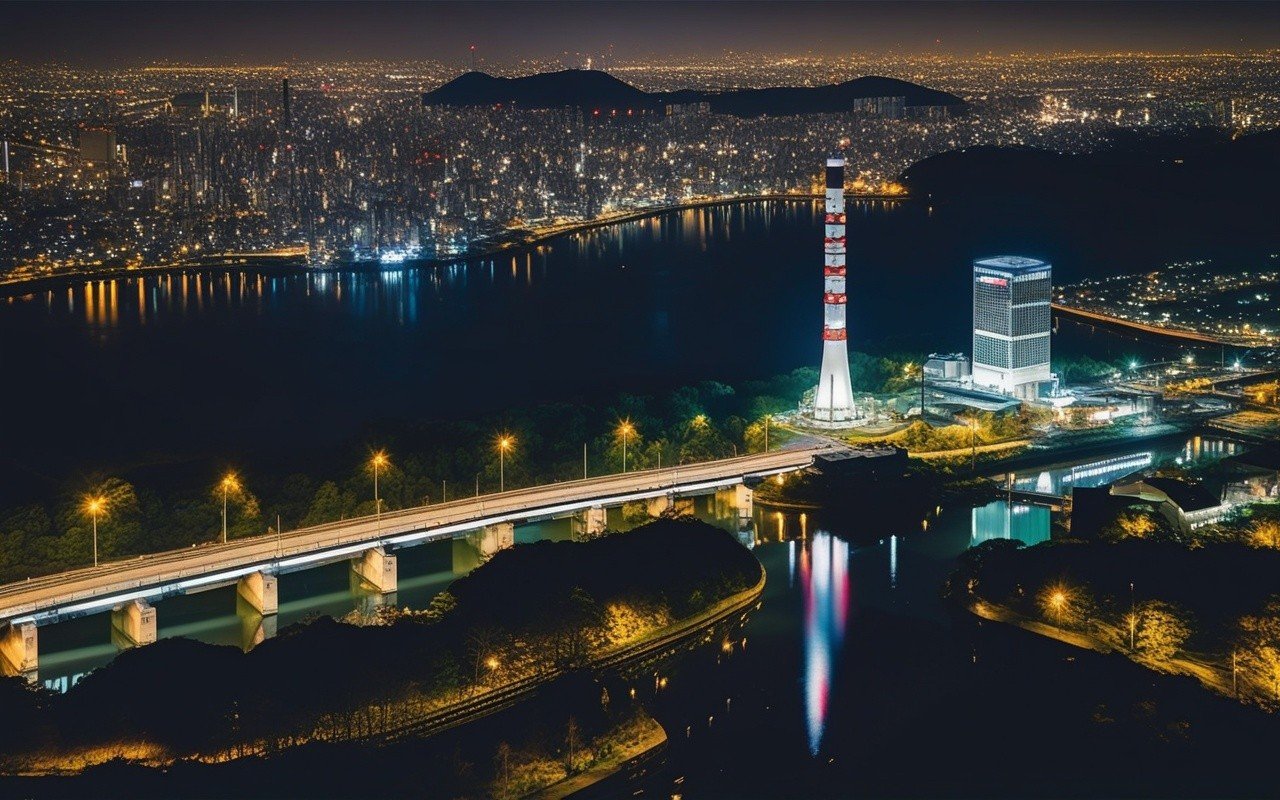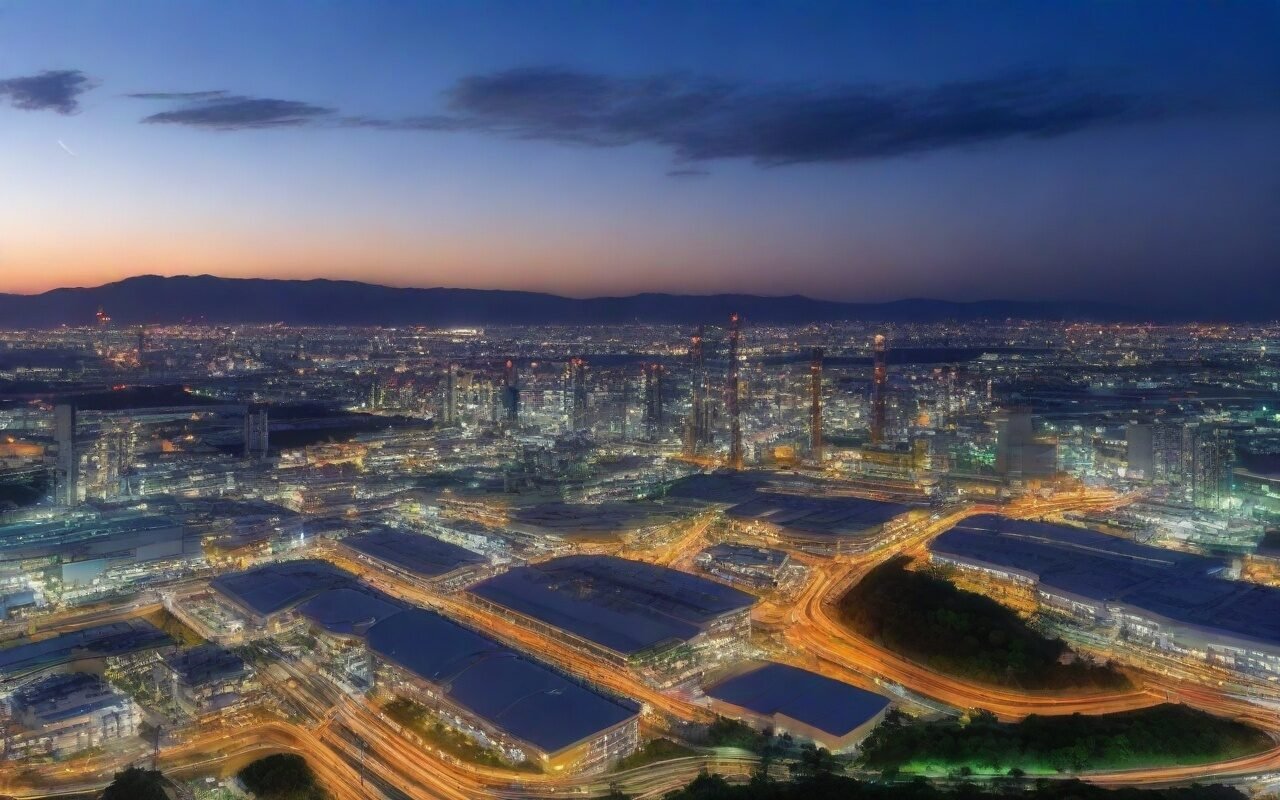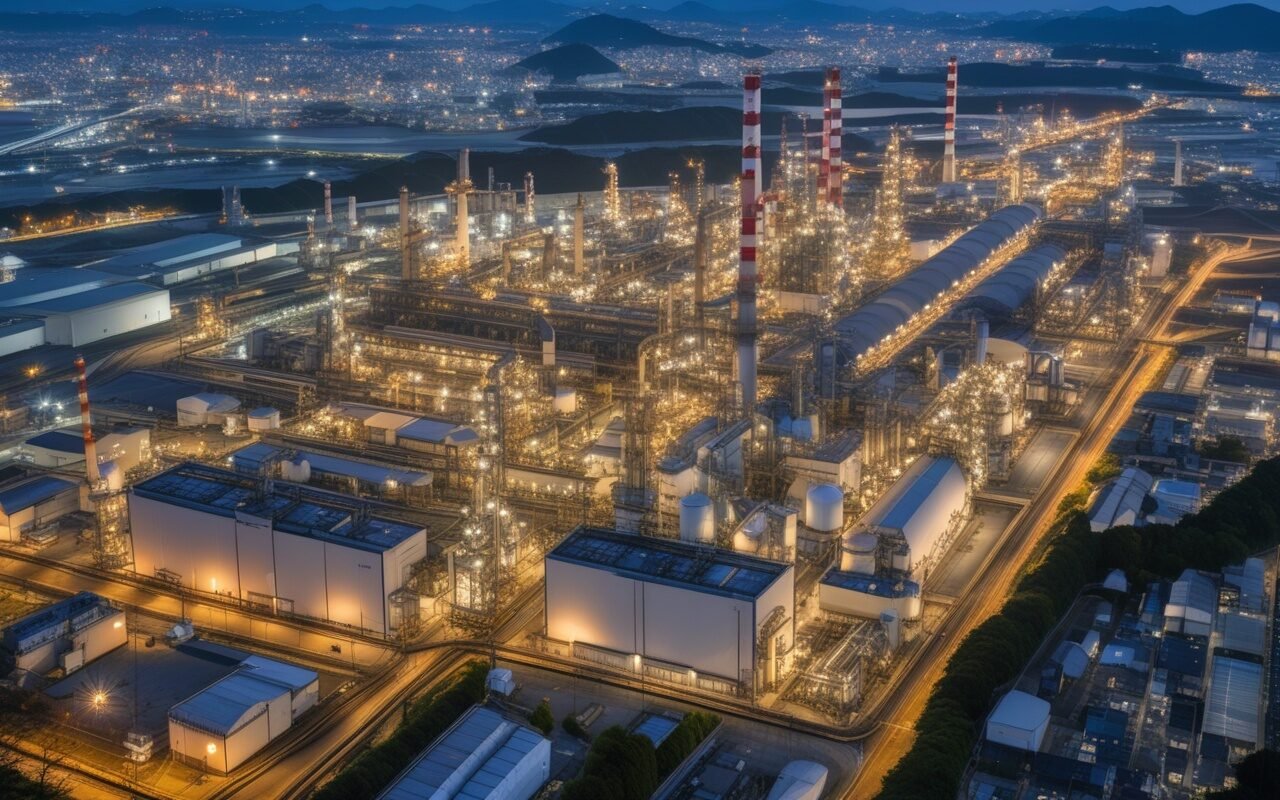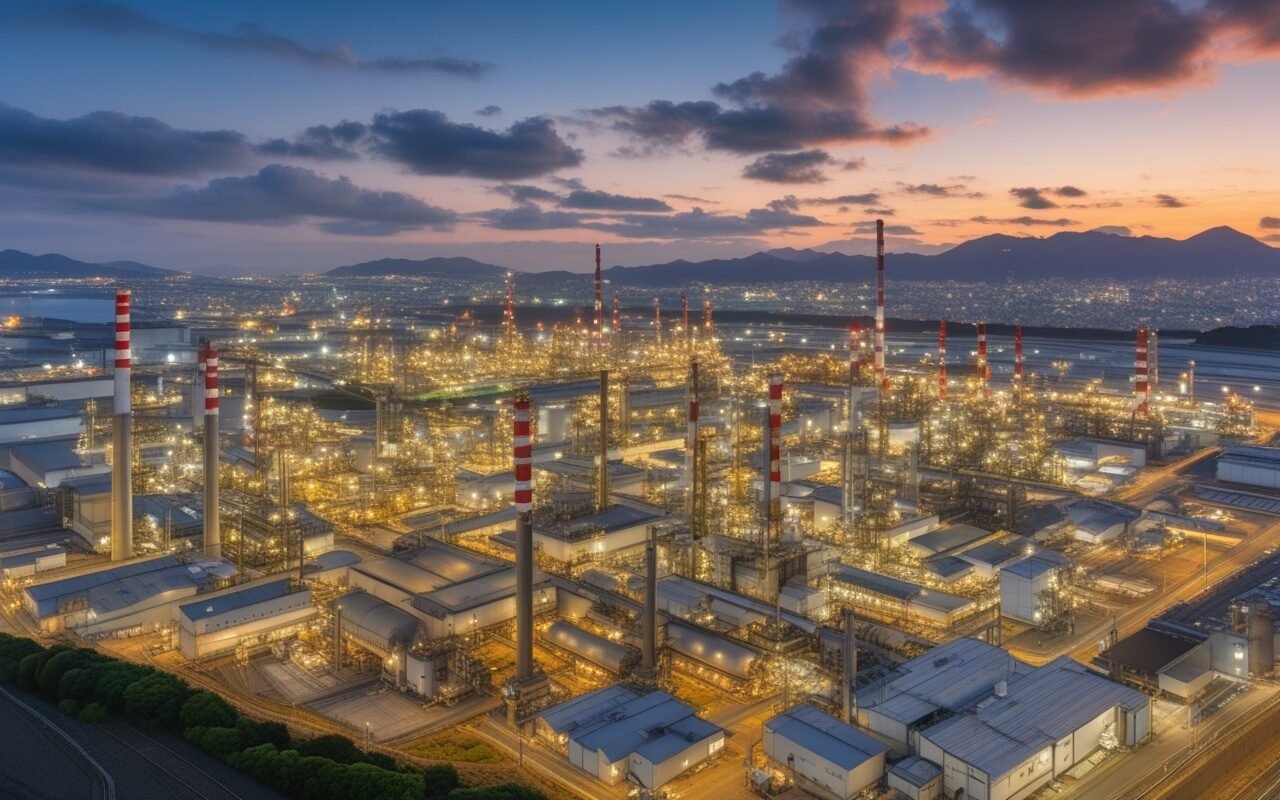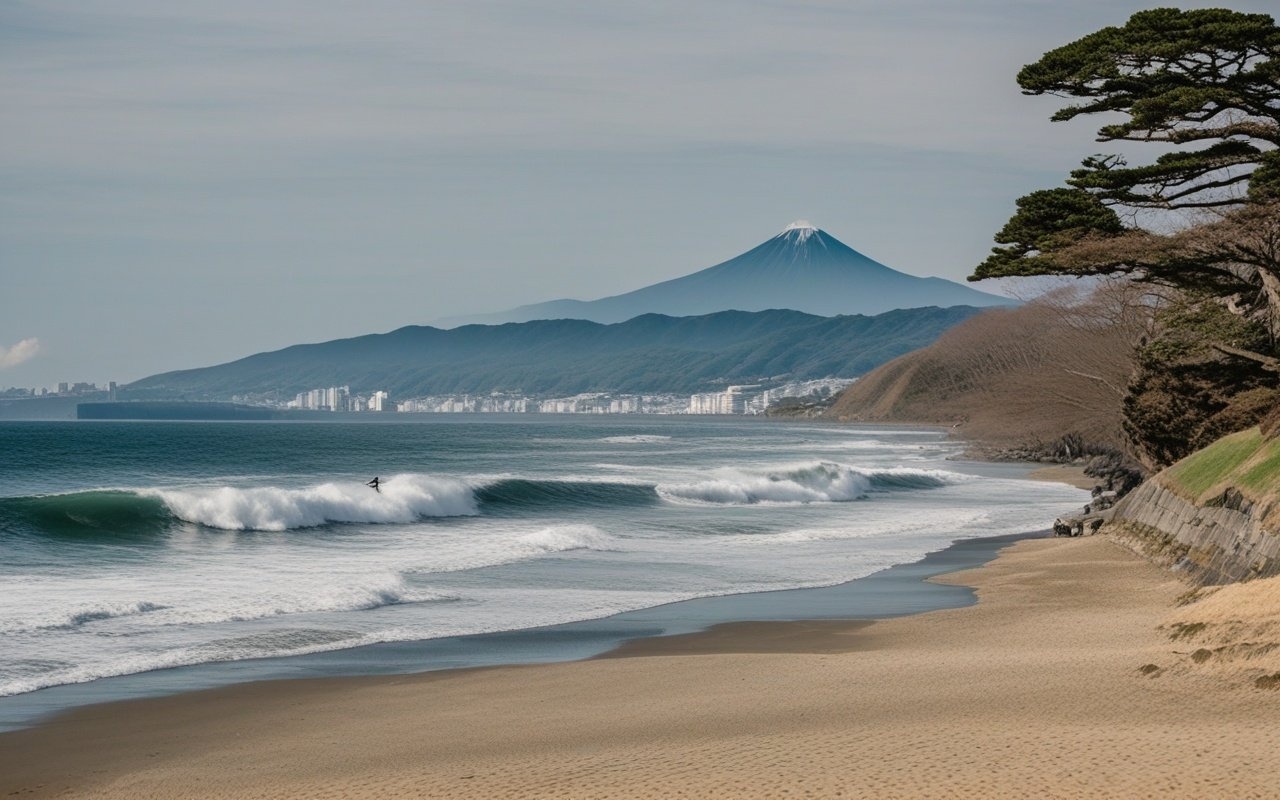
Tag: heritage

  • Shonan Surfing Culture – Kanagawa 2026

    Shonan Surfing Culture – Kanagawa 2026

    Kanagawa is rich in cultural heritage and historical significance. This guide explores the fascinating history and cultural attractions that make this region unique.

    Shonan Surfing Culture – Kanagawa 2026

    Overview

    Explore the rich cultural heritage and historical significance of Shonan Surfing Culture – Kanagawa in Kanagawa Prefecture. This guide delves into the fascinating stories, traditions, and landmarks that define Shonan. From ancient temples to modern museums, discover how this destination has shaped Japan’s cultural landscape over centuries.

    Lineups as negotiated space

    Priority stems from position and commitment, not volume of Instagram followers. Longboards and shortboards often share peaks but with different turning radii; snaking drops erodes trust fast. Learn local names for sections rather than renaming them online.

    Observation is the fastest path to acceptance. Watch three sets before paddling for your first wave. Note which surfers consistently catch waves from the deepest position—those are the local seniority holders who tacitly control the pecking order. Beginners who drop in on their waves will receive verbal correction; repeat offenders face stink-eye that follows them to the beach parking lot.

    Weekend crowds at popular breaks like Kagetsu-saki in Kamakura can exceed fifty surfers sharing a peak the size of a tennis court. In these conditions, communication matters. Learn basic hand signals: pointing toward the beach means “going left” (facing the wave), pointing to the open ocean means “going right” (backside). A raised open palm signals “wave courtesy—I see you, your wave.” Book Kamakura, Enoshima & Yokohama day trip from Tokyo — ride the iconic Enoden train & skip transport planning
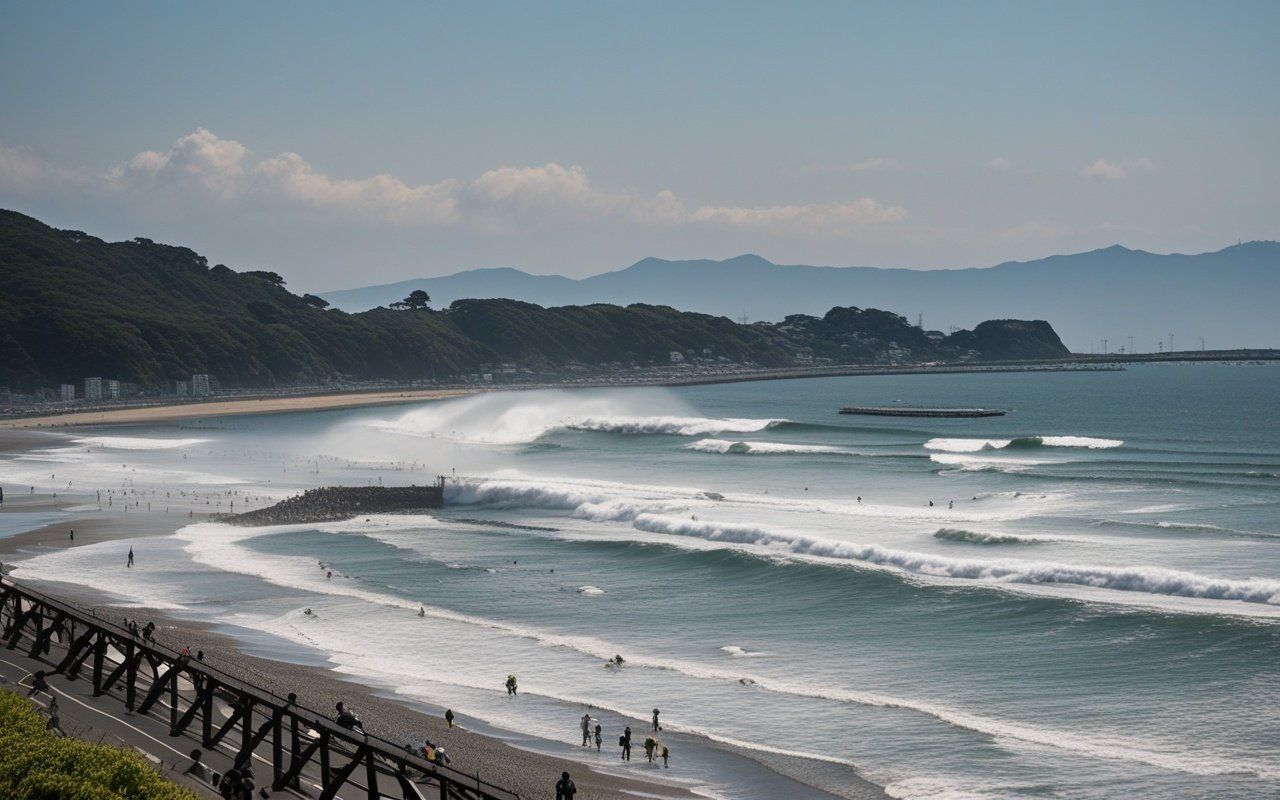
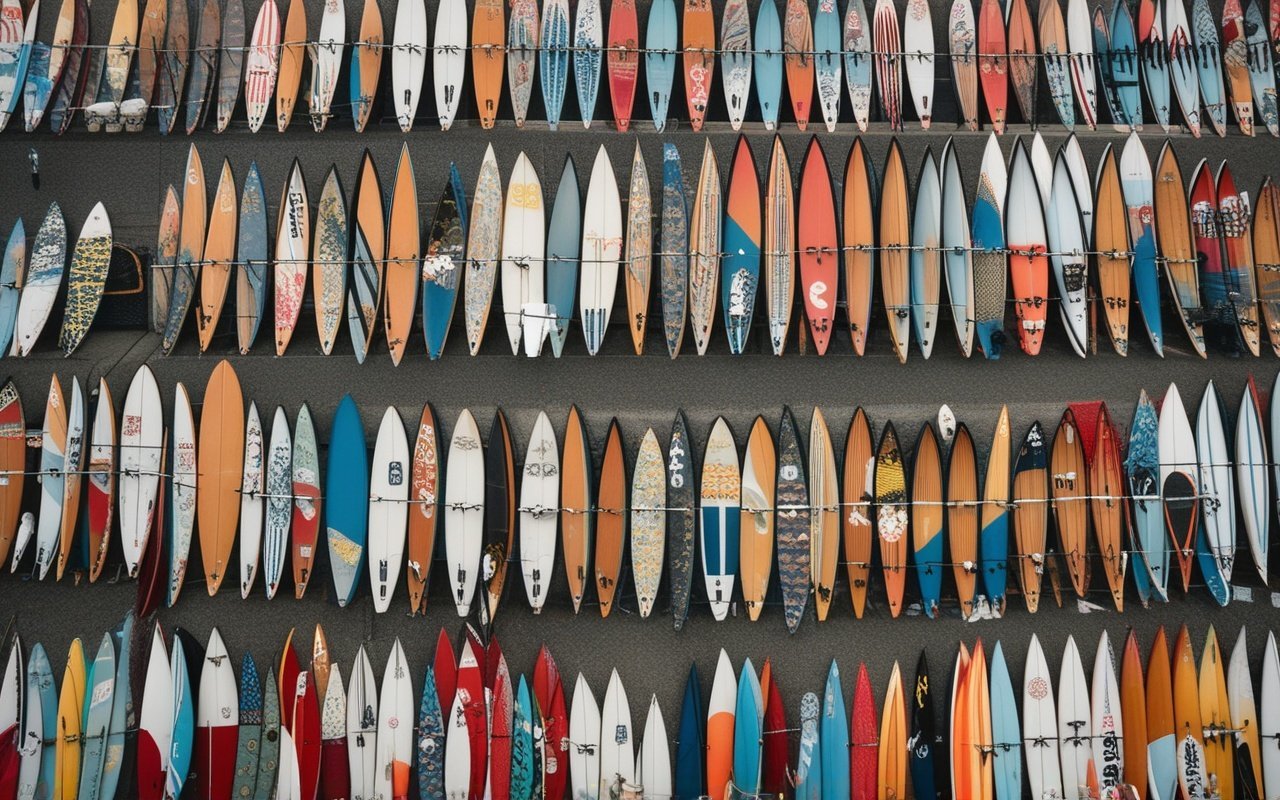
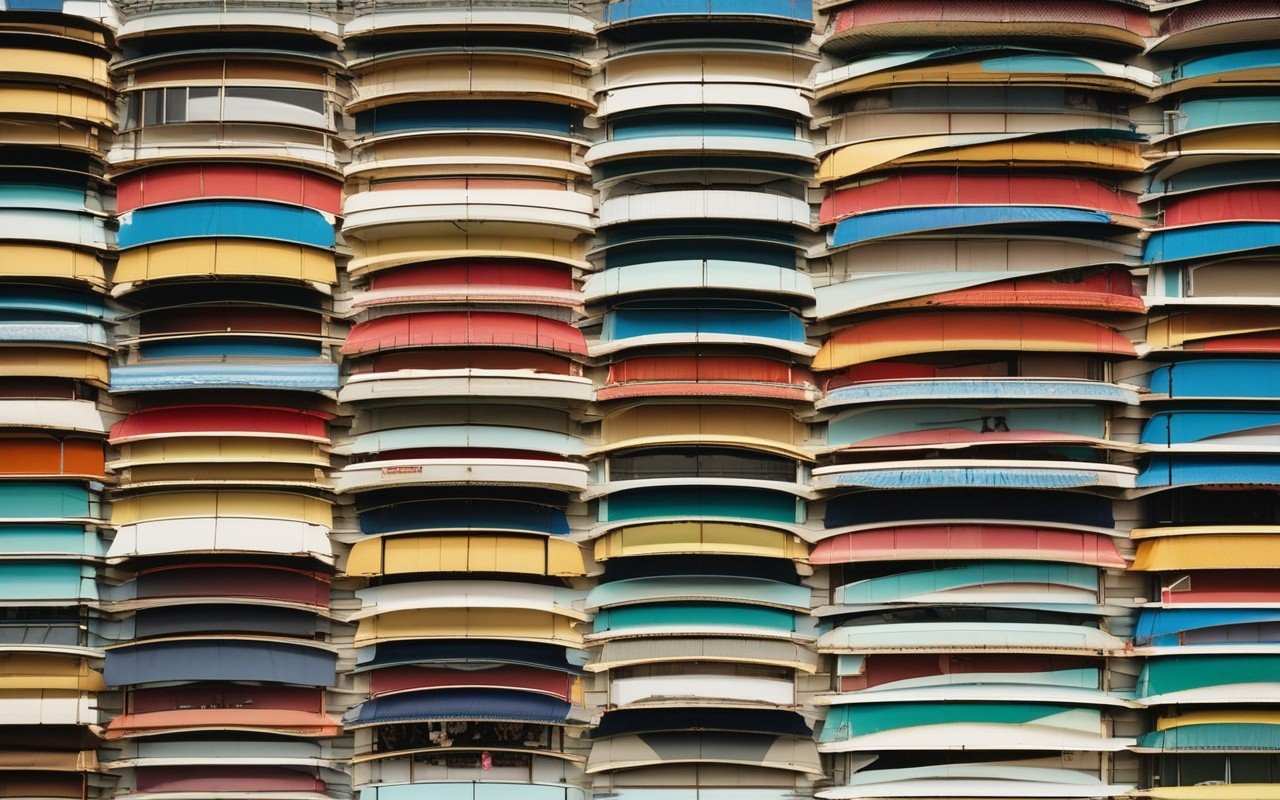
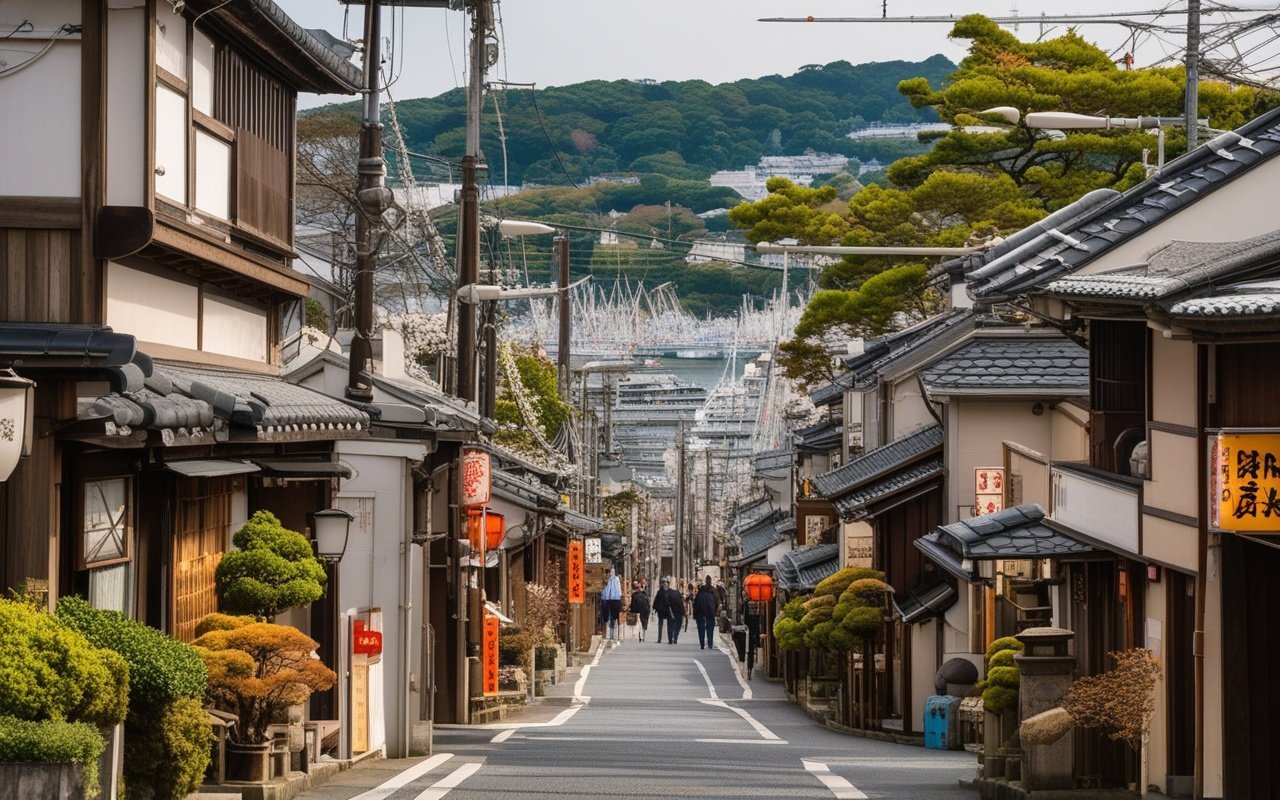
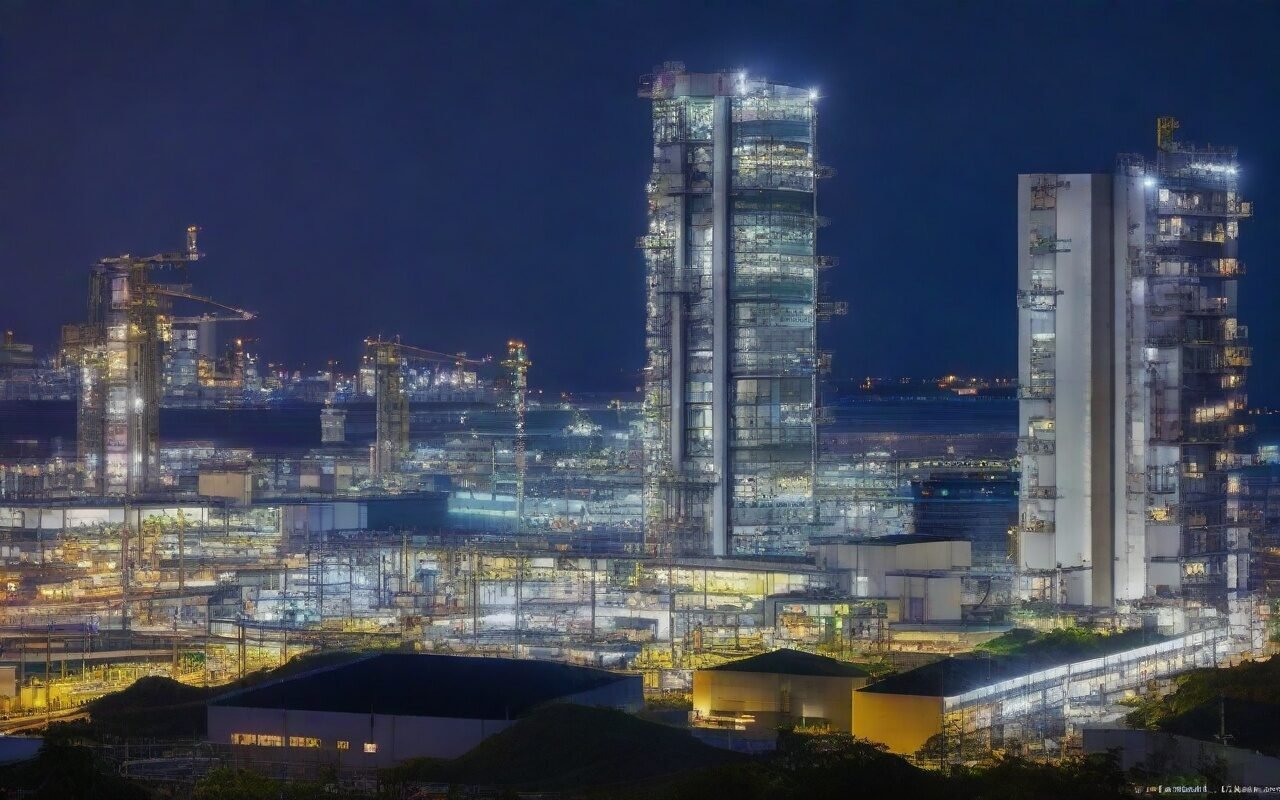
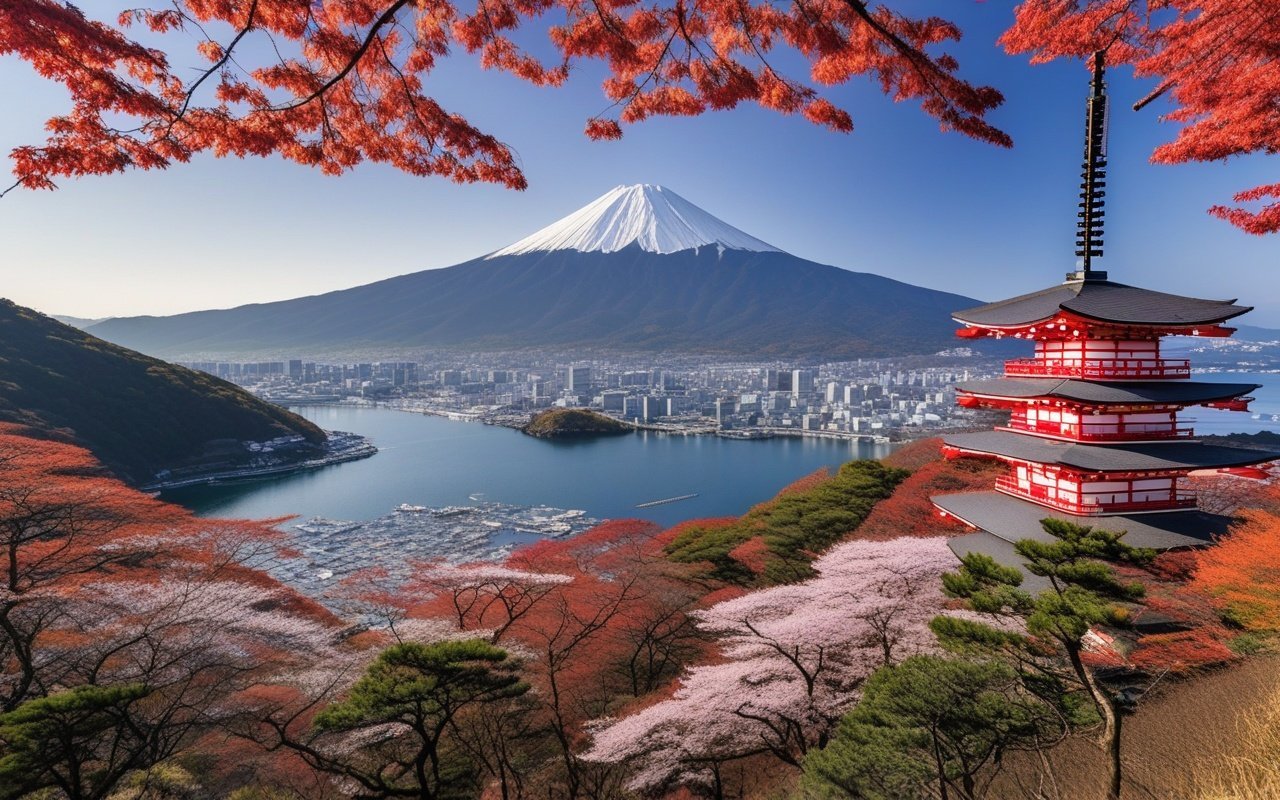
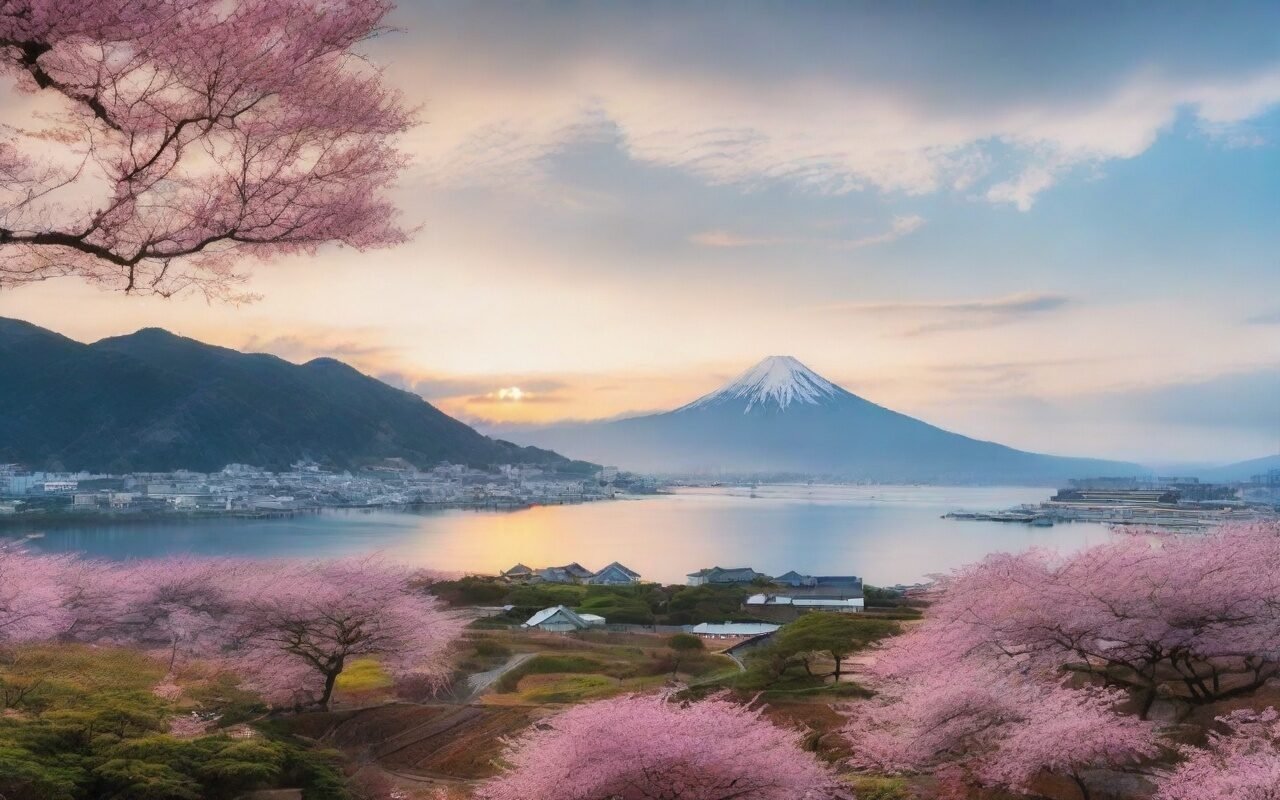
    Shonan Surfing Culture scenery and attractions
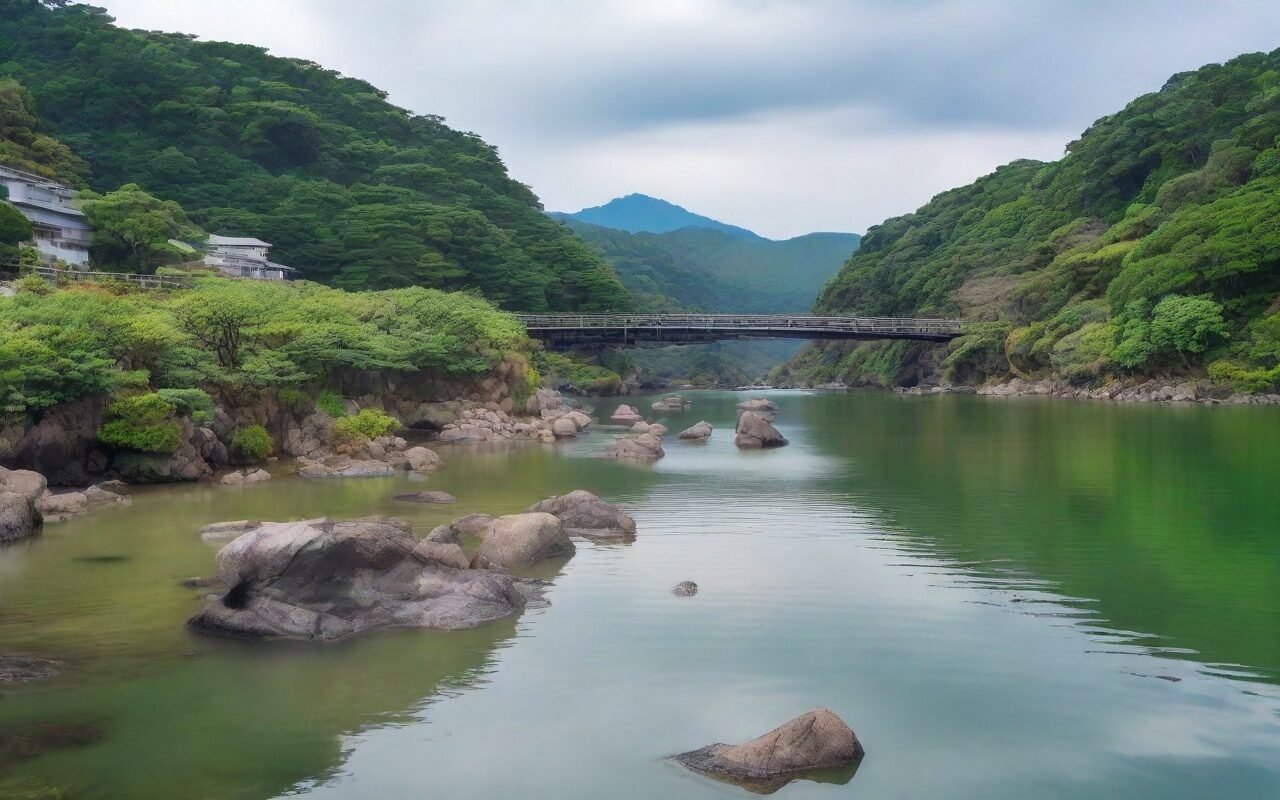
    Shonan Surfing Culture — main illustration

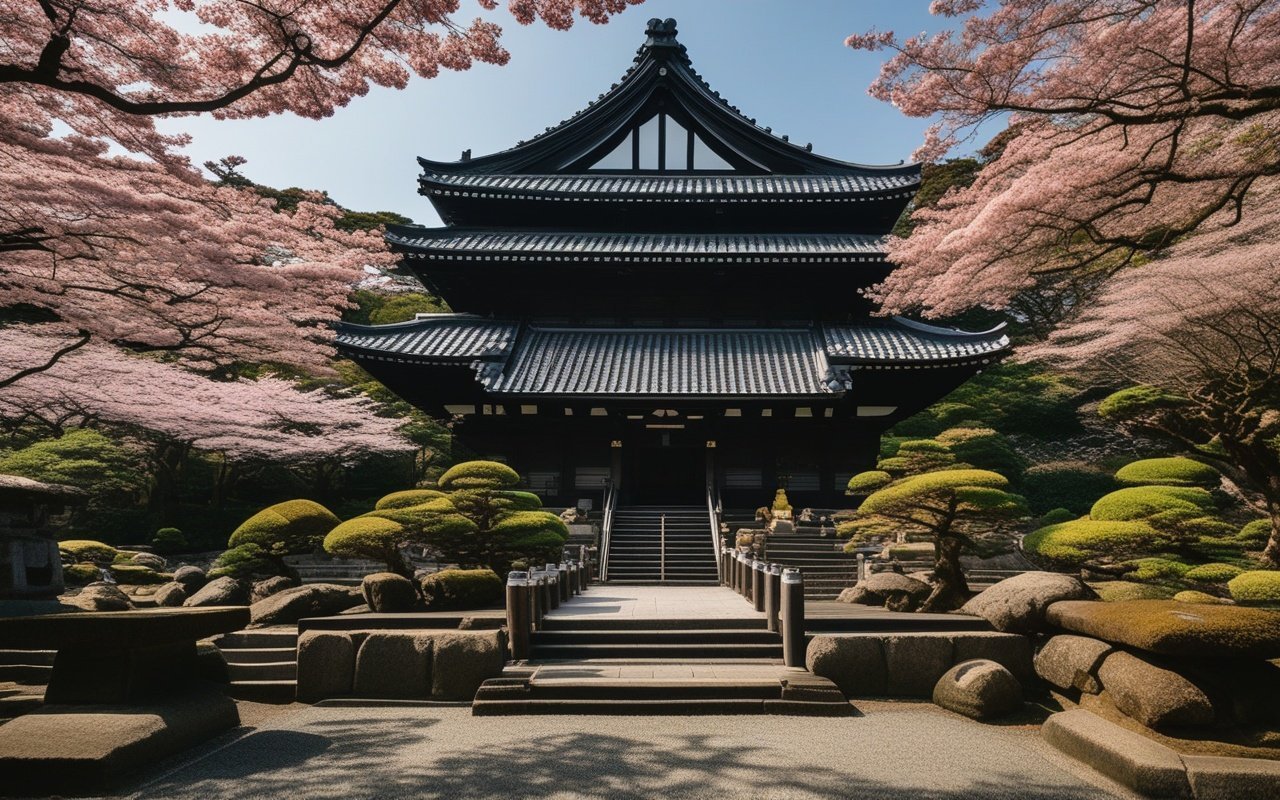
    Shonan Surfing Culture — visitor highlights

    Schools, rentals, and liability culture

    Japanese insurance norms shape lesson formats; listen to land briefings about rip currents specific to that beach’s groins. Wetsuit thickness guidance follows colder months than many tourists expect; hypothermia dulls judgment before ego admits it.

    Most Shonan surf schools operate on a reservation-only basis with strict cancellation policies. A typical lesson runs two hours: 30 minutes of land instruction (stretching, pop-up practice on sand, rip current identification), 60 minutes in the water with instructor-to-student ratios capped at 1:4, and 30 minutes of debrief and stretching. Prices range from ¥5,000–¥8,000 including board and wetsuit rental.

    Liability waivers are standard. Japanese surf schools carry commercial insurance, but students sign forms acknowledging inherent risks. If you bring your own board, check whether the school charges a reduced rate or requires proof of personal accident insurance. Rental boards typically use soft-top foamies for beginners—these are safer in crowded lineups but paddle noticeably slower than glassed shortboards.

    Wetsuit thickness varies dramatically along Shonan’s coast. April and October: 3/2mm fullsuit with booties. December through February: 5/4mm hooded suit with 5mm gloves and booties. Many tourists underestimate Sagami Bay’s winter bite and cut sessions short due to cold, missing the cleanest swell periods. Local surf shops like Tsujido Surf and Zushi Surf Center rent high-quality suits by the day.

    Festivals, contests, and road closures

    Event days reroute buses and close shoulder parking. Pedestrian bridges clog when fireworks mix with swell weekends—plan board carry routes that do not spear passersby. Save big with Hakone Freepass — Hakoneted train, ropeway & pirate ship rides, plus 30% off attractions

    The Shonan Enoshima Festival (July–August) draws hundreds of thousands to Katase-Enoshima, During fireworks evenings, the Enoden train runs special late services but every car is sardine-packed with revelers. Surfers carrying boards must wait for the next train if they cannot position boards safely without blocking aisles. Consider parking at Fujisawa Station and walking 20 minutes to the beach instead.

    Surf contests at Chigasaki Beach and Hiratsuka Beach periodically close sections of the coastline to swimming, During JPSA (Japan Professional Surfing Association) events, contest zones extend 150 meters offshore. Check event calendars on the JPSA website before planning weekend sessions in July–September. Local surf shops post paper schedules in their windows.

    Parking is the single biggest stressor on Shonan event days. Municipal lots charge ¥1,000–¥2,000 per day but fill by 8 AM on summer weekends. Private lots near stations charge more (¥2,500–¥3,500) and often have strict size limits—vans with roof racks may be refused. The best strategy: park at a commuter lot near a train station one or two stops inland (e.g., Fujisawa or Ofuna) and ride the Enoden or JR to the beach.

    Sound, smell, and neighborhood respect

    Wax scent, diesel from harbor work, and charcoal from beach barbecues layer into place memory. Keep speaker volumes modest; sound carries over water. Rinse sand from shop entries; clerks sweep constantly.

    Beachside residential streets have narrow lanes, Parking on white lines (shoulder) is legal in most areas, but blocking a driveway even for two minutes invites confrontation. Many homes near popular breaks display “No Parking” signs in Japanese and English—heed them. Neighbors have been known to call tow trucks on surfers who block private garage entrances.

    Post-session etiquette includes rinsing your wetsuit at designated beach showers (not residential garden hoses), disposing of wax paper in provided bins, and not changing towels in public view of temple gates. Shonan’s beaches sit adjacent to residential Shinto shrines; exposed wetsuit changes near sacred entrances are considered disrespectful.

    Equipment Culture

    Local surf shops are more than retail outlets—they are community hubs where information about swell direction, sandbar quality, and new hazards circulates. Zushi Surf Center (near Zushi Station) has been outfitting local surfers since the 1970s and offers knowledgeable advice about which breaks are working. Tsujido Surf Shop on the Chigasaki coast carries a wide range of FCS-compatible fins and repair supplies.

    Board repair is an art form in Shonan. Dings happen frequently on shallow reefs at Zushi and rocky entry points at Enoshima. Several independent ding repair specialists operate out of garages near the coast, charging ¥3,000–¥8,000 depending on damage severity. Ask at any surf shop for recommendations—they know who does quality work and who rushes repairs.

    Links

    Wave mechanics and hazard lists appear in the Shonan surfing guide. Pocket beaches and stair etiquette appear in the Shonan secret beaches guide. Swim flags and municipal rules appear in the Shonan beach guide. Kamakura’s evening commuter crush appears in the Kamakura access guide. Port-city boardwalk energy contrasts in Yokohama port opening history. Brick warehouse dining pivots appear in the Yokohama red brick guide.


    Closing

    Culture is maintenance: respect queues, repair dings, apologize after collisions, and teach newcomers the whistle codes lifeguards use. Shonan stays surfable when visitors behave like temporary members, not spectators at a show. The wave is communal property; the stoke is earned through consistency, patience, and awareness of everyone in


    Tips

    A few things I learned while researching exploring the Shonan coast: start early to beat the crowds, check opening days in advance, and carry a little cash for smaller shops and entry fees. Comfortable shoes make a bigger difference than most visitors expect, and an IC card such as Suica or Pasmo speeds up every train ride.

    Frequently Asked Questions

    Q: Are English guides available?
    A: Major temples, shrines, and museums offer English audio guides or pamphlet guides. Some cultural sites have volunteer English guides available on weekends.

    Q: Can I take photographs?
    A: Photography is generally allowed in outdoor areas. Indoor photography, especially of cultural artifacts, may be restricted. Flash photography is commonly prohibited.

    Q: How much time should I budget?
    A: For temples and shrines, budget 30-60 minutes. Museums typically require 1-2 hours. Cultural experiences (tea ceremony, craft workshops) take 1-2 hours.

    Q: Are there any dress codes?
    A: No strict dress codes, but dressing respectfully is appreciated at temples and shrines. Avoid overly revealing clothing. Comfortable walking shoes are recommended. . .

    From sunrise swims to sunset surfs, Kanagawa’s coastline offers a different relationship with the sea — one that invites you to slow down and breathe.

    Conclusion

    Whether you are planning exploring the Shonan coast for the first time or returning for another visit, taking a little extra time to go beyond the obvious sights makes all the difference. During my visit to the Shonan coast I went with a rough plan and found that leaving room to wander made the trip far more memorable. I hope this guide helps you build an itinerary that fits your pace, and that your time in Kanagawa leaves you with memories worth coming back for.
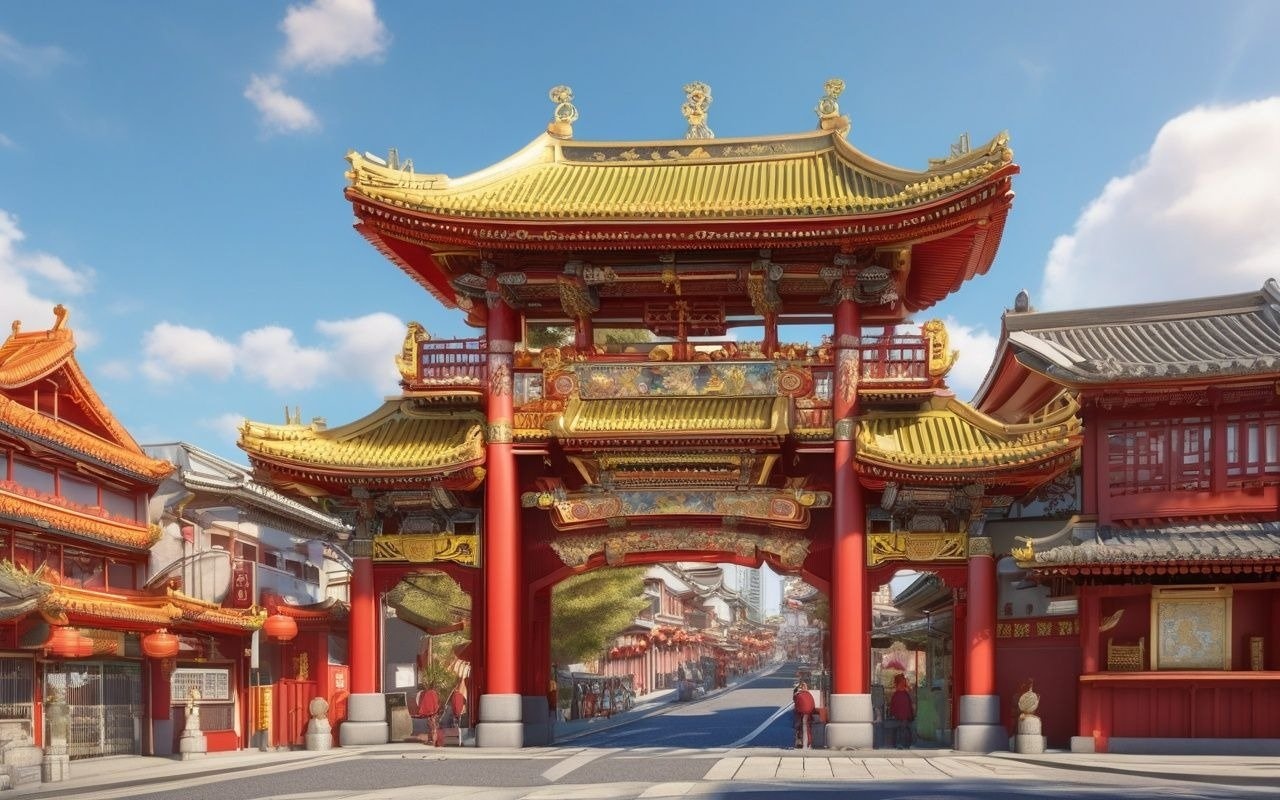
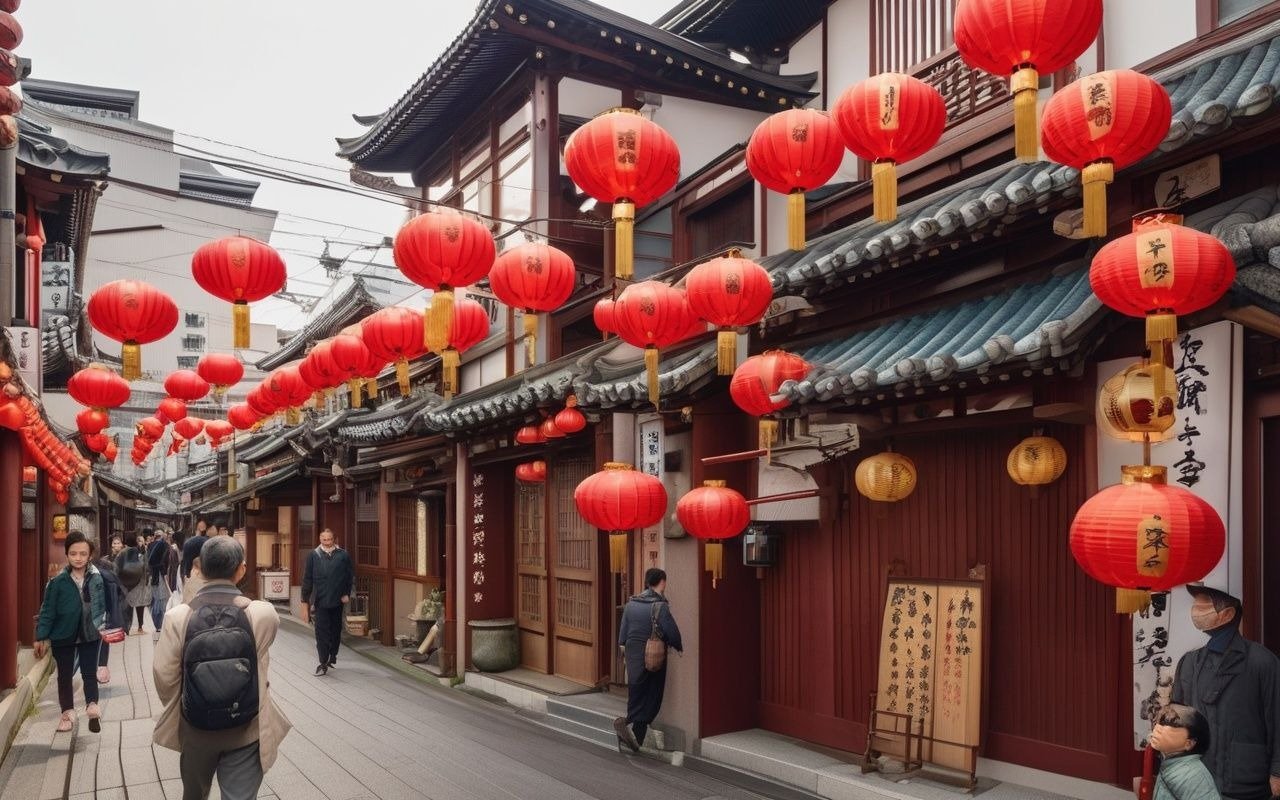
  • Yokohama Chinatown History — Treaty Port to Modern Icon

    Yokohama Chinatown History — Treaty Port to Modern Icon

    Yokohama Chinatown History – From Treaty Port to Modern Icon

    Overview

    Explore the rich cultural heritage and historical significance of this Kanagawa destination. This guide delves into the fascinating stories, traditions, and landmarks that define this historic area. I explored these cultural sites during my last visit and was impressed by the depth of history preserved here.

    Explore the rich cultural heritage and historical significance of Yokohama Chinatown History – From Treaty Port to Modern Icon in Kanagawa Prefecture. This guide delves into the fascinating stories, traditions, and landmarks that define Yokohama. From ancient temples to modern museums, discover how this destination has shaped Japan’s cultural landscape over centuries.

    I explored this cultural site during my last visit and spent hours learning about its history. I recommend visiting on a weekday for a quieter experience. For more information, see our Kanagawa guide.

    Origins: The Treaty Port Era (1859–1899)

    Yokohama Chinatown’s story begins with the opening of Japan to foreign trade in 1859. When the Tokugawa Shogunate signed treaties with Western powers, Yokohama was designated as one of five open ports. Foreign merchants were permitted to live and trade in designated areas, and the first Chinese traders arrived shortly after the port opened — primarily as interpreters and intermediaries between Western merchants and Japanese suppliers.

    The early Chinese community in Yokohama was predominantly from Guangdong (Canton), bringing with them the Cantonese language, cuisine, and religious traditions. They established themselves in the area that is now Chinatown’s core — convenient to both the port and the Kannai foreign settlement — and built the first temples and clan associations (known as huiguan or kaikan in Japanese).

    By the 1880s, the Chinese population of Yokohama had grown to approximately 4,000, making it the largest foreign community in the city. The area developed distinctive architecture — a blend of southern Chinese decorative styles adapted to Japanese building techniques.


    The Three Temples at Chinatown’s Heart

    At the center of Chinatown stand three temples that anchor the community’s spiritual and social life, all established in the late 19th century:

    Kanteibyo (関帝廟) — Dedicated to Guan Yu, the deified Chinese general and symbol of loyalty and righteousness. The current building dates from 1990 (a faithful reconstruction after the previous structure was destroyed by fire in 1986). Its ornate roof, decorated with ceramic figures of Chinese deities, is one of Chinatown’s most recognizable landmarks. The temple is the focal point of the Chinese New Year celebrations.

    Ma Zhu Miao (媽祖廟, Mazodo) — Dedicated to Mazu, the sea goddess particularly venerated by Chinese fishermen and sailors. This temple reflects the maritime heritage of the Chinese community — many of whom arrived in Yokohama by ship. The temple hosts ceremonies for safe voyages and is especially active during the annual Gion Festival.

    Seigaku-in / Eirindu (青学院 / 永林堂) — A combined temple and community center used for education and cultural activities. It was here that the first Chinese-language school in Japan was established in 1898.


    Surviving Disaster: The great Kanto Earthquake

    On September 1, 1923, the great Kanto Earthquake devastated Yokohama. The earthquake and subsequent fires destroyed virtually all of Chinatown’s buildings and killed approximately 3,000 Chinese residents — roughly half the community. Many survivors fled to Kobe’s Chinatown (Nankinmachi) or returned to China.

    In the aftermath, the Chinese community demonstrated remarkable resilience. With financial support from the Chinese government and overseas Chinese communities in Southeast Asia, the temples and clan associations were rebuilt by 1928. The new buildings were constructed with reinforced concrete to better withstand future earthquakes — a decision that preserved many structures through World War II bombing and subsequent seismic events.


    Wartime and Postwar Transformation

    During World War II, life in Chinatown became increasingly difficult. Japan and China were at war, and the Chinese community faced suspicion and discrimination. Many residents left the area, and the population declined sharply. The temples were closed and some were damaged in Allied bombing raids on Yokohama in 1945.

    After the war, the area gradually recovered. The Chinese community that returned was smaller but determined. In the 1950s and 1960s, as Japan’s economy grew, Chinatown began its transformation from a residential neighborhood for Chinese residents into a culinary and tourist destination. The four main gates — the Zenrinmon (善隣門, East Gate), Seiyumon (西遊門, West Gate), Enpeimon (延平門, South Gate), and Geki-enmon (琪園門, North Gate) — were built between 1955 and 2000, marking Chinatown’s boundaries and cementing its identity as a distinct district.


    Food Streets: From Home Cooking to Culinary Tourism

    Chinatown’s food culture evolved from necessity into an art form. Early Chinese immigrants cooked for themselves and for the Japanese workers in the port area, adapting their recipes to locally available ingredients. Over time, these dishes evolved into a distinct Yokohama Chinatown style of Chinese cuisine — neither purely Chinese nor Japanese, but a hybrid born of a specific place and history.

    The main streets — Chinatown Main Street (Chukagai Dori) and Chinatown West Gate Street (Seiyu Dori) — are lined with hundreds of food businesses, divided roughly into categories:

    Street food stalls: Nikuman (steamed pork buns, ¥300–¥500), gyoza (pan-fried dumplings, ¥500–¥800 for 6), shumai (steamed pork and shrimp dumplings, ¥400–¥600), buta no kakuni (braised pork belly, ¥600–¥800), and anpan (sweet red bean buns, ¥200–¥300).

    Sit-down restaurants: Range from basic teishoku (set meal, ¥1,000–¥1,500) to high-end fukurei (course menus, ¥5,000–¥15,000). Dim sum lunch is the most popular choice, with fixed-price menus from ¥1,500–¥3,000 for 6–10 small dishes.

    Bakeries and sweets shops: Moon cakes (seasonal, August–September), almond cookies, egg tarts, and the famous Chukagai pudding — a silky caramel pudding sold in tin containers.


    Chinatown Today: A Living Community

    Despite the 20 million annual visitors, Chinatown remains a working residential neighborhood. Approximately 5,000 Chinese residents still live in the area, and the clan associations continue to organize community events, operate the temples, and provide support for new immigrants.

    The architecture of Chinatown tells the story of its development — 19th-century wooden merchant houses next to 1930s concrete reconstruction buildings, post-war utilitarian shopfronts, and 1990s neo-traditional gates, Walking through the side streets away from the main tourist routes reveals the layers of history: a faded sign in Chinese characters above a door that has been a tailor shop since 1925, a temple wall from 1880 incorporated into a 1960s apartment building, a new bubble tea shop in a storefront that sold dried herbs for a century.


    Gateways and Stone Guardians

    The four main gates of Chinatown are more than decorative — they formally define the district:

    • Zenrinmon (East Gate): The main entrance from Motomachi. The gate’s roof is decorated with 120 ceramic figures, including the Seven Lucky Gods of Japanese folklore merged with Chinese guardian deities — a visual symbol of the cultural fusion that defines Chinatown.
    • Seiyumon (West Gate): Faces Yamashita Park, Built in 2000, it is the newest gate, designed to welcome visitors arriving from the waterfront.
    • Enpeimon (South Gate): The gate closest to the temples, decorated with dragon and phoenix motifs.
    • Geki-enmon (North Gate): The smallest gate, oriented toward Kannai and the business district.


    🗺️ Access Map

    🚉 Major Stations

    Station Access Time Route
    Yokohama Station 30-60 min JR Yokosuka Line / Keikyu Line
    Tokyo Station 60-90 min JR Tokaido Line → JR Yokosuka Line

    🅿️ Parking Information

    • Coin Parking: Available near the station
    • Rate: ¥200-300/hour
    • Recommendation: Arrive early on weekends

    🔧 Practical Tips

    • Wi-Fi: Most major stations and cafes offer free Wi-Fi
    • Payment: While credit cards are widely accepted, always carry some cash
    • Language: Major tourist spots have English signage, but a translation app helps
    • Transport: Get a Suica or Pasmo card for easy travel
      ibility and Crowd Safety

    Cobble repairs vary by block; tactile paving sometimes ends abruptly at property lines. Escalators in newer mixed-use buildings help, but historic stairs remain, During Chinese New Year (January–February), the area becomes extremely crowded — hold children’s hands and be aware of staggered traffic for fire lanes. Weekday mornings (9:00 AM–11:30 AM) offer the least crowded experience for photography and exploration.


    📍 Location

    Yokohama Chinatown

    Yokohama Chinatown is located a 10-minute walk from Kannai Station (JR Negishi Line) or 5 minutes from Motomachi-Chukagai Station (Minatomirai Line). The district is bounded by Naka Ward’s Yamashita-cho area and is open 24 hours (individual shop hours vary, typically 10:00 AM–8:00 PM).


    Closing

    Chinatown is not a frozen diorama; it is a working neighborhood where schools, deliveries, and ceremonies share alleys with tourism. Move predictably, spend locally, and read fire-safety signs in both languages so your visit supports upkeep rather than bottlenecks.

    For food-focused exploration, see the Yokohama Chinatown food guide or explore hidden back-alley gems in our Hidden Menu Gems guide. For a self-guided walking tour, see our Chinatown History Walk. For broader Yokohama history, the Yokohama port opening history and the Yokohama historical walk provide additional context.


    Frequently Asked Questions

    Q: Are English guides available?
    A: Major temples, shrines, and museums offer English audio guides or pamphlet guides. Some cultural sites have volunteer English guides available on weekends.

    Q: Can I take photographs?
    A: Photography is generally allowed in outdoor areas. Indoor photography, especially of cultural artifacts, may be restricted. Flash photography is commonly prohibited.

    Q: How much time should I budget?
    A: For temples and shrines, budget 30-60 minutes. Museums typically require 1-2 hours. Cultural experiences (tea ceremony, craft workshops) take 1-2 hours.

    Q: Are there any dress codes?
    A: No strict dress codes, but dressing respectfully is appreciated at temples and shrines. Avoid overly revealing clothing. Comfortable walking shoes are recommended.

    Yokohama Chinatown (横浜中華街, Yokohama Chūkagai) is the largest Chinatown in Japan — and indeed one of the largest in the world. Spanning approximately 500 meters in each direction in the Yamashita-cho district of Naka Ward, it is a vibrant, densely packed neighborhood of over 600 shops, restaurants, and food stalls that attracts over 20 million visitors annually.
    But behind the neon signs, steam rising from street-level kitchens, and the constant hum of activity lies a rich history that stretches back over 160 years. Chinatown was not built as a tourist attraction — it grew organically from a treaty-port settlement into a living community that has survived earthquakes, war, and urban redevelopment. This guide explores the layers of history embedded in Chinatown’s streets, buildings, and food culture.

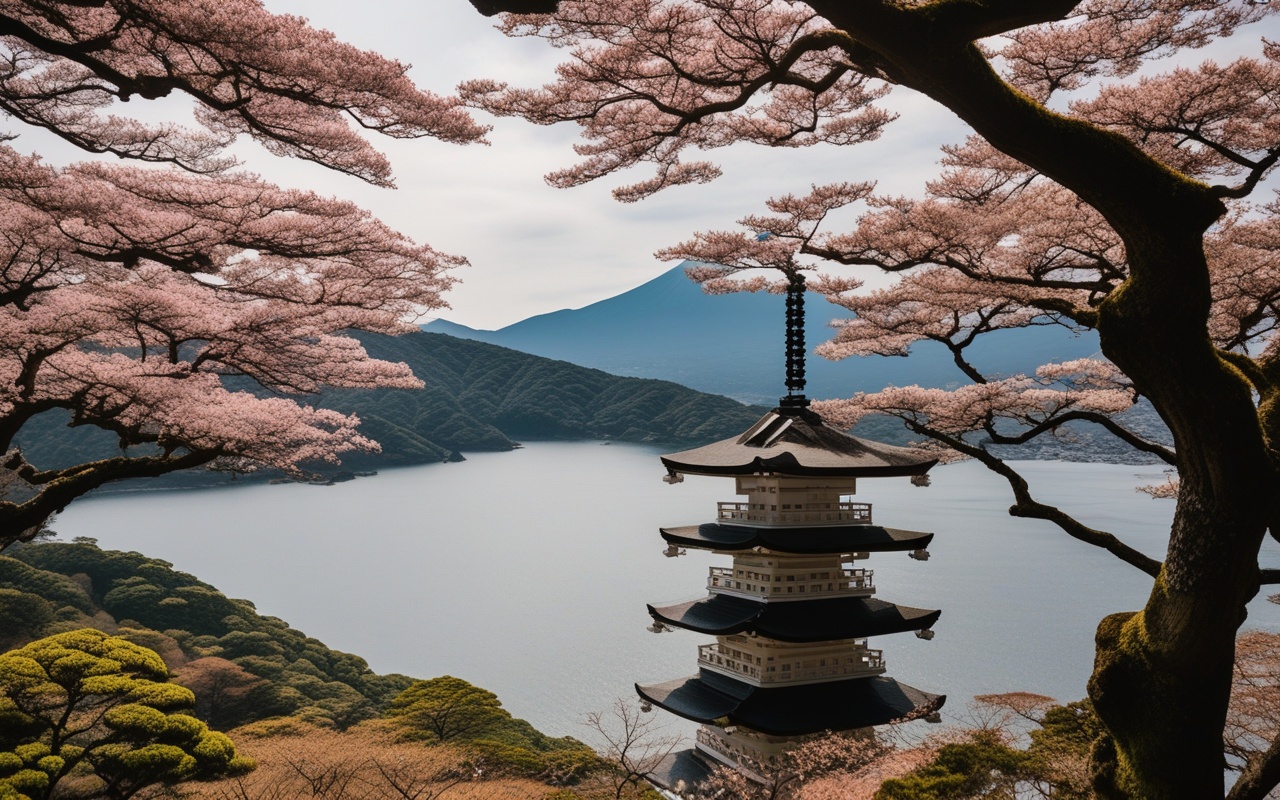
    From ancient temples to living traditions, Kanagawa’s cultural heritage offers layers of discovery that reveal themselves with each visit.

    Conclusion Yokohama Chinatown History – From Treaty Port to Modern Icon offers a fascinating window into Japan’s rich cultural tapestry and historical heritage. From ancient traditions to contemporary expressions, the cultural depth of is both profound and accessible. Take your time to explore, reflect, and appreciate the layers of history that make this destination so special.

  • Yokohama Port Opening History 2026

    Yokohama Port Opening History 2026

    Overview

    I explored Yokohama’s port district on a guided walking tour last spring, tracing the old pier lines that once handled silk exports bound for Europe. The guide pointed out where the original stone quays still sit beneath modern concrete decks — a layer of history that most visitors walk over without noticing. This guide covers the key stories, landmarks, and harbor walks that bring Yokohama’s port heritage to life. Experience cherry blossom season in Kamakura & Yokohama — guided hanami tour with stunning sakura views

    Piers, silting, and dredging cycles

    Storm winds move sand and mud around harbor mouths. How much money a city spends on upkeep decides which walkways stay open. Look at old photos of wooden piers and compare them to today’s cruise ship docks. You can see how ideas about weight and support have changed over time.

    Rail connection to interior markets

    Faster trains changed what farmers could earn across the Kanto region. Grain and silk routes met at Yokohama’s weighing stations and warehouses. Walk through Kannai today and you can still see where train tracks ran at street level, before they were raised up.

    Links

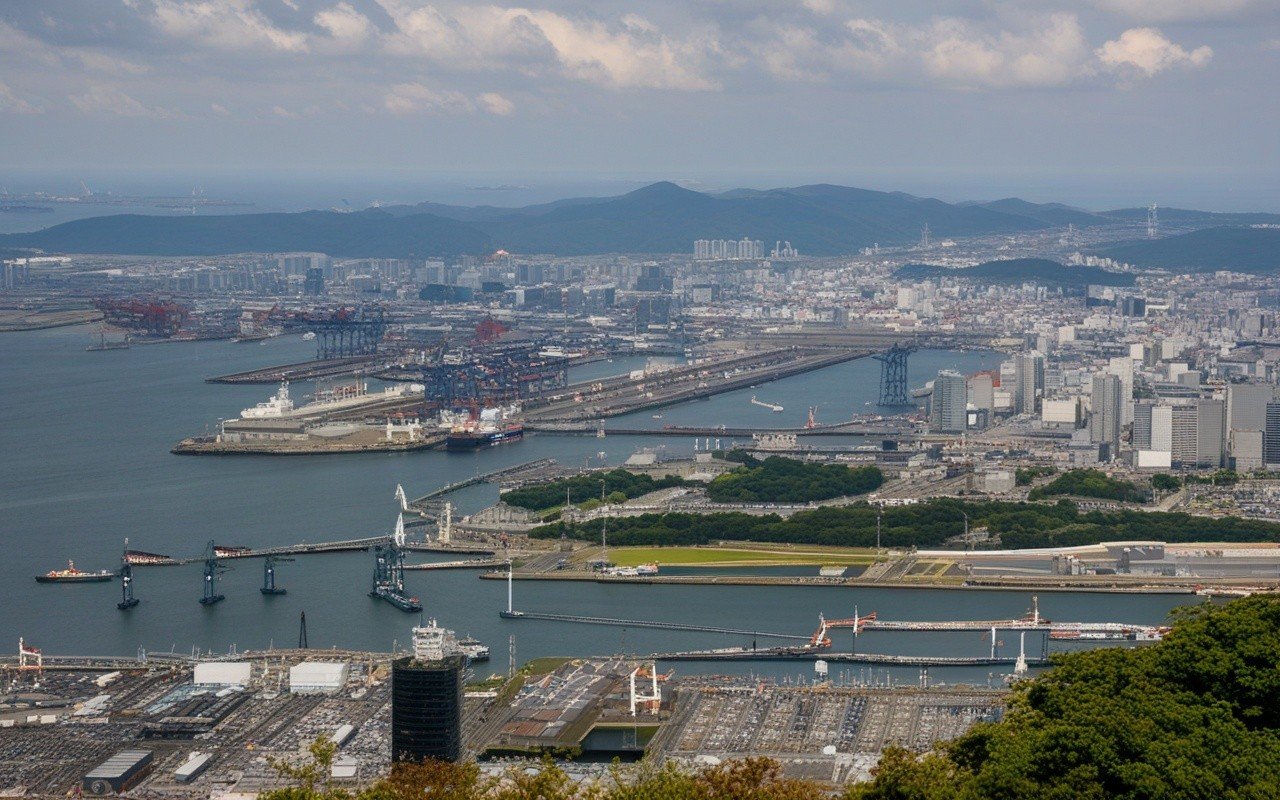
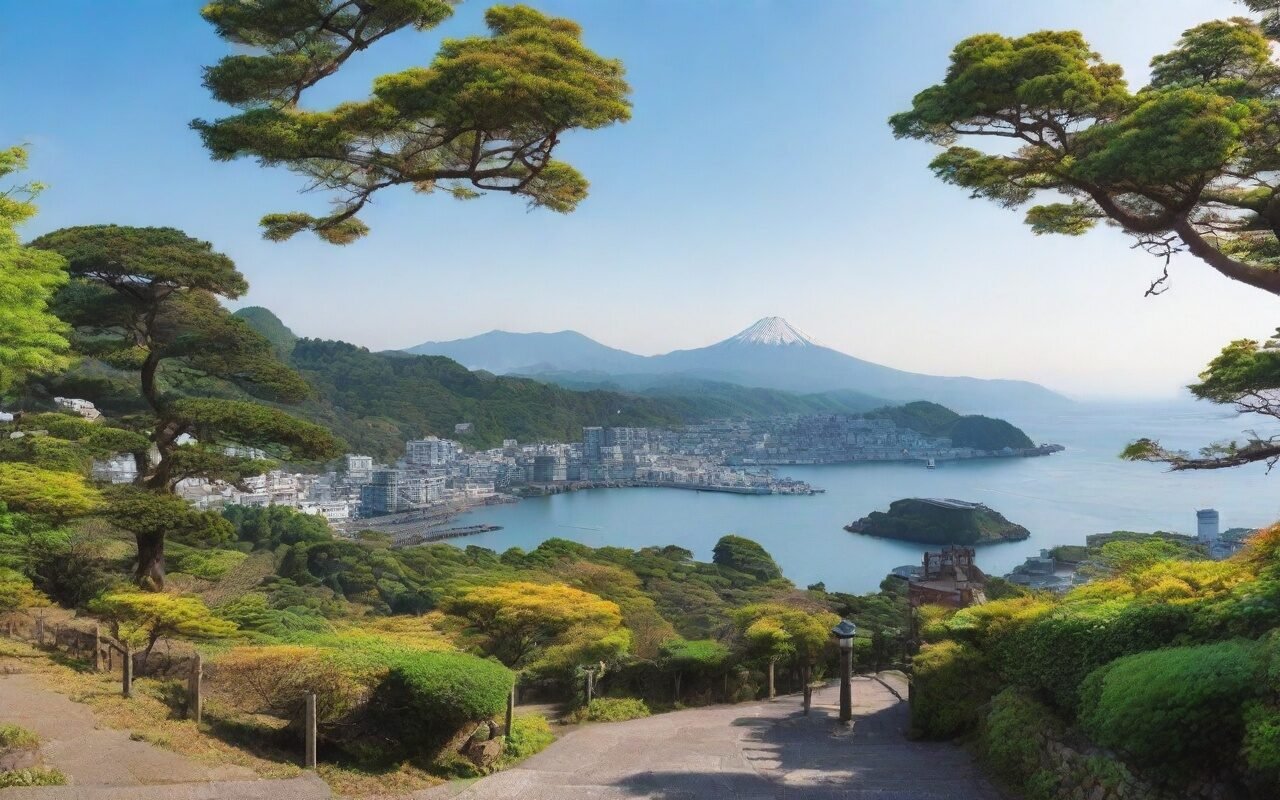
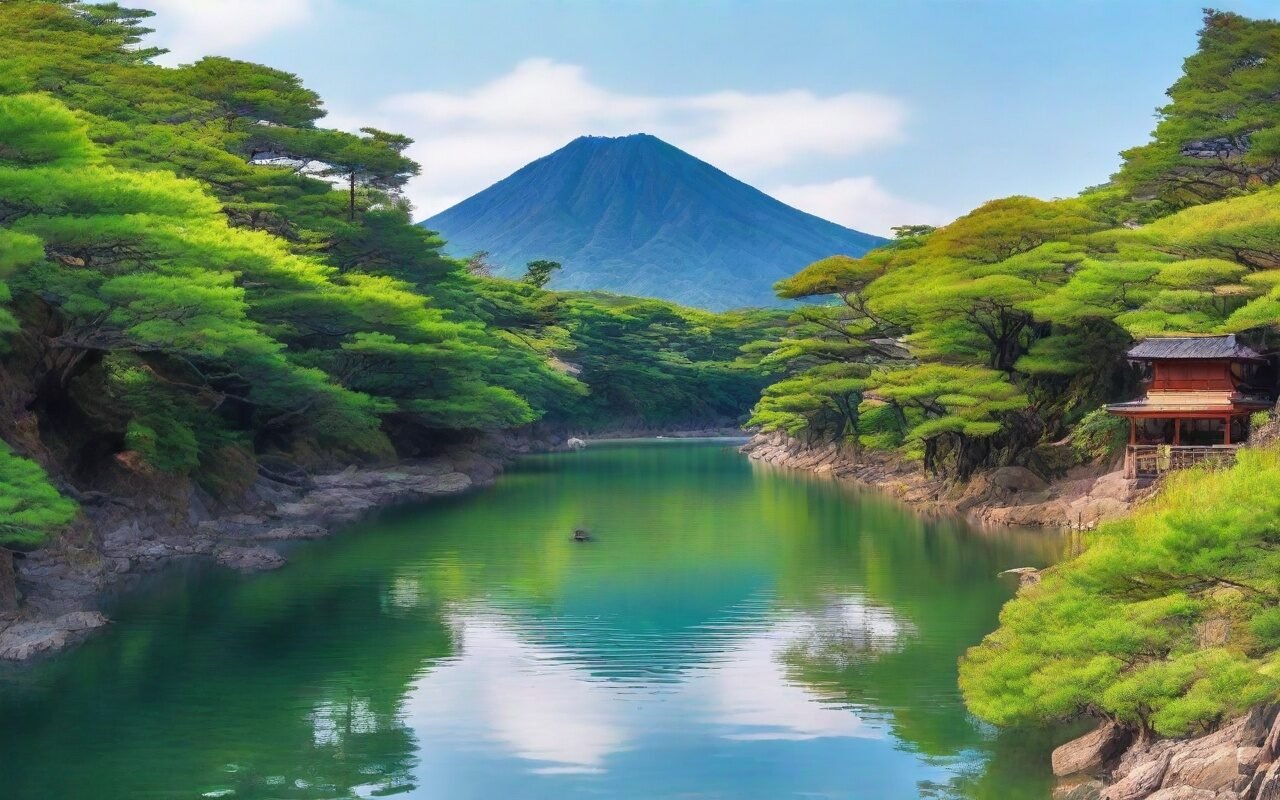
    Yokohama Port Opening History scenery and attractions Get the Minato Burari Ticket — unlimited transport and discounts in Yokohama’s Minatomirai bay area
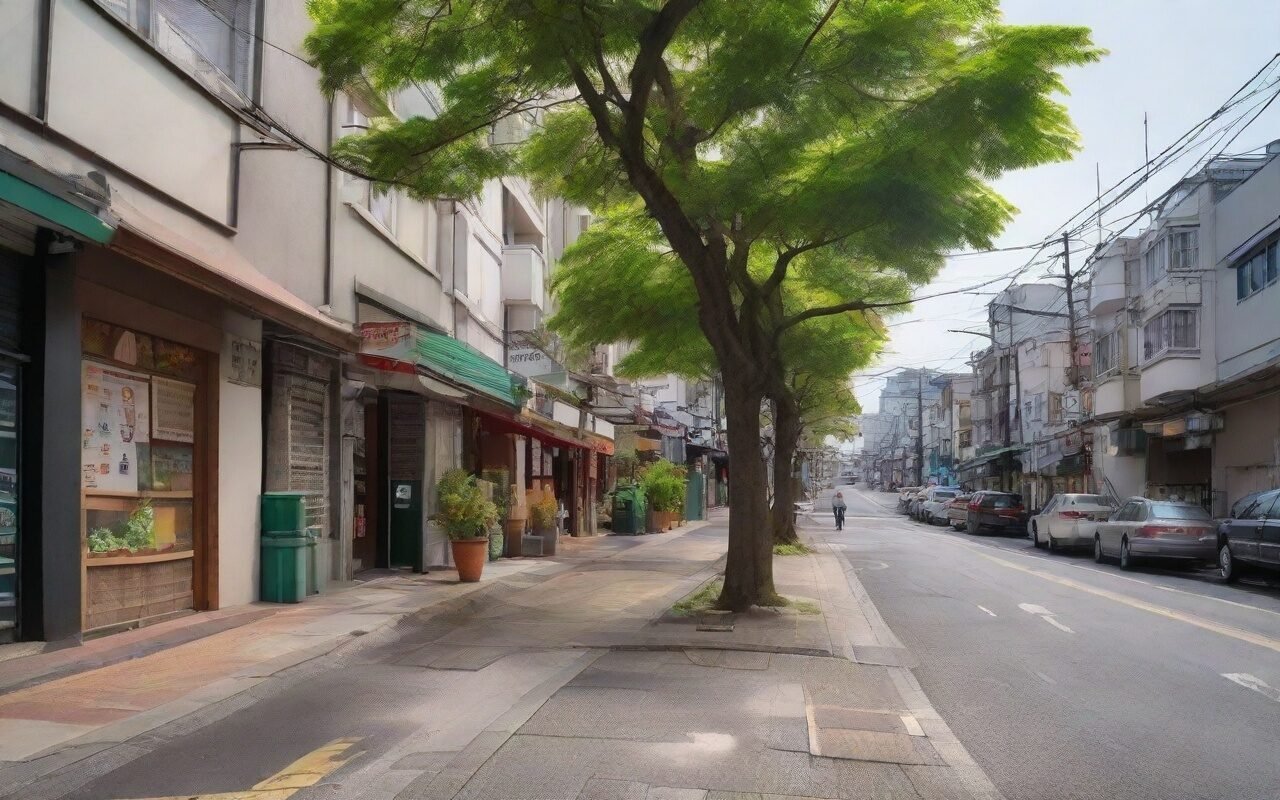
    Yokohama Port Opening History — main illustration

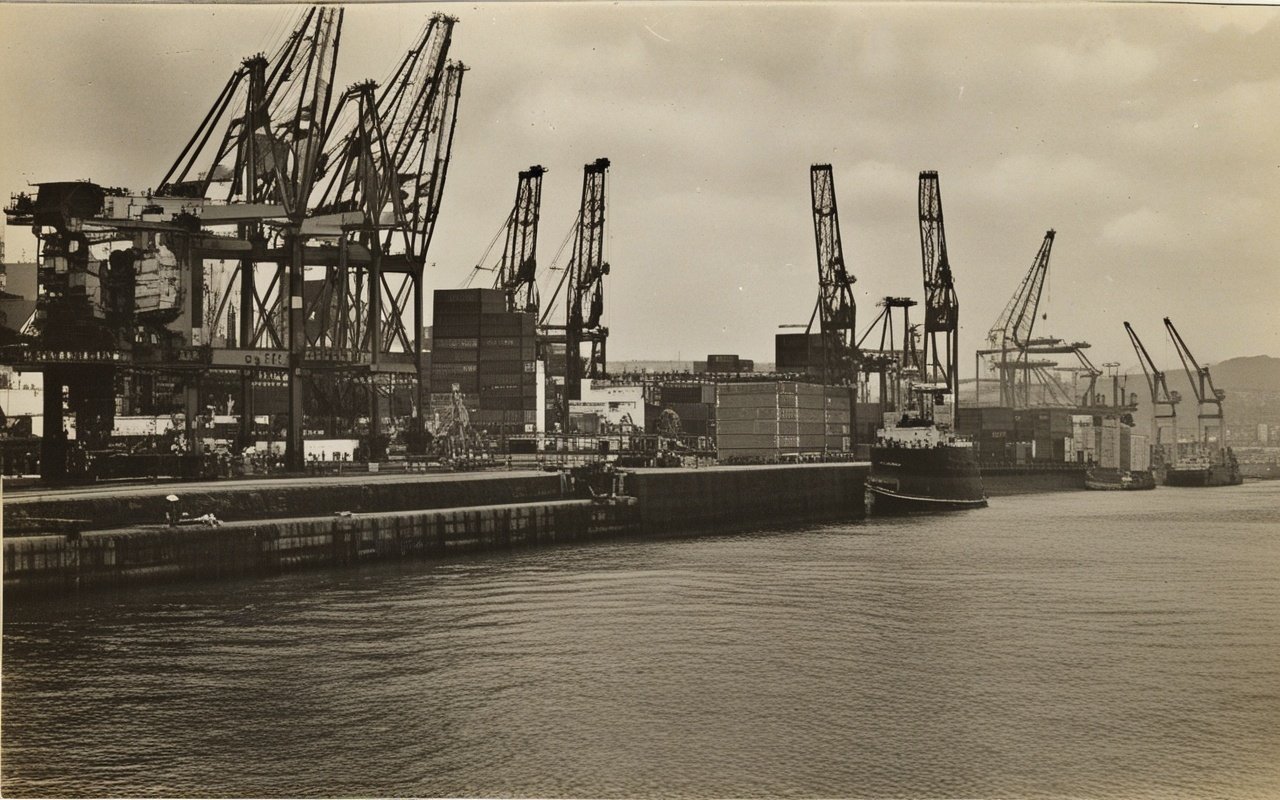
    Yokohama Port Opening History — visitor highlights

    Chinatown’s migrant trade history is covered in Yokohama Chinatown history. Kannai’s museum area is in the Yokohama Kannai area guide. Brick warehouses along the water are in the Yokohama red brick guide. Evening walking tours are in the Yokohama historical walk. Green tourism ideas are in Yokohama SDGs tourism. Nature trips across the prefecture are in Kanagawa ecotourism.

    Map reference

    Quarantine, pilots, and signal flags

    Sick crews used to be kept on islands or barges near the port. Today, pilots still board moving ships by climbing ladders that look scary to most people. Stay away from restricted pier areas. A telephoto lens lets you see the action without going where you should not.

    Closing

    Port history is really about how things work. Read the information signs, yes. But also look at fender replacements, tide gates, and ferry wakes. These are the living remains of the bold choices that built modern Yokohama.


    Frequently Asked Questions

    Q: Are English guides available?
    A: Major temples, shrines, and museums offer English audio guides or pamphlet guides. Some cultural sites have volunteer English guides available on weekends.

    Q: Can I take photographs?
    A: Photography is generally allowed in outdoor areas. Indoor photography, especially of cultural artifacts, may be restricted. Flash photography is commonly prohibited.

    Q: How much time should I budget?
    A: For temples and shrines, budget 30-60 minutes. Museums typically require 1-2 hours. Cultural experiences (tea ceremony, craft workshops) take 1-2 hours.

    Q: Are there any dress codes?
    A: No strict dress codes, but dressing respectfully is appreciated at temples and shrines. Avoid overly revealing clothing. Comfortable walking shoes are recommended.

    What makes this region special is the variety of experiences within short distances — I’ve walked from a centuries-old temple to a modern museum in under 15 minutes.

    The stories in Kanagawa’s landmarks and artifacts connect the past to the present. They offer a meaningful journey through Japan’s culture.

    How to Get There

    Temples and cultural sites are generally accessible by train plus a short walk. Many temples in Kamakura and Hakone are clustered together, allowing you to visit multiple sites on foot. Wear comfortable walking shoes as some temples are located on hills or up stone staircases.

    What to Expect

    Cultural sites in Kanagawa offer a window into Japan’s rich history. Temples and shrines range from centuries-old national treasures to peaceful neighborhood shrines. Many sites have informative English displays or offer audio guides for a small fee. Photography is generally allowed in outdoor areas but often restricted inside temple buildings. Shoes must be removed when entering temple halls and traditional buildings. Some temples offer unique experiences like zazen meditation, calligraphy workshops, or garden tours.

    Nearby Recommendations

    After visiting the main cultural site, explore the surrounding neighborhood to discover smaller temples, shrines, and historical landmarks. Many areas have cultural walking routes mapped out by local tourism boards. Traditional craft workshops and hands-on cultural experiences are often located near major temples. Local museums frequently offer combined tickets with nearby cultural sites.

    Local Tips

    Cultural enthusiasts recommend visiting on weekdays when crowds are smaller and the atmosphere is more contemplative. Some temples offer special access to normally restricted areas during certain times of the year. Photography is best in early morning or late afternoon when the light creates dramatic shadows and warm tones. Dress in layers as temple buildings can be significantly cooler or warmer than outside.n

    Conclusion

    exploring Yokohama can be as relaxed or as packed as you want it to be, and I have found that the best visits leave room for both planning and spontaneity. During my visit to Yokohama I went with a rough plan and found that leaving room to wander made the trip far more memorable. Use this guide to sort out the logistics in advance, then let the day surprise you — Kanagawa rewards travelers who stay curious.

    Modern Landmarks with History

    • Red Brick Warehouse: the two 1911-era brick warehouses served as customs storage for decades — the walkway between them still follows the original waterfront line
    • Nihon Odori: the broad avenue laid out in the early Meiji era as the city’s ceremonial street; the old customs house (now the museum) anchors one end
    • Kannai district: the foreign settlement core, where the original trading houses stood — modern office blocks sit on the same lots the merchants built on
    • Yamashita Park: built in 1930 on reclaimed land from the 1923 earthquake rubble — a direct physical link between the port’s disaster history and its present

    FAQ

    Q: Where can I see the original port facilities? A: The Nippon Yusen history museum and the Yokohama Archives of History preserve documents and models; the old pier pilings are visible in places along Yamashita Park’s waterfront.

    Q: How does the port relate to the silk trade? A: Yokohama was the main export gateway for Japanese silk from the 1860s onward — the silk warehouses and the traders’ quarter sat just west of the current Minato Mirai district.

  • Kamakura Samurai History – Kanagawa 2026

    Kamakura Samurai History – Kanagawa 2026

    Overview

    Kamakura is not just a coastal town of temples and beaches — it is the birthplace of Japan’s samurai government. From 1185 to 1333, this small city served as the political and military capital of Japan under the Kamakura Shogunate, a period that fundamentally reshaped Japanese society, culture, and governance.

    I spent two days walking Kamakura’s historic sites, tracing the footsteps of the samurai elite who built Japan’s first warrior government. The Kamakura Museum of Cultural History was my starting point — its exhibits on samurai armor, weapons, and daily life provided essential context before I explored the temples and shrines that still stand today. For more cultural guides, see our Kamakura temple guide or Kamakura area guide.

    The Rise of the Kamakura Shogunate

    The samurai class rose to prominence during the late Heian Period (794–1185), when the imperial court in Kyoto lost effective control over regional military clans. Two powerful families — the Taira and the Minamoto — competed for supremacy. The Genpei War (1180–1185) ended with the Minamoto clan victorious, and their leader, Minamoto no Yoritomo, established a military government in Kamakura in 1185.

    Yoritomo chose Kamakura strategically: surrounded by hills on three sides and the sea on the fourth, it was naturally defensible. Unlike Kyoto, which was dominated by the court aristocracy, Kamakura was a warrior’s city from the ground up. Yoritomo was appointed Seii Taishōgun (Barbarian-Subduing Generalissimo) in 1192, formally establishing the shogunate system that would rule Japan for nearly 700 years.

    Key Figures of the Early Shogunate

    Figure Role Significance
    Minamoto no Yoritomo First Shōgun (r. 1192–1199) Founded the Kamakura Shogunate, established samurai governance
    Hōjō Masako “Nun Shōgun” (1157–1225) Yoritomo’s wife, wielded real power after his death
    Hōjō Tokimasa First Shikken (regent) Established the Hōjō regency system
    Minamoto no Sanetomo Third Shōgun (r. 1203–1219) Last Minamoto shōgun, assassinated at Tsurugaoka Hachimangu
    Hōjō Yasutoki Third Shikken Codified samurai law (Goseibai Shikimoku, 1232)

    Tsurugaoka Hachimangu: The Spiritual Heart of Samurai Kamakura

    Tsurugaoka Hachimangu Shrine was founded in 1063 by Minamoto no Yoriyoshi, but it was Yoritomo who moved it to its current prominent location and made it the spiritual center of his new government. The shrine is dedicated to Hachiman, the god of war and the patron deity of the Minamoto clan.

    I visited on a weekday morning, and the approach via the wide Dankazura — a raised cherry-tree-lined pathway — immediately conveyed the sense of power and ceremony that Yoritomo intended. The shrine grounds were bustling with worshippers, but the main hall exuded a quiet dignity. What struck me most was the blend of Shinto and Buddhist elements, reflecting the syncretic nature of medieval Japanese religion.

    Key samurai-related features at Tsurugaoka Hachimangu:

    • The Maiden: A dance stage where shizuka-no-mai (a famous samurai-era dance) was performed
    • The Treasure Hall: Houses armor and weapons from the Kamakura period
    • The Stone Staircase: 61 stone steps that samurai ascended to pray for victory before battle For a deeper dive, see our Tsurugaoka Hachimangu guide.

    Zen Buddhism and the Warrior Class

    One of the most transformative developments of the Kamakura period was the introduction of Zen Buddhism from China. Zen’s emphasis on discipline, meditation, and direct action resonated deeply with the samurai ethos. Major Zen temples were established in Kamakura during this period:

    Kencho-ji Temple

    Founded in 1253 by Hōjō Tokiyori, Kencho-ji is the oldest Zen training monastery in Japan and ranks first among Kamakura’s Five Great Zen Temples. The temple’s massive Sanmon gate and the serene pond garden date from the Kamakura period. I spent an hour sitting in the tatami hall overlooking the garden — the stillness is palpable.

    Engaku-ji Temple

    Built in 1282 by Hōjō Tokimune to commemorate the dead from both sides of the Mongol invasions, Engaku-ji houses the Shari-den (Relic Hall), one of the few National Treasure buildings in Kamakura dating from the Kamakura period. The temple’s hillside location offers sweeping views of the city.

    Jufuku-ji Temple

    The oldest Zen temple in Kamakura, founded in 1200. Though less grand today, it was the burial site of Hōjō Masako and several Hōjō regents.

    For more about these temples, see our Kamakura temple guide.

    The Hōjō Regency: Samurai Behind the Throne

    After Yoritomo’s death in 1199, his wife Hōjō Masako — known as the “Nun Shōgun” — effectively controlled the shogunate. She and her father Hōjō Tokimasa established the position of Shikken (regent), which allowed the Hōjō clan to rule through puppet shōguns of the Minamoto and later imperial lines.

    The Hōjō regency lasted from 1203 to 1333, a remarkably stable period considering the violence that surrounded it. The third regent, Hōjō Yasutoki, codified the Goseibai Shikimoku (Formulary for Adjudication) in 1232 — Japan’s first comprehensive samurai legal code. This 51-article code established principles of land rights, inheritance, and criminal justice that would influence Japanese law for centuries.

    The Mongol Invasions (1274 and 1281)

    The defining military challenge of the Kamakura period was the Mongol invasions. Kublai Khan’s massive fleets attacked Japan twice, and both times Kamakura’s samurai forces — under the leadership of Hōjō Tokimune — repelled them. The second invasion in 1281 involved a fleet of over 4,000 ships and approximately 140,000 soldiers, making it one of the largest naval invasions in history until World War II.

    The samurai fought fiercely on the beaches of Kyushu, but it was the legendary “Kamikaze” (divine wind) — a massive typhoon that destroyed the Mongol fleet — that decisively saved Japan. This event became deeply embedded in Japanese national identity. The National Treasure Mōko Shūrai Ekotoba (Picture Scroll of the Mongol Invasion), housed at the Imperial Household Agency, vividly depicts these battles.

    However, the cost of defending against the invasions strained the shogunate’s finances. The Hōjō’s inability to reward samurai with land (the traditional payment for military service) led to growing discontent.

    The Fall of Kamakura

    By the early 14th century, the Hōjō regency had alienated powerful samurai families and the imperial court. Emperor Go-Daigo launched a rebellion to restore imperial power. In 1333, the imperial loyalist Ashikaga Takauji captured Kyoto, while another general, Nitta Yoshisada, attacked Kamakura itself.

    Yoshisada’s forces breached Kamakura’s natural defenses by marching along the beach at low tide — a route the Hōjō had considered impassable. The last Hōjō regent and his entire clan committed ritual suicide at Tosho-ji Temple, ending 130 years of Hōjō rule. Over 800 Hōjō retainers followed their lords in death, and the Hōjō family cemetery at Tosho-ji remains a poignant memorial to this day. Save big with Hakone Freepass — unlimited train, ropeway & pirate ship rides, plus 30% off attractions

    I visited Tosho-ji’s quiet cemetery, and the small stone pagodas piled together told the story more powerfully than any history book.

    What to See Today: Samurai Kamakura Walking Route

    Over my two days, I developed this route for visitors interested specifically in samurai history:

    Day 1: The Shogunate’s Core

    1. Kamakura Museum of Cultural History — Start here for comprehensive exhibits (¥300, 09:00–16:30, closed Mondays)
    2. Tsurugaoka Hachimangu — Walk the Dankazura approach, visit the main hall and treasure hall
    3. Kamakura Shrine — Dedicated to Prince Morinaga, a son of Emperor Go-Daigo executed by the Hōjō
    4. Kencho-ji Temple — Zen monastery and former center of Kamakura culture (¥500)

    Day 2: Fortifications and Fall

    1. Engaku-ji Temple — Mongol invasion memorial and National Treasure Shari-den (¥300)
    2. Tosho-ji Temple — Site of the Hōjō mass suicide, small but historically profound
    3. Kamakura Castle Ruins — Located near Tsurugaoka Hachimangu; little remains above ground but the earthworks tell the story
    4. Kamakura-gu Shrine — Samurai-era shrine with a beautiful hillside setting

    The Kamakura Museum is essential — I recommend spending at least 90 minutes there before heading to the shrines and temples. For logistics, see our Kamakura access guide.

    Samurai Material Culture: What to Look For

    While exploring Kamakura’s temples and museums, pay attention to these specifically samurai-related features:

    • Armor (Yoroi): The Kamakura Museum displays several complete suits. Note the evolution from the heavy Heian-period ō-yoroi (worn by horseback archers) to the lighter dō-maru favored by foot soldiers.
    • Swords (Katana): Kamakura-period swords are considered the pinnacle of Japanese swordmaking. The Masamune school, active in Kamakura, produced some of the finest blades ever made.
    • Helmets (Kabuto): Look for the distinctive crests (maedate) — family symbols that identified samurai on the battlefield.
    • Temple Bells (Bonshō): Both Kencho-ji and Engaku-ji have Kamakura-period bronze bells designated as National Treasures.

    Experience: Walking the Samurai Path

    What made the deepest impression on me was not any single artifact or building, but the organic connection between the landscape and the history. When I climbed the hill behind Kencho-ji, I could see the same natural defensive ring — mountains on three sides, ocean on the fourth — that made Kamakura an ideal fortress city for the warrior government. The narrow valley routes that I walked through to reach temples were the same paths that samurai traveled eight centuries ago.

    Start early to avoid crowds, especially at Tsurugaoka Hachimangu and Kencho-ji. The Kamakura Museum opens at 09:00, and arriving then gives you a head start on the crowds that arrive mid-morning. For a broader perspective, see our Kamakura area guide or the Great Buddha guide.

    Tips

    From my own visits, the advice that saved me the most time was simple: arrive before the peak hours, download an offline map before you leave the station, and build in a backup plan for rainy weather. Many spots in Kanagawa get busy by mid-morning, so an early start usually means shorter queues and better photos.

    Frequently Asked Questions

    Q: How long do I need to explore Kamakura’s samurai history?
    A: A focused one-day itinerary covering the Kamakura Museum, Tsurugaoka Hachimangu, and Kencho-ji is feasible. For the full experience including Engaku-ji and Tosho-ji, budget two days.

    Q: Is the Kamakura Museum available in English?
    A: Yes — the permanent exhibition has English labels and an English audio guide. Staff speak basic English and are helpful. Admission is ¥300.

    Q: Are there English guided tours focused on samurai history?
    A: Volunteer English guides are available at the Kamakura Tourist Information Center near the station. Request a “Samurai Heritage” themed tour specifically.

    Q: Can I see actual samurai armor and weapons?
    A: Yes — the Kamakura Museum has the largest collection in the region, with several complete suits of armor and a curated sword exhibition. Some items are rotated seasonally.

    Q: What’s the best way to get around the samurai sites?
    A: Walking is best — all major sites are within 30 minutes of each other on foot. The Kamakura Museum is a 10-minute walk from Kamakura Station’s East Exit. For the Enoden line connection, see our Enoden guide.

    Q: Are there any samurai festivals?
    A: Kamakura Festival (April) features a samurai procession from Tsurugaoka Hachimangu. Yabusame (horseback archery) demonstrations are held several times a year at the shrine.

    For more details, see our guide to Kamakura Literary Walk – Kanagawa.

    For more details, see our guide to Kanagawa Art Museum Hopping Guide — Complete Guide.

    Conclusion

    exploring Kamakura can be as relaxed or as packed as you want it to be, and I have found that the best visits leave room for both planning and spontaneity. During my visit to Kamakura I went with a rough plan and found that leaving room to wander made the trip far more memorable. Use this guide to sort out the logistics in advance, then let the day surprise you — Kanagawa rewards travelers who stay curious.

  • Yokosuka Dobuita Street Guide 2026

    Yokosuka Dobuita Street Guide 2026

    Overview

    This guide covers everything you need to plan exploring Yokosuka, from getting there and the best times to visit to practical tips and hidden gems. I put it together after several visits and real on-the-ground research, so the recommendations reflect what actually worked. Read on for a route that fits your pace.

    Yokosuka Dobuita Street Guide 2026

    Explore the unique culture of Yokosuka Dobuita Street, where American military influence meets Japanese tradition. This guide covers the street’s history, food, shopping, and vibrant international atmosphere.

    🗺️ Key Points

    • Perfect for: Shopping enthusiasts, military history buffs, families
    • Duration: 2-3 hours
    • Best Beston: Year-round
    • Budget: ¥3,000-5,000 per person
    • Access: 5 minutes walk from Yokosuka-Chuo station

    📍 Location

    History of Dobuita Street

    Dobuita Street originated in the late 1800s when the Imperial Japanese Navy established its base in Yokosuka. The area developed to serve sailors and their families, evolving into a vibrant international district, much like the broader Yokosuka dining scene.

    Key Historical Points:

    • 1865: Yokosuka Ironworks established
    • 1870s: First foreign shops appear
    • 1945-1950s: Post-war American influence
    • Present: Popular tourist destination

    1. Military Surplus Shops

    Authentic military gear, uniforms, and collectibles from various eras. Recommended: Navy Surplus Store
    Items: Jackets, boots, accessories
    Price Range: ¥1,000-10,000

    2. American Souvenir Shops

    Unique American-themed souvenirs and gifts. Recommended: Dobuita Gift Shop
    Items: T-shirts, magnets, keychains
    Price Range: ¥500-3,000

    3. International Food Stores

    Imported snacks, beverages, and specialty foods. Recommended: World Food Market
    Items: American candy, coffee, spices
    Price Range: ¥200-2,000

    1. American Diners

    Classic American burgers, fries, and milkshakes. Recommended: Dobuita Diner
    Specialty: Cheeseburgers
    Price: ¥800-1,500

    2. International Cuisine

    Mexican, Italian, and Asian fusion restaurants. Recommended: Fiesta Mexicana
    Specialty: Tacos and burritos
    Price: ¥700-1,200


    💰 Budget Breakdown

    Yokosuka Dobuita Street Guide 2026 — Budget Breakdown

    Item Cost
    Train (round trip) ¥1,840
    Shopping ¥2,000-4,000
    Lunch ¥800-1,500
    Drinks/Snacks ¥500-1,000
    Total ¥5,140-8,340

    Yokosuka Dobuita Street offers a unique shopping and dining experience that blends American and Japanese cultures. Whether you’re a military history enthusiast, shopping lover, or simply curious about this international district, Dobuita Street provides a memorable glimpse into Yokosuka’s naval heritage.

    For more Kanagawa guides, explore our other articles on Yokosuka Military Curry, Yokosuka Accommodation Guide, Kamakura, and the Miura Peninsula.

    📸 Photo Spots on Dobuita Street Dobuita Street offers several excellent photo opportunities:

    1. The Dobuita Street arch at the entrance — the iconic gateway with “Dobuita Street” written in English and Japanese. Best shot: early morning (no crowds) or evening (neon lights illuminated).
    2. Military surplus store facades — the storefronts with hanging jackets and military gear make for authentic, gritty street photography.
    3. The Yokosuka Navy Base gate — a short walk from Dobuita, the main gate area is a fascinating contrast between American military presence and Japanese daily life. Photos of the gate itself are permitted; photos of personnel are not.
    4. Verny Park (5 min walk) — a waterfront park with a French-style garden. Excellent backdrop for portraits, especially during cherry blossom season.

    🚶 A Self-Guided Walking Tour of Dobuita Street

    Start at the Yokosuka-Chuo Station (Keikyu Line) and exit from the central exit. The street begins immediately ahead. Stop 1 (0-5 min): The Dobuita Street entrance arch. Take your photo here before the crowds arrive.

    Stop 2 (5-20 min): Explore the military surplus stores on the left side of the street. Even if you are not buying, the displays of vintage jackets, patches, and boots are fascinating to browse.

    Stop 3 (20-40 min): Continue to the mid-point where American souvenir shops cluster. Look for T-shirts with “Yokosuka” and “US Navy” designs — these are unique to this area.

    Stop 4 (40-60 min): Lunch at Takaraya Honten (navy curry) or Dobuita Diner (burgers). Both are on the main street and easy to spot.

    Stop 5 (60-80 min): After lunch, explore the side streets. Izakaya Goto and Fiesta Mexicana are on the side lanes. The side streets also have smaller, more unique shops.

    Stop 6 (80-100 min): Walk to the end of Dobuita Street toward the naval base area. The street ends at a T-junction with a view of the base fence.

    Stop 7 (100-120 min): Optional — visit Verny Park for a peaceful stroll along the waterfront, or head back to the station area for souvenir shopping.

    📅 Annual Events on Dobuita Street

    • Yokosuka America Festival (May) — A weekend celebration with parades, live music, food stalls, and street performances. The street is closed to traffic. Expect 50,000+ visitors over two days.
    • Yokosuka Navy Curry Festival (October) — Sample navy curry from 20+ restaurants, all competing for the “best curry” title. ¥500-800 per tasting portion.
    • Christmas Illumination (December) — Dobuita Street is decorated with lights and Christmas trees. The American-style decorations reflect the area’s international character.
    • New Year Countdown (December 31) — A small but lively gathering at the street entrance with countdown and champagne.

    Check the Yokosuka Tourism website for exact dates, as these vary year to year.

    🍽️ Where to Eat on Dobuita Street: Local Favorites

    Dobuita Street is famous for its unique blend of American and Japanese food culture. Here are the must-try experiences:

    Yokosuka Navy Curry

    Navy curry is Yokosuka’s signature dish — a legacy of the Imperial Japanese Navy’s tradition of serving curry on Fridays to prevent beriberi. It’s thicker, sweeter, and richer than standard Japanese curry.

    • Takaraya Honten — The original navy curry restaurant since 1914. Lunch set: ¥1,200. The recipe includes a secret blend of spices and beef stock.
    • Cafe & Restaurant Tully’s — Modern navy curry interpretation. Lunch set: ¥1,000. Good for first-timers.
    • Navy Curry Honpo — Takeout option, ¥800. Perfect for a quick lunch before shopping.

    American-Style Dining

    • Dobuita Diner (main street) — Classic American burgers, onion rings, and milkshakes. The “Yokosuka Burger” (¥1,200) comes with a fried egg and bacon.
    • Hot Dog Stand at the Entrance — ¥350 for a classic American hot dog with sauerkraut. Open until supplies run out.
    • Tsunami Bakery — Hard-to-find American-style donuts and cinnamon rolls, Popular with base personnel. ¥200-400 each.

    International Snacks

    • Fiesta Mexicana — Tacos, burritos, and margaritas. ¥700-1,200. Authentic Mexican food prepared by a Japanese chef who trained in California.
    • Matsuya Yokosuka — Late-night ramen, open until 4 AM on weekends. ¥700-900. A local institution.

    🌙 Evening on Dobuita Street: The Night Scene

    Dobuita Street transforms after dark. While the shops close around 6-7 PM, the bars and izakayas come alive from 8 PM onward.

    Best for casual drinks:

    • Rock n’ Roll Cafe — Live music on weekends, draft beer from ¥500. A mix of American and Japanese clientele.
    • Irish Pub Yokosuka — Guinness on tap, ¥800. Popular with US Navy personnel and expats.

    Izakaya experience:

    • Izakaya Goto — Traditional Japanese pub food in the side streets off Dobuita. ¥3,000-4,000 for a full dinner with drinks.
    • Yokosuka Tabemono Yokocho — A small alley of tiny food stalls. Great for trying multiple dishes. Open until 10 PM.

    Safety note: Dobuita Street is safe at night, with visible police presence and well-lit streets. However, standard precautions apply — keep valuables secure and avoid unlicensed taxis.

    🛍️ Shopping Guide: What to Buy on Dobuita Street

    Item Where Price Best for
    Navy jacket Navy Surplus Store ¥5,000-8,000 Authentic souvenir
    Yokosuka T-shirt Dobuita Gift Shop ¥1,200-2,000 Light souvenir
    Yokosuka Curry pack Food Market ¥500-800 Edible souvenir
    Military patches Surplus shops ¥200-500 Collectible
    Japanese-to-English dictionaries Local bookstores ¥1,000-2,000 Practical

    Best shopping time: Weekday afternoons (Tuesday-Friday, 1-4 PM) are quietest. Saturdays are the busiest but also have the widest selection of street food stalls.

    🏛️ Nearby Attractions Worth Combining

    While Dobuita Street is the main attraction, several nearby sites are worth visiting on the same day:

    Mikasa Memorial Ship (三笠記念艦)

    A 15-minute walk from Dobuita Street, the Mikasa is a pre-dreadnought battleship that served as Admiral Togo’s flagship during the Russo-Japanese War (1904-05). It’s one of only three pre-dreadnought battleships preserved worldwide.

    • Hours: 9:00 AM – 5:00 PM (last entry 4:30 PM)
    • Admission: ¥600 adults, ¥300 children
    • Time needed: 1-1.5 hours
    • Highlights: Original bridge, gun turrets, museum exhibits about the Battle of Tsushima
    • Tip: English audio guides are available (¥300). The ship’s interior is well-preserved and gives a vivid sense of early 20th-century naval life.

    Verny Park (ヴェルニー公園)

    A 5-minute walk west of Dobuita Street, this waterfront park was built on reclaimed land where the Yokosuka Ironworks once stood, Named after the French engineer Léonce Verny who designed the ironworks, the park features:

    • French-style formal gardens with roses and fountains
    • Waterfront promenade with views of Yokosuka Bay and the US Navy base
    • Cherry blossom trees (peak bloom: late March to early April)
    • A small museum about Verny and the ironworks (free admission)
    • Best time: Late afternoon for sunset views over the bay

    Sarushima (猿島)

    Tokyo Bay’s only natural island, a 10-minute ferry ride from Yokosuka Port (15 min walk from Dobuita). The island features abandoned military fortifications from the Meiji and WWII eras, now overgrown with vegetation. It’s a unique “urban ruins” experience popular with photographers.

    • Ferry: ¥1,600 round trip, every 30-60 minutes (seasonal)
    • Open: March-November only
    • Time needed: 2-3 hours for a complete exploration

    🚃 Getting to Dobuita Street from Tokyo: Complete Guide

    Dobuita Street is located in central Yokosuka, about 60-90 minutes from central Tokyo depending on your route.

    By Train (Recommended)

    Option 1: Keikyu Line (Fastest)

    • From Shinagawa Station: Take the Keikyu Main Line Limited Express (特急) to Yokosuka-Chuo Station
    • Travel time: 55 minutes / Cost: ¥1,040 one way
    • Frequency: Every 10-20 minutes
    • Transfer: No transfer needed — direct train from Shinagawa
    • Exit: Take the central exit. Dobuita Street is a 5-minute walk straight ahead.

    Option 2: JR Yokosuka Line

    • From Tokyo Station: Take the JR Yokosuka Line (Yokosuka (横須賀)線) to Yokosuka Station
    • Travel time: 65 minutes / Cost: ¥1,020 one way
    • Frequency: Every 15-30 minutes
    • Transfer: No transfer needed — direct train from Tokyo Station
    • Exit: From Yokosuka Station, walk 15 minutes east or take a local bus (¥210, 5 minutes) to Dobuita Street.

    By Car

    • Take the Shuto Expressway via Yokohama, then Route 16 south toward Yokosuka
    • Travel time: 60-90 minutes from central Tokyo (longer on weekends)
    • Parking: Several coin parking lots near Dobuita (¥200-300/hour, ¥1,000-1,500/day)
    • Weekend warning: Parking fills by 10 AM. Arrive early or use public transport.

    Combining with Other Destinations

    Dobuita Street can be easily combined with other Miura Peninsula attractions in a single day:

    • Yokosuka Museum of Naval History (Mikasa Park) — 15 min walk from Dobuita. See the preserved pre-dreadnought battleship Mikasa.
    • Verny Park — 5 min walk west. A waterfront French-style garden with views of Yokosuka Bay.
    • Saru Island — A small island accessible by rental boat from Yokosuka Port (seasonal).

    Getting Back to Tokyo

    • Last train from Yokosuka-Chuo Station: Keikyu Line departure ~11:30 PM weekdays, ~11:00 PM weekends
    • Last train from Yokosuka Station: JR Line departure ~11:45 PM
    • Taxi from Yokosuka Station to central Tokyo: ¥20,000-25,000 (fixed fare available from the station taxi rank)
    • Ride-share services (Uber, DiDi) operate in Yokosuka but availability is limited compared to Tokyo

    Tips

    Practical notes from my trips to exploring Yokosuka: confirm the latest hours on the official website, buy tickets in advance when you can, and leave extra time for trains and walking between stops. Keeping your first day lighter also helps you enjoy the second day without feeling rushed.

    Frequently Asked Questions

    Q: Is Dobuita Street safe at night?
    A: Yes, Dobuita Street is generally safe at night with good street lighting and a visible police presence. Standard precautions apply — keep valuables secure and avoid unlicensed taxis. The area is popular with US Navy personnel and tourists, so there are always people around until late.

    Q: What are the best souvenirs to buy?
    A: Top souvenirs include: military surplus jackets (¥5,000-8,000), Yokosuka T-shirts (¥1,200-2,000), navy curry packs (¥500-800), military patches (¥200-500), and American-style snacks from the import food stores. Most shops open from 10 AM to 7 PM.

    Q: What time do shops and restaurants open?
    A: Most shops open around 10:00-11:00 AM and close by 7:00-8:00 PM. Restaurants open earlier (some from 7:00 AM for breakfast) and close later (some until 10:00 PM). Bars stay open until midnight or later on weekends. The street is quietest on Monday mornings — many shops are closed.

    Q: How do I get to Dobuita Street from Tokyo?
    A: Take the Keikyu Line from Shinagawa Station to Yokosuka-Chuo Station (55 minutes, ¥1,040). The street is a 5-minute walk from the central exit. Alternatively, take the JR Yokosuka Line from Tokyo Station to Yokosuka Station (65 minutes, ¥1,020), then a 15-minute walk or short bus ride.

    Q: Is Dobuita Street suitable for families?
    A: Yes, during daytime hours. The military surplus stores and American-style diners are fun for older kids and teenagers. The area is less suitable for very young children in the evening when the bar scene activates. Families should visit between 10 AM and 5 PM.

    Q: What’s the difference between Dobuita Street and the nearby areas?
    A: Dobuita Street is the main shopping and dining strip (500m long). Parallel streets are more residential. Verny Park (5 min walk west) is a waterfront park with French gardens. The Mikasa Memorial Ship (10 min walk) is a preserved battleship museum. Honcho Street (parallel to Dobuita) has more Japanese-style restaurants and izakayas.

    Conclusion

    The details in this guide come from real visits, and the biggest lesson I took away was that the best experiences in Yokosuka rarely fit neatly into a checklist. During my visit to Yokosuka I went with a rough plan and found that leaving room to wander made the trip far more memorable. Plan the essentials, keep your schedule flexible, and you will leave Kanagawa wanting to return.

  • Kanagawa Traditional Arts Guide 2026

    Kanagawa Traditional Arts Guide 2026

    Kanagawa Traditional Arts Guide 2026

    Overview

    Explore the rich cultural heritage and historical significance of Kanagawa Traditional Arts Guide in Kanagawa Prefecture. This guide delves into the fascinating stories, traditions, and landmarks that define Kanagawa. From ancient temples to modern museums, discover how this destination has shaped Japan’s cultural landscape over centuries.

    I explored several traditional arts workshops across Kanagawa and tried my hand at Hakone marquetry (wood mosaic). The craftsmanship was incredible — I visited three different studios and recommend the one in Hakone-Yumoto for beginners. For more cultural guides, see our Kamakura temple guide.

    Buddhist Sculpture and Metalwork

    Kamakura-era aesthetics still echo in modern ateliers where apprenticeships remain long and physically demanding. Visitors may see rough chiseling stages followed by delicate filing; dust extraction systems matter for health and for finish quality, Purchasing small authorized reproductions funds training more sustainably than mass souvenirs mislabeled as handmade.

    Yosegi-Zaiku and Wood Joinery

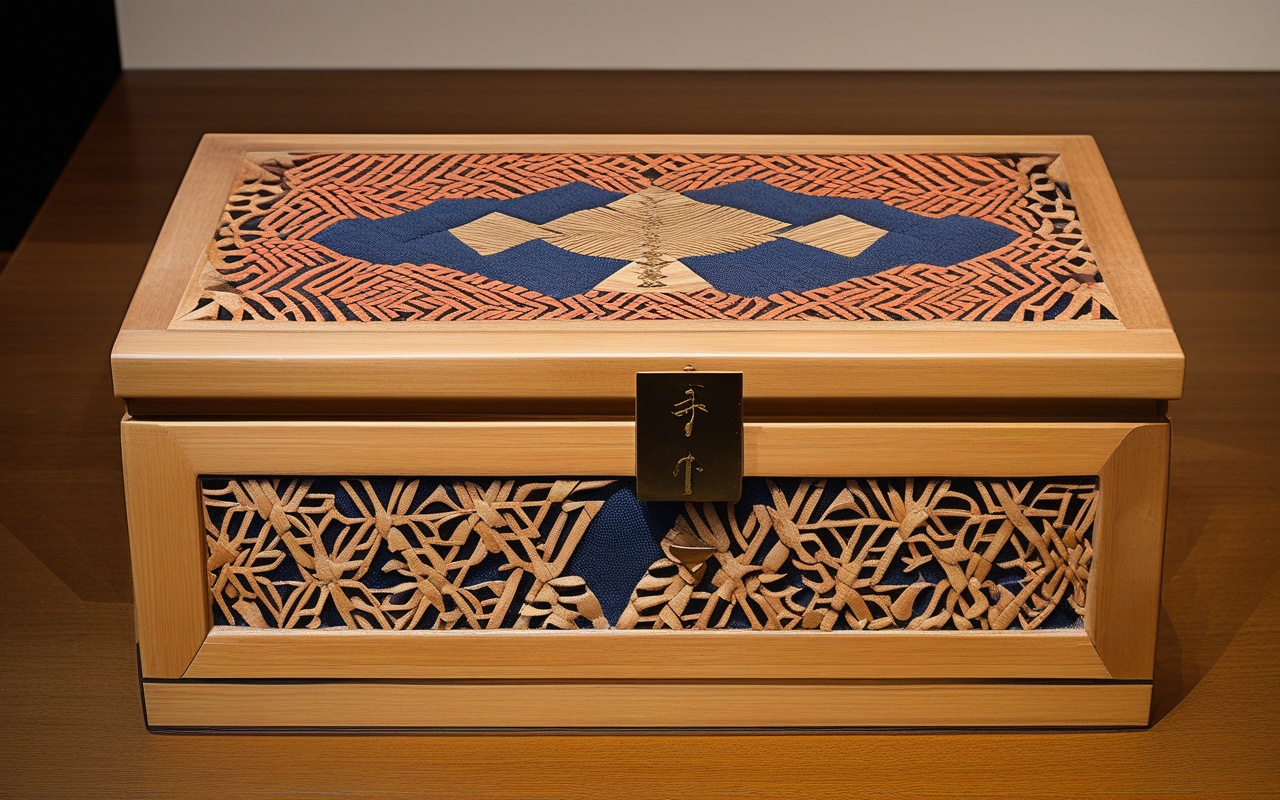
    Hakone’s parquetry tradition exploits local timber color contrasts sliced into thin sheets applied to boxes and furniture. Patterns that look abstract encode mountains and waves when you learn to read them. Humidity swings on trains stress veneer; sellers often wrap pieces carefully; keep silica packs and avoid leaving boxes on car dashboards.

    Textiles and Performing Spaces

    Colorful geometric patterned wooden box lid displayed on neutral cloth in a craft gallery

    Indigo vats require bacterial health tourists should not contaminate; observe from ropes. Small Noh and Kyogen venues publish etiquette about eating, unwrapping candies, and coat rustling that travels in quiet halls. Seasonal programs rotate; winter heating may be minimal—layer accordingly.

    Museum collections contextualize workshops in the Kanagawa museum guide. Kamakura’s pedestrian rhythm affects gallery hopping in the Kamakura access guide. Port-opening cosmopolitanism shaped patronage; see Yokohama port opening history. Hakone craft shopping aligns with the Hakone area guide. Onsen towns host evening performances described in the Kanagawa onsen guide. Yokohama’s contemporary art infrastructure intersects tourism in Yokohama SDGs tourism.


    Closing Notes

    Artisan time is finite; queues mean someone is working without pause—thank them with punctuality and calm attention. Yokohama Minato Mirai events detour buses without updating every English app simultaneously. Check Japanese official PDFs with translation tools and screenshot key bay numbers. Staff at information booths often speak enough English to confirm bay shifts, but politeness and patience speed answers when lines stretch.

    Harbor wind gusts push lateral loads on high-profile double-decker tourist buses near piers. Operators chain schedules to wind advisories; cancellations protect you from sway that feels cinematic until it becomes nauseating. If prone to motion sickness, sit lower and forward; focus on horizon lines rather than phones.

    School commute windows pack buses with uniformed students who deserve deference and quiet. Avoid loud calls; use text. Backpacks swing; remove them in tight aisles. Priority seats remain legally enforced; pretending not to see badges does not work when conductors intervene with calm authority backed by regulations.

    Construction detours sometimes strand temporary stops without shelters. Umbrellas help in sun as much as rain. Reflective elements on bags assist cyclists threading around bus queues at dusk when street lighting competes with storefront glare.

    Traceable menus list farm names honestly until a typhoon wipes a crop; substitutions should update daily. Ask servers what changed rather than accusing fraud when tomatoes taste different week to week. Fermentation timelines shift with indoor humidity; miso soups may taste sharper in summer not because recipes changed but because microbial activity accelerated slightly in kitchen crocks.

    Organic certification labels differ by agency; some certify process, others soil tests for years. Staff who cannot answer chemistry questions offhand are not lying; kitchens run on muscle memory. Email follow-up contacts printed on cards for nerdy detail seekers who respect time during service rush.

    Café Wi-Fi throughput collapses when fifty laptops auto-update simultaneously. Download offline maps before peak brunch. Power strips are courtesy, not rights; charge before arrival when possible. Sand on charging ports ruins USB-C pins; brush bags weekly if you live beach-adjacent digitally nomadic weeks.

    Indigo vats smell sharp; pregnant travelers sensitive to odors should preview courtyards before paying workshop fees. Rubber gloves stain blue; aprons help but sleeves still spot. Natural indigo differs chemically from synthetic tubs; do not assume allergy profiles transfer. Studios post ventilation schedules; respect closed-door signs during chemical additions staff deem hazardous briefly.

    Noh stages use cypress floors that scar if tapped with hard cases. Cloakrooms exist but queues lag; travel light. Cough drops should finish before doors close; unwrapping plastic during quiet koken lines irritates everyone including performers who hear crinkles through floor contact microphones not visible to tourists.

    Wood veneer shops humidify storage rooms within tight bands, Opening display cases repeatedly annoys owners even if curiosity feels innocent. Ask once for supervised handling. Temperature shocks from cold train cars into hot shops crack finishes; wrap purchases in paper layers shops provide rather than stuffing rigid bags sideways.

    Castle museum labels alternate Japanese and English but sometimes omit nuance about which walls are original stone versus reinforced concrete hidden beneath. Ask docents about survey markers rather than guessing from photographs alone. Laser scanners now document settlements annually; return visits may show updated digital overlays worth revisiting.

    Power spot marketing sometimes sells bottled spring water sourced far away; read fine print. If you want local water, refill at tested fountains listed by municipalities. Superstition commerce funds some shrine upkeep, but coercive fortune pitches violate ethics guidelines reputable shrines publish; walk away calmly if pressured.

    Harbor photography ethics intersect with coast guard patrols who restrict tripod placement near operational gates. Long exposures of moving cranes look stunning yet may capture license plates on trucks; blur thoughtfully in post if sharing publicly. Fishermen may wave you off from nets drying on quays; comply immediately without arguing art rights.

    Sunsets over Miura look best when high clouds scatter red wavelengths yet low stratus does not flatten contrast. Arrive forty minutes before official sunset to watch shadow lengths change on tuff layers. Tripods vibration from wind gusts ruins stacks; weigh hooks help. Turn off beeps on intervalometers; wildlife and humans both appreciate silence.

    Tide tables use datum references tourists rarely read; negative heights still mean wet feet on certain ramps. Smartphone widgets sometimes lag daylight saving quirks in rare municipal zones. Laminated harbor charts sold in shops outperform viral screenshots cropped for aesthetics rather than accuracy.

    Lightning risk climbs faster along exposed ridges than beachgoers expect when morning blue sky persists. Cumulus towers by noon warrant retreat plans. Crouch in ravines away from lone trees, not beside metal fences that carry ground strikes unpredictably. Golf courses close for good reasons; do not sneak in for storm photos.

    Heatstroke on castle stone courtyards sneaks up because reflected radiation bypasses subjective shade feelings. Hats with neck capes outperform baseball caps alone. Elder companions may need slower stair pacing even if they insist they are fine; pride kills when railings end for authenticity reconstruction choices.

    Ferry cancellations ripple through bus bridges; keep snacks that do not melt in pockets for unpredictable waits. Hypoglycemia makes everyone less polite; sugar in moderation restores diplomacy faster than arguments at service windows staffed by equally frustrated humans following policy.

    Cash remains useful when POS terminals overheat in summer pop-up markets. Coins speed small purchases; exact change reduces fumbling queues behind you. Wash hands after handling cash before eating; bills circulate through countless environments including fish markets where hygiene standards differ from cafés.

    Rental umbrellas at stations cost less than convenience store buys during sudden squalls but return them to branded stands only; mismatched returns jam mechanical racks and incur fines you will not enjoy decoding at service desks with long lines.

    Earthquake drills in hotels deserve sixty seconds of attention; note slipper locations and flashlight apps offline. Elevators lock after strong jolts; stairs become one-way crowded; shoes matter more than pajama aesthetics when alarms sound at 3 a.m.

    Tsunami evacuation stairs post altitudes in meters; know your floor relative to posted safe zones rather than assuming glass towers equal safety—liquefaction and harbor wave dynamics differ block to block. Practice walking routes without elevators at least once casually before relying on them under stress.

    Drone laws tightened near ports and castles; ignorance fines sting. Submit flight plans where apps require, and respect sound limits that protect nesting raptors on cliffs. Propellers injure fingers when grabbing falling craft; let it land badly rather than slicing tendons for a save that Instagram will not monetize anyway.

    Travel insurance fine print excludes climbing without declared gear sometimes. If you plan even mild via ferrata segments, call brokers. Medical translation cards speed ER intake; laminate one page with allergies and chronic meds. Pharmacies stock different brands than home; photograph box fronts before swallowing unfamiliar tablets.

    Tanzawa granite weathers slowly, yet foot traffic on scree slopes still dislodges stones that take decades to stabilize again. Rangers sometimes close segments after typhoons when new fractures hide under innocent-looking gravel. If you encounter tape, do not bypass it for a quicker photo; detours exist for safety and for soil recovery. Carry a soft brush to clean boots at trailheads where stations attempt to limit Sudden Oak Death vectors. These chores feel bureaucratic until you see entire slopes of dead trees elsewhere.

    Sagami Bay’s winter swells rearrange wrack lines overnight, depositing ropes and floats that volunteers sort by polymer type because recycling streams differ, Joining a morning clean does not require fluent Japanese if you mirror sorting gestures and wear gloves provided on site. Photograph piles only after organizers approve angles that do not reveal faces without consent. Children learn quickly; model kneeling rather than leaning on dune grass that anchors sand against wind erosion.

    Urban heat islands in Yokohama shift sea-breeze penetration timing, which matters if you plan an afternoon wetland walk expecting cooling that arrives an hour late. Check hourly forecasts rather than day highs alone. Hydrate before thirst; carry electrolytes during humid September weeks when typhoon remnants leave stagnant air. Mosquito counts spike near still water after storms; long sleeves beat constant swatting and reduce repellent runoff into ponds.

    Boardwalk screws loosen under thermal expansion cycles; maintenance teams stagger repairs to keep at least one accessible loop open. Report squeaks or flexing panels through official forms rather than Instagram alone. Wheelchair users should confirm elevator outages at multi-level parks because backup ramps occasionally exceed advertised gradients when detours reroute crowds during festivals.

    Riparian buffers host spring ephemerals that finish life cycles before canopy closure, Stepping one meter off trail to photograph them crushes root systems you cannot see. Use a zoom lens from the tread. Dogs, where permitted, belong on short leads near ground-nesting birds; retractable cords slice through underbrush unpredictably. Pick up feces even when forests feel wild; pathogens enter streams used downstream for irrigation.

    Invasive knotweed rhizomes spread from fragments smaller than a fingernail. Never dump garden waste in parks. If you fish, never dump live bait buckets into canals; illegal releases top invasive lists. Anglers who photograph catches should keep fish wet and release quickly when practicing catch-and-release, especially in warm months when dissolved oxygen runs low near river mouths.

    Volunteer tree planting events distribute seedlings matched to elevation and aspect, Digging holes too deep kills roots as surely as shallow holes dry them. Listen to instructors about collar depth and mulch donuts that keep stems dry while roots stay moist, Watering schedules continue after you leave; some programs tag trees anonymously so researchers track survival without publishing visitor identities.

    Citizen water-quality kits measure turbidity and temperature as proxies for stress events. Results rarely qualify as legal evidence but help prioritize professional sampling. Handle vials cleanly; one greasy fingerprint skews optics. Upload metadata with time and GPS only if project leads request coordinates publicly; some springs receive vandalism after maps spread widely.

    Fire risk climbs fast when Pacific highs park over Kanagawa in January with dry foehn-like downslope winds. Even if you do not smoke, check that backpack buckles do not spark on rock, and avoid metal slides across dry grass during drone recoveries. Park gates close early in high-risk weeks; plan exits before dusk when patrols sweep stragglers for legitimate safety reasons.

    Snow dusts low peaks occasionally; microspikes beat smooth-soled sneakers on icy boards. Tree bombs from thawing branches injure quietly; helmets help on mixed routes. Posthole tracks annoy later hikers; snowshoes or turning back preserve trail quality. Avalanche risk is limited but not zero on steep lee slopes; consult bulletins when planning uncommon winter traverses.


    Tips

    Practical notes from my trips to exploring Kanagawa: confirm the latest hours on the official website, buy tickets in advance when you can, and leave extra time for trains and walking between stops. Keeping your first day lighter also helps you enjoy the second day without feeling rushed.

    Frequently Asked Questions

    Q: Are English guides available?
    A: Major temples, shrines, and museums offer English audio guides or pamphlet guides. Some cultural sites have volunteer English guides available on weekends.

    Q: Can I take photographs?
    A: Photography is generally allowed in outdoor areas. Indoor photography, especially of cultural artifacts, may be restricted. Flash photography is commonly prohibited.

    Q: How much time should I budget?
    A: For temples and shrines, budget 30-60 minutes. Museums typically require 1-2 hours. Cultural experiences (tea ceremony, craft workshops) take 1-2 hours.

    Q: Are there any dress codes?
    A: No strict dress codes, but dressing respectfully is appreciated at temples and shrines. Avoid overly revealing clothing. Comfortable walking shoes are recommended. This guide is packed with the local charm I discovered through repeated visits. Kanagawa’s museums and galleries offer cultural encounters that range from world-class collections to intimate local exhibitions.

    Conclusion

    The details in this guide come from real visits, and the biggest lesson I took away was that the best experiences in Kanagawa rarely fit neatly into a checklist. During my visit I went with a rough plan and found that leaving room to wander made the trip far more memorable. Plan the essentials, keep your schedule flexible, and you will leave Kanagawa wanting to return.

  • Kawasaki Factory Night View Guide 2026

    Kawasaki Factory Night View Guide 2026

    Kawasaki Factory Night View Guide 2026

    Overview

    Explore the rich cultural heritage and historical significance of Kawasaki Factory Night View Guide in Kanagawa Prefecture. This guide delves into the fascinating stories, traditions, and landmarks that define Kawasaki. From ancient temples to modern museums, discover how this destination has shaped Japan’s cultural landscape over centuries.

    Best Land-Based Viewing Spots

    Kawasaki Marien Observatory

    The premier viewing location, Kawasaki Marien is a 51-meter-high observation deck offering 360-degree panoramic views of the Keihin Canal, Tokyo Bay, and the surrounding industrial landscape. On clear days, you can also see the Yokohama skyline and even Mount Fuji in the distance.

    Access: Take the Kawasaki City Bus (Kawa-05 Higashi-Ogishima Loop) from the East Exit of JR Kawasaki Station (bus stops 11 and 12). Get off at “Kawasaki Marien-mae” — approximately 30 minutes ride. Hours: 10:00 AM – 9:00 PM (last entry 8:30 PM). Free admission.

    Best time: Arrive about 30 minutes before sunset to watch the transition from daylight to twilight to full night. The 30-minute period after sunset — when the sky retains a deep blue glow while the factory lights have fully turned on — is known as the “magic hour” for factory photography.

    Higashi-Ogishima East Park

    A coastal park with a man-made beach, grassy areas, and wooden decking along the waterfront. The park offers excellent views of the factories across the Keihin Canal. The reflection of factory lights on the water creates a particularly stunning effect on calm nights. Access: Same bus as Kawasaki Marien, get off at “Higashi-Ogishima Higashi Koen-mae.” Walk 3 minutes. Hours: Park open 24 hours, but the wooden deck is most atmospheric after sunset.

    Pro tip: Bring a small picnic and enjoy the view from the grassy slope. The park has vending machines but no restaurants — buy snacks at Kawasaki Station before coming.

    Shiei Futo (Municipal Wharf)

    For an immersive, ground-level perspective, head to Shiei Futo. Here, the factories rise directly in front of you, their pipes and structures looming overhead. The scale is overwhelming — you can feel the heat from some facilities and hear the hum of industrial machinery. Access: Further along the same bus route — ask the driver for “Shiei Futo-mae.”

    Note: This is an active industrial area. Stay within designated public areas and never enter private property. Wear sturdy shoes and carry a small flashlight — some sections are unlit.


    Factory Night View Boat Cruises

    The most spectacular way to experience the factory night view is from the water. Several operators run evening cruises through the Keihin Canal network:

    • Duration: Approximately 90 minutes
    • Cost: ¥3,500–¥5,000 per person
    • Schedule: Typically Friday and Saturday evenings, with additional runs during holiday periods
    • Boarding point: Near Kawasaki Station or from Yokohama’s Minato Mirai

    These cruises navigate narrow canals between industrial islands, passing directly beneath massive pipelines and alongside glowing refinery towers. Guides (Japanese-language only generally, but some operators offer audio guides in English) provide commentary on the history and function of the facilities.

    Booking: Reserve through the Kawasaki City Tourism website or through major tour operators like Hato Bus, Popular cruises often sell out weeks in advance, especially in autumn.


    When to Visit for the Best Views

    Season Rating Notes
    Winter (Dec–Feb) ⭐⭐⭐⭐⭐ Clearest air, sharpest views, colder but worth it
    Autumn (Sep–Nov) ⭐⭐⭐⭐ Good balance of comfort and visibility
    Spring (Mar–May) ⭐⭐⭐ Cherry blossoms near canals add beauty
    Summer (Jun–Aug) ⭐⭐ Humid air reduces clarity, but comfortable evenings

    Time of day: The golden window is 30–60 minutes after sunset. Check the sunset time for your visit date and plan to be at your viewing spot at least 30 minutes beforehand.

    Weather: Clear nights are ideal, but surprisingly, slightly humid or foggy conditions can create a more dramatic, atmospheric effect as steam and smoke from the factories disperse through the air. Rainy evenings are generally not recommended.


    Photography Tips

    • Lens: A standard zoom (24–70mm) works well for wide shots; a telephoto (70–200mm) is useful for compressing distant factory structures.
    • Tripod: Essential for sharp images in low light. Some areas at Kawasaki Marien and Higashi-Ogishima Park have flat railings that can serve as makeshift supports.
    • Settings: Start with ISO 400–800, aperture f/8–f/11, and adjust shutter speed based on available light. A 2–4 second exposure usually captures the lights well.
    • White balance: Set to “fluorescent” or “tungsten” mode to prevent the orange factory lights from overwhelming the image.

    Practical Information

    Getting there: From Tokyo Station, take the JR Keihin-Tohoku Line to Kawasaki Station (15 minutes, ¥240). From Shinagawa Station, it is 8 minutes. From the East Exit, board the Kawa-05 bus.

    What to bring: Warm clothing (coastal areas are windy and significantly colder than central Tokyo), a flashlight, snacks and drinks (convenience stores are scarce in the industrial zone), and cash for bus fare (IC cards accepted).

    Safety: The industrial zone is an active working area. Never attempt to enter private factory grounds or cross safety barriers. Stay on designated public paths and roads.


    📍 Location

    Kawasaki Factory Night View — main illustration

    Kawasaki Factory Night View Guide 2026 — Location


    💰 Budget Breakdown

    Experience Cost Notes
    Kawasaki Marien observation Free Always free
    Higashi-Ogishima Park Free Always free
    Bus fare (round trip) ¥440 IC card accepted
    Boat cruise ¥3,500–¥5,000 Reserve in advance
    Hato Bus guided tour ¥7,000–¥10,000 Includes dinner

    A self-guided factory night view tour (bus + Marien + park) costs under ¥1,000 per person and offers the best value for independent travelers.

    Kawasaki Factory Night View Guide 2026 — Budget Breakdown
    Kawasaki Factory Night View Guide 2026 — Budget Breakdown


    Money-Saving Tips

    Many cultural sites offer online booking discounts. Temple fees are typically ¥200-500. Free English guided tours are available at major temples on weekends. Student and senior discounts are commonly available.

    Packing Essentials

    Dress respectfully with covered shoulders and knees. Comfortable socks are important for frequent shoe removal. A coin purse is useful for offering donations. A goshuincho (temple stamp book) makes a wonderful souvenir.

    Dos and Don’ts

    Do make a small offering (typically ¥5 coin) at shrine donation boxes. Do follow the proper procedure at shrines: bow twice, clap twice, pray, bow once. Do purchase a goshuincho (stamp book) for collecting temple stamps as a meaningful souvenir. Don’t wear shoes or slippers onto tatami mats or into prayer halls. Don’t eat or drink while walking through temple or shrine grounds. Don’t speak loudly in religious spaces.

    What to Expect

    Cultural sites in Kanagawa offer deep historical insights. Temples and shrines range from national treasures to local neighborhood shrines. Many have informative English displays. Photography is allowed outdoors but restricted inside buildings. Shoes must be removed in temple halls. Some temples offer meditation or calligraphy workshops.

    Conclusion

    Whether you are planning exploring Kawasaki for its night for the first time or returning for another visit, taking a little extra time to go beyond the obvious sights makes all the difference. During my visit I went with a rough plan and found that leaving room to wander made the trip far more memorable. I hope this guide helps you build an itinerary that fits your pace, and that your time in Kanagawa leaves you with memories worth coming back for.
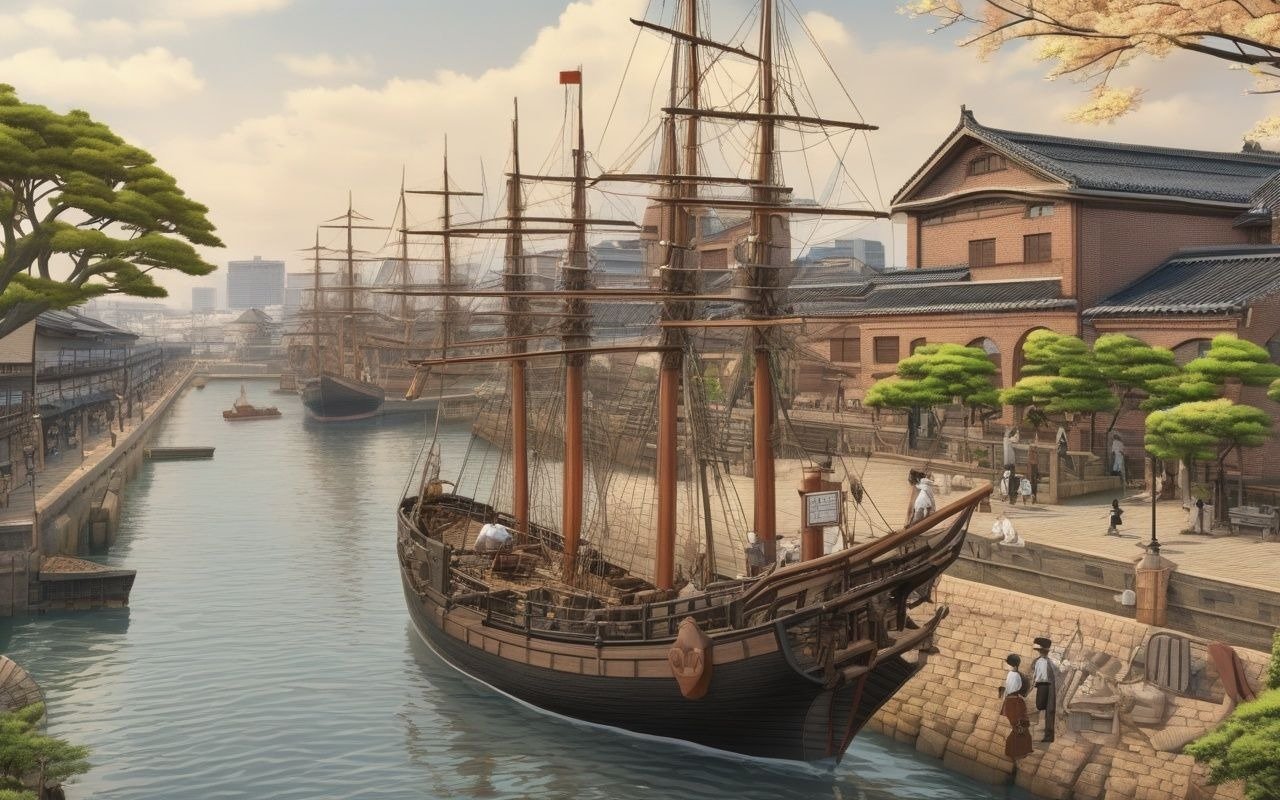
  • Kanagawa Anime Pilgrimage Guide — Top Filming Locations 2026

    Kanagawa Anime Pilgrimage Guide — Top Filming Locations 2026

    Overview

    Explore the rich cultural heritage and historical significance of Kanagawa Anime Fans Pilgrimage in Kanagawa Prefecture. This guide delves into the fascinating stories, traditions, and landmarks that define Kanagawa. From ancient temples to modern museums, discover how this destination has shaped Japan’s cultural landscape over centuries.

    Access

    Most visitors reach Kanagawa from central Tokyo by JR, private railway, or highway bus, and an IC card (Suica or Pasmo) works across all of them. From my experience, leaving Tokyo before the morning rush keeps the journey relaxed, and station luggage lockers are handy if you arrive early.

    🗺️ Key Points

    • Perfect for: Anime fans, otaku travelers
    • Duration: 1-2 days
    • Budget: ¥5,000-10,000
    • Best season: Year-round
    • Focus: Anime spots, sacred sites

    📋 Overview

    Kanagawa Prefecture has served as the setting for many loved anime series and films. This guide covers the best anime pilgrimage spots, from real-life spots featured in famous series to anime-themed attractions.

    🎬 Top Anime Pilgrimage Spots


    Kanagawa Anime Pilgrimage Guide — Top Filming Locations 2026 — Top Anime Pilgrimage Spots

    The Enoden train glides past the iconic Kamakurakōkōmae crossing, with the Shonan coast stretching toward Enoshima in the distance — the quintessential Slam Dunk view. Kanagawa Anime Pilgrimage Guide — Top Filming Locations 2026 — Top Anime Pilgrimage Spots

    The Enoshima Sea Candle observation tower rises above the island’s lush greenery, with 360-degree views of Sagami Bay that have appeared in multiple anime series. Kanagawa Anime Pilgrimage Guide — Top Filming Locations 2026 — Top Anime Pilgrimage Spots

    1. Kamakura (Slam Dunk)

    Budget: Free (spot viewing)
    Duration: 2-3 hours
    Anime: Slam Dunk The iconic railroad crossing from Slam Dunk’s opening sequence is found at Kamakurakokomae Station. This is one of Japan’s most famous anime pilgrimage spots. spot Details:

    • Station: Kamakurakokomae Station (Enoden Line)
    • Spot: Railroad crossing near the station
    • Best Time: Early morning (fewer crowds)
    • Photo Tips: From the platform, capture the crossing Nearby Spots:
    • Shichirigahama Beach (featured in episodes)
    • Kamakura High School area
    • Yuigahama Beach scenes

    Visitor Tips:

    2. Aquarion)

    Budget: Free-¥1,000
    Duration: 2-3 hours
    Anime: Tari Tari. Aquarion Enoshima Island has been featured in multiple anime series, with recognizable spots throughout the island. spot Details:

    • Enoshima Shrine: Featured in Tari Tari
    • Sea Candle: Observatory scenes
    • Beach areas: Multiple anime settings
    • Shopping street: Daily life scenes Photo chances:
    • Shrine approach stairs
    • Ocean view points
    • Sunset spots
    • Shopping street scenes

    3. Yokohama (Various Anime)

    Budget: Free-¥2,000
    Duration: 3-4 hours
    Anime: Multiple series Yokohama’s futuristic Minato Mirai district and old areas have appeared in many anime productions. Featured spots:

    • Minato Mirai 21: Futuristic cityscapes
    • Red Brick Warehouse: old settings
    • Yokohama Station: Urban scenes
    • Chinatown: Cultural backgrounds Anime Connections:
    • Durarara!! (urban settings)
    • Baccano! (old Yokohama)
    • Various mecha anime (futuristic cityscapes)

    4. Various)

    Budget: Free-¥3,000
    Duration: 3-4 hours
    Anime: Neon Genesis Evangelion, others Hakone’s dramatic mountain scenery and Lake Ashi have inspired many anime backgrounds and settings. Featured spots:

    • Lake Ashi: Evangelion settings
    • Owakudani: Volcanic valley scenes
    • Hakone Shrine: old-style architecture
    • Mountain roads: pretty routes

    Photo Tips:

    🎨 Anime-Themed Attractions

    Kanagawa Anime Pilgrimage Guide — Top Filming Locations 2026 — Anime-Themed Attractions

    1. Cup Noodles Museum (Yokohama)

    Budget: Free entry. ¥500 things to do
    Duration: 1-2 hours While not anime-specific, this museum appeals to anime fans interested in Japanese pop culture and food history. Highlights:

    • Instant ramen history
    • Custom cup noodle creation
    • Photo chances
    • Anime-style exhibits

    2. Yokohama Anime Stores

    Budget: ¥2,000-5,000 (shopping)
    Duration: 1-2 hours Several anime goods stores in Yokohama offer exclusive Kanagawa-themed merchandise. Store spots:

    • Yokohama Station area: Multiple anime shops
    • Minato Mirai: Character goods
    • Chinatown: Unique anime-Chinese crossover items Must-Buy Items:
    • Kanagawa anime postcards
    • spot-specific keychains
    • Exclusive collaboration goods
    • Limited edition items

    🗺️ Anime Pilgrimage Routes

    Route 1: Kamakura Anime Day

    Budget: ¥3,000-5,000
    Duration: Full day Morning:

    • Kamakurakokomae Station (Slam Dunk crossing)
    • Shichirigahama Beach (anime scenes) Lunch:
    • Kamakura Komachi-dori (¥1,000-1,500) Afternoon:
    • Enoshima Island (Tari Tari spots)
    • Enoshima Shrine
    • Sea Candle observatory Evening:
    • Sunset at Enoshima
    • Return via Enoden Line (pretty anime route)

    Route 2: Yokohama Anime Day

    Budget: ¥4,000-6,000
    Duration: Full day Morning:

    • Minato Mirai 21 (futuristic anime settings)
    • Cup Noodles Museum Lunch:
    • Yokohama Chinatown (¥1,500-2,000) Afternoon:
    • Red Brick Warehouse (anime backgrounds)
    • Yokohama Station area (anime shops) Evening:
    • Night view from Landmark Tower
    • Anime shopping at Yokohama stores

    💰 Budget Guide

    Budget Pilgrimage (¥3,000-5,000)

    • Transport: ¥1,500-2,000
    • Food: ¥1,500-2,000
    • Attractions: Free-¥1,000
    • Total: ¥3,000-5,000

    Mid-Range Pilgrimage (¥6,000-10,000)

    • Transport: ¥2,000-3,000
    • Food: ¥2,500-3,500
    • Attractions: ¥1,500-3,500
    • Total: ¥6,000-10,000

    Premium Pilgrimage (¥12,000+)

    • Transport: ¥3,000-4,000
    • Food: ¥4,000-5,000
    • Attractions: ¥5,000+
    • Shopping: ¥3,000+
    • Total: ¥12,000+

    📸 photos Tips

    Cherry Blossom Spots:

    • Tsurugaoka Hachimangu (Kamakura)
    • Yamashita Park (Yokohama)
    • Hakone Gora Park (mountain views)
    • Komachi-dori Street (old-style vibe)

    Evening Views:

    • Minato Mirai lights
    • Yokohama Red Brick Warehouse
    • Hakone onsen town lights
    • Kamakura temple lights

    Camera Settings

    Smartphone Tips:

    • Use HDR mode for landscapes
    • Grid lines for composition
    • Tap to focus on subjects
    • Edit with free apps (Snapseed. VSCO)

    DSLR/Mirrorless:

    • Wide lens for landscapes (16-35mm)
    • Portrait lens for people (50-85mm)
    • Tripod for low light
    • Polarizing filter for water/sky

    🌟 lesser-known spots

    Local Favorites

    Secret Beaches:

    • Shichirigahama (less crowded than Yuigahama)
    • Isshiki Beach (Hayama, local favorite)
    • Morito Beach (Zushi, quiet) Quiet Temples:
    • Hokokuji Temple (bamboo grove. Kamakura)
    • Jufukuji Temple (hidden. Kamakura)
    • Myohonji Temple (peaceful. Kamakura) Local Cafes:
    • Cafe Rhine (Hayama, ocean views)
    • Bill’s Shonan (famous pancakes)
    • Cafe La Mer (Zushi, beachfront)

    Seasonal Secrets

    Spring:

    • Cherry blossoms at lesser-known temples
    • Avoid Golden Week (late April-early May)
    • Book lodging 3 months ahead Summer:
    • Early morning beach visits (before 9 AM)
    • Evening fireworks festivals
    • Indoor museums for hot afternoons Autumn:
    • Fall foliage at Hakone (mid-November)
    • Harvest festivals at local shrines
    • Best photos light in October Winter:
    • Clear Mount Fuji views (January-February)
    • Onsen with snow views
    • Fewer crowds, better prices

    💡 Pro Tips from Locals

    Money-Saving Secrets

    1. Supermarket discounts: 7-8 PM, 20-30% off bento
    2. Convenience store coffee: ¥100 vs cafe ¥400
    3. Free walking tours: Yokohama, Kamakura (tip-based)
    4. Museum discounts: First Sunday of month (many free)
    5. Train passes: buy online for 10% discount

    Time-Saving Secrets

    1. Luggage forwarding: Send bags from Tokyo hotels (¥2,000)
    2. Early temple visits: 8 AM opening, no crowds
    3. place to eat bookings: Book 1-2 days ahead
    4. Offline maps: Download before arriving
    5. IC cards: Suica/Pasmo for all transport

    Safety Secrets

    1. Emergency numbers: 110 (police), 119 (ambulance)
    2. Hotel business cards: Carry for taxi returns
    3. Cash backup: Keep ¥10,000 emergency cash
    4. Translation apps: Google Translate works well
    5. Tourist info centers: Free maps. Wi-Fi

    💡 Local Insider Tips

    Best Times to Visit

    Early Morning (6-8 AM):

    • Fewer crowds at loved spots
    • Best photos light (golden hour)
    • Cooler temperatures during summer months
    • Peaceful vibe for relaxation
    • Local residents’ favorite time

    Late Afternoon (4-6 PM):

    • Golden hour for stunning photos
    • Sunset views over ocean and mountains
    • Romantic vibe for couples
    • Cooler temperatures after hot days
    • Evening lights begins

    Weekdays vs Weekends:

    • 30-50% fewer crowds on weekdays
    • Better photo chances without crowds
    • More relaxed pace at temples and museums
    • Easier place to eat bookings
    • Lower lodging prices

    Money-Saving Strategies

    travel:

    • buy day passes for unlimited travel
    • Use IC cards (Suica/Pasmo) for small discounts
    • Walk between nearby attractions (free, healthy)
    • Avoid taxis (extremely expensive in Japan)
    • Rent bicycles for local travel

    Food:

    • Supermarket bento after 7 PM (20-30% discounts)
    • Convenience store coffee (¥100 vs cafe ¥400)
    • Lunch specials at places to eat (30% cheaper than dinner)
    • Local markets for fresh, affordable seafood
    • Standing soba shops for quick, cheap meals

    Attractions:

    • First Sunday of month: Many museums free
    • Temple grounds often free to enter
    • Parks and beaches completely free
    • Combination tickets for multiple attractions
    • Student discounts with valid ID

    Top Photo spots:

    • Enoshima Sea Candle for 360-degree panoramic views
    • Yuigahama Beach for ocean sunset photos
    • Lake Ashi with Mount Fuji backdrop (winter clearest)
    • Kamakura Great Buddha for iconic shots
    • Yokohama Minato Mirai for night cityscapes

    Seasonal photos:

    • Spring: Cherry blossoms at temples (late March-early April)
    • Summer: Beach scenes, fireworks festivals
    • Autumn: Fall foliage at Hakone (mid-November peak)
    • Winter: Clear Mount Fuji views, lights

    🌟 lesser-known spots Only Locals Know

    Secret Spots

    Quiet Beaches:

    • Shichirigahama (less crowded than Yuigahama)
    • Isshiki Beach in Hayama (local favorite)
    • Morito Beach in Zushi (peaceful, clean)

    Hidden Temples:

    • Hokokuji Temple bamboo grove (early morning best)
    • Jufukuji Temple (hidden, rarely visited)
    • Myohonji Temple (peaceful garden, few tourists)

    Local Cafes:

    • Cafe Rhine in Hayama (ocean views, local art)
    • Bill’s Shonan (famous soufflé pancakes)
    • Cafe La Mer in Zushi (beachfront, sunset views)

      🎒 Essential Planning Checklist

    Before You Go

    Book in Advance:

    • lodging (mostly weekends, holidays)
    • loved places to eat (1-2 days ahead)
    • thing to do tours (onzen, cooking)
    • Transport passes (online discounts)

    Pack Smart:

    • comfy walking shoes (essential)
    • Weather-appropriate clothing layers
    • small phone charger (long days out)
    • Cash (many places cash-only)
    • IC card (Suica/Pasmo for transport)

    Download Apps:

    • Google Maps (offline maps available)
    • Google Translate (camera translation)
    • Japan Travel by Navitime (route planning)
    • Gurunavi (place to eat discounts)
    • Hyperdia (train schedules)

    Daily Planning

    Morning Routine:

    • Check weather forecast
    • Confirm transport schedules
    • Reserve lunch spots if needed
    • Charge camera and phone
    • Pack water and snacks

    Evening Routine:

    • Review next day’s itinerary
    • Charge all devices overnight
    • Confirm place to eat bookings
    • Check transport for morning
    • Organize day’s photos

    Emergency Preparedness

    Important Numbers:

    • Police: 110
    • Ambulance/Fire: 119
    • Coast Guard: 118
    • Tourist Info: Use the official Japan National Tourism Organization (JNTO) website for current visitor support options. Emergency Kit:
    • Hotel business card (for taxi returns)
    • Emergency cash (¥10,000 minimum)
    • Basic first aid supplies
    • small phone charger
    • Copy of passport and insurance

    Kanagawa offers world-class anime pilgrimage things, from the iconic Slam Dunk crossing in Kamakura to the futuristic cityscapes of Yokohama. Whether you’re a hardcore anime fan or simply interested in pop culture tourism, these spots provide unique insights into the real-world settings that inspired your favorite anime. For more Kanagawa guides, see our other articles on Hakone, Kamakura, Yokohama, and the Miura Peninsula. —

    Related Articles:


    Frequently Asked Questions

    Q: Are English guides available?
    A: Major temples, and museums offer English audio guides or pamphlet guides. Some cultural sites have volunteer English guides available on weekends. Q: Can I take photographs?
    A: photos is generally allowed in outdoor areas. Indoor photos, mostly of cultural artifacts, may be restricted. Flash photos is commonly prohibited. Q: How much time should I budget?
    A: For temples and shrines, budget 30-60 minutes. Museums typically need 1-2 hours. Cultural things (tea ceremony, craft workshops) take 1-2 hours. Q: Are there any dress codes?
    A: No strict dress codes, but dressing respectfully is appreciated at temples and shrines. Avoid overly revealing clothing, comfy walking shoes are recommended.

    Final Thoughts

    see this guide to discover the best things Kanagawa has to offer. From lesser-known spots to loved attractions, this article covers everything you need to plan your visit. For anime fans and pilgrimage seekers, Kanagawa offers the unique thrill of standing where your favorite stories unfolded — connecting fiction with place in great ways.

    Conclusion

    Whether you are planning exploring Kanagawa for its anime for the first time or returning for another visit, taking a little extra time to go beyond the obvious sights makes all the difference. During my visit I went with a rough plan and found that leaving room to wander made the trip far more memorable. I hope this guide helps you build an itinerary that fits your pace, and that your time in Kanagawa leaves you with memories worth coming back for.
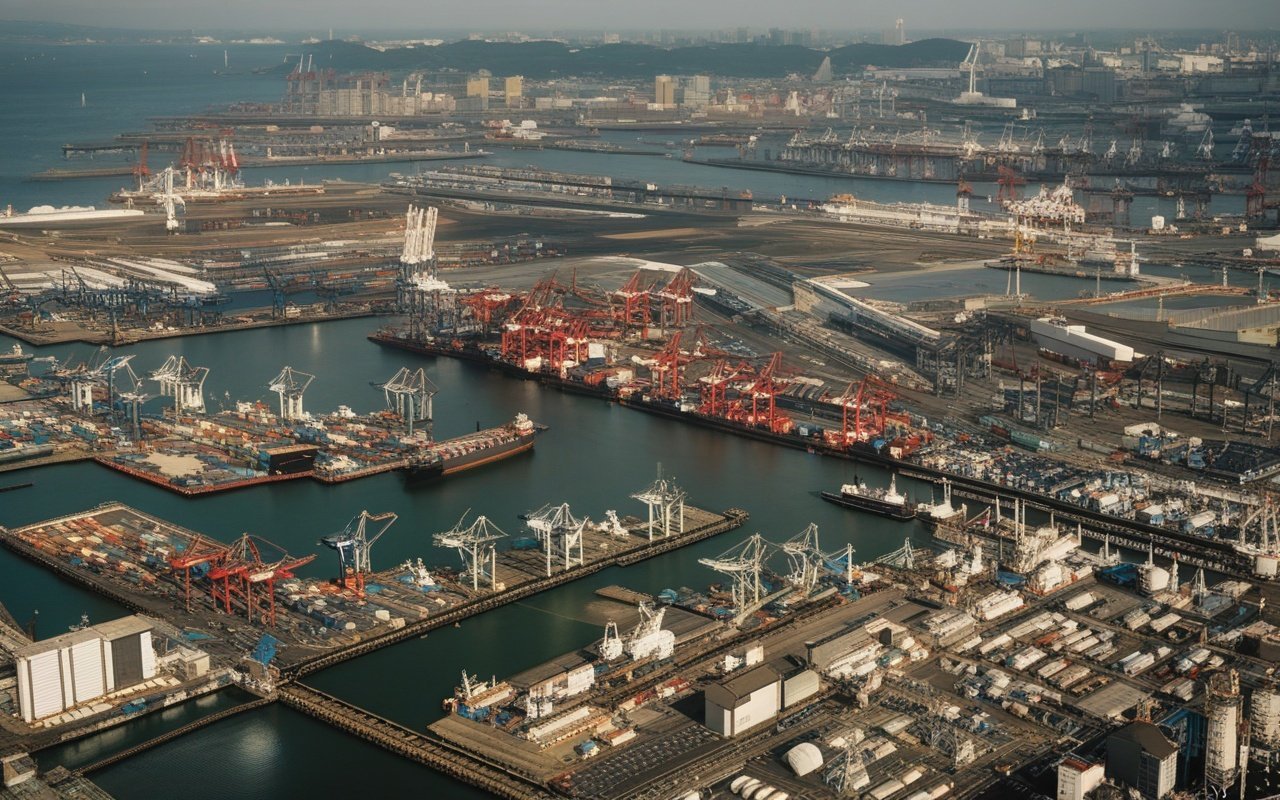
  • Hakone Checkpoint History 2026

    Hakone Checkpoint History 2026

    Overview

    Explore the rich cultural heritage and historical significance of Hakone Checkpoint History in Kanagawa Prefecture. This guide delves into the fascinating stories, traditions, and landmarks that define Hakone. From ancient temples to modern museums, discover how this destination has shaped Japan’s cultural landscape over centuries.
    I visited the Hakone Checkpoint reconstruction last autumn and spent a fascinating afternoon learning about the Edo-period travel system. The guided tour showed me what life was like for travelers crossing Hakone Pass in the 17th century. Pair your visit with our complete Hakone guide for a full itinerary, or explore Hakone’s volcanic valley.

    Decline, abolition, and modern memory

    Meiji-era centralization shifted security frameworks toward new armies, railroads, and telegraph lines. The old highway sekisho system lost institutional purpose quickly even if local nostalgia lingered. Some structures decayed into firewood; stones were repurposed for terrace walls. Modern reconstruction projects had to negotiate archaeology, tourism economics, and the politics of how openly to discuss gendered rules.

    Postwar Japan reframed many Edo institutions for international tourists. Hakone’s checkpoint became a symbol of “old Japan” in brochures aimed at cruise markets, That marketing success risks oversimplification. Critical reading asks which social groups suffered most under inspection rules and whose stories were archived because they could write.

    Educators sometimes bring students here to discuss surveillance states in comparative perspective, That angle can feel heavy, yet it keeps the site from becoming pure scenery. If you teach teenagers, ask them to compare travel permits with modern passport stamps and still notice who gets extra questions at airports today.

    Visiting today without flattening the past

    Most travelers pair the sekisho with ropeways, art museums, or onsen hotels on the same ridge system, That is reasonable logistics, yet it encourages rushed visits. Budget at least ninety minutes for the museum if you read English and Japanese captions carefully. Photograph reproductions respectfully where signs allow, and avoid using selfie sticks in narrow corridors where school groups pass.

    Audio guides vary in quality year to year, Renting one still helps if your group includes mixed ages; children often engage faster with spoken drama than with dense wall text. Winter visits bring crisp air and thinner crowds, while summer brings humidity that makes heavy clothing in exhibits feel ironic when you step back outside.

    Combine walking along lakeside promenade segments after the museum so your legs absorb distance the way travelers once did. You will not replicate Edo fatigue, but pacing matters cognitively. If you plan a multi-day loop, Hakone free pass guide helps compare whether bundled transport matches your museum-heavy itinerary.

    Interpreting reconstructions honestly

    Rebuilt gates stir debate among historians. Wood species, nail patterns, and roof angles may follow informed guesses rather than perfect originals. Good exhibits admit uncertainty, When a label says probably, treat that as scholarship rather than as marketing weakness. Ask staff questions if front desks are staffed; many local guides enjoy explaining which archaeological digs shaped current layouts.

    Do not climb on walls or sit on exhibit barriers for photographs. Social media trends have increased wear at heritage sites worldwide. Hakone depends on tourism revenue, yet stone foundations degrade under repeated micro-scratches from bag buckles. Small courtesies aggregate into longer preservation.

    Connections to wider Hakone storytelling

    The checkpoint narrative intersects with pirate ship tourism more than schedules suggest. Both themes orbit around control of lake movement. After you learn how officials watched boats, the sightseeing cruise becomes a lesson in modern leisure rather than only a photo opportunity. For contrast, read Hakone pirate ship experience with that historical echo in mind.

    Mountain railways also reshaped who could visit Hakone after the nineteenth century. Hakone tozan railway guide explains gradients and stations that replaced parts of the old walking approach, Understanding those layers prevents you from assuming one static Hakone across centuries.

    Practical notes for foreign visitors

    English signage is common yet uneven inside specialty exhibits. Download offline translation if you want deeper reading. Cash still helps at small ticket windows though cards improve yearly. Restrooms cluster near visitor centers; use them before wandering lakeside trails with fewer facilities.

    Weather changes quickly. Carry a compact umbrella and a layer for wind off the lake. If ash advisories appear because of regional volcanic activity, follow official guidance rather than improvising ridge hikes.

    Etiquette toward staff and school groups

    Crowded days mean long lines at ticket machines. Queue calmly; cutting invites confrontation in tight spaces. School groups have priority schedules sometimes; step aside rather than competing for the same photograph angle. Teachers appreciate adults who model patience.

    Accessibility and pacing

    Gravel paths and short staircases appear near some viewing areas. Mobility-limited travelers should confirm elevator locations at visitor centers before splitting from the group. Bench seating exists but not continuously; plan rest stops inside museum halls during peak heat.

    Photography and privacy

    Do not photograph other visitors’ children closely without permission. Drone rules are strict; assume prohibition unless a written local exception applies. Tripods can block flow indoors; use rubber feet and stay aware of traffic.

    Seasonal variation with historical imagination

    Spring mist softens ridge lines in ways that echo travel diaries describing low visibility inspections. Summer humidity makes armor reproductions in exhibits feel absurdly heavy when you imagine wearing them. Autumn leaves frame stone walls dramatically for photographers. Winter clarity reveals how far guards could sightsee across the water on clear days.

    Misconceptions to leave behind

    The checkpoint was not a ninja movie fight every afternoon. It was mostly paperwork under political pressure. Another misconception equates sekisho entirely with oppression of women; the reality intersects gender politics yet also includes class, region, and merchant economics. Let the museum present multiple threads.

    Long-term preservation and tourism pressure

    High visitor counts fund maintenance yet also wear surfaces. Consider visiting on weekday mornings outside holiday peaks, Spending locally at small cafes spreads economic benefit beyond flagship attractions.

    Families and younger travelers

    Younger children may tire before finishing every text panel. Scavenger hunts work well: find three different seal shapes, compare two kinds of travel permit reproductions, sketch a roof curve. Reward patience with lakefront ice cream afterward rather than before the museum.

    Rain plans

    If downpours arrive, repeat museum halls with slower reading rather than dashing to ropeways where visibility drops anyway. Covered walkways near visitor hubs help regroup.

    Combining history with slower travel ethics

    Treat the sekisho as a reason to reduce rushed “checklist Hakone.” Stay an extra hour, read one additional primary-source quote on a wall, and discuss it over tea, Deepening time per site often teaches more than racing across five viewpoints.

    Scholarly angles for curious readers

    Comparative historians link highway sekisho with European toll castles yet emphasize different bureaucracies. If you enjoy that discourse, photograph bibliography cards and follow up at home libraries. Academic tourism is valid tourism.


    Closing perspective

    Hakone’s checkpoint endures in memory because it concentrated state power in a beautiful landscape. Enjoy the view, yet keep asking who paid the costs of that beauty in surveillance, delay, and anxiety, Walking away toward the lake with those questions alive makes the breeze feel sharper and the history more honest.


    Tips

    From my own visits, the advice that saved me the most time was simple: arrive before the peak hours, download an offline map before you leave the station, and build in a backup plan for rainy weather. Many spots in Kanagawa get busy by mid-morning, so an early start usually means shorter queues and better photos.

    Frequently Asked Questions

    Q: Are English guides available?
    A: Major temples, shrines, and museums offer English audio guides or pamphlet guides. Some cultural sites have volunteer English guides available on weekends.

    Q: Can I take photographs?
    A: Photography is generally allowed in outdoor areas. Indoor photography, especially of cultural artifacts, may be restricted. Flash photography is commonly prohibited.

    Q: How much time should I budget?
    A: For temples and shrines, budget 30-60 minutes. Museums typically require 1-2 hours. Cultural experiences (tea ceremony, craft workshops) take 1-2 hours.

    Q: Are there any dress codes?
    A: No strict dress codes, but dressing respectfully is appreciated at temples and shrines. Avoid overly revealing clothing. Comfortable walking shoes are recommended.

    The stories embedded in Kanagawa’s landmarks and artifacts connect past to present, offering a meaningful journey through Japan’s cultural tapestry.

    Packing Essentials

    For temple and shrine visits, dress respectfully with covered shoulders and knees. Comfortable socks are important since you will remove shoes frequently. A small coin purse is useful for offering donations. A goshuincho (temple stamp book) can be purchased at most major temples.

    Conclusion

    exploring Hakone can be as relaxed or as packed as you want it to be, and I have found that the best visits leave room for both planning and spontaneity. During my visit to Hakone I went with a rough plan and found that leaving room to wander made the trip far more memorable. Use this guide to sort out the logistics in advance, then let the day surprise you — Kanagawa rewards travelers who stay curious.

  • Kamakura Literary Walk – Kanagawa 2026

    Kamakura Literary Walk – Kanagawa 2026

    Overview

    Explore the rich cultural heritage and historical significance of Kamakura Literary Walk – Kanagawa in Kanagawa Prefecture. This guide delves into the fascinating stories, traditions, and landmarks that define Kamakura. From ancient temples to modern museums, discover how this destination has shaped Japan’s cultural landscape over centuries.

    Food as punctuation marks

    Meals structure narrative time. A midday bowl of noodles can mirror a chapter break; an evening snack near the waterfront can echo an epilogue’s reflective tone. Use the Shonan Kamakura street food walk to align calories with walking distance, especially if your literary route includes steep grades. Greasy hands and fragile pages do not mix; pack hand wipes and separate book bags from food bags.

    Literature about Kamakura sometimes encodes class through food choices: who can afford café time, who packs rice balls, who drinks beer on a porch. Notice those cues while you choose your own meals. Self-awareness prevents unintentional cosplay of poverty or privilege.

    Shrines, temples, and metaphorical literacy

    Religious sites appear in fiction as confessionals, hiding places, and acoustic chambers for guilt. On the ground, they remain active worship spaces first. Approach them with the etiquette mindset emphasized across our Kamakura shrine and temple companion. When a novel places a climactic argument in a courtyard, remember that real courtyards host prayers and memorials. Silence phones, avoid dramatic poses on offering boxes, and do not reenact scenes aloud in ways that disturb mourners.

    If your reading list includes historical fiction set in the Kamakura shogunate, pair imaginative narrative with the material context in Great Buddha Kamakura history and the spatial orientation in Great Buddha walking context. Fiction compresses decades; monuments anchor centuries.

    Museums, archives, and public interpretation

    When museums host literature-themed exhibits, they translate private reading into public pedagogy. Read exhibit texts slowly; they often connect local events to national literary movements. Photography rules vary; default to no flash and no close-ups of other visitors. If archives allow sketching, use pencil. Take notes about catalog numbers rather than copying long transcriptions by hand if digitized sources exist later.

    Libraries sometimes offer quiet rooms with dictionaries. If you cannot read Japanese, ask whether English pamphlets exist before assuming. Staff time is limited; gratitude and patience matter.

    Walking tempo as narrative structure

    Think of your day in chapters. Chapter one: approach and acclimation near the station. Chapter two: ascent or intellectual climb. Chapter three: midday meal and reflective writing. Chapter four: descent or resolution walk. Chapter five: evening reading by lamplight in your lodging. Such segmentation prevents the common mistake of cramming too many references into one fatigued afternoon when prose blurs together.

    Between chapters, vary sensory channels. After long reading, walk without headphones to let soundscapes return. After long walking, read indoors to let muscles rest. Alternation keeps attention fresh and reduces risk of heat exhaustion during humid months.

    Note-taking systems that survive humidity

    Paper notebooks warp in humidity; ballpoint ink can smear. Pencil, waterproof notebooks, or phone notes each trade off tactility for durability. Photograph your own written pages rather than fragile exhibit labels. Back up digital notes nightly. If you quote published translations while journaling, cite edition and page for future integrity even if no one else reads the journal.

    Soundscapes and silence

    Literature trains readers to hear dialogue; Kamakura trains ears toward cicadas, distant surf, temple bells, and bicycle bells on curves. Record only if you have permission in a venue; otherwise rely on written description soon after listening while memory is fresh. Silence is a literary device too; plan moments without podcasts to let mental sentences surface.

    Map and orientation

    This map centers slightly east of the station toward literary neighborhoods where small museums and hillside approaches intertwine. Use it to relate fiction’s compressed geography to walkable distances.

    Visual anchors for readerly attention

    Translation, bilingual readers, and humility

    If you read translations, carry awareness that metaphors may shift. Bilingual friends or annotated editions help, but public strangers are not obliged to tutor. Bookstores sometimes staff knowledgeable clerks; purchase something small if you request extensive recommendations. Respect intellectual labor.

    Rain plans that still feel literary

    Rain pushes introspection. Umbrellas collide on narrow sidewalks; choose compact gear. Museums, libraries, and hotel lobbies become set pieces. Rewrite a humid scene from your morning reading using new sensory data. Rain also risks landslides on steep paths; obey closures.

    Evening pages and responsible lighting

    If you read outdoors at dusk, angle book lights away from pedestrians and windows. In lodgings, dim screens to reduce blue-light fatigue before the next walking day, Evening is ideal for comparing how authors end chapters—abrupt cuts versus lingering descriptions—then testing your own travel journal’s closing beats.

    Group dynamics and discussion walks

    Book clubs walking together should keep discussion volumes low in residential zones. Assign rotating navigators so others can look up without colliding. Share quotations after you reach parks or beaches, not while squeezing through temple gates.

    Children, teens, and intergenerational reading

    Younger travelers benefit from short texts and scavenger hunts: find three roof animals, listen for one bell, sketch one window. Teens engrossed in serialized fiction can compare pacing to manga chapters. Intergenerational groups might alternate who reads aloud on benches, respecting others nearby with quiet voices.

    Accessibility and inclusive literary routes

    Choose flatter segments near the station and documented museums if stairs are a barrier. Many literary histories can be encountered through exhibits rather than mountain paths. Ask venues about elevators and seating. Inclusive planning expands who gets to claim Kamakura’s stories.

    Avoiding nostalgia traps

    Nostalgia sells, but literature also critiques. Notice who disappears from romantic portrayals: laborers, night workers, marginalized communities. Pair pleasure reading with one critical essay to complicate your lens. Kamakura is not a museum diorama; it is a working town.

    Margins, margins, margins

    Give your sentences literal margin space on the page and your itinerary temporal margins between commitments. Missed connections sometimes produce the most honest paragraphs because they force you to observe waiting rooms, puddles, and overheard apologies. A twenty-minute buffer can become its own vignette rather than a failure state.

    Closing lines

    A Kamakura literary walk succeeds when reading and walking mutually deepen each other without colonizing private space. Logistics from the Kamakura access guide keep chapters on schedule, while the Kamakura café guide supplies rooms for rewriting experience into sentences. Religious metaphors land more honestly after the Kamakura shrine and temple companion, and monumental history breathes through Great Buddha Kamakura history alongside Great Buddha walking context. When hunger punctuates plot, the Shonan Kamakura street food walk keeps energy aligned with ethics. Carry a book, carry patience, and let Kamakura edit your prose with sea air and stone.


    Tips

    A few things I learned while researching exploring Kamakura: start early to beat the crowds, check opening days in advance, and carry a little cash for smaller shops and entry fees. Comfortable shoes make a bigger difference than most visitors expect, and an IC card such as Suica or Pasmo speeds up every train ride.

    Frequently Asked Questions

    Q: Are English guides available?
    A: Major temples, shrines, and museums offer English audio guides or pamphlet guides. Some cultural sites have volunteer English guides available on weekends.

    Q: Can I take photographs?
    A: Photography is generally allowed in outdoor areas. Indoor photography, especially of cultural artifacts, may be restricted. Flash photography is commonly prohibited.

    Q: How much time should I budget?
    A: For temples and shrines, budget 30-60 minutes. Museums typically require 1-2 hours. Cultural experiences (tea ceremony, craft workshops) take 1-2 hours.

    Q: Are there any dress codes?
    A: No strict dress codes, but dressing respectfully is appreciated at temples and shrines. Avoid overly revealing clothing. Comfortable walking shoes are recommended.

    My personal exploration of Kanagawa has been incredibly rewarding, and I recommend adding this region to any Japan travel itinerary — the variety of experiences within short distances is what makes it special.

    Kanagawa’s trails — from coastal paths to mountain ridges — offer accessible adventures that connect you with the region’s natural beauty.

    How to Get There

    Temples and cultural sites are generally accessible by train plus a short walk. Many temples in Kamakura and Hakone are clustered together, allowing you to visit multiple sites on foot. Wear comfortable walking shoes as some temples are located on hills or up stone staircases.

    Best Time to Visit

    Temples and cultural sites are most enjoyable during weekdays when crowds are smaller. Early morning before 9 AM offers a peaceful atmosphere. Spring and autumn provide the most pleasant weather for exploring outdoor sites. Many temples have seasonal events and special openings.

    Conclusion Kamakura Literary Walk – Kanagawa offers a fascinating window into Japan’s rich cultural tapestry and historical heritage. From ancient traditions to contemporary expressions, the cultural depth of is both profound and accessible. Take your time to explore, reflect, and appreciate the layers of history that make this destination so special.