
Overview
This guide covers everything you need to plan exploring Yokohama, from getting there and the best times to visit to practical tips and hidden gems. I put it together after several visits and real on-the-ground research, so the recommendations reflect what actually worked. Read on for a route that fits your pace.
Yokohama Takoyaki & Okonomiyaki Guide 2026
Access
Yokohama is well connected to Tokyo, with trains and buses running throughout the day. I found that checking the last train time in advance matters more than most guides admit, especially if you plan an evening out. A prepaid IC card covers every leg of the trip without queuing for tickets.
Takoyaki: The Octopus Delight
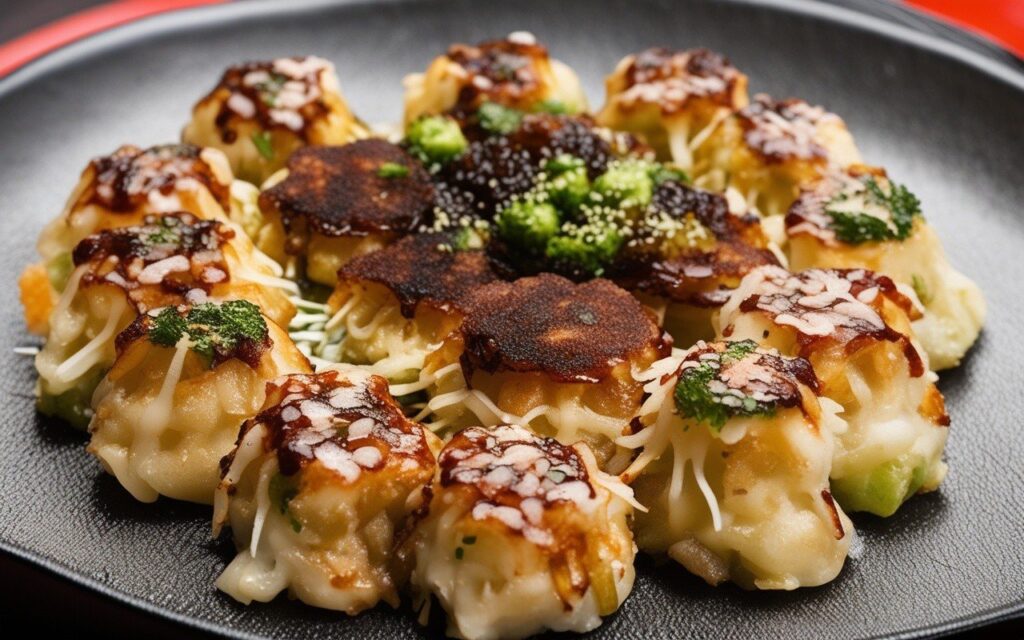
Takoyaki are ball-shaped snacks made of a wheat flour-based batter and cooked in a special molded pan. They are typically filled with minced or diced octopus (tako), tempura scraps (tenkasu), pickled ginger, and green onion.
- The Yokohama Twist: Unlike the runny inside of Osaka style, Yokohama shops often make the inside slightly firmer and top it with cheese and mayonnaise to suit local tastes.
Okonomiyaki: The Japanese Pizza?
Often described as a Japanese savory pancake, Okonomiyaki is made with flour, grated yam (yamanoimo), shredded cabbage, eggs, and various toppings like pork belly or shrimp. The name literally means “grilled as you like it.”
- Hiroshima vs. Osaka Style: In Yokohama, you will find both. Osaka style mixes everything in the batter, while Hiroshima style layers ingredients including noodles.
Where to Find Them
Yokohama Bay Quarter & Red Brick Warehouse
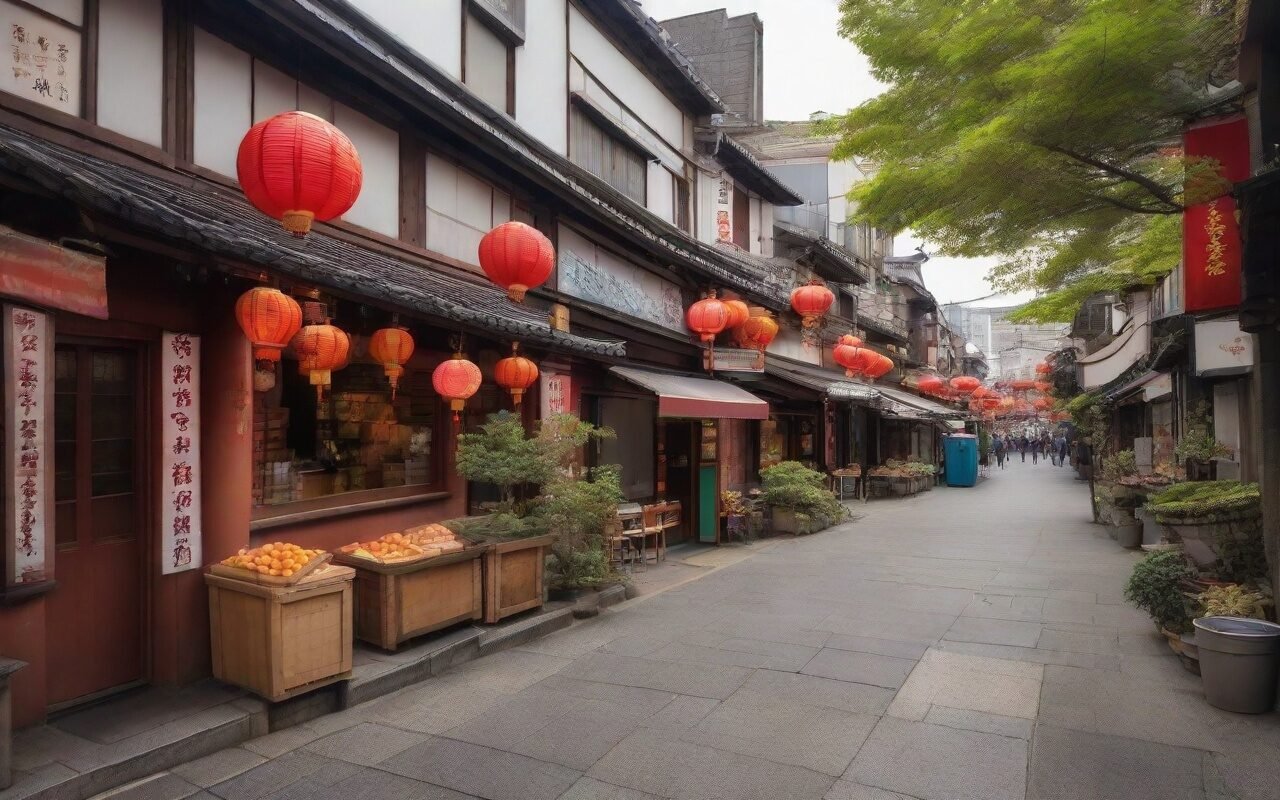
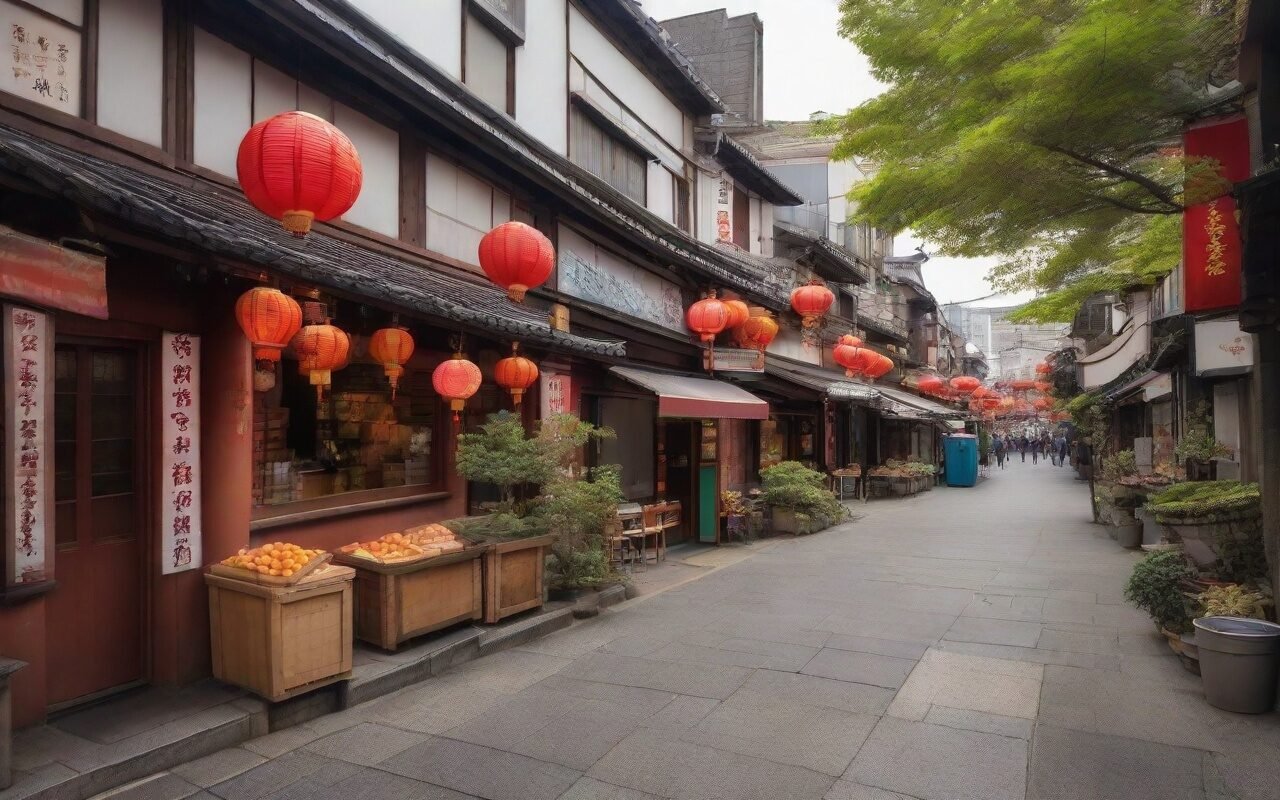
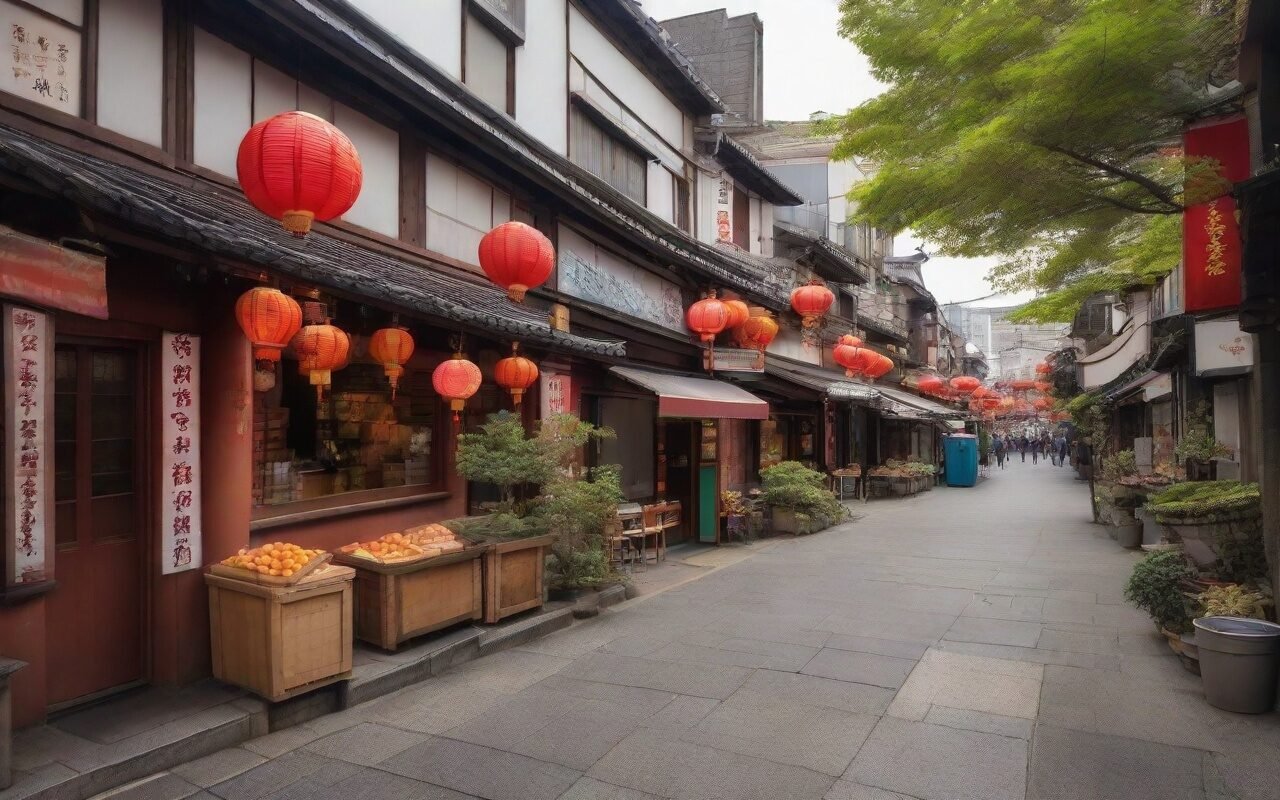
When you think of Takoyaki (octopus balls) and Okonomiyaki (savory pancakes), you might immediately think of Osaka. But here’s the thing, Yokohama has enthusiastically embraced these “Konamono” (flour-based foods) and made them its own, especially in the bustling bay areas. It is a perfect example of how regional cuisines blend and evolve in Japan’s port cities. Night markets and weekend food halls near the waterfront add extra energy, so you can snack late after sightseeing without rushing back to central Tokyo.
Several specialized shops here offer premium Takoyaki. Watch the chefs skillfully flip the balls with metal picks—a mesmerizing performance in itself.
- Recommended: Try the “Ebi-Mayo” (Shrimp and Mayonnaise) flavor.
Chinatown
While famous for dumplings, Chinatown also houses excellent Okonomiyaki restaurants where you can grill the pancake on a hot plate (teppan) right at your table. This interactive dining style is a hit with families and groups.
Building a Konamono Night Without Overordering
Minato Mirai evenings tempt you with neon stalls, bay breezes, and the smell of bonito flakes still dancing from okonomiyaki sauce, yet flour-heavy snacks fill you faster than sushi omakase. Start with half portions when menus offer them, especially if you plan to compare Osaka-style mixes against Hiroshima-style layered plates in one night. Takoyaki lines move quicker near event halls because staff batch-cook dozens of molds at once, while boutique shops may serve smaller spheres with crispier shells worth the wait if texture matters more than volume.
Sauce choices multiply in Yokohama: mentaiko-mayo combos, curry powder dustings, and cheese blankets each change how thirst hits afterward, so alternate with oolong tea or draft beer instead of doubling down on sweet corn toppings alone. Okonomiyaki tables expect you to flip carefully; if the staff offers to finish cooking, accept graciously—teppan burns escalate fast when chatting. Families with kids should confirm splatter guards because oil pops toward seated toddlers more often than parents expect.
Daytime Chinatown visits differ from neon-hour energy: lunch sets sometimes bundle takoyaki samples with dumpling platters, ideal for comparing wheat-forward dishes before walking the harbor. Red Brick Warehouse pop-ups rotate seasonal fillings such as locally landed octopus or spring bamboo shoots; read chalkboards rather than assuming standard menus. Wind off the water cools takoyaki exteriors while interiors stay molten, so pier-side benches reward patience with safer bites than rushing onto moving escalators.
Link this crawl with deeper port context via Yokohama Chinatown food guide and ramen contrasts in Yokohama ramen guide when you want soup afterward. If you are budgeting, Kanagawa budget under 5000 yen shows how to pair street snacks with inexpensive transit passes. Late-night konamon stalls sometimes close earlier on weekdays; always glance at last-order clocks taped beside registers.
Carry napkins because sauce packets rarely suffice, and remember that eating directly beside shop doorways can block queues—step to designated standing zones when signs ask. Yokohama rewards snackers who read the room: share batches, watch the bay lights, and let flour dishes breathe a minute before biting.
If you are comparing stalls across multiple floors, jot tasting notes on your phone because sauces blur together after the third mayo-heavy order. Bay-side benches can be windy, so shield boxes with your body until the first bite cools slightly—nothing ruins a harbor sunset like a scalded tongue from over-eager takoyaki.
Top Takoyaki and Okonomiyaki Shops in Yokohama
Takoyaki Specialists
Takoyaki Sora (takoyaki (たこ焼き, octopus balls)空) in Minato Mirai serves what many locals consider Yokohama’s best takoyaki. Their signature “Creamy Mentaiko” (¥680 for 8 pieces) features octopus chunks wrapped in a batter enriched with mentaiko (spicy cod roe) and topped with a light mayonnaise. Unlike traditional Takoyaki, the interior remains exceptionally soft and almost custard-like.
Tako-no-ya (たこの家) in the Kannai area has operated since 1993. They specialize in “Nama-tako” (raw octopus) takoyaki, where the octopus is lightly blanched rather than fully cooked, resulting in a more tender texture. Their sets (¥780–¥1,200) include multiple sauces to compare.
Okonomiyaki Experiences
Yokohama Teppan (Yokohama (横浜)鉄板) at Red Brick Warehouse offers an interactive okonomiyaki experience where you grill your own batter on a teppan hot plate. Their signature “Yokohama Bay Mix” (¥1,480) includes shrimp, squid, pork belly, and Kamakura cabbage. Staff provide guidance for first-timers.
Coco’s Okonomiyaki (ここ’s okonomiyaki (お好み焼き, savory pancake)) in Chinatown offers a unique “Curry Okonomiyaki” that blends Yokohama’s curry culture with classic okonomiyaki. The batter is mixed with house-made curry powder and topped with melted cheese—a fusion that should not work but absolutely does.
How to Eat Takoyaki: A Step-by-Step Guide
For first-timers, eating takoyaki requires some technique: Step 1: Wait 2–3 minutes after serving. Takoyaki is molten-hot inside, and the steam needs to escape slightly. Burned tongues are a rite of passage but avoidable with patience. Step 2: Pick up one piece with the provided toothpick or chopsticks. Pierce the center to release steam. Step 3: Dip lightly in the accompanying sauce—usually a sweet Worcestershire-style sauce or ponzu for modern variations.
Step 4: Eat the entire piece in one bite. Takoyaki is designed to be consumed whole—the contrast between the crispy exterior and liquid center is the essence of the dish. Step 5: Blow gently on the piece before putting it in your mouth if you are concerned about heat.
Etiquette: At standing bars, eat quickly and make room for others. At sit-down restaurants, pace yourself and enjoy with beer.
Kansai vs. Hiroshima Okonomiyaki: A Detailed Comparison
| Feature | Kansai-style | Hiroshima-style |
|---|---|---|
| Batter mixing | All ingredients mixed into batter | Batter cooked as thin crepe, ingredients layered |
| Noodles | None (sometimes optional) | Yakisoba noodles always included |
| Cabbage | Chopped and mixed in batter | Shredded and piled on top |
| Layering | Single layer | Multiple layers (batter→cabbage→meat→noodles→egg) |
| Flipping | Flipped once | Flipped 2–3 times |
| Finish | Toppings on top layer | Toppings on top, then flipped onto noodles |
| Calories | ~500–700 per serving | ~700–1,000 per serving |
Yokohama offers both styles in abundance. For an authentic Kansai-style experience, visit Takoyaki Sora. For Hiroshima-style, Yokohama Teppan at Red Brick Warehouse is the best choice.
The Secret Behind great Takoyaki Batter
The perfect takoyaki batter has three key characteristics: Thinness: The batter should be noticeably thinner than pancake batter—almost like crepe batter. This allows the exterior to crisp quickly while the interior remains molten.
Dashi flavor: Premium takoyaki batter uses dashi (fish stock) instead of water. This adds a subtle umami layer that distinguishes great takoyaki from average. The dashi is typically made from kombu and bonito flakes.
Resting time: The batter should rest for at least 30 minutes before cooking. This allows the gluten to relax, resulting in a more tender texture. Some shops rest their batter overnight.
Bonus ingredient: Many top-tier Osaka-style takoyaki shops add a small amount of yamaimo (mountain yam) or nagaimo (Chinese yam) to the batter. This creates a fluffier, more aerated texture.
Okonomiyaki Toppings Guide
The toppings are what make each okonomiyaki unique. Here is how to build your perfect combination:
| Layer | Traditional | Modern Options |
|---|---|---|
| Base sauce | Okonomiyaki sauce (sweet Worcestershire) | Miso, curry sauce, tomato-based |
| Mayonnaise | Japanese mayo (Kewpie) | Spicy mayo, yuzu mayo, garlic aioli |
| Powder | Aonori (seaweed powder) | Shichimi, curry powder, matcha salt |
| Flakes | Katsuobushi (bonito flakes) | Dried shrimp powder, nori flakes |
| Extra | Pickled ginger (beni shoga) | Cheese, mochi, avocado |
A good rule of thumb: choose 1–2 modern toppings alongside the traditional base for a balanced flavor.
Tips
From my own visits, the advice that saved me the most time was simple: arrive before the peak hours, download an offline map before you leave the station, and build in a backup plan for rainy weather. Many spots in Kanagawa get busy by mid-morning, so an early start usually means shorter queues and better photos.
Frequently Asked Questions (FAQ)
Q: What is the difference between Kansai-style and Hiroshima-style okonomiyaki?
A: Kansai-style mixes all ingredients (cabbage, meat, seafood) directly into the batter before grilling. Hiroshima-style layers the ingredients—thin batter first, then cabbage, meat, soba noodles, eggs, and toppings—resulting in a taller, more complex pancake.
Q: Is takoyaki safe for people with seafood allergies?
A: No—authentic takoyaki always contains octopus (tako). Even the batter is often made with dashi from fish stock. Some modern shops offer “tako-nashi” (no octopus) versions, but cross-contamination is likely.
Q: What is the best drink to pair with konamono?
A: Draft beer (nama beeru) is the classic pairing. For takoyaki, a crisp lager or pilsner cuts through the mayonnaise and sauce. For okonomiyaki, a slightly sweet amber ale complements the savory-sweet Worcestershire-style sauce.
Q: Do I need to cook my own okonomiyaki?
A: It is optional. Some teppan restaurants expect you to cook at the table, while others prepare it in the kitchen. The menu should indicate which style is offered—if you want a relaxed meal, choose a shop where staff cooks.
Q: Are there vegetarian options for konamono?
A: Yes. Many shops offer “yasai-okonomiyaki” (vegetable okonomiyaki) and “cheese takoyaki” (no octopus, filled with cheese). Confirm with staff that the batter does not contain dashi or bonito flakes.
📍 Related Articles
Last Updated: April 2026 — All restaurant information verified.
Conclusion
exploring Yokohama can be as relaxed or as packed as you want it to be, and I have found that the best visits leave room for both planning and spontaneity. During my visit to Yokohama I went with a rough plan and found that leaving room to wander made the trip far more memorable. Use this guide to sort out the logistics in advance, then let the day surprise you — Kanagawa rewards travelers who stay curious.