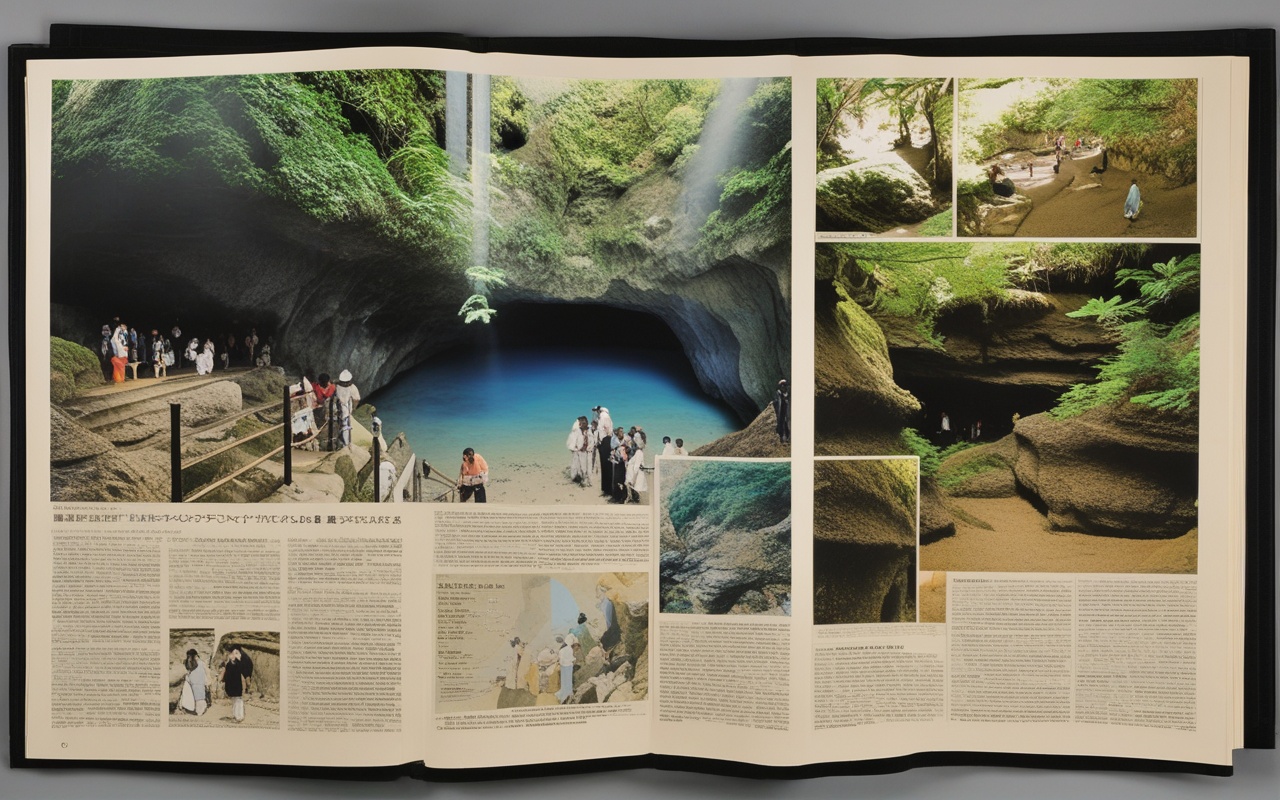
Category: kamakura-fujisawa

鎌倉・藤沢地域の旅行ガイド

  • Enoshima Hidden Cave Exploration – Kanagawa 2026

    Enoshima Hidden Cave Exploration – Kanagawa 2026

    Enoshima Hidden Cave Exploration – Kanagawa 2026

    Overview

    Introduction: Beyond Enoshima’s Main Path
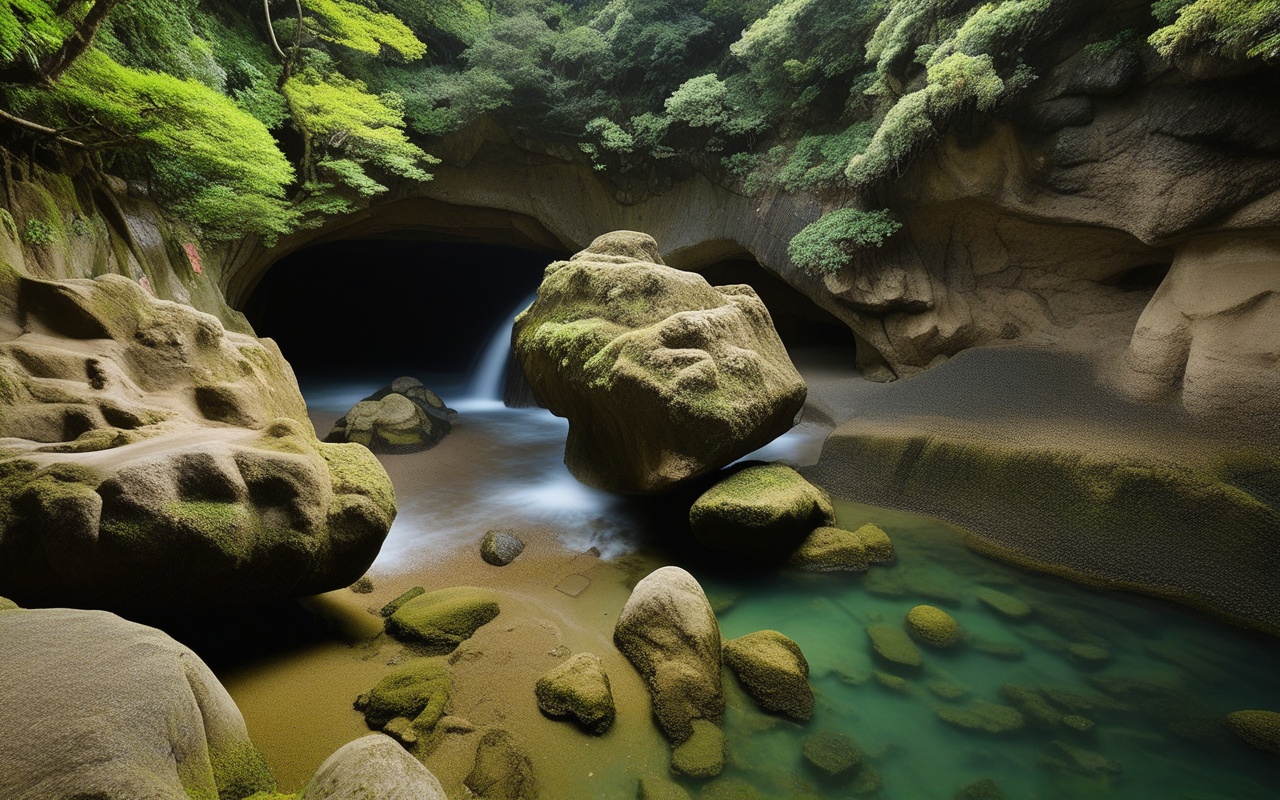
    📍 Find on Google Maps

    Find this spot on Google Maps for easy navigation.

    📍 View on Google Maps

    Enoshima Hidden Cave Exploration - Kanagawa 2026 — Find on Google Maps

    Enoshima (江ノ島) welcomes millions of visitors each year, most following the same route: bridge → escalator → shrine → observation tower → back. This guide reveals the hidden side of the island — the western cliffs where the sea has carved caves into the volcanic rock, and where ancient hermits once meditated.

    Why Explore Enoshima’s Caves?

    • Historical depth: Worshipped since the Heian period
    • No crowds: Cave trails see 1% of island visitors
    • Dramatic scenery: Cliffs sculpted by typhoon waves
    • Cool refuge: Caves stay 5°C cooler than outside
    • Photography: Unique perspectives of Enoshima

    Safety First

    ⚠️ Important Notes:

    • Caves are natural, not developed for tourism
    • Some areas require bending/crawling
    • Tide-dependent (check before visiting)
    • Slippery when wet
    • Not recommended after dark
    • No guardrails on cliff paths

    The Cave Trail

    Finding the Starting Point

    From Enoshima Bridge:

    1. Cross bridge onto the island
    2. Turn LEFT at the first fork (NOT the main shrine path)
    3. Follow the coastal path (paved) south for 5 minutes
    4. Where the paved path ends, continue on dirt trail
    5. Look for a stone torii gate at the cave entrance

    Alternative route:

    • From Enoshima Iwaya Caves (main tourist caves)
    • Continue past paid entrance area
    • Follow coast another 200m

    Cave #1: Hidden Iwaya (隠れ岩屋)

    This is the first cave you encounter — not to be confused with the developed Iwaya Caves that charge admission. This one is natural, free, and much smaller.

    Location: Western cliff face, 5m above water
    Size: 8m deep, 3m high at entrance
    Access: Short scramble from coastal path
    Condition: Natural (no improvements)
    Features: Small stone altar, candle remnants
    History: Used by Shugendo ascetics

    Interior Experience:
    The cave narrows quickly. At the back, a small stone altar holds old coins and offerings. Damp air and the sound of waves from below create an atmosphere that feels genuinely ancient. Take a moment to sit in silence.

    Photography Tips:

    • Entrance: Frame with coastal view
    • Altar: Use small LED light (no flash)
    • Silhouette: Person at entrance, facing out

    Cave #2: Samurai Shelter (侍の隠れ家)

    A larger chamber further along the coast, this cave was reportedly used by Taira clan survivors after the Genpei War.

    Location: 100m south of Hidden Iwaya
    Size: 15m deep, 4m at highest
    Access: Path continues, watch for rope marker
    Features: Stacked stones, possible fortification
    History: Reputed samurai hiding spot (12th century)

    What to Look For:

    • Stacked stone wall at entrance (man-made)
    • Burn marks on ceiling (sign of occupation)
    • Small water source inside (seepage from above)
    • Shellfish remains (food source)

    Cave #3: The Echo Chamber (響きの洞窟)

    The deepest cave on the trail, this narrow fissure extends approximately 20m into the cliff.

    Location: Most southern point of trail
    Size: 20m deep, narrow (1-2m wide)
    Sound: Notable echo effect
    Features: Natural skylight at back
    ⚠️ Warning: Driest in winter, wettest after rain

    Sound Experience:
    Speak softly and hear your voice echo back for 2-3 seconds. The chamber’s acoustics were likely noticed by ancient worshippers who may have associated the effect with supernatural presence.


    The Coastal Path

    Beyond the caves, the dirt trail continues along the western cliffs for another 500m before looping back to the main area.

    Trail Profile:
    - Length: ~1km total (out and back optional routes)
    - Elevation: 5-20m above sea level
    - Surface: Packed earth, some rock scrambling
    - Width: 50cm-2m (narrow in sections)
    - Exposure: Open cliffs (vertigo warning)
    
    Viewpoints Along the Way:
    1. Western Point: Sagami Bay open view
    2. Southern Overlook: Enoshima lighthouse from below
    3. Channel View: Shonan coast across the water
    4. Hidden Beach: Small pebble beach at low tide

    The Hidden Beach

    At low tide (check tide tables), a small pebble beach is exposed at the base of the southern cliffs. Access requires a careful scramble down a steep path.

    Access: Only at low tide (tide under 50cm recommended)
    Surface: Smooth pebbles
    Size: ~30m long, 5m wide
    Swimming: Not recommended (currents)
    Best for: Photography, quiet contemplation
    ⚠️ Warning: Cut off at incoming tide

    Practical Information

    When to Visit

    Best Conditions:
    - Low tide (under 50cm)
    - Dry weather (at least 3 days since rain)
    - Weekday mornings (least people)
    - Winter (clearest views, no insects)
    
    Avoid:
    - High tide (caves may be inaccessible)
    - Stormy weather (wave spray)
    - Summer weekends (Enoshima crowded)
    - Typhoon season (Sept-Oct)

    What to Bring

    Essential:
    - Sturdy shoes (rocky, uneven terrain)
    - Water
    - Small flashlight/headlamp
    - Light jacket (coastal wind)
    
    Recommended:
    - Kneepad (for low cave sections)
    - Camera with wide lens
    - Tide chart app
    - Gloves (handholds on rocks)
    - Small bag for trash

    Safety Guidelines

    ✅ Check tide tables before going
    ✅ Tell someone your plans
    ✅ Watch foot placement carefully
    ✅ Allow 2+ hours before sunset
    ✅ Carry a phone (limited reception)
    
    ⚠️ High Risk:
    - Climbing on wet rocks
    - Entering caves during high tide
    - Standing near cliff edges for photos
    - Visiting alone after rain
    - Ignoring "No Entry" markers

    Combining with Enoshima

    Morning Cave Exploration (2 hours):
    8:00 AM Arrive on Enoshima
    8:15 AM Start cave trail
    10:00 AM Complete loop
    10:15 AM Rest at coastal cafe
    
    Afternoon Enoshima (3 hours):
    11:00 AM Enoshima Shrine
    12:30 PM Lunch at Enoshima
    1:30 PM Observation Tower
    2:30 PM Samuel Cocking Garden
    3:30 PM Return Best for: Full-day island exploration

    Frequently Asked Questions

    Q: Are these caves dangerous?
    A: Generally safe with caution. The main risk is slippery rocks and getting cut off by incoming tide. Avoid in bad weather. For safety tips, see our Kanagawa Safety Tips guide. Q: Do I need a guide?
    A: No, the trail is straightforward. The directions in this guide are sufficient. Q: Can I take children?
    A: Older children (10+) who are sure-footed. Not recommended for younger children or toddlers.

    Q: Are these the same as the paid Iwaya Caves?
    A: No. The paid Iwaya Caves are developed with lighting and paths. These are natural, free, and more adventurous. Q: Is there an entrance fee?
    A: No, the cave trail is completely free.


    Last Updated: May 19, 2026
    Written by: Anaba OffJapan Editorial Team
    Verified: Trail explored April 2026


    🌟 Share Your Experience

    Explored Enoshima’s hidden caves? Discovered anything unusual? Join our community forum to share your discoveries!


    Anaba OffJapan – Avoid the Crowds, Go Deeper into Japan.


    🦀 Marine Life & Tide Pool Guide

    One of the most rewarding aspects of exploring Enoshima’s hidden caves is observing how the marine ecosystem changes with the seasons. Winter months bring clearer water and different species than summer, making each season’s visit a unique experience. The best approach is to visit at least twice — once in winter for visibility and once in summer for maximum marine life activity.

    Best Time for Photography

    For photographers, timing your visit carefully can make a significant difference in image quality. The western cliffs face southwest, meaning the best light for cave photography occurs in the late afternoon (2-4 PM) when the sun illuminates the cave entrances from the side rather than directly overhead, During winter months (November-February), the lower sun angle creates longer shadows that emphasize the texture of the volcanic rock and moss. Summer photography is better suited to early morning (5-7 AM) when the light is softer and the humidity creates natural mist effects over the water.

    Essential Gear Checklist

    Before setting out on the cave trail, ensure you have the right equipment. The terrain is more demanding than standard Enoshima walking paths, and proper gear significantly enhances both safety and enjoyment:

    • Footwear: Sturdy closed-toe shoes with good grip. The volcanic rock can be sharp and slippery when wet. Avoid sandals or fashion sneakers.
    • Lighting: A headlamp is preferable to a handheld flashlight because it keeps both hands free for balance on uneven sections, Bring backup batteries.
    • Clothing: Lightweight long pants protect against scratches from undergrowth. A windproof jacket is a must-have even on warm days due to coastal gusts.
    • Hydration: At least 1 liter of water. There are no drinking fountains or shops along the cave trail.
    • Navigation: Download offline maps before arriving. Cell reception is spotty on the western cliff face.
    • Emergency: A basic first aid kit and a fully charged phone in a waterproof case.

    What You’ll Find in the Tidal Pools

    Photography Tips for Tide Pools

    Setting Recommendation
    Lens Macro (for small creatures) or 24-70mm
    Polarizer Essential to reduce water surface reflections
    Time 2 hours before low tide for best light
    Technique Shoot parallel to water surface for depth

    Conservation Ethics

    The tide pool ecosystem is fragile. Follow these guidelines:

    • Look, don’t touch — touching removes protective slime from creatures
    • Replace overturned rocks — each rock is a micro-habitat
    • No collecting — everything belongs in the wild
    • Watch your step — many creatures are well-camouflaged

    Geological Background

    The caves were formed over thousands of years by wave action eroding the softer volcanic tuff layers of Enoshima’s cliffs. The island itself is composed of andesite and tuff from ancient volcanic activity in the Hakone region. The caves continue to evolve — each typhoon season brings minor collapses that reshape the caverns. This constant geological change means the cave system looks slightly different every year.

    Combining with Local History

    The caves have drawn spiritual seekers for centuries, During the Kamakura period (1185–1333), Shugendo mountain ascetics used these caves for meditation and austerity training (shugyo). In the Edo period, they became pilgrimage stops for commoners, During World War II, some caves were used as air raid shelters. This layered history adds depth to any visit.
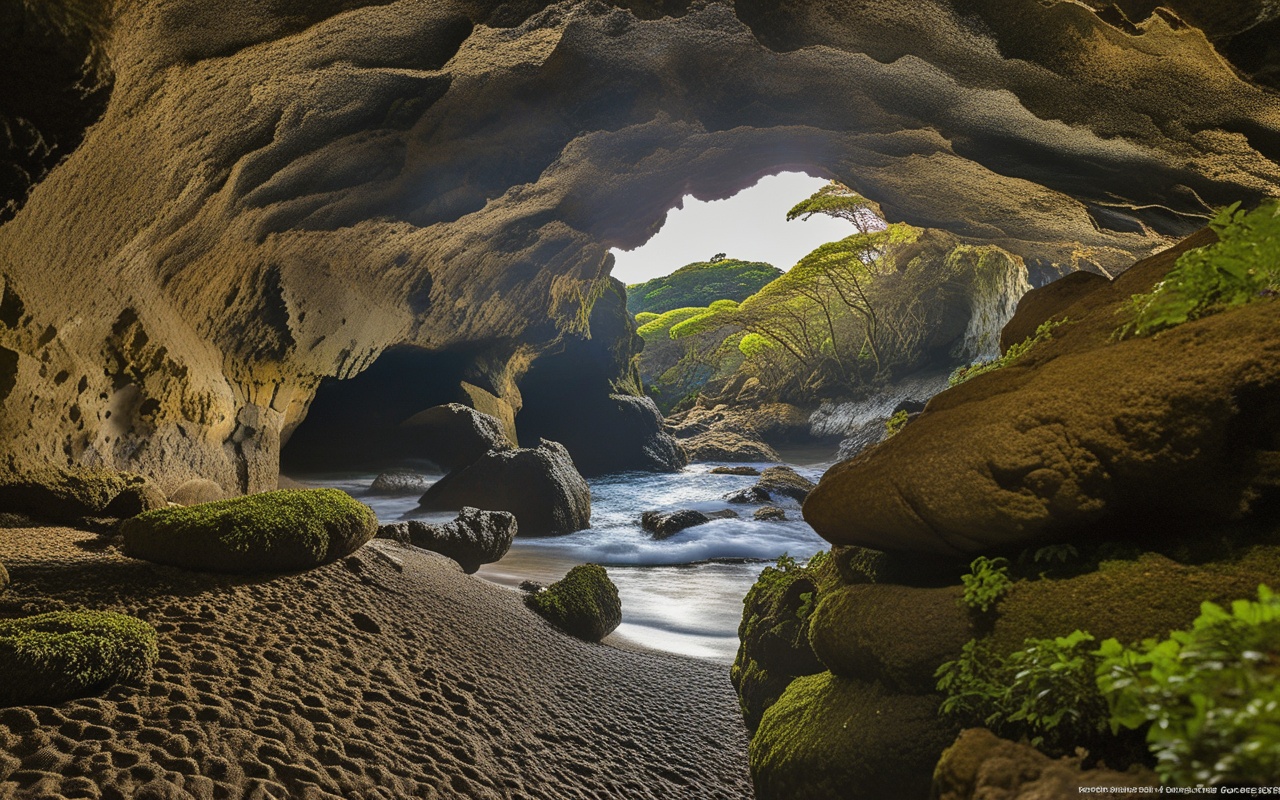

    Enoshima Hidden Cave Exploration - Kanagawa 2026 — Combining with Local History

    Enoshima’s hidden caves offer a rare glimpse into the island’s wilder, more mysterious side. Just steps from the main tourist trail, these natural chambers and cliff paths provide an adventure that most visitors completely miss — proving that even Kanagawa’s most popular destinations still hold secrets.


    Packing Essentials

    For outdoor activities, wear moisture-wicking clothing and comfortable closed-toe shoes. Sunscreen and a hat are essential during summer. A small towel is useful for wiping sweat. A waterproof phone pouch is useful for water activities. Pack snacks and extra water for remote areas.

    Conclusion

    Exploring Enoshima’s hidden caves was one of the most memorable afternoons I have spent on the island — just steps from the crowded shrine path, the western cliffs feel completely wild. Check the tide tables, wear sturdy shoes, and take your time along the coastal trail; the quiet chambers and sea-carved rock are a side of Enoshima most visitors never see.
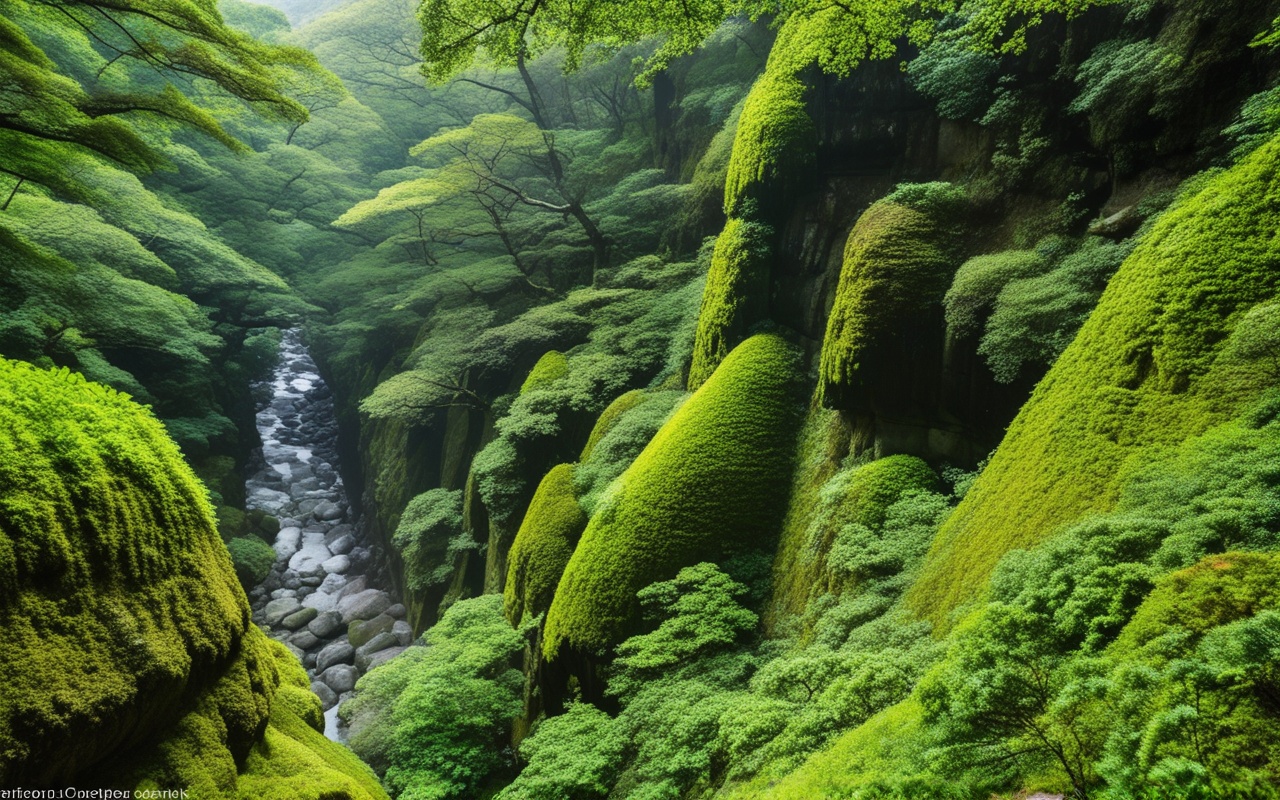
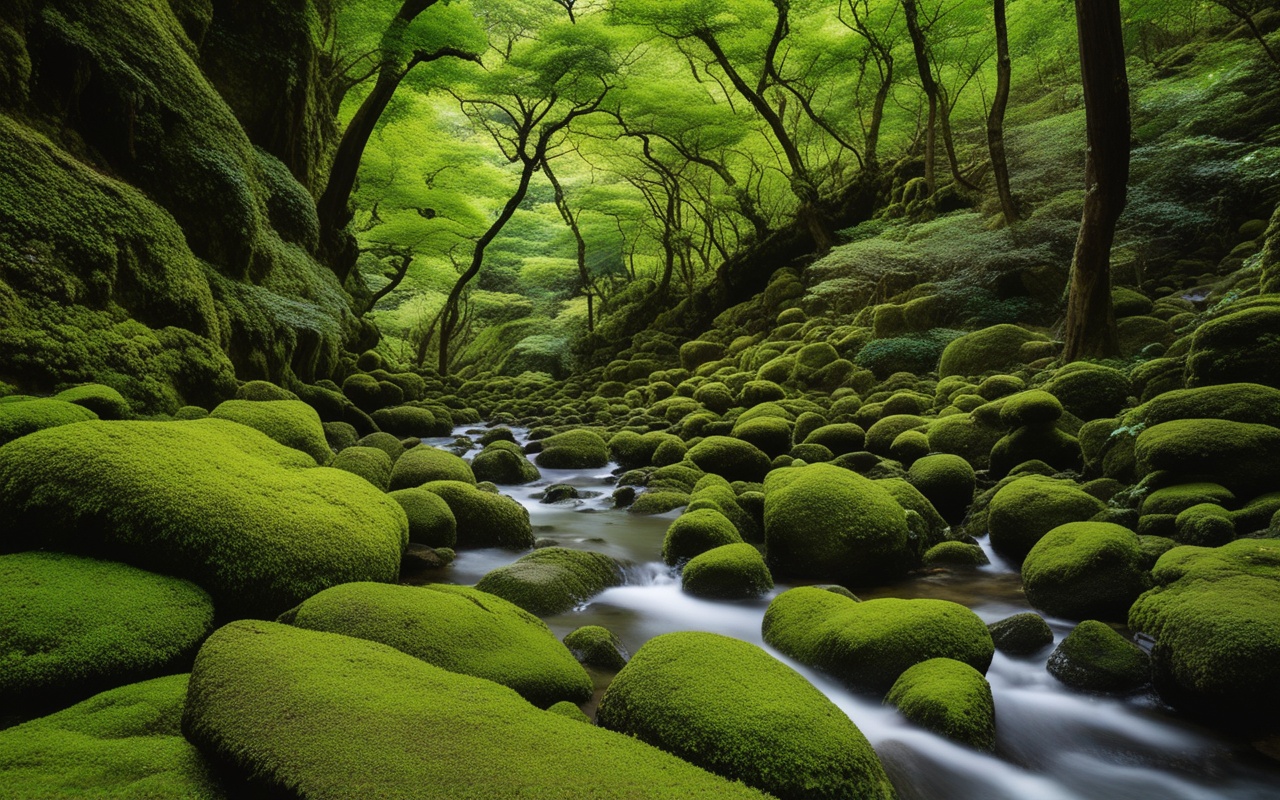
  • Kamakura Hidden Gorge Walk – Kanagawa 2026

    Kamakura Hidden Gorge Walk – Kanagawa 2026

    Kamakura Hidden Gorge Walk – Kanagawa 2026

    Overview

    Plan your perfect visit to Kamakura Hidden Gorge Walk – Kanagawa with this comprehensive destination guide, Covering everything from must-see attractions to practical travel tips, this guide helps you make the most of your time in Kamakura. Whether you have a single day or an entire week, discover the best that this Kanagawa destination has to offer.

    Introduction: Kamakura’s Secret Stream

    Kamakura Hidden Gorge Walk - Kanagawa 2026 — Introduction: Kamakura's Secret Stream

    Kamakura was built in a valley surrounded by forested hills. Several small streams flow down from these hills, and one of them — the Namiki River — has carved a surprisingly deep gorge through the soft volcanic stone. Local residents have maintained a walking path along this stream for over a century.

    Why This Walk is Special:

    • Temperature drop: The gorge stays 3-5°C cooler
    • Sound insulation: Stream drowns out city noise
    • Hidden in plain sight: Entrance unmarked in English
    • Year-round beauty: Each season transforms the gorge
    • Free and always open

    Seasonal Highlights:

    • Spring: Cherry blossoms over the stream
    • Summer: Cool refuge from heat
    • Autumn: Maple leaves reflected in water
    • Winter: Clear stream, moss vibrant green Updated: May 2026

    Finding the Entrance

    The entrance is the hardest part — the gorge is completely invisible from the main streets.

    Starting Point: Kenchoji Temple intersection
    
    Directions:
    1. From Kamakura Station, walk toward Kenchoji Temple [Explore Kamakura & Yokohama on a day tour — Great Buddha, Enoshima, Enoden train & night views from Tokyo](Explore Kamakura & Yokohama on a day tour — Great Buddha, Enoshima, Enoden train & night views from Tokyo)
       (15 min via Komachi Street or Kannana Avenue)
    
    2. Just before Kenchoji's main gate, turn RIGHT
       onto the small residential lane
    
    3. Walk past 3 houses on your left
    
    4. Look for a narrow gap between two stone walls
       — this is the gorge entrance
    
    Entrance Markers:
       - No sign in English
       - Small wooden post (Japanese: 遊歩道入口)
       - Stone paving begins

    The Gorge Walk: Section by Section

    Section 1: The Stone Corridor (0-200m)

    The path begins as a narrow stone walkway between high stone walls. The stream runs below on your left. Moss covers the walls, and ferns grow from every crevice.

    Terrain: Flat stone paving
    Width: 1.5m
    Canopy: 90% shade
    Sound: Stream + birds
    Key feature: 3 small stone bridges cross the stream

    Photo Spot #1: The first stone bridge, looking upstream. Mossy walls frame the view.

    Section 2: The Bamboo Grove (200-400m)

    The walls open up and a bamboo grove appears on the right. The path widens and benches appear. This is the widest and brightest section.

    Terrain: Packed gravel
    Width: 2-3m
    Canopy: Partial (bamboo filters light)
    Sound: Bamboo rustling + stream
    Features: 2 wooden benches, information board (Japanese)

    Photo Spot #2: Looking up through the bamboo toward the sky. Light filters through in geometric patterns.

    Section 3: The Waterfall Zone (400-600m)

    The stream gradient increases here. A series of small waterfalls (1-2m drops) create consistent white noise. The path narrows again and gets closer to the water.

    Terrain: Stone + compacted earth
    Width: 1m
    Canopy: 70% shade
    Sound: Waterfall white noise
    Features: 3 small waterfalls, deeper pools
    ⚠️ Warning: Path can be slippery near water

    Photo Spot #3: The main waterfall (1.5m drop) with a small stone lantern beside it. Best with a slow shutter (1/15 sec).

    Section 4: The Viewpoint Exit (600-800m)

    The path climbs slightly and ends at a small overlook platform overlooking the lower valley. From here, you can see the coast in the distance on clear days.

    Terrain: Stone steps (gradual climb)
    Exit: Small wooden platform
    View: Valley opening toward the sea
    Benches: 1 at platform
    Exit path: Returns to street level (3-min walk)

    Practical Information

    Best Times to Walk

    Weekday mornings (7-9 AM):
    - Nearly empty
    - Birds most active
    - Best light for photography
    
    Weekday afternoons:
    - Some local walkers
    - Good light in bamboo section
    - Pleasant temperatures Weekends:
    - More local families
    - Still quiet by Kamakura standards [Book Kamakura, Enoshima & Yokohama day trip from Tokyo — ride the iconic Enoden train & skip transport planning](Book Kamakura, Enoshima & Yokohama day trip from Tokyo — ride the iconic Enoden train & skip transport planning)
    - Mornings recommended Avoid:
    - After dark (no lighting)
    - During/after typhoon (flood risk)
    - Summer midday (still cool but humid)

    What to Bring

    Recommended:
    - Comfortable walking shoes
    - Camera (smartphone sufficient)
    - Water
    - Light jacket (cooler in gorge)
    - Insect repellent (summer)
    
    Optional:
    - Tripod (waterfall photos)
    - Picnic snacks (benches available)
    - Bird identification guide

    Etiquette

    ✅ Keep voices low (gorge amplifies sound)
    ✅ Stay on the path
    ✅ Pack out all trash
    ✅ Photography welcome (no flash)
    ✓ Respect private property bordering path
    ❌ No smoking
    ❌ No swimming in the stream
    ❌ No climbing on mossy walls

    Combining with Nearby Temples

    The gorge walk connects naturally to several temples:

    Route A: Morning Gorge + Kenchoji (2 hours)
    1. Enter gorge from Kenchoji side (8 AM)
    2. Walk through to exit (20 min)
    3. Return to Kenchoji (5 min)
    4. Visit Kenchoji Temple (1 hour)
    Best for: First-time visitors
    
    Route B: Gorge + Engakuji Loop (2.5 hours)
    1. Enter gorge from Kenchoji side (9 AM)
    2. Exit and walk toward Engakuji (10 min)
    3. Visit Engakuji (1 hour)
    4. Return via Komachi Street
    Best for: Temple enthusiasts
    
    Route C: Full Valley Walk (3 hours)
    1. Start at Kenchoji
    2. Gorge walk (20 min)
    3. Continue to hidden bamboo grove beyond exit
    4. Small shrine above the gorge
    5. Return through residential streets
    Best for: Explorers

    Frequently Asked Questions

    Q: Is this walk suitable for elderly or children?
    A: Yes, the path is flat and well-maintained. Only the last section has a gentle climb.

    Q: How long does the walk take?
    A: The gorge itself is 20 minutes one way. Most visitors spend 30-40 minutes total, including photo stops.

    Q: Is the gorge accessible in rain?
    A: Light rain is fine and actually enhances the atmosphere. Avoid during heavy rain (slippery, flood risk).

    Q: Can I access the gorge from both ends?
    A: Yes, enter from the Kenchoji side or the upper end. The lower entrance is better marked. Q: Are there restrooms along the walk?
    A: No. Use facilities at Kamakura Station or Kenchoji Temple before starting.


    Last Updated: May 19, 2026
    Written by: Anaba OffJapan Editorial Team
    Verified: Walk confirmed April 2026


    🌟 Share Your Experience

    Discovered this hidden gorge? Have photos to share? Join our community forum to share your Kamakura lesser-known spots!


    Anaba OffJapan – Avoid the Crowds, Go Deeper into Japan.


    🌿 Flora & Fauna Along the Gorge

    The Namiki Gorge’s unique microclimate supports an extraordinary variety of plant and animal life that changes dramatically with each season. Regular visitors often remark that the gorge feels like a completely different place depending on when they visit, Understanding these seasonal patterns allows you to plan your walk for the experience you want most — whether that’s vibrant autumn colors, spring blossoms, or the deep green tranquility of summer.

    How the Gorge Was Formed

    The Namiki Gorge was carved over millennia by the Namiki River, which originates in the hills behind Kenchoji Temple. The soft volcanic tuff and loam layers of Kamakura’s geology erode relatively easily, allowing the stream to cut a channel 5-8 meters deep through the surrounding terrain. This type of gorge formation is called a “valley incision” in geological terms — the stream maintained its course while the surrounding land gradually rose due to tectonic activity. Evidence of this process can be seen in the exposed rock layers along the path, where different colored strata tell the story of volcanic eruptions from Mt. Fuji and the Hakone region over the past 100,000 years. Visit Kamakura Great Buddha, Hachimangu Shrine & Enoshima on a guided day trip from Tokyo with transport included

    Best Photography Spots

    Location Best Time Recommended Lens Subject
    First stone bridge 9-11 AM 16-35mm wide Mossy walls framing stream
    Bamboo grove 10 AM-2 PM 50mm prime Light rays through bamboo
    Main waterfall Overcast days 24-70mm Long exposure water effect
    Viewpoint exit Late afternoon 70-200mm tele Valley opening to coast

    For the waterfall shots, a neutral density filter allows exposures of 0.5-2 seconds, turning the falling water into a smooth, silky cascade. A tripod is a must-have for this technique — even the steadiest hands cannot hold a half-second exposure without blur.

    Mindfulness Walk Technique

    The gorge’s acoustic environment — layered sounds of running water, bamboo rustling, bird calls, and wind through trees — creates what sound therapists call a “natural sound bath.” To experience this fully, find a bench in the bamboo section (200-400m), close your eyes for 3 minutes, and focus only on auditory input. Notice how the stream provides a constant bass layer, bamboo adds a mid-frequency rustle, and bird calls create treble accents. Regular practice of this technique has been shown to lower cortisol levels and improve mental clarity — a free therapy session that costs nothing and is available to anyone who visits.

    Trees and Plants to Identify

    Bird Species Commonly Seen

    • Bush warbler (uguisu) — heard more than seen, classic Japanese songbird
    • Japanese white-eye (mejiro) — small, active, attracted to flowers
    • Brown-eared bulbul (hiyodori) — loud calls, fruit eater
    • great tit (shijūkara) — acrobatic, common in the trees
    • Common kingfisher (kawasemi) — rare but occasionally seen near the stream if you’re patient and quiet

    Mindfulness Walk Tips

    Treat the gorge walk as a mindfulness exercise. At the bamboo section (200-400m), pause, put away your phone, and stand still for 3 minutes. Notice the layered sounds: stream base (constant), bamboo rustling (rhythmic), bird calls (sporadic), leaves falling (random). This acoustic environment has been shown to reduce cortisol levels — effectively a natural sound bath. Many local residents visit specifically for this purpose.


    Kamakura Hidden Gorge Walk - Kanagawa 2026 — Mindfulness Walk Tips

    Kamakura Hidden Gorge Walk proves that you don’t need to leave the city center to find peace. Just minutes from the busiest tourist streets, this cool, mossy streamside path offers a quiet escape into nature — and it’s completely free. It’s the perfect 20-minute reset between temple visits.


    Conclusion

    Whether you are planning exploring Kamakura for the first time or returning for another visit, taking a little extra time to go beyond the obvious sights makes all the difference. During my visit to Kamakura I went with a rough plan and found that leaving room to wander made the trip far more memorable. I hope this guide helps you build an itinerary that fits your pace, and that your time in Kanagawa leaves you with memories worth coming back for.

  • Kamakura Hidden Sunrise Photo Spots – Kanagawa 2026

    Kamakura Hidden Sunrise Photo Spots – Kanagawa 2026

    Kamakura Hidden Sunrise Photo Spots – Kanagawa 2026

    Overview

    Introduction: Kamakura Before the Crowds

    Kamakura Hidden Sunrise Photo Spots - Kanagawa 2026 — Introduction: Kamakura Before the...

    Kamakura receives millions of visitors annually, but very few of them see the city at dawn. The first trains from Tokyo arrive around 5:30 AM. Sunrise ranges from 4:30 AM (June) to 6:45 AM (January). Between first light and the arrival of the first temple buses, there is a golden window of 1-2 hours when Kamakura belongs to the early risers.

    Why Dawn in Kamakura is Special: Book Kamakura, Enoshima & Yokohama day trip from Tokyo — ride the iconic Enoden train & skip transport planning

    • Empty temples: No crowds, no queues
    • Morning mist: Atmospheric, especially autumn-winter
    • Golden light: 1st hour of sunlight is the bebestBird activity: Temple grounds come alive
    • Cool air: Comfortable even in summer

    Camera Settings for Dawn:

    Recommended:

    • Mode: Manual or Aperture Priority
    • Aperture: f/8-f/11 (landscape sharpness)
    • ISO: 100-800 (as low as possible)
    • White Balance: Daylight (5600K)
    • Format: Shoot RAW
    • Tripod: Essential for low light

    #1: Kenchoji Temple Back Gate (建長寺裏門)

    Best for: Zen garden + morning mist

    Location: North end of Kenchoji grounds
    Sunrise access: Temple grounds are open (no gatekeeper)
    Best season: October-March (mist common)
    Crowd: 0-2 photographers typical

    Why This Spot is Special:

    • Unlocked back entrance (most don’t know)
    • Morning mist over the Zen garden
    • Shafts of light through cedar trees
    • No entrance fee (before opening hours)

    The Shot:
    From the back gate area, looking south through the temple grounds, Morning mist settles in the depression around the main hall. If you arrive before full light, you can catch the transition from dark blue to gold.

    Getting There:

    From Kamakura Station:

    1. Walk north 20 min (or bus to Kenchoji)
    2. Pass the main entrance Save big with Hakone Freepass — unlimited train, ropeway & pirate ship rides, plus 30% off attractions
    3. Continue around the left side
    4. Small path leads to back gate area
    5. Enter through the gap in the wall ⚠️ Be respectful — monks are active from 5 AM

    2. Kamakura Coast West End (由比ヶ浜西端)

    Best for: Coastal sunrise with Mt. Fuji

    Location: Western end of Yuigahama Beach
    Sunrise access: Always open (public beach)
    Best season: November-February (Fuji visible)
    Crowd: 2-5 photographers on good days

    Why This Spot is Special:

    • Mt. Fuji visible on clear winter mornings
    • Empty beach before the crowds
    • Morning fishing boats returning to port
    • Enoshima silhouette in the distance

    The Shot:
    Sun rising behind Enoshima Island, with Mt. Fuji visible to the left (winter only). Use a telephoto lens (70-200mm) to compress the layers: foreground beach → Enoshima → Fuji → sunrise sky.

    Getting There:

    From Kamakura Station:
    1. Walk south toward the beach (15 min)
    2. Turn RIGHT at the coast
    3. Walk to the western end
    4. Find the fishing boat parking area

    3. Hokokuji Temple Bamboo Grove (報国寺竹庭)

    Best for: Bamboo forest in first light

    Location: Southern Kamakura, near Jomyoji
    Sunrise access: Temple opens at 9 AM (exterior only)
    Best season: Year-round (bamboo is always green)
    Alternative: View from outside entrance

    Why This Spot is Special:

    • Bamboo at dawn (can’t enter, but you can see through gaps)
    • Exterior path public, free access
    • Morning dew on bamboo leaves
    • No crowds (temple opens at 9 AM)

    The Shot (Exterior):
    From the public path beside the bamboo grove, shoot through the bamboo fence. The morning light creates diagonal shafts through the grove. Available from outside for free.

    Getting There:

    From Kamakura Station:
    1. Bus to "Jomyoji" stop (10 min)
    2. Walk 3 minutes to Hokokuji
    3. Don't enter — follow the path to the RIGHT
    4. The bamboo grove is visible through the fence

    4. Zuisenji Temple Approach (瑞泉寺参道)

    Best for: Mossy stone path in morning light

    Location: Eastern hills of Kamakura
    Sunrise access: Gate is open (no one collects fee at dawn)
    Best season: Spring (moss) or autumn (maple leaves)
    Crowd: Very few (hidden temple)

    Why This Spot is Special:

    • Carved rock garden (unique in Kamakura)
    • Moss-covered stone path to the main hall
    • Morning sun filters through maple trees
    • Quietest major temple in Kamakura at any hour

    The Shot:
    The approach path: mossy stone steps, dappled morning light, maple canopy. Use a wide angle (16-35mm) to capture the full depth of the path.

    Getting There:

    From Kamakura Station:
    1. Bus to "Zuisenji" stop (15 min)
    2. Walk 5 minutes uphill
    3. Gate is open (no attendant at dawn)
    4. Be very quiet — residential area

    5. Sasuke Inari Shrine Hillside (佐助稲荷shrine (神社)の裏山)

    Best for: Red torii gates in golden light

    Location: Sasuke area, behind Inari shrine
    Sunrise access: Shrine grounds always open
    Best season: October-March (low sun angle)
    Crowd: 0 photographers typical

    Why This Spot is Special:

    • Lesser-known Inari shrine (mostly locals)
    • Small torii gate tunnel (not Kamakura’s biggest, but emptiest)
    • Hillside view of Kamakura from behind
    • Fox statues in morning shadows

    The Shot:
    The small tunnel of red torii gates facing east, Morning sun backlights the gates and creates warm reflections on the red lacquer. Use a mid-range zoom (24-70mm).

    Getting There:

    From Kamakura Station:
    1. Walk toward Sasuke (15 min northwest)
    2. Find Sasuke Inari Shrine (small, easy to miss)
    3. Walk through the shrine to the back
    4. Small path goes uphill
    5. Look back toward the gates from above

    Practical Tips for Dawn Photography

    Seasonal Timing

    June (earliest sunrise): 4:30 AM
    July: 4:40 AM
    August: 5:00 AM
    September: 5:30 AM
    October: 5:50 AM
    November: 6:20 AM
    December: 6:40 AM
    January: 6:50 AM (latest)
    February: 6:30 AM
    March: 5:50 AM
    April: 5:20 AM
    May: 4:50 AM

    Equipment Essentials

    Must Bring:
    - Tripod (essential for low light)
    - Wide-angle lens (16-35mm)
    - Telephoto (70-200mm for Fuji shots)
    - Extra batteries (cold drains fast)
    - Headlamp/flashlight (walking in dark)
    - Lens cloth (morning dew)
    
    Recommended:
    - Polarizing filter (coastal haze)
    - Neutral density filter (long exposures)
    - Remote shutter release
    - Weather-sealed gear (morning dew)

    Dress Code

    Layer system recommended:
    1. Base layer (thermal, winter)
    2. Mid layer (fleece)
    3. Outer layer (windproof)
    
    Temperatures at dawn:
    - Summer: 22-25°C (warm)
    - Winter: 2-8°C (cold)
    - Spring/Autumn: 8-15°C (cool) Always: Windbreaker (coastal winds)
    Winter: Gloves, warm hat, hand warmers

    Etiquette

    ✅ Keep voices low (residential areas)
    ✅ Use silent shutter mode
    ✅ Stay on paths in temple grounds
    ✅ Leave before staff arrive (8:30-9 AM)
    ✅ Photograph empty spaces respectfully
    ❌ No flash (disturbs early walkers)
    ❌ Don't enter roped-off areas
    ❌ Don't climb walls or statues
    ❌ Don't leave tripods in walkways

    🌟 Share Your Experience

    Captured Kamakura at dawn? Have a secret sunrise spot to share? Join our community forum to share your photos and tips!


    Anaba OffJapan – Avoid the Crowds, Go Deeper into Japan.


    📷 Advanced Photography Techniques

    Planning Your Sunrise Shoot

    Kamakura’s geography means that sunrise timing varies significantly depending on your location. The eastern coast receives direct sunlight at the moment of sunrise, while the western temple areas receive indirect light for another 15-20 minutes. The hillside spots like Zuisenji and Sasuke Inari are actually best 20-30 minutes after official sunrise, when the sun has risen high enough to clear the eastern ridge. Plan accordingly — if you’re shooting at the beach first, you’ll need to move inland quickly to catch the temples at their best moment.

    Mastering Golden Hour in Kamakura

    The golden hour in Kamakura lasts approximately 40-60 minutes after sunrise, but the quality of light changes minute by minute, Understanding these phases helps you plan your shots.

    Phase 1: Blue Hour (30 min before sunrise)

    • Ambient blue light, city lights still on
    • Best for: Long exposures of temple silhouettes, light trails from early traffic
    • Settings: ISO 200-400, aperture f/8-f/11, shutter 5-15 seconds
    • Tip: Use a 10-stop ND filter for smoother water at Yuigahama Beach

    Phase 2: First Light (sunrise moment)

    • Warm orange-pink glow on the horizon
    • Best for: Silhouettes of Great Buddha, temple roofs against the sky
    • Settings: ISO 100-200, aperture f/8, shutter 1/30-1/125
    • Tip: Position yourself so the sun rises behind your subject

    Phase 3: Golden Glow (20-40 min after sunrise)

    • Warm, directional light casting long shadows
    • Best for: Bamboo grove light rays, moss textures, temple architecture
    • Settings: ISO 100, aperture f/5.6-f/8, shutter 1/60-1/250
    • Tip: Use a lens hood to prevent flare when shooting toward the sun

    Composition Techniques Specific to Kamakura

    Layering for Depth:
    Kamakura’s landscape naturally provides three layers for compelling compositions. Frame a foreground element (mossy stone, cherry blossom branch, bamboo leaf), a midground subject (temple gate, statue, torii gate), and a background atmosphere (mist, mountain silhouette, sky gradient). This three-layer approach creates photographs with genuine depth.

    Leading Lines with Temple Paths:
    Many Kamakura temples have stone paths that naturally draw the eye. Position yourself at the start of these paths and use a wide-angle lens (16-24mm) to emphasize perspective. Shoot at f/8-f/11 to keep the entire path in focus from foreground to infinity.

    Reflection Photography:
    The ponds at Kenchoji and the moat near Tsurugaoka Hachimangu offer reflection opportunities. On windless mornings, the water becomes a perfect mirror. Set your camera low to the ground, focus one-third into the frame, and use a 2-second timer to avoid shake.

    Post-Processing Workflow

    Recommended Adobe Lightroom Workflow:
    1. Basic: Exposure +0.3, Contrast +10, Highlights -30, Shadows +40
    2. Tone Curve: Slight S-curve for contrast
    3. HSL: Increase orange/yellow saturation for warm tones
    4. Split Toning: Warm highlights (orange), cool shadows (blue)
    5. Sharpening: Amount 40, Radius 1.0, Mask 60
    6. Noise Reduction: Luminance 20 (if ISO above 400)

    Kamakura Hidden Sunrise Photo Spots - Kanagawa 2026 — Post-Processing Workflow

    Kamakura at dawn offers a completely different experience from the bustling city that appears after 9 AM. The empty temples, morning mist, and golden light create conditions for photography and contemplation that are simply impossible during peak hours. Wake up early — it’s worth it.


    What to Bring

    Smart travelers to Kanagawa pack light and bring layers. The weather can shift from warm to cool within a day. A portable WiFi device or SIM card is essential for navigation. Bring a small notebook for recommendations. Hand sanitizer and tissues are useful. Consider packing a foldable tote bag for souvenirs.

    Conclusion

    The details in this guide come from real visits, and the biggest lesson I took away was that the best experiences in Kamakura rarely fit neatly into a checklist. During my visit to Kamakura I went with a rough plan and found that leaving room to wander made the trip far more memorable. Plan the essentials, keep your schedule flexible, and you will leave Kanagawa wanting to return.

  • Kamakura Hidden Temples Guide 2026

    Kamakura Hidden Temples Guide 2026

    Overview

    Explore the rich cultural heritage and historical significance of Kamakura Hidden Temples Guide in Kanagawa Prefecture. This guide delves into the fascinating stories, traditions, and landmarks that define Kamakura. From ancient temples to modern museums, discover how this destination has shaped Japan’s cultural landscape over centuries.

    What “quiet temple” means in practice

    Quietness is acoustic, visual, and behavioral. Acoustically, hillside compounds interrupt the rumble of town traffic with stone walls, tree canopies, and courtyards designed to soften footsteps. Visually, narrow approaches compress perspective so that a small main hall can feel monumental when framed by moss and bamboo. Behaviorally, quietness depends on visitors lowering conversational volume, silencing notifications, and avoiding staged photography that rearranges objects or blocks narrow corridors. Many smaller temples maintain fragile moss gardens where repeated stepping would cause lasting damage; stick to obvious paving even when a corner looks photogenic.

    Because Kamakura is woven through with homes, cafés, and small workshops, the boundary between sacred and everyday space can feel porous. A gate may look monastic yet lead primarily to a private residence. Conversely, a plain lane may end at a small bell tower and washing basin that mark a genuine worship space, When in doubt, pause. If no ticket window or posted hours exist, consider viewing respectfully from the entrance rather than entering. Monks and caretakers often appreciate visitors who acknowledge uncertainty with a bow and a step back rather than those who assert entitlement to exploration.

    Kamakura Hidden Temples Guide — main illustration

    Kamakura Hidden Temples Guide — main illustration

    Kamakura Hidden Temples Guide — visitor highlights

    Route thinking: ridges, valleys, and ethical pacing

    Successful hidden-temple walks often combine one modest ascent with one valley return rather than chaining multiple steep climbs. Ridge walks can yield intermittent ocean glimpses and cooler air, but they also dehydrate faster than visitors expect, especially when humidity is high. Valley returns along shaded lanes help regulate temperature and offer chances to pause at ethical businesses. If you

    are assembling logistics across rail and bus connections, the Kamakura access guide provides station-level detail that pairs well with hillside pacing decisions.

    Think in segments of forty to seventy minutes rather than marathon days. Shorter segments reduce the temptation to rush through residential areas and give you time to notice subtle markers such as seasonal flowers tied to festival calendars, freshly laundered noren curtains, or the sound of practice drums from a distant hall. Carry water even when segments look short; vending machines are not guaranteed on narrow hillside lanes. Footwear with reliable grip matters because mossy stone can be slick even when skies look clear.

    Seasonal behavior: rain, heat, and winter clarity

    Rain transforms Kamakura’s stone staircases into slow, deliberate routes. What feels brisk in dry weather becomes cautious choreography when each step requires balance. After heavy rain, some hillside paths may be closed for safety even when temples remain open at their main gates. Check local notices when possible and treat closure tape as authoritative rather than advisory. Summer heat pushes sensible schedules toward early starts and late-afternoon returns, with midday rest in cafés that understand temple walkers. For café-forward recovery planning, our Kamakura café guide highlights venues where you can decompress without overwhelming small residential streets with loud groups.

    Winter often delivers crisp air and sharper shadows, making carved details on older gates easier to read. It can also mean shorter daylight, so plan turnaround times before paths dim. Autumn leaves and spring blossoms concentrate attention on famous precincts, yet smaller compounds participate in the same seasonal drama with less crowding if you arrive early. Whenever seasonal beauty tempts you toward intrusive behavior—shaking branches for photographs, climbing retaining walls for vantage points—choose restraint. The hidden-temple experience depends on collective care.

    Etiquette as infrastructure

    Etiquette is not decorative tradition; it is part of how fragile sites survive heavy tourism. At smaller temples, staff may be minimal, That means self-regulation matters more. Common expectations include purifying hands and mouth respectfully at ladles when they are provided, not photographing interiors when signs prohibit it, and never flying drones without explicit permission. Offerings and amulets, when sold, support maintenance; purchasing them is optional, but handling objects casually is not. Treat wooden corridors and tatami spaces as sensitive surfaces: bags belong on hooks or your lap, not dragged across lacquer.

    If you encounter funerals, memorial services, or training sessions, withdraw quietly. Do not treat ceremonies as spectacle. Children can enjoy temple visits when adults model calm curiosity rather than performance. If you are traveling with a group, split into pairs through narrow gates rather than marching in a bloc that blocks residents carrying groceries or elders walking with canes.

    Photography, note-taking, and memory without harm

    Photography can be a respectful tool or a disruptive one. Wide crowds at major sites sometimes normalize aggressive camera behavior, but hidden temples amplify sound and motion in small spaces. Use silent shutters, avoid pop-up flashes, and never touch sculptures to reposition them. Tripods often create trip hazards on uneven paving; monopods may be acceptable where space allows, but ask when uncertain. Note-taking with pencil or phone can deepen observation without the noise of repeated shutter bursts, Sketching encourages slower looking and often yields more personal memories than identical social-media compositions.

    Food timing around contemplative walks

    Long hillside mornings pair well with a late breakfast or early lunch before you commit to staircases. If you prefer to eat after walking, choose compact snacks that do not litter odor along residential lanes. For fuller meals timed around temple hopping, the Shonan Kamakura street food walk offers approachable options that respect the rhythm of small kitchens and seasonal ingredients. Avoid entering temple precincts with open alcohol containers or greasy fingers; many washing basins exist for spiritual purification, not personal cleanup after street eating.

    Stewardship, donations, and long-term access

    Small temples maintain roofs, gutters, and wooden joinery against humidity and typhoon seasons. Visitor fees, amulet purchases, and posted donation boxes contribute to that work. If a site is free yet offers a donation box, consider contributing when you have been welcomed into a meaningful experience. Volunteer weed-pulling or seasonal events sometimes appear on local bulletin boards; participation can deepen context if your language skills and schedule align. Long-term access improves when tourists signal with behavior that they are allies of preservation rather than consumers of spectacle.

    Map and orientation

    Use this embed as a planning anchor near the northern basin where many hillside approaches concentrate. Zoom in and out to relate ridges to the station area before you walk.

    Visual references along the way

    When plans change: graceful pivots

    Even careful planners encounter locked gates, sudden weather, or unexpected closures tied to private services. Keep a mental shortlist of nearby alternatives drawn from broader guides rather than forcing a single destination. The Kamakura temple overview lists major complexes that can absorb overflow crowds while still teaching architectural literacy. The Great Buddha walking context helps if you decide to descend toward the Daibutsu area for open sightlines and more predictable hours. Historical curiosity pairs well with Great Buddha Kamakura history when you want narrative depth after a quiet morning.

    Deepening interpretation without overwhelming locals

    Reading beforehand helps you ask better questions and need fewer interruptions on site. Academic histories, literary essays, and conservation blogs all enrich what you notice in carvings, roof lines, and garden stones. On the ground, prioritize observation over interrogation. If a caretaker initiates conversation, respond with brevity and gratitude. Language barriers are normal; a polite tone and simple words cross farther than fluent jargon delivered impatiently.


    🗺️ Access Map

    🚉 Major Stations

    Station Access Time Route
    Kamakura Station 55-75 min JR Yokosuka Line
    Ofuna Station 50-70 min JR Yokosuka Line

    🅿️ Parking Information

    • Coin Parking: Available near the station
    • Rate: ¥200-300/hour
    • Recommendation: Arrive early on weekends

    🔧 Practical Tips

    • Wi-Fi: Most major stations and cafes offer free Wi-Fi
    • Payment: While credit cards are widely accepted, always carry some cash
    • Language: Major tourist spots have English signage, but a translation app helps
    • Transport: Get a Suica or Pasmo card for easy travel
      ibility realities on hillside routes

    Many hidden approaches assume staircases, uneven paving, and slopes without handrails. Travelers with mobility limitations may prefer valley routes with gentler grades and clearer paving, visiting smaller halls near roads rather than remote mountain gates. Some sites offer alternative entrances during festivals; others do not. Call ahead only when listings provide numbers; otherwise rely on official websites and municipal tourism updates. Honest assessment of stamina protects both visitors and rescue resources.

    Nightfall and early dusk

    Temples are generally daytime destinations, Walking hillside lanes after dark without local knowledge risks disorientation and unintended intrusion into private property. Plan to complete remote segments before dusk unless you are on a documented night opening route in urban, well-lit contexts. Carry a small flashlight for tunnels and shaded staircases that dim earlier than open streets.

    Packing list for low-impact exploration

    Pack layers, a compact towel for humidity, a reusable water bottle, a coin pouch for modest fees, and a cloth bag for purchases that avoids plastic rustle in quiet halls. Silence your phone and consider grayscale mode to reduce the temptation to document everything. A lightweight rain shell beats an umbrella on narrow staircases where wind can invert fabric into other people’s faces.

    Integrating community life respectfully

    Hidden temples exist inside neighborhoods where people sleep, study, and mourn. Keep voices low on return legs, especially near windows and narrow driveways. Avoid blocking garage doors with group photos. If you hear schoolchildren practicing instruments, treat the sound as part of the soundscape rather than a nuisance. Respectful tourism signals that visitors see residents as stakeholders, not scenery.

    Long-form walking as practice

    Consider treating a hidden-temple day as walking meditation with cultural goals rather than a trophy hunt. Select a small number of intentions: notice three roof details, learn one new plant name, identify one architectural term from your reading. Such constraints paradoxically expand attention. End the day journaling or discussing quietly over tea rather than immediately posting location-tagged stories that can unintentionally flood fragile sites.


    Closing orientation

    Kamakura’s quieter temples reward preparation, humility, and flexible pacing. They ask visitors to trade volume for depth, and speed for sensory accuracy. Anchor your logistics with the Kamakura access guide, broaden religious literacy with the Kamakura shrine and temple companion, and treat food breaks as part of the ethical rhythm using the Shonan Kamakura street food walk. When the hills close a door, history near the Daibutsu opens another through the Great Buddha Kamakura history article and its practical companion on Great Buddha walking context. Hiddenness, approached with care, becomes a shared gift rather than a secret hoarded.


    Frequently Asked Questions

    Q: What is the best time to visit this area?
    A: Spring (March-May) and autumn (September-November) offer the most pleasant weather. Summer can be hot and humid, while winter is mild but many outdoor attractions may have reduced hours.

    Q: How do I get there from Tokyo?
    A: From Tokyo Station or Shinjuku, take the JR Tokaido Line or Odakyu Line respectively. Most destinations in Kanagawa are within 60-90 minutes by train.

    Q: Is English signage available?
    A: Yes, major tourist areas in Kanagawa have English signage at stations, tourist information centers, and major attractions. Smaller local spots may have limited English.

    Q: Can I visit on a day trip?
    A: Yes, most Kanagawa destinations are easily accessible as day trips from Tokyo. Consider arriving early (before 10 AM) to avoid crowds.

    Q: Are credit cards widely accepted?
    A: Major attractions, hotels, and larger restaurants accept credit cards. Smaller shops and local eateries may be cash-only. Carry ¥5,000-10,000 in cash.

    Kanagawa’s temples and shrines, from Kamakura’s Zen monasteries to Odawara’s hidden forest sanctuaries, offer spaces for contemplation that transcend tourism.

    Conclusion

    Whether you are planning exploring Kamakura for its temple for the first time or returning for another visit, taking a little extra time to go beyond the obvious sights makes all the difference. During my visit to Kamakura I went with a rough plan and found that leaving room to wander made the trip far more memorable. I hope this guide helps you build an itinerary that fits your pace, and that your time in Kanagawa leaves you with memories worth coming back for.

  • Kamakura Buddhism Rise Guide 2026

    Kamakura Buddhism Rise Guide 2026

    Overview

    Explore the rich cultural heritage and historical significance of Kamakura Buddhism Rise Guide in Kanagawa Prefecture. This guide delves into the fascinating stories, traditions, and landmarks that define Kamakura. From ancient temples to modern museums, discover how this destination has shaped Japan’s cultural landscape over centuries.

    Final reminder History is not costume. Listen longer than you speak on temple grounds, and legal documents tied to temple estates**

    Land charters sometimes bore both temple round seals and warrior house marks, revealing layered authority when disputes reached Kamakura courts, Reading facsimiles in museums clarifies why some subtemple names changed after inheritances rather than spiritual rebranding alone. Those paper trails also document which villages owed bamboo deliveries versus rice, explaining microclimate land use still visible in hedgerow species along walking paths you might otherwise treat as decorative green noise. Bell bronze recipes and metallurgy guilds

    Founders sometimes imported casting specialists whose guild secrets rarely appear on tourist plaques yet shaped tonal color of bells you still hear on New Year recordings, When bells crack, repair ethics debate whether to recast entirely or patch historically; those engineering arguments parallel philosophical splits about renewal versus authenticity. Vegetarian kitchen chemistry as institution

    Shojin ryori logistics needed oilseed storage patterns that attracted rodents if mismanaged; cats became semi-institutional temple neighbors long before internet memes. Modern kitchens comply with health codes unimaginable in medieval eras, yet tasting sessions still teach umami strategies without meat that once supported long zazen schedules calorically. Pilgrimage circuits connecting multiple hills

    Some historical pilgrims linked Kamakura temples across days with stamped booklets ancestors carried for mixed reasons blending tourism, penance, and social signaling, Completing circuits today still uses physical booklets; digital replacements appear slowly. Choose intentionally rather than rushing stamps like arcade tickets.

    Tsurugaoka Hachimangu intersections with Buddhism

    Shinto-Buddhist separation policies in modernity rearranged ritual ownership historically; museums explain Meiji-era classifications that did not erase hybrid practices overnight, Walking between shrine approaches and Zen gates teaches comparative religion better than textbooks if you pause to read dates on restoration beams. Tsunami memory and coastal temple relocation debates

    Not all Kamakura temples sit on the beach, yet regional tsunami science influences emergency plans even uphill. Notice evacuation arrows as part of cultural landscape, not only as bureaucratic noise. Cicada seasons and sonic patience

    Summer insect walls of sound challenge meditation newcomers; locals treat wall as seasonal feature rather than annoyance. Earplugs optional yet socially invisible if discreet. Moss gardens and foot traffic erosion Stepping stones exist to route feet; skipping stones kills moss slowly. Scholar nuns and modern gender leadership Some institutions elevate women’s teaching roles publicly now; pamphlets sometimes highlight lecture schedules worth checking online monthly.

    Tips

    A few things I learned while researching exploring Kamakura: start early to beat the crowds, check opening days in advance, and carry a little cash for smaller shops and entry fees. Comfortable shoes make a bigger difference than most visitors expect, and an IC card such as Suica or Pasmo speeds up every train ride.

    💬 Traveler’s Note: I visited Kencho-ji on a quiet Tuesday morning and explored the meditation hall before the tour groups arrived. The stillness of the moss gardens made Kamakura’s Buddhist history feel tangible — I recommend going early to have the temple grounds almost to yourself.

    Interfaith visitors asking comparative questions

    Keep tone curious, not debate club aggressive, mostly near trainee groups. Earthquake retrofitting visible in steel braces Honest architecture blends old silhouettes with hidden reinforcement; photograph respectfully. Final practical synthesis

    Arrive early, read dates on signs, and let Kamakura’s Buddhist rise feel like ongoing negotiation between past texts and present feet. Additional walking rhythm guidance Book Kamakura, Enoshima & Yokohama day trip from Tokyo — ride the iconic Enoden train & skip transport planning

    Alternate steep climbs with flat segments near the station to avoid knee blowouts that make you irritable at quiet halls. Carry a compact sit mat for damp stone benches where seniors rest; offering seat space communicates care across languages. Museum gift shop book weights Hardcovers hurt shoulders after hours; photograph ISBNs then order later if weight worries you.

    Train pass integration notes

    If you hold regional passes, station exits still confuse first-timers; confirm which ticket gates accept IC cards before morning rush. Hydration spouts near some parks Save big with Hakone Freepass — unlimited train, ropeway & pirate ship rides, plus 30% off attractions Public fountains vary cleanliness; observe locals first. Final closing cadence

    Kamakura rewards slow readers of stone and doctrine alike. Breathe, bow, step, repeat, When buses crawl on holiday afternoons, treat delay as enforced reading time for one more plaque instead of rage-scrolling feeds that teach nothing about this town. One last honesty about limits

    No single day covers Kamakura Buddhism’s rise; accept partial understanding as invitation to return rather than failure. Carry that humility down the hill toward the station where modern shops shout for attention, and let the contrast sharpen what you learned in the quiet gates above. If you remember one date tonight, remember that Kamakura’s Buddhism rose through paperwork as much as through incense, and the paper still rustles when wind hits museum cases. Return someday with better questions shaped by what you misheard today; temples appreciate that growth pattern. Listen for bells, read one more line, and let the hills answer slowly. Your footsteps today join older rhythms you cannot hear, yet still shape upkeep budgets tomorrow. Walk kindly; the rise continues. Thank you for reading this guide carefully before your first climb. Stone lanterns lining a mossy approach to a subtemple gate


    Frequently Asked Questions

    Q: Are English guides available?
    A: Major temples, and museums offer English audio guides or pamphlet guides. Some cultural sites have volunteer English guides available on weekends. Q: Can I take photographs?
    A: photos is generally allowed in outdoor areas. Indoor photos, mostly of cultural artifacts, may be restricted. Flash photos is commonly prohibited. Q: How much time should I budget?
    A: For temples and shrines, budget 30-60 minutes. Museums typically need 1-2 hours. Cultural things (tea ceremony, craft workshops) take 1-2 hours. Q: Are there any dress codes?
    A: No strict dress codes, but dressing respectfully is appreciated at temples and shrines. Avoid overly revealing clothing, comfy walking shoes are recommended. . .

    Final Thoughts

    Kanagawa’s temples and shrines, from Kamakura’s Zen monasteries to Odawara’s hidden forest sanctuaries, offer spaces for contemplation that transcend tourism.

    How to Get There

    Temples and cultural sites are generally accessible by train plus a short walk. Many temples in Kamakura and Hakone are clustered together, allowing you to visit multiple sites on foot. Wear comfortable walking shoes as some temples are located on hills or up stone staircases.

    Best Time to Visit

    Temples and cultural sites are most enjoyable during weekdays when crowds are smaller. Early morning before 9 AM offers a peaceful atmosphere. Spring and autumn provide the most pleasant weather for exploring outdoor sites. Many temples have seasonal events and special openings.

    Packing Essentials

    For temple and shrine visits, dress respectfully with covered shoulders and knees. Comfortable socks are important since you will remove shoes frequently. A small coin purse is useful for offering donations. A goshuincho (temple stamp book) can be purchased at most major temples.

    Conclusion

    Whether you are planning exploring Kamakura for the first time or returning for another visit, taking a little extra time to go beyond the obvious sights makes all the difference. During my visit to Kamakura I went with a rough plan and found that leaving room to wander made the trip far more memorable. I hope this guide helps you build an itinerary that fits your pace, and that your time in Kanagawa leaves you with memories worth coming back for.

  • Kamakura Zero Waste Movement Guide 2026

    Kamakura Zero Waste Movement Guide 2026

    Kamakura Zero Waste Movement Guide 2026

    Overview

    Experience Kamakura Zero Waste Movement Guide in an environmentally responsible way with this sustainable travel guide. Discover eco-friendly accommodations, green transportation options, and local initiatives that make Kamakura a leader in sustainable tourism. Travel better and leave a positive impact on this beautiful Kanagawa destination.
    I explored Kamakura’s zero-waste scene during my last visit and tried three different refill stations near the station. I recommend the bulk food store on Komachi Street — they let me fill my own containers for everything from rice to shampoo. For more eco-friendly tips, see our Kamakura area guide.

    Coffee cups, lids, and the heat tradeoff

    Reusable cups shine in third-wave cafés accustomed to tare weights, Traditional kissaten may prefer porcelain for in-house service; accept that rhythm rather than insisting on pouring a latte into a thermos if it disrupts workflow. Lids matter for spills on trains; silicone lids exist. Ice drinks sweat; coasters or small towels protect wooden counters.

    Recycling literacy and contamination guilt

    Japan’s sorting rules vary by municipality. Kamakura bins may separate PET caps, labels, and bottles in specific ways during certain periods. Read pictograms slowly; contamination sends entire bags to incineration, When uncertain, pack recyclables back to your lodging for sorting with staff guidance rather than guessing in public panic.

    Compostable plastics and the caveat list

    “Compostable” utensils require industrial composters not always available locally. Do not toss them into forest leaf litter expecting virtue. Ask organizers of events whether industrial streams exist, When in doubt, durable reusables beat ambiguous bioplastics.

    Events, festivals, and crowd trash dynamics

    Festivals concentrate wrappers faster than cleanup crews can loop. Volunteer occasionally if language and stamina allow; otherwise model clean behavior visibly—others mimic social norms. Stand aside from sweepers rather than walking through freshly collected piles.

    Transport choices intersect waste

    Disposables spike on long train rides when bento buyers discard layers. Preorder simpler packaging or eat before boarding. The Kamakura access guide helps time arrivals so you sit with reusable bottles filled rather than dehydrated into impulse buys at kiosks.

    Accommodation tactics

    Some lodgings offer filtered water pitchers, bulk soap, and towel reuse programs. Participate sincerely rather than demanding fresh towels daily. Hang laundry to reduce dryer sheets and energy. Refuse disposable toothbrushes if you packed your own.

    Cosmetics, sunscreens, and coastal ethics

    Ocean proximity makes rinse-off products consequential. Reef-safe labels help but are not universal; clothing and shade reduce sunscreen volume needed. Avoid glitter cosmetics that become microplastic pollutants. Wipes—even “natural” ones—clog pipes and trash cycles; use washcloths.

    Digital tickets and paper minimization

    QR codes reduce paper unless everyone prints backups unnecessarily. Store tickets offline, screenshot responsibly, and recycle only after your trip segment completes. Maps: download offline regions to avoid redundant brochure grabs.

    Food waste versus packaging waste

    Zero waste includes not over-ordering. Share plates when culturally appropriate; ask sizes. Leftovers need leakproof containers you actually carry. If you cannot carry leftovers, order less even if photos look less extravagant.

    Local brands and refill pantries

    Some shops sell bulk grains, detergents refills, and local snacks into customer jars. Language barriers exist; smile, point, weigh, pay. Support these businesses financially; margins are tight. Ask before photographing staff or price boards; some owners prefer privacy.

    Children and zero-waste games

    Kids respond to challenges: who spots a refill sign first, who carries the cloth bag today, who counts avoided straws. Avoid shame-based competition with strangers; model kindness. Pack snacks in reusable tubes to reduce toy-like plastic wrappers marketed to children.

    Accessibility and disposable necessities

    Some disabilities require single-use items for health reasons. Movements must not stigmatize medical needs. Zero waste aims at optional disposables first. Venues should provide accessible disposal without judgment.

    Volunteer cleanups and data

    Beach cleanups quantify brands and debris types, informing advocacy. If you join, wear gloves, sort meticulously, log data if organizers request. Post-cleanup photos should highlight collective action, not poverty tourism aesthetics.

    Policy windows and tourist voice

    Tourist feedback matters less than resident coalitions, yet polite praise for successful plastic reduction encourages managers. Write concise compliments to cafés that nailed reusables; avoid performative public shaming over minor slips.

    Energy, climate, and waste overlap

    Incineration-heavy waste systems tie to energy grids, Reducing waste reduces burn burden indirectly. Walk and bike short segments when safe to cut microtrips’ carbon and snack impulse patterns. Align walking stamina with café stops in the Kamakura café guide rather than sugar-cycling through vending machines.

    Map and orientation

    This map centers near the station-to-shrine corridor where foot traffic concentrates litter risk; use it to plan refill stops and bin locations critically.

    Visual reminders for gentle footprints

    Great Buddha area circulation without trash spikes

    High visitor counts at monumental sites correlate with litter hotspots. Plan snacks before arrival; use bins correctly if provided. Connect movement ethics with site history through Great Buddha walking context so respect extends to packaging, not only volume.

    Language phrases that help

    Learn short polite requests: no bag, no straw, in this container please. Pronunciation need not be perfect; tone matters. Show containers openly so vendors understand visually.

    Hotel breakfast buffets

    Buffets generate plate waste; take only what you will eat. Reuse breakfast plates within rules. Avoid individually wrapped jams if bulk pots exist.

    Souvenirs beyond plastic trinkets

    Choose edible gifts with minimal wrap, textiles, or paper crafts. Avoid mass-produced plastic magnets that break quickly. Quality over quantity respects artisans and landfills.

    Data privacy and digital receipts

    Opt into email receipts when secure to reduce thermal paper BPA exposure and waste. Manage inbox clutter with filters.

    Water quality anxieties

    If you distrust a fountain, ask locals politely or choose cafés with filtration. Paranoia-driven PET hoarding is understandable but addressable with modest research.

    Typhoon season and damaged infrastructure

    Storms disrupt waste collection temporarily; pack extra capacity to carry trash longer. Do not abandon bags on corners when bins overflow.

    Night markets and illumination litter

    Night events pair with disposable glow items; refuse them. Collect any accidental flyers handed out aggressively; recycle if clean.

    Corporate chains versus independents

    Chains sometimes standardize reusables poorly; independents sometimes innovate faster. Judge case by case, not ideology alone.

    Measuring personal impact without obsession

    Estimate avoided bottles per day for motivation, not moral scoring. Share tips with travel companions calmly.

    Advocacy souvenirs

    Donate to NGOs selling cloth bags funding coastal work. Verify legitimacy before paying.

    Air travel layovers and intention drift

    Layovers tempt disposable convenience; reset intentions at each transit with a two-minute gear check.

    Photography and trash aesthetics

    Do not stage “trash picking” photos that exploit workers. Document systems thoughtfully.

    Bulk buying, group travel, and shared kits

    Groups should designate one spice kit, one soap bar in a tin, and one shared cutting board in vacation rentals rather than duplicating mini-toiletries per person. Bulk buying rice or bread for a shared apartment kitchen reduces packaging per capita. Coordinate who carries the big water jug to the refill station while others hold cloth bags—logistics beats lone-wolf heroics.

    Repair cafés, mending, and slow consumption

    If your jacket rips on a temple step, a quick stitch extends garment life dramatically. Some communities host repair events sporadically; ask tourism desks quietly. Even without events, a hotel sewing kit prevents buying cheap replacement plastic ponchos that shred in wind.

    Packaging law literacy for curious readers

    Regulations shift around fees for plastic bags and mandatory charges for utensils. Treat fees as feedback loops encouraging reusables rather than annoyances to circumvent with attitude. Carry coins for deposits where glass bottle schemes still exist in niche shops.

    Noise, waste, and neighbor peace

    Rustling plastic at dawn on residential streets wakes neighbors. Cloth bags rustle less obtrusively than crinkly overwrap. Quiet packing is environmental empathy in sonic form.

    Graywater, wipes, and what not to flush

    Even “flushable” wipes strain systems; bin them if you must use them. Graywater from rinsing reusables should go down appropriate drains, not onto temple moss.

    Carbon accounting humility

    Reusable bottles and jars still carry embodied carbon from manufacturing; reuse them hundreds of times. Lost bottles left in taxis undermine the math quickly. Label your gear subtly with contact info so honest finders can return items.

    Closing loops with community knowledge

    Zero waste thrives when visitors listen more than lecture. Pair practical steps with spiritual and spatial literacy from the Kamakura shrine and temple companion and Kamakura temple overview. Ground monumental visits with Great Buddha Kamakura history and Great Buddha walking context. Move cleanly using the Kamakura access guide, eat wisely via the Shonan Kamakura street food walk, and recharge in reusables-friendly cafés highlighted in the Kamakura café guide. Kamakura’s streets stay quieter—visually and morally—when your kit matches your values.


    Frequently Asked Questions

    Q: How can I reduce waste while traveling?
    A: Carry a reusable water bottle, shopping bag, and chopsticks. Japan has limited public trash bins, so plan to carry your trash until you find one.

    Q: Are there eco-friendly accommodations?
    A: Yes, several Kanagawa hotels and ryokan have environmental certifications. Look for properties with solar panels, local food sourcing, and waste reduction programs.

    Q: Can I recycle in Kanagawa?
    A: Yes, Japan has strict recycling rules. Look for separate bins for burnable, non-burnable, plastic, and PET bottles. Follow local sorting guidelines posted on bins.

    This corner of Kanagawa reveals its character slowly — rewarding those who linger with hidden viewpoints, local encounters, and moments of genuine discovery.

    Conclusion

    Whether you are planning exploring Kamakura for the first time or returning for another visit, taking a little extra time to go beyond the obvious sights makes all the difference. During my visit to Kamakura I went with a rough plan and found that leaving room to wander made the trip far more memorable. I hope this guide helps you build an itinerary that fits your pace, and that your time in Kanagawa leaves you with memories worth coming back for.

  • Kamakura Shrine Temple Guide 2026

    Kamakura Shrine Temple Guide 2026

    Kamakura Shrine Temple Guide 2026

    Overview

    Kamakura is home to over 100 temples and shrines, ranging from the iconic Great Buddha to hidden forest sanctuaries. With such density, knowing which ones to prioritize can make the difference between a rushed tour and a meaningful visit. This guide covers the ten most significant sites, organized by area for efficient walking routes.

    I spent two full days exploring Kamakura’s temple and shrine circuit. Starting at Tsurugaoka Hachimangu at 7:30 AM — before the crowds arrived — let me experience the shrine’s morning ceremonies undisturbed. The contrast between the bustling main hall at midday and the quiet early morning atmosphere was striking. For more cultural context, see our Kamakura temple guide or Kamakura area guide.

    Kamakura Shrine Temple Guide 2026 — Overview

    Temple and Shrine Overview

    Temple/Shrine Admission Time Needed Best For
    Tsurugaoka Hachimangu Free 1–2h History, architecture, ceremonies
    Hase-dera ¥400 1–2h Ocean views, Kannon statue
    Great Buddha (Kotoku-in) ¥300 1h Iconic landmark
    Kencho-ji ¥500 1–2h Zen meditation, gardens
    Engaku-ji ¥500 1–2h Zen, tea ceremony, National Treasure
    Hokoku-ji ¥300 1h Bamboo grove, matcha
    Meigetsu-in ¥500 1h Hydrangeas (June peak)
    Sasuke Inari Shrine Free 30–60min Tunnel of red torii gates
    Zeniarai Benzaiten Free 30–60min Money-washing ritual
    Egara Tenjin Free 30min Academic success prayers

    Key Sites in Detail

    Tsurugaoka Hachimangu

    Kamakura’s most important shrine, founded in 1063 and moved to its current location by Minamoto no Yoritomo in 1191. The approach via the cherry-tree-lined Dankazura is one of Kamakura’s most photographed spots. I arrived at 7:30 AM and had the main hall almost to myself — by 9:00 AM the tour groups had arrived. The treasure hall (¥200) contains samurai armor and swords from the Kamakura period.

    Kencho-ji and Engaku-ji

    These two Zen temples, both founded in the 13th century, represent the pinnacle of Kamakura Zen Buddhism. Kencho-ji (ranked first among the Five Great Zen Temples) features Japan’s oldest Zen training hall. Engaku-ji houses the Shari-den, a National Treasure building from the Kamakura period. I recommend visiting Kencho-ji in the morning (opens at 8:00) and Engaku-ji in the afternoon — the light through Engaku-ji’s forest setting is beautiful in late afternoon.

    Hase-dera and the Great Buddha

    Hase-dera’s hillside location offers sweeping views of Yuigahama Beach. The temple is known for its 9-meter tall wooden Kannon statue and its collection of thousands of small jizo statues dedicated to unborn children. The Great Buddha (Kotoku-in) is a 10-minute walk from Hase-dera. At 13.35 meters tall, the bronze statue has sat in the open air since a tsunami destroyed its hall in 1498.

    Suggested Walking Routes

    Half-Day Route (4-5 sites): Tsurugaoka Hachimangu → Kencho-ji → walk south → Great Buddha → Hase-dera. Time: 4-5 hours. Best for first-time visitors.

    Full-Day Route (7-8 sites): Add Sasuke Inari (hidden torii tunnel), Zeniarai Benzaiten (money washing), and Hokoku-ji (bamboo grove + matcha). Time: 7-8 hours. Best for repeat visitors. Zen Focus Route: Kencho-ji → Engaku-ji → Jufuku-ji. Time: 3-4 hours. Best for meditation and architecture enthusiasts. For logistics, see our Kamakura access guide or Enoden unlimited guide.

    What to Expect

    Visiting historical sites in Kanagawa requires respect for local customs and traditions. Dress modestly when visiting temples and shrines – cover shoulders and knees. The atmosphere at cultural sites varies by season and time of day. Early morning visits offer a peaceful experience before crowds arrive. Many temples charge a small admission fee (¥200-500) that helps with preservation. Some sites close earlier in winter months. Check opening hours before planning your visit. Goshuin (temple stamp) books make wonderful souvenirs collected at each site.

    Nearby Recommendations

    Cultural sites in Kanagawa are often clustered together, making it easy to visit multiple temples or shrines in a single walk. Many temple areas have charming streets lined with traditional shops and tea houses. Consider combining your cultural visit with a nearby museum or gallery for a deeper understanding of the area’s history and artistic heritage.n

    Frequently Asked Questions

    Q: Which temples should I prioritize for a first visit?
    A: Tsurugaoka Hachimangu (free, central), the Great Buddha (iconic), and Hase-dera (ocean views) are the top three. Add Kencho-ji if you have time for Zen meditation.

    Q: Are English audio guides available?
    A: Yes, at Hase-dera (¥500), Kencho-ji (free app), and Engaku-ji (¥300). Tsurugaoka Hachimangu has English pamphlets (free).

    Q: What is the dress code for temples and shrines?
    A: No strict dress code, but modest clothing is appreciated. Avoid overly revealing outfits, especially at active worship sites. Remove hats before entering buildings.

    Q: How much time should I budget for temple visits?
    A: Most temples take 30-60 minutes. Major sites like Tsurugaoka Hachimangu and Hase-dera need 1-2 hours. Budget a full day for a meaningful visit to 5-6 sites.

    Q: Are there free-entry temples?
    A: Yes — Tsurugaoka Hachimangu, Sasuke Inari, Zeniarai Benzaiten, and Egara Tenjin are all free. Most others charge ¥300-500 for admission.

    💡 Visitor Information

    Here are some practical tips to help you make the most of your visit:

    • Plan your visit during weekdays for a more relaxed experience. Weekends and public holidays can be significantly busier.
    • Check the weather forecast before your trip and pack accordingly. An umbrella is always a good idea in Japan, regardless of season.
    • Most attractions offer discounts for students and seniors — carry relevant ID to take advantage of these savings.

    💡 Local Information

    This area offers a wealth of experiences for visitors throughout the year. Whether you’re interested in nature, culture, cuisine, or simply relaxing, you’ll find something that matches your interests in Kanagawa Prefecture.

    English support is generally good at major tourist attractions, train stations, and information centers. Most signs in transportation hubs and popular destinations include English translations, making navigation straightforward for international visitors. Save big with Hakone Freepass — unlimited train, ropeway & pirate ship rides, plus 30% off attractions

    Free Wi-Fi is available at many train stations, convenience stores, and tourist facilities throughout the area. I recommend downloading offline maps and translation apps before your trip as a backup, especially if you plan to explore less touristy areas.

    Which Temples to Prioritize — My Recommendations

    Over the course of several trips to Kamakura, I have visited most of its major temples and shrines. If you only have one day, here is how I would prioritize based on my own experience.

    Start at Tsurugaoka Hachimangu early — the morning light on the main approach is spectacular, and the crowd is thin before 9 AM. From there, walk to Kenchoji, which is Kamakura’s most important Zen temple. I spent an hour just sitting in the main hall, listening to the wind in the ancient cedars.

    For lunch, I recommend the soba restaurants near Kenchoji — they serve fresh-buckwheat noodles that are vastly superior to the tourist options near the station. After lunch, visit Hokokuji for its famous bamboo grove (much quieter than Kyoto’s Arashiyama). End your day at Kotokuin to see the Great Buddha just before closing, when the tour groups have left.

    Temples Worth the Extra Walk

    Beyond the famous temples, Kamakura has lesser-known sites that reward visitors willing to walk a bit further. Zuisenji Temple, a 15-minute uphill walk from Kamakura Station, is one of my favorites. The garden was designed by the temple’s founder in the 14th century and remains largely unchanged. The rock arrangement at the rear of the garden is said to represent a waterfall — I sat on the veranda for 20 minutes and felt my mind quiet in a way that only a well-designed Zen garden can achieve.

    Kaizoji Temple in the hills above Kita-Kamakura is another hidden gem. The main hall was originally built in the 13th century and has a dark, atmospheric interior with original wooden carvings. The temple is particularly beautiful in autumn, when the maple leaves frame the thatched roof of the main gate. I visited in late November and had the entire temple grounds to myself for an hour.

    Goryoji Temple, a 20-minute walk from Hase Station, has a unique three-storey pagoda that dates back to the Muromachi period. Unlike most pagodas in Japan, this one is painted in vivid vermilion and white. I climbed to the second floor for a view of the surrounding hills and the ocean beyond. The temple also has a small tea shop that serves matcha and sweets for ¥500 — a perfect rest stop before heading back down the hill.

    Conclusion

    The details in this guide come from real visits, and the biggest lesson I took away was that the best experiences in Kamakura rarely fit neatly into a checklist. During my visit to Kamakura I went with a rough plan and found that leaving room to wander made the trip far more memorable. Plan the essentials, keep your schedule flexible, and you will leave Kanagawa wanting to return.

  • Enoshima Aquarium Guide – Kanagawa 2026

    Enoshima Aquarium Guide – Kanagawa 2026

    Overview

    Enoshima Aquarium (Enosui) is one of Kanagawa’s premier family attractions, home to 600+ marine species including a world-class jellyfish gallery and daily dolphin shows. During my visit I spent a full morning watching the jellyfish pulse under the LED lights and was surprised by how much there is to see beyond the main tank. This guide covers admission, show schedules, photography tips, and the best times to visit.

    📍 Location

    The aquarium is located at the entrance to Enoshima Island, right beside Katase Beach.

    Introduction

    Enoshima Aquarium Guide - Kanagawa 2026 — Introduction

    Popular Kanagawa activity location and attraction

    Enoshima Aquarium Guide - Kanagawa 2026 — Introduction

    Enoshima Aquarium (Enosui) is one of Japan’s premier aquariums I visited Enoshima Aquarium on a sunny Tuesday morning and spent three hours exploring every exhibit. The jellyfish display was absolutely mesmerizing — I went back twice to watch them pulse under the LED lights, Having tried other aquariums in Japan, I can confidently say the Enoshima jellyfish gallery is one of the best I’ve ever seen., famous for its spectacular jellyfish exhibits and dolphin shows, Located on Enoshima island with ocean views, it offers a unique marine experience.

    Highlights:

    • 600+ marine species
    • World-class jellyfish gallery
    • Dolphin and sea lion shows
    • Sagami Bay ecosystem exhibits
    • beautiful ocean views

    Jellyfish Rainbow Tower

    Highlight: 14-meter tall jellyfish tank with 14 species Features:

    • Colorful LED lighting
    • Multiple jellyfish species
    • Educational displays
    • Photo opportunities Best viewing: 10:00-11:00 AM (less crowded)

    Dolphin Show

    Schedule: 3-4 shows daily (check website for times) Features:

    • Pacific white-sided dolphins
    • Educational presentation
    • Interactive elements
    • Covered seating area Tips: Arrive 20 minutes early for good seats

    Sagami Bay Zone

    Features:

    • Local marine life
    • Touch pools
    • Large observation tank
    • Seasonal exhibits Highlights:
    • Sea turtles
    • Rays and sharks
    • Local fish species

    Admission

    Category Price
    Adults ¥2,200
    Children (elementary) ¥1,100
    Seniors (65+) ¥1,800
    Students (high school+) ¥1,800

    Hours

    Season Hours
    Spring/Summer 9:00 AM – 5:00 PM
    Autumn/Winter 9:00 AM – 5:00 PM
    Special events Extended hours

    Last entry: 1 hour before closing


    🚃 Access

    By Train

    From Tokyo:

    1. Odakyu Line to Fujisawa (45 min, ¥650)
    2. Enoden to Enoshima Station (15 min, ¥320)
    3. 15-minute walk From Kamakura:
    4. Enoden to Enoshima Station (35 min, ¥620)
    5. 15-minute walk

    By Bus

    From Fujisawa Station:

    • Enoden Bus to Enoshima (15 min, ¥220)
    • 5-minute walk from bus stop

    Show Schedule & Best Viewing Strategy

    Show Duration Times Seats Best For Tips
    Dolphin Show 20 min 10:30 AM, 12:30 PM, 2:30 PM 500 (covered) All ages Arrive 20 min early; front 5 rows get splashed
    Sea Lion Show 15 min 11:00 AM, 1:00 PM, 3:00 PM 300 Young kids Gentler than dolphin show
    Penguin Feeding 10 min 11:30 AM, 2:00 PM Standing All ages Get there 5 min early for glass-front view
    Jellyfish Talk 15 min 10:00 AM, 1:30 PM Standing All ages Guide explains jellyfish biology
    Touch Pool Open 10:00 AM-4:00 PM Walking Kids (3+) Starfish, sea cucumbers, small sharks (supervised)

    Optimal visit flow:

    1. Arrive at 9:00 AM opening → visit Jellyfish Rainbow Tower first (empty until 10 AM)
    2. 10:00 AM → Jellyfish Talk
    3. 10:30 AM → Dolphin Show (get seats by 10:10 AM)
    4. 11:30 AM → Penguin Feeding
    5. 12:00 PM → Lunch at aquarium cafe
    6. 1:00 PM → Sea Lion Show
    7. 1:30-4:00 PM → Explore Sagami Bay Zone + Touch Pool at your own pace

    Photography Guide

    Exhibit Best Lens Settings Tips
    Jellyfish Gallery 24-70mm f/2.8 ISO 800-1600, f/2.8, 1/60s No flash! Use high ISO. Focus on the center jellyfish.
    Dolphin Show 70-200mm ISO 400, f/5.6, 1/500s Continuous shooting mode. Focus on dolphin + trainer interaction.
    Sagami Bay Tank 24-70mm ISO 200, f/4, 1/125s Wait for a sea turtle to swim past. Include the viewing window edge for scale.
    Touch Pool 35mm or phone ISO 400, f/2.8, 1/250s Focus on the child’s expression, not the creature.

    Weekdays vs Weekends

    Weekdays:

    • Less crowded
    • Better photo opportunities
    • More animal activity Weekends:
    • Very crowded
    • Longer wait times
    • Special shows/events

    Enoshima Aquarium Guide scenery and attractions


    Conclusion

    Enoshima Aquarium is the rare attraction that works for every generation — I have visited it solo for the jellyfish gallery and with friends who loved the dolphin show just as much. Arrive at 9 AM, see the jellyfish before the crowds, and plan your day around the show schedule to get the most from your ticket. Combined with a stroll across to Enoshima Island, it makes for one of the most rewarding days on the Shonan coast.


    📍 Related Articles


    Last Updated: June 2026
    Written by: Anaba OffJapan Editorial Team

    Ticket Options and Discounts

    • Annual pass: Enosui offers an annual membership that pays for itself in about three visits — worth it if you plan to return or are staying in the area for a while
    • Convenience store / online tickets: discounted advance tickets are often sold at convenience stores and through online ticket services; prices are a little below the gate rate
    • Group discounts: small discounts apply for groups; check the official site for the current thresholds
    • Combination value: the aquarium sits right beside Katase-Enoshima, so pair it with the Enoden 1-Day Pass (¥800) or the Enoshima observation tower ticket for a full day out
    • Children: elementary school children pay roughly half price; preschoolers are usually free or heavily discounted

    Seasonal Events

    • Winter illumination: in recent winters Enosui has run a special light-up event in the evenings, with the jellyfish tanks glowing under colored lighting and limited-time exhibits — check the official event calendar before visiting
    • Golden Week and summer: holiday periods bring extended opening hours and extra dolphin show slots; arrive early on those days
    • Seasonal exhibits: the Sagami Bay Zone rotates displays with the season — sea turtles and rays in summer, deep-sea species in winter
    • Holiday family events: special feeding shows and touch-pool sessions are often added on weekends and national holidays

    FAQ

    Q: How long should I plan for? A: Most visitors spend 2.5-3.5 hours covering the exhibits and one or two shows. With lunch and the gift shop, plan half a day.

    Q: Is it good on rainy days? A: Yes — it is entirely indoors and one of the best rainy-day options in the Enoshima area.

    Q: Can I leave and come back? A: Re-entry is generally not allowed on the same ticket; plan your food stop inside or before entering.

    Q: Is photography allowed? A: Yes, without flash — the jellyfish tanks especially are best shot with high ISO and no flash, and the dolphin show allows video from the stands.

    Q: When is the quietest time? A: Weekday mornings right after the 09:00 opening; the jellyfish gallery is emptiest between opening and 10:30.

  • Kamakura Samurai History – Kanagawa 2026

    Kamakura Samurai History – Kanagawa 2026

    Overview

    Kamakura is not just a coastal town of temples and beaches — it is the birthplace of Japan’s samurai government. From 1185 to 1333, this small city served as the political and military capital of Japan under the Kamakura Shogunate, a period that fundamentally reshaped Japanese society, culture, and governance.

    I spent two days walking Kamakura’s historic sites, tracing the footsteps of the samurai elite who built Japan’s first warrior government. The Kamakura Museum of Cultural History was my starting point — its exhibits on samurai armor, weapons, and daily life provided essential context before I explored the temples and shrines that still stand today. For more cultural guides, see our Kamakura temple guide or Kamakura area guide.

    The Rise of the Kamakura Shogunate

    The samurai class rose to prominence during the late Heian Period (794–1185), when the imperial court in Kyoto lost effective control over regional military clans. Two powerful families — the Taira and the Minamoto — competed for supremacy. The Genpei War (1180–1185) ended with the Minamoto clan victorious, and their leader, Minamoto no Yoritomo, established a military government in Kamakura in 1185.

    Yoritomo chose Kamakura strategically: surrounded by hills on three sides and the sea on the fourth, it was naturally defensible. Unlike Kyoto, which was dominated by the court aristocracy, Kamakura was a warrior’s city from the ground up. Yoritomo was appointed Seii Taishōgun (Barbarian-Subduing Generalissimo) in 1192, formally establishing the shogunate system that would rule Japan for nearly 700 years.

    Key Figures of the Early Shogunate

    Figure Role Significance
    Minamoto no Yoritomo First Shōgun (r. 1192–1199) Founded the Kamakura Shogunate, established samurai governance
    Hōjō Masako “Nun Shōgun” (1157–1225) Yoritomo’s wife, wielded real power after his death
    Hōjō Tokimasa First Shikken (regent) Established the Hōjō regency system
    Minamoto no Sanetomo Third Shōgun (r. 1203–1219) Last Minamoto shōgun, assassinated at Tsurugaoka Hachimangu
    Hōjō Yasutoki Third Shikken Codified samurai law (Goseibai Shikimoku, 1232)

    Tsurugaoka Hachimangu: The Spiritual Heart of Samurai Kamakura

    Tsurugaoka Hachimangu Shrine was founded in 1063 by Minamoto no Yoriyoshi, but it was Yoritomo who moved it to its current prominent location and made it the spiritual center of his new government. The shrine is dedicated to Hachiman, the god of war and the patron deity of the Minamoto clan.

    I visited on a weekday morning, and the approach via the wide Dankazura — a raised cherry-tree-lined pathway — immediately conveyed the sense of power and ceremony that Yoritomo intended. The shrine grounds were bustling with worshippers, but the main hall exuded a quiet dignity. What struck me most was the blend of Shinto and Buddhist elements, reflecting the syncretic nature of medieval Japanese religion.

    Key samurai-related features at Tsurugaoka Hachimangu:

    • The Maiden: A dance stage where shizuka-no-mai (a famous samurai-era dance) was performed
    • The Treasure Hall: Houses armor and weapons from the Kamakura period
    • The Stone Staircase: 61 stone steps that samurai ascended to pray for victory before battle For a deeper dive, see our Tsurugaoka Hachimangu guide.

    Zen Buddhism and the Warrior Class

    One of the most transformative developments of the Kamakura period was the introduction of Zen Buddhism from China. Zen’s emphasis on discipline, meditation, and direct action resonated deeply with the samurai ethos. Major Zen temples were established in Kamakura during this period:

    Kencho-ji Temple

    Founded in 1253 by Hōjō Tokiyori, Kencho-ji is the oldest Zen training monastery in Japan and ranks first among Kamakura’s Five Great Zen Temples. The temple’s massive Sanmon gate and the serene pond garden date from the Kamakura period. I spent an hour sitting in the tatami hall overlooking the garden — the stillness is palpable.

    Engaku-ji Temple

    Built in 1282 by Hōjō Tokimune to commemorate the dead from both sides of the Mongol invasions, Engaku-ji houses the Shari-den (Relic Hall), one of the few National Treasure buildings in Kamakura dating from the Kamakura period. The temple’s hillside location offers sweeping views of the city.

    Jufuku-ji Temple

    The oldest Zen temple in Kamakura, founded in 1200. Though less grand today, it was the burial site of Hōjō Masako and several Hōjō regents.

    For more about these temples, see our Kamakura temple guide.

    The Hōjō Regency: Samurai Behind the Throne

    After Yoritomo’s death in 1199, his wife Hōjō Masako — known as the “Nun Shōgun” — effectively controlled the shogunate. She and her father Hōjō Tokimasa established the position of Shikken (regent), which allowed the Hōjō clan to rule through puppet shōguns of the Minamoto and later imperial lines.

    The Hōjō regency lasted from 1203 to 1333, a remarkably stable period considering the violence that surrounded it. The third regent, Hōjō Yasutoki, codified the Goseibai Shikimoku (Formulary for Adjudication) in 1232 — Japan’s first comprehensive samurai legal code. This 51-article code established principles of land rights, inheritance, and criminal justice that would influence Japanese law for centuries.

    The Mongol Invasions (1274 and 1281)

    The defining military challenge of the Kamakura period was the Mongol invasions. Kublai Khan’s massive fleets attacked Japan twice, and both times Kamakura’s samurai forces — under the leadership of Hōjō Tokimune — repelled them. The second invasion in 1281 involved a fleet of over 4,000 ships and approximately 140,000 soldiers, making it one of the largest naval invasions in history until World War II.

    The samurai fought fiercely on the beaches of Kyushu, but it was the legendary “Kamikaze” (divine wind) — a massive typhoon that destroyed the Mongol fleet — that decisively saved Japan. This event became deeply embedded in Japanese national identity. The National Treasure Mōko Shūrai Ekotoba (Picture Scroll of the Mongol Invasion), housed at the Imperial Household Agency, vividly depicts these battles.

    However, the cost of defending against the invasions strained the shogunate’s finances. The Hōjō’s inability to reward samurai with land (the traditional payment for military service) led to growing discontent.

    The Fall of Kamakura

    By the early 14th century, the Hōjō regency had alienated powerful samurai families and the imperial court. Emperor Go-Daigo launched a rebellion to restore imperial power. In 1333, the imperial loyalist Ashikaga Takauji captured Kyoto, while another general, Nitta Yoshisada, attacked Kamakura itself.

    Yoshisada’s forces breached Kamakura’s natural defenses by marching along the beach at low tide — a route the Hōjō had considered impassable. The last Hōjō regent and his entire clan committed ritual suicide at Tosho-ji Temple, ending 130 years of Hōjō rule. Over 800 Hōjō retainers followed their lords in death, and the Hōjō family cemetery at Tosho-ji remains a poignant memorial to this day. Save big with Hakone Freepass — unlimited train, ropeway & pirate ship rides, plus 30% off attractions

    I visited Tosho-ji’s quiet cemetery, and the small stone pagodas piled together told the story more powerfully than any history book.

    What to See Today: Samurai Kamakura Walking Route

    Over my two days, I developed this route for visitors interested specifically in samurai history:

    Day 1: The Shogunate’s Core

    1. Kamakura Museum of Cultural History — Start here for comprehensive exhibits (¥300, 09:00–16:30, closed Mondays)
    2. Tsurugaoka Hachimangu — Walk the Dankazura approach, visit the main hall and treasure hall
    3. Kamakura Shrine — Dedicated to Prince Morinaga, a son of Emperor Go-Daigo executed by the Hōjō
    4. Kencho-ji Temple — Zen monastery and former center of Kamakura culture (¥500)

    Day 2: Fortifications and Fall

    1. Engaku-ji Temple — Mongol invasion memorial and National Treasure Shari-den (¥300)
    2. Tosho-ji Temple — Site of the Hōjō mass suicide, small but historically profound
    3. Kamakura Castle Ruins — Located near Tsurugaoka Hachimangu; little remains above ground but the earthworks tell the story
    4. Kamakura-gu Shrine — Samurai-era shrine with a beautiful hillside setting

    The Kamakura Museum is essential — I recommend spending at least 90 minutes there before heading to the shrines and temples. For logistics, see our Kamakura access guide.

    Samurai Material Culture: What to Look For

    While exploring Kamakura’s temples and museums, pay attention to these specifically samurai-related features:

    • Armor (Yoroi): The Kamakura Museum displays several complete suits. Note the evolution from the heavy Heian-period ō-yoroi (worn by horseback archers) to the lighter dō-maru favored by foot soldiers.
    • Swords (Katana): Kamakura-period swords are considered the pinnacle of Japanese swordmaking. The Masamune school, active in Kamakura, produced some of the finest blades ever made.
    • Helmets (Kabuto): Look for the distinctive crests (maedate) — family symbols that identified samurai on the battlefield.
    • Temple Bells (Bonshō): Both Kencho-ji and Engaku-ji have Kamakura-period bronze bells designated as National Treasures.

    Experience: Walking the Samurai Path

    What made the deepest impression on me was not any single artifact or building, but the organic connection between the landscape and the history. When I climbed the hill behind Kencho-ji, I could see the same natural defensive ring — mountains on three sides, ocean on the fourth — that made Kamakura an ideal fortress city for the warrior government. The narrow valley routes that I walked through to reach temples were the same paths that samurai traveled eight centuries ago.

    Start early to avoid crowds, especially at Tsurugaoka Hachimangu and Kencho-ji. The Kamakura Museum opens at 09:00, and arriving then gives you a head start on the crowds that arrive mid-morning. For a broader perspective, see our Kamakura area guide or the Great Buddha guide.

    Tips

    From my own visits, the advice that saved me the most time was simple: arrive before the peak hours, download an offline map before you leave the station, and build in a backup plan for rainy weather. Many spots in Kanagawa get busy by mid-morning, so an early start usually means shorter queues and better photos.

    Frequently Asked Questions

    Q: How long do I need to explore Kamakura’s samurai history?
    A: A focused one-day itinerary covering the Kamakura Museum, Tsurugaoka Hachimangu, and Kencho-ji is feasible. For the full experience including Engaku-ji and Tosho-ji, budget two days.

    Q: Is the Kamakura Museum available in English?
    A: Yes — the permanent exhibition has English labels and an English audio guide. Staff speak basic English and are helpful. Admission is ¥300.

    Q: Are there English guided tours focused on samurai history?
    A: Volunteer English guides are available at the Kamakura Tourist Information Center near the station. Request a “Samurai Heritage” themed tour specifically.

    Q: Can I see actual samurai armor and weapons?
    A: Yes — the Kamakura Museum has the largest collection in the region, with several complete suits of armor and a curated sword exhibition. Some items are rotated seasonally.

    Q: What’s the best way to get around the samurai sites?
    A: Walking is best — all major sites are within 30 minutes of each other on foot. The Kamakura Museum is a 10-minute walk from Kamakura Station’s East Exit. For the Enoden line connection, see our Enoden guide.

    Q: Are there any samurai festivals?
    A: Kamakura Festival (April) features a samurai procession from Tsurugaoka Hachimangu. Yabusame (horseback archery) demonstrations are held several times a year at the shrine.

    For more details, see our guide to Kamakura Literary Walk – Kanagawa.

    For more details, see our guide to Kanagawa Art Museum Hopping Guide — Complete Guide.

    Conclusion

    exploring Kamakura can be as relaxed or as packed as you want it to be, and I have found that the best visits leave room for both planning and spontaneity. During my visit to Kamakura I went with a rough plan and found that leaving room to wander made the trip far more memorable. Use this guide to sort out the logistics in advance, then let the day surprise you — Kanagawa rewards travelers who stay curious.

  • Kamakura Night Illumination Guide 2026

    Kamakura Night Illumination Guide 2026

    Overview

    Plan your perfect visit to Kamakura Night Illumination Guide with this comprehensive destination guide, Covering everything from must-see attractions to practical travel tips, this guide helps you make the most of your time in Kamakura. Whether you have a single day or an entire week, discover the best that this Kanagawa destination has to offer.

    💬 Traveler’s Note: I visited the night illuminations in late November and tried photographing the lantern-lit stone paths without a tripod. The crowds thin out after the first hour — I recommend arriving right at opening time and heading to the secondary exits first.

    Neighbors, noise, and economic context

    Temple events can strain parking and trash capacity in surrounding neighborhoods. Use public transit when possible, following guidance in the Kamakura access guide. Carry out trash you generate; do not assume bins exist on narrow lanes. Purchase food from vendors operating legally within event perimeters rather than leaving convenience-store packaging on walls.

    Pairing day study with night spectacle

    Daytime visits teach rooflines, garden stones, and signage that night obscures. The Kamakura temple overview helps you identify architectural elements that illumination emphasizes, such as bracket sets or ridge-end tiles. If your itinerary includes the Daibutsu area, combine spatial familiarity from Great Buddha walking context with chronology from Great Buddha Kamakura history so that night lighting on bronze or surrounding precincts feels grounded rather than purely theatrical.

    Tickets, lines, and secondary entrances

    Queues may split between prepaid ticket holders and day-of purchasers. Read signs slowly even when staff repeat instructions in rapid Japanese and English. Secondary exits often exist to reduce bottlenecks; follow staff arrows rather than reversing against flow. If you must leave early due to fatigue or family needs, alert companions before entering one-way systems.

    Weather contingencies

    Rain cancels some outdoor illuminations or moves them indoors with reduced capacity. Wind prompts designers to secure lanterns and may close elevated viewpoints. Cold snaps require layers; standing still in lines chills faster than walking. Heat and humidity still occur in early autumn evenings; hydrate earlier in the day using tips aligned with the Shonan Kamakura street food walk for sensible meal timing.

    Photography ethics beyond tripods

    Do not block others for minutes while recomposing the same shot. Step out of flow, capture quickly, move on. Avoid drones unless explicitly authorized; heritage airspace and neighbor privacy matter. Do not ask strangers to move from public viewpoints unless you are willing to accept refusal without argument. Model releases do not apply casually to every face in frame; crop or choose angles that protect identities.

    Children, strollers, and sensory needs

    Strollers may be impractical on gravel and steps. Baby carriers can work but watch overhead lanterns. Some children find dense crowds overwhelming; identify calm pockets such as wider courtyards or sanctioned rest zones. Visitors with sensory sensitivities might prefer opening hour slots when music is absent and crowds thinner, even if sky is not fully dark yet.

    Post-event wind-down

    After intense visual stimulation, cafés offer gradual return to conversation and reading lights. Consult the Kamakura café guide for venues still open late enough to debrief quietly. Avoid shouting recaps on trains; carriages amplify excitement into fatigue for commuters.

    Accessibility at night

    Lighting helps some low-vision visitors but high-contrast glare can disorient others. Ask staff about elevator routes where available. Audio descriptions occasionally accompany premium tickets; availability varies. Companions should describe steps and sudden grade changes verbally.

    Sustainability of illumination events

    Electricity demand spikes during seasonal runs. Organizers sometimes advertise LED retrofits or donations tied to conservation. Visitors can contribute by minimizing disposable glow sticks, refusing redundant paper maps when digital versions suffice, and choosing refillable bottles. Long-term preservation of wood and pigment benefits when heat and light exposure remain controlled; trust designers who dim rather than blast.

    Map and orientation

    This map centers toward the historic valley where several illumination routes cluster relative to the station approach. Use it to preview walking distances at night when landmarks look different.

    Visual rhythm under lanterns

    Security, belongings, and scams

    Crowds attract pickpockets infrequently but not impossibly. Keep wallets in front pockets or cross-body bags. Ignore unauthorized ticket scalpers; purchase only from official booths and trusted platforms. If you separate from friends, prearrange a meeting point away from gates to avoid blocking exits.

    Inclusive enjoyment without gatekeeping

    First-time visitors belong at illuminations as much as repeat photographers. Avoid elitist comments about who deserves to stand where. Share space, offer steadying arms on slick steps when appropriate, and thank staff sincerely. Positive crowd culture keeps events viable for future years.

    When illuminations end: afterimages

    Your eyes will carry afterimages of orange and green. Give yourself minutes in lower light before driving or cycling if applicable. Journal while memories are fresh, noting not only visuals but smells—night-blooming flowers, incense, rain on cedar—that cameras miss.

    Literary and cinematic echoes

    Night scenes appear in novels and films set in Kamakura because shadows dramatize moral conflict. Compare fictional staging with real crowd behavior. Fiction often empties streets; reality fills them, That gap is instructive rather than disappointing.

    Planning multi-day illumination chasers

    If you chase several events across a weekend, schedule skeletal recovery blocks. Feet and patience wear simultaneously. Alternate heavy crowd nights with quiet morning walks documented in broader temple literature. Cross-link understanding using the Kamakura temple overview so repeated motifs—lanterns, bells, gates—deepen rather than blur.

    Volunteer culture and respectful thanks

    Some events rely on neighborhood volunteers directing traffic. Thank them briefly; do not monopolize their attention. Follow hand signals even when smartphone maps disagree; local knowledge often anticipates temporary barriers.

    Color temperature and white balance choices

    Your camera’s auto white balance may swing wildly between warm lanterns and cool LED path markers, producing inconsistent galleries, Shooting in RAW helps, but ethical editing still means resisting the urge to crank saturation until wood grain looks plastic. If you post publicly, consider adding short captions that credit the site and year, which helps future travelers calibrate expectations when lighting rigs change. Film photographers should note reciprocity failure in long exposures; bracket thoughtfully rather than burning through entire rolls blocking stairways.

    Acoustic design you cannot photograph

    Night events change sound as much as sight. Footsteps on gravel sharpen; distant ocean rumble may return when crowds pause for announcements. Listen for temple bells scheduled independently of illumination timetables; their overlap with music tracks can be sublime or chaotic, Recording ambient audio may be restricted; default to memory unless signage permits. If live instrumental performances occur, applaud at culturally appropriate moments rather than midphrase because a phone notification buzzed.

    Fire safety culture and why rules feel strict

    Historic wood structures demand conservative crowd caps. Staff may seem stern when hurrying people past certain corridors; they are often following municipal fire wardens’ instructions rather than personal impatience. Never block fire extinguishers with tripods or bags. Locate exits early, even in familiar daytime courtyards that rearrange ropes at night, Smoking is almost always prohibited; designated areas, if any, sit far from timber.

    Insect ecology and humane choices

    Bright lights attract moths and beetles, Swatting theatrically near altars disrespects both creatures and worshippers. Long sleeves reduce bites without chemical clouds that disturb neighbors. If you must use repellent, apply away from crowds and let it dry before entering packed gates. Designers sometimes tune wavelengths to reduce insect pull; appreciate those invisible efforts.

    Clothing contrast and practical modesty

    Illumination photography often favors dark clothing that does not blow highlights against lanterns, but comfort trumps aesthetics when temperatures swing. Scarves can double as lens cloths in pinch; avoid shedding fibers on wet moss. Heel spikes damage old stone; choose flats with grip. If cosplay is discouraged, respect the rule even if your outfit “matches” the vibe; heritage sites are not studios.

    Language barriers at entry gates

    Staff may repeat instructions in rapid bilingual bursts during peak crush. If you do not understand, step aside, let the queue flow, then ask a quieter marshal at the perimeter. Translation apps help but require headphones or text mode to avoid speakerphone broadcasts. Carry a screenshot of your ticket QR in offline mode to survive spotty data.

    Hydration without plastic proliferation

    Vending machines near stations sell drinks but generate bottles. Refill beforehand at hotels or public fountains where water quality is confirmed. Illumination routes rarely place bins where you expect; pocket a small bag for recyclables until you reach proper separation points. If you purchase hot drinks from vendors, hold cups steadily in crowds to avoid scalds.

    Partnering daytime café research with night tickets

    Some cafés post evening event partnerships—limited desserts tied to illumination themes. The Kamakura café guide can help you identify daytime research nooks where you annotate maps before night crowds arrive, Writing legible notes about step counts between ticket checkpoints reduces on-site anxiety.

    Comparative context: why Kamakura nights feel intimate

    Larger cities host massive projection-mapping spectacles; Kamakura’s scale often remains human, emphasizing silhouette and material honesty, That intimacy can feel magical until intimacy becomes claustrophobia in bottlenecks. Choose weekday tickets when possible, even if foliage is slightly past peak. Peak weekends trade photographic perfection for shoulder-to-shoulder realism; decide consciously which experience you want.

    After midnight: trains, taxis, and responsibility

    Missing the last train transforms budgets and moods. Set alarms thirty minutes before final departures. If you taxi, know approximate fares to avoid disputes; keep small cash denominations because some drivers prefer exact change. Never pressure drivers to speed on narrow hillside roads. If you stay overnight, book lodging early during illumination weeks because inventory tightens.

    Reflection prompts for travel journals

    Write answers to: Which three surfaces did light reveal that daylight hid? Where did crowd behavior feel kindest? Which rule initially annoyed you but later made sense? Such prompts convert spectacle into learning without demanding publishable prose.

    Closing illumination

    Kamakura at night under curated light can be unforgettable when approached with preparation, courtesy, and contextual reading. Anchor logistics with the Kamakura access guide, enrich interpretation with the Kamakura shrine and temple companion, and connect monumental history through Great Buddha Kamakura history plus Great Buddha walking context. Daytime study via the Kamakura temple overview pays dividends after sunset, while food timing from the Shonan Kamakura street food walk and calm debriefs from the Kamakura café guide keep your body aligned with your eyes. Light, shared responsibly, keeps stories glowing.


    Frequently Asked Questions

    Q: What is the best time to visit this area?
    A: Spring (March-May) and autumn (September-November) offer the most pleasant weather. Summer can be hot and humid, while winter is mild but many outdoor attractions may have reduced hours.

    Q: How do I get there from Tokyo?
    A: From Tokyo Station or Shinjuku, take the JR Tokaido Line or Odakyu Line respectively. Most destinations in Kanagawa are within 60-90 minutes by train.

    Q: Is English signage available?
    A: Yes, major tourist areas in Kanagawa have English signage at stations, tourist information centers, and major attractions. Smaller local spots may have limited English.

    Q: Can I visit on a day trip?
    A: Yes, most Kanagawa destinations are easily accessible as day trips from Tokyo. Consider arriving early (before 10 AM) to avoid crowds.

    Q: Are credit cards widely accepted?
    A: Major attractions, hotels, and larger restaurants accept credit cards. Smaller shops and local eateries may be cash-only. Carry ¥5,000-10,000 in cash. , Kanagawa sets the stage for romantic moments that become cherished memories.

    Conclusion From must-see landmarks to hidden local treasures, Kamakura Night Illumination Guide is a destination that rewards exploration. Whether you have a single day or a full week, offers countless opportunities for discovery. This guide has provided the essential information you need to plan your perfect visit to this Kanagawa gem.

    During my visit I went with a rough plan and found that leaving room to wander made the trip far more memorable.