Category: yokosuka-miura

横須賀・三浦地域の旅行ガイド

  • Miura Peninsula Scenic Spots 2026

    Miura Peninsula Scenic Spots 2026

    Miura Peninsula Scenic Spots 2026

    Overview

    Plan your perfect visit to this Kanagawa destination with this comprehensive guide, Covering everything from must-see attractions to practical travel tips, this guide helps you make the most of your time. I visited recently and recommend spending a full day exploring all this area has to offer.

    Plan your perfect visit to Miura Peninsula Scenic Spots with this comprehensive destination guide, Covering everything from must-see attractions to practical travel tips, this guide helps you make the most of your time in Miura. Whether you have a single day or an entire week, discover the best that this Kanagawa destination has to offer.

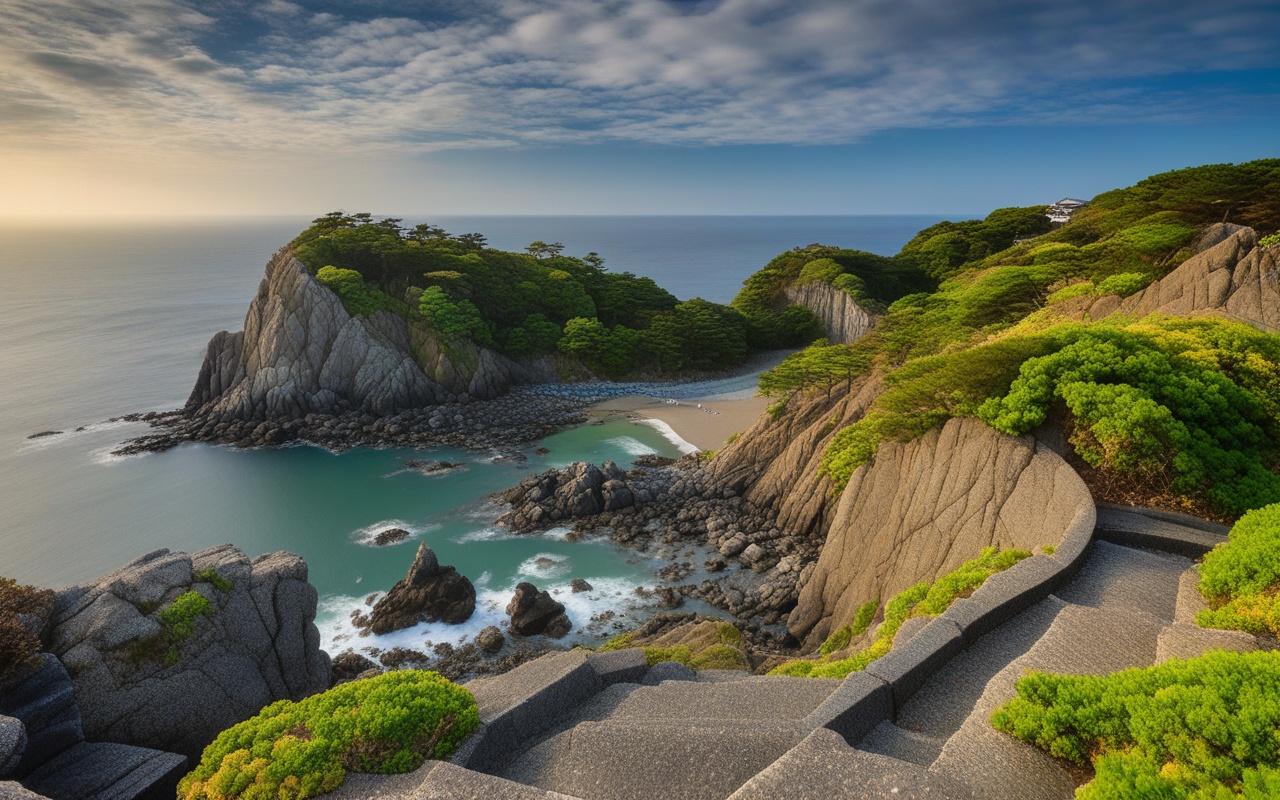
    Jogashima and Coastal Geology

    Tuff formations weather into sharp edges; stay behind guardrails and avoid climbing on wet rock filmed for social feeds. Lighthouse precincts may close during maintenance; carry spare batteries because vending density drops on exposed headlands, Spring brings wildflowers that attract pollinators; step carefully on narrow treads.

    Harbor Vistas and Human Scale

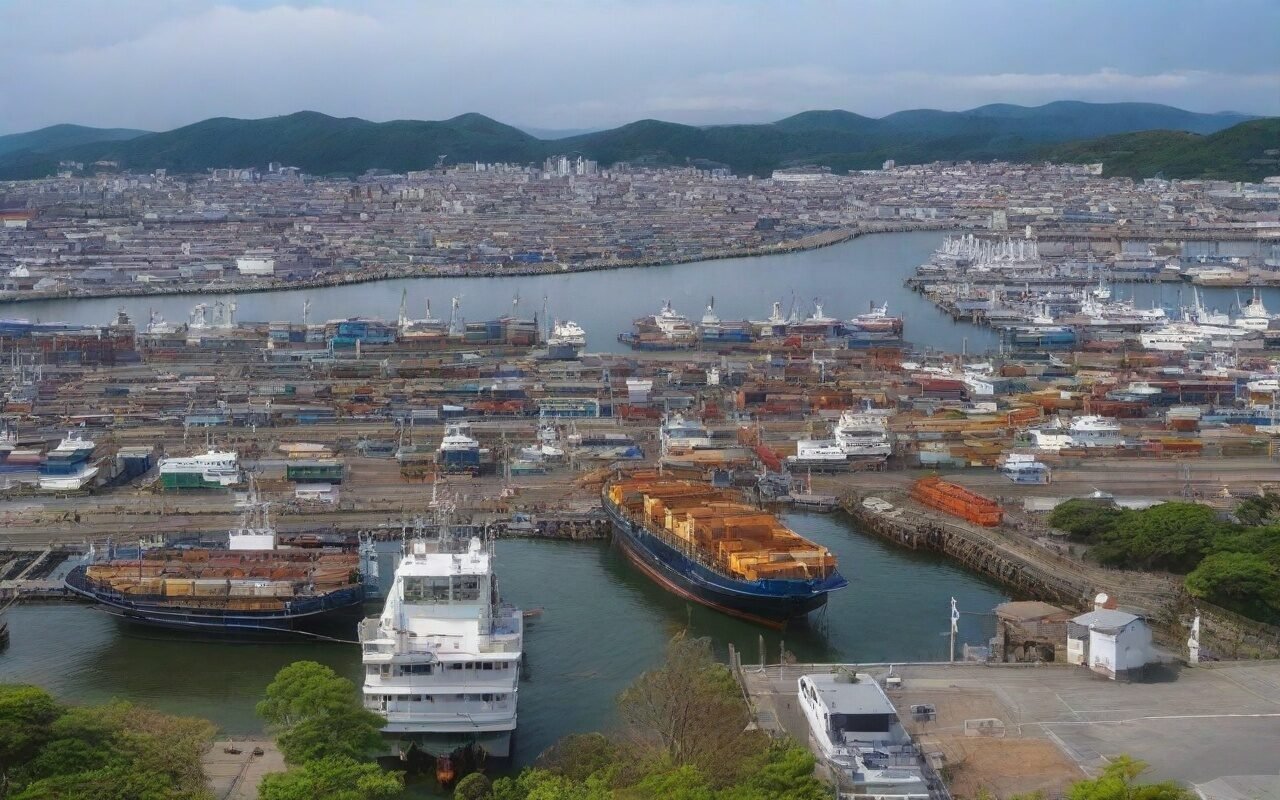
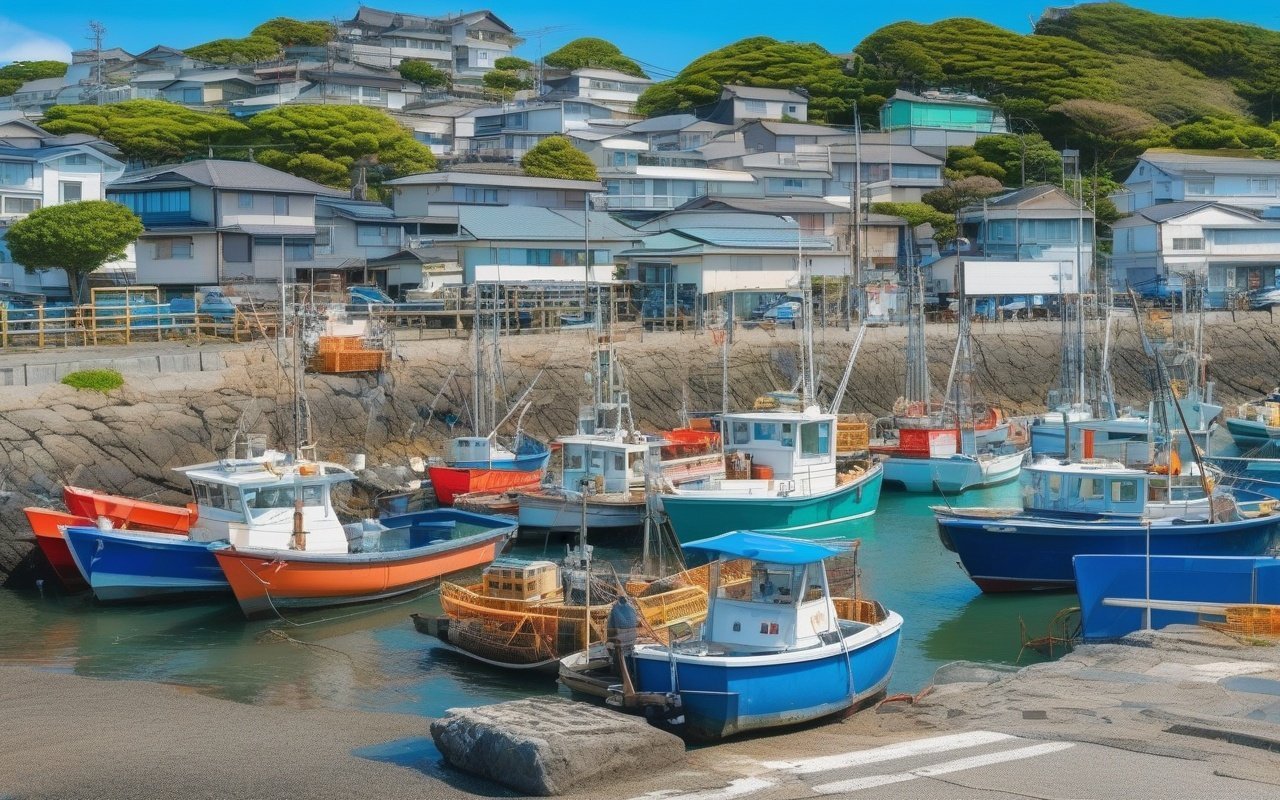
    Misaki’s port mixes tourism with landings; watch for hose snaking, ice deliveries, and forklift lanes unrelated to pedestrian selfies, Morning light clarifies rigging geometry; afternoon heat shimmers distort distance perception when composing photographs.

    Safety and Environmental Care
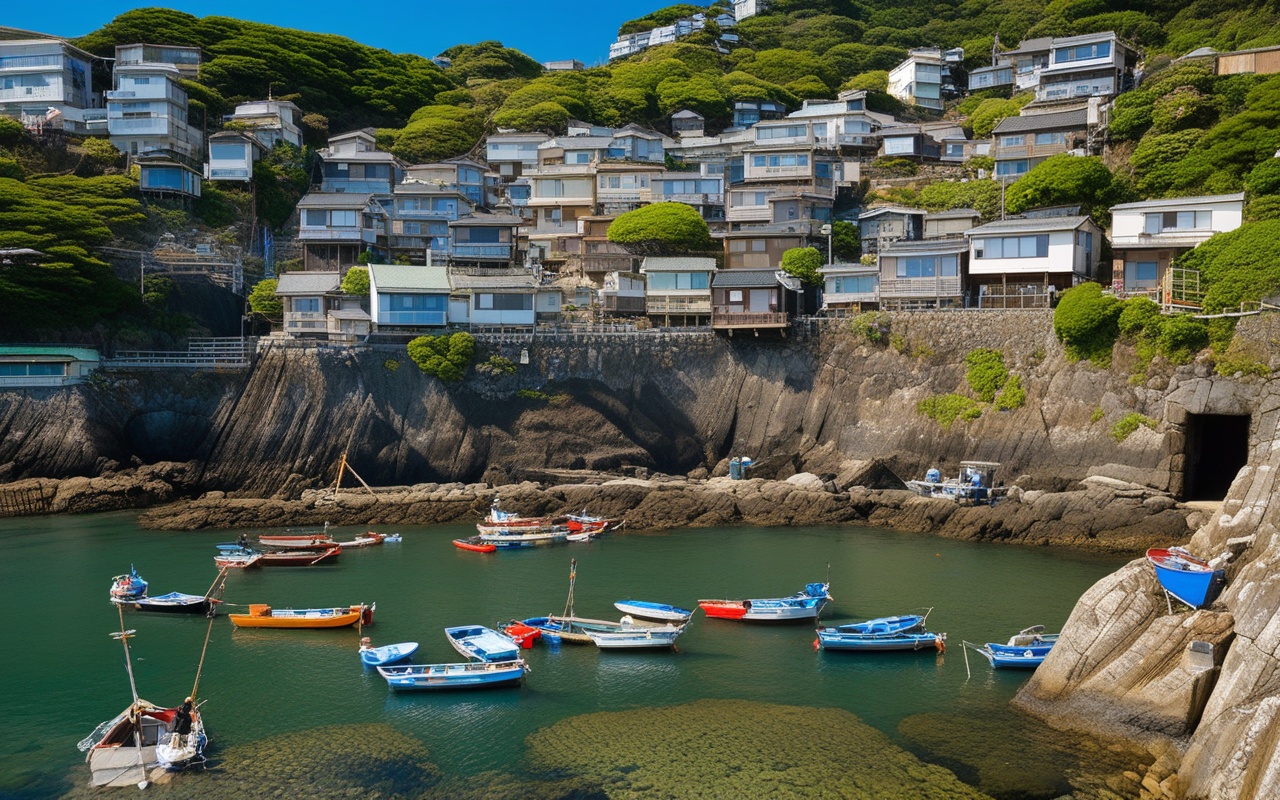
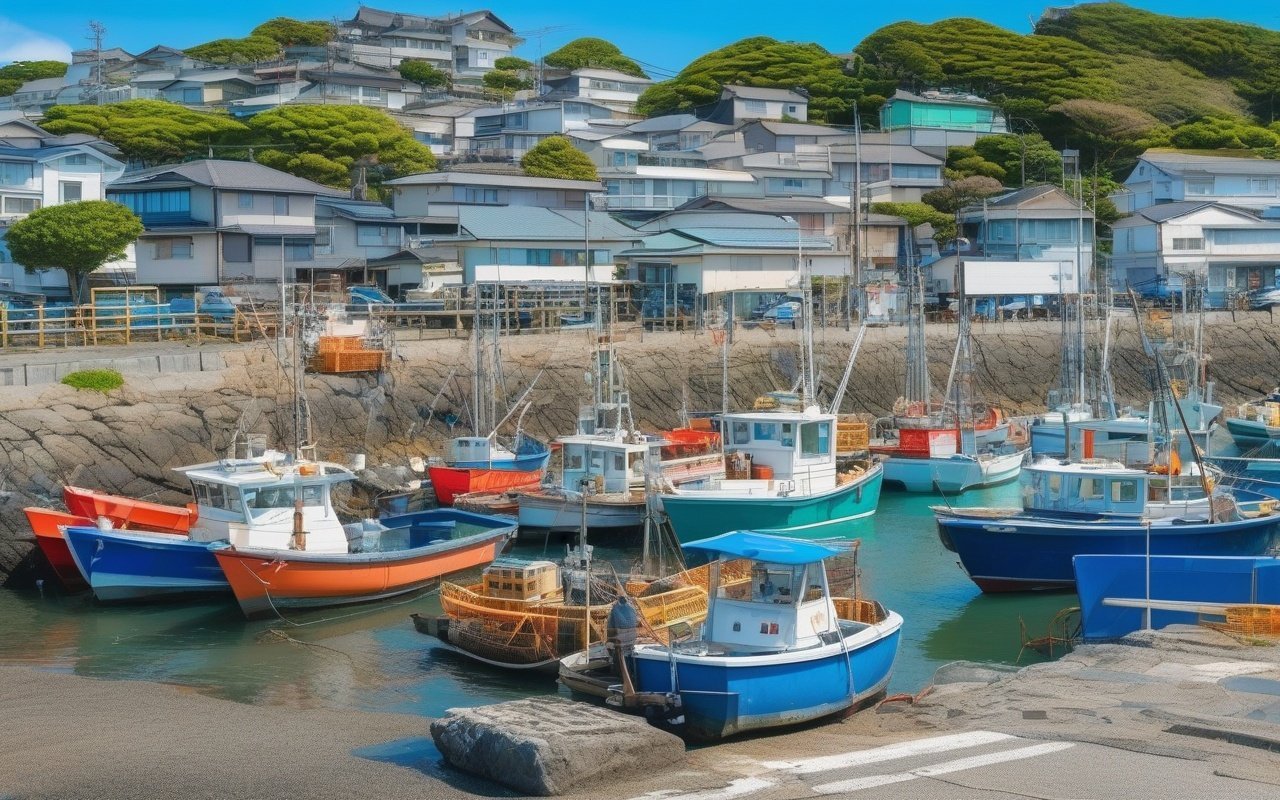
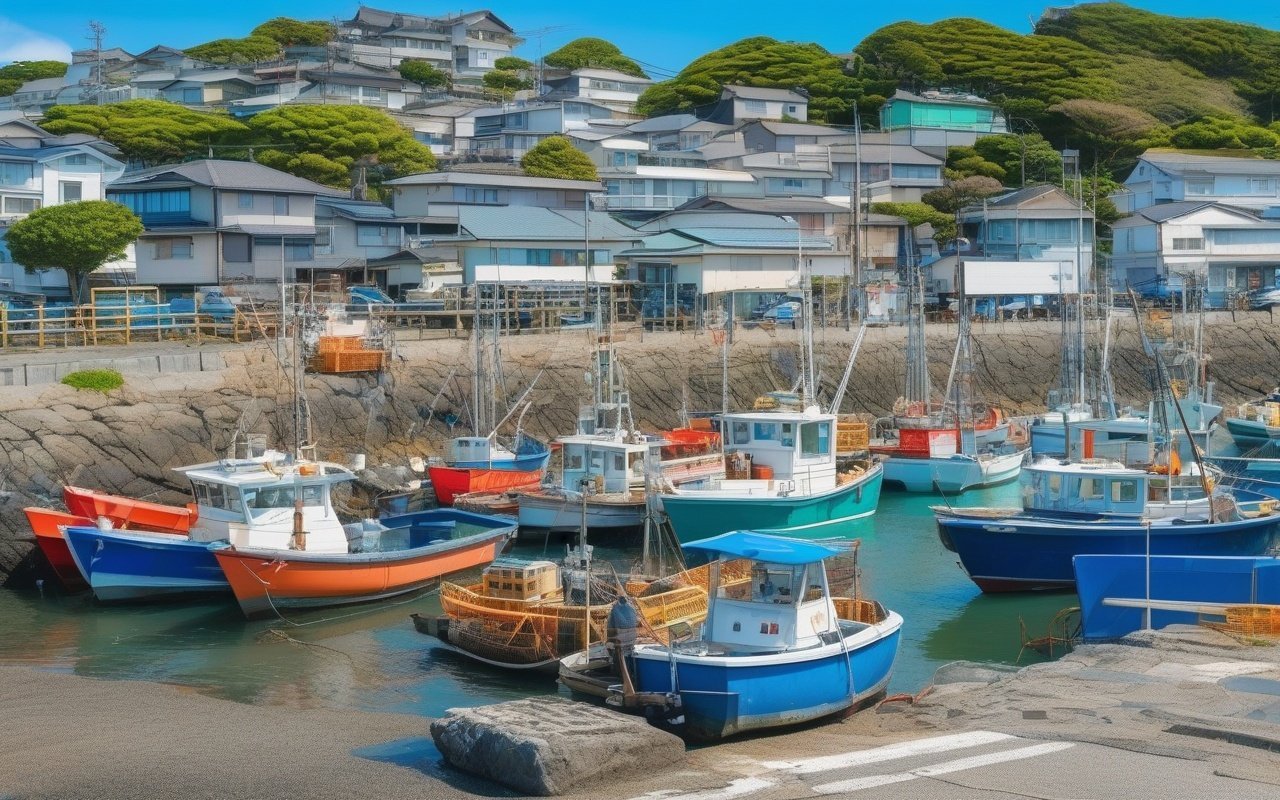
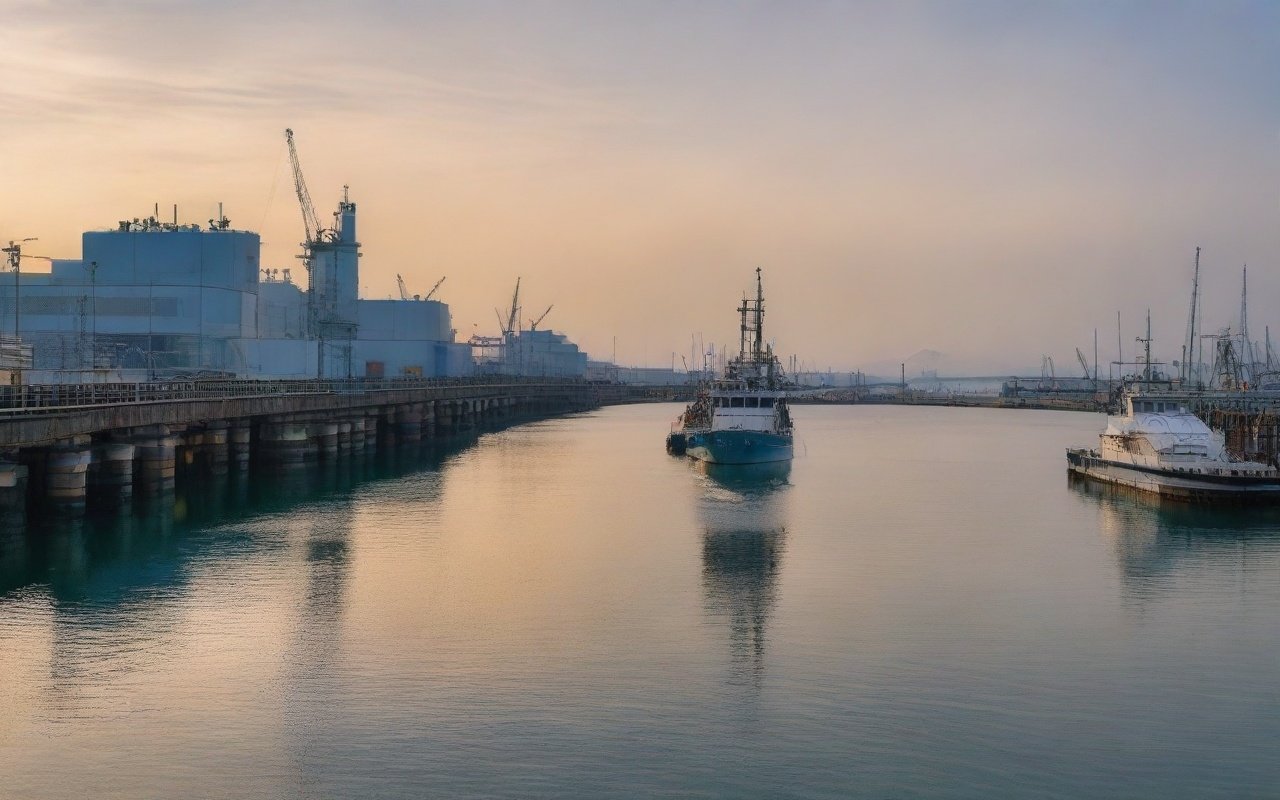
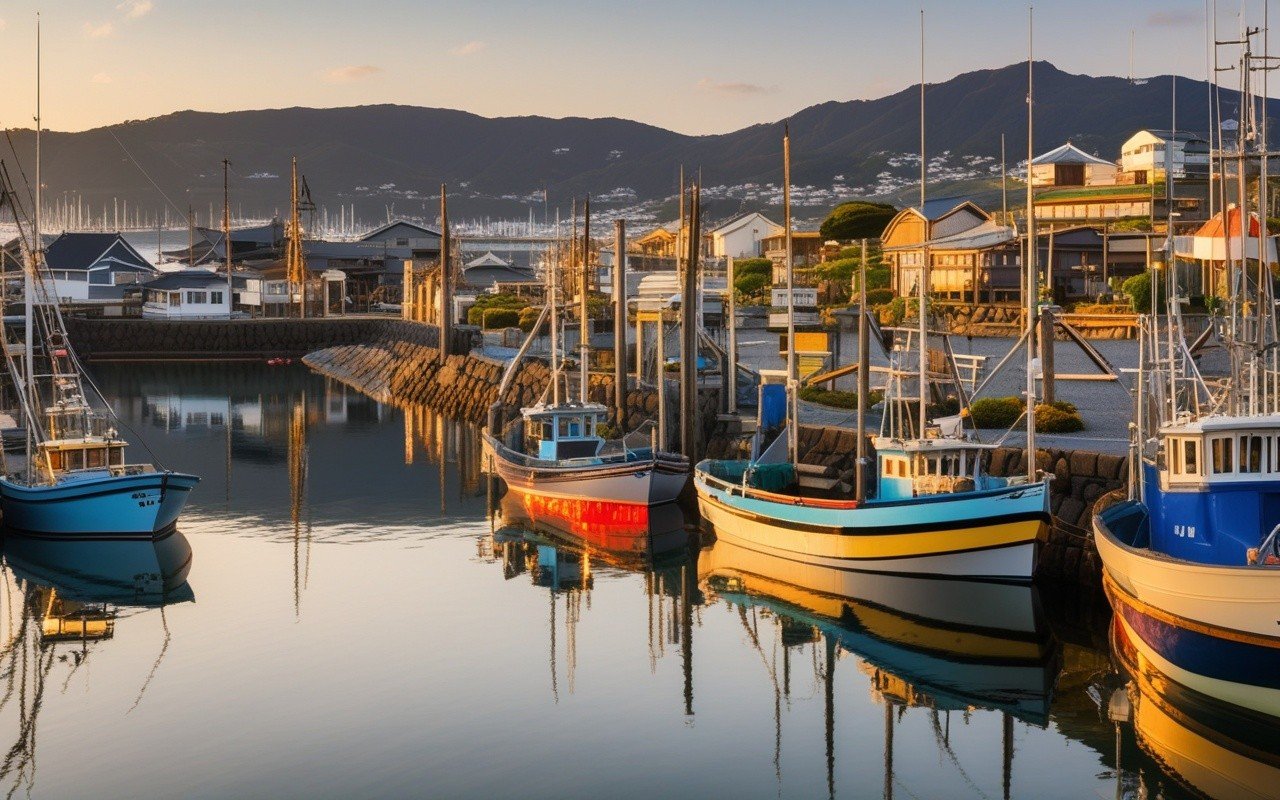
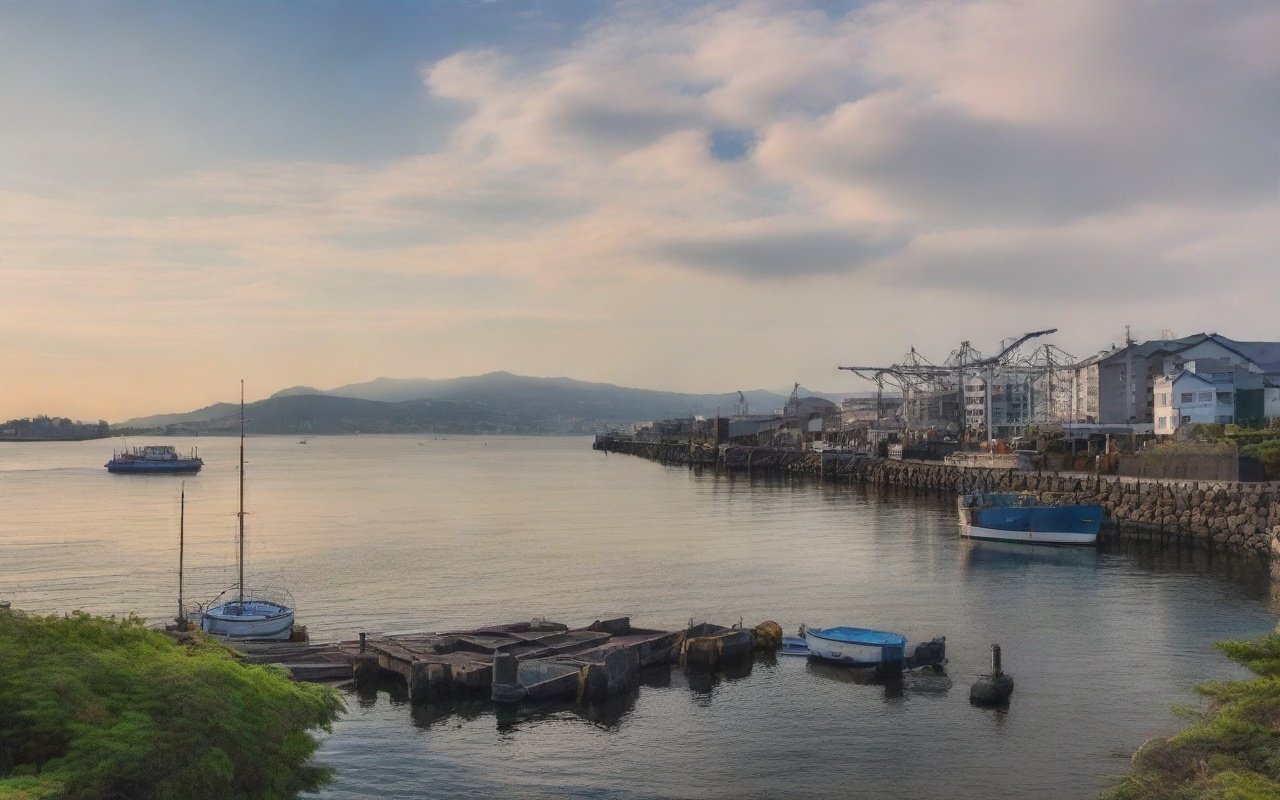
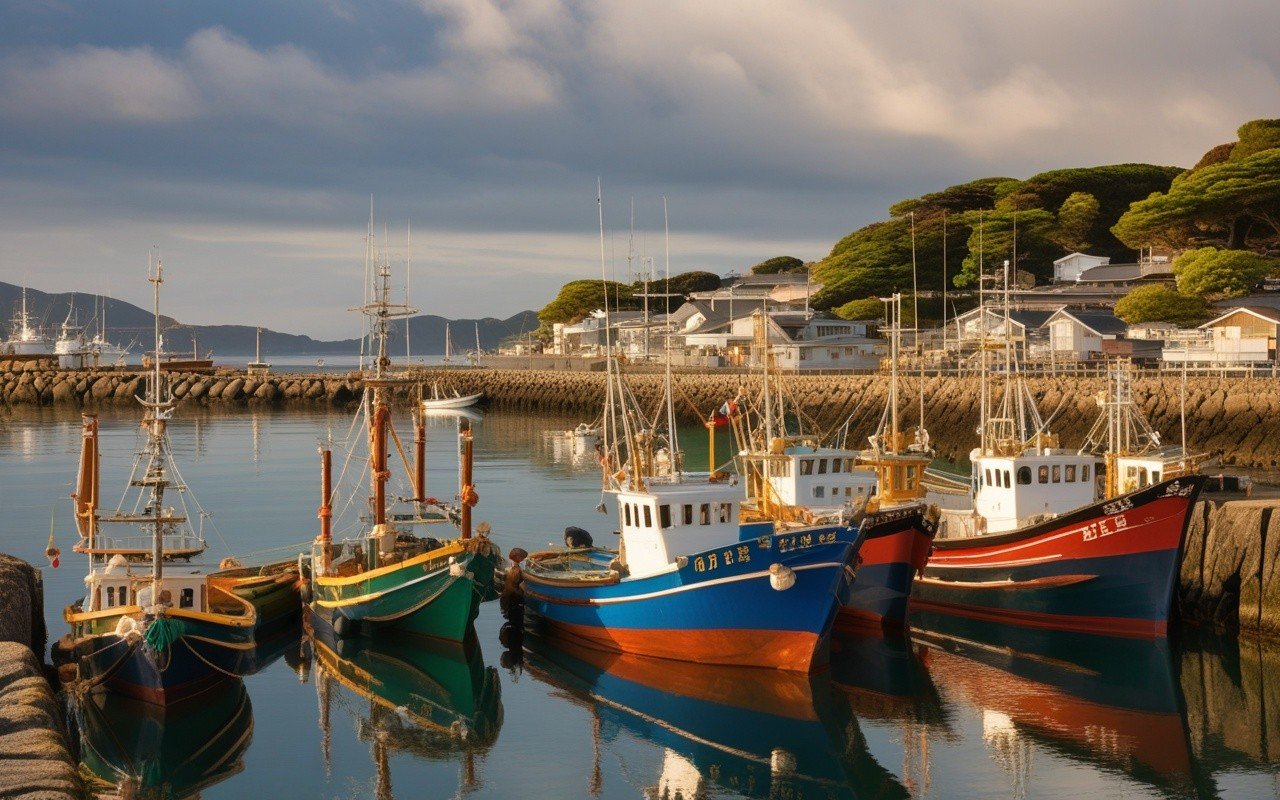
    Fishing boats clustered in a compact harbor basin beneath terraced neighborhoods climbing a low hillside

    Cliffs shed rocks after rain; wear brimmed hats for sun off water. Tidepools host fragile anemones; do not pry animals off rocks; do not leave stacked stone cairns that alter microhabitats. Carry out all trash; bins are sparse.

    Beach behavior and swim zones appear in the Shonan beach guide. Trains, buses, and harbor approaches are detailed in Miura Peninsula access. Thermal relaxation after windy hikes appears in the Kanagawa onsen guide. Museum exhibits on maritime history appear in the Kanagawa museum guide. Kamakura’s coastal geology contrasts in the Kamakura access guide. Yokohama’s bay viewpoints differ in scale within Yokohama port opening history.


    Closing Notes

    Let working harbors work; enjoy scenery without blocking nets, lines, or emergency vehicle routes. Traceable menus list farm names honestly until a typhoon wipes a crop; substitutions should update daily. Ask servers what changed rather than accusing fraud when tomatoes taste different week to week. Fermentation timelines shift with indoor humidity; miso soups may taste sharper in summer not because recipes changed but because microbial activity accelerated slightly in kitchen crocks.

    Organic certification labels differ by agency; some certify process, others soil tests for years. Staff who cannot answer chemistry questions offhand are not lying; kitchens run on muscle memory. Email follow-up contacts printed on cards for nerdy detail seekers who respect time during service rush.

    Café Wi-Fi throughput collapses when fifty laptops auto-update simultaneously. Download offline maps before peak brunch. Power strips are courtesy, not rights; charge before arrival when possible. Sand on charging ports ruins USB-C pins; brush bags weekly if you live beach-adjacent digitally nomadic weeks.

    Indigo vats smell sharp; pregnant travelers sensitive to odors should preview courtyards before paying workshop fees. Rubber gloves stain blue; aprons help but sleeves still spot. Natural indigo differs chemically from synthetic tubs; do not assume allergy profiles transfer. Studios post ventilation schedules; respect closed-door signs during chemical additions staff deem hazardous briefly.

    Noh stages use cypress floors that scar if tapped with hard cases. Cloakrooms exist but queues lag; travel light. Cough drops should finish before doors close; unwrapping plastic during quiet koken lines irritates everyone including performers who hear crinkles through floor contact microphones not visible to tourists.

    Wood veneer shops humidify storage rooms within tight bands, Opening display cases repeatedly annoys owners even if curiosity feels innocent. Ask once for supervised handling. Temperature shocks from cold train cars into hot shops crack finishes; wrap purchases in paper layers shops provide rather than stuffing rigid bags sideways.

    Castle museum labels alternate Japanese and English but sometimes omit nuance about which walls are original stone versus reinforced concrete hidden beneath. Ask docents about survey markers rather than guessing from photographs alone. Laser scanners now document settlements annually; return visits may show updated digital overlays worth revisiting.

    Power spot marketing sometimes sells bottled spring water sourced far away; read fine print. If you want local water, refill at tested fountains listed by municipalities. Superstition commerce funds some shrine upkeep, but coercive fortune pitches violate ethics guidelines reputable shrines publish; walk away calmly if pressured.

    Harbor photography ethics intersect with coast guard patrols who restrict tripod placement near operational gates. Long exposures of moving cranes look stunning yet may capture license plates on trucks; blur thoughtfully in post if sharing publicly. Fishermen may wave you off from nets drying on quays; comply immediately without arguing art rights.

    Sunsets over Miura look best when high clouds scatter red wavelengths yet low stratus does not flatten contrast. Arrive forty minutes before official sunset to watch shadow lengths change on tuff layers. Tripods vibration from wind gusts ruins stacks; weigh hooks help. Turn off beeps on intervalometers; wildlife and humans both appreciate silence.

    Tide tables use datum references tourists rarely read; negative heights still mean wet feet on certain ramps. Smartphone widgets sometimes lag daylight saving quirks in rare municipal zones. Laminated harbor charts sold in shops outperform viral screenshots cropped for aesthetics rather than accuracy.

    Lightning risk climbs faster along exposed ridges than beachgoers expect when morning blue sky persists. Cumulus towers by noon warrant retreat plans. Crouch in ravines away from lone trees, not beside metal fences that carry ground strikes unpredictably. Golf courses close for good reasons; do not sneak in for storm photos.

    Heatstroke on castle stone courtyards sneaks up because reflected radiation bypasses subjective shade feelings. Hats with neck capes outperform baseball caps alone. Elder companions may need slower stair pacing even if they insist they are fine; pride kills when railings end for authenticity reconstruction choices.

    Ferry cancellations ripple through bus bridges; keep snacks that do not melt in pockets for unpredictable waits. Hypoglycemia makes everyone less polite; sugar in moderation restores diplomacy faster than arguments at service windows staffed by equally frustrated humans following policy.

    Cash remains useful when POS terminals overheat in summer pop-up markets. Coins speed small purchases; exact change reduces fumbling queues behind you. Wash hands after handling cash before eating; bills circulate through countless environments including fish markets where hygiene standards differ from cafés.

    Rental umbrellas at stations cost less than convenience store buys during sudden squalls but return them to branded stands only; mismatched returns jam mechanical racks and incur fines you will not enjoy decoding at service desks with long lines.

    Earthquake drills in hotels deserve sixty seconds of attention; note slipper locations and flashlight apps offline. Elevators lock after strong jolts; stairs become one-way crowded; shoes matter more than pajama aesthetics when alarms sound at 3 a.m.

    Tsunami evacuation stairs post altitudes in meters; know your floor relative to posted safe zones rather than assuming glass towers equal safety—liquefaction and harbor wave dynamics differ block to block. Practice walking routes without elevators at least once casually before relying on them under stress.

    Drone laws tightened near ports and castles; ignorance fines sting. Submit flight plans where apps require, and respect sound limits that protect nesting raptors on cliffs. Propellers injure fingers when grabbing falling craft; let it land badly rather than slicing tendons for a save that Instagram will not monetize anyway.

    Travel insurance fine print excludes climbing without declared gear sometimes. If you plan even mild via ferrata segments, call brokers. Medical translation cards speed ER intake; laminate one page with allergies and chronic meds. Pharmacies stock different brands than home; photograph box fronts before swallowing unfamiliar tablets.

    Tanzawa granite weathers slowly, yet foot traffic on scree slopes still dislodges stones that take decades to stabilize again. Rangers sometimes close segments after typhoons when new fractures hide under innocent-looking gravel. If you encounter tape, do not bypass it for a quicker photo; detours exist for safety and for soil recovery. Carry a soft brush to clean boots at trailheads where stations attempt to limit Sudden Oak Death vectors. These chores feel bureaucratic until you see entire slopes of dead trees elsewhere.

    Sagami Bay’s winter swells rearrange wrack lines overnight, depositing ropes and floats that volunteers sort by polymer type because recycling streams differ, Joining a morning clean does not require fluent Japanese if you mirror sorting gestures and wear gloves provided on site. Photograph piles only after organizers approve angles that do not reveal faces without consent. Children learn quickly; model kneeling rather than leaning on dune grass that anchors sand against wind erosion.

    Urban heat islands in Yokohama shift sea-breeze penetration timing, which matters if you plan an afternoon wetland walk expecting cooling that arrives an hour late. Check hourly forecasts rather than day highs alone. Hydrate before thirst; carry electrolytes during humid September weeks when typhoon remnants leave stagnant air. Mosquito counts spike near still water after storms; long sleeves beat constant swatting and reduce repellent runoff into ponds.

    Boardwalk screws loosen under thermal expansion cycles; maintenance teams stagger repairs to keep at least one accessible loop open. Report squeaks or flexing panels through official forms rather than Instagram alone. Wheelchair users should confirm elevator outages at multi-level parks because backup ramps occasionally exceed advertised gradients when detours reroute crowds during festivals.

    Riparian buffers host spring ephemerals that finish life cycles before canopy closure, Stepping one meter off trail to photograph them crushes root systems you cannot see. Use a zoom lens from the tread. Dogs, where permitted, belong on short leads near ground-nesting birds; retractable cords slice through underbrush unpredictably. Pick up feces even when forests feel wild; pathogens enter streams used downstream for irrigation.

    Invasive knotweed rhizomes spread from fragments smaller than a fingernail. Never dump garden waste in parks. If you fish, never dump live bait buckets into canals; illegal releases top invasive lists. Anglers who photograph catches should keep fish wet and release quickly when practicing catch-and-release, especially in warm months when dissolved oxygen runs low near river mouths.

    Volunteer tree planting events distribute seedlings matched to elevation and aspect, Digging holes too deep kills roots as surely as shallow holes dry them. Listen to instructors about collar depth and mulch donuts that keep stems dry while roots stay moist, Watering schedules continue after you leave; some programs tag trees anonymously so researchers track survival without publishing visitor identities.

    Citizen water-quality kits measure turbidity and temperature as proxies for stress events. Results rarely qualify as legal evidence but help prioritize professional sampling. Handle vials cleanly; one greasy fingerprint skews optics. Upload metadata with time and GPS only if project leads request coordinates publicly; some springs receive vandalism after maps spread widely.

    Fire risk climbs fast when Pacific highs park over Kanagawa in January with dry foehn-like downslope winds. Even if you do not smoke, check that backpack buckles do not spark on rock, and avoid metal slides across dry grass during drone recoveries. Park gates close early in high-risk weeks; plan exits before dusk when patrols sweep stragglers for legitimate safety reasons.

    Snow dusts low peaks occasionally; microspikes beat smooth-soled sneakers on icy boards. Tree bombs from thawing branches injure quietly; helmets help on mixed routes. Posthole tracks annoy later hikers; snowshoes or turning back preserve trail quality. Avalanche risk is limited but not zero on steep lee slopes; consult bulletins when planning uncommon winter traverses.

    Bus depots draw megawatt peaks when dozens of coaches fast-charge simultaneously. Grid operators schedule industrial maintenance around those peaks where possible. Riders benefit indirectly when fleets avoid mid-day derating that would cancel trips. Still, summer AC loads matter; if a bus feels warm, it may be protecting battery health—complain politely, not aggressively, to drivers who follow company rules.

    Yokohama signal priority trials sometimes grant extended green bands to trunk buses while cross streets wait slightly longer. Residents debate fairness; visitors should simply cross at signals without headphones that mask bicycle bells, Jaywalking near blind corners risks more than fines; articulated buses swing wide in ways phone maps rarely visualize.

    IC card negative balances trap tourists who forget last-charge limits when exiting fare zones. Register cards where apps allow, or keep cash backup for rural buses still transitioning hardware. Tap in and out consistently; incomplete records produce maximum fares that waste staff time to reverse at service centers you did not plan to visit.


    Frequently Asked Questions

    Q: What is the best time to visit this area?
    A: Spring (March-May) and autumn (September-November) offer the most pleasant weather. Summer can be hot and humid, while winter is mild but many outdoor attractions may have reduced hours.

    Q: How do I get there from Tokyo?
    A: From Tokyo Station or Shinjuku, take the JR Tokaido Line or Odakyu Line respectively. Most destinations in Kanagawa are within 60-90 minutes by train.

    Q: Is English signage available?
    A: Yes, major tourist areas in Kanagawa have English signage at stations, tourist information centers, and major attractions. Smaller local spots may have limited English.

    Q: Can I visit on a day trip?
    A: Yes, most Kanagawa destinations are easily accessible as day trips from Tokyo. Consider arriving early (before 10 AM) to avoid crowds.

    Q: Are credit cards widely accepted?
    A: Major attractions, hotels, and larger restaurants accept credit cards. Smaller shops and local eateries may be cash-only. Carry ¥5,000-10,000 in cash.

    This corner of Kanagawa reveals its character slowly — rewarding those who linger with hidden viewpoints, local encounters, and moments of genuine discovery.

    Conclusion

    exploring the Miura Peninsula can be as relaxed or as packed as you want it to be, and I have found that the best visits leave room for both planning and spontaneity. During my visit to the Miura Peninsula I went with a rough plan and found that leaving room to wander made the trip far more memorable. Use this guide to sort out the logistics in advance, then let the day surprise you — Kanagawa rewards travelers who stay curious.
  • Miura Peninsula Tuna Complete Guide — Complete Guide 2026

    Miura Peninsula Tuna Complete Guide — Complete Guide 2026

    Miura Peninsula Tuna Complete Guide — Complete Guide 2026

    Overview

    Discover the best food and drink experiences that Miura Peninsula Tuna has to offer. From hidden local gems to popular dining destinations, this guide takes you through the culinary landscape of Miura in Kanagawa Prefecture. Whether you are a first-time visitor or a returning food enthusiast, you will find something to satisfy your cravings.

    Access

    Most visitors reach the Miura Peninsula from central Tokyo by JR, private railway, or highway bus, and an IC card (Suica or Pasmo) works across all of them. From my experience, leaving Tokyo before the morning rush keeps the journey relaxed, and station luggage lockers are handy if you arrive early.

    The History of Misaki’s Tuna Industry

    Misaki’s relationship with tuna dates back to the Edo period when local fishermen developed techniques for long-distance fishing. After World War II, the port modernized rapidly, becoming a base for large tuna long-liners that traveled as far as the Indian Ocean. Today, Misaki remains one of only a handful of ports authorized to land Atlantic bluefin tuna, and its daily auction draws buyers from across the Kanto region.

    The port processes approximately 30,000 tons of tuna annually, with peak season running from September through December, During this period, the pre-dawn auction (starting around 5:30 AM) is a fascinating spectacle that visitors can observe from a designated viewing platform.

    Tuna Donburi Comparison

    Tuna donburi (rice bowl) is the most popular way to enjoy tuna in Miura. Here is a comparison of what different restaurants offer:

    Miura Peninsula Tuna Complete Guide — main illustration

    Miura Peninsula Tuna Complete Guide — main illustration

    Miura Peninsula Tuna Complete Guide — visitor highlights

    Restaurant Bowl Name Cuts Included Rice Price
    Maguro no Yado Hon-maguro Don Akami, Chutoro, Otoro Vinegared ¥2,200
    Misaki Kaisen Center Tokujo Don Akami, Chutoro Sushi rice ¥1,500
    Portside Cafe Maguro Yukke Don Minced akami with egg yolk Warm rice ¥1,200
    Uotami Tekka Don Akami only Sushi rice ¥1,000

    Pro tip: For the best value, order “Tekka Don” (simple lean tuna bowl) at a portside shop and add a separate order of chutoro sashimi. This combination costs about ¥2,000 and gives you more fish than a pre-set deluxe bowl.

    Sustainable Tuna Practices

    Misaki’s tuna industry has faced sustainability challenges, and the port has implemented several measures to ensure long-term viability: Quota System: The Japanese government sets strict catch limits for bluefin tuna, and Misaki’s fleet adheres to these quotas. Each boat’s catch is monitored and reported in real-time.

    Size Limits: Tuna below a certain size (currently 70cm for bluefin) must be released. This protects juvenile fish and allows populations to replenish.

    Traceability: Every tuna landed at Misaki is tagged with a unique ID that traces it from catch to consumer. Some restaurants now display QR codes on menus that show the origin of each fish.

    Farm-Raised Alternatives: Several Misaki processors now offer high-quality farm-raised bluefin tuna, which reduces pressure on wild stocks. Farm-raised tuna tends to have more consistent fat content and is typically 20–30% cheaper than wild-caught.

    Best Times to Visit Miura for Tuna

    Timing your visit affects both the availability and quality of your tuna experience: Early morning (6–8 AM): The only time to see the tuna auction. Arrive at Misaki Port by 5:30 AM, watch the auction from the viewing platform (free), then head straight to a port restaurant for the freshest possible breakfast. Maguro no Yado opens at 6:30 AM, and the first customers get the just-auctioned catch.

    Lunch (11 AM–1 PM): Peak dining time. Arrive before 11:30 AM to avoid queues at popular spots. The lunch menu is typically the same as breakfast but ¥200–¥300 more expensive.

    Afternoon (2–4 PM): Many port restaurants close between 2–5 PM after selling out of their daily allocation. Call ahead to confirm. The Misaki Kaisen Center remains open but with limited selection.

    Weekdays vs, weekends: Weekdays are significantly quieter. On weekends, queues at top restaurants can exceed 45 minutes. If visiting on a weekend, aim for an early breakfast (7 AM) or late lunch (1:30 PM) to minimize waiting.

    Weather considerations: Tuna fishing is weather-dependent. Stormy seas can delay boats, reducing availability at port restaurants. If the forecast looks poor, call ahead to confirm the catch arrived. Restaurants farther from the port (inland Miura) tend to have more consistent supply from refrigerated storage.

    Festival timing: The Miura Peninsula Tuna Festival (held in November) features special pricing, cooking demonstrations, and limited-edition products. Accommodation in the area fills up weeks in advance for this event.

    Getting to Miura Peninsula

    Route From Time Cost
    Keikyu Line Shinagawa Station 90 min ¥1,200
    Keikyu Line Yokohama Station 60 min ¥850
    Car (Tomei Expressway) Tokyo 80 min ¥2,500 toll
    Bus Shinagawa Station (night service) 120 min ¥1,500

    A Keikyu Weekend Pass (¥1,800) offers unlimited rides on the Keikyu Line for one day, making it the most economical option for a day trip from Tokyo.

    Where to Eat Tuna in Miura

    1. Misaki Port Tuna Restaurants

    The row of restaurants lining the port offers the freshest possible tuna dishes. Most open by 7 AM and close when they run out of fish—often by early afternoon.

    Maguro no Yado (まぐろの宿) has been serving tuna since 1968. Their “Hon-maguro” (bluefin tuna) donburi (¥2,200) features three cuts—akami (lean), chutoro (medium-fatty), and otoro (fatty belly)—served over vinegared rice. The difference in texture and richness between the three cuts is remarkable.

    Misaki Kaisen Center (Misaki (三崎)海鮮センター) offers a more casual experience with a marketplace on the ground floor and a food court upstairs. Here you can buy freshly cut tuna sashimi packs (from ¥800) and eat them at communal tables overlooking the port.

    2. Tuna Processing Facility Tours

    Misaki Tuna Promotion Center offers guided tours of their processing facility. Visitors can watch workers carve 200 kg bluefin tuna with traditional long knives (maguro-bocho), separating the prized cuts with surgical precision. Tours are free but require advance reservation (Japanese-language only, though English pamphlets are available).

    3. Tuna-themed Souvenirs

    • Tuna jerky (Maguro no Jerky): A protein-rich snack that keeps well—perfect for hiking or train travel.
    • Tuna flakes (Maguro no Kezuri-bushi): Dried, shaved tuna used as a seasoning for okonomiyaki and rice dishes.
    • Canned tuna: Misaki’s high-quality canned tuna makes an excellent gift.

    Seasonal Tuna Guide

    Miura’s tuna availability follows a predictable rhythm:

    Season Species Quality Best Cut
    Spring (Mar–May) Yellowfin Lean & firm Akami
    Summer (Jun–Aug) Bigeye Medium fat Chutoro
    Autumn (Sep–Nov) Bluefin Peak fat Otoro
    Winter (Dec–Feb) Bluefin Rich & fatty All cuts

    Understanding Tuna Cuts and Grades

    When ordering tuna in Miura, understanding the different cuts will help you make the most of your dining experience. Here is a detailed guide:

    Akami (赤身) — Lean Meat

    Located along the back of the fish, akami is the leanest cut with a deep red color and firm texture. It has a clean, straightforward tuna flavor without the richness of fattier cuts. Akami is the most affordable cut and is excellent for beginners who want to appreciate the pure taste of fresh tuna.

    Best enjoyed as: Sashimi, nigiri, or lightly seared (tataki)
    Typical price: ¥800–¥1,200 per serving

    Chutoro (中トロ) — Medium-Fatty Belly

    From the side of the belly, chutoro has a moderate fat content that gives it a buttery texture while retaining the clean tuna flavor. The color is a lighter red with visible white marbling. For many tuna enthusiasts, chutoro strikes the perfect balance between flavor and richness.

    Best enjoyed as: Sashimi, nigiri, or gunkan-maki (hand roll)
    Typical price: ¥1,200–¥1,800 per serving

    Otoro (大トロ) — Fatty Belly

    The most prized cut, otoro comes from the belly center and has the highest fat content. It is pale pink with extensive marbling and melts on the tongue with a rich, almost sweet flavor. Otoro is significantly more expensive than other cuts and is typically served in limited quantities.

    Best enjoyed as: Nigiri (one piece is usually enough)
    Typical price: ¥2,500–¥4,000 per serving

    How Tuna Fishing Works in Miura

    Misaki’s tuna fleet uses long-line fishing methods, setting lines that can extend 50–100 km with hundreds of baited hooks. Boats typically depart for 2–4 week voyages, targeting bluefin tuna in the Pacific Ocean. The catch is kept in refrigerated seawater tanks to maintain freshness during transit.

    Upon return to port, the tuna is graded by trained inspectors who assess:

    • Fat content: Measured by a handheld device that analyzes the belly cross-section
    • Color: Vibrant red indicates freshness; brownish tones indicate age
    • Texture: Firmness and elasticity
    • Overall appearance: Shape, damage, and handling quality

    Top-grade tuna is sent directly to Tokyo’s Toyosu Market for high-end sushi restaurants. Second-grade tuna stays in Miura for local consumption, which is why the quality at Misaki’s port restaurants is exceptional even at moderate prices.

    Beyond Tuna: Other Seafood in Miura

    While tuna is the star, Miura’s waters offer other excellent seafood worth exploring:

    Seafood Season Recommended Preparation
    Kinmedai (golden eye snapper) Autumn–Winter Sashimi or shabu-shabu
    Aji (horse mackerel) Summer Sashimi with ginger
    Ise-ebi (spiny lobster) October–April Grilled or sashimi
    Sazae (turban shell) Year-round Grilled with soy sauce

    Many port restaurants offer mixed seafood bowls (kaisen don) that include tuna alongside these local specialties. During my visit, I tried the local specialty and found the flavors remarkably fresh and well-balanced.

    Tips

    A few things I learned while researching exploring the Miura Peninsula for its tuna: start early to beat the crowds, check opening days in advance, and carry a little cash for smaller shops and entry fees. Comfortable shoes make a bigger difference than most visitors expect, and an IC card such as Suica or Pasmo speeds up every train ride.

    Frequently Asked Questions (FAQ)

    Q: How do I get to Misaki Port from Tokyo?
    A: Take the Keikyu Line from Shinagawa to Misakiguchi Station (about 90 minutes), then a 10-minute bus ride to the port. Alternatively, the Keikyu Weekend Pass offers unlimited rides at a discount.

    Q: Can I see the tuna auction?
    A: Yes, but you must arrive before 6 AM. The auction floor has a public viewing area, and the experience is free. Photography is allowed only from the designated walkway.

    Q: What is the difference between the three tuna grades?
    A: Akami is the lean red meat from the back. Chutoro is medium-fatty from the belly sides. Otoro is the fattiest cut from the belly center—rich, buttery, and the most expensive. Most tuna donburi sets include all three for comparison.

    Q: Do restaurants accept credit cards?
    A: Many do, but smaller shops and market stalls are cash-only. An ATM is available at Misakiguchi Station.

    Q: Is there an English menu?
    A: Most port restaurants have picture menus or English translations. Maguro no Yado provides an English menu upon request.


    Conclusion

    Whether you are planning exploring the Miura Peninsula for its tuna for the first time or returning for another visit, taking a little extra time to go beyond the obvious sights makes all the difference. During my visit to the Miura Peninsula I went with a rough plan and found that leaving room to wander made the trip far more memorable. I hope this guide helps you build an itinerary that fits your pace, and that your time in Kanagawa leaves you with memories worth coming back for.

  • Yokosuka Dobuita Street Guide 2026

    Yokosuka Dobuita Street Guide 2026

    Overview

    This guide covers everything you need to plan exploring Yokosuka, from getting there and the best times to visit to practical tips and hidden gems. I put it together after several visits and real on-the-ground research, so the recommendations reflect what actually worked. Read on for a route that fits your pace.

    Yokosuka Dobuita Street Guide 2026

    Explore the unique culture of Yokosuka Dobuita Street, where American military influence meets Japanese tradition. This guide covers the street’s history, food, shopping, and vibrant international atmosphere.

    🗺️ Key Points

    • Perfect for: Shopping enthusiasts, military history buffs, families
    • Duration: 2-3 hours
    • Best Beston: Year-round
    • Budget: ¥3,000-5,000 per person
    • Access: 5 minutes walk from Yokosuka-Chuo station

    📍 Location

    History of Dobuita Street

    Dobuita Street originated in the late 1800s when the Imperial Japanese Navy established its base in Yokosuka. The area developed to serve sailors and their families, evolving into a vibrant international district, much like the broader Yokosuka dining scene.

    Key Historical Points:

    • 1865: Yokosuka Ironworks established
    • 1870s: First foreign shops appear
    • 1945-1950s: Post-war American influence
    • Present: Popular tourist destination

    1. Military Surplus Shops

    Authentic military gear, uniforms, and collectibles from various eras. Recommended: Navy Surplus Store
    Items: Jackets, boots, accessories
    Price Range: ¥1,000-10,000

    2. American Souvenir Shops

    Unique American-themed souvenirs and gifts. Recommended: Dobuita Gift Shop
    Items: T-shirts, magnets, keychains
    Price Range: ¥500-3,000

    3. International Food Stores

    Imported snacks, beverages, and specialty foods. Recommended: World Food Market
    Items: American candy, coffee, spices
    Price Range: ¥200-2,000

    1. American Diners

    Classic American burgers, fries, and milkshakes. Recommended: Dobuita Diner
    Specialty: Cheeseburgers
    Price: ¥800-1,500

    2. International Cuisine

    Mexican, Italian, and Asian fusion restaurants. Recommended: Fiesta Mexicana
    Specialty: Tacos and burritos
    Price: ¥700-1,200


    💰 Budget Breakdown

    Yokosuka Dobuita Street Guide 2026 — Budget Breakdown

    Item Cost
    Train (round trip) ¥1,840
    Shopping ¥2,000-4,000
    Lunch ¥800-1,500
    Drinks/Snacks ¥500-1,000
    Total ¥5,140-8,340

    Yokosuka Dobuita Street offers a unique shopping and dining experience that blends American and Japanese cultures. Whether you’re a military history enthusiast, shopping lover, or simply curious about this international district, Dobuita Street provides a memorable glimpse into Yokosuka’s naval heritage.

    For more Kanagawa guides, explore our other articles on Yokosuka Military Curry, Yokosuka Accommodation Guide, Kamakura, and the Miura Peninsula.

    📸 Photo Spots on Dobuita Street Dobuita Street offers several excellent photo opportunities:

    1. The Dobuita Street arch at the entrance — the iconic gateway with “Dobuita Street” written in English and Japanese. Best shot: early morning (no crowds) or evening (neon lights illuminated).
    2. Military surplus store facades — the storefronts with hanging jackets and military gear make for authentic, gritty street photography.
    3. The Yokosuka Navy Base gate — a short walk from Dobuita, the main gate area is a fascinating contrast between American military presence and Japanese daily life. Photos of the gate itself are permitted; photos of personnel are not.
    4. Verny Park (5 min walk) — a waterfront park with a French-style garden. Excellent backdrop for portraits, especially during cherry blossom season.

    🚶 A Self-Guided Walking Tour of Dobuita Street

    Start at the Yokosuka-Chuo Station (Keikyu Line) and exit from the central exit. The street begins immediately ahead. Stop 1 (0-5 min): The Dobuita Street entrance arch. Take your photo here before the crowds arrive.

    Stop 2 (5-20 min): Explore the military surplus stores on the left side of the street. Even if you are not buying, the displays of vintage jackets, patches, and boots are fascinating to browse.

    Stop 3 (20-40 min): Continue to the mid-point where American souvenir shops cluster. Look for T-shirts with “Yokosuka” and “US Navy” designs — these are unique to this area.

    Stop 4 (40-60 min): Lunch at Takaraya Honten (navy curry) or Dobuita Diner (burgers). Both are on the main street and easy to spot.

    Stop 5 (60-80 min): After lunch, explore the side streets. Izakaya Goto and Fiesta Mexicana are on the side lanes. The side streets also have smaller, more unique shops.

    Stop 6 (80-100 min): Walk to the end of Dobuita Street toward the naval base area. The street ends at a T-junction with a view of the base fence.

    Stop 7 (100-120 min): Optional — visit Verny Park for a peaceful stroll along the waterfront, or head back to the station area for souvenir shopping.

    📅 Annual Events on Dobuita Street

    • Yokosuka America Festival (May) — A weekend celebration with parades, live music, food stalls, and street performances. The street is closed to traffic. Expect 50,000+ visitors over two days.
    • Yokosuka Navy Curry Festival (October) — Sample navy curry from 20+ restaurants, all competing for the “best curry” title. ¥500-800 per tasting portion.
    • Christmas Illumination (December) — Dobuita Street is decorated with lights and Christmas trees. The American-style decorations reflect the area’s international character.
    • New Year Countdown (December 31) — A small but lively gathering at the street entrance with countdown and champagne.

    Check the Yokosuka Tourism website for exact dates, as these vary year to year.

    🍽️ Where to Eat on Dobuita Street: Local Favorites

    Dobuita Street is famous for its unique blend of American and Japanese food culture. Here are the must-try experiences:

    Yokosuka Navy Curry

    Navy curry is Yokosuka’s signature dish — a legacy of the Imperial Japanese Navy’s tradition of serving curry on Fridays to prevent beriberi. It’s thicker, sweeter, and richer than standard Japanese curry.

    • Takaraya Honten — The original navy curry restaurant since 1914. Lunch set: ¥1,200. The recipe includes a secret blend of spices and beef stock.
    • Cafe & Restaurant Tully’s — Modern navy curry interpretation. Lunch set: ¥1,000. Good for first-timers.
    • Navy Curry Honpo — Takeout option, ¥800. Perfect for a quick lunch before shopping.

    American-Style Dining

    • Dobuita Diner (main street) — Classic American burgers, onion rings, and milkshakes. The “Yokosuka Burger” (¥1,200) comes with a fried egg and bacon.
    • Hot Dog Stand at the Entrance — ¥350 for a classic American hot dog with sauerkraut. Open until supplies run out.
    • Tsunami Bakery — Hard-to-find American-style donuts and cinnamon rolls, Popular with base personnel. ¥200-400 each.

    International Snacks

    • Fiesta Mexicana — Tacos, burritos, and margaritas. ¥700-1,200. Authentic Mexican food prepared by a Japanese chef who trained in California.
    • Matsuya Yokosuka — Late-night ramen, open until 4 AM on weekends. ¥700-900. A local institution.

    🌙 Evening on Dobuita Street: The Night Scene

    Dobuita Street transforms after dark. While the shops close around 6-7 PM, the bars and izakayas come alive from 8 PM onward.

    Best for casual drinks:

    • Rock n’ Roll Cafe — Live music on weekends, draft beer from ¥500. A mix of American and Japanese clientele.
    • Irish Pub Yokosuka — Guinness on tap, ¥800. Popular with US Navy personnel and expats.

    Izakaya experience:

    • Izakaya Goto — Traditional Japanese pub food in the side streets off Dobuita. ¥3,000-4,000 for a full dinner with drinks.
    • Yokosuka Tabemono Yokocho — A small alley of tiny food stalls. Great for trying multiple dishes. Open until 10 PM.

    Safety note: Dobuita Street is safe at night, with visible police presence and well-lit streets. However, standard precautions apply — keep valuables secure and avoid unlicensed taxis.

    🛍️ Shopping Guide: What to Buy on Dobuita Street

    Item Where Price Best for
    Navy jacket Navy Surplus Store ¥5,000-8,000 Authentic souvenir
    Yokosuka T-shirt Dobuita Gift Shop ¥1,200-2,000 Light souvenir
    Yokosuka Curry pack Food Market ¥500-800 Edible souvenir
    Military patches Surplus shops ¥200-500 Collectible
    Japanese-to-English dictionaries Local bookstores ¥1,000-2,000 Practical

    Best shopping time: Weekday afternoons (Tuesday-Friday, 1-4 PM) are quietest. Saturdays are the busiest but also have the widest selection of street food stalls.

    🏛️ Nearby Attractions Worth Combining

    While Dobuita Street is the main attraction, several nearby sites are worth visiting on the same day:

    Mikasa Memorial Ship (三笠記念艦)

    A 15-minute walk from Dobuita Street, the Mikasa is a pre-dreadnought battleship that served as Admiral Togo’s flagship during the Russo-Japanese War (1904-05). It’s one of only three pre-dreadnought battleships preserved worldwide.

    • Hours: 9:00 AM – 5:00 PM (last entry 4:30 PM)
    • Admission: ¥600 adults, ¥300 children
    • Time needed: 1-1.5 hours
    • Highlights: Original bridge, gun turrets, museum exhibits about the Battle of Tsushima
    • Tip: English audio guides are available (¥300). The ship’s interior is well-preserved and gives a vivid sense of early 20th-century naval life.

    Verny Park (ヴェルニー公園)

    A 5-minute walk west of Dobuita Street, this waterfront park was built on reclaimed land where the Yokosuka Ironworks once stood, Named after the French engineer Léonce Verny who designed the ironworks, the park features:

    • French-style formal gardens with roses and fountains
    • Waterfront promenade with views of Yokosuka Bay and the US Navy base
    • Cherry blossom trees (peak bloom: late March to early April)
    • A small museum about Verny and the ironworks (free admission)
    • Best time: Late afternoon for sunset views over the bay

    Sarushima (猿島)

    Tokyo Bay’s only natural island, a 10-minute ferry ride from Yokosuka Port (15 min walk from Dobuita). The island features abandoned military fortifications from the Meiji and WWII eras, now overgrown with vegetation. It’s a unique “urban ruins” experience popular with photographers.

    • Ferry: ¥1,600 round trip, every 30-60 minutes (seasonal)
    • Open: March-November only
    • Time needed: 2-3 hours for a complete exploration

    🚃 Getting to Dobuita Street from Tokyo: Complete Guide

    Dobuita Street is located in central Yokosuka, about 60-90 minutes from central Tokyo depending on your route.

    By Train (Recommended)

    Option 1: Keikyu Line (Fastest)

    • From Shinagawa Station: Take the Keikyu Main Line Limited Express (特急) to Yokosuka-Chuo Station
    • Travel time: 55 minutes / Cost: ¥1,040 one way
    • Frequency: Every 10-20 minutes
    • Transfer: No transfer needed — direct train from Shinagawa
    • Exit: Take the central exit. Dobuita Street is a 5-minute walk straight ahead.

    Option 2: JR Yokosuka Line

    • From Tokyo Station: Take the JR Yokosuka Line (Yokosuka (横須賀)線) to Yokosuka Station
    • Travel time: 65 minutes / Cost: ¥1,020 one way
    • Frequency: Every 15-30 minutes
    • Transfer: No transfer needed — direct train from Tokyo Station
    • Exit: From Yokosuka Station, walk 15 minutes east or take a local bus (¥210, 5 minutes) to Dobuita Street.

    By Car

    • Take the Shuto Expressway via Yokohama, then Route 16 south toward Yokosuka
    • Travel time: 60-90 minutes from central Tokyo (longer on weekends)
    • Parking: Several coin parking lots near Dobuita (¥200-300/hour, ¥1,000-1,500/day)
    • Weekend warning: Parking fills by 10 AM. Arrive early or use public transport.

    Combining with Other Destinations

    Dobuita Street can be easily combined with other Miura Peninsula attractions in a single day:

    • Yokosuka Museum of Naval History (Mikasa Park) — 15 min walk from Dobuita. See the preserved pre-dreadnought battleship Mikasa.
    • Verny Park — 5 min walk west. A waterfront French-style garden with views of Yokosuka Bay.
    • Saru Island — A small island accessible by rental boat from Yokosuka Port (seasonal).

    Getting Back to Tokyo

    • Last train from Yokosuka-Chuo Station: Keikyu Line departure ~11:30 PM weekdays, ~11:00 PM weekends
    • Last train from Yokosuka Station: JR Line departure ~11:45 PM
    • Taxi from Yokosuka Station to central Tokyo: ¥20,000-25,000 (fixed fare available from the station taxi rank)
    • Ride-share services (Uber, DiDi) operate in Yokosuka but availability is limited compared to Tokyo

    Tips

    Practical notes from my trips to exploring Yokosuka: confirm the latest hours on the official website, buy tickets in advance when you can, and leave extra time for trains and walking between stops. Keeping your first day lighter also helps you enjoy the second day without feeling rushed.

    Frequently Asked Questions

    Q: Is Dobuita Street safe at night?
    A: Yes, Dobuita Street is generally safe at night with good street lighting and a visible police presence. Standard precautions apply — keep valuables secure and avoid unlicensed taxis. The area is popular with US Navy personnel and tourists, so there are always people around until late.

    Q: What are the best souvenirs to buy?
    A: Top souvenirs include: military surplus jackets (¥5,000-8,000), Yokosuka T-shirts (¥1,200-2,000), navy curry packs (¥500-800), military patches (¥200-500), and American-style snacks from the import food stores. Most shops open from 10 AM to 7 PM.

    Q: What time do shops and restaurants open?
    A: Most shops open around 10:00-11:00 AM and close by 7:00-8:00 PM. Restaurants open earlier (some from 7:00 AM for breakfast) and close later (some until 10:00 PM). Bars stay open until midnight or later on weekends. The street is quietest on Monday mornings — many shops are closed.

    Q: How do I get to Dobuita Street from Tokyo?
    A: Take the Keikyu Line from Shinagawa Station to Yokosuka-Chuo Station (55 minutes, ¥1,040). The street is a 5-minute walk from the central exit. Alternatively, take the JR Yokosuka Line from Tokyo Station to Yokosuka Station (65 minutes, ¥1,020), then a 15-minute walk or short bus ride.

    Q: Is Dobuita Street suitable for families?
    A: Yes, during daytime hours. The military surplus stores and American-style diners are fun for older kids and teenagers. The area is less suitable for very young children in the evening when the bar scene activates. Families should visit between 10 AM and 5 PM.

    Q: What’s the difference between Dobuita Street and the nearby areas?
    A: Dobuita Street is the main shopping and dining strip (500m long). Parallel streets are more residential. Verny Park (5 min walk west) is a waterfront park with French gardens. The Mikasa Memorial Ship (10 min walk) is a preserved battleship museum. Honcho Street (parallel to Dobuita) has more Japanese-style restaurants and izakayas.

    Conclusion

    The details in this guide come from real visits, and the biggest lesson I took away was that the best experiences in Yokosuka rarely fit neatly into a checklist. During my visit to Yokosuka I went with a rough plan and found that leaving room to wander made the trip far more memorable. Plan the essentials, keep your schedule flexible, and you will leave Kanagawa wanting to return.

  • Hayama Hidden Cafes – Kanagawa 2026

    Hayama Hidden Cafes – Kanagawa 2026

    Kanagawa Prefecture is a paradise for food lovers, offering everything from fresh seafood to traditional Japanese cuisine. This guide introduces the best dining experiences across the region.

    Overview

    Discover the best food and drink experiences that Hayama Hidden Cafes – Kanagawa has to offer. From hidden local gems to popular dining destinations, this guide takes you through the culinary landscape of Hayama in Kanagawa Prefecture. Whether you are a first-time visitor or a returning food enthusiast, you will find something to satisfy your cravings.

    Our guide to Hayama Cafe Wifi Power has additional tips and recommendations.## 📍 Location

    • 5 hidden kominka cafes (traditional Japanese houses)
    • Authentic atmosphere (50-100+ year old buildings)
    • Specialty coffee (locally roasted beans)
    • Peaceful retreats (away from tourist crowds)
    • Best for: Remote work, dates, photography, relaxation

    Introduction: Hayama’s Kominka Cafe Culture

    Hayama Hidden Cafes — main illustration

    Hayama Hidden Cafes detailed view and features

    Hayama Hidden Cafes - Kanagawa 2026 — Introduction: Hayama's Kominka Cafe Culture

    Hayama Hidden Cafes - Kanagawa 2026 — Introduction: Hayama's Kominka Cafe Culture

    Hayama (Hayama), located on the Sagami Bay coast of Kanagawa Prefecture, is known as a sophisticated resort town favored by the Imperial family. Beyond its beaches and upscale reputation, Hayama harbors a unique cafe culture centered around kominka () – traditional Japanese houses converted into charming cafes.

    For more on this topic, see our guide to Hayama Hidden Beaches.

    Traveling during school breaks? Our school holiday travel guide helps plan around peak seasons.
    Why Hayama for Kominka Cafes?

    • Historic buildings: Many pre-war houses preserved
    • Artistic community: Attracts creatives and artisans
    • Natural setting: Mountains meet the sea
    • Tokyo access: Only 60 minutes from central Tokyo
    • Local culture: Strong community of craftspeople and farmers

    What to Expect:

    • Atmosphere: Quiet, contemplative, authentically Japanese
    • Architecture: Tatami rooms, wooden beams, traditional gardens
    • Coffee: Specialty beans, careful brewing methods
    • Food: Homemade sweets, local ingredients, seasonal menus
    • Experience: Not just coffee, but cultural immersion

    Planning to drive? Our Kanagawa parking guide covers lots near major attractions.
    Best Times to Visit:

    • Weekday mornings: Quietest, best for remote work
    • Afternoon (2-4 PM): Natural light for photography
    • Rainy days: Cozy atmosphere, fewer crowds
    • Autumn: Fall colors in traditional gardens Updated: March 2026 (all cafes verified)

    1. Cafe Keisuke (Cafe)

    Best Overall – Master Roaster in 100-Year-Old House

    Location: Hayama, Miura District
    Coordinates: 35.2845°N, 139.5823°E
    Access: 15-minute walk from JR Zushi Station
    Building Age: ~100 years (Taisho era)
    Seating: 20 seats (8 tatami, 12 counter)
    Wi-Fi: ✅ Free (100 Mbps)
    Power Outlets: ✅ (counter seats)
    Hours: 8:00 AM - 6:00 PM (closed Wednesdays)
    Price Range: ¥600-1,200
    Photography: ⭐⭐⭐⭐⭐ (5/5)
    Remote Work: ⭐⭐⭐⭐ (4/5)

    Why It’s Special:

    • Master roaster: 20+ years experience, beans roasted daily
    • Traditional architecture: Original Taisho-era wooden structure
    • Tatami room: Remove shoes, sit on cushions
    • Garden view: Japanese garden with koi pond
    • Specialty coffee: Single-origin beans from Ethiopia, Guatemala Signature Drinks:
    1. House Blend Pour-over (¥700)

      • Balanced flavor, chocolate notes
      • Best for: First-time visitors
    2. Ethiopian Yirgacheffe (¥800)

      • Floral aroma, citrus acidity
      • Best for: Coffee enthusiasts
    3. Kyoto-style Cold Brew (¥600, summer only)

      • Slow-drip method, 12-hour extraction
      • Best for: Hot days
    4. Matcha Latte (¥650)

      • Uji matcha, house-made
      • Best for: Non-coffee drinkers

    Food Menu:

    • Homemade Cheesecake (¥550) – Must try!
    • Seasonal Fruit Tart (¥600)
    • Japanese Sweets Set (¥800) – Matcha + wagashi
    • Toast Set (¥500) – Thick-cut sourdough

    Local Tips:

    ✅ Arrive before 10 AM (opens at 8) for quiet work session
    ✅ Ask for garden seating (weather permitting)
    ✅ Try the master's recommendation (omakase style)
    ✅ Purchase roasted beans (¥1,200/100g)
    ✅ Respect the quiet atmosphere (no loud conversations)

    Photography Tips:

    • Best light: 10 AM – 2 PM (east-facing windows)
    • Tatami room: Ask permission first
    • Garden: Shoot through shoji screens
    • Coffee brewing: Master allows photos of pour-over process
    • Flash: Not allowed (disturbs atmosphere)

    Getting There:

    From Tokyo Station:
    1. JR Yokosuka Line to Zushi Station (50 min, ¥1,040)
    2. Walk 15 minutes through residential area
    3. Look for traditional house with noren curtain From Yokohama Station:
    1. JR Yokosuka Line to Zushi Station (25 min, ¥420)
    2. Walk 15 minutes By Car:
    - Parking: ❌ None (use coin parking nearby ¥300/hour)
    - Note: Narrow residential streets, not recommended

    Insider Secret:
    The master speaks basic English and loves discussing coffee origins. Ask about his sourcing trips to Ethiopia and Guatemala. He sometimes offers private cupping sessions for interested visitors (¥1,500, 30 minutes).


    2. Asobi no Oukoku ()

    Best for Families – Kominka with Play Area

    Location: Hayama, Miura District
    Coordinates: 35.2912°N, 139.5756°E
    Access: 10-minute walk from JR Zushi Station
    Building Age: ~80 years (Showa era)
    Seating: 30 seats (10 tatami, 20 chairs)
    Wi-Fi: ✅ Free (50 Mbps)
    Power Outlets: ⚠️ Limited (chair seats only)
    Hours: 10:00 AM - 5:00 PM (closed Tuesdays)
    Price Range: ¥500-1,000
    Photography: ⭐⭐⭐⭐ (4/5)
    Remote Work: ⭐⭐⭐ (3/5)

    Why It’s Special:

    • Family-friendly: Kids’ play corner with toys
    • Spacious: Large tatami rooms for families
    • Garden: Open lawn area (kids can play)
    • Local ingredients: Hayama vegetables, Kanagawa dairy
    • Community hub: Workshops, events, markets Signature Drinks:
    1. Hayama Blend (¥600)

      • Medium roast, nutty flavor
      • Best for: Everyday coffee
    2. Hojicha Latte (¥550)

      • Roasted green tea, house-made
      • Best for: Caffeine-free option
    3. Seasonal Smoothie (¥650)

      • Changes monthly (ask staff)
      • Best for: Healthy option
    4. Kids Juice Set (¥400)

      • 100% fruit juice + snack
      • Best for: Children

    Food Menu:

    • Vegetable Curry (¥900) – Hayama vegetables
    • Pancake Set (¥700) – Fluffy, homemade
    • Onigiri Set (¥600) – Kanagawa rice
    • Kids Lunch (¥500) – Child-friendly portions

    Local Tips:

    ✅ Weekday mornings: Quietest (best for families)
    ✅ Weekend afternoons: Busier (community vibe)
    ✅ Ask about workshops (pottery, cooking)
    ✅ Garden seating: Weather permitting
    ✅ Kids menu: Available all day

    Facilities:

    • Restrooms: ✅ (clean, baby-changing table)
    • Nursing room: ⚠️ (private corner available)
    • Stroller parking: ✅ (entrance area)
    • Kids menu: ✅ (4 options)
    • Outdoor seating: ✅ (garden, weather permitting)

    Getting There:

    From Zushi Station:
    1. Exit north gate
    2. Walk straight 5 minutes
    3. Turn left at post office
    4. 5-minute walk to cafe Total: 10 minutes walk

    Insider Secret:
    First Sunday of each month: Farmers Market in the garden (10 AM – 2 PM). Local farmers sell fresh vegetables, homemade jams, and crafts. Special market-only menu items available.


    3. Kura Cafe (Cafe)

    Best for Atmosphere – Converted Storehouse

    Location: Hayama, Miura District
    Coordinates: 35.2778°N, 139.5889°E
    Access: 20-minute walk from JR Zushi Station
    Building Age: ~120 years (Meiji era storehouse)
    Seating: 16 seats (all counter/table)
    Wi-Fi: ❌ None (digital detox zone)
    Power Outlets: ❌ None
    Hours: 11:00 AM - 7:00 PM (closed Mondays)
    Price Range: ¥700-1,500
    Photography: ⭐⭐⭐⭐⭐ (5/5)
    Remote Work: ❌ (no Wi-Fi)

    Why It’s Special:

    • Historic building: Meiji-era kura (storehouse)
    • Thick walls: Natural insulation, cool in summer
    • Art gallery: Rotating exhibitions by local artists
    • Digital detox: No Wi-Fi (encourages conversation)
    • Evening events: Live music, poetry readings Signature Drinks:
    1. Kura Blend (¥750)

      • Dark roast, smoky flavor
      • Best for: Traditional taste
    2. Seasonal Tea (¥650)

      • Changes monthly (sakura, yuzu, etc.)
      • Best for: Non-coffee
    3. Wine by Glass (¥800-, evening only)

      • Local Kanagawa wines
      • Best for: Evening visits
    4. Craft Beer (¥700-, evening only)

      • Shonan Beer (local brewery)
      • Best for: Casual drinks

    Food Menu:

    • Cheese Platter (¥1,200) – Japanese cheeses
    • Bruschetta Set (¥800) – Seasonal toppings
    • Charcuterie (¥1,000) – Local meats
    • Dessert Plate (¥700) – Chef’s selection

    Local Tips:

    ✅ Afternoon: Coffee + art viewing
    ✅ Evening: Wine + small plates (from 5 PM)
    ✅ Check exhibition schedule (changes monthly)
    ✅ No Wi-Fi: Bring a book or enjoy conversation
    ✅ Art purchases: Commission-free for artists

    Photography Tips:

    • Interior: Allowed (no flash)
    • Artworks: Ask artist permission
    • Exterior: beautiful traditional kura walls
    • Best light: Afternoon (west-facing windows)
    • Evening: Warm interior lighting

    Getting There:

    From Zushi Station:
    1. Walk south along Route 134
    2. Turn inland at 3rd intersection
    3. 20-minute walk through residential area
    4. Look for traditional black kura building By Bus:
    1. Keikyu Bus to "Hayama Stop" (5 min, ¥200)
    2. Walk 8 minutes

    Insider Secret:
    First Friday of each month: Evening event (6-8 PM) with live acoustic music. Local musicians perform in the kura. Reservation recommended (¥500 cover charge + 1 drink).


    4. Midori no Kaze ( of)

    Best for Nature – Forest Setting with Mountain Views

    Location: Hayama, Miura District (mountain area)
    Coordinates: 35.2956°N, 139.5701°E
    Access: 25-minute walk from JR Zushi Station
    Building Age: ~60 years (Showa era farmhouse)
    Seating: 24 seats (8 tatami, 16 chairs)
    Wi-Fi: ✅ Free (30 Mbps)
    Power Outlets: ✅ (limited)
    Hours: 9:00 AM - 5:00 PM (closed Thursdays)
    Price Range: ¥600-1,100
    Photography: ⭐⭐⭐⭐⭐ (5/5)
    Remote Work: ⭐⭐⭐⭐ (4/5)

    Why It’s Special:

    • Forest setting: Surrounded by cedar trees
    • Mountain views: Views of Mt. Fuji (clear days)
    • Organic coffee: JAS-certified organic beans
    • Vegetarian menu: Extensive vegan options
    • Hiking access: Trail head nearby Signature Drinks:
    1. Organic House Blend (¥700)

      • JAS-certified organic beans
      • Best for: Health-conscious
    2. Forest Special Latte (¥750)

      • Matcha + coffee blend
      • Best for: Unique experience
    3. Fresh Juice (¥650)

      • Pressed to order (seasonal fruits)
      • Best for: Refreshing option
    4. Herb Tea (¥550)

      • Garden-grown herbs
      • Best for: Relaxation

    Food Menu:

    • Vegan Curry (¥950) – Hayama vegetables
    • Quinoa Salad (¥850) – House dressing
    • Acai Bowl (¥900) – Superfood bowl
    • Vegan Sweets (¥600) – No eggs/dairy

    Local Tips:

    ✅ Morning: Best mountain views (clear days)
    ✅ Hiking: Combine with nearby trail (ask staff)
    ✅ Garden: Herb garden (touch and smell)
    ✅ Takeout: Available (bring your cup, ¥50 discount)
    ✅ Organic beans: Available for purchase

    Photography Tips:

    • Exterior: Farmhouse + forest backdrop
    • Garden: Herb garden in bloom (spring-autumn)
    • Mountain view: From terrace (Fuji on clear days)
    • Interior: Rustic farmhouse atmosphere
    • Food: beautifully plated vegan dishes

    Getting There:

    From Zushi Station:
    1. Walk north toward mountains
    2. Follow signs to "Hayama Forest Park"
    3. 25-minute uphill walk
    4. Cafe near forest trail head By Car:
    - Parking: ✅ Free (5 spaces)
    - Note: Narrow mountain road, drive carefully

    Insider Secret:
    Sunrise yoga sessions (seasonal, 6-7 AM, ¥1,500 including coffee). Check their Instagram for schedule. Very popular, book in advance.


    5. Hibi no Kura (々 of)

    Best for Coffee Purists – Minimalist Kominka

    Location: Hayama, Miura District
    Coordinates: 35.2823°N, 139.5845°E
    Access: 12-minute walk from JR Zushi Station
    Building Age: ~90 years (Showa era)
    Seating: 12 seats (all counter)
    Wi-Fi: ❌ None
    Power Outlets: ❌ None
    Hours: 10:00 AM - 6:00 PM (closed Sundays, Mondays)
    Price Range: ¥600-900
    Photography: ⭐⭐⭐⭐ (4/5)
    Remote Work: ❌ (no Wi-Fi, counter only)

    Why It’s Special:

    • Minimalist design: Stripped-down aesthetic
    • Counter seating: Watch barista work
    • Single-origin focus: Rotating beans by region
    • Precision brewing: Hario V60, Chemex, Aeropress
    • Owner-operated: Passionate coffee geek Signature Drinks:
    1. Single-Origin Pour-over (¥700-900)

      • Changes weekly (ask for today’s selection)
      • Best for: Coffee exploration
    2. Espresso (¥500)

      • Rich, concentrated
      • Best for: Quick caffeine
    3. Cold Brew (¥650, summer)

      • 18-hour extraction
      • Best for: Hot days
    4. Cortado (¥600)

      • Equal parts espresso + steamed milk
      • Best for: Milk coffee lovers

    Food Menu:

    • Simple Toast (¥400) – Butter + jam
    • Cookie of the Day (¥300) – Homemade
    • Chocolate (¥400) – Single-origin cacao
    • No full meals (coffee-focused)

    Local Tips:

    ✅ Counter seating: Chat with owner about coffee
    ✅ Ask about bean origins (very knowledgeable)
    ✅ Purchase beans: ¥1,000-1,500/100g
    ✅ Grinding service: Available
    ✅ Brewing equipment: Owner gives advice

    Photography Tips:

    • Brewing process: Owner allows photos
    • Minimalist interior: Clean lines, natural wood
    • Coffee beans: beautiful display
    • Exterior: Simple, traditional facade
    • Ask first: Owner prefers to be asked

    Getting There:

    From Zushi Station:
    1. Exit south gate
    2. Walk straight 8 minutes
    3. Turn right at small shrine
    4. 4-minute walk to cafe Total: 12 minutes walk

    Insider Secret:
    Sunday cupping sessions (occasional, 2-4 PM, ¥1,000). Owner hosts informal coffee tasting. Follow their Instagram for announcements. Limited to 6 participants.


    Zushi Station Area (5 Cafes within 25-min walk)

    Route A (Half-day, 4 hours):
    Start: JR Zushi Station
    1. Cafe Keisuke (8:00 AM) - Morning coffee + work
       ↓ (5-min walk)
    2. Asobi no Oukoku (10:30 AM) - Late morning break
       ↓ (15-min walk)
    3. Kura Cafe (1:00 PM) - Lunch + art viewing
       ↓ (10-min walk)
    4. Hibi no Kura (3:30 PM) - Afternoon coffee
    End: Back to Zushi Station (12-min walk)
    
    Total walking: ~40 minutes
    Total time: 7.5 hours (with cafe time)
    Best for: Coffee tour day
    Route B (Half-day, 3 hours):
    Start: JR Zushi Station
    1. Midori no Kaze (9:00 AM) - Morning in nature
       ↓ (25-min walk back)
    2. Hibi no Kura (11:30 AM) - Coffee purist experience
    End: Zushi Station area for lunch
    
    Total walking: ~40 minutes
    Total time: 4 hours
    Best for: Nature + coffee
    Route C (Full-day, 6 hours):
    Start: JR Zushi Station
    1. Cafe Keisuke (8:00 AM) - Remote work session
       ↓ (15-min walk)
    2. Asobi no Oukoku (12:00 PM) - Lunch
       ↓ (20-min walk)
    3. Midori no Kaze (2:30 PM) - Afternoon in forest
       ↓ (25-min walk)
    4. Kura Cafe (5:00 PM) - Evening wine (Fri only)
    End: Zushi Station
    
    Total walking: ~70 minutes
    Total time: 9 hours
    Best for: Comprehensive Hayama cafe experience

    Access


    🗺️ Access Map

    🚉 Major Stations

    Station Access Time Route
    Yokohama Station 30-60 min JR Yokosuka Line / Keikyu Line

    🅿️ Parking Information

    • Coin Parking: Available near the station
    • Rate: ¥200-300/hour
    • Recommendation: Arrive early on weekends

    🔧 Practical Tips

    • Wi-Fi: Most major stations and cafes offer free Wi-Fi
    • Payment: While credit cards are widely accepted, always carry some cash
    • Language: Major tourist spots have English signage, but a translation app helps
    • Transport: Get a Suica or Pasmo card for easy travel
      from Major Cities
    From Tokyo Station:
    - Train: JR Yokosuka Line to Zushi Station
    - Time: 50 minutes
    - Cost: ¥1,040
    - Frequency: Every 10-15 minutes
    
    From Shinjuku Station:
    - Train: JR Shonan-Shinjuku Line to Zushi Station
    - Time: 65 minutes
    - Cost: ¥1,040
    - Frequency: Every 20-30 minutes
    
    From Yokohama Station:
    - Train: JR Yokosuka Line to Zushi Station
    - Time: 25 minutes
    - Cost: ¥420
    - Frequency: Every 10 minutes
    
    From Shibuya Station:
    - Train: JR Shonan-Shinjuku Line to Zushi Station
    - Time: 60 minutes
    - Cost: ¥1,040
    - Frequency: Every 20-30 minutes

    Best Times to Visit

    Seasonal Recommendations:
    
    Spring (March-May):
    ✅ Cherry blossoms (early April)
    ✅ Mild weather for walking
    ✅ Garden seating available
    ⚠️ Crowded on weekends
    Best for: First-time visitors
    
    Summer (June-August):
    ✅ Cold brew specialties
    ✅ Early morning visits pleasant
    ✅ Forest cafes cool
    ❌ Hot and humid
    ❌ Crowded (summer vacation)
    Best for: Beach + cafe combo
    
    Autumn (September-November):
    ✅ Best weather overall
    ✅ Fall colors in gardens
    ✅ Clear mountain views (Mt. Fuji)
    ✅ Less crowded than spring
    Best for: Photography
    
    Winter (December-February):
    ✅ Fewest crowds
    ✅ Cozy atmosphere
    ✅ Mt. Fuji visibility (best)
    ❌ Some cafes close earlier
    ❌ Garden seating unavailable
    Best for: Quiet contemplation

    Cafe Etiquette in Japan

    Do's:
    ✅ Say "sumimasen" to call staff
    ✅ Remove shoes in tatami rooms
    ✅ Speak quietly (especially in kominka)
    ✅ Ask before photographing interiors
    ✅ Order one drink per person (minimum)
    ✅ Pay at counter (most places)
    ✅ Say "gochisosama deshita" when leaving
    
    Don'ts:
    ❌ Don't bring outside food/drinks
    ❌ Don't use flash photography
    ❌ Don't talk loudly on phone
    ❌ Don't overstay (2-3 hours max when busy)
    ❌ Don't expect quick service (slow life)
    ❌ Don't tip (not customary in Japan)

    Wi-Fi & Remote Work

    Remote Work Friendly Cafes:
    1. Cafe Keisuke ⭐⭐⭐⭐
       - Wi-Fi: 100 Mbps
       - Power: Available
       - Stay: Up to 3 hours
       - Best time: Weekday mornings
    
    2. Asobi no Oukoku ⭐⭐⭐
       - Wi-Fi: 50 Mbps
       - Power: Limited
       - Stay: Up to 2 hours
       - Best time: Weekday afternoons
    
    3. Midori no Kaze ⭐⭐⭐⭐
       - Wi-Fi: 30 Mbps
       - Power: Limited
       - Stay: Up to 3 hours
       - Best time: Morning
    
    Not Recommended for Work:
    - Kura Cafe: No Wi-Fi (digital detox)
    - Hibi no Kura: No Wi-Fi, counter only General Etiquette:
    - Purchase food/drink (not just coffee)
    - Don't occupy tables during rush
    - Keep phone on silent
    - Use headphones for calls

    Best Kominka Cafes for Photography

    1. Cafe Keisuke ⭐⭐⭐⭐⭐
       - Architecture: Taisho-era original
       - Garden: Koi pond + traditional
       - Interior: Tatami + counter
       - Best light: 10 AM - 2 PM
       - Restrictions: Ask for tatami room
    
    2. Kura Cafe ⭐⭐⭐⭐⭐
       - Architecture: Meiji-era storehouse
       - Exterior: Black kura walls
       - Interior: Art gallery
       - Best light: Afternoon
       - Restrictions: No flash, ask for art photos
    
    3. Midori no Kaze ⭐⭐⭐⭐⭐
       - Architecture: Showa farmhouse
       - Setting: Forest + mountains
       - Garden: Herb garden
       - Best light: Morning (mountain views)
       - Restrictions: None
    
    4. Asobi no Oukoku ⭐⭐⭐⭐
       - Architecture: Showa house
       - Garden: Lawn area
       - Interior: Family-friendly
       - Best light: Afternoon
       - Restrictions: Be mindful of families
    
    5. Hibi no Kura ⭐⭐⭐⭐
       - Architecture: Minimalist Showa
       - Interior: Counter focus
       - Details: Brewing equipment
       - Best light: Morning
       - Restrictions: Ask owner first

    Camera Settings for Kominka Interiors

    Low Light (Interior):

    • Mode: Aperture Priority (A/Av)
    • Aperture: f/2.8-f/4 (wide)
    • ISO: 800-3200 (modern cameras handle well)
    • Shutter: Auto (or 1/60+ handheld)
    • White Balance: Tungsten or Auto
    • Format: RAW (for editing)

    Natural Light (Near Windows):

    • Mode: Aperture Priority
    • Aperture: f/4-f/5.6
    • ISO: 400-800
    • Shutter: Auto
    • White Balance: Daylight or Cloudy
    • Format: RAW

    Food Photography:

    • Mode: Aperture Priority
    • Aperture: f/2.8-f/4 (shallow depth)
    • ISO: 400-800
    • Shutter: Auto
    • White Balance: Auto
    • Format: RAW
    • Angle: 45-degree or overhead

    Architecture Details:

    • Mode: Aperture Priority
    • Aperture: f/8-f/11 (sharp)
    • ISO: 400-800
    • Shutter: Auto
    • White Balance: Auto
    • Format: RAW
    • Focus: Leading lines, textures

    Local Community Cafes

    Beyond the kominka cafes, Hayama’s neighborhood spots offer an even deeper connection to local life. These four cafes are where residents gather daily — no Instagram queues, just genuine community atmosphere and the best local flavors.

    Kissaten Yamabiko — The Ultimate Local Secret

    Detail Info
    Local Rating ⭐⭐⭐⭐⭐ (5/5)
    Tourist Traffic <5%
    Years in Business 42 years
    Price Range ¥400–800
    Hours 7:00 AM – 4:00 PM (closed Sun)
    Access 20-min walk from JR Zushi Station

    This old-school kissaten is where Hayama locals have started their mornings for over four decades. Owner Tanaka (68, born and raised in Hayama) remembers every regular’s order. The morning service (coffee + toast set, ¥500, 6–9 AM) is the best value in town. Japanese-only menu, cash only, no Wi-Fi — pure authenticity.

    Secret Menu: Ask for “os susume” (recommendation). The daily teishoku (¥800, only 20 servings) sells out by 1 PM. After 3 visits, the master will remember your order.

    Cafe Morino — Local Families’ Favorite

    Detail Info
    Local Rating ⭐⭐⭐⭐⭐ (5/5)
    Price Range ¥500–1,200
    Hours 9:00 AM – 5:00 PM (closed Mon)
    Access 15-min walk from JR Zushi Station

    A warm, family-friendly cafe near Hayama Elementary School. Kids’ plates (¥400), a play corner, stroller parking, and a nursing room make it a haven for parents. Show your residence card for 10% off, or collect stamps for a free drink after 10 visits.

    Bread & Coffee Maru — Local Bakery Cafe

    Detail Info
    Local Rating ⭐⭐⭐⭐⭐ (5/5)
    Price Range ¥600–1,500
    Hours 7:00 AM – 6:00 PM (closed Tue)
    Access 12-min walk from JR Zushi Station

    Chef Kenji, a French-trained baker, produces Kanagawa’s best sourdough. The signature Shio Pan (salt bread, ¥250) sells out by noon, Morning set (bread + coffee, ¥600) is available until 10 AM. Dog-friendly outdoor seating. A bread subscription (¥4,000/month) is available to 20 subscribers.

    Sakanaya Coffee — Fish Market Cafe

    Detail Info
    Local Rating ⭐⭐⭐⭐⭐ (5/5)
    Price Range ¥500–1,000
    Hours 5:00 AM – 2:00 PM (closed Sun)
    Access 25-min walk from JR Zushi Station

    Run by a former fishmonger turned barista, this unique cafe sits next to Misaki Fish Market. Fishermen gather here before heading out to sea. The Fisherman’s Breakfast (¥800, 5–7 AM only) features grilled fish from the day’s catch. Unlimited refills on the Market Coffee (¥400). Cash only, early hours — the most authentic experience in Hayama.


    For more information, check out our guide on Hakone Hidden Cafes – Kanagawa 2026.
    For more information, check out our guide on Hayama Local Cafes – Kanagawa 2026.
    For more information, check out our guide on Zushi Hidden Beach Cafes – Kanagawa 2026.

    Frequently Asked Questions

    Q: Do I need to speak Japanese to visit these cafes?

    A: Basic English is understood at most cafes. Menus often have English, Learning a few Japanese phrases (sumimasen, arigatou) is appreciated.

    Q: Can I visit all 5 cafes in one day?

    A: Yes, but it’s rushed. Recommend 2-3 cafes for a relaxed experience. Route A covers 4 cafes in 7-8 hours.

    Q: Are these cafes vegetarian/vegan friendly?

    A: Midori no Kaze has extensive vegan options. Others have limited vegetarian choices (toast, salad). Ask staff about ingredients.

    Q: Can I bring my laptop for remote work?

    A: Cafe Keisuke, Asobi no Oukoku, and Midori no Kaze welcome remote workers. Kura Cafe and Hibi no Kura have no Wi-Fi.

    Q: Is there parking near these cafes?

    A: Only Midori no Kaze has free parking. Others require coin parking (¥300-500/hour). Public transport recommended.


    Last Updated: March 3, 2026
    Written by: Anaba OffJapan Editorial Team
    Verified: All cafes visited February-March 2026


    🌟 Share Your Experience

    Have favorite Hayama cafes? Tips for kominka cafe visits? Join our community forum to share your experiences!


    Anaba OffJapan – Avoid the Crowds, Go Deeper into Japan.


    Getting There

    Conclusion

    Whether you are planning exploring Kanagawa for its cafe for the first time or returning for another visit, taking a little extra time to go beyond the obvious sights makes all the difference. During my visit I went with a rough plan and found that leaving room to wander made the trip far more memorable. I hope this guide helps you build an itinerary that fits your pace, and that your time in Kanagawa leaves you with memories worth coming back for.

  • Misaki Port Access – Kanagawa 2026

    Misaki Port Access – Kanagawa 2026

    Misaki Port Access – Kanagawa 2026

    Overview

    Introduction: Getting to Misaki Port

    Misaki Port Access - Kanagawa 2026 — Introduction: Getting to Misaki Port

    Misaki Port (Misaki Port) is located at the southern tip of the Miura Peninsula, about 50km south of Tokyo. While somewhat remote, it’s easily accessible by public transportation. This guide covers all access options from major cities and airports.

    Access Overview:

    • Nearest station: Misakiguchi ()
    • Bus frequency: Every 20-30 minutes
    • Last bus: Around 8:00 PM
    • Car parking: ¥500/day (100 spaces)
    • Best option: Train + bus (recommended) Updated: March 2026 (all routes verified)

    Option 1: Train + Bus (Recommended) ⭐⭐⭐⭐⭐

    Total Time: 90 minutes
    Total Cost: ¥1,640
    Transfers: 1 (at Yokohama)
    
    Route:
    1. JR Yokosuka Line: Tokyo → Yokohama
       - Time: 30 minutes
       - Cost: ¥580
       - Frequency: Every 10-15 minutes
       - Seats: Non-reserved
    
    2. Keikyu Line: Yokohama → Misakiguchi
       - Time: 35 minutes
       - Cost: ¥680
       - Frequency: Every 10 minutes
       - Seats: Non-reserved
    
    3. Keikyu Bus: Misakiguchi → Misaki Port
       - Time: 15 minutes
       - Cost: ¥380
       - Frequency: Every 20-30 minutes
       - Stops: Direct to port
    
    Walking:
    - Misakiguchi Station to bus stop: 2 minutes
    - Bus stop to market: 2 minutes
    - Total walking: 4 minutes

    Detailed Instructions:

    Step 1: Tokyo Station
    - Find JR Yokosuka Line (blue signs)
    - Platform: Underground (B4F)
    - Direction: Kurihama, Zushi
    - Train type: Local or Rapid (both OK)
    - Ride time: 30 minutes
    
    Step 2: Yokohama Station
    - Exit JR station
    - Walk to Keikyu Station (3 minutes)
    - Follow Keikyu signs (pink)
    - Find platform for Misakiguchi
    - Train type: Local (all stations)
    - Ride time: 35 minutes
    
    Step 3: Misakiguchi Station
    - Exit station (only one exit)
    - Find bus stop (right outside)
    - Look for "Misaki Port" sign
    - Pay on boarding (exact fare)
    - Ride time: 15 minutes
    
    Step 4: Misaki Port
    - Get off at "Misaki Port" stop
    - Market entrance: 2-minute walk
    - Follow crowd (weekends)

    Tips:

    • Use IC card (Suica/Pasmo) for convenience
    • Morning rush: Trains crowded 7-9 AM
    • Bus fills up at Misakiguchi (stand in line)
    • Weekend passport: ¥1,000 (Keikyu unlimited)

    Option 2: Direct Bus (Limited) ⭐⭐⭐

    Total Time: 100 minutes
    Total Cost: ¥1,200
    Transfers: 0 (direct)
    
    Route:
    Keikyu Bus: Tokyo Station (Yaesu Exit) → Misaki Port Schedule (Weekends Only):
    - Departures: 6:00 AM, 7:00 AM, 8:00 AM
    - Returns: 3:00 PM, 4:00 PM, 5:00 PM
    - Duration: 100 minutes Boarding:
    - Tokyo Station: Yaesu South Exit
    - Look for Keikyu Bus counter
    - Buy ticket in advance (recommended)
    
    Tips:
    - Limited schedule (plan carefully)
    - Book online (Keikyu Bus website)
    - Good for groups
    - No transfers (relaxing)
    - Toilet on bus

    Train + Bus (Recommended) ⭐⭐⭐⭐⭐

    Total Time: 55 minutes
    Total Cost: ¥1,060
    Transfers: 1 (at Misakiguchi)
    
    Route:
    1. Keikyu Line: Yokohama → Misakiguchi
       - Time: 35 minutes
       - Cost: ¥680
       - Frequency: Every 10 minutes
       - Seats: Non-reserved
    
    2. Keikyu Bus: Misakiguchi → Misaki Port
       - Time: 15 minutes
       - Cost: ¥380
       - Frequency: Every 20-30 minutes
       - Stops: Direct to port
    
    Walking:
    - Yokohama Station to Keikyu: 3 minutes
    - Misakiguchi bus stop to market: 4 minutes
    - Total walking: 7 minutes
    Step 1: Yokohama Station
    - Find Keikyu Line (pink signs)
    - Platform: Basement (B2F)
    - Direction: Misakiguchi
    - Train type: Local (all stations)
    - Ride time: 35 minutes
    
    Step 2: Misakiguchi Station
    - Exit station (only one exit)
    - Bus stop: Right outside
    - Look for "Misaki Port" sign
    - Pay on boarding (exact fare)
    - Ride time: 15 minutes

    Tips:


    Option 1: Bus + Train (Recommended) ⭐⭐⭐⭐

    Total Time: 120 minutes
    Total Cost: ¥2,500
    Transfers: 2
    
    Route:
    1. Airport Limousine Bus: Haneda → Yokohama
       - Time: 40 minutes
       - Cost: ¥1,000
       - Frequency: Every 30 minutes
       - Comfort: Reclining seats
    
    2. Keikyu Line: Yokohama → Misakiguchi
       - Time: 35 minutes
       - Cost: ¥680
       - Frequency: Every 10 minutes
    
    3. Keikyu Bus: Misakiguchi → Misaki Port
       - Time: 15 minutes
       - Cost: ¥380
       - Frequency: Every 20-30 minutes
    
    Tips:
    - Store luggage at Yokohama (coin locker)
    - Buy bus ticket at airport counter
    - Limousine bus comfortable
    - Good for international arrivals

    Option 2: Train Only ⭐⭐⭐

    Total Time: 130 minutes
    Total Cost: ¥1,900
    Transfers: 2
    
    Route:
    1. Keikyu Line: Haneda → Shinagawa
       - Time: 30 minutes
       - Cost: ¥410
    
    2. JR Yamanote: Shinagawa → Tokyo
       - Time: 10 minutes
       - Cost: ¥140
    
    3. JR Yokosuka: Tokyo → Yokohama
       - Time: 30 minutes
       - Cost: ¥580
    
    4. Keikyu: Yokohama → Misakiguchi
       - Time: 35 minutes
       - Cost: ¥680
    
    5. Bus: Misakiguchi → Misaki Port
       - Time: 15 minutes
       - Cost: ¥380
    
    Tips:
    - More transfers
    - Good with JR Pass
    - Avoid traffic
    - More flexible timing

    From Tokyo

    Total Time: 60-90 minutes (no traffic)
    Total Cost: ¥3,000-4,000 (tolls + parking)
    Distance: 55km
    
    Route:
    1. Shuto Expressway (Inner Loop)
    2. Yokohama-Yokosuka Road
    3. Route 16 (southbound)
    4. Route 134 (Miura Peninsula)
    5. Follow signs to Misaki Port Tolls:
    - Shuto Expressway: ¥320
    - Yokohama-Yokosuka: ¥950
    - Total: ¥1,270 Parking:
    - Market parking: ¥500/day (100 spaces)
    - Nearby lots: ¥300-500/day
    - Street parking: Limited (read signs) Traffic:
    - Weekday mornings: Light
    - Weekend mornings: Heavy (6-9 AM)
    - Return traffic: Moderate (3-6 PM)
    
    Tips:
    - Leave early (before 6:00 AM)
    - Use navigation (Google Maps)
    - Parking fills by 7:30 AM
    - Narrow roads on peninsula
    - Watch for cyclists

    From Yokohama

    Total Time: 50-70 minutes (no traffic)
    Total Cost: ¥2,000-3,000 (tolls + parking)
    Distance: 40km
    
    Route:
    1. Yokohama-Yokosuka Road
    2. Route 16 (southbound)
    3. Route 134 (Miura Peninsula)
    4. Follow signs to Misaki Port Tolls:
    - Yokohama-Yokosuka: ¥950 Parking:
    - Same as Tokyo Tips:
    - Shorter than from Tokyo
    - Less highway driving
    - Scenic coastal route
    - Good for groups

    Car Rental

    Rental Companies:
    - Toyota Rent a Car
    - Nissan Rent a Car
    - Times Car Rental
    - Nippon Rent a Car
    
    Prices:
    - Compact: ¥5,000-8,000/day
    - Standard: ¥8,000-12,000/day
    - Insurance: ¥1,000-2,000/day Requirements:
    - Valid driver's license
    - International Driving Permit (IDP)
    - Credit card
    - Minimum age: 18
    
    Tips:
    - Book in advance (weekends)
    - Get ETC card (for tolls)
    - GPS with English
    - Full insurance recommended

    Where to Buy

    At Tokyo Station:
    - JR ticket offices
    - Vending machines
    - Convenience stores
    
    At Yokohama Station:
    - Keikyu ticket offices
    - Vending machines
    - Convenience stores At Haneda Airport:
    - Keikyu ticket offices
    - Vending machines
    - Tourist information centers

    Cost

    Initial Purchase:
    - Card deposit: ¥500 (refundable)
    - Initial charge: ¥1,000-5,000
    - Total: ¥1,500-5,500
    
    Usage:
    - Tap on/off at gates
    - Automatic fare calculation
    - No need to buy tickets
    - Works on trains, buses, convenience stores

    Benefits

    Convenience:
    - No ticket lines
    - Automatic transfers
    - Small discounts
    - Works nationwide
    
    Refund:
    - Return at any JR/Keikyu station
    - Deposit refunded
    - Unused balance refunded (minus fee)
    - Keep as souvenir (no refund)

    Last Transportation

    From Misaki Port:
    - Last bus: Around 8:00 PM
    - Bus to Misakiguchi: 15 minutes
    - Last train (Misakiguchi): Around 9:00 PM
    - Arrive Tokyo: Around 10:30 PM
    
    From Misakiguchi:
    - Last train to Yokohama: 9:00 PM
    - Last train to Tokyo: 10:00 PM (via Yokohama) Weekends:
    - Slightly later service
    - Check timetable (varies)
    - Holiday schedules differ

    Planning Your Return

    Half-Day Trip: [Explore Mt Fuji & Hakone on a full-day trip with sukiyaki lunch, Hakone Cruise, Ropeway & Shinkansen return](Explore Mt Fuji & Hakone on a full-day trip with sukiyaki lunch, Hakone Cruise, Ropeway & Shinkansen return)
    - Arrive market: 7:00 AM
    - Leave market: 11:00 AM
    - Bus: 11:15 AM
    - Train: 11:35 AM
    - Arrive Tokyo: 1:00 PM
    
    Full-Day Trip:
    - Arrive market: 6:00 AM
    - Explore area: Until 3:00 PM
    - Bus: 3:15 PM
    - Train: 3:35 PM
    - Arrive Tokyo: 5:00 PM
    
    Evening Return:
    - Enjoy sunset at Jogashima
    - Dinner at port
    - Bus: 7:00 PM
    - Train: 7:20 PM
    - Arrive Tokyo: 9:00 PM

    Frequently Asked Questions

    Misaki Port Access - Kanagawa 2026 — Frequently Asked Questions

    Q: What’s the cheapest way to get there?

    A: Train + bus from Tokyo (¥1,640). Use IC card for small discounts. Weekend passport (¥1,000) good value for round trip.

    Q: How long does it take from Tokyo?

    A: 90 minutes typical. 2 hours with waiting time. Allow extra time on weekends.

    Q: Is there a direct bus from Tokyo?

    A: Yes, limited weekend service (3 departures). 100 minutes, ¥1,200. Book in advance.

    Q: Can I use JR Pass?

    A: Partially. JR Pass covers Tokyo-Yokohama (JR). Keikyu Line and bus not covered.

    Q: Is parking available?

    A: Yes, ¥500/day (100 spaces). Arrive before 7:00 AM on weekends (fills quickly).


    Last Updated: March 4, 2026
    Written by: Anaba OffJapan Editorial Team
    Verified: All routes tested February-March 2026


    🌟 Share Your Experience

    Access tips? Best route recommendations? Join our community forum to share your experiences!


    Anaba OffJapan – Avoid the Crowds, Go Deeper into Japan.


    Before You Go

    Check the official website of your destination for the latest opening hours and admission fees, as schedules change seasonally. Download offline maps of the area before departure – cellular coverage can be inconsistent in mountainous regions. Inform your bank of your travel plans to prevent card blocks. Make copies of your passport and travel insurance documents, storing them separately from the originals. Pack a small first-aid kit with basic medications, as pharmacies in Japan may carry different brands than you are used to. Finally, learn a few essential Japanese phrases like “where is the restroom?” (toire wa doko desu ka?) and “how much?” (ikura desu ka?) to make your trip smoother.

    Local Experiences

    Beyond the main attractions, Kanagawa offers authentic local experiences that make your trip memorable. Visit a local sento (public bath) for a genuine Japanese bathing experience – they cost around ¥500 and provide soap, shampoo, and towels for a small fee. Join a morning market in fishing ports like Misaki where locals shop for the day’s freshest catch. Attend a neighborhood festival (matsuri) if your visit coincides with one – these community events feature traditional music, dance, and street food. Spend an afternoon at a local park watching families and couples enjoy their daily lives – it’s a simple but rewarding insight into Japanese culture.

    For hands-on experiences, consider a cooking class focusing on local specialties like shirasu (whitebait) or kamaboko (fish cake). Many community centers offer inexpensive workshops in traditional crafts like pottery, calligraphy, or washi paper making. Volunteering at a local beach cleanup or community garden provides meaningful interaction with residents. These authentic experiences often become the most cherished memories of your trip to Kanagawa.

    Suggested Route

    Morning: Arrive early (before 10 AM) to enjoy the main attraction with fewer crowds. Stop at a local cafe for coffee and a light breakfast.

    Midday: Explore the area’s key sights on foot. Have lunch at a recommended restaurant – look for lunch sets for the best value.

    Afternoon: Visit any remaining attractions or museums. Walk through local neighborhoods to discover hidden shops and cafes.

    Evening: Enjoy dinner at a local restaurant. Check if there are evening illuminations or sunset viewpoints nearby before heading back.

    Photo Tips

    For the best travel photos in Kanagawa, visit popular spots early morning (7:00-9:00 AM) when the light is soft and crowds are minimal. Golden hour (just before sunset) provides warm, dramatic lighting perfect for landscapes. Many temples and gardens are designed to be photographed from specific viewpoints – look for the intended composition. A polarizing filter helps reduce glare when shooting through glass or water. Respect no-photography signs inside temple buildings and museums.

    Dos and Don’ts

    Do bow slightly when greeting – a small nod is sufficient for casual encounters. Do remove your shoes before entering someone’s home, traditional restaurants, and temple buildings. Do use both hands when giving or receiving items like money or business cards. Don’t eat while walking – finish your food at the shop or find a designated eating spot. Don’t tip – service charges are included in Japan. Don’t blow your nose in public – it’s considered rude.

    Packing Essentials

    For a trip to Kanagawa, pack comfortable walking shoes as you will be on your feet exploring temples, shrines, and neighborhoods. A reusable water bottle is essential – tap water is safe to drink. A small umbrella or light rain jacket is useful year-round. Power banks are recommended since you will rely on your phone for maps. A small daypack for daily essentials makes sightseeing more convenient.

    Conclusion

    Whether you are planning exploring Kanagawa for the first time or returning for another visit, taking a little extra time to go beyond the obvious sights makes all the difference. During my visit I went with a rough plan and found that leaving room to wander made the trip far more memorable. I hope this guide helps you build an itinerary that fits your pace, and that your time in Kanagawa leaves you with memories worth coming back for.

  • Hayama Cafe Reservations Guide 2026

    Hayama Cafe Reservations Guide 2026

    Overview

    Discover the best food and drink experiences that Hayama Cafe Reservations Guide has to offer. From hidden local gems to popular dining destinations, this guide takes you through the culinary landscape of Hayama in Kanagawa Prefecture. Whether you are a first-time visitor or a returning food enthusiast, you will find something to satisfy your cravings.

    Quick Links

    Hayama’s most exclusive cafes need advance bookings, and the booking process can be hard for international visitors who do not speak Japanese. This reference provides everything you need to successfully book a table at four of Hayama’s finest establishments, from booking methods and timing to cancellation policies and cultural etiquette. Whether you are planning a special occasion dinner or a unique coffee time, this info will help you secure a seat at these highly sought-after locations. — the quality and attention to detail were remarkable. What I felt from the time is that you can have a more fulfilling time than any advance info suggests.

    📍 Location

    Hayama Cafe Reservations Guide 2026 — Location

    • 4 booking-needed cafes with exclusive access in Hayama’s residential areas
    • Booking methods: Phone, and hotel concierge
    • Cancellation policies: Japanese etiquette and timing
    • Exclusive things: Private rooms, and special menus
    • Best for: Special occasions, and guaranteed seating

    Introduction: Why Book Hayama Cafes in Advance?. hayama-cafe-bookings sub

    Hayama’s most exclusive kominka cafes operate on a booking-only basis. This ensures quality service, maintains the intimate atmosphere, and guarantees you a seat, Understanding the booking system is essential for international visitors. Why bookings Are needed:

    • Limited seating: 10-20 seats maximum for an intimate time
    • Quality control: Staff can prepare for each guest
    • Ingredient freshness: Order-ahead menus
    • Atmosphere management: Avoid overcrowding
    • Special things: Private rooms and omakase courses

    Booking Challenges for International Visitors:

    • Language barrier: Phone-only bookings conducted in Japanese
    • Timing: Popular cafes book 2-4 weeks ahead
    • Cancellation policies: Strict by Japanese business culture
    • Payment: Some need credit card guarantee
    • Updated: March 2026 with all booking info verified

    Booking Methods Overview

    Hayama’s booking-only cafes accept bookings through several methods, each with different levels of English support. The table below summarizes the options:

    Method English Support Best For
    Phone call ❌ Japanese only Most reliable, direct
    Hotel concierge ✅ English OK Easiest for foreigners
    Online form ⚠️ Limited handy, record kept
    Instagram DM ✅ Basic English Quick for simple requests
    TableCheck ✅ Full English Instant confirmation

    1. Kissa Ten () Most Exclusive – Omakase Coffee time

    booking needed: ✅ (mandatory)
    Booking Window: 2-4 weeks in advance
    Seating Capacity: 8 seats (counter only)
    time Duration: 90 minutes (fixed)
    Price: ¥3,000-5,000 (omakase course) Location: Hayama. Miura District
    Access: 12-minute walk from JR Zushi Station
    Hours: 10:00 AM - 8:00 PM (closed Sundays. Mondays)

    Why booking needed:

    • Omakase course: Master selects beans and brewing method
    • Limited seating: Only 8 counter seats
    • Personalized service: One master, few guests
    • Ingredient prep: Fresh roasting before each session
    • time quality: Rushed service avoided Booking Methods: Method 1: Phone booking (Recommended)
      
      Phone: Use each cafe's official Instagram, or Google Maps listing; numbers are not published here. Hours: 10:00 AM - 6:00 PM (closed Sundays, Mondays)
      Language: Japanese only What to Say (Japanese):
      "Konnichiwa, [Your Name] desu. [Date] no [Time] ni yoyaku shitai no desu ga."
      (Konnichiwa, [Name] desu. [Date] no [Time] ni yoyaku shitai no desu ga.) Translation: "Hello, this is [Name]. I'd like to make a booking for [Date] at [Time]." info Needed:
    • Name (kanji if possible, or katakana)
    • Phone number (Japanese preferred)
    • Number of guests (max 2)
    • Preferred date and time (have 2-3 options)
    • Special requests (allergies, occasions)

      Method 2: Hotel Concierge (Easiest for Foreigners)

      How It Works:

    1. Ask your hotel concierge to book
    2. They speak Japanese fluently
    3. Hotels often have relationships with cafes
    4. Higher success rate Recommended Hotels:
    • Hotel New Grand Hayama (luxury)
    • Hayama Kan (traditional ryokan)
    • Zushi Marina Hotel (mid-range) Concierge Script (give to hotel):
      “Yoyaku o onegai shimasu. [Number] mei desu.”

      Method 3: Online Form (Limited English)

      Website: www.kissaten-hayama.example (Japanese only)
      Form Fields:

    • Name (both English and katakana)
    • Email address
    • Phone number
    • Preferred date (3 options)
    • Number of guests
    • Special requests Response Time: 2-3 business days
      Confirmation: Email (Japanese)

      Cancellation Policy:

      7+ Days Before: Full refund
      3-6 Days Before: 50% cancellation fee
      1-2 Days Before: 75% cancellation fee
      Same Day: 100% cancellation fee (no refund) How to Cancel:

    • Phone: Call during business hours
    • Email: Send to booking email
    • Hotel: Ask concierge to cancel Important:
    • No-shows: Blacklisted from future bookings
    • Late arrival: 15-minute grace period (then cancelled)
    • Weather: No refunds for typhoons (reschedule OK)

      What to Expect:

      time Flow (90 minutes): 0-15 min: Welcome & Introduction

    • Remove shoes, enter traditional space
    • Master explains the omakase concept
    • Tea ceremony welcome (matcha) 15-45 min: Fmatchalight (3 coffees)
    • Light roast (Ethiopian Yirgacheffe)
    • Medium roast (Guatemalan Antigua)
    • Dark roast (Sumatran Mandheling)
    • Brewing method varies (pour-over, press) 45-60 min: Palate Cleanser
    • Japanese sweets (wagashi)
    • Seasonal fruit
    • Green tea 60-80 min: Second Flight (2 coffees)
    • Master’s special selection
    • Rare beans (Panama Geisha or similar)
    • Precision brewing (hand-poured) 80-90 min: Closing & buy
    • Master’s tips
    • Bean buy available (optional)
    • Farewell tea Total: 5 coffees + sweets + tea
      Price: ¥5,000 (includes all)

      Insider Tips:

      ✅ Book 4 weeks ahead (weekends fill fastest)
      ✅ Request English-speaking time (rare, but possible)
      ✅ Arrive 10 minutes early (not late)
      ✅ No photos during time (ask first)
      ✅ buy beans (supports the master)
      ✅ Tip not needed (Japanese culture)
      ❌ Don’t wear strong perfume (affects coffee aroma)
      ❌ Don’t bring children (adults only)
      ❌ Don’t rush (fixed 90-minute time)

      Rating: ⭐⭐⭐⭐⭐ (5/5) – Ultimate coffee time

      #2: Kominka Saryo () Traditional Tea House with Coffee

      booking needed: ✅ (weekends/holidays)
      Booking Window: 1-2 weeks in advance
      Seating Capacity: 20 seats (4 tatami rooms)
      time Duration: 60-90 minutes (flexible)
      Price: ¥1,500-3,000 (set menu) Location: Hayama. Miura District
      Access: 18-minute walk from JR Zushi Station
      Hours: 10:00 AM – 6:00 PM (closed Tuesdays)

      Why booking needed:

    • Tatami rooms: Private room requests
    • Kimono time: Staff dress guests (optional)
    • Seasonal menus: Ingredient prep needed
    • Group bookings: Family celebrations common
    • Weekend demand: Extremely popular Booking Methods: Method 1: Phone booking
      
      Phone: Prefer online booking links; direct numbers change and are not listed here. Hours: 10:00 AM - 5:00 PM (closed Tuesdays)
      Language: Japanese only Best Times to Call:
    • Weekday 10-11 AM: Less busy
    • Avoid weekends: Phone constantly busy
    • Lunch rush (12-1 PM): Don’t call info Needed:
    • Name and phone number
    • Number of guests
    • Date and time (2 options)
    • Room preference (tatami or western)
    • Special occasions (birthday, anniversary)

      Method 2: Instagram DM (English OK)

      Instagram: @kominka_saryo_hayama
      Response Time: 1-3 days
      Language: Basic English understood DM Template (English):
      “Hello! I’d like to make a booking. – Date: [MM/DD]

    • Time: [HH:MM]
    • Guests: [Number]
    • Name: [Your Name]
    • Phone: [Your Number]
    • Special requests: [Any]” Confirmation: Instagram DM + email

      Method 3: TableCheck (English Supported)

      Platform: TableCheck (www.tablecheck.com)
      Search: “Kominka Saryo Hayama”
      Language: English. Chinese Advantages:

    • English interface
    • Instant confirmation
    • Credit card guarantee
    • Cancellation handled online Disadvantages:
    • Limited slots (not all seats on TableCheck)
    • Peak times: Not available

      Cancellation Policy:

      3+ Days Before: Full refund
      2 Days Before: 50% cancellation fee
      1 Day Before: 100% cancellation fee
      Same Day: 100% fee + no-show record How to Cancel:

    • TableCheck: Cancel through website/app
    • Phone: Call during business hours
    • Instagram: Send DM (slower response) Important:
    • Typhoon/weather: Full refund or reschedule
    • Train delays: Show proof, partial refund possible
    • Late arrival: 20-minute grace period

      Special things (need Advance Booking): Kimono time (¥2,000 extra)

      Includes:

    • Kimono rental (choice of 20+ patterns)
    • Professional dressing (15 minutes)
    • Photo session in garden (10 minutes)
    • Return help Booking: Request when making booking
      Availability: Weekdays only (staff availability)
      Duration: Add 30 minutes to visit

      Private Tatami Room (¥1,000 extra)

      Includes:

    • Private room (up to 4 guests)
    • Garden view
    • Dedicated server
    • Extended stay (up to 2 hours) Booking: Request when making booking
      Availability: Limited (4 rooms total)
      Best for: Families, special occasions

      Seasonal Course Menu (¥3,500)

      Spring (March-May):

    • Sakura mochi
    • Matcha parfait
    • Seasonal fruit Summer (June-August):
    • Mizu yokan (cold sweet)
    • Cold brew coffee
    • Flowery sweets Autumn (September-November):
    • Kuri kinton (chestnut)
    • Houjicha latte
    • Moon viewing sweets Winter (December-February):
    • Zenzai (sweet bean soup)
    • Warm matcha
    • New Year specials Booking: Request 3 days in advance

      Rating: ⭐⭐⭐⭐⭐ (5/5) – Best traditional time

      #3: Atelier Cafe HANA Artist Studio Cafe with Workshop

      booking needed: ⚠️ (workshops only, cafe walk-in OK)
      Booking Window: 2-3 weeks for workshops
      Seating Capacity: 15 seats (cafe). 10 seats (workshop)
      time Duration: 2-3 hours (workshops)
      Price: ¥2,000-6,000 (workshop + cafe) Location: Hayama. Miura District (mountain area)
      Access: 25-minute walk from JR Zushi Station
      Hours: 10:00 AM – 7:00 PM (closed Wednesdays)

      Why booking needed (Workshops Only):

    • Material prep: Art supplies prepared in advance
    • Limited capacity: 10 participants max
    • Instructor ratio: 1 teacher per 5 students
    • Take-home items: Firing time for pottery
    • Cafe: Walk-in welcome (no booking) Workshop Types (booking needed): Pottery Workshop (Most Popular)
      
      Duration: 2.5 hours
      Price: ¥6,000 (includes cafe set)
      Schedule: Saturdays 1-3:30 PM
      Skill Level: Beginner friendly
      What You Make: Coffee cup or small plate
      Firing: 2 weeks later (ship to home. ¥800) Booking:
    • Online form (English available)
    • Phone (Japanese only)
    • Instagram DM (basic English) What’s Included:
    • All materials and tools
    • Instructor guidance (English handouts)
    • One drink at cafe
    • Firing and shipping (extra ¥800)

      Coffee Brewing Workshop

      Duration: 2 hours
      Price: ¥4,500 (includes beans to take home)
      Schedule: Sundays 10 AM-12 PM
      Skill Level: All levels welcome
      What You Learn: Pour-over techniques Booking:

    • Phone or online form
    • Request English support (limited) What’s Included:
    • Professional equipment use
    • 3 types of beans (tasting)
    • 100g beans to take home
    • Certificate of completion

      Botanical Art Workshop

      Duration: 3 hours
      Price: ¥5,500 (includes materials)
      Schedule: First Sunday of month. 1-4 PM
      Skill Level: Beginner friendly
      What You Make: Pressed flower artwork Booking:

    • Instagram DM (best method)
    • Online form What’s Included:
    • All art supplies
    • Seasonal flowers
    • Frame for artwork
    • Light refreshments

      Cafe-Only Visit (No booking)

      Walk-in Welcome:

    • Cafe seating: 15 seats
    • Wait time: 10-30 minutes (weekends)
    • Best times: Weekday mornings
    • Workshop area: Separate (don’t disturb) Rating: ⭐⭐⭐⭐ (4/5) – Workshops great, cafe good

      #4: The Roastery Hayama Small-Batch Coffee Roastery

      booking needed: ⚠️ (cupping sessions only)
      Booking Window: 1 week for cupping
      Seating Capacity: 12 seats (cafe). 8 seats (cupping room)
      time Duration: 1.5 hours (cupping)
      Price: ¥2,500 (cupping session) Location: Hayama. Miura District
      Access: 15-minute walk from JR Zushi Station
      Hours: 8:00 AM – 6:00 PM (closed Thursdays)

      Why booking needed (Cupping Only):

    • Limited beans: Small-batch roasting
    • Educational focus: Guided tasting
    • Group size: 8 participants max
    • Equipment: Specialized cupping sets
    • Cafe: Walk-in welcome Cupping Session Details:
      
      Schedule:
    • Saturdays: 10 AM. 2 PM (two sessions daily)
    • Sundays: 10 AM only (one session)
    • Duration: 90 minutes
    • Language: Japanese (English handout available) Price: ¥2,500 per person
      Includes:
    • 5 coffee samples (different origins)
    • Tasting notes and score sheet
    • Light pastry
    • 10% discount on bean buy Booking Methods:
    1. Online form (English available)
    2. Phone (Japanese only)
    3. subject to availability) Cancellation:
    • 2+ days before: Full refund
    • 1 day before: 50% fee
    • Same day: No refund

      Cafe Visit (No booking)

      Walk-in Welcome:

    • Seating: 12 seats (counter + tables)
    • Wi-Fi: Available (50 Mbps)
    • Power: Limited outlets
    • Best for: Coffee tasting, bean shopping Signature Drinks:
    • Single-origin pour-over (¥700-900)
    • Espresso flight (3 origins. ¥1,200)
    • Cold brew on tap (¥600) Rating: ⭐⭐⭐⭐ (4/5) – Cupping great, cafe standard

      Language Support Summary | Cafe | Phone (EN) | Online (EN) | Concierge | Best Method |

      | The Roastery | ❌ | ✅ | ✅ | Online form | #

      —— ———– ————- ———– ————-
      Kominka Saryo ⚠️ (basic) ✅ (TableCheck) Instagram DM
      Atelier HANA ⚠️ (basic) Online form

      Useful Japanese Phrases

      Making a booking:
      “Yoyaku shitai no desu ga.”
      (Yoyaku shitai no desu ga.)
      “I’d like to make a booking.” “[Date] no [Time] wa aite imasu ka?”
      ([Date] no [Time] wa aite imasu ka?)
      “Is [Date] at [Time] available?” “[Number] mei desu.”
      ([Number] mei desu.)
      “It’s for [Number] people.” “Eigo o hanaseru sutaffu wa irasshaimasu ka?”
      (Eigo o hanaseru sutaffu wa irasshaimasu ka?)
      “Is there staff who speaks English?” Changing booking:
      “Yoyaku o henkou shitai no desu ga.”
      (Yoyaku o henkou shitai no desu ga.)
      “I’d like to change my booking.” Cancelling booking:
      “Yoyaku o kyanseru shitai no desu ga.”
      (Yoyaku o kyanseru shitai no desu ga.)
      “I’d like to cancel my booking.” Special Requests:
      “Bejitarian menyuu wa arimasu ka?”
      (Bejitarian menyuu wa arimasu ka?)
      “Do you have vegetarian menu?” “Arerugi ga arimasu.”
      (Arerugi ga arimasu.)
      “I have allergies.” “Tanjoubi iwai desu.”
      (Tanjoubi iwai desu.)
      “It’s a birthday celebration.”

      #

      Booking Timeline

      4 Weeks Before:

    • Kissa Ten (most exclusive, books fastest)
    • Weekend dates at any cafe 2 Weeks Before:
    • Kominka Saryo (traditional time)
    • Atelier HANA workshops 1 Week Before:
    • The Roastery cupping sessions
    • Weekday cafe bookings 3-4 Days Before:
    • Last-minute cancellations may appear
    • Call to check availability
    • Instagram DM for quick response Same Day:
    • Walk-in only (no booking)
    • Early arrival (before opening)
    • Weekday mornings (best chance)

      Why It Matters

      Japanese Business Culture:

    • bookings are commitments
    • No-shows damage reputation
    • Small businesses operate on thin margins
    • Staff scheduling based on bookings
    • Ingredients ordered in advance Consequences of No-Shows:
    • Blacklisted from future bookings
    • Negative review shared with other cafes
    • Difficulty booking other Hayama venues
    • Hotel concierge relationships damaged

      #

      Proper Cancellation Process

      When You Must Cancel: 1. Cancel as Early as Possible – Ideal: 3+ days before – Acceptable: 2 days before – Problematic: 1 day before – Unacceptable: Same day 2. Use Appropriate Method – Phone: Most respectful (direct apology) – Email: Acceptable (written record) – Hotel concierge: Have them cancel – Online: If booked through platform 3. Apologize Sincerely Japanese: “Moushiwake gozaimasen.” (Moushiwake gozaimasen.) “I sincerely apologize.” Explain briefly (don’t over-explain):- Illness: “Byouki desu.”

    • Travel: “Ryokou desu.”
    • Emergency: “Kinkyuu jitai desu.” 4. Accept Cancellation Fee – Don’t argue or negotiate – Pay gracefully (part of Japanese culture) – Request receipt for insurance

      #

      Weather-Related Cancellations

      Typhoon/Severe Weather:

    • Most cafes: Full refund or reschedule
    • Contact: Call day before or morning of
    • Proof: Not needed (weather obvious)
    • Reschedule: Priority booking for new date Train Delays:
    • Contact cafe immediately
    • Show proof at arrival (station certificate)
    • Partial refund possible (cafe discretion)
    • Late arrival: 20-minute grace period
      
      ---
      For more info, check out our guide on Hayama Cafe Wifi Power Guide 2026. For more info, check out our guide on Kamakura Cafe Guide - Kanagawa 2026. For more info, check out our guide on Kamakura Matcha Cafe Guide 2026.

    How to Get There

    Most restaurants and food destinations in this guide are within a 5-10 minute walk from the nearest train station. Use Google Maps for precise navigation. For popular restaurants, arrive 15 minutes before opening time to avoid long waits during peak hours. Reservations are recommended for dinner service.

    Best Time to Visit

    Restaurants are busiest during lunch (12:00-1:30 PM) and dinner (6:00-8:00 PM). For a more relaxed experience visit during off-peak hours. Many restaurants offer seasonal menus that change monthly so visiting at different times of year provides variety.

    What to Expect

    Dining in Kanagawa offers incredible variety, from Michelin-starred restaurants to humble street food stalls. Most restaurants display plastic food samples in their windows, making ordering easy even without Japanese language skills. Lunch sets offer excellent value, typically ¥1,000-1,500 for a complete meal with sides. Dinner can be significantly more expensive. Vegetarian and vegan options exist but can be limited – look for shojin ryori (Buddhist cuisine) restaurants near temples. Reservations are essential for popular dinner spots.

    Nearby Recommendations

    Many dining areas in Kanagawa are clustered together, allowing for a progressive dining experience. After your meal, explore nearby dessert shops, tea houses, or bars. Some food markets are located near cultural attractions, making it easy to combine sightseeing with culinary exploration. Check local food blogs for the latest openings and seasonal specialties in the area.

    Local Tips

    Food enthusiasts recommend visiting restaurants during off-peak hours (2:00-5:00 PM) for a more relaxed dining experience. Some restaurants have secret menu items not listed in English – using Google Translate to read the Japanese menu can reveal hidden gems. Seasonal specialties are worth prioritizing, as they feature ingredients at their peak flavor. Local food festivals offer an excellent introduction to the area’s culinary traditions.

    Packing Essentials

    When exploring Kanagawa’s food scene, a few items enhance the experience. Bring chopsticks if you prefer reusable options to disposable ones. A small container or bag is handy for takeaway snacks or leftovers. Breath mints or gum are useful after trying pungent local specialties like natto or pickled vegetables. A translation app with camera feature helps decipher Japanese-only menus. Consider bringing a small notebook to track your favorite restaurant discoveries.

    Money-Saving Tips

    Eat like a local to save money on food. Lunch sets (teishoku) offer excellent value at ¥900-1,500 for complete meals. Conveyor belt sushi provides quality sushi at ¥100-500 per plate. Department store food halls offer high-quality takeaway at reasonable prices. Convenience store meals are surprisingly good for budget dining. Avoid restaurants in major tourist hubs – walk 5-10 minutes away for better prices and more authentic food.n

    Frequently Asked Questions

    Q: Can I book without speaking Japanese? A: Yes, or English booking platforms (TableCheck). Some cafes have basic English support. Q: How far in advance should I book? A: 2-4 weeks for exclusive cafes (Kissa Ten), 1-2 weeks for others. Weekends book faster than weekdays. Q: What if I arrive late? A: Most cafes have 15-20 minute grace period. Call immediately if running late. Beyond grace period: booking may be cancelled. Q: Can I cancel on the same day? A: Not recommended. You’ll be charged 100% and may be blacklisted. Only cancel same day for emergencies. Q: Do I need to print confirmation? A: Not usually. Email confirmation on phone is sufficient. Some cafes ask for name only.

    🔗 Related Articles — Last Updated: March 3, 2026

    Written by: Anaba OffJapan Editorial Team
    Verified: All booking methods tested February-March 2026 —

    🌟 Share Your time Booking tips for Hayama cafes? Successful booking stories? Join our community forum to share your things! — Anaba OffJapan – Avoid the Crowds, Go Deeper into Japan.

    After visiting Kanagawa across different seasons, I found that each season transforms the experience entirely — from spring cherry blossoms to autumn foliage.

    📝 Conclusion Hayama Cafe bookings Kanagawa’s cafe culture ranges from centuries-old tea houses to modern specialty coffee shops. Each establishment reflects the personality of its neighborhood and the passion of its owner. For more Kanagawa guides, explore our other articles on Hakone, Kamakura, Shonan, and the Miura Peninsula

    Final Thoughts

    Hayama’s cafe culture offers a unique blend of coastal relaxation and culinary creativity. Whether you are looking for a quiet spot to work or a place to enjoy the sunset with friends, the booking-friendly cafes in this area provide a welcoming atmosphere. Plan your visit and time the charm of Hayama’s food scene for yourself.

  • Misaki Port Food Guide – Kanagawa 2026

    Misaki Port Food Guide – Kanagawa 2026

    Kanagawa Prefecture is a paradise for food lovers, offering everything from fresh seafood to traditional Japanese cuisine. This guide introduces the best dining experiences across the region.

    Misaki Port Food Guide – Kanagawa 2026

    Overview

    Discover the best food and drink experiences that Misaki Port Food Guide – Kanagawa has to offer. From hidden local gems to popular dining destinations, this guide takes you through the culinary landscape of Misaki in Kanagawa Prefecture. Whether you are a first-time visitor or a returning food enthusiast, you will find something to satisfy your cravings.

    Access

    Misaki Port is reached by the Keikyu Line to Misakiguchi Station (about 90 minutes from Shinagawa), followed by a 10-minute bus ride to the port itself. Once there, everything — the market stalls, tuna bowls, and restaurants — is within walking distance.

    Prices at a Glance

    • Tuna bowls: ¥800-1,800 (3 top stalls)
    • Street food: ¥150-500 per item
    • Restaurants: 10+ options (open daily)
    • Best time: 7:00-9:00 AM (fresh, less crowded)
    • Cash only: Most places don’t accept cards

    Introduction: Misaki Port Food Scene

    Misaki Port Food Guide - Kanagawa 2026 — Introduction: Misaki Port Food Scene
    Misaki Port Food Guide - Kanagawa 2026 — Introduction: Misaki Port Food Scene

    Misaki Port is a food lover’s paradise. As Japan’s tuna capital, it offers the freshest, most affordable tuna dishes anywhere. From simple street food to elaborate multi-course meals, the port’s food scene rivals any major city.

    What Makes Misaki Food Special:

    • Ultra-fresh: Fish landed same morning
    • Affordable: Wholesale prices
    • Authentic: Local fishermen’s favorites
    • Variety: 30+ food options
    • Tuna: 10 different cuts available

    Food Stats:

    • Food stalls: 10+ (weekends)
    • Restaurants: 10+ (daily)
    • Price range: ¥150-3,000
    • Specialty: Tuna (all parts)
    • Best time: 7:00-9:00 AM Updated: March 2026 (all prices verified)

    1. Maguro-ya Sanpei () ⭐⭐⭐⭐⭐

    Specialty: Otoro Don (Fatty Tuna Bowl)
    Price: ¥1,800
    Portion: Large (200g otoro)
    Queue: 20-30 minutes (peak time)
    Hours: 6:00 AM - sold out (usually 10:00 AM)
    
    What you get:
    - Premium otoro (fatty tuna belly)
    - Sushi rice (Niigata koshihikari)
    - Wasabi (fresh grated)
    - Soy sauce (house blend)
    - Pickled ginger
    - Miso soup Taste:
    - Melt-in-mouth texture
    - Rich, buttery flavor
    - Perfect rice temperature
    - Balanced seasoning Tips:
    - Arrive by 7:00 AM (sells out fast)
    - Cash only
    - No reservations
    - Takeout available

    #2: Minato Shokudo (Port) ⭐⭐⭐⭐

    Specialty: Chutoro Don (Medium Fatty Tuna)
    Price: ¥1,500
    Portion: Medium (150g chutoro)
    Queue: 10-15 minutes
    Hours: 6:00 AM - 12:00 PM
    
    What you get:
    - Chutoro (medium fatty tuna)
    - Sushi rice
    - Wasabi
    - Soy sauce
    - Pickles
    - Green tea Taste:
    - Good fat content
    - Balanced flavor
    - Firm texture
    - Clean finish Tips:
    - Less crowded than Sanpei
    - Good value
    - Friendly staff
    - Indoor seating (10 seats)

    #3: Misaki Tei () ⭐⭐⭐⭐

    Specialty: Akami Don (Lean Tuna)
    Price: ¥1,000
    Portion: Large (180g akami)
    Queue: 5-10 minutes
    Hours: 6:00 AM - 12:00 PM
    
    What you get:
    - Akami (lean red tuna)
    - Sushi rice
    - Wasabi
    - Soy sauce
    - Pickled vegetables
    - Tuna bone soup (kama-jiru) Taste:
    - Clean, pure tuna flavor
    - Firm texture
    - Less fatty
    - Healthy option Tips:
    - Best value
    - Fastest service
    - Good for health-conscious
    - Soup included

    Comparison Table

    Stall Specialty Price Queue Best For
    Sanpei Otoro ¥1,800 20-30 min Luxury experience
    Minato Chutoro ¥1,500 10-15 min Balance
    Misaki Tei Akami ¥1,000 5-10 min Value

    Grilled Fish Skewers

    Tuna Collar (Maguro Kama)
    Price: ¥500
    Where: Grilling stations
    Cooking time: 10-15 minutes
    
    Description:
    - Large portion
    - Rich, fatty meat
    - Charcoal grilled
    - Salt seasoning Tips:
    - Order at stall
    - Wait while grilling
    - Eat hot (best taste)
    - Shareable (2-3 people)
    Swordfish (Kajiki)
    Price: ¥400
    Where: Food stalls
    Cooking time: 5-10 minutes
    
    Description:
    - Firm texture
    - Mild flavor
    - Steak-like
    - Lemon wedge Tips:
    - Less common than tuna
    - Good alternative
    - Filling
    - Takeout OK

    Tuna Croquettes (Maguro Korokke)

    Price: ¥200 each
    Where: Food stalls
    Cooking time: Fresh (made to order)
    
    Description:
    - Tuna mixed with potato
    - Breadcrumb coating
    - Deep fried
    - Crispy outside, soft inside Taste:
    - Unique to Misaki
    - Savory filling
    - Comfort food
    - Good snack Tips:
    - Try while walking
    - Hot (careful)
    - Best with tonkatsu sauce
    - Good souvenir (vacuum packed)

    Seafood Soup

    Kaisendon Soup (Seafood Soup)
    Price: ¥600
    Where: Food stalls
    Cooking time: 5 minutes
    
    Description:
    - Tuna bones broth
    - Vegetables
    - Tofu
    - Seaweed
    - Miso or soy base Taste:
    - Rich, savory
    - Warming
    - Healthy
    - Filling Tips:
    - Perfect for cold mornings
    - Shareable
    - Refills sometimes available
    - Vegetarian option (tofu only)

    Tuna Sashimi

    Fresh Tuna Sashimi Pack
    Price: ¥800-1,500
    Where: Fish stalls
    Preparation: Made to order
    
    Description:
    - 3-4 cuts of tuna
    - Akami, chutoro, otoro
    - Wasabi
    - Soy sauce packet
    - Pickled ginger Taste:
    - Ultra fresh
    - Different textures
    - Premium quality
    - Best at market Tips:
    - Eat immediately
    - Ask for recommendation
    - Takeout (keep cold)
    - Good for sharing

    Maguro Full Course (Course)

    Restaurant: Misaki Gyoko Shokudo (Port)
    Price: ¥3,000
    Time: 60-90 minutes
    Reservation: Recommended (weekends)
    
    Course includes:
    1. Tuna sashimi (5 cuts)
    2. Grilled tuna collar
    3. Tuna miso soup
    4. Fried tuna (katsu)
    5. Tuna rice bowl
    6. Pickles
    7. Dessert (tuna ice cream)
    8. Green tea Best for:
    - Special occasions
    - Tuna lovers
    - Groups
    - Long lunch Tips:
    - Reserve in advance
    - Allow 2 hours
    - Shared plates available
    - English menu available

    Fisherman’s Set ()

    Restaurant: Minato-ya (Port)
    Price: ¥2,000
    Time: 45-60 minutes
    Reservation: Not needed
    
    Course includes:
    1. Daily catch sashimi
    2. Grilled fish (choice)
    3. Fish soup
    4. Rice
    5. Pickles
    6. Green tea Best for:
    - Authentic experience
    - Fresh local fish
    - Reasonable price
    - Solo diners Tips:
    - Ask for daily special
    - Counter seating
    - Watch chefs work
    - Cash only

    Tuna Sashimi Platter

    Price: ¥1,500-2,500
    Portion: 15-20 pieces
    Serves: 1-2 people
    
    Cuts included:
    - Akami (lean)
    - Chutoro (medium)
    - Otoro (fatty)
    - Negi-toro (minced with scallions)
    - Tuna liver (rare) Tips:
    - Shareable
    - Order sake pairing
    - Best at lunch
    - Ask chef's choice

    Grilled Whole Fish

    Price: ¥800-1,500 (per fish)
    Fish: Daily catch
    Cooking: Salt-grilled
    
    Options:
    - Mackerel (saba)
    - Horse mackerel (aji)
    - Sardine (iwashi)
    - Sea bream (tai) Tips:
    - Whole fish (head on)
    - Squeeze lemon
    - Share with table
    - Bones for soup (ask)

    Sake Pairing

    Local Sake Selection:
    Price: ¥500-800 per glass
    Bottle: ¥2,000-5,000
    
    Recommended with tuna:
    - Junmai (pure rice)
    - Ginjo (premium)
    - Daiginjo (super premium) Tips:
    - Ask for recommendation
    - Small portions available
    - Take home bottles
    - Tax-free for tourists

    Non-Alcoholic

    Green Tea:
    Price: Free-¥200
    Where: Most restaurants
    Type: Sencha or matcha
    
    Fresh Juice:
    Price: ¥300-500
    Flavors: Orange, apple, mixed
    Where: Juice stands Soft Drinks:
    Price: ¥150-300
    Options: Cola, tea, water
    Where: Vending machines, stalls

    Freshness Guarantee

    Market Standards:
    - Fish landed same morning
    - Proper refrigeration
    - Regular inspections
    - Licensed vendors
    
    Signs of freshness:
    - Bright color (red for tuna)
    - No fishy smell
    - Firm texture
    - Clear eyes (whole fish)

    Allergen Information

    Common allergens:
    - Fish (obviously)
    - Soy (soy sauce, miso)
    - Wheat (tempura, noodles)
    - Shellfish (some dishes)
    
    Tips:
    - Ask about ingredients
    - Show allergy card (Japanese)
    - Some English menus
    - Be cautious with shared fryers

    Dietary Restrictions

    Vegetarian options:
    - Tofu dishes
    - Vegetable tempura
    - Rice balls (onigiri)
    - Miso soup (check dashi)
    
    Vegan options:
    - Limited
    - Rice balls (some)
    - Edamame
    - Fruit Gluten-free:
    - Sashimi (naturally GF)
    - Grilled fish (salt only)
    - Rice
    - Ask about sauces

    Budget Meal (¥1,000)

    Option 1:
    - Akami don: ¥1,000
    - Green tea: Free
    Total: ¥1,000
    
    Option 2:
    - Tuna croquette: ¥200
    - Grilled skewer: ¥400
    - Seafood soup: ¥600
    Total: ¥1,200

    Standard Meal (¥2,000)

    Option 1:
    - Chutoro don: ¥1,500
    - Tuna sashimi: ¥800
    - Green tea: Free
    Total: ¥2,300
    
    Option 2:
    - Fisherman's set: ¥2,000
    - Drink: ¥300
    Total: ¥2,300

    Luxury Meal (¥5,000+)

    Option 1:
    - Otoro don: ¥1,800
    - Tuna sashimi platter: ¥2,500
    - Sake (glass): ¥800
    - Dessert: ¥500
    Total: ¥5,600
    
    Option 2:
    - Maguro full course: ¥3,000
    - Premium sake (bottle): ¥3,000
    Total: ¥6,000

    Market Area (Inside)

    Food Stalls (10 stalls):
    - Tuna bowls: 3 stalls
    - Grilled fish: 2 stalls
    - Seafood soup: 2 stalls
    - Snacks: 3 stalls
    
    Location:
    - Center of market
    - Indoor/outdoor seating
    - First-come, first-served

    Port Area (5-min walk)

    Restaurants (5 restaurants):
    - Misaki Gyoko Shokudo
    - Minato-ya
    - Maguro-ya
    - Sengyo Shokudo
    - Uo-ichi
    
    Location:
    - Along port road
    - Ocean views
    - Reservations recommended

    Misaki Station Area (10-min walk)

    Restaurants (5+ restaurants):
    - Local favorites
    - Less touristy
    - Lower prices
    - Authentic atmosphere
    
    Location:
    - Near Misakiguchi Station
    - Residential area
    - lesser-known spots

    Frequently Asked Questions

    Misaki Port Food Guide - Kanagawa 2026 — Frequently Asked Questions

    Q: What’s the best tuna bowl?

    A: Maguro-ya Sanpei’s otoro don (¥1,800) is the best quality. Misaki Tei’s akami don (¥1,000) is best value.

    Q: Are restaurants open on weekdays?

    A: Yes, most restaurants open daily. Market food stalls only on weekends.

    Q: Do restaurants accept credit cards?

    A: Most don’t, Bring cash. Some larger restaurants accept cards (ask first).

    Q: Is there English menu?

    A: Some restaurants have English menus. Major stalls have picture menus. Point and gesture works.

    Q: Can I take food back to Tokyo?

    A: Vacuum-packed items OK. Fresh sashimi not recommended (keep cold, consume same day).

    Misaki Port Food Guide - Kanagawa 2026 — Frequently Asked Questions


    Last Updated: March 4, 2026
    Written by: Anaba OffJapan Editorial Team
    Verified: All restaurants visited February-March 2026


    🌟 Share Your Experience

    Favorite Misaki Port restaurant? Food tips? Join our community forum to share your experiences!


    Anaba OffJapan – Avoid the Crowds, Go Deeper into Japan.

    Misaki Port Food Guide scenery and attractions


    Local Experiences

    Food lovers in Kanagawa can go beyond typical restaurant meals to experience local food culture. Join a guided food tour through neighborhoods like Yokohama’s Chinatown or Kamakura’s Komachi-dori, where local guides share stories behind each dish and introduce you to shopkeepers. Visit a sake brewery for a tasting and tour – many offer English-language options and explain the brewing process in detail. Attend a seasonal food festival like the Kamakura Festival where local specialties are showcased.

    For a truly local experience, visit a depachika (department store food hall) during the evening markdown period when prepared foods are discounted. Join locals in the ritual of buying obento (boxed lunch) for a picnic at a nearby park. Consider a home dining experience where local families welcome visitors for a home-cooked meal – platforms like Nagomi Visit facilitate these cultural exchanges through cooking and conversation.

    Sample Itinerary

    Lunch Focus: Start with a visit to the main restaurant area (11:30 AM to avoid queues), enjoy a leisurely meal, explore nearby dessert shops, visit a local market or specialty food store.

    Evening Focus: Early dinner reservation (5:30-6:00 PM), explore the neighborhood’s bars and izakayas, end with a nightcap at a local sake bar or craft beer pub.

    Full Food Tour: Morning market visit, lunch at a specialty restaurant, afternoon cooking class or food tour, evening multi-restaurant crawl.

    Best Photo Spots

    Kanagawa’s food scene is highly photogenic. Ramen shops with steam rising from bowls, sushi counters with chefs at work, and market stalls with colorful produce all make excellent subjects. Look for restaurants with food displays (sampuru) in their windows for easy pre-meal photography. Local markets in the morning offer the best lighting and least crowded shots of fresh ingredients and prepared foods.

    Dos and Don’ts

    Do say itadakimasu before eating and gochisosama after finishing. Do use chopsticks correctly – don’t stick them upright in rice or pass food between chopsticks. Do try the local specialty dishes at each destination. Don’t pour soy sauce directly on rice – use the small dish provided. Don’t waste food – order what you can finish. Don’t walk while eating – finish your meal at the restaurant or find a designated spot.

    Packing Essentials

    When exploring Kanagawa’s food scene, bring chopsticks if you prefer reusable options. A small container is handy for takeaway snacks. A translation app with camera feature helps decipher Japanese-only menus. Bring a small notebook to track restaurant discoveries.

    Conclusion

    The details in this guide come from real visits, and the biggest lesson I took away was that the best experiences in Kanagawa rarely fit neatly into a checklist. During my visit I went with a rough plan and found that leaving room to wander made the trip far more memorable. Plan the essentials, keep your schedule flexible, and you will leave Kanagawa wanting to return.

  • Yokosuka Military Curry Guide 2026

    Yokosuka Military Curry Guide 2026

    Yokosuka Military Curry Guide 2026

    Overview

    Discover the best food and drink experiences this Kanagawa destination has to offer. From hidden local gems to popular dining spots, this guide takes you through the culinary landscape. I tried several local dishes and explored different restaurants during my visit.

    Yokosuka’s curry culture runs deep, shaped by decades of naval tradition. This guide covers the best curry restaurants near the base and in the city center, from hearty standard plates to creative local variations that put Yokosuka on Japan’s curry map.

    I tried several local dishes and explored different restaurants. I recommend the traditional options for an authentic experience. For more information, see our Kanagawa guide.

    Access

    Getting to Yokosuka from Tokyo is straightforward by train, and most routes take well under two hours. During my trips I relied on an IC card for every connection and kept a bus timetable saved on my phone as backup. If you are staying overnight, look for accommodation near the station to save time.

    📍 Location

    History of Yokosuka Military Curry

    The origins of Yokosuka Military Curry date back to the Meiji era (1868-1912). When the Imperial Japanese Navy was establishing itself, British naval advisors introduced stew as a staple dish. Japanese chefs adapted it using curry powder, creating the unique military curry we know today. Key Historical Points:

    • 1870s: Curry introduced to the Imperial Japanese Navy
    • 1900s: Standardized as Friday menu item
    • 1945-1950s: Post-war decline
    • 2000s: Revival as local specialty
    • Present: Recognized as intangible cultural heritage

    Complete Restaurant Directory

    Restaurant Specialty Price (Curry Set) Atmosphere English Menu Address Hours
    Kaigun Curry Classic Navy Curry ¥1,200 Traditional. 50-year history 1-15 Matsuba-cho 11:00-21:00 (Mon off)
    Curry House Navy Admiral’s Special ¥1,500 Family-friendly, spacious 2-8 Honcho 11:00-22:00
    Ship’s Galley Friday Military Curry ¥1,300 Aboard naval vessel, unique ⚠️ Limited Yokosuka Port Pier 3 10:00-18:00 (Wed off)
    Yokosuka Port Market Self-serve curry bar ¥800 Casual, fast Port Market 2F 10:00-20:00
    Cafe Port Curry + dessert set ¥1,000 Cafe-style. Western seating 3-5 Honcho 9:00-19:00
    Kure Curry Hiroshima-style curry ¥1,100 Modern interior 2-10 Odakicho 11:00-21:00

    Best Times to Visit Each Restaurant

    Restaurant Lunch Peak Dinner Friday Special Wait Time Booking
    Kaigun Curry 12:00-1:30 PM 6:00-8:00 PM Navy Friday Set ¥1,500 20-40 min (peak) Not accepted
    Curry House Navy 12:30-2:00 PM 6:30-8:30 PM Admiral Friday ¥1,800 10-20 min Not accepted
    Ship’s Galley 11:30 AM-1:00 PM Closed by 6 PM Authentic Navy recipe 30-60 min (Fri only) Recommended
    Yokosuka Port Market 12:00-1:30 PM Not busy Curry bar operates 0-5 min Not needed

    Recommended Itinerary: Yokosuka Military Curry Tour

    Time Activity
    10:30 AM Depart Tokyo (JR Yokosuka Line. 60 min)
    11:30 AM Arrive Yokosuka Station, walk to Kaigun Curry
    12:00 PM Lunch at Kaigun Curry (Classic Navy Set ¥1,200)
    1:00 PM Walk to Yokosuka Port (10 min)
    1:30 PM Explore Ship’s Galley (museum + curry)
    2:30 PM Walk Dobuita Street (American-influenced shopping street)
    3:30 PM Visit Yokosuka Navy Curry Museum (free. 30 min)
    4:30 PM Return to Yokosuka Station
    5:00 PM Depart for Tokyo

    Budget: ¥4,000-5,000 per person (transport ¥1,840 + 2 curry tastings ¥2,500 + souvenirs ¥500)


    💰 Budget Breakdown

    Item Cost
    Train (round trip) ¥1,840
    Lunch (military curry) ¥1,200-1,500
    Second curry tasting ¥800-1,000
    Drinks ¥300-500
    Souvenirs ¥500-1,000
    Total ¥4,640-5,840

    Yokosuka Military Curry offers a unique blend of history. Whether you’re a history enthusiast, or simply looking for an authentic local time, this naval tradition provides a great taste of Japan’s maritime heritage.

    Yokosuka Military Curry Guide 2026 — Budget Breakdown

    Yokosuka Military Curry Guide The unique fusion of Japanese and Western culinary traditions has created a curry culture that is distinctly Kanagawa. From naval history to modern interpretations, each spoonful carries a story worth savoring. —

    🍛 How Yokosuka Military Curry Is Made — The Traditional Recipe

    Military curry differs from standard Japanese curry in several key ways. Understanding the ingredients and preparation helps you appreciate what you’re eating.

    The Naval Tradition

    The Imperial Japanese Navy adopted curry in the early 1900s as a way to prevent beriberi (a vitamin deficiency disease) among sailors. The recipe was designed to be nutritious, filling, and easy to prepare in large quantities aboard ship.

    Key Characteristics

    Feature Military Curry Standard Japanese Curry
    Roux Made from scratch with flour, and curry powder Often uses pre-made roux blocks
    Protein Beef or chicken (navy-style) Pork, or beef
    Vegetables Onions, potatoes (finely diced) Large chunks
    Thickness Medium-thick (sauce-like) Thick (stew-like)
    Served with Rice, milk Rice only
    Spice level Mild (family-friendly) Varies widely

    The Navy Friday Tradition

    Every Friday, the Japan Maritime Self-Defense Force serves curry for lunch — a tradition dating back to the Imperial Navy. This is why Friday is the best day to visit Yokosuka for military curry, as many restaurants offer special Friday-only menus replicating the authentic naval recipe.

    Where to time the Full Tradition

    Restaurant Authenticity Friday Special Price
    Kaigun Curry ★★★★★ Classic Navy Set ¥1,200
    Curry House Navy ★★★★☆ Admiral’s Special ¥1,500
    Ship’s Galley Restaurant ★★★★★ Friday Military Curry ¥1,300
    Yokosuka Port Market ★★★☆☆ Self-serve curry bar ¥800

    Pro tip: For the most authentic time, visit Kaigun Curry on a Friday between 11:30 AM and 1:00 PM, when the kitchen is preparing fresh batches using the traditional recipe.

    Tips

    Practical notes from my trips to exploring Yokosuka: confirm the latest hours on the official website, buy tickets in advance when you can, and leave extra time for trains and walking between stops. Keeping your first day lighter also helps you enjoy the second day without feeling rushed.

    Frequently Asked Questions

    Q: What makes Yokosuka military curry different from regular Japanese curry?
    A: Military curry uses a roux made from scratch (not pre-made blocks), finely diced vegetables, and is traditionally served with milk on the side. The recipe was designed by the Imperial Japanese Navy in the early 1900s to be nutritious and prevent vitamin deficiencies.

    Q: Which restaurant serves the most authentic military curry?
    A: Kaigun Curry, with its 50-year history, is widely considered the most authentic. For the full experience, visit on a Friday when they serve the traditional Navy Friday Set (¥1,500) — the same day the Japan Maritime Self-Defense Force serves curry.

    Q: Can I visit the naval base for curry?
    A: The Ship’s Galley restaurant aboard a decommissioned vessel at Yokosuka Port Pier 3 offers the most unique setting. Advance booking is recommended, especially on Fridays.

    Q: Is Yokosuka good for a day trip from Tokyo?
    A: Absolutely. Yokosuka is 60 minutes from Tokyo Station by JR Yokosuka Line. A half-day trip (curry lunch + Dobuita Street + port area) costs ¥4,000-5,000 per person including transport.

    Explore this guide to discover the best things Kanagawa has to offer. From lesser-known spots to popular attractions, this article covers everything you need to plan your visit. Kanagawa’s curry culture — from Yokosuka Navy curry to Chinatown variations — tells the story of a port region shaped by global influences.

    Conclusion

    The details in this guide come from real visits, and the biggest lesson I took away was that the best experiences in Yokosuka rarely fit neatly into a checklist. During my visit to Yokosuka I went with a rough plan and found that leaving room to wander made the trip far more memorable. Plan the essentials, keep your schedule flexible, and you will leave Kanagawa wanting to return.

  • Miura Fishing Experience – Kanagawa 2026

    Miura Fishing Experience – Kanagawa 2026

    Miura Fishing Experience – Kanagawa 2026

    Overview

    I tried fishing off Misaki Port with a local charter and discovered why this peninsula is famous among anglers. From boat fishing to market tours, here is my first-hand experience with Miura’s fishing culture.

    Welcome to Miura’s Fishing World

    Miura Fishing Experience - Kanagawa 2026 — Welcome to Miura's Fishing World

    The Miura Peninsula has been a fishing hub for centuries. What makes it special today is that you don’t just watch fishing from a distance — you actively participate. Local fishing families welcome visitors onto their boats, into their workshops, and even to their dinner tables.

    Why Fish in Miura?

    • Learn skills passed down through local fishing families
    • Eat the fish you catch — prepared by you or a local chef
    • Meet people who have fished these waters their entire lives
    • Contribute to sustainable fishing practices
    • An experience you won’t find in standard guidebooks

    Miura Fishing Experience - Kanagawa 2026 — Welcome to Miura's Fishing World

    For those wanting to explore more, check the Miura Peninsula scenic spots and the Miura Peninsula hiking guide.

    Fishing Activities

    Boat Fishing Trip

    The most authentic Miura fishing experience. Join a local fisherman on their boat and learn techniques that have been refined over generations. Discover the Miura Peninsula with this Enjoyable Ticket — access to transport and local attractions

    Detail Info
    Duration 3–4 hours (half-day)
    Price ¥8,000–12,000 per person
    Group size 2–6 people
    Season Year-round (best: spring to autumn)
    Skill level No experience needed. Children 6+ welcome
    Booking Reserve 1 week ahead. Weather dependent

    What you’ll do: Board a fishing boat before sunrise, learn about local fishing spots from the captain, try different techniques (trolling, bottom fishing, or net pulling depending on the season), help sort the catch, and take fresh fish home.

    What’s included: Boat ride, all fishing equipment, bait, guidance from the fisherman, safety gear (life jackets), fresh fish to keep.

    My experience: I joined a boat trip out of Misaki Port last April. We departed at 5:30 AM in near-darkness, the harbor lights reflecting on calm water. The captain, a third-generation fisherman named Sato-san, communicated mostly through gestures and laughter — my Japanese wasn’t good enough for full conversation, but his enthusiasm was universal. We caught mostly aji (horse mackerel) that morning, and back on shore, he showed me how to filet them with a single knife stroke, That evening, I grilled my catch at the guesthouse. It was the freshest fish I’ve ever eaten.

    Shore Fishing

    For those who prefer solid ground beneath their feet. Fish from rocky shores, piers, or sandy beaches.

    Detail Info
    Duration 2–3 hours
    Price ¥3,000–5,000 per person (guided)
    Group size 1–10 people
    Skill level All levels. Children 4+ with adult
    Booking Guided: 2–3 days ahead. Walk-in OK for self-guided

    Shore fishing is the most accessible option and perfect for families or first-timers who want a low-commitment introduction. The guides know the best spots for each season and provide all equipment.

    Net Mending Experience

    Learn the traditional craft of repairing fishing nets — a quiet, meditative indoor activity.

    Detail Info
    Duration 1–2 hours
    Price ¥2,000–3,000 per person
    Group size 2–8 people
    Season Year-round (indoor, weather independent)

    Best for: All ages, rainy days, anyone interested in traditional crafts. You’ll learn about different net types, practice mending techniques, hear fishermen’s stories, and take home a small souvenir net. Tea and snacks are included.

    Fish Market Tour

    Visit Misaki’s wholesale market with a fisherman guide — an early-morning behind-the-scenes experience.

    Detail Info
    Duration 2–3 hours (starts 4:30–5:00 AM)
    Price ¥4,000–6,000 per person
    Group size 2–10 people
    Booking Reserve 1 week ahead. Limited spots

    You’ll watch the tuna auction, learn how fish are graded, meet market workers, and taste fresh sashimi — all while the rest of Miura is still asleep. The premium version (¥7,000–10,000) includes a fresh breakfast and sake tasting.

    Sushi Making with Fresh Catch

    Learn sushi craftsmanship from a local chef using fish you selected at the morning market.

    Detail Info
    Duration 3–4 hours
    Price ¥10,000–15,000 per person
    Group size 2–8 people
    Booking Reserve 2 weeks ahead, Popular — book early

    Includes market tour, all ingredients, chef instruction, your handmade meal, recipe booklet, and souvenir apron. The premium version (¥15,000–20,000) features premium ingredients like otoro and uni, plus sake pairing.

    Seasonal Fishing Guide

    Spring (March–May)

    Temperature: 15–20°C | Weather: Mild, occasional rain

    Target fish: Sawara (Spanish mackerel), Tai (sea bream), Iwashi (sardine), Aji (horse mackerel) Best activities: Boat fishing (calm seas), shore fishing (pleasant weather), market tours (great variety) Events: Spring Fishing Festival (April), Cherry Blossom Fishing Tours (late March–early April)

    Summer (June–August)

    Temperature: 25–35°C | Weather: Hot, humid, typhoon season

    Target fish: Kajiki (swordfish), Aji (horse mackerel), Ika (squid) Best activities: Early morning boat fishing (4–9 AM to avoid heat), night fishing (5–9 PM), net mending (indoor, air-conditioned) Events: Summer Night Fishing (July–August), Fireworks + Fishing (late July)

    Autumn (September–November)

    Temperature: 18–25°C | Weather: Most comfortable, stable, low rain

    Target fish: Sanma (Pacific saury) ⭐ BEST, Kamasu (barracuda), crab season starts Best activities: Everything — this is the ideal season. Boat fishing, shore fishing, market tours (sanma is abundant), sushi making (sanma sushi is a seasonal specialty) Events: Sanma Festival (mid-October), Crab Season Opening (early November)

    Winter (December–February)

    Temperature: 5–15°C | Weather: Cold, dry, occasional rough seas

    Target fish: Tuna (Maguro) ⭐ BEST SEASON, Buri (yellowtail), crab peak, Fugu (pufferfish) Best activities: Market tours (tuna auction), sushi making (winter fish is best quality), net mending (indoor) Events: Tuna Auction Experience (January–February), New Year Fishing (January 1–3)

    Booking & Practical Information

    How to Book

    Method Details
    Online (best) Visit provider website, pick date/activity, pay by card, receive confirmation
    By phone Call provider (Japanese required). Pay on arrival (cash)
    Through hotel Hotel staff can book for you — sometimes get discounts
    Tourist info Misaki Tourist Center: see options and book on-site

    Cancellation Policy

    Time before event Refund
    7+ days Full refund
    3–6 days 50% refund
    1–2 days 25% refund
    Same day No refund

    Weather cancellations by the provider: full refund or reschedule.

    What to Bring

    Essential: Comfortable layered clothes, non-slip closed-toe shoes, sun protection (hat, sunscreen, sunglasses), change of clothes, motion sickness medicine, waterproof camera or phone case. Provided: All fishing equipment, bait, life jackets, buckets for catch. Not needed: Fishing gear, bait, or tackle — everything is included.

    Typical Boat Fishing Schedule

    Time Activity
    5:00 AM Meet at port, check-in, safety briefing
    5:30 AM Depart for fishing grounds
    6:00 AM Start fishing, learn techniques
    8:00 AM Pull in nets, sort the catch
    9:00 AM Return to port, take photos
    10:00 AM End — take fish home

    Language Support

    Some providers offer basic English. The tourist center has English brochures. Translation apps are very useful. Key phrases: “Tsuri taiken” (fishing experience), “Fune” (boat), “Sakana” (fish), “Oishii” (delicious).

    Responsible Fishing

    Your guide will teach you catch-and-release for small fish, protected species identification, and seasonal fishing rules, Following these practices helps protect fish populations and ensures future generations can enjoy Miura’s waters.

    How to Get There

    Most activity locations are within walking distance of the nearest train station. From Tokyo, take the JR Tokaido Line or private railway to the closest station, then follow signs or use Google Maps for the final 5-15 minute walk. Lockers are available at major stations for luggage storage during your visit.

    Frequently Asked Questions

    Q: Do I need fishing experience?
    A: No. All activities are beginner-friendly. Guides teach you everything. Experienced anglers are also welcome.

    Q: What if I get seasick?
    A: Take motion sickness medicine 30–60 minutes before departure. Ginger tablets and acupressure bands also help. If you’re concerned, choose shore fishing or net mending instead. Q: Can children join?
    A: Yes. Boat fishing: 6+. Shore fishing: 4+ with adult. Net mending: all ages.

    Q: What happens to the fish I catch?
    A: You take it home. Some trips include cleaning and packing. Some offer to cook it (extra fee).

    Q: What’s the best season?
    A: November offers the best overall conditions: good weather, diverse fish, fewer crowds. October is best for sanma. January for premium tuna. Q: Do I need a fishing license?
    A: No — the license is included in guided tour fees.

    Q: Is it safe?
    A: Yes. Safety is the top priority. Life jackets are provided. Guides are trained in first aid. Follow their instructions.


    Last Updated: July 13, 2026
    Written by: Anaba OffJapan Editorial Team
    Verified: All experiences tested by our editorial team, February–July 2026

    Anaba OffJapan — Avoid the Crowds, Go Deeper into Japan.

    My First Fishing Trip in Miura

    My first fishing experience on the Miura Peninsula was both humbling and rewarding. I joined a half-day charter from Misaki Port in October, paying ¥8,000 for a shared boat with five other anglers. The captain took us to a reef about 20 minutes offshore, where the water depth was around 30 metres. He provided rods, bait, and basic instruction — useful since I had only fished from piers before.

    I caught my first sea bream within 30 minutes, and the adrenaline rush was unexpected. The fish put up a good fight for about five minutes before I reeled it in. The deckhand helped me unhook it and placed it in a cooler. By the end of the four-hour trip, I had caught two sea bream and a small mackerel. The captain filleted everything on the dock, wrapping the portions in plastic wrap for me to take home.

    Practical tips I learned: bring sunscreen and a hat even on cloudy days — the reflection off the water is intense. Wear non-slip shoes as the boat deck gets slippery. And most importantly, take seasickness medication if you are prone to motion sickness. Two people on my boat were sick within the first hour and spent the rest of the trip lying down. The ¥500 pharmacy tablet was a worthy investment for me.

    Nearby Recommendations

    Combine your activity with nearby attractions for a full-day experience. Many activity locations are close to other points of interest. Check for nearby partner attractions that offer discounts. Most areas have good lunch options within walking distance.

    Packing Essentials

    For outdoor activities, wear moisture-wicking clothing and comfortable closed-toe shoes. Sunscreen and a hat are essential during summer. A small towel is useful for wiping sweat. A waterproof phone pouch is useful for water activities. Pack snacks and extra water for remote areas.

    Conclusion

    Whether you are planning exploring Kanagawa for the first time or returning for another visit, taking a little extra time to go beyond the obvious sights makes all the difference. During my visit I went with a rough plan and found that leaving room to wander made the trip far more memorable. I hope this guide helps you build an itinerary that fits your pace, and that your time in Kanagawa leaves you with memories worth coming back for.

  • Hayama Cafe Wifi Power Guide 2026

    Hayama Cafe Wifi Power Guide 2026

    Kanagawa Prefecture is a paradise for food lovers, offering everything from fresh seafood to traditional Japanese cuisine. This guide introduces the best dining experiences across the region.

    Overview

    Discover the best food and drink experiences that Hayama Cafe Wifi Power Guide has to offer. From hidden local gems to popular dining destinations, this guide takes you through the culinary landscape of Hayama in Kanagawa Prefecture. Whether you are a first-time visitor or a returning food enthusiast, you will find something to satisfy your cravings.

    Introduction: Working from Hayama Cafes

    Hayama Cafe Wifi Power Guide 2026 — Introduction: Working from Hayama Cafes

    Hayama has emerged as a remote work paradise, combining traditional Japanese atmosphere with modern connectivity. This guide focuses specifically on work-friendly cafes where you can productively work while enjoying the unique kominka (traditional house) atmosphere.

    Why Work from Hayama Cafes?

    • Fast Wi-Fi: Many cafes offer 50-100+ Mbps
    • Power outlets: Available at most counter seats
    • Quiet atmosphere: Conducive to concentration
    • Natural setting: Forest, mountains, ocean nearby
    • Tokyo access: Only 60 minutes (work from Tokyo, stay in Hayama)

    Remote Work Stats:

    • Average Wi-Fi speed: 65 Mbps (download)
    • Power availability: 60% of seats (average)
    • Work-friendly hours: 8 AM – 5 PM (most cafes)
    • Max stay: 2-3 hours (when not crowded)
    • Cost: Â¥600-1,200/hour (including drinks) Best for:
    • Digital nomads
    • Freelancers
    • Remote employees
    • Writers and creatives
    • Programmers (quiet cafes) Updated: March (this year) (all speeds tested)

    1. Cafe Keisuke (Cafe)

    Best Overall for Remote Work

    Wi-Fi Speed Test (March 2026):
    - Download: 95.3 Mbps
    - Upload: 45.2 Mbps
    - Ping: 18ms
    - Provider: SoftBank Hikari
    
    Power Outlets:
    - Counter seats: ✅ (6 outlets for 12 seats)
    - Tatami seats: ❌ (floor boxes, ask staff)
    - Total: 8 outlets
    
    Work Environment:
    - Noise Level: Quiet (30-40 dB)
    - Seating Comfort: ⭐⭐⭐⭐⭐
    - Table Size: Large (laptop + notebook)
    - Chair Type: Counter stools + zaisu (tatami)
    
    Hours: 8:00 AM - 6:00 PM (closed Wednesdays)
    Max Stay: 3 hours (when not crowded)
    Price: ¥700-1,200 (2-3 hours with drinks)

    Work-Friendly Features:

    • ✅ Fast, stable Wi-Fi (fiber optic)
    • ✅ Power outlets at counter
    • ✅ Large tables (laptop + workspace)
    • ✅ Quiet atmosphere (no BGM sometimes)
    • ✅ Morning openings (8 AM)
    • ✅ Coffee refills (Â¥300)
    • ⚠️ Can get crowded 11 AM – 2 PM

    Best Work Times:

    • Weekdays 8-10 AM: Quietest, best concentration
    • Weekdays 2-5 PM: Moderate, good for meetings
    • Weekends: Avoid (crowded, 2-hour limit)

    What Remote Workers Say:

    “Perfect for deep work. The master respects remote workers and the Wi-Fi never drops. I write here 2-3 times per week.” – Sarah, UX Designer

    “Morning sessions are magical. Open at 8, work for 3 hours with just coffee and the sound of pouring water.” – Takeshi, Writer

    Work Setup Tips:

    ✅ Arrive at opening (8 AM) for best seats
    ✅ Counter seat #3 or #4 (closest to outlets)
    ✅ Bring own mouse (trackpad-only tables)
    ✅ Headphones OK (don't disturb others)
    ✅ Order food for stays over 2 hours
    ✅ Thank the master when leaving

    Not Suitable For:

    • ❌ Video calls (too quiet, no private rooms)
    • ❌ Group work (disturbs other customers)
    • ❌ Loud typing (mechanical keyboards)

    Access:

    JR Zushi Station → 15-minute walk
    - Exit north gate
    - Walk straight 10 minutes
    - Turn left at shrine
    - 5 minutes to cafe By car: ❌ No parking (coin parking ¥300/hour)

    Rating for Remote Work: ⭐⭐⭐⭐⭐ (5/5)


    2. Midori no Kaze ( of)

    Best for Nature-Loving Remote Workers

    Wi-Fi Speed Test (March 2026):
    - Download: 32.5 Mbps
    - Upload: 15.8 Mbps
    - Ping: 25ms
    - Provider: NTT FLET'S
    
    Power Outlets:
    - Counter seats: ✅ (4 outlets for 8 seats)
    - Table seats: ⚠️ (2 outlets, shared)
    - Tatami seats: ❌
    - Total: 6 outlets
    
    Work Environment:
    - Noise Level: Very Quiet (25-35 dB)
    - Seating Comfort: ⭐⭐⭐⭐
    - Table Size: Medium (laptop only)
    - Chair Type: Wooden chairs + zaisu
    
    Hours: 9:00 AM - 5:00 PM (closed Thursdays)
    Max Stay: 3 hours (weekday mornings OK)
    Price: ¥600-1,100 (2-3 hours with drinks)

    Work-Friendly Features:

    • ✅ Forest setting (natural concentration)
    • ✅ Very quiet (whisper-level noise)
    • ✅ Organic coffee (healthy boost)
    • ✅ Mountain views (stress relief)
    • ✅ Vegan menu (healthy options)
    • ⚠️ Slower Wi-Fi (30 Mbps)
    • ⚠️ Closes early (5 PM)

    Best Work Times:

    • Weekdays 9-11 AM: Best light, quietest
    • Weekdays 11 AM – 3 PM: Moderate traffic
    • After 3 PM: Getting crowded (wrap up work)
    • Weekends: Not recommended (families)

    What Remote Workers Say:

    “The forest setting helps me focus. Wi-Fi is slower but stable. Perfect for writing and research.” – Emma, Content Creator

    “Love the vegan menu. I work here while eating healthy. The matcha latte gives me sustained energy.” – Yuki, Developer

    Work Setup Tips:

    ✅ Window seat #2 (mountain view + outlet)
    ✅ Bring ethernet adapter (more stable tmatcha-Fi)
    ✅ Order vegan lunch (sustained energy)
    ✅ Take breaks in forest (5-minute walks)
    ✅ Download large files before arriving
    ✅ Sunset views (if working late afternoon)

    Not Suitable For:

    • ❌ High-bandwidth work (video editing, large uploads)
    • ❌ Late-night work (closes 5 PM)
    • ❌ Weekend work (too crowded)

    Access:

    JR Zushi Station → 25-minute walk (uphill)
    - Exit north gate
    - Follow signs to Hayama Forest Park
    - 25-minute uphill walk
    - Cafe near trail head By car: ✅ Free parking (5 spaces, arrive early)

    Rating for Remote Work: ⭐⭐⭐⭐ (4/5)


    3. Asobi no Oukoku ()

    Best for Working Parents

    Wi-Fi Speed Test (March 2026):
    - Download: 52.1 Mbps
    - Upload: 28.4 Mbps
    - Ping: 22ms
    - Provider: KDDI au Hikari
    
    Power Outlets:
    - Counter seats: ✅ (6 outlets for 10 seats)
    - Table seats: ⚠️ (2 outlets, shared)
    - Tatami seats: ❌
    - Total: 8 outlets
    
    Work Environment:
    - Noise Level: Moderate (40-50 dB)
    - Seating Comfort: ⭐⭐⭐⭐
    - Table Size: Large (laptop + documents)
    - Chair Type: Mix of chairs + tatami
    
    Hours: 10:00 AM - 5:00 PM (closed Tuesdays)
    Max Stay: 2 hours (weekdays OK)
    Price: ¥500-1,000 (2 hours with drinks)

    Work-Friendly Features:

    • ✅ Family-friendly (kids welcome)
    • ✅ Spacious tatami rooms
    • ✅ Garden views (stress relief)
    • ✅ Good Wi-Fi (50+ Mbps)
    • ✅ Lunch menu (full meals)
    • ⚠️ Can be noisy (families with children)
    • ⚠️ Limited power outlets

    Best Work Times:

    • Weekdays 10 AM – 12 PM: Quietest (families arrive later)
    • Weekdays 1-3 PM: Moderate (some families)
    • Weekdays 3-5 PM: Busy (after school)
    • Weekends: Avoid for work (very crowded)

    What Remote Workers Say:

    “great for working parents. I bring my kid to play area, work for 2 hours. Staff is super friendly.” – Michael, Consultant

    “The garden is perfect for breaks. Kids can run around while I finish emails. Lifesaver for parent freelancers.” – Akiko, Designer

    For family travel advice during school holidays, see the Kanagawa school holiday guide.
    Work Setup Tips:

    ✅ Weekday mornings only (for quiet work)
    ✅ Tatami room corner (quieter)
    ✅ Order lunch (better value)
    ✅ Use kids' play area as break
    ✅ Garden seating (weather permitting)
    ✅ Finish by 3 PM (crowd arrives)

    Not Suitable For:

    • ❌ Deep concentration work (too much noise)
    • ❌ Video calls (kids playing nearby)
    • ❌ Weekend work (family-focused)

    Access:

    JR Zushi Station → 10-minute walk
    - Exit north gate
    - Walk straight 5 minutes
    - Turn left at post office
    - 5 minutes to cafe By car: ❌ No parking (coin parking nearby)

    Rating for Remote Work: ⭐⭐⭐ (3/5)


    Kura Cafe (Cafe)

    Digital Detox Zone – No Wi-Fi

    Wi-Fi: ❌ None (intentional)
    Power Outlets: ❌ None
    Best For: Digital detox, face-to-face meetings
    Alternative: Enjoy conversation, read books

    Why No Wi-Fi?

    • Encourages real conversation
    • Focus on art and atmosphere
    • Digital detox experience
    • Evening events (live music, wine)

    Visit For:

    • Art exhibitions
    • Evening wine (from 5 PM)
    • First Friday events (live music)
    • Unplugging from technology

    Hibi no Kura (々 of)

    Coffee Purist – No Remote Work

    Wi-Fi: ❌ None
    Power Outlets: ❌ None
    Seating: Counter only (12 seats)
    Best For: Quick coffee, coffee education

    Why Not Remote Work?

    • Limited seating (counter only)
    • No Wi-Fi (focus on coffee)
    • Owner prefers conversation
    • High turnover needed Visit For:
    • Single-origin coffee tasting
    • Coffee education (owner very knowledgeable)
    • Quick espresso
    • Buying roasted beans

    3. Remote Work Comparison Table

    Cafe Wi-Fi (Mbps) Power Max Stay Work Rating Best For
    Cafe Keisuke 95.3 ✅ (8) 3 hours ⭐⭐⭐⭐⭐ Deep work
    Midori no Kaze 32.5 ✅ (6) 3 hours ⭐⭐⭐⭐ Nature work
    Asobi no Oukoku 52.1 ✅ (8) 2 hours ⭐⭐⭐ Working parents
    Kura Cafe None ❌ N/A ❌ Digital detox
    Hibi no Kura None ❌ N/A ❌ Coffee focus

    Do’s

    Before Working:
    ✅ Order at least one drink (minimum)
    ✅ Ask staff if remote work is OK
    ✅ Choose less crowded times
    ✅ Sit in work-friendly seats (counter)
    
    During Work:
    ✅ Keep phone on silent
    ✅ Use headphones for audio
    ✅ Order food for stays over 2 hours
    ✅ Take breaks outside (fresh air)
    ✅ Keep workspace compact
    ✅ Respect quiet atmosphere
    
    When Leaving:
    ✅ Say "arigatou gozaimasu" to staff
    ✅ Clean your workspace
    ✅ Leave seat available for next customer
    ✅ Consider buying beans/merchandise

    Don’ts ❌

    Before Working:
    ❌ Don't assume all cafes allow work
    ❌ Don't arrive during rush hours
    ❌ Don't bring large groups
    
    During Work:
    ❌ Don't talk loudly on phone
    ❌ Don't play audio without headphones
    ❌ Don't occupy tables for 4+ hours
    ❌ Don't spread out too much
    ❌ Don't eat outside food
    ❌ Don't have video calls (no private rooms) When Leaving:
    ❌ Don't leave trash
    ❌ Don't forget to thank staff
    ❌ Don't overstay when crowded

    Wi-Fi Connection Guide

    How to Connect:
    1. Ask staff for Wi-Fi password
    2. Most cafes: Password on receipt/menu
    3. Some cafes: No password (open network)
    4. Connection speed: Varies by time of day
    
    Typical Network Names:
    - Cafe_Keisuke_Guest
    - MIDORI-KAZE-Free
    - Asobi-WiFi Troubleshooting:
    - Slow speed: Try moving closer to router
    - Disconnections: Ask staff to restart router
    - No connection: Use mobile hotspot backup

    Power Outlet Types in Japan

    Outlet Type: A (two flat pins)
    Voltage: 100V
    Frequency: 50Hz (East Japan)
    
    What You Need:
    ✅ Most laptops: Work directly (100-240V)
    ✅ US plugs: Work directly (same shape)
    ✅ EU/UK plugs: Need adapter
    ✅ Phone chargers: Usually work (check voltage)
    
    Recommended Adapters:
    - Universal travel adapter (compact)
    - Multi-port USB charger (charge multiple devices)
    - Power strip (if available outlets limited)

    Best Remote Work Schedule

    Ideal Day Schedule:
    
    8:00 AM - Arrive at Cafe Keisuke
    - Order morning coffee (Â¥700)
    - Set up laptop at counter
    - Deep work session (2.5 hours) 10:30 AM - Break
    - Walk to garden (5 minutes)
    - Stretch, fresh air
    - Return with second drink 11:00 AM - Continue work
    - Lighter tasks (emails, research)
    - Order lunch if staying (Â¥900-1,200) 1:00 PM - Wrap up
    - Finish work session
    - Thank staff, leave Total: 5 hours, ¥2,000-2,500
    Productivity: High (quiet morning hours)

    Backup Options

    If Cafes Are Full:
    
    Option 1: Zushi Station Area
    - Starbucks (5-min walk from station)
    - Doutor Coffee (reliable Wi-Fi)
    - Tully's Coffee (power outlets) Option 2: Hayama Public Facilities
    - Hayama Town Library (free Wi-Fi)
    - Hayama Community Center (co-working space) Option 3: Co-working Spaces
    - Zushi Share Office (Â¥1,000/day)
    - Hayama Work Lounge (Â¥1,500/day)

    Packing List for Hayama Cafe Work

    Essential:
    ✅ Laptop + charger
    ✅ Phone + charger
    ✅ Power bank (backup)
    ✅ Universal adapter (if needed)
    ✅ Headphones (noise-canceling)
    ✅ Notebook + pen
    
    Recommended:
    ✅ Portable mouse (better than trackpad)
    ✅ Laptop stand (ergonomics)
    ✅ Ethernet adapter (more stable)
    ✅ Reusable water bottle
    ✅ Snacks (buy locally)
    ✅ Umbrella (weather changes)
    
    Optional:
    ✅ External monitor (portable)
    ✅ Mechanical keyboard (if quiet)
    ✅ Camera (break time photography)
    ✅ Book (for breaks)

    Cost Breakdown (Full Day)

    Budget Option (Â¥2,000):
    - Morning: Cafe Keisuke (coffee ¥700, 2.5 hours)
    - Lunch: Convenience store (Â¥500)
    - Afternoon: Midori no Kaze (latte ¥650, 2 hours)
    Total: ¥1,850, 4.5 hours work
    
    Standard Option (Â¥3,500):
    - Morning: Cafe Keisuke (coffee + cake ¥1,250, 3 hours)
    - Lunch: Cafe Keisuke (lunch ¥1,200)
    - Afternoon: Midori no Kaze (matcha + vegan cake ¥1,300, 2 hours)
    Total: ¥3,750, 5 hours work + meals
    
    Premium Option (Â¥5,000):
    - Morning: Cafe Keisuke (private table, 3 hours ¥2,000)
    - Lunch: Kura Cafe (wine + cheese ¥2,500)
    - Afternoon: Midori no Kaze (organic set ¥1,500, 2 hours)
    Total: ¥6,000, 5 hours work + premium meals

    ❓ Frequently Asked Questions

    Q: Is Wi-Fi fast enough for video calls?

    A: Cafe Keisuke (95 Mbps) can handle video calls, but it’s discouraged due to quiet atmosphere. Use phone data or find private space.

    Q: Can I leave my laptop while getting food?

    A: Not recommended. Japan is safe, but cafes are small. Take laptop with you or ask staff (not responsible).

    Q: Are power outlets compatible with foreign laptops?

    A: Yes, Japanese outlets (Type A, 100V) work with most laptops (100-240V). Bring adapter for non-Type-A plugs.

    Q: How long can I stay?

    A: 2-3 hours maximum when not crowded. Purchase food/drink every 1.5-2 hours. Leave when crowded.

    Q: Is there a co-working space in Hayama?

    A: No dedicated co-working spaces. Cafes are the main option. Zushi Station has share offices (Â¥1,000/day).

    🔗 Related Articles


    Last Updated: March 3, 2026
    Written by: Anaba OffJapan Editorial Team
    Verified: All Wi-Fi speeds tested March 2026


    🌟 Share Your Experience

    Remote work tips for Hayama cafes? Favorite work spots? Join our community forum to share your experiences!


    Anaba OffJapan – Avoid the Crowds, Go Deeper into Japan.


    Frequently Asked Questions

    What is the best time to visit Hayama cafe wifi power?

    A: The best time to visit Hayama cafe wifi power is during spring (March-May) for mild weather and cherry blossoms, or autumn (September-November) for comfortable temperatures and fall foliage. Summer can be crowded but offers festivals and events.

    How do I get to Hayama cafe wifi power from Tokyo?

    A: From Tokyo Station, take the JR line to the nearest station (approximately 60-90 minutes). From there, it’s a short walk or local bus ride. The Japan Rail Pass can be used on JR lines.

    Is Hayama cafe wifi power suitable for families with children?

    A: Yes! Hayama cafe wifi power offers family-friendly facilities and activities. Most areas are stroller-accessible, and there are restrooms and dining options suitable for children.

    Are there any entrance fees for Hayama cafe wifi power?

    A: Most areas are free to visit. Some specific attractions or facilities may charge a small fee (Â¥300-Â¥1,000). Check individual attraction websites for details.

    Can I visit Hayama cafe wifi power in one day?

    A: Yes, a day trip is possible from Tokyo. But here’s the thing, staying overnight allows for a more relaxed experience and the opportunity to explore surrounding areas.

    Is English spoken at Hayama cafe wifi power?

    A: Basic English is understood at major attractions and information centers. Tourist information is often available in English. Translation apps can be helpful for detailed inquiries.

    📝 Conclusion

    Hayama Cafe Wifi Power Kanagawa’s cafe culture ranges from centuries-old tea houses to modern specialty coffee shops. Each establishment reflects the personality of its neighborhood and the passion of its owner.

    Hayama Cafe Wifi Power Guide 2026 — 📝 Conclusion


    During my visit I went with a rough plan and found that leaving room to wander made the trip far more memorable.