Tag: day-trip

  • Chigasaki Beach Town Guide: Surf Culture & Local Flavor

    Chigasaki Beach Town Guide: Surf Culture & Local Flavor

    Overview

    Chigasaki is the kind of Japanese beach town that refuses to be a tourist attraction. It has a world-class beach, a beloved music history, and a serious ramen scene, yet it feels like a place where people simply live well — surf in the morning, work a bit, eat well, and watch the sunset from the sand.

    I came to Chigasaki on a recommendation from a Tokyo friend who grew up there, expecting a small beach town. What I found was a community with real cultural weight: the surf culture that shaped it in the 1960s, the singer-songwriter legacy that gave it a nationwide identity, and a food scene that punches far above its size. The beach is beautiful, but the town around it is the real reason to go.

    This guide covers Southern Beach and the C monument, the surf culture of Chigasaki, the local food scene (including the famous ramen), and the practical details of a day trip from Tokyo.


    📍 Getting There & Access

    From Tokyo

    1. JR Tokaido Line to Chigasaki Station (60 min from Tokyo Station, around ¥1,040) — Direct trains from Tokyo make Chigasaki one of the easiest beach towns to reach. The Shonan-Shinjuku Line also connects from Shinjuku and Shibuya.
    2. By car — The Shin-Shonan Bypass Chigasaki-Kaigan IC brings you right to the coast. Expect 40-60 minutes from central Tokyo with light traffic.

    Getting Around

    • On foot — The station-to-beach route is a pleasant 20-minute walk down the shopping street (Southern-dori).
    • Buses — Local buses connect the station to the beach and Yanagishima in about 10 minutes.
    • Bicycle — Flat and compact, Chigasaki is best explored by bike. Rentals are available near the station.

    🌊 Southern Beach Chigasaki: The Town’s Heart

    The Beach

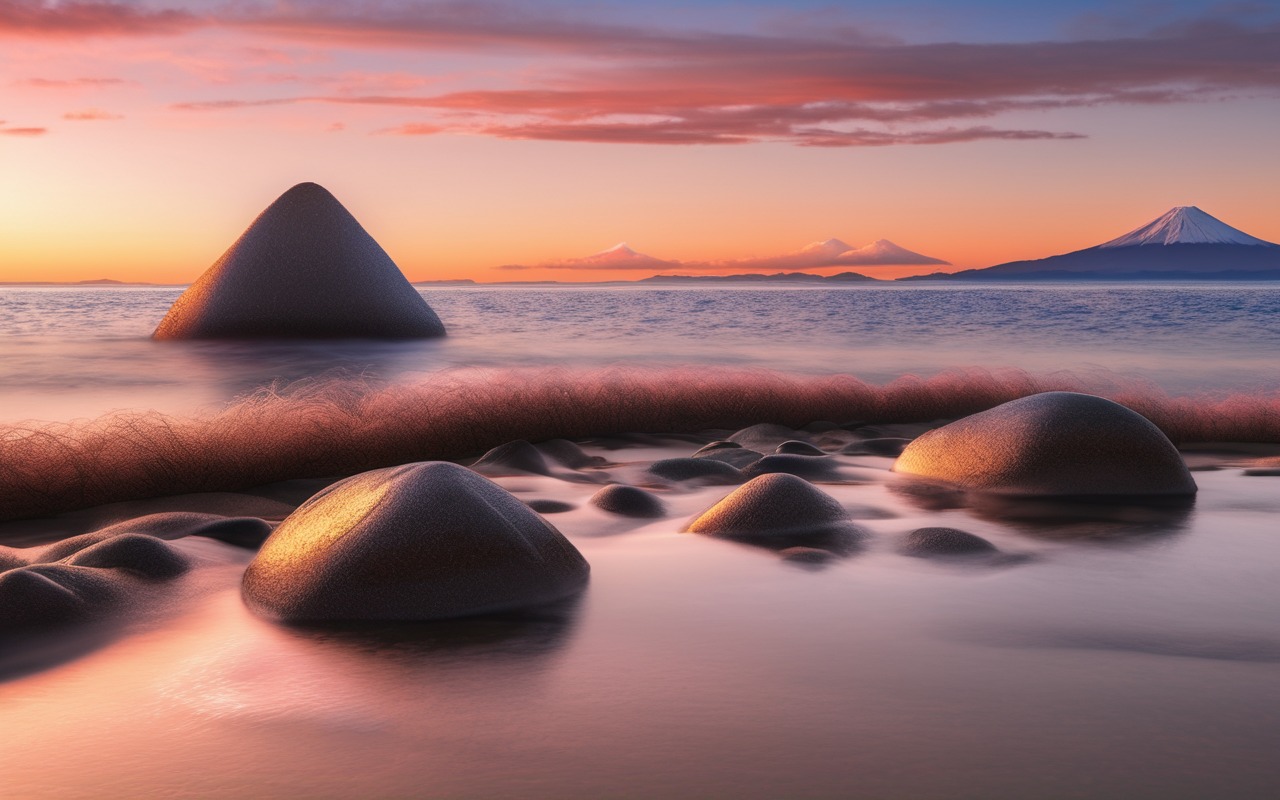
    Southern Beach Chigasaki is the town’s main beach, a wide stretch of sand facing Sagami Bay with the iconic Eboshi Rock rising from the surf just offshore. On clear days, the view runs from Enoshima in the east to Mount Fuji in the west. The beach’s landmark is the “Chigasaki Southern C” monument — a large white sculpture of the letter C that has become the town’s favorite photo spot.

    I have sat on this beach at every hour of the day. The morning light on the water is clean and quiet; summer afternoons bring swimming families and beach house music; and the sunsets, when the sky turns orange behind the C and Eboshi Rock, are among the best in Shonan. See the Shonan sunset guide for more sunset spots along the coast.
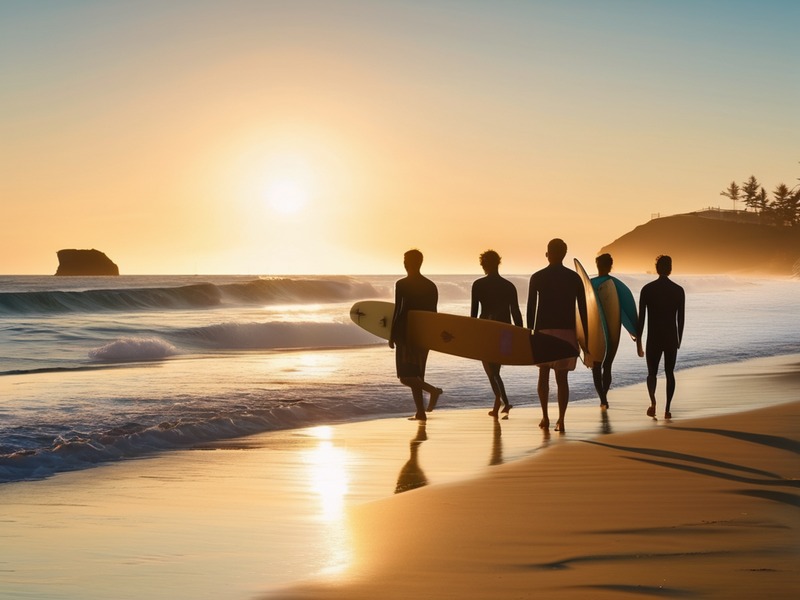
    Southern Beach Chigasaki C monument at sunset

    What to Do

    1. The C monument photo — The classic Chigasaki photo, especially good at sunrise and sunset.
    2. Swimming — The swimming season runs from early July through the end of August, with lifeguards on duty and beach houses operating along the sand.
    3. Walking and jogging — The beach runs for kilometers in both directions. Walking east toward Eboshi Rock or west toward the Sakai River mouth is the best free activity.
    4. Sea kayaking and SUP — In the shoulder seasons, lessons and rentals operate on the calm stretches. See the Shonan marine activities guide for details.

    Practical Notes for the Beach

    • Entry: Free. Beach houses, parasols, and rentals are extra.
    • Swimming season: Early July to the end of August, roughly 8:30-17:00. Surfing is restricted to designated zones during this period.
    • Facilities: Showers and changing rooms are available near the beach house cluster in summer. Public restrooms are open year-round.

    🏄 Surf Culture: Japan’s Original Surf Town

    The Legacy

    Chigasaki claims one of Japan’s earliest surf scenes, developed in the 1960s when the first waves were ridden here by the pioneers of Japanese surfing. Unlike Kugenuma’s more organized surf-school energy, Chigasaki’s surf culture feels older and more local — boards strapped to cars, wetsuits drying on balconies, and a morning greeting wave from the regulars in the water.

    I joined a dawn session-watching routine on my second visit, sitting on the seawall with a coffee while the locals took turns on a clean winter swell. Nobody was showing off; it was just a neighborhood rhythm, repeated every morning for fifty years. That sense of continuity is what makes Chigasaki feel different from other surf beaches.

    Where to Experience It

    1. The seawall at Southern Beach — The best free viewpoint for watching surfers, especially at dawn.
    2. Surf shops along the coast — Several long-running shops rent boards and wetsuits, and a few offer lessons.
    3. Yanagishima Beach (west) — The quieter western beach near the Sakai River mouth, favored by longboarders and beginner-to-intermediate surfers.

    🍜 The Ramen Scene: Why Chigasaki Is a Food Town

    The Local Obsession

    Chigasaki is a genuine ramen battleground — a small beach town with a concentration of high-level ramen shops that would be notable even in Tokyo. The styles range from refined chicken-broth bowls to creamy tonkotsu, and several shops have earned national recognition.

    On my first visit, I asked a local which shop to try first. He shrugged and said, “You can’t go wrong; that’s the problem.” I tried three shops over two days, and he was right — each was excellent in a completely different way.
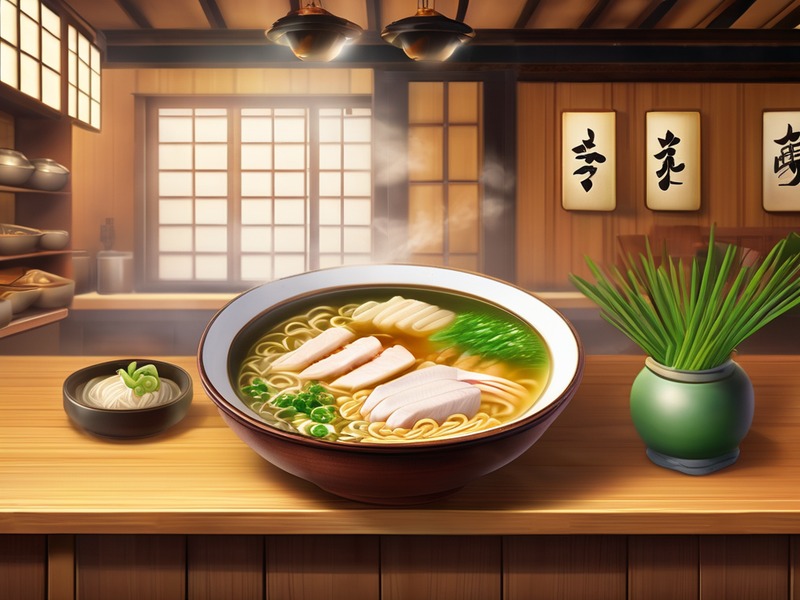
    Chigasaki ramen bowl with chashu

    Where to Eat

    1. Raamen Toki — A nationally recognized shop known for its house-made noodles and elegant chicken-based broth. Expect a line; go early.
    2. Menya BISQ — A creamy, modern tonkotsu with a cult following. The rich bowl is not for the faint of heart.
    3. Noodle Works — A relaxed shop with a rotating menu of inventive bowls and excellent side dishes.
    4. Budget: Expect ¥800-1,200 per bowl.

    Beyond Ramen

    • Shirasu donburi — The coastal whitebait bowl, best in spring and autumn. Several seafood diners near the beach serve it.
    • Chigasaki craft beer — The local brewery’s beers are sold across the town and are a great souvenir. See the Shonan craft brewery guide for the full brewery trail.
    • The local eats guide — For the deeper food scene, the Chigasaki local eats guide covers more of the town’s restaurants and markets.

    🛍️ The Shopping Street and Town Center

    Southern-dori and the Station Area

    The walk from Chigasaki Station to the beach runs down Southern-dori, a covered shopping street lined with bakeries, vegetable shops, and long-established stores. The station area itself — the LUSCA building and its surroundings — is compact and walkable, with souvenir shops selling Chigasaki goods.

    I always stop at a bakery on Southern-dori for a morning bun before the beach. It is a small ritual, but it is the kind of detail that makes a beach town feel like home.

    What to Buy

    • Chigasaki craft beer — The perfect local souvenir.
    • Southern C goods — T-shirts, towels, and keychains featuring the monument, sold at shops near the beach.
    • Local produce — The morning vegetable stalls along Southern-dori carry coastal produce, including the area’s famous cabbage.

    🗓️ Sample Itinerary: Chigasaki in a Day

    Morning (9:00-13:00)

    1. 9:00 — Arrive at Chigasaki Station. Grab a pastry on Southern-dori.
    2. 9:45 — Walk to Southern Beach. Photo at the C monument, then a walk along the sand toward Eboshi Rock.
    3. 11:30 — Early ramen lunch before the line forms.
    4. 13:00 — Browse the shops and souvenir stalls near the station.

    Afternoon (13:30-18:30)

    1. 14:00 — Rent a bike and ride west to Yanagishima Beach for the quieter surf view.
    2. 15:30 — Coffee and cake at a seaside cafe.
    3. 17:00 — Return to Southern Beach for the sunset — the best hour of the day here.
    4. 18:30 — Dinner at a local izakaya or a second ramen shop, then the train home.

    If You Have More Time

    • Enoshima and Kamakura: Ride the Enoden line east for Enoshima Island and Kamakura’s temples.
    • The wider Shonan coast: The Shonan beach guide covers the entire coastline from Kamakura to Oiso.
    • Fujisawa’s surf coast: The neighboring Kugenuma coast, birthplace of Japanese surfing, is covered in the Tsujido and Kugenuma guide.

    📅 Seasonal Notes

    • Spring (Mar-May): Clean swells and soft light. The best season for watching surfers and for shirasu season.
    • Summer (Jun-Aug): Swimming season with beach houses, fireworks festivals, and the liveliest atmosphere. The summer fireworks guide lists the local displays.
    • Autumn (Sep-Nov): Warm water, thin crowds, and glassy waves. My favorite season on this coast.
    • Winter (Dec-Feb): The strongest swells and the clearest air. Sunrise surfers against Mount Fuji are the winter show.

    💡 Practical Tips

    1. Go for the sunset — The C monument at sunset is the defining Chigasaki image. Arrive at the beach by 16:30 in summer and 16:00 in winter.
    2. Eat ramen early — The famous shops form lines by 11:30. Arrive before the rush.
    3. Bring cash — Many beach houses, small shops, and some ramen shops are cash-only.
    4. Layer for the wind — The sea breeze is strong even on sunny days. A windbreaker is essential.
    5. Check the swimming calendar — Surfing restrictions and beach house hours change with the swimming season.

    Conclusion

    Chigasaki is a beach town that understands itself: surfing at dawn, ramen at noon, and sunset on the sand with the C monument glowing in the last light. It is close enough to Tokyo for a spur-of-the-moment day trip, small enough to walk across, and deep enough to keep rewarding repeat visits. Come for the beach, stay for the ramen, and leave with the feeling of having found a town that knows how to live well.

    FAQ

    Q: How do I get to Chigasaki from Tokyo?
    A: Direct JR Tokaido Line trains from Tokyo Station reach Chigasaki in about 60 minutes. The Shonan-Shinjuku Line serves Shinjuku and Shibuya.

    Q: What is the best time of day to visit the beach?
    A: Early morning for watching surfers, and sunset for the C monument photo — the two best hours of the day here.

    Q: Is Chigasaki good for a day trip?
    A: Yes. The full loop — beach, ramen, shopping, and sunset — fits comfortably into one day, with several strong options for extending to Enoshima or Kamakura.

    Q: How much does a day in Chigasaki cost?
    A: Around ¥4,000-5,000 per person: train ¥2,080 round trip, lunch ¥1,200, snacks and coffee ¥1,000, and souvenirs as budget allows. The beach and C monument are free.
  • Manazuru Peninsula: Coastal Walk, Fishing Town & Mt. Fuji

    Manazuru Peninsula: Coastal Walk, Fishing Town & Mt. Fuji

    Overview

    The Manazuru Peninsula is the smallest of the peninsulas that jut into Sagami Bay, and the least visited. It is a compact rocky headland about four kilometers long, squeezed between the resort town of Atami to the west and the fishing port of Odawara to the east. Most travelers pass it without noticing — the Tokaido Line crosses its neck, and the sea views on the left side of the train are the closest most people ever come to it.

    I first discovered Manazuru by accident, staring out of a train window at a line of people walking along what looked like a cliff path above the sea. On my next trip I got off the train, and within an hour I understood why those walkers were there. The peninsula has a coastline walk that rivals anything in the region, a working fishing harbor that still smells of salt and diesel, and a strange, proud history of stone — the same granite that built parts of Tokyo and Yokohama was quarried here for more than a century.

    This guide covers the Cape Manazuru walk, the harbor and its seafood, the stone heritage, and the practical details for a day trip that most of Kanagawa has not discovered yet.


    📍 Getting There

    Manazuru Station is on the JR Tokaido Line, a few stops past Odawara toward Atami. Access from Tokyo takes about 80 minutes, and the station sits at the base of the peninsula, within walking distance of most sights.

    From Tokyo

    1. JR Tokaido Line from Tokyo Station (80-100 minutes, ¥1,800-2,200) — Take any rapid service toward Atami or Odawara and get off at Manazuru. Some trains require a change at Odawara, which is painless.
    2. Shinkansen to Atami, then JR (about 60 minutes) — For a faster journey, ride the Tokaido Shinkansen to Atami and take the local line one stop back west to Manazuru. Faster but significantly more expensive.
    3. From Odawara — A good add-on to an Odawara castle town visit: the two are only a few minutes apart by train, and the contrast between the busy castle town and the quiet peninsula is striking.

    Getting Around

    The peninsula is small enough that walking covers almost everything. From the station, the harbor is about 15 minutes on foot, and the start of the Cape Manazuru walk about 25 minutes. A local bus runs along the main road for those who prefer not to walk, but the coastal path is the point of the trip, so walking is recommended.


    🥾 The Cape Manazuru Walk: The Peninsula’s Best Hour

    The reason to come to Manazuru is the walk. A maintained coastal path runs from the fishing harbor around the western side of the peninsula to the cape, with the sea on one side and low forest on the other. The full loop, harbor to cape and back, takes about two hours at a relaxed pace, and it is one of the most consistently beautiful walks in Kanagawa.

    What the Walk Is Like

    The path rises and falls gently, never steep enough to be a workout but always high enough to keep the sea in view. It passes through a few sections of pine forest, several viewpoints with benches, and one long stretch along the base of the cliffs where the path hugs the rock and the waves break a few meters below. The surface is well maintained — good shoes help, but sneakers are fine on a dry day.

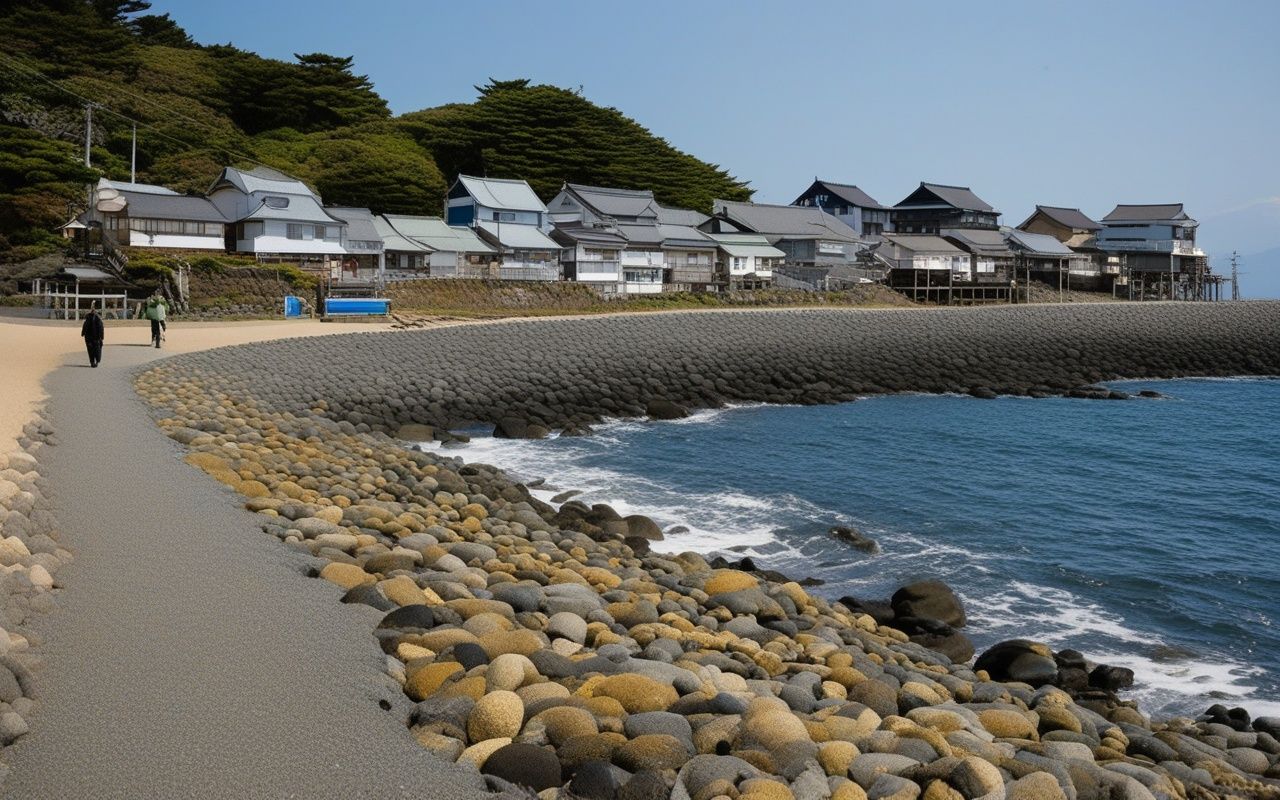
    Cape Manazuru coastal walking path above the sea

    What surprises most first-time visitors is the quality of the views. Because the peninsula points southwest, the walk opens onto the entire width of Sagami Bay. On clear days you can see the Izu Peninsula across the water, and Mount Fuji sits directly over the sea to the west — a combination that photographers wait years for and that Manazuru delivers on any winter morning.

    Practical Notes for the Walk

    • Time it for morning or late afternoon. The midday sun is harsh on the exposed sections, and the light is flat. Morning light over the sea is the best.
    • Bring water. There is no shop on the path.
    • The path is exposed. Sunscreen and a hat matter in summer; a windbreaker matters in winter, when the sea wind is sharp.
    • The loop has no exit. Once you start the cape section, you are committed to walking to the cape and back. Check the weather before you start.

    ⚓ The Fishing Harbor: A Town That Still Works

    Manazuru is first and foremost a fishing town, and the harbor is its heart. Unlike the polished marina experiences you find in resort towns, this harbor is a working one — boats unload in the morning, nets dry on the seawall, and the air carries the honest smell of the sea.

    The Morning Market

    In the early morning, the harbor hosts a small fish market where the day’s catch is sold directly. It is not a tourist attraction — the buyers are mostly local restaurants and families — but visitors are welcome to watch, and the atmosphere is worth the early start. The catch is dominated by local white fish, squid, and the kinmedai (golden eye snapper) that is the region’s signature fish.

    Seafood Lunch

    The restaurants around the harbor serve the catch of the day at prices that make Tokyo seafood look absurd. A sashimi set with rice and soup costs ¥1,200-¥2,000, and the quality is exactly what you would expect from a town where the boats dock at the end of the street. The kinmedai is the dish to order — it is served as sashimi, simmered, and grilled, and the local version is as good as any in the region. For a deeper look at the region’s fish culture, my guide to the Misaki tuna port covers the southern half of the same bay.

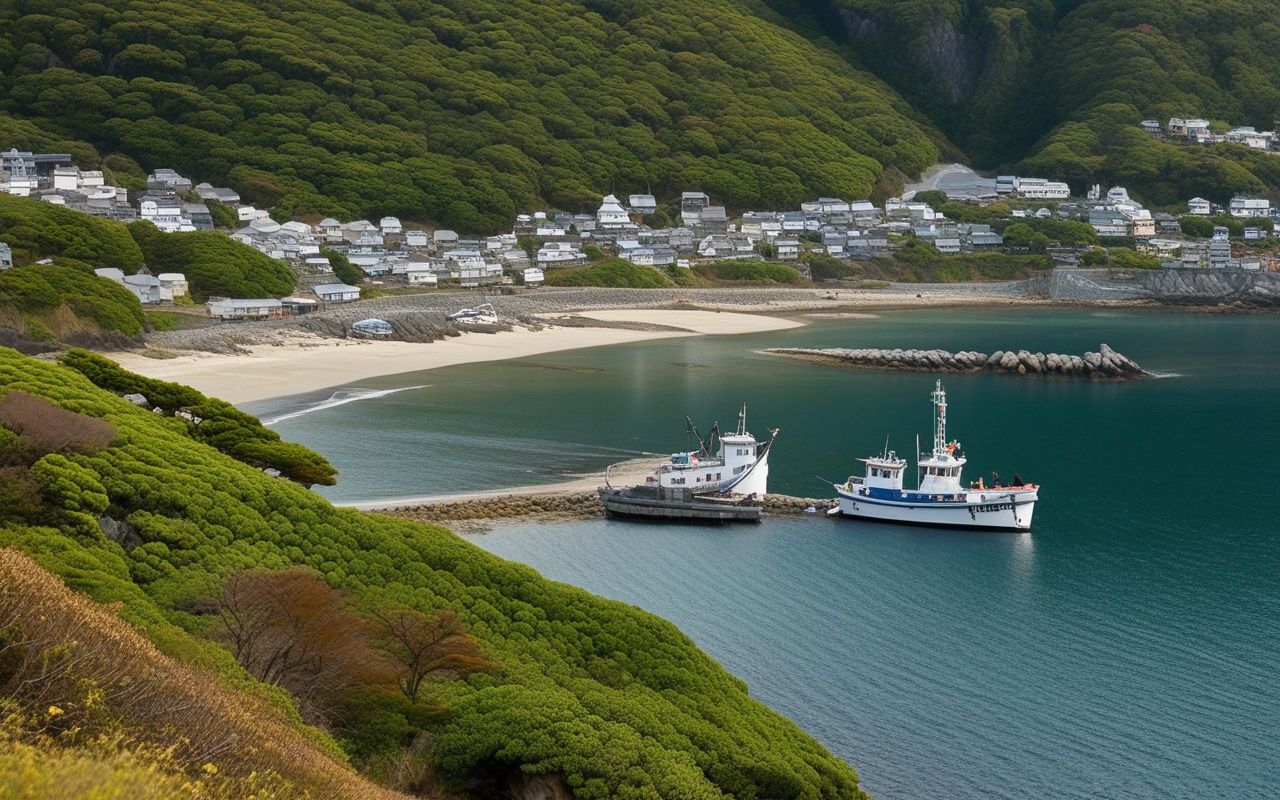
    Manazuru fishing harbor with working boats and nets


    🪨 The Stone Heritage: Where Tokyo’s Granite Came From

    The peninsula’s most unexpected story is its stone. For more than a century, from the late Edo period through the Meiji and Showa eras, Manazuru quarried the granite that built harbors, banks, and government buildings across Tokyo and Yokohama. The quarry faces are still visible in the hillsides, and the stone museum and heritage sites explain the trade that made the peninsula briefly rich.

    The Quarry Heritage

    The most visible remnant is the network of abandoned quarry faces on the inland side of the peninsula. They are not fenced off or glamorized — they are simply there, great gray scars in the green hills that you can see from the road. The heritage center near the station explains the process, the workers’ lives, and the scale of the trade, and it is worth an hour if you are interested in the industrial history of the region.

    Why It Matters

    The stone story gives Manazuru a depth that most small coastal towns lack. It explains the town’s unusual layout — the solid stone walls, the wide streets built for carts, the quiet air of former prosperity. Walking the peninsula with this history in mind changes what you see: the stone walls along the path are not decoration, they are the town’s past, still standing.


    🌅 Fuji Across the Sea: The Sunset View

    Manazuru’s position makes it one of the best places in Kanagawa to see Mount Fuji over the sea. Unlike the inland viewpoints around Hakone, where the mountain competes with hills, Manazuru offers a clear line of sight across the water, with the mountain rising directly above the horizon.

    The Best Viewpoints

    • The cape’s western side — The classic shot: Fuji over the sea, with the Izu Peninsula as a dark silhouette. Best in winter, when the air is clearest.
    • The harbor seawall — A closer, more intimate view, with fishing boats in the foreground.
    • The walk’s upper section — The benches at the high points of the path offer the widest panorama.

    Timing

    Winter and early spring offer the clearest Fuji views — the mountain is visible on a large share of mornings and evenings. Summer brings haze, and the mountain often hides until late evening. Sunset is the magic hour: the mountain turns pink, the sea takes on a long golden reflection, and the walkers on the path stop, as one, to watch. It is the moment that keeps bringing me back.


    🗓️ Sample Itinerary: Manazuru in a Day

    1. 08:30 — Arrive at Manazuru Station. Walk to the harbor (15 minutes) and watch the morning market activity.
    2. 10:00 — Start the Cape Manazuru walk from the harbor. Morning light, coastal views, the sea on your right the whole way.
    3. 12:30 — Reach the cape. Lunch at a harbor restaurant or a picnic at the cape viewpoint.
    4. 14:00 — Visit the stone heritage center for the industrial history.
    5. 15:30 — Walk the upper section of the path or the inland quarry faces for a different perspective.
    6. 16:30 — Seawall sunset with Fuji across the water.
    7. 17:30 — Return train to Tokyo, or extend with an Odawara castle town visit on the way back.

    If you have more time, the peninsula pairs naturally with the Hakone area — the mountain resort is a 30-minute train ride away, and the contrast between the crowded lake town and the empty peninsula makes both more enjoyable.


    📅 Seasonal Notes

    • December-February: The clearest Fuji views of the year. Cold, windy, and empty — the best season for photographers.
    • March-May: Mild weather, spring flowers along the path, and still-excellent visibility.
    • June-July: Rainy season brings humidity and haze, but the green hills are at their richest. The swimming season begins.
    • September-November: Autumn light is beautiful, and the sea is calm. October is a sweet spot for the walk.
    • Summer evenings: The sunset over the sea is dramatic, but the midday sun is punishing on the exposed path.

    💡 Practical Tips

    • Bring cash. The harbor restaurants and the heritage center are cash-only in many cases.
    • Wear walking shoes, even though the path is maintained — the exposed sections can be slippery after rain.
    • Check the weather before the walk. There is no shelter on the cape section.
    • Combine with Odawara or Atami for a two-stop day on the same Tokaido Line ticket.
    • The station has no large luggage lockers. Travel light, or store bags at the hotel-style inns near the harbor.

    Conclusion

    The Manazuru Peninsula is the quiet answer to the region’s busy coastal towns. It has a coastline walk that stands with the best in Kanagawa, a fishing harbor that still works for a living, a stone heritage that explains a century of the region’s history, and some of the finest Fuji-over-sea views in Japan. It is an easy day trip from Tokyo, a natural partner for the Odawara castle town, and the kind of place that rewards visitors who arrive without expectations. Bring good shoes, check the weather, and give the cape walk the two unhurried hours it deserves.


    FAQ

    Q: How long is the Cape Manazuru walk?
    A: The full loop from the harbor to the cape and back takes about two hours at a relaxed pace. It is about 4 kilometers total, with gentle elevation changes.

    Q: Is the walk suitable for beginners?
    A: Yes. The path is well maintained with no steep climbs, and sneakers are fine on a dry day. The main consideration is exposure — bring water, sunscreen, and a hat.

    Q: When is the best time to see Mount Fuji from Manazuru?
    A: Winter and early spring mornings and evenings offer the clearest views. Summer haze often hides the mountain until sunset.

    Q: Can I do Manazuru as a day trip from Tokyo?
    A: Yes. The train takes about 80-100 minutes from Tokyo Station, and the peninsula’s main sights are walkable from the station. Arrive early to catch the morning light on the walk.

  • Yugawara Onsen — Quiet Seaside Hot Spring Town on Sagami Bay

    Yugawara Onsen — Quiet Seaside Hot Spring Town on Sagami Bay

    Overview

    Yugawara is the hot spring town that most travelers to the Kanto region never quite reach. It sits on the western edge of Sagami Bay, about 90 minutes from Tokyo, and it has been soaking visitors in mineral-rich water since the eighth century. On my first trip, I made the mistake of treating it as a smaller version of Hakone. It is not. Hakone is a mountain resort built around a crater lake; Yugawara is a seaside town where hot springs bubble up within walking distance of the beach, and where the same onsen water that fills your ryokan bath also fills the public foot baths along the river.

    What pulled me back a second and third time was the pacing. Yugawara does not demand an itinerary. You can spend a full day doing almost nothing — soaking in the morning, walking to the cape for lunch, sitting on the seawall at sunset — and leave feeling more rested than after most weekends away. The town is compact, the ryokan are traditional rather than polished, and the seafood is caught in the bay you can see from the bath.

    This guide covers the best ways to experience Yugawara: how to get there, which baths are worth the money, where the plum blossoms and views hide, and how to build a day or an overnight trip that makes the most of a town that rewards slow travel.


    📍 Getting There

    Yugawara has one railway station, Yugawara Station on the JR Tokaido Line, and it is the last stop before Atami. Access from Tokyo is straightforward and feels much shorter than the distance suggests.

    From Tokyo

    1. JR Tokaido Line from Tokyo Station (about 90 minutes, ¥1,900) — Take a rapid service bound for Atami or Odawara and change if needed. Several direct trains stop at Yugawara; otherwise, changing at Odawara adds only a few minutes. This is the option I use most because it requires no thinking.
    2. JR Tokaido Shinkansen to Atami (about 45 minutes) — Get off at Atami and take the local JR line two stops back west to Yugawara. This is faster but costs roughly three times as much. Worth it only if you are already riding the shinkansen from the west.
    3. Odakyu Line via Odawara — If you are combining Yugawara with a day in the Odawara castle town, the Odakyu Limited Express from Shinjuku to Odawara, then a short JR hop to Yugawara, works well.

    Getting Around Town

    The station sits at the foot of the hills, and most ryokan and public baths are within a 10- to 20-minute walk or a short bus ride. The town runs a free shuttle for overnight guests of many ryokan — check with your accommodation when you book. For the cape and Makuyama Park, buses leave from the station every 20 to 40 minutes, and the fares are small (¥200-¥300).

    A note from experience: the walk from the station to the river area is slightly uphill, and the return leg at the end of a long soak day can feel longer than it is. If your ryokan is on the river side, take the shuttle on the way in and walk down on the way out.


    ♨️ The Baths: Ryokan vs. Public Onsen

    The heart of Yugawara is its water. The springs here are alkaline and mild on the skin, which makes them a favorite for families and first-timers who find stronger acidic springs uncomfortable. The town claims more than 700 springs, and the tradition runs deep enough that even the station has a foot bath.

    Staying at a Ryokan with an Onsen

    Most first-time visitors book a ryokan with a private or shared bath. The advantages are obvious: you control the timing, you are never far from a soak, and the evening meal (kaiseki) arrives at your table rather than a dining hall. Prices range from about ¥15,000 per person for a modest ryokan with dinner and breakfast to ¥40,000 or more for a sea-view room with a private open-air bath.

    Things I learned the hard way:

    • Check the bath hours. Many ryokan switch the men’s and women’s baths at dusk, and some close the outdoor bath on windy nights. If the open-air bath matters to you, confirm the schedule when you arrive.
    • Sea-view rooms are worth the premium only on the upper floors. A “bay view” on the first floor often looks out at a seawall. Ask for a high floor.
    • The onsen etiquette is the same as elsewhere in Japan — wash before entering, keep your towel out of the water, and no swimsuits. For a full rundown of the rules, see my guide to onsen culture and etiquette.

    Public Baths: The Budget Route

    If you want the experience without the ryokan price tag, Yugawara has several public baths and day-use facilities. The best known is the riverside foot bath, which is free and always busy on weekends. For a full soak, the day-use baths at the larger ryokan and the public bathhouses cost ¥500-¥1,500 and typically include shampoo and soap.

    One of my favorite habits: end the day at the public bath closest to your ryokan, then walk back through the quiet evening streets with a bottle of local milk. It is a small ritual, but it is the thing I remember most clearly from my trips here.


    🌸 Makuyama Park and the Mountain Side

    Yugawara is not only a town of water — it also has a mountain behind it. Makuyama Park sits on the hillside above the town, and it is famous for two things: one of the best views in the area, and a plum grove that draws crowds every February.

    The View and the Walk

    The park is reached by a short bus ride from the station followed by a 20-minute uphill walk through the trees. The reward is a broad view over the town, the bay, and the Izu Peninsula beyond. On clear winter days, Mount Fuji is visible to the west, and the sunset from the lookout is genuinely lovely — the water catches the light in a way that the busier Shonan beaches cannot match.

    Makuyama Park hillside view over Yugawara and Sagami Bay

    I recommend the park as a morning activity. The light is better, the park is quieter, and you can be back in the town by lunchtime with the whole afternoon free for the baths.

    Plum Season and Foliage

    The plum grove at Makuyama is the town’s seasonal star. From mid-February to early March, the hillside turns white and pink, and the park fills with families and vendors selling plum sweets. The festival atmosphere is cheerful but crowded, so arrive early.

    In late November, the same park offers maples and ginkgo trees in red and gold. The foliage is not as dramatic as Hakone’s, but the crowd is a fraction of the size, which makes it the better choice if you want colors without the queues.


    🌅 The Sea: The Cape, the Seawall, and the Sunset

    The defining feature of Yugawara, compared with mountain resorts, is that the sea is always close. The cape west of town is the best place to see it properly.

    The Cape Walk

    A walking path runs along the headland at the western edge of town, with stone steps down to hidden coves used by local swimmers and fishing families. The path takes about an hour out and back at a relaxed pace, and the views west toward the Izu Peninsula and east along the bay are constant. On clear evenings, Mount Fuji appears across the water — a sight that surprises most people because they expect Fuji views inland, not from a seaside path.

    Yugawara cape coastal path at sunset with Fuji across the bay

    The Seawall Sunset

    If you only have one evening, skip the tourist spots and buy a drink from the convenience store, then sit on the seawall near the harbor as the sun drops behind the Izu hills. The locals do exactly this, and it is the most authentic Yugawara experience I have found. The combination of warm water, cold drink, and the last light on the bay is hard to beat.


    🍤 Eating in Yugawara

    Because Yugawara sits on the bay, the food is seafood-first. The local specialty is kinmedai (golden eye snapper), a deep-red fish that is served as sashimi, simmered, and grilled across the town’s restaurants. The fish is caught locally, and the freshness shows.

    What to Order

    • Kinmedai sashimi — The flagship dish. Order it at lunch for the best price.
    • Hama-no-miyako set meals — Several restaurants near the harbor serve lunch sets with a mix of local seafood, rice, and pickles for ¥1,200-¥2,000.
    • Kamaboko and fish cakes — The region around Odawara is famous for fish paste, and Yugawara shops sell fresh versions. For the deeper story of the craft, see my guide to Odawara’s kamaboko history.

    Where to Eat

    The harbor area has the densest cluster of restaurants, and the station front has a handful of reliable options. Reservations matter for dinner at the better places, especially on weekends. For a cheap and cheerful lunch, the set-menu restaurants near the harbor are the safest bet — they serve the same fish as the fancy places, for a fraction of the price.


    🗓️ Sample Itinerary: The Best of Yugawara in a Day

    1. 09:00 — Arrive at Yugawara Station. If your ryokan offers a shuttle, drop your bag and pick up a local map.
    2. 09:30 — Walk or bus to Makuyama Park. Morning light, the view over the bay, and (if you are here in February) the plum grove.
    3. 12:00 — Lunch at a harbor seafood restaurant. Kinmedai set meal.
    4. 13:30 — The cape walk. Slow pace, coastal views, Mount Fuji on clear days.
    5. 15:30 — Return to town for a soak at a public bath or your ryokan’s onsen.
    6. 18:00 — Seawall sunset with a drink.
    7. 19:00 — Dinner in the harbor area, or kaiseki at your ryokan if you are staying overnight.

    If you have a second day, the town pairs well with the Odawara castle town one stop away, or with the Hakone area for a mountain-versus-sea contrast on the same rail pass.


    📅 Seasonal Notes

    • February-March: Plum blossom season at Makuyama Park. Crowded but beautiful.
    • April-May: Mild weather, clear skies, and the best chance of Fuji views across the bay.
    • June-July: Rainy season is damp but quiet; the onsen feels especially good in the rain. Summer swimming season begins at the small town beach.
    • September-November: Autumn foliage at Makuyama, and excellent clear-air visibility for sunset views.
    • December-January: The quietest season. Winter sunsets over the bay are stunning, and onsen prices drop outside the New Year holiday.

    💡 Practical Tips

    • Carry small change for buses and public baths — the ¥100 and ¥500 coins add up.
    • Bring a small towel for public baths; many provide them for a fee, but it is cheaper to bring your own.
    • Weekday visits are dramatically quieter than weekends, and ryokan prices drop sharply midweek.
    • Combine with Odawara or Atami for a two-stop trip on the same Tokaido Line ticket.
    • Check the ryokan’s shuttle schedule when you book — the walk from the station is fine, but the shuttle is free and easy.

    Conclusion

    Yugawara is the hot spring town that rewards travelers who want a slower pace than Hakone and a quieter atmosphere than Atami. The water is gentle, the sea is always in view, and the local rhythm — soak, eat, walk, sunset — is exactly what most of us are actually looking for on a weekend away. It is an easy day trip from Tokyo, a natural add-on to the Odawara castle town, and one of the few places in the region where the train station, the onsen, and the sea are all within a short walk of each other. Go on a weekday, keep the itinerary light, and let the town set the pace.


    FAQ

    Q: Is Yugawara suitable for a day trip from Tokyo?
    A: Yes. The train takes about 90 minutes from Tokyo Station, and the town is compact enough to enjoy in a full day. For the full onsen-and-meal experience, an overnight stay is better, but a day trip works well.

    Q: How does Yugawara compare with Hakone?
    A: Hakone is a larger mountain resort with lake views, museums, and a much bigger tourist infrastructure. Yugawara is a small seaside town with a relaxed pace, cheaper prices, and the sea instead of the lake. Both have excellent onsen; they suit different moods.

    Q: Do I need to book a ryokan in advance?
    A: Yes, especially on weekends and in February during plum season. Weekday bookings are easier, but booking a week or two ahead is safest.

    Q: Can I visit the onsen without staying overnight?
    A: Yes. Day-use baths and public bathhouses are available, and the riverside foot bath is free. Many ryokan also offer day-use bathing during daytime hours.

  • Ashigara Area Guide: Kintaro Legends

    Ashigara Area Guide: Kintaro Legends

    Overview

    Most visitors to Kanagawa head straight for Kamakura, Hakone, or Yokohama. I did the same on my first several trips to the prefecture. But on a crisp autumn morning, I took a train one stop past the familiar turnoff toward Hakone and discovered a completely different side of Kanagawa: the Ashigara area, a quiet valley tucked between the Tanzawa mountains and the Hakone foothills.

    Ashigara covers the towns of Minami-Ashigara, Matsuda, and Yamakita in the western part of the prefecture. It is a land of legends — this is where Kintaro, the boy hero of Japanese fairy tales, is said to have grown up — and it is also home to one of the most atmospheric temple complexes in the region, a beautiful dam lake, and a hot spring village that dates back to the samurai era. The crowds stay away because the area takes an extra hour to reach, and that is exactly its value.

    This guide covers the essential Ashigara experience: the Kintoki legend trail, the temple of Daiyuzan Saijoji, Lake Tanzawa, Nakagawa Onsen, and the practical details of getting there, moving around, and combining Ashigara with nearby Odawara or Hadano.


    📍 Getting There

    Ashigara sits at the crossroads of two scenic rail lines, which makes it surprisingly accessible for a rural area. There is no shinkansen station and no airport link, but the train journey from Tokyo is easy and largely scenic.

    From Tokyo

    1. Odakyu Line to Shin-Matsuda Station (90 min, around ¥1,300) — Take a Limited Express bound for Odawara or Hakone-Yumoto from Shinjuku and get off at Shin-Matsuda. This is the main gateway to Minami-Ashigara and the Kintoki trailhead. The Romancecar adds a reserved seat for about ¥500 more.
    2. JR Tokaido Line + Gotemba Line (100 min, around ¥1,400) — From Tokyo Station, take the Tokaido Line to Kozu or Odawara, then the Gotemba Line to Yamakita or Nebukawa stations. This route is the best option for Lake Tanzawa and Nakagawa Onsen.
    3. By car — The Tomei Expressway Oi-Matsuda IC is the center of the area. From central Tokyo, expect 70-90 minutes with light traffic.

    Getting Around Ashigara

    • Hakone Tozan Bus / Izuhakone Railway — Buses from Shin-Matsuda and the Izuhakone Railway’s Daiyuzan Line cover Minami-Ashigara well. The Daiyuzan Line is a charming single-car railway that runs from Odawara into the mountains.
    • Bus to Lake Tanzawa — From Yamakita Station, local buses run to Lake Tanzawa and Nakagawa Onsen. Frequency is roughly hourly, so check the timetable before heading out.
    • Rental car — For the full Ashigara loop (temple → lake → onsen), a rental car is the most efficient option. Several rental offices operate near Shin-Matsuda Station.

    ⛰️ Mount Kintoki: The Legend of Kintaro

    Why Kintoki Matters

    Mount Kintoki (1,212 m) is one of the classic beginner-friendly peaks of western Kanagawa, and it carries one of Japan’s best-known folk tales. According to legend, the warrior Kintaro was raised in the forest around this mountain by his mother, the Princess Yaegiri. He grew up wrestling bears and throwing boulders, and he later became a retainer of the samurai Minamoto no Yorimitsu. Every hilltop shrine, stone marker, and teahouse along the trail references this story.

    What makes the climb special is the view. From the summit, Mount Fuji dominates the skyline on clear days, with Sagami Bay glittering to the south and the Tanzawa range rising behind you. On my first summit visit, a haze-free November morning, Fuji looked close enough to touch — the best free view I have found in Kanagawa.

    The Route in Detail

    1. Kintoki Shrine trailhead — The most common start is from Kintoki Shrine, reached by bus from Shin-Matsuda Station (about 20 min, ¥400). The shrine itself is small but atmospheric, with a moss-covered approach.
    2. The main trail (2-3 hours up, 1.5-2 hours down) — The path climbs steadily through cedar forest before opening onto the grassy upper slopes. It is steep in places but well maintained. Running shoes are fine; no technical equipment is needed.
    3. Summit — A small shrine, a wooden observation deck, and a teahouse that serves simple noodles and sweets from spring through autumn. Allow 30-45 minutes at the top.
    4. Descent options — Return the way you came, or descend toward the Hakone foothills and take the bus from the far side. The second option requires a longer bus ride but makes a pleasant loop.

    Practical Notes for Kintoki

    • Crowd strategy: Weekday mornings are wonderfully quiet. On sunny weekends in October and November, the trailhead parking fills by 9:00.
    • Weather: The mountain is exposed above the treeline. A windbreaker is essential even in summer, and in winter the trail can hold ice patches well into the morning.
    • Water: Carry more than you think you need — there are no drinking fountains above the shrine.

    ⛩️ Daiyuzan Saijoji: The Temple of the Tengu

    Why Saijoji Matters

    Daiyuzan Saijoji is a Soto Zen temple founded in 1394 and one of the most important training monasteries in the Kanto region. It is known locally as Doryoson, after the guardian deity Doryo who, according to temple legend, transformed into a tengu (mountain spirit) to protect the temple from harm. Today the temple is famous for its enormous wooden sandals, its collection of tengu statues, and a cedar avenue so old and so tall that it feels like walking into a different era.

    I visited on a rainy weekday and had the cedar approach entirely to myself. The quiet was remarkable — the only sounds were rain on the canopy and the occasional temple bell. If you want to feel the contemplative side of Japanese Buddhism without the crowds of Kamakura, this is the place.

    Daiyuzan Saijoji cedar avenue

    What to See

    1. The cedar approach — A straight avenue of centuries-old sugi trees leading from the main gate to the hall. The trees were planted over hundreds of years, and the effect is cathedral-like.
    2. The main hall — Rebuilt in the early 2000s, the hall retains the grand style of the original. Goshuin (calligraphy stamps) are available for ¥500 near the hall.
    3. The giant sandals — Huge wooden geta sandals hang near the entrance, a symbol of Doryoson’s protective power. Locals say that touching them brings safety in travel.
    4. Tengu statues — Look for the many tengu carvings scattered through the grounds, each with a distinctive expression.
    5. The moss garden and tea house — The grounds include a small tea house where you can rest with matcha and sweets.

    Practical Notes for Saijoji

    • Access: Take the Izuhakone Railway’s Daiyuzan Line to Daiyuzan Station, then a 5-minute bus or 25-minute walk to the temple.
    • Hours: Roughly 8:30-17:00, with seasonal variation. The grounds are free to enter.
    • Etiquette: This is a working monastery, not a theme park. Keep voices low, and do not photograph monks without asking.

    🏞️ Lake Tanzawa: A Dam Lake Surrounded by Peaks

    The Lake Experience

    Lake Tanzawa is a reservoir on the Kawachi River in Yamakita, created by the Kawachi Dam completed in 1986 to supply water to the surrounding region. Surrounded by steep forested mountains, it is one of the most scenic lakes in Kanagawa and a base for canoeing, SUP, cycling, and easy lakeside walks.

    The water is remarkably clear, and on calm mornings the mountains reflect perfectly in the surface. I rented a kayak on a quiet weekday in September and spent two hours paddling along the shoreline, stopping to watch kingfishers and dragonflies. The rental staff were patient with my beginner-level paddling and gave clear English-friendly instructions with gestures.

    Lake Tanzawa surrounded by forested mountains

    Activities

    • Canoe and SUP rentals — Around ¥1,000-2,500 per hour depending on the craft, including life jackets and paddles. Several rental operators work from the lakeshore near the dam.
    • Lakeside walking — A well-maintained path runs along part of the shore. The full loop is about 6 km and takes 2-3 hours at a relaxed pace.
    • Cycling — The road around the lake is popular with cyclists, though it has some steep sections. Rental bikes are available near the bus stop in season.
    • Fishing — The lake is stocked with trout and open to fishing with a permit.

    Practical Notes for the Lake

    • Access: Bus from Yamakita Station, roughly 25 minutes. The final stretch is a winding mountain road.
    • Season: The lake is at its best from May to October. Autumn foliage season (mid-November) brings the most visitors, so book rentals in advance.
    • Facilities: A small visitor center near the dam has restrooms, vending machines, and a simple restaurant serving local soba.

    ♨️ Nakagawa Onsen: The Hidden Hot Spring

    The Onsen Village

    Nakagawa Onsen is a tiny hot spring village in Yamakita that claims a connection to the warlord Takeda Shingen, who reportedly used the springs to recover from injuries. The water is a mildly alkaline simple spring — the kind Japanese bathers call “beauty water” for its softening effect on skin.

    There is no grand ryokan district here, just a handful of family-run inns and a small public bathhouse. That is precisely the appeal. After a day of hiking or paddling, soaking in the wooden bath while the evening light fades over the mountains is about as restorative as a day trip gets.

    Where to Bathe

    • Yamabiko Onsen — A modern day-use facility with indoor and outdoor baths, a rest lounge, and a restaurant. Around ¥800 for adults. Open roughly 10:00-20:00.
    • Kogen no Yu — A smaller, more traditional bathhouse popular with locals. Bring your own towel or buy one at the counter.
    • Family inns — Several inns offer day-use bathing (¥700-1,000) alongside their overnight guests. Phone ahead in English is difficult; have your hotel or a translation app ready.

    Practical Notes for the Onsen

    • Tattoo policy: As with many rural onsen, some facilities in the village do not accept guests with tattoos. Yamabiko Onsen is the most accommodating — check its current policy before visiting.
    • Cash: The bathhouses and most village shops are cash-only.
    • Hours: Most facilities close by 21:00 and some take a mid-week rest day. Check before traveling.

    🍜 Eating in Ashigara

    Ashigara’s food culture is built on local water and mountain produce.

    • Soba and udon — Several shops in Matsuda and Yamakita serve hand-cut soba made with local spring water. A simple set runs ¥900-1,400.
    • Local vegetables — The valley grows excellent greens, mushrooms, and root vegetables. Look for them at roadside stands and the Ashigara Michi-no-Eki.
    • Ashigara tea — The area grows tea on the mountain slopes. Stop by a tea shop for a tasting, or buy a bag as a souvenir.
    • Dengaku tofu — Grilled tofu with miso, a mountain classic, appears on many menus in the area.

    🗓️ Sample Itinerary: The Best of Ashigara in a Day

    Option A: Temple and Legend Day (Train Only)

    1. 9:00 — Shin-Matsuda Station. Take the Izuhakone Railway toward Daiyuzan.
    2. 9:45 — Daiyuzan Saijoji. Walk the cedar avenue and visit the main hall and sandals. (1.5-2 hours)
    3. 12:00 — Lunch of soba near the temple or back at Shin-Matsuda.
    4. 13:30 — Bus to Kintoki Shrine. Climb Mount Kintoki for the summit view. (3 hours up and down if you start by 14:00)
    5. 18:00 — Return to Shin-Matsuda, then the Odakyu Limited Express back to Tokyo.

    Option B: Lake and Onsen Day (Best with a Car)

    1. 10:00 — Pick up a rental car at Shin-Matsuda.
    2. 10:45 — Lake Tanzawa. Kayak or SUP for two hours, then a lakeside walk.
    3. 13:30 — Lunch of local soba at the lakeside restaurant.
    4. 15:00 — Nakagawa Onsen for a long soak.
    5. 17:30 — Drive back toward Shin-Matsuda, stopping at the Ashigara Michi-no-Eki for souvenirs.

    If You Have More Time


    📅 Seasonal Notes

    • Spring (Mar-May): Cherry blossoms along the Sakawa River and at the temple approaches. Fuji views begin to clear by late April.
    • Summer (Jun-Aug): Green, humid, and quiet. The cedar forest at Saijoji is a natural air conditioner, and the lake is at its best for water activities.
    • Autumn (Oct-Nov): The best season overall. Foliage at the lake and on Kintoki, clear air, and the most reliable Fuji views. Expect weekend crowds at the trailhead.
    • Winter (Dec-Feb): Crisp, cold, and empty. The Kintoki summit offers some of the clearest Fuji views of the year, and the onsen is at its most appealing.

    💡 Practical Tips

    1. Bring cash — Rural shops, bathhouses, and some buses are cash-only. Withdraw before leaving the city.
    2. Check bus timetables — Service in the area is roughly hourly and stops early in the evening. Have a backup plan for the last bus.
    3. Download offline maps — Mobile signal is patchy in the mountains. Save your routes before departing.
    4. Start early — The best light, the quietest trails, and the most reliable Fuji views all favor a morning start.
    5. Combine with Hakone or Odawara — Ashigara works beautifully as a quieter alternative day, or as an add-on to a Hakone itinerary.

    Conclusion

    Ashigara is the rare Kanagawa destination that rewards travelers who go a little further. It has legends you can walk through, a temple forest that feels centuries deep, a lake that mirrors the mountains, and an onsen that has soothed tired travelers for generations. It is not the easiest place to reach — the extra hour keeps the crowds away — and that is exactly its charm. Whether you climb Kintoki for the Fuji view, wander the cedar avenue at Saijoji, or simply soak away a day at the lake, you will leave with the feeling of having found a corner of Kanagawa that most visitors never see.

    FAQ

    Q: Is Mount Kintoki suitable for beginner hikers?
    A: Yes. The trail is well maintained and takes 2-3 hours up without any technical sections. Running shoes are fine, though good grip helps on the steeper upper slopes.

    Q: Can I visit Ashigara as a day trip from Tokyo?
    A: Absolutely. The temple and legend loop (Option A) fits comfortably into a single day by train, and the lake-and-onsen loop (Option B) works with a rental car.

    Q: How do I get to Lake Tanzawa without a car?
    A: Take the JR Gotemba Line to Yamakita Station, then the local bus toward the lake (about 25 minutes, roughly hourly).

    Q: What is the total cost for a day in Ashigara?
    A: Approximately ¥5,000-6,000 per person by train: transport ¥3,000 round trip, bus fares ¥800, temple donation free, soba lunch ¥1,200, and onsen ¥800. Lake rentals add ¥1,000-2,500.

  • Hadano & Mount Oyama: Spring Water & Mountain Day Trip

    Hadano & Mount Oyama: Spring Water & Mountain Day Trip

    Overview

    When most visitors to Kanagawa plan a day away from Tokyo, they head straight for Kamakura or Hakone. I did the same on my first four trips. But on a rainy weekend when the Shonan beaches were buried in cloud, a friend who grew up in the prefecture suggested something different: “Go inland to Hadano. The water there is the best in Kanagawa, and Mount Oyama is the mountain people forget.”

    She was right, and I have been back three times since. Hadano is a compact basin town tucked between the Tanzawa mountain range and the Oyama ridge, roughly 90 minutes from central Tokyo by train. It is famous for two things that sound mundane until you experience them: water and mountains. The town sits on one of the richest spring-water tables in the Kanto region, with over 40 public spring points feeding the streets, and the guardian mountain of Oyama (1,252 m) has been a place of worship for over a thousand years.

    What makes a Hadano trip work so well is the contrast. In the morning you can ride the Mount Oyama cable car through cedar forest and stand at the summit shrine with a clear view of Sagami Bay. By early afternoon you are back at street level, drinking water straight from a stone fountain that has been running for centuries, and finishing with a bowl of soba made with the same water you just tasted.

    This guide covers the Oyama pilgrim route, the town’s spring-water culture, where to eat, and the practical details — transport, costs, and how to combine Hadano with a small-city day trip on the Odakyu Line.


    📍 Getting There

    Hadano sits on the Odakyu Odawara Line, which connects Shinjuku directly to the town. There is no shinkansen and no airport link, which is precisely why the town stays calm even at the height of summer. Access from Tokyo is straightforward and well signposted in English at both stations.

    From Tokyo

    1. Odakyu Limited Express from Shinjuku (75-85 min, ¥1,000-1,200) — Take a Limited Express bound for Odawara or Hakone-Yumoto and get off at Hadano Station. The Romancecar adds a reserved seat and a 10-15 minute saving for about ¥500 more.
    2. JR Tokaido Line via Odawara (100 min, ¥1,300) — Take the Tokaido Line from Tokyo Station to Odawara, then the Odakyu Line back two stops to Hadano. This route is useful if you are combining Hadano with an Odawara castle visit.
    3. Odakyu Romancecar (65-75 min, ¥1,500) — The easiest option for families, with guaranteed seats and a snack counter on board.

    Getting to Mount Oyama

    From Hadano Station, the Oyama cable car base (Oyama Cable Station) is about 25 minutes by bus (¥400, roughly hourly). The bus drops you at the cable car terminal, where a funicular climbs 700 m of mountainside in about 6 minutes (¥1,100 round trip).

    You can also walk the old pilgrimage path from the foot of the mountain — a stone staircase that pilgrims have climbed since the Edo period. It takes 2-3 hours and is rewarding, but it is steep enough that I recommend the cable car up and the path down on your first visit.

    Money-Saving Tickets

    If you are coming from Tokyo, the Odakyu Free Pass covers the round trip plus unlimited Odakyu rides — useful if you want to combine Hadano with a same-day stop in Odawara or even Hakone. For the mountain itself, the cable car round-trip ticket at the window is the simplest option; there is no separate attraction pass needed for the shrines.


    ⛰️ Mount Oyama: The Mountain of a Thousand Years of Faith

    Why Oyama Matters

    Oyama is one of the great pilgrimage mountains of the Kanto plain. The Oyama Afuri Shrine at the summit has been a center of rain-prayer and mountain worship since the Heian period, and during the Edo era the approach to the mountain was so busy that guidebook-style travel brochures were printed for pilgrims — the Tokaido’s most popular mountain after Fuji itself.

    What strikes me every time is how the mountain manages to feel both sacred and welcoming. The cable car ride is short, but the moment you step out at the upper station, the air changes — cooler, quieter, and scented with cedar. A 20-minute forest path leads to the summit shrine, and the view from the observation point is one of the best in the prefecture: Sagami Bay curving away to the south, the Miura Peninsula on the horizon, and on clear winter days a full sweep of the Tanzawa range behind you.

    Mount Oyama summit shrine and cedar forest approach

    The Route in Detail

    1. Oyama Cable Car (6 min each way) — The funicular climbs through thick cedar forest. Sit on the left side going up for the best view of the valley. Round trip ¥1,100.
    2. Oyama Afuri Shrine Main Hall (20 min walk from the upper station) — The main shrine building was rebuilt in 2004 and retains the dramatic crimson-and-gold style of the original. The shrine offers goshuin (calligraphy stamps) at the counter near the main hall for ¥500.
    3. Summit Observation Point (10 min beyond the shrine) — This is the spot for Fuji views on clear days. In summer the trees block much of the view; in winter and early spring, the mountain appears framed by the ridge. I saw Fuji perfectly on a February visit and only a hazy outline in July.
    4. The Pilgrim Staircase Descent (2-3 hours down) — The old stone path to the foot is lined with tea houses and stone lanterns that date from the Edo era. Several of the tea houses serve simple mountain meals (tofu dengaku, soba) if you time your descent around lunch.

    Practical Notes for the Mountain

    • Cable car hours: roughly 9:00-17:00, with seasonal variation. Check the board at the base before committing.
    • Crowd strategy: Go on a weekday or arrive before 10:00. On sunny weekends in October (foliage season), the cable car line can reach 40 minutes.
    • Footwear: The forest path to the shrine is well maintained, but the descent stairs are uneven. Running shoes are fine; sandals are not.
    • Weather: The mountain creates its own weather. I have been up in light rain and the path becomes slippery; check the forecast and bring a light shell.

    💧 Hadano’s Spring Water Culture

    The Basin That Filters Everything

    Hadano’s secret is geology. The town sits in a basin where rainwater from the Tanzawa and Oyama mountains filters through ancient gravel beds, emerging as naturally filtered spring water that the local government measures constantly. The result is soft, clean water with almost no mineral aftertaste — the kind that Japanese restaurants pay premiums for, and that the town’s tofu, soba, and sake makers all rely on.

    I did not fully appreciate this until my second visit, when I started paying attention. Every public spring point has a plaque describing the water’s origin, and locals carry plastic bottles to fill up. It is a small ritual that makes you slow down.

    The Best Spring Points to Visit

    1. Hadano Station’s Underground Spring Gallery (free) — In the station building itself, a small display shows the basin’s water system with a working model. Good first stop to understand what you are about to taste.
    2. Sohara Spring (Sohara no Izumi) (free) — The most famous spring point in town, set in a small park with a wooden scoop. The water here is exceptionally soft; locals say it is best drunk cold on the spot. It is a 10-minute walk or short bus ride from Hadano Station.
    3. Kumozawa Spring Park (free) — A larger green space with multiple spring points and picnic tables. This is the spot I would bring children; there is room to run, and the water channels are shallow and safe.
    4. Oyama Foot of the Mountain Springs — Several springs run near the cable car base, traditionally used by pilgrims to purify before climbing. Water is drinkable at the marked points.

    A Tasting Note

    One thing that surprised me: water from different points actually tastes slightly different. The Sohara spring is almost sweet; the station-side points have a crisper, cooler profile. Tasting them side by side is a genuine activity, not a gimmick — and it is free.


    🍜 Eating in Hadano

    Hadano’s food culture is built on its water: soba, tofu, and sake that all taste unmistakably clean.

    Soba

    • Soba shops along the Oyama approach — Several long-established shops serve hand-cut soba made with local spring water. The classic order is mori soba (cold, dipped) with a side of tempura. Expect ¥1,000-1,500 for a set.
    • Town-center soba — Near Hadano Station, family-run shops serve cheaper sets in the ¥800-1,200 range. The broth is lighter than Tokyo’s, which lets the buckwheat flavor through. I found the contrast striking after years of eating hearty Tokyo soba.

    Tofu and Vegetables

    • Oyama tofu — The mountain’s tofu is legendary among pilgrims. Firm, dense, and faintly sweet, it is served grilled with miso (tofu dengaku) at tea houses on the descent path and at restaurants near the cable car base.
    • Hadano vegetables — The basin’s clean water produces excellent greens. Look for seasonal vegetable sets at the station-adjacent market hall (Hadano Otomekan), which also stocks local pickles and wasabi.

    Sake Connection

    Hadano’s water quality made it a natural brewing town, and several of Kanagawa’s sake breweries use water sourced from the Tanzawa basin. For the full story, see my guide to Kanagawa’s sake breweries, where I compare the region’s spring-water breweries and tasting rooms.

    Spring water and soba lunch in Hadano


    🗓️ Sample Itinerary: The Best of Hadano in a Day

    Morning (9:00-13:00)

    1. 9:00 — Arrive at Hadano Station. Grab a coffee and check the spring-water gallery in the station building.
    2. 9:30 — Take the Oyama bus to the cable car base (25 min).
    3. 10:00 — Ride the cable car up and walk the forest path to the summit shrine (20 min). Spend 30-45 minutes at the shrine and observation point.
    4. 11:30 — Start the descent on the pilgrim staircase. Stop at a tea house for tofu dengaku or soba around 12:30.
    5. 13:00 — Bus back to Hadano Station.

    Afternoon (13:30-17:00)

    1. 13:30 — Walk to Sohara Spring and taste the water (10 min walk from the station).
    2. 14:15 — Visit Kumozawa Spring Park for a slower pace, or browse the Otomekan market hall for local produce.
    3. 15:30 — Late soba or sweet-bean dessert (anmitsu) in the town center. The local anmitsu shops use spring-water kanten jelly.
    4. 16:30 — Return train to Tokyo. If the weather is clear and you have energy, consider an overnight version combining Hadano with the Odawara castle town one station away.

    If You Have More Time

    • Overnight option: A handful of small ryokan-style inns near the Oyama base offer mountain views and kaiseki-style dinners. Book well ahead for foliage weekends.
    • Combine with Odawara: Odawara Station is two Odakyu stops past Hadano. The Odawara castle and its surrounding town make an easy half-day add-on.
    • Tanzawa extension: For experienced hikers, the ridge from Oyama continues into the Tanzawa range. The full traverse requires a full day and proper equipment — see the Tanzawa and Oyama hiking guide for routes and safety notes.

    📅 Seasonal Notes

    • Spring (Mar-May): Cherry blossoms at the Oyama approach and the town’s riverside paths. Fuji views begin to clear by late April.
    • Summer (Jun-Aug): Green, humid, and quiet. The shade of the cedar forest is a relief, and the springs are at their coldest. Soba is the perfect summer lunch.
    • Autumn (Oct-Nov): The best season overall. Foliage on the mountain, clear air, and the most reliable Fuji views. Expect weekend crowds.
    • Winter (Dec-Feb): Crisp, cold, and empty. This is the season for the clearest views of Sagami Bay and Fuji, and the town’s sake and hot soba are at their most appealing.

    💡 Practical Tips

    1. Fill a bottle at the springs — Bring an empty water bottle; every major spring point has a public tap. It is free, delicious, and one of the trip’s best souvenirs.
    2. Check cable car hours before going — Hours shrink in winter. The schedule is posted at the station information desk.
    3. Carry cash — Tea houses on the mountain and many town-center shops are cash-only.
    4. Beware the stairs — The descent path is beautiful but steep. Allow 2-3 hours and go slowly if you have knee trouble.
    5. Respect the water — The springs are drinking water, not paddling pools. The locals are friendly, but the plaques ask visitors to keep the points clean.

    Conclusion

    Hadano is the rare Kanagawa day trip that rewards you for going slow: a mountain that has been climbed by pilgrims for a thousand years, water so clean the town drinks it straight from the ground, and food that tastes like the landscape it came from. It is not the easiest destination to reach — the extra hour beyond Kamakura keeps the crowds away — and that is exactly its value. Whether you ride the cable car to the summit shrine or simply spend an afternoon tasting spring water and soba, you will leave with something most visitors to the prefecture never find: a quiet corner of Japan that still belongs to itself.

    FAQ

    Q: Is Mount Oyama suitable for beginners?
    A: Yes. The cable car does the hard work, and the path from the upper station to the summit shrine is a gentle 20-minute forest walk. The optional descent staircase is steep but manageable at a slow pace.

    Q: Can I visit Hadano and Mount Oyama as a day trip from Tokyo?
    A: Absolutely. The whole loop — train, bus, cable car, shrine, descent, and lunch — fits comfortably into one day. Expect about 1.5 hours of total travel time each way.

    Q: Is the spring water really safe to drink?
    A: Yes. The public spring points are monitored by the city and clearly marked. Drink only from points with the official drinking-water sign.

    Q: What is the total cost for a day in Hadano?
    A: Approximately ¥4,000-5,000 per person: train ¥2,200 round trip, bus ¥800, cable car ¥1,100, lunch ¥1,200, and small purchases. The springs and shrines themselves are free.

  • Hiratsuka Beach Town Guide — Kanagawa’s Tanabata Festival

    Hiratsuka Beach Town Guide — Kanagawa’s Tanabata Festival

    Overview

    Ask most visitors to name a beach town in Kanagawa and they will say Kamakura or Enoshima. I did the same until a local surfer told me to take the train one more stop: “Hiratsuka has the same ocean, half the people, and a festival that puts Kamakura’s to shame.”

    She was not exaggerating. Hiratsuka sits on the western edge of the Shonan coast, roughly 70 minutes from Tokyo on the JR Tokaido Line. It is a genuine working town — fishing boats, surf shops, and a beach that stretches for more than a kilometer — rather than a purpose-built tourist strip. The sand is wide and uncrowded even on summer weekends, the sunsets over Sagami Bay are among the best in the prefecture, and every August the city transforms for one of the three great Tanabata festivals of Japan.

    That festival is the hook, but Hiratsuka rewards visitors in every other season too. In spring there are cherry blossoms along the Sagami River. In autumn the surf is at its best and the crowds vanish. And year-round, the town’s claim to culinary fame — fresh shirasu (whitebait) from the local fishing fleet — is served in ways that put the more famous Shonan towns to shame.

    This guide covers the Tanabata festival in detail, the beach and its activities, where to eat, and how to build a Hiratsuka day trip that avoids the Shonan crowds entirely.


    📍 Getting There

    Hiratsuka Station sits on the JR Tokaido Line, which makes access embarrassingly simple.

    From Tokyo

    1. JR Tokaido Line Rapid from Tokyo Station (60-70 min, ¥1,020) — The direct rapid service stops at Hiratsuka. This is the fastest and cheapest route.
    2. JR Tokaido Line via Yokohama (75 min, ¥1,100) — If you are already in Yokohama, change at Yokohama Station onto the Tokaido Line. Frequency is excellent.
    3. Odakyu Line via Shonan (85 min, ¥1,200) — From Shinjuku, take the Odakyu to Fujisawa or Katase-Enoshima, then transfer to the Shonan Monorail or local lines. Slower, but useful if you are combining Hiratsuka with an Enoshima visit.

    Getting to the Beach

    The main beach area (Hiratsuka Beach / Kokufu Beach) is a 15-minute walk or 5-minute bus ride from the station’s south exit. During the Tanabata festival, the station area and the approach to the beach are filled with festival stalls, so walking is both easiest and most enjoyable.

    Money-Saving Tickets

    There is no special pass required for Hiratsuka itself. If you are coming from Tokyo, a standard round-trip Tokaido Line ticket is cheapest. For visitors combining Hiratsuka with the wider Shonan coast, the Enoshima and Kamakura day trip options include transport that can be adapted, though most travelers simply buy point-to-point tickets at the window.


    🎋 The Tanabata Festival: Japan’s Three Great Tanabata

    What Makes Hiratsuka’s Festival Special

    Hiratsuka Tanabata is one of the three great Tanabata festivals of Japan, alongside Sendai and Ise. It began after World War II as a symbol of recovery, and today it draws around 300,000 visitors over three days in early August. The signature is the giant kazari — elaborate, colorful paper decorations, some several meters tall, that hang from storefronts and arch across the main shopping streets.

    I walked through the festival on the second day of last year’s event and the scale genuinely surprised me. The main drag from the station toward the beach becomes a pedestrian-only corridor packed with stalls selling everything from takoyaki to goldfish scooping. The kazari above your head are the stars: handcrafted works with flowers, dancers, and constellations, each one made by local shops and schools.

    Festival Details

    • Dates: Early August, usually a Friday through Sunday. Check the official city calendar each year as dates shift.
    • Location: Hiratsuka Station north exit, along the main shopping street (Chuo-dori) and its side alleys.
    • Highlights: The kazari displays, evening yosakoi and dance performances, fireworks on the final night (the Hiratsuka beach fireworks, separate from the festival but often adjacent), and food stalls numbering in the hundreds.
    • Crowd strategy: Go early (before 11:00) or in the evening after 17:00. Midday is the most crowded. The final evening’s fireworks draw the largest crowd, so stake out a spot on the beach by 18:00.

    Practical Notes

    • Wear comfortable shoes; you will walk several kilometers without noticing.
    • Cash is king at festival stalls — most do not take cards.
    • Bring a small fan and water; early August in Hiratsuka is hot and humid.
    • The festival runs rain or shine, but heavy rain reduces the kazari displays.

    Hiratsuka Tanabata festival kazari decorations


    🏖️ The Beach: Shonan Without the Crowds

    Hiratsuka Beach and Kokufu Beach

    Hiratsuka’s coastline is a continuous strip of sandy beach roughly 1.5 kilometers long, divided into two named sections: Hiratsuka Beach (east) and Kokufu Beach (west). Both offer wide, gently sloping sand that is ideal for swimming and family days.

    The thing that sets Hiratsuka apart from Kamakura’s beaches is space. On a sunny Saturday in July, Yuigahama in Kamakura can be shoulder-to-shoulder; Hiratsuka’s equivalent is comfortably busy. The water is similar — the same Sagami Bay — and the swimming season runs the same July-through-August window.

    What to Do on the Beach

    1. Swimming — Designated swimming areas are set up from early July to late August, with lifeguards and rope boundaries. The water is calm and clear on most days.
    2. Surfing — Hiratsuka is a legitimate surf spot with several long-standing surf shops renting boards and offering lessons. The waves are smaller and softer than Chigasaki’s, making it a good place to learn. See the Shonan surfing guide for a full rundown of the coast’s breaks.
    3. Beach houses — During summer, rows of beach houses (uminoie) open serving simple meals, drinks, and shower facilities. Try the local shirasu bowls here for a quick lunch.
    4. Sunset watching — This is Hiratsuka’s underrated specialty. The beach faces due south-west, so sunsets unfold directly over Sagami Bay with the Izu Peninsula silhouetted on the horizon. My favorite spot is the west end near Kokufu Beach, where the crowd thins out entirely.

    Beach Etiquette

    • Swim only within the marked areas; the currents can be deceptively strong outside them.
    • Bring a reef-safe sunscreen; local shops carry Japanese brands if you forget.
    • Rubbish bins are limited — take your trash with you to the station or beach house.

    🐟 Eating in Hiratsuka

    Shirasu: The Town’s Signature

    Hiratsuka’s fishing port lands some of the freshest shirasu in Kanagawa. The local specialty is served three ways: shirasu-don (raw whitebait over rice), kakiage (whitebait tempura), and shirasu tamago-don (cooked with egg). In season, the raw version is a pale pink-white mountain of tiny fish with a clean, sweet taste that vanishes on the tongue.

    I have eaten shirasu across the Shonan coast — Enoshima, Kamakura, and Fujisawa — and Hiratsuka’s raw bowls are the freshest I have found. The difference is visible: the fish are still translucent, a sign that they were landed that morning.

    Where to Eat

    1. Port-side shirasu shops — Near the fishing port (a 10-minute walk from the station), several shops specialize exclusively in shirasu bowls. Expect ¥900-1,300 per bowl.
    2. Beach-house lunch — During summer, the beach houses serve shirasu-don and set meals with a sea view. Cheaper than the port shops and perfectly positioned for a beach day.
    3. Tanabata festival stalls — During the festival, you can find festival versions of shirasu dishes alongside the usual takoyaki and yakisoba. A fun way to try it without a sit-down meal.
    4. Shonan-style sweets — For dessert, the town has several patisseries using local citrus. The Shonan Gold orange parfaits at the station-adjacent cafes are worth a detour.

    Beyond Shirasu

    Hiratsuka’s other food claim is the “Shonan Hiratsuka” regional brand — citrus, vegetables, and seafood from the surrounding area. The station building has a small market hall selling local produce, and the town’s izakaya row near the north exit serves excellent local seafood at reasonable prices. For a broader look at the region’s street food, see the Shonan and Kamakura street food guide.

    Fresh shirasu bowl at a Hiratsuka port shop


    🗓️ Sample Itineraries

    Option 1: Tanabata Festival Day (August)

    1. 10:00 — Arrive at Hiratsuka Station. Walk the kazari-lined main street while it is still calm.
    2. 11:30 — Lunch at a port-side shirasu shop before the festival crowds build.
    3. 13:00 — Return to the festival for the afternoon performances and stall hopping.
    4. 17:00 — Walk to the beach and claim a fireworks spot.
    5. 20:00 — Head back through the festival, which is spectacularly lit after dark.
    6. 21:30 — Return train to Tokyo.

    Option 2: Beach Day (Summer Weekday)

    1. 9:30 — Arrive, rent a surfboard or settle into a beach chair.
    2. 12:00 — Lunch at a beach house.
    3. 14:00 — Swim and relax; the afternoon is when the water is warmest.
    4. 17:30 — Watch the sunset from Kokufu Beach.
    5. 18:30 — Dinner at an izakaya near the station, then return to Tokyo.

    Option 3: Autumn Escape (No Crowds)

    1. 10:00 — Arrive and walk the empty beach.
    2. 11:30 — Visit the Hiratsuka City Museum of Art (near the beach, free entrance) — a small gallery with rotating modern art shows.
    3. 13:00 — Shirasu lunch at the port.
    4. 14:30 — Walk the Sagami River bank under the autumn cherry or foliage colors.
    5. 16:00 — Late coffee at a beachside cafe, then return.

    🗓️ Seasonal Calendar

    • Spring (Mar-May): Cherry blossoms along the Sagami River; surfing season begins; clear, crisp days.
    • Summer (Jun-Aug): Swimming season, beach houses, and the Tanabata festival in early August. Hot and humid, with afternoon sea breezes.
    • Autumn (Sep-Nov): Best season for surfing and beach walks; the crowds vanish; museum season begins.
    • Winter (Dec-Feb): Quiet and cold. The beach is empty but beautiful, and the winter light makes for striking photography. See the Kanagawa winter season guide for wider options.

    💡 Practical Tips

    1. Go on a weekday in summer — The difference between weekday and weekend crowds is dramatic, and the beach houses are open all week.
    2. The station is the hub — Everything (beach, festival, port, museum) is within a 15-minute walk of the station. No bus needed unless you are heading to the far end of Kokufu Beach.
    3. Check the festival dates before booking — They shift each year; the official Hiratsuka city site publishes them in the spring.
    4. Bring layers for evening — Summer evenings on the beach cool down fast with the sea breeze.
    5. Combine with Enoshima — If you have a full day, Hiratsuka’s beach in the morning and Enoshima in the afternoon make a varied Shonan day. The transfer at Fujisawa is straightforward.

    Conclusion

    Hiratsuka is what happens when you take everything people love about Shonan — the sand, the surf, the sunset — and remove the crowds and the hype. The Tanabata Festival in August is one of Japan’s great street festivals, and the rest of the year the town offers the most relaxed beach day within 70 minutes of Tokyo. It will never replace Kamakura’s temples or Enoshima’s drama, but that is not the point. Hiratsuka is for the days when you just want the ocean, a bowl of the freshest shirasu in Kanagawa, and room to breathe.

    FAQ

    Q: Is Hiratsuka beach suitable for families with children?
    A: Yes. The swimming area is shallow and gently sloped, with lifeguards in summer. The walk from the station is flat and stroller-friendly.

    Q: When exactly is the Hiratsuka Tanabata Festival?
    A: It is held every year in early August, typically the first or second weekend (Friday-Sunday). Exact dates vary, so check the official city calendar.

    Q: How does Hiratsuka compare to Kamakura or Enoshima beaches?
    A: Hiratsuka is wider, sandier, and dramatically less crowded. It lacks the scenery and temples of Kamakura, but for a pure beach day or festival experience it is the better choice.

    Q: Is the shirasu in Hiratsuka actually different?
    A: The fishing fleet lands daily catches, so the raw shirasu is typically fresher than what most Kamakura shops receive. On a good day you will notice the difference immediately.

  • Miyagase Lake & Kiyokawa: Kanagawa’s Mountain Playground

    Miyagase Lake & Kiyokawa: Kanagawa’s Mountain Playground

    Overview

    When Tokyo residents talk about a “nature escape,” they usually mean Hakone or Kamakura. But there is a third option that locals quietly prefer: Miyagase Lake, a vast mountain reservoir in the far northwest of Kanagawa, surrounded by the Tanzawa range and the small village of Kiyokawa. It is 90 minutes from Shinjuku, yet it feels a world away.

    Miyagase Lake was created in 2001 when the Miyagase Dam — at 156 meters, one of Japan’s tallest — was completed on the Nakatsu River. The reservoir is roughly 4.6 km long, and its shoreline is ringed with parkland, walking paths, picnic lawns, and a handful of well-run activity bases. Because the area is far from the shinkansen and has no direct rail link, the crowds never reach Kamakura levels even at the height of summer.

    This guide covers the lake’s best activities — canoeing, SUP, cycling, and dam watching — plus the surrounding Kiyokawa village, where you can taste local pork, tea, and mountain vegetables.


    📍 Getting There

    By Train and Bus

    1. Odakyu Line to Hon-Atsugi Station (60 min from Shinjuku, around ¥900) — Take a Limited Express bound for Odawara or Hakone-Yumino and get off at Hon-Atsugi. From the north exit, take the Kanagawa Chuo Kotsu bus bound for Miyagase (about 60 minutes, around ¥700 one way). Get off at the Miyagase terminal.
    2. JR Sagami Line route — From Hashimoto or Atsugi stations, local buses also reach the lake, but the Hon-Atsugi route is the most frequent and easiest to follow.

    By Car

    • Tomei Expressway, Atsugi IC — About 45 minutes from the interchange, mostly on well-maintained mountain roads.
    • Chuo Expressway, Sagamiko IC — About 40 minutes, useful if approaching from the west.
    • Parking — The main lakeside lots charge ¥300-500 on weekends and holidays, and are free on weekdays. Summer weekends fill by 10:00.

    🛶 Canoe and SUP on the Lake

    The Experience

    Miyagase Lake is one of the few places in Kanagawa where you can paddle on open, mountain-ringed water without ocean waves. The water is calm in the morning, and the reflections of the surrounding peaks are stunning. I arrived on a clear June weekday, rented a kayak for two hours, and paddled from the canoe base toward the dam. With no engine noise and only the occasional bird call, it was one of the most peaceful mornings I have spent in Kanagawa.

    Rental Bases and Prices

    • Miyagase Lake Canoe Base — The main rental point on the eastern shore. Kayaks around ¥500 per 2 hours, Canadian canoes around ¥1,000 per 2 hours, and SUPs around ¥1,000 per 2 hours. Life jackets and paddles are included.
    • Weekday bonus — Lake-use fees are often waived on weekdays, making a weekday paddle a genuine bargain.
    • Group SUP — Large “mega SUP” boards that carry 6-8 people are available for groups. Prices start around ¥30,000 for a session; book in advance.

    Practical Notes for Paddling

    • Reserve ahead in summer — On sunny weekends, the fleet sells out by mid-morning.
    • What to bring — Swimsuit or quick-dry clothing, sunscreen, and a change of clothes. The base has changing rooms and lockers.
    • Skill level — Beginners are welcome; instructors give a short onshore lesson before you launch.

    🌊 The Dam and the Discharge Show

    Why the Dam Is Worth Seeing

    The Miyagase Dam is an engineering landmark, and unlike many Japanese dams, it is genuinely visitor-friendly. The dam site includes a free exhibition hall, an inclined elevator that carries pedestrians up to the dam crest, and — on select days — a spectacular sightseeing discharge where millions of liters of water pour through the gates.

    Standing on the dam crest with the reservoir on one side and the Nakatsu valley hundreds of meters below on the other is the kind of view that makes you appreciate why Japanese tourists bring their families here. I timed a visit to the November discharge, and the roar of the water was genuinely impressive.

    Miyagase Dam with sightseeing discharge

    What to See

    1. The inclined elevator — A cable-drawn car that climbs the dam face (around ¥500 round trip for adults). The views from the crest are the payoff.
    2. Water and Energy Hall — A free exhibition about the dam, hydroelectric power, and the river system. Good on rainy days.
    3. The sightseeing discharge — Roughly 6-minute shows at 11:00 and 14:00 on scheduled days (typically Wednesday and select weekends from April to November). Check the current schedule on the dam’s official page, as winter shows are suspended.
    4. The observation deck — Panoramic views over the lake and the Tanzawa range beyond.

    🚴 Cycling Around the Lake

    The Loop

    A paved road circles Miyagase Lake, and while it has some respectable climbs, it is a favorite of local cyclists for a reason: quiet traffic, gorgeous views, and a finish at a lakeside cafe. The full loop is about 25 km and takes 2-3 hours at a touring pace.

    I rented a bike on a weekday morning and rode the eastern shore first, when the light was still soft on the water. The climbs were steady rather than brutal, and the downhill runs along the western shore were worth every pedal.

    Rental and Practical Notes

    • Bike rental — Rental bikes are available near the main lakeside park in season (around ¥1,000-2,000 per day). Helmets are included.
    • Electric bikes — If you want the views without the climbing, e-bikes are the smart choice and rent for about ¥2,500-3,500 per day.
    • Bring snacks and water — The lakeside has a few shops and vending machines, but they are clustered near the dam and the canoe base. Carry supplies for the remote stretches.

    🧺 Lakeside Parks, Playgrounds, and Camping

    The Lakeside Experience

    The shoreline around Miyagase is dotted with lawns, playgrounds, and picnic areas that make the lake a favorite for families. Even if you do nothing more than spread a blanket and watch the light move across the water, the day is well spent.

    Mizunosato suspension bridge over Miyagase Lake

    • Miyagase Lakeside Park — The main green space, with a large lawn, a children’s playground, and a splash area for hot summer days.
    • Mizunosato Grand Suspension Bridge — A 315-meter suspension bridge crossing the lake’s narrow upper reach. The walk takes about 15 minutes each way and offers the best lake panorama accessible on foot.
    • Camping and barbecue — Designated barbecue and camping areas operate along the shore from spring through autumn. Fire pits and tables are provided at the main sites; check the local office for fees (typically ¥1,000-3,000 per site).

    If You Have Kids

    • The splash area, the inclined elevator, and the suspension bridge are the three biggest hits with children.
    • The lakeside park’s playground equipment is shaded and well maintained.

    🥾 Kiyokawa Village: Mountain Life and Local Food

    The Village

    Kiyokawa is the only village in Kanagawa Prefecture, a small community tucked into the mountains above the lake. It is known for two things that taste better than they sound: Kiyokawa Megumi pork, raised on local feed, and Kiyokawa tea, grown on the steep sunny slopes of the valley.

    I stopped at a village farm stand on my way down from the lake and left with a bag of fresh mushrooms, a bottle of local tea, and a pork cutlet sandwich made that morning. The whole village moves at a slower pace, and it shows in the food.

    What to Try

    • Kiyokawa Megumi pork — Available at the roadside station (Michi-no-Eki Kiyokawa) and local restaurants. The tonkatsu and pork-shabu dishes are the standouts.
    • Kiyokawa tea — Green tea grown and processed in the village. Try a tea soft serve at the roadside station in summer.
    • Mushrooms and mountain vegetables — The village is a major producer of shiitake mushrooms and seasonal mountain greens.

    🎄 The Winter Wonderland: Miyagase Christmas

    The December Event

    Every December, the lakeside park hosts “Miyagase Christmas: Everyone’s Tree,” one of the most popular illumination events in the region. A massive Christmas tree rises over the lake, surrounded by light tunnels and a winter market. On clear nights, the lights reflect across the water with the Tanzawa mountains behind — a scene that draws visitors from across the Kanto plain.

    The event runs roughly from early December through Christmas Day, with lights switching on at dusk (around 17:00). Weekend evenings are busy, so arrive by late afternoon to secure parking and a good view.


    🗓️ Sample Itinerary: Miyagase in a Day

    Morning (9:00-13:00)

    1. 9:00 — Depart Hon-Atsugi Station by bus.
    2. 10:00 — Arrive at the lake. Rent a kayak or SUP and paddle for two hours.
    3. 12:30 — Lunch of soba or local pork at the lakeside restaurant.

    Afternoon (13:30-17:30)

    1. 13:30 — Ride the inclined elevator to the dam crest and visit the exhibition hall.
    2. 15:00 — Walk the suspension bridge, then stop for tea at the Kiyokawa roadside station.
    3. 16:30 — Buy local souvenirs and take the bus back toward Hon-Atsugi.

    If You Have More Time


    📅 Seasonal Notes

    • Spring (Mar-May): Cherry blossoms along the shore, fresh green on the mountains, and the first calm paddling days.
    • Summer (Jun-Aug): The busiest season. Cooler than the city, with kayaking, SUP, and the splash area in full swing.
    • Autumn (Sep-Nov): The best season for color and clarity. The November discharge shows and the foliage walks are not to be missed.
    • Winter (Dec-Feb): Quiet and cold, with the Christmas illumination as the big draw. Many rental facilities close or shorten hours.

    💡 Practical Tips

    1. Check the discharge schedule — The sightseeing discharge runs on specific days only. It is the highlight of many visits, so plan around it.
    2. Bring layers — The mountains are noticeably cooler than Tokyo, especially in the morning and evening.
    3. Carry cash — The roadside station and some lakeside vendors prefer cash, though major facilities now accept cards.
    4. Watch the last bus — Service back to Hon-Atsugi ends in the early evening. If you miss it, taxis are scarce; plan your exit.
    5. Book summer activities in advance — Kayaks, SUPs, and barbecue sites sell out on sunny weekends.

    Conclusion

    Miyagase Lake is Kanagawa’s best-kept secret for a reason: it offers everything a mountain playground should — calm water for paddling, quiet roads for cycling, a dam worth seeing in its own right, and a village that feeds you properly — without any of the crowds of the coastal tourist hubs. It is close enough for a day trip, remote enough to feel like an escape, and different in every season. Bring a paddle, a picnic, or just a good book, and let the mountains do the rest.

    FAQ

    Q: Can I reach Miyagase Lake without a car?
    A: Yes. Buses run from Hon-Atsugi Station on the Odakyu Line (about 60 minutes). The service is reliable but roughly hourly, so plan around the timetable.

    Q: Is the lake suitable for beginners at canoeing and SUP?
    A: Absolutely. The water is calm, rentals include life jackets and paddles, and staff give a short onshore lesson before you launch.

    Q: When is the best time to see the dam discharge?
    A: The sightseeing discharge runs on scheduled days from roughly April to November, typically around 11:00 and 14:00. Winter shows are suspended.

    Q: How much does a day at Miyagase cost?
    A: Around ¥4,000-5,000 per person by public transport: bus ¥1,400 round trip, kayak ¥500-1,000, lunch ¥1,200, and the inclined elevator ¥500.

  • Kawasaki Travel Guide — Factory Night Views & Local Eats

    Kawasaki Travel Guide — Factory Night Views & Local Eats

    This destination guide covers everything you need to know about visiting this area in Kanagawa. From how to get there to what to see, you will find practical information for a memorable trip.

    Kawasaki Travel Guide 2026 — Factory Night Views, Museums & Local Eats

    Overview

    Plan your perfect visit to Kawasaki Travel Guide 2026 — Factory Night Views, Museums & Local Eats with this comprehensive destination guide, Covering everything from must-see attractions to practical travel tips, this guide helps you make the most of your time in Kawasaki. Whether you have a single day or an entire week, discover the best that this Kanagawa destination has to offer.

    Getting to Kawasaki

    Route Time Cost (One Way) Notes
    JR Tokaido/Keihin-Tohoku Line (Tokyo→Kawasaki) 15 min ¥230 Fastest, most frequent
    JR Keihin-Tohoku Line (Yokohama→Kawasaki) 10 min ¥180 Quick hop from Yokohama
    Keikyu Line (Shinagawa→Kawasaki) 12 min ¥290 Alternative route
    Shinkansen Does not stop Shin-Yokohama is the closest stop

    When I visited, I was truly impressed by the quality.

    Top Attractions

    1. Factory Night Views (Kawasaki’s Specialty)

    Kawasaki’s Keihin Industrial Zone is one of Japan’s most famous spots for “factory night view” photography. The industrial landscape transforms into a glittering spectacle at night, with illuminated pipelines, smokestacks, and chemical plants reflected in Tokyo Bay.

    Viewing Spot Access Best Time Photography Tips
    Ukishima Island 10 min taxi from Kawasaki Station Sunset + 30 min Wide-angle lens, tripod required
    Kawasaki Marien (observation deck) Bus from Kawasaki Station (15 min) 30 min after sunset Free, indoor, weather info available
    Keihin Canal Walk Walk from Keikyu Kawasaki Station Evening hours Tripod recommended, reflections in water
    Chidorichi Parking Area By car (Shuto expressway) Nighttime Car required, great elevated views

    Important: Factory night views are best on clear, calm evenings. Avoid rainy or windy nights — the haze and unstable air affect visibility. Winter offers the clearest air. 📖 Related: Kawasaki Factory Night View Guide · Yokohama Night View Guide

    2. Fujiko F. Fujio Museum (Doraemon Museum)

    This museum, dedicated to the creator of the beloved Doraemon series, is one of Kanagawa’s best attractions for families and anime fans.

    Detail Information
    Hours 10:00-18:00 (closed Tuesdays)
    Admission ¥1,000 (adult), ¥500 (child)
    Location Noborito area (bus from Noborito Station)
    Reservations Required — book online in advance
    Highlights Original artwork, life-sized Doraemon figures, manga reading room, rooftop garden

    Tips:

    • Tickets must be reserved online (lawson-ticket.jp) and sell out days in advance
    • Photography is limited to specific areas only
    • The museum cafe serves Doraemon-themed food
    • Allow 2-3 hours for the full experience

    3. Lazona Kawasaki Plaza

    One of Japan’s largest shopping complexes, directly connected to Kawasaki Station. Over 300 shops, restaurants, and entertainment options.

    Feature Details
    Shops 300+ (Uniqlo, GU, Loft, Zara, MUJI, etc.)
    Restaurants 80+ (ramen, sushi, Italian, Chinese, cafes)
    Cinema 109 Cinemas (9 screens)
    Hours Shops 10:00-21:00, Restaurants 11:00-23:00
    Access Direct from Kawasaki Station (2 min walk)

    4. Nihon Minka-en (Japan Open-Air Folk House Museum)

    A collection of 25 traditional Japanese farmhouses from across the Kanto region, relocated to a beautiful park in Kawasaki. This is one of the most underrated cultural attractions in Kanagawa, offering a rare glimpse into pre-modern Japanese rural life.

    What makes it special: Unlike the more tourist-oriented Edo-Tokyo Open Air Museum, Nihon Minka-en feels genuinely authentic. Many of the farmhouses are over 200 years old, and you can walk inside most of them to see irori (traditional hearths), earthen floors, and thatched roofs up close, During weekends, volunteers sometimes demonstrate traditional crafts like weaving and bamboo work. 📖 Related: Kamakura Traditional Crafts · Tanzawa Oyama Hiking Guide

    Detail Information
    Hours 9:30-17:00 (closed Mondays)
    Admission ¥500 (adult), free (child)
    Access Bus from Mukogaoka-Yuen Station (15 min)
    Highlights Thatched-roof farmhouses (some 300+ years old), hands-on craft experiences
    Time needed 2-3 hours

    5. Kawasaki Daishi (Heiken Temple)

    One of Japan’s most important Shingon Buddhist temples, founded in 1128. The temple complex is vast and includes a five-story pagoda, main hall, and beautiful gardens. Kawasaki Daishi is one of the three major Daishi temples in Japan, drawing millions of visitors annually — especially during New Year’s hatsumode (first shrine visit of the year).

    Why go: Beyond its religious significance, the temple grounds offer a peaceful escape from the urban surroundings. The approach path (Omotesando) is lined with traditional shops selling senbei rice crackers, manju sweets, and local crafts. The treasure house contains important Buddhist artworks, and the five-story pagoda is a striking example of traditional Japanese architecture.

    Pro tip: Visit on a weekday morning when the temple is quietest. The 8 AM morning prayer ceremony is open to visitors and offers a genuine spiritual experience. If you’re interested in Japanese Buddhism, this is a must-see complement to the temples of Kamakura.

    Detail Information
    Hours 6:00-17:00
    Admission Free (grounds), ¥500 (treasure house)
    Access 5 min walk from Kawasaki-Daishi Station (Keikyu Line)
    Best time New Year (intense crowds but incredible atmosphere)

    📖 Related: Kamakura Shrine Temple Guide


    Local Food Guide

    Restaurant Cuisine Price Area
    Sankyu Kawasaki-style ramen ¥800-1,200 Near Kawasaki Station
    Lazona Food Court Diverse options (sushi, ramen, Indian, Chinese) ¥700-1,500 Kawasaki Station
    Kawasaki-Daishi Omotesando Street food (dango, manju, senbei) ¥300-800 Near Kawasaki Daishi
    Keikyu Kawasaki Gourmet Street Local izakaya, yakitori ¥1,000-3,000 Near Keikyu Kawasaki

    Sample Itinerary: Full Day

    Time Activity
    10:00 AM Arrive at Kawasaki Station
    10:30 AM Lazona Kawasaki shopping + lunch (2.5 hours)
    1:00 PM Nihon Minka-en (2 hours)
    3:30 PM Kawasaki Daishi temple (1 hour)
    5:00 PM Rest / cafe break
    6:00 PM Head to Ukishima for factory night views
    6:30 PM Factory night view photography (sunset + 30 min)
    8:00 PM Dinner at Keikyu Kawasaki gourmet street
    9:00 PM Return to Tokyo/Yokohama

    Budget: Approximately ¥3,000-5,000 (transport + ¥1,000 activities + ¥2,000 food)


    Getting Around Kawasaki

    Kawasaki Station is the main hub (JR Keihin-Tohoku, Tokaido, Nambu lines). Lazona Kawasaki Plaza connects directly. For factory night views, take a bus to Ukishima waterfront.

    Day Trip Itinerary

    Half-Day: Lazona shopping + lunch, Toshiba Science Museum, Kawasaki Daishi temple. Full Day: Doraemon Museum (book ahead), local ramen, factory night views, izakaya dinner.

    Getting There

    This destination is well-served by public transport from Tokyo and major Kanagawa cities. The journey typically takes 60-90 minutes from central Tokyo. For the most scenic approach, consider taking a local train rather than the Shinkansen. The journey itself is part of the experience.

    Best Time to Visit

    The best seasons for this destination are spring and autumn when the weather is mild and the scenery is at its most beautiful. Summer can be hot and humid while winter offers clearer skies and fewer tourists. Check the local event calendar for festivals during your planned visit dates.

    What to Expect

    Each destination in Kanagawa has its own unique character and pace. Popular spots like Kamakura and Hakone can get very crowded during peak seasons, while lesser-known areas like Miura offer a more relaxed experience. Tourist information centers at major stations provide free maps and English-speaking staff. Most destinations have a mix of free and paid attractions. Budget at least half a day for each major destination to explore without rushing.

    Nearby Recommendations

    This destination pairs well with several nearby attractions. The local tourist information center can suggest efficient routes covering multiple points of interest. Many destinations offer day passes that include admission to several attractions plus local transport. Consider spending the night to fully explore the area without rushing.

    Local Tips

    Seasoned travelers suggest visiting lesser-known attractions within the destination for a more authentic experience. The main sights are popular for good reason, but the side streets and local neighborhoods hold their own charm. Strike up conversations with local shopkeepers and restaurant owners – their stories and recommendations often lead to memorable experiences not found in any guidebook.

    Packing Essentials

    Day trips in Kanagawa require minimal packing. Bring a charged portable battery for your phone since you will use maps and transit apps extensively. A light scarf or shawl is useful for entering religious sites and for cool evenings. Pack a reusable shopping bag for souvenirs purchased at local shops. A physical map from the tourist information center serves as a reliable backup if your phone battery dies.

    Money-Saving Tips

    Save money by using local trains instead of limited express services for the same route. Pack a picnic from a convenience store for lunch at scenic spots. Stay in accommodations slightly away from the main tourist area for better rates. Many destinations offer free walking tours led by local volunteers – check at the tourist information center. Consider visiting during shoulder season (April-May, October-November) for lower prices and pleasant weather.n

    Conclusion

    Whether you are planning exploring Kawasaki for its night for the first time or returning for another visit, taking a little extra time to go beyond the obvious sights makes all the difference. During my visit I went with a rough plan and found that leaving room to wander made the trip far more memorable. I hope this guide helps you build an itinerary that fits your pace, and that your time in Kanagawa leaves you with memories worth coming back for.

  • Odawara Day Trip Guide — Castle, Sake & Hidden Temples 2026

    Odawara Day Trip Guide — Castle, Sake & Hidden Temples 2026

    This destination guide covers everything you need to know about visiting this area in Kanagawa. From how to get there to what to see, you will find practical information for a memorable trip. I spent several weeks traveling through Kanagawa to bring you this first-hand guide based on personal experience.

    Odawara Day Trip Guide 2026 — Castle, Sake, Hidden Temples & Beach

    Overview

    Plan your perfect visit to Odawara Day Trip Guide 2026 — Castle, Sake, Hidden Temples & Beach with this comprehensive destination guide, Covering everything from must-see attractions to practical travel tips, this guide helps you make the most of your time in Odawara. Whether you have a single day or an entire week, discover the best that this Kanagawa destination has to offer.

    Getting to Odawara

    Route Duration Cost (One Way) Notes
    JR Shinkansen (Tokyo→Odawara) 35 min ¥3,680 Fastest, covered by JR Pass
    JR Tokaido Line (Tokyo→Odawara) 65 min ¥1,510 Local train, cheapest option
    JR Shonan-Shinjuku Line (Shinjuku→Odawara) 75 min ¥1,760 Direct from Shinjuku
    Odakyu Romancecar (Shinjuku→Odawara) 60 min ¥1,750 Reserved seat, scenic

    Money-saving tip: If you have a JR Pass, take the Shinkansen — it adds zero additional cost and saves 30 minutes each way. If paying individually, the local JR Tokaido Line is half the price for only 30 minutes more travel time. 📖 Related: How to Get to Hakone from Tokyo · Odakyu Romancecar Guide

    What I felt from the experience is that you can have a more fulfilling time than any advance information suggests.

    Top Attractions

    1. Odawara Castle

    Odawara Castle is the centerpiece of the city — a beautifully reconstructed Edo-period castle with an excellent museum inside. Unlike many Japanese castle reconstructions, Odawara’s keep is built to original specifications with modern materials.

    Detail Information
    Hours 9:00–17:00 (last entry 16:30)
    Admission ¥600 (adult), ¥200 (child)
    Access 10 min walk from Odawara Station east exit
    Elevator Yes — accessible to wheelchairs and strollers
    Highlight Samurai armor exhibits, panoramic view from top floor

    Don’t miss: The castle’s samurai armor collection on the 3rd floor — one of the best in the Kanto region. The top floor observation deck offers 360-degree views of Sagami Bay and, on clear days, Mount Fuji. 📖 Related: Odawara Castle History · Odawara Castle Town

    2. Odawara Sake Tasting

    Odawara is one of Kanagawa’s best sake regions, thanks to the pure groundwater from the nearby Hakone mountains. Several breweries offer tastings.

    Brewery Location Tasting Specialty
    Kikuzo Sake Brewery Near Odawara Station ✅ ¥500-1,000 Junmai daiginjo, seasonal sake
    Kobayashi Shuzo 15 min walk from station ✅ Free (small) Dry sake, nama (unpasteurized)
    Odawara Sake Shop Castle area ✅ ¥300/sample Local craft sake selection

    3. Hidden Shrines & Temples

    Beyond the castle, Odawara has several atmospheric shrines and temples that most tourists miss:

    Site Founded Highlights Access
    Matsubara Shrine 8th century Ancient camphor trees, main shrine (important cultural property) 20 min walk from castle
    Saionji Temple 1285 Zen garden, seasonal flowers, quiet meditation space 15 min from Odawara Station
    Gokuraku-ji 1259 Kamakura-period temple, hidden forest setting 25 min walk/bus

    📖 Related: Odawara Hidden Shrines Guide

    4. Kamaboko (Fish Cake) Culture

    Odawara is famous throughout Japan for its kamaboko — steamed fish cakes made from white fish paste. The city has 20+ kamaboko shops concentrated near the station.

    Shop Specialty Price Tasting
    Odawara Kamaboko Main Shop Traditional steamed kamaboko ¥500-1,500 ✅ Free samples
    Suzumasa Grilled kamaboko skewers ¥300-600 ✅ Hot off the grill
    Kamaboko Street 10+ shops on Castle approach Various ✅ At each shop

    Don’t miss: The grilled kamaboko skewers at Suzumasa — served hot with soy sauce and wasabi, they are a perfect walking snack while exploring the castle area. 📖 Related: Odawara Kamaboko History and Shops

    5. Black Sand Beach (Nabae Beach)

    A 20-minute walk from the castle brings you to Nabae Beach — a rare volcanic black sand beach with views of Sagami Bay and, on clear days, Mount Fuji.

    Detail Information
    Season July–August (swimming), year-round (walking)
    Access 20 min walk from Odawara Castle
    Facilities Public toilets, outdoor shower (summer only)
    Best time Sunset (golden hour over Sagami Bay)

    Sample Itinerary

    Full Day (8 hours)

    Time Activity
    9:00 AM Depart Tokyo (JR Tokaido Line)
    10:15 AM Arrive Odawara Station, walk to castle
    10:30 AM Explore Odawara Castle (2 hours)
    12:30 PM Lunch: Kamaboko tasting + seafood (¥1,000-2,000)
    2:00 PM Visit Matsubara Shrine or Saionji Temple (1 hour)
    3:00 PM Sake tasting at Kikuzo Brewery (1 hour)
    4:00 PM Nabae Beach walk (sunset photography)
    5:30 PM Return to Odawara Station
    6:00 PM Depart for Tokyo

    Budget: Approximately ¥4,000–5,500 per person (transport ¥3,020 round trip + castle ¥600 + food ¥1,500 + sake tasting ¥500)


    Where to Eat

    Restaurant Cuisine Price Area
    Uogashi Fresh seafood, sashimi sets ¥1,200-2,000 Near Odawara Station
    Suzumasa Kamaboko skewers (takeaway) ¥300-600 Castle approach
    Kikuzo Brewery Tasting Bar Sake + small plates ¥1,000-2,000 Near Station
    Odawara Soba Traditional soba noodles ¥800-1,500 Castle area

    Conclusion

    exploring Odawara for its temple can be as relaxed or as packed as you want it to be, and I have found that the best visits leave room for both planning and spontaneity. During my visit to Odawara I went with a rough plan and found that leaving room to wander made the trip far more memorable. Use this guide to sort out the logistics in advance, then let the day surprise you — Kanagawa rewards travelers who stay curious.

    FAQ

    Q: Is Odawara good for a rainy day? A: Partly — Odawara Castle and the sake breweries are fine indoors, but the beach and the hidden temples are less rewarding in heavy rain. Check the forecast and swap in the castle museum if needed.

    Q: Can I combine Odawara with Hakone? A: Yes — Odawara is the gateway to Hakone. Spend the morning at the castle, then continue to Hakone-Yumoto by train or bus for an onsen evening. Note that this makes a long day; consider overnighting in Hakone.

    Q: Where do I store luggage? A: Odawara Station has coin lockers near the east and west exits (¥300-600 depending on size), plus a luggage counter in the station building during busy seasons.

    Q: What is kamaboko? A: A steamed fish cake made in Odawara for centuries — the local specialty. Try it fresh at the shops near the station and at the castle moat stalls; it also makes a good souvenir.