Blog

  • Kamakura Zero Waste Movement Guide 2026

    Kamakura Zero Waste Movement Guide 2026

    Kamakura Zero Waste Movement Guide 2026

    Overview

    Experience Kamakura Zero Waste Movement Guide in an environmentally responsible way with this sustainable travel guide. Discover eco-friendly accommodations, green transportation options, and local initiatives that make Kamakura a leader in sustainable tourism. Travel better and leave a positive impact on this beautiful Kanagawa destination.
    I explored Kamakura’s zero-waste scene during my last visit and tried three different refill stations near the station. I recommend the bulk food store on Komachi Street — they let me fill my own containers for everything from rice to shampoo. For more eco-friendly tips, see our Kamakura area guide.

    Coffee cups, lids, and the heat tradeoff

    Reusable cups shine in third-wave cafés accustomed to tare weights, Traditional kissaten may prefer porcelain for in-house service; accept that rhythm rather than insisting on pouring a latte into a thermos if it disrupts workflow. Lids matter for spills on trains; silicone lids exist. Ice drinks sweat; coasters or small towels protect wooden counters.

    Recycling literacy and contamination guilt

    Japan’s sorting rules vary by municipality. Kamakura bins may separate PET caps, labels, and bottles in specific ways during certain periods. Read pictograms slowly; contamination sends entire bags to incineration, When uncertain, pack recyclables back to your lodging for sorting with staff guidance rather than guessing in public panic.

    Compostable plastics and the caveat list

    “Compostable” utensils require industrial composters not always available locally. Do not toss them into forest leaf litter expecting virtue. Ask organizers of events whether industrial streams exist, When in doubt, durable reusables beat ambiguous bioplastics.

    Events, festivals, and crowd trash dynamics

    Festivals concentrate wrappers faster than cleanup crews can loop. Volunteer occasionally if language and stamina allow; otherwise model clean behavior visibly—others mimic social norms. Stand aside from sweepers rather than walking through freshly collected piles.

    Transport choices intersect waste

    Disposables spike on long train rides when bento buyers discard layers. Preorder simpler packaging or eat before boarding. The Kamakura access guide helps time arrivals so you sit with reusable bottles filled rather than dehydrated into impulse buys at kiosks.

    Accommodation tactics

    Some lodgings offer filtered water pitchers, bulk soap, and towel reuse programs. Participate sincerely rather than demanding fresh towels daily. Hang laundry to reduce dryer sheets and energy. Refuse disposable toothbrushes if you packed your own.

    Cosmetics, sunscreens, and coastal ethics

    Ocean proximity makes rinse-off products consequential. Reef-safe labels help but are not universal; clothing and shade reduce sunscreen volume needed. Avoid glitter cosmetics that become microplastic pollutants. Wipes—even “natural” ones—clog pipes and trash cycles; use washcloths.

    Digital tickets and paper minimization

    QR codes reduce paper unless everyone prints backups unnecessarily. Store tickets offline, screenshot responsibly, and recycle only after your trip segment completes. Maps: download offline regions to avoid redundant brochure grabs.

    Food waste versus packaging waste

    Zero waste includes not over-ordering. Share plates when culturally appropriate; ask sizes. Leftovers need leakproof containers you actually carry. If you cannot carry leftovers, order less even if photos look less extravagant.

    Local brands and refill pantries

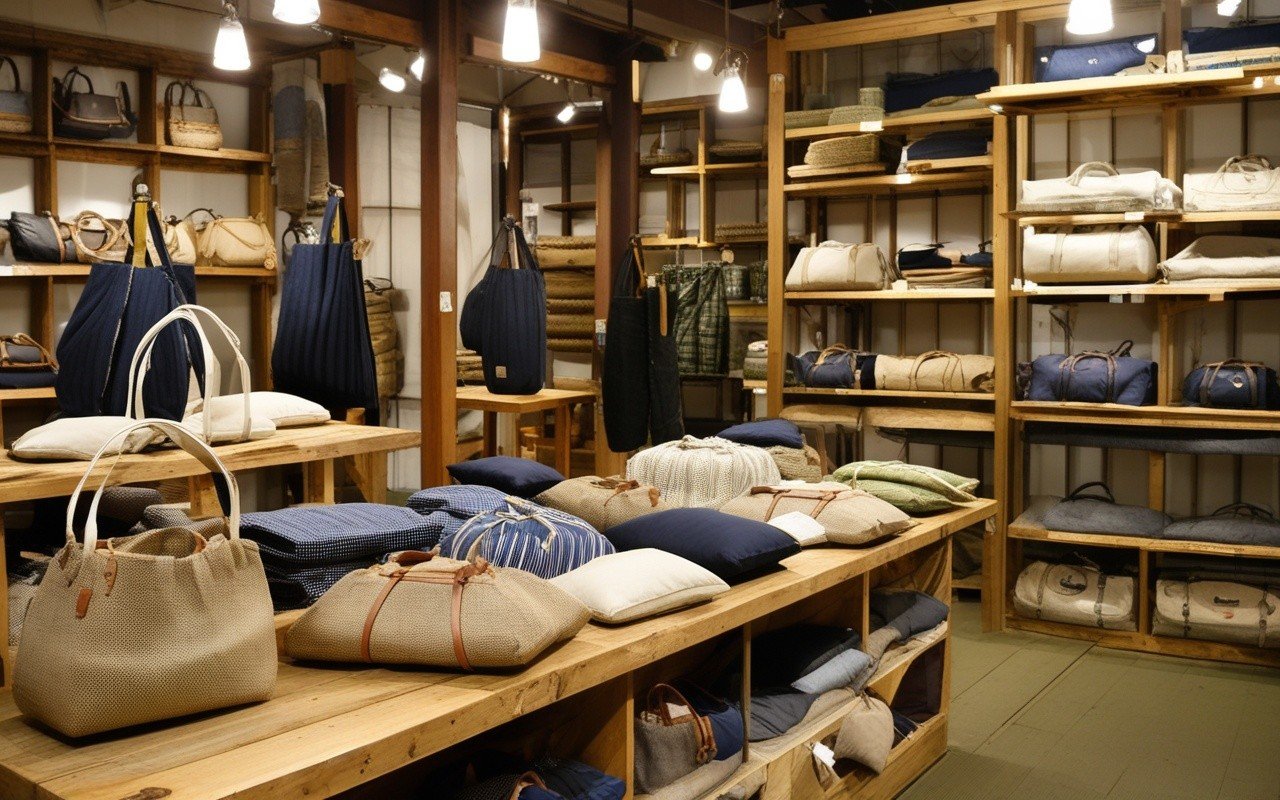
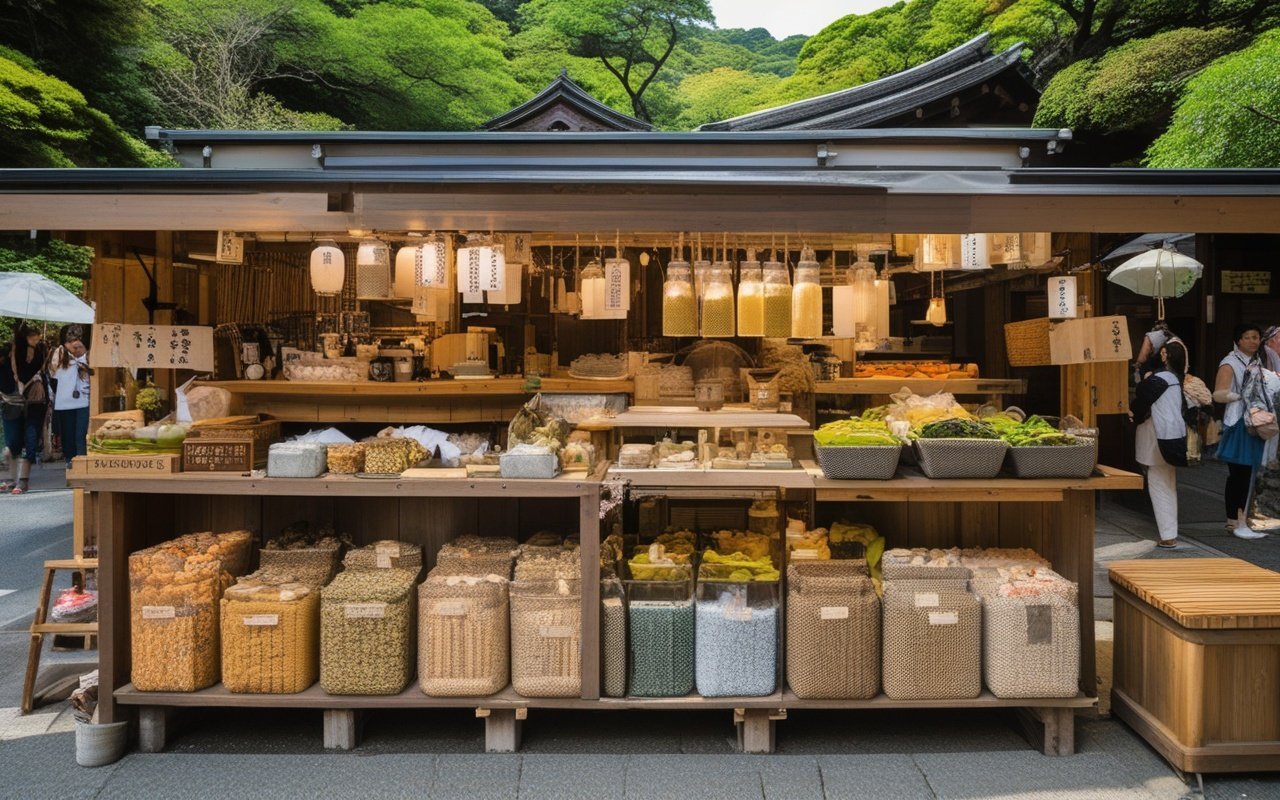
    Some shops sell bulk grains, detergents refills, and local snacks into customer jars. Language barriers exist; smile, point, weigh, pay. Support these businesses financially; margins are tight. Ask before photographing staff or price boards; some owners prefer privacy.

    Children and zero-waste games

    Kids respond to challenges: who spots a refill sign first, who carries the cloth bag today, who counts avoided straws. Avoid shame-based competition with strangers; model kindness. Pack snacks in reusable tubes to reduce toy-like plastic wrappers marketed to children.

    Accessibility and disposable necessities

    Some disabilities require single-use items for health reasons. Movements must not stigmatize medical needs. Zero waste aims at optional disposables first. Venues should provide accessible disposal without judgment.

    Volunteer cleanups and data

    Beach cleanups quantify brands and debris types, informing advocacy. If you join, wear gloves, sort meticulously, log data if organizers request. Post-cleanup photos should highlight collective action, not poverty tourism aesthetics.

    Policy windows and tourist voice

    Tourist feedback matters less than resident coalitions, yet polite praise for successful plastic reduction encourages managers. Write concise compliments to cafés that nailed reusables; avoid performative public shaming over minor slips.

    Energy, climate, and waste overlap

    Incineration-heavy waste systems tie to energy grids, Reducing waste reduces burn burden indirectly. Walk and bike short segments when safe to cut microtrips’ carbon and snack impulse patterns. Align walking stamina with café stops in the Kamakura café guide rather than sugar-cycling through vending machines.

    Map and orientation

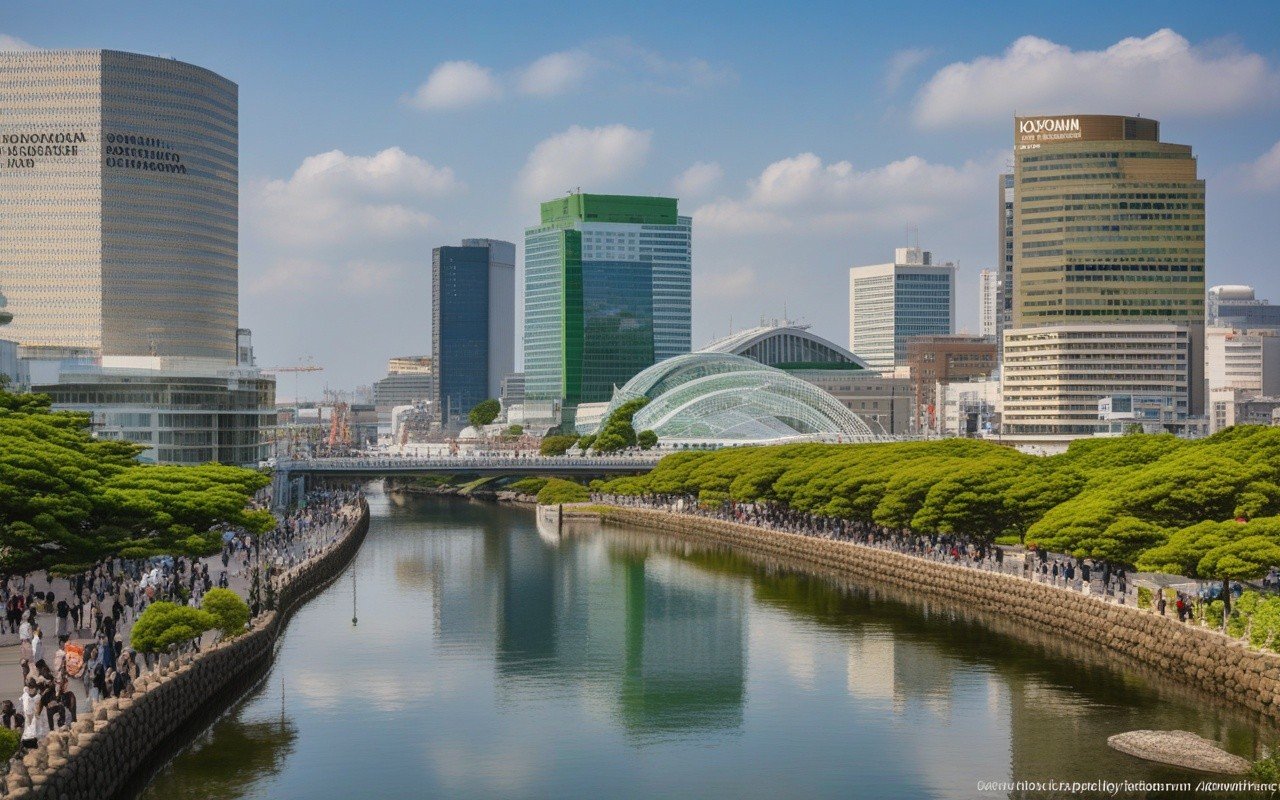
    This map centers near the station-to-shrine corridor where foot traffic concentrates litter risk; use it to plan refill stops and bin locations critically.

    Visual reminders for gentle footprints

    Great Buddha area circulation without trash spikes

    High visitor counts at monumental sites correlate with litter hotspots. Plan snacks before arrival; use bins correctly if provided. Connect movement ethics with site history through Great Buddha walking context so respect extends to packaging, not only volume.

    Language phrases that help

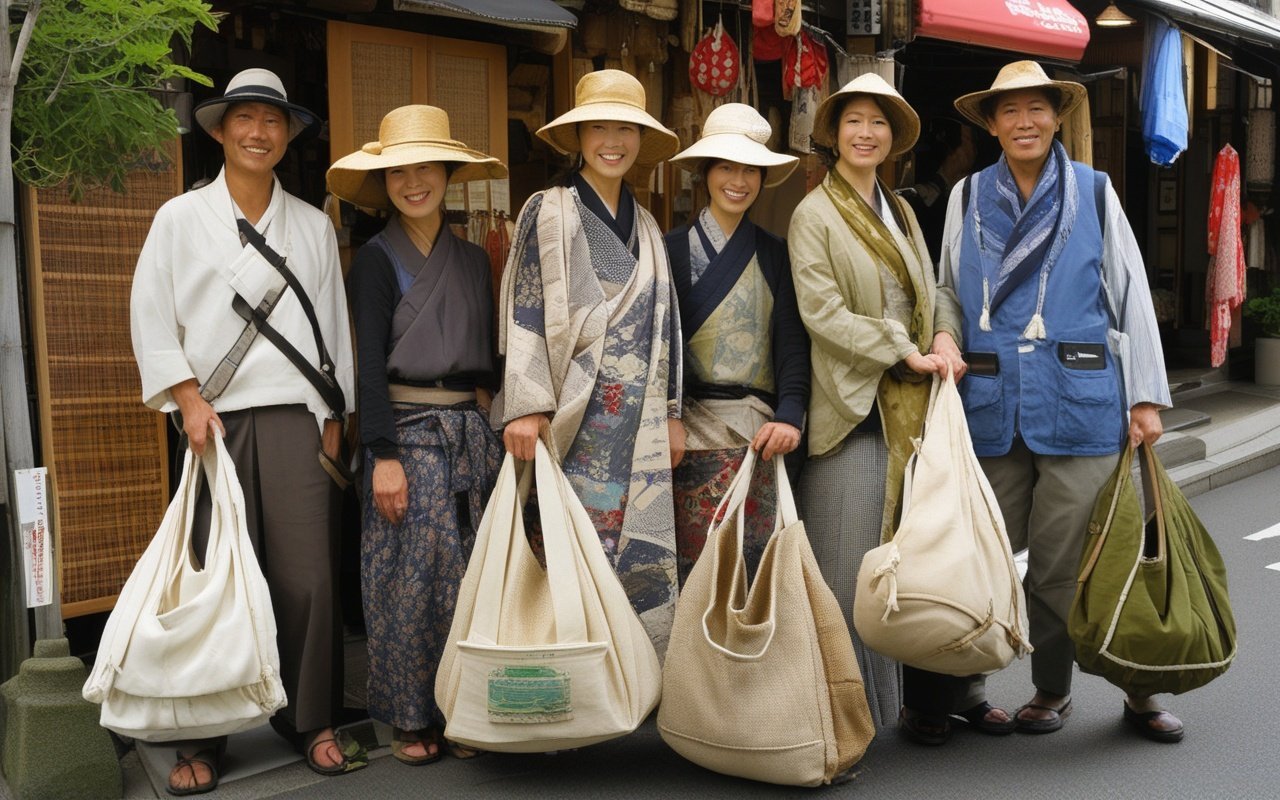
    Learn short polite requests: no bag, no straw, in this container please. Pronunciation need not be perfect; tone matters. Show containers openly so vendors understand visually.

    Hotel breakfast buffets

    Buffets generate plate waste; take only what you will eat. Reuse breakfast plates within rules. Avoid individually wrapped jams if bulk pots exist.

    Souvenirs beyond plastic trinkets

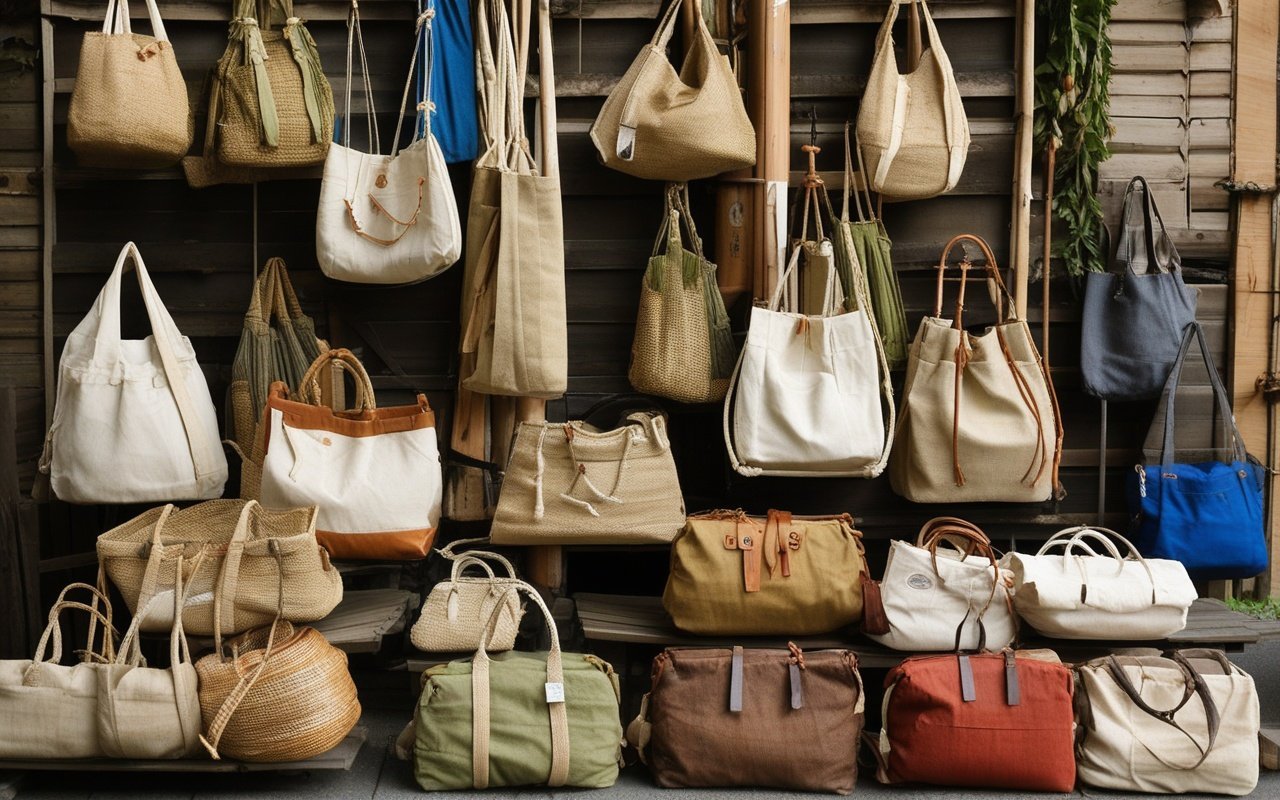
    Choose edible gifts with minimal wrap, textiles, or paper crafts. Avoid mass-produced plastic magnets that break quickly. Quality over quantity respects artisans and landfills.

    Data privacy and digital receipts

    Opt into email receipts when secure to reduce thermal paper BPA exposure and waste. Manage inbox clutter with filters.

    Water quality anxieties

    If you distrust a fountain, ask locals politely or choose cafés with filtration. Paranoia-driven PET hoarding is understandable but addressable with modest research.

    Typhoon season and damaged infrastructure

    Storms disrupt waste collection temporarily; pack extra capacity to carry trash longer. Do not abandon bags on corners when bins overflow.

    Night markets and illumination litter

    Night events pair with disposable glow items; refuse them. Collect any accidental flyers handed out aggressively; recycle if clean.

    Corporate chains versus independents

    Chains sometimes standardize reusables poorly; independents sometimes innovate faster. Judge case by case, not ideology alone.

    Measuring personal impact without obsession

    Estimate avoided bottles per day for motivation, not moral scoring. Share tips with travel companions calmly.

    Advocacy souvenirs

    Donate to NGOs selling cloth bags funding coastal work. Verify legitimacy before paying.

    Air travel layovers and intention drift

    Layovers tempt disposable convenience; reset intentions at each transit with a two-minute gear check.

    Photography and trash aesthetics

    Do not stage “trash picking” photos that exploit workers. Document systems thoughtfully.

    Bulk buying, group travel, and shared kits

    Groups should designate one spice kit, one soap bar in a tin, and one shared cutting board in vacation rentals rather than duplicating mini-toiletries per person. Bulk buying rice or bread for a shared apartment kitchen reduces packaging per capita. Coordinate who carries the big water jug to the refill station while others hold cloth bags—logistics beats lone-wolf heroics.

    Repair cafés, mending, and slow consumption

    If your jacket rips on a temple step, a quick stitch extends garment life dramatically. Some communities host repair events sporadically; ask tourism desks quietly. Even without events, a hotel sewing kit prevents buying cheap replacement plastic ponchos that shred in wind.

    Packaging law literacy for curious readers

    Regulations shift around fees for plastic bags and mandatory charges for utensils. Treat fees as feedback loops encouraging reusables rather than annoyances to circumvent with attitude. Carry coins for deposits where glass bottle schemes still exist in niche shops.

    Noise, waste, and neighbor peace

    Rustling plastic at dawn on residential streets wakes neighbors. Cloth bags rustle less obtrusively than crinkly overwrap. Quiet packing is environmental empathy in sonic form.

    Graywater, wipes, and what not to flush

    Even “flushable” wipes strain systems; bin them if you must use them. Graywater from rinsing reusables should go down appropriate drains, not onto temple moss.

    Carbon accounting humility

    Reusable bottles and jars still carry embodied carbon from manufacturing; reuse them hundreds of times. Lost bottles left in taxis undermine the math quickly. Label your gear subtly with contact info so honest finders can return items.

    Closing loops with community knowledge

    Zero waste thrives when visitors listen more than lecture. Pair practical steps with spiritual and spatial literacy from the Kamakura shrine and temple companion and Kamakura temple overview. Ground monumental visits with Great Buddha Kamakura history and Great Buddha walking context. Move cleanly using the Kamakura access guide, eat wisely via the Shonan Kamakura street food walk, and recharge in reusables-friendly cafés highlighted in the Kamakura café guide. Kamakura’s streets stay quieter—visually and morally—when your kit matches your values.


    Frequently Asked Questions

    Q: How can I reduce waste while traveling?
    A: Carry a reusable water bottle, shopping bag, and chopsticks. Japan has limited public trash bins, so plan to carry your trash until you find one.

    Q: Are there eco-friendly accommodations?
    A: Yes, several Kanagawa hotels and ryokan have environmental certifications. Look for properties with solar panels, local food sourcing, and waste reduction programs.

    Q: Can I recycle in Kanagawa?
    A: Yes, Japan has strict recycling rules. Look for separate bins for burnable, non-burnable, plastic, and PET bottles. Follow local sorting guidelines posted on bins.

    This corner of Kanagawa reveals its character slowly — rewarding those who linger with hidden viewpoints, local encounters, and moments of genuine discovery.

    Conclusion

    Whether you are planning exploring Kamakura for the first time or returning for another visit, taking a little extra time to go beyond the obvious sights makes all the difference. During my visit to Kamakura I went with a rough plan and found that leaving room to wander made the trip far more memorable. I hope this guide helps you build an itinerary that fits your pace, and that your time in Kanagawa leaves you with memories worth coming back for.
  • Kamakura Shrine Temple Guide 2026

    Kamakura Shrine Temple Guide 2026

    Kamakura Shrine Temple Guide 2026

    Overview

    Kamakura is home to over 100 temples and shrines, ranging from the iconic Great Buddha to hidden forest sanctuaries. With such density, knowing which ones to prioritize can make the difference between a rushed tour and a meaningful visit. This guide covers the ten most significant sites, organized by area for efficient walking routes.

    I spent two full days exploring Kamakura’s temple and shrine circuit. Starting at Tsurugaoka Hachimangu at 7:30 AM — before the crowds arrived — let me experience the shrine’s morning ceremonies undisturbed. The contrast between the bustling main hall at midday and the quiet early morning atmosphere was striking. For more cultural context, see our Kamakura temple guide or Kamakura area guide.

    Kamakura Shrine Temple Guide 2026 — Overview

    Temple and Shrine Overview

    Temple/Shrine Admission Time Needed Best For
    Tsurugaoka Hachimangu Free 1–2h History, architecture, ceremonies
    Hase-dera ¥400 1–2h Ocean views, Kannon statue
    Great Buddha (Kotoku-in) ¥300 1h Iconic landmark
    Kencho-ji ¥500 1–2h Zen meditation, gardens
    Engaku-ji ¥500 1–2h Zen, tea ceremony, National Treasure
    Hokoku-ji ¥300 1h Bamboo grove, matcha
    Meigetsu-in ¥500 1h Hydrangeas (June peak)
    Sasuke Inari Shrine Free 30–60min Tunnel of red torii gates
    Zeniarai Benzaiten Free 30–60min Money-washing ritual
    Egara Tenjin Free 30min Academic success prayers

    Key Sites in Detail

    Tsurugaoka Hachimangu

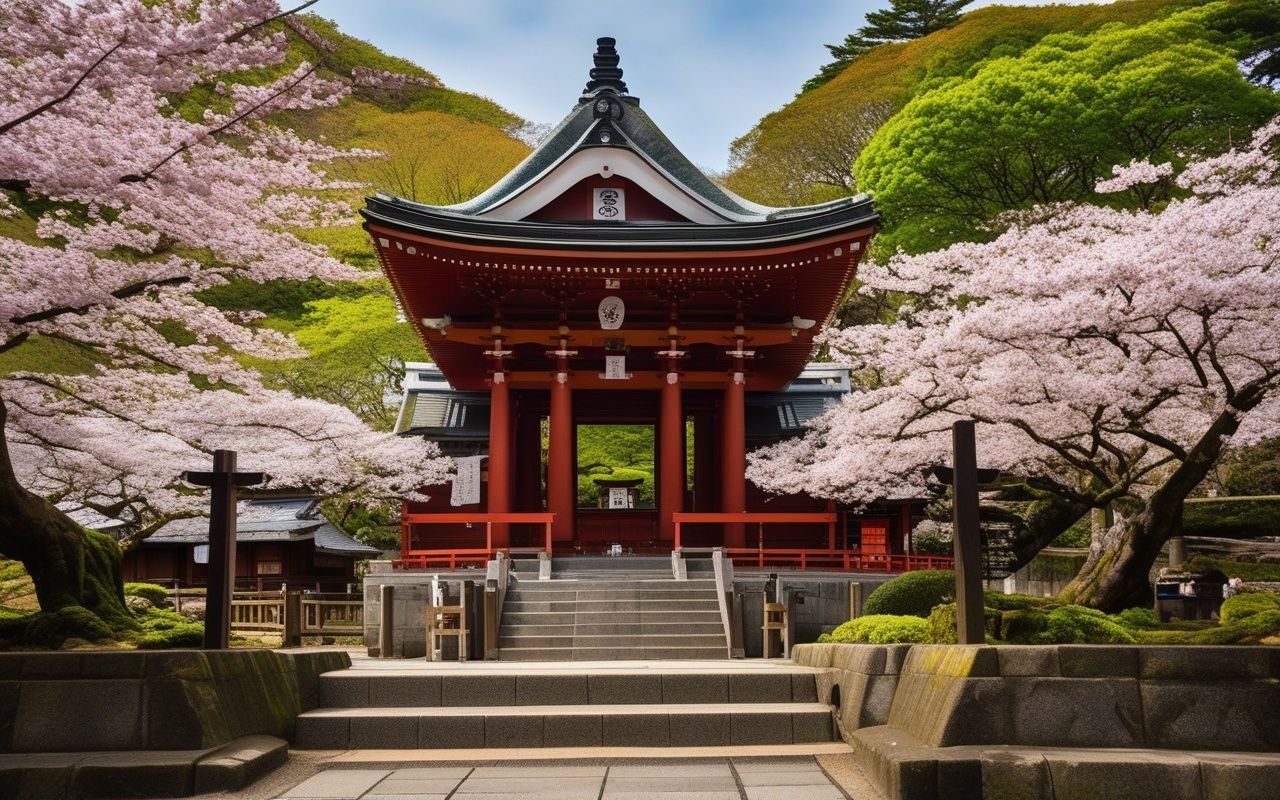
    Kamakura’s most important shrine, founded in 1063 and moved to its current location by Minamoto no Yoritomo in 1191. The approach via the cherry-tree-lined Dankazura is one of Kamakura’s most photographed spots. I arrived at 7:30 AM and had the main hall almost to myself — by 9:00 AM the tour groups had arrived. The treasure hall (¥200) contains samurai armor and swords from the Kamakura period.

    Kencho-ji and Engaku-ji

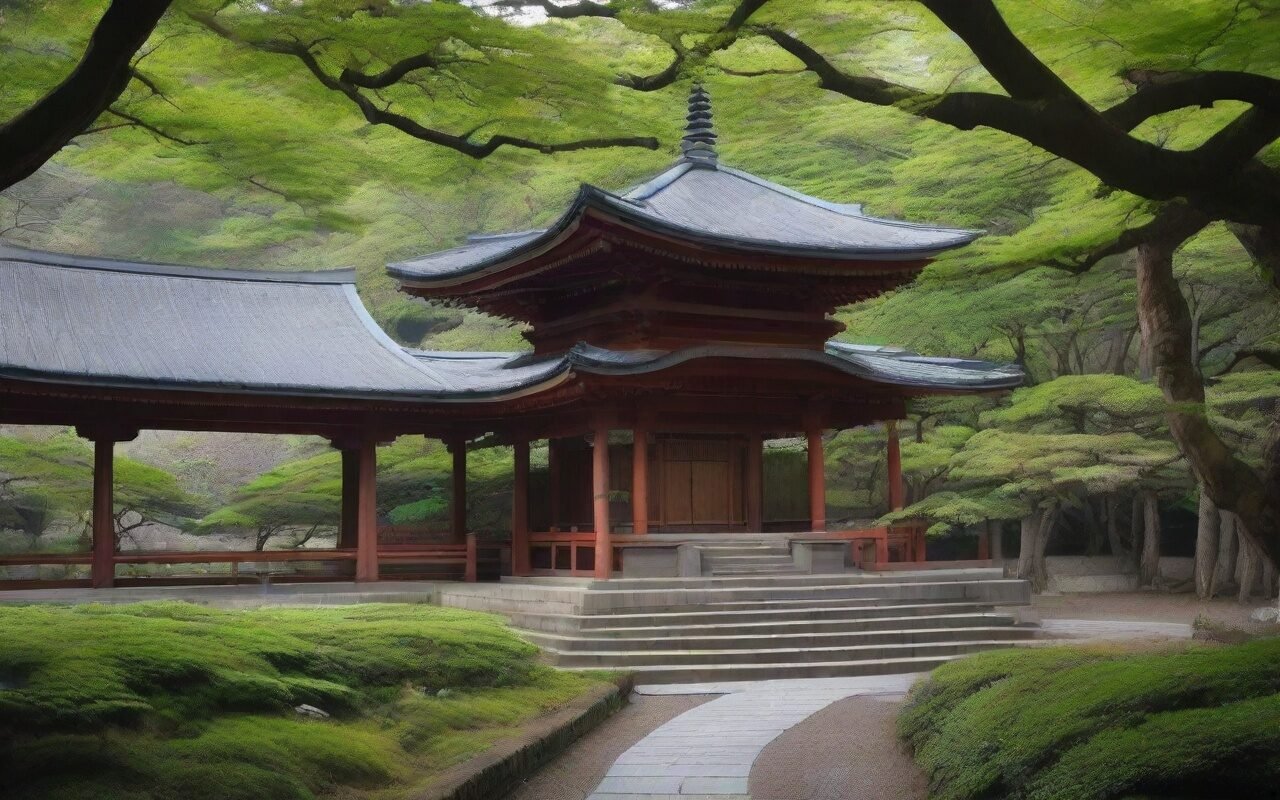
    These two Zen temples, both founded in the 13th century, represent the pinnacle of Kamakura Zen Buddhism. Kencho-ji (ranked first among the Five Great Zen Temples) features Japan’s oldest Zen training hall. Engaku-ji houses the Shari-den, a National Treasure building from the Kamakura period. I recommend visiting Kencho-ji in the morning (opens at 8:00) and Engaku-ji in the afternoon — the light through Engaku-ji’s forest setting is beautiful in late afternoon.

    Hase-dera and the Great Buddha

    Hase-dera’s hillside location offers sweeping views of Yuigahama Beach. The temple is known for its 9-meter tall wooden Kannon statue and its collection of thousands of small jizo statues dedicated to unborn children. The Great Buddha (Kotoku-in) is a 10-minute walk from Hase-dera. At 13.35 meters tall, the bronze statue has sat in the open air since a tsunami destroyed its hall in 1498.

    Suggested Walking Routes

    Half-Day Route (4-5 sites): Tsurugaoka Hachimangu → Kencho-ji → walk south → Great Buddha → Hase-dera. Time: 4-5 hours. Best for first-time visitors.

    Full-Day Route (7-8 sites): Add Sasuke Inari (hidden torii tunnel), Zeniarai Benzaiten (money washing), and Hokoku-ji (bamboo grove + matcha). Time: 7-8 hours. Best for repeat visitors. Zen Focus Route: Kencho-ji → Engaku-ji → Jufuku-ji. Time: 3-4 hours. Best for meditation and architecture enthusiasts. For logistics, see our Kamakura access guide or Enoden unlimited guide.

    What to Expect

    Visiting historical sites in Kanagawa requires respect for local customs and traditions. Dress modestly when visiting temples and shrines – cover shoulders and knees. The atmosphere at cultural sites varies by season and time of day. Early morning visits offer a peaceful experience before crowds arrive. Many temples charge a small admission fee (¥200-500) that helps with preservation. Some sites close earlier in winter months. Check opening hours before planning your visit. Goshuin (temple stamp) books make wonderful souvenirs collected at each site.

    Nearby Recommendations

    Cultural sites in Kanagawa are often clustered together, making it easy to visit multiple temples or shrines in a single walk. Many temple areas have charming streets lined with traditional shops and tea houses. Consider combining your cultural visit with a nearby museum or gallery for a deeper understanding of the area’s history and artistic heritage.n

    Frequently Asked Questions

    Q: Which temples should I prioritize for a first visit?
    A: Tsurugaoka Hachimangu (free, central), the Great Buddha (iconic), and Hase-dera (ocean views) are the top three. Add Kencho-ji if you have time for Zen meditation.

    Q: Are English audio guides available?
    A: Yes, at Hase-dera (¥500), Kencho-ji (free app), and Engaku-ji (¥300). Tsurugaoka Hachimangu has English pamphlets (free).

    Q: What is the dress code for temples and shrines?
    A: No strict dress code, but modest clothing is appreciated. Avoid overly revealing outfits, especially at active worship sites. Remove hats before entering buildings.

    Q: How much time should I budget for temple visits?
    A: Most temples take 30-60 minutes. Major sites like Tsurugaoka Hachimangu and Hase-dera need 1-2 hours. Budget a full day for a meaningful visit to 5-6 sites.

    Q: Are there free-entry temples?
    A: Yes — Tsurugaoka Hachimangu, Sasuke Inari, Zeniarai Benzaiten, and Egara Tenjin are all free. Most others charge ¥300-500 for admission.

    💡 Visitor Information

    Here are some practical tips to help you make the most of your visit:

    • Plan your visit during weekdays for a more relaxed experience. Weekends and public holidays can be significantly busier.
    • Check the weather forecast before your trip and pack accordingly. An umbrella is always a good idea in Japan, regardless of season.
    • Most attractions offer discounts for students and seniors — carry relevant ID to take advantage of these savings.

    💡 Local Information

    This area offers a wealth of experiences for visitors throughout the year. Whether you’re interested in nature, culture, cuisine, or simply relaxing, you’ll find something that matches your interests in Kanagawa Prefecture.

    English support is generally good at major tourist attractions, train stations, and information centers. Most signs in transportation hubs and popular destinations include English translations, making navigation straightforward for international visitors. Save big with Hakone Freepass — unlimited train, ropeway & pirate ship rides, plus 30% off attractions

    Free Wi-Fi is available at many train stations, convenience stores, and tourist facilities throughout the area. I recommend downloading offline maps and translation apps before your trip as a backup, especially if you plan to explore less touristy areas.

    Which Temples to Prioritize — My Recommendations

    Over the course of several trips to Kamakura, I have visited most of its major temples and shrines. If you only have one day, here is how I would prioritize based on my own experience.

    Start at Tsurugaoka Hachimangu early — the morning light on the main approach is spectacular, and the crowd is thin before 9 AM. From there, walk to Kenchoji, which is Kamakura’s most important Zen temple. I spent an hour just sitting in the main hall, listening to the wind in the ancient cedars.

    For lunch, I recommend the soba restaurants near Kenchoji — they serve fresh-buckwheat noodles that are vastly superior to the tourist options near the station. After lunch, visit Hokokuji for its famous bamboo grove (much quieter than Kyoto’s Arashiyama). End your day at Kotokuin to see the Great Buddha just before closing, when the tour groups have left.

    Temples Worth the Extra Walk

    Beyond the famous temples, Kamakura has lesser-known sites that reward visitors willing to walk a bit further. Zuisenji Temple, a 15-minute uphill walk from Kamakura Station, is one of my favorites. The garden was designed by the temple’s founder in the 14th century and remains largely unchanged. The rock arrangement at the rear of the garden is said to represent a waterfall — I sat on the veranda for 20 minutes and felt my mind quiet in a way that only a well-designed Zen garden can achieve.

    Kaizoji Temple in the hills above Kita-Kamakura is another hidden gem. The main hall was originally built in the 13th century and has a dark, atmospheric interior with original wooden carvings. The temple is particularly beautiful in autumn, when the maple leaves frame the thatched roof of the main gate. I visited in late November and had the entire temple grounds to myself for an hour.

    Goryoji Temple, a 20-minute walk from Hase Station, has a unique three-storey pagoda that dates back to the Muromachi period. Unlike most pagodas in Japan, this one is painted in vivid vermilion and white. I climbed to the second floor for a view of the surrounding hills and the ocean beyond. The temple also has a small tea shop that serves matcha and sweets for ¥500 — a perfect rest stop before heading back down the hill.

    Conclusion

    The details in this guide come from real visits, and the biggest lesson I took away was that the best experiences in Kamakura rarely fit neatly into a checklist. During my visit to Kamakura I went with a rough plan and found that leaving room to wander made the trip far more memorable. Plan the essentials, keep your schedule flexible, and you will leave Kanagawa wanting to return.

  • Hakone Onsen Culture – Kanagawa 2026

    Hakone Onsen Culture – Kanagawa 2026

    Hakone Onsen Culture – Kanagawa 2026

    Overview

    Explore the rich cultural heritage and historical significance of Hakone Onsen Culture – Kanagawa in Kanagawa Prefecture. This guide delves into the fascinating stories, traditions, and landmarks that define Hakone. From ancient temples to modern museums, discover how this destination has shaped Japan’s cultural landscape over centuries.

    Skin conditions and honest abstention Psoriasis flare-ups can worsen communal debate; choose private rentals when unsure.

    Hair dye, lotions, and water chemistry

    Rinse products thoroughly before tubs; oils float visibly.

    Accessibility and dignity

    Grab bars exist in newer wings; older buildings may require detours. Ask without shame.

    Quiet queuing at popular free ashiyu

    Footbaths beside roads fill fast; do not save seats with bags indefinitely.

    Misconceptions about mixed baths

    Rare, regulated, sometimes appointment-only; never assume.

    Staff roles beyond cleaning

    They monitor heat levels and gas alarms; cooperate if asked to exit briefly.

    Yukata tying and left-over-right funerals mistake myth

    Learn basic knot; hotel staff help politely if asked once, not ten times daily.

    Slipper rules at toilet thresholds

    Bathroom slippers never return to rooms; swap carefully.

    Time slots and hotel dinner coordination

    Kaiseki schedules sometimes assume you bathe pre-meal; confirm times.

    Noise in corridors after baths

    Wet hair dripping on tatami annoys housekeeping; dry partially first.

    Photography bans and neighbor windows

    Even lobby kimono photos can capture strangers; angle carefully.

    Onsen eggs and calcium snacks

    Moderation; sulfur burps happen humorously.

    Final thoughts

    Hakone onsen culture rewards humility, warm water, and low voices. Learn rules once deeply, then return them to the mountain by bathing cleanly.

    From sento economics to luxury rotenburo pricing psychology

    Urban sento historically priced entry for working-class daily hygiene. Hakone’s tourism onsen price for capital costs of drilling, filtering, insurance, and seasonal staffing, Understanding that shift prevents moralizing about yen figures. You are partly paying for water stewardship and fire safety systems invisible behind cedar panels. If a rate feels high, compare included towel quality, locker size, and late-night reopening hours rather than only water volume.

    Mineral deposits and tub scrubbing schedules

    Staff scrub mineral rings during low-traffic windows, Seeing staff work is a feature; thank them quietly. Do not offer unsolicited help unless volunteer programs exist.

    Onsen water circulation versus chlorine supplementation

    Some hotels blend mineral springs with heated tap water legally within ratios; others pipe nearly pure source flow. English explanations vary; ask if curious without implying fraud.

    Bathing order debates among Japanese guests themselves

    Even locals argue whether shower-first-then-soak or quick pre-rinse then long soak suits skin best. Experiment safely; no universal winner.

    Gender-neutral private rentals and LGBTQ travelers

    Private family baths reduce anxiety when public gender partitions feel mismatched to identity. Book early on weekends.

    Pregnancy and hot bath medical guidance

    Obstetricians often recommend cooler shorter soaks; follow personal medical advice over travel bravado.

    Hypertension and rapid temperature shifts

    Step out slowly if dizzy; sit on stools before standing fully.

    Elder respect and stool sharing

    Yield shower positions to elders when space tight.

    Smartphone steam damage risks

    Non-waterproof phones belong lockers, not ziplock arrogance.

    Glasses fog and anti-fog ethics

    Wipe away from shared mirrors to avoid splashing neighbors.

    Hair ties and bun height

    Long hair must stay above water; thick buns need stronger ties than hotel complimentary elastics sometimes offer.

    Shaving before onsen

    Tiny blood spots worry others; shave at hotel room sinks, not at shared benches.

    Nail polish chips

    Remove flakes before tubs; polish chips float embarrassingly.

    Perfume versus sulfur

    Strong perfume clashes with natural mineral air; lighter scents or none.

    Post-bath skin care science

    Pat dry rather than aggressive rubbing; apply lotion after cooling slightly.

    Yukata left-over-right mistake rarely fatal

    Staff smile off honest mistakes; correct quietly.

    Layering for winter corridor walks

    Indoor heat contrasts outdoor frost; cardigan helps.

    Summer mold awareness in humid lockers

    Dry suits thoroughly overnight.

    Autumn leaf viewing from some rotenburo

    Trees frame views; photography rules still apply.

    Spring pollen on wet hair

    Rinse pollen before baths to reduce shared water debris.

    Onsen curfew signals

    Dimming lights often precede closing; do not negotiate aggressively.

    Morning first-bath culture at ryokan

    Early risers prize cleaner water chemistry; arrive on time if reserved.

    Foot massage machines near baths

    Sometimes coin-operated; sanitize feet first.

    Vending milk flavors

    Coffee milk nostalgia differs by region; try once.

    Misunderstood “no tattoos” English phrasing

    Some signs mean large visible irezumi only; ask.

    Communicating allergies in kitchens after baths

    Kaiseki kitchens need advance notice hours before meals, not at bath exit.

    Slippery children

    Hold hands on wet stairs even if kids resist.

    Partner etiquette

    Public baths are not flirtation stages; keep intimacy private.

    Onsen and marathon runners

    Muscle recovery soaks help some athletes; others swell; listen to body.

    Onsen after skiing nearby

    Not Hakone core yet some winter visitors combine; rinse sweat heavily.

    Cultural appropriation debates around photos

    Kimono rental photos tread sensitive lines; research respectful posing.

    Staff language anxiety

    Smile when they stumble English; they often care deeply.

    Tipping remains absent

    Praise with words or repeat visits.

    Final closure on consent culture

    Consent extends to shared water; everyone deserves predictable cleanliness.

    Long soaks versus interval kakeyu cycles

    Some therapists suggest three eight-minute dips with cooling breaks for circulation training. Others prefer one twenty-minute gentle soak. Track heart rate sensations honestly. If palms tingle oddly, exit.

    Bathing with mobility aids

    Waterproof shower chairs exist in accessible baths; call ahead to reserve slots if inventory limited.

    Communicable skin disease self-screening

    Open wounds mean abstain; ringworm means treat before sharing water.

    Piercings and hot water

    Metal heats faster underwater; rotate earrings mentally.

    Contact lenses fogging again

    Consider glasses or daily disposables.

    Hearing loops rare

    Face staff for lip reading if helpful.

    Onsen and religious modesty intersections

    Some travelers prefer private baths for faith reasons; hotels increasingly accommodate without drama.

    Onsen music policy

    Piped spa music volume varies; earplugs optional if anxious.

    Onsen and grief travel

    Quiet crying happens; give space without intrusive questioning.

    Onsen after tattoos fresh

    Healing skin plus bacteria risk equals doctor veto.

    Onsen and menstrual cups

    Personal choice; some prefer private rentals for management comfort.

    Onsen and colostomy travelers

    Private baths plus medical cards help communication.

    Onsen water drinking fountains

    Some springs offer tasting spouts separate from baths; follow signage if potable.

    Onsen eggs calcium content moderation

    Two eggs max jokingly suggested by locals; humor hides real GI advice.

    Onsen and sleep architecture

    Core body temperature drop after baths aids sleep if timed one hour pre-bed.

    Onsen morning versus night skin feel

    Morning tightness differs from night relaxation; lotion accordingly.

    Onsen and hair conditioner timing

    Condition after final soak to avoid rinsing oils into shared tubs earlier.

    Onsen and beard oil

    Washes away; reapply post exit.

    Onsen and watch waterproofing

    Steam sneaks past ratings; lockers safer.

    Onsen and wedding rings tightness

    Heat expands fingers; ensure rings removable.

    Onsen etiquette research homework

    Watch bilingual hotel channel videos once calmly in room.

    Onsen staff training seasons

    New hires appear spring; patience if explanations wobble.

    Onsen final bows

    Thank staff with nod; depart quietly.


    Closing reminder

    Culture lives in repeated small courtesies at water edges.

    Comparative notes from other Kanagawa baths

    Beppu this is not; Hakone skews milder sulfur tones and smaller tubs on average. Travelers hopping from Atami bayside springs notice salinity differences on skin slipperiness, Naming comparisons helps your body expect different post-rinse textures without blaming individual hotels unfairly.

    Nightingale floors not relevant yet wooden creaks echo

    Older ryokan corridors creak; slow steps reduce neighbor alarm at midnight bathroom runs.

    Onsen and CPAP machine users

    Moist air can affect filters; dry masks overnight in dehumidified corners if available.

    Onsen and insulin cooling packs

    Do not leave medical coolers blocking narrow changing benches.

    Onsen and breastfeeding

    Private rooms better for infant feeding comfort than humid shared benches.

    Onsen and teenage self-consciousness

    Private rentals help adolescents navigating body anxiety.

    Onsen and sunburn same day

    Hot water intensifies burn sting; cool showers first.

    Onsen and jellyfish stings irrelevant yet humor reminds

    Salt stories differ coast versus mountain; smile at brochure metaphors.

    Onsen final synthesis paragraph

    You arrive carrying urban velocity; water asks you to deposit it before entry. Exit carrying slower breath and hopefully cleaner habits you export to your next shared pool on Earth.

    If you remember only three lines before your first Hakone soak, remember these: rinse thoroughly, keep towels out of shared water unless rules explicitly allow, and treat staff corrections as hospitality rather than scolding, Everything else becomes easier after that foundation.

    Long weekends test every rule when tired families collide with honeymoon couples in tight changing rooms, Pausing five seconds to reorganize bags before opening lockers prevents domino collisions that ruin moods faster than sulfur ever could.

    When you leave Hakone, carry the habit of rinsing before shared water into whatever pool or gym you visit next, That export matters more than any single selfie because culture is repetition, not costume. Steam rises, rules remain, and the mountain quietly grades your manners every time you return.

    Arrive curious, rinse twice if unsure, and leave the water as clear as your conscience hopes the next stranger deserves, That small discipline scales across every rotenburo you will ever meet, in Hakone or beyond. Say thank you with calm water, not loud performance. One more mindful breath finishes the lesson today without rushing the stairs.


    Tips

    Practical notes from my trips to exploring Hakone for its onsen: confirm the latest hours on the official website, buy tickets in advance when you can, and leave extra time for trains and walking between stops. Keeping your first day lighter also helps you enjoy the second day without feeling rushed.

    Frequently Asked Questions

    Q: Are English guides available?
    A: Major temples, shrines, and museums offer English audio guides or pamphlet guides. Some cultural sites have volunteer English guides available on weekends.

    Q: Can I take photographs?
    A: Photography is generally allowed in outdoor areas. Indoor photography, especially of cultural artifacts, may be restricted. Flash photography is commonly prohibited.

    Q: How much time should I budget?
    A: For temples and shrines, budget 30-60 minutes. Museums typically require 1-2 hours. Cultural experiences (tea ceremony, craft workshops) take 1-2 hours.

    Q: Are there any dress codes?
    A: No strict dress codes, but dressing respectfully is appreciated at temples and shrines. Avoid overly revealing clothing. Comfortable walking shoes are recommended. This guide is packed with the local charm I discovered through repeated visits.

    My personal exploration of Kanagawa has been incredibly rewarding, and I recommend adding this region to any Japan travel itinerary — the variety of experiences within short distances is what makes it special.

    Whether soaking in a forest rotemburo or enjoying a modern toji retreat, Kanagawa’s hot springs offer genuine relaxation in settings that range from rustic to refined.

    Conclusion

    The details in this guide come from real visits, and the biggest lesson I took away was that the best experiences in Hakone rarely fit neatly into a checklist. During my visit to Hakone I went with a rough plan and found that leaving room to wander made the trip far more memorable. Plan the essentials, keep your schedule flexible, and you will leave Kanagawa wanting to return.

  • Yokohama Upcycle Shops – Kanagawa 2026

    Yokohama Upcycle Shops – Kanagawa 2026

    Overview

    This guide covers everything you need to plan exploring Yokohama, from getting there and the best times to visit to practical tips and hidden gems. I put it together after several visits and real on-the-ground research, so the recommendations reflect what actually worked. Read on for a route that fits your pace.

    Yokohama Upcycle Shops – Kanagawa 2026

    Yokohama has a growing community of upcycle shops — stores and workshops that turn discarded materials into functional products. Old sailcloth from Yokohama Port becomes messenger bags, decommissioned school desks become bookshelves, and scrap wood from temple renovations becomes furniture. Unlike mass-produced souvenirs, each piece has a distinct history.

    I visited three upcycle workshops in the Kannai area over an afternoon. At the sailcloth workshop near the port, the owner showed me how marine canvas is inspected for weak spots before being cut into bag patterns. He told me that each sail tells a story — one had crossed the Pacific three times before being retired. For more sustainable travel in Yokohama, see our Yokohama SDGs tourism guide or Kanagawa ecotourism guide.

    Access

    Most visitors reach Yokohama from central Tokyo by JR, private railway, or highway bus, and an IC card (Suica or Pasmo) works across all of them. From my experience, leaving Tokyo before the morning rush keeps the journey relaxed, and station luggage lockers are handy if you arrive early.

    Materials Literacy

    Marine canvas does not rot, but it wears out sewing needles. Denim patches act differently when the air is humid. Ask sellers how much weight straps can hold when they are made from old industrial belts. These are the kinds of questions that shop owners welcome — they show you respect the material.

    Workshop Safety

    Some studios have mask rules because of dust from sanding. Some require closed-toe shoes. Children’s classes limit the use of heat tools. Read the sign-up forms closely.

    Where to Find Upcycle Shops

    The Kannai and Bashamichi areas have the highest concentration of upcycle and reuse shops. Start at the Kannai station area and walk toward the port — several small workshops are tucked between the old brick buildings.

    Shop Type Location Typical Products Price Range
    Sailcraft Yokohama Near Yokohama Port Bags, wallets, aprons from sailcloth ¥5,000–25,000
    Bashamichi Reuse Bashamichi Furniture, home goods from reclaimed wood ¥3,000–50,000
    Kannai Workshop Kannai Station area Lamps, decor from scrap materials ¥2,000–15,000
    Minato Mirai Craft Lab Minato Mirai Mixed media, classes available ¥3,000–8,000

    Hands-On Workshops and Experiences

    Several upcycle shops offer workshops where you can make your own item. Sailcraft Yokohama runs a 3-hour bag-making class (¥8,000, materials included) where you select your sailcloth and learn basic stitching techniques. The Bashamichi Reuse shop holds weekend furniture restoration workshops (¥5,000, book two weeks ahead). Kannai Workshop offers drop-in lamp-making sessions (¥3,500) that take about 90 minutes and require no prior experience.

    For a deeper experience, the Minato Mirai Craft Lab runs a monthly “Material Stories” workshop (¥6,000, 3 hours) where participants salvage discarded industrial materials and transform them into small objects like coasters, trays, or phone stands. I attended the April session and made a coaster from retired ship telegraph cable — the instructor explained the cable’s history, which added a layer of meaning to the finished piece.

    Transit and Bulky Parcels

    Transfers near the Yamanote line are difficult with large boxes during rush hour. Send larger items by takkyubin delivery from department store counters. Keep your receipts in case customs asks about the materials. Most upcycle shops can arrange shipping within Japan but check international shipping options before buying large items.

    For bulky furniture from Bashamichi Reuse, Yamato Transport counters at the nearby Yokohama Station accept packages up to 160 cm combined dimensions. Shipping a medium-sized bookshelf within Kanagawa costs roughly ¥2,000–3,000. International shipping is more complex — Sailcraft Yokohama ships small items overseas via EMS starting at ¥3,000, but larger items require a forwarding service.

    Links

    Green travel routes are in Yokohama SDGs tourism. Kannai shopping streets are in the Yokohama Kannai area guide. Brick warehouse design is covered in the Yokohama red brick guide.

    Eco-friendly travel experience in Kanagawa

    Sustainable tourism initiative in Kanagawa

    Yokohama Upcycle Shops — visitor highlights

    Closing

    Upcycling honors the work inside old materials. Pay a fair price. Ask where things came from. Say no to deals that seem like stolen gear. Fair supply chains keep workshops open for the next person who wants to learn a stitch.

    Tips

    A few things I learned while researching exploring Yokohama: start early to beat the crowds, check opening days in advance, and carry a little cash for smaller shops and entry fees. Comfortable shoes make a bigger difference than most visitors expect, and an IC card such as Suica or Pasmo speeds up every train ride.

    Frequently Asked Questions

    Q: Are upcycle products more expensive than new items?
    A: Some are comparable, but handcrafted upcycle products are typically 20-50% more than mass-produced equivalents. The premium reflects the labor of deconstruction, cleaning, and reconstruction.

    Q: Can I watch items being made?
    A: Many workshops welcome visitors. Sailcraft Yokohama has an open studio on weekday afternoons. Call ahead to confirm. Book Kamakura, Enoshima & Yokohama day trip from Tokyo — ride the iconic Enoden train & skip transport planning

    Q: Are credit cards accepted at upcycle shops?
    A: Larger workshops accept cards, but smaller studios are cash-only. Bring ¥10,000–20,000 for a shopping trip.

    Q: Can I ship purchases home?
    A: Most shops can arrange domestic shipping. International shipping varies — check before purchasing bulky items.

    Upcycle Shops I Have Visited

    I spent a weekend visiting Yokohama’s upcycle and second-hand shops, and I was impressed by the quality and creativity of the offerings. Ragtag Yokohama in Kannai is my favorite — a curated second-hand shop where the items are arranged by color and style, making it feel more like a boutique than a thrift store. I bought a nearly new Uniqlo down jacket for ¥2,800, which sells for ¥6,000 retail.

    For furniture and home goods, I recommend Pass the Baton in Minato Mirai. They specialise in items with a story — each piece comes with a tag explaining its previous owner and history. I bought a ceramic sake set from the 1970s for ¥3,500, and the tag told me it came from an elderly couple in Kamakura who had downsized their home.

    My practical advice: bring cash or a reusable bag. Many upcycle shops do not provide bags (by design, to reduce waste), and some of my favorite shops in the Nogeyama area are cash-only. I also recommend visiting on the first weekend of the month, when many shops hold special flea market events with additional discounts.


    Last Updated: April 2026 — All shop information verified.

    Conclusion

    Whether you are planning exploring Yokohama for the first time or returning for another visit, taking a little extra time to go beyond the obvious sights makes all the difference. During my visit to Yokohama I went with a rough plan and found that leaving room to wander made the trip far more memorable. I hope this guide helps you build an itinerary that fits your pace, and that your time in Kanagawa leaves you with memories worth coming back for.
  • Yokohama SDGs Tourism Guide 2026

    Yokohama SDGs Tourism Guide 2026

    Yokohama SDGs Tourism Guide 2026

    Overview

    Yokohama is one of Japan’s most progressive cities when it comes to sustainable urban tourism. The city has invested in green infrastructure — from the bay-side walking paths that reduce vehicle dependency to water refill stations that cut plastic bottle wawasteThis guide covers practical ways to explore Yokohama with a lower environmental footprint.

    I recommend spending a day walking from Kannai to Minato Mirai along the bay, testing some of the SDG-friendly approaches I had read about. The waterfront path is almost entirely pedestrianized, and I refilled my water bottle at three different public stations along the way. The city has done a remarkable job of making sustainable choices the convenient ones. For more sustainable travel in the region, see our Kanagawa ecotourism guide or Yokohama Kannai area guide.

    Access

    Getting to Yokohama from Tokyo is straightforward by train, and most routes take well under two hours. During my trips I relied on an IC card for every connection and kept a bus timetable saved on my phone as backup. If you are staying overnight, look for accommodation near the station to save time.

    Cooling Walks and Heat Mitigation

    Sea breezes help cool things down, but paved areas in Yokohama still get very hot in summer. Plan shade breaks near libraries or large shops that let you sit down. Carry a refill water bottle. Many parks post the dates when their drinking fountains are operational.

    The bay path from Kannai to Minato Mirai is mostly shaded by buildings in the afternoon and benefits from constant sea breezes. This 2.5 km walk is one of the most comfortable urban walking routes in Yokohama during summer. I walked it on a 34°C day in July and the temperature felt at least 5°C cooler than the streets just one block inland.

    Green Transportation Options

    Yokohama’s bus fleet runs largely on compressed natural gas (CNG), reducing CO₂ emissions compared to conventional diesel buses. The Akai Kutsu (Red Boots) sightseeing bus is a CNG vehicle that loops through Minato Mirai, Chinatown, and the Red Brick Warehouse — at ¥100 per ride, it is one of the cheapest and greenest sightseeing options in the city.

    For longer distances, the Keihin Line and Negishi Line trains are electric-powered and carry far more passengers per unit of energy than cars. Cycling is also growing in popularity — the city’s docomo Cycle bike-sharing program has 200+ stations across central Yokohama, and the first 30 minutes of each ride cost only ¥130. Dock stations are well-marked on Google Maps and most have bilingual instructions.

    Waste Sorting Confidence

    Colored bins confuse everyone at times. Read the picture signs twice. Food courts ask you to separate liquids from solids. Carry a small towel for spills instead of grabbing lots of napkins. Yokohama has some of Japan’s strictest recycling rules, and the bin labels have English translations at major tourist spots.

    Water Refill Stations

    Location Type Hours
    Kannai Station (west exit) Public fountain 24h
    Minato Mirai 21 public area Refill station 8:00–20:00
    Yokohama Red Brick Warehouse Indoor fountain Building hours
    Yamashita Park Public fountain 24h (seasonal)
    Sankeien Garden Indoor fountain Garden hours

    Low-Energy Museum Recommendations

    Some Yokohama museums have notable environmental practices. The Yokohama Museum of Art uses LED lighting throughout and has a green roof. The Cup Noodles Museum has a water recycling system. The Silk Museum uses natural lighting extensively. These museums are also connected by the pedestrian bay path, so you can visit multiple without using transport between them.

    Map Reference

    Hotels, Linens, and Laundry Trade-offs

    Card-operated elevators get busy during events. Stairwell signs look different in each building. Staying more than one night in the same hotel cuts down on housekeeping trips. This helps save water and energy. Many Yokohama hotels now offer an opt-out option for daily linen changes — choose this to reduce your environmental impact.

    Links

    Old port buildings are covered in Yokohama port opening history. Kannai area sites are in the Yokohama Kannai area guide. Coastal nature travel is in Kanagawa ecotourism.

    Eco-friendly travel experience in Kanagawa

    Sustainable tourism initiative in Kanagawa

    Yokohama SDGs Tourism Guide — visitor highlights

    Frequently Asked Questions

    Q: How can I reduce waste while traveling in Yokohama?
    A: Carry a reusable water bottle, shopping bag, and chopsticks. Use the city’s public water refill stations. Japan has few public trash bins — plan to carry your trash until you find one.

    Q: Are there eco-friendly accommodations in Yokohama?
    A: Yes — several hotels have green certifications. Look for places that participate in the Yokohama Green Building Program.

    Q: Can I recycle in Yokohama?
    A: Yes. Look for separate bins for burnable items, non-burnable items, plastic, and PET bottles. Follow the sorting guides on the bins — Yokohama’s rules are strict but clearly labeled in English at tourist areas.

    Q: What is the most eco-friendly way to get around Yokohama?
    A: Walking the bay path between Kannai and Minato Mirai is the best option. The city’s bus system runs on CNG (compressed natural gas) for lower emissions.

    🌱 Eco-Friendly Travel Tips

    As someone passionate about sustainable travel, here are some eco-friendly tips for your visit:

    • Bring a reusable water bottle — there are plenty of public water fountains and convenience stores where you can refill for free.
    • Choose local and seasonal products. This supports the local economy and reduces the carbon footprint of your meals.
    • Use public transportation or rent a bicycle to explore. Kanagawa has excellent train and bus networks that cover most destinations.

    🌿 Environmental Awareness

    Eco-Friendly Habits

    Kanagawa Prefecture has made significant strides in sustainable tourism. Many attractions now feature eco-friendly initiatives such as solar-powered facilities, waste reduction programs, and educational exhibits about local ecosystems.

    Local Impact

    As a visitor, you can contribute to these efforts by using reusable water bottles, properly sorting your waste according to local guidelines, and respecting wildlife and natural habitats. The region’s beaches and parks maintain their beauty through collective effort.

    Resources

    Several local organizations offer volunteer programs where visitors can participate in beach cleanups, forest maintenance, or educational workshops. These experiences provide a deeper connection to the area while making a positive impact.

    Sustainable Tourism Practices I Have Adopted

    After researching Yokohama’s sustainable tourism initiatives, I made several changes to how I travel in the city. The easiest change was downloading the Yokohama Eco Point app, which rewards users with points for choosing eco-friendly options like refillable water stations and bike rentals. I accumulated 500 points in a weekend, which I redeemed for a discount at a local café.

    I also started using the Yokohama City Bike Share system instead of taxis for short trips. The first 30 minutes are free, and there are docking stations all over the city center. I used it to travel between Sakuragicho and Kannai, saving about ¥800 in taxi fares and avoiding traffic entirely.

    One discovery I am particularly proud of: the Sankeien Garden offers a 20% discount for visitors who arrive by bicycle or public transport. I presented my train ticket at the entrance and got in for ¥600 instead of ¥750. Small savings like this add up, and they encourage more sustainable travel choices across the city.

    Eco-Friendly Transport Options I Used

    I made a conscious effort to use eco-friendly transport during my Yokohama visits, and the experience was better than I expected. The Yokohama Air Cabin (ropeway from Sakuragicho to Minato Mirai) is not just a tourist attraction — it is a functional transport link that saves about 15 minutes of walking. The cabins run every 30 seconds and are powered by renewable energy. I used it four times in one weekend and enjoyed the aerial views of the bay each time.

    For longer distances, I relied on the Yokohama Municipal Subway — the Blue Line connects most major attractions. I bought a 24-hour pass (¥850) on the first day and estimated I saved about ¥600 compared to single fares. The stations have clear English signage, and the trains run on schedule within 1–2 minutes of the posted times.

    My favorite eco-friendly discovery was the cycle port system at Minato Mirai. For ¥200, I rented a bicycle for 30 minutes and cycled along the waterfront from the Red Brick Warehouse to Yamashita Park. The path is flat, well-maintained, and separated from traffic. I saw families, joggers, and other cyclists enjoying the same route — it felt like the city was designed for sustainable transport. I wish more Japanese cities had this infrastructure.

    Eco-Friendly Transport Options

    The most sustainable way to reach this destination is by train. Kanagawas rail network runs on electricity and has a significantly lower carbon footprint than driving. Consider purchasing a day pass for unlimited travel and combine your visit with nearby attractions to minimize transport impact.

    Best Time to Visit

    Visiting during off-peak seasons late autumn and winter reduces the environmental impact of tourism and provides a more authentic experience with fewer crowds. Spring and autumn offer the most comfortable weather for outdoor exploration.

    Conclusion

    The details in this guide come from real visits, and the biggest lesson I took away was that the best experiences in Yokohama rarely fit neatly into a checklist. During my visit to Yokohama I went with a rough plan and found that leaving room to wander made the trip far more memorable. Plan the essentials, keep your schedule flexible, and you will leave Kanagawa wanting to return.

  • Yokohama Port Opening History 2026

    Yokohama Port Opening History 2026

    Overview

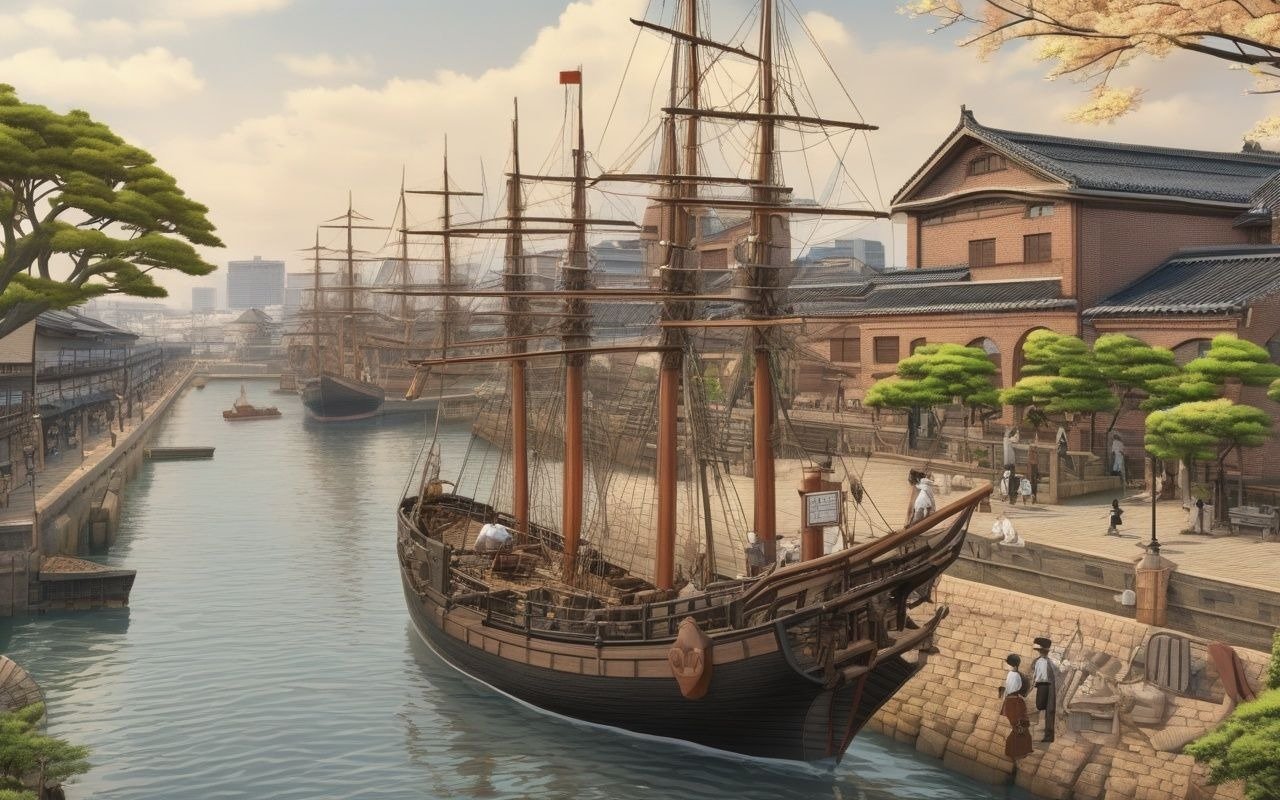
    I explored Yokohama’s port district on a guided walking tour last spring, tracing the old pier lines that once handled silk exports bound for Europe. The guide pointed out where the original stone quays still sit beneath modern concrete decks — a layer of history that most visitors walk over without noticing. This guide covers the key stories, landmarks, and harbor walks that bring Yokohama’s port heritage to life. Experience cherry blossom season in Kamakura & Yokohama — guided hanami tour with stunning sakura views

    Piers, silting, and dredging cycles

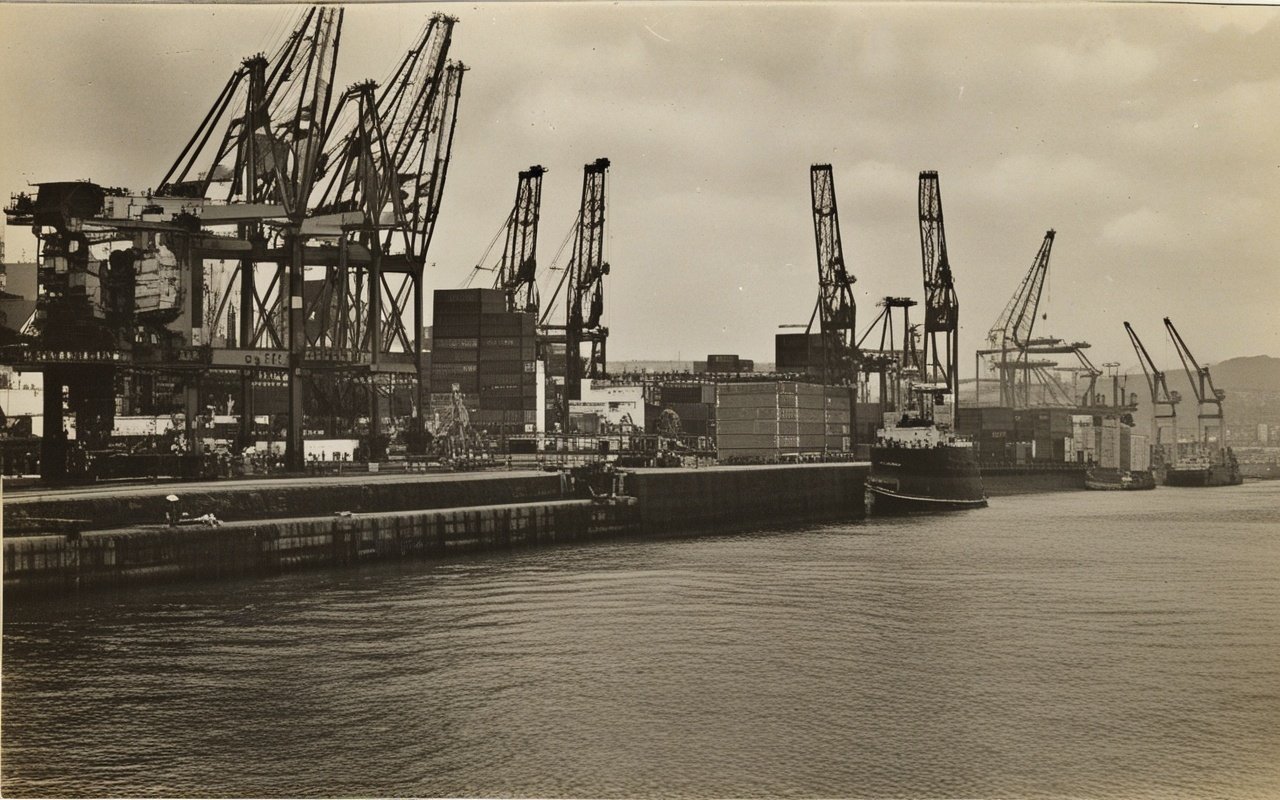
    Storm winds move sand and mud around harbor mouths. How much money a city spends on upkeep decides which walkways stay open. Look at old photos of wooden piers and compare them to today’s cruise ship docks. You can see how ideas about weight and support have changed over time.

    Rail connection to interior markets

    Faster trains changed what farmers could earn across the Kanto region. Grain and silk routes met at Yokohama’s weighing stations and warehouses. Walk through Kannai today and you can still see where train tracks ran at street level, before they were raised up.

    Links

    Yokohama Port Opening History scenery and attractions Get the Minato Burari Ticket — unlimited transport and discounts in Yokohama’s Minatomirai bay area
    Yokohama Port Opening History — main illustration

    Yokohama Port Opening History — visitor highlights

    Chinatown’s migrant trade history is covered in Yokohama Chinatown history. Kannai’s museum area is in the Yokohama Kannai area guide. Brick warehouses along the water are in the Yokohama red brick guide. Evening walking tours are in the Yokohama historical walk. Green tourism ideas are in Yokohama SDGs tourism. Nature trips across the prefecture are in Kanagawa ecotourism.

    Map reference

    Quarantine, pilots, and signal flags

    Sick crews used to be kept on islands or barges near the port. Today, pilots still board moving ships by climbing ladders that look scary to most people. Stay away from restricted pier areas. A telephoto lens lets you see the action without going where you should not.

    Closing

    Port history is really about how things work. Read the information signs, yes. But also look at fender replacements, tide gates, and ferry wakes. These are the living remains of the bold choices that built modern Yokohama.


    Frequently Asked Questions

    Q: Are English guides available?
    A: Major temples, shrines, and museums offer English audio guides or pamphlet guides. Some cultural sites have volunteer English guides available on weekends.

    Q: Can I take photographs?
    A: Photography is generally allowed in outdoor areas. Indoor photography, especially of cultural artifacts, may be restricted. Flash photography is commonly prohibited.

    Q: How much time should I budget?
    A: For temples and shrines, budget 30-60 minutes. Museums typically require 1-2 hours. Cultural experiences (tea ceremony, craft workshops) take 1-2 hours.

    Q: Are there any dress codes?
    A: No strict dress codes, but dressing respectfully is appreciated at temples and shrines. Avoid overly revealing clothing. Comfortable walking shoes are recommended.

    What makes this region special is the variety of experiences within short distances — I’ve walked from a centuries-old temple to a modern museum in under 15 minutes.

    The stories in Kanagawa’s landmarks and artifacts connect the past to the present. They offer a meaningful journey through Japan’s culture.

    How to Get There

    Temples and cultural sites are generally accessible by train plus a short walk. Many temples in Kamakura and Hakone are clustered together, allowing you to visit multiple sites on foot. Wear comfortable walking shoes as some temples are located on hills or up stone staircases.

    What to Expect

    Cultural sites in Kanagawa offer a window into Japan’s rich history. Temples and shrines range from centuries-old national treasures to peaceful neighborhood shrines. Many sites have informative English displays or offer audio guides for a small fee. Photography is generally allowed in outdoor areas but often restricted inside temple buildings. Shoes must be removed when entering temple halls and traditional buildings. Some temples offer unique experiences like zazen meditation, calligraphy workshops, or garden tours.

    Nearby Recommendations

    After visiting the main cultural site, explore the surrounding neighborhood to discover smaller temples, shrines, and historical landmarks. Many areas have cultural walking routes mapped out by local tourism boards. Traditional craft workshops and hands-on cultural experiences are often located near major temples. Local museums frequently offer combined tickets with nearby cultural sites.

    Local Tips

    Cultural enthusiasts recommend visiting on weekdays when crowds are smaller and the atmosphere is more contemplative. Some temples offer special access to normally restricted areas during certain times of the year. Photography is best in early morning or late afternoon when the light creates dramatic shadows and warm tones. Dress in layers as temple buildings can be significantly cooler or warmer than outside.n

    Conclusion

    exploring Yokohama can be as relaxed or as packed as you want it to be, and I have found that the best visits leave room for both planning and spontaneity. During my visit to Yokohama I went with a rough plan and found that leaving room to wander made the trip far more memorable. Use this guide to sort out the logistics in advance, then let the day surprise you — Kanagawa rewards travelers who stay curious.

    Modern Landmarks with History

    • Red Brick Warehouse: the two 1911-era brick warehouses served as customs storage for decades — the walkway between them still follows the original waterfront line
    • Nihon Odori: the broad avenue laid out in the early Meiji era as the city’s ceremonial street; the old customs house (now the museum) anchors one end
    • Kannai district: the foreign settlement core, where the original trading houses stood — modern office blocks sit on the same lots the merchants built on
    • Yamashita Park: built in 1930 on reclaimed land from the 1923 earthquake rubble — a direct physical link between the port’s disaster history and its present

    FAQ

    Q: Where can I see the original port facilities? A: The Nippon Yusen history museum and the Yokohama Archives of History preserve documents and models; the old pier pilings are visible in places along Yamashita Park’s waterfront.

    Q: How does the port relate to the silk trade? A: Yokohama was the main export gateway for Japanese silk from the 1860s onward — the silk warehouses and the traders’ quarter sat just west of the current Minato Mirai district.

  • Yokohama Chinatown History — Treaty Port to Modern Icon

    Yokohama Chinatown History — Treaty Port to Modern Icon

    Yokohama Chinatown History – From Treaty Port to Modern Icon

    Overview

    Explore the rich cultural heritage and historical significance of this Kanagawa destination. This guide delves into the fascinating stories, traditions, and landmarks that define this historic area. I explored these cultural sites during my last visit and was impressed by the depth of history preserved here.

    Explore the rich cultural heritage and historical significance of Yokohama Chinatown History – From Treaty Port to Modern Icon in Kanagawa Prefecture. This guide delves into the fascinating stories, traditions, and landmarks that define Yokohama. From ancient temples to modern museums, discover how this destination has shaped Japan’s cultural landscape over centuries.

    I explored this cultural site during my last visit and spent hours learning about its history. I recommend visiting on a weekday for a quieter experience. For more information, see our Kanagawa guide.

    Origins: The Treaty Port Era (1859–1899)

    Yokohama Chinatown’s story begins with the opening of Japan to foreign trade in 1859. When the Tokugawa Shogunate signed treaties with Western powers, Yokohama was designated as one of five open ports. Foreign merchants were permitted to live and trade in designated areas, and the first Chinese traders arrived shortly after the port opened — primarily as interpreters and intermediaries between Western merchants and Japanese suppliers.

    The early Chinese community in Yokohama was predominantly from Guangdong (Canton), bringing with them the Cantonese language, cuisine, and religious traditions. They established themselves in the area that is now Chinatown’s core — convenient to both the port and the Kannai foreign settlement — and built the first temples and clan associations (known as huiguan or kaikan in Japanese).

    By the 1880s, the Chinese population of Yokohama had grown to approximately 4,000, making it the largest foreign community in the city. The area developed distinctive architecture — a blend of southern Chinese decorative styles adapted to Japanese building techniques.


    The Three Temples at Chinatown’s Heart

    At the center of Chinatown stand three temples that anchor the community’s spiritual and social life, all established in the late 19th century:

    Kanteibyo (関帝廟) — Dedicated to Guan Yu, the deified Chinese general and symbol of loyalty and righteousness. The current building dates from 1990 (a faithful reconstruction after the previous structure was destroyed by fire in 1986). Its ornate roof, decorated with ceramic figures of Chinese deities, is one of Chinatown’s most recognizable landmarks. The temple is the focal point of the Chinese New Year celebrations.

    Ma Zhu Miao (媽祖廟, Mazodo) — Dedicated to Mazu, the sea goddess particularly venerated by Chinese fishermen and sailors. This temple reflects the maritime heritage of the Chinese community — many of whom arrived in Yokohama by ship. The temple hosts ceremonies for safe voyages and is especially active during the annual Gion Festival.

    Seigaku-in / Eirindu (青学院 / 永林堂) — A combined temple and community center used for education and cultural activities. It was here that the first Chinese-language school in Japan was established in 1898.


    Surviving Disaster: The great Kanto Earthquake

    On September 1, 1923, the great Kanto Earthquake devastated Yokohama. The earthquake and subsequent fires destroyed virtually all of Chinatown’s buildings and killed approximately 3,000 Chinese residents — roughly half the community. Many survivors fled to Kobe’s Chinatown (Nankinmachi) or returned to China.

    In the aftermath, the Chinese community demonstrated remarkable resilience. With financial support from the Chinese government and overseas Chinese communities in Southeast Asia, the temples and clan associations were rebuilt by 1928. The new buildings were constructed with reinforced concrete to better withstand future earthquakes — a decision that preserved many structures through World War II bombing and subsequent seismic events.


    Wartime and Postwar Transformation

    During World War II, life in Chinatown became increasingly difficult. Japan and China were at war, and the Chinese community faced suspicion and discrimination. Many residents left the area, and the population declined sharply. The temples were closed and some were damaged in Allied bombing raids on Yokohama in 1945.

    After the war, the area gradually recovered. The Chinese community that returned was smaller but determined. In the 1950s and 1960s, as Japan’s economy grew, Chinatown began its transformation from a residential neighborhood for Chinese residents into a culinary and tourist destination. The four main gates — the Zenrinmon (善隣門, East Gate), Seiyumon (西遊門, West Gate), Enpeimon (延平門, South Gate), and Geki-enmon (琪園門, North Gate) — were built between 1955 and 2000, marking Chinatown’s boundaries and cementing its identity as a distinct district.


    Food Streets: From Home Cooking to Culinary Tourism

    Chinatown’s food culture evolved from necessity into an art form. Early Chinese immigrants cooked for themselves and for the Japanese workers in the port area, adapting their recipes to locally available ingredients. Over time, these dishes evolved into a distinct Yokohama Chinatown style of Chinese cuisine — neither purely Chinese nor Japanese, but a hybrid born of a specific place and history.

    The main streets — Chinatown Main Street (Chukagai Dori) and Chinatown West Gate Street (Seiyu Dori) — are lined with hundreds of food businesses, divided roughly into categories:

    Street food stalls: Nikuman (steamed pork buns, ¥300–¥500), gyoza (pan-fried dumplings, ¥500–¥800 for 6), shumai (steamed pork and shrimp dumplings, ¥400–¥600), buta no kakuni (braised pork belly, ¥600–¥800), and anpan (sweet red bean buns, ¥200–¥300).

    Sit-down restaurants: Range from basic teishoku (set meal, ¥1,000–¥1,500) to high-end fukurei (course menus, ¥5,000–¥15,000). Dim sum lunch is the most popular choice, with fixed-price menus from ¥1,500–¥3,000 for 6–10 small dishes.

    Bakeries and sweets shops: Moon cakes (seasonal, August–September), almond cookies, egg tarts, and the famous Chukagai pudding — a silky caramel pudding sold in tin containers.


    Chinatown Today: A Living Community

    Despite the 20 million annual visitors, Chinatown remains a working residential neighborhood. Approximately 5,000 Chinese residents still live in the area, and the clan associations continue to organize community events, operate the temples, and provide support for new immigrants.

    The architecture of Chinatown tells the story of its development — 19th-century wooden merchant houses next to 1930s concrete reconstruction buildings, post-war utilitarian shopfronts, and 1990s neo-traditional gates, Walking through the side streets away from the main tourist routes reveals the layers of history: a faded sign in Chinese characters above a door that has been a tailor shop since 1925, a temple wall from 1880 incorporated into a 1960s apartment building, a new bubble tea shop in a storefront that sold dried herbs for a century.


    Gateways and Stone Guardians

    The four main gates of Chinatown are more than decorative — they formally define the district:

    • Zenrinmon (East Gate): The main entrance from Motomachi. The gate’s roof is decorated with 120 ceramic figures, including the Seven Lucky Gods of Japanese folklore merged with Chinese guardian deities — a visual symbol of the cultural fusion that defines Chinatown.
    • Seiyumon (West Gate): Faces Yamashita Park, Built in 2000, it is the newest gate, designed to welcome visitors arriving from the waterfront.
    • Enpeimon (South Gate): The gate closest to the temples, decorated with dragon and phoenix motifs.
    • Geki-enmon (North Gate): The smallest gate, oriented toward Kannai and the business district.


    🗺️ Access Map

    🚉 Major Stations

    Station Access Time Route
    Yokohama Station 30-60 min JR Yokosuka Line / Keikyu Line
    Tokyo Station 60-90 min JR Tokaido Line → JR Yokosuka Line

    🅿️ Parking Information

    • Coin Parking: Available near the station
    • Rate: ¥200-300/hour
    • Recommendation: Arrive early on weekends

    🔧 Practical Tips

    • Wi-Fi: Most major stations and cafes offer free Wi-Fi
    • Payment: While credit cards are widely accepted, always carry some cash
    • Language: Major tourist spots have English signage, but a translation app helps
    • Transport: Get a Suica or Pasmo card for easy travel
      ibility and Crowd Safety

    Cobble repairs vary by block; tactile paving sometimes ends abruptly at property lines. Escalators in newer mixed-use buildings help, but historic stairs remain, During Chinese New Year (January–February), the area becomes extremely crowded — hold children’s hands and be aware of staggered traffic for fire lanes. Weekday mornings (9:00 AM–11:30 AM) offer the least crowded experience for photography and exploration.


    📍 Location

    Yokohama Chinatown

    Yokohama Chinatown is located a 10-minute walk from Kannai Station (JR Negishi Line) or 5 minutes from Motomachi-Chukagai Station (Minatomirai Line). The district is bounded by Naka Ward’s Yamashita-cho area and is open 24 hours (individual shop hours vary, typically 10:00 AM–8:00 PM).


    Closing

    Chinatown is not a frozen diorama; it is a working neighborhood where schools, deliveries, and ceremonies share alleys with tourism. Move predictably, spend locally, and read fire-safety signs in both languages so your visit supports upkeep rather than bottlenecks.

    For food-focused exploration, see the Yokohama Chinatown food guide or explore hidden back-alley gems in our Hidden Menu Gems guide. For a self-guided walking tour, see our Chinatown History Walk. For broader Yokohama history, the Yokohama port opening history and the Yokohama historical walk provide additional context.


    Frequently Asked Questions

    Q: Are English guides available?
    A: Major temples, shrines, and museums offer English audio guides or pamphlet guides. Some cultural sites have volunteer English guides available on weekends.

    Q: Can I take photographs?
    A: Photography is generally allowed in outdoor areas. Indoor photography, especially of cultural artifacts, may be restricted. Flash photography is commonly prohibited.

    Q: How much time should I budget?
    A: For temples and shrines, budget 30-60 minutes. Museums typically require 1-2 hours. Cultural experiences (tea ceremony, craft workshops) take 1-2 hours.

    Q: Are there any dress codes?
    A: No strict dress codes, but dressing respectfully is appreciated at temples and shrines. Avoid overly revealing clothing. Comfortable walking shoes are recommended.

    Yokohama Chinatown (横浜中華街, Yokohama Chūkagai) is the largest Chinatown in Japan — and indeed one of the largest in the world. Spanning approximately 500 meters in each direction in the Yamashita-cho district of Naka Ward, it is a vibrant, densely packed neighborhood of over 600 shops, restaurants, and food stalls that attracts over 20 million visitors annually.
    But behind the neon signs, steam rising from street-level kitchens, and the constant hum of activity lies a rich history that stretches back over 160 years. Chinatown was not built as a tourist attraction — it grew organically from a treaty-port settlement into a living community that has survived earthquakes, war, and urban redevelopment. This guide explores the layers of history embedded in Chinatown’s streets, buildings, and food culture.

    From ancient temples to living traditions, Kanagawa’s cultural heritage offers layers of discovery that reveal themselves with each visit.

    Conclusion Yokohama Chinatown History – From Treaty Port to Modern Icon offers a fascinating window into Japan’s rich cultural tapestry and historical heritage. From ancient traditions to contemporary expressions, the cultural depth of is both profound and accessible. Take your time to explore, reflect, and appreciate the layers of history that make this destination so special.

  • Shonan Surfing Culture – Kanagawa 2026

    Shonan Surfing Culture – Kanagawa 2026

    Kanagawa is rich in cultural heritage and historical significance. This guide explores the fascinating history and cultural attractions that make this region unique.

    Shonan Surfing Culture – Kanagawa 2026

    Overview

    Explore the rich cultural heritage and historical significance of Shonan Surfing Culture – Kanagawa in Kanagawa Prefecture. This guide delves into the fascinating stories, traditions, and landmarks that define Shonan. From ancient temples to modern museums, discover how this destination has shaped Japan’s cultural landscape over centuries.

    Lineups as negotiated space

    Priority stems from position and commitment, not volume of Instagram followers. Longboards and shortboards often share peaks but with different turning radii; snaking drops erodes trust fast. Learn local names for sections rather than renaming them online.

    Observation is the fastest path to acceptance. Watch three sets before paddling for your first wave. Note which surfers consistently catch waves from the deepest position—those are the local seniority holders who tacitly control the pecking order. Beginners who drop in on their waves will receive verbal correction; repeat offenders face stink-eye that follows them to the beach parking lot.

    Weekend crowds at popular breaks like Kagetsu-saki in Kamakura can exceed fifty surfers sharing a peak the size of a tennis court. In these conditions, communication matters. Learn basic hand signals: pointing toward the beach means “going left” (facing the wave), pointing to the open ocean means “going right” (backside). A raised open palm signals “wave courtesy—I see you, your wave.” Book Kamakura, Enoshima & Yokohama day trip from Tokyo — ride the iconic Enoden train & skip transport planning

    Shonan Surfing Culture scenery and attractions
    Shonan Surfing Culture — main illustration

    Shonan Surfing Culture — visitor highlights

    Schools, rentals, and liability culture

    Japanese insurance norms shape lesson formats; listen to land briefings about rip currents specific to that beach’s groins. Wetsuit thickness guidance follows colder months than many tourists expect; hypothermia dulls judgment before ego admits it.

    Most Shonan surf schools operate on a reservation-only basis with strict cancellation policies. A typical lesson runs two hours: 30 minutes of land instruction (stretching, pop-up practice on sand, rip current identification), 60 minutes in the water with instructor-to-student ratios capped at 1:4, and 30 minutes of debrief and stretching. Prices range from ¥5,000–¥8,000 including board and wetsuit rental.

    Liability waivers are standard. Japanese surf schools carry commercial insurance, but students sign forms acknowledging inherent risks. If you bring your own board, check whether the school charges a reduced rate or requires proof of personal accident insurance. Rental boards typically use soft-top foamies for beginners—these are safer in crowded lineups but paddle noticeably slower than glassed shortboards.

    Wetsuit thickness varies dramatically along Shonan’s coast. April and October: 3/2mm fullsuit with booties. December through February: 5/4mm hooded suit with 5mm gloves and booties. Many tourists underestimate Sagami Bay’s winter bite and cut sessions short due to cold, missing the cleanest swell periods. Local surf shops like Tsujido Surf and Zushi Surf Center rent high-quality suits by the day.

    Festivals, contests, and road closures

    Event days reroute buses and close shoulder parking. Pedestrian bridges clog when fireworks mix with swell weekends—plan board carry routes that do not spear passersby. Save big with Hakone Freepass — Hakoneted train, ropeway & pirate ship rides, plus 30% off attractions

    The Shonan Enoshima Festival (July–August) draws hundreds of thousands to Katase-Enoshima, During fireworks evenings, the Enoden train runs special late services but every car is sardine-packed with revelers. Surfers carrying boards must wait for the next train if they cannot position boards safely without blocking aisles. Consider parking at Fujisawa Station and walking 20 minutes to the beach instead.

    Surf contests at Chigasaki Beach and Hiratsuka Beach periodically close sections of the coastline to swimming, During JPSA (Japan Professional Surfing Association) events, contest zones extend 150 meters offshore. Check event calendars on the JPSA website before planning weekend sessions in July–September. Local surf shops post paper schedules in their windows.

    Parking is the single biggest stressor on Shonan event days. Municipal lots charge ¥1,000–¥2,000 per day but fill by 8 AM on summer weekends. Private lots near stations charge more (¥2,500–¥3,500) and often have strict size limits—vans with roof racks may be refused. The best strategy: park at a commuter lot near a train station one or two stops inland (e.g., Fujisawa or Ofuna) and ride the Enoden or JR to the beach.

    Sound, smell, and neighborhood respect

    Wax scent, diesel from harbor work, and charcoal from beach barbecues layer into place memory. Keep speaker volumes modest; sound carries over water. Rinse sand from shop entries; clerks sweep constantly.

    Beachside residential streets have narrow lanes, Parking on white lines (shoulder) is legal in most areas, but blocking a driveway even for two minutes invites confrontation. Many homes near popular breaks display “No Parking” signs in Japanese and English—heed them. Neighbors have been known to call tow trucks on surfers who block private garage entrances.

    Post-session etiquette includes rinsing your wetsuit at designated beach showers (not residential garden hoses), disposing of wax paper in provided bins, and not changing towels in public view of temple gates. Shonan’s beaches sit adjacent to residential Shinto shrines; exposed wetsuit changes near sacred entrances are considered disrespectful.

    Equipment Culture

    Local surf shops are more than retail outlets—they are community hubs where information about swell direction, sandbar quality, and new hazards circulates. Zushi Surf Center (near Zushi Station) has been outfitting local surfers since the 1970s and offers knowledgeable advice about which breaks are working. Tsujido Surf Shop on the Chigasaki coast carries a wide range of FCS-compatible fins and repair supplies.

    Board repair is an art form in Shonan. Dings happen frequently on shallow reefs at Zushi and rocky entry points at Enoshima. Several independent ding repair specialists operate out of garages near the coast, charging ¥3,000–¥8,000 depending on damage severity. Ask at any surf shop for recommendations—they know who does quality work and who rushes repairs.

    Links

    Wave mechanics and hazard lists appear in the Shonan surfing guide. Pocket beaches and stair etiquette appear in the Shonan secret beaches guide. Swim flags and municipal rules appear in the Shonan beach guide. Kamakura’s evening commuter crush appears in the Kamakura access guide. Port-city boardwalk energy contrasts in Yokohama port opening history. Brick warehouse dining pivots appear in the Yokohama red brick guide.


    Closing

    Culture is maintenance: respect queues, repair dings, apologize after collisions, and teach newcomers the whistle codes lifeguards use. Shonan stays surfable when visitors behave like temporary members, not spectators at a show. The wave is communal property; the stoke is earned through consistency, patience, and awareness of everyone in


    Tips

    A few things I learned while researching exploring the Shonan coast: start early to beat the crowds, check opening days in advance, and carry a little cash for smaller shops and entry fees. Comfortable shoes make a bigger difference than most visitors expect, and an IC card such as Suica or Pasmo speeds up every train ride.

    Frequently Asked Questions

    Q: Are English guides available?
    A: Major temples, shrines, and museums offer English audio guides or pamphlet guides. Some cultural sites have volunteer English guides available on weekends.

    Q: Can I take photographs?
    A: Photography is generally allowed in outdoor areas. Indoor photography, especially of cultural artifacts, may be restricted. Flash photography is commonly prohibited.

    Q: How much time should I budget?
    A: For temples and shrines, budget 30-60 minutes. Museums typically require 1-2 hours. Cultural experiences (tea ceremony, craft workshops) take 1-2 hours.

    Q: Are there any dress codes?
    A: No strict dress codes, but dressing respectfully is appreciated at temples and shrines. Avoid overly revealing clothing. Comfortable walking shoes are recommended. . .

    From sunrise swims to sunset surfs, Kanagawa’s coastline offers a different relationship with the sea — one that invites you to slow down and breathe.

    Conclusion

    Whether you are planning exploring the Shonan coast for the first time or returning for another visit, taking a little extra time to go beyond the obvious sights makes all the difference. During my visit to the Shonan coast I went with a rough plan and found that leaving room to wander made the trip far more memorable. I hope this guide helps you build an itinerary that fits your pace, and that your time in Kanagawa leaves you with memories worth coming back for.
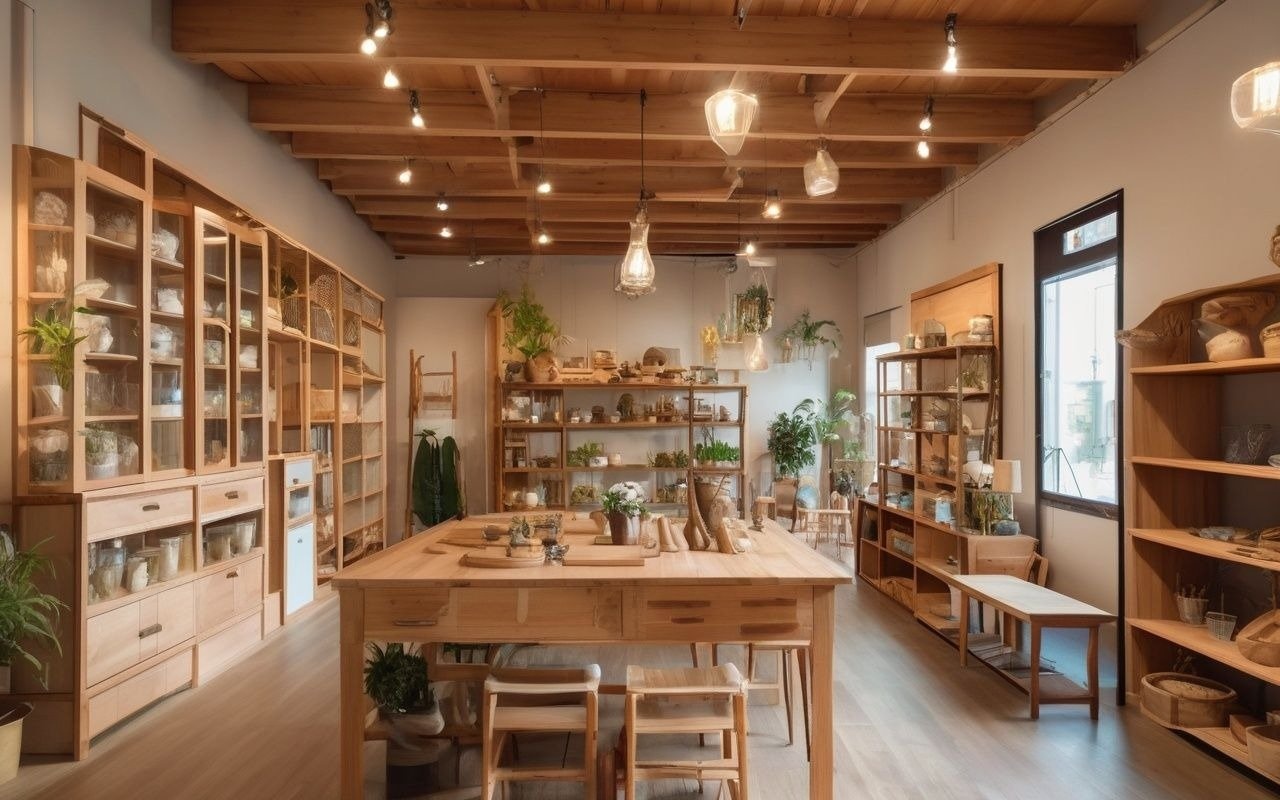
  • Shonan Surf Eco Activities Guide 2026

    Shonan Surf Eco Activities Guide 2026

    Overview

    I visited several surf schools along Shonan’s coastline while researching eco-friendly surfing options, and was impressed by how many prioritize environmental responsibility. At one school near Chigasaki, the owner showed me their wetsuit recycling program and explained how they sort resin waste — small details that make a real difference. This guide covers the best eco-conscious surf operators, reef-safe practices, and cleanup initiatives along the Shonan coast.

    Choosing credible operators

    Ask surf schools about their teacher to student ratios, insurance, and waste policies. Pick shops that fix boards in-house, sell used wetsuits, and sort their resin waste. Stay away from “eco” labels that only mean a logo sticker while they buy new gear every year.

    Reef-safe sunscreen and local water chemistry

    Some sunscreen chemicals worry towns that take their water from shallow wells. Zinc creams stain less on rental suits if you rub them in well before going in the water. Shower before you enter the ocean when you can. This cuts down on lotion washing off from hotel pools.

    Cleanup ethics

    Eco-friendly travel experience in Kanagawa

    Sustainable tourism initiative in Kanagawa

    Shonan Surf Eco Activities Guide — visitor highlights

    Beach cleanups that look good in photos should still sort trash the right way. Tiny plastic pellets go in labeled jars, not mixed with food waste. Sharp fishing line goes in hard containers. Work with local pickup schedules instead of filling station bins too full.

    Links

    Beach safety basics are in the Shonan beach guide. Surf culture and safety are in the Shonan surfing guide. Nature care in the area is in Kanagawa ecotourism. Kamakura’s trash facts are in the Kamakura access guide. Yokohama’s green travel routes are in Yokohama SDGs tourism. Indoor options near the brick area are in the Yokohama red brick guide.

    Map reference

    Citizen science and data hygiene

    Use the same measurement methods each time you take photos of debris. This way, NGOs can compare data from month to month. Do not share exact locations when posting about sensitive wildlife areas.

    Transport and gear footprint

    Train travel plus bike rental is better than driving. This works if your board fits on the rental racks. Pack reusable gear such as gloves, grabbers, and mesh bags that dry fast.

    Closing

    Eco-friendly action is about daily habits, not a one-time badge. Use rinse stations that catch wax flakes. Fix gear instead of buying new ones. Tip instructors who teach good habits in the water. These small steps keep Shonan’s busy surf spots safe for people and ocean life.


    Frequently Asked Questions

    Q: How can I reduce waste while traveling?
    A: Carry a reusable water bottle, shopping bag, and chopsticks. Japan has few public trash bins. Plan to carry your trash until you find one.

    Q: Are there eco-friendly accommodations?
    A: Yes, several Kanagawa hotels and ryokan have green certifications. Look for places with solar panels, local food, and waste reduction programs.

    Q: Can I recycle in Kanagawa?
    A: Yes, Japan has strict recycling rules. Look for separate bins for burnable items, non-burnable items, plastic, and PET bottles. Follow the sorting guides on the bins.

    After visiting Kanagawa across different seasons, I found that each season transforms the experience entirely — from spring cherry blossoms to autumn foliage.

    From sunrise swims to sunset surfs, Kanagawa’s coastline offers a different way to connect with the sea. It invites you to slow down and breathe.

    Eco-Friendly Transport Options

    The most sustainable way to reach this destination is by train. Kanagawas rail network runs on electricity and has a significantly lower carbon footprint than driving. Consider purchasing a day pass for unlimited travel and combine your visit with nearby attractions to minimize transport impact.

    Best Time to Visit

    Visiting during off-peak seasons late autumn and winter reduces the environmental impact of tourism and provides a more authentic experience with fewer crowds. Spring and autumn offer the most comfortable weather for outdoor exploration.

    What to Expect

    Eco-conscious travelers will find Kanagawa accommodating. The prefecture has invested in green infrastructure, including electric buses and bike-sharing programs. Seasonal eating is celebrated, with restaurants proudly featuring local, seasonal ingredients. Nature conservation areas are well-maintained with clear trail markers and educational signage. Some attractions offer discounts for visitors who arrive by public transport. Participating in local beach cleanups is a meaningful way to give back during your visit.

    Nearby Recommendations

    The surrounding area offers additional opportunities for eco-conscious travel. Nearby farmers markets provide fresh local produce and handmade crafts. Consider taking a guided nature walk to learn about local flora and fauna. Environmental education centers in the area offer workshops on traditional sustainable practices.

    Local Tips

    Sustainability advocates recommend choosing local, seasonal, organic food options that support regional farmers. Walking and cycling are the most environmentally friendly ways to explore Kanagawa’s compact destinations. Purchasing local crafts directly from artisans preserves traditional skills and reduces shipping emissions. Consider offsetting your travel carbon emissions through reputable programs.n

    Conclusion

    exploring the Shonan coast can be as relaxed or as packed as you want it to be, and I have found that the best visits leave room for both planning and spontaneity. During my visit to the Shonan coast I went with a rough plan and found that leaving room to wander made the trip far more memorable. Use this guide to sort out the logistics in advance, then let the day surprise you — Kanagawa rewards travelers who stay curious.

    FAQ

    Q: Do I need my own wetsuit? A: No — the eco-conscious operators on the Shonan coast rent wetsuits, boards, and leashes, and several run wetsuit recycling programs. Ask about their gear-renewal policy when booking.

    Q: What is the best season for lessons? A: May-October offers the warmest water; winter lessons run in thicker wetsuits and are quieter. Spring and autumn give the best balance of conditions and crowd size.

    Q: How do I get to the beaches without a car? A: The Enoden and JR Tokaido Line stop within walking distance of most Shonan breaks, and bicycles are available at Chigasaki and Katase-Enoshima shops — the low-footprint way to reach the coast.

  • Shonan Sunset Viewpoints Guide 2026

    Shonan Sunset Viewpoints Guide 2026

    Shonan Sunset Viewpoints Guide 2026

    Overview

    I explored several sunset viewpoints along the Shonan coast over a week of clear winter evenings — from Enoshima’s observation deck to the quieter coves near Hayama. Each spot offered a different character: the bustling energy of Enoshima, the peaceful solitude of the Zushi coast, and the classic silhouette of Fuji against orange skies from Koshigoe Beach. This guide covers the best sunset spots, practical timing tips, and photography advice for capturing Shonan’s famous evening light.

    Atmospheric windows

    Winter often gives clear views when dry north winds clean the sky. Summer brings hazy colors that need longer camera times. Storm edges can paint deep reds, but they also bring sudden wind on open piers. Tripods can blow over if they are not held down.

    Elevation versus shoreline

    Hill parks give wider views, but you have to walk farther to get back to buses. Beach-level spots let you see reflections on the water. But you might get wet feet during spring high tides. Wear shoes for slippery rocks. Keep a small towel if you sit on concrete blocks that hold the day’s heat.

    Crowd physics and courtesy

    Scenic Kanagawa destination and travel location

    Popular sightseeing spot in Kanagawa

    Shonan Sunset Viewpoints Guide — visitor highlights

    Popular decks get crowded when everyone steps back for selfies. Let parents with strollers go first. Do not block bike lanes. Many cyclists ride home at sunset no matter how pretty the light is.

    Transit and last connections

    Enoden trains run less often after dark. Note which stations do not have elevators if you carry heavy gear. Taxis wait near big stations but are hard to find near small coastal spots. Plan how to get back before the light fades.

    Links across the region

    Beach rules and swim flags are in the Shonan beach guide. Quiet coves and access tips are in the Shonan secret beaches guide. Surf culture tips are in the Shonan surfing guide. Kamakura’s evening crowds are in the Kamakura access guide. Yokohama’s bay walks and night views are in the Yokohama historical walk. Green travel ideas are in Yokohama SDGs tourism.

    Map reference

    Practical carry

    Pack a wind jacket, lens cloth, and a headlamp for stairs. Keep your phone charged for calls but do not walk near train tracks while looking at screens. Respect private property signs, even when the view looks close.

    Closing

    Sunsets are for everyone. Everyone sees the same light, but safety and good behavior decide whether viewpoints stay open. Leave on time. Take your trash. Thank the locals who keep the railings and grass in good shape.


    Frequently Asked Questions

    Q: What is the best time to visit this area?
    A: Spring (March-May) and autumn (September-November) offer the best weather. Summer can be hot and humid. Winter is mild but some outdoor spots may have shorter hours.

    Q: How do I get there from Tokyo?
    A: From Tokyo Station or Shinjuku, take the JR Tokaido Line or Odakyu Line. Most places in Kanagawa are 60-90 minutes by train.

    Q: Is English signage available?
    A: Yes, big tourist areas in Kanagawa have English signs at stations, tourist centers, and major spots. Small local places may have less English.

    Q: Can I visit on a day trip?
    A: Yes, most Kanagawa spots are easy day trips from Tokyo. Arrive before 10 AM to avoid crowds.

    Q: Are credit cards widely accepted?
    A: Big attractions, hotels, and large restaurants accept cards. Small shops and local places may be cash-only. Carry ¥5,000-10,000 in cash.

    This part of Kanagawa shows its character slowly. It rewards those who take their time with hidden views, local meetings, and real moments of discovery.

    Getting There

    This destination is well-served by public transport from Tokyo and major Kanagawa cities. The journey typically takes 60-90 minutes from central Tokyo. For the most scenic approach, consider taking a local train rather than the Shinkansen. The journey itself is part of the experience.

    Best Time to Visit

    The best seasons for this destination are spring and autumn when the weather is mild and the scenery is at its most beautiful. Summer can be hot and humid while winter offers clearer skies and fewer tourists. Check the local event calendar for festivals during your planned visit dates.

    What to Expect

    Each destination in Kanagawa has its own unique character and pace. Popular spots like Kamakura and Hakone can get very crowded during peak seasons, while lesser-known areas like Miura offer a more relaxed experience. Tourist information centers at major stations provide free maps and English-speaking staff. Most destinations have a mix of free and paid attractions. Budget at least half a day for each major destination to explore without rushing.

    Nearby Recommendations

    The surrounding area has several hidden spots worth discovering. Local walking trails connect many attractions, offering scenic routes between destinations. Check for seasonal events at nearby venues that might coincide with your visit. Nearby accommodation options range from traditional ryokan to modern hotels, catering to different budgets and preferences.

    Local Tips

    Seasoned travelers suggest visiting lesser-known attractions within the destination for a more authentic experience. The main sights are popular for good reason, but the side streets and local neighborhoods hold their own charm. Strike up conversations with local shopkeepers and restaurant owners – their stories and recommendations often lead to memorable experiences not found in any guidebook.n

    🗺️ Visitor Tips

    Here are some practical tips I gathered during my visits to help you plan your trip more effectively:

    • Weekday mornings are the best time to visit popular spots. Weekends can get crowded, especially during cherry blossom and autumn foliage seasons.
    • Consider purchasing a day pass for local transportation if you plan to visit multiple locations in one day.
    • Most tourist information centers near major stations offer English maps and brochures — pick one up when you arrive.

    Sunrise vs Sunset — My Experience

    After watching both sunrise and sunset at multiple Shonan viewpoints, I prefer sunsets for the colors but sunrises for the atmosphere. The Enoshima causeway at sunrise is magical — the light hits the island from behind, creating a silhouette effect that photographs beautifully. I went at 5 AM in August and had the entire causeway to myself.

    For sunset, I recommend Hayama Marina Park. The viewing deck there extends over the water, and the reflection of the setting sun on the boat wakes creates a shimmering path of gold. I took some of my best travel photos there. The park closes at 6 PM in winter and 7 PM in summer — check the hours to avoid being rushed.

    My most memorable sunset experience was at Saji-ke no Matsu (an old pine tree landmark near Zushi), where the local community has set up benches facing the sea. I shared the spot with an elderly couple who had been coming there for 40 years — they told me the view changes every season, and they never tire of it. That human connection made the sunset even more special.

    Sunrise vs Sunset — My Verdict

    After experiencing both sunrise and sunset at multiple Shonan viewpoints, I have developed a strong preference. For photography, sunsets win hands-down because the warm golden light illuminates the landscape from a low angle, creating long shadows and rich colors. For atmosphere, sunrises are superior — the quiet, the cool air, and the sense of having the beach to yourself create a meditative experience that sunset cannot match.

    My sunrise recommendation: Hayama Marina at 5:30 AM in summer. I watched the sky shift from dark blue to pale pink to brilliant gold over about 45 minutes. A fisherman was preparing his boat on the dock, and the scene felt timeless — exactly the kind of moment that makes early wake-ups worthwhile.

    My sunset recommendation: the Enoshima Sea Candle observation deck, arriving 45 minutes before sunset to secure a spot. The ¥500 entry fee is worth it for the elevated perspective. I went on a clear autumn evening and watched Mount Fuji turn pink in the fading light. The observation deck has a small café (open until 30 minutes before closing) that sells hot sake — sipping it while the city lights flickered on below was one of the most memorable experiences of my entire time in Kanagawa.

    For more details, see our guide to Hayama & Miura Accommodation Guide 2026 — Coastal….

    Conclusion

    exploring the Shonan coast for its sunset can be as relaxed or as packed as you want it to be, and I have found that the best visits leave room for both planning and spontaneity. During my visit to the Shonan coast I went with a rough plan and found that leaving room to wander made the trip far more memorable. Use this guide to sort out the logistics in advance, then let the day surprise you — Kanagawa rewards travelers who stay curious.