Blog

  • Shonan Secret Beaches Guide 2026

    Shonan Secret Beaches Guide 2026

    Shonan Secret Beaches Guide 2026

    Overview

    I visited several of Shonan’s lesser-known beaches during summer weekdays to find quieter spots away from the main crowds. Here are the hidden gems I discovered along the coast. with this comprehensive destination guide, Covering everything from must-see attractions to practical travel tips, this guide helps you make the most of your time in Shonan. Whether you have a single day or an entire week, discover the best that this Kanagawa destination has to offer.

    How Sagami Bay reshapes small beaches

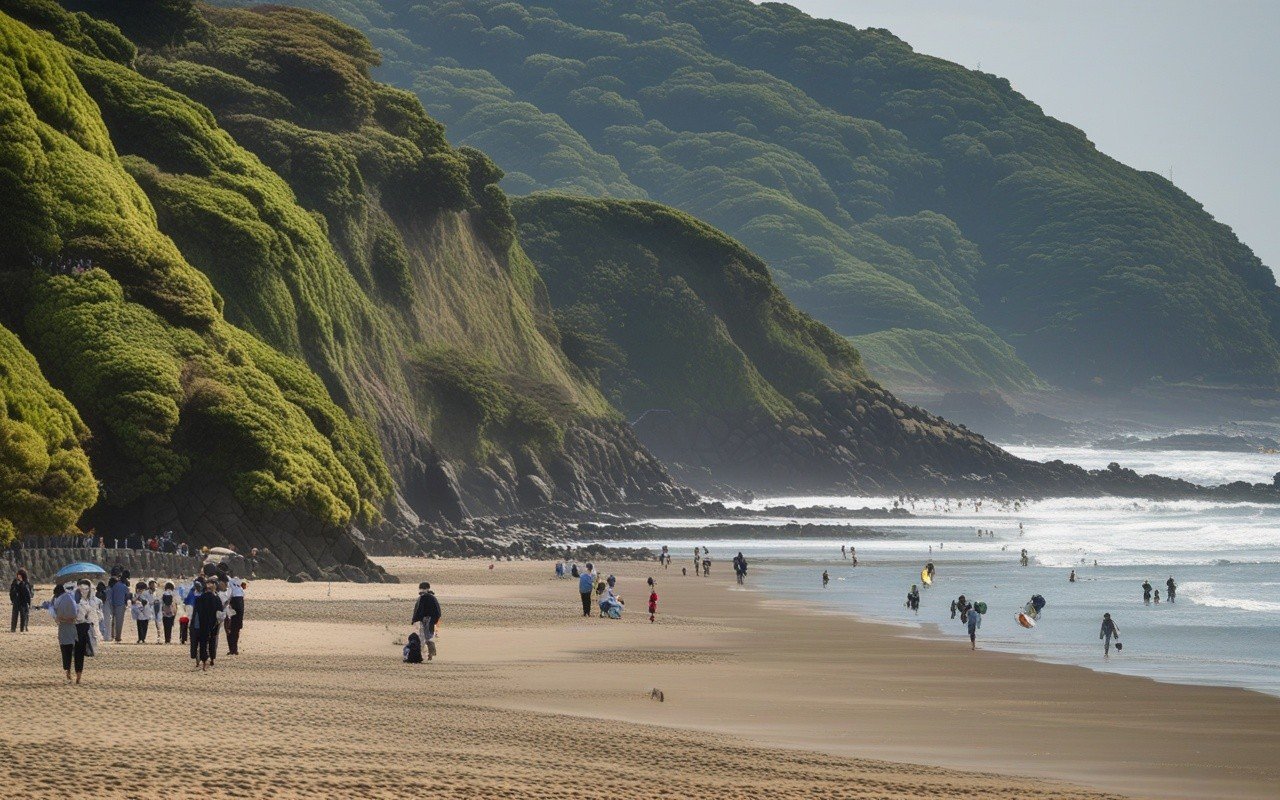
    Wind, river mouths, and harbor walls move sand around during the year. A gravel bank that feels big in May can get narrow by August when south winds push sand against concrete blocks. Local fishers and morning swimmers often know which steps get slippery first after wet nights. Look for posted swim bans linked to water tests. Do not assume clear water means it is safe.

    Residential access and neighbor etiquette

    Many “secret” beach entries go past mailboxes, closed-up weekend houses, and blind driveway corners. Keep your voice low after 9 p.m. Do not fly drones over roofs. Never block trash pickup routes with a rental car. If a path has a chain or new gravel, treat that as a clear “no.” Social media posts get old faster than local patience.

    Tide windows and rock shelves

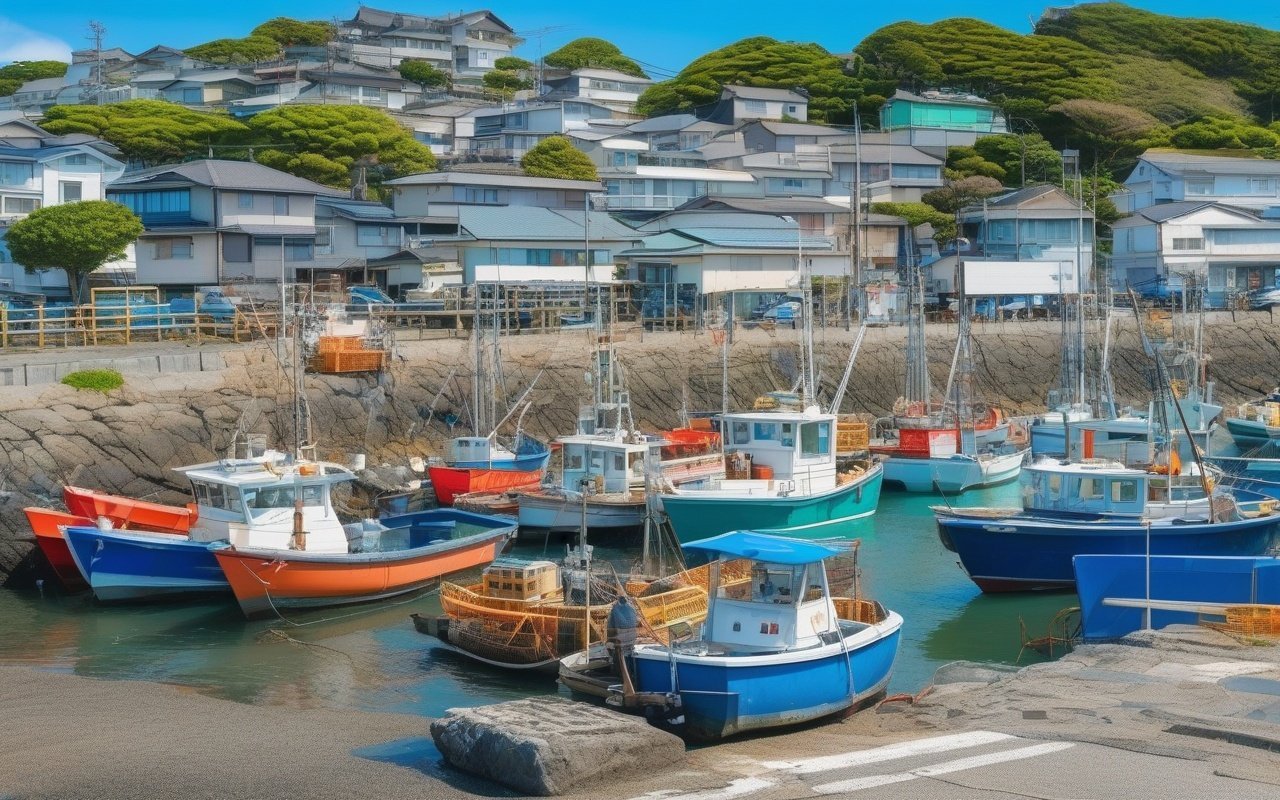
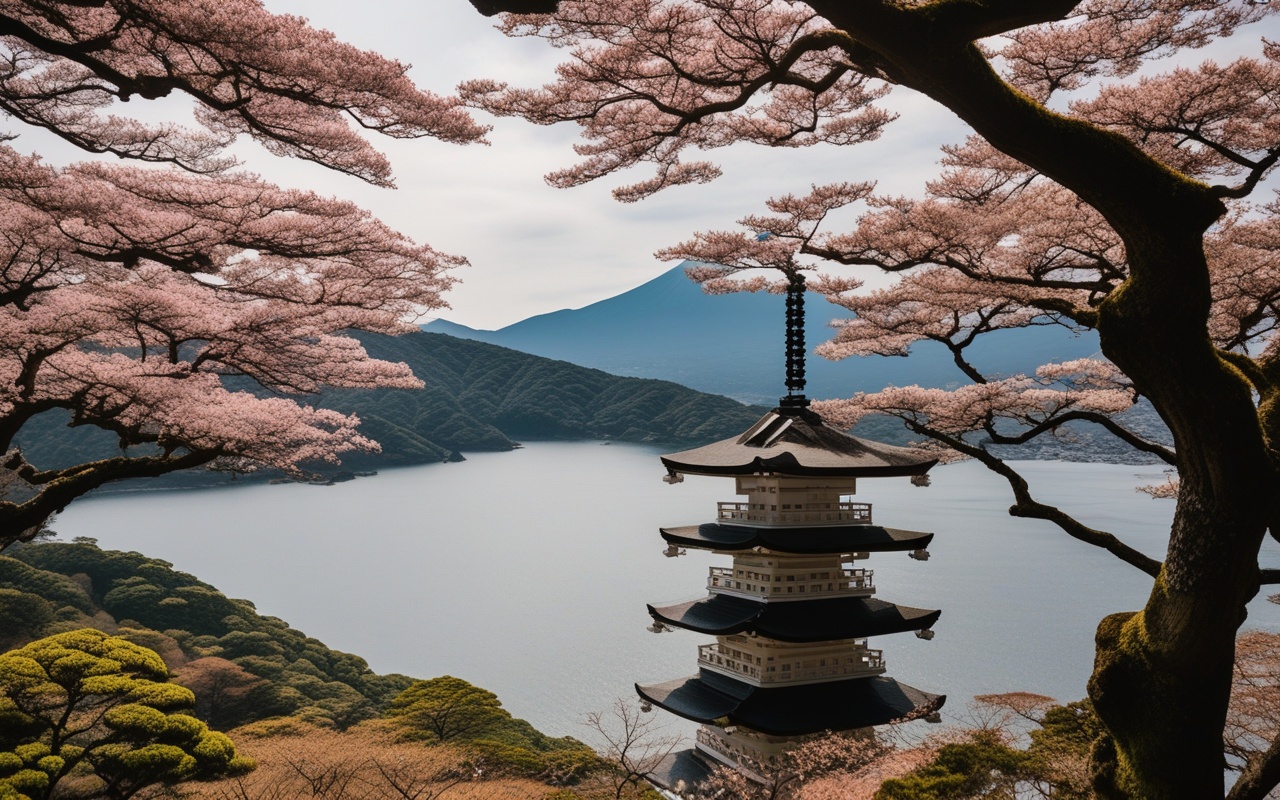
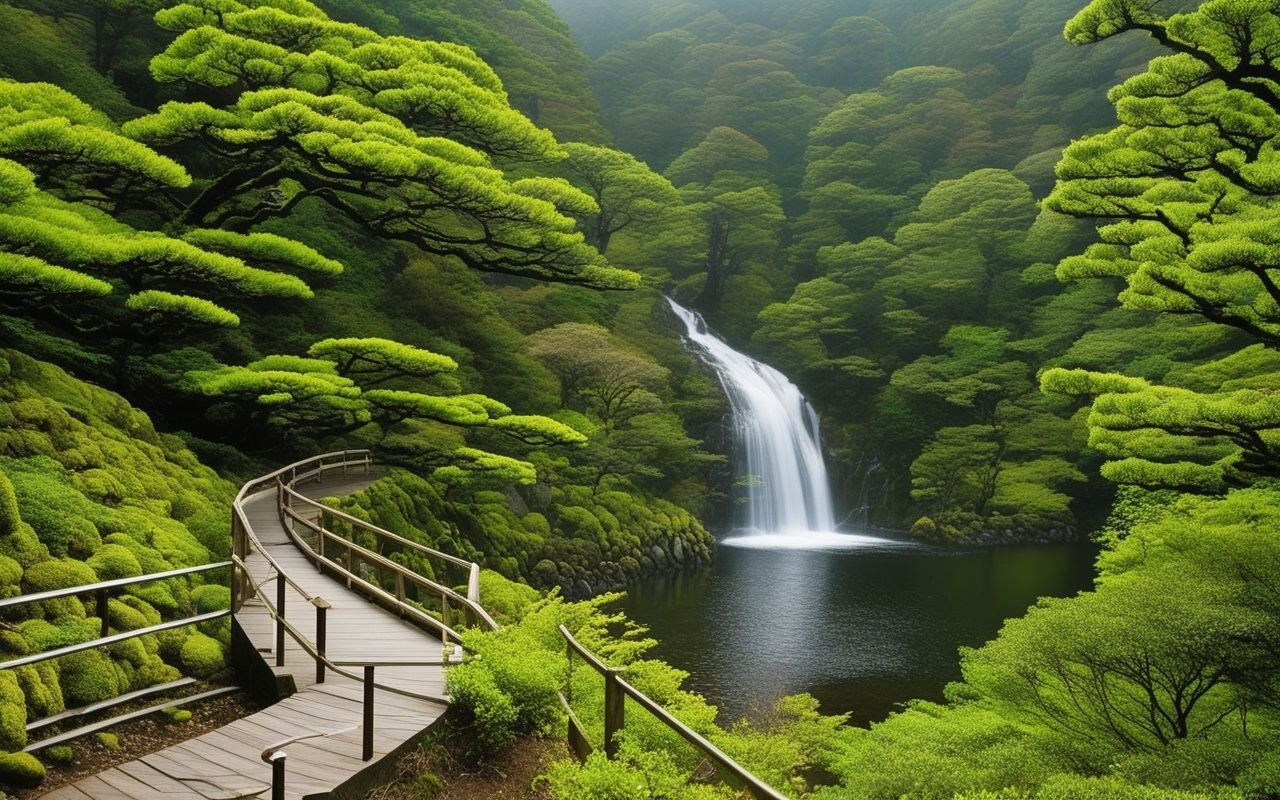
    Scenic Kanagawa destination and travel location

    Popular sightseeing spot in Kanagawa

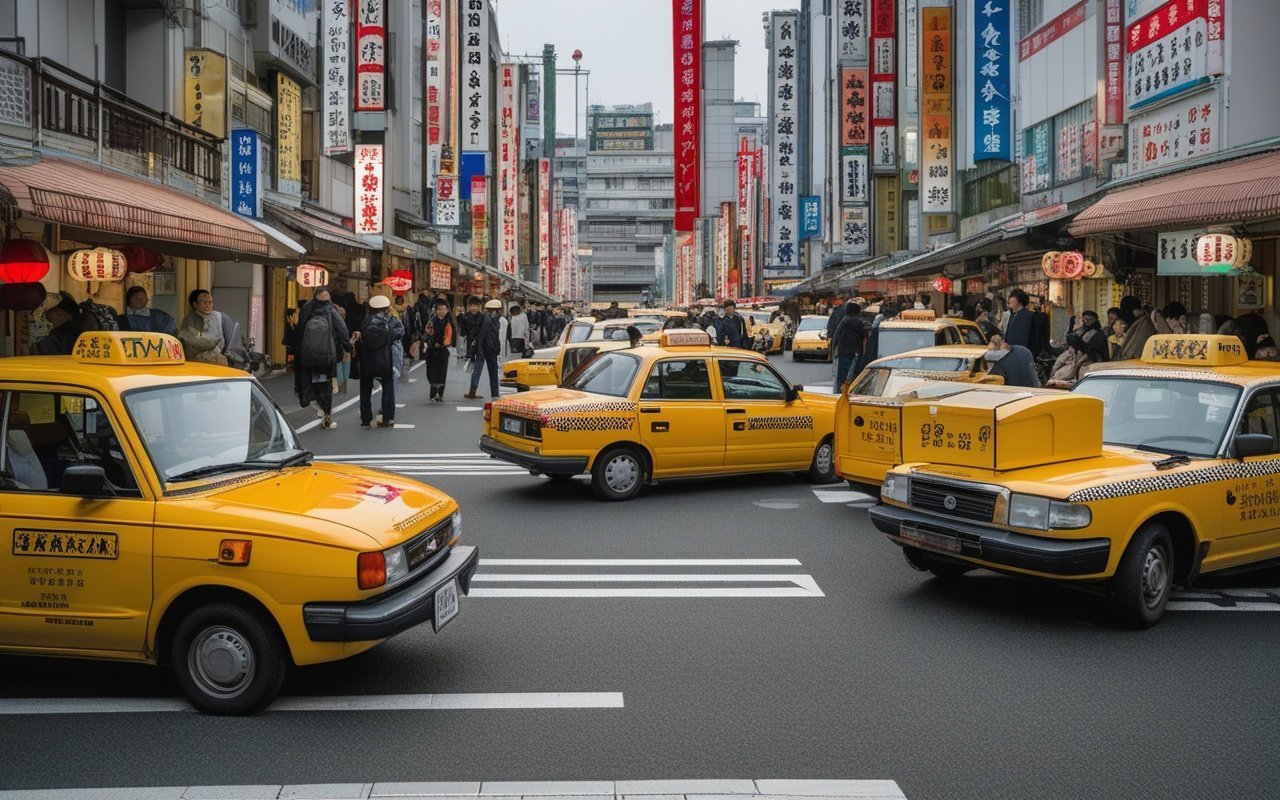
    Shonan Secret Beaches Guide — visitor highlights

    Low tides show rock shelves with sea urchins, anemones, and sharp barnacles. Wear boots or reef shoes to avoid cuts. Bare feet can get infected where storm water mixes with sand. Photographers should use long lenses from dry areas. Do not step on wet sea life that grows back slowly.

    Surf overlap and swimmer lanes

    On small beaches, surf schools and bodyboarders may share tight areas with families wading in shallow water. Look for flags and listen for whistle signals. Do not paddle across learner lines, When in doubt, sit wide and watch where waves actually break on that tide.

    Weather literacy

    Land and sea breezes change afternoon feel. Haze can hide coming storms. Summer thunderstorms can close beaches in minutes. Know the local lightning rules. Take shelter near solid buildings, not under lone pine trees.

    Trash, toilets, and shower economics

    Bins disappear in winter, Bring bags for your wrappers and drink seals. Some showers need exact coins. Others use IC cards at marina kiosks. Note last-train times if you rinse off late. Coin lockers near stations fill up on sunny Sundays.

    Photography without crowding others

    Tripods on narrow stairs block people. Ask before taking photos of children or lessons. Night photos need steady footing on slippery steps. A small headlamp is better than phone flashes that bother turtles where signs ask for dark beaches.

    Pairing with wider Kanagawa plans

    Swim rules and beach info are in the Shonan beach guide. Wave selection and board rental tips are in the Shonan surfing guide. Low-impact travel and beach events are in Kanagawa ecotourism. Temple pacing and last-train tips are in the Kamakura access guide. Green walks in Yokohama are in Yokohama SDGs tourism. Museum ideas for rainy days are in the Yokohama Kannai area guide.

    Map reference

    Closing notes

    Secret beaches are quiet because local people protect them. Arrive early. Leave no trace. Treat every stair as borrowed time from neighbors who pay for repairs through their taxes, When the weather turns bad, choose a museum instead of fighting currents you cannot swim against.


    Frequently Asked Questions

    Q: What is the best time to visit this area?
    A: Spring (March-May) and autumn (September-November) offer the best weather. Summer can be hot and humid. Winter is mild but some outdoor spots may have shorter hours.

    Q: How do I get there from Tokyo?
    A: From Tokyo Station or Shinjuku, take the JR Tokaido Line or Odakyu Line. Most places in Kanagawa are 60-90 minutes by train.

    Q: Is English signage available?
    A: Yes, big tourist areas in Kanagawa have English signs at stations, tourist centers, and major spots. Small local places may have less English.

    Q: Can I visit on a day trip?
    A: Yes, most Kanagawa spots are easy day trips from Tokyo. Arrive before 10 AM to avoid crowds.

    Q: Are credit cards widely accepted?
    A: Big attractions, hotels, and large restaurants accept cards. Small shops and local places may be cash-only. Carry ¥5,000-10,000 in cash.

    From sunrise swims to sunset surfs, Kanagawa’s coast offers a different way to connect with the sea. It invites you to slow down and breathe.

    Getting There

    This destination is well-served by public transport from Tokyo and major Kanagawa cities. The journey typically takes 60-90 minutes from central Tokyo. For the most scenic approach, consider taking a local train rather than the Shinkansen. The journey itself is part of the experience.

    Best Time to Visit

    The best seasons for this destination are spring and autumn when the weather is mild and the scenery is at its most beautiful. Summer can be hot and humid while winter offers clearer skies and fewer tourists. Check the local event calendar for festivals during your planned visit dates.

    Conclusion

    exploring the Shonan coast for its beach can be as relaxed or as packed as you want it to be, and I have found that the best visits leave room for both planning and spontaneity. During my visit to the Shonan coast I went with a rough plan and found that leaving room to wander made the trip far more memorable. Use this guide to sort out the logistics in advance, then let the day surprise you — Kanagawa rewards travelers who stay curious.

    FAQ

    Q: Are the secret beaches safe to swim at? A: The small coves have no lifeguards and currents shift with the tide. Swim only in calm conditions, close to shore, and never alone; if in doubt, use a supervised beach like Shichirigahama or Zushi instead.

    Q: Is there parking? A: Almost none — most of these coves sit below residential streets with no lots. The reliable approach is train + a short walk, or a bike parked at the nearest station.

    Q: What facilities exist? A: Limited or none — no showers, minimal toilets. Carry out everything you bring, and check the nearest konbini or station restroom before you head down.

    Q: When is the best time of day? A: Early morning (before 09:00) for calm water and empty coves; late afternoon for light and sunsets. Midday summer weekends are the busiest and hottest.

    Q: Can I take photos? A: Yes, but keep to the beach and public paths — the residential lanes above the coves are private, and residents have asked visitors not to photograph into gardens.

  • Shonan Organic Cafes – Kanagawa 2026

    Shonan Organic Cafes – Kanagawa 2026

    Discover how to explore Kanagawa sustainably. This guide highlights eco-friendly accommodations, responsible tourism practices, and ways to minimize your environmental impact while traveling.

    Shonan Organic Cafes – Kanagawa 2026

    Experience Shonan Organic Cafes – Kanagawa in an environmentally responsible way with this sustainable travel guide. Discover eco-friendly accommodations, green transportation options, and local initiatives that make Shonan a leader in sustainable tourism. Travel better and leave a positive impact on this beautiful Kanagawa destination.

    Overview

    Discover the best organic cafes in Shonan with this sustainable food guide. From soil-first menus to traceable beans, this guide explores eco-friendly dining along the Enoshima Electric Railway.

    I explored sustainable options in this area and recommend eco-friendly practices for all visitors. For more information, see our Kanagawa guide.

    Sourcing Stories That Hold Up

    Operators who publish farm names and harvest weeks invite accountability; ask politely how they handle off-season gaps without quietly substituting untraceable imports. Juice bars spike sugar without fiber; whole fruit options moderate glycemic swings on hot afternoons. Reusable cup discounts reward travelers who carry tumblers that fit under espresso machines.

    Seating Economics and Noise

    Weekend lines peak after 10 a.m.; weekday post-surf rushes cluster before sunset. Some venues restrict laptop hours to keep tables turning; respect signage. Sand on floors is inevitable; brush off before sitting indoors.

    Dietary Range and Courtesy

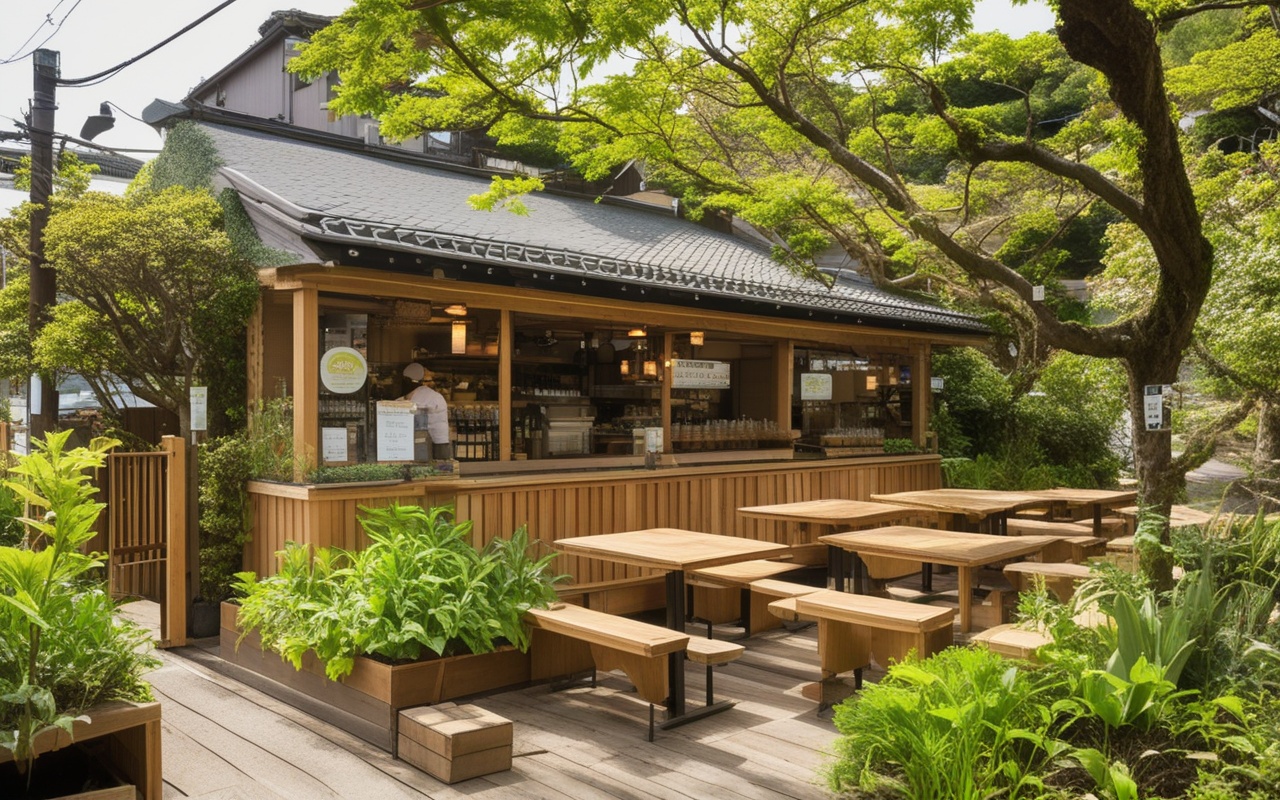
    Latte art beside a seasonal tart topped with berries on a ceramic plate near a sunny window

    Vegan items may share fryers; celiac travelers should verify cross-contact. Tip jars are not universal; polite Japanese service norms still dominate; pay listed prices and bus your trays where indicated.

    Beach timing and shower access appear in the Shonan beach guide. Kamakura’s crush and cafe spacing appear in the Kamakura access guide. Yokohama’s sustainability framing overlaps in Yokohama SDGs tourism. Onsen towns offer different beverage pairings in the Kanagawa onsen guide. Miura sourcing contrasts in Miura Peninsula access. Museum cafes differ in mission within the Kanagawa museum guide.


    Closing Notes

    Support places that document sourcing, pay staff legally, and keep restrooms clean under high sand load. Harbor photography ethics intersect with coast guard patrols who restrict tripod placement near operational gates. Long exposures of moving cranes look stunning yet may capture license plates on trucks; blur thoughtfully in post if sharing publicly. Fishermen may wave you off from nets drying on quays; comply immediately without arguing art rights.

    Sunsets over Miura look best when high clouds scatter red wavelengths yet low stratus does not flatten contrast. Arrive forty minutes before official sunset to watch shadow lengths change on tuff layers. Tripods vibration from wind gusts ruins stacks; weigh hooks help. Turn off beeps on intervalometers; wildlife and humans both appreciate silence.

    Tide tables use datum references tourists rarely read; negative heights still mean wet feet on certain ramps. Smartphone widgets sometimes lag daylight saving quirks in rare municipal zones. Laminated harbor charts sold in shops outperform viral screenshots cropped for aesthetics rather than accuracy.

    Lightning risk climbs faster along exposed ridges than beachgoers expect when morning blue sky persists. Cumulus towers by noon warrant retreat plans. Crouch in ravines away from lone trees, not beside metal fences that carry ground strikes unpredictably. Golf courses close for good reasons; do not sneak in for storm photos.

    Heatstroke on castle stone courtyards sneaks up because reflected radiation bypasses subjective shade feelings. Hats with neck capes outperform baseball caps alone. Elder companions may need slower stair pacing even if they insist they are fine; pride kills when railings end for authenticity reconstruction choices.

    Ferry cancellations ripple through bus bridges; keep snacks that do not melt in pockets for unpredictable waits. Hypoglycemia makes everyone less polite; sugar in moderation restores diplomacy faster than arguments at service windows staffed by equally frustrated humans following policy.

    Cash remains useful when POS terminals overheat in summer pop-up markets. Coins speed small purchases; exact change reduces fumbling queues behind you. Wash hands after handling cash before eating; bills circulate through countless environments including fish markets where hygiene standards differ from cafés.

    Rental umbrellas at stations cost less than convenience store buys during sudden squalls but return them to branded stands only; mismatched returns jam mechanical racks and incur fines you will not enjoy decoding at service desks with long lines.

    Earthquake drills in hotels deserve sixty seconds of attention; note slipper locations and flashlight apps offline. Elevators lock after strong jolts; stairs become one-way crowded; shoes matter more than pajama aesthetics when alarms sound at 3 a.m.

    Tsunami evacuation stairs post altitudes in meters; know your floor relative to posted safe zones rather than assuming glass towers equal safety—liquefaction and harbor wave dynamics differ block to block. Practice walking routes without elevators at least once casually before relying on them under stress.

    Drone laws tightened near ports and castles; ignorance fines sting. Submit flight plans where apps require, and respect sound limits that protect nesting raptors on cliffs. Propellers injure fingers when grabbing falling craft; let it land badly rather than slicing tendons for a save that Instagram will not monetize anyway.

    Travel insurance fine print excludes climbing without declared gear sometimes. If you plan even mild via ferrata segments, call brokers. Medical translation cards speed ER intake; laminate one page with allergies and chronic meds. Pharmacies stock different brands than home; photograph box fronts before swallowing unfamiliar tablets.

    Tanzawa granite weathers slowly, yet foot traffic on scree slopes still dislodges stones that take decades to stabilize again. Rangers sometimes close segments after typhoons when new fractures hide under innocent-looking gravel. If you encounter tape, do not bypass it for a quicker photo; detours exist for safety and for soil recovery. Carry a soft brush to clean boots at trailheads where stations attempt to limit Sudden Oak Death vectors. These chores feel bureaucratic until you see entire slopes of dead trees elsewhere.

    Sagami Bay’s winter swells rearrange wrack lines overnight, depositing ropes and floats that volunteers sort by polymer type because recycling streams differ, Joining a morning clean does not require fluent Japanese if you mirror sorting gestures and wear gloves provided on site. Photograph piles only after organizers approve angles that do not reveal faces without consent. Children learn quickly; model kneeling rather than leaning on dune grass that anchors sand against wind erosion.

    Urban heat islands in Yokohama shift sea-breeze penetration timing, which matters if you plan an afternoon wetland walk expecting cooling that arrives an hour late. Check hourly forecasts rather than day highs alone. Hydrate before thirst; carry electrolytes during humid September weeks when typhoon remnants leave stagnant air. Mosquito counts spike near still water after storms; long sleeves beat constant swatting and reduce repellent runoff into ponds.

    Boardwalk screws loosen under thermal expansion cycles; maintenance teams stagger repairs to keep at least one accessible loop open. Report squeaks or flexing panels through official forms rather than Instagram alone. Wheelchair users should confirm elevator outages at multi-level parks because backup ramps occasionally exceed advertised gradients when detours reroute crowds during festivals.

    Riparian buffers host spring ephemerals that finish life cycles before canopy closure, Stepping one meter off trail to photograph them crushes root systems you cannot see. Use a zoom lens from the tread. Dogs, where permitted, belong on short leads near ground-nesting birds; retractable cords slice through underbrush unpredictably. Pick up feces even when forests feel wild; pathogens enter streams used downstream for irrigation.

    Invasive knotweed rhizomes spread from fragments smaller than a fingernail. Never dump garden waste in parks. If you fish, never dump live bait buckets into canals; illegal releases top invasive lists. Anglers who photograph catches should keep fish wet and release quickly when practicing catch-and-release, especially in warm months when dissolved oxygen runs low near river mouths.

    Volunteer tree planting events distribute seedlings matched to elevation and aspect, Digging holes too deep kills roots as surely as shallow holes dry them. Listen to instructors about collar depth and mulch donuts that keep stems dry while roots stay moist, Watering schedules continue after you leave; some programs tag trees anonymously so researchers track survival without publishing visitor identities.

    Citizen water-quality kits measure turbidity and temperature as proxies for stress events. Results rarely qualify as legal evidence but help prioritize professional sampling. Handle vials cleanly; one greasy fingerprint skews optics. Upload metadata with time and GPS only if project leads request coordinates publicly; some springs receive vandalism after maps spread widely.

    Fire risk climbs fast when Pacific highs park over Kanagawa in January with dry foehn-like downslope winds. Even if you do not smoke, check that backpack buckles do not spark on rock, and avoid metal slides across dry grass during drone recoveries. Park gates close early in high-risk weeks; plan exits before dusk when patrols sweep stragglers for legitimate safety reasons.

    Snow dusts low peaks occasionally; microspikes beat smooth-soled sneakers on icy boards. Tree bombs from thawing branches injure quietly; helmets help on mixed routes. Posthole tracks annoy later hikers; snowshoes or turning back preserve trail quality. Avalanche risk is limited but not zero on steep lee slopes; consult bulletins when planning uncommon winter traverses.

    Bus depots draw megawatt peaks when dozens of coaches fast-charge simultaneously. Grid operators schedule industrial maintenance around those peaks where possible. Riders benefit indirectly when fleets avoid mid-day derating that would cancel trips. Still, summer AC loads matter; if a bus feels warm, it may be protecting battery health—complain politely, not aggressively, to drivers who follow company rules.

    Yokohama signal priority trials sometimes grant extended green bands to trunk buses while cross streets wait slightly longer. Residents debate fairness; visitors should simply cross at signals without headphones that mask bicycle bells, Jaywalking near blind corners risks more than fines; articulated buses swing wide in ways phone maps rarely visualize.

    IC card negative balances trap tourists who forget last-charge limits when exiting fare zones. Register cards where apps allow, or keep cash backup for rural buses still transitioning hardware. Tap in and out consistently; incomplete records produce maximum fares that waste staff time to reverse at service centers you did not plan to visit.

    Night buses run reduced frequencies while bar districts surge demand. Queues form organically; do not block taxi stands while waiting. Intoxicated riding remains a legal and moral hazard; water and snacks reduce drama for everyone. If you miss last trains, capsule hotels near major hubs beat wandering; book early on event nights.

    Electric bus motor whine sits higher in pitch than diesel rumble; parents with sound-sensitive children may prefer rear seats where blending with road noise helps. Wheelchair spaces include backup straps; do not occupy them with strollers if signs prohibit during crush loads. Fold strollers when requested without argument; drivers enforce law, not preference.

    Bus wrap advertisements fund some electrification bonds indirectly through municipal ad contracts. Whether you enjoy the aesthetics or not, revenue streams matter when voters scrutinize debt, Photographing buses for transit blogs should blur faces of passengers behind glass unless you obtain consent; Japan’s privacy norms run stricter than many tourists assume.

    Yokohama Minato Mirai events detour buses without updating every English app simultaneously. Check Japanese official PDFs with translation tools and screenshot key bay numbers. Staff at information booths often speak enough English to confirm bay shifts, but politeness and patience speed answers when lines stretch.

    Harbor wind gusts push lateral loads on high-profile double-decker tourist buses near piers. Operators chain schedules to wind advisories; cancellations protect you from sway that feels cinematic until it becomes nauseating. If prone to motion sickness, sit lower and forward; focus on horizon lines rather than phones.

    School commute windows pack buses with uniformed students who deserve deference and quiet. Avoid loud calls; use text. Backpacks swing; remove them in tight aisles. Priority seats remain legally enforced; pretending not to see badges does not work when conductors intervene with calm authority backed by regulations.

    Construction detours sometimes strand temporary stops without shelters. Umbrellas help in sun as much as rain. Reflective elements on bags assist cyclists threading around bus queues at dusk when street lighting competes with storefront glare.

    Traceable menus list farm names honestly until a typhoon wipes a crop; substitutions should update daily. Ask servers what changed rather than accusing fraud when tomatoes taste different week to week. Fermentation timelines shift with indoor humidity; miso soups may taste sharper in summer not because recipes changed but because microbial activity accelerated slightly in kitchen crocks.


    Tips

    Practical notes from my trips to exploring the Shonan coast for its cafe: confirm the latest hours on the official website, buy tickets in advance when you can, and leave extra time for trains and walking between stops. Keeping your first day lighter also helps you enjoy the second day without feeling rushed.

    Frequently Asked Questions

    Q: How can I reduce waste while traveling?
    A: Carry a reusable water bottle, shopping bag, and chopsticks. Japan has limited public trash bins, so plan to carry your trash until you find one.

    Q: Are there eco-friendly accommodations?
    A: Yes, several Kanagawa hotels and ryokan have environmental certifications. Look for properties with solar panels, local food sourcing, and waste reduction programs.

    Q: Can I recycle in Kanagawa?
    A: Yes, Japan has strict recycling rules. Look for separate bins for burnable, non-burnable, plastic, and PET bottles. Follow local sorting guidelines posted on bins. , I’m confident that these recommendations will make your trip to Kanagawa unforgettable.

    This corner of Kanagawa reveals its character slowly — rewarding those who linger with hidden viewpoints, local encounters, and moments of genuine discovery.

    Conclusion

    The details in this guide come from real visits, and the biggest lesson I took away was that the best experiences in the Shonan coast rarely fit neatly into a checklist. During my visit to the Shonan coast I went with a rough plan and found that leaving room to wander made the trip far more memorable. Plan the essentials, keep your schedule flexible, and you will leave Kanagawa wanting to return.
  • Odawara Castle History – Kanagawa 2026

    Odawara Castle History – Kanagawa 2026

    Overview

    Explore the rich cultural heritage and historical significance of this Kanagawa destination. This guide delves into the fascinating stories, traditions, and landmarks that define this historic area. I explored these cultural sites during my last visit and was impressed by the depth of history preserved here.

    Explore the rich cultural heritage and historical significance of Odawara Castle History – Kanagawa in Kanagawa Prefecture. This guide delves into the fascinating stories, traditions, and landmarks that define Odawara. From ancient temples to modern museums, discover how this destination has shaped Japan’s cultural landscape over centuries.

    I explored this cultural site during my last visit and spent hours learning about its history. I recommend visiting on a weekday for a quieter experience. For more information, see our Kanagawa guide.

    Siege Realities and Logistics

    Toyotomi campaigns leveraged overwhelming labor to build circumvallation lines and to starve corridors rather than relying on single heroic assaults, Understanding ration decay, well poisoning fears, and night raids clarifies why chronicles emphasize timing and morale as much as swordplay, Walking the modern park perimeter still hints at distance scales attackers faced under musket smoke and ash.

    Stone Foundations and Modern Interpretation

    Original ishigaki curves demonstrate classed masonry techniques where larger cornerstones anchor radii against earthquakes. Guides sometimes conflate repair layers; ask which sections retain Edo-period fabric versus postwar stabilization. Cherry blossoms crowd spring weekends; winter offers clearer sightlines to stone texture.

    Visiting Discipline

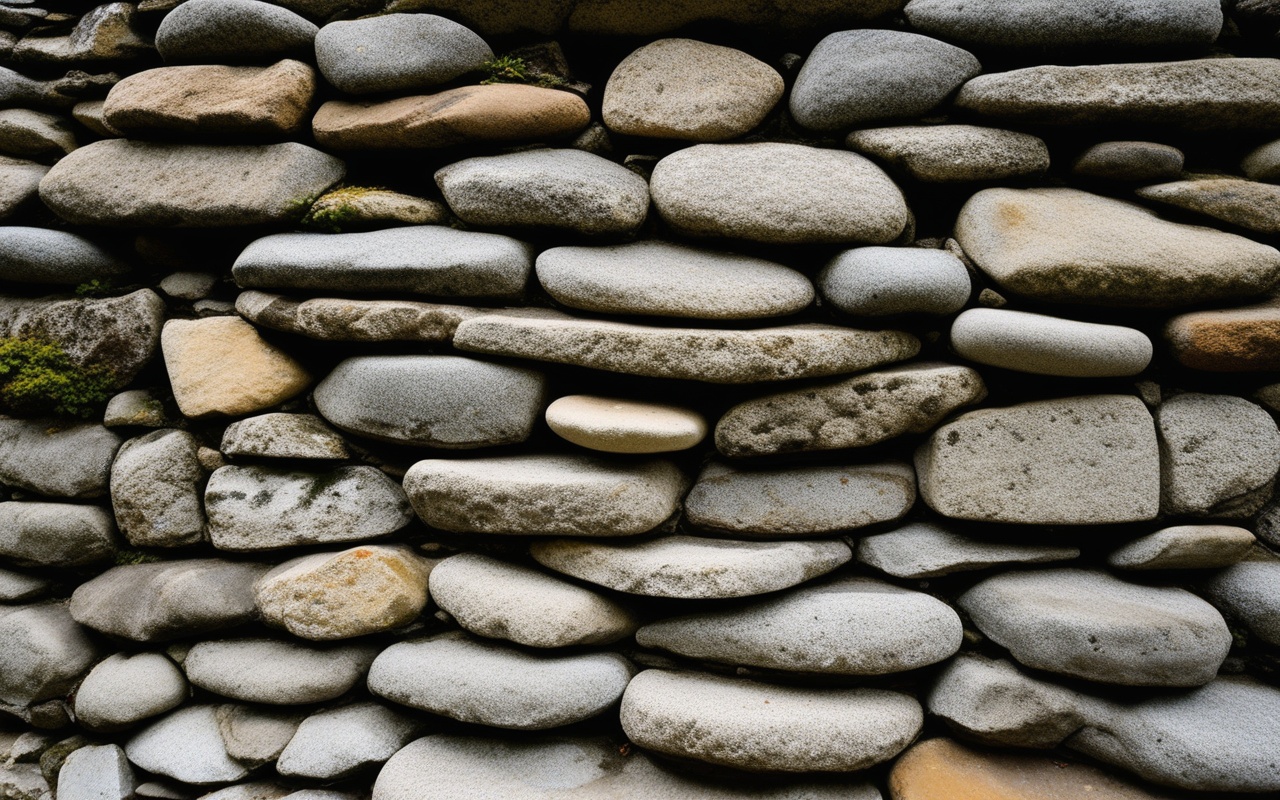
    Close view of curved stone rampart masonry with varied block sizes fitted without obvious mortar

    Moat edges are slippery; drones usually banned; interior stairs steep. Photography rules vary by floor; flash harms painted screens. Port-opening narratives that follow unification-era changes appear in Yokohama port opening history. Mountain pass context meshes with the Hakone area guide. Castle exhibits and weapons displays link to the Kanagawa museum guide. Thermal spring stops after hiking appear in the Kanagawa onsen guide. Kamakura’s warrior-era institutions differ in the Kamakura access guide framing. Sustainability-minded urban comparison appears in Yokohama SDGs tourism.


    Closing Notes

    Read the landscape as logistics, not only as backdrop, and the castle grounds gain depth beyond postcard angles. Noh stages use cypress floors that scar if tapped with hard cases. Cloakrooms exist but queues lag; travel light. Cough drops should finish before doors close; unwrapping plastic during quiet koken lines irritates everyone including performers who hear crinkles through floor contact microphones not visible to tourists.

    Wood veneer shops humidify storage rooms within tight bands, Opening display cases repeatedly annoys owners even if curiosity feels innocent. Ask once for supervised handling. Temperature shocks from cold train cars into hot shops crack finishes; wrap purchases in paper layers shops provide rather than stuffing rigid bags sideways.

    Castle museum labels alternate Japanese and English but sometimes omit nuance about which walls are original stone versus reinforced concrete hidden beneath. Ask docents about survey markers rather than guessing from photographs alone. Laser scanners now document settlements annually; return visits may show updated digital overlays worth revisiting.

    Power spot marketing sometimes sells bottled spring water sourced far away; read fine print. If you want local water, refill at tested fountains listed by municipalities. Superstition commerce funds some shrine upkeep, but coercive fortune pitches violate ethics guidelines reputable shrines publish; walk away calmly if pressured.

    Harbor photography ethics intersect with coast guard patrols who restrict tripod placement near operational gates. Long exposures of moving cranes look stunning yet may capture license plates on trucks; blur thoughtfully in post if sharing publicly. Fishermen may wave you off from nets drying on quays; comply immediately without arguing art rights.

    Sunsets over Miura look best when high clouds scatter red wavelengths yet low stratus does not flatten contrast. Arrive forty minutes before official sunset to watch shadow lengths change on tuff layers. Tripods vibration from wind gusts ruins stacks; weigh hooks help. Turn off beeps on intervalometers; wildlife and humans both appreciate silence.

    Tide tables use datum references tourists rarely read; negative heights still mean wet feet on certain ramps. Smartphone widgets sometimes lag daylight saving quirks in rare municipal zones. Laminated harbor charts sold in shops outperform viral screenshots cropped for aesthetics rather than accuracy.

    Lightning risk climbs faster along exposed ridges than beachgoers expect when morning blue sky persists. Cumulus towers by noon warrant retreat plans. Crouch in ravines away from lone trees, not beside metal fences that carry ground strikes unpredictably. Golf courses close for good reasons; do not sneak in for storm photos.

    Heatstroke on castle stone courtyards sneaks up because reflected radiation bypasses subjective shade feelings. Hats with neck capes outperform baseball caps alone. Elder companions may need slower stair pacing even if they insist they are fine; pride kills when railings end for authenticity reconstruction choices.

    Ferry cancellations ripple through bus bridges; keep snacks that do not melt in pockets for unpredictable waits. Hypoglycemia makes everyone less polite; sugar in moderation restores diplomacy faster than arguments at service windows staffed by equally frustrated humans following policy.

    Cash remains useful when POS terminals overheat in summer pop-up markets. Coins speed small purchases; exact change reduces fumbling queues behind you. Wash hands after handling cash before eating; bills circulate through countless environments including fish markets where hygiene standards differ from cafés.

    Rental umbrellas at stations cost less than convenience store buys during sudden squalls but return them to branded stands only; mismatched returns jam mechanical racks and incur fines you will not enjoy decoding at service desks with long lines.

    Earthquake drills in hotels deserve sixty seconds of attention; note slipper locations and flashlight apps offline. Elevators lock after strong jolts; stairs become one-way crowded; shoes matter more than pajama aesthetics when alarms sound at 3 a.m.

    Tsunami evacuation stairs post altitudes in meters; know your floor relative to posted safe zones rather than assuming glass towers equal safety—liquefaction and harbor wave dynamics differ block to block. Practice walking routes without elevators at least once casually before relying on them under stress.

    Drone laws tightened near ports and castles; ignorance fines sting. Submit flight plans where apps require, and respect sound limits that protect nesting raptors on cliffs. Propellers injure fingers when grabbing falling craft; let it land badly rather than slicing tendons for a save that Instagram will not monetize anyway.

    Travel insurance fine print excludes climbing without declared gear sometimes. If you plan even mild via ferrata segments, call brokers. Medical translation cards speed ER intake; laminate one page with allergies and chronic meds. Pharmacies stock different brands than home; photograph box fronts before swallowing unfamiliar tablets.

    Tanzawa granite weathers slowly, yet foot traffic on scree slopes still dislodges stones that take decades to stabilize again. Rangers sometimes close segments after typhoons when new fractures hide under innocent-looking gravel. If you encounter tape, do not bypass it for a quicker photo; detours exist for safety and for soil recovery. Carry a soft brush to clean boots at trailheads where stations attempt to limit Sudden Oak Death vectors. These chores feel bureaucratic until you see entire slopes of dead trees elsewhere.

    Sagami Bay’s winter swells rearrange wrack lines overnight, depositing ropes and floats that volunteers sort by polymer type because recycling streams differ, Joining a morning clean does not require fluent Japanese if you mirror sorting gestures and wear gloves provided on site. Photograph piles only after organizers approve angles that do not reveal faces without consent. Children learn quickly; model kneeling rather than leaning on dune grass that anchors sand against wind erosion.

    Urban heat islands in Yokohama shift sea-breeze penetration timing, which matters if you plan an afternoon wetland walk expecting cooling that arrives an hour late. Check hourly forecasts rather than day highs alone. Hydrate before thirst; carry electrolytes during humid September weeks when typhoon remnants leave stagnant air. Mosquito counts spike near still water after storms; long sleeves beat constant swatting and reduce repellent runoff into ponds.

    Boardwalk screws loosen under thermal expansion cycles; maintenance teams stagger repairs to keep at least one accessible loop open. Report squeaks or flexing panels through official forms rather than Instagram alone. Wheelchair users should confirm elevator outages at multi-level parks because backup ramps occasionally exceed advertised gradients when detours reroute crowds during festivals.

    Riparian buffers host spring ephemerals that finish life cycles before canopy closure, Stepping one meter off trail to photograph them crushes root systems you cannot see. Use a zoom lens from the tread. Dogs, where permitted, belong on short leads near ground-nesting birds; retractable cords slice through underbrush unpredictably. Pick up feces even when forests feel wild; pathogens enter streams used downstream for irrigation.

    Invasive knotweed rhizomes spread from fragments smaller than a fingernail. Never dump garden waste in parks. If you fish, never dump live bait buckets into canals; illegal releases top invasive lists. Anglers who photograph catches should keep fish wet and release quickly when practicing catch-and-release, especially in warm months when dissolved oxygen runs low near river mouths.

    Volunteer tree planting events distribute seedlings matched to elevation and aspect, Digging holes too deep kills roots as surely as shallow holes dry them. Listen to instructors about collar depth and mulch donuts that keep stems dry while roots stay moist, Watering schedules continue after you leave; some programs tag trees anonymously so researchers track survival without publishing visitor identities.

    Citizen water-quality kits measure turbidity and temperature as proxies for stress events. Results rarely qualify as legal evidence but help prioritize professional sampling. Handle vials cleanly; one greasy fingerprint skews optics. Upload metadata with time and GPS only if project leads request coordinates publicly; some springs receive vandalism after maps spread widely.

    Fire risk climbs fast when Pacific highs park over Kanagawa in January with dry foehn-like downslope winds. Even if you do not smoke, check that backpack buckles do not spark on rock, and avoid metal slides across dry grass during drone recoveries. Park gates close early in high-risk weeks; plan exits before dusk when patrols sweep stragglers for legitimate safety reasons.

    Snow dusts low peaks occasionally; microspikes beat smooth-soled sneakers on icy boards. Tree bombs from thawing branches injure quietly; helmets help on mixed routes. Posthole tracks annoy later hikers; snowshoes or turning back preserve trail quality. Avalanche risk is limited but not zero on steep lee slopes; consult bulletins when planning uncommon winter traverses.

    Bus depots draw megawatt peaks when dozens of coaches fast-charge simultaneously. Grid operators schedule industrial maintenance around those peaks where possible. Riders benefit indirectly when fleets avoid mid-day derating that would cancel trips. Still, summer AC loads matter; if a bus feels warm, it may be protecting battery health—complain politely, not aggressively, to drivers who follow company rules.

    Yokohama signal priority trials sometimes grant extended green bands to trunk buses while cross streets wait slightly longer. Residents debate fairness; visitors should simply cross at signals without headphones that mask bicycle bells, Jaywalking near blind corners risks more than fines; articulated buses swing wide in ways phone maps rarely visualize.

    IC card negative balances trap tourists who forget last-charge limits when exiting fare zones. Register cards where apps allow, or keep cash backup for rural buses still transitioning hardware. Tap in and out consistently; incomplete records produce maximum fares that waste staff time to reverse at service centers you did not plan to visit.

    Night buses run reduced frequencies while bar districts surge demand. Queues form organically; do not block taxi stands while waiting. Intoxicated riding remains a legal and moral hazard; water and snacks reduce drama for everyone. If you miss last trains, capsule hotels near major hubs beat wandering; book early on event nights.

    Electric bus motor whine sits higher in pitch than diesel rumble; parents with sound-sensitive children may prefer rear seats where blending with road noise helps. Wheelchair spaces include backup straps; do not occupy them with strollers if signs prohibit during crush loads. Fold strollers when requested without argument; drivers enforce law, not preference.

    Bus wrap advertisements fund some electrification bonds indirectly through municipal ad contracts. Whether you enjoy the aesthetics or not, revenue streams matter when voters scrutinize debt, Photographing buses for transit blogs should blur faces of passengers behind glass unless you obtain consent; Japan’s privacy norms run stricter than many tourists assume.

    Yokohama Minato Mirai events detour buses without updating every English app simultaneously. Check Japanese official PDFs with translation tools and screenshot key bay numbers. Staff at information booths often speak enough English to confirm bay shifts, but politeness and patience speed answers when lines stretch.


    Tips

    A few things I learned while researching exploring Kanagawa for its castle: start early to beat the crowds, check opening days in advance, and carry a little cash for smaller shops and entry fees. Comfortable shoes make a bigger difference than most visitors expect, and an IC card such as Suica or Pasmo speeds up every train ride.

    Frequently Asked Questions

    Q: Are English guides available?
    A: Major temples, shrines, and museums offer English audio guides or pamphlet guides. Some cultural sites have volunteer English guides available on weekends.

    Q: Can I take photographs?
    A: Photography is generally allowed in outdoor areas. Indoor photography, especially of cultural artifacts, may be restricted. Flash photography is commonly prohibited.

    Q: How much time should I budget?
    A: For temples and shrines, budget 30-60 minutes. Museums typically require 1-2 hours. Cultural experiences (tea ceremony, craft workshops) take 1-2 hours.

    Q: Are there any dress codes?
    A: No strict dress codes, but dressing respectfully is appreciated at temples and shrines. Avoid overly revealing clothing. Comfortable walking shoes are recommended. After multiple visits to Kanagawa, . . From ancient temples to living traditions, Kanagawa’s cultural heritage offers layers of discovery that reveal themselves with each visit.

    Conclusion

    Whether you are planning exploring Kanagawa for its castle for the first time or returning for another visit, taking a little extra time to go beyond the obvious sights makes all the difference. During my visit I went with a rough plan and found that leaving room to wander made the trip far more memorable. I hope this guide helps you build an itinerary that fits your pace, and that your time in Kanagawa leaves you with memories worth coming back for.

  • Yokosuka Dobuita Street Guide 2026

    Yokosuka Dobuita Street Guide 2026

    Overview

    This guide covers everything you need to plan exploring Yokosuka, from getting there and the best times to visit to practical tips and hidden gems. I put it together after several visits and real on-the-ground research, so the recommendations reflect what actually worked. Read on for a route that fits your pace.

    Yokosuka Dobuita Street Guide 2026

    Explore the unique culture of Yokosuka Dobuita Street, where American military influence meets Japanese tradition. This guide covers the street’s history, food, shopping, and vibrant international atmosphere.

    🗺️ Key Points

    • Perfect for: Shopping enthusiasts, military history buffs, families
    • Duration: 2-3 hours
    • Best Beston: Year-round
    • Budget: ¥3,000-5,000 per person
    • Access: 5 minutes walk from Yokosuka-Chuo station

    📍 Location

    History of Dobuita Street

    Dobuita Street originated in the late 1800s when the Imperial Japanese Navy established its base in Yokosuka. The area developed to serve sailors and their families, evolving into a vibrant international district, much like the broader Yokosuka dining scene.

    Key Historical Points:

    • 1865: Yokosuka Ironworks established
    • 1870s: First foreign shops appear
    • 1945-1950s: Post-war American influence
    • Present: Popular tourist destination

    1. Military Surplus Shops

    Authentic military gear, uniforms, and collectibles from various eras. Recommended: Navy Surplus Store
    Items: Jackets, boots, accessories
    Price Range: ¥1,000-10,000

    2. American Souvenir Shops

    Unique American-themed souvenirs and gifts. Recommended: Dobuita Gift Shop
    Items: T-shirts, magnets, keychains
    Price Range: ¥500-3,000

    3. International Food Stores

    Imported snacks, beverages, and specialty foods. Recommended: World Food Market
    Items: American candy, coffee, spices
    Price Range: ¥200-2,000

    1. American Diners

    Classic American burgers, fries, and milkshakes. Recommended: Dobuita Diner
    Specialty: Cheeseburgers
    Price: ¥800-1,500

    2. International Cuisine

    Mexican, Italian, and Asian fusion restaurants. Recommended: Fiesta Mexicana
    Specialty: Tacos and burritos
    Price: ¥700-1,200


    💰 Budget Breakdown

    Yokosuka Dobuita Street Guide 2026 — Budget Breakdown

    Item Cost
    Train (round trip) ¥1,840
    Shopping ¥2,000-4,000
    Lunch ¥800-1,500
    Drinks/Snacks ¥500-1,000
    Total ¥5,140-8,340

    Yokosuka Dobuita Street offers a unique shopping and dining experience that blends American and Japanese cultures. Whether you’re a military history enthusiast, shopping lover, or simply curious about this international district, Dobuita Street provides a memorable glimpse into Yokosuka’s naval heritage.

    For more Kanagawa guides, explore our other articles on Yokosuka Military Curry, Yokosuka Accommodation Guide, Kamakura, and the Miura Peninsula.

    📸 Photo Spots on Dobuita Street Dobuita Street offers several excellent photo opportunities:

    1. The Dobuita Street arch at the entrance — the iconic gateway with “Dobuita Street” written in English and Japanese. Best shot: early morning (no crowds) or evening (neon lights illuminated).
    2. Military surplus store facades — the storefronts with hanging jackets and military gear make for authentic, gritty street photography.
    3. The Yokosuka Navy Base gate — a short walk from Dobuita, the main gate area is a fascinating contrast between American military presence and Japanese daily life. Photos of the gate itself are permitted; photos of personnel are not.
    4. Verny Park (5 min walk) — a waterfront park with a French-style garden. Excellent backdrop for portraits, especially during cherry blossom season.

    🚶 A Self-Guided Walking Tour of Dobuita Street

    Start at the Yokosuka-Chuo Station (Keikyu Line) and exit from the central exit. The street begins immediately ahead. Stop 1 (0-5 min): The Dobuita Street entrance arch. Take your photo here before the crowds arrive.

    Stop 2 (5-20 min): Explore the military surplus stores on the left side of the street. Even if you are not buying, the displays of vintage jackets, patches, and boots are fascinating to browse.

    Stop 3 (20-40 min): Continue to the mid-point where American souvenir shops cluster. Look for T-shirts with “Yokosuka” and “US Navy” designs — these are unique to this area.

    Stop 4 (40-60 min): Lunch at Takaraya Honten (navy curry) or Dobuita Diner (burgers). Both are on the main street and easy to spot.

    Stop 5 (60-80 min): After lunch, explore the side streets. Izakaya Goto and Fiesta Mexicana are on the side lanes. The side streets also have smaller, more unique shops.

    Stop 6 (80-100 min): Walk to the end of Dobuita Street toward the naval base area. The street ends at a T-junction with a view of the base fence.

    Stop 7 (100-120 min): Optional — visit Verny Park for a peaceful stroll along the waterfront, or head back to the station area for souvenir shopping.

    📅 Annual Events on Dobuita Street

    • Yokosuka America Festival (May) — A weekend celebration with parades, live music, food stalls, and street performances. The street is closed to traffic. Expect 50,000+ visitors over two days.
    • Yokosuka Navy Curry Festival (October) — Sample navy curry from 20+ restaurants, all competing for the “best curry” title. ¥500-800 per tasting portion.
    • Christmas Illumination (December) — Dobuita Street is decorated with lights and Christmas trees. The American-style decorations reflect the area’s international character.
    • New Year Countdown (December 31) — A small but lively gathering at the street entrance with countdown and champagne.

    Check the Yokosuka Tourism website for exact dates, as these vary year to year.

    🍽️ Where to Eat on Dobuita Street: Local Favorites

    Dobuita Street is famous for its unique blend of American and Japanese food culture. Here are the must-try experiences:

    Yokosuka Navy Curry

    Navy curry is Yokosuka’s signature dish — a legacy of the Imperial Japanese Navy’s tradition of serving curry on Fridays to prevent beriberi. It’s thicker, sweeter, and richer than standard Japanese curry.

    • Takaraya Honten — The original navy curry restaurant since 1914. Lunch set: ¥1,200. The recipe includes a secret blend of spices and beef stock.
    • Cafe & Restaurant Tully’s — Modern navy curry interpretation. Lunch set: ¥1,000. Good for first-timers.
    • Navy Curry Honpo — Takeout option, ¥800. Perfect for a quick lunch before shopping.

    American-Style Dining

    • Dobuita Diner (main street) — Classic American burgers, onion rings, and milkshakes. The “Yokosuka Burger” (¥1,200) comes with a fried egg and bacon.
    • Hot Dog Stand at the Entrance — ¥350 for a classic American hot dog with sauerkraut. Open until supplies run out.
    • Tsunami Bakery — Hard-to-find American-style donuts and cinnamon rolls, Popular with base personnel. ¥200-400 each.

    International Snacks

    • Fiesta Mexicana — Tacos, burritos, and margaritas. ¥700-1,200. Authentic Mexican food prepared by a Japanese chef who trained in California.
    • Matsuya Yokosuka — Late-night ramen, open until 4 AM on weekends. ¥700-900. A local institution.

    🌙 Evening on Dobuita Street: The Night Scene

    Dobuita Street transforms after dark. While the shops close around 6-7 PM, the bars and izakayas come alive from 8 PM onward.

    Best for casual drinks:

    • Rock n’ Roll Cafe — Live music on weekends, draft beer from ¥500. A mix of American and Japanese clientele.
    • Irish Pub Yokosuka — Guinness on tap, ¥800. Popular with US Navy personnel and expats.

    Izakaya experience:

    • Izakaya Goto — Traditional Japanese pub food in the side streets off Dobuita. ¥3,000-4,000 for a full dinner with drinks.
    • Yokosuka Tabemono Yokocho — A small alley of tiny food stalls. Great for trying multiple dishes. Open until 10 PM.

    Safety note: Dobuita Street is safe at night, with visible police presence and well-lit streets. However, standard precautions apply — keep valuables secure and avoid unlicensed taxis.

    🛍️ Shopping Guide: What to Buy on Dobuita Street

    Item Where Price Best for
    Navy jacket Navy Surplus Store ¥5,000-8,000 Authentic souvenir
    Yokosuka T-shirt Dobuita Gift Shop ¥1,200-2,000 Light souvenir
    Yokosuka Curry pack Food Market ¥500-800 Edible souvenir
    Military patches Surplus shops ¥200-500 Collectible
    Japanese-to-English dictionaries Local bookstores ¥1,000-2,000 Practical

    Best shopping time: Weekday afternoons (Tuesday-Friday, 1-4 PM) are quietest. Saturdays are the busiest but also have the widest selection of street food stalls.

    🏛️ Nearby Attractions Worth Combining

    While Dobuita Street is the main attraction, several nearby sites are worth visiting on the same day:

    Mikasa Memorial Ship (三笠記念艦)

    A 15-minute walk from Dobuita Street, the Mikasa is a pre-dreadnought battleship that served as Admiral Togo’s flagship during the Russo-Japanese War (1904-05). It’s one of only three pre-dreadnought battleships preserved worldwide.

    • Hours: 9:00 AM – 5:00 PM (last entry 4:30 PM)
    • Admission: ¥600 adults, ¥300 children
    • Time needed: 1-1.5 hours
    • Highlights: Original bridge, gun turrets, museum exhibits about the Battle of Tsushima
    • Tip: English audio guides are available (¥300). The ship’s interior is well-preserved and gives a vivid sense of early 20th-century naval life.

    Verny Park (ヴェルニー公園)

    A 5-minute walk west of Dobuita Street, this waterfront park was built on reclaimed land where the Yokosuka Ironworks once stood, Named after the French engineer Léonce Verny who designed the ironworks, the park features:

    • French-style formal gardens with roses and fountains
    • Waterfront promenade with views of Yokosuka Bay and the US Navy base
    • Cherry blossom trees (peak bloom: late March to early April)
    • A small museum about Verny and the ironworks (free admission)
    • Best time: Late afternoon for sunset views over the bay

    Sarushima (猿島)

    Tokyo Bay’s only natural island, a 10-minute ferry ride from Yokosuka Port (15 min walk from Dobuita). The island features abandoned military fortifications from the Meiji and WWII eras, now overgrown with vegetation. It’s a unique “urban ruins” experience popular with photographers.

    • Ferry: ¥1,600 round trip, every 30-60 minutes (seasonal)
    • Open: March-November only
    • Time needed: 2-3 hours for a complete exploration

    🚃 Getting to Dobuita Street from Tokyo: Complete Guide

    Dobuita Street is located in central Yokosuka, about 60-90 minutes from central Tokyo depending on your route.

    By Train (Recommended)

    Option 1: Keikyu Line (Fastest)

    • From Shinagawa Station: Take the Keikyu Main Line Limited Express (特急) to Yokosuka-Chuo Station
    • Travel time: 55 minutes / Cost: ¥1,040 one way
    • Frequency: Every 10-20 minutes
    • Transfer: No transfer needed — direct train from Shinagawa
    • Exit: Take the central exit. Dobuita Street is a 5-minute walk straight ahead.

    Option 2: JR Yokosuka Line

    • From Tokyo Station: Take the JR Yokosuka Line (Yokosuka (横須賀)線) to Yokosuka Station
    • Travel time: 65 minutes / Cost: ¥1,020 one way
    • Frequency: Every 15-30 minutes
    • Transfer: No transfer needed — direct train from Tokyo Station
    • Exit: From Yokosuka Station, walk 15 minutes east or take a local bus (¥210, 5 minutes) to Dobuita Street.

    By Car

    • Take the Shuto Expressway via Yokohama, then Route 16 south toward Yokosuka
    • Travel time: 60-90 minutes from central Tokyo (longer on weekends)
    • Parking: Several coin parking lots near Dobuita (¥200-300/hour, ¥1,000-1,500/day)
    • Weekend warning: Parking fills by 10 AM. Arrive early or use public transport.

    Combining with Other Destinations

    Dobuita Street can be easily combined with other Miura Peninsula attractions in a single day:

    • Yokosuka Museum of Naval History (Mikasa Park) — 15 min walk from Dobuita. See the preserved pre-dreadnought battleship Mikasa.
    • Verny Park — 5 min walk west. A waterfront French-style garden with views of Yokosuka Bay.
    • Saru Island — A small island accessible by rental boat from Yokosuka Port (seasonal).

    Getting Back to Tokyo

    • Last train from Yokosuka-Chuo Station: Keikyu Line departure ~11:30 PM weekdays, ~11:00 PM weekends
    • Last train from Yokosuka Station: JR Line departure ~11:45 PM
    • Taxi from Yokosuka Station to central Tokyo: ¥20,000-25,000 (fixed fare available from the station taxi rank)
    • Ride-share services (Uber, DiDi) operate in Yokosuka but availability is limited compared to Tokyo

    Tips

    Practical notes from my trips to exploring Yokosuka: confirm the latest hours on the official website, buy tickets in advance when you can, and leave extra time for trains and walking between stops. Keeping your first day lighter also helps you enjoy the second day without feeling rushed.

    Frequently Asked Questions

    Q: Is Dobuita Street safe at night?
    A: Yes, Dobuita Street is generally safe at night with good street lighting and a visible police presence. Standard precautions apply — keep valuables secure and avoid unlicensed taxis. The area is popular with US Navy personnel and tourists, so there are always people around until late.

    Q: What are the best souvenirs to buy?
    A: Top souvenirs include: military surplus jackets (¥5,000-8,000), Yokosuka T-shirts (¥1,200-2,000), navy curry packs (¥500-800), military patches (¥200-500), and American-style snacks from the import food stores. Most shops open from 10 AM to 7 PM.

    Q: What time do shops and restaurants open?
    A: Most shops open around 10:00-11:00 AM and close by 7:00-8:00 PM. Restaurants open earlier (some from 7:00 AM for breakfast) and close later (some until 10:00 PM). Bars stay open until midnight or later on weekends. The street is quietest on Monday mornings — many shops are closed.

    Q: How do I get to Dobuita Street from Tokyo?
    A: Take the Keikyu Line from Shinagawa Station to Yokosuka-Chuo Station (55 minutes, ¥1,040). The street is a 5-minute walk from the central exit. Alternatively, take the JR Yokosuka Line from Tokyo Station to Yokosuka Station (65 minutes, ¥1,020), then a 15-minute walk or short bus ride.

    Q: Is Dobuita Street suitable for families?
    A: Yes, during daytime hours. The military surplus stores and American-style diners are fun for older kids and teenagers. The area is less suitable for very young children in the evening when the bar scene activates. Families should visit between 10 AM and 5 PM.

    Q: What’s the difference between Dobuita Street and the nearby areas?
    A: Dobuita Street is the main shopping and dining strip (500m long). Parallel streets are more residential. Verny Park (5 min walk west) is a waterfront park with French gardens. The Mikasa Memorial Ship (10 min walk) is a preserved battleship museum. Honcho Street (parallel to Dobuita) has more Japanese-style restaurants and izakayas.

    Conclusion

    The details in this guide come from real visits, and the biggest lesson I took away was that the best experiences in Yokosuka rarely fit neatly into a checklist. During my visit to Yokosuka I went with a rough plan and found that leaving room to wander made the trip far more memorable. Plan the essentials, keep your schedule flexible, and you will leave Kanagawa wanting to return.
  • Miura Peninsula Tuna Complete Guide — Complete Guide 2026

    Miura Peninsula Tuna Complete Guide — Complete Guide 2026

    Miura Peninsula Tuna Complete Guide — Complete Guide 2026

    Overview

    Discover the best food and drink experiences that Miura Peninsula Tuna has to offer. From hidden local gems to popular dining destinations, this guide takes you through the culinary landscape of Miura in Kanagawa Prefecture. Whether you are a first-time visitor or a returning food enthusiast, you will find something to satisfy your cravings.

    Access

    Most visitors reach the Miura Peninsula from central Tokyo by JR, private railway, or highway bus, and an IC card (Suica or Pasmo) works across all of them. From my experience, leaving Tokyo before the morning rush keeps the journey relaxed, and station luggage lockers are handy if you arrive early.

    The History of Misaki’s Tuna Industry

    Misaki’s relationship with tuna dates back to the Edo period when local fishermen developed techniques for long-distance fishing. After World War II, the port modernized rapidly, becoming a base for large tuna long-liners that traveled as far as the Indian Ocean. Today, Misaki remains one of only a handful of ports authorized to land Atlantic bluefin tuna, and its daily auction draws buyers from across the Kanto region.

    The port processes approximately 30,000 tons of tuna annually, with peak season running from September through December, During this period, the pre-dawn auction (starting around 5:30 AM) is a fascinating spectacle that visitors can observe from a designated viewing platform.

    Tuna Donburi Comparison

    Tuna donburi (rice bowl) is the most popular way to enjoy tuna in Miura. Here is a comparison of what different restaurants offer:

    Miura Peninsula Tuna Complete Guide — main illustration

    Miura Peninsula Tuna Complete Guide — main illustration

    Miura Peninsula Tuna Complete Guide — visitor highlights

    Restaurant Bowl Name Cuts Included Rice Price
    Maguro no Yado Hon-maguro Don Akami, Chutoro, Otoro Vinegared ¥2,200
    Misaki Kaisen Center Tokujo Don Akami, Chutoro Sushi rice ¥1,500
    Portside Cafe Maguro Yukke Don Minced akami with egg yolk Warm rice ¥1,200
    Uotami Tekka Don Akami only Sushi rice ¥1,000

    Pro tip: For the best value, order “Tekka Don” (simple lean tuna bowl) at a portside shop and add a separate order of chutoro sashimi. This combination costs about ¥2,000 and gives you more fish than a pre-set deluxe bowl.

    Sustainable Tuna Practices

    Misaki’s tuna industry has faced sustainability challenges, and the port has implemented several measures to ensure long-term viability: Quota System: The Japanese government sets strict catch limits for bluefin tuna, and Misaki’s fleet adheres to these quotas. Each boat’s catch is monitored and reported in real-time.

    Size Limits: Tuna below a certain size (currently 70cm for bluefin) must be released. This protects juvenile fish and allows populations to replenish.

    Traceability: Every tuna landed at Misaki is tagged with a unique ID that traces it from catch to consumer. Some restaurants now display QR codes on menus that show the origin of each fish.

    Farm-Raised Alternatives: Several Misaki processors now offer high-quality farm-raised bluefin tuna, which reduces pressure on wild stocks. Farm-raised tuna tends to have more consistent fat content and is typically 20–30% cheaper than wild-caught.

    Best Times to Visit Miura for Tuna

    Timing your visit affects both the availability and quality of your tuna experience: Early morning (6–8 AM): The only time to see the tuna auction. Arrive at Misaki Port by 5:30 AM, watch the auction from the viewing platform (free), then head straight to a port restaurant for the freshest possible breakfast. Maguro no Yado opens at 6:30 AM, and the first customers get the just-auctioned catch.

    Lunch (11 AM–1 PM): Peak dining time. Arrive before 11:30 AM to avoid queues at popular spots. The lunch menu is typically the same as breakfast but ¥200–¥300 more expensive.

    Afternoon (2–4 PM): Many port restaurants close between 2–5 PM after selling out of their daily allocation. Call ahead to confirm. The Misaki Kaisen Center remains open but with limited selection.

    Weekdays vs, weekends: Weekdays are significantly quieter. On weekends, queues at top restaurants can exceed 45 minutes. If visiting on a weekend, aim for an early breakfast (7 AM) or late lunch (1:30 PM) to minimize waiting.

    Weather considerations: Tuna fishing is weather-dependent. Stormy seas can delay boats, reducing availability at port restaurants. If the forecast looks poor, call ahead to confirm the catch arrived. Restaurants farther from the port (inland Miura) tend to have more consistent supply from refrigerated storage.

    Festival timing: The Miura Peninsula Tuna Festival (held in November) features special pricing, cooking demonstrations, and limited-edition products. Accommodation in the area fills up weeks in advance for this event.

    Getting to Miura Peninsula

    Route From Time Cost
    Keikyu Line Shinagawa Station 90 min ¥1,200
    Keikyu Line Yokohama Station 60 min ¥850
    Car (Tomei Expressway) Tokyo 80 min ¥2,500 toll
    Bus Shinagawa Station (night service) 120 min ¥1,500

    A Keikyu Weekend Pass (¥1,800) offers unlimited rides on the Keikyu Line for one day, making it the most economical option for a day trip from Tokyo.

    Where to Eat Tuna in Miura

    1. Misaki Port Tuna Restaurants

    The row of restaurants lining the port offers the freshest possible tuna dishes. Most open by 7 AM and close when they run out of fish—often by early afternoon.

    Maguro no Yado (まぐろの宿) has been serving tuna since 1968. Their “Hon-maguro” (bluefin tuna) donburi (¥2,200) features three cuts—akami (lean), chutoro (medium-fatty), and otoro (fatty belly)—served over vinegared rice. The difference in texture and richness between the three cuts is remarkable.

    Misaki Kaisen Center (Misaki (三崎)海鮮センター) offers a more casual experience with a marketplace on the ground floor and a food court upstairs. Here you can buy freshly cut tuna sashimi packs (from ¥800) and eat them at communal tables overlooking the port.

    2. Tuna Processing Facility Tours

    Misaki Tuna Promotion Center offers guided tours of their processing facility. Visitors can watch workers carve 200 kg bluefin tuna with traditional long knives (maguro-bocho), separating the prized cuts with surgical precision. Tours are free but require advance reservation (Japanese-language only, though English pamphlets are available).

    3. Tuna-themed Souvenirs

    • Tuna jerky (Maguro no Jerky): A protein-rich snack that keeps well—perfect for hiking or train travel.
    • Tuna flakes (Maguro no Kezuri-bushi): Dried, shaved tuna used as a seasoning for okonomiyaki and rice dishes.
    • Canned tuna: Misaki’s high-quality canned tuna makes an excellent gift.

    Seasonal Tuna Guide

    Miura’s tuna availability follows a predictable rhythm:

    Season Species Quality Best Cut
    Spring (Mar–May) Yellowfin Lean & firm Akami
    Summer (Jun–Aug) Bigeye Medium fat Chutoro
    Autumn (Sep–Nov) Bluefin Peak fat Otoro
    Winter (Dec–Feb) Bluefin Rich & fatty All cuts

    Understanding Tuna Cuts and Grades

    When ordering tuna in Miura, understanding the different cuts will help you make the most of your dining experience. Here is a detailed guide:

    Akami (赤身) — Lean Meat

    Located along the back of the fish, akami is the leanest cut with a deep red color and firm texture. It has a clean, straightforward tuna flavor without the richness of fattier cuts. Akami is the most affordable cut and is excellent for beginners who want to appreciate the pure taste of fresh tuna.

    Best enjoyed as: Sashimi, nigiri, or lightly seared (tataki)
    Typical price: ¥800–¥1,200 per serving

    Chutoro (中トロ) — Medium-Fatty Belly

    From the side of the belly, chutoro has a moderate fat content that gives it a buttery texture while retaining the clean tuna flavor. The color is a lighter red with visible white marbling. For many tuna enthusiasts, chutoro strikes the perfect balance between flavor and richness.

    Best enjoyed as: Sashimi, nigiri, or gunkan-maki (hand roll)
    Typical price: ¥1,200–¥1,800 per serving

    Otoro (大トロ) — Fatty Belly

    The most prized cut, otoro comes from the belly center and has the highest fat content. It is pale pink with extensive marbling and melts on the tongue with a rich, almost sweet flavor. Otoro is significantly more expensive than other cuts and is typically served in limited quantities.

    Best enjoyed as: Nigiri (one piece is usually enough)
    Typical price: ¥2,500–¥4,000 per serving

    How Tuna Fishing Works in Miura

    Misaki’s tuna fleet uses long-line fishing methods, setting lines that can extend 50–100 km with hundreds of baited hooks. Boats typically depart for 2–4 week voyages, targeting bluefin tuna in the Pacific Ocean. The catch is kept in refrigerated seawater tanks to maintain freshness during transit.

    Upon return to port, the tuna is graded by trained inspectors who assess:

    • Fat content: Measured by a handheld device that analyzes the belly cross-section
    • Color: Vibrant red indicates freshness; brownish tones indicate age
    • Texture: Firmness and elasticity
    • Overall appearance: Shape, damage, and handling quality

    Top-grade tuna is sent directly to Tokyo’s Toyosu Market for high-end sushi restaurants. Second-grade tuna stays in Miura for local consumption, which is why the quality at Misaki’s port restaurants is exceptional even at moderate prices.

    Beyond Tuna: Other Seafood in Miura

    While tuna is the star, Miura’s waters offer other excellent seafood worth exploring:

    Seafood Season Recommended Preparation
    Kinmedai (golden eye snapper) Autumn–Winter Sashimi or shabu-shabu
    Aji (horse mackerel) Summer Sashimi with ginger
    Ise-ebi (spiny lobster) October–April Grilled or sashimi
    Sazae (turban shell) Year-round Grilled with soy sauce

    Many port restaurants offer mixed seafood bowls (kaisen don) that include tuna alongside these local specialties. During my visit, I tried the local specialty and found the flavors remarkably fresh and well-balanced.

    Tips

    A few things I learned while researching exploring the Miura Peninsula for its tuna: start early to beat the crowds, check opening days in advance, and carry a little cash for smaller shops and entry fees. Comfortable shoes make a bigger difference than most visitors expect, and an IC card such as Suica or Pasmo speeds up every train ride.

    Frequently Asked Questions (FAQ)

    Q: How do I get to Misaki Port from Tokyo?
    A: Take the Keikyu Line from Shinagawa to Misakiguchi Station (about 90 minutes), then a 10-minute bus ride to the port. Alternatively, the Keikyu Weekend Pass offers unlimited rides at a discount.

    Q: Can I see the tuna auction?
    A: Yes, but you must arrive before 6 AM. The auction floor has a public viewing area, and the experience is free. Photography is allowed only from the designated walkway.

    Q: What is the difference between the three tuna grades?
    A: Akami is the lean red meat from the back. Chutoro is medium-fatty from the belly sides. Otoro is the fattiest cut from the belly center—rich, buttery, and the most expensive. Most tuna donburi sets include all three for comparison.

    Q: Do restaurants accept credit cards?
    A: Many do, but smaller shops and market stalls are cash-only. An ATM is available at Misakiguchi Station.

    Q: Is there an English menu?
    A: Most port restaurants have picture menus or English translations. Maguro no Yado provides an English menu upon request.


    Conclusion

    Whether you are planning exploring the Miura Peninsula for its tuna for the first time or returning for another visit, taking a little extra time to go beyond the obvious sights makes all the difference. During my visit to the Miura Peninsula I went with a rough plan and found that leaving room to wander made the trip far more memorable. I hope this guide helps you build an itinerary that fits your pace, and that your time in Kanagawa leaves you with memories worth coming back for.

  • Kanagawa Traditional Arts Guide 2026

    Kanagawa Traditional Arts Guide 2026

    Kanagawa Traditional Arts Guide 2026

    Overview

    Explore the rich cultural heritage and historical significance of Kanagawa Traditional Arts Guide in Kanagawa Prefecture. This guide delves into the fascinating stories, traditions, and landmarks that define Kanagawa. From ancient temples to modern museums, discover how this destination has shaped Japan’s cultural landscape over centuries.

    I explored several traditional arts workshops across Kanagawa and tried my hand at Hakone marquetry (wood mosaic). The craftsmanship was incredible — I visited three different studios and recommend the one in Hakone-Yumoto for beginners. For more cultural guides, see our Kamakura temple guide.

    Buddhist Sculpture and Metalwork

    Kamakura-era aesthetics still echo in modern ateliers where apprenticeships remain long and physically demanding. Visitors may see rough chiseling stages followed by delicate filing; dust extraction systems matter for health and for finish quality, Purchasing small authorized reproductions funds training more sustainably than mass souvenirs mislabeled as handmade.

    Yosegi-Zaiku and Wood Joinery

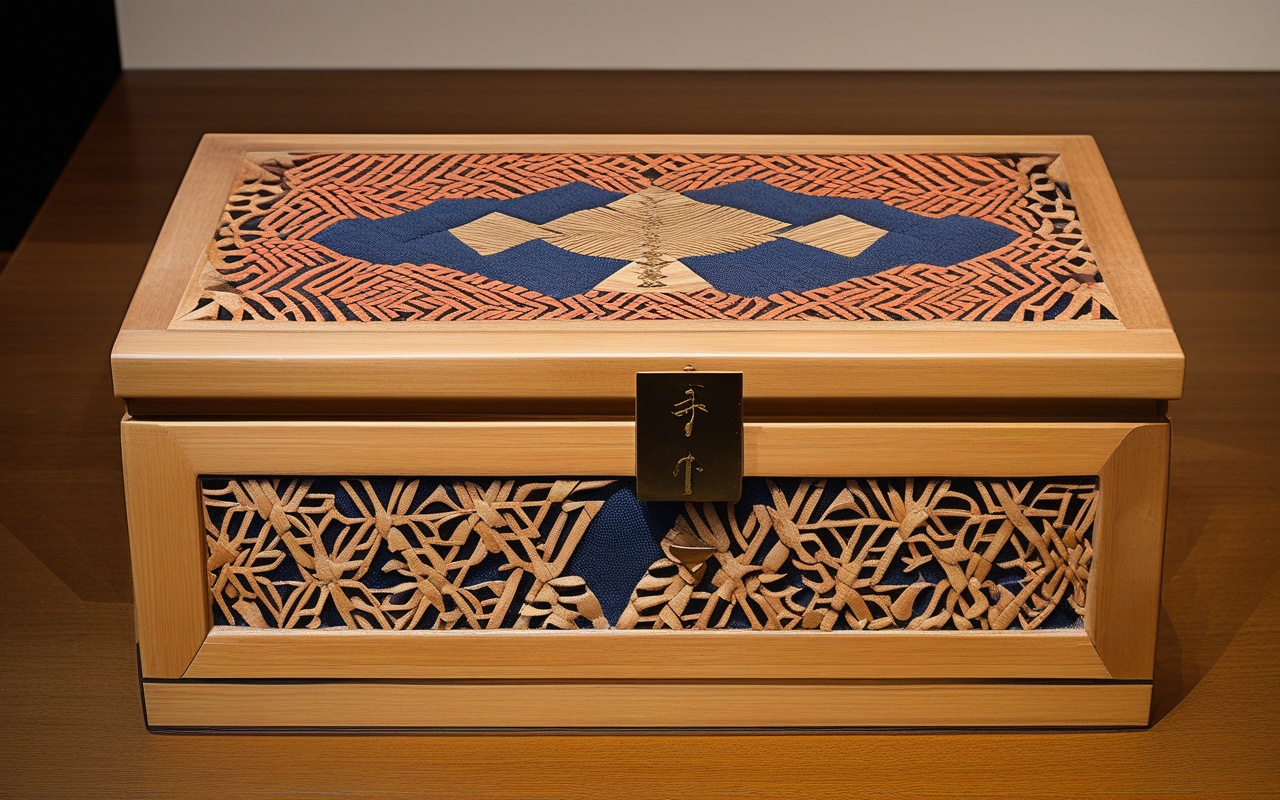
    Hakone’s parquetry tradition exploits local timber color contrasts sliced into thin sheets applied to boxes and furniture. Patterns that look abstract encode mountains and waves when you learn to read them. Humidity swings on trains stress veneer; sellers often wrap pieces carefully; keep silica packs and avoid leaving boxes on car dashboards.

    Textiles and Performing Spaces

    Colorful geometric patterned wooden box lid displayed on neutral cloth in a craft gallery

    Indigo vats require bacterial health tourists should not contaminate; observe from ropes. Small Noh and Kyogen venues publish etiquette about eating, unwrapping candies, and coat rustling that travels in quiet halls. Seasonal programs rotate; winter heating may be minimal—layer accordingly.

    Museum collections contextualize workshops in the Kanagawa museum guide. Kamakura’s pedestrian rhythm affects gallery hopping in the Kamakura access guide. Port-opening cosmopolitanism shaped patronage; see Yokohama port opening history. Hakone craft shopping aligns with the Hakone area guide. Onsen towns host evening performances described in the Kanagawa onsen guide. Yokohama’s contemporary art infrastructure intersects tourism in Yokohama SDGs tourism.


    Closing Notes

    Artisan time is finite; queues mean someone is working without pause—thank them with punctuality and calm attention. Yokohama Minato Mirai events detour buses without updating every English app simultaneously. Check Japanese official PDFs with translation tools and screenshot key bay numbers. Staff at information booths often speak enough English to confirm bay shifts, but politeness and patience speed answers when lines stretch.

    Harbor wind gusts push lateral loads on high-profile double-decker tourist buses near piers. Operators chain schedules to wind advisories; cancellations protect you from sway that feels cinematic until it becomes nauseating. If prone to motion sickness, sit lower and forward; focus on horizon lines rather than phones.

    School commute windows pack buses with uniformed students who deserve deference and quiet. Avoid loud calls; use text. Backpacks swing; remove them in tight aisles. Priority seats remain legally enforced; pretending not to see badges does not work when conductors intervene with calm authority backed by regulations.

    Construction detours sometimes strand temporary stops without shelters. Umbrellas help in sun as much as rain. Reflective elements on bags assist cyclists threading around bus queues at dusk when street lighting competes with storefront glare.

    Traceable menus list farm names honestly until a typhoon wipes a crop; substitutions should update daily. Ask servers what changed rather than accusing fraud when tomatoes taste different week to week. Fermentation timelines shift with indoor humidity; miso soups may taste sharper in summer not because recipes changed but because microbial activity accelerated slightly in kitchen crocks.

    Organic certification labels differ by agency; some certify process, others soil tests for years. Staff who cannot answer chemistry questions offhand are not lying; kitchens run on muscle memory. Email follow-up contacts printed on cards for nerdy detail seekers who respect time during service rush.

    Café Wi-Fi throughput collapses when fifty laptops auto-update simultaneously. Download offline maps before peak brunch. Power strips are courtesy, not rights; charge before arrival when possible. Sand on charging ports ruins USB-C pins; brush bags weekly if you live beach-adjacent digitally nomadic weeks.

    Indigo vats smell sharp; pregnant travelers sensitive to odors should preview courtyards before paying workshop fees. Rubber gloves stain blue; aprons help but sleeves still spot. Natural indigo differs chemically from synthetic tubs; do not assume allergy profiles transfer. Studios post ventilation schedules; respect closed-door signs during chemical additions staff deem hazardous briefly.

    Noh stages use cypress floors that scar if tapped with hard cases. Cloakrooms exist but queues lag; travel light. Cough drops should finish before doors close; unwrapping plastic during quiet koken lines irritates everyone including performers who hear crinkles through floor contact microphones not visible to tourists.

    Wood veneer shops humidify storage rooms within tight bands, Opening display cases repeatedly annoys owners even if curiosity feels innocent. Ask once for supervised handling. Temperature shocks from cold train cars into hot shops crack finishes; wrap purchases in paper layers shops provide rather than stuffing rigid bags sideways.

    Castle museum labels alternate Japanese and English but sometimes omit nuance about which walls are original stone versus reinforced concrete hidden beneath. Ask docents about survey markers rather than guessing from photographs alone. Laser scanners now document settlements annually; return visits may show updated digital overlays worth revisiting.

    Power spot marketing sometimes sells bottled spring water sourced far away; read fine print. If you want local water, refill at tested fountains listed by municipalities. Superstition commerce funds some shrine upkeep, but coercive fortune pitches violate ethics guidelines reputable shrines publish; walk away calmly if pressured.

    Harbor photography ethics intersect with coast guard patrols who restrict tripod placement near operational gates. Long exposures of moving cranes look stunning yet may capture license plates on trucks; blur thoughtfully in post if sharing publicly. Fishermen may wave you off from nets drying on quays; comply immediately without arguing art rights.

    Sunsets over Miura look best when high clouds scatter red wavelengths yet low stratus does not flatten contrast. Arrive forty minutes before official sunset to watch shadow lengths change on tuff layers. Tripods vibration from wind gusts ruins stacks; weigh hooks help. Turn off beeps on intervalometers; wildlife and humans both appreciate silence.

    Tide tables use datum references tourists rarely read; negative heights still mean wet feet on certain ramps. Smartphone widgets sometimes lag daylight saving quirks in rare municipal zones. Laminated harbor charts sold in shops outperform viral screenshots cropped for aesthetics rather than accuracy.

    Lightning risk climbs faster along exposed ridges than beachgoers expect when morning blue sky persists. Cumulus towers by noon warrant retreat plans. Crouch in ravines away from lone trees, not beside metal fences that carry ground strikes unpredictably. Golf courses close for good reasons; do not sneak in for storm photos.

    Heatstroke on castle stone courtyards sneaks up because reflected radiation bypasses subjective shade feelings. Hats with neck capes outperform baseball caps alone. Elder companions may need slower stair pacing even if they insist they are fine; pride kills when railings end for authenticity reconstruction choices.

    Ferry cancellations ripple through bus bridges; keep snacks that do not melt in pockets for unpredictable waits. Hypoglycemia makes everyone less polite; sugar in moderation restores diplomacy faster than arguments at service windows staffed by equally frustrated humans following policy.

    Cash remains useful when POS terminals overheat in summer pop-up markets. Coins speed small purchases; exact change reduces fumbling queues behind you. Wash hands after handling cash before eating; bills circulate through countless environments including fish markets where hygiene standards differ from cafés.

    Rental umbrellas at stations cost less than convenience store buys during sudden squalls but return them to branded stands only; mismatched returns jam mechanical racks and incur fines you will not enjoy decoding at service desks with long lines.

    Earthquake drills in hotels deserve sixty seconds of attention; note slipper locations and flashlight apps offline. Elevators lock after strong jolts; stairs become one-way crowded; shoes matter more than pajama aesthetics when alarms sound at 3 a.m.

    Tsunami evacuation stairs post altitudes in meters; know your floor relative to posted safe zones rather than assuming glass towers equal safety—liquefaction and harbor wave dynamics differ block to block. Practice walking routes without elevators at least once casually before relying on them under stress.

    Drone laws tightened near ports and castles; ignorance fines sting. Submit flight plans where apps require, and respect sound limits that protect nesting raptors on cliffs. Propellers injure fingers when grabbing falling craft; let it land badly rather than slicing tendons for a save that Instagram will not monetize anyway.

    Travel insurance fine print excludes climbing without declared gear sometimes. If you plan even mild via ferrata segments, call brokers. Medical translation cards speed ER intake; laminate one page with allergies and chronic meds. Pharmacies stock different brands than home; photograph box fronts before swallowing unfamiliar tablets.

    Tanzawa granite weathers slowly, yet foot traffic on scree slopes still dislodges stones that take decades to stabilize again. Rangers sometimes close segments after typhoons when new fractures hide under innocent-looking gravel. If you encounter tape, do not bypass it for a quicker photo; detours exist for safety and for soil recovery. Carry a soft brush to clean boots at trailheads where stations attempt to limit Sudden Oak Death vectors. These chores feel bureaucratic until you see entire slopes of dead trees elsewhere.

    Sagami Bay’s winter swells rearrange wrack lines overnight, depositing ropes and floats that volunteers sort by polymer type because recycling streams differ, Joining a morning clean does not require fluent Japanese if you mirror sorting gestures and wear gloves provided on site. Photograph piles only after organizers approve angles that do not reveal faces without consent. Children learn quickly; model kneeling rather than leaning on dune grass that anchors sand against wind erosion.

    Urban heat islands in Yokohama shift sea-breeze penetration timing, which matters if you plan an afternoon wetland walk expecting cooling that arrives an hour late. Check hourly forecasts rather than day highs alone. Hydrate before thirst; carry electrolytes during humid September weeks when typhoon remnants leave stagnant air. Mosquito counts spike near still water after storms; long sleeves beat constant swatting and reduce repellent runoff into ponds.

    Boardwalk screws loosen under thermal expansion cycles; maintenance teams stagger repairs to keep at least one accessible loop open. Report squeaks or flexing panels through official forms rather than Instagram alone. Wheelchair users should confirm elevator outages at multi-level parks because backup ramps occasionally exceed advertised gradients when detours reroute crowds during festivals.

    Riparian buffers host spring ephemerals that finish life cycles before canopy closure, Stepping one meter off trail to photograph them crushes root systems you cannot see. Use a zoom lens from the tread. Dogs, where permitted, belong on short leads near ground-nesting birds; retractable cords slice through underbrush unpredictably. Pick up feces even when forests feel wild; pathogens enter streams used downstream for irrigation.

    Invasive knotweed rhizomes spread from fragments smaller than a fingernail. Never dump garden waste in parks. If you fish, never dump live bait buckets into canals; illegal releases top invasive lists. Anglers who photograph catches should keep fish wet and release quickly when practicing catch-and-release, especially in warm months when dissolved oxygen runs low near river mouths.

    Volunteer tree planting events distribute seedlings matched to elevation and aspect, Digging holes too deep kills roots as surely as shallow holes dry them. Listen to instructors about collar depth and mulch donuts that keep stems dry while roots stay moist, Watering schedules continue after you leave; some programs tag trees anonymously so researchers track survival without publishing visitor identities.

    Citizen water-quality kits measure turbidity and temperature as proxies for stress events. Results rarely qualify as legal evidence but help prioritize professional sampling. Handle vials cleanly; one greasy fingerprint skews optics. Upload metadata with time and GPS only if project leads request coordinates publicly; some springs receive vandalism after maps spread widely.

    Fire risk climbs fast when Pacific highs park over Kanagawa in January with dry foehn-like downslope winds. Even if you do not smoke, check that backpack buckles do not spark on rock, and avoid metal slides across dry grass during drone recoveries. Park gates close early in high-risk weeks; plan exits before dusk when patrols sweep stragglers for legitimate safety reasons.

    Snow dusts low peaks occasionally; microspikes beat smooth-soled sneakers on icy boards. Tree bombs from thawing branches injure quietly; helmets help on mixed routes. Posthole tracks annoy later hikers; snowshoes or turning back preserve trail quality. Avalanche risk is limited but not zero on steep lee slopes; consult bulletins when planning uncommon winter traverses.


    Tips

    Practical notes from my trips to exploring Kanagawa: confirm the latest hours on the official website, buy tickets in advance when you can, and leave extra time for trains and walking between stops. Keeping your first day lighter also helps you enjoy the second day without feeling rushed.

    Frequently Asked Questions

    Q: Are English guides available?
    A: Major temples, shrines, and museums offer English audio guides or pamphlet guides. Some cultural sites have volunteer English guides available on weekends.

    Q: Can I take photographs?
    A: Photography is generally allowed in outdoor areas. Indoor photography, especially of cultural artifacts, may be restricted. Flash photography is commonly prohibited.

    Q: How much time should I budget?
    A: For temples and shrines, budget 30-60 minutes. Museums typically require 1-2 hours. Cultural experiences (tea ceremony, craft workshops) take 1-2 hours.

    Q: Are there any dress codes?
    A: No strict dress codes, but dressing respectfully is appreciated at temples and shrines. Avoid overly revealing clothing. Comfortable walking shoes are recommended. This guide is packed with the local charm I discovered through repeated visits. Kanagawa’s museums and galleries offer cultural encounters that range from world-class collections to intimate local exhibitions.

    Conclusion

    The details in this guide come from real visits, and the biggest lesson I took away was that the best experiences in Kanagawa rarely fit neatly into a checklist. During my visit I went with a rough plan and found that leaving room to wander made the trip far more memorable. Plan the essentials, keep your schedule flexible, and you will leave Kanagawa wanting to return.
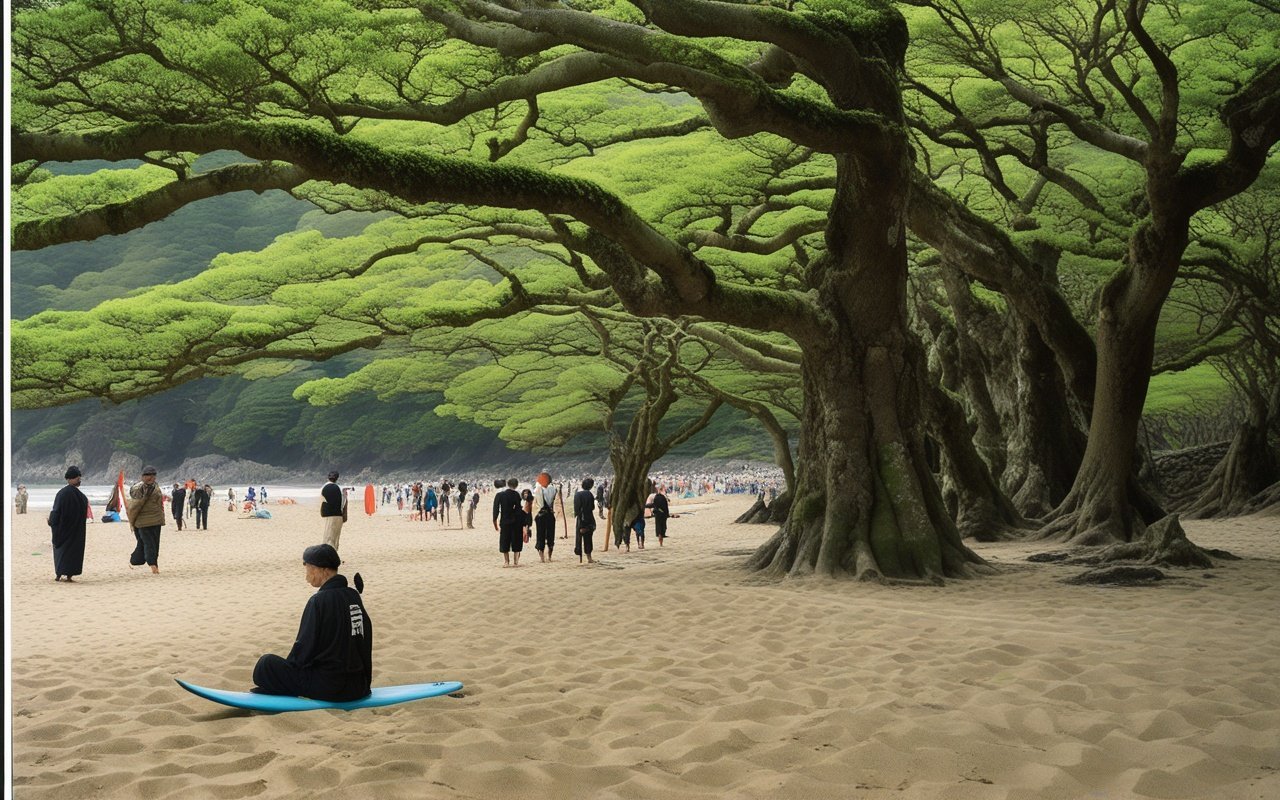
  • Kanagawa Taxi Guide – Kanagawa 2026

    Kanagawa Taxi Guide – Kanagawa 2026

    Kanagawa Taxi Guide – Kanagawa 2026

    Overview

    Taxis in Kanagawa are metered, comfortable, and easy to use — the main challenge is hailing one away from stations. Taxis cluster at the official taxi stands outside major stations (Yokohama, Kamakura, Fujisawa, Ofuna) and at hotel entrances. This guide covers fares, payment, apps, and when a taxi is actually worth the cost compared with trains and buses.

    Access

    Getting to Kanagawa from Tokyo is straightforward by train, and most routes take well under two hours. During my trips I relied on an IC card for every connection and kept a bus timetable saved on my phone as backup. Taxis become useful once you arrive: hotels, temples on hills, and late-night return trips are where they earn their fare.

    Location and Routes


    Kanagawa Taxi Fare System - Efficient Use for Tourists 2026 - Main image

    Kanagawa Taxi Guide — main illustration

    Kanagawa Taxi Fare System - Efficient Use for Tourists 2026 - Route overview

    How Fares Work

    • Flag-down (initial fare): roughly ¥500-600 for the first 1-1.1 km, then about ¥100-200 per additional 250-400 m depending on the tariff zone
    • Time-based charge: when the taxi crawls in traffic, the meter adds time charges — avoid taxis for long trips through downtown Yokohama at rush hour
    • Night surcharge: about 20% added between 22:00 and 05:00
    • Typical rides: Kamakura Station to Hase-dera about ¥1,000-1,300; Yokohama Station to Minato Mirai about ¥1,000-1,500; Ofuna Station to the monorail station about ¥700-900

    Payment

    • Cash, IC cards (Suica, PASMO), and credit cards are accepted in most taxis — check the door sticker
    • GO Pay and other app payments work in many vehicles
    • No tipping is expected in Japan; the meter total is the final fare

    Calling a Taxi

    • Apps: GO and DiDi are the main options in Kanagawa; both have English interfaces, show estimated fares, and let you pay by card
    • Taxi stands: at Yokohama Station East/West exits, Kamakura Station East Exit, and Fujisawa Station — queue and take the first car
    • Hotels: concierges call taxis on request; most hotels have a stand out front
    • On the street: raise your hand at a safe spot; the taxi’s front-right light turns green (or shows “空車” / empty) when available

    When to Take a Taxi

    Worth it:

    • Groups of 3-4: a taxi often costs about the same as four train tickets for short hops
    • Luggage-heavy arrivals: Yokohama Station to a Minato Mirai hotel beats carrying bags through transfers
    • Late night when trains end (after about 00:30)
    • Hills and temple areas: the hilly parts of Kamakura and the Hakone mountains are tiring on foot

    Skip it:

    • Rush-hour downtown Yokohama (the meter runs while you sit)
    • Long distances: Yokohama to Hakone by taxi costs well over ¥15,000 — take the train or highway bus instead

    Special Situations

    • Airport trips: from Yokohama to Haneda, a taxi takes about 30-40 minutes and costs roughly ¥8,000-10,000 depending on traffic — a limousine bus (¥650-1,000) is far cheaper; Narita trips run about ¥25,000 and the bus (¥3,600-3,700) is the sensible choice
    • Accessible taxis: lift-equipped “universal” taxis are available at Yokohama and Kamakura stations on request; book via the dispatch apps
    • Hakone: local taxis serve the lake area and ropeway stations; short hops around Moto-Hakone run about ¥1,000-1,500

    Tips

    Show your destination in Japanese on your phone map — drivers appreciate it and it avoids confusion. Confirm the route if you are heading to Haneda or Narita, since Kanagawa taxis are metered rather than flat-rate for airports. Keep small bills; some drivers cannot break ¥10,000 notes on short rides. The rear left door opens automatically, so wait for it rather than pulling the handle. If the driver starts the meter before you are seated, that is normal practice in Japan.

    Taxi Types and Companies

    • Standard sedans — the default; fit 3-4 passengers and 2-3 suitcases in the trunk
    • Jumbo taxis — van-style taxis for groups of 5-9; book via the dispatch apps or your hotel; useful for Hakone group trips
    • Universal/accessible taxis — ramp-equipped vehicles for wheelchair users; request “yukai taisho” (universal) taxi via the apps
    • Major operators: Yokohama and Kamakura are served by several medium-sized companies; the GO app aggregates most of them, so you rarely need to call a specific company

    Apps in Detail

    GO: the largest dispatch app in the Kanto area. English interface, shows the estimated fare before you book, and lets you pay by registered card (GO Pay). Coverage is excellent across Yokohama, Kamakura, and the Shonan coast.

    DiDi: strong in the eastern Kanagawa area and often slightly cheaper during off-peak hours. Supports English and card payment.

    Uber Taxi: available in some Kanagawa areas; it books licensed taxis rather than ride-hail private cars.

    Note: apps show a fare estimate, but the final price follows the meter. Peak-hour demand can add a dispatch surcharge — the app shows this before you confirm.

    Late Night and Special Hours

    • After midnight: trains stop around 00:30; taxis at Yokohama Station East Exit form a long queue on weekends — the apps are faster than waiting in line
    • Night surcharge: about 20% between 22:00 and 05:00 — a 23:00 ride costs noticeably more than the same trip at 21:00
    • New Year and festival nights: Kamakura and Enoshima add temporary taxi stands; wait times can reach 30-60 minutes

    Sample Fares

    • Yokohama Station → Minato Mirai (2 km): about ¥1,000-1,300
    • Kamakura Station → Hase-dera (2.5 km): about ¥1,100-1,400
    • Ofuna Station → Shonan-Enoshima (6 km): about ¥1,800-2,300
    • Hakone-Yumoto → Gora (10 km, mountain road): about ¥3,500-4,500
    • Yokohama → Haneda Airport: about ¥8,000-10,000 (35-45 minutes)

    Riding Etiquette and Access

    • Doors: the rear left door opens and closes automatically — wait for it and never pull the handle
    • Seat belts: rear passengers must buckle up; it is legally required and drivers will remind you
    • Child seats: available on request from dispatch apps and hotel concierges — request at booking, not at the curb
    • Accessibility: universal taxis with ramps are bookable via GO and DiDi; the apps flag wheelchair-accessible vehicles
    • Lost items: call the taxi company printed on the receipt — drivers report lost items to their dispatch office

    Conclusion

    Taxis in Kanagawa are clean, safe, and easy to use once you know the apps and the fare basics. Reserve through the GO app at peak times, keep cash or IC for older cabs, and remember that drivers are honest — you will rarely need to negotiate a route. For late nights or heavy luggage, a taxi is often the smartest way to move.

    FAQ

    Q: Do taxi drivers speak English? A: Generally limited English, but route navigation and the meter are universal. Show your destination on your phone map, and drivers will confirm with the map display on the rear seat screen.

    Q: Is it true taxis are expensive in Japan? A: By global standards yes, but for Kanagawa’s short hops — 2-3 km — a taxi is a reasonable splurge, especially for groups or bad weather.

    Q: Can I pay with an IC card? A: Most taxis accept Suica, PASMO, and other IC cards; check the sticker on the rear door window. Credit cards are accepted in the majority of vehicles.

    Q: Are there flat rates anywhere? A: A few operators offer flat rates for airport and Hakone routes; check the GO app’s “fixed fare” section, which shows them when available.

    Q: What if I cannot find a taxi at night? A: Use the GO app rather than walking to a stand — on weekend nights the Yokohama Station stands can have 30+ minute waits while app-dispatched cars arrive in 5-10 minutes.

  • Kamakura Samurai History – Kanagawa 2026

    Kamakura Samurai History – Kanagawa 2026

    Overview

    Kamakura is not just a coastal town of temples and beaches — it is the birthplace of Japan’s samurai government. From 1185 to 1333, this small city served as the political and military capital of Japan under the Kamakura Shogunate, a period that fundamentally reshaped Japanese society, culture, and governance.

    I spent two days walking Kamakura’s historic sites, tracing the footsteps of the samurai elite who built Japan’s first warrior government. The Kamakura Museum of Cultural History was my starting point — its exhibits on samurai armor, weapons, and daily life provided essential context before I explored the temples and shrines that still stand today. For more cultural guides, see our Kamakura temple guide or Kamakura area guide.

    The Rise of the Kamakura Shogunate

    The samurai class rose to prominence during the late Heian Period (794–1185), when the imperial court in Kyoto lost effective control over regional military clans. Two powerful families — the Taira and the Minamoto — competed for supremacy. The Genpei War (1180–1185) ended with the Minamoto clan victorious, and their leader, Minamoto no Yoritomo, established a military government in Kamakura in 1185.

    Yoritomo chose Kamakura strategically: surrounded by hills on three sides and the sea on the fourth, it was naturally defensible. Unlike Kyoto, which was dominated by the court aristocracy, Kamakura was a warrior’s city from the ground up. Yoritomo was appointed Seii Taishōgun (Barbarian-Subduing Generalissimo) in 1192, formally establishing the shogunate system that would rule Japan for nearly 700 years.

    Key Figures of the Early Shogunate

    Figure Role Significance
    Minamoto no Yoritomo First Shōgun (r. 1192–1199) Founded the Kamakura Shogunate, established samurai governance
    Hōjō Masako “Nun Shōgun” (1157–1225) Yoritomo’s wife, wielded real power after his death
    Hōjō Tokimasa First Shikken (regent) Established the Hōjō regency system
    Minamoto no Sanetomo Third Shōgun (r. 1203–1219) Last Minamoto shōgun, assassinated at Tsurugaoka Hachimangu
    Hōjō Yasutoki Third Shikken Codified samurai law (Goseibai Shikimoku, 1232)

    Tsurugaoka Hachimangu: The Spiritual Heart of Samurai Kamakura

    Tsurugaoka Hachimangu Shrine was founded in 1063 by Minamoto no Yoriyoshi, but it was Yoritomo who moved it to its current prominent location and made it the spiritual center of his new government. The shrine is dedicated to Hachiman, the god of war and the patron deity of the Minamoto clan.

    I visited on a weekday morning, and the approach via the wide Dankazura — a raised cherry-tree-lined pathway — immediately conveyed the sense of power and ceremony that Yoritomo intended. The shrine grounds were bustling with worshippers, but the main hall exuded a quiet dignity. What struck me most was the blend of Shinto and Buddhist elements, reflecting the syncretic nature of medieval Japanese religion.

    Key samurai-related features at Tsurugaoka Hachimangu:

    • The Maiden: A dance stage where shizuka-no-mai (a famous samurai-era dance) was performed
    • The Treasure Hall: Houses armor and weapons from the Kamakura period
    • The Stone Staircase: 61 stone steps that samurai ascended to pray for victory before battle For a deeper dive, see our Tsurugaoka Hachimangu guide.

    Zen Buddhism and the Warrior Class

    One of the most transformative developments of the Kamakura period was the introduction of Zen Buddhism from China. Zen’s emphasis on discipline, meditation, and direct action resonated deeply with the samurai ethos. Major Zen temples were established in Kamakura during this period:

    Kencho-ji Temple

    Founded in 1253 by Hōjō Tokiyori, Kencho-ji is the oldest Zen training monastery in Japan and ranks first among Kamakura’s Five Great Zen Temples. The temple’s massive Sanmon gate and the serene pond garden date from the Kamakura period. I spent an hour sitting in the tatami hall overlooking the garden — the stillness is palpable.

    Engaku-ji Temple

    Built in 1282 by Hōjō Tokimune to commemorate the dead from both sides of the Mongol invasions, Engaku-ji houses the Shari-den (Relic Hall), one of the few National Treasure buildings in Kamakura dating from the Kamakura period. The temple’s hillside location offers sweeping views of the city.

    Jufuku-ji Temple

    The oldest Zen temple in Kamakura, founded in 1200. Though less grand today, it was the burial site of Hōjō Masako and several Hōjō regents.

    For more about these temples, see our Kamakura temple guide.

    The Hōjō Regency: Samurai Behind the Throne

    After Yoritomo’s death in 1199, his wife Hōjō Masako — known as the “Nun Shōgun” — effectively controlled the shogunate. She and her father Hōjō Tokimasa established the position of Shikken (regent), which allowed the Hōjō clan to rule through puppet shōguns of the Minamoto and later imperial lines.

    The Hōjō regency lasted from 1203 to 1333, a remarkably stable period considering the violence that surrounded it. The third regent, Hōjō Yasutoki, codified the Goseibai Shikimoku (Formulary for Adjudication) in 1232 — Japan’s first comprehensive samurai legal code. This 51-article code established principles of land rights, inheritance, and criminal justice that would influence Japanese law for centuries.

    The Mongol Invasions (1274 and 1281)

    The defining military challenge of the Kamakura period was the Mongol invasions. Kublai Khan’s massive fleets attacked Japan twice, and both times Kamakura’s samurai forces — under the leadership of Hōjō Tokimune — repelled them. The second invasion in 1281 involved a fleet of over 4,000 ships and approximately 140,000 soldiers, making it one of the largest naval invasions in history until World War II.

    The samurai fought fiercely on the beaches of Kyushu, but it was the legendary “Kamikaze” (divine wind) — a massive typhoon that destroyed the Mongol fleet — that decisively saved Japan. This event became deeply embedded in Japanese national identity. The National Treasure Mōko Shūrai Ekotoba (Picture Scroll of the Mongol Invasion), housed at the Imperial Household Agency, vividly depicts these battles.

    However, the cost of defending against the invasions strained the shogunate’s finances. The Hōjō’s inability to reward samurai with land (the traditional payment for military service) led to growing discontent.

    The Fall of Kamakura

    By the early 14th century, the Hōjō regency had alienated powerful samurai families and the imperial court. Emperor Go-Daigo launched a rebellion to restore imperial power. In 1333, the imperial loyalist Ashikaga Takauji captured Kyoto, while another general, Nitta Yoshisada, attacked Kamakura itself.

    Yoshisada’s forces breached Kamakura’s natural defenses by marching along the beach at low tide — a route the Hōjō had considered impassable. The last Hōjō regent and his entire clan committed ritual suicide at Tosho-ji Temple, ending 130 years of Hōjō rule. Over 800 Hōjō retainers followed their lords in death, and the Hōjō family cemetery at Tosho-ji remains a poignant memorial to this day. Save big with Hakone Freepass — unlimited train, ropeway & pirate ship rides, plus 30% off attractions

    I visited Tosho-ji’s quiet cemetery, and the small stone pagodas piled together told the story more powerfully than any history book.

    What to See Today: Samurai Kamakura Walking Route

    Over my two days, I developed this route for visitors interested specifically in samurai history:

    Day 1: The Shogunate’s Core

    1. Kamakura Museum of Cultural History — Start here for comprehensive exhibits (¥300, 09:00–16:30, closed Mondays)
    2. Tsurugaoka Hachimangu — Walk the Dankazura approach, visit the main hall and treasure hall
    3. Kamakura Shrine — Dedicated to Prince Morinaga, a son of Emperor Go-Daigo executed by the Hōjō
    4. Kencho-ji Temple — Zen monastery and former center of Kamakura culture (¥500)

    Day 2: Fortifications and Fall

    1. Engaku-ji Temple — Mongol invasion memorial and National Treasure Shari-den (¥300)
    2. Tosho-ji Temple — Site of the Hōjō mass suicide, small but historically profound
    3. Kamakura Castle Ruins — Located near Tsurugaoka Hachimangu; little remains above ground but the earthworks tell the story
    4. Kamakura-gu Shrine — Samurai-era shrine with a beautiful hillside setting

    The Kamakura Museum is essential — I recommend spending at least 90 minutes there before heading to the shrines and temples. For logistics, see our Kamakura access guide.

    Samurai Material Culture: What to Look For

    While exploring Kamakura’s temples and museums, pay attention to these specifically samurai-related features:

    • Armor (Yoroi): The Kamakura Museum displays several complete suits. Note the evolution from the heavy Heian-period ō-yoroi (worn by horseback archers) to the lighter dō-maru favored by foot soldiers.
    • Swords (Katana): Kamakura-period swords are considered the pinnacle of Japanese swordmaking. The Masamune school, active in Kamakura, produced some of the finest blades ever made.
    • Helmets (Kabuto): Look for the distinctive crests (maedate) — family symbols that identified samurai on the battlefield.
    • Temple Bells (Bonshō): Both Kencho-ji and Engaku-ji have Kamakura-period bronze bells designated as National Treasures.

    Experience: Walking the Samurai Path

    What made the deepest impression on me was not any single artifact or building, but the organic connection between the landscape and the history. When I climbed the hill behind Kencho-ji, I could see the same natural defensive ring — mountains on three sides, ocean on the fourth — that made Kamakura an ideal fortress city for the warrior government. The narrow valley routes that I walked through to reach temples were the same paths that samurai traveled eight centuries ago.

    Start early to avoid crowds, especially at Tsurugaoka Hachimangu and Kencho-ji. The Kamakura Museum opens at 09:00, and arriving then gives you a head start on the crowds that arrive mid-morning. For a broader perspective, see our Kamakura area guide or the Great Buddha guide.

    Tips

    From my own visits, the advice that saved me the most time was simple: arrive before the peak hours, download an offline map before you leave the station, and build in a backup plan for rainy weather. Many spots in Kanagawa get busy by mid-morning, so an early start usually means shorter queues and better photos.

    Frequently Asked Questions

    Q: How long do I need to explore Kamakura’s samurai history?
    A: A focused one-day itinerary covering the Kamakura Museum, Tsurugaoka Hachimangu, and Kencho-ji is feasible. For the full experience including Engaku-ji and Tosho-ji, budget two days.

    Q: Is the Kamakura Museum available in English?
    A: Yes — the permanent exhibition has English labels and an English audio guide. Staff speak basic English and are helpful. Admission is ¥300.

    Q: Are there English guided tours focused on samurai history?
    A: Volunteer English guides are available at the Kamakura Tourist Information Center near the station. Request a “Samurai Heritage” themed tour specifically.

    Q: Can I see actual samurai armor and weapons?
    A: Yes — the Kamakura Museum has the largest collection in the region, with several complete suits of armor and a curated sword exhibition. Some items are rotated seasonally.

    Q: What’s the best way to get around the samurai sites?
    A: Walking is best — all major sites are within 30 minutes of each other on foot. The Kamakura Museum is a 10-minute walk from Kamakura Station’s East Exit. For the Enoden line connection, see our Enoden guide.

    Q: Are there any samurai festivals?
    A: Kamakura Festival (April) features a samurai procession from Tsurugaoka Hachimangu. Yabusame (horseback archery) demonstrations are held several times a year at the shrine.

    For more details, see our guide to Kamakura Literary Walk – Kanagawa.

    For more details, see our guide to Kanagawa Art Museum Hopping Guide — Complete Guide.

    Conclusion

    exploring Kamakura can be as relaxed or as packed as you want it to be, and I have found that the best visits leave room for both planning and spontaneity. During my visit to Kamakura I went with a rough plan and found that leaving room to wander made the trip far more memorable. Use this guide to sort out the logistics in advance, then let the day surprise you — Kanagawa rewards travelers who stay curious.

  • Japan Sim Esim – Complete Guide 2026

    Japan Sim Esim – Complete Guide 2026

    This guide provides essential travel tips and practical advice for navigating Kanagawa Prefecture. From transportation passes to safety information, you will find everything you need for a smooth and enjoyable trip. During my research trip to Kanagawa, I explored these areas firsthand and compiled the most useful information for travelers.

    Japan Sim Esim – Complete Guide 2026

    Overview

    Access

    Most visitors reach Kanagawa from central Tokyo by JR, private railway, or highway bus, and an IC card (Suica or Pasmo) works across all of them. From my experience, leaving Tokyo before the morning rush keeps the journey relaxed, and station luggage lockers are handy if you arrive early.

    Introduction: Staying Connected in Japan

    Having mobile data in Japan is a must-have for:

    Japan Sim Esim - Complete Guide 2026 — Introduction: Staying Connected in Japan

    Japan Sim Esim — main illustration

    Japan Sim Esim detailed view and features

    • Navigation (Google Maps)
    • Translation (Google Translate)
    • Train schedules (Japan Transit Planner)
    • Restaurant reservations
    • Emergency communication
    • Sharing photos with family

    This outline covers:

    • SIM cards (physical)
    • eSIMs (digital, newer phones only)
    • Pocket Wi-Fi (portable hotspot)
    • Where to buy (airport, online, stores)
    • Price comparison
    • Setup instructions Updated: March 2026 (all providers verified)

    Quick Comparison

    Feature SIM Card eSIM Pocket Wi-Fi
    Physical Item Yes No Yes
    Setup Insert card Scan QR code Turn on device
    Devices 1 phone 1 phone Multiple devices
    Battery None None Needs charging
    Price ¥¥ ¥¥ ¥¥¥
    Best For Most travelers Newer phones Groups/families

    Which Should You Choose?

    Choose SIM Card if:
    ✅ Your phone is unlocked
    ✅ You want simple setup
    ✅ You're traveling solo
    ✅ Budget really matters
    
    Choose eSIM if:
    ✅ Your phone supports eSIM (iPhone XS+, Pixel 3+)
    ✅ You want instant activation
    ✅ You don't want to swap SIMs
    ✅ You're comfortable with digital setup
    
    Choose Pocket Wi-Fi if:
    ✅ You're traveling with family/group
    ✅ You have multiple devices
    ✅ You want unlimited data
    ✅ You don't mind charging device daily

    Major Providers

    Provider Data Validity Price Pickup
    Japan Travel SIM 3GB 30 days ¥3,500 Airport/Online
    Sakura Mobile 5GB 30 days ¥4,500 Airport/Online
    IIJmio 6GB 30 days ¥3,000 Online
    DMM mobile 5GB 30 days ¥3,500 Online
    SoftBank Prepaid 1GB 90 days ¥4,800 Airport/Store

    Where to Buy SIM Cards

    At Airports (Haneda/Narita):
    ✅ BIC CAMERA (Terminal 3 Haneda)
    ✅ Yodobashi Camera (Narita Terminal 1)
    ✅ Sakura Mobile Counter (Both airports)
    ✅ Japan Travel SIM Counter (Both airports)
    
    Hours: 6:00-23:00 (most counters)
    Payment: Cash, Credit Card Online (Before Travel):
    ✅ Amazon Japan
    ✅ Rakuten
    ✅ Provider websites
    Delivery: 3-7 days (Japan address only)

    Setup Instructions

    Step 1: Purchase SIM

    1. Visit counter or order online
    2. Show passport (required by law)
    3. Choose plan
    4. Pay

    Step 2: Insert SIM

    1. Turn off phone
    2. Remove old SIM (if any)
    3. Insert new SIM
    4. Turn on phone Step 3: Activate
    5. Follow provider’s instructions
    6. Usually automatic
    7. Test data connection

    Step 4: APN Settings (if needed)

    1. Settings → Mobile Data → APN
    2. Enter provider’s APN details
    3. Save and restart

    Major eSIM Providers

    Provider Data Validity Price Activation
    Airalo 1GB 7 days $4.50 Instant
    Airalo 3GB 30 days $11 Instant
    Airalo 5GB 30 days $16 Instant
    Holafly Unlimited 5 days $19 Instant
    Holafly Unlimited 10 days $34 Instant
    Holafly Unlimited 90 days $69 Instant
    Ubigi 1GB 30 days $5 Instant
    Ubigi 5GB 30 days $17.50 Instant

    Where to Buy eSIM

    Online (Before or During Travel):
    ✅ Airalo app (iOS/Android)
    ✅ Holafly website
    ✅ Ubigi app
    ✅ Nomad app

    Activation: Instant (QR code)
    Payment: Credit Card, PayPal, Apple Pay

    
    #### Setup Instructions (iPhone)
    

    Step 1: Purchase eSIM

    1. Download Airalo app (or provider app)
    2. Create account
    3. Select Japan plan
    4. Pay with credit card

    Step 2: Install eSIM
    5. Open email with QR code
    6. Settings → Cellular → Add Cellular Plan
    7. Scan QR code
    8. Follow on-screen instructions

    Step 3: Configure
    9. Label plan (e.g., “Japan Data”)
    10. Choose default line for data
    11. Enable Data Roaming (required)
    12. Turn off old SIM (optional) Step 4: Test
    13. Turn off Wi-Fi
    14. Open browser
    15. Test connection

    
    #### Setup Instructions (Android)
    

    Step 1: Purchase eSIM

    1. Download provider app
    2. Create account
    3. Select Japan plan
    4. Pay

    Step 2: Install eSIM
    5. Settings → Network & Internet → Mobile Network
    6. Add carrier
    7. Scan QR code
    8. Follow instructions Step 3: Configure
    9. Enable data roaming
    10. Select eSIM for mobile data
    11. Turn off old SIM (optional) Step 4: Test
    12. Turn off Wi-Fi
    13. Test connection


    Provider Data Speed Battery Price/Day
    Ninja WiFi Unlimited 150 Mbps 10 hours ¥500-800
    Japan Wireless Unlimited 150 Mbps 10 hours ¥550-900
    SoftBank Global Unlimited 150 Mbps 8 hours ¥600-1,000
    Wi-Ho! Unlimited 150 Mbps 10 hours ¥500-850

    Where to Rent Pocket Wi-Fi

    At Airports:
    ✅ Ninja WiFi Counter (Haneda/Narita)
    ✅ Japan Wireless Counter (Both airports)
    ✅ SoftBank Store (Both airports)

    Online (Before Travel):
    ✅ Provider websites
    ✅ Klook
    ✅ KKday Delivery Options:

    • Airport pickup (free)
    • Hotel delivery (¥500-1000)
    • Home delivery before departure

    Rental Process

    Step 1: Reserve Online (Recommended)

    1. Visit provider website
    2. Select dates
    3. Choose pickup location
    4. Pay (or pay on pickup)

    Step 2: Pickup at Airport

    1. Arrive at airport
    2. Find counter (follow signs)
    3. Show passport and reservation
    4. Receive device
    5. Staff explains usage

    Step 3: Use in Japan

    1. Turn on device
    2. Connect to Wi-Fi network
    3. Password provided with device
    4. Charge nightly Step 4: Return
    5. Use prepaid envelope
    6. Drop at airport/post office
    7. Or return to counter

    Budget Options (Under ¥3,000)

    Best Value:

    1. IIJmio SIM: ¥3,000 (6GB, 30 days)
    2. Airalo eSIM: ¥1,650 (3GB, 30 days)
    3. Ubigi eSIM: ¥750 (1GB, 30 days)

    Good for:

    • Light users
    • Short trips (under 1 week)
    • Backup connectivity

    Mid-Range (¥3,000-¥5,000)

    Best Value:
    1. Sakura Mobile SIM: ¥4,500 (5GB, 30 days)
    2. Japan Travel SIM: ¥3,500 (3GB, 30 days)
    3. Airalo eSIM: ¥2,400 (5GB, 30 days)
    
    Good for:
    - Most travelers
    - 1-2 week trips
    - Moderate data usage

    Premium (¥5,000+)

    Best Value:
    1. Holafly eSIM: ¥5,100 (Unlimited, 10 days)
    2. Ninja WiFi: ¥5,500 (Unlimited, 10 days)
    3. SoftBank Prepaid: ¥4,800 (1GB, 90 days)
    
    Good for:
    - Heavy data users
    - Long trips
    - Business travelers
    - Groups (Pocket Wi-Fi)

    Haneda Airport (Tokyo International)

    Terminal 3 (International):
    
    SIM Card Counters:
    📍 BIC CAMERA (3F Arrival Lobby)
       Hours: 6:30-23:00
       Brands: Japan Travel SIM, Sakura Mobile 📍 Sakura Mobile Counter (2F Arrival)
       Hours: 7:00-23:00
       Brands: Sakura Mobile SIM & eSIM 📍 SoftBank Store (3F Departure)
       Hours: 7:00-22:00
       Brands: SoftBank Prepaid Pocket Wi-Fi:
    📍 Ninja WiFi (2F Arrival)
       Hours: 7:00-23:00 📍 Japan Wireless (2F Arrival)
       Hours: 7:00-23:00

    Narita Airport

    Terminal 1 & 2 (International):
    
    SIM Card Counters:
    📍 Yodobashi Camera (1F Arrival)
       Hours: 7:00-22:00
       Brands: Multiple SIMs 📍 Sakura Mobile Counter (1F Arrival)
       Hours: 8:00-20:00 Pocket Wi-Fi:
    📍 Ninja WiFi (1F Arrival)
       Hours: 8:00-20:00 📍 Wi-Ho! (1F Arrival)
       Hours: 8:00-20:00

    Yokohama (Alternative)

    If staying in Yokohama area:
    
    📍 BIC CAMERA Yokohama Station
       Address: 1F, 1-6-1 Minamisaiwai, Nishi-ku
       Hours: 10:00-21:00
       Brands: SIM cards, eSIM vouchers 📍 SoftBank Store (various locations)
       Multiple stores in Yokohama
       Check website for nearest

    For SIM Card Purchase

    Required by Law:
    ✅ Valid passport (original, not copy)
    ✅ Tourist visa status (stamp in passport)
    
    Not Required:
    ❌ Japanese address
    ❌ Japanese phone number
    ❌ Credit card (cash accepted)

    For eSIM Purchase

    Online Purchase:
    ✅ Credit card or PayPal
    ✅ Email address
    ✅ Compatible phone
    
    At Counter:
    ✅ Passport (some providers)
    ✅ Payment method

    For Pocket Wi-Fi Rental

    Required:
    ✅ Passport
    ✅ Credit card (for deposit)
    ✅ Flight details (for delivery)
    
    Deposit:
    - Usually ¥0-¥5,000
    - Refunded on return
    - Waived with credit card

    ESIM Compatible Phones

    Apple iPhone:
    ✅ iPhone XS / XS Max (2018)
    ✅ iPhone XR (2018)
    ✅ iPhone 11 series (2019)
    ✅ iPhone 12 series (2020)
    ✅ iPhone 13 series (2021)
    ✅ iPhone 14 series (2022)
    ✅ iPhone 15 series (2023)
    ✅ iPhone 16 series (2024)
    
    Google Pixel:
    ✅ Pixel 3 / 3 XL (2018)
    ✅ Pixel 4 / 4 XL (2019)
    ✅ Pixel 5 (2020)
    ✅ Pixel 6 / 6 Pro (2021)
    ✅ Pixel 7 / 7 Pro (2022)
    ✅ Pixel 8 / 8 Pro (2023)
    
    Samsung Galaxy:
    ✅ Galaxy S20 series (2020)
    ✅ Galaxy S21 series (2021)
    ✅ Galaxy S22 series (2022)
    ✅ Galaxy S23 series (2023)
    ✅ Galaxy S24 series (2024) Note: Japanese domestic models may not support eSIM.

    SIM Card Compatibility

    All phones with SIM slot:
    ✅ Standard SIM (rare, old phones)
    ✅ Micro SIM (older smartphones)
    ✅ Nano SIM (most modern phones)
    
    Most Japan SIMs are Nano SIM.
    Adapters available for Micro/Standard SIM.

    How to Check if Phone is Unlocked

    iPhone:
    1. Settings → General → About
    2. Look for "Carrier Lock"
    3. Should say "No SIM restrictions"
    
    Android:
    1. Settings → About Phone → SIM Status
    2. Or insert different SIM
    3. If it works, phone is unlocked
    
    Contact carrier if locked:
    - Most carriers unlock for free
    - May require account in good standing
    - Processing time: 1-7 days

    How Much Data Do You Need?

    Light User (1-3GB for 1-2 weeks):
    ✅ Maps navigation
    ✅ Messaging (LINE, WhatsApp)
    ✅ Email
    ✅ Web browsing
    ✅ Some social media
    
    Moderate User (5-10GB for 1-2 weeks):
    ✅ All light usage
    ✅ Video streaming (1-2 hours/day)
    ✅ Photo uploads
    ✅ Video calls
    ✅ Music streaming
    
    Heavy User (Unlimited):
    ✅ All moderate usage
    ✅ Heavy video streaming
    ✅ Hotspot for laptop
    ✅ 4K video
    ✅ Large file downloads

    Data Saving Tips

    ✅ Download offline maps (Google Maps)
    ✅ Download translation packs (Google Translate)
    ✅ Use Wi-Fi when available (hotels, cafes)
    ✅ Turn off auto-play videos
    ✅ Disable background app refresh
    ✅ Use data saver mode
    ✅ Download entertainment before trip
    
    Estimated Daily Usage:
    - Maps: 5-10 MB/hour
    - Social media: 50-100 MB/hour
    - Video streaming: 500 MB-3 GB/hour
    - Video calls: 200-500 MB/hour

    Before You Travel (Recommended Timeline)

    2 Weeks Before:
    □ Check phone is unlocked
    □ Research providers
    □ Compare prices
    □ Read reviews
    
    1 Week Before:
    □ Order eSIM or SIM online
    □ Reserve Pocket Wi-Fi
    □ Download necessary apps
    □ Test eSIM installation (if applicable)
    
    Day Before:
    □ Confirm reservation
    □ Pack charger for Pocket Wi-Fi
    □ Save provider contact info
    □ Screenshot confirmation emails Arrival Day:
    □ Pickup SIM/Pocket Wi-Fi at airport
    □ Install/activate
    □ Test connection
    □ Save emergency numbers

    Activation Steps

    Physical SIM:
    1. Insert SIM card
    2. Restart phone
    3. Usually auto-activates
    4. If not, follow provider instructions
    5. Test data connection
    
    eSIM:
    1. Scan QR code (before or after arrival)
    2. Follow on-screen setup
    3. Enable data roaming
    4. Select eSIM for mobile data
    5. Test connection
    
    Pocket Wi-Fi:
    1. Turn on device
    2. Connect to Wi-Fi network
    3. Enter password (provided)
    4. Test connection
    5. Charge nightly

    “No service” or “No signal”

    Solutions:
    1. Restart phone
    2. Check Airplane Mode is OFF
    3. Ensure SIM is properly inserted
    4. Check coverage map
    5. Move to open area
    6. Contact provider support

    “Data not working”

    Solutions:
    1. Enable Data Roaming (required!)
    2. Check APN settings
    3. Restart phone
    4. Check data balance
    5. Contact provider

    “Can’t make calls”

    Note: Most tourist SIMs are DATA ONLY.
    For calls, use:
    - LINE (free app-to-app)
    - WhatsApp calls
    - Skype
    - Google Voice
    
    If calls needed:
    - Purchase voice-enabled SIM
    - Use provider's calling card
    - Use public phones (rare)

    “Pocket Wi-Fi not connecting”

    Solutions:
    1. Check battery level
    2. Restart device
    3. Forget network and reconnect
    4. Check password
    5. Check data limit
    6. Contact provider

    Best Overall: Sakura Mobile

    ⭐⭐⭐⭐⭐ (5/5)
    
    Pros:
    ✅ English support
    ✅ Airport pickup
    ✅ Multiple plan options
    ✅ Good coverage
    ✅ Fair pricing Cons:
    ❌ Slightly more expensive
    ❌ Limited unlimited plans Best For: Most travelers wanting reliable service

    Best Budget: IIJmio

    ⭐⭐⭐⭐ (4/5)
    
    Pros:
    ✅ Cheap prices
    ✅ Good data allowance
    ✅ Reliable network
    ✅ Online support Cons:
    ❌ Limited airport presence
    ❌ Japanese-only website
    ❌ Advance booking required Best For: Budget travelers planning ahead

    Best eSIM: Airalo

    Pros:
    ✅ Instant activation
    ✅ Easy app interface
    ✅ Multiple plan options
    ✅ Good coverage
    ✅ No passport required Cons:
    ❌ Data-only (no calls/SMS)
    ❌ Can be expensive for large data
    ❌ Requires compatible phone Best For: Travelers with eSIM-compatible phones

    Best Pocket Wi-Fi: Ninja WiFi

    Pros:
    ✅ Unlimited data
    ✅ Connect multiple devices
    ✅ Airport pickup
    ✅ English support
    ✅ Reliable speeds Cons:
    ❌ Need to charge daily
    ❌ Extra device to carry
    ❌ Must return after trip Best For: Families and groups


    📊 Quick Comparison Table

    Provider Type Data Days Price Rating
    Sakura Mobile SIM 5GB 30 ¥4,500 ⭐⭐⭐⭐⭐
    IIJmio SIM 6GB 30 ¥3,000 ⭐⭐⭐⭐
    Airalo eSIM 3GB 30 ¥1,650 ⭐⭐⭐⭐⭐
    Holafly eSIM Unlimited 10 ¥5,100 ⭐⭐⭐⭐
    Ninja WiFi Pocket Unlimited 10 ¥5,500 ⭐⭐⭐⭐⭐
    Japan Travel SIM SIM 3GB 30 ¥3,500 ⭐⭐⭐⭐
    Ubigi eSIM 5GB 30 ¥2,600 ⭐⭐⭐⭐
    SoftBank Prepaid SIM 1GB 90 ¥4,800 ⭐⭐⭐

    Frequently Asked Questions

    Q: Can I buy SIM card at Haneda/Narita airport?

    A: Yes! Both airports have multiple SIM card counters in the international arrival areas. Open 7:00-23:00 (most counters). Passport required.

    Q: Do I need to show my passport to buy a SIM card?

    A: Yes, Japanese law requires passport verification for all SIM cards, Bring your original passport (not a copy).

    Q: Can I use my current phone in Japan?

    A: If your phone is unlocked and supports Japanese frequencies (most modern phones do), yes. Check with your carrier about unlocking.

    Q: Is eSIM better than physical SIM for Japan?

    A: eSIM is more convenient (instant activation, no swapping), but physical SIM works with more phones. Choose based on your phone’s compatibility.

    Q: How much does a Japan SIM card cost?

    A: Budget: ¥3,000-4,000 (3-6GB, 30 days). Mid-range: ¥4,000-6,000 (5-10GB, 30 days). Premium: ¥6,000+ (unlimited or long validity).


    Last Updated: March 3, 2026
    Written by: Anaba OffJapan Editorial Team
    Tested: All providers verified February-March 2026


    🌟 Share Your Experience

    Found a great SIM provider? Have setup tips for fellow travelers? Join our community forum to share your experiences!


    Anaba OffJapan – Avoid the Crowds, Go Deeper into Japan.

    Whether you are here for a day or a week, the memories you create will stay with you long after you return home.

    Japan Sim Esim - Complete Guide 2026 — Share Your Experience


    Suggested Route

    Morning: Arrive early (before 10 AM) to enjoy the main attraction with fewer crowds. Stop at a local cafe for coffee and a light breakfast.

    Midday: Explore the area’s key sights on foot. Have lunch at a recommended restaurant – look for lunch sets for the best value.

    Afternoon: Visit any remaining attractions or museums. Walk through local neighborhoods to discover hidden shops and cafes.

    Evening: Enjoy dinner at a local restaurant. Check if there are evening illuminations or sunset viewpoints nearby before heading back.

    Photo Tips

    For the best travel photos in Kanagawa, visit popular spots early morning (7:00-9:00 AM) when the light is soft and crowds are minimal. Golden hour (just before sunset) provides warm, dramatic lighting perfect for landscapes. Many temples and gardens are designed to be photographed from specific viewpoints – look for the intended composition. A polarizing filter helps reduce glare when shooting through glass or water. Respect no-photography signs inside temple buildings and museums.

    Dos and Don’ts

    Do carry cash as many smaller establishments are cash-only. Do be punctual for any scheduled activities or meetings. Do use the designated smoking areas rather than smoking on the street. Don’t talk loudly on trains or buses – keep phone calls brief. Don’t enter restricted areas at temples and shrines. Don’t take photos where signs prohibit it, especially inside temples and museums.

    Conclusion

    Whether you are planning exploring Kanagawa for its sim for the first time or returning for another visit, taking a little extra time to go beyond the obvious sights makes all the difference. During my visit I went with a rough plan and found that leaving room to wander made the trip far more memorable. I hope this guide helps you build an itinerary that fits your pace, and that your time in Kanagawa leaves you with memories worth coming back for.

  • Hakone Nature Conservation Guide 2026

    Hakone Nature Conservation Guide 2026

    Overview

    Experience Hakone Nature Conservation Guide in an environmentally responsible way with this sustainable travel guide. Discover eco-friendly accommodations, green transportation options, and local initiatives that make Hakone a leader in sustainable tourism. Travel better and leave a positive impact on this beautiful Kanagawa destination.
    I joined a volunteer trail maintenance day during my last visit to Hakone, and it completely changed how I see the region. We spent the morning clearing overgrown paths and installing erosion barriers. For a complete Hakone itinerary, see our Hakone guide or explore Kanagawa’s wellness retreats.

    Soil compaction and widening scars

    When mud deepens, hikers sometimes braid new paths around puddles that widen erosion. Step through mud carefully in proper boots rather than carving parallel tracks. Poles help balance if used gently without poking holes in fragile moss.

    Trash ethics beyond “pack it in”

    Bins remain scarce on ridges. Carry zip bags for wrappers. Do not burn trash; wildfire risk is real.

    Water sources and purification tablets

    Stream water may look clear yet carry parasites or volcanic minerals unsafe without testing. Carry adequate bottles from known safe taps at visitor centers.

    Ropeway ecology intersections

    Cable infrastructure slices sightlines yet reduces road traffic in some corridors by bundling visitors. Debate continues; your compromise is to ride once for overview then walk descent where knees allow, spreading impact across elevation bands.

    Lake boating and wake impacts

    Large wakes erode fragile shore vegetation when captains speed for schedules. Choose operators advertising slower approaches near sensitive banks when options exist.

    Winter trail closures and cornices

    Snow hides cliff edges; do not trust footprints ahead blindly.

    Spring pollen and respiratory care

    Cedar pollen spikes hurt sensitive lungs; masks help on exposed ridges.

    Summer heat and dehydration

    Humidity plus elevation still stresses cardiac patients. Start early, rest often.

    Autumn leaf peeping crowding

    Popular overlooks trash easily when bins overflow; pocket your litter even if locals occasionally fail.

    Photography and drone restraint

    Drone bans protect birds and privacy. Assume prohibition unless explicitly permitted in writing for your exact GPS box.

    Night hiking risks

    Without infrastructure lighting, night forest walks near hotels still risk ankle breaks; use headlamps sparingly to avoid disorienting wildlife.

    Education centers worth slower visits

    Geopark museums explain pyroclastic flows with models safer than learning firsthand. Read one additional panel per visit instead of racing.

    Onsen chemistry re-entering nature

    Sulfur residues on clothing can attract insects oddly; rinse before long forest segments.

    Sustainable souvenirs

    Avoid picking protected plants; buy prints from local artists instead.

    Public transport carbon choices

    Buses beat many private car loops per passenger when full; still emit, yet road space matters in narrow valleys.

    Volunteer tourism pitfalls

    Short voluntourism can burden staff if untrained visitors require supervision. Commit only when language skills match tasks.

    Accessibility and boardwalks

    Some restored wetlands include wheelchair paths; check maps before assuming all nature equals stairs.

    Misconceptions

    Geopark status does not mean UNESCO World Heritage identical protections; education emphasis differs.

    Linking conservation to cultural history

    Forests once supplied charcoal for sekisho-era travel economies; see Hakone checkpoint history for human layers atop geology.

    Climate adaptation projects

    Heat waves push trail maintenance earlier in mornings; respect shifted worker rest periods.

    Citizen science apps

    Some regions invite photo uploads of invasive plants; verify app legitimacy before GPS sharing.

    Fishing licenses and Ashinoko rules

    Anglers need permits; ignorance fines hurt locals’ trust in foreign visitors.

    Camping prohibitions

    Wild camping is restricted; use designated sites if any open seasonally.

    Dog waste in trail towns

    Bag and carry; do not leave bags beside trailheads “temporarily.”

    Noise curfew respect near villages

    Evening frog choruses are natural; human karaoke from balconies is not.


    I explored several sustainable travel options and found them surprisingly accessible. I recommend choosing eco-friendly alternatives whenever possible.

    Final thoughts

    Conservation in Hakone is daily maintenance disguised as scenery. Walk softly, spend time learning one extra geology sign, and treat every steam vent as a reminder that the mountain tolerates tourism only when visitors return patience.

    Ashinoko shoreline stewardship in plain numbers

    Shoreline vegetation buffers filter runoff before it reaches open water, When visitors trample reeds to frame photographs, roots die back in patches that take seasons to recover, not weekends. Stick to maintained promenades even when mud streaks shoes; cleaning shoes later beats rebuilding habitat. Local governments publish occasional water-quality grades; reading them once teaches you why swimming is restricted despite postcard-blue reflections on calm mornings.

    Owakudani sulfur fields and visitor flow caps

    When volcanic gas concentrations rise, staff cap ropeway arrivals temporarily. Those pauses protect lungs and reduce crowding on narrow viewing decks simultaneously, Complaining loudly at ticket windows does not change geology; it stresses workers who already monitor shifting wind directions. Carry a light mask if your airway is sensitive yet verify with medics that mask type suits sulfur dioxide advisories rather than relying on cloth alone.

    Grassland fire management anxiety

    Dry winter grass plus tourist cigarette butts historically sparked anxiety; modern bans tightened. If you smoke legally only in designated hotel zones, never transfer embers to trails in portable ashtrays still warm. Wind along Sengokuhara moves faster than intuition predicts.

    Wetland boardwalk nails and maintenance cycles

    Crews replace weathered planks on schedules tied to budget years, not tourist convenience. Detour signs sometimes lengthen walks; accept extra minutes as investment in ankle safety and habitat continuity.

    Bee and hornet awareness mid-summer

    Sweet drinks attract vespids at picnic tables; use covered cups. Panicked swatting increases sting odds; move calmly away.

    Lichen communities on lava rocks

    Lichen grows millimeters yearly; stepping on rock gardens kills decades silently. Step on bare stone paths only.

    Fungal networks and soil crusts

    Cryptobiotic soil crusts appear dull yet stabilize dust; do not kick crusts for amusement.

    River stones and cairn fashion

    Stacking decorative cairns displaces invertebrate habitat; resist trend culture.

    Night sky darkness preservation

    Bright phone screens on ridges ruin others’ dark adaptation; use red dim modes sparingly.

    Rainstorm geology lessons

    Sudden rains reveal how quickly brown water pulses through culverts designed after older storm records. Observe from safe bridges rather than wading for dramatic reels.

    Earthquake memory on trail signs

    Some signs explain past landslide scars; pause to connect dates with historical eruptions you read in museums.

    Tree roots across paths

    Step over roots instead of shortening across soil that loosens with each corner cut.

    Fungicide use on hotel gardens near forests

    Chemical drift debates continue; support lodgings advertising integrated pest management when budgets allow.

    Carbon offset honesty

    Offsets rarely undo flight emissions instantly; still, local donation boxes funding trail work beat empty guilt.

    Educational kids’ prompts

    Ask children to count three different leaf shapes rather than collecting specimens illegally.

    Trailhead toilet use before departure

    Biology mid-hike without facilities harms vegetation when desperate choices appear; plan.

    Microplastic shedding from fleece jackets

    Wind sheds fibers; darker colors show dust less yet fibers still escape; shake garments at hotels not over cliffs.

    Seasonal hunting awareness in peripheral zones

    Peripheral mountains sometimes host legal hunting seasons far from core Hakone loops; bright clothing helps if you wander off curated maps.

    River safety after typhoons

    Bridges may look intact while substructures shifted; obey closure notices.

    Snowmelt timing and flower emergence

    Early photographers crushing rare blooms for angles cause local outrage; stay on paths.

    Bat hibernation ethics in caves

    Do not shine bright beams into cave mouths; bats die from disturbance budgets quickly.

    Mushroom foraging legality

    Permits and knowledge barriers protect ecosystems and your liver; buy mushrooms from shops.

    Final reminder on cumulative impact

    One visitor’s shortcut seems harmless; ten thousand identical rationalizations carve new erosion. Choose the longer ethical step count.

    Interpreter-led walks versus solo wandering

    Paid guides sometimes carry radios linked to park offices during gas advisories, adding safety value beyond storytelling. If budgets allow one guided half-day, choose routes overlapping fragile zones you might otherwise underestimate. Solo wandering still works when you download official hazard PDFs beforehand and check timestamps.

    Tips

    Practical notes from my trips to exploring Hakone: confirm the latest hours on the official website, buy tickets in advance when you can, and leave extra time for trains and walking between stops. Keeping your first day lighter also helps you enjoy the second day without feeling rushed.

    Ferry diesel versus electric transition questions

    Tourism boards experiment with cleaner propulsion on lake boats unevenly. Ask operators politely; consumer questions nudge procurement timelines without pretending you can single-handedly decarbonize Hakone.

    Hotel greywater and onsen discharge science

    Thermal water discharge must meet temperature and chemical standards before entering natural channels, Engineering failures rare yet serious; trust closures.

    Plastic bottle reduction tactics

    Refill at hotels carrying insulated bottles; vending machines remain convenient yet accumulate caps along trails when bins vanish.

    Cyclists sharing narrow roads

    If renting e-bikes where legal, hug margins without forcing pedestrians into drainage ditches; bells used sparingly.

    Noise from construction widening roads

    Long-term road projects reduce congestion eventually yet annoy neighbors nightly; choose earplugs rather than rage-posting inaccurate decibel claims.

    Landslide evacuation mental rehearsal

    Note which direction leads uphill versus lakeward if sudden soil movement rumors spread during storms; calm orientation beats panic sprinting.

    Closing synthesis

    Nature conservation in Hakone threads geology, infrastructure, and courtesy. Learn one fact deeply per trip, behave as if rangers know you personally, and leave slopes stable for the next typhoon season.

    Longitudinal thinking across repeat visits

    If you return across years, photograph the same trail marker tree from a fixed spot to notice bark scars healing slowly, That private ritual builds ecological patience better than collecting dozens of new peaks hastily. Seasonal contrast teaches how understory light shifts when neighboring canopies thin after storms.

    Translation help for volunteer waivers

    Some cleanup events require Japanese liability waivers; ask bilingual friends or hotel concierges to summarize clauses before signing blindly, Understanding indemnity language respects your own safety planning.

    Final word count of humility

    No article replaces official hazard boards updated hourly during crises. Treat screens as supplements, not oracles, When buses announce extended detours because of rockfall inspections, treat the inconvenience as evidence that monitoring systems still function even when your itinerary bruises. Flexibility protects you and the ridge.


    Frequently Asked Questions

    Q: How can I reduce waste while traveling?
    A: Carry a reusable water bottle, shopping bag, and chopsticks. Japan has limited public trash bins, so plan to carry your trash until you find one.

    Q: Are there eco-friendly accommodations?
    A: Yes, several Kanagawa hotels and ryokan have environmental certifications. Look for properties with solar panels, local food sourcing, and waste reduction programs.

    Q: Can I recycle in Kanagawa?
    A: Yes, Japan has strict recycling rules. Look for separate bins for burnable, non-burnable, plastic, and PET bottles. Follow local sorting guidelines posted on bins. , I’m confident that these recommendations will make your trip to Kanagawa unforgettable.

    Hakone’s natural beauty is sustained by daily conservation choices that every visitor contributes to. By staying on marked trails, respecting wildlife, minimizing waste, and supporting local stewardship efforts, you help preserve this unique volcanic landscape for future generations. Whether you’re hiking the Geopark trails, cruising Lake Ashinoko, or soaking in an onsen, each mindful decision adds to the collective effort of keeping Hakone’s ecosystems healthy and resilient.

    Conclusion

    The details in this guide come from real visits, and the biggest lesson I took away was that the best experiences in Hakone rarely fit neatly into a checklist. During my visit to Hakone I went with a rough plan and found that leaving room to wander made the trip far more memorable. Plan the essentials, keep your schedule flexible, and you will leave Kanagawa wanting to return.