Tag: dining

  • Misaki Port Morning Market Guide 2026

    Misaki Port Morning Market Guide 2026

    Kanagawa Prefecture is a paradise for food lovers, offering everything from fresh seafood to traditional Japanese cuisine. This guide introduces the best dining experiences across the region. Having visited these locations multiple times, I’ve gathered practical insights that go beyond typical tourist information.

    Misaki Port Morning Market Guide 2026

    Overview

    Discover the best food and drink experiences that Misaki Port Morning Market Guide has to offer. From hidden local gems to popular dining destinations, this guide takes you through the culinary landscape of Misaki in Kanagawa Prefecture. Whether you are a first-time visitor or a returning food enthusiast, you will find something to satisfy your cravings.

    📍 Location Hanami parties, spring festivals

    Summer (June-August)

    Highlights: Green landscapes, summer festivals, fireworks

    • Temperature: 20-30°C (68-86°F)
    • Crowds: Very high (school holidays)
    • What to Wear: Light clothing, hat, sunscreen
    • Special Events: Fireworks festivals, beach activities

    Autumn (September-November)

    Highlights: Fall foliage, comfortable weather, harvest season

    • Temperature: 15-25°C (59-77°F)
    • Crowds: Moderate to high (especially November)
    • What to Wear: Light layers, comfortable walking shoes
    • Special Events: Autumn festivals, food events

    Winter (December-February)

    Highlights: Fewer crowds, clear views, winter illuminations

    • Temperature: 5-15°C (41-59°F)

    • Crowds: Low (except New Year holidays)

    • What to Wear: Warm coat, gloves, scarf

    • Special Events: Winter illuminations, New Year events

    • Weekend only (Saturday & Sunday, 6 AM – 12 PM)

    • Freshest tuna in Japan (Misaki is tuna capital)

    • Local food stalls (grilled fish, tuna bowls, seafood)

    • Direct from fishermen (wholesale prices)

    • 90 minutes from Tokyo (easy day trip)


    Introduction: Misaki Port Morning Market
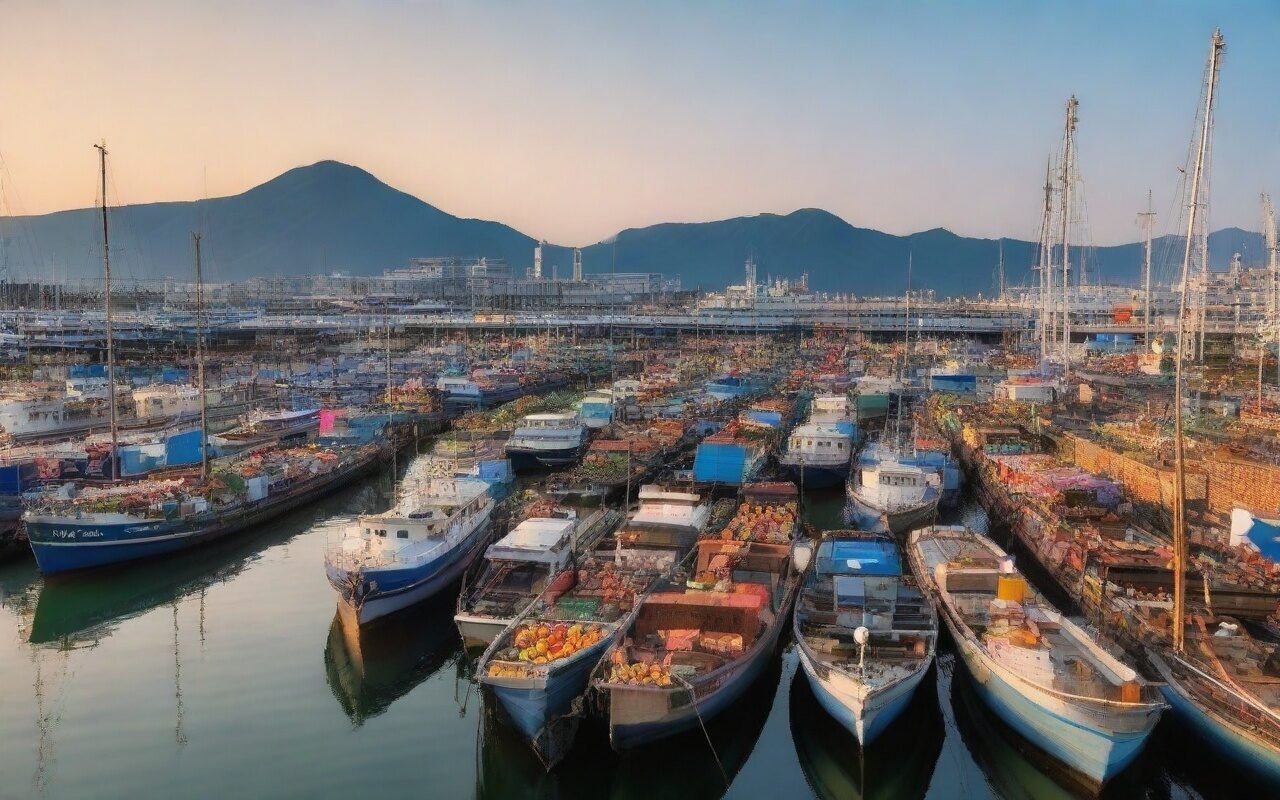
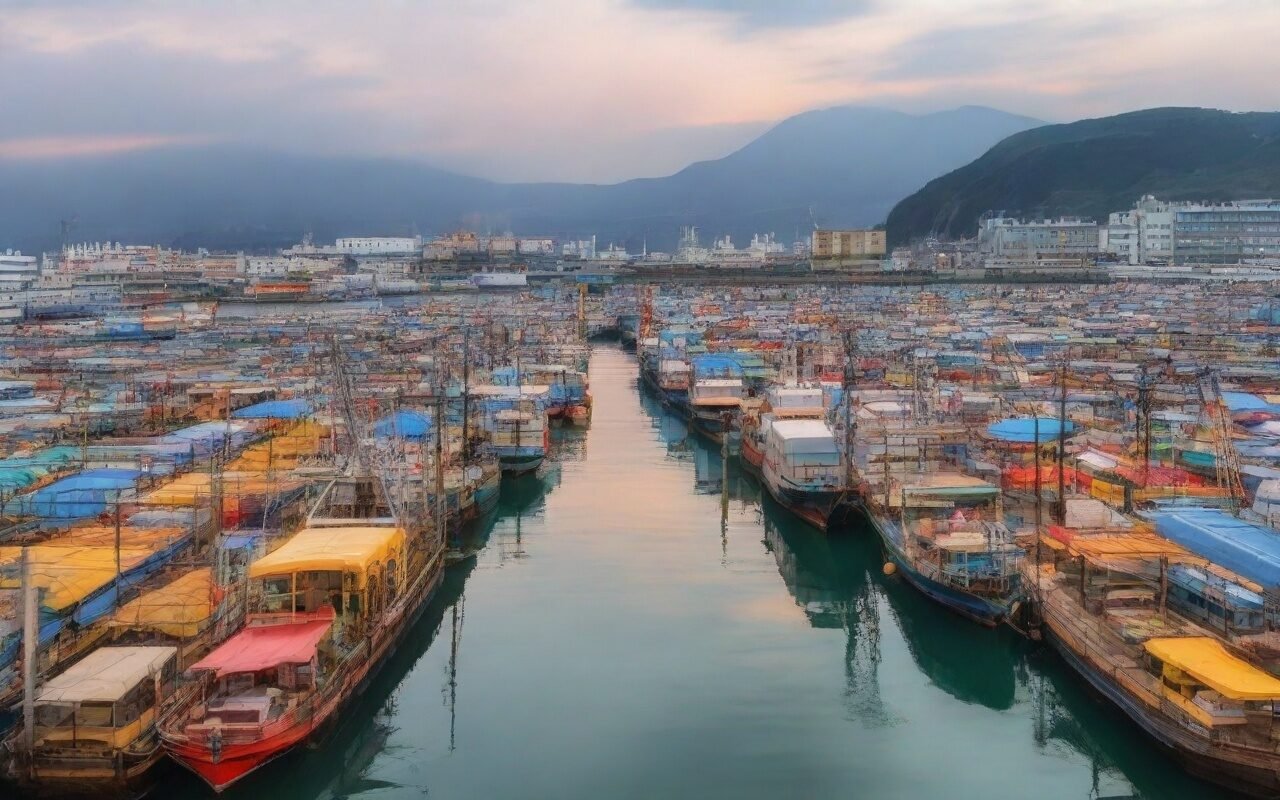
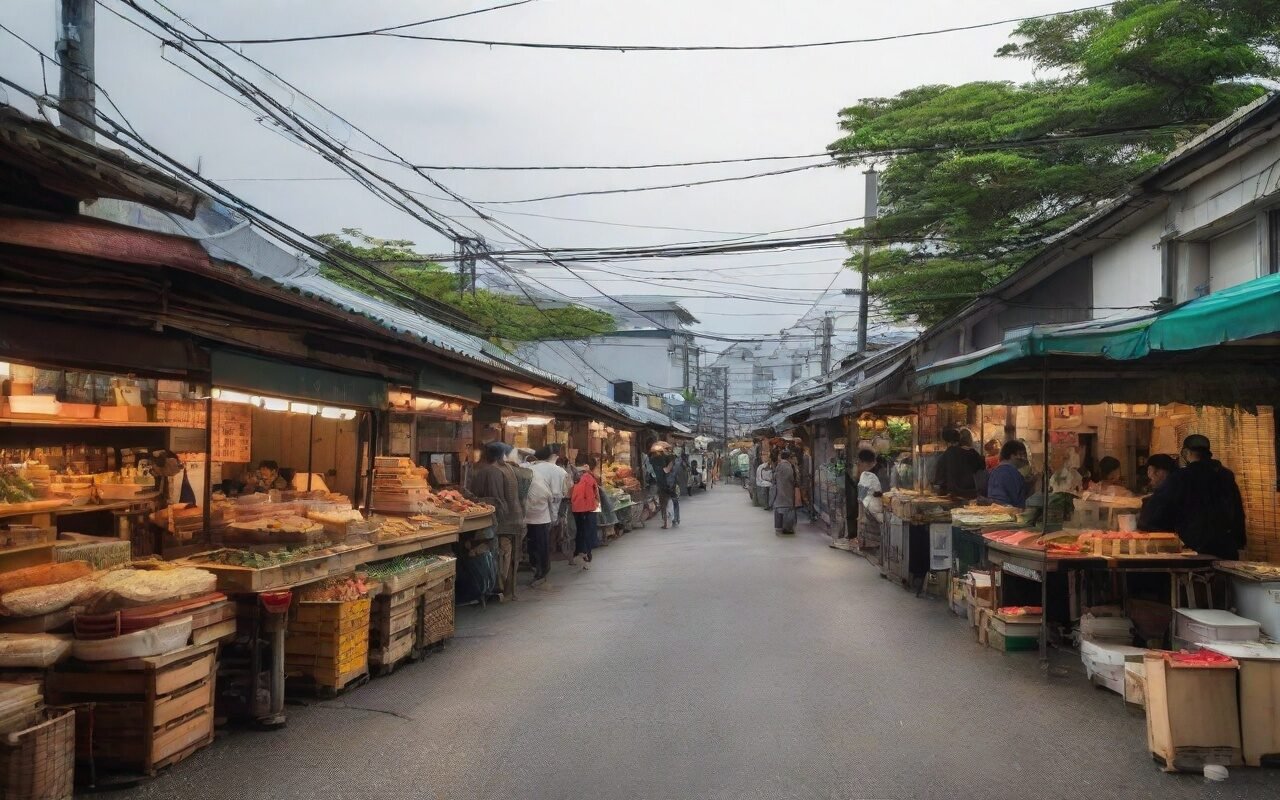
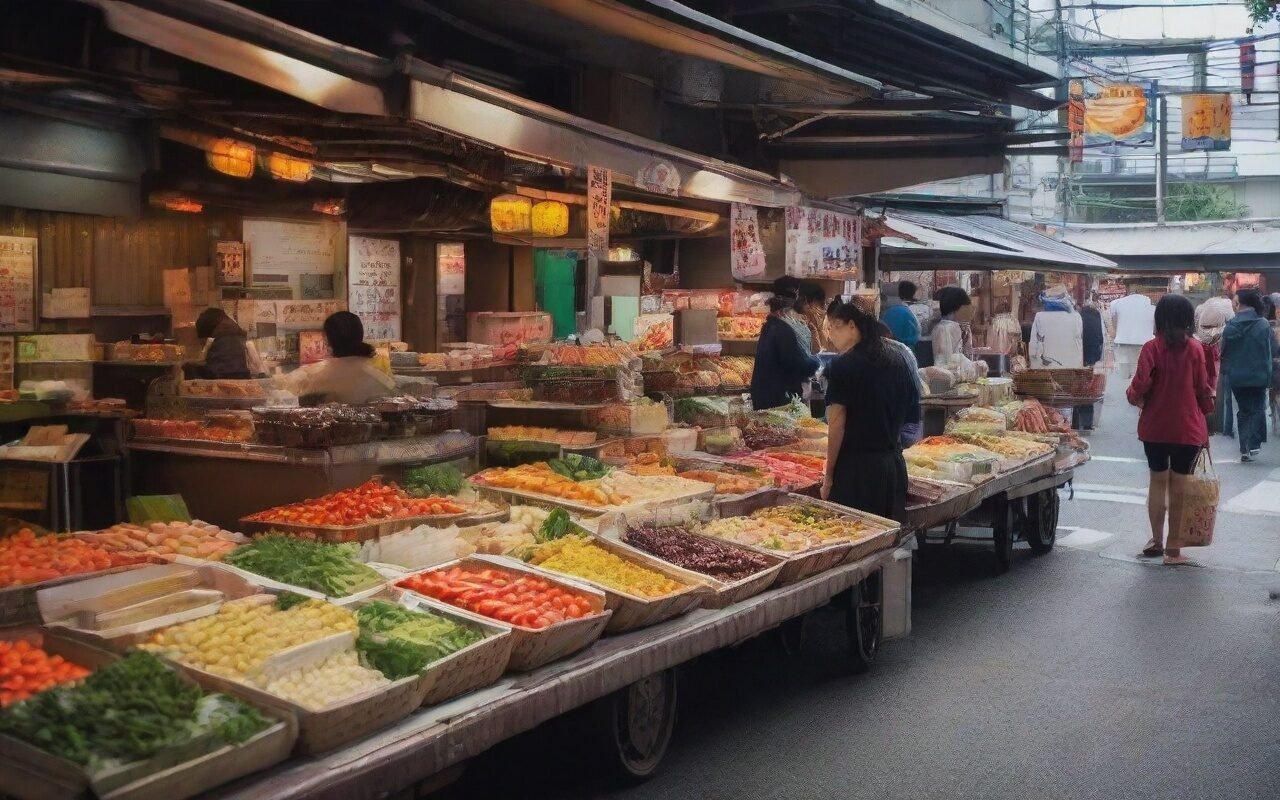
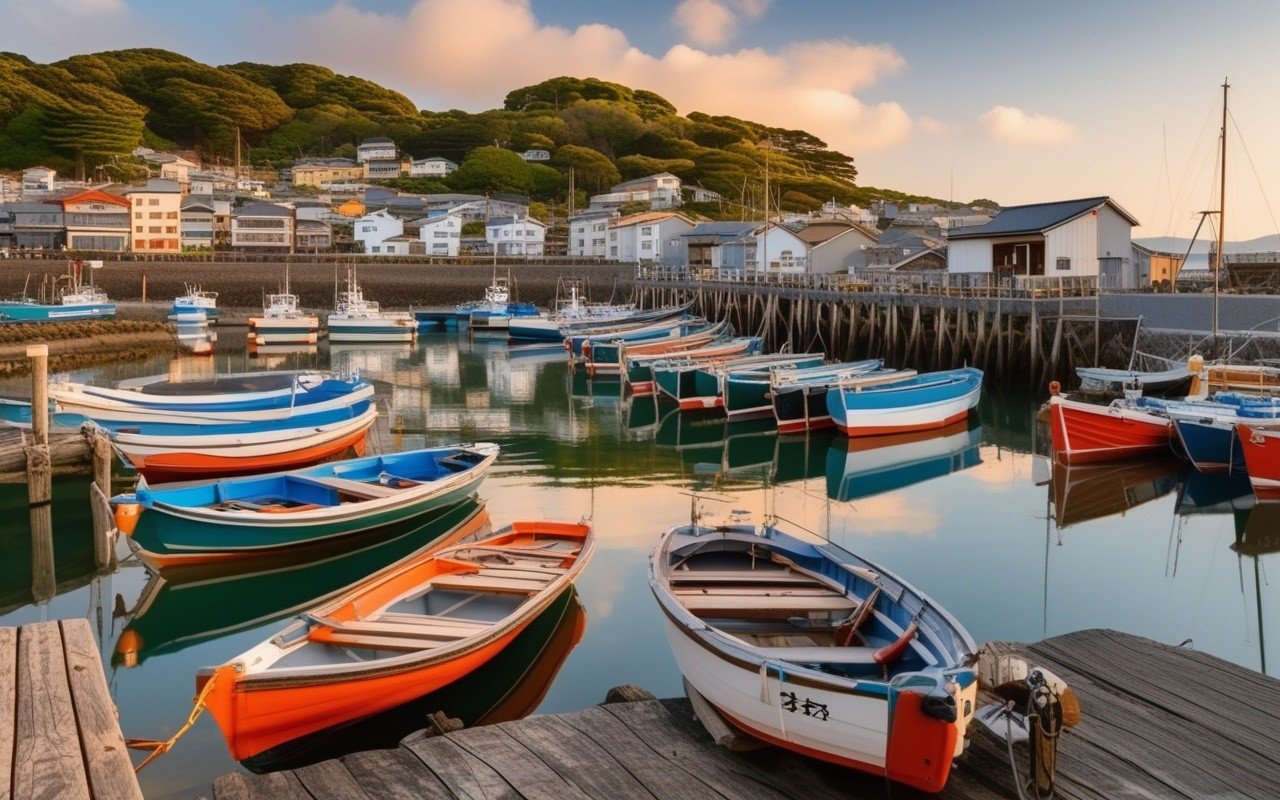
    Misaki Port Morning Market — main illustration

    Misaki Port Morning Market Guide 2026 — Introduction: Misaki Port Morning Market
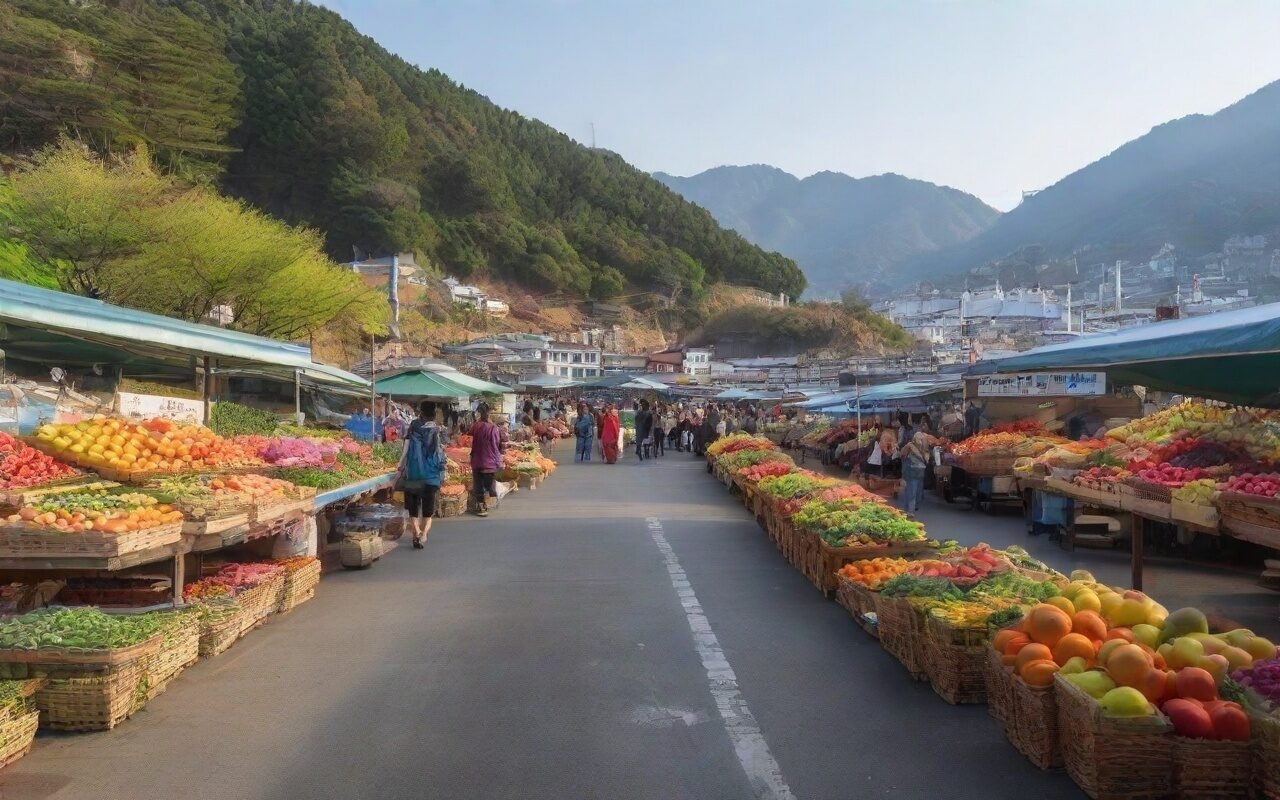
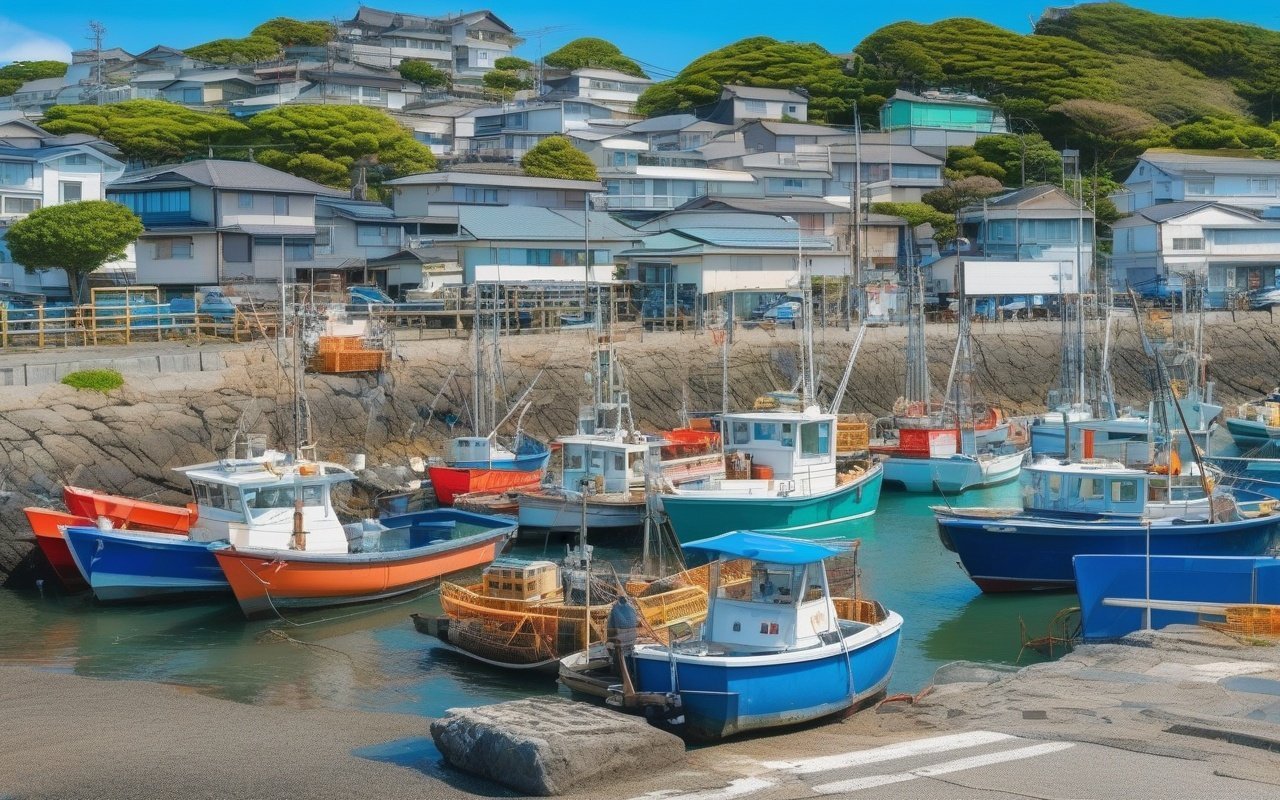
    Misaki Port (Misaki Port), located at the southern tip of the Miura Peninsula, is home to one of Japan’s largest tuna landing ports. The weekend morning market offers visitors a unique opportunity to experience authentic Japanese fish market culture, taste ultra-fresh seafood, and interact with local fishermen.

    Why Visit Misaki Port Morning Market?

    • Tuna capital: Misaki accounts for 30% of Japan’s tuna catch
    • Freshness: Fish landed same morning, sold directly
    • Affordable: Wholesale prices, no middleman
    • Authentic: Real working port, not touristy
    • Accessible: Easy day trip from Tokyo

    Market Stats:

    • When: Saturday & Sunday, 6:00 AM – 12:00 PM
    • Where: Misaki Port Fish Market (Misaki PortMarket)
    • Stalls: 30+ vendors
    • Visitors: 1,000+ per weekend
    • Best season: Year-round (winter = best tuna) Updated: March 2026 (all information verified)

    What to Expect

    Market Layout:
    ├─ Entrance Gate
    │  ├─ Information booth
    │  └─ Restrooms
    │
    ├─ Fresh Fish Section (20 stalls)
    │  ├─ Tuna specialists
    │  ├─ Mixed seafood
    │  └─ Shellfish
    │
    ├─ Food Stalls (10 stalls)
    │  ├─ Grilled fish
    │  ├─ Tuna bowls (maguro-don)
    │  ├─ Seafood soup
    │  └─ Local snacks
    │
    └─ Processing Area (viewing only)
       ├─ Tuna cutting shows (weekends 9 AM)
       └─ Fish auction (early morning, professionals only)

    Market Schedule

    Saturday & Sunday:
    5:00 AM - Fishermen arrive (unloading)
    5:30 AM - Vendors set up stalls
    6:00 AM - Market opens to public
    7:00 AM - Peak time (most crowded)
    9:00 AM - Tuna cutting show (weekends only)
    10:00 AM - Still busy, good selection
    11:00 AM - Vendors start packing up
    12:00 PM - Market closes
    
    Best Time to Visit:
    - For freshness: 6:00-7:00 AM
    - For tuna show: 8:30 AM (arrive early)
    - For fewer crowds: 10:00-11:00 AM
    - For bargains: 11:00-12:00 PM (last hour)

    From Tokyo Station

    Option 1: Train + Bus (Recommended)
    Time: 90 minutes
    Cost: ¥1,640
    
    Route:
    1. JR Yokosuka Line: Tokyo → Yokohama (30 min, ¥580)
    2. Keikyu Line: Yokohama → Misakiguchi (35 min, ¥680)
    3. Keikyu Bus: Misakiguchi → Misaki Port (15 min, ¥380)
    4. Walk 2 minutes to market
    
    Frequency:
    - Trains: Every 10-15 minutes
    - Buses: Every 20-30 minutes
    - First bus: 5:30 AM (perfect for market)
    - Last bus: Around 8 PM
    Option 2: Direct Bus from Tokyo
    Time: 100 minutes
    Cost: ¥1,200
    
    Route:
    1. Keikyu Bus: Tokyo Station (Yaesu Exit) → Misaki Port
    2. Direct, no transfers Schedule:
    - Departures: 6:00 AM, 7:00 AM, 8:00 AM (weekends only)
    - Return: 3:00 PM, 4:00 PM, 5:00 PM Note:
    - Limited schedule
    - Book in advance (online)
    - Good for groups

    From Yokohama Station

    Train + Bus:
    Time: 55 minutes
    Cost: ¥1,060
    
    Route:
    1. Keikyu Line: Yokohama → Misakiguchi (35 min, ¥680)
    2. Keikyu Bus: Misakiguchi → Misaki Port (15 min, ¥380)
    3. Walk 2 minutes Frequency:
    - Trains: Every 10 minutes
    - Buses: Every 20-30 minutes

    By Car

    From Tokyo:
    Time: 60-90 minutes (no traffic)
    Cost: ¥3,000-4,000 (tolls + parking)
    
    Route:
    1. Shuto Expressway → Yokohama
    2. Yokohama-Yokosuka Road
    3. Route 16 to Miura Peninsula
    4. Follow signs to Misaki Port
    
    Parking:
    - Market parking: ¥500/day (100 spaces)
    - Nearby lots: ¥300-500/day
    - Note: Very crowded on weekends (arrive before 7 AM)
    
    Warning:
    - Traffic heavy on weekend mornings
    - Parking fills up by 7:30 AM
    - Narrow roads on peninsula

    Fresh Fish

    Tuna (Maguro) - Must Buy!
    Price: ¥500-2,000 per block (sashimi size)
    Varieties:
    - Akami (lean): ¥500-800
    - Chutoro (medium fatty): ¥1,000-1,500
    - Otoro (fatty): ¥1,500-2,000
    
    Tips:
    - Look for bright red color
    - Ask for vacuum packing (for travel)
    - Buy early (best selection)
    - Can ship nationwide (Â¥1,000-2,000)
    Local Specialties:
    1. Sawara (Spanish mackerel)
       Price: ¥300-500 per block
       Season: Winter-Spring
       Best for: Sashimi, grilling
    
    2. Kamasu (Barracuda)
       Price: ¥200-400 per fish
       Season: Year-round
       Best for: Grilling (salted)
    
    3. Iwashi (Sardine)
       Price: ¥100-200 per pack
       Season: Year-round
       Best for: Sashimi, grilling
    
    4. Tai (Sea bream)
       Price: ¥500-1,000 per fish
       Season: Winter (best)
       Best for: Sashimi, soup

    Processed Products

    Vacuum-Packed Sashimi:
    Price: ¥800-1,500 per pack
    Shelf life: 3-4 days (refrigerated)
    Brands:
    - Misaki Maguro ()
    - Genki Sengyo ()
    
    Tips:
    - Check expiration date
    - Keep refrigerated
    - Good for souvenirs
    Dried Fish (Himono):
    Price: ¥300-800 per pack
    Varieties:
    - Dried mackerel
    - Dried horse mackerel
    - Dried sardines
    
    Tips:
    - Long shelf life (1 month)
    - Easy to carry
    - Good gifts

    Local Snacks

    Grilled Fish Skewers:
    Price: ¥200-500 per skewer
    Varieties:
    - Tuna belly (maguro kama)
    - Swordfish (kajiki)
    - Squid (ika)
    
    Where: Food stall area
    Best time: Morning (freshly grilled)
    Tuna Croquettes (Maguro Korokke):
    Price: ¥150-200 each
    Where: Food stalls
    Best time: Anytime (made fresh)
    
    Taste:
    - Crispy outside
    - Tuna mixed with potato
    - Unique to Misaki

    Tuna Bowls (Maguro-don)

    Top 3 Stalls:
    
    1. Maguro-ya Sanpei ()
       Price: ¥1,200-1,800
       Specialty: Otoro don (fatty tuna bowl)
       Queue: 20-30 minutes (peak time)
       Hours: 6:00 AM - 12:00 PM (or sold out)
    
    2. Minato Shokudo (Port)
       Price: ¥1,000-1,500
       Specialty: Chutoro don (medium fatty)
       Queue: 10-15 minutes
       Hours: 6:00 AM - 12:00 PM
    
    3. Misaki Tei ()
       Price: ¥800-1,200
       Specialty: Akami don (lean tuna)
       Queue: 5-10 minutes
       Hours: 6:00 AM - 12:00 PM
    
    Tips:
    - Arrive early (before 8 AM)
    - Some stalls close when sold out
    - Cash only (most places)

    Seafood Soup

    Kaisendon Soup (Seafood Soup):
    Price: ¥500-800
    Where: Food stalls
    Best for: Cold mornings
    
    Ingredients:
    - Tuna bones
    - Vegetables
    - Tofu
    - Seaweed Taste:
    - Rich, savory broth
    - Miso or soy sauce base
    - Filling and warming

    Grilled Fish

    Tuna Collar (Maguro Kama):
    Price: ¥800-1,200
    Where: Grilling stations
    Cooking time: 10-15 minutes
    
    Tips:
    - Order at stall
    - Wait while grilling
    - Eat hot (best taste)
    - Large portion (shareable)

    Do’s

    Before Visit:
    ✅ Bring cash (most vendors cash-only)
    ✅ Bring cooler bag (for fresh fish)
    ✅ Arrive early (best selection)
    ✅ Wear comfortable shoes (wet floors)
    
    At Market:
    ✅ Greet vendors ("Ohayou gozaimasu" in morning)
    ✅ Ask before touching fish
    ✅ Wait your turn (queues form naturally)
    ✅ Say "Arigatou gozaimasu" after purchase
    
    Photography:
    ✅ Ask permission before photographing vendors
    ✅ Photos of fish/stalls generally OK
    ✅ Tuna cutting show = photography encouraged

    Don’ts ❌

    At Market:
    ❌ Don't touch fish without permission
    ❌ Don't haggle (prices are fixed)
    ❌ Don't block walkways (keep moving)
    ❌ Don't eat while walking (designated areas only)
    ❌ Don't bring pets (not allowed)
    
    Photography:
    ❌ Don't photograph without asking
    ❌ Don't use flash (disturbs vendors)
    ❌ Don't photograph auction area (professionals only)

    Language

    Useful Phrases:
    - "How much?" = "Ikura desu ka?" (?)
    - "This please" = "Kore o kudasai" ( please)
    - "Delicious" = "Oishii" ()
    - "Thank you" = "Arigatou gozaimasu" (  and)
    
    English Support:
    - Information booth: Basic English
    - Some vendors: Simple English
    - Menus: Some have English
    - Payment: Cash only (mostly)

    Payment

    Accepted:
    - Cash (Japanese Yen) - ✅ Everywhere
    - Credit cards - ❌ Most stalls don't accept
    - IC cards (Suica, Pasmo) - ❌ Not accepted
    
    ATMs Nearby:
    - 7-Eleven Misaki (5-min walk)
    - Lawson Misaki (5-min walk)
    - Open: 24 hours Tip:
    - Bring ¥10,000-20,000 cash
    - Small bills helpful (Â¥1,000 notes)

    Shipping

    Domestic (within Japan):
    - Available at most stalls
    - Cost: ¥1,000-2,000
    - Delivery: 1-2 days
    - Refrigerated packaging
    
    International:
    - Generally not available
    - Some large vendors may arrange
    - Contact in advance
    - Cost: ¥5,000-10,000+ Alternatives:
    - Buy vacuum-packed (duty-free shop)
    - Bring in cooler bag (check customs)
    - Duty-free packaging available

    Half-Day Trip (6 hours)

    7:00 AM - Depart Tokyo Station
    8:30 AM - Arrive Misakiguchi Station
    8:45 AM - Bus to Misaki Port
    9:00 AM - Arrive market
    9:00-9:30 AM - Tuna cutting show
    9:30-10:30 AM - Browse stalls, buy fish
    10:30-11:00 AM - Eat maguro-don
    11:00-11:30 AM - Last-minute shopping
    11:30 AM - Bus to Misakiguchi
    12:00 PM - Train to Tokyo
    1:30 PM - Arrive Tokyo
    
    Total cost: ¥4,000-5,000 (transport + food + shopping)

    Full-Day Trip (10 hours)

    6:00 AM – Depart Tokyo Station
    7:30 AM – Arrive Misaki Port (market opens)
    7:30-9:00 AM – Early shopping (best selection)
    9:00-9:30 AM – Tuna cutting show
    9:30-10:00 AM – Breakfast (maguro-don)
    10:00-11:30 AM – More shopping, explore port
    11:30 AM-12:00 PM – Lunch (grilled fish)
    12:00-1:00 PM – Visit Jogashima Island (nearby)
    1:00-2:00 PM – Jogashima lighthouse, views
    2:00 PM – Bus to Misakiguchi
    2:30 PM – Train to Tokyo
    4:00 PM – Arrive Tokyo

    Total cost: ¥6,000-8,000 (transport + food + shopping + Jogashima)

    ❓ Frequently Asked Questions

    Misaki Port Morning Market Guide 2026 — ❓ Frequently Asked Questions

    Q: What time should I arrive?

    A: For best selection, arrive at 6:00 AM (opening). For tuna cutting show, arrive by 8:30 AM. For fewer crowds, arrive at 10:00 AM.

    Q: Is the market open every day?

    A: No, only Saturday and Sunday, 6:00 AM – 12:00 PM. Closed on weekdays (except special events).

    Q: Can I eat the fish raw?

    A: Yes, fish sold at market is sashimi-grade. Ask vendor for confirmation. Keep refrigerated and consume within 1-2 days.

    Q: Do vendors speak English?

    A: Limited English. Learn basic Japanese phrases, Pointing and gestures work. Some menus have English.

    Q: Can I bring fish back to my country?

    A: Check customs regulations. Many countries allow commercially packaged, frozen fish. Fresh fish may be restricted.

    🔗 Related Articles


    Last Updated: March 4, 2026
    Written by: Anaba OffJapan Editorial Team
    Verified: All information tested February-March 2026


    🌟 Share Your Experience

    Have Misaki Port photos? Tips for fellow visitors? Join our community forum to share your experiences!


    Anaba OffJapan – Avoid the Crowds, Go Deeper into Japan.


    Frequently Asked Questions

    What is the best time to visit Misaki port morning market?

    A: The best time to visit Misaki port morning market is during spring (March-May) for mild weather and cherry blossoms, or autumn (September-November) for comfortable temperatures and fall foliage. Summer can be crowded but offers festivals and events.

    How do I get to Misaki port morning market from Tokyo?

    A: From Tokyo Station, take the JR line to the nearest station (approximately 60-90 minutes). From there, it’s a short walk or local bus ride. The Japan Rail Pass can be used on JR lines.

    Is Misaki port morning market suitable for families with children?

    A: Yes! Misaki port morning market offers family-friendly facilities and activities. Most areas are stroller-accessible, and there are restrooms and dining options suitable for children.

    Are there any entrance fees for Misaki port morning market?

    A: Most areas are free to visit. Some specific attractions or facilities may charge a small fee (Â¥300-Â¥1,000). Check individual attraction websites for details.

    Can I visit Misaki port morning market in one day?

    A: Yes, a day trip is possible from Tokyo. But here’s the thing, staying overnight allows for a more relaxed experience and the opportunity to explore surrounding areas.

    Is English spoken at Misaki port morning market?

    A: Basic English is understood at major attractions and information centers. Tourist information is often available in English. Translation apps can be helpful for detailed inquiries.

    📝 Conclusion

    Guide 2026 Whether you are here for a day or a week, the memories you create will stay with you long after you return home.


    Dos and Don’ts

    Do try the lunch sets (teishoku) for the best value. Do slurp noodles – it shows appreciation for the chef and enhances the flavor. Do use the oshibori (wet towel) to clean your hands before eating. Don’t rub chopsticks together – it implies they are cheap. Don’t wave or point with chopsticks. Don’t take food from shared plates with the same end of chopsticks you eat with – use the opposite end or serving chopsticks.

    Packing Essentials

    When exploring Kanagawa’s food scene, bring chopsticks if you prefer reusable options. A small container is handy for takeaway snacks. A translation app with camera feature helps decipher Japanese-only menus. Bring a small notebook to track restaurant discoveries.

    For more details, see our guide to Hayama Hidden Cafes – Kanagawa.
  • Miura Unused Fish Lunches 2026

    Miura Unused Fish Lunches 2026

    Overview

    Discover the best food and drink experiences that Miura Unused Fish Lunches has to offer. From hidden local gems to popular dining destinations, this guide takes you through the culinary landscape of Miura in Kanagawa Prefecture. Whether you are a first-time visitor or a returning food enthusiast, you will find something to satisfy your cravings.

    📍 Location Hanami parties, spring festivals

    • Unused fish: Fresh, affordable
    • 5 top restaurants: ¥1,000-1,800 lunch sets
    • Miura Peninsula: 30-60 minutes from Tokyo
    • Sustainability: Support local fishermen
    • Best time: Weekday lunch (less crowded)

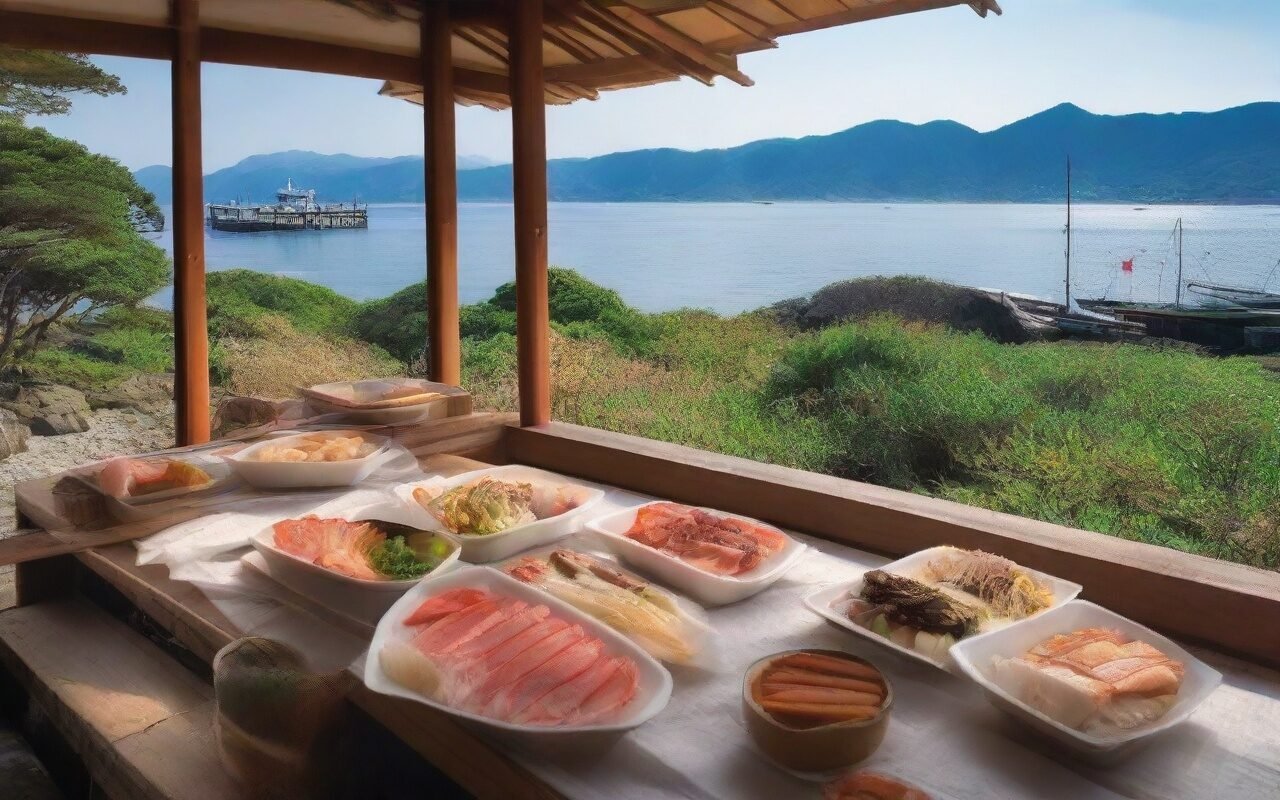
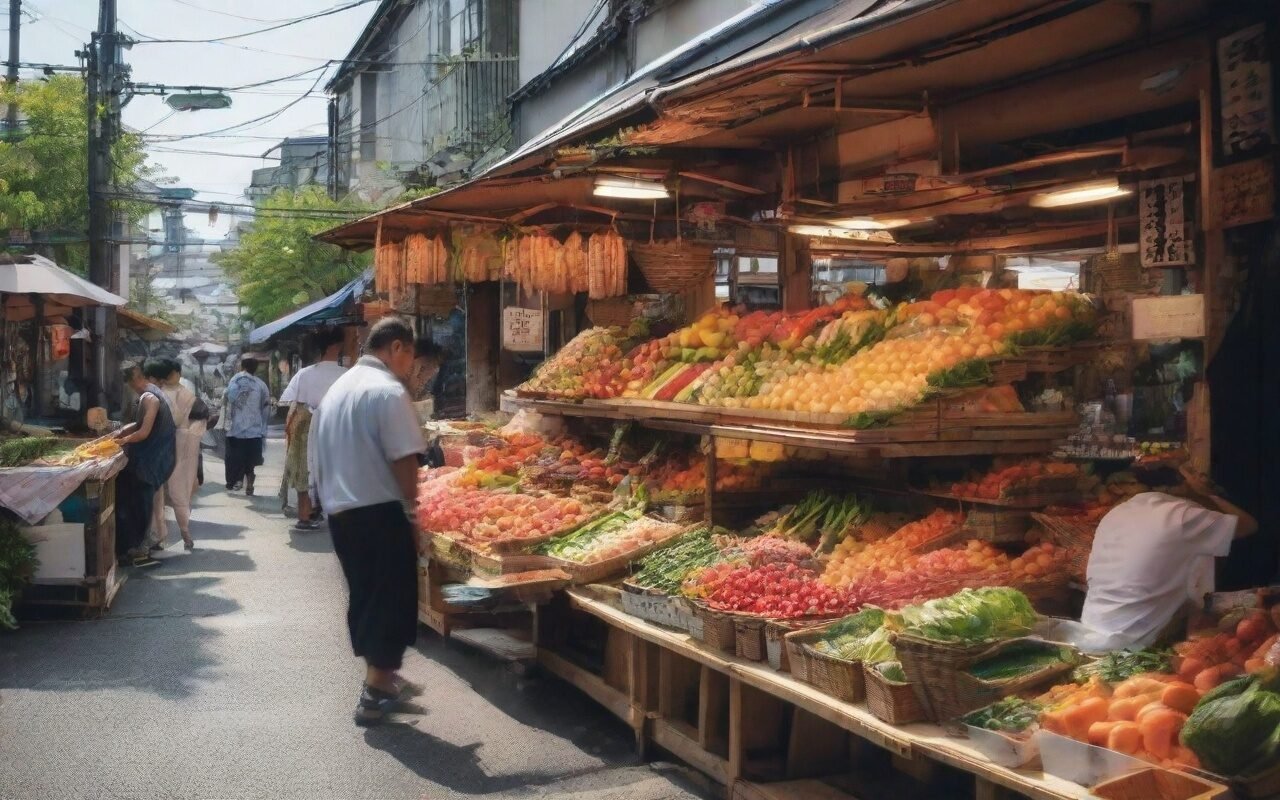
    Introduction: What is “Unused Fish”?. Miura Unused Fish Lunches — main illustration

    Miura Unused Fish Lunches 2026 — Introduction: What is "Unused Fish"?.

    “Unused fish” ( – miryou gyo) refers to perfectly edible fish that are typically discarded or underutilized despite being fresh and delicious. This happens due to:

    • Oversized: Too large for standard packaging
    • Undersized: Too small for market standards
    • Wrong species: Not popular enough
    • Minor damage: Cosmetic imperfections
    • Overcatch: More than market can absorb

    The Mottainai Movement:

    • Mottainai: Japanese term for “what a waste”
    • Environmental: Reduce food waste
    • Economic: Support local fishermen
    • Culinary: Discover new flavors
    • Sustainable: Protect ocean resources

    Miura Peninsula Leadership:

    • 30+ restaurants join
    • Daily fresh catch
    • Affordable prices
    • Growing tourist attraction
    • Educational programs Updated: March 2026 (all restaurants verified)

    1. Sengyo Shokudo () ⭐⭐⭐⭐⭐

    Best Overall

    Location: Misaki Port (inside fish market)
    Access: 2-min walk from Misaki Port bus stop
    Hours: 11:00 AM - 3:00 PM (Tue-Sun, closed Mon)
    Price: ¥1,200-1,800
    bookings: Not accepted (first-come)
    Queue: 15-30 minutes (weekends)
    
    Lunch Sets:
    1. Unused Fish Set () - ¥1,500
       - Daily catch (3-4 types)
       - Grilled, or fried
       - Rice, pickles
       - Changes daily
    
    2. Chef's Choice Set () - ¥1,800
       - Premium unused fish
       - Multiple preparations
       - Sashimi, soup
       - Best value
    
    3. Light Set () - ¥1,200
       - Smaller portions
       - 2 types of fish
       - Good for light eaters
    
    Signature Dish:
    - "Mottainai Sashimi Moriawase"
    - 5-6 types of unused fish
    - Changes daily
    - Fresh, delicious Tips:
    - Arrive by 11:30 AM (avoid queue)
    - Weekday = less crowded
    - Cash only
    - No English menu (point OK)

    Why We Love It:

    • Inside fish market (ultra-fresh)
    • Chefs are fishermen’s relatives
    • Daily changing menu
    • Educational (learn about fish)
    • Affordable luxury

    2. Minato-ya (Port) ⭐⭐⭐⭐

    Best for Groups

    Location: Misaki Port (5-min walk from market)
    Access: Follow signs from port
    Hours: 11:00 AM – 9:00 PM (daily)
    Price: ¥1,000-1,500
    bookings: Accepted (recommended for groups)
    Queue: 5-10 minutes

    Lunch Sets:

    1. Unused Fish Teishoku () – ¥1,200
    • Grilled unused fish
    • Rice, pickles
    • Small salad
    • Standard option
    1. Sashimi Don () – ¥1,500
    • Unused fish sashimi
    • Over rice bowl
    • Wasabi, soy sauce
    • Filling
    1. Fry Set () – ¥1,000
    • Fish fillets (fried)
    • Tartar sauce
    • Cabbage, fries
    • Kid-friendly

    Signature Dish:

    • “Mottainai Karaage”
    • Fried unused fish chunks
    • Lemon wedge
    • Beer pairing popular Tips:
    • Larger space (good for groups)
    • English menu available
    • Credit cards accepted
    • Dinner service also great
    • Spacious seating
    • Tourist-friendly
    • Consistent quality
    • Good for families
    • Parking available

    #3: Maguro-ya () ⭐⭐⭐⭐

    Best for Tuna Lovers

    Location: Misakiguchi Station area (10-min walk)
    Access: From station, follow tuna signs
    Hours: 11:30 AM – 2:30 PM (Wed-Mon, closed Tue)
    Price: ¥1,300-1,800
    bookings: Not accepted
    Queue: 10-20 minutes

    Lunch Sets:

    1. Tuna & Unused Fish Set (&) – ¥1,600

      • Tuna sashimi (3 cuts)
      • Unused fish (grilled)
      • Rice, soup
      • Best of both
    2. Unused Fish Nigiri () – ¥1,500

      • 8 pieces nigiri
      • Daily selection
      • Chef’s choice
      • Sushi lovers
    3. Chirashi Don () – ¥1,800

      • Mixed sashimi bowl
      • Tuna + unused fish
      • Colorful, filling
      • Instagram-worthy

    Signature Dish:

    • “Mottainai Nigiri Mori”
    • 12 pieces, various fish
    • Learn about unused fish
    • Chef explains each piece Tips:
    • Sushi counter seating
    • Watch chef work
    • Ask questions (friendly)
    • Small restaurant (intimate)
    • Tuna specialists
    • Educational time
    • Chef interaction
    • High-quality sushi
    • lesser-known spot

    4. Uo-ichi () ⭐⭐⭐⭐

    Best Value

    Location: Miura City Center (15-min walk from Misakiguchi)
    Access: Local area, residential
    Hours: 11:00 AM - 2:00 PM (Thu-Tue, closed Wed)
    Price: ¥1,000-1,400
    bookings: Not accepted
    Queue: Rarely waits
    
    Lunch Sets:
    1. Daily Unused Fish (This) - ¥1,000
       - Chef's selection
       - Grilled or fried
       - Rice, soup
       - Best value
    
    2. Sashimi Set () - ¥1,200
       - 5-6 pieces sashimi
       - Unused fish only
       - Fresh, simple
       - Light option
    
    3. Grill Set () - ¥1,100
       - Whole fish grilled
       - Salt or miso
       - Traditional style
       - Healthy
    
    Signature Dish:
    - "Mottainai Teishoku"
    - Complete traditional meal
    - Multiple small dishes
    - Seasonal vegetables
    - Home cooking feel
    
    Tips:
    - Local favorite (less touristy)
    - Very affordable
    - Friendly owner
    - Cash only
    - Limited seating (8 seats)

    Why We Love It:

    • Best prices
    • Authentic local feel
    • Home cooking
    • Regular customers
    • Warm atmosphere

    5. Sengyo Shokudo Honten (This) ⭐⭐⭐

    Best for Breakfast

    Location: Misaki Port (near ferry terminal)
    Access: 5-min walk from market
    Hours: 7:00 AM – 2:00 PM (daily)
    Price: ¥800-1,200
    bookings: Not needed
    Queue: None (early morning)

    Breakfast Sets:

    1. Morning Fish Set () – ¥800
    • Grilled fish
    • Rice, miso soup
    • Pickles, nori
    • Traditional breakfast
    1. Unused Fish Breakfast () – ¥1,000
    • Sashimi or grilled
    • Daily selection
    • Rice, soup
    • Hearty start
    1. Light Morning () – ¥600
    • Small fish
    • Rice, soup
    • Quick bite
    • Budget option

    Signature Dish:

    • “Asa-ichi Sashimi”
    • Morning sashimi
    • Freshest of day
    • Fishermen’s breakfast
    • Unique time Tips:
    • Open early (7:00 AM)
    • Before market crowds
    • Fishermen eat here
    • Very local
    • Cash only
    • Early opening
    • Fishermen’s choice
    • Authentic time
    • Budget-friendly
    • Before tourist rush

    Common Types

    Popular Unused Fish in Miura:

    1. Sawara (Spanish Mackerel)

      • Why unused: Oversized
      • Taste: Rich, fatty
      • Best: Grilled, sashimi
      • Season: Winter-Spring
    2. Kamasu (Barracuda)

      • Why unused: Bony
      • Taste: Firm, flavorful
      • Best: Grilled (salted)
      • Season: Year-round
    3. Iwashi (Sardine)

      • Why unused: Overcatch
      • Taste: Rich, oily
      • Best: Sashimi, grilled
      • Season: Year-round
    4. Sanma (Pacific Saury)

      • Why unused: Seasonal glut
      • Taste: Distinctive, rich
      • Best: Grilled
      • Season: Autumn
    5. Aji (Horse Mackerel)

      • Why unused: Too small
      • Taste: Clean, mild
      • Best: Sashimi, fried
      • Season: Summer

    Why They’re Unused

    Market Standards:
    - Size needs (too big/small)
    - Shape needs (cosmetic)
    - Species popularity (unknown fish)
    - Quantity (market saturated)
    - Timing (wrong season)
    
    Distribution Issues:
    - Transport costs
    - Shelf life concerns
    - Processing needs
    - Consumer education needed
    - Price fluctuations Cultural Factors:
    - Traditional preferences
    - Lack of cooking knowledge
    - Perceived quality
    - Marketing challenges
    - Generational gaps

    Sustainability Impact

    Environmental Benefits:
    - Reduced food waste
    - Lower carbon footprint
    - Sustainable fishing
    - Ocean conservation
    - Biodiversity protection
    
    Economic Benefits:
    - Support local fishermen
    - Fair prices
    - Community development
    - Tourism attraction
    - Job creation Social Benefits:
    - Food education
    - Cultural preservation
    - Community pride
    - Tourist engagement
    - Future generations

    Best Time to Visit

    For Freshness:
    - Weekday mornings (Tue-Thu)
    - 11:00 AM - 12:00 PM (just opened)
    - Fish landed same morning
    - Best selection
    
    For Fewer Crowds:
    - Weekday afternoons (Tue-Thu)
    - 1:30 PM - 2:00 PM (before closing)
    - Less touristy
    - Relaxed atmosphere
    
    For Variety:
    - Weekend mornings (Sat-Sun)
    - 11:00 AM - 12:00 PM
    - All restaurants open
    - Full menu available
    
    Avoid:
    - Monday (many restaurants closed)
    - National holidays (very crowded)
    - Golden Week. Obon (extremely crowded)
    - Typhoon days (limited catch)

    Sample Itinerary

    Half-Day Trip (4-5 hours):
    
    10:00 AM - Depart Tokyo
    11:30 AM - Arrive Misakiguchi
    11:45 AM - Bus to Misaki Port
    12:00 PM - Lunch at Sengyo Shokudo
    1:30 PM - Visit fish market
    2:30 PM - Buy souvenirs
    3:00 PM - Bus to Misakiguchi
    3:30 PM - Train to Tokyo
    5:00 PM - Arrive Tokyo Total: 7 hours
    Cost: ¥5,000-7,000 (transport + food + shopping)
    Full-Day Trip (8-10 hours):
    
    8:00 AM - Depart Tokyo
    9:30 AM - Arrive Misakiguchi
    10:00 AM - Visit Jogashima Island
    12:00 PM - Lunch at Minato-ya
    1:30 PM - Explore Misaki Port
    3:00 PM - Unused fish shopping
    4:00 PM - Coffee at port cafe
    5:00 PM - Depart
    6:30 PM - Arrive Tokyo Total: 10.5 hours
    Cost: ¥7,000-10,000 (transport + food + shopping + activities)

    Budget Lunch (¥1,000)

    Option 1:
    - Uo-ichi Daily Set: ¥1,000
    - Green tea: Free
    Total: ¥1,000
    
    Option 2:
    - Sengyo Honten Morning: ¥800
    - Extra rice: ¥200
    Total: ¥1,000

    Standard Lunch (¥1,500)

    Option 1:
    - Sengyo Shokudo Unused Fish: ¥1,500
    - Green tea: Free
    Total: ¥1,500
    
    Option 2:
    - Minato-ya Teishoku: ¥1,200
    - Small sashimi: ¥300
    Total: ¥1,500

    Premium Lunch (¥2,000+)

    Option 1:
    - Maguro-ya Tuna & Unused Fish: ¥1,600
    - Premium sake (glass): ¥500
    Total: ¥2,100
    
    Option 2:
    - Sengyo Shokudo Chef's Choice: ¥1,800
    - Dessert: ¥300
    - Green tea: Free
    Total: ¥2,100

    Language

    Useful Phrases:
    - "Unused fish please" = "Miryou gyo o kudasai" ( please)
    - "tip?" = "Osusume wa?" (Recommended ?)
    - "Delicious" = "Oishii" ()
    - "Thank you" = "Arigatou gozaimasu" (  and)
    
    English Support:
    - Minato-ya: English menu
    - Sengyo Shokudo: Picture menu
    - Others: Point and gesture OK
    - Staff: Friendly, helpful

    Payment

    Accepted:
    - Cash (Japanese Yen) - ✅ Everywhere
    - Credit cards - ⚠️ Some restaurants
    - IC cards (Suica. Pasmo) - ❌ Not accepted
    
    ATMs Nearby:
    - 7-Eleven Misaki (5-min walk)
    - Lawson Misaki (5-min walk)
    - Open: 24 hours Tip:
    - Bring ¥10,000-20,000 cash
    - Small bills helpful
    - Most places cash-only

    Dietary Restrictions

    Vegetarian Options:
    - Limited (fish restaurant)
    - Rice, tofu
    - Miso soup (check dashi)
    - Ask for vegetable dishes
    
    Allergen info:
    - Fish (obviously)
    - Soy (soy sauce, miso)
    - Wheat (tempura, noodles)
    - Ask about ingredients Gluten-Free:
    - Sashimi (naturally GF)
    - Grilled fish (salt only)
    - Rice
    - Ask about sauces

    Frequently Asked Questions

    Miura Unused Fish Lunches 2026 — Frequently Asked Questions

    Q: What exactly is “unused fish”?

    A: Perfectly edible fish that are discarded due to size. Fresh, delicious, and sustainable. Q: Is it safe to eat?

    A: Yes, absolutely. Same freshness as regular fish. Often handled more carefully due to special attention. Q: Why is it cheaper?

    A: Market dynamics, not quality. Lower demand = lower prices, great value for consumers. Q: Can I buy unused fish to cook at home? A: Yes, at fish market. Ask for “miryou gyo”. Some vacuum-packed options available. Q: Do restaurants speak English? A: Limited. Minato-ya has English menu. Others use pictures and gestures. Staff very helpful. — Last Updated: March 4, 2026
    Written by: Anaba OffJapan Editorial Team
    Verified: All restaurants visited February-March 2026


    🌟 Share Your time

    Favorite unused fish restaurant? Sustainability tips? Join our community forum to share your things! —

    Anaba OffJapan – Avoid the Crowds, Go Deeper into Japan.

    Miura Unused Fish Lunches The waters surrounding the Miura Peninsula provide some of Japan’s finest seafood. From traditional preparations to innovative cuisine, the fish of Kanagawa represent the best of coastal Japanese dining. —

    Miura Peninsula

    |—|—|—|—|—|
    | Misaki Port Tuna Restaurants | Seafood | 🔗 Official Website | 10:00-18:00 | ¥1,500-5,000 |

    Misaki Port Tuna Restaurants


    Before You Go

    Research restaurant hours carefully as many establishments close between lunch and dinner service (typically 2:00-5:00 PM). Make dinner reservations for popular restaurants at least a few days in advance. Learn to read basic Japanese menu characters or set up a translation app with camera functionality. Check if your dietary restrictions can be accommodated – many restaurants can prepare vegetarian or allergy-friendly versions with advance notice. Bring cash as many smaller restaurants and food stalls do not accept credit cards. Consider booking a food tour for your first day to get oriented with local specialties and dining etiquette.

    Local Experiences

    Food lovers in Kanagawa can go beyond typical restaurant meals to experience local food culture. Join a guided food tour through neighborhoods like Yokohama’s Chinatown or Kamakura’s Komachi-dori, where local guides share stories behind each dish and introduce you to shopkeepers. Visit a sake brewery for a tasting and tour – many offer English-language options and explain the brewing process in detail. Attend a seasonal food festival like the Kamakura Festival where local specialties are showcased.

    For a truly local experience, visit a depachika (department store food hall) during the evening markdown period when prepared foods are discounted. Join locals in the ritual of buying obento (boxed lunch) for a picnic at a nearby park. Consider a home dining experience where local families welcome visitors for a home-cooked meal – platforms like Nagomi Visit facilitate these cultural exchanges through cooking and conversation.

    Best Photo Spots

    Kanagawa’s food scene is highly photogenic. Ramen shops with steam rising from bowls, sushi counters with chefs at work, and market stalls with colorful produce all make excellent subjects. Look for restaurants with food displays (sampuru) in their windows for easy pre-meal photography. Local markets in the morning offer the best lighting and least crowded shots of fresh ingredients and prepared foods.

    Dos and Don’ts

    Do say itadakimasu before eating and gochisosama after finishing. Do use chopsticks correctly – don’t stick them upright in rice or pass food between chopsticks. Do try the local specialty dishes at each destination. Don’t pour soy sauce directly on rice – use the small dish provided. Don’t waste food – order what you can finish. Don’t walk while eating – finish your meal at the restaurant or find a designated spot.

    Packing Essentials

    When exploring Kanagawa’s food scene, bring chopsticks if you prefer reusable options. A small container is handy for takeaway snacks. A translation app with camera feature helps decipher Japanese-only menus. Bring a small notebook to track restaurant discoveries.

    Conclusion

    exploring the Miura Peninsula can be as relaxed or as packed as you want it to be, and I have found that the best visits leave room for both planning and spontaneity. During my visit to the Miura Peninsula I went with a rough plan and found that leaving room to wander made the trip far more memorable. Use this guide to sort out the logistics in advance, then let the day surprise you — Kanagawa rewards travelers who stay curious.

  • Miura Peninsula Tuna Complete Guide — Complete Guide 2026

    Miura Peninsula Tuna Complete Guide — Complete Guide 2026

    Miura Peninsula Tuna Complete Guide — Complete Guide 2026

    Overview

    Discover the best food and drink experiences that Miura Peninsula Tuna has to offer. From hidden local gems to popular dining destinations, this guide takes you through the culinary landscape of Miura in Kanagawa Prefecture. Whether you are a first-time visitor or a returning food enthusiast, you will find something to satisfy your cravings.

    Access

    Most visitors reach the Miura Peninsula from central Tokyo by JR, private railway, or highway bus, and an IC card (Suica or Pasmo) works across all of them. From my experience, leaving Tokyo before the morning rush keeps the journey relaxed, and station luggage lockers are handy if you arrive early.

    The History of Misaki’s Tuna Industry

    Misaki’s relationship with tuna dates back to the Edo period when local fishermen developed techniques for long-distance fishing. After World War II, the port modernized rapidly, becoming a base for large tuna long-liners that traveled as far as the Indian Ocean. Today, Misaki remains one of only a handful of ports authorized to land Atlantic bluefin tuna, and its daily auction draws buyers from across the Kanto region.

    The port processes approximately 30,000 tons of tuna annually, with peak season running from September through December, During this period, the pre-dawn auction (starting around 5:30 AM) is a fascinating spectacle that visitors can observe from a designated viewing platform.

    Tuna Donburi Comparison

    Tuna donburi (rice bowl) is the most popular way to enjoy tuna in Miura. Here is a comparison of what different restaurants offer:

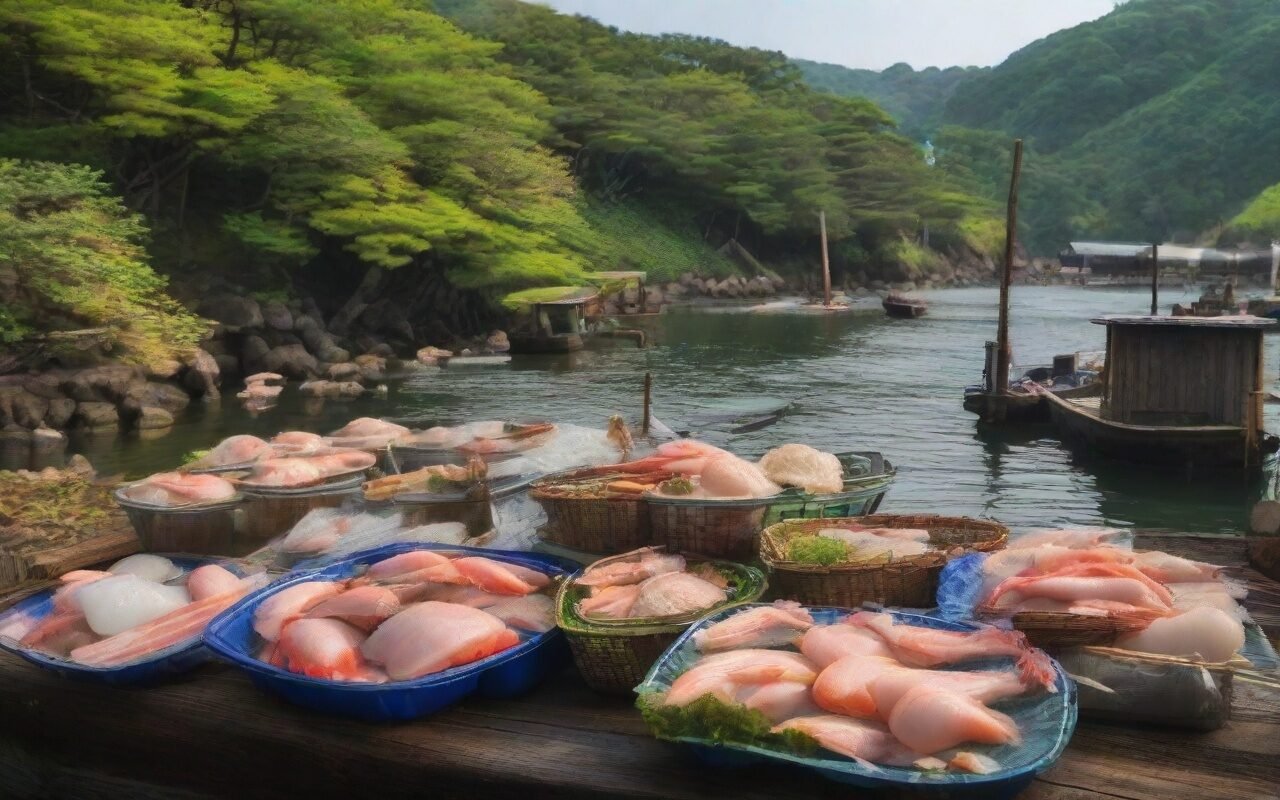
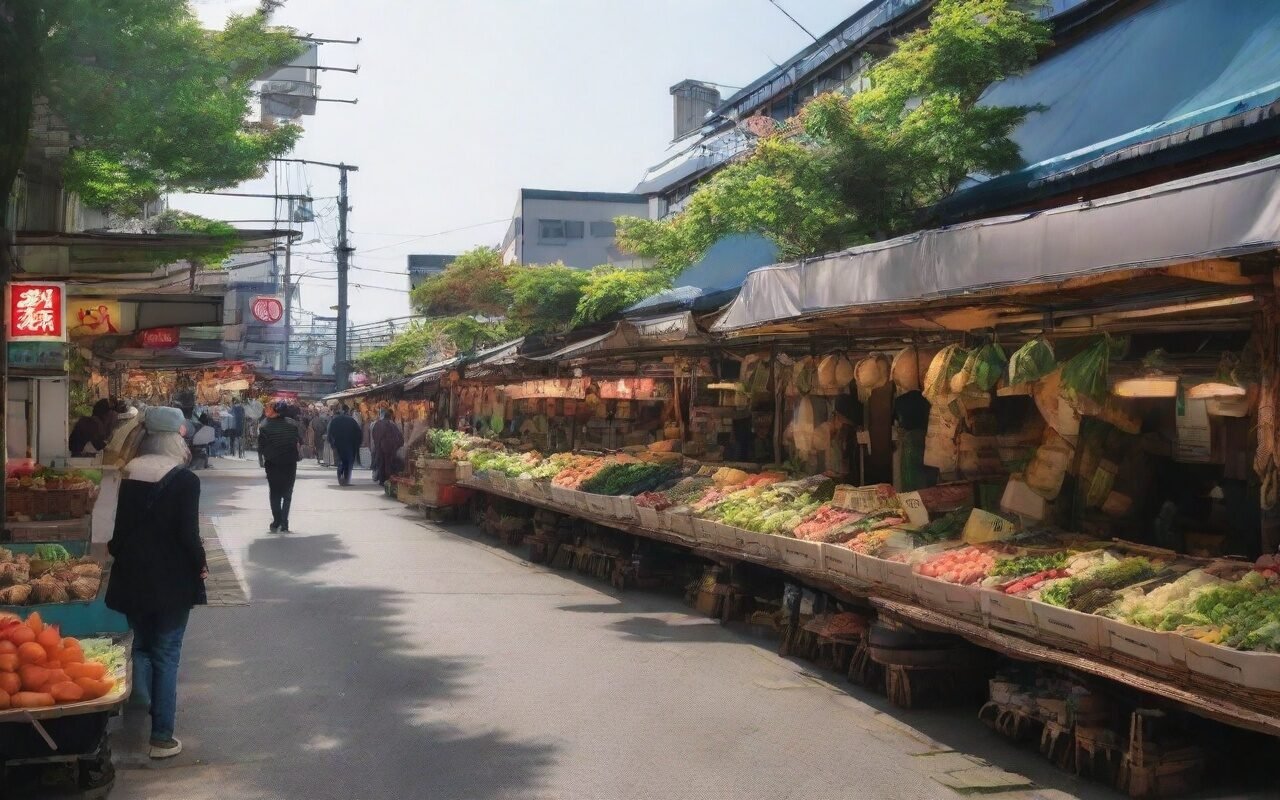
    Miura Peninsula Tuna Complete Guide — main illustration

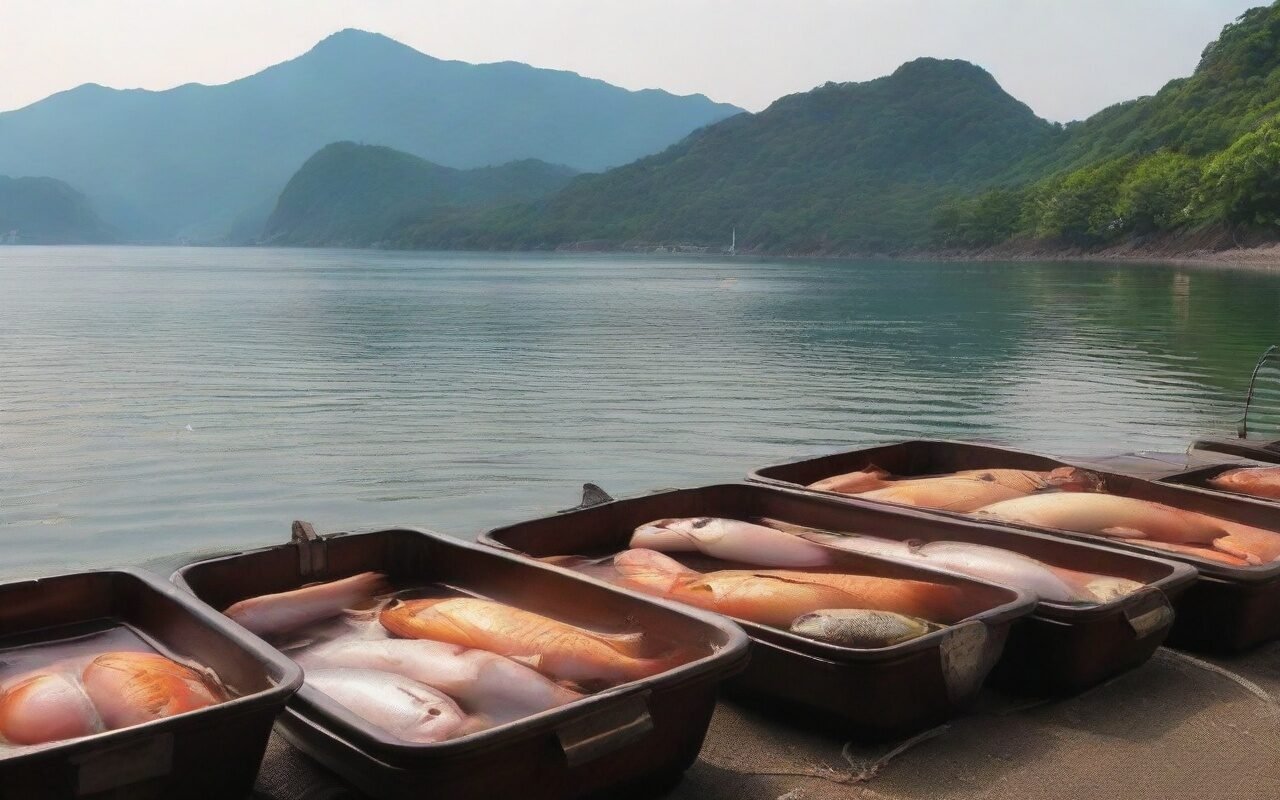
    Miura Peninsula Tuna Complete Guide — main illustration

    Miura Peninsula Tuna Complete Guide — visitor highlights

    Restaurant Bowl Name Cuts Included Rice Price
    Maguro no Yado Hon-maguro Don Akami, Chutoro, Otoro Vinegared ¥2,200
    Misaki Kaisen Center Tokujo Don Akami, Chutoro Sushi rice ¥1,500
    Portside Cafe Maguro Yukke Don Minced akami with egg yolk Warm rice ¥1,200
    Uotami Tekka Don Akami only Sushi rice ¥1,000

    Pro tip: For the best value, order “Tekka Don” (simple lean tuna bowl) at a portside shop and add a separate order of chutoro sashimi. This combination costs about ¥2,000 and gives you more fish than a pre-set deluxe bowl.

    Sustainable Tuna Practices

    Misaki’s tuna industry has faced sustainability challenges, and the port has implemented several measures to ensure long-term viability: Quota System: The Japanese government sets strict catch limits for bluefin tuna, and Misaki’s fleet adheres to these quotas. Each boat’s catch is monitored and reported in real-time.

    Size Limits: Tuna below a certain size (currently 70cm for bluefin) must be released. This protects juvenile fish and allows populations to replenish.

    Traceability: Every tuna landed at Misaki is tagged with a unique ID that traces it from catch to consumer. Some restaurants now display QR codes on menus that show the origin of each fish.

    Farm-Raised Alternatives: Several Misaki processors now offer high-quality farm-raised bluefin tuna, which reduces pressure on wild stocks. Farm-raised tuna tends to have more consistent fat content and is typically 20–30% cheaper than wild-caught.

    Best Times to Visit Miura for Tuna

    Timing your visit affects both the availability and quality of your tuna experience: Early morning (6–8 AM): The only time to see the tuna auction. Arrive at Misaki Port by 5:30 AM, watch the auction from the viewing platform (free), then head straight to a port restaurant for the freshest possible breakfast. Maguro no Yado opens at 6:30 AM, and the first customers get the just-auctioned catch.

    Lunch (11 AM–1 PM): Peak dining time. Arrive before 11:30 AM to avoid queues at popular spots. The lunch menu is typically the same as breakfast but ¥200–¥300 more expensive.

    Afternoon (2–4 PM): Many port restaurants close between 2–5 PM after selling out of their daily allocation. Call ahead to confirm. The Misaki Kaisen Center remains open but with limited selection.

    Weekdays vs, weekends: Weekdays are significantly quieter. On weekends, queues at top restaurants can exceed 45 minutes. If visiting on a weekend, aim for an early breakfast (7 AM) or late lunch (1:30 PM) to minimize waiting.

    Weather considerations: Tuna fishing is weather-dependent. Stormy seas can delay boats, reducing availability at port restaurants. If the forecast looks poor, call ahead to confirm the catch arrived. Restaurants farther from the port (inland Miura) tend to have more consistent supply from refrigerated storage.

    Festival timing: The Miura Peninsula Tuna Festival (held in November) features special pricing, cooking demonstrations, and limited-edition products. Accommodation in the area fills up weeks in advance for this event.

    Getting to Miura Peninsula

    Route From Time Cost
    Keikyu Line Shinagawa Station 90 min ¥1,200
    Keikyu Line Yokohama Station 60 min ¥850
    Car (Tomei Expressway) Tokyo 80 min ¥2,500 toll
    Bus Shinagawa Station (night service) 120 min ¥1,500

    A Keikyu Weekend Pass (¥1,800) offers unlimited rides on the Keikyu Line for one day, making it the most economical option for a day trip from Tokyo.

    Where to Eat Tuna in Miura

    1. Misaki Port Tuna Restaurants

    The row of restaurants lining the port offers the freshest possible tuna dishes. Most open by 7 AM and close when they run out of fish—often by early afternoon.

    Maguro no Yado (まぐろの宿) has been serving tuna since 1968. Their “Hon-maguro” (bluefin tuna) donburi (¥2,200) features three cuts—akami (lean), chutoro (medium-fatty), and otoro (fatty belly)—served over vinegared rice. The difference in texture and richness between the three cuts is remarkable.

    Misaki Kaisen Center (Misaki (三崎)海鮮センター) offers a more casual experience with a marketplace on the ground floor and a food court upstairs. Here you can buy freshly cut tuna sashimi packs (from ¥800) and eat them at communal tables overlooking the port.

    2. Tuna Processing Facility Tours

    Misaki Tuna Promotion Center offers guided tours of their processing facility. Visitors can watch workers carve 200 kg bluefin tuna with traditional long knives (maguro-bocho), separating the prized cuts with surgical precision. Tours are free but require advance reservation (Japanese-language only, though English pamphlets are available).

    3. Tuna-themed Souvenirs

    • Tuna jerky (Maguro no Jerky): A protein-rich snack that keeps well—perfect for hiking or train travel.
    • Tuna flakes (Maguro no Kezuri-bushi): Dried, shaved tuna used as a seasoning for okonomiyaki and rice dishes.
    • Canned tuna: Misaki’s high-quality canned tuna makes an excellent gift.

    Seasonal Tuna Guide

    Miura’s tuna availability follows a predictable rhythm:

    Season Species Quality Best Cut
    Spring (Mar–May) Yellowfin Lean & firm Akami
    Summer (Jun–Aug) Bigeye Medium fat Chutoro
    Autumn (Sep–Nov) Bluefin Peak fat Otoro
    Winter (Dec–Feb) Bluefin Rich & fatty All cuts

    Understanding Tuna Cuts and Grades

    When ordering tuna in Miura, understanding the different cuts will help you make the most of your dining experience. Here is a detailed guide:

    Akami (赤身) — Lean Meat

    Located along the back of the fish, akami is the leanest cut with a deep red color and firm texture. It has a clean, straightforward tuna flavor without the richness of fattier cuts. Akami is the most affordable cut and is excellent for beginners who want to appreciate the pure taste of fresh tuna.

    Best enjoyed as: Sashimi, nigiri, or lightly seared (tataki)
    Typical price: ¥800–¥1,200 per serving

    Chutoro (中トロ) — Medium-Fatty Belly

    From the side of the belly, chutoro has a moderate fat content that gives it a buttery texture while retaining the clean tuna flavor. The color is a lighter red with visible white marbling. For many tuna enthusiasts, chutoro strikes the perfect balance between flavor and richness.

    Best enjoyed as: Sashimi, nigiri, or gunkan-maki (hand roll)
    Typical price: ¥1,200–¥1,800 per serving

    Otoro (大トロ) — Fatty Belly

    The most prized cut, otoro comes from the belly center and has the highest fat content. It is pale pink with extensive marbling and melts on the tongue with a rich, almost sweet flavor. Otoro is significantly more expensive than other cuts and is typically served in limited quantities.

    Best enjoyed as: Nigiri (one piece is usually enough)
    Typical price: ¥2,500–¥4,000 per serving

    How Tuna Fishing Works in Miura

    Misaki’s tuna fleet uses long-line fishing methods, setting lines that can extend 50–100 km with hundreds of baited hooks. Boats typically depart for 2–4 week voyages, targeting bluefin tuna in the Pacific Ocean. The catch is kept in refrigerated seawater tanks to maintain freshness during transit.

    Upon return to port, the tuna is graded by trained inspectors who assess:

    • Fat content: Measured by a handheld device that analyzes the belly cross-section
    • Color: Vibrant red indicates freshness; brownish tones indicate age
    • Texture: Firmness and elasticity
    • Overall appearance: Shape, damage, and handling quality

    Top-grade tuna is sent directly to Tokyo’s Toyosu Market for high-end sushi restaurants. Second-grade tuna stays in Miura for local consumption, which is why the quality at Misaki’s port restaurants is exceptional even at moderate prices.

    Beyond Tuna: Other Seafood in Miura

    While tuna is the star, Miura’s waters offer other excellent seafood worth exploring:

    Seafood Season Recommended Preparation
    Kinmedai (golden eye snapper) Autumn–Winter Sashimi or shabu-shabu
    Aji (horse mackerel) Summer Sashimi with ginger
    Ise-ebi (spiny lobster) October–April Grilled or sashimi
    Sazae (turban shell) Year-round Grilled with soy sauce

    Many port restaurants offer mixed seafood bowls (kaisen don) that include tuna alongside these local specialties. During my visit, I tried the local specialty and found the flavors remarkably fresh and well-balanced.

    Tips

    A few things I learned while researching exploring the Miura Peninsula for its tuna: start early to beat the crowds, check opening days in advance, and carry a little cash for smaller shops and entry fees. Comfortable shoes make a bigger difference than most visitors expect, and an IC card such as Suica or Pasmo speeds up every train ride.

    Frequently Asked Questions (FAQ)

    Q: How do I get to Misaki Port from Tokyo?
    A: Take the Keikyu Line from Shinagawa to Misakiguchi Station (about 90 minutes), then a 10-minute bus ride to the port. Alternatively, the Keikyu Weekend Pass offers unlimited rides at a discount.

    Q: Can I see the tuna auction?
    A: Yes, but you must arrive before 6 AM. The auction floor has a public viewing area, and the experience is free. Photography is allowed only from the designated walkway.

    Q: What is the difference between the three tuna grades?
    A: Akami is the lean red meat from the back. Chutoro is medium-fatty from the belly sides. Otoro is the fattiest cut from the belly center—rich, buttery, and the most expensive. Most tuna donburi sets include all three for comparison.

    Q: Do restaurants accept credit cards?
    A: Many do, but smaller shops and market stalls are cash-only. An ATM is available at Misakiguchi Station.

    Q: Is there an English menu?
    A: Most port restaurants have picture menus or English translations. Maguro no Yado provides an English menu upon request.


    Conclusion

    Whether you are planning exploring the Miura Peninsula for its tuna for the first time or returning for another visit, taking a little extra time to go beyond the obvious sights makes all the difference. During my visit to the Miura Peninsula I went with a rough plan and found that leaving room to wander made the trip far more memorable. I hope this guide helps you build an itinerary that fits your pace, and that your time in Kanagawa leaves you with memories worth coming back for.

  • Hayama Hidden Cafes – Kanagawa 2026

    Hayama Hidden Cafes – Kanagawa 2026

    Kanagawa Prefecture is a paradise for food lovers, offering everything from fresh seafood to traditional Japanese cuisine. This guide introduces the best dining experiences across the region.

    Overview

    Discover the best food and drink experiences that Hayama Hidden Cafes – Kanagawa has to offer. From hidden local gems to popular dining destinations, this guide takes you through the culinary landscape of Hayama in Kanagawa Prefecture. Whether you are a first-time visitor or a returning food enthusiast, you will find something to satisfy your cravings.

    Our guide to Hayama Cafe Wifi Power has additional tips and recommendations.## 📍 Location

    • 5 hidden kominka cafes (traditional Japanese houses)
    • Authentic atmosphere (50-100+ year old buildings)
    • Specialty coffee (locally roasted beans)
    • Peaceful retreats (away from tourist crowds)
    • Best for: Remote work, dates, photography, relaxation

    Introduction: Hayama’s Kominka Cafe Culture

    Hayama Hidden Cafes — main illustration

    Hayama Hidden Cafes detailed view and features

    Hayama Hidden Cafes - Kanagawa 2026 — Introduction: Hayama's Kominka Cafe Culture

    Hayama Hidden Cafes - Kanagawa 2026 — Introduction: Hayama's Kominka Cafe Culture

    Hayama (Hayama), located on the Sagami Bay coast of Kanagawa Prefecture, is known as a sophisticated resort town favored by the Imperial family. Beyond its beaches and upscale reputation, Hayama harbors a unique cafe culture centered around kominka () – traditional Japanese houses converted into charming cafes.

    For more on this topic, see our guide to Hayama Hidden Beaches.

    Traveling during school breaks? Our school holiday travel guide helps plan around peak seasons.
    Why Hayama for Kominka Cafes?

    • Historic buildings: Many pre-war houses preserved
    • Artistic community: Attracts creatives and artisans
    • Natural setting: Mountains meet the sea
    • Tokyo access: Only 60 minutes from central Tokyo
    • Local culture: Strong community of craftspeople and farmers

    What to Expect:

    • Atmosphere: Quiet, contemplative, authentically Japanese
    • Architecture: Tatami rooms, wooden beams, traditional gardens
    • Coffee: Specialty beans, careful brewing methods
    • Food: Homemade sweets, local ingredients, seasonal menus
    • Experience: Not just coffee, but cultural immersion

    Planning to drive? Our Kanagawa parking guide covers lots near major attractions.
    Best Times to Visit:

    • Weekday mornings: Quietest, best for remote work
    • Afternoon (2-4 PM): Natural light for photography
    • Rainy days: Cozy atmosphere, fewer crowds
    • Autumn: Fall colors in traditional gardens Updated: March 2026 (all cafes verified)

    1. Cafe Keisuke (Cafe)

    Best Overall – Master Roaster in 100-Year-Old House

    Location: Hayama, Miura District
    Coordinates: 35.2845°N, 139.5823°E
    Access: 15-minute walk from JR Zushi Station
    Building Age: ~100 years (Taisho era)
    Seating: 20 seats (8 tatami, 12 counter)
    Wi-Fi: ✅ Free (100 Mbps)
    Power Outlets: ✅ (counter seats)
    Hours: 8:00 AM - 6:00 PM (closed Wednesdays)
    Price Range: ¥600-1,200
    Photography: ⭐⭐⭐⭐⭐ (5/5)
    Remote Work: ⭐⭐⭐⭐ (4/5)

    Why It’s Special:

    • Master roaster: 20+ years experience, beans roasted daily
    • Traditional architecture: Original Taisho-era wooden structure
    • Tatami room: Remove shoes, sit on cushions
    • Garden view: Japanese garden with koi pond
    • Specialty coffee: Single-origin beans from Ethiopia, Guatemala Signature Drinks:
    1. House Blend Pour-over (¥700)

      • Balanced flavor, chocolate notes
      • Best for: First-time visitors
    2. Ethiopian Yirgacheffe (¥800)

      • Floral aroma, citrus acidity
      • Best for: Coffee enthusiasts
    3. Kyoto-style Cold Brew (¥600, summer only)

      • Slow-drip method, 12-hour extraction
      • Best for: Hot days
    4. Matcha Latte (¥650)

      • Uji matcha, house-made
      • Best for: Non-coffee drinkers

    Food Menu:

    • Homemade Cheesecake (¥550) – Must try!
    • Seasonal Fruit Tart (¥600)
    • Japanese Sweets Set (¥800) – Matcha + wagashi
    • Toast Set (¥500) – Thick-cut sourdough

    Local Tips:

    ✅ Arrive before 10 AM (opens at 8) for quiet work session
    ✅ Ask for garden seating (weather permitting)
    ✅ Try the master's recommendation (omakase style)
    ✅ Purchase roasted beans (¥1,200/100g)
    ✅ Respect the quiet atmosphere (no loud conversations)

    Photography Tips:

    • Best light: 10 AM – 2 PM (east-facing windows)
    • Tatami room: Ask permission first
    • Garden: Shoot through shoji screens
    • Coffee brewing: Master allows photos of pour-over process
    • Flash: Not allowed (disturbs atmosphere)

    Getting There:

    From Tokyo Station:
    1. JR Yokosuka Line to Zushi Station (50 min, ¥1,040)
    2. Walk 15 minutes through residential area
    3. Look for traditional house with noren curtain From Yokohama Station:
    1. JR Yokosuka Line to Zushi Station (25 min, ¥420)
    2. Walk 15 minutes By Car:
    - Parking: ❌ None (use coin parking nearby ¥300/hour)
    - Note: Narrow residential streets, not recommended

    Insider Secret:
    The master speaks basic English and loves discussing coffee origins. Ask about his sourcing trips to Ethiopia and Guatemala. He sometimes offers private cupping sessions for interested visitors (¥1,500, 30 minutes).


    2. Asobi no Oukoku ()

    Best for Families – Kominka with Play Area

    Location: Hayama, Miura District
    Coordinates: 35.2912°N, 139.5756°E
    Access: 10-minute walk from JR Zushi Station
    Building Age: ~80 years (Showa era)
    Seating: 30 seats (10 tatami, 20 chairs)
    Wi-Fi: ✅ Free (50 Mbps)
    Power Outlets: ⚠️ Limited (chair seats only)
    Hours: 10:00 AM - 5:00 PM (closed Tuesdays)
    Price Range: ¥500-1,000
    Photography: ⭐⭐⭐⭐ (4/5)
    Remote Work: ⭐⭐⭐ (3/5)

    Why It’s Special:

    • Family-friendly: Kids’ play corner with toys
    • Spacious: Large tatami rooms for families
    • Garden: Open lawn area (kids can play)
    • Local ingredients: Hayama vegetables, Kanagawa dairy
    • Community hub: Workshops, events, markets Signature Drinks:
    1. Hayama Blend (¥600)

      • Medium roast, nutty flavor
      • Best for: Everyday coffee
    2. Hojicha Latte (¥550)

      • Roasted green tea, house-made
      • Best for: Caffeine-free option
    3. Seasonal Smoothie (¥650)

      • Changes monthly (ask staff)
      • Best for: Healthy option
    4. Kids Juice Set (¥400)

      • 100% fruit juice + snack
      • Best for: Children

    Food Menu:

    • Vegetable Curry (¥900) – Hayama vegetables
    • Pancake Set (¥700) – Fluffy, homemade
    • Onigiri Set (¥600) – Kanagawa rice
    • Kids Lunch (¥500) – Child-friendly portions

    Local Tips:

    ✅ Weekday mornings: Quietest (best for families)
    ✅ Weekend afternoons: Busier (community vibe)
    ✅ Ask about workshops (pottery, cooking)
    ✅ Garden seating: Weather permitting
    ✅ Kids menu: Available all day

    Facilities:

    • Restrooms: ✅ (clean, baby-changing table)
    • Nursing room: ⚠️ (private corner available)
    • Stroller parking: ✅ (entrance area)
    • Kids menu: ✅ (4 options)
    • Outdoor seating: ✅ (garden, weather permitting)

    Getting There:

    From Zushi Station:
    1. Exit north gate
    2. Walk straight 5 minutes
    3. Turn left at post office
    4. 5-minute walk to cafe Total: 10 minutes walk

    Insider Secret:
    First Sunday of each month: Farmers Market in the garden (10 AM – 2 PM). Local farmers sell fresh vegetables, homemade jams, and crafts. Special market-only menu items available.


    3. Kura Cafe (Cafe)

    Best for Atmosphere – Converted Storehouse

    Location: Hayama, Miura District
    Coordinates: 35.2778°N, 139.5889°E
    Access: 20-minute walk from JR Zushi Station
    Building Age: ~120 years (Meiji era storehouse)
    Seating: 16 seats (all counter/table)
    Wi-Fi: ❌ None (digital detox zone)
    Power Outlets: ❌ None
    Hours: 11:00 AM - 7:00 PM (closed Mondays)
    Price Range: ¥700-1,500
    Photography: ⭐⭐⭐⭐⭐ (5/5)
    Remote Work: ❌ (no Wi-Fi)

    Why It’s Special:

    • Historic building: Meiji-era kura (storehouse)
    • Thick walls: Natural insulation, cool in summer
    • Art gallery: Rotating exhibitions by local artists
    • Digital detox: No Wi-Fi (encourages conversation)
    • Evening events: Live music, poetry readings Signature Drinks:
    1. Kura Blend (¥750)

      • Dark roast, smoky flavor
      • Best for: Traditional taste
    2. Seasonal Tea (¥650)

      • Changes monthly (sakura, yuzu, etc.)
      • Best for: Non-coffee
    3. Wine by Glass (¥800-, evening only)

      • Local Kanagawa wines
      • Best for: Evening visits
    4. Craft Beer (¥700-, evening only)

      • Shonan Beer (local brewery)
      • Best for: Casual drinks

    Food Menu:

    • Cheese Platter (¥1,200) – Japanese cheeses
    • Bruschetta Set (¥800) – Seasonal toppings
    • Charcuterie (¥1,000) – Local meats
    • Dessert Plate (¥700) – Chef’s selection

    Local Tips:

    ✅ Afternoon: Coffee + art viewing
    ✅ Evening: Wine + small plates (from 5 PM)
    ✅ Check exhibition schedule (changes monthly)
    ✅ No Wi-Fi: Bring a book or enjoy conversation
    ✅ Art purchases: Commission-free for artists

    Photography Tips:

    • Interior: Allowed (no flash)
    • Artworks: Ask artist permission
    • Exterior: beautiful traditional kura walls
    • Best light: Afternoon (west-facing windows)
    • Evening: Warm interior lighting

    Getting There:

    From Zushi Station:
    1. Walk south along Route 134
    2. Turn inland at 3rd intersection
    3. 20-minute walk through residential area
    4. Look for traditional black kura building By Bus:
    1. Keikyu Bus to "Hayama Stop" (5 min, ¥200)
    2. Walk 8 minutes

    Insider Secret:
    First Friday of each month: Evening event (6-8 PM) with live acoustic music. Local musicians perform in the kura. Reservation recommended (¥500 cover charge + 1 drink).


    4. Midori no Kaze ( of)

    Best for Nature – Forest Setting with Mountain Views

    Location: Hayama, Miura District (mountain area)
    Coordinates: 35.2956°N, 139.5701°E
    Access: 25-minute walk from JR Zushi Station
    Building Age: ~60 years (Showa era farmhouse)
    Seating: 24 seats (8 tatami, 16 chairs)
    Wi-Fi: ✅ Free (30 Mbps)
    Power Outlets: ✅ (limited)
    Hours: 9:00 AM - 5:00 PM (closed Thursdays)
    Price Range: ¥600-1,100
    Photography: ⭐⭐⭐⭐⭐ (5/5)
    Remote Work: ⭐⭐⭐⭐ (4/5)

    Why It’s Special:

    • Forest setting: Surrounded by cedar trees
    • Mountain views: Views of Mt. Fuji (clear days)
    • Organic coffee: JAS-certified organic beans
    • Vegetarian menu: Extensive vegan options
    • Hiking access: Trail head nearby Signature Drinks:
    1. Organic House Blend (¥700)

      • JAS-certified organic beans
      • Best for: Health-conscious
    2. Forest Special Latte (¥750)

      • Matcha + coffee blend
      • Best for: Unique experience
    3. Fresh Juice (¥650)

      • Pressed to order (seasonal fruits)
      • Best for: Refreshing option
    4. Herb Tea (¥550)

      • Garden-grown herbs
      • Best for: Relaxation

    Food Menu:

    • Vegan Curry (¥950) – Hayama vegetables
    • Quinoa Salad (¥850) – House dressing
    • Acai Bowl (¥900) – Superfood bowl
    • Vegan Sweets (¥600) – No eggs/dairy

    Local Tips:

    ✅ Morning: Best mountain views (clear days)
    ✅ Hiking: Combine with nearby trail (ask staff)
    ✅ Garden: Herb garden (touch and smell)
    ✅ Takeout: Available (bring your cup, ¥50 discount)
    ✅ Organic beans: Available for purchase

    Photography Tips:

    • Exterior: Farmhouse + forest backdrop
    • Garden: Herb garden in bloom (spring-autumn)
    • Mountain view: From terrace (Fuji on clear days)
    • Interior: Rustic farmhouse atmosphere
    • Food: beautifully plated vegan dishes

    Getting There:

    From Zushi Station:
    1. Walk north toward mountains
    2. Follow signs to "Hayama Forest Park"
    3. 25-minute uphill walk
    4. Cafe near forest trail head By Car:
    - Parking: ✅ Free (5 spaces)
    - Note: Narrow mountain road, drive carefully

    Insider Secret:
    Sunrise yoga sessions (seasonal, 6-7 AM, ¥1,500 including coffee). Check their Instagram for schedule. Very popular, book in advance.


    5. Hibi no Kura (々 of)

    Best for Coffee Purists – Minimalist Kominka

    Location: Hayama, Miura District
    Coordinates: 35.2823°N, 139.5845°E
    Access: 12-minute walk from JR Zushi Station
    Building Age: ~90 years (Showa era)
    Seating: 12 seats (all counter)
    Wi-Fi: ❌ None
    Power Outlets: ❌ None
    Hours: 10:00 AM - 6:00 PM (closed Sundays, Mondays)
    Price Range: ¥600-900
    Photography: ⭐⭐⭐⭐ (4/5)
    Remote Work: ❌ (no Wi-Fi, counter only)

    Why It’s Special:

    • Minimalist design: Stripped-down aesthetic
    • Counter seating: Watch barista work
    • Single-origin focus: Rotating beans by region
    • Precision brewing: Hario V60, Chemex, Aeropress
    • Owner-operated: Passionate coffee geek Signature Drinks:
    1. Single-Origin Pour-over (¥700-900)

      • Changes weekly (ask for today’s selection)
      • Best for: Coffee exploration
    2. Espresso (¥500)

      • Rich, concentrated
      • Best for: Quick caffeine
    3. Cold Brew (¥650, summer)

      • 18-hour extraction
      • Best for: Hot days
    4. Cortado (¥600)

      • Equal parts espresso + steamed milk
      • Best for: Milk coffee lovers

    Food Menu:

    • Simple Toast (¥400) – Butter + jam
    • Cookie of the Day (¥300) – Homemade
    • Chocolate (¥400) – Single-origin cacao
    • No full meals (coffee-focused)

    Local Tips:

    ✅ Counter seating: Chat with owner about coffee
    ✅ Ask about bean origins (very knowledgeable)
    ✅ Purchase beans: ¥1,000-1,500/100g
    ✅ Grinding service: Available
    ✅ Brewing equipment: Owner gives advice

    Photography Tips:

    • Brewing process: Owner allows photos
    • Minimalist interior: Clean lines, natural wood
    • Coffee beans: beautiful display
    • Exterior: Simple, traditional facade
    • Ask first: Owner prefers to be asked

    Getting There:

    From Zushi Station:
    1. Exit south gate
    2. Walk straight 8 minutes
    3. Turn right at small shrine
    4. 4-minute walk to cafe Total: 12 minutes walk

    Insider Secret:
    Sunday cupping sessions (occasional, 2-4 PM, ¥1,000). Owner hosts informal coffee tasting. Follow their Instagram for announcements. Limited to 6 participants.


    Zushi Station Area (5 Cafes within 25-min walk)

    Route A (Half-day, 4 hours):
    Start: JR Zushi Station
    1. Cafe Keisuke (8:00 AM) - Morning coffee + work
       ↓ (5-min walk)
    2. Asobi no Oukoku (10:30 AM) - Late morning break
       ↓ (15-min walk)
    3. Kura Cafe (1:00 PM) - Lunch + art viewing
       ↓ (10-min walk)
    4. Hibi no Kura (3:30 PM) - Afternoon coffee
    End: Back to Zushi Station (12-min walk)
    
    Total walking: ~40 minutes
    Total time: 7.5 hours (with cafe time)
    Best for: Coffee tour day
    Route B (Half-day, 3 hours):
    Start: JR Zushi Station
    1. Midori no Kaze (9:00 AM) - Morning in nature
       ↓ (25-min walk back)
    2. Hibi no Kura (11:30 AM) - Coffee purist experience
    End: Zushi Station area for lunch
    
    Total walking: ~40 minutes
    Total time: 4 hours
    Best for: Nature + coffee
    Route C (Full-day, 6 hours):
    Start: JR Zushi Station
    1. Cafe Keisuke (8:00 AM) - Remote work session
       ↓ (15-min walk)
    2. Asobi no Oukoku (12:00 PM) - Lunch
       ↓ (20-min walk)
    3. Midori no Kaze (2:30 PM) - Afternoon in forest
       ↓ (25-min walk)
    4. Kura Cafe (5:00 PM) - Evening wine (Fri only)
    End: Zushi Station
    
    Total walking: ~70 minutes
    Total time: 9 hours
    Best for: Comprehensive Hayama cafe experience

    Access


    🗺️ Access Map

    🚉 Major Stations

    Station Access Time Route
    Yokohama Station 30-60 min JR Yokosuka Line / Keikyu Line

    🅿️ Parking Information

    • Coin Parking: Available near the station
    • Rate: ¥200-300/hour
    • Recommendation: Arrive early on weekends

    🔧 Practical Tips

    • Wi-Fi: Most major stations and cafes offer free Wi-Fi
    • Payment: While credit cards are widely accepted, always carry some cash
    • Language: Major tourist spots have English signage, but a translation app helps
    • Transport: Get a Suica or Pasmo card for easy travel
      from Major Cities
    From Tokyo Station:
    - Train: JR Yokosuka Line to Zushi Station
    - Time: 50 minutes
    - Cost: ¥1,040
    - Frequency: Every 10-15 minutes
    
    From Shinjuku Station:
    - Train: JR Shonan-Shinjuku Line to Zushi Station
    - Time: 65 minutes
    - Cost: ¥1,040
    - Frequency: Every 20-30 minutes
    
    From Yokohama Station:
    - Train: JR Yokosuka Line to Zushi Station
    - Time: 25 minutes
    - Cost: ¥420
    - Frequency: Every 10 minutes
    
    From Shibuya Station:
    - Train: JR Shonan-Shinjuku Line to Zushi Station
    - Time: 60 minutes
    - Cost: ¥1,040
    - Frequency: Every 20-30 minutes

    Best Times to Visit

    Seasonal Recommendations:
    
    Spring (March-May):
    ✅ Cherry blossoms (early April)
    ✅ Mild weather for walking
    ✅ Garden seating available
    ⚠️ Crowded on weekends
    Best for: First-time visitors
    
    Summer (June-August):
    ✅ Cold brew specialties
    ✅ Early morning visits pleasant
    ✅ Forest cafes cool
    ❌ Hot and humid
    ❌ Crowded (summer vacation)
    Best for: Beach + cafe combo
    
    Autumn (September-November):
    ✅ Best weather overall
    ✅ Fall colors in gardens
    ✅ Clear mountain views (Mt. Fuji)
    ✅ Less crowded than spring
    Best for: Photography
    
    Winter (December-February):
    ✅ Fewest crowds
    ✅ Cozy atmosphere
    ✅ Mt. Fuji visibility (best)
    ❌ Some cafes close earlier
    ❌ Garden seating unavailable
    Best for: Quiet contemplation

    Cafe Etiquette in Japan

    Do's:
    ✅ Say "sumimasen" to call staff
    ✅ Remove shoes in tatami rooms
    ✅ Speak quietly (especially in kominka)
    ✅ Ask before photographing interiors
    ✅ Order one drink per person (minimum)
    ✅ Pay at counter (most places)
    ✅ Say "gochisosama deshita" when leaving
    
    Don'ts:
    ❌ Don't bring outside food/drinks
    ❌ Don't use flash photography
    ❌ Don't talk loudly on phone
    ❌ Don't overstay (2-3 hours max when busy)
    ❌ Don't expect quick service (slow life)
    ❌ Don't tip (not customary in Japan)

    Wi-Fi & Remote Work

    Remote Work Friendly Cafes:
    1. Cafe Keisuke ⭐⭐⭐⭐
       - Wi-Fi: 100 Mbps
       - Power: Available
       - Stay: Up to 3 hours
       - Best time: Weekday mornings
    
    2. Asobi no Oukoku ⭐⭐⭐
       - Wi-Fi: 50 Mbps
       - Power: Limited
       - Stay: Up to 2 hours
       - Best time: Weekday afternoons
    
    3. Midori no Kaze ⭐⭐⭐⭐
       - Wi-Fi: 30 Mbps
       - Power: Limited
       - Stay: Up to 3 hours
       - Best time: Morning
    
    Not Recommended for Work:
    - Kura Cafe: No Wi-Fi (digital detox)
    - Hibi no Kura: No Wi-Fi, counter only General Etiquette:
    - Purchase food/drink (not just coffee)
    - Don't occupy tables during rush
    - Keep phone on silent
    - Use headphones for calls

    Best Kominka Cafes for Photography

    1. Cafe Keisuke ⭐⭐⭐⭐⭐
       - Architecture: Taisho-era original
       - Garden: Koi pond + traditional
       - Interior: Tatami + counter
       - Best light: 10 AM - 2 PM
       - Restrictions: Ask for tatami room
    
    2. Kura Cafe ⭐⭐⭐⭐⭐
       - Architecture: Meiji-era storehouse
       - Exterior: Black kura walls
       - Interior: Art gallery
       - Best light: Afternoon
       - Restrictions: No flash, ask for art photos
    
    3. Midori no Kaze ⭐⭐⭐⭐⭐
       - Architecture: Showa farmhouse
       - Setting: Forest + mountains
       - Garden: Herb garden
       - Best light: Morning (mountain views)
       - Restrictions: None
    
    4. Asobi no Oukoku ⭐⭐⭐⭐
       - Architecture: Showa house
       - Garden: Lawn area
       - Interior: Family-friendly
       - Best light: Afternoon
       - Restrictions: Be mindful of families
    
    5. Hibi no Kura ⭐⭐⭐⭐
       - Architecture: Minimalist Showa
       - Interior: Counter focus
       - Details: Brewing equipment
       - Best light: Morning
       - Restrictions: Ask owner first

    Camera Settings for Kominka Interiors

    Low Light (Interior):

    • Mode: Aperture Priority (A/Av)
    • Aperture: f/2.8-f/4 (wide)
    • ISO: 800-3200 (modern cameras handle well)
    • Shutter: Auto (or 1/60+ handheld)
    • White Balance: Tungsten or Auto
    • Format: RAW (for editing)

    Natural Light (Near Windows):

    • Mode: Aperture Priority
    • Aperture: f/4-f/5.6
    • ISO: 400-800
    • Shutter: Auto
    • White Balance: Daylight or Cloudy
    • Format: RAW

    Food Photography:

    • Mode: Aperture Priority
    • Aperture: f/2.8-f/4 (shallow depth)
    • ISO: 400-800
    • Shutter: Auto
    • White Balance: Auto
    • Format: RAW
    • Angle: 45-degree or overhead

    Architecture Details:

    • Mode: Aperture Priority
    • Aperture: f/8-f/11 (sharp)
    • ISO: 400-800
    • Shutter: Auto
    • White Balance: Auto
    • Format: RAW
    • Focus: Leading lines, textures

    Local Community Cafes

    Beyond the kominka cafes, Hayama’s neighborhood spots offer an even deeper connection to local life. These four cafes are where residents gather daily — no Instagram queues, just genuine community atmosphere and the best local flavors.

    Kissaten Yamabiko — The Ultimate Local Secret

    Detail Info
    Local Rating ⭐⭐⭐⭐⭐ (5/5)
    Tourist Traffic <5%
    Years in Business 42 years
    Price Range ¥400–800
    Hours 7:00 AM – 4:00 PM (closed Sun)
    Access 20-min walk from JR Zushi Station

    This old-school kissaten is where Hayama locals have started their mornings for over four decades. Owner Tanaka (68, born and raised in Hayama) remembers every regular’s order. The morning service (coffee + toast set, ¥500, 6–9 AM) is the best value in town. Japanese-only menu, cash only, no Wi-Fi — pure authenticity.

    Secret Menu: Ask for “os susume” (recommendation). The daily teishoku (¥800, only 20 servings) sells out by 1 PM. After 3 visits, the master will remember your order.

    Cafe Morino — Local Families’ Favorite

    Detail Info
    Local Rating ⭐⭐⭐⭐⭐ (5/5)
    Price Range ¥500–1,200
    Hours 9:00 AM – 5:00 PM (closed Mon)
    Access 15-min walk from JR Zushi Station

    A warm, family-friendly cafe near Hayama Elementary School. Kids’ plates (¥400), a play corner, stroller parking, and a nursing room make it a haven for parents. Show your residence card for 10% off, or collect stamps for a free drink after 10 visits.

    Bread & Coffee Maru — Local Bakery Cafe

    Detail Info
    Local Rating ⭐⭐⭐⭐⭐ (5/5)
    Price Range ¥600–1,500
    Hours 7:00 AM – 6:00 PM (closed Tue)
    Access 12-min walk from JR Zushi Station

    Chef Kenji, a French-trained baker, produces Kanagawa’s best sourdough. The signature Shio Pan (salt bread, ¥250) sells out by noon, Morning set (bread + coffee, ¥600) is available until 10 AM. Dog-friendly outdoor seating. A bread subscription (¥4,000/month) is available to 20 subscribers.

    Sakanaya Coffee — Fish Market Cafe

    Detail Info
    Local Rating ⭐⭐⭐⭐⭐ (5/5)
    Price Range ¥500–1,000
    Hours 5:00 AM – 2:00 PM (closed Sun)
    Access 25-min walk from JR Zushi Station

    Run by a former fishmonger turned barista, this unique cafe sits next to Misaki Fish Market. Fishermen gather here before heading out to sea. The Fisherman’s Breakfast (¥800, 5–7 AM only) features grilled fish from the day’s catch. Unlimited refills on the Market Coffee (¥400). Cash only, early hours — the most authentic experience in Hayama.


    For more information, check out our guide on Hakone Hidden Cafes – Kanagawa 2026.
    For more information, check out our guide on Hayama Local Cafes – Kanagawa 2026.
    For more information, check out our guide on Zushi Hidden Beach Cafes – Kanagawa 2026.

    Frequently Asked Questions

    Q: Do I need to speak Japanese to visit these cafes?

    A: Basic English is understood at most cafes. Menus often have English, Learning a few Japanese phrases (sumimasen, arigatou) is appreciated.

    Q: Can I visit all 5 cafes in one day?

    A: Yes, but it’s rushed. Recommend 2-3 cafes for a relaxed experience. Route A covers 4 cafes in 7-8 hours.

    Q: Are these cafes vegetarian/vegan friendly?

    A: Midori no Kaze has extensive vegan options. Others have limited vegetarian choices (toast, salad). Ask staff about ingredients.

    Q: Can I bring my laptop for remote work?

    A: Cafe Keisuke, Asobi no Oukoku, and Midori no Kaze welcome remote workers. Kura Cafe and Hibi no Kura have no Wi-Fi.

    Q: Is there parking near these cafes?

    A: Only Midori no Kaze has free parking. Others require coin parking (¥300-500/hour). Public transport recommended.


    Last Updated: March 3, 2026
    Written by: Anaba OffJapan Editorial Team
    Verified: All cafes visited February-March 2026


    🌟 Share Your Experience

    Have favorite Hayama cafes? Tips for kominka cafe visits? Join our community forum to share your experiences!


    Anaba OffJapan – Avoid the Crowds, Go Deeper into Japan.


    Getting There

    Conclusion

    Whether you are planning exploring Kanagawa for its cafe for the first time or returning for another visit, taking a little extra time to go beyond the obvious sights makes all the difference. During my visit I went with a rough plan and found that leaving room to wander made the trip far more memorable. I hope this guide helps you build an itinerary that fits your pace, and that your time in Kanagawa leaves you with memories worth coming back for.

  • Kamakura Matcha Cafe Guide 2026

    Kamakura Matcha Cafe Guide 2026

    Kamakura Matcha Cafe Guide 2026

    Overview

    Kamakura is one of the best places in the Kanto region to experience authentic matcha. The city’s temple culture and history of tea ceremony create a concentration of high-quality tea houses that would be hard to find elsewhere. Options range from ¥500 temple matcha served in a bamboo grove to ¥3,000 private tea ceremonies in historic settings.

    I visited five matcha cafes over three days, comparing atmosphere, quality of matcha, and value. My favorite was Saryo Reson near Kencho-ji Temple — the owner, who trained in Uji (Kyoto’s tea capital), explained the difference between ceremonial-grade (koicha) and drinking-grade (usucha) matcha while preparing both for me. For more Kamakura food guides, see our Kamakura area guide or Kamakura matcha sweets guide.

    Kamakura Matcha Cafe Guide 2026 — Overview

    Access

    Most visitors reach Kamakura from central Tokyo by JR, private railway, or highway bus, and an IC card (Suica or Pasmo) works across all of them. From my experience, leaving Tokyo before the morning rush keeps the journey relaxed, and station luggage lockers are handy if you arrive early.

    Top Matcha Cafes

    Cafe Price (matcha) Atmosphere Best For
    Saryo Reson ¥800–2,500 Traditional tearoom Authentic ceremony, education
    Hokoku-ji ¥500 Bamboo grove setting Nature, budget-friendly
    Kamakura Matcha House ¥600–1,800 Modern, bright Instagram, casual drinking
    Engaku-ji Tea House ¥500 Zen temple garden Spiritual atmosphere
    Midoriya ¥700–1,800 Historic (250-year-old building) History enthusiasts
    Matcha Cafe Mugen ¥500–1,500 Fun, varied menu Matcha variety (parfaits, lattes)
    Kikucho ¥600–2,000 Refined, quiet Wagashi (traditional sweets) pairing
    Cha-An ¥800–2,500 Garden view Special occasions

    Saryo Reson: The Authentic Choice

    Saryo Reson is a dedicated matcha tea house run by a certified tea instructor. The space is small — only six seats at the counter — and the experience is intimate. I booked a weekend slot two weeks in advance and was glad I did.

    What I Ordered: The usucha set (¥1,200) includes a bowl of thin matcha and a seasonal wagashi. The owner whisked the tea in front of me, explaining that the temperature of the water (80°C, not boiling) is the most important factor for a smooth, non-bitter cup. The wagashi was a sakura-flavored mochi that balanced the matcha’s slight bitterness perfectly.

    Practical Info:

    • Address: 5 min walk from Kencho-ji Temple
    • Hours: 10:00–17:00 (closed Wed)
    • Booking: Essential for weekends
    • Language: Japanese only, but the owner has an English menu

    Hokoku-ji: Matcha in the Bamboo Grove

    Hokoku-ji Temple is famous for its bamboo grove, but the temple’s tea house also serves matcha (¥500) that you can enjoy while looking out at the bamboo. This is the most affordable option on the list and one of the most atmospheric — the light filtering through the bamboo creates a meditative setting that enhances the tea.

    I visited on a weekday at 10:00 AM and had the tea house almost to myself. The matcha was simple but well-prepared, served with a small sweet. The ¥500 price includes entry to the bamboo garden.

    Types of Matcha Drinks

    Type Description Typical Price Best At
    Usucha (thin tea) Whisked matcha, light and frothy ¥500–1,200 Hokoku-ji, Engaku-ji
    Koicha (thick tea) Concentrated matcha, rich and smooth ¥1,500–2,500 Saryo Reson
    Matcha latte Milk + matcha, sweet or unsweetened ¥600–800 Kamakura Matcha House
    Matcha parfait Layered dessert with matcha ¥1,200–1,500 Matcha Cafe Mugen
    Matcha soft cream Soft-serve ice cream ¥400–600 Komachi-dori stalls

    Budget Guide

    Frequently Asked Questions

    Q: What is the difference between usucha and koicha?
    A: Usucha (thin tea) is the standard whisked matcha — lighter, slightly bitter, and served in individual bowls. Koicha (thick tea) uses double the amount of matcha with less water, creating a thick, sweet, almost syrupy texture. Koicha is the higher-grade ceremonial preparation.

    Q: Which cafe is best for beginners?
    A: Kamakura Matcha House — the staff explain the basics in English, and the casual atmosphere removes any intimidation. Matcha lattes are a good starting point if you are new to matcha.

    Q: Do I need to book in advance?
    A: For Saryo Reson and Cha-An, yes — especially on weekends. For Hokoku-ji and Engaku-ji temple tea houses, no booking is needed.

    Q: Can I buy matcha to take home?
    A: Yes — Kamakura Matcha House sells ceremonial-grade matcha powder (¥2,000/30g). Several shops on Komachi-dori also sell matcha products.

    Q: What food pairs well with matcha?
    A: Traditional wagashi (sweet bean confections) are the classic pairing. Kikucho specializes in this combination. Matcha and anmitsu (fruit and bean jelly) is another local favorite.

    🍽️ Insider Dining Tips

    Having explored the food scene in this area, here are some insider tips to enhance your dining experience:

    • Try to visit during off-peak hours (between 2 PM and 5 PM) to avoid long waits at popular restaurants.
    • Many smaller establishments are cash-only, so carry sufficient yen. Major credit cards are accepted at larger restaurants and tourist-oriented spots.
    • Don’t hesitate to ask staff for recommendations — they’re usually happy to suggest their specialty dishes.

    🍜 Local Food Culture

    Best Time to Dine

    Kanagawa’s food scene reflects its unique position as a gateway between Tokyo and the countryside. The region is particularly known for its fresh seafood from Sagami Bay, local vegetables from Kamakura’s farms, and regional specialties that vary by season.

    What to Order

    Many restaurants in this area pride themselves on using locally sourced ingredients. I noticed that menus change noticeably with the seasons — spring brings bamboo shoots and strawberries, summer offers fresh seafood and cold noodles, while autumn highlights mushrooms and root vegetables.

    Dietary Tips

    Don’t miss the opportunity to try the regional specialties. Each area in Kanagawa has its own signature dishes, from Shonan’s shirasu (whitebait) to Yokohama’s Chinatown dim sum and Hakone’s yuba (tofu skiShonansine.

    My Personal Favorites

    During my多次 visit to Kamakura to sample matcha cafés, I found that the best experiences often happen off the main streets. At Kagari Tea House, I watched the owner prepare matcha using a traditional bamboo whisk — the aroma alone was worth the trip. I also tried their matcha tiramisu, which strikes a perfect balance between bitter and sweet.

    Another hidden gem I discovered is Cha-no-Mi, a small café tucked behind a kimono shop. Their thick matcha latte comes with a tiny wooden spatula for scooping the foam — a detail I have not seen elsewhere. If you are new to matcha, I recommend starting with their usucha (thin matcha) before progressing to koicha (thick matcha).

    Comparing Matcha Experiences

    I visited five matcha cafés in Kamakura over two weekends, and the variety surprised me. At Kamakura Tea Stand, a tiny shop near Komachi Street, the matcha is whisked to order in front of you — I watched the owner measure the powder, add hot water at exactly 80°C, and whisk it in a precise W-pattern until it formed a velvety foam. The ¥600 cup was the smoothest matcha I have ever tasted.

    For a sit-down experience, I visited Hachinoki in the hills above Kenchoji Temple. Their matcha parfait (¥1,200) is a multi-layered creation featuring matcha ice cream, red bean paste, mochi, and shiratama dango. The dessert was generous enough for two people. The café has a garden view that is particularly beautiful in autumn when the maple leaves turn red.

    My favorite discovery was Matcha Cafe Yukari, a tiny shop run by a tea ceremony instructor. She offers a ¥2,000 matcha experience that includes making your own matcha under her guidance. I learned that the quality of the water significantly affects the taste — she uses filtered water from a local spring. The experience lasted about 45 minutes and ended with a small sweet (wagashi) shaped like a seasonal flower. I recommend booking in advance as she only takes one group per time slot.

    How to Get There

    Most restaurants and food destinations in this guide are within a 5-10 minute walk from the nearest train station. Use Google Maps for precise navigation. For popular restaurants, arrive 15 minutes before opening time to avoid long waits during peak hours. Reservations are recommended for dinner service.

    Best Time to Visit

    Restaurants are busiest during lunch (12:00-1:30 PM) and dinner (6:00-8:00 PM). For a more relaxed experience visit during off-peak hours. Many restaurants offer seasonal menus that change monthly so visiting at different times of year provides variety.

    What to Expect

    Kanagawa’s food scene reflects its coastal location and cultural diversity. Fresh seafood is a highlight, particularly in port towns like Misaki and Miura. Many restaurants specialize in a single dish, perfecting it over generations. Service is attentive and polite, and tipping is not practiced. Most restaurants open for lunch from 11:00 AM and dinner from 5:00 PM. Some establishments close between lunch and dinner service. Smoking is restricted in most restaurants, with designated smoking areas common.

    Nearby Recommendations

    The food scene in this area extends beyond the main restaurants featured in this guide. Nearby specialty shops sell local products and ingredients worth exploring. Some areas have food tours that combine multiple dining stops with cultural commentary from local guides. Consider visiting a nearby sake brewery or craft beer taproom to complete your culinary experience.

    Local Tips

    Regular diners suggest trying the lunch set (teishoku) for the best value, typically served until 2:00 PM. Counter seats at sushi restaurants offer the freshest options and a chance to interact with the chef. Many locals order small plates and share them family-style. Itadakimasu (before eating) and gochisosama (after eating) are polite phrases that are always appreciated.n

    Conclusion

    Whether you are planning exploring Kamakura for its cafe for the first time or returning for another visit, taking a little extra time to go beyond the obvious sights makes all the difference. During my visit to Kamakura I went with a rough plan and found that leaving room to wander made the trip far more memorable. I hope this guide helps you build an itinerary that fits your pace, and that your time in Kanagawa leaves you with memories worth coming back for.

  • Kanagawa Street Food Local Markets 2026

    Kanagawa Street Food Local Markets 2026

    Overview

    Discover the best food and drink experiences that Kanagawa Street Food Local Markets has to offer. From hidden local gems to popular dining destinations, this guide takes you through the culinary landscape of Kanagawa in Kanagawa Prefecture. Whether you are a first-time visitor or a returning food enthusiast, you will find something to satisfy your cravings.

    🗺️ Key Points

    • Perfect for: Food lovers, budget travelers
    • Duration: Half-day to full day
    • Budget: ¥2,000-4,000
    • Best season: Year-round
    • Focus: Local cuisine, authentic things

    📋 Overview

    Kanagawa’s street food and local markets offer an authentic taste of Japanese culinary culture. From Yokohama Chinatown’s bustling food stalls to Kamakura’s traditional street food, this guide covers the best food things in the region.

    🍜 Top Street Food Areas


    Kanagawa Street Food Local Markets — main illustration

    Well-kept tourist facility with info and services for international visitors.

    Kanagawa Street Food Local Markets 2026 — Top Street Food Areas

    1. Yokohama Chinatown

    📍 Market & Street Food Locations

    Navigate to Kanagawa’s best street food spots and local markets with ease.

    📍 View on Google Maps

    Budget: ¥1,500-3,000
    Duration: 1-2 hours
    Highlights: Giant soup dumplings, tea Asia’s largest Chinatown features hundreds of food stalls and restaurants offering authentic Chinese street food. Must-Try Foods:

    • Paozu (¥800-1,200): Giant soup dumplings
    • Good Luck Dumpling (¥500): Steamed pork buns
    • Sesame balls (¥300): Sweet dessert
    • Bubble tea (¥500): Taiwanese specialty Best Times:
    • Lunch: 11:30 AM-1:30 PM
    • Dinner: 5:30 PM-7:30 PM
    • Weekdays less crowded

    2. Kamakura Komachi-dori

    Budget: ¥1,000-2,000
    Duration: 1 hour
    Highlights: Traditional Japanese street food, local specialties The main shopping street leading to Tsurugaoka Hachimangu Shrine features many street food stalls. Must-Try Foods:

    • Shirasu-don (¥1,200): Whitebait rice bowl
    • Kamakura vegetables (¥500-800): Local produce
    • Matcha soft serve (¥400): Green tea ice cream
    • Menchi katsu (¥300): Minced meat cutlet Best Times:
    • Morning: 9-11 AM (fresh, less crowded)
    • Afternoon: 2-4 PM (moderate crowds)

    3. Enoshima Island Food Stalls

    Budget: ¥1,000-2,000
    Duration: 1 hour
    Highlights: Seafood, local specialties The approach to Enoshima Shrine features many food stalls with fresh seafood and local treats. Must-Try Foods:

    • Shirasu (¥800): Fresh whitebait
    • Sakura ebi (¥600): Pink shrimp
    • Seafood skewers (¥500-800): Grilled seafood
    • Soft serve (¥400): Ocean view ice cream Best Times:
    • Morning: 9-11 AM (fresh catch)
    • Sunset: 4-6 PM (pretty views)

    4. Hakone Yumoto Street Food

    Budget: ¥1,000-2,000
    Duration: 30 minutes-1 hour
    Highlights: Onsen eggs, hot spring treats The main street of Hakone’s onsen town features unique hot spring-cooked foods and local delicacies. Must-Try Foods:

    • Black eggs (¥500 for 5): Hot spring-cooked eggs
    • Onsen manju (¥300): Hot spring steamed buns
    • Hakone tofu (¥800): Silky local tofu
    • Soba noodles (¥1,000): Local buckwheat Best Times:
    • Morning: 8-10 AM (fresh tofu)
    • Afternoon: 2-4 PM (moderate crowds)

    🏪 Local Markets

    Kanagawa Street Food Local Markets 2026 — Local Markets

    Morning Markets

    1. Misaki Morning Market

    Budget: ¥1,000-2,000
    Hours: 6-10 AM
    Highlights: Fresh tuna, breakfast The fisherman’s market at Misaki Port offers incredibly fresh tuna and seafood at local prices. Must-Buy:

    • Tuna sashimi (¥1,000-1,500): Fresh from boat
    • Grilled fish (¥500-800): Morning catch
    • Seaweed (¥300-500): Local varieties
    • Breakfast set (¥800): Fish, miso soup Tips:
    • Arrive early (6-7 AM) for best selection
    • Cash only
    • Some stalls offer cooking

    2. Kamakura Morning Market

    Budget: ¥800-1,500
    Hours: 6-9 AM (weekends)
    Highlights: Local vegetables, traditional foods A small but charming market featuring local farmers and traditional food producers. Must-Buy:

    • Kamakura vegetables (¥500-800): Heirloom varieties
    • Pickles (¥300-500): Traditional tsukemono
    • Fresh tofu (¥400): Local specialty
    • Matcha products (¥500-800): Green tea treats Tips:
    • Weekend mornings only
    • Bring refillable bags
    • Sample before buying

    3. Yokohama Fish Market

    Budget: ¥1,500-3,000
    Hours: 5-10 AM
    Highlights: Wholesale prices, sushi breakfast One of Japan’s largest fish markets, offering wholesale prices and fresh sushi breakfasts. Must-Buy:

    • Sushi breakfast (¥1,500-2,500): Fresh daily catch
    • Tuna cuts (¥1,000-2,000): Wholesale prices
    • Seafood bowls (¥1,200-1,800): Donburi style
    • Grilled fish (¥800-1,200): Morning special Tips:
    • Arrive before 7 AM for best selection
    • Cash preferred
    • Eat at market restaurants

    🍱 Street Food Tours

    Budget Food Tour (¥2,000-3,000)

    Route:

    1. Kamakura Komachi-dori (¥800)
    2. Enoshima food stalls (¥800)
    3. Local market visit (¥500) Duration: 3-4 hours
      Distance: 5km walking

    Premium Food Tour (¥4,000-6,000)

    Route:

    1. Yokohama Chinatown (¥2,000)
    2. Yokohama Fish Market (¥2,000)
    3. Local sake tasting (¥1,500) Duration: 5-6 hours
      Distance: 8km with train travel

    💰 Money-Saving Tips

    Best Value Foods

    Under ¥500:

    • Onigiri (rice balls): ¥120-200
    • Menchi katsu: ¥300
    • Soft serve ice cream: ¥400
    • Steamed buns: ¥300-400 ¥500-1,000:
    • Shirasu-don: ¥800-1,200
    • Sushi breakfast: ¥1,000-1,500
    • Grilled seafood: ¥800-1,000
    • Local tofu: ¥800

    Market Shopping Tips

    1. Arrive early: Best selection, lower prices
    2. Bring cash: Many vendors don’t accept cards
    3. Ask for samples: Most vendors offer tasting
    4. Buy in bulk: Discounts for multiple items
    5. Visit on weekdays: Less crowded, better prices

    🌸 Seasonal Street Food Guide

    Spring (March-May)

    • Specialties: Sakura mochi, bamboo shoots
    • Markets: Morning markets active
    • Tips: Cherry blossom viewing foods

    Summer (June-August)

    • Specialties: Kakigori (shaved ice). grilled corn
    • Markets: Early morning best
    • Tips: Stay hydrated, eat light

    Autumn (September-November)

    • Specialties: Sweet potatoes, mushrooms
    • Markets: Harvest season abundance
    • Tips: Try seasonal specialties

    Winter (December-February)

    • Specialties: Oden, hot sweet potatoes
    • Markets: Cozy indoor options
    • Tips: Warm foods, hot drinks

    📍 Location

    Major street food areas and markets:

    • Yokohama Chinatown: 30 minutes from Tokyo
    • Kamakura Komachi-dori: 1 hour from Tokyo
    • Enoshima: 1 hour from Tokyo
    • Hakone Yumoto: 1.5 hours from Tokyo
    • Misaki Port: 1.5 hours from Tokyo

    🗺️ Nearby Attractions

    Within 1km

    • Chinatown: Temples, gardens
    • Kamakura: Tsurugaoka Hachimangu. Great Buddha
    • Enoshima: Shrine, sea caves
    • Hakone: Onsen. Lake Ashi

    Within 5km

    • Yokohama: Red Brick Warehouse. Minato Mirai
    • Kamakura: Beaches, temples
    • Misaki: Jogashima Park, lighthouse

    🎒 Essential Preparation Guide

    What to Pack

    Essential Items:

    • comfy walking shoes (most important)
    • Weather-appropriate clothing layers
    • small phone charger (long days out)
    • refillable water bottle (stay hydrated)
    • Small backpack for daily essentials
    • Cash (many places cash-only in Japan)
    • IC card (Suica/Pasmo for transport)
    • Pocket tissues (restrooms often lack paper)

    For more on this topic, see our guide to Hayama Misaki Walking Route.
    Seasonal Additions:

    • Spring: Light jacket, allergy medication
    • Summer: Sunscreen, cooling towel
    • Autumn: Light layers, rain jacket
    • Winter: Warm coat, scarf

    Money-Saving Tips:

    • Convenience store breakfast: ¥300-500
    • Supermarket dinner bento: ¥500-800 (after 7 PM discount)
    • Free attractions: Temples, beaches
    • Day passes: Unlimited transport for ¥500-1,500
    • Hostel lodging: ¥3,000-5,000/night

    Transportation Mastery

    Train System:

    • JR lines cover major destinations
    • Private lines (Tokyu. Keikyu) offer discounts
    • IC cards (Suica/Pasmo) work on all lines
    • Day passes save 30-50% on transport

    Bus System:

    • Local buses reach areas trains don’t
    • Day passes available for unlimited rides
    • English announcements on major routes
    • IC cards accepted on most buses

    Walking & Cycling:

    • Many attractions within walking distance
    • Bicycle rental: ¥1,000-1,500/day
    • Dedicated cycling paths in some areas
    • Best way to discover lesser-known spots

    🌟 Insider Secrets

    Best Kept Secrets

    Hidden Viewpoints:

    • Enoshima Sea Candle top floor (less crowded)
    • Hakone Shrine back trails (peaceful)
    • Kamakura hiking paths (panoramic views)
    • Yokohama rooftop gardens (free, stunning)

    Local Dining:

    • Isezakicho back alleys (authentic, cheap)
    • Komachi-dori side streets (local favorites)
    • Hakone Yumoto side roads (traditional)
    • Shonan fishing ports (fresh, direct)

    Quiet Times:

    • Temples: 8-9 AM (opening time)
    • Beaches: Weekday mornings
    • Museums: Tuesday-Thursday afternoons
    • Restaurants: 11:30 AM or 2 PM (off-peak)

    Photography Masterclass

    Golden Hour Locations:

    • Yuigahama Beach: 30 min before sunset
    • Lake Ashi: Morning (Fuji clearest)
    • Enoshima: Late afternoon (ocean glow)
    • Yokohama: Blue hour (30 min after sunset)

    Composition Tips:

    • Use foreground elements (trees, buildings)
    • Include people for scale
    • Capture local life (markets, temples)
    • Shoot vertical for social media

    Weather photos:

    • Rainy: Reflections, moody
    • Foggy: Mysterious atmosphere, layers
    • Clear: Distant views, vibrant colors
    • Snow: Rare, capture quickly

    📍 Local Neighborhood Guide

    Yokohama Neighborhoods

    Minato Mirai:

    • Modern waterfront district
    • Shopping, fun
    • Best for: First-time visitors
    • Time needed: Half day Chinatown:
    • Asia’s largest Chinatown
    • 500+ restaurants, shops
    • Best for: Food lovers
    • Time needed: 2-3 hours

    Yamashita Park Area:

    • Historic waterfront park
    • Marine Tower. Red Brick Warehouse
    • Best for: Relaxing, photos
    • Time needed: 2 hours

    Kamakura Neighborhoods

    Komachi-dori:

    • Main shopping street
    • Street food, souvenirs
    • Best for: Shopping, snacks
    • Time needed: 1-2 hours Temple District:
    • Great Buddha. Hokokuji
    • Cultural heart of Kamakura
    • Best for: History, spirituality
    • Time needed: Half day

    Beach Area:

    • Yuigahama. Zushi beaches
    • Surf culture, beach cafes
    • Best for: Ocean, relaxation
    • Time needed: 2-3 hours

    Hakone Areas

    Yumoto:

    • Gateway to Hakone
    • Onsen town, restaurants
    • Best for: Hot springs, base
    • Time needed: Half day

    Lake Ashi:

    • Scenic lake, cruises
    • Mount Fuji views (winter)
    • Best for: Nature, photos
    • Time needed: 2-3 hours

    Owakudani:

    • Volcanic valley, black eggs
    • Ropeway, hiking trails
    • Best for: Unique time
    • Time needed: 1-2 hours

    🌟 Advanced Local things

    Cultural Immersion Activities

    Traditional Craft Workshops:

    • Pottery making in Kamakura (¥3,000-5,000. 2 hours)
    • Incense blending at historic temples (¥2,000-3,000)
    • Calligraphy lessons with local masters (¥2,500-4,000)
    • Tea ceremony joining (¥3,000-5,000. includes matcha)
    • Origami workshops at cultural centers (¥1,000-2,000)

    Festival joining:

    • Spring matsuri (March-April): Local shrine festivals
    • Summer hanabi (July-August): Fireworks festivals
    • Autumn matsuri (September-November): Harvest celebrations
    • Winter lights (December-February): Light displays

    Local Food things:

    • Sushi making classes (¥5,000-8,000. includes lunch)
    • Ramen broth cooking workshops (¥4,000-6,000)
    • Sake tasting tours (¥3,000-5,000. 5-7 varieties)
    • Wagashi (Japanese sweets) making (¥3,500-5,000)
    • Tofu making at traditional shops (¥2,000-3,000)

    Off-the-Beaten-Path Adventures

    Hidden Hiking Trails:

    • Kamakura Daibutsu hiking trail (2 hours, moderate)
    • Hakone old Tokaido road (3 hours, easy)
    • Enoshima island circumnavigation (1.5 hours, easy)
    • Mount Myojin panoramic trail (2.5 hours, moderate)
    • Sagami Bay coastal walk (4 hours, easy-moderate)

    Secret Beaches:

    • Shichirigahama (local surfers’ favorite)
    • Isshiki Beach in Hayama (quiet, clean)
    • Morito Beach in Zushi (family-friendly)
    • Koajiro Beach (lesser-known spot, few visitors)
    • Nagai Beach (local secret, great sunset)

    Local Neighborhoods:

    • Ofuna in Kamakura (residential, authentic)
    • Motomachi in Yokohama (upscale, historic)
    • Gora in Hakone (mountain village feel)
    • Zushi town center (surf culture, relaxed)
    • Fujisawa old town (traditional, unspoiled)

    Seasonal Deep Dives

    Spring (March-May) Deep time:

    • Cherry blossom hanami parties in local parks
    • Temple garden visits during peak bloom
    • Spring vegetable tasting menus at ryokan
    • Traditional flower arrangement workshops
    • Morning market visits for seasonal produce

    Summer (June-August) Deep time:

    • Early morning beach yoga sessions
    • Evening fireworks festivals (free viewing spots)
    • Indoor museum hopping during hot afternoons
    • Night cycling along coastal paths
    • Cold ramen and shaved ice tasting tour

    Autumn (September-November) Deep time:

    • Fall foliage hiking in Hakone mountains
    • Harvest festival joining at local shrines
    • Mushroom foraging guided tours
    • Hot spring visits with mountain views
    • photos workshops for autumn colors

    Winter (December-February) Deep time:

    • Onsen hopping with snow views
    • Clear Mount Fuji viewpoint hunting
    • lights walking tours
    • Hot pot restaurant crawling
    • Traditional New Year temple visits

    📍 Detailed Area Guides

    Yokohama Deep Dive

    Minato Mirai District:

    • Landmark Tower Sky Garden (¥1,030. 360° views)
    • Cup Noodles Museum (free entry. ¥500 activities)
    • Red Brick Warehouse (free, dining)
    • Cosmo World amusement park (free entry, pay per ride)
    • Queen’s Square shopping (100+ shops)

    Chinatown Exploration:

    • 500+ restaurants and food stalls
    • Paozu giant soup dumplings (¥800-1,200)
    • Good Luck Dumpling budget option (¥500)
    • Kanteibyo Temple (free, historic)
    • Covered arcades for rainy days

    Yamashita Park Area:

    • Waterfront park (free, pretty views)
    • Marine Tower (¥1,000. observation deck)
    • Hikawa Maru ship museum (¥500. historic)
    • NYK Maritime Museum (free, shipping history)
    • Harbor cruise boats (¥1,600. 40 minutes)

    Kamakura Deep Dive

    Temple Circuit:

    • Kotoku-in Great Buddha (¥300. iconic)
    • Hasedera Temple (¥400. ocean views)
    • Hokokuji Temple (¥300. bamboo grove)
    • Kenchoji Temple (¥500. oldest Zen temple)
    • Engakuji Temple (¥300. important cultural site)

    Beach Culture:

    • Yuigahama Beach (surfing, swimming)
    • Shichirigahama Beach (local favorite)
    • Beachside cafes and restaurants
    • Surfboard rental shops (¥3,000-5,000/day)
    • Sunset viewing spots

    Shopping & Dining:

    • Komachi-dori Street (main shopping)
    • Side street antique shops
    • Local soba noodle restaurants
    • Shirasu (whitebait) specialty restaurants
    • Matcha cafes and sweets shops

    Hakone Deep Dive

    Onsen Towns:

    • Yumoto (gateway, many options)
    • Gora (mountain village, quiet)
    • Miyanoshita (historic, traditional)
    • Tonosawa (quiet, local feel)
    • Sokokura (hidden, authentic)

    Nature things:

    • Lake Ashi cruise (¥1,000. scenic)
    • Owakudani volcanic valley (ropeway access)
    • Hakone Shrine (free, lakeside torii)
    • Old Tokaido road hiking (free, historic)
    • Botanical gardens (¥500. seasonal flowers)

    Art & Culture:

    • Open-Air Museum (¥1,600. sculpture park)
    • Venetian Glass Museum (¥1,800. unique)
    • Pola Museum of Art (¥1,800. impressionist)
    • Narukawa Art Museum (¥1,000. local artists)
    • Hakone Checkpoint (¥500. historic site)

    Kanagawa’s street food and local markets offer an authentic and affordable way to time Japanese culinary culture. From the bustling stalls of Yokohama Chinatown to the tranquil morning markets of Kamakura, each area provides unique flavors and local specialties. Plan your food tour, bring cash, and arrive early for the best things. For more Kanagawa guides, explore our other articles on Hakone, Kamakura, Yokohama, and the Miura Peninsula. —

    Related Articles:


    Frequently Asked Questions

    Q: When can I see the best seasonal scenery here?
    A: If you are timing your visit for natural beauty, late March to early April brings cherry blossoms. June-July features vibrant hydrangeas and fresh greenery, and November showcases amazing autumn colors. Each season offers a different perspective on the landscape. Q: How long does it take to get here from Tokyo?
    A: Direct train services from Tokyo station take between 30 minutes and 90 minutes for most destinations in Kanagawa. The Shinkansen reaches Odawara in just 35 minutes. Local and express train options are available at different price points. Bus services are also available for some locations. Q: How much time should I spend at Kanagawa?
    A: Most visitors find that a few minutes to review the key info is sufficient to explore the main highlights of Kanagawa. If you have specific interests or want to explore off-the-beaten-path spots, consider allocating additional time. The article above provides suggested itineraries and time tips for different interests and schedules. Q: What should I prepare before my trip?
    A: Prepare by checking the latest travel advisories, booking lodging in advance during peak seasons, and carrying a small charger. It is also helpful to learn a few basic Japanese phrases and have a copy of your passport and insurance info accessible.

    Conclusion

    exploring Kanagawa for its food can be as relaxed or as packed as you want it to be, and I have found that the best visits leave room for both planning and spontaneity. During my visit I went with a rough plan and found that leaving room to wander made the trip far more memorable. Use this guide to sort out the logistics in advance, then let the day surprise you — Kanagawa rewards travelers who stay curious.

  • Traditional Wagashi Sweets Kanagawa 2026

    Traditional Wagashi Sweets Kanagawa 2026

    Traditional Wagashi Sweets Kanagawa 2026

    Overview

    Explore the rich cultural heritage and historical significance of Traditional Wagashi Sweets Kanagawa in Kanagawa Prefecture. This guide delves into the fascinating stories, traditions, and landmarks that define Traditional. From ancient temples to modern museums, discover how this destination has shaped Japan’s cultural landscape over centuries.

    The Seasonal Connection

    Wagashi changes with the calendar. A good shop will have a completely different lineup every month.

    • Spring: Sakura (cherry blossom) shaped sweets in soft pinks and whites.
    • Summer: Mizuyokan (jelly blocks) and clear, translucent desserts to evoke coolness and water.
    • Autumn: Momiji (maple leaf) shapes and chestnut (kuri) flavors to celebrate the harvest.
    • Winter: Steamed cakes like Oyaki to warm the body and soul.

    Kanagawa’s Famous Wagashi

    Kurumi-kan (KaKamakurapecialty)

    A Kamakura specialty consisting of sweet bean paste studded with walnuts, wrapped in a thin steamed dough. It was originally created to feed injured soldiers in the samurai era because it is easy to digest and high in energy. Today, it is a beloved souvenir.

    Traditional Wagashi Sweets Kanagawa — main illustration

    Traditional Wagashi Sweets Kanagawa — main illustration

    Traditional Wagashi Sweets Kanagawa — visitor highlights
    Wagashi are traditional Japanese confections that are often served with tea. Unlike Western desserts that focus heavily on chocolate, butter, and dairy, Wagashi emphasizes the beauty of the seasons, using ingredients like mochi (rice cake), bean paste (anko), and agar (kanten). They are “edible art” that reflects the transient nature of time.

    Yatsuhashi variations

    Originally from Kyoto, many shops in Kamakura offer unique twists on this triangle mochi, often filled with fresh cream and fruit to appeal to modern tastes.

    Where to Buy

    Komachi-dori Street

    This bustling shopping street in Kamakura is lined with shops offering free samples of fresh mochi. Watch the artisans pound the rice cakes by hand with large wooden mallets—a rhythmic spectacle that draws crowds.

    Yokohama Motomachi

    High-end patisseries here blend French techniques with Japanese ingredients, creating “Fusion Wagashi” that are popular among locals.

    How to Choose Wagashi for Train Rides and Gifts

    Strolling Komachi-dori with a warm bag of mochi feels spontaneous, yet a little planning keeps wagashi from turning into sticky luggage disasters before you reach Ofuna. If your afternoon ends with a Shonan-Shinjuku line sprint, favor drier items such as yokan bricks wrapped in string-tied paper or individually boxed monaka that seal out humidity. Rainy walks demand the opposite strategy: jelly-style mizuyokan and nama dorayaki skins soften fast, so eat them while you are still near the shop counter and keep photographic evidence for friends rather than trying to ship them home.

    Seasonality is not only aesthetic; flavors actually shift because ingredient moisture changes through the year, Spring sakura mochi wrapped in salt-cured leaves tastes assertively savory until the salt relaxes overnight—many travelers prefer it the next morning with hotel drip coffee rather than immediately after purchase. Summer confections marketed as refreshing often lean on less sugar and more kanten, which means they expire within a day or two even when refrigerated. Autumn kuri pieces pair naturally with hojicha served at quieter cafés off the Komachi side streets, while winter steamed manju travels better when slightly cooled because condensation weakens the outer skin.

    Motomachi boutiques frequently offer tasting flights that bridge French pâtisserie technique with wagashi foundations; ask whether meringue-lightened anko cups need refrigeration before you commit if your hotel minibar is cluttered. In Kamakura, smaller counters may decline card payments on weekends, so carry coins and small bills to avoid awkward negotiations while a line forms behind you. Staff often appreciate simple Japanese phrases such as “kore hitotsu” (this one, one piece) or “omakase sanzen en de” (roughly a three-thousand-yen chef’s selection) more than long English explanations shouted over counter displays.

    If you need help stringing wagashi stops into a broader sweets crawl, our companion guide to Japanese dango shops across Kanagawa pairs shrine approaches with skewer stops that balance sugar loads between matcha breaks. Yokohama’s broader dessert scene in Yokohama Chinatown hidden menus shows how port-city pantries reinterpret bean pastes with spices traders brought generations ago. Save receipts when buying omiyage bundles for coworkers; many shops stamp duty-free paperwork only before wrapping.

    Finally, respect photography rules: open kitchens pounding mochi are showpieces, but back-room packing areas may be off limits if signage says no photos. A quick bow and eye contact before pointing a phone prevents the awkward moment where a master waves you toward tasters instead of images. Wagashi rewards unhurried curiosity—let aroma lead first, price second, and packaging last so you taste season before souvenir logic takes over.

    More Wagashi Shops in Kanagawa

    Kamakura’s Hidden Wagashi Studios

    Kogetsuan (古月庵) near Kencho-ji Temple produces wagashi that changes daily based on what is blooming in the temple’s garden. Their “Kiku no Hana” (chrysanthemum flower) wagashi in November features delicate petals made from pressed bean paste—almost too beautiful to eat. A single piece costs ¥350, and they recommend pairing it with their house-made matcha (¥500).

    Kamakura Wagashi Kobo (Kamakura (鎌倉)wagashi (和菓子, traditional sweets)工房) offers 30-minute hands-on wagashi-making workshops (¥2,200). You will shape two seasonal wagashi (typically one for spring/autumn and one year-round design) while learning about the symbolism behind each shape. The class is conducted in Japanese with English instruction sheets; telephone reservation required.

    Yokohama’s Fusion Wagashi

    Motomachi’s patisseries push the boundaries of traditional wagashi by incorporating Western techniques. Patisserie Wagashi Hana (パティスリー和果子花) serves a “Matcha Tiramisu” that layers mascarpone cream with matcha-soaked ladyfingers and a dusting of kinako (roasted soybean flour). At ¥680 for a single-serve cup, it is an accessible introduction to the wagashi-Western fusion trend.

    Understanding Wagashi Categories

    Wagashi can be classified into several categories based on preparation method and water content:

    Namagashi (生菓子) — Fresh Confections

    These are the highest quality wagashi, made fresh daily with seasonal ingredients. Water content exceeds 30%. They must be consumed within 24–48 hours. Namagashi are the centerpiece of tea ceremonies and are crafted to reflect the current season.

    Examples: Sakura mochi (spring), kuri manju (autumn), yuzu jelly (winter)

    Han-namagashi (半生菓子) — Semi-Dried Confections

    These have a water content of 10–30% and can last 3–5 days. They strike a balance between the freshness of namagashi and the shelf stability of dried confections.

    Examples: Monaka (wafer filled with bean paste), yokan (azuki bean jelly), ama-natto (sweet fermented beans)

    Higashi (干菓子) — Dried Confections

    With less than 10% water content, these can last weeks or months. They are typically served with thin matcha (usucha) at less formal tea gatherings.

    Examples: Konpeito (star-shaped sugar candy), rakugan (pressed molds), senbei (rice crackers)

    How to Choose Wagashi as Gifts

    When selecting wagashi as souvenirs or gifts, consider these factors: Recipient’s palate: If they have a sweet tooth, choose namagashi with smooth anko (bean paste). If they prefer less sweet options, choose higashi or yokan with matcha flavor—the bitterness balances the sweetness.

    Travel duration: For gifts that need to survive a flight home, choose dried wagashi (higashi) or vacuum-sealed yokan. Fresh namagashi should be consumed locally or purchased on the departure day.

    Seasonal relevance: Japanese gift-giving culture values seasonal awareness. Gifts that reflect the current season (cherry blossom designs in spring, moon-viewing motifs in autumn) are considered especially thoughtful.

    Season Recommended Wagashi Color/Design
    Spring (Mar–May) Sakura mochi, cherry blossom yokan Pink, green
    Summer (Jun–Aug) Mizu manju, summer fruit jelly Clear, blue
    Autumn (Sep–Nov) Kuri manju, maple leaf monaka Orange, red
    Winter (Dec–Feb) Yuzu jelly, snow-shaped rakugan White, gold

    Wagashi and Tea Pairing Guide

    Wagashi Type Best Tea Pairing Why
    Namagashi (bean paste) Koicha (thick matcha) The intense bitterness balances sweetness
    Monaka (wafer) Usucha (thin matcha) The light texture pairs with thinner tea
    Yokan (jelly) Hojicha (roasted tea) Toasty notes complement the dense jelly
    Senbei (rice cracker) Sencha (green tea) Savory-sweet contrast
    Konpeito (candy) Genmaicha (brown rice tea) Nutty flavors enhance caramel notes

    Many Kamakura tea houses offer wagashi and matcha sets (¥700–¥1,200) that include a seasonal wagashi and a bowl of matcha prepared by the tea master. This is the most authentic way to experience the pairing.

    Tips

    A few things I learned while researching exploring Kanagawa for its sweets: start early to beat the crowds, check opening days in advance, and carry a little cash for smaller shops and entry fees. Comfortable shoes make a bigger difference than most visitors expect, and an IC card such as Suica or Pasmo speeds up every train ride.

    Frequently Asked Questions (FAQ)

    Q: How long do fresh wagashi last?
    A: Most fresh wagashi (nama-gashi) must be consumed within 24–48 hours. Semi-dried varieties (han-nama) last 3–5 days. Dried confections (higashi) can last weeks.

    Q: Are wagashi very sweet?
    A: Yes, by Western standards traditional wagashi can be quite sweet. The sweetness is designed to balance the bitterness of matcha. If you have a low sugar tolerance, choose higashi (dry confections) or mizuyokan (jelly blocks) which are less sweet.

    Q: Can I bring wagashi through airport security?
    A: Yes, solid wagashi (yokan, monaka, senbei) are fine in carry-on luggage. Fresh cream-filled or jelly-type wagashi may face restrictions. For safety, purchase wagashi after passing through security.

    Q: What is the most iconic souvenir wagashi from Kanagawa?
    A: Kamakura’s Kurumi-kan (walnut and bean paste cake) and Odawara’s kamaboko-shaped wagashi (fish cake shaped sweets) are unique to the region. Both are widely available at station souvenir shops.

    Q: Do I need to make a reservation for wagashi-making workshops?
    A: Yes, reservations are essential. Kamakura Wagashi Kobo requires at least 3 days’ notice. Workshops are small (max 6 people) and fill up quickly on weekends.


    Conclusion

    Whether you are planning exploring Kanagawa for its sweets for the first time or returning for another visit, taking a little extra time to go beyond the obvious sights makes all the difference. During my visit I went with a rough plan and found that leaving room to wander made the trip far more memorable. I hope this guide helps you build an itinerary that fits your pace, and that your time in Kanagawa leaves you with memories worth coming back for.

  • Yokohama Chinatown Hidden Menus — Off-the-Beaten-Path Eats

    Yokohama Chinatown Hidden Menus — Off-the-Beaten-Path Eats

    Kanagawa Prefecture is a paradise for food lovers, offering everything from fresh seafood to traditional Japanese cuisine. This guide introduces the best dining experiences across the region.

    Yokohama Chinatown Hidden Menu Gems – Off-the-Beaten-Path Eats

    Overview

    Discover the best food and drink experiences that Yokohama Chinatown Hidden Menu Gems – Off-the-Beaten-Path Eats has to offer. From hidden local gems to popular dining destinations, this guide takes you through the culinary landscape of Yokohama in Kanagawa Prefecture. Whether you are a first-time visitor or a returning food enthusiast, you will find something to satisfy your cravings.

    Beyond the Main Streets: Navigating Chinatown Like a Local

    To find the best food, follow these rules: Rule 1: If a restaurant has a staff member out front calling to tourists in Japanese and waving a menu, it is aimed at tourists. Walk past.

    Rule 2: Look for restaurants on the second floor or in basement spaces. Rent is cheaper, so prices are lower and the food is often more authentic.

    Rule 3: Follow Chinese-language signage. If the menu is primarily in Chinese characters and the clientele is primarily Chinese-speaking, you have found a good spot. Rule 4: The best dumplings are sold by the kilogram from small takeout counters, not in sit-down restaurants.

    Chinatown’s Best Kept Secrets

    Yokohama Chinatown Hidden Menus

    Yokohama Chinatown Hidden Menus

    Yokohama Chinatown Hidden Menu Gems — visitor highlights

    Beyond the hidden dishes already mentioned, here are more secrets that even some locals don’t know:

    Late-Night Xian-Style Noodles

    After 10 PM, a small shop named Xian Noodle House on the third floor of a building near Zenrin-mon opens its doors. No English sign, no menu in Japanese—just a handwritten board in Chinese. Their hand-pulled biang biang noodles (¥750) are wide, chewy ribbons served in a chili oil and black vinegar sauce with minced pork. The chef pulls each order fresh, and the rhythmic slapping of dough against the counter is audible from the street.

    Underground Bakery

    Harbin Bakery is tucked in the basement of a building near Enpe-mon, accessible only via a narrow staircase. They bake Russian-influenced breads using a wood-fired oven imported from Harbin, China. Their piroshki (stuffed buns, ¥280 each) come in sweet red bean and savory cabbage variations. The bakery opens at 7 AM and closes when the bread sells out—typically by 11 AM.

    Hong Kong-Style Milk Tea

    Cha Chaan Teng Yokohama is a tiny shop (4 seats) that specializes in Hong Kong-style milk tea. The tea is brewed using a silk stocking filter, creating a smooth, velvety texture. Their signature drink (¥380) is served hot or cold and pairs perfectly with their egg tarts (¥180 each).

    Chinatown Food Tour: A Self-Guided Route

    Start: Zenrin-mon Gate (11 AM)
    Pick up a Chinatown map from the tourist information booth. Walk past the main street restaurants and turn immediately into the first alley on your right.

    Stop 1: Shan Dong (11:15 AM)
    Order a plate of shuijiao (12 pieces, ¥780). Eat standing at the small counter. The vinegar and chili oil broth is the perfect palate opener.

    Stop 2: Kasei Basement (11:45 AM)
    Head to the basement of the Tokyo Building for xiaolongbao (¥980). Order before noon to ensure availability. Eat them carefully—the hot broth inside can burn your mouth.

    Stop 3: Manchinro (12:30 PM)
    A short walk from Kasei, this shop serves house-made almond tofu (¥480). The texture is silkier than any gelatin-based dessert. The owner speaks limited English but is patient with foreigners.

    Stop 4: Shisen Hanten (1:00 PM)
    Upstairs at the New Chinatown Building. Order dan dan noodles (¥1,050) and split a mapo tofu (¥880). Ask for “karai” (spicy) for the authentic Sichuan experience.

    Stop 5: Harbin Bakery (2:00 PM)
    Descend to the basement near Enpe-mon for Harbin’s piroshki (¥280). Buy one sweet and one savory for the train ride back.

    Estimated cost: ¥4,500 per person, including a drink at each stop. The total time is approximately 3 hours with comfortable pacing. This route avoids all tourist-trap restaurants and focuses on the authentic back-alley shops that locals frequent.

    Chinatown Etiquette

    Visiting Chinatown’s hidden shops requires some cultural awareness: Queueing: Most small shops operate on a first-come, first-served basis. Do not save spots in line for friends who arrive late—it is considered rude.

    Photography: Ask before taking photos of the food preparation process. Many older chefs are camera-shy, and flash photography can be disruptive in small kitchens.

    Payment: As noted, cash is king in back-alley shops. The nearest ATM with good exchange rates is at the 7-Eleven near the Zenrin-mon gate.

    Sharing seats: At shops with communal tables, it is normal to share a table with strangers. Just nod politely and enjoy your meal.

    Health and Safety in Chinatown

    Yokohama Chinatown maintains high food safety standards, but here are practical tips:

    • Water: Tap water is safe throughout Japan, but bottled water I highly recommend with spicy Sichuan dishes
    • Allergies: If you have severe allergies, carry a card written in Chinese and Japanese explaining your condition
    • Crowds: Be aware of pickpockets in extremely crowded areas—keep valuables in front pockets
    • Food freshness: If a dish tastes off, trust your instincts and stop eating. Reputable shops will apologize and replace the dish

    Hidden Menu Items Worth Seeking Out

    Shandong-style Water Dumplings (Shuijiao)

    Unlike the pan-fried gyoza that dominates tourist menus, these boiled dumplings from Yokohama’s Shandong Province community are served in a light vinegar and chili oil broth. Shan Dong (山東) on the small street behind the main Kantei-byo temple makes them fresh daily—order “sui-gyoza” (水餃子) rather than “yaki-gyoza”.

    Shanghai-style Soup Dumplings (Xiaolongbao)

    Several Chinatown restaurants make xiaolongbao, but Kasei (華正) in the basement level of the Tokyo Building serves a version with a particularly rich, gelatinous broth that releases slowly when bitten. Arrive before noon—they often sell out by 1:30 PM.

    Peking Duck Lettuce Wraps

    Koh-Ran (鴻蘭) offers a hidden menu item not listed on their English menu: minced Peking duck served in crisp lettuce cups (ask for “pekin dack no lettuce wrap”). At ¥1,200, it is a fraction of the price of a full Peking duck and perfect for solo diners.

    Chongqing-style Dan Dan Noodles

    Most Chinatown dan dan noodles are sweet and mild. For the real Sichuan version—numbing, spicy, and deeply savory—visit Shisen Hanten (四川飯店) on the second floor of the New Chinatown Building. Their “mabu dan dan” is made with Chinese black vinegar and Sichuan peppercorns imported directly from Chengdu.

    Chinatown’s Best Value Meals

    Dish Location Price Best Time
    Shuijiao (boiled dumplings, 12 pcs) Shan Dong ¥780 11:30 AM–1:00 PM
    Xiaolongbao (8 pcs) Kasei ¥980 Before 12:30 PM
    Dan Dan Noodles Shisen Hanten ¥1,050 Lunch only
    Peking Duck Wrap Koh-Ran ¥1,200 All day
    Almond Tofu (house-made) Manchinro ¥480 Afternoon

    A Brief History of Yokohama Chinatown

    Yokohama Chinatown traces its roots to 1859, when the port of Yokohama opened to foreign trade following the end of Japan’s isolation period. Chinese merchants, primarily from the Guangdong (Canton) and Shanghai regions, established trading posts near the newly opened port. They brought not only goods but also their culinary traditions, laying the foundation for what would become Japan’s largest Chinatown.

    Over the decades, the community expanded from a few hundred traders to over 4,000 residents at its peak. The cuisine evolved to suit Japanese palates while retaining its regional Chinese character, creating unique fusion dishes that cannot be found in China itself. Today, the 500+ restaurants and food stalls serve everything from classic dim sum to innovative Japanese-Chinese fusion creations.

    Navigating Chinatown by Gate

    Chinatown has four main gates, each leading to a slightly different culinary zone:

    Zenrin-mon (善隣門) — East Gate

    The main entrance from JR Kannai Station. This area is dominated by large, multi-story restaurants targeting tourists and tour groups. The food here is reliable but rarely exceptional. Skip the main street and turn into the side alleys.

    Enpe-mon (延平門) — South Gate

    The oldest part of Chinatown, with narrow alleys hiding family-run shops that have operated for generations. This is where you will find the best xiaolongbao and hand-pulled noodles.

    Seibu-mon (西埠門) — West Gate

    Connects to the Motomachi shopping district. The restaurants here are smaller and more specialized, with several focusing on a single dish (like dan dan noodles or Peking duck).

    Baku-ryo-mon (博良門) — North Gate

    The quietest entrance, leading to residential backstreets where elderly Chinese residents shop for ingredients at tiny grocery stores that also serve excellent home-style cooking.

    Dim Sum: A Guide to Ordering

    Dim sum is served throughout the day in Chinatown, but the best selection is available between 11 AM and 2 PM. Here are the essential items to look for:

    Item Description Price Range Where to Find
    Har Gow (shrimp dumplings) Translucent skin with whole shrimp inside ¥480–¥680 Kasei basement
    Siu Mai (pork dumplings) Open-topped pork and shrimp dumplings ¥380–¥550 Manchinro
    Char Siu Bao (BBQ pork buns) Steamed fluffy buns filled with sweet BBQ pork ¥300–¥450 Shan Dong
    Cheung Fun (rice noodle rolls) Silky rice noodles filled with shrimp or beef ¥420–¥600 Kasei basement
    Egg Tarts Flaky pastry with egg custard center ¥250–¥350 Bakery near Zenrin-mon

    Late-Night Chinatown: The Karaoke and Hotpot Scene

    As the tourist crowd thins after 8 PM, Chinatown transforms. The karaoke bars and hotpot restaurants fill with locals and Chinese expats. Hotpot Paradise near Enpe-mon offers all-you-can-eat hotpot (¥2,800 per person) featuring Szechuan spicy broth and fresh ingredients bar. The atmosphere is lively, loud, and authentically Chinese—a side of Chinatown most tourists never see.

    Frequently Asked Questions (FAQ)

    Q: Is Chinatown safe to eat at night?
    A: Yes, Chinatown is very safe and lively until about 9 PM. Streets are well-lit and patrolled. Many restaurants close by 9:30 PM, so plan accordingly.

    Q: Do I need to speak Chinese to order from hidden menus?
    A: No, Pointing at the Chinese menu items works, or show the Japanese name on your phone. Most back-alley shops have picture menus even if there is no English translation.

    Q: What is the best day to visit?
    A: Weekdays are significantly less crowded than weekends. If visiting on weekends, arrive before 11:30 AM or after 2:30 PM to avoid the worst queues.

    Q: Do Chinatown restaurants accept credit cards?
    A: Larger restaurants on the main streets accept cards, but smaller hidden-gem shops on side streets are typically cash-only.

    Q: What should I avoid in Chinatown?
    A: Avoid any restaurant with a buffet-style display of pre-cooked food at the entrance—these are aimed at large tour groups and quality is low. Also avoid shops selling “fresh” dim sum that has been sitting under heat lamps.


    Conclusion

    Whether you are planning exploring Yokohama for its chinatown for the first time or returning for another visit, taking a little extra time to go beyond the obvious sights makes all the difference. During my visit to Yokohama I went with a rough plan and found that leaving room to wander made the trip far more memorable. I hope this guide helps you build an itinerary that fits your pace, and that your time in Kanagawa leaves you with memories worth coming back for.

  • Hayama Cafe Reservations Guide 2026

    Hayama Cafe Reservations Guide 2026

    Overview

    Discover the best food and drink experiences that Hayama Cafe Reservations Guide has to offer. From hidden local gems to popular dining destinations, this guide takes you through the culinary landscape of Hayama in Kanagawa Prefecture. Whether you are a first-time visitor or a returning food enthusiast, you will find something to satisfy your cravings.

    Quick Links

    Hayama’s most exclusive cafes need advance bookings, and the booking process can be hard for international visitors who do not speak Japanese. This reference provides everything you need to successfully book a table at four of Hayama’s finest establishments, from booking methods and timing to cancellation policies and cultural etiquette. Whether you are planning a special occasion dinner or a unique coffee time, this info will help you secure a seat at these highly sought-after locations. — the quality and attention to detail were remarkable. What I felt from the time is that you can have a more fulfilling time than any advance info suggests.

    📍 Location

    Hayama Cafe Reservations Guide 2026 — Location

    • 4 booking-needed cafes with exclusive access in Hayama’s residential areas
    • Booking methods: Phone, and hotel concierge
    • Cancellation policies: Japanese etiquette and timing
    • Exclusive things: Private rooms, and special menus
    • Best for: Special occasions, and guaranteed seating

    Introduction: Why Book Hayama Cafes in Advance?. hayama-cafe-bookings sub

    Hayama’s most exclusive kominka cafes operate on a booking-only basis. This ensures quality service, maintains the intimate atmosphere, and guarantees you a seat, Understanding the booking system is essential for international visitors. Why bookings Are needed:

    • Limited seating: 10-20 seats maximum for an intimate time
    • Quality control: Staff can prepare for each guest
    • Ingredient freshness: Order-ahead menus
    • Atmosphere management: Avoid overcrowding
    • Special things: Private rooms and omakase courses

    Booking Challenges for International Visitors:

    • Language barrier: Phone-only bookings conducted in Japanese
    • Timing: Popular cafes book 2-4 weeks ahead
    • Cancellation policies: Strict by Japanese business culture
    • Payment: Some need credit card guarantee
    • Updated: March 2026 with all booking info verified

    Booking Methods Overview

    Hayama’s booking-only cafes accept bookings through several methods, each with different levels of English support. The table below summarizes the options:

    Method English Support Best For
    Phone call ❌ Japanese only Most reliable, direct
    Hotel concierge ✅ English OK Easiest for foreigners
    Online form ⚠️ Limited handy, record kept
    Instagram DM ✅ Basic English Quick for simple requests
    TableCheck ✅ Full English Instant confirmation

    1. Kissa Ten () Most Exclusive – Omakase Coffee time

    booking needed: ✅ (mandatory)
    Booking Window: 2-4 weeks in advance
    Seating Capacity: 8 seats (counter only)
    time Duration: 90 minutes (fixed)
    Price: ¥3,000-5,000 (omakase course) Location: Hayama. Miura District
    Access: 12-minute walk from JR Zushi Station
    Hours: 10:00 AM - 8:00 PM (closed Sundays. Mondays)

    Why booking needed:

    • Omakase course: Master selects beans and brewing method
    • Limited seating: Only 8 counter seats
    • Personalized service: One master, few guests
    • Ingredient prep: Fresh roasting before each session
    • time quality: Rushed service avoided Booking Methods: Method 1: Phone booking (Recommended)
      
      Phone: Use each cafe's official Instagram, or Google Maps listing; numbers are not published here. Hours: 10:00 AM - 6:00 PM (closed Sundays, Mondays)
      Language: Japanese only What to Say (Japanese):
      "Konnichiwa, [Your Name] desu. [Date] no [Time] ni yoyaku shitai no desu ga."
      (Konnichiwa, [Name] desu. [Date] no [Time] ni yoyaku shitai no desu ga.) Translation: "Hello, this is [Name]. I'd like to make a booking for [Date] at [Time]." info Needed:
    • Name (kanji if possible, or katakana)
    • Phone number (Japanese preferred)
    • Number of guests (max 2)
    • Preferred date and time (have 2-3 options)
    • Special requests (allergies, occasions)

      Method 2: Hotel Concierge (Easiest for Foreigners)

      How It Works:

    1. Ask your hotel concierge to book
    2. They speak Japanese fluently
    3. Hotels often have relationships with cafes
    4. Higher success rate Recommended Hotels:
    • Hotel New Grand Hayama (luxury)
    • Hayama Kan (traditional ryokan)
    • Zushi Marina Hotel (mid-range) Concierge Script (give to hotel):
      “Yoyaku o onegai shimasu. [Number] mei desu.”

      Method 3: Online Form (Limited English)

      Website: www.kissaten-hayama.example (Japanese only)
      Form Fields:

    • Name (both English and katakana)
    • Email address
    • Phone number
    • Preferred date (3 options)
    • Number of guests
    • Special requests Response Time: 2-3 business days
      Confirmation: Email (Japanese)

      Cancellation Policy:

      7+ Days Before: Full refund
      3-6 Days Before: 50% cancellation fee
      1-2 Days Before: 75% cancellation fee
      Same Day: 100% cancellation fee (no refund) How to Cancel:

    • Phone: Call during business hours
    • Email: Send to booking email
    • Hotel: Ask concierge to cancel Important:
    • No-shows: Blacklisted from future bookings
    • Late arrival: 15-minute grace period (then cancelled)
    • Weather: No refunds for typhoons (reschedule OK)

      What to Expect:

      time Flow (90 minutes): 0-15 min: Welcome & Introduction

    • Remove shoes, enter traditional space
    • Master explains the omakase concept
    • Tea ceremony welcome (matcha) 15-45 min: Fmatchalight (3 coffees)
    • Light roast (Ethiopian Yirgacheffe)
    • Medium roast (Guatemalan Antigua)
    • Dark roast (Sumatran Mandheling)
    • Brewing method varies (pour-over, press) 45-60 min: Palate Cleanser
    • Japanese sweets (wagashi)
    • Seasonal fruit
    • Green tea 60-80 min: Second Flight (2 coffees)
    • Master’s special selection
    • Rare beans (Panama Geisha or similar)
    • Precision brewing (hand-poured) 80-90 min: Closing & buy
    • Master’s tips
    • Bean buy available (optional)
    • Farewell tea Total: 5 coffees + sweets + tea
      Price: ¥5,000 (includes all)

      Insider Tips:

      ✅ Book 4 weeks ahead (weekends fill fastest)
      ✅ Request English-speaking time (rare, but possible)
      ✅ Arrive 10 minutes early (not late)
      ✅ No photos during time (ask first)
      ✅ buy beans (supports the master)
      ✅ Tip not needed (Japanese culture)
      ❌ Don’t wear strong perfume (affects coffee aroma)
      ❌ Don’t bring children (adults only)
      ❌ Don’t rush (fixed 90-minute time)

      Rating: ⭐⭐⭐⭐⭐ (5/5) – Ultimate coffee time

      #2: Kominka Saryo () Traditional Tea House with Coffee

      booking needed: ✅ (weekends/holidays)
      Booking Window: 1-2 weeks in advance
      Seating Capacity: 20 seats (4 tatami rooms)
      time Duration: 60-90 minutes (flexible)
      Price: ¥1,500-3,000 (set menu) Location: Hayama. Miura District
      Access: 18-minute walk from JR Zushi Station
      Hours: 10:00 AM – 6:00 PM (closed Tuesdays)

      Why booking needed:

    • Tatami rooms: Private room requests
    • Kimono time: Staff dress guests (optional)
    • Seasonal menus: Ingredient prep needed
    • Group bookings: Family celebrations common
    • Weekend demand: Extremely popular Booking Methods: Method 1: Phone booking
      
      Phone: Prefer online booking links; direct numbers change and are not listed here. Hours: 10:00 AM - 5:00 PM (closed Tuesdays)
      Language: Japanese only Best Times to Call:
    • Weekday 10-11 AM: Less busy
    • Avoid weekends: Phone constantly busy
    • Lunch rush (12-1 PM): Don’t call info Needed:
    • Name and phone number
    • Number of guests
    • Date and time (2 options)
    • Room preference (tatami or western)
    • Special occasions (birthday, anniversary)

      Method 2: Instagram DM (English OK)

      Instagram: @kominka_saryo_hayama
      Response Time: 1-3 days
      Language: Basic English understood DM Template (English):
      “Hello! I’d like to make a booking. – Date: [MM/DD]

    • Time: [HH:MM]
    • Guests: [Number]
    • Name: [Your Name]
    • Phone: [Your Number]
    • Special requests: [Any]” Confirmation: Instagram DM + email

      Method 3: TableCheck (English Supported)

      Platform: TableCheck (www.tablecheck.com)
      Search: “Kominka Saryo Hayama”
      Language: English. Chinese Advantages:

    • English interface
    • Instant confirmation
    • Credit card guarantee
    • Cancellation handled online Disadvantages:
    • Limited slots (not all seats on TableCheck)
    • Peak times: Not available

      Cancellation Policy:

      3+ Days Before: Full refund
      2 Days Before: 50% cancellation fee
      1 Day Before: 100% cancellation fee
      Same Day: 100% fee + no-show record How to Cancel:

    • TableCheck: Cancel through website/app
    • Phone: Call during business hours
    • Instagram: Send DM (slower response) Important:
    • Typhoon/weather: Full refund or reschedule
    • Train delays: Show proof, partial refund possible
    • Late arrival: 20-minute grace period

      Special things (need Advance Booking): Kimono time (¥2,000 extra)

      Includes:

    • Kimono rental (choice of 20+ patterns)
    • Professional dressing (15 minutes)
    • Photo session in garden (10 minutes)
    • Return help Booking: Request when making booking
      Availability: Weekdays only (staff availability)
      Duration: Add 30 minutes to visit

      Private Tatami Room (¥1,000 extra)

      Includes:

    • Private room (up to 4 guests)
    • Garden view
    • Dedicated server
    • Extended stay (up to 2 hours) Booking: Request when making booking
      Availability: Limited (4 rooms total)
      Best for: Families, special occasions

      Seasonal Course Menu (¥3,500)

      Spring (March-May):

    • Sakura mochi
    • Matcha parfait
    • Seasonal fruit Summer (June-August):
    • Mizu yokan (cold sweet)
    • Cold brew coffee
    • Flowery sweets Autumn (September-November):
    • Kuri kinton (chestnut)
    • Houjicha latte
    • Moon viewing sweets Winter (December-February):
    • Zenzai (sweet bean soup)
    • Warm matcha
    • New Year specials Booking: Request 3 days in advance

      Rating: ⭐⭐⭐⭐⭐ (5/5) – Best traditional time

      #3: Atelier Cafe HANA Artist Studio Cafe with Workshop

      booking needed: ⚠️ (workshops only, cafe walk-in OK)
      Booking Window: 2-3 weeks for workshops
      Seating Capacity: 15 seats (cafe). 10 seats (workshop)
      time Duration: 2-3 hours (workshops)
      Price: ¥2,000-6,000 (workshop + cafe) Location: Hayama. Miura District (mountain area)
      Access: 25-minute walk from JR Zushi Station
      Hours: 10:00 AM – 7:00 PM (closed Wednesdays)

      Why booking needed (Workshops Only):

    • Material prep: Art supplies prepared in advance
    • Limited capacity: 10 participants max
    • Instructor ratio: 1 teacher per 5 students
    • Take-home items: Firing time for pottery
    • Cafe: Walk-in welcome (no booking) Workshop Types (booking needed): Pottery Workshop (Most Popular)
      
      Duration: 2.5 hours
      Price: ¥6,000 (includes cafe set)
      Schedule: Saturdays 1-3:30 PM
      Skill Level: Beginner friendly
      What You Make: Coffee cup or small plate
      Firing: 2 weeks later (ship to home. ¥800) Booking:
    • Online form (English available)
    • Phone (Japanese only)
    • Instagram DM (basic English) What’s Included:
    • All materials and tools
    • Instructor guidance (English handouts)
    • One drink at cafe
    • Firing and shipping (extra ¥800)

      Coffee Brewing Workshop

      Duration: 2 hours
      Price: ¥4,500 (includes beans to take home)
      Schedule: Sundays 10 AM-12 PM
      Skill Level: All levels welcome
      What You Learn: Pour-over techniques Booking:

    • Phone or online form
    • Request English support (limited) What’s Included:
    • Professional equipment use
    • 3 types of beans (tasting)
    • 100g beans to take home
    • Certificate of completion

      Botanical Art Workshop

      Duration: 3 hours
      Price: ¥5,500 (includes materials)
      Schedule: First Sunday of month. 1-4 PM
      Skill Level: Beginner friendly
      What You Make: Pressed flower artwork Booking:

    • Instagram DM (best method)
    • Online form What’s Included:
    • All art supplies
    • Seasonal flowers
    • Frame for artwork
    • Light refreshments

      Cafe-Only Visit (No booking)

      Walk-in Welcome:

    • Cafe seating: 15 seats
    • Wait time: 10-30 minutes (weekends)
    • Best times: Weekday mornings
    • Workshop area: Separate (don’t disturb) Rating: ⭐⭐⭐⭐ (4/5) – Workshops great, cafe good

      #4: The Roastery Hayama Small-Batch Coffee Roastery

      booking needed: ⚠️ (cupping sessions only)
      Booking Window: 1 week for cupping
      Seating Capacity: 12 seats (cafe). 8 seats (cupping room)
      time Duration: 1.5 hours (cupping)
      Price: ¥2,500 (cupping session) Location: Hayama. Miura District
      Access: 15-minute walk from JR Zushi Station
      Hours: 8:00 AM – 6:00 PM (closed Thursdays)

      Why booking needed (Cupping Only):

    • Limited beans: Small-batch roasting
    • Educational focus: Guided tasting
    • Group size: 8 participants max
    • Equipment: Specialized cupping sets
    • Cafe: Walk-in welcome Cupping Session Details:
      
      Schedule:
    • Saturdays: 10 AM. 2 PM (two sessions daily)
    • Sundays: 10 AM only (one session)
    • Duration: 90 minutes
    • Language: Japanese (English handout available) Price: ¥2,500 per person
      Includes:
    • 5 coffee samples (different origins)
    • Tasting notes and score sheet
    • Light pastry
    • 10% discount on bean buy Booking Methods:
    1. Online form (English available)
    2. Phone (Japanese only)
    3. subject to availability) Cancellation:
    • 2+ days before: Full refund
    • 1 day before: 50% fee
    • Same day: No refund

      Cafe Visit (No booking)

      Walk-in Welcome:

    • Seating: 12 seats (counter + tables)
    • Wi-Fi: Available (50 Mbps)
    • Power: Limited outlets
    • Best for: Coffee tasting, bean shopping Signature Drinks:
    • Single-origin pour-over (¥700-900)
    • Espresso flight (3 origins. ¥1,200)
    • Cold brew on tap (¥600) Rating: ⭐⭐⭐⭐ (4/5) – Cupping great, cafe standard

      Language Support Summary | Cafe | Phone (EN) | Online (EN) | Concierge | Best Method |

      | The Roastery | ❌ | ✅ | ✅ | Online form | #

      —— ———– ————- ———– ————-
      Kominka Saryo ⚠️ (basic) ✅ (TableCheck) Instagram DM
      Atelier HANA ⚠️ (basic) Online form

      Useful Japanese Phrases

      Making a booking:
      “Yoyaku shitai no desu ga.”
      (Yoyaku shitai no desu ga.)
      “I’d like to make a booking.” “[Date] no [Time] wa aite imasu ka?”
      ([Date] no [Time] wa aite imasu ka?)
      “Is [Date] at [Time] available?” “[Number] mei desu.”
      ([Number] mei desu.)
      “It’s for [Number] people.” “Eigo o hanaseru sutaffu wa irasshaimasu ka?”
      (Eigo o hanaseru sutaffu wa irasshaimasu ka?)
      “Is there staff who speaks English?” Changing booking:
      “Yoyaku o henkou shitai no desu ga.”
      (Yoyaku o henkou shitai no desu ga.)
      “I’d like to change my booking.” Cancelling booking:
      “Yoyaku o kyanseru shitai no desu ga.”
      (Yoyaku o kyanseru shitai no desu ga.)
      “I’d like to cancel my booking.” Special Requests:
      “Bejitarian menyuu wa arimasu ka?”
      (Bejitarian menyuu wa arimasu ka?)
      “Do you have vegetarian menu?” “Arerugi ga arimasu.”
      (Arerugi ga arimasu.)
      “I have allergies.” “Tanjoubi iwai desu.”
      (Tanjoubi iwai desu.)
      “It’s a birthday celebration.”

      #

      Booking Timeline

      4 Weeks Before:

    • Kissa Ten (most exclusive, books fastest)
    • Weekend dates at any cafe 2 Weeks Before:
    • Kominka Saryo (traditional time)
    • Atelier HANA workshops 1 Week Before:
    • The Roastery cupping sessions
    • Weekday cafe bookings 3-4 Days Before:
    • Last-minute cancellations may appear
    • Call to check availability
    • Instagram DM for quick response Same Day:
    • Walk-in only (no booking)
    • Early arrival (before opening)
    • Weekday mornings (best chance)

      Why It Matters

      Japanese Business Culture:

    • bookings are commitments
    • No-shows damage reputation
    • Small businesses operate on thin margins
    • Staff scheduling based on bookings
    • Ingredients ordered in advance Consequences of No-Shows:
    • Blacklisted from future bookings
    • Negative review shared with other cafes
    • Difficulty booking other Hayama venues
    • Hotel concierge relationships damaged

      #

      Proper Cancellation Process

      When You Must Cancel: 1. Cancel as Early as Possible – Ideal: 3+ days before – Acceptable: 2 days before – Problematic: 1 day before – Unacceptable: Same day 2. Use Appropriate Method – Phone: Most respectful (direct apology) – Email: Acceptable (written record) – Hotel concierge: Have them cancel – Online: If booked through platform 3. Apologize Sincerely Japanese: “Moushiwake gozaimasen.” (Moushiwake gozaimasen.) “I sincerely apologize.” Explain briefly (don’t over-explain):- Illness: “Byouki desu.”

    • Travel: “Ryokou desu.”
    • Emergency: “Kinkyuu jitai desu.” 4. Accept Cancellation Fee – Don’t argue or negotiate – Pay gracefully (part of Japanese culture) – Request receipt for insurance

      #

      Weather-Related Cancellations

      Typhoon/Severe Weather:

    • Most cafes: Full refund or reschedule
    • Contact: Call day before or morning of
    • Proof: Not needed (weather obvious)
    • Reschedule: Priority booking for new date Train Delays:
    • Contact cafe immediately
    • Show proof at arrival (station certificate)
    • Partial refund possible (cafe discretion)
    • Late arrival: 20-minute grace period
      
      ---
      For more info, check out our guide on Hayama Cafe Wifi Power Guide 2026. For more info, check out our guide on Kamakura Cafe Guide - Kanagawa 2026. For more info, check out our guide on Kamakura Matcha Cafe Guide 2026.

    How to Get There

    Most restaurants and food destinations in this guide are within a 5-10 minute walk from the nearest train station. Use Google Maps for precise navigation. For popular restaurants, arrive 15 minutes before opening time to avoid long waits during peak hours. Reservations are recommended for dinner service.

    Best Time to Visit

    Restaurants are busiest during lunch (12:00-1:30 PM) and dinner (6:00-8:00 PM). For a more relaxed experience visit during off-peak hours. Many restaurants offer seasonal menus that change monthly so visiting at different times of year provides variety.

    What to Expect

    Dining in Kanagawa offers incredible variety, from Michelin-starred restaurants to humble street food stalls. Most restaurants display plastic food samples in their windows, making ordering easy even without Japanese language skills. Lunch sets offer excellent value, typically ¥1,000-1,500 for a complete meal with sides. Dinner can be significantly more expensive. Vegetarian and vegan options exist but can be limited – look for shojin ryori (Buddhist cuisine) restaurants near temples. Reservations are essential for popular dinner spots.

    Nearby Recommendations

    Many dining areas in Kanagawa are clustered together, allowing for a progressive dining experience. After your meal, explore nearby dessert shops, tea houses, or bars. Some food markets are located near cultural attractions, making it easy to combine sightseeing with culinary exploration. Check local food blogs for the latest openings and seasonal specialties in the area.

    Local Tips

    Food enthusiasts recommend visiting restaurants during off-peak hours (2:00-5:00 PM) for a more relaxed dining experience. Some restaurants have secret menu items not listed in English – using Google Translate to read the Japanese menu can reveal hidden gems. Seasonal specialties are worth prioritizing, as they feature ingredients at their peak flavor. Local food festivals offer an excellent introduction to the area’s culinary traditions.

    Packing Essentials

    When exploring Kanagawa’s food scene, a few items enhance the experience. Bring chopsticks if you prefer reusable options to disposable ones. A small container or bag is handy for takeaway snacks or leftovers. Breath mints or gum are useful after trying pungent local specialties like natto or pickled vegetables. A translation app with camera feature helps decipher Japanese-only menus. Consider bringing a small notebook to track your favorite restaurant discoveries.

    Money-Saving Tips

    Eat like a local to save money on food. Lunch sets (teishoku) offer excellent value at ¥900-1,500 for complete meals. Conveyor belt sushi provides quality sushi at ¥100-500 per plate. Department store food halls offer high-quality takeaway at reasonable prices. Convenience store meals are surprisingly good for budget dining. Avoid restaurants in major tourist hubs – walk 5-10 minutes away for better prices and more authentic food.n

    Frequently Asked Questions

    Q: Can I book without speaking Japanese? A: Yes, or English booking platforms (TableCheck). Some cafes have basic English support. Q: How far in advance should I book? A: 2-4 weeks for exclusive cafes (Kissa Ten), 1-2 weeks for others. Weekends book faster than weekdays. Q: What if I arrive late? A: Most cafes have 15-20 minute grace period. Call immediately if running late. Beyond grace period: booking may be cancelled. Q: Can I cancel on the same day? A: Not recommended. You’ll be charged 100% and may be blacklisted. Only cancel same day for emergencies. Q: Do I need to print confirmation? A: Not usually. Email confirmation on phone is sufficient. Some cafes ask for name only.

    🔗 Related Articles — Last Updated: March 3, 2026

    Written by: Anaba OffJapan Editorial Team
    Verified: All booking methods tested February-March 2026 —

    🌟 Share Your time Booking tips for Hayama cafes? Successful booking stories? Join our community forum to share your things! — Anaba OffJapan – Avoid the Crowds, Go Deeper into Japan.

    After visiting Kanagawa across different seasons, I found that each season transforms the experience entirely — from spring cherry blossoms to autumn foliage.

    📝 Conclusion Hayama Cafe bookings Kanagawa’s cafe culture ranges from centuries-old tea houses to modern specialty coffee shops. Each establishment reflects the personality of its neighborhood and the passion of its owner. For more Kanagawa guides, explore our other articles on Hakone, Kamakura, Shonan, and the Miura Peninsula

    Final Thoughts

    Hayama’s cafe culture offers a unique blend of coastal relaxation and culinary creativity. Whether you are looking for a quiet spot to work or a place to enjoy the sunset with friends, the booking-friendly cafes in this area provide a welcoming atmosphere. Plan your visit and time the charm of Hayama’s food scene for yourself.

  • Kanagawa Yakitori Izakaya Guide — Complete Guide 2026

    Kanagawa Yakitori Izakaya Guide — Complete Guide 2026

    Overview

    Discover the best food and drink experiences that Kanagawa Yakitori Izakaya has to offer. From hidden local gems to popular dining destinations, this guide takes you through the culinary landscape of Kanagawa in Kanagawa Prefecture. Whether you are a first-time visitor or a returning food enthusiast, you will find something to satisfy your cravings.

    Access

    Most of the best yakitori is concentrated in two areas: Yokohama’s Noge district and Kawasaki’s Ekimae (station-front) streets. Noge is about a 10-minute walk from JR Yokohama Station’s east exit (or one stop on the JR Negishi Line to Sakuragicho); Kawasaki Ekimae sits directly outside JR Kawasaki Station on the Keihin-Tohoku Line.

    Understanding the Menu

    Ordering Yakitori can be intimidating for foreigners. Here are the cuts you must know:

    • Momo: Thigh meat. Juicy, tender, and the most popular cut.
    • Negima: Chicken and leek skewers. The leek becomes sweet and caramelized on the grill.
    • Teba: Chicken wings. Crispy skin on the outside, succulent meat on the inside.
    • Reba: Chicken liver. Creamy and rich in iron, often served with a sprinkle of pepper.
    • Nankotsu: Crunchy cartilage. A texture-heavy bite that is great with beer.

    Sauce vs. Salt

    Most shops will ask “Tare ka Shio ka?” (Sauce or Salt?).

    • Tare (Sauce): A sweet soy-based glaze that is brushed onto the skewers, great for first-timers.
    • Shio (Salt): Simple salt seasoning. Best for high-quality chicken to taste the natural flavor of the meat.

    Kanagawa Yakitori Izakaya Guide scenery and attractions
    Kanagawa Yakitori Izakaya Guide — main illustration

    Kanagawa Yakitori Izakaya Guide — visitor highlights
    Yakitori, skewered and grilled chicken, is the heart of the Izakaya (Japanese pub) experience. In Kanagawa, areas like Kawasaki’s Ekimae (station front) and Yokohama’s Noge district are packed with tiny bars serving up these smoky, delicious skewers alongside cold beer. It is the best way to experience local nightlife and mingle with residents.

    Izakaya Etiquette

    1. Otoshi: You may be served a small appetizer immediately and charged a seating fee (usually ¥300-¥500). This is standard practice and covers the “cover charge.”
    2. Pour for Others: Never pour your own drink. Pour for your neighbors, and they will reciprocate. It is a sign of camaraderie.
    3. Sharing: Yakitori is meant to be shared. Order a variety of cuts and place them in the center of the table for everyone to grab.

    Ordering Beyond the Usual Cuts in Noge and Kawasaki

    Once you master momo and negima, the real fun is reading seasonal chalkboards that list tsukune stuffed with shiso, knee cartilage skewers brushed with yuzu kosho, or duck breast treated like luxury yakitori in Yokohama chef counters. Ask whether the kitchen splits orders into half portions if you want to sample widely without committing to ten sticks per flavor; many Kanagawa shops happily comply when you mention tabehodai is not the goal. Late-night trains from Kawasaki Station reward travelers who pace alcohol with yakitori-don mini bowls that soak up tare before the last Keihin-Tohoku departure.

    Smoke ventilation varies wildly: older Noge joints still pull exhaust across the counter, so hang jackets on provided covers or expect your scarf to carry a campfire note home. Counter seats put you inches from blistering grills—keep sleeves rolled and bags tucked under stools because masters move fast with metal tongs. If you dislike raw-ish liver, request “well done” using “yoku yaku” rather than guessing; quality shops adjust timing without drama.

    Pairing logic differs from wine bars: highballs cut through oily skins, nama beer highlights salt-only seasoning, and warmed junmai sake flatters tare-heavy skewers when nights turn chilly along the bay. Otoshi plates might look random, but they often nod to regional pickles or tiny dried fish snacks that prime your palate for niboshi-heavy broths simmering behind the bar.

    For a neighborhood-level crawl map, read Noge izakaya complete guide alongside Yokohama backstreet gourmet to stitch together standing bars, vinyl jazz kissaten stops, and dawn ramen resets. Solo women travelers often prefer brightly lit corners near station underpasses first, then wander inward once comfort levels rise. Remember that photography of other guests is almost always unwelcome even when the grill looks cinematic—focus shots on food, not faces.

    Payment surprises rarely happen if you confirm “card OK?” before ordering premium omakase skewer flights that climb past typical per-person averages, When trains stop running, taxi queues near Noge can stretch; walking twenty minutes toward Sakuragicho sometimes beats idle standing. Yakitori rewards curiosity, eye contact, and a willingness to repeat orders when the first stick disappears faster than expected.

    Carry a light scarf even in summer because air-conditioned counters can feel arctic after you step in sweat-soaked from humid platforms. If smoke clings to hair, hotel dryers on cool settings help without baking the smell deeper into fabric.

    Understanding Yakitori Cuts

    Knowing the different cuts of yakitori will help you order with confidence:

    Cut Description Price Range
    Momo (もも) Chicken thigh—juicy and flavorful ¥150–¥250
    Negima (ねぎま) Chicken and leek alternating ¥180–¥280
    Tsukune (つくね) Ground chicken meatball ¥200–¥300
    Sasami (ささみ) Chicken breast—lean and mild ¥150–¥250
    Bonjiri (ぼんじり) Chicken tail—rich and fatty ¥200–¥350
    Sunagimo (砂肝) Gizzard—chewy and savory ¥150–¥250
    Reba (レバー) Chicken liver—creamy and iron-rich ¥150–¥250
    Hatsu (ハツ) Chicken heart—textured and meaty ¥180–¥280

    Ordering strategy: Start with a “momo” and “negima” to assess the grill master’s skill. If they are well-charred outside and juicy inside, proceed to premium cuts. If they are dry or undercooked, stick to basic cuts.

    Yakitori Sauce Styles: Tare vs. Shio

    Yakitori is typically seasoned with either tare (sweet soy-based sauce) or shio (salt): Tare (たれ): A concentrated sauce made from soy sauce, mirin, sake, and sugar, simmered until thick and glossy. Each shop’s tare is a closely guarded recipe, aged and replenished daily. Tare-coated skewers have a caramelized, slightly sweet exterior. Best for: momo, tsukune, negima.

    Shio (塩): Coarse sea salt is sprinkled on the skewers before and after grilling. The salt enhances the natural flavor of the chicken without masking it. Best for: sasami, bonjiri, sunagimo. Some shops offer both options for each cut—ask for “tare de” or “shio de” when ordering.

    Planning Your Yakitori Evening

    Noge District evening route
    Start at Noge Station (5-minute walk from Kannai Station on the JR Negishi Line). The district comes alive around 5 PM. Begin at Oden no Hige for a warm-up bowl of oden (¥800 for 4 pieces) to prepare your palate. Then move to Kushi-tora for yakitori (¥1,500–¥2,500 for 5–6 skewers). Finish at a standing bar (tachinomi) for a final drink.

    Budget guide:

    • 5 assorted skewers: ¥1,200–¥2,000
    • Drink (beer, sake, or chuhai): ¥500–¥800 per glass
    • Oden bowl (4–5 pieces): ¥600–¥1,000
    • Final drink: ¥500–¥700
    • Total evening: ¥3,500–¥5,000 per person

    Language guide for ordering:

    • “Momo o shio de” — Chicken thigh seasoned with salt (recommended first order)
    • “Tsukune o tare de” — Chicken meatball with sweet sauce
    • “Shishito o kudasai” — Please give me shishito peppers
    • “Osusume wa nan desu ka?” — What do you recommend?
    • “Okaikei o onegai shimasu” — Check, please

    Best times: Most izakayas open at 5 PM and close by 11 PM (last order at 10 PM). The busiest period is 7–9 PM, Arriving at 6 PM gives you a comfortable seating choice and attentive service. Late-night dining (after 9 PM) may have limited skewer selection as ingredients run out.

    Solo dining: Yakitori izakayas are excellent for solo travelers. Counter seating is designed for individuals, and the staff is accustomed to single diners, Bring a book or simply watch the grill master work—the rhythmic fanning of the charcoal is mesmerizing.

    Yakitori and Drink Pairings

    The smoky, savory flavors of yakitori pair beautifully with a range of drinks:

    Yakitori Cut Drink Pairing Why It Works
    Negima Dry sake (karakuchi) The sake’s acidity cuts through the fat
    Tsukune Amber ale Malt sweetness complements the meatball
    Sasami Chuhai (lemon) Citrus freshness balances the mild chicken
    Bonjiri Highball (whisky soda) Carbonation cleanses the palate
    Reba Sweet sake (amakuchi) Sweetness masks the liver’s bitterness

    Most izakayas serving yakitori offer all of these drinks. A typical evening of 5–6 skewers and 2–3 drinks costs ¥3,000–¥5,000 per person.

    Top Yakitori Shops in Kawasaki and Yokohama

    Kawasaki Ekimae (Kawasaki (川崎)駅前)

    The station front area of Kawasaki is dense with yakitori joints that open in late afternoon and close after the last train. Tori-ichi (鳥一) on the west side of the station has been operating since 1978 and is famous for its negima skewers—the char sipped from caramelized leek as you bite through the chicken is the mark of a master grill. A set of five assorted skewers costs ¥1,200.

    Noge District, Yokohama

    Noge’s narrow drinking alleys contain dozens of yakitori shops, each with a slightly different specialty. Kushi-tora (串虎) specializes in tsukune (chicken meatballs) made with cartilage for texture. Try their “shiso tsukune” with grated daikon and ponzu for a refreshing contrast.

    Kannai Area

    Yakitori Kazu (焼鳥かず) near Kannai Station offers a premium omakase course (¥3,800) featuring rare cuts like bonjiri (chicken tail) and sasami (chicken breast) with wasabi. The chef speaks basic English and can explain each cut as it is served.

    Seasonal Yakitori Highlights

    • Spring: Young chicken (hina) skewers with bamboo shoots
    • Summer: Grilled shishito peppers and chicken tsukune with sudachi citrus
    • Autumn: Matsutake mushroom and chicken hot-pot to finish the meal
    • Winter: Motsunabe (offal hot pot) at yakitori shops that specialize in hormone (organ meat)

    Tips

    Practical notes from my trips to exploring Kanagawa: confirm the latest hours on the official website, buy tickets in advance when you can, and leave extra time for trains and walking between stops. Keeping your first day lighter also helps you enjoy the second day without feeling rushed.

    Frequently Asked Questions (FAQ)

    Q: What is the typical price for a yakitori meal?
    A: A filling dinner of 5–6 skewers plus a drink costs between ¥2,000 and ¥3,500 per person. Lunch sets are often ¥800–¥1,200.

    Q: Is it safe to eat chicken cooked over charcoal?
    A: Yes, reputable shops maintain strict temperature control. The high heat of binchotan charcoal sears the outside while keeping the inside juicy. Avoid raw chicken (sashimi) unless the shop has a visible hygiene rating.

    Q: What if I don’t eat chicken?
    A: Most yakitori shops offer pork-wrapped asparagus, shiitake mushrooms, and vegetable skewers. Some also serve beef tsukune.

    Q: Can I visit yakitori shops alone?
    A: Absolutely. Counter seating at yakitori shops is designed for solo diners. Many regulars eat alone, reading or watching the grill master work.

    Q: Do I need to know Japanese to order?
    A: Basic pointing works, but learning these five terms helps: momo (thigh), negima (leek), tsukune (meatball), tare (sauce), shio (salt).


    Conclusion

    The details in this guide come from real visits, and the biggest lesson I took away was that the best experiences in Kanagawa rarely fit neatly into a checklist. During my visit I went with a rough plan and found that leaving room to wander made the trip far more memorable. Plan the essentials, keep your schedule flexible, and you will leave Kanagawa wanting to return.