Tag: kamakura

  • Kamakura Matcha Cafe Guide 2026

    Kamakura Matcha Cafe Guide 2026

    Kamakura Matcha Cafe Guide 2026

    Overview

    Kamakura is one of the best places in the Kanto region to experience authentic matcha. The city’s temple culture and history of tea ceremony create a concentration of high-quality tea houses that would be hard to find elsewhere. Options range from ¥500 temple matcha served in a bamboo grove to ¥3,000 private tea ceremonies in historic settings.

    I visited five matcha cafes over three days, comparing atmosphere, quality of matcha, and value. My favorite was Saryo Reson near Kencho-ji Temple — the owner, who trained in Uji (Kyoto’s tea capital), explained the difference between ceremonial-grade (koicha) and drinking-grade (usucha) matcha while preparing both for me. For more Kamakura food guides, see our Kamakura area guide or Kamakura matcha sweets guide.
    Kamakura Matcha Cafe Guide 2026 — Overview

    Access

    Most visitors reach Kamakura from central Tokyo by JR, private railway, or highway bus, and an IC card (Suica or Pasmo) works across all of them. From my experience, leaving Tokyo before the morning rush keeps the journey relaxed, and station luggage lockers are handy if you arrive early.

    Top Matcha Cafes

    Cafe Price (matcha) Atmosphere Best For
    Saryo Reson ¥800–2,500 Traditional tearoom Authentic ceremony, education
    Hokoku-ji ¥500 Bamboo grove setting Nature, budget-friendly
    Kamakura Matcha House ¥600–1,800 Modern, bright Instagram, casual drinking
    Engaku-ji Tea House ¥500 Zen temple garden Spiritual atmosphere
    Midoriya ¥700–1,800 Historic (250-year-old building) History enthusiasts
    Matcha Cafe Mugen ¥500–1,500 Fun, varied menu Matcha variety (parfaits, lattes)
    Kikucho ¥600–2,000 Refined, quiet Wagashi (traditional sweets) pairing
    Cha-An ¥800–2,500 Garden view Special occasions

    Saryo Reson: The Authentic Choice

    Saryo Reson is a dedicated matcha tea house run by a certified tea instructor. The space is small — only six seats at the counter — and the experience is intimate. I booked a weekend slot two weeks in advance and was glad I did.

    What I Ordered: The usucha set (¥1,200) includes a bowl of thin matcha and a seasonal wagashi. The owner whisked the tea in front of me, explaining that the temperature of the water (80°C, not boiling) is the most important factor for a smooth, non-bitter cup. The wagashi was a sakura-flavored mochi that balanced the matcha’s slight bitterness perfectly.

    Practical Info:

    • Address: 5 min walk from Kencho-ji Temple
    • Hours: 10:00–17:00 (closed Wed)
    • Booking: Essential for weekends
    • Language: Japanese only, but the owner has an English menu

    Hokoku-ji: Matcha in the Bamboo Grove

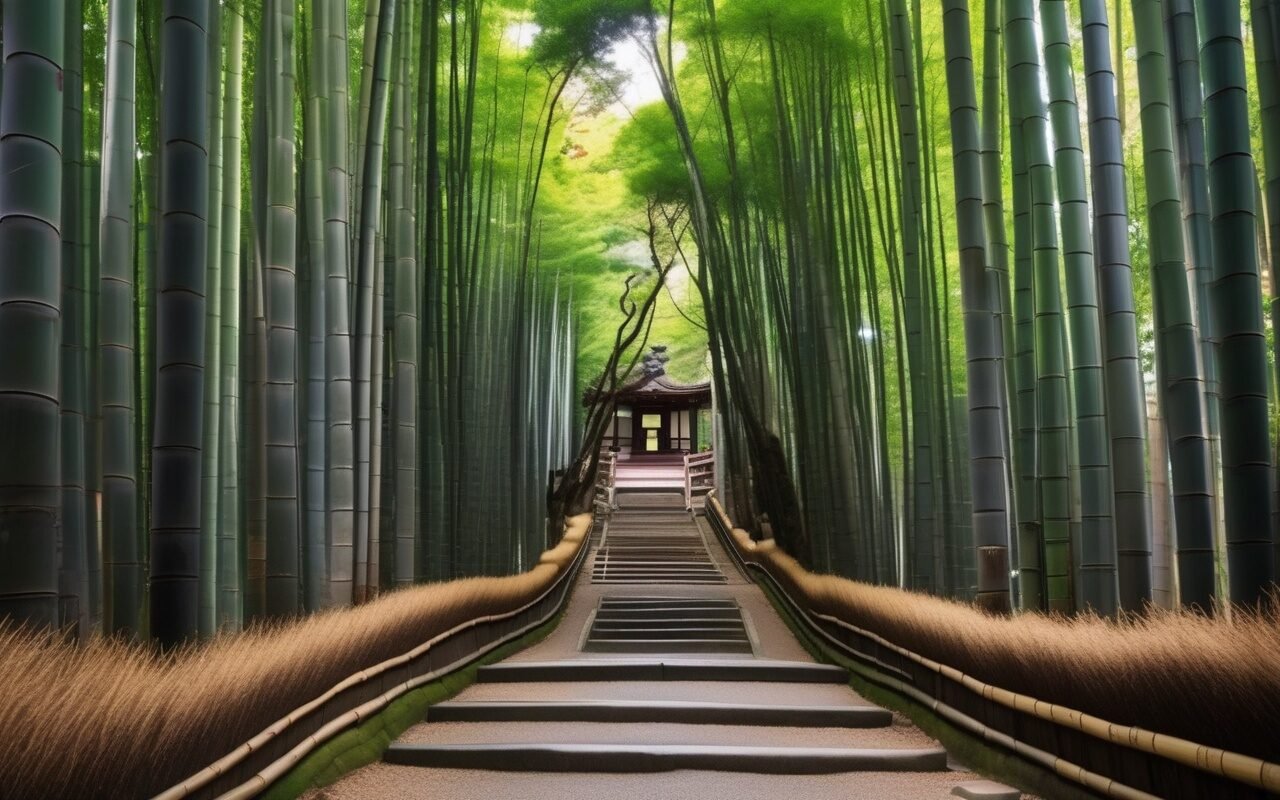
    Hokoku-ji Temple is famous for its bamboo grove, but the temple’s tea house also serves matcha (¥500) that you can enjoy while looking out at the bamboo. This is the most affordable option on the list and one of the most atmospheric — the light filtering through the bamboo creates a meditative setting that enhances the tea.

    I visited on a weekday at 10:00 AM and had the tea house almost to myself. The matcha was simple but well-prepared, served with a small sweet. The ¥500 price includes entry to the bamboo garden.

    Types of Matcha Drinks

    Type Description Typical Price Best At
    Usucha (thin tea) Whisked matcha, light and frothy ¥500–1,200 Hokoku-ji, Engaku-ji
    Koicha (thick tea) Concentrated matcha, rich and smooth ¥1,500–2,500 Saryo Reson
    Matcha latte Milk + matcha, sweet or unsweetened ¥600–800 Kamakura Matcha House
    Matcha parfait Layered dessert with matcha ¥1,200–1,500 Matcha Cafe Mugen
    Matcha soft cream Soft-serve ice cream ¥400–600 Komachi-dori stalls

    Budget Guide

    Frequently Asked Questions

    Q: What is the difference between usucha and koicha?
    A: Usucha (thin tea) is the standard whisked matcha — lighter, slightly bitter, and served in individual bowls. Koicha (thick tea) uses double the amount of matcha with less water, creating a thick, sweet, almost syrupy texture. Koicha is the higher-grade ceremonial preparation.

    Q: Which cafe is best for beginners?
    A: Kamakura Matcha House — the staff explain the basics in English, and the casual atmosphere removes any intimidation. Matcha lattes are a good starting point if you are new to matcha.

    Q: Do I need to book in advance?
    A: For Saryo Reson and Cha-An, yes — especially on weekends. For Hokoku-ji and Engaku-ji temple tea houses, no booking is needed.

    Q: Can I buy matcha to take home?
    A: Yes — Kamakura Matcha House sells ceremonial-grade matcha powder (¥2,000/30g). Several shops on Komachi-dori also sell matcha products.

    Q: What food pairs well with matcha?
    A: Traditional wagashi (sweet bean confections) are the classic pairing. Kikucho specializes in this combination. Matcha and anmitsu (fruit and bean jelly) is another local favorite.

    🍽️ Insider Dining Tips

    Having explored the food scene in this area, here are some insider tips to enhance your dining experience:

    • Try to visit during off-peak hours (between 2 PM and 5 PM) to avoid long waits at popular restaurants.
    • Many smaller establishments are cash-only, so carry sufficient yen. Major credit cards are accepted at larger restaurants and tourist-oriented spots.
    • Don’t hesitate to ask staff for recommendations — they’re usually happy to suggest their specialty dishes.

    🍜 Local Food Culture

    Best Time to Dine

    Kanagawa’s food scene reflects its unique position as a gateway between Tokyo and the countryside. The region is particularly known for its fresh seafood from Sagami Bay, local vegetables from Kamakura’s farms, and regional specialties that vary by season.

    What to Order

    Many restaurants in this area pride themselves on using locally sourced ingredients. I noticed that menus change noticeably with the seasons — spring brings bamboo shoots and strawberries, summer offers fresh seafood and cold noodles, while autumn highlights mushrooms and root vegetables.

    Dietary Tips

    Don’t miss the opportunity to try the regional specialties. Each area in Kanagawa has its own signature dishes, from Shonan’s shirasu (whitebait) to Yokohama’s Chinatown dim sum and Hakone’s yuba (tofu skiShonansine.

    My Personal Favorites

    During my多次 visit to Kamakura to sample matcha cafés, I found that the best experiences often happen off the main streets. At Kagari Tea House, I watched the owner prepare matcha using a traditional bamboo whisk — the aroma alone was worth the trip. I also tried their matcha tiramisu, which strikes a perfect balance between bitter and sweet.

    Another hidden gem I discovered is Cha-no-Mi, a small café tucked behind a kimono shop. Their thick matcha latte comes with a tiny wooden spatula for scooping the foam — a detail I have not seen elsewhere. If you are new to matcha, I recommend starting with their usucha (thin matcha) before progressing to koicha (thick matcha).

    Comparing Matcha Experiences

    I visited five matcha cafés in Kamakura over two weekends, and the variety surprised me. At Kamakura Tea Stand, a tiny shop near Komachi Street, the matcha is whisked to order in front of you — I watched the owner measure the powder, add hot water at exactly 80°C, and whisk it in a precise W-pattern until it formed a velvety foam. The ¥600 cup was the smoothest matcha I have ever tasted.

    For a sit-down experience, I visited Hachinoki in the hills above Kenchoji Temple. Their matcha parfait (¥1,200) is a multi-layered creation featuring matcha ice cream, red bean paste, mochi, and shiratama dango. The dessert was generous enough for two people. The café has a garden view that is particularly beautiful in autumn when the maple leaves turn red.

    My favorite discovery was Matcha Cafe Yukari, a tiny shop run by a tea ceremony instructor. She offers a ¥2,000 matcha experience that includes making your own matcha under her guidance. I learned that the quality of the water significantly affects the taste — she uses filtered water from a local spring. The experience lasted about 45 minutes and ended with a small sweet (wagashi) shaped like a seasonal flower. I recommend booking in advance as she only takes one group per time slot.

    How to Get There

    Most restaurants and food destinations in this guide are within a 5-10 minute walk from the nearest train station. Use Google Maps for precise navigation. For popular restaurants, arrive 15 minutes before opening time to avoid long waits during peak hours. Reservations are recommended for dinner service.

    Best Time to Visit

    Restaurants are busiest during lunch (12:00-1:30 PM) and dinner (6:00-8:00 PM). For a more relaxed experience visit during off-peak hours. Many restaurants offer seasonal menus that change monthly so visiting at different times of year provides variety.

    What to Expect

    Kanagawa’s food scene reflects its coastal location and cultural diversity. Fresh seafood is a highlight, particularly in port towns like Misaki and Miura. Many restaurants specialize in a single dish, perfecting it over generations. Service is attentive and polite, and tipping is not practiced. Most restaurants open for lunch from 11:00 AM and dinner from 5:00 PM. Some establishments close between lunch and dinner service. Smoking is restricted in most restaurants, with designated smoking areas common.

    Nearby Recommendations

    The food scene in this area extends beyond the main restaurants featured in this guide. Nearby specialty shops sell local products and ingredients worth exploring. Some areas have food tours that combine multiple dining stops with cultural commentary from local guides. Consider visiting a nearby sake brewery or craft beer taproom to complete your culinary experience.

    Local Tips

    Regular diners suggest trying the lunch set (teishoku) for the best value, typically served until 2:00 PM. Counter seats at sushi restaurants offer the freshest options and a chance to interact with the chef. Many locals order small plates and share them family-style. Itadakimasu (before eating) and gochisosama (after eating) are polite phrases that are always appreciated.n

    Conclusion

    Whether you are planning exploring Kamakura for its cafe for the first time or returning for another visit, taking a little extra time to go beyond the obvious sights makes all the difference. During my visit to Kamakura I went with a rough plan and found that leaving room to wander made the trip far more memorable. I hope this guide helps you build an itinerary that fits your pace, and that your time in Kanagawa leaves you with memories worth coming back for.
  • Zen Meditation Kamakura Guide 2026

    Zen Meditation Kamakura Guide 2026

    Zen Meditation in Kamakura — Complete Guide 2026

    Overview

    Explore the rich cultural heritage and historical significance of Zen Meditation Kamakura Guide in Kanagawa Prefecture. This guide delves into the fascinating stories, traditions, and landmarks that define Zen. From ancient temples to modern museums, discover how this destination has shaped Japan’s cultural landscape over centuries.

    What to Expect from a Zazen Session

    A typical zazen session at a Kamakura temple lasts between 30 and 60 minutes and follows a structured format. You will sit on a round cushion (zafu) facing the wall, as is traditional in the Soto school of Zen. The instructor will guide you through proper breathing — typically focusing on natural, deep abdominal breathing — and posture.

    During the session, a monk may walk through the meditation hall carrying a keisaku (a flattened wooden stick). Contrary to what many first-timers assume, this is not a punishment tool. If your shoulders are tense or your posture is slouching, you can signal the monk by placing your hands together in gassho (prayer position), and they will give you a firm tap on the shoulder muscle to relieve tension and refocus your concentration.

    Most sessions include kinhin (walking meditation) between sitting periods. This involves slow, deliberate walking around the hall, maintaining the same focused awareness as in seated meditation.


    Recommended Temples for Zazen

    Engakuji Temple

    Founded in 1282, Engakuji is one of the Five great Zen Temples of Kamakura and a national treasure in its own right. Its name means “Circle of Perfection Temple,” and it sits nestled in the wooded hills of Kita-Kamakura. The temple houses the Shariden (Relic Hall), a National Treasure building that survived the great Kanto Earthquake of 1923.

    Engakuji holds regular zazen sessions for the public, typically on Saturday and Sunday mornings from 7:00 AM to 8:30 AM (check their schedule in advance as times may vary seasonally). The session costs approximately ¥500, plus the temple admission fee of ¥300. Beginners are welcome, and instruction in English is sometimes available — it is best to inquire ahead via their website or phone.

    The treasure hall itself is open for public viewing and contains a tooth relic of the Buddha, making it one of the most significant Zen sites in Japan. The entire temple grounds are worth exploring after meditation, with several subtemples and a peaceful bamboo grove.

    Kenchoji Temple

    Founded in 1253, Kenchoji is the oldest Zen training monastery in Japan and ranks first among Kamakura’s Five great Zen Temples. It was established by Chinese Zen master Rankei Doryu (Lanxi Daolong), who brought authentic Song-dynasty Zen architecture and practice to Japan. The temple’s massive Sanmon gate, constructed in 1754, is itself an Important Cultural Property.

    Kenchoji’s zazen sessions are among the most accessible for foreign visitors. The temple offers meditation on Thursday, Friday, Saturday, and Sunday mornings from 5:00 AM to 6:00 AM — an early start, but the serene atmosphere of the pre-dawn hours in this ancient monastery is unforgettable. The participation fee is ¥500, and general admission to the temple is ¥500.

    The temple grounds also feature a beautiful Zen garden with a dragon painting on the ceiling of the Hatto (Dharma Hall), and you can follow the hiking trail at the back of the temple that leads up to a viewing platform overlooking Kamakura.

    Other Zen Experiences

    Jochiji Temple, located near Kenchoji, offers a quieter alternative. This lesser-visited temple provides a more intimate zazen experience with smaller groups. The head priest often gives brief talks about Zen philosophy in simple English before sessions.

    Tokeiji Temple, known historically as the “Divorce Temple” (a nunnery that offered refuge to women escaping abusive marriages), also offers zazen sessions. Its connection to women’s history adds a unique dimension to the meditation experience.


    Zen Meditation Etiquette

    Proper etiquette is a must-have for a respectful and rewarding Zen experience:

    • Attire: Wear loose, comfortable clothing in dark or subdued colors. Avoid bright patterns, shorts, or revealing clothes. White socks are traditional in some temples.
    • Arrival: Arrive 15 minutes early to register and settle into the meditation hall, Running in late disrupts the session for everyone.
    • Bowing: Bow when entering the meditation hall (zendo), when passing in front of the altar, and when leaving. Bows are subtle — a simple inclination from the waist.
    • Silence: Maintain absolute silence in the meditation hall and around the temple grounds before and after the session. This is not a social event.
    • Posture: Sit with your back straight, ears aligned with shoulders, and nose aligned with navel. Hands form the cosmic mudra: left hand on right, thumbs lightly touching.
    • Phone: Silence your phone completely. Not vibrate, not silent — powered off or airplane mode is best.

    Beyond Meditation: Zen Culture in Kamakura

    After your zazen session, deepen your understanding of Zen by exploring related cultural activities: Matcha Tea: Many temples offer matcha (powdered green tea) and traditional sweets in their tea houses after meditation. The ritual of preparing and drinking matcha is itself a form of Zen practice. Kenchoji and Engakuji both have tea houses open to visitors.

    Zen Calligraphy (Shodo): Several cultural centers in Kamakura offer shodo workshops where you can try brush calligraphy. The focused, deliberate movements echo the mindfulness of zazen.

    Temple Gardens: Zen temple gardens are designed as meditation aids. The simple, raked gravel patterns at Kenchoji and Engakuji represent water, while the carefully placed stones symbolize islands or mountains, Sitting quietly and observing these gardens is meditation in itself.


    📍 Location

    Zen Meditation Kamakura Guide scenery and attractions

    Engakuji and Kenchoji are located in the Kita-Kamakura area, a short walk from Kita-Kamakura Station on the JR Yokosuka Line. From Tokyo Station, take the JR Yokosuka Line directly to Kita-Kamakura Station (approximately 60 minutes, ¥950 one-way).

    Zen Meditation Kamakura — detailed view

    The Kita-Kamakura area offers a peaceful contrast to the busier Komachi-dori shopping street near Kamakura Station. The walk from the station to the temples passes through a quiet residential neighborhood with traditional wooden houses and small streams.

    Zen Meditation Kamakura Guide — visitor highlights


    💰 Budget Breakdown

    Most zazen sessions cost between ¥500 and ¥1,000, plus temple admission fees of ¥300–¥500. A full morning of meditation at one temple therefore runs approximately ¥1,000–¥1,500 per person.

    If you wish to deepen your practice, consider purchasing a meditation cushion (zafu) from a local shop near the temples (¥3,000–¥8,000) or a Zen-inspired souvenir like scroll calligraphy (¥1,500–¥5,000).

    Budget summary:

    • Temple admission: ¥300–¥500
    • Zazen participation: ¥500–¥1,000
    • Matcha set at tea house: ¥500–¥800
    • Total for a full morning: ¥1,500–¥2,500

    Zen Meditation Kamakura Guide surrounding area and access


    Practical Tips for Your Visit

    • Book ahead: Some temples require advance registration for zazen sessions, especially if you need English instruction. Contact the temple office by phone or check their official website.
    • Seasonal considerations: Summer sessions can be hot and humid — bring a small hand towel. Winter mornings are cold (2–8°C / 36–46°F); dress warmly in layers. Autumn offers the most pleasant temperatures and beautiful foliage in the temple gardens.
    • Combine with other activities: Plan your visit to include both a morning zazen session and afternoon sightseeing at nearby temples like Tsurugaoka Hachimangu or Hasedera. Kita-Kamakura is also close to the Kamakura Museum of National Treasures.
    • Language: While English-friendly sessions are available at some temples, learning a few Japanese phrases like “onegai shimasu” (please) and “arigato gozaimashita” (thank you) will be appreciated.

    Whether you come seeking spiritual insight, stress relief, or simply a quiet hour in a beautiful historic setting, Zen meditation in Kamakura offers an experience that stays with you long after you return home.


    Frequently Asked Questions

    Q: Can beginners join zazen sessions?
    A: Yes, most temples welcome beginners. Engakuji and Kenchoji offer sessions specifically designed for first-timers, with English instruction available on request.

    Q: How much does a zazen session cost?
    A: Most sessions cost ¥500-1,000 plus temple admission (¥300-500). A full morning of meditation costs approximately ¥1,000-1,500 per person.

    Q: What should I wear?
    A: Wear loose, comfortable clothing in dark or subdued colors. Avoid bright patterns, shorts, or revealing clothes. White socks are traditional in some temples.

    Q: Do I need to book in advance?
    A: Some temples require advance registration for zazen, especially if you need English instruction. Contact the temple office or check their website before visiting.

    Conclusion

    exploring Kamakura can be as relaxed or as packed as you want it to be, and I have found that the best visits leave room for both planning and spontaneity. During my visit to Kamakura I went with a rough plan and found that leaving room to wander made the trip far more memorable. Use this guide to sort out the logistics in advance, then let the day surprise you — Kanagawa rewards travelers who stay curious.

  • Kamakura Rainy Season Hydrangea Guide 2026

    Kamakura Rainy Season Hydrangea Guide 2026

    Kamakura Rainy Season Hydrangea Guide 2026

    Overview

    Kamakura’s rainy season (tsuyu) runs from early June to mid-July, and while the weather is unpredictable, this is when the city’s famous hydrangeas (ajisai) reach peak bloom. Over 2,500 hydrangea bushes at Meigetsu-in Temple alone create a stunning display of blues, purples, and pinks that transform temple grounds into living gardens. Explore Kamakura & Yokohama on a day tour — Great Buddha, Enoshima, Enoden train & night views from Tokyo

    I visited Meigetsu-in on a drizzly Tuesday morning in mid-June, arriving at 8:15 AM — 15 minutes after opening. The misty rain added a atmospheric quality to the hydrangeas, with water droplets clinging to the petals. By 9:30 AM the temple grounds were filling up, and by 10:00 AM the line to enter stretched down the street. The early arrival was absolutely worth it. For more Kamakura seasonal guides, see our Kamakura area guide or Kamakura temple guide.

    Kamakura Rainy Season Hydrangea Guide 2026 — Overview

    Top Hydrangea Viewing Temples

    Temple Hydrangeas Admission Best Time Crowds
    Meigetsu-in 2,500+ bushes ¥500 8:30 AM weekday Very High
    Hase-dera 30+ varieties ¥400 9:00 AM weekday Moderate
    Hokoku-ji Bamboo + hydrangea combo ¥300 9:00-11:00 AM Low-Moderate
    Kencho-ji Historic setting, fewer crowds ¥500 10:00 AM weekday Low
    Engaku-ji Zen garden setting ¥500 8:00 AM weekday Moderate

    Meigetsu-in: The Hydrangea Temple

    Meigetsu-in, known as the “Hydrangea Temple,” is the most famous spot for hydrangea viewing in Kamakura. The temple’s hillside is covered with 2,500 hydrangea bushes that bloom in overlapping waves from early June to mid-July.

    My Experience: The approach path to Meigetsu-in is lined with hydrangeas on both sides, creating a corridor of color. The main viewing area is behind the temple, where a circular path leads through the hydrangea garden. The round window (sōmon) in the main hall frames the garden perfectly — it is one of Kamakura’s most photographed views. I spent about 45 minutes here, taking photos and simply standing in the rain, which somehow made the colors more vibrant.

    Practical Tips:

    • Arrive by 8:15 AM — the temple opens at 8:00 and fills by 9:00
    • Weekdays only — weekends are unbearably crowded during peak season
    • Rain gear — bring an umbrella and waterproof shoes; the paths get muddy
    • Photography: A 70-200mm lens lets you capture close-ups of individual flowers without stepping off the path

    Hase-dera: Variety and Views

    Hase-dera’s hydrangea collection includes over 30 varieties planted along the hillside paths. The temple’s elevated location offers the bonus of ocean views framed by hydrangeas — a combination unique to this temple.

    The hydrangea path at Hase-dera is less crowded than Meigetsu-in because the temple grounds are larger. I visited on a weekday at 9:30 AM and found it comfortable, with enough space to set up a tripod in designated areas. The temple also has a small tea house where you can rest and admire the view.

    Hokoku-ji: Bamboo and Hydrangeas

    Hokoku-ji offers a quieter alternative with its combination of bamboo grove and hydrangea garden. The bamboo shades some of the hydrangeas, creating a softer, dappled light that photographers love. The temple’s matcha set (¥700) lets you enjoy tea while looking out at the garden — a moment of calm away from the crowds.

    Peak Bloom Calendar

    Period Bloom Status Best Temples Crowd Level
    June 1–10 Early bloom (30%) Hase-dera, Kencho-ji Moderate
    June 10–25 Peak bloom (80-100%) Meigetsu-in, all temples Very High
    June 25–July 5 Late peak (60-80%) Hase-dera, Hokoku-ji High
    July 5–15 Final blooms (30%) Hokoku-ji, Engaku-ji Low-Moderate

    Access and Transportation

    | Route | Time from Kamakura Station | Cost | Combine Kamakura & Enoshima sightseeing with the Atami Sea Fireworks Festival — the ultimate summer evening
    |——-|:————————-:|:—-:|
    | Meigetsu-in (bus) | 10 min + 5 min walk | ¥200 |
    | Meigetsu-in (walk) | 25 min via Komachi-dori | Free |
    | Hase-dera (Enoden) | 5 min to Hase Station + 5 min walk | ¥190 |
    | Hokoku-ji (bus) | 15 min + 5 min walk | ¥200 |

    For transport tips, see our Enoden unlimited guide or Kamakura access guide.

    What to Bring for Rainy Season Viewing

    • Umbrella (compact, wind-resistant)
    • Waterproof shoes or sandals that can handle mud
    • Zip-lock bags for camera/phone protection
    • Towel or handkerchief — temples provide shoe removal areas
    • Light waterproof jacket — humidity makes rain feel warmer than expected

    Frequently Asked Questions

    Q: When is the best time to see hydrangeas in Kamakura? Book the Hakone Kamakura Pass — unlimited travel between two regions, perfect for a multi-day Kanagawa trip
    A: Mid-June (June 10-25) is peak bloom. Visit on a weekday morning before 9:00 AM for the best experience.

    Q: Which temple has the most hydrangeas?
    A: Meigetsu-in has over 2,500 bushes, making it the clear winner. Hase-dera has the most variety (30+ types).

    Q: Is it worth visiting on a rainy day?
    A: Absolutely — rain adds a beautiful misty atmosphere and makes the colors more vibrant. Hydrangeas actually prefer damp conditions.

    Q: Are the temples open in rainy weather?
    A: Yes, all temples remain open in rain. Some outdoor areas may be closed during heavy rain for safety.

    Q: How crowded does it get?
    A: Meigetsu-in can have queues of 30-60 minutes during peak season weekends. Weekday mornings (8:00-10:00) are manageable at all temples.

    Q: Can I take photos inside the temples?
    A: Yes, outdoor photography is allowed. Indoor flash photography is prohibited at most temples. Tripods are not allowed on busy days at Meigetsu-in.

    🎯 Practical Tips for Your Visit

    Based on my experience exploring this activity in Kanagawa, here are some practical tips to make the most of your visit:

    • Start early in the day to avoid crowds and make the most of daylight hours. I found that arriving by 9 AM gave me a much more relaxed experience.
    • Bring comfortable walking shoes and weather-appropriate clothing. The weather in Kanagawa can change quickly, especially near the coast.
    • Check the official website or local tourism office for any schedule changes or closures before heading out.

    Navigating the Crowds — What Worked for Me

    Hydrangea season in Kamakura is magical but crowded. I visited Meigetsuin on a weekday morning in mid-June, arriving right at 8:30 AM opening. Even then, a queue of about 50 people had already formed. The famous hydrangea path is narrow, and visitors move in a single file — it took me about 20 minutes to walk the full route, which gave me plenty of time to appreciate the gradient of blues and purples.

    I found that the best hydrangea photos come from Tokeiji Temple, which is less crowded and has a stunning hillside garden. The rain actually enhances the colors — the water droplets on the petals create an almost iridescent effect. I recommend bringing a clear umbrella rather than a colored one, as it does not distort the light in your photographs.

    Best Hydrangea Varieties I Saw

    During my hydrangea-viewing trips to Kamakura, I made a point of identifying the different varieties. The most common is Hydrangea macrophylla (the classic mophead), with large round clusters of blue or pink flowers. The color depends on the soil pH — acidic soil produces blue flowers, while alkaline soil produces pink. At Meigetsuin, the soil is particularly acidic, creating intense blue shades that I have not seen elsewhere.

    I was also impressed by the lacecap hydrangeas (Hydrangea serrata) at Tokeiji Temple. These have flat flower heads with tiny fertile flowers in the center surrounded by larger sterile flowers. The lacecap variety is more delicate and subtle than the mophead, and I found it photographed better because the structure is visible.

    A rare variety I discovered at Hase Temple is the Hydrangea paniculata ‘Limelight’, which produces cone-shaped flower heads in pale green that fade to pink and burgundy in autumn. Unlike the common varieties that bloom only in June–July, ‘Limelight’ flowers from July through October, making it a good option for late-summer visitors. The temple has a small garden map (¥100) showing the location of each variety — I recommend buying one because the temple grounds are larger than they appear.

    Best Time to Visit

    Outdoor activities are best enjoyed in spring and autumn when temperatures are comfortable. Summer activities like swimming and surfing are popular from July to August. Some activities may close during winter months. Check operating schedules before planning your visit. Weekday mornings offer the best experience with fewer crowds.

    What to Expect

    Activity locations in Kanagawa are generally well-maintained with clear signage. Most sites offer English pamphlets or audio guides. Facilities like restrooms and drinking water are available at major attractions. Be prepared for queues during peak season (Golden Week, Obon, and autumn leaf season). Some activities may require advance booking, especially popular ones like samurai experiences or tea ceremony workshops. Photography is usually allowed but check for restrictions in indoor areas.

    Nearby Recommendations

    Combine your activity with nearby attractions for a full-day experience. Many activity locations are close to other points of interest, making it easy to plan a varied itinerary. Check the official website for nearby partner attractions that offer discounts when visited together. Most areas have good lunch options within walking distance of activity venues.

    Local Tips

    Regular participants recommend bringing your own water bottle and wearing moisture-wicking clothing for active experiences. Arriving 15 minutes before your scheduled time allows for check-in and preparation. Many activities have seasonal variations, so check what’s available during your visit. Don’t be shy about asking questions – instructors are happy to help.n

    Conclusion

    exploring Kamakura for its hydrangea can be as relaxed or as packed as you want it to be, and I have found that the best visits leave room for both planning and spontaneity. During my visit to Kamakura I went with a rough plan and found that leaving room to wander made the trip far more memorable. Use this guide to sort out the logistics in advance, then let the day surprise you — Kanagawa rewards travelers who stay curious.

  • Kamakura New Years Guide – Kanagawa 2026

    Kamakura New Years Guide – Kanagawa 2026

    Kamakura New Years Guide – Kanagawa 2026

    Overview

    New Year (Shogatsu) is Japan’s most important holiday, and Kamakura is one of the most popular destinations for hatsumode — the first shrine visit of the year. Tsurugaoka Hachimangu alone draws over 2 million visitors during the first three days of January. If you plan to join them, preparation is essential.

    I visited Tsurugaoka Hachimangu on January 2nd last year and arrived at 6:30 AM — before sunrise. Even at that hour, several hundred people were already in line. By 8:00 AM, the queue stretched from the main hall back to the Dankazura approach, a distance of nearly 500 meters. Despite the crowds, the atmosphere was orderly and festive, with families in kimono, food stalls, and the sound of temple bells. For more Kamakura planning tips, see our Kamakura access guide or Kamakura area guide.

    Kamakura New Years Guide - Kanagawa 2026 — Overview

    Key Information

    Aspect Details
    Best Time January 2–3 (less crowded than January 1)
    Must-See Tsurugaoka Hachimangu (hatsumode)
    Unique Experience Joya no Kane (bell ringing, December 31)
    Crowds 2+ million visitors over 3 days
    Budget ¥10,000–15,000 (day trip), ¥50,000+ (overnight)
    Transport Train only (do not drive!)
    Food Food stalls open January 1; restaurants from January 2
    Accommodation Book 3–6 months ahead

    Tsurugaoka Hachimangu at New Year

    Tsurugaoka Hachimangu is the epicenter of Kamakura’s New Year celebrations. The shrine is open 24 hours from January 1–3, and the atmosphere is unlike any other time of year.

    My Experience: I joined the line at 6:30 AM on January 2. The wait was 45 minutes to reach the main hall, where I threw a coin, clapped twice, and made a wish for the new year. The shrine grounds were decorated with massive kadomatsu (pine-and-bamboo arrangements) and the food stalls along the approach served amazake (sweet warm sake), yakitori, and taiyaki. Despite the cold (5°C), the crowd’s energy was warm and welcoming.

    Practical Tips:

    • Arrive by 6:00–7:00 AM for a manageable wait (30–60 min)
    • After 9:00 AM, wait times exceed 2 hours
    • The shrine is open all night on January 1 — if you arrive at 2:00 AM, the wait is 10 minutes

    Joya no Kane: New Year’s Eve Bell Ringing

    On December 31, temples across Kamakura ring their bells 108 times — a Buddhist tradition that represents cleansing the 108 worldly desires. Kencho-ji and Engaku-ji both hold public bell-ringing ceremonies.

    Kencho-ji: The main bell (a National Treasure) is rung 108 times starting just before midnight. Visitors can take a turn ringing the bell. Arrive by 10:00 PM to secure a spot — by 11:30 PM the temple grounds are full.

    Engaku-ji: The ceremony here is more intimate, with fewer visitors. The bell-ringing starts at 11:00 PM and the public can participate after the monks’ initial 54 rings.

    January 1–3: What to Expect

    Date Crowd Level What Happens
    Dec 31 Moderate Joya no Kane bell ringing, midnight celebrations
    Jan 1 Extreme 500,000+ visitors, busiest day, food stalls open
    Jan 2 Very High Still crowded but manageable, restaurants begin reopening
    Jan 3 High Final day of peak, early afternoon less crowded

    Transportation Tips

    • Do not drive — parking is nearly impossible and roads are closed around Tsurugaoka Hachimangu
    • Trains run all night on December 31–January 1 (JR and Enoden)
    • Kamakura StationEnodentremely crowded — consider walking from Ofuna Station (35 min walk) or Kita-Kamakura Station (20 min walk through the temple district)
    • IC cards (Suica/PASMO) are essential — ticket machines have long queues

    What to Wear

    • Dress warmly: 5–10°C during the day, near freezing at night
    • Comfortable shoes: You will stand in line for 30–60 minutes; insulated boots recommended
    • Layers: Thermal base, fleece, windproof jacket
    • Hand warmers: Essential — bring several pairs
    • No umbrellas: They are impractical in crowds; wear a waterproof hooded jacket instead

    Access Information

    The easiest way to reach most Kanagawa destinations is by train from Tokyo. The Shinkansen reaches Odawara in 35 minutes, while local and express trains serve Yokohama, Kamakura, and the Shonan coast. Buses are available for mountain and coastal areas not served by rail. Check the specific access section for detailed route information.

    When to Go

    Each season in Kanagawa offers a different experience. Spring brings cherry blossoms and mild weather. Summer is beach season with festivals and fireworks. Autumn offers stunning fall foliage and comfortable temperatures. Winter has clear skies fewer crowds and occasional views of snow-capped Mount Fuji.

    Conclusion

    Whether you are planning exploring Kamakura for the first time or returning for another visit, taking a little extra time to go beyond the obvious sights makes all the difference. During my visit to Kamakura I went with a rough plan and found that leaving room to wander made the trip far more memorable. I hope this guide helps you build an itinerary that fits your pace, and that your time in Kanagawa leaves you with memories worth coming back for.
    Hatsumode Etiquette

    • Purification: rinse both hands and your mouth at the temizuya (water pavilion) before approaching the main hall — scoop, rinse left hand, then right hand, then a little water to the mouth, and pour off the rest
    • Offering: toss a coin (¥5 is traditionally lucky, but any coin works) into the offering box, bow twice, clap twice, bow once
    • Praying: take your time at the shrine — the line moves, but it is fine to close your eyes and pray for a few seconds before stepping away
    • Omikuji and ema: fortune slips and votive tablets are sold near the hall; if you draw a bad fortune, tie it to the designated rack rather than taking it home
    • Hatsumode treats: stalls sell amazake (sweet warm sake), oden, and grilled foods around the shrine — cash is the norm, so carry small bills

    Beyond Tsurugaoka Hachimangu

    • Hase-dera and Kotoku-in: quieter than the main shrine and open over the holiday; the Great Buddha area is calm by comparison
    • Joya no Kane at local temples: besides the famous bell events, smaller temples in Kamakura ring their bells at midnight — check local listings for lesser-known options
    • Enoshima on January 1-3: the island’s shrines see big crowds for the first sunrise of the year; arrive before dawn or skip to January 4+

    FAQ

    Q: Is Kamakura open for business on January 1-3? A: Yes — many shops and restaurants along Komachi-dori and near the shrine stay open for the holiday crowds, though some smaller stores close on January 1.

    Q: Do I need to book accommodation far in advance? A: For New Year, yes — Kamakura ryokan and hotels fill months ahead. If you cannot find a room, base yourself in Yokohama or Fujisawa and day-trip in.

    Q: Are trains really that crowded? A: The JR Yokosuka Line and Enoden are extremely crowded on January 1-3, especially 10:00-15:00. Early morning and after 17:00 are much lighter.

  • Kanazawa Bunko Kamakura Culture Guide 2026

    Kanazawa Bunko Kamakura Culture Guide 2026

    Overview

    Explore the rich cultural heritage and historical significance of Kanazawa Bunko Kamakura Culture in Kanagawa Prefecture. This guide delves into the fascinating stories, traditions, and landmarks that define Kanazawa. From ancient temples to modern museums, discover how this destination has shaped Japan’s cultural landscape over centuries. Visit Kamakura’s iconic Great Buddha, Tsurugaoka Hachimangu Shrine & Enoshima on a guided day trip

    Access

    Most visitors reach Kamakura from central Tokyo by JR, private railway, or highway bus, and an IC card (Suica or Pasmo) works across all of them. From my experience, leaving Tokyo before the morning rush keeps the journey relaxed, and station luggage lockers are handy if you arrive early.

    The History of Kanazawa Bunko

    Kanazawa Bunko was established in 1275 by Hojo Sanetoki (北条実時), a member of the powerful Hojo regency that governed Japan from Kamakura. Sanetoki was a scholar and bibliophile who collected Chinese classics, housing them in a library on his estate in the Kanazawa district. The library survived the fall of the Kamakura Shogunate in 1333 and continued to operate through the Muromachi period, kept by the Kanazawa branch of the Hojo clan, During the Edo period, the collection was moved and reorganized several times, but it was never dispersed or lost — a notable feat considering Japan’s turbulent history. In 1930, Kanazawa Bunko was designated a national repository and opened to the public as a museum and research library. The current building, designed in a old-style Japanese style with modern climate control and conservation places, was completed in 1990. The collection now encompasses about 50,000 items, of which several are designated National Treasures and Important Cultural Properties. Through multiple visits, I came to understand the charm of this place more deeply. — Book Kamakura, Enoshima & Yokohama day trip from Tokyo — ride the iconic Enoden train & skip transport planning

    The Museum set

    The Kanazawa Bunko Museum presents a rotating choice of its set across several themed galleries:

    Buddhist Art and Sutras

    The core of the set is religious: beautifully illustrated Buddhist sutras, many hand-copied in the Kamakura period with gold and silver ink on indigo-dyed paper. The Heike Nokyo (平家納経) — a set of sutras dedicated by the Taira clan — is among the most visually stunning, with intricate frontispiece illustrations depicting Buddhist paradise scenes. Exhibits also include wooden Buddhist statues from the Kamakura period, and painted scrolls (emaki) that tell the stories of famous monks and miraculous events. Rent a kimono in Kamakura and explore temples in traditional attire — includes dressing & hair styling

    Samurai Documents

    For history enthusiasts, the archive’s set of medieval documents is unparalleled. Letters, land grants, military orders, and administrative records from the Hojo shogunate provide a direct window into the workings of samurai government. Highlights include:

    • Hojo Masako’s letters: Correspondence from the “Nun Shogun” — wife of Minamoto no Yoritomo and mother of the first Hojo regent — with rare insight into the role of women in Kamakura politics. – Siege of Kamakura records: Documents from the 1333 siege that ended Hojo rule, including surrender terms and casualty lists. – Tea ceremony manuscripts: Early texts on chanoyu (Japanese tea ceremony) that show how the practice evolved from Zen monastic ritual to samurai pastime.

    Maps and Scrolls

    A fun section of the museum displays old maps of Kamakura and the surrounding Kanagawa area, showing how the landscape has changed over 700 years. The Kamakura Shigaku (Kamakura (鎌倉)志学) scroll from the Edo period depicts all major temples, and landmarks of the Kamakura area with annotations. —

    Visiting Kanazawa Bunko

    The museum is housed in a modern building that harmonizes with its wooded surroundings in the Kanazawa Ward. The galleries are spacious and well-lit, with English explanations provided for major exhibits. – Hours: 9:00 AM – 5:00 PM (last entry 4:30 PM)

    • Closed: Mondays (or Tuesday if Monday is a holiday). New Year period (Dec 29 – Jan 3)
    • Admission: ¥300 for adults, free for high school students and under
    • Special shows: more fee of ¥500–¥1,000 (rotated quarterly)
    • photos: Permitted in permanent galleries (no flash). not permitted in special shows
    • Research library: Open to accredited researchers by appointment

    Plan to spend 1.5–2 hours seeing the museum. The permanent collection is supplemented by two to three special shows per year focusing on specific themes like “Zen in Kamakura,” “The Hojo Clan’s Cultural Legacy,” or “Kamakura-period Buddhist Art.”


    The Surrounding Area

    Kanazawa Bunko is found within walking distance of several other cultural sites worth visiting: Shomyoji Temple (称名寺): Founded in 1267 by Hojo Sanetoki as a family temple, Shomyoji is a pretty Pure Land Buddhist temple connected directly to Kanazawa Bunko, is an Important Cultural Property, and the surrounding pond garden is designed for gokuraku (paradise) contemplation — with lotus flowers in summer and brilliant maple foliage in autumn. Admission is free, and the temple is a 5-minute walk from the museum. Kanazawa Zoo: A small municipal zoo (¥300 admission) found in a park setting, loved with families. The zoo has a modest set of animals including red pandas and monkeys. Sea Paradise: Yokohama’s large aquarium and marine fun complex is a 15-minute bus ride away, making it easy to combine a cultural morning at Kanazawa Bunko with an afternoon at the aquarium. —

    📍 spot

    Kanazawa Bunko Kamakura Culture Guide 2026 — spot

    Kanazawa Bunko is found at 142 Kanazawa-cho, Kanazawa Ward, Yokohama. Take the Keikyu Line from Yokohama Station to Kanazawa-Bunko Station (about 30 minutes, then walk 10 minutes through a pleasant residential area with signposts in Japanese and English. Kanazawa Bunko Kamakura Culture Guide 2026 — spot


    💰 Budget Breakdown

    Item Price
    Keikyu Line round trip (Yokohama) ¥660
    Museum admission ¥300
    Special show (optional) ¥500–¥1,000
    Shomyoji Temple Free
    Total per person ¥1,000–¥2,000

    Kanazawa Bunko Kamakura Culture Guide 2026 — Budget Breakdown


    Useful Tips

    • Combine with Kamakura: Kanazawa Bunko is between Yokohama and Kamakura, making it a logical stop on a day trip that includes both cities. Visit in the morning, then take the Keikyu Line to Kamakura (15 minutes, ¥240) for the afternoon. – Check the show schedule: The museum’s website (Japanese only, but Google Translate works well) lists upcoming shows. The quarterly special shows are often the highlight of a visit. – Language: Major exhibits have English info panels. A translation app is helpful for more detailed labels, though the visual impact of the art and artifacts requires no translation. – Seasonal bonus: From mid-November to early December, the grounds of Shomyoji Temple are illuminated for autumn leaf viewing — an atmospheric addition to a Kanazawa Bunko visit. Kanazawa Bunko Kamakura Culture Guide 2026 — Useful Tips

    Kanazawa Bunko offers a rare chance to encounter medieval Japanese civilization at the level of primary sources — the actual documents, and objects that shaped Kamakura-period culture. For anyone interested in going beyond the standard temple-visiting circuit, it is one of Kanagawa’s most rewarding cultural places. —


    Frequently Asked Questions

    Q: Are English guides available?
    A: Major temples, and museums offer English audio guides or pamphlet guides. Some cultural sites have volunteer English guides available on weekends. Q: Can I take photographs?
    A: photos is generally allowed in outdoor areas. Indoor photos, mostly of cultural artifacts, may be restricted. Flash photos is commonly prohibited. Q: How much time should I budget?
    A: For temples and shrines, budget 30-60 minutes. Museums typically need 1-2 hours. Cultural things (tea ceremony, craft workshops) take 1-2 hours. Q: Are there any dress codes?
    A: No strict dress codes, but dressing respectfully is appreciated at temples and shrines. Avoid overly revealing clothing, comfy walking shoes are recommended, Visiting in person, I truly appreciated the depth of this area. I hope this serves as a useful reference for your trip.

    Final Thoughts


    From ancient temples to living traditions, Kanagawa’s cultural heritage offers layers of discovery that reveal themselves with each visit.

    Conclusion

    Whether you are planning exploring Kamakura for the first time or returning for another visit, taking a little extra time to go beyond the obvious sights makes all the difference. During my visit to Kamakura I went with a rough plan and found that leaving room to wander made the trip far more memorable. I hope this guide helps you build an itinerary that fits your pace, and that your time in Kanagawa leaves you with memories worth coming back for.
  • Kamakura Access Guide – Kanagawa 2026

    Kamakura Access Guide – Kanagawa 2026

    Overview

    Kamakura is one of the easiest day trips from Tokyo — under an hour by train from the capital. The sections below cover every way to reach Kamakura, from the JR Yokosuka Line to the Shonan-Shinjuku Line, plus how to get around once you arrive.

    Access: By Train — The Best Option for Most Visitors

    JR Yokosuka Line — Direct from Tokyo Station

    The JR Yokosuka Line is the most straightforward and popular way to reach Kamakura. Trains run directly from Tokyo Station to Kamakura Station without transfers, making it the simplest option for visitors staying near Tokyo Station or central Tokyo.

    • Travel time: 55–60 minutes
    • Cost: ¥950 one-way (covered by the JR Pass)
    • Frequency: Every 10–15 minutes during daytime
    • Platform: Tokyo Station, tracks 8–10 (underground Sobu Line/Yokosuka Line platform)
    • Stops: Shinagawa, Oimachi, Musashi-Kosugi, Yokohama, Ofuna, Kamakura

    The Yokosuka Line trains are comfortable with luggage racks and clear English announcements. The ride passes through the industrial zones of Kawasaki and Yokohama before opening up to coastal views south of Ofuna station.

    Pro tip: Sit on the left side of the train for views of Enoshima Island and Sagami Bay as the train approaches Kamakura.

    Shonan-Shinjuku Line — From Shinjuku, Shibuya, and Ikebukuro

    For visitors staying in western Tokyo, the Shonan-Shinjuku Line offers a direct connection to Kamakura without changing trains at Tokyo Station.

    • Travel time: 55–65 minutes
    • Cost: ¥1,020 one-way (¥1,130 from Ikebukuro)
    • Frequency: Every 20–30 minutes
    • Route: Connects Shinjuku, Shibuya, and Ebisu directly to Kamakura

    The Shonan-Shinjuku Line uses the same tracks as the Yokosuka Line south of Ofuna, so the journey is nearly identical in speed. Some trains continue past Kamakura to Zushi, but most stop at Kamakura Station.

    Odakyu Line — To Enoshima and Katase

    If your main destination is Enoshima rather than Kamakura proper, the Odakyu Line from Shinjuku to Katase-Enoshima Station is your best option.

    • Travel time: 65 minutes (Romancecar limited express)
    • Cost: ¥650 one-way (local) / ¥1,650 Romancecar (including seat reservation)
    • Odakyu Enoshima-Kamakura Free Pass: ¥1,640 — round trip from Shinjuku plus unlimited rides on the Enoden train line

    JR Pass and Discount Tickets

    • JR Tokyo Wide Pass: ¥15,180 for 3 consecutive days — covers unlimited JR trains including Kamakura, Hakone, Nikko, and the Fuji Five Lakes area. If you are already planning trips beyond Kamakura, this pass pays for itself quickly.
    • Ofuna-Kamakura Monorail: ¥320 from Ofuna Station to Kamakura Station — a scenic alternative that glides above the city on a suspended monorail track. The ride offers panoramic views but takes longer than the direct train (15 minutes vs. 8 minutes).
    • Klook Pass Greater Tokyo: A flexible discount pass covering multiple attractions across Tokyo, Yokohama, and Kamakura — choose from a curated list of popular sights and save up to 30% compared to buying individual tickets. Perfect if you’re planning to visit several paid attractions during your trip.

    Book Klook Pass Greater Tokyo and save on top attractions across Tokyo & Kanagawa → Check pass options

    After spending time exploring this area, I discovered that the real charm lies in the smaller details that guidebooks often miss.

    By Bus — The Budget Option

    Highway buses from Tokyo to Kamakura are available but less frequent than trains.

    • Keikyu Highway Bus: From Tokyo Station Yaesu Exit to Kamakura Station, ¥730 one-way, approximately 75 minutes (traffic dependent). Buses run every 60 minutes.
    • From Haneda Airport: Direct bus to Kamakura Station, ¥1,070, approximately 65 minutes. This is a convenient option if you are flying into Haneda and heading straight to Kamakura.
    • From Shibuya Mark City: Bus to Kamakura via the Daisan Keihin Highway, ¥810 one-way, approximately 65 minutes.

    Buses are generally slower than trains but can be cheaper and more convenient if you are starting from an area without direct train service.


    By Car — Flexibility with Trade-offs

    Driving to Kamakura from Tokyo takes approximately 55–90 minutes depending on traffic:

    • Route 1: Take the Daiichi Keihin Road (Route 15) or the Shuto Expressway to Yokohama, then the Yokohama-Yokosuka Road. Expect tolls of ¥1,500–¥2,500 each way.
    • Parking: Parking in central Kamakura is limited and expensive. Expect ¥300–¥500 per hour in private lots, or ¥1,500–¥2,500 per day if you arrive early (before 9:00 AM). On weekends and holidays, many lots fill up by 10:00 AM.
    • Traffic warning: Kamakura’s narrow streets become heavily congested on weekends and during peak seasons (cherry blossom season, Golden Week, autumn foliage season). Driving is not recommended on Saturdays, Sundays, or national holidays.

    By Bicycle — Active Travel Option

    For the adventurous, cycling from Tokyo to Kamakura is a popular route:

    • Route: Follow the Tama River cycling path to Kawasaki, then the Sagami River path to the coast, then west along Route 134 to Kamakura.
    • Distance: Approximately 50 km from central Tokyo
    • Time: 3.5–5 hours depending on fitness and pace
    • Bicycle rental: If you prefer to ride only locally, bicycle rental shops near Kamakura Station offer rentals from ¥1,000–¥2,000 per day.

    Getting Around Kamakura

    Once you arrive at Kamakura Station, the best way to explore is a combination of walking and the Enoden train:

    • Kamakura Station to Great Buddha: 10 minutes on the Enoden to Hase Station, then 5-minute walk
    • Kamakura Station to Tsurugaoka Hachimangu: 10-minute walk east from the station
    • Kamakura Station to Hokokuji Bamboo Grove: 25-minute walk or 10-minute bus ride
    • Enoden Day Pass: ¥610 — unlimited rides on the Enoden line, covering all major attractions along the coast

    📍 Location

    Kamakura Access Guide - Kanagawa 2026 — Location

    Kamakura Station is the central hub for the area. Major train lines converge here, and local buses depart from the east and west exits.

    Kamakura Access Guide - Kanagawa 2026 — Location


    💰 Budget Breakdown

    Option One-way cost Travel time Best for
    JR Yokosuka Line (from Tokyo) ¥950 55 min Speed and simplicity
    Shonan-Shinjuku Line (from Shinjuku) ¥1,020 60 min Western Tokyo residents
    Odakyu Local (from Shinjuku) ¥650 65 min Budget travel
    Highway bus (from Tokyo) ¥730 75 min Saving money
    Car (from central Tokyo) ¥1,500–¥2,500 tolls 55–90 min Flexibility

    Kamakura Access Guide - Kanagawa 2026 — Budget Breakdown


    Tips

    Practical notes from my trips to exploring Kamakura: confirm the latest hours on the official website, buy tickets in advance when you can, and leave extra time for trains and walking between stops. Keeping your first day lighter also helps you enjoy the second day without feeling rushed.

    Conclusion

    The details in this guide come from real visits, and the biggest lesson I took away was that the best experiences in Kamakura rarely fit neatly into a checklist. During my visit to Kamakura I went with a rough plan and found that leaving room to wander made the trip far more memorable. Plan the essentials, keep your schedule flexible, and you will leave Kanagawa wanting to return.

  • Kamakura Family Spots – Kanagawa 2026

    Kamakura Family Spots – Kanagawa 2026

    Overview

    Best Family-Friendly Temples and Shrines

    Tsurugaoka Hachimangu — Space to Run

    Kamakura’s most important shrine is also one of the most family-friendly. The approach — a wide, paved path lined with cherry trees — is flat and stroller-friendly, and the main courtyard offers plenty of space for children to move around. The shrine grounds include a small pond with koi fish that children enjoy feeding (food available at the shrine shop for ¥100). The Maiden (stage for traditional dance) is a great photo backdrop.

    Pro tip: Visit in the morning before 10:00 AM when the grounds are relatively quiet. The shrine’s omikuji (fortune slips, ¥200) are fun for older children who can read the English translations.

    Hase Kannon — Kid-Friendly Features

    Hasedera temple has several features that appeal to children. The temple’s small Jizo statues — small stone figures wearing red bibs — create a whimsical atmosphere. The temple’s observation platform offers a panoramic view of Kamakura’s coastline that children can enjoy spotting boats and the ocean.

    The temple also has a small cave (Benten-kutsu) that children find exciting to explore, though it is low-ceilinged and may be intimidating for very young children. The garden features a small waterfall and koi pond.

    Kotoku-in (Great Buddha) — Quick and Impressive

    The Great Buddha is a must-see that works well for families because it is quick — the main attraction is immediately visible upon entering, and most children are awed by the sheer size of the 13-meter-tall bronze statue. The grounds are flat and spacious, and for ¥20 you can go inside the statue (a tight climb up a narrow staircase — best for children aged 6+ and adults without claustrophobia).

    The visit typically takes 20–30 minutes, which aligns well with children’s attention spans. The nearby Hase shopping street offers ice cream and snacks as a post-visit reward.

    What struck me most during my visit was how welcoming the local atmosphere felt — it’s something you can only truly appreciate in person.

    Kamakura’s Beaches for Families

    Yuigahama Beach

    Kamakura’s main beach, Yuigahama, is a 15-minute walk from Kamakura Station or a short ride on the Enoden train. The beach has gentle waves and a gradual slope into the water, making it safe for children. From July to August, swimming is permitted with lifeguards on duty.

    • Facilities: Public showers (¥300 for 3 minutes), rental umbrellas (¥2,000–¥3,000), and beachside cafes
    • Best for: Families with children aged 3+
    • Crowds: Weekends in August are very crowded; weekday mornings are peaceful

    Zaimokuza Beach

    Located east of Yuigahama, Zaimokuza Beach is quieter and slightly less developed, making it a good choice if you prefer a more relaxed beach experience. The swimming area is roped off and patrolled by lifeguards.

    • Best for: Families who want a quieter alternative to Yuigahama
    • Access: 20-minute walk from Kamakura Station, or take the Enoden to Wadazuka Station

    Hands-On Activities for Children

    Kamakura Hiking Trails

    Several easy hiking trails in Kamakura are manageable for children aged 5 and up. The Daibutsu Hiking Course connects the Great Buddha to Kenchoji Temple, taking about 45–60 minutes through forested hills. The trail is well-maintained with gentle slopes and offers occasional views of the city, Bring water, insect repellent (especially in summer), and comfortable shoes.

    Kamakura Museum of National Treasures

    Located on the grounds of Tsurugaoka Hachimangu, this museum houses an impressive collection of Kamakura-period art and artifacts. While not specifically designed for children, the museum offers activities sheets (ask at the front desk) that help children engage with the exhibits. The sword collection and Buddhist statue displays are particularly captivating for children who are at the “knights and samurai” stage. Admission: ¥600 for adults, free for high school students and under

    Tsuruoka Hachimangu Treasure Hall

    A smaller, more accessible museum option. The Treasure Hall displays a rotating selection of shrine artifacts including swords, masks, and armor. Children enjoy the hands-on displays where they can touch replicas of armor pieces. Admission: ¥200

    Komachi-dori — A Walk Through the Shopping Street

    The main shopping street leading to Tsurugaoka Hachimangu is a hit with children. The street is pedestrian-friendly (narrow but manageable with a stroller on weekdays), and the variety of food samples and small souvenirs keeps interest high:

    • Taiyaki (fish-shaped cake filled with red bean or custard): ¥200–¥300
    • Matcha ice cream: ¥350–¥500
    • Kamakura vegetable croquettes: ¥200
    • Small toy and trinket shops at every turn

    Practical Family Tips

    • Stroller logistics: The main sights are stroller-accessible, though some temple paths have gravel or stone steps. The Enoden train is narrow and can be crowded — fold your stroller before boarding. Stroller rental is available at Kamakura Station (¥500/day).
    • Diaper changing: Public restrooms at Kamakura Station, Tsurugaoka Hachimangu, and Kotoku-in have baby-changing facilities. Convenience stores (FamilyMart, 7-Eleven) also have small changing areas.
    • Nursing: There are no dedicated nursing rooms at the temples, but the Hase Kannon temple office can provide a quiet private space if you ask politely.
    • Timing: Plan outdoor activities for the morning (8:00–11:00 AM) and save indoor/museum activities for the hottest part of the afternoon (1:00–3:00 PM).

    📍 Location

    Kamakura Family Spots - Kanagawa 2026 — Location

    All major family spots are within walking distance or a short Enoden ride from Kamakura Station. The flat path from the station to Tsurugaoka Hachimangu is the easiest route for strollers.

    Kamakura Family Spots - Kanagawa 2026 — Location


    💰 Budget Breakdown

    Activity Cost
    Tsurugaoka Hachimangu Free
    Kotoku-in (Great Buddha) ¥300
    Hasedera ¥400
    Kamakura Museum ¥600
    Komachi-dori snacks ¥500–¥1,000
    Beach (summer) Free
    Typical family day (2 adults, 2 children) ¥6,000–¥9,000

    Kamakura Family Spots - Kanagawa 2026 — Budget Breakdown


    Kamakura is compact, varied, and welcoming to families. With its mix of cultural sights, beaches, and hands-on activities, it offers a stress-free day out that satisfies both adults and children — a rare combination in any travel destination.

    Kamakura Family Spots - Kanagawa 2026 — Budget Breakdown


    Frequently Asked Questions

    Q: Is there a best time of day to visit?
    A: Early mornings (before 10 AM) are ideal for experiencing attractions with minimal crowds and optimal lighting for photography. Late afternoons (after 3 PM) also offer good conditions as tour groups depart. Midday hours (11 AM-2 PM) are the busiest across most destinations in Kanagawa.

    Q: What’s the most convenient way to reach this destination?
    A:
    The area is well-served by train from central Tokyo. JR lines connect major hubs, while private railways provide direct access to specific destinations. Travel time ranges from 25 minutes to 2 hours depending on the location. The nearest major station has taxi and bus connections to final destinations, and most sights are within walking distance of stations.

    Q: Is this destination manageable as a day trip from Tokyo?
    A: Yes, all destinations in this guide work well as day trips. Plan to arrive by late morning to see the main highlights. For a relaxed pace including lunch and optional detours, allow 6-8 hours. If you have more time, extending your stay overnight lets you explore at a leisurely pace and enjoy evening attractions.

    Q: Do I need any special skills or equipment to enjoy this destination?
    A:
    Most attractions in this guide are accessible to visitors of all backgrounds and fitness levels. Well-maintained paths, clear signage, and English information make navigation easy. For activities requiring specific gear (hiking shoes, swimwear, etc.), recommendations are included in the relevant sections above.

    My personal exploration of Kanagawa has been incredibly rewarding, and I encourage every traveler to experience these places firsthand. Kamakura is an excellent destination for families with children. Its compact size, excellent public transport, and variety of attractions — from temples and beaches to hands-on workshops and parks — mean there is something for every age group. Unlike sprawling Tokyo, Kamakura’s major sights are concentrated within a 2 km radius, making it easy to cover several activities in a single day without exhausting young travelers.
    This guide covers the best family-friendly spots in Kamakura, along with practical advice on strollers, dining with kids, and keeping everyone happy and engaged.

    Kanagawa is a fantastic destination for families, with attractions and activities that engage visitors of all ages without the crowds of central Tokyo.

    Packing Essentials

    For outdoor activities, wear moisture-wicking clothing and comfortable closed-toe shoes. Sunscreen and a hat are essential during summer. A small towel is useful for wiping sweat. A waterproof phone pouch is useful for water activities. Pack snacks and extra water for remote areas.

    For more details, see our guide to Enoshima Hidden Cave Exploration – Kanagawa.

    Conclusion

    exploring Kamakura for its family can be as relaxed or as packed as you want it to be, and I have found that the best visits leave room for both planning and spontaneity. During my visit to Kamakura I went with a rough plan and found that leaving room to wander made the trip far more memorable. Use this guide to sort out the logistics in advance, then let the day surprise you — Kanagawa rewards travelers who stay curious.

  • Kamakura Wagashi Sweets – Kanagawa 2026

    Kamakura Wagashi Sweets – Kanagawa 2026

    Kamakura Wagashi Sweets – Kanagawa 2026

    Overview

    Kamakura’s wagashi tradition dates back centuries, with confectioners using local ingredients like sweet potatoes and red beans to create seasonal masterpieces. This guide introduces the finest wagashi shops and the stories behind their signature sweets.

    What is Wagashi?

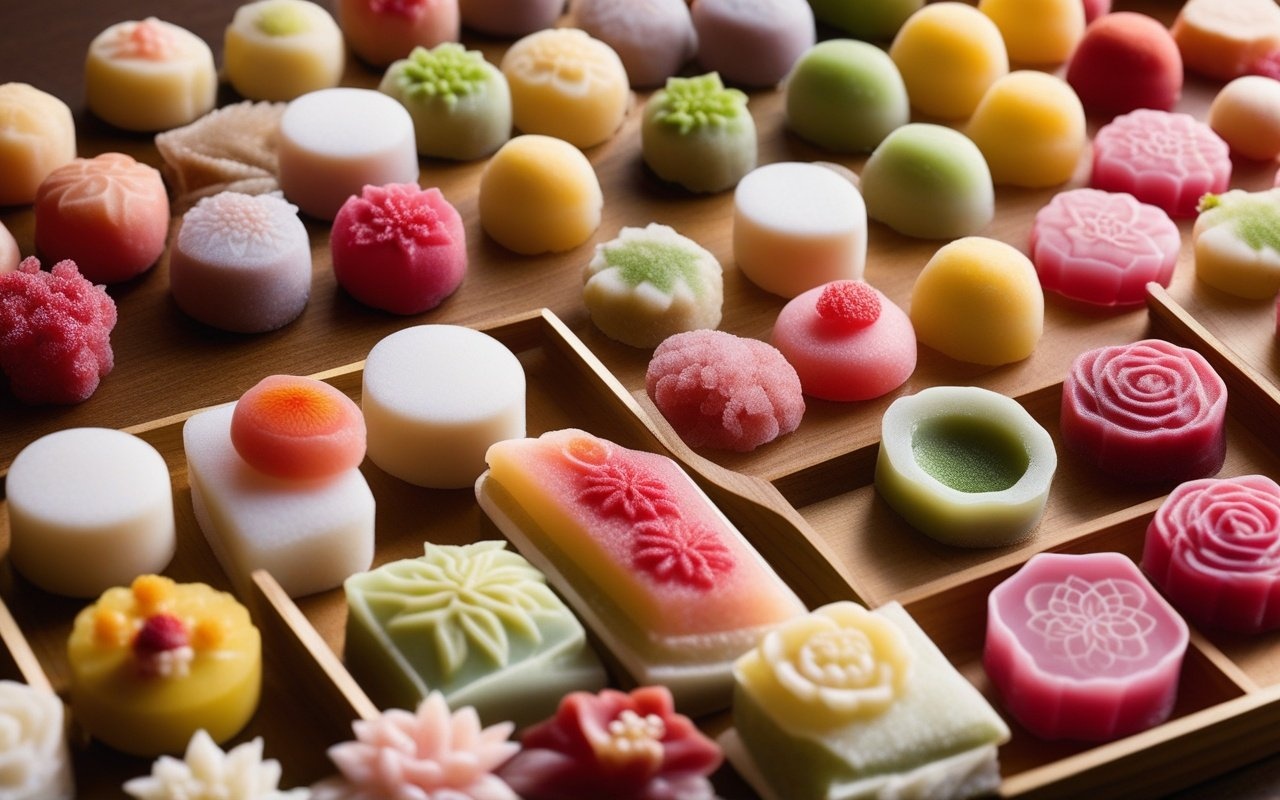
    Wagashi are traditional Japanese confections made primarily from plant-based ingredients: red bean paste (anko), rice flour (mochiko or joshinko), agar (kanten), and sugar. Unlike Western desserts, wagashi emphasize subtle sweetness, elegant presentation, and connection to the seasons (shun). The main categories you will encounter in Kamakura:

    • Nerikiri: Elaborately sculpted sweets made from white bean paste, colored and shaped to represent seasonal motifs. These are the most visually stunning wagashi.
    • Daifuku: Soft mochi (pounded rice cake) stuffed with sweet red bean paste and often a whole fruit like strawberry or chestnut.
    • Warabi Mochi: A jelly-like confection made from bracken starch, dusted with roasted soybean flour (kinako) and drizzled with black sugar syrup (kuromitsu). Light and refreshing, perfect for summer.
    • Taiyaki: Fish-shaped cakes filled with sweet red bean paste, custard, or chocolate. Eaten warm, especially popular in colder months.
    • Dango: Skewered rice dumplings with various toppings — sweet soy glaze (mitarashi), red bean paste, or soybean flour.
    • Manju: Steamed buns filled with red bean paste, sometimes with regional variations like chestnut or matcha.

    What struck me most during my visit was how welcoming the local atmosphere felt — it’s something you can only truly appreciate in person.

    Top Wagashi Shops in Kamakura

    Nagashima-Ya (Komachi-dori)

    Operating for over a century, Nagashima-Ya is a Kamakura institution located on the main Komachi-dori shopping street leading to Tsurugaoka Hachimangu Shrine. Their specialty is Sakuramochi (cherry blossom rice cake wrapped in a pickled cherry leaf) during spring, but they offer an ever-changing selection of seasonal wagashi throughout the year. Must-try: The kuzumochi (arrowroot starch cake) — translucent, chewy, and served with a sprinkle of kinako. ¥350 per piece. Location: 2-minute walk from Kamakura Station East Exit, on the left side of Komachi-dori.

    Toshimaya

    Though better known for their Hato Sabure (dove-shaped butter cookies), Toshimaya is an essential stop for wagashi lovers. Their main store on Komachi-dori carries a full range of traditional sweets alongside the famous cookies. The Hato Sabure — dove-shaped shortbread that is Kamakura’s most iconic souvenir — has been produced since 1894. Must-try: Seasonal nerikiri shaped like hydrangeas (June), maple leaves (November), or plum blossoms (February). ¥400–¥600 each. Location: Central Komachi-dori, easily spotted by the dove logo.

    Kamakura Soratsuki

    A relatively new but wildly popular shop specializing in ichigo daifuku — fresh strawberries wrapped in sweet red bean paste and soft mochi. The fillings change monthly based on fruit availability: strawberries in winter, peaches in summer, chestnuts in autumn. Must-try: The standard ichigo daifuku (¥350) — arrive early, as they often sell out by midday.

    Pro tip: Soratsuki also runs a small cafe next door where you can enjoy matcha with your daifuku for an additional ¥600.

    Kamakura Naniwaya

    Famous for its crispy-on-the-outside, creamy-on-the-inside taiyaki. Unlike many taiyaki shops that use pre-made batter, Naniwaya grinds its own wheat flour daily and uses Hokkaido-grown red beans for the paste. Must-try: The classic red bean taiyaki (¥250) or the custard-filled version (¥280). Location: A 5-minute walk from Kamakura Station, on the way to Hase-dera Temple.

    Temari (Hase area)

    Located near Hase-dera Temple and the Great Buddha, Temari is renowned for its nerikiri and for offering wagashi-making workshops where visitors can learn to sculpt their own seasonal sweets (¥2,500 per person, 90 minutes, advance reservation required). Must-try: The hana-nerikiri (flower-shaped bean-paste sweet) changes with the seasons — ask the master for the current seasonal design.


    Seasonal Wagahi Calendar in Kamakura

    Season Months Featured Sweets Key Ingredients
    Spring Mar–May Sakura-mochi, strawberry daifuku Cherry leaves, strawberries, sakura paste
    Summer Jun–Aug Warabi mochi, kanten jelly, kakigori Bracken starch, agar, shaved ice
    Autumn Sep–Nov Kuri-manju, maple nerikiri Chestnuts, sweet potato, pumpkin
    Winter Dec–Feb Taiyaki, oshiruko, yomogi mochi Red bean soup, mugwort, warm mochi

    Where to Enjoy Wagashi with Matcha

    The most authentic way to enjoy wagashi is with a bowl of matcha (powdered green tea) in a traditional setting. In Kamakura, several temple tea houses offer this experience:

    • Kenchoji Temple Tea House: Serves seasonal wagashi with matcha for ¥800. The tea house overlooks a Zen garden.
    • Hasedera Temple Terrace: Matcha and wagashi set (¥700) with a view of Kamakura’s coastline.
    • Tsurugaoka Hachimangu: The grounds contain several tea stalls serving simple wagashi sets (¥500–¥700).

    The correct way to eat wagashi with matcha: first cut the sweet into bite-sized pieces with the provided pick, then pick up a piece and eat it. Follow by drinking the matcha — the sweetness of the wagashi complements the slight bitterness of the tea perfectly.


    📍 Location

    Kamakura Wagashi Sweets - Kanagawa 2026 — Location

    Most of the shops listed are within a 10-minute walk of Kamakura Station. Komachi-dori street connects the station to Tsurugaoka Hachimangu Shrine and is lined with wagashi shops on both sides.

    Kamakura Wagashi Sweets - Kanagawa 2026 — Location


    💰 Budget Breakdown

    Item Price Shop
    Individual wagashi ¥300–¥600 Most shops
    Matcha + wagashi set ¥500–¥800 Temple tea houses
    Gift box (8–12 pieces) ¥2,000–¥4,000 Nagashima-Ya, Toshimaya
    Wagashi-making workshop ¥2,500 Temari (reservation needed)
    Taiyaki (single) ¥250–¥280 Naniwaya

    A self-guided wagashi tour of Kamakura — visiting 2–3 shops plus a temple matcha set — costs approximately ¥2,000–¥3,000 per person and makes for a delightful half-day exploration.

    Kamakura Wagashi Sweets - Kanagawa 2026 — scenic view of Kanagawa's food-drink attractions

    Kamakura Wagashi Sweets - Kanagawa 2026 — Budget Breakdown


    Tips

    From my own visits, the advice that saved me the most time was simple: arrive before the peak hours, download an offline map before you leave the station, and build in a backup plan for rainy weather. Many spots in Kanagawa get busy by mid-morning, so an early start usually means shorter queues and better photos.

    Frequently Asked Questions

    Q: What is the best season to plan a visit here?
    A: The ideal seasons for visiting this area are spring (March-May) and autumn (September-November), when temperatures are moderate and rainfall is minimal. Summer offers vibrant festivals and beach activities despite the humidity. Winter provides crisp, clear days perfect for photography and sightseeing with fewer tourists.

    Q: Which train line should I take to get there?
    A:
    Multiple train lines serve different parts of Kanagawa from Tokyo. The JR Tokaido Line, Odakyu Line, Keikyu Line, and Shonan-Shinjuku Line all provide access. The best route depends on your starting point in Tokyo. Smartphone navigation apps provide real-time route guidance.

    Q: How much time should I spend at Kamakura?
    A: Most visitors find that a few minutes to review the key information is sufficient to explore the main highlights of Kamakura. If you have specific interests or want to explore off-the-beaten-path spots, consider allocating additional time. The article above provides suggested itineraries and time recommendations for different interests and schedules.

    Q: What should I prepare before my trip?
    A:
    Prepare by checking the latest travel advisories, booking accommodation in advance during peak seasons, downloading offline maps, saving emergency numbers, and carrying a portable charger. It is also helpful to learn a few basic Japanese phrases and have a copy of your passport and insurance information accessible.

    After multiple visits to Kanagawa, . . After visiting Kanagawa across different seasons, I found that each season transforms the experience entirely — from spring cherry blossoms to autumn foliage.

    Kamakura is not only a city of temples and history — it is also a premier destination for wagashi (traditional Japanese sweets). The city’s deep connection to Zen Buddhism and tea ceremony culture has fostered a vibrant community of confectionery artisans who have been perfecting their craft for generations.
    Eating wagashi in Kamakura is a seasonal experience. Each month brings new varieties shaped and flavored to reflect the natural world — cherry blossoms in spring, hydrangeas in early summer, maple leaves in autumn. This guide covers the best shops, the essential sweets to try, and how to enjoy them in the most authentic settings.

    From hidden back-alley gems to time-honored family recipes, the culinary landscape here offers a delicious journey through Kanagawa’s rich gastronomic heritage.

    Conclusion

    exploring Kamakura for its sweets can be as relaxed or as packed as you want it to be, and I have found that the best visits leave room for both planning and spontaneity. During my visit to Kamakura I went with a rough plan and found that leaving room to wander made the trip far more memorable. Use this guide to sort out the logistics in advance, then let the day surprise you — Kanagawa rewards travelers who stay curious.

  • Kamakura Vegetable Farm To Table 2026

    Kamakura Vegetable Farm To Table 2026

    Kamakura Vegetable Farm To Table 2026

    Overview

    Experience Kamakura Vegetable Farm To Table in an environmentally responsible way with this sustainable travel guide. Discover eco-friendly accommodations, green transportation options, and local initiatives that make Kamakura a leader in sustainable tourism. Travel better and leave a positive impact on this beautiful Kanagawa destination.

    Kamakura’s Signature Vegetables

    Kamakura Negi (Kamakura (鎌倉)ねぎ)

    A sweet, thick green onion variety unique to the region. Unlike regular green onions, Kamakura negi is almost entirely white and has a mild, sweet flavor when grilled. It is delicious on its own with just a sprinkle of salt, and appears in nabemono (hot pot) dishes throughout winter.

    Eco-friendly travel experience in Kanagawa

    Sustainable tourism initiative in Kanagawa

    Kamakura Vegetable Farm To Table — visitor highlights

    Sagami Bay Greens

    The coastal soil and mild winters produce exceptionally tender spinach, komatsuna (Japanese mustard spinach), and mizuna. These leafy greens are at their peak from November to March and are often served simply blanched with soy sauce dressing.

    Kamakura Takenoko (Bamboo Shoots)

    Harvested in April and May, Kamakura’s bamboo shoots are prized for their tender texture and lack of bitterness. Unlike bamboo shoots from other regions, Kamakura takenoko can be eaten raw when very fresh—a delicacy worth seeking out.

    Kamakura Satsuma-imo (Sweet Potatoes)

    The sandy soil along the Shonan coastShonances sweet potatoes with deep, complex sweetness. Roasted sweet potato vendors appear on Komachi-dori and near Tsurugaoka Hachimangu from September through February.

    Farm-to-Table Restaurants

    Yotsuba (四つ葉)

    A farm-to-table restaurant in Sakae-ku that sources 90% of its vegetables from Kamakura farms within a 10 km radius. Their lunch plate (¥1,800) changes daily based on the morning harvest—you might find grilled Kamakura negi with miso, blanched komatsuna with sesame dressing, and a small bowl of locally made tofu.

    • Address: 4-12-15 Sakae-ku, Kamakura
    • Reservations: Recommended for dinner (¥3,500–¥5,000 course menu)
    • Specialty: Weekly “Farmer’s Plate” featuring a different local farm

    Komachi Shokudo (小町食堂)

    A casual eatery near Komachi-dori that specializes in vegetable-based set meals. Their “Kamakura Vegetable Zen” (¥1,450) includes five small vegetable dishes, rice, miso soup made with local miso, and pickles. The menu rotates seasonally and always includes at least two varieties of Kamakura-grown greens.

    Hokoku-ji Garden Cafe

    The famous bamboo grove temple houses a tea house that serves matcha and simple sweets made with local ingredients. In autumn, they offer Kuri-an (chestnut paste) desserts made with chestnuts from Kamakura farms. The garden setting makes it one of the most atmospheric places to enjoy local produce.

    How to Identify Fresh Local Vegetables

    Knowing how to spot truly fresh, locally grown vegetables will enhance your market experience: Leafy greens: Look for perky leaves with no wilting. The stems should snap cleanly when bent. Kamakura komatsuna should have a bright green color and thin, tender stems.

    Root vegetables: Sweet potatoes should be firm with smooth skin and no soft spots. Kamakura negi should be mostly white with fresh green tops—avoid any with slimy or yellowing leaves. Seasonal indicators: Each vegetable has a peak season when it is at its best and most affordable:

    Vegetable Peak Season Price at Peak Price Off-Season
    Kamakura negi November–February ¥150/bundle ¥250/bundle
    Takenoko (bamboo shoots) April–May ¥400/piece ¥800/piece
    Sweet potatoes September–November ¥200/piece ¥350/piece
    Komatsuna November–March ¥100/bundle ¥180/bundle

    Planning Your Vegetable-Focused Kamakura Visit

    Morning (8–10 AM): Start at the Kamakura Farmers Market (second Sunday of each month) or Ofuna Morning Market (every Saturday). Arrive early for the best selection of Kamakura negi, komatsuna, and seasonal specialties, Bring cash and reusable bags.

    Late Morning (10–11:30 AM): Visit a farm for a picking experience. Strawberry picking (January–May) and sweet potato digging (September–November) are the most popular options. Reservations recommended for weekends.

    Lunch (12–1:30 PM): Dine at Yotsuba or Komachi Shokudo for a farm-to-table meal featuring the morning’s harvest. Request the “farmer’s plate” for the most seasonal selection. Budget ¥1,500–¥2,000 per person.

    Afternoon (2–4 PM): Take a cooking class at Kamakura Cooking Studio to learn how to prepare the vegetables you saw at the market. Classes conclude with eating your creations.

    Transport: Kamakura’s farm-to-table destinations are accessible by public transportation. The Enoden train line connects Kamakura Station to Ofuna and surrounding areas. Buses run from Kamakura Station to the farming areas in Sakae-ku and Ofuna.

    Accommodation: Several guesthouses in Kamakura offer kitchen facilities where you can cook purchased vegetables. Kamakura Guest House (near Hase Station) provides a shared kitchen and refrigerator for guests who want to prepare their own farm-to-table meals.

    Farm-to-Table Cooking at Home

    If you buy fresh Kamakura vegetables at the market and want to prepare them yourself, here are simple preparations that showcase their natural flavors:

    Kamakura Negi Miso: Grill negi until charred, chop, and mix with miso paste and a dash of mirin. Serve as a dip for cucumber and carrot sticks.

    Komatsuna Goma-ae: Blanch komatsuna for 30 seconds, squeeze dry, and toss with ground sesame seeds, soy sauce, and a touch of sugar. Ready in 5 minutes.

    Takenoko Gohan: Cook bamboo shoots with dashi, soy sauce, and rice in a rice cooker. The bamboo shoot infuses the rice with a subtle, earthy sweetness.

    Sweet Potato Tempura: Slice sweet potatoes thinly (3mm), dust with potato starch, and deep-fry at 170°C for 2–3 minutes. Sprinkle with salt while hot.

    Supporting Kamakura Farmers

    The Kamakura Agricultural Cooperative runs several programs to support local farmers:

    • CSA (Community Supported Agriculture): Subscribe to receive a weekly box of seasonal vegetables delivered to your accommodation (¥2,500/week, minimum 4 weeks)
    • Farm Adoption Program: “Adopt” a row of vegetables at a partner farm and receive updates and harvest photos (¥5,000/season)
    • Direct Purchase: Buy directly from farmers at the Saturday morning market—prices are 20–30% lower than supermarket, and the money goes directly to the grower

    Farmers Markets in Kamakura

    Kamakura Farmers Market: Held on the second Sunday of every month near Kamakura Station East Exit (weather permitting). Local farmers sell fresh vegetables, fruits, eggs, and handmade preserves. Arrive early (8 AM) for the best selection—popular farmers sell out by 10 AM.

    Ofuna Morning Market (every Saturday): Smaller than the main Kamakura market but less crowded. Here you can find seasonal vegetables at wholesale-like prices, Bring your own bags and cash—most vendors do not accept cards.

    Farm-to-Table Dining Experiences

    Kamakura’s farm-to-table movement goes beyond ingredients—it encompasses the entire dining experience. Many restaurants invite guests to tour their partner farms, meet the farmers, and even participate in harvesting.

    Farm Visits and Harvesting Tours

    Yotsuba organizes monthly farm visits (¥1,500 per person) on the first Saturday of each month. Participants meet at the restaurant at 9 AM, walk to a nearby farm (15 minutes), and spend an hour learning about the farm’s growing methods while helping with the harvest. The vegetables collected become part of that day’s lunch service.

    Kamakura Organic Farm in Ofuna offers weekly picking experiences for strawberries (January–May), sweet potatoes (September–November), and seasonal greens (year-round). Prices range from ¥1,200–¥2,000 depending on the crop and season.

    Seasonal Vegetable Events

    Throughout the year, Kamakura hosts special events celebrating local produce:

    • Takenoko Matsuri (April): Bamboo shoot festival with fresh takenoko dishes at participating restaurants
    • Kamakura Vegetable Fair (October): Restaurants across the city feature special menus using autumn harvest vegetables
    • Sweet Potato Festival (November): Roasted sweet potato stalls and sweet potato dessert specials throughout the city

    Cooking Classes Focused on Local Vegetables

    For travelers who want to learn how to cook with Kamakura vegetables, several cooking schools offer classes: Kamakura Cooking Studio near Tsurugaoka Hachimangu offers a 2-hour class (¥4,500) focusing on seasonal vegetable dishes. Participants learn to make a traditional Japanese breakfast featuring grilled Kamakura negi, blanched komatsuna with sesame dressing, miso soup with local tofu, and tamagoyaki (rolled omelet).

    Ofuna Cooking School offers a “Farm-to-Table” course (¥5,500) that includes a morning farm visit followed by a cooking session using the harvested ingredients. The class is conducted in Japanese with English interpretation available upon request (advance notice required).

    Preserving Kamakura’s Agricultural Heritage

    Kamakura’s agricultural land has been shrinking due to urbanization, but efforts are underway to preserve it. The Kamakura Agricultural Heritage Society works with local farmers to document traditional farming techniques and promote sustainable practices. Visitors can support these efforts by:

    • Shopping at farmers markets rather than supermarkets
    • Choosing restaurants that source locally
    • Participating in farm tours and picking experiences
    • Spreading the word about Kamakura’s unique agricultural heritage

    For more detailed information, check out our guide on Shonan Surf Eco Activities Guide 2026.

    Tips

    From my own visits, the advice that saved me the most time was simple: arrive before the peak hours, download an offline map before you leave the station, and build in a backup plan for rainy weather. Many spots in Kanagawa get busy by mid-morning, so an early start usually means shorter queues and better photos.

    Frequently Asked Questions (FAQ)

    Q: Is farm-to-table dining expensive in Kamakura?
    A: Not necessarily. Casual lunch sets at Komachi Shokudo cost around ¥1,200–¥1,500, while high-end farm-to-table dinners range from ¥3,500–¥8,000. The value is excellent considering the quality and freshness of the ingredients.

    Q: Can I visit the farms themselves?
    A: Some farms offer seasonal picking experiences. Strawberry picking is available from January to May at several farms in the Kamakura area. Check with the Kamakura Tourist Information Center for current offerings.

    Q: Are vegetables in Kamakura organic?
    A: Many small family farms in Kamakura practice natural farming methods, though they may not carry official organic certification due to the cost of the process, When in doubt, ask the farmer directly at the market.

    Q: What is the best season for vegetable-focused dining?
    A: Autumn (September–November) offers the widest variety—sweet potatoes, mushrooms, chestnuts, and leafy greens all peak during this period, Spring (March–May) is best for bamboo shoots and wild mountain vegetables.

    Q: Do restaurants accommodate dietary restrictions?
    A: Many farm-to-table restaurants are accustomed to dietary needs. Yotsuba offers vegan and gluten-free options with advance notice. Always call ahead or check their website.


    Conclusion

    exploring Kamakura can be as relaxed or as packed as you want it to be, and I have found that the best visits leave room for both planning and spontaneity. During my visit to Kamakura I went with a rough plan and found that leaving room to wander made the trip far more memorable. Use this guide to sort out the logistics in advance, then let the day surprise you — Kanagawa rewards travelers who stay curious.

  • Kamakura Photography Guide 2026

    Kamakura Photography Guide 2026

    Overview

    I explored Kamakura’s photography scene across multiple seasons, from the gold-lit Great Buddha at dawn to the surf silhouettes at Shonan coast sunset. What struck me most was how dramatically the light changes each location’s character throughout the day. — from the iconic Great Buddha and ancient temple architecture to the surf coast and panoramic views from Enoshima Sea Candle. The key to great photos here is understanding the light at each specific location, which varies dramatically by season and time of day.

    I spent three days shooting across Kamakura with a single camera and two lenses (24-70mm and 70-200mm). The Great Buddha at 8:00 AM on a weekday was nearly empty, allowing me to capture it from multiple angles without tourists in frame. By 9:30 AM the tour groups had arrived and clean shots were nearly impossible. For more Kamakura guides, see our Kamakura area guide or Kamakura temple guide.

    Kamakura Photography Guide 2026 — Overview

    Access

    Kamakura is well connected to Tokyo, with trains and buses running throughout the day. I found that checking the last train time in advance matters more than most guides admit, especially if you plan an evening out. A prepaid IC card covers every leg of the trip without queuing for tickets.

    Best Photo Locations and Settings

    Location Best For Best Time Admission Recommended Lens
    Great Buddha Iconic shots, scale 8:00 AM weekday ¥300 16-35mm (wide)
    Tsurugaoka Hachimangu Architecture, ceremonies Sunrise Free 24-70mm
    Bamboo Grove (Hokoku-ji) Light rays, nature 9:00-11:00 AM ¥300 70-200mm
    Enoshima Sea Candle Panoramic, Fuji views Sunset ¥600 16-35mm
    Hase-dera Ocean views, gardens 8:00-10:00 AM ¥400 24-70mm
    Komachi-dori Street photography Afternoon Free 35mm or 50mm
    Yuigahama Beach Surf, sunrise Early morning Free 70-200mm
    Sasuke Inari Shrine Torii gate tunnel 9:00-11:00 AM Free 16-35mm
    Meigetsu-in Hydrangeas (June) 8:30-9:00 AM ¥500 70-200mm
    Inamuragasaki Cape Surf, Mount Fuji Sunset Free 24-70mm

    Great Buddha Photography Guide

    The Great Buddha at Kotoku-in is Kamakura’s most photographed subject. Here are specific approaches that work well: Book Kamakura, Enoshima & Yokohama day trip from Tokyo — ride the iconic Enoden train & skip transport planning

    Front View (Standard): Position yourself directly in front of the statue, slightly to the left of center, to capture the full figure with the temple grounds as context. Use a wide-angle lens at f/8 for maximum depth of field. Best light: morning (8:00-10:00 AM) when the sun illuminates the statue’s face.

    Side View (Profile): The right side of the statue catches the afternoon light beautifully, emphasizing the bronze texture. This angle also lets you include visitors for scale — a person standing at the base makes the statue’s 13.35-meter height apparent.

    Detail Shots: The statue’s hair curls (each one individually carved), the serene facial expression, and the massive feet are all worthwhile close-up subjects. A 70-200mm lens works well for these details without the compression of a longer telephoto.

    Practical Tips:

    • Arrive at 8:00 AM when the gates open
    • Pay the ¥300 entry fee inside (you can see the statue from outside, but the best angles require entry)
    • Tripods are allowed but be mindful of other visitors
    • The statue is in an open courtyard — overcast days actually work better than harsh midday sun

    Temple Architecture Photography

    Tsurugaoka Hachimangu

    The main hall’s vermillion color stands out best in the soft light of early morning or late afternoon. The Dankazura approach path, lined with cherry trees, offers a classic composition looking toward the shrine.

    Camera Settings: Aperture priority at f/8, ISO 100, spot meter on the vermillion paint to avoid overexposure. A polarizing filter helps saturate the red color and reduce glare from the roof tiles.

    Kencho-ji and Engaku-ji

    Zen temples require a different approach — slower, more contemplative. Focus on the gardens, the moss, and the play of light through trees. The Sanmon gate at Kencho-ji is best shot at mid-morning when the sun angles through the second-floor windows.

    Bamboo Grove (Hokoku-ji)

    The bamboo creates natural leading lines. Visit between 9:00 and 11:00 AM when sunlight streams through the canopy. Use a 70-200mm lens at f/2.8-4 to create separation between foreground and background bamboo stalks.

    Seasonal Photography Calendar

    Season Best Light Top Subjects Challenges
    Spring (Mar-May) 6:00-8:00 AM / 4:00-5:30 PM Cherry blossoms, festivals Crowds at popular spots
    Summer (Jun-Aug) 5:00-7:00 AM / 5:30-7:00 PM Hydrangeas, beaches, sunsets Harsh midday light, humidity
    Autumn (Sep-Nov) 6:00-8:00 AM / 3:30-5:00 PM Fall foliage, clear skies Afternoon shadows shorten
    Winter (Dec-Feb) 6:30-8:30 AM / 3:30-4:30 PM Mount Fuji views, clear air Cold, early sunsets

    Golden Hour Timing

    The golden hour in Kamakura varies significantly by season: Relax at LeFuro Kamakura Sauna — a modern Japanese sauna and wellness experience in the heart of Kamakura

    • Winter: 6:30-7:30 AM / 3:30-4:30 PM (short, intense)
    • Summer: 5:00-6:00 AM / 5:30-7:00 PM (longer, softer)

    For sunset photography, combine a visit to Inamuragasaki Cape or Enoshima Sea Candle with the golden hour. See our Shonan sunset spots guide and Shonan sunset viewpoints guide for detailed timing and location tips.

    Frequently Asked Questions

    Q: What camera gear should I bring to Kamakura? Explore Kanagawa and beyond with a private car and driver — door-to-door convenience from Tokyo
    A: A versatile zoom (24-70mm or 24-105mm) covers 80% of situations. Add a 70-200mm for details and compression. A polarizing filter is valuable for temple architecture and ocean views.

    Q: Are tripods allowed at temples?
    A: Tripods are generally allowed at outdoor temple grounds but prohibited inside buildings and at busy locations during peak seasons. Meigetsu-in bans tripods during hydrangea season.

    Q: What is the best time for empty temple shots?
    A: Temple opening times (8:00-9:00 AM) on weekdays. The Great Buddha at 8:00 AM is nearly empty. Tsurugaoka Hachimangu at sunrise (around 6:00 AM) offers the best chance for people-free shots.

    Q: Can I fly a drone in Kamakura?
    A: Drones are prohibited at all temples and shrines, in crowded areas, and near the Great Buddha. Kamakura city has strict drone regulations. Use a telephoto lens instead for elevated perspectives.

    Q: How do I photograph the Great Buddha without tourists?
    A: Be at the gate at 8:00 AM when it opens. You have about 45 minutes before the first tour groups arrive. Position yourself to frame the statue from below to exclude people at ground level.

    Conclusion

    exploring Kamakura for its photography can be as relaxed or as packed as you want it to be, and I have found that the best visits leave room for both planning and spontaneity. During my visit to Kamakura I went with a rough plan and found that leaving room to wander made the trip far more memorable. Use this guide to sort out the logistics in advance, then let the day surprise you — Kanagawa rewards travelers who stay curious.