Miura Peninsula Tuna Complete Guide — Complete Guide 2026
Overview
Discover the best food and drink experiences that Miura Peninsula Tuna has to offer. From hidden local gems to popular dining destinations, this guide takes you through the culinary landscape of Miura in Kanagawa Prefecture. Whether you are a first-time visitor or a returning food enthusiast, you will find something to satisfy your cravings.
Access
Most visitors reach the Miura Peninsula from central Tokyo by JR, private railway, or highway bus, and an IC card (Suica or Pasmo) works across all of them. From my experience, leaving Tokyo before the morning rush keeps the journey relaxed, and station luggage lockers are handy if you arrive early.
The History of Misaki’s Tuna Industry
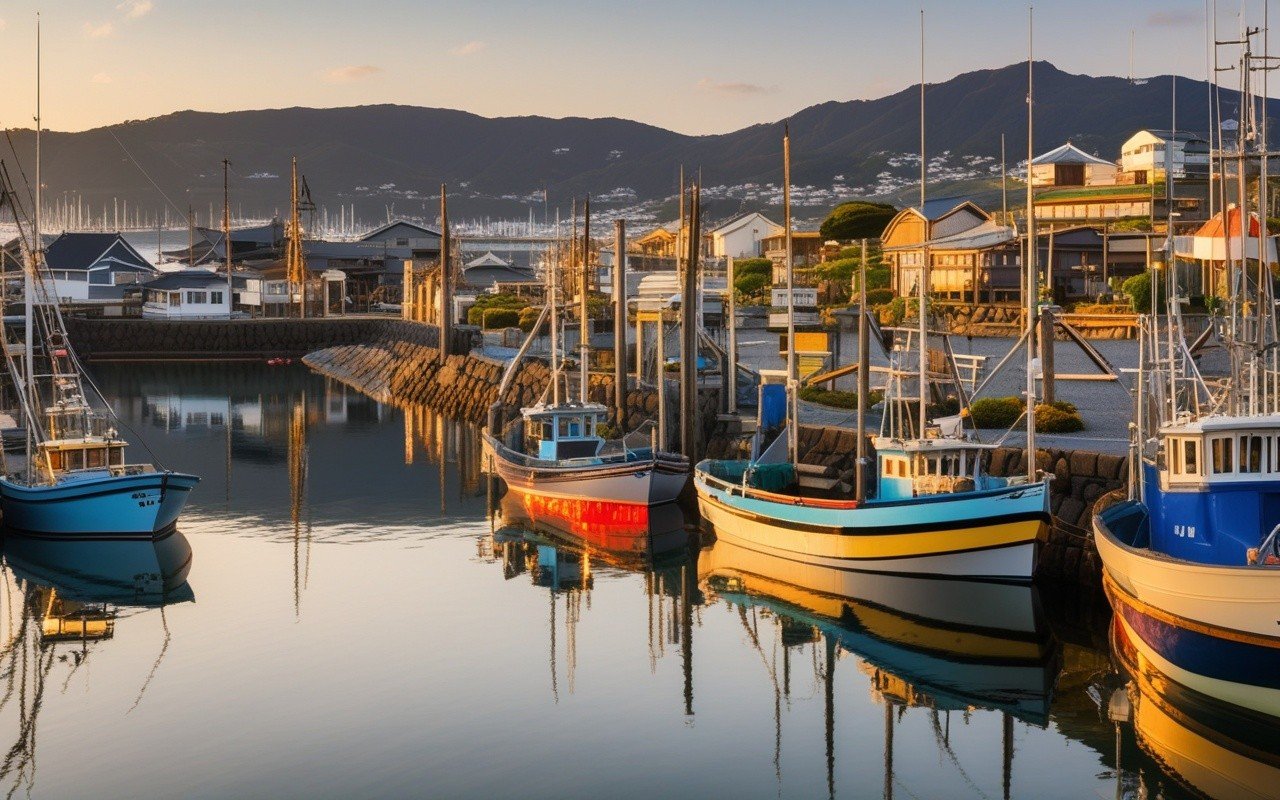
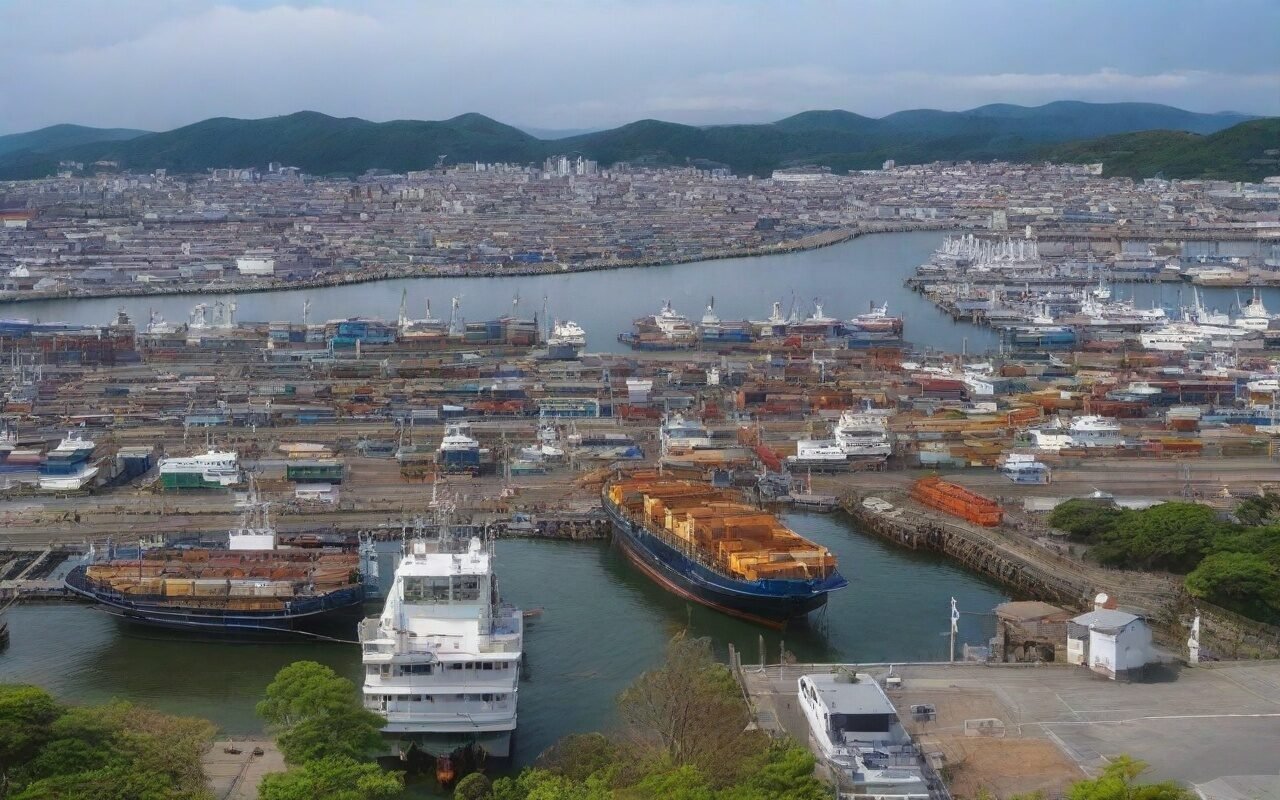
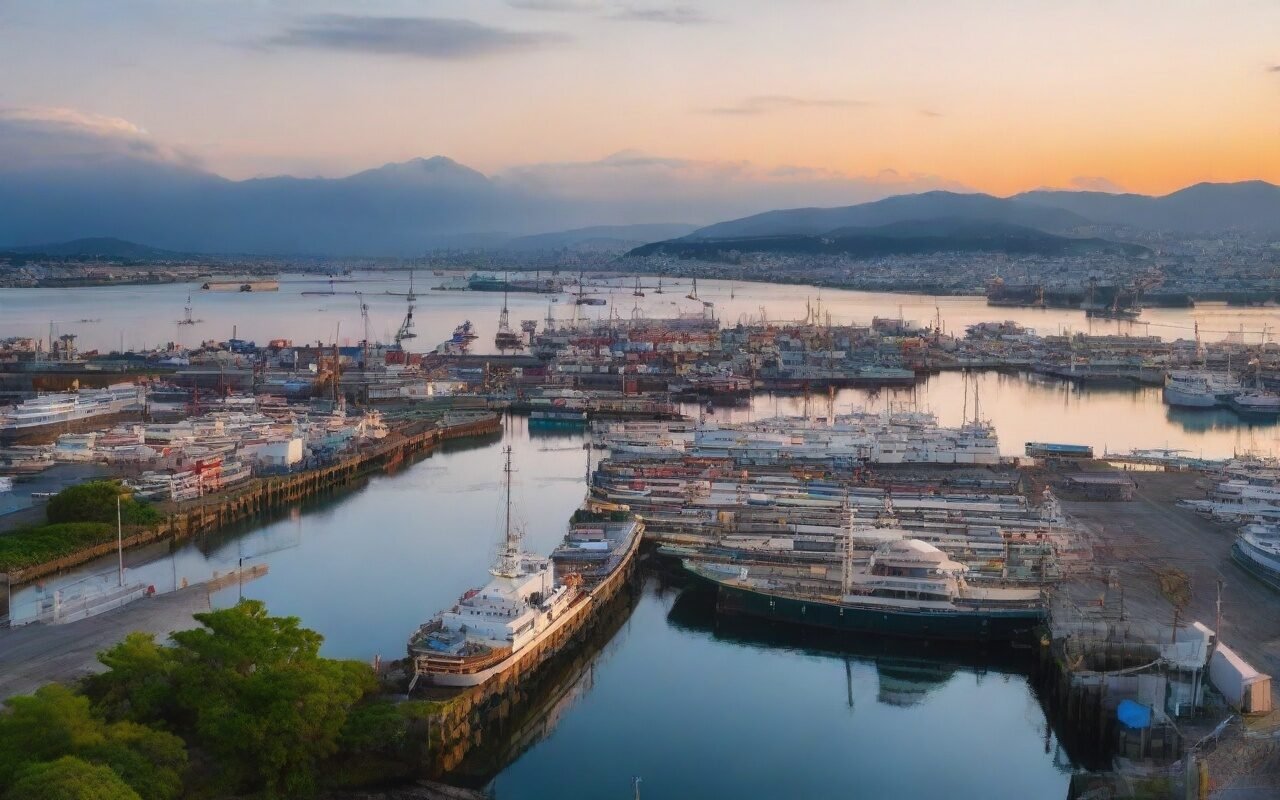
Misaki’s relationship with tuna dates back to the Edo period when local fishermen developed techniques for long-distance fishing. After World War II, the port modernized rapidly, becoming a base for large tuna long-liners that traveled as far as the Indian Ocean. Today, Misaki remains one of only a handful of ports authorized to land Atlantic bluefin tuna, and its daily auction draws buyers from across the Kanto region.
The port processes approximately 30,000 tons of tuna annually, with peak season running from September through December, During this period, the pre-dawn auction (starting around 5:30 AM) is a fascinating spectacle that visitors can observe from a designated viewing platform.
Tuna Donburi Comparison
Tuna donburi (rice bowl) is the most popular way to enjoy tuna in Miura. Here is a comparison of what different restaurants offer:
| Restaurant | Bowl Name | Cuts Included | Rice | Price |
|---|---|---|---|---|
| Maguro no Yado | Hon-maguro Don | Akami, Chutoro, Otoro | Vinegared | ¥2,200 |
| Misaki Kaisen Center | Tokujo Don | Akami, Chutoro | Sushi rice | ¥1,500 |
| Portside Cafe | Maguro Yukke Don | Minced akami with egg yolk | Warm rice | ¥1,200 |
| Uotami | Tekka Don | Akami only | Sushi rice | ¥1,000 |
Pro tip: For the best value, order “Tekka Don” (simple lean tuna bowl) at a portside shop and add a separate order of chutoro sashimi. This combination costs about ¥2,000 and gives you more fish than a pre-set deluxe bowl.
Sustainable Tuna Practices
Misaki’s tuna industry has faced sustainability challenges, and the port has implemented several measures to ensure long-term viability: Quota System: The Japanese government sets strict catch limits for bluefin tuna, and Misaki’s fleet adheres to these quotas. Each boat’s catch is monitored and reported in real-time.
Size Limits: Tuna below a certain size (currently 70cm for bluefin) must be released. This protects juvenile fish and allows populations to replenish.
Traceability: Every tuna landed at Misaki is tagged with a unique ID that traces it from catch to consumer. Some restaurants now display QR codes on menus that show the origin of each fish.
Farm-Raised Alternatives: Several Misaki processors now offer high-quality farm-raised bluefin tuna, which reduces pressure on wild stocks. Farm-raised tuna tends to have more consistent fat content and is typically 20–30% cheaper than wild-caught.
Best Times to Visit Miura for Tuna
Timing your visit affects both the availability and quality of your tuna experience: Early morning (6–8 AM): The only time to see the tuna auction. Arrive at Misaki Port by 5:30 AM, watch the auction from the viewing platform (free), then head straight to a port restaurant for the freshest possible breakfast. Maguro no Yado opens at 6:30 AM, and the first customers get the just-auctioned catch.
Lunch (11 AM–1 PM): Peak dining time. Arrive before 11:30 AM to avoid queues at popular spots. The lunch menu is typically the same as breakfast but ¥200–¥300 more expensive.
Afternoon (2–4 PM): Many port restaurants close between 2–5 PM after selling out of their daily allocation. Call ahead to confirm. The Misaki Kaisen Center remains open but with limited selection.
Weekdays vs, weekends: Weekdays are significantly quieter. On weekends, queues at top restaurants can exceed 45 minutes. If visiting on a weekend, aim for an early breakfast (7 AM) or late lunch (1:30 PM) to minimize waiting.
Weather considerations: Tuna fishing is weather-dependent. Stormy seas can delay boats, reducing availability at port restaurants. If the forecast looks poor, call ahead to confirm the catch arrived. Restaurants farther from the port (inland Miura) tend to have more consistent supply from refrigerated storage.
Festival timing: The Miura Peninsula Tuna Festival (held in November) features special pricing, cooking demonstrations, and limited-edition products. Accommodation in the area fills up weeks in advance for this event.
Getting to Miura Peninsula
| Route | From | Time | Cost |
|---|---|---|---|
| Keikyu Line | Shinagawa Station | 90 min | ¥1,200 |
| Keikyu Line | Yokohama Station | 60 min | ¥850 |
| Car (Tomei Expressway) | Tokyo | 80 min | ¥2,500 toll |
| Bus | Shinagawa Station (night service) | 120 min | ¥1,500 |
A Keikyu Weekend Pass (¥1,800) offers unlimited rides on the Keikyu Line for one day, making it the most economical option for a day trip from Tokyo.
Where to Eat Tuna in Miura
1. Misaki Port Tuna Restaurants
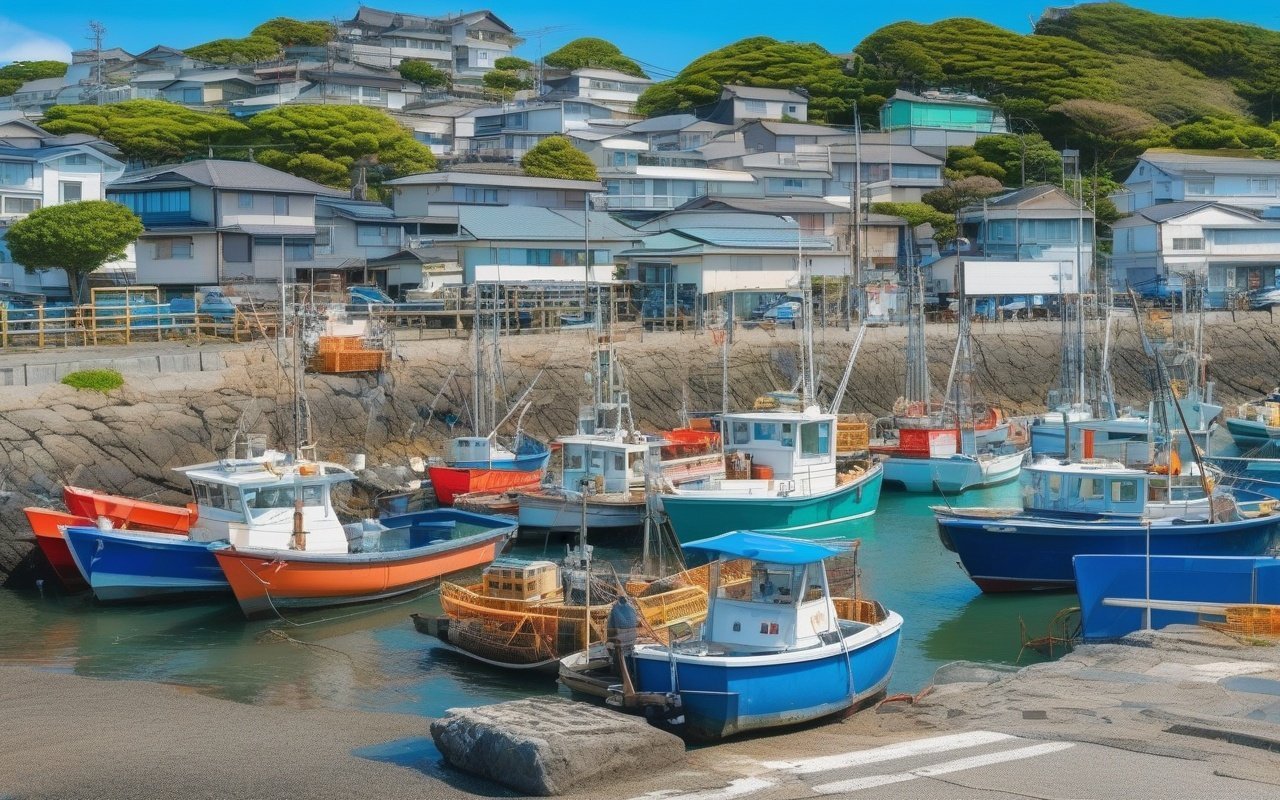
The row of restaurants lining the port offers the freshest possible tuna dishes. Most open by 7 AM and close when they run out of fish—often by early afternoon.
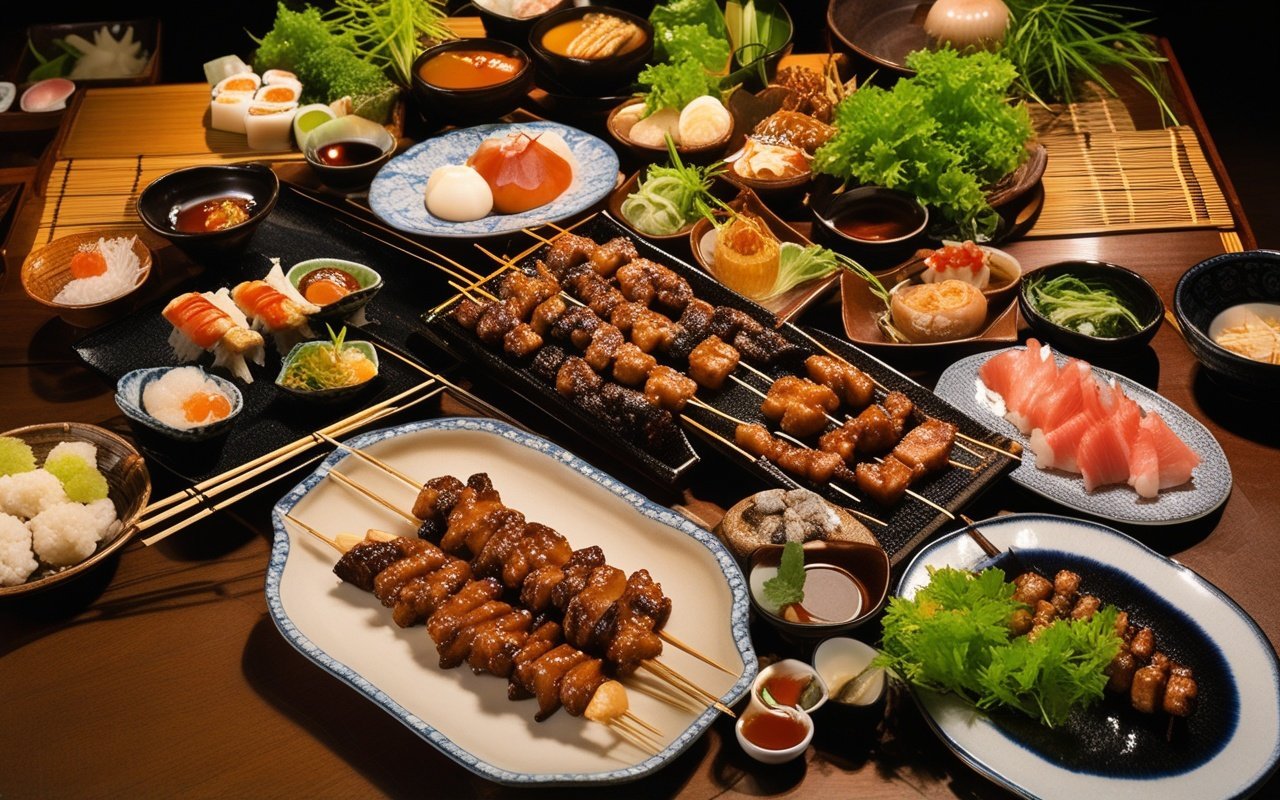
Maguro no Yado (まぐろの宿) has been serving tuna since 1968. Their “Hon-maguro” (bluefin tuna) donburi (¥2,200) features three cuts—akami (lean), chutoro (medium-fatty), and otoro (fatty belly)—served over vinegared rice. The difference in texture and richness between the three cuts is remarkable.
Misaki Kaisen Center (Misaki (三崎)海鮮センター) offers a more casual experience with a marketplace on the ground floor and a food court upstairs. Here you can buy freshly cut tuna sashimi packs (from ¥800) and eat them at communal tables overlooking the port.
2. Tuna Processing Facility Tours
Misaki Tuna Promotion Center offers guided tours of their processing facility. Visitors can watch workers carve 200 kg bluefin tuna with traditional long knives (maguro-bocho), separating the prized cuts with surgical precision. Tours are free but require advance reservation (Japanese-language only, though English pamphlets are available).
3. Tuna-themed Souvenirs
- Tuna jerky (Maguro no Jerky): A protein-rich snack that keeps well—perfect for hiking or train travel.
- Tuna flakes (Maguro no Kezuri-bushi): Dried, shaved tuna used as a seasoning for okonomiyaki and rice dishes.
- Canned tuna: Misaki’s high-quality canned tuna makes an excellent gift.
Seasonal Tuna Guide
Miura’s tuna availability follows a predictable rhythm:
| Season | Species | Quality | Best Cut |
|---|---|---|---|
| Spring (Mar–May) | Yellowfin | Lean & firm | Akami |
| Summer (Jun–Aug) | Bigeye | Medium fat | Chutoro |
| Autumn (Sep–Nov) | Bluefin | Peak fat | Otoro |
| Winter (Dec–Feb) | Bluefin | Rich & fatty | All cuts |
Understanding Tuna Cuts and Grades
When ordering tuna in Miura, understanding the different cuts will help you make the most of your dining experience. Here is a detailed guide:
Akami (赤身) — Lean Meat
Located along the back of the fish, akami is the leanest cut with a deep red color and firm texture. It has a clean, straightforward tuna flavor without the richness of fattier cuts. Akami is the most affordable cut and is excellent for beginners who want to appreciate the pure taste of fresh tuna.
Best enjoyed as: Sashimi, nigiri, or lightly seared (tataki)
Typical price: ¥800–¥1,200 per serving
Chutoro (中トロ) — Medium-Fatty Belly
From the side of the belly, chutoro has a moderate fat content that gives it a buttery texture while retaining the clean tuna flavor. The color is a lighter red with visible white marbling. For many tuna enthusiasts, chutoro strikes the perfect balance between flavor and richness.
Best enjoyed as: Sashimi, nigiri, or gunkan-maki (hand roll)
Typical price: ¥1,200–¥1,800 per serving
Otoro (大トロ) — Fatty Belly
The most prized cut, otoro comes from the belly center and has the highest fat content. It is pale pink with extensive marbling and melts on the tongue with a rich, almost sweet flavor. Otoro is significantly more expensive than other cuts and is typically served in limited quantities.
Best enjoyed as: Nigiri (one piece is usually enough)
Typical price: ¥2,500–¥4,000 per serving
How Tuna Fishing Works in Miura
Misaki’s tuna fleet uses long-line fishing methods, setting lines that can extend 50–100 km with hundreds of baited hooks. Boats typically depart for 2–4 week voyages, targeting bluefin tuna in the Pacific Ocean. The catch is kept in refrigerated seawater tanks to maintain freshness during transit.
Upon return to port, the tuna is graded by trained inspectors who assess:
- Fat content: Measured by a handheld device that analyzes the belly cross-section
- Color: Vibrant red indicates freshness; brownish tones indicate age
- Texture: Firmness and elasticity
- Overall appearance: Shape, damage, and handling quality
Top-grade tuna is sent directly to Tokyo’s Toyosu Market for high-end sushi restaurants. Second-grade tuna stays in Miura for local consumption, which is why the quality at Misaki’s port restaurants is exceptional even at moderate prices.
Beyond Tuna: Other Seafood in Miura
While tuna is the star, Miura’s waters offer other excellent seafood worth exploring:
| Seafood | Season | Recommended Preparation |
|---|---|---|
| Kinmedai (golden eye snapper) | Autumn–Winter | Sashimi or shabu-shabu |
| Aji (horse mackerel) | Summer | Sashimi with ginger |
| Ise-ebi (spiny lobster) | October–April | Grilled or sashimi |
| Sazae (turban shell) | Year-round | Grilled with soy sauce |
Many port restaurants offer mixed seafood bowls (kaisen don) that include tuna alongside these local specialties. During my visit, I tried the local specialty and found the flavors remarkably fresh and well-balanced.
Tips
A few things I learned while researching exploring the Miura Peninsula for its tuna: start early to beat the crowds, check opening days in advance, and carry a little cash for smaller shops and entry fees. Comfortable shoes make a bigger difference than most visitors expect, and an IC card such as Suica or Pasmo speeds up every train ride.
Frequently Asked Questions (FAQ)
Q: How do I get to Misaki Port from Tokyo?
A: Take the Keikyu Line from Shinagawa to Misakiguchi Station (about 90 minutes), then a 10-minute bus ride to the port. Alternatively, the Keikyu Weekend Pass offers unlimited rides at a discount.
Q: Can I see the tuna auction?
A: Yes, but you must arrive before 6 AM. The auction floor has a public viewing area, and the experience is free. Photography is allowed only from the designated walkway.
Q: What is the difference between the three tuna grades?
A: Akami is the lean red meat from the back. Chutoro is medium-fatty from the belly sides. Otoro is the fattiest cut from the belly center—rich, buttery, and the most expensive. Most tuna donburi sets include all three for comparison.
Q: Do restaurants accept credit cards?
A: Many do, but smaller shops and market stalls are cash-only. An ATM is available at Misakiguchi Station.
Q: Is there an English menu?
A: Most port restaurants have picture menus or English translations. Maguro no Yado provides an English menu upon request.
Conclusion
Whether you are planning exploring the Miura Peninsula for its tuna for the first time or returning for another visit, taking a little extra time to go beyond the obvious sights makes all the difference. During my visit to the Miura Peninsula I went with a rough plan and found that leaving room to wander made the trip far more memorable. I hope this guide helps you build an itinerary that fits your pace, and that your time in Kanagawa leaves you with memories worth coming back for.