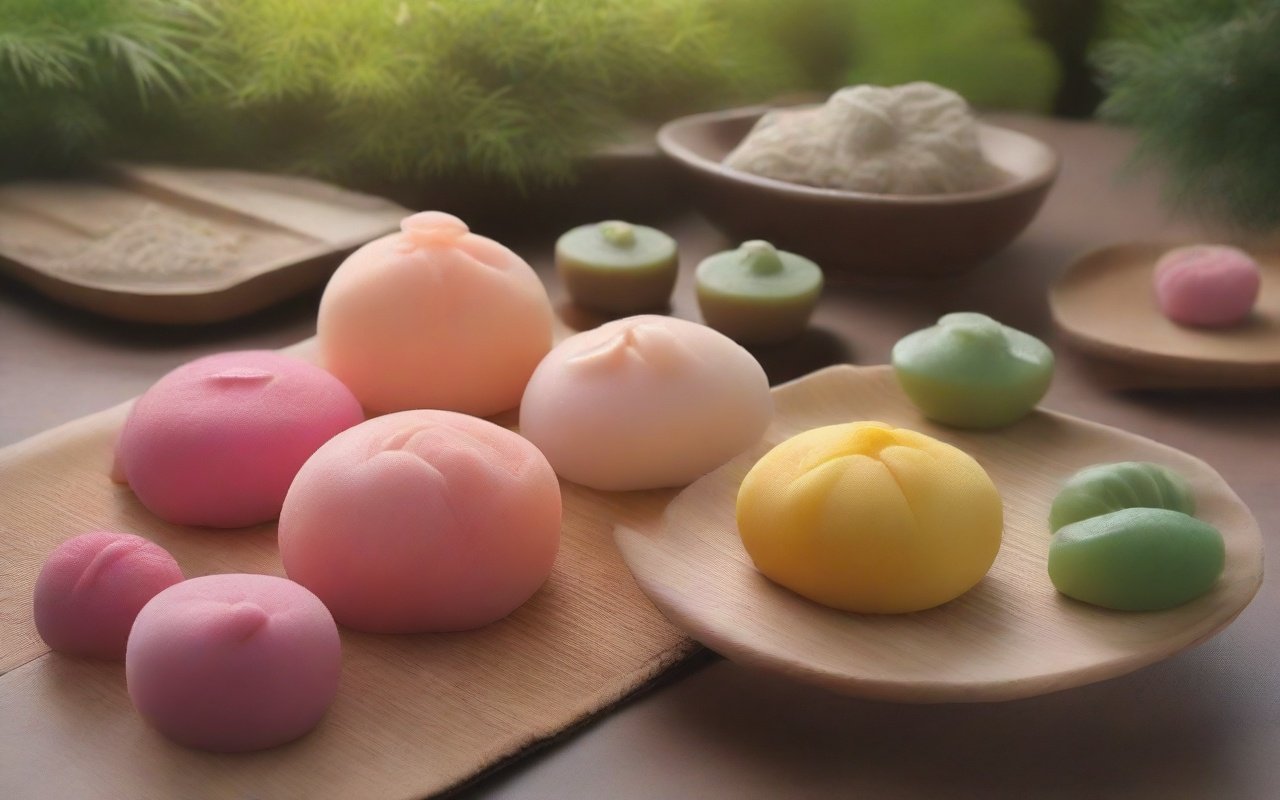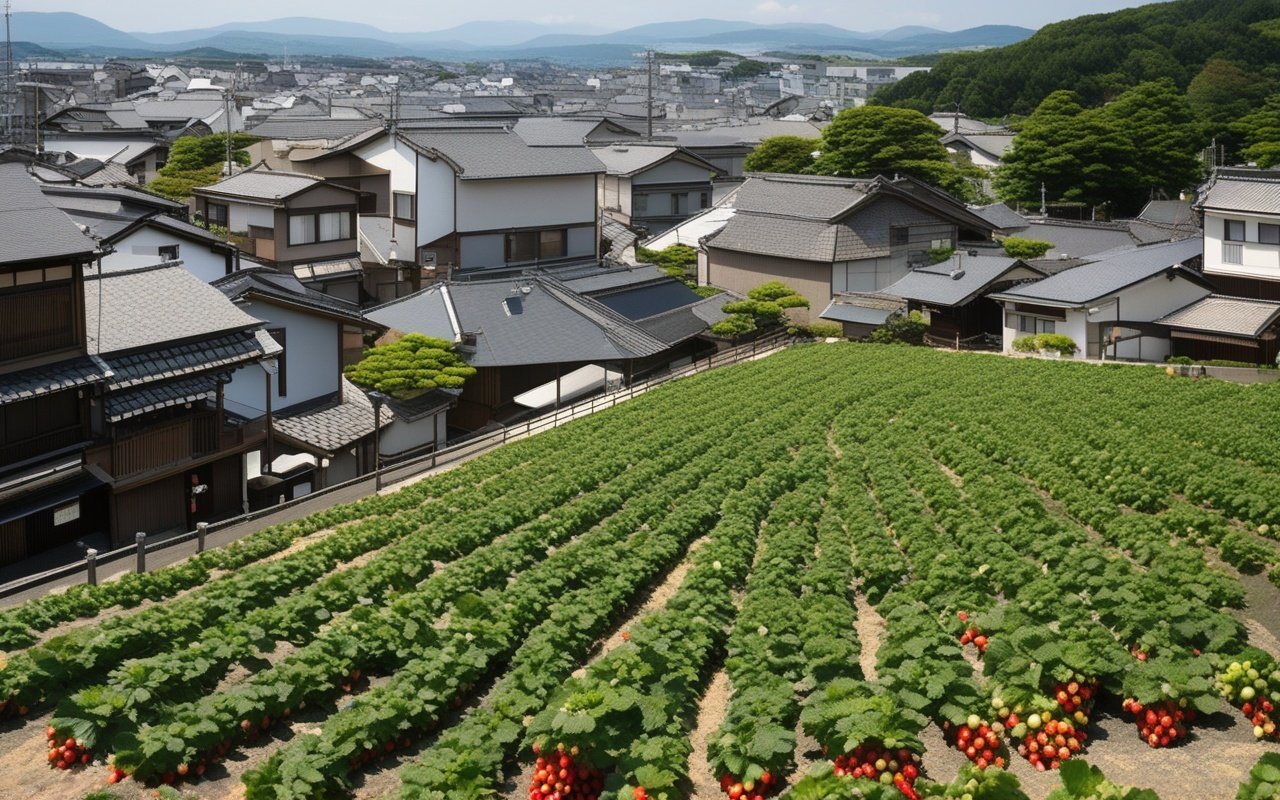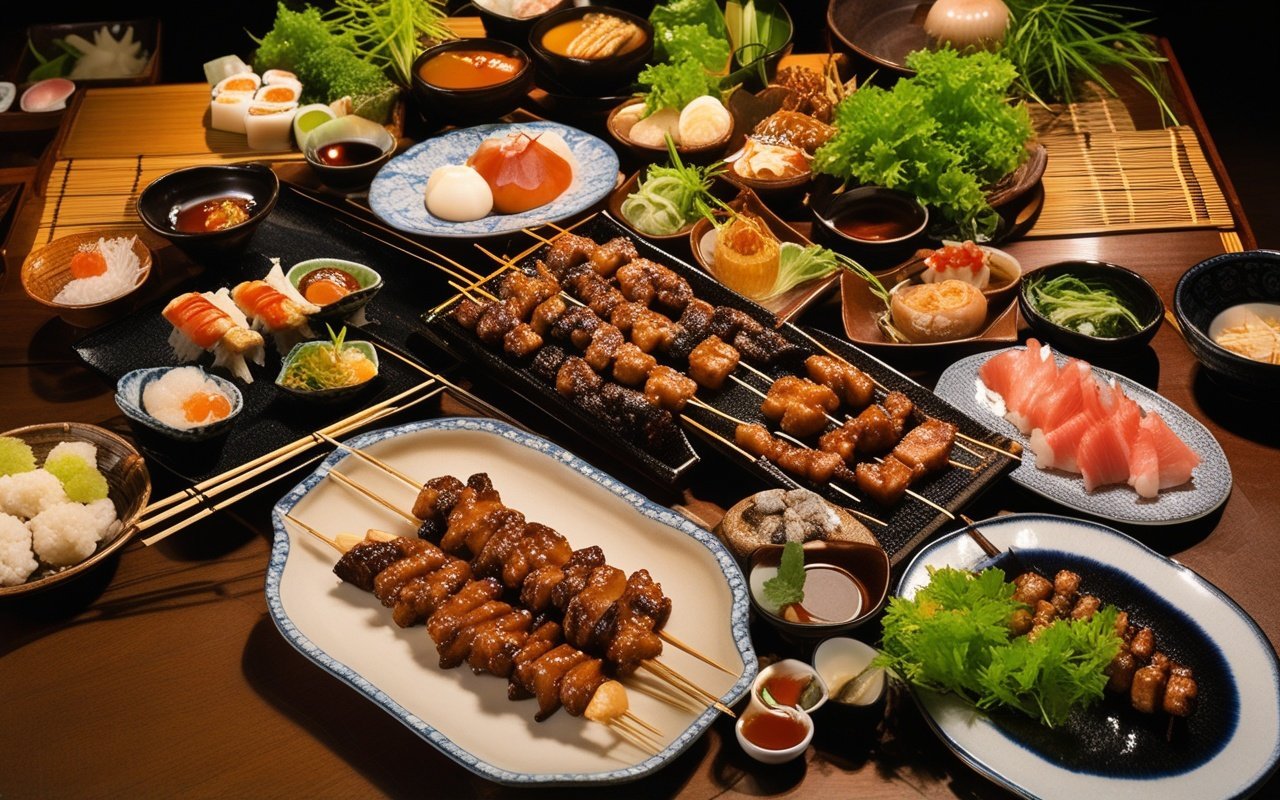
Category: Food & Drink

  • Kanagawa Yakitori Izakaya Guide — Complete Guide 2026

    Kanagawa Yakitori Izakaya Guide — Complete Guide 2026

    Overview

    Discover the best food and drink experiences that Kanagawa Yakitori Izakaya has to offer. From hidden local gems to popular dining destinations, this guide takes you through the culinary landscape of Kanagawa in Kanagawa Prefecture. Whether you are a first-time visitor or a returning food enthusiast, you will find something to satisfy your cravings.

    Access

    Most of the best yakitori is concentrated in two areas: Yokohama’s Noge district and Kawasaki’s Ekimae (station-front) streets. Noge is about a 10-minute walk from JR Yokohama Station’s east exit (or one stop on the JR Negishi Line to Sakuragicho); Kawasaki Ekimae sits directly outside JR Kawasaki Station on the Keihin-Tohoku Line.

    Understanding the Menu

    Ordering Yakitori can be intimidating for foreigners. Here are the cuts you must know:

    • Momo: Thigh meat. Juicy, tender, and the most popular cut.
    • Negima: Chicken and leek skewers. The leek becomes sweet and caramelized on the grill.
    • Teba: Chicken wings. Crispy skin on the outside, succulent meat on the inside.
    • Reba: Chicken liver. Creamy and rich in iron, often served with a sprinkle of pepper.
    • Nankotsu: Crunchy cartilage. A texture-heavy bite that is great with beer.

    Sauce vs. Salt

    Most shops will ask “Tare ka Shio ka?” (Sauce or Salt?).

    • Tare (Sauce): A sweet soy-based glaze that is brushed onto the skewers, great for first-timers.
    • Shio (Salt): Simple salt seasoning. Best for high-quality chicken to taste the natural flavor of the meat.
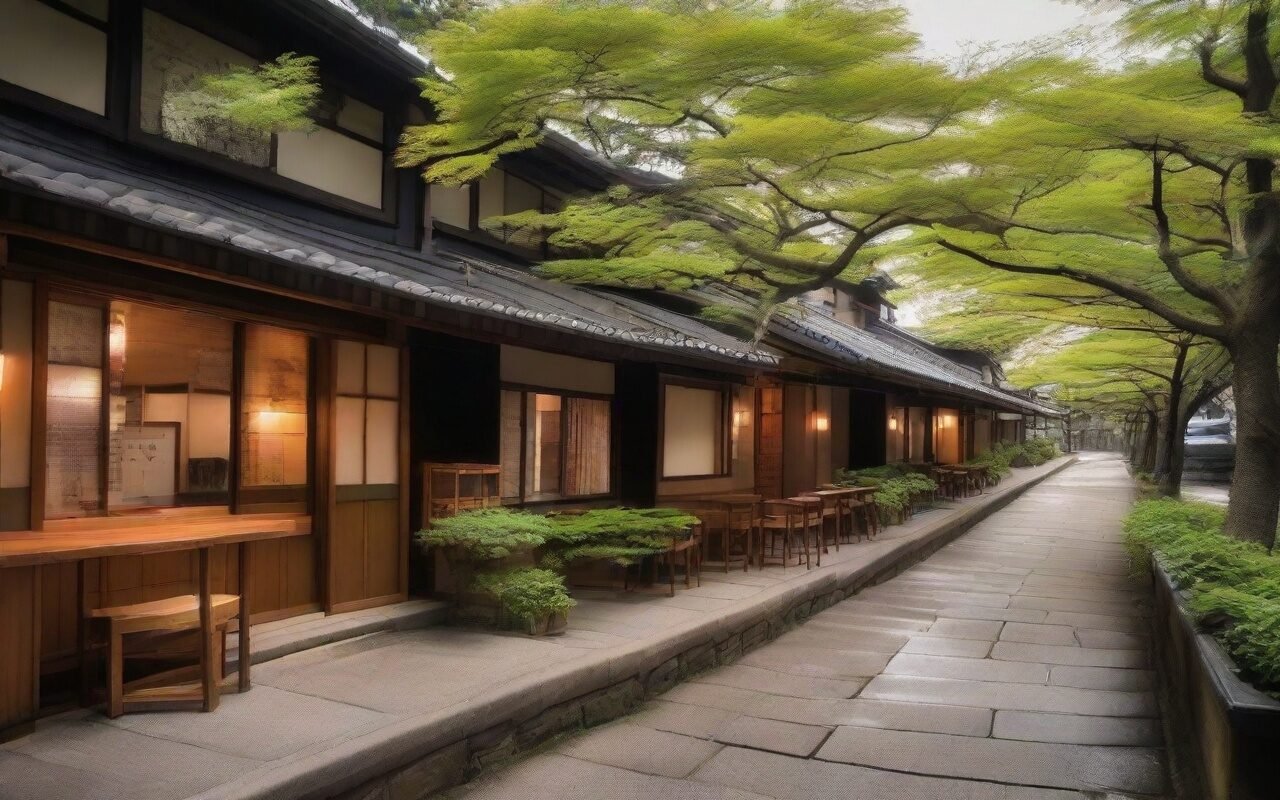
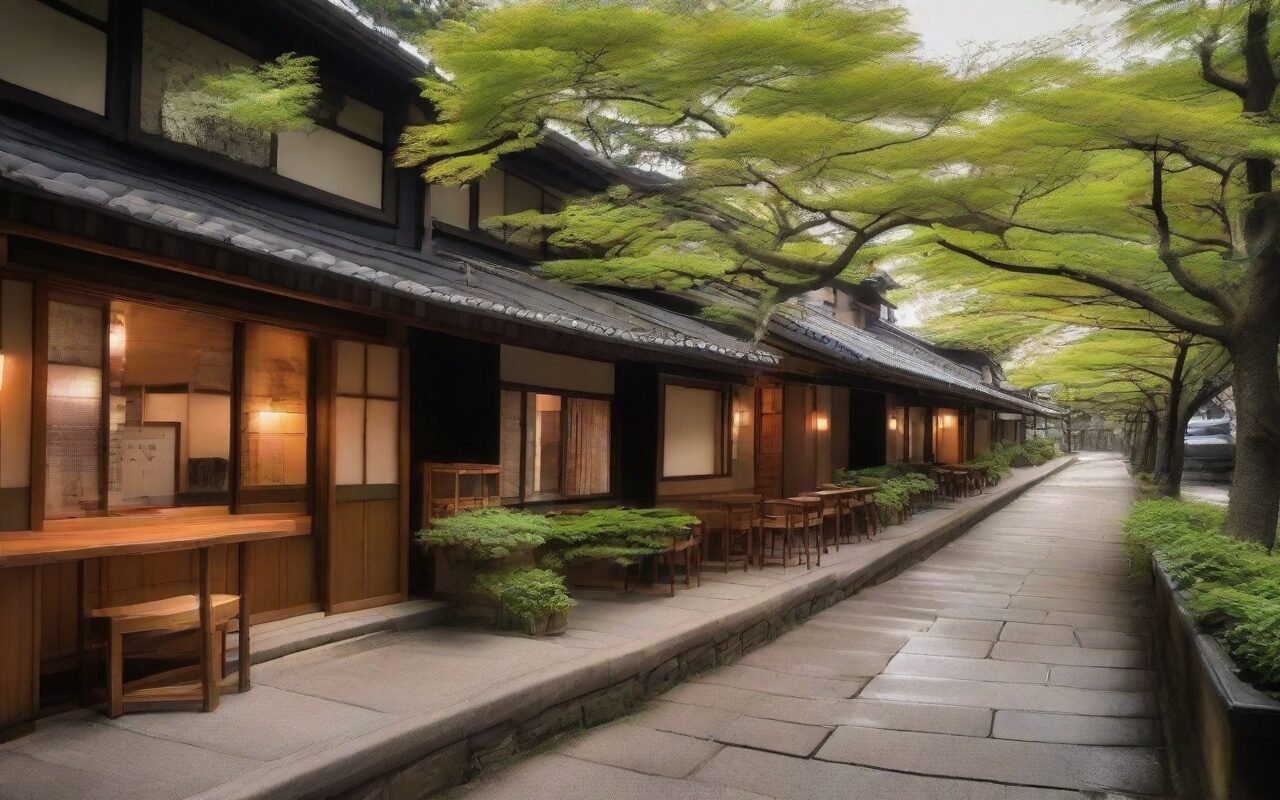
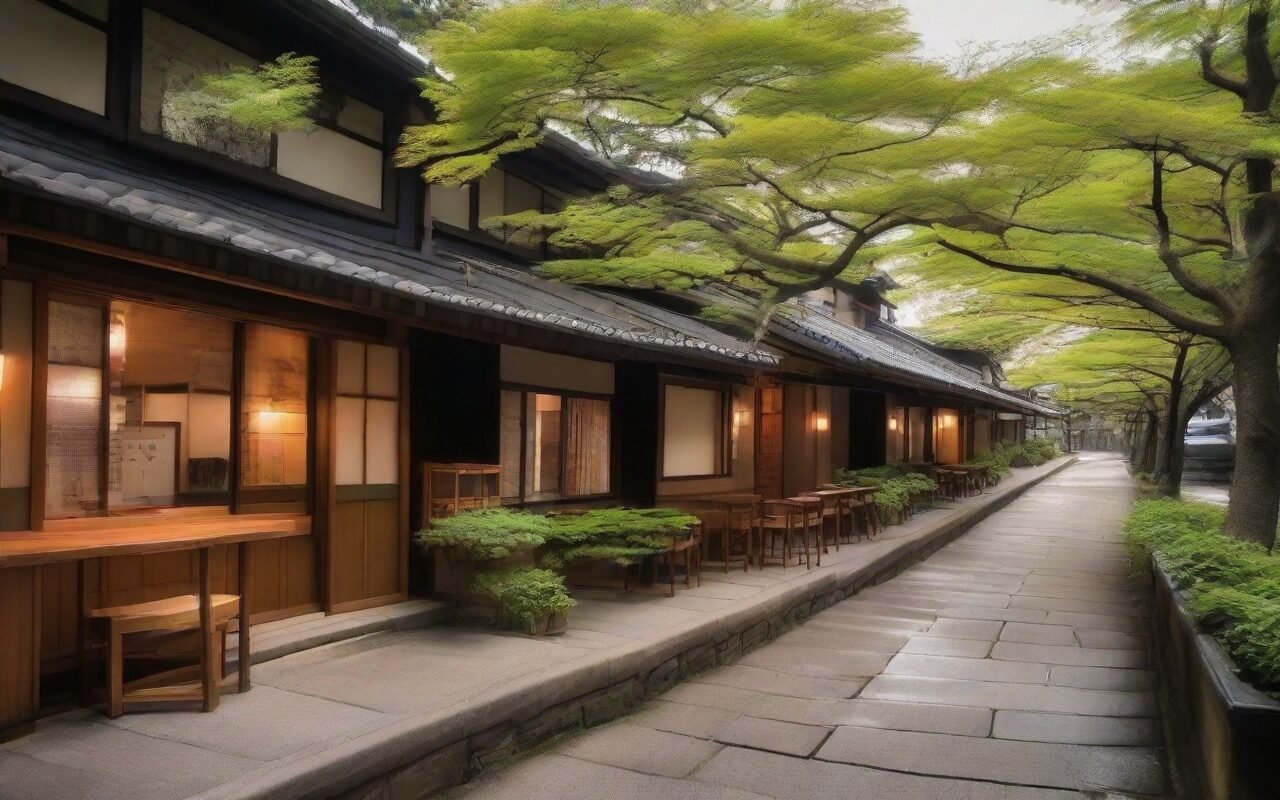
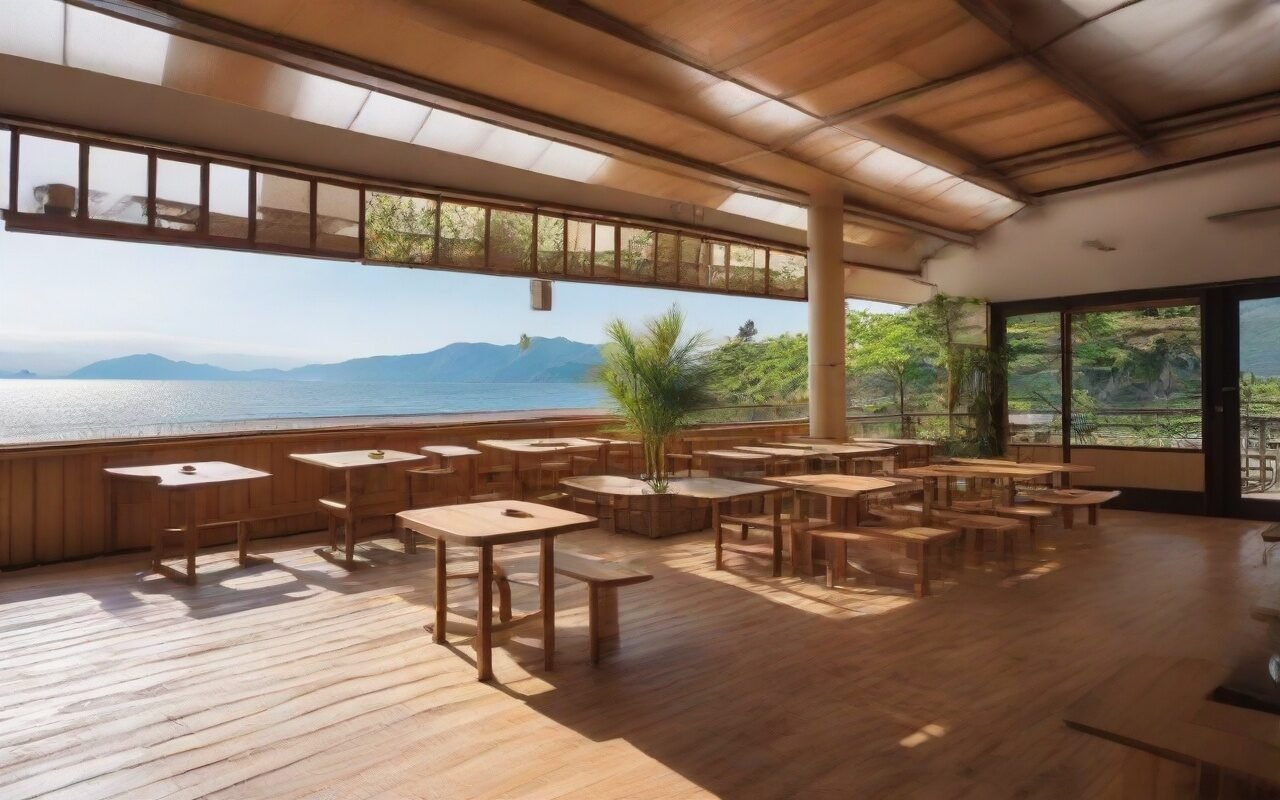
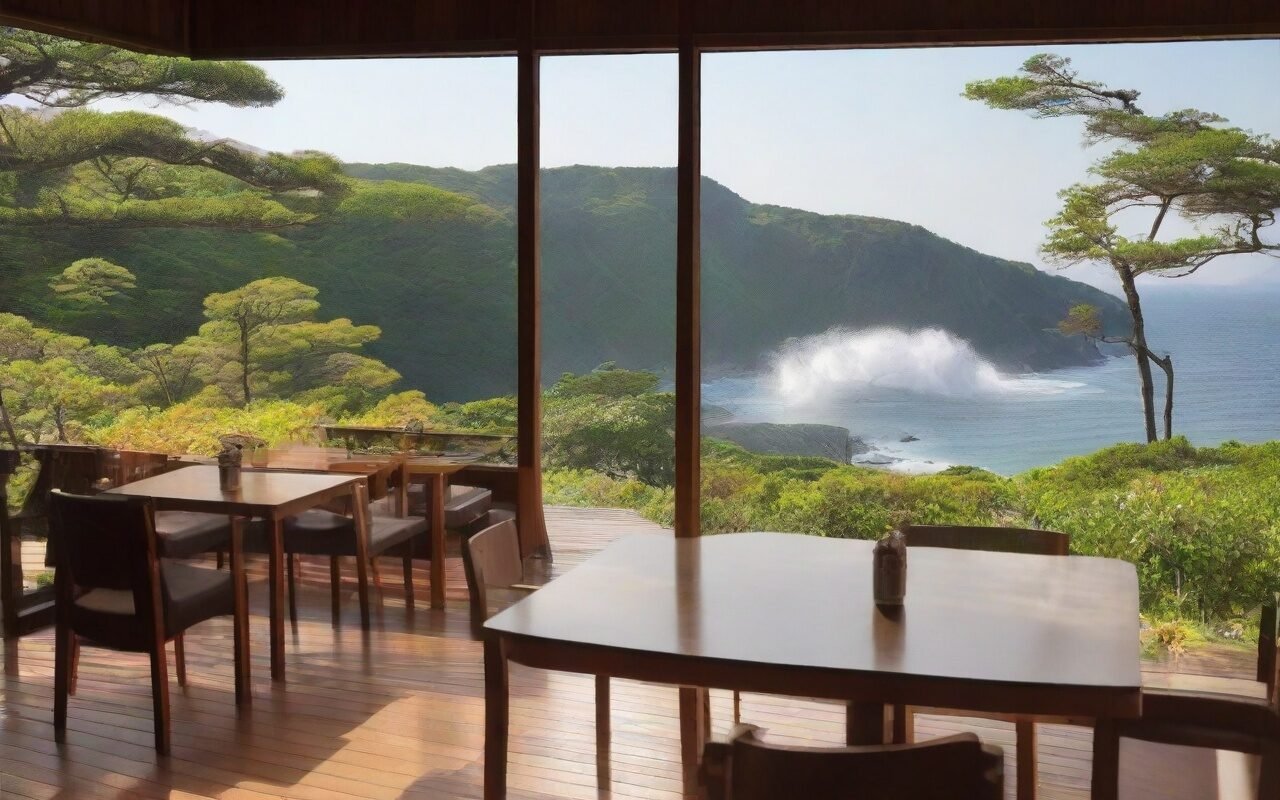
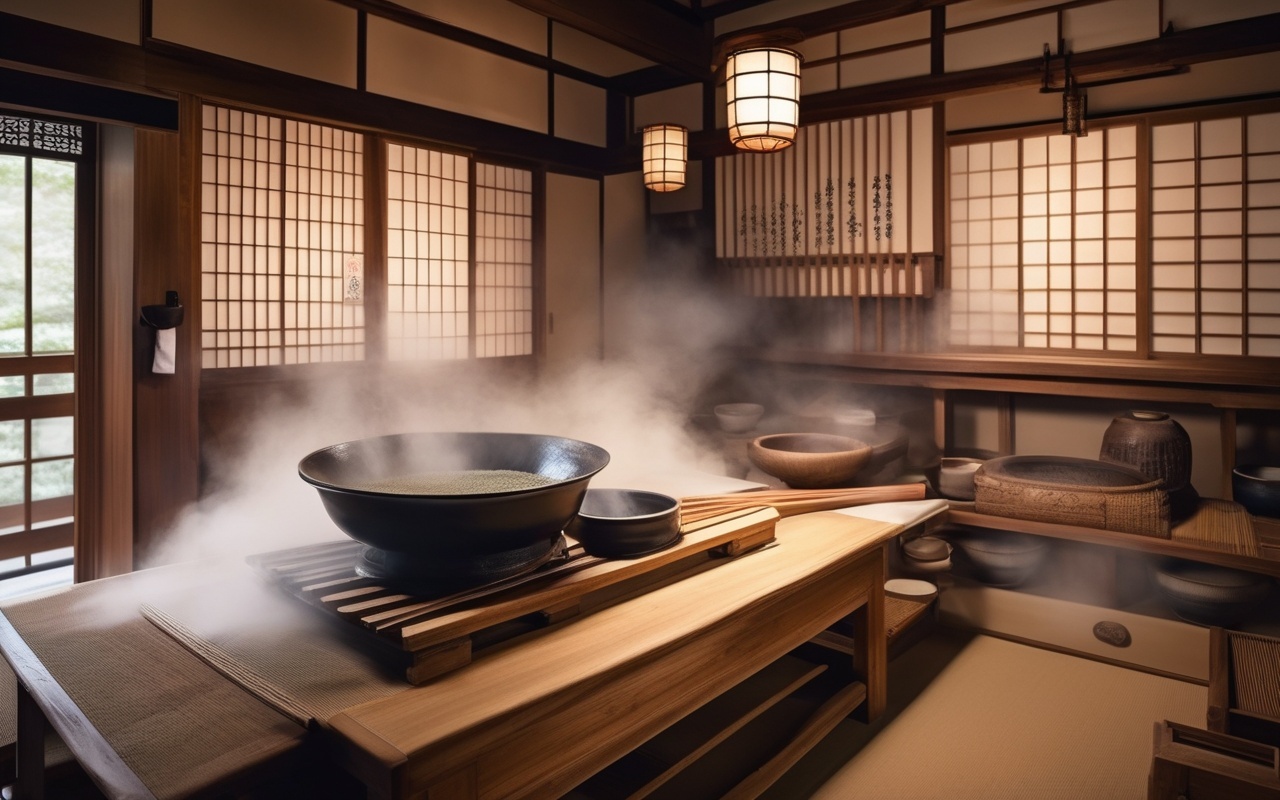
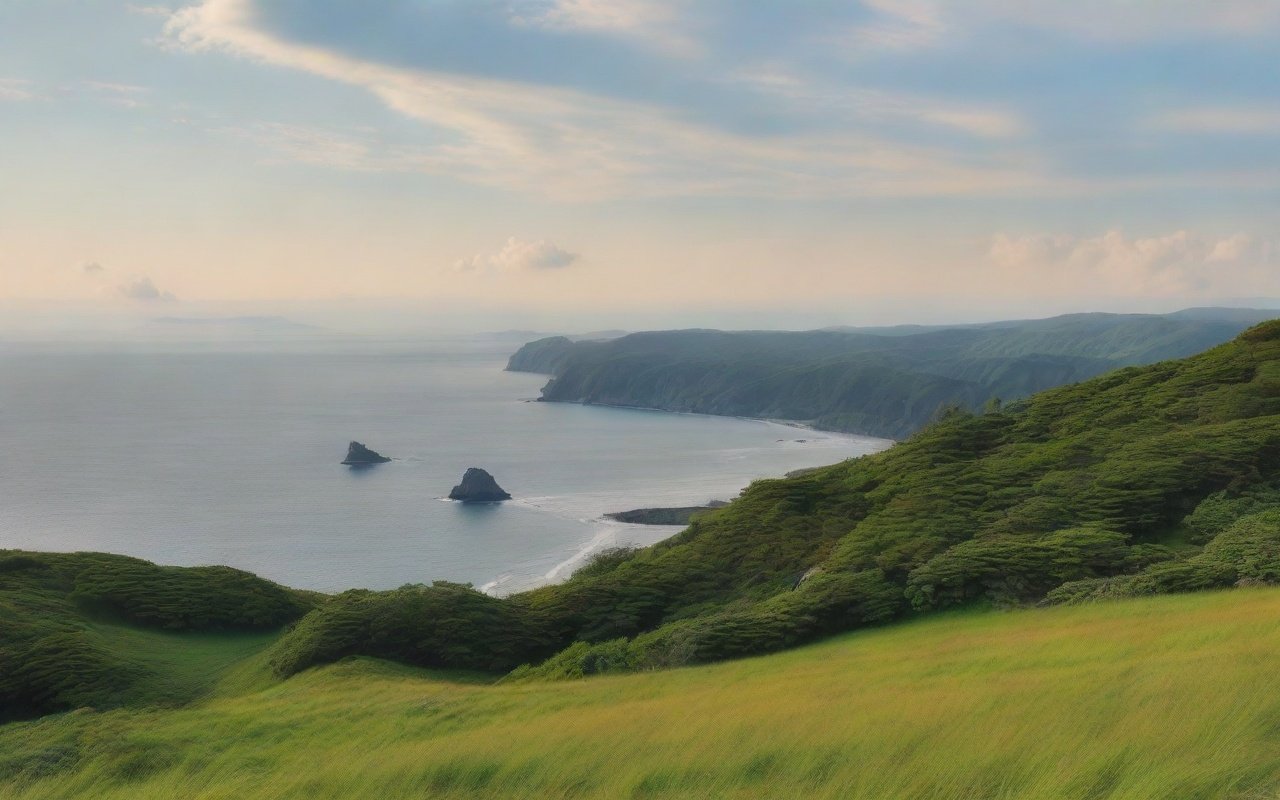
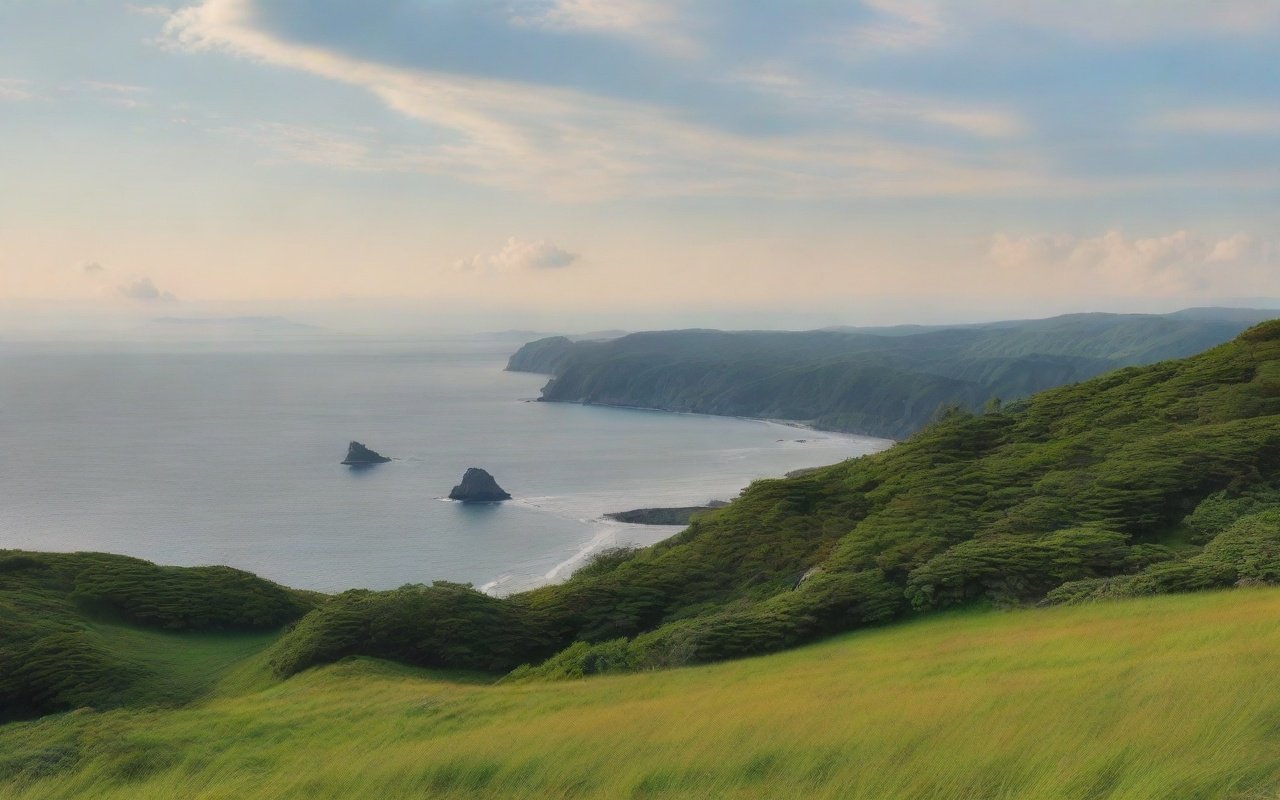
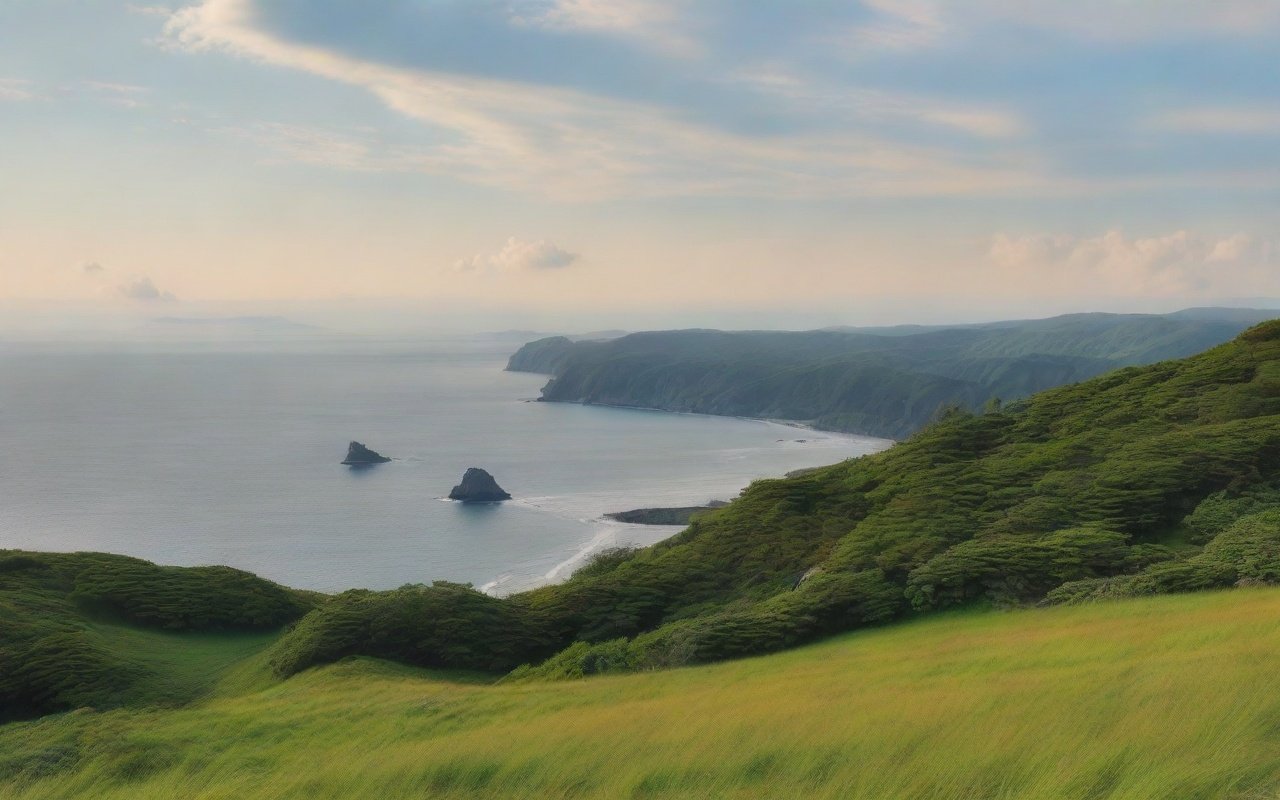
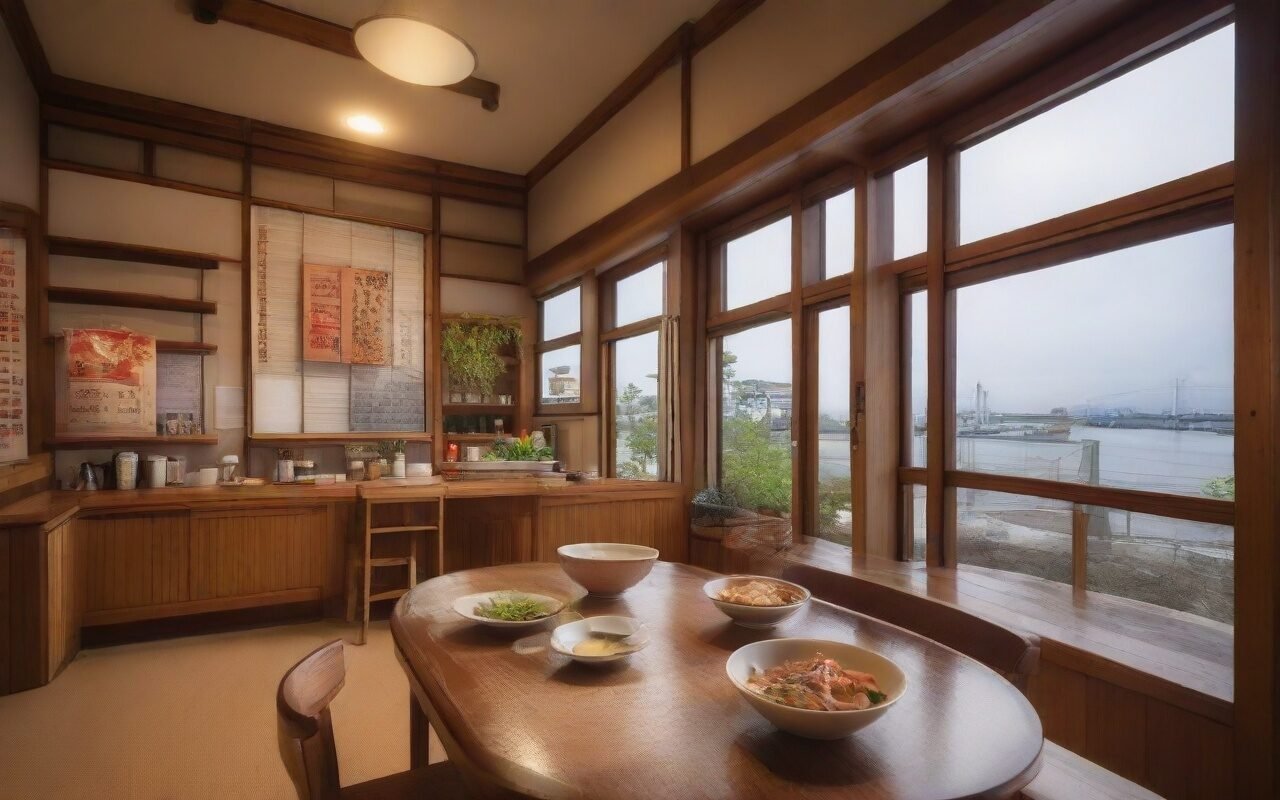
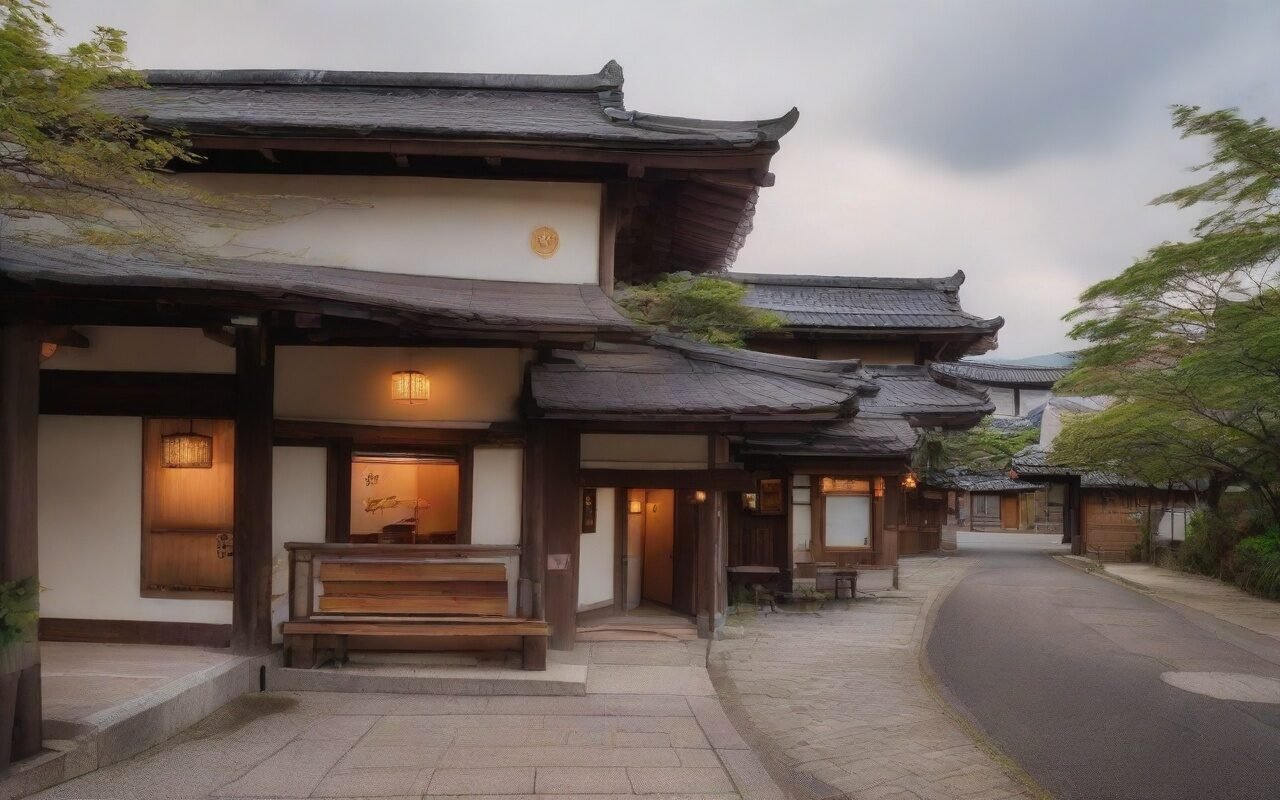
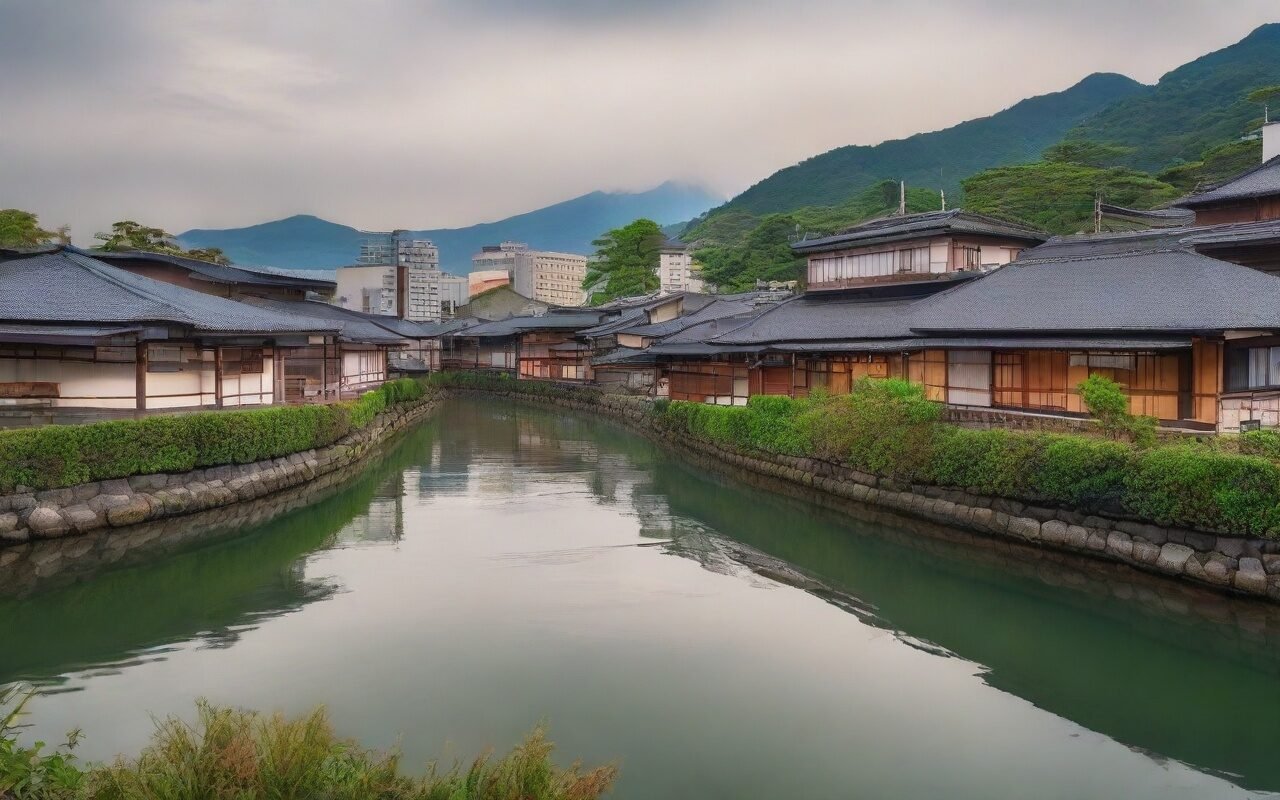
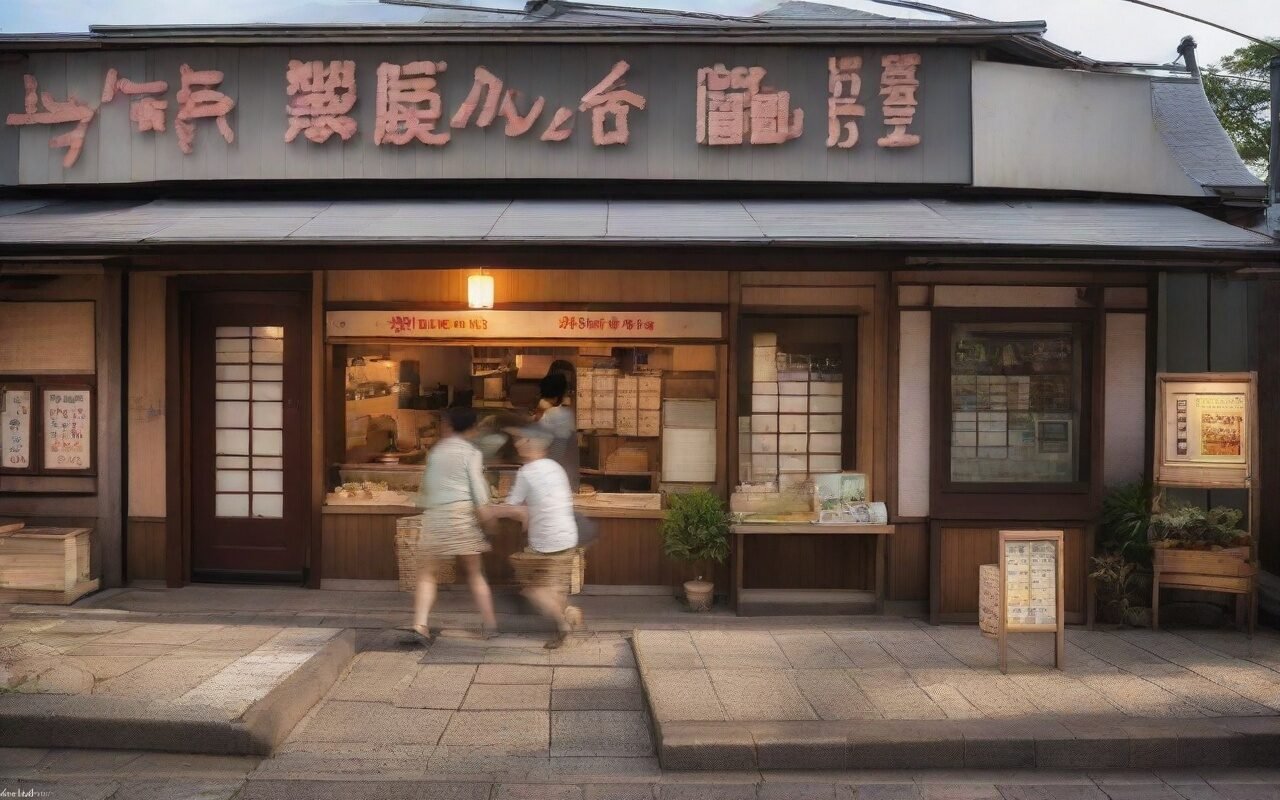
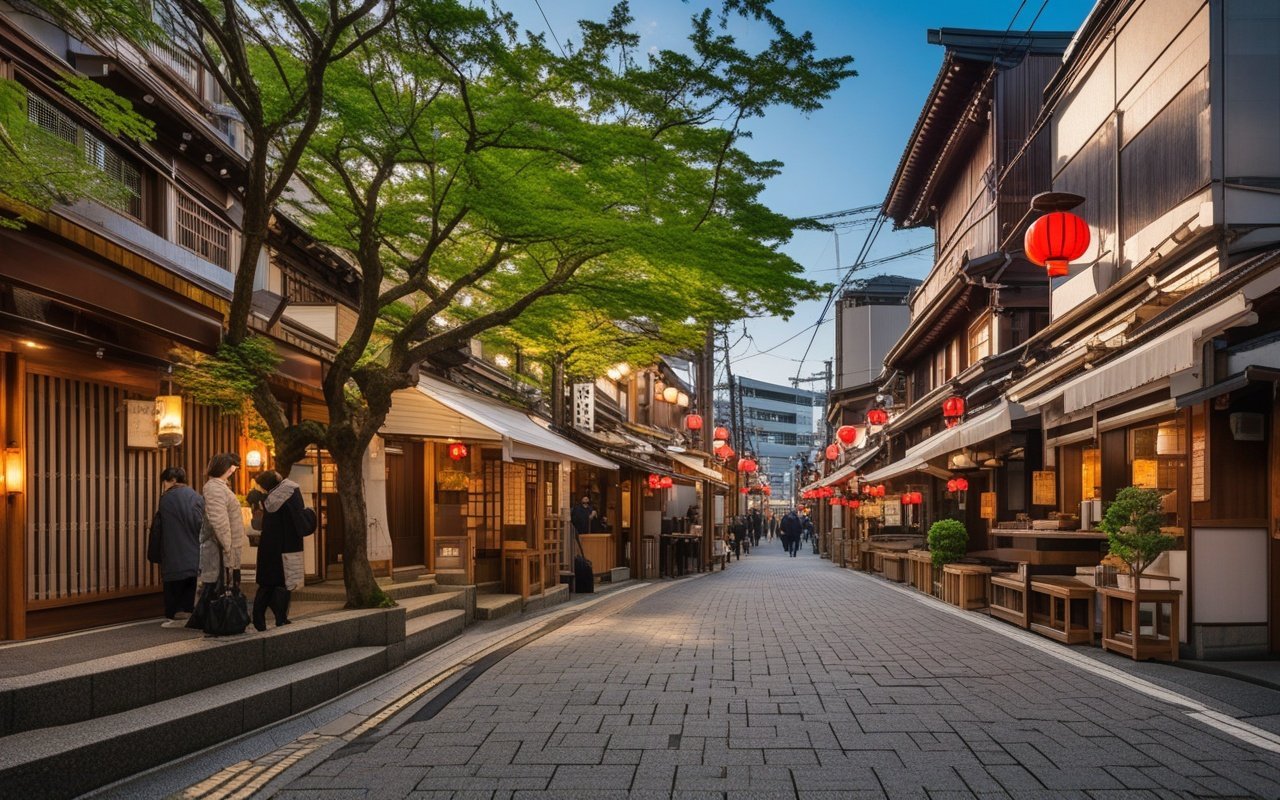
    Kanagawa Yakitori Izakaya Guide scenery and attractions
    Kanagawa Yakitori Izakaya Guide — main illustration

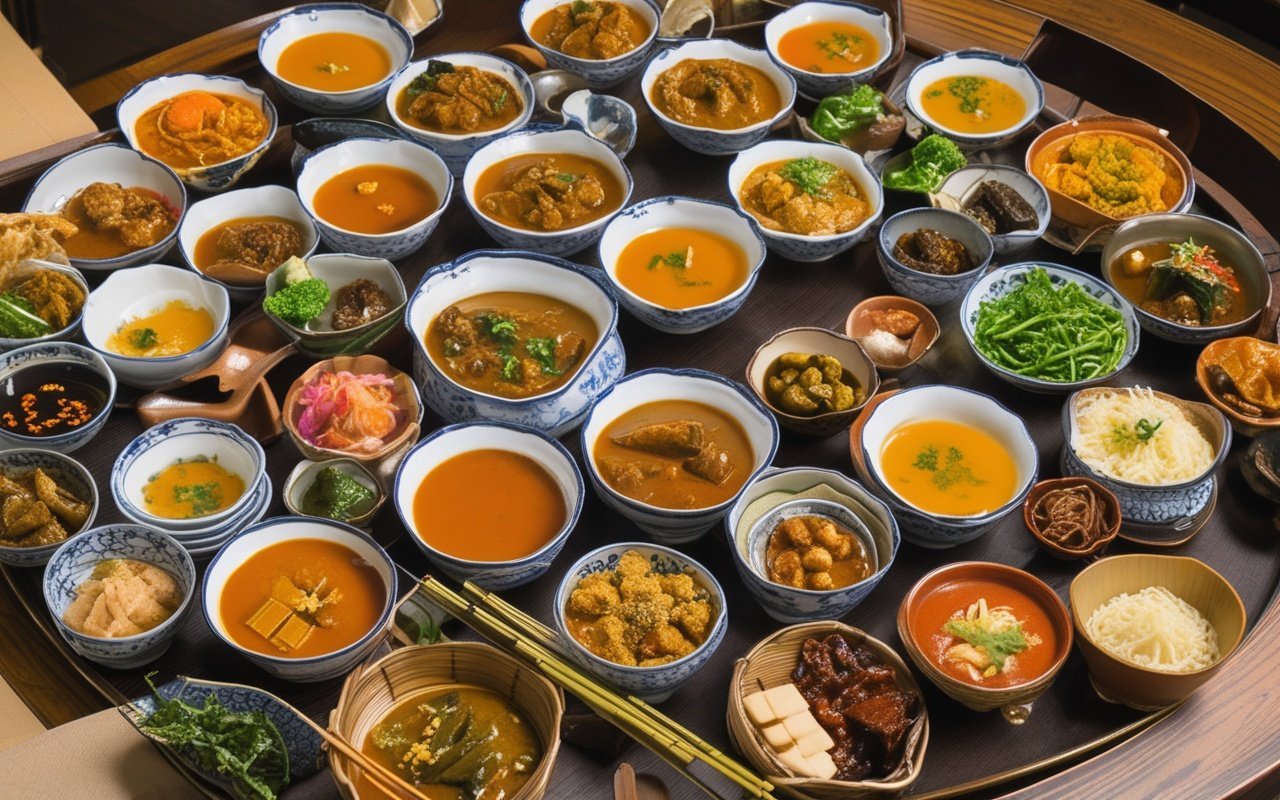
    Kanagawa Yakitori Izakaya Guide — visitor highlights
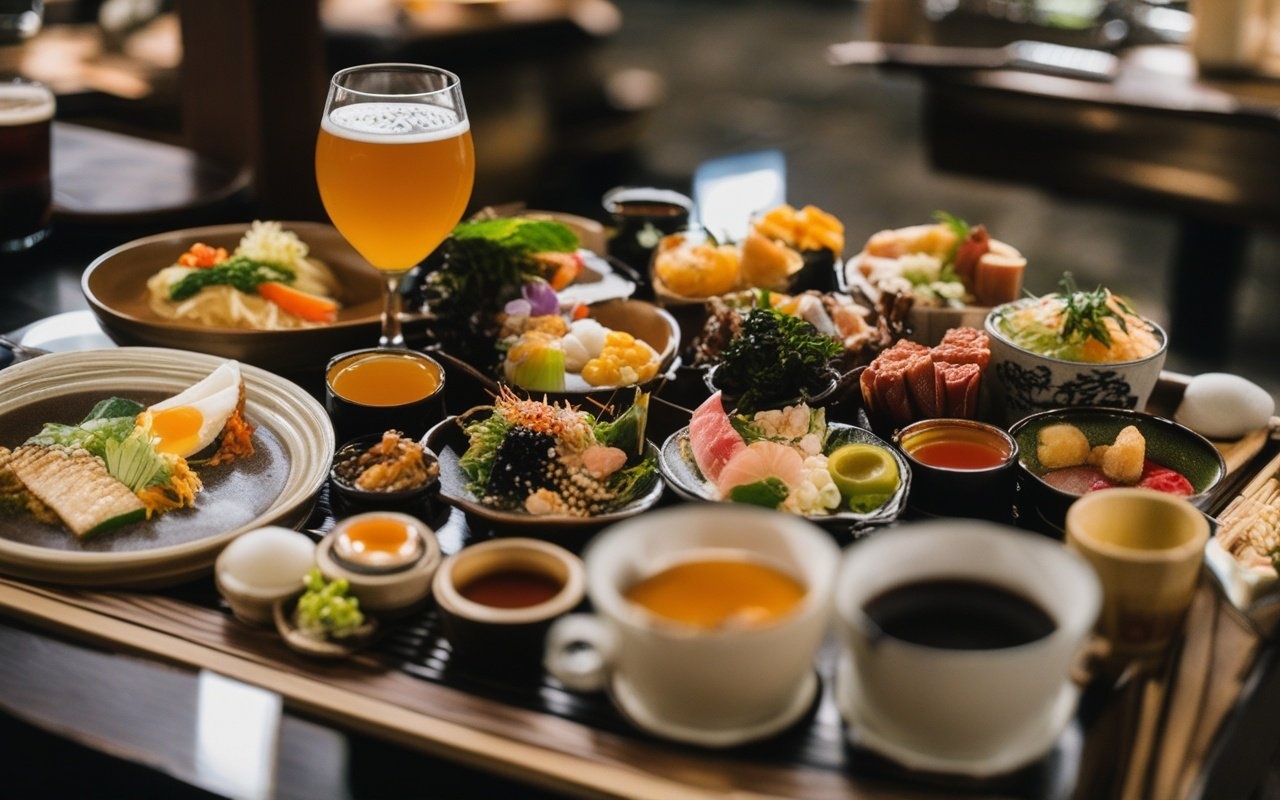
    Yakitori, skewered and grilled chicken, is the heart of the Izakaya (Japanese pub) experience. In Kanagawa, areas like Kawasaki’s Ekimae (station front) and Yokohama’s Noge district are packed with tiny bars serving up these smoky, delicious skewers alongside cold beer. It is the best way to experience local nightlife and mingle with residents.

    Izakaya Etiquette

    1. Otoshi: You may be served a small appetizer immediately and charged a seating fee (usually ¥300-¥500). This is standard practice and covers the “cover charge.”
    2. Pour for Others: Never pour your own drink. Pour for your neighbors, and they will reciprocate. It is a sign of camaraderie.
    3. Sharing: Yakitori is meant to be shared. Order a variety of cuts and place them in the center of the table for everyone to grab.

    Ordering Beyond the Usual Cuts in Noge and Kawasaki

    Once you master momo and negima, the real fun is reading seasonal chalkboards that list tsukune stuffed with shiso, knee cartilage skewers brushed with yuzu kosho, or duck breast treated like luxury yakitori in Yokohama chef counters. Ask whether the kitchen splits orders into half portions if you want to sample widely without committing to ten sticks per flavor; many Kanagawa shops happily comply when you mention tabehodai is not the goal. Late-night trains from Kawasaki Station reward travelers who pace alcohol with yakitori-don mini bowls that soak up tare before the last Keihin-Tohoku departure.

    Smoke ventilation varies wildly: older Noge joints still pull exhaust across the counter, so hang jackets on provided covers or expect your scarf to carry a campfire note home. Counter seats put you inches from blistering grills—keep sleeves rolled and bags tucked under stools because masters move fast with metal tongs. If you dislike raw-ish liver, request “well done” using “yoku yaku” rather than guessing; quality shops adjust timing without drama.

    Pairing logic differs from wine bars: highballs cut through oily skins, nama beer highlights salt-only seasoning, and warmed junmai sake flatters tare-heavy skewers when nights turn chilly along the bay. Otoshi plates might look random, but they often nod to regional pickles or tiny dried fish snacks that prime your palate for niboshi-heavy broths simmering behind the bar.

    For a neighborhood-level crawl map, read Noge izakaya complete guide alongside Yokohama backstreet gourmet to stitch together standing bars, vinyl jazz kissaten stops, and dawn ramen resets. Solo women travelers often prefer brightly lit corners near station underpasses first, then wander inward once comfort levels rise. Remember that photography of other guests is almost always unwelcome even when the grill looks cinematic—focus shots on food, not faces.

    Payment surprises rarely happen if you confirm “card OK?” before ordering premium omakase skewer flights that climb past typical per-person averages, When trains stop running, taxi queues near Noge can stretch; walking twenty minutes toward Sakuragicho sometimes beats idle standing. Yakitori rewards curiosity, eye contact, and a willingness to repeat orders when the first stick disappears faster than expected.

    Carry a light scarf even in summer because air-conditioned counters can feel arctic after you step in sweat-soaked from humid platforms. If smoke clings to hair, hotel dryers on cool settings help without baking the smell deeper into fabric.

    Understanding Yakitori Cuts

    Knowing the different cuts of yakitori will help you order with confidence:

    Cut Description Price Range
    Momo (もも) Chicken thigh—juicy and flavorful ¥150–¥250
    Negima (ねぎま) Chicken and leek alternating ¥180–¥280
    Tsukune (つくね) Ground chicken meatball ¥200–¥300
    Sasami (ささみ) Chicken breast—lean and mild ¥150–¥250
    Bonjiri (ぼんじり) Chicken tail—rich and fatty ¥200–¥350
    Sunagimo (砂肝) Gizzard—chewy and savory ¥150–¥250
    Reba (レバー) Chicken liver—creamy and iron-rich ¥150–¥250
    Hatsu (ハツ) Chicken heart—textured and meaty ¥180–¥280

    Ordering strategy: Start with a “momo” and “negima” to assess the grill master’s skill. If they are well-charred outside and juicy inside, proceed to premium cuts. If they are dry or undercooked, stick to basic cuts.

    Yakitori Sauce Styles: Tare vs. Shio

    Yakitori is typically seasoned with either tare (sweet soy-based sauce) or shio (salt): Tare (たれ): A concentrated sauce made from soy sauce, mirin, sake, and sugar, simmered until thick and glossy. Each shop’s tare is a closely guarded recipe, aged and replenished daily. Tare-coated skewers have a caramelized, slightly sweet exterior. Best for: momo, tsukune, negima.

    Shio (塩): Coarse sea salt is sprinkled on the skewers before and after grilling. The salt enhances the natural flavor of the chicken without masking it. Best for: sasami, bonjiri, sunagimo. Some shops offer both options for each cut—ask for “tare de” or “shio de” when ordering.

    Planning Your Yakitori Evening

    Noge District evening route
    Start at Noge Station (5-minute walk from Kannai Station on the JR Negishi Line). The district comes alive around 5 PM. Begin at Oden no Hige for a warm-up bowl of oden (¥800 for 4 pieces) to prepare your palate. Then move to Kushi-tora for yakitori (¥1,500–¥2,500 for 5–6 skewers). Finish at a standing bar (tachinomi) for a final drink.

    Budget guide:

    • 5 assorted skewers: ¥1,200–¥2,000
    • Drink (beer, sake, or chuhai): ¥500–¥800 per glass
    • Oden bowl (4–5 pieces): ¥600–¥1,000
    • Final drink: ¥500–¥700
    • Total evening: ¥3,500–¥5,000 per person

    Language guide for ordering:

    • “Momo o shio de” — Chicken thigh seasoned with salt (recommended first order)
    • “Tsukune o tare de” — Chicken meatball with sweet sauce
    • “Shishito o kudasai” — Please give me shishito peppers
    • “Osusume wa nan desu ka?” — What do you recommend?
    • “Okaikei o onegai shimasu” — Check, please

    Best times: Most izakayas open at 5 PM and close by 11 PM (last order at 10 PM). The busiest period is 7–9 PM, Arriving at 6 PM gives you a comfortable seating choice and attentive service. Late-night dining (after 9 PM) may have limited skewer selection as ingredients run out.

    Solo dining: Yakitori izakayas are excellent for solo travelers. Counter seating is designed for individuals, and the staff is accustomed to single diners, Bring a book or simply watch the grill master work—the rhythmic fanning of the charcoal is mesmerizing.

    Yakitori and Drink Pairings

    The smoky, savory flavors of yakitori pair beautifully with a range of drinks:

    Yakitori Cut Drink Pairing Why It Works
    Negima Dry sake (karakuchi) The sake’s acidity cuts through the fat
    Tsukune Amber ale Malt sweetness complements the meatball
    Sasami Chuhai (lemon) Citrus freshness balances the mild chicken
    Bonjiri Highball (whisky soda) Carbonation cleanses the palate
    Reba Sweet sake (amakuchi) Sweetness masks the liver’s bitterness

    Most izakayas serving yakitori offer all of these drinks. A typical evening of 5–6 skewers and 2–3 drinks costs ¥3,000–¥5,000 per person.

    Top Yakitori Shops in Kawasaki and Yokohama

    Kawasaki Ekimae (Kawasaki (川崎)駅前)

    The station front area of Kawasaki is dense with yakitori joints that open in late afternoon and close after the last train. Tori-ichi (鳥一) on the west side of the station has been operating since 1978 and is famous for its negima skewers—the char sipped from caramelized leek as you bite through the chicken is the mark of a master grill. A set of five assorted skewers costs ¥1,200.

    Noge District, Yokohama

    Noge’s narrow drinking alleys contain dozens of yakitori shops, each with a slightly different specialty. Kushi-tora (串虎) specializes in tsukune (chicken meatballs) made with cartilage for texture. Try their “shiso tsukune” with grated daikon and ponzu for a refreshing contrast.

    Kannai Area

    Yakitori Kazu (焼鳥かず) near Kannai Station offers a premium omakase course (¥3,800) featuring rare cuts like bonjiri (chicken tail) and sasami (chicken breast) with wasabi. The chef speaks basic English and can explain each cut as it is served.

    Seasonal Yakitori Highlights

    • Spring: Young chicken (hina) skewers with bamboo shoots
    • Summer: Grilled shishito peppers and chicken tsukune with sudachi citrus
    • Autumn: Matsutake mushroom and chicken hot-pot to finish the meal
    • Winter: Motsunabe (offal hot pot) at yakitori shops that specialize in hormone (organ meat)

    Tips

    Practical notes from my trips to exploring Kanagawa: confirm the latest hours on the official website, buy tickets in advance when you can, and leave extra time for trains and walking between stops. Keeping your first day lighter also helps you enjoy the second day without feeling rushed.

    Frequently Asked Questions (FAQ)

    Q: What is the typical price for a yakitori meal?
    A: A filling dinner of 5–6 skewers plus a drink costs between ¥2,000 and ¥3,500 per person. Lunch sets are often ¥800–¥1,200.

    Q: Is it safe to eat chicken cooked over charcoal?
    A: Yes, reputable shops maintain strict temperature control. The high heat of binchotan charcoal sears the outside while keeping the inside juicy. Avoid raw chicken (sashimi) unless the shop has a visible hygiene rating.

    Q: What if I don’t eat chicken?
    A: Most yakitori shops offer pork-wrapped asparagus, shiitake mushrooms, and vegetable skewers. Some also serve beef tsukune.

    Q: Can I visit yakitori shops alone?
    A: Absolutely. Counter seating at yakitori shops is designed for solo diners. Many regulars eat alone, reading or watching the grill master work.

    Q: Do I need to know Japanese to order?
    A: Basic pointing works, but learning these five terms helps: momo (thigh), negima (leek), tsukune (meatball), tare (sauce), shio (salt).


    Conclusion

    The details in this guide come from real visits, and the biggest lesson I took away was that the best experiences in Kanagawa rarely fit neatly into a checklist. During my visit I went with a rough plan and found that leaving room to wander made the trip far more memorable. Plan the essentials, keep your schedule flexible, and you will leave Kanagawa wanting to return.
  • Misaki Port Food Guide – Kanagawa 2026

    Misaki Port Food Guide – Kanagawa 2026

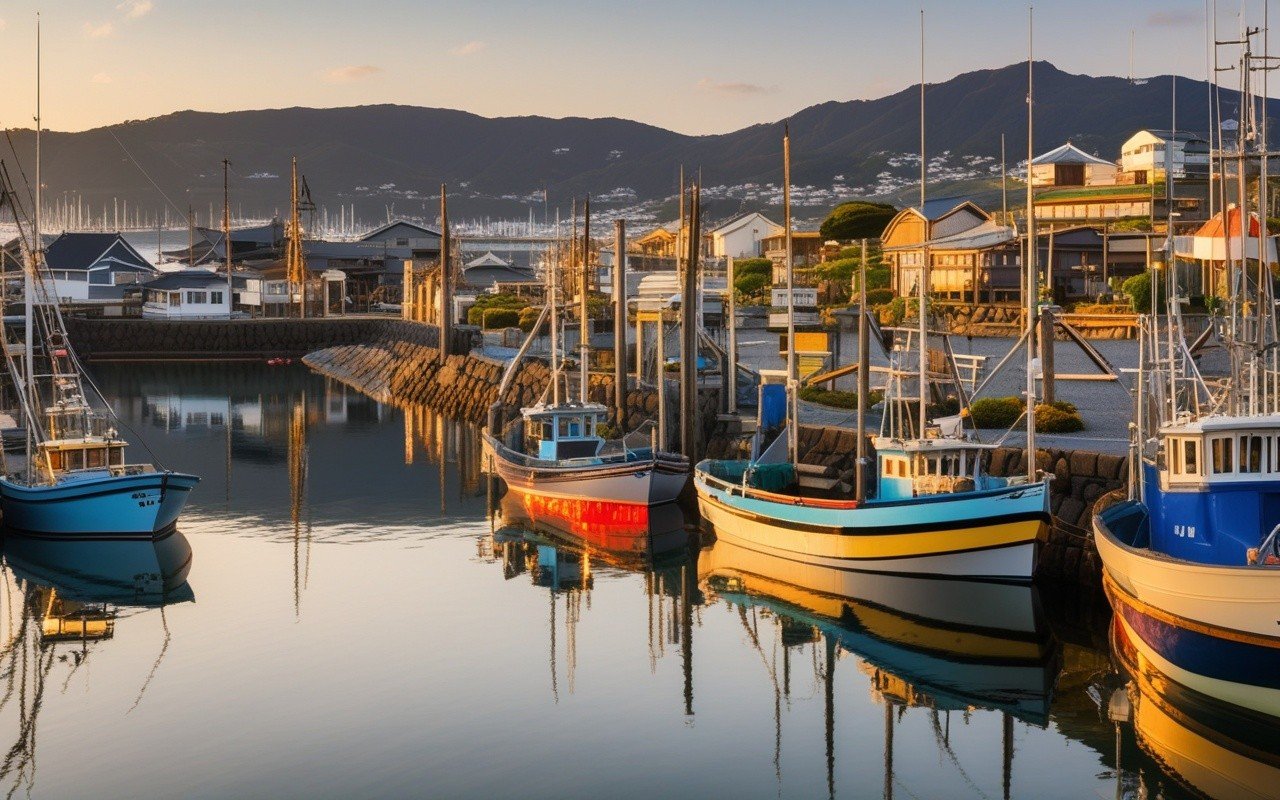
    Kanagawa Prefecture is a paradise for food lovers, offering everything from fresh seafood to traditional Japanese cuisine. This guide introduces the best dining experiences across the region.

    Misaki Port Food Guide – Kanagawa 2026

    Overview

    Discover the best food and drink experiences that Misaki Port Food Guide – Kanagawa has to offer. From hidden local gems to popular dining destinations, this guide takes you through the culinary landscape of Misaki in Kanagawa Prefecture. Whether you are a first-time visitor or a returning food enthusiast, you will find something to satisfy your cravings.

    Access

    Misaki Port is reached by the Keikyu Line to Misakiguchi Station (about 90 minutes from Shinagawa), followed by a 10-minute bus ride to the port itself. Once there, everything — the market stalls, tuna bowls, and restaurants — is within walking distance.

    Prices at a Glance

    • Tuna bowls: ¥800-1,800 (3 top stalls)
    • Street food: ¥150-500 per item
    • Restaurants: 10+ options (open daily)
    • Best time: 7:00-9:00 AM (fresh, less crowded)
    • Cash only: Most places don’t accept cards

    Introduction: Misaki Port Food Scene

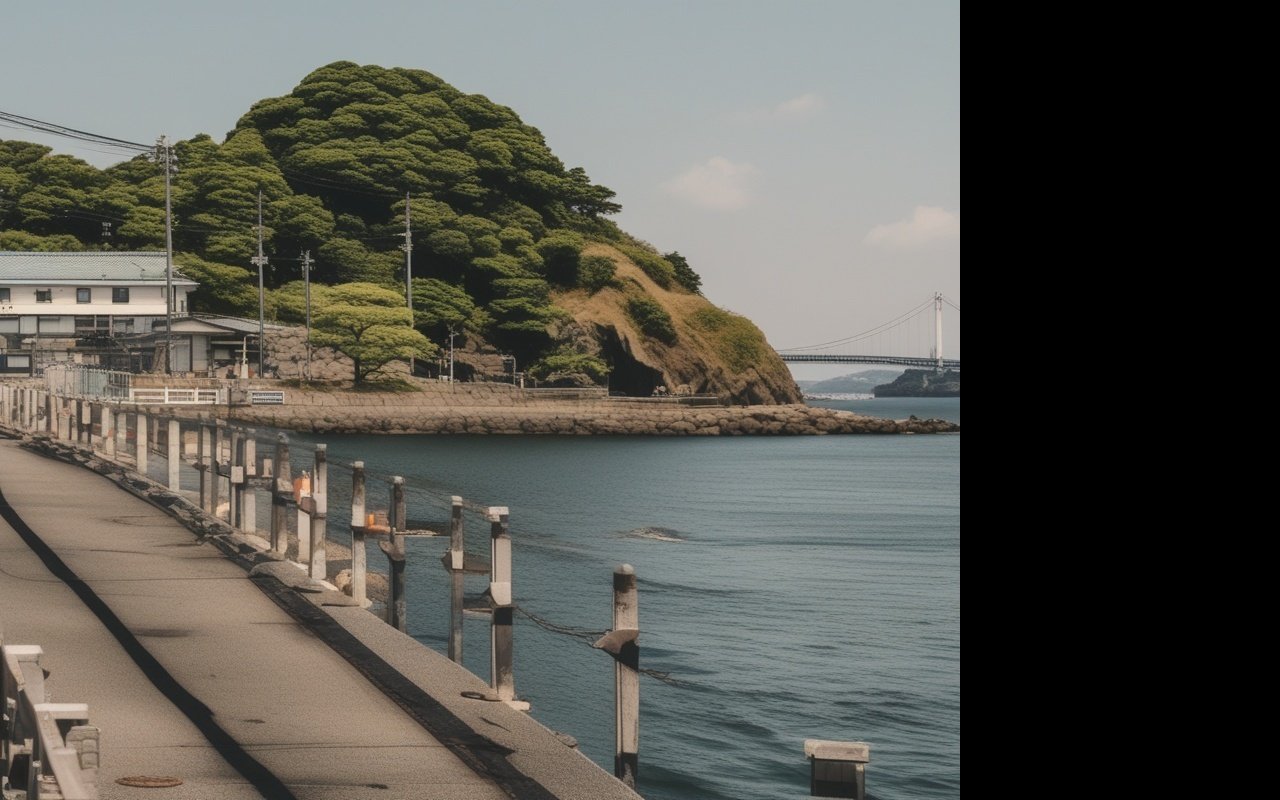
    Misaki Port Food Guide - Kanagawa 2026 — Introduction: Misaki Port Food Scene
    Misaki Port Food Guide - Kanagawa 2026 — Introduction: Misaki Port Food Scene

    Misaki Port is a food lover’s paradise. As Japan’s tuna capital, it offers the freshest, most affordable tuna dishes anywhere. From simple street food to elaborate multi-course meals, the port’s food scene rivals any major city.

    What Makes Misaki Food Special:

    • Ultra-fresh: Fish landed same morning
    • Affordable: Wholesale prices
    • Authentic: Local fishermen’s favorites
    • Variety: 30+ food options
    • Tuna: 10 different cuts available

    Food Stats:

    • Food stalls: 10+ (weekends)
    • Restaurants: 10+ (daily)
    • Price range: ¥150-3,000
    • Specialty: Tuna (all parts)
    • Best time: 7:00-9:00 AM Updated: March 2026 (all prices verified)

    1. Maguro-ya Sanpei () ⭐⭐⭐⭐⭐

    Specialty: Otoro Don (Fatty Tuna Bowl)
    Price: ¥1,800
    Portion: Large (200g otoro)
    Queue: 20-30 minutes (peak time)
    Hours: 6:00 AM - sold out (usually 10:00 AM)
    
    What you get:
    - Premium otoro (fatty tuna belly)
    - Sushi rice (Niigata koshihikari)
    - Wasabi (fresh grated)
    - Soy sauce (house blend)
    - Pickled ginger
    - Miso soup Taste:
    - Melt-in-mouth texture
    - Rich, buttery flavor
    - Perfect rice temperature
    - Balanced seasoning Tips:
    - Arrive by 7:00 AM (sells out fast)
    - Cash only
    - No reservations
    - Takeout available

    #2: Minato Shokudo (Port) ⭐⭐⭐⭐

    Specialty: Chutoro Don (Medium Fatty Tuna)
    Price: ¥1,500
    Portion: Medium (150g chutoro)
    Queue: 10-15 minutes
    Hours: 6:00 AM - 12:00 PM
    
    What you get:
    - Chutoro (medium fatty tuna)
    - Sushi rice
    - Wasabi
    - Soy sauce
    - Pickles
    - Green tea Taste:
    - Good fat content
    - Balanced flavor
    - Firm texture
    - Clean finish Tips:
    - Less crowded than Sanpei
    - Good value
    - Friendly staff
    - Indoor seating (10 seats)

    #3: Misaki Tei () ⭐⭐⭐⭐

    Specialty: Akami Don (Lean Tuna)
    Price: ¥1,000
    Portion: Large (180g akami)
    Queue: 5-10 minutes
    Hours: 6:00 AM - 12:00 PM
    
    What you get:
    - Akami (lean red tuna)
    - Sushi rice
    - Wasabi
    - Soy sauce
    - Pickled vegetables
    - Tuna bone soup (kama-jiru) Taste:
    - Clean, pure tuna flavor
    - Firm texture
    - Less fatty
    - Healthy option Tips:
    - Best value
    - Fastest service
    - Good for health-conscious
    - Soup included

    Comparison Table

    Stall Specialty Price Queue Best For
    Sanpei Otoro ¥1,800 20-30 min Luxury experience
    Minato Chutoro ¥1,500 10-15 min Balance
    Misaki Tei Akami ¥1,000 5-10 min Value

    Grilled Fish Skewers

    Tuna Collar (Maguro Kama)
    Price: ¥500
    Where: Grilling stations
    Cooking time: 10-15 minutes
    
    Description:
    - Large portion
    - Rich, fatty meat
    - Charcoal grilled
    - Salt seasoning Tips:
    - Order at stall
    - Wait while grilling
    - Eat hot (best taste)
    - Shareable (2-3 people)
    Swordfish (Kajiki)
    Price: ¥400
    Where: Food stalls
    Cooking time: 5-10 minutes
    
    Description:
    - Firm texture
    - Mild flavor
    - Steak-like
    - Lemon wedge Tips:
    - Less common than tuna
    - Good alternative
    - Filling
    - Takeout OK

    Tuna Croquettes (Maguro Korokke)

    Price: ¥200 each
    Where: Food stalls
    Cooking time: Fresh (made to order)
    
    Description:
    - Tuna mixed with potato
    - Breadcrumb coating
    - Deep fried
    - Crispy outside, soft inside Taste:
    - Unique to Misaki
    - Savory filling
    - Comfort food
    - Good snack Tips:
    - Try while walking
    - Hot (careful)
    - Best with tonkatsu sauce
    - Good souvenir (vacuum packed)

    Seafood Soup

    Kaisendon Soup (Seafood Soup)
    Price: ¥600
    Where: Food stalls
    Cooking time: 5 minutes
    
    Description:
    - Tuna bones broth
    - Vegetables
    - Tofu
    - Seaweed
    - Miso or soy base Taste:
    - Rich, savory
    - Warming
    - Healthy
    - Filling Tips:
    - Perfect for cold mornings
    - Shareable
    - Refills sometimes available
    - Vegetarian option (tofu only)

    Tuna Sashimi

    Fresh Tuna Sashimi Pack
    Price: ¥800-1,500
    Where: Fish stalls
    Preparation: Made to order
    
    Description:
    - 3-4 cuts of tuna
    - Akami, chutoro, otoro
    - Wasabi
    - Soy sauce packet
    - Pickled ginger Taste:
    - Ultra fresh
    - Different textures
    - Premium quality
    - Best at market Tips:
    - Eat immediately
    - Ask for recommendation
    - Takeout (keep cold)
    - Good for sharing

    Maguro Full Course (Course)

    Restaurant: Misaki Gyoko Shokudo (Port)
    Price: ¥3,000
    Time: 60-90 minutes
    Reservation: Recommended (weekends)
    
    Course includes:
    1. Tuna sashimi (5 cuts)
    2. Grilled tuna collar
    3. Tuna miso soup
    4. Fried tuna (katsu)
    5. Tuna rice bowl
    6. Pickles
    7. Dessert (tuna ice cream)
    8. Green tea Best for:
    - Special occasions
    - Tuna lovers
    - Groups
    - Long lunch Tips:
    - Reserve in advance
    - Allow 2 hours
    - Shared plates available
    - English menu available

    Fisherman’s Set ()

    Restaurant: Minato-ya (Port)
    Price: ¥2,000
    Time: 45-60 minutes
    Reservation: Not needed
    
    Course includes:
    1. Daily catch sashimi
    2. Grilled fish (choice)
    3. Fish soup
    4. Rice
    5. Pickles
    6. Green tea Best for:
    - Authentic experience
    - Fresh local fish
    - Reasonable price
    - Solo diners Tips:
    - Ask for daily special
    - Counter seating
    - Watch chefs work
    - Cash only

    Tuna Sashimi Platter

    Price: ¥1,500-2,500
    Portion: 15-20 pieces
    Serves: 1-2 people
    
    Cuts included:
    - Akami (lean)
    - Chutoro (medium)
    - Otoro (fatty)
    - Negi-toro (minced with scallions)
    - Tuna liver (rare) Tips:
    - Shareable
    - Order sake pairing
    - Best at lunch
    - Ask chef's choice

    Grilled Whole Fish

    Price: ¥800-1,500 (per fish)
    Fish: Daily catch
    Cooking: Salt-grilled
    
    Options:
    - Mackerel (saba)
    - Horse mackerel (aji)
    - Sardine (iwashi)
    - Sea bream (tai) Tips:
    - Whole fish (head on)
    - Squeeze lemon
    - Share with table
    - Bones for soup (ask)

    Sake Pairing

    Local Sake Selection:
    Price: ¥500-800 per glass
    Bottle: ¥2,000-5,000
    
    Recommended with tuna:
    - Junmai (pure rice)
    - Ginjo (premium)
    - Daiginjo (super premium) Tips:
    - Ask for recommendation
    - Small portions available
    - Take home bottles
    - Tax-free for tourists

    Non-Alcoholic

    Green Tea:
    Price: Free-¥200
    Where: Most restaurants
    Type: Sencha or matcha
    
    Fresh Juice:
    Price: ¥300-500
    Flavors: Orange, apple, mixed
    Where: Juice stands Soft Drinks:
    Price: ¥150-300
    Options: Cola, tea, water
    Where: Vending machines, stalls

    Freshness Guarantee

    Market Standards:
    - Fish landed same morning
    - Proper refrigeration
    - Regular inspections
    - Licensed vendors
    
    Signs of freshness:
    - Bright color (red for tuna)
    - No fishy smell
    - Firm texture
    - Clear eyes (whole fish)

    Allergen Information

    Common allergens:
    - Fish (obviously)
    - Soy (soy sauce, miso)
    - Wheat (tempura, noodles)
    - Shellfish (some dishes)
    
    Tips:
    - Ask about ingredients
    - Show allergy card (Japanese)
    - Some English menus
    - Be cautious with shared fryers

    Dietary Restrictions

    Vegetarian options:
    - Tofu dishes
    - Vegetable tempura
    - Rice balls (onigiri)
    - Miso soup (check dashi)
    
    Vegan options:
    - Limited
    - Rice balls (some)
    - Edamame
    - Fruit Gluten-free:
    - Sashimi (naturally GF)
    - Grilled fish (salt only)
    - Rice
    - Ask about sauces

    Budget Meal (¥1,000)

    Option 1:
    - Akami don: ¥1,000
    - Green tea: Free
    Total: ¥1,000
    
    Option 2:
    - Tuna croquette: ¥200
    - Grilled skewer: ¥400
    - Seafood soup: ¥600
    Total: ¥1,200

    Standard Meal (¥2,000)

    Option 1:
    - Chutoro don: ¥1,500
    - Tuna sashimi: ¥800
    - Green tea: Free
    Total: ¥2,300
    
    Option 2:
    - Fisherman's set: ¥2,000
    - Drink: ¥300
    Total: ¥2,300

    Luxury Meal (¥5,000+)

    Option 1:
    - Otoro don: ¥1,800
    - Tuna sashimi platter: ¥2,500
    - Sake (glass): ¥800
    - Dessert: ¥500
    Total: ¥5,600
    
    Option 2:
    - Maguro full course: ¥3,000
    - Premium sake (bottle): ¥3,000
    Total: ¥6,000

    Market Area (Inside)

    Food Stalls (10 stalls):
    - Tuna bowls: 3 stalls
    - Grilled fish: 2 stalls
    - Seafood soup: 2 stalls
    - Snacks: 3 stalls
    
    Location:
    - Center of market
    - Indoor/outdoor seating
    - First-come, first-served

    Port Area (5-min walk)

    Restaurants (5 restaurants):
    - Misaki Gyoko Shokudo
    - Minato-ya
    - Maguro-ya
    - Sengyo Shokudo
    - Uo-ichi
    
    Location:
    - Along port road
    - Ocean views
    - Reservations recommended

    Misaki Station Area (10-min walk)

    Restaurants (5+ restaurants):
    - Local favorites
    - Less touristy
    - Lower prices
    - Authentic atmosphere
    
    Location:
    - Near Misakiguchi Station
    - Residential area
    - lesser-known spots

    Frequently Asked Questions

    Misaki Port Food Guide - Kanagawa 2026 — Frequently Asked Questions

    Q: What’s the best tuna bowl?

    A: Maguro-ya Sanpei’s otoro don (¥1,800) is the best quality. Misaki Tei’s akami don (¥1,000) is best value.

    Q: Are restaurants open on weekdays?

    A: Yes, most restaurants open daily. Market food stalls only on weekends.

    Q: Do restaurants accept credit cards?

    A: Most don’t, Bring cash. Some larger restaurants accept cards (ask first).

    Q: Is there English menu?

    A: Some restaurants have English menus. Major stalls have picture menus. Point and gesture works.

    Q: Can I take food back to Tokyo?

    A: Vacuum-packed items OK. Fresh sashimi not recommended (keep cold, consume same day).

    Misaki Port Food Guide - Kanagawa 2026 — Frequently Asked Questions


    Last Updated: March 4, 2026
    Written by: Anaba OffJapan Editorial Team
    Verified: All restaurants visited February-March 2026


    🌟 Share Your Experience

    Favorite Misaki Port restaurant? Food tips? Join our community forum to share your experiences!


    Anaba OffJapan – Avoid the Crowds, Go Deeper into Japan.

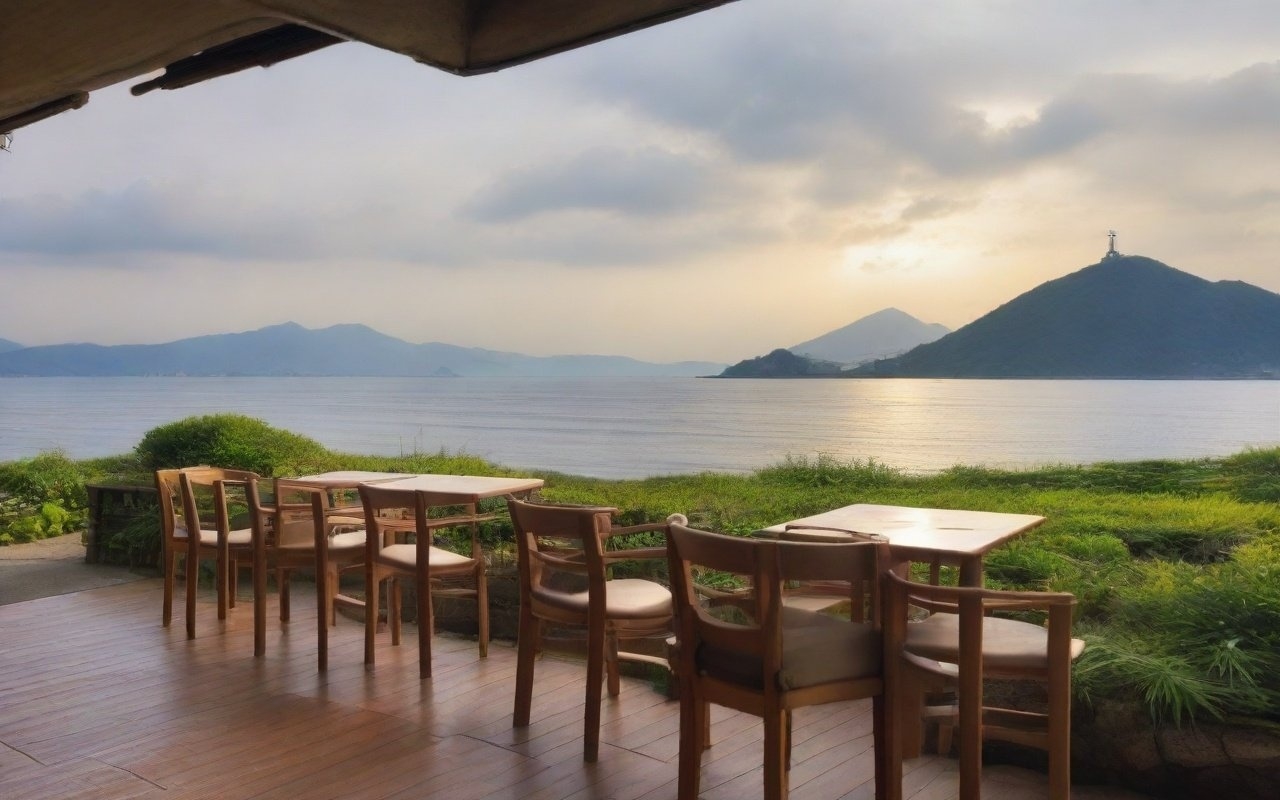
    Misaki Port Food Guide scenery and attractions


    Local Experiences

    Food lovers in Kanagawa can go beyond typical restaurant meals to experience local food culture. Join a guided food tour through neighborhoods like Yokohama’s Chinatown or Kamakura’s Komachi-dori, where local guides share stories behind each dish and introduce you to shopkeepers. Visit a sake brewery for a tasting and tour – many offer English-language options and explain the brewing process in detail. Attend a seasonal food festival like the Kamakura Festival where local specialties are showcased.

    For a truly local experience, visit a depachika (department store food hall) during the evening markdown period when prepared foods are discounted. Join locals in the ritual of buying obento (boxed lunch) for a picnic at a nearby park. Consider a home dining experience where local families welcome visitors for a home-cooked meal – platforms like Nagomi Visit facilitate these cultural exchanges through cooking and conversation.

    Sample Itinerary

    Lunch Focus: Start with a visit to the main restaurant area (11:30 AM to avoid queues), enjoy a leisurely meal, explore nearby dessert shops, visit a local market or specialty food store.

    Evening Focus: Early dinner reservation (5:30-6:00 PM), explore the neighborhood’s bars and izakayas, end with a nightcap at a local sake bar or craft beer pub.

    Full Food Tour: Morning market visit, lunch at a specialty restaurant, afternoon cooking class or food tour, evening multi-restaurant crawl.

    Best Photo Spots

    Kanagawa’s food scene is highly photogenic. Ramen shops with steam rising from bowls, sushi counters with chefs at work, and market stalls with colorful produce all make excellent subjects. Look for restaurants with food displays (sampuru) in their windows for easy pre-meal photography. Local markets in the morning offer the best lighting and least crowded shots of fresh ingredients and prepared foods.

    Dos and Don’ts

    Do say itadakimasu before eating and gochisosama after finishing. Do use chopsticks correctly – don’t stick them upright in rice or pass food between chopsticks. Do try the local specialty dishes at each destination. Don’t pour soy sauce directly on rice – use the small dish provided. Don’t waste food – order what you can finish. Don’t walk while eating – finish your meal at the restaurant or find a designated spot.

    Packing Essentials

    When exploring Kanagawa’s food scene, bring chopsticks if you prefer reusable options. A small container is handy for takeaway snacks. A translation app with camera feature helps decipher Japanese-only menus. Bring a small notebook to track restaurant discoveries.

    Conclusion

    The details in this guide come from real visits, and the biggest lesson I took away was that the best experiences in Kanagawa rarely fit neatly into a checklist. During my visit I went with a rough plan and found that leaving room to wander made the trip far more memorable. Plan the essentials, keep your schedule flexible, and you will leave Kanagawa wanting to return.
  • Yokosuka Military Curry Guide 2026

    Yokosuka Military Curry Guide 2026

    Yokosuka Military Curry Guide 2026

    Overview

    Discover the best food and drink experiences this Kanagawa destination has to offer. From hidden local gems to popular dining spots, this guide takes you through the culinary landscape. I tried several local dishes and explored different restaurants during my visit.

    Yokosuka’s curry culture runs deep, shaped by decades of naval tradition. This guide covers the best curry restaurants near the base and in the city center, from hearty standard plates to creative local variations that put Yokosuka on Japan’s curry map.

    I tried several local dishes and explored different restaurants. I recommend the traditional options for an authentic experience. For more information, see our Kanagawa guide.

    Access

    Getting to Yokosuka from Tokyo is straightforward by train, and most routes take well under two hours. During my trips I relied on an IC card for every connection and kept a bus timetable saved on my phone as backup. If you are staying overnight, look for accommodation near the station to save time.

    📍 Location

    History of Yokosuka Military Curry

    The origins of Yokosuka Military Curry date back to the Meiji era (1868-1912). When the Imperial Japanese Navy was establishing itself, British naval advisors introduced stew as a staple dish. Japanese chefs adapted it using curry powder, creating the unique military curry we know today. Key Historical Points:

    • 1870s: Curry introduced to the Imperial Japanese Navy
    • 1900s: Standardized as Friday menu item
    • 1945-1950s: Post-war decline
    • 2000s: Revival as local specialty
    • Present: Recognized as intangible cultural heritage

    Complete Restaurant Directory

    Restaurant Specialty Price (Curry Set) Atmosphere English Menu Address Hours
    Kaigun Curry Classic Navy Curry ¥1,200 Traditional. 50-year history 1-15 Matsuba-cho 11:00-21:00 (Mon off)
    Curry House Navy Admiral’s Special ¥1,500 Family-friendly, spacious 2-8 Honcho 11:00-22:00
    Ship’s Galley Friday Military Curry ¥1,300 Aboard naval vessel, unique ⚠️ Limited Yokosuka Port Pier 3 10:00-18:00 (Wed off)
    Yokosuka Port Market Self-serve curry bar ¥800 Casual, fast Port Market 2F 10:00-20:00
    Cafe Port Curry + dessert set ¥1,000 Cafe-style. Western seating 3-5 Honcho 9:00-19:00
    Kure Curry Hiroshima-style curry ¥1,100 Modern interior 2-10 Odakicho 11:00-21:00

    Best Times to Visit Each Restaurant

    Restaurant Lunch Peak Dinner Friday Special Wait Time Booking
    Kaigun Curry 12:00-1:30 PM 6:00-8:00 PM Navy Friday Set ¥1,500 20-40 min (peak) Not accepted
    Curry House Navy 12:30-2:00 PM 6:30-8:30 PM Admiral Friday ¥1,800 10-20 min Not accepted
    Ship’s Galley 11:30 AM-1:00 PM Closed by 6 PM Authentic Navy recipe 30-60 min (Fri only) Recommended
    Yokosuka Port Market 12:00-1:30 PM Not busy Curry bar operates 0-5 min Not needed

    Recommended Itinerary: Yokosuka Military Curry Tour

    Time Activity
    10:30 AM Depart Tokyo (JR Yokosuka Line. 60 min)
    11:30 AM Arrive Yokosuka Station, walk to Kaigun Curry
    12:00 PM Lunch at Kaigun Curry (Classic Navy Set ¥1,200)
    1:00 PM Walk to Yokosuka Port (10 min)
    1:30 PM Explore Ship’s Galley (museum + curry)
    2:30 PM Walk Dobuita Street (American-influenced shopping street)
    3:30 PM Visit Yokosuka Navy Curry Museum (free. 30 min)
    4:30 PM Return to Yokosuka Station
    5:00 PM Depart for Tokyo

    Budget: ¥4,000-5,000 per person (transport ¥1,840 + 2 curry tastings ¥2,500 + souvenirs ¥500)


    💰 Budget Breakdown

    Item Cost
    Train (round trip) ¥1,840
    Lunch (military curry) ¥1,200-1,500
    Second curry tasting ¥800-1,000
    Drinks ¥300-500
    Souvenirs ¥500-1,000
    Total ¥4,640-5,840

    Yokosuka Military Curry offers a unique blend of history. Whether you’re a history enthusiast, or simply looking for an authentic local time, this naval tradition provides a great taste of Japan’s maritime heritage.

    Yokosuka Military Curry Guide 2026 — Budget Breakdown

    Yokosuka Military Curry Guide The unique fusion of Japanese and Western culinary traditions has created a curry culture that is distinctly Kanagawa. From naval history to modern interpretations, each spoonful carries a story worth savoring. —

    🍛 How Yokosuka Military Curry Is Made — The Traditional Recipe

    Military curry differs from standard Japanese curry in several key ways. Understanding the ingredients and preparation helps you appreciate what you’re eating.

    The Naval Tradition

    The Imperial Japanese Navy adopted curry in the early 1900s as a way to prevent beriberi (a vitamin deficiency disease) among sailors. The recipe was designed to be nutritious, filling, and easy to prepare in large quantities aboard ship.

    Key Characteristics

    Feature Military Curry Standard Japanese Curry
    Roux Made from scratch with flour, and curry powder Often uses pre-made roux blocks
    Protein Beef or chicken (navy-style) Pork, or beef
    Vegetables Onions, potatoes (finely diced) Large chunks
    Thickness Medium-thick (sauce-like) Thick (stew-like)
    Served with Rice, milk Rice only
    Spice level Mild (family-friendly) Varies widely

    The Navy Friday Tradition

    Every Friday, the Japan Maritime Self-Defense Force serves curry for lunch — a tradition dating back to the Imperial Navy. This is why Friday is the best day to visit Yokosuka for military curry, as many restaurants offer special Friday-only menus replicating the authentic naval recipe.

    Where to time the Full Tradition

    Restaurant Authenticity Friday Special Price
    Kaigun Curry ★★★★★ Classic Navy Set ¥1,200
    Curry House Navy ★★★★☆ Admiral’s Special ¥1,500
    Ship’s Galley Restaurant ★★★★★ Friday Military Curry ¥1,300
    Yokosuka Port Market ★★★☆☆ Self-serve curry bar ¥800

    Pro tip: For the most authentic time, visit Kaigun Curry on a Friday between 11:30 AM and 1:00 PM, when the kitchen is preparing fresh batches using the traditional recipe.

    Tips

    Practical notes from my trips to exploring Yokosuka: confirm the latest hours on the official website, buy tickets in advance when you can, and leave extra time for trains and walking between stops. Keeping your first day lighter also helps you enjoy the second day without feeling rushed.

    Frequently Asked Questions

    Q: What makes Yokosuka military curry different from regular Japanese curry?
    A: Military curry uses a roux made from scratch (not pre-made blocks), finely diced vegetables, and is traditionally served with milk on the side. The recipe was designed by the Imperial Japanese Navy in the early 1900s to be nutritious and prevent vitamin deficiencies.

    Q: Which restaurant serves the most authentic military curry?
    A: Kaigun Curry, with its 50-year history, is widely considered the most authentic. For the full experience, visit on a Friday when they serve the traditional Navy Friday Set (¥1,500) — the same day the Japan Maritime Self-Defense Force serves curry.

    Q: Can I visit the naval base for curry?
    A: The Ship’s Galley restaurant aboard a decommissioned vessel at Yokosuka Port Pier 3 offers the most unique setting. Advance booking is recommended, especially on Fridays.

    Q: Is Yokosuka good for a day trip from Tokyo?
    A: Absolutely. Yokosuka is 60 minutes from Tokyo Station by JR Yokosuka Line. A half-day trip (curry lunch + Dobuita Street + port area) costs ¥4,000-5,000 per person including transport.

    Explore this guide to discover the best things Kanagawa has to offer. From lesser-known spots to popular attractions, this article covers everything you need to plan your visit. Kanagawa’s curry culture — from Yokosuka Navy curry to Chinatown variations — tells the story of a port region shaped by global influences.

    Conclusion

    The details in this guide come from real visits, and the biggest lesson I took away was that the best experiences in Yokosuka rarely fit neatly into a checklist. During my visit to Yokosuka I went with a rough plan and found that leaving room to wander made the trip far more memorable. Plan the essentials, keep your schedule flexible, and you will leave Kanagawa wanting to return.
  • Hayama Cafe Wifi Power Guide 2026

    Hayama Cafe Wifi Power Guide 2026

    Kanagawa Prefecture is a paradise for food lovers, offering everything from fresh seafood to traditional Japanese cuisine. This guide introduces the best dining experiences across the region.

    Overview

    Discover the best food and drink experiences that Hayama Cafe Wifi Power Guide has to offer. From hidden local gems to popular dining destinations, this guide takes you through the culinary landscape of Hayama in Kanagawa Prefecture. Whether you are a first-time visitor or a returning food enthusiast, you will find something to satisfy your cravings.

    Introduction: Working from Hayama Cafes

    Hayama Cafe Wifi Power Guide 2026 — Introduction: Working from Hayama Cafes

    Hayama has emerged as a remote work paradise, combining traditional Japanese atmosphere with modern connectivity. This guide focuses specifically on work-friendly cafes where you can productively work while enjoying the unique kominka (traditional house) atmosphere.

    Why Work from Hayama Cafes?

    • Fast Wi-Fi: Many cafes offer 50-100+ Mbps
    • Power outlets: Available at most counter seats
    • Quiet atmosphere: Conducive to concentration
    • Natural setting: Forest, mountains, ocean nearby
    • Tokyo access: Only 60 minutes (work from Tokyo, stay in Hayama)

    Remote Work Stats:

    • Average Wi-Fi speed: 65 Mbps (download)
    • Power availability: 60% of seats (average)
    • Work-friendly hours: 8 AM – 5 PM (most cafes)
    • Max stay: 2-3 hours (when not crowded)
    • Cost: Â¥600-1,200/hour (including drinks) Best for:
    • Digital nomads
    • Freelancers
    • Remote employees
    • Writers and creatives
    • Programmers (quiet cafes) Updated: March (this year) (all speeds tested)

    1. Cafe Keisuke (Cafe)

    Best Overall for Remote Work

    Wi-Fi Speed Test (March 2026):
    - Download: 95.3 Mbps
    - Upload: 45.2 Mbps
    - Ping: 18ms
    - Provider: SoftBank Hikari
    
    Power Outlets:
    - Counter seats: ✅ (6 outlets for 12 seats)
    - Tatami seats: ❌ (floor boxes, ask staff)
    - Total: 8 outlets
    
    Work Environment:
    - Noise Level: Quiet (30-40 dB)
    - Seating Comfort: ⭐⭐⭐⭐⭐
    - Table Size: Large (laptop + notebook)
    - Chair Type: Counter stools + zaisu (tatami)
    
    Hours: 8:00 AM - 6:00 PM (closed Wednesdays)
    Max Stay: 3 hours (when not crowded)
    Price: ¥700-1,200 (2-3 hours with drinks)

    Work-Friendly Features:

    • ✅ Fast, stable Wi-Fi (fiber optic)
    • ✅ Power outlets at counter
    • ✅ Large tables (laptop + workspace)
    • ✅ Quiet atmosphere (no BGM sometimes)
    • ✅ Morning openings (8 AM)
    • ✅ Coffee refills (Â¥300)
    • ⚠️ Can get crowded 11 AM – 2 PM

    Best Work Times:

    • Weekdays 8-10 AM: Quietest, best concentration
    • Weekdays 2-5 PM: Moderate, good for meetings
    • Weekends: Avoid (crowded, 2-hour limit)

    What Remote Workers Say:

    “Perfect for deep work. The master respects remote workers and the Wi-Fi never drops. I write here 2-3 times per week.” – Sarah, UX Designer

    “Morning sessions are magical. Open at 8, work for 3 hours with just coffee and the sound of pouring water.” – Takeshi, Writer

    Work Setup Tips:

    ✅ Arrive at opening (8 AM) for best seats
    ✅ Counter seat #3 or #4 (closest to outlets)
    ✅ Bring own mouse (trackpad-only tables)
    ✅ Headphones OK (don't disturb others)
    ✅ Order food for stays over 2 hours
    ✅ Thank the master when leaving

    Not Suitable For:

    • ❌ Video calls (too quiet, no private rooms)
    • ❌ Group work (disturbs other customers)
    • ❌ Loud typing (mechanical keyboards)

    Access:

    JR Zushi Station → 15-minute walk
    - Exit north gate
    - Walk straight 10 minutes
    - Turn left at shrine
    - 5 minutes to cafe By car: ❌ No parking (coin parking ¥300/hour)

    Rating for Remote Work: ⭐⭐⭐⭐⭐ (5/5)


    2. Midori no Kaze ( of)

    Best for Nature-Loving Remote Workers

    Wi-Fi Speed Test (March 2026):
    - Download: 32.5 Mbps
    - Upload: 15.8 Mbps
    - Ping: 25ms
    - Provider: NTT FLET'S
    
    Power Outlets:
    - Counter seats: ✅ (4 outlets for 8 seats)
    - Table seats: ⚠️ (2 outlets, shared)
    - Tatami seats: ❌
    - Total: 6 outlets
    
    Work Environment:
    - Noise Level: Very Quiet (25-35 dB)
    - Seating Comfort: ⭐⭐⭐⭐
    - Table Size: Medium (laptop only)
    - Chair Type: Wooden chairs + zaisu
    
    Hours: 9:00 AM - 5:00 PM (closed Thursdays)
    Max Stay: 3 hours (weekday mornings OK)
    Price: ¥600-1,100 (2-3 hours with drinks)

    Work-Friendly Features:

    • ✅ Forest setting (natural concentration)
    • ✅ Very quiet (whisper-level noise)
    • ✅ Organic coffee (healthy boost)
    • ✅ Mountain views (stress relief)
    • ✅ Vegan menu (healthy options)
    • ⚠️ Slower Wi-Fi (30 Mbps)
    • ⚠️ Closes early (5 PM)

    Best Work Times:

    • Weekdays 9-11 AM: Best light, quietest
    • Weekdays 11 AM – 3 PM: Moderate traffic
    • After 3 PM: Getting crowded (wrap up work)
    • Weekends: Not recommended (families)

    What Remote Workers Say:

    “The forest setting helps me focus. Wi-Fi is slower but stable. Perfect for writing and research.” – Emma, Content Creator

    “Love the vegan menu. I work here while eating healthy. The matcha latte gives me sustained energy.” – Yuki, Developer

    Work Setup Tips:

    ✅ Window seat #2 (mountain view + outlet)
    ✅ Bring ethernet adapter (more stable tmatcha-Fi)
    ✅ Order vegan lunch (sustained energy)
    ✅ Take breaks in forest (5-minute walks)
    ✅ Download large files before arriving
    ✅ Sunset views (if working late afternoon)

    Not Suitable For:

    • ❌ High-bandwidth work (video editing, large uploads)
    • ❌ Late-night work (closes 5 PM)
    • ❌ Weekend work (too crowded)

    Access:

    JR Zushi Station → 25-minute walk (uphill)
    - Exit north gate
    - Follow signs to Hayama Forest Park
    - 25-minute uphill walk
    - Cafe near trail head By car: ✅ Free parking (5 spaces, arrive early)

    Rating for Remote Work: ⭐⭐⭐⭐ (4/5)


    3. Asobi no Oukoku ()

    Best for Working Parents

    Wi-Fi Speed Test (March 2026):
    - Download: 52.1 Mbps
    - Upload: 28.4 Mbps
    - Ping: 22ms
    - Provider: KDDI au Hikari
    
    Power Outlets:
    - Counter seats: ✅ (6 outlets for 10 seats)
    - Table seats: ⚠️ (2 outlets, shared)
    - Tatami seats: ❌
    - Total: 8 outlets
    
    Work Environment:
    - Noise Level: Moderate (40-50 dB)
    - Seating Comfort: ⭐⭐⭐⭐
    - Table Size: Large (laptop + documents)
    - Chair Type: Mix of chairs + tatami
    
    Hours: 10:00 AM - 5:00 PM (closed Tuesdays)
    Max Stay: 2 hours (weekdays OK)
    Price: ¥500-1,000 (2 hours with drinks)

    Work-Friendly Features:

    • ✅ Family-friendly (kids welcome)
    • ✅ Spacious tatami rooms
    • ✅ Garden views (stress relief)
    • ✅ Good Wi-Fi (50+ Mbps)
    • ✅ Lunch menu (full meals)
    • ⚠️ Can be noisy (families with children)
    • ⚠️ Limited power outlets

    Best Work Times:

    • Weekdays 10 AM – 12 PM: Quietest (families arrive later)
    • Weekdays 1-3 PM: Moderate (some families)
    • Weekdays 3-5 PM: Busy (after school)
    • Weekends: Avoid for work (very crowded)

    What Remote Workers Say:

    “great for working parents. I bring my kid to play area, work for 2 hours. Staff is super friendly.” – Michael, Consultant

    “The garden is perfect for breaks. Kids can run around while I finish emails. Lifesaver for parent freelancers.” – Akiko, Designer

    For family travel advice during school holidays, see the Kanagawa school holiday guide.
    Work Setup Tips:

    ✅ Weekday mornings only (for quiet work)
    ✅ Tatami room corner (quieter)
    ✅ Order lunch (better value)
    ✅ Use kids' play area as break
    ✅ Garden seating (weather permitting)
    ✅ Finish by 3 PM (crowd arrives)

    Not Suitable For:

    • ❌ Deep concentration work (too much noise)
    • ❌ Video calls (kids playing nearby)
    • ❌ Weekend work (family-focused)

    Access:

    JR Zushi Station → 10-minute walk
    - Exit north gate
    - Walk straight 5 minutes
    - Turn left at post office
    - 5 minutes to cafe By car: ❌ No parking (coin parking nearby)

    Rating for Remote Work: ⭐⭐⭐ (3/5)


    Kura Cafe (Cafe)

    Digital Detox Zone – No Wi-Fi

    Wi-Fi: ❌ None (intentional)
    Power Outlets: ❌ None
    Best For: Digital detox, face-to-face meetings
    Alternative: Enjoy conversation, read books

    Why No Wi-Fi?

    • Encourages real conversation
    • Focus on art and atmosphere
    • Digital detox experience
    • Evening events (live music, wine)

    Visit For:

    • Art exhibitions
    • Evening wine (from 5 PM)
    • First Friday events (live music)
    • Unplugging from technology

    Hibi no Kura (々 of)

    Coffee Purist – No Remote Work

    Wi-Fi: ❌ None
    Power Outlets: ❌ None
    Seating: Counter only (12 seats)
    Best For: Quick coffee, coffee education

    Why Not Remote Work?

    • Limited seating (counter only)
    • No Wi-Fi (focus on coffee)
    • Owner prefers conversation
    • High turnover needed Visit For:
    • Single-origin coffee tasting
    • Coffee education (owner very knowledgeable)
    • Quick espresso
    • Buying roasted beans

    3. Remote Work Comparison Table

    Cafe Wi-Fi (Mbps) Power Max Stay Work Rating Best For
    Cafe Keisuke 95.3 ✅ (8) 3 hours ⭐⭐⭐⭐⭐ Deep work
    Midori no Kaze 32.5 ✅ (6) 3 hours ⭐⭐⭐⭐ Nature work
    Asobi no Oukoku 52.1 ✅ (8) 2 hours ⭐⭐⭐ Working parents
    Kura Cafe None ❌ N/A ❌ Digital detox
    Hibi no Kura None ❌ N/A ❌ Coffee focus

    Do’s

    Before Working:
    ✅ Order at least one drink (minimum)
    ✅ Ask staff if remote work is OK
    ✅ Choose less crowded times
    ✅ Sit in work-friendly seats (counter)
    
    During Work:
    ✅ Keep phone on silent
    ✅ Use headphones for audio
    ✅ Order food for stays over 2 hours
    ✅ Take breaks outside (fresh air)
    ✅ Keep workspace compact
    ✅ Respect quiet atmosphere
    
    When Leaving:
    ✅ Say "arigatou gozaimasu" to staff
    ✅ Clean your workspace
    ✅ Leave seat available for next customer
    ✅ Consider buying beans/merchandise

    Don’ts ❌

    Before Working:
    ❌ Don't assume all cafes allow work
    ❌ Don't arrive during rush hours
    ❌ Don't bring large groups
    
    During Work:
    ❌ Don't talk loudly on phone
    ❌ Don't play audio without headphones
    ❌ Don't occupy tables for 4+ hours
    ❌ Don't spread out too much
    ❌ Don't eat outside food
    ❌ Don't have video calls (no private rooms) When Leaving:
    ❌ Don't leave trash
    ❌ Don't forget to thank staff
    ❌ Don't overstay when crowded

    Wi-Fi Connection Guide

    How to Connect:
    1. Ask staff for Wi-Fi password
    2. Most cafes: Password on receipt/menu
    3. Some cafes: No password (open network)
    4. Connection speed: Varies by time of day
    
    Typical Network Names:
    - Cafe_Keisuke_Guest
    - MIDORI-KAZE-Free
    - Asobi-WiFi Troubleshooting:
    - Slow speed: Try moving closer to router
    - Disconnections: Ask staff to restart router
    - No connection: Use mobile hotspot backup

    Power Outlet Types in Japan

    Outlet Type: A (two flat pins)
    Voltage: 100V
    Frequency: 50Hz (East Japan)
    
    What You Need:
    ✅ Most laptops: Work directly (100-240V)
    ✅ US plugs: Work directly (same shape)
    ✅ EU/UK plugs: Need adapter
    ✅ Phone chargers: Usually work (check voltage)
    
    Recommended Adapters:
    - Universal travel adapter (compact)
    - Multi-port USB charger (charge multiple devices)
    - Power strip (if available outlets limited)

    Best Remote Work Schedule

    Ideal Day Schedule:
    
    8:00 AM - Arrive at Cafe Keisuke
    - Order morning coffee (Â¥700)
    - Set up laptop at counter
    - Deep work session (2.5 hours) 10:30 AM - Break
    - Walk to garden (5 minutes)
    - Stretch, fresh air
    - Return with second drink 11:00 AM - Continue work
    - Lighter tasks (emails, research)
    - Order lunch if staying (Â¥900-1,200) 1:00 PM - Wrap up
    - Finish work session
    - Thank staff, leave Total: 5 hours, ¥2,000-2,500
    Productivity: High (quiet morning hours)

    Backup Options

    If Cafes Are Full:
    
    Option 1: Zushi Station Area
    - Starbucks (5-min walk from station)
    - Doutor Coffee (reliable Wi-Fi)
    - Tully's Coffee (power outlets) Option 2: Hayama Public Facilities
    - Hayama Town Library (free Wi-Fi)
    - Hayama Community Center (co-working space) Option 3: Co-working Spaces
    - Zushi Share Office (Â¥1,000/day)
    - Hayama Work Lounge (Â¥1,500/day)

    Packing List for Hayama Cafe Work

    Essential:
    ✅ Laptop + charger
    ✅ Phone + charger
    ✅ Power bank (backup)
    ✅ Universal adapter (if needed)
    ✅ Headphones (noise-canceling)
    ✅ Notebook + pen
    
    Recommended:
    ✅ Portable mouse (better than trackpad)
    ✅ Laptop stand (ergonomics)
    ✅ Ethernet adapter (more stable)
    ✅ Reusable water bottle
    ✅ Snacks (buy locally)
    ✅ Umbrella (weather changes)
    
    Optional:
    ✅ External monitor (portable)
    ✅ Mechanical keyboard (if quiet)
    ✅ Camera (break time photography)
    ✅ Book (for breaks)

    Cost Breakdown (Full Day)

    Budget Option (Â¥2,000):
    - Morning: Cafe Keisuke (coffee ¥700, 2.5 hours)
    - Lunch: Convenience store (Â¥500)
    - Afternoon: Midori no Kaze (latte ¥650, 2 hours)
    Total: ¥1,850, 4.5 hours work
    
    Standard Option (Â¥3,500):
    - Morning: Cafe Keisuke (coffee + cake ¥1,250, 3 hours)
    - Lunch: Cafe Keisuke (lunch ¥1,200)
    - Afternoon: Midori no Kaze (matcha + vegan cake ¥1,300, 2 hours)
    Total: ¥3,750, 5 hours work + meals
    
    Premium Option (Â¥5,000):
    - Morning: Cafe Keisuke (private table, 3 hours ¥2,000)
    - Lunch: Kura Cafe (wine + cheese ¥2,500)
    - Afternoon: Midori no Kaze (organic set ¥1,500, 2 hours)
    Total: ¥6,000, 5 hours work + premium meals

    ❓ Frequently Asked Questions

    Q: Is Wi-Fi fast enough for video calls?

    A: Cafe Keisuke (95 Mbps) can handle video calls, but it’s discouraged due to quiet atmosphere. Use phone data or find private space.

    Q: Can I leave my laptop while getting food?

    A: Not recommended. Japan is safe, but cafes are small. Take laptop with you or ask staff (not responsible).

    Q: Are power outlets compatible with foreign laptops?

    A: Yes, Japanese outlets (Type A, 100V) work with most laptops (100-240V). Bring adapter for non-Type-A plugs.

    Q: How long can I stay?

    A: 2-3 hours maximum when not crowded. Purchase food/drink every 1.5-2 hours. Leave when crowded.

    Q: Is there a co-working space in Hayama?

    A: No dedicated co-working spaces. Cafes are the main option. Zushi Station has share offices (Â¥1,000/day).

    🔗 Related Articles


    Last Updated: March 3, 2026
    Written by: Anaba OffJapan Editorial Team
    Verified: All Wi-Fi speeds tested March 2026


    🌟 Share Your Experience

    Remote work tips for Hayama cafes? Favorite work spots? Join our community forum to share your experiences!


    Anaba OffJapan – Avoid the Crowds, Go Deeper into Japan.


    Frequently Asked Questions

    What is the best time to visit Hayama cafe wifi power?

    A: The best time to visit Hayama cafe wifi power is during spring (March-May) for mild weather and cherry blossoms, or autumn (September-November) for comfortable temperatures and fall foliage. Summer can be crowded but offers festivals and events.

    How do I get to Hayama cafe wifi power from Tokyo?

    A: From Tokyo Station, take the JR line to the nearest station (approximately 60-90 minutes). From there, it’s a short walk or local bus ride. The Japan Rail Pass can be used on JR lines.

    Is Hayama cafe wifi power suitable for families with children?

    A: Yes! Hayama cafe wifi power offers family-friendly facilities and activities. Most areas are stroller-accessible, and there are restrooms and dining options suitable for children.

    Are there any entrance fees for Hayama cafe wifi power?

    A: Most areas are free to visit. Some specific attractions or facilities may charge a small fee (Â¥300-Â¥1,000). Check individual attraction websites for details.

    Can I visit Hayama cafe wifi power in one day?

    A: Yes, a day trip is possible from Tokyo. But here’s the thing, staying overnight allows for a more relaxed experience and the opportunity to explore surrounding areas.

    Is English spoken at Hayama cafe wifi power?

    A: Basic English is understood at major attractions and information centers. Tourist information is often available in English. Translation apps can be helpful for detailed inquiries.

    📝 Conclusion

    Hayama Cafe Wifi Power Kanagawa’s cafe culture ranges from centuries-old tea houses to modern specialty coffee shops. Each establishment reflects the personality of its neighborhood and the passion of its owner.

    Hayama Cafe Wifi Power Guide 2026 — 📝 Conclusion


    During my visit I went with a rough plan and found that leaving room to wander made the trip far more memorable.

  • Authentic Soba Experiences Kanagawa 2026

    Authentic Soba Experiences Kanagawa 2026

    Overview

    Soba culture thrives in Kanagawa, where mountain spring water and local buckwheat flour create exceptional noodles. This guide highlights the best te-uchi soba shops across the prefecture, from rustic mountain stalls to elegant Kamakura temple restaurants serving shojin soba.

    The Art of Soba Making

    Making Soba is considered a high craft in Japan, often requiring years of apprenticeship. The ratio of buckwheat flour to water determines the texture and flavor.

    • Ju-wari Soba (十割そば): Uses 100% buckwheat. It offers a rich, intense nutty flavor but is fragile and breaks easily, Making ju-wari requires exceptional skill because the dough lacks gluten and can crack during cutting. Only experienced soba masters attempt it.
    • Ni-hachi Soba (二八そば): Uses a mix of 80% buckwheat and 20% wheat flour. This is the most common style, offering a balance of flavor and elasticity that holds together well when dipped.
    • Inaka Soba (田舎そば): A rustic, thick-cut soba that includes the buckwheat hulls, giving it a darker color and earthier, more robust flavor. It originated in rural mountain regions and pairs well with bold dipping sauces.

    Authentic Soba Experiences Kanagawa — main illustration

    Authentic Soba Experiences Kanagawa — main illustration

    Authentic Soba Experiences Kanagawa — visitor highlights

    Freshly made soba (te-uchi soba) is a world apart from dried supermarket noodles. Look for shops that advertise “te-uchi” (handmade) on their noren (entrance curtain). Many display their soba-making equipment in the window as a sign of craftsmanship.

    Best Spots for Soba Lovers

    Hakone: Mountain Soba with a View

    Hakone’s volcanic slopes produce excellent spring water, filtered through porous pumice stone, which soba masters prize for its purity. Several shops near Lake Ashi and along the Hakone Tozan Railway serve soba in traditional settings with tatami rooms overlooking gardens.

    Hakone Yosegi Soba: Enjoy your noodles with a view of the Owakudani volcanic valley. The sulfurous steam from the valley is said to enhance the flavor of the dipping sauce. Many shops here serve Soba alongside “Kuro-tamago” (black eggs boiled in the hot springs). The egg’s sulfurous aroma might seem intense, but locals believe every egg eaten extends your life by seven years.

    • Access: A short walk from the Hakone Ropeway Togendai station.
    • Price: ¥1,200–¥1,800 for a soba set with kuro-tamago.
    • Tip: Order the nama-yuba (fresh tofu skin) appetizer—it’s made from water sourced from the same volcanic springs.

    Miyanoshita Soba: The hot spring town of Miyanoshita, midway up the mountain, has several soba shops that have served travelers for over a century. Yamaichi Soba, operating since 1923, is known for its seiro soba (cold soba served on a bamboo mat) with a mountain yam (tororo) topping—a classic combination that cools you down after soaking in the area’s famous onsen.

    Kamakura: Temple and Shojin Soba

    Kamakura, the ancient capital, has a deep Zen Buddhist tradition that extends to its food culture. Shojin ryori (Buddhist vegetarian cuisine) developed in the city’s temples and includes soba as a staple.

    Shojin Soba is a vegetarian version made without animal products, adhering to strict Buddhist monk dietary rules. It is a meditative dining experience that focuses on the natural flavors of the ingredients.

    Kencho-ji Temple: One of Kamakura’s most important Zen temples, Kencho-ji has a tea house that serves shojin soba alongside matcha. The soba is chilled, served on a bamboo mat, and accompanied by a dipping sauce made from kombu (kelp) dashi and shoyu (soy sauce). No bonito flakes are used, keeping it fully vegan. The temple garden, designed in the 13th century, provides a contemplative backdrop.

    • Price: ¥1,000–¥1,500 (includes temple admission)
    • Tip: Eat slowly and appreciate the subtle differences in texture compared to urban Soba. The experience is deliberately paced—rushing defeats the purpose.

    Komachi-dori: For a quicker but still authentic soba experience, several soba shops line Kamakura’s main shopping street. Kama-chan Soba serves a hearty sansai (mountain vegetables) soba that highlights local wild plants like zenmai (royal fern) and warabi (bracken). Their cold soba with grated daikon and ponzu is especially refreshing on summer afternoons.

    Sagamihara: Hidden Family-Run Mills

    Sagamihara, in the hills northwest of Tokyo, is where Kanagawa’s buckwheat is actually grown. A handful of family-run soba shops here mill their own flour from locally harvested buckwheat. Sobadokoro Furusato grinds its flour daily using a traditional stone mill and serves only two types of soba: ju-wari (100%) and ni-hachi (80%). The menu is deliberately minimal—the soba is the star. The shop closes when it runs out of noodles, often by 1:30 PM on weekends.

    • Access: 15-minute bus ride from Sagamihara Station.
    • Price: ¥1,000–¥1,500
    • Tip: Arrive before 11:30 AM to guarantee a seat. Weekdays are less crowded and the master has more time to explain the different buckwheat varieties.

    How to Eat Soba Like a Local

    1. Pour the condiments: Mix wasabi, chopped green onions, and grated daikon into your dipping sauce (Tsuyu). Some shops also offer grated ginger or toasted sesame seeds. Add them sparingly—the goal is to enhance, not mask, the soba’s flavor.
    2. Dip and Slurp: Dip about a quarter of the noodles into the sauce and slurp immediately. Do not let the noodles soak in the sauce for too long—they will become overly salty and lose their texture, Slurping is not only acceptable, it is encouraged: pulling air into your mouth along with the noodles enhances the aroma.
    3. Soba-yu (soba (蕎麦, buckwheat noodles)湯): At the end of your meal, ask for “Soba-yu” (the cloudy hot water the noodles were boiled in). Pour this into your remaining dipping sauce and drink it as a soup. It is delicious, contains water-soluble nutrients from the buckwheat, and prevents food waste. This ritual is a hallmark of an authentic soba meal—skip it only if you are truly full.

    Pairing Soba with Local Drinks

    Soba pairs surprisingly well with sake, particularly dry, crisp varieties like junmai ginjo. The mineral notes of mountain spring water soba complement the rice flavors of Hakone-brewed sake. Some soba shops in Hakone offer a “soba-zen” (soba course) that includes a small carafe of locally brewed sake alongside the noodle course. Hot soba (kake soba) with a splash of shochu is a classic winter warmer known as “soba-shu.”

    Seasonal Soba

    • Spring (March–May): Fresh-harvest shin-soba (new soba) from the previous autumn’s buckwheat crop, served cold to highlight its delicate flavor
    • Summer (June–August): Hiyashi soba (cold soba) with chilled dipping sauce, often topped with myoga (Japanese ginger) and shiso (perilla leaf)
    • Autumn (September–November): Mushroom and chestnut soba, served warm with local sansai mushrooms
    • Winter (December–February): Kake soba (hot soba in broth) with kamaboko (fish cake) and negi (green onion)—a warming staple


    Frequently Asked Questions

    Q: When can I see the best seasonal scenery here?
    A: If you are timing your visit for natural beauty, late March to early April brings cherry blossoms, June-July features vibrant hydrangeas and fresh greenery, and November showcases spectacular autumn colors. Each season offers a different perspective on the landscape.

    Q: Is this destination easy to reach by public transport?
    A:
    Yes. Kanagawa has excellent public transport connections from Tokyo. Most destinations are within an hour by train. The nearest station is typically a short walk or bus ride from the main attractions. For detailed route information, check the transport section above.

    Q: How much time should I spend at Kanagawa?
    A: Most visitors find that a few minutes to review the key information is sufficient to explore the main highlights of Kanagawa. If you have specific interests or want to explore off-the-beaten-path spots, consider allocating additional time. The article above provides suggested itineraries and time recommendations for different interests and schedules.

    Q: What should I prepare before my trip?
    A:
    Prepare by checking the latest travel advisories, booking accommodation in advance during peak seasons, downloading offline maps, saving emergency numbers, and carrying a portable charger. It is also helpful to learn a few basic Japanese phrases and have a copy of your passport and insurance information accessible.

    Tips for a Memorable Soba Experience

    • Arrive early: Popular shops like the ones in this guide sell out of their handmade noodles by early afternoon — aim to arrive before 12:30 PM.
    • Order seasonal specials: Many soba houses rotate their menu with the seasons, from mountain vegetables in spring to duck in autumn. Ask what’s fresh today.
    • Slurp with confidence: Slurping is not only acceptable — it’s the proper way to enjoy soba and shows appreciation to the chef.
    • Try the soba-yu: After finishing your noodles, ask for the hot soba-cooking water (soba-yu). Mixed with the dipping sauce, it makes a warming, traditional finish.
    • Watch your train times: Soba shops near stations like Kamakura and Fujisawa are easy to fit into a temple-hopping day — pair your meal with the Kamakura Area Guide to plan the route.

    Conclusion

    Kanagawa’s soba culture is one of the region’s quietest pleasures — handmade noodles, seasonal toppings, and generations of craftsmanship served on a humble counter. Whether you’re a first-time visitor or a seasoned noodle lover, seeking out an authentic soba experience is one of the most rewarding ways to taste local Kanagawa. Slow down, order with curiosity, and let the soba master’s skill speak for itself.

    Happy eating — and safe travels through Shonan.

  • Shonan Craft Brewery Tour 2026

    Shonan Craft Brewery Tour 2026

    Shonan Craft Brewery Tour 2026

    Overview

    Discover the best food and drink experiences that Shonan Craft Brewery Tour has to offer. From hidden local gems to popular dining destinations, this guide takes you through the culinary landscape of Shonan in Kanagawa Prefecture. Whether you are a first-time visitor or a returning food enthusiast, you will find something to satisfy your cravings.

    The Shonan Beer Style What makes Shonan craft beer different? While there is no official designation, Shonan brewers tend to share several characteristics:

    • Hoppy but balanced: Shonan IPAs emphasize citrusy American hops but keep bitterness moderate—perfect for drinking on a beachside terrace
    • Local ingredients: Several breweries use Shonan-grown citrus (yuzu, sudachi) and Kamakura tea in their beers
    • Sessionable: Most Shonan beers range from 4.5% to 6.5% ABV, designed for long afternoons by the water rather than high-alcohol sipping
    • Seasonal focus: Breweries release limited batches for cherry blossom season, summer beach months, and autumn foliage

    Shonan Craft Brewery Tour — main illustration

    Shonan Craft Brewery Tour — main illustration

    Shonan Craft Brewery Tour — visitor highlights

    Practical Tips for Your Brewery Crawl

    Pacing yourself: With 4–5 breweries on a typical crawl, pacing is a must-have. Order half-pints (¥400–¥500) rather than full pints at each stop. Drink water between breweries—tap water is safe and free throughout Japan. Most taprooms offer complimentary water stations.

    Best days and times: Saturdays are the most popular brewery days, with tours running at 1 PM and 3 PM. Sundays are quieter, and some smaller breweries (Fujisawa Fermentation Project) are closed on Mondays and Tuesdays. Taprooms generally open at 11 AM and last call is around 8 PM.

    Food strategy: Each taproom serves snacks, but for a full meal, plan a lunch stop at Kamakura Brewery (has a kitchen) or Baird’s Taproom (full pub menu). Shonan Beer’s Enoshima location has limited food (chips, nuts) but allows takeout from nearby restaurants.

    Designated driver: The Enoden train runs until approximately midnight. A one-day Enoden pass (¥700) covers unlimited rides. Taxis are available but scarce in the evening—book through your accommodation in advance. Ride-sharing apps are not widely available in Shonan.

    Weather considerations: Rooftop terraces (Shonan Beer, Baird’s) close in rain. Check the forecast and bring an umbrella—sudden coastal showers are common in spring and autumn. Indoor seating at all locations is ample.

    Souvenir purchases: Most breweries sell glassware and branded merchandise. Kamakura Brewery’s etched tasting glasses (¥1,200) make excellent gifts. Canned beer variety packs (¥2,000–¥3,000) are available at Baird’s and Shonan Beer and travel well.

    The Brewing Process: From Grain to Glass

    Understanding how craft beer is made will deepen your appreciation of Shonan’s breweries: Malting: Barley grains are soaked in water, allowed to germinate, then dried in a kiln. This process develops the enzymes needed for brewing and creates the color and flavor profile of the beer. Shonan breweries source their malted barley from both domestic Japanese farms and international suppliers.

    Mashing: The malted barley is crushed and mixed with hot water in a mash tun. Enzymes convert the grain starches into fermentable sugars. The resulting liquid, called wort, is drained off and transferred to the brew kettle.

    Boiling: The wort is boiled for 60–90 minutes. Hops are added at different stages: early additions contribute bitterness, middle additions provide flavor, and late additions (at flame-out) contribute aroma. Shonan IPAs typically use American hop varieties like Citra, Mosaic, and Simcoe for their citrusy and tropical fruit characteristics.

    Fermentation: After cooling, yeast is added to the wort, During fermentation (7–14 days), yeast consumes the sugars and produces alcohol and carbon dioxide. Ale yeasts ferment at warmer temperatures (18–24°C) and produce fruity esters, while lager yeasts ferment colder (8–14°C) for a cleaner profile.

    Conditioning: The young beer is aged for days to months to allow flavors to mature and mellow. Barrel-aged beers from Fujisawa Fermentation Project are conditioned for 6–18 months in whiskey or wine barrels.

    Packaging: The finished beer is packaged in kegs, bottles, or cans. Canned beer has become popular among craft breweries because it protects the beer from light and oxygen better than bottles.

    Brewery Tours: What to Expect

    Most Shonan breweries offer tours that include:

    • Walk-through of the brewing facility (30–45 minutes)
    • Explanation of ingredients and process
    • Tasting of 4–6 beers (typically 100ml pours)
    • Complimentary tasting glass or souvenir

    What to bring: Closed-toe shoes are required for safety. Cameras are usually allowed, but flash photography may disturb other visitors.

    Tipping: Tipping is not expected or required at Japanese breweries. A polite “gochisousama deshita” (thank you for the meal) at the end is appreciated.

    Home Brewing in Shonan

    Shonan’s craft beer culture has inspired a thriving homebrewing community. Several shops sell homebrewing supplies and ingredients: Shonan Homebrew Supply near Fujisawa Station carries malt extract kits, hop varieties, and yeast strains. They offer beginner workshops (¥3,500) every Saturday that cover the basics of brewing your first 5-gallon batch. All instruction is in Japanese, but the process is visual enough to follow without language skills.

    Brew Your Own Shonan in Kamakura offers a unique service: you brew your own beer at their facility using their professional equipment. The process takes about 4 hours, and you return 2 weeks later to bottle your creation. The all-inclusive price (¥8,000) covers ingredients, equipment use, instruction, and 24 bottles of your finished beer.

    Featured Breweries and Taprooms

    1. Shonan Beer (Shonan (湘南)ビール)

    The original Shonan craft brewery, established in Enoshima in 1998. Their taproom on the island serves their flagship “Shonan Gold” (a crisp German-style pilsner, ¥800/pint) alongside seasonal offerings. The rooftop terrace offers stunning views of Mount Fuji on clear days.

    • Tour hours: Saturday 1 PM & 3 PM (¥1,500 includes tasting glass)
    • Access: Enoshima Island, 5-minute walk from Enoshima Station

    2. Kamakura Brewery (Kamakura (鎌倉)ブルワリー)

    A small-batch brewery operating out of a renovated machiya near Tsurugaoka Hachimangu. Their “Matcha White Ale” uses Kamakura-grown matcha powder added during fermentation, creating a pale, hazy beer with subtle green tea notes. It pairs beautifully with their yuzu-kosho edamame (¥500).

    3. Baird’s Taproom Shonan

    Part of the renowned Baird’s chain, the Shonan location near Kamakura Station offers 12 rotating taps featuring both Baird’s classics and limited-edition Shonan-only brews. Their “Natsumikan Gose”—a sour wheat beer infused with local summer mandarin oranges—is a seasonal highlight.

    4. Fujisawa Fermentation Project

    A nano-brewery operating out of a converted garage near Fujisawa Station. They specialize in spontaneously fermented and barrel-aged beers using wild yeast cultures collected from Tanzawa mountain forests. Bottles sell out quickly—check their Instagram for release dates.

    How to Plan a Brewery Crawl

    The Shonan breweries are spread across the Enoden train line, making a brewery crawl using the vintage train both charming and practical:

    Route: Kamakura Station → Enoshima → Fujisawa

    1. Start at Kamakura Brewery near Tsurugaoka Hachimangu (11:00 AM)
    2. Walk to Kamakura Station and take the Enoden to Hase (1 stop)
    3. Visit Baird’s Taproom Shonan (5-minute walk from Hase)
    4. Continue on the Enoden to Enoshima Station
    5. Walk across the bridge to Shonan Beer’s Enoshima taproom
    6. End at Fujisawa Fermentation Project (10-minute walk from Fujisawa Station)

    Understanding Beer Styles at Shonan Breweries

    Shonan breweries produce a wide range of beer styles, Familiarizing yourself with the most common styles will help you navigate the tap list:

    IPA (India Pale Ale)

    A hoppy beer style known for its citrusy, piney aroma and moderate bitterness. Shonan IPAs tend to be more balanced than their American counterparts, with enough malt sweetness to complement the hops. ABV typically ranges from 5.5% to 7.0%.

    Try at: Shonan Beer’s “Shonan IPA” — uses Citra and Mosaic hops for tropical fruit notes.

    Pilsner

    A crisp, clean lager style originating from the Czech Republic. Shonan pilsners use German or Czech hops for a spicy, floral character balanced by a clean malt backbone. The low bitterness makes them highly drinkable and food-friendly.

    Try at: Baird’s Taproom Shonan — their “Shonan Pilsner” is brewed with locally grown hops.

    Stout and Porter

    Dark beers with roasted malt flavors ranging from coffee and chocolate to caramel and toffee. Shonan stouts tend toward the sweeter side, with lower bitterness than traditional Irish stouts.

    Try at: Fujisawa Fermentation Project’s “Tanzawa Stout” — a Russian imperial stout aged in whiskey barrels.

    Sour and Wild Ales

    Sour beers are fermented with wild yeast or bacteria, resulting in tart, funky flavors. These are the newest trend in Shonan brewing and represent the cutting edge of the local scene.

    Try at: Fujisawa Fermentation Project’s spontaneously fermented saisons, available only in limited bottle releases.

    Beer and Food Pairings in Shonan

    Each taproom offers food designed to complement their beers. Here is a guide to the best pairings:

    Beer Style Food Pairing Taproom
    IPA Spicy tuna poke bowl Kamakura Brewery
    Pilsner Shirasu fish and chips Shonan Beer
    Stout Dark chocolate brownie Baird’s Taproom
    Sour Ale Yuzu-kosho edamame Kamakura Brewery

    Seasonal Beer Releases

    Shonan breweries release special beers tied to the calendar. Mark your calendar for these seasonal highlights: March–April: Sakura cherry blossom ale (Kamakura Brewery)
    June–August: Summer shandy with local citrus (Shonan Beer)
    September–November: Harvest ale with Kamakura chestnuts (Baird’s)
    December–February: Winter spiced stout (Fujisawa Fermentation Project)

    These seasonal beers are typically available for only 4–6 weeks, so plan your visit accordingly. Follow each brewery’s social media accounts for release announcements.

    Designated Driver Information

    Shonan breweries are spread out, so planning transportation is a must-have. Here are non-alcoholic options for designated drivers or non-drinkers:

    • Craft soda: Most taprooms offer house-made sodas (yuzu, ginger, cola) for ¥350–¥500
    • Tea and coffee: Kamakura Brewery serves Kamakura-grown hojicha (¥400)
    • Tasting flights: Split a 4-beer flight (¥1,200) between two people for small sips

    The Enoden train runs until approximately midnight, making it a safe and convenient way to return to your accommodation after an afternoon of tasting.

    I recommend arriving early to avoid the lunch rush. I learned this the hard way during my first visit.

    Frequently Asked Questions (FAQ)

    Q: Do I need reservations for brewery tours?
    A: Shonan Beer requires advance registration for weekend tours. Other breweries generally accept walk-ins for tastings but may require reservations for group tours (6+ people).

    Q: Can I buy beer to take home?
    A: Most breweries sell growlers (680ml) and bottled beers. Baird’s Taproom and Kamakura Brewery also sell 4-can variety packs.

    Q: Are breweries family-friendly?
    A: Taprooms welcome well-behaved children. Most serve soft drinks and snacks suitable for families, and the afternoon atmosphere is generally relaxed until early evening.

    Q: How do I get between breweries without driving?
    A: The Enoden train line connects Kamakura, Hase, Enoshima, and Fujisawa. A one-day Enoden pass (¥700) pays for itself if visiting 3+ breweries.

    Q: What food pairings are available at the breweries?
    A: Each taproom offers snacks to complement their beers. Shonan Beer’s menu includes local shirasu fish and chips, while Baird’s Taproom has a full pub menu emphasizing seafood.


    Conclusion

    exploring the Shonan coast for its craft can be as relaxed or as packed as you want it to be, and I have found that the best visits leave room for both planning and spontaneity. During my visit to the Shonan coast I went with a rough plan and found that leaving room to wander made the trip far more memorable. Use this guide to sort out the logistics in advance, then let the day surprise you — Kanagawa rewards travelers who stay curious.

  • Kamakura Wagashi Sweets – Kanagawa 2026

    Kamakura Wagashi Sweets – Kanagawa 2026

    Kamakura Wagashi Sweets – Kanagawa 2026

    Overview

    Kamakura’s wagashi tradition dates back centuries, with confectioners using local ingredients like sweet potatoes and red beans to create seasonal masterpieces. This guide introduces the finest wagashi shops and the stories behind their signature sweets.

    What is Wagashi?

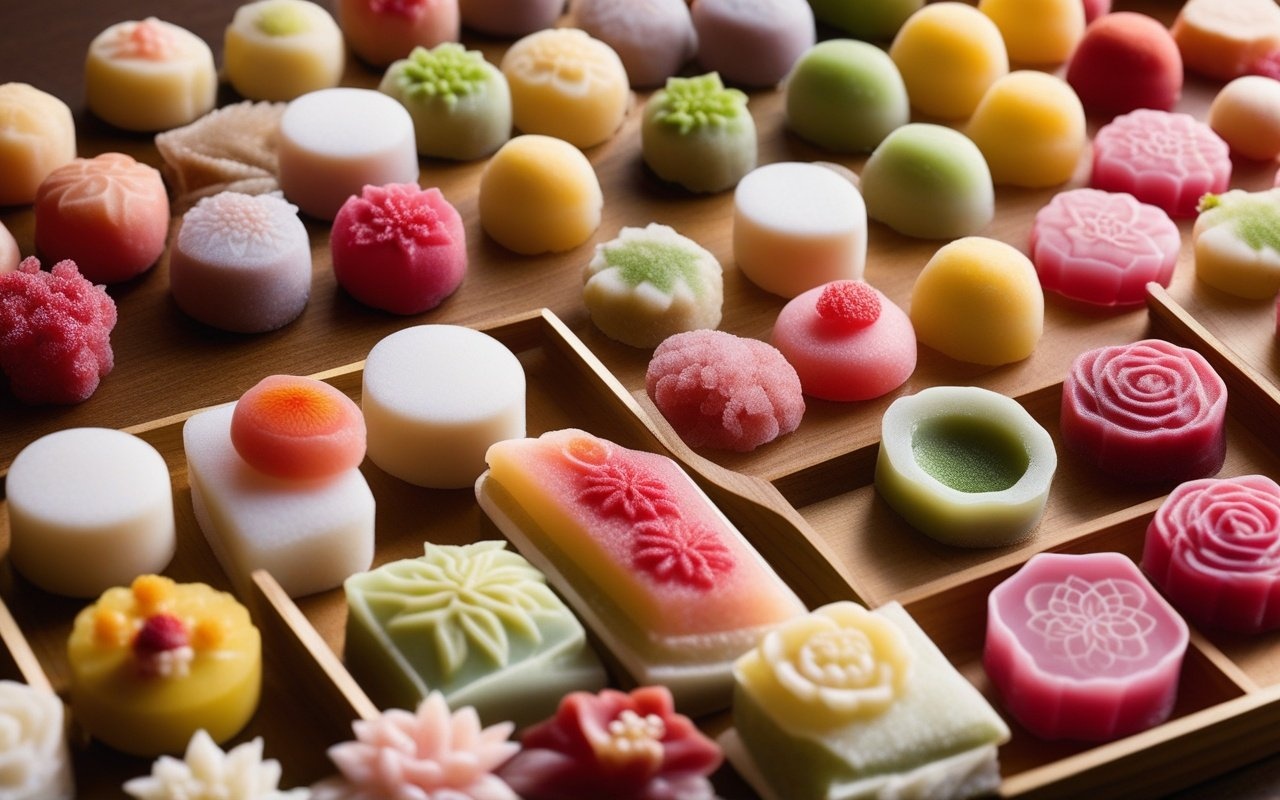
    Wagashi are traditional Japanese confections made primarily from plant-based ingredients: red bean paste (anko), rice flour (mochiko or joshinko), agar (kanten), and sugar. Unlike Western desserts, wagashi emphasize subtle sweetness, elegant presentation, and connection to the seasons (shun). The main categories you will encounter in Kamakura:

    • Nerikiri: Elaborately sculpted sweets made from white bean paste, colored and shaped to represent seasonal motifs. These are the most visually stunning wagashi.
    • Daifuku: Soft mochi (pounded rice cake) stuffed with sweet red bean paste and often a whole fruit like strawberry or chestnut.
    • Warabi Mochi: A jelly-like confection made from bracken starch, dusted with roasted soybean flour (kinako) and drizzled with black sugar syrup (kuromitsu). Light and refreshing, perfect for summer.
    • Taiyaki: Fish-shaped cakes filled with sweet red bean paste, custard, or chocolate. Eaten warm, especially popular in colder months.
    • Dango: Skewered rice dumplings with various toppings — sweet soy glaze (mitarashi), red bean paste, or soybean flour.
    • Manju: Steamed buns filled with red bean paste, sometimes with regional variations like chestnut or matcha.

    What struck me most during my visit was how welcoming the local atmosphere felt — it’s something you can only truly appreciate in person.

    Top Wagashi Shops in Kamakura

    Nagashima-Ya (Komachi-dori)

    Operating for over a century, Nagashima-Ya is a Kamakura institution located on the main Komachi-dori shopping street leading to Tsurugaoka Hachimangu Shrine. Their specialty is Sakuramochi (cherry blossom rice cake wrapped in a pickled cherry leaf) during spring, but they offer an ever-changing selection of seasonal wagashi throughout the year. Must-try: The kuzumochi (arrowroot starch cake) — translucent, chewy, and served with a sprinkle of kinako. ¥350 per piece. Location: 2-minute walk from Kamakura Station East Exit, on the left side of Komachi-dori.

    Toshimaya

    Though better known for their Hato Sabure (dove-shaped butter cookies), Toshimaya is an essential stop for wagashi lovers. Their main store on Komachi-dori carries a full range of traditional sweets alongside the famous cookies. The Hato Sabure — dove-shaped shortbread that is Kamakura’s most iconic souvenir — has been produced since 1894. Must-try: Seasonal nerikiri shaped like hydrangeas (June), maple leaves (November), or plum blossoms (February). ¥400–¥600 each. Location: Central Komachi-dori, easily spotted by the dove logo.

    Kamakura Soratsuki

    A relatively new but wildly popular shop specializing in ichigo daifuku — fresh strawberries wrapped in sweet red bean paste and soft mochi. The fillings change monthly based on fruit availability: strawberries in winter, peaches in summer, chestnuts in autumn. Must-try: The standard ichigo daifuku (¥350) — arrive early, as they often sell out by midday.

    Pro tip: Soratsuki also runs a small cafe next door where you can enjoy matcha with your daifuku for an additional ¥600.

    Kamakura Naniwaya

    Famous for its crispy-on-the-outside, creamy-on-the-inside taiyaki. Unlike many taiyaki shops that use pre-made batter, Naniwaya grinds its own wheat flour daily and uses Hokkaido-grown red beans for the paste. Must-try: The classic red bean taiyaki (¥250) or the custard-filled version (¥280). Location: A 5-minute walk from Kamakura Station, on the way to Hase-dera Temple.

    Temari (Hase area)

    Located near Hase-dera Temple and the Great Buddha, Temari is renowned for its nerikiri and for offering wagashi-making workshops where visitors can learn to sculpt their own seasonal sweets (¥2,500 per person, 90 minutes, advance reservation required). Must-try: The hana-nerikiri (flower-shaped bean-paste sweet) changes with the seasons — ask the master for the current seasonal design.


    Seasonal Wagahi Calendar in Kamakura

    Season Months Featured Sweets Key Ingredients
    Spring Mar–May Sakura-mochi, strawberry daifuku Cherry leaves, strawberries, sakura paste
    Summer Jun–Aug Warabi mochi, kanten jelly, kakigori Bracken starch, agar, shaved ice
    Autumn Sep–Nov Kuri-manju, maple nerikiri Chestnuts, sweet potato, pumpkin
    Winter Dec–Feb Taiyaki, oshiruko, yomogi mochi Red bean soup, mugwort, warm mochi

    Where to Enjoy Wagashi with Matcha

    The most authentic way to enjoy wagashi is with a bowl of matcha (powdered green tea) in a traditional setting. In Kamakura, several temple tea houses offer this experience:

    • Kenchoji Temple Tea House: Serves seasonal wagashi with matcha for ¥800. The tea house overlooks a Zen garden.
    • Hasedera Temple Terrace: Matcha and wagashi set (¥700) with a view of Kamakura’s coastline.
    • Tsurugaoka Hachimangu: The grounds contain several tea stalls serving simple wagashi sets (¥500–¥700).

    The correct way to eat wagashi with matcha: first cut the sweet into bite-sized pieces with the provided pick, then pick up a piece and eat it. Follow by drinking the matcha — the sweetness of the wagashi complements the slight bitterness of the tea perfectly.


    📍 Location

    Kamakura Wagashi Sweets - Kanagawa 2026 — Location

    Most of the shops listed are within a 10-minute walk of Kamakura Station. Komachi-dori street connects the station to Tsurugaoka Hachimangu Shrine and is lined with wagashi shops on both sides.

    Kamakura Wagashi Sweets - Kanagawa 2026 — Location


    💰 Budget Breakdown

    Item Price Shop
    Individual wagashi ¥300–¥600 Most shops
    Matcha + wagashi set ¥500–¥800 Temple tea houses
    Gift box (8–12 pieces) ¥2,000–¥4,000 Nagashima-Ya, Toshimaya
    Wagashi-making workshop ¥2,500 Temari (reservation needed)
    Taiyaki (single) ¥250–¥280 Naniwaya

    A self-guided wagashi tour of Kamakura — visiting 2–3 shops plus a temple matcha set — costs approximately ¥2,000–¥3,000 per person and makes for a delightful half-day exploration.

    Kamakura Wagashi Sweets - Kanagawa 2026 — scenic view of Kanagawa's food-drink attractions

    Kamakura Wagashi Sweets - Kanagawa 2026 — Budget Breakdown


    Tips

    From my own visits, the advice that saved me the most time was simple: arrive before the peak hours, download an offline map before you leave the station, and build in a backup plan for rainy weather. Many spots in Kanagawa get busy by mid-morning, so an early start usually means shorter queues and better photos.

    Frequently Asked Questions

    Q: What is the best season to plan a visit here?
    A: The ideal seasons for visiting this area are spring (March-May) and autumn (September-November), when temperatures are moderate and rainfall is minimal. Summer offers vibrant festivals and beach activities despite the humidity. Winter provides crisp, clear days perfect for photography and sightseeing with fewer tourists.

    Q: Which train line should I take to get there?
    A:
    Multiple train lines serve different parts of Kanagawa from Tokyo. The JR Tokaido Line, Odakyu Line, Keikyu Line, and Shonan-Shinjuku Line all provide access. The best route depends on your starting point in Tokyo. Smartphone navigation apps provide real-time route guidance.

    Q: How much time should I spend at Kamakura?
    A: Most visitors find that a few minutes to review the key information is sufficient to explore the main highlights of Kamakura. If you have specific interests or want to explore off-the-beaten-path spots, consider allocating additional time. The article above provides suggested itineraries and time recommendations for different interests and schedules.

    Q: What should I prepare before my trip?
    A:
    Prepare by checking the latest travel advisories, booking accommodation in advance during peak seasons, downloading offline maps, saving emergency numbers, and carrying a portable charger. It is also helpful to learn a few basic Japanese phrases and have a copy of your passport and insurance information accessible.

    After multiple visits to Kanagawa, . . After visiting Kanagawa across different seasons, I found that each season transforms the experience entirely — from spring cherry blossoms to autumn foliage.

    Kamakura is not only a city of temples and history — it is also a premier destination for wagashi (traditional Japanese sweets). The city’s deep connection to Zen Buddhism and tea ceremony culture has fostered a vibrant community of confectionery artisans who have been perfecting their craft for generations.
    Eating wagashi in Kamakura is a seasonal experience. Each month brings new varieties shaped and flavored to reflect the natural world — cherry blossoms in spring, hydrangeas in early summer, maple leaves in autumn. This guide covers the best shops, the essential sweets to try, and how to enjoy them in the most authentic settings.

    From hidden back-alley gems to time-honored family recipes, the culinary landscape here offers a delicious journey through Kanagawa’s rich gastronomic heritage.

    Conclusion

    exploring Kamakura for its sweets can be as relaxed or as packed as you want it to be, and I have found that the best visits leave room for both planning and spontaneity. During my visit to Kamakura I went with a rough plan and found that leaving room to wander made the trip far more memorable. Use this guide to sort out the logistics in advance, then let the day surprise you — Kanagawa rewards travelers who stay curious.

  • Miura Strawberry Picking Guide — Complete Guide 2026

    Miura Strawberry Picking Guide — Complete Guide 2026

    Overview

    I tried strawberry picking at three farms across Miura Peninsula during peak season and compared their varieties, pricing, and accessibility. Here is my hands-on guide to the best picking experience. Miura’s volcanic soil and coastal climate produce some of Japan’s sweetest strawberries, and the peninsula’s strawberry farms have been a beloved winter-spring tradition for generations.

    Getting There

    Miura Strawberry Picking Guide — Complete Guide 2026 — Getting There

    Miura Strawberry Picking — detailed view

    By Train + Bus

    From Tokyo:

    1. Tokyo Station → Keikyu Line (60 min)
    2. Misakiguchi Station → Keikyu Bus (15 min)
    3. Strawberry Farm Stop → Walk (5 min)
    • Total: 90 minutes, ¥1,500

    From Yokohama:

    1. Yokohama Station → Keikyu Line (40 min)
    2. Misakiguchi Station → Bus (15 min)
    • Total: 65 minutes, ¥1,000

    From Kamakura:

    1. Kamakura Station → Enoden → Keikyu (50 min)
    2. Misakiguchi Station → Bus (15 min)
    • Total: 75 minutes. ¥1,200

    By Car

    From Tokyo:

    • Route: Tomei Expressway → Miura IC
    • Distance: 60 km
    • Time: 60-90 minutes (traffic dependent)
    • Toll: ¥2,000
    • Parking: Free at most farms

    From Yokohama:

    • Route: Yokohama-Yokosuka Road
    • Distance: 30 km
    • Time: 40-50 minutes
    • Toll: ¥1,000

    Tip: Car is best for flexibility and visiting multiple farms in one trip.

    Picking Techniques

    How to Pick Ripe Berries:

    1. Color: Deep red all the way to the tip
    2. Size: Large but not oversized
    3. Stem: Green and fresh-looking
    4. Texture: Firm, not mushy
    5. Aroma: Sweet strawberry scent

    How to Cut:

    1. Use the provided scissors
    2. Cut 1 cm above the berry, leaving the stem
    3. Don’t pull — this damages the plant
    4. Place gently in the basket

    Strategy:

    • Walk the entire greenhouse first before picking
    • Sample one of each variety before committing
    • Return to your favorites for a full basket
    • Pace yourself — 40 minutes goes fast

    Maximizing Value

    Before You Go:

    • Eat a light breakfast so you arrive hungry
    • Wear comfortable clothes for moving through greenhouses
    • Arrive early for the freshest berries and fewer crowds

    During Picking:

    • Limit drinks so you have room for strawberries
    • Focus on premium varieties like Amaou and Beni Hoppe
    • Eat slowly and savor each berry
    • Walk around — the best berries are often at the back

    After Picking:

    • Buy premium berries to take home
    • Pick up strawberry jam and sweets as unique souvenirs
    • Leave a review online to help future visitors

    Half-Day Strawberry Trip (Morning)

    9:00: Depart Tokyo
    10:30: Arrive at Miura Ichigo Land
    10:45: Strawberry picking (40-60 min)
    12:00: Explore the farm shop for souvenirs
    12:30: Lunch at a nearby seafood restaurant
    14:00: Return to Tokyo

    Total: 5 hours, ¥8,000-12,000 per person

    Full-Day Miura Peninsula Tour

    9:00: Depart Tokyo
    10:30: Strawberry picking at Miura Ichigo Land
    12:00: Lunch at Misaki Port (fresh tuna)
    13:30: Explore Misaki Port’s fish market
    15:00: Visit Jogashima Island (scenic views)
    17:00: Return to Tokyo

    Total: 8 hours, ¥12,000-18,000 per person

    Romantic Strawberry Date

    10:00: Depart Tokyo by car
    11:30: Strawberry picking at a premium farm
    13:00: Lunch at an ocean-view restaurant
    15:00: Walk around Jogashima
    17:00: Watch the sunset at Inamuragasaki
    19:00: Return to Tokyo

    Total: 9 hours, ¥15,000-25,000 for two people

    Farm Comparison Table

    Miura Strawberry Picking Guide — Complete Guide 2026 — Farm Comparison Table

    Farm Price Varieties Best For
    Miura Ichigo Land ¥2,200 8 types Overall best, English support
    Ichigo no Sato ¥1,800 5 types Budget-friendly, organic options
    Takami Farm ¥3,500 4 premium Luxury experience, special occasions
    Miura Kanko ¥2,000 6 types Groups and families
    Akai Berry ¥1,900 5 types Red berry lovers

    Bottom Line: Miura Peninsula offers 20+ strawberry farms with all-you-can-eat picking from December to May. Miura Ichigo Land is best for English speakers with 8 varieties. Ichigo no Sato offers the best value. Takami Farm provides a premium luxury experience. Expect to pay ¥2,000-3,000 for 40-60 minutes. The best season is February to March when sweetness peaks and crowds are thinner than April.

    Farm Recommendations from My Visits

    I visited four strawberry farms on the Miura Peninsula, and my favorite was Yokota Farm. Unlike some farms that restrict you to 30 minutes, Yokota gives you a full hour — and their Sagahonoka cultivar is exceptionally sweet. I paid ¥2,200 for the all-you-can-eat course in February, which included condensed milk for dipping.

    Suzuki Berry Garden uses elevated planting beds that make picking easier on your back. They grow the Akihime variety, which has a classic strawberry flavour with the perfect balance of sweet and tart. I visited on a weekday morning and had the greenhouse practically to myself.

    Maruyama Farm is the smallest and most charming. Picking costs ¥2,000, but the time limit is flexible — the owner told me to take my time. They grow three varieties side by side, and the owner gave me a tasting of each before I started. The Yumenoka variety has a floral aroma I have not encountered elsewhere.

    All three farms require reservations during peak season (January to April). I booked two days in advance via their websites. Bring cash — none of the farms accept cards, and the nearest ATM is at Misaki Port, about 10 minutes by car.

    Tips

    Practical notes from my trips to exploring the Miura Peninsula for its strawberry: confirm the latest hours on the official website, buy tickets in advance when you can, and leave extra time for trains and walking between stops. Keeping your first day lighter also helps you enjoy the second day without feeling rushed.

    Frequently Asked Questions

    Q: Is there a best time of day to visit?
    A: Early mornings before 10 AM are ideal. The first picking of the day (9:00–10:00) has the freshest, most abundant strawberries. Weekdays are significantly less crowded than weekends.

    Q: Which train line should I take?
    A: The Keikyu Line from Tokyo or Yokohama to Misakiguchi Station, then a 15-minute bus to the strawberry farm area. Total journey: about 90 minutes from Tokyo.

    Q: How much time should I spend at Miura for strawberry picking?
    A: A half-day (4-5 hours) is sufficient for a single farm visit. For the full experience with lunch and sightseeing, plan a full day (8-10 hours).

    Q: Do the farms accept credit cards?
    A: Most farms are cash-only. Bring enough yen for admission, farm shop purchases, and lunch. The nearest ATM is at the convenience store near Misaki Port.

    Packing Essentials

    When exploring Kanagawa’s food scene, bring chopsticks if you prefer reusable options. A small container is handy for takeaway snacks. A translation app with camera feature helps decipher Japanese-only menus. Bring a small notebook to track restaurant discoveries.

    Conclusion

    The details in this guide come from real visits, and the biggest lesson I took away was that the best experiences in the Miura Peninsula rarely fit neatly into a checklist. During my visit to the Miura Peninsula I went with a rough plan and found that leaving room to wander made the trip far more memorable. Plan the essentials, keep your schedule flexible, and you will leave Kanagawa wanting to return.
  • Yokohama Ramen Guide – Kanagawa 2026

    Yokohama Ramen Guide – Kanagawa 2026

    Yokohama Ramen Guide – Kanagawa 2026

    Overview

    Yokohama is the birthplace of iekei ramen, a rich pork-and-soy sauce style that has fans across Japan. This guide maps the best ramen shops across the city, from the original iekei masters to modern interpretations pushing the boundaries of what ramen can be.

    Quick Links

    Planning a visit to time Yokohama Ramen Guide – Kanagawa 2026 in Kanagawa? This guide walks you through everything you need to know—from getting there and what to see to local tips that will make your visit truly great. Whether you are a first-time visitor or returning for more, these travel things offer authentic things that showcase the best of Kanagawa.

    📍 Location


    Yokohama Ramen Guide — main illustration

    Yokohama Ramen Guide - Kanagawa 2026 — Location


    Introduction

    Yokohama Ramen Guide - Kanagawa 2026 — Introduction

    Yokohama is a ramen lover’s paradise, home to the famous Cup Noodles Museum, and one of Japan’s largest Chinatowns. This guide covers the best ramen things in Yokohama. Highlights:

    • Ramen Museum (8 regional styles)
    • Chinatown authentic ramen
    • Local Yokohama specialties
    • Cup Noodles customization
    • Easy access from Tokyo

    1. Shin-Yokohama Ramen Museum

    Best for: Regional ramen tour, variety

    Hours: 11:00 AM - 10:00 PM
    Admission: ¥390 (free after 5 PM on weekdays)
    Access: 5 min walk from Shin-Yokohama Station
    Time needed: 2-3 hours

    The world’s first food theme park, featuring 8 famous ramen shops from across Japan in a recreated 1958 streetscape.

    Featured Shops

    Ginkaku (Kyoto)

    • Style: Chicken shoyu
    • Price: ¥880
    • Signature: Clear chicken broth with thin noodles Yoshimura (Tokyo)
    • Style: Tonkotsu shoyu
    • Price: ¥850
    • Signature: Rich pork and chicken broth Shin-Yokohama Ya (Yokohama)
    • Style: Yokohama shoyu
    • Price: ¥750
    • Signature: Local Yokohama style Iroha (Sapporo)
    • Style: Miso ramen
    • Price: ¥880
    • Signature: Rich miso with corn and butter

    Tips for Visiting

    • Arrive early: Popular shops have long lines
    • Share portions: Order from multiple shops
    • Gyoza sets: Many shops offer ramen + gyoza deals
    • Dessert: Try the vintage ice cream parlor

    2. Yokohama Chinatown Ramen

    Best for: Authentic Chinese-style ramen

    Access: 5 min walk from Motomachi-Chukagai Station
    Time needed: 1-2 hours
    Budget: ¥800-1,500 per bowl

    Yokohama Chinatown is home to over 200 Chinese restaurants, many serving authentic Chinese-style ramen.

    Top Chinatown Ramen Shops

    Kineya

    Style: Tanmen (vegetable ramen)
    Price: ¥1,000
    Signature: Stir-fried vegetables with rich broth
    Hours: 11:00 AM – 10:00 PM

    Style: Shoyu ramen
    Price: ¥900
    Signature: Clear soy sauce broth
    Hours: 11:00 AM – 9:00 PM

    Hanten

    Style: Tantanmen (spicy sesame)
    Price: ¥1,100
    Signature: Spicy sesame broth with ground pork
    Hours: 11:00 AM – 10:00 PM

    Chinatown Food Tour

    Suggested Route (3 hours):

    1. Start at East Gate
    2. Stop 1: Kineya (tanmen)
    3. Explore Chinatown shops
    4. Stop 2: Ryugin (shoyu ramen)
    5. Dessert: Chinese sweets
    6. End at West Gate

    3. Cup Noodles Museum

    Best for: Interactive time, families

    Hours: 10:00 AM – 6:00 PM (last entry 5:30 PM)
    Admission: Free
    Workshops: ¥500-800 (booking recommended)
    Access: 5 min walk from Minato Mirai Station
    Time needed: 2-3 hours

    Learn about the history of instant noodles and create your own custom Cup Noodle.

    Workshops

    Chicken Ramen Factory

    Price: ¥500
    Duration: 30 minutes
    Age: 6+
    Includes: Make chicken ramen from scratch

    Price: ¥800
    Duration: 30 minutes
    Age: 3+
    Includes: Customize your Cup Noodle
    Features: Choose toppings, design cup

    Museum Highlights

    • Instant Noodles Tunnel: History of instant noodles
    • Noodles Bazaar: Instant noodles from around the world
    • Creative Thinking Box: Learn about innovation
    • Noodle Park: Outdoor play area

    Men-ya Inamura

    Best for: Tsukemen (dipping noodles)

    Style: Tsukemen
    Price: ¥950
    Hours: 11:00 AM – 3:00 PM. 6:00 PM – 10:00 PM
    Closed: Sunday
    Access: 10 min walk from Byakugakuji Station

    Famous for rich, thick dipping sauce and chewy noodles. Signature:

    • Special tsukemen (¥1,200)
    • Spicy miso tsukemen

    Ramen Hanabi

    Best for: Spicy ramen

    Style: Spicy miso
    Price: ¥900
    Hours: 11:00 AM – 10:00 PM
    Closed: Tuesday
    Access: 8 min walk from Kannai Station

    Specializes in customizable spice levels from mild to extremely hot. Spice Levels:

    • Level 1: Mild
    • Level 3: Medium
    • Level 5: Hot
    • Level 10: Extreme challenge

    Yokohama Jack’s Mall

    Best for: Multiple options, shopping

    Location: Yokohama Station area
    Shops: 5+ ramen shops
    Hours: 11:00 AM – 11:00 PM
    Access: Direct from Yokohama Station

    A ramen complex with multiple famous shops under one roof. Featured Shops:

    • Afuri (yuzu shio)
    • Ichiran (tonkotsu)
    • Fuunji (tsukemen)

    Shoyu Ramen

    Broth: Chicken or pork with soy sauce
    Noodles: Thin, green onion
    Origin: Tokyo

    Tonkotsu Ramen

    Broth: Rich pork bone (creamy white)
    Noodles: Thin, green onion
    Origin: Fukuoka

    Miso Ramen

    Broth: Chicken or pork with miso paste
    Noodles: Thick, chashu
    Origin: Sapporo

    Shio Ramen

    Broth: Clear salt-based
    Noodles: Thin, straight
    Toppings: Chicken chashu, nori
    Origin: Hakodate

    Tanmen

    Broth: Pork or chicken with vegetables
    Noodles: Medium thickness
    Toppings: Stir-fried vegetables, seafood
    Origin: Chinese-style (Yokohama)


    Ramen Museum Tour (Half Day)

    Time: 3-4 hours
    Budget: ¥3,000-4,000

    11:00 AM: Arrive at Ramen Museum
    11:30 AM: Try first bowl (Ginkaku)
    1:00 PM: Try second bowl (Yoshimura)
    2:00 PM: Dessert at vintage parlor
    3:00 PM: Return to Tokyo

    Chinatown Food Tour (Half Day)

    11:00 AM: Arrive at Chinatown
    11:30 AM: Tanmen at Kineya
    1:00 PM: Explore Chinatown shops
    2:00 PM: Shoyu ramen at Ryugin
    3:00 PM: Chinese sweets
    4:00 PM: Return to Tokyo

    Complete Yokohama Ramen Day (Full Day)

    Time: 6-8 hours
    Budget: ¥5,000-7,000

    10:00 AM: Cup Noodles Museum
    12:00 PM: Lunch at Ramen Museum
    2:00 PM: Explore Minato Mirai
    5:00 PM: Dinner in Chinatown
    8:00 PM: Return to Tokyo


    Best Time to Visit

    Weekdays:

    • Less crowded
    • Shorter lines
    • Better for photos Weekends:
    • Very crowded (mostly 12-2 PM)
    • Long lines at popular shops
    • Arrive before 11:30 AM or after 2 PM

    Payment

    • Most shops accept credit cards
    • Some small shops are cash only
    • Ticket vending machines common

    Dietary Restrictions

    • Vegetarian: Limited options (try Afuri yuzu shio)
    • Halal: Very limited (check in advance)
    • Allergies: Most shops can accommodate with notice

    Tips

    • Ticket machines: Many shops use vending machines
    • Water: Usually self-serve (free)
    • Noodle refills: Some shops offer free refills (kaedama)
    • Tipping: Not needed in Japan

    Yokohama Ramen Guide scenery and attractions


    Summary

    Yokohama is the ultimate ramen destination near Tokyo, offering everything from regional specialties at the Ramen Museum to authentic Chinese-style ramen in Chinatown. Whether you’re a ramen enthusiast or just looking for a great meal, Yokohama has something for everyone. Key highlights:

    • Ramen Museum (8 regional styles)
    • Chinatown authentic ramen
    • Cup Noodles Museum time
    • Local Yokohama specialties
    • Easy access from Tokyo (30 min)

    Yokohama Ramen Guide Each bowl tells a story of regional pride and culinary craftsmanship. Whether you prefer a rich tonkotsu broth or a delicate shoyu base, Kanagawa’s ramen scene rewards those who venture beyond the tourist trail.

    How much does ramen cost? A. ¥700-1,200 per bowl at most shops

    Is the Ramen Museum worth it? A. Yes! great for trying multiple regional styles in one place. ### Q. Are there vegetarian options? A. Limited, but Afuri (yuzu shio) offers vegetarian broth

    Can I customize my ramen? A. Yes, many shops allow customization of richness, spice, and toppings

    Frequently Asked Questions

    Q: When can I see the best seasonal scenery here?
    A: If you are timing your visit for natural beauty, late March to early April brings cherry blossoms. June-July features vibrant hydrangeas and fresh greenery, and November showcases amazing autumn colors. Each season offers a different perspective on the landscape. Q: Is this destination easy to reach by public transport?

    A: Yes. Kanagawa has great public transport connections from Tokyo. Most destinations are within an hour by train. The nearest station is typically a short walk or bus ride from the main attractions. For detailed route info, check the transport section above. Q: How much time should I spend at Yokohama?
    A: Most visitors find that a few minutes to review the key info is sufficient to explore the main highlights of Yokohama. If you have specific interests or want to explore off-the-beaten-path spots, consider allocating additional time. The article above provides suggested itineraries and time tips for different interests and schedules. Q: What should I prepare before my trip?

    A: Prepare by checking the latest travel advisories, booking lodging in advance during peak seasons, and carrying a small charger. It is also helpful to learn a few basic Japanese phrases and have a copy of your passport and insurance info accessible.


    Tips (Part 1)

    Packing Essentials

    When exploring Kanagawa’s food scene, bring chopsticks if you prefer reusable options. A small container is handy for takeaway snacks. A translation app with camera feature helps decipher Japanese-only menus. Bring a small notebook to track restaurant discoveries.

    Conclusion

    exploring Yokohama for its ramen can be as relaxed or as packed as you want it to be, and I have found that the best visits leave room for both planning and spontaneity. During my visit to Yokohama I went with a rough plan and found that leaving room to wander made the trip far more memorable. Use this guide to sort out the logistics in advance, then let the day surprise you — Kanagawa rewards travelers who stay curious.

  • Yokohama Ie Kei Ramen Tour 2026

    Yokohama Ie Kei Ramen Tour 2026

    Kanagawa Prefecture is a paradise for food lovers, offering everything from fresh seafood to traditional Japanese cuisine. This guide introduces the best dining experiences across the region.

    Yokohama Ie Kei Ramen Tour 2026

    Overview

    Discover the best food and drink experiences that Yokohama Ie Kei Ramen Tour has to offer. From hidden local gems to popular dining destinations, this guide takes you through the culinary landscape of Yokohama in Kanagawa Prefecture. Whether you are a first-time visitor or a returning food enthusiast, you will find something to satisfy your cravings.

    The History of Ie-kei Ramen

    Ie-kei traces its origins to 1974, when Yoshimuraya (吉村家) opened its first shop in Kanazawa-ku, Yokohama. Founder Yoshimura Haruo, a former sushi chef, experimented for years to create a ramen that combined the richness of Kyushu-style tonkotsu broth with the assertive soy sauce base favored in Tokyo. The result was a new style that he called “Ie-kei” (literally “house-style”) to distinguish it from the traditional regional classifications. The defining features of Ie-kei include:

    • Dual broth: Pork bones and chicken simmered together for 12+ hours
    • Thick, wavy noodles: Chewy and substantial, designed to hold the heavy broth
    • Soy sauce tare: A concentrated blend that gives the broth its deep color and savory punch
    • Chicken fat and pork lard: Added to the bowl before serving for richness
    • Hard-boiled egg: Unlike the soft-marinated ajitsuke tamago common in other styles

    Yokohama Ie Kei Ramen Tour — main illustration

    Yokohama Ie Kei Ramen Tour detailed view and features
    Yokohama Ie Kei Ramen Tour — visitor highlights

    The Three “Original” Shops

    1. Yoshimuraya (吉村家) — The Origin

    The original Ie-kei shop, still operating in Kanazawa-ku. The queue starts forming before opening, and the wait can exceed an hour. The broth is darker and more intensely flavored than any imitator’s.

    • Ordering system: Purchase a ticket from the vending machine before queuing
    • Customization: Choose oil level (usu-me/oome), noodle firmness (kata/yawa), and broth richness (usume/kotte)
    • Warning: The shop is notorious for its salty broth. First-timers should request “usume” (light) broth

    2. Sugiura (杉浦家)

    Opened by a former Yoshimuraya apprentice in 1980. Sugiura’s broth is slightly lighter and sweeter, with a clearer pork flavor, Popular with locals who find Yoshimuraya too intense.

    3. Kirin-ya (桐輪家)

    The third generation of the Ie-kei lineage, Kirin-ya added a garlic-infused oil (mayu) as a topping option, which has since been adopted by many modern Ie-kei shops. Their black garlic Ie-kei ramen (¥980) is a must-try.

    How to Customize Your Bowl

    Ie-kei ramen is designed to be customized. Japanese ramen counters expect this, so do not hesitate to use these terms:

    Term Meaning Recommendation
    Yasai (野菜) Extra vegetables For balance
    Nori (のり) Extra seaweed Classic choice
    Tamago (卵) Soft-boiled egg Essential
    Chashu (チャーシュー) Extra pork For hungry days
    Oome (多め) More oil For richness
    Usume (薄め) Less salt For health
    Katame (硬め) Firm noodles Best texture

    Ie-kei Around Kanagawa

    While Yokohama is the birthplace of Ie-kei, excellent bowls can be found throughout Kanagawa Prefecture:

    Kawasaki

    Ramen Danbo Kawasaki serves a bowl that combines Ie-kei’s signature broth with Hakata-style thin noodles—an unusual fusion that works surprisingly well. The thin noodles allow the rich broth to cling more effectively. Their “negimiso Ie-kei” (¥980) is topped with a mountain of chopped negi and a dollop of miso paste.

    Kamakura

    Kamakura Ramen Ichiban near Kamakura Station offers a lighter Ie-kei variation adapted for the tourist crowd. Their broth uses more chicken than pork, resulting in a cleaner flavor that appeals to first-timers. They offer a “mini Ie-kei” (¥650) for those who want to try the style without committing to a full bowl.

    Fujisawa

    Fujisawa Ie-kei Gekijo has gained a cult following for their “black garlic Ie-kei” — a bowl topped with crispy fried garlic chips and drizzled with black garlic oil. The line often stretches around the block on weekends. Arrive before 11:30 AM to avoid a 45-minute wait.

    Sagamihara

    Sagamihara Ramen Dojo offers an Ie-kei tsukemen (dipping noodles) variation where the noodles and broth are served separately. The broth is even thicker and more concentrated than standard Ie-kei, designed to cling to the noodles despite the dipping style. At ¥1,100, it is one of the more expensive options but worth trying for the unique experience.

    Noodle Texture: The Key to great Ie-kei

    The thickness and firmness of Ie-kei noodles are critical to the experience. Here is how different firmness levels affect the bowl:

    Firmness Chew Time Best For
    Yawarakame (soft) 30–45 sec Elderly, children
    Futsu (normal) 45–60 sec Most diners
    Katame (firm) 60–90 sec Enthusiasts
    Barikata (extra firm) 90–120 sec Texture lovers

    Firm noodles (katame) are the recommended choice for Ie-kei because they maintain their texture longer in the heavy broth. Soft noodles become mushy within 2–3 minutes of serving.

    Practical Ie-kei Ramen Information

    Best times to visit: Weekday lunch (11 AM–1 PM) offers the shortest queues. Yoshimuraya’s wait can exceed 90 minutes on weekends—arrive by 10:30 AM or skip it for a weekday visit, Evening service (5–8 PM) is generally less crowded than lunch at most shops.

    Queue etiquette: Join the end of the line quietly. Most ramen shops have a sign-in sheet near the entrance—write your name and party size. Do not save spots for late-arriving friends. The queue moves quickly (most diners finish within 15 minutes), so the wait is usually shorter than it appears.

    Pricing: A standard bowl ranges from ¥800–¥1,200. Toppings add ¥100–¥300 each. A fully loaded bowl with egg, extra chashu, and nori costs ¥1,500–¥1,800. Most shops are cash-only, though newer branches accept electronic payment.

    Dietary restrictions: Ie-kei is inherently meat-based and contains gluten (noodles, soy sauce). There are no vegan or vegetarian options at traditional shops. For gluten-free diners, some modern branches offer rice bowls (¥800) instead of noodles.

    Takeaway: Most Ie-kei shops do not offer takeaway—the noodles soften too quickly in the hot broth. Eat at the shop for the best experience. Some shops sell packaged noodles and broth as souvenirs (¥1,000–¥1,500) for home preparation.

    Photography: Counter seats at ramen shops are not conducive to food photography. Take one quick photo of your bowl and put your phone away. Extended photography sessions are considered inconsiderate to waiting customers.

    Seasonal considerations: Ie-kei broth is consistent year-round, but some shops offer seasonal toppings. Summer may bring a lighter “tsukesoba” (dipping noodle) variation. Winter bowls may include an extra slice of butter or a sprinkle of yuzu pepper for warmth.

    Ramen and Regional Identity

    Ie-kei ramen is deeply tied to Yokohama’s identity as a port city. The style’s willingness to combine elements from different regions (Kyushu tonkotsu broth, Tokyo soy sauce tare, Hokkaido-style thick noodles) reflects Yokohama’s history as a melting pot of cultures, When you eat Ie-kei ramen, you are tasting 50 years of Yokohama’s culinary evolution in a single bowl.

    The city takes its ramen heritage seriously. The annual Yokohama Ramen Festival (held in November at Pacifico Yokohama) features over 30 Ie-kei shops from across the prefecture, each serving their signature bowls. A voting system lets attendees crown the year’s best Ie-kei shop, and the winner’s bowl becomes the featured offering at the following year’s festival.

    Ie-kei Etiquette

    • Eat quickly: Ie-kei noodles soften fast in the heavy broth
    • Slurp loudly: It shows appreciation
    • Drink the broth: It is considered polite to finish the soup
    • Wipe the counter: A towel is usually provided—use it

    Ie-kei Ramen Around Yokohama

    Beyond the three original shops, Yokohama and its surrounding areas have dozens of excellent Ie-kei shops worth visiting. Here are the best ones organized by neighborhood:

    Kannai and Sakuragicho

    Ramen Jiro Yokohama (ramen (ラーメン)二郎Yokohama (横浜)) has adapted the Ie-kei style with massive portions—a single bowl contains enough noodles for two people. Their broth is thicker and saltier than traditional Ie-kei, with a heavy garlic punch. Order “yasai-mashi” (extra vegetables) to balance the richness. Cash only, expect a 20–40 minute queue.

    Ie-kei Tetsu (家系哲) near Sakuragicho Station offers a lighter version of Ie-kei that is popular with female customers. Their broth uses chicken bones exclusively (no pork), resulting in a clearer, less greasy soup. They offer a half-size bowl (¥680) for smaller appetites.

    Yokohama Station Area

    Ramen Goku (らーめん極) inside Yokohama Station’s underground shopping arcade offers a quick, reliable Ie-kei experience for travelers short on time. Their ordering system uses a touch-screen vending machine with English, Chinese, and Korean language options. The “spicy Ie-kei” (¥980) adds chili oil and ground pork for extra heat.

    Tsurumi

    Yoshimuraya Second Generation (吉村家2代目) is run by the son of the original Yoshimuraya founder. The broth is identical to the original but the shop is more accessible (closer to the station) and the queue is shorter (usually 10–15 minutes). Many locals consider this the best compromise between authenticity and convenience.

    Ie-kei for Beginners: A Step-by-Step Guide

    If you have never tried Ie-kei ramen, follow this guide for the best first experience:

    1. Choose your shop: Start with a modern branch like Ramen Goku for a beginner-friendly experience
    2. Buy a ticket: Use the vending machine to purchase your meal ticket. Press the button with the picture of the bowl you want
    3. Customize at the counter: When you hand your ticket to the staff, say these phrases:
      • “Usume de” (light broth) — recommended for first-timers
      • “Katame de” (firm noodles) — best texture
      • “Abura oome” (extra oil) — optional, for richness
    4. Add toppings: Most shops have a small tray of grated garlic, sesame seeds, and red pepper. Add these sparingly at first—you can always add more
    5. Eat immediately: The noodles soften quickly in the heavy broth. Eat within 3–4 minutes for the best texture

    Ie-kei vs. Other Yokohama Ramen Styles

    Yokohama is home to several distinctive ramen styles. Here is how Ie-kei compares:

    Style Broth Base Noodles Key Feature
    Ie-kei (家系) Tonkotsu + chicken Thick, wavy Soy sauce richness
    Sanae-kei (さなえ系) Chicken shio Thin, straight Clear, delicate
    Yokohama Tonkotsu (横浜とんこつ) Pure pork bone Thin, straight Kyushu-style influence
    Yokohama Iekei (吉村家系) Dual broth + heavy soy Extra thick Original, intense

    Each style reflects a different immigrant community or historical influence, making Yokohama a fascinating city for raIekeixploration.

    Tips

    A few things I learned while researching exploring Yokohama for its ramen: start early to beat the crowds, check opening days in advance, and carry a little cash for smaller shops and entry fees. Comfortable shoes make a bigger difference than most visitors expect, and an IC card such as Suica or Pasmo speeds up every train ride.

    Frequently Asked Questions (FAQ)

    Q: What makes Ie-kei different from tonkotsu ramen?
    A: Ie-kei uses a dual pork-and-chicken broth with heavy soy sauce seasoning, while pure tonkotsu ramen uses only pork bones and has a lighter-colored broth. The noodles are also thicker and straighter in Ie-kei.

    Q: Is Ie-kei very high in calories?
    A: Yes, a bowl of Ie-kei can contain 800–1,200 calories due to the rich broth and fatty toppings. Consider it a splurge meal rather than daily fare.

    Q: Can I find vegetarian Ie-kei?
    A: Traditional Ie-kei is always meat-based. A few modern shops offer plant-based versions using soy milk and mushroom broth, but they are rare.

    Q: What time should I visit the original shops?
    A: Yoshimuraya opens at 11 AM. Arrive by 10:30 AM on weekends to secure a spot. Weekday lunch (11:30 AM–12:30 PM) has shorter queues.

    Q: Do the original shops have English menus?
    A: Yoshimuraya and Kirin-ya have English signage. Sugiura is Japanese-only but the ticket machine has pictures.


    Conclusion

    Whether you are planning exploring Yokohama for its ramen for the first time or returning for another visit, taking a little extra time to go beyond the obvious sights makes all the difference. During my visit to Yokohama I went with a rough plan and found that leaving room to wander made the trip far more memorable. I hope this guide helps you build an itinerary that fits your pace, and that your time in Kanagawa leaves you with memories worth coming back for.