
Overview
Plan your perfect visit to Kamakura Travel Guide 2026 — Ultimate Area Guide for… with this comprehensive destination guide, Covering everything from must-see attractions to practical travel tips, this guide helps you make the most of your time in Kamakura. Whether you have a single day or an entire week, discover the best that this Kanagawa destination has to offer.
📍 Getting to Kamakura
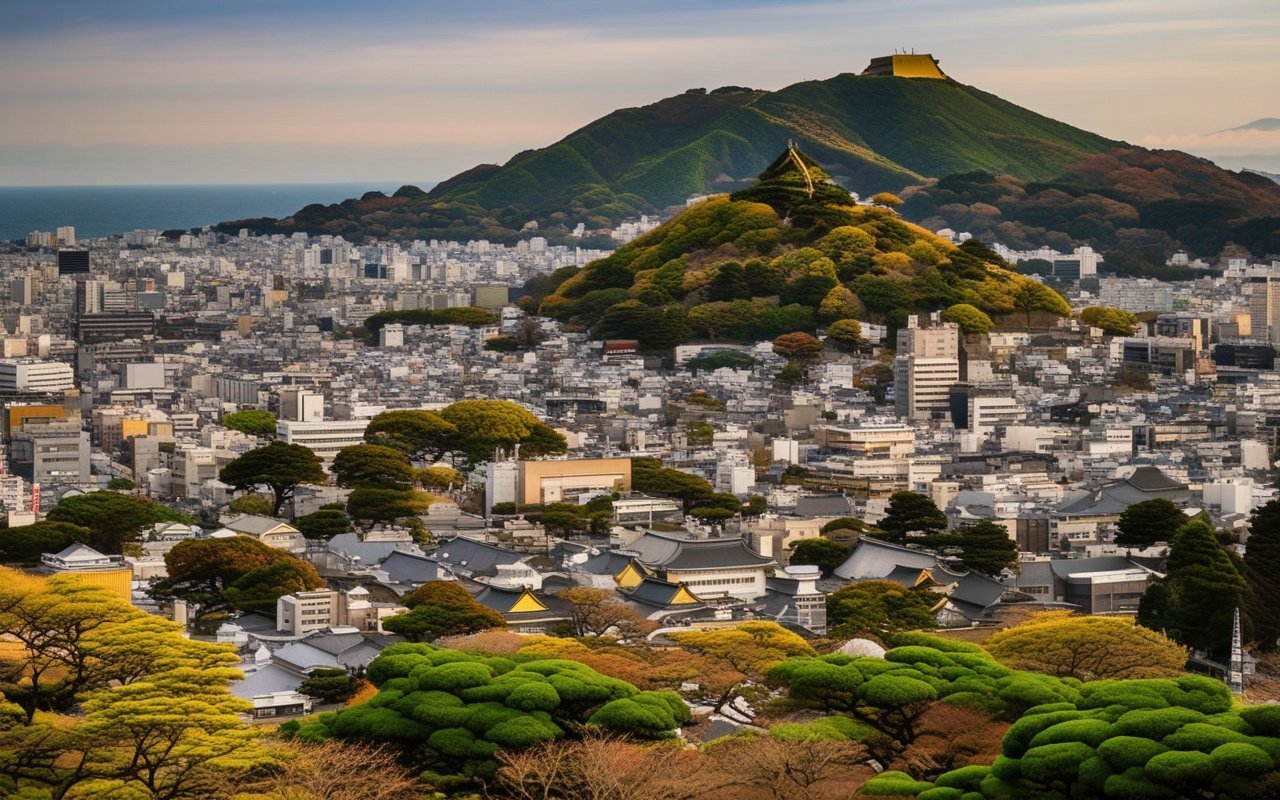
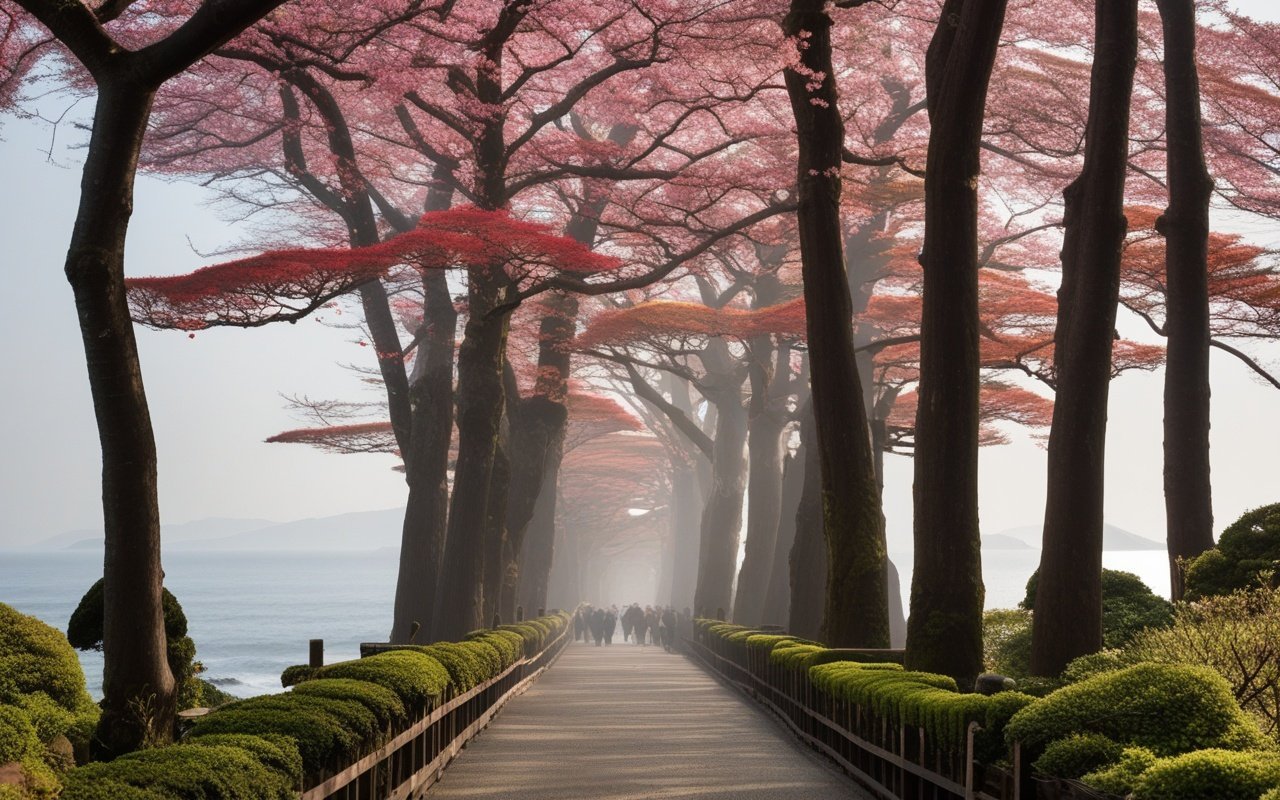
Kamakura is one of the easiest day trips from Tokyo, with multiple train lines connecting the city in about an hour. 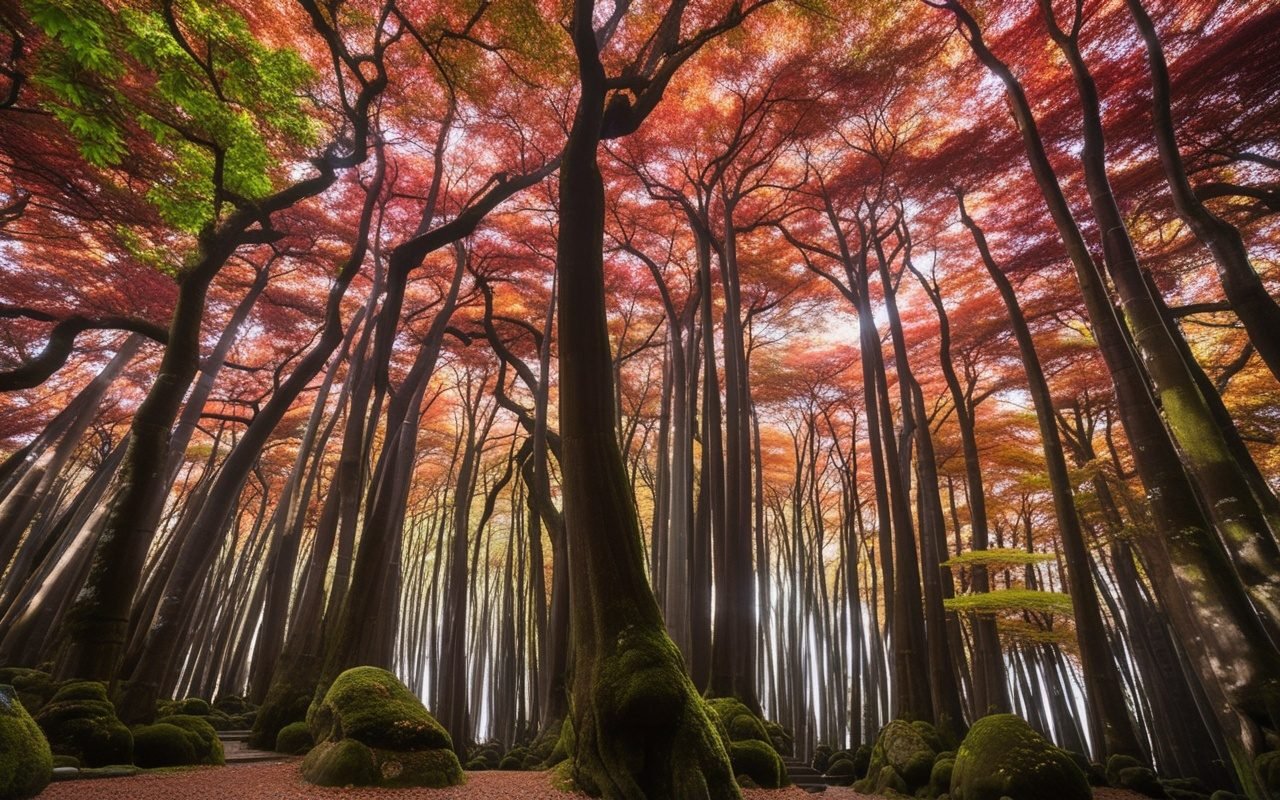
From Tokyo
- JR Yokosuka Line: 55–60 minutes from Tokyo Station to Kamakura Station (¥1,040. no transfers)
- JR Shonan-Shinjuku Line: 60 minutes from Shinjuku to Kamakura Station (¥1,040. direct)
- Odakyu Line to Enoshima: 65 minutes from Shinjuku to Katase-Enoshima Station (¥650). then Enoden to Kamakura
Money-Saving Tickets
- Kamakura Free Pass (Odakyu): Round-trip from Shinjuku + unlimited Enoden rides — best value if arriving via Odakyu
- JR Kamakura Pass: Unlimited JR train rides in the Kamakura area for 1 day
- Enoden 1-day Pass: ¥800 for unlimited rides on the nostalgic Enoden tram
📖 Deep dive: Complete Kamakura access guide · Enoden 1-day Pass guide · Tokyo day trip guide
Getting Around Kamakura
The city center is walkable, but you will rely on two key transport modes:
- Enoden Tram: The iconic green tram that runs between Kamakura and Enoshima along the coast. Essential for reaching Hase (Great Buddha), Inamuragasaki, and Shonan beaches. – Local buses: Useful for temples in the hills (Kencho-ji, Engaku-ji areas) and the Kita-Kamakura district. – Bicycle rental: Flat coastal areas are bike-friendly. Electric bicycles available near Kamakura Station. > 📖 Deep dive: Enoden unlimited guide · Shonan Monorail connection · Bicycle rental guide
⛩️ Must-See Temples & Shrines
Kamakura’s religious sites are the city’s main draw — and with good reason. The concentration of nationally significant temples within walking distance of each other is unmatched in Japan outside of Kyoto and Nara.
The Big Three (Cannot Miss)
| Site | Built | Highlights | Time Needed | Admission |
|---|---|---|---|---|
| Tsurugaoka Hachimangu | 1063 | City’s most important shrine, cherry tree-lined approach | 45 min | Free |
| Kotoku-in (Great Buddha) | 1252 | 13.35m bronze statue, national treasure | 30 min | ¥300 |
| Hasedera | 736 | Hillside temple, cave tunnels | 60 min | ¥400 |
Zen Temples of Kita-Kamakura
The northern district of Kita-Kamakura is home to several major Zen temples from the Kamakura period:
- Kencho-ji (1253) — First Zen temple in Japan. National Treasure gate
- Engaku-ji (1282) — Stunning autumn foliage, massive temple bell
- Jochi-ji (1283) — Small, off the tourist trail
Lesser-Known Spots
- Meigetsu-in (Ajisai-dera) — Famous for hydrangeas in June
- Tokei-ji — Historic nunnery, pretty bamboo grove
- Sugimoto-dera — Oldest temple in Kamakura (founded 734)
📖 Deep dive: Kamakura temple guide · Shrine & temple overview · Hidden temples guide · Tsurugaoka Hachimangu guide · Great Buddha guide · Great Buddha history · Samurai history
🍜 Food & Drink Guide
Kamakura’s food scene blends traditional Japanese flavors with modern cafe culture. The city is mainly known for its matcha (green tea) sweets, shirasu (whitebait) cuisine, and creative cafe culture.
Cafes & Coffee
Kamakura has one of the highest cafe densities per capita in Japan. The Komachi-dori area near the station has dozens of options, while quieter streets in the north and west offer specialty coffee shops and traditional kissaten.
Must-Try Foods
- Matcha soft cream and kakigori — mostly in summer. Kamakura’s matcha desserts are a highlight
- Kamakura vegetables — Local produce from nearby farms, featured at farm-to-table restaurants
- Shirasu donburi — Fresh whitebait over rice, a Shonan specialty
- Kamakure-style curry and Kamakura wagashi (traditional sweets)
📖 Deep dive: Kamakura cafe guide · Matcha cafe guide · Matcha sweets guide · Wagashi sweets guide · Farm-to-table guide · Street food guide · Kakigori guide
🏄 Activities & things
Beyond temples and food. Kamakura offers a wide range of activities that take advantage of its coastal location and natural surroundings.
Beaches
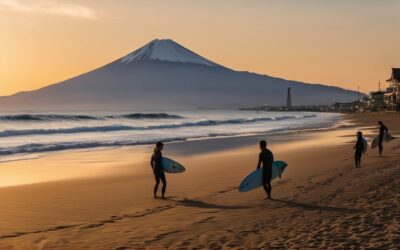
- Yuigahama Beach — Kamakura’s main beach, surfable year-round
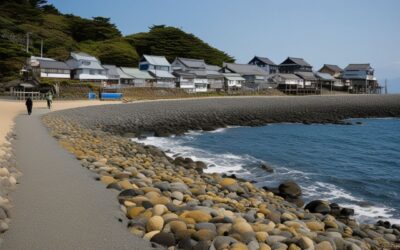
- Zaimokuza Beach — Quieter alternative, popular for evening walks
- Enoshima Beach — Surfing hub with rental shops and lessons
Hiking & Nature
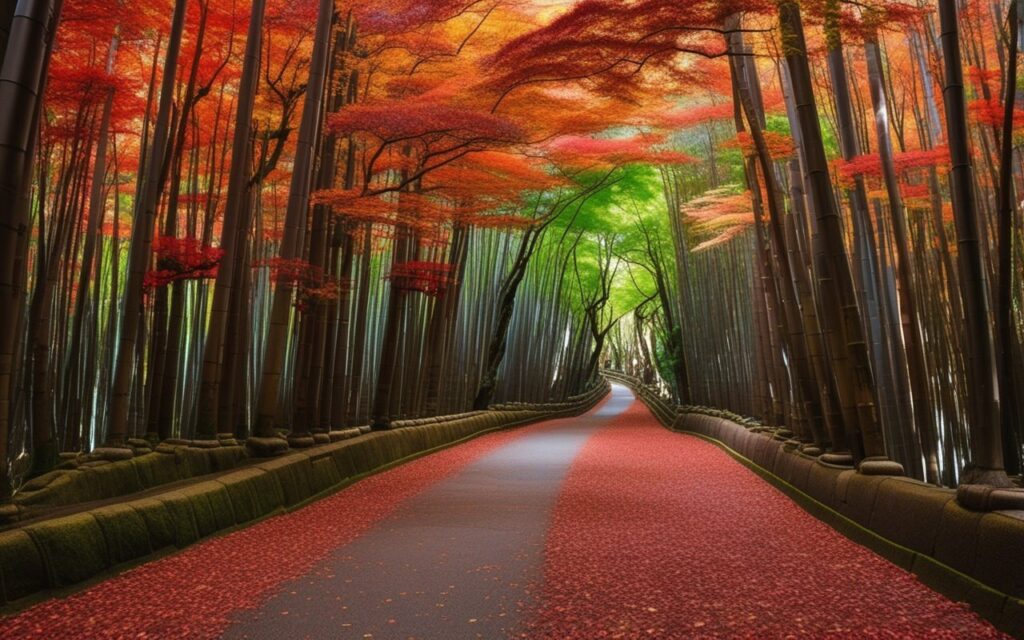
Kamakura is surrounded by forested hills with well-marked trails connecting temples. The Daibutsu Hiking Course (2.5 hours) connects Kita-Kamakura to the Great Buddha, passing through bamboo groves and offering panoramic views.
Photos
From sunrise at Inamuragasaki Point to the golden hour light at Yuigahama Beach, Kamakura is a photographer’s paradise. The city is mostly photogenic during hydrangea season (June) and autumn foliage (November). > 📖 Deep dive: Best beaches guide · Cycling routes · photos guide · Sunrise photos · Gorge walk · Family spots · Crowd avoidance
🌊 Enoshima Island
Connected to the mainland by a 600-meter bridge, Enoshima is a small island with a separate identity from Kamakura, an observation tower with Fuji views, and some of the best sunset spots on the Shonan coast. – Enoshima Shrine — Three-shrine complex dedicated to Benzaiten, goddess of music and art
- Enoshima Sea Candle — 59.8m observation lighthouse. 360-degree views
- Iwaya Caves — Sea caves with historical and spiritual significance
- Samuel Cocking Garden — English-style garden with seasonal flowers
📖 Deep dive: Enoshima aquarium guide · Enoshima cave exploration · Enoshima sunset
🏨 Where to Stay
Kamakura lodging ranges from traditional ryokan to modern hotels and boutique guesthouses. The best area to stay depends on your priorities:
| Area | Best For | Atmosphere |
|---|---|---|
| Near Kamakura Station | First-time visitors, central | |
| Yuigahama/Zaimokuza | Beach lovers, coastal | |
| Kita-Kamakura | Temple enthusiasts, nature lovers | Quiet, historic |
| Enoshima | Ocean views, seafood | Resort-like |
📖 Deep dive: Kamakura & Enoshima lodging · Hayama lodging
📅 Seasonal Guide
Spring (March–May)
- Cherry blossoms at Tsurugaoka Hachimangu, and Genjiyama Park
- Perfect weather for hiking and cycling
Summer (June–August)
- Hydrangeas at Meigetsu-in. Hasedera — June peak
- Beach season July–August at Yuigahama and Enoshima
- Summer festivals and fireworks
Autumn (September–November)
- Autumn foliage at Engaku-ji. Kencho-ji — November peak
- Pleasant weather, fewer crowds than spring
Winter (December–February)
- Hatsumode (New Year visit) at Tsurugaoka Hachimangu
- Winter lights at Enoshima
- Clear winter days offer the best Mount Fuji views
📖 Deep dive: Rainy season hydrangeas · Summer festivals · Night lights · New Year guide · Autumn foliage
💡 Travel Tips
Crowd Avoidance
Kamakura is busiest on weekends, and during hydrangea season (June). Visit on weekdays if possible, arrive before 9 AM. and consider the quieter Kita-Kamakura area if you want to escape the crowds. > 📖 Deep dive: Crowd avoidance guide
Rainy Day Options
Kamakura has plenty of indoor attractions: temples with covered halls, the Kamakura Museum of Literature, and the many cafes of Komachi-dori. > 📖 Deep dive: Kanagawa rainy day guide
Check out our Enoshima Rainy Day Guide guide for detailed information.
WiFi & Connectivity
Free public WiFi is available at Kamakura Station and major tourist info centers. For reliable connectivity throughout your visit, consider a prepaid eSIM. > 📖 Deep dive: Japan public WiFi guide · eSIM guide
Luggage Storage
Coin lockers are available at Kamakura Station (limited, fills by 10 AM). Several luggage storage shops near the station offer same-day storage. > 📖 Deep dive: Luggage storage guide · Coin locker guide
Frequently Asked Questions
Q: Is one day enough for Kamakura?
A: Yes, one day is enough to see the main attractions (Great Buddha. But two days allows you to add Enoshima, a hike, or beach time without rushing. Q: What is the best time of year to visit?
A: Late spring (May) and autumn (October–November) offer the best weather and lower crowds. June is peak hydrangea season but also the rainy season. Summer is beach season but very crowded. Q: How much does a Kamakura day trip cost?
A: Budget about ¥5,000–8,000 per person including round-trip train from Tokyo (¥1,040–1,840), temple admissions (¥1,000–1,500), lunch (¥1,200–2,000), and incidentals. Q: Is Kamakura wheelchair accessible?
A: Major attractions like Tsurugaoka Hachimangu, the Great Buddha, and Hasedera have accessible paths. However, some hillside temples (Meigetsu-in, Kencho-ji hillside areas) have steps and steep slopes. Q: Can I visit Kamakura and Enoshima in one day?
A: Yes, but it makes for a packed day. Visit Kamakura in the morning and take the Enoden tram to Enoshima in the afternoon. Skip one of the less essential temples to make time.
Conclusion
The details in this guide come from real visits, and the biggest lesson I took away was that the best experiences in Kamakura rarely fit neatly into a checklist. During my visit to Kamakura I went with a rough plan and found that leaving room to wander made the trip far more memorable. Plan the essentials, keep your schedule flexible, and you will leave Kanagawa wanting to return.