Author: Takao Yamamoto

  • Hakkeijima Sea Paradise Yokohama Guide 2026

    Hakkeijima Sea Paradise Yokohama Guide 2026

    Hakkeijima Sea Paradise Yokohama Guide 2026

    Overview

    Introduction: An Island of Marine Entertainment

    Sea Paradise opened in 1993 on reclaimed land in Tokyo Bay. The concept was ambitious — build a complete marine leisure destination on its own island, combining state-of-the-art aquarium technology with amusement park rides and retail. Three decades later, it remains one of Yokohama’s most popular family destinations, drawing over 4 million visitors annually.

    Traveling during school breaks? Our school holiday travel guide helps plan around peak seasons.
    What Makes Sea Paradise Special:

    • No entrance fee: Walk onto the island and explore freely
    • Flexible ticketing: Choose from aquarium-only, rides-only, or all-inclusive passes
    • Oceanfront setting: The bay views are integrated into the experience
    • Dolphin interactions: From watching shows to touching dolphins in the lagoon
    • Night operations: Summer evenings feature illuminated aquariums and night rides

    Aqua Resorts (The Aquarium Complex)

    The aquarium complex is the heart of Sea Paradise, comprising four distinct facilities spread across the island.

    Aqua Museum

    The centrepiece aquarium, housed in a distinctive pyramid-shaped building.

    Main Tank:

    • Capacity: 5,000 tons of water
    • Species: Over 700 types of marine life
    • Highlights: Giant groupers, rays, and schools of tuna circling overhead
    • Viewing: Floor-to-ceiling windows plus an overhead tunnel section

    Polar Bear Exhibit:

    One of the few places in Japan where you can see polar bears. The exhibit includes both an underwater viewing window and an above-ground observation area, Feeding times (usually 11:00 and 14:00) draw the biggest crowds.

    Sea Otter Pool:

    The sea otters are a consistent crowd-pleaser, especially during feeding sessions when they float on their backs cracking shellfish against their chests.

    Marine Mammal Arena (Dolphin Show):

    Show Duration Times (typical)
    Dolphin & Sea Lion Show 20 min 11:00, 13:00, 15:00
    Dolphin Jump Performance 15 min 12:00, 14:30, 16:00
    Night Dolphin Show (seasonal) 20 min 18:00–19:00 (summer)

    Shows are included with the Aqua Resorts Pass. Arrive 15 minutes early for good seats — the arena fills up quickly on weekends.

    Dolphin Fantasy

    A tranquil walk-through aquarium where dolphins swim in a large, naturally lit tank. Visitors walk through a transparent tunnel while dolphins glide overhead, close enough to see the texture of their skin.

    Best time to visit: Late afternoon (16:00–17:00) when the light from above creates beautiful patterns in the water. Weekday mornings are quietest.

    Fureai Lagoon

    An interactive touch pool area where visitors can:

    • Touch bottlenose dolphins (guided sessions, ¥500 extra)
    • Feed sea lions (¥300 per serving)
    • Touch starfish and sea cucumbers (free, included with any aquarium pass)

    Note: Dolphin touching sessions have limited capacity and sell out quickly. Register at the lagoon entrance as soon as you arrive.

    UMI FARM

    A hands-on fishing and cooking experience:

    • Fish catching: Catch small fish from a shallow pool (¥500, 15 min)
    • Cook and eat: Staff prepare your catch as tempura (¥300 extra)
    • Seasonal activities: Net fishing, crab catching, sea creature exploration Good for children who want a more active experience than just looking.

    Pleasure Land (Amusement Park)

    Surf Coaster Leviathan

    A roller coaster that runs partially over the water, with several moments where the track extends beyond the island’s edge. The feeling of speeding over open water with the bay stretching beneath you is the ride’s signature experience.

    Detail Info
    Height 40 m
    Top speed 75 km/h
    Duration 2 min 30 sec
    Minimum height 110 cm

    Blue Fall

    A vertical drop tower — 35 metres of free fall. The seats rotate outward as you rise, so you face the ground during the drop. Not for the faint of heart.

    Other Rides

    Ride Type Minimum Height
    Carousel Classic merry-go-round None (with adult)
    Ferris Wheel Bay view wheel (50 m) None
    Kids’ Adventure Children’s play area 90 cm
    Water Battle Splash boats 80 cm

    Ride Tickets vs Pass

    Option Price (adult) Best For
    Individual ride ¥500–800 each 1–2 rides only
    Pleasure Land Pass (unlimited rides) ¥2,500 3+ rides
    One-Day Pass (aquarium + rides) ¥4,500–5,500 Full day

    Ticket Options

    Pass Types (Adult Prices)

    Pass Price (approx) What’s Included
    One-Day Pass ¥4,500–5,500 All 4 aquariums + unlimited rides
    Aqua Resorts Pass ¥3,000–3,500 All 4 aquariums only
    Pleasure Land Pass ¥2,500 Unlimited rides only
    Night Pass ¥1,800–2,500 Aquariums + rides after 16:00

    Note: Prices vary by season. Check the official website for current rates.

    Discounts

    • Online booking: ¥200–500 discount on most passes
    • Combination tickets: Discounted passes available with the Shin-Yokohama Ramen Museum
    • Group rates: 15+ people, contact the park directly
    • Annual pass: ¥8,000 (pays for itself in 2–3 visits)

    Practical Information

    Hours

    Season Hours
    Spring (Mar–May) 10:00–17:00
    Summer (Jun–Aug) 9:30–18:00 (extended to 20:00 on weekends)
    Autumn (Sep–Nov) 10:00–17:00
    Winter (Dec–Feb) 10:00–17:00

    Closed: Occasional maintenance days (check calendar)

    Access

    From Yokohama Station:
    1. JR Negishi Line to Shin-Sugita Station (15 min, ¥230)
    2. Transfer to Kanazawa Seaside Line (monorail)
    3. Ride to Hakkeijima Station (15 min, ¥330)
    Total: ~35 minutes, ¥560
    
    From Shin-Yokohama Station:
    1. JR Yokohama Line to Shin-Sugita (20 min, ¥280)
    2. Seaside Line to Hakkeijima (15 min, ¥330)
    Total: ~40 minutes, ¥610
    
    From Tokyo Station:
    1. JR Tokaido Line to Yokohama (25 min, ¥470)
    2. Transfer to Negishi Line (15 min, ¥230)
    3. Seaside Line to Hakkeijima (15 min, ¥330)
    Total: ~60 minutes, ¥1,030

    Dining

    Restaurant Type Price Location
    Aqua Cafe Light meals, pasta ¥1,000–1,500 Aqua Museum 1F
    Marine Grill Seafood BBQ (summer) ¥2,000–3,000 Waterfront terrace
    Pleasure Food Court Burgers, ramen, curry ¥800–1,200 Pleasure Land area
    Bay View Restaurant Buffet style ¥1,800–2,500 Island center

    When to Visit

    Best time:
    - Weekday mornings (shortest queues for both aquarium and rides)
    - Late afternoon for Night Pass (best value)
    - Summer weekdays (longest hours, dolphin shows run more frequently)
    
    Avoid:
    - Weekends during school holidays (August, Golden Week)
    - Rainy days (rides close in bad weather)
    - National holidays
    
    Strategy for a full day:
    9:30  – Arrive, buy One-Day Pass online
    10:00 – Dolphin show (arrive early for seats)
    10:30 – Aqua Museum (main tank, polar bears)
    12:00 – Lunch at Marine Grill
    13:00 – Surf Coaster + Blue Fall (lighter queues after lunch)
    14:00 – Dolphin Fantasy + Fureai Lagoon
    15:00 – UMI FARM activities
    16:00 – Last dolphin show
    16:30 – Ferris Wheel for bay views
    17:00 – Depart

    Nearby Attractions

    Sea Paradise is well-positioned for combination with other Yokohama destinations:

    • Shin-Yokohama Ramen Museum — 25 min by train (see our Ramen Museum guide)
    • Yokohama English Garden — 30 min by train
    • Kanazawa Hakkei — nearby scenic area with temples and gardens
    • Yokohama Family Day Trip — combine Sea Paradise with Kamakura sightseeing
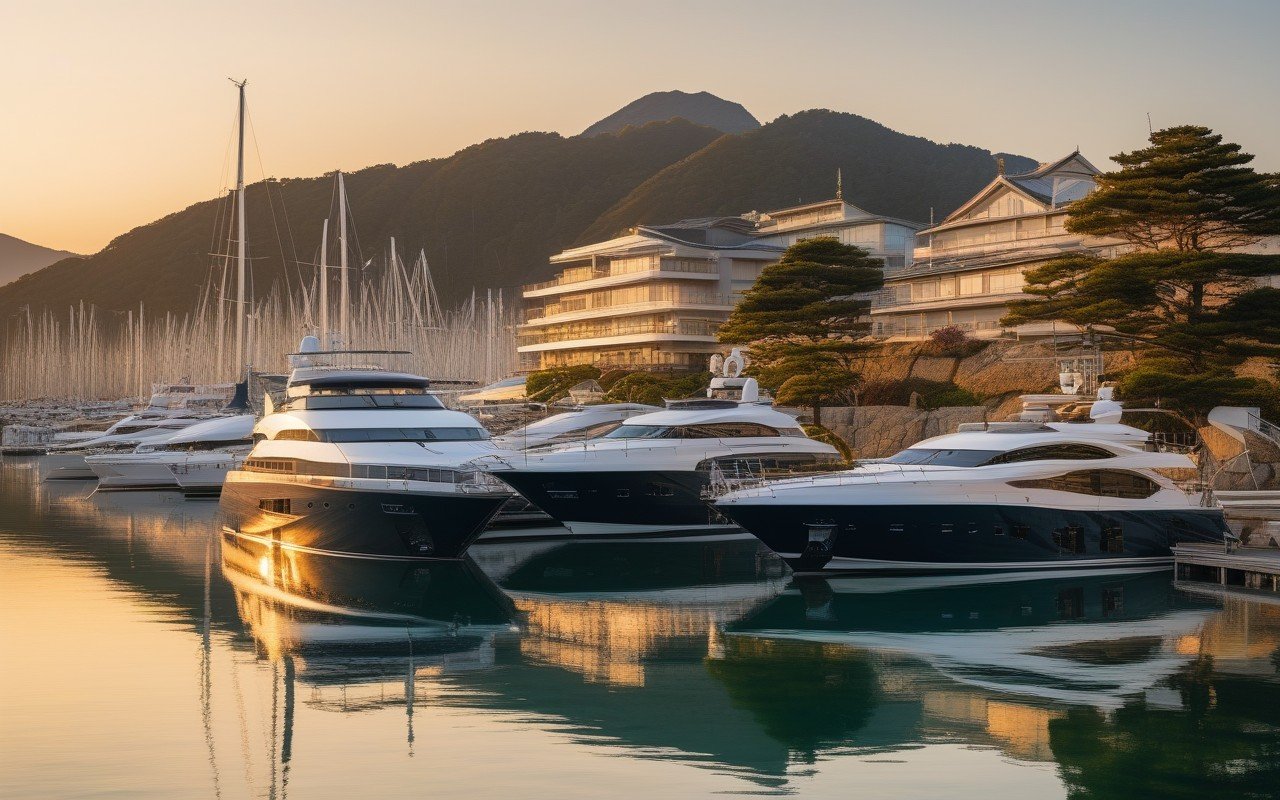
    • Yokohama Hakkeijima Marina — waterfront dining and walking

    Frequently Asked Questions

    Q: Can I bring my own food into the park?

    A: Yes. Picnics are allowed in designated areas. The waterfront promenade has several benches and shaded spots.

    Q: Are there lockers for luggage?

    A: Yes. Coin lockers are available near the Seaside Line station exit and at the Aqua Museum entrance. Sizes range from small (¥300) to large (¥700).

    Q: Is the park wheelchair accessible?

    A: Yes. All aquarium buildings and most rides are wheelchair accessible. The Surf Coaster and Blue Fall require transferring from a wheelchair to the ride seat.

    Q: Can I leave and re-enter?

    A: Yes. Get a hand stamp at the exit and you can re-enter the same day. Your pass remains valid.

    Q: What happens if it rains?

    A: The aquarium sections (Aqua Museum, Dolphin Fantasy) are fully indoors. Rides close during rain. Umbrellas are available at the information counter.

    🌟 Share Your Experience

    Visited Sea Paradise? Tips for combining it with other Yokohama attractions? Join our community forum to share your recommendations!


    Hakkeijima Sea Paradise is one of those rare attractions that works for almost everyone — families with young children, couples on a date, solo travelers passing through Yokohama. The flexibility of the free island access means you can tailor the experience to your budget and schedule, and the quality of the aquariums rivals purpose-built marine parks across Japan.


    ⏰ Best Time to Visit

    Early morning (8–10 AM): Peaceful atmosphere, fewer crowds, perfect for photos Late afternoon (4–6 PM): Beautiful lighting, local life, less crowded than midday

    🎯 What I Recommend

    • Don’t rush: Take your time to explore the side streets and hidden spots
    • Talk to locals: They often know the best lesser-known spots that aren’t in guidebooks
    • Try the local specialties: Each area has its own unique food and souvenirs

    ⚠️ Things to Watch Out For

    • Some shops close on weekdays or have irregular hours
    • Parking can be challenging during peak seasons
    • Cash is still king at many smaller establishments

    Getting There

    Best Time to Visit

    Outdoor activities are best enjoyed in spring and autumn when temperatures are comfortable. Summer activities like swimming and surfing are popular from July to August. Some activities may close during winter months. Check operating schedules before planning your visit. Weekday mornings offer the best experience with fewer crowds.

    What to Expect

    Most activities are designed to be accessible for international visitors. Staff at popular attractions are accustomed to non-Japanese speakers and can communicate through basic English or translation apps. Duration varies from 1-2 hour experiences to half-day adventures. Wear appropriate clothing – many activities involve walking or standing for extended periods. Some outdoor activities may have age or height restrictions. Always check the official website before visiting for the latest information.

    Local Tips

    Regular participants recommend bringing your own water bottle and wearing moisture-wicking clothing for active experiences. Arriving 15 minutes before your scheduled time allows for check-in and preparation. Many activities have seasonal variations, so check what’s available during your visit. Don’t be shy about asking questions – instructors are happy to help.

    Packing Essentials

    For outdoor activities in Kanagawa, wear moisture-wicking clothing and comfortable closed-toe shoes. Sunscreen and a hat are essential during summer months. Bring a small towel for wiping sweat or for use at rest facilities. A waterproof phone pouch is useful for beach or water activities. Pack snacks and extra water for activities in remote areas where shops may be limited. A small first-aid kit with band-aids and pain relievers is always practical.

    Money-Saving Tips

    Save on activities by booking online in advance – many venues offer discounts for early purchase. Combination tickets covering multiple attractions often provide 15-25% savings. Visit during off-peak hours when some venues offer reduced rates. Check local tourist websites for digital coupons and promotional codes. Consider free alternatives like public gardens and observation decks that offer similar experiences to paid attractions.n

    Conclusion

    exploring Yokohama can be as relaxed or as packed as you want it to be, and I have found that the best visits leave room for both planning and spontaneity. During my visit to Yokohama I went with a rough plan and found that leaving room to wander made the trip far more memorable. Use this guide to sort out the logistics in advance, then let the day surprise you — Kanagawa rewards travelers who stay curious.
  • Yokohama English Garden Guide 2026

    Yokohama English Garden Guide 2026

    Overview

    Introduction: A Rose Lover’s Garden

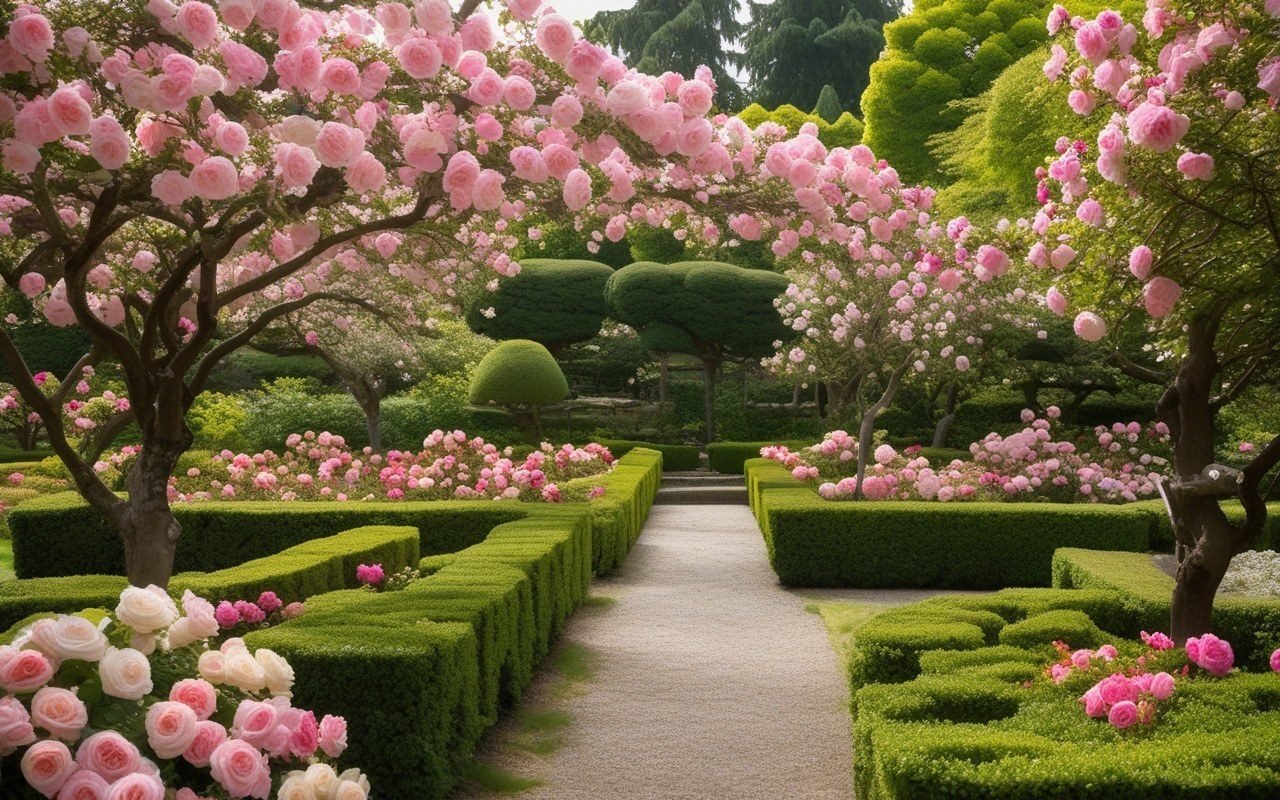
    Yokohama English Garden was designed by landscape architect Hidetoshi Kobayashi, who drew on classic English garden principles to create a space that feels intimate despite its size, Winding paths lead through layered plantings, with hidden benches, archways, and small clearings that reward slow exploration. The garden’s identity is defined by roses. They are woven throughout the landscape — climbing over arches, spilling from raised beds, trained into standards and cascading from trellises. The collection includes both classic varieties (David Austin, hybrid teas) and modern cultivars bred mostly for the Japanese climate. Seasonal Rhythm:

    Season What’s Blooming Best Time
    Late April–May Peak roses — Rose Festival, tunnels in full bloom Peak season
    June Hydrangeas, early summer perennials Mid-June
    July–August Summer roses, lavender Morning
    September–October Autumn roses — deeper color, stronger scent Late September
    November Late autumn color, foliage Mid-November

    The Garden Features

    Rose Tunnels

    The garden’s most photographed feature — two long archways covered in climbing roses. In peak bloom (late April to mid-May). the tunnels become a canopy of overlapping flowers in shades of pink. photos Tips for the Tunnels:

    • Best time: Early morning (10:00–10:30. just after opening) or late afternoon (16:00–17:00)
    • Lens: Wide-angle (16–24mm) for the full tunnel effect; telephoto (70–200mm) for compression shots
    • Tripods: Prohibited during regular hours — use a held camera or monopod
    • Crowds: Weekday mornings are quietest; weekends see queues for photo spots

    Rose Beds

    Organised by variety and color, the main rose beds spread across the garden’s central section. Each bed is labelled with the variety name (Japanese and Latin), making it easy to identify favorites for your own garden.

    Pergola Walk

    A shaded walkway covered in climbing hydrangeas and wisteria, offering a cool break from the open rose beds. The pergola is at its best in June (hydrangeas) and April (wisteria).

    Admission and Hours

    Admission Fees

    Category Weekday Weekend/Holiday
    Adult (peak season — late Apr–May) ¥1,500 ¥1,800
    Adult (mid season — Jun. Sep–Oct) ¥1,000 ¥1,200
    Adult (low season — Jul–Aug. Nov) ¥700 ¥800
    Child (4–12. peak) ¥750 ¥900
    Child (4–12. mid) ¥500 ¥600
    Child (4–12. low) ¥400 ¥400

    Note: Prices are dynamic — they change based on the current bloom status. The official website always shows the current pricing.

    Hours

    Season Hours Last Entry
    March–November 10:00–18:00 17:30
    December–February 10:00–17:00 16:30

    Closed: December 29 – January 3 (winter upkeep)

    Discounts

    • Online advance ticket: ¥100–200 discount per person
    • Combo ticket: Discounted entry with tvk Housing Plaza places
    • Group rate: 20+ people, contact the garden in advance


    Photo Rules

    The garden enforces specific photos rules to keep a pleasant time for all visitors:

    Item Regular Hours Early Morning Sessions
    Handheld cameras ✅ Allowed ✅ Allowed
    Smartphones ✅ Allowed ✅ Allowed
    Tripods ❌ Prohibited ✅ Allowed
    Monopods ❌ Prohibited ✅ Allowed
    Selfie sticks ❌ Prohibited ❌ Prohibited
    Drones ❌ Prohibited ❌ Prohibited

    Early Morning photos Sessions: sometimes held during peak rose season. These sessions (typically 8:00–10:00) allow tripods and are quieter. Check the official website for dates and pricing. —

    Practical info

    What to Bring

    Recommended:
    - Camera (handheld only during regular hours)
    - Sunscreen and hat (limited shade in the rose beds)
    - Small cushion or mat (benches can be damp in spring)
    - Water bottle (fountain available near the cafe)
    
    Provided:
    - Garden map (English available)
    - Umbrellas (at the entrance, free to borrow)
    - Plant labels with names (Japanese and Latin)

    Etiquette

    Do's:
    ✅ Stay on the paths (do not step into flower beds)
    ✅ Touch flowers gently when leaning in for photos
    ✅ Use the hand sanitiser provided at the entrance
    ✅ Be mindful of other visitors when taking photos
    ✅ buy online tickets in advance during peak season
    
    Don'ts:
    ❌ No tripods or monopods during regular hours
    ❌ No touching or handling the roses (thorns + damage)
    ❌ No picnicking on the lawn with outside food
    ❌ No smoking within the garden
    ❌ No pets (except service animals)

    When to Visit

    For the fullest bloom: Late April to mid-May
    For quieter time: Weekday mornings (10:00–11:30)
    For autumn color: Late September to October
    For fewer crowds + value: July–August (lower admission)
    
    Avoid: Weekend afternoons during Rose Festival (extremely crowded)

    Nearby Attractions

    The English Garden can be combined with several other Yokohama destinations:

    • Yokohama Station area — shopping and dining (10 min walk)
    • Sankeien Garden — traditional Japanese garden (20 min by bus)
    • Yokohama Minato Mirai — waterfront attractions (15 min by train)
    • Shin-Yokohama Ramen Museum — 25 min by train (see our Ramen Museum guide)
    • Hakkeijima Sea Paradise — 35 min by train (see our Sea Paradise guide)

    What to Expect

    Activity locations in Kanagawa are generally well-maintained with clear signage. Most sites offer English pamphlets or audio guides. Facilities like restrooms and drinking water are available at major attractions. Be prepared for queues during peak season (Golden Week, Obon, and autumn leaf season). Some activities may require advance booking, especially popular ones like samurai experiences or tea ceremony workshops. Photography is usually allowed but check for restrictions in indoor areas.

    Local Tips

    Those who frequent these activities suggest checking social media for last-minute openings and special events. Some venues offer discounted admission during certain hours or days of the week. Combining multiple activities in the same area saves travel time and often qualifies for package discounts. Consider joining a group tour for activities that require specialized equipment or guidance.

    Budget Planning

    Activity costs in Kanagawa range from ¥500 for temple entry to ¥5,000+ for premium experiences. Plan your activity budget based on your interests rather than trying to do everything. Many free activities like hiking, beach visits, and temple grounds exploration are equally rewarding. Allocate more budget for one or two memorable experiences rather than spreading funds thin across many paid activities.n

    Dos and Don’ts

    Do arrive 10-15 minutes early for scheduled activities. Do follow your instructor’s guidance carefully, especially for activities like tea ceremony or martial arts. Do wear appropriate clothing and footwear as specified by the venue. Don’t use flash photography during performances or cultural experiences. Don’t touch exhibits or artifacts unless explicitly permitted. Don’t bring food or drinks into activity areas unless specified.

    Frequently Asked Questions

    Q: Is the garden worth visiting outside of rose season?

    A: Yes. June brings hydrangeas and summer perennials, and the autumn roses (September–October) are often more fragrant than spring blooms. Even in low season (July–August, November), the garden is well-kept and pleasant. Q: How long should I plan to spend?

    A: 1–2 hours is sufficient for a relaxed visit, photos enthusiasts may want 2–3 hours. Q: Is the garden wheelchair accessible?

    A: Largely yes. The paths are wide and paved, though some sections have gentle slopes. The rose tunnels are accessible. Q: Can I buy plants at the garden?

    A: Yes. The shop sells a small selection of rose varieties and garden plants. Stock varies by season. Q: Is the garden suitable for children?

    A: Yes, but young children may find 1 hour sufficient. There is no dedicated play area. The open lawn is safe for toddlers to explore.

    🌟 Share Your time

    Visited Yokohama English Garden? favorite rose variety or season? Join our community forum to share your photos and tips! —

    Yokohama English Garden is a reminder that Japan’s garden culture extends far beyond the traditional Zen and tea gardens, or anyone needing a quiet afternoon surrounded by color and fragrance, it is one of Yokohama’s most underrated attractions. —

    ⏰ Best Time to Visit

    Early morning (8–10 AM): Peaceful atmosphere, perfect for photos Late afternoon (4–6 PM): pretty lighting, less crowded than midday

    🎯 What I Recommend

    • Don’t rush: Take your time to explore the side streets and hidden spots
    • Talk to locals: They often know the best lesser-known spots that aren’t in guidebooks
    • Try the local specialties: Each area has its own unique food and souvenirs

    ⚠️ Things to Watch Out For

    • Some shops close on weekdays or have irregular hours
    • Parking can be hard during peak seasons
    • Cash is still king at many smaller establishments

    Packing Essentials

    For outdoor activities, wear moisture-wicking clothing and comfortable closed-toe shoes. Sunscreen and a hat are essential during summer. A small towel is useful for wiping sweat. A waterproof phone pouch is useful for water activities. Pack snacks and extra water for remote areas.

    Money-Saving Tips

    Save on activities by booking online in advance. Combination tickets covering multiple attractions often provide 15-25% savings. Visit during off-peak hours. Check local tourist websites for digital coupons. Consider free alternatives like public gardens.

    Conclusion

    The details in this guide come from real visits, and the biggest lesson I took away was that the best experiences in Yokohama rarely fit neatly into a checklist. During my visit to Yokohama I went with a rough plan and found that leaving room to wander made the trip far more memorable. Plan the essentials, keep your schedule flexible, and you will leave Kanagawa wanting to return.

  • Only Yu Onsen Hakone — Modern Toji Resort Guide 2026

    Only Yu Onsen Hakone — Modern Toji Resort Guide 2026

    Overview

    Introduction: What Is Modern Toji?

    Tōji (湯治) is a Japanese tradition dating back centuries — the practice of staying at a hot spring for an extended period (days or weeks) to treat specific health conditions. Only Yu takes this concept and adapts it for the modern lifestyle, where a full day of intentional relaxation can provide many of the same benefits.

    The philosophy is simple:

    1. Good water — alkaline hot spring water that softens the skin
    2. Time — stay from morning until evening (or overnight) without rush
    3. Environment — forest setting, natural light, quiet spaces
    4. Mindfulness — complimentary activities that encourage presence

    Unlike a typical onsen where you might spend 1–2 hours bathing and leave, Only Yu encourages you to settle in. The entry fee includes a samue set (top and pants), towels, and access to all facilities. You can bathe, rest in the tatami lounge, read, meditate, eat, and bathe again — all in a single visit.

    Why Choose Only Yu Over Other Hakone Onsen? Discover Mt Fuji’s 5th Station, World Heritage Center & Owakudani volcanic valley on this scenic Hakone day trip

    Only Yu Typical Hakone Onsen
    Samue included (wear all day) Towel-only (change in/out)
    Complimentary activities (zazen, calligraphy) Bathing only
    Forest setting, quiet atmosphere Often crowded, tourist-oriented
    Day trip + overnight both available Most are either day or overnight
    pH 9.5 alkaline (skin-beautifying) Varied water quality
    Free shuttle from station Pay local bus

    The Hot Spring Water

    Water Quality

    Only Yu’s water is classified as alkaline simple spring (アルカリ性単純onsen (温泉, hot spring)). With a pH of 9.5, it is among the most alkaline hot springs in Kanagawa Prefecture.

    Effects:

    Property Effect
    High alkalinity (pH 9.5) Dissolves sebum and dead skin cells — leaves skin smooth
    Low temperature (38–42°C) Gentle on the body, safe for longer baths
    Clear, odourless No sulfur smell, comfortable for sensitive noses
    Soft feel Water feels silky on the skin

    Commonly described as: Bihada-no-yu (美肌の湯) — skin-beautifying hot spring.

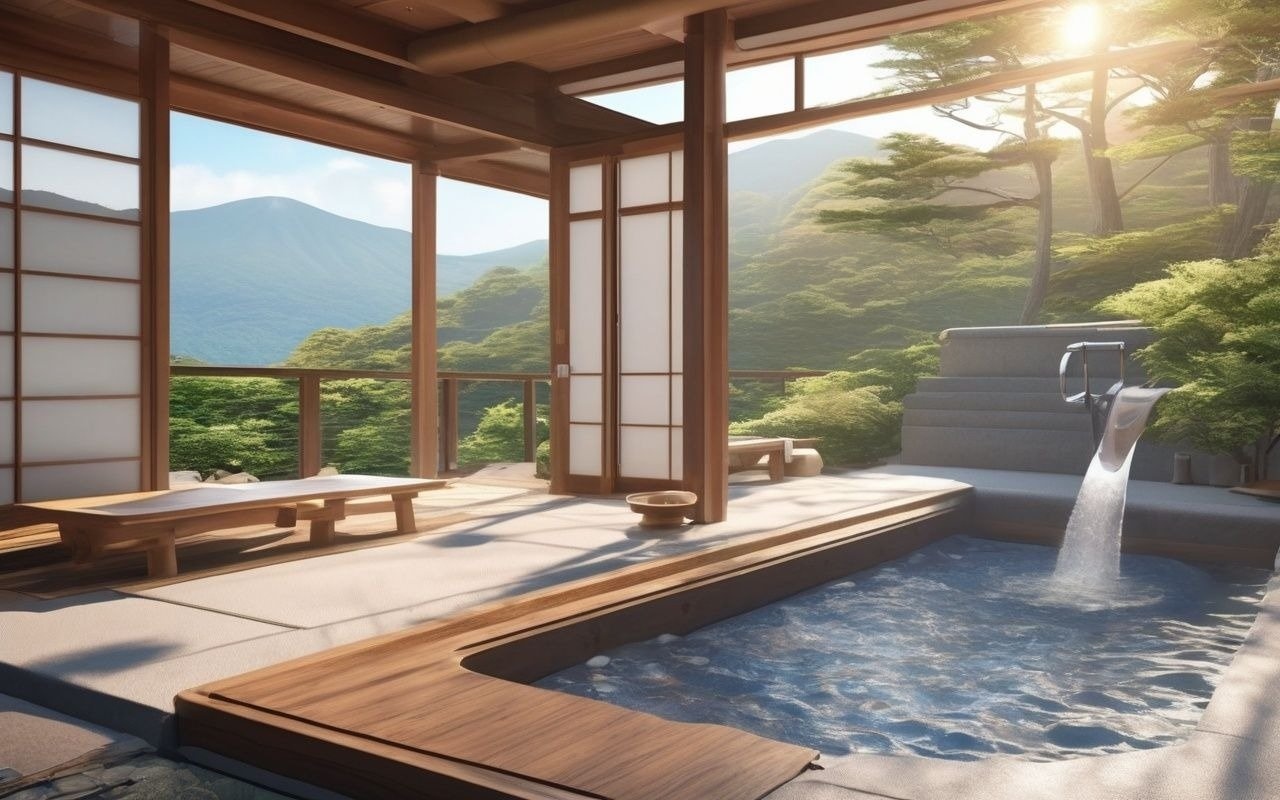
    Baths

    Indoor Bath (大浴場):

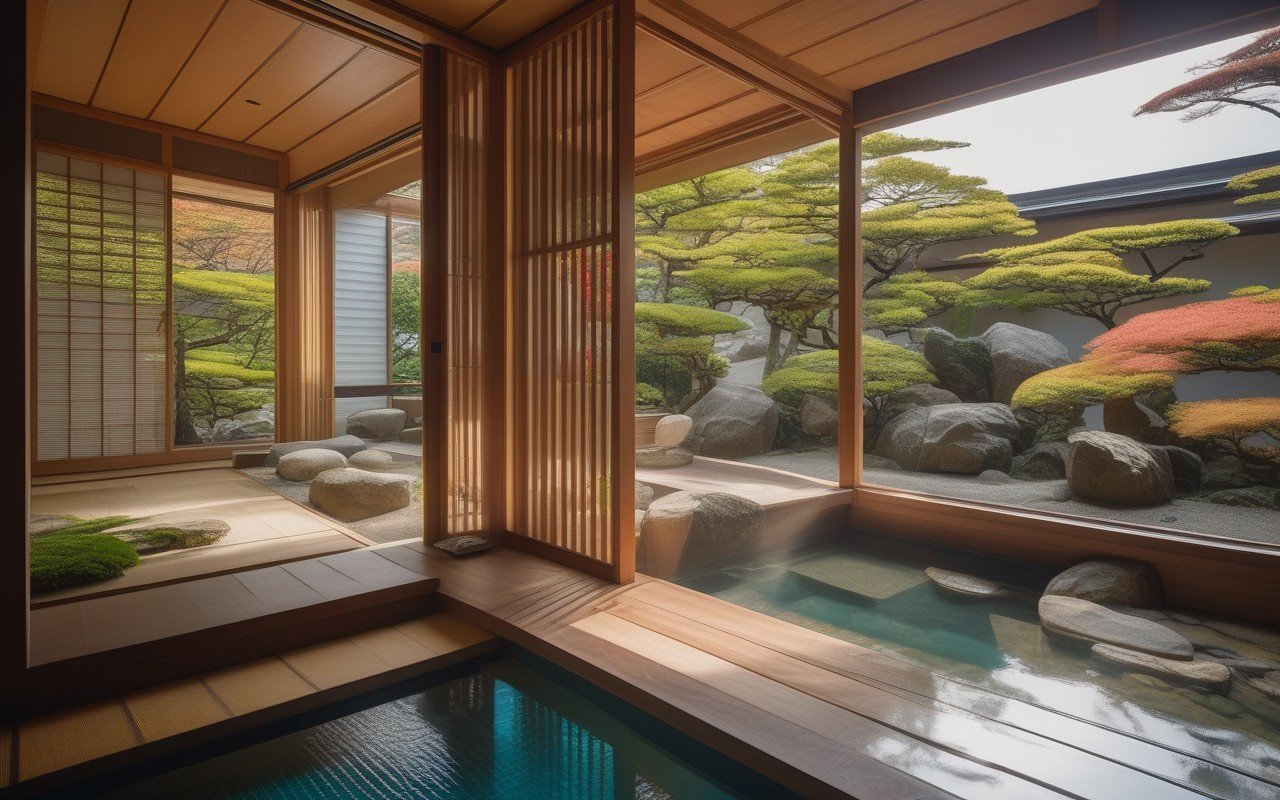
    • Large windows facing the forest
    • Temperature: 40–42°C
    • Separate men’s and women’s sections (rotating daily)

    Outdoor Rotenburo (露天風呂):

    • Surrounded by broadleaf trees
    • Temperature: 38–40°C
    • Natural light throughout the day
    • Bird calls and rustling leaves create the soundscape
    • Rotating gender schedule

    Private Family Bath (家族風呂 / 貸切風呂):

    • Available for reservation (additional fee)
    • 45-minute sessions
    • Indoor only
    • Good for couples or small groups who prefer privacy

    Facilities and Amenities

    Samue Loungewear

    Upon check-in, you receive a set of samue — the traditional Japanese clothing worn by monks and craftspeople. This is central to the Only Yu experience: changing into samue signals the transition from everyday life to relaxation mode.

    The samue sets are available in multiple sizes, clean and pressed. You wear them throughout the facility — in the baths (before and after), in the restaurant, in the relaxation rooms. It eliminates the need to change between street clothes and bathing wear multiple times.

    Kakure-za Relaxation Room

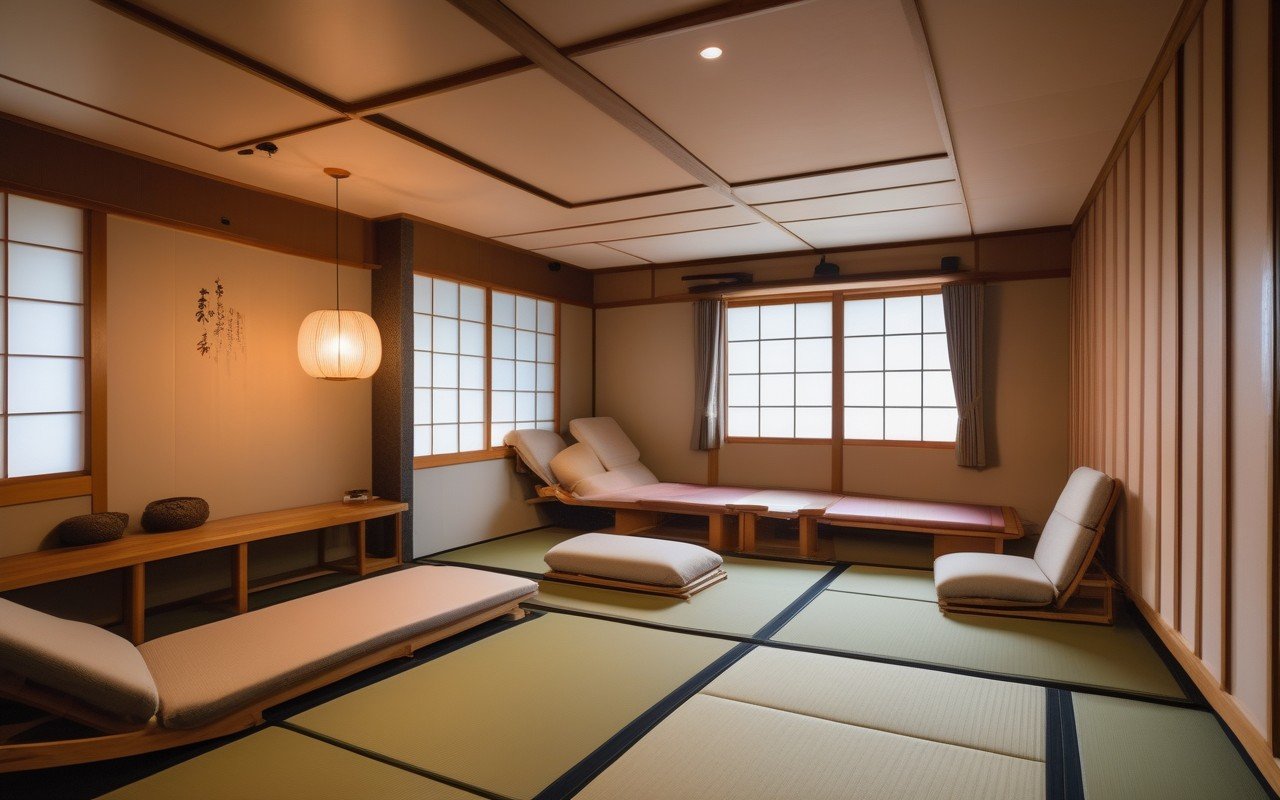
    The Kakure-za (隠れ座) is a large tatami room where guests can lie down, nap, read, or simply stare at the ceiling. Low ambient lighting, the scent of tatami, and distant forest sounds create an atmosphere that encourages genuine rest.

    Etiquette:

    • Keep voices low (others may be sleeping)
    • No phones on speaker mode
    • Shoes off before stepping onto tatami
    • Photography allowed but be mindful of others

    Library Corner

    A small collection of books (mostly Japanese) about hot springs, wellness, and nature. The selection changes seasonally. Digital detox is encouraged — the library corner has limited mobile reception.

    Suhari Cafe

    The on-site cafe serves light refreshments:

    • Matcha and coffee sets (¥500–700)
    • Seasonal desserts (¥600–800)
    • Soft drinks and fresh juice (¥400–500)

    Yururi Restaurant

    The buffet restaurant focuses on healthy, vegetable-forward Japanese cuisine:

    Meal Time Price Notes
    Lunch buffet 11:30–14:00 ¥1,800 Local vegetables, seasonal dishes
    Cafe menu 14:00–17:00 ¥500–1,000 Light snacks and drinks
    Dinner (overnight guests) 18:00–20:00 Included Kaiseki-style course

    Complimentary Activities

    Only Yu offers a selection of free activities designed to complement the hot spring experience. These are included in the entrance fee.

    Zazen (Sitting Meditation)

    • Schedule: Daily, morning session (30 min)
    • Location: Dedicated meditation space
    • Instructor: Staff-guided (beginner-friendly)
    • Language: Japanese with basic English guidance
    • What to expect: Simple sitting meditation, no special clothing required

    Japanese Calligraphy (Shodo)

    • Schedule: Afternoon sessions (45 min)
    • Materials: All provided
    • What to do: Practice basic brush strokes, write your favorite kanji
    • Take-home: Your work becomes a souvenir

    Stretching and Relaxation Class

    • Schedule: Morning and afternoon (20 min)
    • Focus: Gentle stretches suitable for all ages and fitness levels
    • Location: Kakure-za room or outdoor deck (weather permitting)

    Seasonal Activities

    Season Activity
    Spring Forest walking guide (cherry blossom route)
    Summer Evening cooling deck (outdoor relaxation)
    Autumn Leaf-peeping walk (maple route)
    Winter Indoor tea ceremony demonstration

    Day Trip vs Overnight

    Day Trip Plan

    Time Activity
    10:00 Arrive, check in, change into samue
    10:30 Morning bath (rotenburo)
    11:30 Zazen session (if available)
    12:00 Lunch at Yururi buffet
    13:00 Kakure-za rest / reading
    14:00 Calligraphy workshop
    15:00 Afternoon bath (indoor)
    16:00 Cafe break at Suhari
    17:00 Final bath before closing
    18:00 Change back, depart

    Day trip fee: ¥2,500–3,500 (varies by season)
    Includes: Samue, towels, all facilities, activities

    Overnight Stay

    Overnight guests can check in from 10:00 AM and stay until 12:00 PM the next day — up to 35.5 hours of relaxation.

    Overnight fee: ¥15,000–25,000 per person (varies by season and room type)
    Includes: Day trip access + dinner + breakfast + futon accommodation

    Some rooms include a private indoor bath with the same alkaline water — a worthwhile upgrade for couples or those seeking complete privacy.


    Practical Information

    Fees

    Plan Adult Child (4–12)
    Day trip (weekday) ¥2,500 ¥1,200
    Day trip (weekend/holiday) ¥3,500 ¥1,700
    Overnight (per person) ¥15,000–25,000 Varies by plan
    Private bath (45 min) ¥2,000

    Hours

    Day Hours Last admission
    Daily 10:00–21:30 20:00

    What to Bring

    Provided (included in fee):
    - Samue (loungewear, top and pants)
    - Large towel and face towel
    - Sandals
    - Lockers (coin-operated, refundable)
    
    Recommended to bring:
    - Hair ties (long hair must be tied up in baths)
    - Moisturiser (alkaline water can be drying after prolonged bathing)
    - Small change for lockers (¥100 coin, refundable)
    - Book or journal (for the Kakure-za room)
    - Water bottle (hydration is important)

    Rules and Etiquette

    Do's:
    ✅ Wash thoroughly before entering any bath
    ✅ Tie up long hair before entering the water
    ✅ Use the small towel for drying (never dip it in the bath)
    ✅ Speak quietly in relaxation areas
    ✅ Enjoy the samue throughout the facility
    
    Don'ts:
    ❌ No tattoos (Japanese onsen policy — cover with patches if small)
    ❌ No photography in bathing areas
    ❌ No swimwear in the baths
    ❌ No infants with diapers in the water
    ❌ No food or drinks in the bath area
    ❌ No phones in the Kakure-za room

    When to Visit

    Best for solitude: Weekday mornings (before 12:00 PM)
    Best for atmosphere: Autumn weekdays (colorful leaves)
    Best for budget: Weekday day trips
    Avoid: Weekend afternoons (busiest), national holidays
    Seasonal recommendation: Autumn (forest colors + outdoor bath)

    Frequently Asked Questions

    Q: Is Only Yu suitable for people with tattoos?

    A: Like most Japanese onsen, Only Yu does not permit tattoos in the bathing areas. Small tattoos can be covered with waterproof patches (available at the front desk). If you have large or multiple tattoos, consider reserving a private family bath instead.

    Q: Can I visit as a same-sex couple?

    A: Yes. The baths are gender-separated (rotating schedule), but the Kakure-za relaxation room, restaurant, and cafe are co-ed spaces. Same-sex couples can enjoy all shared areas together.

    Q: Is English spoken at the facility?

    A: Basic English is understood at the front desk. Signage has some English. The zazen and calligraphy sessions are conducted primarily in Japanese but are visual enough for non-speakers to follow.

    Q: Do I need to book the shuttle in advance?

    A: Yes — the free shuttle requires a reservation made at least 24 hours in advance. Contact the facility by phone or through their website.

    Q: Can I bring my own food?

    A: Outside food and drinks are not permitted. The Yururi buffet and Suhari cafe cover all dining needs.

    🌟 Share Your Experience

    Visited Only Yu? Tips for combining it with a Hakone day trip? Join our community forum to share your experience!


    Only Yu Onsen Hakone — Modern Toji Resort Guide 2026 — Share Your Experience

    Only Yu is not the most famous onsen in Kanagawa, and that is precisely its appeal. It offers something increasingly rare in Hakone’s crowded hot spring landscape: genuine silence, space to breathe, and water that rewards slow soaking. Whether you visit for a day of modern toji or an overnight stay with private bath, the experience is defined not by what you do, but by how long you allow yourself to do nothing at all.

    For more onsen options in the region, read the Hakone onsen complete guide, the Hakone day trip onsen guide, or the broader Kanagawa onsen guide.


    ⏰ Best Time to Visit

    Early morning (8–10 AM): Peaceful atmosphere, fewer crowds, perfect for photos Late afternoon (4–6 PM): Beautiful lighting, local life, less crowded than midday

    🎯 What I Recommend

    • Don’t rush: Take your time to explore the side streets and hidden spots
    • Talk to locals: They often know the best lesser-known spots that aren’t in guidebooks
    • Try the local specialties: Each area has its own unique food and souvenirs

    ⚠️ Things to Watch Out For

    • Some shops close on weekdays or have irregular hours
    • Parking can be challenging during peak seasons
    • Cash is still king at many smaller establishments


    Conclusion

    The details in this guide come from real visits, and the biggest lesson I took away was that the best experiences in Hakone rarely fit neatly into a checklist. During my visit to Hakone I went with a rough plan and found that leaving room to wander made the trip far more memorable. Plan the essentials, keep your schedule flexible, and you will leave Kanagawa wanting to return.

  • Yokohama Kimono Rental Guide 2026 — Dress Up & Explore…

    Yokohama Kimono Rental Guide 2026 — Dress Up & Explore…

    Yokohama Kimono Rental Guide 2026 — Dress Up & Explore…

    Overview

    Explore the rich cultural heritage and historical significance of Yokohama Kimono Rental Guide 2026 — Dress Up & Explore… in KanaKanagawafecture. This guide delves into the fascinating stories, traditions, and landmarks that define Yokohama. From ancient temples to modern museums, discover how this destination has shaped Japan’s cultural landscape over centuries.

    📍 Quick Overview

    • Starting from ¥5,000 for a full kimono rental package (includes dressing & hair styling)
    • Professional dressing takes 30–60 minutes
    • Return by 5:30 PM same day (most shops)
    • Perfect for: Instagram-worthy photos, special occasions
    • Best areas to explore in kimono: Minato Mirai. Chinatown

    I found that visiting during weekday mornings offered the most relaxed time, something I confirmed over multiple trips. —

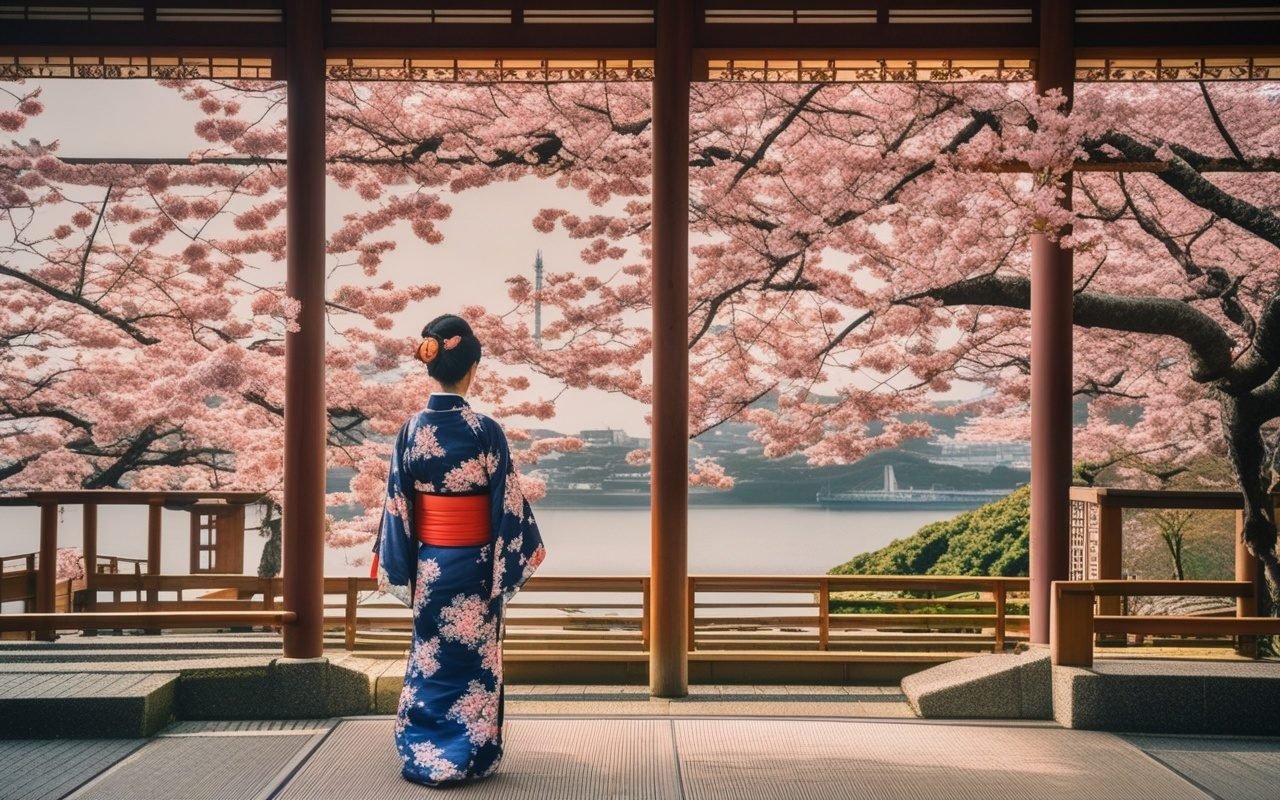
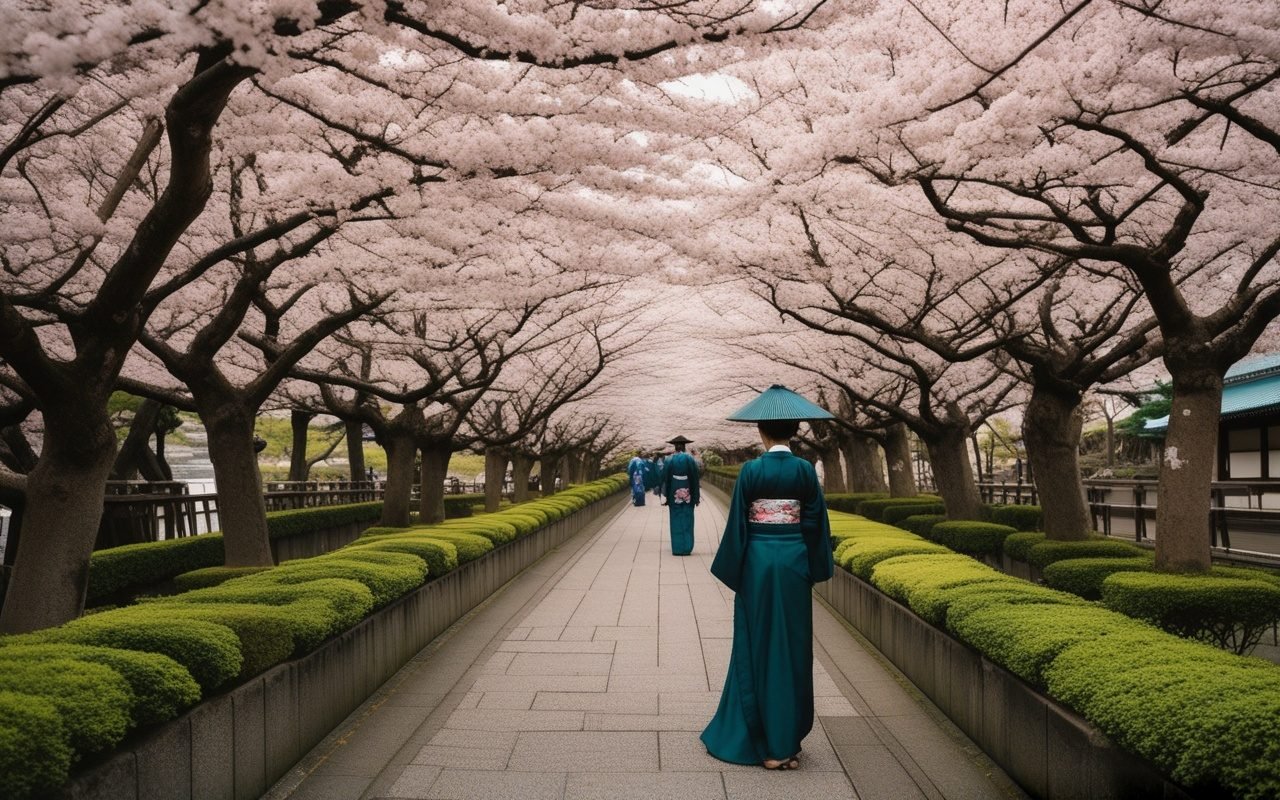
    Introduction: Why Rent a Kimono in Yokohama? Yokohama offers a unique backdrop for kimono dressing that combines traditional Japanese aesthetics with a modern port city atmosphere. Unlike Kyoto’s temple-heavy streets or Asakusa’s crowded lanes. Yokohama provides spacious promenades, and a relaxed pace that makes kimono walking genuinely enjoyable. Why Yokohama over Kyoto or Tokyo:

    • Fewer crowds — You won’t be jostling through packed streets
    • Waterfront backdrops — Minato Mirai and Yamashita Park offer stunning photo chances
    • More affordable — Rental prices are typically 20–30% lower than Kyoto
    • Easier walking — Wide pavements and flat terrain throughout the tourist areas
    • Diverse scenery — From historic buildings to modern architecture to Japanese gardens

    Renting a kimono transforms your sightseeing time. You’ll find that shopkeepers, and locals treat you with extra warmth — and the photos you take will be your most great from the trip. —

    1. VASARA Kimono & Yukata Rental — Yokohama’s Premier Shop

    Best for: First-timers. English-friendly service

    Yokohama Kimono Rental Guide scenery and attractions

    Aspect Detail
    Location Central Yokohama, near Kannai Station
    Price From ¥5,000 (kimono set). from ¥3,500 (yukata set)
    Included Kimono/yukata, hair styling
    Hours 9:00 AM – 6:00 PM (return by 5:30 PM)
    Best For First-timers, quality-conscious travelers

    VASARA is one of Japan’s largest kimono rental chains, and their Yokohama location delivers the same high standards as their famous Kyoto and Asakusa shops — with the added benefit of Yokohama’s pretty settings. The time:

    When you arrive at VASARA Yokohama, you’ll be greeted by professional stylists who guide you through the selection process. The shop carries hundreds of kimono and yukata in every color and pattern imaginable — from classic floral motifs to bold modern designs. Your appointment includes:

    1. Kimono selection (15–20 minutes) — Browse racks of kimono organized by color. The staff will help you choose based on your preferences and the season
    2. Dressing (20–30 minutes) — A professional dresser wraps you in layers with practiced efficiency. The process involves multiple steps — undergarment, nagajuban (inner robe), kimono, obi (belt), obijime (cord), and accessories
    3. Hair styling (10–15 minutes) — Simple but elegant hair arrangements to complement your kimono
    4. Accessory selection (5 minutes) — Choose your sandals (zori), bag, and any hair ornaments
    5. Out the door — You’re ready to explore Yokohama in style

    Book VASARA Kimono Rental Yokohama on Klook to secure your preferred time slot → Reserve your kimono time

    What to Expect:

    • The entire process takes about 60 minutes from arrival to departure
    • You can leave your belongings at the shop (locked storage provided)
    • The kimono is comfy for walking — the stylists ensure the obi is tied securely but not too tightly
    • Return by 5:30 PM for undressing (late fees apply after 6:00 PM)
    • Next-day return is sometimes available for an additional fee

    Pro Tips:

    • Book the earliest slot (9:00 AM) for the best selection and the most time to explore
    • Choose a kimono with short or pushed-up sleeves if visiting in summer — yukata (cotton kimono) is the standard summer option
    • Wear a thin camisole and shorts under your clothes — you’ll be undressed and re-dressed, and fewer layers under your kimono means a smoother result
    • Bring your camera — VASARA staff are happy to take photos of you before you leave the shop

    2. Where to Go in Kimono — Best Photo Spots in Yokohama

    Yokohama Kimono Rental — detailed view

    Minato Mirai Waterfront

    The broad promenades of Minato Mirai are perfect for kimono walking. The contrast between traditional attire and modern architecture creates striking photos. Top Spots:

    • Cosmo World Ferris Wheel — The colorful amusement park provides a fun, vibrant backdrop
    • Red Brick Warehouse — The historic brick buildings offer a rustic European feel that contrasts beautifully with kimono
    • Queen’s Square Plaza — The open square with fountains and modern glass towers Walking time from VASARA: 15 minutes Best time: Late afternoon (3:00–5:00 PM) for golden hour light on the bay

    Yamashita Park

    Yokohama’s premier waterfront park stretches along the harbor, and iconic views of the bay. Top Spots:

    • The rose garden (seasonal. May–October) — Colorful blooms frame kimono beautifully
    • The Hikawa Maru — The permanently docked ocean liner makes a nostalgic backdrop
    • The waterfront railings — Classic harbor views with ships and bridges Walking time from VASARA: 10 minutes Best time: Morning (9:00–11:00 AM) for soft light and fewer people

    Sankeien Garden

    A traditional Japanese garden in southern Yokohama. Sankeien features historic buildings relocated from across Japan. Top Spots:

    • Three-story pagoda — A 15th-century pagoda from Kyoto, perfectly framed by cherry trees in spring
    • Choshukaku Villa — A 17th-century samurai residence with tatami rooms open to visitors
    • The pond with teahouse — Classic Japanese garden scenery Access: 25-minute bus ride from Kannai Station or taxi (¥2,000–2,500) Admission: ¥700 (adults) Best time: Early morning just after opening (9:00 AM) for solitude

    Yokohama Chinatown

    Yokohama’s vibrant Chinatown offers colorful, energetic backdrops with its ornate gates. Top Spots:

    • Zenrinmon Gate (Good Luck Gate) — The most photogenic entrance to Chinatown
    • Kanteibyo Temple — An elaborate Chinese temple in the heart of the district
    • Colorful alleyways — Lantern-lined streets with food stalls and shops Walking time from VASARA: 12 minutes Best time: Late morning (10:00–11:30 AM) before the lunch crowds

    3. What to Know Before You Go

    Seasonal Considerations

    Season Recommended Wear Duration Comfort Best Photo Spots
    Spring (Mar–May) Kimono (medium weight) All day comfy Sankeien Garden (cherry blossoms). Yamashita Park
    Summer (Jun–Aug) Yukata (light cotton) comfy, but avoid midday heat Minato Mirai waterfront (evening). Chinatown (air-conditioned)
    Autumn (Sep–Nov) Kimono (medium weight) All day comfy Sankeien Garden (fall foliage). Red Brick Warehouse
    Winter (Dec–Feb) Kimono + shawl provided 3–4 hours max (cold!) Indoors: Cup Noodles Museum, outdoor: Yamashita Park (clear skies)

    Kimono vs. Yukata — What’s the Difference? Kimono — The traditional full-length garment worn in cooler months, Made of silk or synthetic silk, with multiple layers, a formal obi, and zori sandals. More elegant, more structured, and warmer. Yukata — A lightweight cotton robe traditionally worn in summer. Single layer, simpler tying, and worn with geta (wooden sandals). More casual, cooler, and easier to move in. For most first-time visitors, yukata in summer and kimono in other seasons is the right choice

    Dress Code & Etiquette

    • Walk with small steps — The kimono’s narrow hem restricts your stride. This naturally creates the graceful, measured walk associated with kimono
    • Sit with care — When sitting on chairs. On tatami, use the proper kneeling position (seiza) or a modified side-sit
    • Food and drink — Be careful with dark-colored drinks near light kimono. Most rental shops have stain removal options if accidents happen
    • Restrooms — Kimono makes using restrooms a challenge. The staff will show you how to manage before you leave. Yukata is much easier
    • photos — Most places welcome kimono-clad visitors. Some temples and gardens offer discounted entry for those wearing kimono

    What to Bring

    • Thin inner layers (for under the kimono)
    • comfy tabi socks (some shops include them, but bring your own if you have them)
    • A small bag for your phone and wallet (the rental bag is small)
    • Lip balm — Your lips can dry out during the dressing process
    • A light jacket if visiting in winter

    4. Sample Kimono Itinerary

    Classic Yokohama Kimono Day

    9:00 AM — Arrive at VASARA Yokohama
      → Kimono selection & dressing
    10:00 AM — Depart in full kimono
    10:15 AM — Yamashita Park stroll & photos
    11:00 AM — Walk to Chinatown
      → Photos at Zenrinmon Gate
      → Dim sum lunch at a Chinatown restaurant
    1:00 PM — Walk to Minato Mirai
      → Photos at Red Brick Warehouse
      → Photos at Cosmo World
    2:30 PM — Tea break at a cafe near Queen's Square
    3:00 PM — Optional: Cup Noodles Museum or Sankeien Garden
    4:00 PM — Return to VASARA for undressing
    5:00 PM — Free to explore in regular clothes

    📊 Kimono Rental Comparison

    Shop Price (Kimono) Price (Yukata) Dressing Time English Support Location
    VASARA Yokohama ¥5,000 ¥3,500 60 min ✅ great Kannai
    VASARA Kamakura ¥5,000 ¥3,500 60 min ✅ great Kamakura Station

    Book VASARA Kimono Rental in Yokohama on Klook for guaranteed availability and exclusive online rates → Secure your kimono time


    Frequently Asked Questions

    Q: Do I need to make a booking?
    A: Yes — bookings are essential, mostly during cherry blossom season (March–April). Golden Week (late April–early May). and autumn foliage season (November). Walk-ins are sometimes accepted but may face long waits or limited selection. Q: Can I wear kimono if I have tattoos?
    A: Yes — kimono rental shops generally do not have tattoo restrictions. The kimono covers most of your body, so tattoos are invisible during wear. Q: Is the kimono heavy?
    A: A full kimono weighs about 3–5 kg (6–11 lbs). It’s noticeable but not uncomfortable. Most first-timers adjust within 30 minutes. Yukata is a lot lighter. Q: Can I eat and drink in kimono?
    A: Yes — just be careful with dark drinks (coffee, red wine) near light-colored kimono. Most rental shops provide napkins and have stain removal services. Q: What if it rains?
    A: Most shops provide plastic rain covers for your kimono. Yukata is less suitable for rain. Check the weather forecast before booking.

    Final Thoughts

    From ancient temples to living traditions, Kanagawa’s cultural heritage offers layers of discovery that reveal themselves with each visit.

    Conclusion

    Whether you are planning exploring Yokohama for its rental for the first time or returning for another visit, taking a little extra time to go beyond the obvious sights makes all the difference. During my visit to Yokohama I went with a rough plan and found that leaving room to wander made the trip far more memorable. I hope this guide helps you build an itinerary that fits your pace, and that your time in Kanagawa leaves you with memories worth coming back for.

  • Jogashima Lighthouse & Geology Guide 2026

    Jogashima Lighthouse & Geology Guide 2026

    Overview

    Plan your perfect visit to Jogashima Lighthouse & Geology Guide with this comprehensive destination guide, Covering everything from must-see attractions to practical travel tips, this guide helps you make the most of your time in Jogashima. Whether you have a single day or an entire week, discover the best that this Kanagawa destination has to offer.

    Introduction: Two Stories on One Island

    Jogashima tells two stories simultaneously. The first is human — the lighthouse built by French engineers in Japan’s rush to modernise, standing resilient through earthquakes and war. The second is geological — a story measured in millions of years, written in volcanic sediment layers that were deposited on the deep ocean floor, then uplifted by tectonic forces to form the island we see today.

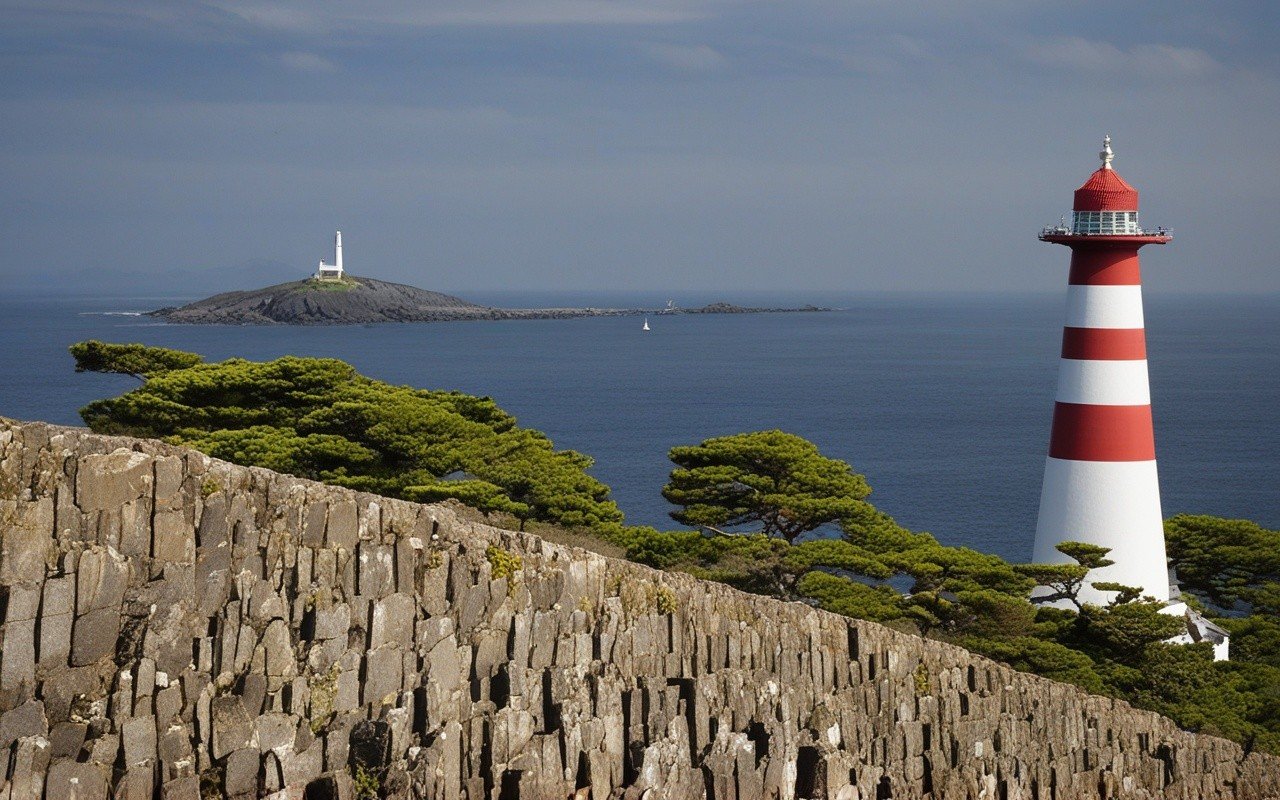
    Both stories are visible from the same coastal trail. The lighthouse rises from the island’s western headland, its white tower visible for kilometres. Beneath it, the cliffs reveal layer upon layer of compressed volcanic ash and marine sediment, tilted and faulted by the same seismic forces that destroyed the original lighthouse in 1923.

    What Makes This Place Special:

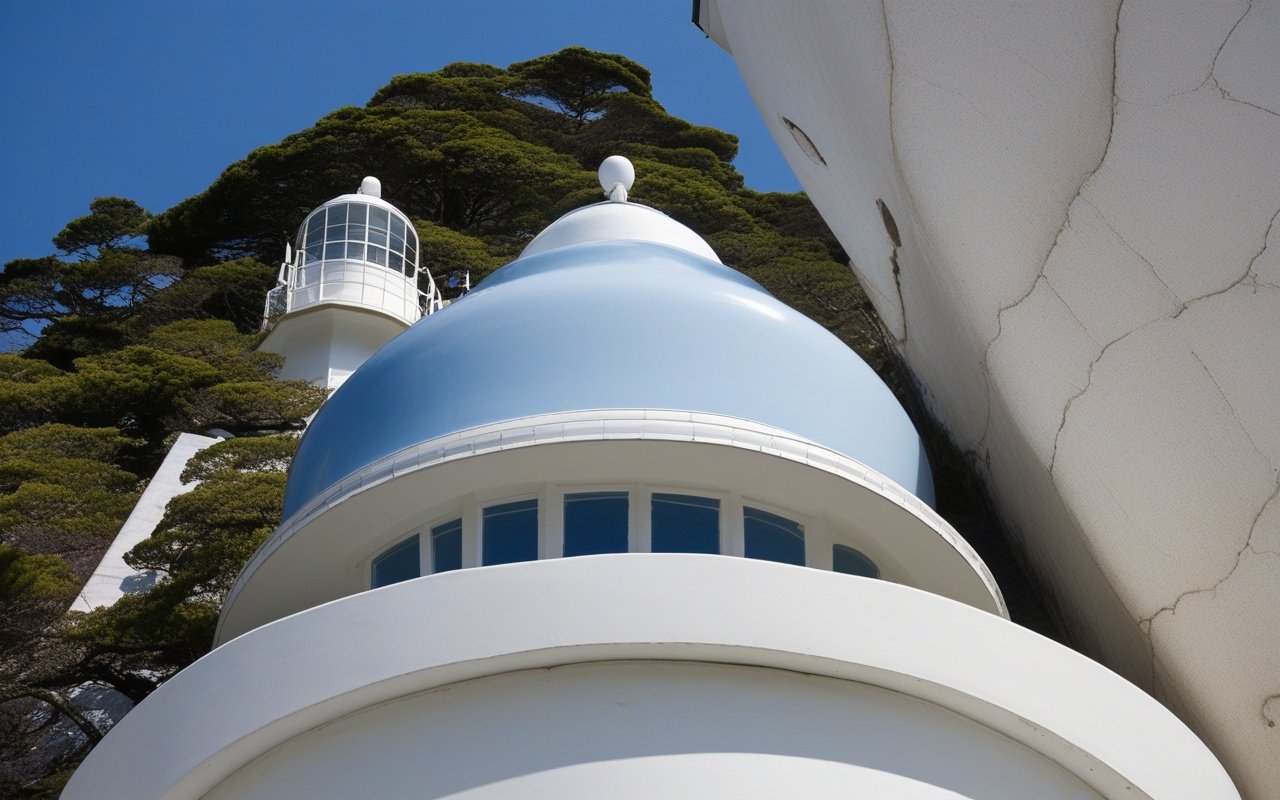
    • Historic lighthouse: One of Japan’s earliest Western-style lighthouses, designed by Léonce Verny (who also built the Yokosuka Naval Arsenal and the Yokohama ironworks)
    • Visible geology: The Miura Peninsula’s tectonic history is exposed in cliff faces along the southern shore
    • Sea cave: Umanose (Horseback) Cave Mouth is a tunnel carved through volcanic rock by wave action
    • Dramatic coastline: Rugged sea cliffs and jagged volcanic formations shaped by Pacific swells
    • Panoramic views: From the lighthouse, views stretch across Sagami Bay to Mt. Fuji on clear days

    Updated: June 2026 (all sites visited and verified)


    Part 1: Jogashima Lighthouse (Jogashima (城ヶ島)灯台)

    1. Lighthouse History

    The Jogashima Lighthouse was completed in 1870 as part of Japan’s ambitious lighthouse-building program under the guidance of foreign engineers. The project was led by Léonce Verny, a French naval engineer who supervised the construction of the Yokosuka Naval Arsenal and several other key Meiji-era infrastructure projects.

    The original structure was a brick tower, built in the Western style that Japan adopted as it opened to international maritime trade. Its location on Jogashima’s western tip was chosen because the island marks the western entrance to Tokyo Bay — a critical navigation point for ships approaching the capital.

    Timeline:

    Year Event
    1870 Original lighthouse completed (brick, designed by Léonce Verny)
    1923 Great Kanto Earthquake destroys the original structure
    1925 Current lighthouse completed (reinforced concrete)
    1926 Lighthouse operational with updated optics
    Present Active navigation aid, open for exterior viewing

    2. Lighthouse Architecture

    Structure Details:

    Height: ~11.5 metres
    Tower shape: Cylindrical with balcony
    Material: Reinforced concrete (current structure)
    Original material: Brick (destroyed in 1923)
    Style: Western functional (Meiji-era maritime)
    color: White with gray trim
    Light characteristics: Flashing white every 15 seconds
    Range: ~30 kilometres (visible range)

    The current lighthouse, rebuilt after the Great Kanto Earthquake, is a robust concrete structure designed to withstand the seismic activity that characterises the region. The cylindrical tower is topped with a lantern room and an external balcony that offers panoramic views of the surrounding coastline.

    The lighthouse is not open for interior tours, but the grounds around it are accessible. The best views of the tower itself are from the coastal path leading to it, and from the cliffs below, where the lighthouse can be photographed against the sea.

    3. Best Viewpoints for Photography

    • The approach path: From the parking area, the lighthouse appears framed against the sky — best in early morning light
    • Cliffside below the tower: Shoot upward to emphasize the tower’s height against the sky; wide-angle lens recommended
    • From the eastern headland: Capture the lighthouse in profile with the sea as background; telephoto (100–200mm) works well
    • Sunset: The tower silhouetted against the setting sun; arrive 45 minutes before sunset for the best color

    For detailed camera settings and composition tips, see the Jogashima photography guide.

    4. Access to the Lighthouse

    From Jogashima Park parking area:
    1. Follow the paved path westward (5 minutes)
    2. Pass the small shrine on the right
    3. The lighthouse appears on the headland
    4. Path ends at the lighthouse fence (no interior access)
    
    Total: ~800 metres from park entrance
    Time: 10–15 minutes walk
    Difficulty: Easy (paved, flat)

    Part 2: Geological Story

    5. The Volcanic Origins

    The rocks that form Jogashima were created approximately 12 million years ago during the Miocene epoch. At that time, the area that is now the Miura Peninsula lay beneath the Pacific Ocean, receiving a steady rain of volcanic ash and sediment from underwater eruptions.

    Over millions of years, these volcanic sediments accumulated in layers hundreds of metres thick. The weight of subsequent deposits compressed them into sedimentary rock — primarily a type called Miura Group turbidite — characterised by alternating layers of sandstone, mudstone, and volcanic tuff.

    This geological story is not unique to Jogashima — the entire Miura Peninsula shares these origins — but the island’s exposed coastline makes it one of the best places in Kanagawa to observe the formations directly.

    What to Look For:

    • Alternating light and dark layers: Sandstone (lighter) and mudstone (darker) represent different depositional environments
    • Fault lines: Visible offsets in the rock layers, evidence of tectonic movement
    • Volcanic tuff layers: gray-green bands of compressed volcanic ash
    • Fossil traces: Occasional shell fragments and burrow marks in the mudstone layers

    6. Tectonic Uplift

    The Miura Peninsula sits at the junction of the Philippine Sea Plate and the Eurasian Plate — a tectonically active zone responsible for the region’s earthquakes and its dramatic topography.

    Approximately 1–2 million years ago, tectonic forces began lifting the ancient seafloor above the water line. This uplift continues today — the Miura Peninsula rises at a rate of roughly 1–2 millimetres per year, one of the fastest rates in Japan.

    Jogashima, as the southernmost point of the peninsula, shows this uplift most clearly. The flat terraces visible at the island’s eastern end are ancient wave-cut platforms that now sit above sea level — direct evidence of the land rising relative to the ocean.

    The same tectonic forces that created the island also destroyed the original lighthouse in 1923. The Great Kanto Earthquake, which measured 7.9 on the moment magnitude scale, shifted the coastline and triggered a tsunami that reshaped parts of the island’s shoreline.

    7. Sea Cliffs and Rock Formations

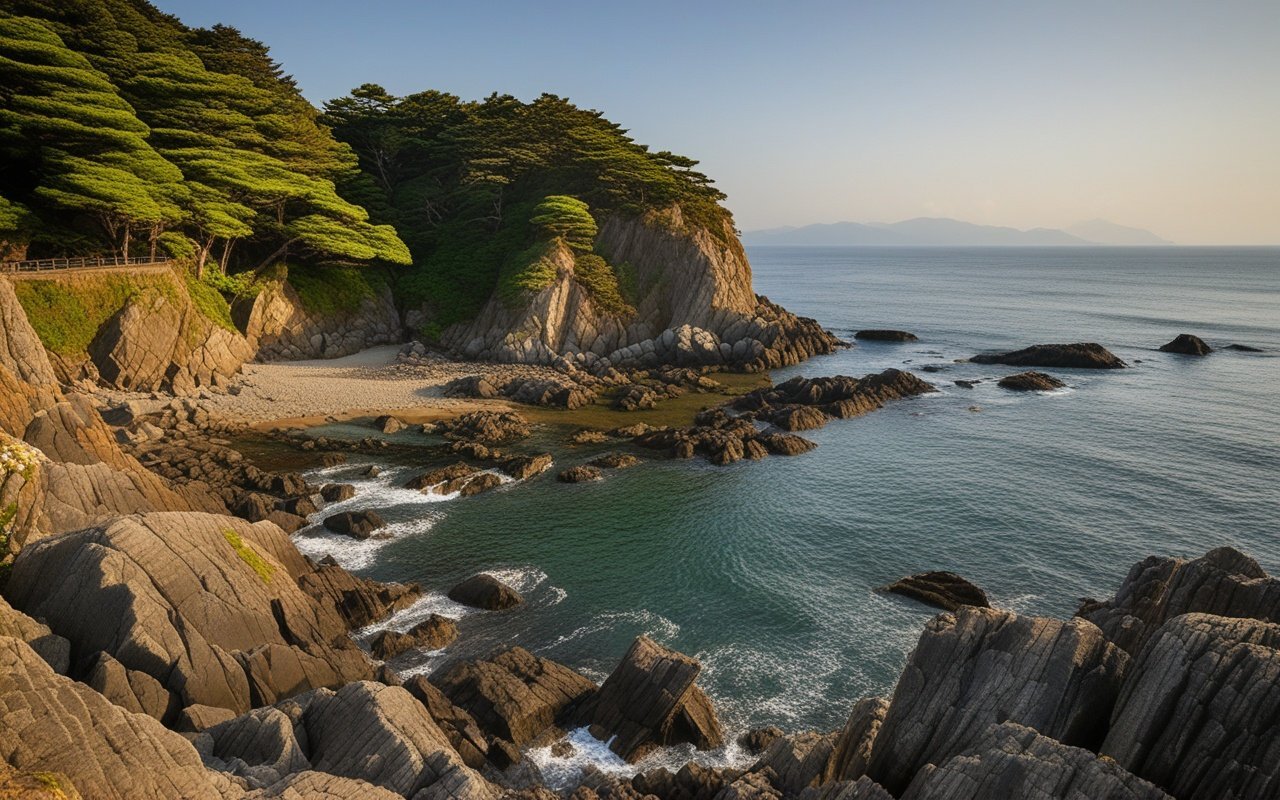
    The southern coast of Jogashima is where the geology becomes dramatic. Here, the layered volcanic sediments have been carved by Pacific waves into jagged cliffs, offshore stacks, and narrow clefts.

    Key Formations:

    • Southern sea cliffs: Vertical faces up to 20 metres high, showing the full thickness of the exposed rock layers
    • Wave-cut platforms: Flat rock surfaces at the base of the cliffs, exposed at low tide
    • Offshore stacks: Isolated rock pillars that were once connected to the cliff but have been separated by erosion
    • Sea caves: Small caves carved into the cliff base at points where the rock is weaker

    The cliffs are most accessible from the southern coastal trail, which runs from the lighthouse area to the island’s eastern end. The trail has sections with uneven footing and steep drops — sturdy shoes and a cautious pace are essential.

    8. Umanose Cave Mouth (馬の背洞門)

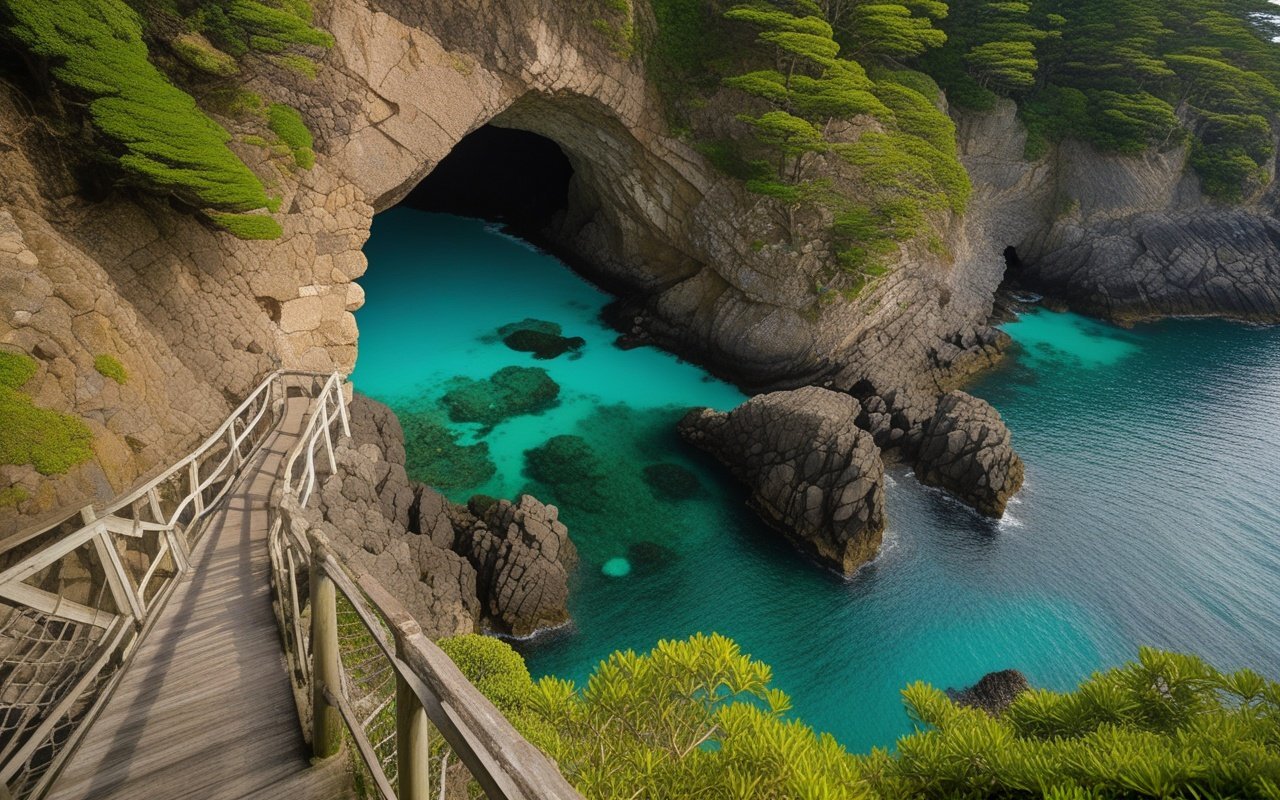
    The most famous geological feature on Jogashima is the Umanose Cave Mouth — a natural sea cave that has been eroded completely through the rock, creating a tunnel wide enough for small boats to have passed through.

    Formation:

    The cave was carved by wave action along a fault line where the rock was fractured and weaker than the surrounding material. Over thousands of years, the Pacific swells exploited this weakness, first creating a notch at the cliff base, then a cave, and eventually a tunnel through the headland.

    Dimensions:

    Width: ~5 metres at the entrance
    Height: ~3 metres at the highest point
    Length: ~8 metres (tunnel depth through the headland)

    The cave roof collapsed partially in 2015 after a series of strong winter storms, reducing the height of the tunnel. Before the collapse, small boats could navigate through the cave — now it is accessible only on foot during low tide.

    Visiting the Cave:

    • Best time: Low tide (the cave floor is submerged at high tide)
    • Access: From the southern coastal trail, follow the signed path toward the sea
    • Footing: The floor is uneven rock and pebbles — wear sturdy shoes
    • Photography: The cave frames the sea view dramatically; a wide-angle lens captures the full arch
    • Safety: Never enter during rough weather or when waves are breaking against the cliff

    Pair a visit to the cave with the Jogashima hiking trail guide, which includes the cave as a waypoint on the full circuit.


    Jogashima Lighthouse & Geology Guide 2026 — 8. Umanose Cave Mouth


    Practical Information

    Suggested Route: Lighthouse + Geology Walk

    This route covers the lighthouse and the main geological features in a single loop.

    Start: Jogashima Park parking area / bus stop
    Distance: ~3 kilometres
    Duration: 2–3 hours (with stops)
    Difficulty: Moderate (some uneven trail sections)
    
    Route:
    1. Walk west to the lighthouse (10 min)
    2. Photograph lighthouse from the headland (15 min)
    3. Continue south along the coastal trail (15 min)
    4. View the sea cliffs and rock formations (20 min)
    5. Descend to Umanose Cave Mouth (10 min)
    6. Explore the cave at low tide (15 min)
    7. Return along the southern trail to the park (20 min)
    8. End at Jogashima Park for rest and facilities Total walking: ~2 hours
    With photography stops: 2.5–3 hours

    What to Bring

    Essential:
    - Sturdy walking shoes (uneven rock surfaces)
    - Water (1–2 litres — no vendors along the trail)
    - Sun protection (limited shade on the southern trail)
    - Windproof jacket (the southern coast is exposed)
    
    For Photography:
    - Wide-angle lens (landscapes, cave)
    - Telephoto lens (lighthouse details, compression)
    - Polarising filter (reduces glare on water and wet rocks)
    - Tripod (for long exposures of waves against the cliffs)
    
    For Geology:
    - Small magnifying glass (to examine rock textures)
    - Notebook and pencil (for sketching formations)
    - Guidebook or downloaded geology map

    Best Times to Visit

    For Lighthouse Photography:
    - Early morning (7–9 AM): Soft light on the white tower
    - Late afternoon (3–5 PM): Warm light, long shadows
    - Winter: Clearest views of Mt. Fuji from the lighthouse
    
    For Geology Viewing:
    - Low tide: Access to the cave and rock platforms
    - Winter–Spring: Lowest vegetation, clearest rock exposure
    - After a storm: Freshly exposed rock surfaces (but check safety)
    - Avoid: High tide (cave inaccessible), typhoons, heavy rain
    
    Overall:
    - Best season: October–April (clear skies, comfortable temperatures)
    - Weekdays: Much quieter than weekends
    - Morning: Sun behind you for most of the walk

    Safety Notes

    ⚠️ Stay on the marked trails — the cliff edges are unstable
    ⚠️ Never approach the cStay edge near the southern sea cliffs
    ⚠️ Check tide tables before visiting the cave
    ⚠️ Do not enter the cave during rough seas
    ⚠️ No lifeguards or emergency services on the island
    ⚠️ Mobile reception is limited on the southern trail
    ⚠️ Tell someone your return time if hiking alone

    Frequently Asked Questions

    Q: Is the lighthouse open for interior visits?

    A: No, the lighthouse is an active navigation aid and is not open to the public. The exterior and grounds are accessible.

    Q: Can I walk from the lighthouse to Umanose Cave?

    A: Yes, the southern coastal trail connects them. The walk takes approximately 20–25 minutes.

    Q: Is the cave accessible at high tide?

    A: No. The cave floor is submerged at high tide. Check a tide table and visit 1–2 hours before or after low tide.

    Q: Are there guided geology tours?

    A: The Kanagawa Science and Geology Group (KSGG) occasionally offers guided walks. Check their volunteer guide program for scheduled tours.

    Q: Can I see fossils on Jogashima?

    A: Small shell fragments and trace fossils are visible in the mudstone layers, but collecting any geological specimens is prohibited on the island.

    🌟 Share Your Experience

    Visited Jogashima Lighthouse? Found interesting rock formations along the coast? Join our community forum to share your discoveries!


    Jogashima Lighthouse & Geology Guide 2026 — Share Your Experience

    Jogashima is one of those rare places where human history and natural history are visible in the same landscape. The lighthouse — built during Japan’s modernisation, destroyed by an earthquake, rebuilt with resilience — stands on rocks that were once at the bottom of the sea. To stand at the lighthouse and look at the cliffs below is to see both stories at once.

    For more ways to explore Jogashima, read our Jogashima hiking trail guide, the Jogashima photography guide, and the Jogashima sunset spots guide.


    ⏰ Best Time to Visit

    Early morning (8–10 AM): Peaceful atmosphere, fewer crowds, perfect for photos Late afternoon (4–6 PM): Beautiful lighting, local life, less crowded than midday

    🎯 What I Recommend

    • Don’t rush: Take your time to explore the side streets and hidden spots
    • Talk to locals: They often know the best lesser-known spots that aren’t in guidebooks
    • Try the local specialties: Each area has its own unique food and souvenirs

    ⚠️ Things to Watch Out For

    • Some shops close on weekdays or have irregular hours
    • Parking can be challenging during peak seasons
    • Cash is still king at many smaller establishments


    Conclusion

    Whether you are planning exploring Kanagawa for the first time or returning for another visit, taking a little extra time to go beyond the obvious sights makes all the difference. During my visit I went with a rough plan and found that leaving room to wander made the trip far more memorable. I hope this guide helps you build an itinerary that fits your pace, and that your time in Kanagawa leaves you with memories worth coming back for.

  • Hayama Hidden Beaches Guide 2026

    Hayama Hidden Beaches Guide 2026

    Hayama Hidden Beaches Guide 2026

    Overview

    Plan your perfect visit to Hayama Hidden Beaches Guide with this comprehensive destination guide, Covering everything from must-see attractions to practical travel tips, this guide helps you make the most of your time in Hayama. Whether you have a single day or an entire week, discover the best that this Kanagawa destination has to offer.

    Introduction: Why Hayama’s Coastline is Different

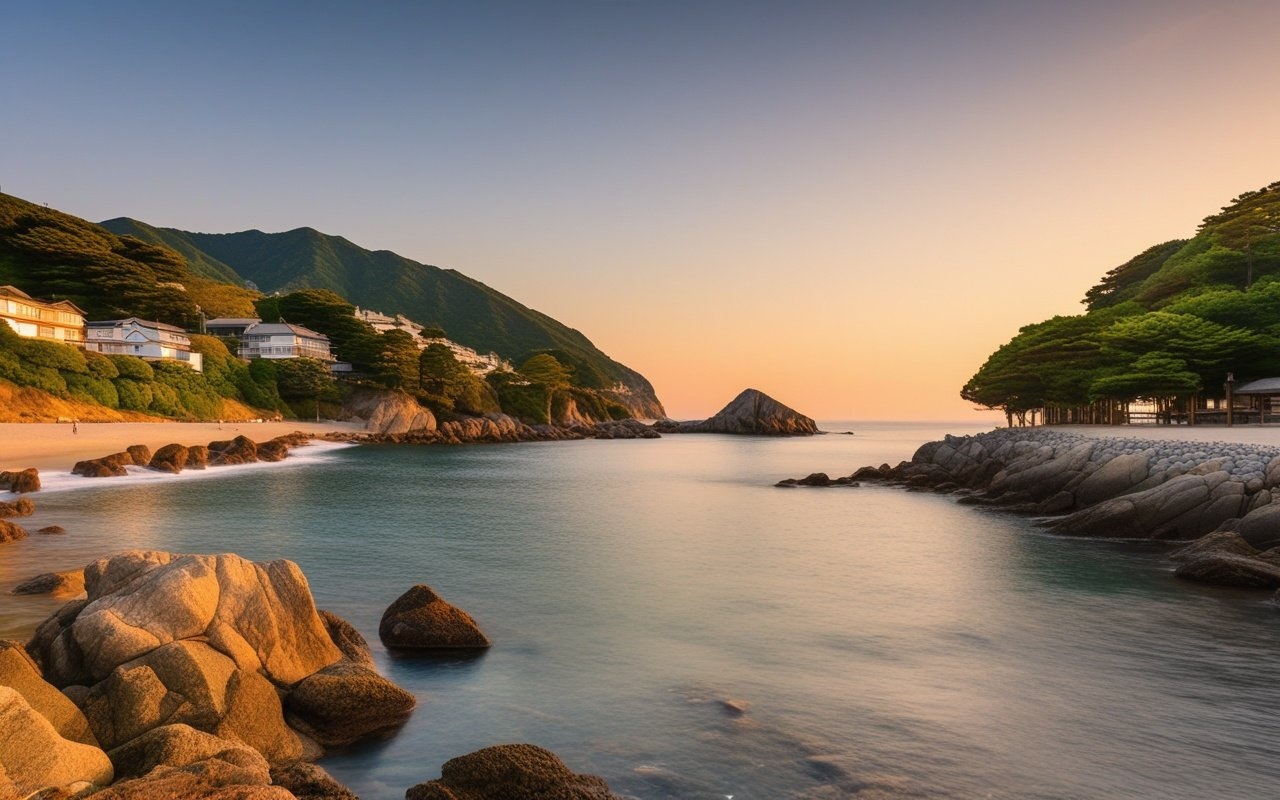
    The Imperial Family’s Hayama Villa, located directly above Isshiki Beach, set the tone for the area a century ago. Rather than developing into a neon-lit resort, Hayama remained deliberately understated. The beaches have no towering hotels, no boardwalk arcades, no crowds of tour buses. What they offer instead is space, clean water, and views that have attracted artists, writers, and sailors for generations.

    What Makes Hayama Beaches Special:

    • Calm waters: Sagami Bay’s sheltered orientation means gentler waves than Pacific-facing beaches
    • Mt. Fuji views: On clear days, the mountain floats across the bay — best at sunset
    • Low-rise coastline: No high-rises block the horizon
    • Local character: Many visitors are regulars who return every summer
    • Beach huts with taste: The umi-no-ie here are relaxed and stylish, not loud

    Best Times to Visit:

    • Weekdays: Quiet enough that you might share the beach with fewer than 20 people
    • July–August: Official swimming season with lifeguards and beach huts
    • Winter: Cold for swimming, but crystal-clear air for Mt. Fuji photography
    • Sunset: Every beach faces directly into the setting sun

    Updated: June 2026 (all beaches visited and verified)


    1. Isshiki Beach (一色海岸)

    The Classic — Hayama’s Most Beautiful Beach

    Location: Central Hayama coast
    Coordinates: 35.2711°N, 139.5778°E
    Access: 15-min bus from Zushi Station + 5-min walk
    Length: ~1 km crescent
    Sand: gray volcanic sand
    Water: Calm, good for swimmers of all levels
    Lifeguards: July–August (9:00–17:00)
    Beach Huts: ✅ Seasonal (Blue Moon, others)
    Parking: ¥500–1,000/day (limited)

    Why It’s Special:

    Isshiki Beach is the heart of Hayama’s coastal identity. The beach forms a gentle arc between two rocky points, creating a natural enclosure that keeps the water calm even on days when other beaches have chop. The Imperial Villa’s forested grounds rise behind the beach, ensuring that no construction will ever block the view.

    From the water, the sight of Mt. Fuji aligning with the beach’s western point at sunset is one of Kanagawa’s great coastal experiences. The sand has a distinctive dark gray color from volcanic minerals, which stays cool enough to walk on barefoot even in August.

    Beach Huts (Umi-no-ie):

    • Blue Moon — the most famous, with stylish deck seating, cocktails, and food (¥1,500–3,000 per person)
    • Isshiki Beach House — family-friendly, yakisoba and shaved ice (¥800–1,200)
    • Both operate roughly July 15–August 31

    What to Do:

    • Swim in the calm, roped-off area
    • SUP or kayak (bring your own or rent from Zushi)
    • Walk east along the rocks at low tide to find small tidal pools
    • Photograph the sunset alignment with Fuji (winter months best)

    Getting There:

    From Zushi Station:
    1. Keikyu Bus to "Hayama" or "Isshiki" stop (15 min, ¥230)
    2. Walk toward the water (5 min)
    3. Beach is directly ahead
    
    From Hayama Town Center:
    - 10-minute walk from the main shopping street
    - Follow signs toward the Imperial Villa

    Insider Tip:

    Arrive before 9 AM on weekdays for the best experience — you may share the beach with only a handful of early-morning swimmers and a few paddleboarders. The light at this hour is soft, and the water is at its calmest.


    2. Morito Beach (森戸海岸)

    The Town Beach — Best Sunset Views

    Location: Central Hayama, near Morito Shrine
    Coordinates: 35.2722°N, 139.5733°E
    Access: 12-min bus from Zushi Station
    Length: ~600 m
    Sand: gray volcanic sand mixed with pebbles
    Water: Calm, shallow entry
    Lifeguards: July–August (limited)
    Beach Huts: ✅ (2–3 seasonal)
    Parking: ¥500–800/day (public lot)

    Morito Beach sits directly in front of Morito Shrine, whose vermilion torii gate and small shrine island create one of Kanagawa’s most photographed coastal compositions. The shrine island — connected to the mainland by a short path at low tide — is a Shinto site dedicated to the sea god, and local fishermen still pray here before heading out.

    The beach is slightly busier than Isshiki because of its central location, but still far quieter than Kamakura’s beaches. The water entry is gradual and sandy, making it a good choice for families with young children.

    Morito Shrine Connection:

    The shrine’s annual summer festival (late July) includes a procession of boats and portable shrines (mikoshi) carried into the surf. This is one of Hayama’s most vibrant community events, and the beach fills with locals in yukata. If your visit coincides with the festival, expect crowds — but the atmosphere is celebratory and welcoming.

    What to Do:

    • Swim in the central swimming zone
    • Walk to Morito Shrine island at low tide
    • Watch sunset from the beach’s western end (Fuji views)
    • Visit the shrine’s main hall for sea-safety amulets

    Getting There:

    From Zushi Station:
    1. Keikyu Bus to "Morito" stop (12 min, ¥230)
    2. Walk toward the shrine (3 min)
    3. Beach is to the left of the shrine entrance
    
    From Isshiki Beach:
    - 10-minute walk along the coastal path

    Insider Tip:

    The beach’s far western end, near the rocky point, is where photographers set up for sunset shots of Mt. Fuji framed by the Morito Shrine torii, Bring a telephoto lens (70–200mm) for the best compression effect.


    3. Shibasaki Beach (芝崎海岸)

    Best for Tide Pooling — Quiet Rocky Shore

    Location: Eastern Hayama, toward Zushi
    Coordinates: 35.2767°N, 139.5811°E
    Access: 10-min walk from Keikyu Shin-Zushi Station
    Length: ~300 m (rocky shoreline)
    Sand: Minimal sand, primarily rock shelves and pebbles
    Water: Clear, shallow pools at low tide
    Lifeguards: ❌ None
    Beach Huts: ❌ None
    Parking: Street parking only (limited)

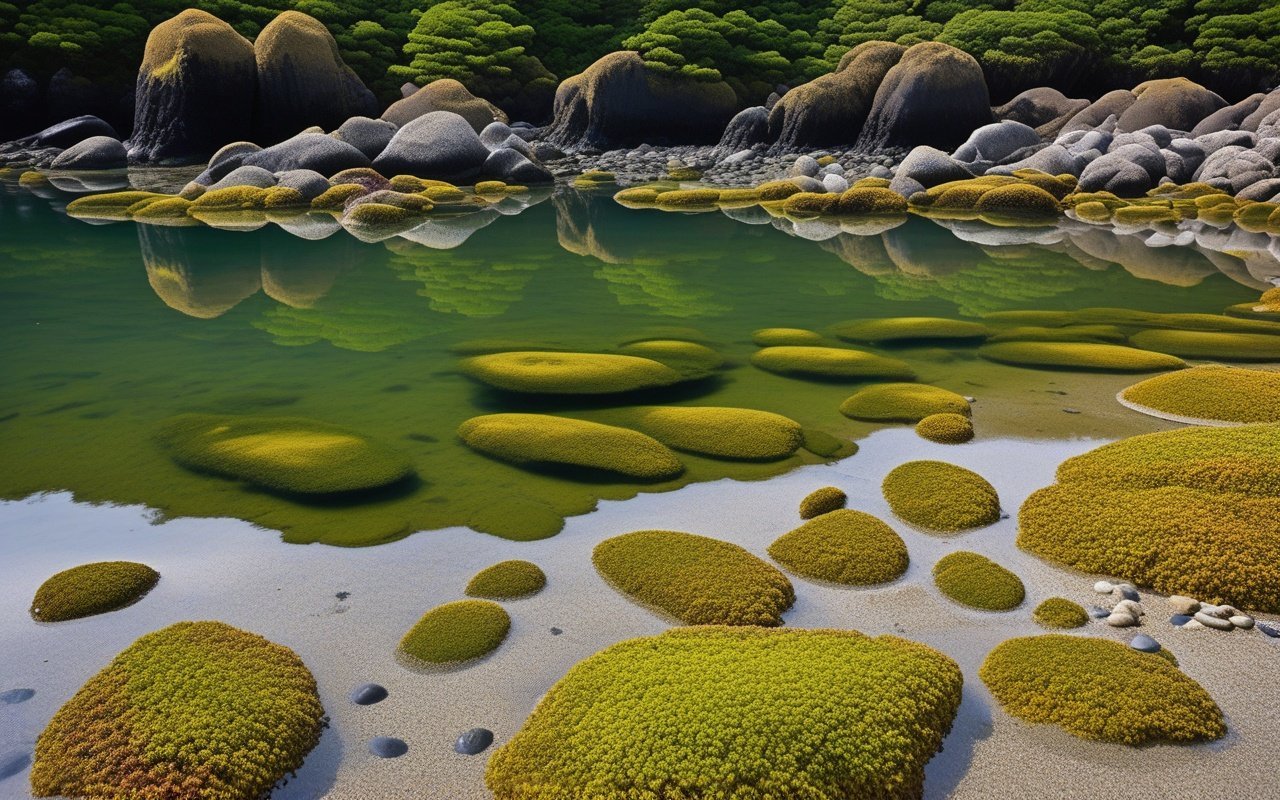
    Shibasaki is not a swimming beach in the traditional sense — the shoreline is rockier and less forgiving than the sandy crescents of Isshiki and Morito. What it offers instead is the best tide-pooling on Hayama’s coast. At low tide, the rocky shelves reveal shallow pools teeming with small fish, hermit crabs, sea anemones, and the occasional starfish.

    The water clarity is remarkable on calm days — you can see the bottom at 3–4 metres depth. Snorkellers will find small schools of juvenile fish among the rocks, and octopus sometimes hide in crevices.

    What to Bring:

    • Reef shoes or water sandals (essential — sharp barnacles)
    • Snorkel mask (clear water rewards it)
    • Small net or bucket for observing tide pool life (release everything)
    • Waterproof camera or phone case

    What to Do:

    • Tide pool exploration at low tide
    • Snorkelling along the rocky edges
    • Photography of marine life and rock formations
    • Quiet picnicking on the flat rock shelves (bring a mat)

    Getting There:

    From Shin-Zushi Station (Keikyu Line):
    1. Exit toward the coast
    2. Walk straight for 8 minutes
    3. Turn left at the small fishing boat mooring
    4. Shoreline access at the end of the path
    
    From Zushi Station (JR):
    - 20-minute walk south along the coast

    Insider Tip:

    Check the tide tables before visiting — low tide is the magic window. Aim for 1–2 hours before the low tide mark. The best pools are on the eastern side of the beach, where the rock shelves are flattest and the water warms up fastest in the sun.


    4. Chojagasaki Beach (長者ヶ崎海岸)

    Wildest Coast — Rugged Scenery, Fewest People

    Location: Southern Hayama, border with Yokosuka
    Coordinates: 35.2556°N, 139.5867°E
    Access: Bus from Zushi Station + 10-min walk
    Length: ~400 m (rocky coves)
    Sand: Small sandy pockets between rock formations
    Water: Open ocean exposure — stronger currents
    Lifeguards: ❌ None
    Beach Huts: ❌ None
    Parking: ¥500 (small lot, fills early)

    Chojagasaki is Hayama’s wild edge. The coast here is defined by a volcanic rock promontory that juts into Sagami Bay, creating a series of small coves and rocky platforms that feel far removed from the polite beach culture elsewhere in town. The wind is stronger, the waves have more energy, and the scenery is dramatic enough to attract photographers even on overcast days.

    A small Shinto shrine sits on the point itself, dedicated to the protection of local fishermen. The path to the shrine winds through wind-sculpted pine trees and past weathered rock formations that have been shaped by decades of winter swells.

    Swimming Warning:

    Unlike Isshiki and Morito, Chojagasaki has no lifeguards and no designated swimming zone. The water can have sudden drop-offs and stronger currents. Swim here only on calm days, stay close to shore, and never alone, During the official swimming season (July–August), local volunteers sometimes mark safe zones with buoys — look for them before entering.

    What to Do:

    • Photography (sunrise, sunset, storm light)
    • Walk the promontory trail to the shrine
    • Explore the small coves at low tide
    • Picnic on the flat rock terrace near the shrine

    Getting There:

    From Zushi Station:
    1. Keikyu Bus toward "Chojagasaki" or "Yokosuka" (20 min, ¥350)
    2. Get off at "Chojagasaki" bus stop
    3. Walk toward the water (5 min)
    4. Trail to the point starts at the parking area
    
    From Morito Beach:
    - 30-minute walk south along the coastal road
    - Or 10-minute bus ride

    Insider Tip:

    Chojagasaki is at its most beautiful in late autumn and winter, when the air is clearest and Mt. Fuji dominates the horizon from the promontory’s tip. Dress warmly — the wind here is strong even on sunny days, and there is no shelter from the elements.

    Hayama Hidden Beaches Guide 2026 — 4. Chojagasaki Beach


    Practical Information

    How to Get to Hayama Beaches

    From Tokyo Station:
    1. JR Yokosuka Line to Kamakura Station (55 min, ¥1,040)
    2. Transfer to Enoden or JR to Zushi Station (5 min, ¥170)
    3. Keikyu Bus to your chosen beach (10–20 min, ¥230–350)
    Total: ~90 minutes, ¥1,300–1,500
    
    From Yokohama Station:
    1. JR Yokosuka Line to Zushi Station (25 min, ¥420)
    2. Keikyu Bus to beach (10–20 min)
    Total: ~45 minutes, ¥650–800

    Best Way to Get Around

    Bicycle is the ideal way to explore all four beaches in a single day. Rental shops near Zushi Station offer bikes for ¥1,000–1,500/day. The coastal road between Zushi and Chojagasaki is flat and scenic, with wide sidewalks and dedicated bike parking at most beaches.

    What to Bring

    Essential:
    - Water (2 L minimum — no vendors at Shibasaki or Chojagasaki)
    - Sunscreen (SPF 30+, water-resistant)
    - Hat and sunglasses
    - Reef shoes (essential for Shibasaki and Chojagasaki)
    - Towel and change of clothes
    - Cash (many beach huts are cash-only)
    
    Recommended:
    - Snorkel mask (clear water at Shibasaki)
    - Beach umbrella (limited natural shade)
    - Cooler with snacks and drinks
    - Dry bag for valuables
    - Camera (sunset photography at Isshiki)

    Beach Comparison

    Beach Swimming Facilities Crowds Best For
    Isshiki ✅ Excellent ✅ Huts, showers Moderate Swimming, sunset
    Morito ✅ Good ✅ Huts, toilets Moderate Families, photos
    Shibasaki ⚠️ Limited ❌ None Low Tide pooling, snorkel
    Chojagasaki ⚠️ Advanced ❌ None Very low Photography, solitude

    Seasonal Guide

    Summer (July–August):
    - Swimming season (lifeguards at Isshiki and Morito)
    - Beach huts open (mid-July to August 31)
    - Water temperature: 23–27°C
    - Crowded on weekends (arrive before 9 AM)
    - Morito Shrine festival: late July
    
    Autumn (September–November):
    - No lifeguards (swim at your own risk)
    - Clearest Mt. Fuji views start in October
    - Fewer visitors, more peaceful
    - Water still warm through September
    
    Winter (December–February):
    - Best Mt. Fuji visibility
    - Dramatic winter light for photography
    - Too cold for swimming
    - Windy at Chojagasaki
    
    Spring (March–May):
    - Cherry blossoms along the coastal path
    - Water too cold for swimming
    - Perfect for coastal walks and photography
    - Fewer visitors than summer

    Beach Etiquette

    Do's:
    ✅ Carry out all trash (there are fewer bins than public beaches)
    ✅ Respect the neighborhood (beaches are adjacent to residential areas)
    ✅ Shower before entering the water (showers available at Isshiki, ¥100)
    ✅ Check water quality notices posted at beach entrances
    ✅ Support local beach huts (they fund beach maintenance)
    
    Don'ts:
    ❌ No amplified music (sound carries across the bay)
    ❌ No drones over the Imperial Villa area
    ❌ Don't walk on the dune grass (helps prevent erosion)
    ❌ Don't feed the birds (seagulls become aggressive)
    ❌ Don't block narrow access paths with large groups

    Frequently Asked Questions

    Q: Which Hayama beach is best for families with young children?

    A: Isshiki Beach has the calmest water, gradual depth, lifeguards in summer, and beach huts with food and shade. Morito Beach is also family-friendly with easy access and facilities.

    Q: Are the beaches free to visit?

    A: Yes, all beaches are free. Paid parking and paid showers at Isshiki and Morito are the only costs.

    Q: Can I rent snorkel gear or SUP boards?

    A: Not directly at the beaches. Rental shops near Zushi Station SUP boards (¥2,000–3,000/day) and snorkel sets (¥1,000/day). Some beach huts at Isshiki occasionally have limited SUP rental.

    Q: Is there food available at the beaches?

    A: Isshiki and Morito have beach huts during summer (July–August) serving yakisoba, shaved ice, drinks, and light meals. Shibasaki and Chojagasaki have no vendors — bring your own food.

    Q: Which beach has the best sunset view?

    A: Morito Shore for photos with the shrine torii in the foreground. Isshiki Coastline for the classic Fuji-aligned sunset. Chojagasaki for a wilder, more dramatic perspective.

    🌟 Share Your Experience

    Found a quiet cove between these beaches? Tips for Hayseasideeach days? Join our community forum to share your discoveries!


    Hayama Hidden Beaches Guide 2026 — Share Your Experience

    Hayama’s beaches offer something increasingly rare on Kanagawa’s coast: genuine quiet, clean water, and views that haven’t been obstructed by development. Whether you’re swimming at Isshiki, exploring tide pools at Shibasaki, or watching the sunset from Chojagasaki’s wild promontory, the experience is defined by the town’s deliberate restraint — and that is precisely what makes it special.

    For more ways to explore Hayama and the Miura Peninsula, read our Hayama hidden cafes guide, Hayama local cafes guide, and the comprehensive Hayama accommodation guide.


    ⏰ Best Time to Visit

    Early morning (8–10 AM): Peaceful atmosphere, fewer crowds, perfect for photos Late afternoon (4–6 PM): Beautiful lighting, local life, less crowded than midday

    🎯 What I Recommend

    • Don’t rush: Take your time to explore the side streets and hidden spots
    • Talk to locals: They often know the best lesser-known spots that aren’t in guidebooks
    • Try the local specialties: Each area has its own unique food and souvenirs

    Our guide to Hakone Souvenirs Local Specialties has additional tips and recommendations.

    ⚠️ Things to Watch Out For

    • Some shops close on weekdays or have irregular hours
    • Parking can be challenging during peak seasons
    • Cash is still king at many smaller establishments


    Conclusion

    Whether you are planning exploring Hayama for its beach for the first time or returning for another visit, taking a little extra time to go beyond the obvious sights makes all the difference. During my visit to Hayama I went with a rough plan and found that leaving room to wander made the trip far more memorable. I hope this guide helps you build an itinerary that fits your pace, and that your time in Kanagawa leaves you with memories worth coming back for.

  • Hakone Travel Guide 2026 — Ultimate Onsen Resort Guide…

    Hakone Travel Guide 2026 — Ultimate Onsen Resort Guide…

    Hakone (箱根) is Kanagawa’s premier mountain resort destination and one of Japan’s most accessible hot spring getaways from Tokyo, Famous for its natural onsens, panoramic Mount Fuji views, and world-class museums, this volcanic highland area offers one of the most complete travel experiences in Japan — combining relaxation, culture, nature, and adventure in a compact area just 85 minutes from Tokyo Station.
    What sets Hakone apart from other Japanese destinations is its extraordinary diversity within a small geographic area. Within a single day you can soak in a mineral-rich hot spring, ride a ropeway over an active volcanic valley, cruise across a crater lake with Fuji views, explore an open-air sculpture museum, and dine on local yuba cuisine — all connected by an integrated transport loop that is itself a tourist attraction.
    This guide brings together 24 expert articles across six categories to help you plan the perfect Hakone visit, whether you are here for a day trip, a weekend ryokan stay, or a multi-day mountain escape.

    Our guide to Hakone Onsen Tattoo Friendly has additional tips and recommendations.

    Overview

    Hakone was one of the first destinations I explored after moving to Tokyo, and it remains my favorite escape from the city. During my first visit I went straight from Hakone-Yumoto up the Tozan Railway, and I remember standing at Owakudani with the sulfur smoke rising around me, amazed that all of this was only 85 minutes from home. I’ve now visited four times across different seasons, and I recommend spending at least one night in an onsen town like Gora — waking up to a quiet ryokan breakfast before the day-trippers arrive completely changes the experience. When I walked through the transport loop for the first time, I understood why the Hakone Free Pass is worth every yen.

    📍 Getting to Hakone

    Hakone Travel Guide scenery and attractions

    The Hakone Tozan Railway is Japan’s oldest mountain railway, offering stunning views as it climbs 453 meters through lush forest and switchback curves.

    Hakone Travel — detailed view

    Lake Ashi (Ashinoko) is a scenic crater lake formed 3,000 years ago, where sightseeing pirate ships offer panoramic views of the surrounding landscape.

    Hakone Travel Guide — visitor highlights

    The Hakone Ropeway glides over the active Owakudani volcanic valley, famous for its sulfur vents and the legendary kuro-tamago (black eggs).

    Hakone Travel Guide surrounding area and access

    Detailed map showing Hakone’s transport loop — the integrated circuit of train, cable car, ropeway, and cruise that connects all major attractions.

    Our taxi guide explains how to use taxis in Kanagawa, from hailing to payment.
    Hakone is one of the most accessible mountain resorts from Tokyo, with multiple train and bus options connecting the area in about 1.5 hours. The journey itself is part of the experience — especially the scenic Odakyu Romancecar ride through the mountains.

    From Tokyo

    • Odakyu Romancecar: 85 minutes from Shinjuku to Hakone-Yumoto (¥2,470, reserved seat, direct) — the most scenic and comfortable option. See our Odakyu Romancecar guide for booking tips and seat recommendations.
    • JR Shinkansen: 40 minutes to Odawara, then 15 minutes local train to Hakone-Yumoto (¥4,500, covered by JR Pass). Detailed route info in our how to get to Hakone from Tokyo guide.
    • Highway Bus: 2–2.5 hours from Shinjuku to Hakone-Yumoto (¥1,800–2,500, budget-friendly)

    Money-Saving Tickets

    The Hakone Free Pass is the best value by far — covering round-trip transport from Tokyo plus unlimited local transport in Hakone for 2 days. Read our Hakone Free Pass ultimate guide for a full cost comparison, and our Hakone Free Pass guide for a quick overview.

    Ticket Price Coverage Best For
    Hakone Free Pass (Odakyu) ¥5,140 from Shinjuku Round-trip + unlimited Hakone transport (2 days) Most visitors
    Hakone Free Pass (from Odawara) ¥4,000 Unlimited Hakone transport (2 days) JR Pass holders
    Hakone Kamakura Free Pass ¥5,140 Hakone + Kamakura/Enoshima (3 days) Multi-destination trips

    Getting Around Hakone

    Hakone’s unique appeal is its integrated transport loop that connects all major attractions. The loop can be completed in either direction and takes about 3–4 hours without stops:

    1. Hakone Tozan Railway: Switchback train from Hakone-Yumoto to Gora (40 min, scenic mountain views). See our Hakone Tozan Railway guide for the best carriage positions and photo spots.
    2. Hakone Tozan Cable Car: Funicular from Gora to Sounzan (10 min, Japan’s steepest cable car)
    3. Hakone Ropeway: Aerial cable car from Sounzan to Togendai (30 min, panoramic views over Owakudani). Our Hakone Ropeway guide covers wait times, best photo spots, and weather tips.
    4. Hakone Sightseeing Cruise: Pirate ship across Lake Ashi (30 min, iconic Mount Fuji views). Check our Hakone Pirate Ship experience for the best boarding times and deck positions.
    5. Local buses: Connect all stations and attractions within the loop

    📖 Deep dive: How to get to Hakone from Tokyo · Hakone Free Pass ultimate guide · Hakone Tozan Railway guide · Odakyu Romancecar guide · Hakone Ropeway guide · Hakone Pirate Ship experience


    ♨️ Onsen & Ryokan Guide

    Hakone is synonymous with onsen. The area has seven distinct hot spring zones («Hakone Nanayu»), each with different water qualities ranging from clear alkaline waters to sulfur-rich acidic springs. For a complete introduction, see our Hakone onsen complete guide.

    Day Trip Onsens (Under ¥2,000)

    These facilities allow non-guests to bathe without staying overnight — perfect for day-trippers:

    Facility Price Hours Access Features
    Tenzan Onsen ¥1,300 7:00–26:00 10 min bus from Hakone-Yumoto 10 indoor/outdoor baths, sauna
    Hakone Yuryo ¥2,200 10:00–21:00 15 min taxi from Hakone-Yumoto Private outdoor baths, forest views
    Hakone Kamonoyu ¥1,500 10:00–20:00 5 min bus from Gora Traditional wooden bathhouse

    For more options including hidden and less-crowded spots, see our Hakone day trip onsen and Hakone hidden hot springs guides.

    Overnight Ryokan with Private Onsen

    Category Property Price/Night Features
    Luxury Gora Kadan From ¥50,000 Former imperial villa, Michelin-starred dining
    Luxury Hakone Kowakien Ten-yu From ¥40,000 Modern luxury, multiple bath types
    Mid-range Hakone Suishoen From ¥20,000 Lake views, garden baths
    Mid-range Ryokan Kappa From ¥15,000 Traditional atmosphere, kaiseki dinner
    Budget Guesthouse Gora From ¥8,000 Social atmosphere, shared baths

    Onsen Etiquette

    1. No swimsuits — bathing nude is mandatory
    2. Wash thoroughly at shower stations before entering
    3. No towels in the bath — leave on the side or on your head
    4. Tie up long hair before entering
    5. No photography — strictly prohibited in bath areas

    For a deeper understanding of onsen culture and rules, read our Hakone onsen culture & etiquette guide. If you have tattoos, check our advice on tattoo-friendly facilities in the Hakone onsen complete guide.

    📖 Deep dive: Hakone onsen complete guide · Hakone day trip onsen · Hakone hidden hot springs · Hakone onsen culture & etiquette · What to wear in Hakone by season


    🏛 Top Attractions

    Hakone packs an extraordinary number of world-class attractions into a small area. Here are the must-see spots:

    Owakudani (Great Boiling Valley)

    Best for: Volcanic activity, black eggs, Mount Fuji views Discover Mt Fuji’s 5th Station, World Heritage Center & Owakudani volcanic valley on this scenic Hakone day trip

    • Hours: 9:00–17:00 | Admission: Free (ropeway required)
    • Access: Hakone Ropeway to Owakudani Station
    • Highlight: Active volcanic valley with sulfur vents, Famous for «kuro-tamago» (black eggs) boiled in the hot springs — legend says eating one adds 7 years to your life! The volcanic activity creates an otherworldly landscape that is one of Hakone’s most iconic experiences.

    Lake Ashi (Ashinoko)

    Best for: Scenic cruises, Mount Fuji reflection, photography Explore Mt Fuji & Hakone on a full-day trip with sukiyaki lunch, Hakone Cruise, Ropeway & Shinkansen return

    • Hours: 24/7 (cruises 9:00–17:00) | Cruise fee: ¥1,000
    • Access: Hakone-machi or Moto-Hakone
    • Highlight: A beautiful crater lake formed 3,000 years ago, Sightseeing «pirate ships» offer the best Mount Fuji photo opportunities, especially during clear winter mornings.

    Hakone Shrine

    Best for: Spiritual experience, iconic torii gate in water

    • Hours: 9:00–17:00 | Admission: Free
    • Access: 10 min walk from Moto-Hakone bus stop
    • Highlight: Historic Shinto shrine with a red torii gate standing in Lake Ashi — one of the most photographed spots in Kanagawa and a must-visit for anyone exploring the Lake Ashi area.

    Hakone Open-Air Museum

    Best for: Art, sculpture, outdoor experience, family-friendly

    • Hours: 9:00–17:00 | Admission: ¥1,600
    • Access: 2 min walk from Chokoku-no-Mori Station
    • Highlight: Japan’s first open-air museum featuring 120+ sculptures by Picasso, Henry Moore, and more in a beautiful natural setting. Includes a foot bath with mountain views — one of the best family-friendly Hakone activities.

    Pola Museum of Art

    Best for: Impressionist paintings, scenic forest location

    • Hours: 9:00–17:00 | Admission: ¥1,800
    • Access: Bus from Gora or Sengokuhara
    • Highlight: Houses one of Japan’s finest collections of Impressionist and modern art (Monet, Renoir, Picasso) set within a stunning forest-framed building. Part of our best museums in Hakone selection.

    Hakone Checkpoint (Sekisho)

    Best for: History, Edo-period artifacts, samurai-era travel

    • Hours: 9:00–17:00 | Admission: ¥500
    • Access: 15 min walk from Moto-Hakone bus stop
    • Highlight: A meticulously restored Edo-period checkpoint on the old Tokaido road, Fascinating exhibits on samurai-era travel between Edo and Kyoto. See our Hakone checkpoint history and Hakone sekisho history guide for the full story.

    📖 Deep dive: Best museums in Hakone · Hakone Ropeway guide · Hakone Pirate Ship experience · Family-friendly Hakone activities · Hakone checkpoint history · Hakone sekisho history guide


    🚡 Hakone Ropeway & Transport Loop

    The Hakone transport loop is an attraction in itself. The combination of historic railway, steepest cable car in Japan, aerial ropeway over a volcano, and pirate ship cruise is unique worldwide.

    The Complete Loop (3–4 hours)

    1. Hakone Tozan Railway (Hakone-Yumoto → Gora, 40 min): This historic switchback train climbs 453 meters through lush forest, using three switchbacks to navigate the steep terrain. Sit on the right side (direction Gora) for the best views. Full guide →

    2. Hakone Tozan Cable Car (Gora → Sounzan, 10 min): Japan’s steepest funicular with a 200-meter elevation gain. The upper section offers previews of the volcanic landscape ahead.

    3. Hakone Ropeway (Sounzan → Togendai, 30 min): The highlight of the loop. This aerial cable car crosses over Owakudani’s active volcanic valley, offering stunning panoramas of sulfur vents on clear days. On very clear days, Mount Fuji appears directly ahead. Full guide →

    4. Hakone Sightseeing Cruise (Togendai → Hakone-machi, 30 min): The famous «pirate ships» cross Lake Ashi with Mount Fuji as a backdrop. The lower deck is enclosed and heated; the upper deck offers 360-degree views but is windy. Full guide →

    Pro Tips

    • Direction matters: Going clockwise (train first, ropeway second) is more popular and has shorter morning queues at the ropeway
    • Weather check: The ropeway closes in high winds or poor visibility. Check the official website before heading out
    • Best time: Start by 8:30 AM to complete the loop comfortably and avoid the worst crowds
    • Free Pass: All transport in the loop is covered by the Hakone Free Pass

    📖 Deep dive: Hakone Ropeway guide · Hakone Tozan Railway guide · Hakone Pirate Ship experience · Hakone Free Pass ultimate guide


    🥾 Hiking & Nature

    Beyond the main attractions, Hakone offers excellent hiking trails and natural experiences that many visitors miss.

    Hiking Trails

    • Beginner — Lake Ashi Shore Walk: Flat 4 km path from Moto-Hakone to Hakone-machi (1 hour, easy). Perfect for families and casual walkers.
    • Beginner — Old Tokaido Road: Historic paved trail lined with ancient cedar trees between Moto-Hakone and Hakone-machi (40 min, flat). Part of the original Edo-period highway.
    • Intermediate — Hakone Hiking Trails: Forest trails with mountain views connecting areas like Sengokuhara and Owakudani. See our Hakone hiking trails for beginners guide for route maps and difficulty ratings.
    • Advanced — Mount Kamiyama: Challenging 4-hour trek from Gora with panoramic summit views. Requires proper hiking gear and preparation.

    Nature & Conservation

    Hakone’s unique volcanic ecosystem is home to rare alpine plants and wildlife. The area is part of the Fuji-Hakone-Izu National Park, and several conservation programs protect its natural heritage. Read about Hakone nature conservation for eco-friendly travel tips.

    Seasonal Highlights

    • Spring: Cherry blossoms along Lake Ashi, hiking season begins, fresh greenery at the Open-Air Museum
    • Summer: Lake Ashi cruises, fireworks displays, higher hiking trails open, lush green landscapes
    • Autumn: Spectacular foliage at the Open-Air Museum, along the ropeway, and at Lake Ashi (peak: early to mid-November)
    • Winter: Clearest Mount Fuji views of the year, onsen season at its best, fewer crowds

    📖 Deep dive: Hakone hiking trails for beginners · Hakone nature conservation · What to wear in Hakone by season · Hakone 2 days 1 night itinerary


    🍜 Food & Drink Guide

    Hakone’s food scene combines traditional mountain cuisine with fresh local specialties. The region is particularly known for its yuba (tofu skin), freshwater fish, and kuro-tamago (black eggs).

    Must-Try Foods

    • Yuba (Tofu Skin) — Hakone’s most famous specialty. Served fresh (raw with soy sauce and wasabi) or in hot pot dishes at local restaurants. Our Hakone yuba cuisine guide covers the best restaurants and what to order.
    • Kuro-tamago — Black eggs boiled in Owakudani’s sulfuric hot springs. Sold exclusively at Owakudani — a fun souvenir and a Hakone rite of passage.
    • Hakone soba — Buckwheat noodles with mountain vegetables. Many restaurants in the Gora area serve excellent soba with views.
    • Local sake — Brewed with Hakone’s pure spring water. Try a tasting set at any mid-range ryokan.
    • Hakone souvenirs & local specialties — From yuba-based products to local confections, our souvenirs guide covers the best places to shop.

    Cafes & lesser-known spots

    Hakone has a growing cafe culture, with many hidden cafes tucked away in the mountains — perfect for a break between sightseeing. Explore our Hakone hidden cafes guide for the best spots with mountain views and specialty coffee.

    📖 Deep dive: Hakone yuba cuisine guide · Hakone hidden cafes · Hakone souvenirs & local specialties · What to wear in Hakone by season


    🎭 Culture & History

    Hakone’s history as a crossroads on the Tokaido road gives it a unique cultural heritage that complements its natural attractions.

    The Tokaido Road & Hakone Checkpoint

    During the Edo period (1603–1867), the Tokaido highway connecting Edo (Tokyo) and Kyoto passed through Hakone. The Hakone Checkpoint (Sekisho) controlled all traffic on this vital route, inspecting travelers for weapons and preventing the movement of samurai wives (a political hostage system). The restored checkpoint offers a fascinating window into Edo-period travel. See our Hakone checkpoint history and Hakone sekisho history guide for detailed exploration.

    Onsen Culture

    Hakone’s hot spring culture dates back over 1,200 years. The seven traditional hot spring zones (Hakone Nanayu) each developed around different water sources, creating distinct bathhouse cultures. The practice of «toji» (hot spring therapy) was historically prescribed by doctors, and Hakone’s springs were known for their healing properties. Read our Hakone onsen culture guide for the complete cultural background.

    📖 Deep dive: Hakone checkpoint history · Hakone sekisho history guide · Hakone onsen culture


    🗺 Sample Itineraries

    Day Trip from Tokyo (8 hours)

    Time Activity
    7:30 AM Depart Shinjuku on Odakyu Romancecar
    9:00 AM Arrive Hakone-Yumoto, purchase Hakone Free Pass
    9:30 AM Hakone Tozan Railway to Gora
    10:30 AM Hakone Open-Air Museum (1.5 hours)
    12:00 PM Lunch in Gora area (soba or yuba)
    1:00 PM Cable car to Sounzan, then Ropeway over Owakudani
    2:00 PM Ropeway to Togendai, Pirate Ship across Lake Ashi
    3:00 PM Hakone Shrine (30 min walk from Hakone-machi)
    4:00 PM Return bus to Hakone-Yumoto
    5:30 PM Romancecar back to Shinjuku

    Budget: Approximately ¥10,000–12,000 per person (Free Pass + lunch + museum admission)

    Weekend Itinerary (2 Days, 1 Night)

    See our full Hakone 2 days 1 night itinerary for a detailed weekend plan including ryokan stay, kaiseki dinner, and optimal sightseeing sequence.

    Budget-Friendly Options

    Hakone can be expensive, but strategic planning significantly reduces costs. Read our Hakone on a budget guide for money-saving tips including: booking the Free Pass, choosing day-trip onsens under ¥2,000, and bringing packed lunches.

    📖 Deep dive: Hakone 2 days 1 night itinerary · Hakone on a budget guide · Hakone day trip onsen · Hakone crowd avoidance


    💡 Travel Tips & FAQ

    Crowd Avoidance

    Hakone is busiest on weekends, holidays, and during autumn foliage season (November). Visit on weekdays Tuesday–Thursday for the best experience. The ropeway can have 60+ minute waits on busy weekends. See our Hakone crowd avoidance guide for specific timing recommendations.

    Onsen Tips

    • Tattoos: Many onsens prohibit tattoos. Look for «tattoo-friendly» facilities or book a private bath
    • Best time: Early morning (8–10 AM) for fewer crowds at day-trip onsens
    • Hydrate: Drink water or milk after bathing — it’s a Japanese tradition
    • What to bring: Small towel (rental available), toiletries provided

    WiFi & Connectivity

    Free WiFi is available at major stations and tourist information centers. Mountain areas (Owakudani, ropeway) have limited connectivity. Consider a prepaid eSIM for reliable data. Read our Japan eSIM guide and Kanagawa WiFi spots for connectivity options.

    What to Pack

    • Comfortable walking shoes — many paths are uneven mountain terrain
    • Layers — temperature drops significantly at higher elevations (5–10°C cooler than Tokyo)
    • Rain gear — especially June–September (rainy season)
    • Small towel — for day-trip onsens (or rental available)
    • Camera — Mount Fuji views are photo opportunities not to be missed

    Frequently Asked Questions

    Q: Do I need the Hakone Free Pass?
    A: Yes — it covers round-trip transport from Tokyo plus all local transportation in Hakone (train, cable car, ropeway, bus, sightseeing cruise). It saves 20–30% compared to buying individual tickets.

    Q: Can I visit Hakone as a day trip from Tokyo?
    A: Yes, but staying overnight allows you to experience onsen properly and relax. A day trip gives you 5–6 hours in Hakone — enough for the ropeway + pirate ship loop. For a full day plan, see our day trip itinerary above.

    Q: Is Hakone accessible with a JR Pass?
    A: Yes, take the Shinkansen to Odawara Station, then transfer to the local Hakone Tozan Railway. Note that the Hakone Free Pass is a separate purchase.

    Q: When is the best time to see Mount Fuji from Hakone?
    A: Winter months (November–February) offer the clearest views — up to 70% visibility. Summer and rainy season (June–July) often have clouds obscuring the mountain. Early morning (before 10 AM) offers the best chance year-round.

    Q: What is the difference between Hakone Free Pass and Hakone Kamakura Free Pass?
    A: The regular Hakone Free Pass covers 2 days in Hakone only. The Kamakura version adds 3 days with Kamakura/Enoshima access — perfect for combining both areas in one trip.

    Whether soaking in a forest rotemburo or enjoying a modern toji retreat, Kanagawa’s hot springs offer genuine relaxation in settings that range from rustic to refined.

    Conclusion

    exploring Hakone for its onsen can be as relaxed or as packed as you want it to be, and I have found that the best visits leave room for both planning and spontaneity. During my visit to Hakone I went with a rough plan and found that leaving room to wander made the trip far more memorable. Use this guide to sort out the logistics in advance, then let the day surprise you — Kanagawa rewards travelers who stay curious.
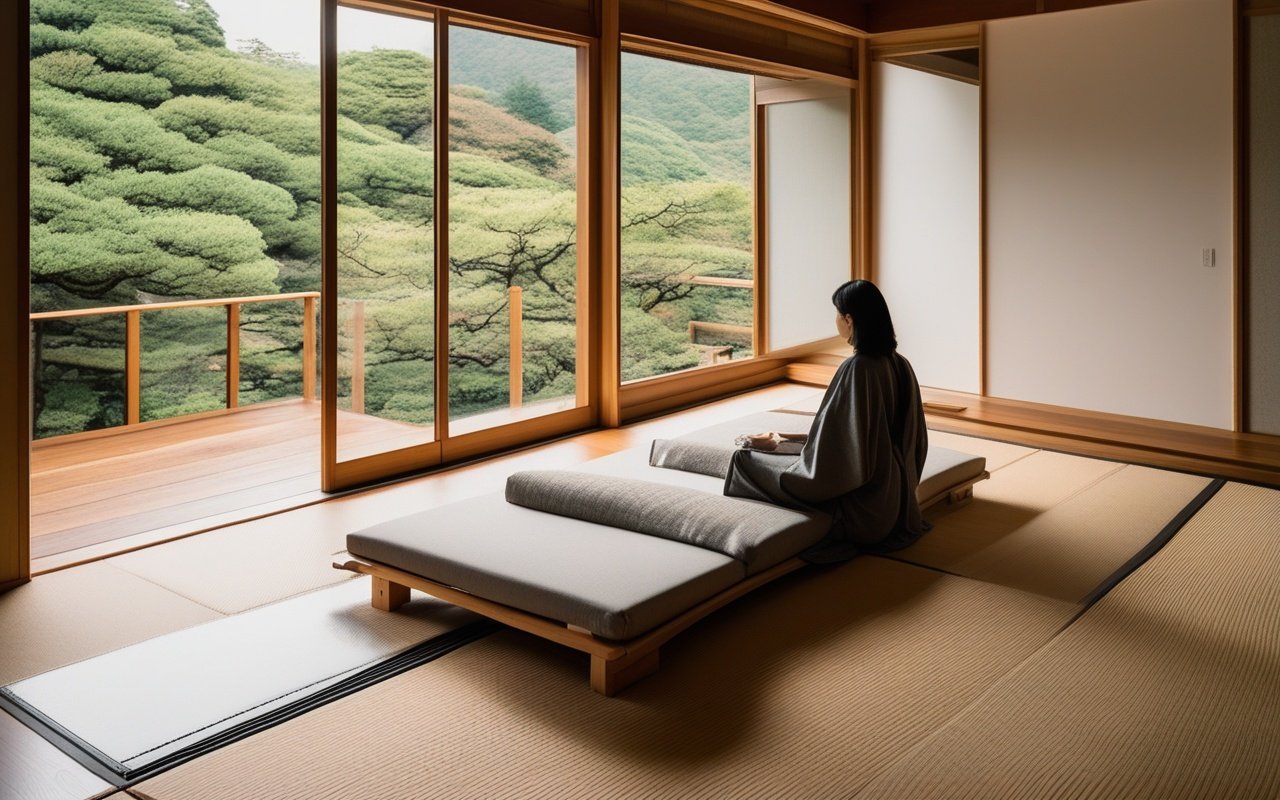
  • Kamakura Travel Guide 2026 — Ultimate Area Guide for…

    Kamakura Travel Guide 2026 — Ultimate Area Guide for…

    Overview

    Plan your perfect visit to Kamakura Travel Guide 2026 — Ultimate Area Guide for… with this comprehensive destination guide, Covering everything from must-see attractions to practical travel tips, this guide helps you make the most of your time in Kamakura. Whether you have a single day or an entire week, discover the best that this Kanagawa destination has to offer.

    📍 Getting to Kamakura

    Kamakura is one of the easiest day trips from Tokyo, with multiple train lines connecting the city in about an hour. Kamakura Travel Guide scenery and attractions

    Must-see Kanagawa destination and viewpoint

    Popular sightseeing spot in Kanagawa

    From Tokyo

    • JR Yokosuka Line: 55–60 minutes from Tokyo Station to Kamakura Station (¥1,040. no transfers)
    • JR Shonan-Shinjuku Line: 60 minutes from Shinjuku to Kamakura Station (¥1,040. direct)
    • Odakyu Line to Enoshima: 65 minutes from Shinjuku to Katase-Enoshima Station (¥650). then Enoden to Kamakura

    Money-Saving Tickets

    • Kamakura Free Pass (Odakyu): Round-trip from Shinjuku + unlimited Enoden rides — best value if arriving via Odakyu
    • JR Kamakura Pass: Unlimited JR train rides in the Kamakura area for 1 day
    • Enoden 1-day Pass: ¥800 for unlimited rides on the nostalgic Enoden tram

    📖 Deep dive: Complete Kamakura access guide · Enoden 1-day Pass guide · Tokyo day trip guide

    Getting Around Kamakura

    The city center is walkable, but you will rely on two key transport modes:

    • Enoden Tram: The iconic green tram that runs between Kamakura and Enoshima along the coast. Essential for reaching Hase (Great Buddha), Inamuragasaki, and Shonan beaches. – Local buses: Useful for temples in the hills (Kencho-ji, Engaku-ji areas) and the Kita-Kamakura district. – Bicycle rental: Flat coastal areas are bike-friendly. Electric bicycles available near Kamakura Station. > 📖 Deep dive: Enoden unlimited guide · Shonan Monorail connection · Bicycle rental guide

    ⛩️ Must-See Temples & Shrines

    Kamakura’s religious sites are the city’s main draw — and with good reason. The concentration of nationally significant temples within walking distance of each other is unmatched in Japan outside of Kyoto and Nara.

    The Big Three (Cannot Miss)

    Site Built Highlights Time Needed Admission
    Tsurugaoka Hachimangu 1063 City’s most important shrine, cherry tree-lined approach 45 min Free
    Kotoku-in (Great Buddha) 1252 13.35m bronze statue, national treasure 30 min ¥300
    Hasedera 736 Hillside temple, cave tunnels 60 min ¥400

    Zen Temples of Kita-Kamakura

    The northern district of Kita-Kamakura is home to several major Zen temples from the Kamakura period:

    • Kencho-ji (1253) — First Zen temple in Japan. National Treasure gate
    • Engaku-ji (1282) — Stunning autumn foliage, massive temple bell
    • Jochi-ji (1283) — Small, off the tourist trail

    Lesser-Known Spots

    • Meigetsu-in (Ajisai-dera) — Famous for hydrangeas in June
    • Tokei-ji — Historic nunnery, pretty bamboo grove
    • Sugimoto-dera — Oldest temple in Kamakura (founded 734)

    📖 Deep dive: Kamakura temple guide · Shrine & temple overview · Hidden temples guide · Tsurugaoka Hachimangu guide · Great Buddha guide · Great Buddha history · Samurai history


    🍜 Food & Drink Guide

    Kamakura’s food scene blends traditional Japanese flavors with modern cafe culture. The city is mainly known for its matcha (green tea) sweets, shirasu (whitebait) cuisine, and creative cafe culture.

    Cafes & Coffee

    Kamakura has one of the highest cafe densities per capita in Japan. The Komachi-dori area near the station has dozens of options, while quieter streets in the north and west offer specialty coffee shops and traditional kissaten.

    Must-Try Foods

    • Matcha soft cream and kakigori — mostly in summer. Kamakura’s matcha desserts are a highlight
    • Kamakura vegetables — Local produce from nearby farms, featured at farm-to-table restaurants
    • Shirasu donburi — Fresh whitebait over rice, a Shonan specialty
    • Kamakure-style curry and Kamakura wagashi (traditional sweets)

    📖 Deep dive: Kamakura cafe guide · Matcha cafe guide · Matcha sweets guide · Wagashi sweets guide · Farm-to-table guide · Street food guide · Kakigori guide


    🏄 Activities & things

    Beyond temples and food. Kamakura offers a wide range of activities that take advantage of its coastal location and natural surroundings.

    Beaches

    • Yuigahama Beach — Kamakura’s main beach, surfable year-round
    • Zaimokuza Beach — Quieter alternative, popular for evening walks
    • Enoshima Beach — Surfing hub with rental shops and lessons

    Hiking & Nature

    Kamakura is surrounded by forested hills with well-marked trails connecting temples. The Daibutsu Hiking Course (2.5 hours) connects Kita-Kamakura to the Great Buddha, passing through bamboo groves and offering panoramic views.

    Photos

    From sunrise at Inamuragasaki Point to the golden hour light at Yuigahama Beach, Kamakura is a photographer’s paradise. The city is mostly photogenic during hydrangea season (June) and autumn foliage (November). > 📖 Deep dive: Best beaches guide · Cycling routes · photos guide · Sunrise photos · Gorge walk · Family spots · Crowd avoidance


    🌊 Enoshima Island

    Connected to the mainland by a 600-meter bridge, Enoshima is a small island with a separate identity from Kamakura, an observation tower with Fuji views, and some of the best sunset spots on the Shonan coast. – Enoshima Shrine — Three-shrine complex dedicated to Benzaiten, goddess of music and art

    • Enoshima Sea Candle — 59.8m observation lighthouse. 360-degree views
    • Iwaya Caves — Sea caves with historical and spiritual significance
    • Samuel Cocking Garden — English-style garden with seasonal flowers

    📖 Deep dive: Enoshima aquarium guide · Enoshima cave exploration · Enoshima sunset


    🏨 Where to Stay

    Kamakura lodging ranges from traditional ryokan to modern hotels and boutique guesthouses. The best area to stay depends on your priorities:

    Area Best For Atmosphere
    Near Kamakura Station First-time visitors, central
    Yuigahama/Zaimokuza Beach lovers, coastal
    Kita-Kamakura Temple enthusiasts, nature lovers Quiet, historic
    Enoshima Ocean views, seafood Resort-like

    📖 Deep dive: Kamakura & Enoshima lodging · Hayama lodging


    📅 Seasonal Guide

    Spring (March–May)

    • Cherry blossoms at Tsurugaoka Hachimangu, and Genjiyama Park
    • Perfect weather for hiking and cycling

    Summer (June–August)

    • Hydrangeas at Meigetsu-in. Hasedera — June peak
    • Beach season July–August at Yuigahama and Enoshima
    • Summer festivals and fireworks

    Autumn (September–November)

    • Autumn foliage at Engaku-ji. Kencho-ji — November peak
    • Pleasant weather, fewer crowds than spring

    Winter (December–February)

    • Hatsumode (New Year visit) at Tsurugaoka Hachimangu
    • Winter lights at Enoshima
    • Clear winter days offer the best Mount Fuji views

    📖 Deep dive: Rainy season hydrangeas · Summer festivals · Night lights · New Year guide · Autumn foliage


    💡 Travel Tips

    Crowd Avoidance

    Kamakura is busiest on weekends, and during hydrangea season (June). Visit on weekdays if possible, arrive before 9 AM. and consider the quieter Kita-Kamakura area if you want to escape the crowds. > 📖 Deep dive: Crowd avoidance guide

    Rainy Day Options

    Kamakura has plenty of indoor attractions: temples with covered halls, the Kamakura Museum of Literature, and the many cafes of Komachi-dori. > 📖 Deep dive: Kanagawa rainy day guide

    Check out our Enoshima Rainy Day Guide guide for detailed information.

    WiFi & Connectivity

    Free public WiFi is available at Kamakura Station and major tourist info centers. For reliable connectivity throughout your visit, consider a prepaid eSIM. > 📖 Deep dive: Japan public WiFi guide · eSIM guide

    Luggage Storage

    Coin lockers are available at Kamakura Station (limited, fills by 10 AM). Several luggage storage shops near the station offer same-day storage. > 📖 Deep dive: Luggage storage guide · Coin locker guide


    Frequently Asked Questions

    Q: Is one day enough for Kamakura?
    A: Yes, one day is enough to see the main attractions (Great Buddha. But two days allows you to add Enoshima, a hike, or beach time without rushing. Q: What is the best time of year to visit?
    A: Late spring (May) and autumn (October–November) offer the best weather and lower crowds. June is peak hydrangea season but also the rainy season. Summer is beach season but very crowded. Q: How much does a Kamakura day trip cost?
    A: Budget about ¥5,000–8,000 per person including round-trip train from Tokyo (¥1,040–1,840), temple admissions (¥1,000–1,500), lunch (¥1,200–2,000), and incidentals. Q: Is Kamakura wheelchair accessible?
    A: Major attractions like Tsurugaoka Hachimangu, the Great Buddha, and Hasedera have accessible paths. However, some hillside temples (Meigetsu-in, Kencho-ji hillside areas) have steps and steep slopes. Q: Can I visit Kamakura and Enoshima in one day?
    A: Yes, but it makes for a packed day. Visit Kamakura in the morning and take the Enoden tram to Enoshima in the afternoon. Skip one of the less essential temples to make time.

    Conclusion

    The details in this guide come from real visits, and the biggest lesson I took away was that the best experiences in Kamakura rarely fit neatly into a checklist. During my visit to Kamakura I went with a rough plan and found that leaving room to wander made the trip far more memorable. Plan the essentials, keep your schedule flexible, and you will leave Kanagawa wanting to return.

  • Yokohama Day Onsen & Spa Guide 2026 — Urban Hot Springs…

    Yokohama Day Onsen & Spa Guide 2026 — Urban Hot Springs…

    Yokohama Day Onsen & Spa Guide 2026 — Urban Hot Springs…

    Overview

    📍 Quick Overview

    Yokohama offers great day-use onsen and spa places that rival HakonHakonemous hot springs — without the 90-minute journey each way. This guide covers four top places where you can soak, steam, and relax within minutes of Yokohama’s main attractions. Whether you want a complete onsen time at Manyo Club in Minato Mirai or a quick evening soak at Manten no Yu near Yokohama Bay, these urban retreats provide genuine relaxation with all amenities included. – 4 top day-use onsen and spa places in Yokohama and surrounding areas

    • From ¥1,500 to ¥4,500 per adult — affordable relaxation without a Hakone trip
    • Open late — many places operate until 11:00 PM or later
    • Perfect for: Relaxation after sightseeing, evening unwinding
    • No need to go to Hakone — Yokohama has great urban hot spring places — the quality and attention to detail were remarkable. —

    Yokohama Day Onsen & Spa Guide scenery and attractions

    Introduction: Soak Without the Journey

    Hakone is famous for its natural hot springs, but getting there takes 90 minutes each way — a significant time commitment for many travelers. What fewer visitors realize is that Yokohama itself has great day-use onsen and spa places offering genuine relaxation without the travel time. These urban onsen are not natural hot springs in the traditional sense — the water is heated and circulated rather than sourced from a natural spring — but the time is authentic in every other way. Indoor and outdoor baths, saunas, cold plunges, and relaxation lounges with panoramic views provide a complete onsen time. Some places even use natural mineral-infused water that replicates the properties of famous hot springs across Japan. Why Choose an Urban Onsen:

    • No travel time — 5 to 15 minutes from Yokohama’s main attractions
    • Evening hours — most places are open until 9:00 to 11:00 PM. perfect after dinner
    • All amenities provided — towels, and yukata robes are included
    • Restaurants on site — traditional Japanese meals without leaving the facility
    • Weather independent — all indoor places unaffected by rain
    • Foreigner-friendly — English signs and staff support at major places

    1. Manyo Club — Minato Mirai’s Premium Onsen time

    Best for: Couples, evening relaxation

    Yokohama Day Onsen & Spa — detailed view

    Aspect Detail
    Location Minato Mirai. 5 min walk from Minato Mirai Station
    Hours 11:00 AM to 9:00 AM next day (20 hours)
    Price ¥3,000 to ¥4,500 per adult, varies by day
    Baths Indoor baths, cold bath
    Best For Couples, post-sightseeing relaxation

    Manyo Club is Yokohama’s premier urban onsen facility, offering an time that rivals many hot spring resorts in Hakone. The facility occupies multiple floors in Minato Mirai, with the outdoor rotemburo offering views of the Yokohama skyline, Soaking while watching the Cosmo Clock ferris wheel illuminate the night is a magical time unique to Yokohama. The Bath time:

    • Indoor baths — Large main bath with jet massages, and a waterfall feature
    • Outdoor rotemburo — Open-air bath with skyline views, the highlight of the visit
    • Sauna — Dry sauna with regular löyly sessions where water is poured over hot stones
    • Cold bath — Traditional cold plunge kept at 15 to 18 degrees Celsius
    • Carbonated bath — Gentle bubbling bath that is kind to the skin

    Beyond the Bath:

    Manyo Club is more than just an onsen — it is a full relaxation complex. The second floor features a spacious relaxation lounge with reclining chairs, and a cafe serving drinks and light meals. The third floor houses a restaurant serving traditional Japanese cuisine. The manyo set meal at ¥1,800 with sashimi, tempura, and seasonal vegetables is great value. places included:

    • Rest area with reclining chairs at no extra charge
    • Manga corner with hundreds of volumes
    • Restaurant serving Japanese cuisine
    • Cafe with soft drinks, and beer
    • Massage and treatment services at an additional charge
    • Gift shop with local products

    What to Bring: Nothing — towels, and basic toiletries including shampoo, and body soap are all included. Lockers are provided for your belongings. > Book Manyo Club Yokohama on Klook for discounted entry and skip-the-line access — check prices & book here. Pro Tips:

    • Late-night entry after 8:00 PM is often cheaper with a night passport option
    • Weekday mornings from 11:00 AM to 2:00 PM are the quietest
    • The facility allows overnight stays — enter after 10:00 PM and stay until morning
    • Tattoos are allowed — cover with provided stickers if small
    • Bring a ¥100 coin for the locker, refunded on exit

    2. Manten no Yu — Yokohama’s Natural Hot Spring time

    Best for: Waterfront relaxation, authentic onsen atmosphere

    Aspect Detail
    Location Near Yokohama Bay. 10 min bus from Yokohama Station
    Hours 10:00 AM to 11:00 PM. last entry at 10:00 PM
    Price ¥2,500 to ¥3,500 per adult
    Baths Large indoor bath, cold bath
    Best For Solo travelers, evening soak

    Manten no Yu offers a more traditional onsen atmosphere than Manyo Club, with a focus on the therapeutic qualities of the water. The facility uses water infused with natural minerals to recreate the time of a real hot spring. The water is soft on the skin and maintains temperature beautifully. places:

    • Large indoor bath — Spacious main bath with underwater jets
    • Outdoor rotemburo — Intimate stone-lined bath with curated garden views
    • Herbal sauna — Infused with Japanese herbs including yomogi and hinoki
    • Cold water bath — Traditional cold plunge
    • Foot bath — Open to all visitors free of charge, even without entry

    Additional amenities:

    • Relaxation room with reclining chairs
    • Restaurant serving soba, and set meals
    • Massage chairs at ¥100 for 10 minutes
    • Coin laundry for overnight guests
    • Retail corner with Japanese skincare products

    Book Manten no Yu Yokohama on Klook and save on entry fees — check prices & book here. Pro Tips:

    • Entry fee includes towel rental and basic toiletries
    • The restaurant’s onsen soba at ¥900 is the perfect post-bath meal
    • Tattoos are not permitted — private baths are available if you have visible tattoos
    • Weekdays after 7:00 PM are uncrowded and peaceful

    3. Wellness & Spa Options in Minato Mirai

    Best for: Spa treatments, luxury relaxation Yokohama has several great options for visitors seeking professional spa treatments rather than onsen bathing.

    Minato Mirai Spa Highlights

    The Kahala Hotel & Resort Spa
    | Attribute | Detail |
    |———–|——–|
    | Price | From ¥15,000 for a 60-minute treatment |
    | Access | Inside The Kahala Hotel, Minato Mirai |
    | Specialty | Hawaiian-Japanese fusion treatments |
    | Hours | 10:00 AM to 8:00 PM |

    The most luxurious spa time in Yokohama. The signature treatment combines Hawaiian lomi-lomi techniques with Japanese hot stone therapy. The relaxation lounge offers panoramic bay views. Westin Yokohama Spa
    | Attribute | Detail |
    |———–|——–|
    | Price | From ¥12,000 for a 60-minute treatment |
    | Access | Inside The Westin, Minato Mirai |
    | Specialty | Ayurvedic-inspired treatments using organic products |
    | Hours | 9:00 AM to 9:00 PM |

    The Westin’s Heavenly Spa offers a range of treatments using organic products. The indoor pool is available to spa guests and is one of the most pretty hotel pools in Yokohama.

    Chinatown Wellness Options

    Xijin Kowloon SPA Foot Massage
    | Attribute | Detail |
    |———–|——–|
    | Price | From ¥3,500 for a 60-minute foot massage |
    | Access | Inside Yokohama Chinatown, 5 min walk from Motomachi-Chukagai Station |
    | Specialty | Taiwanese foot massage and full body massage |
    | Hours | 10:00 AM to 10:00 PM |

    A professional foot massage and spa in the heart of Yokohama Chinatown. After hours of walking through Kanagawa’s temples and attractions, a therapeutic foot massage at Xijin Kowloon SPA offers genuine relief. The Taiwanese-style foot massage targets pressure points that relieve fatigue from long sightseeing days. > Book Xijin Kowloon SPA Foot Massage on Klook for the perfect recovery after a day of walking. RAKURAKUDOH Relaxation Salon
    | Attribute | Detail |
    |———–|——–|
    | Price | From ¥4,000 for a 60-minute treatment |
    | Access | 3 min walk from Kannai Station |
    | Specialty | Aromatherapy, full-body relaxation |
    | Hours | 10:00 AM to 9:00 PM |

    A tranquil relaxation salon offering aromatherapy, and full-body treatments near the Kannai district. The signature aromatherapy massage uses essential oils blended for deep relaxation. It is an ideal stop between exploring Chinatown and an evening in Minato Mirai. > Book RAKURAKUDOH Relaxation Salon on Klook for a calming break during your sightseeing day. —

    How to Choose Your Onsen time

    Choose Manyo Club if:

    • You want the most complete onsen time with multiple bath types
    • You have visible tattoos and need a tattoo-friendly facility
    • You want to relax for 3 to 4 hours or stay overnight
    • You want skyline views from the outdoor bath

    Choose Manten no Yu if:

    • You prefer a quieter, more traditional onsen atmosphere
    • You want a shorter visit of 1 to 2 hours
    • You are on a tighter budget
    • You do not have visible tattoos

    Choose a Hotel Spa if:

    • You want professional massage or beauty treatments
    • You are celebrating a special occasion
    • You prefer private treatment rooms

    Sample Onsen Evening Itinerary

    Classic Yokohama Onsen Night at Manyo Club:

    6:00 PM — Dinner at a Minato Mirai restaurant
    7:00 PM — Arrive at Manyo Club, change into yukata
    7:30 PM — Indoor bath and sauna session
    8:30 PM — Outdoor rotemburo during sunset and evening skyline
    9:00 PM — Relaxation lounge with a drink
    9:30 PM — Second bath rotation
    10:30 PM — Optional massage treatment
    11:30 PM — Late dinner at the onsen restaurant

    Quick Evening Soak at Manten no Yu:

    7:00 PM — Arrive at Manten no Yu
    7:15 PM — Indoor bath
    8:00 PM — Herbal sauna session
    8:30 PM — Outdoor rotemburo
    9:00 PM — Onsen soba dinner
    9:45 PM — Depart completely relaxed


    Onsen Etiquette Reminder

    1. Wash before entering — Use the shower stations to thoroughly clean your body before any bath
    2. No swimwear — Japanese onsen need nude bathing, and towels are provided
    3. Small towel only — Take the small towel to the bath area for drying between dips but do not let it touch the water
    4. No photos — Absolutely no phones or cameras in bathing areas
    5. Tattoo check — Manyo Club allows tattoos while Manten no Yu does not
    6. Hydrate — Drink water before and after soaking, available at water stations
    7. Limit each session — Soak for 10 to 15 minutes maximum and cool down between dips

    Frequently Asked Questions

    Q: Are these natural hot springs?

    A: Manyo Club and Manten no Yu use heated and filtered water rather than natural spring water. However, they are designed to replicate the onsen time with carefully designed baths, mineral-infused water, and traditional places. For genuine natural hot springs, visit Hakone, which is 90 minutes from Yokohama by train. Q: Can I visit if I have tattoos?

    A: Manyo Club has a tattoo-friendly policy with cover stickers available. Manten no Yu prohibits visible tattoos. Hotel spas generally allow tattoos in private treatment rooms. Q: Do I need to bring anything?

    A: No — towels, and basic toiletries are included in the entry fee. Lockers are provided for your belongings. Q: Are children allowed?

    A: Manyo Club welcomes children and is family-friendly. Manten no Yu is adults-only after 6:00 PM. Check individual facility policies before visiting. Q: Can I stay overnight at Manyo Club?

    A: Yes — Manyo Club operates for 24 hours and allows overnight stays. There is a surcharge for entry after 12:00 AM. Relaxation lounge chairs serve as sleeping spaces, though private rooms are not available. —


    🔗 Related Articles


    My personal exploration of Kanagawa has been incredibly rewarding, and I recommend adding this region to any Japan travel itinerary — the variety of experiences within short distances is what makes it special.


    After multiple visits to Kanagawa, . .

    Final Thoughts

    Whether you choose the premium Manyo Club time in Minato Mirai or the traditional atmosphere of Manten no Yu near Yokohama Bay, Yokohama’s day-use onsen and spa places offer genuine relaxation without the journey to Hakone. These urban hot spring retreats provide the perfect way to unwind after a day of sightseeing, and most are open late enough to fit comfortably into any evening itinerary, During my hike, I noticed that the trail markers are well-kept and easy to follow even for first-timers.

    Conclusion

    exploring Yokohama for its onsen can be as relaxed or as packed as you want it to be, and I have found that the best visits leave room for both planning and spontaneity. During my visit to Yokohama I went with a rough plan and found that leaving room to wander made the trip far more memorable. Use this guide to sort out the logistics in advance, then let the day surprise you — Kanagawa rewards travelers who stay curious.
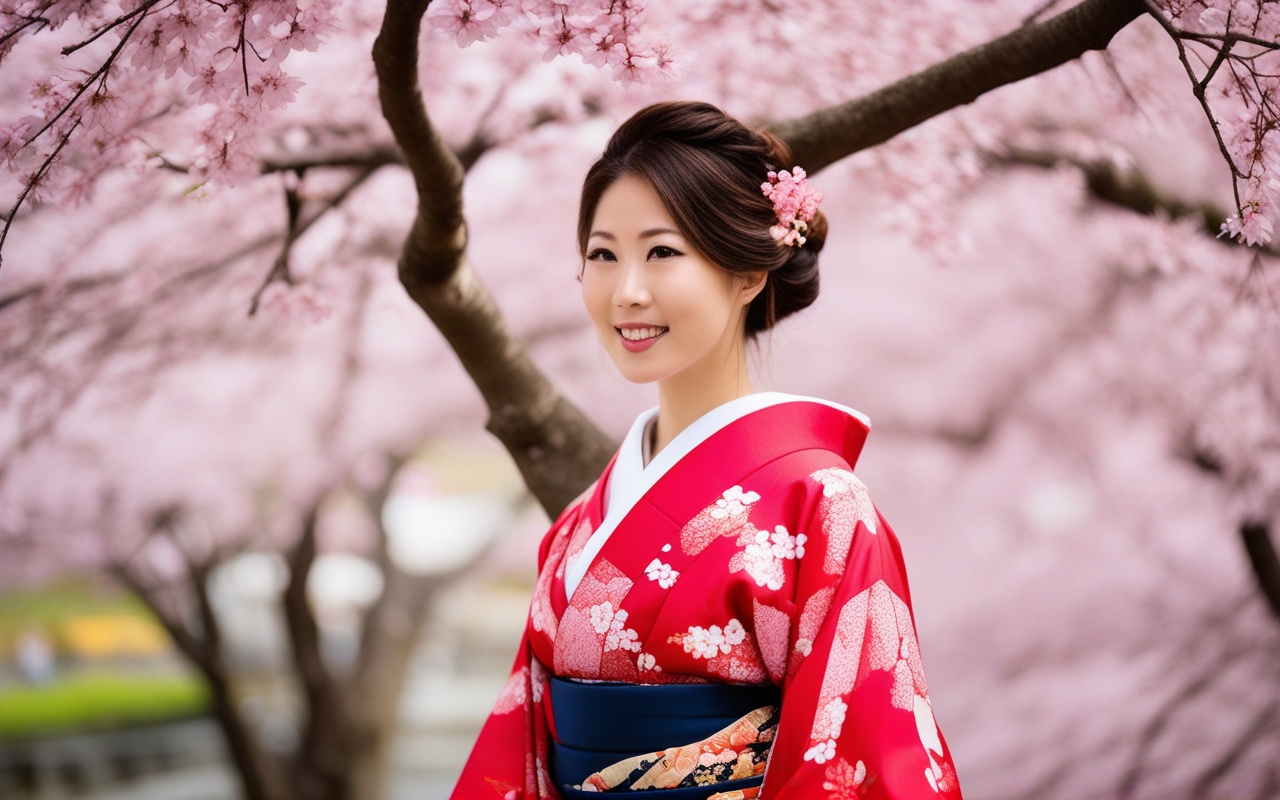
  • Hayama & Miura Accommodation Guide 2026 — Coastal…

    Hayama & Miura Accommodation Guide 2026 — Coastal…

    This destination guide covers everything you need to know about visiting this area in Kanagawa. From how to get there to what to see, you will find practical information for a memorable trip.

    Hayama & Miura Accommodation Guide 2026 — Coastal Retreats on the ShShonanoast

    Overview

    Plan your perfect visit to Hayama & Miura Accommodation Guide 2026 — Coastal… with this comprehensive destination guide, Covering everything from must-see attractions to practical travel tips, this guide helps you make the most of your time in Hayama. Whether you have a single day or an entire week, discover the best that this Kanagawa destination has to offer.

    📍 Quick Overview

    • Two distinct coastal areas — Hayama’s marina-side retreats and Miura’s rugged southern coastline
    • From ¥12,000 (minshuku) to ¥40,000+ (luxury seaside) per night
    • 60–90 minutes from Tokyo — the perfect weekend escape from the capital
    • Best for: Couples seeking romance, nature lovers, artists, photographers, sailing enthusiasts
    • Perfect base for exploring the Shonan Coast, Jogashima Island, and the Miura Peninsula’s hiking trails

    Introduction: The Shonan Coast’s Best-Kept Secrets

    While Kamakura and EnKamakuraraw the crowds, the southern Shonan Coast — particularly Hayama and Miura — remains remarkably peaceful. Hayama has long been a summer retreat for Tokyo’s elite (the Imperial Family’s villa is here), while Miura’s rugged coastline offers some of Kanagawa’s most dramatic scenery. Yet both areas remain under the radar for international visitors.

    Hayama & Miura Accommodation Guide scenery and attractions

    Staying overnight here is the secret to experiencing the Shonan Coast at its best. You’ll watch the sunrise paint Sagami Bay in shades of gold and pink, walk empty beaches in the early morning, and dine at restaurants that serve fish caught just hours earlier — experiences day-trippers simply cannot have.

    Why Stay Overnight:

    • Sunrise over Sagami Bay — the eastern coastline offers spectacular morning light
    • Empty beaches — the crowds don’t arrive until 11:00 AM
    • Dinner at local seafood restaurants — the evening catch at Miura’s harborside eateries
    • Stargazing along the coast — minimal light pollution compared to Yokohama or Kamakura
    • Weekend farmers markets — Hayama’s Sunday market is a local institution

    1. Hayama — Elegance & Coastal Sophistication

    Best for: Couples, romantics, artists, sailors, food lovers

    Hayama & Miura Accommodation — detailed view

    Aspect Detail
    Vibe Refined, coastal, relaxed elegance
    Access 30 min bus from Zushi Station (JR Yokosuka Line)
    Price Range ¥15,000–¥40,000/night
    Best For Romantic escapes, couples, luxury seekers

    Hayama is often called the “Hamptons of Japan” — a stretch of coastline where Tokyo’s wealthy maintain vacation homes alongside exclusive restaurants, art galleries, and a world-class marina. The atmosphere is sophisticated but relaxed: think linen trousers and sun hats rather than evening gowns and tuxedos. The Imperial Family’s villa is located here, and the area’s restrained elegance reflects this connection.

    Luxury Seaside

    Hayama Hotel Otowa no Mori

    Price: From ¥35,000/night (double)
    Rooms: 42
    Features: Forest garden, private onsen baths, kaiseki dining, art gallery
    Access: 10 min taxi from Zushi Station
    Best For: Romantic escapes, special occasions, nature immersion

    Nestled in a forested hillside overlooking Sagami Bay, Otowa no Mori is Hayama’s most exclusive accommodation. The hotel is designed around the concept of shinrin-yoku (forest bathing) — floor-to-ceiling windows bring the surrounding woodland into every room, and the private onsen baths use natural spring water. The kaiseki dinner is a multi-course journey through Shonan’s seasonal ingredients, with an emphasis on locally caught seafood and Hayama-grown vegetables.

    The garden is a work of art in itself — designed by a renowned landscape architect, it features meandering paths, a koi pond, and viewing platforms that capture the ocean in the distance. Afternoon tea here (¥4,500) is available to non-guests and is worth the trip alone.

    Book Hayama Hotel Otowa no Mori on Klook for exclusive rates and availability → Check prices and book here

    Why book on Klook: Otowa no Mori is a popular choice for weekend getaways and books out weeks in advance. Klook often has last-minute availability when direct booking sites show full occupancy.

    Mid-Range Boutique

    Hayama Inn the Sea

    Price: From ¥18,000/night (double)
    Rooms: 12
    Features: Ocean-view rooms, bicycle rental, restaurant
    Access: 5 min walk from Hayama-Minato bus stop
    Best For: Couples, cyclists, surfers

    A boutique inn with a relaxed, beachy atmosphere. Each room has a different design theme, but all feature ocean views and private balconies. The ground-floor café serves excellent coffee and homemade pastries, and the restaurant offers a seafood-focused dinner menu at reasonable prices (¥4,000–6,000 for a full course). Bicycle rental is available — the ride along the Hayama coastline to Morito Beach is one of the most scenic in Kanagawa.

    Budget-Friendly

    Hayama Guesthouse Umi

    Price: From ¥5,500/night (dorm), ¥12,000 (private)
    Rooms: 3 dorm rooms + 2 private rooms
    Features: Shared kitchen, social atmosphere, surfboard storage
    Access: 8 min walk from Hayama-Minato bus stop
    Best For: Budget travelers, solo adventurers, surfers

    A friendly guesthouse popular with the surfing community. The private rooms are simple but spotless, and the common room is genuinely social — expect to share travel stories over evening tea. Surfboard storage is available for ¥500/night. The guesthouse also offers towel rental and has a small convenience store within a 2-minute walk.

    ⚠️ Hayama Watchpoints

    • Dining reservations: Hayama’s best restaurants require reservations 1–2 weeks in advance, especially on weekends. Ask your hotel to book for you
    • Limited nightlife: Hayama is quiet after 9:00 PM. If you want evening entertainment, stay in Yokosuka or Kamakura instead
    • Bus schedules: Buses from Zushi Station to Hayama run every 20–30 minutes but stop around 9:00 PM. Check the last bus time
    • Seasonal rates: July–August rates at Otowa no Mori can be 50% higher than the off-season

    2. Southern Miura Coast — Rugged Beauty & Seclusion

    Best for: Nature lovers, hikers, solitude seekers, photographers

    Aspect Detail
    Vibe Untamed, dramatic, peaceful
    Access 40–50 min bus from Yokosuka-Chuo Station
    Price Range ¥12,000–¥25,000/night
    Best For Hiking, photography, digital detox

    The southern Miura coast is completely different from Hayama’s refined elegance. This is raw, untamed coastline — dramatic sea cliffs, hidden coves where fishermen mend their nets, and shrines perched on rocky outcrops. Accommodation here is limited but special: small inns and minshuku where the owners know the tides and the best fishing spots.

    Coastal Retreat

    Zekkei Seaside Nahama

    Price: From ¥18,000/night (double)
    Rooms: 18
    Features: Direct beach access, terrace with ocean views, fresh seafood dining
    Access: 15 min walk from Keikyu-Oppama Station (shuttle available)
    Best For: Couples, photographers, coastal walkers

    Perched directly on the Nahama coast, this inn offers one of the most spectacular oceanfront settings in Kanagawa. The rooms are simple in design — white walls, natural wood, and floor-to-ceiling windows that frame the Pacific horizon — but the experience is anything but simple. Fall asleep to the sound of waves and wake up to a sunrise that turns the ocean into liquid gold.

    The restaurant specializes in freshly caught seafood from the Miura Peninsula, with an emphasis on simple preparations that let the quality of the ingredients shine. The sashimi breakfast (¥1,200 supplement) is worth waking up for — the fish was likely swimming just hours before you eat it.

    Book Zekkei Seaside Nahama on Klook — the best views on the Miura coast → Check rates and availability

    ⚠️ Southern Miura Watchpoints

    • Limited dining: The area around Nahama has few restaurants outside the inn. Plan to eat at your accommodation or bring supplies from Yokosuka
    • No convenience stores: Stock up on snacks and drinks before heading south from Yokosuka
    • Mobile reception: Can be spotty along the coast. Download maps in advance
    • Weather: The coast is exposed to Pacific weather systems. Check conditions before hiking

    📊 Quick Comparison Table

    Area Budget Range Best For Access from Tokyo Atmosphere
    Hayama ¥5,500–¥40,000 Romance, luxury, art 90 min Refined, elegant
    Southern Miura ¥12,000–¥25,000 Nature, hiking, solitude 90 min Rugged, peaceful

    💡 Booking Tips & Strategies

    Seasonal Pricing Calendar

    Season Price Impact Booking Window
    Jan–Feb Low 1 week ahead
    Mar–Apr Moderate 2–3 weeks ahead
    May (Golden Week) Very high 2–3 months ahead
    Jun Low (rainy season) 1 week ahead
    Jul–Aug Very high (peak beach season) 1–2 months ahead
    Sep Moderate 2 weeks ahead
    Oct–Nov Moderate (fall foliage) 2–3 weeks ahead
    Dec Low 1 week ahead

    How to Choose

    Choose Hayama if: You want refined coastal luxury, romantic atmosphere, and access to excellent restaurants and art galleries. Otowa no Mori is unbeatable for a special occasion.

    Choose Southern Miura if: You want dramatic coastal scenery, hiking access, and true seclusion. Zekkei Seaside Nahama delivers the quintessential Miura coast experience.

    🚗 Access from Major Hubs

    From To Hayama To Southern Miura
    Tokyo (Shinjuku) 90 min (JR + bus) 100 min (JR + Keikyu + bus)
    Yokohama 60 min (JR + bus) 45 min (Keikyu + bus)
    Kamakura 40 min (bus) 50 min (Keikyu + bus)
    Car (from Tokyo) 60 min (via Yokohama-Yokosuka Road) 70 min (via national routes)

    Car Rental Recommendation

    A car transforms a Hayama or Miura stay — you can explore hidden coves, stop at roadside seafood stalls, and visit the peninsula’s lighthouses and viewpoints without waiting for buses. Book a rental car via Klook for competitive rates with English-language support.


    🏨 Sample Itineraries by Travel Style

    Romantic Weekend Escape (2 nights, ¥50,000–80,000 total)

    Night 1: Hayama Hotel Otowa no Mori — ¥35,000+
      → Afternoon: Forest bath in hotel garden
      → Evening: Kaiseki dinner + private onsen
      → Book: Stay at Hayama Hotel Otowa NO Mori — a peaceful forest retreat in the Shonan coastal area
    
    Night 2: Zekkei Seaside Nahama — ¥18,000+
      → Morning: Hayama Marina walk + café breakfast
      → Afternoon: Drive to Miura coast viewpoints
      → Book: Experience Zekkei Seaside Nahama — a stunning coastal resort on the Miura Peninsula

    Nature & Hiking Weekend (2 nights, ¥36,000–50,000 total)

    Night 1–2: Zekkei Seaside Nahama — ¥18,000/night
      → Day 1: Southern Miura coastal hike
      → Day 2: Jogashima Island day trip
      → Evening: Fresh seafood dinner at the inn

    Budget-Friendly Beach Break (2 nights, ¥24,000–35,000 total)

    Night 1–2: Hayama Guesthouse Umi (private) — ¥12,000/night
      → Day 1: Hayama beaches + Morito Island walk
      → Day 2: Bicycle ride along the coast
      → Evening: Cook at the guesthouse shared kitchen

    🔗 Related Articles


    Frequently Asked Questions

    Q: Is Hayama beach suitable for swimming?

    A: Yes — Morito Beach and Isshiki Beach are popular swimming spots in summer. Both have lifeguards during July–August. Otowa no Mori and other hotels can provide beach access information.

    Q: Can I visit the Imperial Villa in Hayama?

    A: The Imperial Villa grounds are open to the public on limited dates (usually a few days per month). Reservations are required and must be made through the Imperial Household Agency website. Your hotel concierge can help with the booking process.

    Q: Do I need a car to explore Hayama and Miura?

    A: Not strictly necessary, but highly recommended. Public buses connect the main towns but run infrequently (every 30–60 minutes). A car gives you the freedom to explore hidden spots at your own pace.

    Q: Which is better for a romantic getaway — Hayama or Miura?

    A: Hayama for classic romance (luxury hotels, fine dining, sunset walks). Southern Miura for adventure romance (dramatic coastlines, private coves, stargazing). Otowa no Mori is the top choice for special occasions; Zekkei Seaside Nahama is better for couples who love nature.

    Q: What’s the best time of year to visit?

    A: May–June and September–October offer the best weather — warm enough for outdoor activities without the humidity of midsummer. July–August is beach season but crowded and expensive. Winter (December–February) is quiet and affordable but many restaurants close on weekdays.


    Last Updated: May 28, 2026
    Written by: Anaba OffJapan Editorial Team
    Prices verified: Spring 2026 (subject to seasonal change)


    Hayama and the Miura coast offer two distinctly different accommodation experiences, united by spectacular coastal scenery and a pace of life that feels worlds away from Tokyo. Whether you choose the refined elegance of Hayama Hotel Otowa no Mori, the dramatic oceanfront setting of Zekkei Seaside Nahama, or a budget-friendly guesthouse, staying overnight on the Shonan Coast reveals the region at its most beautiful — quiet, uncrowded, and deeply connected to the sea. Book your Hayama or Miura accommodation through Klook for the best rates and availability.


    Conclusion

    The details in this guide come from real visits, and the biggest lesson I took away was that the best experiences in the Miura Peninsula rarely fit neatly into a checklist. During my visit to the Miura Peninsula I went with a rough plan and found that leaving room to wander made the trip far more memorable. Plan the essentials, keep your schedule flexible, and you will leave Kanagawa wanting to return.